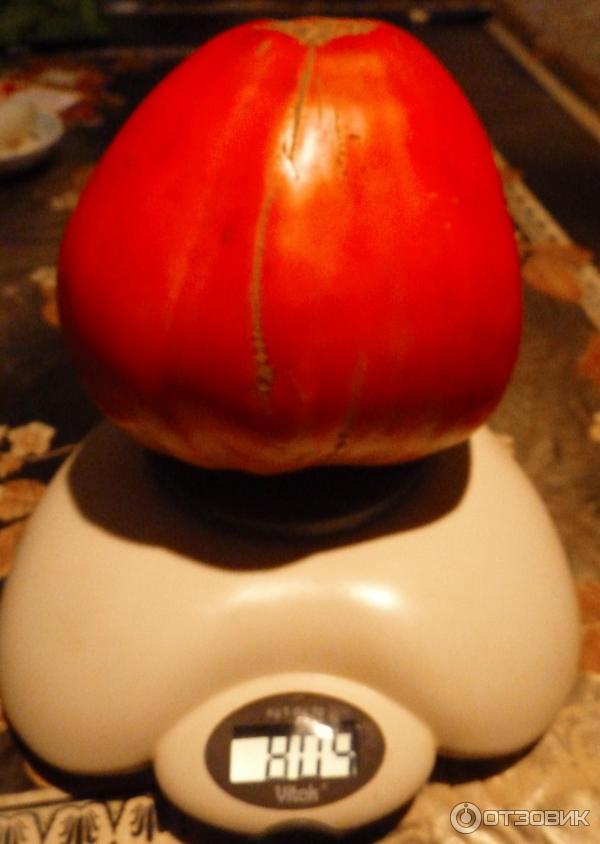
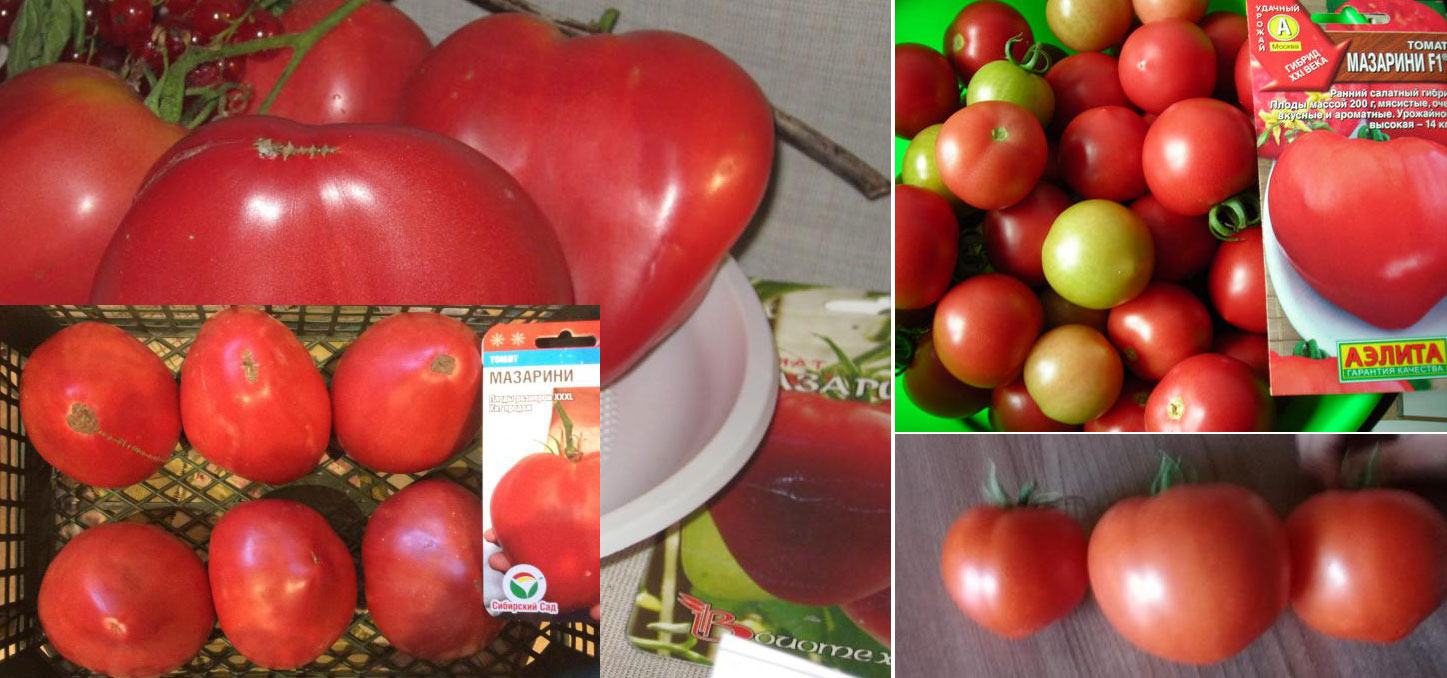
Three tomato varieties bear the name Mazarini. One is a selection by the Aelita agricultural firm, while the other two are from Biotekhnika and Sibirsky Sad. They differ in both their characteristics and growing techniques. Let's take a closer look at each variety.
Content
- 1 Characteristics of the Mazarini tomato variety in a table from various breeding companies
- 2 Photo gallery of tomato variety Mazarin from the agricultural company Aelita
- 3 Photo gallery of the Mazarini tomato variety from Biotekhnika
- 4 Photo gallery of the Mazarini tomato variety from Siberian Garden
- 5 The history of the Mazarini tomato variety
- 6 Detailed descriptions of the Mazarini tomato variety from various agricultural companies
- 7 Features of sowing and planting tomatoes of the Mazarini variety
- 8 Care tips for Mazarini tomato varieties from different companies
- 9 Diseases and pests of the Mazarini tomato variety, prevention
- 10 Harvesting, storage and harvesting features of each Mazarini tomato variety
- 11 Comparison of Mazarini tomato varieties from different agricultural companies and with other varieties in the table
- 12 Real reviews from gardeners about the Mazarini tomato variety from various agricultural companies
Characteristics of the Mazarini tomato variety in a table from various breeding companies
| Characteristic | Description | ||
| Breeding company | Aelita | Biotechnics | Siberian Garden |
| Description | Determinate early-ripening variety for open and closed ground. | Indeterminate mid-season variety for open ground and greenhouses. | |
| Ripening period | 95-105 | 110-115 days. | |
| Description of the fruit | Rounded with a spout, smooth, dense, red. Excellent taste. | Heart-shaped, with slight ribbing at the stem, bright crimson, few seeds, sweet. Tasty, aromatic. | |
| Fruit weight | 150-190 g | 300-600 g. Up to 800 g. | |
| Productivity | 13.5-14 kg/1 sq. m. | 7-9 kg/1 sq. m. | 8 kg/1 sq. m. |
| Usage | Salads, whole fruit preserves. | Salads, processing into tomato products. | Universal. |
| Preferred growing regions | Northern; Northwestern; Central; Volga-Vyatka; Central Black Earth; North Caucasian; Middle Volga region; Lower Volga region; Ural; Western Siberia; Eastern Siberia; Far East. |
Central; Southern. |
Northern; Northwestern; Central; Volga-Vyatka; Central Black Earth; North Caucasian; Middle Volga region; Lower Volga region; Ural; Western Siberia; Eastern Siberia; Far East. |
| Marketability, shelf life | Good | Good, average | |
| Disease resistance | Resistant to tobacco mosaic and black spot. Susceptible to late blight, early blight, anthracnose, cotton bollworm, aphids, cicadas, and the Colorado potato beetle. | Susceptible to late blight, alternaria, anthracnose, cotton bollworm, aphids, cicadas, and the Colorado potato beetle. | |
| Agricultural technology | Garter and support. Preventive measures. | Staking and shaping are necessary. Disease and insect prevention are also necessary. | |
| 2013 | Not included. | ||
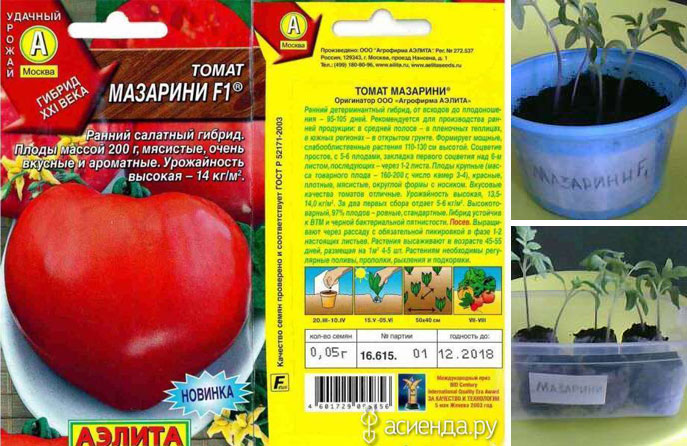
Photo gallery of tomato variety Mazarin from the agricultural company Aelita
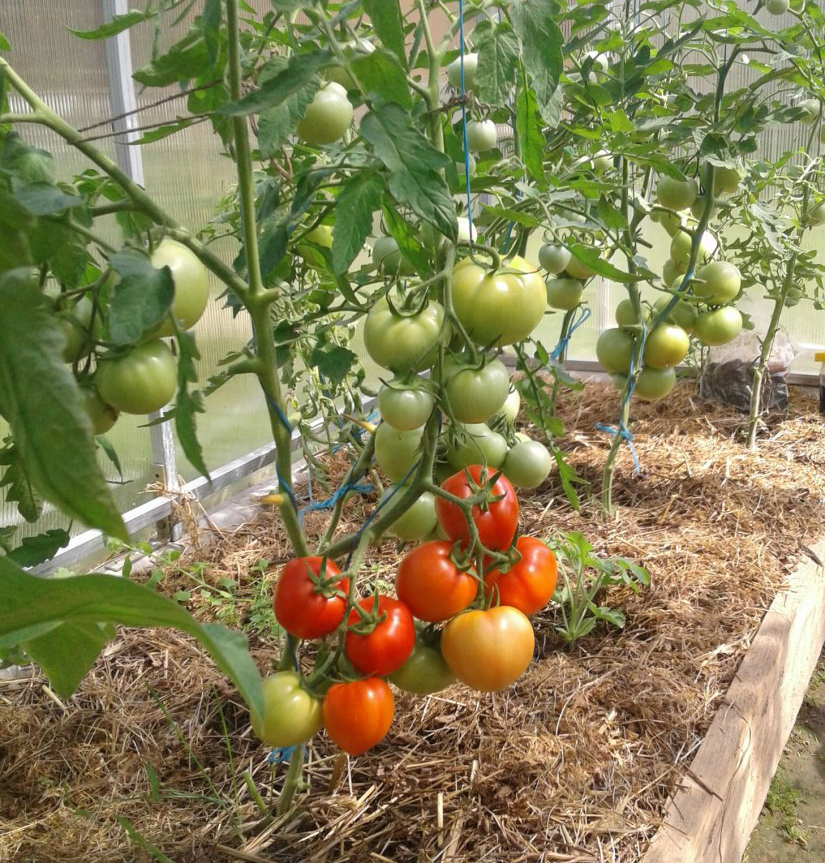
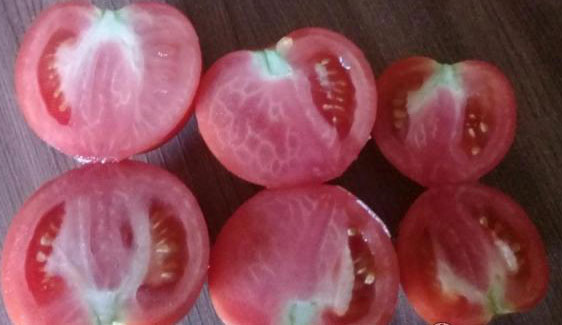
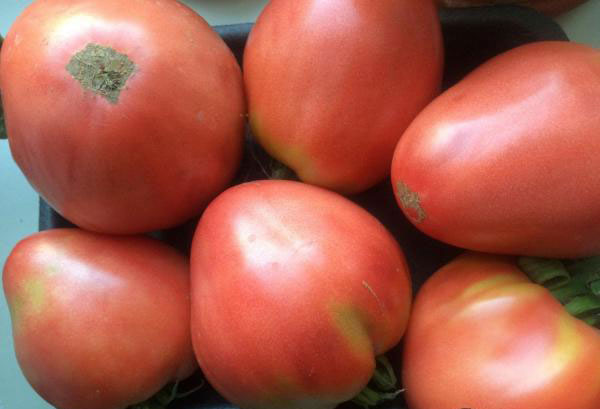
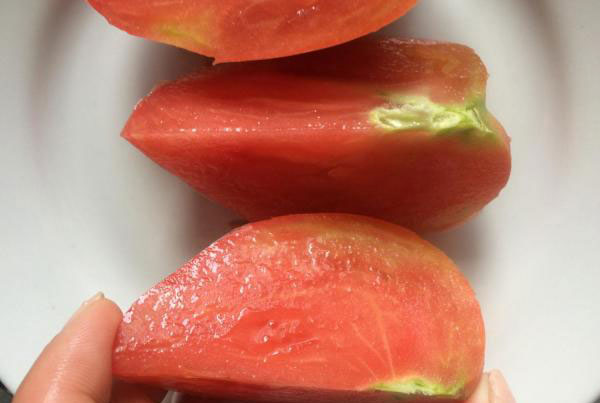
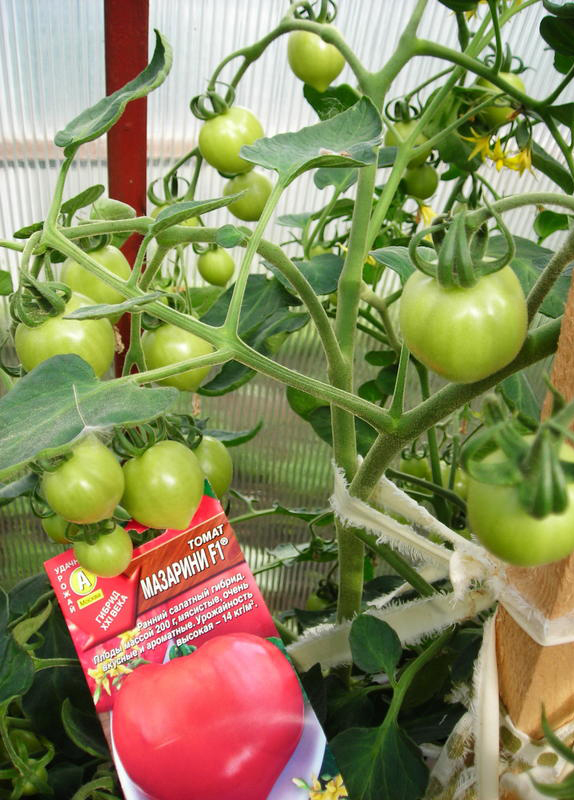
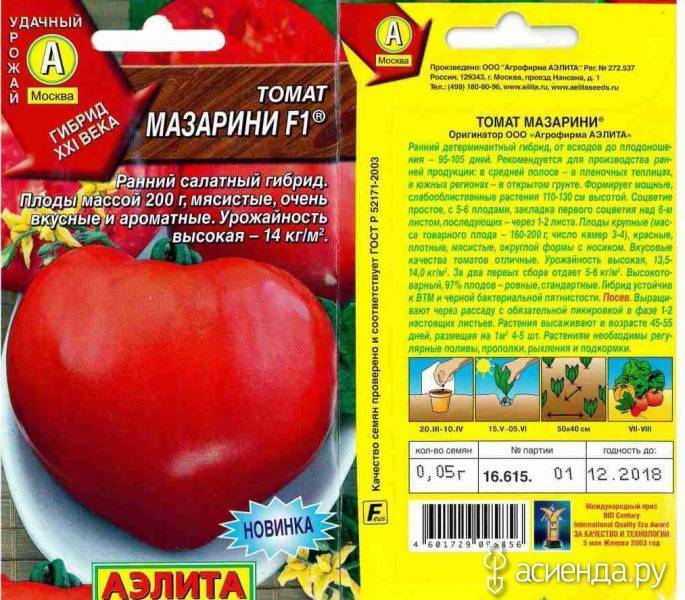
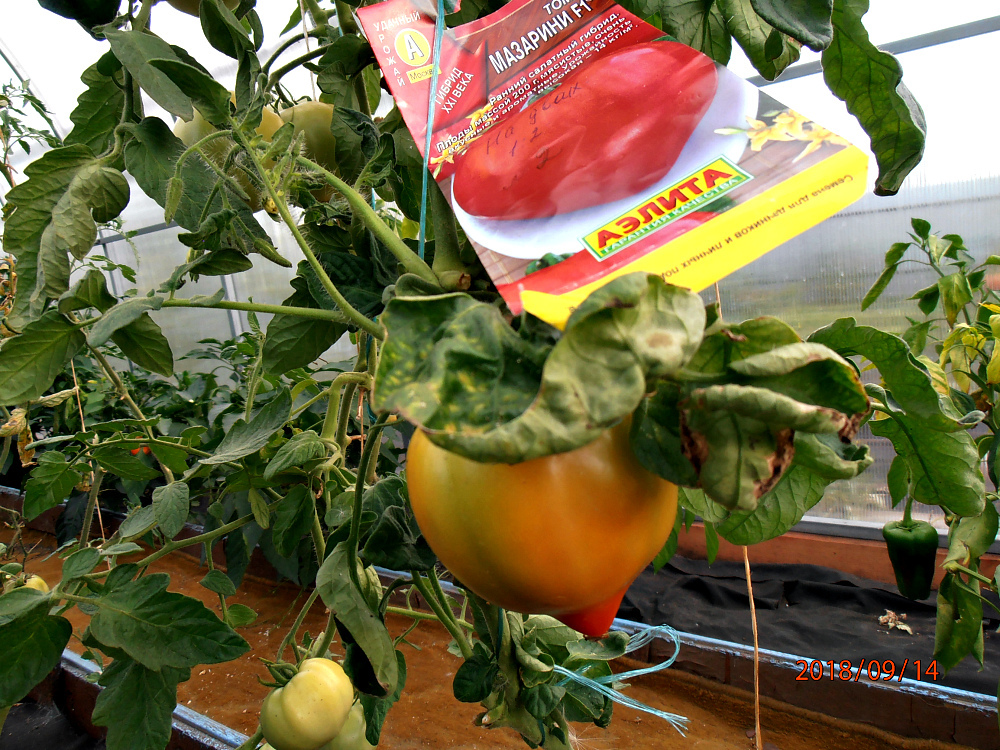
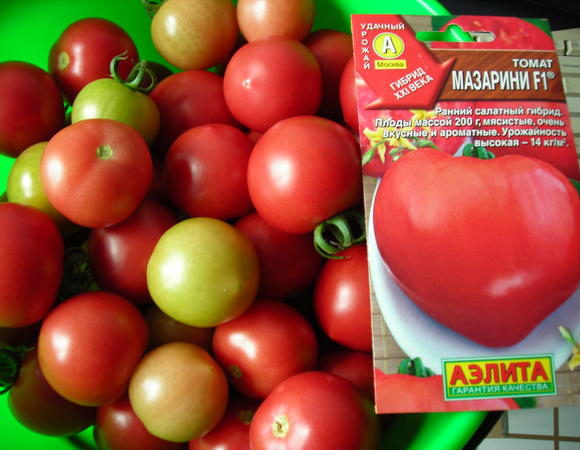
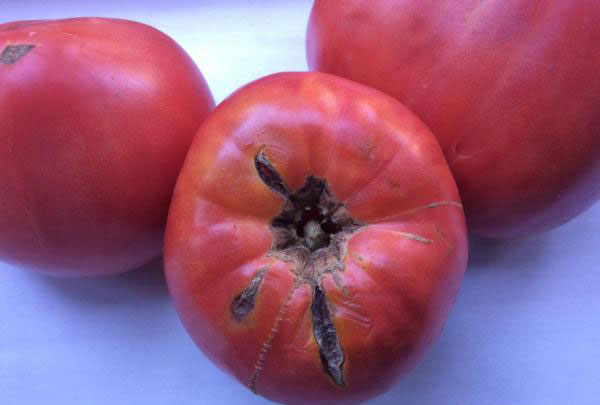
Photo gallery of the Mazarini tomato variety from Biotekhnika
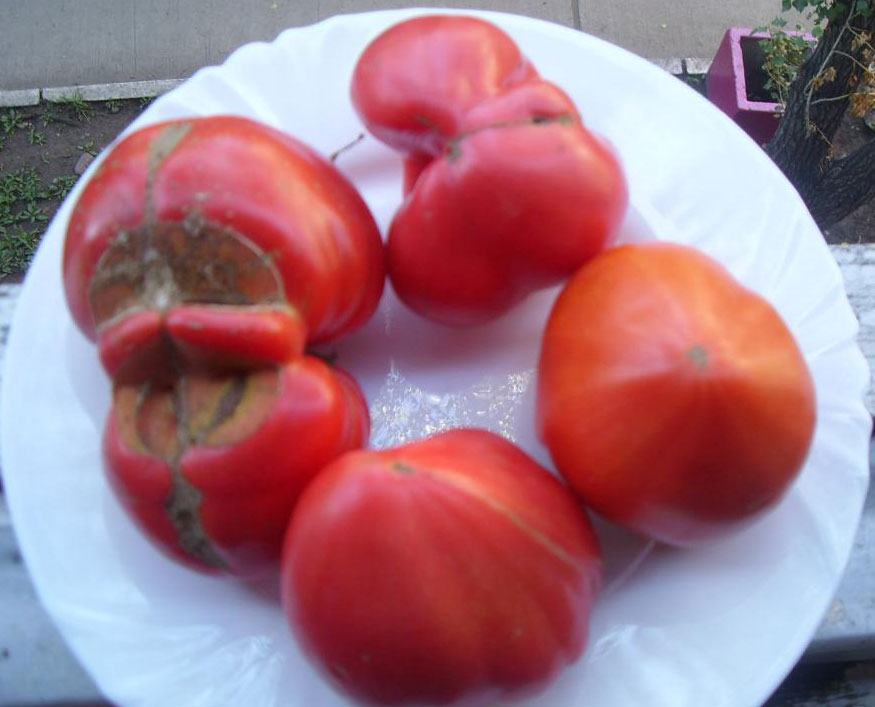
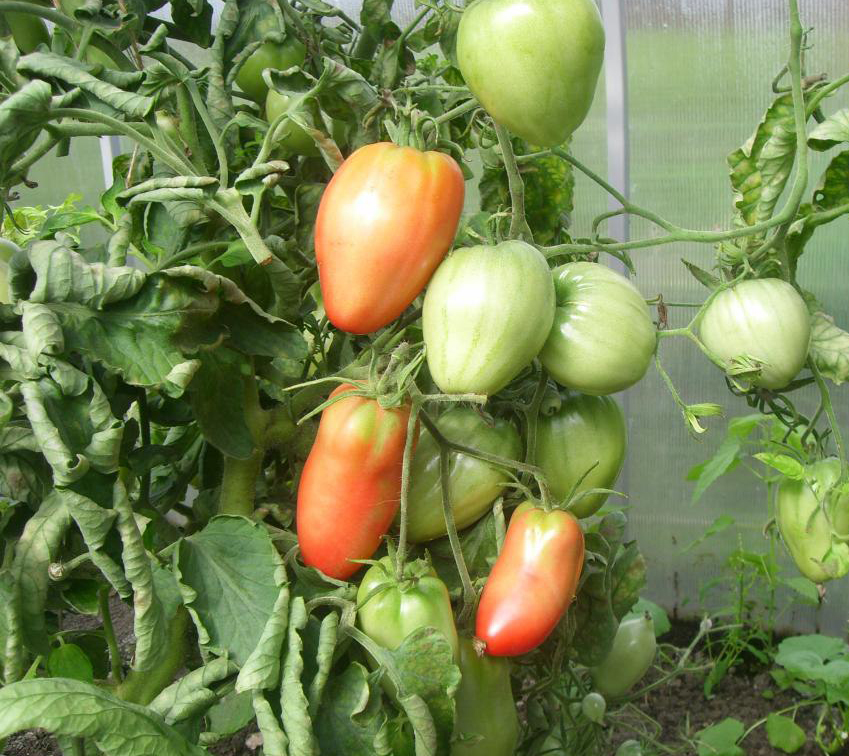
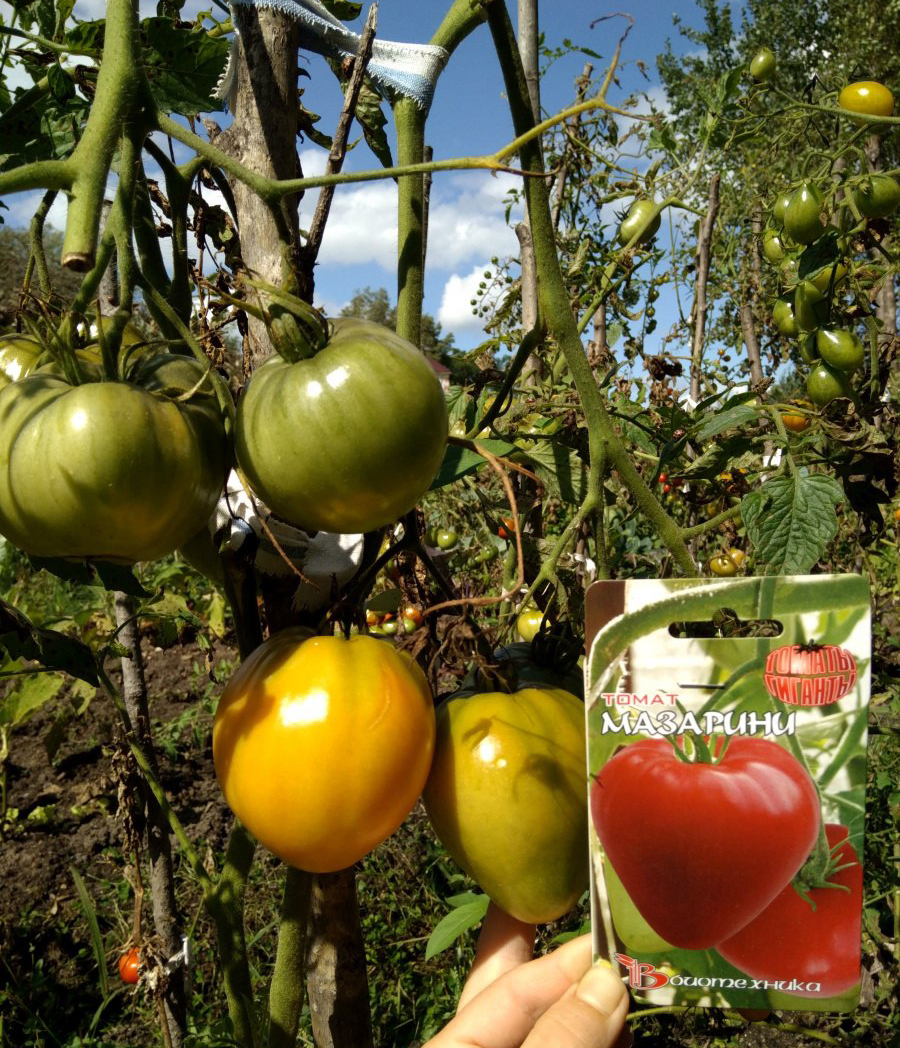
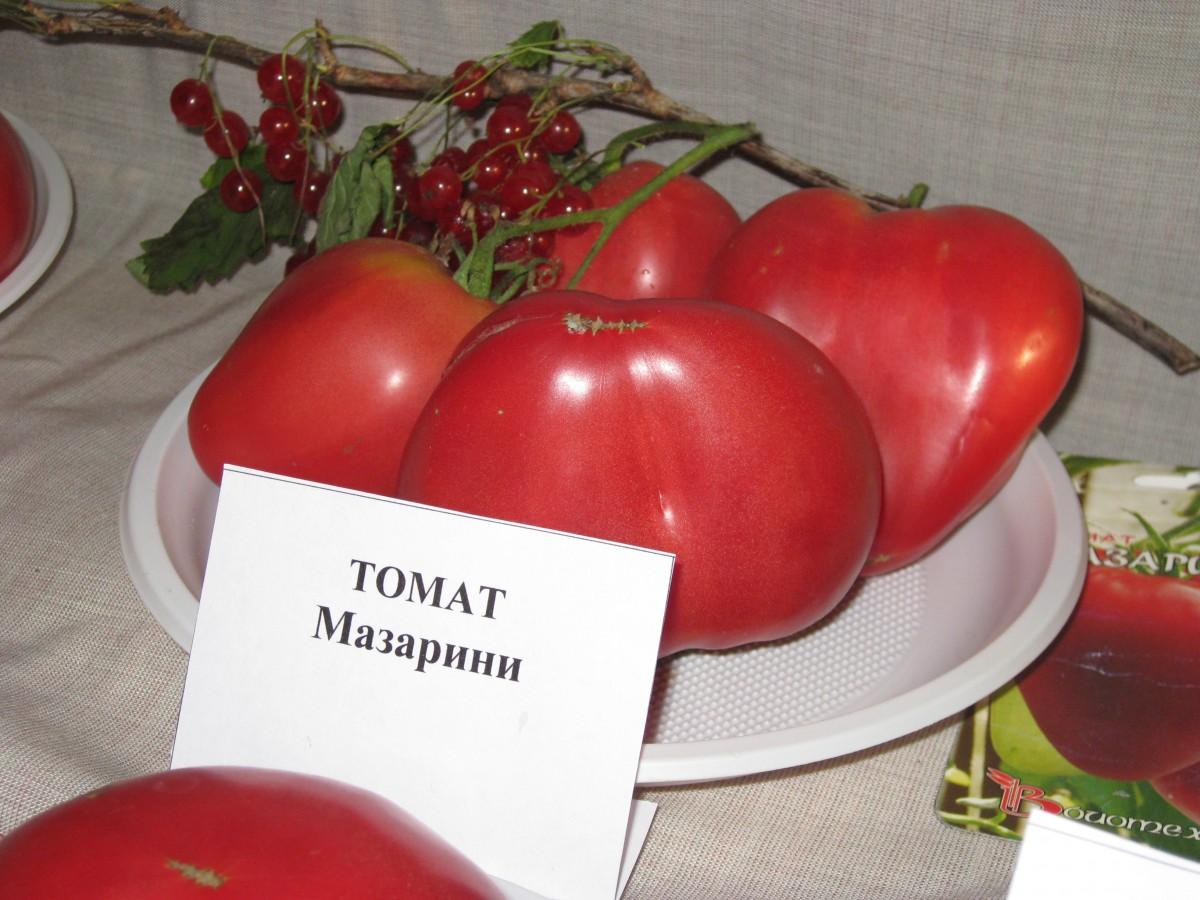
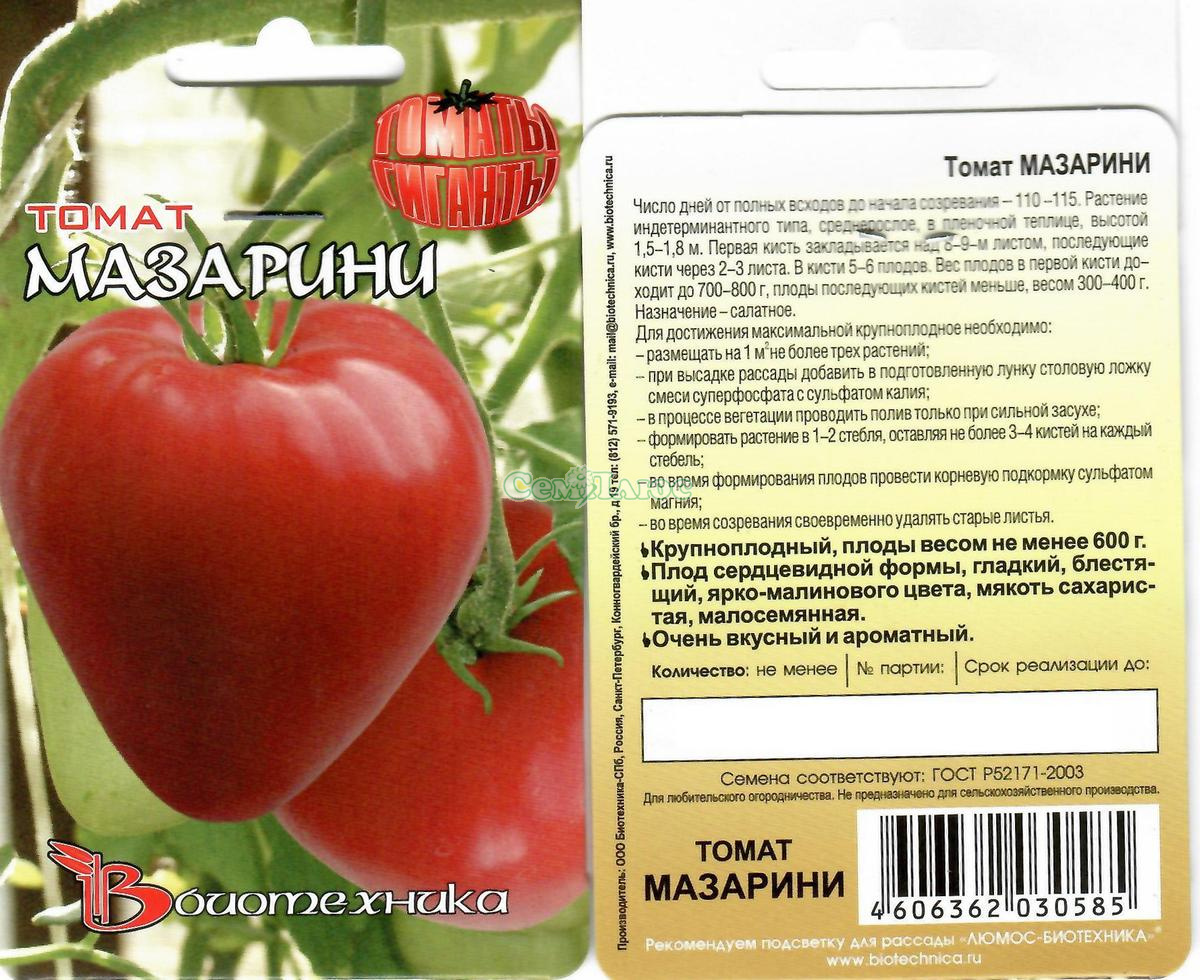
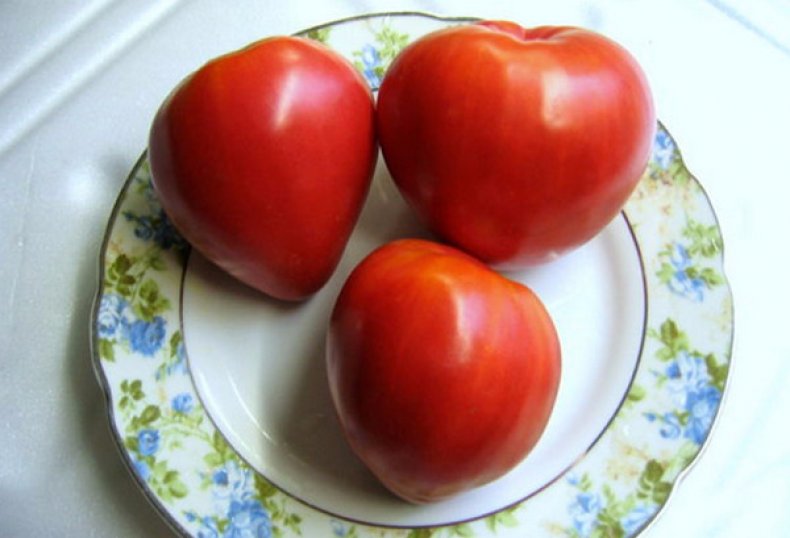
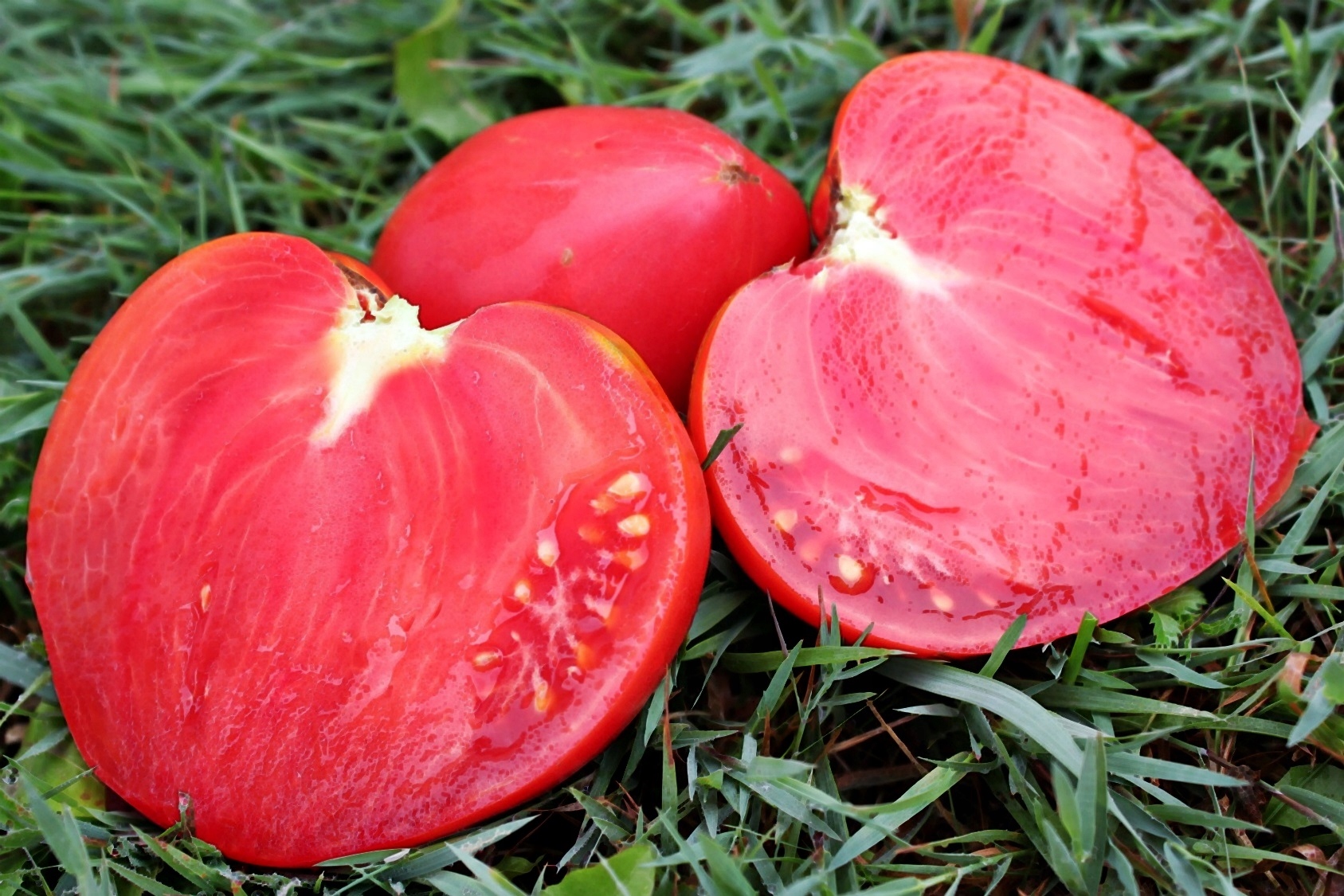
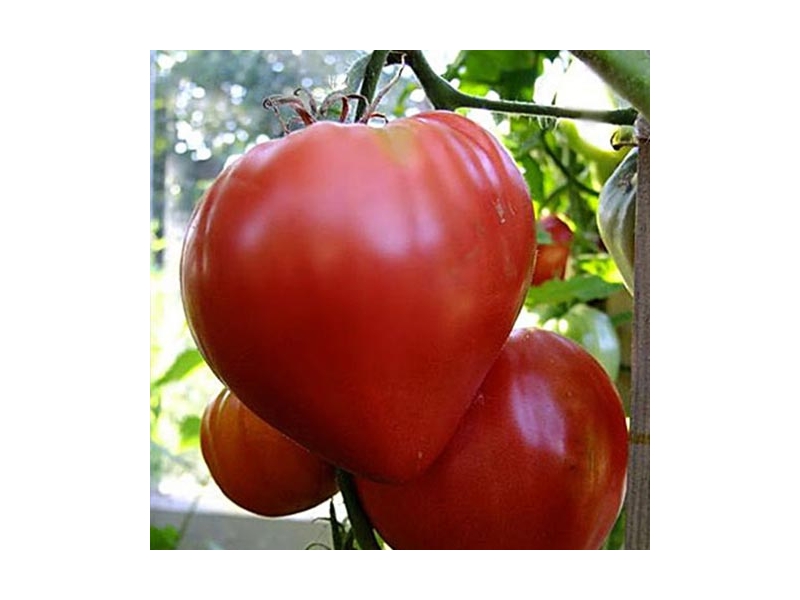
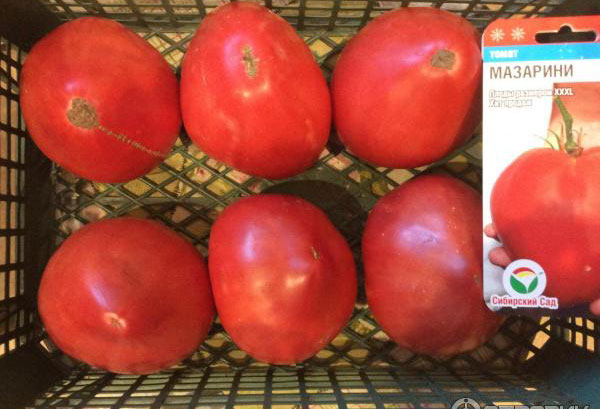
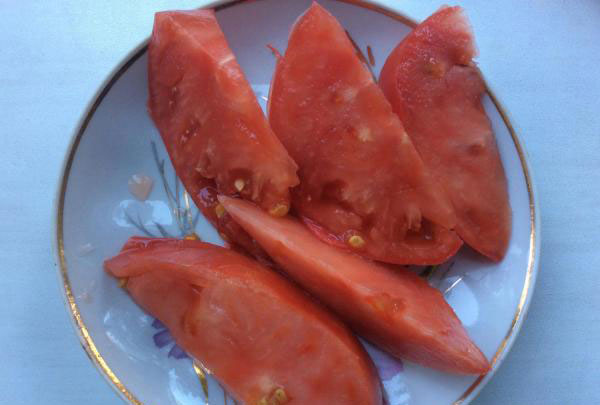
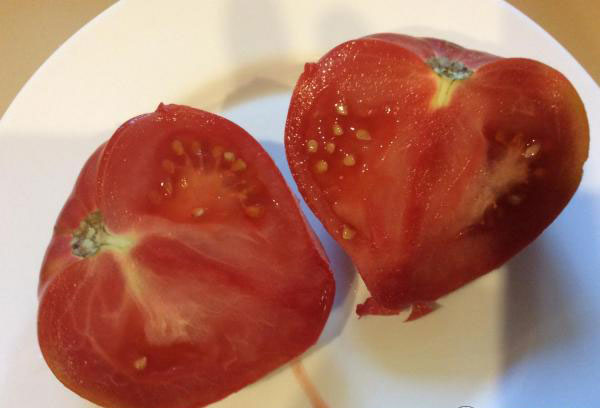
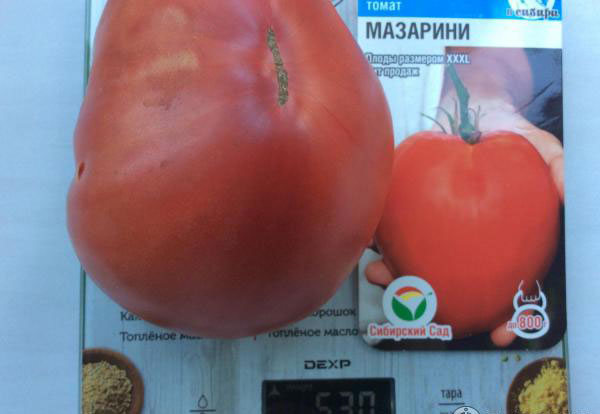
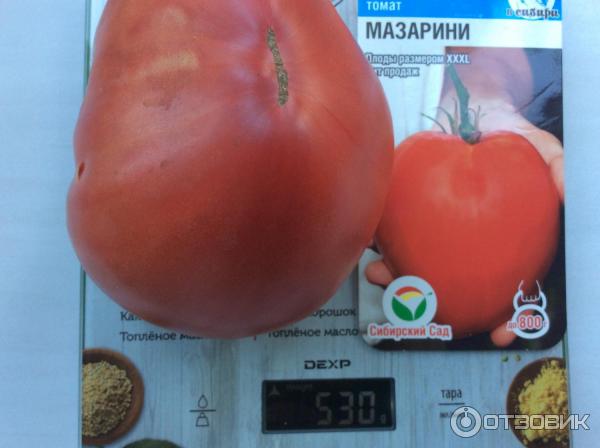
Photo gallery of the Mazarini tomato variety from Siberian Garden
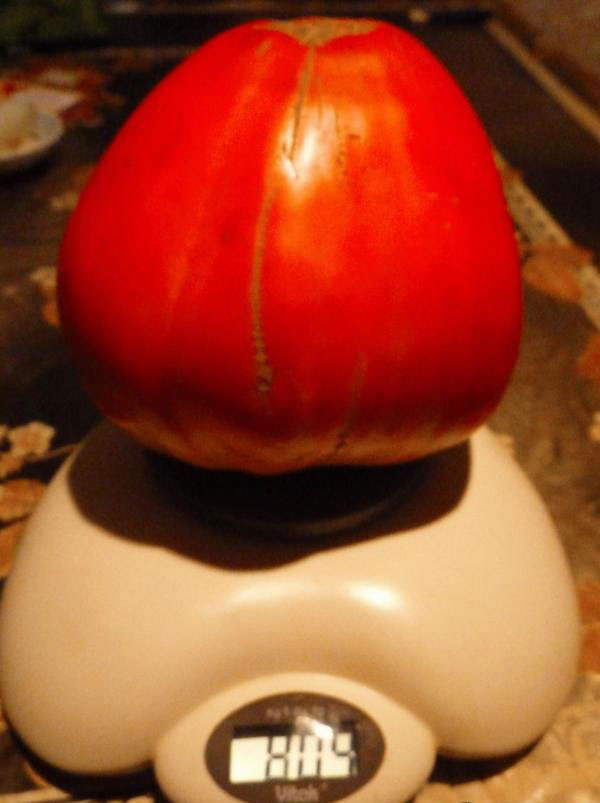
The history of the Mazarini tomato variety
In 2008, the breeding company Biotekhnika created a giant tomato variety, named Mazarini. It was nicknamed the second Bull's Heart. However, the breeders did not apply for its inclusion in the register, so it is not listed.
In 2012, the breeding company "Aelita" developed a determinate tomato variety with the same name. It was included in the register in 2013.
Later, another variety with the same name appeared from the agricultural firm Siberian Garden.
Detailed descriptions of the Mazarini tomato variety from various agricultural companies
Varieties from Aelita, Biotekhnika, and Siberian Garden differ from each other. Let's look at the descriptions of each.
Characteristics of bushes
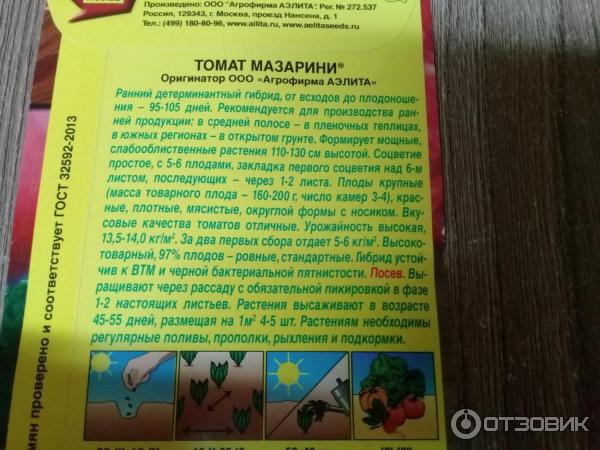
The Mazarini tomato from Aelita produces determinate, low-growing bushes that don't exceed 130 cm in height. The first inflorescence appears after 6 leaves, followed by 1-2 leaves. A single cluster produces 5-6 fruits.
This variety from Biotekhnika produces tall, indeterminate bushes that can reach 3 m. The first inflorescence appears after 8-9 leaves.
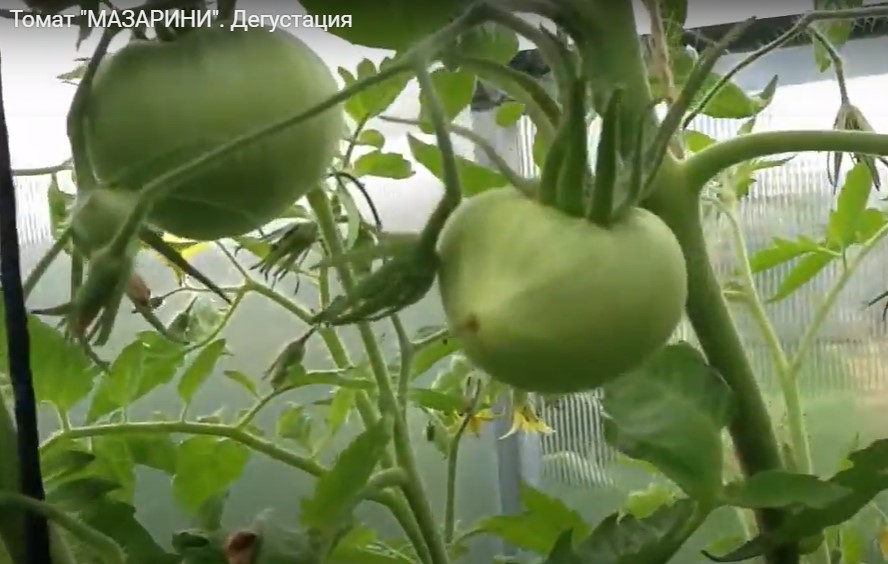
This variety from the Siberian Garden agrofirm is indeterminate, reaching 1.5-1.8 m in height. A cluster produces 5-6 fruits.
Fruit characteristics
Aelita tomatoes are scarlet. They have an oblong shape with a pointed end. They contain four seed chambers. The skin is thick, and the flesh is meaty. They are suitable for canning, as they are not too large (150-190 g).
Biotekhnika tomatoes are bright crimson in color. They are heart-shaped with a pointed tip. The seed chambers are small. The first ovary can weigh up to 750 g, while subsequent fruits are smaller—310-400 g. They are suitable for salads, lecho, juice, and canning.
Sib. Sad tomatoes are also heart-shaped, bright crimson, and fleshy, with similar weight characteristics. However, unlike Biotekhnika's Mazarini, they have a denser skin and are resistant to cracking, making them suitable for all-purpose use.
Productivity and ripening time
Both varieties ripen at roughly the same time (3-3.5 months). The first fruits can be harvested as early as early July. The last set of ovaries (with proper side-sonning) will produce a harvest as early as September.
The yield of Mazarini 'Aelita' is 13.5-14 kg per 1 sq. m. The yield of 'Biotekhnika' tomatoes is lower - 7-9 kg per 1 sq. m, the same as at Sib.Sad.
Pros and cons of Mazarini tomatoes
All Mazarini tomato varieties have similar advantages:
- good shelf life;
- resistance to temperature fluctuations;
- resistance to many nightshade diseases, including the Aelita variety to tobacco mosaic and black spot;
- long fruiting period (until frost).
Mazarini "Biotechnics" and Sib. Garden have one drawback: they require shaping and tying, which takes up gardeners' time.
Features of sowing and planting tomatoes of the Mazarini variety
We will examine in detail the specifics of sowing, planting in greenhouses and garden beds, and caring for each variety.
Sowing seeds and growing seedlings
Sowing of seeds for seedlings begins on February 20 (Biotekhnika) and on March 15 (Aelita).
Step by step actions:
- Prepare a light, nutritious soil mixture with low acidity. You can make it yourself from garden soil and compost, mixed in a 3:1 ratio.
- Sow seeds superficially. Cover with soil to a depth of 1-1.5 cm. Manufacturers recommend feeding seedlings with complex fertilizers (Fertika Lux) or potassium-rich compounds during sowing and subsequent transplanting.
- Cover the seedlings with plastic wrap. Place them at a temperature of 23 to 25°C. In cloudy weather, artificial lighting will be required.
- Water using a spray bottle once every 3 days.
- At the two-leaf stage, transplant the seedlings directly into larger containers, as they grow very quickly. Don't forget to fertilize them. Mazarini 'Aelita' may require multiple transplants.
A few days before planting, it's recommended to begin hardening off the seedlings. Place them outside for half an hour at first, gradually increasing the time.
Planting seedlings in the ground
Planting scheme for open and closed ground:
- Prepare the beds for planting in the fall. Loosen the soil well and dig holes.
- Add 1 tablespoon of calcium sulfate and superphosphate to each hole.
- Plant the seedlings and water them generously.
Please note! It is recommended to plant no more than 4-5 bushes (Aelita) and 3 (Biotekhnika and Sibirsky Sad) per square meter.
Care tips for Mazarini tomato varieties from different companies
Caring for the Mazarini 'Biotechnica' and Sib Sada varieties will be somewhat more difficult, as they require shaping:
- In regions with a temperate climate, do this in 2 stems.
- In the north, carry out formation into 1 stem.
- Leave 3-4 clusters on the trunk. After the last one has formed, remove 1-2 leaves from the top and pinch off the top. This will stop the bush from growing, resulting in faster and juicier fruit.
The 'Biotekhnika' variety has a powerful and deep root system. Therefore, it only needs watering during severe drought. Otherwise, there's a risk of root rot from excess moisture.
This variety from Sib. Sad requires regular watering and fertilizing to maximize yield.
The determinate variety from Aelita is much easier to care for. It should be watered when the top 1 cm of soil dries out. Afterwards, hill the soil to retain moisture longer. This variety doesn't have a deep root system, so it requires regular watering. Fertilize with a complete fertilizer mixture once every 14 days throughout the ripening period.
In indeterminate varieties, remove side shoots up to one cluster. Removing all three or four branches will result in a small harvest. Remove inflorescences in the last month of summer, as flowering may continue until frost, preventing the fruit from ripening.
Diseases and pests of the Mazarini tomato variety, prevention
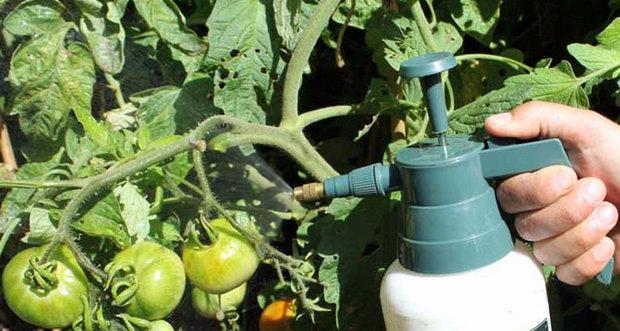
During flowering, cotton bollworms can infest bushes. They lay their eggs in buds or on leaves. The larvae penetrate the ripening fruit and destroy them from the inside. To combat these pests, use MATCH. Spray it on shoots, foliage, and buds. Follow the manufacturer's instructions on the packaging. If there are numerous pests, apply the product once every 14 days.
To prevent aphids and cicadas, you can use a solution of Aktara. It should be applied for the first time a couple of days before planting the seedlings. Use it to prepare the planting site. This will also help protect the crop from Colorado potato beetles and soil pests for 30 days. After this period, apply insecticides.
To prevent late blight, treat the bushes with Quadris. The first application should be after the seedlings have established their roots in their permanent location. 6 ml of solution is required per square meter.
When the bushes begin to form and ripen fruit, apply contact treatments (for example, Bravo at a rate of 3 ml per square meter). This will prevent Alternaria and Anthracnose.
Harvesting, storage and harvesting features of each Mazarini tomato variety
All fruits of the Mazarini variety from different companies ripen well when picked green.
The application is different:
- Mazarini "Aelita" is intended for fresh consumption, whole-fruit canning, and salads.
- The Biotekhnika variety is used for making juice and lecho, and is also suitable for salads.
- Tomatoes from Sib.Sada are more versatile and can be used whole for canning, making delicious tomato juice, and even fresh.
Comparison of Mazarini tomato varieties from different agricultural companies and with other varieties in the table
Please note! How can you easily convert centners/ha to kg/sq.m? Simply divide by 100! For example, the Abakansky Pink tomato yields 400 centners of marketable fruit per hectare. This equals 4 kg per square meter. It's that simple! Also, keep in mind that typically no more than 3-4 plants are planted per square meter. This way, you can calculate the yield per bush. In the case of the Abakansky Pink, it's about 1 kg.
| Variety | Ripening period (number of days from full germination to ripening)
Yield of commercial fruits |
Brief description | Fetus |
| Mazarin Aelita |
95-105 days depending on the region
1350-1400 c/ha (greenhouse and under film) |
An early-ripening determinate variety for open ground and greenhouses. Suitable for salads and whole-fruit canning. | Round with a spout, smooth, dense, red, 150-190 g. Excellent taste. |
| Mazarin
Biotechnics |
110-115 days depending on the region
780-790 c/ha (greenhouse and under film) |
A mid-season indeterminate variety for open ground and greenhouses. Requires staking and training. Drought-resistant. Suitable for salads and tomato production. | Heart-shaped, with slight ribbing at the stem, bright crimson, few seeds, and sweet. Tasty and aromatic. 300-400 g, up to 800 g. |
| Mazarin Siberian Garden |
110-115 days depending on the region
800 c/ha (greenhouse and under film) |
A mid-season indeterminate variety for open ground and greenhouses. Requires staking and shaping. Versatile. | Heart-shaped, with slight ribbing at the stem, bright crimson, few seeds, and sweet. Tasty and aromatic. 300-400 g, up to 800 g. |
| Ox heart | 105-120 days
630-690 c/ha |
A late-ripening indeterminate variety for open ground and greenhouses. Requires staking and shaping. Suitable for salads. Grows best in southern Russia. | Heart-shaped, medium-ribbed, pink-raspberry, 150-300 g. Good taste. |
| Mom's Raspberry Heart | 112-120 days
1200-1500 c/ha |
A mid-season indeterminate variety for greenhouses and open ground. Suitable for salads and canning. | Heart-shaped, ribbed, pink, 300-600 g (up to 1200 g). Excellent taste. |
| Amur tiger pink | 105-110 days 900 c/ha |
An early-ripening indeterminate variety for open ground and greenhouses. Suitable for salads. | Flat-round, large, slightly ribbed, medium-density. Unripe fruit is dark green with a dark spot and stripes; ripe fruit is pink with green stripes. Weight: 250-350 g. Good flavor. |
| Crimson Dawn | 110-115 days
790 c/ha |
A mid-season indeterminate variety for open ground and greenhouses. Requires staking and shaping. Suitable for salads. | Heart-shaped, loose, ribbed, raspberry, 350-400 g. Good taste. |
| Heart of Siberia | 92-110 days
The yield of commercial fruits is 7.9 kg/sq.m. |
An indeterminate, early-ripening, tall tomato variety intended for planting in open ground or greenhouses. | Large, heart-shaped, slightly ribbed, pink tomatoes weighing 300-400 g. An excellent salad variety, ideal for making juices, sauces, ketchup, and other preserves. |
| Pink heart | 110-120 days
610 c/ha |
A mid-season indeterminate variety for open ground and greenhouses. Requires staking and shaping. Suitable for salads. Produces good fruit. | Heart-shaped, slightly ribbed, medium density, resistant to cracking, pink, 200-230 g. Excellent taste. |
| The Beauty of Siberia | 95-110 days
580 c/ha |
A mid-season indeterminate variety for open ground and polycarbonate greenhouses. | Heart-shaped, medium-ribbed, pink, 300-400 g, salad-colored. Excellent flavor. |
| Dad | 90-105 days
200 c/ha |
An early-ripening indeterminate variety for open ground and greenhouses. Requires staking and shaping. Suitable for salads. | Heart-shaped, slightly ribbed, medium density, fleshy, raspberry, 200 g. Good taste. |
| Bull's heart (red) | 120-125 days
300-400 c/ha Important! There are other colors besides red, see the article (hover over the variety name to jump). |
A late-to-mid-late determinate variety for open ground and greenhouses. Requires staking and shaping. Suitable for salads. | Heart-shaped, smooth, fleshy, red, 108-225 g. Excellent taste. |
| nobleman | 103-117 days
107-587 c/ha, maximum 780 c/ha (Omsk region) |
A mid-season determinate variety for open ground. Suitable for salads. 95% marketability. | Heart-shaped, medium-ribbed, raspberry, 131-250 g. Good to excellent taste. |
| Chinese pink | about 110 days
up to 1500 c/ha (open ground), up to 2000 c/ha (greenhouse) |
A mid-early semi-determinate variety for open ground and greenhouses. Requires staking and training. Suitable for salads and processing into tomato products. | Heart-shaped, fleshy, sweet, pink, 300-350 g. Excellent taste. |
| Abakan pink | 120 days or more
400 c/ha |
A late-ripening determinate variety for open ground and greenhouses. Requires staking and training. Suitable for salads and processing into tomato products. | Flat-round, slightly ribbed, medium density and pink in color, 200-500 g. Good taste. |
| King of Siberia | 110-120 days
900-1115 c/ha |
A mid-season indeterminate variety for greenhouses. Requires shaping and support. Suitable for salads and canning. | Heart-shaped, slightly ribbed, orange, 400-800 g. Good to excellent taste. |
| Mikado Sibiriko | 90-95 days
800 c/ha |
An early indeterminate variety from Siberian breeders. For salads, juice, and pasta. | Heart-shaped, ribbed, pinkish, 400-600 g. Excellent taste. |
| Minusinsk balls | 110-122 days
Up to 1500 c/ha subject to agricultural practices |
A mid-season indeterminate variety for greenhouses. Requires staking and training into single or double stems. Suitable for salads and processing into tomato products. | Round-heart-shaped, ribbed, pinkish-red, 150-250 g. Excellent taste. |
| Minusinsk home | 110-120 days
Up to 1500 c/ha |
An early-ripening indeterminate variety for greenhouses. Requires staking and shaping into 1-2 stems. Suitable for processing into tomato products and canning. | Heart-shaped, slightly ribbed, raspberry, 350-500 g. Excellent taste. |
| Eagle's beak | 105-115 days
1050-1440 c/ha |
A mid-season indeterminate variety for open ground. Requires staking and training. Suitable for salads. The yield of ripe, marketable fruit is 75%. | Heart-shaped, slightly ribbed, dense, transports well, pink, 228-360 g (up to 600 g). Good taste. |
Real reviews from gardeners about the Mazarini tomato variety from various agricultural companies
I had an interesting situation with Mazarini: the seeds are produced by different companies and breeders. I planted Biotekhnika (pink, juicy, without yellow shoulders, problem-free). This year (two weeks ago) I was standing in a store and eavesdropping :aga: (A woman walks in and asks for Mazarini. The salesperson hands over a package from Sib Sad. The customer starts yelling (not yelling, screaming!) that it's a fake and not Mazarini at all, that she's wasted a year because of these seeds, etc. The salesperson hands her a Mazarini F1 (I think it's Aelita), and the woman starts yelling again... The young salesperson is almost in tears, so I approached her and found a picture of Mazarini from Biotekhnika online. I showed it to the woman (she calmed down and said, "THIS IS IT!"). They don't always sell.
This year I bought Mazarini from the Royal Garden. I'll compare it with my Biotekhnika ones. I understand that every grower has this variety. The question is, which one is the original?
Biotekhnika's is similar to Mazarini. Sib Sad's, while larger, has a different shape, a regular round one (someone showed me a photo). I don't even know what Mazarini F1 is. I planted the Biotekhnika variety and will be replanting them this year.
Mazarini variety from Aelita
In their reviews of Mazarini (Aelita), gardeners write that the variety produces very tasty and meaty tomatoes. Among the disadvantages, they point out their large height and the need for shaping.
We planted Mazarini tomatoes for the first time this year. And now, at the end of July, we've started harvesting.
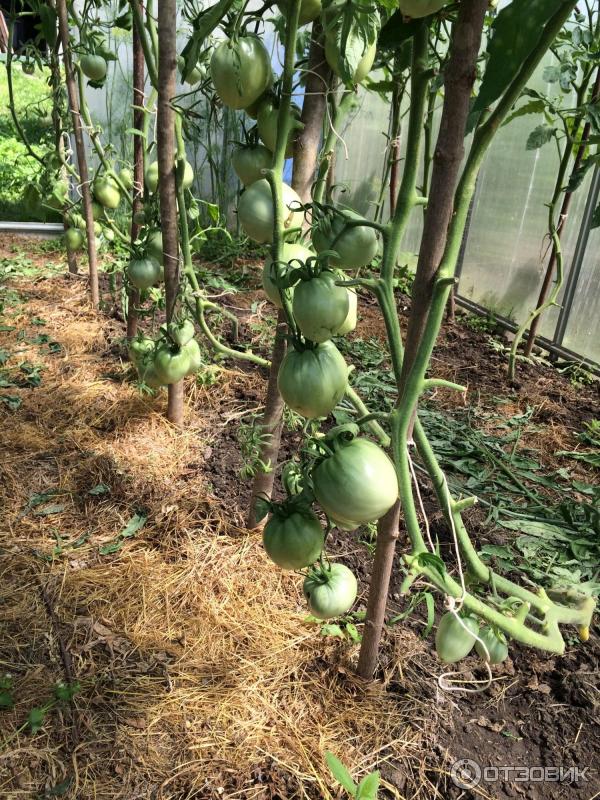
The tomatoes were grown in a greenhouse. The bush turned out quite tall, about 2 meters. The tomatoes are mostly located at the bottom. The fruits are simply huge and there are quite a lot of them! It's even surprising how they stay on the branch.
These are the beauties that have recently matured.
Despite the tomatoes being large, fleshy, and thin-skinned, they store quite well. I had them on my windowsill for a week, though I picked them with their stems still slightly green.
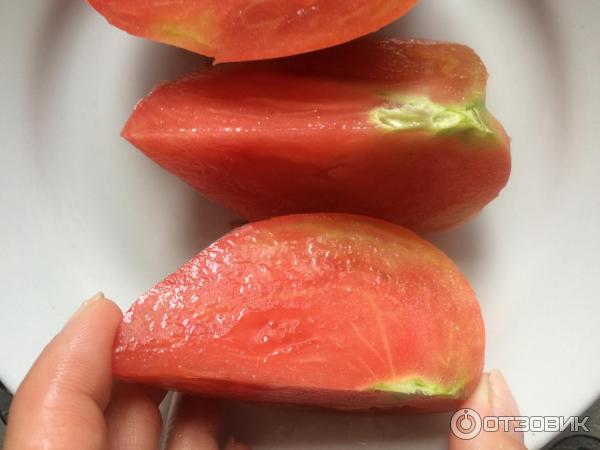
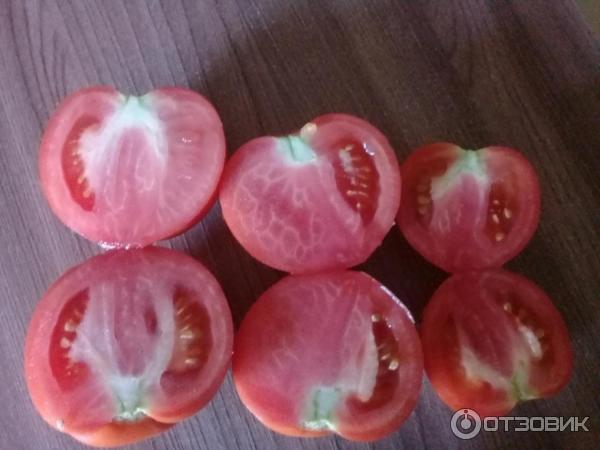
The tomatoes have dense pink flesh inside, with very few seeds and liquid.
They taste wonderful, juicy, and sweet. Similar to the Baku pink tomatoes you buy in stores.
I recommend growing this variety. I haven't had any problems with it, and the harvest is excellent!
Greetings to all readers who have looked at my review.
Despite the fact that this summer hasn't been kind to us with its weather, we still managed to harvest some crops.
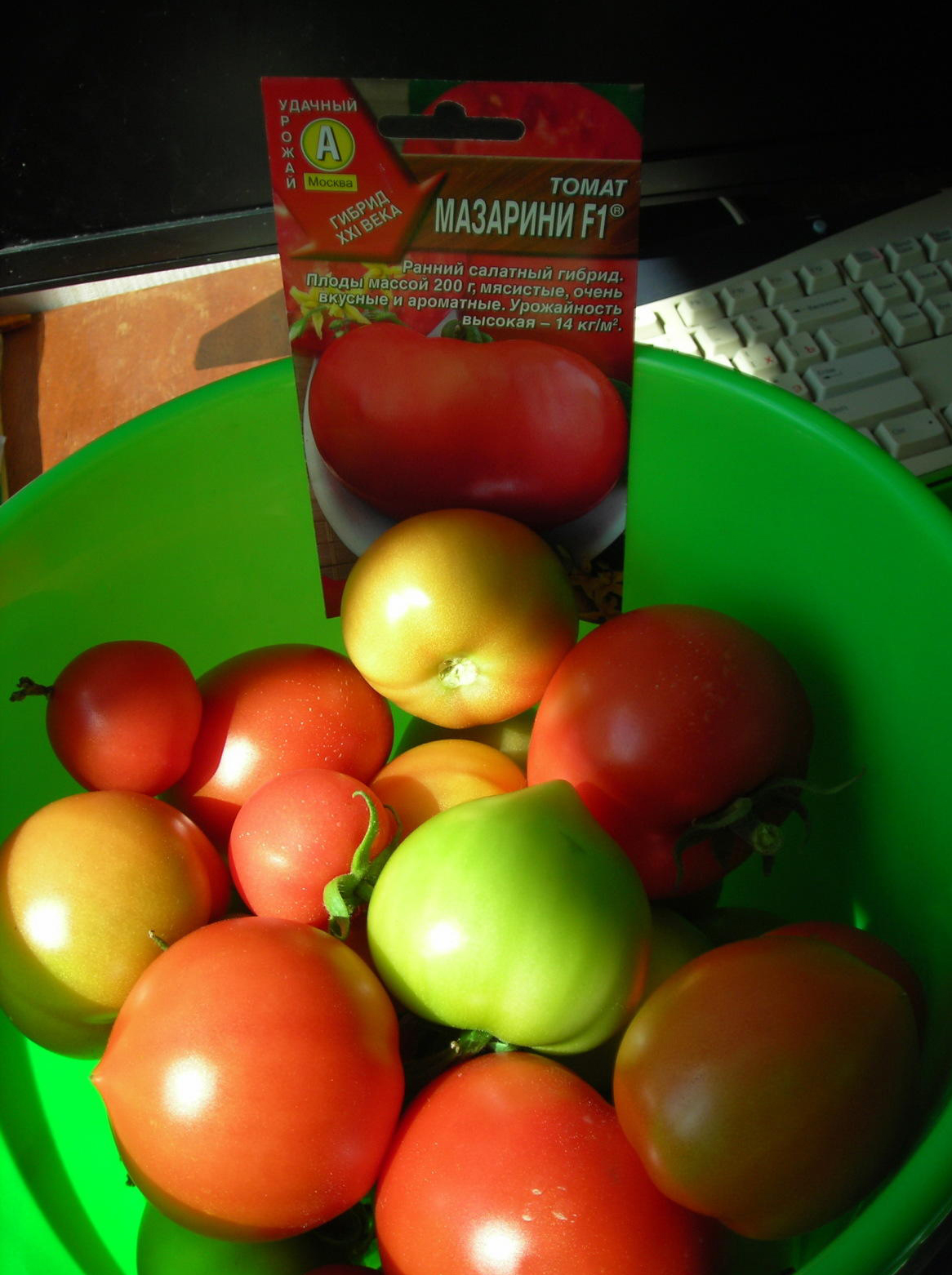
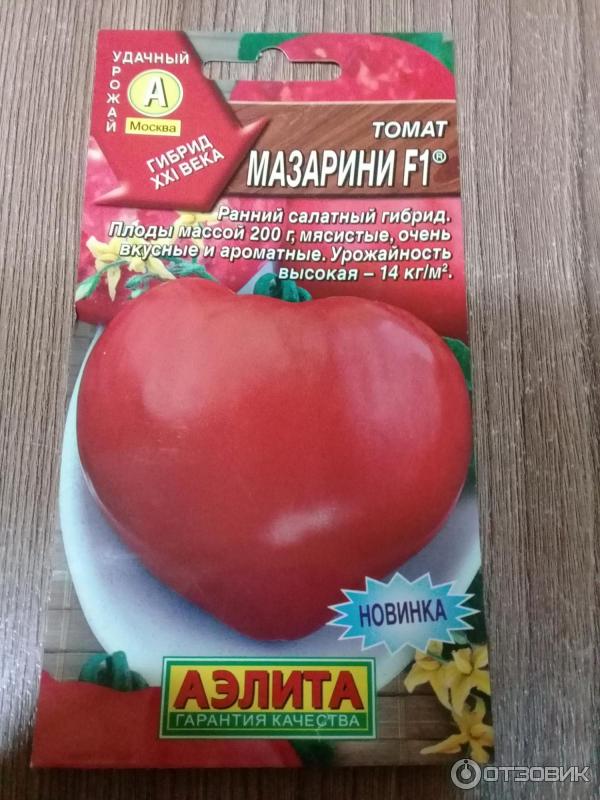
This was my first time purchasing "Mazarini F1" tomato seeds from Aelita this season. The packaging depicts a large, heart-shaped tomato, perfect for salads.
No special care is required, everything is as usual.
There weren't many seeds in the packet. I sowed the seedlings on time. The seeds germinated well. I planted some in a greenhouse, and some in open ground.
The survival rate is quite good, all the seedlings took root and produced flowers and fruits.
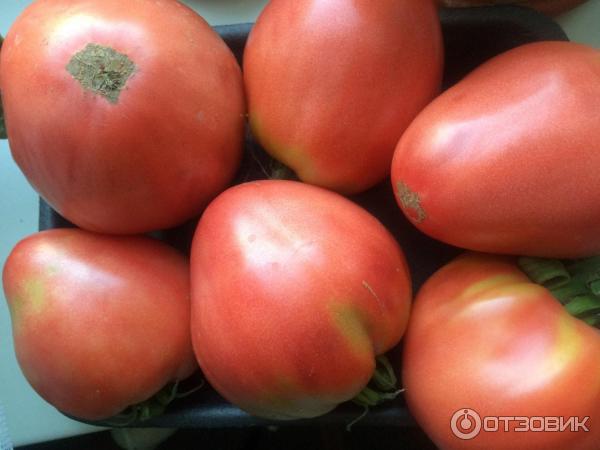
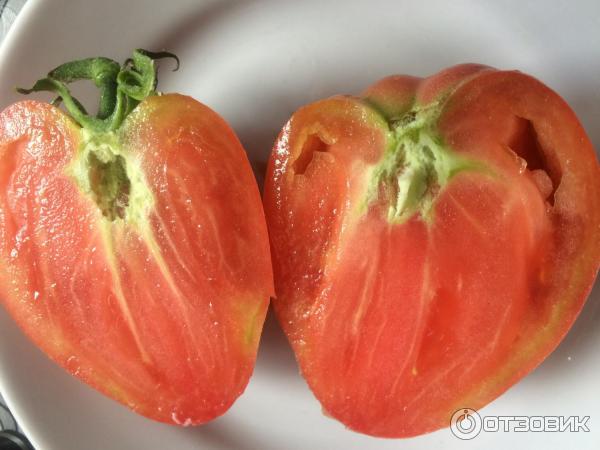
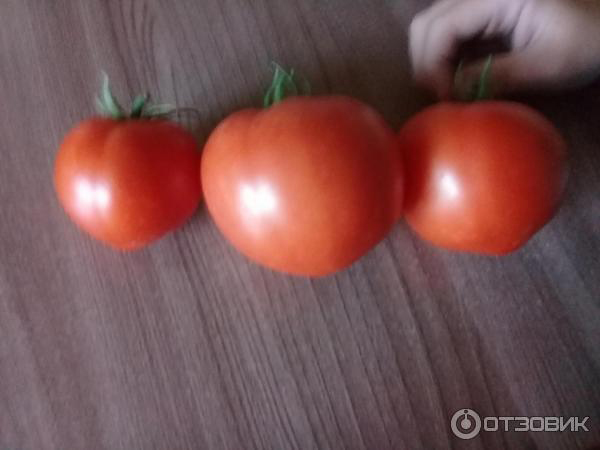
These are such beauties. The heart shape is indeed there.
There are a lot of tough veins inside where the stem attaches. Even in the photo, you can see "white rays" radiating from the stem. This part is cut off to avoid getting into the salad.
The color of the tomatoes is classic red without any additional shades.
There has been a lot of rain this year, but the Mazarini tomatoes have not cracked (this applies to both greenhouse and field tomatoes), although many other varieties are not so resistant.
The taste is pleasant, without any acidity. There are no additional flavors either. The tomato skin is soft. It's perfect for salads.
I don’t like writing reviews without photos, but unfortunately I didn’t take any photos last year.
We grew the Mazarini tomato in our garden for two years, in a greenhouse. The first year's harvest was simply staggering, given our poor soil. The tomatoes (or rather, the tomato-sized ones) were enormous, over 500 grams each. And it wasn't just the first few buds; the subsequent ones were also impressive in size. And their flavor is extraordinary; I've only tasted such a crop in Bulgaria. But I was able to achieve such a harvest thanks to supplemental feeding.I'm not a fan of chemicals, so I try to feed my garden crops only with homemade fertilizers—chicken manure, mullein, and nettle infusion. The second year, I decided to plant the same ingredients myself, but without store-bought fertilizers. There was a harvest, but not a large one. Three to four tomatoes were in the ovary, weighing 300-400 grams each. A single plant could only support three ovaries at a time. So, as soon as the tomatoes started to ripen, I'd pick them from the bush, and immediately notice the new fruits filling out.
I highly recommend this variety; I haven't tasted anything better yet. The seeds aren't cheap, but they're worth it.
I would like to share with you my impressions of purchasing Aelita tomato seeds of the F1 "Mazarini" variety.
This variety is very popular among gardeners these days. I saw it only last year in an online ad and fell in love with these tomatoes at first sight. I didn't care at all what variety it was, how to grow it, or whether it was right for me. Even the price of 80 rubles didn't stop me.
It was only later that I began to figure out what kind of variety it was with such a beautiful name, "Mazarin." I immediately associate it with France and a cardinal's red robe.
As it turned out, the variety is excellent:
— this is a hybrid, its properties and characteristics are significantly better than those of the parent varieties.
- the fruits have a very beautiful shape, they are slightly elongated in the shape of a heart.
— the fruits are quite large, weighing up to 200 grams, fleshy, aromatic.
— It's an early variety. I try to grow only early varieties, since in our region tomatoes don't have time to ripen before the first frost.
— This is a determinate variety, although I certainly wouldn't call it low-growing. The bushes grow to a reasonable height and need to be tied to supports. Bush shaping and side-sonning are also necessary. (I've been trying to avoid this lately and plant low-growing varieties that don't require side-sonning. But for this variety, an exception could be made.)
The fruits aren't red, but rather pink. They ripen well on their own on the windowsill. Since the fruits are gathered in clusters and are quite large, I tried to pick the largest ones as soon as they began to ripen, so that the others could grow larger.
— The variety is resistant to most tomato diseases. Despite a rather cold and wet summer (especially at the beginning), the tomatoes didn't suffer from any diseases. I didn't spray them with anything other than hydrogen peroxide and iodine.
These tomatoes require plastic cover. I set up tall trellises, covered them with plastic, and tied them to the trellises. Of course, this is an additional hassle; the other tomatoes managed without cover even in cold weather.But I want to say that Mazarini tomatoes generally require no more attention than other tomatoes. They're not particularly demanding, in that I didn't prepare any special beds for them before planting, and I applied little fertilizer, just like other tomatoes. I only watered them in the first half of summer, and even then it was mostly rain. As soon as the tomatoes began to fill out and turn red, I stopped watering them altogether, despite temperatures approaching 40 degrees Celsius. I maintained a protective barrier around them and didn't allow anyone to water them. My mother was completely frustrated, wondering how she could possibly not water the tomatoes. But despite the dry soil, the tomatoes turned red and grew like crazy, and the fruits turned out very plump, uncracked, and very aromatic and delicious.
Now about the seeds:
Aelita seeds are very good; I buy them very often. They always produce what they say they will. Last year, I bought a packet of seeds for 80 rubles, which I consider very expensive. This year, I bought them for 18 rubles, exactly the same. There are only 10 seeds in the packet. Last time, all 10 sprouted well, but only six plants remained before planting. I planted all six in soil under plastic. I didn't treat the seeds with anything before planting.
This year I will plant in mid-March, and I will definitely post a photo of how the seeds sprouted.
I recommend purchasing these seeds. This variety is very successful.
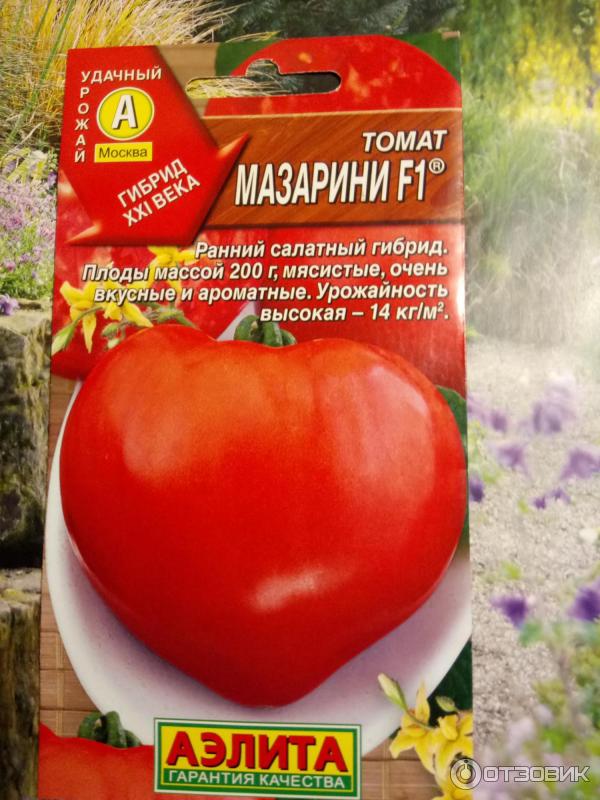
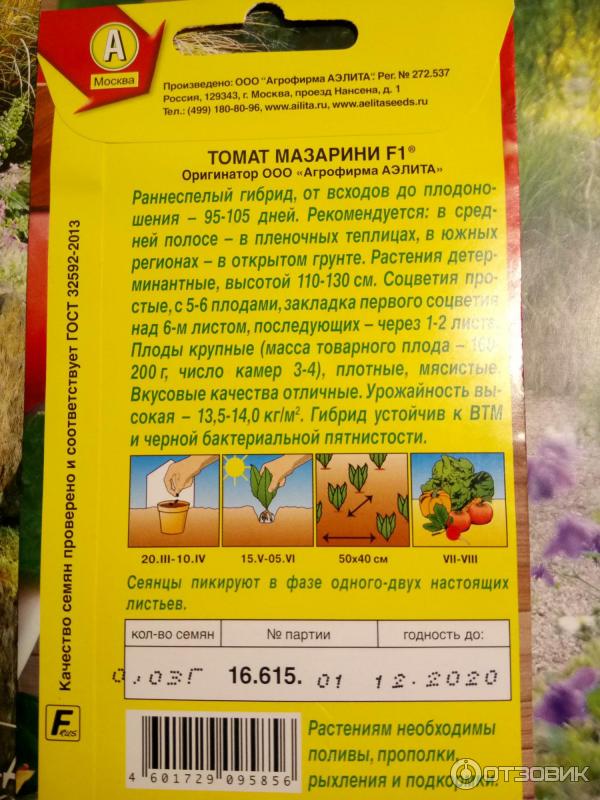
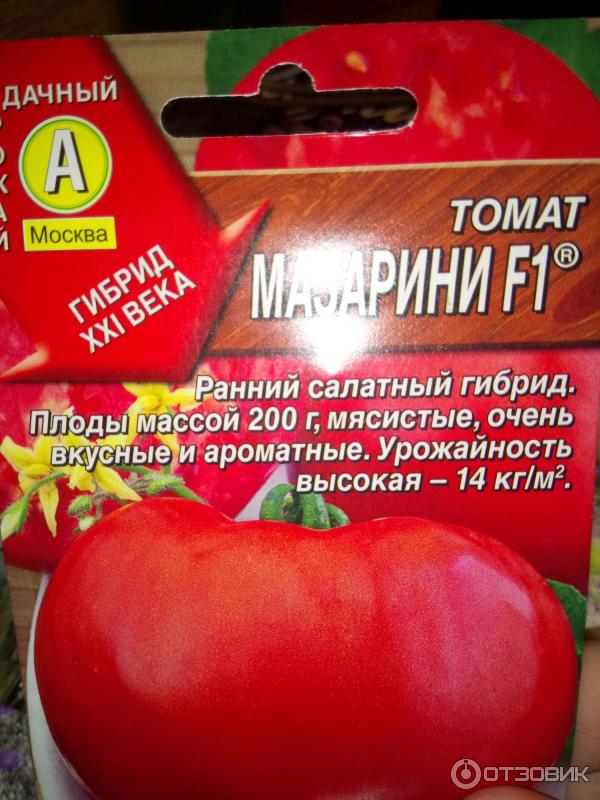
The early tomato variety Aelita "Mazarini F1" has good qualities. This determinate tomato variety is a hybrid. The fruits ripen very early. I pick the first fruits three months after sowing the seeds.
I sow seeds for seedlings in March. I use shallow containers filled with nutritious soil and sow the seeds there. By May, I have strong, tall tomato seedlings growing on my windowsills. In May, I transplant the plants into a greenhouse and cover them with a single layer of fabric. The greenhouse keeps the plants warm and cozy, allowing me to harvest earlier.
Tomatoes form long, branched vines. They can reach 1.5 meters. I always tie them to supports. I train the plant into a single stem. I gradually remove the leaves. This helps the fruit fill out and ripen faster.
Tomatoes of this variety produce good yields. They have excellent fruit set. The tomatoes grow large, round, and even. Inside, they contain sweet, juicy flesh. Large tomatoes weighed about 200 grams each. Ripe tomatoes are bright red. I eat these tomatoes fresh and make preserves from them.
Good afternoon everyone! In 2017, I planted a tomato variety called "Mazarini F1" for the first time. I couldn't even imagine that I would grow such large, scarlet, heart-shaped tomatoes, and that they would ripen in July instead of August. The tomatoes were early, fleshy, and didn't crack. This tomato was a revelation for me. Moreover, it turned out to be very easy to grow, despite a rainy summer in the first half and then a hot one. It produced a ton of fruit, hanging in bunches of 3-4 large tomatoes like grapes. The wonderful thing about this tomato is that it ripens fully by the first half of August, which means it doesn't attack late blight. Therefore, I highly recommend this tomato to anyone who has given up on getting a harvest of ripe tomatoes before the first temperature fluctuations in August and the onset of late blight!
Mazarin variety from Biotechnics
Gardeners say Mazarini tomatoes (Biotekhnika) have a pleasant taste and attractive appearance. However, one drawback they note is the relatively high cost of the seeds.
Of course, the picture sold me. Surprisingly, the fruits were exactly as on the label (they usually don't match; I often see color correction).
The plants were very tall, about two meters. Very fruitful. Considering I had two plants of this variety, I probably harvested a whole box of these tomatoes. But I picked them gradually, and we ate them fresh. The tomatoes were large, fleshy, not sour, and the color was uniform when cut. The tomatoes themselves were heart-shaped. They looked very beautiful.
I also planted them as seedlings this year. Germination was good, and the seedlings are developing normally. Another advantage of this variety compared to the "Bull's Heart" variety, which I planted last year and don't want to grow again: the fruits weren't damaged by water dripping from above.
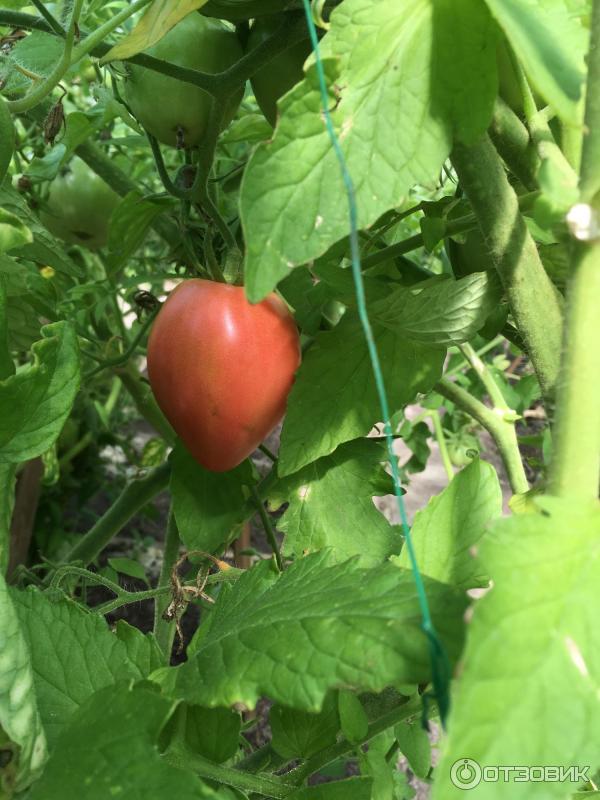
I've been planting Mazarini tomatoes from the same Biotekhnika pack for three years now. The first two years, it didn't do well at all—the tomatoes were small, the clusters were few, and the plant itself wasn't tall. This year, 2019, I gave it one last chance—if I don't like it, I won't plant it again. It was so scared... It produced enormous tomatoes—four huge ones on the first cluster, two on the second, but even larger. The subsequent clusters had fewer, but only six clusters were set. The flavor was always excellent, the tomatoes were fleshy and delicious. They were the first to ripen among 40 other varieties. Now my favorite.
Source: https://otzovik.com/review_9101024.html
The new gardening season is about to begin. We're preparing the containers and soil, and soon we'll begin planting seeds.
One of my favorite tomatoes, Mazarini, is also lying around, waiting for its time. I haven't bought these seeds for three years now, collecting them myself. It turns out it's not difficult at all. Mazarini isn't a hybrid, but a cultivar, so the plants grown from the seeds are exactly like the mother plant.Tall, about 2 meters tall, they have limited growth, meaning they are determinate plants. But thanks to this quality, this variety produces 12-15 fruits weighing about half a kilogram. The largest tomato I've grown reached 800 grams.
The fruits themselves are large, heart-shaped, bright crimson in color, dense, fleshy and very sweet.Growing conditions are quite simple - 3 plants per square meter, infrequent watering, fertilizing with magnesium sulfate during the fruit filling period and enhanced fertilizing with mineral and organic fertilizers throughout the growing season.
I've been planting Mazarini tomatoes in my garden for three seasons now. And they've never disappointed me. This year, I was late planting the seedlings in the greenhouse and thought I'd never get a harvest. But I was wrong. The tomatoes grew quite large and yielded a decent harvest. They tasted very sweet, were fleshy, and heart-shaped. I've tried many different tomato varieties and hybrids. Ultimately, I've decided to settle on this particular variety. The greenhouse tomato harvest hasn't been fully harvested yet, and it's already late September. All the tomatoes are healthy, with no signs of late blight. So, I'll definitely be planting Mazarini next year, but I'll be using my own seeds.
In 2015, I planted Mazarini from Biotekhnika. Even then, I knew I was planting something completely different. I'd read reviews about it on a tomato-tomato website. But I figured I wouldn't get the wrong variety. But no. I did. And a nasty thing grew, blooming at the end of July and producing small, sour tomatoes by September. And this has been the case with Mazarini seeds from Biotekhnika for several years now. I had to buy Mazarini from collectors. Now that's a really good variety!
Variety Mazarin from Sib.sad
I've long been a fan of tomato varieties from the Siberian Garden company, and I plant new varieties every year, but the "Mazarini" variety from this company has been growing in my garden every year for several years now.
I grow tomatoes outdoors. If the summer is hot and dry, I get a very good harvest. This year's summer is just that, and the tomato harvest is excellent. The tomatoes begin to ripen on the vine in late July. The grower lists the variety as mid-season, but I would classify it as an earlier variety.The plant is tall, indeterminate, growing almost two meters tall and must be tied to a support. The fruits themselves are heart-shaped, large, fleshy, sweet, and a bright crimson color.
The first cluster bears 4-5 fruits, and subsequent clusters bear 2-3 fruits. The first red fruits appeared 105 days after sowing the seedlings. I sowed the seeds on March 20th.
The variety is similar to the old favorite Budenovka or Bull's Heart, but is more productive, with fruits weighing 500-300 grams.
The downside of this variety is that the fruits can't be stored for long; they begin to spoil. They can be used in salads, lecho, sauces, and winter salads.
Tomato juice. There are also fruits that crack, especially at the stem; these should also be eaten quickly.
This is probably the smallest drawback of this variety, but it does not outweigh other advantages of the variety: early maturity, productivity, taste.
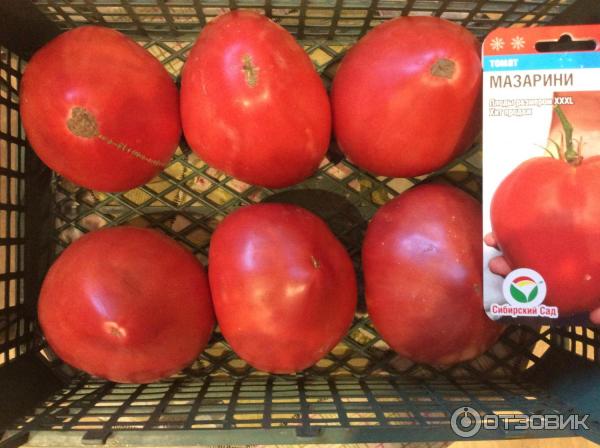
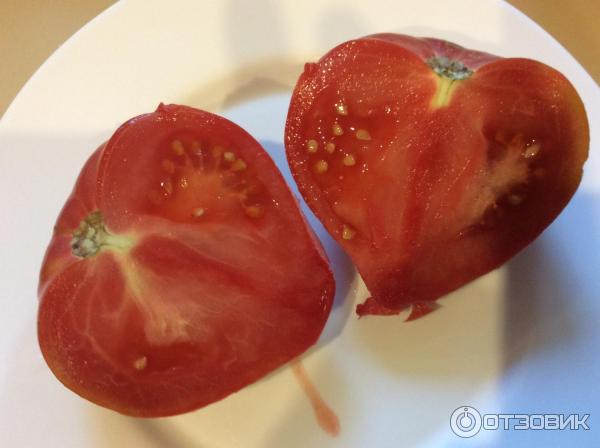
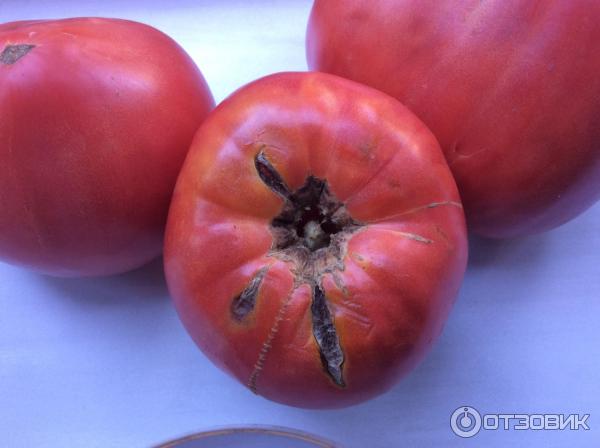
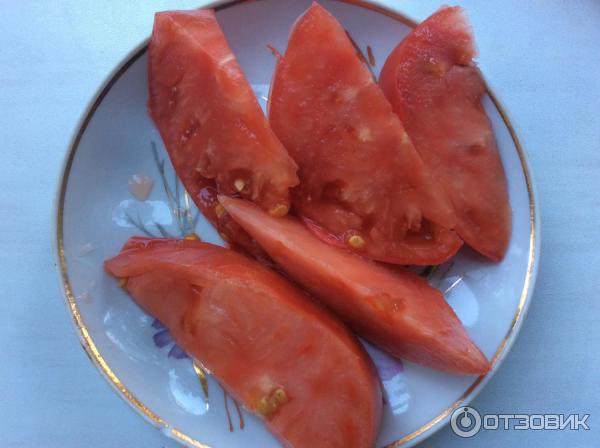
I love large tomatoes; they're so beautiful—you can cut one into a salad and it's enough for the whole family. I traditionally planted 'Bull's Heart,' but its susceptibility to disease was depressing. Then one store recommended the 'Mazarini' variety as an improved, disease-resistant version.
From the variety description on the packaging: "Mid-season, high-yielding, distinguished by exceptionally large fruits weighing at least 600 grams. Drought-resistant. Yield 7-8 kg/m2."
The plant is indeterminate, growing up to 1.5-1.8 m tall. Each cluster contains 5-6 smooth, bright crimson-colored fruits. The tomatoes are heart-shaped, plump, weighing up to 700-800 g, and are resistant to cracking.
A pack of 20 seeds costs 25 rubles. Germination was good. The seedlings were planted in open ground. The plants grew to about 1.5 meters, with the first lower clusters bearing six very large fruits. I ended up with three tiers of tomatoes—the higher they got, the smaller they got. I had to tie the clusters individually. The tomatoes are delicious, with firm flesh and small seeds, no streaks. Not a single fruit cracked, even though the weather was quite rainy this summer. The heart-shaped tomatoes are distinctive, unmistakable.
The tomato paste turns out amazing!!!
Then the plant suddenly began to dry out, like a determinate that had yielded its fruit. Although, if you count the yield per plant, it corresponds to what's written on the package. Perhaps for northern regions, it's good that the variety yields quickly, but for us in the south, it could have lasted longer. Among the tall tomato plants, these plants were the first to be pulled.
Next year I will plant this variety again, but separately from the others, so as not to have to water the empty soil with drip irrigation until autumn.
In my opinion, it’s a decent variety, better than “Bull’s Heart”.