The King of Siberia tomato is characterized by high yields and large fruits. Growing it requires little effort from gardeners, as it has a strong immune system.
Content
- 1 Table with characteristics of the tomato variety King of Siberia
- 2 Photo gallery of the tomato variety King of Siberia
- 3 The origin of the King of Siberia tomato variety
- 4 A detailed description of the King of Siberia tomato variety
- 5 Advantages and disadvantages of the King of Siberia tomato variety
- 6 Growing the King of Siberia tomato variety
- 7 Resistance of the tomato variety King of Siberia to diseases and pests
- 8 Collection, use and storage
- 9 Comparison of the tomato variety King of Siberia with other varieties in the table
- 10 Gardeners' reviews of the King of Siberia tomato variety
Table with characteristics of the tomato variety King of Siberia
| Characteristic | Description |
| Description | An indeterminate tomato variety with a mid-season ripening period. Suitable for greenhouse cultivation in regions with unstable weather and for open ground cultivation in the south of the country. |
| Ripening period | 110-120 days |
| Fruit weight | 400-800 g |
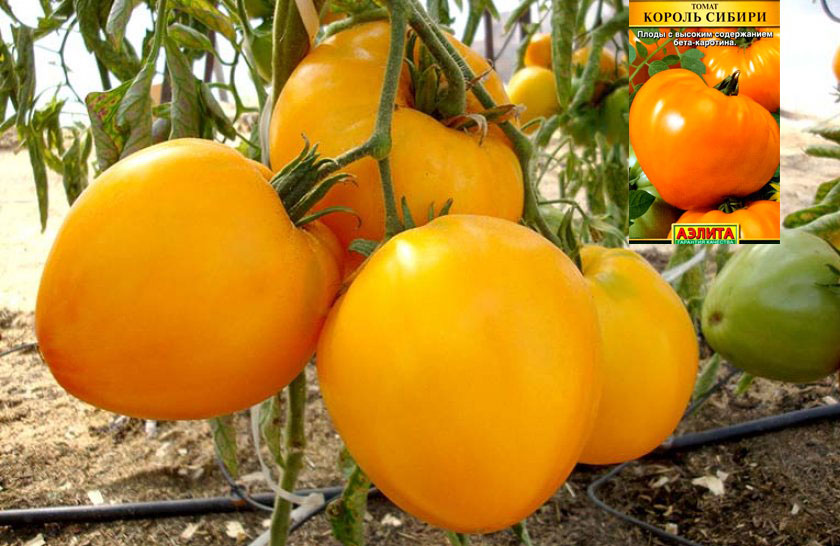
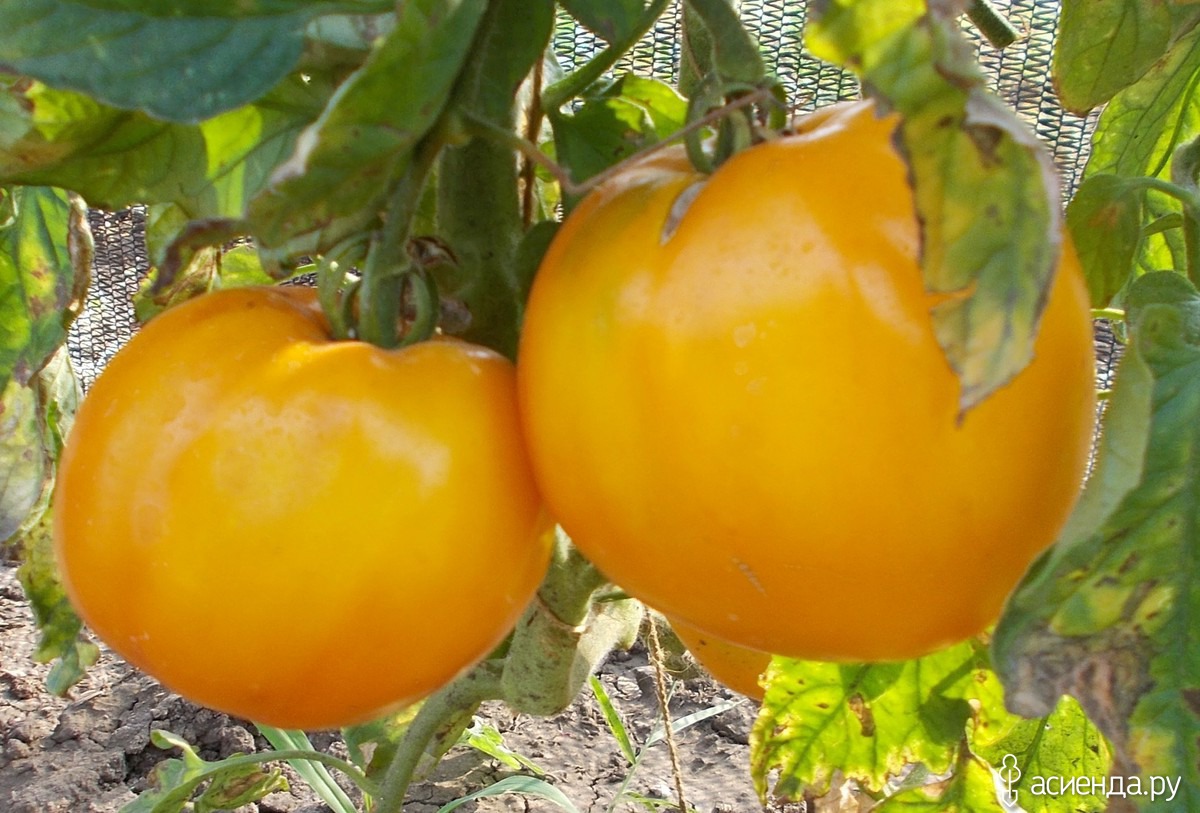
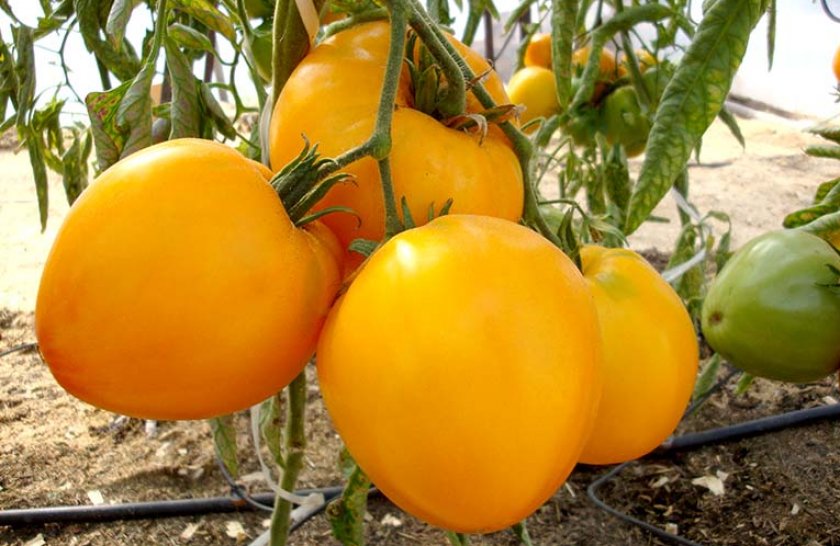
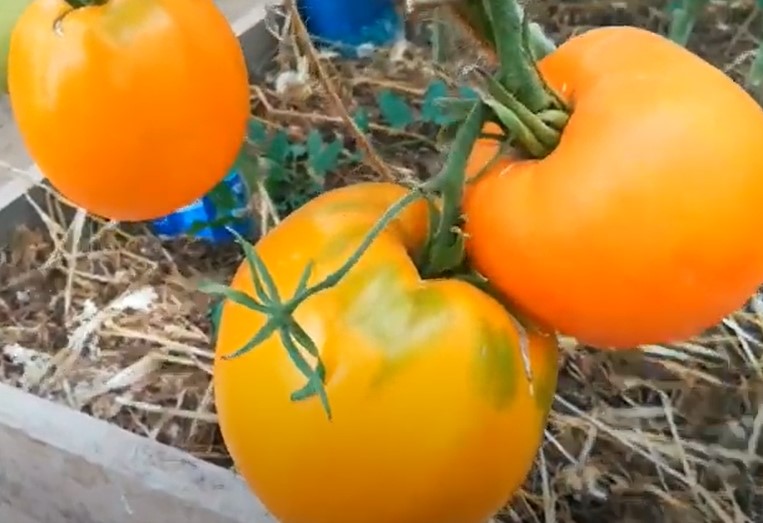
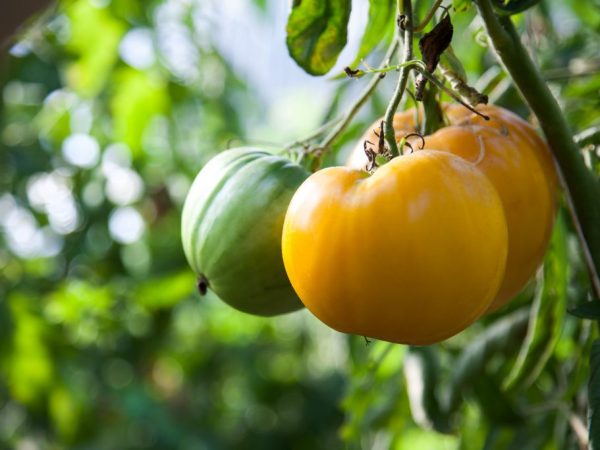
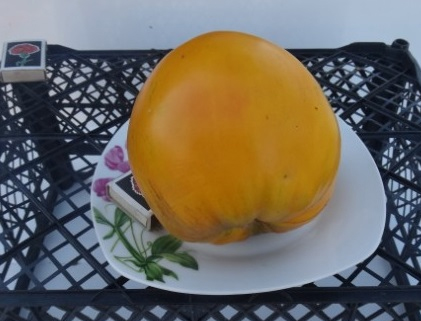
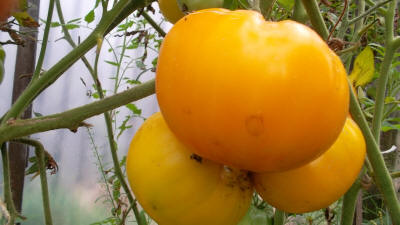
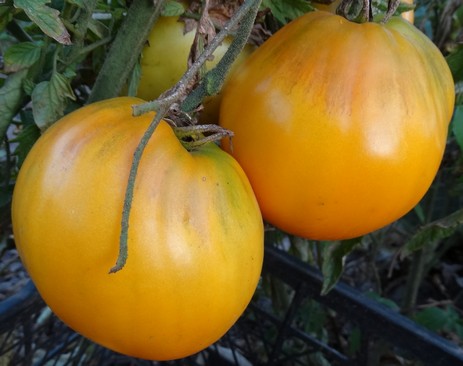
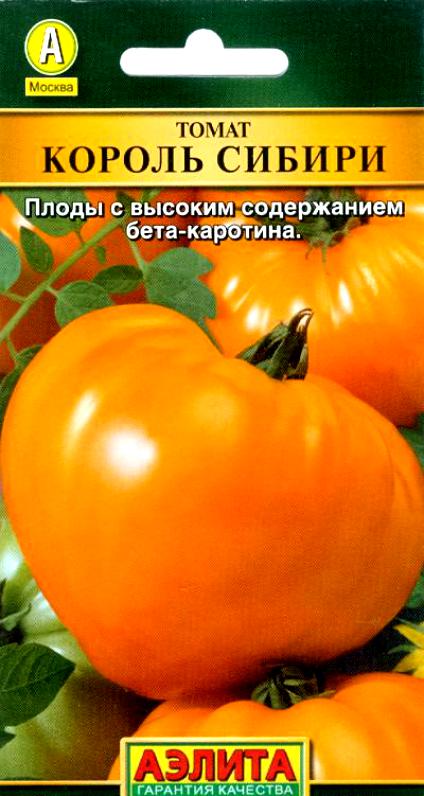
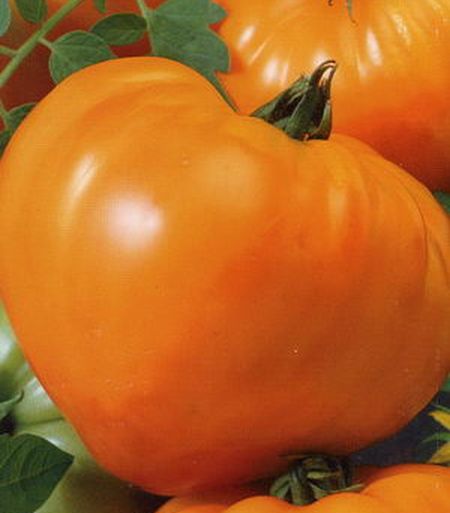
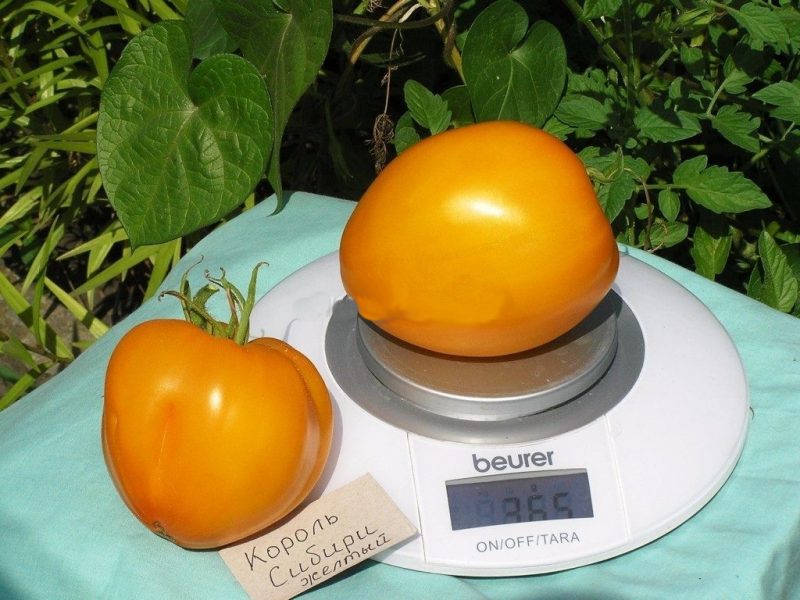
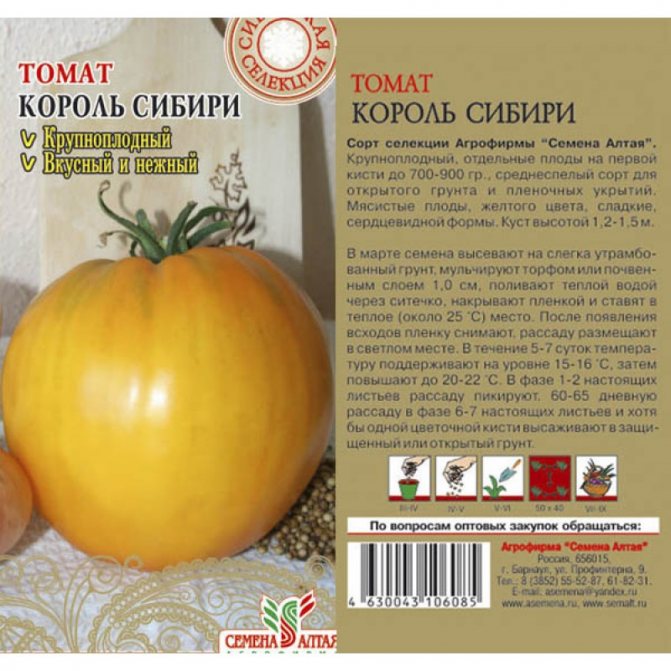
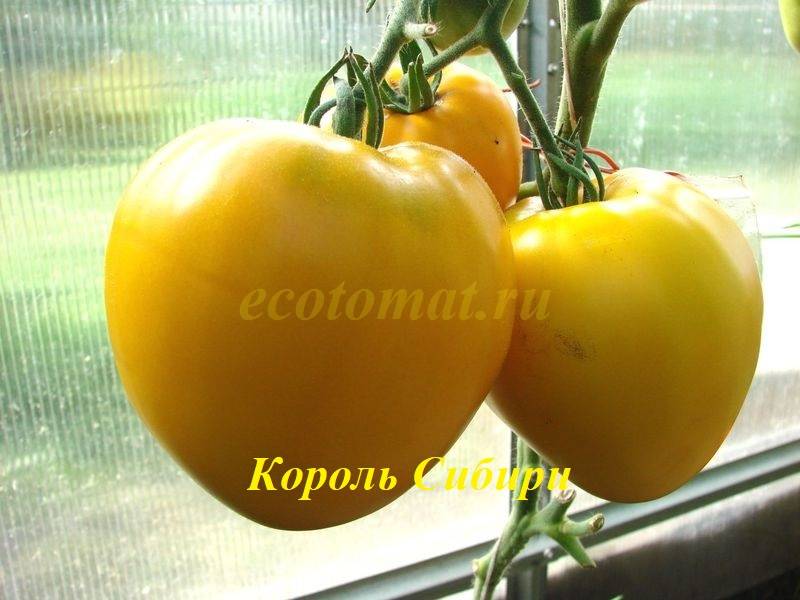
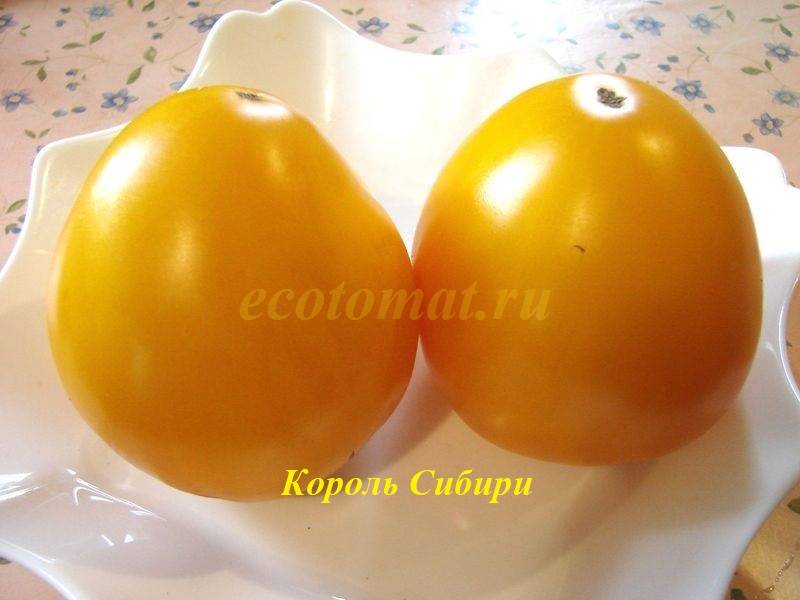
| Description of the fruit | The fruits are large, heart-shaped with slightly pronounced ribbing, the skin is dense and orange in color. |
| Productivity | 900-1115 c/ha |
| Usage | They are used for fresh eating, preparing salads and preserves. |
| Preferred growing regions | It was bred for growing in greenhouses, but in southern regions it can be planted in open ground. |
| Disease resistance | Has a strong immune system and is not prone to diseases. |
| Agricultural technology | The bush needs tying and support, and is formed into 1-2 stems. |
| Growing regions | Suitable for all regions, including the harsh climate of Siberia, the Far East and the Urals. |
| Not included | |
| Originator | Agrofirm Aelita |
Photo gallery of the tomato variety King of Siberia
The origin of the King of Siberia tomato variety
The King of Siberia tomato was developed by Russian breeders. The Aelita agricultural firm distributes the seeds, but it doesn't provide precise information about the cultivar's originator.
A detailed description of the King of Siberia tomato variety
The King of Siberia is popular among gardeners due to the excellent taste of its fruit and the unpretentiousness of the plant.
Bushes
The shoots of the indeterminate King of Siberia tomato grow up to 1.8 m. In open ground, this figure may be slightly lower. The bush is formed by 1-2 stems. The more shoots, the smaller the harvest.
The leaves are relatively small and there are few of them on the bushes, so there is no urgent need to remove them.
The first inflorescences appear after the 7th leaf, then they form at intervals of 2-3 leaves.
During the ripening period, it is better to provide additional support for the shoots, as tomatoes are quite heavy and the bush may break under their weight.
Fruit
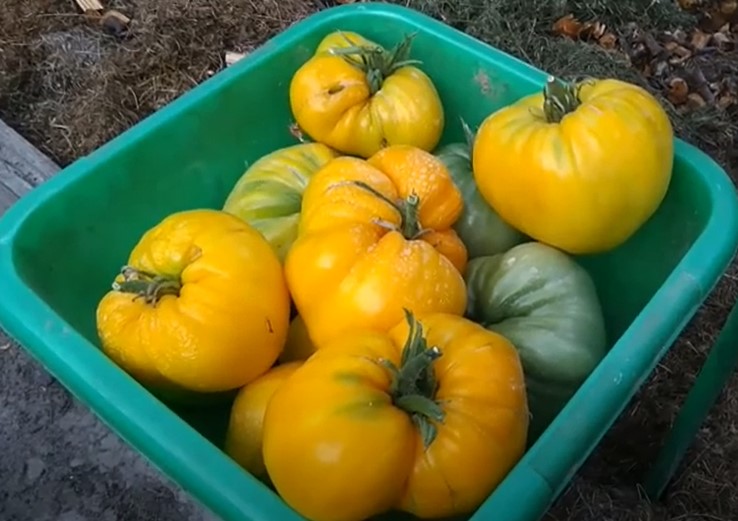
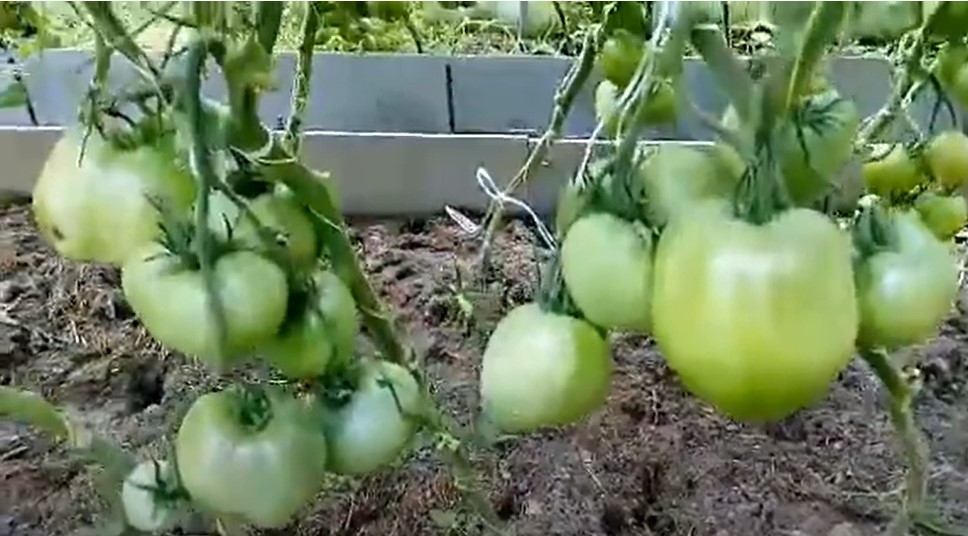
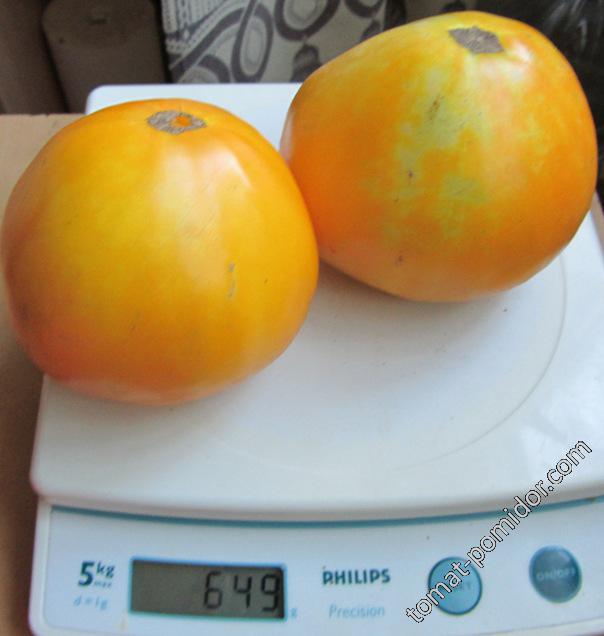
King of Siberia tomatoes are quite large, weighing between 400 and 800 grams. The fruit gets smaller as you get higher up the plant. They are heart-shaped and slightly ribbed. They are rounder at the base of the bush than at the top.
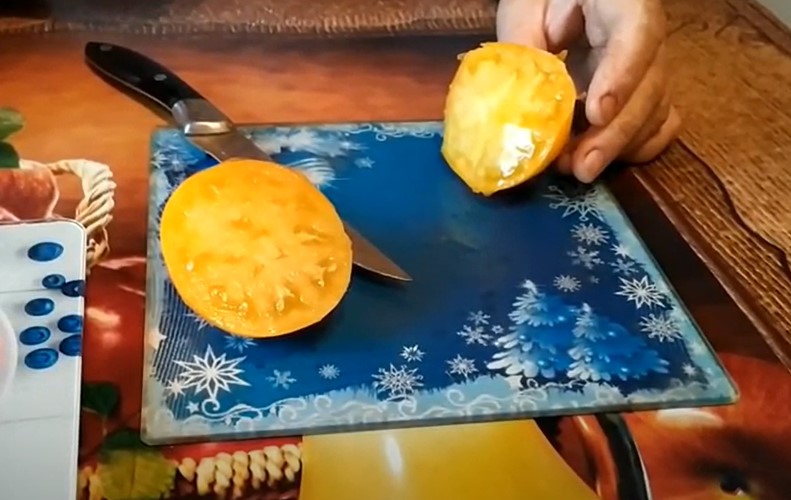
The skin is thick and orange when fully ripe. The stem lacks a green spot. The flesh is firm, and the edges of the seed chambers are blurred. The tomatoes can be stored for a long time in suitable conditions, and this only makes them softer and tastier.
Productivity
The originator estimates the yield of the King of Siberia variety at 1,115 centners per hectare. Under favorable growing conditions, up to 4.5 kg of harvest can be collected per bush.
Ripening time
The King of Siberia tomato is characterized by a medium ripening time. From germination to full fruit maturity, it takes 110 to 120 days.
Advantages and disadvantages of the King of Siberia tomato variety
The King of Siberia tomato variety has many advantages and few disadvantages. These are listed in the table below.
| Advantages | Flaws |
|
|
Growing the King of Siberia tomato variety
The King of Siberia tomato was intended for widespread greenhouse cultivation. However, residents of southern regions can also grow the crop outdoors thanks to the plant's robust immunity and low maintenance.
Sowing seeds and growing seedlings
It is recommended to grow King of Siberia using seedlings. Sowing should be done 60 days before planting.
It's best to buy tomatoes from an official grower to avoid getting a dud. Typically, commercially available seeds have already undergone all necessary treatment and don't require any additional stimulation. However, if there's no information on the packaging, it's best to soak the seeds in a stimulating solution, such as Epin.
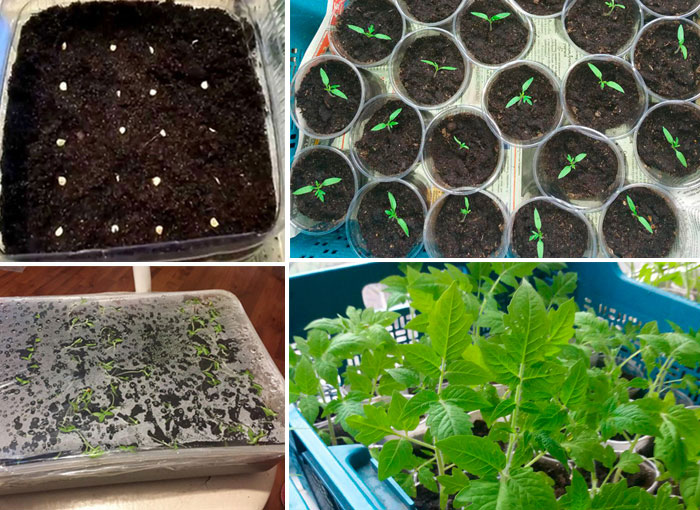
Experienced gardeners strongly recommend planting only sprouted seeds in the ground. To do this, place them in a damp cloth for about a day. During this time, life begins to emerge within them, and the tip of the future plant emerges.
For planting, it's best to purchase a special mixture. Those with private plots can use garden soil and add equal parts peat, humus, and sand. However, this mixture will need to be baked in the oven or treated with potassium permanganate beforehand.
A prepared box at least 10 cm deep is filled with soil, and furrows about 1.5 cm deep are made on top of it, spaced 2 cm apart. Seeds are placed in these furrows at 2 cm intervals.
The planting is completed by watering with a spray bottle, after which the box must be covered with film or glass and placed in a warm place.
To prevent rotting processes from occurring inside, it is important to periodically ventilate the greenhouse and remove any condensation that has accumulated inside.
As soon as the sprouts emerge from the soil, you can remove the cover and move the tomatoes to a cooler location with a temperature of 22 degrees Celsius. At this stage of growth, the seedlings need additional lighting to ensure at least 12 hours of daylight.
After 2 true leaves appear, the seedlings are transplanted into separate containers.
Gardeners recommend hardening off tomatoes 10-14 days beforehand. They are gradually acclimated to the outdoors, initially by placing them outside or on the veranda for a couple of hours, and then by leaving the seedlings there all day. These plants will be more resilient to weather changes and diseases.
Planting in the ground
In the temperate zone, transplanting tomatoes into the greenhouse begins in early May, in the south – in April, and in Siberia – in late May. The soil should be sufficiently warm; a temperature of 14-15 degrees Celsius is considered optimal. To speed up this process, many gardeners cover the bed with black plastic film.
The soil is prepared in advance; it is recommended to dig up the soil and add the necessary fertilizers in the fall.
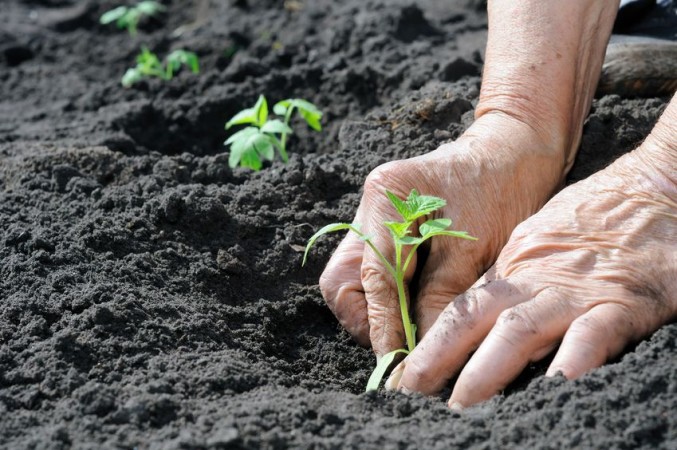
Next, make holes in a checkerboard pattern at a distance of 50 cm from each other. The space between rows should be at least 60 cm. Ultimately, no more than four bushes should grow per square meter.
The plants are planted in the holes with a lump of soil on the roots. Afterwards, they are watered and mulched.
Care, watering and fertilizing
The King of Siberia tomato doesn't require any special care; simple agronomic requirements are sufficient:
Watering begins 10 days after transplanting, then 1-3 times a week, depending on weather conditions. To prevent tomatoes from cracking on the vines, avoid prolonged drought.
To prevent the appearance of pests, at intervals of 10-14 days (but no more than 4 times per season), spray the plantings with Bordeaux mixture or phytosporin, diluted according to the instructions.
Three times per season, it's recommended to apply complex, specialized fertilizers. This is especially important for poor or poorly prepared soils. For good soil, organic matter, such as a weed infusion, will suffice.
After planting tomatoes, mulch the bed with a layer of sawdust or bark. Mulch retains moisture in the soil, protects the roots from the sun, and prevents weeds from growing.
It is recommended to weed and loosen the soil every 10-14 days to improve its air permeability.
Resistance of the tomato variety King of Siberia to diseases and pests
The King of Siberia tomato variety is distinguished by its strong immunity. Preventative treatment with Bordeaux mixture or phytosporin three times per season will help prevent numerous diseases. The variety is not susceptible to late blight, rarely contracting it, only if the temperature and watering conditions are not met.
Among pests, the King of Siberia tomatoes are most loved spider mite And whiteflyOnly specialized products, such as Confidor, can combat the latter. You can try to exterminate the mites using folk remedies. The most popular is a soap solution used to wash the affected leaves and stems.
In some cases, plants may be affected by brown spot. This can be controlled using Barrier, Zaslon, and other pesticides.
It is important to remember that all treatments must be completed 2 weeks before the start of harvest.
Read more about tomato diseases in the article 57 tomato diseases with photos and treatment tables + 19 resistant varieties.
Collection, use and storage
The ripening period for King of Siberia tomatoes ranges from 110 to 120 days from germination. This period directly depends on the region and growing conditions. The more sun and light, the earlier the tomatoes will ripen.
The fruits of the King of Siberia are quite large, so they cannot be used for canning whole. However, their dense flesh and meatiness make them ideal for making pastes and sauces. These tomatoes are primarily used for fresh eating and salads.
Ripe tomatoes can be stored at home for some time without losing their flavor. The longer they are stored, the softer they become.
Comparison of the tomato variety King of Siberia with other varieties in the table
Please note! How can you easily convert centners/ha to kg/sq.m? Simply divide by 100! For example, the Abakansky Pink tomato yields 400 centners of marketable fruit per hectare. This equals 4 kg per square meter. It's that simple! Also, keep in mind that typically no more than 3-4 plants are planted per square meter. This way, you can calculate the yield per bush. In the case of the Abakansky Pink, it's about 1 kg.
| Variety | Ripening period (number of days from full germination to ripening)
Yield of commercial fruits |
Brief description | Fetus |
| King of Siberia | 110-120 days
900-1115 c/ha |
A mid-season indeterminate variety for greenhouses. Requires shaping and support. Suitable for salads and canning. | Heart-shaped, slightly ribbed, orange, 400-800 g. Good to excellent taste. |
| Heart of Gold | 93-95 days
up to 700 c/ha |
An early-ripening, determinate variety for open ground cultivation. Suitable for salads, whole-fruit canning, and processing into tomato products (dietary juices). | Heart-shaped, slightly ribbed, orange, 90-107 g. Good flavor. The fruits contain increased amounts of carotene. |
| Striped ox heart | 110-120 days 700 c/ha |
A semi-determinate, mid-season variety for greenhouses. Requires staking and training. Suitable for fresh consumption, juice, and paste production. Preferred for cultivation in southern Russia. | Heart-shaped, round, pink with yellow-orange stripes. 150-200 g. Sweet, pleasant taste. |
| Mikado Yellow (Gold) | 110-120 days
600-800 c/ha |
A mid-early standard indeterminate variety for greenhouses. Suitable for salads and juice. | Round, flattened, slightly ribbed, yellow, 500 g. Good taste. |
| Mikado Orange | 85-100 days
600-700 c/ha |
An early indeterminate variety. Outdoor cultivation is acceptable in warmer regions. In central Russia, greenhouse planting is recommended. Suitable for salads. | Round, ribbed, orange, up to 300 g. Excellent taste. |
| Orange giant | 110-115 days
630-660 c/ha |
A mid-season indeterminate variety for open ground. Requires staking and shaping. Suitable for salads. | Flat-round to round, strongly ribbed, orange, 350 g. Excellent taste. |
| Orange Heart | 125-135 days
620 c/ha |
A mid-season indeterminate variety for open ground and greenhouses. Requires staking and training. Suitable for salads. Long-lasting flavor and shelf life. | Heart-shaped, slightly ribbed, medium density, orange, 120-125 g. Excellent taste. |
| Abakan pink | 120 days or more
400 c/ha |
A late-ripening determinate variety for open ground and greenhouses. Requires staking and training. Suitable for salads and processing into tomato products. | Flat-round, slightly ribbed, medium density and pink in color, 200-500 g. Good taste. |
| Treasure of the Incas | 95 days
Up to 1400 c/ha in open ground, 1800-2000 c/ha in protected ground. |
An early-ripening indeterminate variety for greenhouses and open ground. Requires staking and training into 1-2 stems in a greenhouse, and 3 in the open ground. A versatile variety, suitable for salads, processing into tomato products, and canning. | Conical, large, fleshy, yellow-orange with a raspberry star on top, 250 g. High sugar content. |
| King of the Giants | 120 days
800-1400 c/ha depending on the region |
A mid-late indeterminate variety for open ground and greenhouses. Suitable for salads, appetizers, and processing into tomato products. | Flat-round, slightly ribbed near the stem, red, rarely yellow and pink, 400 g (up to 800 g). Good to excellent flavor. |
Gardeners' reviews of the King of Siberia tomato variety
Gardeners note the excellent taste of tomatoes, although some find them lacking in juiciness. A particular joy in growing tomatoes is the fact that they are extremely rarely affected by more common tomato diseases.
Seeds from SibSad. The variety is advertised as heart-shaped, but mine is more round. The bush is 1.2 m tall in the open ground. It produces fairly abundant fruit. The fruits are orange-yellow, juicy, and have a good flavor with a slight sweetness, but there are better ones. The fruits are all about the same size, with 5-7 per cluster, weighing no more than 200 grams. I strongly suspect this isn't the King of Siberia. I've saved some for seed, but I'll think twice about planting it further.
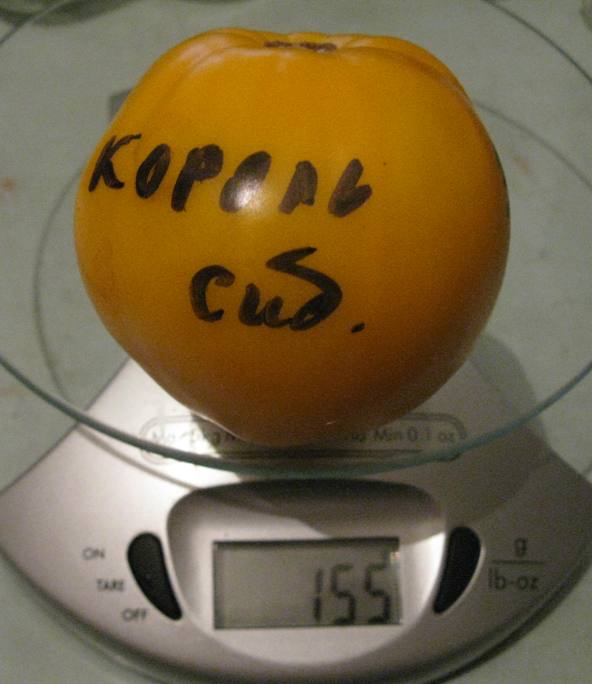
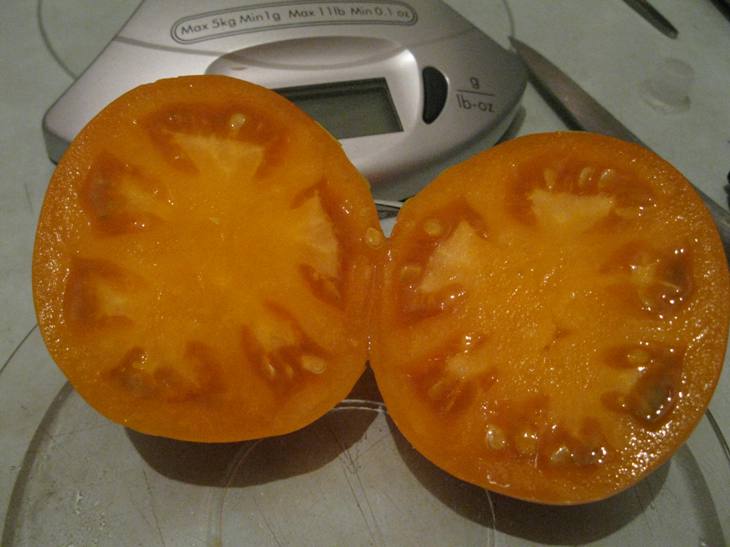
In 2012-13, we planted King of Siberia from Aelita - very tasty, with some kind of “own” indescribable taste... I ate only it.
But by a twist of fate, at the end of 2013, no seeds were collected, so we had to buy more from Aelita. But no such luck!
In 2014, I set up a greenhouse and planted four of my "favorite" bushes. But the ones that grew would have been outdone by store-bought ones! They were stale and bland. I didn't eat a single one. It's a good thing I have pickling juice; it all went there.AELITA=Terrible mix-up! :hat:
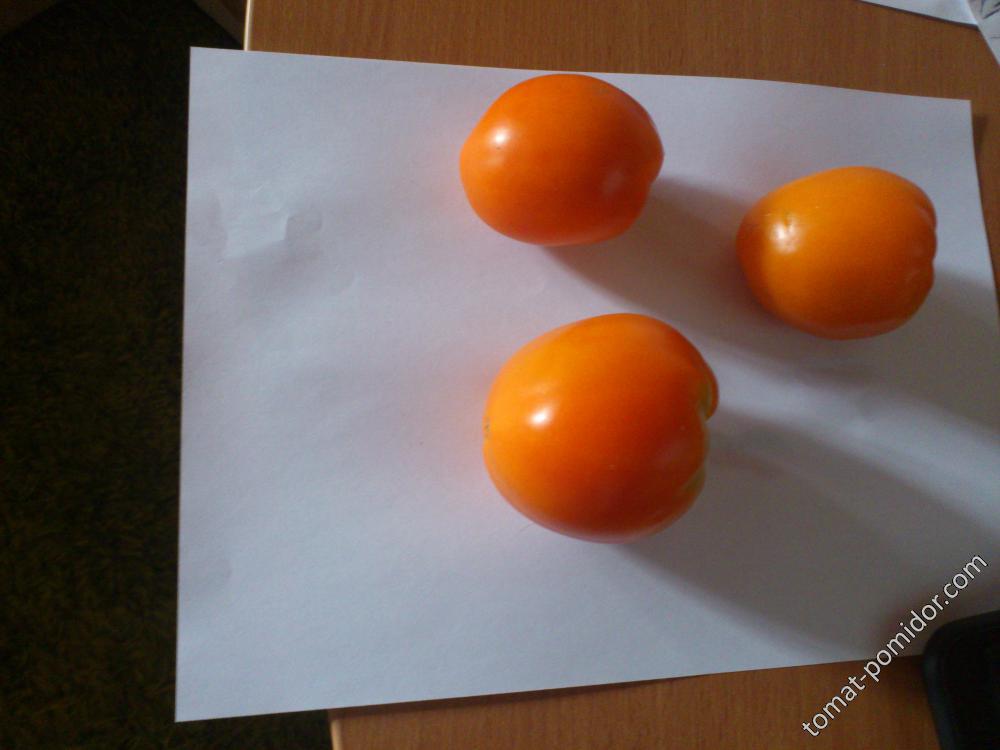
I planted King of Siberia from Semyon Altay. I liked the variety, but it's very similar to King of Large, which I grew with a higher yield.
Mine was quite fruitful (15 large fruits on 1/08, after which a few more grew), the taste was bland at first, but now it has gained sweetness.
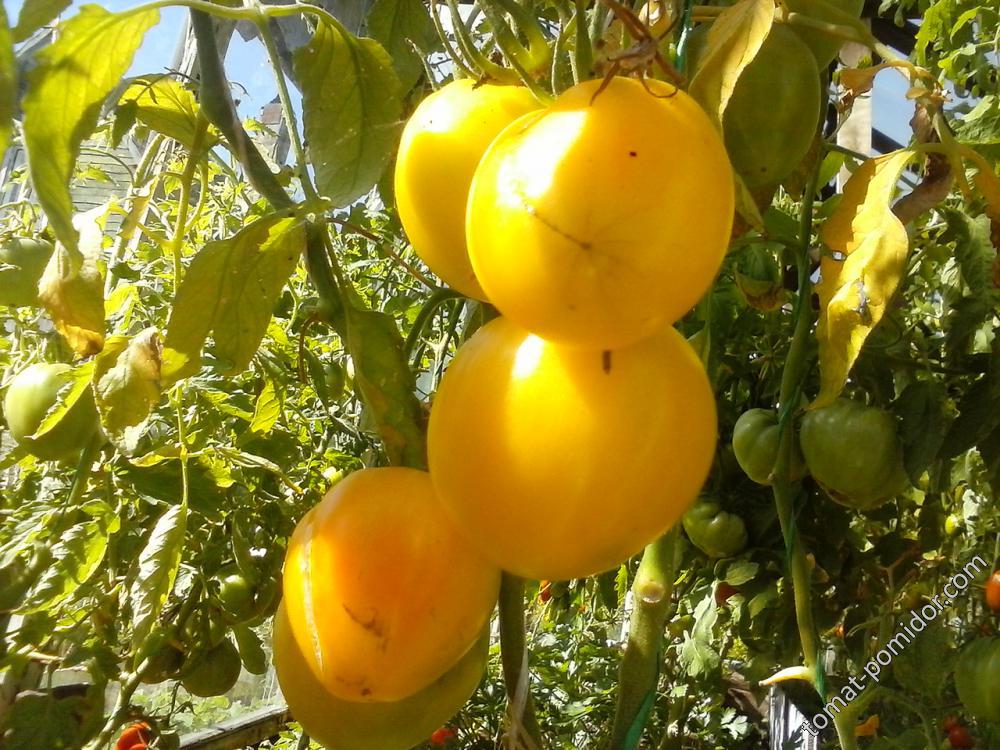
I adore King of Siberia; last year it grew to 1 kg and more, and it yielded more than, say, Bull's Heart. Svetlyachok Plus looks like Honey Spas in the photo; Korol is lighter, closer to a light lemon yellow; that's how mine grew. I bought both varieties privately and am happy with both, but I won't be planting Spas anymore; I'm already tired of it.
For some, it's the KING OF SIBERIA, but I call it the HOME PINEAPPLE!! This is the best, most productive variety of orange, large-fruited tomatoes.
If you dream of the most productive orange-fruited tomato and feed yourself and your friends, you will never regret it if you find a tiny spot in your garden for the best KING OF SIBERIA tomato.Even without a lot of land, you can harvest enough tomatoes from a small plot to feed everyone.
I've been growing tomatoes since 2012. Since they're not hybrids, I grow my own seeds. Of course, I originally bought this variety at the store, and it wasn't expensive, about 20 rubles a pack.
SOWING.
I sow seeds as early as possible to get my first tomatoes as soon as possible. I grow them from seedlings. I sow the seeds thickly at first, and when they reach 3-4 leaves, I transplant them into cups. My seedlings live in the cups until they reach 7 leaves, and sometimes even until buds form. This is how they will be "migrated" to the garden bed.
I get a lot of seedlings because I'm using my own seeds, so I don't waste them. I even give them to friends so they can enjoy this amazing, rich, bright orange tomato.
ABOUT TOMATO.
These are the most delicious, sweet, and robust orange tomatoes I've ever seen. The plant is indeterminate, grows indefinitely, and grows tall, requiring staking or support. The plant has few leaves, which favors fruit ripening and is easy to control.
KING OF SIBERIA is genetically resistant to diseases, and therefore I try not to treat it with chemicals, so we eat organic fruits.
The variety is very resistant to temperature changes.
Very large fruits, if you form a tomato into one stem, you can get the first fruits over 500 grams.
For better pollination, I plant two tomato seeds of different varieties in a hole and form them into one or two stems so that they do not oppress each other.
I plant tomatoes both in open ground and in a greenhouse, but I still prefer tomatoes grown in protected ground; they are much larger, juicier, and more productive than those grown in open ground.
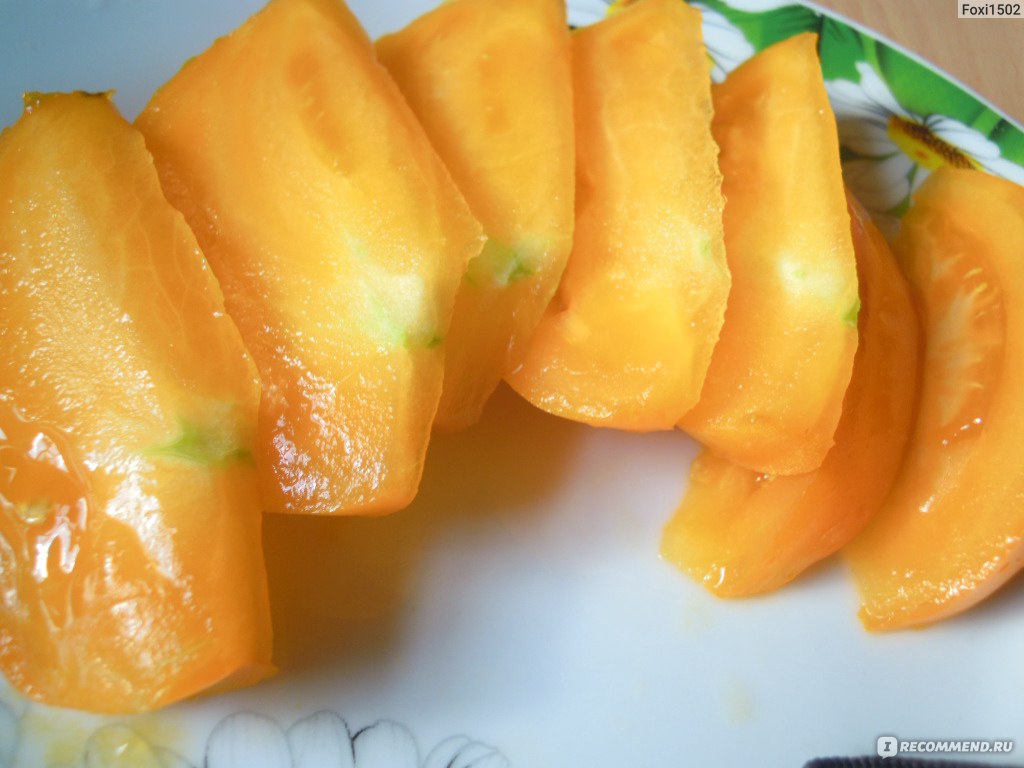
The fruits are bright orange, fleshy, and have few seeds. I love eating them plain, but they can also be sliced or added to a salad.
I recommend everyone try KING OF SIBERIA, and I hope you too have HOMEMADE PINEAPPLES on your table like I do))
Thank you for your time. Have a great tomato harvest!
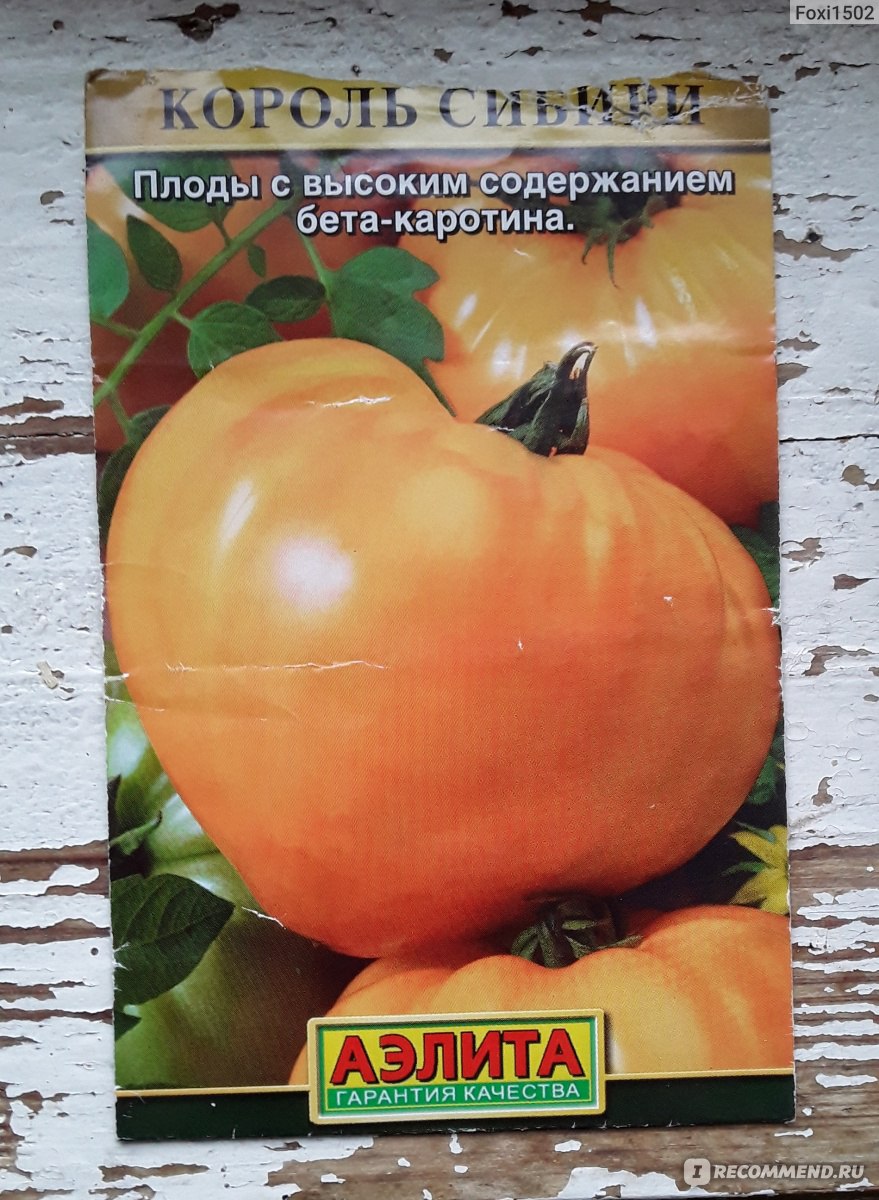
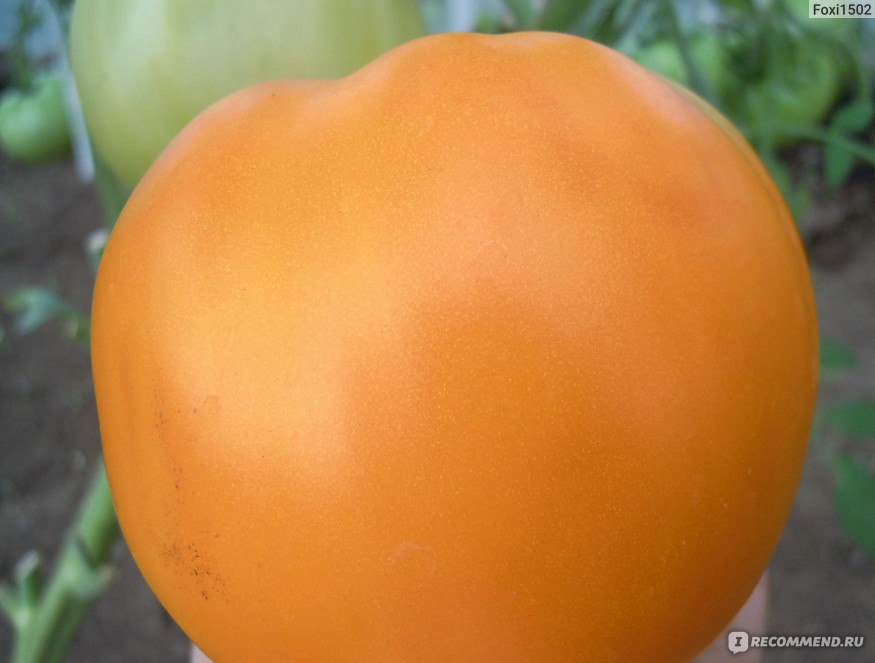
I have it from Aelita.
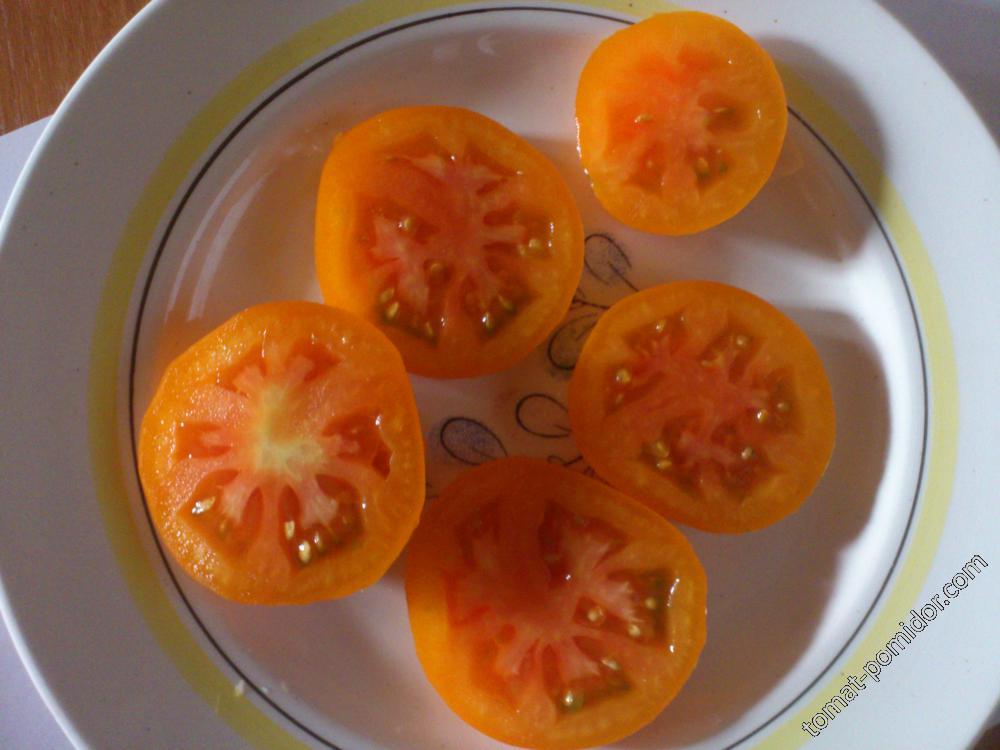
Large yellow-orange heart—plump, not elongated. Marmalade-like flesh. Few seeds.
The taste is my favorite: not just sweet, but bright with a special aftertaste.
It doesn’t overripen for a long time – it doesn’t become flabby, it just turns orange – it can lie around and travel.
The bush is 1.2 meters tall. When grown with two trunks, the yield is good.
I repeated it for three years, and I will again.
This year I grew this King of Siberia, with a tie, so elegant.
For several years before this, my cherries hadn't had a pink spot. But they were still beautiful and tasty, with buttery flesh. And they're early, too; mine start ripening around the 20th of June, a little later than the early cherries.
This is 2013.
2015
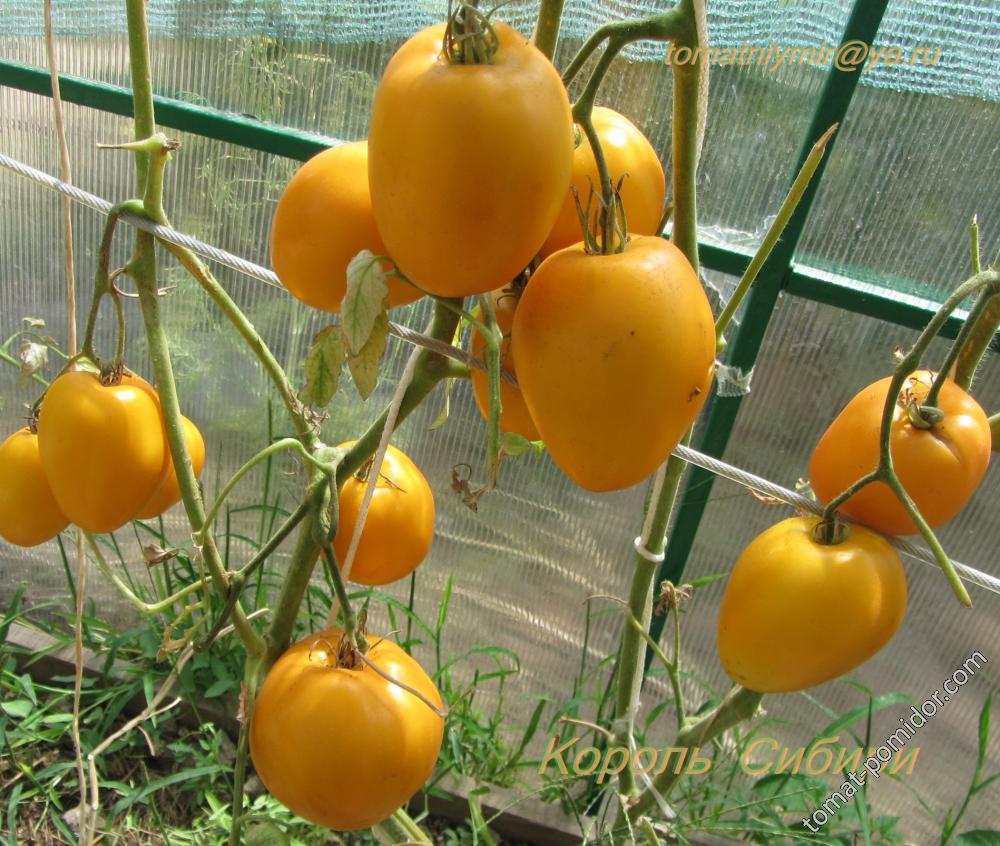
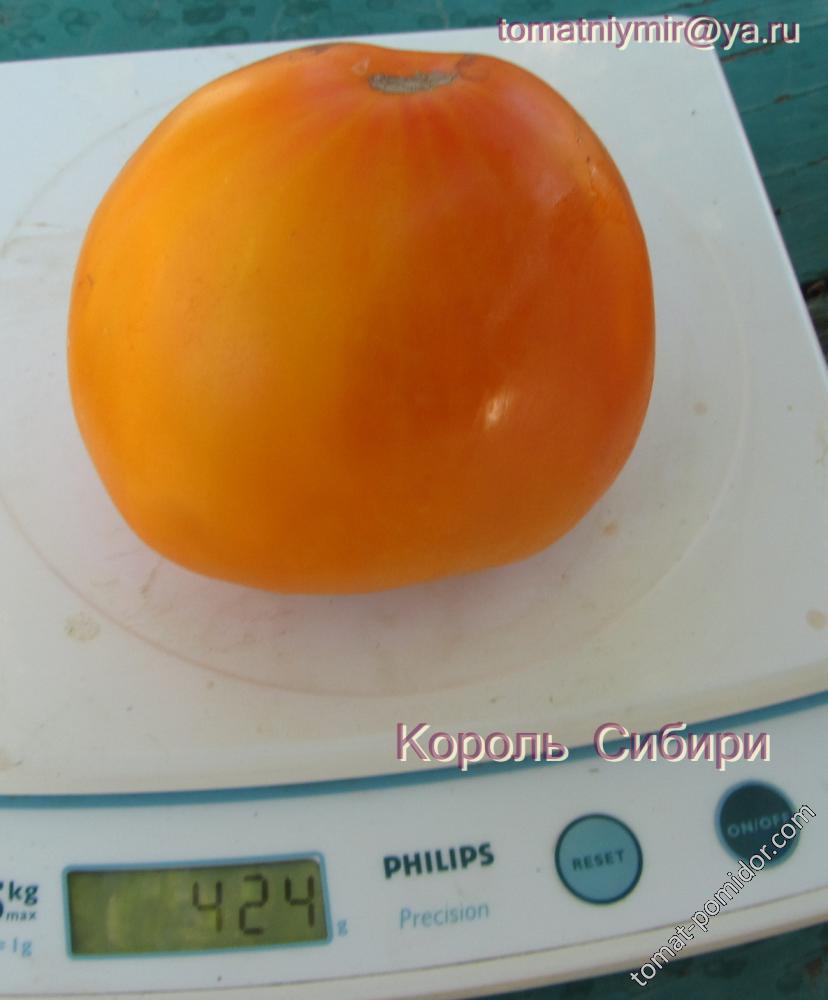
I could sing a song about this variety. It knits in any weather. Last year, it was the only one that knit during our daily May snowfalls, which then turned into daily downpours.
For two years, it's been lifting spirits in lousy weather. Early, fruitful, delicious, and responsive to complex fertilizer—it even gets sweeter.
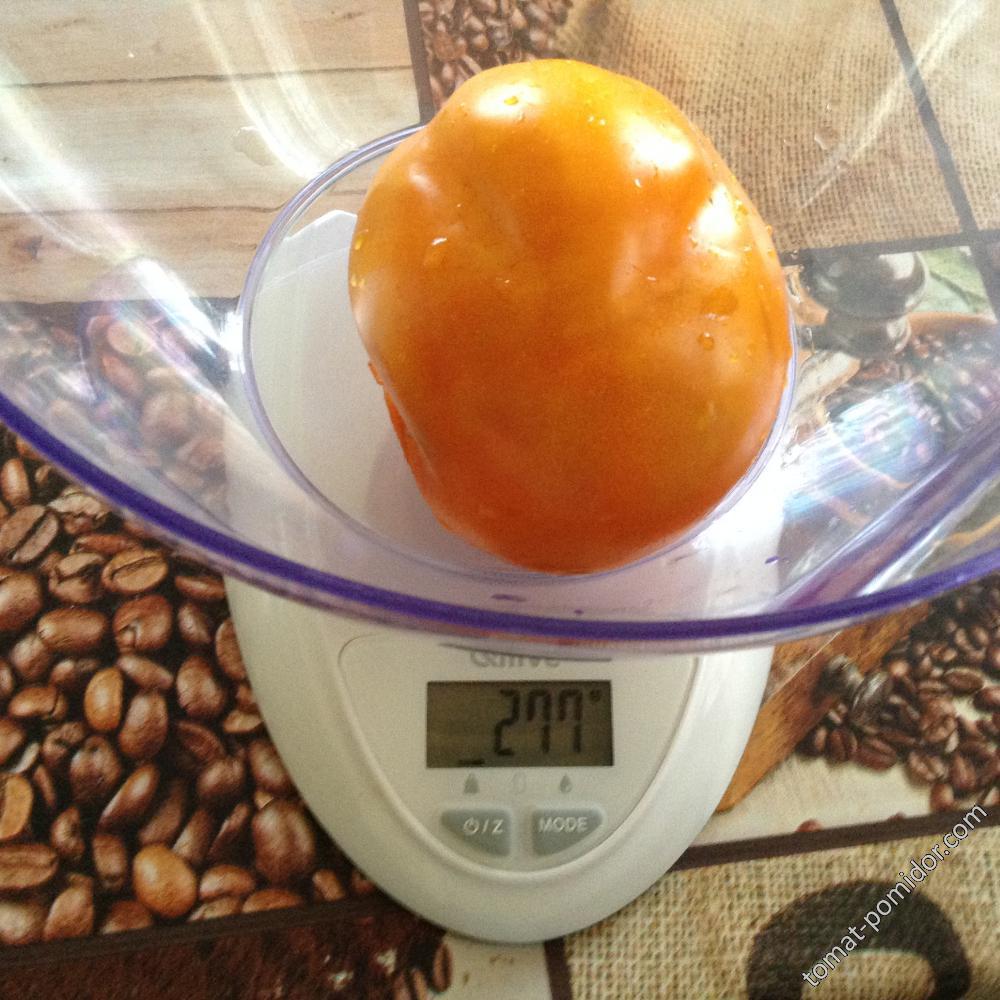
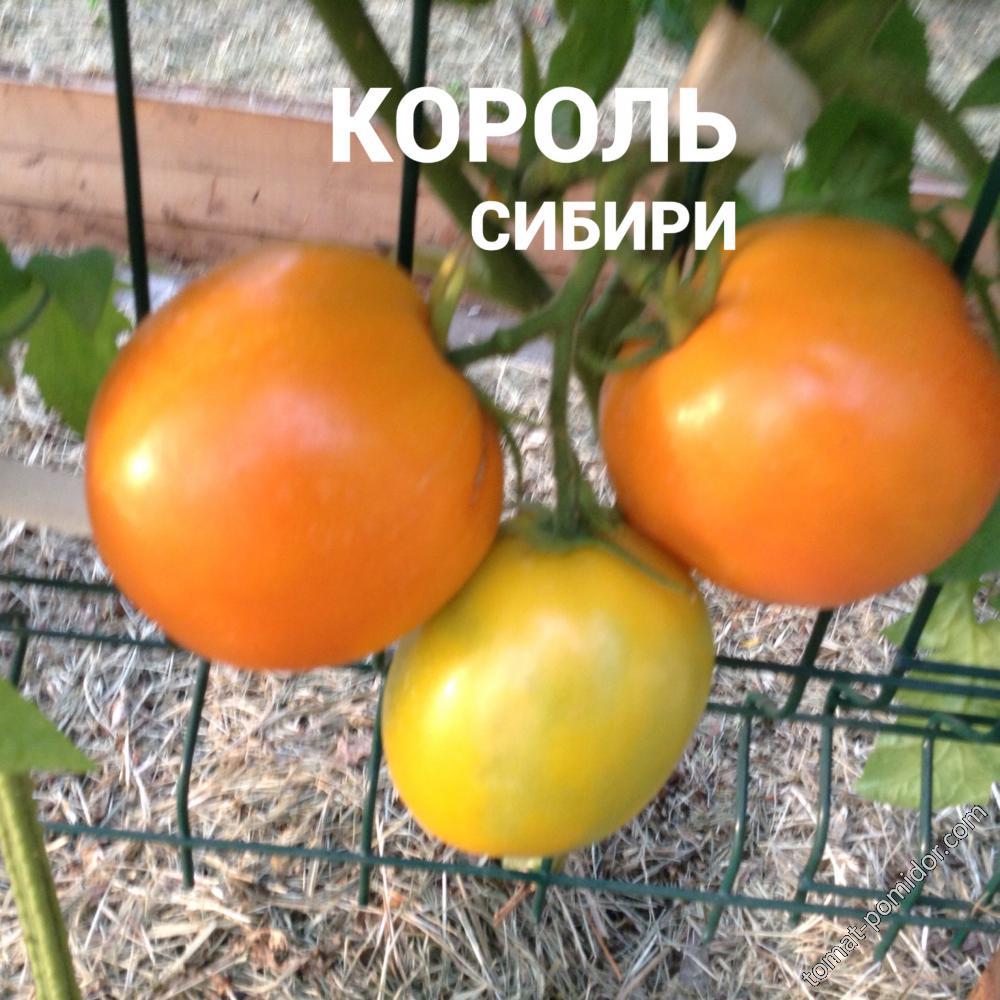
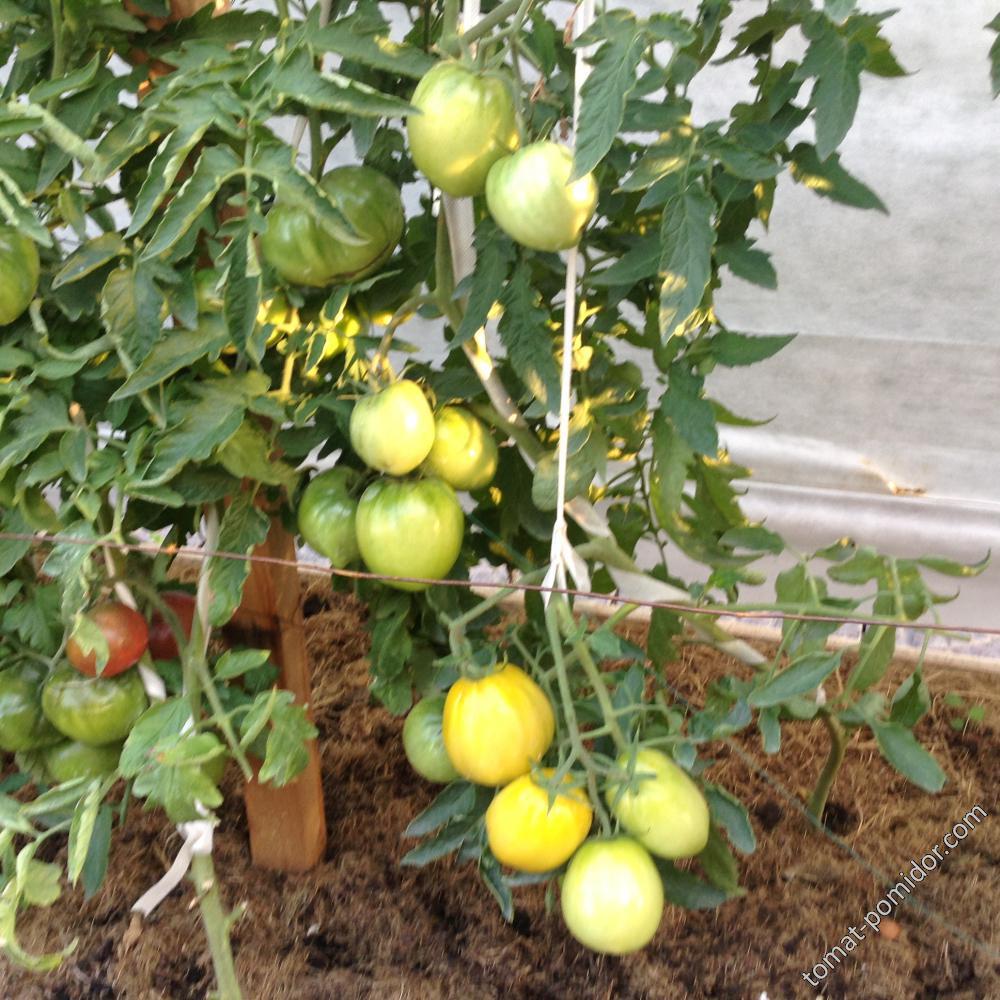
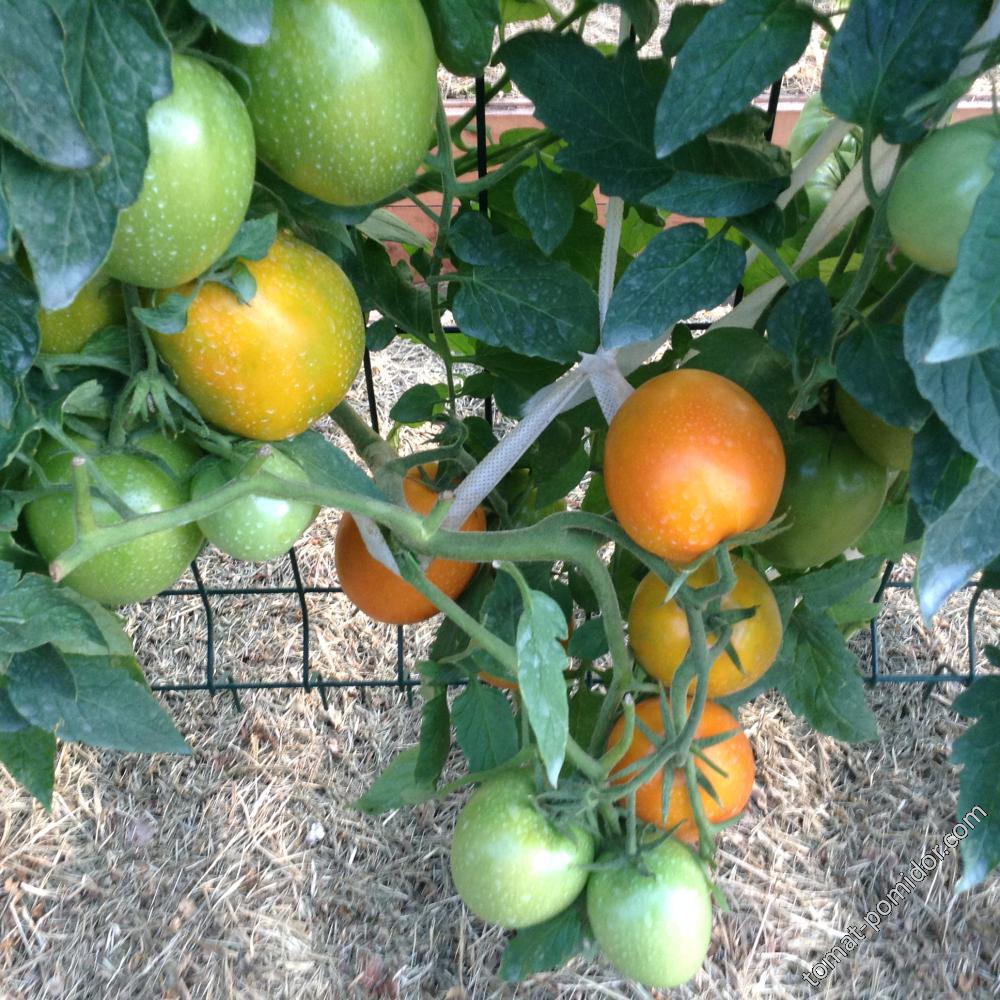
My King of Siberia is from Siberia. From @AntonaMama and from @AlenaAndreeva
A tall, vigorous bush. When cut, it's oily. My husband's favorite variety. It didn't let me down either this hot summer or last year's cold and wet one. Above is last year, below is this year, 2018.
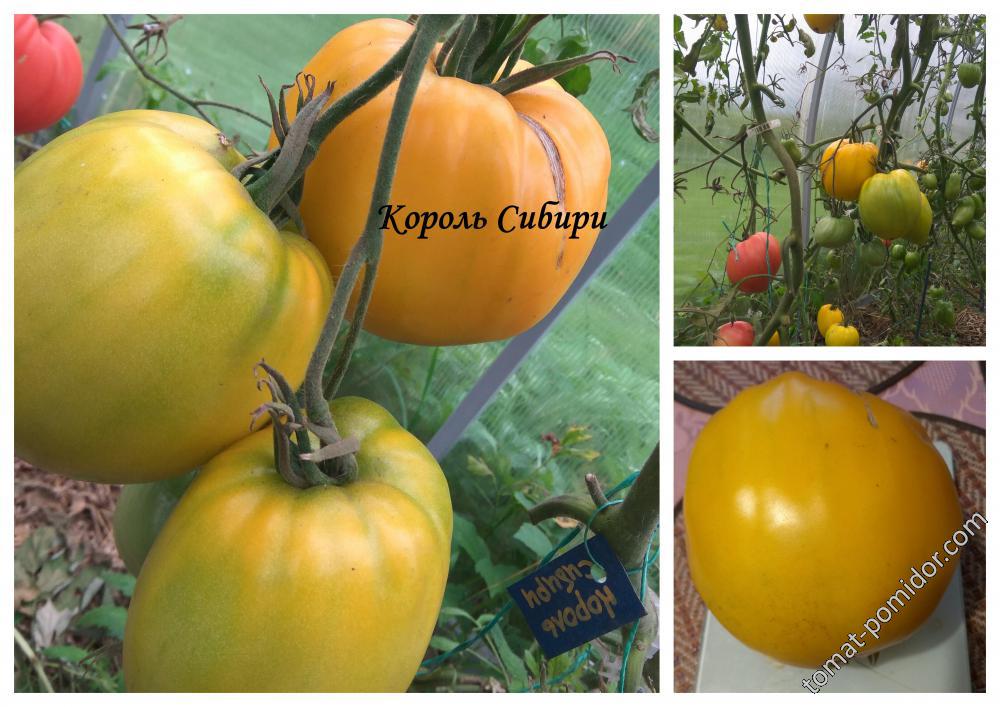
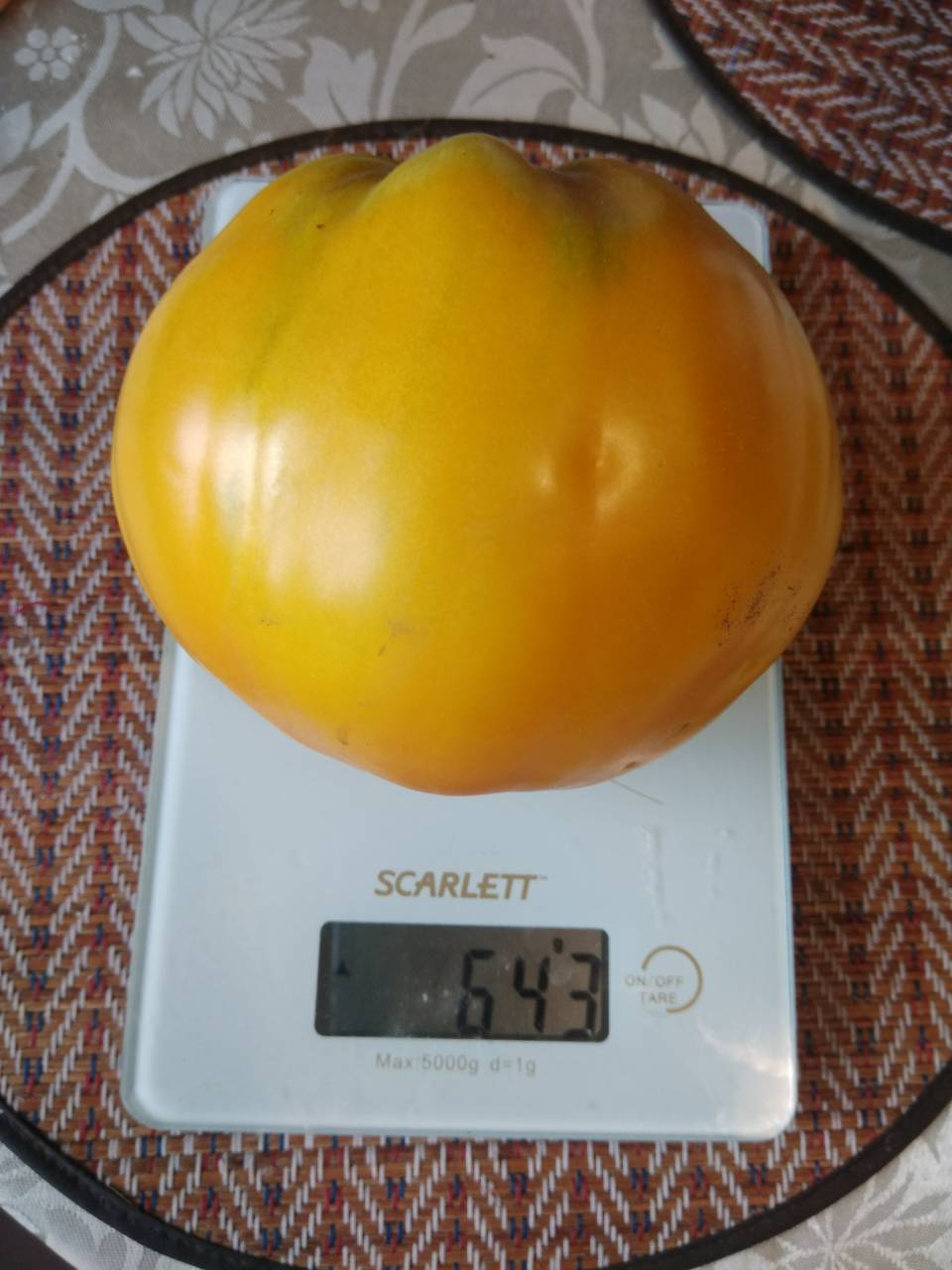
I've been planting this variety for several years. It lives up to its description. Large yellow hearts. It's easy to grow and produces beautiful flowers. Delicious.
My tomatoes this year... :smu:sche_nie: It's all my own fault! I planted them too early, and the seedlings have outgrown them... the whitefly is a voracious parasite, and I'm the hospitable hostess...
and in the greenhouse for her, all summer... a bright and kind aura...
As a result... "Kumato" was and remains the most delicious, the yellow "King of Siberia" is also very tasty, and the green-fruited "Malachite Box"...delicious!!! Pink and red, as always, for me...not so much. "Black Bunch" is cool to look at... a beautiful bunch, lots of tomatoes, but not tasty... I didn't like them. By the way, when preserved, in jars... they turn red...
I prefer seeds from the Central Siberian Botanical Garden of the Siberian Branch of the Russian Academy of Sciences—"TAYA 1"—I liked it best for both its taste (meaty, sweet) and shape (elongated-cylindrical). Others include "Miss America," "Inna," "St. Bernard," and "Minor." I liked them all; they were all good.
"Budenovka" from "Sibirsky Sad"—I've been growing it for two years now, and I'll be growing it again this year. I was captivated by this variety's early maturity and large fruit size. The fruits aren't numerous, but they're all large and tasty.
And also “King of Siberia”, I think RS, large, amber-yellow, sweet - I’ve been growing it for 4 years.