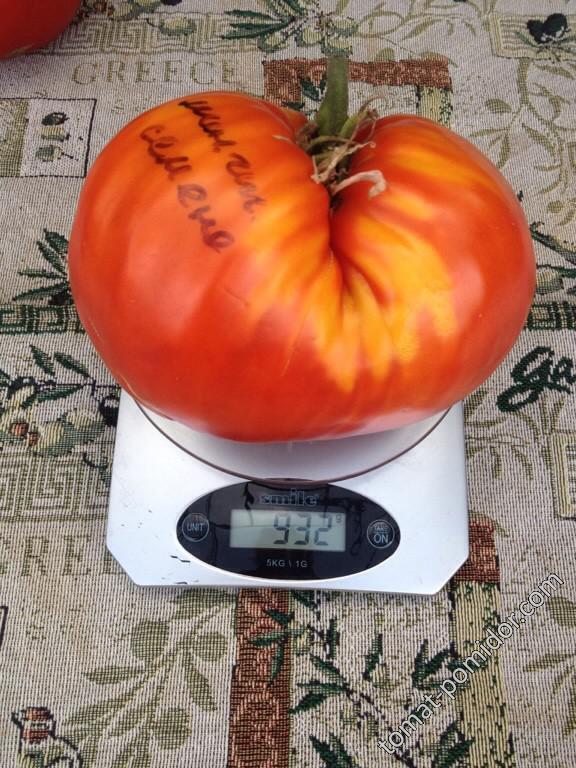
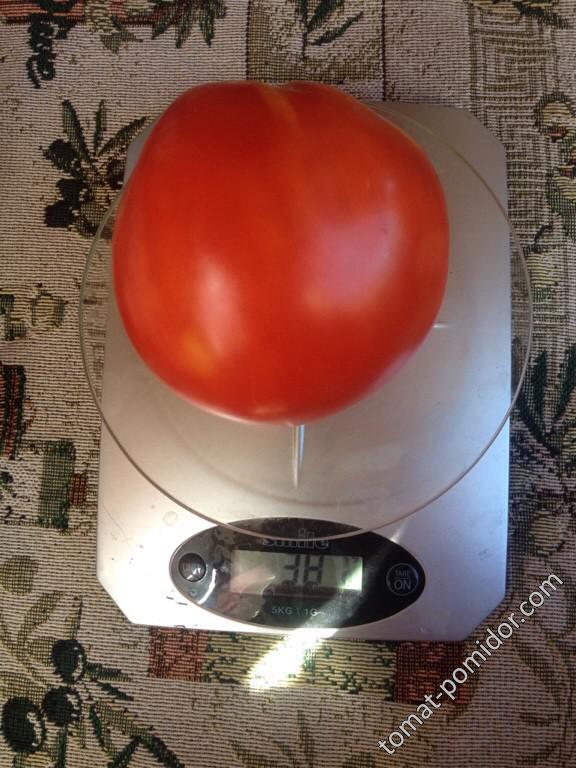
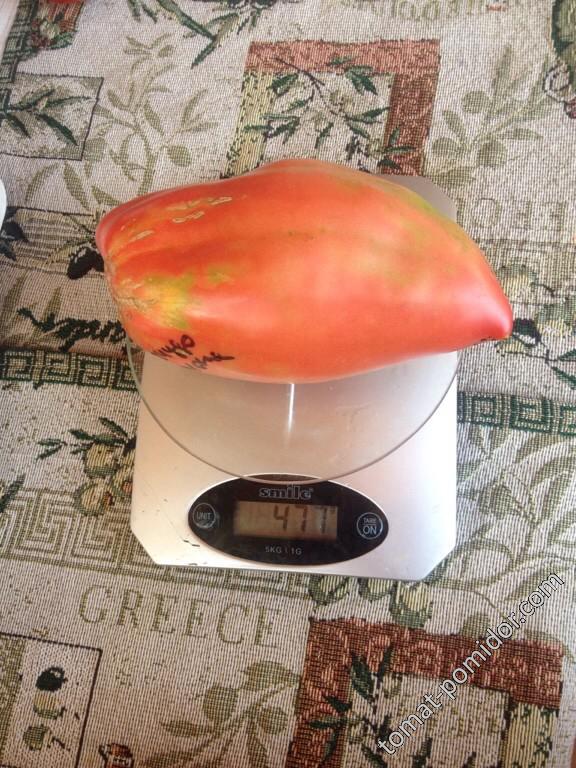
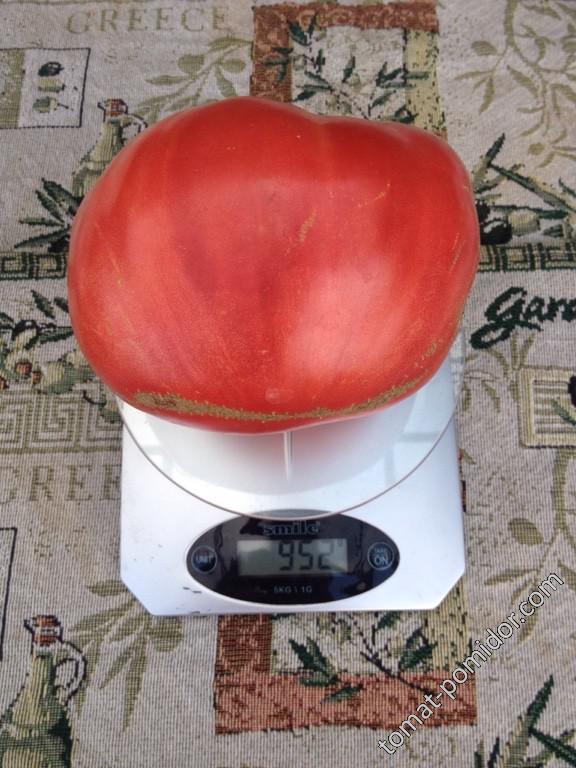
Minusinsky Domestic is an early-ripening tomato with excellent yields and large fruits. It is zoned for various regions of our country, but it is recommended to grow it only in closed greenhouses and hothouses.
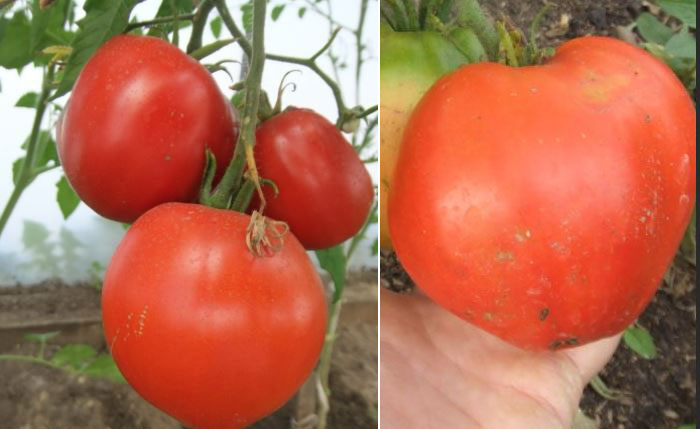
Content
- 1 Table with characteristics of the Minusinsk Domashny tomato variety
- 2 Photo gallery of the Minusinsk Homemade tomato variety
- 3 The origin of the Minusinsk Homemade tomato variety
- 4 A detailed description of the Minusinsk Homemade tomato variety
- 5 Advantages and disadvantages of the Minusinsk Homemade tomato variety
- 6 Planting Features of the Minusinsky Domestic Tomato Variety
- 7 Care, watering and fertilizing of the Minusinsky Domestic tomato variety
- 8 Resistance of the Minusinsky Domashny tomato variety to diseases and pests
- 9 Harvesting, using and storing the Minusinsky Domestic tomato variety
- 10 Comparison of the Minusinsky Domashny tomato variety with other varieties in the table
- 11 Real reviews from gardeners about the Minusinskie tomato varieties
Table with characteristics of the Minusinsk Domashny tomato variety
| Characteristic | Description |
| Description | An indeterminate tomato with early ripening and fairly tall shoots that grow up to 2 m. |
| Ripening period | 95-105 days |
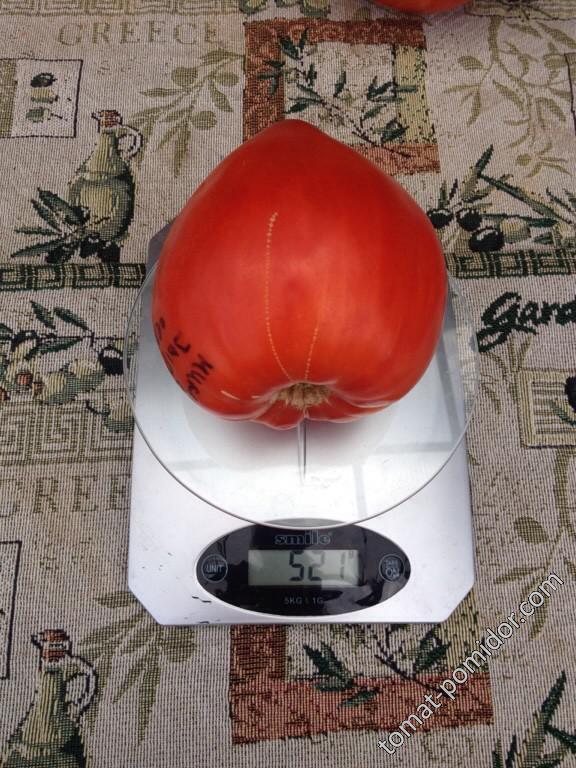
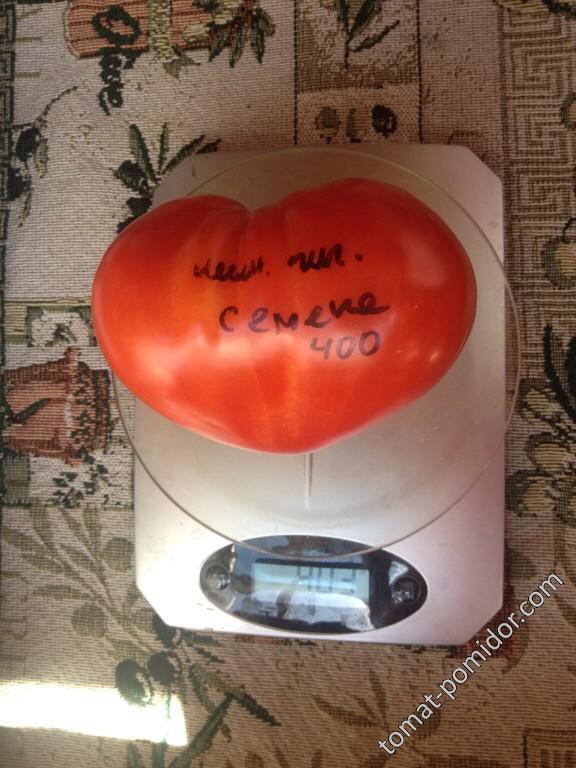
| Fruit weight | 350-500 g |
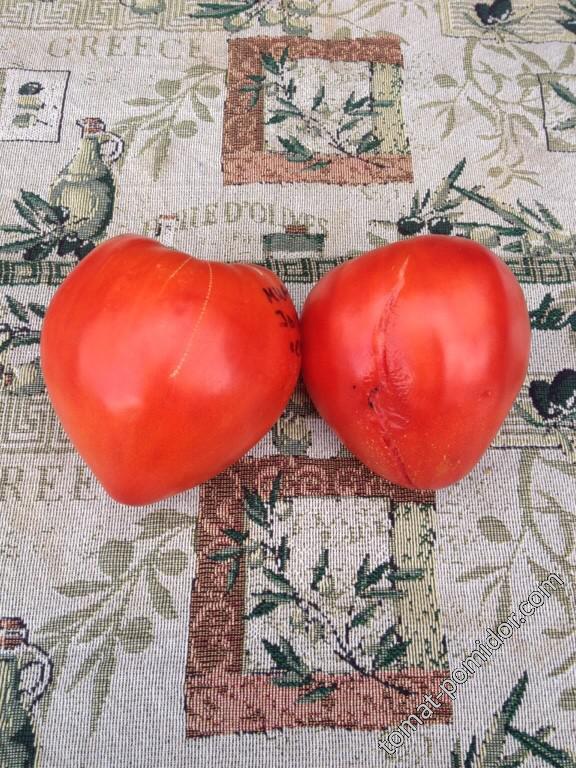
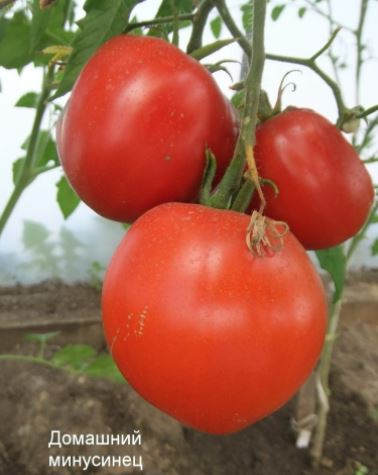
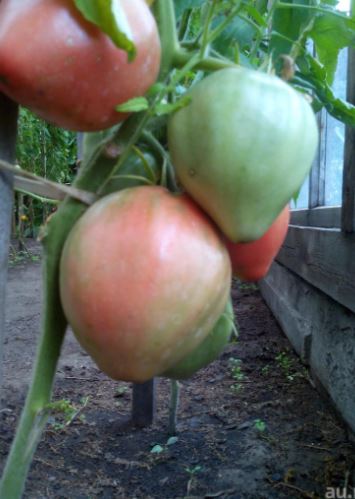
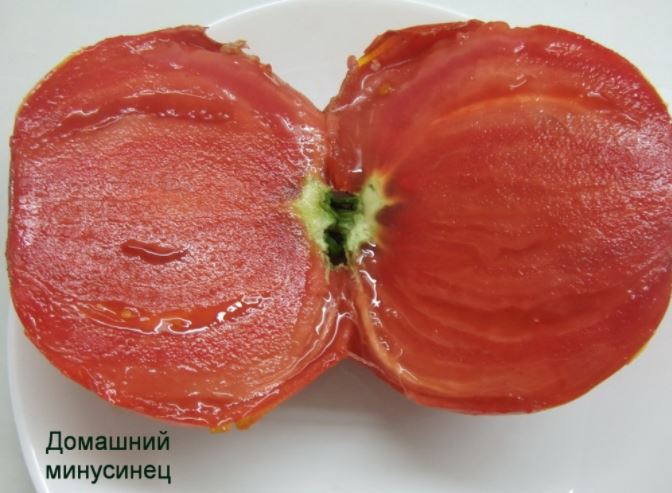
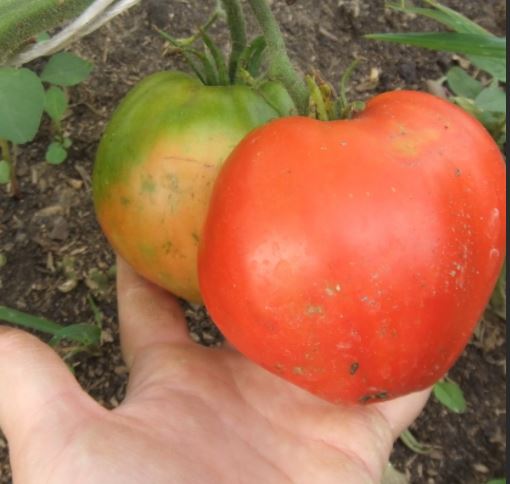
| Description of the fruit | Large, heart-shaped, thick skin, scarlet color. |
| Productivity | 1100-1400 c/ha |
| Usage | It is not used for whole-fruit canning; it is used for eating fresh, as well as for processing into pastes, sauces and ketchup. |
| Preferred growing regions | The variety is grown in greenhouses, making it suitable for different regions of the country. |
| Disease resistance | It is resistant to most fungal and viral diseases, but if watering rules are not followed or the humidity level is unsuitable, it can be affected by late blight. |
| Agricultural technology | Seeds are planted for seedlings at the end of March; the stems of adult plants need to be tied up and shaped. |
| Not included | |
| Originator | Lyubov Myazina |
Photo gallery of the Minusinsk Homemade tomato variety
The origin of the Minusinsk Homemade tomato variety
The Minusinsky Domestic Tomato is another amateur masterpiece from experienced breeder Lyubov Myazina. She began her career at the Moldovan Research Institute, later going freelance and developing her own vegetable varieties that are very popular among gardeners. Many of these varieties are registered, but the Minusinsky Domestic variety has not yet received its patent.
A detailed description of the Minusinsk Homemade tomato variety
Minusinsky Domestic is an indeterminate variety with tall shoots and excellent quality tomatoes.
Bushes
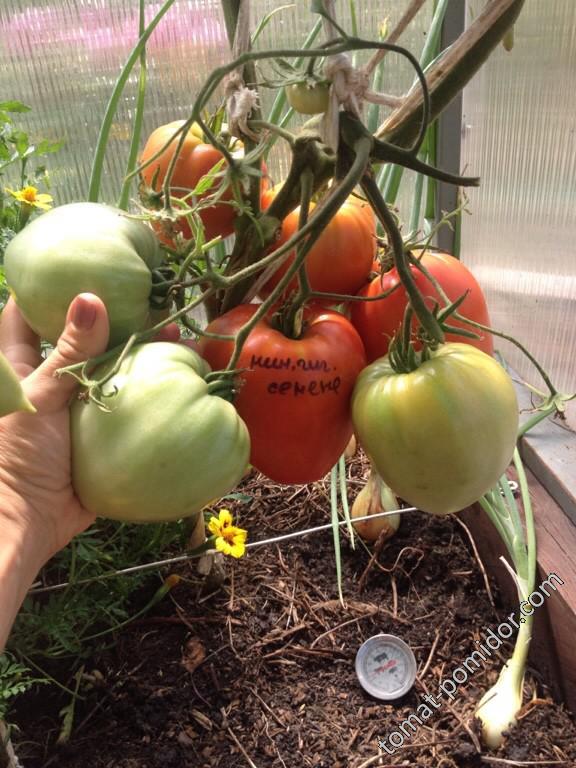
The bushes are tall, reaching 160-200 cm with proper care and requiring staking. The shoots form into 2-3 stems, with medium foliage. Some gardeners prefer to remove the lower portion of the leaves as the upper ovaries form to prevent them from blocking the root area and causing rot.
Fruit
Tomatoes are relatively large. Their average weight ranges from 350 to 450 g, but with proper care, lower tiers can produce fruits weighing up to 500-600 g. They form in clusters, each bearing 3 to 7 fruits at a time.
The tomatoes have thick skin, allowing them to hang on the vine without cracking. The surface is fairly smooth, with subtle ribbing, most pronounced near the stem. The flesh is red, juicy and aromatic, with 4 to 6 small, sparsely packed seed chambers.
Productivity
The variety's yield depends directly on growing conditions. With proper care, it can yield 11 to 14 kg of fruit per square meter.
Ripening time
Minusinsky Domestic is considered an early-ripening tomato, but some gardeners note that this period is sometimes longer, reaching 105-110 days.
Advantages and disadvantages of the Minusinsk Homemade tomato variety
The Minusinsk domestic tomato has a number of advantages and disadvantages. They are listed in the table below.
| Advantages | Flaws |
|
|
Planting Features of the Minusinsky Domestic Tomato Variety
The Minusinsky home tomato does not require specific growing conditions, but it can only be planted in a greenhouse.
Sowing seeds and growing seedlings of the Minusinsky Domashny tomato variety
Not all regions of our country can boast of an early summer, so Minusinsk domestic tomatoes are most often grown using seedlings.
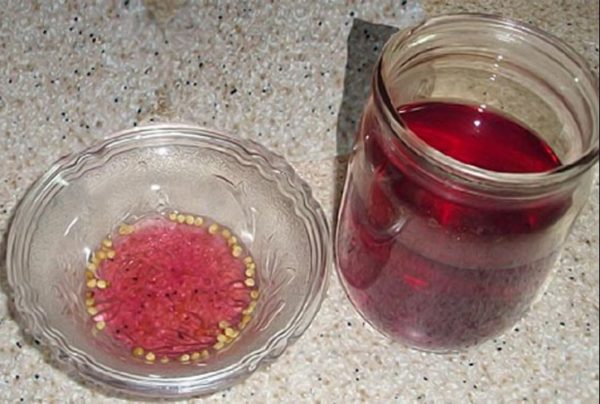
Seeds must undergo pre-sowing preparation. This consists of the following:
- Disinfection – the seeds are dipped in a weak solution of potassium permanganate for 20 minutes.
- Stimulation – treatment with preparations that activate growth.
Some manufacturers perform the necessary treatments in advance, which they indicate on the packaging. In such cases, home treatment is not required.
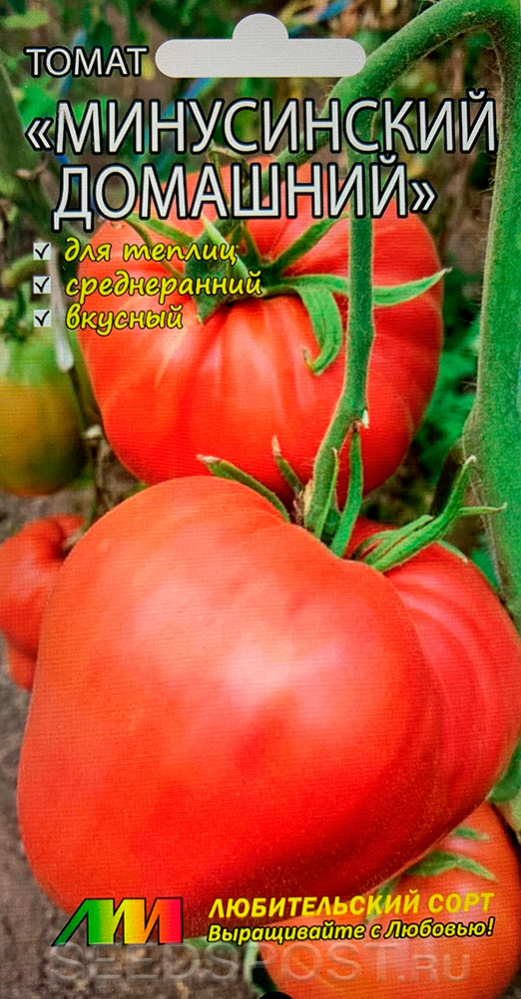
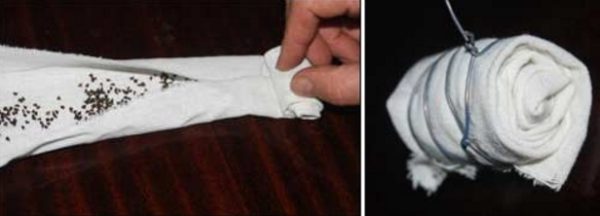
Seeds are planted in the third ten days of March. For best results, it's recommended to germinate them in advance by placing them in a damp cloth and placing them in a warm place. The first "beaks" of future tomatoes usually appear on the second day.
The container for seedlings can be wooden or plastic, but it must be disinfected with potassium permanganate.
If you plan to work with garden soil, it also needs to be disinfected by baking it in the oven or soaking it in potassium permanganate. Tomatoes require breathable soil, so add the same amount of sand, humus, and 10% vermiculite to the garden soil.
Fill the selected container halfway with potting soil, then make furrows about 15 mm deep. Place the sprouted seeds in these furrows, cover with a 1 cm layer of soil, and water with a spray bottle. It's best not to use a watering can, as the strong stream can wash away the soil and expose the seed.
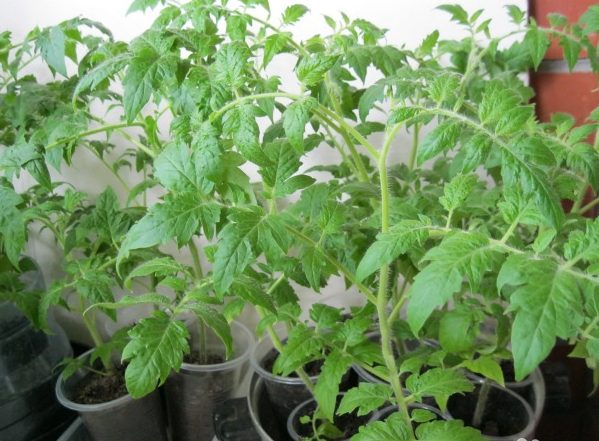
Next, cover the container with plastic wrap or glass and place it in a bright, warm place. It's important to ensure that condensation doesn't accumulate inside the makeshift greenhouse. To prevent this, you can periodically air the plantings for short periods.
You can remove the covering once all the seeds have sprouted. However, it's best to do this gradually to avoid damaging the seedlings.
The open container is moved to a cooler, brighter location with a temperature of 20 to 22 degrees Celsius. When three true leaves appear on the shoots, they are transplanted into individual pots. A week before planting, the seedlings are hardened off by placing them outside or on the balcony, first for a couple of hours, then for the entire day.
Planting the Minusinsky Domashny tomato variety in the ground
The planting date varies by region. Typically, transplanting tomatoes sown in March begins no earlier than mid-May. In northern latitudes, this work may even begin in early June.
In greenhouses, the soil is prepared in the fall by digging it in with fertilizer. In the spring, all that's left to do is dig it again. Holes are made 50-60 cm apart, and the distance between rows should be at least 60 cm. This way, no more than three plants can grow per square meter.
The hole should be approximately 25 cm deep and slightly wider than the diameter of the cup. The tomatoes, along with the root ball, are transferred to the hole, with a handful of onion skins and a little ash placed at the bottom.
After transplanting, the seedlings do not need to be disturbed by watering or fertilizing for several days.

Care, watering and fertilizing of the Minusinsky Domestic tomato variety
Caring for the Minusinsky Domestic tomato doesn't require any specific cultivation techniques. As the shoots grow, they form into 2-3 stems. Due to their considerable height, a staking system and support system must be carefully considered.
Water 2-3 times a week as the soil dries out. Avoid overwatering, as stagnant moisture around the roots leads to the development of fungal diseases. However, if the soil remains dry for too long and the next watering is heavy, the tomatoes may crack from the sudden change in moisture.
Periodic weeding of the beds and the spaces between rows is recommended to prevent weeds from robbing the soil of nutrients and attracting pests. To retain water and prevent weeds from growing wild, mulch the surface of the beds with straw or sawdust.
Fertilizer can be applied 10 days after planting tomatoes. Many gardeners prefer organic fertilizers and dilute a bucket of manure in 100 liters of water. However, if the soil is poor, mineral fertilizers are also essential. During the shoot growth period, a small amount of nitrogen fertilizer can be added. The key is not to apply too much, otherwise, only the vegetative mass will grow, not the trusses. Furthermore, excess nitrogen is often the cause of late blight.
During the period of formation of ovaries and fruits, tomatoes require potassium and phosphorus.
Stop feeding tomatoes 2 weeks before harvesting.
Resistance of the Minusinsky Domashny tomato variety to diseases and pests
The Minusinsky Domashny variety has excellent immunity, which helps combat common tomato diseases. To prevent fungal infections, spray with Bordeaux mixture or Fitosporin. If care instructions are not followed, late blight can occur; tomato sprays with specialized products can combat this.
Harvesting, using and storing the Minusinsky Domestic tomato variety
The harvest can be completed in 95-105 days, depending on growing conditions. It is not recommended to leave the fruit on the vine for too long to reduce the risk of cracking.
The fruits are firm enough to be stored for 3-4 weeks without losing their flavor. Their dense surface allows them to be transported over long distances while maintaining high marketability.
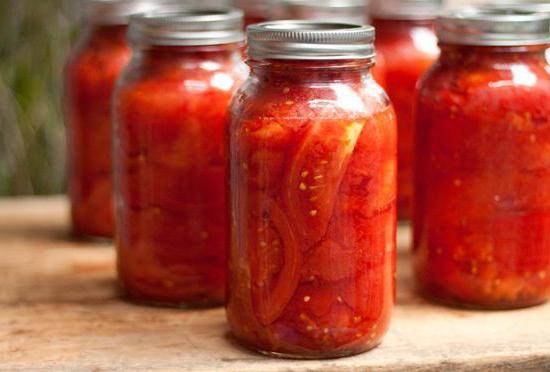
The large size of tomatoes precludes whole-fruit canning. However, they make a wonderful addition to any dish and are also ideal for processing into paste, adjika, ketchup, and many other sauces.
Comparison of the Minusinsky Domashny tomato variety with other varieties in the table
Please note! How can you easily convert centners/ha to kg/sq.m? Simply divide by 100! For example, the Abakansky Pink tomato yields 400 centners of marketable fruit per hectare. This equals 4 kg per square meter. It's that simple! Also, keep in mind that typically no more than 3-4 plants are planted per square meter. This way, you can calculate the yield per bush. In the case of the Abakansky Pink, it's about 1 kg.
| Variety | Ripening period (number of days from full germination to ripening)
Yield of commercial fruits |
Brief description | Fetus |
| Minusinsk home | 110-120 days
Up to 1500 c/ha |
An early-ripening indeterminate variety for greenhouses. Requires staking and shaping into 1-2 stems. Suitable for processing into tomato products and canning. | Heart-shaped, slightly ribbed, raspberry, 350-500 g. Excellent taste. |
| Minusinsk balls | 110-122 days
Up to 1500 c/ha subject to agricultural practices |
A mid-season indeterminate variety for greenhouses. Requires staking and training into single or double stems. Suitable for salads and processing into tomato products. | Round-heart-shaped, ribbed, pinkish-red, 150-250 g. Excellent taste. |
| Minusinsk apple | 110-112 days Up to 2500 c/ha |
A mid-season indeterminate variety for greenhouses. Requires staking and training into two stems. Suitable for salads and processing into tomato products. | Flat-round, ribbed, red, up to 500 g. Excellent taste. |
| Abakan red
|
110-115 days
600 c/ha |
A mid-season variety for growing in cool climates, both indoors and outdoors. Requires staking and training. Suitable for salads and processing into tomato products. | Heart-shaped, with dense skin, red, 500-700 g. Pleasant, aromatic taste. |
| Dad | 90-105 days
200 c/ha |
An early-ripening indeterminate variety for open ground and greenhouses. Requires staking and shaping. Suitable for salads. | Heart-shaped, slightly ribbed, medium density, fleshy, raspberry, 200 g. Good taste. |
| Budenovka | 111 days 930 c/ha |
A mid-early indeterminate variety for greenhouses. Suitable for salads. | Heart-shaped, strongly ribbed, red, 150-350 g. Good taste. |
| Bull's heart (red) | 120-125 days
300-400 c/ha Important! There are other colors besides red, see the article (hover over the variety name to jump). |
A late-to-mid-late determinate variety for open ground and greenhouses. Requires staking and shaping. Suitable for salads. | Heart-shaped, smooth, fleshy, red, 108-225 g. Excellent taste. |
| Ox heart | 111-115 days
630-690 c/ha |
A late-ripening indeterminate variety for open ground and greenhouses. Requires staking and shaping. Suitable for salads. Grows best in southern Russia. | Heart-shaped, medium-ribbed, pink-raspberry, 150-300 g. Good taste. |
| Chinese pink | about 110 days up to 1500 c/ha (open ground), up to 2000 c/ha (greenhouse) |
A mid-early semi-determinate variety for open ground and greenhouses. Requires staking and training. Suitable for salads and processing into tomato products. | Heart-shaped, fleshy, sweet, pink, 300-350 g. Excellent taste. |
| Favorite holiday | 105-110 days
750 c/ha |
An early-ripening determinate variety for open ground. Suitable for salads. | Heart-shaped, slightly ribbed, medium density, pink, 350 g. Good taste. |
| Raspberry Empire | 95-110 days
2000 c/ha |
An early-ripening indeterminate variety for greenhouses. Suitable for salads and pickling. | Heart-shaped, medium density, medium-ribbed, raspberry, 150-200 g. Excellent taste. |
| Mom's Raspberry Heart | 112-120 days
1200-1500 c/ha |
A mid-season indeterminate variety for greenhouses and open ground. Suitable for salads and canning. | Heart-shaped, ribbed, pink, 300-600 g (up to 1200 g). Excellent taste. |
| Mikado Sibiriko | 90-95 days
800 c/ha |
An early indeterminate variety from Siberian breeders. For salads, juice, and pasta. | Heart-shaped, ribbed, pinkish, 400-600 g. Excellent taste. |
| Sensei | 100-105 days
1800-2400 c/ha |
An early-ripening determinate variety for open ground and greenhouses. Suitable for salads, processing into tomato products, canning, first and second courses, and drying. | Round-heart-shaped, ribbed, red-raspberry, up to 400 g. The taste is good and excellent. |
| Heavyweight of Siberia | 85-100 days
The yield of commercial fruits is 2.8 kg/sq.m. |
An early-ripening determinate variety for open ground. Suitable for salads. Transportable. | Heart-shaped, slightly ribbed, medium density, raspberry, 173 g. Excellent taste. |
Real reviews from gardeners about the Minusinskie tomato varieties
The Minusinsky Domestic variety has not yet received any reviews from gardeners, so we will provide reviews of other Minusinsky varieties.
Grew Minusinsk
and the Podsinsky hearts (they turned out to be earlier, these are the first ones, they were smaller)
They're fleshy, and my yield is quite good, considering I drop 2-3 clusters. They produced until they stopped. They were about one and a half meters tall, which I like.
What did they taste like? Mine weren't bad.
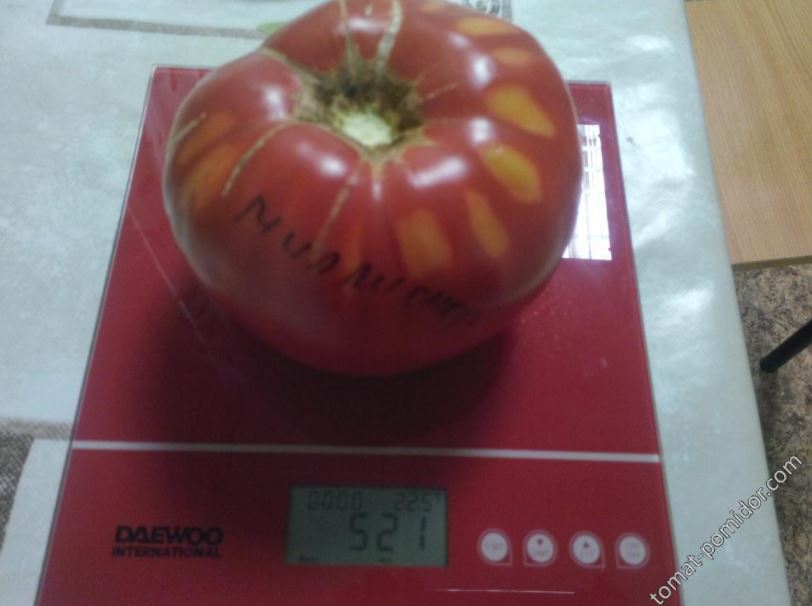
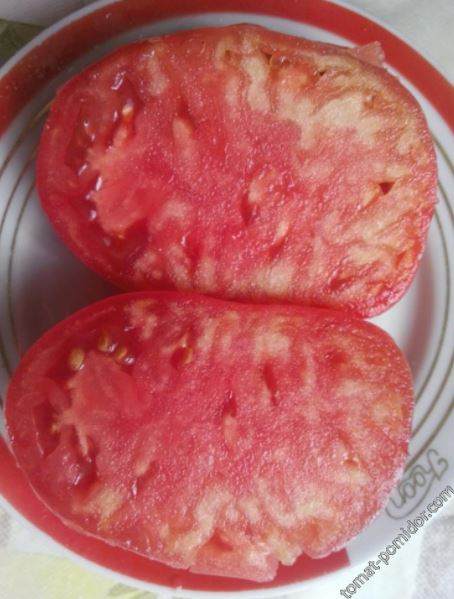
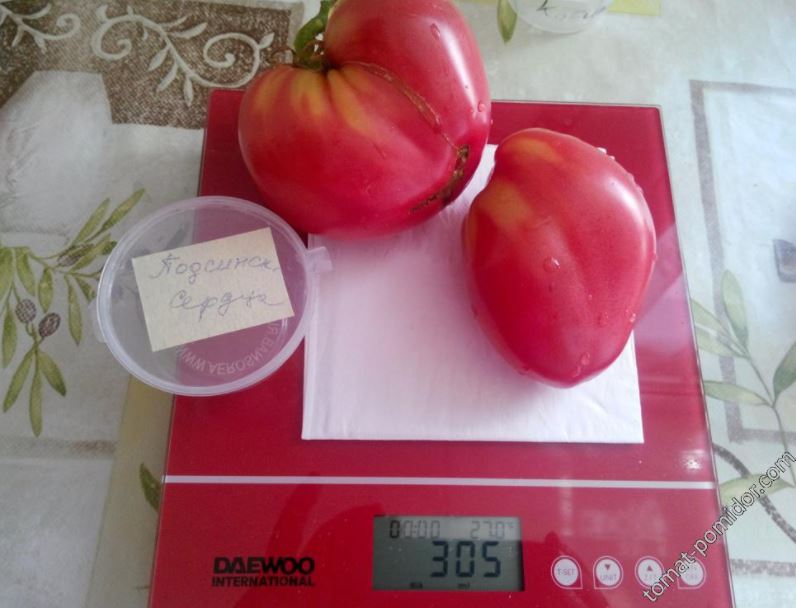
I see that most of the participants have already released pairs of Minusinsk varieties, so I will allow myself to make a modest speech. :-[ A year ago, when I came to the forum, I did not catch the point that there are a whole ton of Minusinsk varieties :hey: I read that it was good and asked Olya (O-la-la) for it, and she could not send me a bad one :-*! Two plants were sown on March 9th for subsequent determination in the garden. On July 29th, I had 2 bushes like these. (To the right and left of me) Now I do not regret at all that I do not have the full variety of Minusinsk varieties and my (Olin's) Minusinsk variety is with me forever. :yep: Everyone liked it! Including the fact that despite its impressive size, it can lie around. Olya, thank you so much and again!!! :thx: :thx: :-*
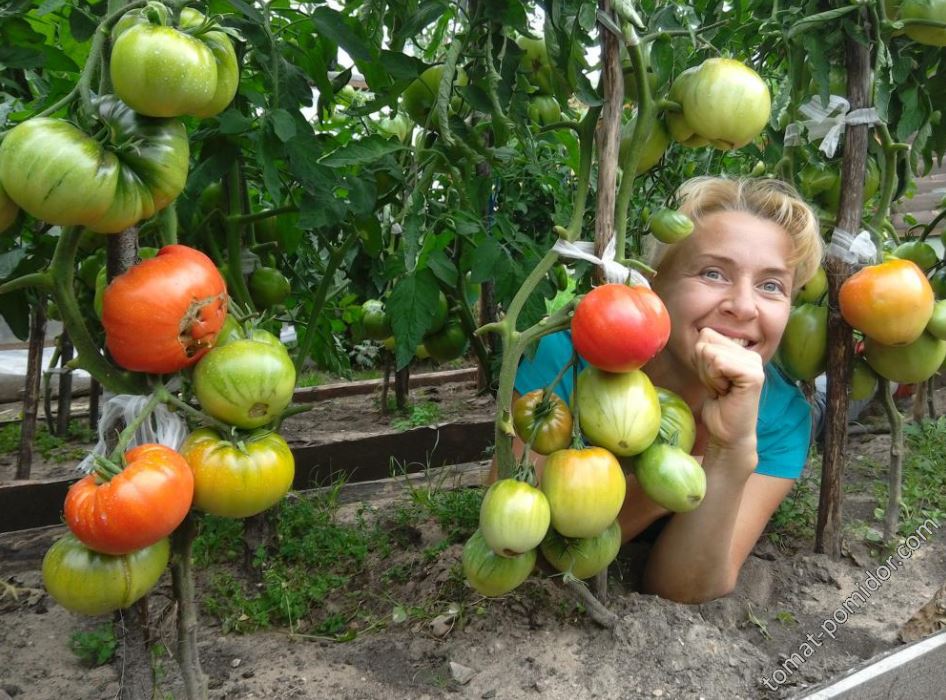
Here are my Minusinsk tomatoes.
MINUSINSKIE from Zyryanova 08/02/2015.
one of the sweetest varieties.
MINUSINSK giant 08/02/2015.
MINUSINSK giant first brush 2.0815.
MINUSINSKIY GIGANT for seeds 08/2/2015.
MINUSINSKAYA Grushanka from Sveta Kemerovo 08/02/2015.
PODSINSKOE miracle.
MINUSINSK from Natalia Sludnikova 08/02/15.
The photo is dated August 2, but the seeds were taken a week earlier for ripening. They were planted for seedlings around the second half of February.