Despite the emergence of new tomato varieties every year, many gardeners prefer tried-and-true varieties. One such variety is the Siberian Early Rising. It was developed over 50 years ago and continues to be successfully grown both in private farms and commercially.
Content
- 1 Table with characteristics of the Siberian early-ripening tomato variety
- 2 Photo gallery of the Siberian early-ripening tomato variety:
- 3 The origin of the Siberian early ripening tomato variety
- 4 A detailed description of the Siberian early ripening tomato variety
- 5 Advantages and disadvantages of the Siberian early ripening tomato variety
- 6 Features of growing the Siberian early ripening tomato variety
- 7 Resistance of the Siberian early ripening tomato variety to diseases and pests
- 8 Collection, use and storage
- 9 Tips from experienced gardeners on growing Siberian early-ripening tomatoes
- 10 Comparison of the Siberian early ripening tomato variety with other varieties in the table
- 11 Gardeners' reviews of the Siberian Early-Ripening tomato variety
Table with characteristics of the Siberian early-ripening tomato variety
| Characteristic | Description |
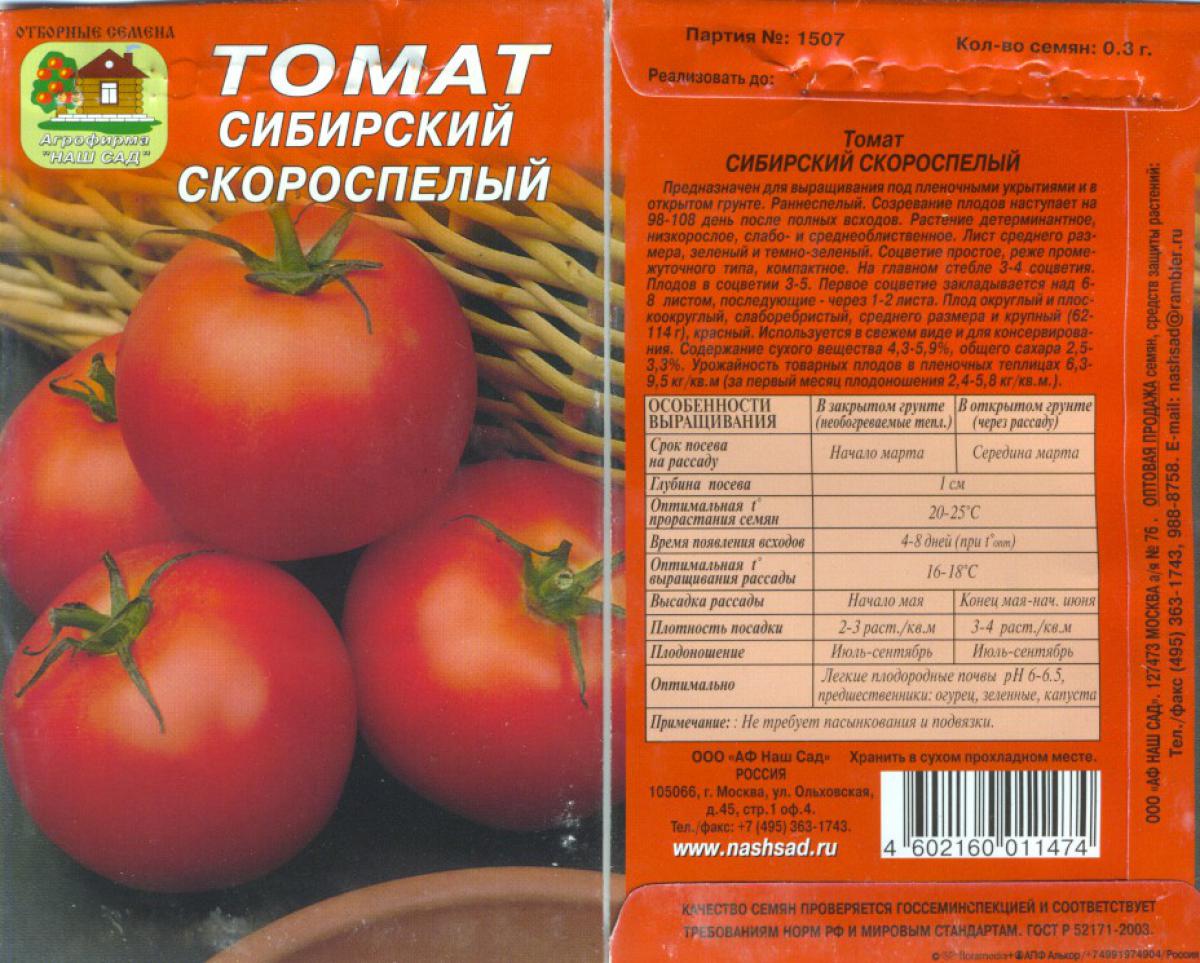
| Description | A determinate, early-ripening variety, intended for greenhouses and film shelters, but in southern regions, planting in open ground is permitted. |
| Ripening period | 98-108 days |
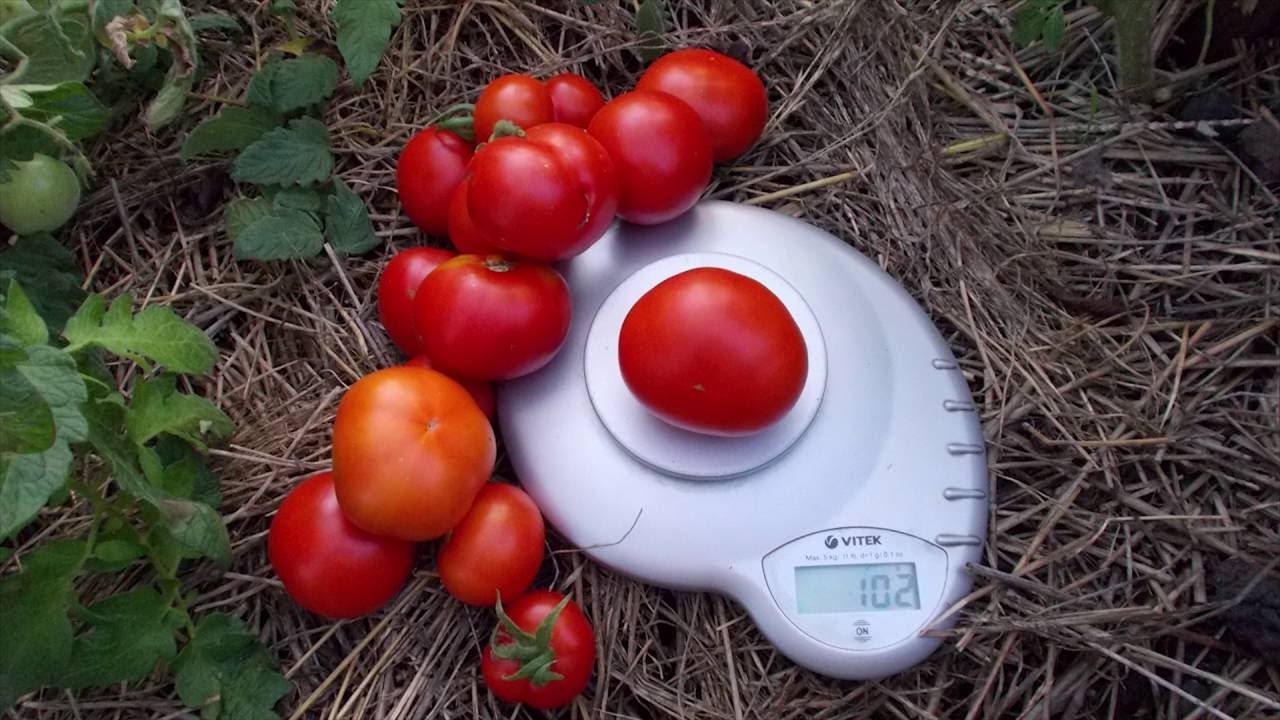
| Fruit weight | 62-114 g |
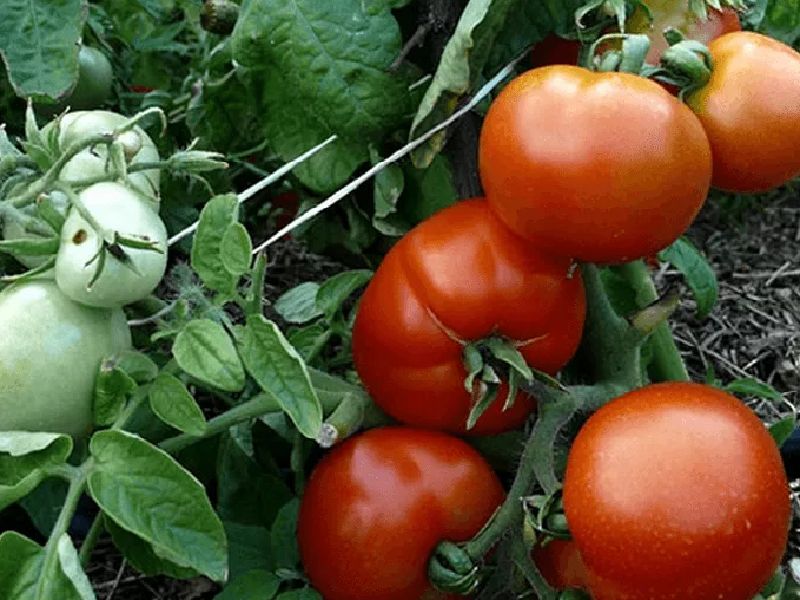
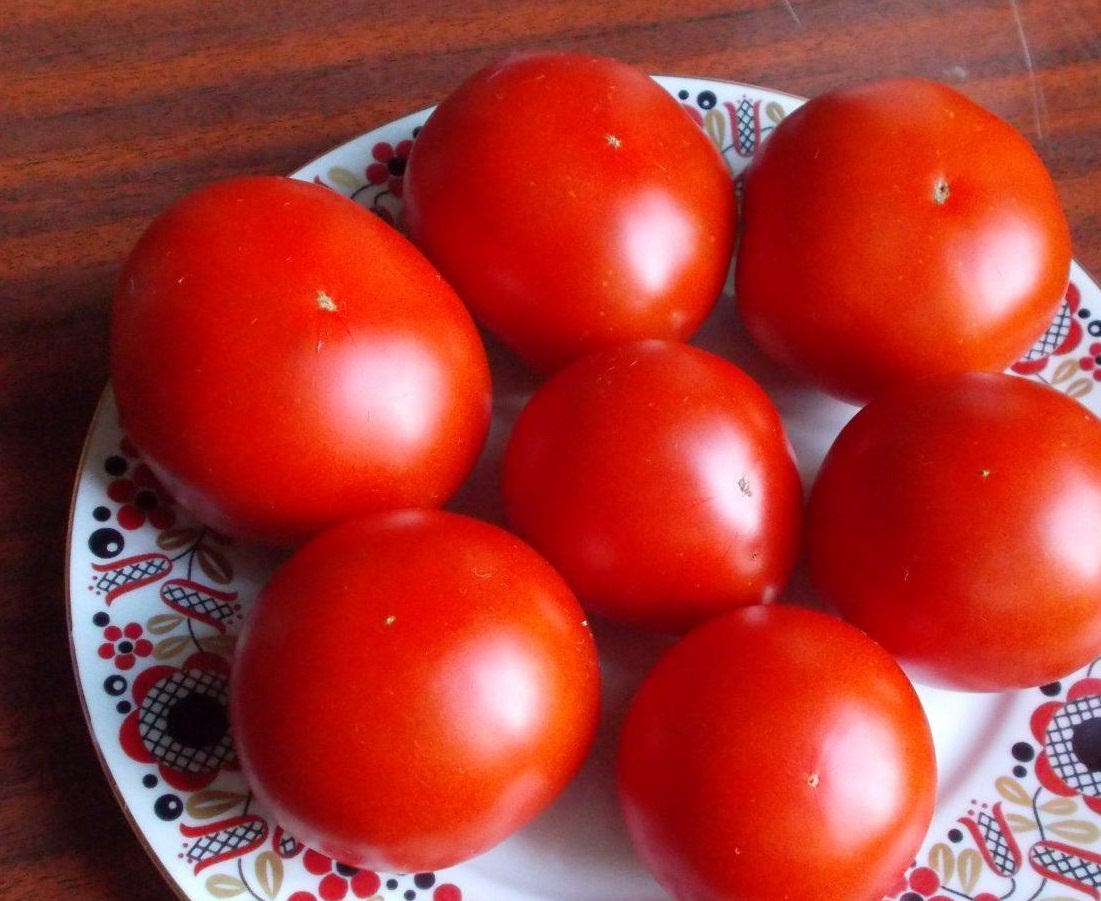
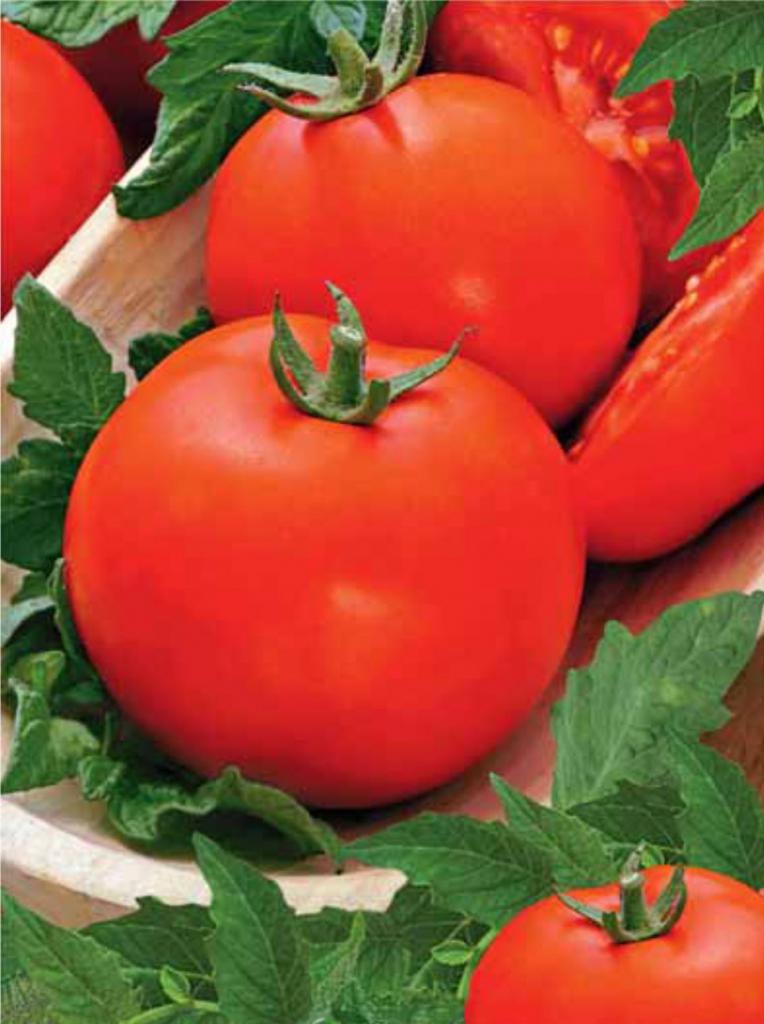
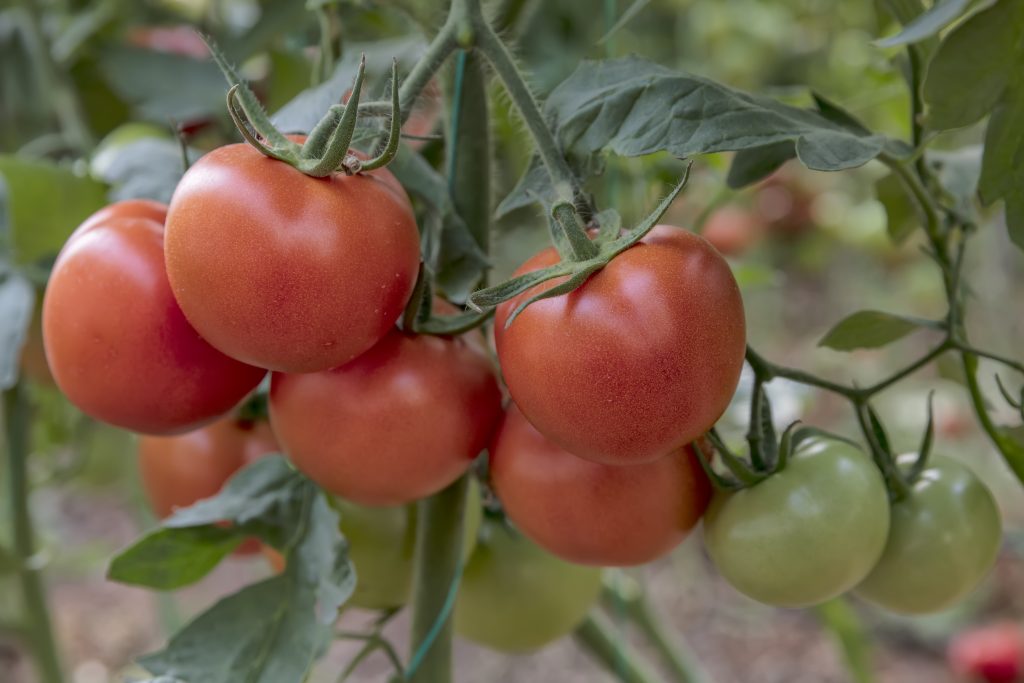
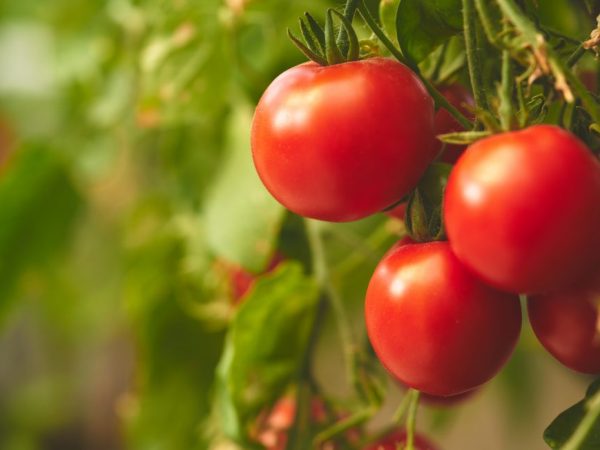
| Description of the fruit | The fruits are round, sometimes slightly flattened. The color is bright red, the skin is thick. |
| Productivity | 6.3-9.5 kg per square meter (in greenhouses), 289-543 c/ha (in open ground) |
| Usage | Small tomatoes can be used for whole-fruit canning. Larger harvests are used for salads and fresh eating. Tomatoes can be processed into sauces, pastes, and ketchup. |
| Preferred growing regions | It is grown in various regions. In the south, it can be planted in open ground, while in the central and northern regions, greenhouse cultivation is recommended. |
| Disease resistance | Tomatoes have strong immunity and are not susceptible to viruses, but can be susceptible to late blight. |
| Agricultural technology | Despite their relatively small size, the shoots require staking. Pinching is either not necessary or should be done sparingly. The plant is formed into two stems. |
| 1959 | |
| Country of origin | Russia, Federal State Budgetary Institution 'FEDERAL RESEARCH CENTER FOR VEGETABLE GROWING', LLC 'AGROFIRM AELITA' |
Photo gallery of the Siberian early-ripening tomato variety:
The origin of the Siberian early ripening tomato variety
The Siberian Early tomato variety was conceived by breeders as the ideal tomato for Siberia. It combined fast ripening, tasty fruit, and strong immunity. The variety was added to the register in 1959. More than 50 years have passed since then, but gardeners across the country continue to use the Siberian Early tomato variety for growing tomatoes, including on an industrial scale.
A detailed description of the Siberian early ripening tomato variety
Siberian early ripening is distinguished by small bushes and excellent yield.
Bushes
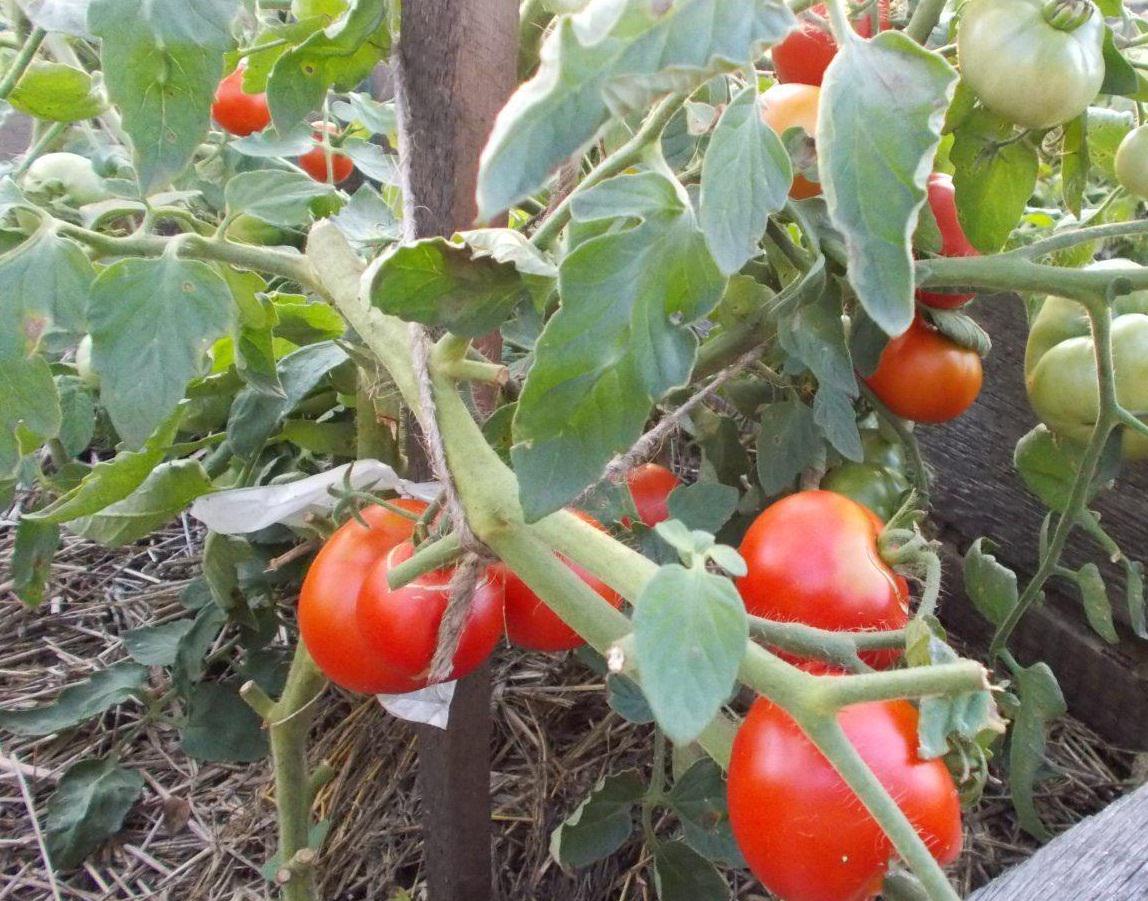
The height of the shoots depends on the growing conditions: outdoors, they can grow up to 90 cm, while in a greenhouse, they barely reach 50 cm. The stem is strong, despite its modest size, but it still needs to be tied up to prevent the shoots from breaking under the weight of the fruit.
The leaves are few, medium-sized, and dark green. In greenhouse conditions, the first inflorescence appears after the 9th or 10th leaf; outdoors, after the 6th leaf.
Fruit
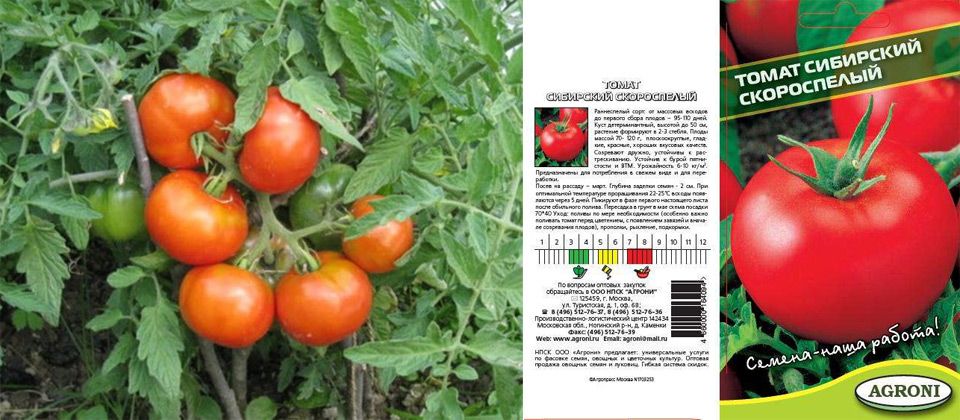
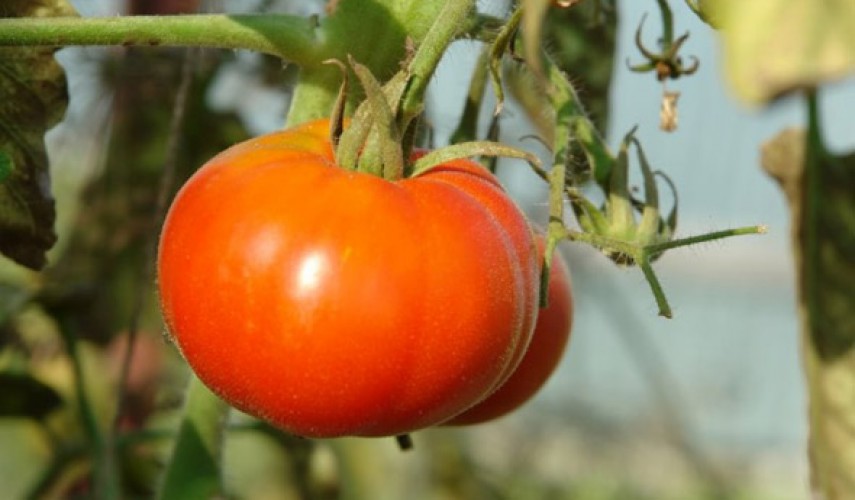
The fruits of the Siberian early-ripening tomato variety are round, sometimes slightly flattened. Ribbing is not prominent. The tomatoes are relatively small, weighing between 60 and 120 g.
The flesh is bright red, dense, very juicy, and has a pleasant taste.
The skin is very dense, which makes it possible to store tomatoes for a long time and also prevents them from cracking on the branch.
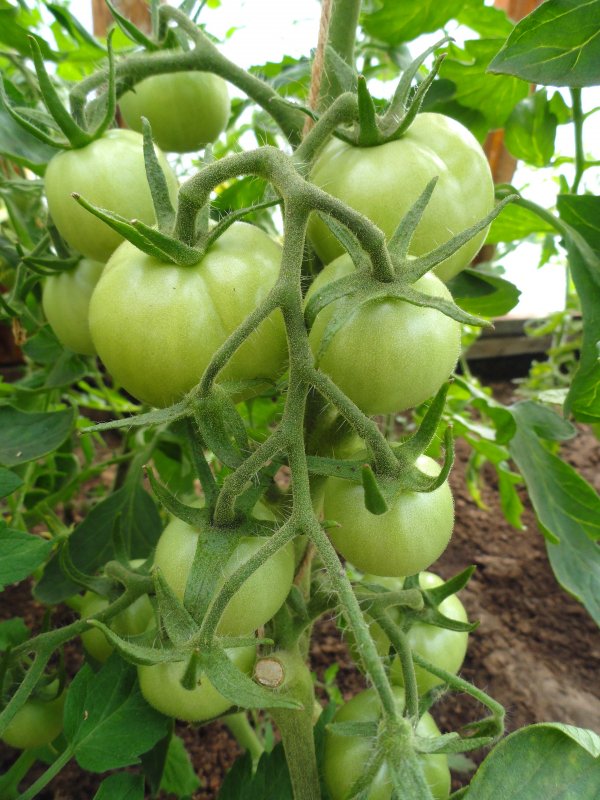
The fruits are collected in clusters of 3-5 on the bushes. Under favorable conditions, up to 7 ovaries can form simultaneously in a single inflorescence.
Productivity
The yield of the Siberian Early Ripening Tomato depends on the cultivation method: greenhouses always yield more than open-field tomatoes. A bush in an open garden bed can yield approximately 500-600 grams of fruit, or approximately 7 kg per square meter. In a plastic shelter or greenhouse, each bush produces up to 1.5 kg of tomatoes, with a yield of up to 10 kg per square meter.
Ripening time
The Siberian Early Tomato ripens very evenly. In open ground, half the crop ripens in the first flush. If grown correctly, tomatoes can be harvested within 98-108 days of germination.
Advantages and disadvantages of the Siberian early ripening tomato variety
The Siberian early ripening variety has virtually no disadvantages, but it has many advantages.
| Advantages | Flaws |
|
|
Features of growing the Siberian early ripening tomato variety
The Siberian early ripening tomato is grown in accordance with standard agricultural practices, requiring no special tricks from gardeners.
Sowing seeds and growing seedlings
Seeds are sown 60 days before the scheduled tomato planting date. The exact date is determined individually in each region based on weather conditions. Most gardeners across the country can begin planting in early March.
To speed up the germination process, experienced gardeners recommend soaking tomatoes in a growth stimulant, such as Epin. Please note that some producers pre-treat their seedlings, which will be indicated on the packaging.
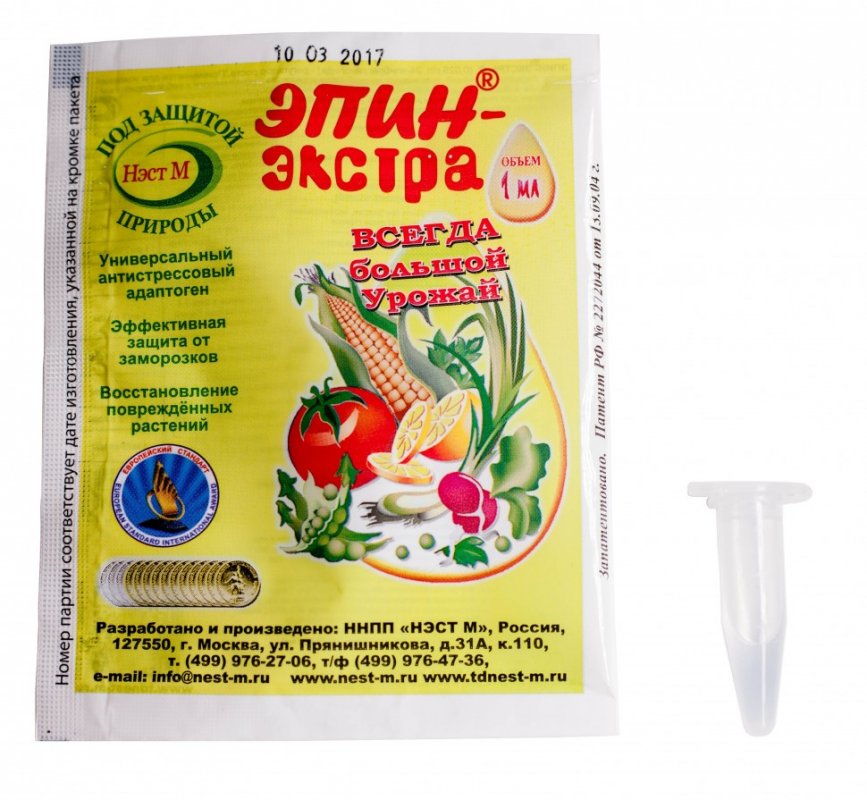
You can plant tomatoes dry, but this will extend their germination period to 7 days. It's better to germinate them in advance by wrapping them in a damp cloth and placing them in a warm place. After 2-3 days, the sprouts will emerge, and you can begin sowing.
The soil should be permeable, so it's best to purchase a ready-made potting mix for seedlings. If this isn't available, mix equal parts river sand, garden soil, and compost.
The selected container is half-filled with soil, and 5 mm-deep furrows are made in the soil. The seeds are placed in the furrows, covered with soil, and watered with a spray bottle. The container is then covered with glass or plastic and placed in a warm, well-lit location.
Periodically, open the greenhouse for ventilation and removal of condensation. Once all the tomatoes have grown to the top of the greenhouse, remove the cover and move the container to a cooler room. To prevent the shoots from stretching and to ensure strong growth, provide them with additional lighting.
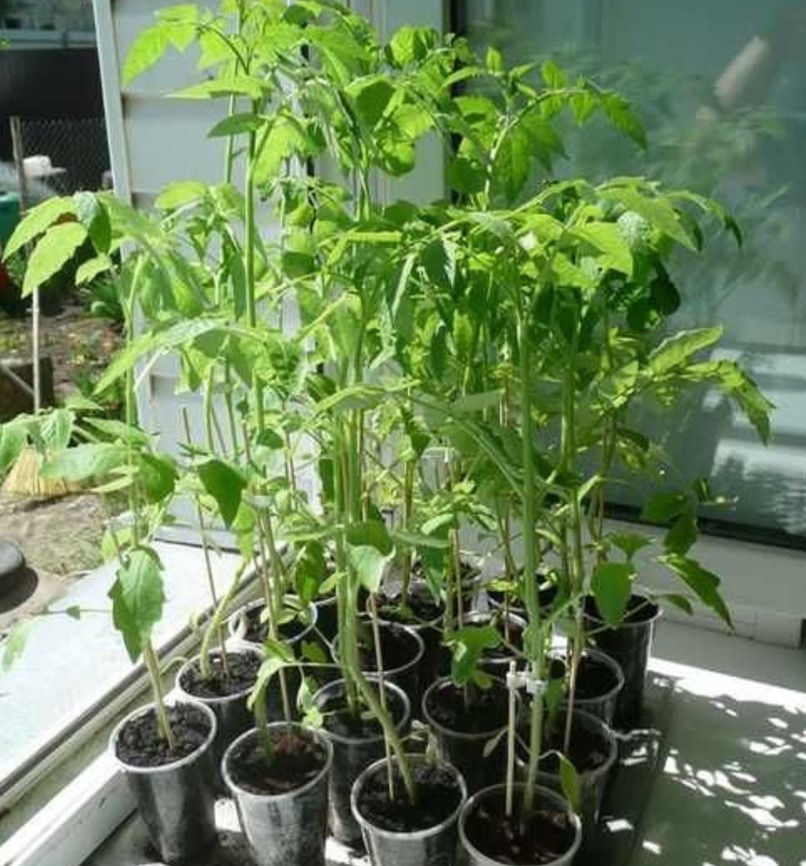
As soon as 3 full leaves appear on the shoots, they are transplanted into separate containers, lightly pinching the central root.
A couple of weeks before planting, harden off the seedlings by placing them outside for a couple of hours at first, then increasing this time to 8-10 hours a day. It's important to protect the delicate leaves from sunburn, otherwise they will become sunburned.
Planting in the ground is carried out when the soil warms up to +15 °C.
Planting in the ground
Siberian Early Ripening produces equally well in both greenhouses and open ground, provided the weather conditions permit. The key factors are suitable soil temperatures (not below 13–15°C) and the absence of night frosts.
The soil in the garden bed is prepared in the fall, dug over with fertilizer, and in the spring, gardeners simply dig the soil again and make holes. Some prefer to add ash, onion peels, and other fertilizers. These are always covered with a layer of soil to prevent burning the roots. However, if the soil is sufficiently nutritious, no additional additions are needed. Holes are dug 50 cm apart. It is recommended to leave the same distance between rows.
Four plants can be planted per square meter. The holes should be no more than 25 cm deep and slightly wider than the diameter of the pot. Immediately after transplanting, it is recommended to water the soil and cover the bed with non-woven material if the tomatoes were planted outdoors.
It is advisable to mulch the surface of the bed to prevent weeds from getting in and to retain moisture in the soil.
Important! When choosing a site for planting tomatoes, keep in mind that peppers, potatoes, and eggplants are poor predecessors.
Care, watering and fertilizing
Caring for the Siberian early ripening variety does not require any special efforts from gardeners.
Despite the relatively short shoots, it is still recommended to tie them up so that they do not crack under the weight of the fruit.
The bush is formed into 2 stems, and the side shoots are removed as needed.
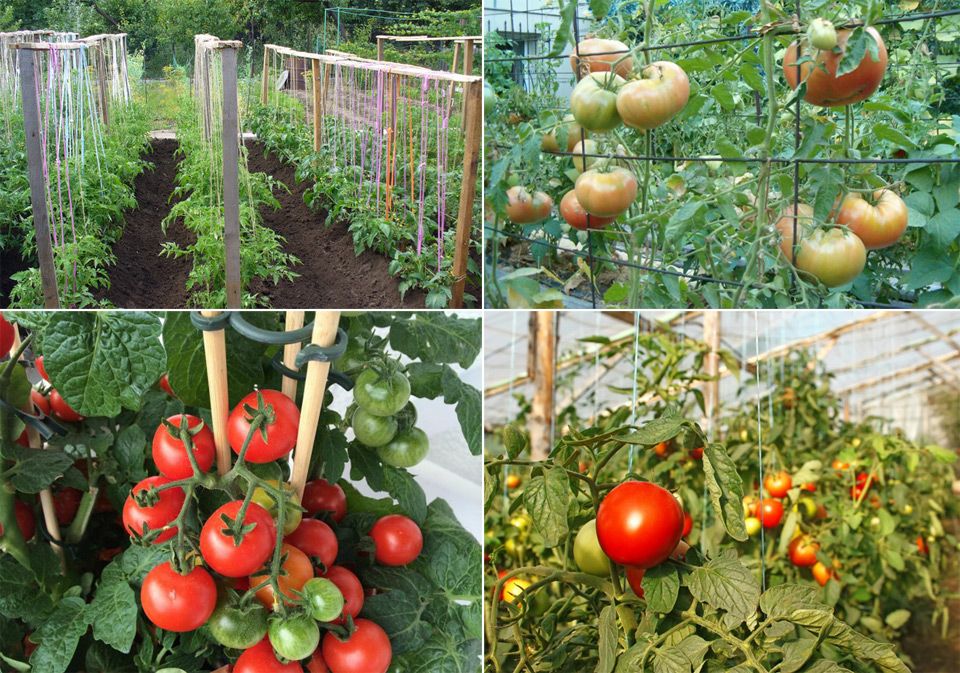
Watering is crucial in care. To retain moisture in the soil, the surface of the bed is mulched. Water the plants with warm, sun-warmed water as needed: the frequency varies from 1 to 4 times depending on the growing region. Avoid allowing water to stagnate around the roots, as this can lead to rot. However, prolonged droughts are also avoided, as long intervals between waterings can cause imbalances, leading to the tomatoes cracking while still on the vine.
During the growing season, gardeners typically apply 3-4 additional fertilizers. Liquid fertilizers have proven to be the most effective, as they quickly reach the plant roots. A universal, timeless solution is an infusion of 500 ml of mullein and 10 liters of water. It can be applied as early as 10 days after transplanting the seedlings to their permanent bed. A solution of weeds or iodine can also be used. Some gardeners prefer to spray with an ash solution (a liter jar per 10 liters). To replenish micro- and macronutrient deficiencies, it is recommended to apply complex mineral fertilizers, such as Senor Tomato.
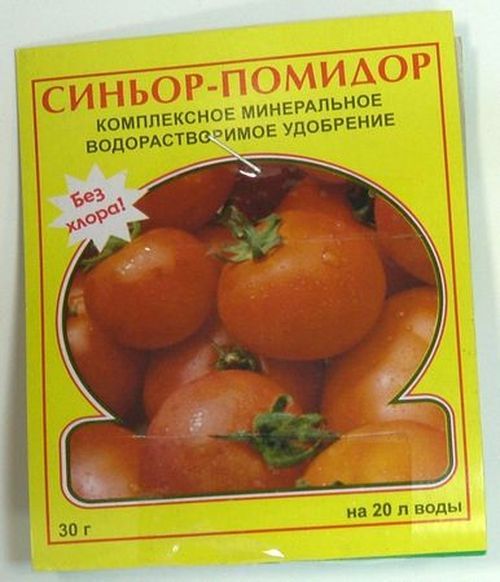
Important! All fertilizers should be applied to the soil strictly after the main watering.
To improve aeration, weeding and loosening the soil as weeds appear is recommended. Furthermore, weeds can attract pests that carry many diseases.
Resistance of the Siberian early ripening tomato variety to diseases and pests
This early-ripening Siberian variety boasts strong immunity. Its rapid ripening virtually eliminates the risk of late blight. However, experienced gardeners recommend taking preventative measures and treating the plants with Fitosporin and Bordeaux mixture.
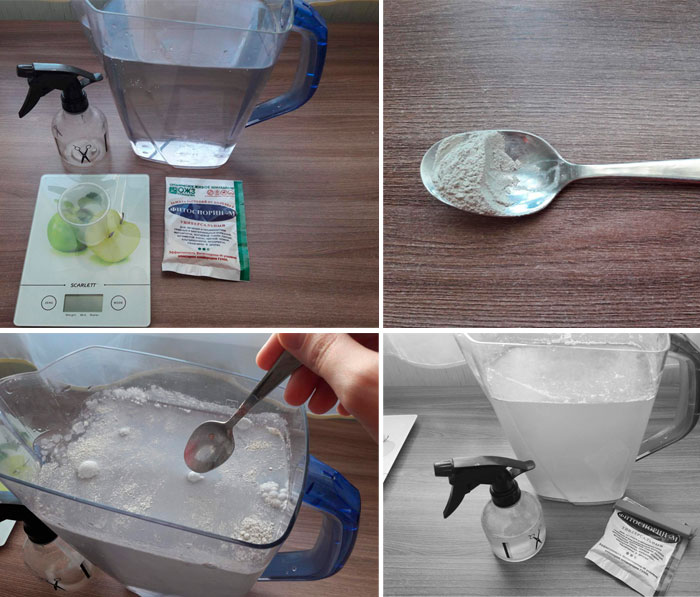
If the plant does become infected, and spraying with mild products doesn't help, then the heavy artillery—specialized fungicides—comes into play. However, treatment should be carried out no later than 14 days before harvest. If the disease persists, the bushes will have to be dug up and burned, and the soil disinfected.
Collection, use and storage
The fruits ripen approximately 100 days after germination. Tomatoes ripen uniformly, so they are picked from the bush almost simultaneously at the technical ripeness stage—they will easily ripen at home on the windowsill.
Thanks to their thick skin, they don't crack and can be stored for several weeks without losing their quality. The key is to keep the fruits completely dry. Experienced gardeners recommend stacking them in rows in a box, stem-side up, and covering them with a lid. In this way, tomatoes will last for about 40-60 days.
The Siberian Early Ripening variety is versatile. Its smooth, firm tomatoes are ideal for whole-fruit canning and pickling. They can be eaten fresh, added to various dishes, and also processed into ketchup, sauce, and adjika.
Tips from experienced gardeners on growing Siberian early-ripening tomatoes
- Soak the seeds before sowing to speed up their germination.
- Avoid chlorine-containing mixtures when choosing complex fertilizers.
- For watering, use water heated by the sun.
- In hot weather, gently shake the bushes to improve pollination of the plants.
- Removing leaves from the lower tier, but no more than 2-3 at a time, will help reduce the ripening time of tomatoes.
Comparison of the Siberian early ripening tomato variety with other varieties in the table
Please note! How can you easily convert centners/ha to kg/sq.m? Simply divide by 100! For example, the Abakansky Pink tomato yields 400 centners of marketable fruit per hectare. This equals 4 kg per square meter. It's that simple! Also, keep in mind that typically no more than 3-4 plants are planted per square meter. This way, you can calculate the yield per bush. In the case of the Abakansky Pink, it's about 1 kg.
| Variety | Ripening period (number of days from full germination to ripening)
Yield of commercial fruits |
Brief description | Fetus |
| Siberian early ripening | 98-108 days 289-543 c/ha (open ground), 20-43% of the total yield ripens in 15 days of fruiting, 630-950 c/ha (greenhouse and under film), in the first month of fruiting 240-580 c/ha. |
An early-ripening, determinate, low-growing variety for open ground and greenhouses. Suitable for salads. | Round and flat-round, slightly ribbed, medium-sized and large, red, 62-114 g. The taste is satisfactory. |
| Siberian Shan'gi | 100-110 days
The yield of commercial fruits in open ground was 5.6 kg/sq.m. |
A mid-season determinate variety for open ground and greenhouses. Suitable for salads. | Flat-round, medium density, slightly ribbed, raspberry, 157 g. Excellent taste. |
| Siberian tiger | 110-120 days
Up to 1200 c/ha |
A mid-season indeterminate variety for open ground and greenhouses. Requires staking and training into 1-2 stems. Suitable for salads and processing into tomato products. | Flat-round, ribbed, dark pink with dark purple streaks, 150-250 g. Excellent taste. |
| Siberian big guy | 90-100 days
900-1200 c/ha |
An early-ripening indeterminate variety for open ground and greenhouses. Suitable for salads, processing into tomato products, and preparing first and second courses. | Flat-round, slightly ribbed, red, 500 g. Good to excellent taste. |
| Siberian giant | 115-120 days The commercial yield of fruits was 9.0-11.0 kg/sq.m. |
A mid-early indeterminate variety for greenhouses. Suitable for salads. | Flat-round, large, medium-ribbed, loose, red, 400-500 g. Excellent taste. |
| Siberian garland | 90-95 days
1700-1900 c/ha |
An early-ripening indeterminate variety for open ground and greenhouses. Suitable for salads. | Flat-round, large, smooth, dense, red, 260 g. Excellent taste. |
| Abakan pink | 120 days or more
400 c/ha |
A late-ripening determinate variety for open ground and greenhouses. Requires staking and training. Suitable for salads and processing into tomato products. | Flat-round, slightly ribbed, medium density and pink in color, 200-500 g. Good taste. |
| Alsou | 105-110 days
700 c/ha |
An early-ripening, determinate variety for open ground and greenhouses. Requires staking and shaping. Suitable for salads. | Flat-round, slightly ribbed, medium density, red, 312 g. Good taste. |
| Big Momma | 85-95 days (greenhouse), about 100 days (open ground)
700-900 c/ha |
A mid-early determinate variety for open ground and greenhouses (greenhouses only, according to the register). Suitable for salads, canning, pickling, and juice. | Round, large, slightly ribbed, medium density, red, 200-250 g. Excellent taste. |
| F1 debut | about 90 days
910 c/ha |
An early-ripening determinate variety for open ground and greenhouses. Suitable for salads. | Flat-round, slightly ribbed, medium density, red, 210-230 g. Good to excellent taste. |
| Kostroma | 105-110 days
1350-1500 c/ha |
A mid-season determinate variety for greenhouses. Requires staking and training. Suitable for salads, whole-fruit canning, and processing into tomato products. | Flat-round, slightly ribbed, glossy, red or orange, 80-150 g. Good taste, sweet and sour. |
| Sunrise F1 | 85-100 days
400 c/ha |
An early-ripening determinate variety for open ground. Suitable for salads. | Flat-round, ribbed, dense, red, 161-180 g. Excellent taste. |
Gardeners' reviews of the Siberian Early-Ripening tomato variety
The Siberian Early Rising variety is considered early, but many gardeners note that ripening takes slightly longer than the manufacturer claims. The same applies to the shoot height—they are longer than stated. The tomatoes have a moderate flavor; grown outdoors, they taste much better than those grown in a greenhouse. The yield is high, and the tomatoes are easy to grow.
A long time ago, I planted my first "Siberian Early" tomato on my mother's advice. There are so many new varieties with excellent characteristics now, but I've never had any desire to give it up.
Why do I love him? In my opinion, he has many advantages.
Firstly, all the tomatoes I grow are Siberian, regionalized varieties. "Siberian Early" is a native Altai selection, meaning it's adapted to the harsh Siberian conditions and short summers.Second, this variety is early maturing; seedlings are planted in March-April. The fruits ripen approximately 90-100 days after the first shoots emerge.
Thirdly, the bush is low-growing, only 50 cm (maximum 90 cm), and doesn't stretch even in a greenhouse. It can be grown without staking.
In addition, the variety is completely unpretentious and very productive.
Can be grown both in a greenhouse and in open ground.
It is no more susceptible to diseases than other tomato varieties.
Many skeptical vegetable growers call the "Sibirsky Skorospel'ny" variety obsolete and unable to compete with modern hybrid varieties. Not everyone likes its taste. I believe this is completely undeserved.
I grow it exclusively in a greenhouse and don't aim for an April harvest. The first red tomatoes appear in the first ten days of June. The fruit is abundant, the bushes are simply covered with them. The stems are typically heavily foliated, but I trim off both the leaves and side shoots on all varieties once a week. The tomatoes themselves are small, ranging from 60 to 120 grams, flattened and bright red. The fruit has a distinct flavor with a pleasant tomato aroma. They can be used in salads and for preserves.
I agree that when larger-fruited varieties begin to ripen, their taste is inferior to their counterparts and seems less sweet.
But in June, I don’t feel this sourness, and when I enter the greenhouse, my eyes are delighted by small, stocky bushes with bright red fruits.
If you're not yet familiar with this tomato variety, try it—you won't regret it!
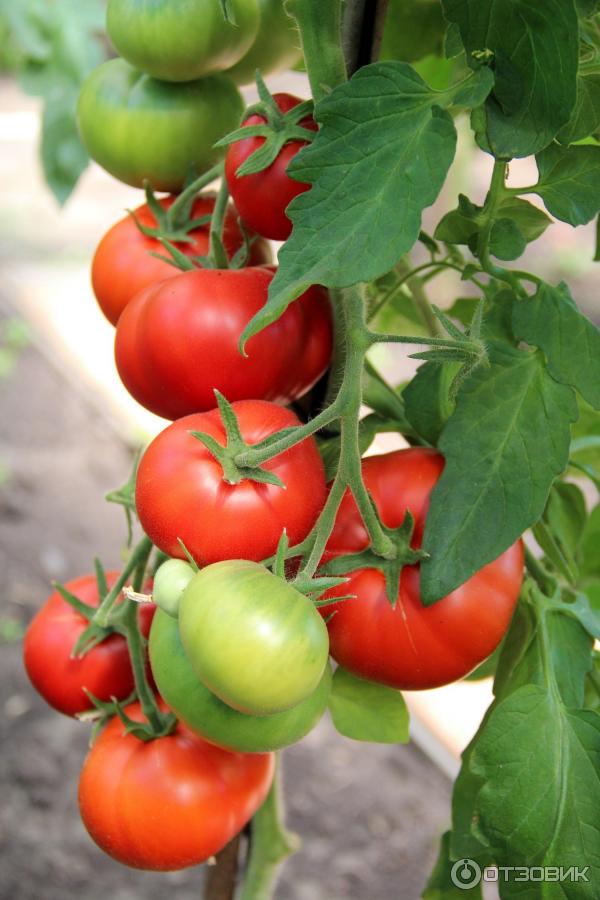
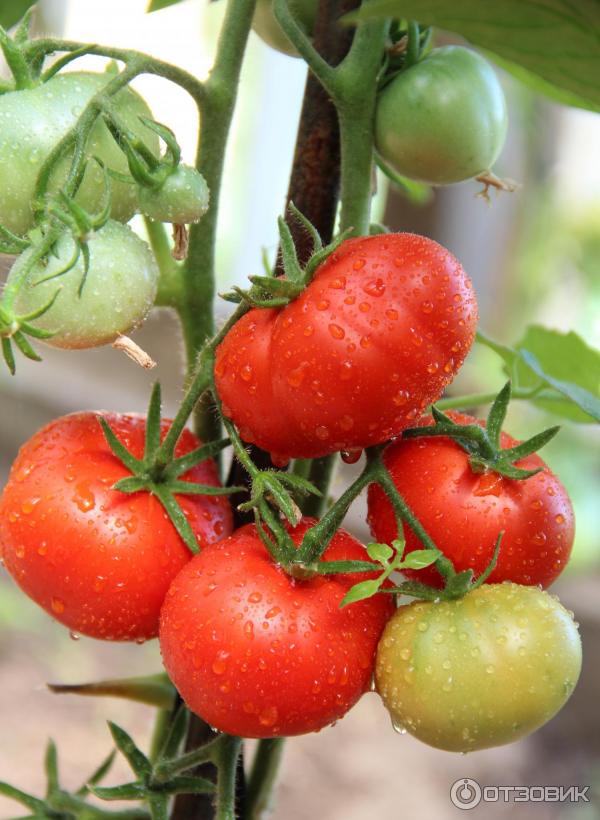
March is the time to sow tomato seeds for seedlings. Today I'd like to share with you the seeds that most pleasantly surprised and amazed me. Don't be surprised if the introductory words sound monotonous. Instead, take a closer look at the seeds. I've tested them, as they say, "to the teeth." And the joy of harvesting won't keep you waiting.
So, Irkutsk region, short summer, that's what we're looking up to...Siberian early ripening tomatoes.
Look, gardeners! These were bred specifically for Siberia!
Different companies, but the same type. Consumer goods, as they say. What's so good about them?
I plant them in open ground, they ripen early, and the taste...they can be used in a jar, in a salad, or for winter storage - well, what else does a housewife need?!
They're a real lifesaver. I've become obsessed with them. I've collected a lot of different ones.
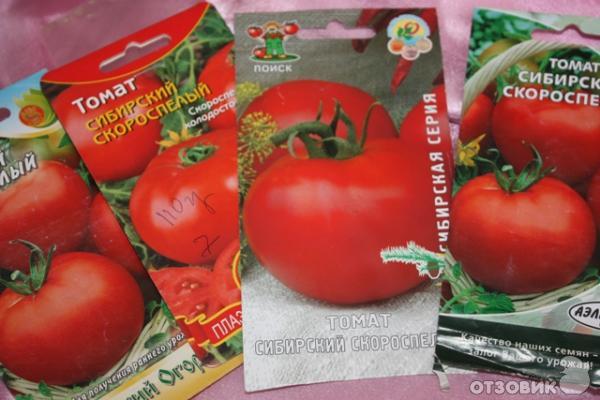

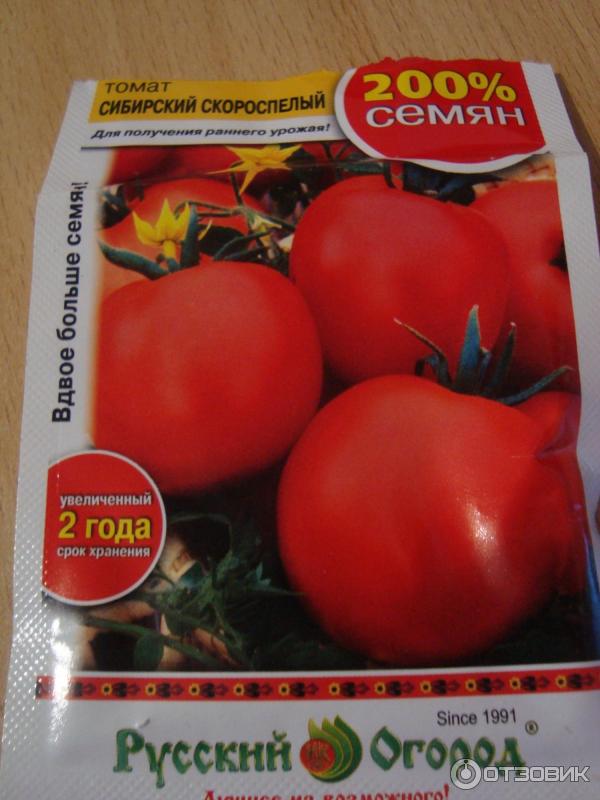
Siberian Early Ripening is a decent variety, medium-sized and early ripening, perfect for our climate. It takes three months from germination to ripening. The fruits are uniform, bright red, and have excellent flavor.
They are consumed fresh and in salads and slices.
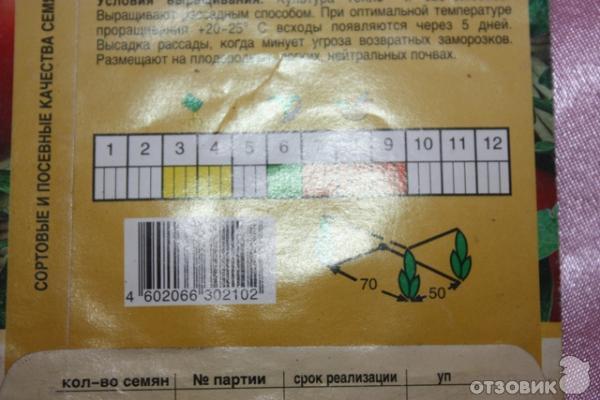
Agricultural technology: Sow in mid-March for seedlings, the optimal temperature for seed germination is 25 degrees, but not lower than 22, pick seedlings when they have 2-3 true leaves.
Transplant into the ground when there is no longer any risk of frost. We plant at the end of May. It prefers loose and fertilized soil and is not picky about weather conditions.
Finally, don't forget about watering during flowering, weeding, loosening the soil, and fertilizing. We planted it last year and loved it; there were plenty of seeds, so we'll be planting more this year.
In 2015, I sowed it on March 10th and planted it outdoors on May 30th. The summer was cold with low nighttime temperatures. It held up well, producing ovaries and fruit first. I didn't pinch it off, and the care was minimal. I had to tie it up a bit, and it reached 60-70 cm in height. I haven't tasted it yet. The first fruits, picked on August 18th, are ripening. Due to the cold July in the Moscow region, all the vegetables were stunted, so the harvest is delayed. Overall, I liked the Siberian Early Ripening variety; it lives up to its name. I'll be planting it next year.
Report for the 2016 season.
I sowed it on March 10th, like all the determinate varieties. Last year, I built a 3x6 m polycarbonate greenhouse. I planted four "early ripening" varieties. They lived up to their name, setting fruit quickly, but I won't be planting them again. They turned red at the same time as "Sanka," before all the others. "Chelnok," "Dubok," and "Gribovsky" were late. The "early ripening" variety has a short fruiting period (not suitable for a greenhouse), unlike "Sanka." All the "determinate" varieties had finished fruiting by mid- to late August and were slowly turning black, except for "Sanka." Therefore, I haven't found any other determinate varieties better for my greenhouse than "Sanka." Read my review of the "Sanka" tomato.
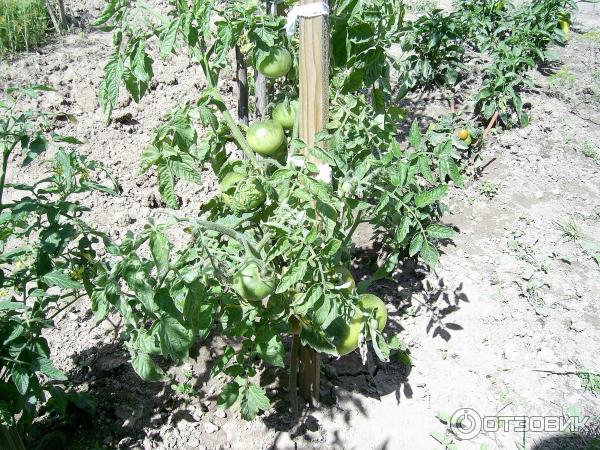
Damaged by late blight, tomatoes are not very large, of average taste, fertilizing is necessary at the beginning of the growing season to strengthen the bush.
My garden isn't large, so building a greenhouse isn't cost-effective, but I want to grow my own tomatoes. Growing tomato seedlings is a hassle, so I started looking for suitable tomatoes. I tried many varieties, and only the Siberian Early Ripening variety has never failed. The tomatoes aren't large, but they ripen on the vine, and any that don't ripen by the end of the season are picked green and ripened. I sow seeds directly into holes under cover material in early May.
I live in Krasnoyarsk, Siberia, and I garden with my grandmother. Last year we planted the "Siberian Early-Seasoning" tomato. I can't give it a definitive rating. The problem is that last summer was simply awful. There were practically no warm days, the sky was almost always overcast and it rained. Almost all the nightshades got blight and started rotting. The only productive plants last year were cucumbers, onions, and, as usual, zucchini.
Tomatoes grown in open ground, such as the Siberian Early Ripe variety, had to be pulled out, and their yield was almost nonexistent. They became diseased and stopped producing fruit properly, and covering them with plastic from the rain had become tiresome. But initially, when the weather was more or less tolerable, the tomatoes bloomed and fruited normally.
So, the Siberian Early Ripening variety was bred specifically for latitudes with harsh weather conditions. The plant emerges and begins bearing fruit very quickly. Before the weather turned nasty, it managed to produce a small harvest. The tomatoes are quite large, round, slightly flat, and have a decent, sweet taste, though there are better ones. Outdoor tomatoes are generally much less flavorful. However, they are suitable for pickling and eating.
The tomato plant is short and sturdy. The plant is frost-hardy; even after the plastic covering was removed, it continued to produce fruit. However, at high temperatures (35°C+), the pollen becomes sterile and the fruit will not set. Tomatoes are susceptible to late blight; with constant rain, they immediately begin to rot. The leaves turn yellow and fall off, while the fruit continues to grow but becomes smaller. Overall, there was a harvest, but it was small. I won't rate the tomato plant based on this, as it's all down to the weather.
Overall, this is a good variety and fast-growing. It's frost-resistant and resistant to harsh conditions, but susceptible to late blight. My initial impressions of it were unclear, so I planted them again this year. I hope the weather will be better this time and the tomato will delight me with its delicious and abundant fruits.