Tomatoes are a rather capricious crop. Gardeners believed so just a couple of decades ago. However, breeding efforts are constantly advancing. Many varieties and hybrids have now been developed that boast high consumer characteristics while requiring little care. Among them is the Sunrise F1 tomato.
Content
- 1 Characteristics of the Sunrise F1 tomato variety in the table
- 2 The history of the Sunrise F1 tomato variety
- 3 Detailed description of the tomato variety Sunrise F1
- 4 Advantages and disadvantages
- 5 Features of cultivation
- 6 Resistance to diseases and pests of the Sunrise hybrid, prevention and control methods
- 7 Harvesting, use and storage of Sunrise F1 tomato variety
- 8 Comparison of the Sunrise F1 tomato variety with other varieties in the table
- 9 Gardeners' reviews of the hybrid tomato Sunrise
Characteristics of the Sunrise F1 tomato variety in the table
|
Characteristics |
Description |
|
Timing (number of days from full germination to ripening) |
95-97 days. |
|
Description |
First generation hybrid for growing in open ground in private gardens. |
|
Fetus |
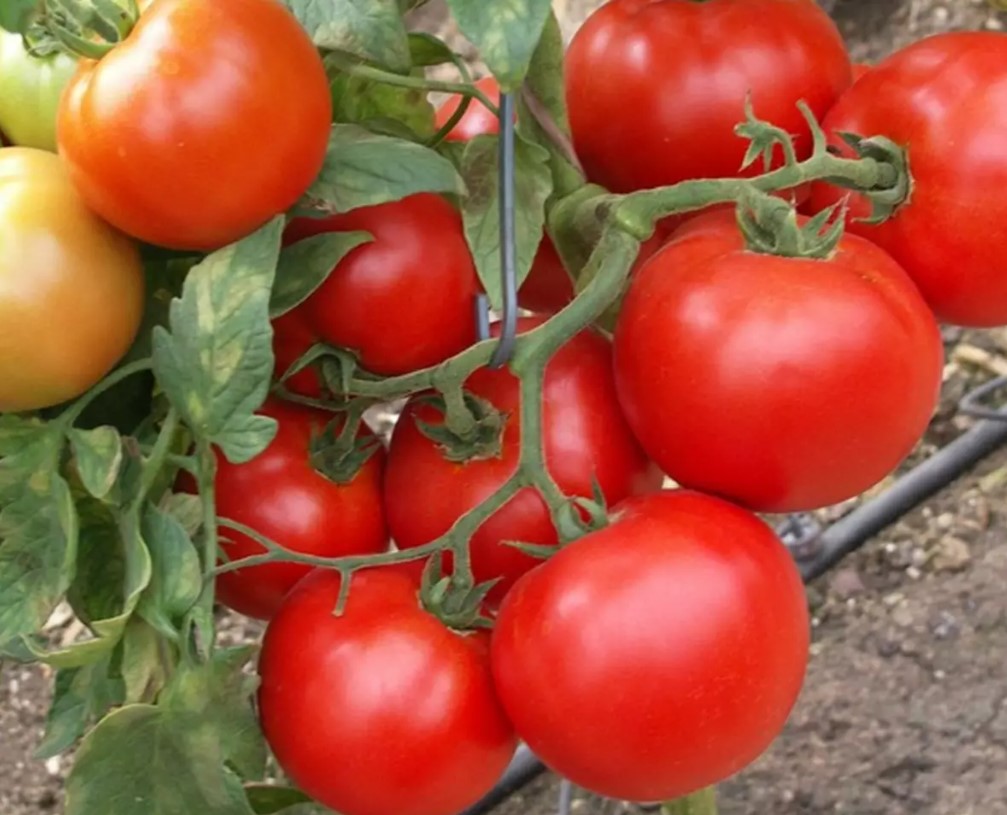
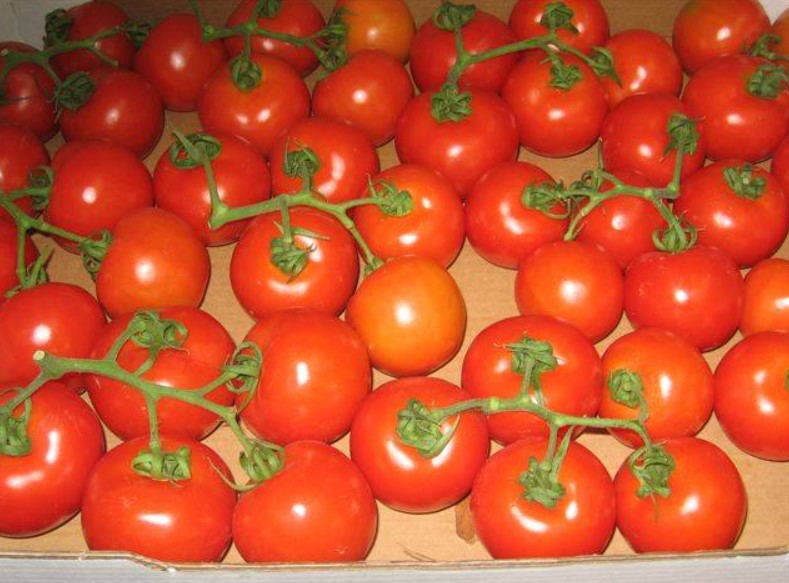
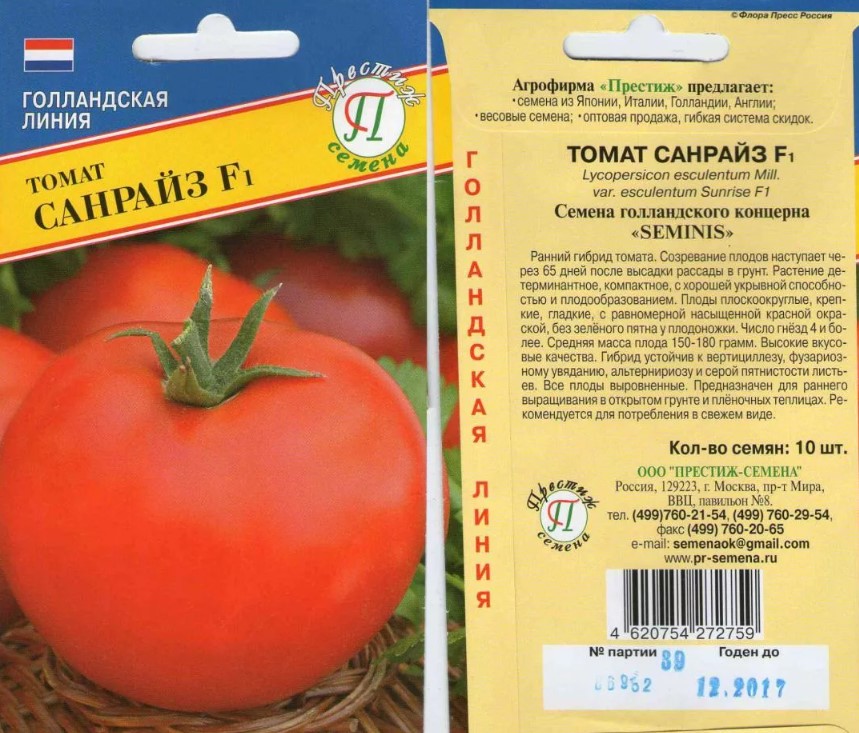
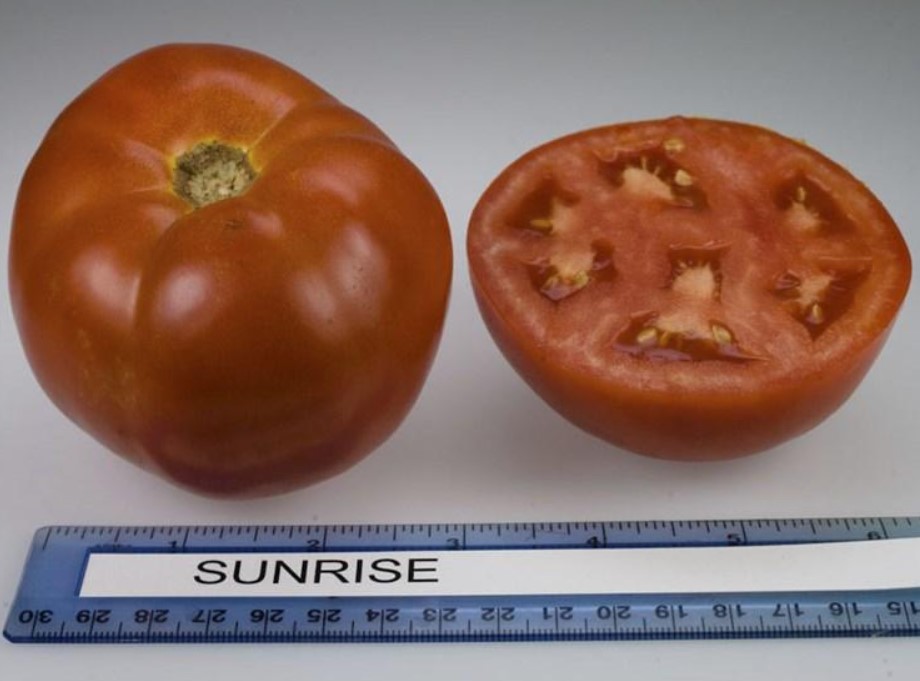
Flat-round, ribbed, dense, red. |
|
Fruit weight |
161-180 BC |
|
Taste |
Great. |
|
Usage |
Salad purpose. |
|
Marketability |
High. |
|
Shelf life |
|
|
Yield of commercial fruits |
400 c/ha. |
|
Disease resistance |
To verticillium wilt, fusarium wilt, alternaria, late blight. |
|
Agricultural technology |
Standard. |
|
Growing regions |
Northern, Northwestern, Central, Volga-Vyatka, Central Black Earth District, Northern Caucasus, Middle and Lower Volga, Ural, Western and Eastern Siberia, Far East. |
|
|
2007 |
|
Originator |
MONSANTO HOLLAND BV |
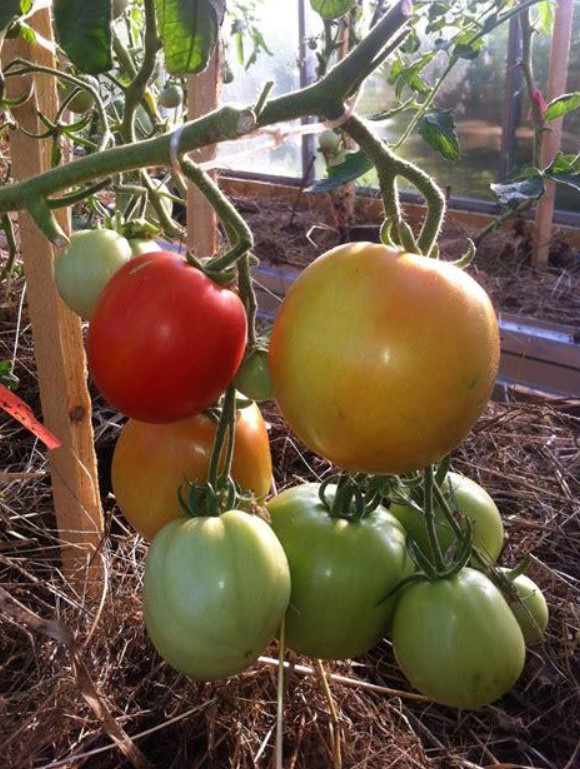
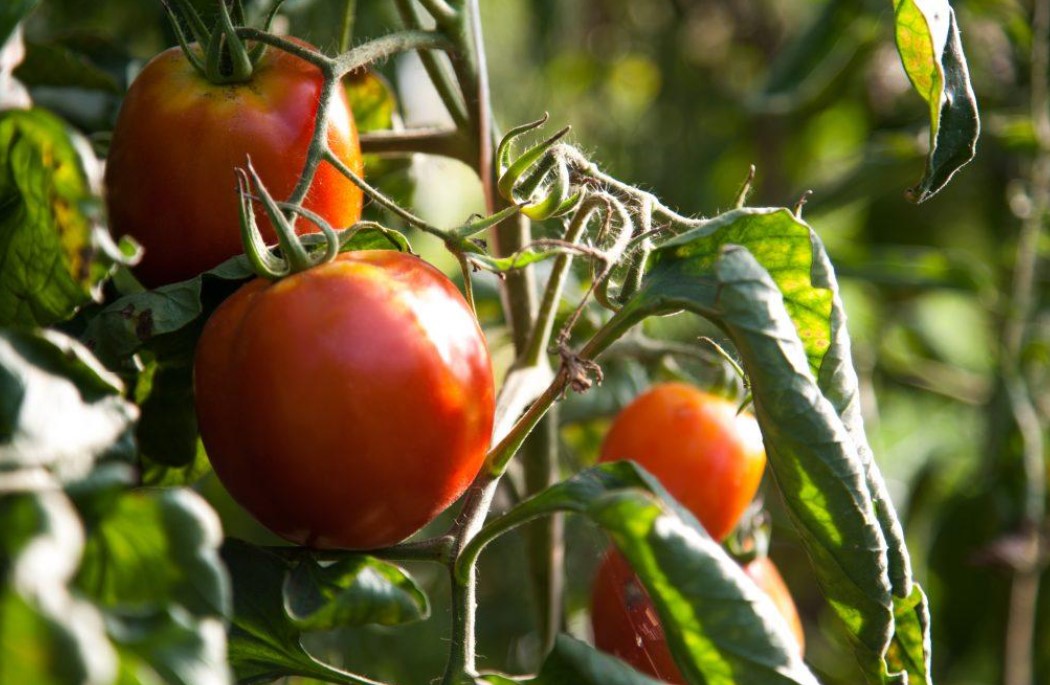
Photo gallery of tomato Sunrise F1
The history of the Sunrise F1 tomato variety
The Sunrise tomato variety was developed by Dutch scientists at Monsanto. The scientists wanted to achieve a short growing season and excellent yields. In 2007, the variety was approved for commercial use. Sunrise tomatoes are best suited for cultivation in the central and northern regions.
Detailed description of the tomato variety Sunrise F1
Let's take a closer look at the main characteristics of tomatoes.
Characteristics of bushes
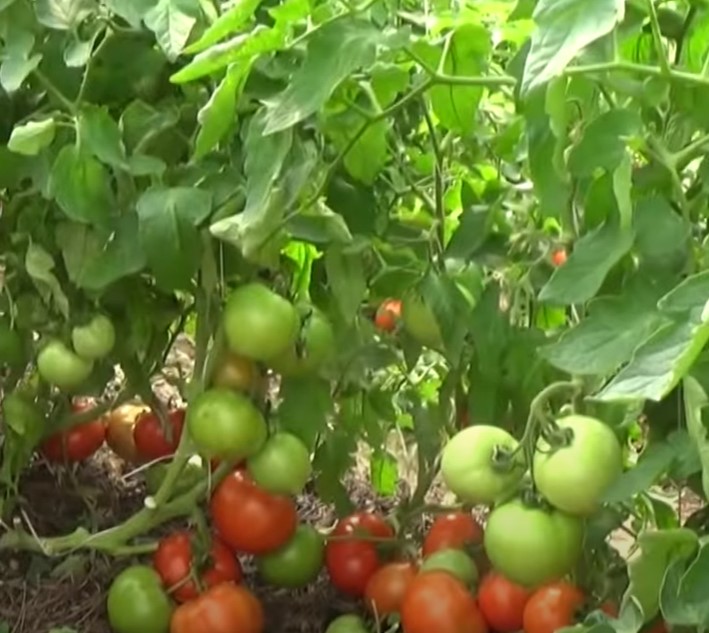
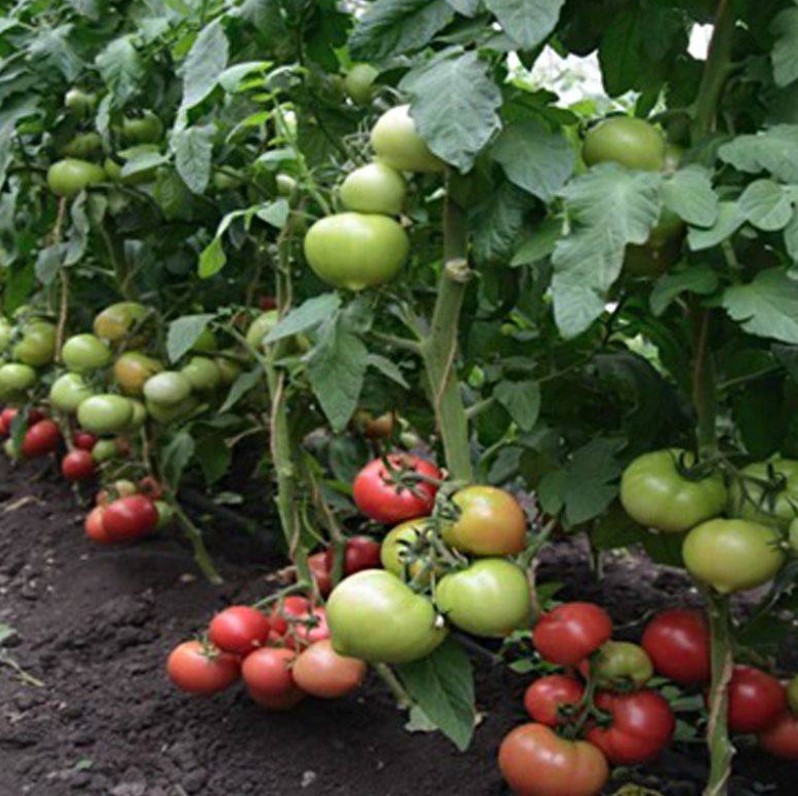
The Sunrise tomato is a determinate crop, so it doesn't grow very tall. Its maximum height is no more than 70 cm.
The bushes are compact and typically densely foliated. The leaves are medium-sized, oval, and a vibrant emerald color.
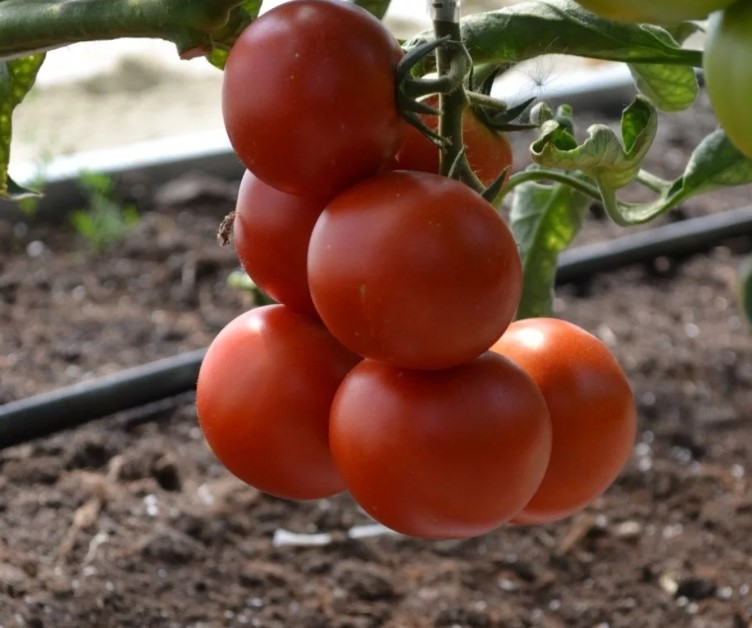
Approximately 5 racemose inflorescences are formed on the bush, each with 5-8 fruits.
Fruit characteristics
Sunrise tomatoes are round, slightly flattened at the base, and quite large. The average weight of a single tomato is 160-180 g. The skin is thin and smooth, red in color. The flesh is firm and juicy.
Ripening time and yield
The Sunrise tomato is considered an early variety. It takes approximately 95-97 days from seed germination to ripening.
The Sunrise hybrid is a high-yielding variety. With proper care, an average yield of 4 kg of tomatoes can be obtained in open soil. In a greenhouse, a single plant can yield a couple of kilograms more.
Advantages and disadvantages
|
Pros |
Cons |
|
Quite a high yield for a tomato intended for private gardens. |
It is impossible to use your own seed material from the garden, since it does not transmit varietal characteristics. |
|
Early ripening period. |
Since the tomato is determinate, it is preferable to plant it in open beds rather than in a greenhouse. |
|
High resistance to many nightshade infections. |
Not very pronounced taste and aroma. |
|
Compact size of bushes. |
|
|
Fleshy pulp with a high dry matter content. |
|
|
Marketable appearance, resistance to transportation. |
|
|
High seed germination rate (up to 98%). |
|
|
It can be grown year-round in heated greenhouses, as Sunrise tolerates low light, high humidity, and poor ventilation. |
Features of cultivation
Despite the fact that the hybrid is unpretentious in care, basic agricultural technology requirements must be observed.
Sowing seeds
Sow seeds for seedlings 40-55 days before transplanting to their permanent location. Seedlings should be transplanted into open beds towards the end of May, and transplanted into greenhouses in late April or early May.
Growing seedlings
The seeds are planted in a specialized soil mixture, which can be purchased at the store or prepared at home by mixing turf, peat, humus, and sawdust. Before placing into containers, the resulting mixture must be disinfected by steaming it in a water bath.
Step-by-step sowing:
- Place the seeds on moistened soil in rows with a distance of at least 3 cm between them.
- Sprinkle with a thin layer of soil and moisten with a little water.
- Cover the containers with glass or film and place in a warm place for germination.
- When the seeds sprout, the glass and film must be removed, and the plants must be moved to a well-lit place.
It is important to water regularly using warm, filtered water as the top layer of soil dries out.
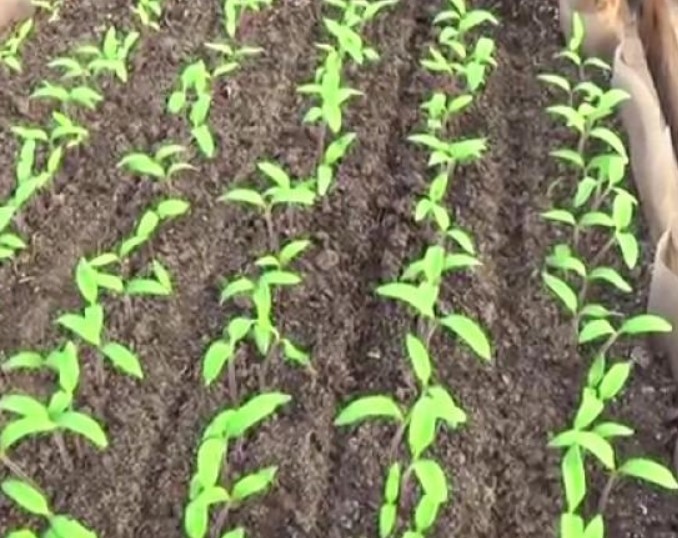
Once the first leaves appear, you can begin transplanting the plants into individual pots. The seedlings should be fed twice with nitrogen fertilizer, 2-3 weeks apart. Urea or nitrophoska can be used for this purpose.
Two weeks before planting the plants in their permanent location, they need to be gradually hardened off. To do this, take the containers outside for short periods of time at first, gradually increasing the time.
To plant Sunrise seedlings in open ground, you need to prepare the soil in the fall:
- remove remaining weeds;
- add organic fertilizers;
- dig up the ground.
If seedlings will be planted in greenhouses, remove the top layer of soil from the beds in the fall and replace it with fresh soil. If this is not possible, you can disinfect the beds with a weak solution of potassium permanganate, then apply fertilizer and dig.
In the spring, dig holes and add a handful of wood ash to each. Top with soil and plant the seedlings with a root ball. Then cover with soil and water.
Care
Care for the Sunrise variety is standard.
The following recommendations must be followed:
- Water with warm water a couple of times a week. Increase the frequency during hot weather and reduce it during rainy weather.
- Fertilize several times per season. The first time is 10-12 days after transplanting, using nitrogen fertilizer. Subsequent fertilizers contain phosphorus and potassium.
- Loosen the beds after each watering or rain. At the same time, remove any weeds that appear.
- Once the shoots begin to grow, it's important to tie them to sturdy supports. This is necessary to prevent them from breaking as the fruit ripens.
About others low-growing tomatoes Read on Top.tomathouse.com.
Resistance to diseases and pests of the Sunrise hybrid, prevention and control methods
Tomatoes are resistant to most nightshade diseases. They are rarely affected by infections and pests, but preventative measures should still be taken, as the risk of infection, although small, is still present.
| Disease, pests | Methods of control | Preventive measures |
| Colorado beetle | If the infestation is minor, you can use a soapy solution to treat the pests and collect them by hand. If the infestation is severe, chemicals may be necessary. |
|
| Whitefly | Treatment with drugs:
|
|
| Spider mite | Use of drugs:
|
|
| Fungal diseases |
There are no effective control methods. Diseased plants must be destroyed. They cannot be placed in compost bins, as they are a source of infection. Therefore, they must be burned. The area where they were growing must be disinfected with fungicides. To avoid having to destroy the bushes, which would mean losing part of the harvest, do not neglect preventative measures. |
Harvesting, use and storage of Sunrise F1 tomato variety
Sunrise fruits are harvested as they ripen. In open ground, this occurs in the first half of August; in greenhouses, it's a little earlier.
The harvested tomatoes should be placed in boxes and stored in a dry and warm room.
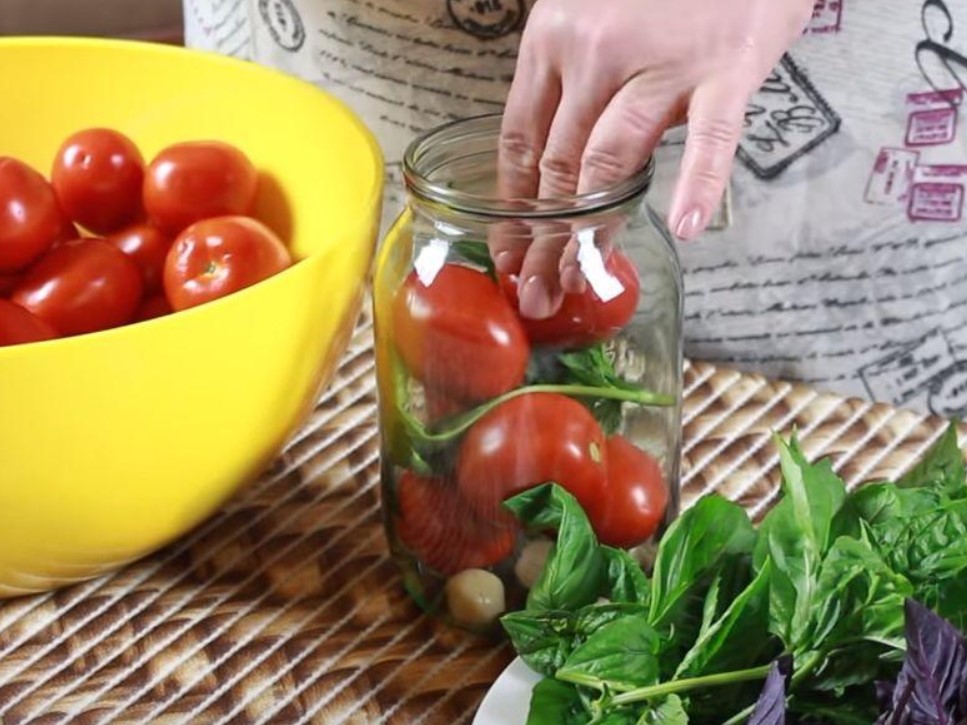
Sunrise tomatoes have a good, albeit mild, flavor. They can be used in a variety of salads and appetizers, and are also ideal for winter preserves.
Comparison of the Sunrise F1 tomato variety with other varieties in the table
Please note! How can you easily convert centners/ha to kg/sq.m? Simply divide by 100! For example, the Abakansky Pink tomato yields 400 centners of marketable fruit per hectare. This equals 4 kg per square meter. It's that simple! Also, keep in mind that typically no more than 3-4 plants are planted per square meter. This way, you can calculate the yield per bush. In the case of the Abakansky Pink, it's about 1 kg.
| Variety | Ripening period (number of days from full germination to ripening)
Yield of commercial fruits |
Brief description | Fetus |
| Sunrise F1 | 85-100 days
400 c/ha |
An early-ripening determinate variety for open ground. Suitable for salads. | Flat-round, ribbed, dense, red, 161-180 g. Excellent taste. |
| F1 debut | about 90 days
910 c/ha |
An early-ripening determinate variety for open ground and greenhouses. Suitable for salads. | Flat-round, slightly ribbed, medium density, red, 210-230 g. Good to excellent taste.. |
| Abakansky | 110-120 days
600 c/ha |
Mid-early, determinate, large-fruited, suitable for growing in open ground in regions with a temperate climate; in the middle zone it is grown under cover or in greenhouse conditions.Requires staking and shaping. Suitable for salads and processing into tomato products. | Heart-shaped, slightly ribbed, loose, pink in color, 150-200 g. Good taste. |
| Abakan pink | 120 days or more
400 c/ha |
A late-ripening determinate variety for open ground and greenhouses. Requires staking and training. Suitable for salads and processing into tomato products. | Flat-round, slightly ribbed, medium density and pink in color, 200-500 g. Good taste. |
| Alsou | 105-110 days
700 c/ha |
An early-ripening, determinate variety for open ground and greenhouses. Requires staking and shaping. Suitable for salads. | Flat-round, slightly ribbed, medium density, red, 312 g. Good taste. |
| Big Momma | 85-95 days (greenhouse), about 100 days (open ground)
700-900 c/ha |
A mid-early determinate variety for open ground and greenhouses (greenhouses only, according to the register). Suitable for salads, canning, pickling, and juice. | Round, large, slightly ribbed, medium density, red, 200-250 g. Excellent taste. |
| King of the Early | 85-95 days depending on the growing location
1200 c/ha |
An early-ripening determinate variety for open ground and greenhouses. Suitable for salads and processing into tomato products. | Flat-round, smooth, red, 150-200 g (up to 400 g). Good taste. |
| Kostroma F1 | 105-110 days
1350-1500 c/ha |
A mid-season determinate variety for greenhouses. Requires staking and training. Suitable for salads, whole-fruit canning, and processing into tomato products. | Flat-round, slightly ribbed, glossy, red or orange, 80-150 g. Good taste, sweet and sour. |
| Ultra-early | 60-65 days
750-1000 c/ha |
An ultra-early determinate variety for open ground and greenhouses. Suitable for salads and processing into tomato products. | Flat-round, smooth, orange-red, 100-120 g (up to 150 g). Excellent taste. |
| Siberian early ripening | 98-108 days
289-543 c/ha (open ground), 20-43% of the total yield ripens in 15 days of fruiting, 630-950 c/ha (greenhouse and under film), in the first month of fruiting 240-580 c/ha. |
An early-ripening, determinate, low-growing variety for open ground and greenhouses. Suitable for salads. | Round and flat-round, slightly ribbed, medium-sized and large, red, 62-114 g. The taste is satisfactory. |
| Siberian Shan'gi | 100-110 days
The yield of commercial fruits in open ground was 5.6 kg/sq.m. |
A mid-season determinate variety for open ground and greenhouses. Suitable for salads. | Flat-round, medium density, slightly ribbed, raspberry, 157 g. Excellent taste. |
| Siberian tiger | 110-120 days
Up to 1200 c/ha |
A mid-season indeterminate variety for open ground and greenhouses. Requires staking and training into 1-2 stems. Suitable for salads and processing into tomato products. | Flat-round, ribbed, dark pink with dark purple streaks, 150-250 g. Excellent taste. |
| Siberian big guy | 90-100 days
900-1200 c/ha |
An early-ripening indeterminate variety for open ground and greenhouses. Suitable for salads, processing into tomato products, and preparing first and second courses. | Flat-round, slightly ribbed, red, 500 g. Good to excellent taste. |
| Siberian giant | 115-120 days
The commercial yield of fruits was 9.0-11.0 kg/sq.m. |
A mid-early indeterminate variety for greenhouses. Suitable for salads. | Flat-round, large, medium-ribbed, loose, red, 400-500 g. Excellent taste. |
| Siberian garland | 90-95 days
1700-1900 c/ha |
An early-ripening indeterminate variety for open ground and greenhouses. Suitable for salads. | Flat-round, large, smooth, dense, red, 260 g. Excellent taste. |
Gardeners' reviews of the hybrid tomato Sunrise
The Sunrise tomato variety has received numerous positive reviews, noting its good taste, early ripening, large yield, and ease of care.
In 2021, I became a gardener. I planted several tomato varieties as seedlings at the end of March: Abakan Pink, Diadema, Samrastet, Sanka Taimyr, Chinese Early, Extreme, including Sunrise F1. I sowed all 10 seeds from the packet, and they sprouted, and nine roots (bushes, etc.) subsequently grew and bore fruit. One didn't sprout, apparently because it was planted on an unfavorable day according to some gardening calendar.
I transplanted the plants when they had one or two true leaves, as directed on the package. When transplanting, I trimmed the main root by about 1/3. Then, I followed the same routine as everyone else—watering, supplemental lighting (with regular light, of course), and so on.
I planted it in mid-May in open ground (Tatarstan), which was very risky, but fortunately the summer turned out to be unusually warm.
Fruiting is consistent, with uniform, medium-sized fruits. The bushes are short, about 60-70 cm tall, and I've pinched out the side shoots and trained them into two trunks. However, the tomatoes were the last of all the planted varieties to turn red.
Nearby, there was Diadem, which was almost completely infected with blossom-end rot, and Taimyr with Samrast. Samrast also had blossom-end rot by the end of summer. With the same cultivation practices for all these varieties, Sunrise proved to be very resistant to diseases, especially blossom-end rot.
Overall, it's a decent variety, the only thing is that I didn't see any real early ripening time, as indicated on the package.
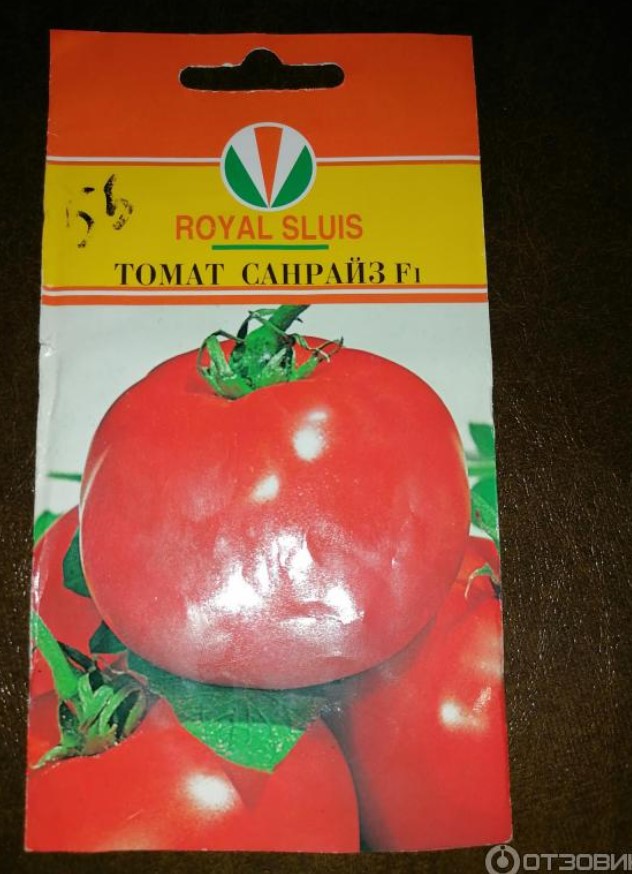
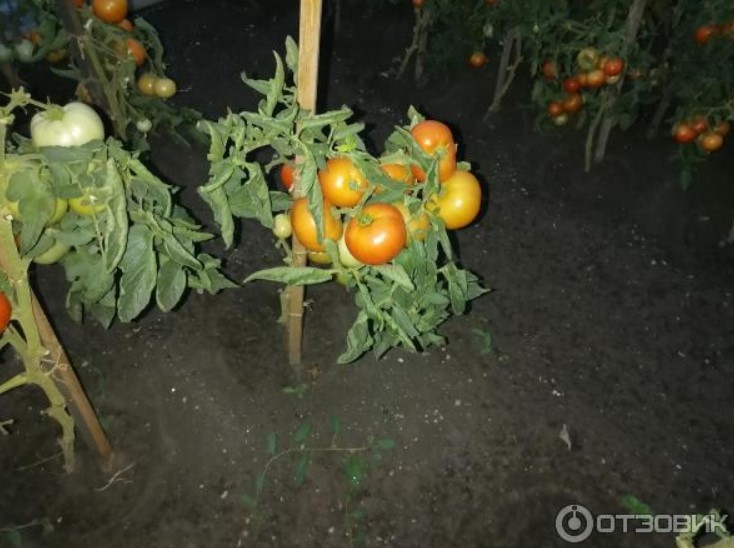
I'd like to tell you about the SUNRISE tomato variety. It's a wonderful variety. I was trying to make a little money growing seedlings. I needed a lot of seeds and they were inexpensive. I went to the ROYAL wholesale department at VDNKh, where they offered me this tomato variety. I had 1,000 seeds. I was late sowing them in seedling boxes, so I sowed them in an unheated greenhouse on April 24th and forgot about them. I had a lot of work to do with the other seedlings. My seeds sprouted evenly, and I decided to transplant them. I kept 20 for myself, sold some at the market; the seedlings looked strong. I left 10 in the greenhouse and 10 in the ground. The first tomatoes in the greenhouse were large, reaching 150 grams. The rest were smooth, perfect for pickling. In the ground, they were smooth. There were a lot of them; I harvested three buckets. In July, they gave a good harvest. In the greenhouse they bore fruit until October.
Who grew Sunrise tomatoes? The tomatoes amazed us with their health and so much more. And the shape of the fruit is just like an illustration from the "Tomato Farming Guide." Everything was fine until we grew more than three days' worth of tomatoes. But when they started growing in large numbers, something strange started happening. We'd pick these gorgeous tomatoes, put them in boxes, and a week later, small black spots would appear on them. I'd never seen spots like that on my tomatoes. They usually appear on store-bought ones. I always thought they were suffocating under the plastic wrap. But now I don't know what to think.
Why do I associate this with this particular variety? There were others in a box nearby, and I didn't see anything like it. Despite all their beauty, all the tomatoes had to be processed. I couldn't put any "in reserve."
P.S. The same thing happened in the refrigerator. Let me reiterate: there were no stains in the refrigerator. They only appeared during storage.
I'm a seasoned gardener and I love to tinker with tomatoes. I bought some Sunrise tomatoes this year and was happy with them. We ate the last of them in early December, and there were some spots, but not all of them. I attributed that to the fact that they were picked from the greenhouse on October 7th.
I think Sunrise's growing point needs to be moved to side shoots. When you're trying out new tomatoes, take a closer look. That's the story with Sunrise.
lvday said: ↑
I didn’t understand - this seems to be Sunrise F1, what seeds did you want to collect?I also use my own seeds from hybrids. I haven't bought any peppers for four years now, sowing 11-12 varieties, and only buying two new ones. In 2012—Sunrise and Bear's Paw.