Every agricultural company strives to develop a tomato variety that will ripen early and offer excellent consumer qualities. Many such varieties have emerged in recent decades. One of the leaders is the Debut F1 variety. Although developed by Dutch breeders, it is perfectly suited for cultivation in any region of Russia.
Content
- 1 Characteristics of the Debut F1 tomato variety in the table
- 2 The history of the Debut F1 tomato variety
- 3 Advantages and disadvantages of the Debut F1 tomato variety
- 4 Growing the Debut F1 tomato variety
- 5 Resistance of the tomato variety Debut F1 to diseases and pests, prevention, control
- 6 Harvesting, using and storing the Debut F1 tomato variety
- 7 Comparison of the Debut F1 tomato variety with other varieties in the table
- 8 Gardeners' reviews of the Debut tomato variety
Characteristics of the Debut F1 tomato variety in the table
|
Characteristics |
Description |
|
Ripening period (number of days from full germination to ripening) |
89-96 days. |
|
Description |
An early, determinate variety for open ground and film greenhouses. |
|
Fetus |
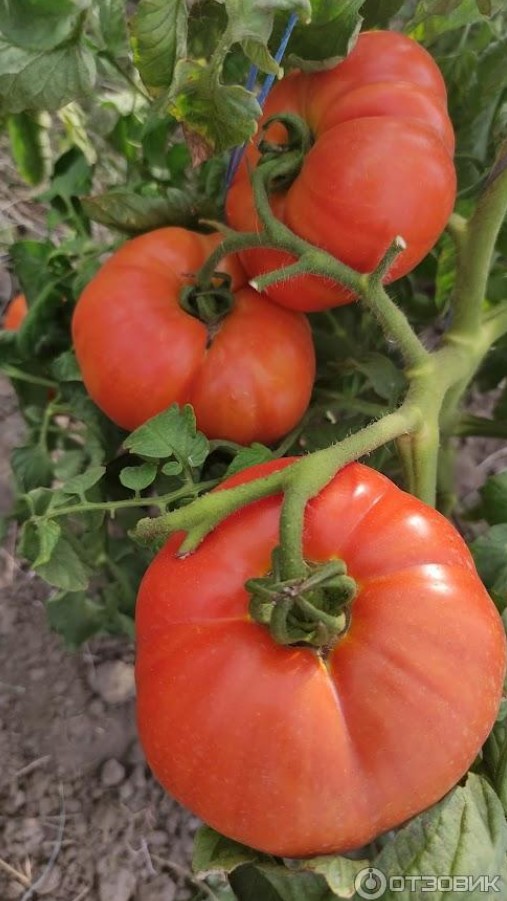
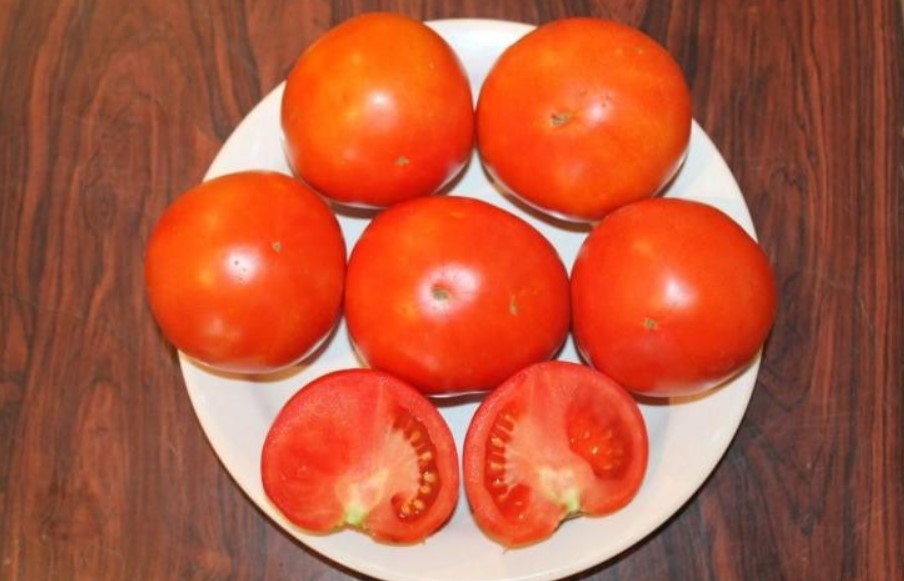
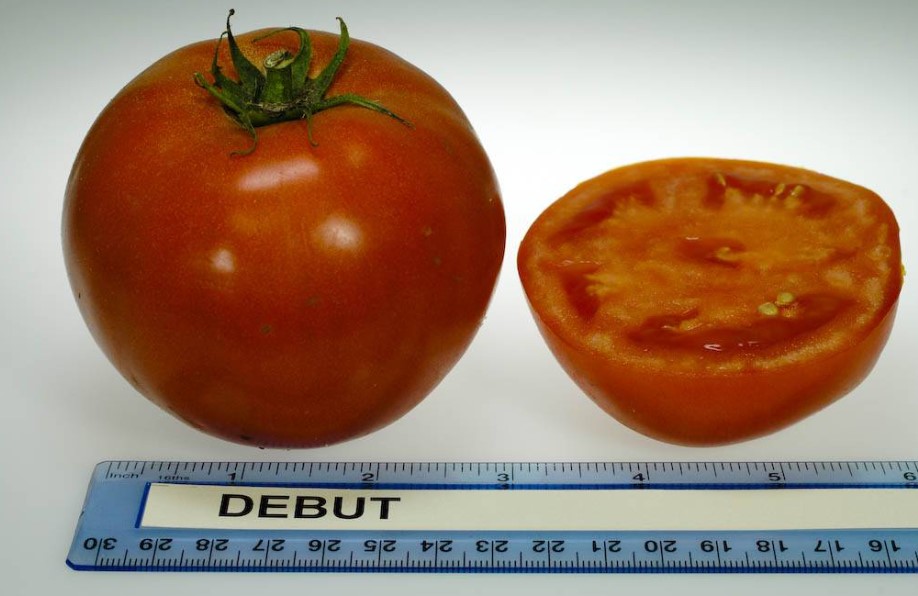
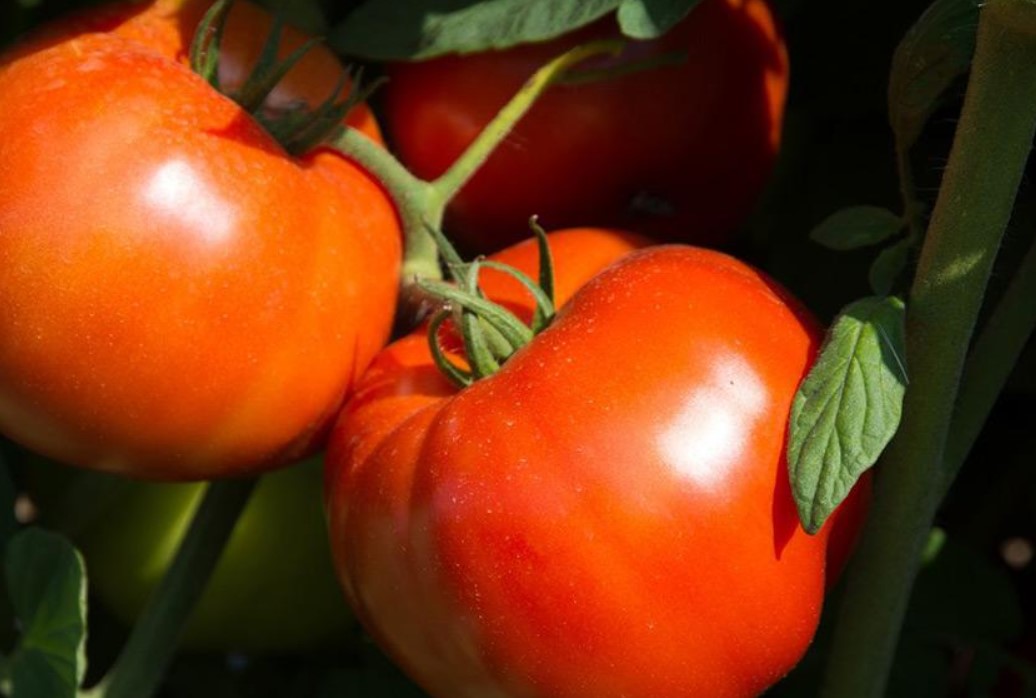
Flat-round, red, slightly ribbed. |
|
Fruit weight |
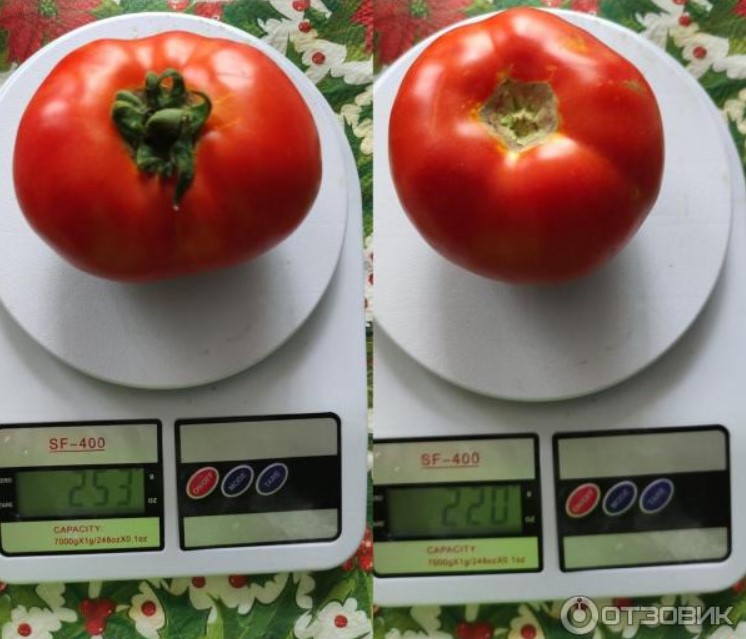
210-230 BC |
|
Taste |
Excellent. |
|
Usage |
For fresh consumption, tomato processing, canning in slices, and preparing first and second courses. |
|
Marketability |
High. |
|
Shelf life |
Average. |
|
Yield of commercial fruits |
910 c/ha. |
|
Disease resistance |
To verticillium wilt and fusarium wilt. |
|
Agricultural technology |
Need for garter and pinching. |
|
Growing regions |
Northern, Northwestern, Central, Volga-Vyatka, Central Black Earth District, Northern Caucasus, Middle and Lower Volga, Ural, Western and Eastern Siberia, Far East. |
|
|
2008 |
|
Originator |
Monsanto Holland BV |
Photo gallery of the tomato variety Debut F1
The history of the Debut F1 tomato variety
The Debut tomato variety was bred by a group of Dutch originators from the Monsanto company in early 2000. In 2008, it was officially included in the State Register of Breeding Achievements of the Russian Federation.
A detailed description of the Debut F1 tomato variety
The Debut tomato is one of the most popular hybrids bred in Holland. This variety is suitable for cultivation in many regions of Russia. In the south, it is grown in open fields, while in other regions, it is preferable to grow in hotbeds and greenhouses.
Characteristics of the bush
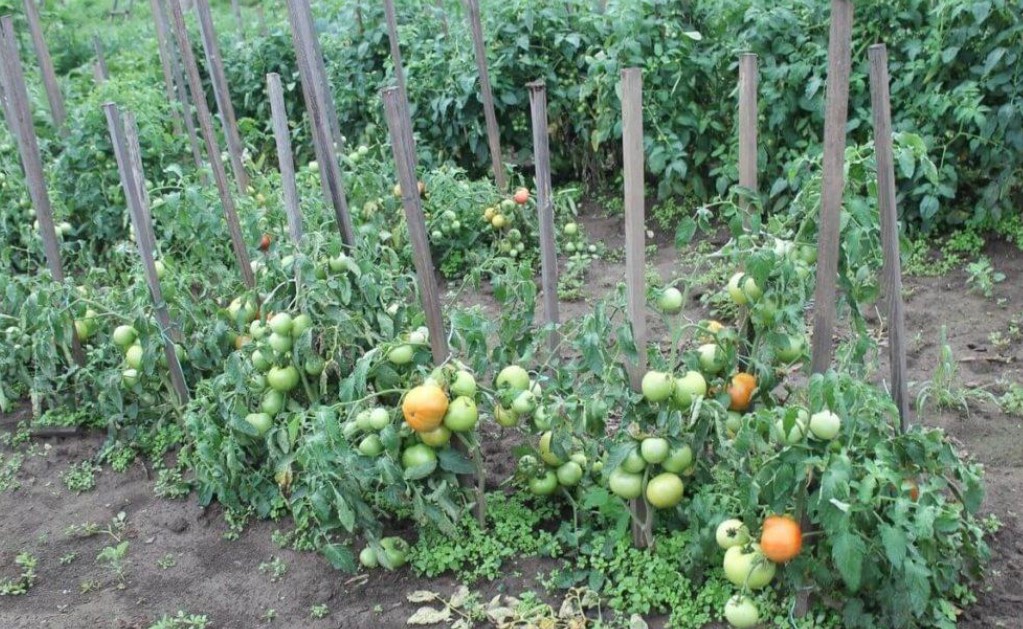
The Debut variety is a determinate cultivar. Depending on growing conditions, the bushes can grow to the following heights:
- in open ground—59-66 cm;
- in greenhouses - up to 76 cm.
The bushes are compact, with medium leaf coverage. The leaves are dark green and elongated.
Fruit characteristics
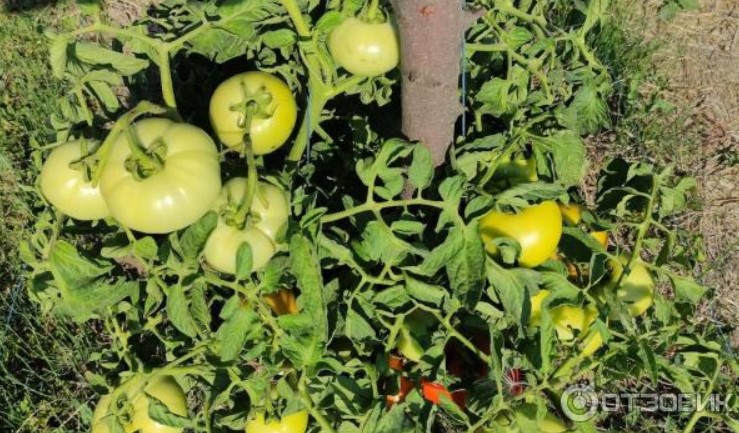
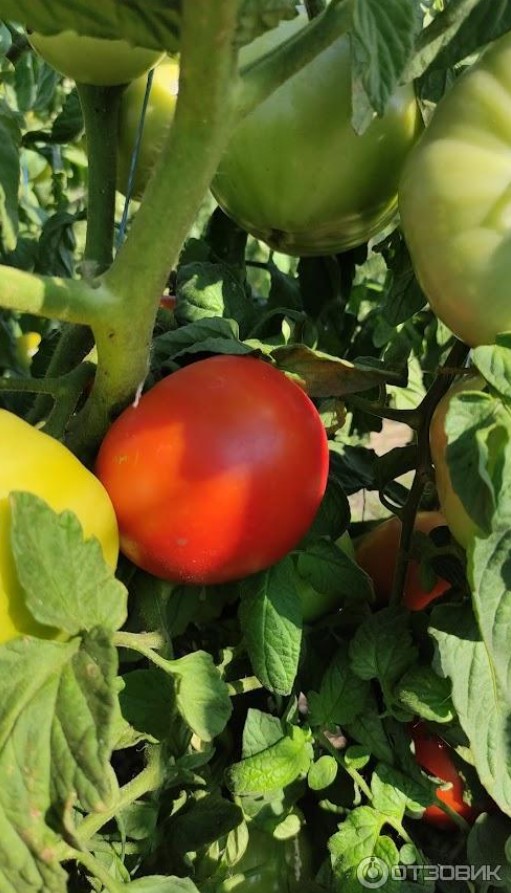
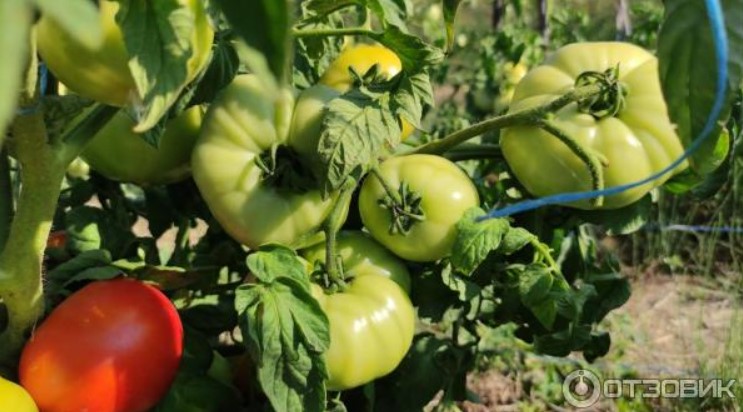
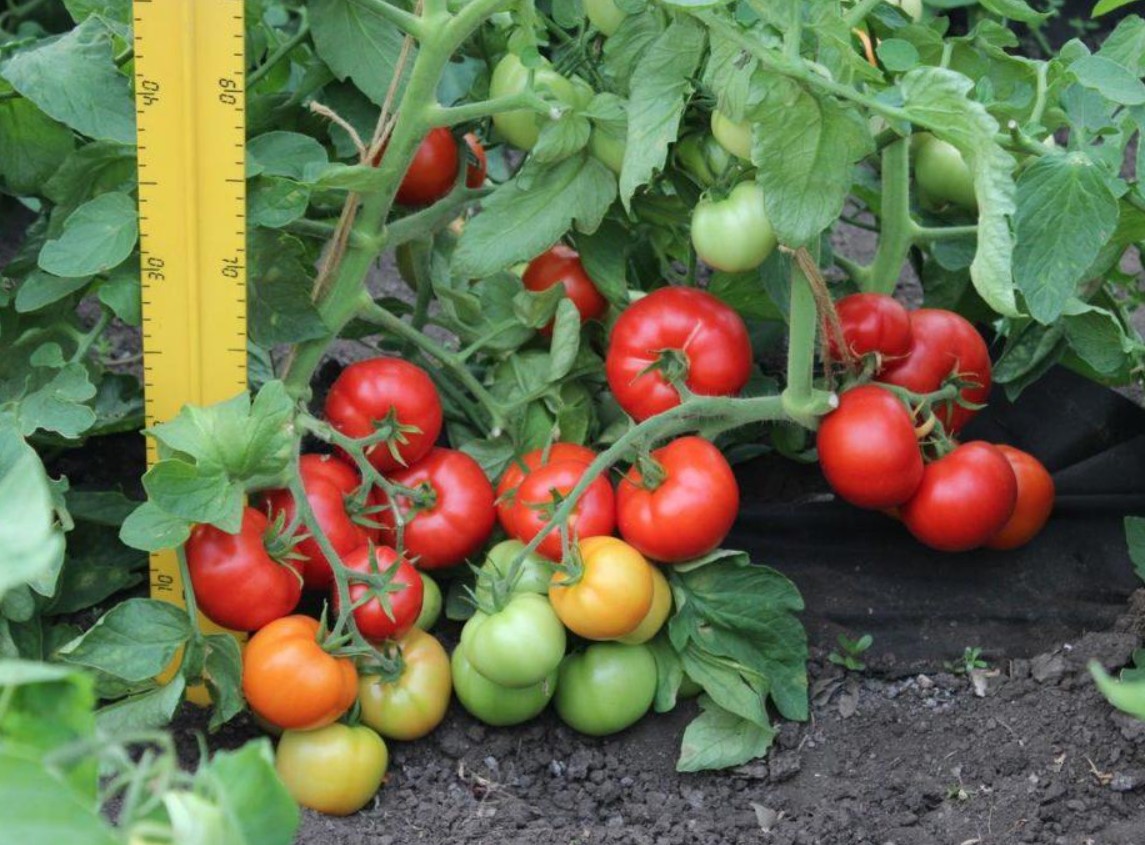
The fruits of the Debut variety are round and slightly flattened. They are quite large, with the average fruit weighing 215-235 g. The skin of a ripe tomato is bright red. The flesh is firm and moderately juicy.
Ripening time and yield
The Debut tomato is considered an early variety. The plant produces its first harvest 89-96 days after germination. This variety boasts very good yields. With proper care, one plant can yield up to 3 kg of tomatoes, and 1 m2 can yield up to 10 kg.
Advantages and disadvantages of the Debut F1 tomato variety
|
Advantages |
Flaws |
|
Compact bushes, which makes maintenance easier |
The need for staking to prevent large tomatoes from breaking off branches |
|
Early ripening period |
The need to remove stepsons |
|
Excellent taste characteristics |
|
|
Resistance to dangerous tomato diseases |
|
|
Attractive and appetizing appearance |
|
|
Large tomatoes that ripen evenly |
|
|
Good development even with unstable temperature conditions |
|
|
Resistance to short-term drought |
|
|
Long and abundant fruiting |
Growing the Debut F1 tomato variety
Let's take a closer look at the basic requirements for planting and growing tomatoes, which will allow you to get a good harvest of delicious tomatoes.
Sowing seeds and growing seedlings
Debut seeds are sown at the end of March. For germination, a special soil mixture is required. You can buy it ready-made at the store or make your own at home. To do this, prepare a mixture of:
- humus;
- peat;
- sod soil.
Mix all ingredients in equal proportions. Add 2 cups of wood ash and ½ cup of coarse sand. The resulting mixture must be disinfected with a weak solution of potassium permanganate. Place the prepared soil in containers and plant the seeds no more than 1.5 cm deep. Then water with settled water and cover with plastic wrap.
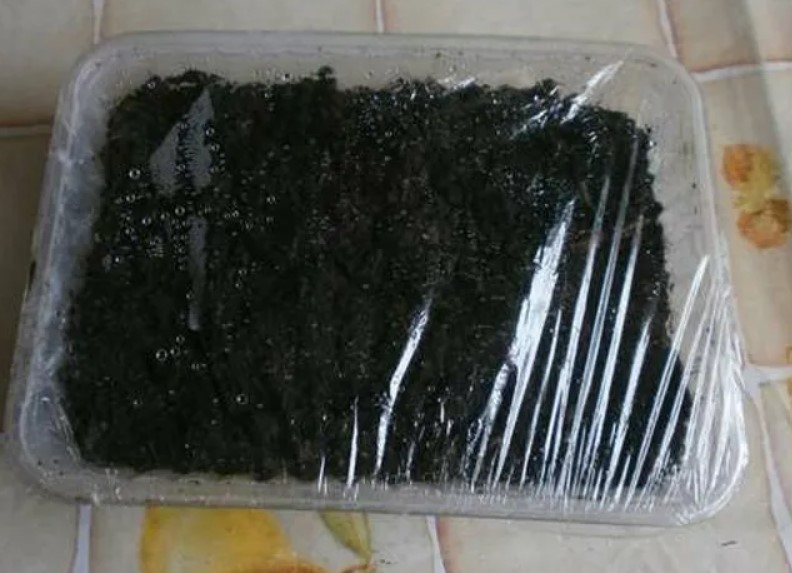
This creates a greenhouse effect and encourages early germination. Once sprouts emerge, remove the film.
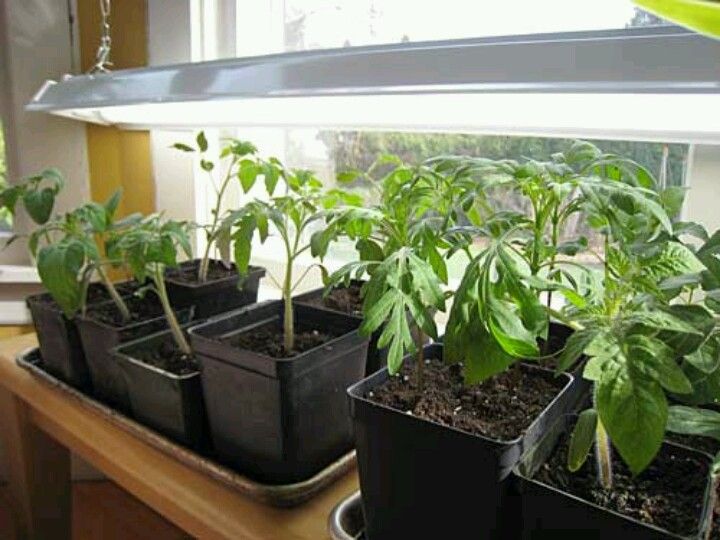
Seedlings require sunlight. If there's not enough, you can use lighting fixtures.
Once two true leaves have formed, you can begin replanting them into another plastic container or peat pots. The seedlings need to be fed twice with nitrogen fertilizer, 10-12 days apart. Urea and nitrophoska can be used for this purpose.
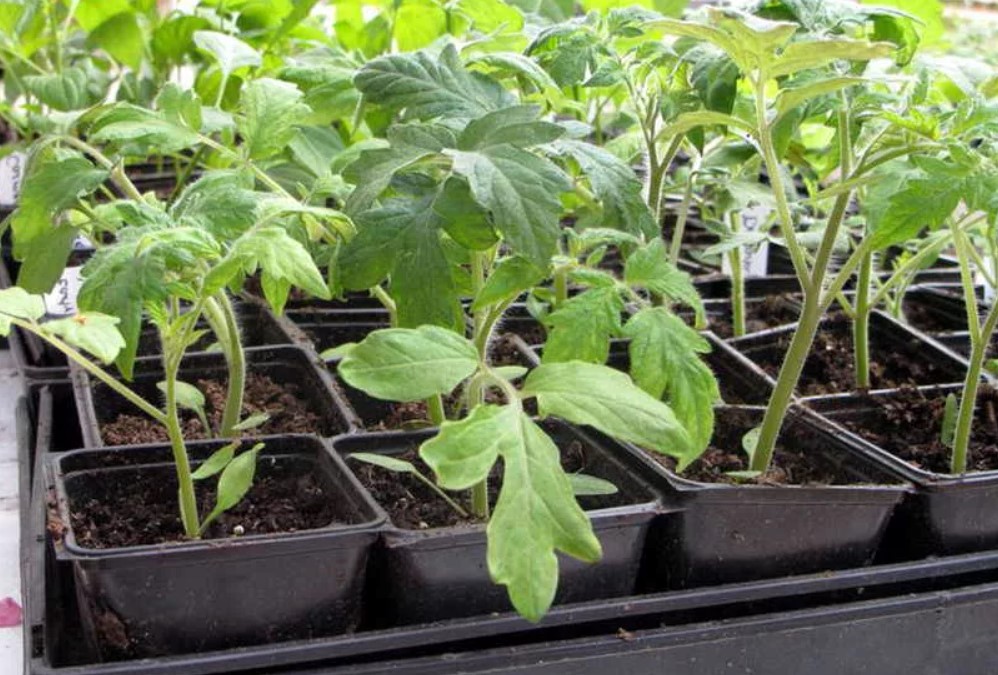
About two weeks after planting, the plants need to be hardened off to ensure proper adaptation to their new location. To do this, take the containers outside for a short period of time. Increase this period of time each day.
Planting in the ground
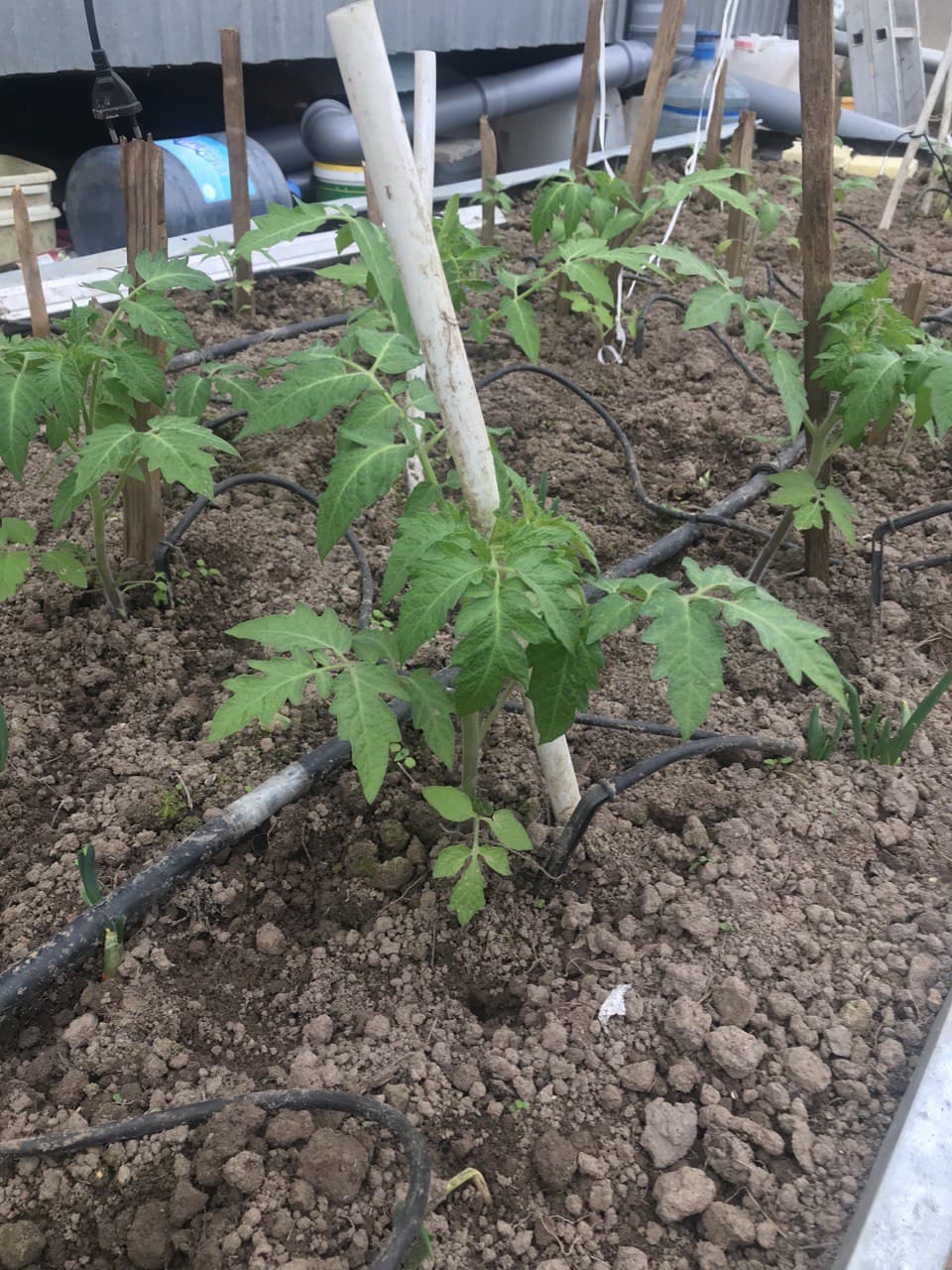
Seedlings are planted in greenhouses in early May and in open ground in mid-May. Debut tomatoes require fertile soil and good light.
The beds must be prepared. To do this, they must be dug to a depth of 25-30 cm and fertilized. For 1 m², mix 3-4 kg of humus, 25 g of superphosphate, and a glass of wood ash.
Tomato beds should be located in light shade, away from potatoes. When planting, do not shake the soil off the roots. Afterwards, add nutrients to the holes, firm them down, and water with 2.5-3.5 liters of water.
Care
Caring for the Debut variety is simple. To ensure good growth, regularly water, fertilize, weed, loosen the soil, and mulch.
It is important to follow these guidelines:
- The bushes need watering when the outer layer of soil becomes dry. Filtered water should be applied only to the roots. Otherwise, if water drips onto the plant, it can cause sunburn.
- It is best to loosen the bushes after watering or rain.
- Weeds must be removed to prevent them from taking nutrients from the soil, which are needed for the growth of bushes and the ripening of tomatoes.
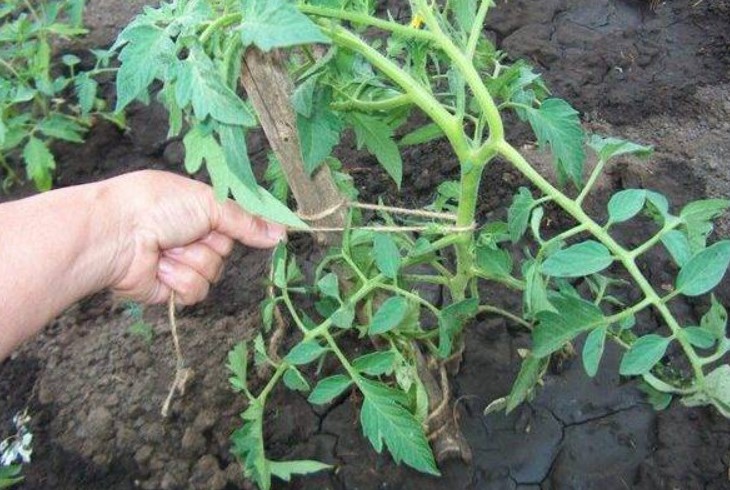
- The bushes should be tied up before flowering begins, so that the stems are not damaged by the weight of the fruit when it forms.
- To prevent the root from wasting energy on unnecessary shoots, they need to be pinched out. Otherwise, the tomatoes may grow small and tasteless. It's best to do this in the morning so the cut ends have time to dry out and prevent rotting.
- Mulching helps moisture evaporate more slowly and also slows down the growth of weeds.
- Organic or mineral fertilizers are used for fertilizing. This should be done 1-2 times per month.
Resistance of the tomato variety Debut F1 to diseases and pests, prevention, control
Please note! Despite a strong immune system, there's still a risk of infections and insect pests. This usually occurs when agricultural practices aren't followed. Some diseases are untreatable. Bushes must be destroyed, so effective prevention is essential.
|
Disease |
Methods of control |
Preventive measures |
|
Fusarium |
There are no effective treatments, so preventative measures should not be neglected. |
|
|
Alternaria |
Harvesting, using and storing the Debut F1 tomato variety
It's best to pick ripe tomatoes in the morning, at least twice a week. They should be stored in a room where the temperature remains at 12-13°C.
Debut tomatoes have excellent flavor. They can be used in soups, salads, vegetable appetizers, pickling, and canning.
Comparison of the Debut F1 tomato variety with other varieties in the table
Please note! How can you easily convert centners/ha to kg/sq.m? Simply divide by 100! For example, the Abakansky Pink tomato yields 400 centners of marketable fruit per hectare. This equals 4 kg per square meter. It's that simple! Also, keep in mind that typically no more than 3-4 plants are planted per square meter. This way, you can calculate the yield per bush. In the case of the Abakansky Pink, it's about 1 kg.
| Variety | Ripening period (number of days from full germination to ripening)
Yield of commercial fruits |
Brief description | Fetus |
| F1 debut | about 90 days
910 c/ha |
An early-ripening determinate variety for open ground and greenhouses. Suitable for salads. | Flat-round, slightly ribbed, medium density, red, 210-230 g. Good to excellent taste. |
| Abakansky | 110-120 days
600 c/ha |
Mid-early, determinate, large-fruited, suitable for growing in open ground in regions with a temperate climate; in the middle zone it is grown under cover or in greenhouse conditions.Requires staking and shaping. Suitable for salads and processing into tomato products. | Heart-shaped, slightly ribbed, loose, pink in color, 150-200 g. Good taste. |
| Abakan pink | 120 days or more
400 c/ha |
A late-ripening determinate variety for open ground and greenhouses. Requires staking and training. Suitable for salads and processing into tomato products. | Flat-round, slightly ribbed, medium density and pink in color, 200-500 g. Good taste. |
| Alsou | 105-110 days
700 c/ha |
An early-ripening, determinate variety for open ground and greenhouses. Requires staking and shaping. Suitable for salads. | Flat-round, slightly ribbed, medium density, red, 312 g. Good taste. |
| Big Momma | 85-95 days (greenhouse), about 100 days (open ground)
700-900 c/ha |
A mid-early determinate variety for open ground and greenhouses (greenhouses only, according to the register). Suitable for salads, canning, pickling, and juice. | Round, large, slightly ribbed, medium density, red, 200-250 g. Excellent taste. |
| King of the Early | 85-95 days depending on the growing location
1200 c/ha |
An early-ripening determinate variety for open ground and greenhouses. Suitable for salads and processing into tomato products. | Flat-round, smooth, red, 150-200 g (up to 400 g). Good taste. |
| Kostroma F1 | 105-110 days
1350-1500 c/ha |
A mid-season determinate variety for greenhouses. Requires staking and training. Suitable for salads, whole-fruit canning, and processing into tomato products. | Flat-round, slightly ribbed, glossy, red or orange, 80-150 g. Good taste, sweet and sour. |
| Ultra-early | 60-65 days
750-1000 c/ha |
An ultra-early determinate variety for open ground and greenhouses. Suitable for salads and processing into tomato products. | Flat-round, smooth, orange-red, 100-120 g (up to 150 g). Excellent taste. |
| Siberian early ripening | 98-108 days
289-543 c/ha (open ground), 20-43% of the total yield ripens in 15 days of fruiting, 630-950 c/ha (greenhouse and under film), in the first month of fruiting 240-580 c/ha. |
An early-ripening, determinate, low-growing variety for open ground and greenhouses. Suitable for salads. | Round and flat-round, slightly ribbed, medium-sized and large, red, 62-114 g. The taste is satisfactory. |
| Siberian Shan'gi | 100-110 days
The yield of commercial fruits in open ground was 5.6 kg/sq.m. |
A mid-season determinate variety for open ground and greenhouses. Suitable for salads. | Flat-round, medium density, slightly ribbed, raspberry, 157 g. Excellent taste. |
| Siberian tiger | 110-120 days
Up to 1200 c/ha |
A mid-season indeterminate variety for open ground and greenhouses. Requires staking and training into 1-2 stems. Suitable for salads and processing into tomato products. | Flat-round, ribbed, dark pink with dark purple streaks, 150-250 g. Excellent taste. |
| Siberian big guy | 90-100 days
900-1200 c/ha |
An early-ripening indeterminate variety for open ground and greenhouses. Suitable for salads, processing into tomato products, and preparing first and second courses. | Flat-round, slightly ribbed, red, 500 g. Good to excellent taste. |
| Siberian giant | 115-120 days
The commercial yield of fruits was 9.0-11.0 kg/sq.m. |
A mid-early indeterminate variety for greenhouses. Suitable for salads. | Flat-round, large, medium-ribbed, loose, red, 400-500 g. Excellent taste. |
| Siberian garland | 90-95 days
1700-1900 c/ha |
An early-ripening indeterminate variety for open ground and greenhouses. Suitable for salads. | Flat-round, large, smooth, dense, red, 260 g. Excellent taste. |
Gardeners' reviews of the Debut tomato variety
The Debut variety has received overwhelmingly positive reviews. Reviews note its excellent taste, rapid ripening, high yield, and ease of care.
Good day to the readers of my review!
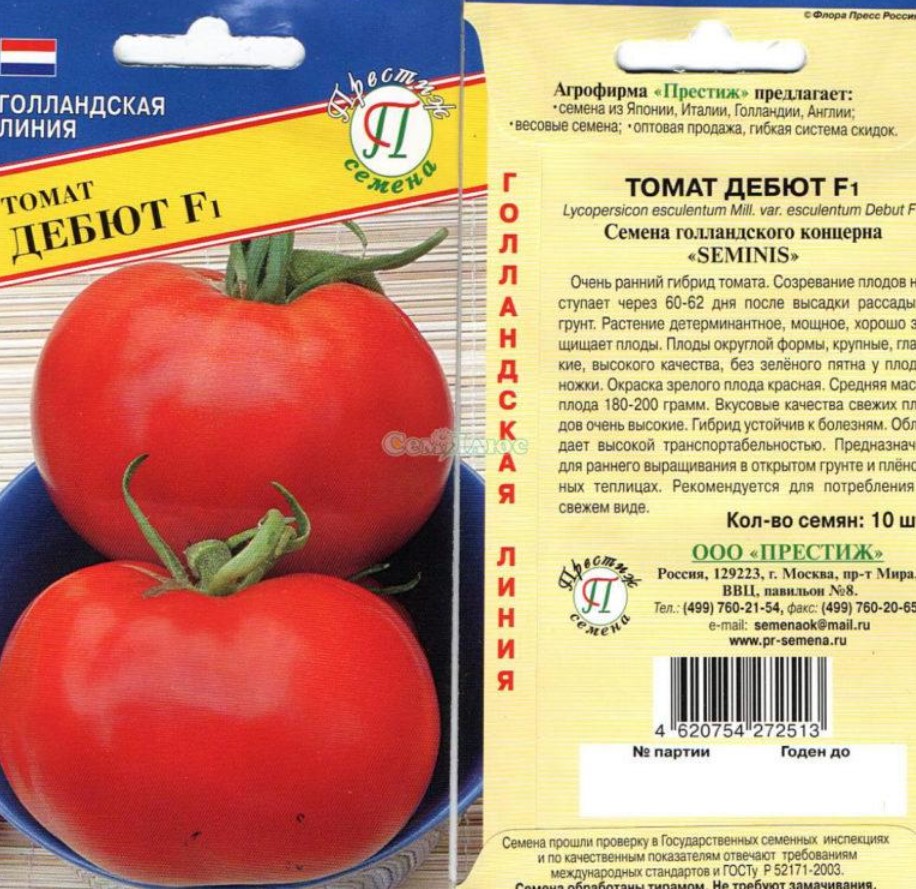
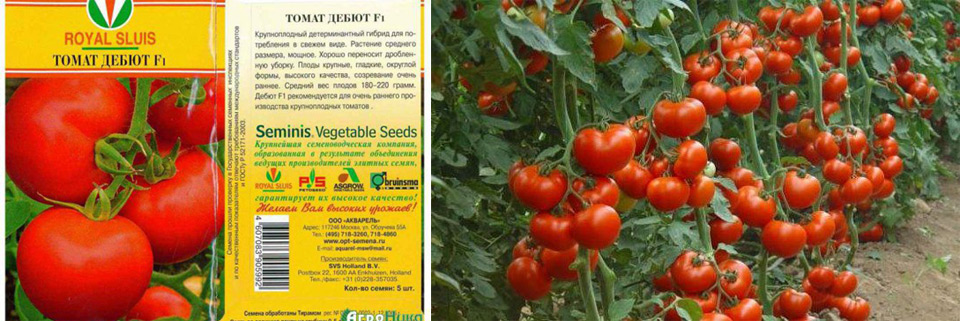
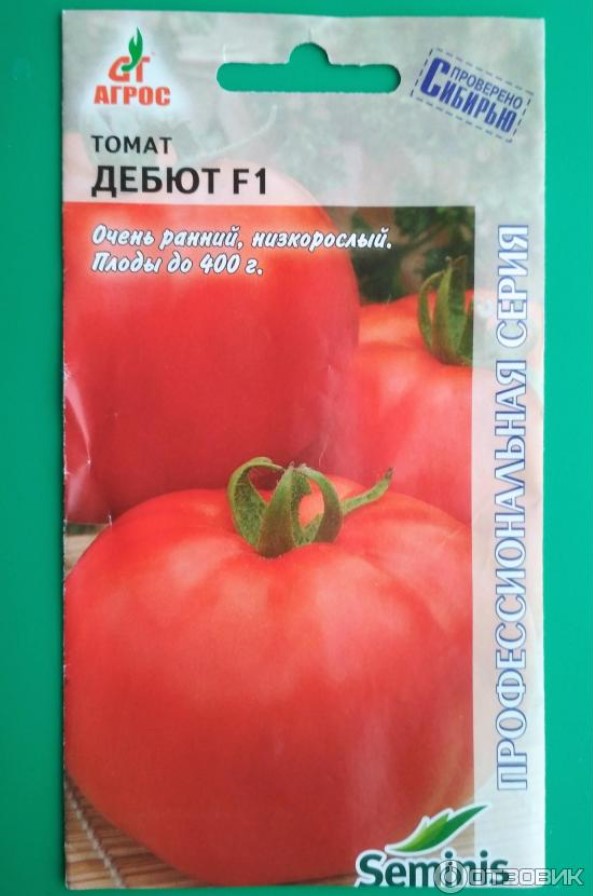
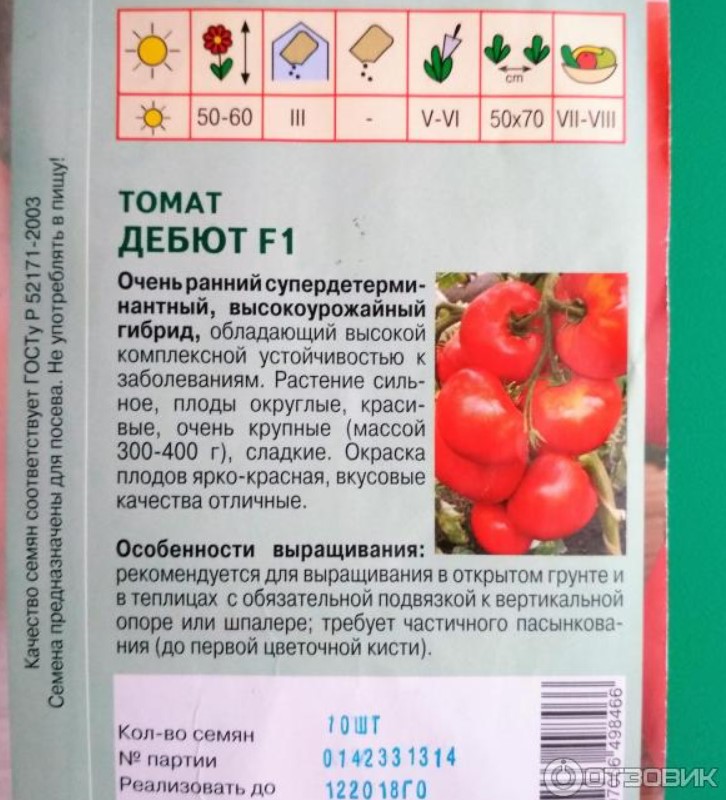
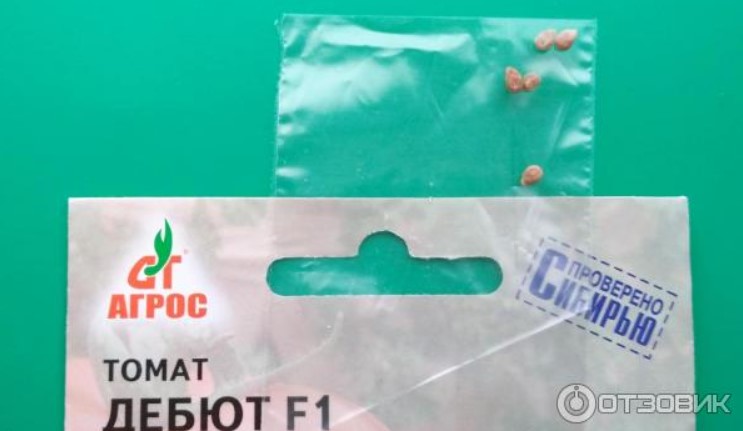
When choosing varieties for planting, I always avoided hybrids. I tried growing them once, but the results were disappointing: the yield was low, and the plant itself quickly perished. The taste was also far from ideal. There was a seed store near my house run by the Agros Agrotechnological Company, and last year, when I was buying seeds, I was intrigued by a packet of hybrid tomato seeds called "Debut F1." The sight of such beautiful tomatoes on the packet, coupled with the promise of a yield of up to 400 grams, convinced me to buy them. On the back is a full description, including growing instructions and planting instructions.
The seeds appear to be of high quality, slightly pink in color. I suspect they've been treated to protect against diseases and other harmful factors. That's why there's a warning label on the side, in case anyone decides to eat the seeds.
I sowed the seedlings in mid-March, and every single one of them sprouted, growing strong and beautiful. For the May holidays, I moved them into the open ground, covered with a protective covering, of course. It's a good thing I covered them, as we were hit by a recurring frost and snow. Some of the bushes froze, but Debut survived.
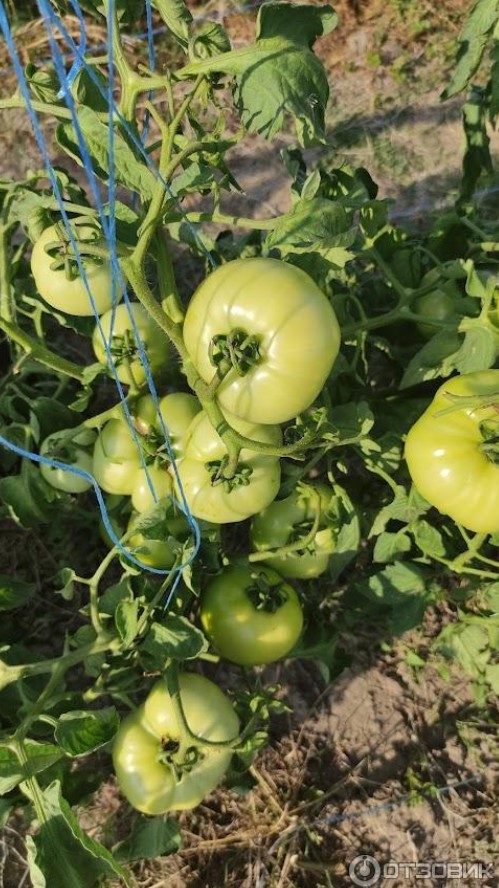
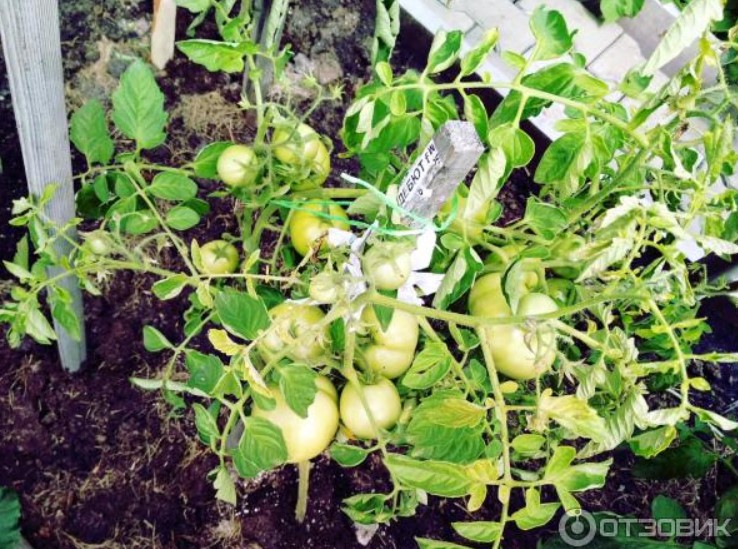
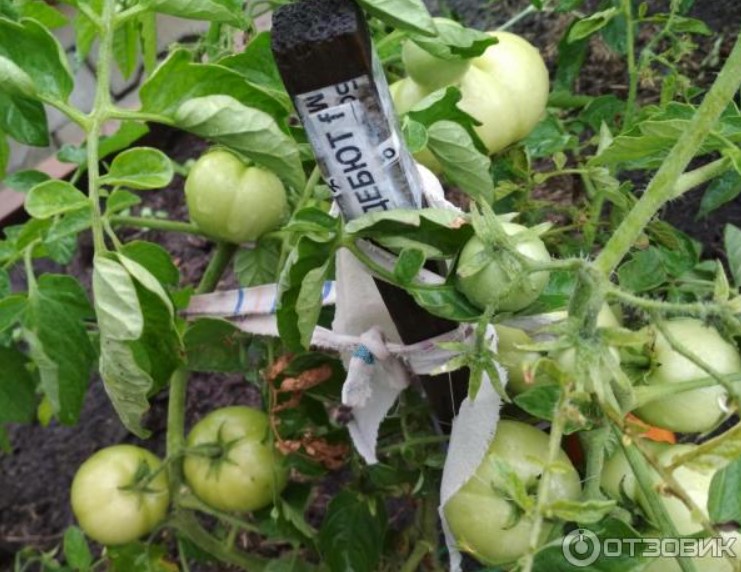
The bushes grew to a height of no more than seventy centimeters. The first tomatoes began to form, and a large number at that.
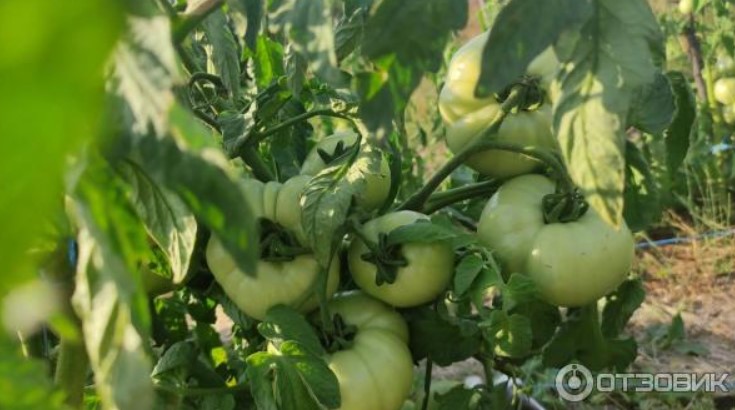
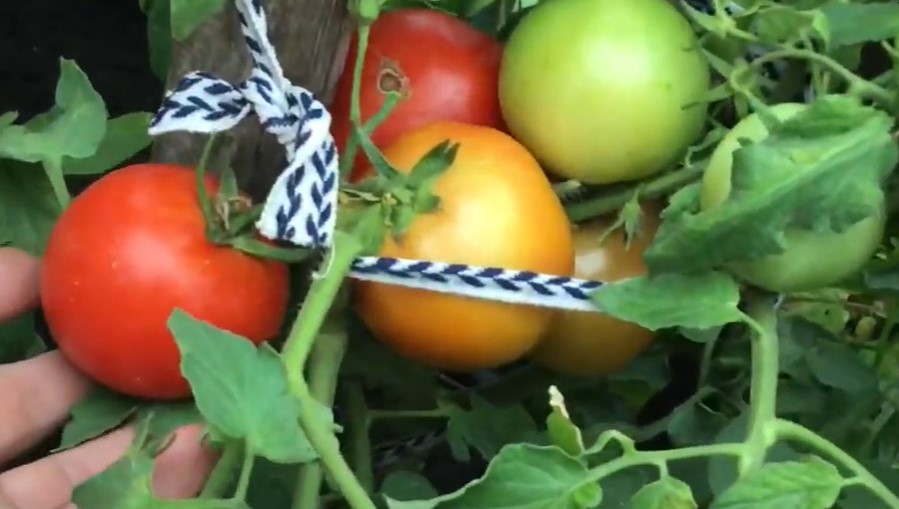
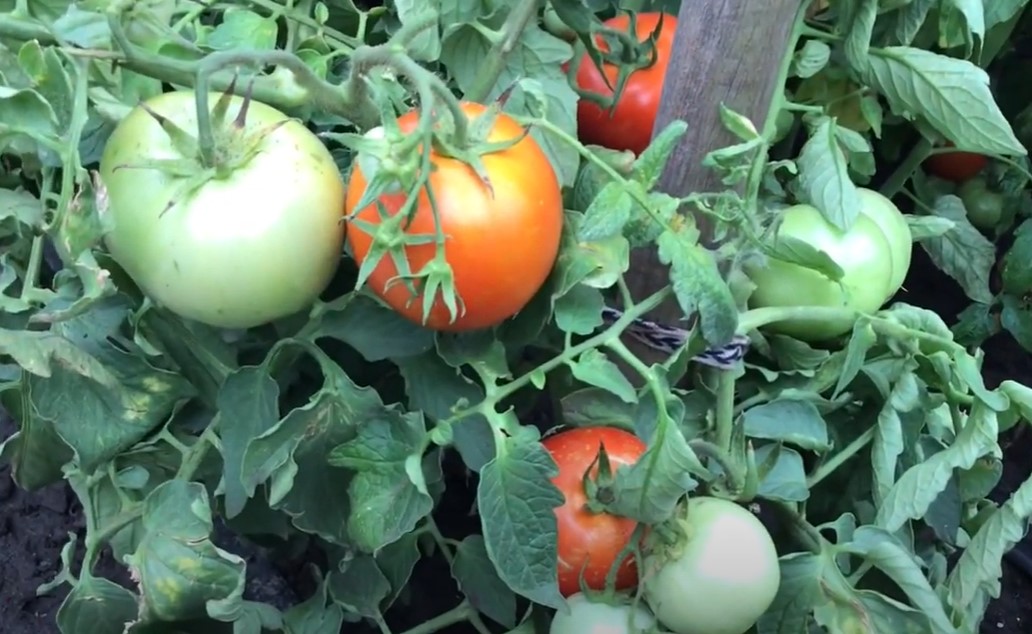
They also started ripening earlier than everyone else; I wasn't even expecting a harvest yet. Among the leaves, the fruit, already beginning to turn red, is visible.
Unfortunately, I couldn't find a photo of the fully ripened fruits. But according to my records, the largest tomato weighed 340 grams. I'm glad the manufacturer was honest; the fruits were indeed large, although they didn't quite reach 400 grams, but in such a cold spring, that could have been a negative factor. They were very tasty, sweet, and juicy, completely indistinguishable from the varietal ones. Now I know that not only varietal seeds can delight with wonderful flavor, but hybrids too. I recommend them.
Debut (Agros, I think) is a pretty decent hybrid, but I won't repeat it either; I still have so many other things I want to try. It grew both in the open ground and in the greenhouse. It was better in the open ground; maybe it didn't get enough light in the greenhouse?
The next tomato I grew for the 2021 season was Debut F1, from Dutch grower Seminis. I chose this variety as an early, large-fruited, low-growing variety for open ground.
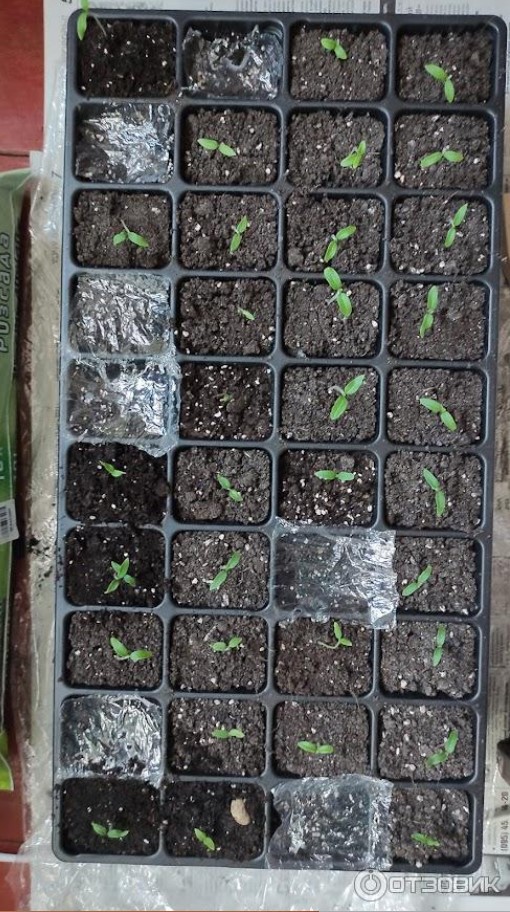
Of the ten seeds I purchased, eight germinated successfully. The photo shows the second row from the right.
The manufacturer indicates a ripening period of 60 days after planting the seedlings in the ground.
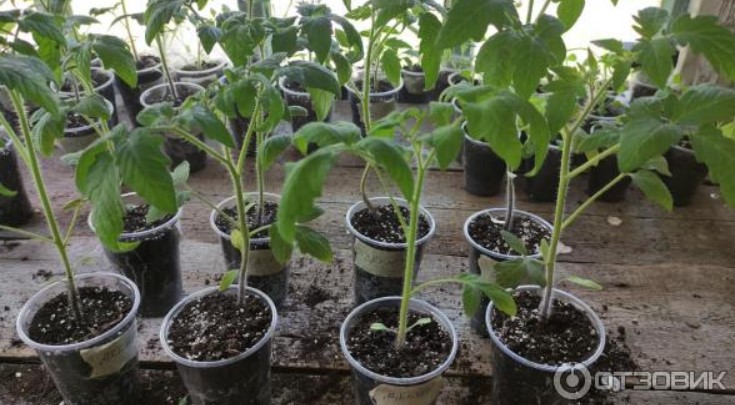
The seedlings were transplanted into cups after some time, I didn’t mark the exact time frame.
If the seedlings themselves were weak, then after planting in a permanent place the plants began to grow well.
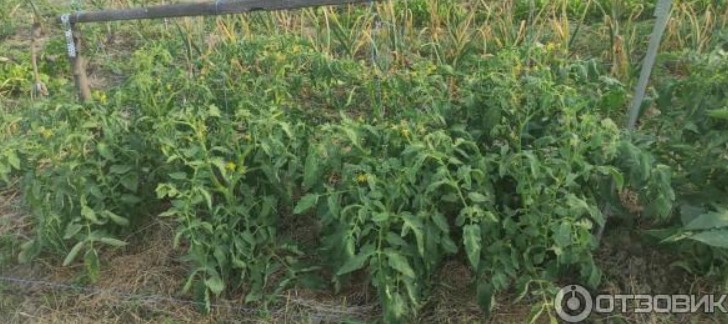
Eight bushes, four opposite each other.
In this case, the tomatoes are truly short, unlike Asvon. Their distinctive feature is the long, drooping leaves. The fruits are well protected from the heat within them. Although this leaf shape makes care difficult, the second and third tiers hang almost to the ground.
The bushes produced numerous ovaries. Although the stems grew strong, in some places they couldn't bear the weight of the fruit and broke. Perhaps the wind helped; the bushes themselves were tied to a horizontal support along the main stem.
These are already the upper tiers, closer to the end of the season.
The tomatoes started ripening at the same time as the early varieties, but they couldn't be called super early. They ripened unevenly, perhaps under too much strain for the plants.
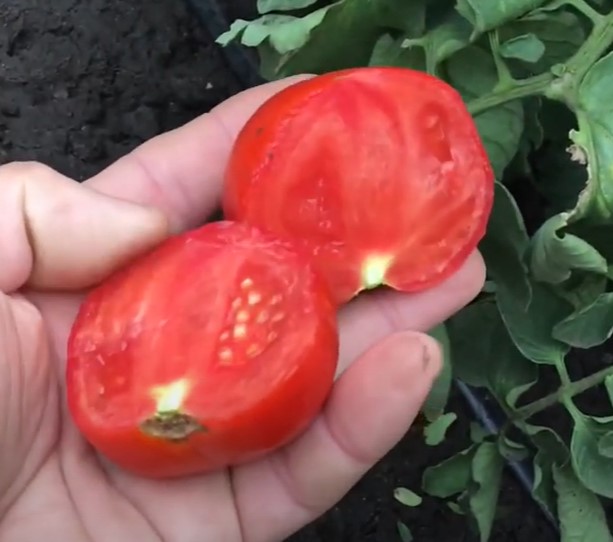
The tomato itself is red and round, resulting in a distinctive division into segments.
According to the variety, they should weigh around 200 grams, and that's what happened. There were no small tomatoes.
The taste is excellent, sweet and fleshy.
The price of seeds was around 6 hryvnia for 10 pieces. 15 rubles.
I will most likely grow this tomato again, I recommend it.