The King of the Early tomato is distinguished not only by its quick ripening time but also by its delicious fruits, which can be used for a variety of culinary purposes. In the article below, we'll explore its characteristics and growing techniques in more detail.
Content
- 1 Characteristics of the tomato variety King of the Early in the table
- 2 The history of the creation of the tomato variety King of the Early
- 3 Detailed description of the tomato variety King of the Early
- 4 Advantages and disadvantages of the tomato variety King of the Early (table)
- 5 Features of growing the tomato variety King of the Early
- 6 Resistance of the tomato variety King of Early to diseases and pests, prevention, control (table)
- 7 Harvesting, use and storage of the tomato variety King of the Early
- 8 Comparison of the tomato variety King of Early with other varieties in the table
- 9 Gardeners' reviews of the tomato variety King of the Early
Characteristics of the tomato variety King of the Early in the table
|
Ripening period (number of days from full germination to ripening) |
95-105 days |
| Description | A standard, medium-sized plant with determinate shoots up to 100 cm tall. Suitable for both greenhouses and open ground. |
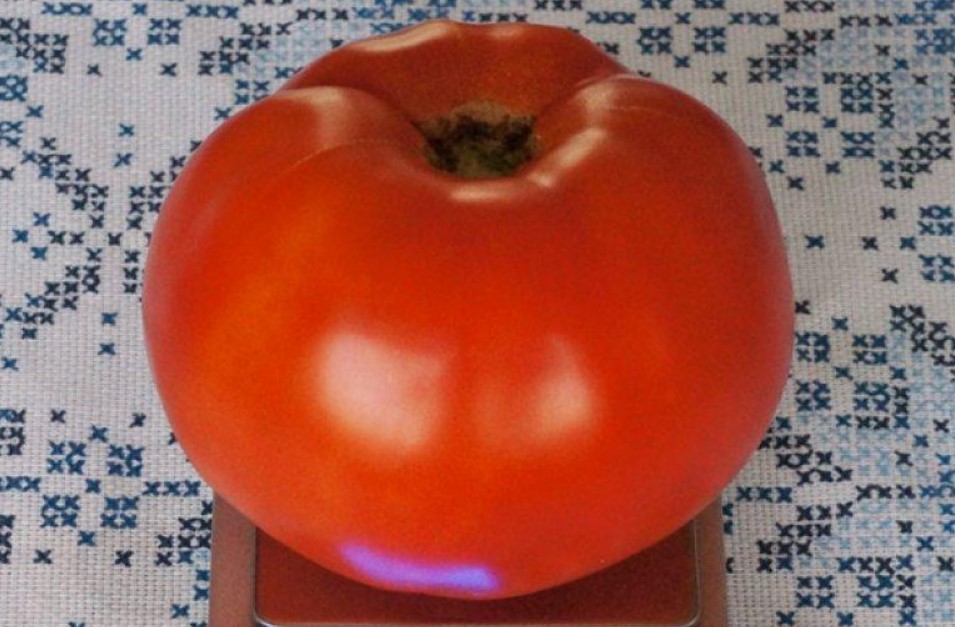
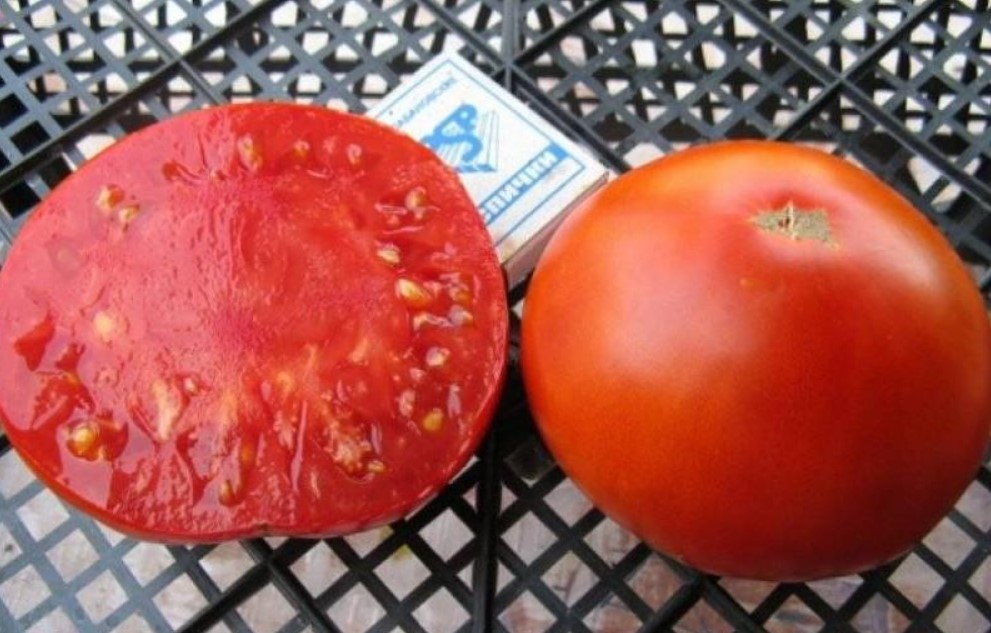
| Fetus | The fruits are flat-round in shape, light crimson in color, and the flesh is juicy and fleshy. |
| Fruit weight | From 150 to 200 g. |
| Taste | Nice |
| Usage | Fresh food, preparation of salads, main courses, processing into juices, pastes. |
| Marketability | High |
| Shelf life | Good |
| Yield of commercial fruits | From 6 to 9 kg per sq.m. |
| Disease resistance | High resistance to fungi, average resistance to late blight. |
| Agricultural technology | The plant needs to be shaped; no more than 3 bushes are placed per 1 sq.m. |
| Growing regions | All regions |
| Not included | |
| Originator | Domestic selection. |
Photo gallery of the tomato variety King of the Early
The history of the creation of the tomato variety King of the Early
The "King of Early" tomato has gained popularity not only in Russia but also abroad thanks to its excellent taste and ease of care. It was introduced to our country in early 2000, but despite its widespread use, this variety has not yet been included in the State Register of Vegetable Crops.
Detailed description of the tomato variety King of the Early
The King of Early tomato is distinguished by its medium-sized shoots, which are recommended to be tied and shaped as they grow. Below is a more detailed description of the variety.
Characteristics of the bush
The shoots are standard, determinate, and grow from 70 to 100 cm. The bush forms into 2-3 stems. The leaves are medium-sized and bright green. During flowering, small, light-yellow, single-stem buds appear. The internodes are not shortened, but are of a standard size.
Fruit characteristics
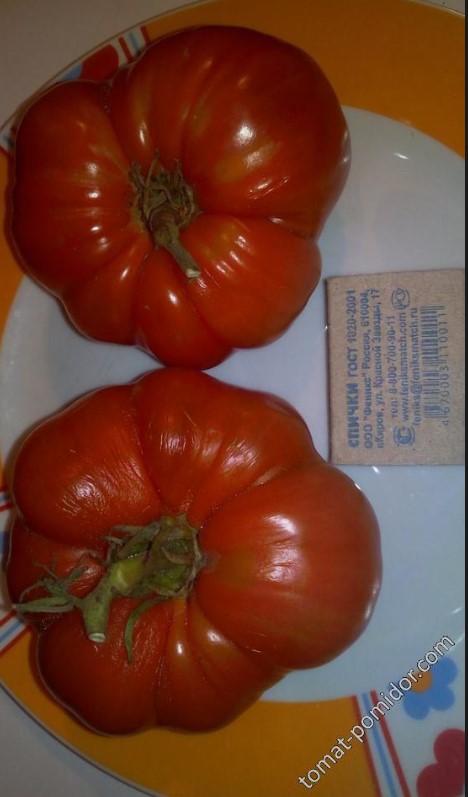
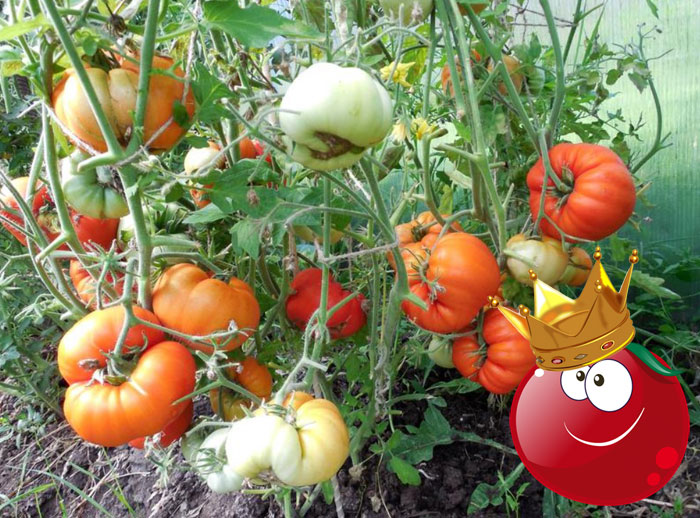
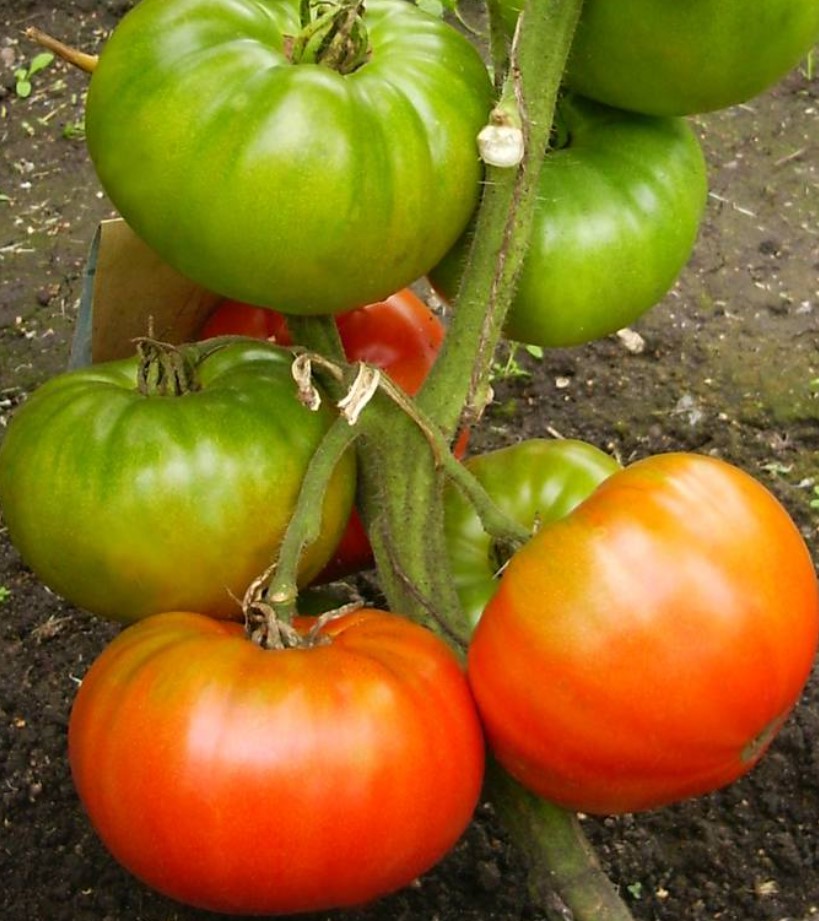
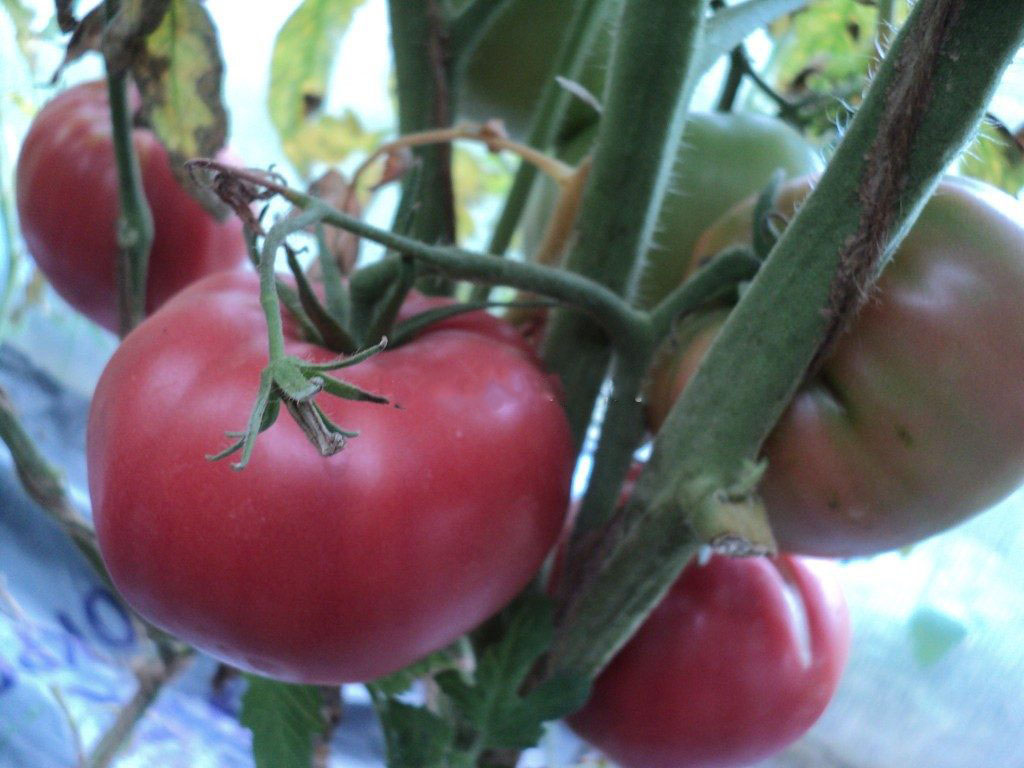
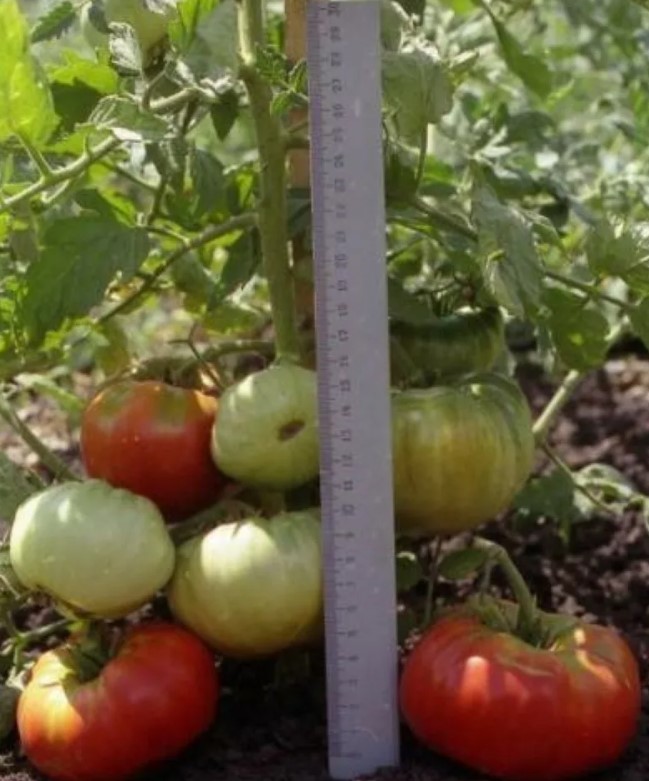
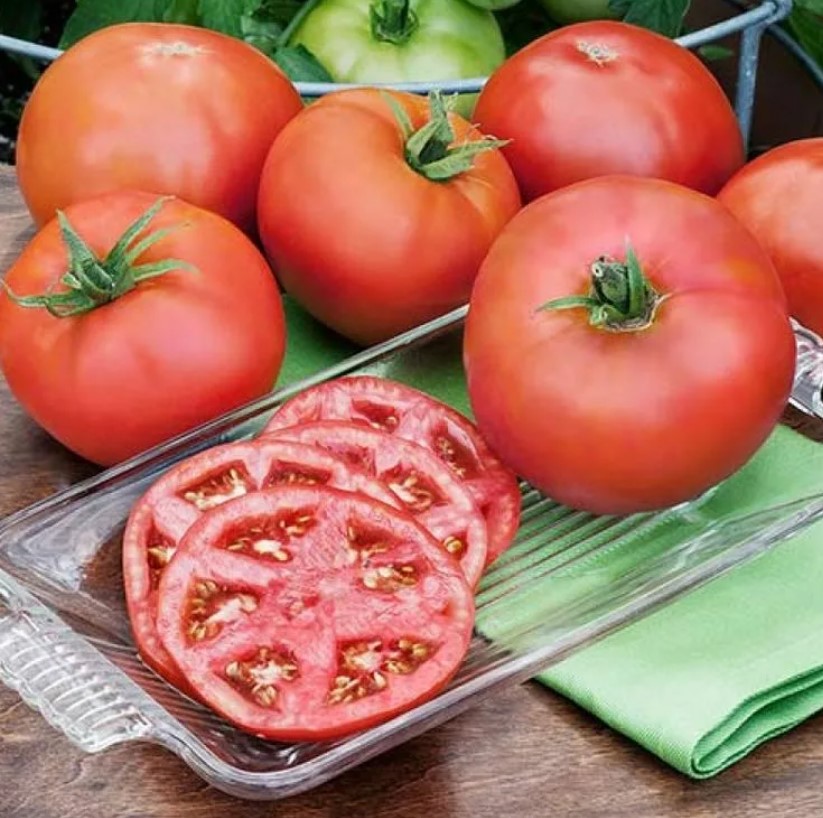
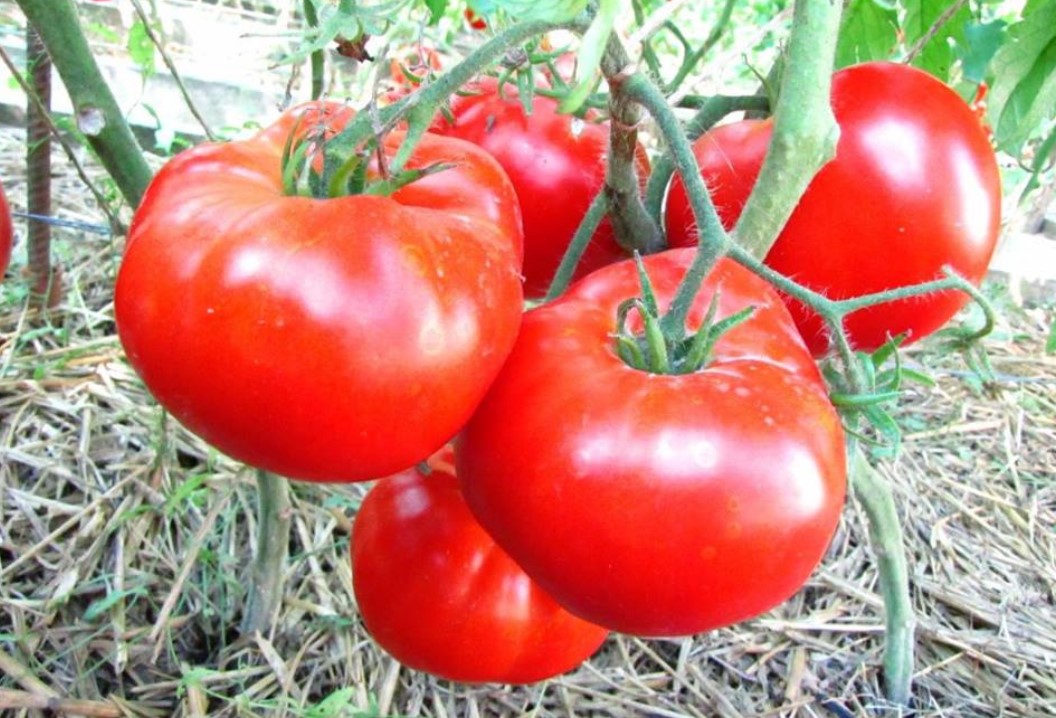
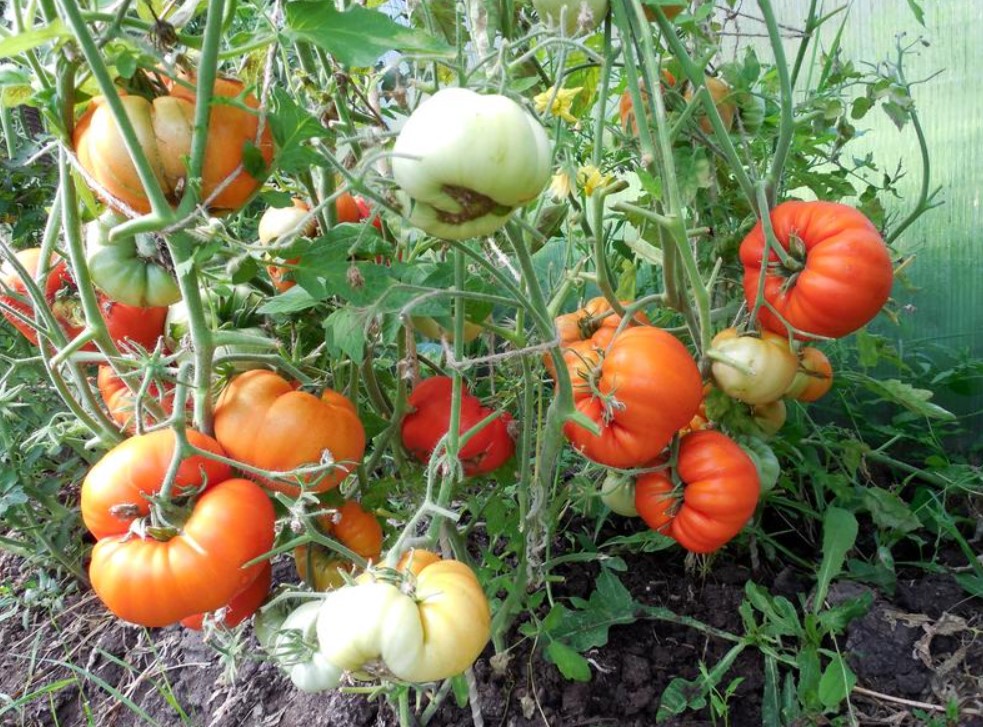
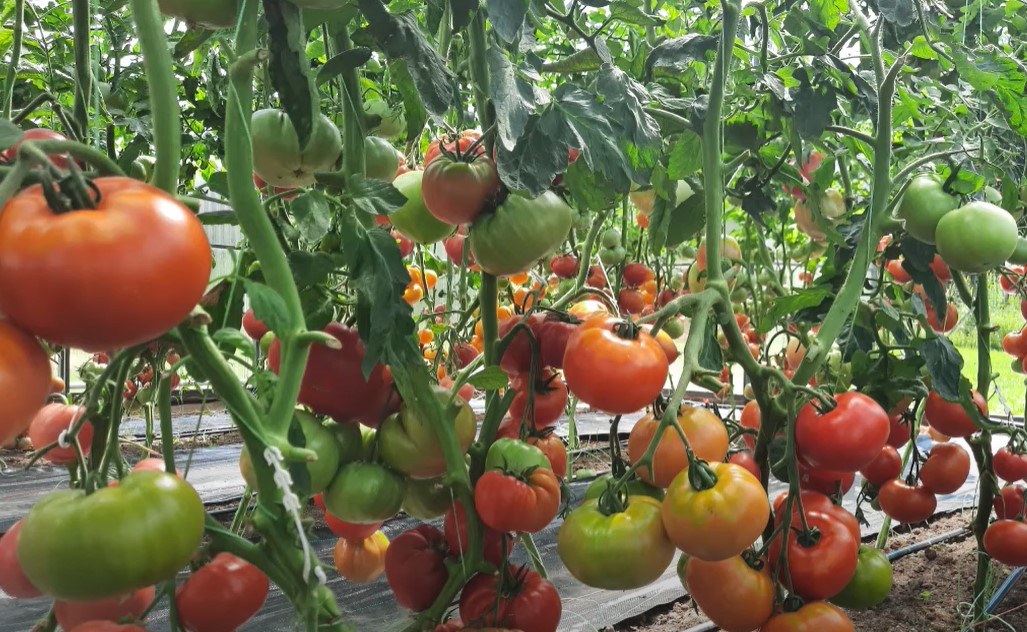
The fruits of the King of Early tomatoes are characterized by a flattened, round shape, and their color changes from green to raspberry-red as they ripen. The average weight is 150-200 g, but individual specimens can weigh up to 500-700 g.
The pulp is juicy and fleshy, containing up to 7 seed chambers. The skin is smooth, glossy, and fairly dense, yet thin. This allows the tomatoes to withstand transportation well and have a long shelf life. Each bunch contains 3-4 ripe tomatoes. They can be harvested even at the technical stage of ripeness; they can be ripened indoors.
Ripening time and yield
The yield of the King of Early variety directly depends on proper cultivation practices. Under favorable conditions, up to 9 kg of ripe tomatoes can be harvested per square meter.
Advantages and disadvantages of the tomato variety King of the Early (table)
The table below lists the main advantages and disadvantages of the King of Early tomato.
| Advantages | Flaws |
|
|
Features of growing the tomato variety King of the Early
The King of Early tomatoes is not the most demanding member of the family. If proper cultivation practices are followed, gardeners can expect an excellent harvest and a long fruiting period.
Sowing seeds and growing seedlings
There's no need to start sowing seeds too early, as the fruits ripen quite quickly. In central Russia, it's recommended to sow tomatoes for seedlings no earlier than the last ten days of March, or even as early as early April.
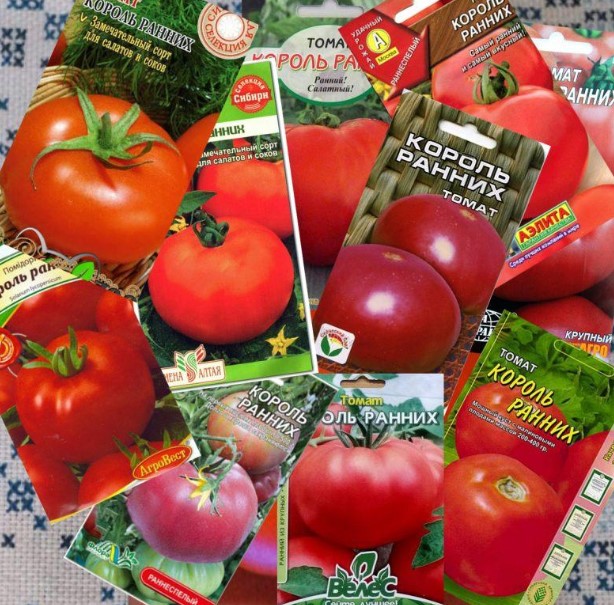
You can collect seeds yourself, but it's safer to purchase them from a reputable supplier. Typically, such planting material has undergone all necessary pre-sale preparation, which will be indicated on the packaging.
It's best to purchase potting soil from a specialist store; it will already contain the necessary nutrients. However, if desired, you can mix equal parts soil, humus, peat, and sand.
Different types of containers are suitable for planting seeds:
- Common wooden box.
- Plastic container.
- Cut-off juice boxes or plastic bottles.
- Sour cream cups.
- Peat tablets.
- Peat cups.
The last two types are best used for growing tomatoes, since when replanting, you don’t need to remove the plants from the container, which reduces the risk of damaging the roots.
Fill the selected container approximately 2/3 full with soil. Next, make furrows about 1 cm deep in the soil. Place the seeds in these furrows, spaced 2-3 cm apart, and then cover them with soil.
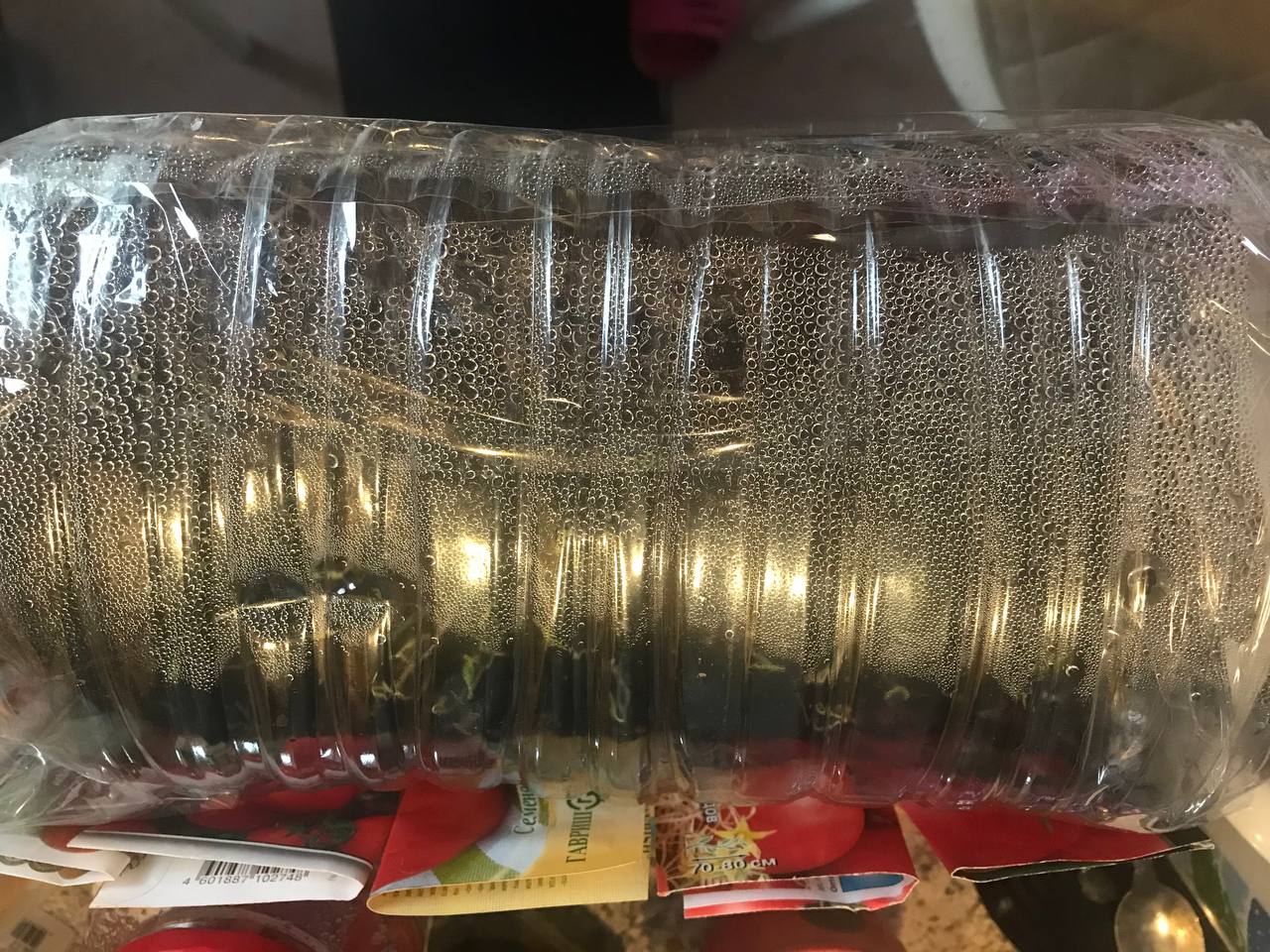
The final step is to water the seedlings using a spray bottle or mister. Otherwise, the strong stream from the watering can will either pull the seed into the soil or, conversely, wash away the soil. After watering, cover the container with plastic wrap or plexiglass and place it in a warm place.
The resulting greenhouse should be ventilated periodically to prevent condensation from accumulating inside, which can cause rot. If the soil is completely dry, you'll need to water it.
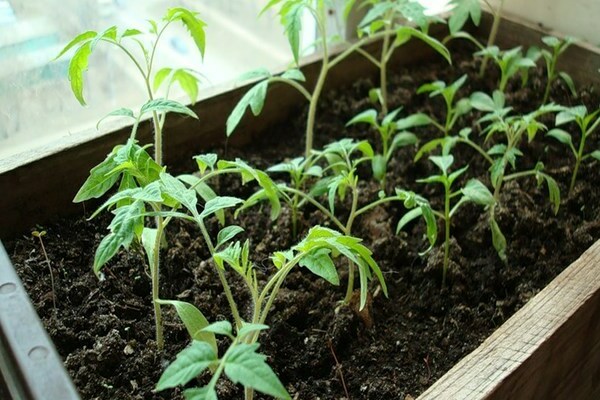
When the first shoots begin to emerge, the cover can be removed and the container should be moved to a cooler, but well-lit location. If using a windowsill, it's best to place a piece of cardboard or foam underneath the container to prevent cold air from penetrating into the container or cup.
Planting in the ground
Tomatoes are transplanted into the ground at 1.5 months of age. The exact date depends on the region and whether the seedlings will be placed in a greenhouse or an outdoor garden bed.
When growing tomatoes, it's crucial to follow crop rotation rules. It's not recommended to plant them in the same spot every season, as yield will inevitably decline. Potatoes, eggplants, peppers, and tomatillos are considered poor predecessors. Safe predecessors include cucumbers, onions, garlic, carrots, zucchini and squash, radishes, cabbage, turnips, and horseradish.
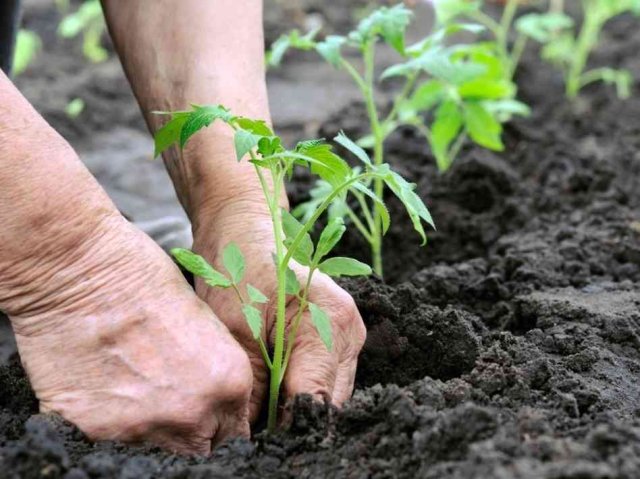
The soil is prepared in the fall, dug over, and manure is added. A second digging is performed in the spring, at which point compost and superphosphates can be added.
Next, loosen and level the soil, then dig holes about 20 cm deep and spaced 50 cm apart. The recommended spacing between rows is 70 cm. It's best to stagger the holes to make planting easier.
The seedlings are carefully moved into the hole along with the root ball and covered with soil, after which they are watered. Experienced gardeners recommend mulching the surface of the bed to protect the roots from cold and overheating.
Care
Caring for the King of Early tomatoes is very simple and includes a number of classic procedures:
- Side shoots should be removed from the bush as it grows, as they impair aeration and prevent fruit ripening.
- Leaf removal. As new leaves emerge, it's recommended to remove foliage from lower shoots to reduce the risk of pests.
- Staking. The shoots of the Early King variety are quite tall, so they need to be staked and supported to prevent them from breaking under the weight of the fruit.
- Watering. It is recommended to water tomatoes once a week after planting. If the weather is very hot, increase the frequency to 2-3 times a week.
- Mulching. To protect the root system and prevent pests, it's advisable to mulch the bed surface with straw, sawdust, or compost.
- Fertilizing. Apply a general-purpose fertilizer three times per season, every 10-14 days. Initially, spray tomatoes with Bordeaux mixture or Fitosporin to strengthen their immune system and protect against disease.
Resistance of the tomato variety King of Early to diseases and pests, prevention, control (table)
The King of Early tomato rarely gets sick, but if care is not provided correctly, it can be susceptible to infections and fungi. The table below lists the main diseases and how to combat them.
| Disease | Signs | Prevention and treatment |
| Late blight | Brown spots appear on the fruits. A white coating can be seen on the underside of the leaves. | As a preventative measure, apply a solution of Fitosporin three times at 10-day intervals. Oxychom, Barrier, or Zaslon are also helpful in combating the disease. |
| Fusarium | Initially, the lower leaves begin to wilt, then the wilting progresses to the upper part of the bush. A pinkish coating appears on the root collar. This is caused by high humidity and excess nitrogen in the soil. | Spraying the plants with Hom and Barrier preparations helps. |
| Blackleg | Black spots are appearing on the leaves and at the base of the stem. This is caused by high humidity and overwatering. | Diseased plants should be removed from the garden bed and burned, and the soil disinfected. For prevention, you can use a potassium permanganate solution, regularly ventilate the greenhouse, and maintain a proper watering schedule. |
| Slugs | Insects eat the leaves and fruits of tomatoes. | Ash or crushed eggshells are scattered on the surface of the bed, and the soil is regularly loosened after watering. |
About various tomato diseases and how to prevent and control them Read on Top.tomathouse.com.
Harvesting, use and storage of the tomato variety King of the Early
Harvesting of the King of Early tomatoes begins 95-105 days after the first shoots emerge. It's best to harvest early, otherwise the fruits may begin to crack on the vine. Mid-season tomatoes will ripen easily indoors.
In a cool place, such as a refrigerator, tomatoes can last up to two weeks without losing quality.
Comparison of the tomato variety King of Early with other varieties in the table
Please note! How can you easily convert centners/ha to kg/sq.m? Simply divide by 100! For example, the Abakansky Pink tomato yields 400 centners of marketable fruit per hectare. This equals 4 kg per square meter. It's that simple! Also, keep in mind that typically no more than 3-4 plants are planted per square meter. This way, you can calculate the yield per bush. In the case of the Abakansky Pink, it's about 1 kg.
| Variety | Ripening period (number of days from full germination to ripening)
Yield of commercial fruits |
Brief description | Fetus |
| King of the Early | 85-95 days depending on the growing location
1200 c/ha |
An early-ripening determinate variety for open ground and greenhouses. Suitable for salads and processing into tomato products. | Flat-round, smooth, red, 150-200 g (up to 400 g). Good taste. |
| Siberian early ripening | 98-108 days
289-543 c/ha (open ground), 20-43% of the total yield ripens in 15 days of fruiting, 630-950 c/ha (greenhouse and under film), in the first month of fruiting 240-580 c/ha. |
An early-ripening, determinate, low-growing variety for open ground and greenhouses. Suitable for salads. | Round and flat-round, slightly ribbed, medium-sized and large, red, 62-114 g. The taste is satisfactory. |
| Siberian Shan'gi | 100-110 days The yield of commercial fruits in open ground was 5.6 kg/sq.m. |
A mid-season determinate variety for open ground and greenhouses. Suitable for salads. | Flat-round, medium density, slightly ribbed, raspberry, 157 g. Excellent taste. |
| Siberian tiger | 110-120 days
Up to 1200 c/ha |
A mid-season indeterminate variety for open ground and greenhouses. Requires staking and training into 1-2 stems. Suitable for salads and processing into tomato products. | Flat-round, ribbed, dark pink with dark purple streaks, 150-250 g. Excellent taste. |
| Siberian big guy | 90-100 days
900-1200 c/ha |
An early-ripening indeterminate variety for open ground and greenhouses. Suitable for salads, processing into tomato products, and preparing first and second courses. | Flat-round, slightly ribbed, red, 500 g. Good to excellent taste. |
| Siberian giant | 115-120 days
The commercial yield of fruits was 9.0-11.0 kg/sq.m. |
A mid-early indeterminate variety for greenhouses. Suitable for salads. | Flat-round, large, medium-ribbed, loose, red, 400-500 g. Excellent taste. |
| Siberian garland | 90-95 days 1700-1900 c/ha |
An early-ripening indeterminate variety for open ground and greenhouses. Suitable for salads. | Flat-round, large, smooth, dense, red, 260 g. Excellent taste. |
| Abakan pink | 120 days or more
400 c/ha |
A late-ripening determinate variety for open ground and greenhouses. Requires staking and training. Suitable for salads and processing into tomato products. | Flat-round, slightly ribbed, medium density and pink in color, 200-500 g. Good taste. |
| Alsou | 105-110 days
700 c/ha |
An early-ripening, determinate variety for open ground and greenhouses. Requires staking and shaping. Suitable for salads. | Flat-round, slightly ribbed, medium density, red, 312 g. Good taste. |
| Big Momma | 85-95 days (greenhouse), about 100 days (open ground)
700-900 c/ha |
A mid-early determinate variety for open ground and greenhouses (greenhouses only, according to the register). Suitable for salads, canning, pickling, and juice. | Round, large, slightly ribbed, medium density, red, 200-250 g. Excellent taste. |
| F1 debut | about 90 days 910 c/ha |
An early-ripening determinate variety for open ground and greenhouses. Suitable for salads. | Flat-round, slightly ribbed, medium density, red, 210-230 g. Good to excellent taste. |
| Sunrise F1 | 85-100 days
400 c/ha |
An early-ripening determinate variety for open ground. Suitable for salads. | Flat-round, ribbed, dense, red, 161-180 g. Excellent taste. |
Gardeners' reviews of the tomato variety King of the Early
These delicious tomatoes are perfect for pickling and simply garnishing various dishes. Germination is excellent, but you need to monitor watering and weather conditions to avoid late blight.
Hello to all Otzovik readers, gardeners, and tomato enthusiasts! I highly recommend the King of Early tomato seeds from Sibirsky Sad, Novosibirsk.
In my greenhouse experience, this tomato is truly a King with a capital K.
I bought the seeds late, in April; I'd expect some people to already have seedlings a couple of centimeters tall by April. I was tempted by the photo and description of the variety.
There are only twenty seeds in the packet. I planted just five to test them out. They sprouted evenly.
I was almost the last of all the varieties to be transplanted to the greenhouse, but it caught up with the Khurma (reviewed by Aelita "Khurma" tomato seeds - greenhouse experiment, Sverdlovsk region https://otzovik.com/review_10526573.html), and one of the three varieties began to turn red on the vine. The Balcony Miracle turned red, but that doesn't count—it's an easy-to-grow variety; and the Silver Spruce turned red on the vine. Of the large "quality" tomatoes, only the Korol (King) pleased me with this process.
I planted them in the greenhouse at the end of May. May and June were absolutely gorgeous, with daytime temperatures in the high 30s, and naturally, it was even hotter in the greenhouse. But August was very rainy, gray, and damp, just when the tomatoes were ripening—or rather, not ripening. I picked all the green tomatoes, and they ripened at home.
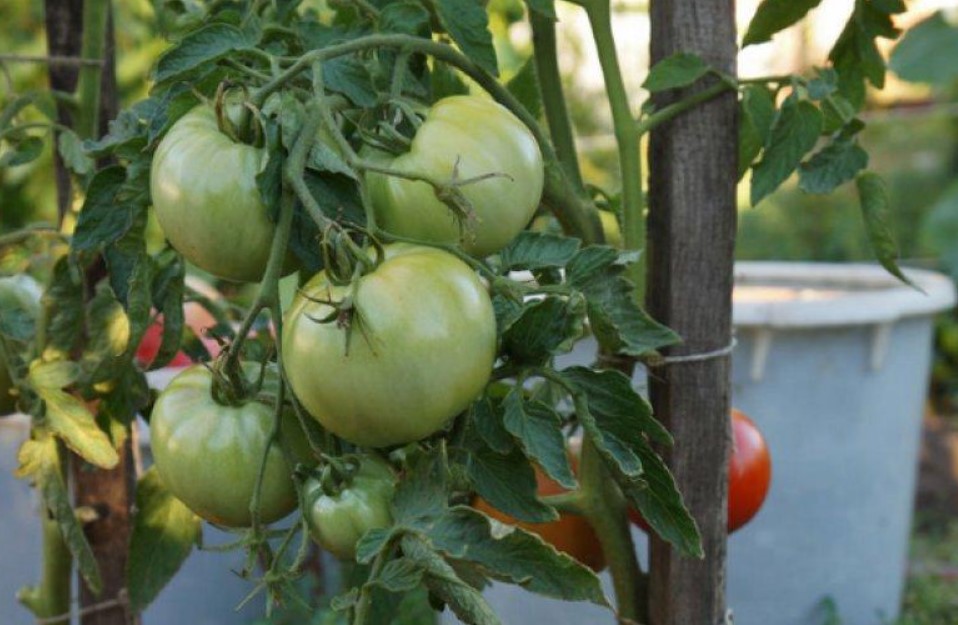
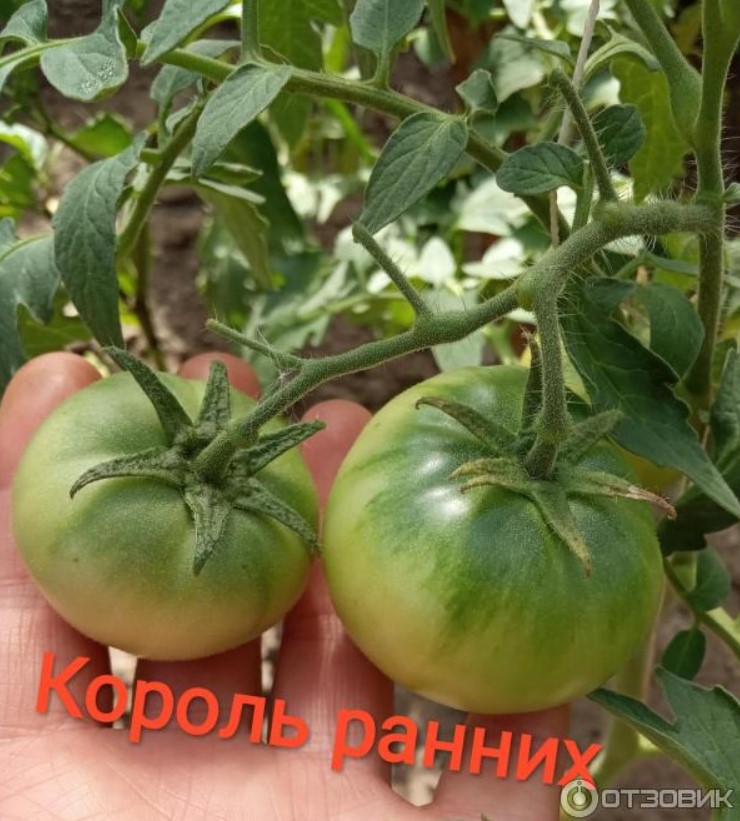
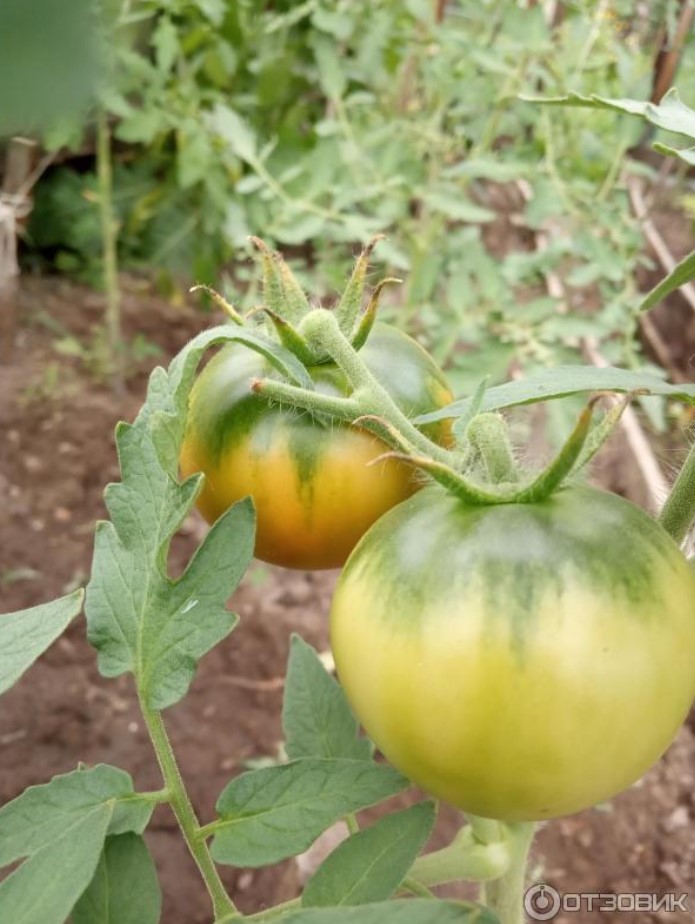
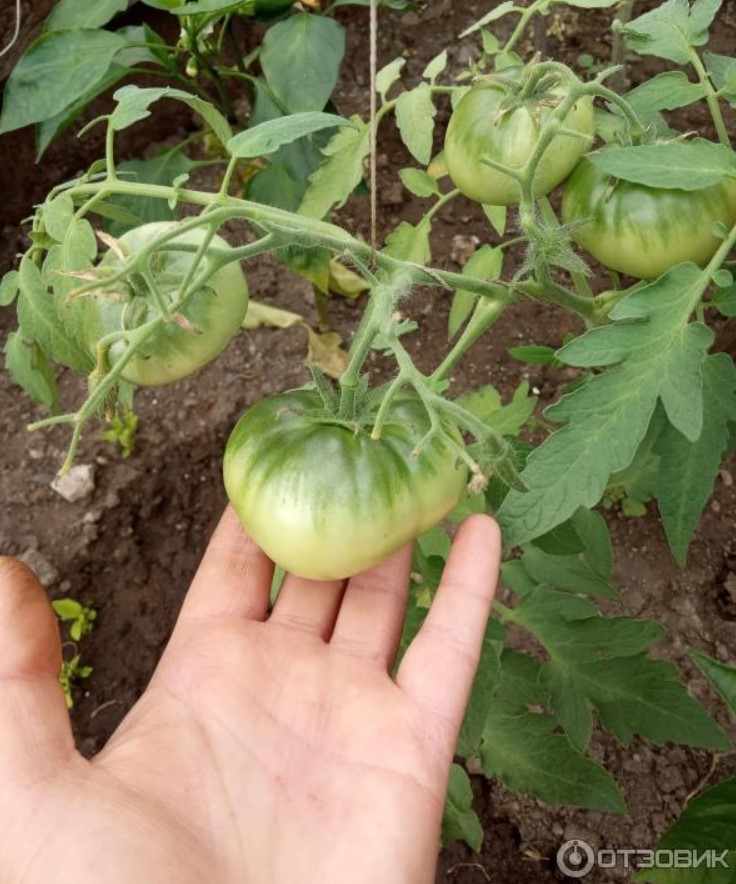
This photo is from August 29th - they are hanging milky green;
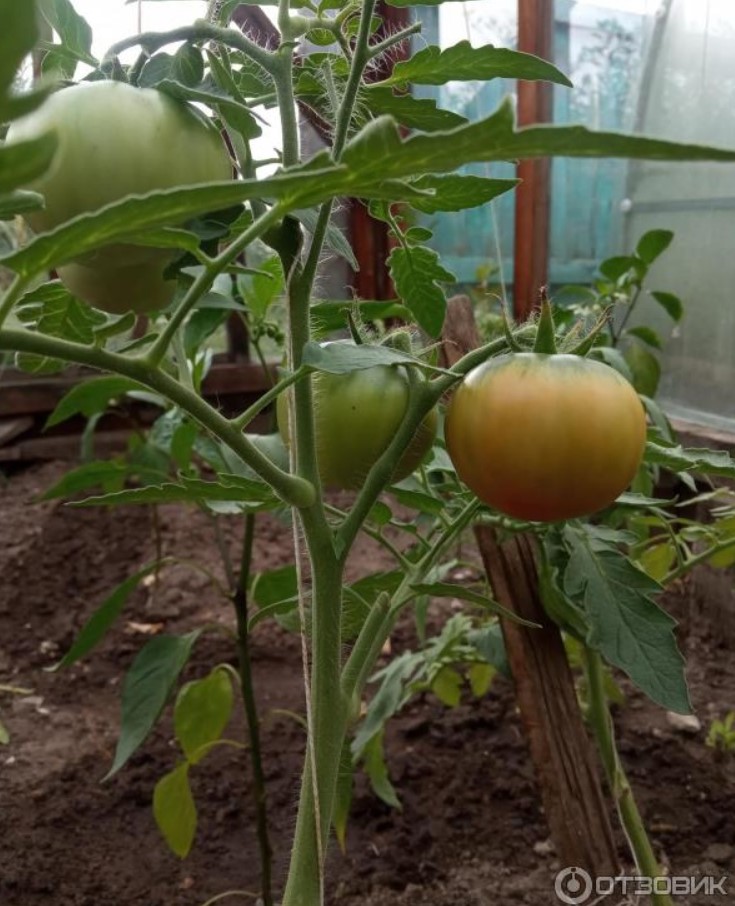
And after two days they began to slowly turn red.
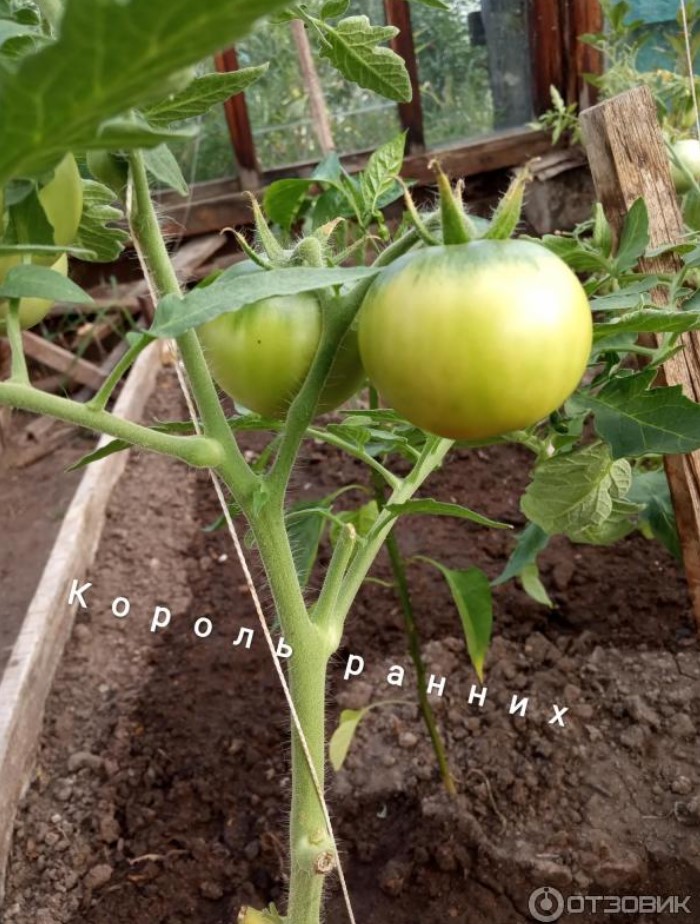
There was quite a lot of space in the greenhouse, the bushes were not crowded, they were comfortable.I'd like to point out right away that the Korol (determinate) bushes are low- to medium-sized, compared to the Khurma (persimmon), not sprawling, and leafless; they grow modestly. None grew taller than a meter; I wouldn't say the bush is robust; the Khurma was more massive, but the Chudo (miracle) are downright stout and plump (Aelita "Balcony Miracle" tomato seeds – home and greenhouse experiment https://otzovik.com/review_10512297.html).
There weren't many fruits, I pick about four or five from a bush; some are still hanging there—it's still warm in the greenhouse, so I don't touch them.
The packaging indicates the harvest time as three months after planting; that's roughly what happened—I picked my first tomato at the end of August and planted it in the greenhouse at the end of May.
I grew all the bushes as a single stem, frequently monitoring them and removing side shoots. There were many side shoots, so I also removed them. Although the label suggests growing them as two or three stems. I didn't overcrowd the bushes, as the greenhouse yields weren't encouraging.
All the Kings were bright; on the right side of the greenhouse, there was only one main indeterminate plant—the Japanese truffle. Everyone was warm and sunny. There was no shade on this side: no fence, no neighboring greenhouse, no grass—the sun was shining almost all day. The neighbors were peppers, a golden bell—while it was growing, it didn't bother anyone—and a silver spruce—a really small, low-growing tree.
Not a single King bush was sick, not a single pest was noticed.
Articles say that tomatoes need fertilizer for high yields. I definitely used Agricola once (Agricola soluble fertilizer for tomatoes, peppers, and eggplants—I used it for a season in the greenhouse).
Mag-Bor was also a one-time use, along with nettle tea and ash a few times—not overdoing it. I watered it once a week, more often during hot periods. Weeding wasn't necessary, but I did loosen the soil frequently.TASTE
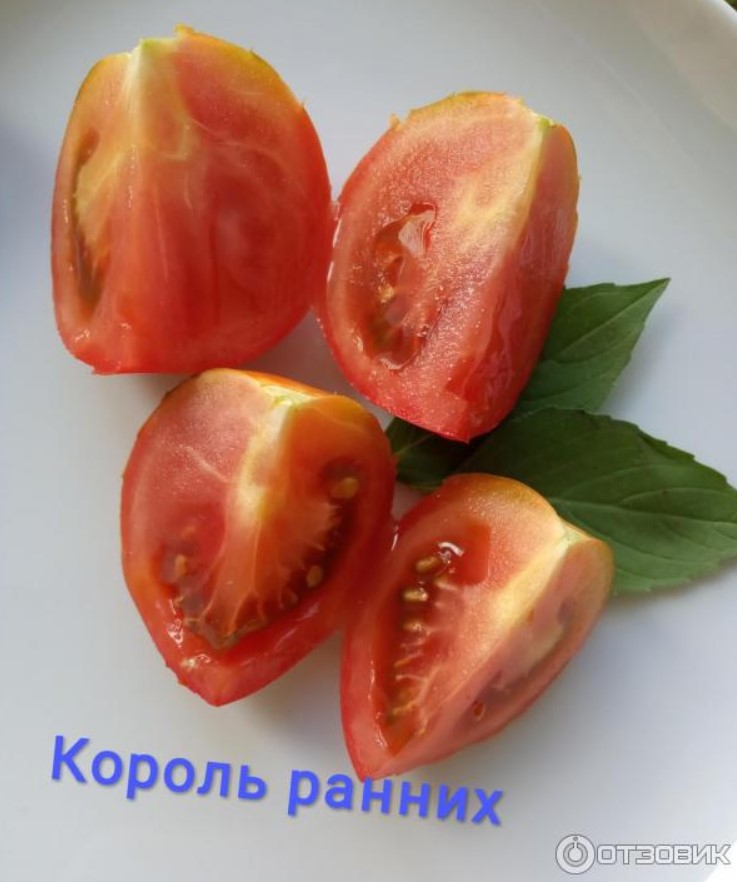
The flavor is decent, classic tomato, maybe a little sweet. It tastes just like a real tomato. The tomato in the photo needed a couple more days to ripen, but I couldn't resist and decided to try it.
The King's color is red, closer to raspberry-pink, something in between.
They ripen quickly indoors. I don't store ripe tomatoes because my harvest is meager.
What is the BOTTOM LINE?
I am very pleased with the seeds: they all sprouted;
the plant itself is short, not spreading, and strong;
I didn't overdo it with the fertilizers;
the bushes were not sick;
It’s really early - I have seven greenhouse varieties this year, so I have something to compare it with - I can say that in a week and a half it caught up with the main bushes in terms of “weighty” tomatoes;
grown in one trunk;
the only one of the “large” bushes began to turn red on the branch;
the yield was pleasing;
tomatoes with classic tomato flavor, not sour;
literally two tomatoes from all the bushes did not crack, but had a “dark scar”, the rest were almost perfectly rounded and flattened in shape;I'll definitely be growing it next summer; I have some seeds left; I'll give the Kings a bigger greenhouse spot on the sunny side.
I encourage you to take a closer look at this variety. I wish you all good health, happiness, and a bountiful harvest!
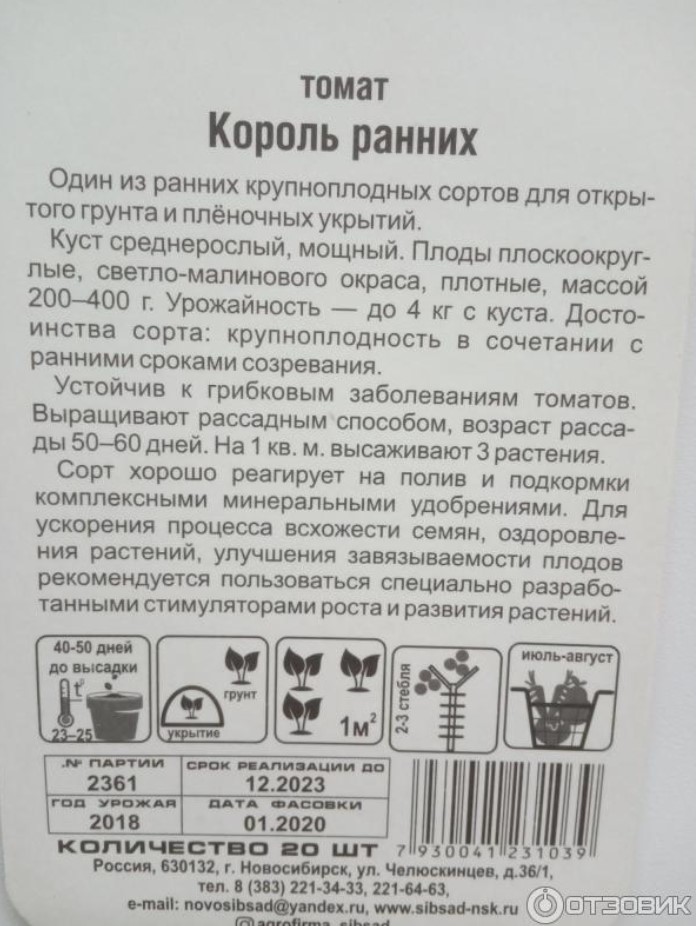
Description from the pack:
A mid-season variety, taking 115-120 days from germination to maturity. The bushes are medium-sized, spreading, 70-80 cm tall. Yield is 6-7 kg/m². The fruits are flattened and large. Early ones can weigh 700-800 g or more, while subsequent ones weigh 150-200 g. The variety has low disease resistance. It is prized for its large fruits.
They even mentioned in the description that the variety is weakly resistant to diseases, which is surprising.
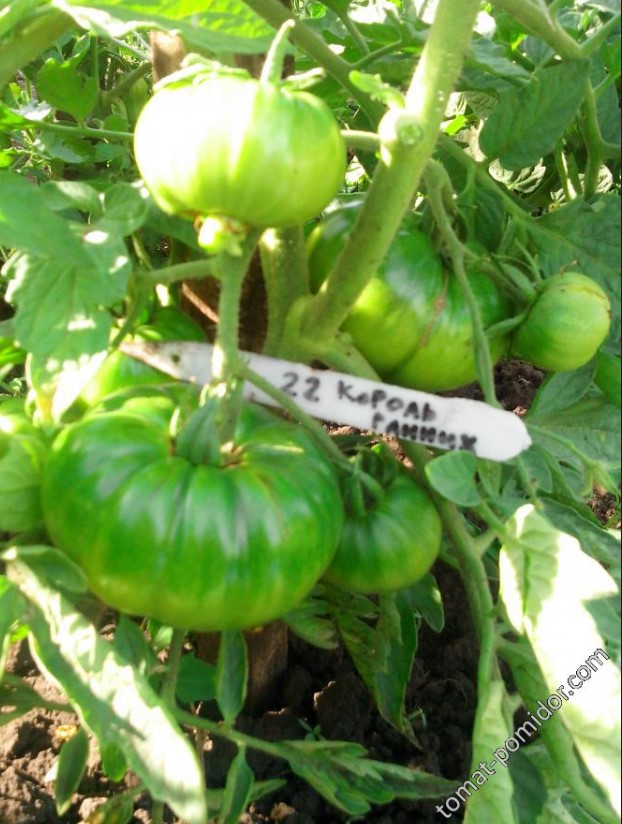
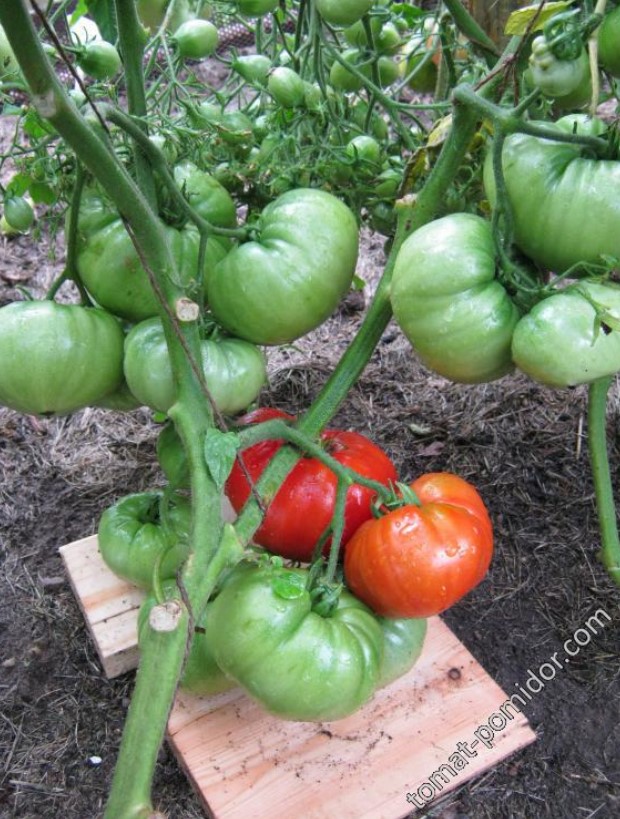
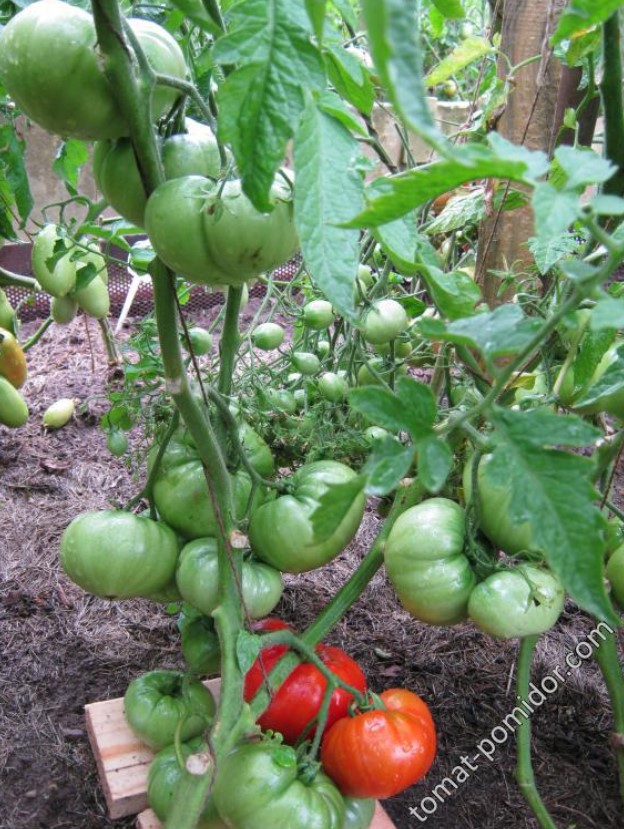
This year, I planted early and productive Korol (King) from Angelina; I think they're the same variety. I planted them on February 29th, repotted them into 3-liter pots, and planted them in the greenhouse in early April.
The first photo is in the greenhouse; two ripe ones were already removed from the bottom cluster before the photo was taken. The second photo is in the open ground. In the greenhouse, they're about 1.7 m tall, while in the open ground, they're 60 cm tall. What a difference!
About the taste: rich tomato flavor, with a hint of sourness. I brought it to work, and everyone loved it.
Sorry, in the second photo it's our waggon that flew in to visit the garden bed; the same family has been living there for four years.
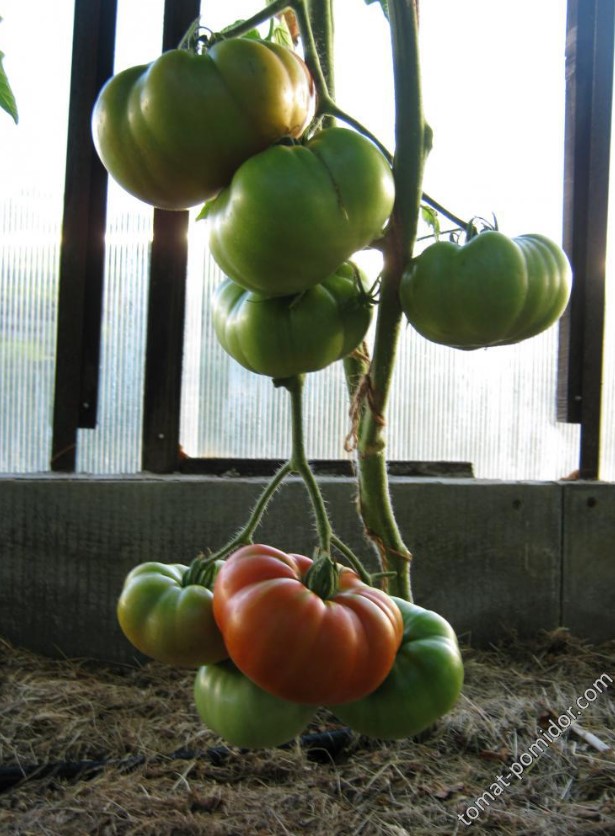
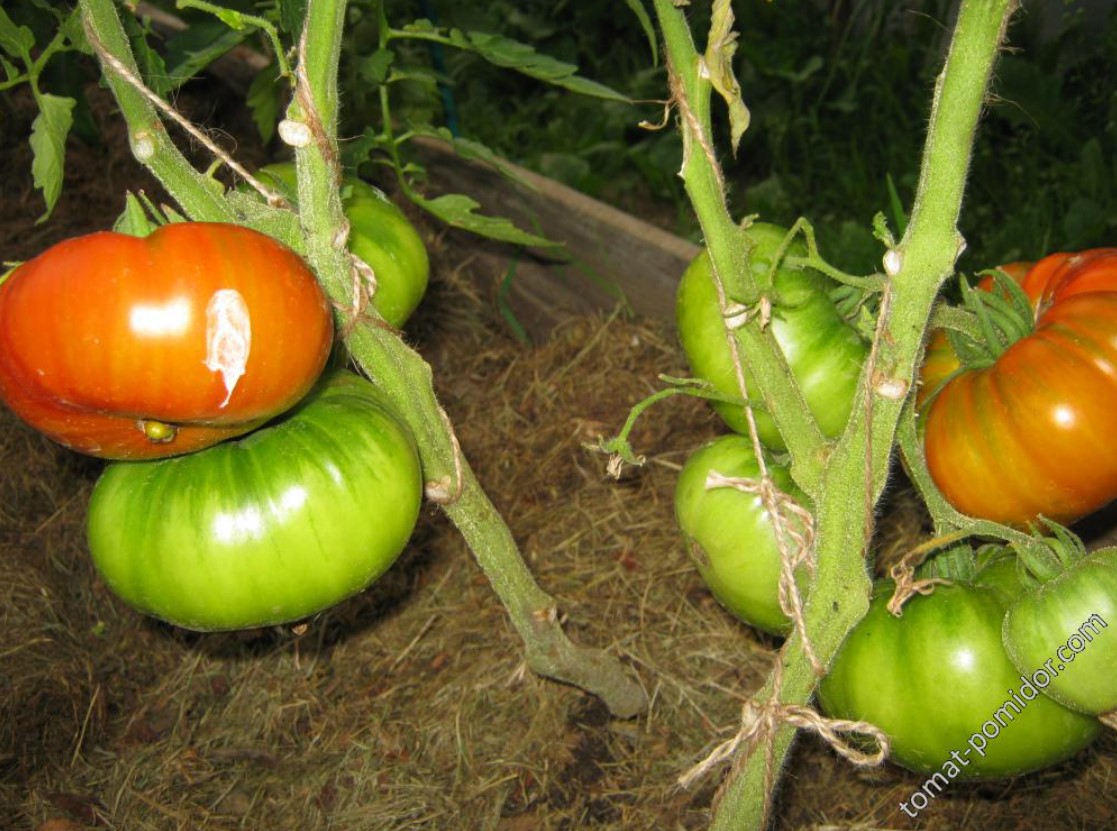
I also planted the "King of Early and Fruitful" this year. Thanks to Angelina for the seeds. It's truly early and fruitful! I sowed it on March 5th for seedlings, like all indeterminate varieties. I had two bushes next to each other in the greenhouse, each with a single trunk. I was immediately surprised: the lower cluster had 3 and 4 large tomatoes. Then there were two more clusters with 4 tomatoes each. They grew up to 80 cm. They performed well as children. I'll definitely plant them, but in the open air (from Ukrainian).
I was waiting for my daughter to arrive so I could take a photo. It wilted a bit.