When choosing the best tomato variety, you should consider the weather conditions specific to your region, as well as where you plan to plant it: in the open ground, under plastic cover, or in a greenhouse. However, there are universal varieties that grow equally well in any climate and environment. The Ultra Early tomato is one such variety. Let's take a closer look at it.
Content
- 1 Characteristics of the Ultra-early tomato variety in the table
- 2 The history of the Ultra-early tomato variety
- 3 Detailed description of the Ultra-early tomato variety
- 4 Advantages and disadvantages of the Ultra-early tomato variety
- 5 Features of growing the Ultra-early tomato variety
- 6 Resistance of the tomato variety Ultra-early to diseases and pests, prevention, control
- 7 Harvesting, use and storage of the Ultra-early tomato variety
- 8 Comparison of the Ultra-early tomato variety with other varieties in the table
- 9 Gardeners' reviews of the Ultra-early tomato variety
Characteristics of the Ultra-early tomato variety in the table
|
Characteristics |
Description |
|
Ripening period (number of days from full germination to ripening) |
70-75 days. |
|
Description |
Ultra-early superdeterminate variety for protected and unprotected soil. |
|
Fetus |
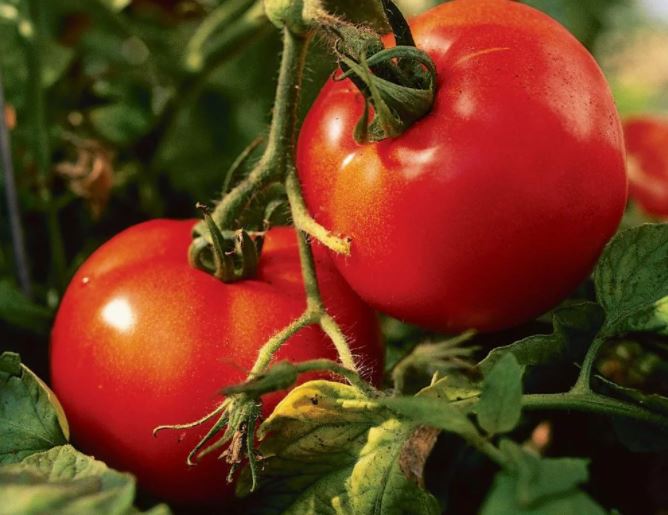
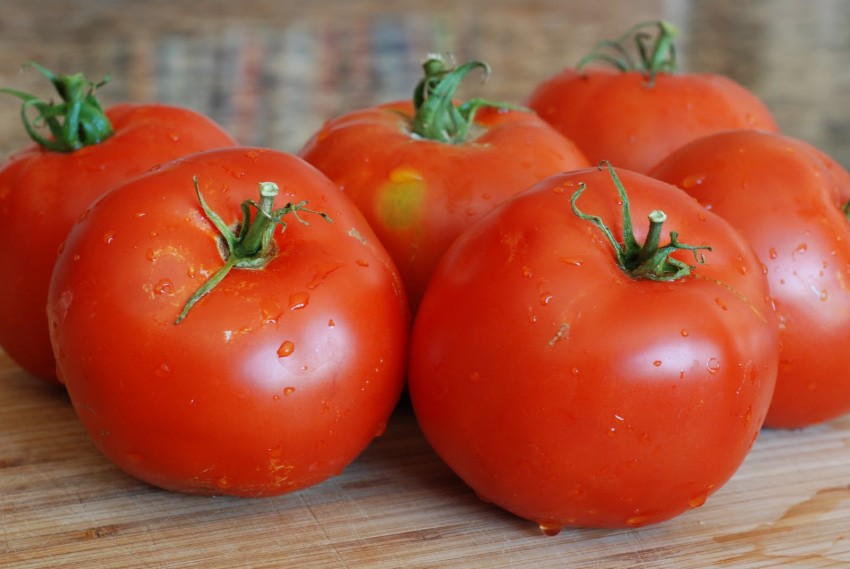
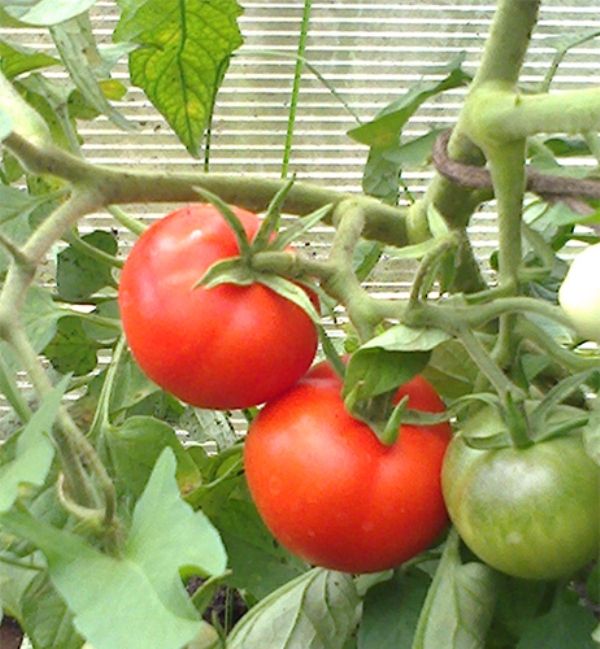
Round, red, dense. |
|
Fruit weight |
Up to 100 g. |
|
Taste |
Sweet and sour. |
|
Usage |
For fresh consumption, for pickling and preserving, whole-fruit, for processing into juice. |
|
Marketability |
High. |
|
Shelf life |
Does not crack during long-term storage and transportation. |
|
Resistance of commercial fruits |
1500 c/ha. |
|
Disease resistance |
To late blight. |
|
Agricultural technology |
Requires formation into 1-2 stems. |
|
Growing regions |
It adapts well to various climatic conditions and is suitable for cultivation in all regions. |
|
|
Not included. |
|
Originator |
Siberian breeders. |
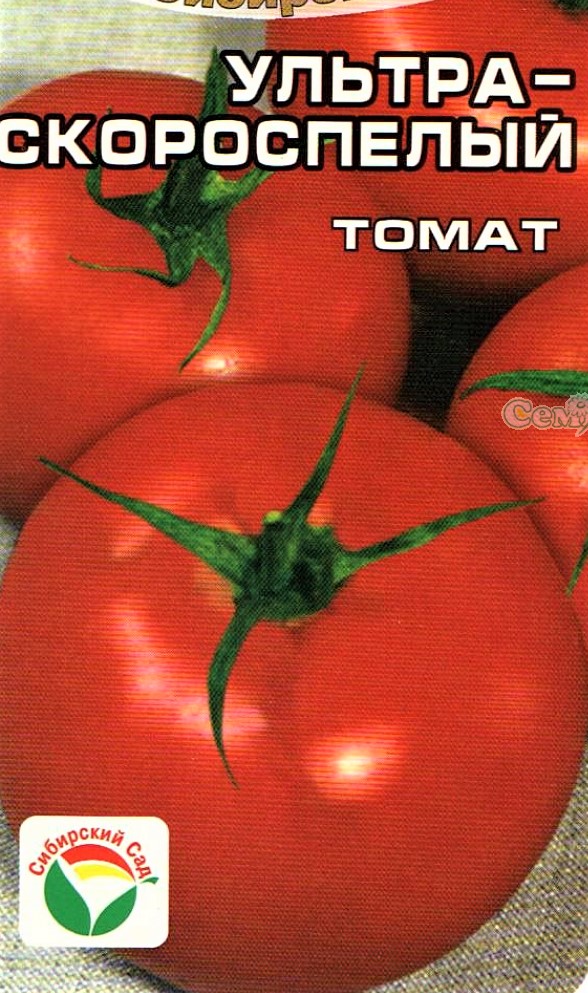
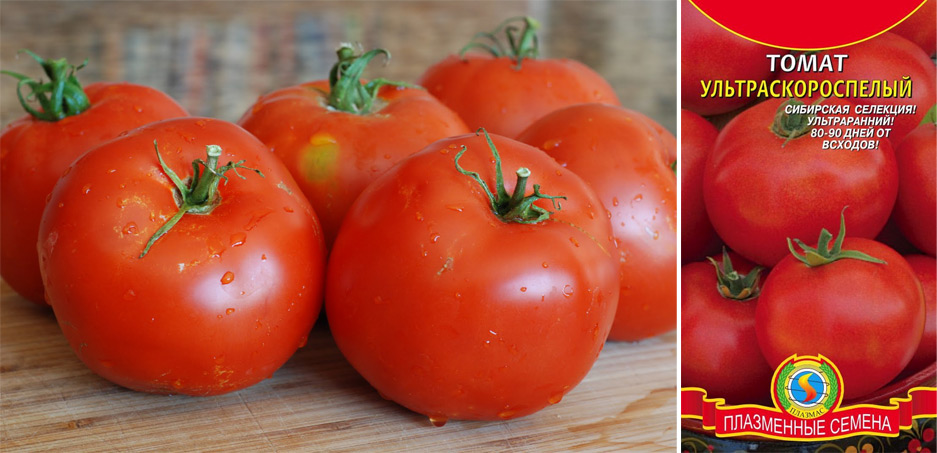
Photo gallery of the Ultra-early tomato variety
The history of the Ultra-early tomato variety
The Ultraskorospel'ny tomato variety was developed in the early 2000s by a group of Siberian scientists. It is an early-ripening tomato variety. It was not included in the State Register of Tomatoes, and therefore, this variety has not been tested. It is suitable for planting in greenhouses and vegetable gardens anywhere in the Russian Federation and the CIS.
Detailed description of the Ultra-early tomato variety
Let's consider the main parameters of the variety in more detail.
Characteristics of the bush
Depending on growing conditions, the Ultra-early tomato bushes can have a height of:
- in open ground - 40-50 cm;
- in hotbeds, greenhouses or film tunnels - up to 60 cm.
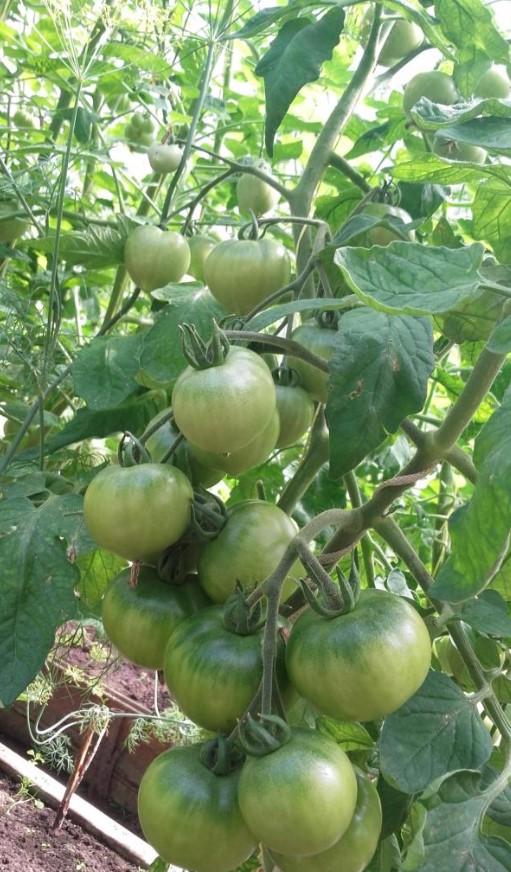
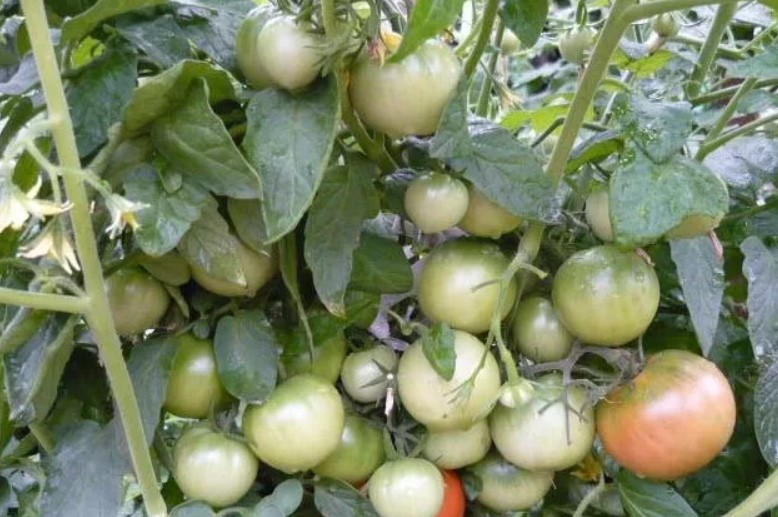
Miniature bushes don't require staking or pinching because most of the fruit forms on the side shoots. The stems are strong, standard-type, and have a dense crown. Despite their small size, the tomato plants have a spreading appearance. A single bush produces 3-4 clusters, each containing 5-8 tomatoes.
Fruit characteristics
The fruits of the Ultraskorospel'nyy variety are round, slightly flattened. They are small in size, 4-6 cm in diameter. The average weight of one fruit is 100-120 g. The skin is bright red. The flesh is firm and medium juicy. The Ultraskorospel'nyy tomato has a slight waxy coating, which protects the fruit from deformation and cracking.
Ripening time and yield
The Ultra-early tomato ripens 70-75 days after germination. Harvesting begins 70-75 days later.
This variety has a high yield. Up to 15 kg of fruit can be harvested from 1 m2.
Advantages and disadvantages of the Ultra-early tomato variety
|
Advantages |
Flaws |
|
Very early ripening period |
The need for regular fertilization |
|
Friendly germination and ripening |
Growing in sunny areas for a good harvest |
|
Strong immunity |
The need for formation |
|
Low maintenance |
|
|
Versatility of application |
|
|
Tomatoes are less likely to crack |
|
|
Rich composition, saturated with a large number of nutrients |
|
|
Resistance to low temperatures |
|
|
Preservation of flowers and ovaries even during drought periods |
Features of growing the Ultra-early tomato variety
Typically, Ultraskorospel'nyy seeds are grown from seedlings. In southern regions, they can be sown directly into their permanent location.
Sowing seeds and growing seedlings
Seeds for seedlings are sown in late February or early March. Before planting, it's essential to prepare the soil and seed material. Loamy or sandy loam soil with neutral pH is suitable for the Ultraskorospel'nyy variety. To disinfect the soil, water it with a generous amount of potassium permanganate solution or bake it in the oven. To prepare the seeds, you need:
- Soak the seeds for 30 minutes in a 1% potassium permanganate solution. Rinse with water and dry.
- Place the seed material in a growth stimulator for 3-4 hours.
- Treat seedling containers with potassium permanganate, hydrogen peroxide, or rinse with boiling water.
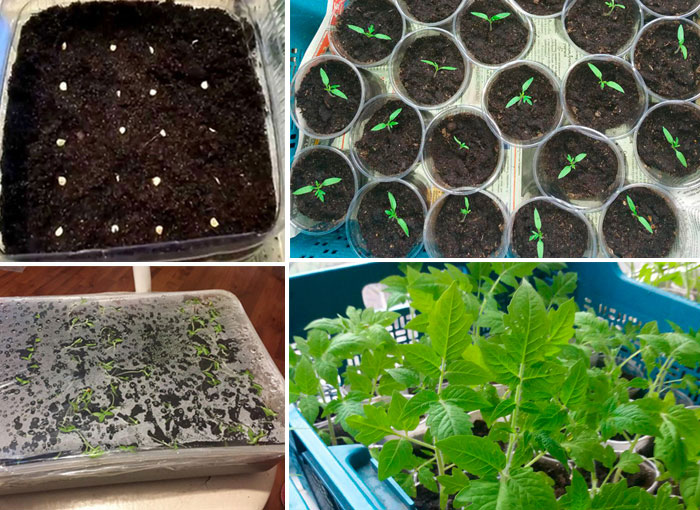
To plant seeds for seedlings you need:
- Level the soil in the containers and make depressions in it at a distance of 2 cm from each other.
- Sow the seeds to a depth of 1.5 cm and cover lightly with soil.
- Water generously and cover with perforated film.
- Move to a room with a temperature of +24° C.
- When the first sprouts appear, remove the film.
- Once several leaves appear on the seedlings, they need to be transplanted into larger containers, pinching the roots.
- 5-7 days after transplanting, carry out complex feeding.
- Grow the seedlings on a sunny windowsill. If there's insufficient light, you can use grow lights.
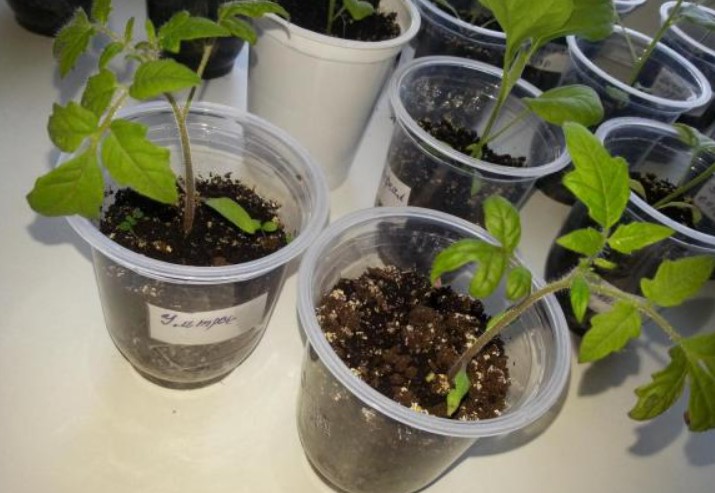
14 days before transplanting into open ground or a greenhouse, seedlings need to be hardened off. To do this, expose them to fresh air, starting with just a few minutes and gradually increasing the time.
Planting in the ground
Transplanting into greenhouses occurs in late May, and into open ground in early June. The main requirement is soil warming to at least 15°C.
Tomato plants should be spaced 35-40 cm apart, with at least 50 cm of space between rows. To make caring for tomatoes easier, plant them in a checkerboard or square pattern.
It is best to plant tomatoes in a place where beans, eggplants or zucchini were previously grown.
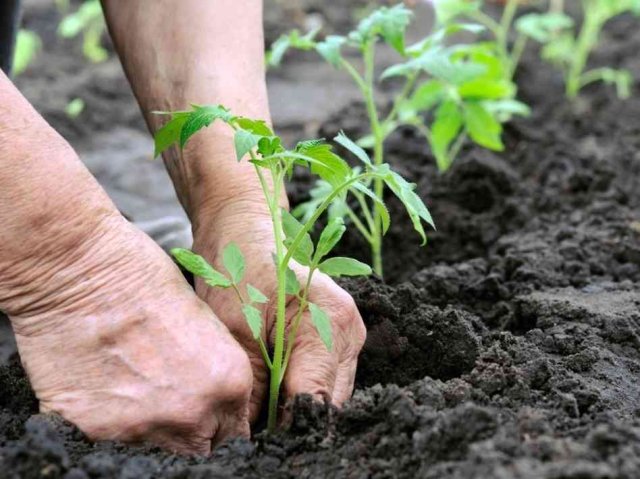
Transplantation technique:
- Transplant the bushes into single holes with a diameter of at least 30 cm.
- Place a mixture of wood ash and humus at the bottom of the hole.
- If necessary, add fertilizer to the soil.
- Fill each hole with warm water and plant the plants. They should be positioned vertically, with the stems buried down to the cotyledons.
Please note! The first watering should be done 10 days after planting.
Care
The Ultra-early tomatoes are easy to care for. To ensure they thrive, they only require regular watering, fertilizing, and mulching.
A month after transplanting, the bushes should be fertilized with a mixture of 25 g of nitrogen, 40 g of phosphorus, and 15 g of potassium in 10 liters of water. Apply this mixture at a rate of 0.5 liters per bush. Once ovaries and tomatoes begin to form, fertilize the plants with phosphorus-potassium fertilizers by spraying the bushes with an iodine solution. To obtain this, add 20 drops of the solution to a bucket of water and mix thoroughly.
Because the Ultra-early variety does not respond well to excessive soil moisture, watering should be infrequent but generous, avoiding the stems and leaves from getting wet. It's best to water early in the morning or late in the evening with warm, settled water.
After watering, loosen and mulch the soil. Loosening ensures good moisture and air access to the roots, while mulching reduces evaporation and inhibits weed growth.
Resistance of the tomato variety Ultra-early to diseases and pests, prevention, control
Thanks to their early ripening, tomatoes are resistant to late blight. With preventative treatment, they are also immune to other diseases and insect infestations.
|
Disease, pest. |
Prevention |
Methods of control |
|
Fungal infections |
Treatment of seedlings with preparations:
This is done once a week before transplanting the seedlings to a permanent location. |
In the fight against fungus, treatment of plantings with fungicides (Quadris, Ordan, Topaz and others) has proven highly effective. |
|
Aphids, whiteflies, spider mites and thrips |
|
Treatment with drugs:
Also, in case of mild damage, folk remedies are used:
Treatment is carried out in the evening, in good weather, without rain or wind. If chemicals were used, harvesting should be delayed for 2-3 days. |
If you are interested Tomato diseases, how to prevent and control them read our website.
Harvesting, use and storage of the Ultra-early tomato variety
Thanks to the dense structure of the Ultra-early tomatoes, they store well and withstand long-distance transportation.
Tomatoes of this variety are versatile. They are suitable for canning, salads, vegetable platters, sauces, soup bases, and making tomato juice.
Comparison of the Ultra-early tomato variety with other varieties in the table
Please note! How can you easily convert centners/ha to kg/sq.m? Simply divide by 100! For example, the Abakansky Pink tomato yields 400 centners of marketable fruit per hectare. This equals 4 kg per square meter. It's that simple! Also, keep in mind that typically no more than 3-4 plants are planted per square meter. This way, you can calculate the yield per bush. In the case of the Abakansky Pink, it's about 1 kg.
| Variety | Ripening period (number of days from full germination to ripening)
Yield of commercial fruits |
Brief description | Fetus |
| Ultra-early | 60-65 days
750-1000 c/ha |
An ultra-early determinate variety for open ground and greenhouses. Suitable for salads and processing into tomato products. | Flat-round, smooth, orange-red, 100-120 g (up to 150 g). Excellent taste. |
| Siberian early ripening | 98-108 days
289-543 c/ha (open ground), 20-43% of the total yield ripens in 15 days of fruiting, 630-950 c/ha (greenhouse and under film), in the first month of fruiting 240-580 c/ha. |
An early-ripening, determinate, low-growing variety for open ground and greenhouses. Suitable for salads. | Round and flat-round, slightly ribbed, medium-sized and large, red, 62-114 g. The taste is satisfactory. |
| Siberian Shan'gi | 100-110 days
The yield of commercial fruits in open ground was 5.6 kg/sq.m. |
A mid-season determinate variety for open ground and greenhouses. Suitable for salads. | Flat-round, medium density, slightly ribbed, raspberry, 157 g. Excellent taste. |
| Siberian tiger | 110-120 days
Up to 1200 c/ha |
A mid-season indeterminate variety for open ground and greenhouses. Requires staking and training into 1-2 stems. Suitable for salads and processing into tomato products. | Flat-round, ribbed, dark pink with dark purple streaks, 150-250 g. Excellent taste. |
| Siberian big guy | 90-100 days
900-1200 c/ha |
An early-ripening indeterminate variety for open ground and greenhouses. Suitable for salads, processing into tomato products, and preparing first and second courses. | Flat-round, slightly ribbed, red, 500 g. Good to excellent taste. |
| Siberian giant | 115-120 days
The commercial yield of fruits was 9.0-11.0 kg/sq.m. |
A mid-early indeterminate variety for greenhouses. Suitable for salads. | Flat-round, large, medium-ribbed, loose, red, 400-500 g. Excellent taste. |
| Siberian garland | 90-95 days
1700-1900 c/ha |
An early-ripening indeterminate variety for open ground and greenhouses. Suitable for salads. | Flat-round, large, smooth, dense, red, 260 g. Excellent taste. |
| Abakan pink | 120 days or more
400 c/ha |
A late-ripening determinate variety for open ground and greenhouses. Requires staking and training. Suitable for salads and processing into tomato products. | Flat-round, slightly ribbed, medium density and pink in color, 200-500 g. Good taste. |
| Alsou | 105-110 days
700 c/ha |
An early-ripening, determinate variety for open ground and greenhouses. Requires staking and shaping. Suitable for salads. | Flat-round, slightly ribbed, medium density, red, 312 g. Good taste. |
| Big Momma | 85-95 days (greenhouse), about 100 days (open ground)
700-900 c/ha |
A mid-early determinate variety for open ground and greenhouses (greenhouses only, according to the register). Suitable for salads, canning, pickling, and juice. | Round, large, slightly ribbed, medium density, red, 200-250 g. Excellent taste. |
| Debut | about 90 days
910 c/ha |
An early-ripening determinate variety for open ground and greenhouses. Suitable for salads. | Flat-round, slightly ribbed, medium density, red, 210-230 g. Good to excellent taste. |
| King of the Early | 85-95 days depending on the growing location
1200 c/ha |
An early-ripening determinate variety for open ground and greenhouses. Suitable for salads and processing into tomato products. | Flat-round, smooth, red, 150-200 g (up to 400 g). Good taste. |
| Kostroma | 105-110 days
1350-1500 c/ha |
A mid-season determinate variety for greenhouses. Requires staking and training. Suitable for salads, whole-fruit canning, and processing into tomato products. | Flat-round, slightly ribbed, glossy, red or orange, 80-150 g. Good taste, sweet and sour. |
| Red Rooster | 85-95 days
400-600 c/ha |
A mid-early determinate variety for greenhouses. Suitable for salads. | Flat-round, large, slightly ribbed, medium density, red, 160-180 g. Good taste. |
| Sunrise | 85-100 days
400 c/ha |
An early-ripening determinate variety for open ground. Suitable for salads. | Flat-round, ribbed, dense, red, 161-180 g. Excellent taste. |
Gardeners' reviews of the Ultra-early tomato variety
The variety has received mostly positive reviews, noting its excellent taste, early ripening, good yield, and ease of care.
Real reviews from people growing the Ultra-early tomato variety from Siberian Garden
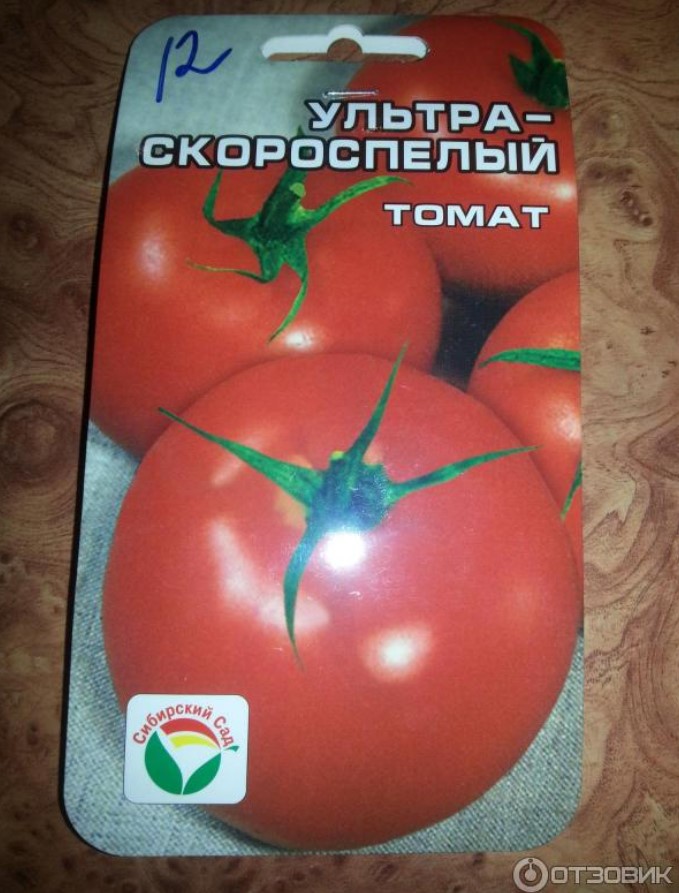
I try to sow tomatoes in early March so I can transplant the seedlings into the greenhouse in the first half of May and harvest my own tomatoes as early as possible. My favorite varieties are fleshy, large-fruited, sugary tomatoes. But along with these mid-season and late-season tomatoes, I also experiment with early varieties every year. Each season, I buy and plant different varieties, both familiar and new. Last year, I was looking for a new, extra-early variety and found some Ultra-early tomato seeds from the well-known grower "Sibirsky Sad."
They are declared as tomatoes whose fruits ripen approximately 70-75 days after germination.
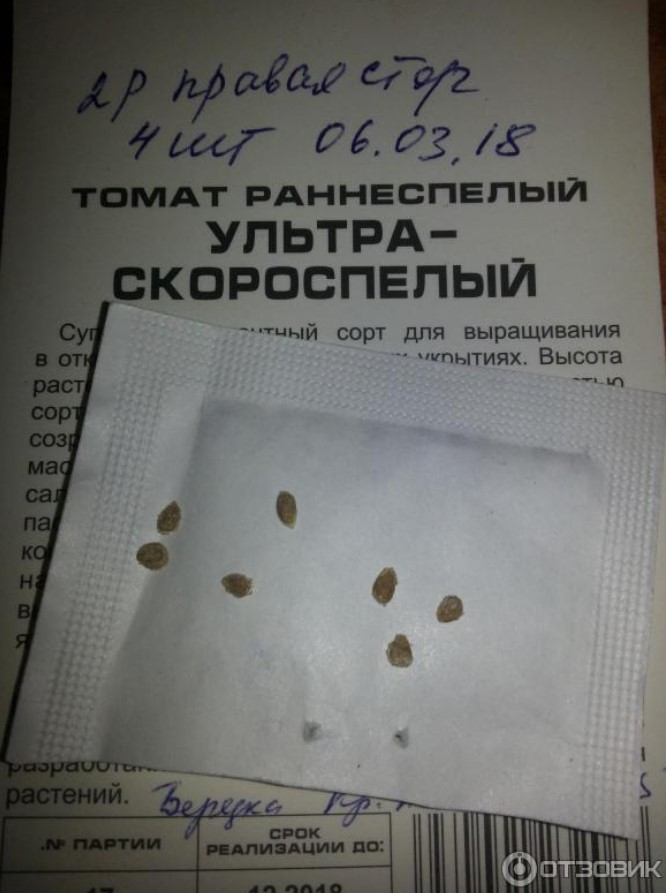
Last year (2018), after planting, friendly shoots appeared already on March 12.
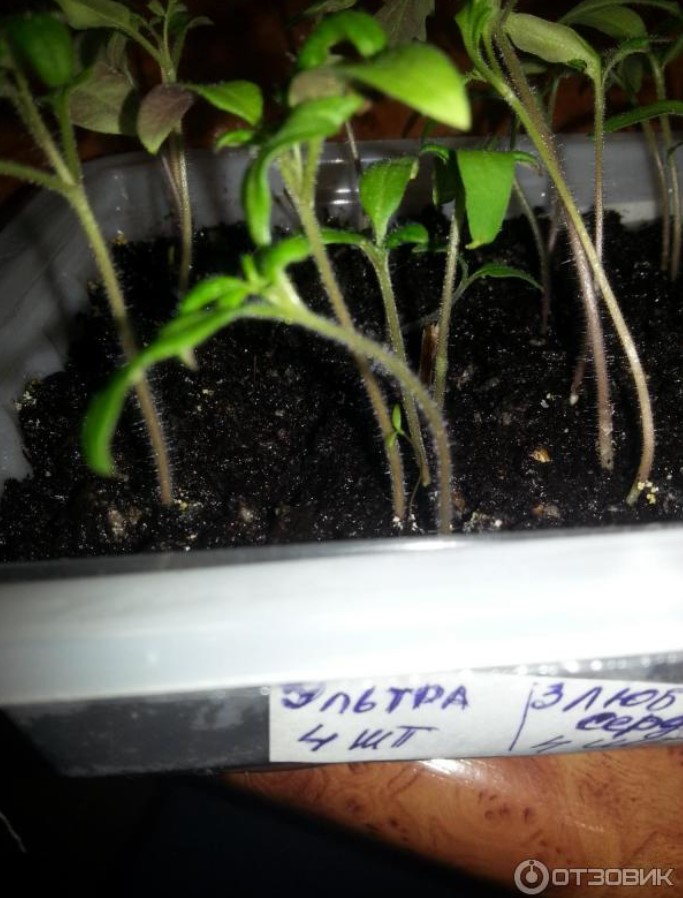
All four seeds sprouted. I planted these seeds again this year, and the germination rate was the same. I'll point out right away that all the photos are from last year. After transplanting, the seedlings are doing great. In mid-April, the small but rather cheerful seedlings:
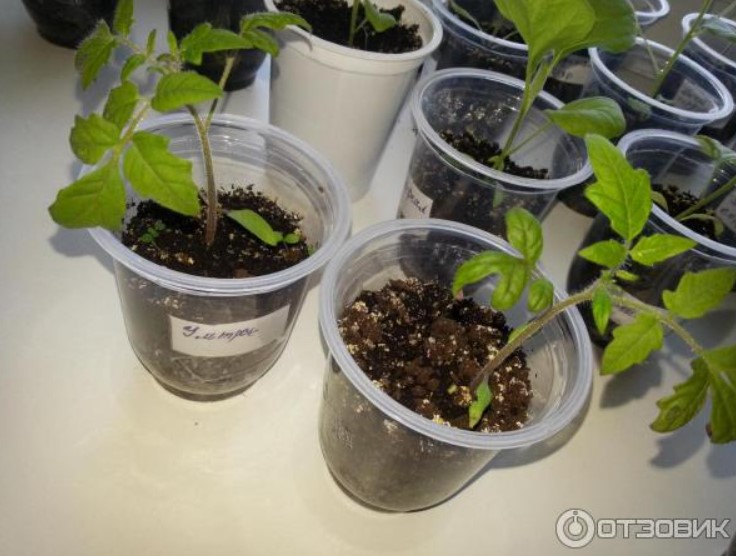
In May, one of the two branches left after picking was planted in a greenhouse.
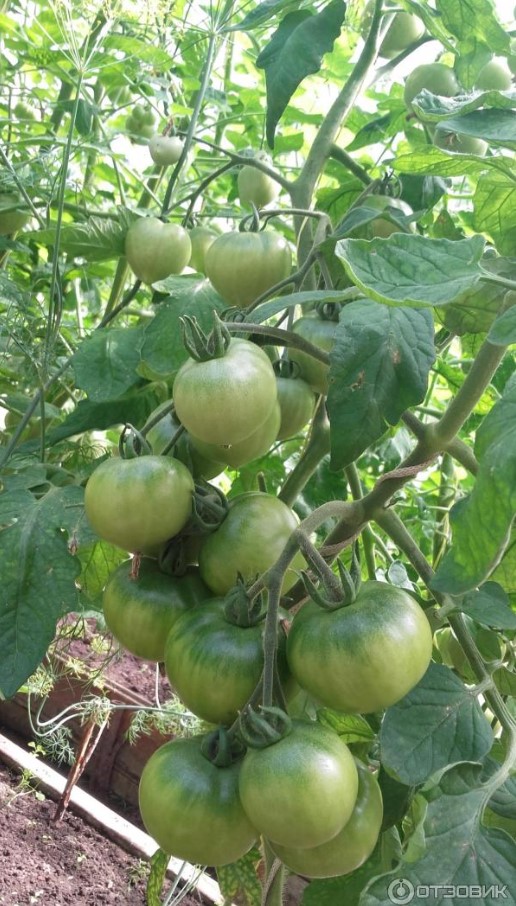
The Ultra-early tomato is a low-growing variety, with bushes that should reach 40-50 cm. However, since ours was planted in a greenhouse, it grew to about a meter. Each cluster produced five to seven fruits.
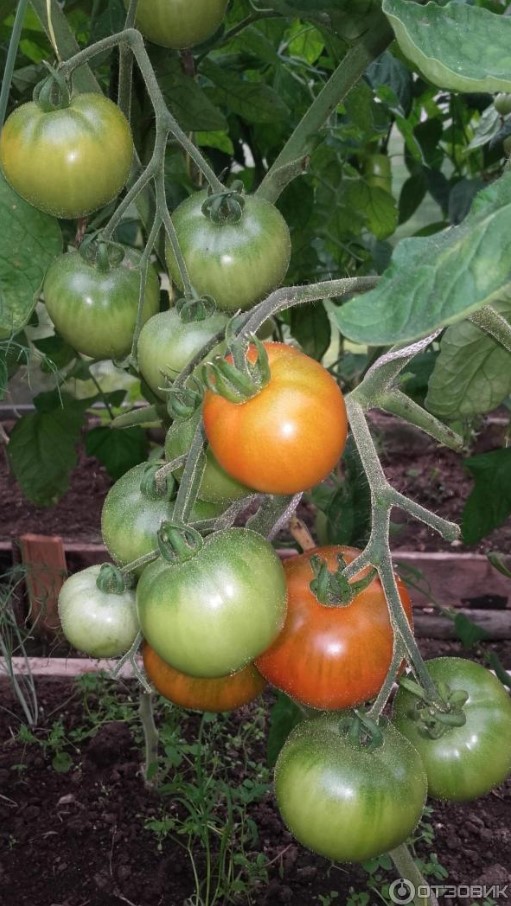
But the ripening time of the "Ultra Early" tomatoes didn't live up to my expectations. By July 10th, almost 90 days had passed, there wasn't a single ripe tomato. Even though they were planted in a greenhouse, not in the open ground. By the 20th of July, they had begun to turn red.
The fruits are small (70-80 g), round, red, juicy.
I planted the second seedling, which didn't have enough room in the greenhouse, next to a gooseberry bush to prevent powdery mildew and pests. This branch was transplanted outdoors at the end of May, when the weather had already warmed up and the soil had warmed up. Last summer was a success, and even outdoors, without cover, the bush produced fruit that was almost ripe. Although, to be honest, we weren't expecting a harvest from this bush. This is especially true considering that I periodically forgot about the planted branch when watering and fertilizing the other tomatoes. And sometimes, when watering, I used cold water straight from the well instead of warm, settled water from a barrel. The ultra-early ripening tomatoes withstood the, frankly, Spartan conditions. Some may be interested in this variety, as it's truly undemanding and grows beautifully both outdoors and in a greenhouse.
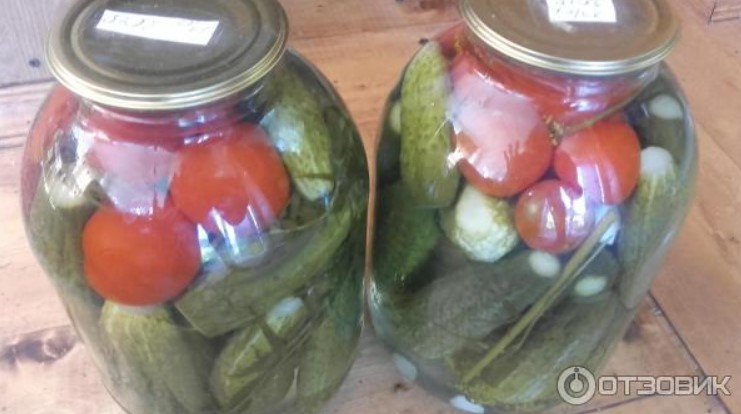
Another advantage of the Ultra-Early Tomato variety was also important to me. I really liked that the tomatoes don't crack during cooking. And they're the perfect size for whole-fruit canning. The bright red tomatoes look very unique in jars alongside green cucumbers.
As it ripened, this variety was used throughout August for winter preparations along with other pickling tomatoes, such as Sedek "F1 Kaspar" and Gavrish "Chukhloma".
This year, I planted two more Ultra-early tomato plants from the Siberian Garden. I want to try again for an extra-early harvest. Last year (2018), the Siberian Early tomatoes were the first to ripen. And of the larger, later varieties, the first to eat was a red, tasty tomato from the Lyubyashchee Serdtse (Loving Heart) variety. We'll see what the results are this year.

Hello, my dear friends. I'd like to share my feedback on these wonderful tomatoes. The seeds always germinate, the dark green seedlings are very strong and cold-resistant. These seedlings are great for planting in the greenhouse soil. They ripen very early and always produce a large supply on the bushes. Barren flowers are almost never seen. The tomatoes are large and very tasty, with a fleshy, non-stringy interior. They're great for selling the first early harvest or for selling seedlings. I've been watering them very little, which is a plus. I've been growing this tomato variety for five years now and am always pleased with the results. I recommend this variety; you'll be pleased. They were packaged very well.
Seeds from Sibsad. Early ripening, no doubt about it, it was the first to bear tomatoes, on par with 'Uboynaya Sily' (Deadly Strength). It didn't work out for us this year, no joy at all. It burned in the heat, despite watering, and the tomatoes all shriveled up, looking unsightly. No one would eat them. I gave a plant to a neighbor, and they showed it to me. It was also burned, completely leafless.
I recently read about this variety. It's considered fast-growing and also ages quickly. The latter is what's causing its decline here this year. The variety was developed for the Leningrad region. This year, we had a heat wave without a single rain for exactly a month and a half. With cooler weather, it'll probably perform well.
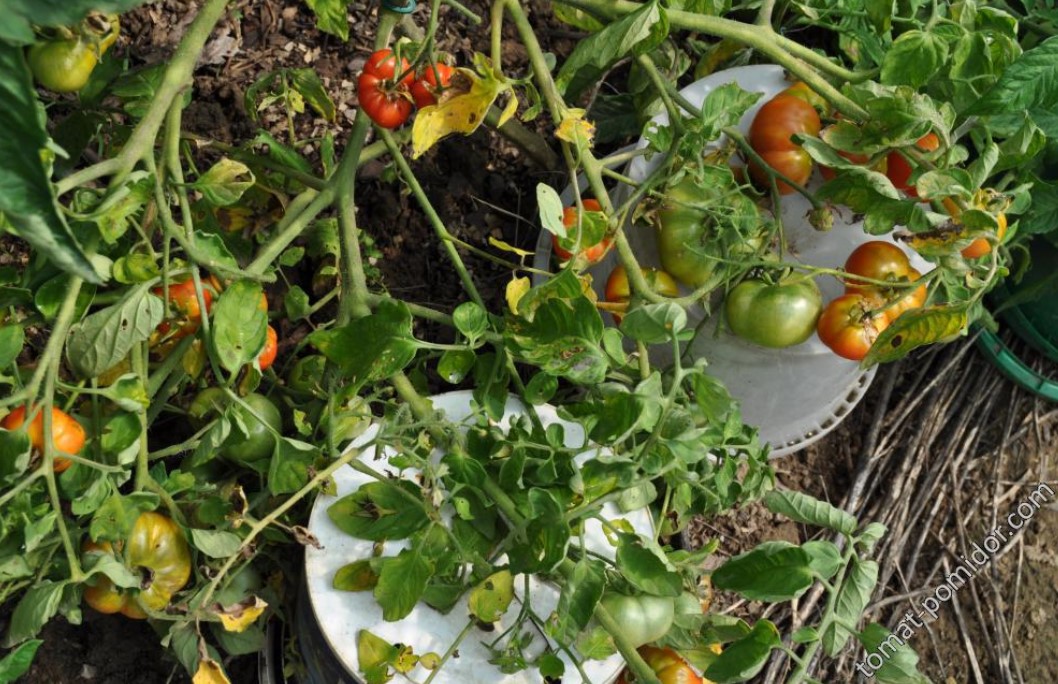
I had the same problem with the ultra-early variety. Not only was it two weeks later than the Bonnie MM and a week later than the Pink Stella, but it also turned out sour and tough. Horrible!!!
Review of the Ultra-early tomato variety from Top.tomathouse.com
Tomatoes are worth planting if you want to harvest fruit as early as possible. We plant them in the greenhouse, literally 2-3 plants, in mid-April so we can enjoy tomatoes as early as early June (in the Tver region, we slightly warm the greenhouse). Then, when other tomatoes appear, we remove the Ultra-early ripening plants and plant something else.
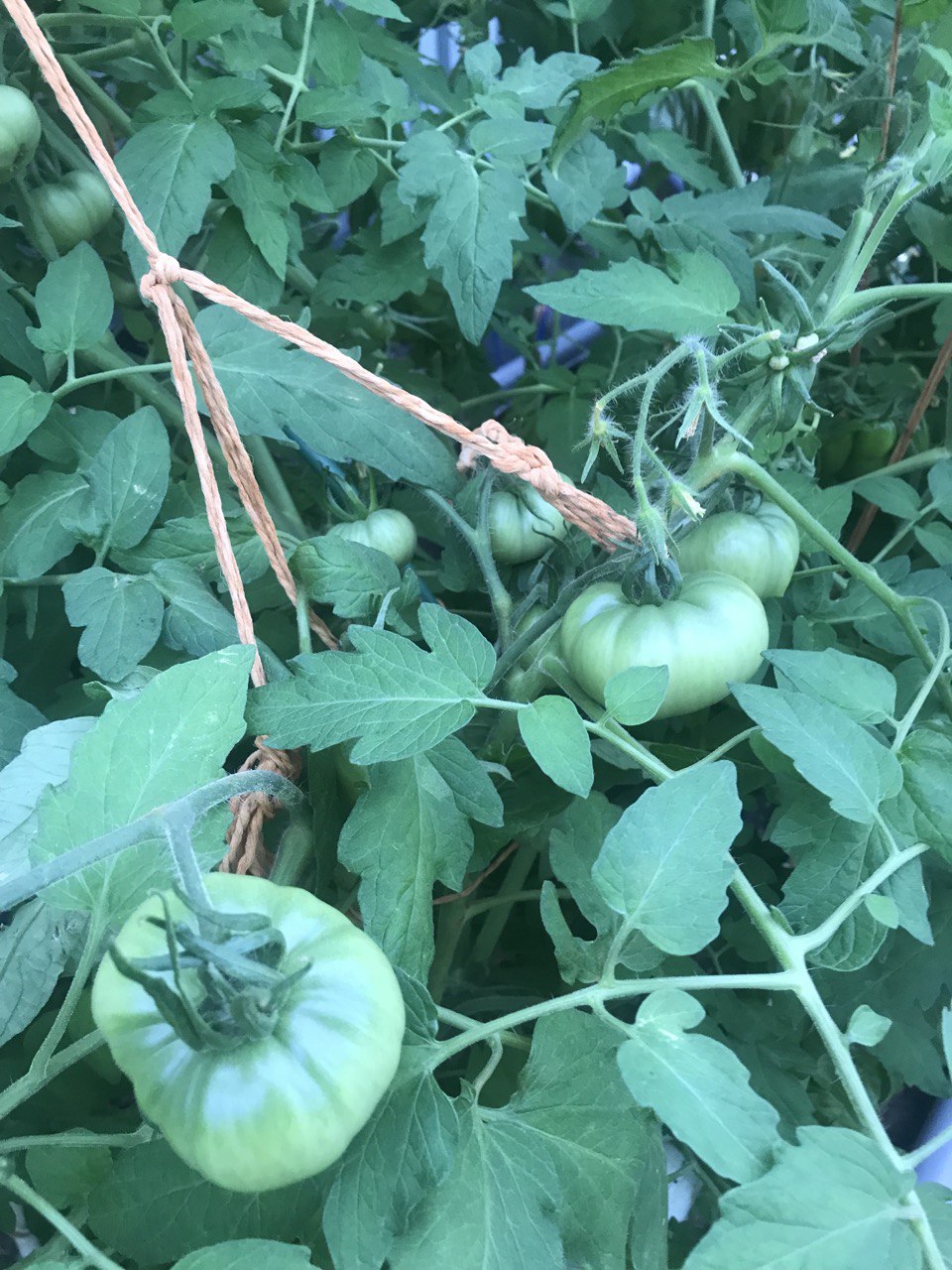
That is, we begin to eat red fruits around June 12th.
Moreover, you need to choose either a large number of fruits or ones that ripen quickly. To speed up ripening, you need to remove some side shoots and flowers and bend down the bunch of ripe tomatoes.