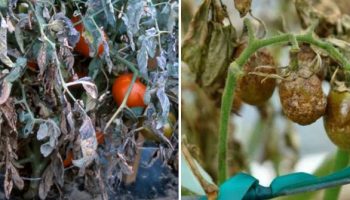
Thrips on houseplants are a fairly common occurrence, further complicated by the fact that these insects are indiscriminate in their feeding habits. They will happily suck the juices of any plant, without exception. This not only negatively impacts the plant's development but can also lead to its death.
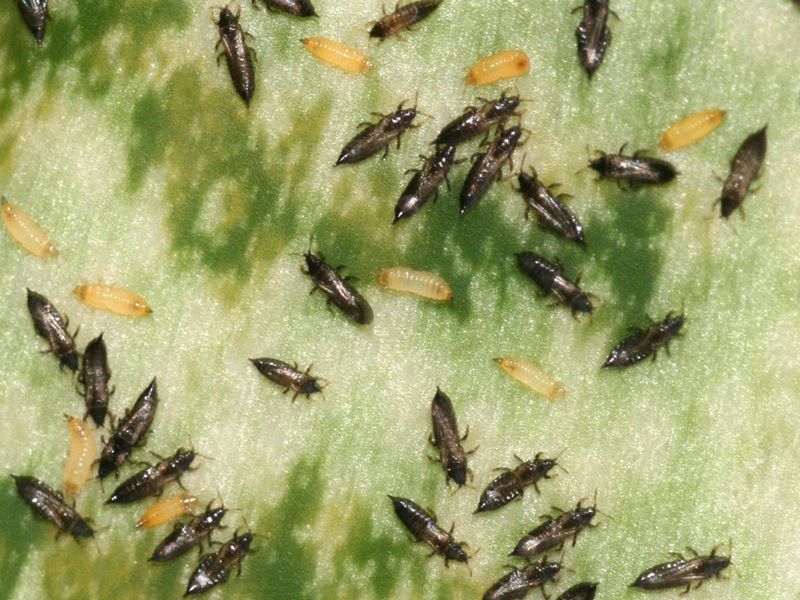
Moreover, the pest reproduces quite quickly, making its removal difficult. It's important to know how to combat this pest and how to protect indoor plants from thrips infestations.
Reasons for the appearance of thrips on indoor plants
This pest appears on indoor plants under conditions favorable for its reproduction:
- dry air;
- temperature +20…+25 °С.
Thrips don't need much; the most important thing for them is succulent, healthy leaves. Once they've settled on one plant, they easily fly to another. Thanks to their indiscriminateness, livability, and rapid reproduction, thrips can quickly destroy all the flowers in an apartment.
It's also important to pay close attention to the methods of infestation. The main reasons and methods for insect infestation in an apartment are:
- buying store-bought flowers that are already infested with thrips;
- plucked field or other wild plants;
- Ventilate the room - thrips can fly into the apartment or be carried in by the wind.
Detecting thrips on houseplants
Since getting rid of thrips on houseplants isn't easy, it's important to spot the pest early. This is quite difficult, as they are well camouflaged. This is despite the fact that they often live in large colonies.
At the first signs of flower drooping, you should inspect all plants in the house with special care.
The pest's primary food source is sap, so brownish-brown patches form on the foliage first, concentrated on the underside of the leaf blade. Brownish spots develop along the edges, a sticky layer appears on the green part, and silvery spots with yellowish stripes appear on the outer surface.
If the plant is in bloom, the bud and flower are the first to be affected, followed by the foliage. The stem is also attacked. This suppressive effect requires immediate control. Otherwise, the flower will die.
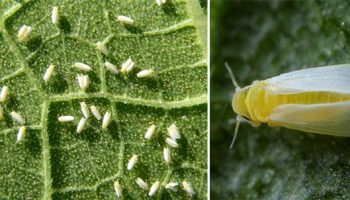
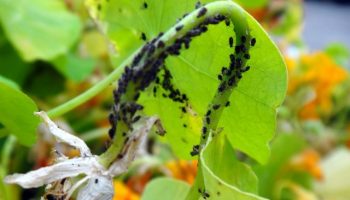
The insects themselves look like elongated oval-shaped larvae with a pointed tail. Thrips gather in colonies, clustered on the underside of leaves or on stems.
Thrips damage to indoor plants
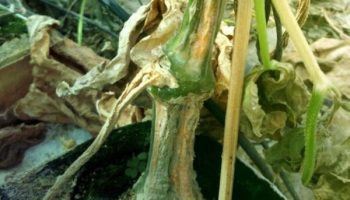
Pests sucking plant sap has a profoundly negative impact on their development. If pest control measures aren't taken promptly, the plant will simply die, deprived of essential nutrients.
Results of pest activity:
- the plant begins to wither and droop, it becomes unsightly, cuts and sticky liquid appear on the leaves;
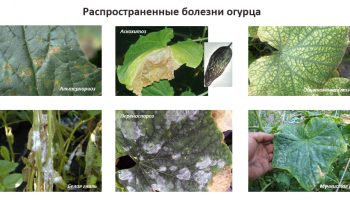
- Thrips carry fungal infections, so they can often be found in tandem.
Methods of thrips control
Thrips control on houseplants should be fast and effective. Specialty stores now offer a wide range of chemicals capable of killing any pest. The most important thing is to strictly follow the instructions on the packaging.
But if you don't want to use chemicals in your apartment, you can use folk remedies—they can also eliminate unwanted guests. In any case, it's important to get rid of the parasites as quickly as possible.
4 chemicals for thrips control on indoor plants
If thrips have infested en masse, it's best to combat them with strong chemicals. These can quickly eliminate the disease. Here's the best treatment.
| Drugs, cost | Usage |
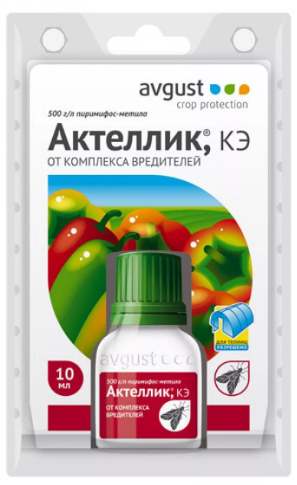
| Actellic
30 rubles for 2 ml |
The product must be diluted in the following ratio: 1 liter of water to 1 ampoule of the active ingredient included in the package. Thoroughly spray the entire plant with the solution and then place it in a plastic bag for 24 hours. This will ensure the active ingredients have the most effective effect on insects. |
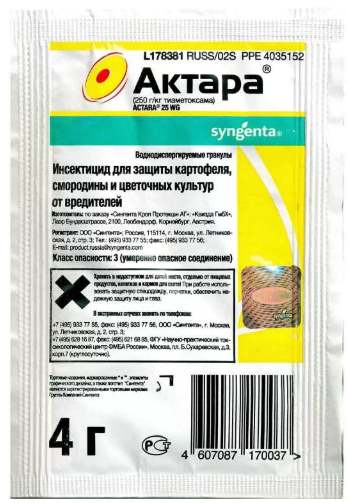
| Aktara
110 rubles for 4 g |
This substance can also be effective in controlling the disease. It should be applied not only to the above-ground portion of the plant, but also to the root system by watering. The recommended dosage is 5 liters of water and 4 grams of the product for spraying, and 10 liters of settled water and 1 gram of Aktara for watering. |
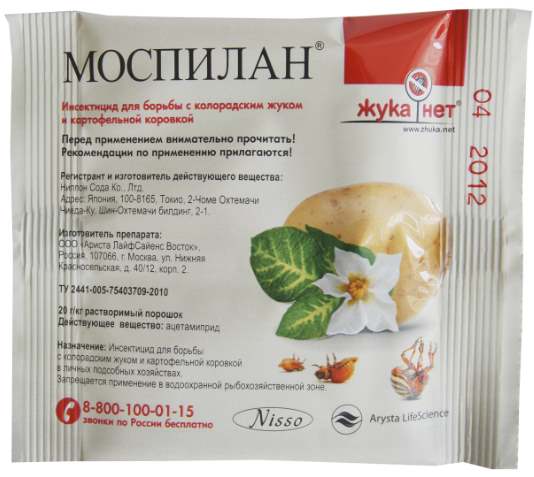
| Mospilan
30-40 rubles for 5 g |
It's available in powder form. It's used to prepare a solution for treating foliage. Use 2-3 grams of the active ingredient per liter of water. This concentration can be used not only for treating the above-ground parts of the plant but also for watering the flowers. |
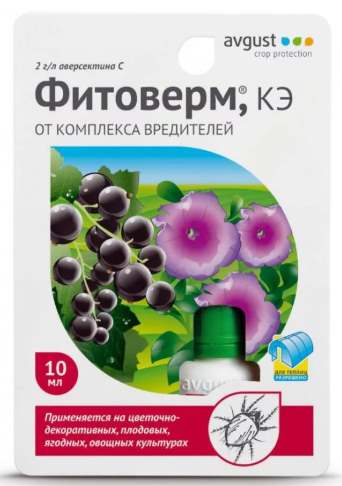
| Fitoverm
12 rubles for 4 ml |
Dissolve 2 ml of the product thoroughly in one glass of water. After applying it to both sides of the leaves, branches, and trunk, place the plant in a thick plastic bag. Keep it there for 24 hours, then remove it and reapply if necessary. |
Thrips on indoor plants disappear, and the bush regains its original shape and appearance, indicating that the treatment was effective.
Precautions when working with drugs
It is very important to follow all instructions when working with chemicals. You should:
- In summer, spraying and watering should be done outside; in winter, in the bathroom with the door closed;
- place the pot in the bathtub or on a tray;
- After completing the work, thoroughly check the premises;
- protect the respiratory system with at least a simple gauze bandage;
- If 2 treatments in a row do not have the desired effect, be sure to change the current product;
- Repeat treatment should be done no earlier than a week after the first one.
Folk remedies for thrips on indoor plants
Thrips are quite resilient and tenacious. However, their control can be achieved in a more human-friendly manner. In this case, treatment is carried out using folk remedies. This method is less effective in terms of the speed of initial results, but, in principle, it is still quite effective in eliminating the parasites.
| Means | Preparation | Application |
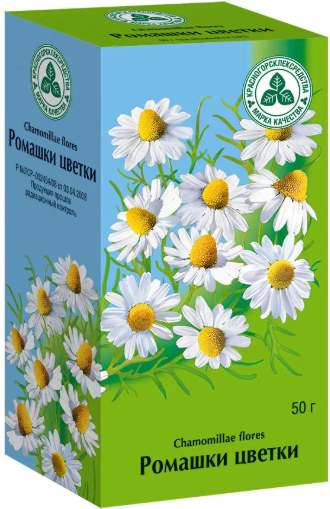
| Chamomile
30 rubles for 50 g |
Pour 200 g of dried flowers with one liter of boiling water and leave for at least 12 hours. | Spray the flower with the resulting liquid several times a day. You can also wipe all surfaces with a cotton swab soaked in chamomile infusion. |
| Onions and garlic | Take one teaspoon of chopped onion and garlic, pour 0.5 liters of warm water over them, and let it steep for 48 hours. | Treat all surfaces of the leaf and branch with the liquid. |
| Tomato tops | Prepare an infusion in the same way as chamomile, but use fresh leaves from the tops. | Treat both affected and healthy surfaces of the bush, tree or flower. |
| Marigold | Pour 1 liter of boiling water over 50 grams of flowers. Leave for 3 days to concentrate the mixture. Then strain through cheesecloth. | Pour into a spray bottle and spray onto the surfaces of leaves and buds. |
It is worth noting that such control methods are effective for gloxinia, petunia, cyclamen, violets, orchids and ficus.
Top.tomathouse.com informs: preventative measures
Prevention is always better than cure. Therefore, it's worth heeding these simple tips:
- Proper care must be provided to all indoor plants;
- You should water it regularly, without allowing the soil to dry out - thrips do not tolerate high humidity well;
- for the same reason, it is necessary to regularly spray the flowers, creating a humid microclimate;
- When purchasing a new plant, be sure to carefully inspect it for any type of disease;
- Try to install mosquito nets on your windows, although they are not always able to protect you from these pests.