Honey Giant is a relatively new tomato variety that became popular among gardeners in 2013. It gained popularity due to its high yield, strong immunity, and excellent-tasting fruits.
Content
- 1 Table of characteristics of the Honey Giant tomato variety
- 2 The history of the Honey Giant tomato variety
- 3 A detailed description of the Honey Giant tomato variety
- 4 Advantages and disadvantages of the Honey Giant tomato variety
- 5 Growing the Honey Giant tomato variety
- 6 Resistance of the Honey Giant tomato variety to diseases and pests
- 7 Harvesting, using and storing the Honey Giant tomato variety
- 8 Comparison of the Honey Giant tomato variety with other varieties in the table
- 9 Gardeners' reviews of the Honey Giant tomato variety
Table of characteristics of the Honey Giant tomato variety
| Characteristic | Description |
| Description | An indeterminate tomato with a mid-season ripening season and large fruits. Suitable for greenhouse cultivation. In warmer climates, it can be grown outdoors. |
| Ripening period | 110-115 days |
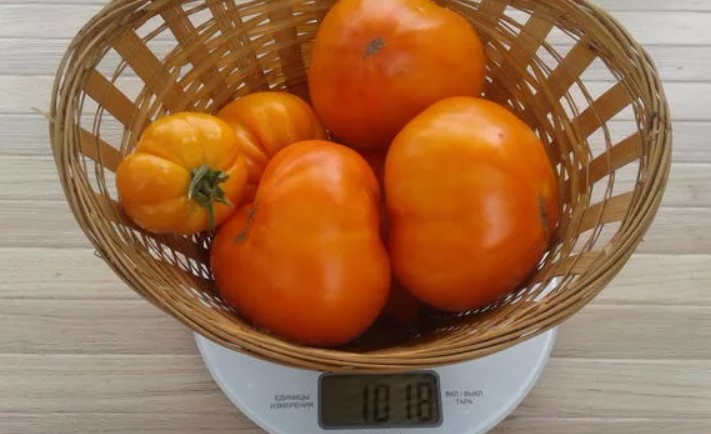
| Fruit weight | 250-400 g |
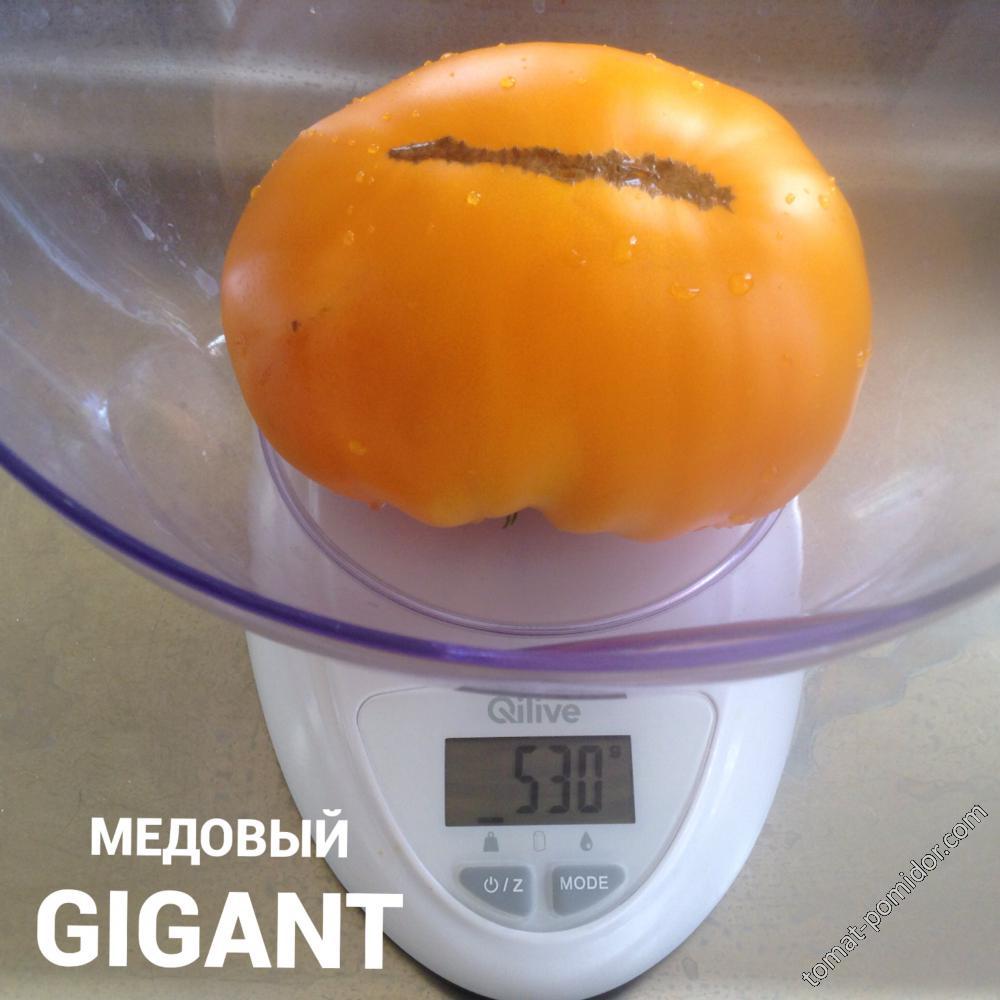
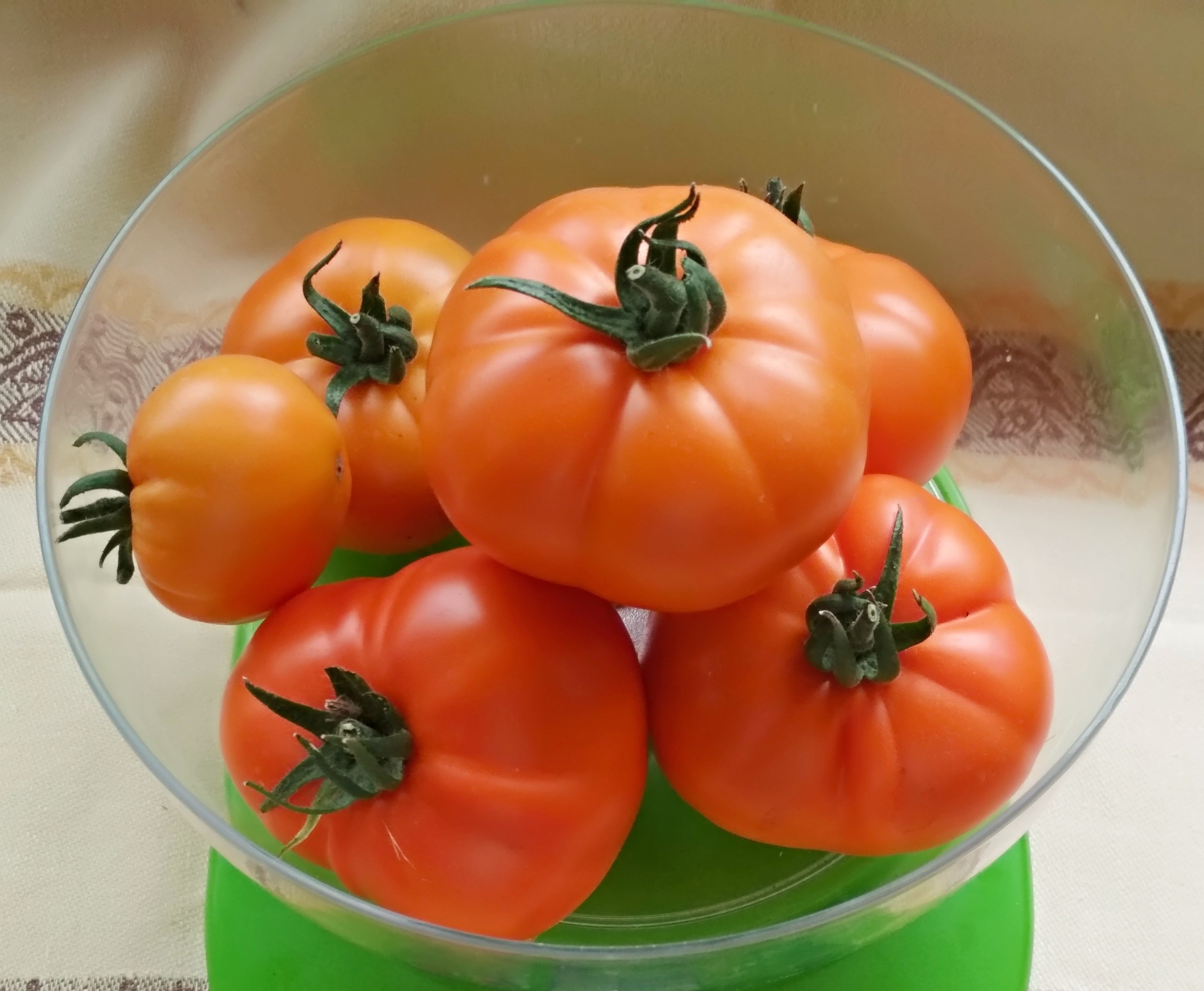
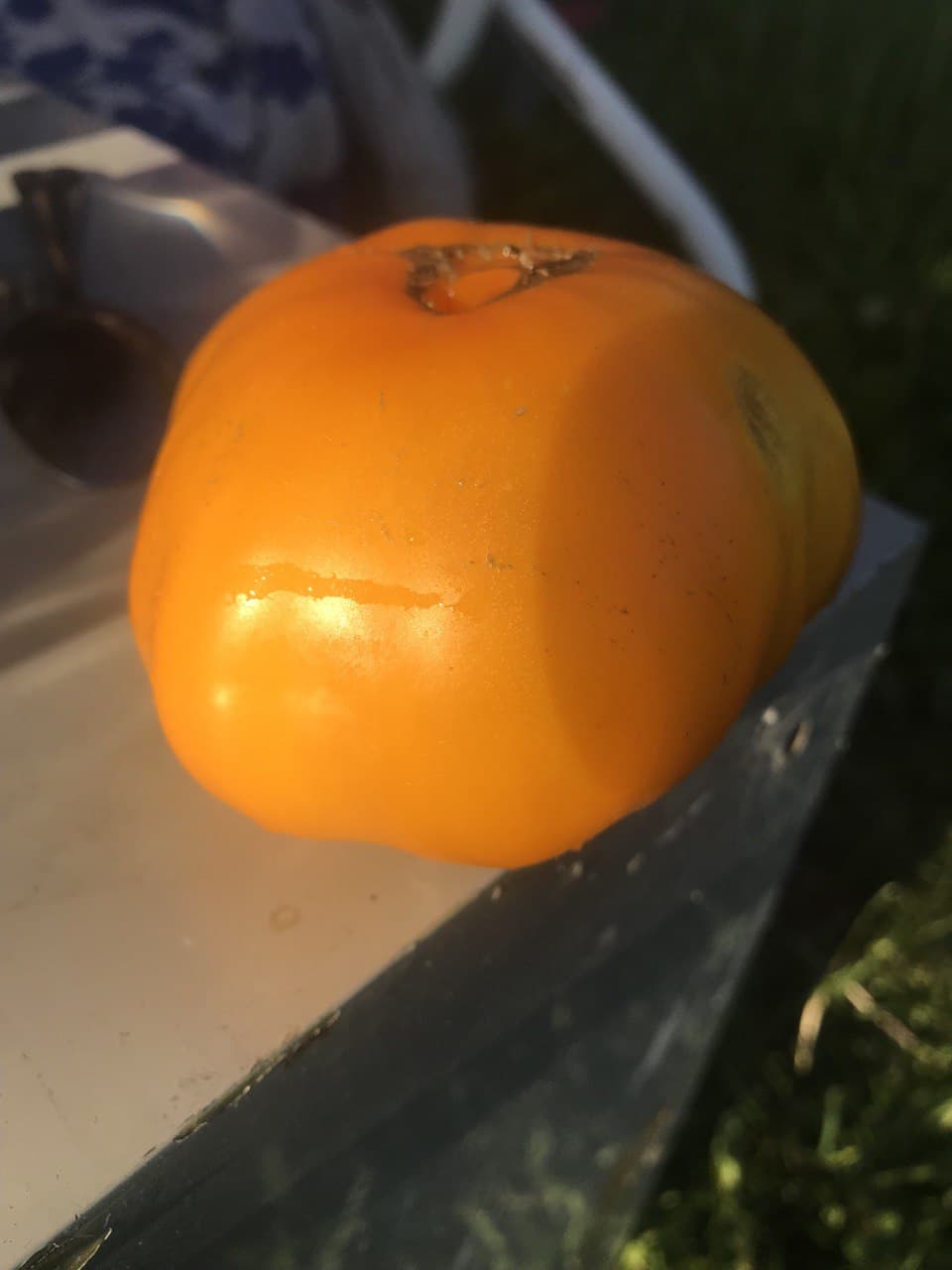
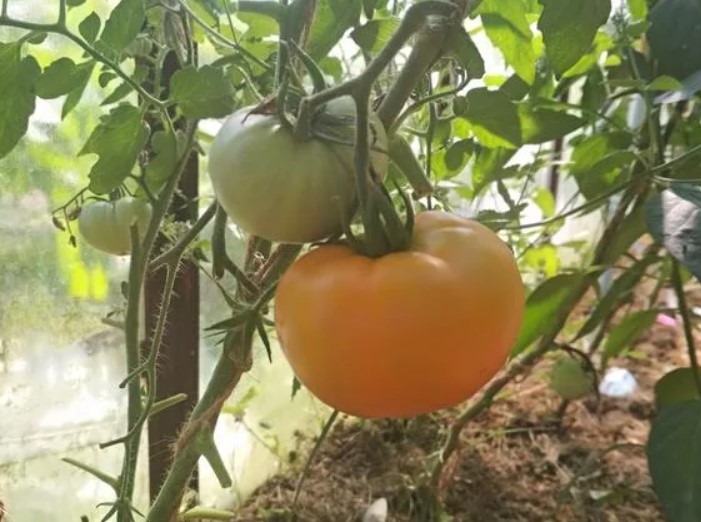
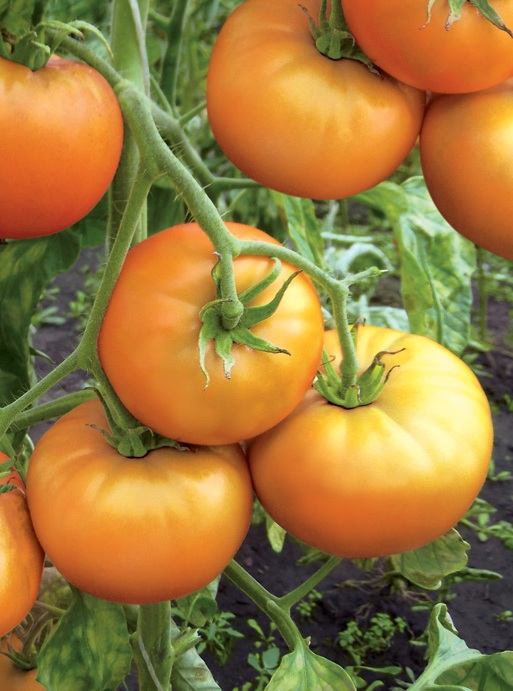
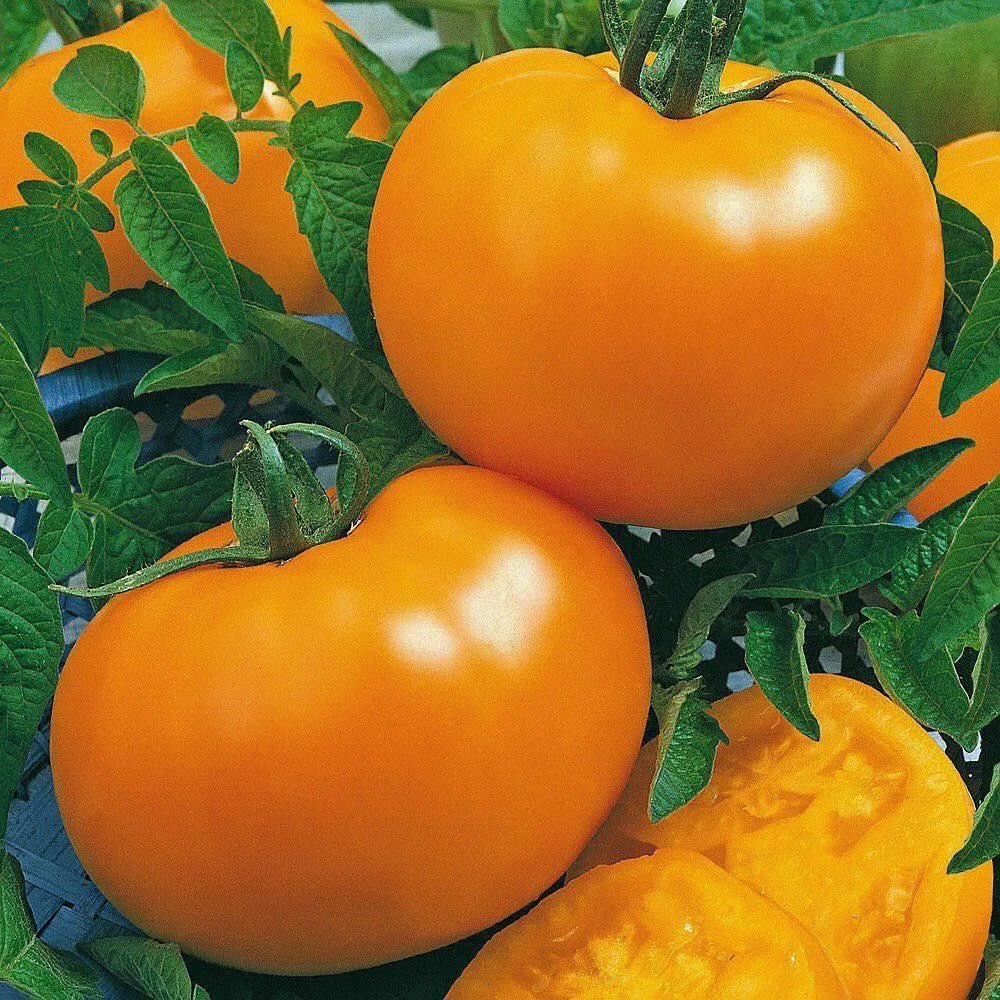
| Description of the fruit | The fruits are flat-round, medium-ribbed, and orange. The skin is smooth and dense. The flesh is juicy, fleshy, and very sweet. |
| Productivity | 7.5-8 kg per sq.m. |
| Usage | They are used for preparing salads, eating fresh, and processing into juice, pastes, and sauces. |
| Preferred growing regions | All regions |
| Disease resistance | Has a strong immune system and rarely gets sick. |
| Agricultural technology | The shoots are tall and require pinching and staking. They form into 1-2 stems. |
| 2013 | |
| Originator | Agrofirma Aelita LLC |
Photo gallery of the Honey Giant tomato variety
The history of the Honey Giant tomato variety
This tomato was born thanks to the efforts of N.V. Nastenko, V.G. Kachainik, and M.N. Gulkina, breeders at Agrofirm Aelita LLC. They succeeded in developing a high-yielding orange tomato variety with excellent taste.
A detailed description of the Honey Giant tomato variety
The Honey Giant tomato is distinguished by its tall shoots, on which large tomatoes are formed.
Characteristics of the bush
The Honey Giant variety is indeterminate, with shoots growing up to 180 cm. It has medium foliage, with medium-sized, light green leaf blades.
The bush is formed into 1-2 stems, which are tied to a support. Excess shoots and leaves from the lower tier are promptly removed.
Fruit characteristics
The tomatoes are large, flattened and round. Ripe tomatoes are orange. The flesh has a pinkish tint. It is very juicy, sweet, and plump. The ribbing is subtle. The skin is thick and glossy, allowing the fruits to be stored for a long time without losing quality and hang on the vine without cracking.
Ripening time
Tomatoes ripen in 110-115 days from the moment the seedlings emerge.
Productivity
In greenhouse conditions, the yield of the Honey Giant variety is up to 8 kg per square meter.
Advantages and disadvantages of the Honey Giant tomato variety
The Honey Giant variety has its advantages and disadvantages, they are listed in the table below.
| Advantages | Flaws |
|
|
Growing the Honey Giant tomato variety
If proper cultivation practices are followed, the Honey Giant tomato will surely delight gardeners with an excellent harvest.
Sowing seeds and growing seedlings
The most important step in planting tomatoes is choosing high-quality seeds. It's best to purchase them from reputable producers, not from private individuals.
Self-collected seeds must be disinfected in a weak solution of manganese (2%) for 15-20 minutes, then rinsed with water, dried and hardened.
This process involves placing the seeds in the refrigerator overnight and removing them during the day. This process is repeated twice, after which you can move on to soaking. It's best to use specialized stimulating products. The instructions and instructions will be provided on the packaging.
You can use store-bought soil for planting, or you can mix equal parts of soil, peat, humus, and sand. To regulate moisture levels, it is recommended to add vermiculite (10% of the total volume of the soil mixture).
Fill the selected container with soil to about 2/3 of its capacity, then make furrows about 10-15 mm deep. Place the tomato seeds in these furrows, spaced 25 mm apart. If the distance is too small, the roots of neighboring plants may be damaged when transplanting.
After sprinkling the seeds with soil, water them using a spray bottle or syringe, then cover the container with film or glass and place it in a warm place.
As soon as the first shoots appear, the cover is removed and the seedlings are moved to a cooler place.
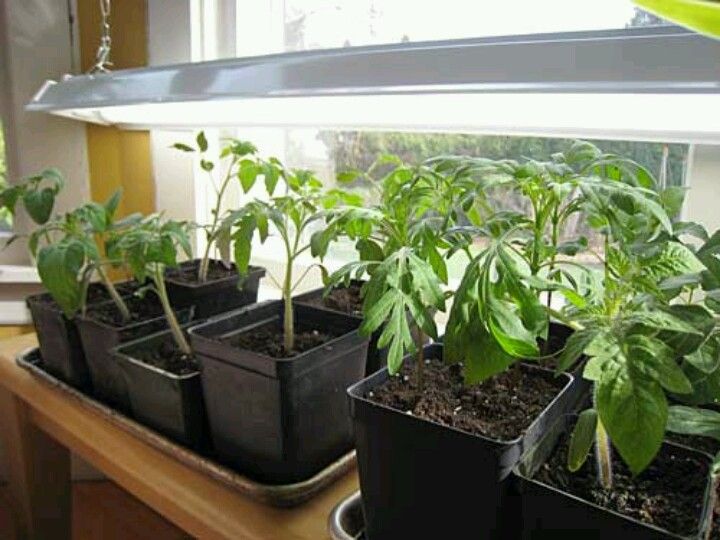
It's important to maintain a consistent light schedule, which should last at least 10 hours. Specialized phytolamps can be used for this purpose.
As soon as the tomatoes have two true leaves, they are transplanted into separate containers.
Planting in the ground
Before planting tomatoes, it's recommended to harden them off to strengthen their immunity. This should begin 10-14 days before placing the plants in their permanent garden bed. The seedlings are placed outside or on the veranda for several hours. This time can be gradually increased.
The soil for planting is prepared in the fall. Organic or specialized fertilizers are added and the soil is dug. In the spring, it's time to dig again and make holes. The holes are spaced 60 cm apart in a staggered pattern. A 70 cm gap is left between rows.
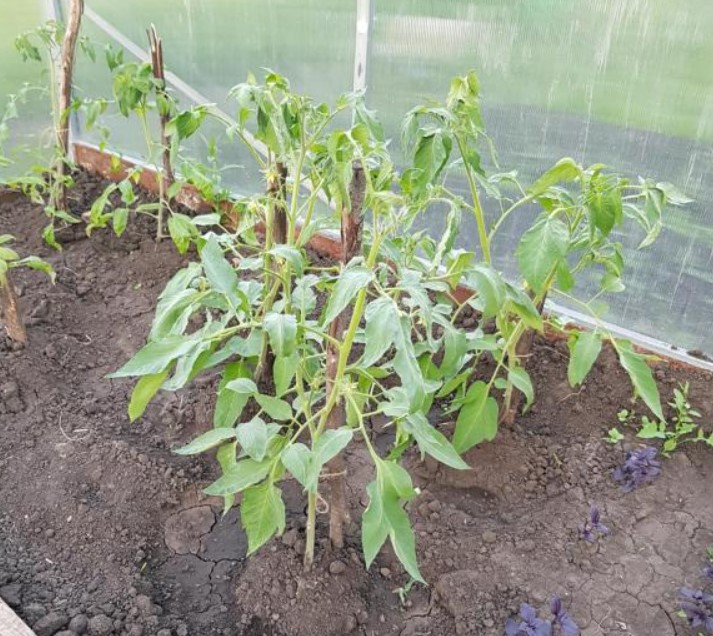
The tomatoes, together with the lump of soil on the roots, are moved into the hole and covered with soil up to the lower leaves.
Next, watering is carried out with water that has settled in the sun, then the surface of the bed is mulched with straw or sawdust to retain moisture and protect the roots from sunlight or cold.
Care
Tomatoes don't require any care for the first two weeks after transplanting, as they adapt to the new conditions. Therefore, the first watering is recommended only after 14 days, using warm, sun-settled water.
Each bush requires 5 to 7 liters of water, depending on its size. After that, water once every 7 days. In very hot weather, it can be watered more frequently.
Fertilizer should also be applied only every two weeks. It's best to use a specialized tomato fertilizer, but many gardeners prefer organic fertilizers and use mullein or weed infusions. Fertilizer should be applied no more than three times per season, at two-week intervals.
Tomatoes need support and staking to make them easier to maintain and prevent the stems from breaking under the weight of the harvest. As the fruit ripens, many gardeners remove leaf blades from around the ripening tomatoes and from the lower tier of the bush, but no more than 1-3 at a time.
To prevent pests and improve air circulation around the roots, it is necessary to regularly weed and loosen the plantings.
Resistance of the Honey Giant tomato variety to diseases and pests
The Honey Giant tomato has a strong immune system and is rarely affected by more common tomato diseases. However, to ensure good resistance, it's important not only to follow proper growing practices but also to carry out preventative treatments. Bordeaux mixture and phytosporin, both used for spraying, have proven highly effective.
If you suspect the presence of pests, you can treat the leaves with a solution of laundry soap.
As the disease progresses, it is best to use specialized chemical preparations.
Harvesting, using and storing the Honey Giant tomato variety
Honey Giant harvesting begins 110-115 days after germination. This period varies from early June to the second half of July in different regions.
Tomatoes can easily hang on the branches for a long time without cracking or rotting.
Their dense skin allows them to be stored for a long time and withstand transportation without loss of quality.
The fruits are used for fresh eating, salads, and processing into tomato products. However, the Honey Giant is not suitable for whole-fruit canning. However, it can be used in the diets of those with allergies and those on special diets.
Comparison of the Honey Giant tomato variety with other varieties in the table
| Variety | Ripening period (number of days from full germination to ripening)
Yield of commercial fruits |
Brief description | Fetus |
| Honey Giant | 110-115 days
750-800 c/ha (greenhouse and under film) |
An early-ripening indeterminate variety for open ground and greenhouses. Requires staking and shaping. Suitable for salads. | Flat-round, ribbed, medium density, orange, 250-300 g. Good taste. |
| Honey salute | 116-120 days
690 c/ha |
A mid-season indeterminate variety for greenhouses. Requires staking and shaping. Suitable for salads. | Flat-round, very large, ribbed, medium density, yellow, 320-450 g. Excellent taste. |
| Wonder of the World | 120 days 550-620 c/ha |
A late-ripening indeterminate variety for open ground. Requires staking and shaping. Suitable for salads and pickling. | Obovate, slightly ribbed, yellow, 80 g. Good taste. |
| Lemon giant | 110-120 days
610-670 c/ha |
A mid-season indeterminate variety for open ground and greenhouses. Requires staking and shaping. Suitable for salads. | Flat-round, medium-ribbed, fleshy, yellow, 350-380 g. Good taste. |
| De Barao yellow | 110-120 days
1200 c/ha |
An indeterminate plant with a bush up to 200 cm tall. Recommended for growing under plastic cover. The bushes are formed into two shoots and require staking. This versatile tomato is well-suited for whole-fruit canning and can be used in dietary menus. | The fruits are round-oval with a smooth surface and a slight indentation at the base. Ripe fruits are bright yellow or golden in color, weighing 80-90 g. The flavor is excellent. |
| King of the Giants | 120 days
800-1400 c/ha depending on the region |
A mid-late indeterminate variety for open ground and greenhouses. Suitable for salads, appetizers, and processing into tomato products. | Flat-round, slightly ribbed near the stem, red, rarely yellow and pink, 400 g (up to 800 g). Good to excellent flavor. |
| Malachite box | 110-120 days 430 c/ha (open ground), 1510 c/ha (greenhouse and under film) |
A mid-season indeterminate variety for open ground and greenhouses. Requires staking and training. Suitable for salads. Marketability is 97%, and the yield of ripe marketable fruits is 75%. | Flat-round, smooth, thin skin, yellow, 250-300 g. Good to excellent taste. |
| Mikado Yellow (Gold) | 110-120 days
600-800 c/ha |
A mid-early standard indeterminate variety for greenhouses. Suitable for salads and juice. | Round, flattened, slightly ribbed, yellow, 500 g. Good taste. |
| Mikado Orange | 85-100 days
600-700 c/ha |
An early indeterminate variety. Outdoor cultivation is acceptable in warmer regions. In central Russia, greenhouse planting is recommended. Suitable for salads. | Round, ribbed, orange, up to 300 g. Excellent taste. |
| Orange giant | 110-115 days
630-660 c/ha |
A mid-season indeterminate variety for open ground. Requires staking and shaping. Suitable for salads. | Flat-round to round, strongly ribbed, orange, 350 g. Excellent taste. |
| Orange elephant | 100-110 days 690 c/ha |
A mid-early determinate variety for greenhouses. Suitable for salads. | Round, smooth, medium-dense, orange, 130-160 g. Excellent taste. |
| Persimmon | 90-105 days
580 c/ha |
A mid-season determinate variety for open ground and greenhouses. Suitable for salads. | Flat-round, medium-ribbed, orange, 240 g. Excellent taste. |
Gardeners' reviews of the Honey Giant tomato variety
Gardeners love the sweet taste of the juicy tomato pulp, which makes excellent juice and flavorful sauces. The plant itself is very easy to grow and rarely gets sick.
Review from Top.tomathouse.com
We sampled the seeds. The variety was growing in less-than-ideal conditions, in a low-light area of the greenhouse, so the yield was likely small.
The first fruits were quite large, then smaller, but all were sweet and tasty.
Let's plant it again, in a brighter place.
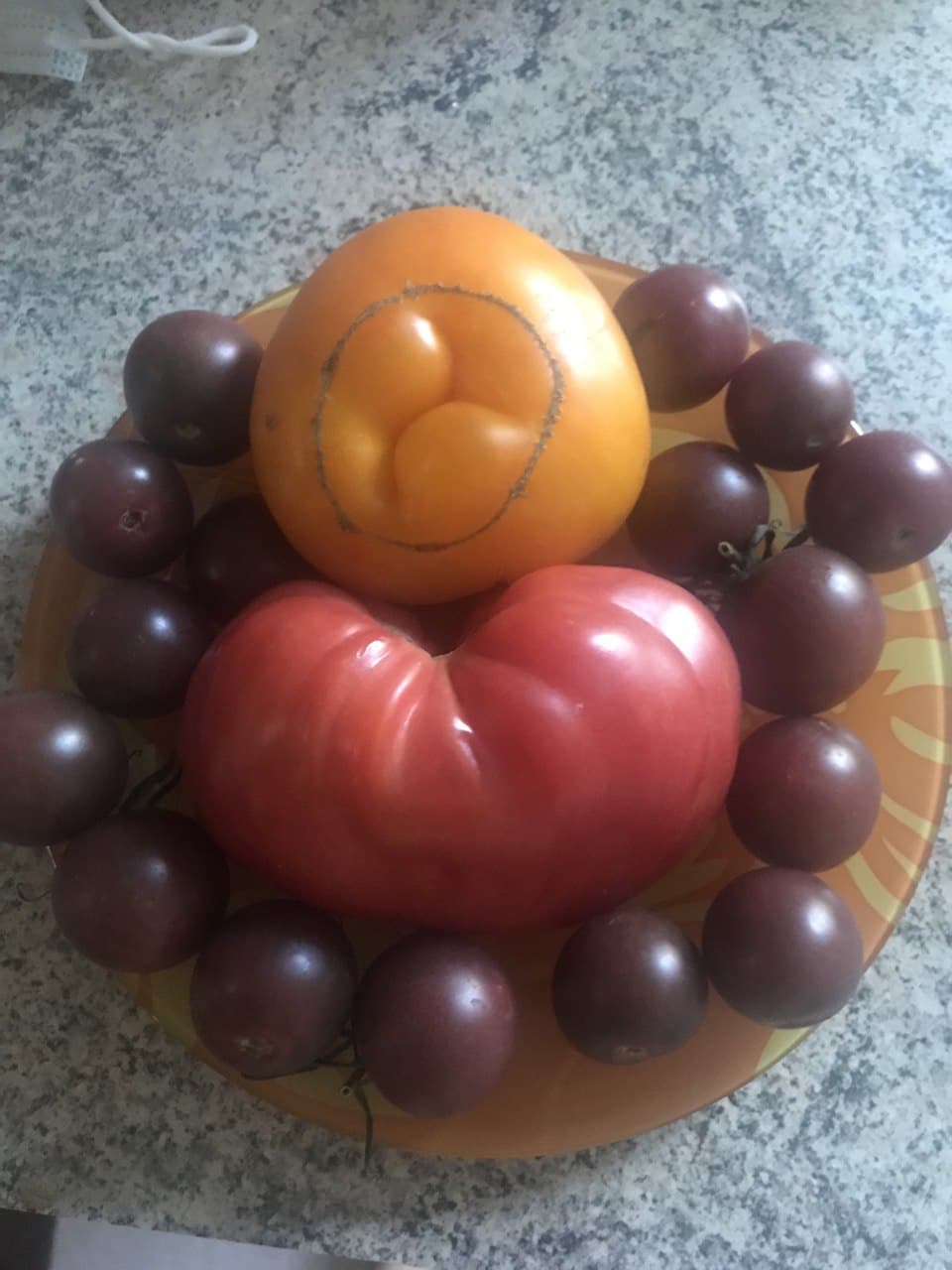
The photo shows the Honey Giant, Raspberry Giant and Black Cherry varieties.
Good day, visitors of Otzovik!
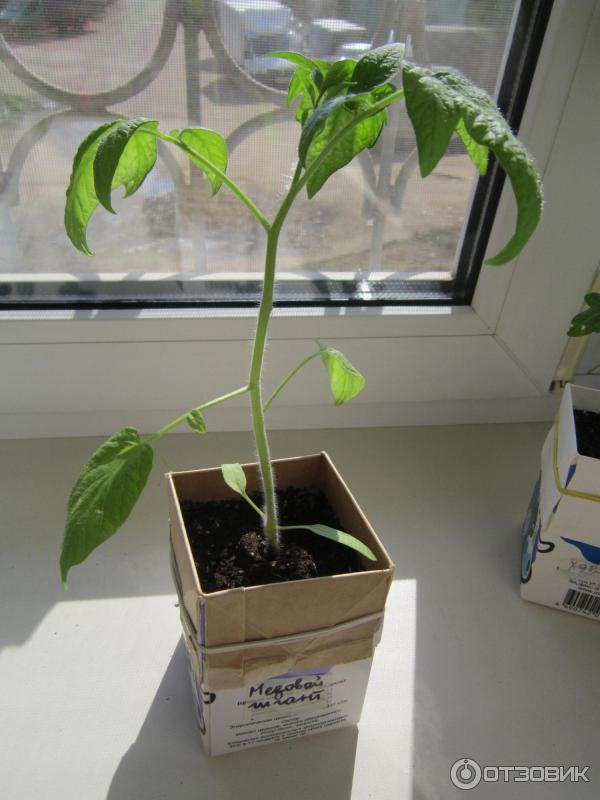
I'll continue my review of the tomato varieties I tested this year. The next variety with yellow fruit is "Honey Giant" from Aelita. Of the fifty bushes planted in the greenhouse, five had yellow fruit. I think that's too many. So, I only planted one bush of each variety for the test.The seedlings were very frail, I thought nothing would come of them.
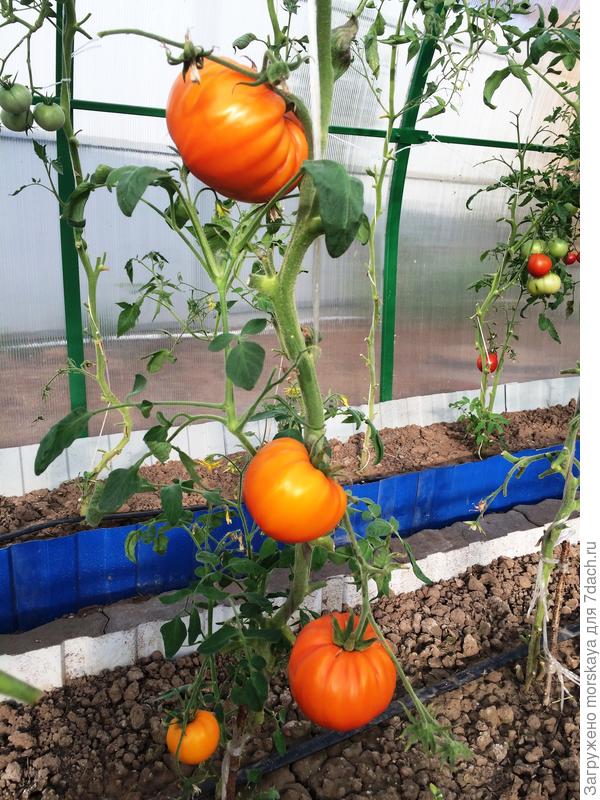
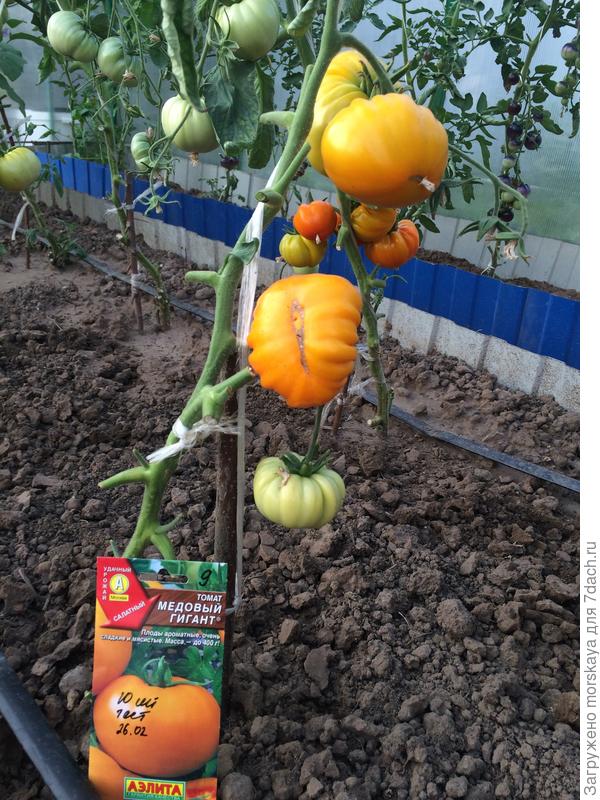
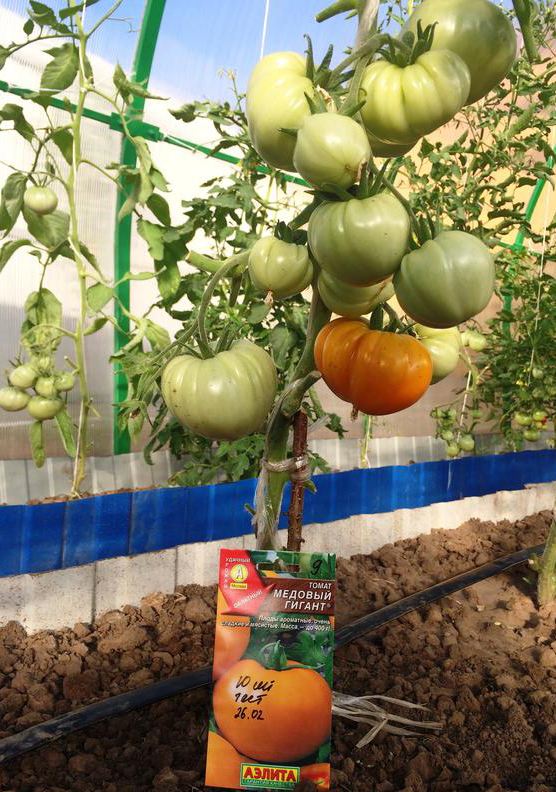
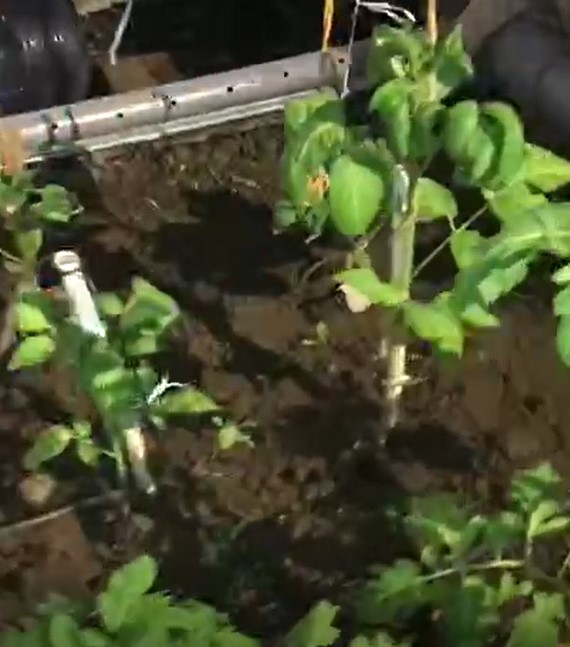
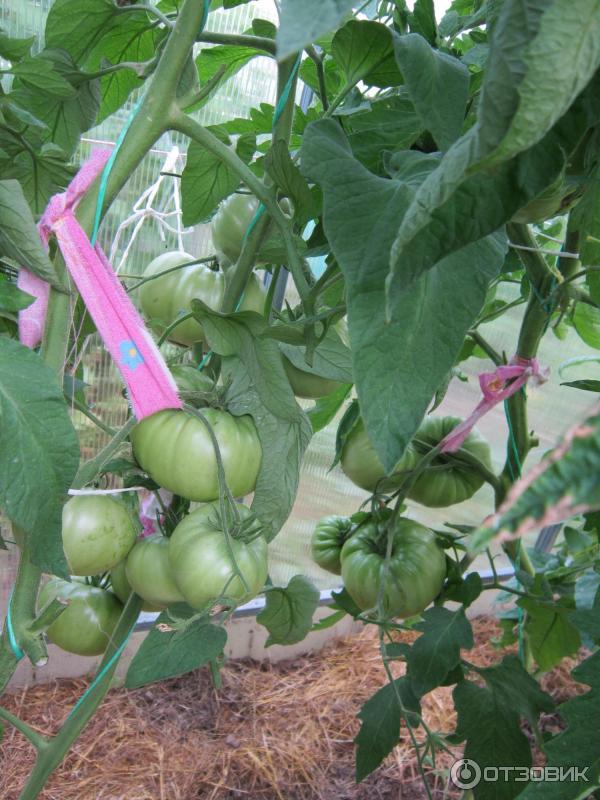
I planted it permanently on May 2nd. It grew in the center of the greenhouse on the east side, closer to the polycarbonate. Freedom is a great strength. The bush quickly began to gain weight and strength. It reached the roof, was well-foliated, strong, but not very wide. This is good. By mid-July, the Honey Giant had clusters like these (the left bush). The clusters are heavy and must be tied up on time. As usual, I'm late with this. I didn't tie up the top clusters, and they all broke off.
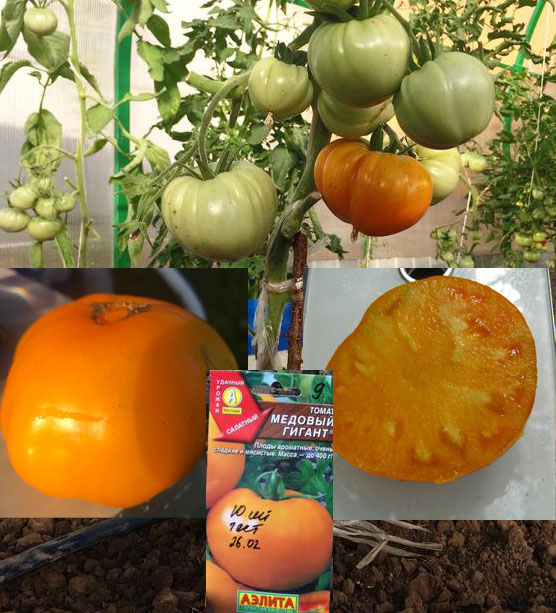
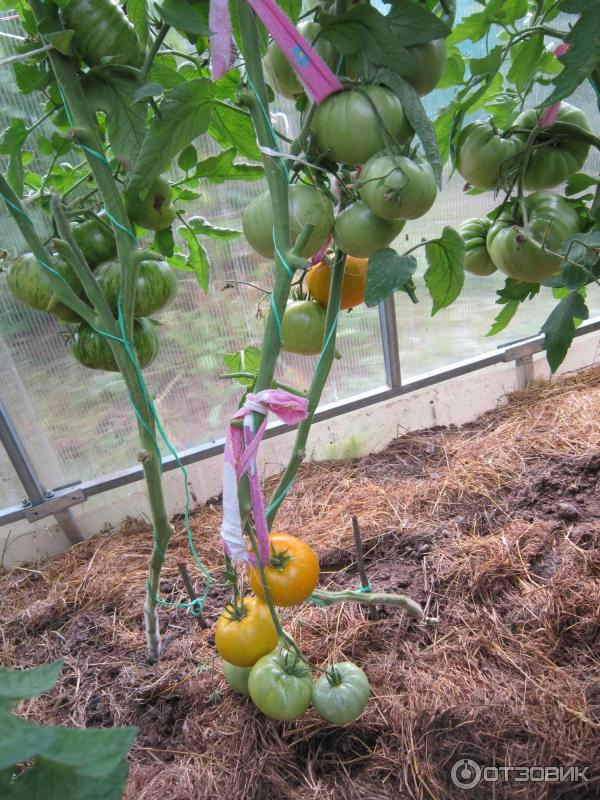
This is what the bush looked like on July 25th. The first tomatoes were ripe.
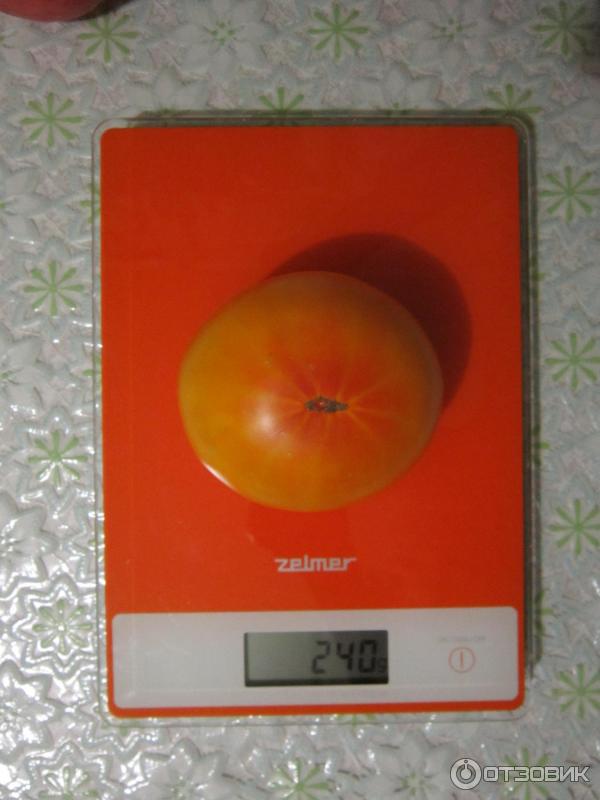
I wouldn't call them giants. The average weight is 200-400 grams.
They have a very beautiful yellow color, and when cut, they also have a red center.
It's essential to remove double flowers to prevent ugly ones. This one isn't quite as ugly, but there were signs of it.
The tomatoes are very juicy and sweet. There's almost no tartness. But the "Honey Spas" tomatoes, which I wrote about earlier, are tastier for me. And compared to another orange variety, "Orange Elephant" from Gavrish, which I also reviewed, the "Honey Giant" was tastier.
The yield wasn't exceptional, just average. It produced almost no fruit, and was tolerably sensitive to heat. It had good foliage right up until the very end, and didn't get blight.
For lovers of yellow tomatoes, I recommend trying this variety and forming your own opinion.
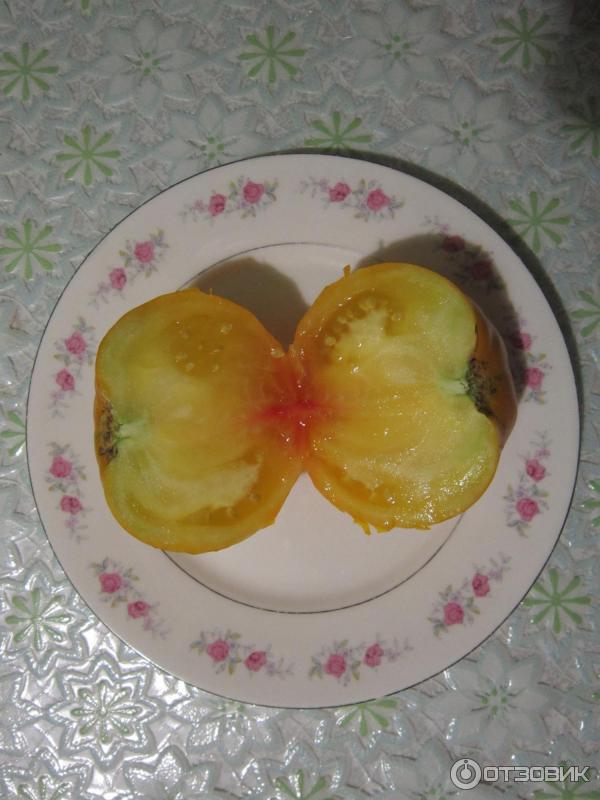
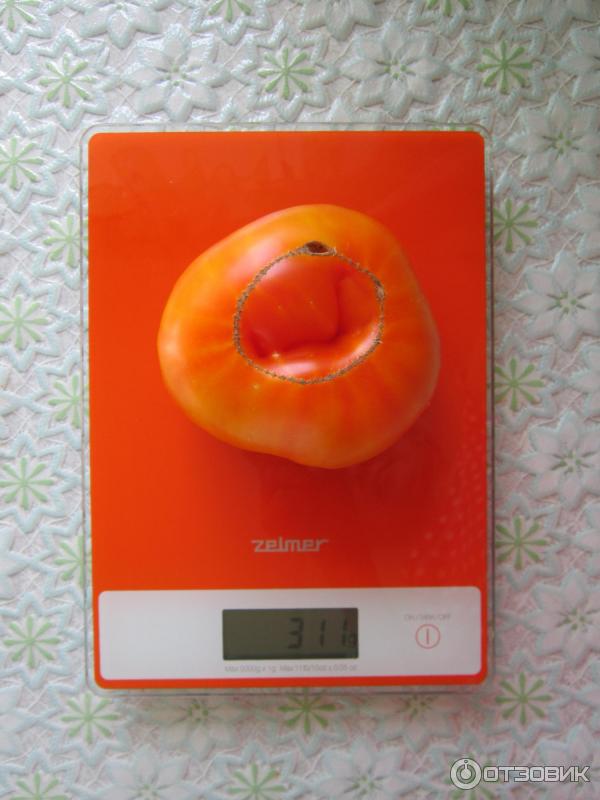
Description from the pack:
This early-ripening, large-fruited variety with orange skin and pink flesh lives up to its name. It ripens in 100-105 days. It's an indeterminate variety, suitable for both open ground and plastic shelters. The fruits are round, even, smooth, fleshy, very sweet, resistant to cracking, transport well, and store well for long periods without losing their marketable qualities.
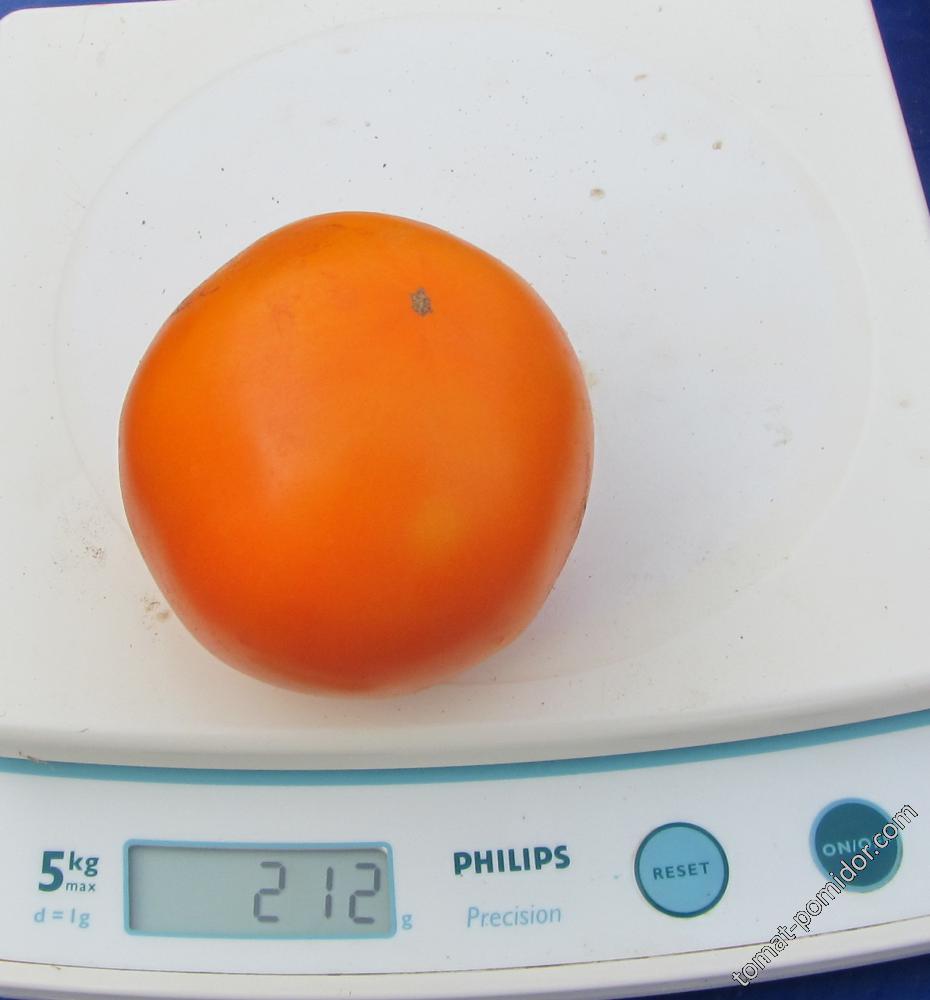
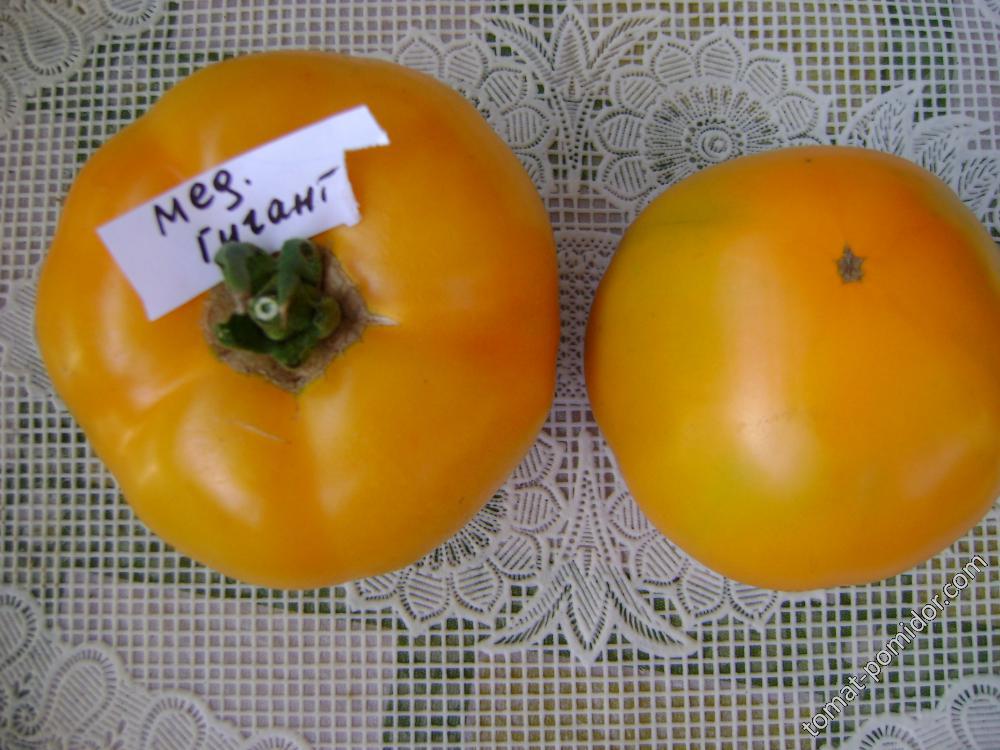
Honey Giant (Aelita) has been planted since 2010.
The first two years are fantastic! Delicious, large (up to 1 kg) honey-colored tomatoes with a pink tint when cut :niam: :niam: :niam:
Then I bought a new pack - something grew (all 4 bushes are the same) - neither give nor take - Verlioka (growth, size, resistance, even the leaves are the same), only yellow >:(
Yellow balls
I'll try to restore it - Ladoga :thx: :thx: :thx: shared the seeds.

Large, quite meaty. Delicious for this year. Perhaps in a better year the flavor will be even better.
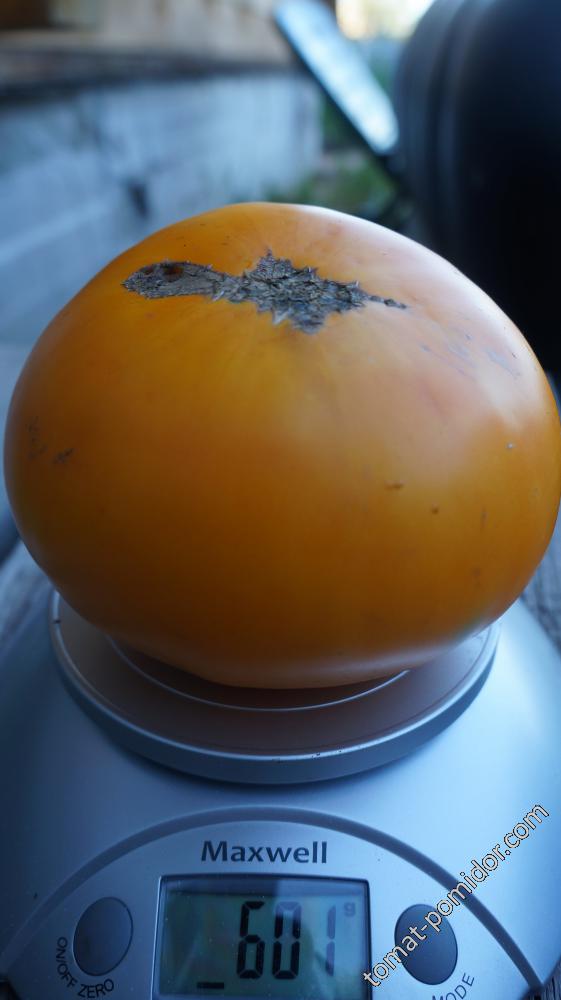
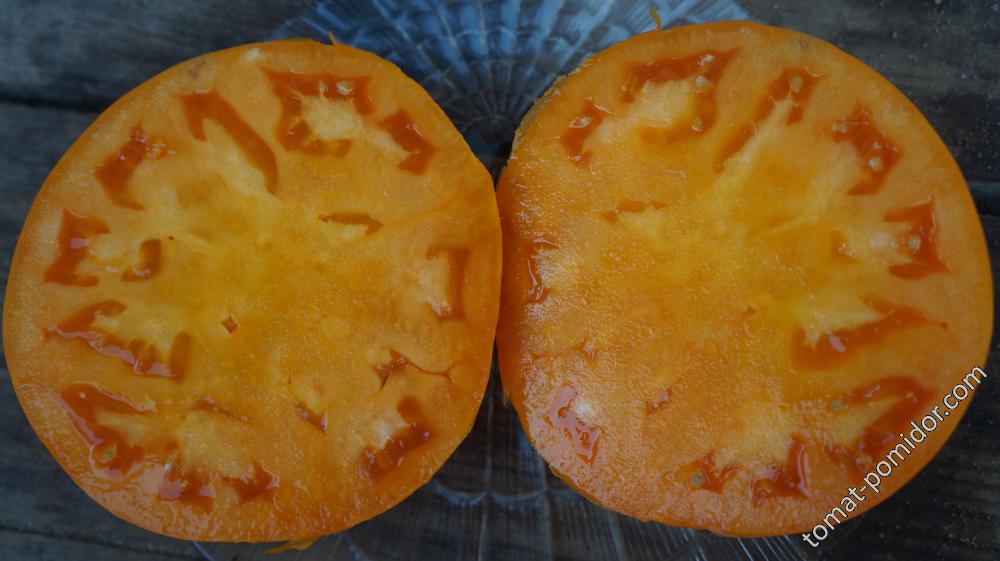
This is the beauty that turned out. I can't yet draw any conclusions about the yield, as it was overfed at first, and then the first tomato was very large, and it was clear the plant was struggling.
I liked the taste.
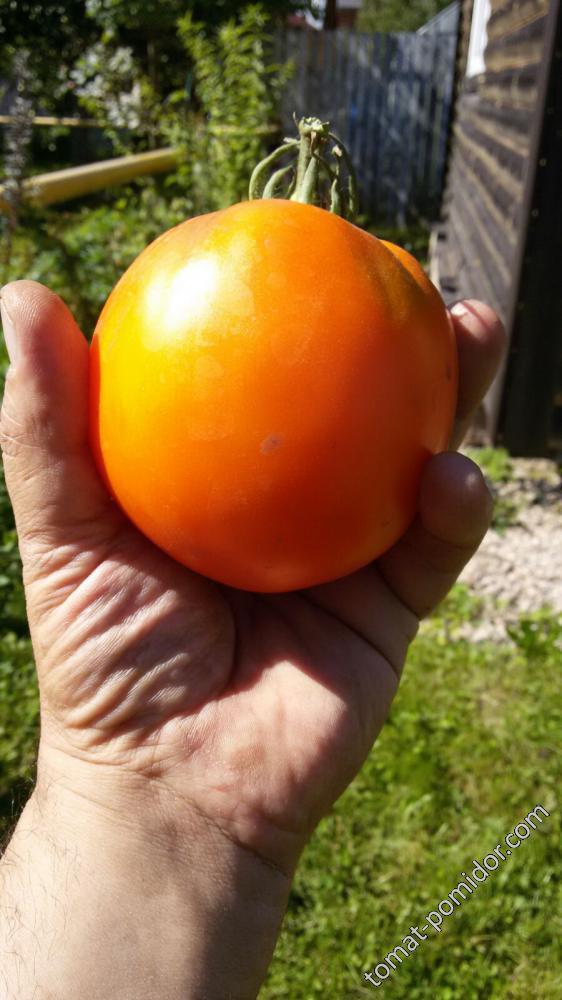
This variety didn't reach the giant mark for me, although the fruits were large. However, it did produce a high yield. It grows up to 2 meters tall in the greenhouse. The fruits are very tasty and sweet.
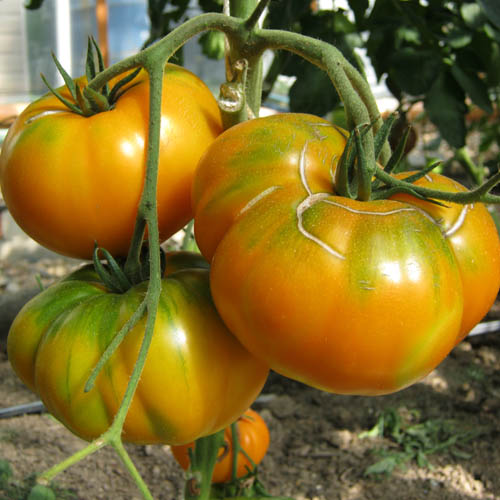
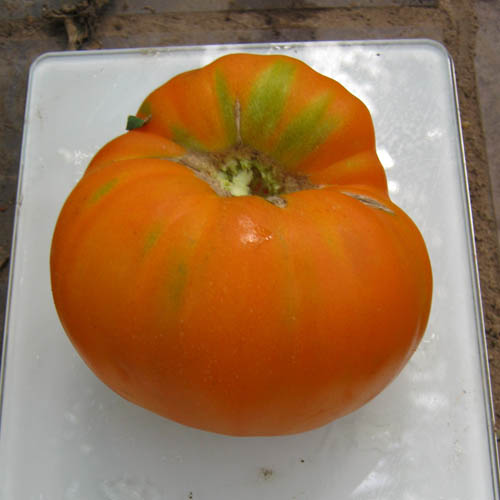
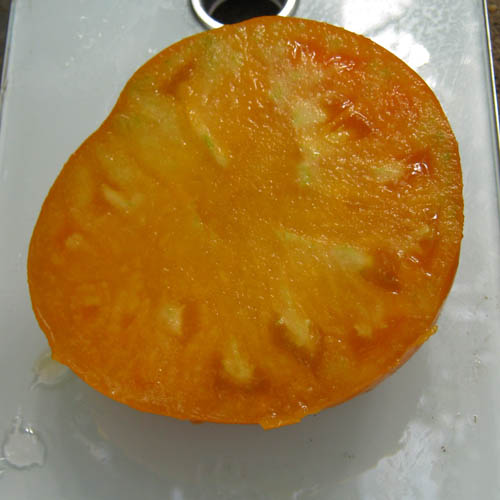
I planted two Aelita plants this year. They grew to about 1-1.2 cm in size in the open ground (northern Moscow region). They were very tasty, sweet, and buttery. They didn't grow to giant size. The fruits were 150-250 grams each. I'll definitely be making them again; I really liked the taste. And I need to try collecting my own seeds.
This variety is one of the tastiest I've ever planted. Very tasty and productive. A wonderful variety!