Wireworms are serious pests of arable land. They inhabit all territories of the former USSR. They feed primarily on potato tubers.
In southern latitudes, vineyards are affected. Getting rid of wireworms is not easy, but it is possible.
What does a wireworm look like and why is it dangerous?
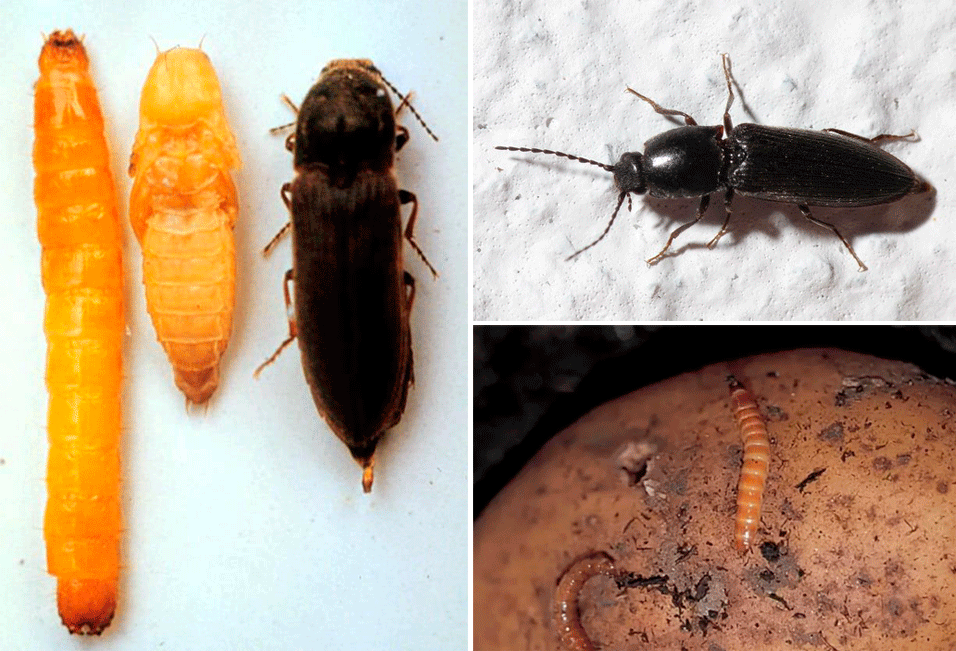
Click beetle larvae are called wireworms or wireworms. They can be easily distinguished from all other beetles by their tough, chitinous covering.
The wireworm lives up to its name—it resembles a piece of wire. It's a thin, multi-segmented worm, 1 to 5 cm long, with three pairs of short legs. Its color ranges from yellow to brown.
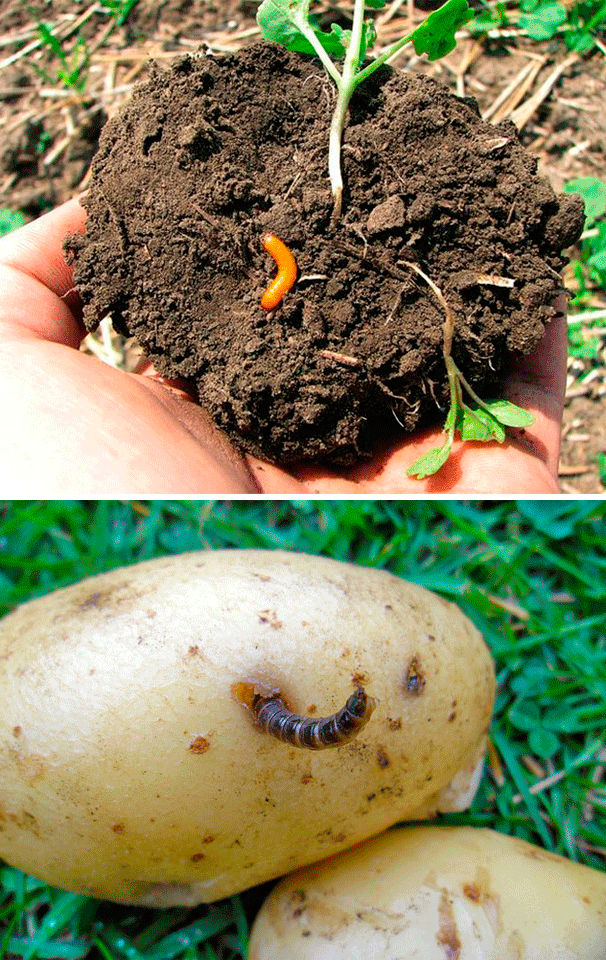
The larvae spend two to five years in the ground. They pupate in late summer. The beetles that hatch from the pupae overwinter in the ground, and in the spring they emerge to lay new eggs, which soon hatch into larvae.
They create tunnels through young tubers. This slows growth and reduces yield. Damaged fruits create a favorable environment for the development of fungal diseases and rot. Such potatoes do not store well.
Severely damaged tubers are practically unfit for consumption. The crop is lost.
How to detect wireworms on your property
Wireworm larvae, brightly colored, are easily visible in dark soil when plowing or digging. They typically live at a depth of 15-30 cm, and in dry soils they can reach a depth of up to a meter. Therefore, they are not always found in the upper soil layers.
If a cursory inspection reveals nothing suspicious, the presence of pests will only become apparent during harvest. When small holes, as if punctured by wire, are visible on the tubers, or thin dark tunnels are visible when cutting or peeling the potato, this is a sure sign that wireworms have taken up residence in the soil.
An alarming signal can also be the causeless wilting and stunted growth of the above-ground parts of some potato bushes.
Preventive measures to combat wireworms
Getting rid of wireworms is not easy at all.

Therefore, it is easier and more effective to take preventative measures. Preventative measures include:
- Compliance with crop rotation rules.
- Alternating or simultaneous planting of green manure plants.
- The larvae die when the soil freezes. Therefore, deeper plowing is used in the fall.
- Wireworms thrive in acidic conditions. To prevent them from growing unfavorably, lime-containing amendments should be added to the soil regularly (once every three years).
- Periodic loosening of the topsoil can bring pest eggs to the surface. Click beetle egg masses will die if exposed to direct sunlight.
It's important to follow simple hygiene rules for maintaining your garden plot. Weed regularly, avoid overcrowding, harvest on time, and burn or remove tops and waste.
Before bringing new soil to the site, you need to make sure that it is not contaminated and weigh the pros and cons.
Methods of controlling wireworms
There are various methods of controlling wireworms:
- agrotechnical;
- chemical;
- biological;
- folk.
It is best to use a set of measures that are convenient and acceptable in specific conditions.
Baits and traps against wireworms
It is almost impossible to collect all the wireworms by hand, but it is quite possible to reduce their number.
Various traps for harmful worms are quite labor-intensive, but completely harmless. Here are a few folk remedies.
- Place potato halves on a twig, a long wooden skewer, or stiff wire. Dig them into several spots in the garden where wireworms are suspected to be living. The pests, attracted by the smell of freshly cut potatoes, will gather on the bait. After a few days, remove the traps and destroy the wireworms.
- You can place the chopped potatoes in glass jars or plastic containers. You can also bury them in the ground up to the neck. Periodically, remove the contents, along with the accumulated worms, and replace them with fresh filling.
- Wireworms can be attracted to kvass cake or simply crusts of black bread. These should be placed in old socks or linen bags and buried in various places along the potato furrows. These traps are refurbished in the same way as described above.
- Ordinary lettuce plants can be used as a trap for wireworms. They attract the pests. The lettuce plants are pulled out along with the larvae and destroyed.
Biological and chemical preparations against wireworms
Chemical methods of wireworm control are divided into fertilizers and insecticides.
Nitrogen and lime-containing fertilizers are applied during autumn plowing. Ammonium nitrate not only fertilizes the garden but also combats wireworms. Potassium chloride is also beneficial for improving the soil. Dosage is calculated according to the product's instructions.
There are mixed opinions about insecticides. When using them to combat potato wireworms, several important factors must be considered to achieve the desired results:
- The effect may be noticeable after a single application, but lasting results are achieved after several years of methodical treatment.
- The planting material and the holes should be protected. Liquid fertilizers are best for seeds, while granular or powdered fertilizers are more suitable for soil.
- Repeated use of these products can cause addiction. Therefore, it's best to alternate insecticides.
Common remedies include Provotox, Decis, Zemlin, Kapkan, Karate and others.
A new domestic biological product, Nemabakt, is a symbiotic combination of nematode worms and bacteria. This combination is lethal to many parasitic pests, including wireworms. Nemabakt's advantage is that a single soil treatment lasts for several years. It is harmless to humans, animals, bees, earthworms, and other insects.
Folk remedies against wireworms
Folk remedies for eliminating wireworms in potato fields include wood ash, a potassium permanganate solution, and eggshells. These are added to the holes or furrows during planting.
Pests thrive in a putrefactive environment. This characteristic can be used against them.
It is enough to spread small piles of manure, rotted tops, straw or leaves in the garden, and then remove them along with the accumulated larvae and worms.
Staunch opponents of chemicals in their gardens have learned to replace store-bought products with homemade infusions. Nettle, celandine, coltsfoot, dandelion, and the greenery left over from pinching and pruning tomatoes are used as natural repellents.
Fill a ten-liter bucket with the green mass, without pressing it down, to the top, add water, and let it steep for a week in a warm place. Strain the infusion, dilute it with clean water at a ratio of 1:10, and use it to water the potato beds and furrows.
Crushed eggshells, onion peels, and mustard powder are also used. These act as repellents and natural garden fertilizers.
Regular table salt can help quickly get rid of wireworms. Simply sprinkle it over the surface. However, this method is unsafe for the biological balance, so it should be used only as a last resort and no more than once every seven years.
Top.tomathouse.com recommends: Crop rotation to help combat wireworms
Basic crop rotation rules will help you get rid of wireworms in your garden.
Green manure crops primarily include legumes. A few grains of peas, beans, or broad beans per potato furrow can improve the soil and increase yields. Corn and sunflowers are also planted in the field for the same purpose.
Lupine, which gardeners grow in ornamental flowerbeds or even consider a weed, also repels pests that live in the soil.
Marigolds and calendulas are well-known garden and vegetable garden nurses. These easy-to-grow flowers shouldn't be neglected as a preventative measure.
After the harvest, it's a good idea to sow the plot with mustard. Once the mustard shoots have grown, they are incorporated into the soil during autumn plowing.
Before planting, treat grain and legume green manure seeds thoroughly with insecticides. Wireworms will feed on them and die.
Defeating wireworms requires a permanent establishment. This means constant preventative measures. Cleanliness is paramount, followed by crop rotation and supporting plants. This will ensure you won't have to deal with this pest again.