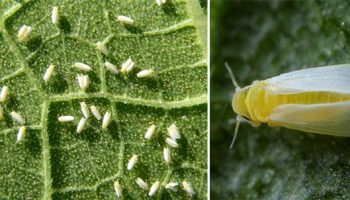
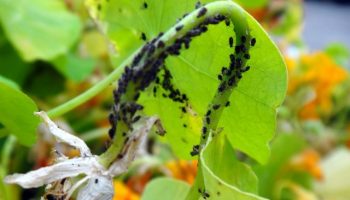
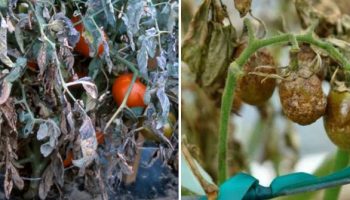
Scale insects are considered a formidable pest of all plants because they spread easily and adapt to insecticides. Knowing how to control them will bring the desired results.
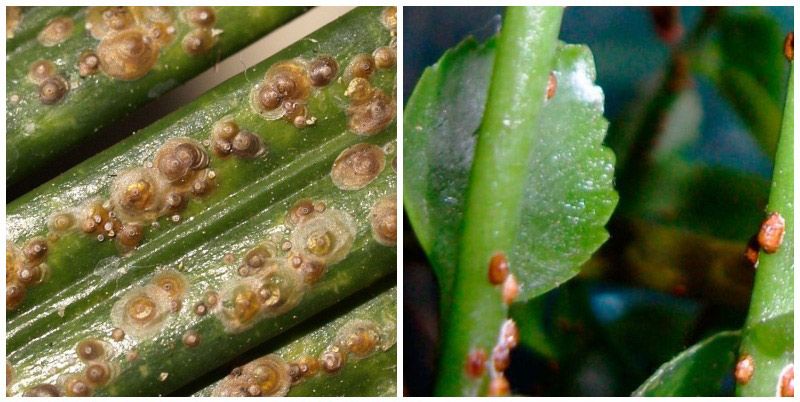
Description of the scale insect pest
It belongs to the family of sucking pests—Pseudococcids. It can easily be confused with a scale insect, a distinguishing feature being the presence of a waxy shell that completely encloses the body and can be easily torn off.
They are very active year-round. They are not picky eaters, feeding on both garden and indoor plants, including poisonous ones. Upon detection, immediate control and preventative measures should be taken; otherwise, the scale insects will become established and difficult to remove.
Houseplants most susceptible to scale insect attacks
Many plants are susceptible to pest attacks. Orchids are the most popular. Ficus, ivy, cyperus, palms, tangerines, asparagus, lemons, and rhododendrons are also particularly popular.
Avoids fluffy plants such as violets, eschynanthus, and also Gesneriaceae species.
They can enter your apartment with soil brought from the garden or with the purchase of a new plant. Therefore, it's necessary to inspect not only the flowers themselves but also the soil.
What does a plant affected by scale insects look like?
The presence of scale insects is indicated by the presence of brown spots, followed by the shedding of infected parts. This occurs because the pest sucks out all the plant's vital energy, draining it of its vital energy.
The following distinctive features can be identified:
- the appearance of sticky spots;
- yellowed leaves, as well as stunted flower growth;
- presence of brown tubercles.
Causes of scale insects
The main cause is believed to be purchasing a new plant and introducing it too early into existing plants. To avoid this, carefully inspect the new plant and place it away from other plants for a while. Rinsing the leaves and stems with warm water is a good idea.
Mature specimens typically settle on a single plant and feed on its sap, leaving other flowers alone. Young specimens are very active and easily migrate to neighboring plants.
Various methods of combating scale insects
There are various ways to combat parasites.
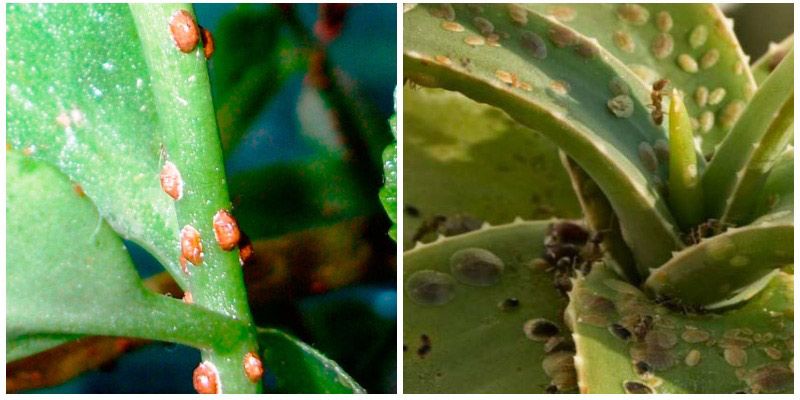
Mechanical
The first step is to find and remove the female insects, which have a shell that serves as an excellent shield against all types of poisoning. This is done manually using a cotton pad or swab dipped in a prepared soapy or alcohol solution. Liquid soap, laundry soap, or tar soap will do. Then, lather the plant and leave it for 30 minutes, then rinse it off in the shower.
Folk remedies for fighting scale insects
Folk remedies that will most effectively help get rid of the pest are listed in the table.
| Ingredients | Receiving funds | Application |
| Tar soap | 10 g of soap dissolves in 1 liter of water. | The leaves and stems are wiped and sprinkled, after protecting the soil with polyethylene. |
| Wood ash | Add 300 g of ash to 1 liter of boiling water and boil the resulting mixture for 30 minutes. Immediately before use, dilute the prepared solution with 10 liters of water. | |
| Burdock oil, washing powder | Combine 10 g of oil and 10 g of powder in 1 liter of water. Let the solution steep for 4 hours. | Wipe systematically for preventive purposes once a month. |
| Alcohol, liquid soap | 10 ml of alcohol, 15 ml of soap, 1 liter of hot water are combined and stirred until foam forms. | Apply to all parts of the plant, after checking the reaction to the compound. |
| Machine oil, liquid soap | 10 ml of soap, 30 ml of oil, mix well until foamy. | Apply the mixture to the affected areas for half a day, then rinse thoroughly under running water. After 7 days, repeat the procedure. A total of 3 treatments are required. Protect the soil from the solution during this procedure. |
| Green soap, tar soap, kerosene | 25 g of green and 100 g of tar soap are dissolved in 1 liter of water, then 5 drops of kerosene are added. | Apply using a spray bottle and then wash under running water. |
| Onion | A gruel is made from onions. | It is applied to the affected areas, removed mechanically, and then washed with soapy water. |
Chemicals
The following preparations have proven effective for chemical attacks:
- Metaphos;
- Actellic;
- Aktara;
- Fitolavin.
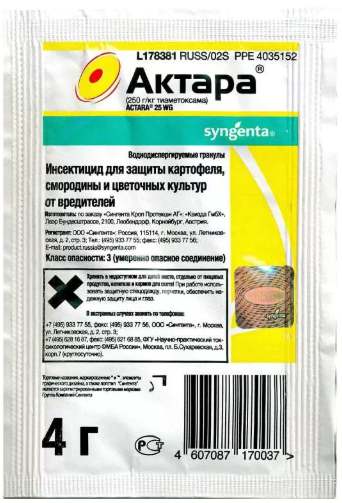
Aktara is considered the most effective.
Scale insects are difficult to eradicate due to their shell, so it's recommended to treat them several times a week until the pest disappears completely. However, it's important to follow the instructions and avoid overdoing it, as excessive use can harm not only the plant but also humans.
Top.tomathouse.com recommends: preventative measures to protect indoor plants from scale insect damage
By following a number of preventative measures, you can avoid the appearance of the parasite:
- Create good ventilation.
- Spray with water frequently.
- Isolate the affected flower immediately.
- Don't put off the start of counteraction for too long.
- Systematically conduct a thorough inspection for the presence of scale insects on indoor plants.
- Purchased plants should be kept separate for some time to detect the presence of pests.