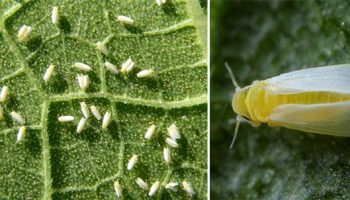
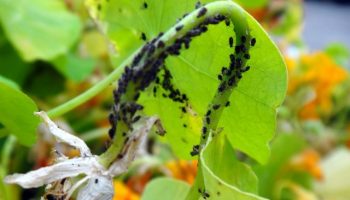
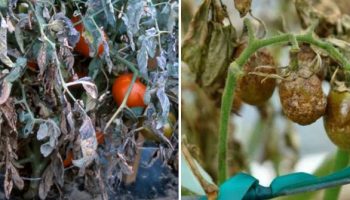
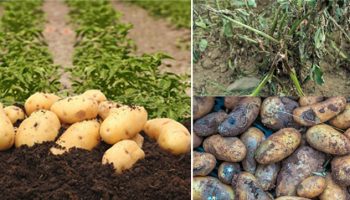
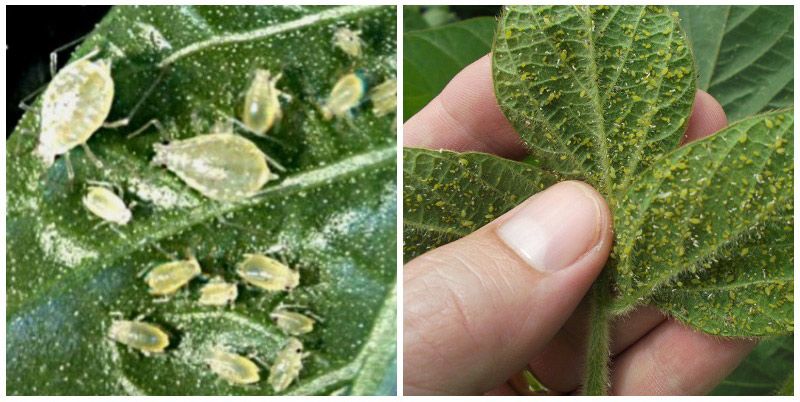
Approximately 1,000 species of aphids have been described in Europe as parasites of cultivated plants. These insects range in color from dark green to black, and their length ranges from 0.5 to 1 mm.
Content
- 1 The danger of aphids to plants
- 2 Top.tomathouse.com recommends: methods and means for combating aphids
- 3 Aphids on tomato seedlings: how to combat them and what to treat them with
- 4 Aphids on pepper seedlings
- 5 Aphids on cucumber seedlings
- 6 Aphids on eggplant seedlings
- 7 Aphids on currants and other fruit bushes
- 8 Aphids on the leaves of apple, cherry and other fruit trees
- 9 Aphids on roses
The danger of aphids to plants
Aphids attack seedlings by feeding on their sap and releasing toxic compounds. Weakened plants become more susceptible to fungal, bacterial, and viral infections.
This insect pest is extremely prolific. A single female can lay up to 150 eggs at a time. It takes 7 days for the female to mature into an adult. Ten to 17 generations can occur in a single season. Under ideal conditions (in a greenhouse), a single aphid can produce 5 x 10 offspring. Thanks to its wings, the parasite easily migrates to neighboring plants.
The sugary secretions of insects—the ant's larvae—attract ants. These natural forest cleaners and garden pests help maintain aphid populations by carrying aphid eggs and larvae and protecting them from natural enemies (ladybugs).
Top.tomathouse.com recommends: methods and means for combating aphids
All types of aphids on different plants are controlled using roughly the same methods and means. There are also slight differences and preferences specific to certain crops.
To combat the pest, folk methods and means, biological and chemical preparations are used.
Traditional methods and remedies
Mechanical removal of the pest with a stream of water or by hand is recommended every few days. Affected leaves must be removed. Natural enemies (ladybugs, earwigs, hoverflies, and lacewings) should be introduced. Nearby anthills should be destroyed due to the symbiosis between the aphids and the forest orderlies. Plant repellents around the beds, such as onions, garlic, carrots, dill, and Dalmatian chamomile.
A gardener's arsenal includes many effective means for treating plants to combat parasitic insects.
|
Name |
Method of preparation |
Features of application |
| A solution of insecticidal soap or dishwashing liquid | A tablespoon is diluted in a liter of water. | To prevent damage to the plant, cover the soil with plastic or foil during treatment with alkaline solutions. Perform the procedure on a cloudy day or late in the evening. |
| Tomato leaf infusion | 2 cups of chopped leaves are soaked in 2 cups of water and infused for 24 hours. | Before spraying, strain the resulting gruel through cheesecloth and add half a liter of water. |
| Garlic infusion | Chop 3-4 cloves of the plant, add 2 teaspoons of vegetable oil, and let the mixture steep for 24 hours. After straining, add half a liter of water and a teaspoon of dishwashing liquid. | Before spraying, dilute 2 tablespoons of concentrate in a glass of water. |
| Infusion of shag | 500 g of powder is poured into 1 liter of boiling water and boiled for 30 minutes. | Before use, the filtered concentrate is dissolved in a bucket of water. |
| Ash-based product | Pour two cups of ash powder and 50 grams of laundry soap shavings into a bucket of boiling water. Let it steep for 12 hours. | Before spraying, strain the product. |
| Apple cider vinegar solution | 1 tablespoon of acid is added to 1 liter of water. | The solution is ready for washing the leaves. |
| Baking soda solution | 75 g of powder is stirred in a bucket of water. | The product is ready for spraying. |
| Ammonia solution | 2 tablespoons of ammonia and 1 tablespoon of liquid soap are added to a bucket of water. | |
| Mustard solution | 30 g of powder is mixed in 10 liters of water. | |
| Infusions of wormwood, yarrow and celandine | The grass is soaked in a ratio of 1:2 and a decoction is prepared. | Before spraying, dissolve 1 liter of concentrate in a bucket of water, to which 40 g of laundry soap is added. |
| Bleach solution | 2 tablespoons of lime are diluted in a bucket of water. | Use before planting seeds. |
Biological drugs
Fitoverm (Aktofit), Iskra BIO, and Bitoxibacillin have received positive reviews. These products are based on microflora (viruses or bacteria) that selectively affect insects.
Fitoverm is the most popular. It takes effect within 48 hours, with maximum results observed on the fifth day. Protective action lasts for a week. It is effective at temperatures above 20°C.
Repeated spraying every 7 days is recommended.
Chemicals
They are highly insecticidal. Due to the potential hazard to humans, use strictly according to the instructions. Gardeners' arsenal includes: Kalash, Biotlin, Karbofos, Aktara, and Tanrekom.
One of the most commonly used is Aktara. Insects begin to die within 6 hours. The protection period is largely determined by climate conditions and can vary from 2 to 4 weeks. The agent is effective at any temperature. To protect bees, it should be applied in the evening or in cloudy weather.
Aphids on tomato seedlings: how to combat them and what to treat them with
Tomatoes aren't the first plants heavily attacked by aphids. They become infested from nearby damaged crops.
The first sign of an aphid infestation is the appearance of curly, variegated leaves on tomatoes.
Because tomato leaves are delicate, when using mechanical removal, apply a gentle stream of water or use a sprayer; use a toothpick instead of your hands. Repeat several times until the aphids are completely gone. Destroy infested leaves, especially those growing on the lower part of the stem. Use the folk remedies described above.
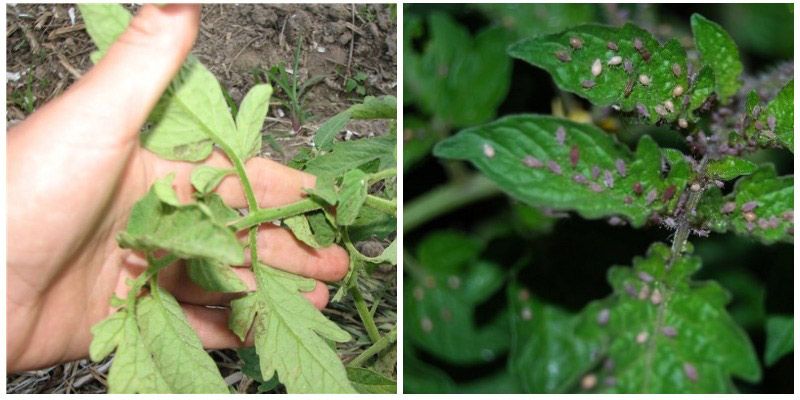
Of the biological pesticides, Fitoverm has proven to be the most effective. It persists in soil for up to 30 hours and on tomato plants for up to 3 days. It is recommended to spray four times every 7 days. To prepare a solution, dissolve 8 ml of Fitoverm in 1 liter of water. Spray the undersides of the leaves, where insects typically reside. This product can be used during fruiting; tomatoes can be eaten within 7 days after treatment, which is not the case with chemical pesticides. These are used only on tomato seedlings.
Aphids on pepper seedlings
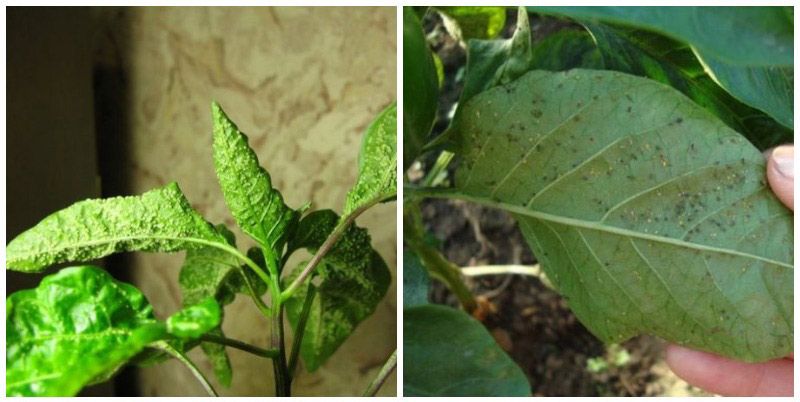
Pepper seedlings are most often grown on a windowsill alongside other plants. If aphids appear, use the soap-based solutions described earlier. If chemical treatment of the peppers is necessary, the plants are removed from the room.
Aphids on cucumber seedlings
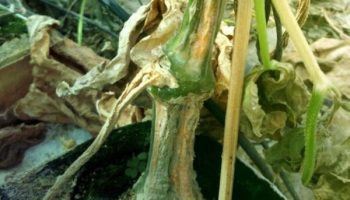
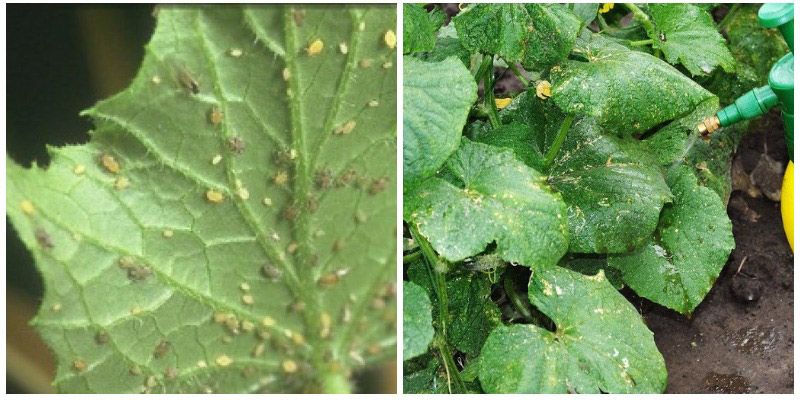
Cucumber damage is manifested by shortened internodes, hypotrophy and deformation of leaves and fruits, and pale tendrils. Parasites are visible on the underside of the green parts of the plant.
To combat the insect, damaged leaves and shoots are cut off and destroyed. Folk remedies, biological agents, and chemicals are used to treat the plant.
Aphids on eggplant seedlings
If eggplants are grown outdoors, their natural enemies—ladybugs and birds (sparrows and tits)—are used to control insects. If aphids are found on seedlings in a greenhouse, the affected shoots are cut off and destroyed.
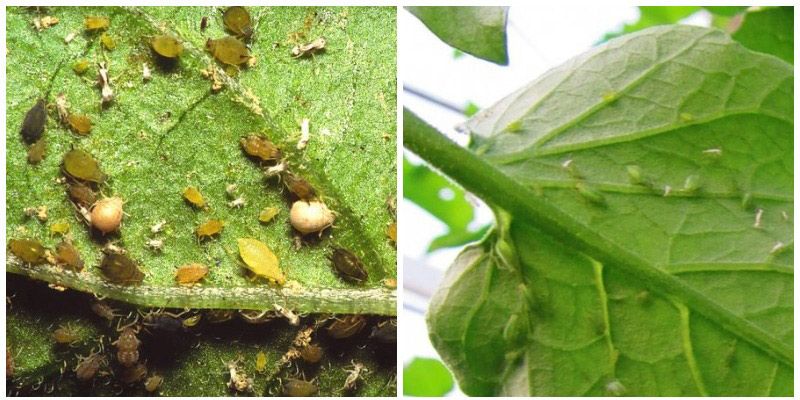
A warm solution based on insecticidal or tar soap can be used. In extreme cases, chemical insecticides may be used.
Aphids on currants and other fruit bushes
In spring, it's a good idea to douse currant bushes with boiling water. Affected parts of the plant are trimmed and burned. A soap-ash solution is an effective remedy. Dissolve 2 tablespoons of liquid soap and 0.5 liters of wood ash in 5 liters of water. Dip the tops of the branches in the mixture.
Chemicals should be used with great caution due to their potential hazard to humans when other control methods become ineffective.
Aphids on the leaves of apple, cherry and other fruit trees
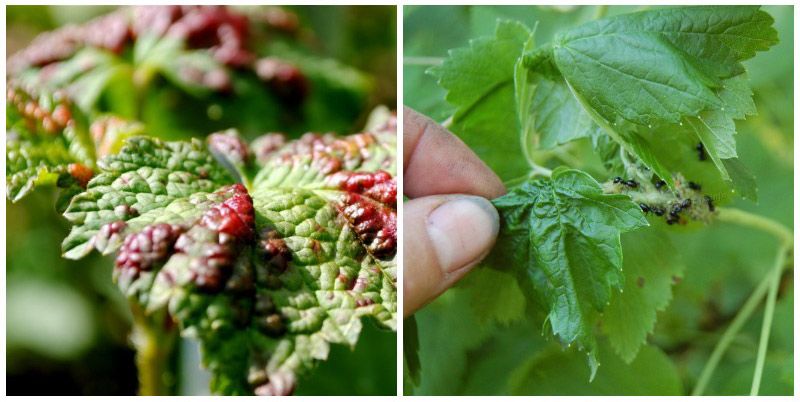
Aphids can sometimes be found on apple tree leaves. Young shoots are most often affected. Feeding on the sap, the insects secrete compounds that cause the leaves to curl, protecting the parasite colonies. Therefore, when using pest control, aim to get inside the curled leaves. It's best to eliminate the aphids before flowering to avoid harming pollinating insects (bees and bumblebees).
A trapping belt is placed on the tree trunk to prevent ants from introducing aphids. It can be purchased at a store or made at home. The base is a rubber band and ant repellent gel (such as Adamant, Taracid, or Proshka Domovaya). The rubber can be replaced with burlap and plastic wrap, and the gel with grease.
If the insect infestation is fragmentary, you can try to wash it off the tree with a stream of water, pinch off the tops of the shoots and remove (burn).
Gardeners enjoy using tobacco dust and an ammonia-based solution. To prepare, mix 100 ml of 10% ammonia solution, a tablespoon of grated laundry soap (palmitic acid), and 10 liters of water. Fruit trees (cherries, plums) are treated this way several times at seven-day intervals during the fruiting season.
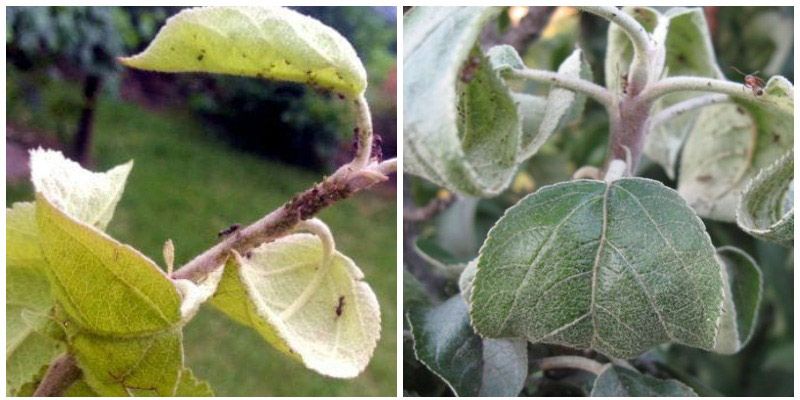
If ammonia is not available, use a solution of household or tar soap, as well as infusions of pungent and fragrant herbs that are used to combat aphids on vegetable crops (tomatoes, cabbage or beets) - yarrow, wormwood and St. John's wort.
The most effective biopreparations are used, they are mentioned above.
Chemical protection products for fruit trees
For treating fruit trees, it's recommended to use substances with a contact-gastrointestinal mechanism of action. These substances penetrate the plant and concentrate at its growth points. When using a chemical agent, keep in mind that new generations of insects, which will emerge in approximately three weeks, may adapt to it. Gardeners' arsenal includes the following insecticides:
- systemic intestinal-contact: Aktara, Biotlin, Tanrek, Confidor Extra, Voliam Flexi, Engio Forte;
- non-systemic intestinal-contact: Aliot, Neofral, Kinmiks, Decis Profi.
To control overwintering insects, use a combination product called 30 Plus and Profilaktin, which are based on vaseline oil and organophosphorus compounds. The first treatment is carried out in early spring.
Different pest populations prefer different fruit trees; for example, apple and pear trees are primarily attacked by the red-galled apple aphid, while cherries are attacked by the cherry aphid. However, the methods for combating the parasite are the same.
Aphids on roses
For treating roses, the same solutions used for treating vegetable crops are recommended. A 4-hour infusion of dandelion roots in a water bath is also effective. To prepare it, mix 400 g of the root part of the plant with 1 liter of water. Before spraying the plant, strain the resulting concentrate and dilute the volume to 10 liters (1 bucket).
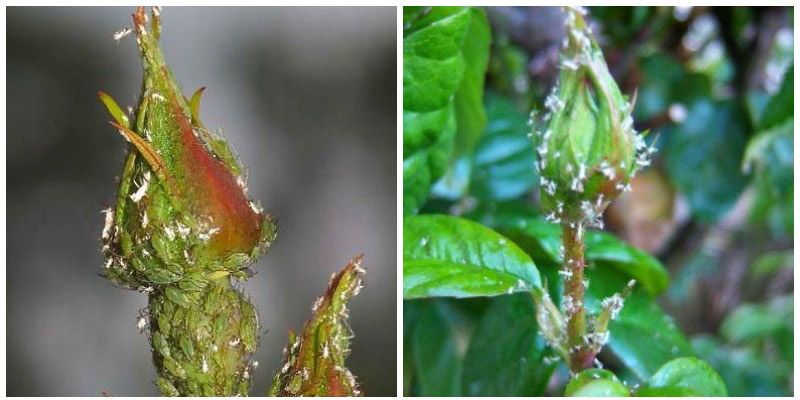
Flea shampoo is effective against aphids on roses. A solution is prepared by dissolving 2 tablespoons of the product in 10 liters of water.
Chemical preparations Molniya and Iskra have proven themselves to be effective when used in compliance with the necessary safety measures.