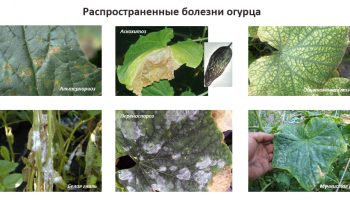
Grapes are a crop that requires special attention, especially if they are grown not in southern Russia, but in central Russia or Siberia. Because they are heat-loving, they struggle to survive in cool climates, and lack of proper care, unsuitable soil, and various diseases can destroy not only the harvest but the entire plant, including its leaves, stems, and roots.
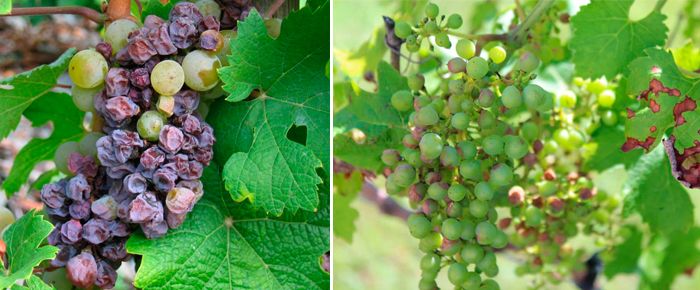
Grapes, like most other living organisms, are most often infected by infection, transmitted from a diseased plant to a healthy one. Various viral diseases, fungi, and harmful bacteria are transmitted this way.
In many cases, the carriers of diseases in vineyards are weeds and small soil pests: insects and rodents.
For infected bushes, any external factor will affect their growth and development, whether it be soil fertility, its composition, air humidity, regularity of precipitation, etc. For example, during heavy rains, diseased grapes will simply rot.
There is also a non-infectious type of grape disease - these include various mechanical damages, such as improper pruning, sunburn of leaves, and damage to roots from garden tools.
Fungal diseases of grapes
The most common disease, familiar to all farmers and winemakers, is called mildew (sidium), or in simple terms, downy mildew.
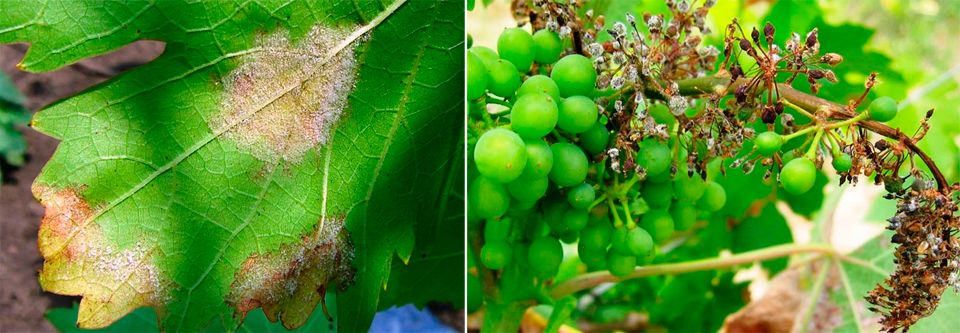
This fungus attacks grape leaves, shoots, and berries, causing yellow and gray spots. This symptom should not be ignored, otherwise you could be left without not only a harvest but also with no crops at all.
The fungi multiply in the soil, on fallen leaves and rotten berries, and are spread by the wind across large areas of vineyards. Young leaves and berry clusters are more susceptible to infection, while older ones are more resistant.
As a preventative measure, experienced gardeners tie up shoots to keep them off the ground; pinch out side shoots and remove excess shoots; clean out areas under vines, removing and burning fallen leaves; and spray 5-6 times per season with copper-containing preparations (1% Bordeaux mixture, copper oxychloride). Treatments are completed three weeks before harvest.
Mildew is treated by periodically spraying the vines with fungicides. Zircon has shown good results. Other effective treatments include Strobi, Polihom, and Rhodimol Gold.
Another dangerous fungus is Oidium. It's slightly less common, but the symptoms are almost identical to the first disease—gray spots on leaves and berries.
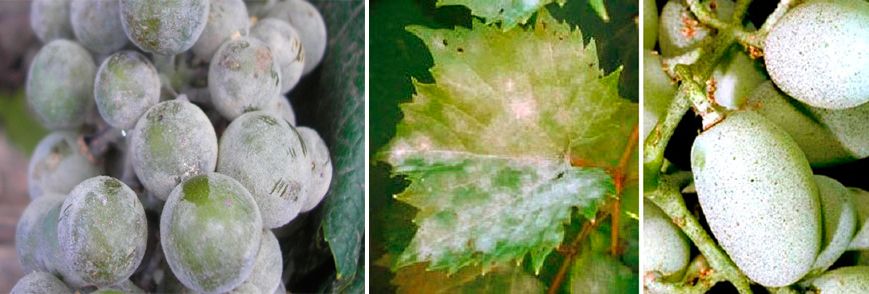
The common name for this disease is powdery mildew. If preventative and treatment measures are not taken, this infection poses a serious threat to the harvest. The berries will first begin to burst, and within a few years, the crop will be completely lost.
Preventative measures are the same as for mildew. The same steps will help protect the plant from infection.
Treatment requires solutions containing sulfur. Sulfur effectively combats infection and preserves crop yields.
To prepare the solution, dilute 80 grams of sulfur in a bucket of water. Alternatively, you can use powdered sulfur with added wood resin. Carbis Top, Thiovit, and Topaz will also help.
Anthracnose is a vineyard dieback. Leaves and branches become covered in brown spots and dry out. It is most often caused by frequent heavy rains.
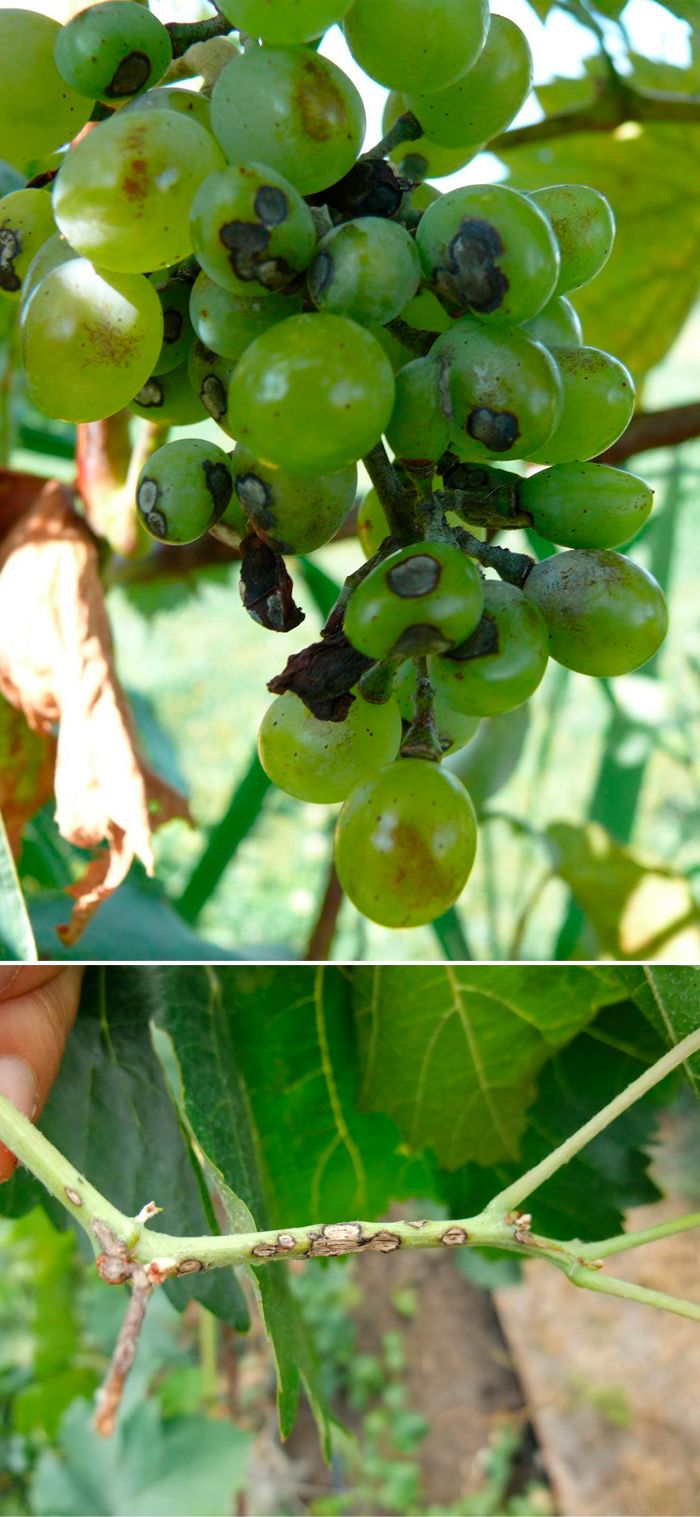
The treatment is the same as for mildew - treatment with chemicals and removal of damaged shoots.
If the disease has become chronic or prolonged, use fungicides such as Kartocide, Fundazol, Polikarbacin, Ordan, Previkur, Arcerid, and Abiga-Peak. Antifungal treatments should be carried out regularly at two-week intervals.
A disease similar to anthracnose is Cercospora leaf spot. When infected, leaves become covered with olive-colored spots and dry out. Bordeaux mixture is used for treatment.
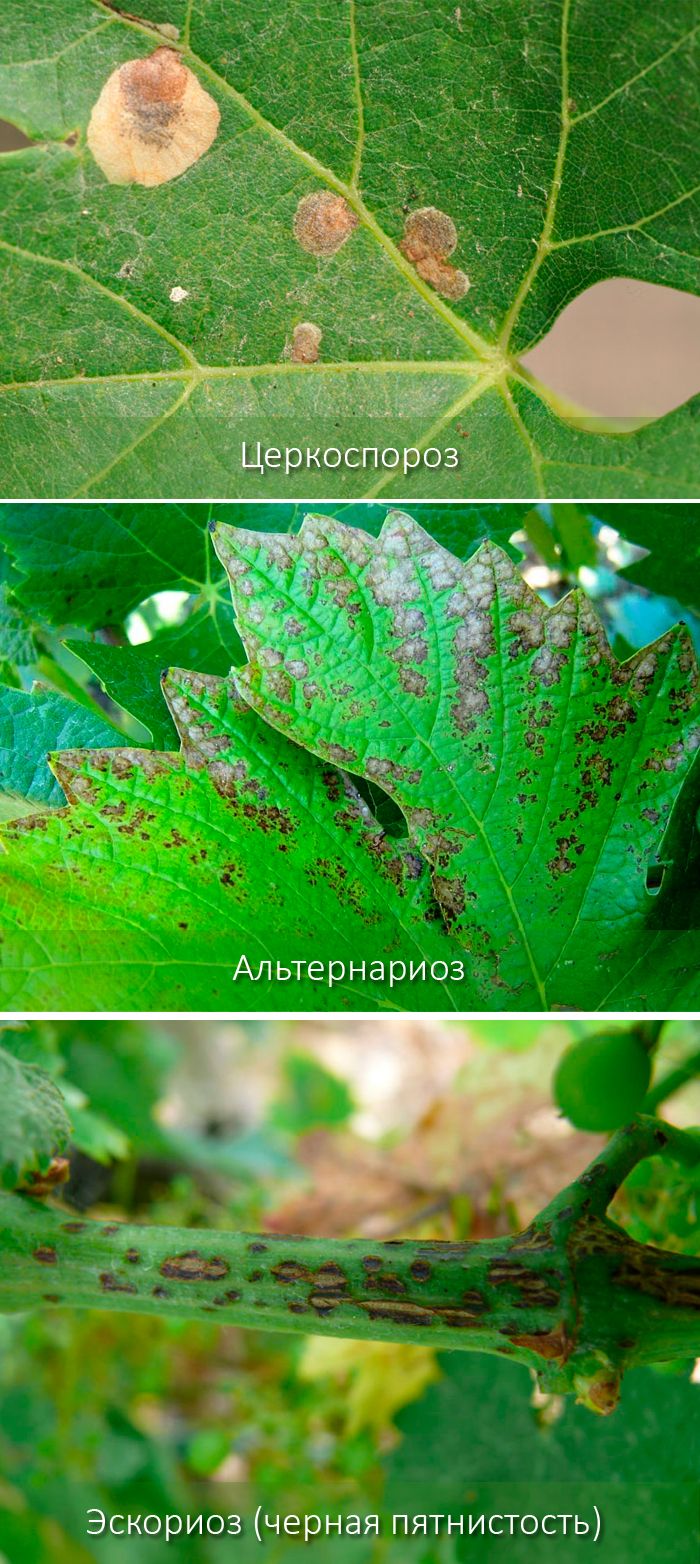
Alternaria leaf spot is a spring fungal disease. Symptoms include berries covered with a patchy white coating, while other parts of the plant turn grayish or brown. Affected berries quickly rot. Bordeaux mixture is effective in controlling the disease.
Black spot (escoriosis) – this fungus forms black spots all over the plant. Leaves, fruits, and branches turn black. Infected stems turn black, dry out, and fall off, unable to support the bunch. To save the plant, pruning and burning the damaged branches is necessary. The plant can also be treated with the antifungal fungicide Medea ME, which should be done in early spring when the buds begin to open.
Apoplexy. This fungal disease attacks the bush midseason during hot weather. A white coating forms on the lower leaves. Due to the large amount of toxic substances released by the fungus, the plant can die very quickly, but in some cases, the disease can persist chronically for several years. Arsenite is effective against this fungus, but it is toxic and should be used with caution.
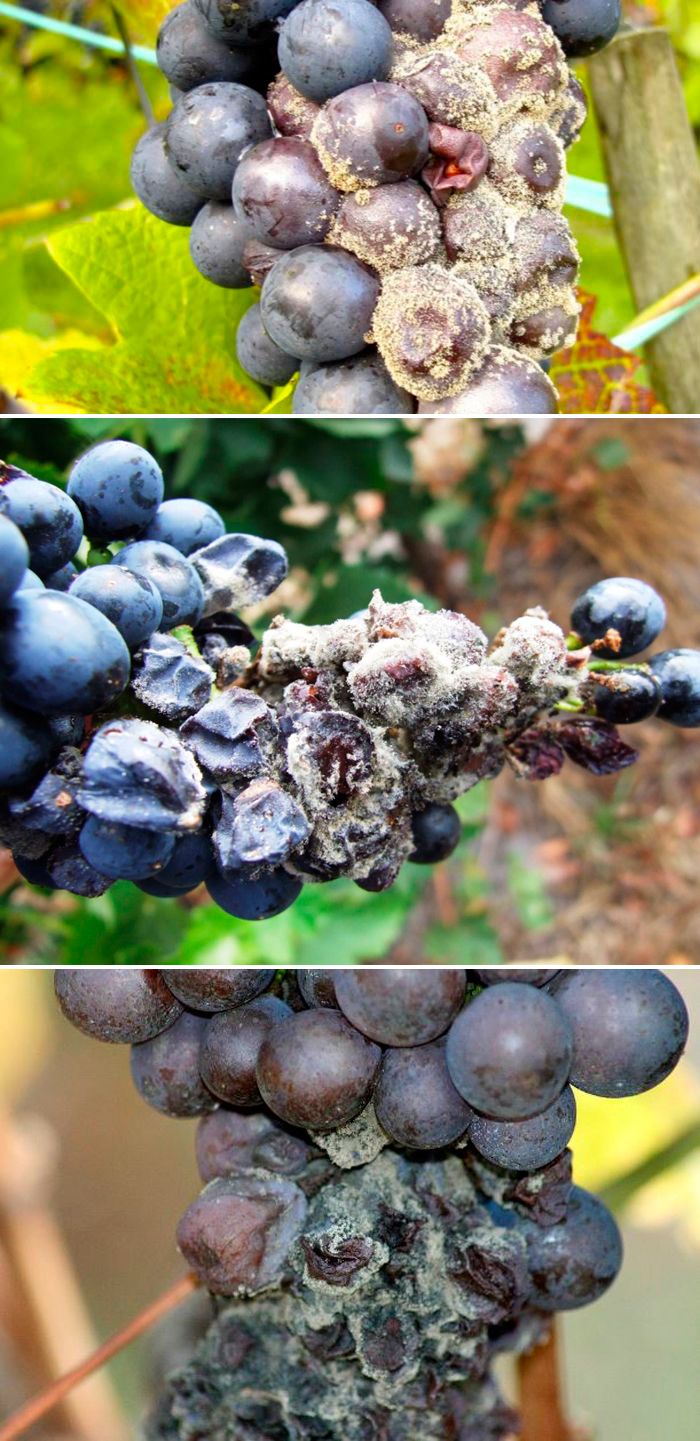
Gray mold is a fibrous, grayish coating that affects any part of the plant. It most often appears on the lower berry clusters. It is a very dangerous disease that is difficult to treat. Recommended products include Medea ME, Title 390, Switch, Horus, and Antracol. Prevention includes lifting trunks from the ground, pruning the plant, removing weeds, and avoiding excessive nitrogen fertilizer application.
White rot is not very different. This disease primarily affects berries. A white, fluffy coating, similar to mold, partially or completely covers the bunches. This disease does not always indicate a fungal infection; it sometimes appears as a result of mechanical damage to the plant. Treatment is the same as for mildew.
Black rot. This disease causes leaves and berries to darken. When affected, they turn dark purple or black. The disease progresses rapidly, spreading to healthy areas, and the rotted area increases accordingly. Treatment includes Antracol, Topaz, and copper-containing fungicides.
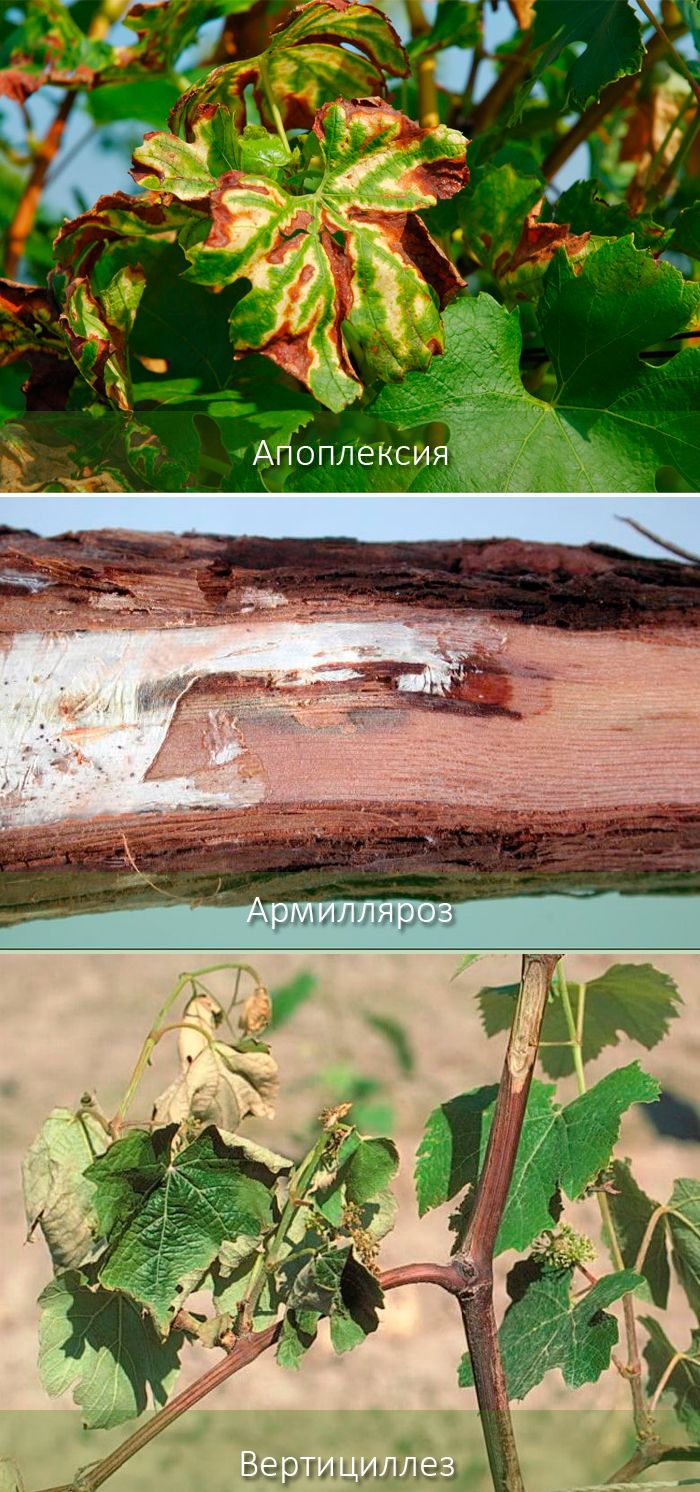
Armillaria is a fungal disease that attacks the roots and leaves of grapes. Initially, they turn yellow, and in the fall, yellow and brown fungi develop. Treatment is with copper-based fungicides.
Verticillium wilt is a disease that progresses over five years. During this time, shoots die and leaves turn yellow. Spraying the bushes with Fundazol is a suitable treatment.
Viral diseases of grapes
The most dangerous grape diseases are viral. Experienced winemakers and farmers know that if a viral infection occurs, the only correct solution is to remove the vine, as these diseases are virtually incurable. The disease is caused by small, harmful bacteria transmitted by young seedlings or insects.
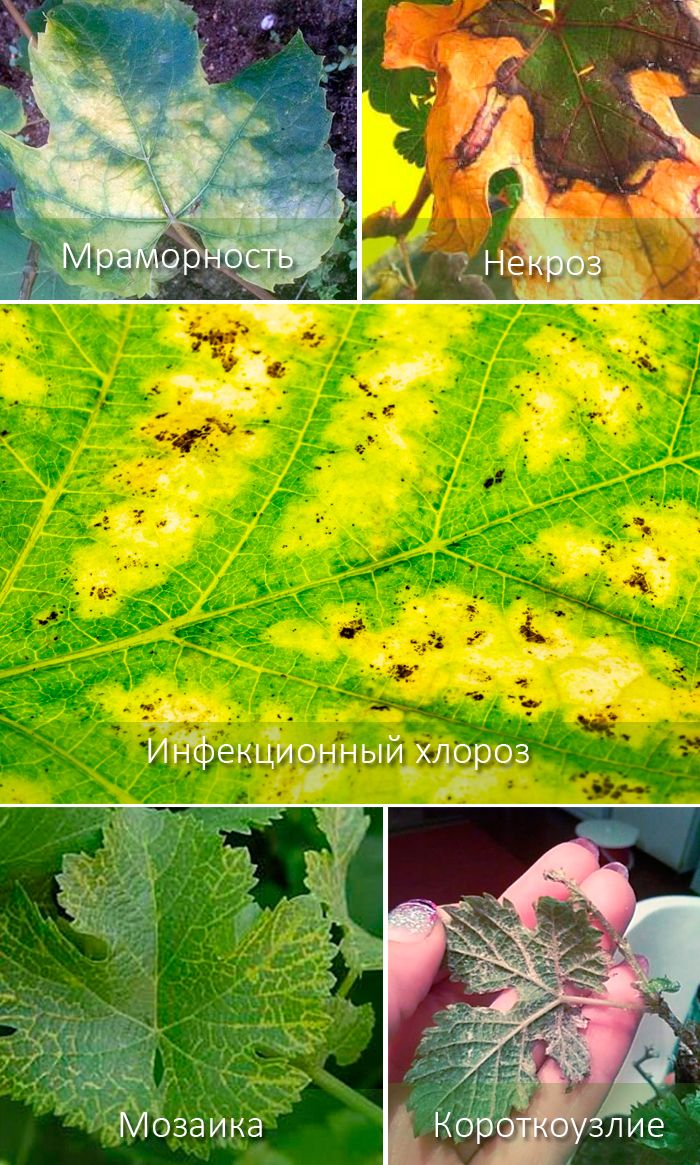
Such diseases are very difficult to identify, as the symptoms differ little from those of fungal diseases or the consequences of external damage to the vine, so it is recommended to take preventative measures such as:
- Planting only healthy, “clean” seedlings
- Regular and periodic control of gnawing and sucking insect pests.
- Digging up and disposing of diseased plants completely
The most common viral diseases have the following names: leaf marbling, chlorosis (infectious), leaf vein necrosis, vein mosaic, short-node.
Non-communicable diseases
The most common non-infectious disease is chlorosis (iron chlorosis). It occurs as a result of unfavorable environmental conditions, primarily developing in cold weather. Incorrect soil fertilization can also be a cause.
Excessive alkalization and nitrogen fertilization will also lead to chlorosis. Another common cause is iron deficiency in the soil.
It can be diagnosed by the following symptoms: the grapes stop blooming, the shoots become brittle and fragile, and the leaves become discolored, becoming very pale with a yellowish tint.
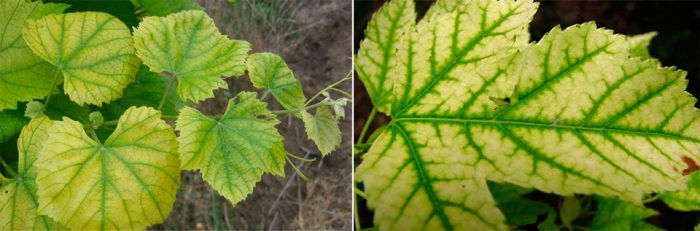
Chlorosis can be treated by spraying the plant with a solution containing iron supplements at any time, but avoid direct sunlight during treatment. A solution consisting of 100-200 grams of ferrous sulfate added to 10 liters of water is recommended. Iron chelate can also be used to strengthen the leaves.
In addition to iron, it is recommended to fertilize the soil with vitamins, which include manganese, zinc and boron.
Grape pests
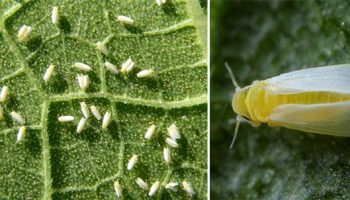
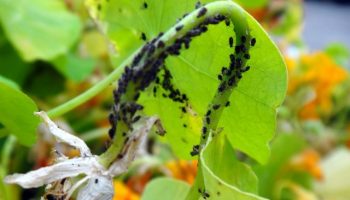
Grapes are not only at risk from diseases, but also from a wide variety of pests that weaken the plant, making it even more vulnerable. The most dangerous are phylloxera, leaf rollers, grape variegated weevils, spider mites, and others.
About 10 grape pests, prevention and control measures Read on our portal Top.tomathouse.com.