Before laying a lawn, the soil is dug over and treated with special weed killers. However, weed seeds are spread by wind, birds, animals, and other factors, so they still appear despite preventative measures. This spoils the lawn's appearance. Furthermore, weeds are more resistant to adverse weather conditions and trampling, so over time they destroy lawn plants. Time is not always available for weeding, and it's a labor-intensive process. A weed-crowding lawn grass can help remedy the situation.
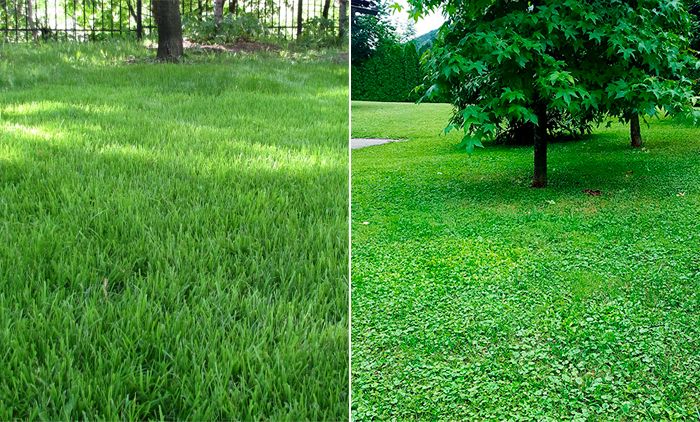
Lawn grass that kills weeds
When choosing grass seeds, you need to pay attention to the following characteristics:
- resistance to trampling;
- height (it is desirable for the grass to be low-growing, because in this case it is easier to mow);
- drought resistance (plants are not afraid if they are not watered for a long time);
- tolerance to harsh climatic conditions (severe frosts, cold winds, etc.).
To achieve a beautiful lawn, you need to plant it correctly and maintain it properly. This seems obvious, but finding truly useful information on, for example, how to choose the right lawn grass, or how often and how much to water an established lawn, is very difficult. That's why our editorial team decided to launch our book, DIY LAWN, which explains in simple terms how to plant and maintain a lawn. If you're interested, read more>>>
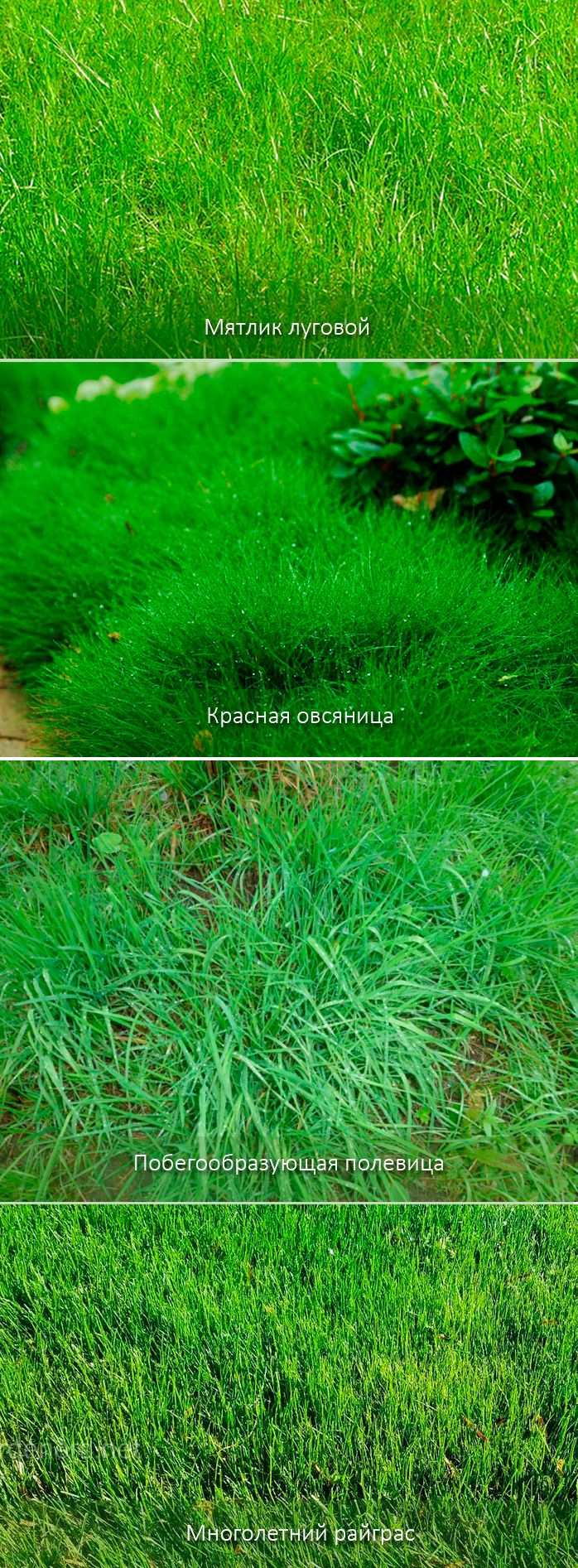
What kind of lawn can be planted to prevent weeds from growing?
Meadow bluegrass
It grows in early spring, often emerging from beneath the remaining snow cover, so it's recommended to sow it before winter. It grows quickly and tolerates cold, strong gusts of wind, and trampling.
If you plant meadow bluegrass, the grass will persist for 10 years. It gains the ability to crowd out weeds in its fourth year (before this age, its shoots are still very thin and weak).
The plant reproduces by self-pollination. The best varieties are: Dolphin, Connie, and Compact.
Creeping bentgrass
In its natural habitat, it grows in the southern and eastern regions of Russia. It is a low-growing grass, so it only needs to be pruned 3-4 times per season. It grows slowly in height and quickly in width. It thrives in any soil and prefers sunny locations. It requires ample watering in the first year and during prolonged droughts.
Red fescue
It features bright, eye-catching green leaves. It is undemanding of soil fertility and tolerates drought, subzero temperatures, and low light. It is resistant to trampling and low mowing (up to 3.5 cm).
The rhizome is well developed, forming a turf layer of about 20 cm, so the plant is often used to strengthen the soil (on slopes, near roads, etc.).
In the first year after sowing it does not grow very quickly.
Ryegrass
A heat-loving plant. At suitable temperatures, it retains green leaves until December. It tolerates trampling, retains its soft foliage after mowing, and is resistant to various infections and pests. After severe frosts, when the snow melts, bald patches may be discovered. Its lifespan is 6-7 years.
Microclover
It differs from red clover in its small leaf blades. It reaches 50 mm in length. Its lifespan is 8 years.
It requires little care, just occasional watering. It tolerates inclement weather and adapts to the climate in which it grows.
It's not recommended to plant near a vegetable garden or flower bed, as microclover quickly spreads outward. If this isn't taken into account, after a while, only clover will grow instead of the crops.
For the same reason, it is not used in grass mixtures for lawns.
Herbal combination
You can make your own lawn grass mixture by mixing equal amounts of seeds from several different plants. It's also available pre-made at stores; the most popular brands are:
- Canada Green (several fescue species, bluegrass, and various ryegrass varieties). Ideal for planting in northern regions. The grass in this composition tolerates temperatures ranging from +40°C to -40°C. It grows quickly and is resistant to aggressive environmental influences.
- Ornamental grass (fescue, ryegrass, bluegrass). Adapts to any soil, local climate, and poor environmental conditions. Often used for landscaping municipal parks and squares.
- Sunshine (two types of fescue, meadow bluegrass, and perennial ryegrass). Tolerates frost and drought. Resistant to trampling.
- Gnome (bluegrass, meadow fescue, and red fescue). Does not exceed 4-5 cm. It tolerates prolonged frosts, so it is recommended for planting in moderate and harsh climates. The grasses included in the mixture are resistant to trampling. It grows slowly in the first year after planting.
- Lilliput (fescue, bentgrass, bluegrass). Forms a low, loosely packed carpet. It grows slowly, is drought- and trampling-resistant, and adapts to various climates and lighting conditions.
Purchasing seeds or seedlings of weed-crowding plants can significantly simplify lawn maintenance without the hassle. Before sowing, it's important to choose the right grass based on the climate and the site's intended use. This will ensure your lawn stays fresh and attractive throughout the season.