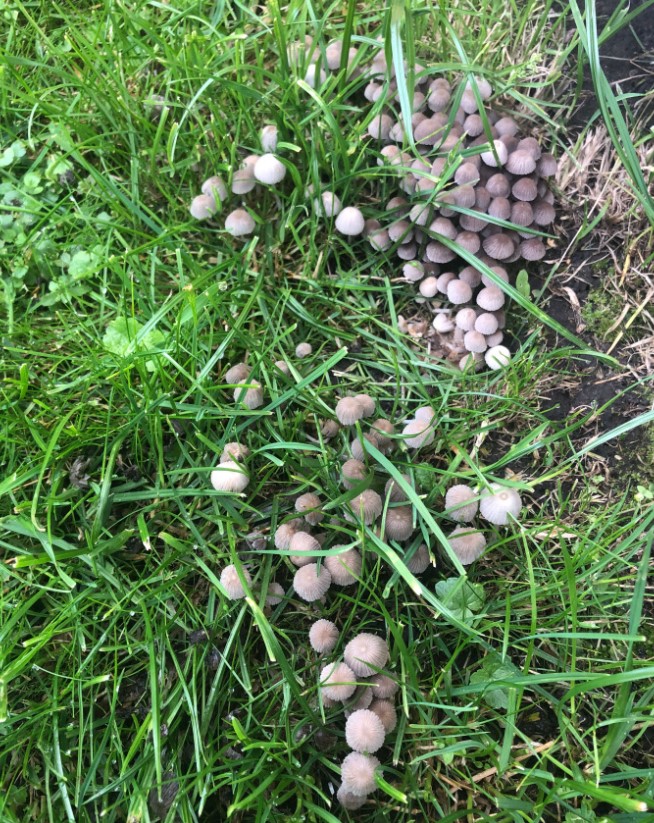
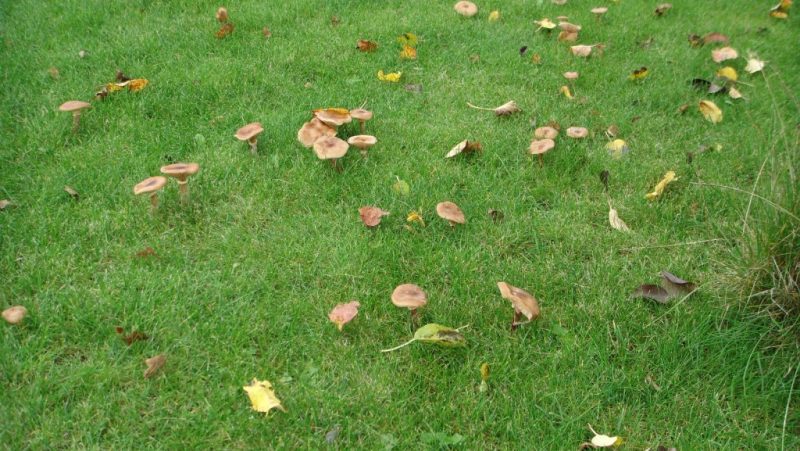
A beautiful lawn is considered a jewel of any property. It gives it a neat and finished look. But sometimes something very unpleasant happens: mushrooms begin to appear on top of the neatly mown grass. Typically, these are toadstools.
We'll tell you how to combat this phenomenon in this article.
Reasons why mushrooms appear on the lawn
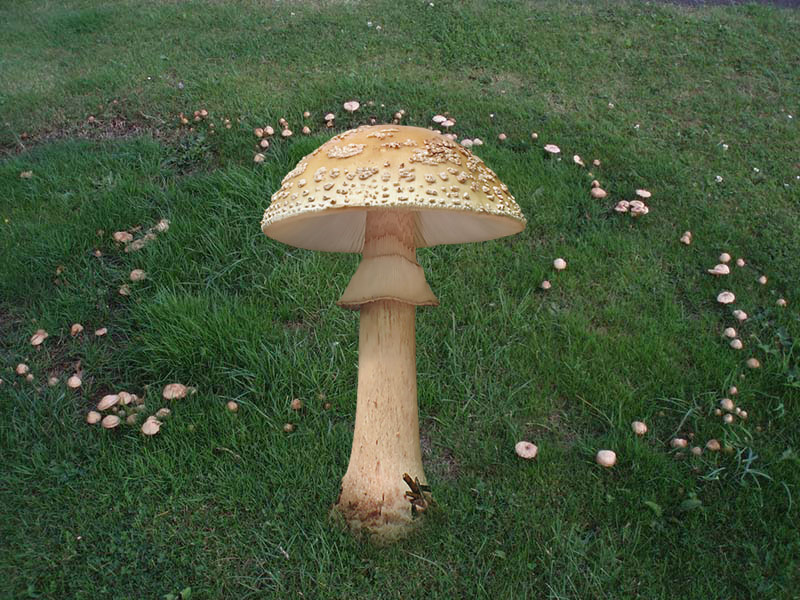
The appearance of mushrooms on the lawn occurs due to various reasons:
- Cheap and low-quality material. Mycelium was already present when the lawn was installed. This is most common in rolled turf.
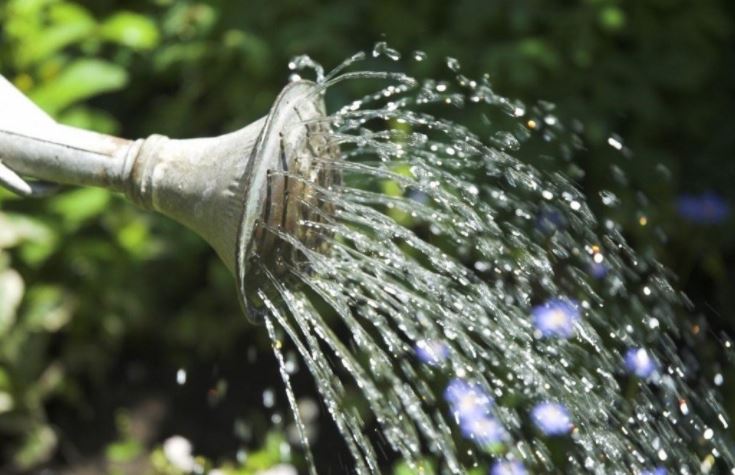
- Overwatering of a lawn is when moisture constantly stagnates on the surface of the soil.
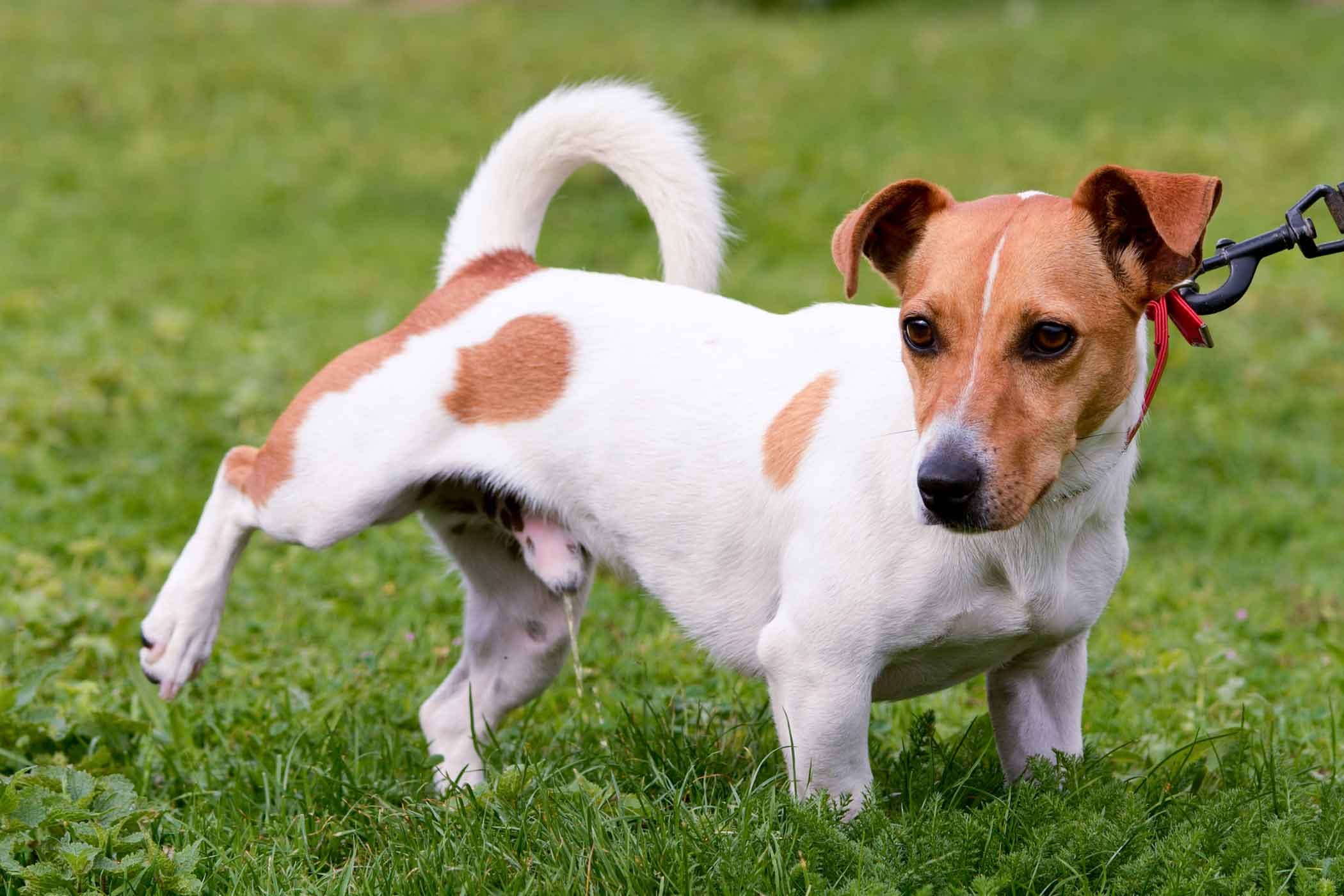
- Pet excrement and urine, when they fall on the lawn, change the surface moisture and provoke the development of fungi.
- The proximity of the site to a forest belt, from where the fungal spores are carried by the wind.
- The presence of a peat soil substrate under the lawn.
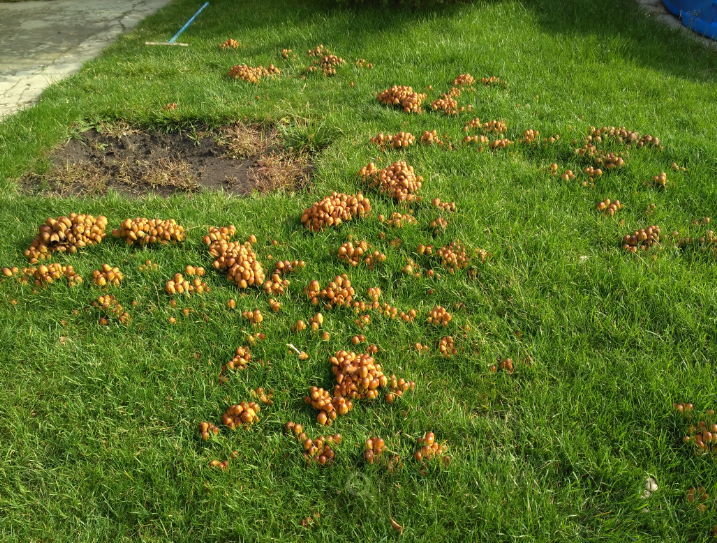
If you discover mushrooms, you must begin combating them immediately; otherwise, your lawn will soon become a mushroom patch, and the grass will die. Furthermore, poisonous mushrooms can be eaten by small children or animals, leading to poisoning.
Methods for killing mushrooms on the lawn
When fighting fungi on the lawn, it's most effective to use a comprehensive approach, as getting rid of the mycelium isn't easy; it spreads vastly both horizontally and deep into the soil.
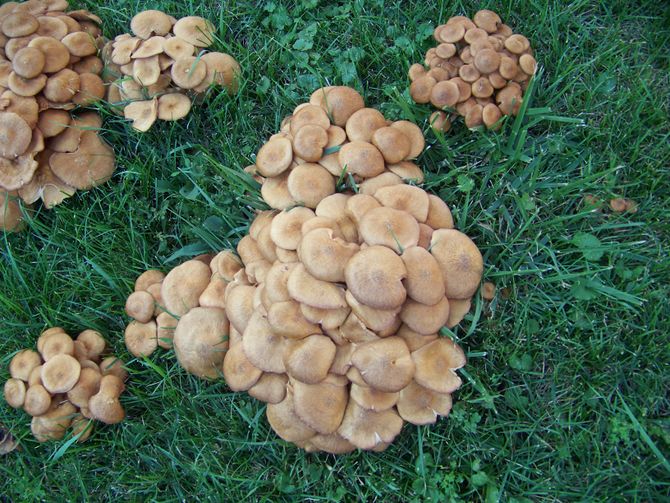
Below are the main methods for getting rid of mushrooms on the lawn.
Creating an unfavorable microclimate for mushrooms
As we know, mushrooms thrive in damp, shaded areas. Therefore, a gardener's job when saving a lawn is to provide as much light as possible.
To do this, you can cut down unnecessary trees and bushes that block the sun's rays.
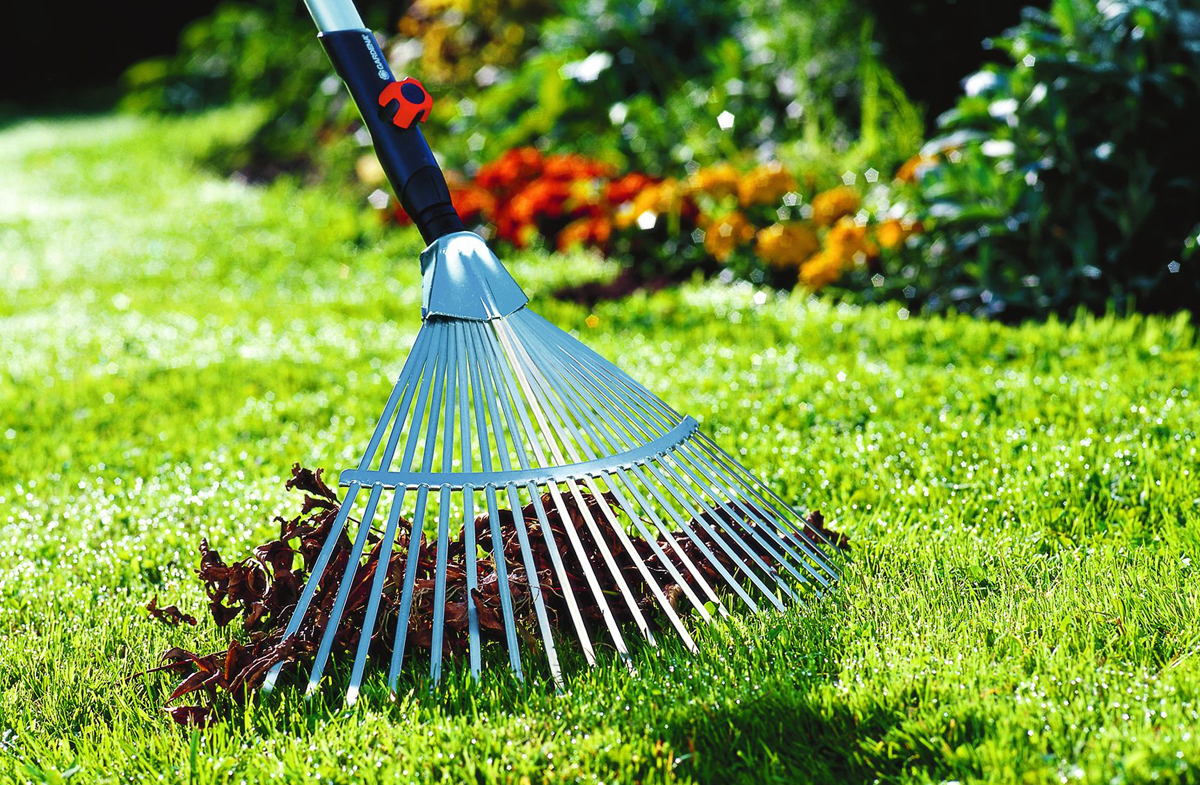
- Stumps and fallen leaves must be removed in a timely manner.
- It is advisable to ensure that animals do not use the lawn as a toilet.
- Don't overwater. The soil should dry out thoroughly.
- In areas where mushrooms are concentrated, you need to mow more often, and burn the remaining mushrooms to prevent them from spreading.
Read the article to learn about lawn mowing rules. Lawn Mowing: Timing, Rules, Mowing Height, Tools.
Carrying out aeration and scarification
Aeration and scarification of the lawn can help eliminate mycelium. However, these procedures are performed once or twice a year before and/or after the season. Therefore, this method is essential only in combination with other methods.
- Scarification involves "scraping" the soil to remove old grass, moss, and disrupt the integrity of the soil where mycelium can grow. This procedure is performed every fall to prevent the soil from becoming stagnant and preventing the development of a favorable environment for mycelium. In the spring, scarification is repeated only for lawns older than five years.
- Aeration improves oxygen exchange between the outer and inner soil layers. This procedure involves simply piercing the soil. The depth of the piercing depends on the load on the lawn. This procedure is performed 2-3 times per season, but in areas with mycelium, it can be done after each mowing.
Any tools that every gardener has in their household are suitable for scarification and aeration: a pitchfork, a rake, etc.
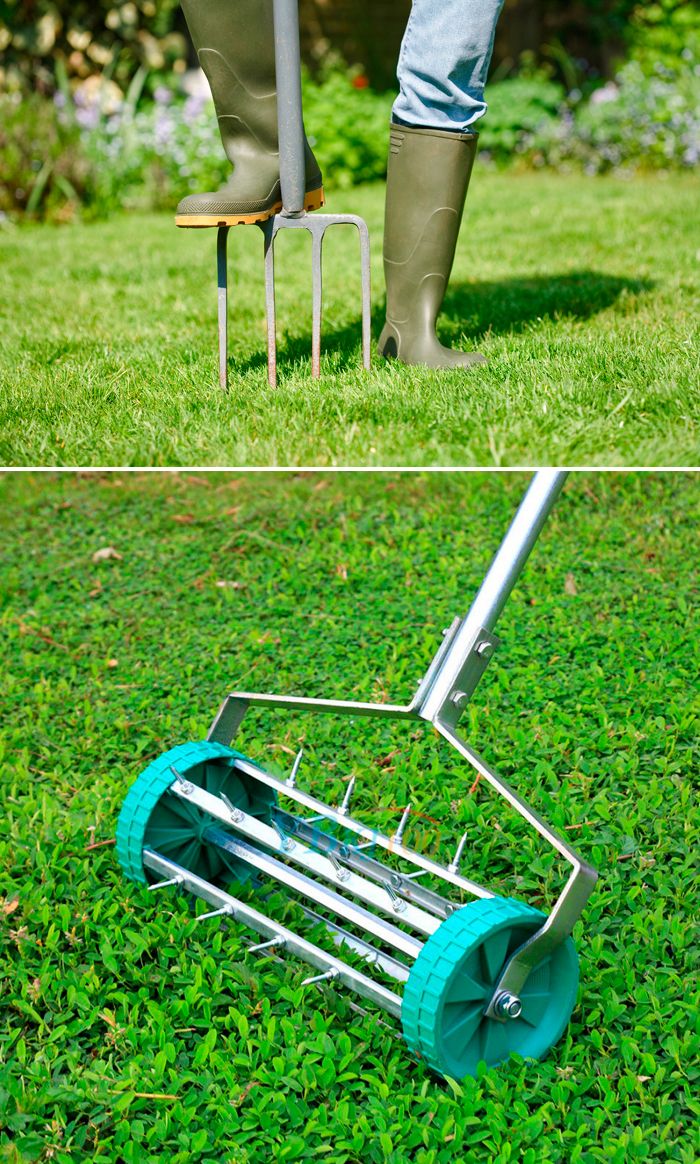
For more information on how to aerate your lawn, read the article. Lawn aeration: what it is, how, when, and what to do it with.
But you can purchase specialized devices. They come in two types:
- Electric mowers. Used in small areas, they require a power source. Sharp blades mounted on rollers gently penetrate the soil and cut through the root system of the planted grass. This stimulates new growth to renew the lawn, but also destroys the mycelium.
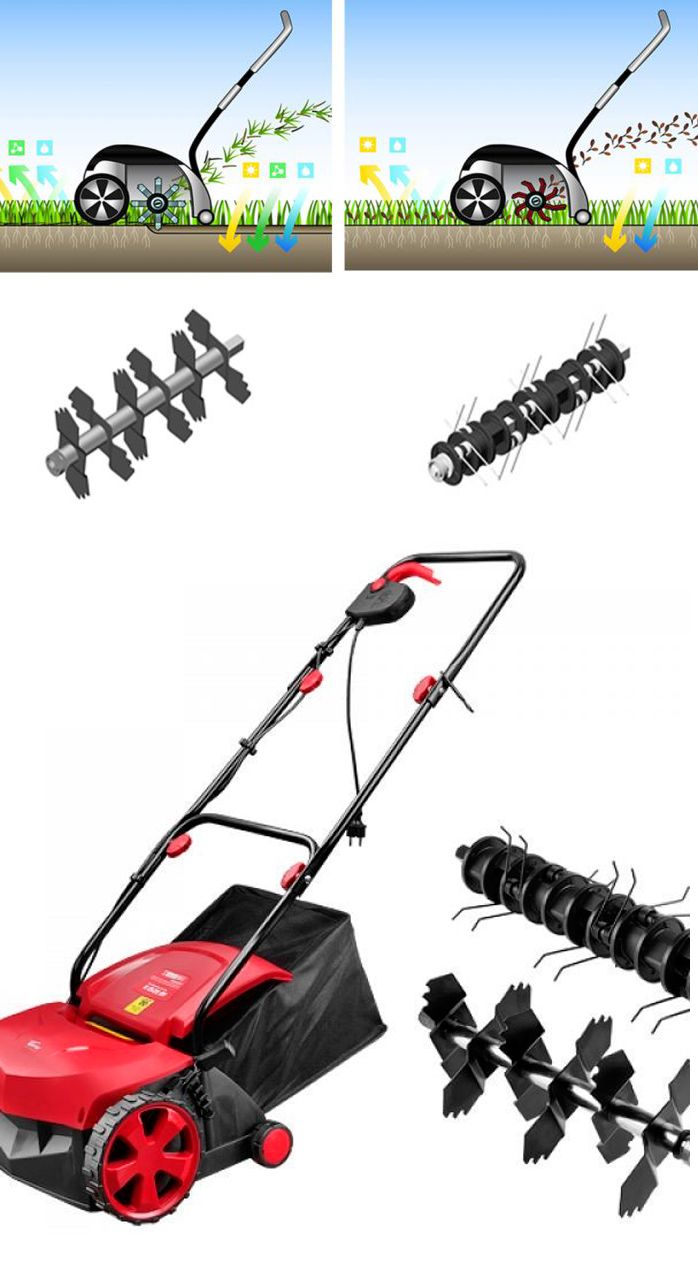
- Gasoline-powered. A self-contained unit suitable for servicing large areas. However, it is very noisy during operation. The operating principle is the same as an electric unit, but the price is significantly higher.
Read about the best lawn mowers in the article Lawn mower ratings: choosing the best.
Carrying out scaling and sanding
Liming the soil is recommended no more than once every 10 years. However, if mycelium is present, the procedure can be performed every 3-5 years. This is done in the fall or winter, as lime does not combine with nitrogen and other fertilizers that can be applied in the summer and spring.
When liming, add ground limestone to the soil at a rate of 500 g per square meter of lawn. Wood ash, dolomite, or bone meal can also be used instead. It's important to avoid using garden lime.
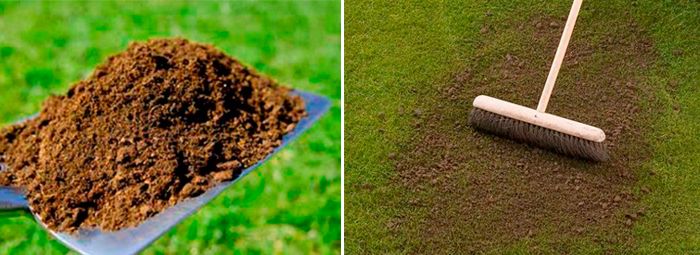
Sanding can be done regardless of the season; it doesn't harm the soil or affect its composition. However, a sand layer creates a drainage cushion that prevents fungi from developing. The procedure is performed by applying a 2-3 mm layer of sand to the lawn and spreading it evenly over the surface with a garden broom.
Read more about the lawn sanding procedure in the article Lawn sanding: necessity, timing and rules of implementation.
Manual removal of mushrooms
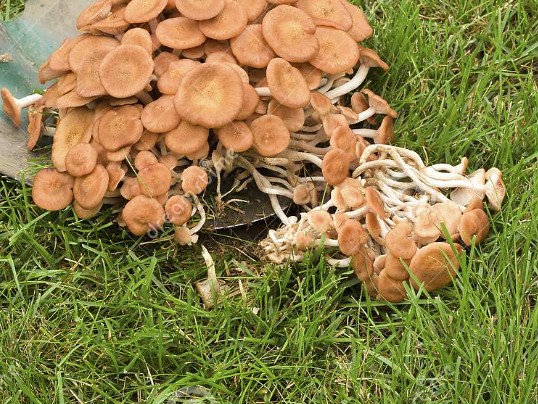
One of the most effective methods of combating mushrooms is hand-picking them. However, the stems should be cut off as close to the base as possible or even removed along with the root. The collected mushrooms are burned; the more often this process is done, the fewer new caps will appear.
How to combat toadstools and fairy rings on the lawn using folk remedies
To neutralize the mycelium present on the lawn, you can carry out an antiseptic treatment.
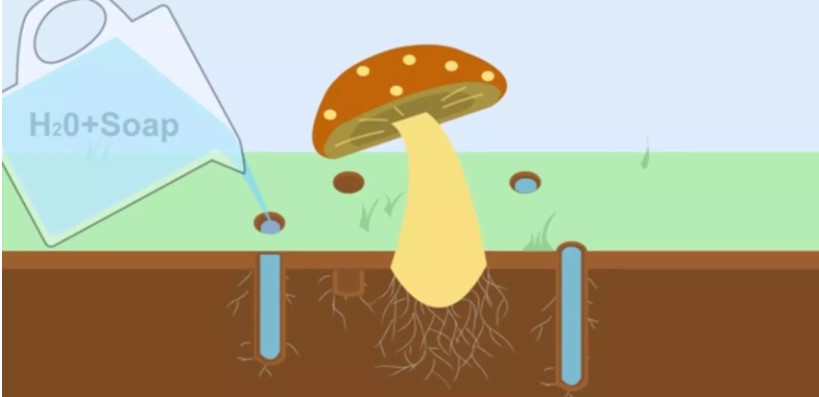
To do this, dilute 40 g of copper sulfate (0.2%), 200 g of iron sulfate, and 100 g of liquid or grated laundry soap in 10 liters of water. The resulting solution is used to water the infested areas; this amount is sufficient for approximately 1 square meter.
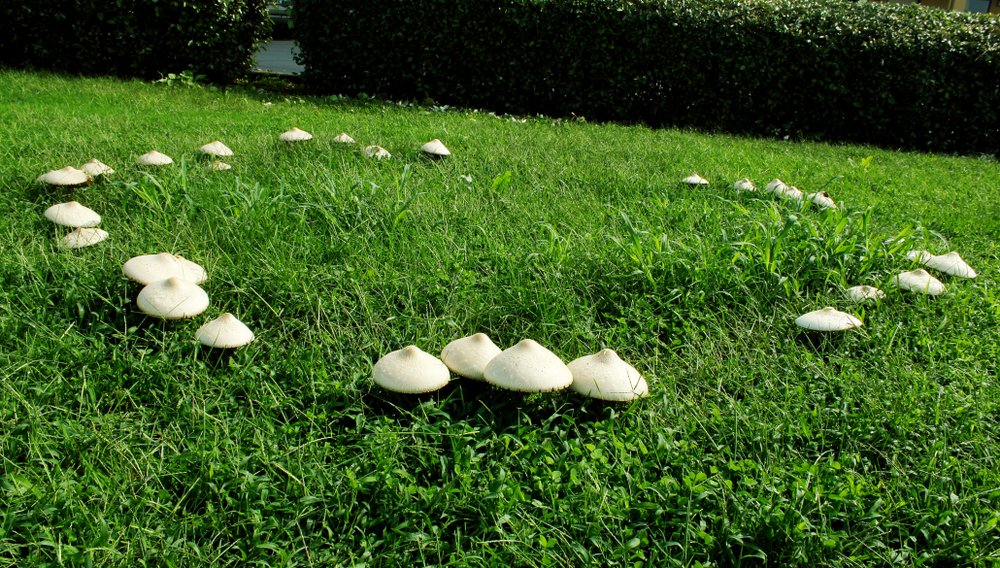
Another common lawn problem is the appearance of so-called "fairy rings"—areas completely devoid of vegetation. To correct this, remove about 15 cm of topsoil from the affected area, treat the resulting hole with fungicides to kill spores, and then replace with good soil.
How and with what professional products can I remove fungi from my lawn?
Fungicides are highly effective in controlling fungi in lawns. Those containing nitrogen are particularly effective. Nitrogen inhibits mycelial growth and significantly reduces the number of fungal caps that appear on the surface.
Treatment should be carried out across the entire area, as fungal colonies spread over a wide radius. The most popular methods for controlling mycelium are the following:
- Agat-25K. The active ingredient is inactivated bacteria, which deactivate parasitic fungi and significantly reduce their numbers after just one treatment. The product is available in 10-gram containers; one measuring spoon is dissolved in 3 liters of warm water. Next, spray the lawn, repeating this process up to four times per season, at three-week intervals.
- Bordeaux mixture. The fungicide's main component is copper. Diluted according to the instructions, it helps not only kill mycelium but also prevent diseases and pests that feast on fresh grass. Spraying is done 2-4 times, depending on the affected area. The effect is cumulative. However, the proven effectiveness is 85%. It's important to note that if it rains after treatment, you'll need to re-spray the area.
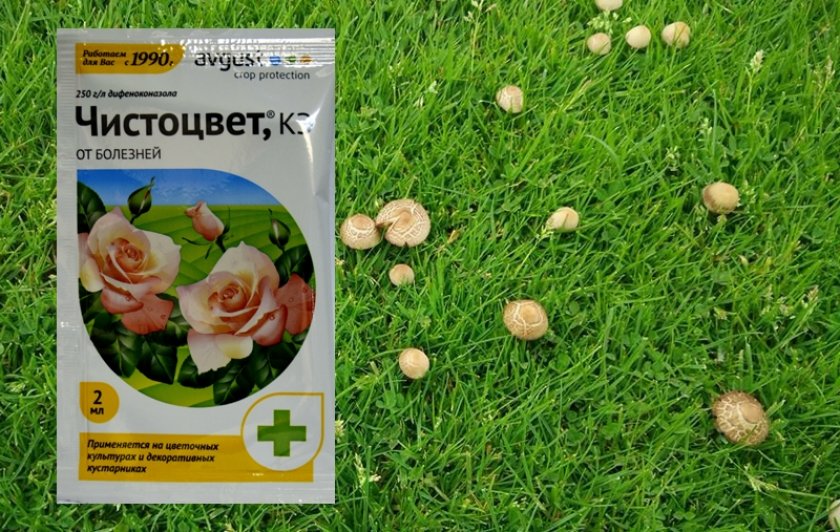
- Chistotsvet. The fungicide is sold pre-mixed; simply dissolve it in 5 liters of water and spray. The main active ingredient is difenoconazole, which takes effect within 2 hours. The solution is rain-resistant, but must be used fresh.
How to quickly and effectively get rid of mushrooms in your lawn: tips from Top.tomathouse.com
If mushrooms have already appeared on your lawn, it's important to follow these tips to combat them:
- When manually removing mushrooms, be sure to cover them with a bag to prevent spores from spreading throughout the area.
- Before the start of the season, sprinkle the lawn with coarse sand to ensure better drainage.
- When replacing affected soil, place it in a bag to prevent spreading spores to healthy areas.
- Always disinfect working tools with a copper sulfate solution.
Read more about lawn care in the articleHow to care for your lawn in spring: steps by month, favorable days for 2022.