Sometimes, mold—a white fluff that can be easily crushed with a finger—appears on the surface of fresh champignons. In this article, we'll determine whether these mushrooms are spoiled or still edible.
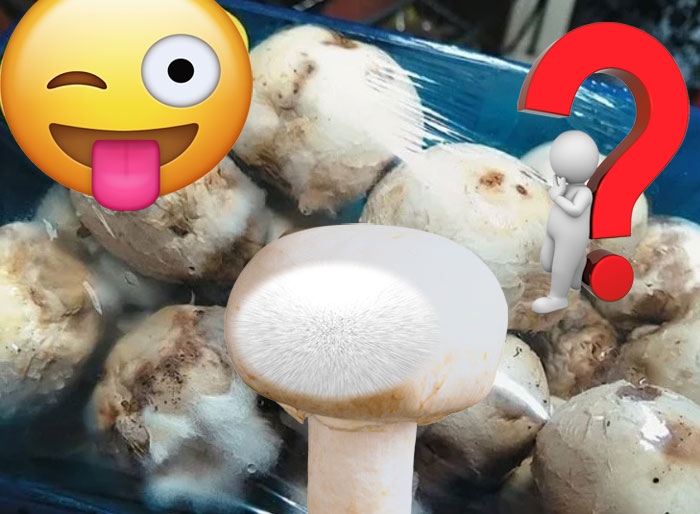
What is that white fluff on mushrooms?
The fluff we see on mushrooms is actually mold, which can appear for a variety of reasons. Champignons are quite often affected by this phenomenon, but the question remains: are they dangerous to humans?
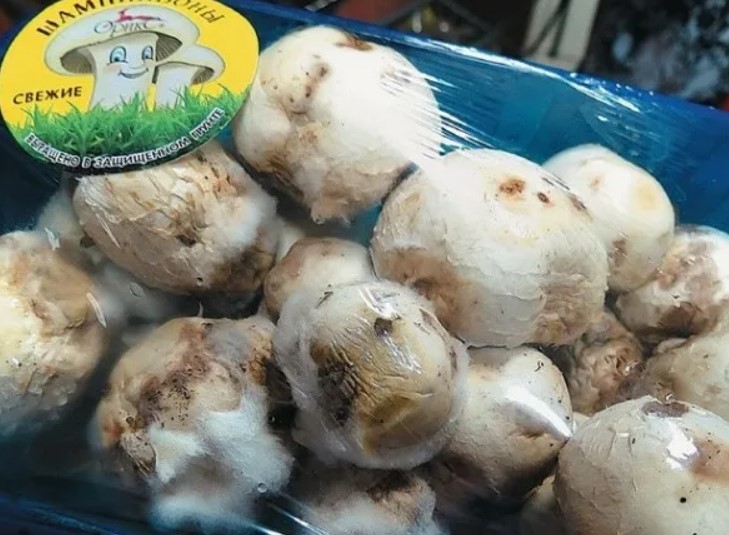
Why does mold appear on fresh mushrooms?
As we know, the main component of mushrooms is water. When stored properly, it evaporates freely into the outside environment. However, if mushrooms are stored in a bag or airtight container, there's no escape for this vapor, and the temperature inside the container is much higher than in the refrigerator.
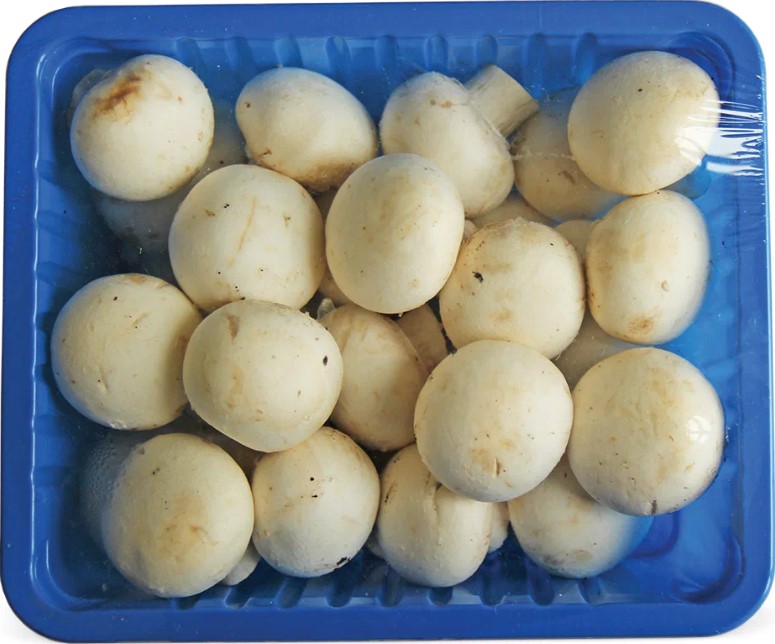
During industrial cultivation, mold spores could have entered the mushrooms, which remained undetected until they were exposed to a favorable environment. If storage conditions are not met, in a warm, humid environment, the mold spores begin to multiply, penetrating the flesh, resulting in visible fuzz on the surface.
Oh, you know. How to grow champignons in a greenhouse at home? Complete instructions for beginners on our website.
Can you eat champignons covered with white fluff?
The fluffy mold is just a small tip of the iceberg. The bulk is hidden within. Spores can survive in a variety of conditions, from extreme cold to extreme heat. Therefore, even cooking cannot destroy them. Even if these mushrooms are washed, cooked, and consumed, they can still cause toxicity due to aflatoxins, which accumulate in the body and can eventually cause severe allergies or even tumors.
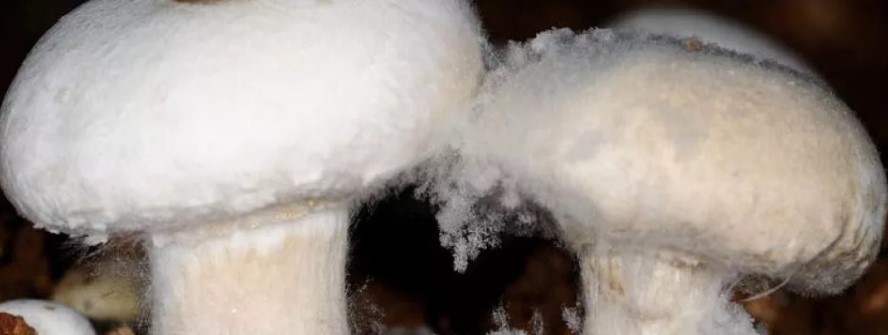
Therefore, it is strictly recommended not to eat moldy mushrooms. If a fluffy texture appears on their surface, it's best to throw them in the trash.
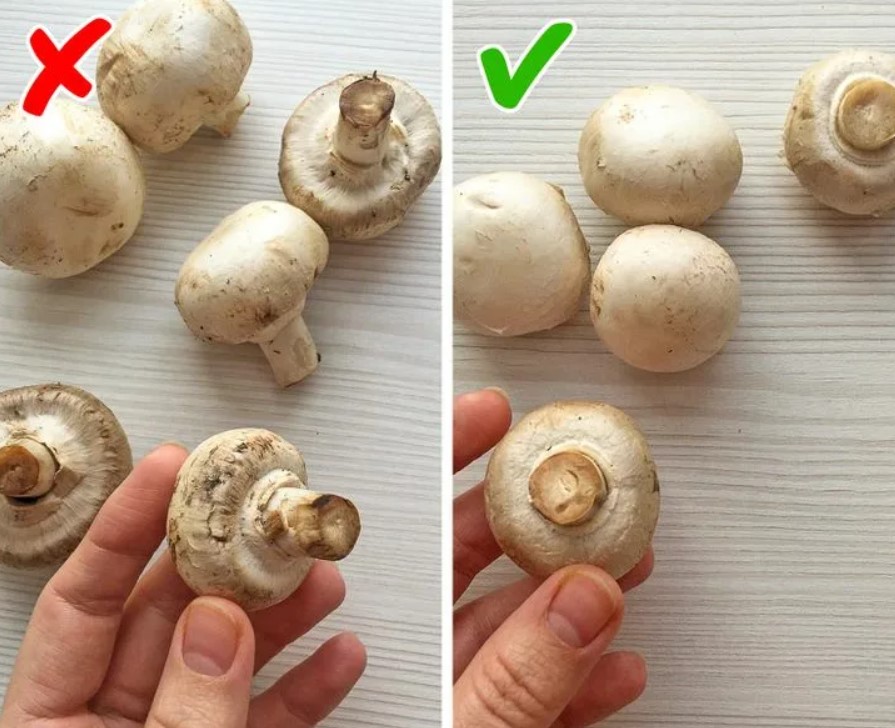
What to do if you're poisoned by raw mushrooms You can find out by reading the article on our website.
The first signs that mushrooms have gone bad are:
- darkening on the surface;
- unpleasant putrid smell;
- drying out of the pulp;
- the appearance of mucus on the cap and stem.
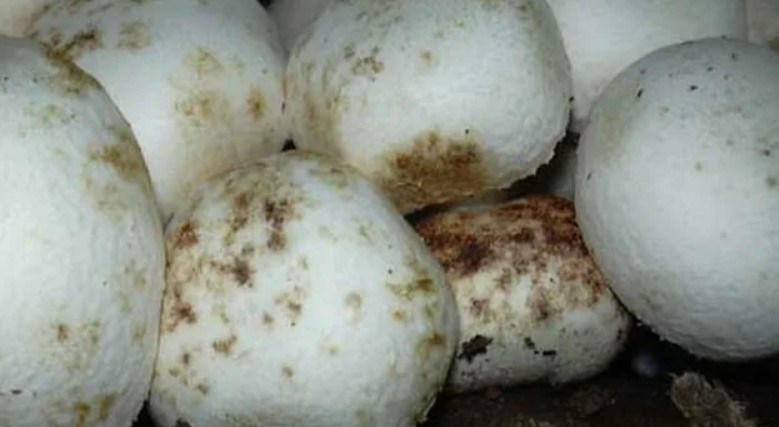
If you see dark mushrooms in front of you, they are not necessarily spoiled. There are mushrooms with a brown cap called Royal.
How to store champignons
Not all homeowners know how to store mushrooms to keep them fresh for a long time. Here are a few simple tips:
- The ideal container for mushrooms is a paper bag – it allows air to circulate, which helps control the humidity level inside.
- You can store mushrooms by wrapping them in a paper towel and placing them in a regular plastic bag. However, the paper will get damp and will need to be changed daily.
- Until ready to use, it is best to store mushrooms in unopened packages or containers.
- Extending shelf life will help freezingThe mushrooms are placed in a single layer on a tray, placed in the freezer for 5-7 hours, and then portioned into bags.
- You can also freeze blanched mushrooms, as they will take up much less space in the refrigerator.
It is important to remember that re-freezing mushrooms is prohibited, so it is better to freeze champignons in small portions.
Mushrooms can also be marinated or dry.
Ah, you know that champignons can be eaten raw, if they are not spoiled, they are not even used in dietsX.
User tips on the edibility of white-fuzzed button mushrooms
Hey, guys, I'm here to make some mushroom stew with sour cream! I bought a package of fresh champignons at the store with a normal expiration date. They looked good, but one mushroom was covered in some white fluff at the bottom. I'm guessing it's mold? What should I do? Should I throw out the whole package? Mold is dangerous, I think.
Moldy food should be thrown away, no matter how much you regret losing it. Mold produces waste products called mycotoxins. These are toxic to humans and can cause various skin conditions, allergic reactions, and even respiratory illnesses.
Moreover, we should not forget that on the surface of a mold-infected product we see only part of the fungus; the interior of the product is also pierced by invisible threads of mycelium.
It's better not to risk your health needlessly and throw away spoiled mushrooms.
Mold on most foods (except, for example, special types of cheese) is a sign of poor quality. Such products should not be consumed. Mold on your champignons (or, more accurately, mold growth on mushrooms) is a sign of spoilage, possibly due to improper storage. Mold often appears on mushrooms stored in the refrigerator in plastic bags, where moisture builds up. Mold spores may have remained on the mushrooms during cultivation and have now formed mold.
Mold spores survive even in the most challenging conditions, including high temperatures, meaning cooking mushrooms won't kill them. If a person eats spoiled mushrooms, the spores can cause allergies and aflatoxin (mold toxin) poisoning. These toxins accumulate in the body; in large quantities, mold contributes to the development of cancer in the liver and other organs.
Therefore, although it is a pity about the mushrooms, it is better to throw them away.
You shouldn't eat any moldy food. The mold on blue cheese is completely different, intentionally grown, and has nothing in common with the mold found in spoiled foods.
Moreover, if mold appears only in a corner of your product, for example, bread, this doesn't mean that only that corner is spoiled. Mold spores invisibly permeate the entire product.
The same goes for champignons: if you see mold on even one mushroom in the corner, throw the entire package away. These mushrooms are beyond repair, no matter how you cook them or freeze them—the mold spores won't die.
Answer: You can't eat mushrooms with mold.