Many people believe that with the onset of cold weather, mushroom picking can be temporarily forgotten. However, experienced mushroom pickers know that you can go on a "quiet hunt" even in winter. Of course, finding mushrooms in the depths of winter is unlikely, but at temperatures between 0 and 5°C, some species can provide a rewarding harvest. We'll tell you which mushrooms are worth heading to the forest for in winter, as well as which ones you can pick at home or grow yourself.
Content
- 1 Mushroom picking in the forest in winter
- 2 Growing honey mushrooms at home in winter
- 3 Growing oyster mushrooms at home
- 4 Growing porcini mushrooms at home
Mushroom picking in the forest in winter
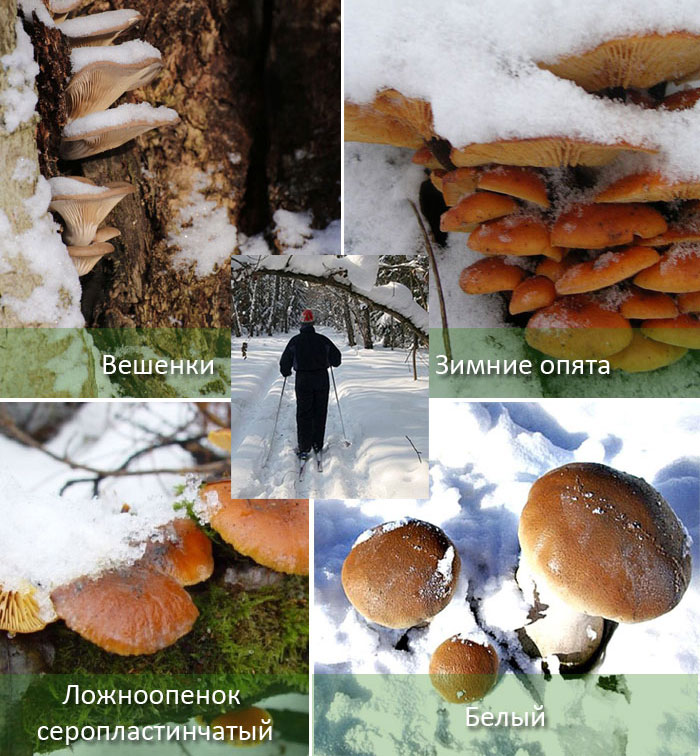
Mushroom pickers can gather mushrooms not only in summer and fall, but also in winter. Of course, only a few species grow at this time of year. However, they are widespread, and collecting them doesn't require much effort. Due to the lack of leaves on the trees, finding mushrooms in winter is even easier than in summer. They are usually found high on trunks or on fallen trees. Throughout the winter, you can collect mushrooms such as oyster mushrooms, winter honey mushrooms, silver-leaved false honey mushrooms, birch chaga, and winter polypores. Not every one of these mushrooms is edible, but all are of interest to mushroom pickers and offer some value.
Edible mushrooms
Edible mushrooms growing in the forest in winter are described below.
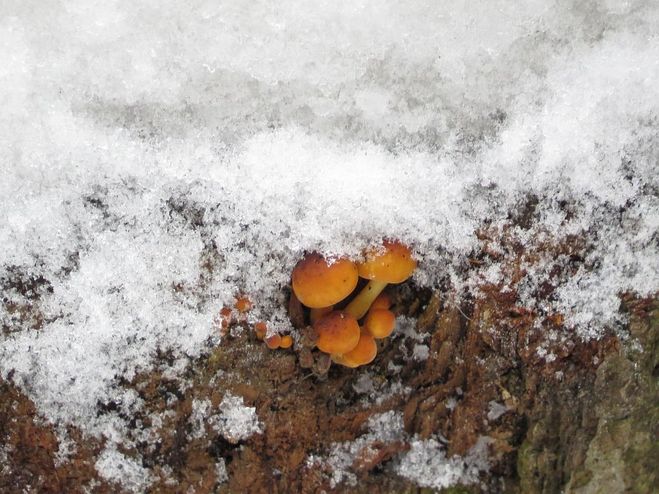
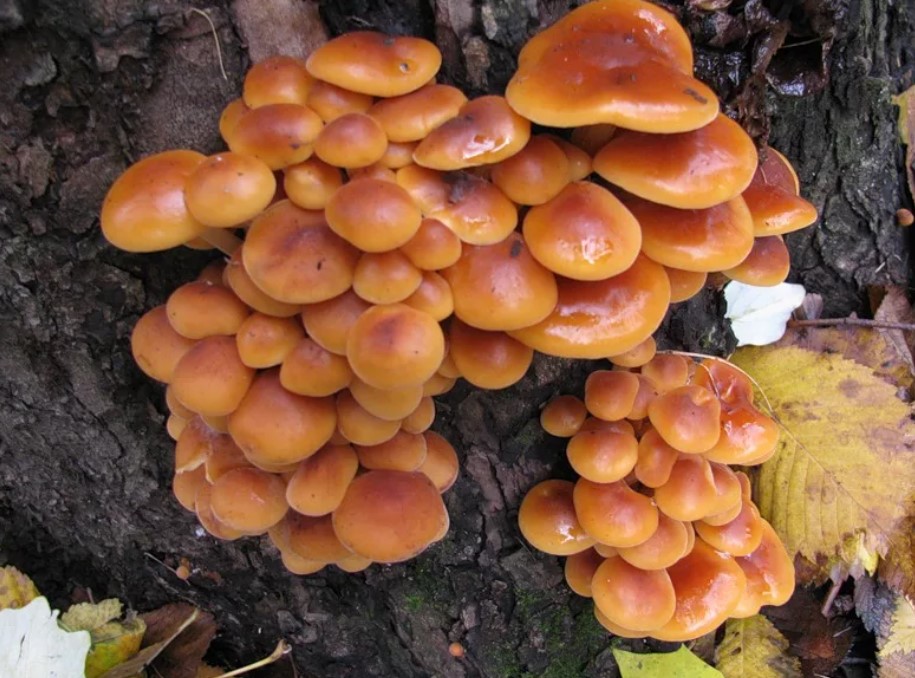
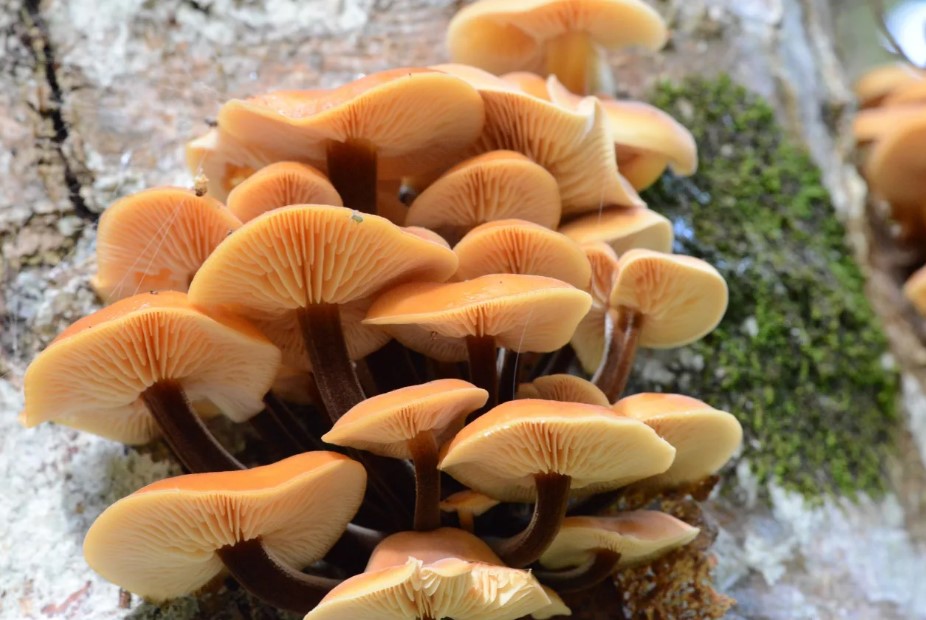
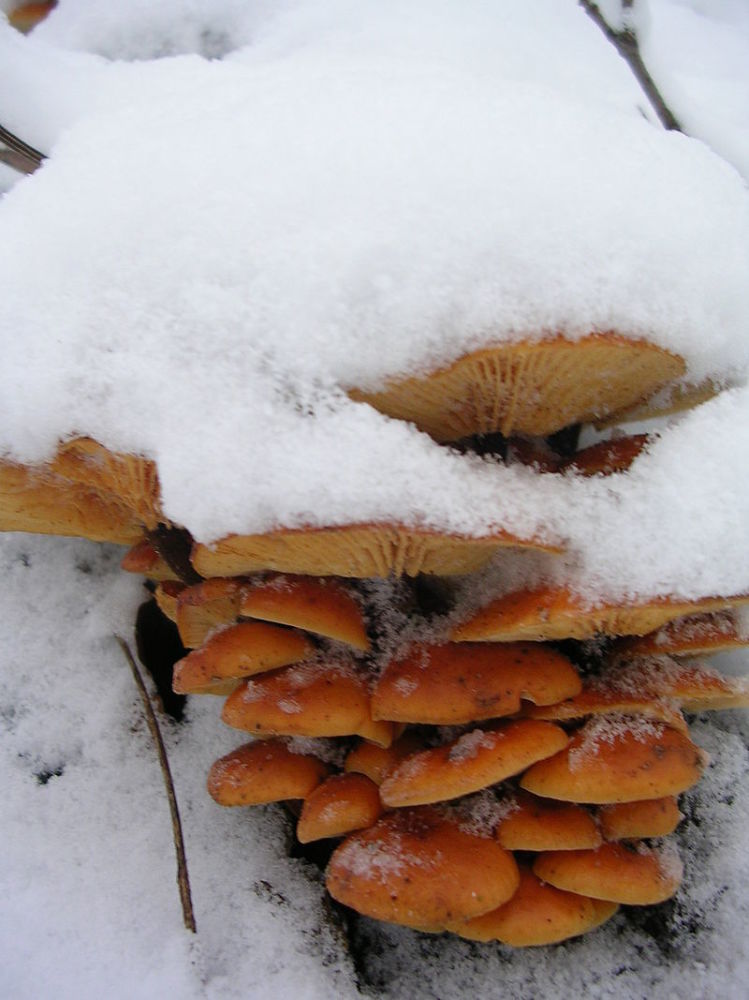
Winter honey mushrooms or Flammulina mushroom
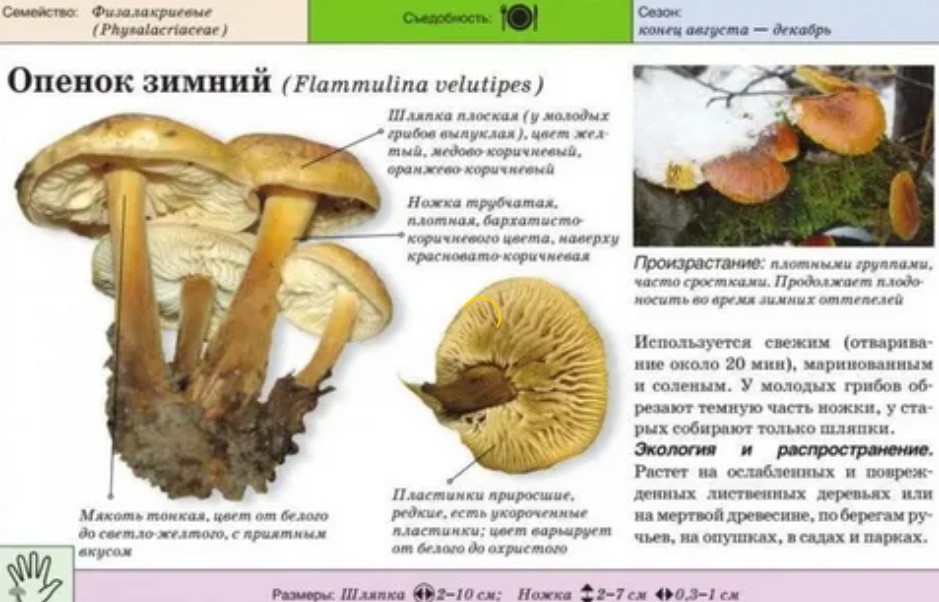
They emerge either in late fall or early winter. They are similar in appearance to summer honey mushrooms, but have scaly stems and a dry cap with brown gills. The cap ranges from 2 to 8 cm in size. Young winter honey mushrooms have a bell-shaped cap. Later, it becomes more spreading, with a rusty-brown or yellow-ochre color. The lower portion has light yellow gills. The stem is dark brown and ranges from 3 to 8 cm in length. Winter honey mushrooms grow in groups and are most often found on willows, poplars, aspens, lindens, and maples. Less commonly, they grow on oaks, old apple trees, and pears. Typically, only the caps are used for food. However, the stems of young specimens are also suitable for cooking.
It's interesting that There are many types of honey mushrooms and they are encountered in the forest by mushroom pickers at different times of the year.
Photo gallery of winter honey mushrooms
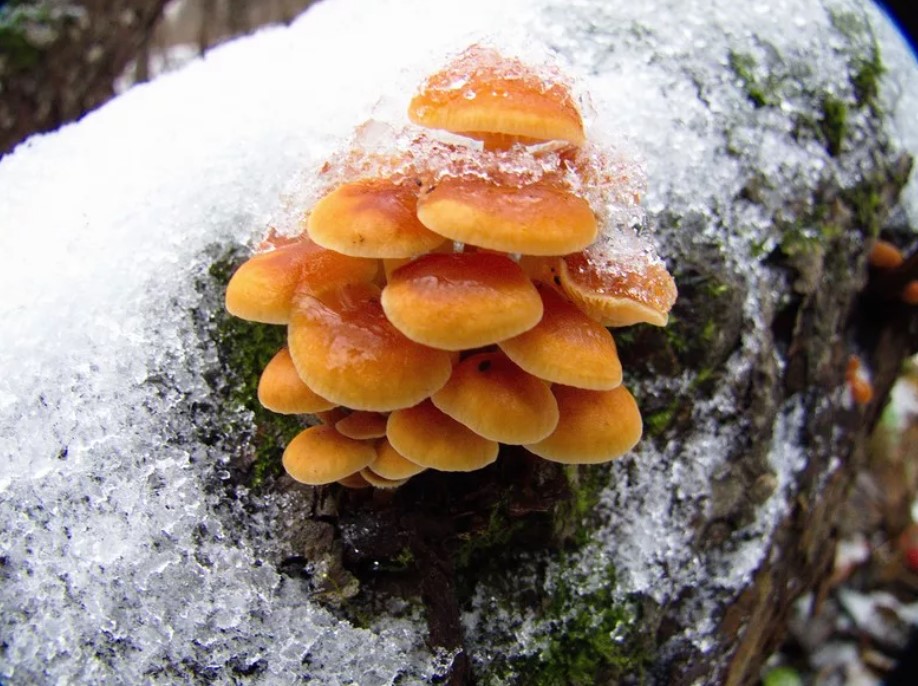
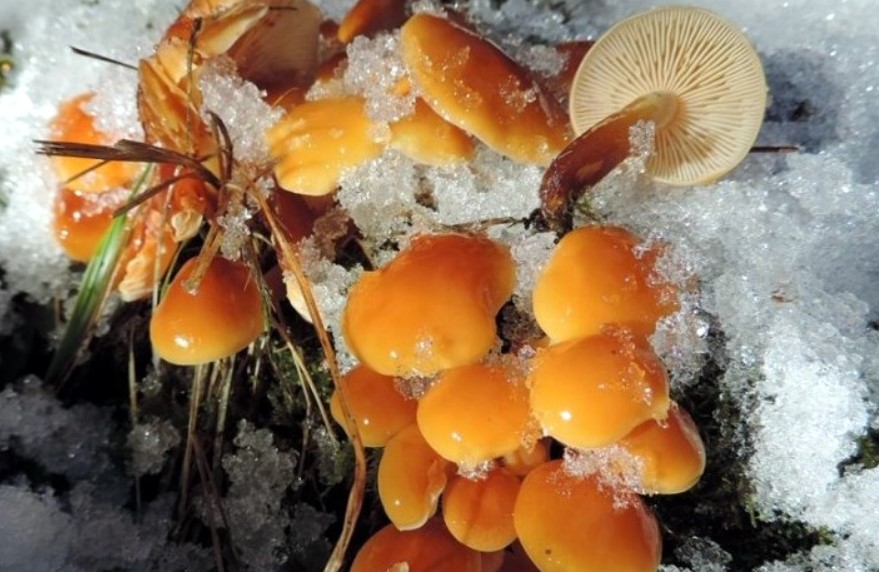
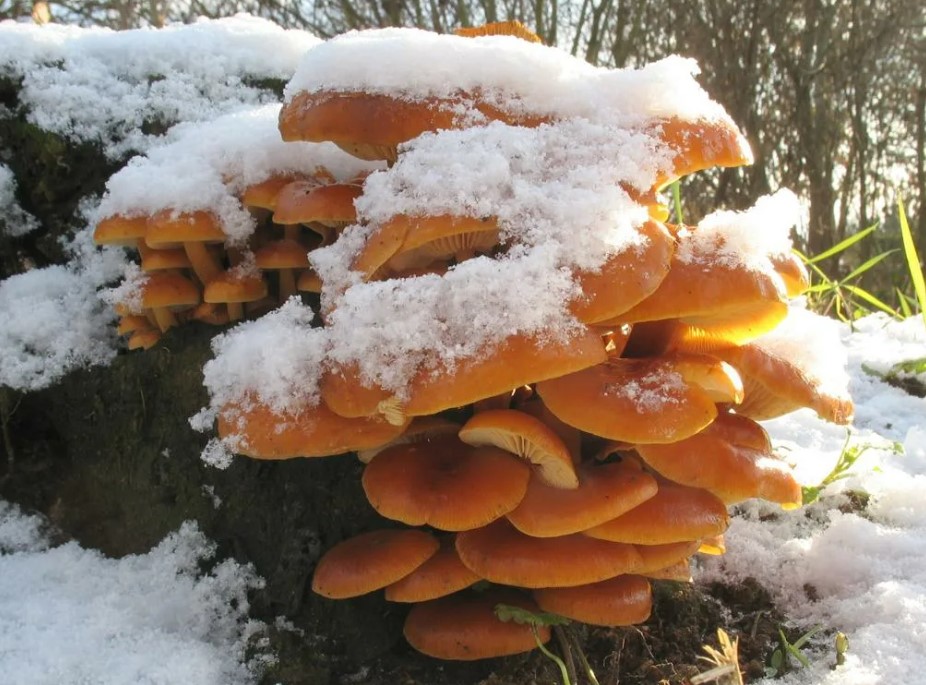
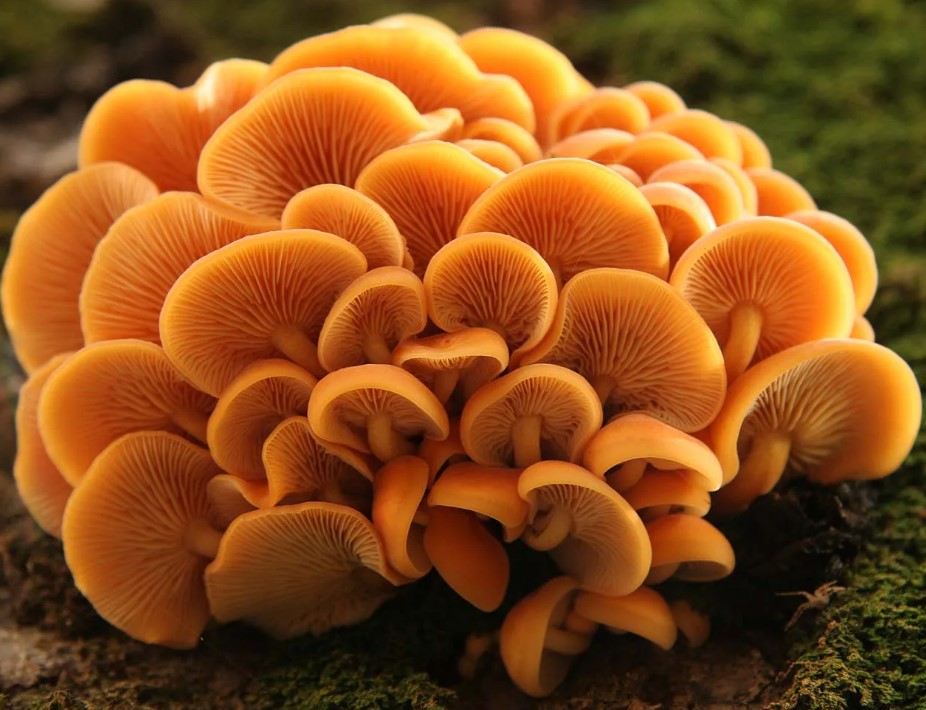
Oyster mushrooms
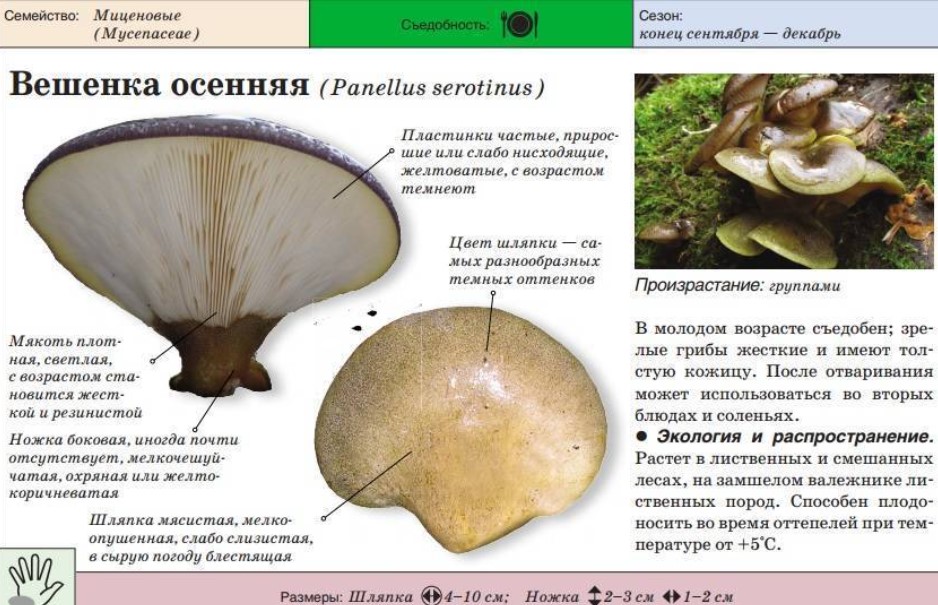
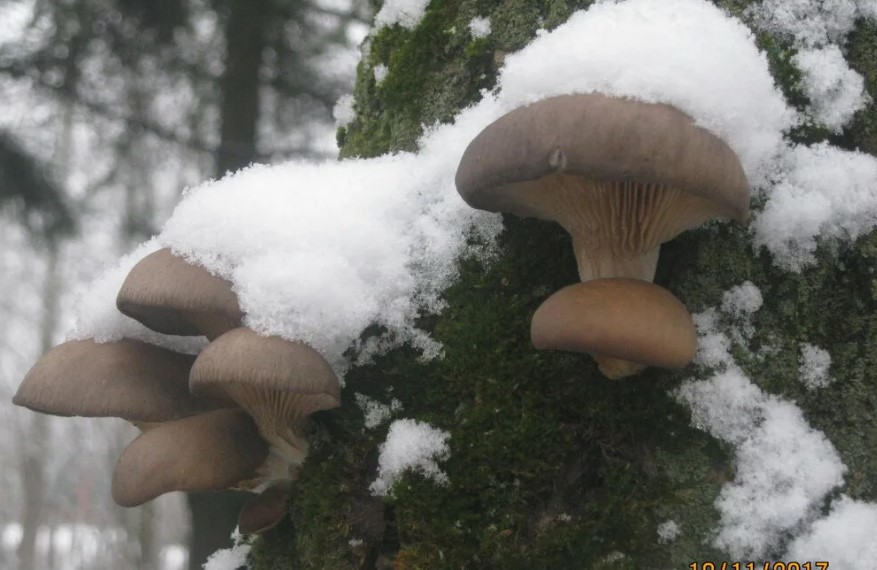
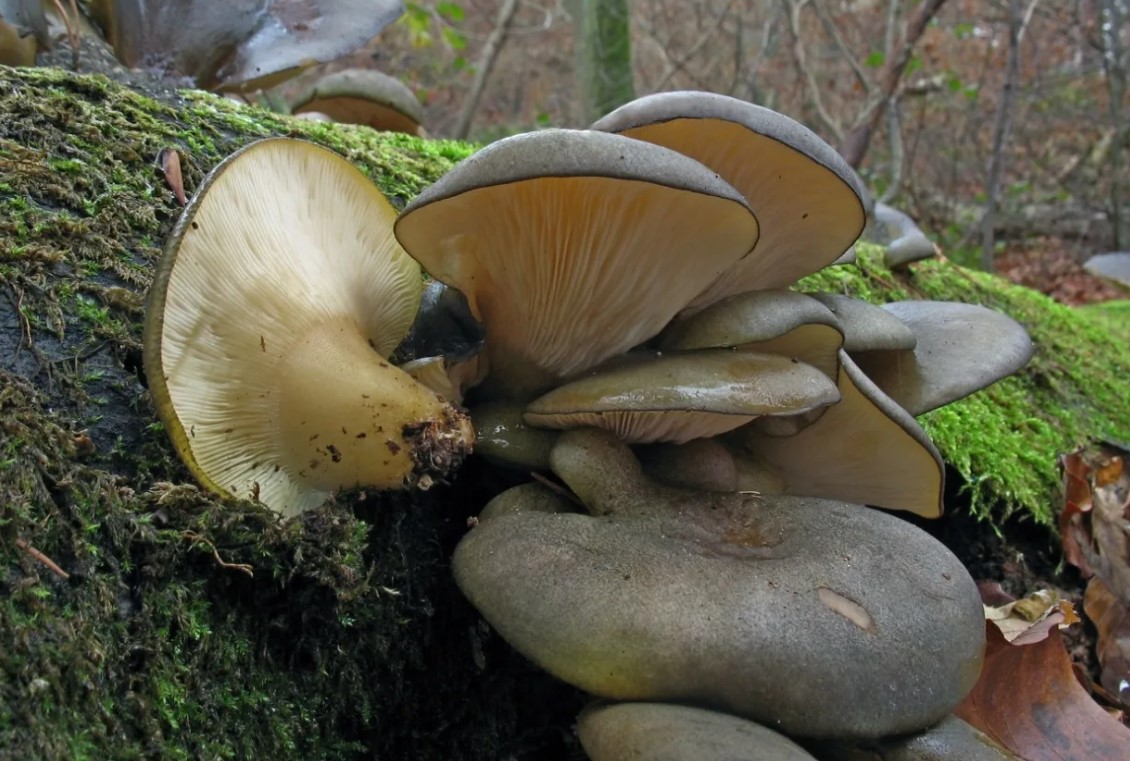
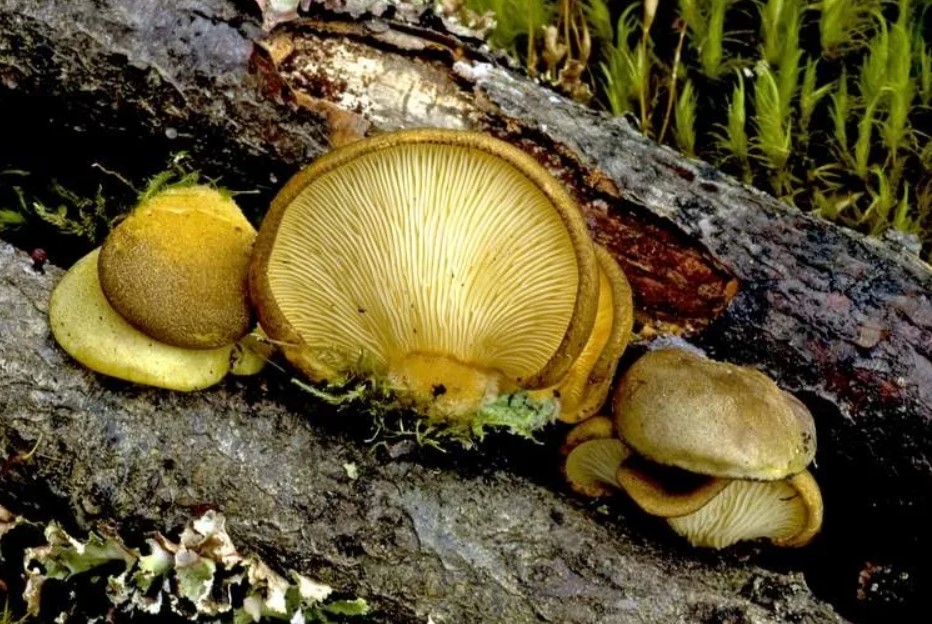
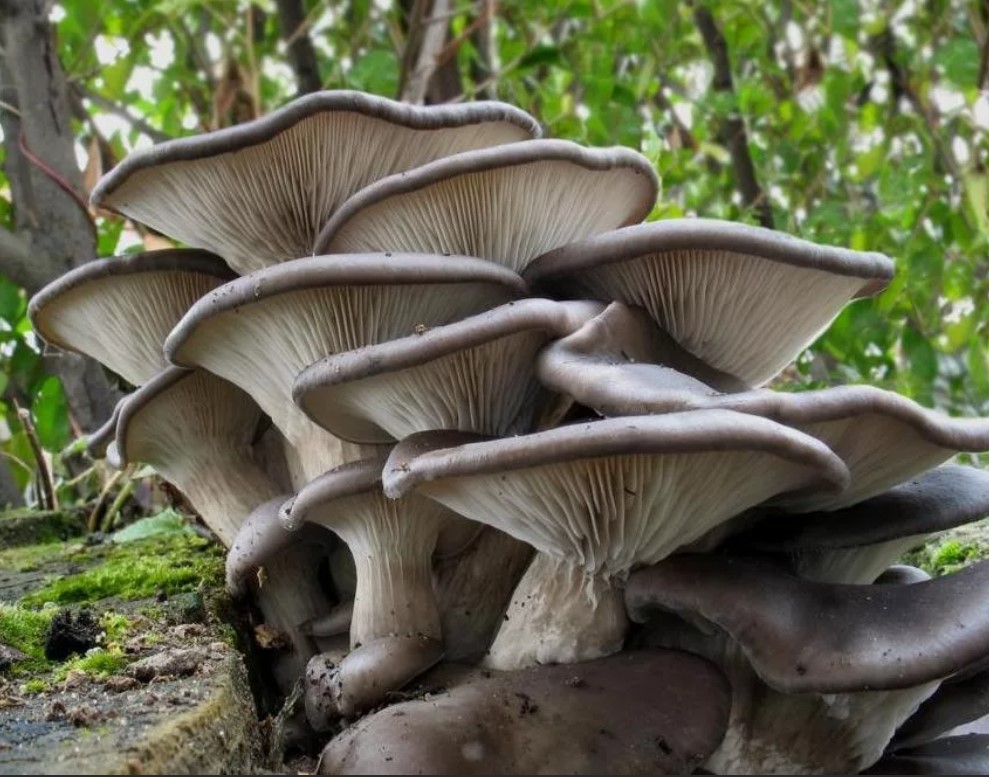
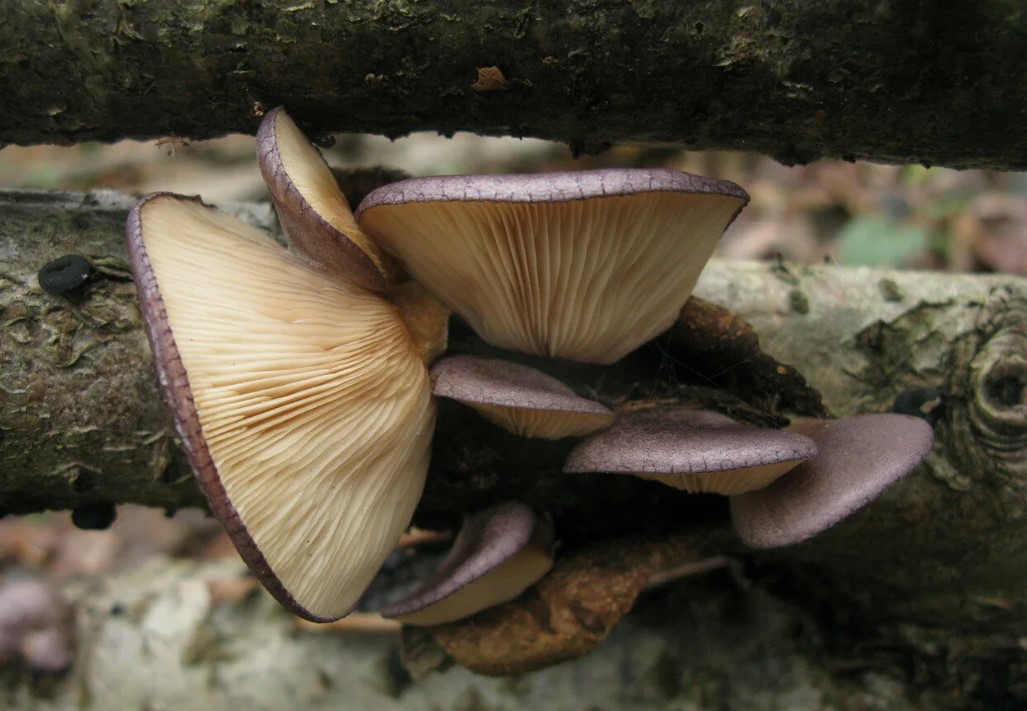
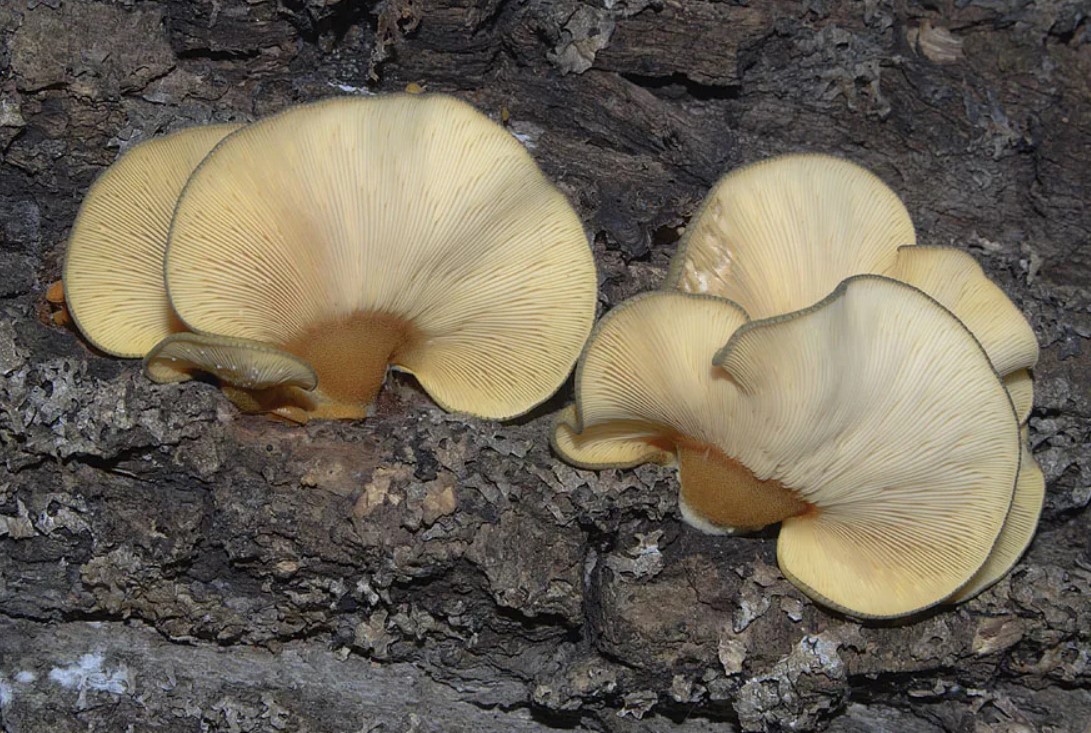
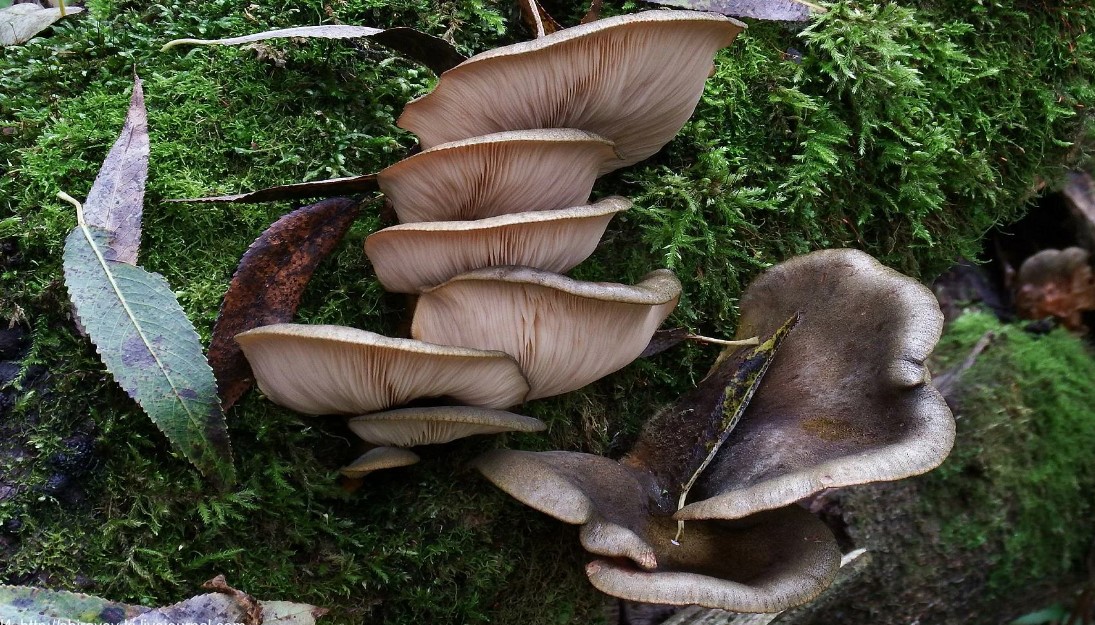
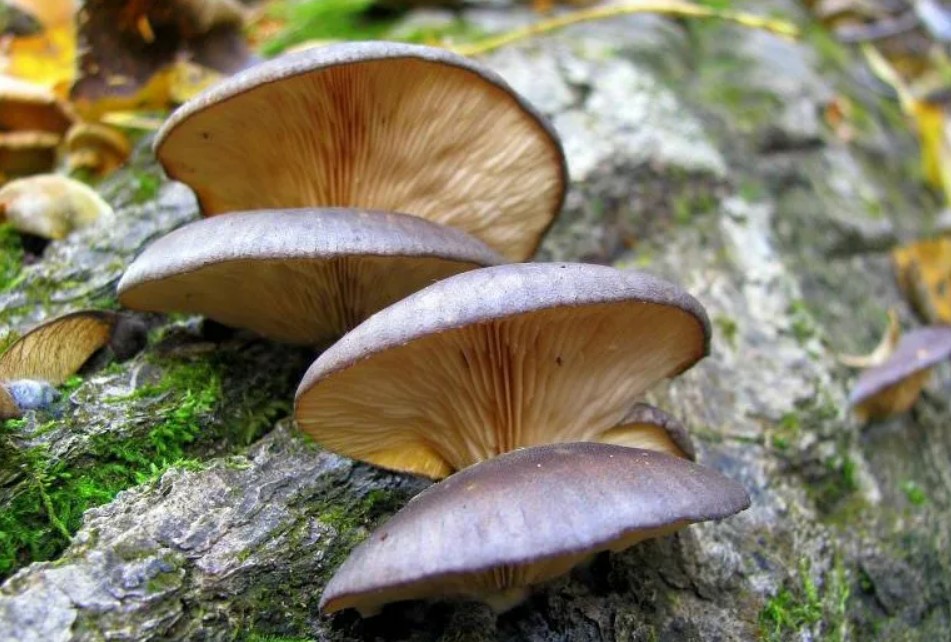
One of the most common mushrooms in the winter forest is the autumn oyster mushroom. They grow in clusters on fallen or dead birch and aspen trees. They are rarely found on other trees. Their stem is located on the side and flows smoothly into the cap, which can reach 10 cm in size. Its color can be light gray, yellowish, brownish, and sometimes even bluish. Oyster mushrooms can be used in a variety of dishes.
More details about different types of oyster mushrooms and where to find them, you can read on our website Top.tomathouse.com.
Photo gallery of oyster mushrooms
False honey mushrooms
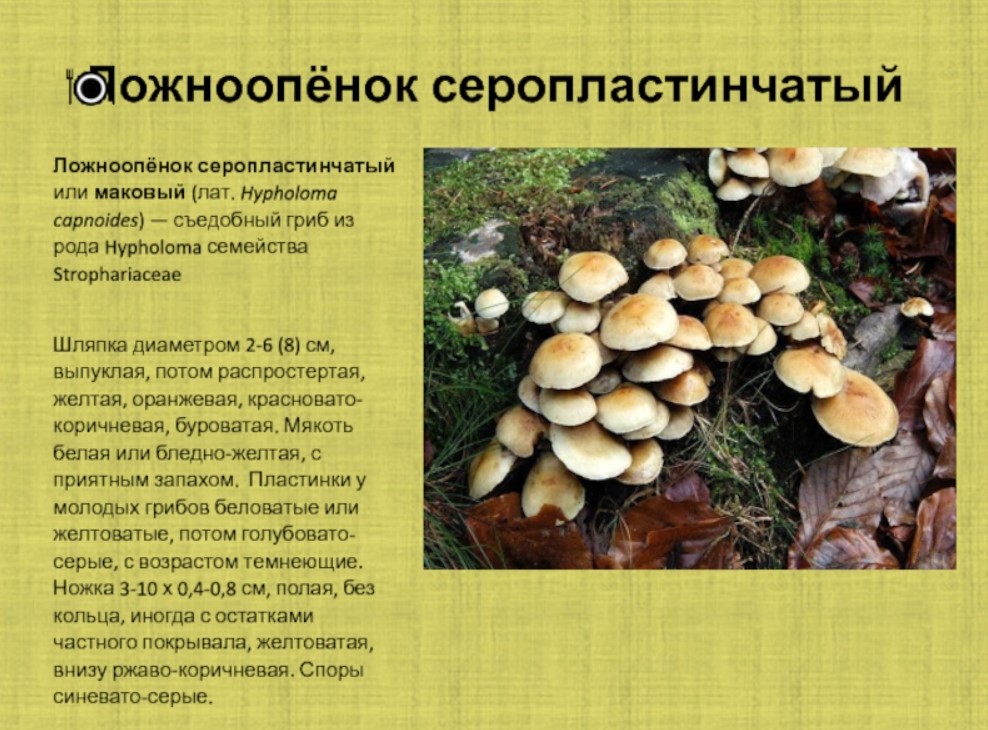
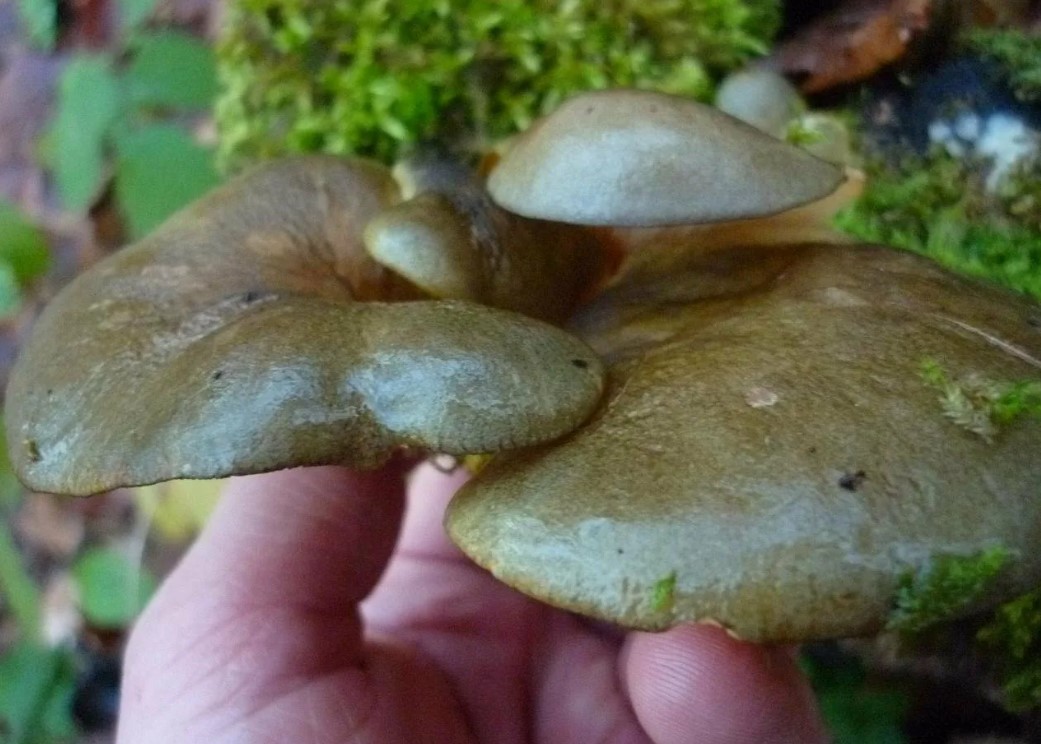
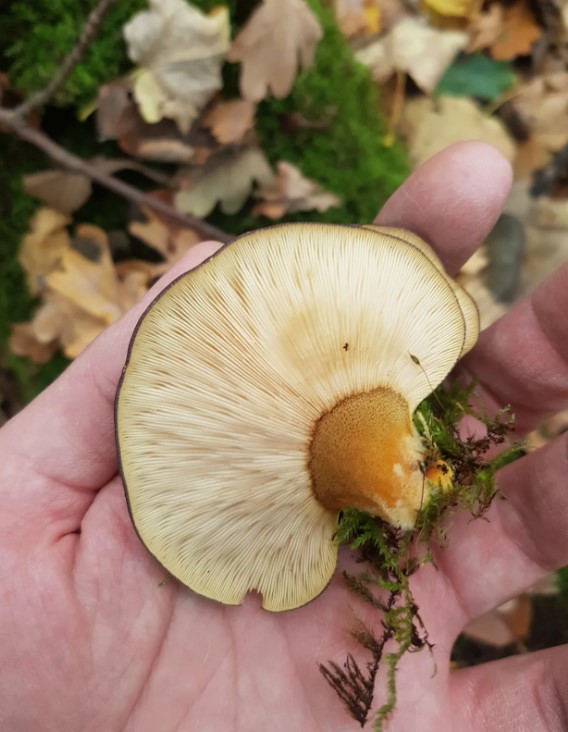
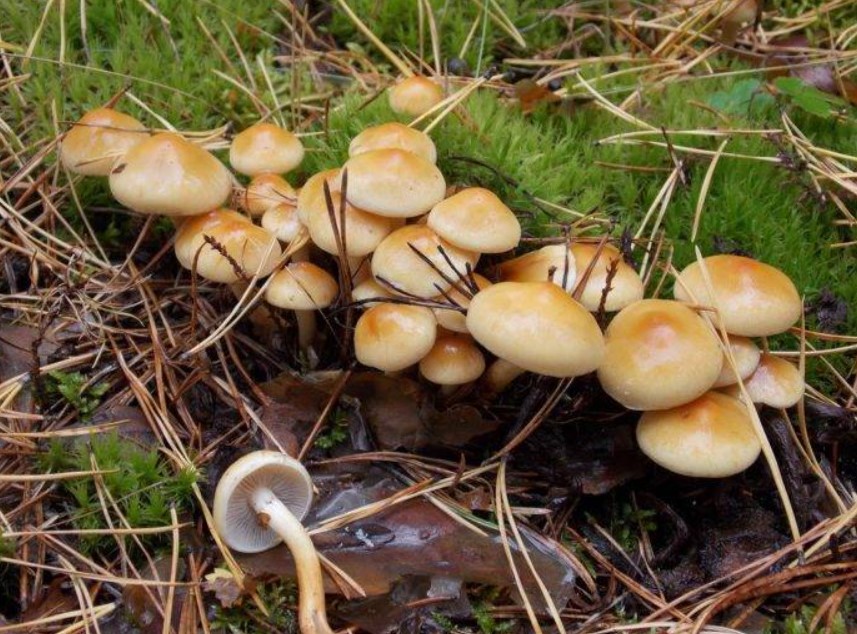
Compared to winter honey mushrooms, they are paler in color and much less common. They grow in winter only in mild climates. They grow on stumps and dead coniferous trees, but can also grow on the ground, on hidden roots. Rubbing a piece of the cap between your fingers will release a pleasant mushroom aroma. This is important to know to avoid confusing it with its poisonous counterpart, which has an unpleasant odor and bitter flesh. Old specimens smell damp.
Photo gallery of the grey-plate false honey fungus
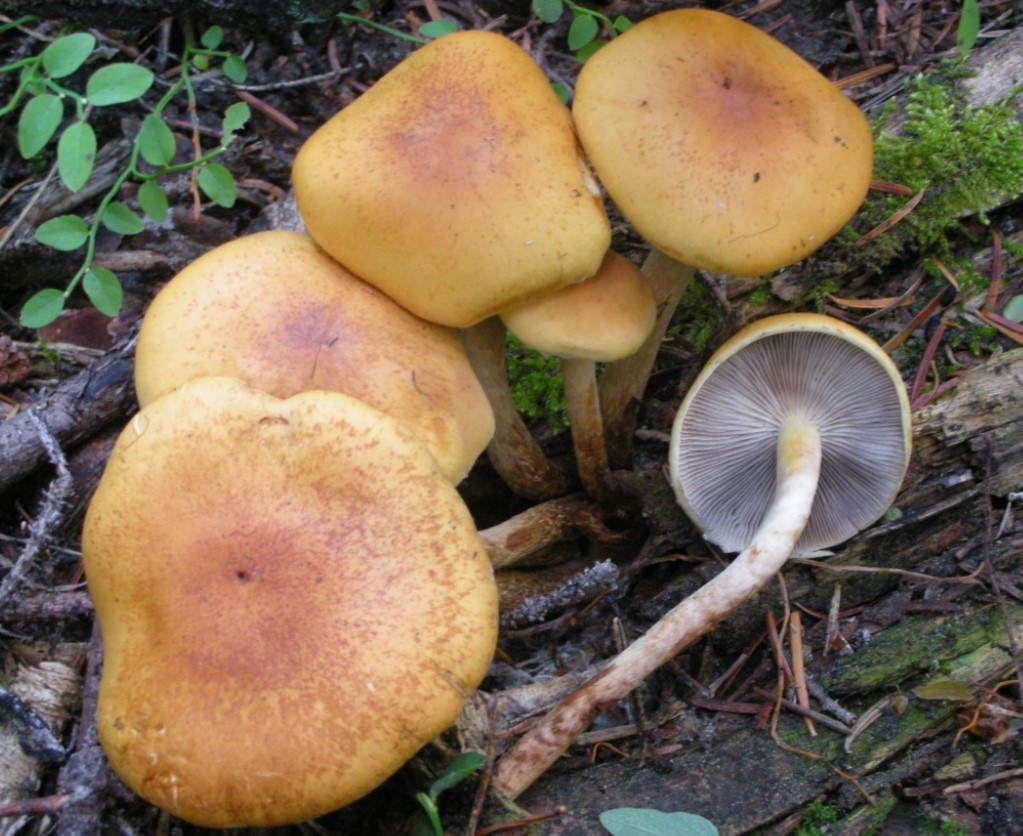
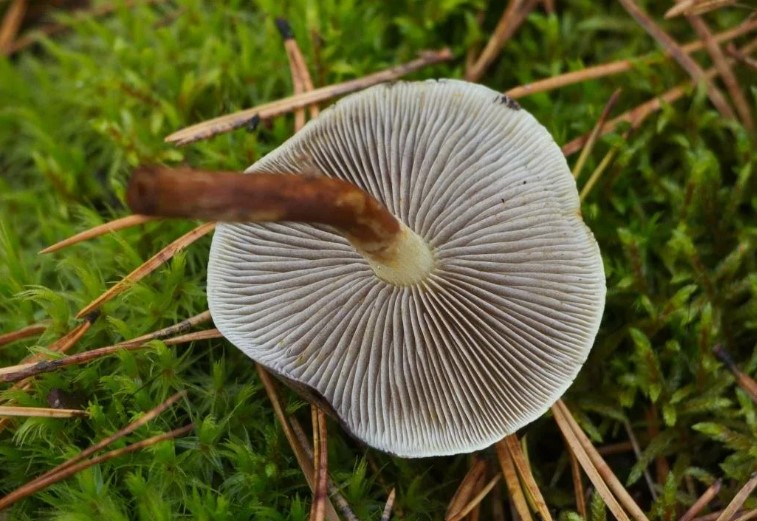
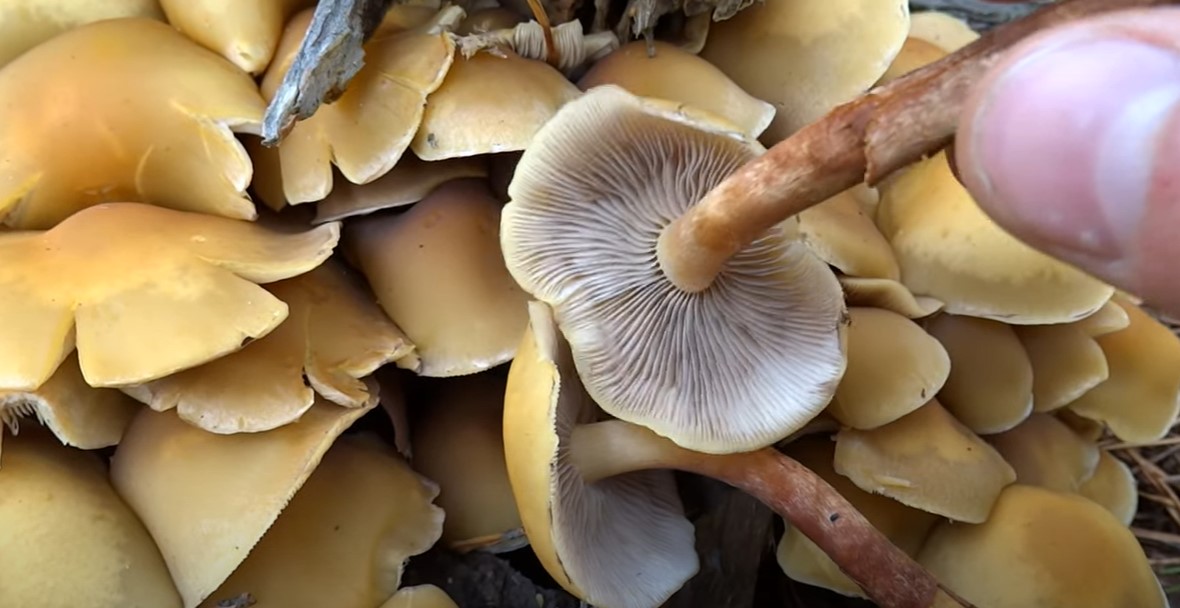
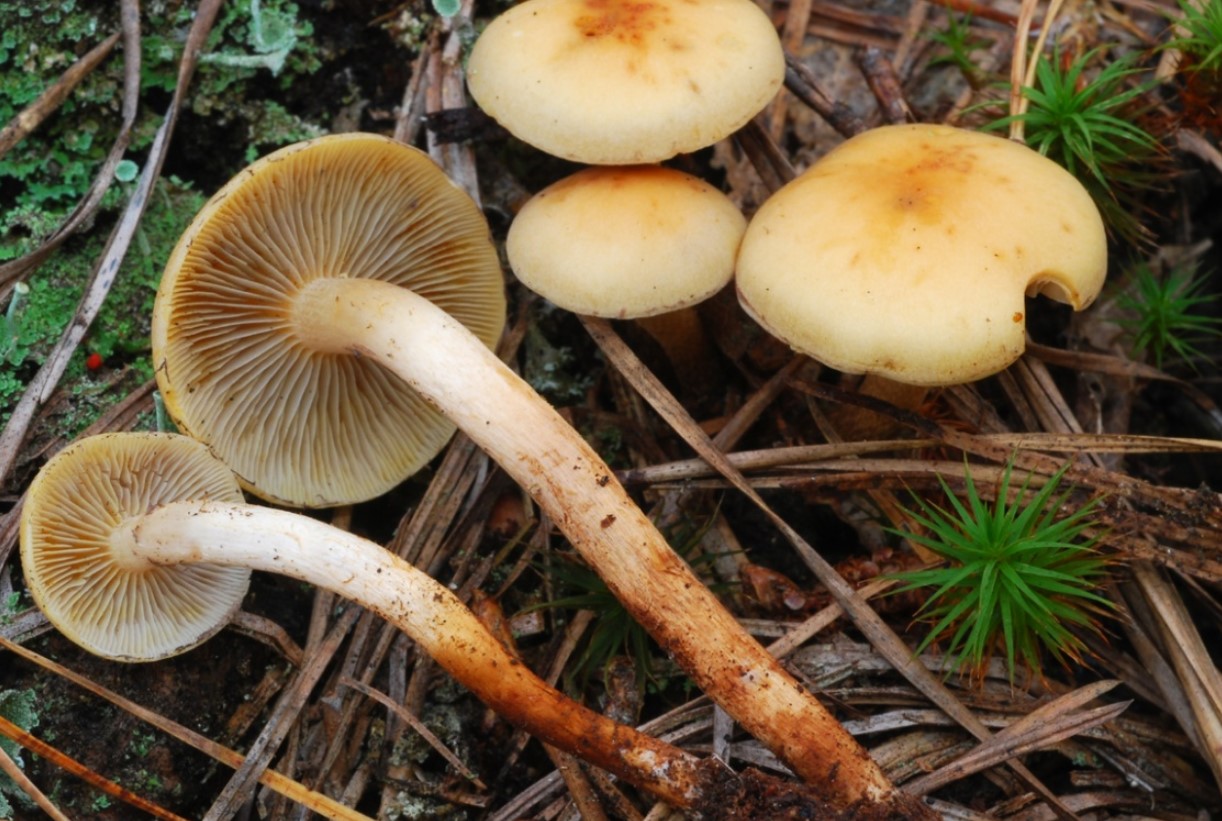
ABOUT other false honey mushrooms, including poisonous ones You can find out on our website.
All of the listed mushrooms are suitable for consumption and can be added to various first and second courses.
Conditionally edible and inedible winter mushrooms
The following mushrooms, which have no food value but are quite popular and can be found in the winter forest, include:
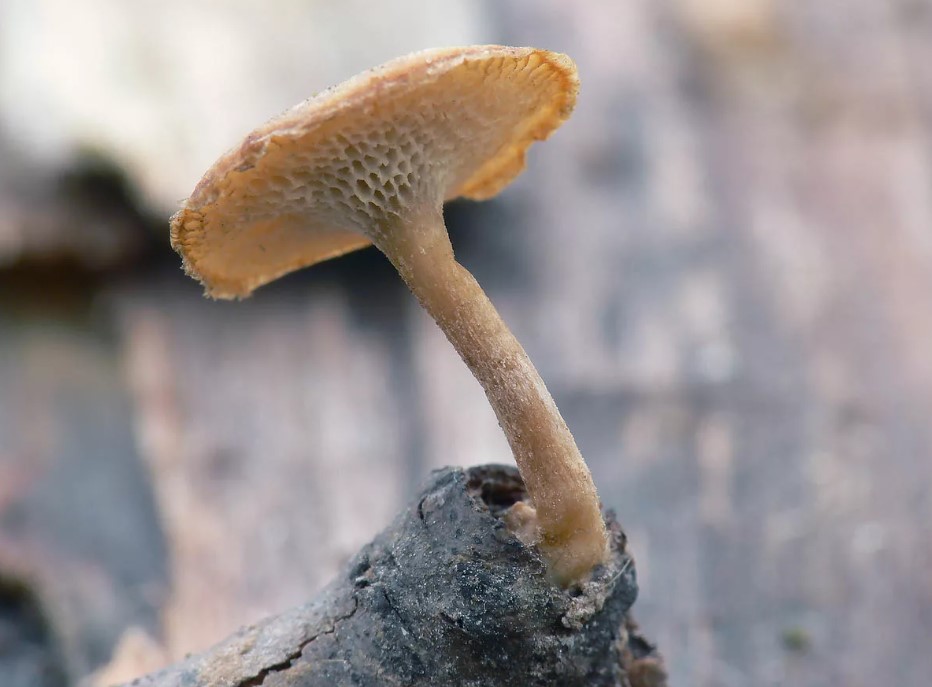
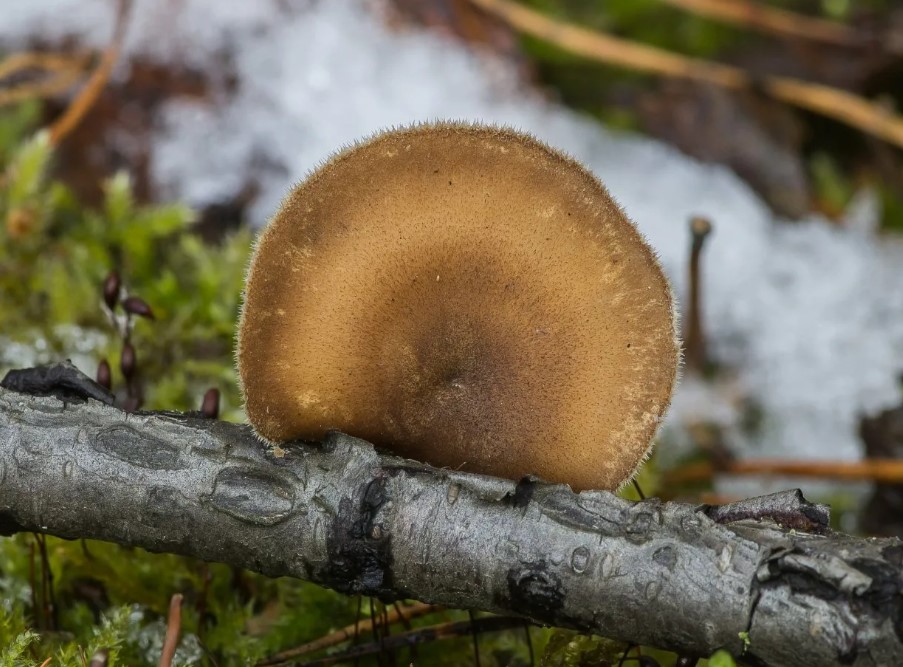
Winter tinder fungi
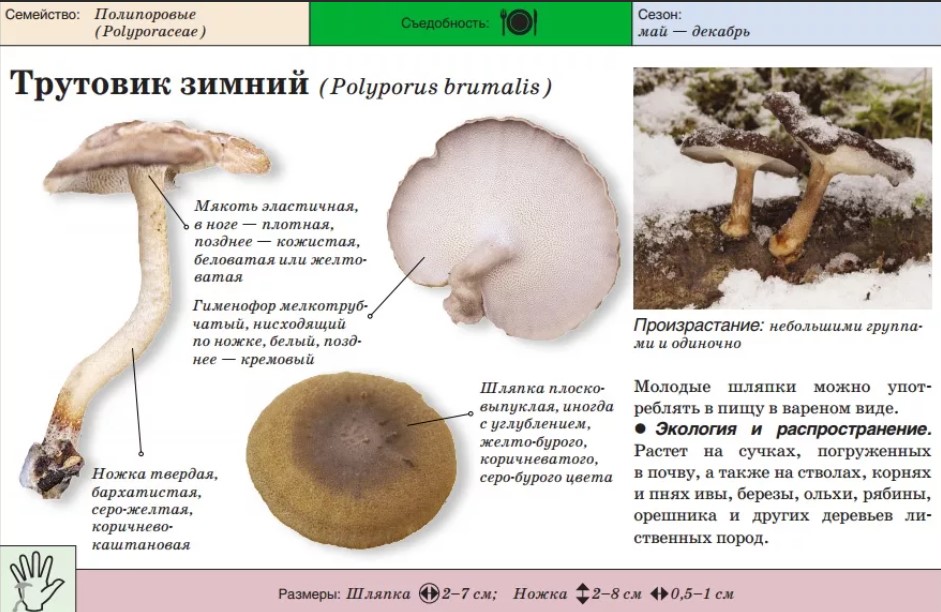
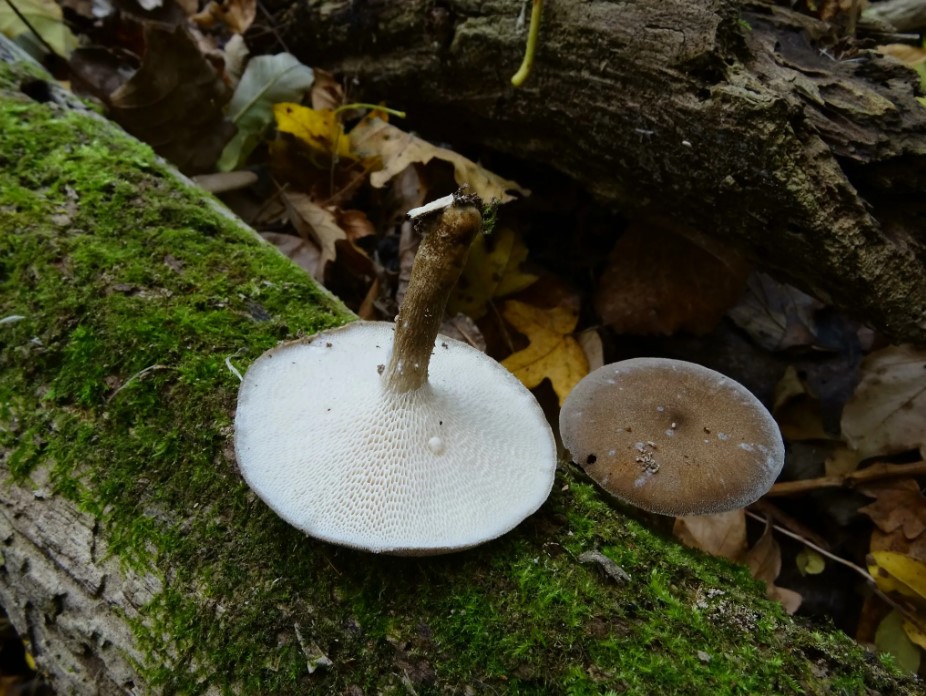
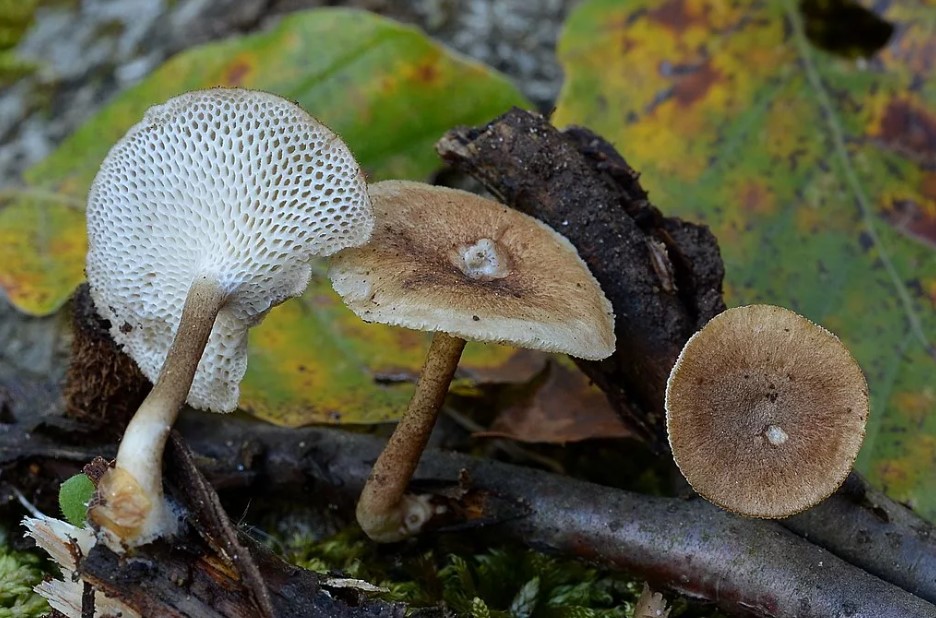
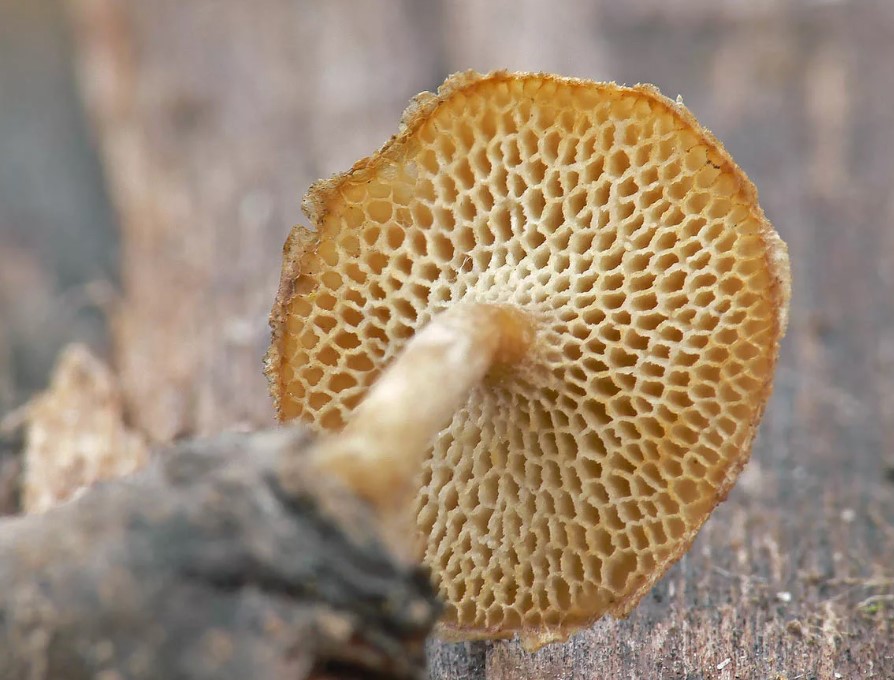
It differs from other species in this genus in that it resembles a common mushroom with a stem and brown or dark gray cap. The cap has a small fringe. The winter polypore has a very short, light-colored tubular layer.
It can be found in spring and late autumn on deciduous trees, and can also easily overwinter under the snow in mild winters.
This mushroom is conditionally edible. Its flesh is tough, so it is not eaten (although the caps of young winter polypores are eaten fresh or dried).
Other types of polypores can also be found in late autumn and are popular. They are used to make various figurines, arrangements, and planters.
Photo gallery of winter tinder fungi
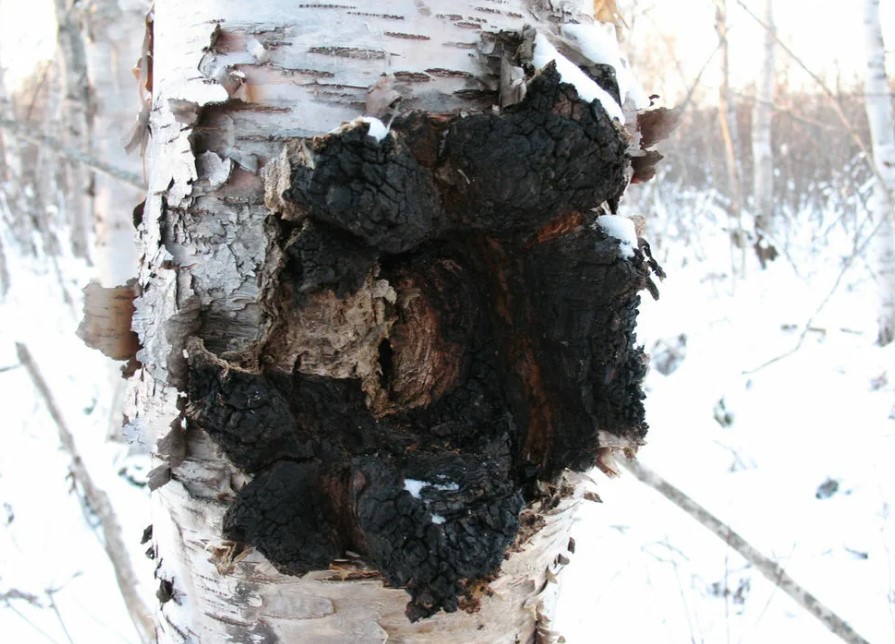
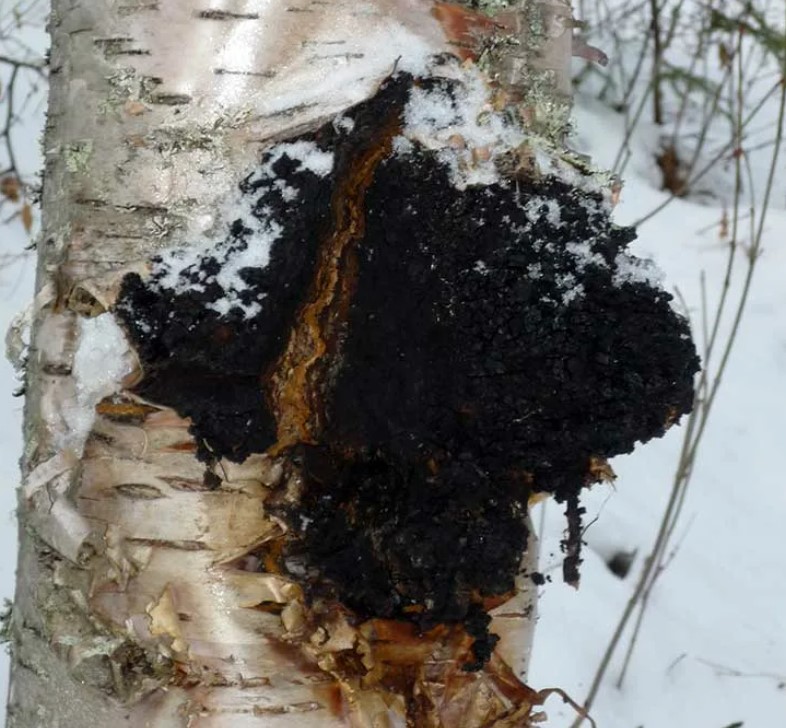
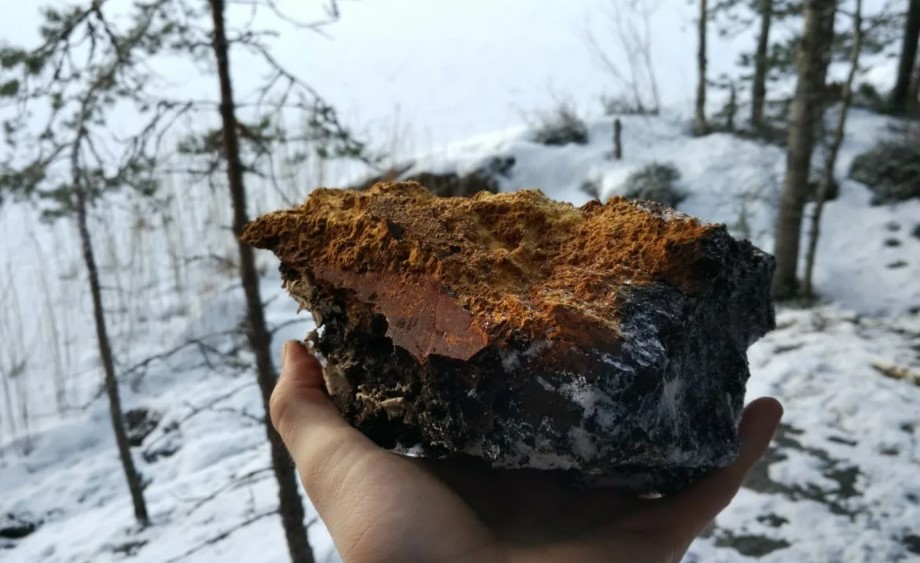
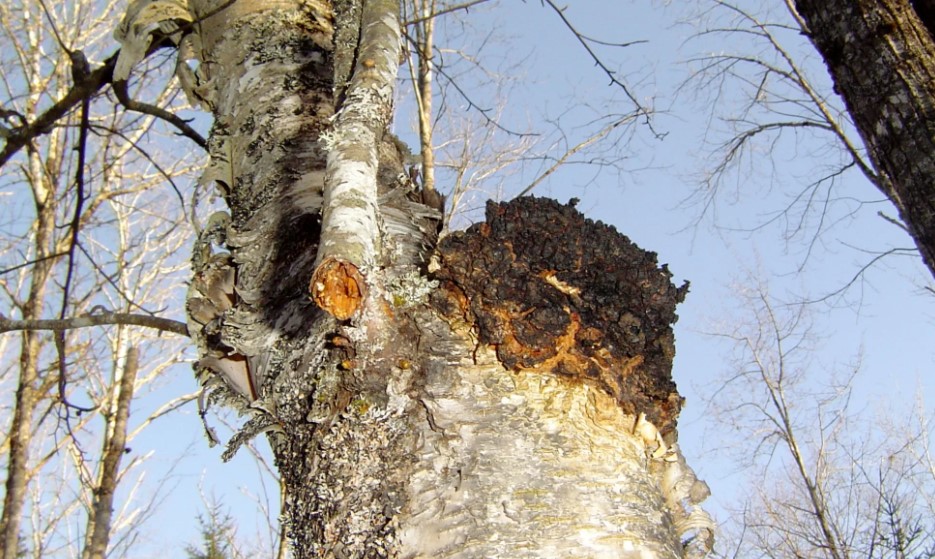
Birch chaga
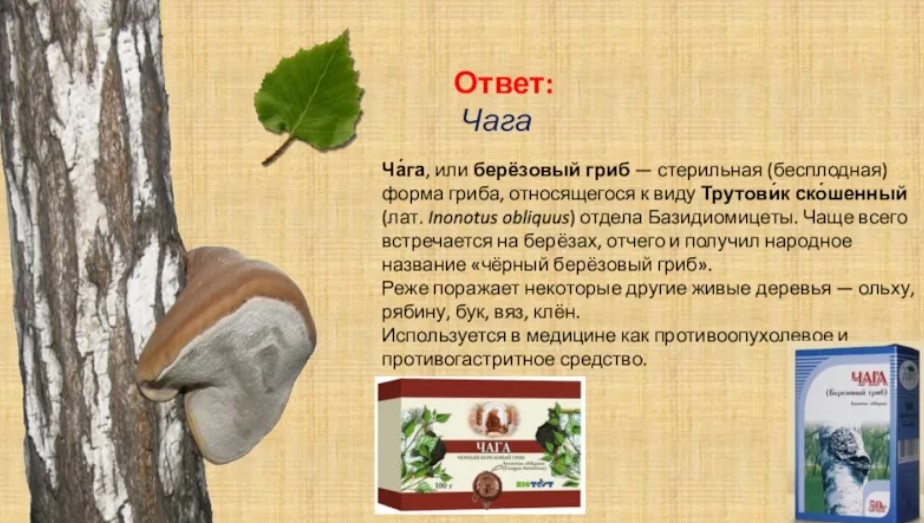
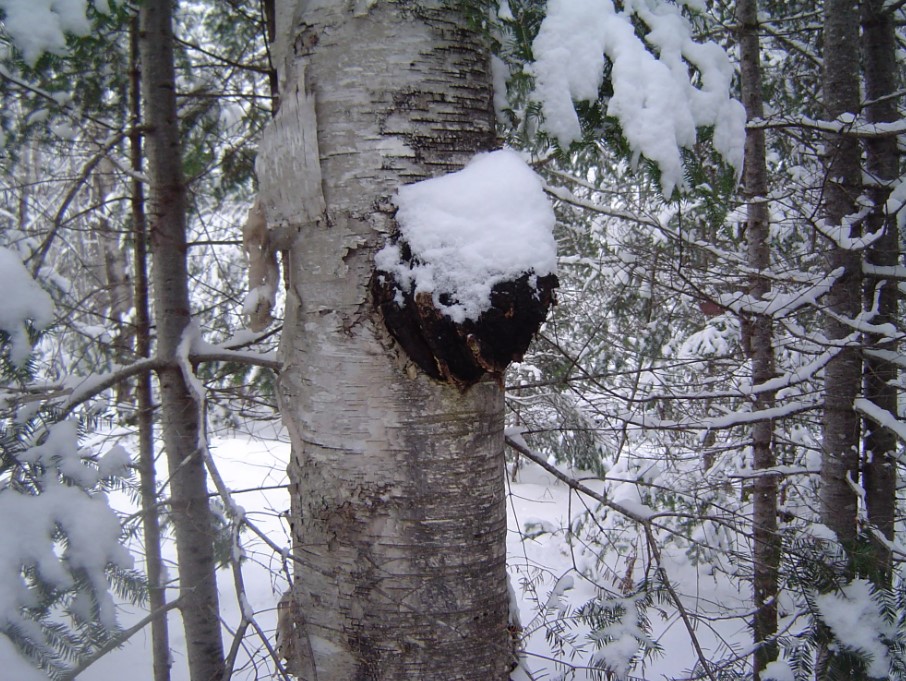
These mushrooms are the most valuable. Birch chaga is impossible to confuse with other mushrooms due to its unusual appearance. It grows in the bark of old birch trees. It can weigh up to several kilograms. Its most important beneficial properties are its antimicrobial and antiseptic properties.
The mushroom is widely used in both folk and traditional medicine. It is used to make medications that have a beneficial effect on the immune system, enhance the body's defenses, improve metabolism, and stimulate the nervous system.
To cut birch chaga from a tree, you need a large, sturdy knife. Sometimes you might even need a hatchet.
Please note! Use of any mushrooms for medicinal purposes should only be done after consulting a doctor.
Birch chaga photo gallery
Growing honey mushrooms at home in winter
Often, the harvested mushroom crop isn't enough to last the entire winter. To enjoy them year-round, you don't have to search for them in the winter forest or at the store; you can grow your own mushrooms at home, for example, in jars or on the balcony.
At the bank
Buckwheat and sunflower hulls, straw, and deciduous sawdust are all good materials for growing winter honey mushrooms in jars. If you choose the latter option, make sure the material is at least two years old, as fresh sawdust will impede mushroom growth.
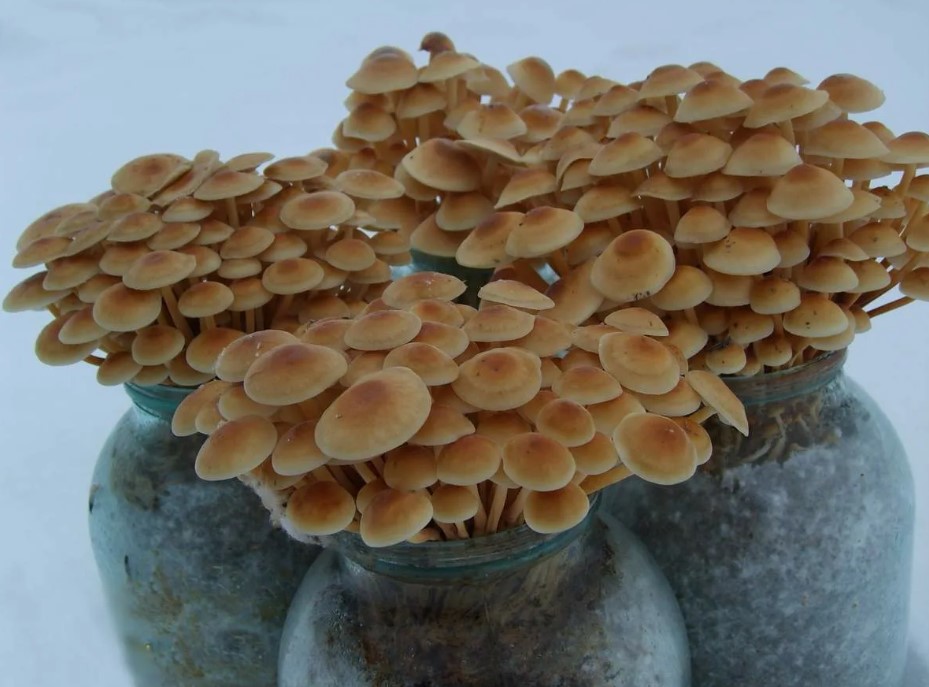
The mushroom substrate must be prepared as follows:
- Mix 5 parts sawdust or other material with 1 part additive of your choice: grass meal, cereal bran, corn cobs or brewer's grain.
- Pour hot water 1 to 1. It is best to choose melted, distilled or bottled water.
- Let the mixture sit for 24 hours, then squeeze out the excess water thoroughly. Store it in a 3-liter glass container, making sure there are no empty spaces.
- Cover the container with gauze folded in several layers.
Prepared growing material must be stored in a ventilated area or outdoors for no more than 8 months.
To plant mushrooms in jars, you'll need to purchase mycelium. Using clean hands, divide the mycelium into portions that fit the chosen containers. Transfer the mushroom substrate to each individual container, then add the separated mycelium portions. Leave about 1.5 cm of headspace at the top and cover the jars with cheesecloth.
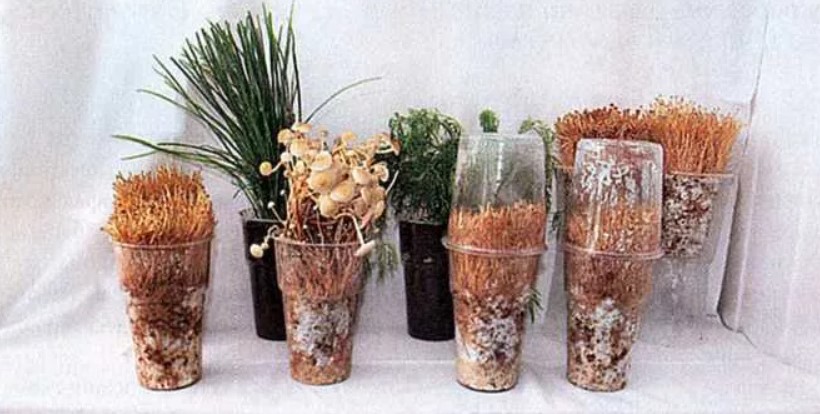
When growing honey mushrooms in jars, it is important to pay attention to the following points:
- It's best to store on a windowsill or balcony. The temperature should be between 20 and 24°C.
- When the mushrooms are just sprouting, they don't need light. However, as soon as they emerge from the ground, place the containers on windowsills.
- Once the mushrooms have grown to the edge of the jar neck, remove the gauze and wrap the neck with cardboard 10-15 cm high for support.
- It's important to monitor humidity levels during active mushroom growth. It should be 85-90%.
Once the honey mushrooms have grown, remove the cardboard, cut off the mushrooms, and pull out any remaining bits. Once the harvest is complete, cover the neck of the mushrooms with gauze and leave them in a warm place until they sprout again.
By the way, the jar can be replaced with a bag or a plastic cup.
On the balcony
Winter honey mushrooms can be grown on your balcony. It's not difficult. You can buy a ready-to-fruit block at the store or make one yourself from hardwood sawdust or pine sawdust.
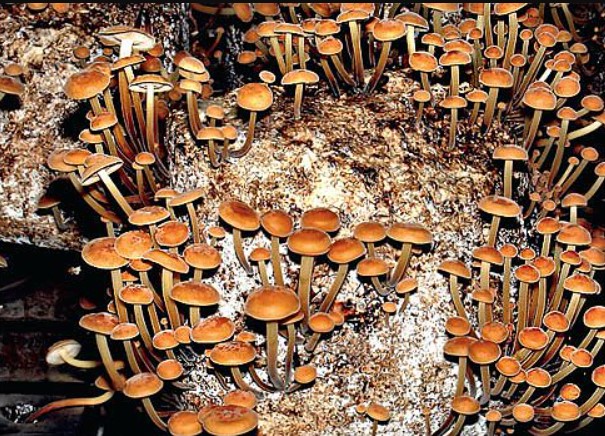
The prepared substrate block should be moved to the balcony when the air temperature reaches +7 to +13°C. Remove the lid and discard the cotton wool. Fruiting bodies should soon appear on the surface.
In more detail, how grow honey mushrooms at home Read on our website.
Growing oyster mushrooms at home
These are among the most commonly grown mushrooms at home. This is due to their easy cultivation, low maintenance, and abundant harvest.
Ah, you know, What's better to grow, and not just oyster mushrooms or champignons??
The most important thing is to choose the right room and monitor the quality of the substrate and mycelium.
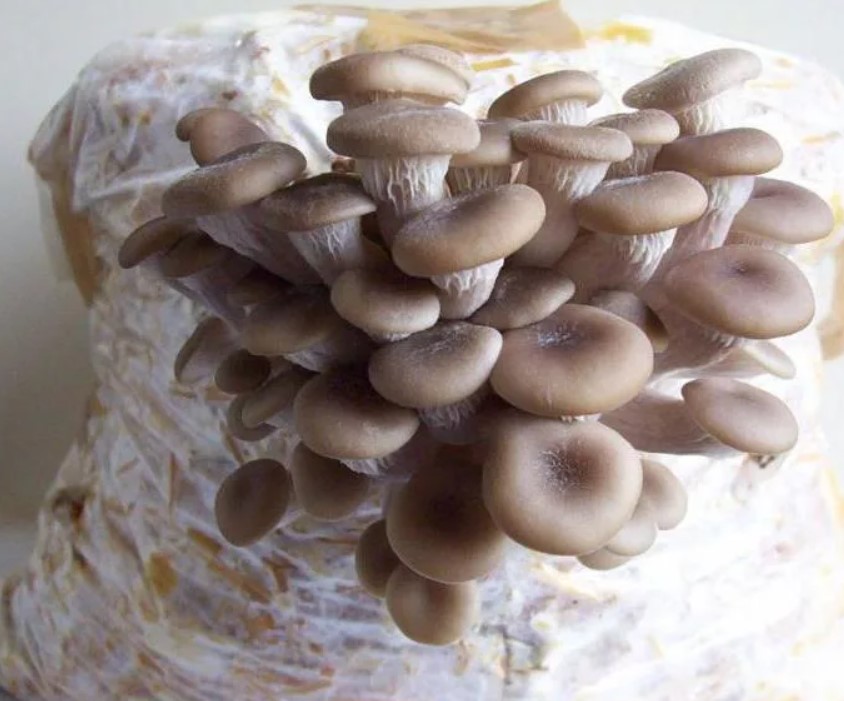
Stages of oyster mushroom cultivation:
- Purchasing mycelium. It's recommended to do this not from private sellers, but from specialized stores and companies that grow oyster mushrooms.
- Preparing the substrate. It's best to make it from barley or wheat straw, crushed corn cobs and stalks, sunflower husks, and buckwheat. These ingredients should be ground into 5 cm (2 in) pieces. Most importantly, they should be free of mold.
- Forming mushroom blocks. This is something like a mushroom bed. Polyethylene bags can be used as planting containers. They should be disinfected or heat-treated. The optimal volume is at least 5 kg. To create the blocks, the bags are filled layer by layer with mycelium (0.5 cm) and substrate (5 cm). The latter ingredient should be added first and last. Then, the bag neck is tied.
- Perforation of blocks. Holes are made in a staggered pattern at a distance of 10 cm from each other.
- Care. Maintain a temperature of 20 to 30°C. Ensure a constant humidity level using automatic irrigation. Daylight hours should be at least 8 hours. Water daily with warm, settled water. Regularly clean the area with chlorine-based cleaners.
After about 45 days, you can harvest the first mushrooms. They should be cut off in clusters at the very base. This will ensure high quality and a longer fruiting period.
Growing porcini mushrooms at home
It's no wonder the white mushroom is called the king of mushrooms. It can transform any dish into a delicacy. They can be hard to find in stores, and they're also expensive. But that's not a problem, as you can grow them yourself at home.
For successful development, they should be planted near oak, birch, and coniferous trees. They also thrive in mixed and spruce plantings.
They are not grown on an industrial scale. This is due to the high maintenance costs. Growing mushrooms requires vast areas of green space, which is generally not financially feasible.
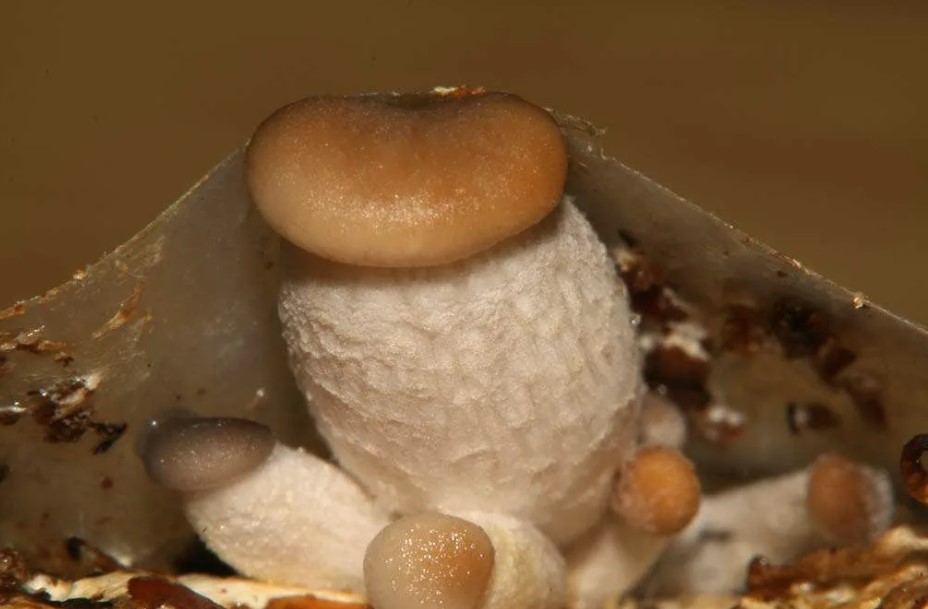
Relatively recently, breeders have developed a new variety of porcini mushrooms that can be grown in greenhouses and hothouses. This allows for harvesting even in winter.
In conclusion, I'd like to add that the success of a winter "silent hunt" largely depends on the region. After all, climate conditions can vary greatly from region to region. A winter mushroom picking trip is a great opportunity to stroll through the forest, admire nature, and breathe in the fresh air.