Oyster mushrooms are a very popular mushroom. They have a pleasant flavor, have virtually no poisonous counterparts, and can be added to any dish. In this article, we'll explore the characteristics of oyster mushrooms and their varieties in more detail.
Content
- 1 Description of oyster mushrooms (Pleurotus)
- 2 Where and on what trees do oyster mushrooms grow?
- 3 What time of year to collect oyster mushrooms, at what temperature do they grow?
- 4 How to harvest oyster mushrooms
- 5 12 types of oyster mushrooms with descriptions in the table + when they ripen, where to find them, photos
- 5.1 Brown oyster mushroom (Pleurotus australis)
- 5.2 Oyster mushroom, covered, sheathed (Pleurotus calyptratus)
- 5.3 Lemon oyster mushroom, golden (Pleurotus citrinopileatus)
- 5.4 Oyster mushroom (Pleurotus cornucopiae)
- 5.5 Abalone, white elf (Pleurotus cystidiosus)
- 5.6 Pink oyster mushroom (Pleurotus djamor)
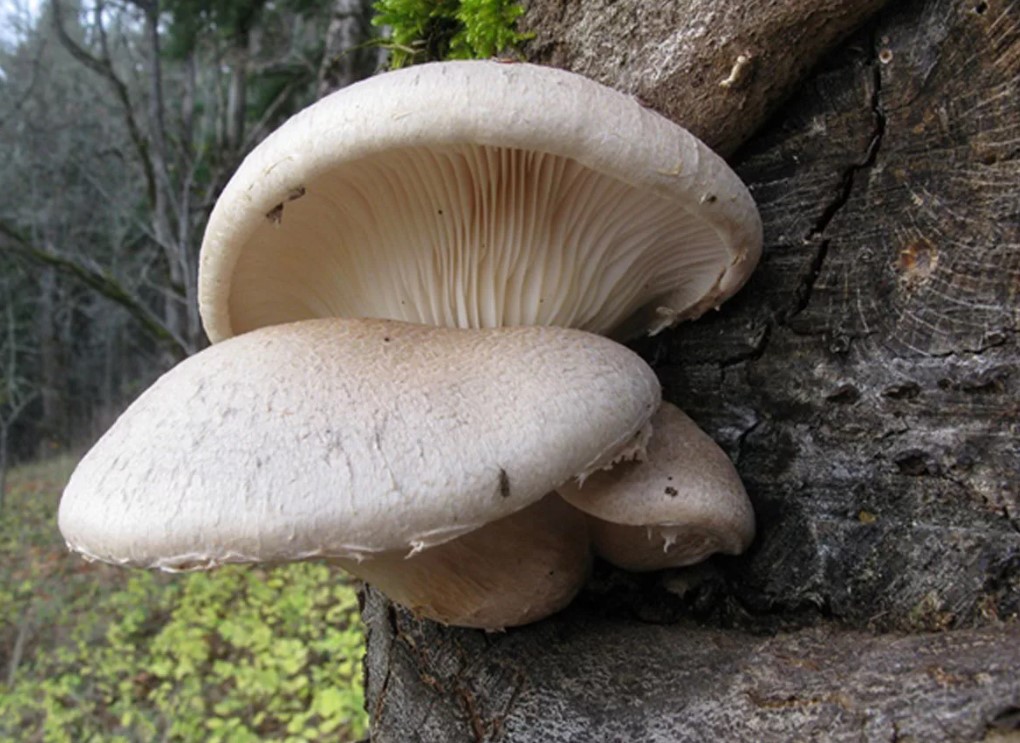
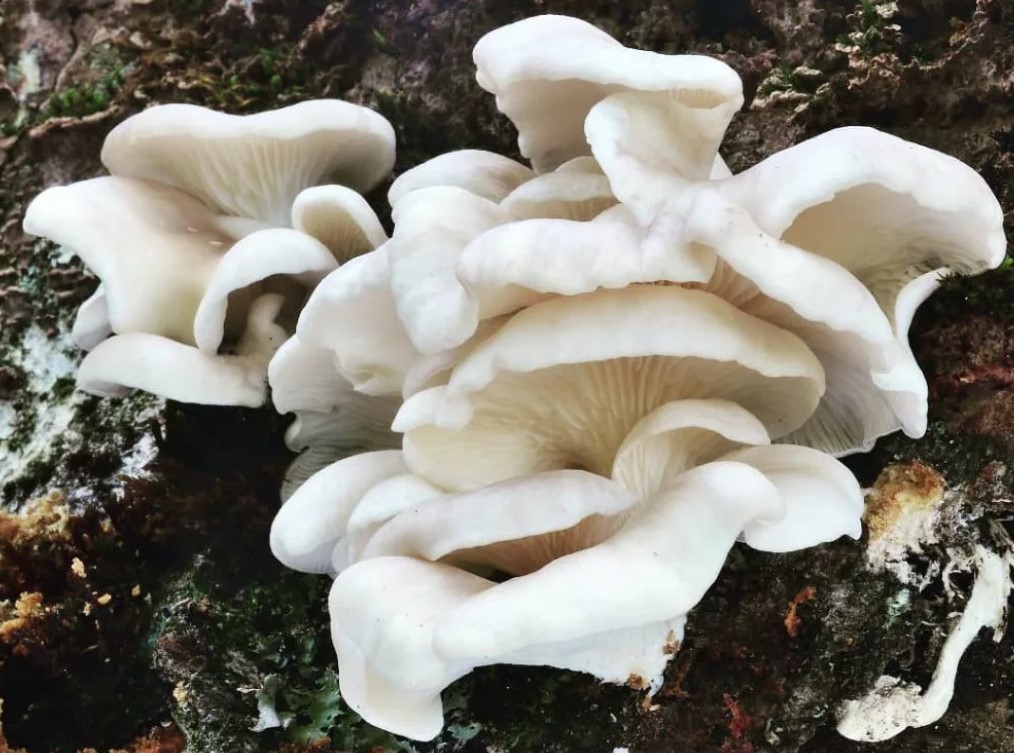
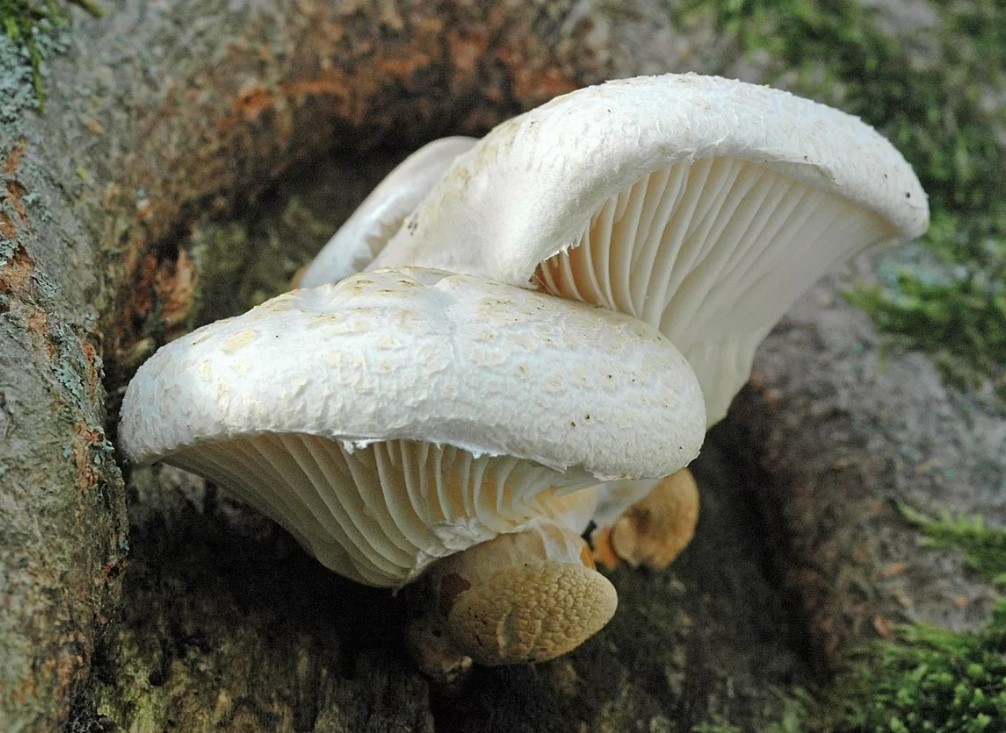
- 5.7 Oak oyster mushroom (Pleurotus dryinus)
- 5.8 Royal oyster mushroom (Pleurotus eryngii)
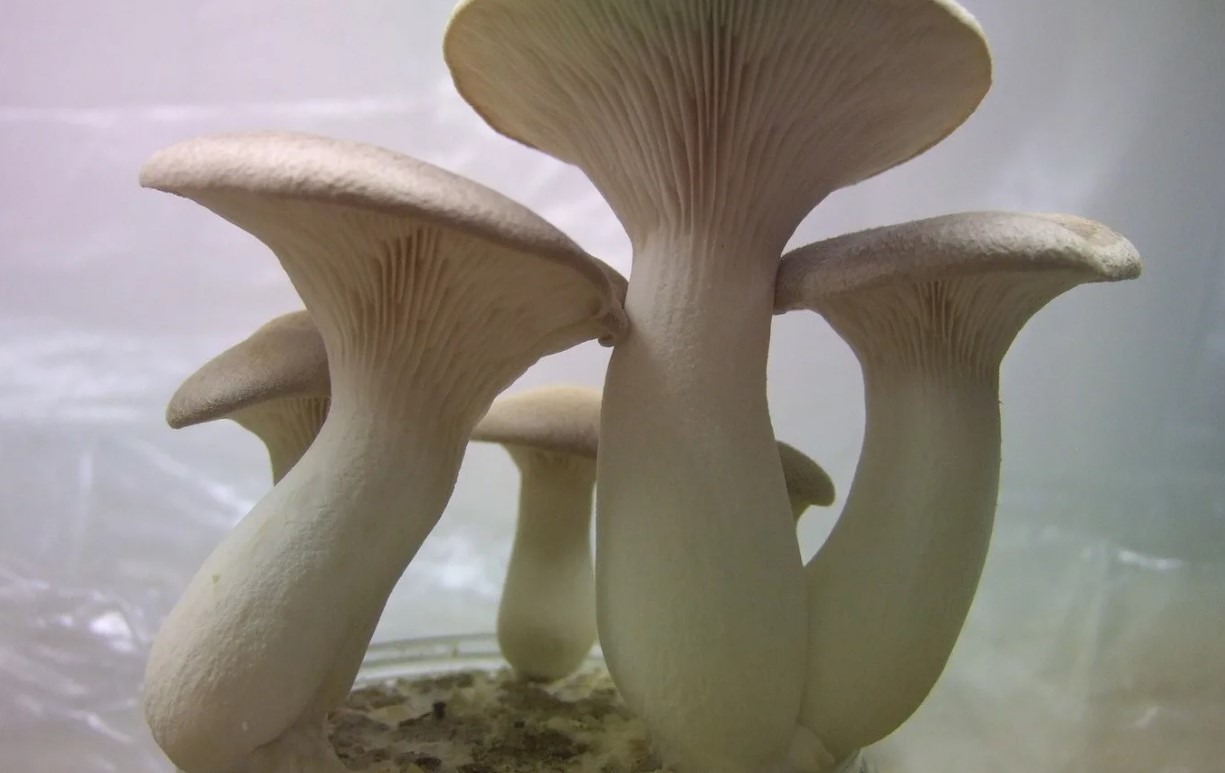
- 5.9 Oyster mushroom (Pleurotus nebrodensis)
- 5.10 Oyster mushroom (Pleurotus ostreatus)
- 5.11 Oyster mushroom (Pleurotus pulmonarius)
- 5.12 Autumn oyster mushroom, late (Panellus serotinus)
- 6 What mushrooms can oyster mushrooms be confused with?
- 7 The benefits and harms of oyster mushrooms
- 8 How to grow oyster mushrooms at home
- 9 Nutritional value of oyster mushrooms
- 10 What do oyster mushrooms taste like?
- 11 How to cook oyster mushrooms
- 12 How to store oyster mushrooms
- 13 How to freeze oyster mushrooms
- 14 Oyster mushrooms in folk medicine
- 15 Reviews of oyster mushroom cultivation
Description of oyster mushrooms (Pleurotus)
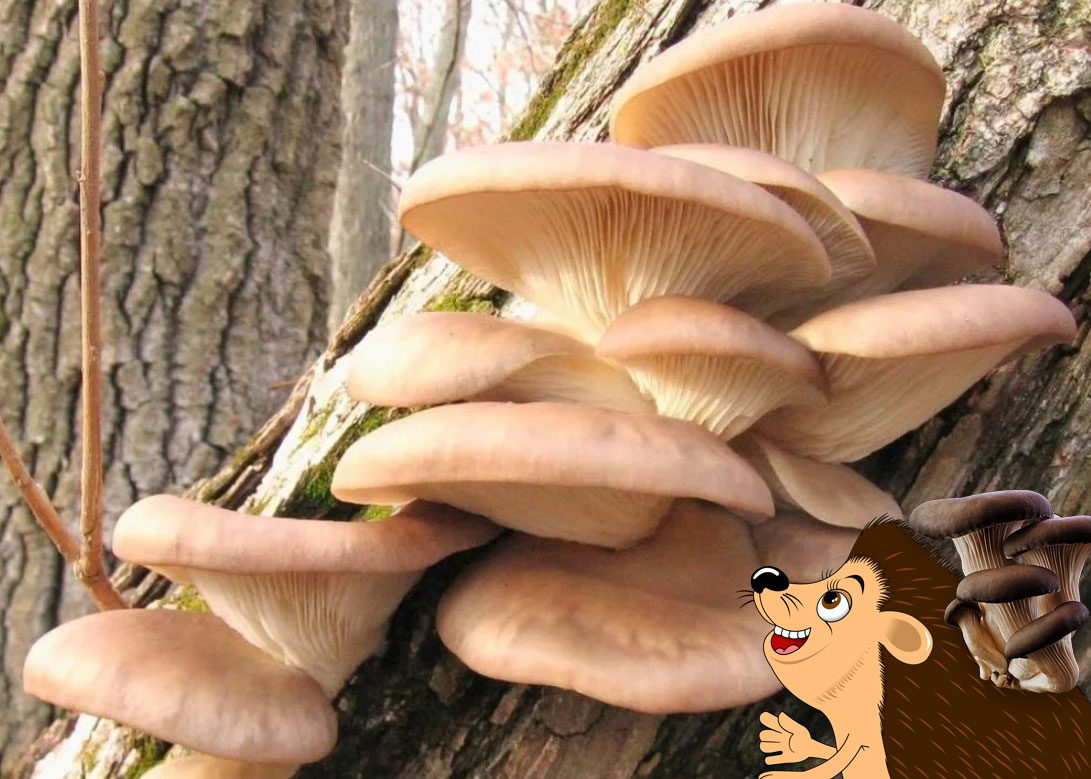
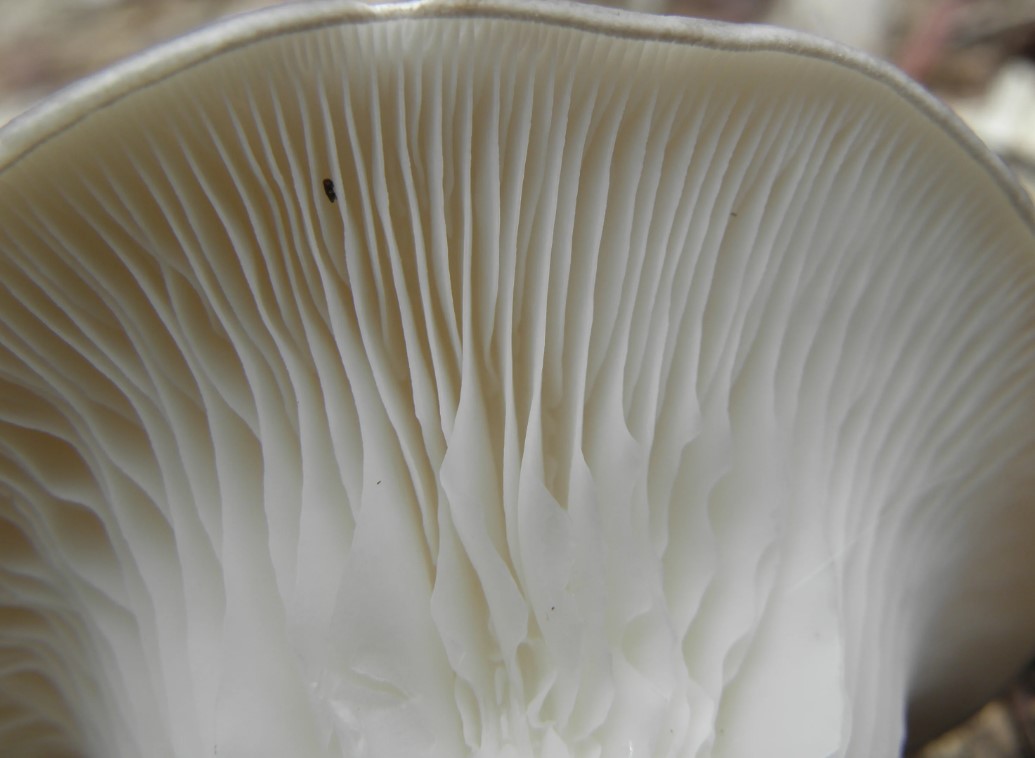
Oyster mushrooms (Pleurotus) belong to the gill-shaped mushroom family Pleurotaceae. They can be found near tree roots, on stumps, in deadfalls, on fallen trunks, and in windfalls.
- The color of the cap directly depends on the species; the average diameter is 5-8 cm, but there are also larger specimens with a cap of 15 cm.
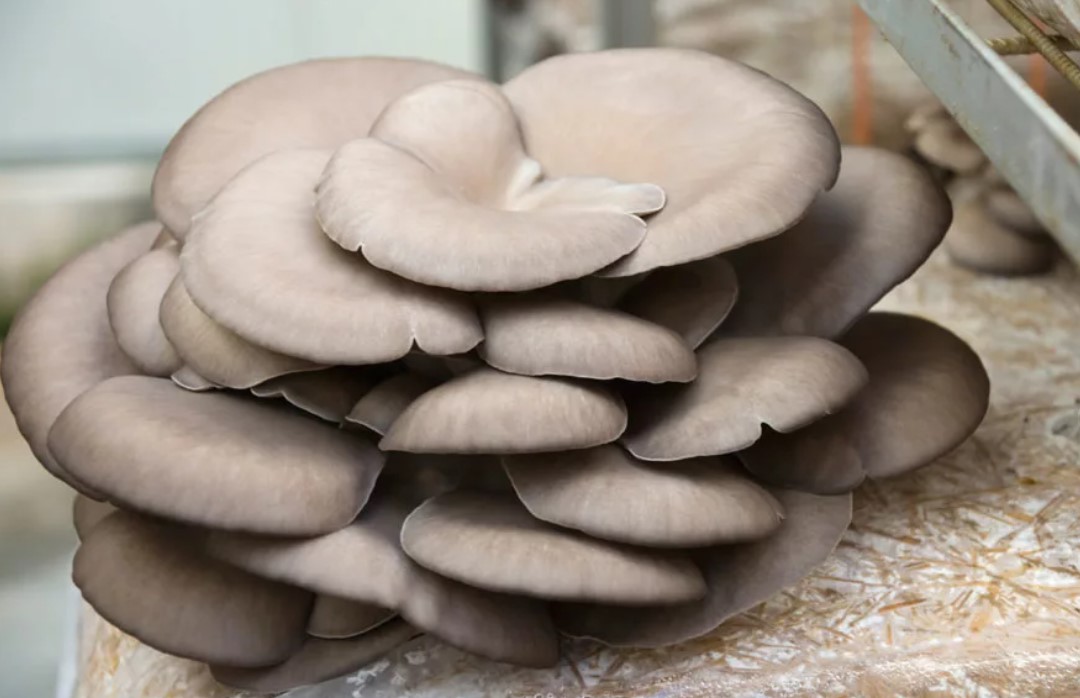
- The stems are quite short, tapering toward the base of the mushroom. Some species have no stem at all.
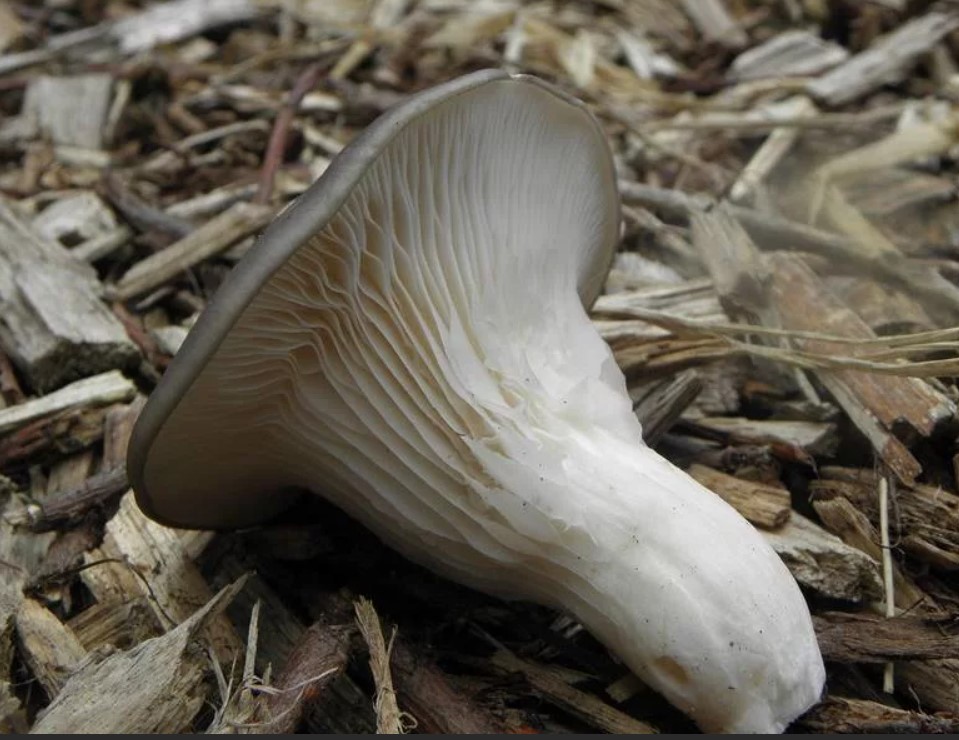
- The flesh is light-colored. It has no distinct odor and does not darken after cutting.
Where and on what trees do oyster mushrooms grow?
Oyster mushrooms can be found in almost any European forest with a suitable climate. They are extremely rare in the taiga.
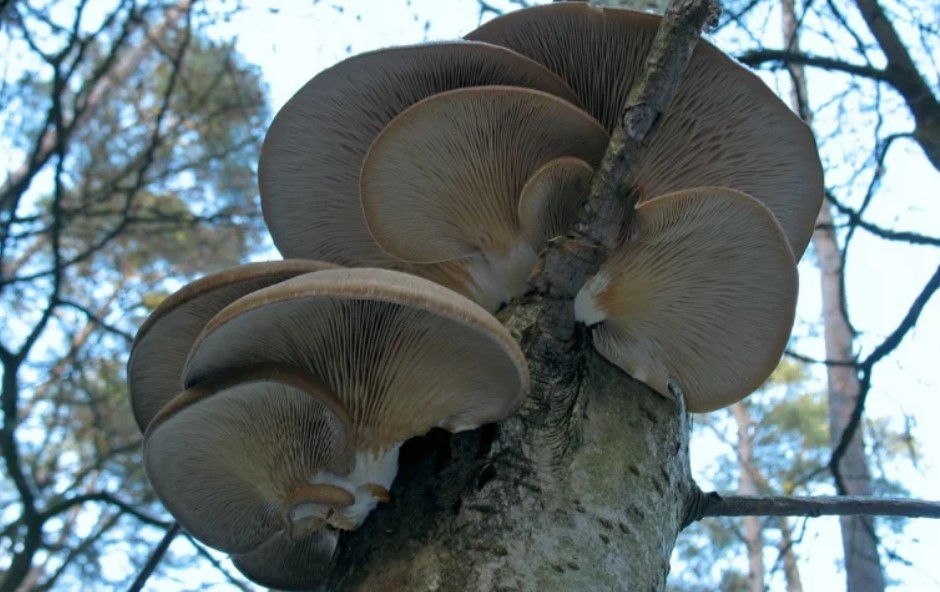
Oyster mushrooms prefer moist, warm habitats, nesting on rotting wood, old stumps, and fallen tree trunks. They prefer aspen, birch, linden, oak, willow, and rowan trees.
It is generally accepted that oyster mushrooms collected from poplar trees are an allergen for people with a reaction to poplar fluff.
What time of year to collect oyster mushrooms, at what temperature do they grow?
Oyster mushrooms have several varieties, each bearing fruit at different times.
- Winter mushrooms. They were bred for cooler regions and can produce fruit even at temperatures as low as 4 degrees Celsius. The caps of these mushrooms are gray or blue.
- Summer. Native to Florida, they thrive in warm conditions. They fruit at temperatures between 15 and 25 degrees Celsius and are very fragile and delicate in texture.
- All-season. Developed by cultivating the lung oyster mushroom, these mushrooms thrive in virtually all warmer climates, but the optimal temperature is considered to be between 6 and 28 degrees Celsius. The mushrooms are predominantly gray in color.
How to harvest oyster mushrooms
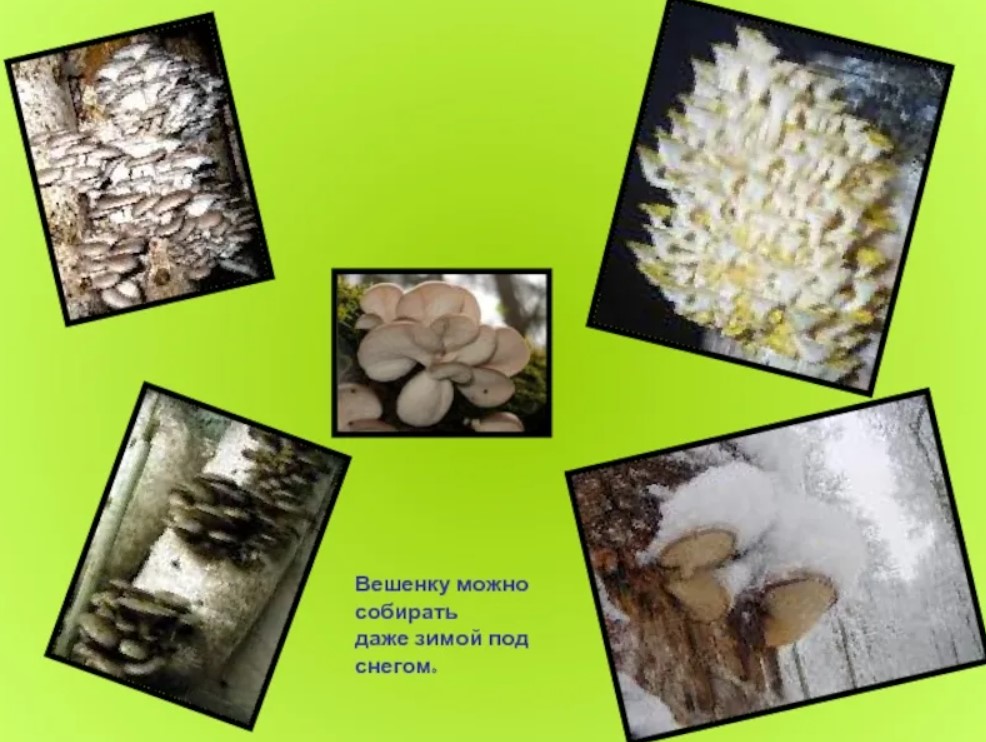
Oyster mushrooms grow in large clusters and are harvested with a knife. This involves cutting off the entire cluster; the smaller specimens cannot develop further without the adults.
It's best to choose young mushrooms for harvesting, with caps no larger than 10 cm. Otherwise, the stems can be discarded immediately, as they will be tough and fibrous.
12 types of oyster mushrooms with descriptions in the table + when they ripen, where to find them, photos
Oyster mushrooms have a huge number of varieties, the table below lists the most common ones.
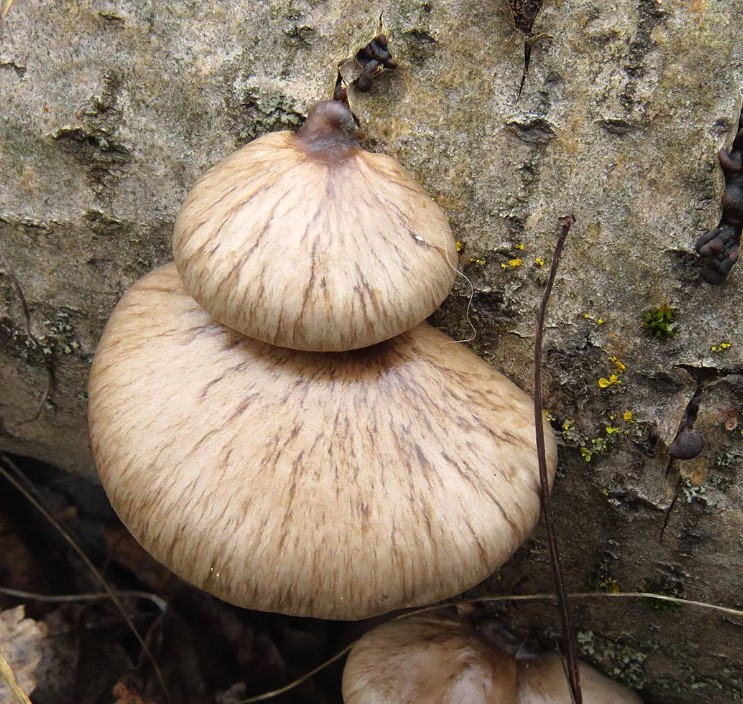
Brown oyster mushroom (Pleurotus australis)
| View | Description | Peculiarities | When it ripens | Where to look |
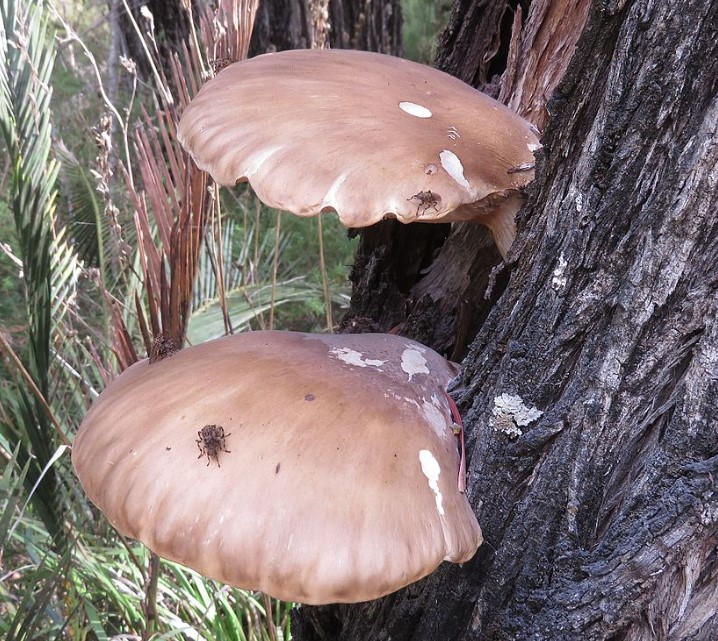
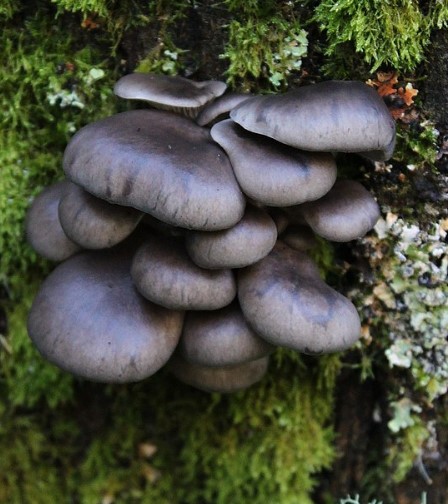
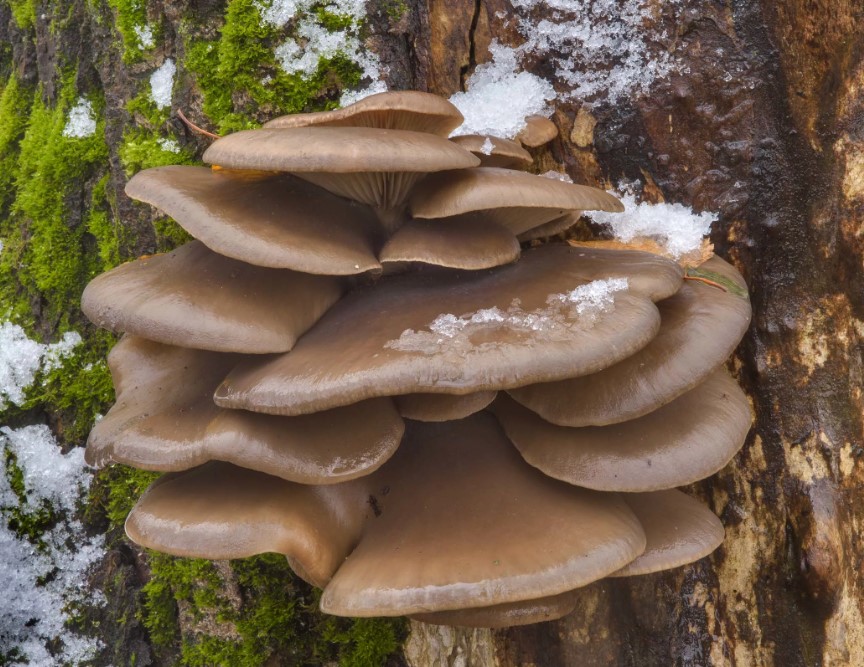
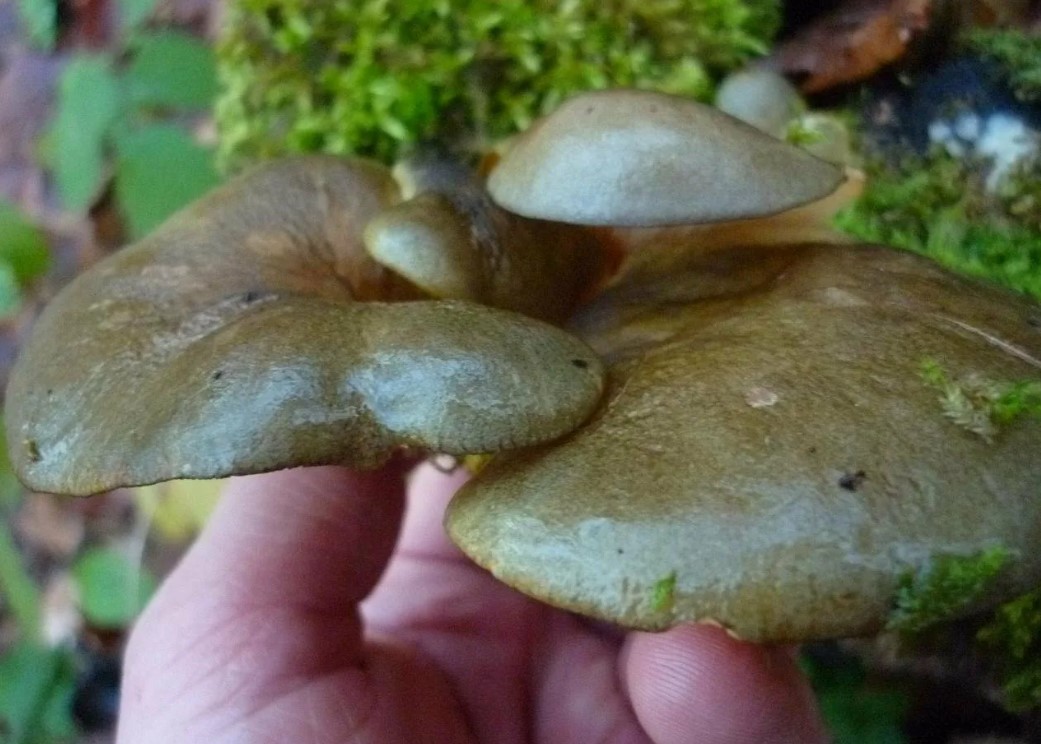
| Brown oyster mushroom (Pleurotus australis) | The cap is convex, grey-brown in colour, up to 15 cm in diameter. The stem is absent. | A conditionally edible variety, not used for food due to its rubbery texture and lack of taste. | May-October. | Grows on dead deciduous wood. |
Photo gallery of brown oyster mushrooms
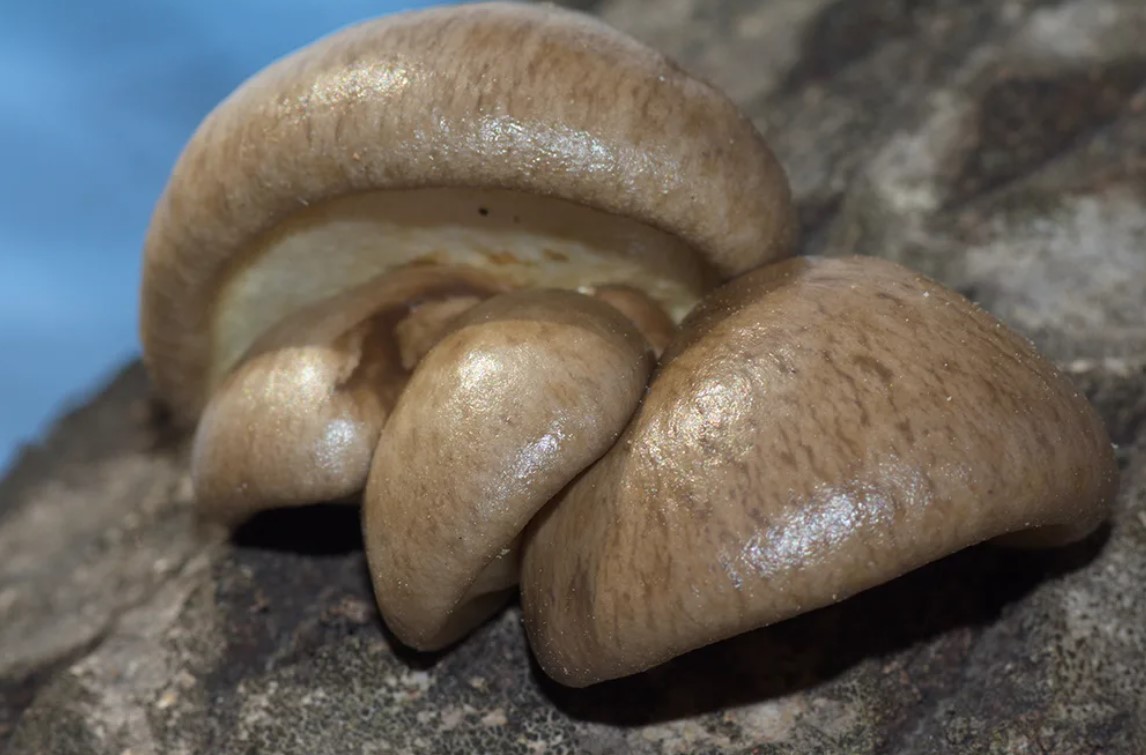
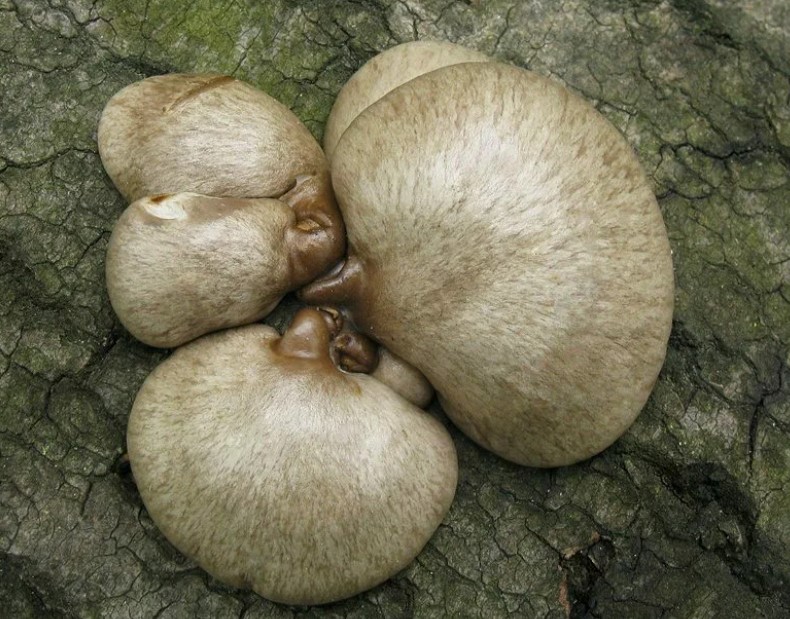
Oyster mushroom, covered, sheathed (Pleurotus calyptratus)
| View | Description | Peculiarities | When it ripens | Where to look |
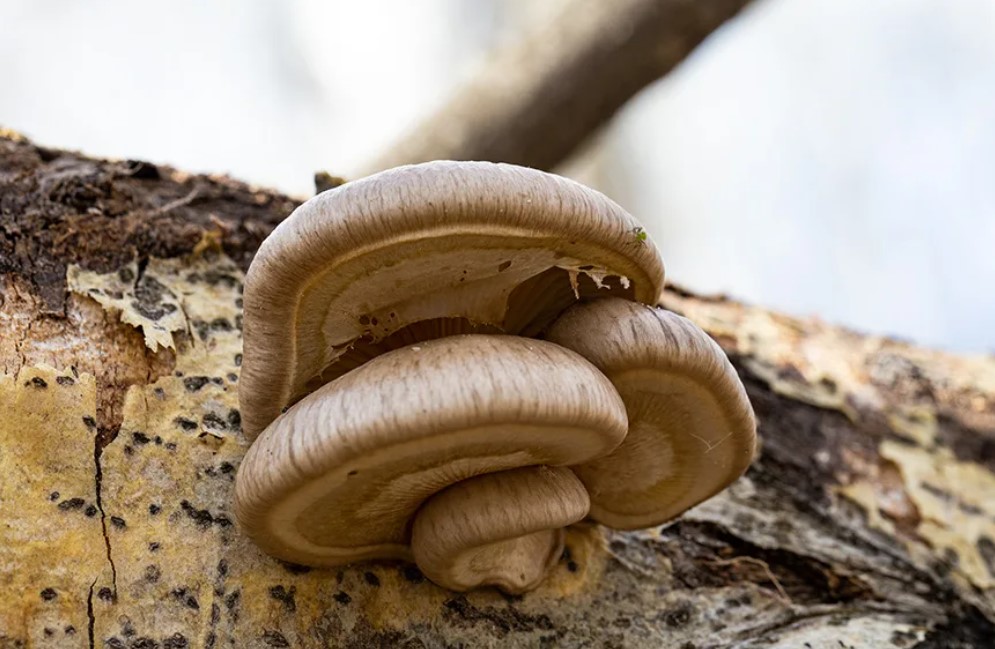
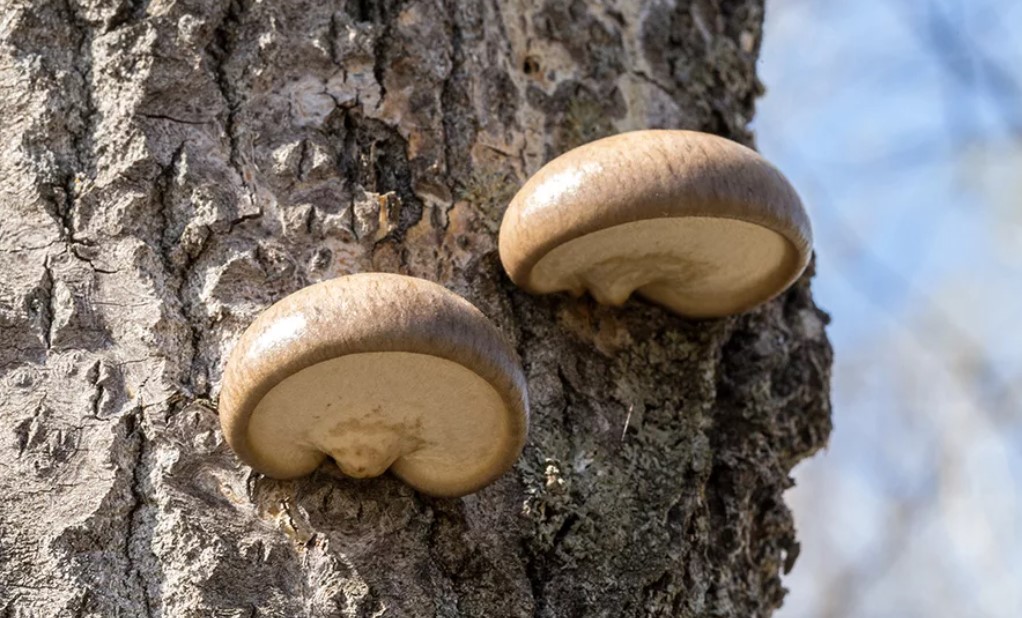
| Oyster mushroom, covered, sheathed (Pleurotus calyptratus) | The cap is smooth, spherical, and grayish-brown. The stem is absent. The flesh is rubbery and tasteless. | A conditionally edible mushroom. Grows singly. | April-June. | It grows on dry aspen trees in mixed forests of Central and Northern Europe. |
Photo gallery of covered oyster mushrooms
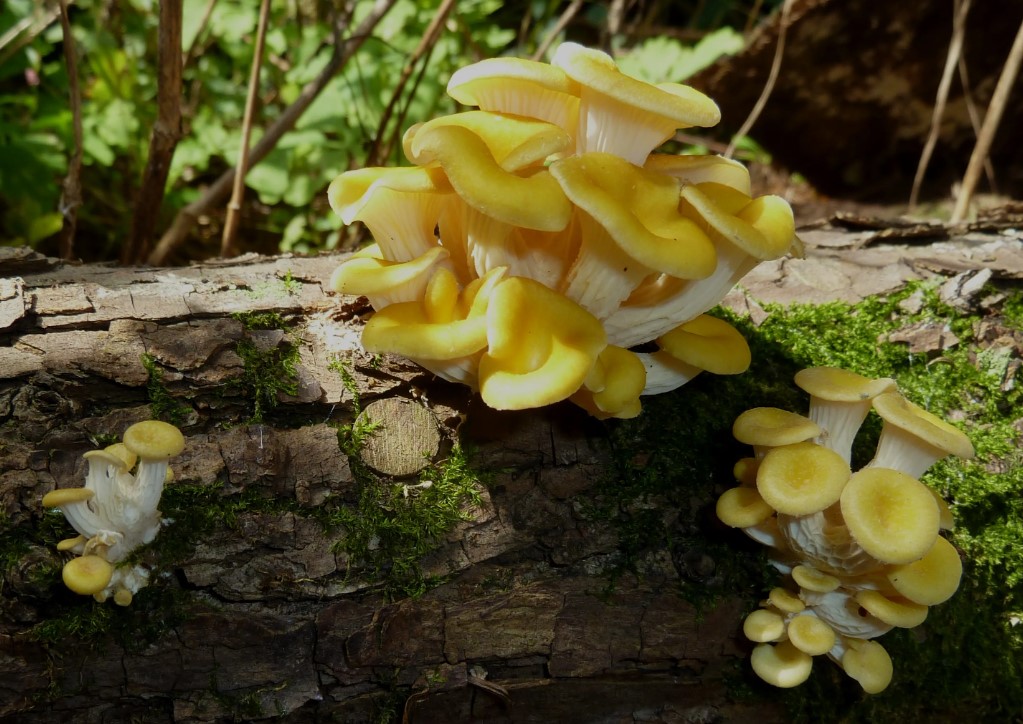
Lemon oyster mushroom, golden (Pleurotus citrinopileatus)
| View | Description | Peculiarities | When it ripens | Where to look |
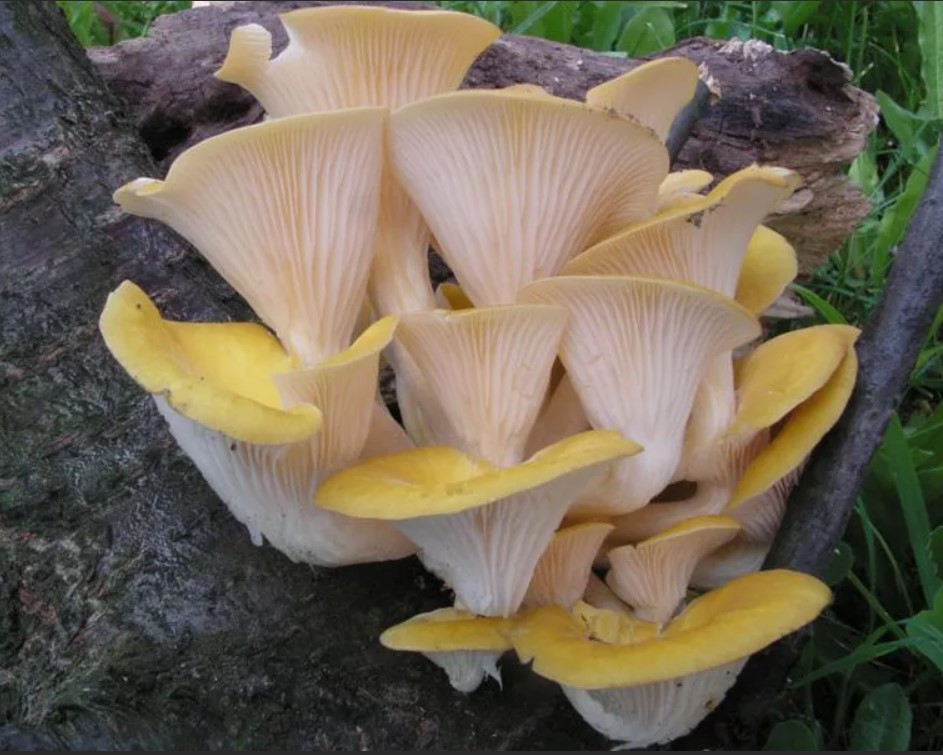
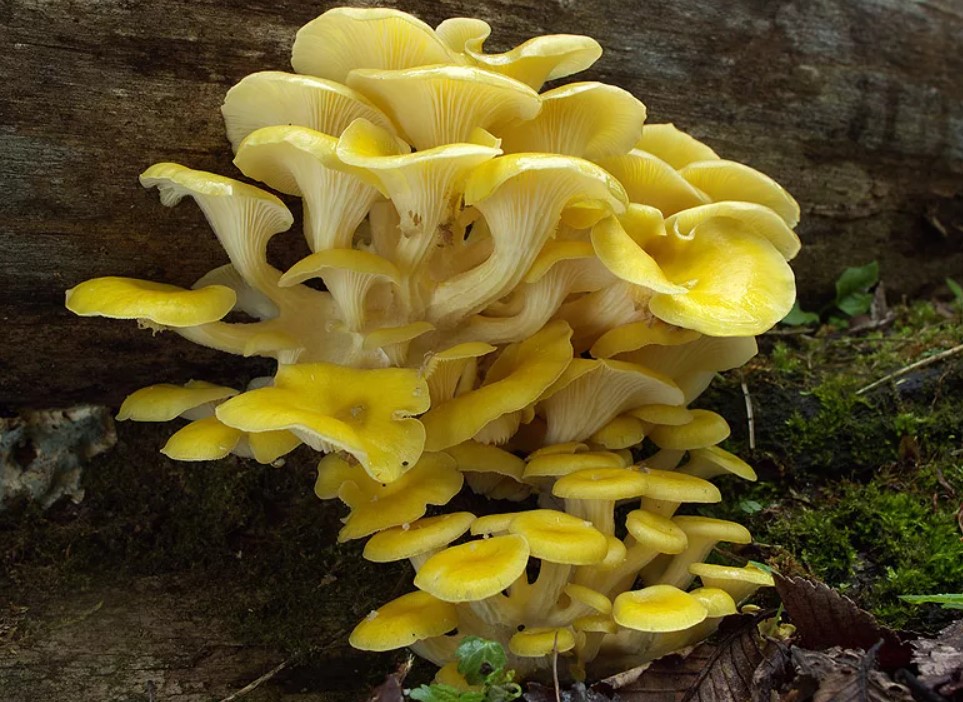
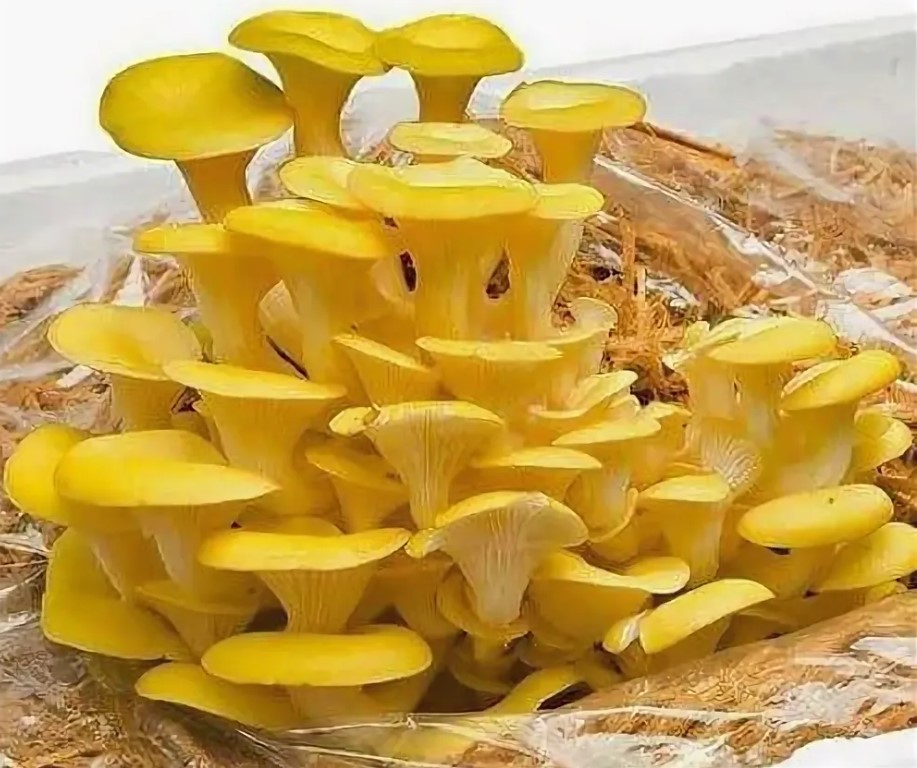
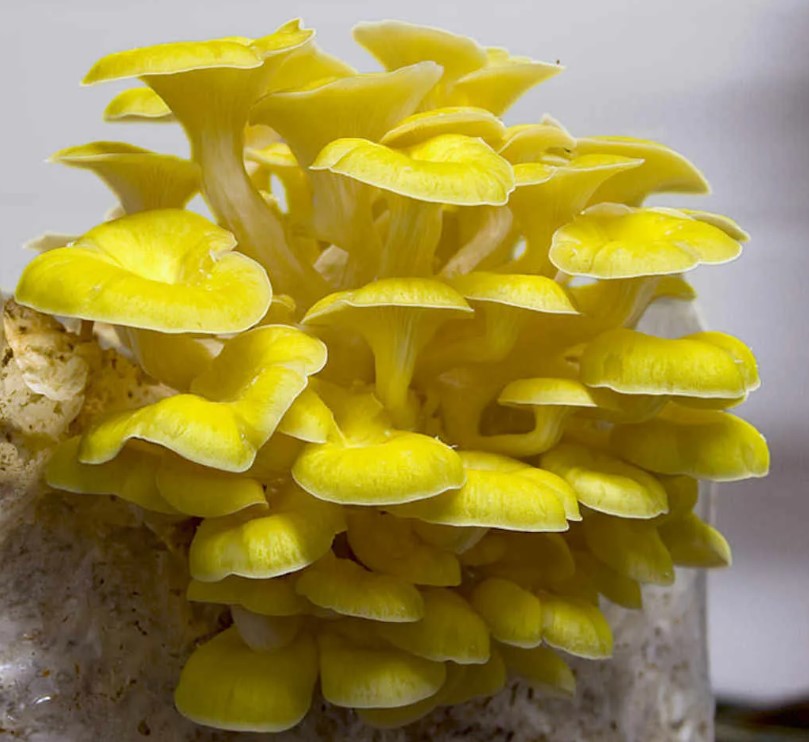
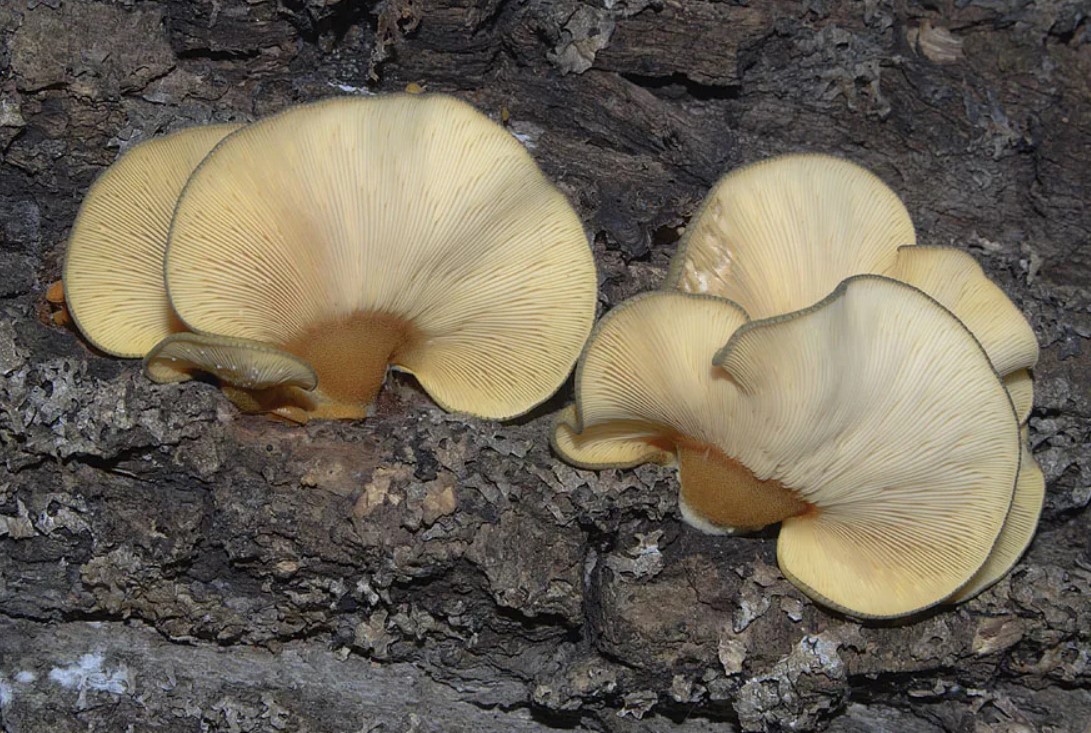
| Lemon oyster mushroom, golden (Pleurotus citrinopileatus) | The cap is bright yellow, funnel-shaped, up to 5 cm in diameter. The stem is thin, its surface covered with wrinkles and fibers. | Widely used on an industrial scale. Tolerates frost well. | July-October. | Primorsky Krai, Far East. Grows on living and dried elms and birches. |
Photo gallery of lemon oyster mushrooms
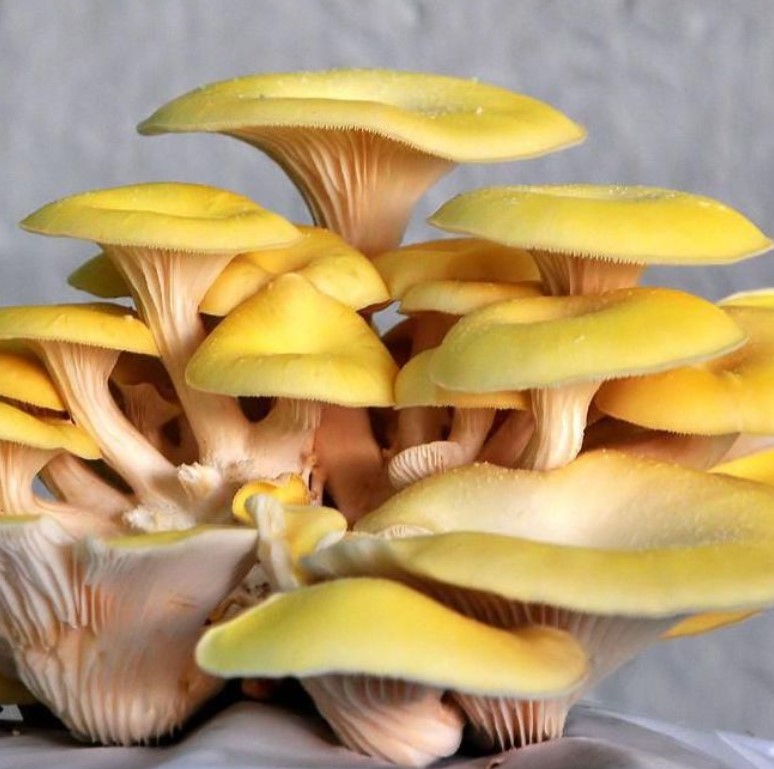
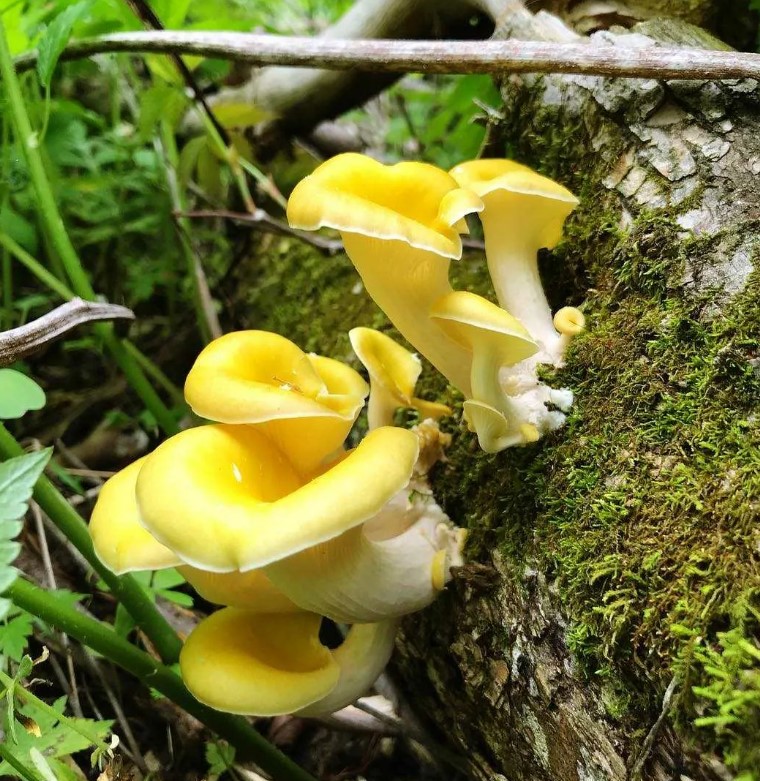
Oyster mushroom (Pleurotus cornucopiae)
| View | Description | Peculiarities | When it ripens | Where to look |
| Oyster mushroom (Pleurotus cornucopiae) | The cap is funnel-shaped, initially white, later turning light brown. The diameter is 3-12 cm. The stem is lateral. | Named for its resemblance to a shepherd's horn, it is known for its abundant yield. | End of May-August. | They prefer hard-to-reach places and grow on deadwood and windfalls. |
Photo gallery of the oyster mushroom
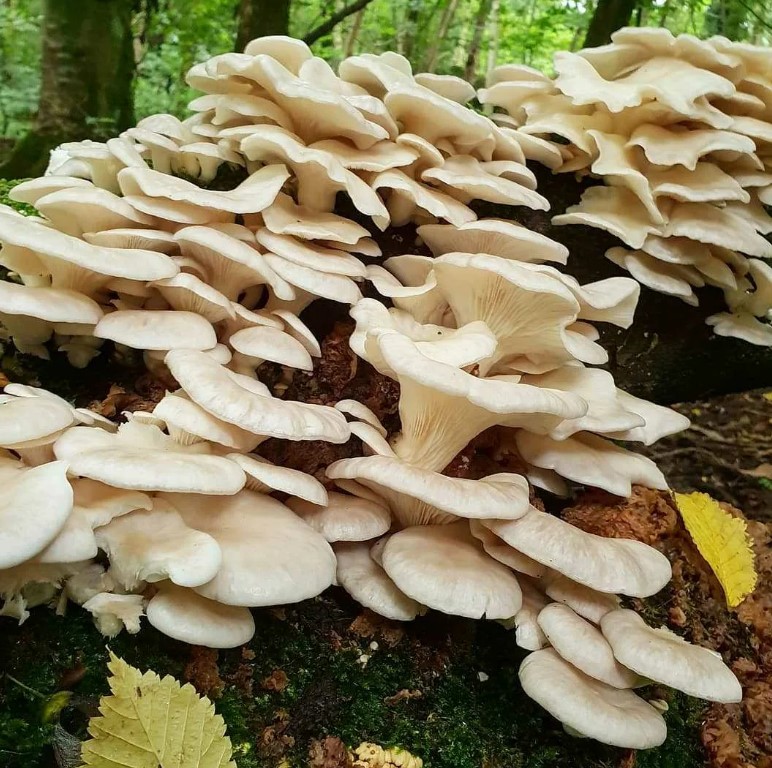
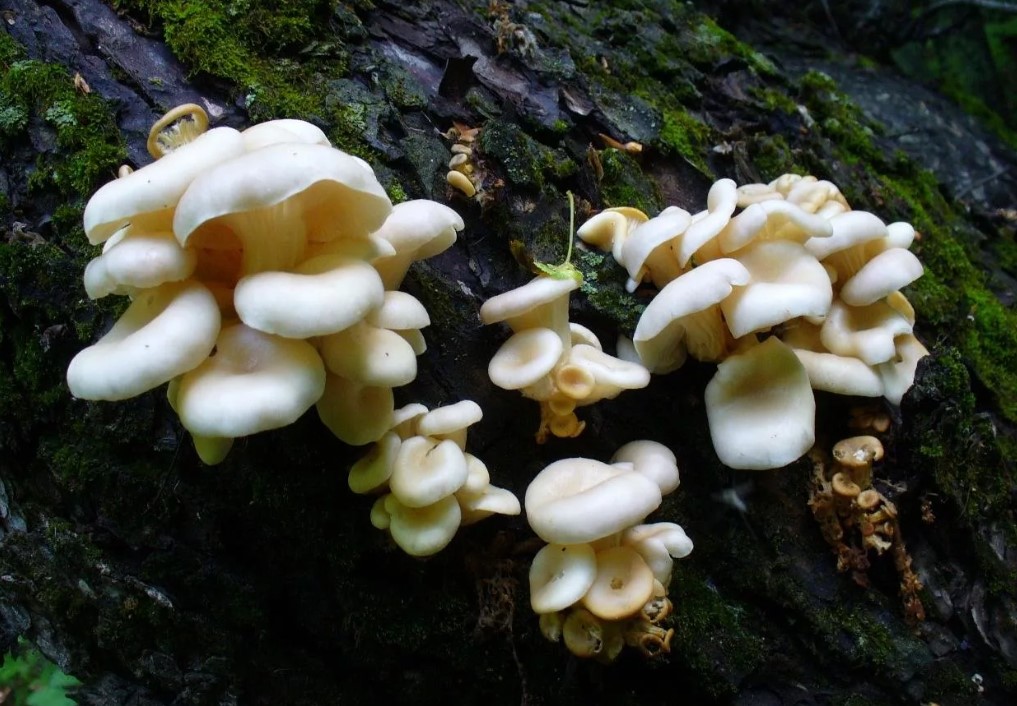
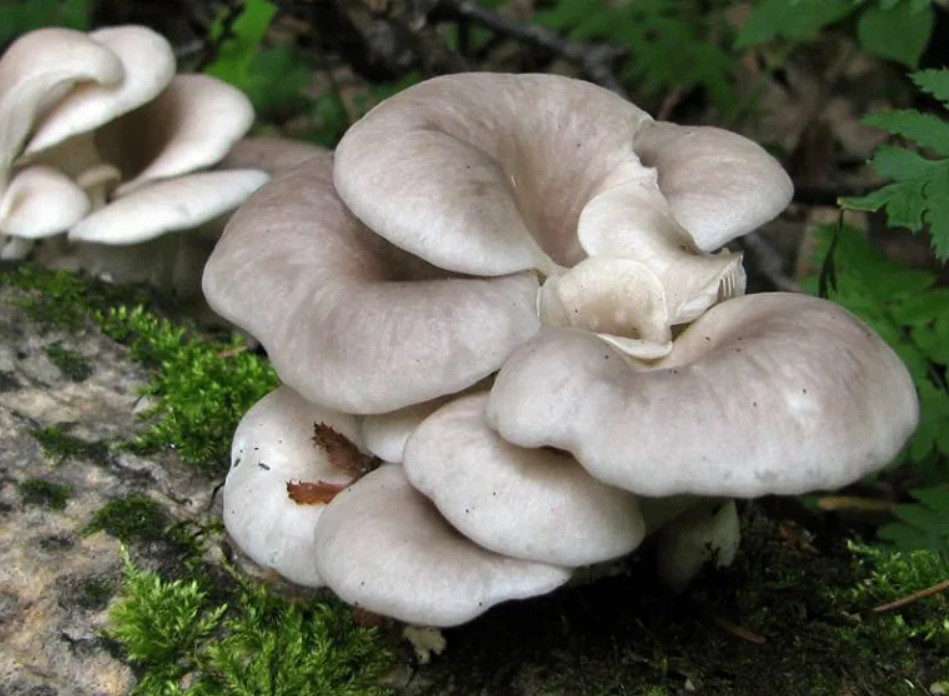
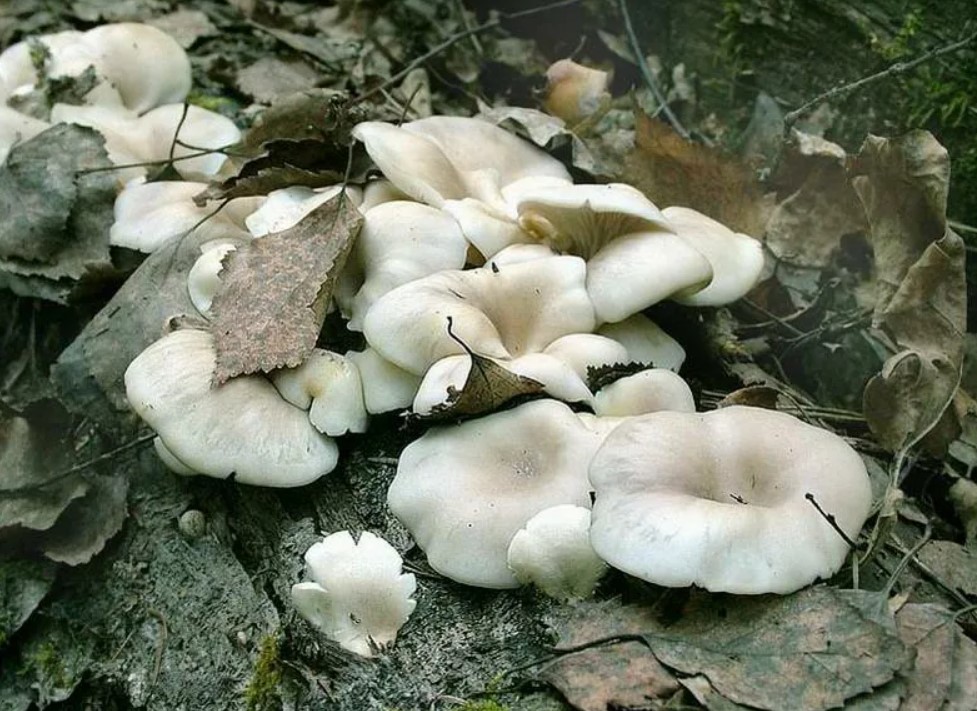
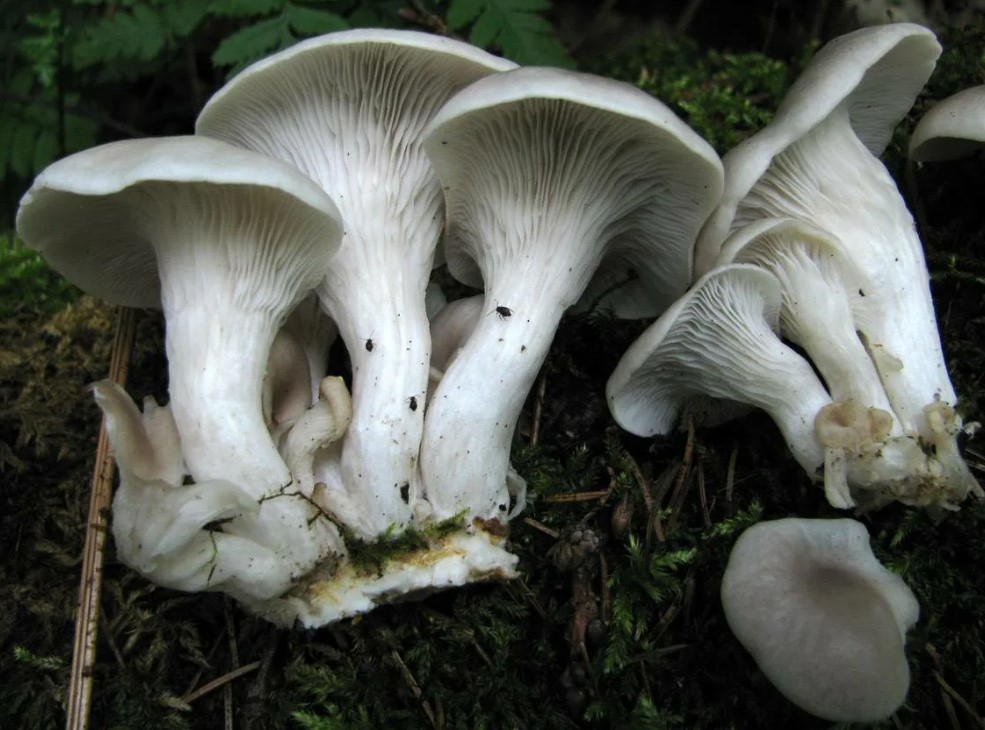
Abalone, white elf (Pleurotus cystidiosus)
| View | Description | Peculiarities | When it ripens | Where to look |
| Oyster mushroom Abalone, or White elf (Pleurotus cystidiosus) | The cap is ivory-colored, the stem is quite long. | Cultivated in Thailand and Taiwan. Heat-loving. | July-October. | Grows in Turkey on stumps or diseased trees. |
Photo gallery of oyster mushrooms (Abalone)
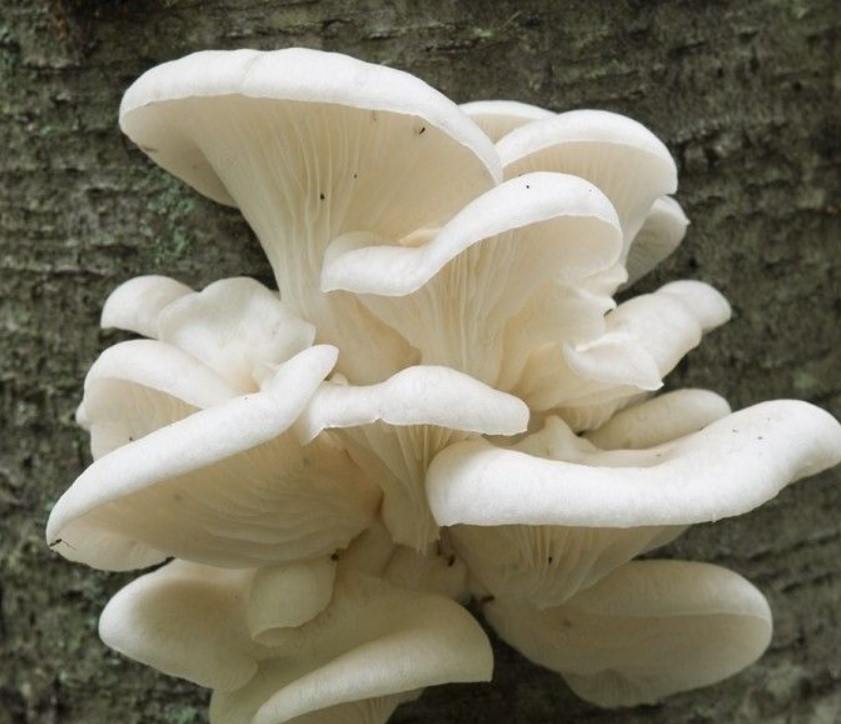
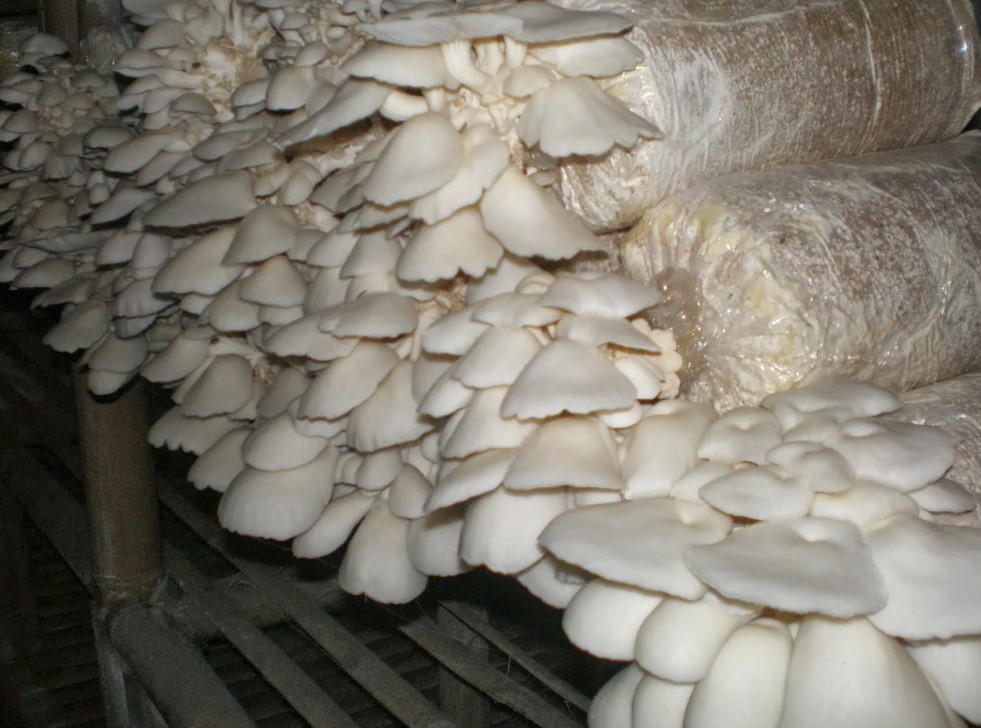
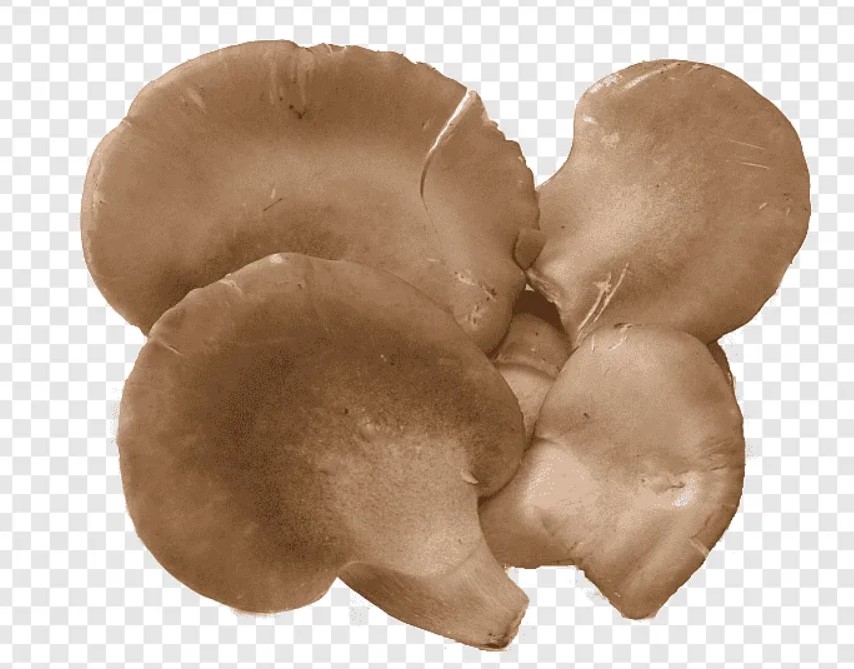
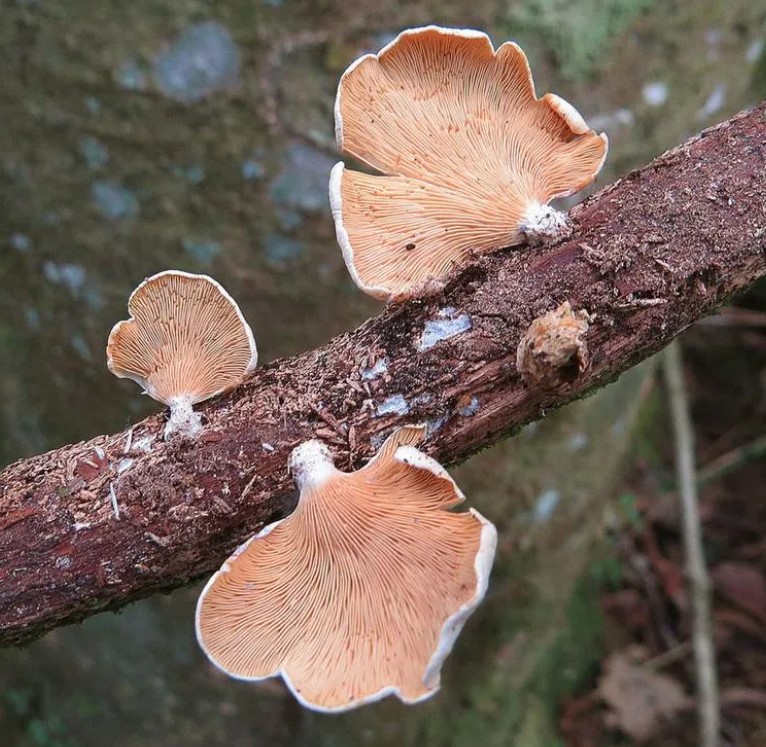
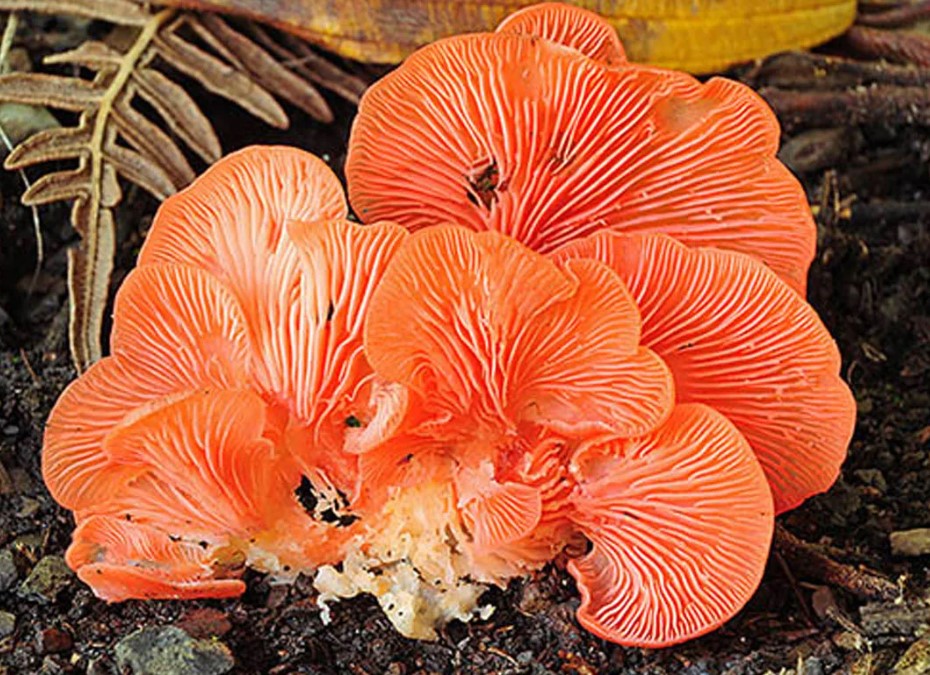
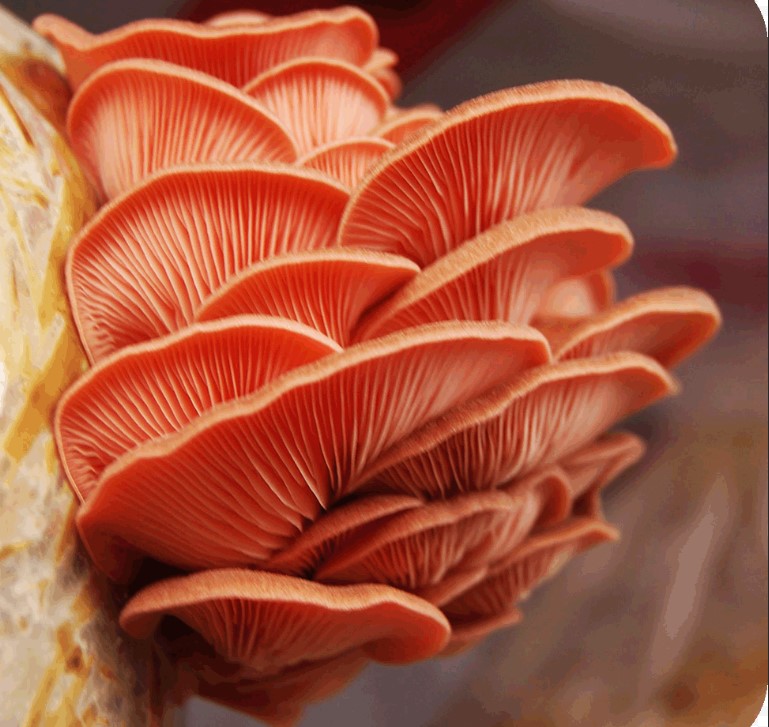
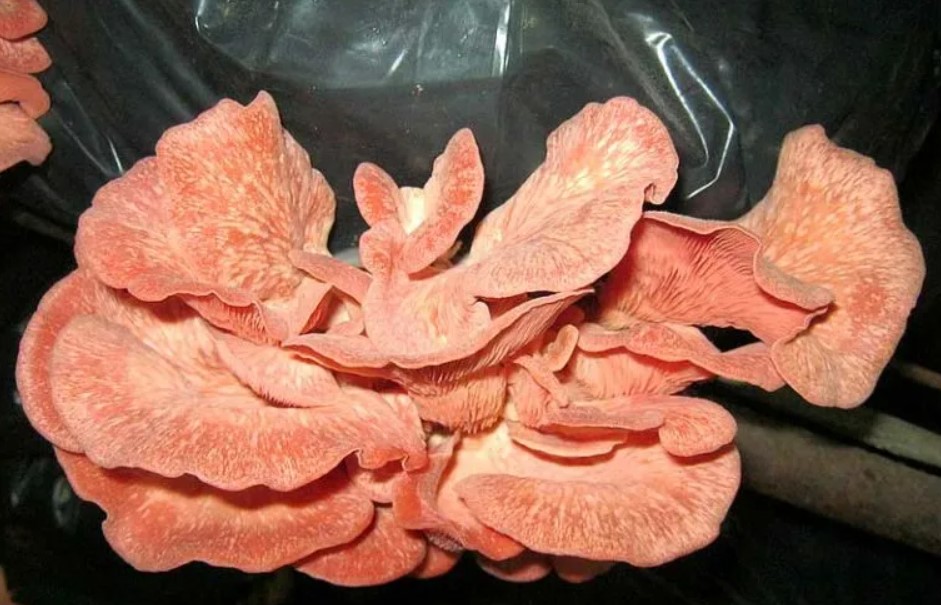
Pink oyster mushroom (Pleurotus djamor)
| View | Description | Peculiarities | When it ripens | Where to look |
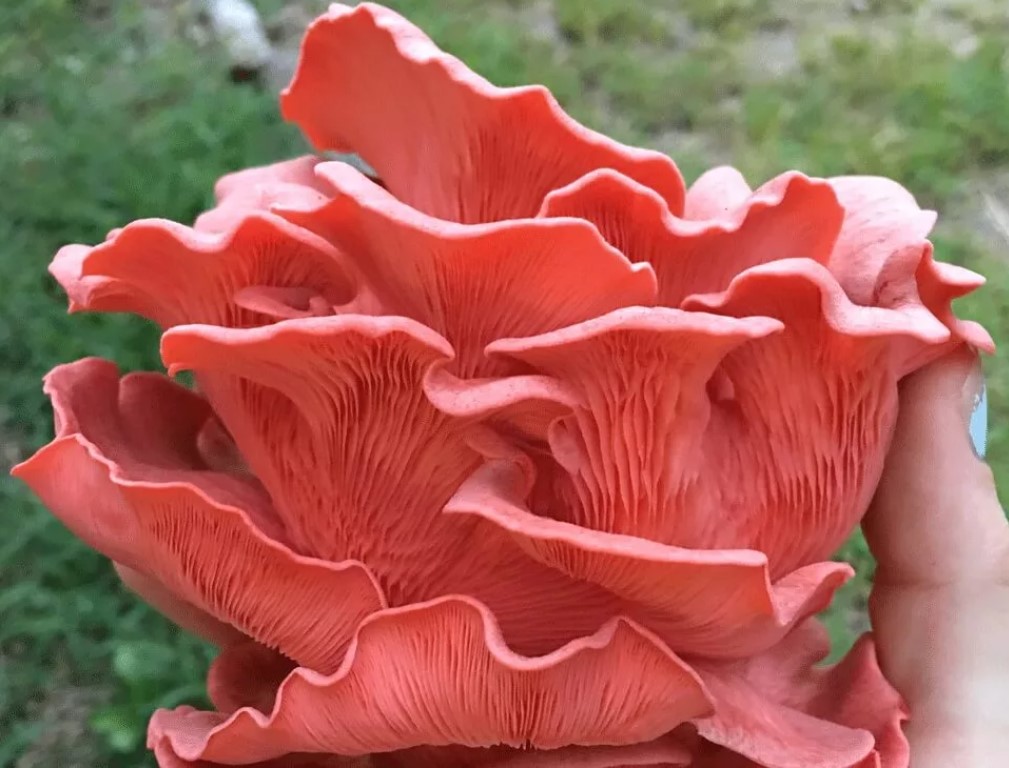
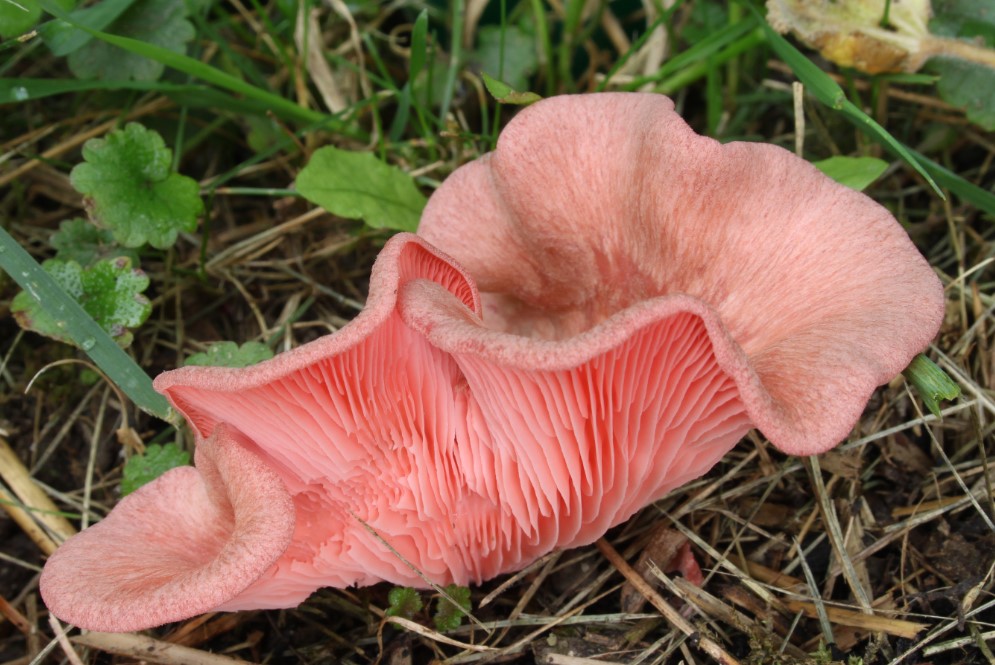
| Pink oyster mushroom (Pleurotus djamor) | The cap is 3-5 cm in diameter, has wavy edges, and is pink in color, fading as the mushroom matures. The flesh is fleshy, tender, and creamy. The stem is virtually absent. | A delicious mushroom with tender flesh, cultivated for growing at home. | July-September. | It grows in countries with tropical and subtropical climates and prefers high temperatures, which is why in Russia it is most often grown only artificially. |
Photo gallery of pink oyster mushrooms
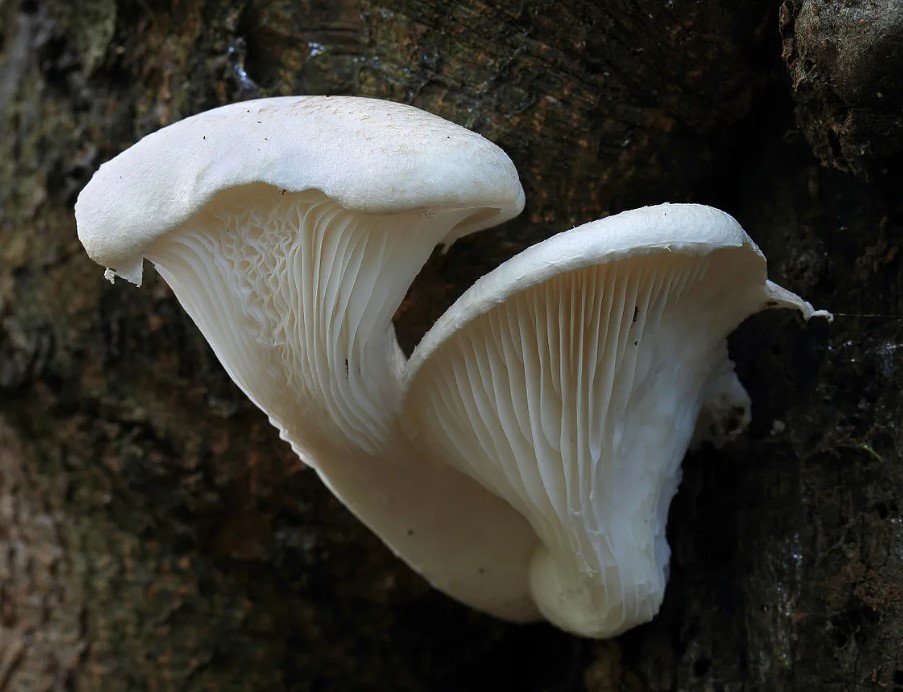
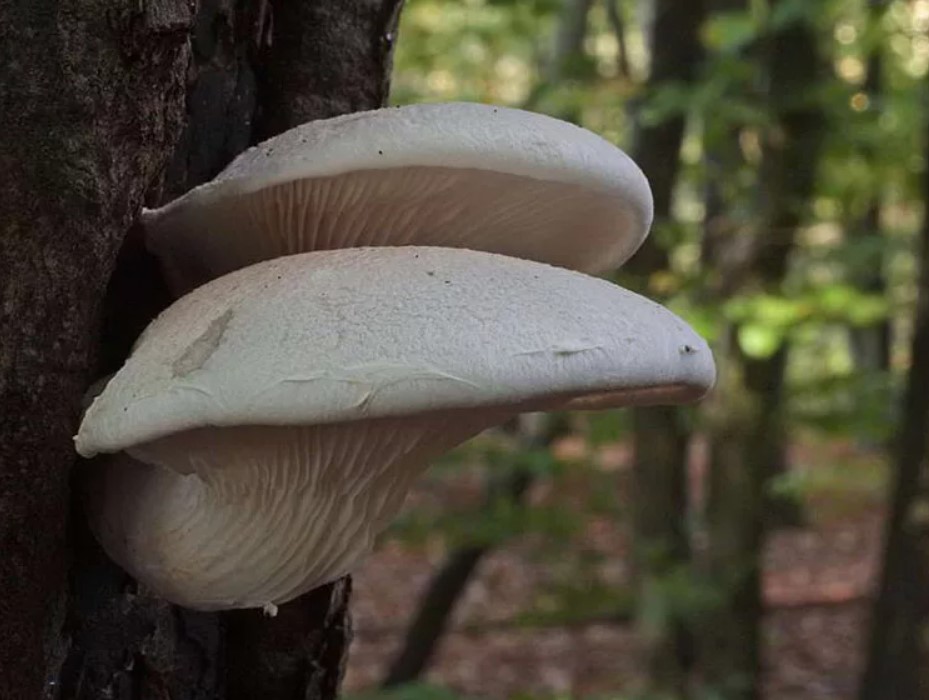
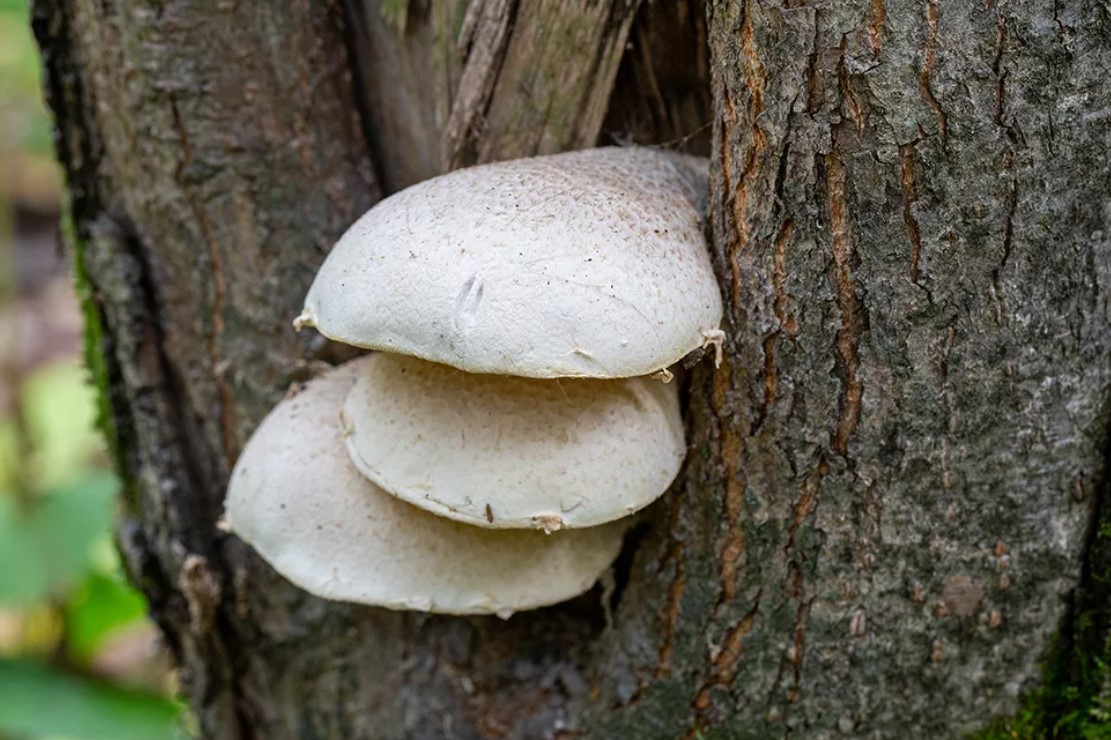
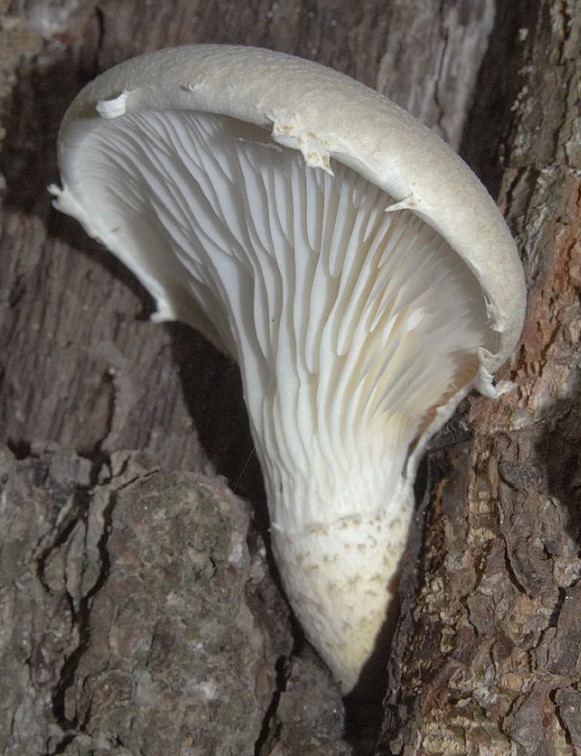
Oak oyster mushroom (Pleurotus dryinus)
| View | Description | Peculiarities | When it ripens | Where to look |
| Oak oyster mushroom (Pleurotus dryinus) | The mushroom's cap is white and convex, but with age it darkens slightly and changes shape, with the edges remaining curled. The flesh remains unchanged when cut. The stem is short. | It grows very densely, forming large clumps. It is the only oyster mushroom variety with a membranous covering. | July-September. | Prefers dead oak wood, sometimes settles on elms and other deciduous trees. |
Photo gallery of oak oyster mushrooms
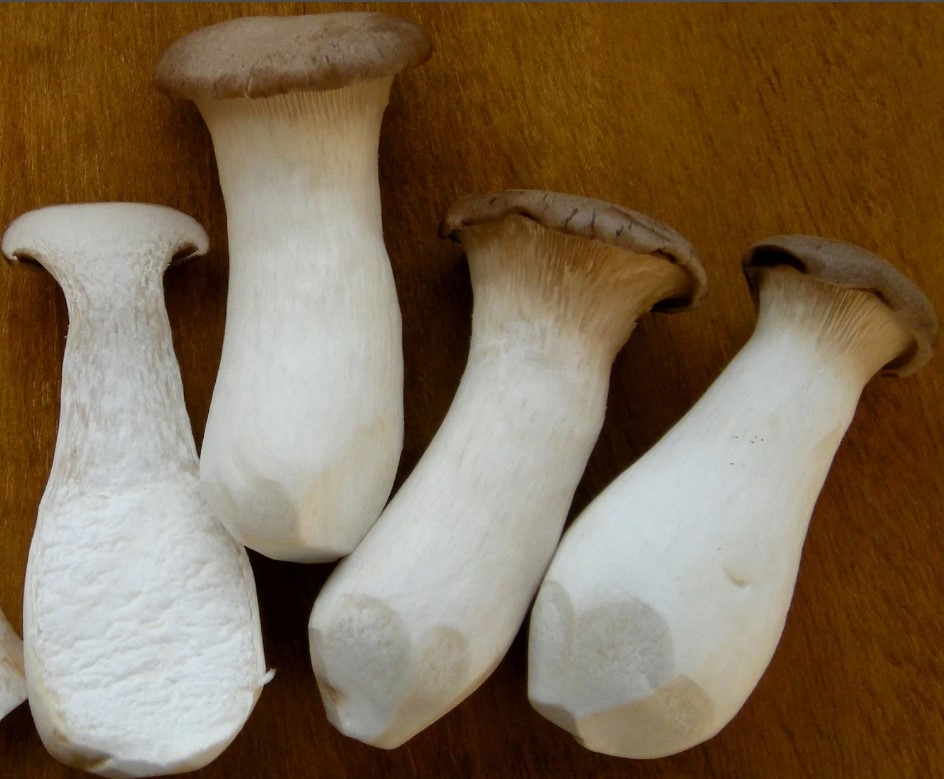
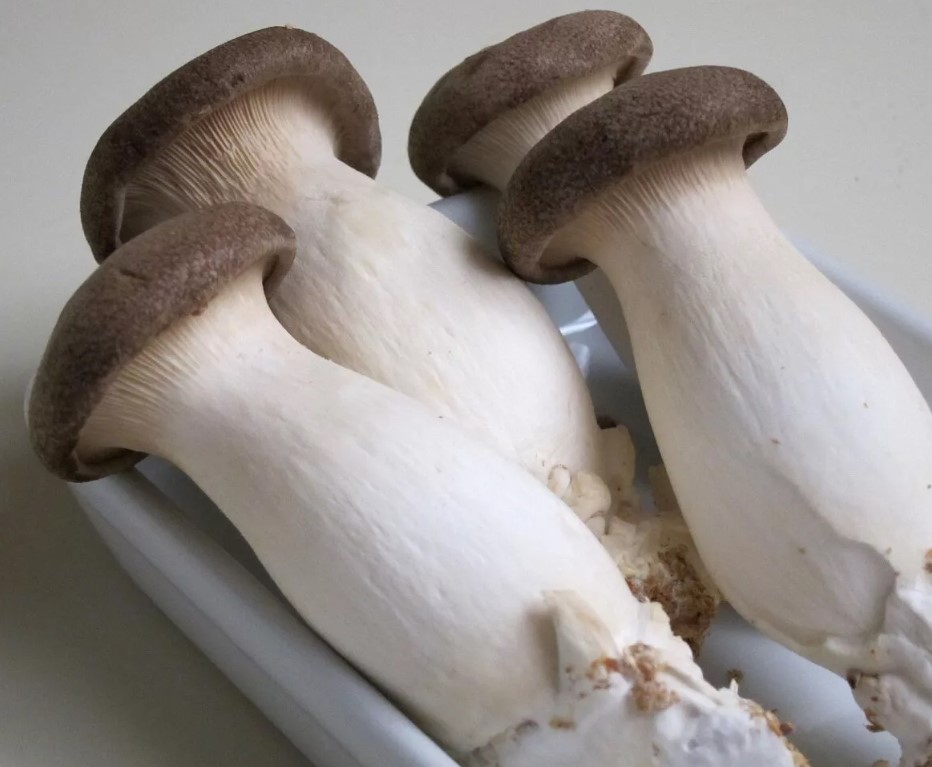
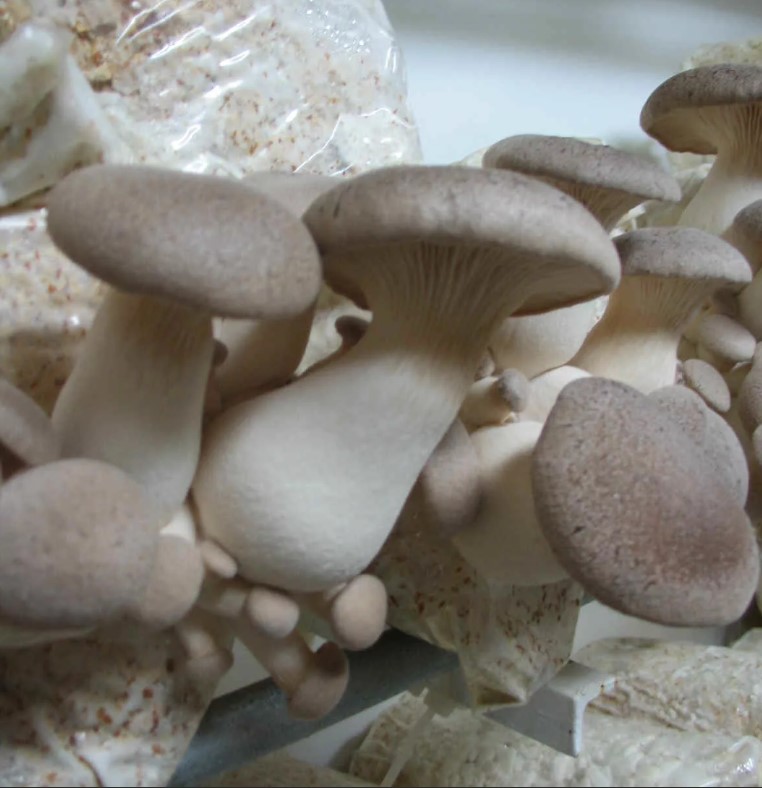
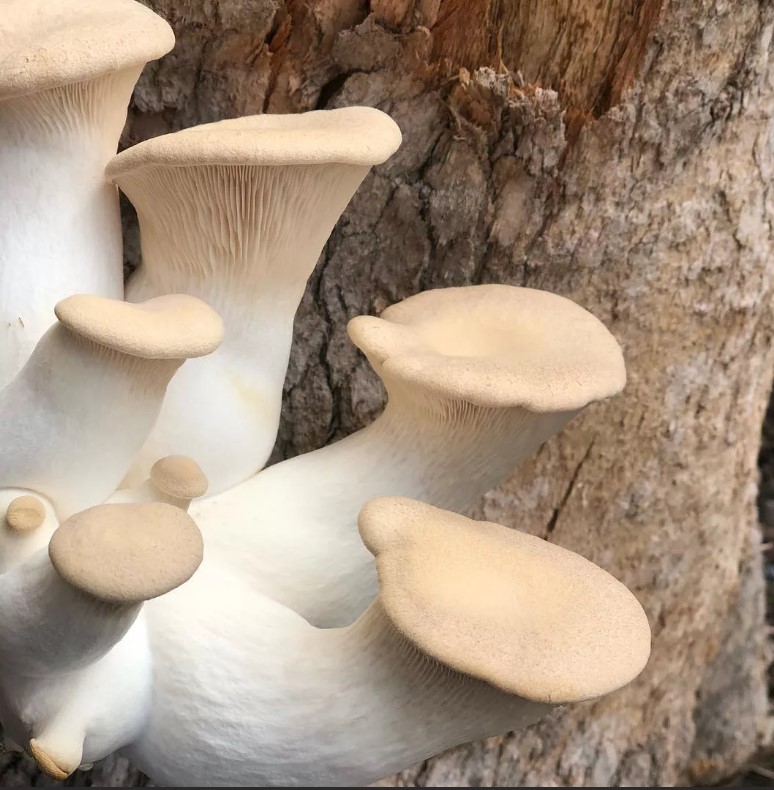
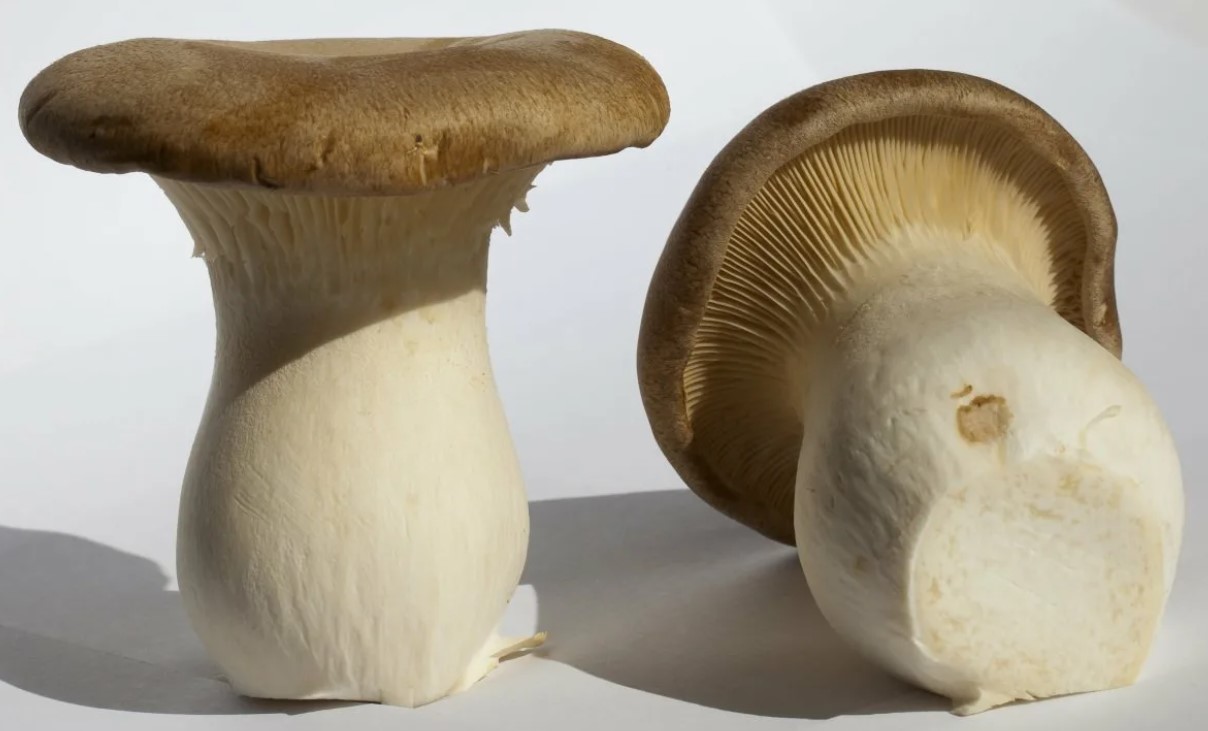
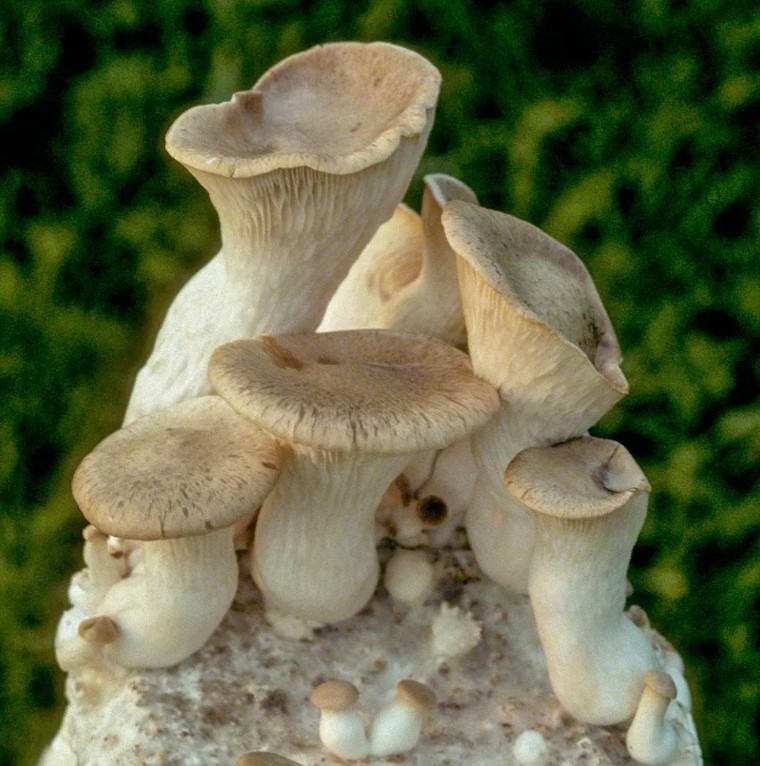
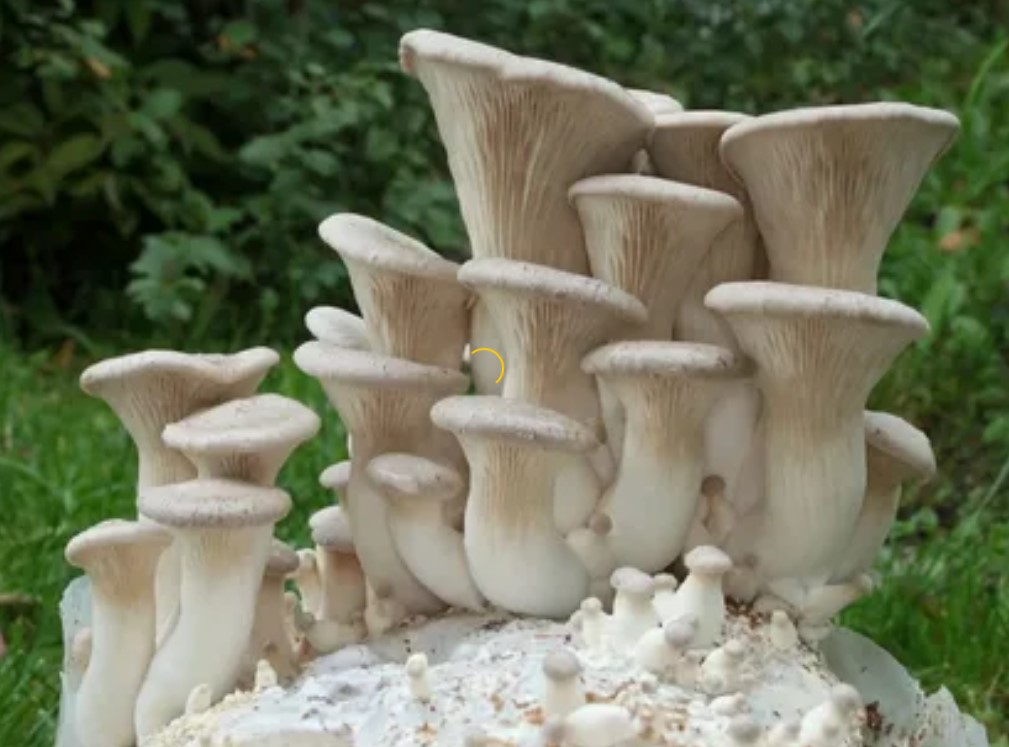
Royal oyster mushroom (Pleurotus eryngii)
| View | Description | Peculiarities | When it ripens | Where to look |
| Steppe oyster mushroom (Pleurotus eryngii) | A fleshy mushroom with a cap 4.5-13 cm in diameter. As it grows, the color changes from reddish to pale ocher. The surface is scaly, although it appears smooth. The stem is up to 5 cm tall, thicker at the base. | Another name for this mushroom is the king oyster mushroom, which is given due to its impressive size. | Spring. | It grows in the steppes on rotten remains of trees. |
Photo gallery of steppe oyster mushrooms
Oyster mushroom (Pleurotus nebrodensis)
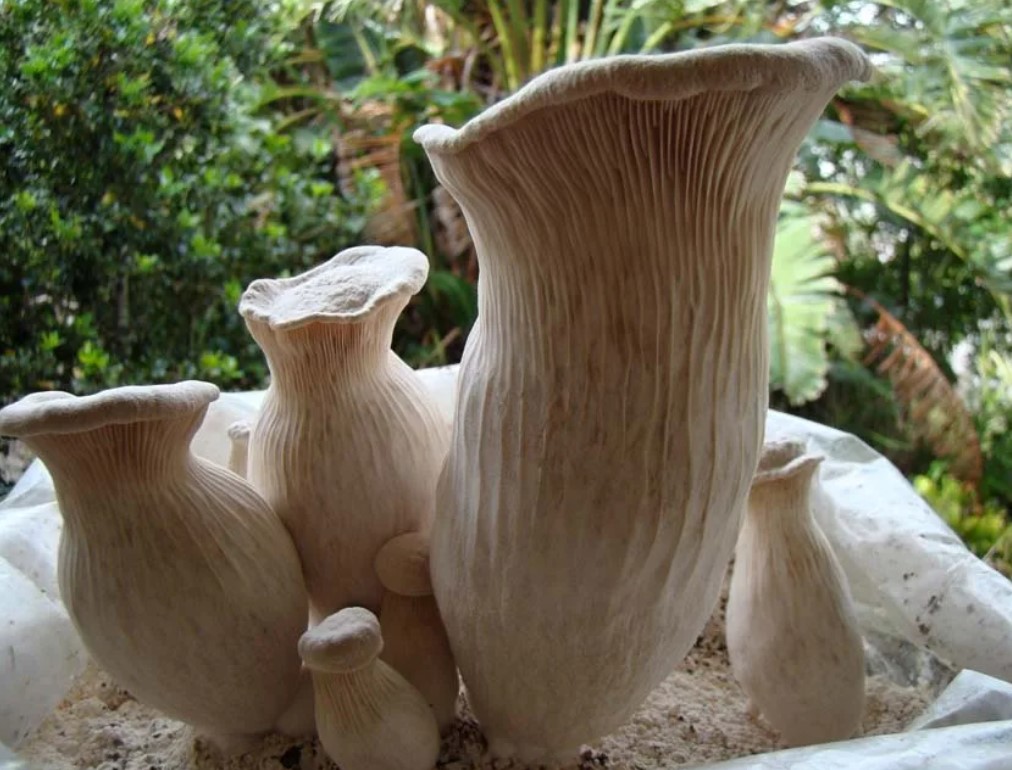
| View | Description | Peculiarities | When it ripens | Where to look |
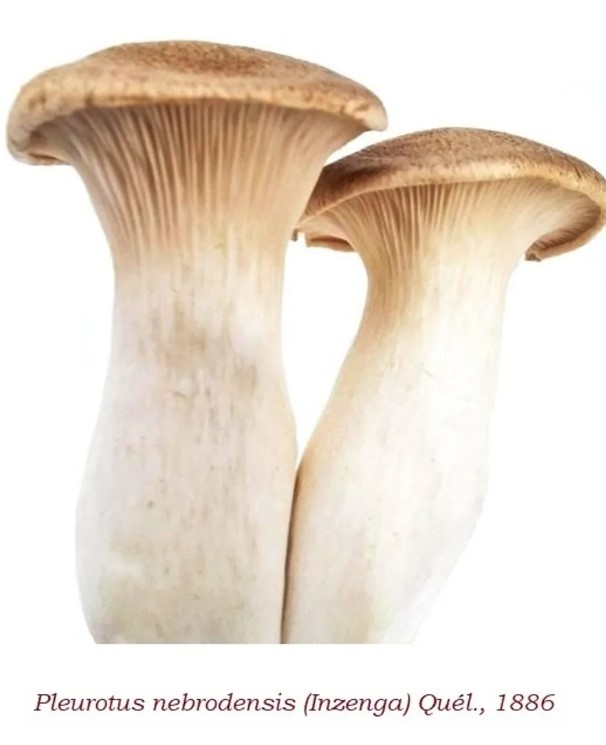
| Oyster mushroom (Pleurotus nebrodensis) | The cap is large, up to 14.5 cm in diameter, cream-colored. The stem is ringless and up to 7 cm long. | A very rare mushroom of Sicilian origin. | May-October. | Mountain forests of Sicily. |
Photo gallery of Oyster mushroom nebrodenrsis
Oyster mushroom (Pleurotus ostreatus)
| View | Description | Peculiarities | When it ripens | Where to look |
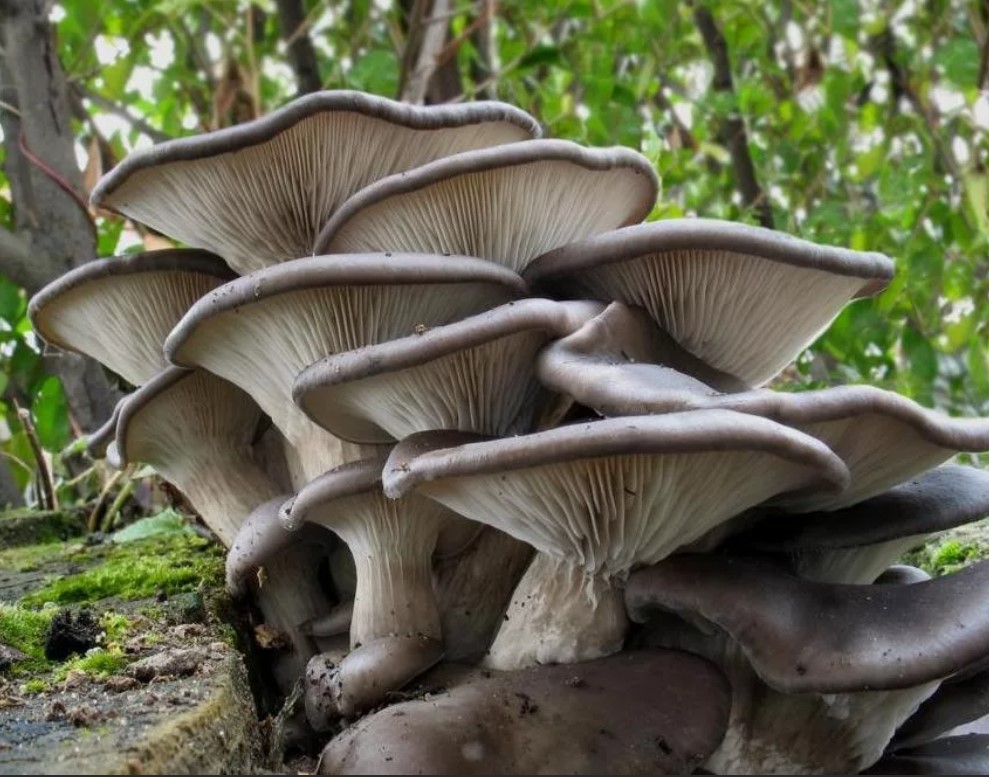
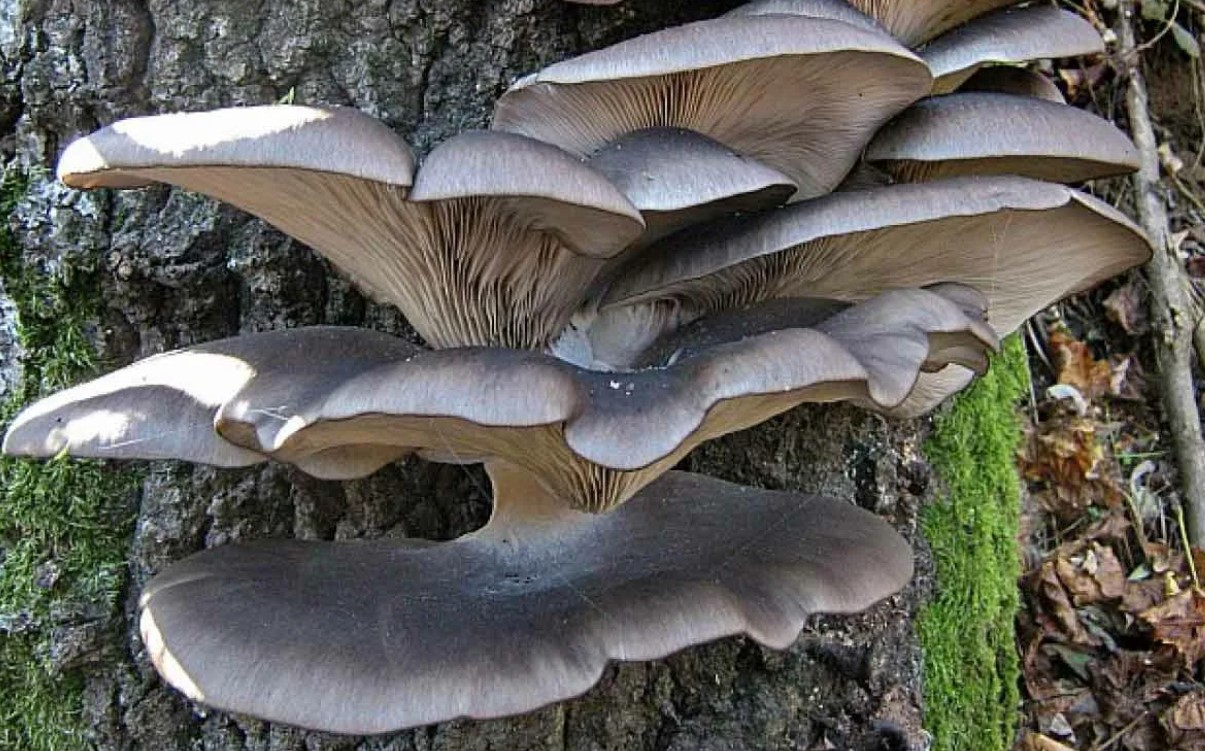
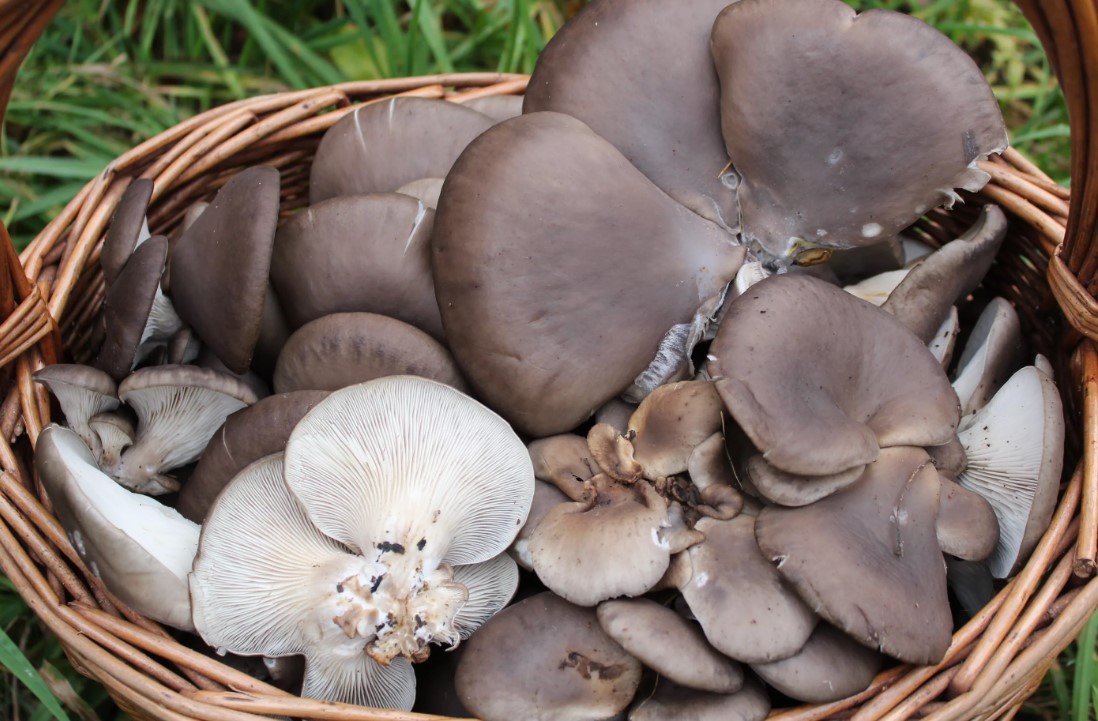
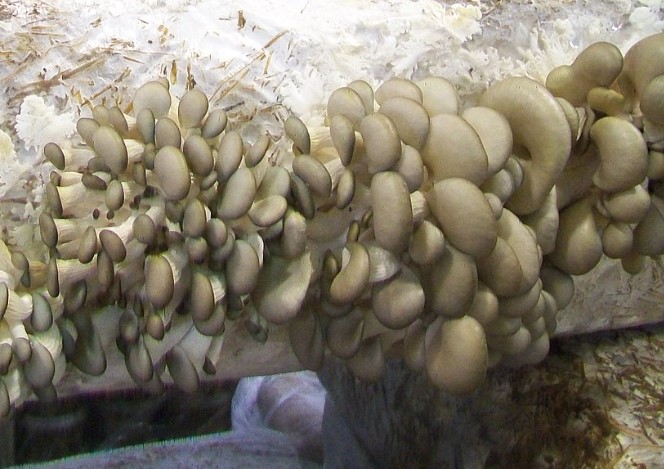
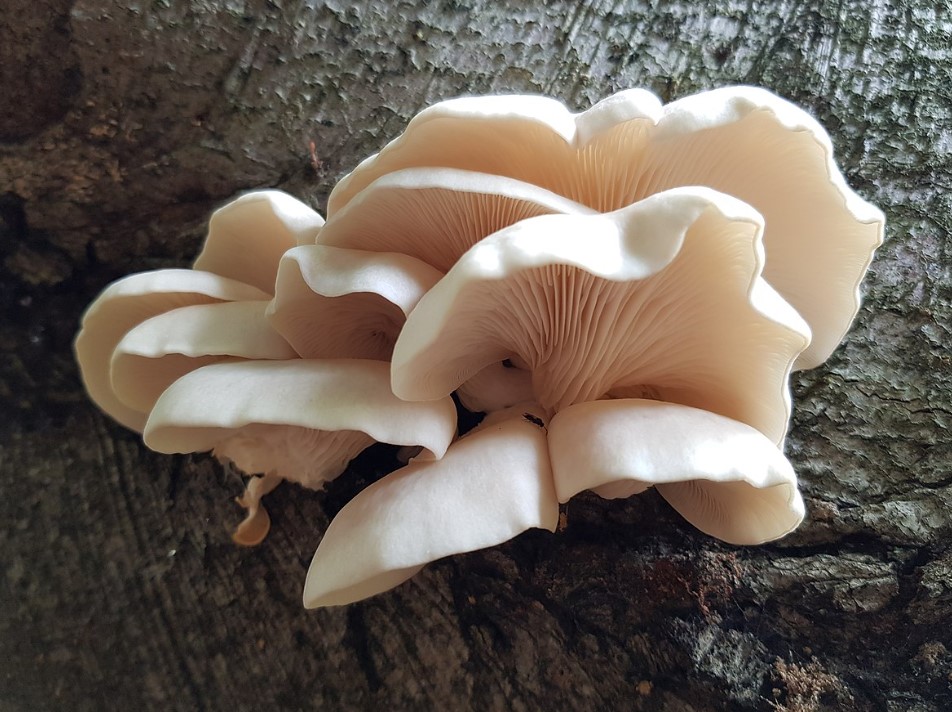
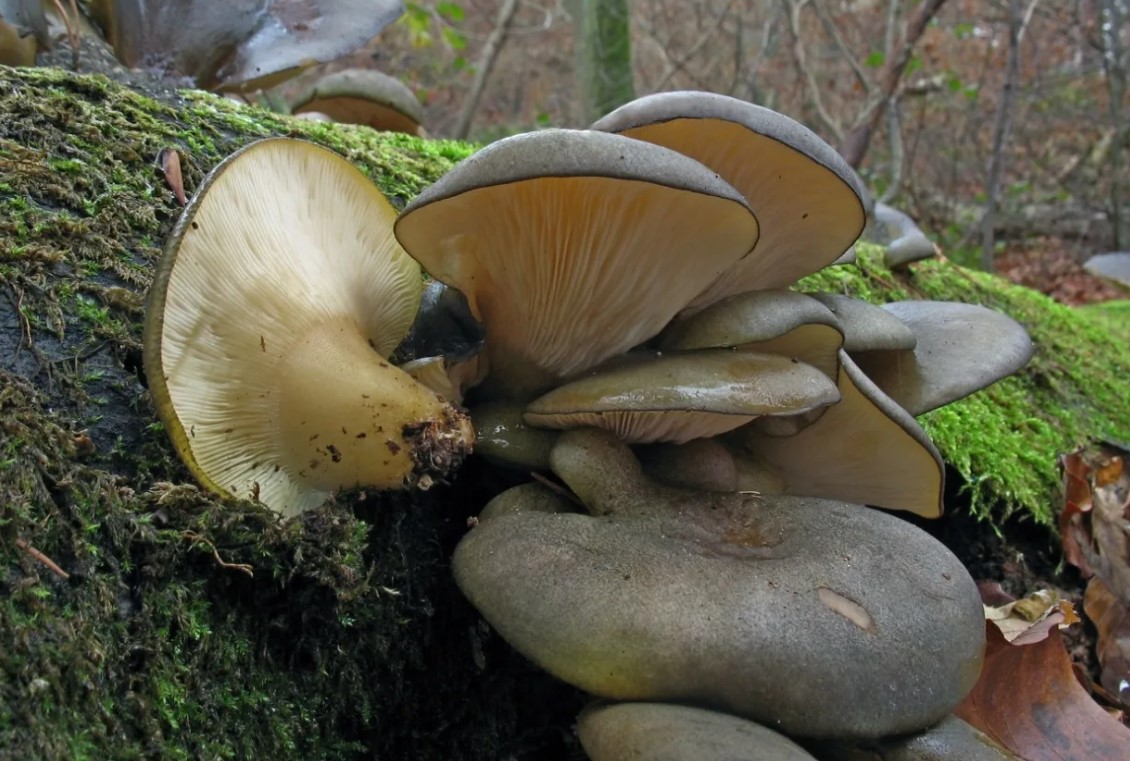
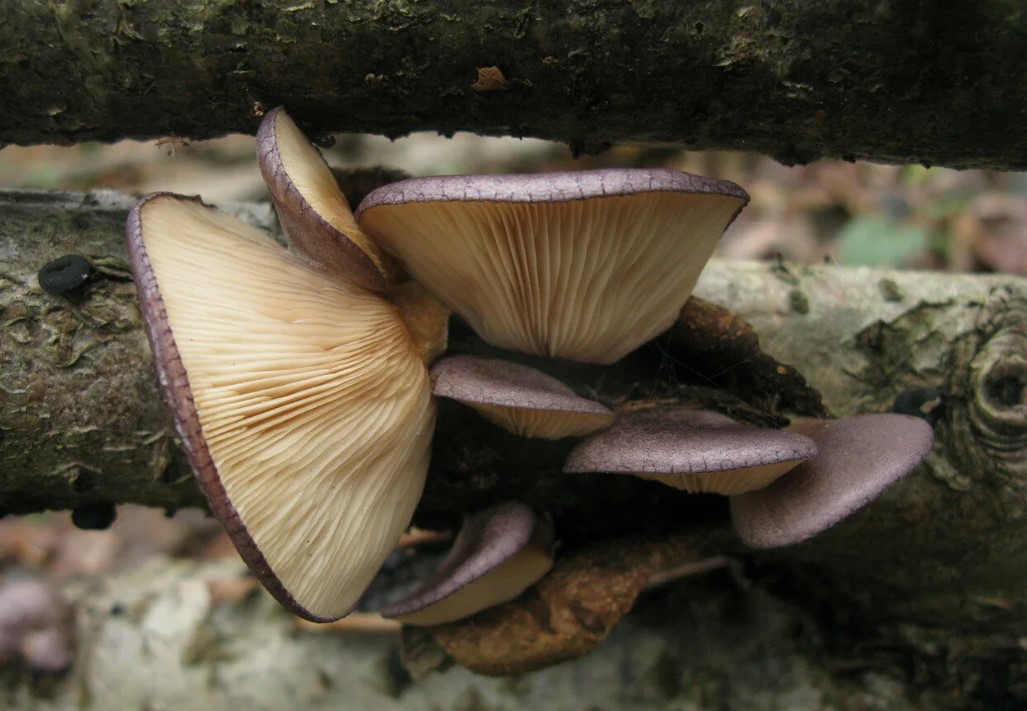
| Oyster mushroom (Pleurotus ostreatus) | The most common species. The cap is 5 to 15 cm in diameter, light to dark gray in color, funnel-shaped, and has a curled edge. The stem is up to 3 cm long and curved. | It tolerates frost well and has a high yield. | September-October. | Dead wood of deciduous trees. |
Photo gallery of oyster mushrooms
Oyster mushroom (Pleurotus pulmonarius)
| View | Description | Peculiarities | When it ripens | Where to look |
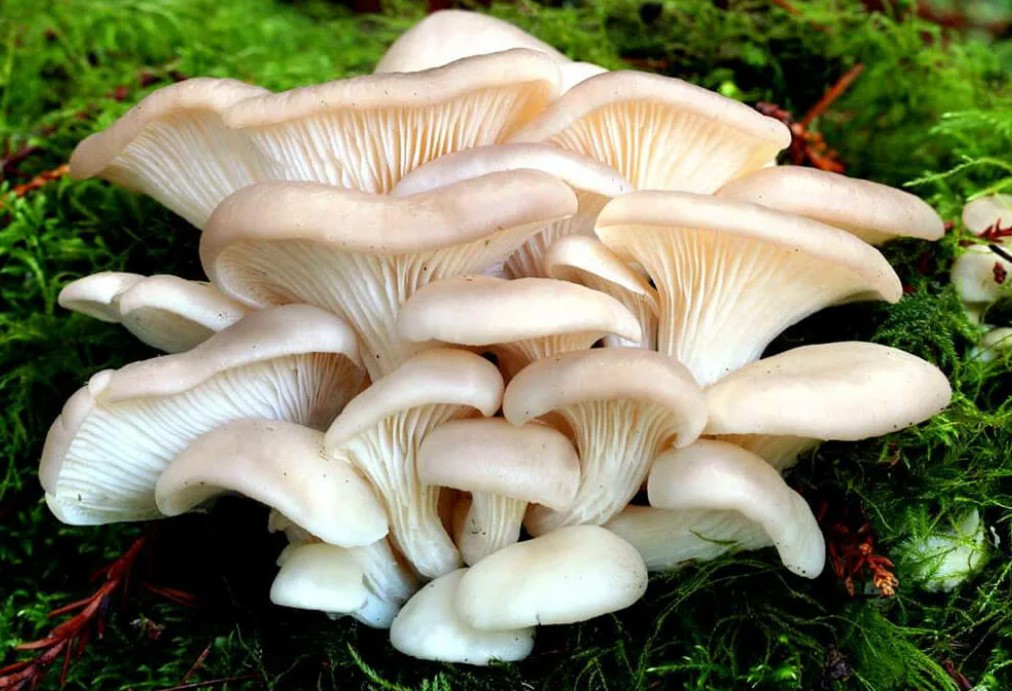
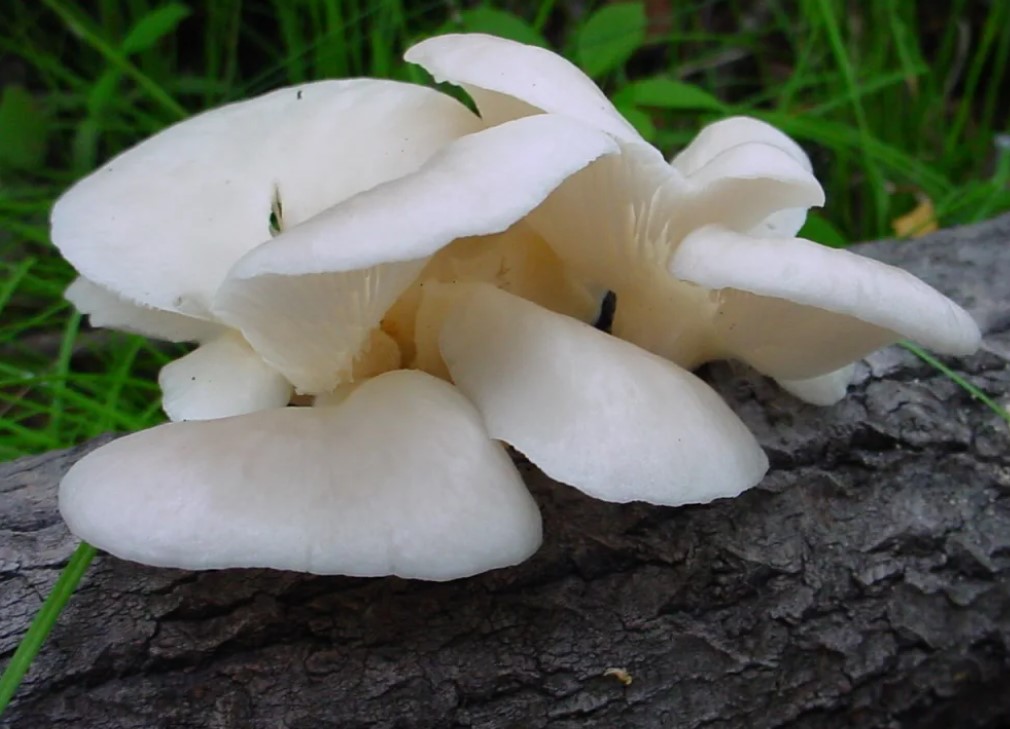
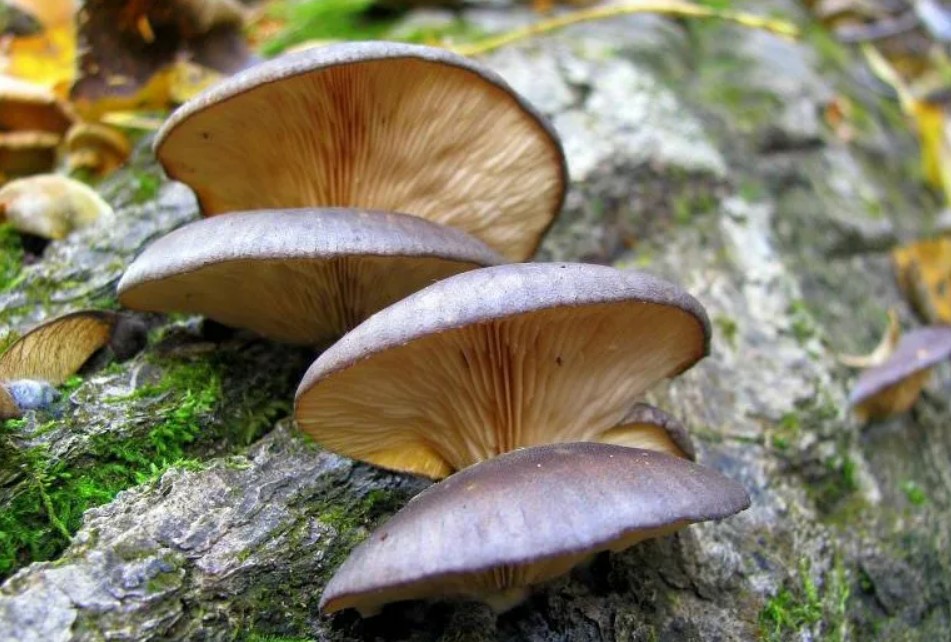
| Oyster mushroom (Pleurotus pulmonarius) | The cap is light-colored, fan-shaped, becoming yellowish with age, and is about 6 cm in diameter. The stem is usually lateral, up to 4 cm long, and becomes somewhat hard with age. | It has other names: beech, whitish or spring. | May-October. | Broadleaf forests, preferring oak, beech, aspen, birch, and linden. Rarely, it can be found in coniferous forests. |
Photo gallery of oyster mushrooms
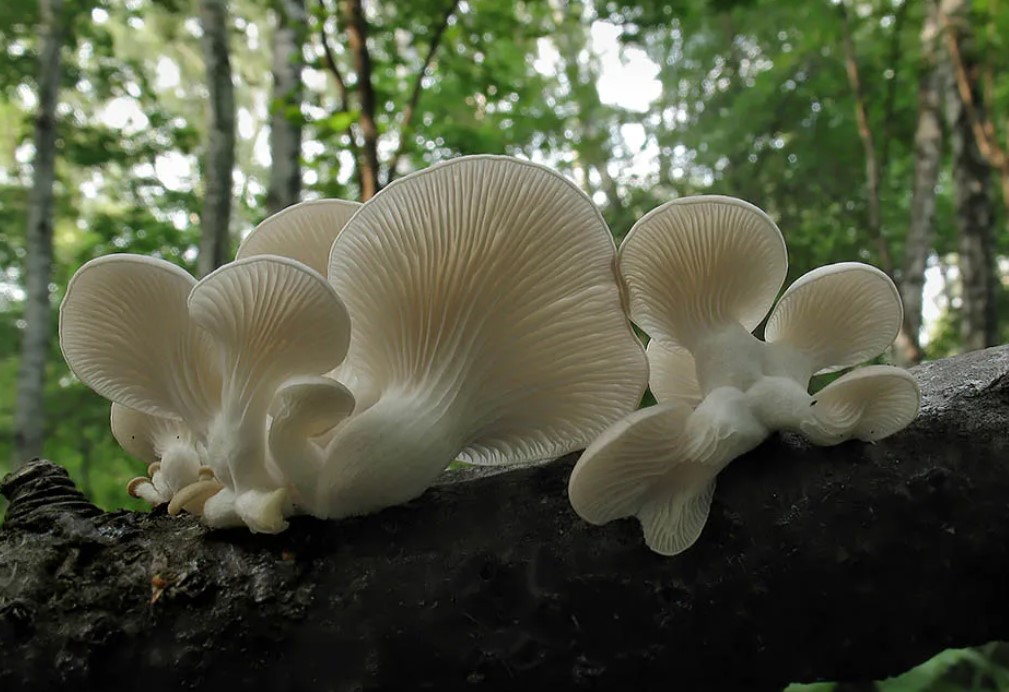
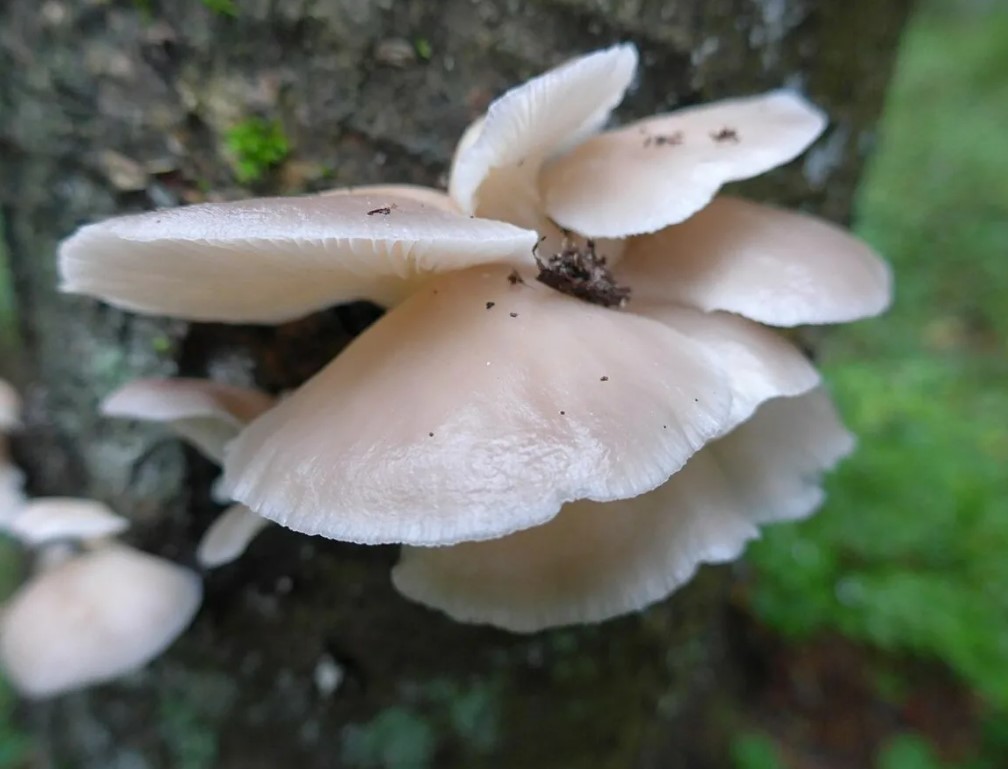
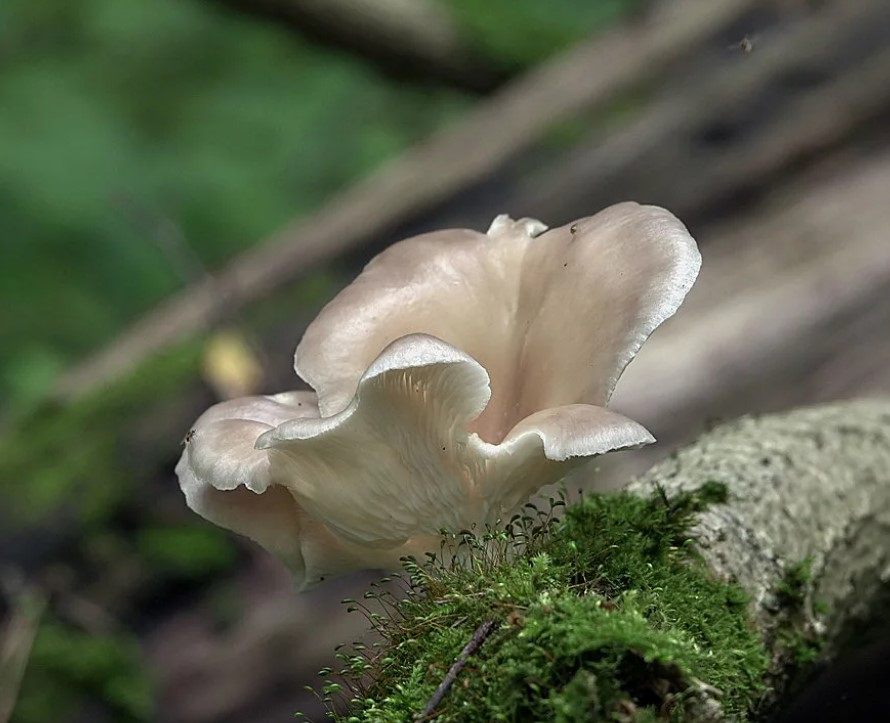
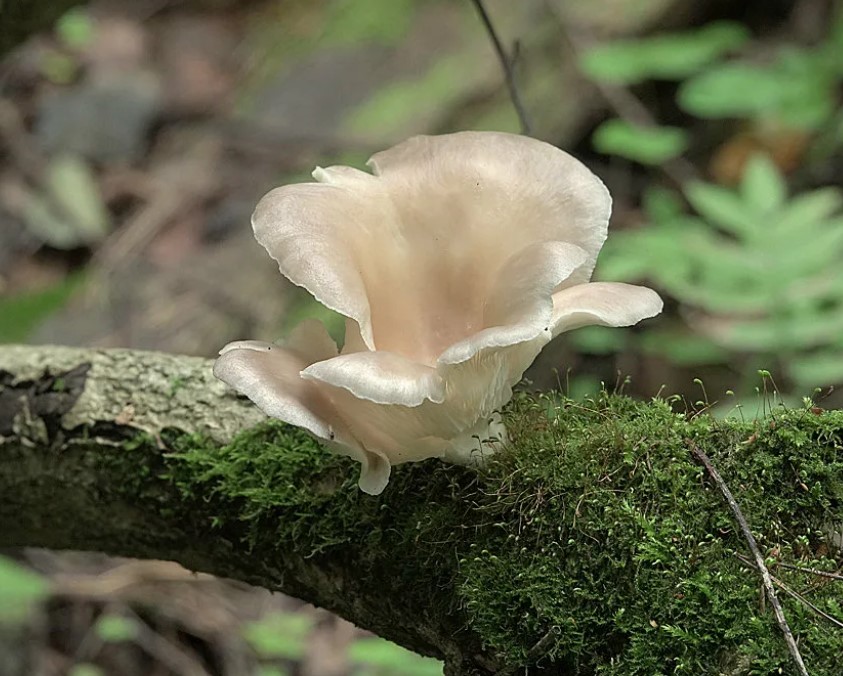
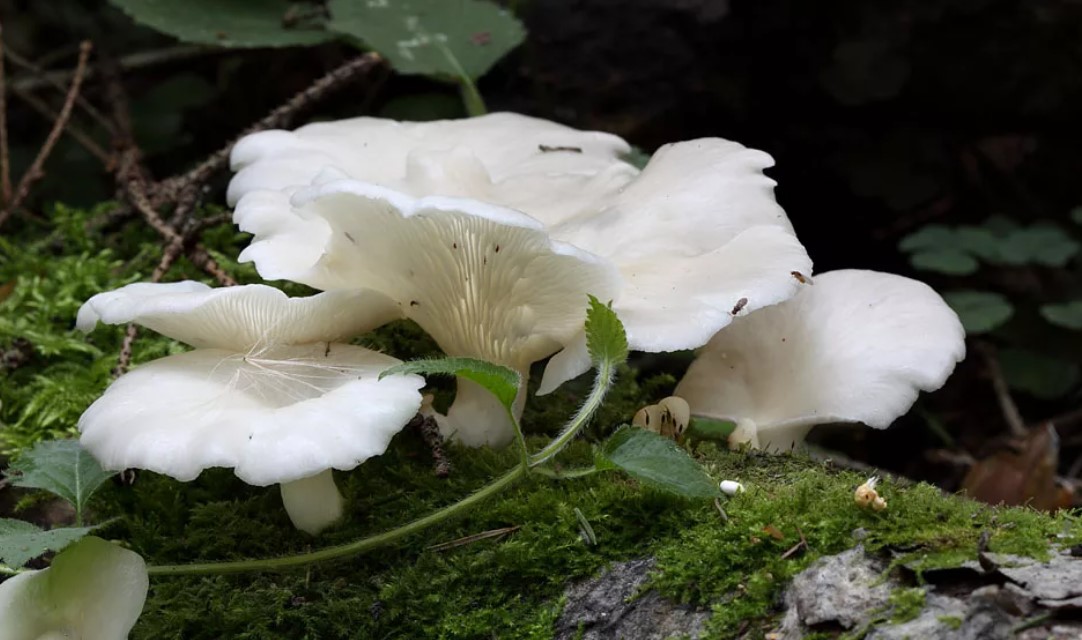
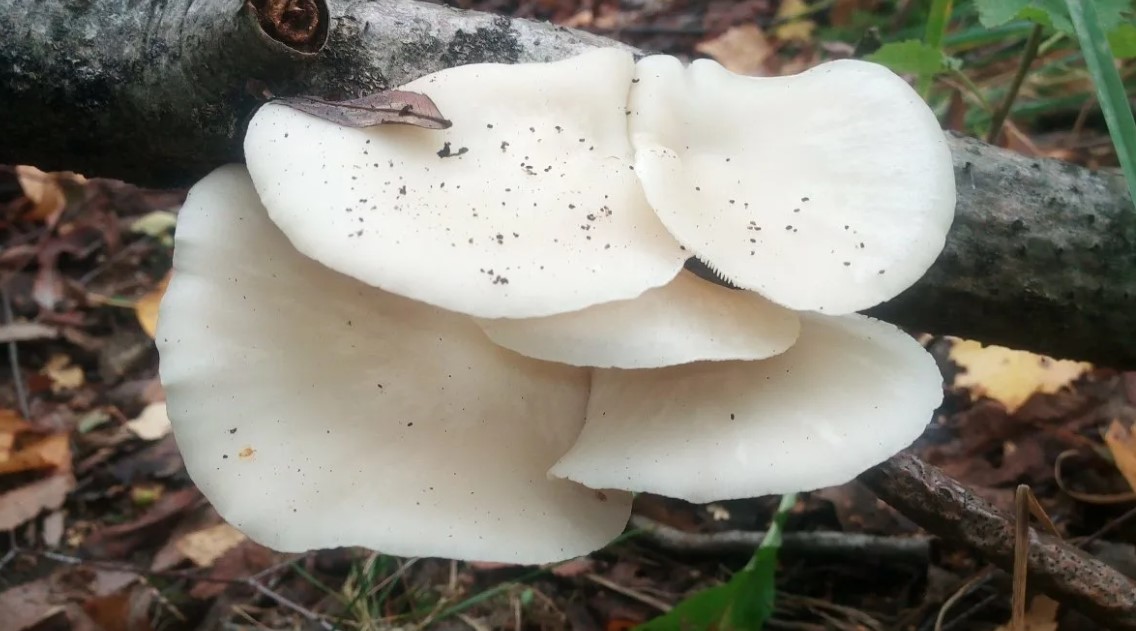
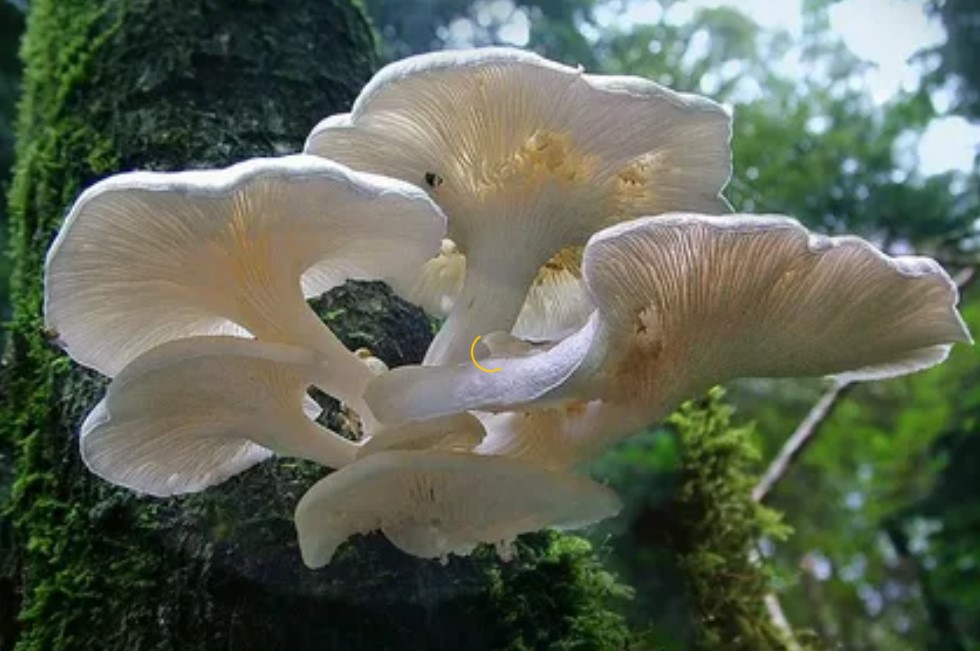
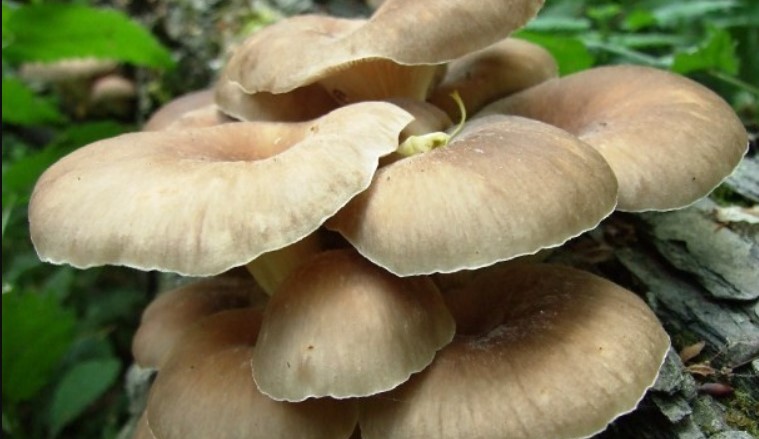
Autumn oyster mushroom, late (Panellus serotinus)
| View | Description | Peculiarities | When it ripens | Where to look |
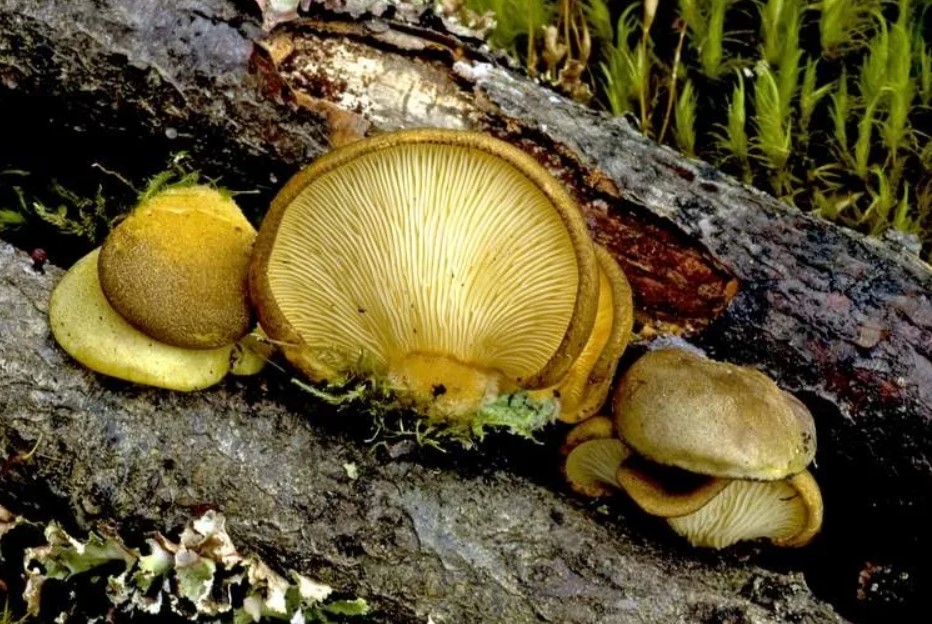
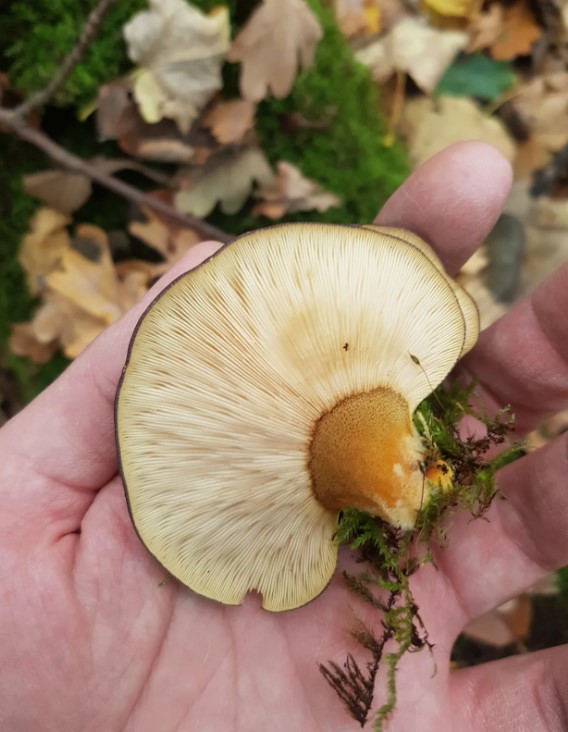
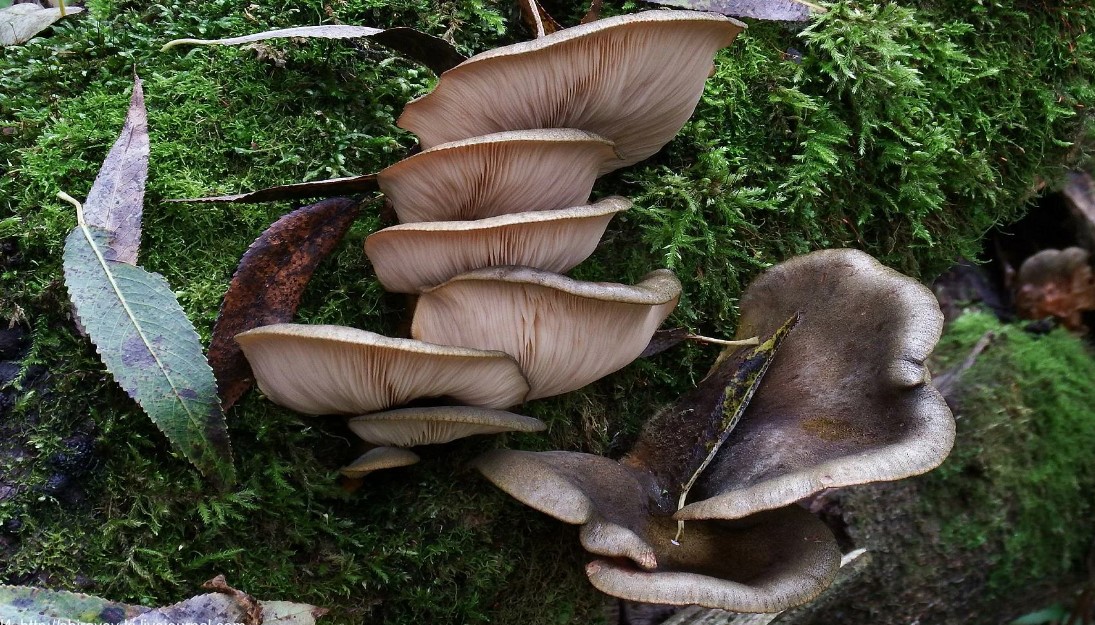
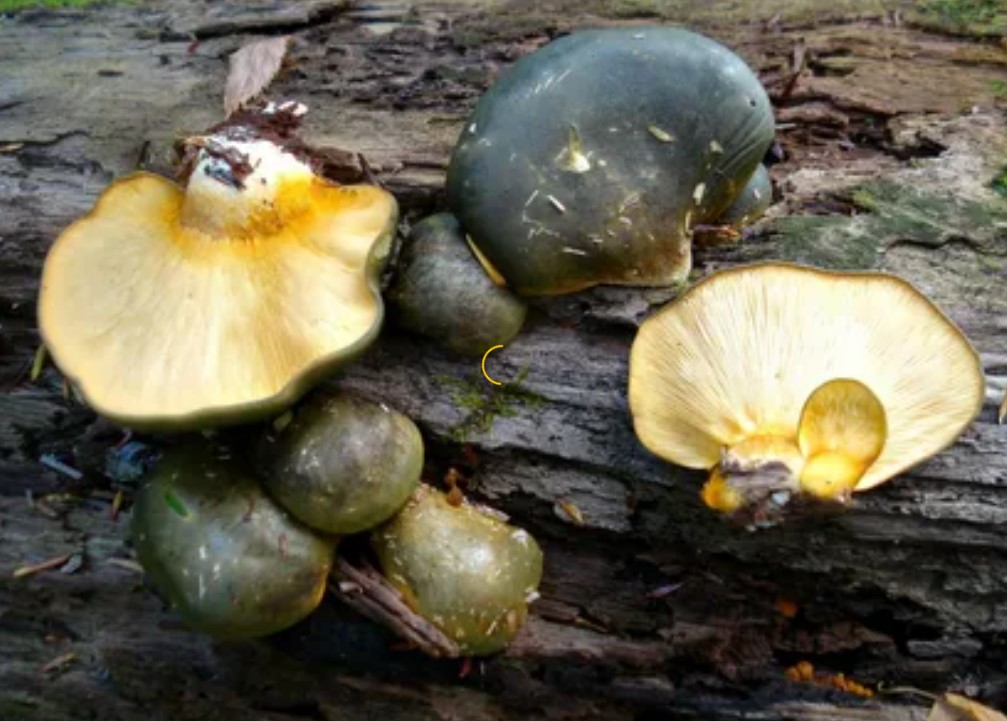
| Autumn oyster mushroom, late (Panellus serotinus) | The cap is up to 5 cm in diameter, lobed. The color is greenish with a brown or gray tint. The stem is up to 3 cm long. The flesh is somewhat tough. | It's rarely eaten due to its rubbery flesh. It grows in numerous clusters. | September – November (before frost). | Mixed and deciduous forests, preferring alder, oak, elm, birch. |
Photo gallery of autumn oyster mushrooms
What mushrooms can oyster mushrooms be confused with?
Oyster mushrooms don't have poisonous lookalikes, so you can pick them without fear. The only problem you might encounter is that the mushroom will be tough and fibrous, so cooked dishes will be tasteless, but not toxic.
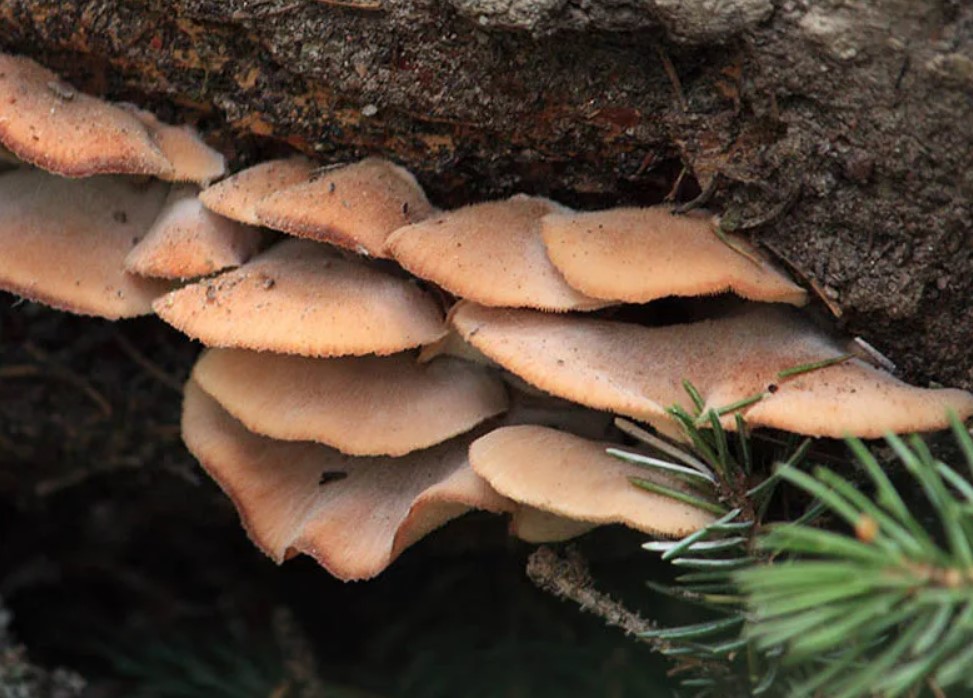
Mushrooms have harmless, unpleasant-tasting lookalikes, such as the wolfsbane. Its cap is yellow-red, and its stems grow so tightly together that a cluster of mushrooms resembles roof tiles more than a group of cap mushrooms. The wolfsbane's aroma is unpleasant, so you'll be able to recognize the enemy almost immediately after finding it.
The benefits and harms of oyster mushrooms
Oyster mushrooms are considered a beneficial mushroom. They contain vitamins B, C, and PP, as well as numerous micro- and macroelements (copper, potassium, zinc, iron, etc.). Furthermore, unlike many other mushrooms, oyster mushrooms do not absorb toxins from the soil.
In folk medicine, oyster mushrooms have been used since ancient times to prepare remedies for cardiovascular diseases and anemia. Consuming the mushroom helps strengthen the immune system and bone tissue. They help remove toxins and radioactive elements from the body, making them suitable for use in combination with anti-cancer therapy.
For those trying to maintain a slim figure, the mushroom will also be useful due to its minimal calorie content and low carbohydrate and fat content.
Among the contraindications for oyster mushrooms, the following points stand out:
- The mushroom is not recommended for people with liver and gallbladder diseases.
- It is not advisable for children under 5 years of age and the elderly to eat oyster mushrooms.
- Pregnant and lactating women should limit consumption.
- Salted mushrooms are not recommended for people with weak kidneys.
Read the article to find out which mushrooms are healthier and tastier: oyster mushrooms or champignons. Which is better, oyster mushrooms or champignons: reviews, which is tastier and healthier, comparison table + photos.
How to grow oyster mushrooms at home
Oyster mushrooms are fairly easy to grow at home. 1 kg of mycelium can yield up to 4 kg of harvest.
Both indoor and outdoor locations without low temperatures are suitable for growing.
It's best to purchase mycelium from reputable suppliers. It should be white. Reddish inclusions are acceptable, but greenish or black ones are not.
From the moment of purchase until planting, the mycelium should be stored at a temperature of +3…+4 degrees.
What types of oyster mushrooms are suitable for growing at home?
There are 9 varieties of oyster mushrooms suitable for home cultivation:
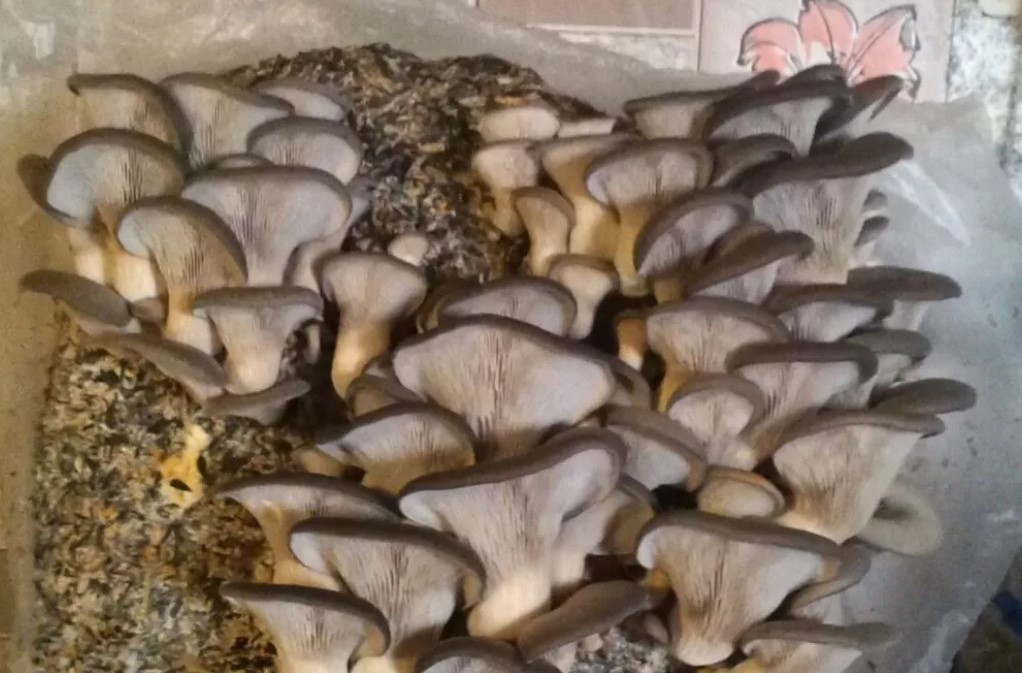
- Oyster, common (Pleurotus ostreatus). The most common variety for home growing, it's easy to care for. With proper cultivation, it will produce fruit year-round. The flesh is aromatic, and the cap is brown, purple, or can be grayish-yellow or brown.
- Horn-shaped (Pleurotus cornucopiae)It is distinguished by its conical cap. It prefers to grow on elm stumps. The color can be sandy or dark brown.
- Pink (Pleurotus djamor)The mushroom grows very quickly, with the first harvest appearing 10 days after sowing the mycelium. The cap is distinguished by its pinkish color and wavy edge. It prefers high temperatures, from 16 to 30 degrees Celsius.
- Lemon (Pleurotus citrinopileatus)Another name for this mushroom is the elm mushroom. The cap is cone-shaped and bright yellow. It's very easy to grow, growing densely with elongated stems and a cap diameter of 5 to 10 cm.
- Steppe (Pleurotus eryngii)Considered the most delicious variety, it is also known as the King Oyster Mushroom. The cap shape changes as it grows, from convex to flat, and then to concave. The flesh is pleasantly tasty, dense, and fleshy. It is grayish in color. Experienced mushroom pickers grow steppe oyster mushrooms in cans or jars.
- Abalone, white elf (Pleurotus cystidiosus)This variety is considered a dietary one. The flesh is tender. The stem is elongated, the cap has wavy edges, and there are scales on the surface. It grows in substrate blocks and on stumps.
- Late (Panellus serotinus)The cap is irregularly shaped, gray, brown, or tan in color. The diameter can reach 25 cm. It grows well both in substrates and on aspen, poplar, and oak stumps.
- Pulmonary (Pleurotus pulmonarius)The cap is tongue-shaped, white or brownish in color. The harvest can be from spring until the first frost. Only young specimens are suitable for eating, as the flesh becomes tough and fibrous with age.
- Florida (Pleurotus ostreatus Florida)This is a variety of oyster mushroom, but larger. Its cap is 10 to 20 cm in diameter. It is beige or light gray in color and funnel-shaped. High temperatures are required for cultivation.
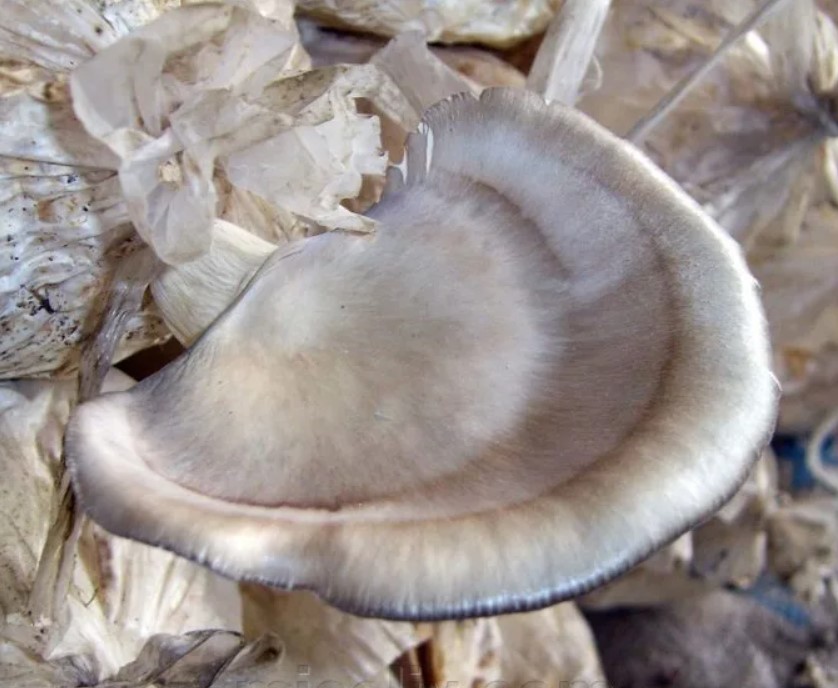
Methods of growing oyster mushrooms
There are two ways to grow oyster mushrooms at home:
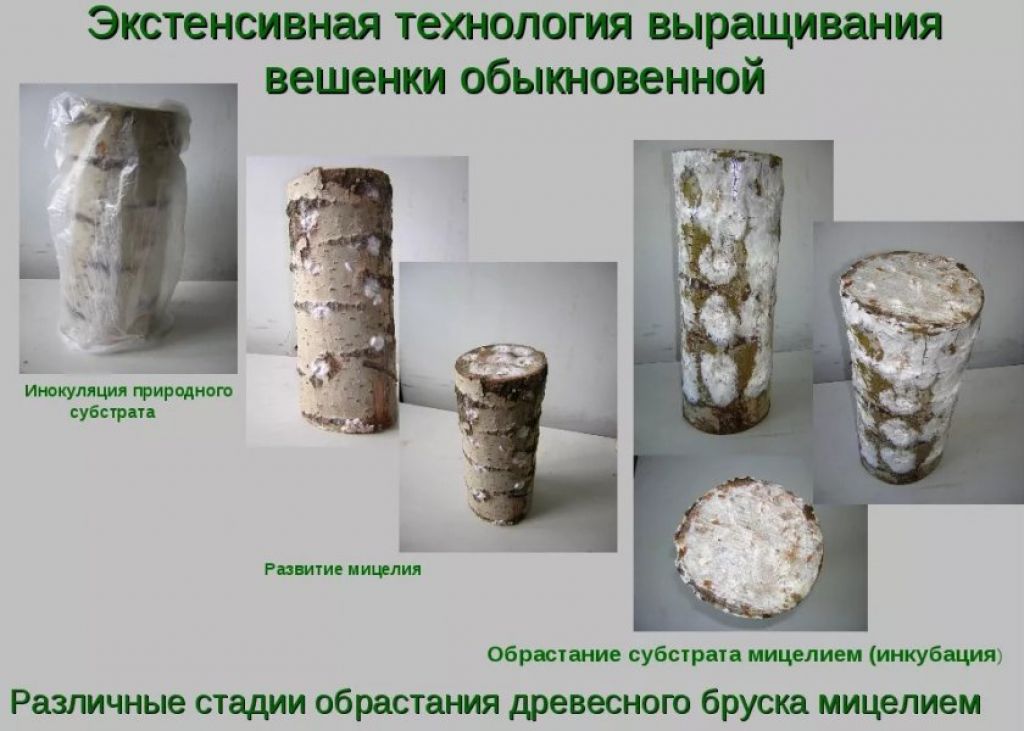
- ExtensiveA fairly simple and inexpensive method. Find the most suitable spot for mushrooms on your plot: it should be shaded and well ventilated on all sides. Dig a birch, willow, aspen, linden, or poplar stump into the soil. Make several deep cuts in the surface, carefully spreading the mycelium across them. Cover the cuts with moss or bark. Water the stump with warm water and cover with plastic wrap. If the weather is hot, you'll need to water the future mycelium daily. With proper care, the first harvest can be harvested in 1.5 months.
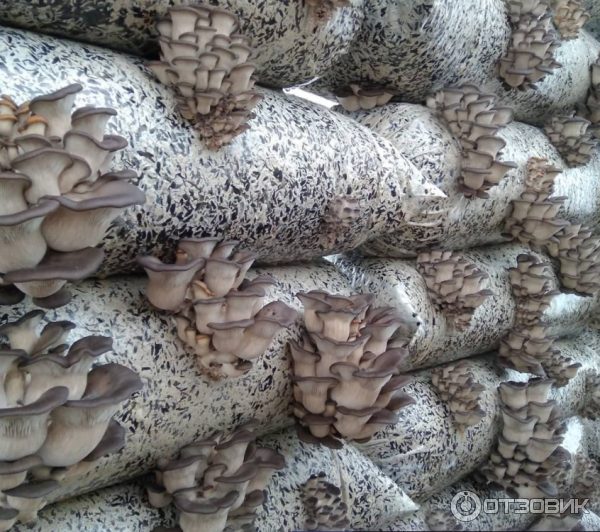
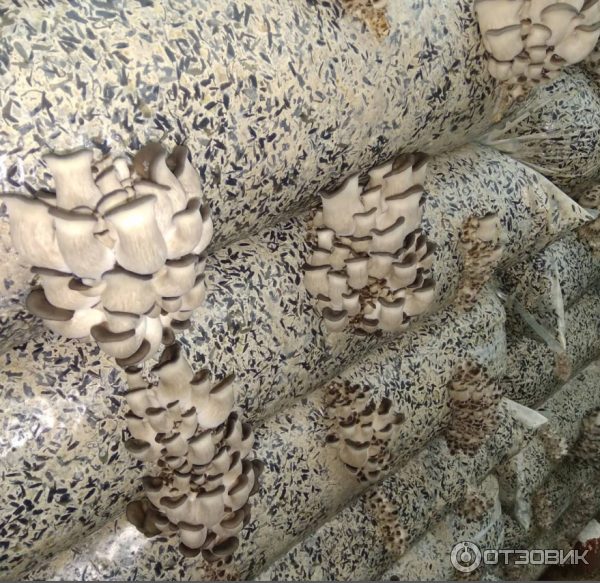
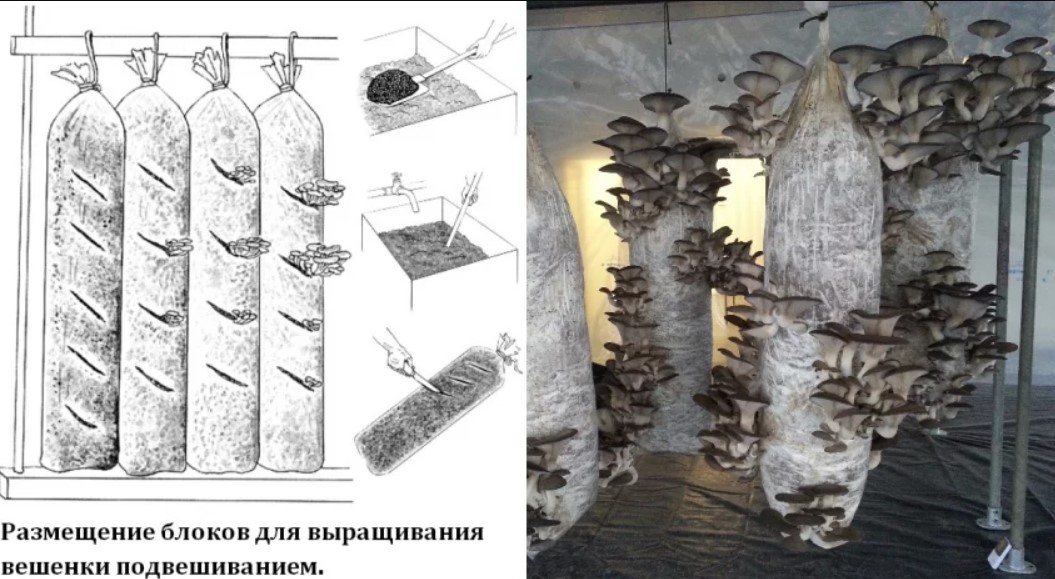
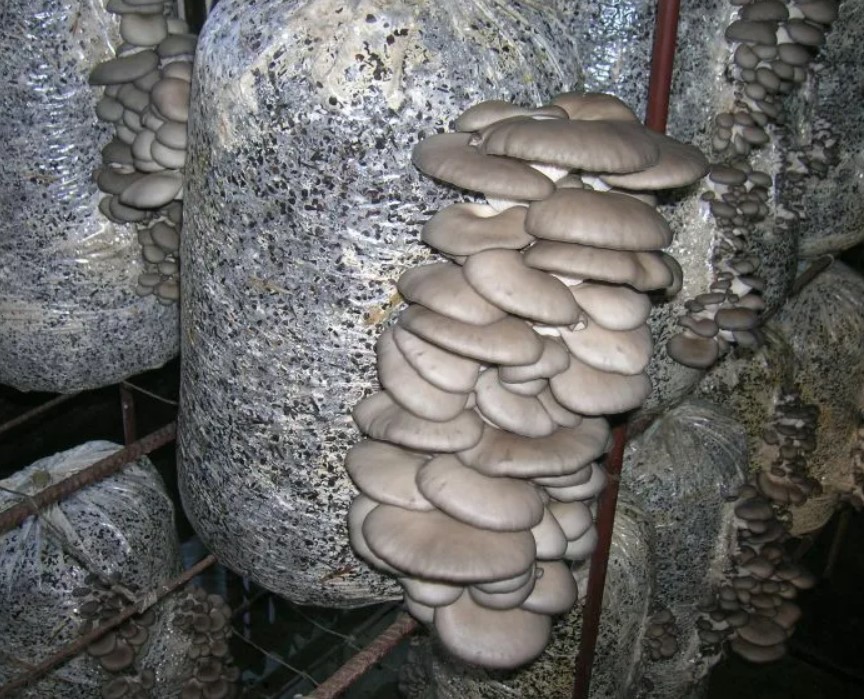
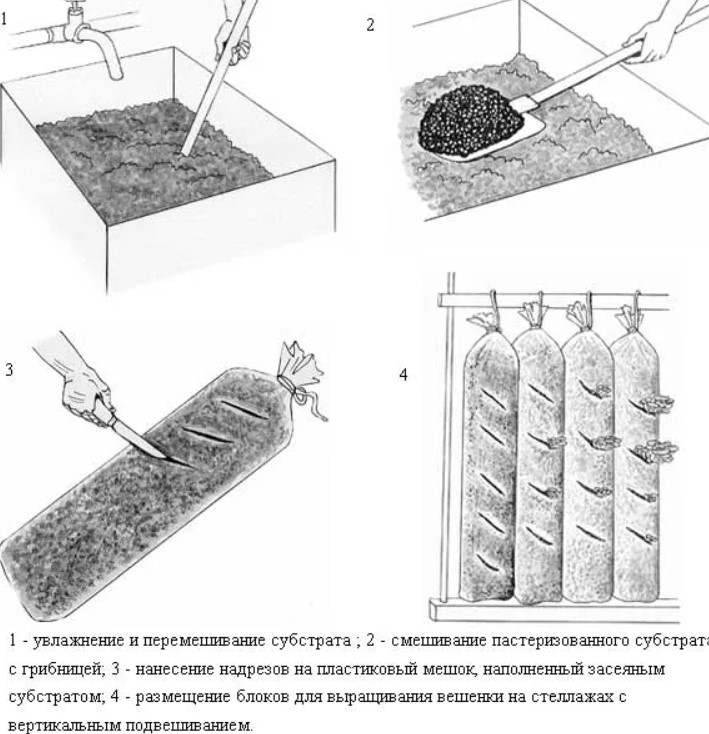
- IntensiveA more expensive but productive method of growing oyster mushrooms. It requires a substrate made from deciduous sawdust, wheat straw, and corn residues. This substrate is disinfected by boiling it in water, pressed under a weight, and mixed with mycelium (30 g per 1 kg of substrate). The prepared mixture is placed in bags for cultivation. Cuts up to 2 cm long are made in the bags in a checkerboard pattern at intervals of 15 cm. The bags are then placed on cardboard or hung in a completely disinfected room. They must have access to air and light (during fruiting). During the incubation period, the room must be disinfected daily with disinfectants to prevent the spores from dying. The first harvest is collected after 1.5 months. The second harvest occurs after 3 weeks, and this process is repeated four times in a row.
Temperature and other factors in oyster mushroom growth
When growing oyster mushrooms, it is important to consider the following factors:
- The mycelium only forms in darkness, so the room should be windowless. Supplementary lighting will only be needed during the fruiting body formation stage.
- The room temperature should not be higher than +25 degrees; ventilation should not be used to lower it; fans only.
- Humidity should be maintained at 70-80% by installing humidifiers and misting the walls and floors daily. Once the first mushrooms appear, they should also be misted.
- During the fruiting period, the air temperature should drop to +15 degrees, and humidity, on the contrary, should increase to 90-95%.
Why grow oyster mushrooms?
Growing oyster mushrooms is relatively simple and inexpensive. The mushrooms are edible and have a mild, pleasant flavor.
In cosmetology, oyster mushrooms can be used as an ingredient in masks or serums; they have a regenerating and moisturizing effect.
Mushrooms are also widely used in folk medicine to prepare extracts that have anti-inflammatory and bactericidal effects.

Read more about growing oyster mushrooms in the articleHow to grow oyster mushrooms at home and in the garden: step-by-step instructions + business plan.
Nutritional value of oyster mushrooms
Almost all oyster mushrooms are considered edible, but due to their fibrous structure, most species are not eaten. They are relatively low in calories, with only 34 kcal per 100 g.
100 g of fresh mushrooms contain:
- 88.8 g of water;
- 2.3 g dietary fiber;
- 4.17 g carbohydrates;
- 3.31 g protein;
- 0.41 g fat.
What do oyster mushrooms taste like?
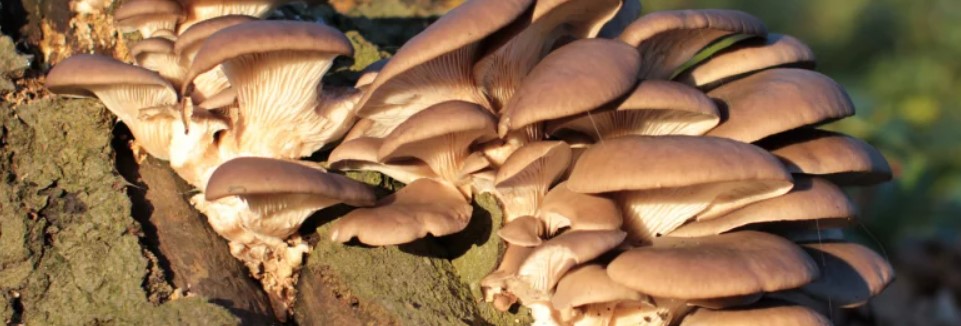
Oyster mushrooms have a pleasant, slightly sweet taste. The flesh is firm, slightly rubbery. Some gourmets compare the flavor to honey mushrooms.
How to cook oyster mushrooms
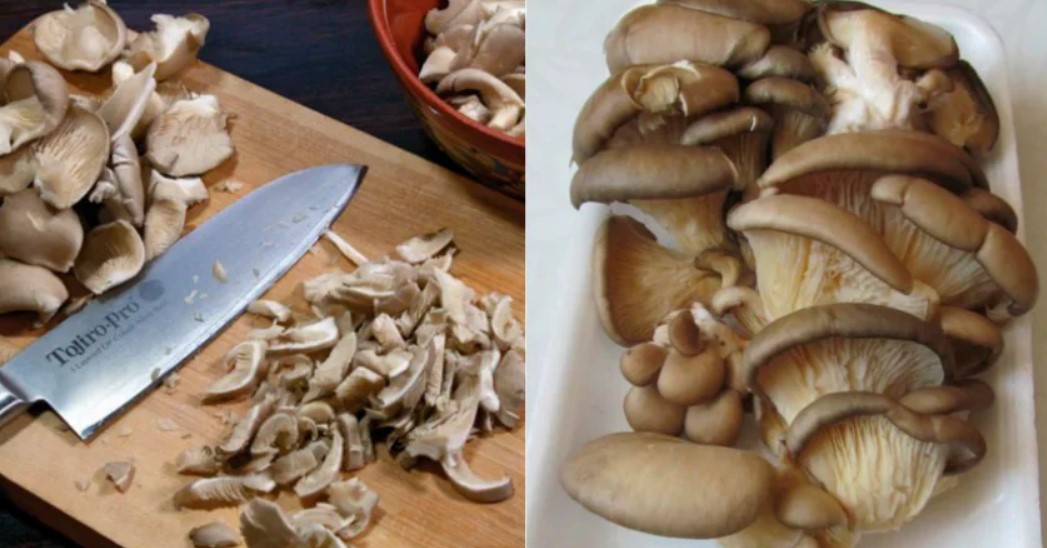
Oyster mushrooms are widely used in cooking. They can be boiled, baked, grilled, fried, marinated, and salted. They can be used as a stand-alone dish or as an additional ingredient. The key is to cook them for no more than 10 minutes, otherwise the beneficial properties will be lost.
How to cook oyster mushrooms
Oyster mushrooms cook very quickly, no more than 10 minutes after the water for soup or salad boils, although many housewives prefer to add already fried oyster mushrooms to soups.
Before freezing, you can also boil oyster mushrooms for 3-5 minutes.
Some pickling recipes require boiling the oyster mushrooms in advance, but this should be done for no longer than 7 minutes.
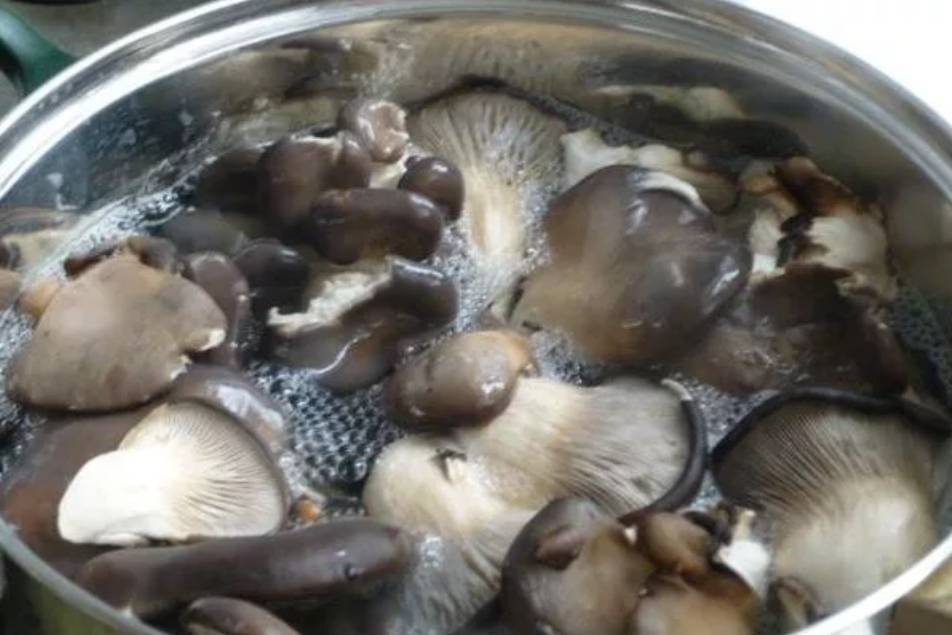
Oyster mushrooms release liquid during cooking. Therefore, don't fill the pot completely with water. Use 1 teaspoon of salt per 1 liter of water, and keep the liquid bubbling constantly. Foam will form on the surface; skim it off during cooking.
How to fry oyster mushrooms
Before frying, oyster mushrooms should be thoroughly rinsed, then laid out on a towel to dry. Excess moisture is unnecessary when frying. Next, slice the mushrooms if they are large. If the mushrooms are young, you can leave them whole, even leaving the stems on.
Melt a small amount of butter in a frying pan, add oyster mushrooms and fry over high heat, stirring constantly, for about 5 minutes.
If desired, you can add onion or garlic to them, and sprinkle with herbs once they are ready.
How to store oyster mushrooms
Oyster mushrooms don't keep for long; don't eat mushrooms older than three days. Fresh mushrooms can be stored in the refrigerator, but it's best to cook them immediately after picking or purchasing. To extend their shelf life, they can be salted, pickled, frozen in containers, or dried.
How to freeze oyster mushrooms
Before freezing, oyster mushrooms should be washed and dried. Next, take a large container and stack the mushrooms in one direction. Ideally, they should not touch each other with their caps. Refrigerate the container for 24 hours. After this, the mushrooms should be completely frozen, then you can remove them and portion them out into individual bags for easy storage. Oyster mushrooms will keep in this condition for 3-4 months.
Important! Oyster mushrooms cannot be defrosted and re-frozen! Instead of mushrooms, you'll end up with a spoiled, tasteless mess.
Oyster mushrooms in folk medicine
Oyster mushrooms are widely used not only in cooking but also in folk medicine. Here are a few recipes:
To calm the nervous system, add 50 grams of dried, crushed oyster mushrooms to a bottle of Cahors wine and leave in a cool place for 7 days. Take 30 ml before bed.
For atherosclerosis and thrombophlebitis. Rinse fresh oyster mushrooms, scald with boiling water, and finely chop to a paste-like consistency. Take 1 tablespoon 3 times daily for 2 weeks, repeating the course after 2 months.
For hypertension. Pour 250 ml of alcohol or vodka over ¼ cup of chopped oyster mushrooms and let steep for two weeks in a cool, dark place. Take 1 teaspoon before meals three times daily for 14 days.
Reviews of oyster mushroom cultivation
Hello, friends!
About five years ago, my husband brought me a strange bundle in plastic and said that it was... mushrooms.
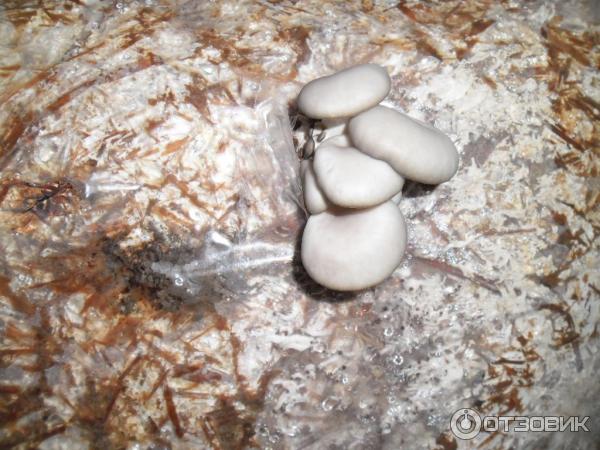
I'm an experienced mushroom picker, so I started asking questions right away. It turned out to be very simple. It's oyster mushrooms, or rather, the substrate and mycelium from which the "harvest" will grow.Soon, baby mushrooms began to appear through the holes in the polyethylene.
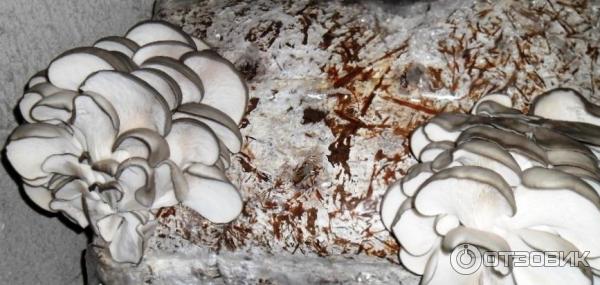
Periodically, the mushrooms were cut and eaten. But since the entire bale was riddled with holes, mushrooms emerged from various sides, and sometimes it had to be rotated to allow them to grow more comfortably.
Depending on the weather, our mushrooms grow either in the garage (ours are practically open) or in the garden near the trees. The main thing is to keep the substrate moist and water as needed. I occasionally forget about the oyster mushrooms... It's good that there are no other mushroom growers competing with me.
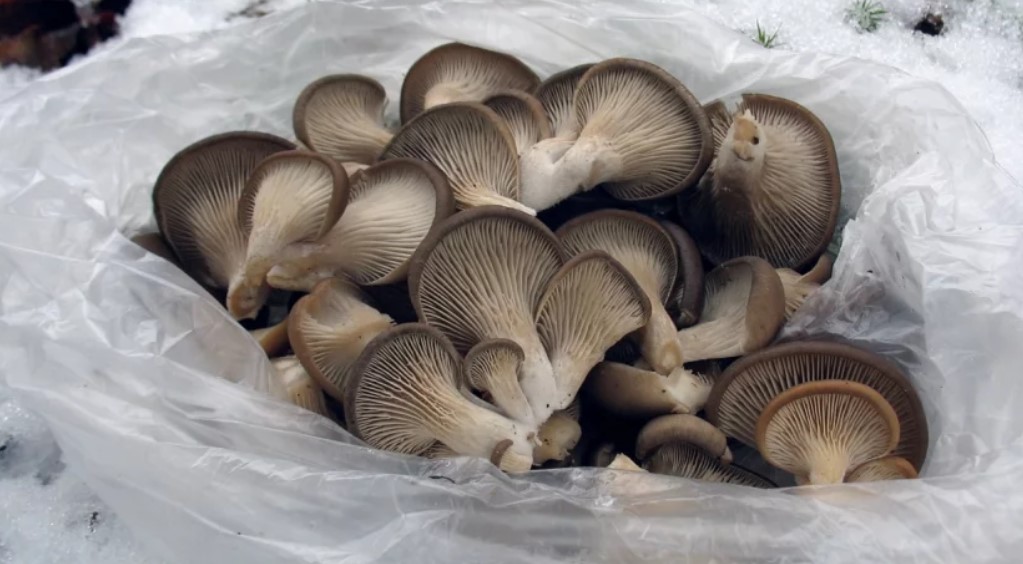
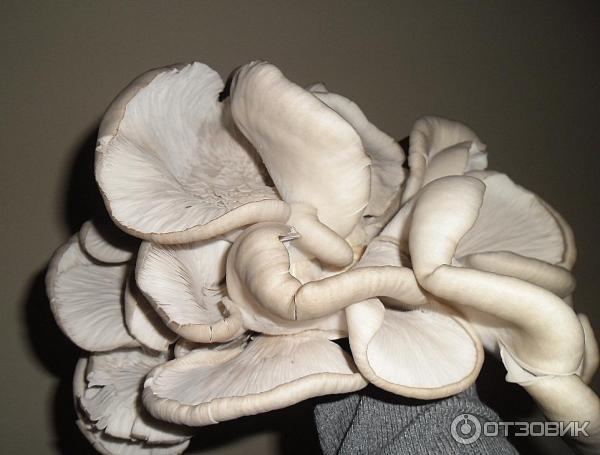
And now it happened like this - in the photo I'm holding mushrooms in my palm.
We'll have a harvest for a couple of months. This way, we grow mushrooms for ourselves during the winter. If you don't want to cook them right away, you can freeze them.
The first time I bought this kind of packaging was completely by accident about five years ago. Now my husband has a hobby!
The mushrooms grow clean—rinse them and start cooking. There are plenty of recipes.
In Italy, for example, oyster mushrooms are used to make pasta sauces (oyster mushrooms, tomato, minced meat).
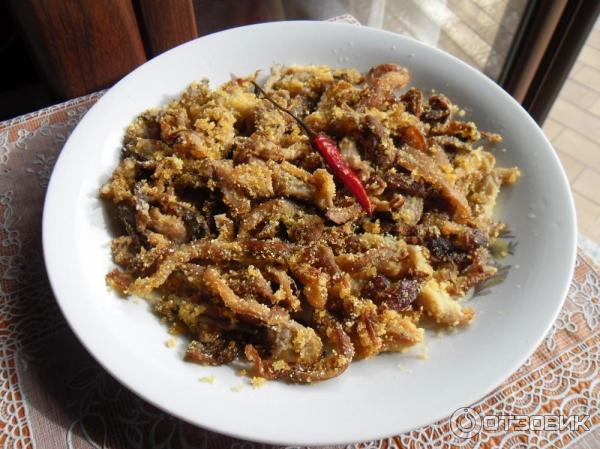
Or here's another option: lightly boil and fry in corn or semolina flour until crispy.
Have a good harvest and bon appétit!
Thank you for your attention to the review!

My husband and I have been growing oyster mushrooms for a long time. At first, we grew them for ourselves, and then we started growing them for sale. Everyone seems to think it's easy and straightforward—maybe if you have everything mechanized. But when you grow them at home, it's not so simple; the labor is very hard and doesn't always pay off. Not everyone probably knows that there are a huge variety of oyster mushrooms. We tried several and settled on one. The variety is called "China"—and that's the name, not because it was produced in China, as many people think. This variety has a distinct flavor and keeps better than other varieties. It's suitable for frying, pickling, and any other cooking. If you follow all the growing instructions, your mycelium will reward you with a harvest in as little as 25 days. Incidentally, there have been no reported cases of oyster mushroom poisoning. So, eat them to your heart's content.
There are various ways to grow mushrooms. They can be grown on seed husks, sawdust, straw, or tree stumps. However, keep in mind that not all wood species are suitable. Tree stumps also require a longer growing season (sow in the spring, and you won't harvest until the fall), as the mushroom mycelium needs time to infect the mycelium with spores. And, of course, abundant watering, warmth, and light are essential.