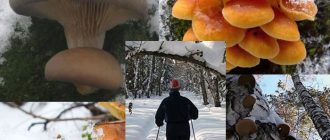
Many mushrooms continue to produce fruit only until the first frost, so few people know that valuable and nutritious mushrooms, such as the Flammulina, can also be found in the forest during winter. This article will discuss this mushroom.
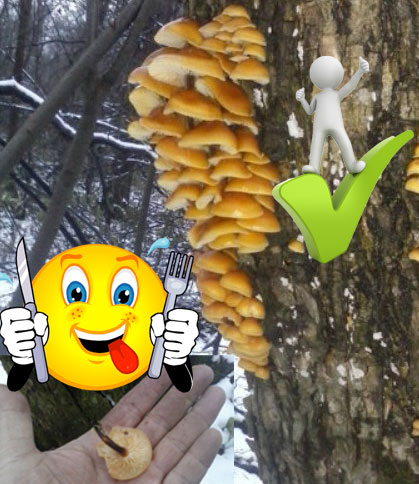
Content
- 1 Description of the Flammulina velutipes mushroom
- 2 Other names for the Flammulina mushroom
- 3 Where and when does the winter honey fungus grow?
- 4 4 mushrooms that can be confused with the winter honey fungus: photos and descriptions in tables
- 5 Historical facts about the winter honey fungus
- 6 Edibility of winter honey fungus nutritional value
- 7 Medicinal properties of the Flammulina mushroom (winter honey fungus)
- 8 Harm and contraindications of consuming winter honey fungus
- 9 The use of winter honey fungus in folk medicine in Russia
- 10 The use of winter honey fungus in cosmetology
- 11 Culinary uses of winter honey mushrooms
- 12 Recipes with winter honey fungus
- 13 How to pickle winter honey fungus
- 14 How to freeze winter honey mushrooms
- 15 How to dry winter honey mushrooms
- 16 Reviews and user tips on the winter honey fungus Flammulina, its collection, cultivation, and preparation
Description of the Flammulina velutipes mushroom
Flammulina belongs to the family Ryadkovye, but sometimes you can find a classification in which the mushroom is assigned to the family Negniuchnikovye.
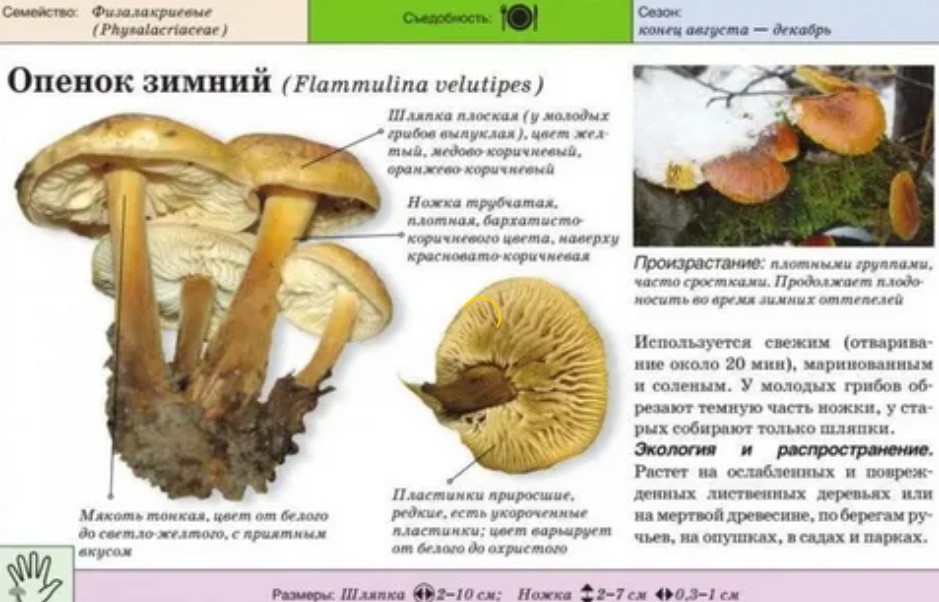
hat
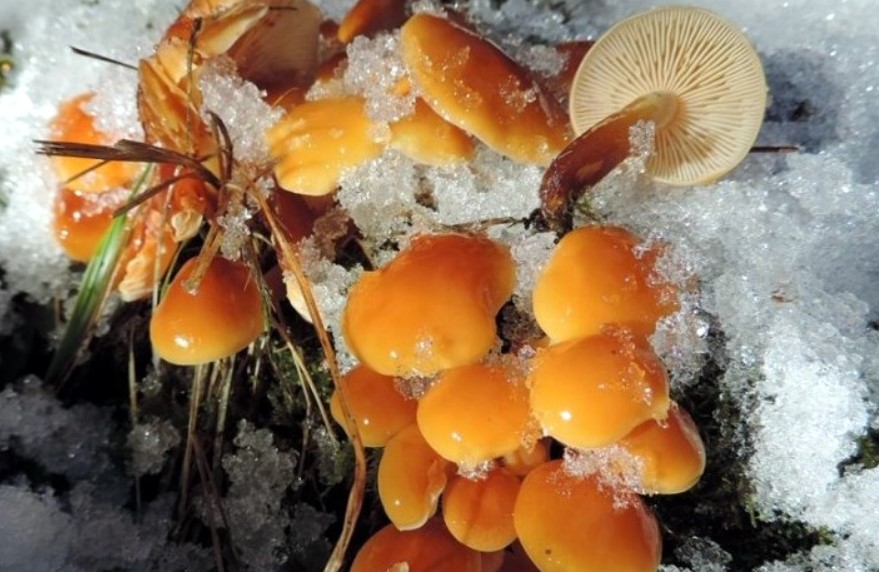
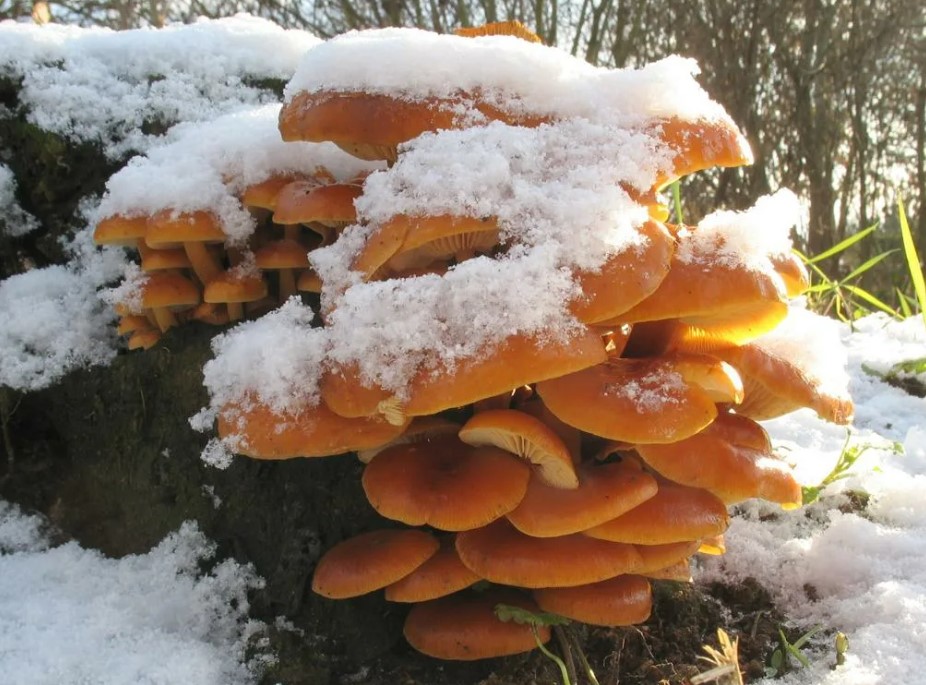
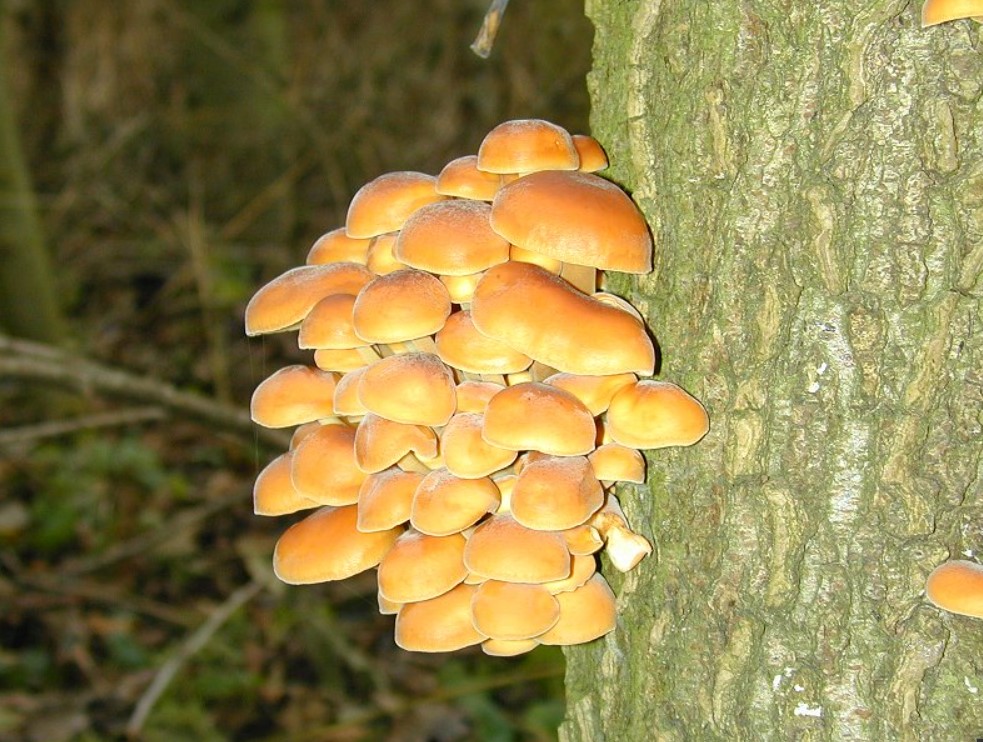
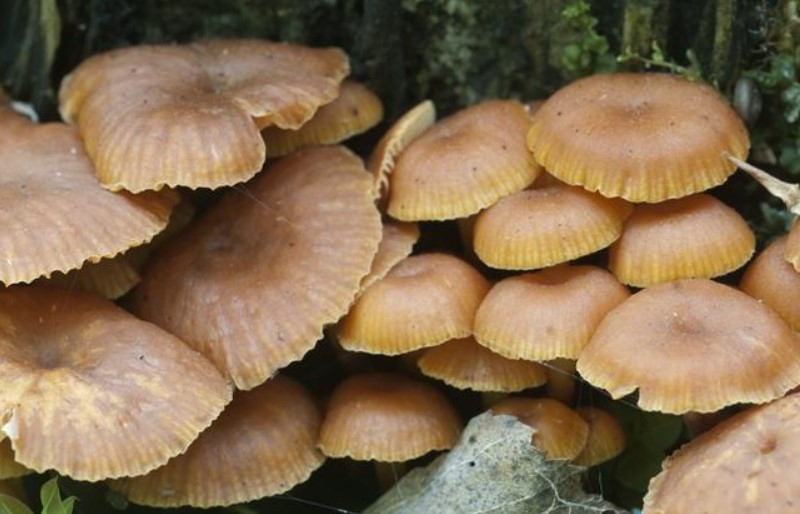
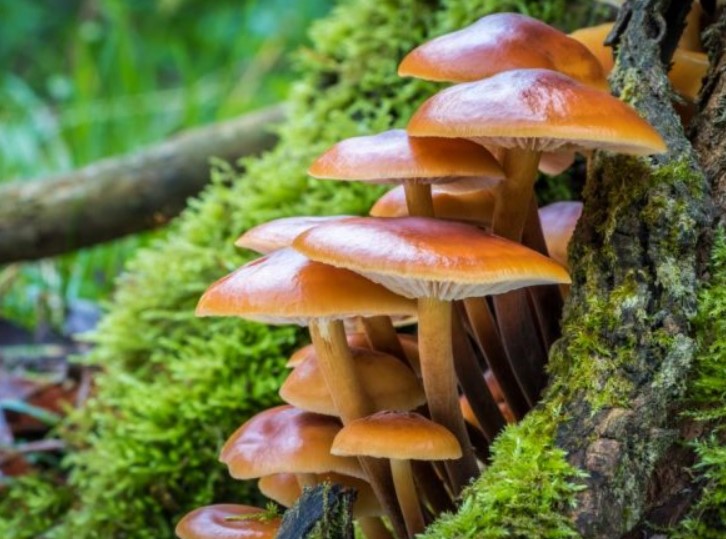
The cap is 2-10 cm in diameter, convex when young, flattening with age. Its color is orange, yellow, or honey-brown. In damp weather, its surface becomes covered with brown spots and slimy.
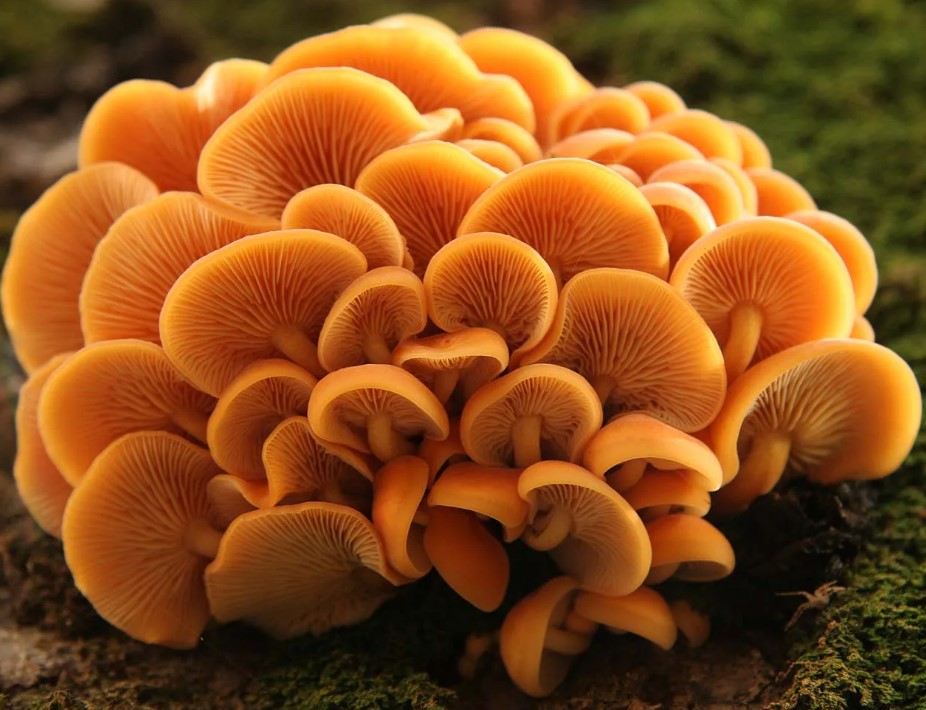
Leg
The stem is cylindrical, 4 to 8 cm long, and no more than 8 mm in diameter. Its structure is dense and rigid. Its color is the same as the cap, but the underside is significantly darker.
Pulp
The flesh is creamy in color. The texture is watery, and the aroma and flavor are pleasant.
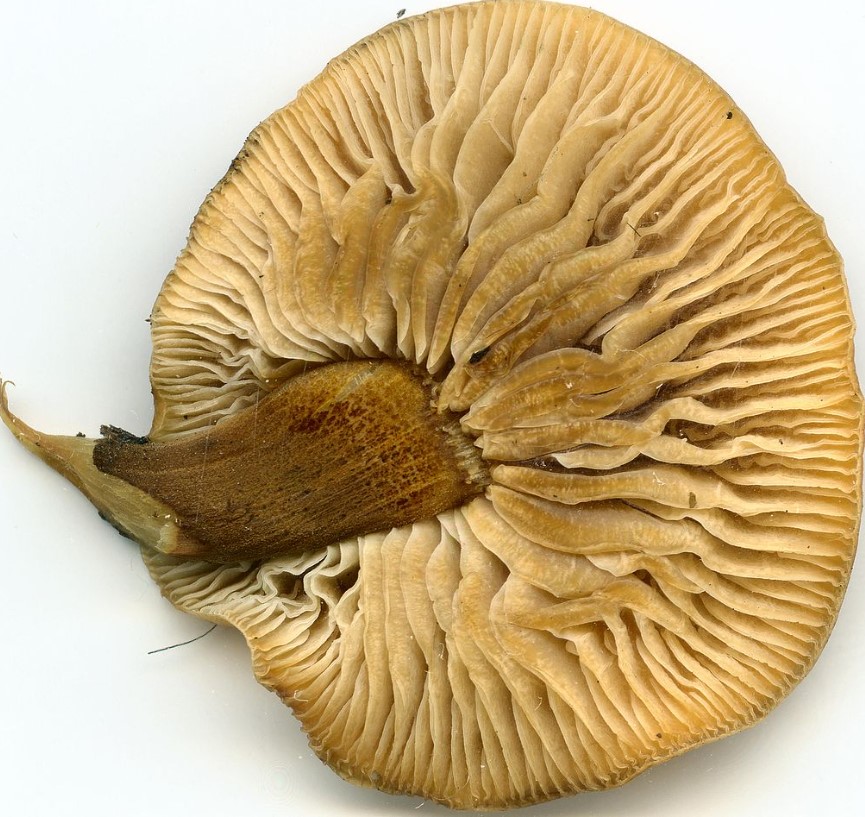
Records
The gills are sparse, adherent, and cream-colored. As the mushrooms mature, they begin to darken.
Spore powder and spores
The spores are white and elliptical or cylindrical in shape.
Photo gallery of the Flammulina mushroom, or winter honey fungus
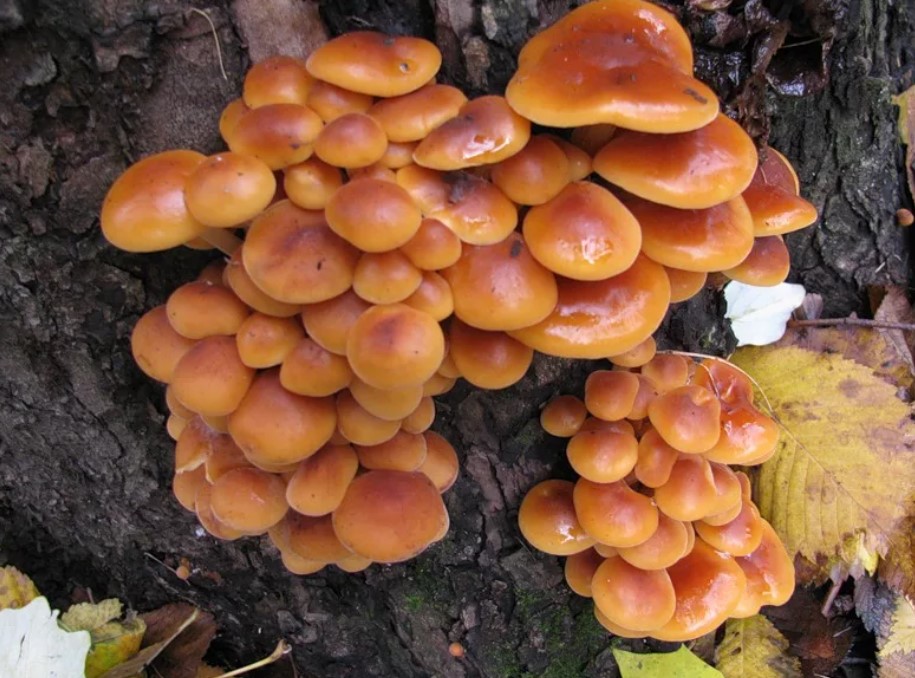
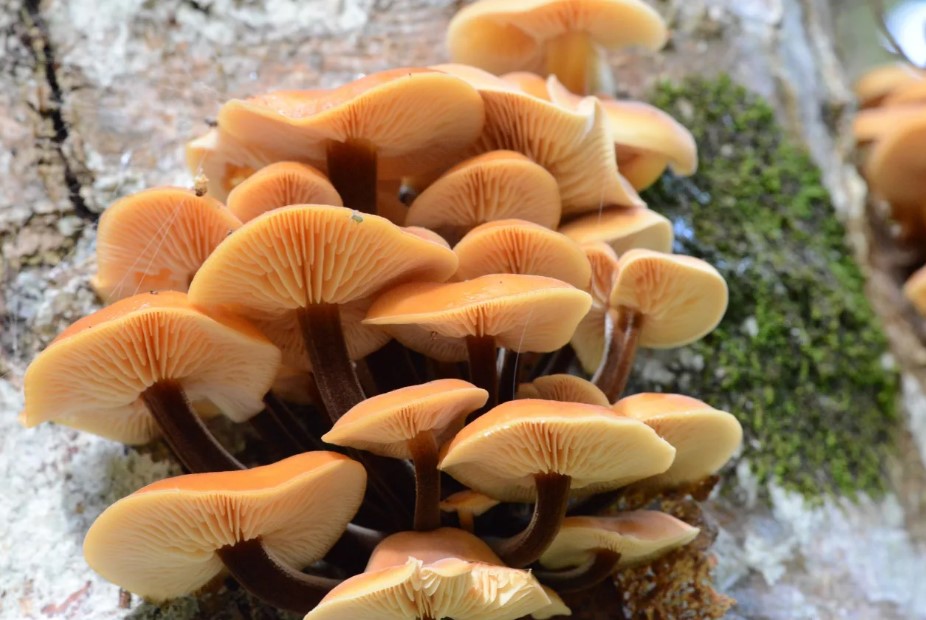
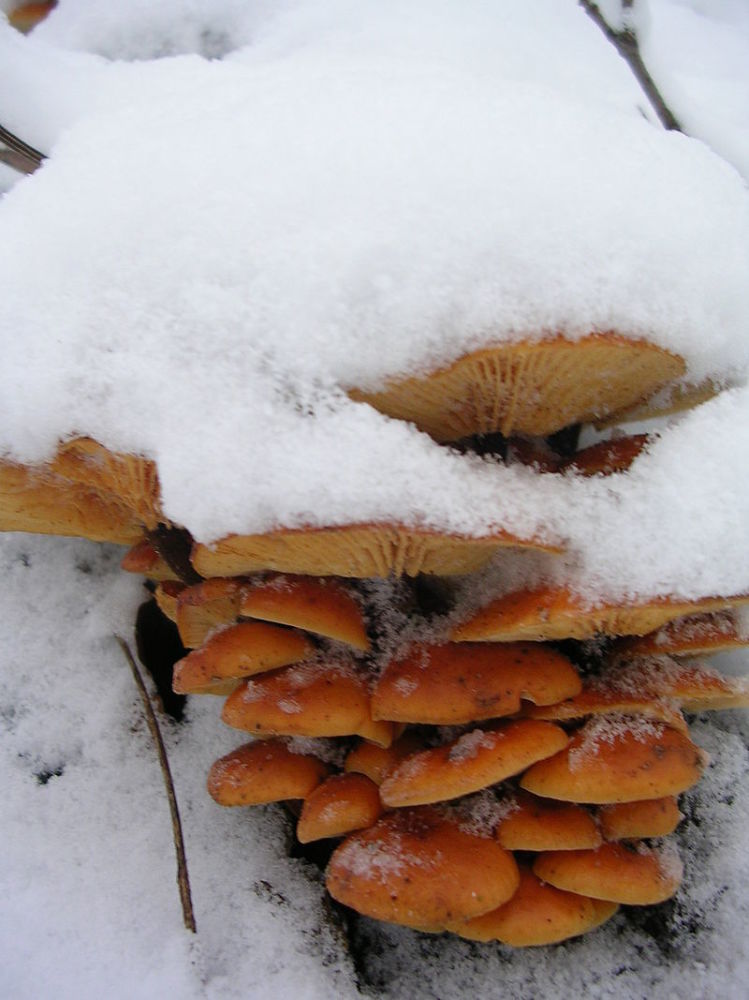
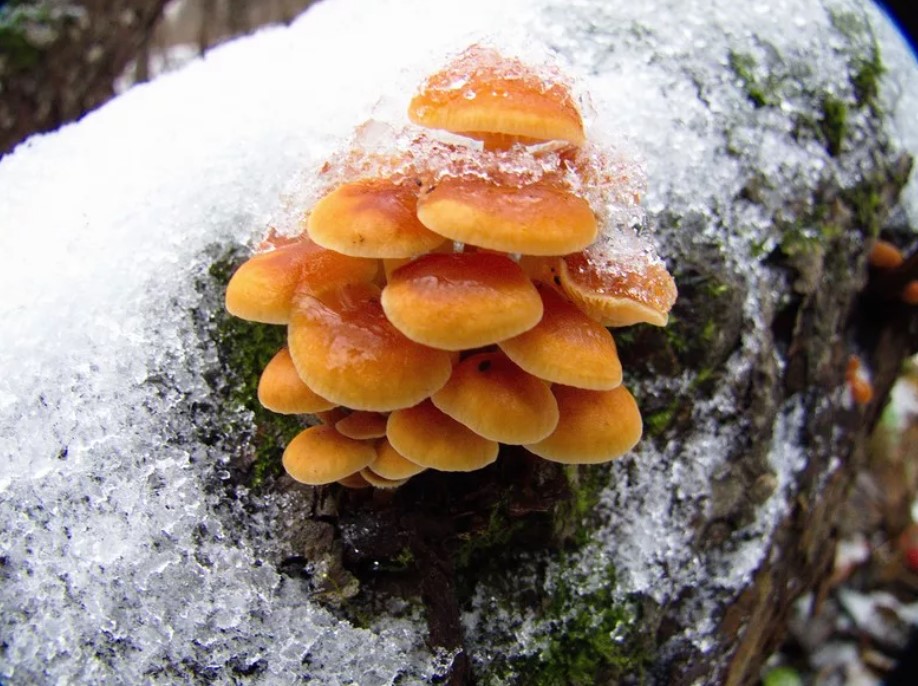
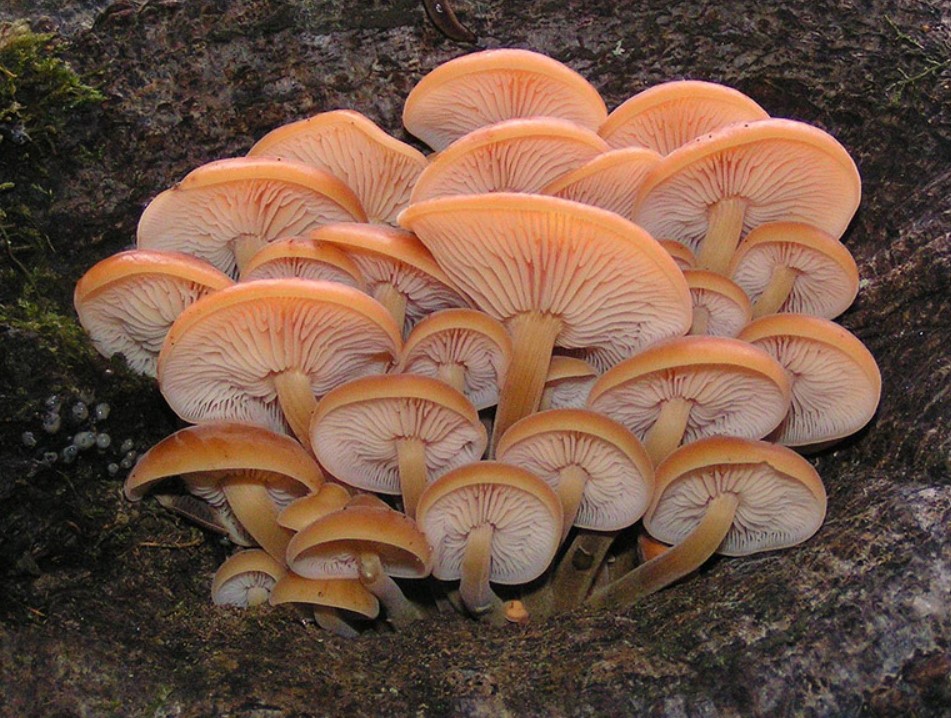
Other names for the Flammulina mushroom
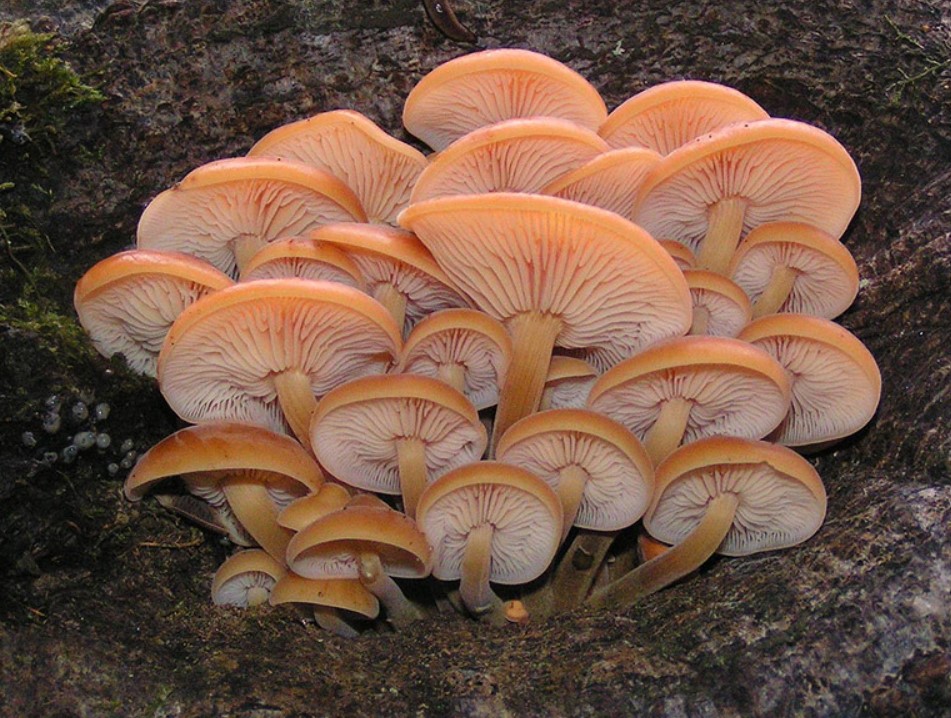
The flammulina mushroom has several other names that can be found in its description.
- Winter honey fungus.
- Flammulina velvetleaf.
- Collybia velletosa.
- Winter mushroom.
- Collybia velutipes.
Also read, Where to look for mushrooms in winter, do they grow, and how to grow them at home.
Where and when does the winter honey fungus grow?
The winter honey fungus is considered a saprophyte, as it prefers to settle on dead wood. In forests, it is easily found on old stumps, deadwood, and fallen tree trunks.
Flammulina most often grows in deciduous forests and is rarely found on conifers. However, it does fruit actively on poplars, rowans, aspens, maples, willows, and birches.
The winter honey fungus is common in the central part of Russia and is considered an edible mushroom. It grows in clusters, with individual specimens often growing together. It is especially popular in Asian cuisine.
Fruiting begins in the second half of September, but the majority of mushrooms ripen in late October and early November. In some regions, flammulina can also be found in the spring.
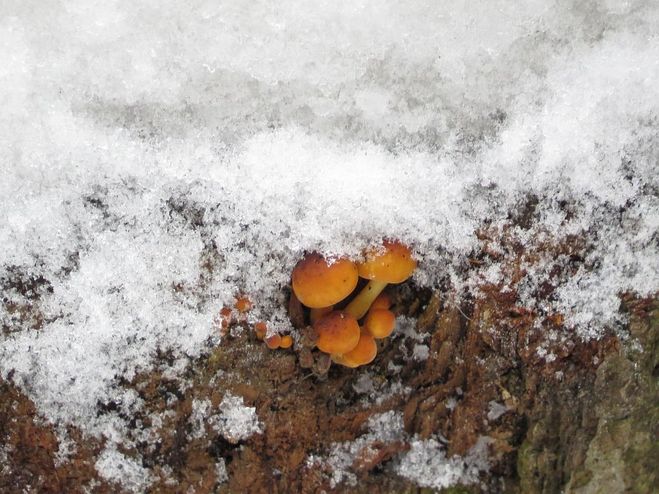
Mushrooms are not afraid of winter cold; they can be found even under a layer of snow during thaws.
4 mushrooms that can be confused with the winter honey fungus: photos and descriptions in tables
Sometimes novice mushroom pickers may confuse the winter honey fungus with other species that are also common in forests and have a relative similarity in appearance. But it's important to remember that the winter honey fungus is one of the few mushrooms that easily tolerates frost and grows even in winter. Another distinctive feature is the absence of a characteristic ring on the stem.
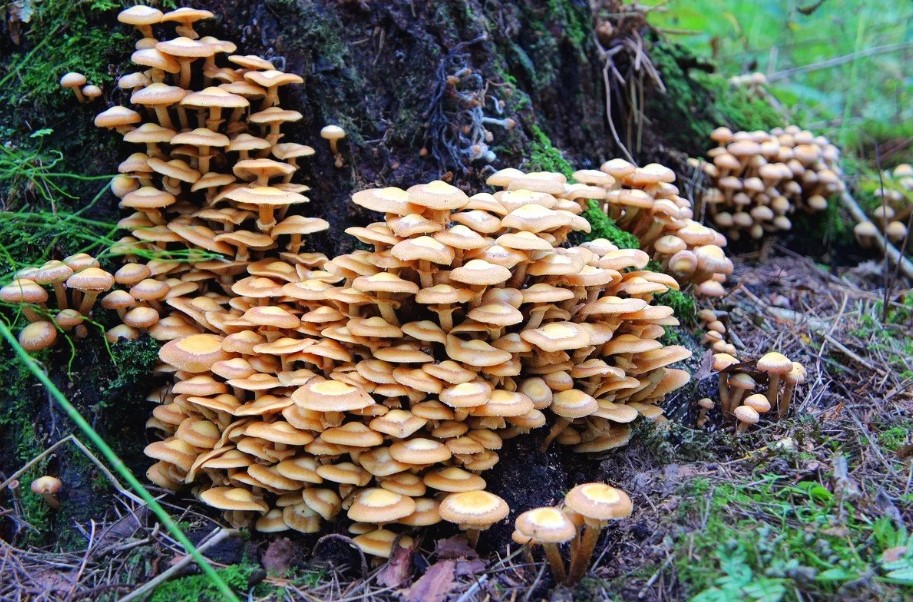
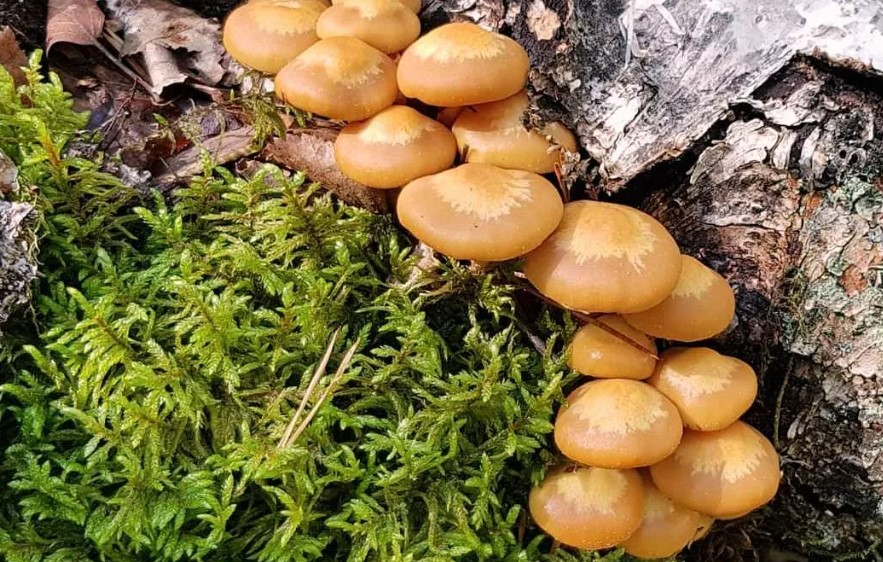
Summer honey fungus (Kuehneromyces mutabilis)
| Different names of the mushroom | Description, differences | Where and when they grow | Edibility, nutritional qualities |
|
The cap diameter is no more than 8 cm; in rainy weather, zonation is evident on the surface. The cap is light-colored, while the spore powder is brownish. A ring is present on the stem. | Fruiting occurs in July-August. It is less common from September to October. It prefers dead wood of deciduous trees, especially birch. | An edible mushroom. Used boiled or lightly salted. |
Photo gallery of summer honey fungus
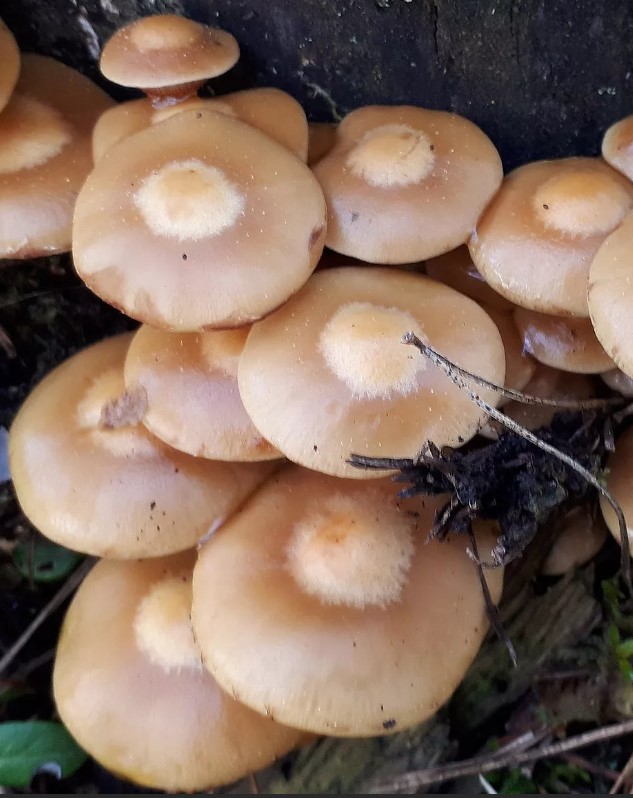
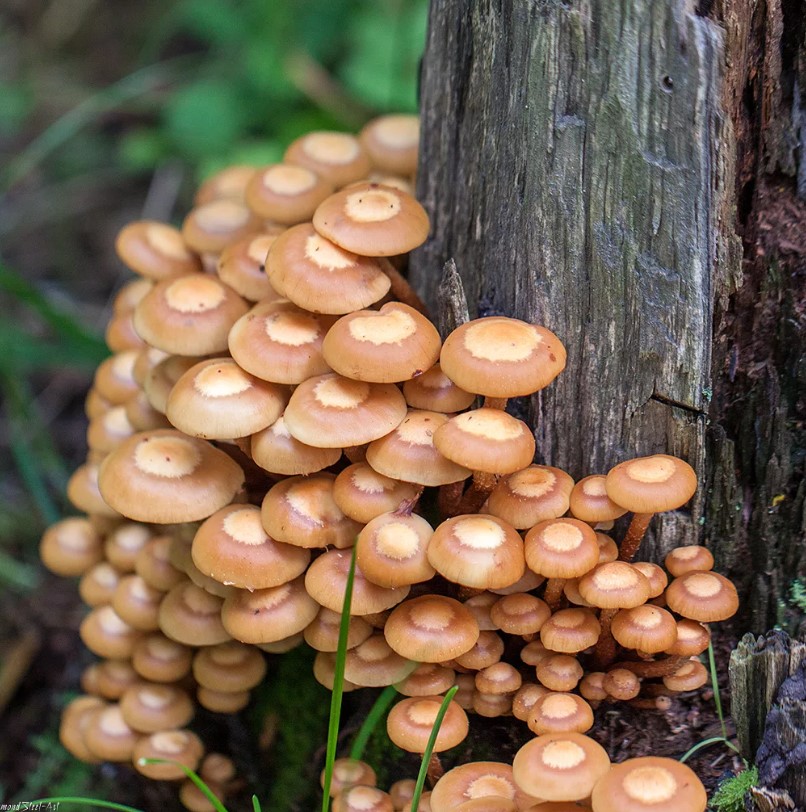
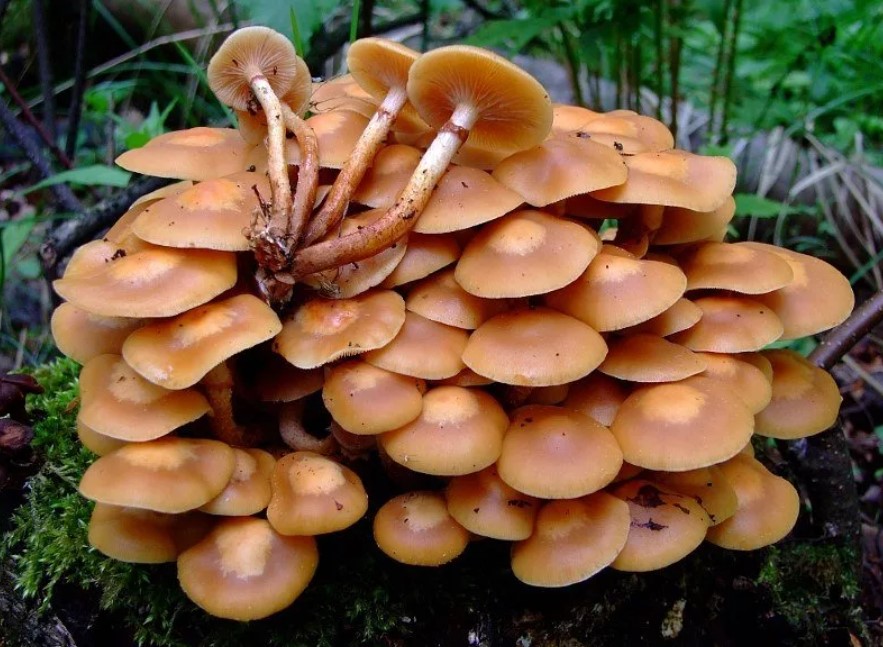
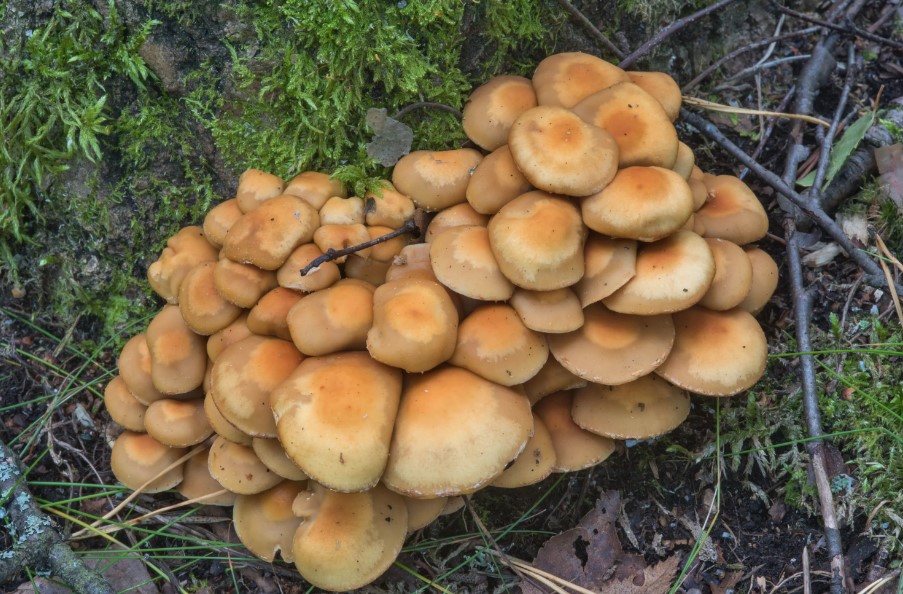
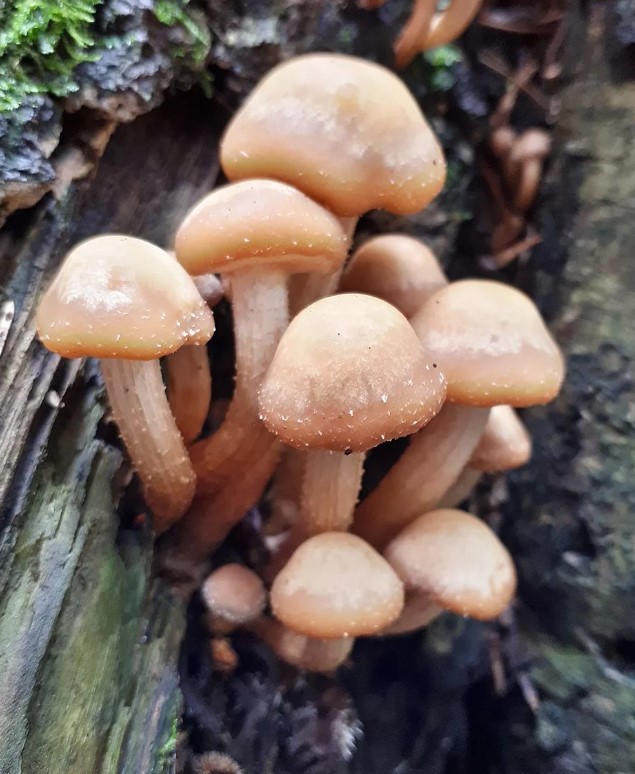
By the way, there are quite a lot of different ones types of honey mushrooms.
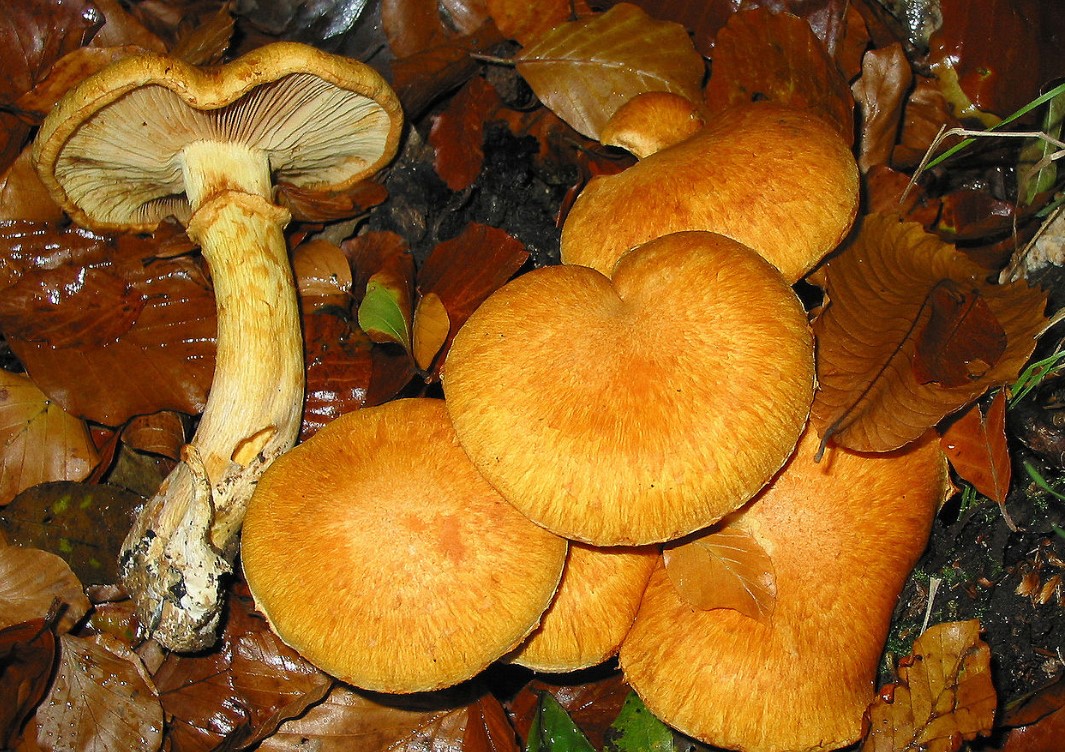
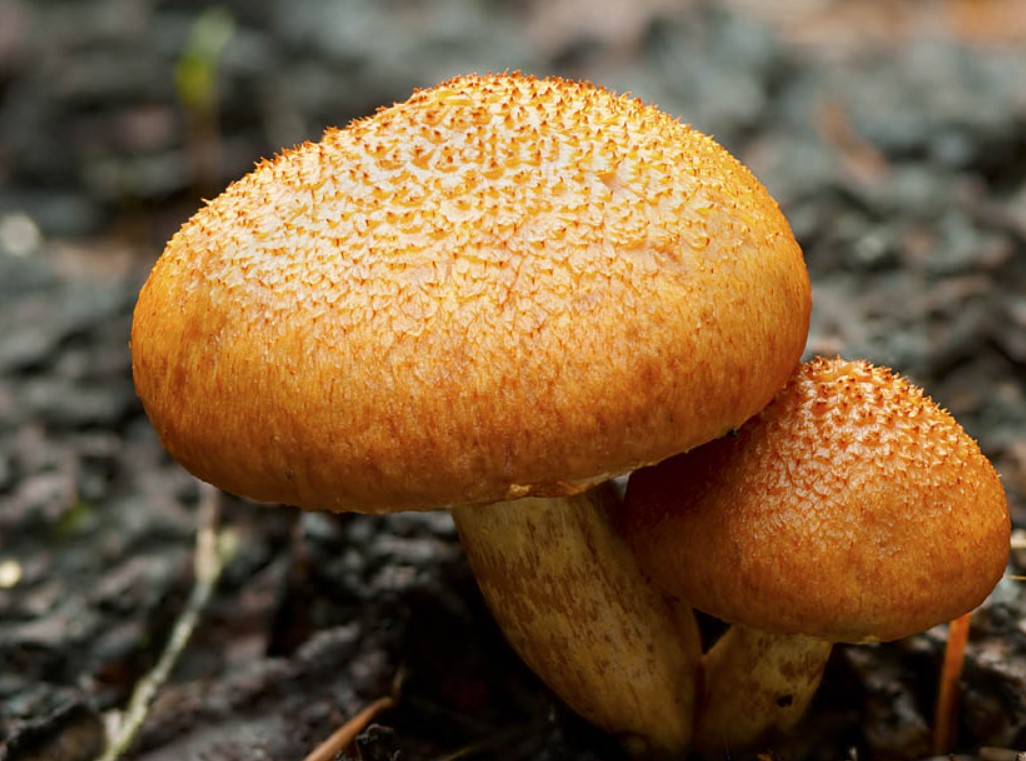
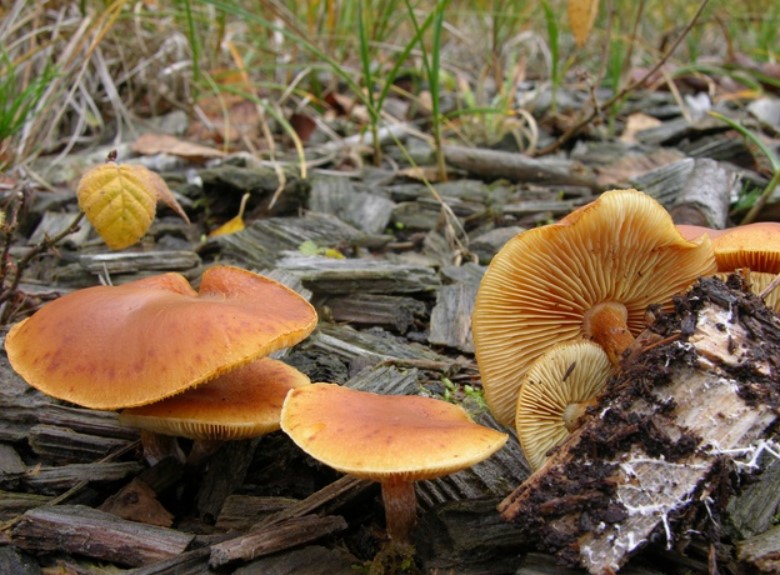
Fire moth (Gymnopilus sapineus)
| Different names of the mushroom | Description, differences | Where and when they grow | Edibility, nutritional qualities |
|
The mushroom cap ranges from 3 to 8 cm in diameter and is distinguished by its bright fiery color, felt-like surface, and curled edges. The gills are dark, and the spore powder is orange-brown. The stem, up to 5 cm tall, has a barely noticeable yellowish ring. | North America, Europe. Prefers spruce deadwood. Less common in deciduous forests. Fruiting occurs from September to late November. | A poisonous mushroom that poses a mortal danger to humans. |
Photo gallery of the firefly
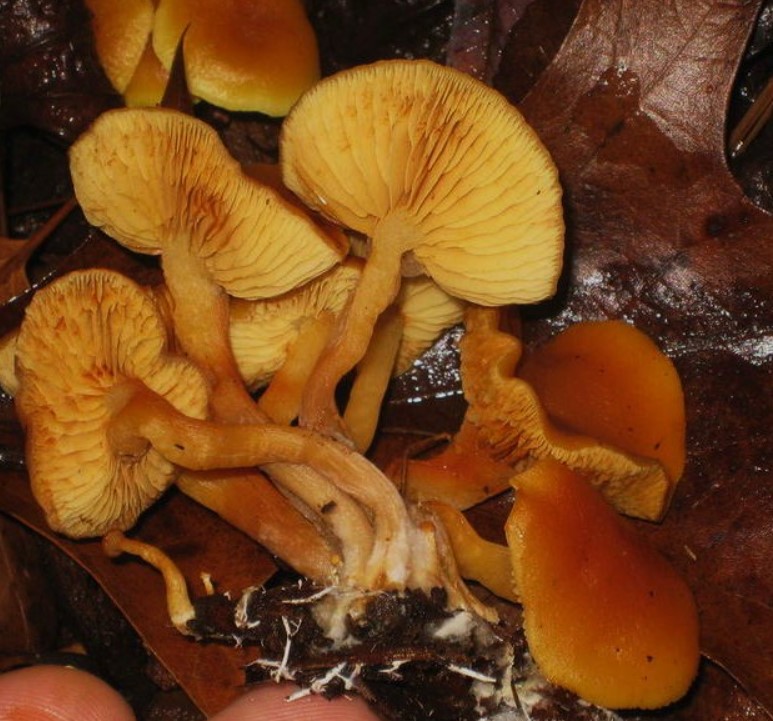
Galerina marginata
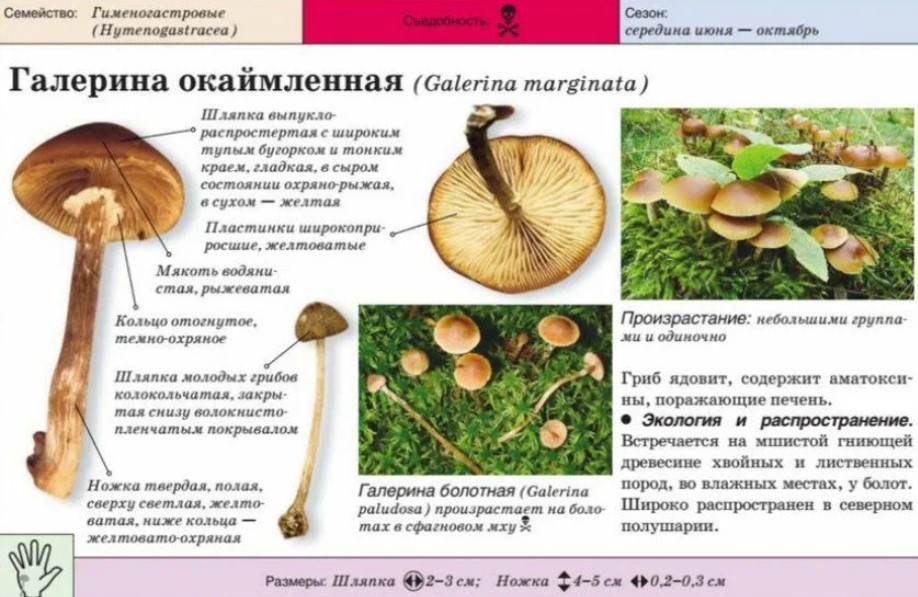
| Different names of the mushroom | Description, differences | Where and when they grow | Edibility, nutritional qualities |
|
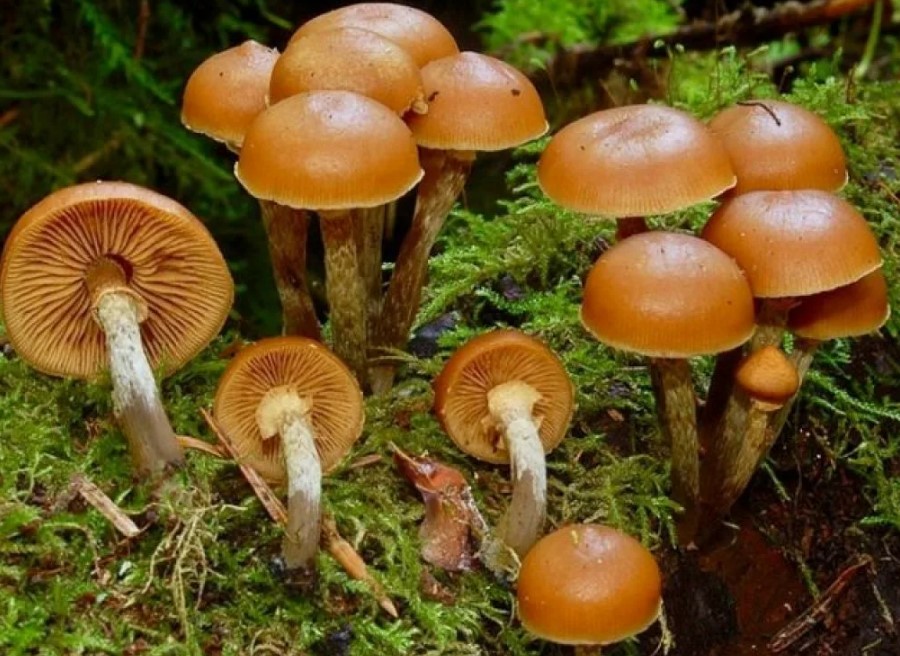
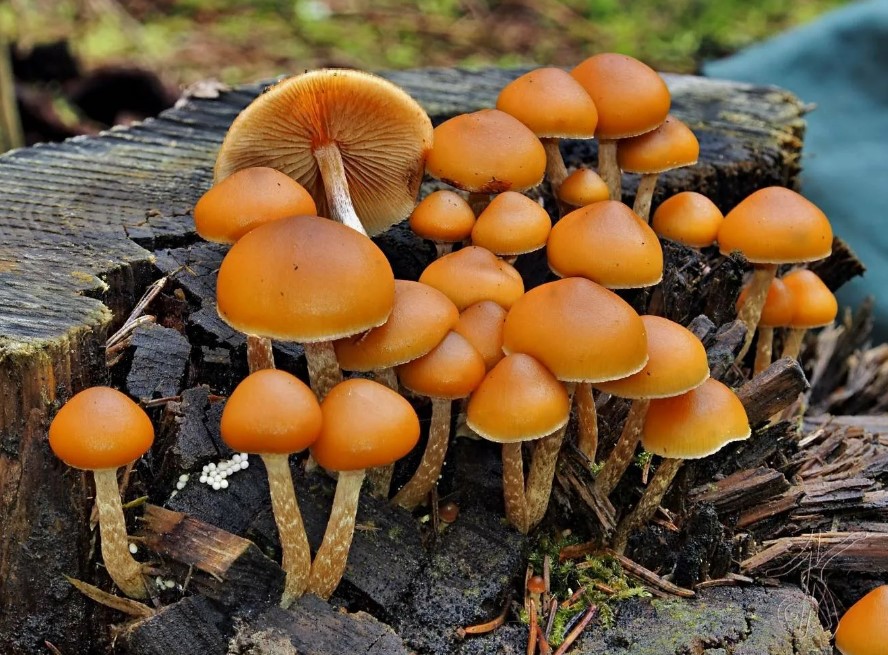
The small cap, up to 4 cm in diameter, is yellowish-brown. In damp weather, concentric zones appear. The spore powder is rusty-brown. The stipe is hollow, with a white or yellowish ring, up to 5 cm long. | It bears fruit from the second half of July until October. It prefers to settle on the rotten wood of conifers. | Poisonous mushroom. |
Photo gallery of the bordered gallery
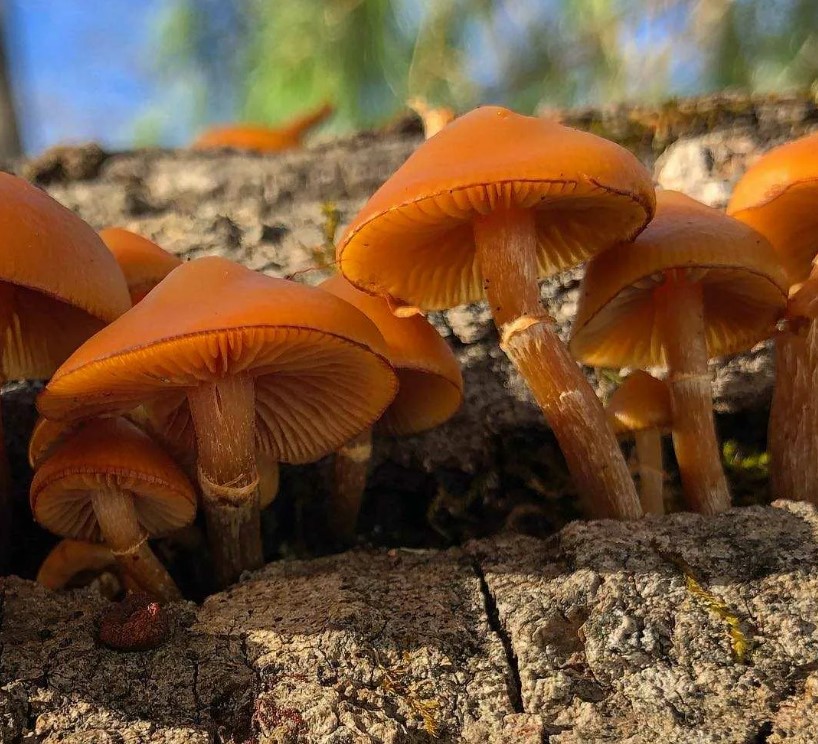
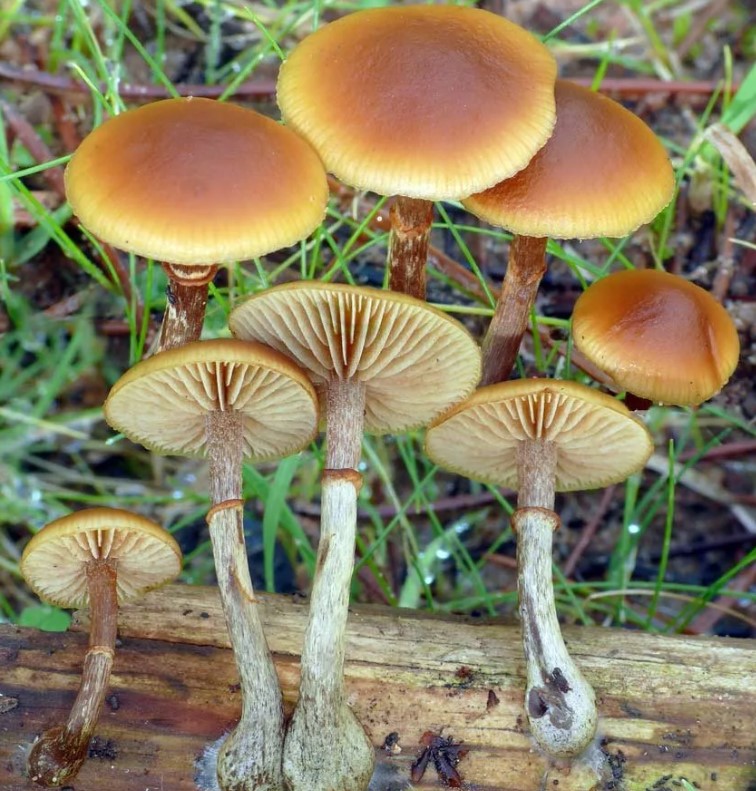
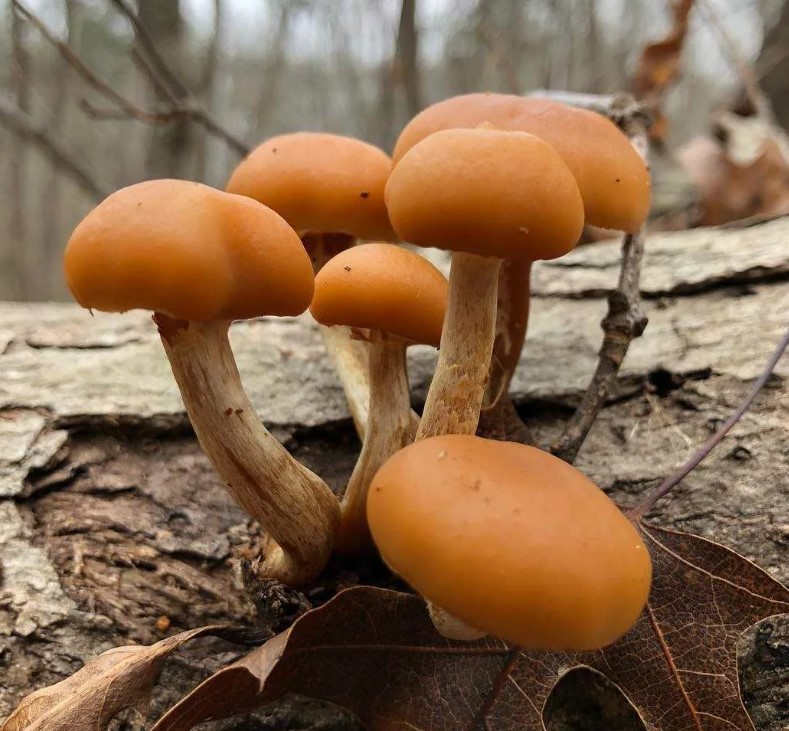
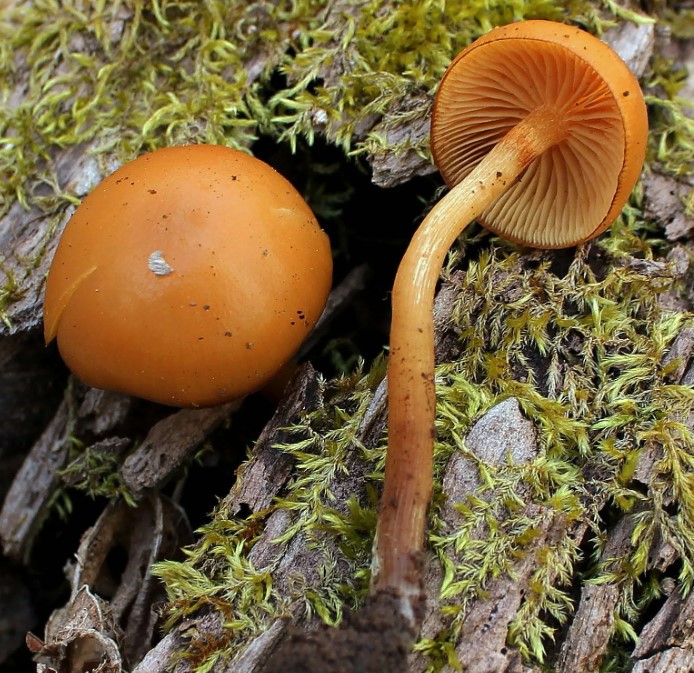
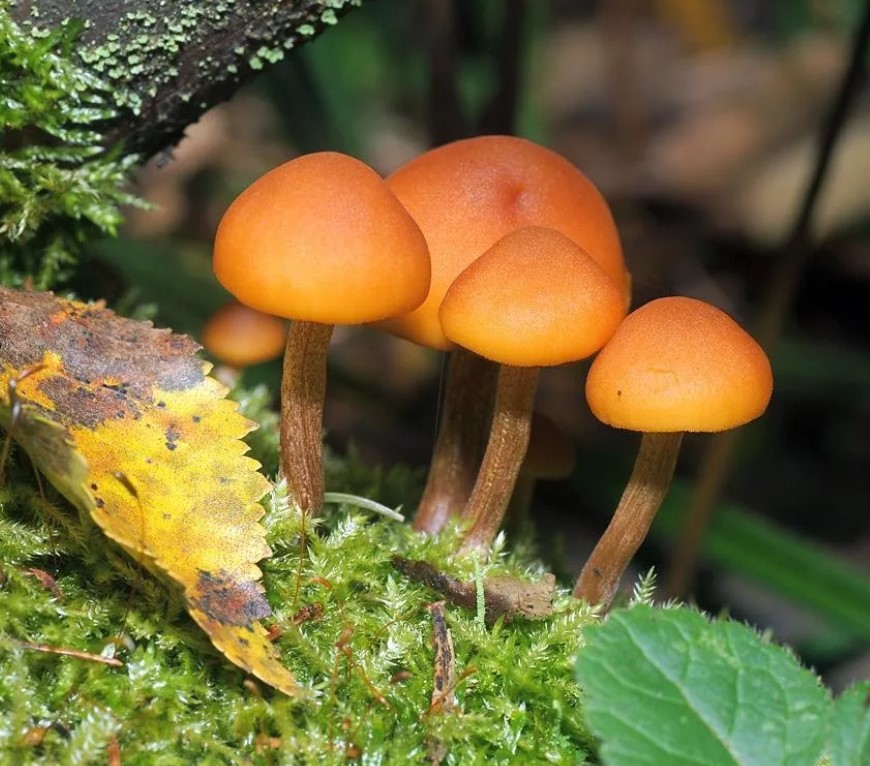
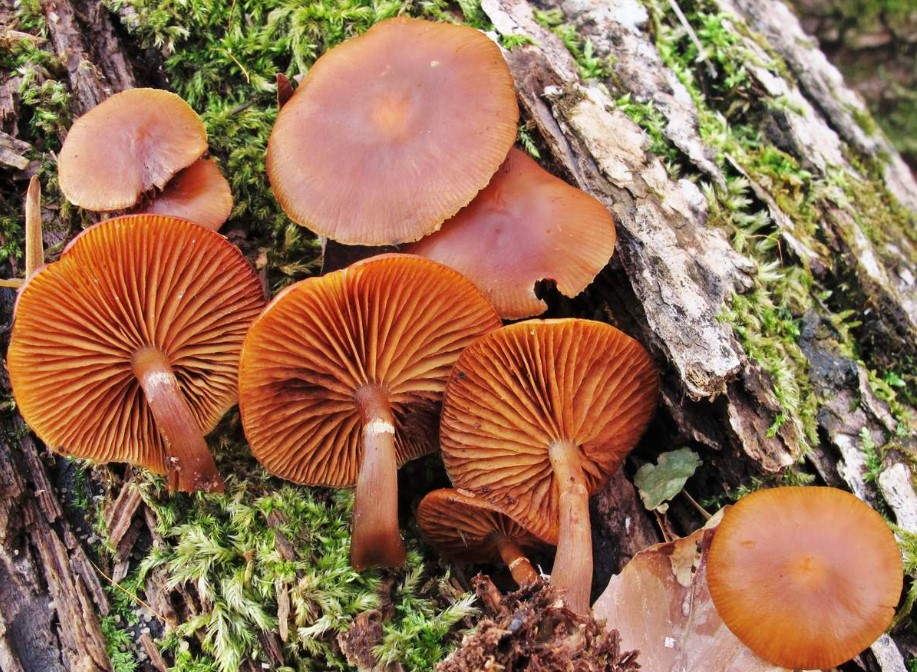
Collybia fusipes
|
Description, differences | Where and when they grow | Edibility, nutritional qualities |
|
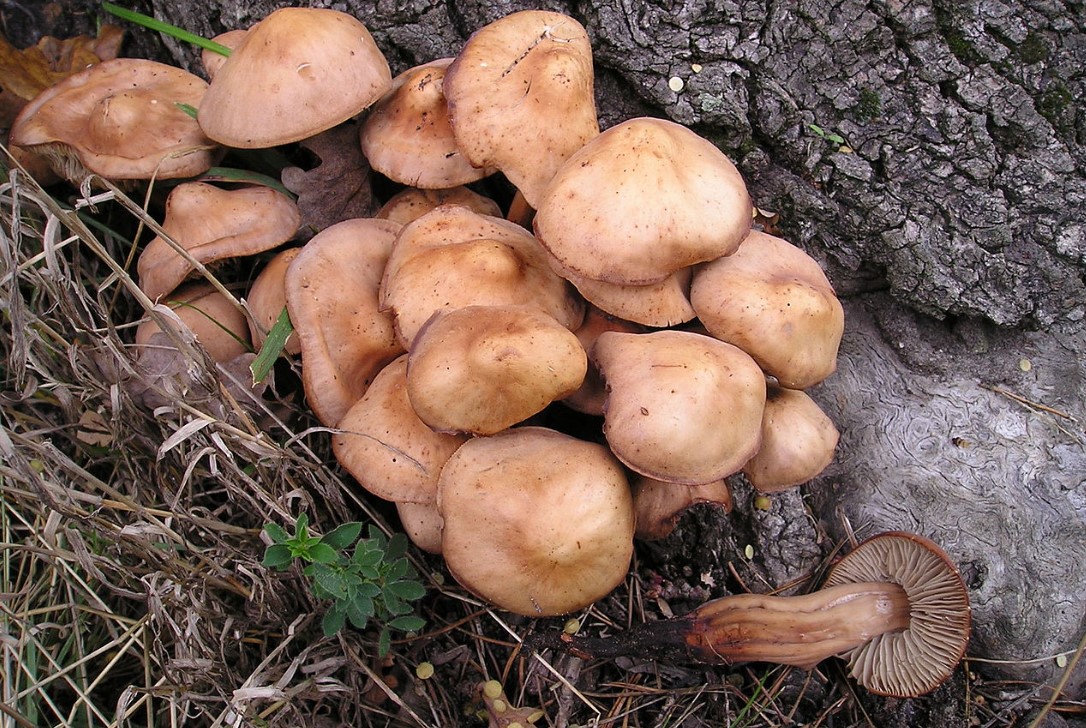
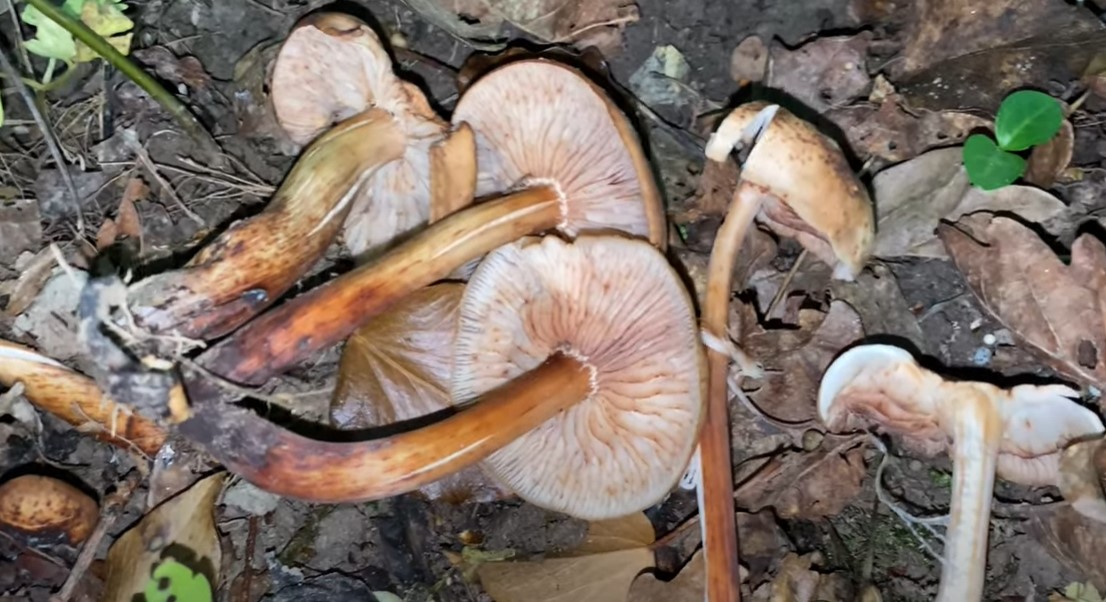
The cap is often irregularly shaped, reddish-brown in color, becoming lighter with age. The stem is thin, twisted, spindle-shaped, and wrinkled on the surface. The spore powder is white. | The mushrooms bear fruit from summer to autumn, growing in large clusters on the stumps and trunks of rotting deciduous trees. | The mushroom is inedible, but some sources state that young fruits can be eaten. |
Photo gallery of the Fusipedia spicata
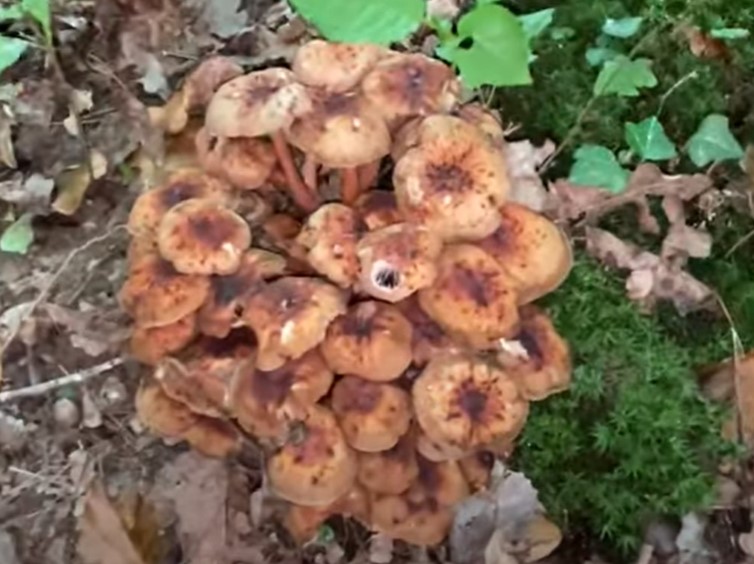
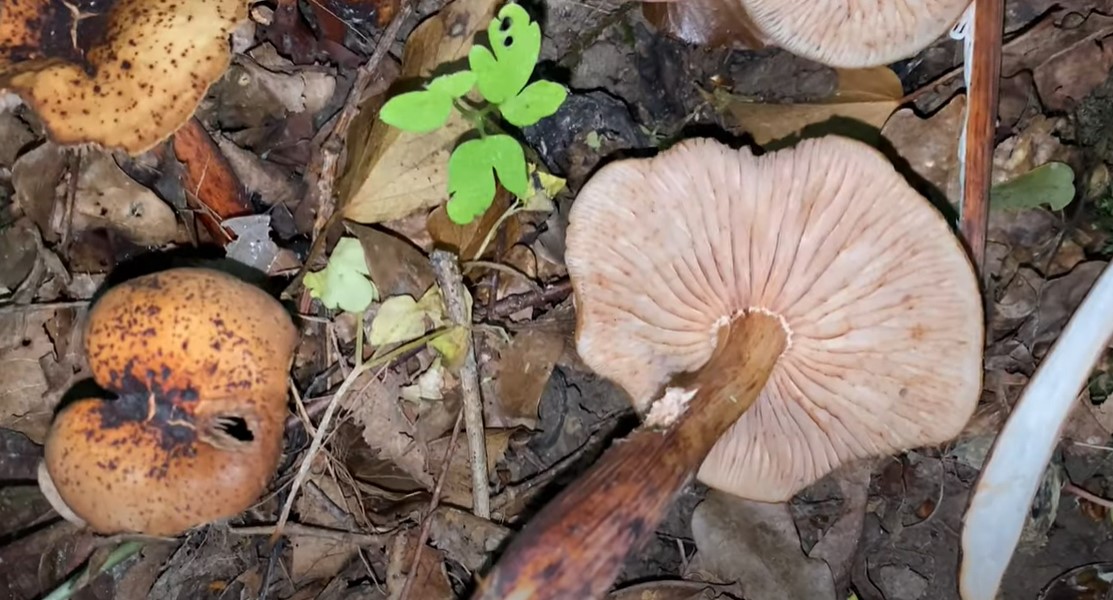
Historical facts about the winter honey fungus
Recently, many experts have come to the consensus that the winter honey fungus is not a member of the family Ryadaceae at all, but rather belongs to its own family, Physalaraceae. Several other species, such as Strobilurus, Xerula, and others, should also be included in this family.
For a long time, the winter honey fungus was an unnoticed mushroom, as few people thought of going into the forest for mushrooms after the cold weather set in. And even if they did find one, they were unlikely to dare to collect it and eat it. It wasn't until 15 years ago that the mushroom was first discovered, and since then, it has become a welcome addition to any mushroom picker's basket.
Flammulina is unique not only for its cold resistance but also for its ability to grow even in the most polluted areas of the city. You can even find it on the side of the noisiest highway. However, picking honey fungus there is, of course, strictly prohibited.
In recent years, industrial production of winter honey fungi has been established in Russia, domesticating this species. Today, up to 150,000 tons of these mushrooms are grown annually worldwide. This practice is practiced not only in our country, but also in China, the United States, Brazil, Korea, and Japan.
Edibility of winter honey fungus nutritional value
The winter honey fungus is considered an edible mushroom; it has not only a pleasant taste and aroma, but also a lot of nutrients.
The caloric content of 100 g of the product is 22 kcal. It also contains:
- Proteins - 2.2 g;
- Fats - 1.2 g;
- Carbohydrates - 0.5 g;
- Dietary fiber - 5.1 g;
- Water - 90 g;
- Ash - 1 g.
The composition of the mushroom is also rich in vitamins, micro- and macroelements:
- Vitamin B1 - 0.02 mg;
- Vitamin B2 - 0.38 mg;
- Vitamin C - 11 mg;
- Vitamin E - 0.1 mg;
- Vitamin PP - 10.7 mg;
- Niacin - 10.3 mg;
- Potassium - 400 mg;
- Calcium - 5 mg;
- Magnesium - 20 mg;
- Sodium - 5 mg;
- Phosphorus - 45 mg;
- Iron - 0.8 mg.
In addition, winter honey fungus contains chitosan and linoleic acid, which help control blood sugar levels and normalize bowel function.
Medicinal properties of the Flammulina mushroom (winter honey fungus)
The Flammulina mushroom has a number of beneficial properties:
- Strengthening the immune system. Thanks to its rich vitamin and amino acid content, mushrooms act as a natural booster of the body's defenses. Furthermore, taking them helps cleanse the body and detoxify the liver and kidneys.
- Sugar control. Regular, moderate mushroom consumption helps normalize blood sugar levels and maintain balance in the body.
- Normalizes bowel function. The dietary fiber found in mushrooms helps cleanse the intestines of toxins and prevent constipation.
- Mental stimulation. The amino acids found in the mushroom have a beneficial effect on brain function and the entire nervous system.
- Reduced risk of allergic reactions. Winter honey fungus has an antihistamine effect, helping combat rhinitis, asthma, eczema, and other similar conditions often associated with intoxication.
- Strengthening the cardiovascular system. Taking mushrooms helps reduce blood lipids, which prevents plaque buildup in blood vessels.
- Accelerating metabolism. The composition of the winter mushroom helps accelerate metabolic processes in the body and improve the absorption of nutrients.
Harm and contraindications of consuming winter honey fungus
Despite its many advantages, winter honey fungus also has a number of contraindications for consumption:
- It can cause poisoning if collected in ecologically polluted areas or if spoiled fruiting bodies are consumed.
- Not suitable for consumption by children under 14 years of age or the elderly.
- Not recommended for pregnant and lactating women.
- In case of individual intolerance it may cause allergic reactions.
The use of winter honey fungus in folk medicine in Russia
The medicinal properties of the honey fungus have made it a popular mushroom among herbalists and homeopaths worldwide. It is also widely used in folk medicine recipes as an antibiotic and antioxidant.
There are several areas of application for this mushroom:
- Colds. A small amount of fresh winter mushroom, ground and mixed with raspberry jam, can help combat them.
- Antitumor effect. For liver lesions, prepare an infusion of honey fungus, honey, and aloe.
- Wound-healing properties. An alcohol tincture of winter honey fungus helps wounds heal faster; in villages, it was used to treat wounds in livestock.
In Russia, official medicine does not recognize the medicinal properties of the winter honey fungus, so it is not used as a medicine.
Ah, you know about this? Shiitake mushroom?
The use of winter honey fungus in cosmetology
Winter honey fungus is often used as a component in beauty and skincare products. Masks, creams, lotions, and serums are made with it.
Mycelial cultures are used to produce 5-25% hydroalcoholic extracts. These products help eliminate flaking skin, saturate it with moisture and nutrients, moisturize, and reduce wrinkles.
Culinary uses of winter honey mushrooms
Winter honey mushrooms are especially popular in Asian and Japanese cuisines. They are a staple ingredient in a variety of salads, where they retain their delicate flavor and aroma, revealing their full potential when combined with other ingredients.
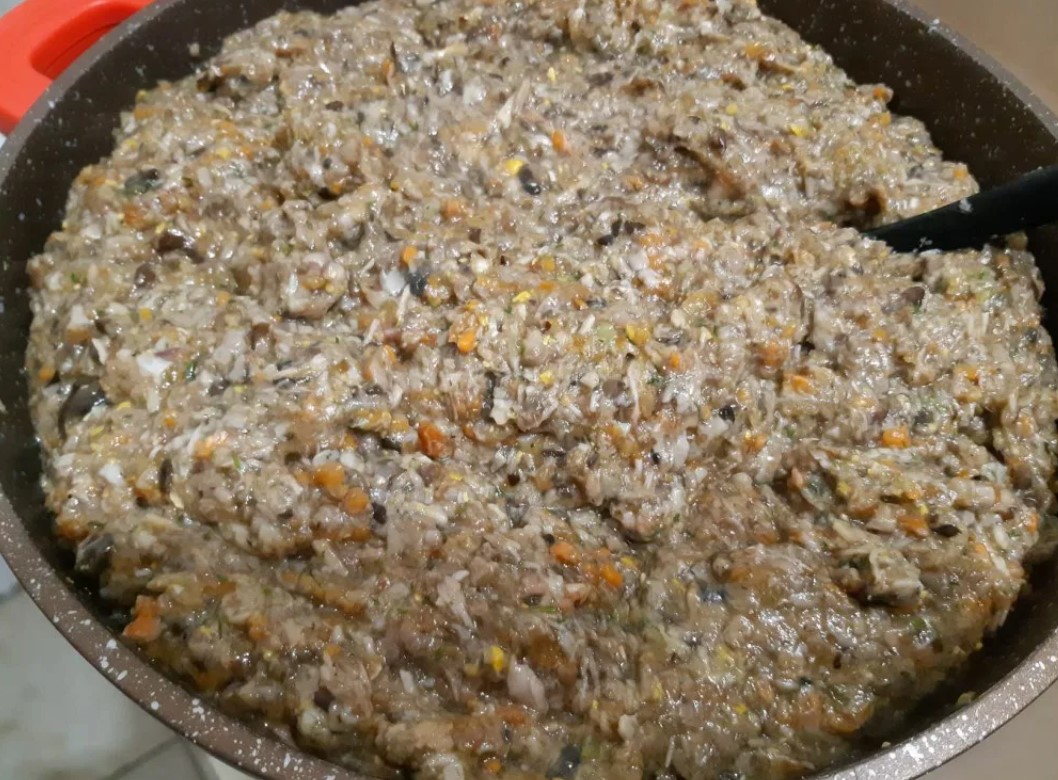
The delicate texture of the pulp allows you to make delicious mushroom caviar from winter honey mushrooms.
For use in folk medicine, as well as for making spices and additives, mushrooms are dried and ground into powder.
Flammulina is often used as a filling for pies after being ground and fried.
Despite the mushroom's many benefits and the possibility of eating it fresh, experienced housewives still recommend boiling it before cooking.
In more detail, How to boil honey mushrooms for different uses Read on our website.
Recipes with winter honey fungus
Mushrooms should be firm, without any darkening or damage, before cooking. They can be stored in the refrigerator for up to 1 week. It's best to use airtight containers to prevent the flesh from absorbing odors.
Soup
Winter honey mushrooms make a very tasty and nutritious Lenten soup.
Ingredients:
- Mushrooms – 500 g.
- Potatoes – 5 pcs.
- Carrots – 1 pc.
- Salt, spices – to taste.
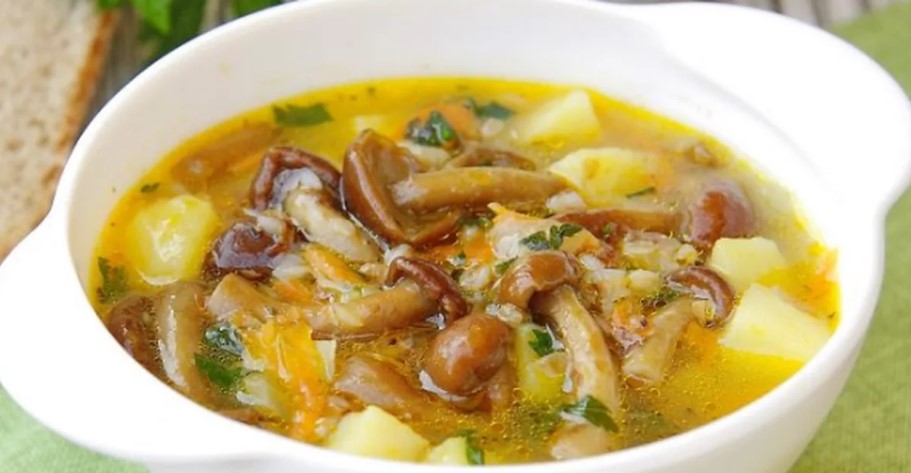
Method of preparation:
- Boil mushrooms in water for 15 minutes.
- Cut the potatoes into cubes.
- Chop the carrots and onions.
- Add the ingredients to the mushrooms, add salt and pepper and cook until the potatoes are done.
- Serve with sour cream or simply sprinkle with herbs.
Korean fried
To prepare this dish you will need:
- Winter honey mushrooms – 500 g.
- Onions – 2 pcs.
- Carrots – 1 pc.
- Breadcrumbs – 2 tbsp.
- Pepper, salt – to taste.
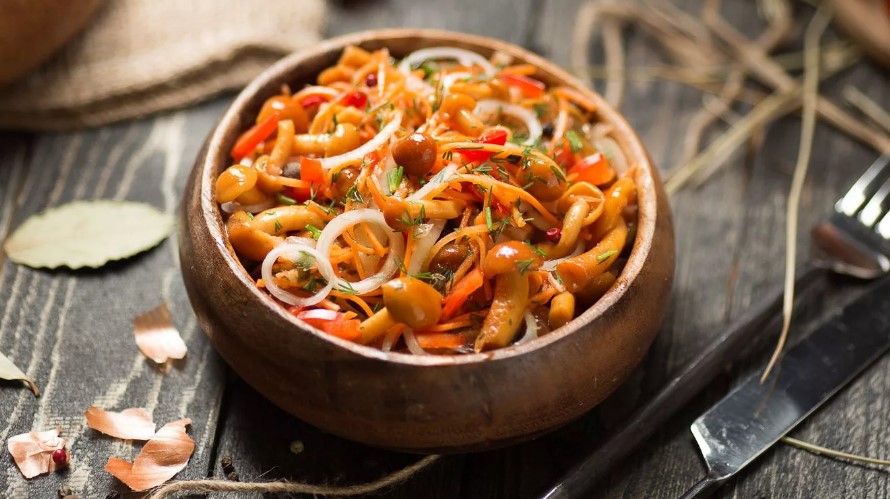
Method of preparation:
- Boil the mushrooms in salted boiling water for 30 minutes.
- Finely chop the onion and carrot.
- Place in a preheated frying pan and fry over high heat, stirring constantly.
- At the end, add breadcrumbs, which will absorb excess moisture.
- Fry until golden brown, serve with sauce.
Korean salad
To prepare a classic Korean salad you will need:
- Boiled or pickled winter honey mushrooms – 300 g.
- Korean-style carrots – 200 g.
- Seaweed – 100 g.
- Crab sticks or boiled squid meat – 200 g.
- Soy sauce, salt – to taste.
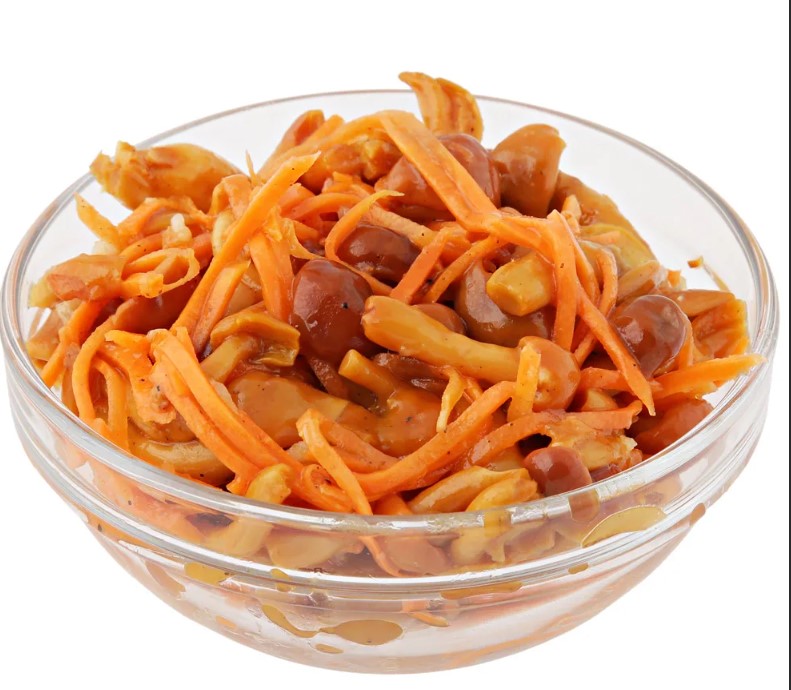
Method of preparation:
- Boil the mushrooms for 30 minutes without adding salt.
- Finely chop the crab sticks.
- Mix all ingredients, season with soy sauce, and add salt if necessary.
With potatoes
Fried mushrooms with potatoes are a culinary classic.
Ingredients:
- Honey mushrooms – 400 g.
- Potatoes – 4 pcs.
- Onion – 1 pc.
- Salt, herbs, spices – to taste.
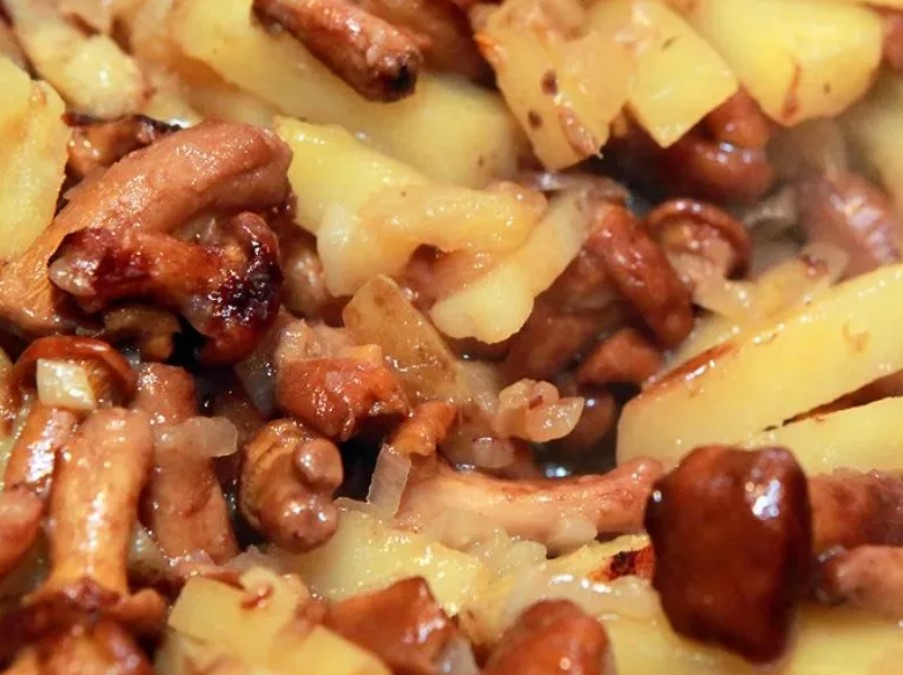
Method of preparation:
- Cut the potatoes into cubes and fry until half-cooked in ghee or vegetable oil.
- Boil honey mushrooms for 30 minutes.
- Place in a frying pan with heated oil and fry for 5-7 minutes.
- Add onions to the mushrooms and fry for another 5 minutes.
- Add the mushrooms to the potatoes, add salt and pepper and fry everything together until fully cooked.
- Serve sprinkled with herbs.
In a creamy sauce
Mushrooms in a creamy sauce can be served with various side dishes or used as a standalone dish.
To prepare you need to take:
- Honey mushrooms – 500 g.
- Onion – 1 pc.
- Cheese – 50 g.
- Cream 20% - 150 ml.
- Salt and pepper – to taste.
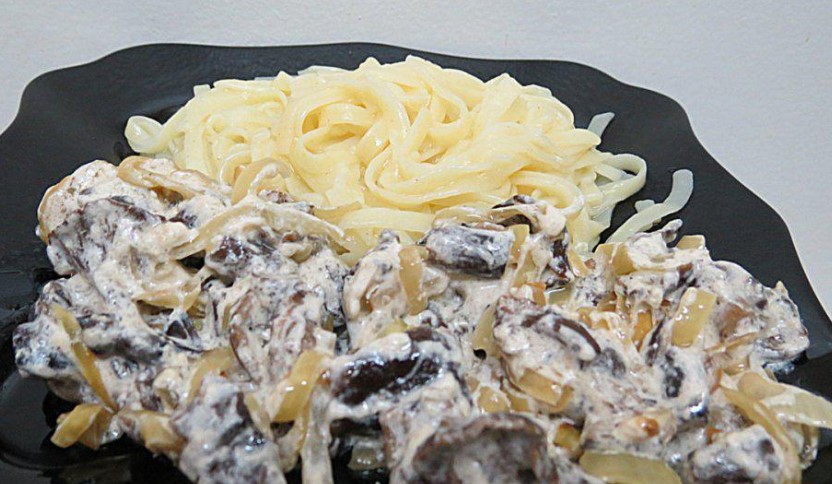
Method of preparation:
- Boil the mushrooms for 30 minutes.
- Place the honey mushrooms in a frying pan with heated oil and fry for 7 minutes.
- Add finely chopped onion to the mushrooms and fry until golden brown.
- Pour the cream into the pan and simmer over low heat for 10-15 minutes.
- Add grated cheese, salt, add spices, stir and simmer for another 5 minutes.
How to pickle winter honey fungus
Pickled winter honey mushrooms are very popular among housewives, as they will become a real decoration of the table at any time of year.
Ingredients:
- Winter honey mushrooms – 2 kg.
- Water – 1 l.
- Salt – 2.5 tbsp.
- Sugar – 2 tbsp.
- Vinegar 9% – 150 ml.
- Cloves – 4 pcs.
- Bay leaf – 1 pc.
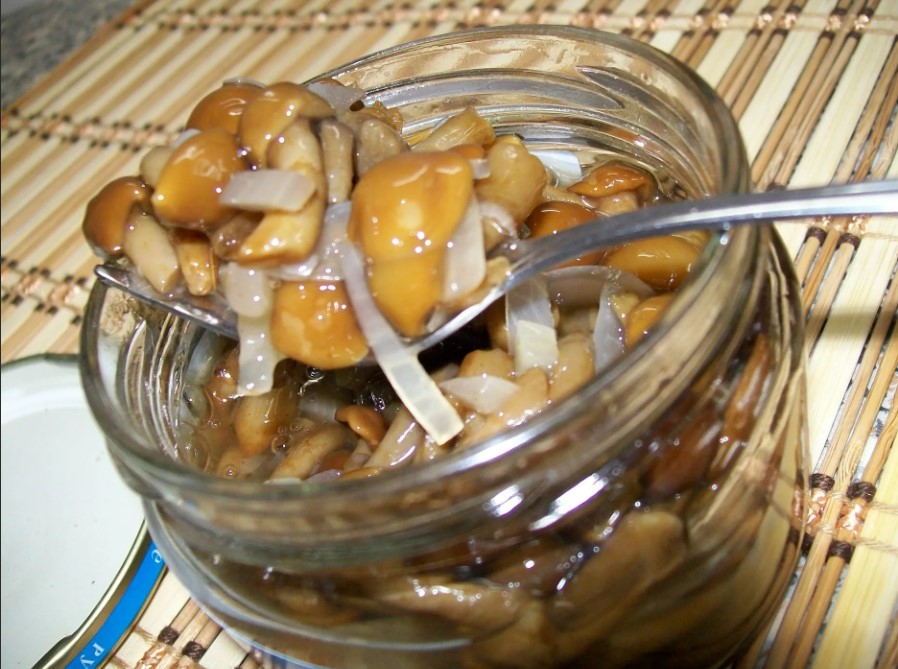
Method of preparation:
- Soak the mushrooms for 4 hours, then boil in boiling water for 20 minutes.
- Pour water into a saucepan and bring to a boil. Add the honey mushrooms and spices.
- After 20 minutes, pour vinegar into the marinade, bring to a boil and turn off the heat.
- Using a slotted spoon, place the mushrooms into sterilized jars, pour in the solution and roll up.
- Store in a cool place.
How to freeze winter honey mushrooms
Winter honey mushrooms tolerate freezing well. There are several freezing methods, each of which we'll discuss in more detail below.
Also read the article about How to freeze honey mushrooms for the winter: many recipes.
Fresh
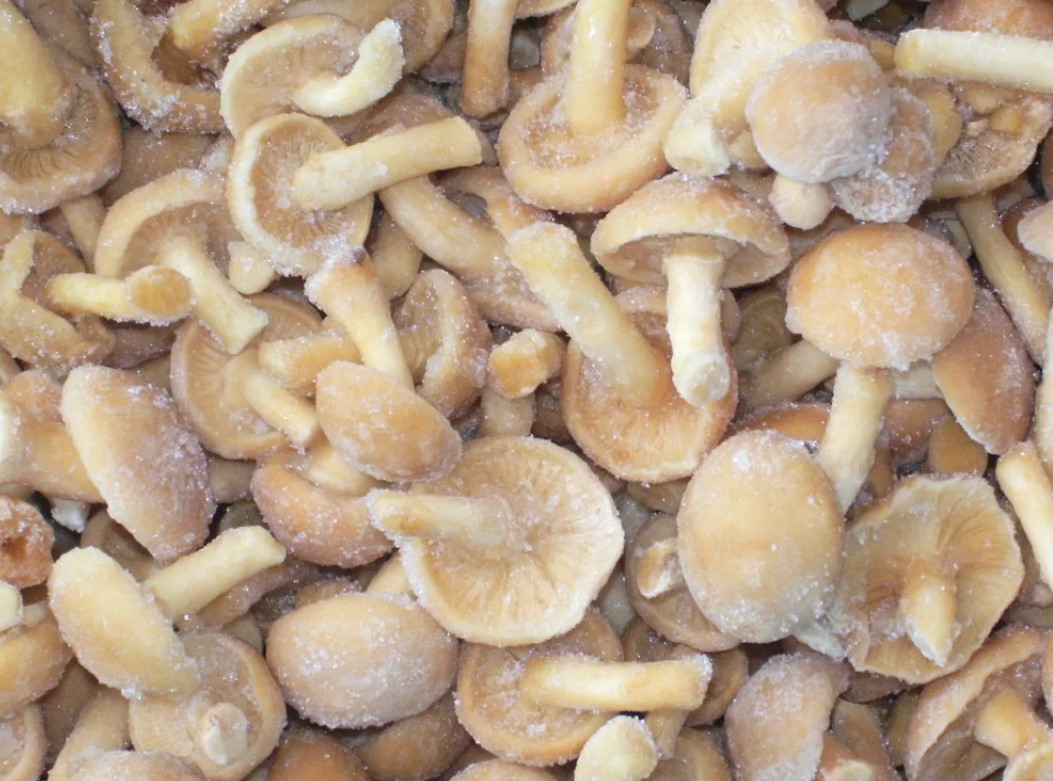
Fresh mushrooms for freezing do not need to be washed, otherwise excess moisture will cause frost. Any dirt can be easily removed with a napkin or soft cloth. Place the mushrooms in a single layer on a tray and freeze for 7 hours. Then remove them and store them in a bag or container.
Boiled
Cooked mushrooms save space in the freezer. Boil the mushrooms in boiling water for 30 minutes, adding salt if desired. Then drain the mushrooms in a colander to remove excess liquid. Once cooled, portion them into individual bags.
Fried
The mushrooms are boiled for 15-20 minutes, then fried until done, cooled and placed in containers.
How to dry winter honey mushrooms
Dried mushrooms retain all their beneficial properties, making them often used in folk remedies. In cooking, they are ground and used as a seasoning for various sauces and side dishes.
There's no need to wash the mushrooms before drying; simply wipe them with a dry cloth. Then, if you have a warm room, you can string them and hang them to dry. You can use an electric dehydrator, and some even use the microwave.
The most popular method is drying in the oven:
- The mushrooms are laid out on a tray with a small gap between them.
- The oven is preheated to 50 degrees.
- The tray is placed in the oven, with the door left slightly open.
- They need to be turned over periodically for 2-3 hours.
- As soon as the caps become sticky, the temperature is increased to 70 degrees and dried until ready.
If you are interested in this question, read the article for more details. about drying honey mushrooms in different ways.
Reviews and user tips on the winter honey fungus Flammulina, its collection, cultivation, and preparation
Please teach me the difference between Flammulina and Galerina. They look exactly the same to me.
Tanyusha, first of all, Galerina has a ring, while the winter honey fungus doesn't. When we grow Flammulina, Galerina doesn't exist.
Hey everyone, yesterday I was in the garden, putting away my clothes, storing everything for the winter. I don't know why I was drawn to the forest, but anyway, I went. The forest is beautiful, a pleasure to walk in. Anyway, while I was walking and looking at my feet, I came across a tree with false honey mushrooms.
I thought, let me go over and have a look, it looks like there's snow on the ground, it was freezing, but they're so perky, I went over, picked some, turned them over and OPPAaaaa
And this isn't a false honey fungus at all. My joy knew no bounds :Yahoo!: Well, hello winter honey fungus :Yahoo!:
I read a lot about this mushroom, but I encountered it for the first time.
There were also some very young ones
They're good marinated and fried, at least that's what they say. I went on, and there...
I didn't have time to walk around and pick more, it was getting dark, well, everyone has their own way, but I'm not planning on closing the mushroom season just yet.

Fri Nov 17, 2017 7:00 pm
I couldn't resist jumping in the car and rushing to the dock before it got dark. I managed to walk around for about an hour. There are some advantages to mushroom picking in winter, after all: no thickets, no ticks, no mosquitoes. You're walking through a clean forest, and you can see the mushrooms from afar.
On the downside, they didn't have time to grow. I found more than a dozen trees with tiny mushrooms, no bigger than a ten-kopeck coin, and didn't even bother cutting them down. The photo didn't fit all the mushrooms; the trees were covered in them.
There were also at inaccessible heights
I've learned one thing: in cloudy weather, it's best to take a navigator or compass with you. While you're circling around trees, you lose all your bearings, and moss doesn't help much.
I collected a little in an hour, enough for a couple of juliennes, if I had a day to walk around, I think I could have collected a bucket of 10-15 liters.
I noticed they grow closer to water and lowlands. As I understand it, they still need some warmth to thrive. They're said to grow all winter long, right up until May. I've decided to postpone harvesting honey mushrooms until April, until the snowdrifts melt, so I'm apparently closing the mushroom season for myself.AlekZandeR wrote: How can we try to collect them if we don't even know them? :pardon:
Nivzhis didn't know that winter ones were like that, and even without a crown (Dim, is that a skirt you mean?)
How can you tell them apart from the false ones? Especially the reddish ones.It's very simple. No skirt (absolutely mandatory), light cream-colored gills (false mushrooms have dark ones). The stem is light in young mushrooms, then turns black from the cap to the base. It grows on deciduous trees, never on pine needles. The mushroom smell is very faint. And most importantly, after frost, this is the only mushroom that doesn't turn into something shapeless. All identification is only necessary in the fall before frost, when similar mushrooms are available; now, it's not necessary.
Sasha, once you see it, you'll know, believe me.
If anything, look for them in the black forest, where there is deadwood, closer to the lowlands and water (river, lake, backwater). They are definitely in the Ufimka floodplain.
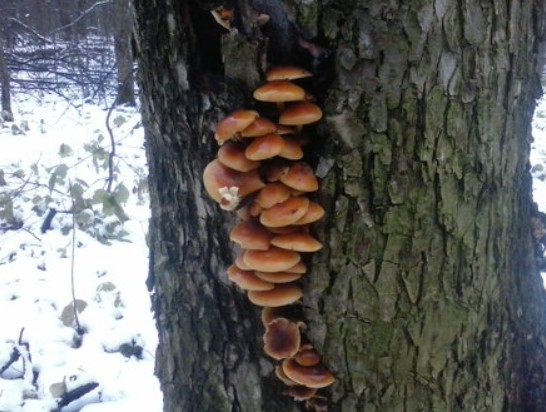
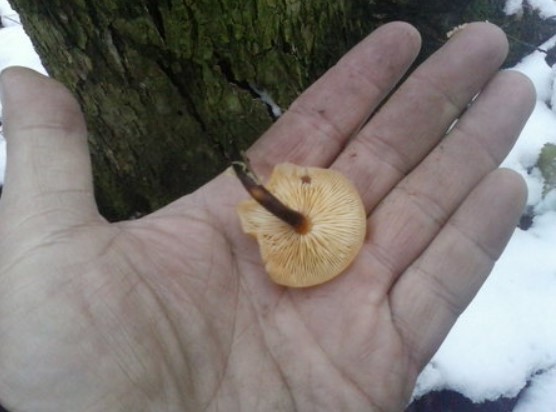
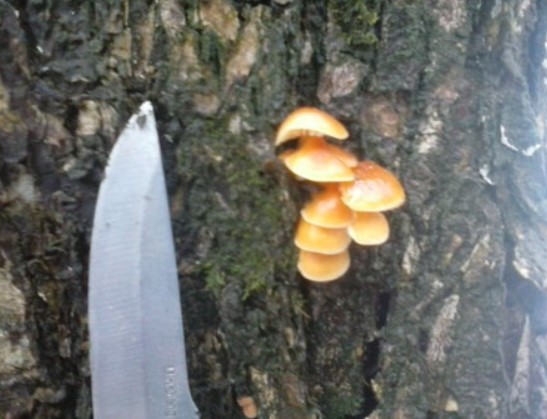
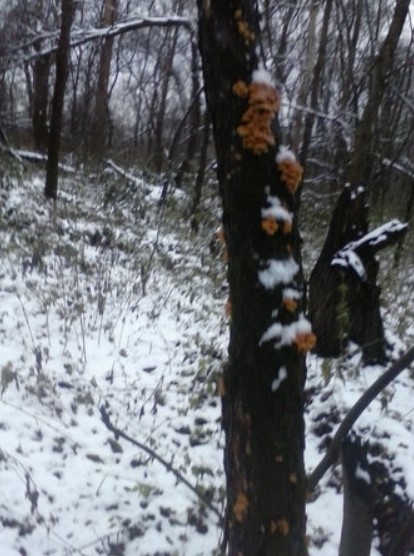
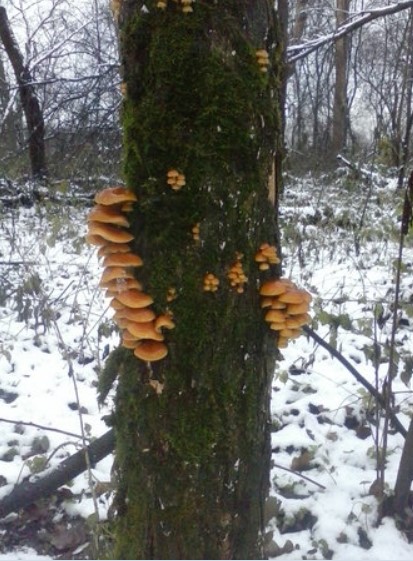
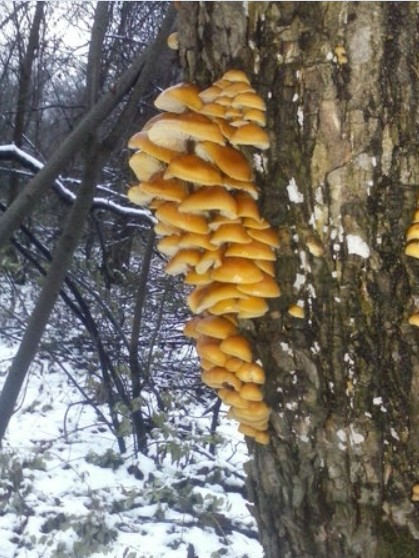

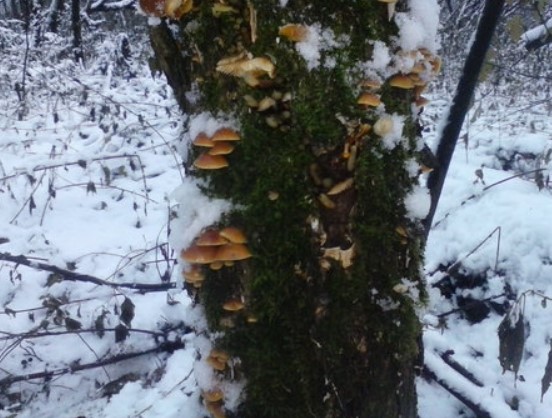
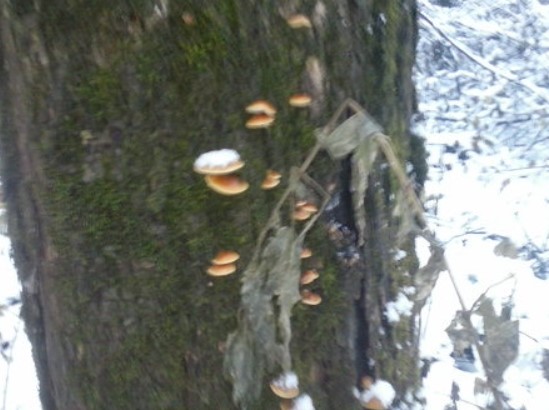
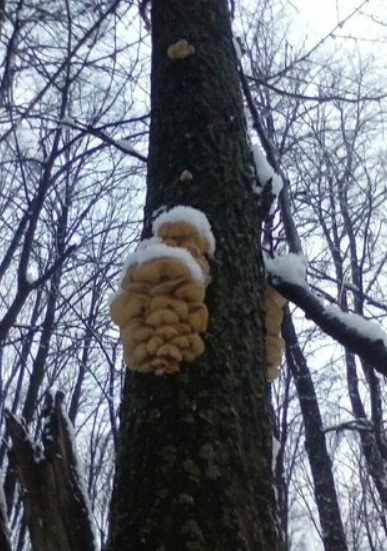
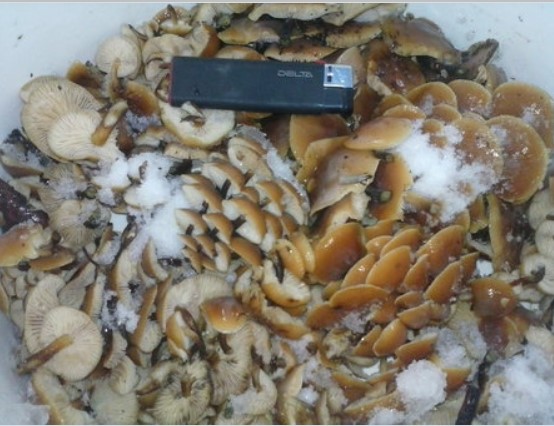
The winter mushroom has a firm texture and is difficult to break. It grows most often in damp areas where weak and damaged deciduous trees and bushes are more abundant.
The Latin name Flammulina velutipes, loosely translated, can be translated as "yellow-orange (fiery) velvety (velvet) stipe mushroom." This is the starting point. If you find yellow (creamy, orange, brownish—there are several types) mushrooms on a tree in November, it's 99% likely a winter mushroom.
Fedorov has a good description of the mushroom.
Growing Winter Honey Fungus (Flammulina)
I browsed the forum and couldn't find any information about growing the Winter Honey Fungus (Flammulina). Andrey (Okeanograf), have you ever grown this mushroom? Has anyone else? What got me interested? Firstly, I obtained mycelium of this mushroom, and secondly, I saw a photo somewhere of how beautiful a mix of shiitake, eryngii, and honey fungus looked on a substrate. I'm not sure if it was honey fungus or some other mushroom in addition, maybe it was a hint, but the mix looked very appealing. From general descriptions of honey fungus cultivation, I understand that the substrate requires a significant amount of nutritional supplements, which automatically means the substrate needs to be sterile. So, let's share experiences. If I missed something, and this topic is already discussed, please move the thread.
In any case, it's just a sterile place.
The substrate formula is essentially standard: 1.3-1.5% nitrogen, 65-67% humidity, and don't forget about "light" carbohydrates like bran and cornmeal. Adding fat-containing supplements, such as oilcake (meal), produces good results. Incubation is slightly longer than for oyster mushrooms (using sterilized cultures). The incubation period is about 35 days. Fruiting occurs from the upper horizontal surface. Yields average 30%, sometimes up to 40%. "On the same wavelength." Low oxygen requirements. During fruiting, maintain a CeO2 level of 5000-8000 ppm. When cultivating in jars, collars are added. This produces "macaroni." It is said that the stems contain the most extractive substances. When growing in bags, the larger tails are left on top (where the filter is attached); then they can be used as collars.
In my opinion, this is one of the most "grateful" mushrooms. If the mother culture is good, the mushrooms will thrive in any weather (up to 18°C). You can water them directly. In nature, their fruiting bodies are known to withstand freezing and continue growing after thawing.
The culinary qualities are superb! They have a pleasant, distinctive aroma. They can be eaten raw with minimal cooking. They impart a characteristic "snotty" flavor to broth. They are great marinated with oyster mushrooms—the mushrooms add flavor and a rich broth, while the oyster mushrooms add "meat."
In Japan, honey mushrooms are recommended as a mandatory part of the diet in schools and nursing homes. Due to their mucopolysaccharides (the aforementioned "snot"), they have a beneficial effect on the cardiovascular system (the "snot" acts as a lubricant for blood vessels). This improves peripheral blood flow, especially in the small vessels of the brain. This positively impacts mental and cognitive abilities. Due to their essential amino acids, as well as high amounts of glycine and glutamine, honey mushrooms have a nootropic effect, improving memory.
Biologically active substances of Flammulina exhibit oncostatic properties.
With regular and systematic use, a side effect appears - increased libido and potency.
And what about the second wave of Flammulin?
The second wave typically yields 15-25% of the first. A third wave is possible, if desired. Much depends on agricultural practices. However, in any case, the mushroom quality deteriorates sharply, and they are only suitable for processing.
One of the peculiarities of Flammulina is that after the first or second flush, the mycelium in the blocks begins to autolyze. The block turns black, becomes slimy, flies appear, and other "charms" occur. Therefore, in industrial cultivation, only one flush is used.
As for the taste, I can only say that I have never eaten tastier mushrooms yet))
I agree with every word! :good:
My favorite mushroom. It's great for any kind of consumption: fresh, boiled, fried, stewed, dried, in pies and minced meat, in salads and omelets, in soups and barbecues. Dried flammulina can be brewed as a tea to create a tonic drink. Moreover, a more aromatic powder is obtained from the "roots"—the dark lower part of the stems, which is usually discarded and unusable.
And what a sauce you can make from honey mushrooms! *YAHOO*
Truly, as the French proverb goes, with mushroom sauce you can eat a shoe sole. This is about the *BRAVO* flammoulina.
Dried flammulina is brewed like tea to create a tonic drink. Moreover, a more aromatic powder is obtained from the "roots"—the dark lower part of the stems, which is usually discarded and unusable.
There are two main ways to prepare the drink, depending on the goals and objectives.
Option 1 (for nutraceutical purposes): brew 1-1.5 tablespoons of flammulina powder in a thermos with a cup of boiling water and let steep for at least two hours. The resulting drink is rich in proteins, amino acids, macro- and microelements. Consumption is permitted without limitation. It is often used as a base or additive in sports nutrition mixes. Some prefer to add salt, spices, and herbs to the drink.The second option (for therapeutic purposes): mushroom powder (the same proportions) is poured into water at 50 degrees Celsius and left to steep, preferably at the same temperature, for at least 6 hours. Take 2 tablespoons before bed on an empty stomach. Courses last 7-10 days, three courses in a row with at least 7 days between courses. Do not exceed 4 times a year.