Shiitake mushrooms resemble button mushrooms in appearance, but they are not found in the wild in our country. They are grown on special plantations and are widely used not only in cooking but also in medicine. We'll discuss this in this article.

Content
- 1 Description of the shiitake mushroom
- 2 Distribution of shiitake mushrooms
- 3 Where can I find shiitake mushrooms in Russia?
- 4 How much does a shiitake mushroom cost?
- 5 What mushrooms can shiitake mushrooms be confused with, and how to distinguish them?
- 6 Taste qualities of shiitake mushrooms
- 7 Composition and caloric content of shiitake mushrooms
- 8 The benefits and harms of shiitake mushrooms
- 9 Medicinal uses of shiitake mushrooms
- 10 Culinary uses of shiitake mushrooms
- 11 Growing Shiitake Mushrooms at Home
- 12 Shiitake mushroom reviews, growing and cooking tips
Description of the shiitake mushroom
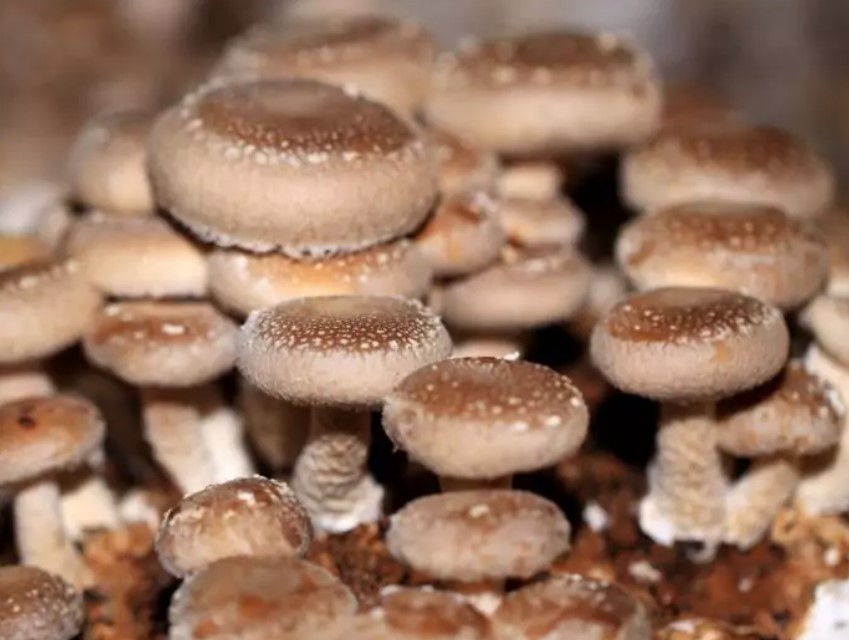
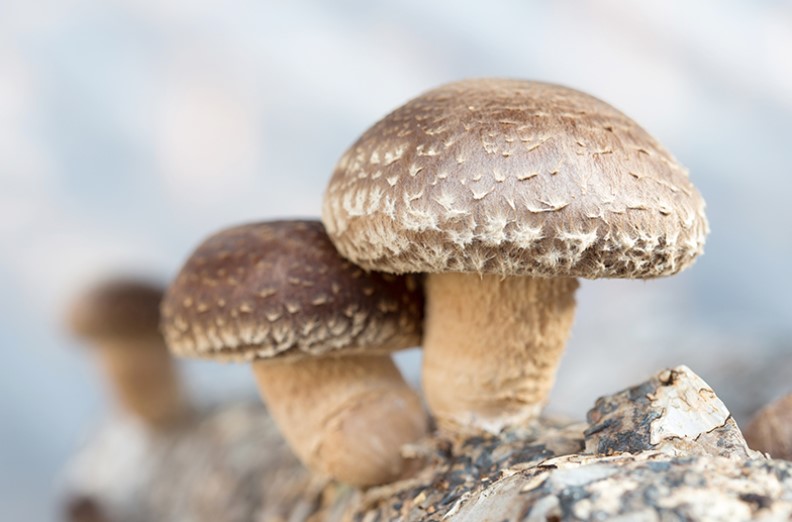
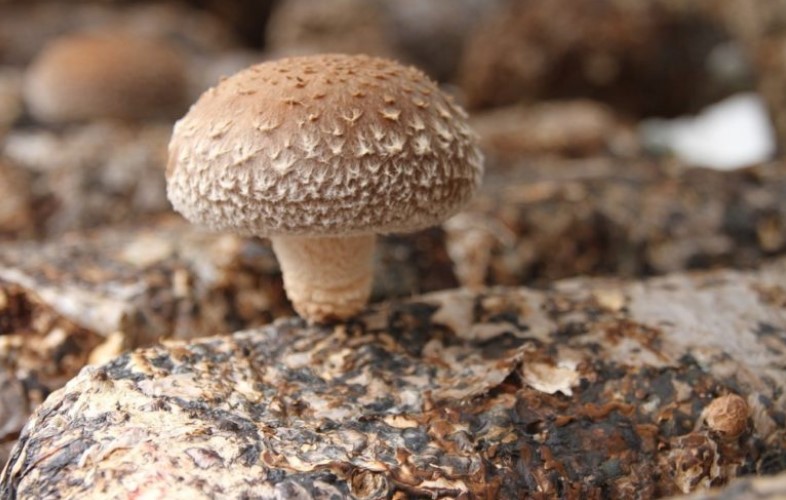
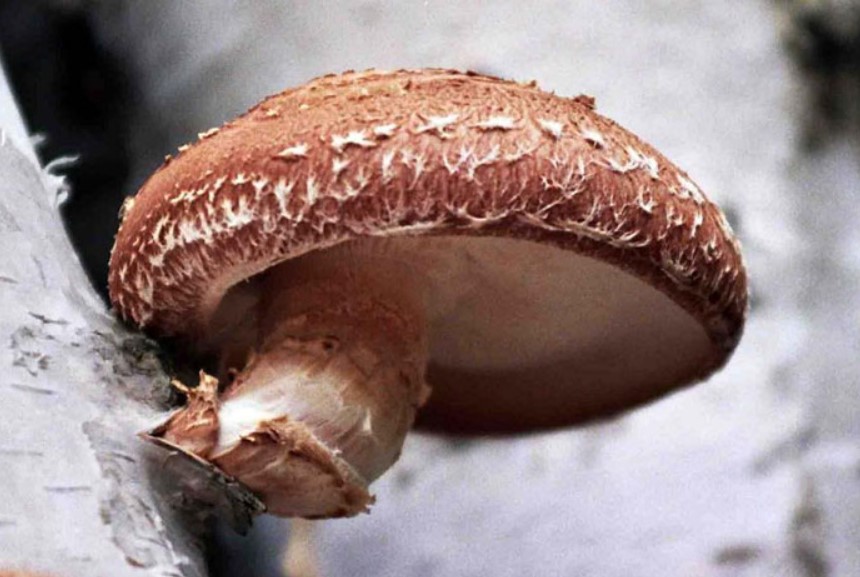
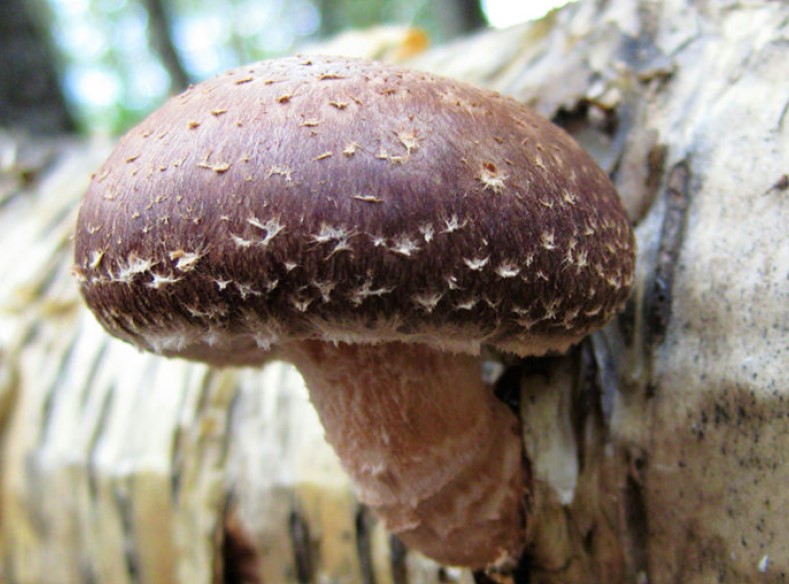
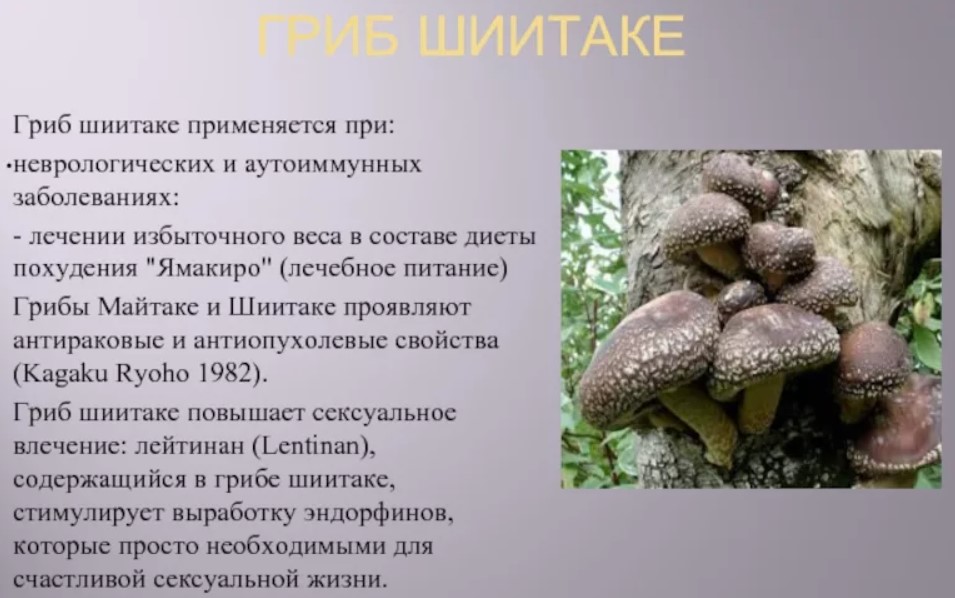
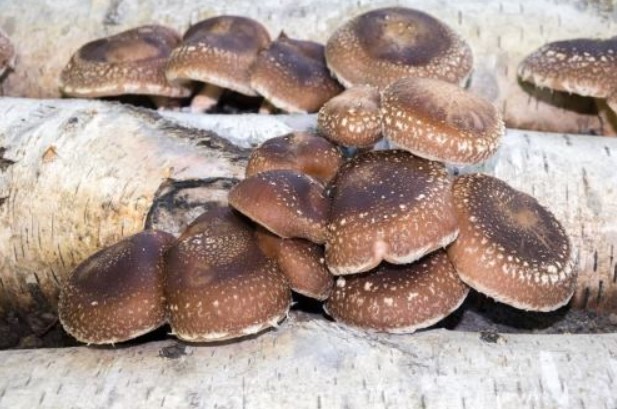
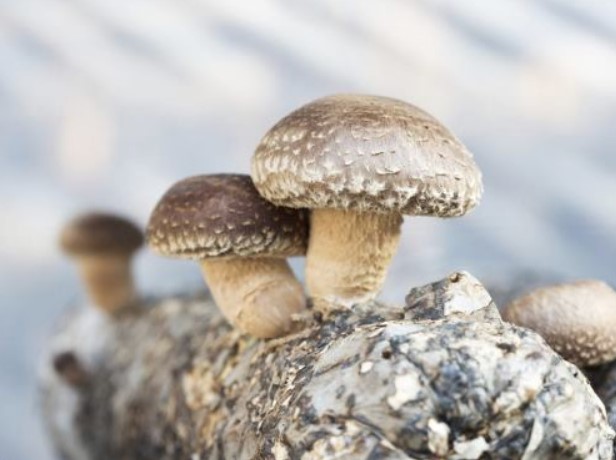
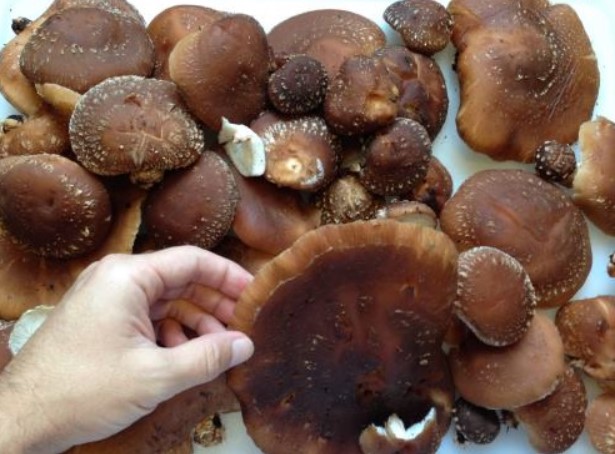
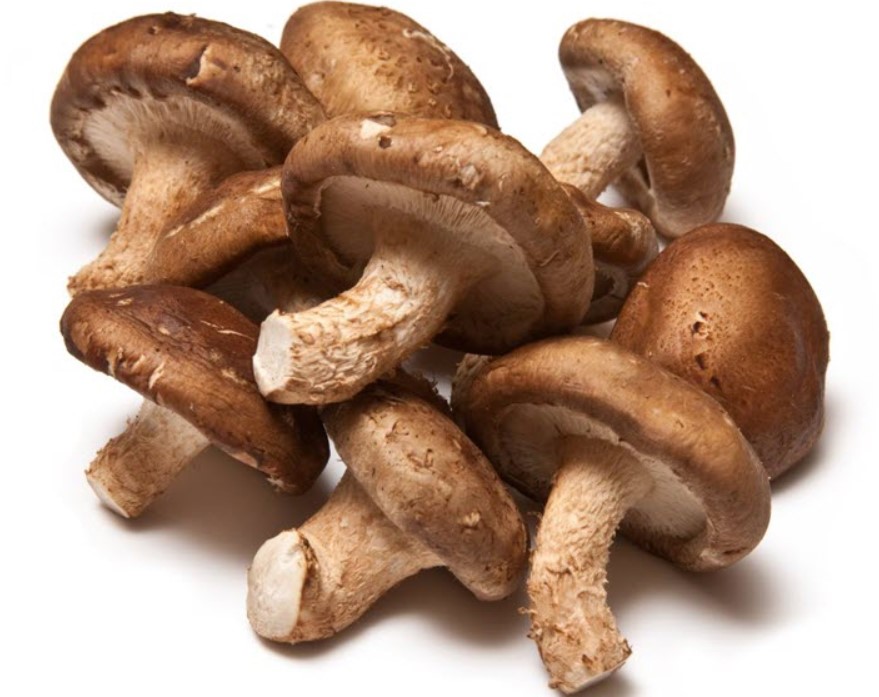
The mushroom cap grows to 15-20 cm in diameter and is semicircular. The flesh is quite dense, fleshy, and creamy in color. Young mushrooms have smooth cap margins, but as they mature, they curl slightly toward the stem.
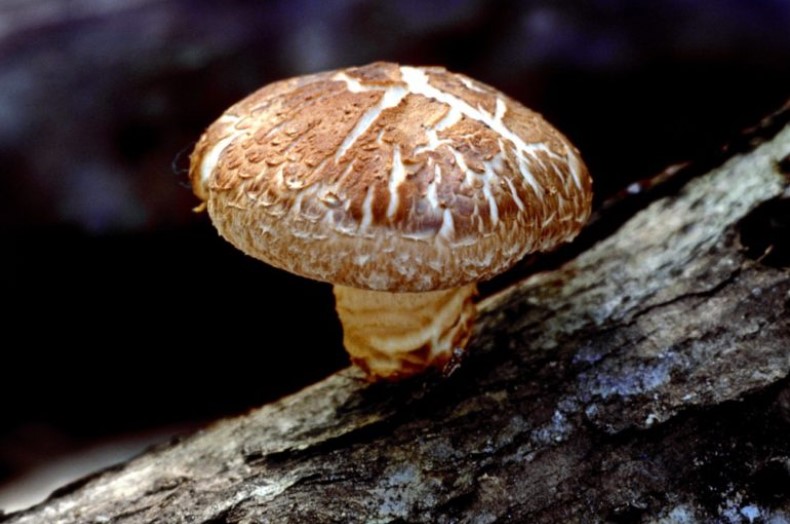
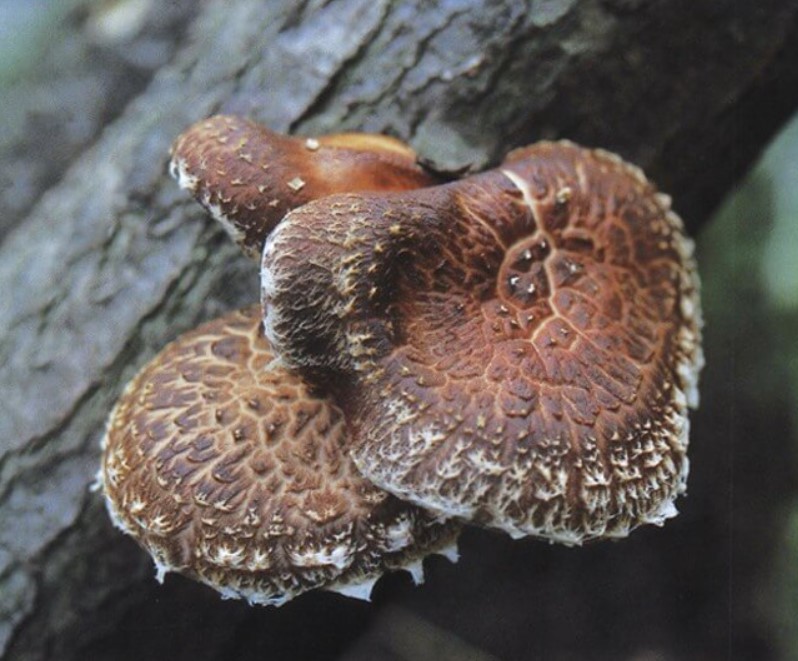
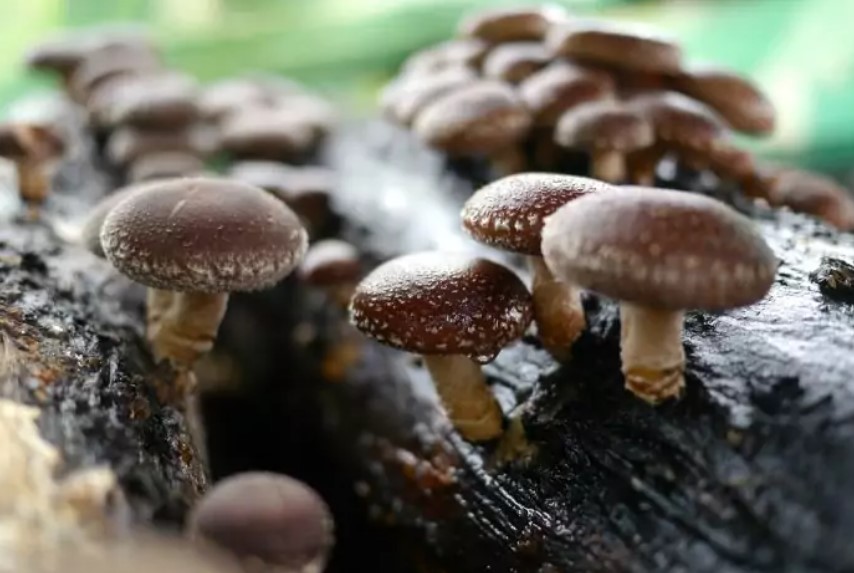
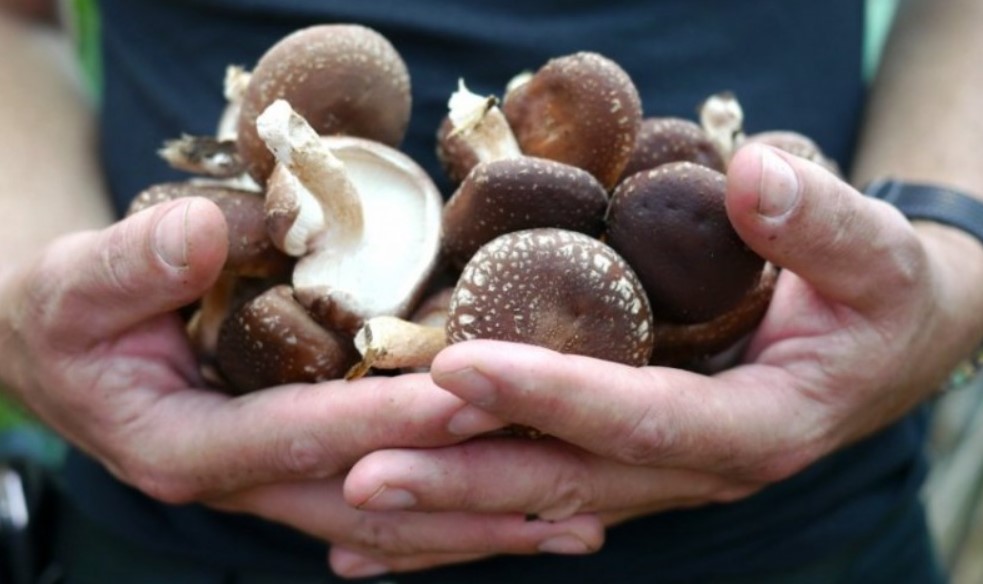
The skin is velvety, with scales on its surface. In older mushrooms, it cracks along the entire perimeter. The color is brownish or coffee-colored.
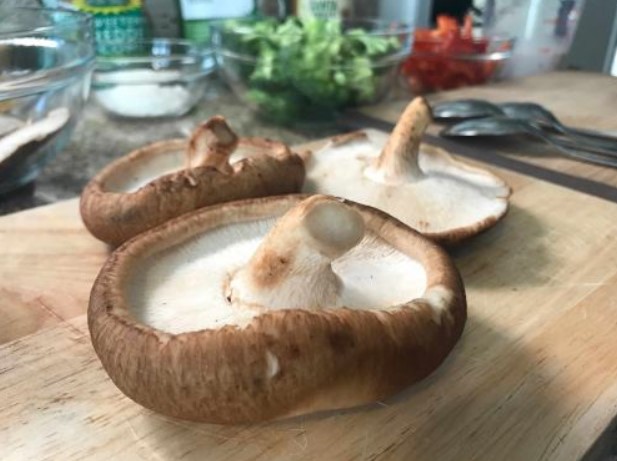
On the back of the cap there are frequent plates, which at a young age are covered by a membrane.
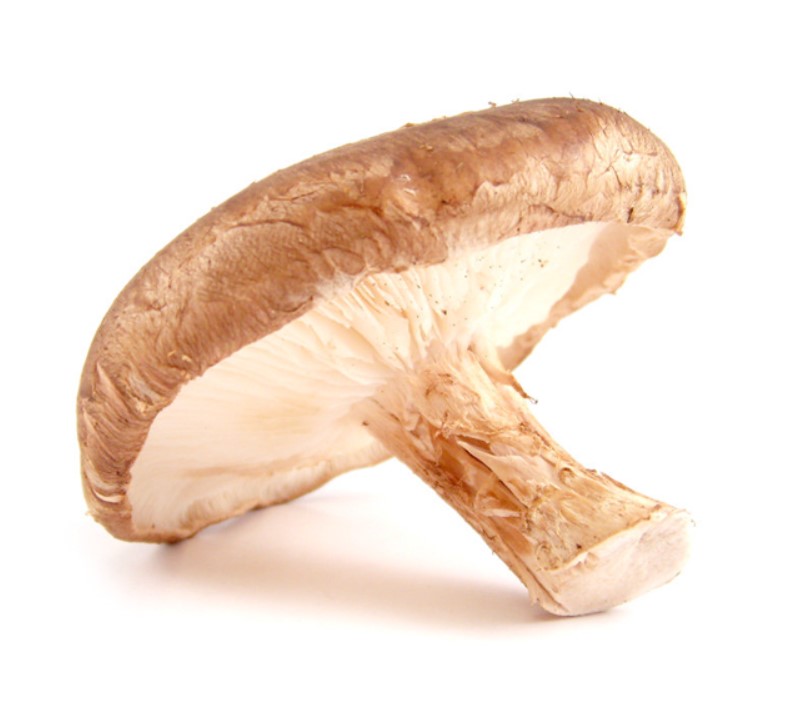
The stem is 4 to 18 cm tall, thin, cylindrical, and tapering at the base. Remnants of a protective covering can often be seen on it.
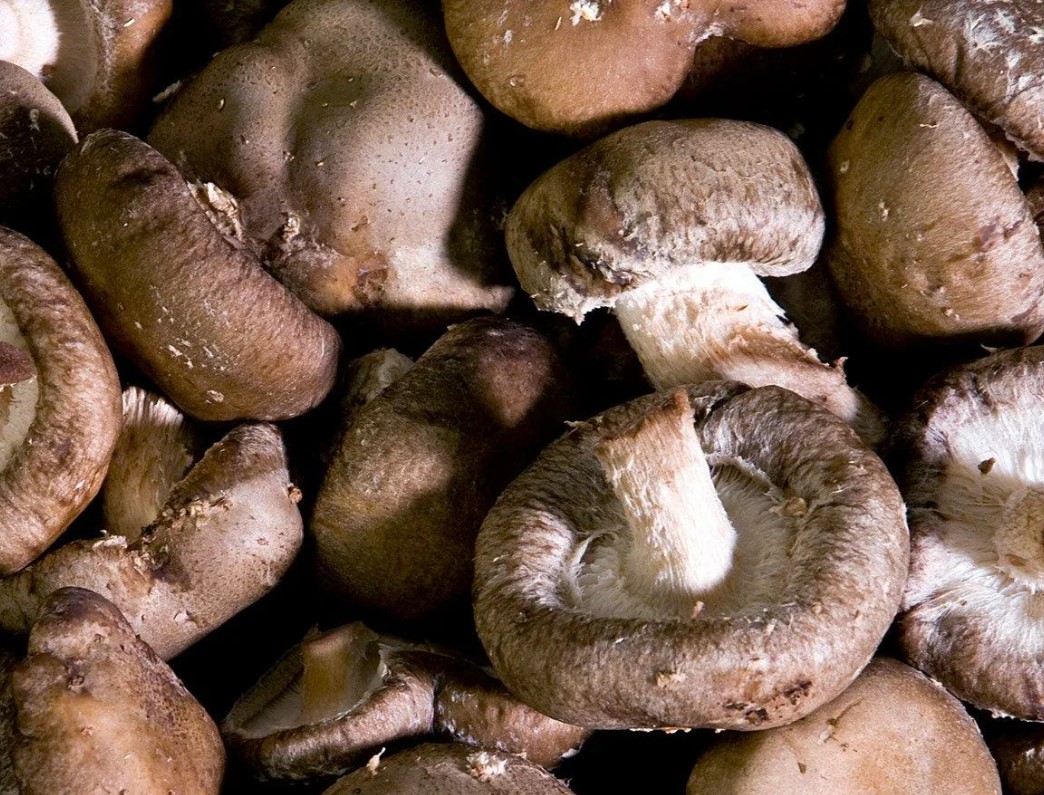
The older the mushroom gets, the more brown spots appear on the back of its cap, and, accordingly, the fewer beneficial properties it retains.
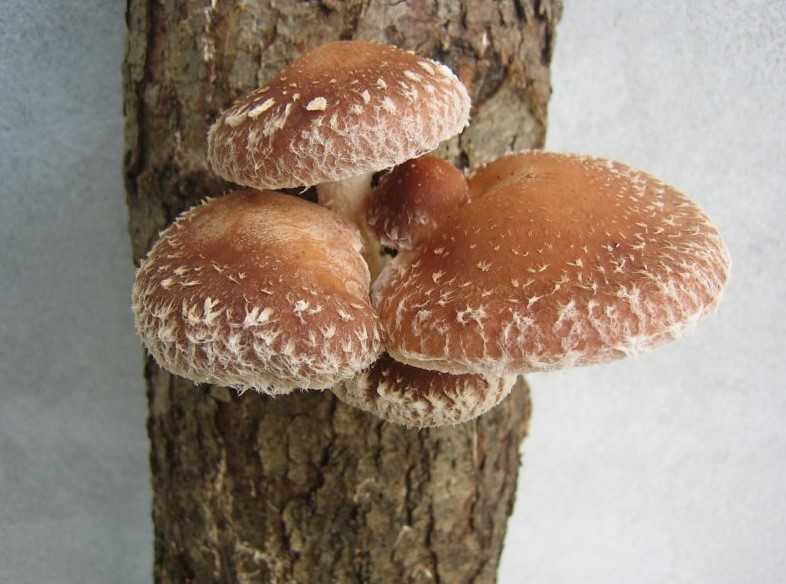
Shiitake Mushroom Photo Gallery
Distribution of shiitake mushrooms
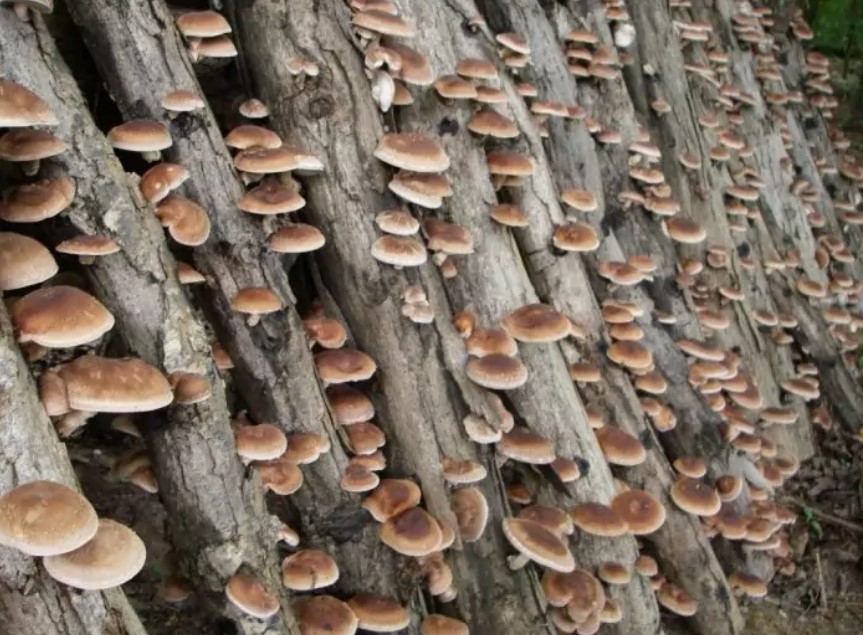
In rare cases, shiitake mushrooms can be found in the Far East. Their main habitat is Japan, Korea, and China. They grow in groups or singly on dry stumps or trees, preferring maple, oak, beech, and willow trees, while avoiding conifers.
The fruiting period depends on rainfall and air temperature. Mushrooms can appear in spring or fall, when humidity is high and temperatures do not drop below 18-20 degrees Celsius.
Where can I find shiitake mushrooms in Russia?
Shiitake mushrooms are very rare in Russia. They grow naturally in small numbers in the Primorsky Krai and the Far East. Shiitake mushrooms begin to appear in the spring and continue to bear fruit until autumn. They thrive in birch, maple, poplar, oak, and linden trees.
In central Russia, shiitake mushrooms are grown exclusively in specially created conditions. This method allows for enormous yields, as fruiting continues year-round, and the fruit ripens in just 6-8 days.
How much does a shiitake mushroom cost?
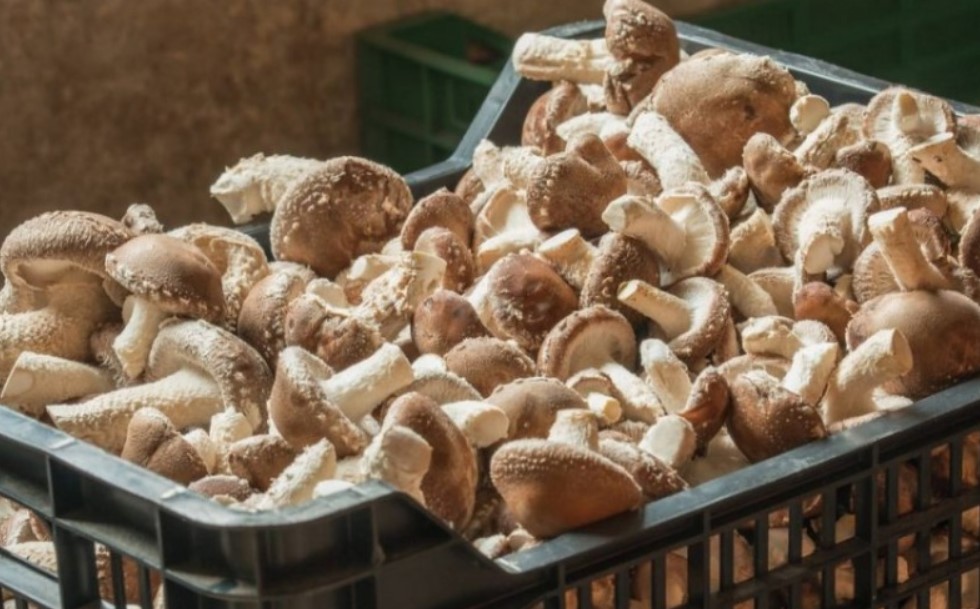
Fresh shiitake mushrooms are rarely sold because they need to be processed within 24 hours of picking. Frozen shiitake mushrooms can be found for sale starting at 300 rubles per kilogram, but they are most often purchased dried or ground, starting at 800 rubles per kilogram.
What mushrooms can shiitake mushrooms be confused with, and how to distinguish them?
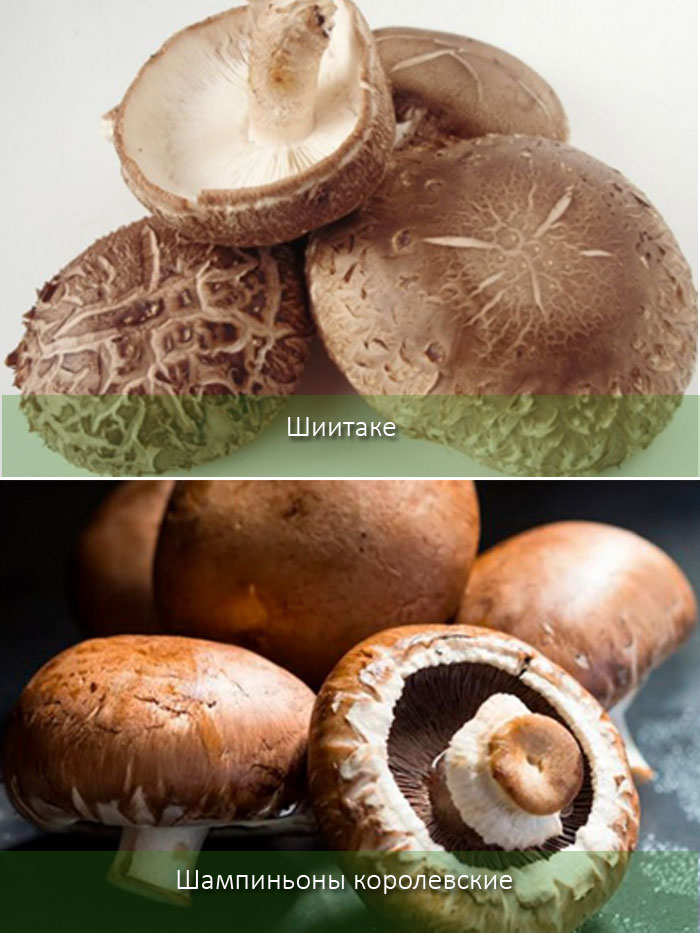
Shiitake mushrooms are monotypic, meaning they have no lookalikes. However, they are very similar in appearance to common button mushrooms, especially royalThey have identical caps, approximately 10-15 cm in diameter, and also have scales, remnants of a ring, and short stems. However, the color of the champignons differs, as does the color of the cap scales. Furthermore, these mushrooms prefer to grow in well-fertilized piles and are not found on stumps or trees. Another difference is the fruiting period. In the wild, champignons appear only in July, while shiitake can be harvested as early as spring.
Find out more about forest And field You can find more information about champignons on our website Top.tomathouse.com.
Taste qualities of shiitake mushrooms
The stem of the shiitake mushroom is rarely used in cooking due to its fibrous structure. This mushroom is very common in Korean, Japanese, and Chinese cuisines, where it is used both fresh and dried. In the latter case, the mushrooms are soaked in water before use, but their flavor is less pronounced than that of the fresh product.
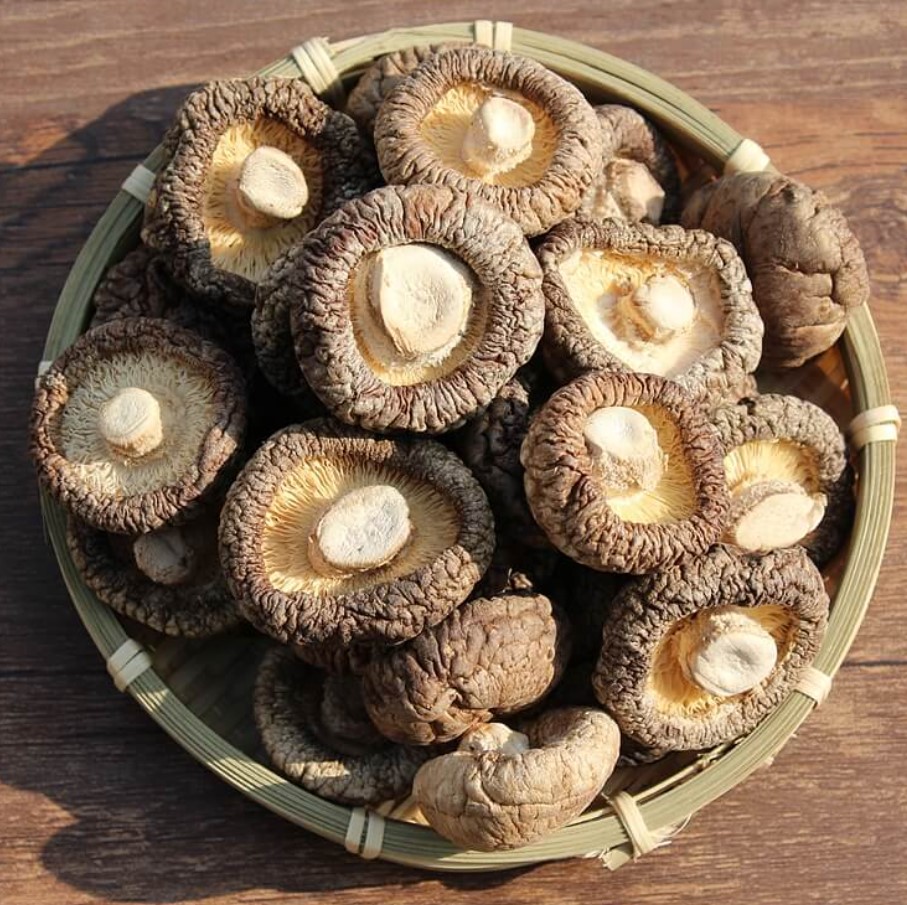
The mushroom aroma has a slight woody note, and a slight piquant bitterness may be present.
Ah, you know that champignons can be eaten raw, and they also used in weight loss diets.
Composition and caloric content of shiitake mushrooms
Shiitake mushrooms are considered low-calorie, containing only 34 kcal per 100 g. The nutritional value of the mushroom is as follows:
- Water – 89.74 g.
- Carbohydrates – 6.79 g.
- Dietary fiber – 2.5 g.
- Proteins – 2.24 g.
- Ash – 0.73 g.
- Fats – 0.49 g.
The benefits and harms of shiitake mushrooms
Shiitake mushrooms offer significant health benefits, assuming a daily consumption of no more than 100 grams. The medicinal properties of these mushrooms have been known since the Ming Dynasty. Over the past two centuries, this information has been further refined through scientific research.
- Mushrooms are ideal for the dietary menu of people with diabetes.
- Selenium, found in shiitake, is a powerful antioxidant that has antitumor properties.
- Polysaccharides help strengthen the nervous system.
- Taking mushrooms helps reduce blood cholesterol levels.
- Shiitake helps the body fight bacteria and viruses.
- In folk medicine, mushrooms are used to prepare supplements for the treatment of prostatitis, dermatitis, candidiasis, and tuberculosis.
Like any other mushroom, shiitake has contraindications for use:
- The presence of autoimmune diseases in a person.
- Pregnancy and lactation period.
- Blood diseases.
If you are planning to have children, you will be interested to know Can you eat champignons during pregnancy?, and also during breastfeeding And At what age and how should they be introduced into a child's diet?.
Medicinal uses of shiitake mushrooms
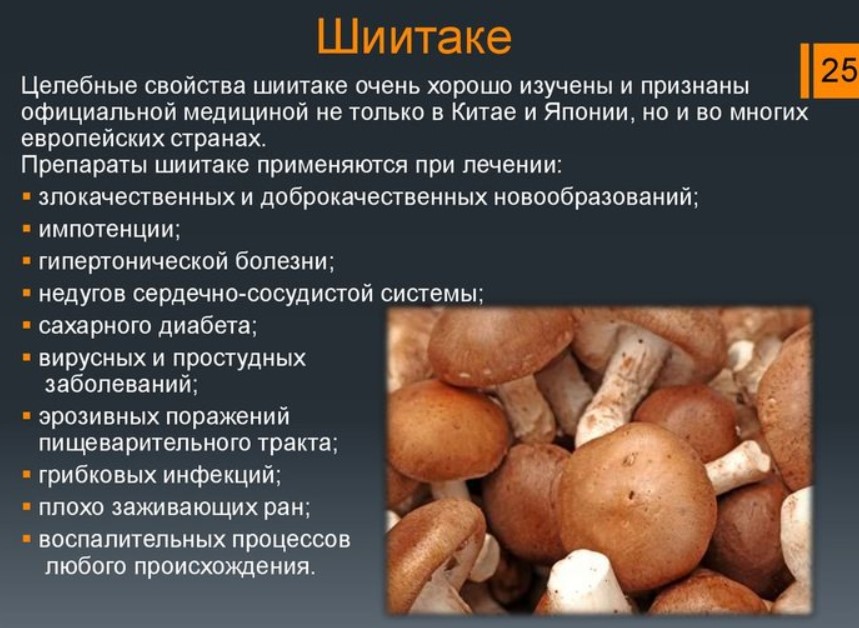
Shiitake mushrooms have been used in folk medicine since ancient times. Their medicinal properties include enhancing potency, cleansing the body, lowering cholesterol, and preventing tumor formation.
Today, the mushroom is recognized even in traditional medicine due to the presence of lentinan, which is effective in the treatment of immune system diseases and cancer.
Shiitake mushrooms fight cancer
The shiitake mushroom was considered by ancient healers to be a longevity mushroom. In 1969, a group of scientists led by Japanese physician T. Ikekawa conducted research that demonstrated the mushroom's effectiveness in fighting tumors. This effect is due to the polysaccharide lentinan, which inhibits the growth of pathogenic cells and prevents tumor development. Its action activates the body's production of antibodies that destroy foreign cells and prevent metastases.
In Japan, this research has become a breakthrough in cancer treatment; shiitake mushrooms are actively used to prevent recurrence after surgery.
For atherosclerosis
The benefits of shiitake mushrooms for atherosclerosis were known as early as the 14th century, but the theory of the Chinese healer Wu Rui was only confirmed many centuries later, in the late 20th century. It was discovered that shiitake contains the amino acid eritadenine, which reduces the concentration of harmful fats in the body and accelerates the breakdown of lipoproteins.
It can be used in the form of tincture or dry powder.
Shiitake mushroom recipes for home remedies
Shiitake mushrooms are often used as ingredients in traditional medicine.
It is believed that 1 teaspoon of dried mushroom powder helps strengthen the immune system, increase libido, and relieve a person from chronic fatigue.
Shiitake mushrooms are used to make a strengthening tea that not only strengthens the immune system but also stimulates the lymphatic system.
- Pour 250 ml of boiling water over 10 g of powder.
- Stir and let sit for 10 minutes.
- Take 10 minutes before meals for 21 days.
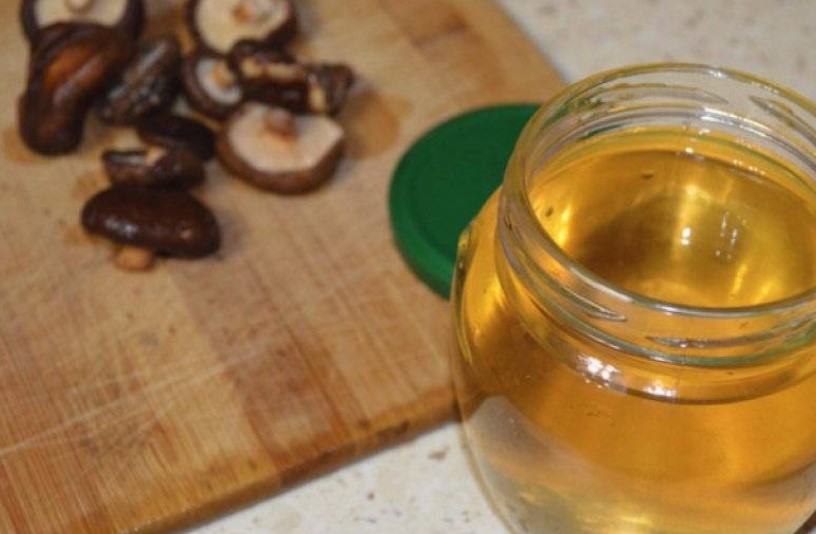
To prevent the appearance of neoplasms, a shiitake tincture is prepared:
- Pour 50 g of mushrooms with good vodka (750 ml).
- Place in the refrigerator for 28 days.
- Take it out and leave it in a warm room for another 14 days.
- Store at room temperature, shaking before use.
- Take 15 ml three times a day half an hour before meals.
Culinary uses of shiitake mushrooms
Shiitake mushrooms are widely used by chefs in many countries. They are especially popular in Japan, Korea, and China. In addition to traditional frying and stewing, shiitake mushrooms are also used to make yogurt, candy, and even lemonade.
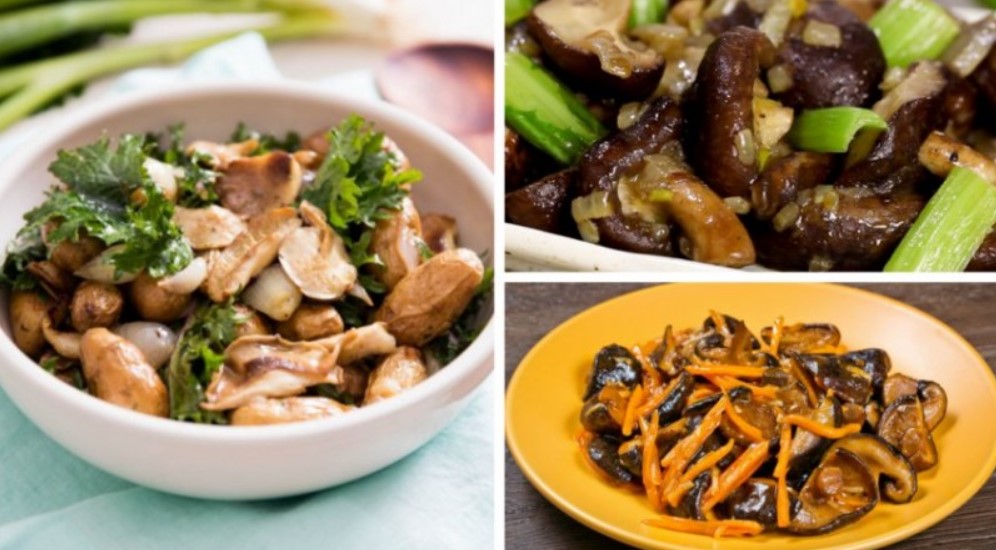
The stems are not used for cooking due to their fibrous structure; only the cap is used for cooking. Mushrooms can be prepared in a variety of ways:
- Boiling. Wash the caps and place them in a pot of boiling water, using 200 ml of water per 1 kg of mushrooms. Cook for no longer than 4 minutes, otherwise the flesh will become rubbery. For added flavor, add garlic and dill.
- Frying. Heat oil in a frying pan and add the mushroom caps, season with salt and pepper. Fry over high heat, stirring constantly, until the liquid evaporates. Optionally, add onion, carrot, and garlic. This dish goes well with rice, buckwheat, vegetables, and mashed potatoes.
- Marinating. Rinse the mushrooms and cover with water at a rate of 1 liter per 500 g of product. After boiling, add 60 ml of 9% vinegar, 30 g of salt, and 25 g of mustard seeds. Remove the mushrooms with a slotted spoon, transfer to jars, and pour the hot marinade over them. Ready in 7 days.
You can prepare a culinary masterpiece not only from fresh shiitake, but also from dried ones.
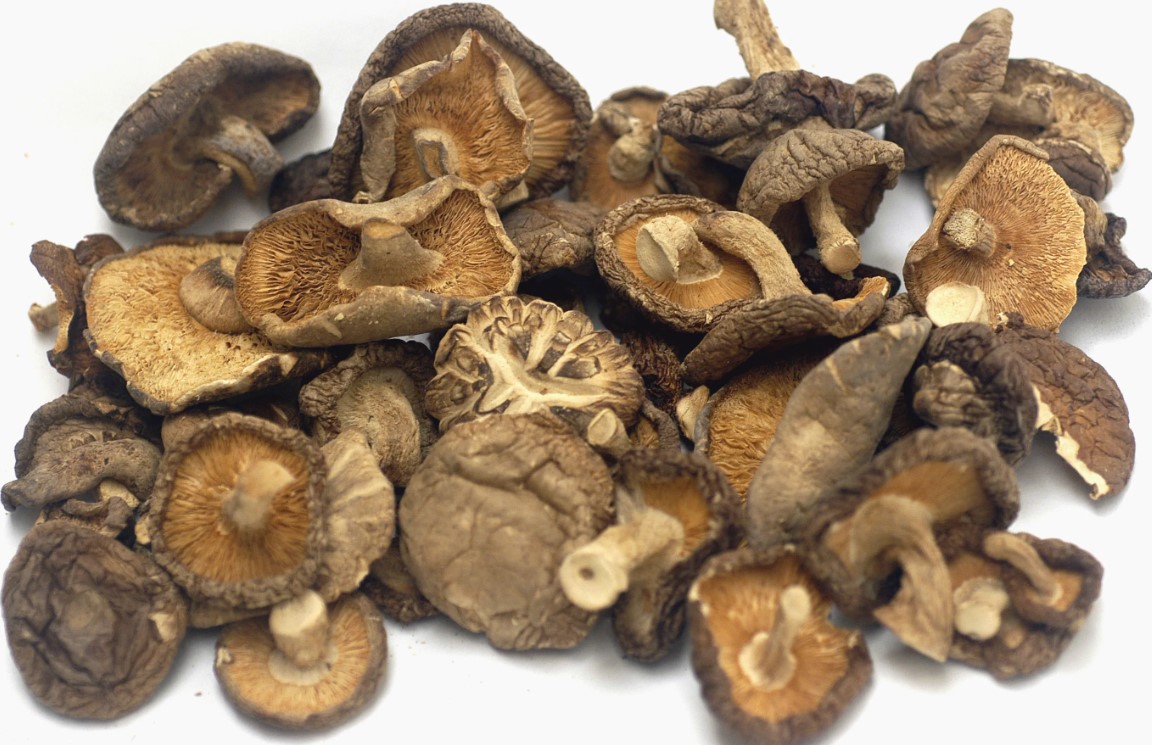
To do this, soak the mushrooms in cold water for 3-6 hours. If time is short, you can speed up the process by sprinkling the mushrooms with a little sugar.
How dry champignons Read on our website.
Growing Shiitake Mushrooms at Home
Shiitake mushrooms can be grown at home by preparing the right substrate and following specific technology.
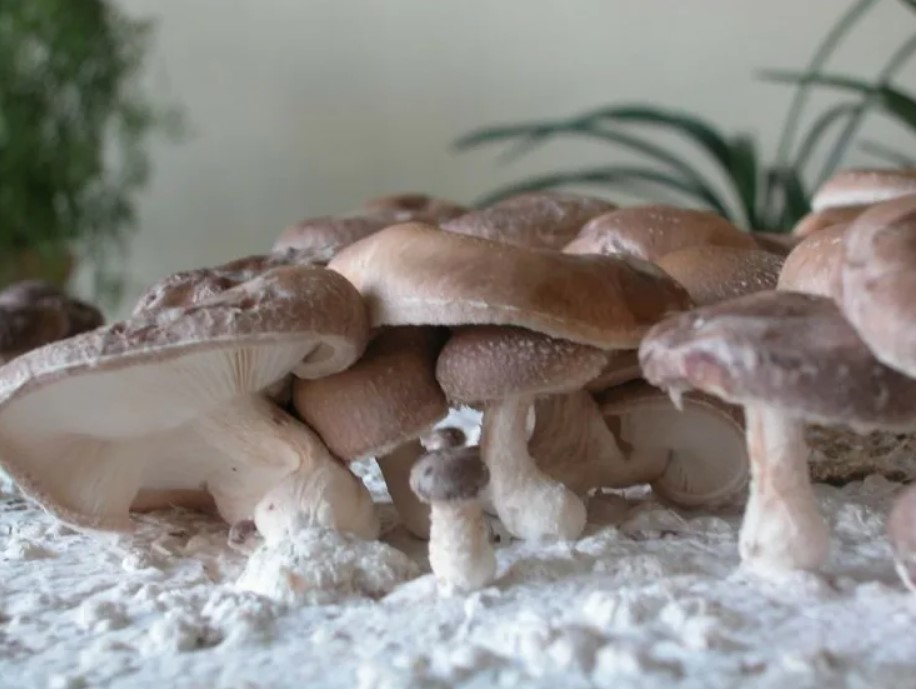
Approximately 80% of the substrate should be made up of willow, poplar, and oak sawdust. Coniferous sawdust should never be used. The wood particles should be 2-3 mm in size, otherwise gas exchange in the mycelium may be disrupted. It's best to mix sawdust with wood chips from the same trees.
It is essential to sterilize the material to prevent the development of pathogenic microorganisms in it.
Next, the substrate is placed in a disinfected container and filled with mycelium. It is moistened and covered with plastic wrap. To accelerate mycelial growth, you can use cereal grains, bran, or legume seed flour. To maintain the proper acidity, gypsum or chalk is added to the substrate.
The optimal humidity level for productive mycelium growth is 60%.
How to grow champignons in a greenhouse, at the dacha, at home, even for beginners.
After 2 months from planting, the film can be removed from the container, and the mushrooms should be moved to a cooler room with high humidity.
Shiitake mushroom reviews, growing and cooking tips
For hundreds, if not thousands, of years, Asians have used the lentinula mushroom, or shiitake, as a food and medicine. Remarkably, the name of this mushroom means nothing to most of our fellow citizens, yet this mushroom variety is among the most popular and widely cultivated mushrooms worldwide. It ranks third in cultivation volume and second in popularity. Mushrooms are grown in wood chips from various tree species.
Shiitake mushrooms are readily available at any large supermarket, and in addition to their nutritional value, they possess moderate medicinal properties, including antifungal and antibacterial properties. These mushrooms also help normalize blood sugar levels.
In terms of its medicinal properties, this is a truly unique product, acting like living water in the body. Lentinan, which it contains, heals chromosomal damage caused by chemotherapy and other harmful procedures during cancer treatment. Eritadenine normalizes cholesterol and supports cardiovascular health. The mushroom contains eight amino acids, which are very rare and essential for the body. It also contains linoleic acid, which promotes weight loss and muscle growth. This acid helps strengthen bones and normalizes digestion.
When it comes to weight loss, shiitake mushrooms contain lipid-lowering components that reduce fat levels. They also contain dietary fiber, which is typically obtained from barley and rye. The β-glucan contained in the mushroom increases feelings of fullness, which prevents overeating. It also cleanses the plasma of lipids, or fats.
Needless to say, with such a composition, mushrooms effectively stimulate the body's internal immune reserves. They contain a full complement of vitamins, as well as more than half of the known beneficial minerals. Furthermore, shiitake can replenish the body's vitamin D, which works as if it were produced by the body itself. Eating this mushroom has been shown to naturally cure acne.
The mushroom's nutritional value is also unique: it contains everything the body needs, and it forces the body to produce anything it lacks. It's the most beneficial and rapidly digestible protein, so athletes can use it instead of synthetic amino acid supplements.
Shiitake mushrooms are not dangerous at all, I don't know why the discussion here is so negative. If you haven't tried them and don't have the information, then of course you might have doubts. But I don't understand the idea of saying so outright—I wouldn't try them. Although, everyone has the right to dislike and not eat something.
I know about shiitake mushrooms; I've been eating them for years, and I've even drunk mushroom tincture a few times. People compare them to our honey mushrooms or champignons, but they're completely different mushrooms.
I first encountered shiitake mushrooms through the internet. A few years ago, I was diagnosed with high blood sugar, and to avoid being diagnosed with diabetes and taking pills, my doctor told me to follow a strict diet and use folk remedies that also help lower my blood sugar. So, I turned to the all-knowing internet. Among the numerous recommendations, there was shiitake mushroom tincture.
Of course, before buying them, I read reviews and several articles about mushrooms.
This mushroom is VERY USEFUL.
Not only for lowering sugar, but also here's what it affects:1. Strengthens the immune system
2. Lowers cholesterol levels
3. Has a positive effect on the nervous system
4. Helps with insomnia
5. According to some data, it alleviates a person’s condition in cases of oncological diseases.
6. Helps with hepatitis
7. Improves cardiovascular health
8. Chinese doctors recommend it for infertility.
9. Enhances male potency
10. Helps heal ulcers and gastric erosion
11. Normalizes metabolism
12. Due to the high content of amino acids and oxidants, it rejuvenates the body and slows down aging.
13. Used in cosmetology for facial and body skin care.
14. It has a beneficial effect on weight loss.
15. Helps with colds
I'll list the composition of shiitake mushrooms so you can see that they are truly rich in beneficial elements and vitamins:
- zinc
- iron
- magnesium
- nitrogen
- calcium
- sodium
- phosphorus
- vitamin D
- vitamin B
Now specifically about my feelings and my reception.
Mushrooms can be purchased in several types:
a) fresh
b) pickled
c) frozen
d) dried
d) in the form of powder or tablets.
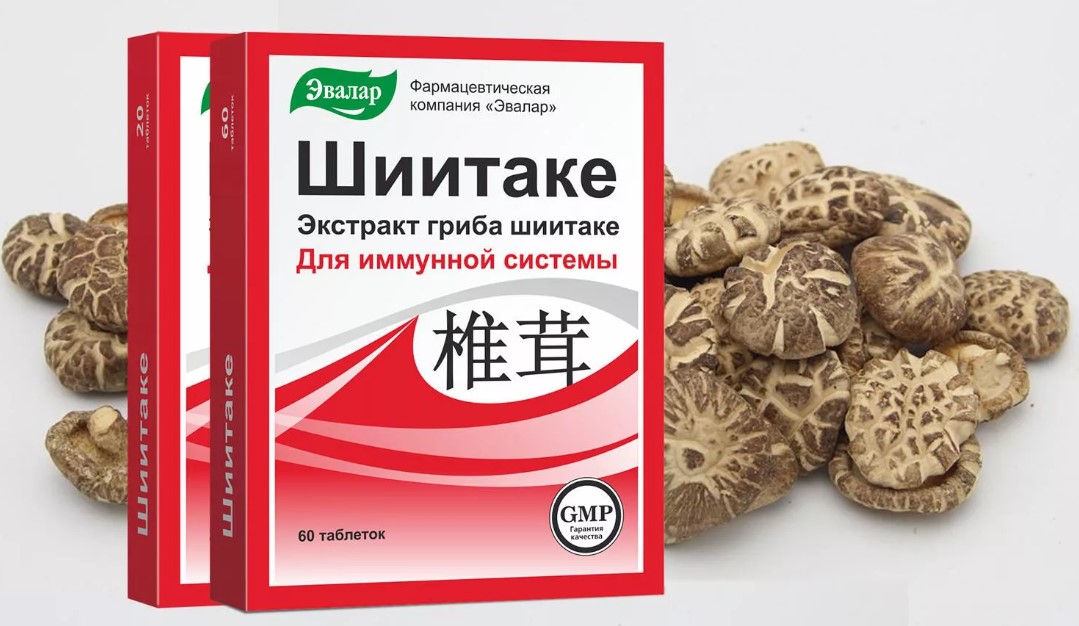
Let me say right away, to avoid any accusations that this is an online scam sold on various websites—the tablets and powder are sold in pharmacies. Even the popular company Evalar produces products with shiitake mushrooms.
I've tried fresh mushrooms, fried them, and marinated them. Honestly, the Emperor mushroom (that's what shiitake is called in China) is expensive. It's not suitable for everyday consumption, but I'm just saying it's too expensive. I don't even see the point in buying this mushroom for a holiday meal, because it's not particularly tasty. Our marinated boletus and honey mushrooms, and aspen mushroom soup, are much tastier.
So I have nothing to write about cooking with shiitake mushrooms, but I will write about their medicinal properties for the body.
The mushroom tincture is made as follows:
1) Take three tablespoons of finely chopped mushrooms, place them in a container, pour in 300 grams of vodka, seal and leave in a cool, dark place for two weeks.
2) It should be infused for 14-20 days.
3) Then we strain it and pour the tincture into a bottle without the mushrooms.
You should start with one dessert spoon a day. Drink it at night, and it's important to drink it an hour after eating. So, if you eat at 9 a.m., drink a spoonful of the tincture between 10 and 11 a.m., and don't eat or drink anything else. Store the tincture in the refrigerator, tightly sealed.
After a week, increase the amount of tincture consumed to a tablespoon. Once the bottle is finished, the course is complete. You can repeat the treatment in three months.
Now about my well-being.
My blood sugar levels dropped. And not just while taking the tincture, but for three months afterward. I really did feel better, I'm not lying, it was as if I'd been infused with strength (I can't describe the feeling any other way). I could sleep well, even though I had trouble falling asleep. My facial skin improved, and my fine lines and wrinkles diminished. My complexion brightened. I had a slight problem with my nails—hangnails would get inflamed in the corners. That went away. I also had small patches of psoriasis on my elbows, and I was very surprised that they disappeared, too. I won't lie about the weight loss—I haven't lost any weight.
Although I was watching my diet and trying my best to eliminate sweet, highly salty, and flour-based foods from my diet, I almost completely gave up sugar, replacing it with honey. I stopped eating jam. Well, you know what you shouldn't eat when you have signs of diabetes.
Once again, I decided not to make a tincture, but to buy it in tablet form at the pharmacy.
Here's what one tablet contains:
- dry mushroom extract
- shiitake powder
- microcrystalline cellulose
- calcium stearate
- vitamin D
A pack of 20 tablets costs 380 rubles, and a pack of 60 tablets costs about 700 rubles. I bought the larger pack because you have to take two tablets a day. It's not a medicine, it's a dietary supplement. Although the packaging says it's an anti-cancer drug, it can also be used to boost immunity and lower blood sugar. Honestly, I won't be buying any more tablets. I'd rather pay for real shiitake mushrooms and make a tincture again.
There are several companies that produce shiitake mushrooms. I recommend Midori, the one I liked and buy regularly. A 250-gram package of fresh shiitake mushrooms costs 500 rubles, and if you buy dried shiitake mushrooms, a 150-gram package costs 380 rubles. So, as I mentioned at the very beginning of the post, these mushrooms are expensive.
You can also make a tincture from dried mushrooms, but you need to soak them first. To do this, soak the mushrooms in warm water for two hours. You only need a small amount of water, just enough to cover the mushrooms by 1 cm. Drain the water and add vodka. The taste of tincture made from fresh and dried mushrooms isn't much different. Both are not very tasty. They're bitter. Although this is due to the vodka, I also found the mushrooms a bit bitter when I fried them fresh.
I hope I have dispelled the doubts of those who consider shiitake mushrooms dangerous.
Shiitake mushrooms are becoming increasingly popular in Russia due to the growing popularity of Asian cuisine. Beyond their flavor, shiitake mushrooms are unique in their nutritional value: they are rich in vitamins, microelements, and high in essential amino acids. They also possess medicinal properties. Of particular interest are their anticancer and antiviral properties.
Its preventative properties against diseases such as atherosclerosis, thrombosis, diabetes, and hypertension are also known. So, here are the cultivation techniques. 1. Growing on tree stumps (logs). Shiitake is grown on freshly cut logs of deciduous trees: oak, aspen, birch, willow, poplar, elm, maple, alder, beech, and hornbeam. Logs should be harvested either in the fall after the leaves have fallen or in early spring before the sap begins to flow. At this time, the nutrient content of the above-ground part of the tree is highest. Make sure the wood is free of other wood-boring fungi (tinder fungi).
Lichen and moss are removed with an iron brush.
The trunks are cut into stumps 1-1.5 m long and 10-20 cm in diameter. To prevent your logs from drying out, they are stacked in a woodpile (not on the ground; lay something down to prevent the logs from touching the soil) and covered with a covering material. The moisture content of the logs should not fall below 35%. After 1-3 months, the logs are inoculated with a pure culture or shiitake mycelium.
Before sowing, the logs are prepared as follows: holes are drilled in a checkerboard pattern every 15-25 cm in a row and a distance of 5-10 cm between rows. The depth of the holes is 30-50 mm, the diameter is 8 mm (plugs) or 12 mm (sawdust).
The holes are immediately filled with sawdust mycelium or plugged with cork mycelium. After inoculation, the logs are again stacked in a woodpile or stacked in a well. Incubation follows—a period during which the fungus takes hold on the logs. This period lasts 6-18 months. During this time, the log should be completely covered with fungal mycelium. After this, fruiting of the mycelium is stimulated by soaking the stumps in water.
The wood moisture content should reach 75-85%, and the water temperature should be 20-26°C (68-80°F). Ready-to-bear logs are stacked vertically at an angle (approximately 45%) and covered with an air- and light-impermeable white material. Fruiting occurs when the wood moisture content is between 35 and 60%, the temperature is 12-18°C (55-64°F), and the air humidity is 70-85%. If you notice that your mushrooms have excessively long stems and small caps, you need to reduce the air temperature, for example by watering. Avoid exposing the mushrooms to direct sunlight.
Mushroom buds will appear within 3-10 days. Once they appear, the covering material is removed. The fruiting period lasts 1-2 weeks. After fruiting has finished, the logs are left undisturbed for 1-3 months. Their moisture content should not exceed 40%. To stimulate further fruiting, the logs are soaked again. They can be used this way for 3-6 years.
I'm interested in shiitake mushrooms. Much has been written about the unique properties of these mushrooms.
Shiitake is the oldest cultivated mushroom. References to it can be found in ancient manuscripts dating back almost a millennium. It is still revered in Japan and China as the "elixir of life." Even during the Chinese Ming Dynasty (14th-17th centuries AD), the famous healer Wu Shi wrote in his medical treatise that this mushroom, known in Chinese as Hoan-Ko, gives people vigor and energy, and also serves as a preventative measure against stroke.There are many similarities in the cultivation techniques of oyster mushrooms and shiitake mushrooms. For example, about shiitake:
"1. EXTENSIVE METHOD OF CULTIVATIONFor extensive cultivation of shiitake, cuttings of deciduous trees are used. The requirements for the cuttings are roughly as follows: the wood must be healthy, free of rot, the bark thickness must not exceed 1 mm, and the moisture content of the cuttings must be at least 35%.
Inoculation. To introduce the mycelium, use a drill to make holes 8-15 mm in diameter and 30-50 mm deep, spaced 5-15 cm apart. The holes are filled with substrate mycelium and sealed with wax, paraffin, or garden pitch.
2. INTENSIVE CULTIVATION METHOD
Shiitake can be grown on various loose substrates using sterile technology, yielding 20-30% of the substrate's raw weight in 4-6 months.
Substrate. The substrate consists primarily of sawdust from deciduous trees (oak, beech, aspen, poplar, alder, willow, etc.), and it should be noted that mycelial growth occurs more rapidly on sawdust from softer trees than on oak.
The most commonly used nutritional supplements are cereal bran (wheat, barley, rye, rice, etc.), grape pomace, beet pulp, cotton waste, millet, feather meal, etc. Nutritional supplements make up from 10 to 25%.
The cultivation technology for oyster mushrooms and shiitake mushrooms is very similar. While oyster mushrooms are simply edible, shiitake mushrooms are valuable medicinal and healing mushrooms, much more expensive than oyster mushrooms.
It's best to buy them raw. You can also boil them in soup, but I personally fry them (I use a little oil, but you need something salty to release the juices).
If it's dried, I soak it first. How long? I don't know, usually I soak it overnight.IMPORTANT: The stem is tough and is usually thrown away (although it is perfectly edible).
I assume the problems with the stool were due to the quality of the product.
In general, the cooking methods are similar for most mushrooms. They're not much different from champignons (except they're much tastier! In Chinese, they're called "fragrant mushrooms").
It's better to soak them in something tasty. Make a marinade to your taste (lemon, garlic, sesame oil, salt, pepper, and basically anything else you can get your hands on. Just make sure the marinade is "pungent" when you taste it, otherwise the soggy mushrooms will dilute the "pungentness". Wrap them in sushi, make a seaweed salad with them. The marinade itself is delicious soaked in good bread afterwards. Enjoy!
I've dried, pickled, and boiled shiitake mushrooms. In vain! Only raw, chopped and mixed with sour cream and salt! And also a vodka infusion. Take about 200 grams of fresh mushrooms and pour 0.5 liters of vodka over them. There's a "gassy" flavor, but if it weren't for Misha Karpov, I'd call it "radish-like." I grew the mushrooms myself from ready-made blocks. I took some of the blocks out into the garden in the spring, and they continued to produce all summer, then took up residence in the well's frame.

I think these mushrooms are quite expensive, even though they're healthy. If you can afford them, why not? Personally, I prefer regular button mushrooms.
Shiitake mushrooms are certainly healthy, but no more so than any other mushroom. Attributing miraculous properties to supermarket-bought shiitake is unwise. Here's why: in fact, there are several cultivars of these mushrooms, and only special "medicinal" shiitake, as close to the wild variety as possible, are used in pharmacology and cosmetology. They have a distinctly bitter taste and are rather unappetizing in appearance—long, thin stems and almost transparent caps. In Japan, they are called "donko shiitake." The dense and appetizing shiitake mushrooms grown and sold everywhere today were developed by American breeders in the late 20th century. Naturally, breeding focused on taste and yield, with no thought given to preserving their beneficial properties. But as often happens, the reputation of medicinal shiitake mushrooms has automatically transferred to their relatives, which is successfully exploited by unscrupulous sellers, who claim that their shiitake mushrooms “cure everything.”