Champignons are deservedly recognized as one of the most easy-to-grow and profitable mushrooms. They don't require special care and, with minimal care, will produce excellent fruit.
Content
Benefits of growing champignons at home
Growing champignons at home has a number of advantages:
- Environmental friendliness. In industrial cultivation, producers may add various chemicals to the soil to stimulate mycelial growth. This inevitably impacts the quality of the mushrooms, which, like a sponge, absorb everything from the soil. Even wild mushrooms collected in less-than-perfectly clean areas can accumulate toxic substances and be unsafe.
- Distinctive flavor. Experts swear that home-grown mushrooms have a more intense flavor and aroma.
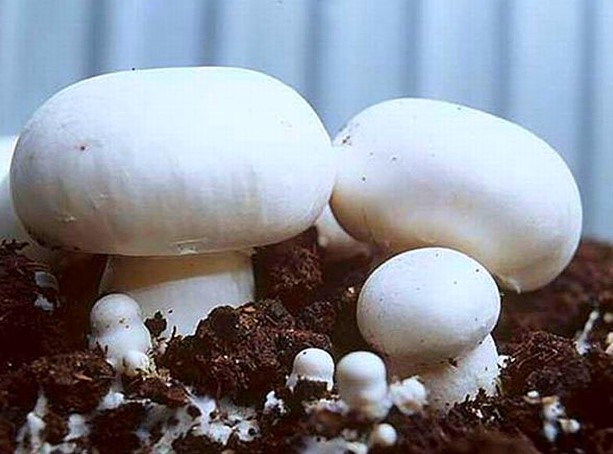
A. Do you know that? champignons can be eaten raw and they are very good for various diets, including weight loss.
Where and how can you grow mushrooms yourself?
Unlike many wild mushrooms, champignons don't require a suitable tree nearby, so there's a wide range of growing options. Below are a few possible options.
By the way, we recommend reading articles about field champignons, and also about forest champignons.
How to grow champignons in a garden bed
A bed for growing champignons should be planted in a shaded area of the garden, as mushrooms do not tolerate direct sunlight. You can plant the mycelium under tree canopies, choose broadleaf shade-loving vegetables such as zucchini, or simply cover the bed with fabric.
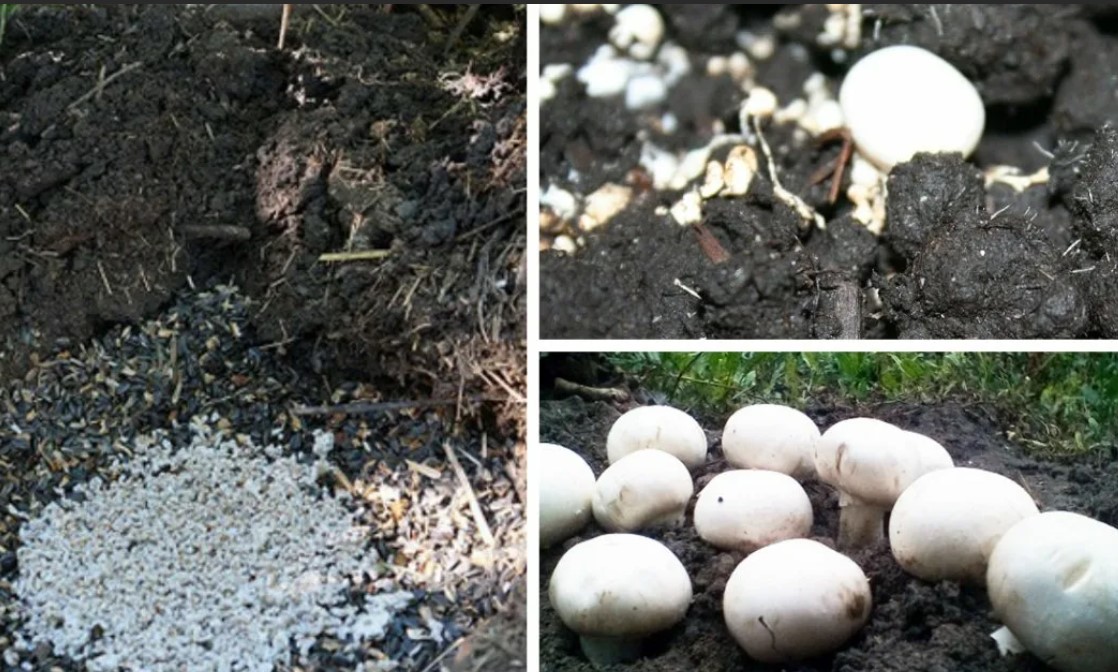
To grow champignons in a garden bed, you need to do the following:
- In spring, remove the top layer of soil to a depth of 30 cm.
- Treat the soil with a disinfectant solution.
- Line the bottom of the bed with compost.
- Make small holes up to 5 cm deep, arranging them in a checkerboard pattern, and place the mycelium in them.
- Cover the bed with substrate.
- Water and mulch the planting with straw, which will need to be removed after the mycelium has taken root.
How to Grow Mushrooms in Plastic Bags
Polyethylene bags are ideal for growing mushrooms in dedicated spaces. They help save space and maintain relative cleanliness. They also prevent the spread of pathogens from one mycelium to another should they appear.
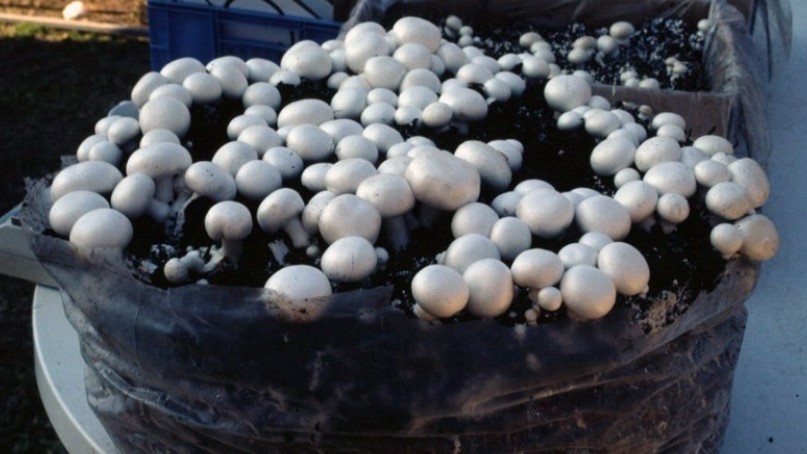
Growing champignons in bags is carried out as follows:
- Thick bags of 25-40 liters are filled with a special substrate to a depth of 30 cm.
- Mycelium is being planted.
- The bags are placed on racks. If desired, they can be staggered to maximize usable space.
- After 2-3 days, 4-6 holes are cut in the bottom of the bags.
- After the first harvest, the substrate is sprayed regularly.
How to Grow Mushrooms in Boxes
The technology for growing mycelium in boxes is exactly the same as for growing in bags, with the only difference being that wooden frames are used instead of polyethylene. The boxes can be placed not only on a shelf but also in a closed cabinet or next to a ventilation pipe.
Growing champignons step by step at home for beginners from scratch
Despite the simplicity of growing mushrooms, it is necessary to comply with all technical requirements.
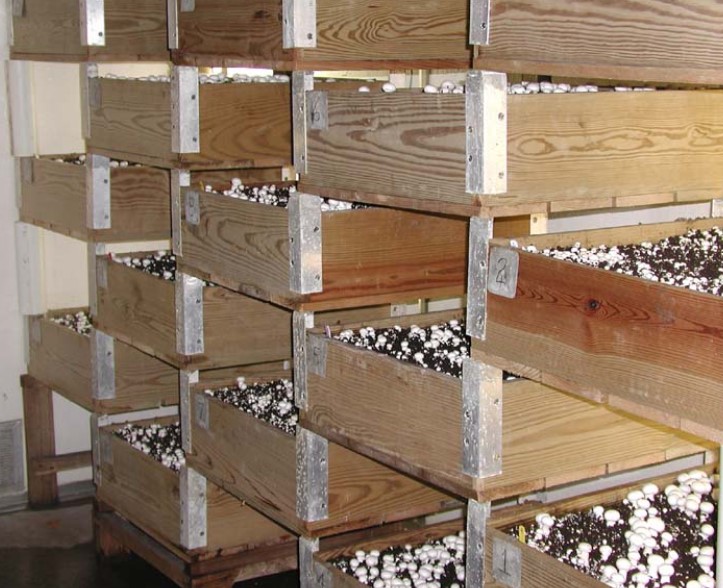
Growing champignons step by step at home for beginners from scratch
Champignons are quite capricious, compared to oyster mushrooms (read the article about the differences between oyster mushrooms and champignons, which is better), their cultivation requires maintaining the conditions to which they are accustomed, otherwise the harvest can be lost. A novice mushroom grower must properly prepare the growing site and select the right mycelium and compost. That's why step-by-step instructions are so important.
Choosing a room
When choosing a room for growing mushrooms, you must be guided by the following requirements:
- Earth or concrete floor.
- Humidity level not less than 60%.
- Availability of a system for air temperature control.
- Temperature range from 12 to 24 degrees (depending on the growing stage).
- Ventilation is essential. However, there should be no drafts or openings where insects could enter.
- Zones. This requirement is relevant for commercial mushroom cultivation, as the same room may house both the mycelium and the mycelium, each requiring a different temperature.
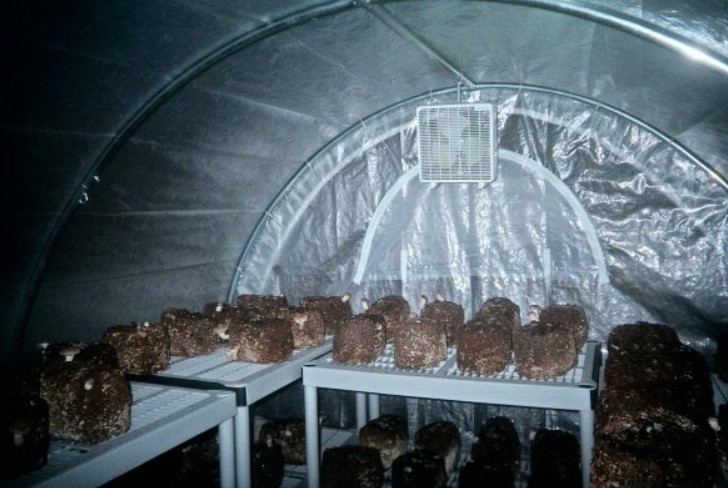
As for lighting, mushrooms don't require any. A small lamp or flashlight will suffice for maintenance.
We recommend the article about royal champignons.
Preparing the premises
Mushrooms are very sensitive to the spores of other plant organisms, and, like all mushrooms, they are also highly sensitive to pathogens. Therefore, before planting mushrooms, the area should be thoroughly disinfected. The following products are most effective:
- Bleach diluted in water (300 g per 10 l)
- Copper sulfate solution (100 g per 10 l)
- Sulfur checker
The first two products are sprayed onto all open containers and surfaces using a spray bottle. It's important to avoid contact with the substrate or mycelium, and to use hand and mucous membrane protection while working.
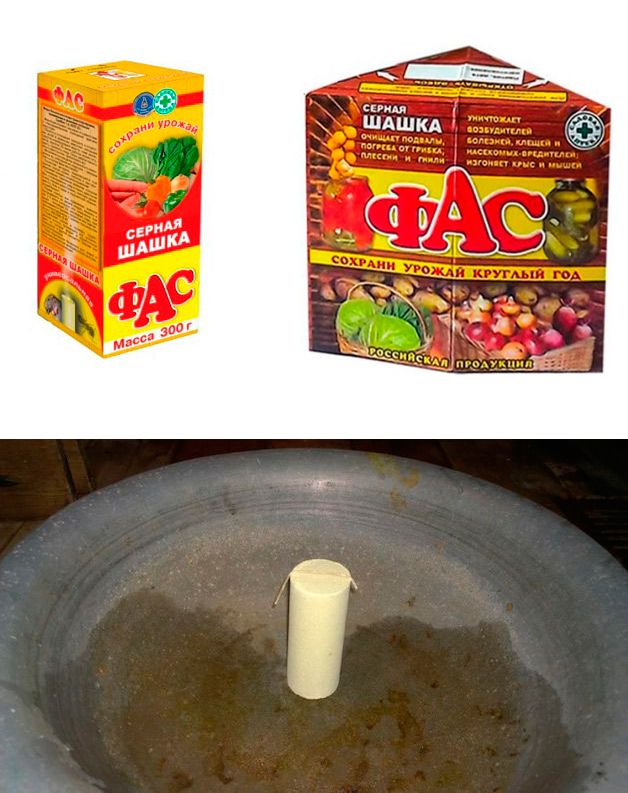
When working with a sulfur candle, it is necessary to observe safety precautions and eliminate all ignition sources. After this, the ventilation openings are closed, the candle is lit, and it is allowed to burn out completely. The room is then closed for 72 hours, and then ventilated for the same amount of time before starting work.
How to grow champignons in greenhouses at your own dacha, read on our website Top.tomathouse.com.
Selecting, purchasing or preparing planting material yourself
Mycelium is the main part of the mycelium, resembling intertwined webs. Its function is to produce spores and provide nutrition. There are several types of mycelium:
- Grain. It's easy to sow, suitable for growing grain mycelium, and can produce mushrooms with a yellowish tint.
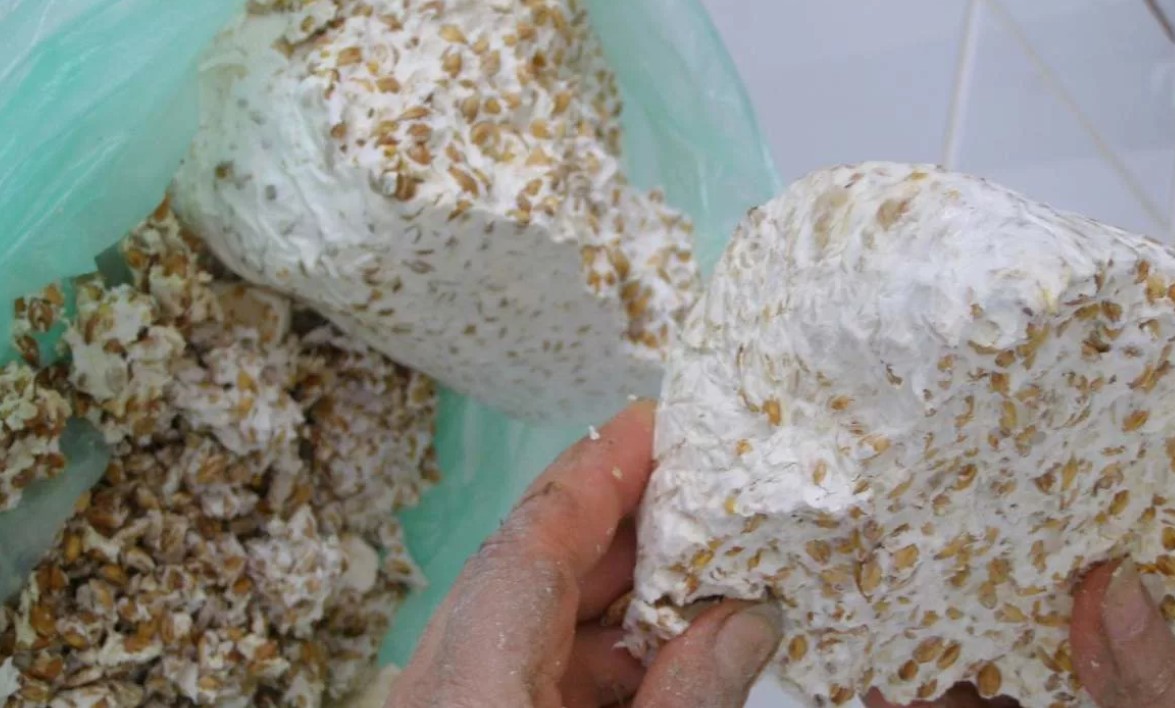
- Live. Widely available in specialty stores. You can make it yourself, but beginners are better off trusting the professionals. High-quality "live" mycelium has no dark or yellow spots, the threads look juicy and clearly visible, and it smells like mushrooms without any putrid notes.
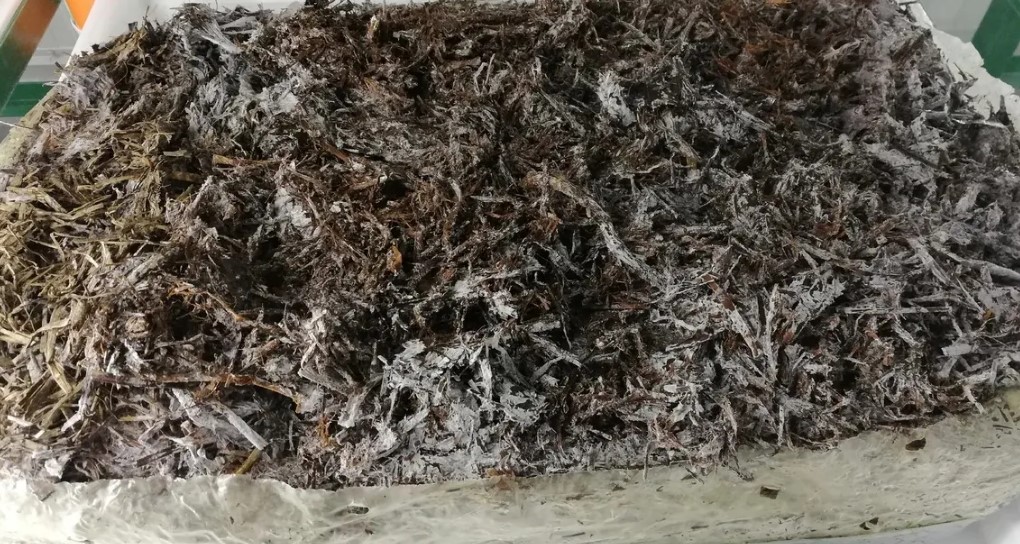
- Blocks. One of the easiest ways to grow mycelium is to use blocks of compressed substrate already inoculated with spores. Simply place them in boxes, poke small holes in a checkerboard pattern with a pencil, and spray them with warm water from a spray bottle.
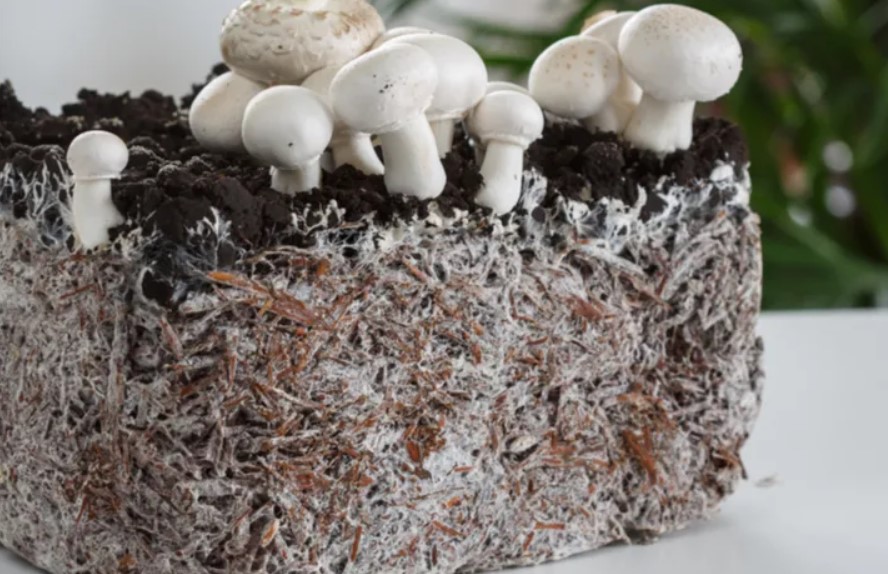
If you wish, you can prepare the mycelium yourself, but this method is only suitable for professionals with extensive experience:
- Pieces of fruiting body are mixed with agar-agar.
- The container is closed with a lid and placed in a warm room for 2 weeks.
- A nutrient solution of water and oat broth is mixed and sterilized in an autoclave.
- The mycelium is grown in Petri dishes.
Compost preparation in sequence
For successful mushroom cultivation, not only high-quality mycelium is important, but also the correct substrate and adherence to planting techniques.
Compost is typically used for growing mushrooms. It can easily take up to two weeks to prepare, and the process itself is best done either outdoors in clear, sunny weather or indoors with good ventilation.
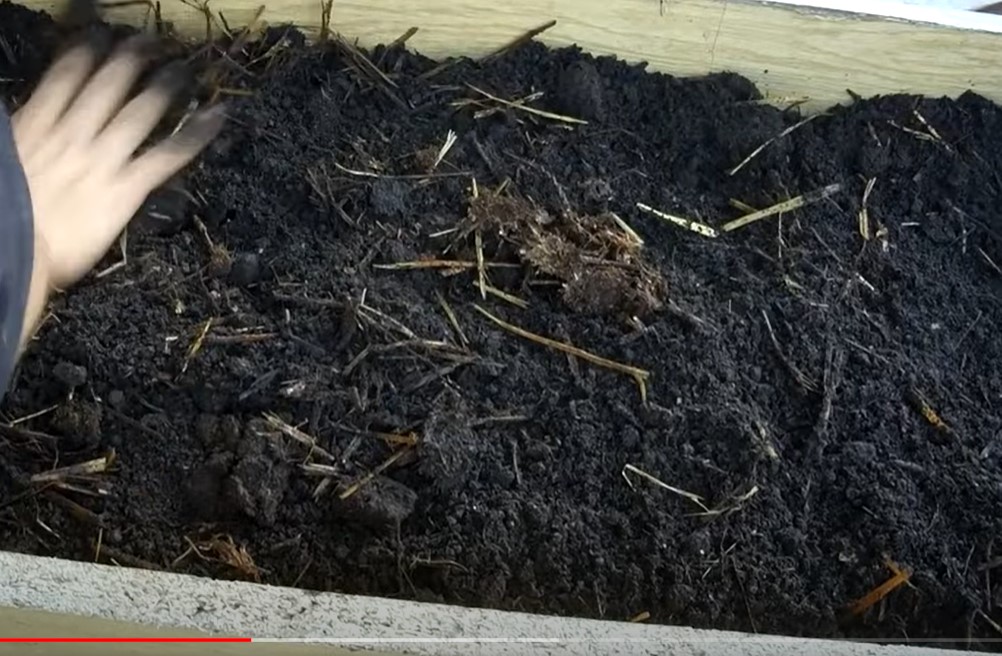
Professionals use two main recipes for making compost:
- With chicken droppings.
- 3 kg of droppings;
- 10 kg of straw;
- 200 g urea;
- 500 g alabaster flour;
- 700 g of plaster.
- With cow dung or horse manure.
- 10 kg of straw;
- 5 kg of horse manure or cow dung;
- 700 g of plaster;
- 500 g chalk;
- 200 g superphosphate;
- 200 g of urea.
Step-by-step preparation of compost is described below.
- The straw is disinfected.
- Place it on a prepared area and cover it with a 20 cm layer of manure or droppings.
- Sprinkle with urea.
- They are watering.
- The layers are then repeated until the pile reaches 1 m in height.
- After 1 week, the compost is mixed with a pitchfork and gypsum is added to it.
- After another 4 days, mixing is carried out again with the addition of chalk and superphosphate.
- Then, for 2-3 weeks, the compost is mixed every 3-4 days.
Important! Don't allow the compost to dry out, so water it after each mixing.
Planting champignons step by step
Compost can be placed in boxes, bags or directly into a bed, the height of which should be about 70 cm.
The mycelium is planted at a distance of 20 cm from each other in a checkerboard pattern, and should be buried no more than 3 cm deep.
After 12 days, the compost surface should be covered with moistened soil. This can be:
- Peat.
- Loam.
- Turf soil.
- Sandy loam.
How to care for growing mushrooms
Caring for champignons comes down to maintaining the right atmosphere in the room:
- Ventilation without drafts.
- Moistening the substrate.
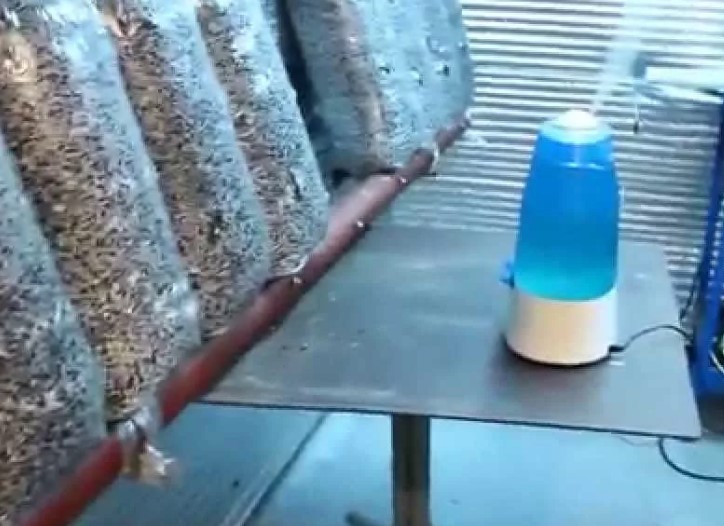
- Control temperature and humidity levels by turning on the heater and humidifier.
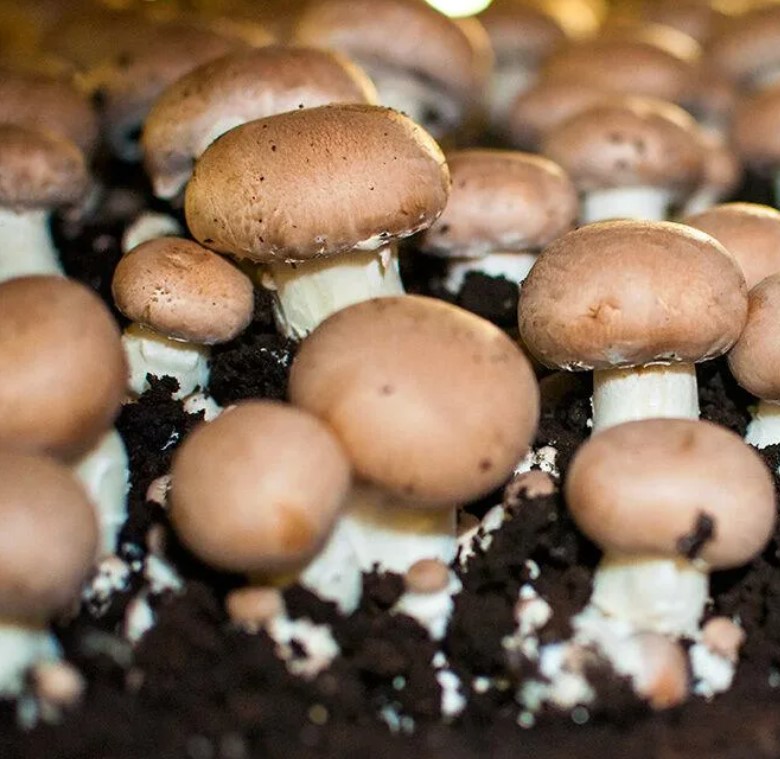
Humidity and temperature at different stages
After the mycelium has been planted, the room temperature should be set at 24-26 degrees Celsius. Humidity should be at least 60%; the higher the better.
After 12 days, when the mycelium has already taken root and begun to grow fruiting bodies, it is necessary to lower the thermometer to 18-20 degrees.
To control humidity levels, you can use specialized units or regularly mist the dirt floor in the room. When using fans, ensure they are positioned only on the ceiling or roof, not on the sides, to avoid creating drafts.
Zoning
Zoning helps maximize the use of space for mushroom cultivation. It's important to remember that the mycelium requires different conditions at different stages of development. Therefore, when zoning, it's important to distinguish two main spaces:
- For planting mycelium.
- For growing fruiting bodies.
Harvesting champignons
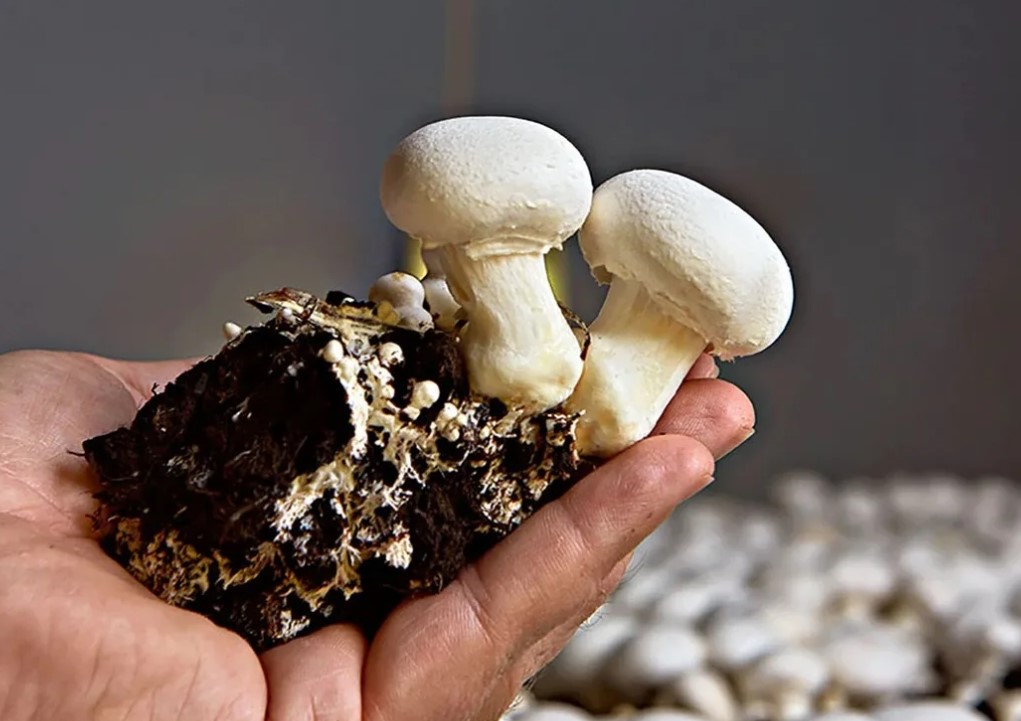
Mushrooms produce fruit in waves; with proper care, you can harvest 3 to 7 times over the course of the season. When harvesting, follow these simple rules to avoid damaging the mycelium:
- The fruiting bodies are not cut off, but rather twisted out of the soil. After this, the holes should be covered with soil and lightly moistened.
- A mushroom is considered mature if the film connecting the cap and stem has not yet broken.
- The fruiting period lasts 8-14 weeks.
- The greatest harvest can be collected in the first three waves.
- The interval between waves can last from 4 to 7 days.
Storing champignons
Champignons have a delicate texture, so if stored improperly, they spoil quickly. To keep mushrooms fresh for a long time, follow these guidelines:
- Cut off the lower part of the stem where there is still dirt from the compost.
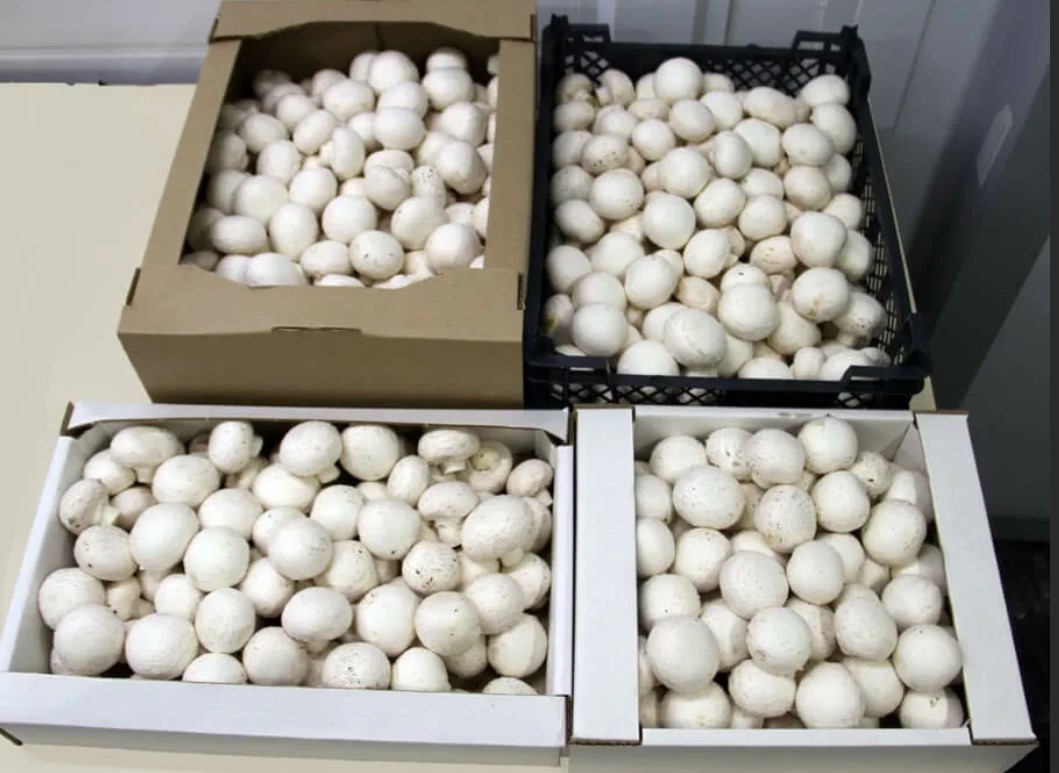
- Place the mushrooms in wooden boxes weighing no more than 6 kg.
- Store in a cool place with a temperature of +1 to +3 degrees for 14 days.
If you want to preserve champignons for the winter they can be dried.
How to Grow Mushrooms: Tips from Mushroom Growers
Mushrooms are difficult to grow; they're not like oyster mushrooms or honey mushrooms. But it's certainly possible. It's good to have permanent structures, because temperature control is essential for mushrooms.
The mycelium grows best at a temperature of +25C, but when the fruiting bodies are growing, it is better to maintain +15+17C, a higher temperature will lead to a deviation of the mushroom structure from the standard (the stem will stretch out significantly).
When temperatures drop below the standard, growth is stunted, and the mushrooms become dense and low. The second requirement for growing areas is ventilation. It should allow for good air exchange, but avoid drafts and temperature fluctuations.
Mushrooms can grow in the dark. Cowsheds… that's good, but they'll need to be refurbished and divided into sections.
Otherwise, cowsheds are well suited for growing mushrooms, provided the above requirements are met. And don't forget about disinfection...
Incidentally, humidity will be high, so drainage is necessary. Special mushroom houses have concrete floors for this purpose. Mushrooms grow best on horse manure (it should be fresh, preferably two weeks old). A 10-15 m² bed will require a ton of manure and straw, which should make up 5-20% of the substrate volume. Horse manure can be substituted with sheep or pig manure. The latter must be pasteurized and enriched.
Other types of manure are not suitable. So, as for the feed supply, decide for yourself whether it will work or not. You can also use chicken manure mixed with straw, but the results will be less favorable.
I once wanted to experiment with growing mushrooms in open beds. It looked something like this: I dug a hole about a meter wide and 40-50 cm deep, and lined the entire thing with plastic. I filled it with high-quality compost, added mycelium, and immediately covered it with casing soil.
A small canopy should be built over the top, as mushrooms don't like being exposed to water. You can simply cover the beds with straw. Also, the bed should be in complete shade: under a fence, trees, or the wall of a house. It shouldn't be exposed to any sunlight. This option is unlikely to be used commercially, although...
Personally, I harvested about three kilograms from one bed, no more, and there was no second wave. I know there's another way to grow mushrooms outdoors, but I didn't choose it then.
It's like this: dig a trench about 3 meters long, half a meter wide, and 40 centimeters deep. A special insulated lid is made for it, which is then placed over the pit during the mycelium incubation period. Under this lid, carbon dioxide, which champignons absolutely adore, accumulates, and their mycelium begins to actively grow. Then, as soon as the first signs of mushrooms appear, the lid is replaced with burlap.
It needs to be kept constantly moist, but not so much that water seeps onto the mushrooms. Water frequently, but carefully, and, again, create at least a sparse shelter to protect against rain.
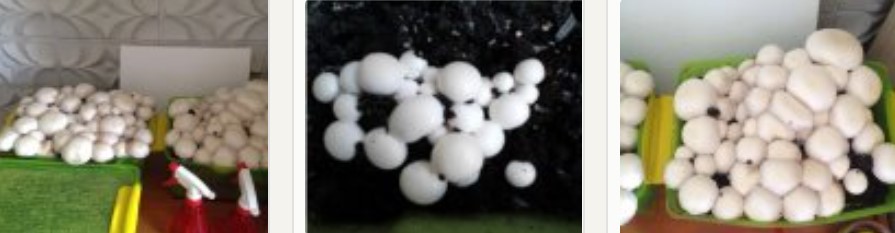
Good afternoon. I was also reading about champignons and came across a website offering a mini-garden for growing champignons. It's not suitable for large-scale production, but you can buy it as a trial. Anyway, I bought it. It's easy, just follow the instructions, and you'll get the promised results.
It looks like this)
Since I spend most of my time at work, they grew in the office :) The main thing is to maintain the humidity and temperature conditions, and follow the instructions, then the result will be like in the photo
You know, champignons are obviously much tastier than oyster mushrooms, but growing them is a real pain in the ass. Take the substrate, for example, which you either have to buy or make yourself. Buying is obviously the easiest option, but trying to find it, especially a high-quality one, is a real challenge! And if you're harvesting it yourself, you need to combine a hundredweight of straw, winter wheat or rye grains, leaves, tomato or potato tops, half a hundredweight of horse manure or, at a pinch, cow manure, three hundred to four hundred liters of water, two kilograms each of urea and superphosphate, seven to eight kilograms of gypsum, and five kilograms of chalk.
This is based on a three-square-meter growing area. Also keep in mind that while compost is maturing, it releases unpleasant-smelling substances like ammonia and carbon dioxide. Therefore, it's best to do the composting outdoors (but protected from sun and rain) or at least in a ventilated area. Bird manure can be used. In this case, the quantity and composition of the ingredients will be slightly different: for 100 kg of manure, add the same amount of straw, 300 liters of water, 7-8 kg of gypsum, 2 kg of urea, and 7 kg of alabaster. Soak the straw and other plant components for 24 hours. Lay them and the manure in layers of three to four.
Be sure to thoroughly moisten each layer of straw. Stirring it frequently, add a little fertilizer, gypsum, and chalk or alabaster.
This seemed too much work for me, because then the whole thing needs to be stacked in a pile, each one and a half meters long and high, and one meter 20 centimeters wide. That's not all the fuss with the substrate. It needs to be watered, compacted, and covered with plastic film. And after two or three weeks, when the ammonia smell has disappeared, place it in the area where the mushrooms will be grown. If it's open ground, find a spot shaded by fruit trees.
Then the rows are made on the ground surface or in trenches twenty to thirty centimeters deep. For indoor use, you need to knock together boxes or racks. As for me, sheepskin isn't worth the effort. These mushrooms are a dime a dozen. If you're the one starting this business, then the markets are already established, but otherwise...
Everything you wrote about compost is correct; there's nothing to object to. The only thing I'd like to add is the need for a separate room. Horse manure, which is the basis for the ideal substrate, smells really, really bad, so it's best to grow it either in garden beds in the spring and summer, and indoors in the fall and winter (mushroom houses, greenhouses, basements, cellars, hotbeds, etc.), or somewhere that can maintain a more or less constant temperature of 12-18°C and humidity between 65-85%. After laying the soil, measure its temperature daily.
When the temperature drops to 27–28°C at a depth of 4–5 cm, you can begin planting the mycelium. I consider sterile mycelium grown in specialized laboratories to be the best planting material. It can be purchased at the store, though it's not cheap.
The best yields come from two varieties of champignons: two-spore brown and two-spore white. Generally, champignon mycelium is grown on manure or cereal grains (wheat, oats, rye).
Manure mycelium is sold in jars weighing 1–2 kg, while grain mycelium is sold in one-liter milk bottles, or in one-, two-, or three-liter jars. 400–500 g of manure mycelium is used per square meter, while 300–400 g of grain mycelium is used. Before planting, the manure mycelium is broken into pieces the size of a walnut or pigeon's egg, weighing 15–20 g, and then spread in a basin or sieve in a single layer to prevent crushing. The pieces are planted in the soil at a distance of 20×20 or 22×22 cm.
The planting technique is simple.
At the designated location, lift the top layer of soil with a sharp peg, making a depression underneath. Insert a piece of mycelium into this depression, ensuring that after planting, its top edge lies 2–3 cm below the surface of the substrate. If planting grain spawn, first remove a layer of substrate (about 3 cm) from the surface of the bed, then evenly spread the spawn. Then, cover it with compost and lightly press down to create contact between the spawn grains and the substrate.
Wild mycelium can be used for planting. Look for it in areas where mushrooms grow: near livestock yards, manure and compost heaps, greenhouses, landfills, etc.
The mycelium should be dug up where the mushrooms' fruiting bodies are abundant, indicating that the mushrooms are actively growing. This will be evident by how densely the prepared soil clumps are permeated with web-like branches—these will be the white mycelium. The clumps of soil should smell pleasantly of mushrooms and show no signs of damage from pests or diseases.
Planting wild mycelium is done in the same way as planting manure. After planting, the room temperature should be maintained between 24–26°C. Under these conditions, the mycelium grows deeper into the substrate and subsequently produces a good harvest. At higher temperatures, the mycelium grows in the surface layer and produces fewer fruiting bodies. The substrate moisture content should be around 55–60%. If the soil dries out, the mycelium grows less efficiently.
For this reason, the substrate must be moistened, evenly sprayed with water from a backpack or garden sprayer. A simple spray bottle will do. This must be done carefully, preventing water from getting into the manure mixture and damaging the mycelium. After 10-12 days, when the mycelium has grown well, the room temperature should be reduced to 18-20°C, and the surface of the soil should be covered with soil. The soil should be turf, loam, or sandy loam, finely lumpy, and sufficiently moist. Before adding the soil, it must be sieved with 1-2 cm holes.
The soil should be spread evenly, in a layer no thicker than 3–4 cm. However, it should never be compacted, as this will impair air flow to the mycelium. Further care for the mushrooms will involve maintaining a normal temperature (around 16–20°C), air humidity (80–90%), and soil level (up to 60%). Regular ventilation will also be necessary to remove accumulated carbon dioxide. The first mushroom fruiting bodies usually appear 35–40 days after planting the mycelium. Fruiting lasts two to three months.
Back to top
The most important thing is the space. If you're building a mushroom business, you need plenty of space—at least 100 square meters. We had a simple solution at the time, as we live in a private house, and we converted an old cowshed to suit our needs. Mushrooms require a temperature of 12°C, good ventilation, and 80% humidity.
Mushrooms don't require much lighting. Growing mushrooms at home in such conditions would require constant renovations; a separate room is the only viable option! The main equipment we needed for growing mushrooms was a fogger; it maintains humidity at the right level and disinfects. We didn't create a business plan for growing mushrooms, but rather solved problems as they arose.
The most important thing is compost. You can make it yourself, but we decided to buy ready-made compost instead of experimenting, afraid to ruin everything due to our inexperience. We placed it in boxes (30 cm deep), measured the temperature with a thermometer, and added the mycelium when it reached 26°C. We waited over a month for the first harvest. The cultivation took two months; you can do 5-6 such cycles a year. We settled on small volumes, but this way, we can increase the yield to an industrial level.
You definitely can't sell that many mushrooms in one place, but if you negotiate with sellers at different locations and sell them in small batches, it's easy.
True, there will be transportation costs, and they increase the cost of the product. In any business, you first need to assess the sales market. It doesn't necessarily have to be a market; restaurants, cafeterias, etc. are also viable options. Then, get down to business. Mushrooms are in good demand, and sales shouldn't be a problem unless you're selling in large quantities.