Champignons are considered the most popular mushrooms because they are available year-round, are quite affordable, and offer a huge variety of dishes to choose from.

Content
- 1 Field champignons (Agaricus arvensis): description of appearance and differences from other champignons
- 2 Photo gallery of field mushrooms
- 3 Historical facts about the field mushroom
- 4 Where and when does the field mushroom grow?
- 5 What is another name for the field champignon?
- 6 Edible species similar to the field agaric
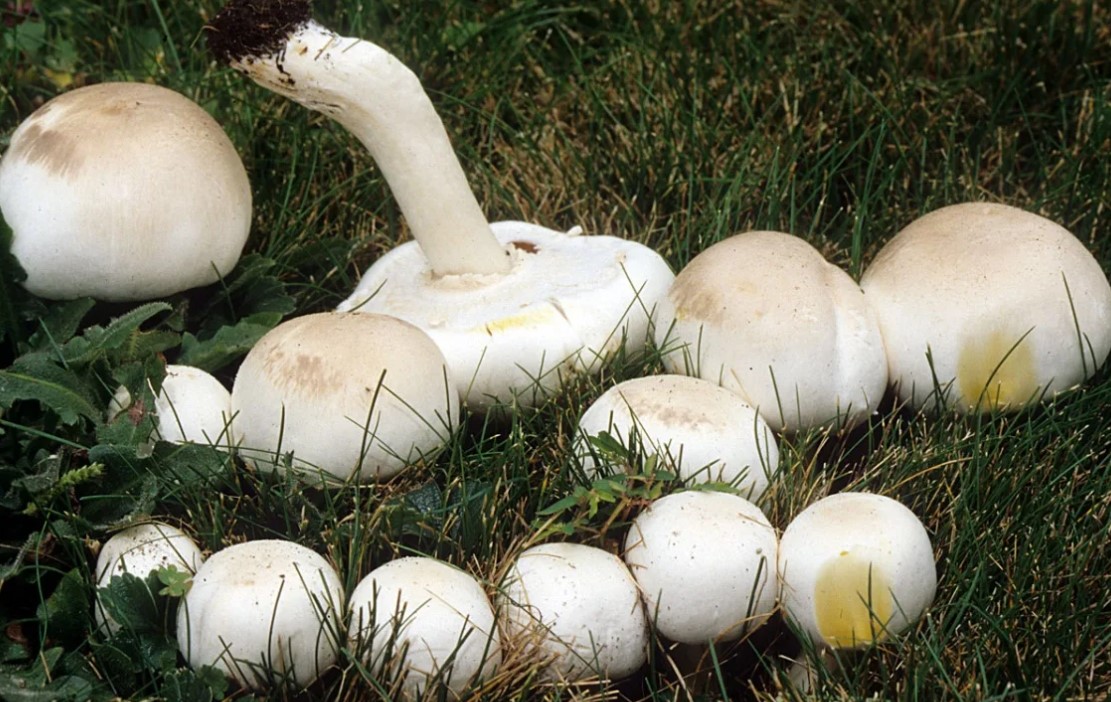
- 7 How to distinguish field mushrooms from poisonous, similar species
- 8 Actions in case of poisoning
- 9 Chemical composition and nutritional value of field champignon
- 10 The benefits and harms of field champignon
- 11 Culinary uses of field champignon
- 12 Growing field mushrooms at home, in the country
- 13 Experienced mushroom pickers' reviews of field champignons
Field champignons (Agaricus arvensis): description of appearance and differences from other champignons
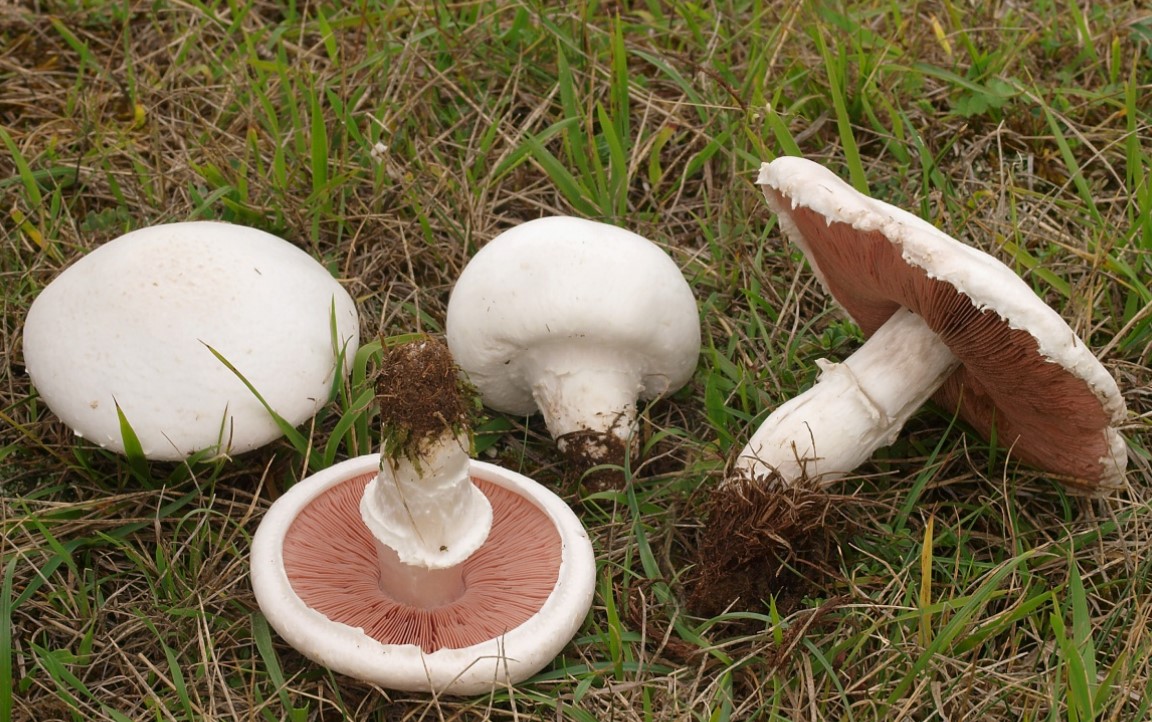
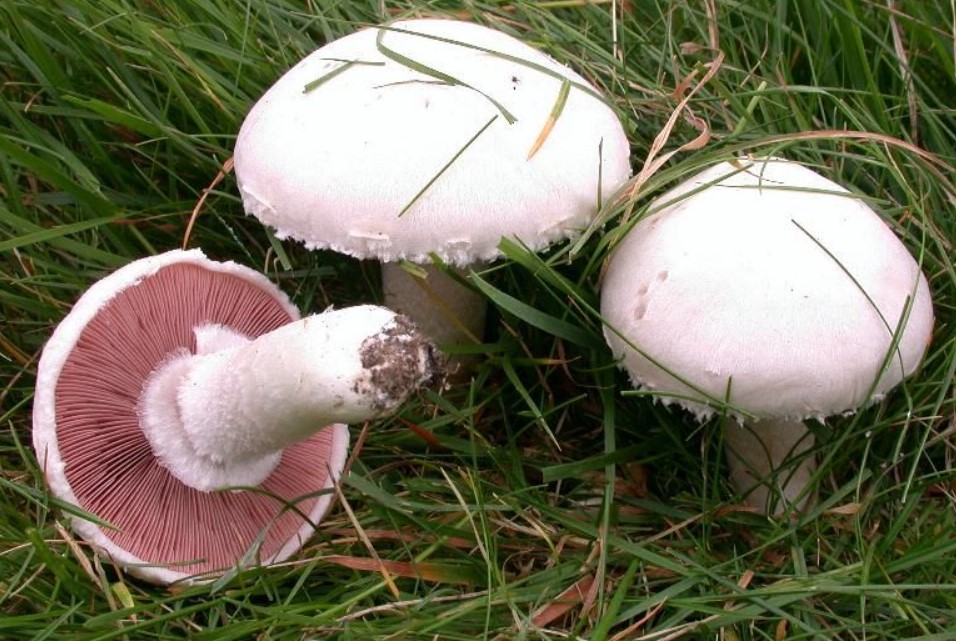
The field mushroom is also known as the common champignon. In some countries, particularly England, it is called the horse mushroom, as it grows abundantly around horse farms.
hat
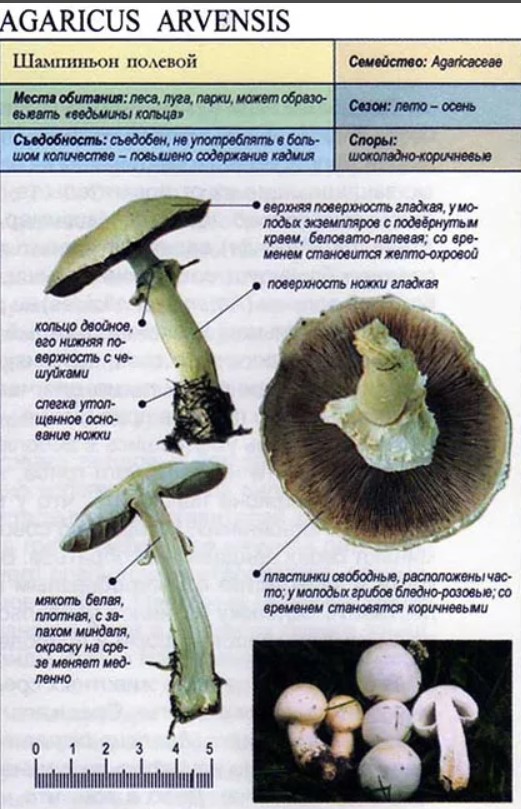
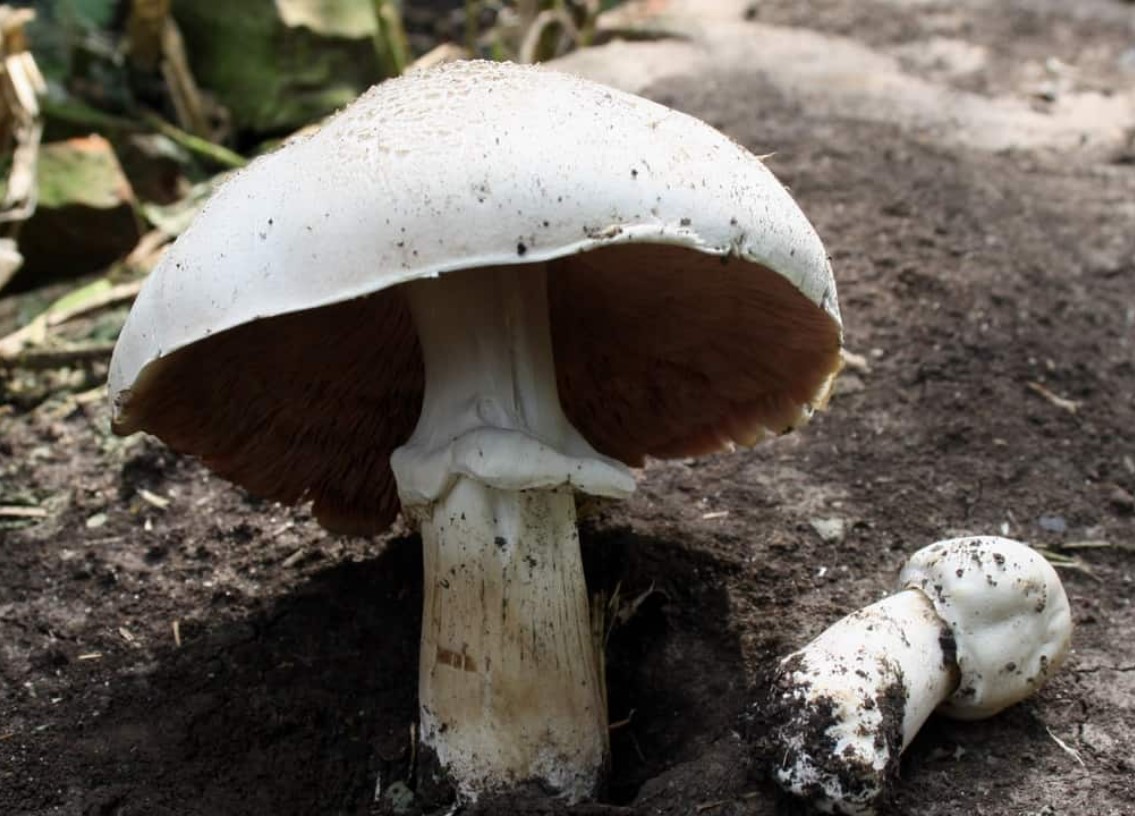
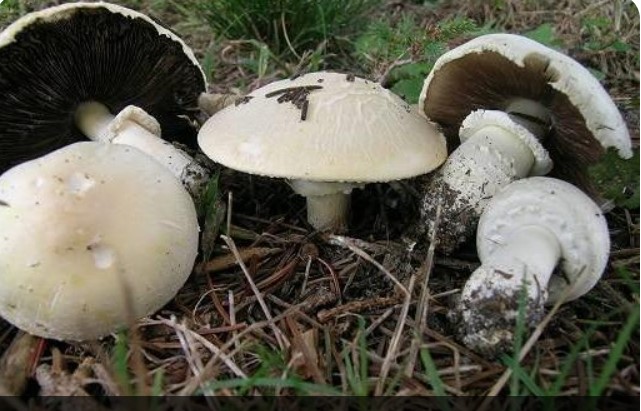
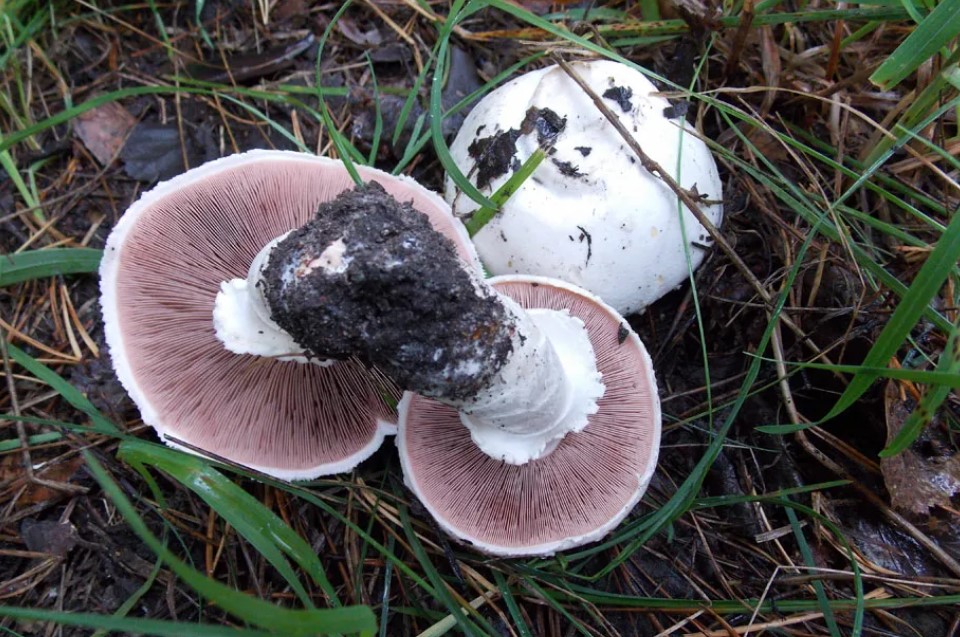
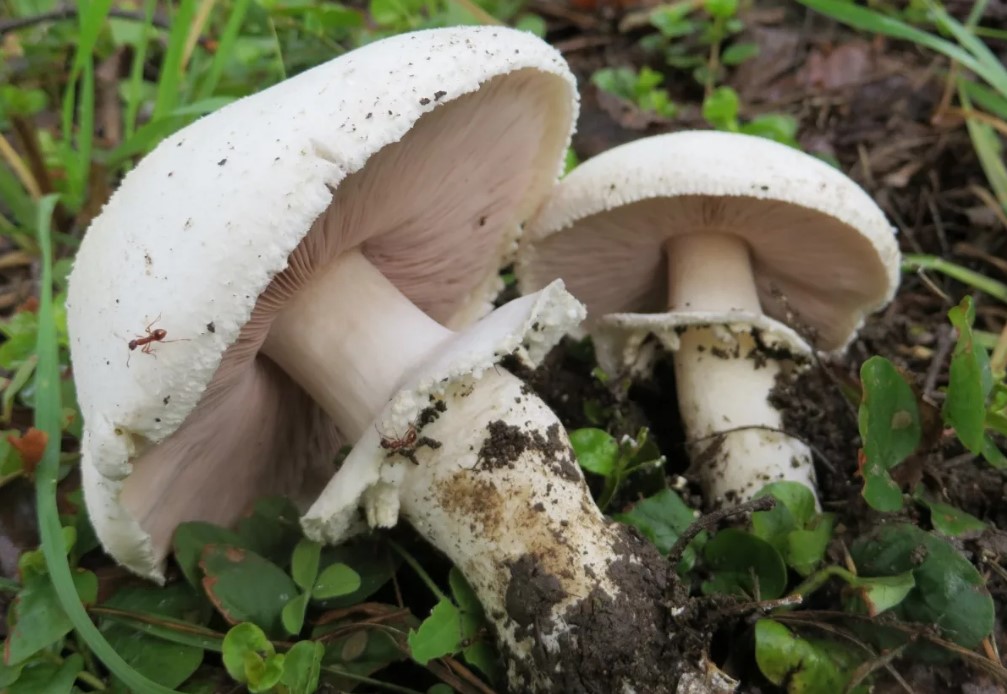
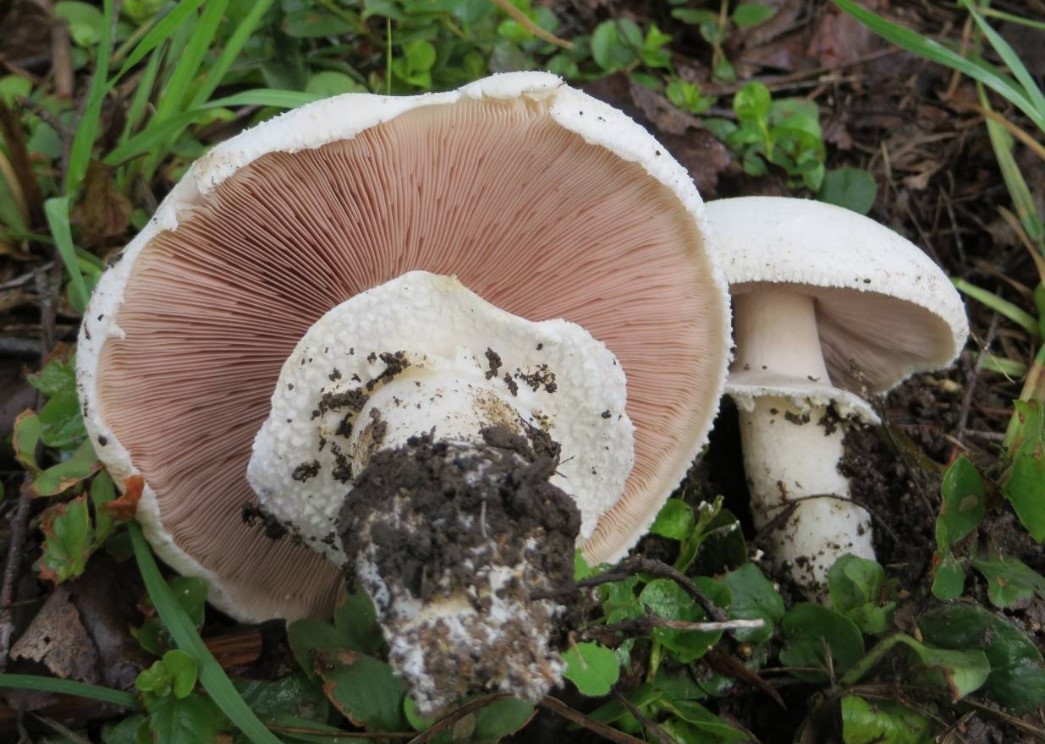
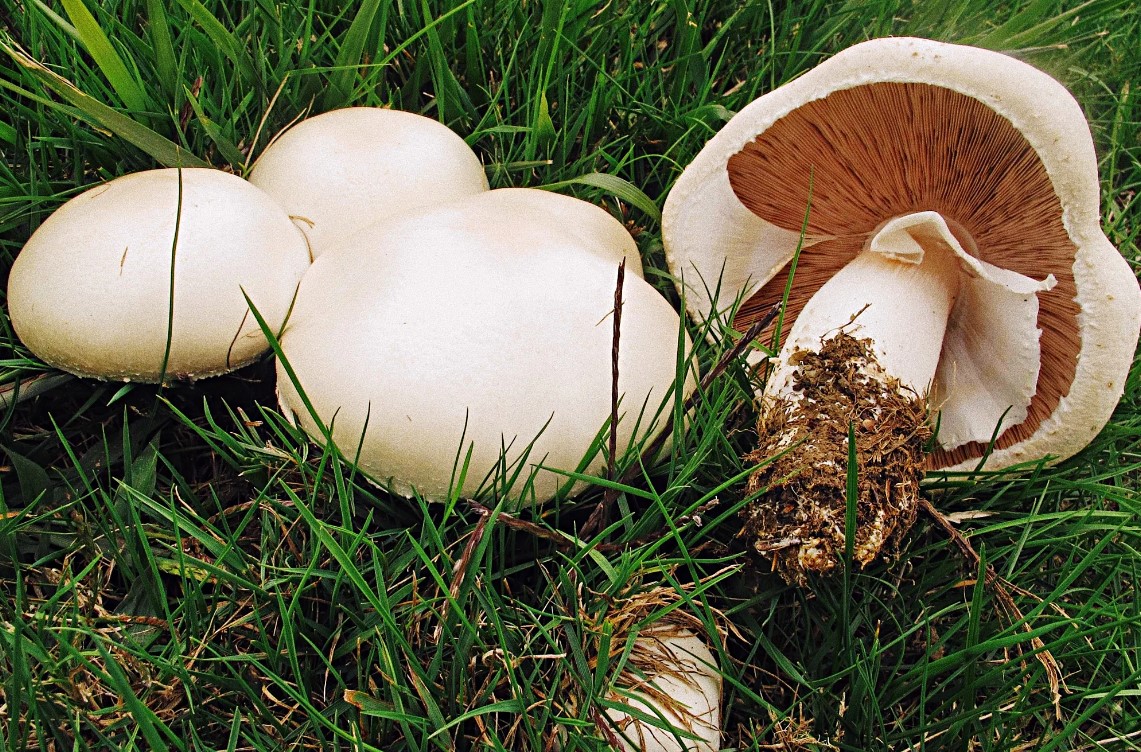
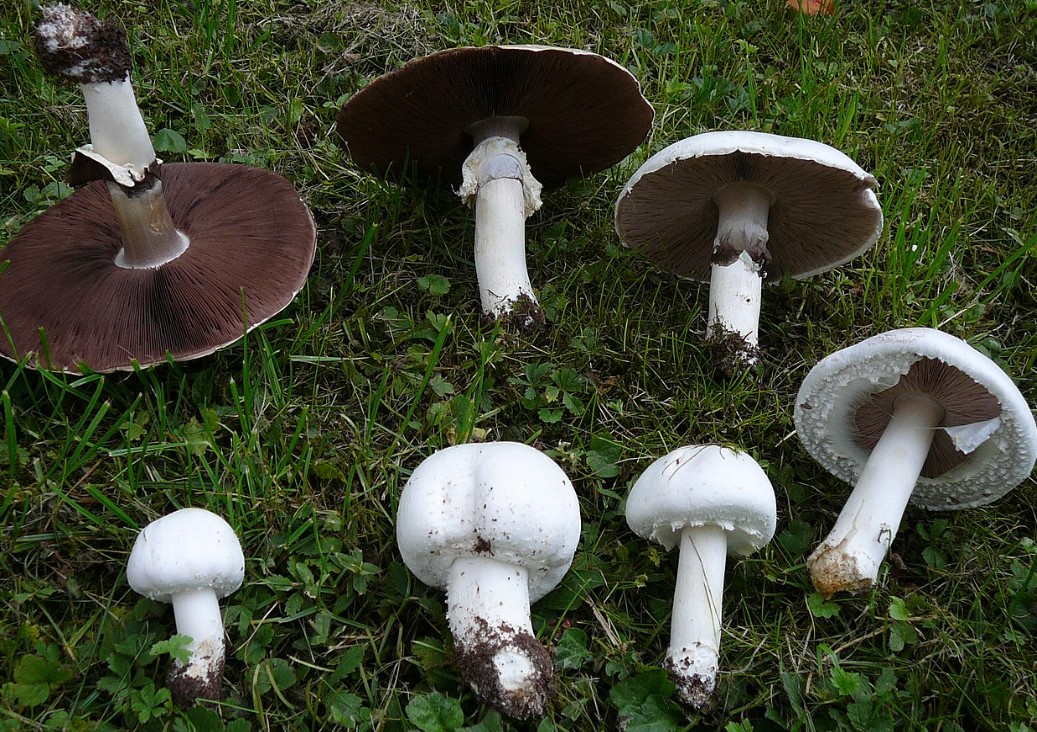
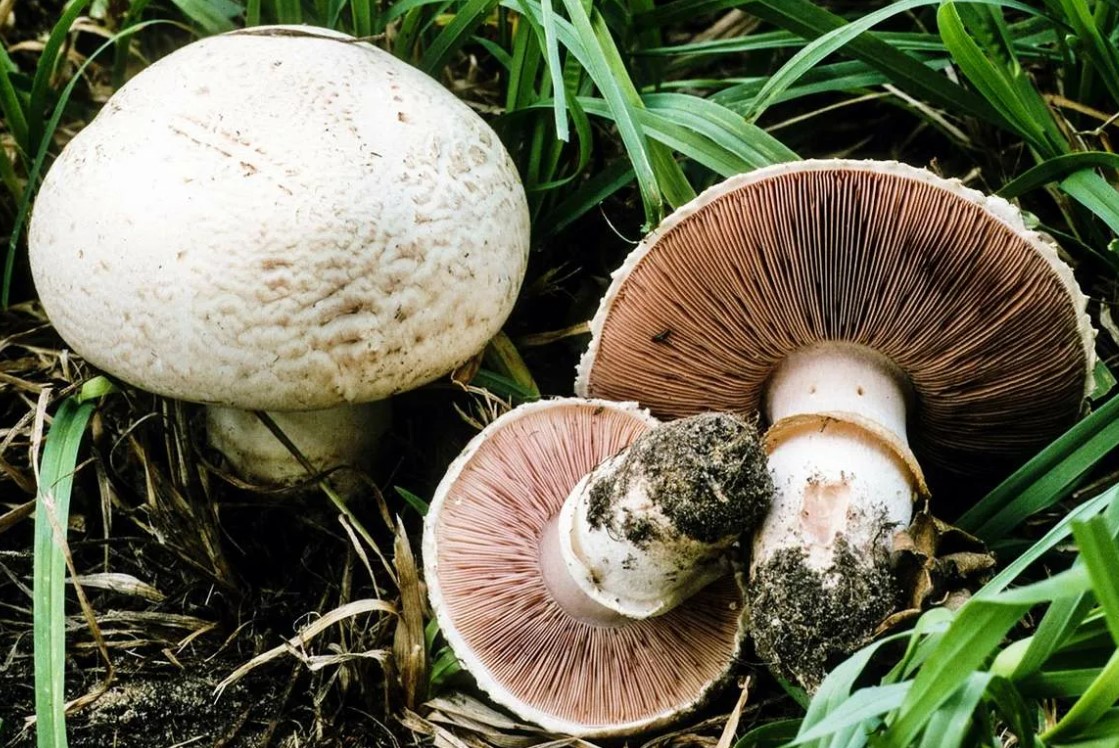
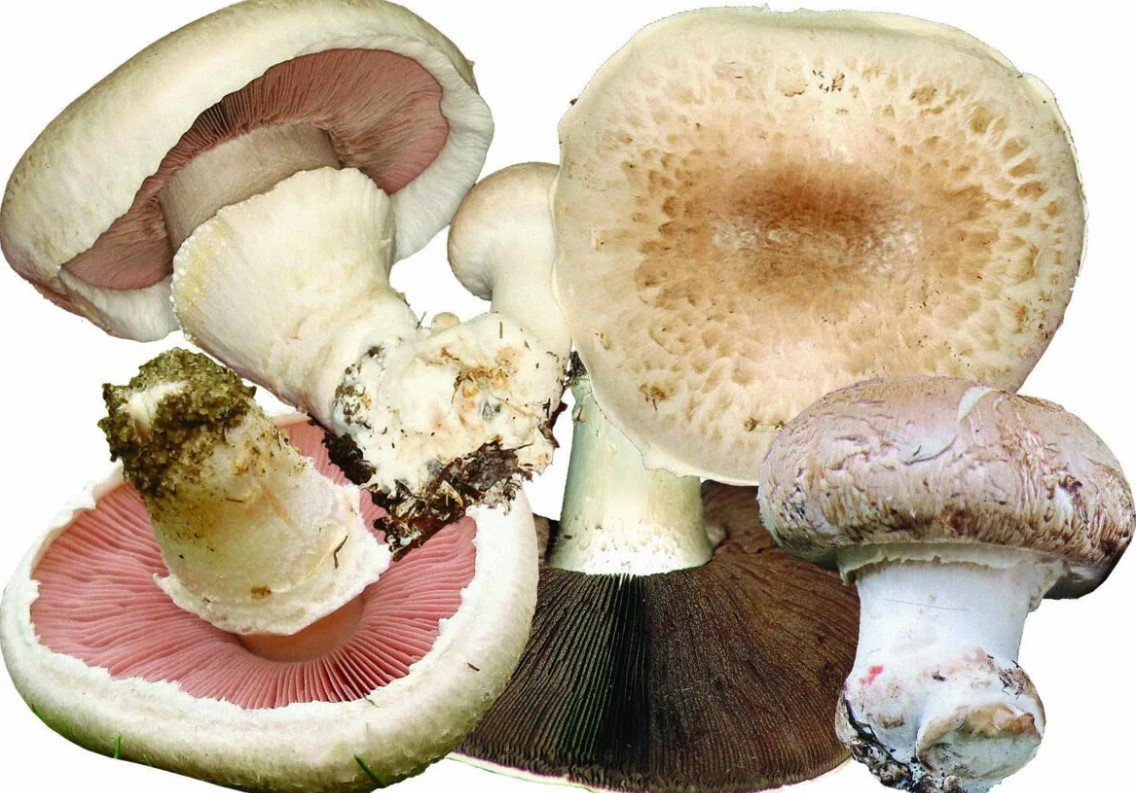
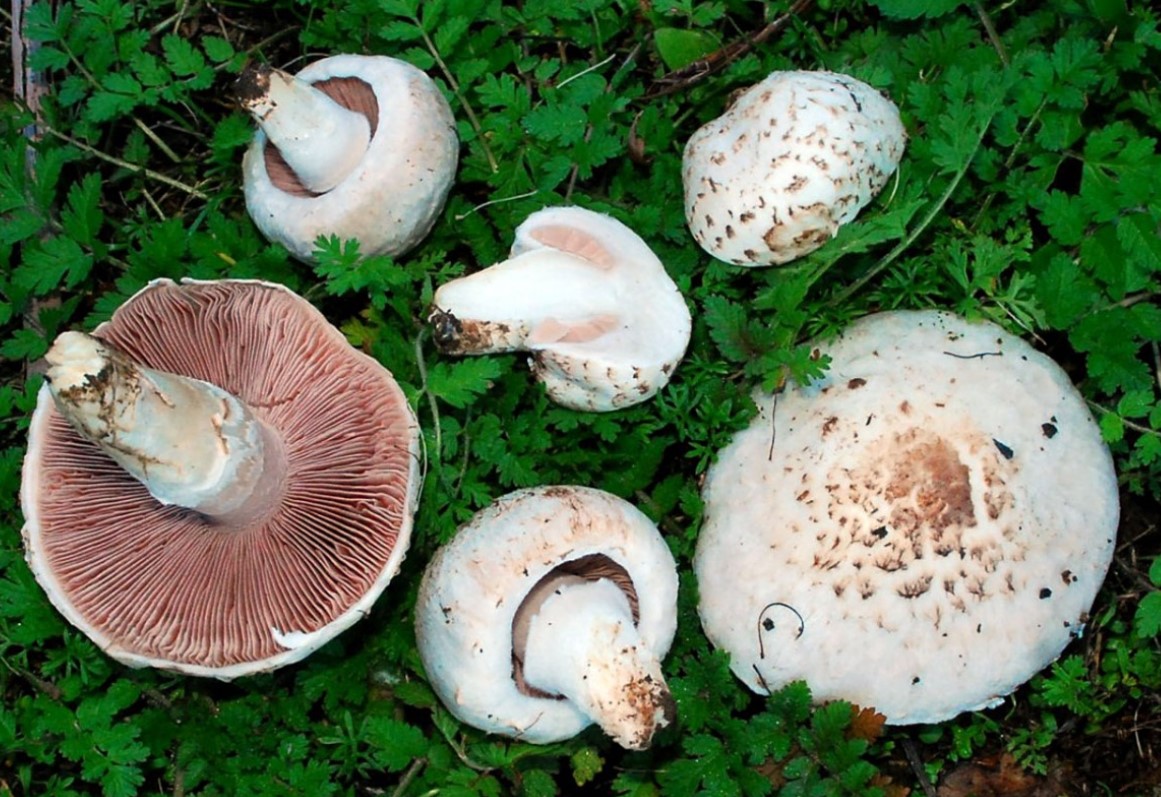
The cap of young mushrooms is round, but as it grows, it becomes spreading with a small tubercle in the center. Initially, the underside is covered by a veil, but over time this ruptures, with remnants sometimes hanging over the edges of the cap. The cap can reach 20 cm in diameter; young mushrooms are light in color, while older ones develop an ocher tint. The surface is fibrous and scaly, and cracks may appear in dry weather.
Records
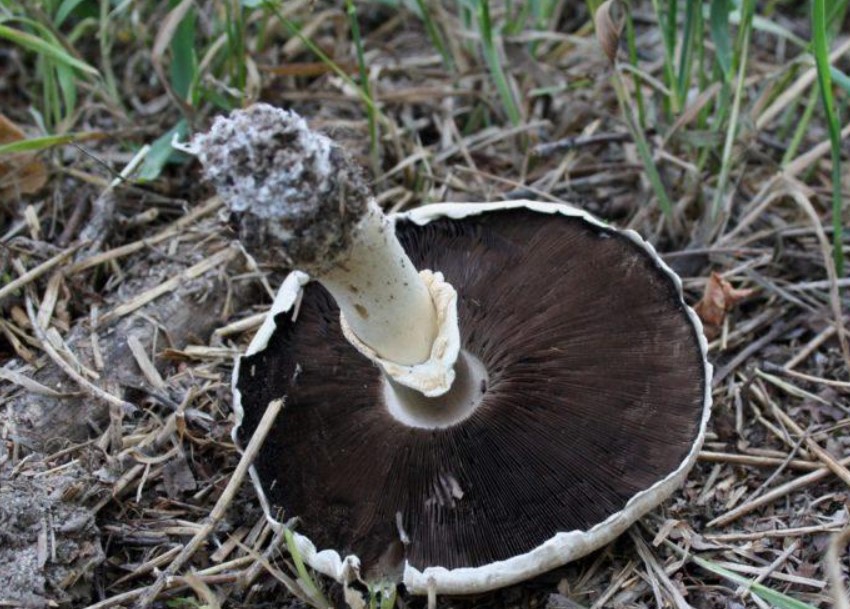
The lower part of the cap – the hymenoform – is represented by closely spaced plates that become almost black over time.
Pulp
The flesh is firm and light-colored, but slightly yellowed where cut. The younger the mushroom, the sweeter the flesh and the more pleasant the aroma.
Leg
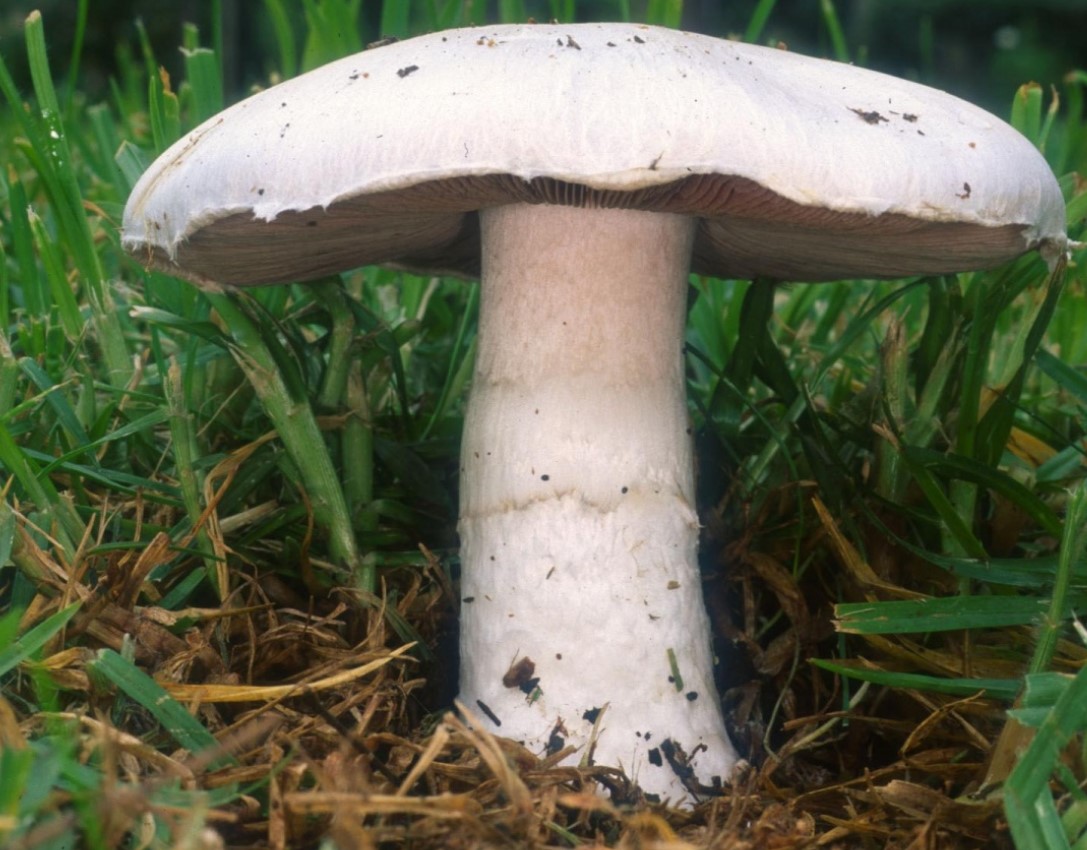
The stem can reach 10 cm in height and is cylindrical in shape, slightly widened at the base. The flesh is fibrous and the same color as the cap. When pressed, it turns slightly yellow only at the top.
Ring
The top of the stem has a wide white ring, much larger than the bottom. Its edges are jagged and wavy. In ripe mushrooms, it hangs completely down.
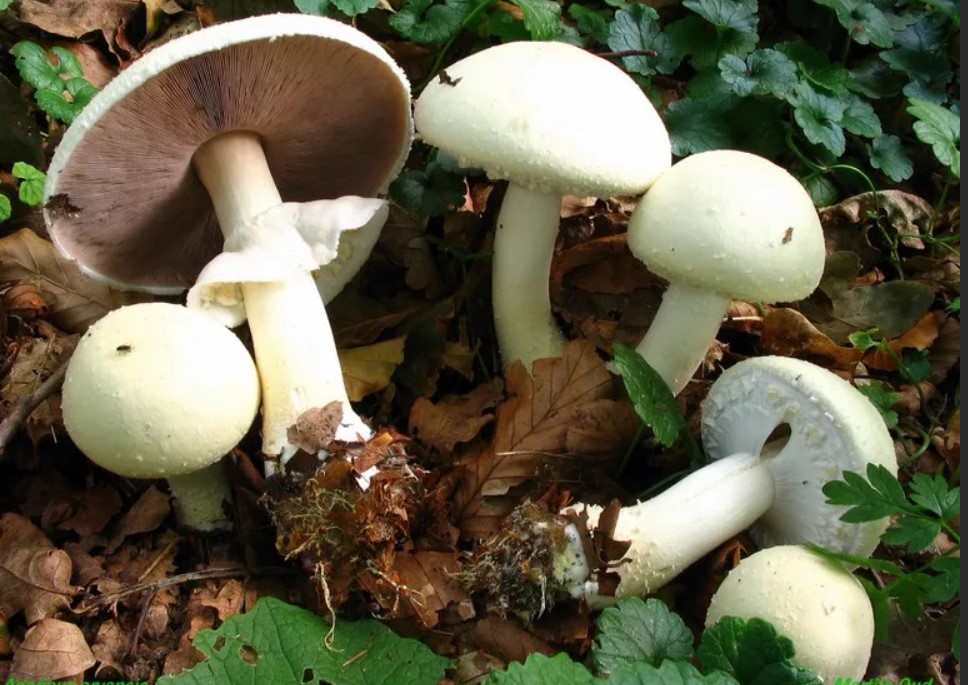
Photo gallery of field mushrooms
Historical facts about the field mushroom
To this day, the Italians and the French argue among themselves about whose country the field mushroom was first discovered.
The field mushroom was first studied by the German mycologist Jacob Schaeffer in 1774. At that time, he did not distinguish individual morphotypes, but rather examined the species as a whole. This was done much later, in 1999.
Where and when does the field mushroom grow?
Champignons adapt well to a variety of environmental conditions, so their distribution is quite wide. They can be found in almost every region of the country, but an important caveat is to avoid looking for field mushrooms in dense forests. The only trees they can grow alongside are pine and spruce.
Most often, field mushrooms can be found on roadsides, in alleys and parks, in open fields, pastures, and garden plots.
The fruiting period depends on the climate in the region; it can begin in May and end in November.
What is another name for the field champignon?
The common name for the field mushroom is the common or sidewalk mushroom; in foreign sources, the synonym “horse” is found.
Scientific synonyms for the field mushroom include:
- Psalliota arvensis.
- Pratella arvensis.
- Fungus arvensis.
- Psalliota campestris var. arvensis.
Edible species similar to the field agaric
Beginner mushroom pickers sometimes confuse the field champignon with other, similar-looking mushrooms. All of them are listed below.
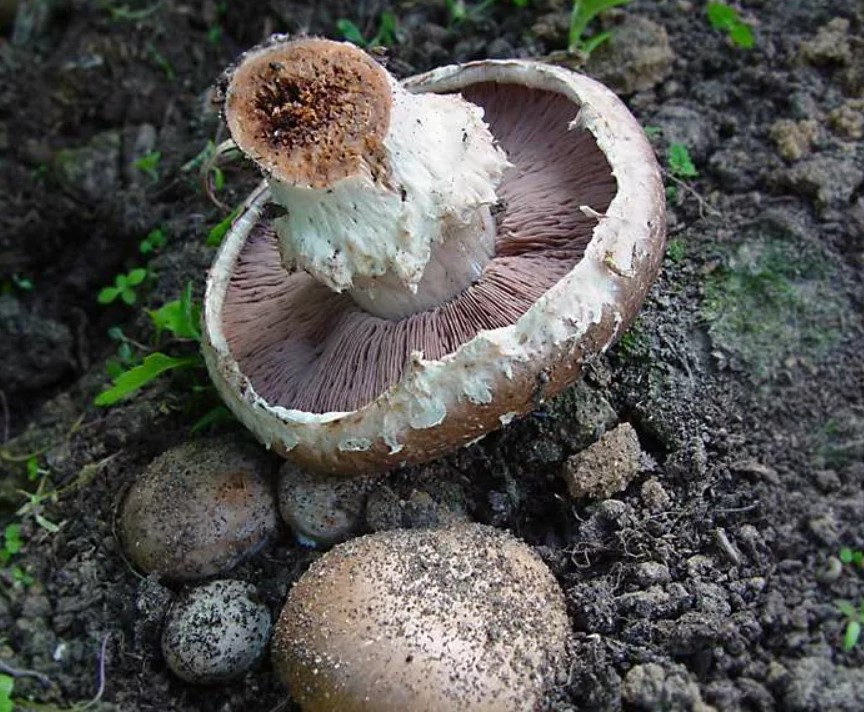
Agaricus bisporus
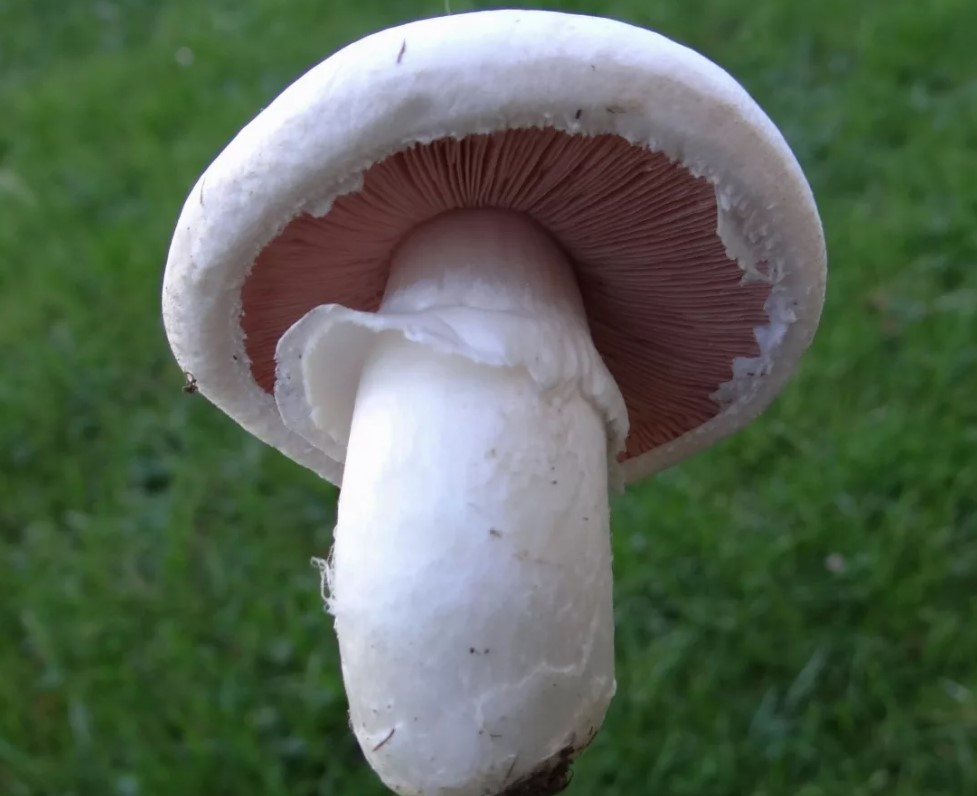
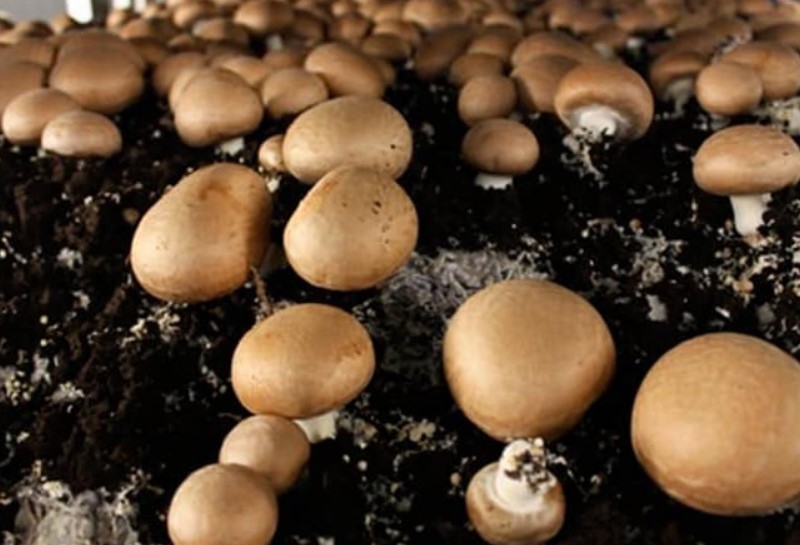
The bisporous button mushroom is distinguished by its large size. Its cap often grows up to 25 cm in diameter. Its color can be cream or brownish. One of the species is not called "the 'little red' for nothing." royal.
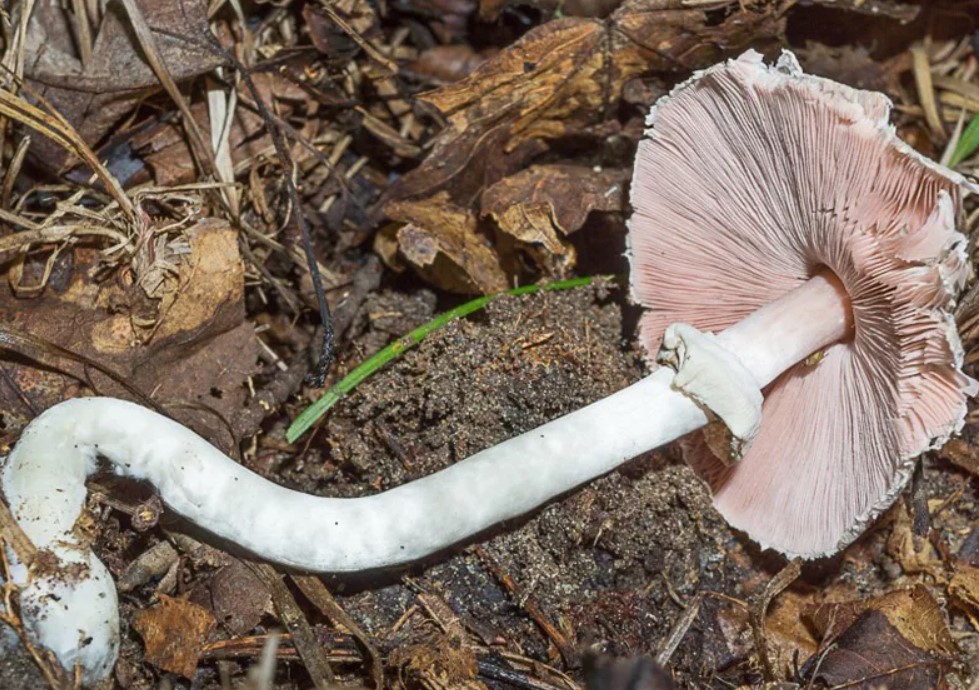
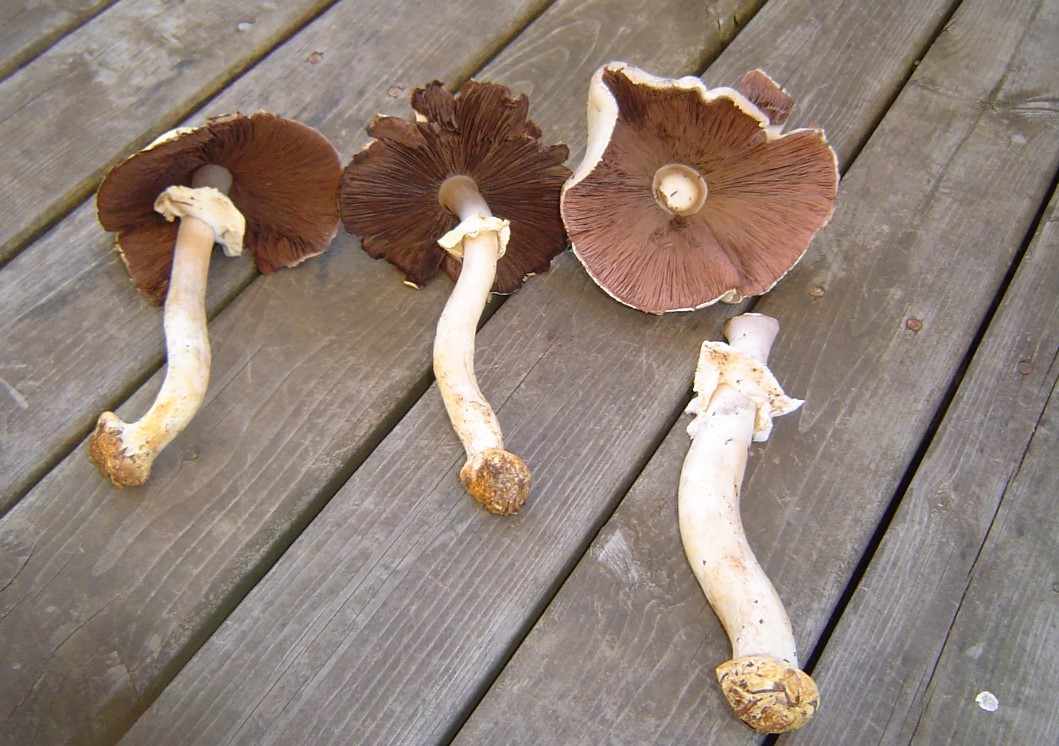
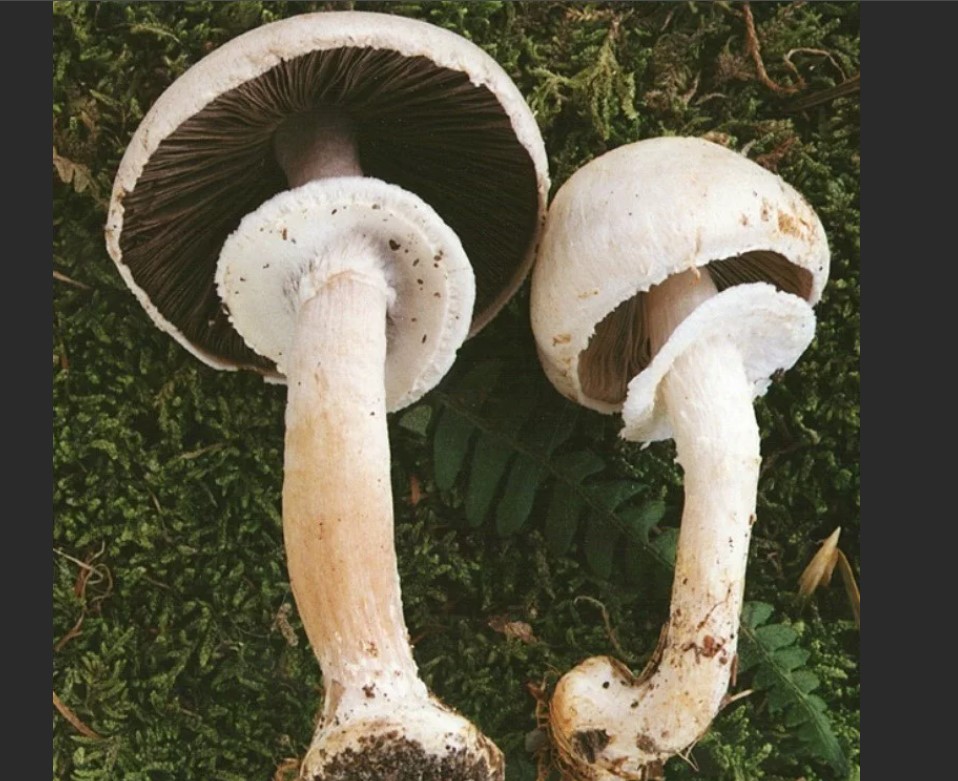
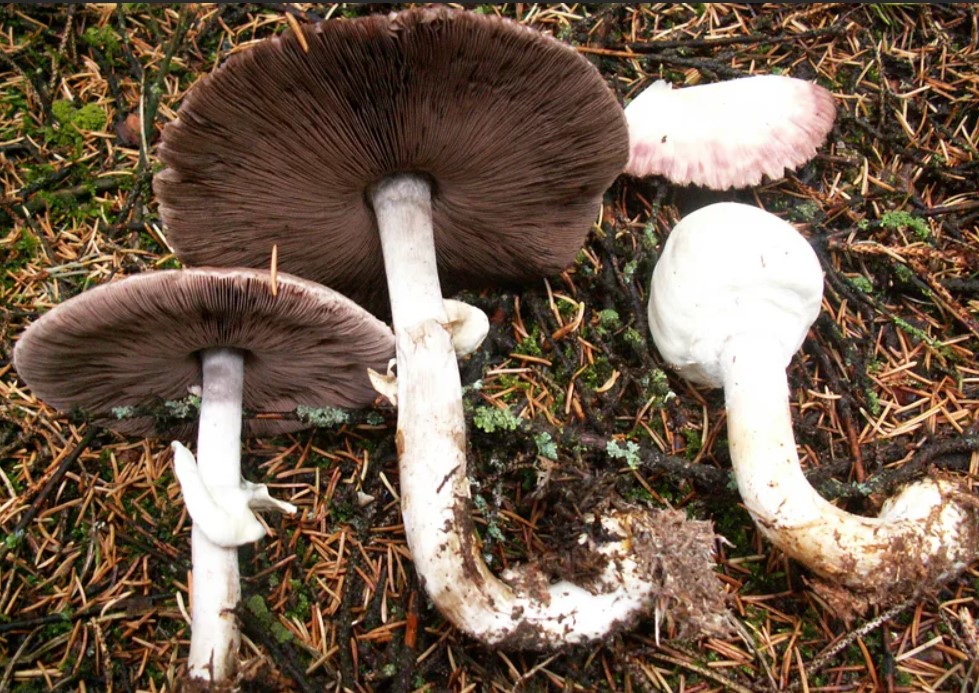
Champignon crooked
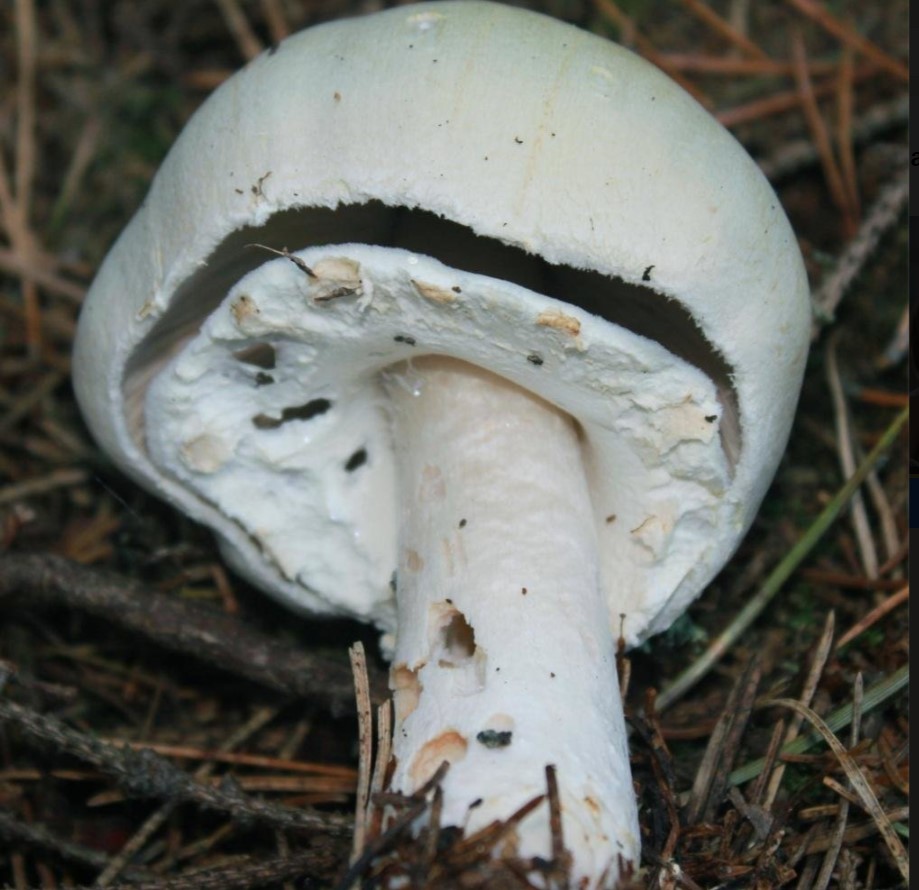
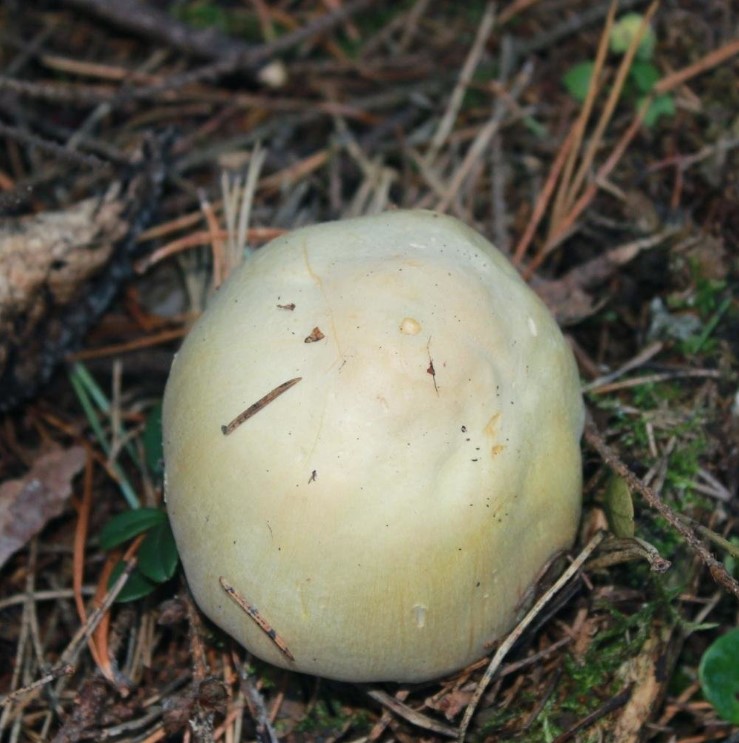
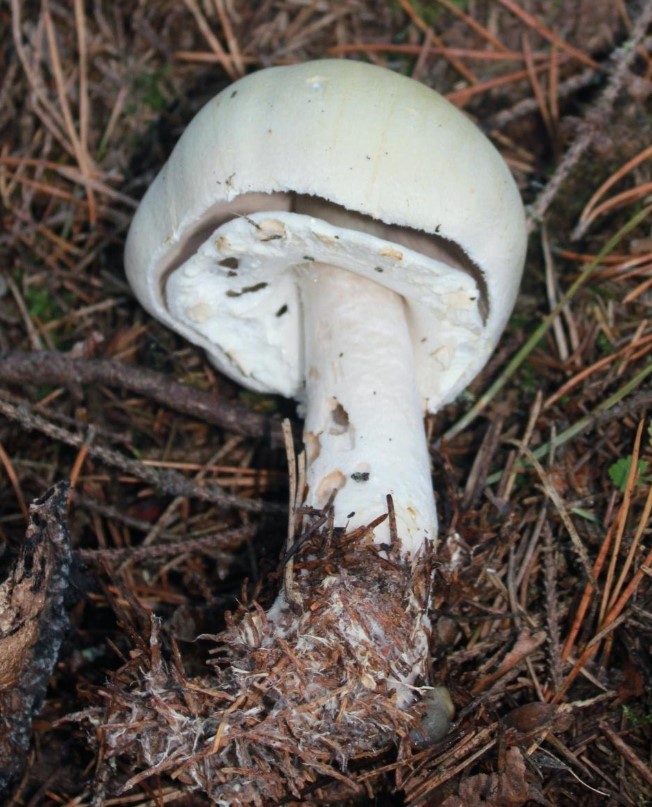
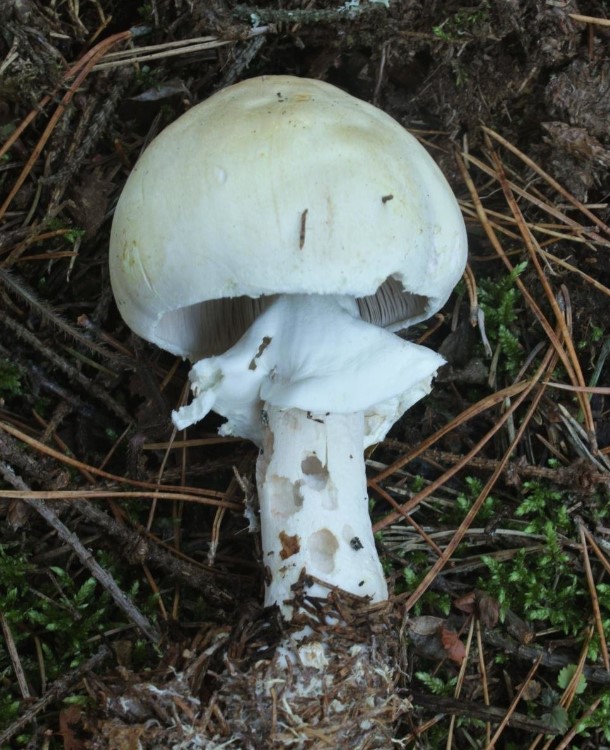
It grows in young coniferous forests. The cap is creamy or white, turning yellow where pressed or broken. The aroma is almond-like.
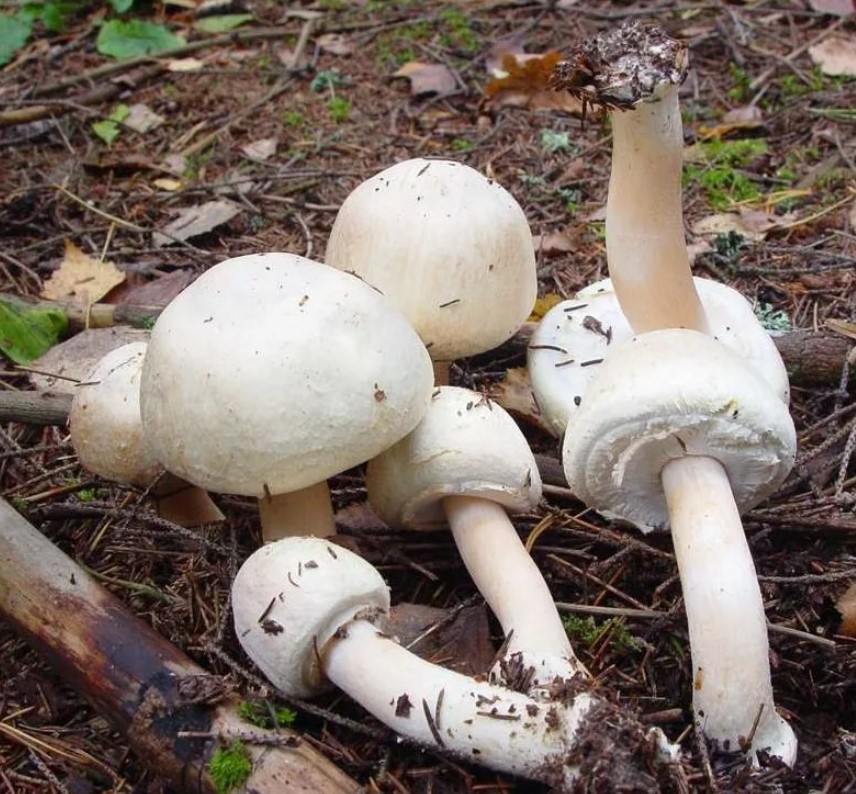
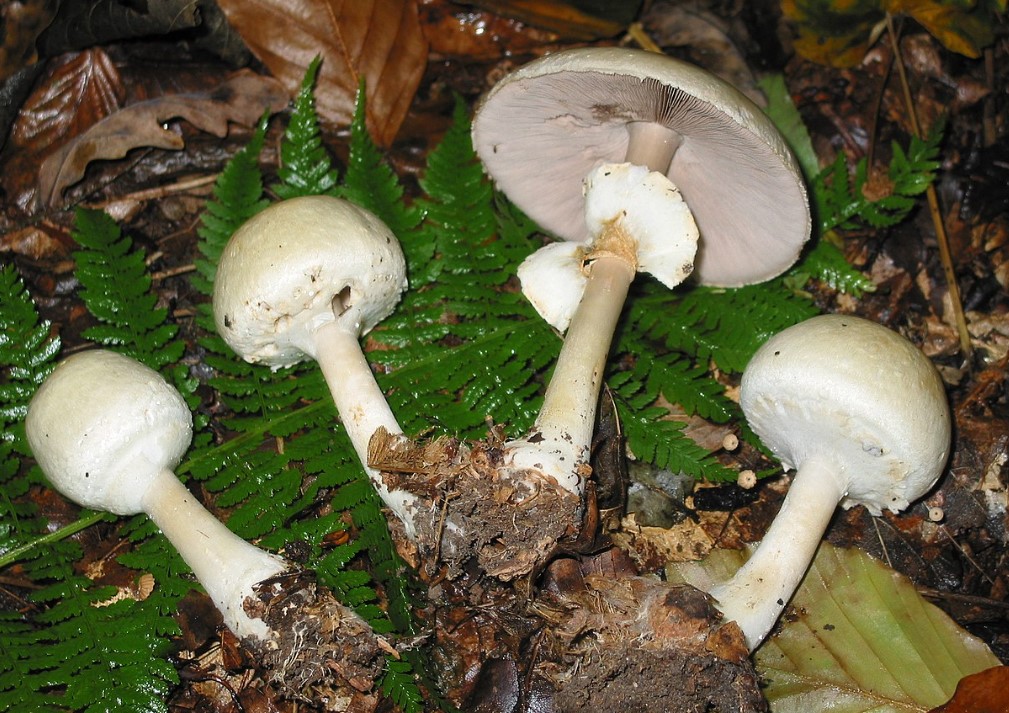
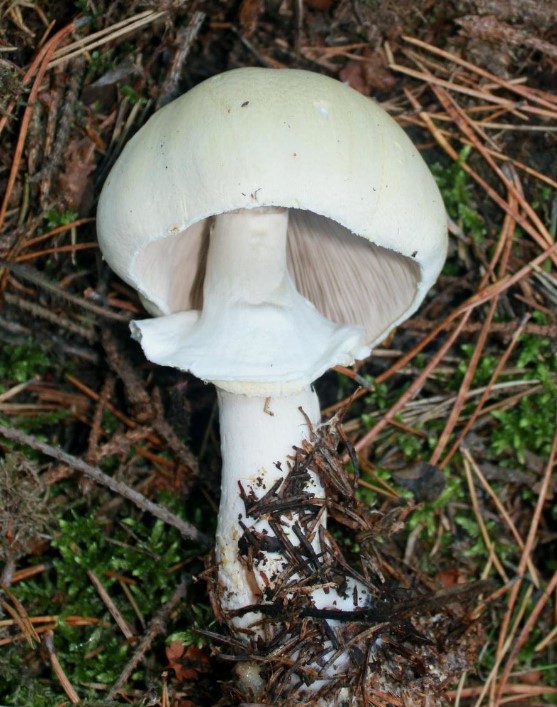
Champignon coppice
A small mushroom with dense flesh. White in color, it turns grayish with age. The flesh turns yellow when pressed. It grows in coniferous forests.
Champignon (common)
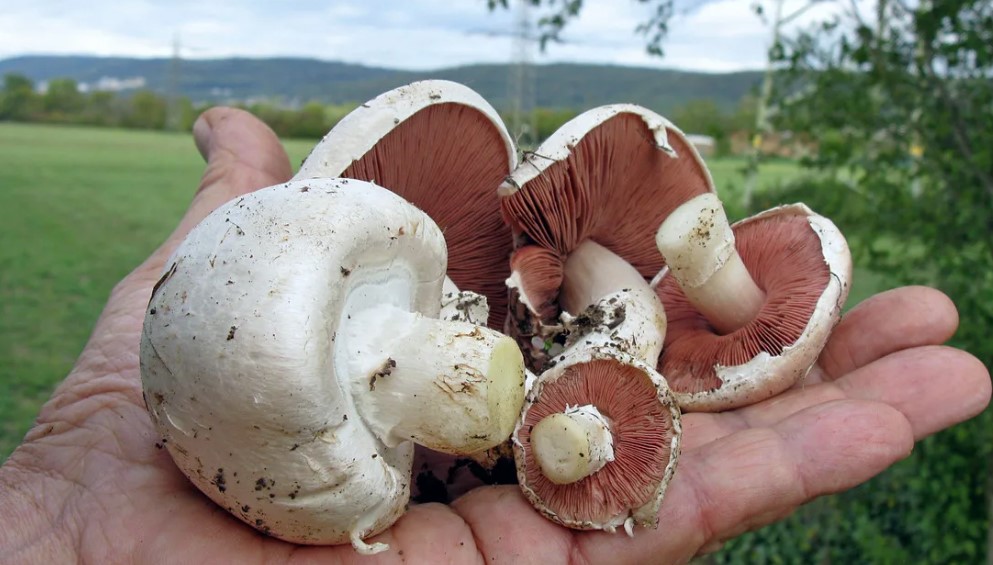
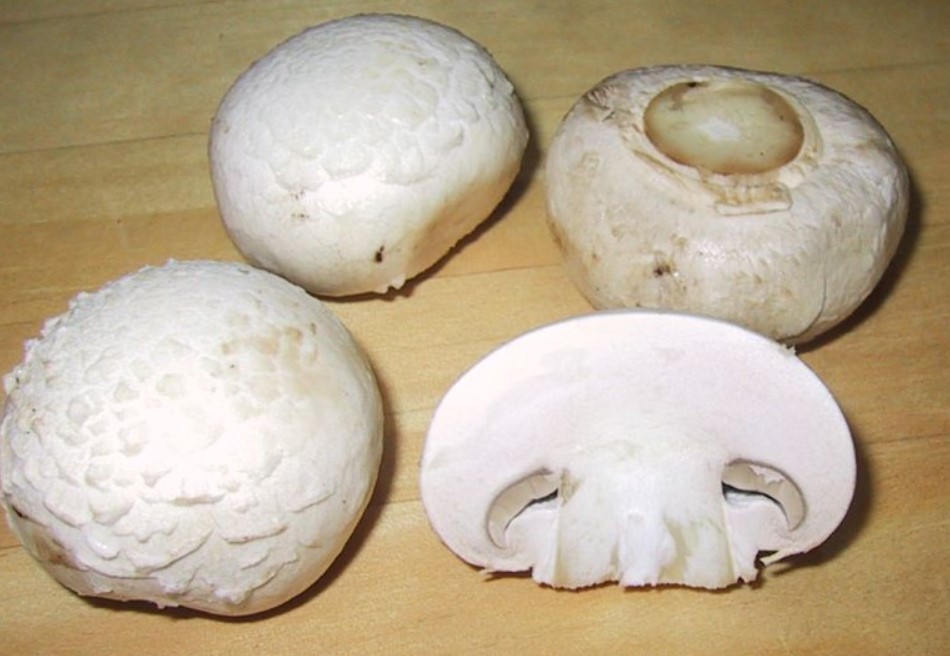
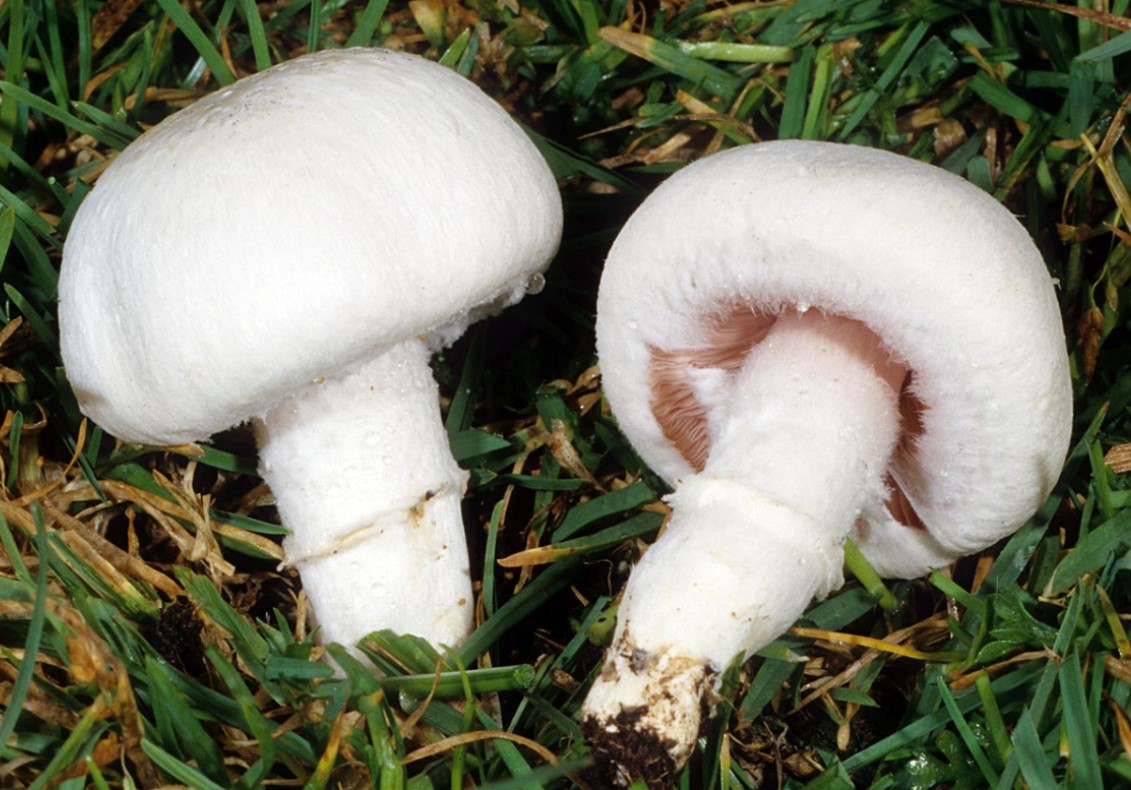
It prefers well-fertilized soil and grows in open areas among grass. It is white in color, with reddish flesh where cut. The skin is dry and silky to the touch.
The champignon is white as bone
The rare Agaricus osecanus mushroom is distinguished by its white cap, which turns pale ochre over time. The surface is scaly, and damaged areas quickly turn yellow. The flesh has an almond-like aroma.
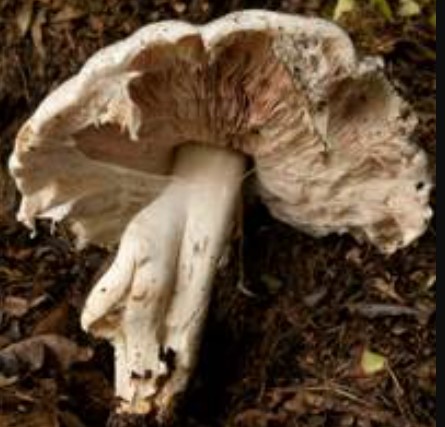
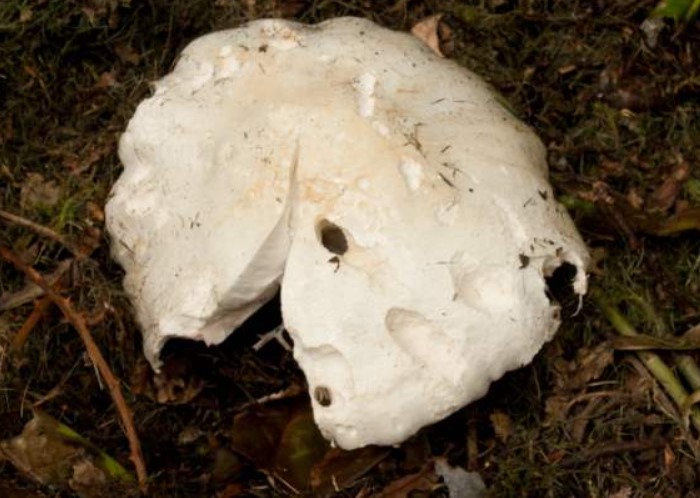
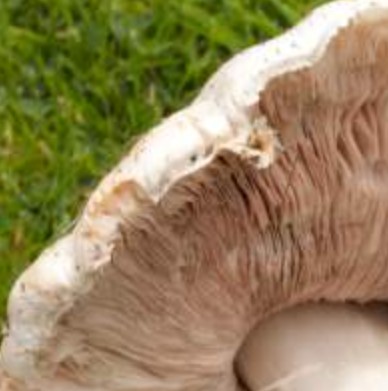
Edible mushrooms can be found in spruce forests. wild mushrooms.
How to distinguish field mushrooms from poisonous, similar species
Field champignons differ from their poisonous lookalikes in their larger size and habitat. These mushrooms prefer open areas, while their lookalikes are usually found in forested areas.
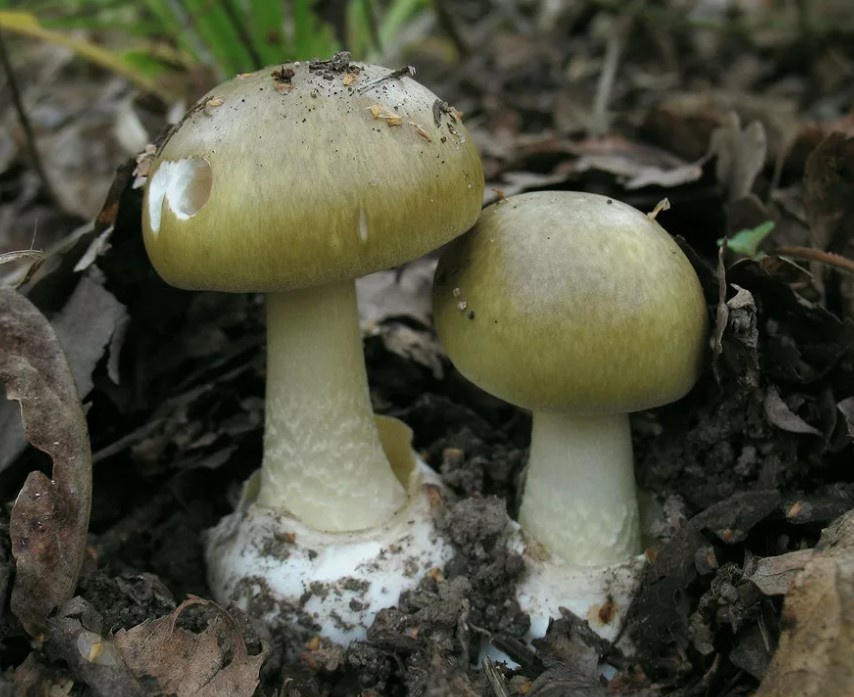
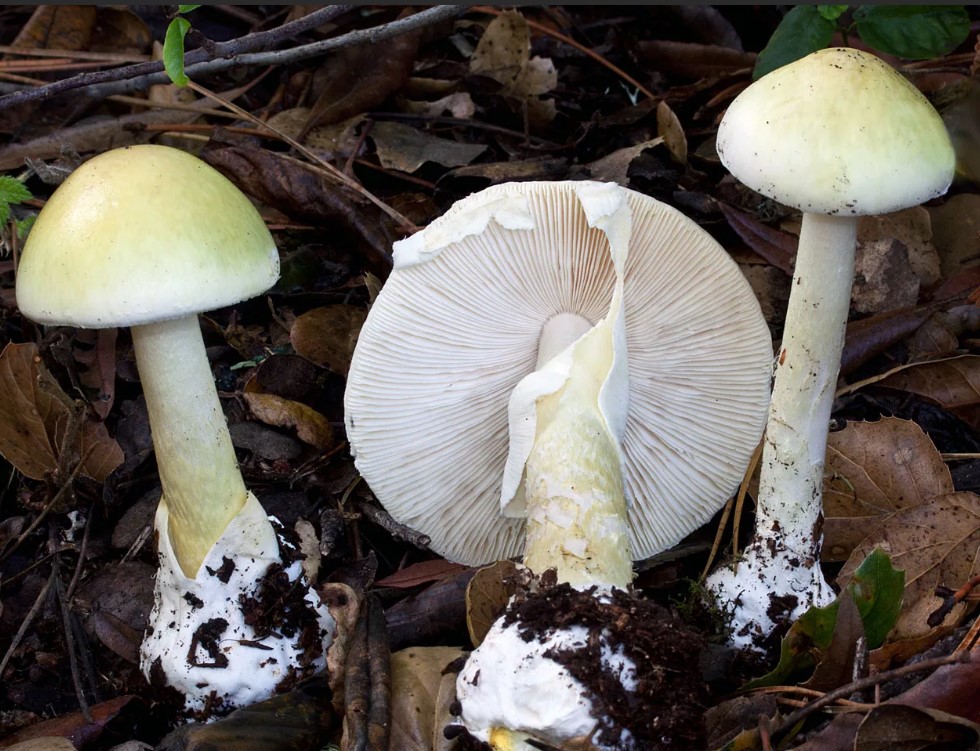
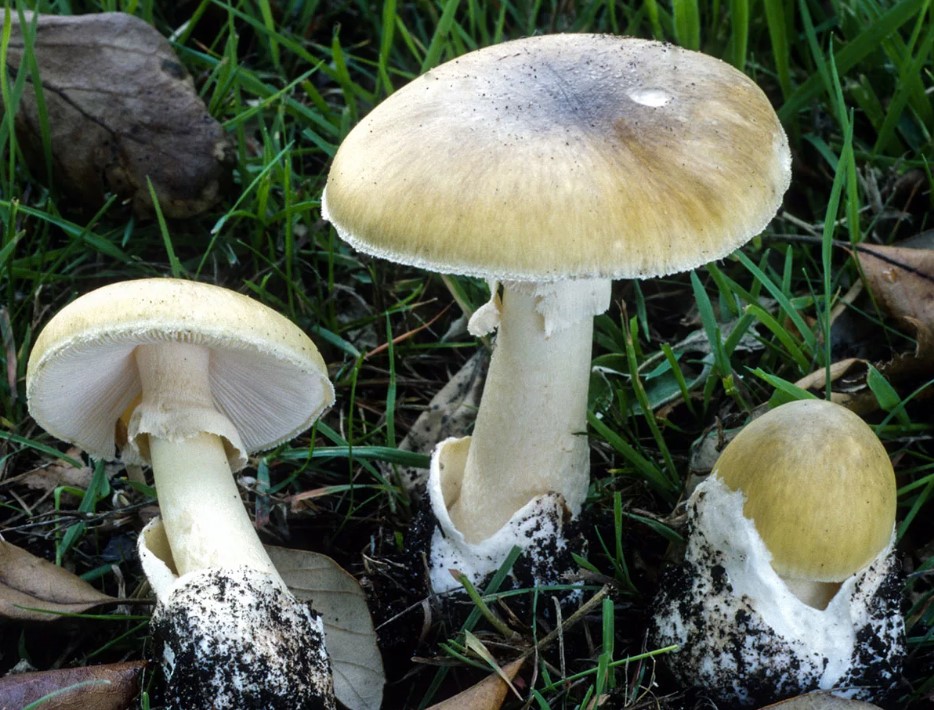
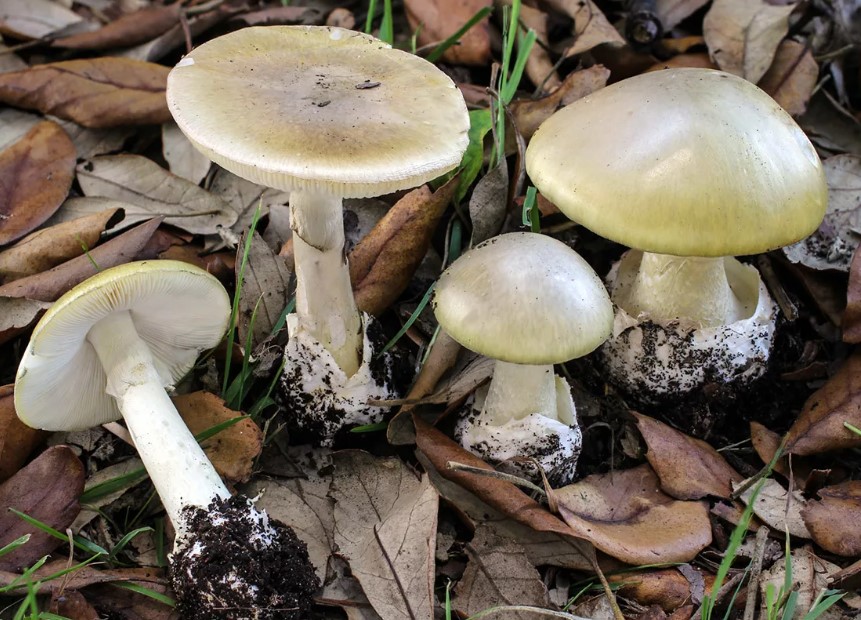
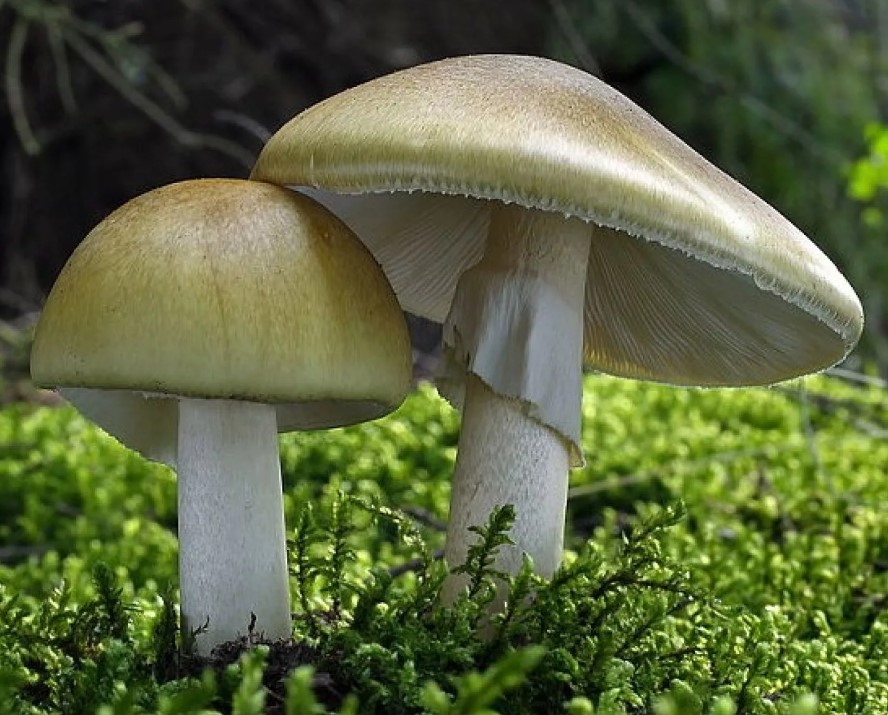
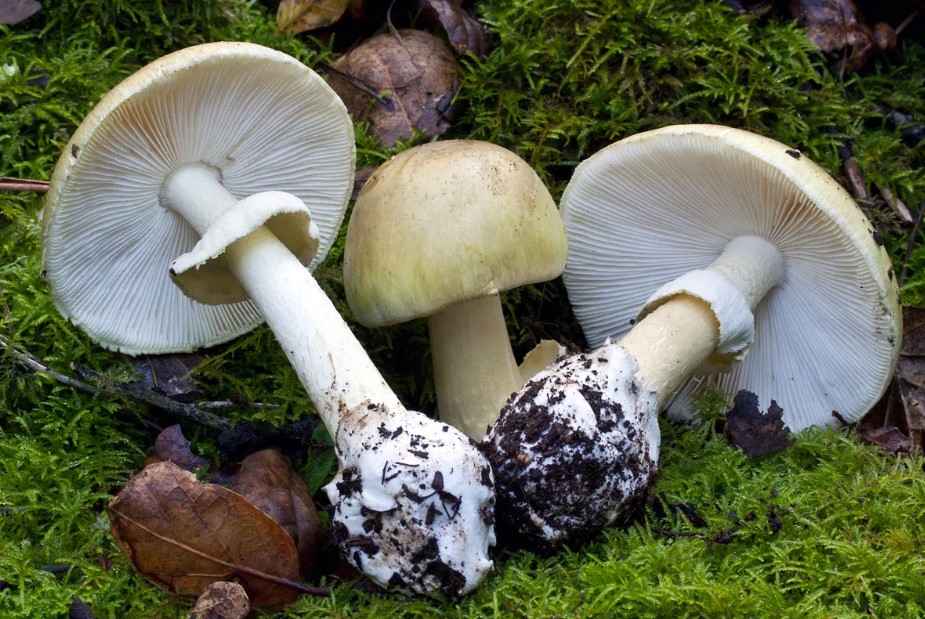
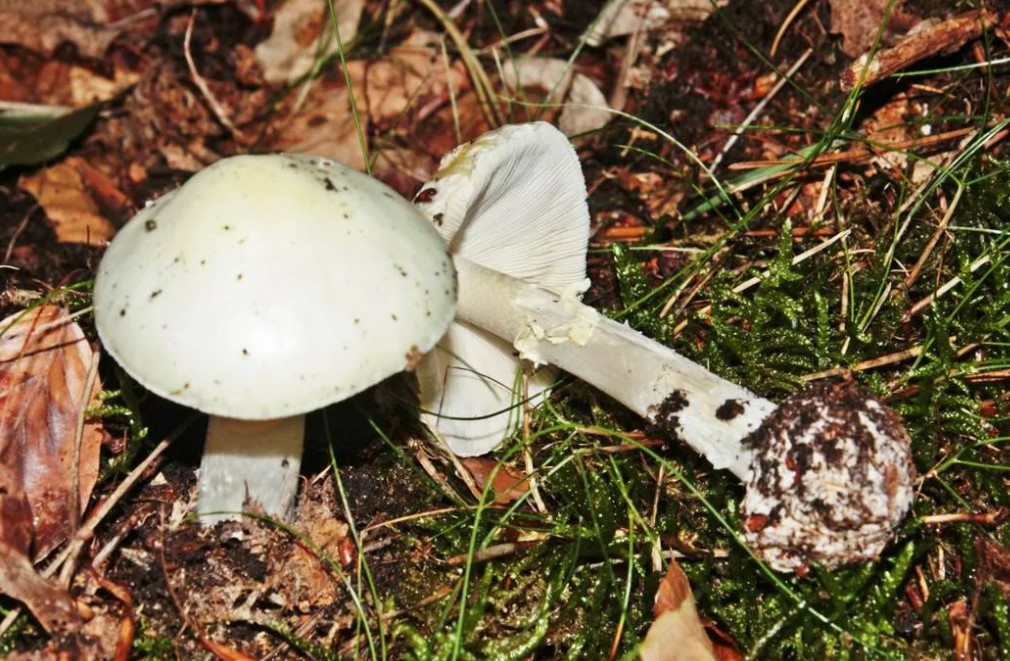
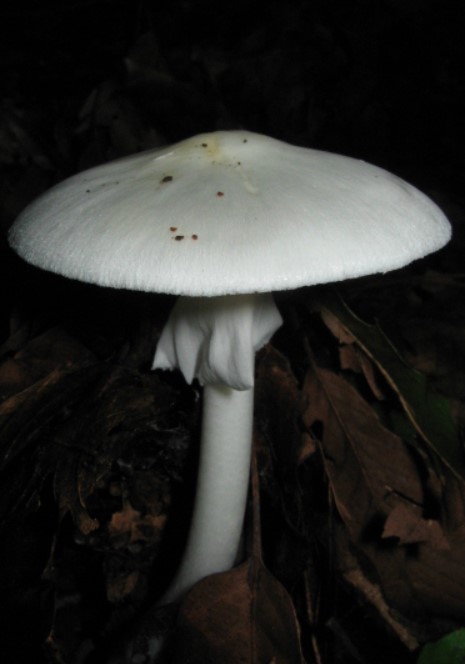
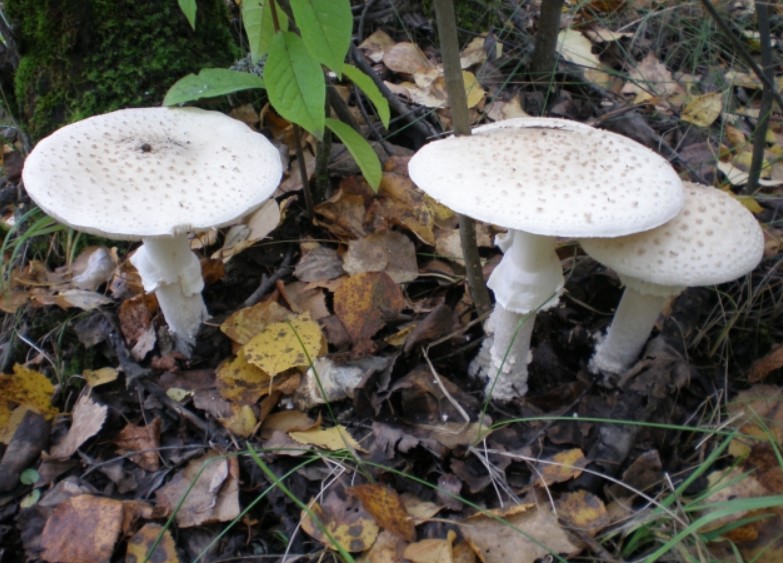
Death cap
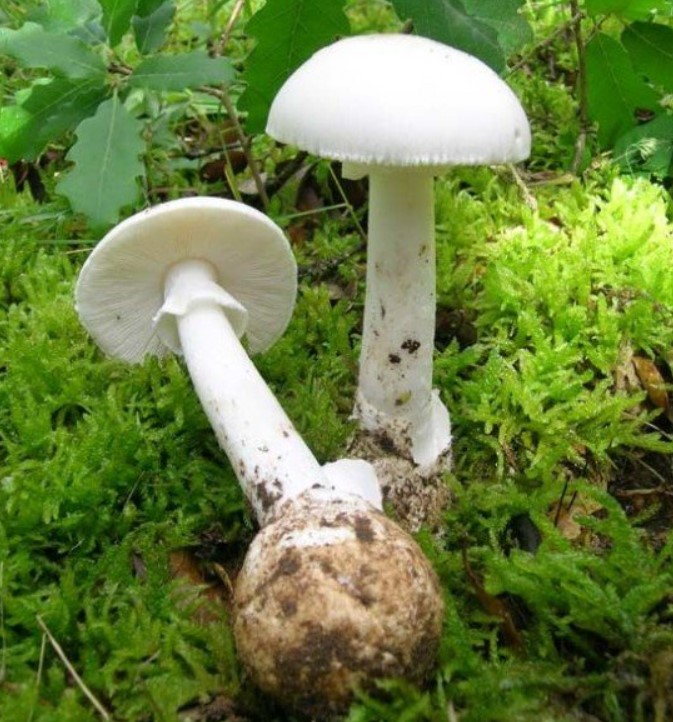
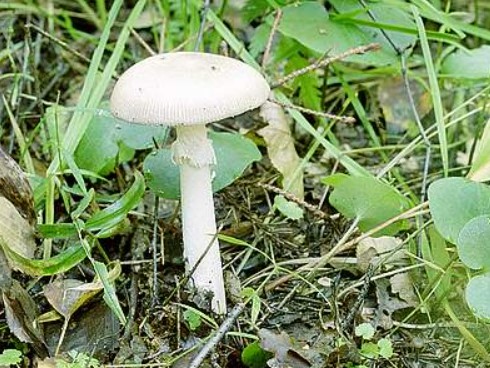
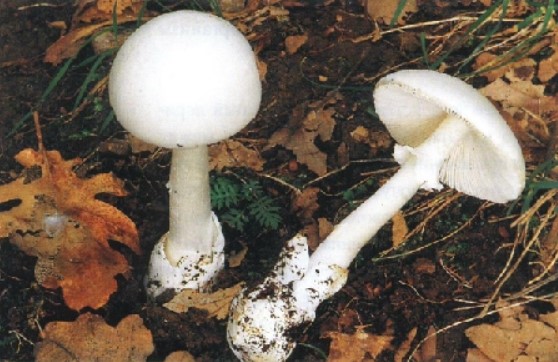
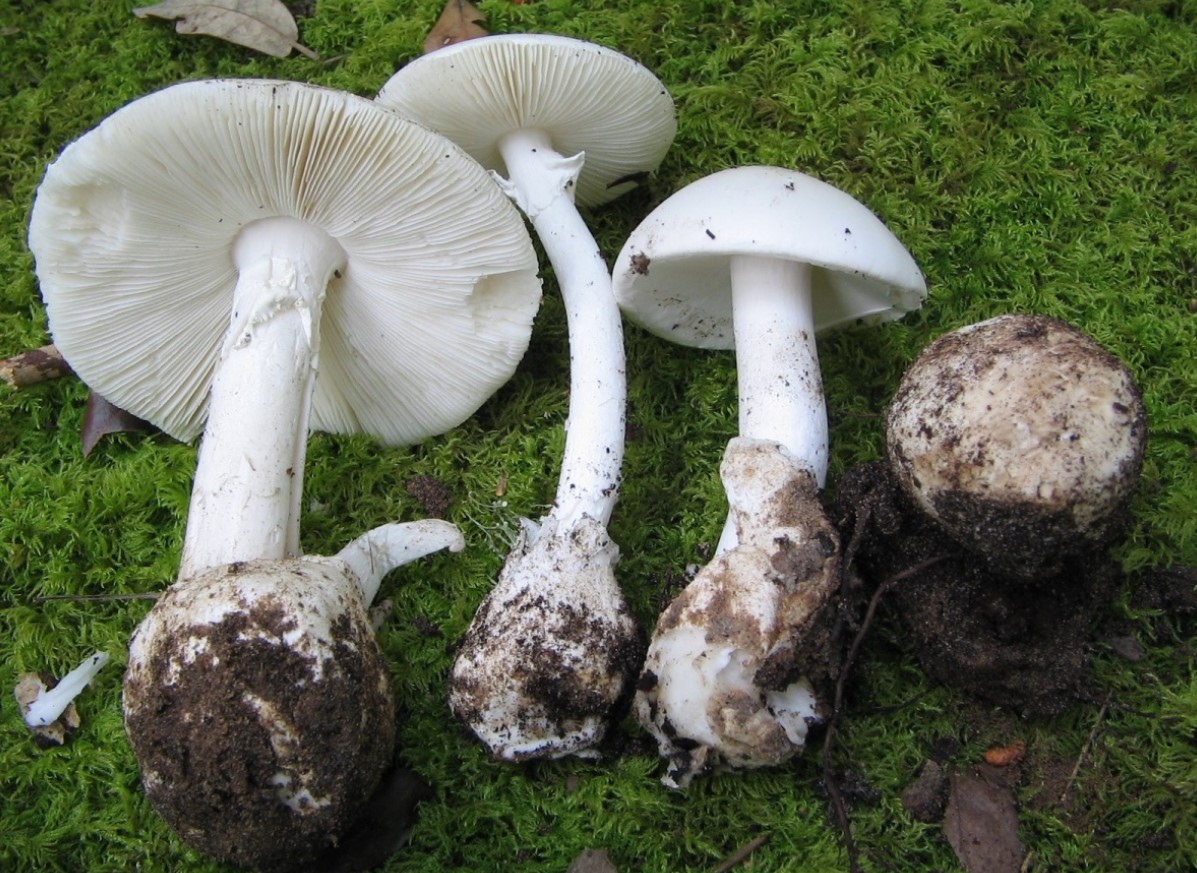
The main distinguishing feature of the white death cap is the presence of a volva, commonly referred to as a "skirt." Additionally, the death cap has a distinctive stem, swollen at the base, and white gills. It has no odor or taste. It prefers deciduous or mixed forests.
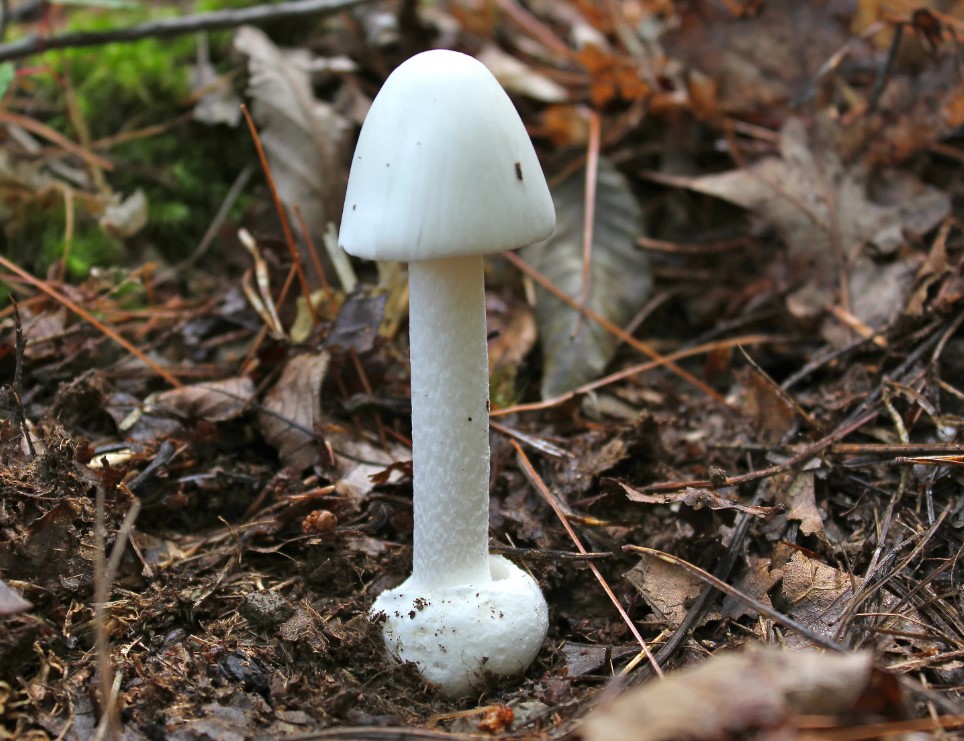
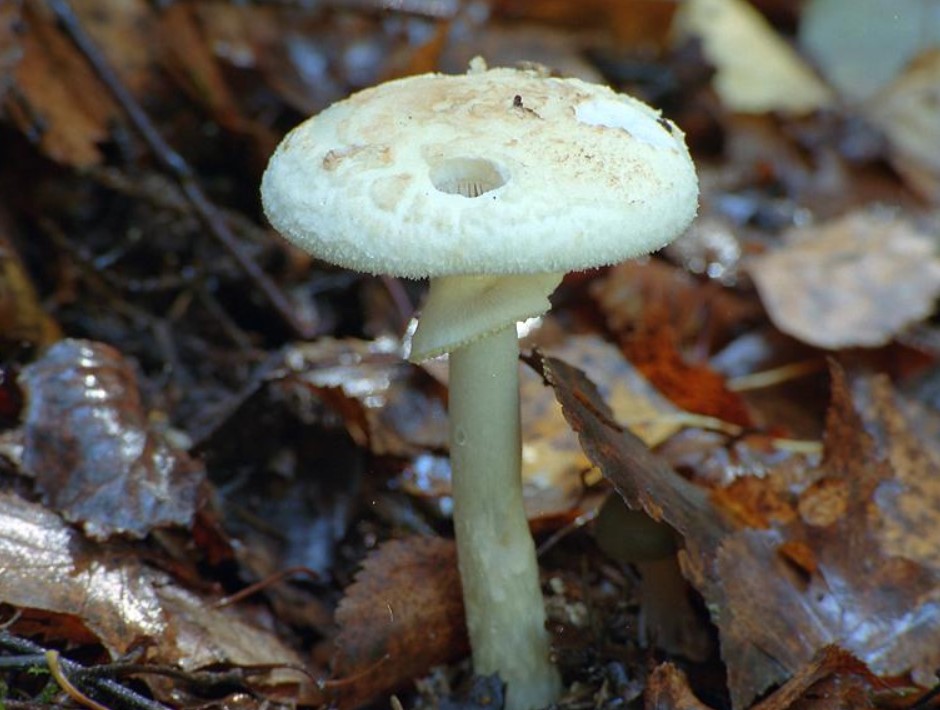
Fly agaric or white toadstool
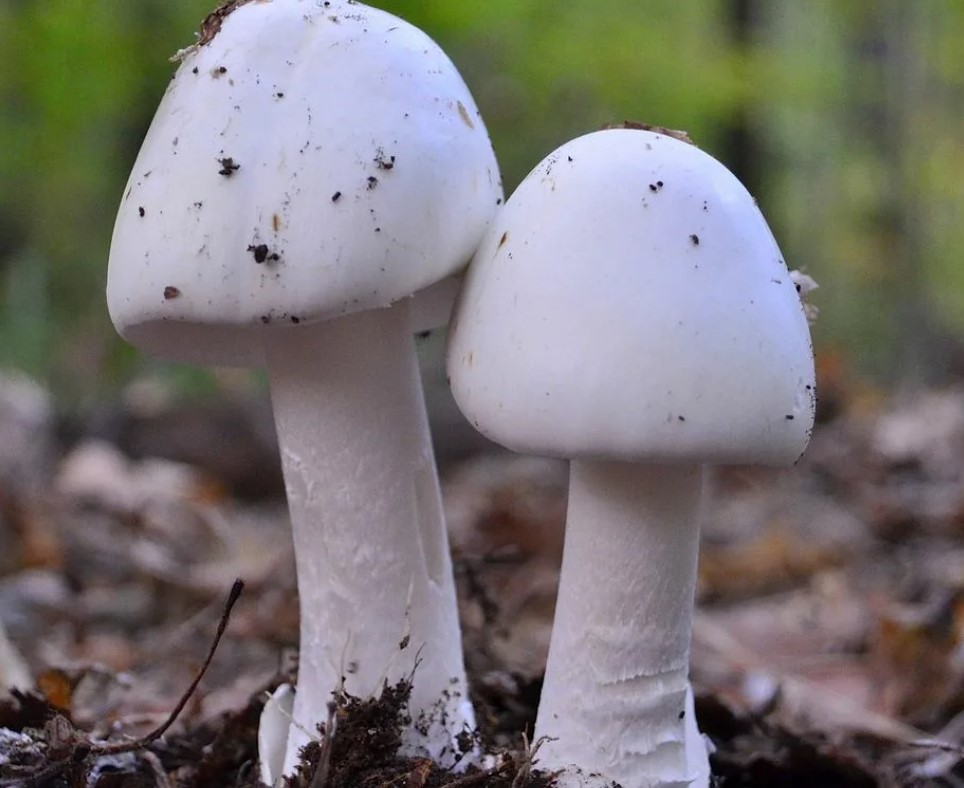
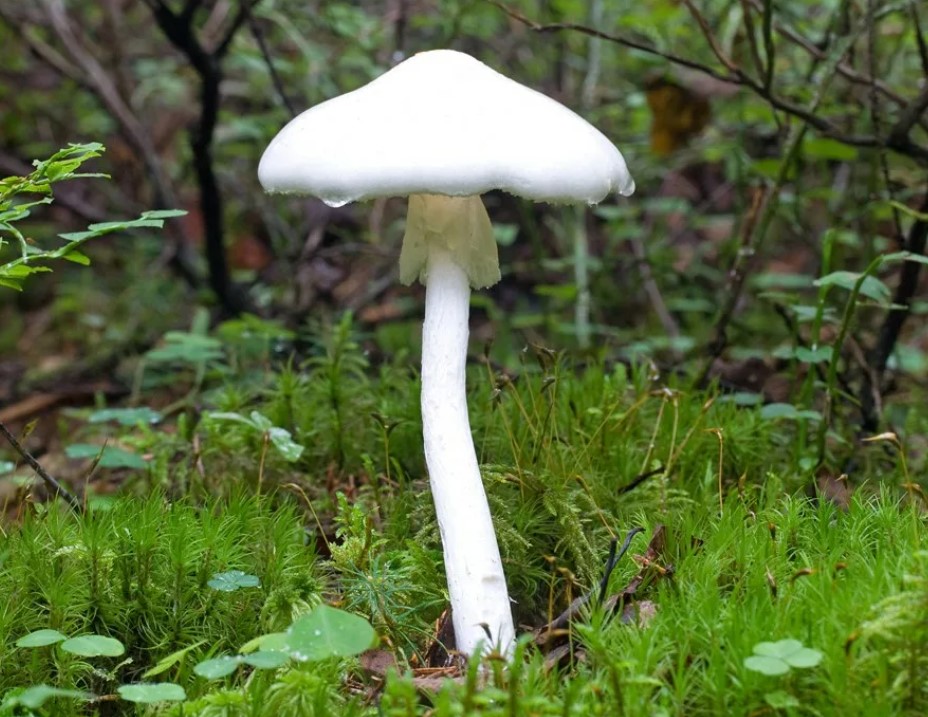
This mushroom is deadly poisonous. It grows in coniferous and deciduous forests. When young, the cap is ovoid, later becoming prostrate. The fly agaric is much smaller than the button mushroom and can be white or off-white. At the base of the stem is a volva, which is usually hidden in the soil. The surface of the stem is covered with flakes. The aroma of the flesh is strong, sometimes compared to the smell of chlorine.
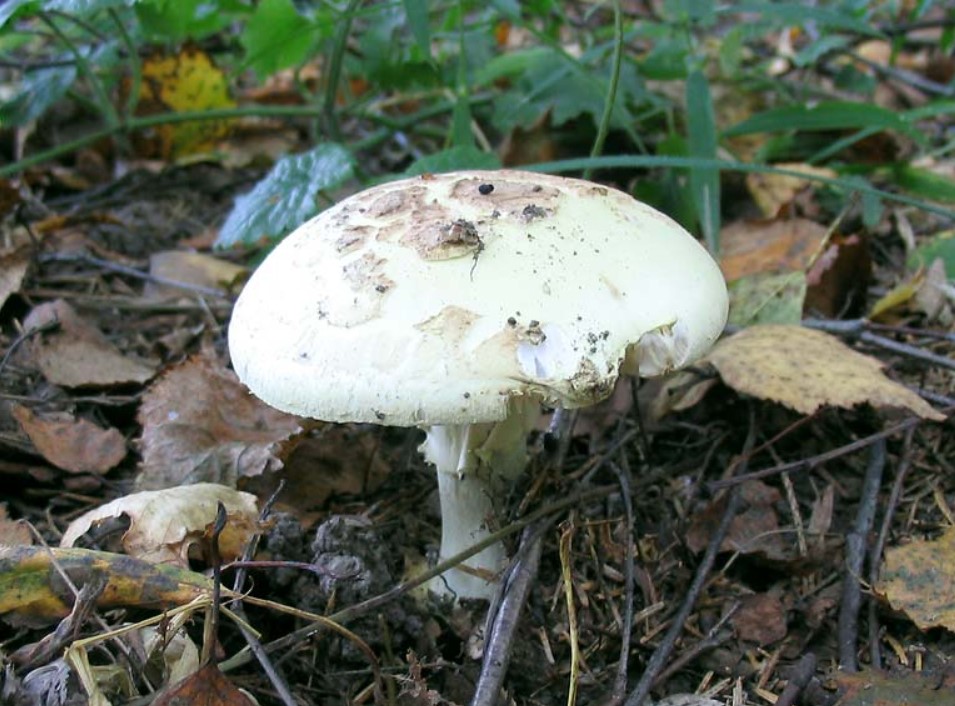
Spring fly agaric
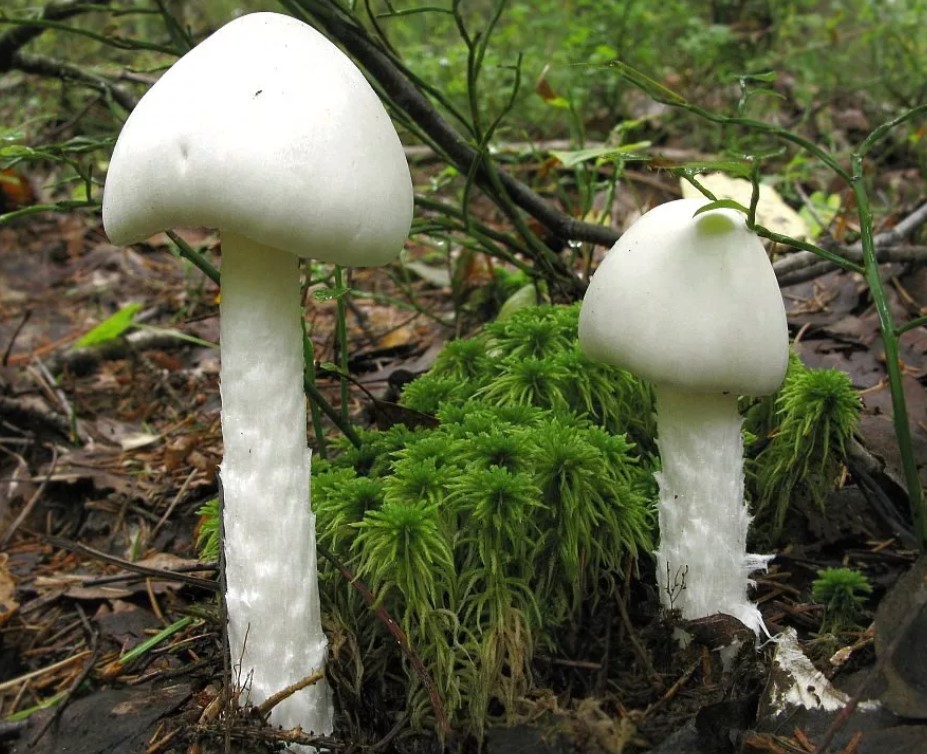
The cap is white with a creamy center. Initially hemispherical, it later becomes spreading with a convex center. The gills are white and closely spaced. The stem has remnants of a spathe. The fly agaric prefers deciduous forests.
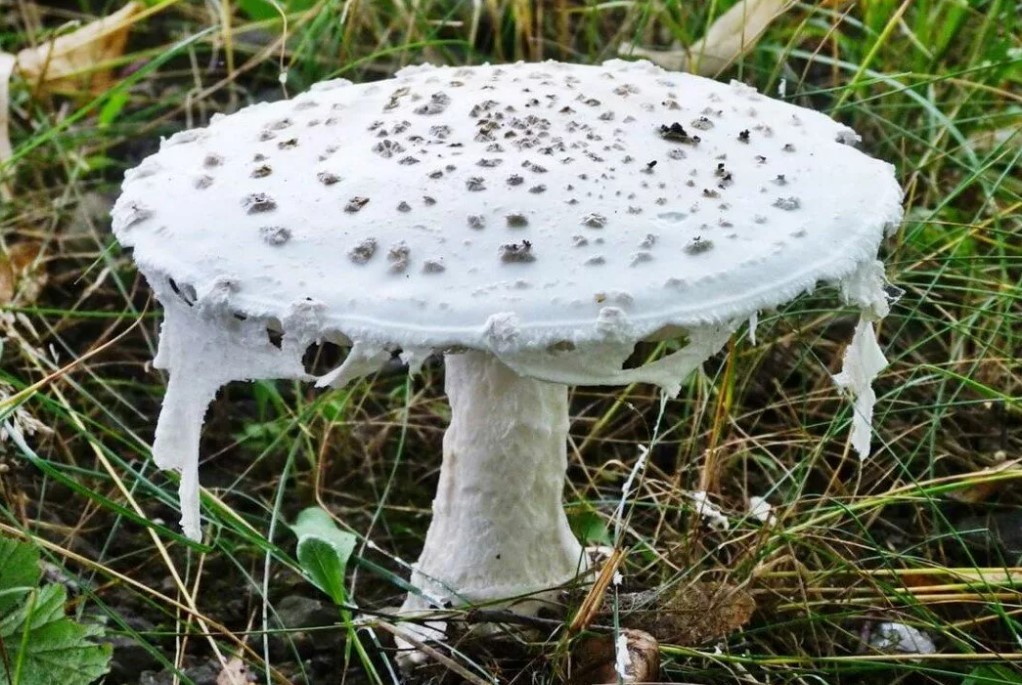
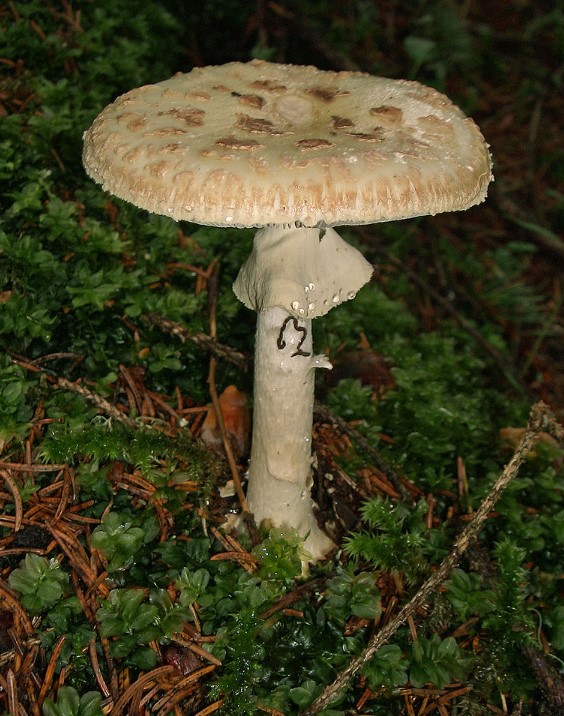
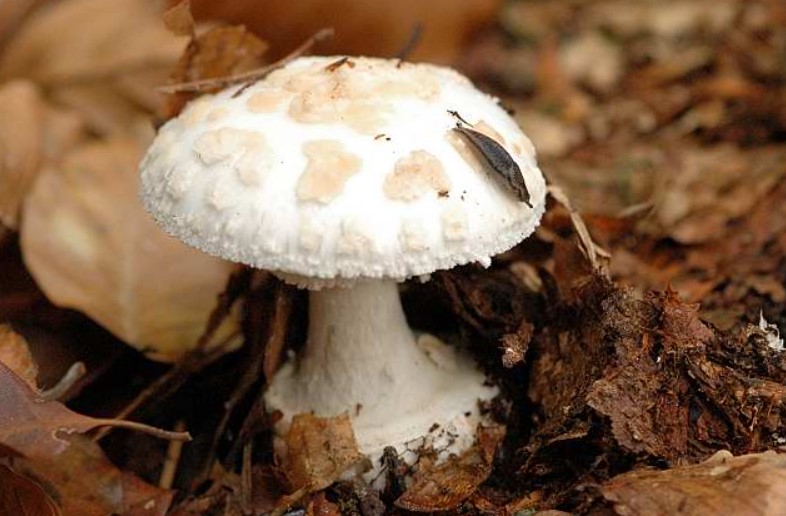
Amanita toadstool
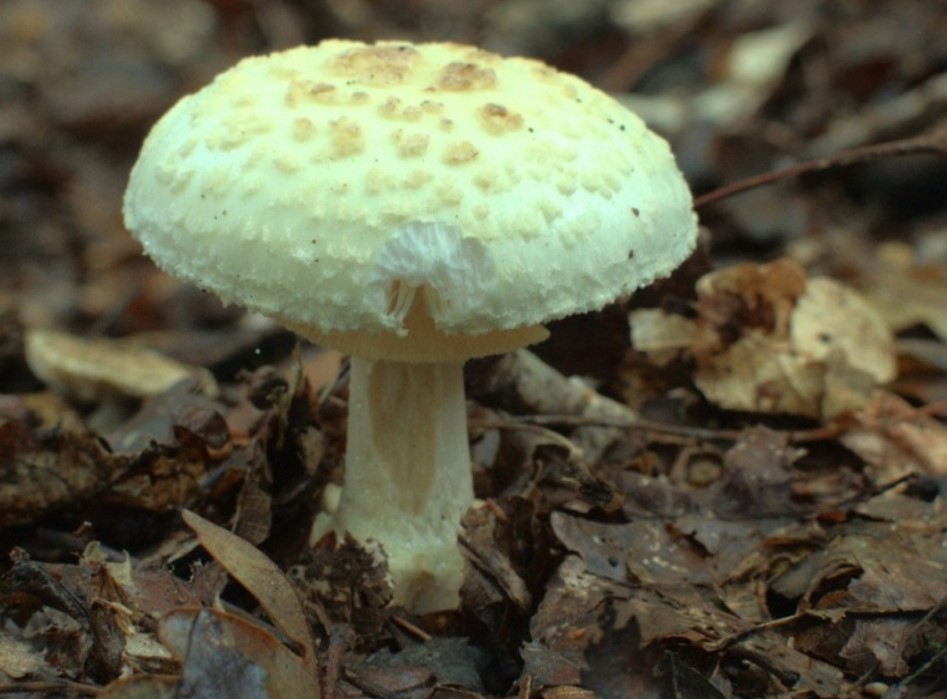
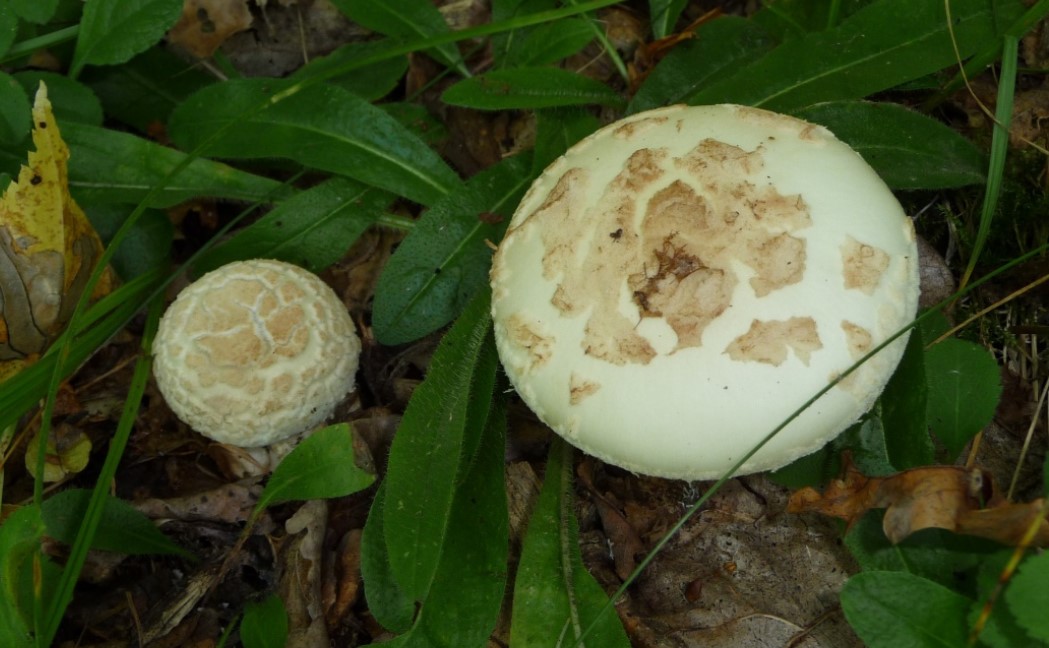
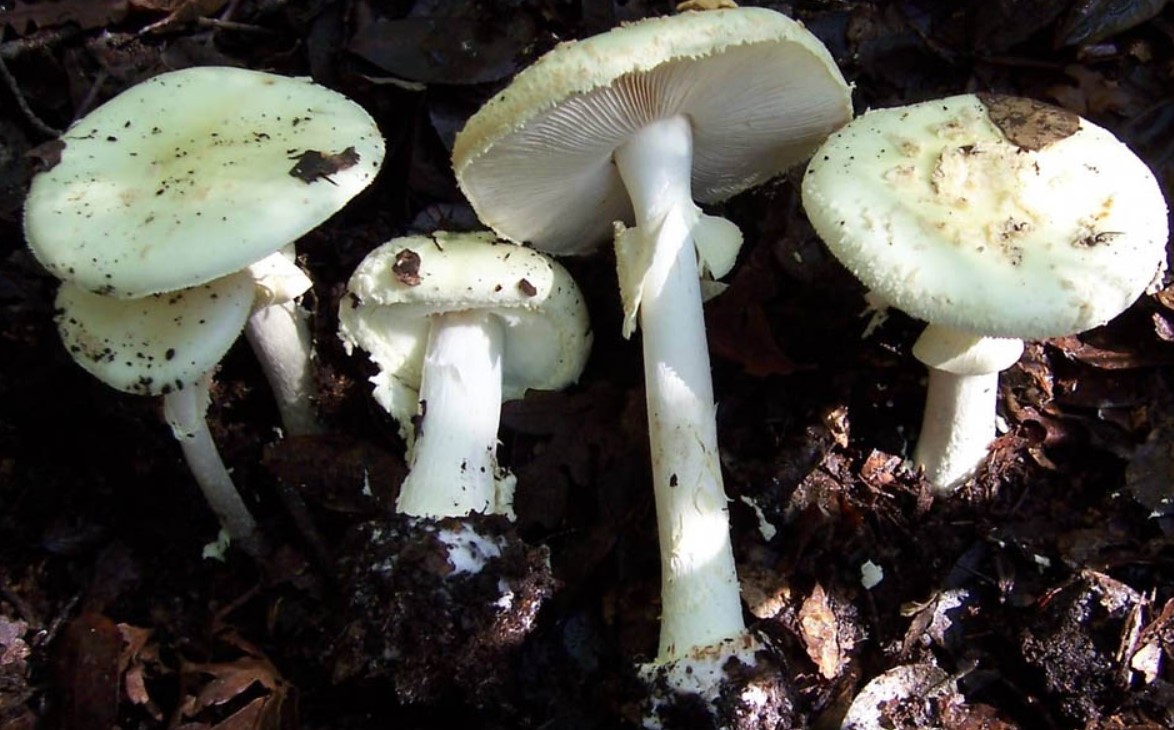
The cap of a mature mushroom is almost flat, with a slightly depressed center. The skin is grayish or off-white, with a greenish tint. The surface is smooth, eventually forming flakes. The stipe is up to 12 cm tall, hollow, whitish-yellow, and thickened at the base. The gills are white. The volva is adnate, with a wide, pendulous ring.
False Valuy
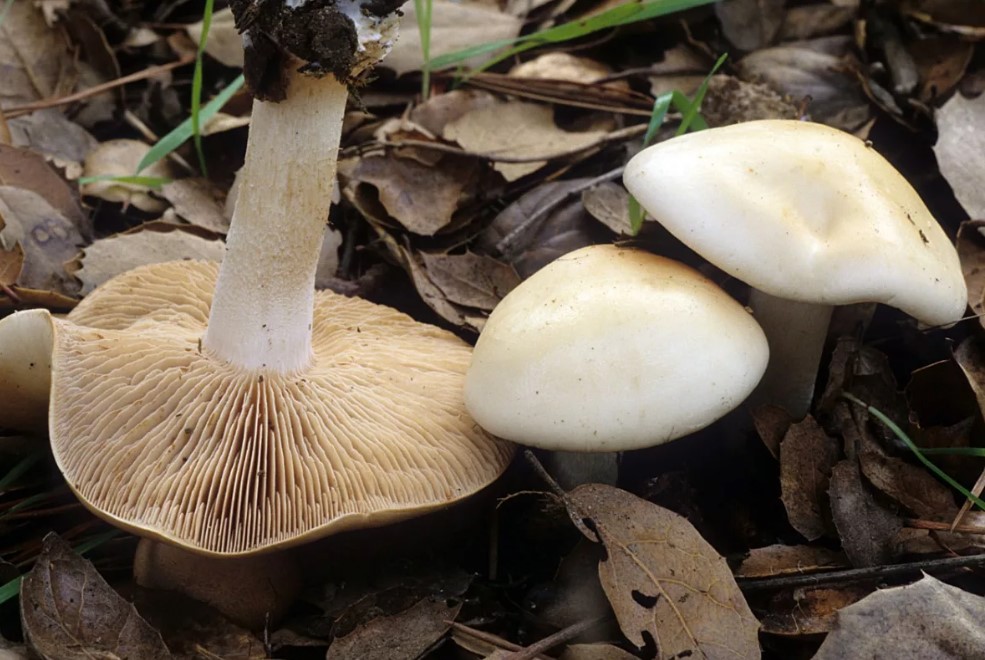
The cap is hemispherical and opens over time. It is light yellow in color, with a smooth, sticky surface. The base of the stem is thickened. The flesh is bitter in taste and smells like horseradish.
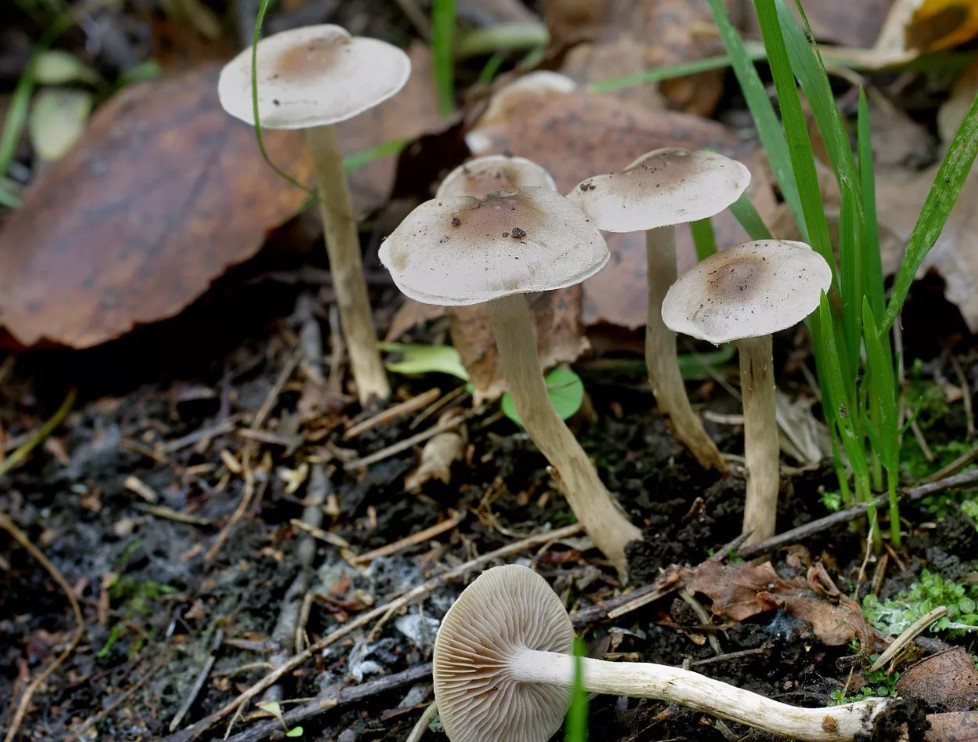
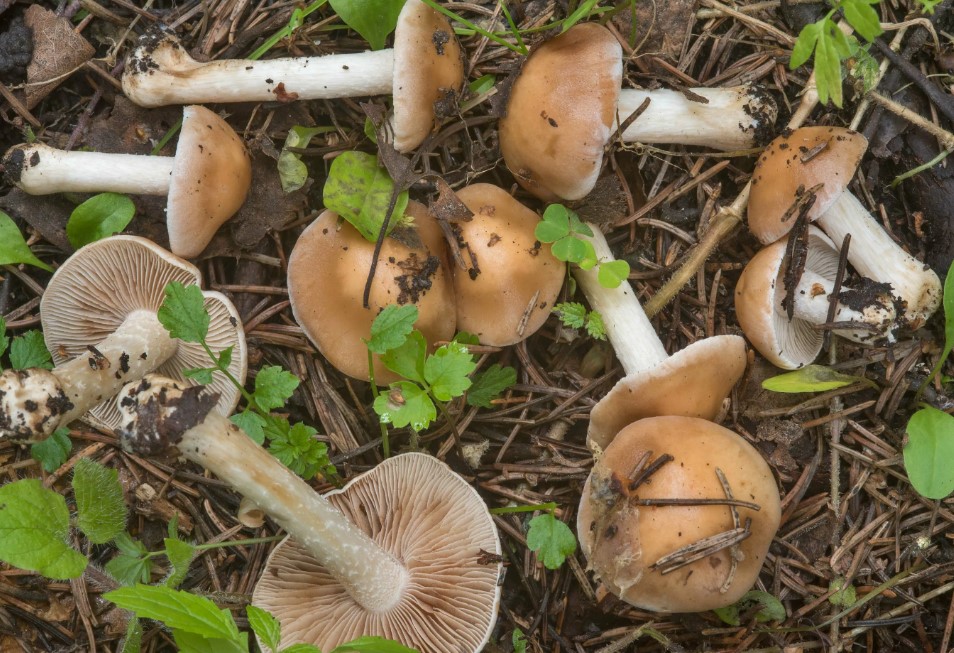
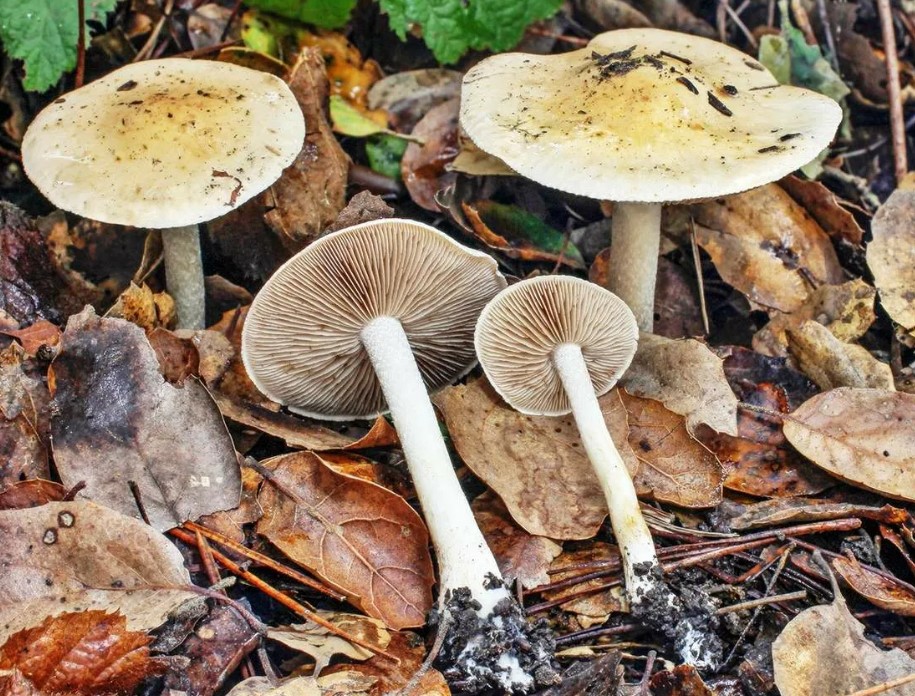
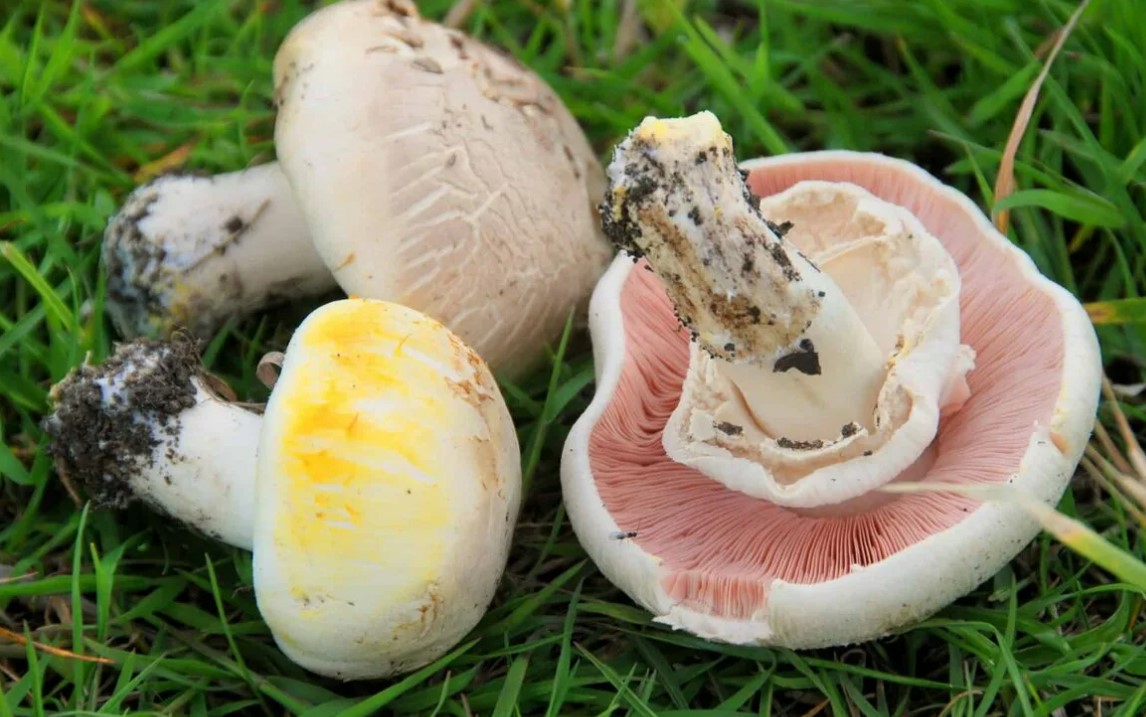
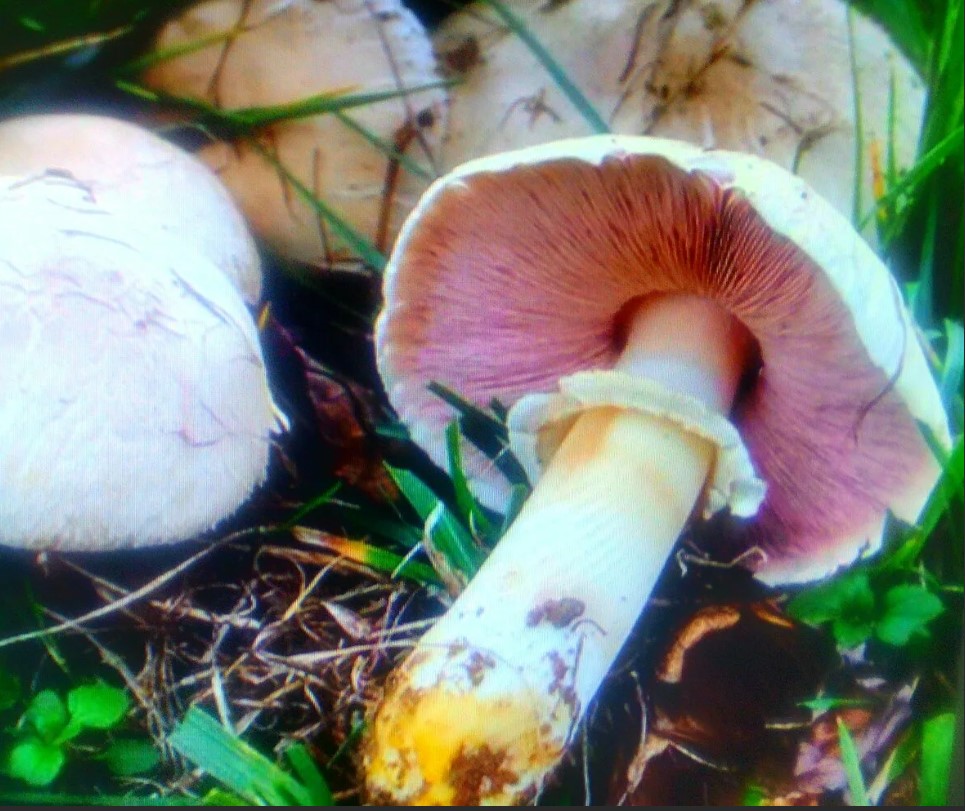
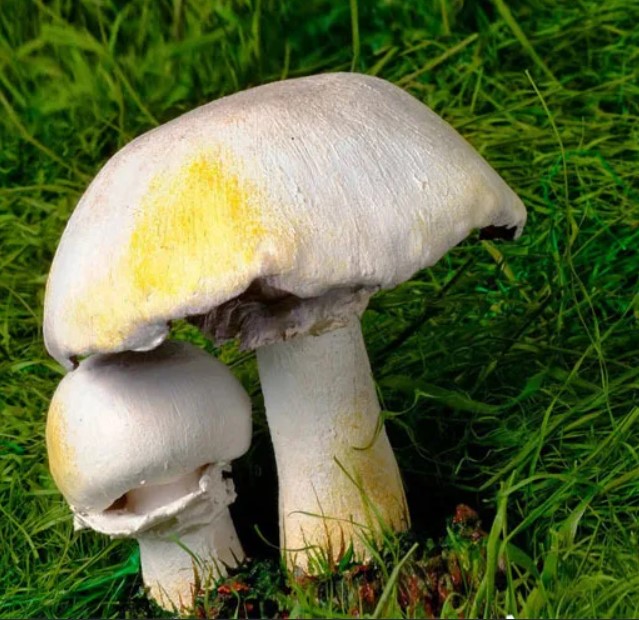
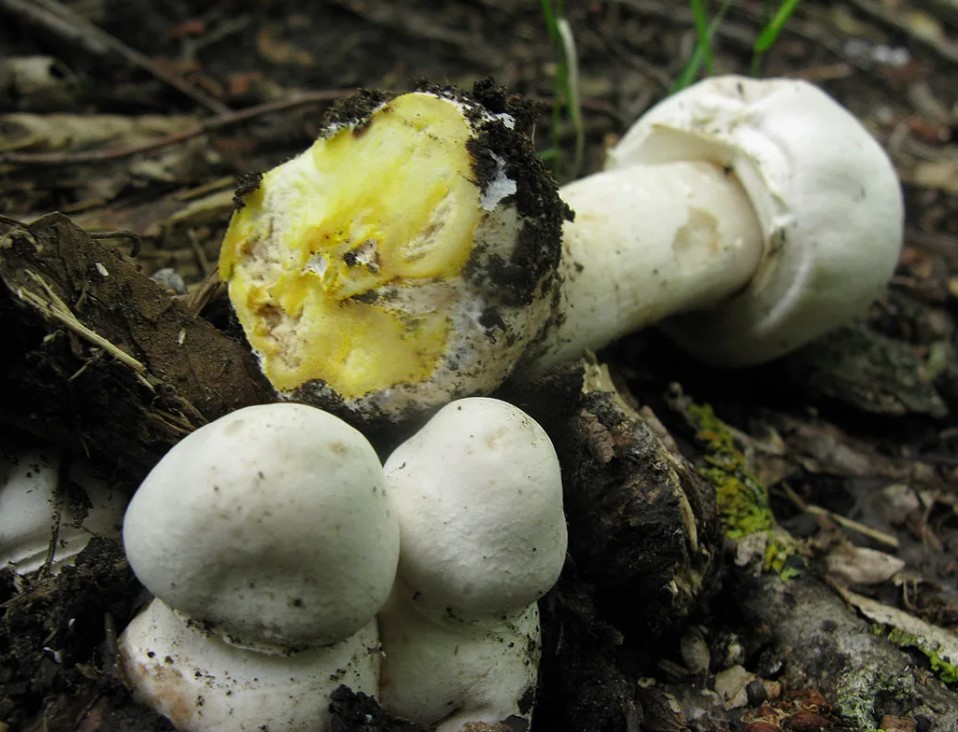
Yellow-skinned champignon
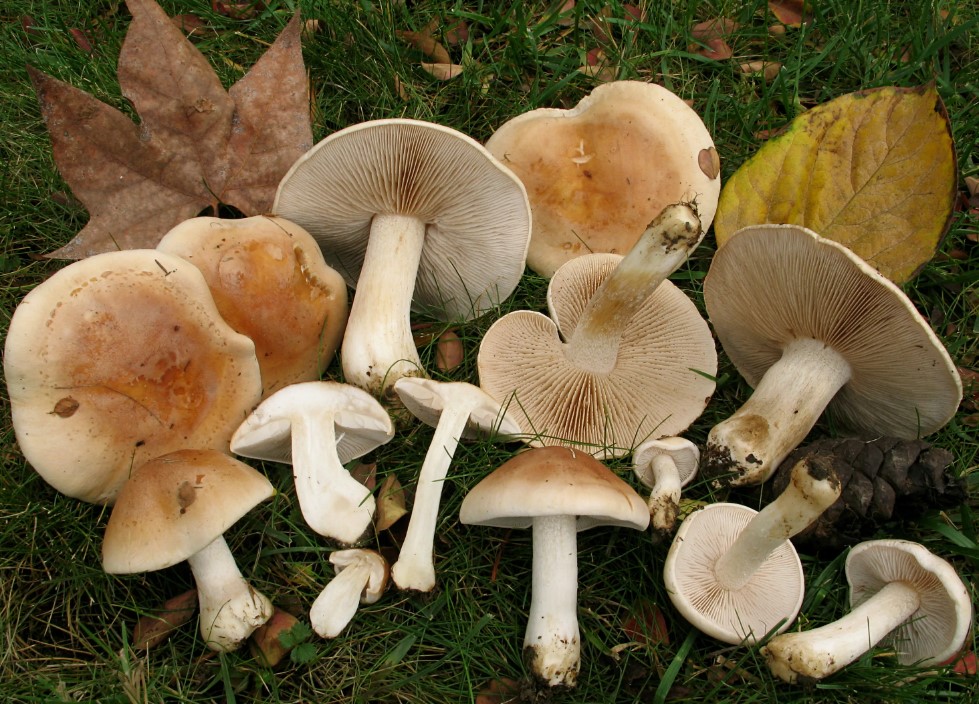
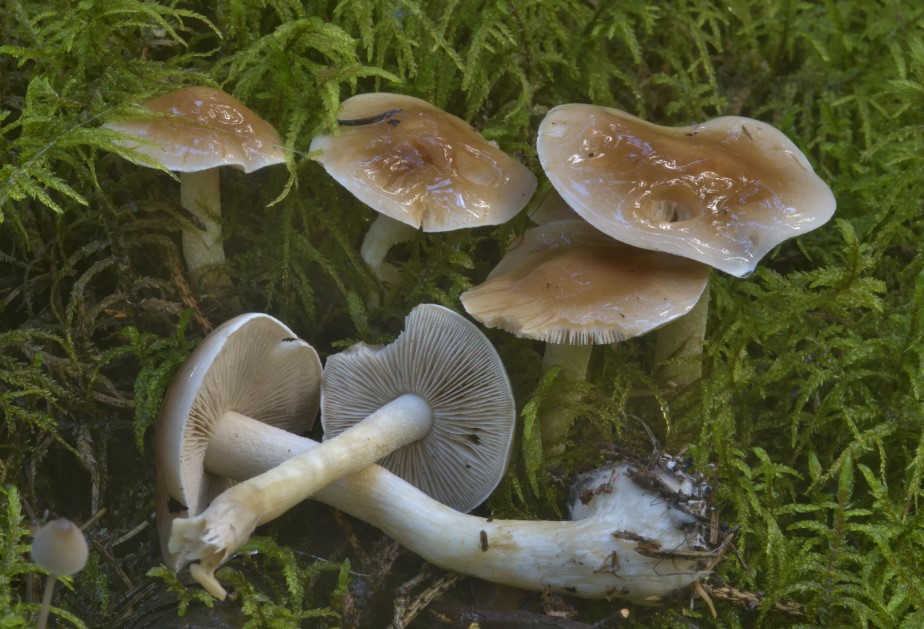
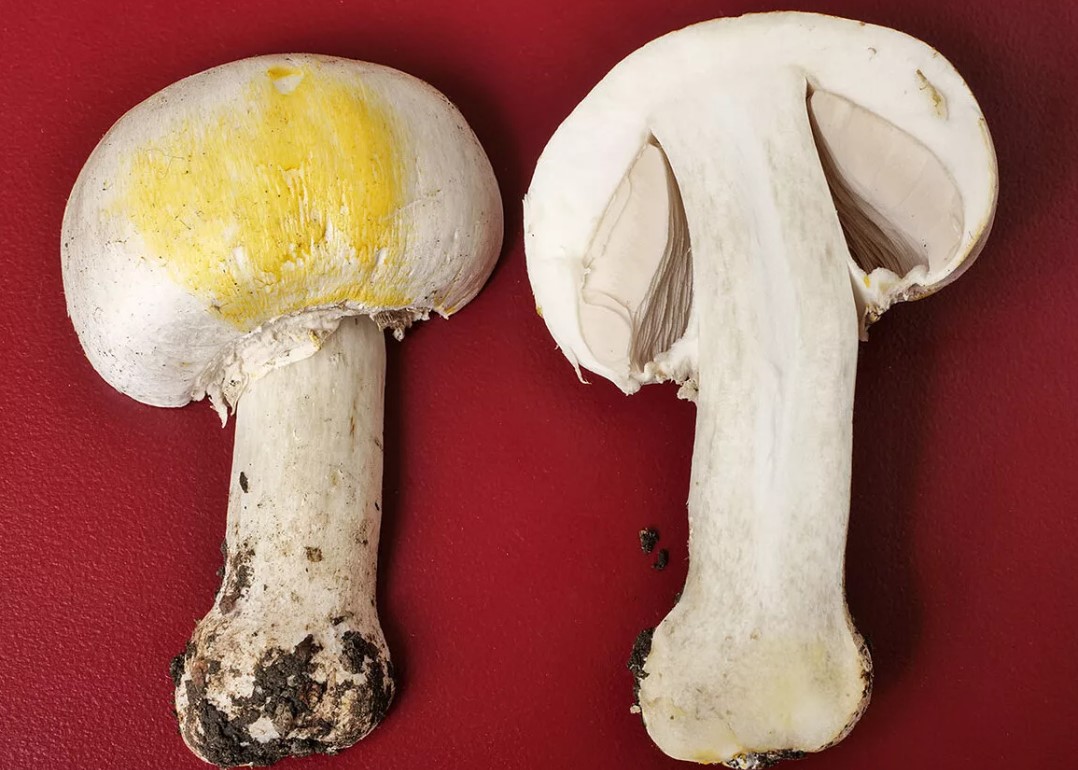
A small mushroom, most often found near white acacia trees. It's white, but the flesh turns yellow when broken. Its aroma is reminiscent of carbolic acid.
Actions in case of poisoning
Mushroom poisoning causes nausea, vomiting, fever, chills, and confusion. Medical attention is essential as soon as possible. Until medical attention arrives, it is recommended to rinse the stomach with copious amounts of warm, clean water. Pregnant women and children under 3 years of age are excluded from inducing vomiting.

Chemical composition and nutritional value of field champignon
Field mushrooms are low in calories, containing only 27 kcal per 100 g.
Nutritional value:
- Water – 91 g.
- Proteins – 4.3 g.
- Dietary fiber – 2.6 g.
- Fats – 1 g.
- Carbohydrates – 0.1 g.
Field champignon is rich in vitamins, which include:
- Vitamin A.
- Vitamin C.
- B vitamins.
- Vitamin E.
- Macroelements (phosphorus, calcium, potassium, sodium, chlorine, magnesium).
- Microelements (zinc, iodine, iron, fluorine, cobalt, chromium, rubidium, molybdenum).
- Fatty acids.
The benefits and harms of field champignon
Field mushrooms, when consumed in moderation, will bring many benefits to the body:
- Normalize metabolism.
- They will improve your vision.
- They will reduce appetite.
- Minimize the risk of developing cardiovascular diseases.
- Will improve performance.
- They will strengthen the nervous system.
Pregnant women, children under 3 years of age, and people with chronic liver, kidney, and gastrointestinal diseases should not consume mushrooms.
In addition, mushrooms should only be collected in ecologically clean areas, otherwise they accumulate toxic substances that are hazardous to health.
Culinary uses of field champignon
Field mushrooms have found wide culinary uses. They can be used in a variety of ways, and if desired, they can be kept fresh for longer by drying, freezing, and canning.
Ah, you know that champignons are eaten raw.
Preparation for cooking
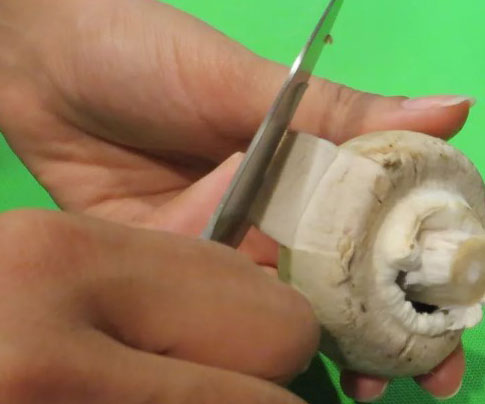
Preparing field mushrooms for cooking doesn't require much effort. Simply clean the mushrooms of any dirt, rinse them under running water, and peel the skin off the cap if the mushroom is ripe enough.
How to cook field mushrooms
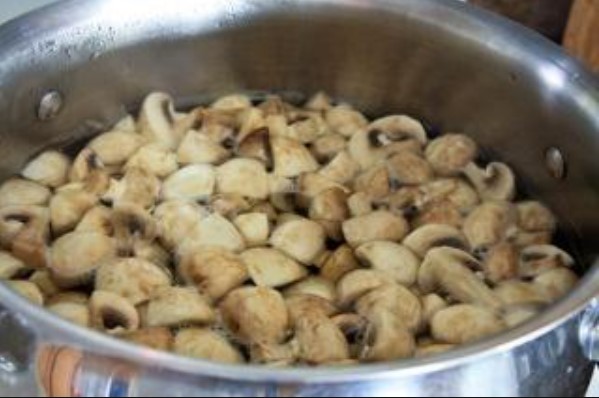
Mushrooms don't always need to be boiled; this is usually done for salads. The mushrooms are cut into pieces and boiled in salted water for about 10 minutes, then drained in a colander to prevent absorption of excess liquid.
How to fry field mushrooms
To fry, clean and rinse the field mushrooms, cut them into bite-size pieces, and place them in a preheated pan. You can add spices or soy sauce if desired. Cook the mushrooms until the liquid evaporates.
How to pickle field mushrooms
To pickle mushrooms you will need the following ingredients:
- 1 kg of champignons;
- 100 g dill;
- 10 cloves of garlic;
- 5 tbsp. salt;
- 1 teaspoon of sugar.
Cooking steps:
- Boil the mushrooms, place them in a saucepan and cover with water to a height of 1 cm.
- Chop the garlic.
- Place spices, garlic, and dill into a saucepan.
- Cover the pan with a plate of smaller diameter and place a weight on top.
- Place in the refrigerator for a week.
- After the allotted time, place the mushrooms in jars and pour in the resulting brine.
If the mushrooms are too salty, you can rinse them before serving.
Pickling
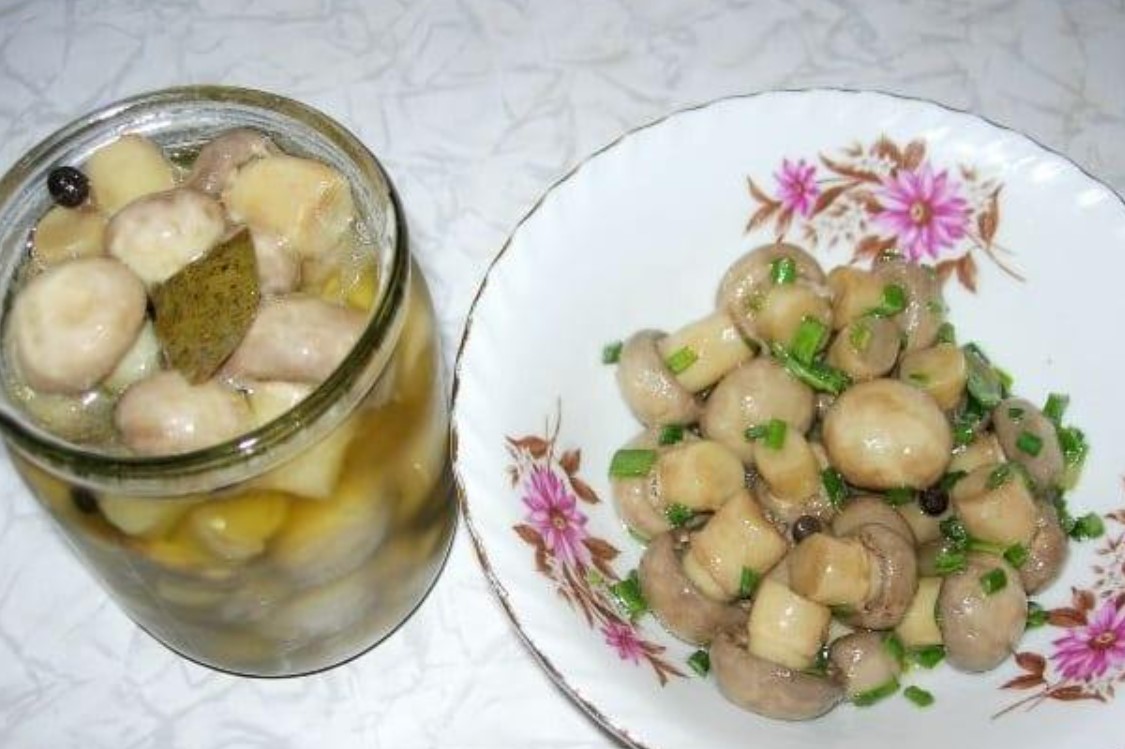
Pickling allows you to preserve mushrooms for a long time, so you can enjoy the harvest even in winter.
Ingredients for 1 kg of mushrooms:
- Water – 250 ml;
- Vinegar 9% - 5 tbsp;
- Salt – 2 tbsp;
- Granulated sugar – 2 tbsp;
- Black peppercorns – 20 pcs.;
- Garlic cloves – 7 pcs.;
- Vegetable oil – 2 tbsp;
- Bay leaf – 2 leaves.
Method of preparation:
- Pour water into a saucepan. Add all ingredients except vinegar and simmer for 5 minutes.
- Pour in vinegar and cook for another 2 minutes.
- Remove from heat and cool.
- Place the mushrooms in sterilized jars, pour in the marinade and roll up.
Canning
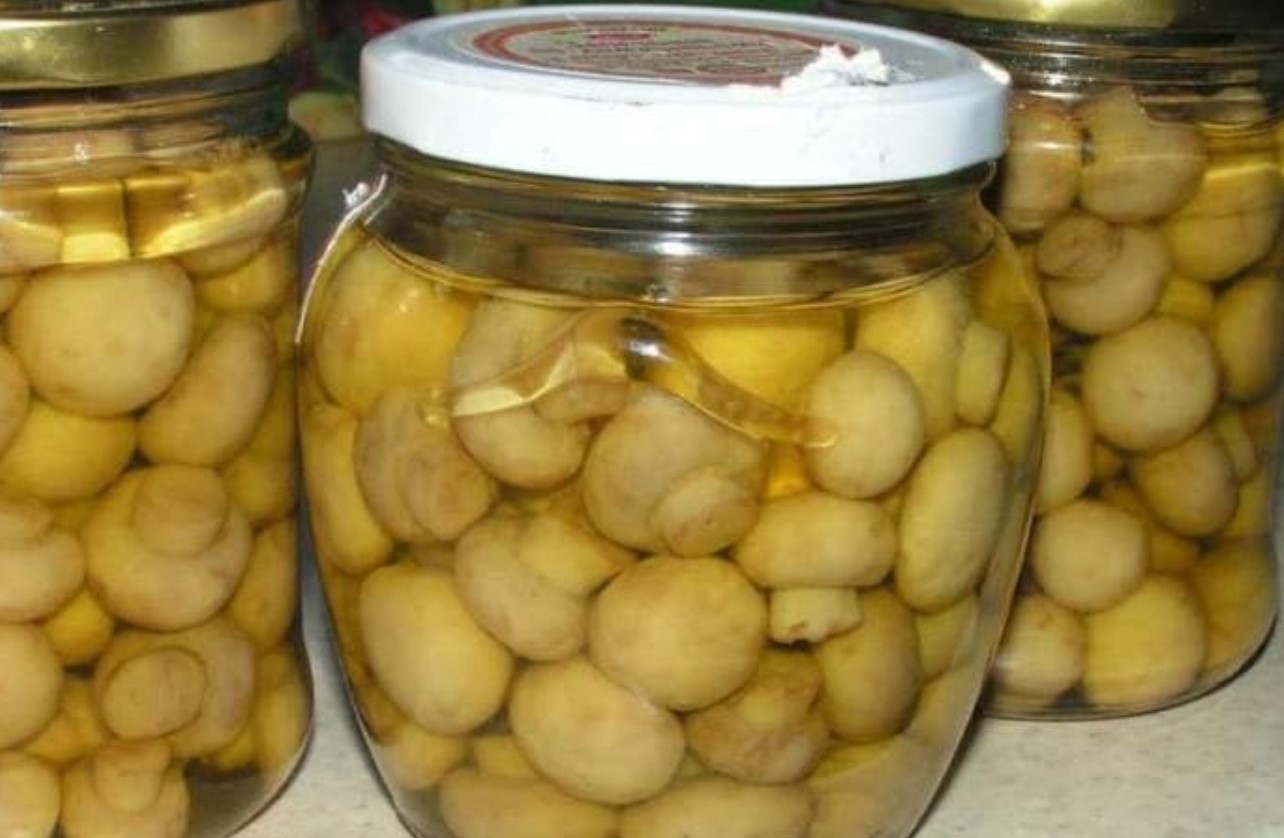
Young mushrooms are best for canning. Firstly, they have a more delicate texture. Secondly, they look very appetizing and attractive in the jar.
Ingredients:
- Field mushrooms – 2 kg;
- Water – 500 ml;
- Salt – 1 tbsp;
- Sugar – 1.5 tbsp;
- Citric acid - on the tip of a knife;
- Allspice peas – 7 pcs.;
- White peppercorns – 8 pcs.;
- Carnations – 8 pcs.;
- Thyme and rosemary – to taste.
Cooking steps:
- Put the champignons to boil, add citric acid and salt.
- Remove with a slotted spoon, cool and transfer to sterilized jars.
- Add all the spices to the water and simmer the marinade for 10 minutes.
- Pour the marinade over the mushrooms and roll up the jars.
- Cover the finished product with a warm cloth and put it away for storage after it has cooled.
Pickling
The advantage of pickling mushrooms is that the recipe does not use vinegar.
Ingredients:
- 1 kg boiled champignons;
- 30 g sugar;
- 80 g of salt.
Method of preparation:
- Place the mushrooms in a separate container and cover them with salt and sugar.
- Place a weight on top and leave for 24 hours.
- If there is not enough juice released, then pour water over the mushrooms.
- Place the container in a warm place with a temperature of 20 degrees.
- After 7 days, transfer the mushrooms into jars and store in the refrigerator.
The best taste of pickled mushrooms is revealed after a month.
Freezing
Field mushrooms can be frozen either fresh or cooked. The latter method helps save freezer space. The mushrooms are cut, cleaned, placed in bags or containers, and placed in the freezer. Some home cooks recommend sprinkling the mushrooms with lemon juice to keep them crispy white.
Drying
The mushrooms are cleaned of forest debris; rinsing is not recommended. Next, they are sliced and strung on a thick thread. These mushroom necklaces can be hung in a warm attic or outside in good weather, covered with gauze to protect from insects. Under suitable conditions, the mushrooms usually dry out within three days. It's best to store the product in cloth bags in a cool, dry place.
Interested drying champignons Read on our website Top.tomathouse.com.
Growing field mushrooms at home, in the country
Champignons are very often grown at home, in greenhouses and in summer cottages.
The key is to prepare high-quality compost. To do this, you'll need:
- Steamed straw – 6 kg;
- Manure (preferably horse) – 4 kg.
Place manure on a layer of straw, water the bed with warm water, and leave it to prepare. Every three days, mix the compost with a pitchfork, watering it periodically. Once the ammonia smell disappears, you can begin planting the mycelium.
It is best to purchase mycelium from a trusted supplier to ensure the quality of the planting material.
For home cultivation, you will need a small room with good ventilation and the ability to regulate temperature and humidity.
In your garden plot, you should choose a shaded area where there is no direct sunlight.
The compost is placed on the bed, and holes up to 7 cm deep and 20 cm apart are dug above it. The mycelium is placed in these holes and covered with disinfected soil. Watering is then carried out, and the bed is covered with a fabric cover if necessary.
After 3 months, with proper care, you will be able to collect the first harvest from the mycelium.
Experienced mushroom pickers' reviews of field champignons
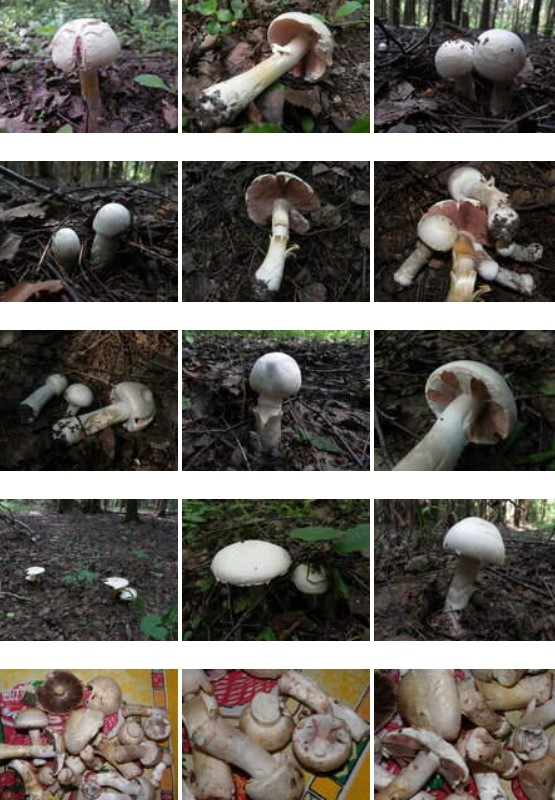
Friends, can you tell me, are these champignons? What variety is it? They grew in fir trees, the scent is faint, but pleasant.
After sniffing the mushrooms and the jar of anise for a long time, yes, the anise scent is noticeable, more like a mixture of mushroom and anise. I read about the field button mushroom... "The cap is 5 to 15 cm in diameter, white, silky-shiny." The size is appropriate, but the cap surface is covered in distinct matte scales. "The stem is thick, strong, white, with a two-layered drooping ring." There were no rings at all on the older mushrooms, while the middle-aged ones had only a few ring fragments. "The flesh is white, turning yellow when cut, with an anise scent." The flesh didn't change color at all... The similarities are partial.
If it smells like anise, it's a field or common button mushroom. At least, that's the only kind I've ever found in my Christmas trees.
For me, it's a woodland champignon.
I pick these in my spruce grove in early June. They're delicious!
Just watch carefully so that they don’t turn yellow; if they do, it’s a different, poisonous species.
All this is true, the champignon mushroom is certainly wonderful, but I'm personally a bit wary of picking it because I might confuse it with poisonous champignons. At least, I'm not trained to spot them. Here's a link for comparison... they're very similar; you can see that the field, common, and yellowing champignons are very similar. I can't see any difference, and there's a risk of picking a toxic one. Also, it seems to me that this is a field champignon (pictured in Vovan's post), while the common champignon looks slightly different... I might be wrong, but when comparing photos online, in various sources, and in reference books, that's the case.
The difference between a field and a common champignon is the length of its stem. The field champignon has a yellowish tint, but to a lesser extent than the wild champignon! The wild champignon is darker with a more scaly cap! And the poisonous yellowing champignon has an unpleasant odor and turns yellow when pressed and at the base of the stem when broken! Go for it, the difference between an edible champignon is its very pleasant smell, and different types grow at different times. For example, the wild champignon grows primarily in spruce forests and only in August-September... and so on.