Champignons are a very popular mushroom, readily available year-round. But are they as safe as they seem? Find out in the article below.
Content
- 1 Can you get poisoned by mushrooms?
- 2 When can you get poisoned by wild mushrooms?
- 3 When can you get poisoned by store-bought champignons?
- 4 Can you get poisoned by salted champignons?
- 5 Symptoms of mushroom poisoning
- 6 The danger of mushroom poisoning in pregnant women
- 7 The danger of mushroom poisoning in children
- 8 First aid for mushroom poisoning
- 9 What complications can occur after mushroom poisoning?
- 10 Treatment after mushroom poisoning
- 11 Can you get poisoned by mushrooms? User opinions
Can you get poisoned by mushrooms?
Although champignons are considered among the most harmless mushrooms, cases of poisoning from them are quite common. This is often due to choosing a low-quality product or a mistake by mushroom pickers. Problems are especially common with wild mushrooms, as they may contain toxic substances or be completely inedible lookalikes. However, cases of poisoning from store-bought mushrooms also occur. To avoid this, read this article carefully.
When can you get poisoned by wild mushrooms?
Forest champignons, unlike store-bought ones, most often lead to poisoning.
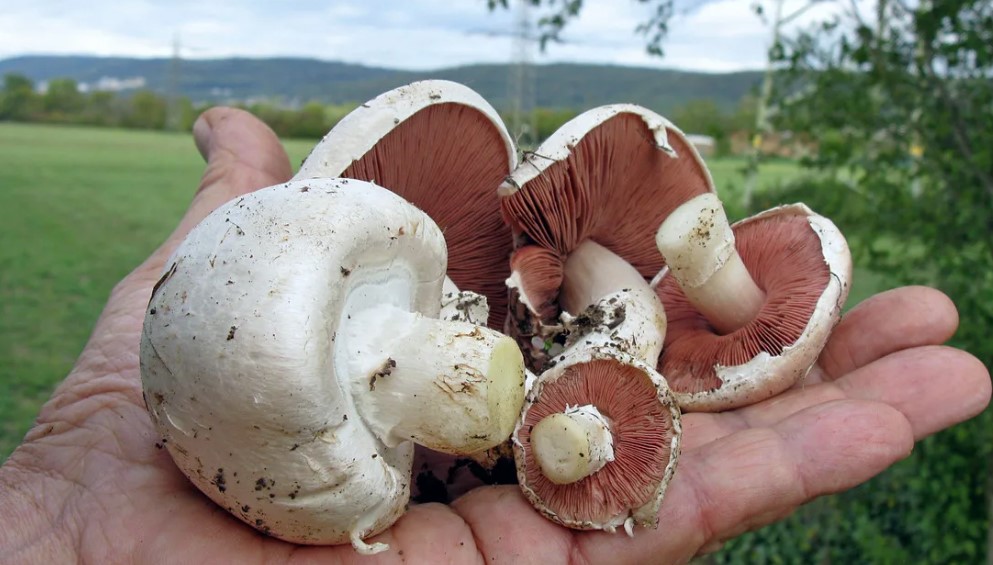
This happens for several reasons:
- The mushrooms were collected in ecologically polluted areas, and the flesh, like a sponge, absorbed all the toxins.
- Beginner mushroom pickers may mistake young toadstools for champignons, the consumption of which can cause fatal poisoning.
- Old mushrooms accumulate harmful substances and become unfit for consumption, so they easily cause indigestion.
ABOUT field champignons Read on our website Top.tomathouse.com.
It is strictly recommended not to pick mushrooms near industrial facilities or roads. They may contain chemicals, acids, and radionuclides, which are hazardous to health.
To identify an edible champignon, press on the freshly cut portion. If the color changes and yellow spots appear, the mushroom is not edible.
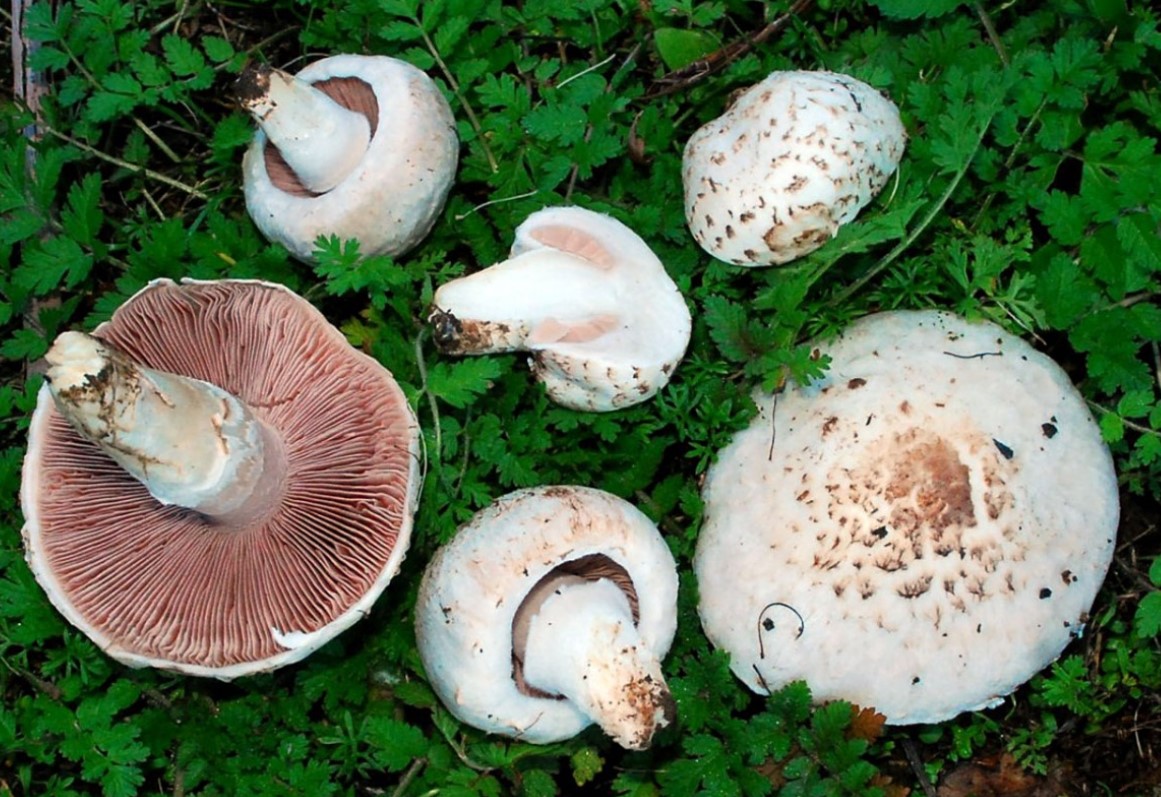
Very often, novice mushroom pickers pick false champignons instead of real ones. Real champignons can be recognized by the following characteristics:
- Pleasant aroma.
- Pinkish flesh when cut.
- Beige, white, grayish or dark brown cap.
- Dark scales.
- The plates are white, becoming pinkish or creamy over time and then darkening.
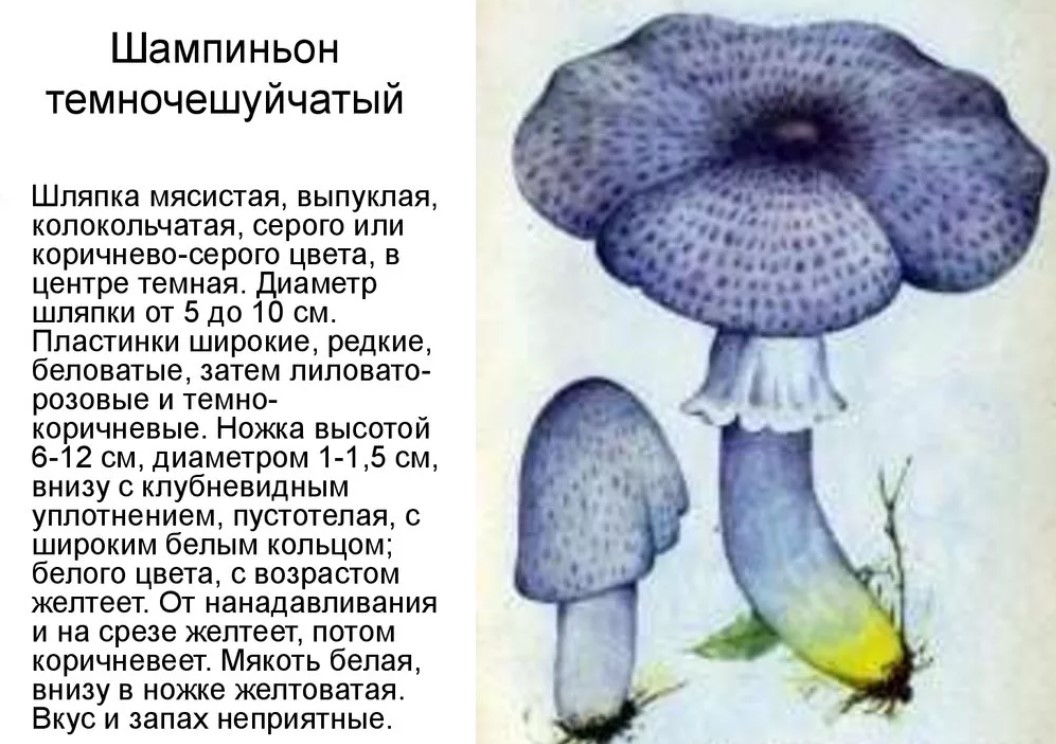
False mushrooms have the following characteristics:
- The aroma is unpleasant, more like the smell of household chemicals.
- When cut, the flesh becomes yellowish.
- There are no scales on the surface of the cap.
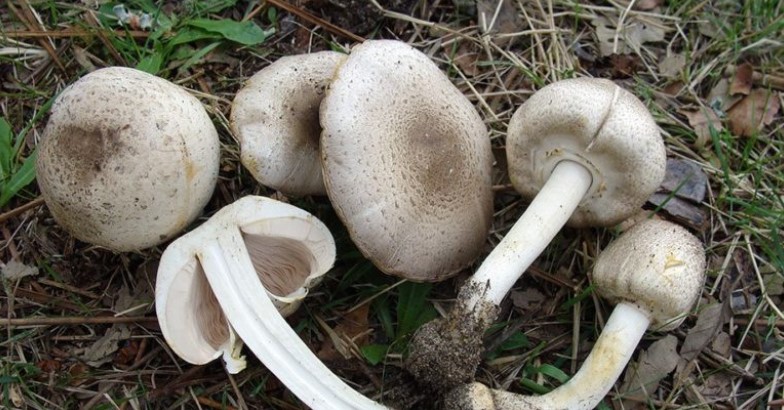
Therefore, it is very important to approach the collection of wild mushrooms responsibly to avoid health problems.
When can you get poisoned by store-bought champignons?
When mushrooms are grown in artificial conditions without the addition of chemicals and in full compliance with the technology, they can be eaten raw. However, only fresh mushrooms without visible damage should be selected.
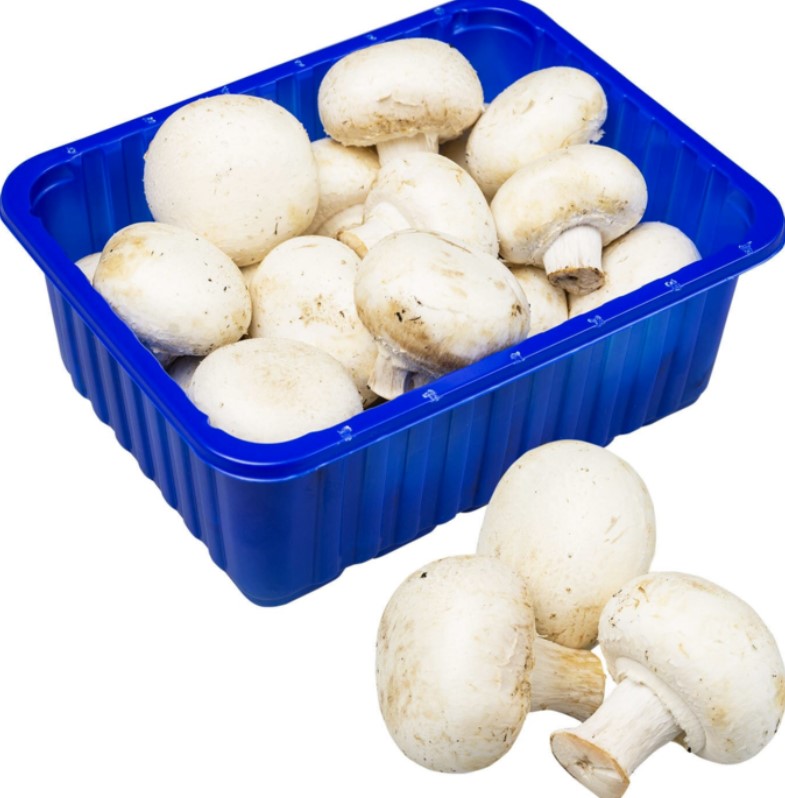
The older the mushroom, the more harmful substances it accumulates; such specimens must be heat treated.
If you see mushrooms with brown caps on the counter, it doesn't mean they're spoiled. These are representatives of one of the best varieties of mushrooms— royal.
How to grow champignons at home, in the greenhouse at the dacha, instructions for beginners.
Can you get poisoned by expired mushrooms from the store?
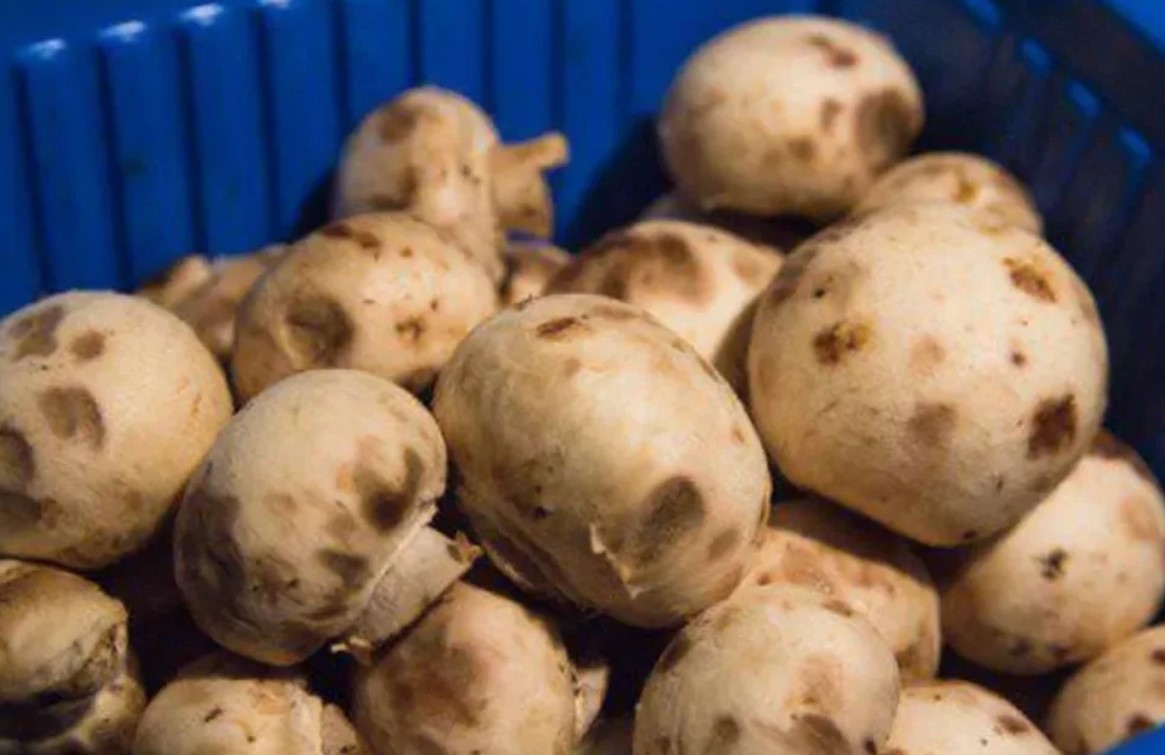
It's not uncommon to see mushrooms on store shelves that have been marked down due to expiration dates. They may claim that these mushrooms are completely harmless and safe to eat. However, it's important to understand that older mushrooms can accumulate toxins. Furthermore, over time, store-bought mushrooms develop harmful compounds that can lead to poisoning. Therefore, it's best not to eat expired mushrooms, even after proper cooking.
Can you get poisoned by eating mushrooms from the refrigerator?
Mushrooms can be stored in the refrigerator for some time without losing quality. They may darken slightly, but they remain tasty and edible.
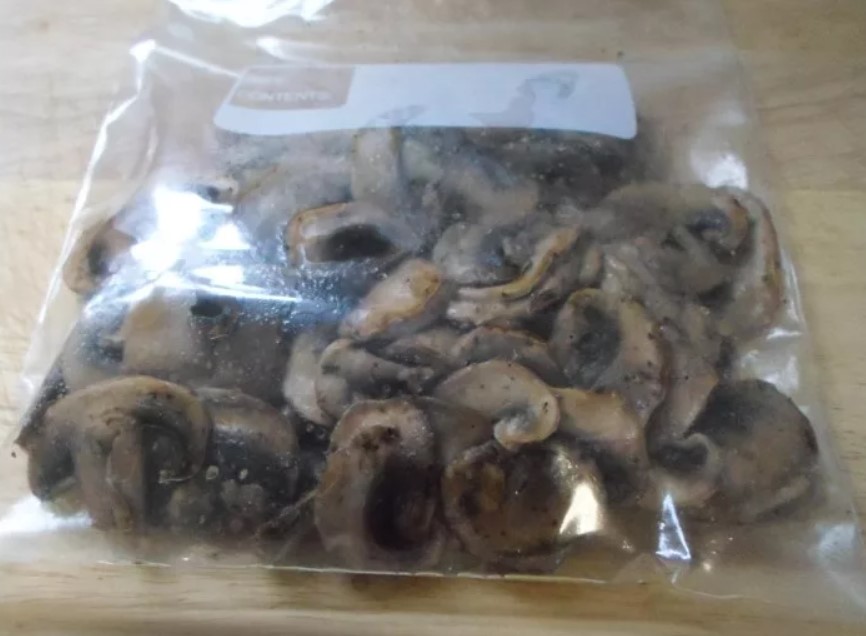
But there comes a point when mushrooms, even in the refrigerator, begin to spoil. This can be determined by the following signs:
- A slimy coating appears on the surface of the mushrooms.
- A smell of dampness and rot appeared.
- The mushroom became covered with black spots.
- The plates on the back of the cap have become black and soft.
It is not recommended to eat mushrooms if you notice any of the above symptoms, as they can lead to poisoning and stomach upset.
Can you get poisoned by salted champignons?
Salted champignons are used to prepare salads or served as one of the components of a complex side dish.
Homemade
Homemade mushroom preserves help preserve the quality and flavor of the product for a long time.
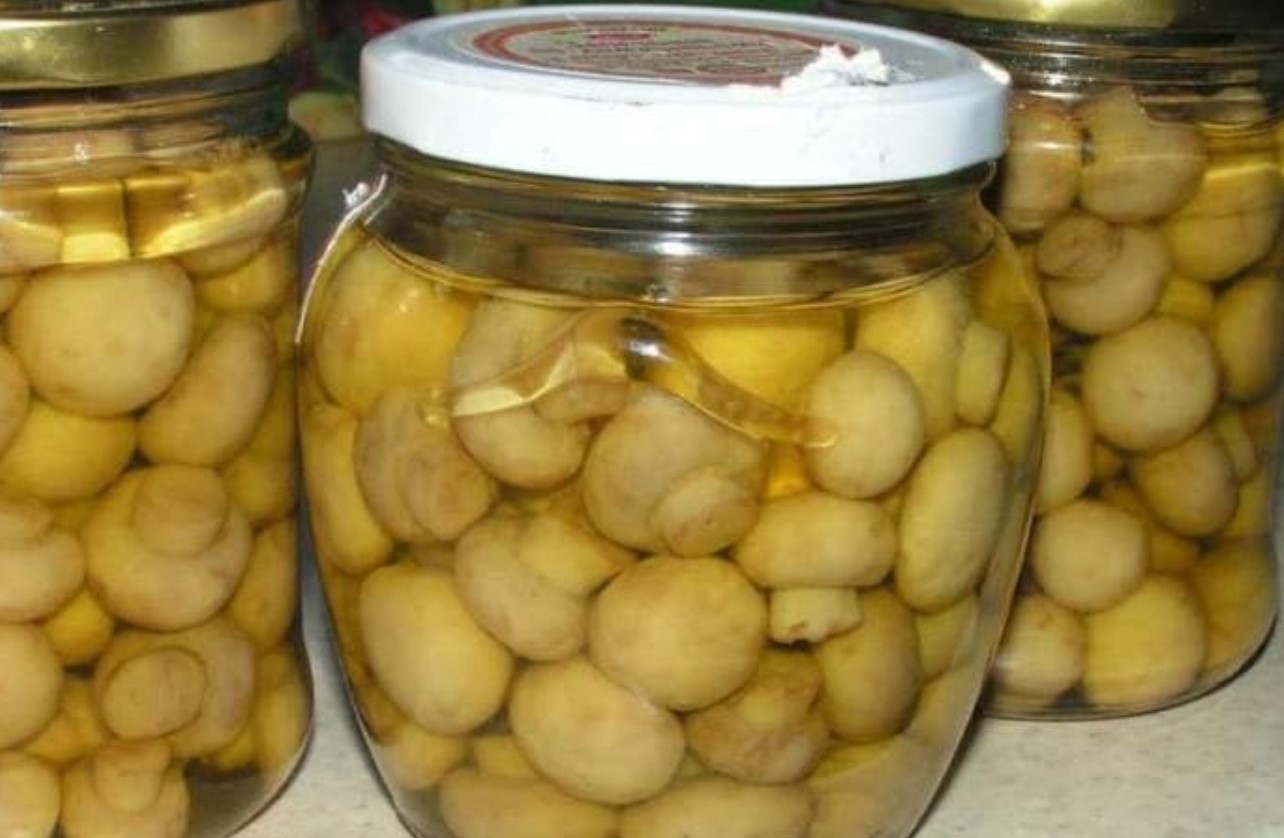
But in some cases, intoxication of the body may occur:
- A small amount of acid was used during canning.
- The storage conditions for the blanks were violated.
- Jars and lids are poorly sterilized.
- A technological error was made at the stage of product preparation.
Improper canning and errors during preparation can lead to the development of spore-forming bacteria, which actively produce toxins and lead to severe poisoning. Botulism is the most dangerous form, causing the death of one in four people, according to statistics.
From cans
Poisoning from canned mushrooms can be very serious. The severity of symptoms will depend on the type of bacteria and the amount consumed. When choosing mushrooms, carefully check the expiration date. It's better to choose a reliable and trusted manufacturer rather than be tempted by low prices. Failure to follow proper manufacturing procedures leads to the formation of deadly bacteria, which quickly colonize the body and can be fatal.
Ah, you know that Champignons are very healthy when eaten raw., and also used in diets, especially for weight loss.
Symptoms of mushroom poisoning
The first signs of mushroom poisoning appear 5-6 hours after ingestion. The severity of symptoms depends on the amount consumed and the type of pathogenic bacteria.
Initially, headache and weakness occur, followed by abdominal pain and cramping. Vomiting and diarrhea may occur. At this stage, it is imperative to seek emergency care rather than self-medicate.
A person's body temperature rises and chills appear. Dizziness, convulsions, and confusion may occur.
If you don't start cleansing your body in a timely manner, the damage will spread to the kidneys and liver, causing yellowing of the skin, problems with urination, and eventually the body will no longer cope, with a high risk of death.
The danger of mushroom poisoning in pregnant women
Despite the fact that mushrooms are not recommended for pregnant women, many of them succumb to uncontrollable temptation and eat them.
If the product was of poor quality and poisoning occurred, this could have dire consequences for the baby: there is a high risk of fetal abnormalities or death.
Read more in a separate article about this. Can pregnant women eat champignons? on our portal Top.tomathouse.com.
The danger of mushroom poisoning in children
Champignons in any form are not recommended for children under 10 years of age.
Despite their rich composition, they are difficult to digest and often lead to intestinal obstruction in children, as well as gastritis and cholecystitis.
Intoxication in children is more severe and manifests much more quickly. Stomach pain, nausea, and diarrhea begin. Respiratory distress may develop. Therefore, at the slightest suspicion, it is necessary to call an ambulance immediately.
Also, our website discusses The issue of including champignons in the diet of breastfeeding women.
First aid for mushroom poisoning
At the first sign of mushroom poisoning, seek immediate medical attention. Treating the poisoning at home is not possible.
Before the ambulance arrives, you can carry out the following measures to cleanse the body:
- Drink 1 liter of water and induce vomiting to empty the stomach. Repeat if necessary.
- Cleanse the intestines with an enema using boiled water at room temperature. Repeat until completely cleansed.
- Take enterosorbents (Polysrb, Smecta, etc.) to remove toxins from the body.
- After cleansing the stomach, drink sweet tea or warm water in small sips.
What complications can occur after mushroom poisoning?
The consequences of mushroom poisoning can be quite serious:
- Dehydration. Diarrhea and vomiting lead to fluid depletion, which disrupts water and electrolyte balance. Tachycardia sets in, weakness develops, and blood pressure drops.
- Gastritis. Toxic substances cause inflammation of the gastric mucosa.
- Pancreatitis. Intoxication often affects not only the stomach but also the pancreas. Aching pain in the hypochondrium, chills, and a rise in body temperature occur.
Treatment after mushroom poisoning
Self-medication after mushroom poisoning is strictly prohibited. Recovery should be carried out in a hospital under the supervision of a physician. Patients are given antiemetics and antispasmodics (Metoclopramide, Cerucal, etc.), as well as medications to support cardiac and respiratory function. IVs help replenish fluid loss.
If the diagnosis of botulism is confirmed, a special serum is administered and resuscitation measures are carried out.
Can you get poisoned by mushrooms? User opinions
Yes, it's possible. Poisoning is unpleasant and severe. Depending on the situation, it can easily be fatal.
I personally got poisoned.
Champignons are mushrooms that (in artificial cultivation) grow, pardon the expression, on manure. But that's not a problem—you just need to wash them thoroughly with soap (a relative term, as mushrooms are difficult to wash thoroughly). But they can be eaten raw. It's even more foolish to pre-boil them, drain the liquid, and then cook them again.
More to the point, I bought a little less than a kilogram and made a fantastic gravy. My mother was on a liver cleanse, my father was away, and I couldn't eat that much. So, with the words "What could happen to them in a windowsill at the end of February?" I ate dinner and an hour later I was barely moving. The poisoning was quite interesting—I felt so ill that I knew I could die. But getting out of bed and going to kill the goat required a desperate effort of will. It was the sheer lack of willpower that struck me, even though I was fully conscious.
So, even after heat treatment, mushrooms shouldn't be stored for long. Even champignons. The exception is if they're carefully prepared.
Of course it is possible... if they are stored incorrectly.
I had some in the fridge for a few days. I only had a few left. I made an omelet and added them.
I won't even describe how bad I felt.
After that incident, I almost never buy raw mushrooms! And if I do, I cook them right away.
Now I only buy sterilized, cut-up ones in jars. I cook with them in everything.
Be careful… with mushrooms.
I love mushrooms—both fried and pickled. Sometimes I take a risk and buy them on the highway. As they say, God spared me from poisoning. Although fatal cases are common. Every autumn something happens.
But many have switched to champignons. They're now sold in many stores. You can make a variety of dishes with these mushrooms. They're both delicious and beautiful. I especially like pies layered with champignon slices.
I've even met people who ate raw mushrooms. I think they added some kind of acid to them.
But then something unpleasant happened to me. We bought some mushrooms by the pound at the central market. All I wanted was some fried potatoes with mushrooms.
Everyone ate the mushrooms, praising them; everyone really liked them. But I was the only one who felt sick. The mushrooms were right before my eyes. I won't describe the symptoms of poisoning; many people know them. I barely made it to work the next day, I was so ill. I had no doubt the mushrooms were to blame, because I hadn't eaten anything else. But what's interesting is that everyone insisted that it was impossible to get poisoned by these mushrooms.
It wasn't until a few days later that a chef friend confirmed my suspicions. He said he'd also experienced mushroom poisoning. It turns out you have to wash them very thoroughly and watch for spoiled mushrooms. And storing mushrooms can affect their quality.
Be that as it may, my body doesn't accept champignons. Although I do eat other mushrooms.
I'm telling you the truth. I love mushrooms, and champignons especially. I've never been poisoned by them, ever. It often happens, I cook, and I can't resist. I eat a couple of slices raw and nothing. These are the kind of mushrooms that won't poison you. Don't be afraid, eat them. And, take note, if you eat pizza with mushrooms (mainly champignons) at a cafe, pay attention to them. Unless they put canned ones on your pizza (which is not good), and fresh ones on top, you'll see that they are completely raw, slightly dried out during the baking of the pizza. So all this nonsense about them being poisonous. The only thing that could theoretically poison you from them is the remaining soil on the stems. So wash them. This has been proven by many years of experience eating them in various forms. (I'm talking about fresh ones, not frozen). And it's better not to buy frozen ones - it's very unprofitable. When you cook them, there's almost nothing left of the mushrooms (if you stew them with vegetables). They have a lot of water. It's better to buy fresh ones. They're the best and most delicious!