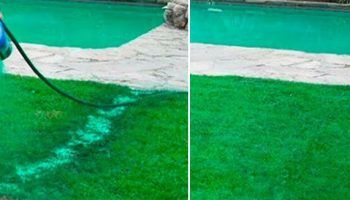
A lawn is a landscape design element that gives a garden a refined appearance. Previously, to achieve a lush carpet of greenery, the designated area was seeded with special grass mixtures. This method is not particularly efficient: it requires significant financial investment, effort, and time. Today, you can use rolled turf. This is the name given to grass carpets created in nurseries. The surface is grown over a period of 2-3 years. The finished rolls are transported on pallets. Laying the turf takes only a few hours. According to experts, this technologically advanced method is the most effective of all available.
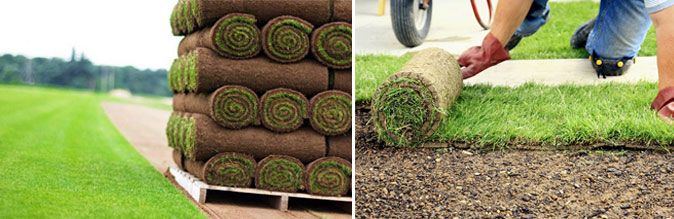
Description of rolled lawn
Rolled turf is a mature grass surface grown using a loose plant structure or a mesh of artificial fibers. The underlayment helps form the turf and maintain its integrity during transportation in rolls. Turf grass is grown in nurseries and on special fields.
After 2-3 years of growth, the turf layer with its structural backing is cut and rolled into rolls for easy transportation and sale. The grass is seeded using specialized equipment. This ensures that the seeds are closely spaced during planting. As a result, the grower obtains a dense stand of grass without visible defects. Plants are selected based on the site's characteristics, frost resistance, disease resistance, and resistance to high temperatures. Joints are clearly visible on the rolled covering after installation. The seed mixture is selected for each lawn type.
The established lawn is cut down after the root system has developed. After removal, the covering can be stored for 24 hours. The longer the time, the less likely the grass will be to establish itself in its new location.
A standard size roll has the following parameters:
- width – 0.4 m;
- area – 0.8 m²;
- thickness – from 15 to 20 mm;
- length – 2 m.
The format of the special and parterre lawn plates reaches 5x8 m. The thickness of the turf layer is up to 2 cm, and the green carpet is 6–7 cm.
The twisted strips are delivered to the point of sale in coils.
Advantages and disadvantages of rolled lawn
Rolled sod is a fast and efficient way to improve your landscape. Installation, including prep, takes just a few hours.
The turf substrate grows to the fertile layer in one season.
Rolled turf has both positive and negative aspects. The positive aspects include:
- ease of use;
- resistance to low temperatures;
- no problems with clearing the grass cover;
- attractive appearance;
- undemanding to growing conditions.
Lawn maintenance doesn't take much time. The only necessary agricultural measures are regular watering and fertilizing.
Turf grown on a synthetic substrate is valued for its rapid establishment. Defects are only possible when purchasing turf that has been stored in rolls for too long or when it is immature and one-year-old, as these are very vulnerable.
It's advisable to purchase two-year-old mats. They are resistant to trampling, moisture-sensitive, hardy in Russian frosts, and come in vibrant colors.
Manufacturers of rolled turf for mass consumers grow universal lawn grass varieties: bluegrass, various fescue species, and perennial ryegrass. Other grass and papilionaceous varieties are rare.
Green mats, thanks to their dense root system, crowd out weeds and prevent them from developing.
Lawns are easy to maintain. They only require ample watering during the rooting period. Repairs are quick and easy; simply replace the damaged section with a new one.
This type of surface can be used if the surrounding area is uneven. An additional benefit of mown grass is its ability to conceal terrain imperfections.
It can be laid on any slopes or rocky ground. It is used to create level areas, roofs, and spaces under stairs and balconies.
The covering does not require a thick soil layer. Rolls can be laid on geotextiles covered with a thin (5 cm) layer of soil. This layer adheres to a sandy mixture with a low humus content (no more than ¼). This installation minimizes the risk of infestation by wild grasses.
Laying is carried out from early spring to late autumn.
The surface can be shaped into any shape: around tree trunks and flowerbeds. Rolled turf thrives on slopes, rock gardens, parks, and urban environments.
Many are attracted by the quick results: most types of rolled turf can be used within a week after installation.
A uniform lawn density is created by seeders. The machines distribute the seeds at a fixed distance. The turf is less prone to lumps and bare spots. The grass rows are formed in a uniform direction. The lawn looks neat and decorative.
The only drawback is the high cost. Purchasing turf for the entire garden area will cost a considerable amount. Therefore, many gardeners install turf only in the most visible areas. The rest of the area is planted conventionally. The material costs, physical effort, and time will pay for themselves within the next 2-3 months.
Types of rolled lawn
Rolled lawns are classified by:
- intended purpose;
- seed composition;
- on the substrate.
Intended purpose:
- Parterre lawns are impeccable and have a velvety appearance. They are considered elite. They are not walked on, and animals are not allowed to roam them. Any dynamic load is prohibited. These surfaces are maintained with a wide-cut lawn mower. They are grown on a black soil layer, and peat fibers (siftings) are used to structure the layer.
- Universal, regular, or garden-park lawns are designed for walking, are low-maintenance, and can withstand regular traffic. The main advantage of these lawns is their suitability for difficult terrain with slopes and lowlands. They are grown on grids with loamy soils. When planting, the seeds used are those that do not require abundant watering or much sunlight. The grasses are sown at maximum density to form a strong turf.
- Ultra-hardy sports grasses are resistant to heavy loads and should quickly return to their original shape after compaction. Sports green surfaces are used on golf courses, children's playgrounds, and for landscaping roadsides and pedestrian areas in urban environments. Tennis and football turf grass stands are also a special type of grass; they are formed on special drainage, feature low-growing grasses, and are seeded in high-density grids.
Artificial grass is classified according to the composition of the seed mixture, which depends on its intended purpose.
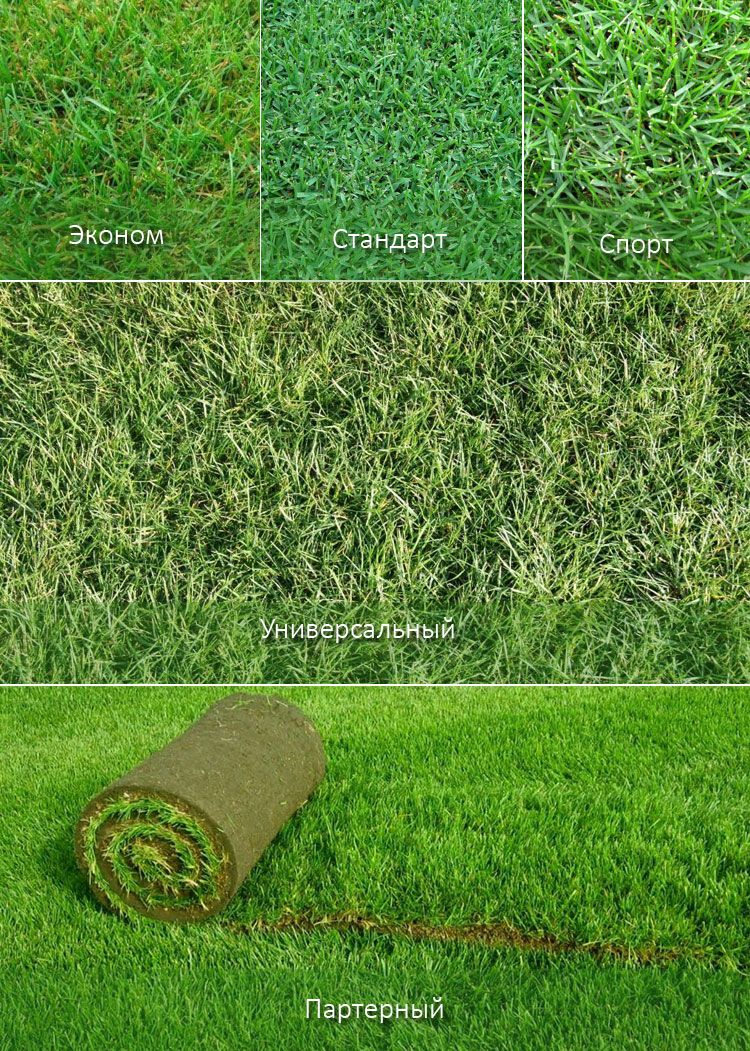
Seed composition:
- For elite parterre lawns, red fescue is the base of the mixture. It forms a strong, dark green turf of uniform density, with a fine-leaved structure. It regrows well after mowing.
- Meadow bluegrass is used for ornamental and park lawns. It is undemanding in terms of light conditions. It forms a resilient, dense, and uniform cover. It is resistant to frost, trampling, and mechanical stress.
- For universal lawns, a mixture of three grasses is prepared: bluegrass, ryegrass, and fescue. The lawn thrives in any soil, is resistant to damping off and mechanical stress, and is cold-resistant, forming a springy surface.
- For sports turf, the base of the mixture is ryegrass, with up to 35% of bluegrass added. This velvety grass is resistant to trampling and is characterized by its elasticity and durability. It grows only in soft soils and thrives in full sun.
There are two types of substrates for growing rolled lawns, the grass mixture is sown:
- on a mesh of agrofibre covered with a 2 cm layer of soil;
- on a mixture of peat and black soil, cut to a thickness of 1.5 cm.
Black soil rolls adapt better to new conditions and are grown for at least two years. Netted rolls are more resilient to transportation and are ready for sale within two months.
Prices for rolled lawn
The price directly depends on which of the above groups the product belongs to. Particular importance is attached to plants that form a green carpet.
| Variety | Seed composition (name of crop, % content) | Peculiarities | Price per 1 m², RUB |
| Economy | Meadow bluegrass/100 | Unpretentious, does not require special care, resistant to weather conditions and trampling. Unpretentious appearance. |
100 |
| Standard | Meadow bluegrass 4 varieties, the main varieties are Kentucky Bluegrass: Granit, Blue Velvet, Langara, Starburst in equal proportions. | Unpretentious, grows well in sunny areas, is resistant to frost and heat, pruning is carried out once a month, fertilizing once every six months.
Not resistant to intense mechanical loads. |
120 |
| Elite (shade-tolerant) | Meadow bluegrass, varieties: Everest/15, Bluechip plus/15, NuGlade/20, Impact/20. (the latest selection). Red fescue, variety Audubon/30. |
A high-quality lawn for shady corners of the garden. Resistant to disease, drought, high humidity, and frost, it requires little mowing (once every two months is sufficient).
Does not like mechanical stress and requires aeration. |
135 |
| Universal | Red fescue: Audubon/20; Bluegrass: Impact/40, Everest/40 (varieties that are drought and shade tolerant). |
Ornamental and resistant to mechanical stress, it quickly adapts to any soil, sun or partial shade, weather-resistant, and is resistant to trampling. When trimmed short, it can be used as a children's play area. | 145 |
| Parterre (king of the elite) | Red fescue (grass mixture)/45; Bluegrass oak/25; Perennial ryegrass (grass mixture)/30. |
Decorative. Dislikes dry periods and acidic-alkaline soils. Requires watering and pruning (twice a week, no more than 5 cm). Regular nitrogen fertilization is necessary. |
150 |
| Sports | Red fescue: Audubon/30; Meadow bluegrass: Bluechip plus/30, Impact/20, NuGlade /20 (varieties that can withstand heavy traffic). |
Designed for intense play and weather-resistant. | 170 |
The higher the category of the roll (grade), the less weeds it contains.
The cost of one roll is determined based on the area of the cut lawn.
Rules for choosing a roll lawn for a site
When choosing a material for covering the lawn in front of the house, it is recommended not to forget about the features of each type.
Standard roll-out turf can be laid without the help of specialists.
Universal turf is considered a premium turf material, which undoubtedly impacts its price. This can be explained by the lack of need for regular maintenance.
Before purchasing a green carpet, you need to calculate how many rolls you'll need. To do this:
- Determine the area of the territory allocated for the lawn.
- Add 5% of the obtained value to it if the area is flat, or 10% if there are defects.
- Calculate the number of coils, taking into account that the area of a standard roll is 0.8 m².
When calculating, don't forget about planned flower beds, paths, and curves. Their design will result in increased waste.
Checking the quality of the lawn
Before purchasing, it's recommended to unroll and inspect the roll. To select a high-quality covering, consider factors such as length, width, and area. The average roll weight is 25 kg. The roll should be woven from plants with stems and shoots reaching 7 cm. A root layer of 2 cm or more indicates the quality of the material.
It's important to ensure proper agricultural practices, mowing techniques (no plucking), and cutting are followed. The condition of the grass and turf is determined by making a side cut.
What to pay attention to:
- the integrity of the turf plate and grass stand, so that there are no cuts, uneven crumbling edges, or bald spots;
- the presence of weeds, the grass layer should be uniform;
- the color of the grass; when stored for a long time, the greens inside the bay become rotten, dark, and slimy;
- the color of the roots, the root web should be white, yellowness indicates long-term storage;
- The thickness of the turf layer is checked from the side.
You can check whether the growing technology was followed by inspecting the coating in its rolled-out form.
The same thickness of the layer on both sides indicates that the rolled turf was manufactured in full compliance with mandatory standards.
Doubts about this arise if:
- In addition to lawn grass, the roll contains weeds;
- the cut is not uniform;
- in some areas there is simply no grass;
- the root system is not developed.
You can verify this by pulling the edge of the grass mat toward you. After laying this material, problems with its establishment arise. The less free space between the roots, the better.
Laying rolled lawn
You can lay the rolled lawn yourself or leave it to the professionals.
With your own hands
When purchasing rolls, you should consider purchasing equipment. A gardener will need tools such as a lawn roller, a suitable rake, a hair clipper, and a wheelbarrow.
It all starts with preparation.
The need for urgent treatment of the site is due to the fact that the rolls will have to be laid the same day they are delivered. To achieve an even surface, the installation must be completed in one go.
The survival rate depends on how well the soil is prepared.
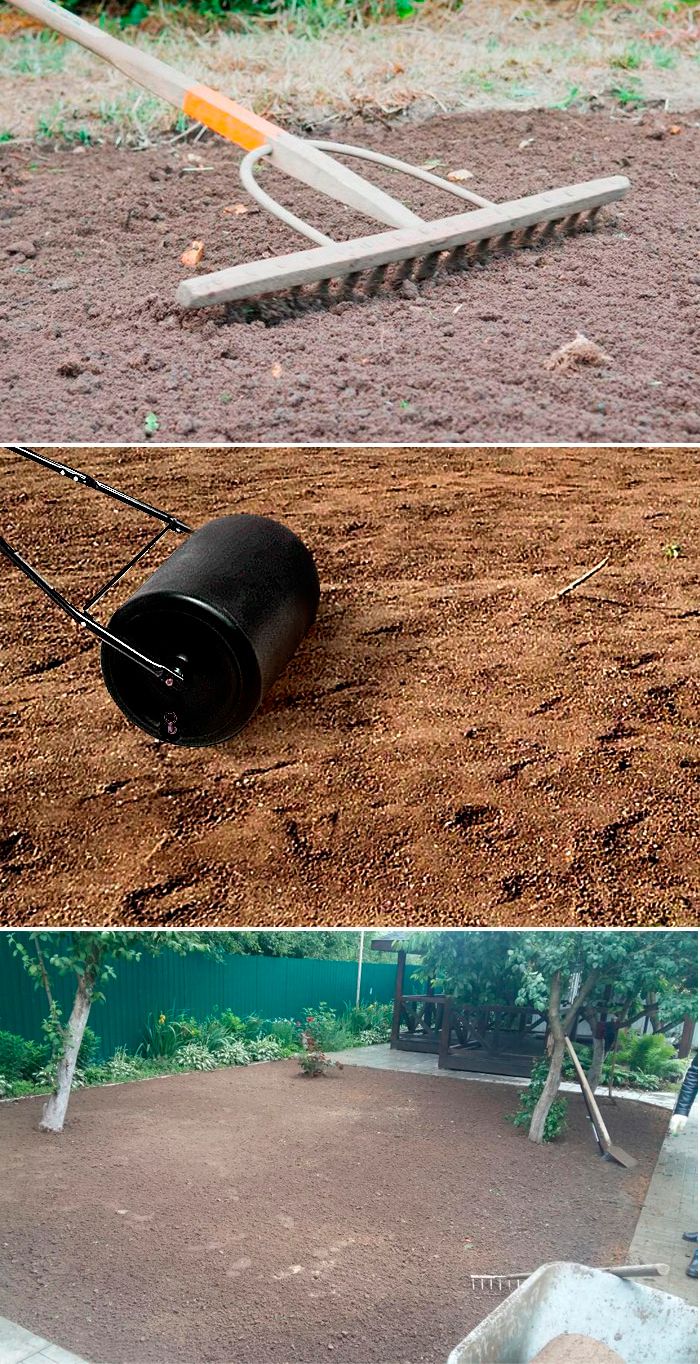
At this stage, proceed as follows:
- Clear the area of debris and weeds. It's advisable to spray the soil with herbicides to kill them. Another option is to lay geotextile over the growing grass. The dense fabric will allow the weed roots to rot.
- They dig up the soil, simultaneously getting rid of any roots they find.
- A drainage system is created. Gravel and sand are added layer by layer into the pit formed after removing the topsoil. The soil is then compacted and returned to its original location. In marshy areas, holes are drilled in the ground and filled with the same mixture.
- Then all that remains is to level the surface, taking the overall height into account. To avoid mistakes, tie twine to stakes driven into the corners of the plot. This is done by taking into account the locations of the marks made earlier. This not only removes excess moisture from the plot but also levels it. Remember to maintain a slope to prevent water stagnation.
- The soil is compacted thoroughly with special rollers. Then, an automatic irrigation system and mole netting are installed.
- Then they begin laying.
- It is advisable to carry it out in autumn or spring in dry, cool weather.
The procedure is straightforward. Laying begins where the rolls were laid. This will prevent damage to the root system, wasting time, and maintaining an attractive appearance.
The rolls are laid so that after leveling the slabs there is no need to step on the grass.
If movement is necessary, the grass carpet is covered with plywood boards so that the load is distributed evenly.
It is better to distribute the plates in a checkerboard pattern, then the coating will look uniform.
The turf is pressed down not by hand, but with wide planks. The layers are laid tightly, without gaps or overlapping layers. The ends of the area are mulched with a soil mixture.
It is important to remember that:
- the strip must be unrolled in a straight line;
- It is strictly forbidden to turn, bend or twist the roll;
- the excess should be removed with a sharp knife;
- the joints of the adjacent rows should not coincide;
- discrepancies cannot be more than 1.5 cm;
- cuttings that are less than 1 m long should be placed in the middle;
- It is permitted to use plank flooring to roll down the first row;
- The seams must be coated with a special mixture.
Professionals, prices
If you order work from professionals, it will cost the following prices:
- Final soil treatment and the laying work itself – 150 rubles per 1 m².
- Earthworks in rubles per 1 m²: cultivation – 30, weed removal with a rake – 15, leveling and compaction – 25.
- Drainage system – 1400 rubles per linear meter.
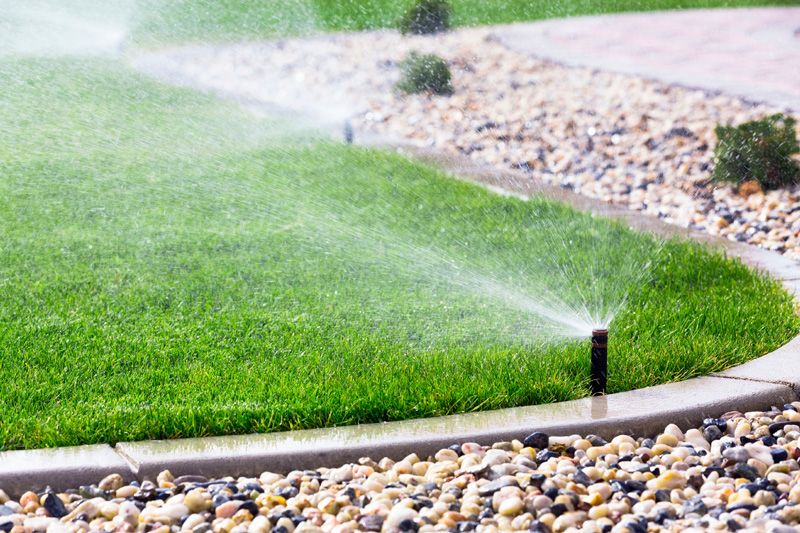
For two weeks after establishment, the lawn needs to be watered (10 to 20 liters per 1 m²). The soil layer should not remain dry. Otherwise, the root system will take a long time to establish. Automatic sprinklers are best for watering.
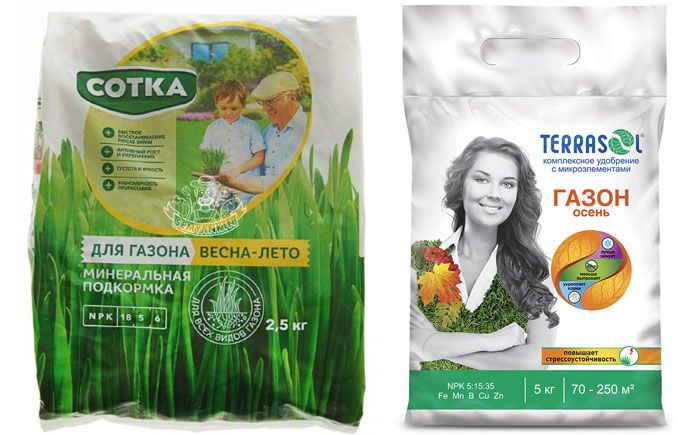
Fertilizers should be selected based on soil characteristics and the time of year. Potassium-phosphorus fertilizers are needed in the fall, and nitrogen fertilizers in the summer.
After planting, don't forget to weed. The sooner you remove weeds, the less damage the lawn will suffer. The first mowing can be done a month after laying.
The mowing should be removed immediately. To ensure the lawn survives the winter well, the grass height should not exceed 4 cm. Fallen leaves and debris must be removed from the surface. The lawn should be raked regularly.
Experienced gardeners sprinkle the grass cover with a mixture of soil, sand and peat (sanding) at least once a year.