Puffball mushrooms are familiar to everyone from childhood, known as "grandfather's tobacco." Indeed, when the cap bursts, a cloud of grayish spores, resembling wisps of smoke, bursts forth. They appear in clearings after a good summer rain, hence the name.
Few people know this, but mushrooms are edible, contain a wealth of beneficial substances, and can be used to prevent various illnesses. Learn about this and much more in the article below.
Content
- 1 Puffball mushroom: general description
- 2 Where does the puffball mushroom grow?
- 3 Puffball mushroom picking season
- 4 Rules for collecting and preparing puffball mushrooms
- 5 5 types of edible puffball mushrooms with descriptions and photos in tables
- 6 Puffballs that raise questions about edibility
- 7 Edible puffball mushrooms of the genus Golovach
- 8 Types of inedible puffball mushrooms
- 9 Inedible and poisonous mushrooms that look like puffballs
- 10 Poisoning by false puffballs, first aid
- 11 Reviews of puffball mushrooms
Puffball mushroom: general description
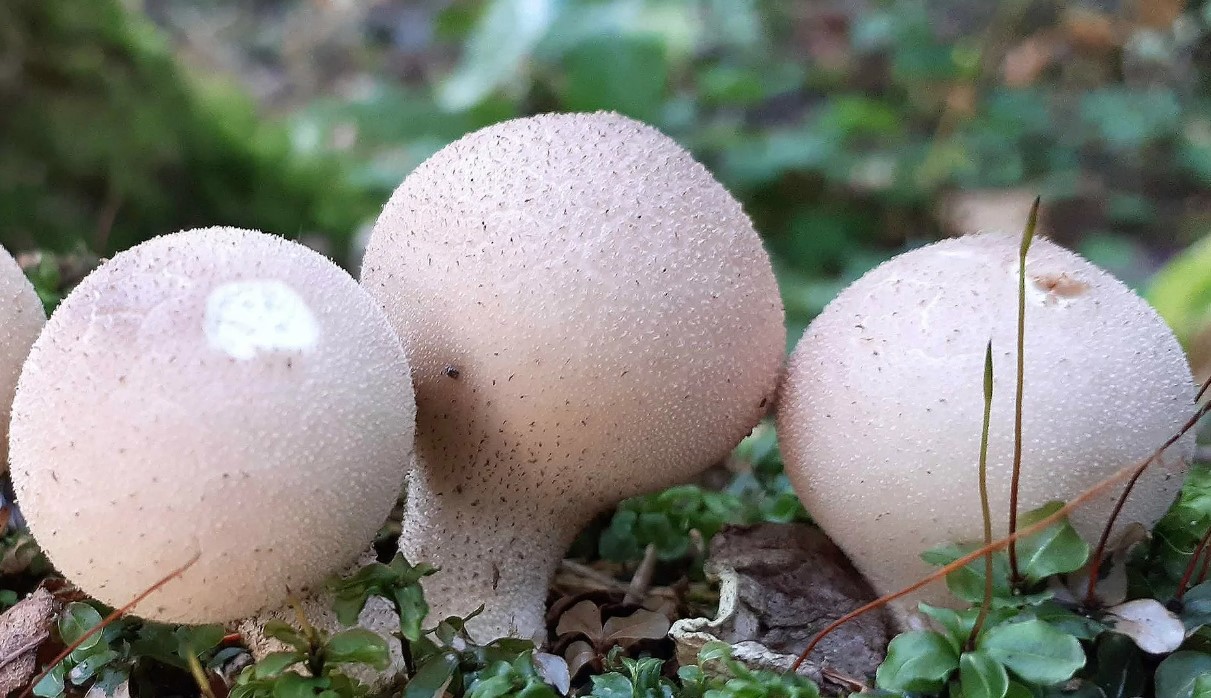
Puffball is not the name of a mushroom, but rather the name of an entire genus. However, it only includes about 10 species, most of which are edible.
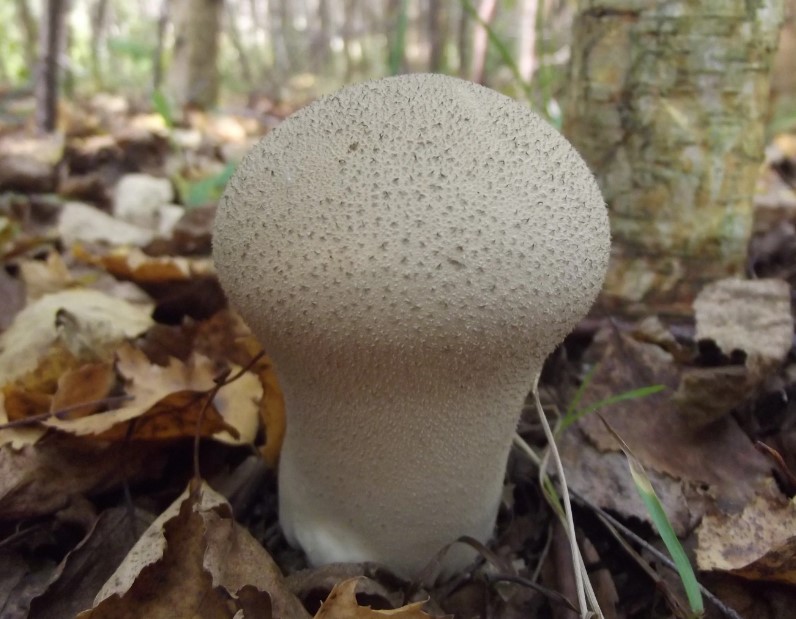
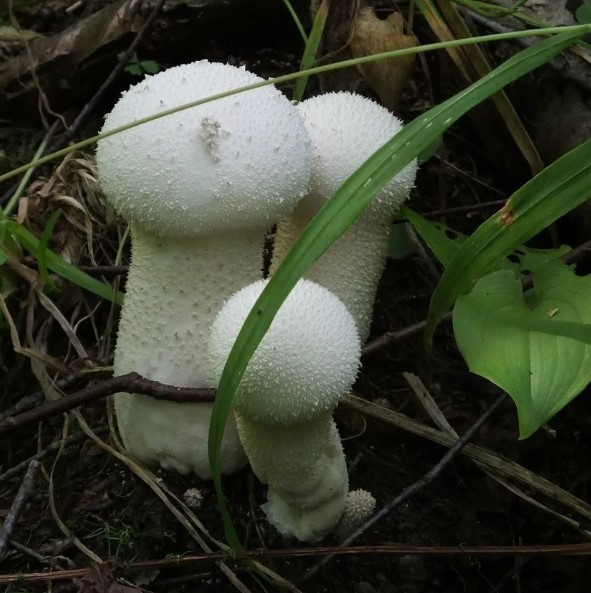
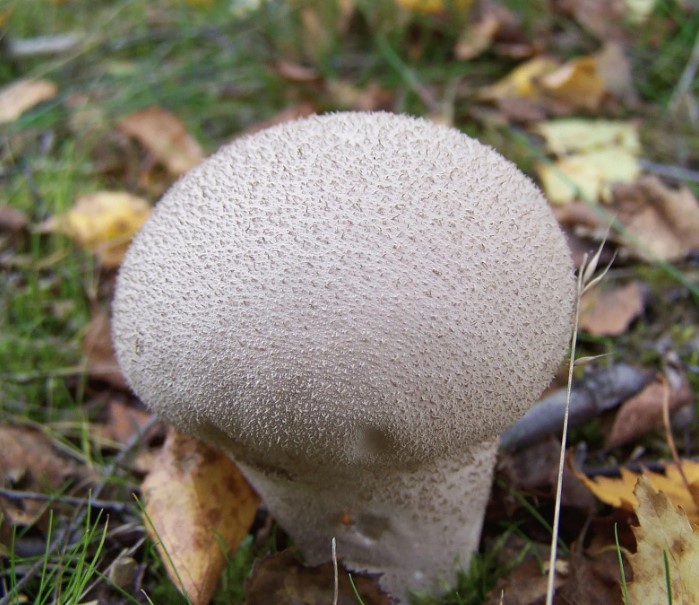
The mushroom is round or pear-shaped. It is small in size. The skin covers the entire mushroom, seamlessly connecting the stem and cap. The color is light gray or beige-gray.
The spore powder is olive-green or brownish. The mushroom is found in various forests and can grow along roadsides and paths.
The puffball mushroom has many popular names by which it is known to most people: grandfather's tobacco, tobacco mushroom, wolf's tobacco, puffball, golovach, dustball and others.
Where does the puffball mushroom grow?
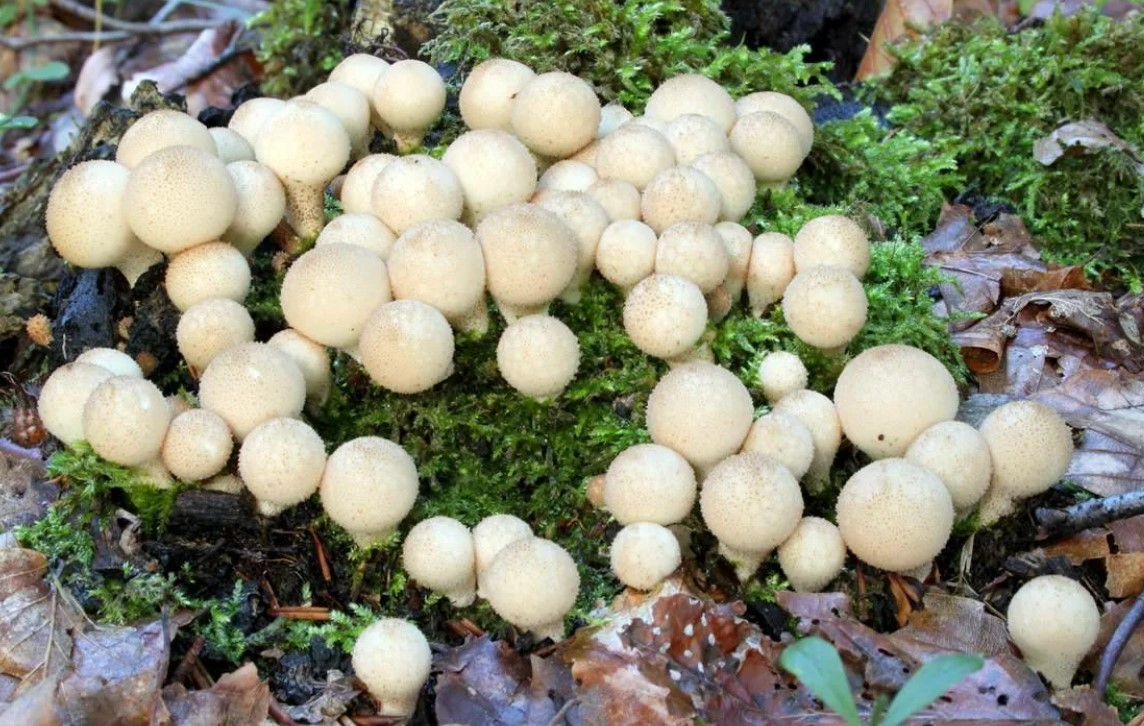
Mushrooms begin to appear in forests in late summer and continue to grow into the first half of autumn. They can be found in clearings, in the thickets of deciduous and coniferous forests, on lawns and farm plots, as well as on stumps and tree debris. Puffballs grow throughout the world, but are absent only from the glaciers of Antarctica.
Puffball mushroom picking season
Puffballs appear at different times depending on the region. In some places, the first specimens are found by mushroom pickers as early as May, but the peak fruiting period occurs between late August and mid-September.
Rules for collecting and preparing puffball mushrooms
Young mushrooms can be used for food, but for medicinal purposes it is better to look for puffballs with mature spore powder.
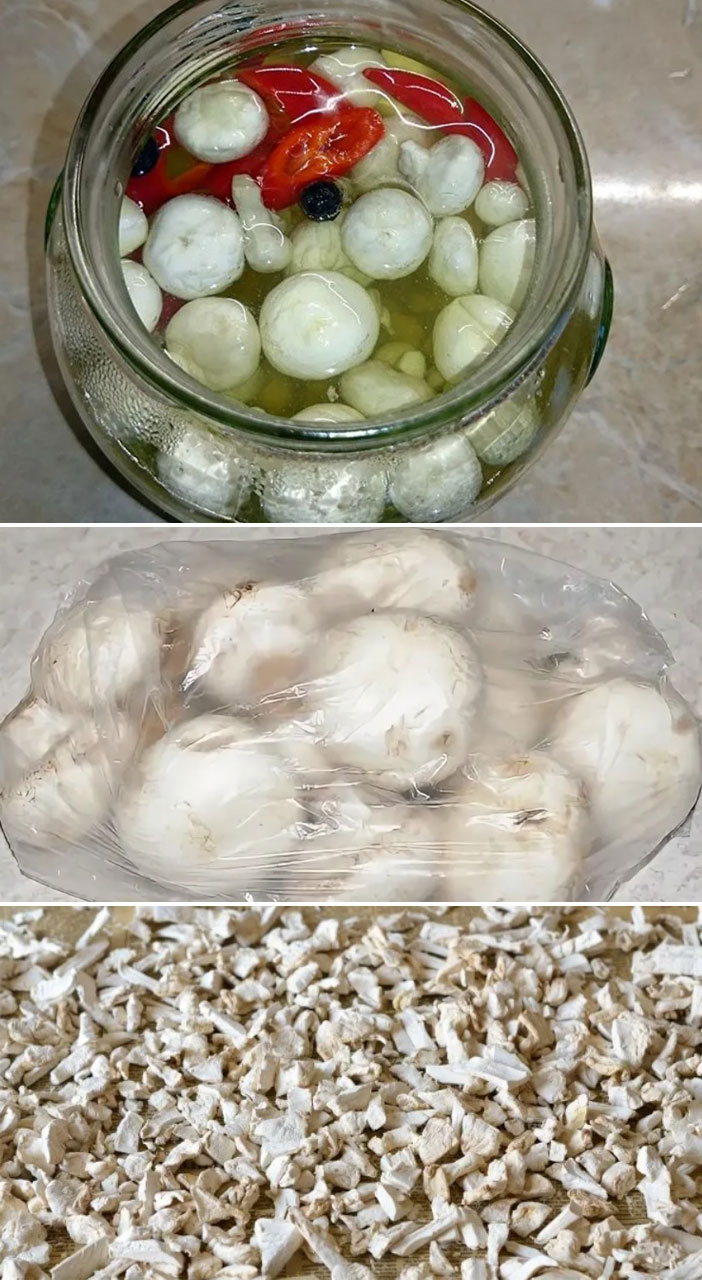
Despite their distinctive appearance, puffballs are used in the same way as more common types of mushrooms:
- dry;
- marinate;
- salt;
- freeze.
The harvest can only be done in dry weather, and the puffballs must be processed immediately if you don't want to end up with gray rags instead of elastic balls.
5 types of edible puffball mushrooms with descriptions and photos in tables
Most varieties of puffballs are considered edible. A more detailed description is provided below.
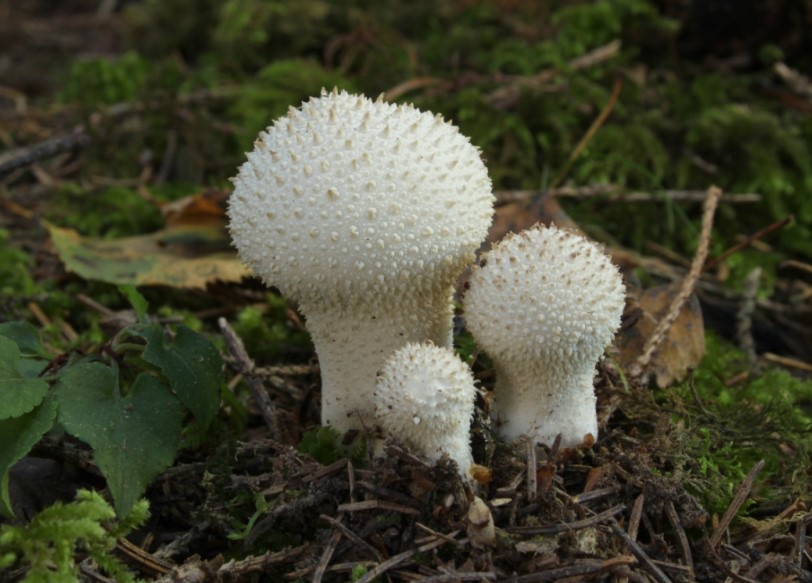
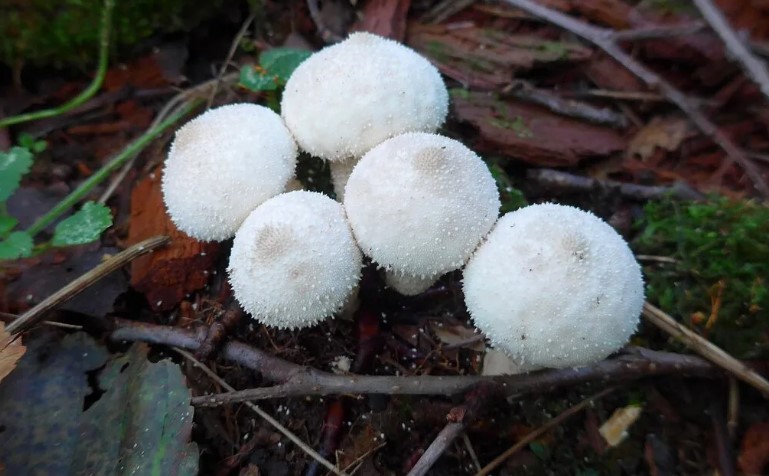
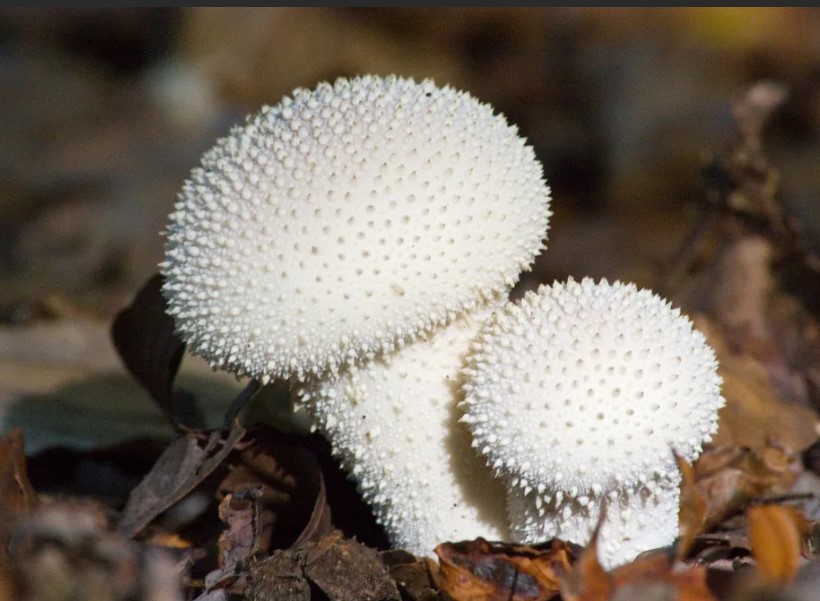
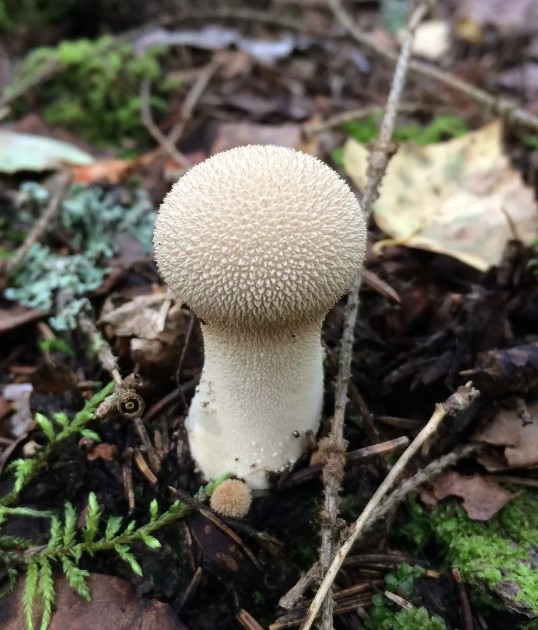
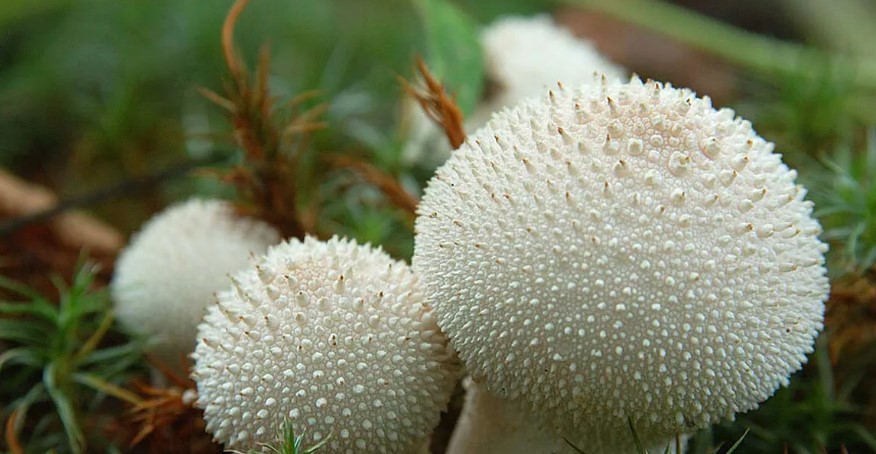
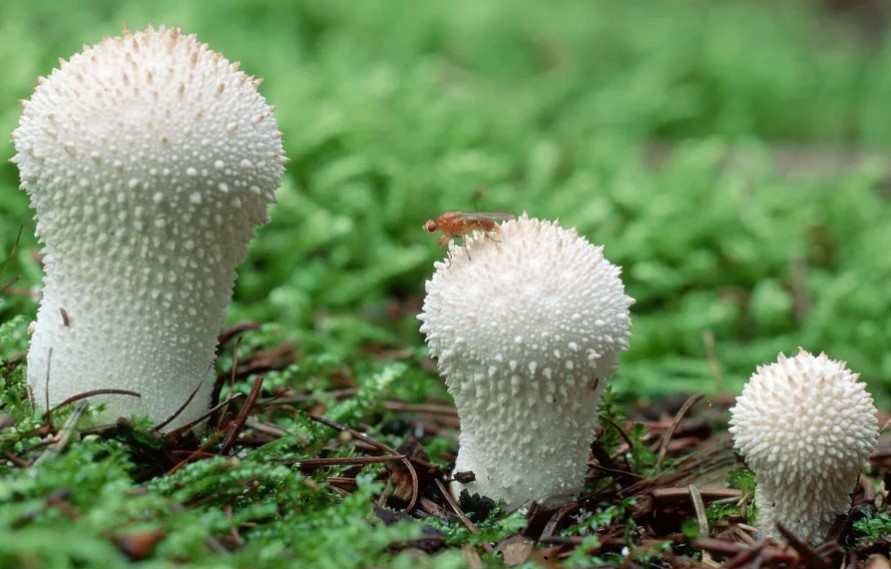
Pearl puffball (Lycoperdon perlatum)
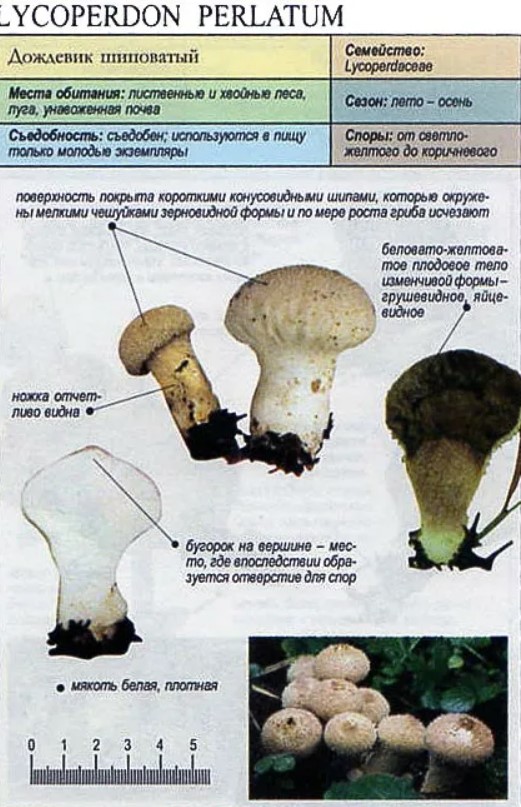
One of the most common species, another name is the True Puffball.
| Description | Harvest season | Spreading | Usage |
| The mushroom grows to a height of no more than 8 cm and is pear-shaped. Its diameter reaches 4 cm. Its surface is covered with small, wart-like spines. The dense flesh darkens over time and turns into spore powder. | May-October | Coniferous and deciduous forests, open clearings, meadows. | Cooking, medicinal tinctures. |
Photo gallery of the pearl puffball
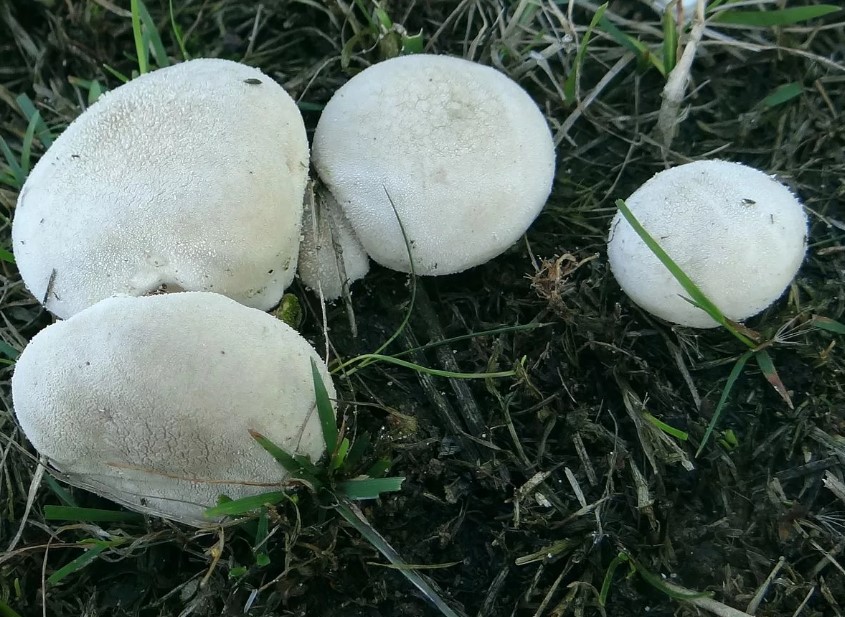
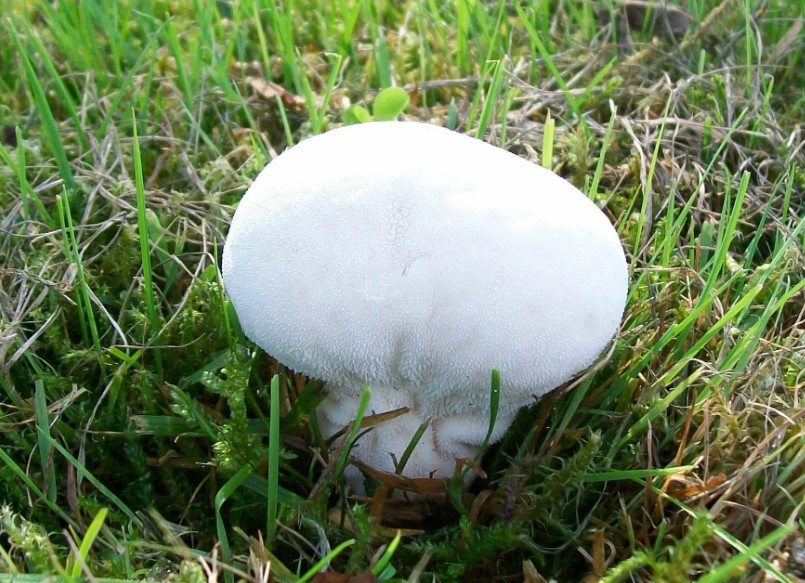
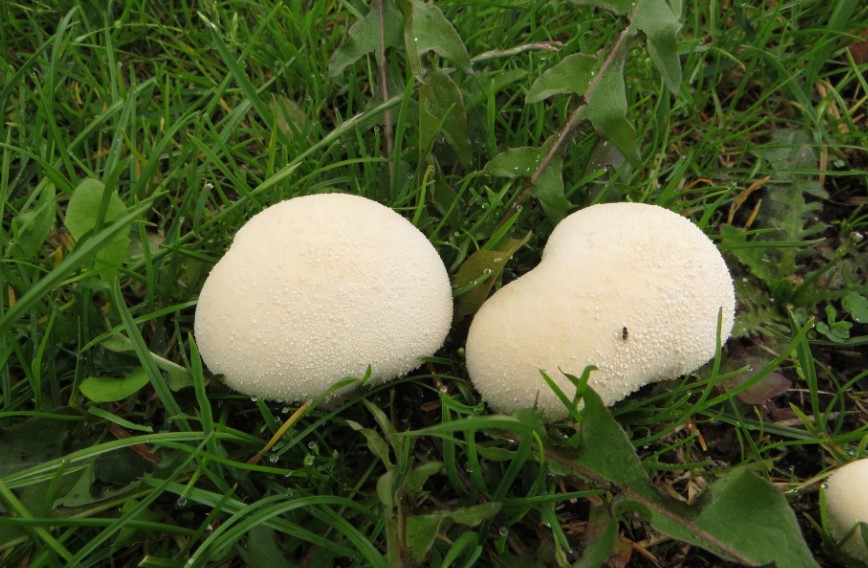
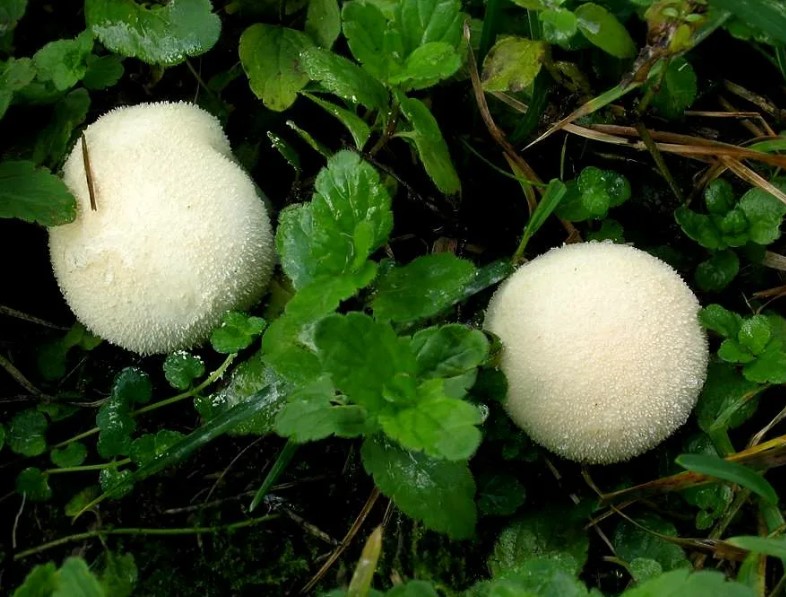
Meadow puffball (Lycoperdon pratense)
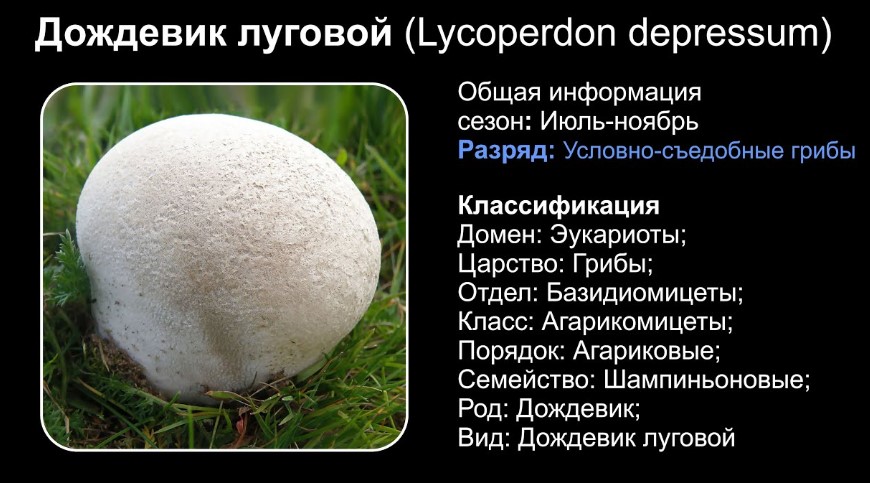
To eat this puffball, only young specimens should be collected.
| Description | Harvest season | Spreading | Usage |
| The cap is 2 to 5 cm in diameter and spherical in shape. The stem is short and thickened. The color is white. | June-October | Prefers to grow in park areas. | Cooking, treatment. |
Photo gallery of the meadow puffball
Pear-shaped puffball (Lycoperdon pyriforme)
The mushroom looks very much like a white ball with a microscopic stalk.
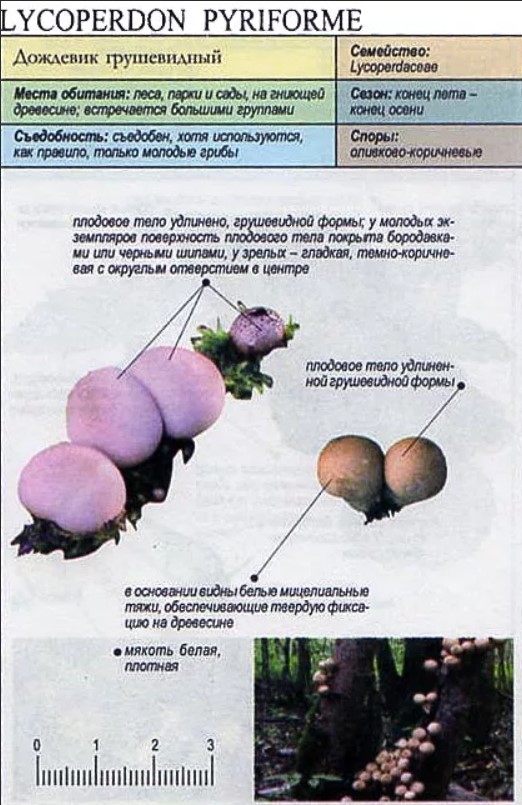
| Description | Harvest season | Spreading | Usage |
| The fruiting body is round and white. The flesh is light until the spore powder begins to form. The stem is no more than 0.5 cm tall. | July-October | Coniferous forests. Mushrooms prefer to grow on organic debris. | Cosmetology, cooking, homeopathy. |
Photo gallery of the pear-shaped puffball
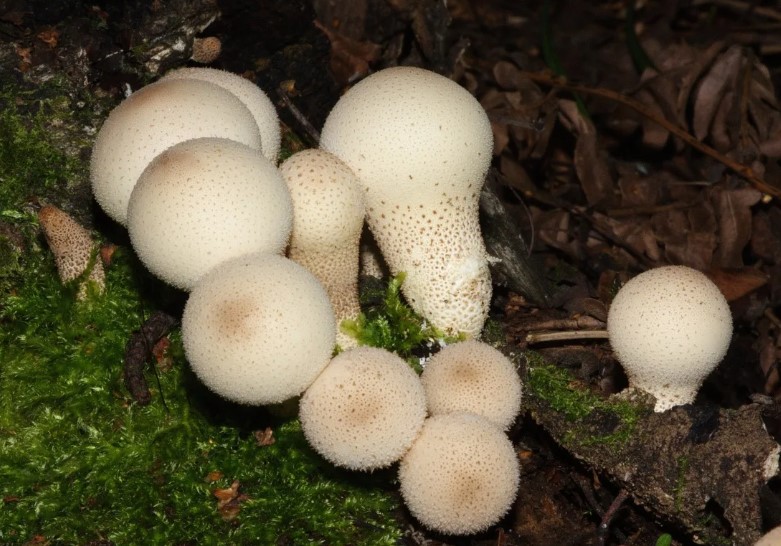
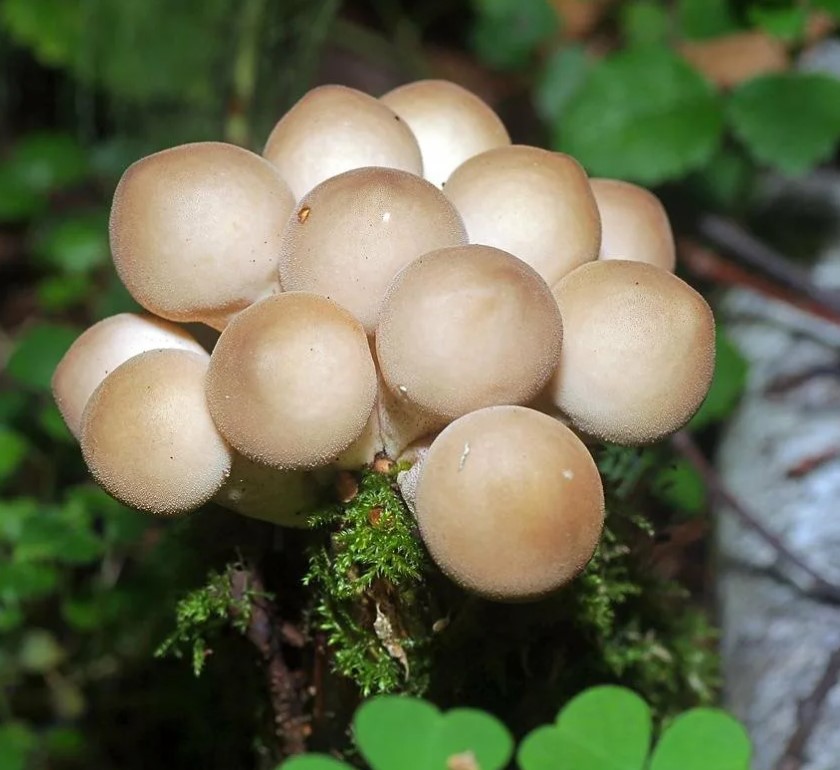
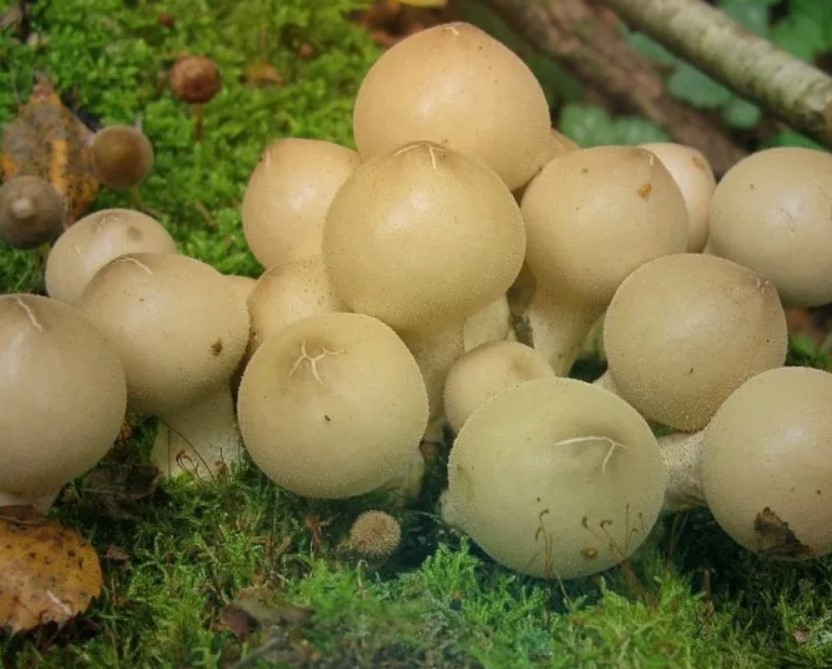
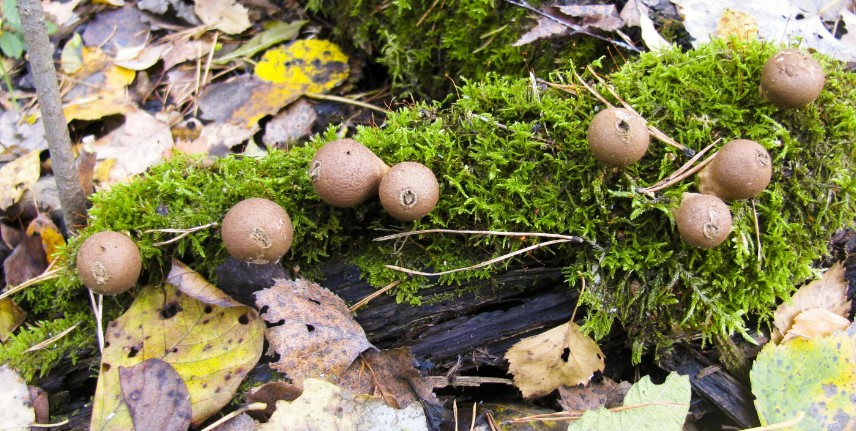
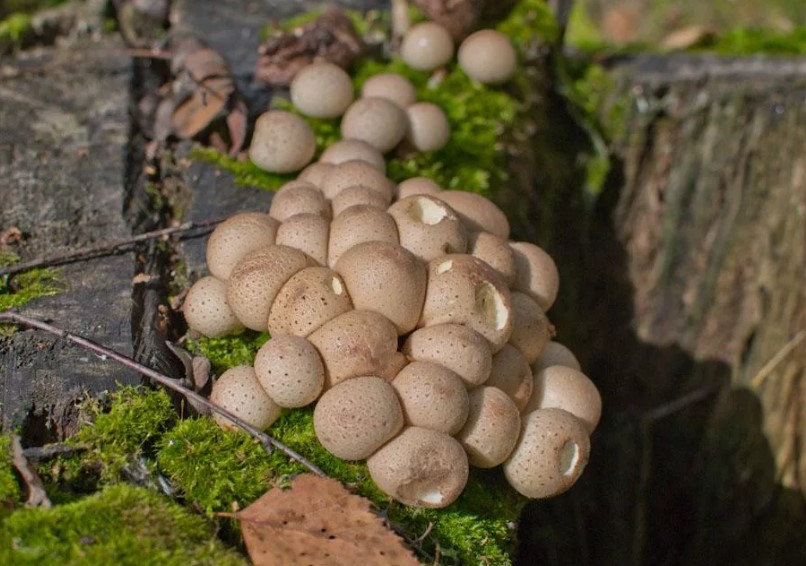
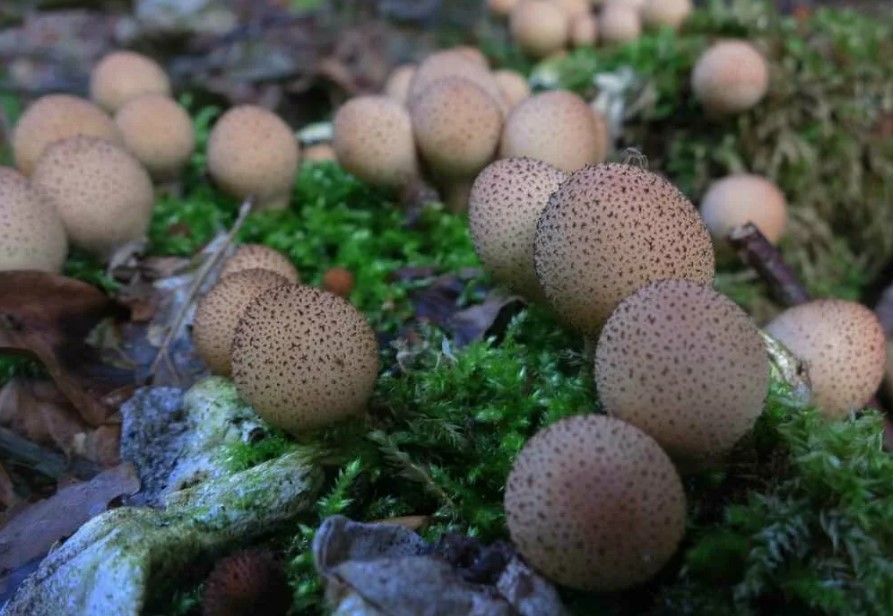
Common puffball (Lycoperdon saccatum)
One of the most common types of puffball mushrooms. It should not be harvested in rainy weather, as it will completely lose its shape within a couple of hours.
| Description | Harvest season | Spreading | Usage |
| The shape is pear-shaped or rounded, with a false stem. The color is whitish, the skin is thin, and as it matures, it breaks open, releasing a powdery spore. | July-October | It grows throughout the country and is found in various locations: forests, meadows, forest parks, and summer cottages. | Making dietary supplements, disinfecting wounds at home, cooking. |
Photo of a real raincoat
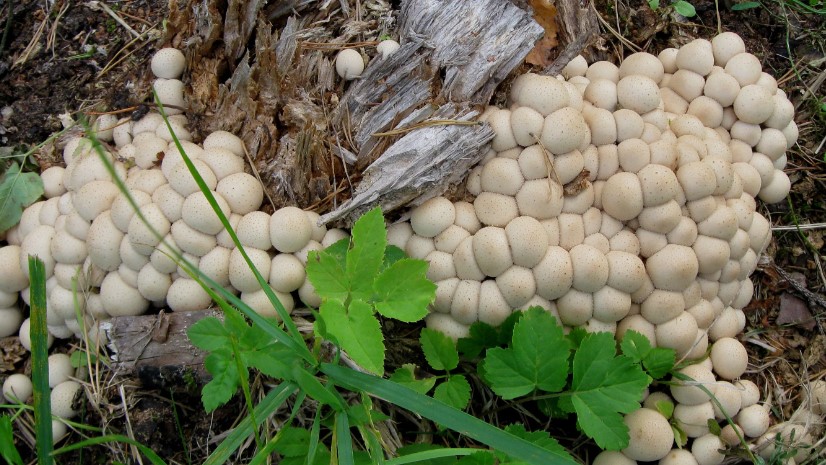
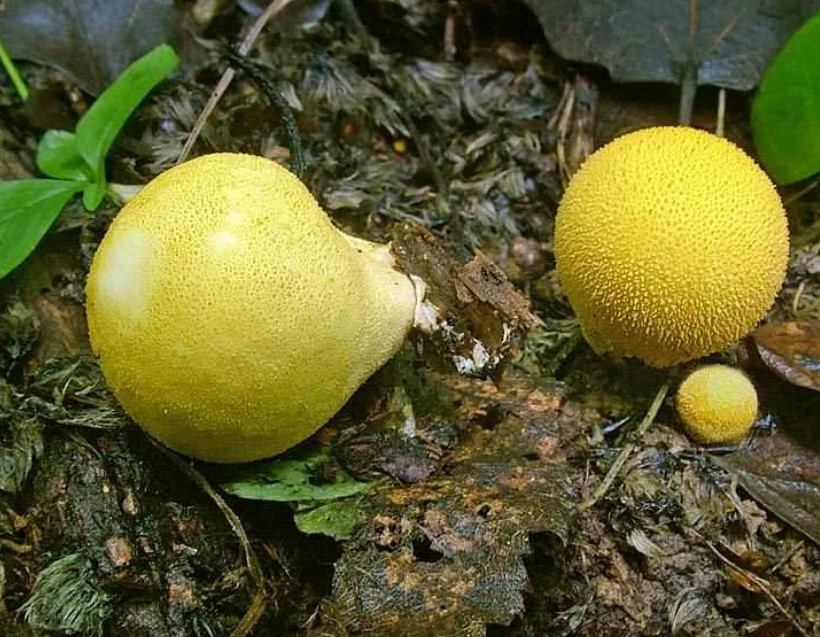
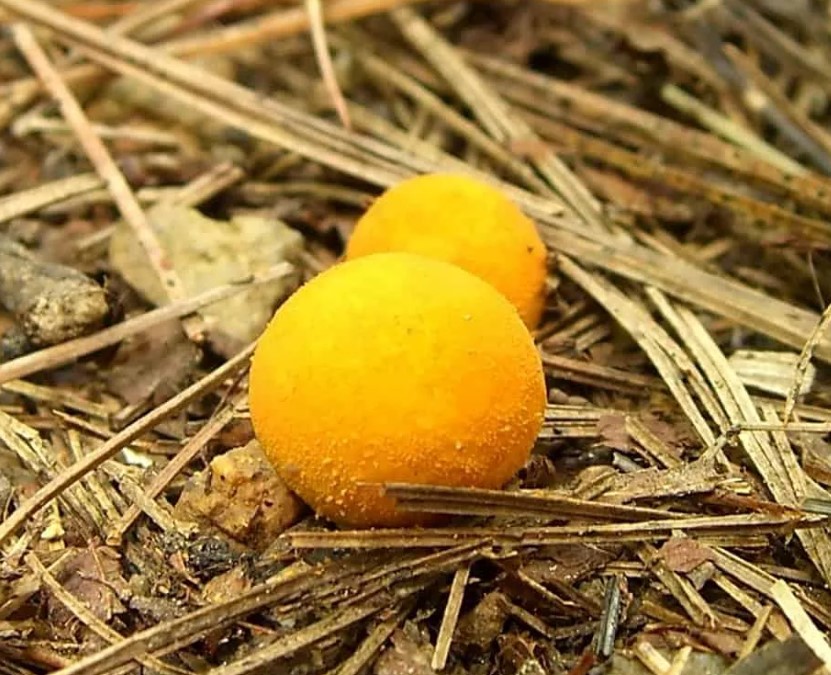
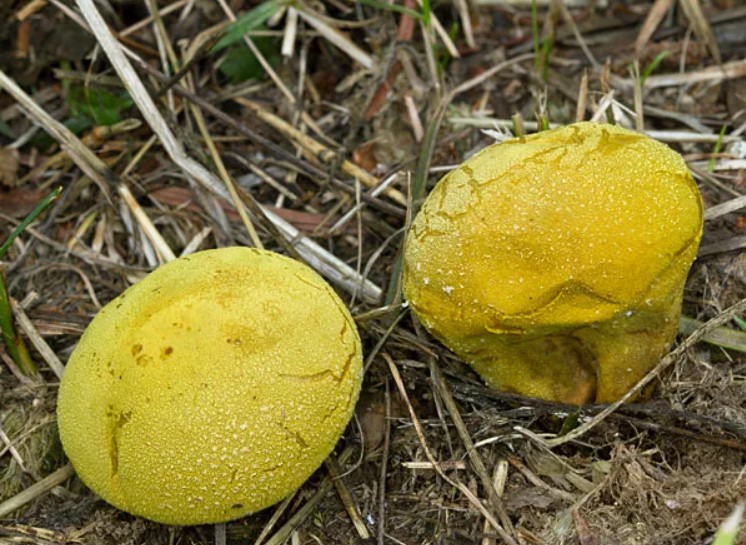
Yellow-colored puffball (Lycoperdon flavotinctum)
| Description | Harvest season | Spreading | Usage |
| Young mushrooms are spherical, yellow in color, with white flesh. Over time, they become pear-shaped, and the flesh turns brown. | July-October | Deciduous forests with oak and birch. | Cooking at a young age. |
Photo gallery of the yellow-bellied puffball
Puffballs that raise questions about edibility
There are species of puffballs that are listed as edible and inedible in different sources.
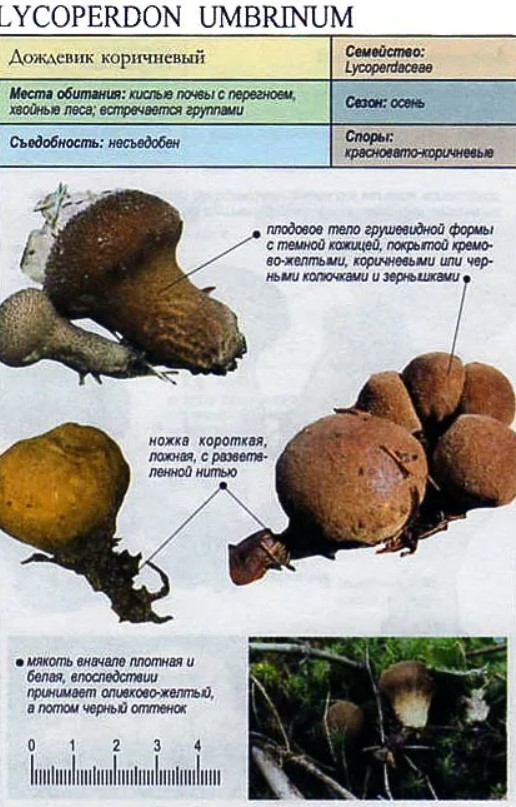
Brown puffball (Lycoperdon umbrinum)
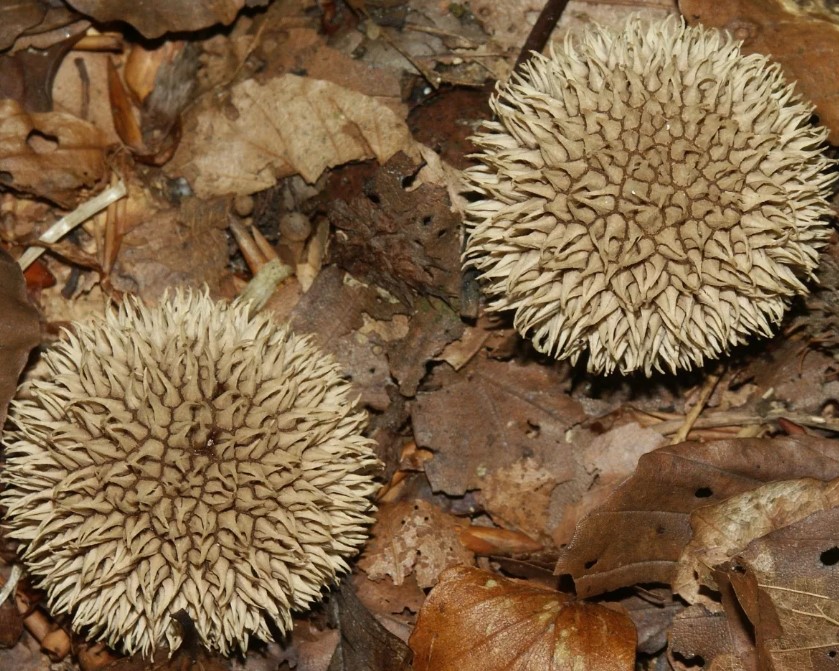
The mushroom's surface is covered with soft spines that form a whimsical pattern. Its edibility is controversial: some sources consider it inedible, while others use it to add flavor and piquancy to dishes.
| Description | Harvest season | Spreading | Usage |
| The shape is spherical, the surface is spiny, the stem is practically absent, and the color is dark brown. The white flesh turns purple-brown over time. | July-October | Coniferous and deciduous forests on organic remains. | Cooking, preparation of spicy dishes. |
Photo gallery of the brown puffball
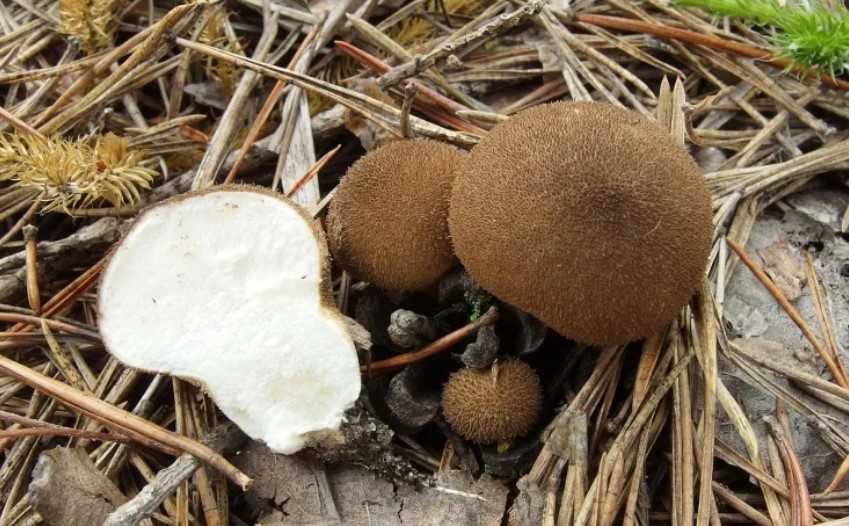
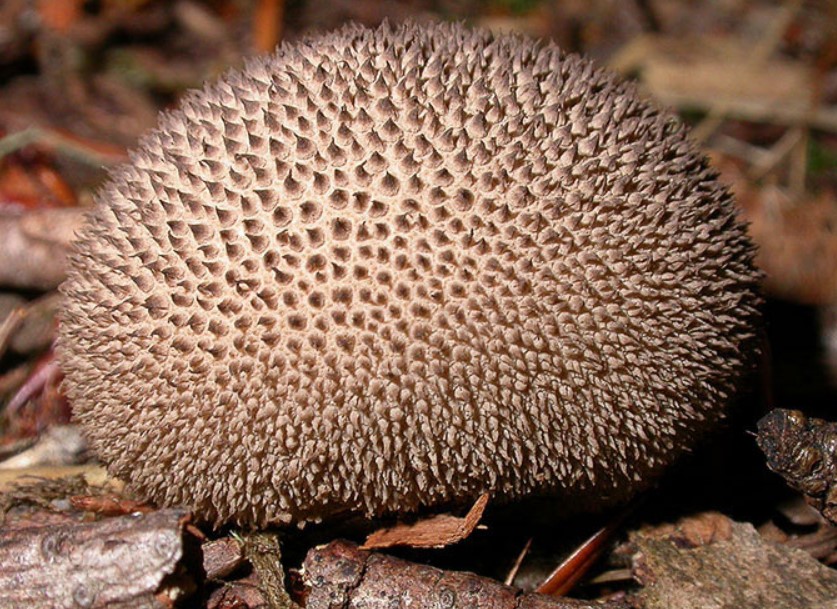
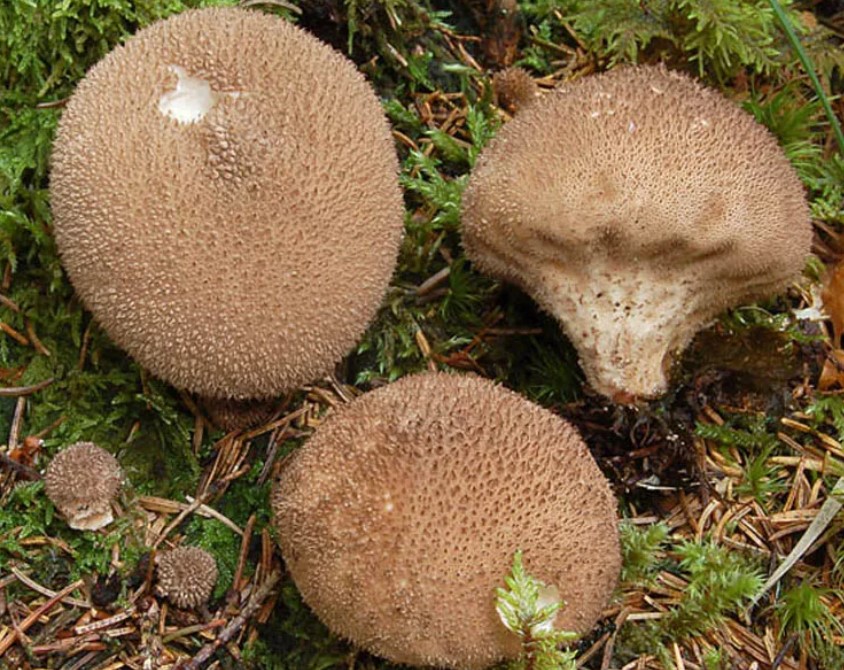
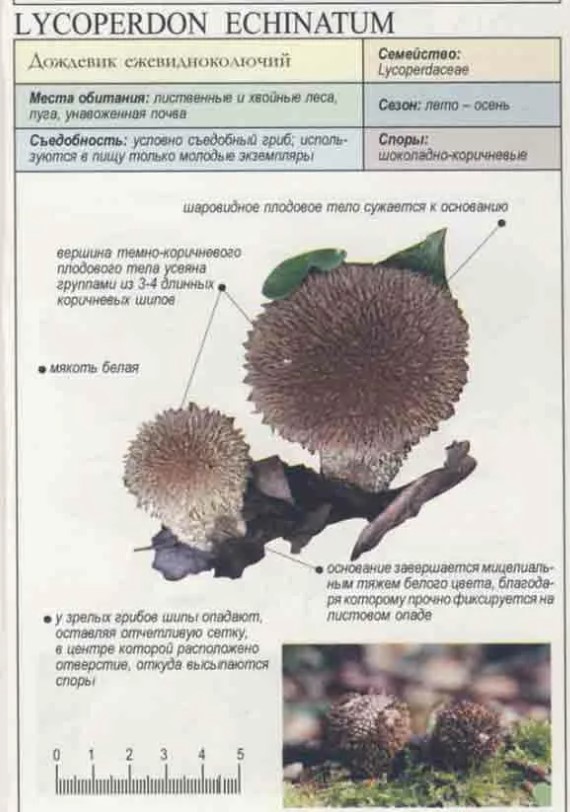
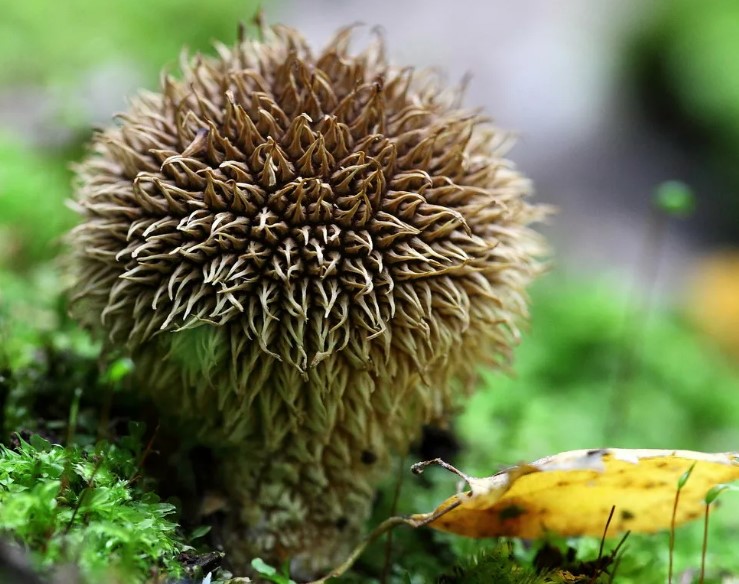
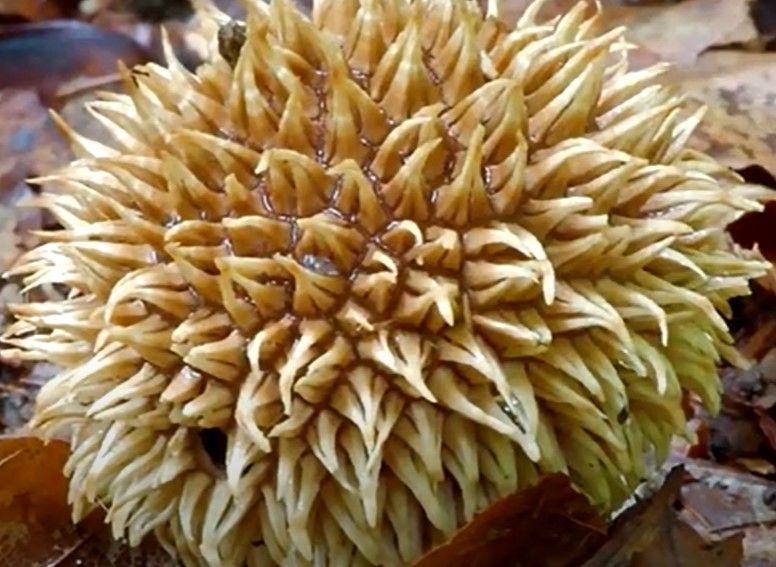
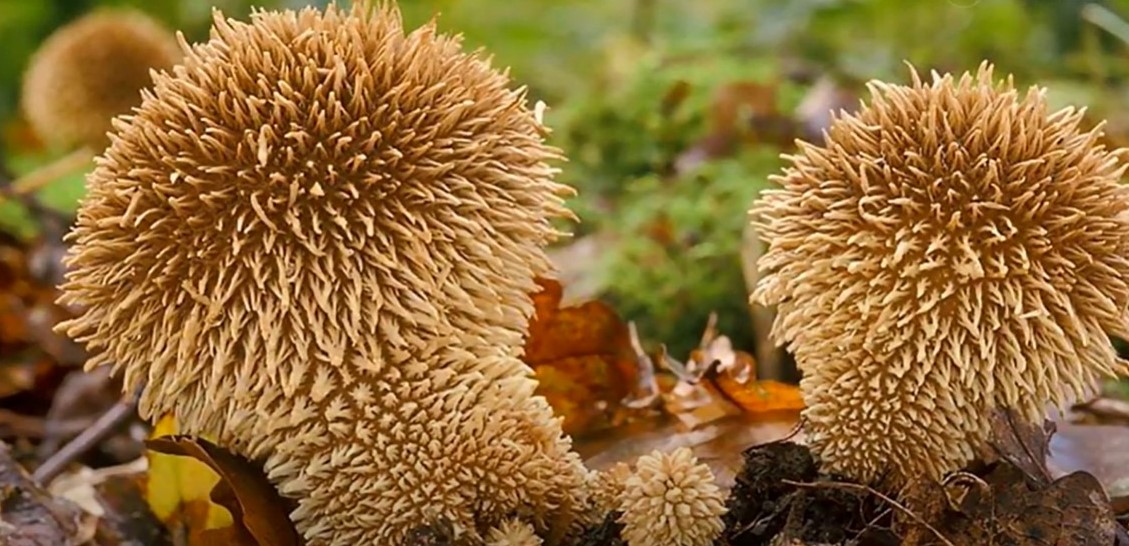
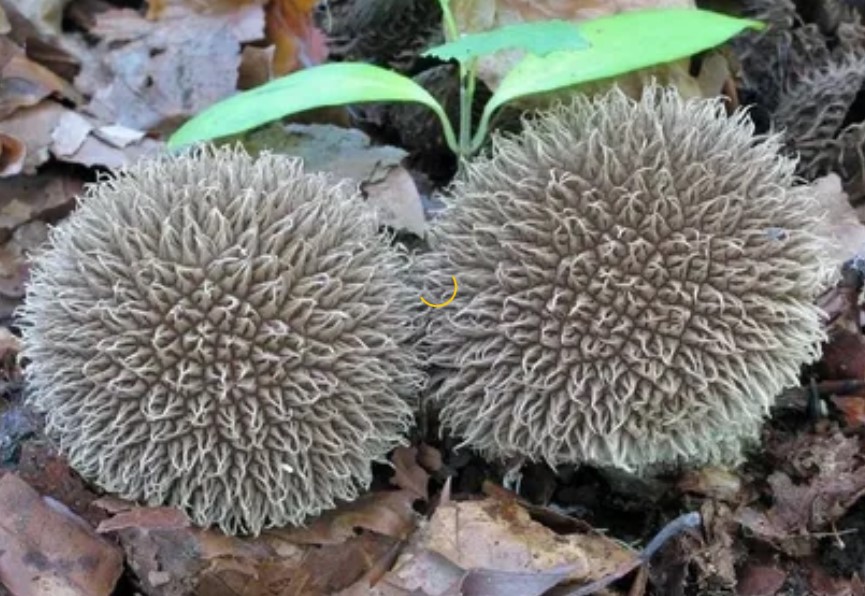
Hedgehog-spined puffball (Lycoperdon echinatum)
A very rare mushroom distinguished by its spiky surface. It is considered a Category 4 edible mushroom and is difficult to transport.
| Description | Harvest season | Spreading | Usage |
| The body is pear-shaped. The color changes from white to brownish. The abundance of small spines makes the mushroom resemble a hedgehog. The spines can be easily removed if desired. | June-October | Deciduous forests, heather plantations. | Cooking and drying only young ones with white flesh and without any special delays. |
Photo gallery of the puffball
Edible puffball mushrooms of the genus Golovach
Golovachi mushrooms have a piquant taste and are widely used not only in cooking, but also in folk medicine.
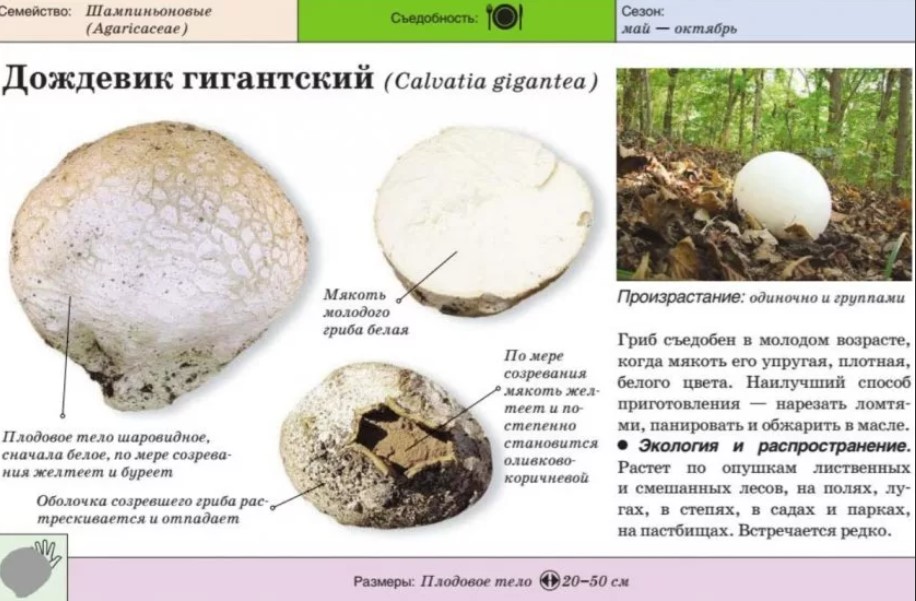
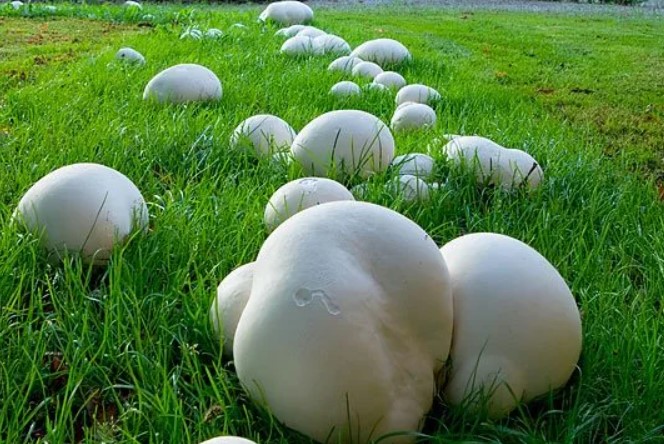
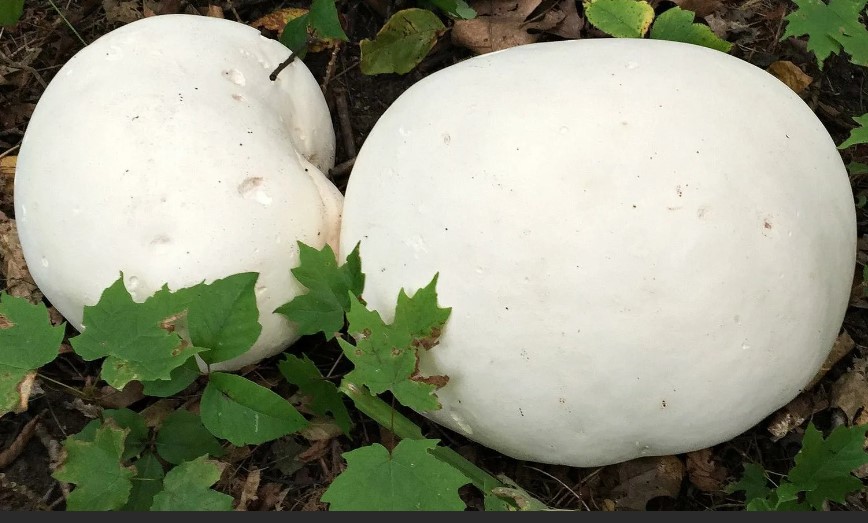
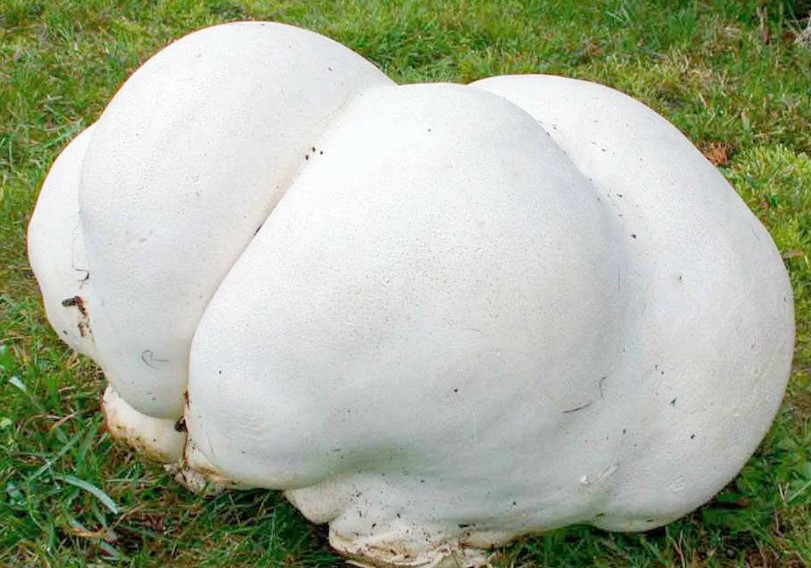
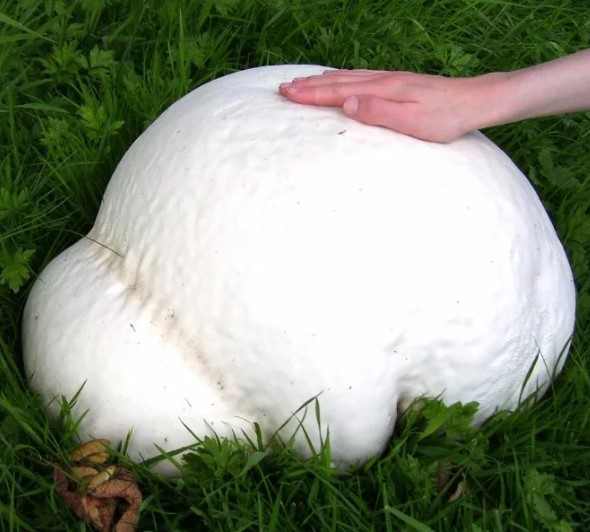
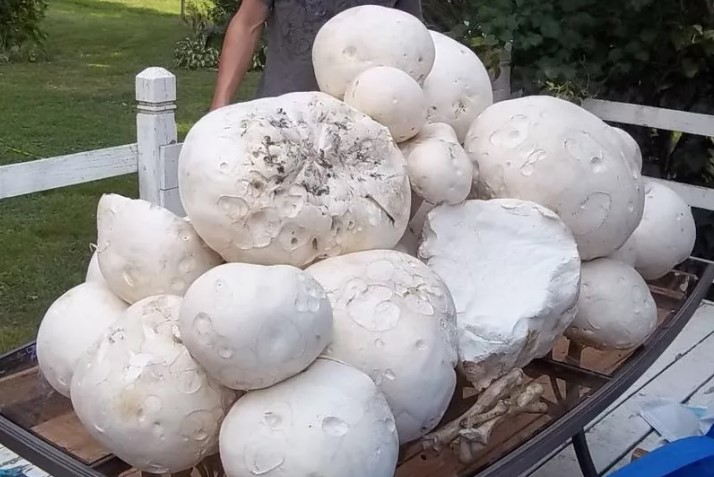
Giant puffball (Calvatia gigantea)
It is distinguished by the enormous size of its fruiting body and unique antitumor properties.
| Description | Harvest season | Spreading | Usage |
| A spherical mushroom up to 50 cm in diameter. The skin is thin and prone to cracking, revealing the inner flesh. | July-September | European Russia, the Far East, Krasnoyarsk Krai, Siberia. Grows solitarily in forests, pastures, clearings, and garden plots. | Medicine, homeopathy, cooking. |
Photo gallery of the giant puffball
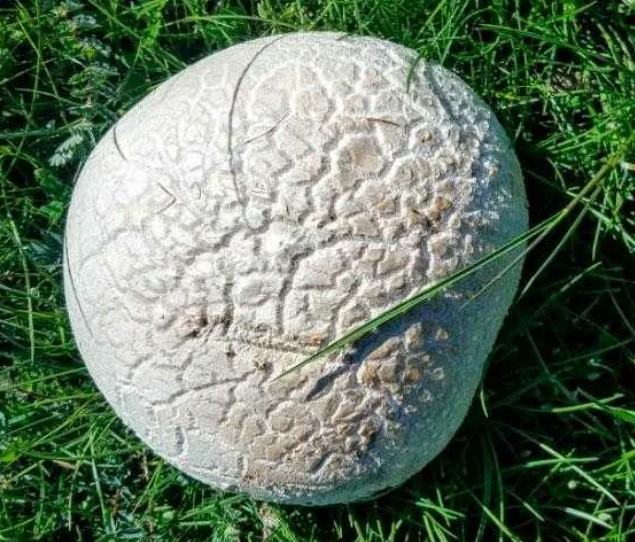
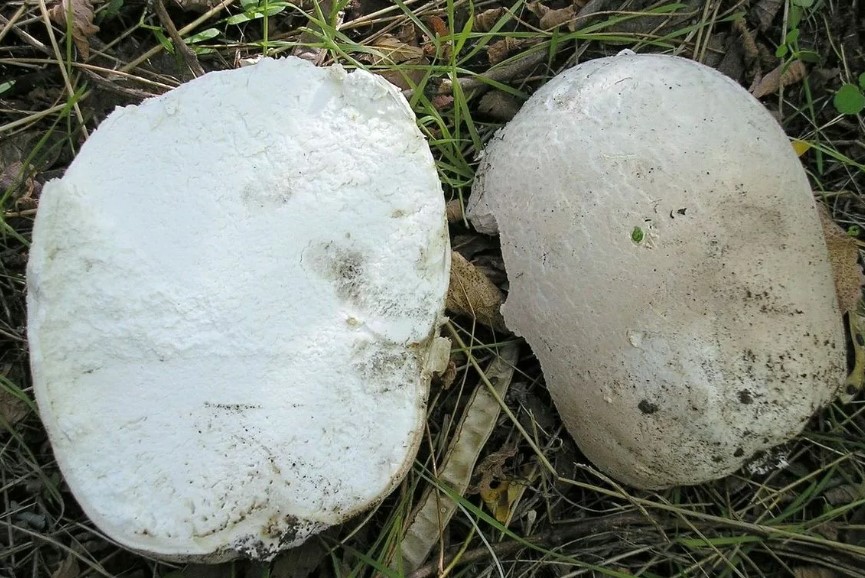
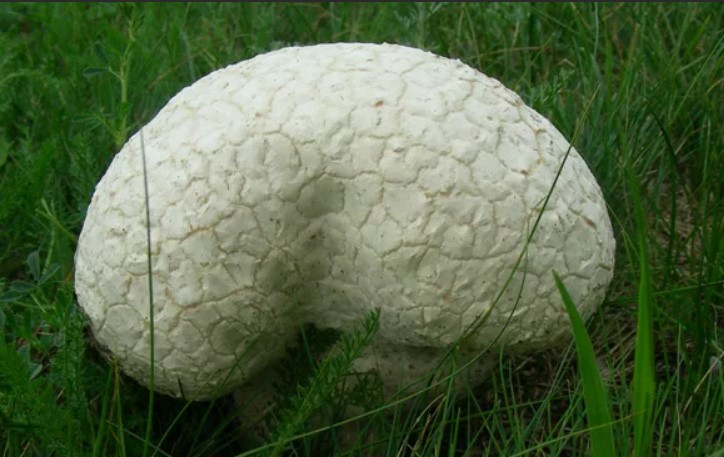
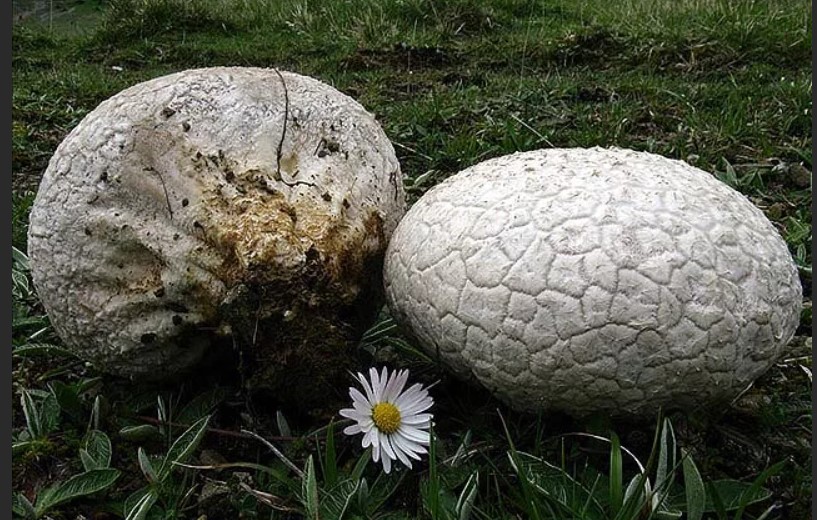
Baggy bighead (Calvatia utriformis)
The pulp of the mushroom has been considered a powerful hemostatic agent since ancient times.
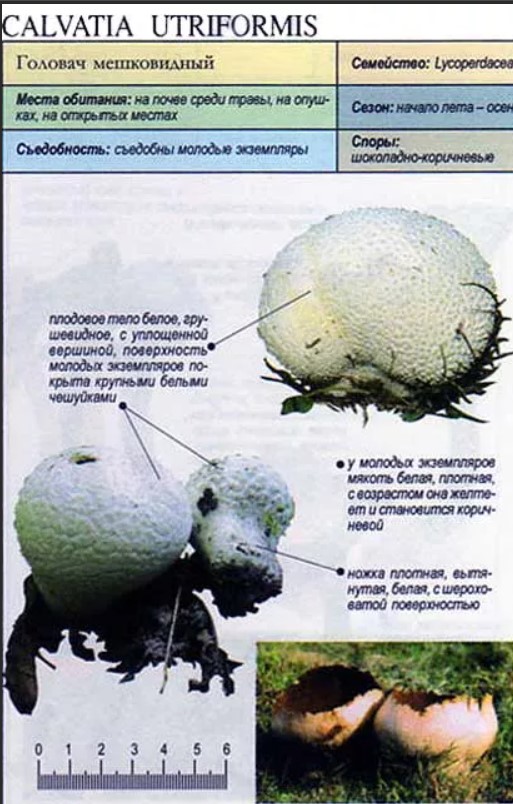
| Description | Harvest season | Spreading | Usage |
| The fruiting body reaches 15 cm in diameter and is rounded, flattened at the top. The color is white, but with age it turns brownish. The surface is warty. | May-September | It is quite rarely found on forest edges and clearings, pastures and meadows. | Cooking (young mushrooms), medicine. |
Photo gallery of the baggy puffball
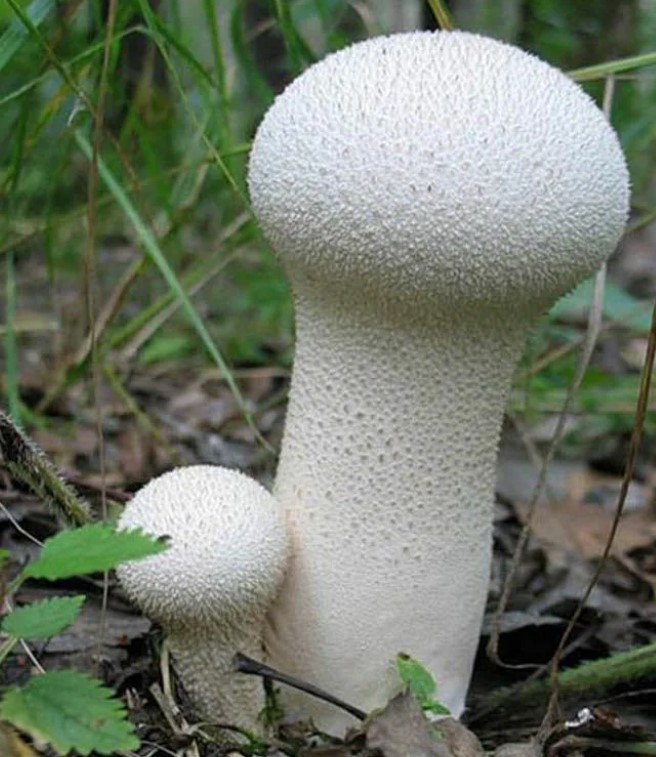
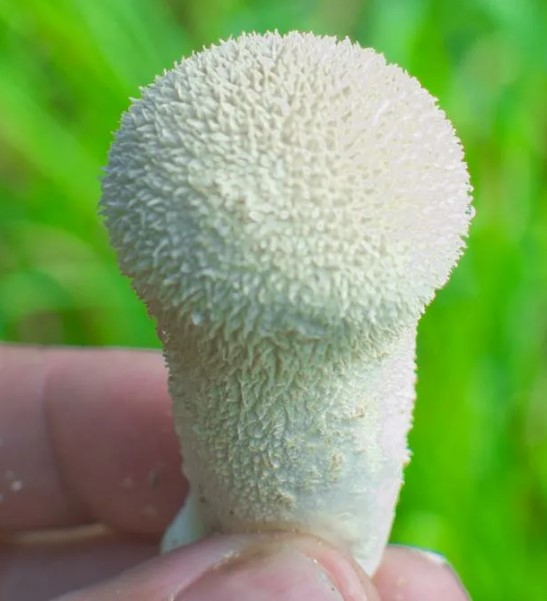
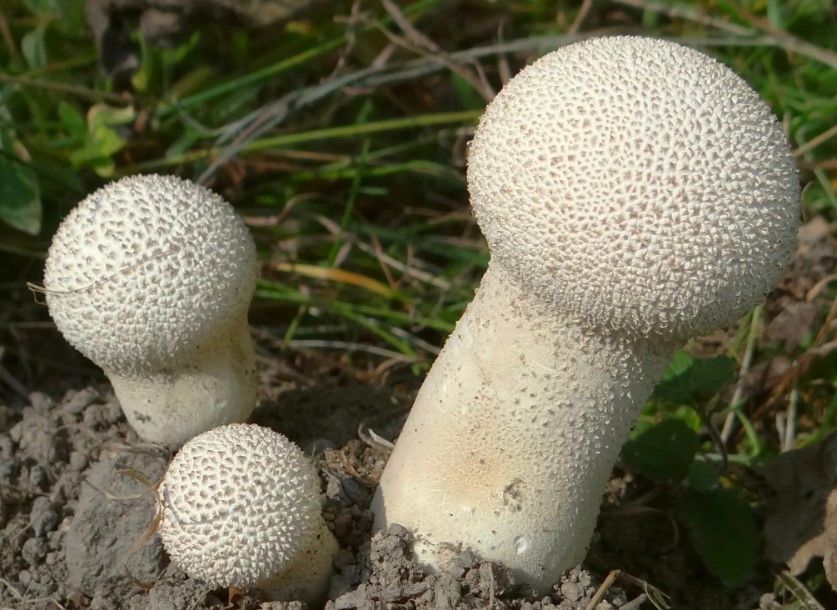
Long-legged bighead (Calvatia excipuliformis)
A fairly large mushroom, the upper part of which completely disintegrates after the spores mature. Only the pseudopod remains on the surface, giving the mushroom an elongated appearance.
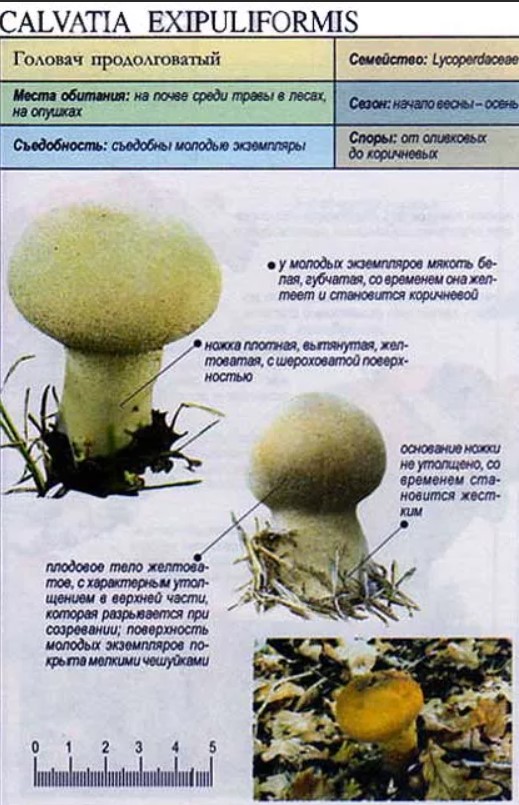
| Description | Harvest season | Spreading | Usage |
| The shape is club-shaped, the height of the mushroom is from 7 to 15 cm. The color is light, with small spines sparsely located on the surface. | July-October | It grows in all forests, as well as in clearings and forest edges. | After removing the exoperidium, the mushrooms can be eaten. |
Photo gallery of the oblong puffball
Types of inedible puffball mushrooms
Some puffballs are inedible. While it's unlikely you'll be fatally poisoned by them, you could easily get indigestion.
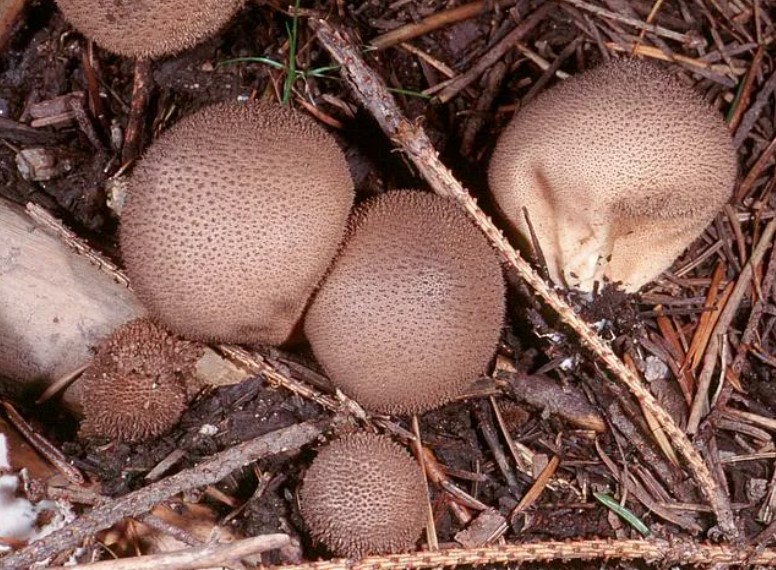
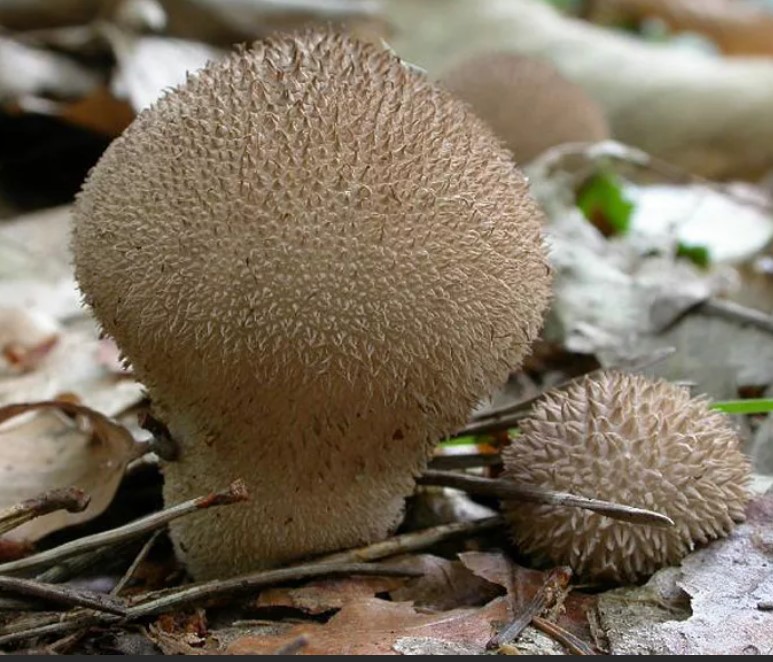
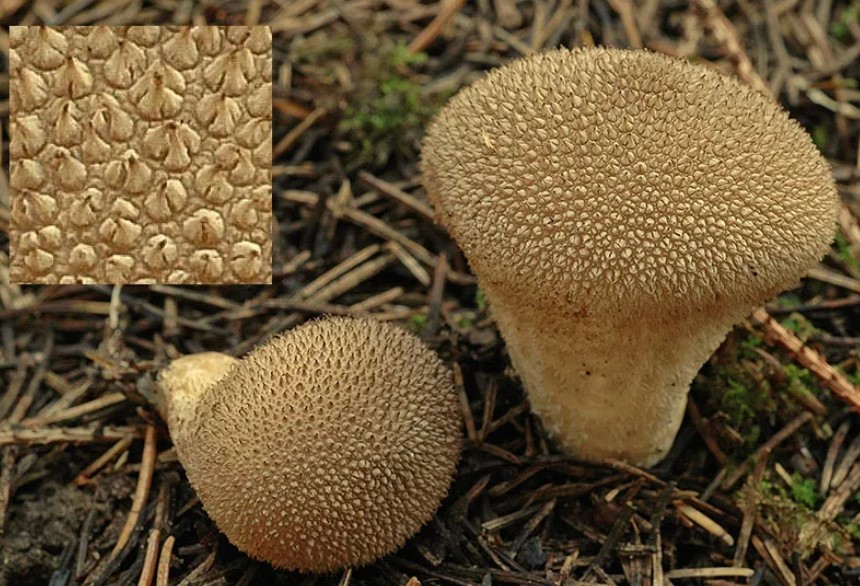
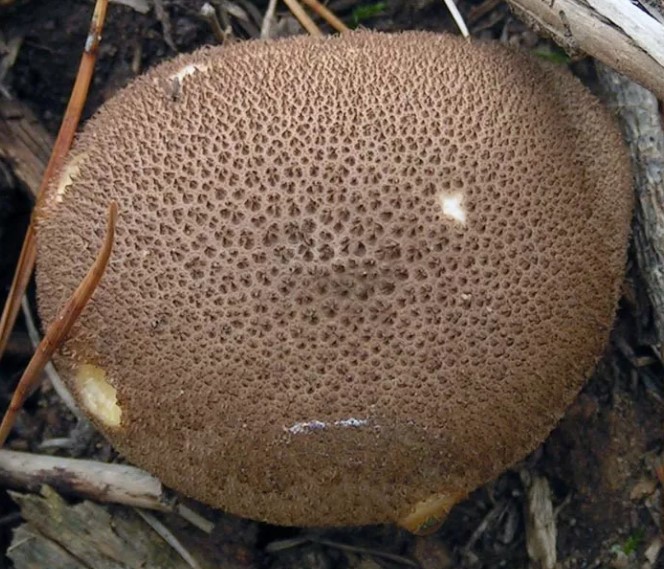
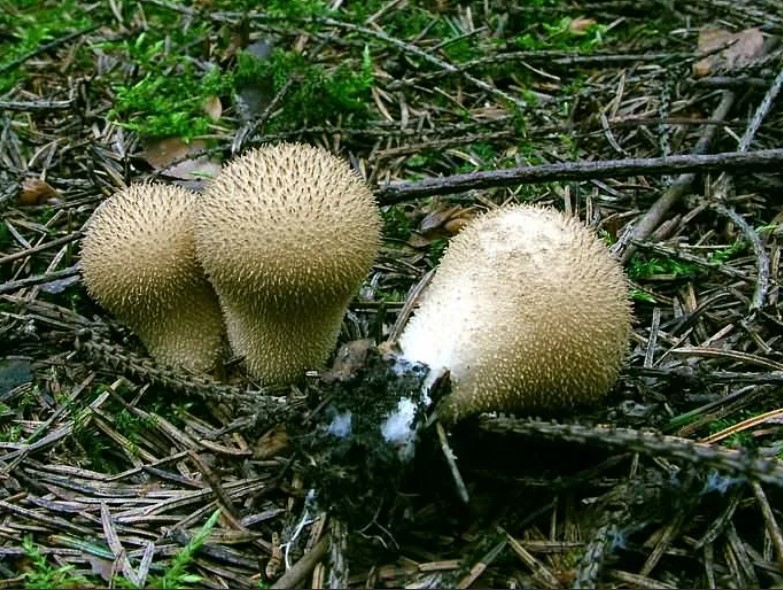
Stinking puffball (Lycoperdon nigrescens)
As the name suggests, the mushroom can be recognized not only by its external features, but also by the specific smell emitted by the fruiting body.
| Description | Harvest season | Spreading | Usage |
| The cap and stem are a single unit, brown in color, with slightly curved spines located close together on the surface. The mushroom is pear-shaped, rarely exceeding 5 cm in height. The spines fall off as it matures. | July-October | It grows in mixed and coniferous forests of Central Russia. | The mushroom is inedible. |
Photo gallery of the stinking puffball
Inedible and poisonous mushrooms that look like puffballs
False puffballs can be identified by several external features:
- pronounced odor;
- dense flesh that darkens when cut;
- the surface becomes covered with ochre spots, growths and cracks;
- spores do not fly out when torn.
In total, there are 3 varieties of poisonous and inedible false puffballs:
- warty;
- ordinary;
- spotted.
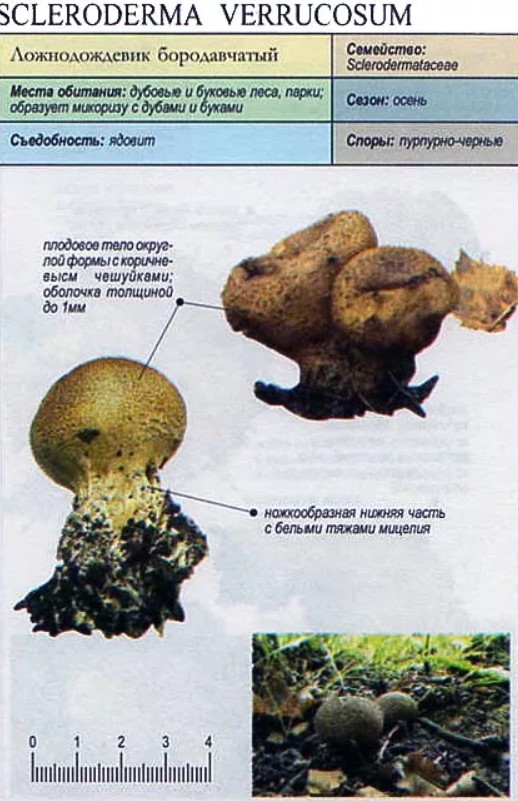
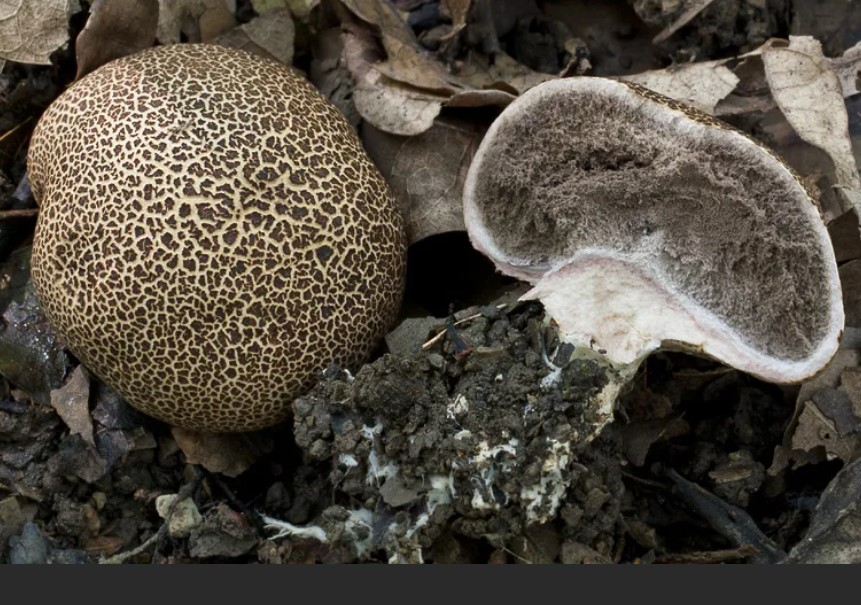
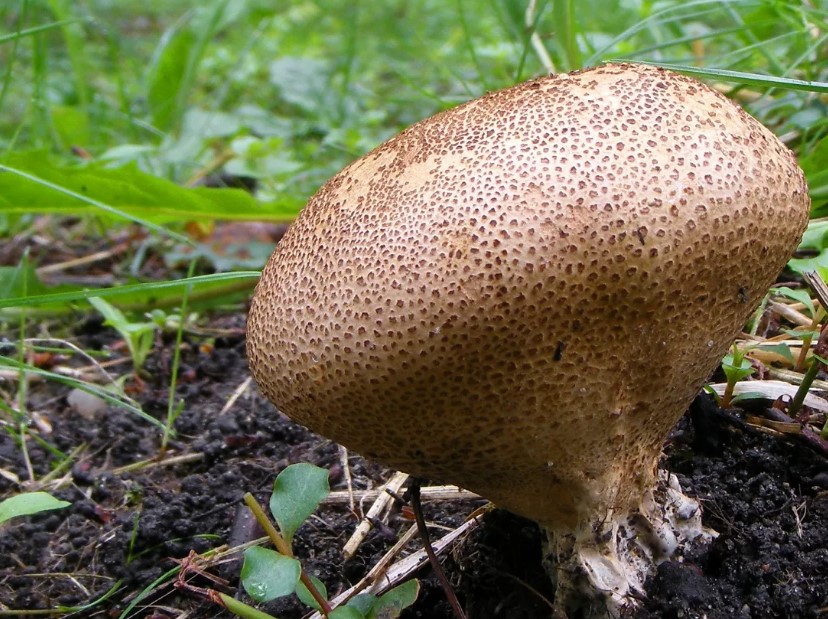
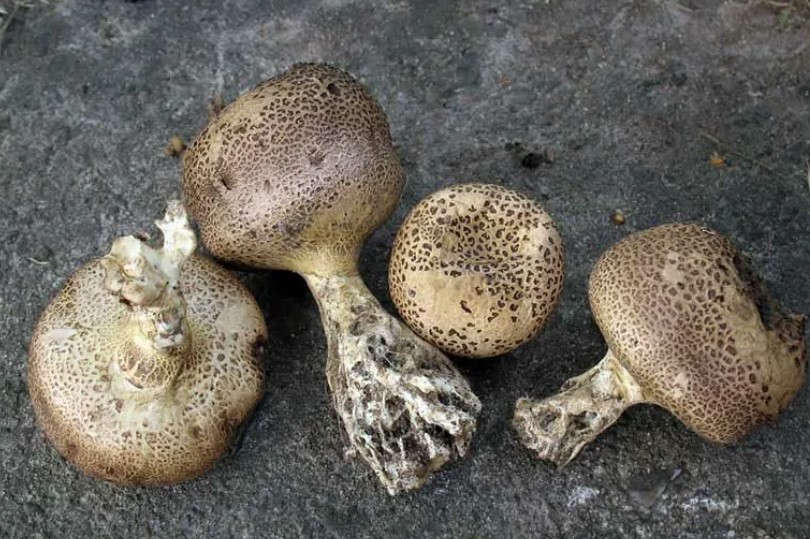
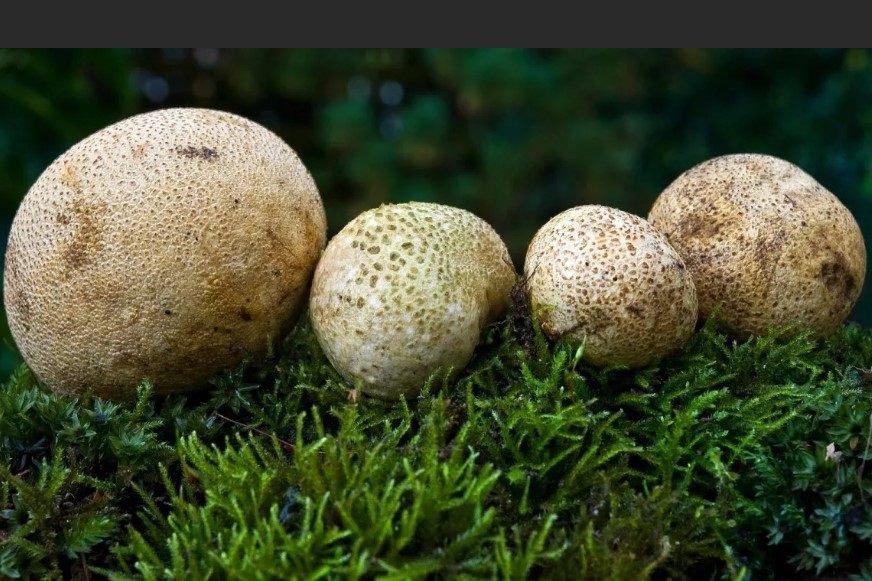
Warty puffball (Scleroderma verrucosum)
The most common type of false puffball, discovered in 1801.
| Description | Harvest season | Spreading | Usage |
| The body is tuberous, with a height ranging from 2 to 8 cm. The stem is up to 1.5 cm high. The color is brownish, and the surface is covered with brown scales that resemble warts. | September-October | Prefers hardwoods and grows everywhere. | A mildly poisonous mushroom used for making seasonings. |
Photo gallery of the false puffball
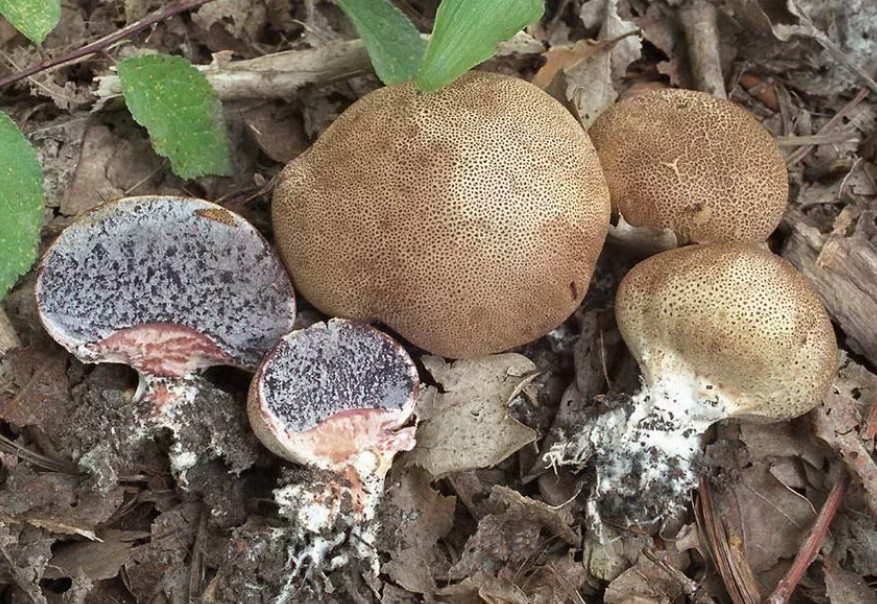
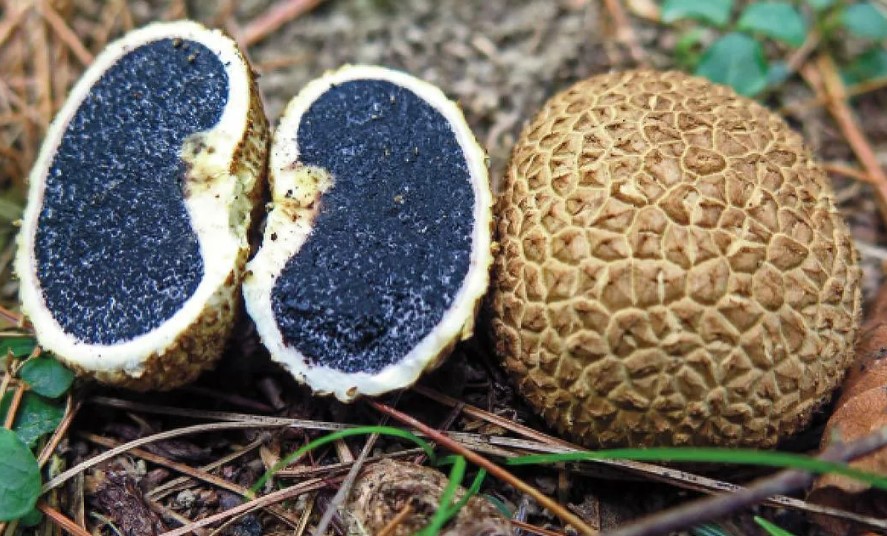
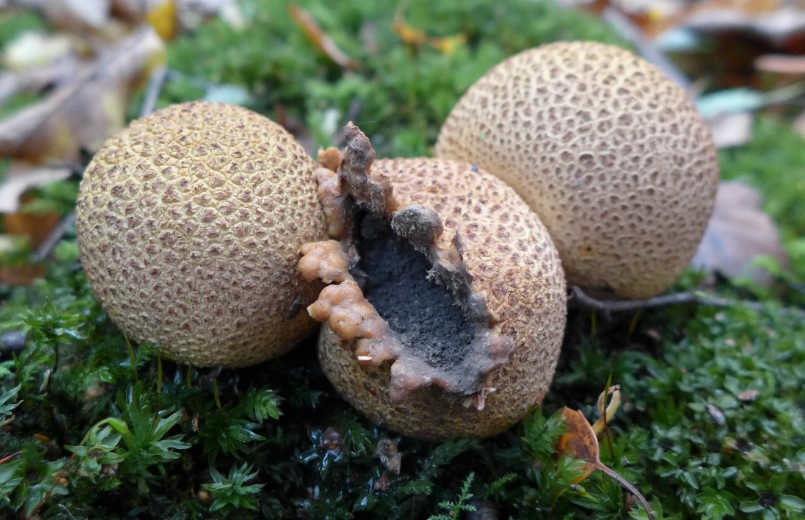
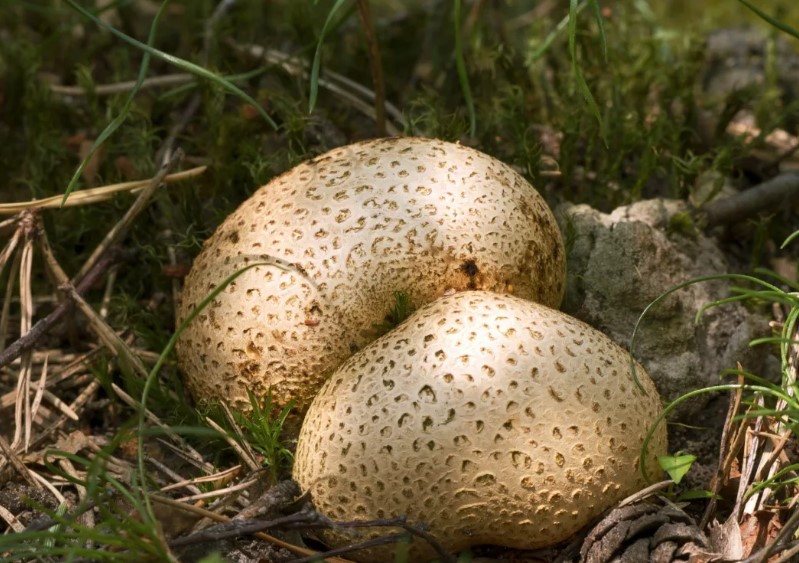
Common puffball (Scleroderma citrinum)
This mushroom is also popularly called scleroderma or orange puffball due to its specific color.
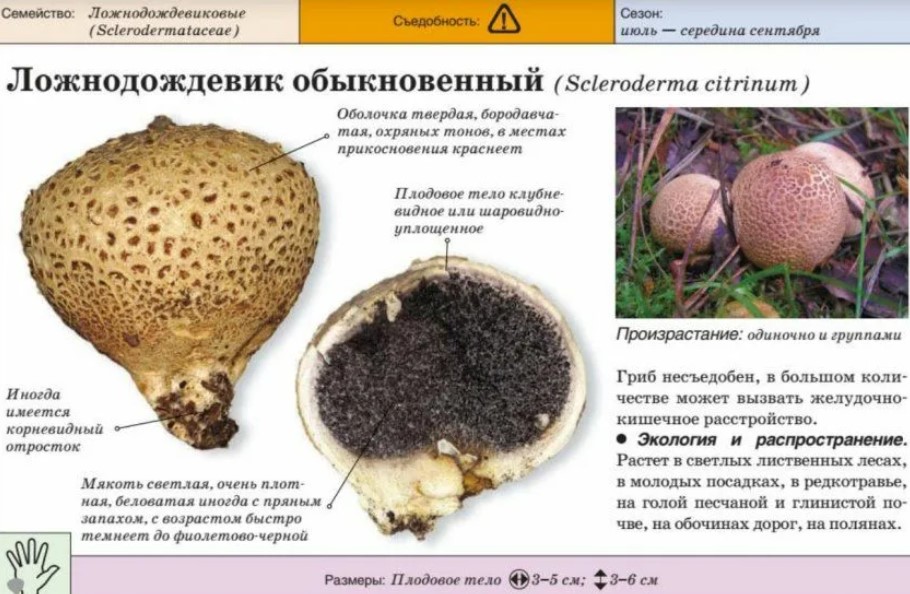
| Description | Harvest season | Spreading | Usage |
| The plant grows up to 6 cm tall, with an oval-spherical fruiting body. It has no stalk. The yellowish-orange color is due to the pigment sclerocytrin. | July-September | European part of Russia, Far East, North Caucasus. | It is rarely used in seasonings due to its slight resemblance to truffles. It is not recommended for consumption. |
Photo gallery of the common false puffball
Spotted puffball (Scleroderma areolatum)
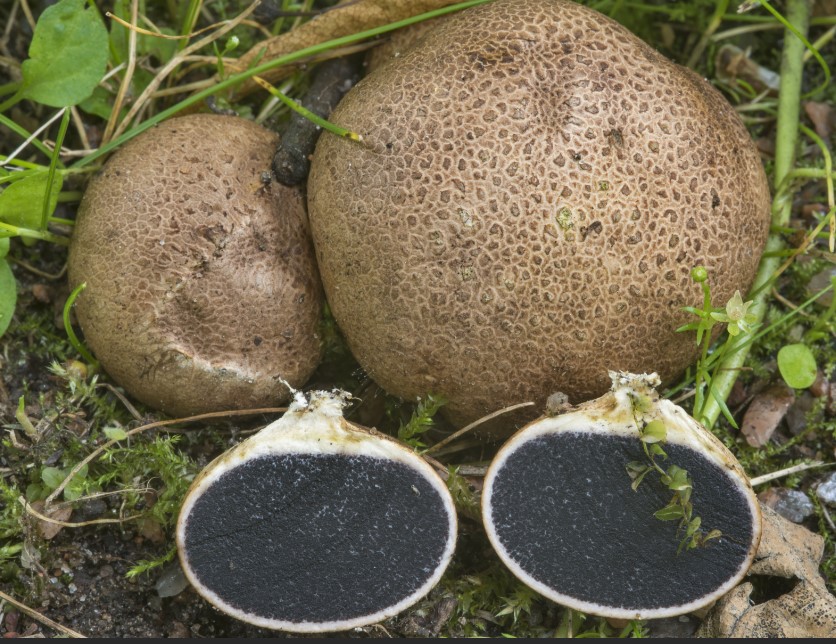
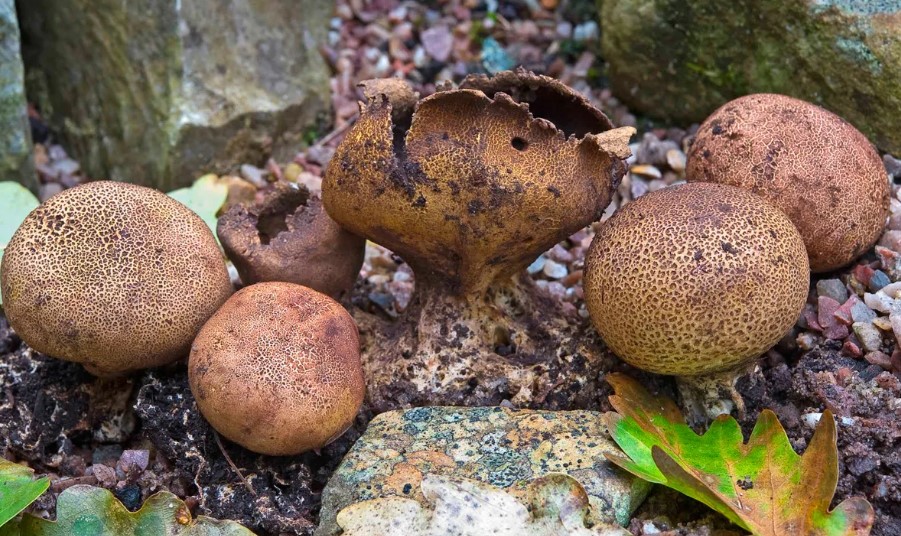
It is distinguished by its unusual color, which is why people call it the leopard mushroom.
| Description | Harvest season | Spreading | Usage |
| The mushroom is small, pear-shaped, and has a very short stem, no more than 15 mm. Young mushrooms are light in color, later turning brownish. Brownish scales with lighter areoles cover the entire surface. | August-October | It grows in large groups in coniferous and deciduous forests, forest edges, clearings, | Inedible mushroom. |
Photo gallery of the spotted false puffball
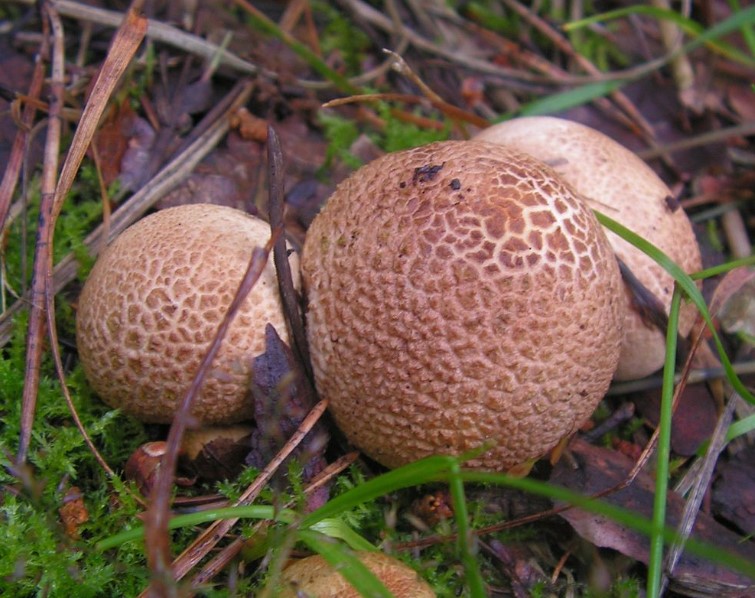
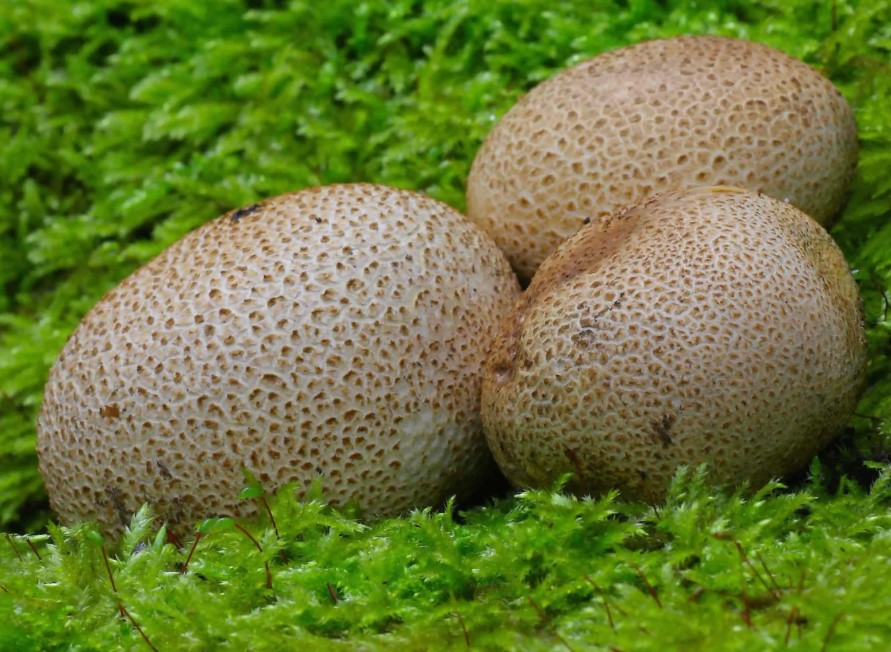
Poisoning by false puffballs, first aid
Puffballs are considered mildly toxic. A small amount of even the most dangerous puffball will only cause gastrointestinal upset.
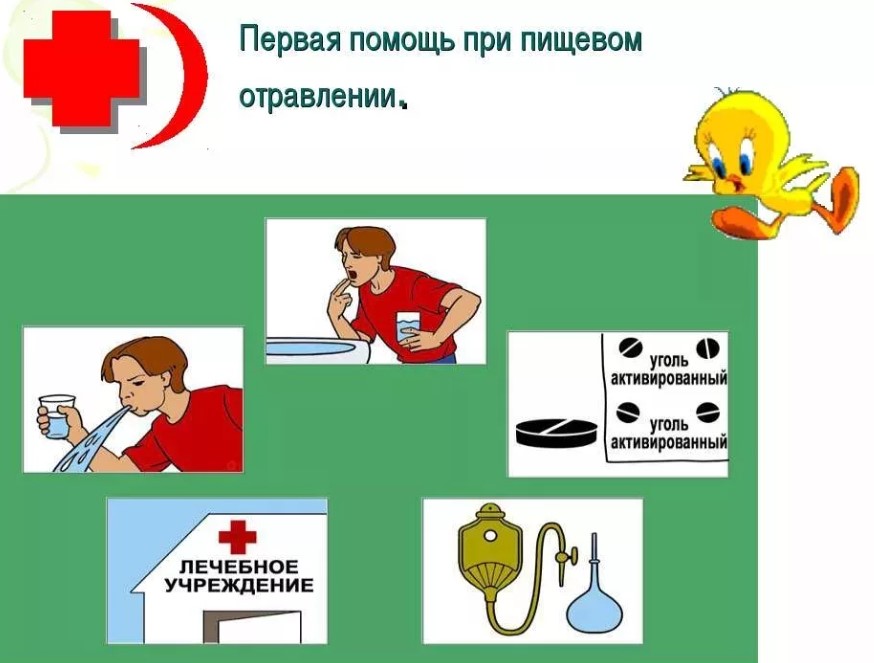
Symptoms of poisoning are:
- nausea;
- vomit;
- diarrhea;
- sweating;
- rapid heartbeat.
First aid for mushroom poisoning involves rinsing the stomach with copious amounts of water. If symptoms appear, call an ambulance.
Reviews of puffball mushrooms
This mushroom is worth our attention. I tried it for the first time this year and was surprised why so few people pick it—it's quite tasty, at least when fried.
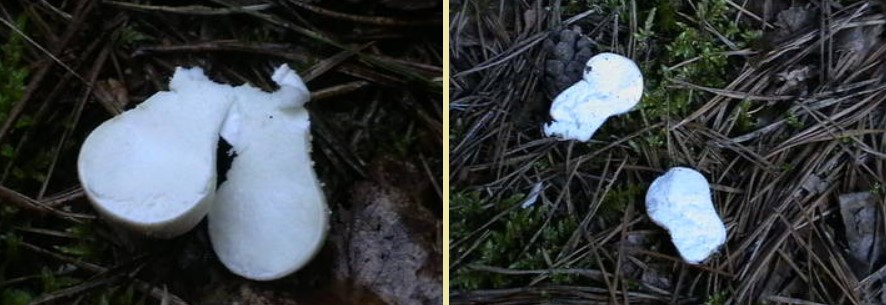
Only young puffballs, which are white inside, can be collected and eaten!
A young mushroom is always white and water-free inside; as it gets older (size doesn't matter), it becomes light olive-colored inside and then darkens.
You can't take this one!
It also becomes softer with age. A young pearl puffball shouldn't dent when cut (assuming the knife is sharp enough, of course!). I've encountered it in all types of forests, but its favorite places are deciduous forests (especially in open areas). This mushroom has a distinctive smell (kind of perfume initially), but the smell disappears completely when cooked. I've only made pearl puffballs by drying them and then grinding them into powder. I've also fried them (delicious!) and made soup (also delicious!). I read online that this mushroom is prized in Italy, but here it's somehow rated as a fourth-class mushroom...strange, since it's actually delicious fried and in soup. Before eating, peel the outer skin—it comes off like a shell (just lift the edge and scrape it off a little at a time...it peels off pretty easily). Yes, this mushroom remains white when dried, and the resulting powder is also white, unlike all other mushrooms. This mushroom is worth picking. It grows (I've encountered one at this time) from August to November. Some of these puffballs have a very small stem (almost nonexistent), while others have a rather tall one.
The raincoat at the bottom in the photo is also young, although the outside is darker (the main thing is that it is white inside).
You should choose those that don't bruise with a knife, but rather cut, as those that don't cut well are already starting to spoil a little, even though the olive color may not yet be apparent. The mushroom itself isn't dense, but the flesh should still have some elasticity.
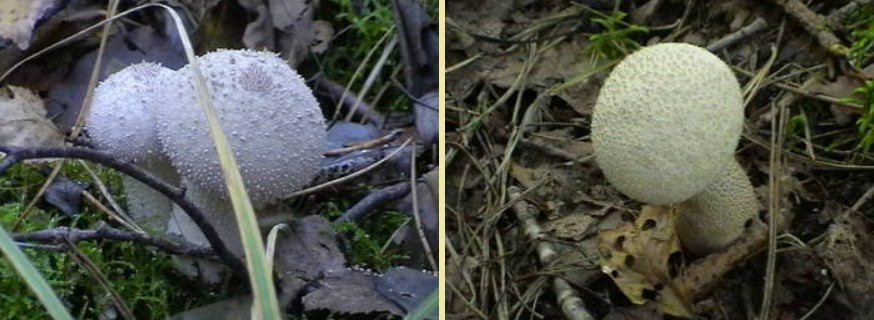
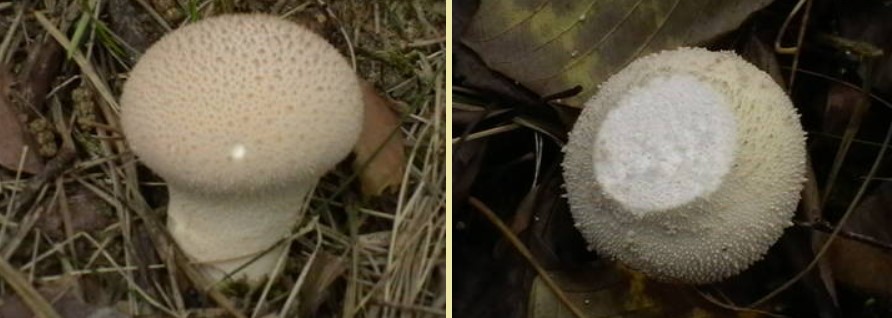
Puffballs are among the most fragrant mushrooms, comparable to porcini mushrooms. Fresh puffballs are excellent for soup, and they're also great for drying—their flesh is dense, pure white, worm-free, and they dry easily and evenly.
Many mushroom pickers neglect them in the forest, but in vain, because they are much more useful than many tubular mushrooms like aspen mushrooms and birch boletes, which are only beautiful in appearance.
And now there are a whole bunch of them—tree-growing ones have popped up, appearing alongside honey mushrooms, while honey mushrooms are almost gone in the European zone. You can easily cut half a bucket from a single tree, then cut them into 0.5cm slices and bake them on paper on a baking sheet at 60°C for 3-4 hours, or even on a country stove for two hours, then finish drying. Of the dried mushrooms, only porcini mushrooms are better than puffballs, but there are usually far fewer of them.
We always ate them when we found them. We fried them—they were delicious. My grandmother grew up in a Siberian village and knows all about mushrooms. We show her the ones we find to see if they're edible. She has some mulleins, and she says, "You have to soak these, then they're edible, but the rest are bitter," things like that.
Edible puffballs are white inside. If they're yellow or gray, they're spoiled and shouldn't be eaten. And if there's a yellowish "smoke" coming out (my grandmother calls them "puffballs"), they're overripe. That's it.