The name hedgehog mushroom (by the way, it is incorrect to say “hedgehog mushroom”) covers different families of mushrooms, which sometimes have external similarities.
Content
- 1 General description of hedgehog mushrooms
- 2 Where hedgehog mushrooms grow, the season for picking
- 3 Two edible species of hedgehog mushrooms from the hedgehog mushroom family: photos and descriptions in tables
- 4 3 edible species of hedgehog mushrooms from the Hericiaceae family: photos and descriptions in tables
- 5 3 conditionally edible species of hedgehog mushrooms from different families
- 6 8 inedible species of hedgehog mushrooms from different families with photos and descriptions in tables
- 7 Benefits, nutritional value, and medicinal properties of the hedgehog mushroom
- 8 Potential harm from the hedgehog mushroom
- 9 Culinary uses of hedgehog mushrooms
- 10 Recipes for dishes using hedgehog mushrooms
- 11 Growing hedgehog mushrooms at home
- 12 Storing hedgehog mushrooms
- 13 Reviews of black-headed mushrooms and cooking tips
General description of hedgehog mushrooms
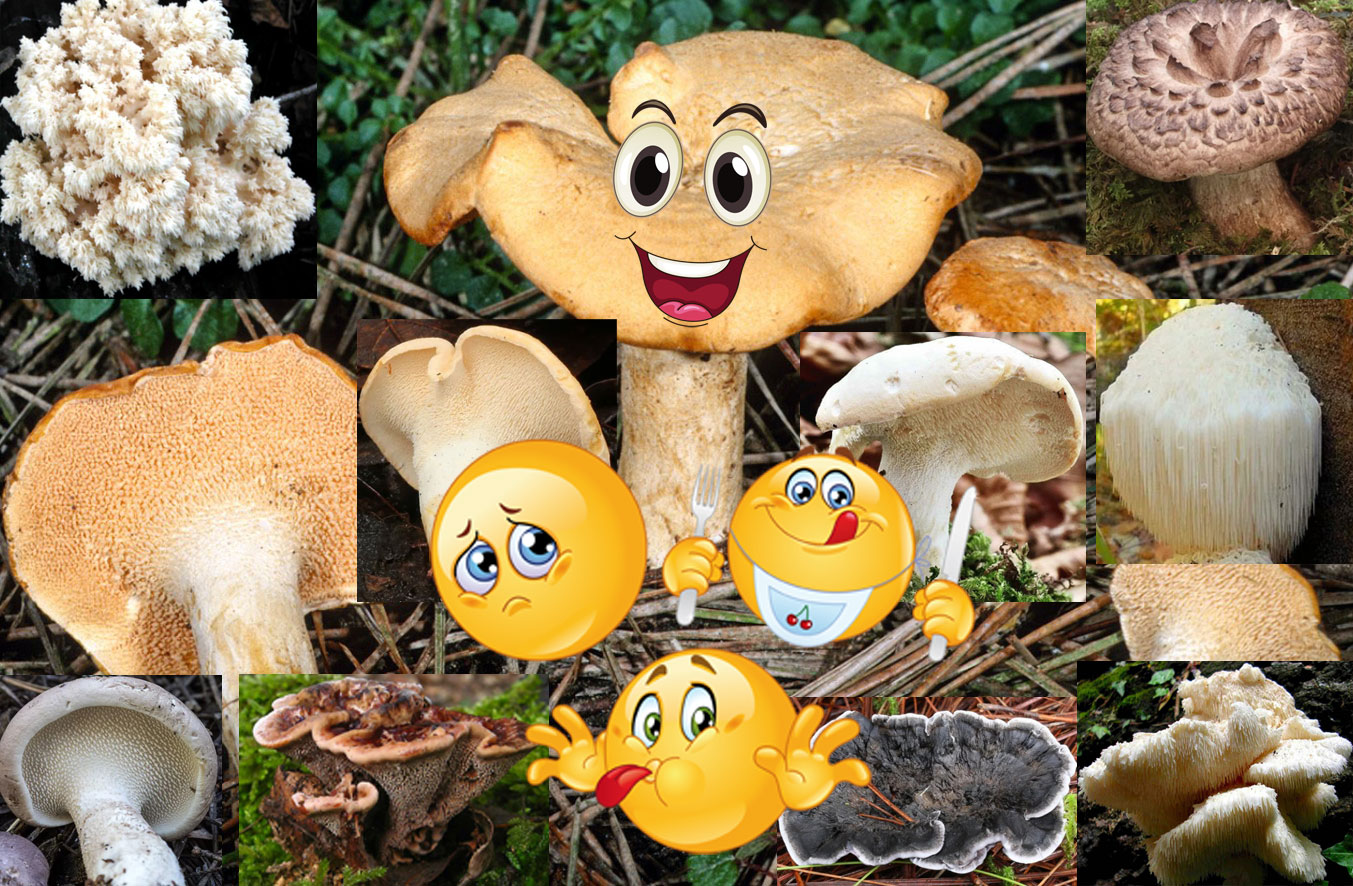
At first glance, hedgehog mushrooms may resemble chanterelles, growing in large columns. Their distinctive feature, which gives them their name, is the soft, needle-like projections located on the underside of the cap.
Different names for hedgehog mushrooms
In various sources you can also find other names for hedgehog mushroom:
- Gidnum.
- Kolchak.
- Monkey head.
- Hericius.
- Satyr's beard.
Family and genus
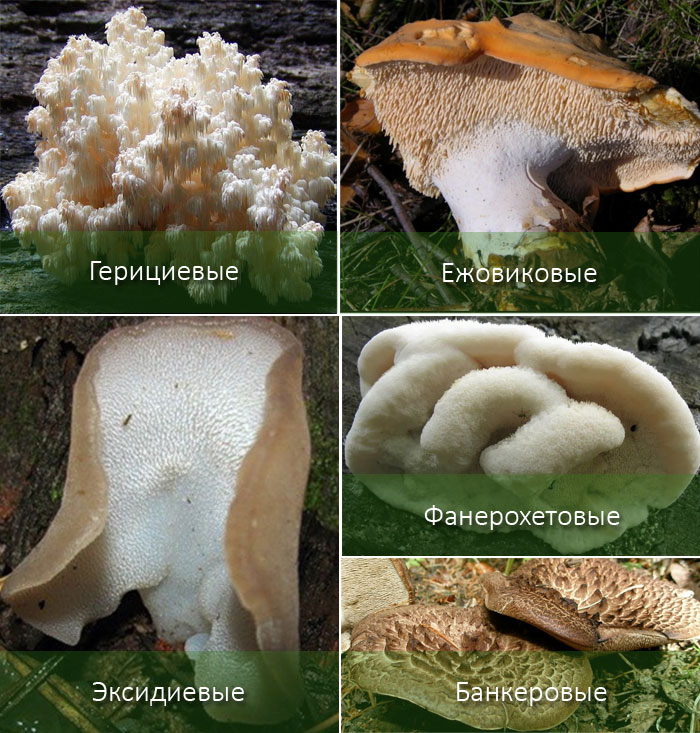
Hericium mushrooms primarily belong to the genus Hydnum, which is part of the family Hydnaceae. However, today, mushrooms from other genera and families are also classified as hericium mushrooms. For example, the genus Hericium from the family Hericiaceae, as well as the families Bankeraceae, Phanerochaete, and Exidiaceae.
Where to put the stress in the word hedgehog
The stress is on the second syllable "yezhovik".
Structural features
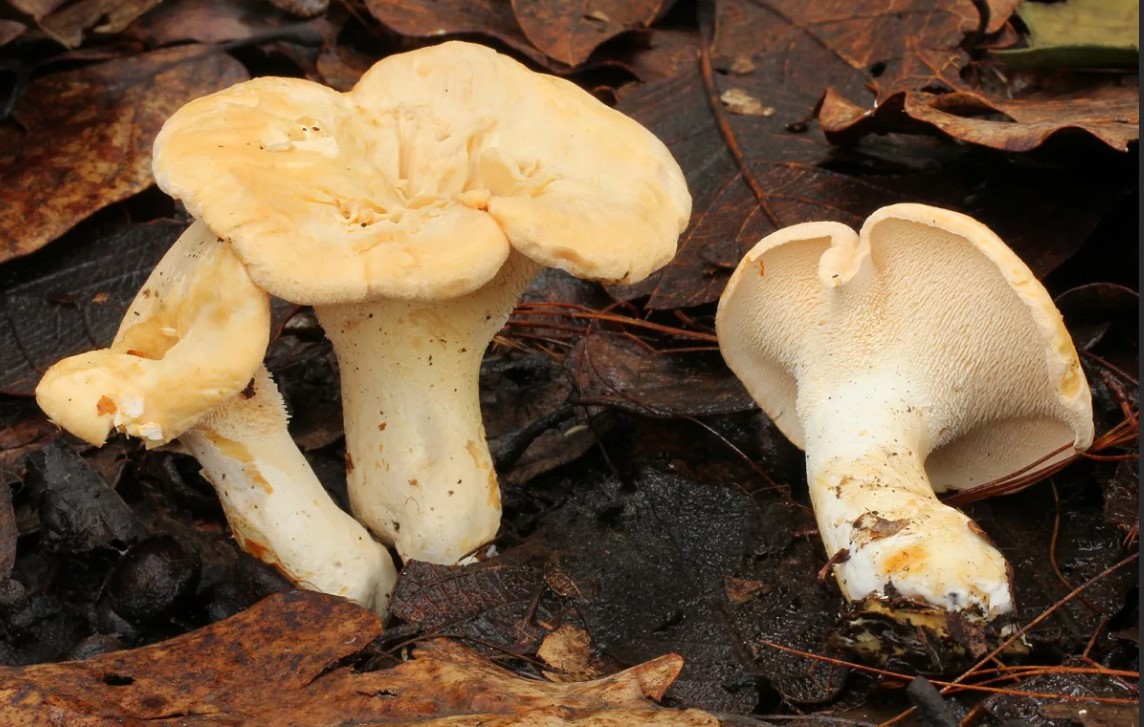
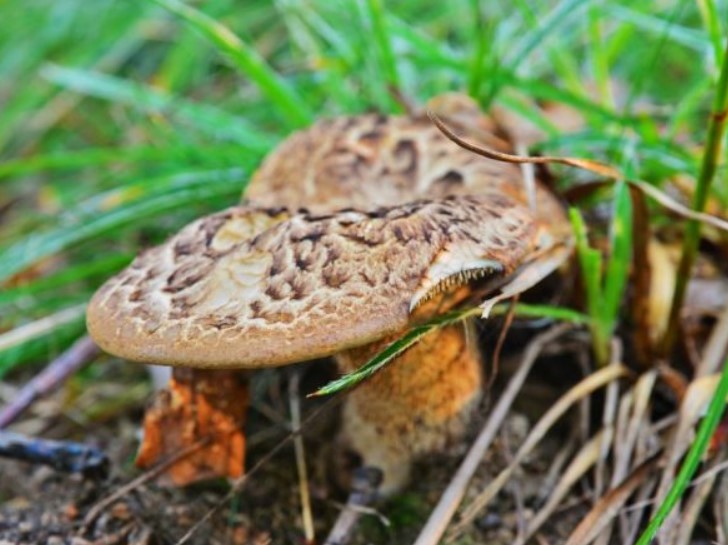
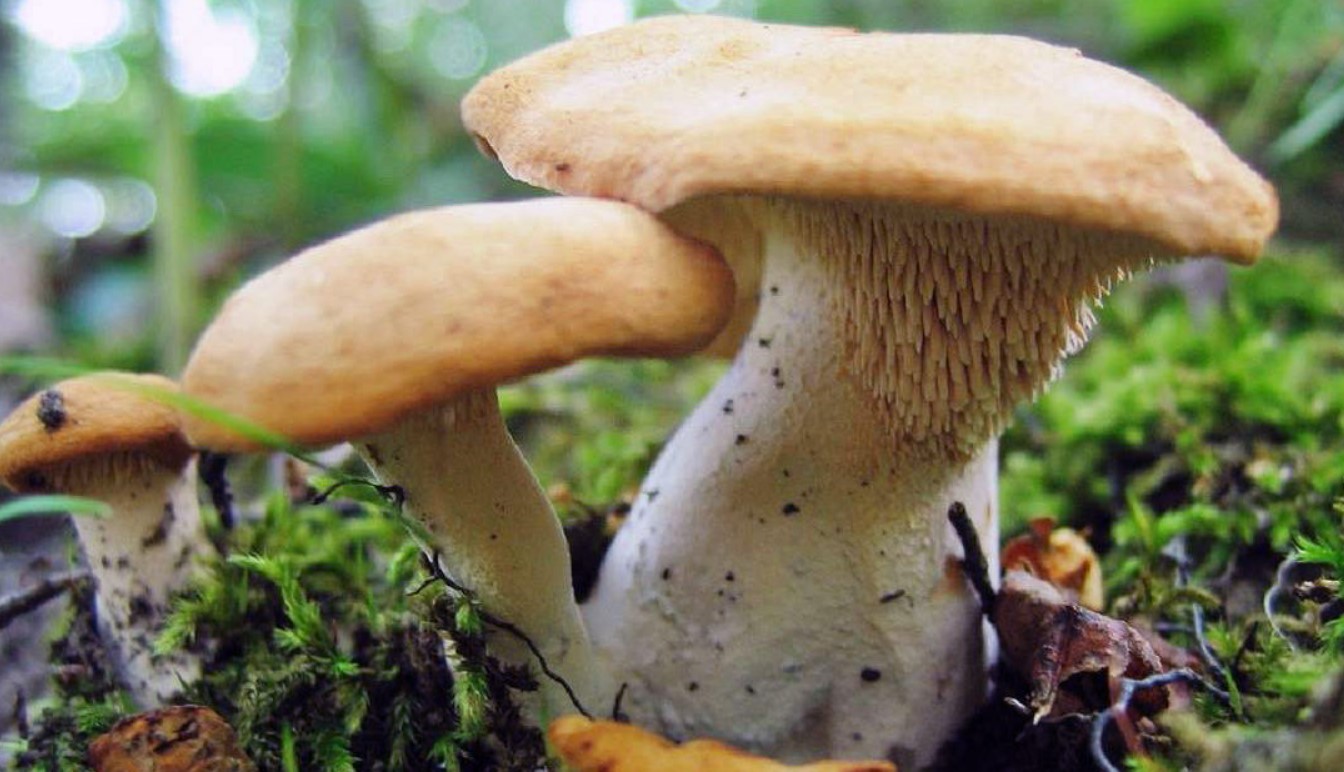
The mushroom caps grow up to 15 cm in diameter. They are convex and have a bumpy surface. Soft spines are located on the inner surface. The color is light yellow or orange, the stem reaches 6 cm in height, and the diameter is 6 cm. The shape is cylindrical, widening at the base. The flesh is dense. The aroma is lightly fruity or floral.
This description applies to the hedgehog mushrooms of the family Erychiumaceae; the characteristics of hedgehog mushrooms from other families are described below.
Where hedgehog mushrooms grow, the season for picking
Hedgehog mushrooms can grow in both coniferous and mixed or deciduous forests. They are found in Siberia, the Far East, as well as North America and Europe. Some members of the family are listed as endangered, making them difficult to find in the forest.
The fruiting period lasts from July to October.
Two edible species of hedgehog mushrooms from the hedgehog mushroom family: photos and descriptions in tables
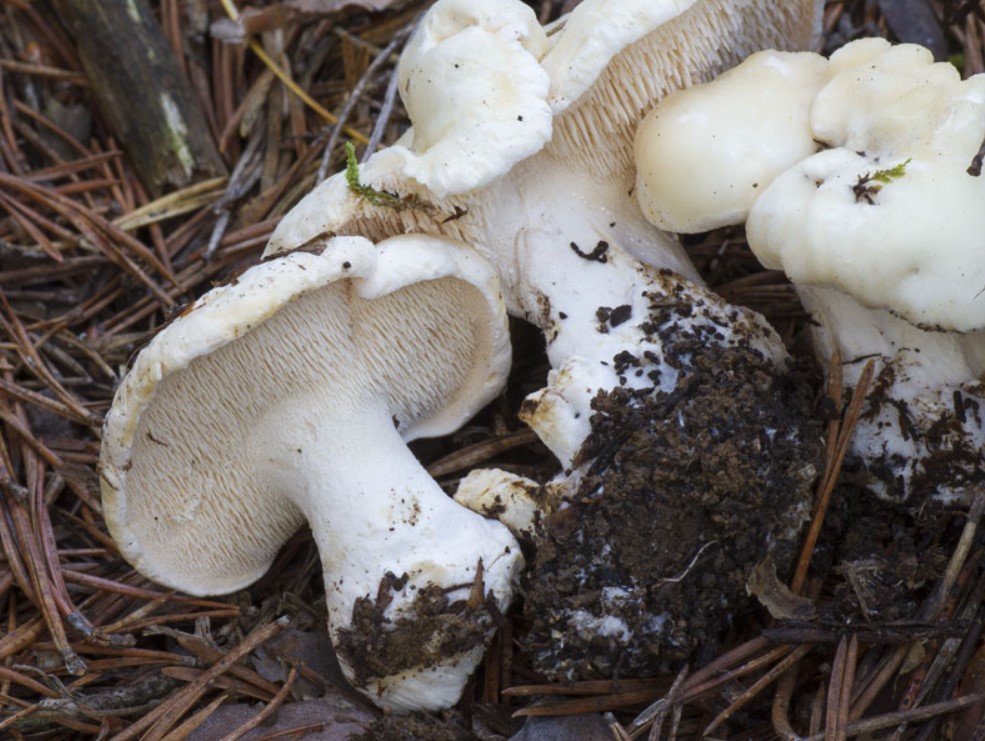
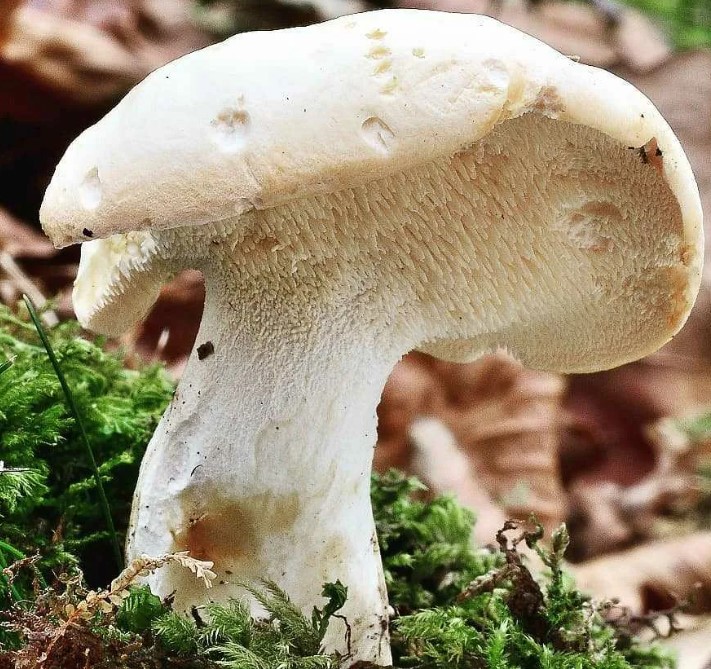
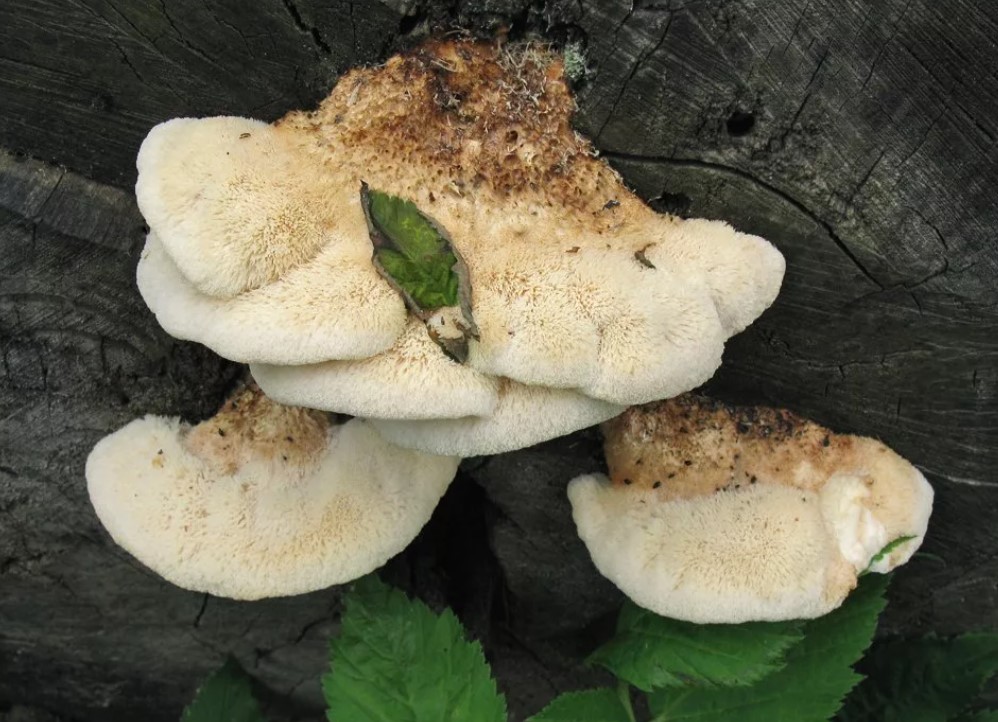
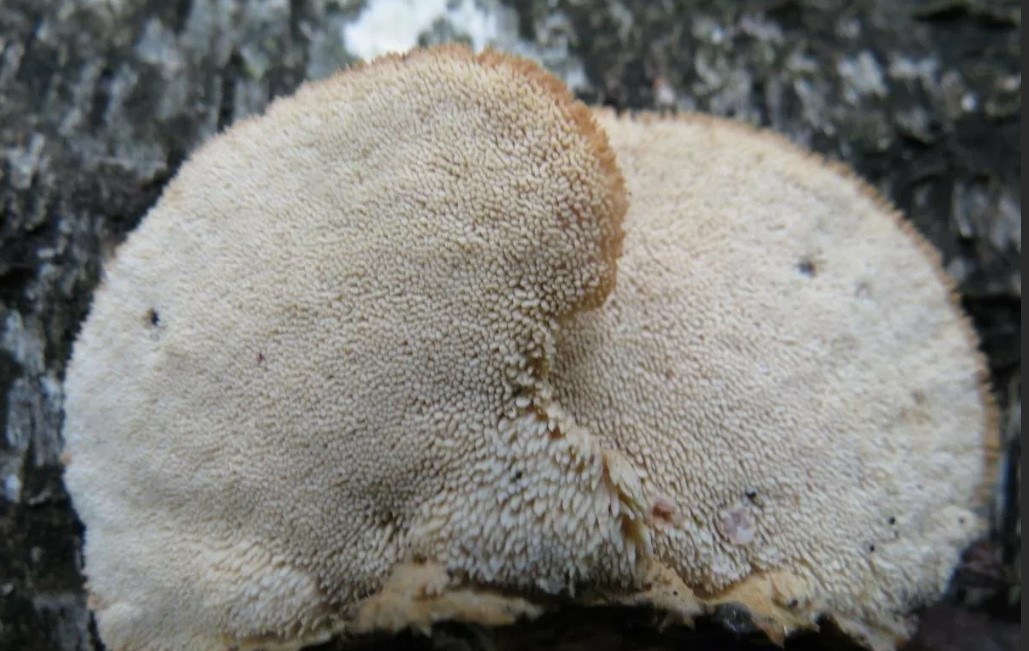
It's very easy to recognize the hedgehog mushroom. Where ordinary mushrooms have gills or a tubular layer, the hedgehog mushroom has needle-like structures.
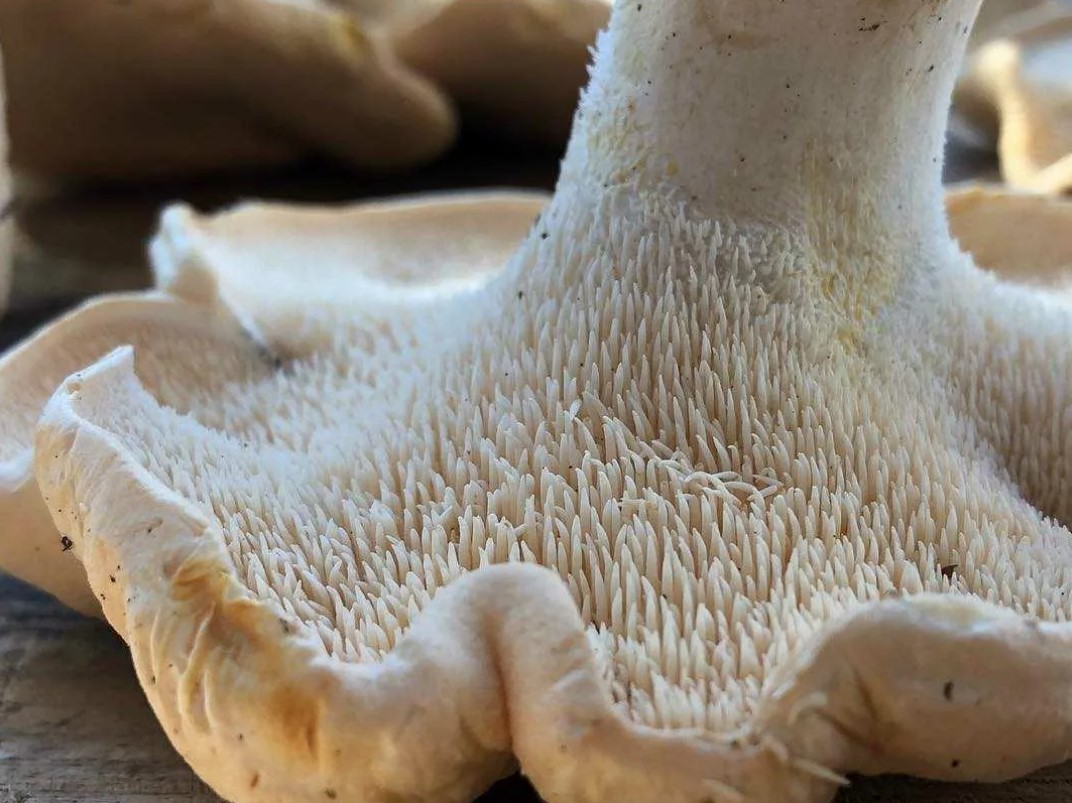
Below we will describe the most common edible varieties of these mushrooms.
Yellow hedgehog mushroom, notched
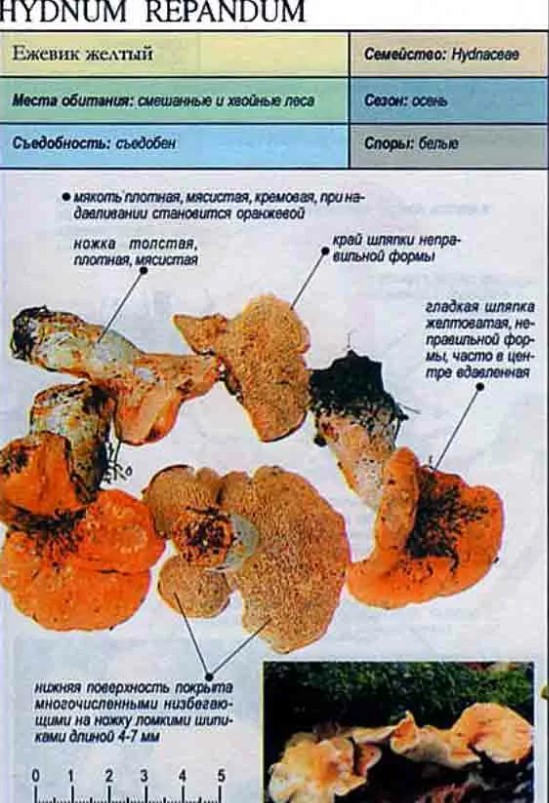
| Name | Description | When it grows | Where it grows |
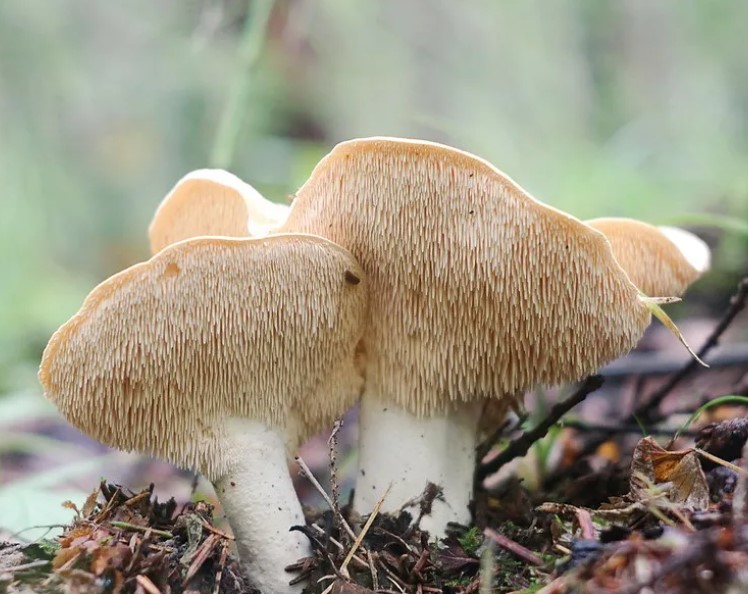
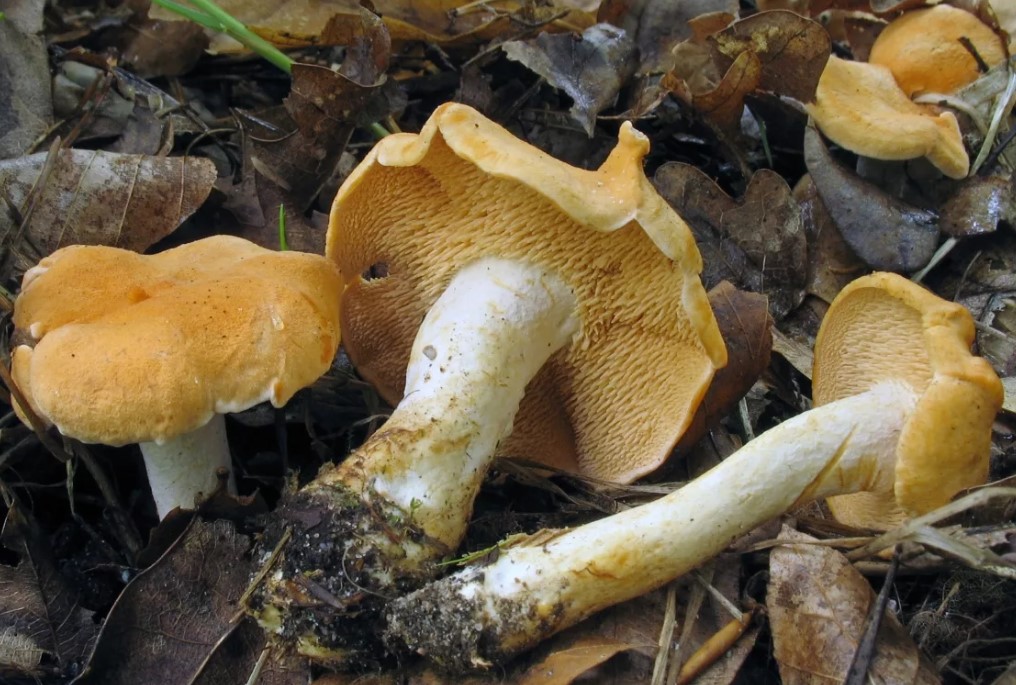
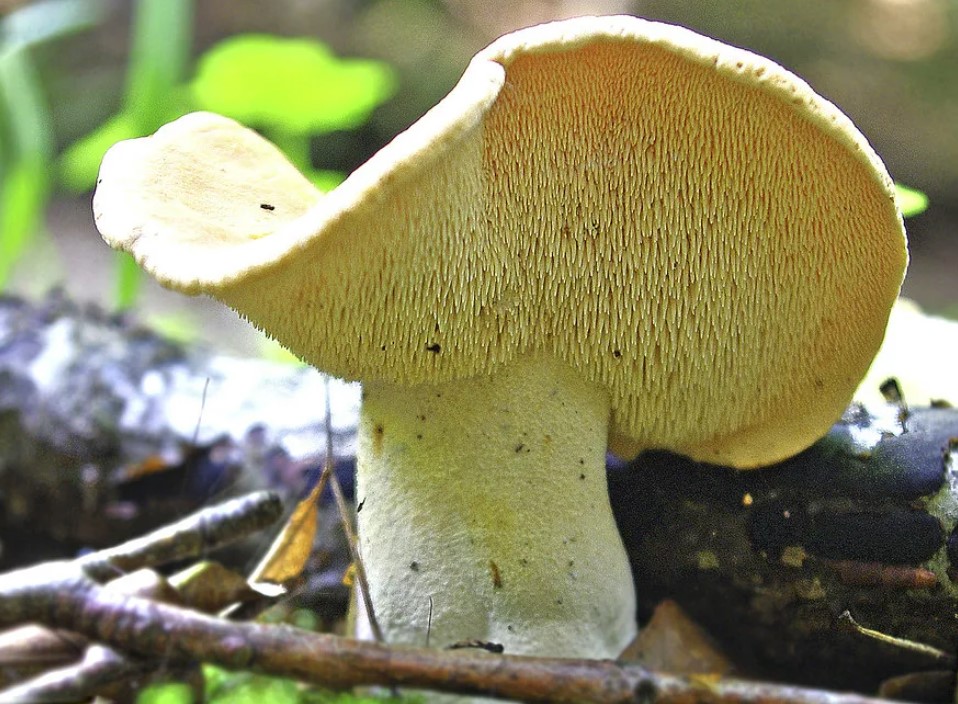
| Yellow hedgehog mushroom (Hydnum repandum) | The cap is deltoid or orange, 6-12 cm in diameter, and may have downward-curving margins. The flesh is thick and pleasantly aromatic. The caps of several mushrooms often fuse together during development. The needles on the underside of the cap are slightly lighter and break easily. The stem is up to 6 cm long, widening at the base. | From July to October. | On moss in mixed or coniferous forests. |
Photo gallery of the yellow hedgehog mushroom
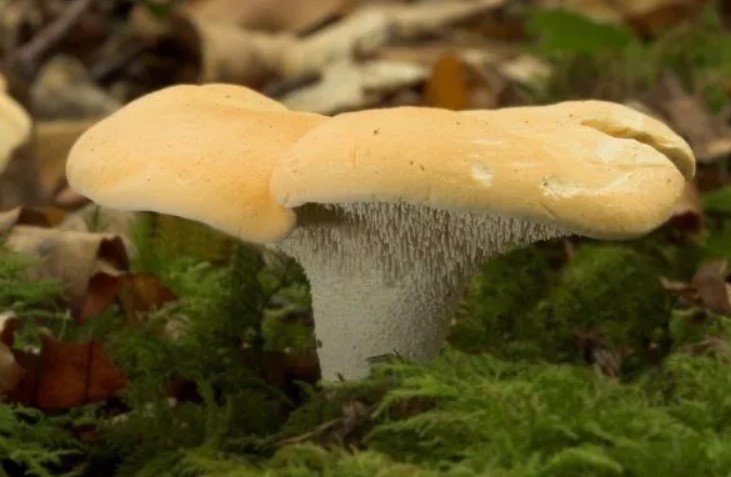
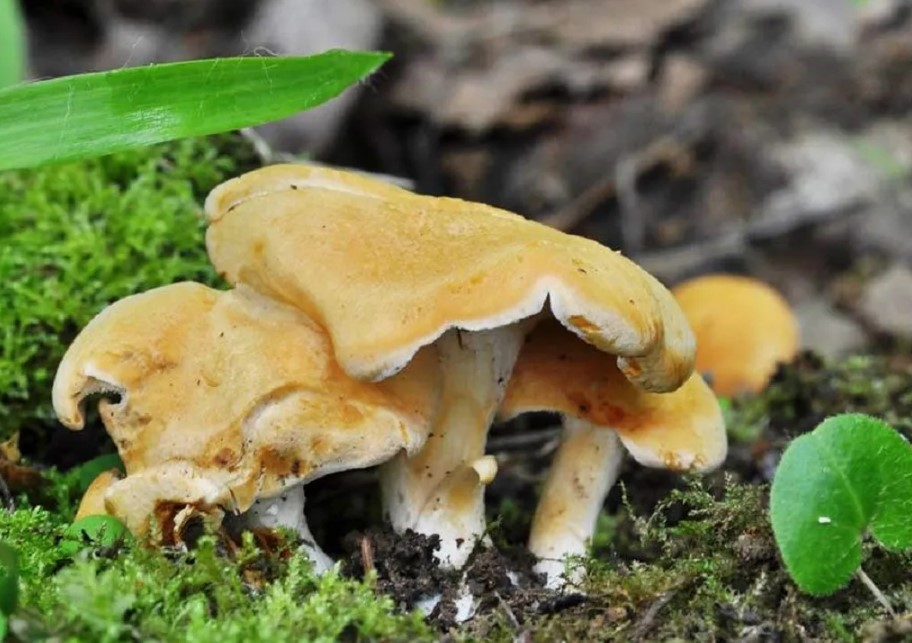
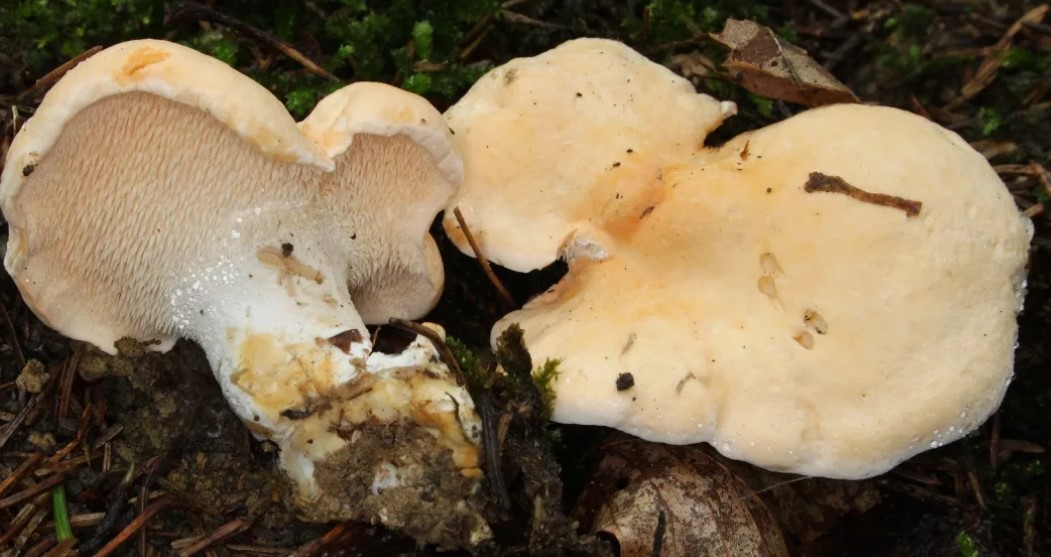
White hedgehog mushroom, whitish
| Name | Description | When it grows | Where it grows |
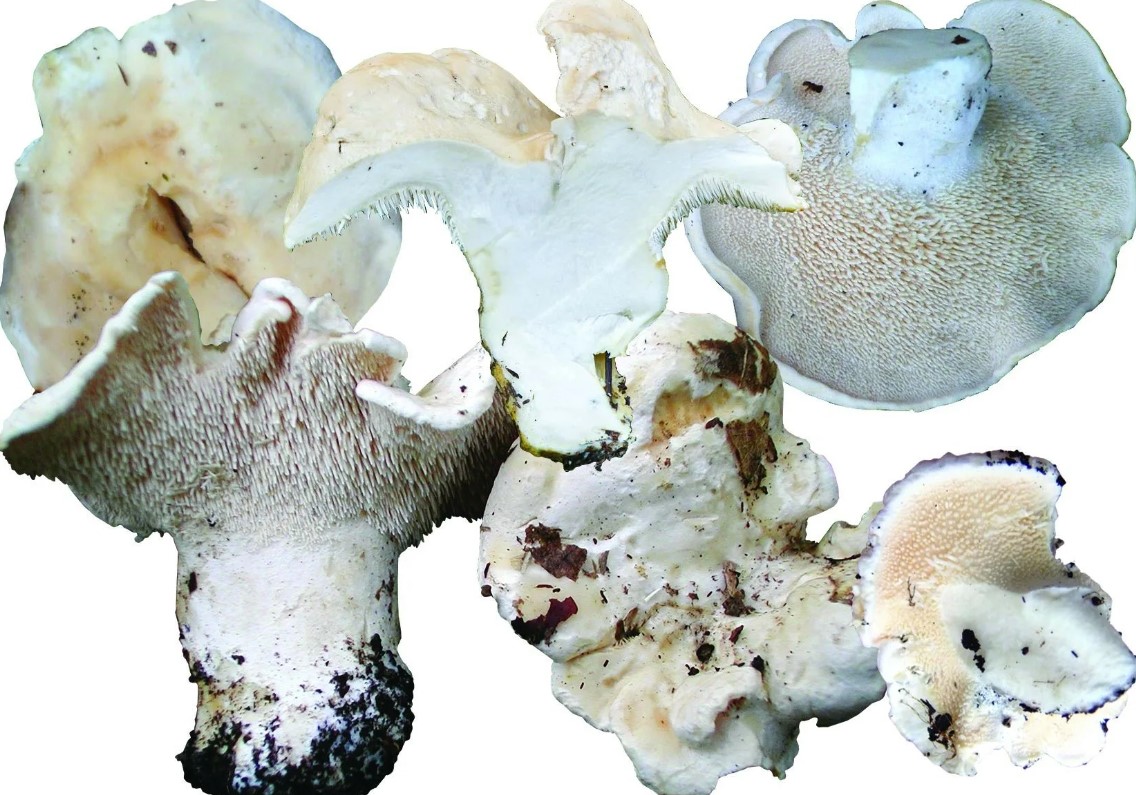
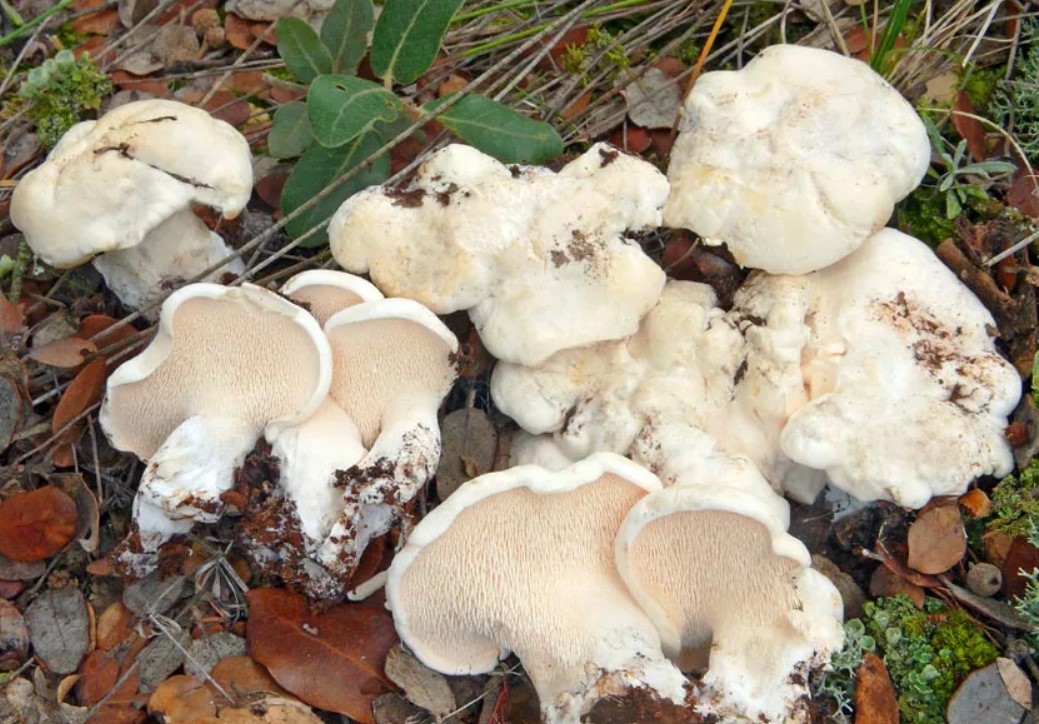
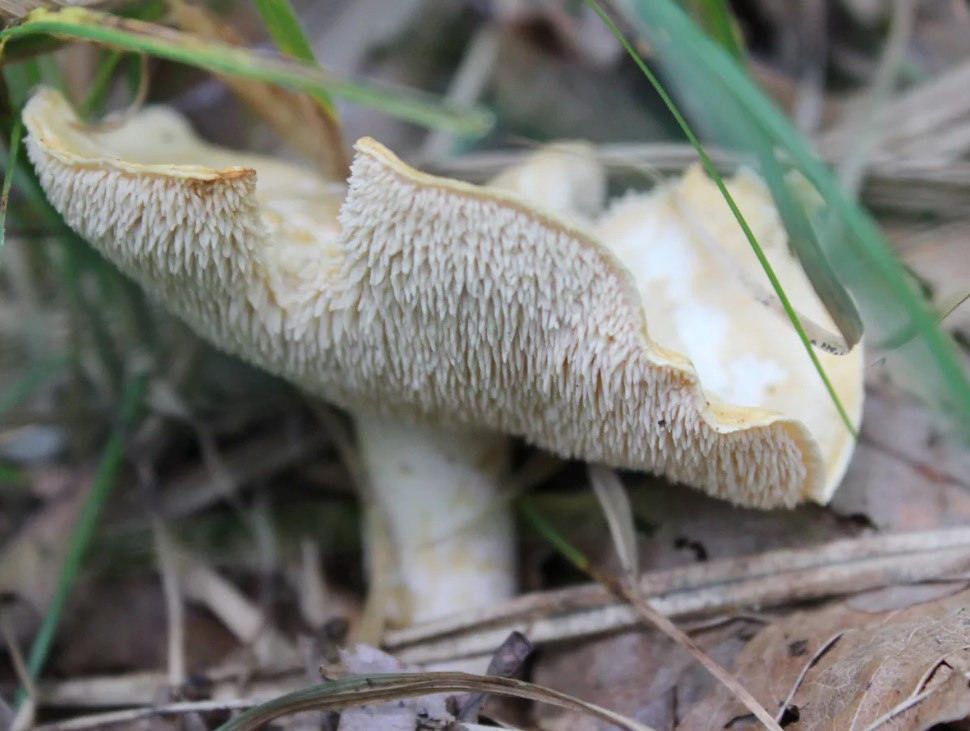
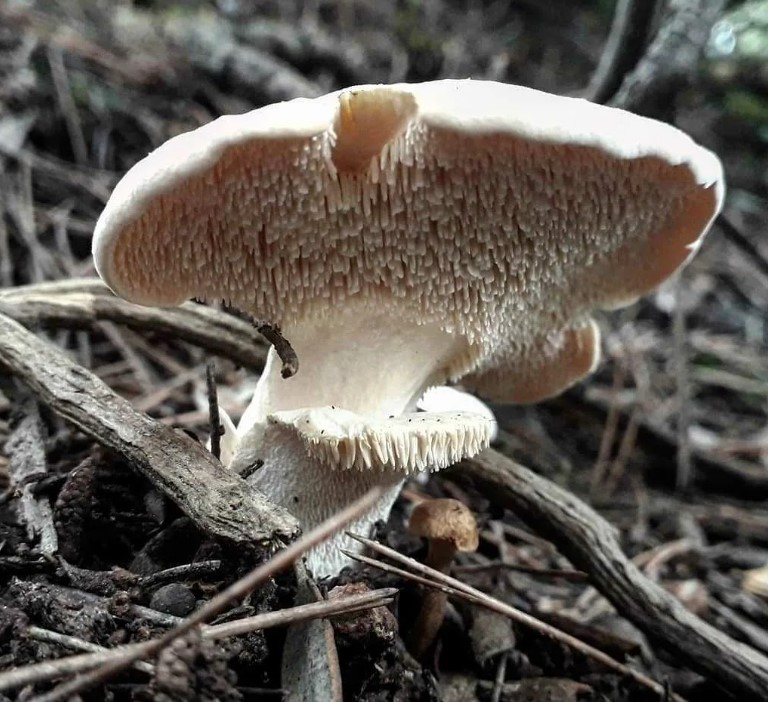
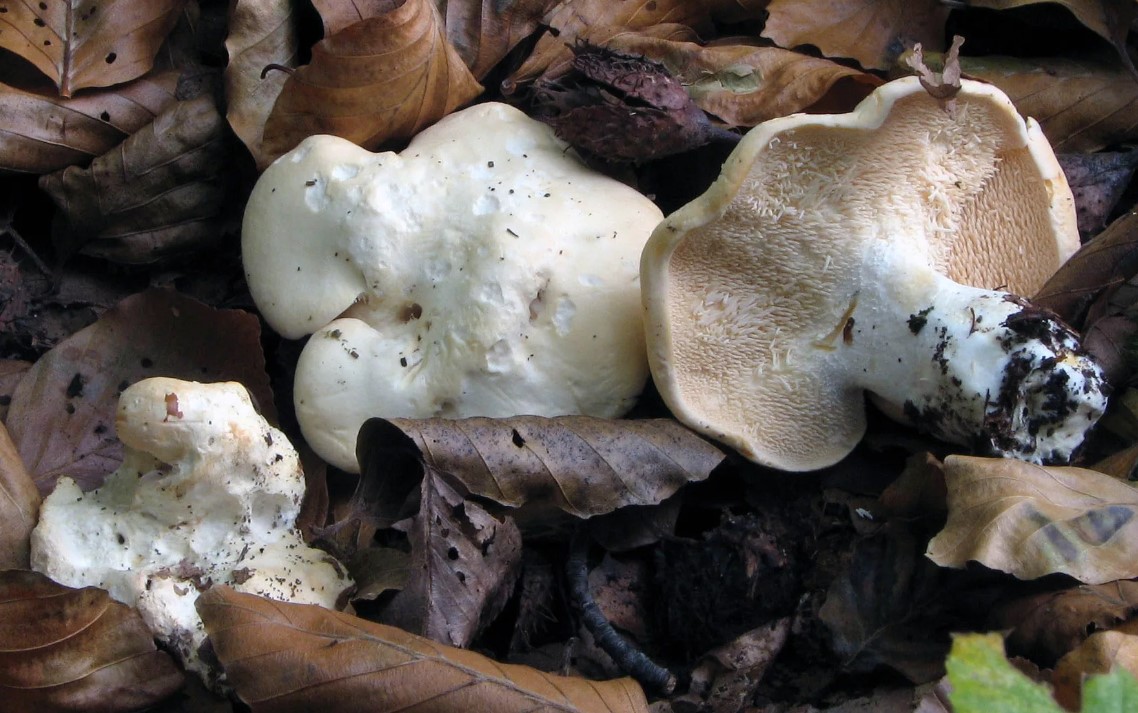
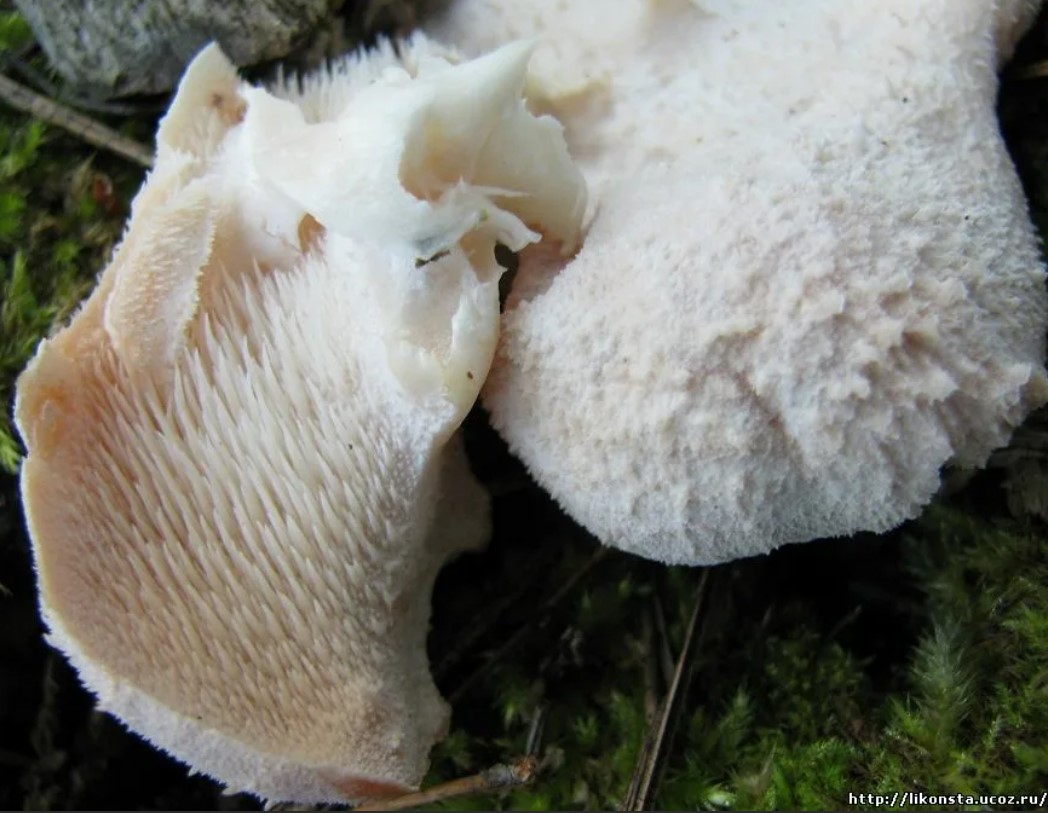
| White hedgehog mushroom, whitish (Hydnum albidum) | The cap is white, which may develop grayish or yellowish hues with age. The diameter is 5-12 cm, and the shape is initially slightly convex, becoming more prostrate as it matures. The skin is velvety, dense, and dry. The spines are pinkish-white and fall off easily as the fruit matures. The stem is approximately 6 cm high, dense, and free of voids. | From July to October. | Coniferous and deciduous forests love high humidity and moss. |
Photo gallery of the white hedgehog mushroom
3 edible species of hedgehog mushrooms from the Hericiaceae family: photos and descriptions in tables
Edible species of hedgehog mushrooms are very rare in Russia, but are easily recognizable by their needle-like covering. Below are the most common species of edible hedgehog mushrooms from the Hericiaceae family.
Alpine hedgehog mushroom
| Name | Description | When it grows | Where it grows |
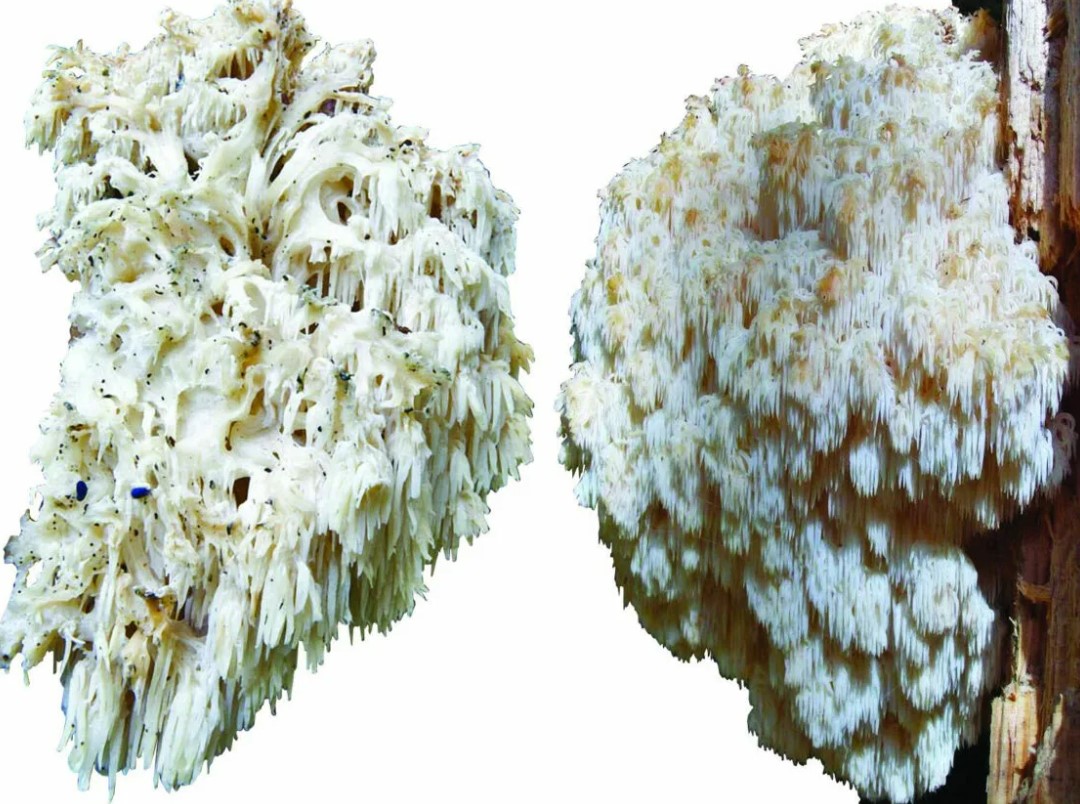
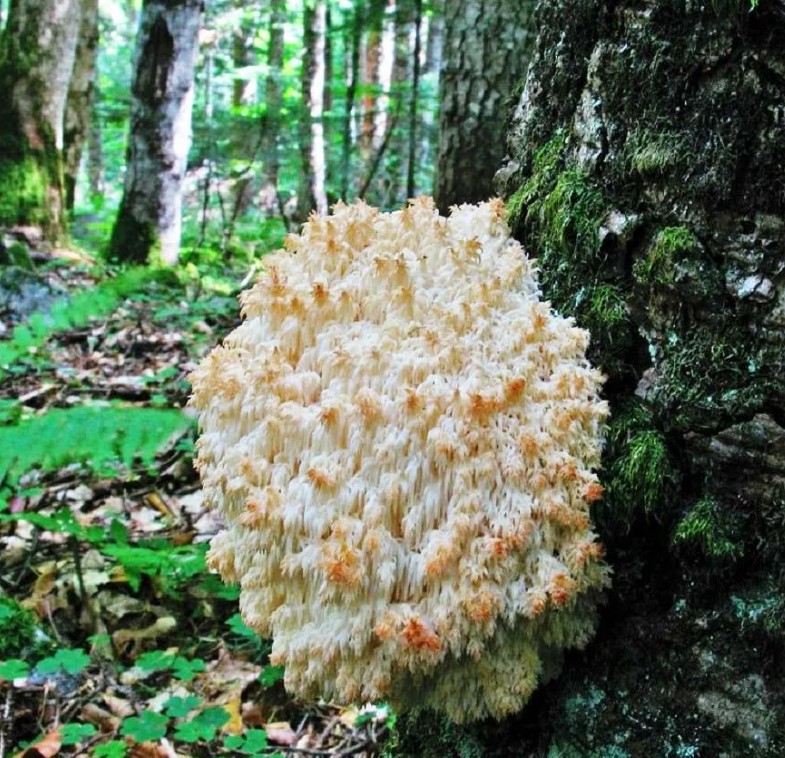
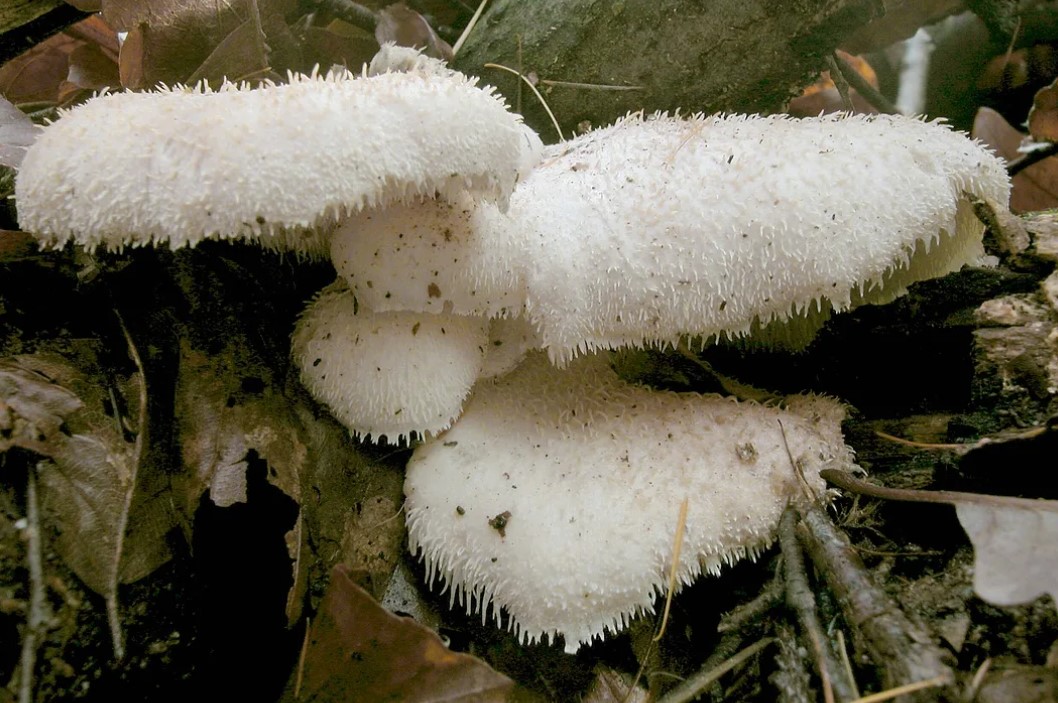
| Alpine hedgehog mushroom (Hericium flagellum) | The fruiting bodies are quite large, with the cap diameter reaching 20 cm and the mushroom height reaching 30 cm. A visible stem may be absent. The color is white or ochre. The spines are up to 2 cm long. | From August to October. | Found on fir wood, but rarely seen on other conifers. Prefers mountainous and foothill areas. |
Photo gallery of the Alpine hedgehog mushroom
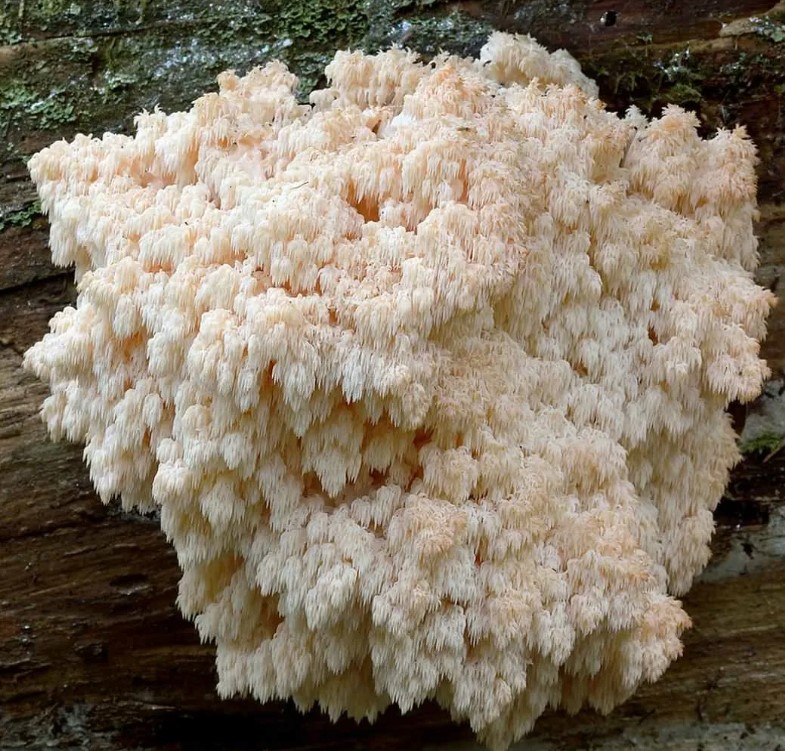
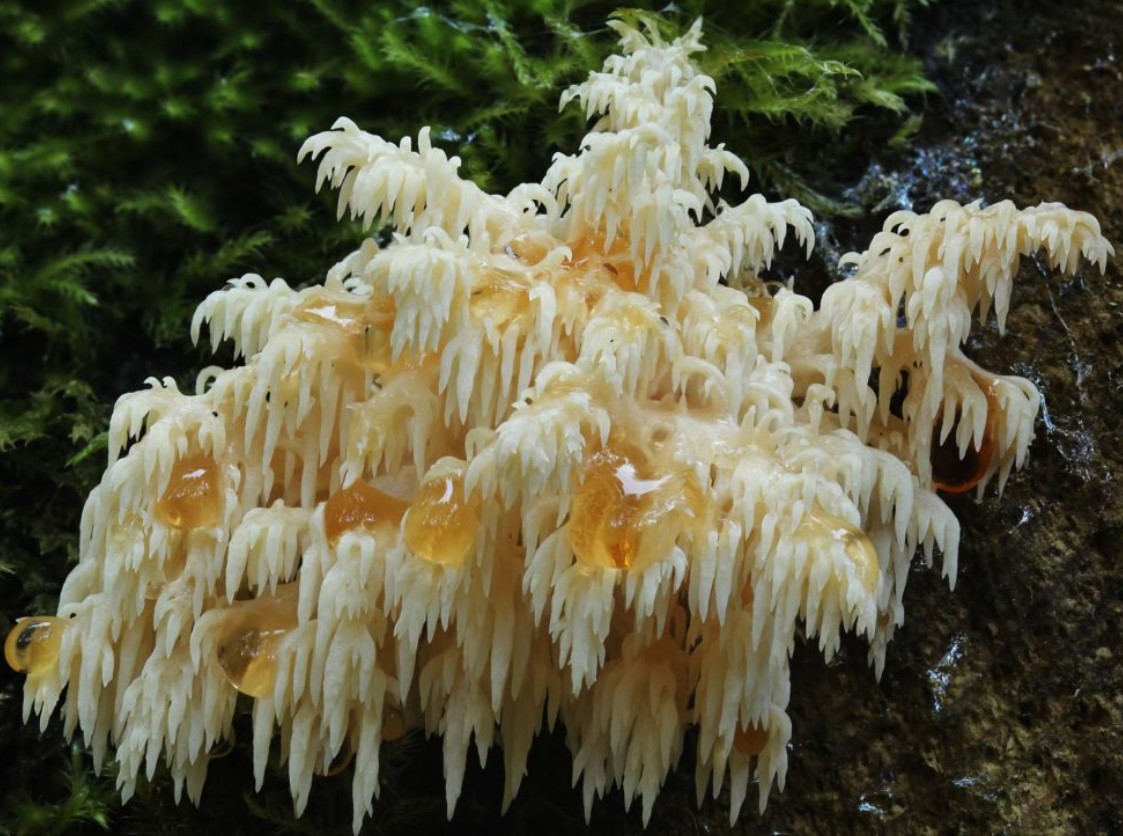
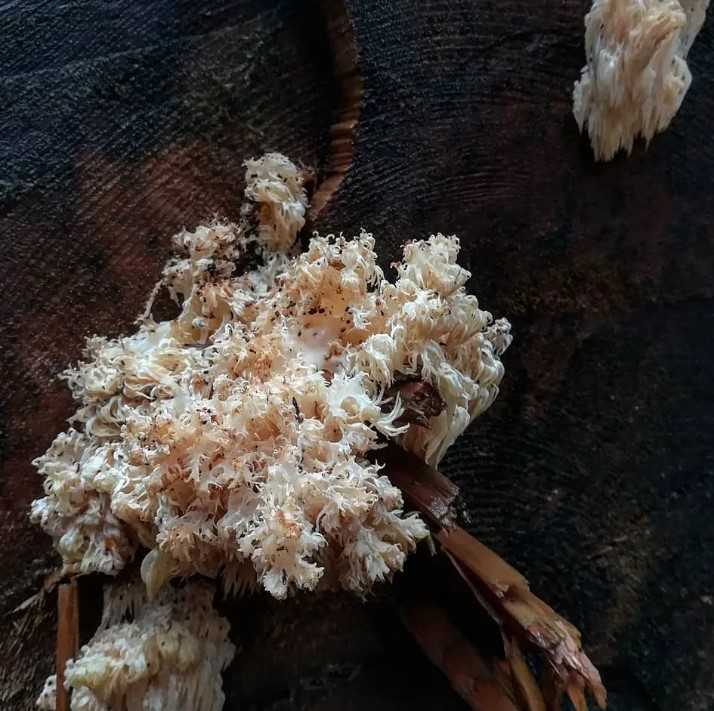
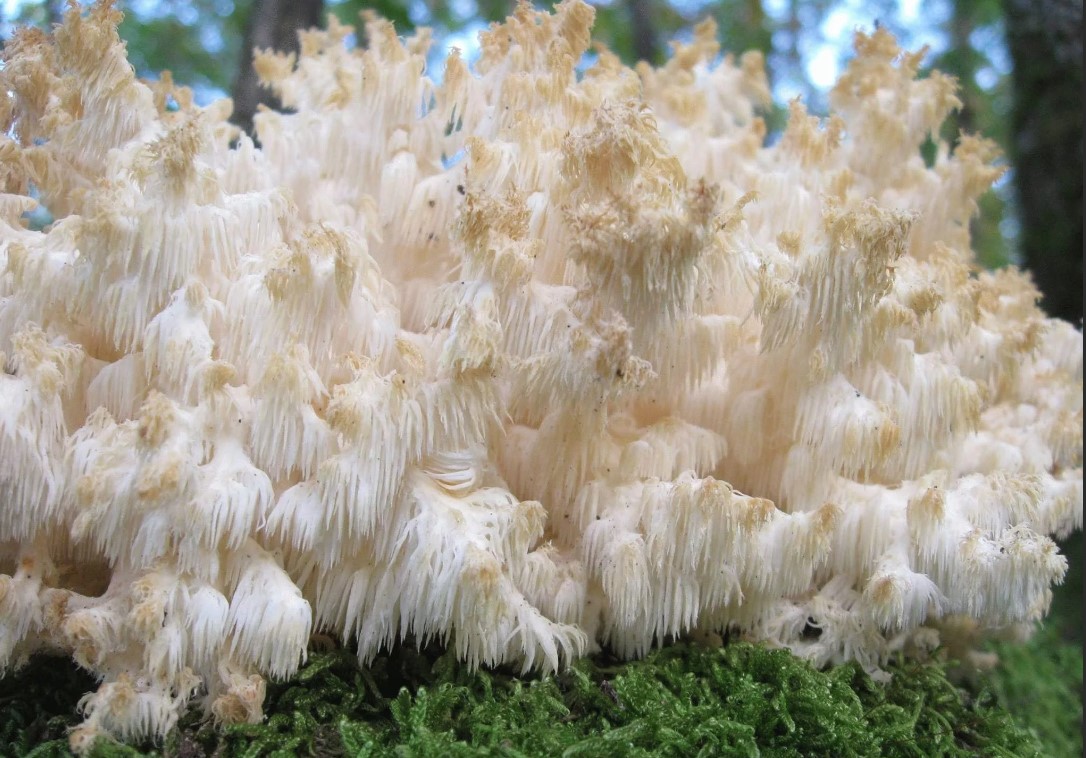
Lion's mane
| Name | Description | When it grows | Where it grows |
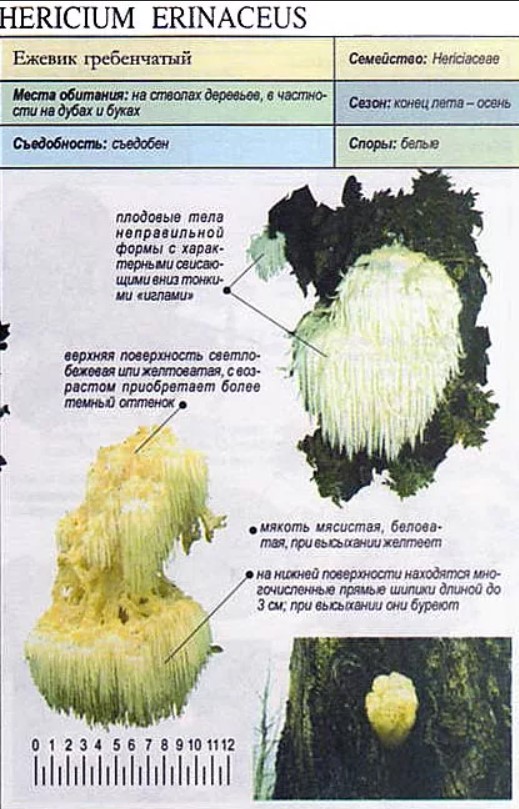
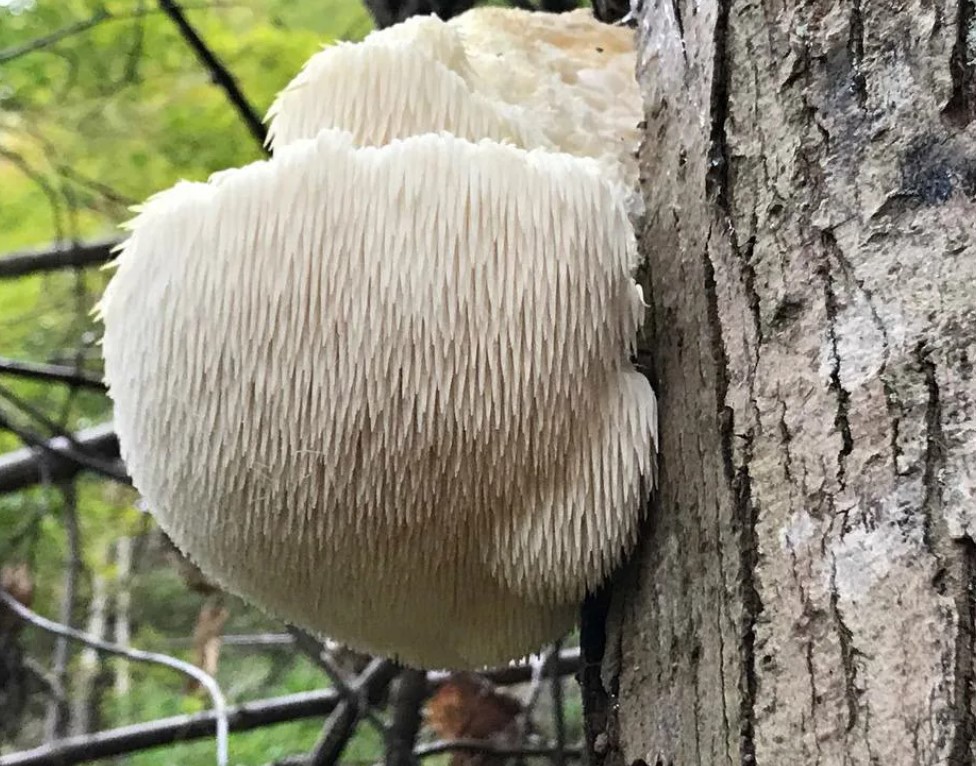
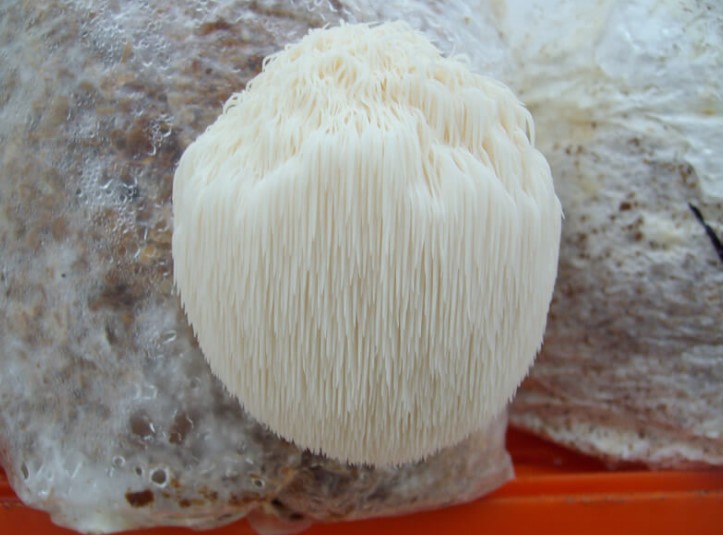
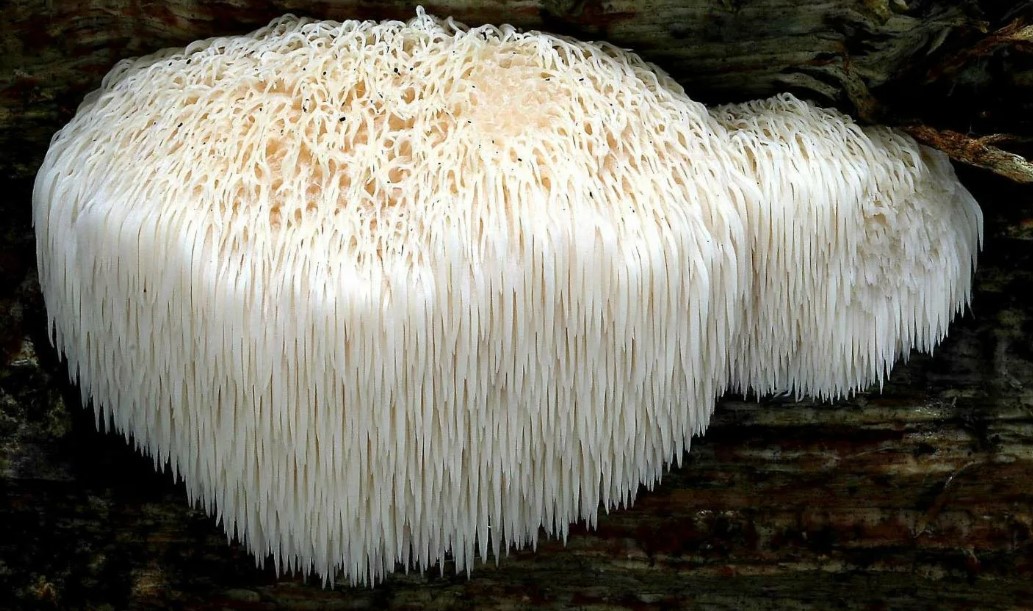
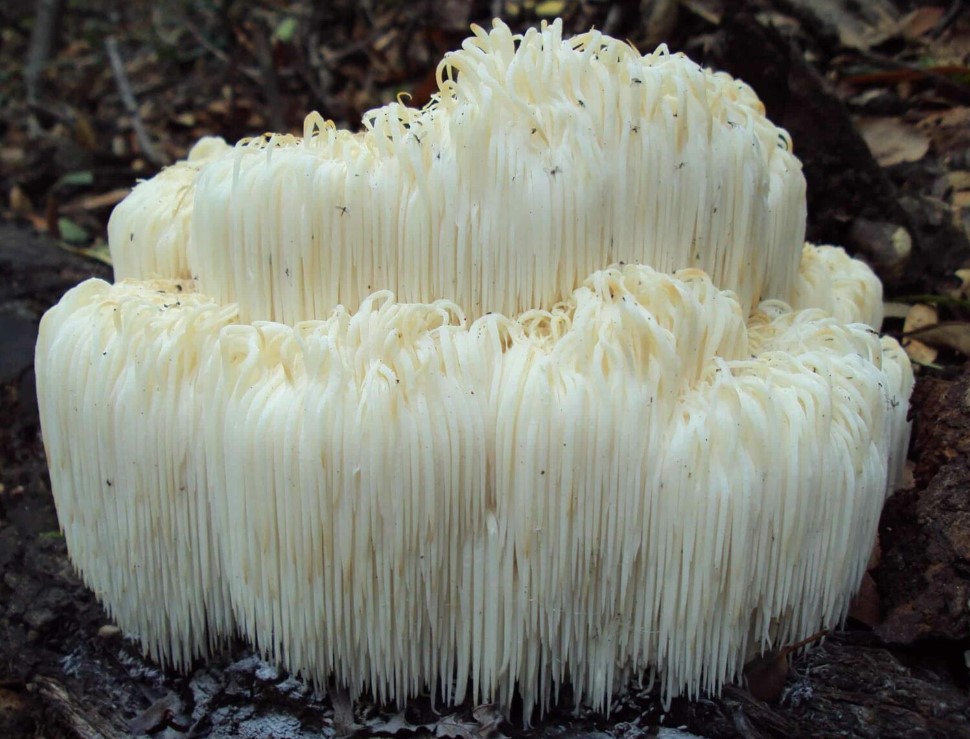
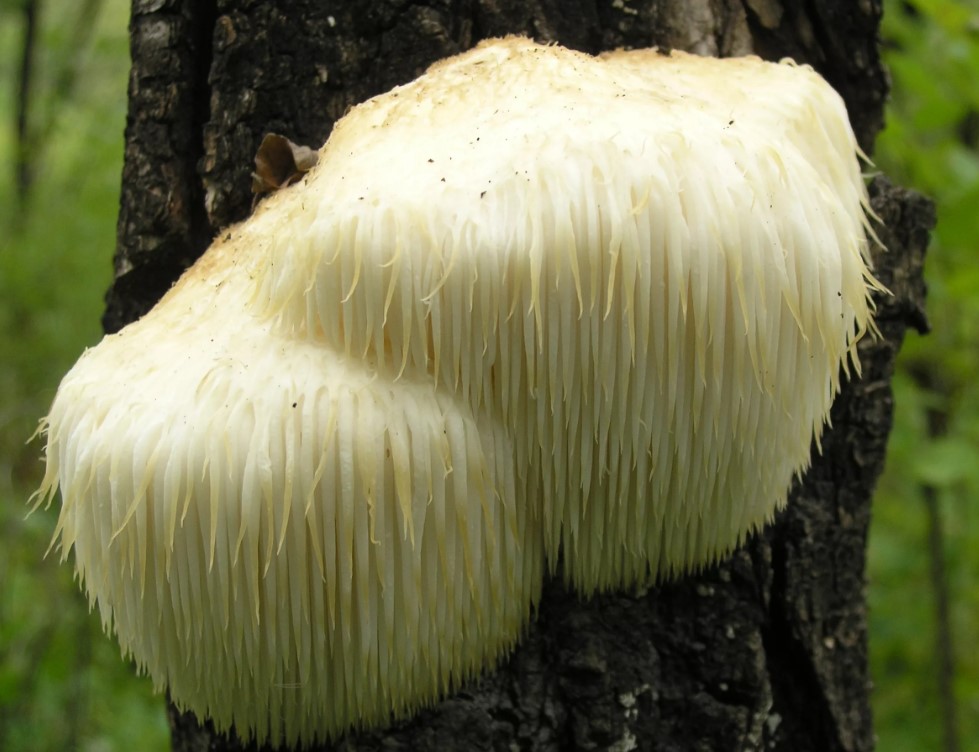
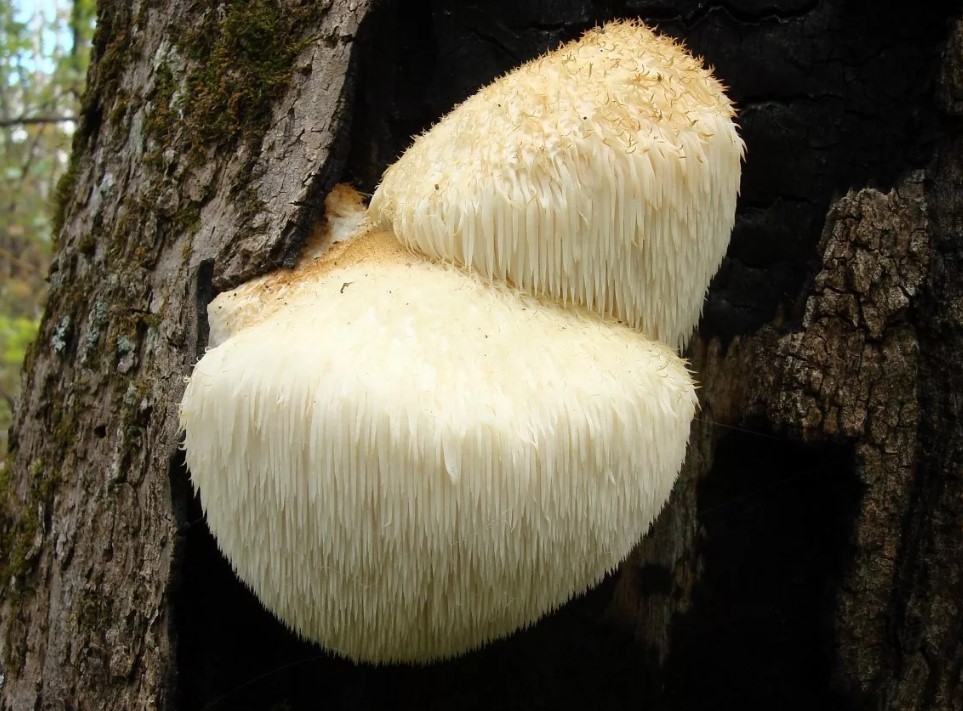
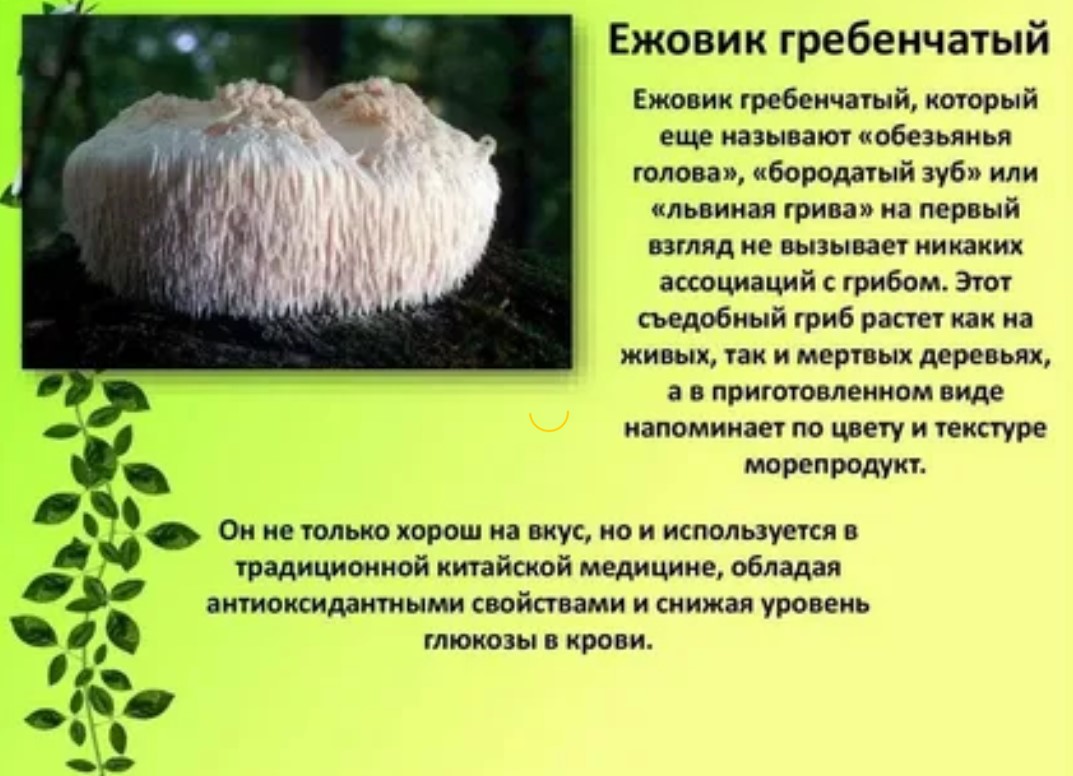
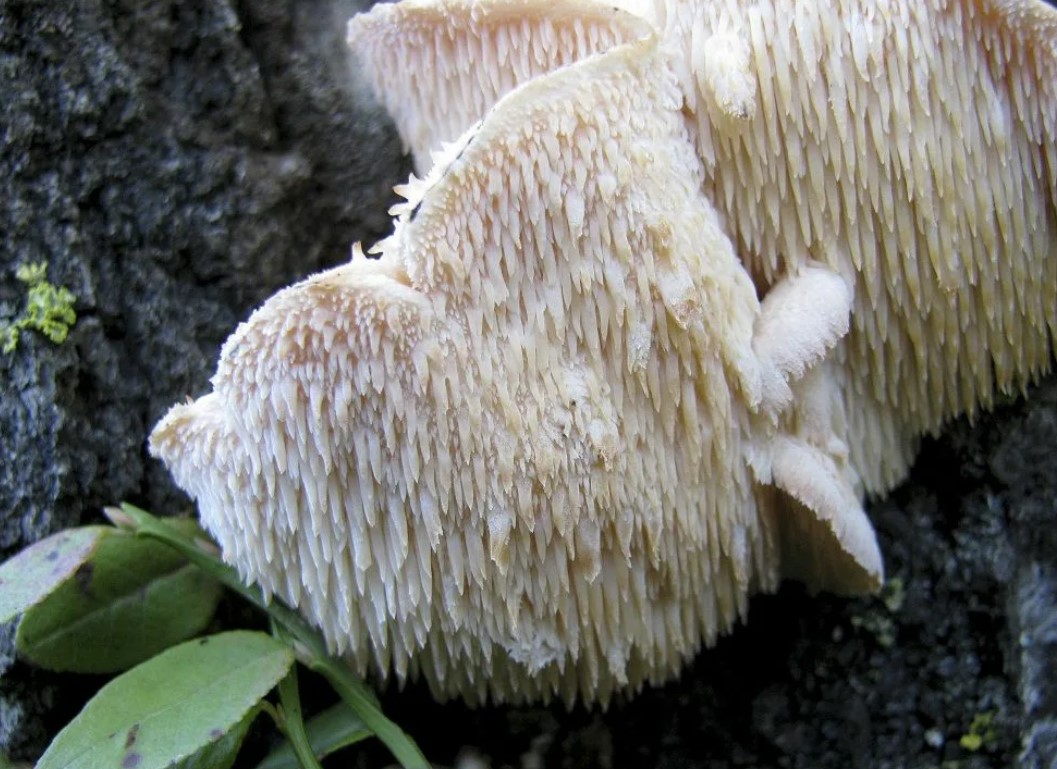
| Lion's Mane (Hericium erinaceus) | The fruiting body is sessile, stalkless, irregularly convex, and covered with spines ranging from 2 to 5 cm in length. The fruiting body is white and may turn slightly yellow when dry. The flesh is white and fleshy. This species of hedgehog mushroom tastes like shrimp. | From July to October. | In Russia, it is found in the Amur Region, Khabarovsk Krai, Crimea, Primorye, and the Caucasus. It grows on oak trunks, in hollows, and on stumps. It is very rare, as it is listed as endangered in most countries. |
Photo gallery of crested hedgehog
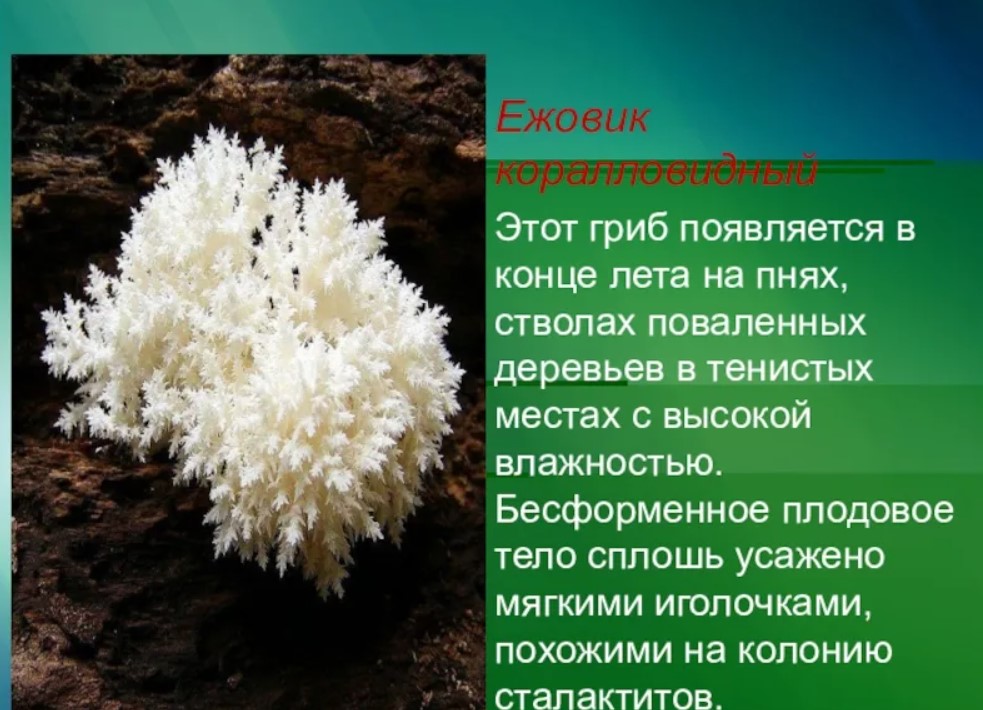
Coral hedgehog
| Name | Description | When it grows | Where it grows |
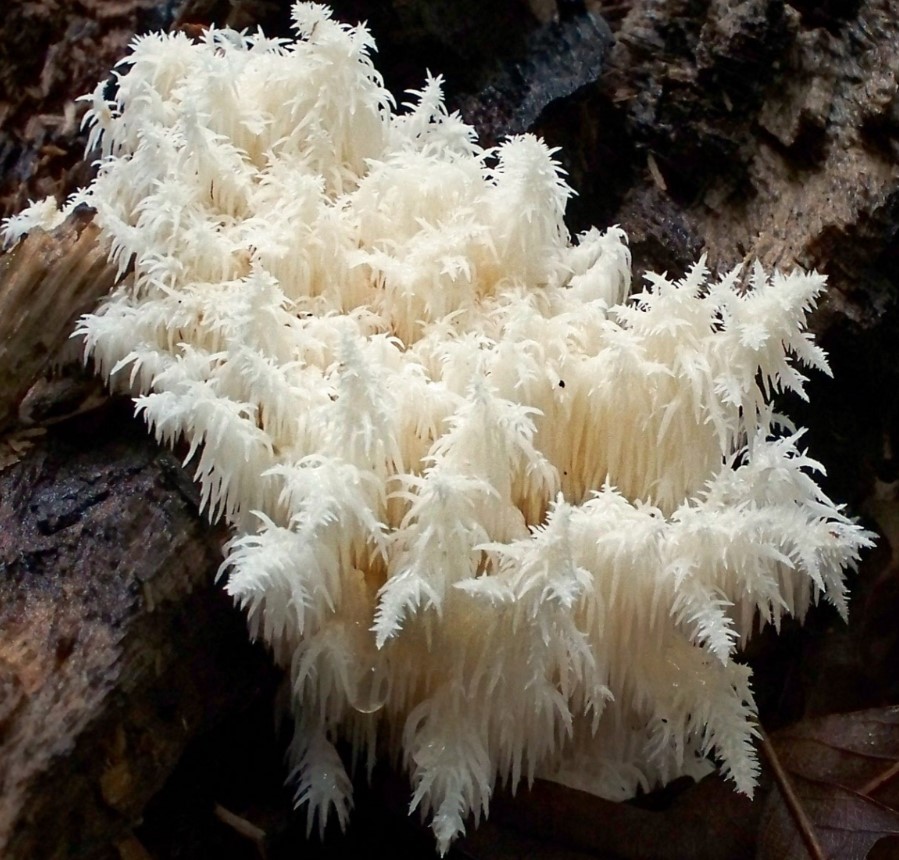
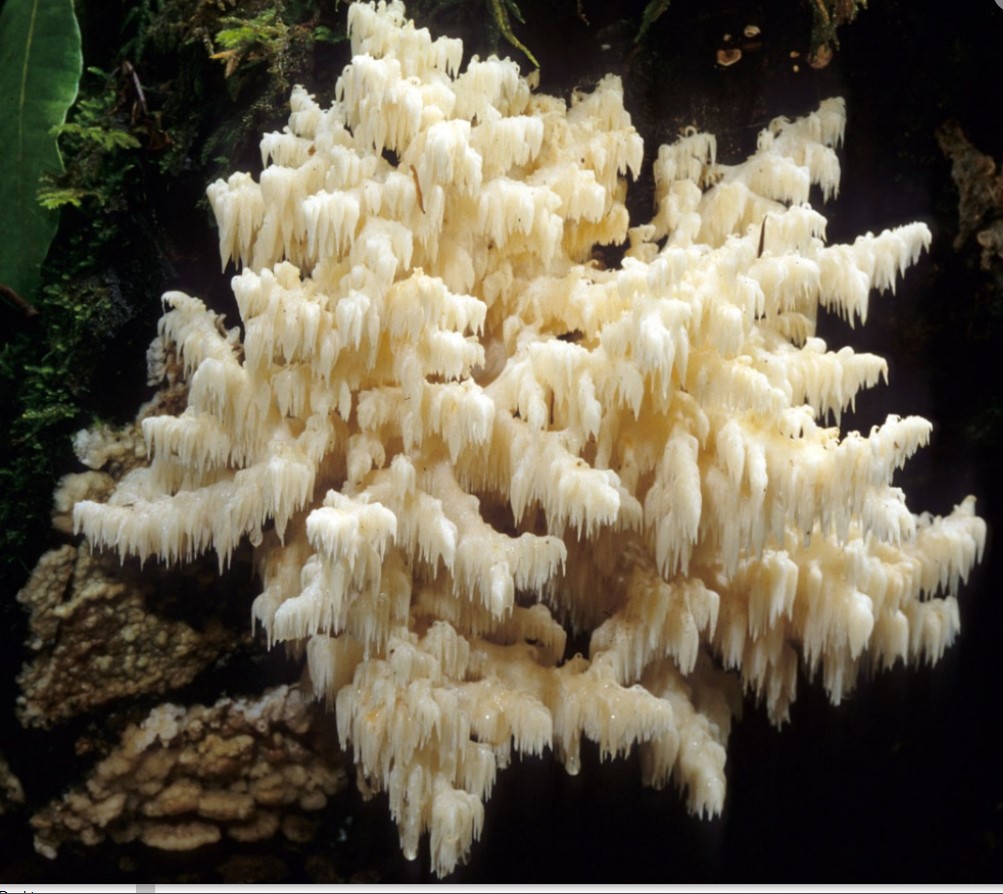
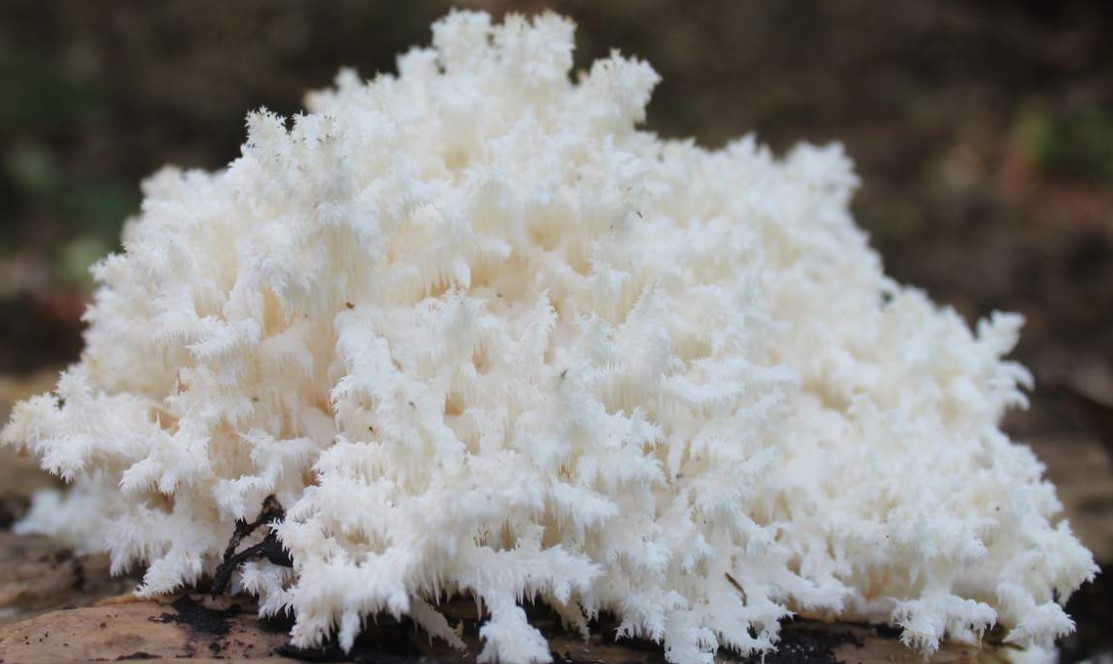
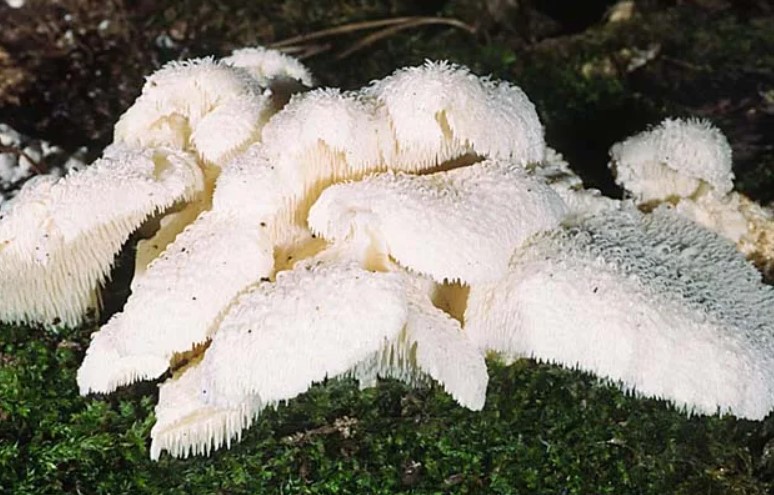
| Hericium coralloides | The variety gets its name from its unusual shape: the fruiting body is bushy, up to 20 cm in diameter, with curved spines of varying length and shape, up to 2 cm high. The color is white or cream. The stem is absent. The flesh is dense and fibrous, becoming very tough with age. | From June to the second half of September. | On stumps and fallen trees of aspen, birch, or oak. Extremely rare. |
Photo gallery of the coral hedgehog mushroom
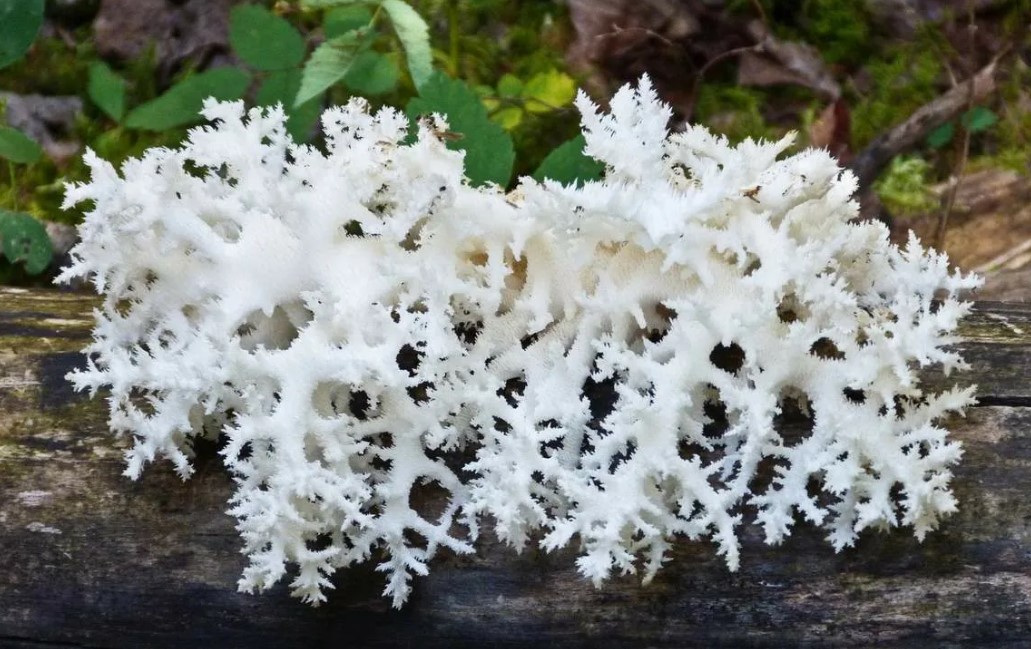
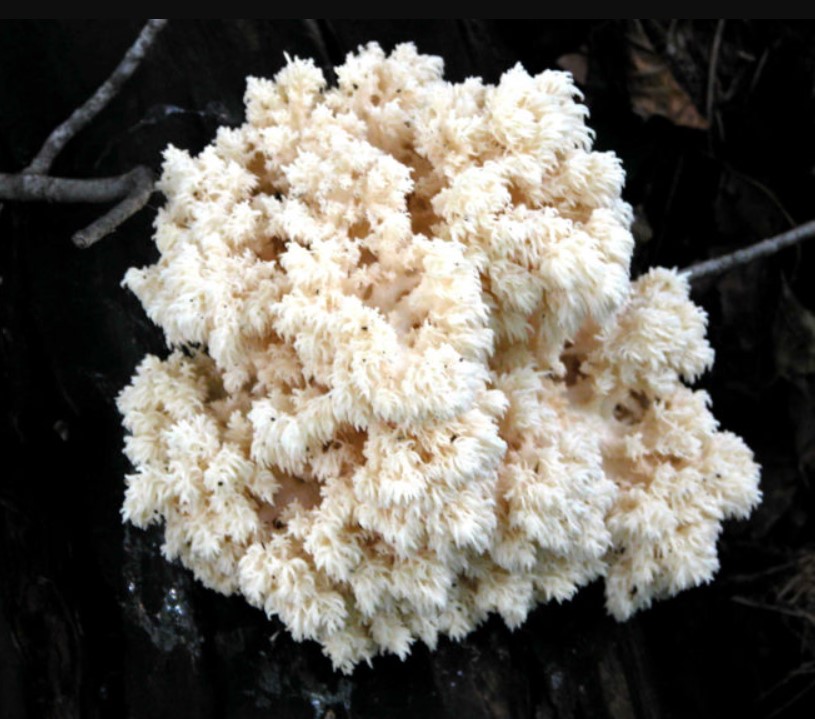
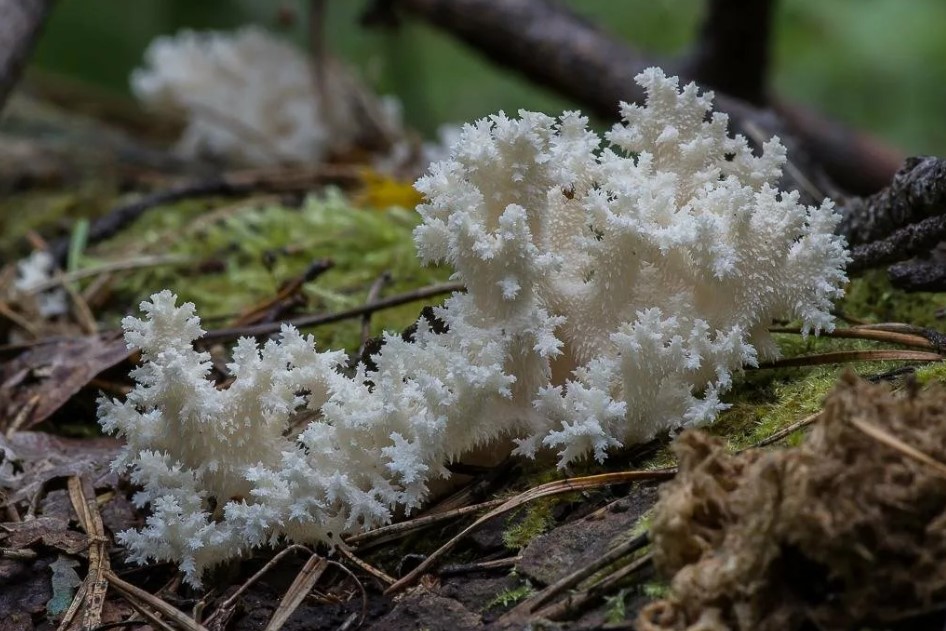
Hericium anticillus
| Name | Description | When it grows | Where it grows |
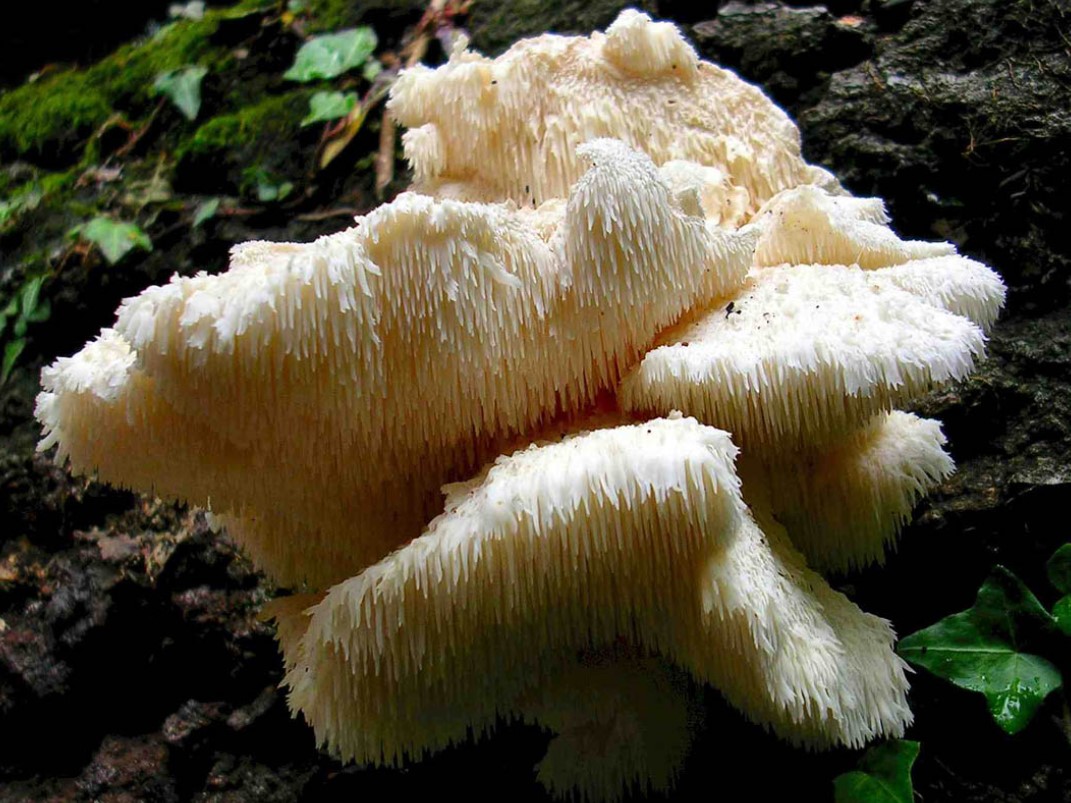
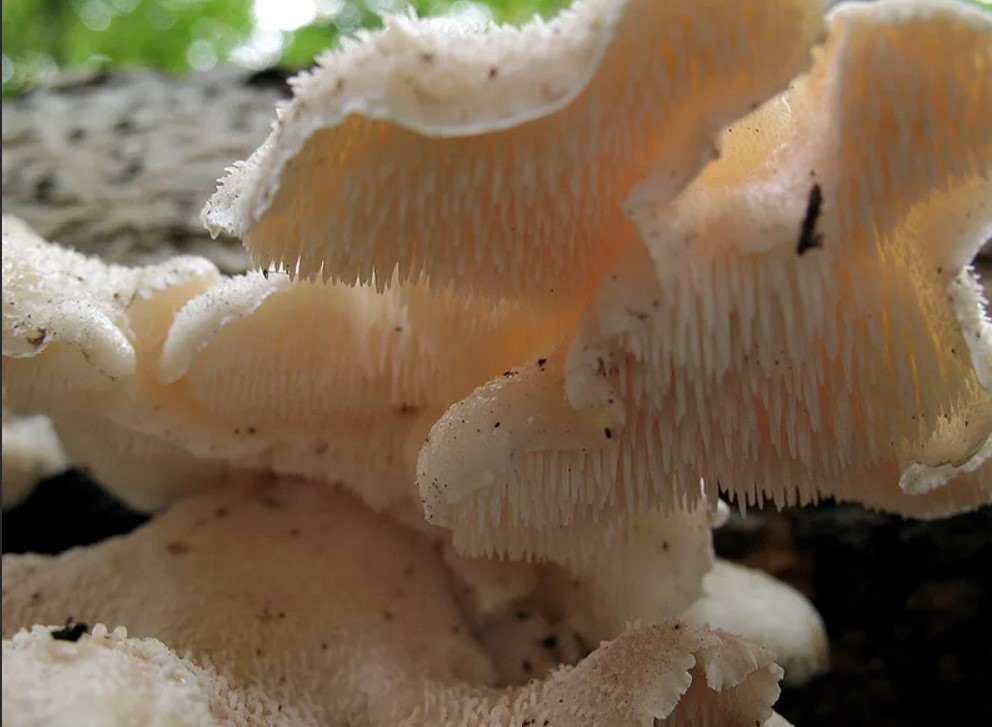
| Lion's tongue mushroom (Hericium cirrhatum) | The mushroom's main distinguishing feature is its complex fruiting body, resembling a blossoming flower. It is quite large, reaching up to 15 cm in height. Its hemispherical shape, with several bodies fused together like a fan, has ingrown villi on their surface. Its color is white, turning reddish with age. The flesh is pinkish or white. The hedgehog mushroom is widely used medicinally; young specimens are best eaten. | From August to October. | On tree trunks and stumps in mixed forests. |
Photo gallery of barnacle grass
3 conditionally edible species of hedgehog mushrooms from different families
Conditionally edible hedgehog mushrooms can be eaten after heat treatment only at a young age; adult mushrooms are very bitter.
Hericium rufosa, reddish-red or reddish-yellow
| Name | Description | When it grows | Where it grows |
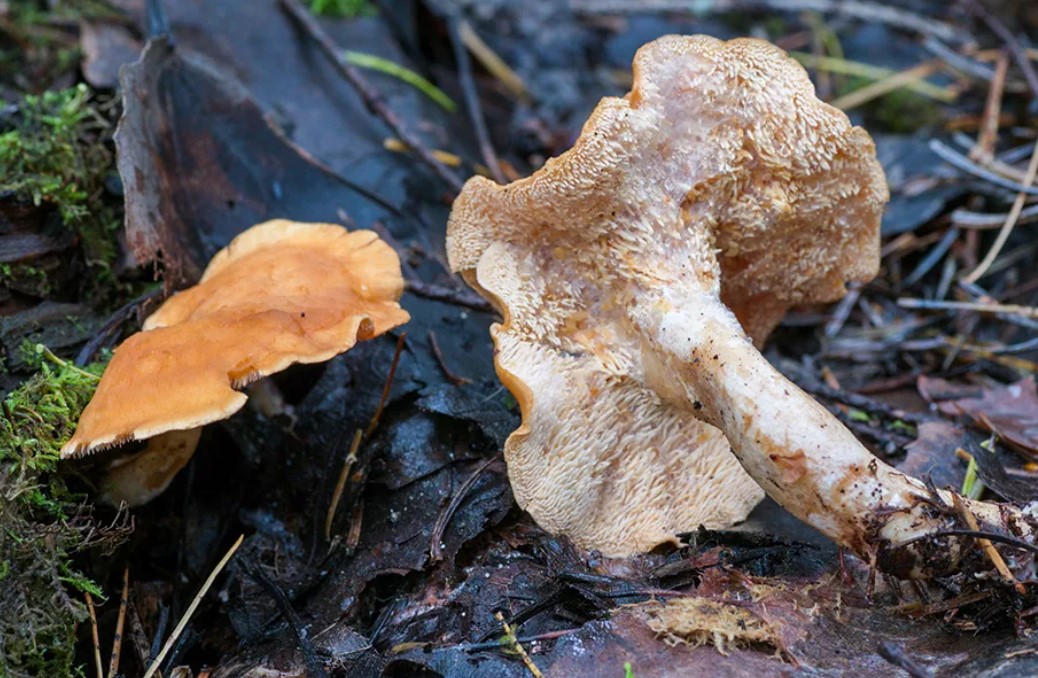
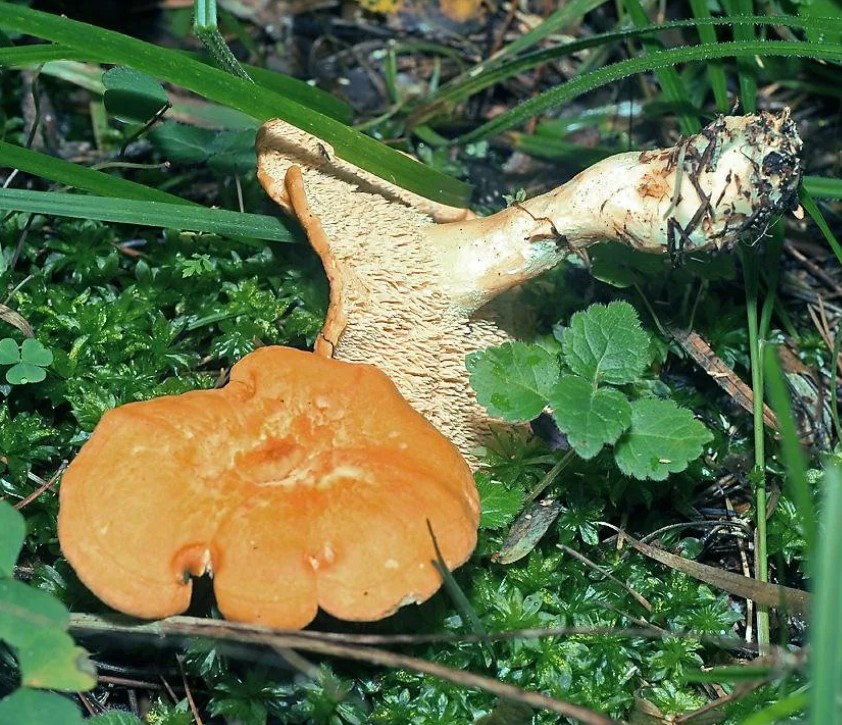
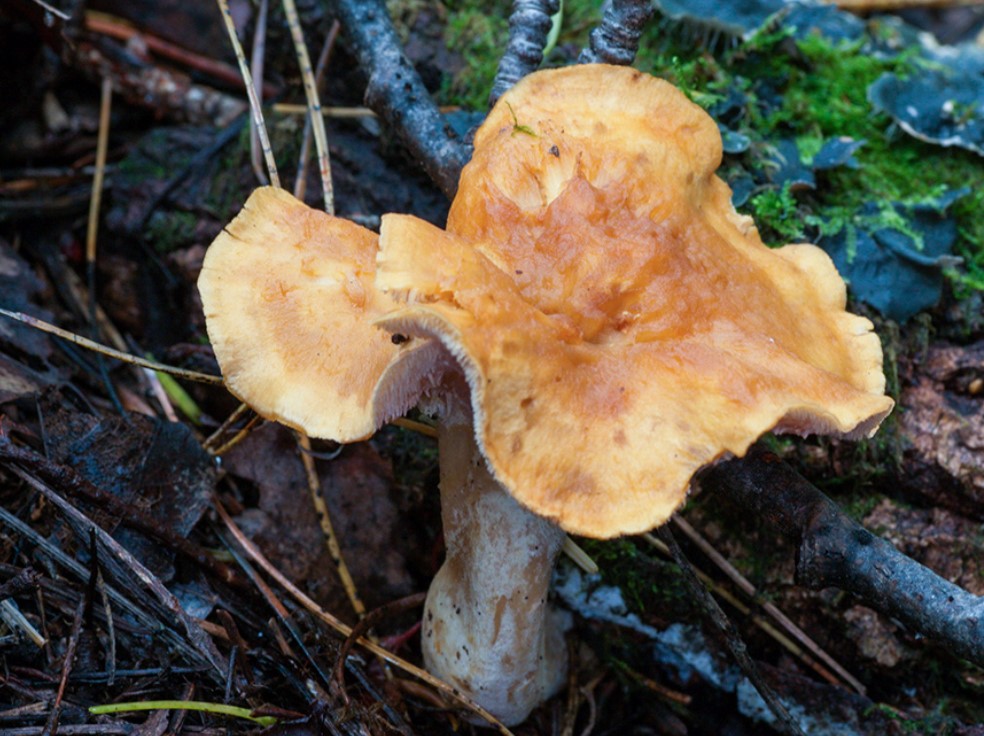
| Hedgehog's Mane (Hydnum rufescens) | The cap diameter is 2-5 cm, although larger specimens are possible. The shape is convex, with slightly curled edges. The color is ochre, orange-brown, but fades with age. The stem is 5 cm high and no more than 1.5 cm in diameter. The shape can be slightly flattened, and the color is white or pinkish. When young, its surface may be covered with "hairs." The flesh is pinkish. After breaking, it quickly turns yellowish and has no odor. The mushroom is eaten young; older mushrooms have a bitter taste. | From July to October. | Coniferous and deciduous forests, sometimes on stumps and trees. |
Photo gallery of the red hedgehog mushroom
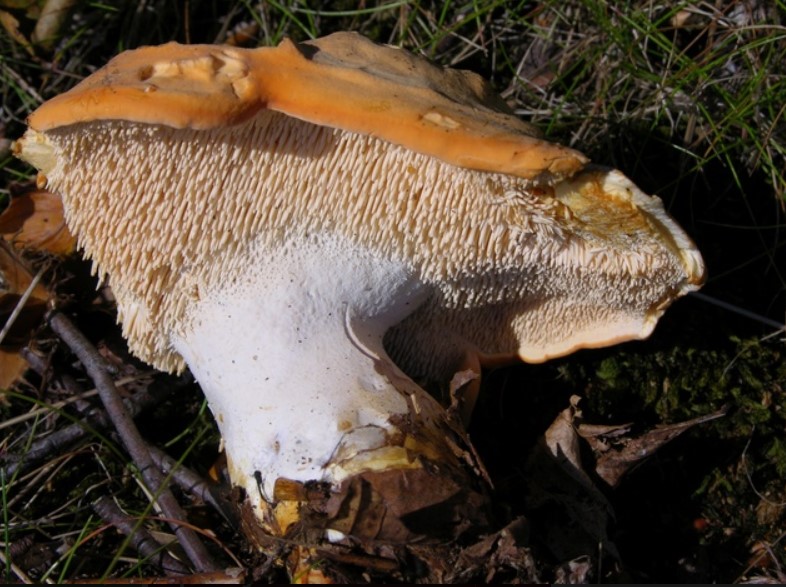
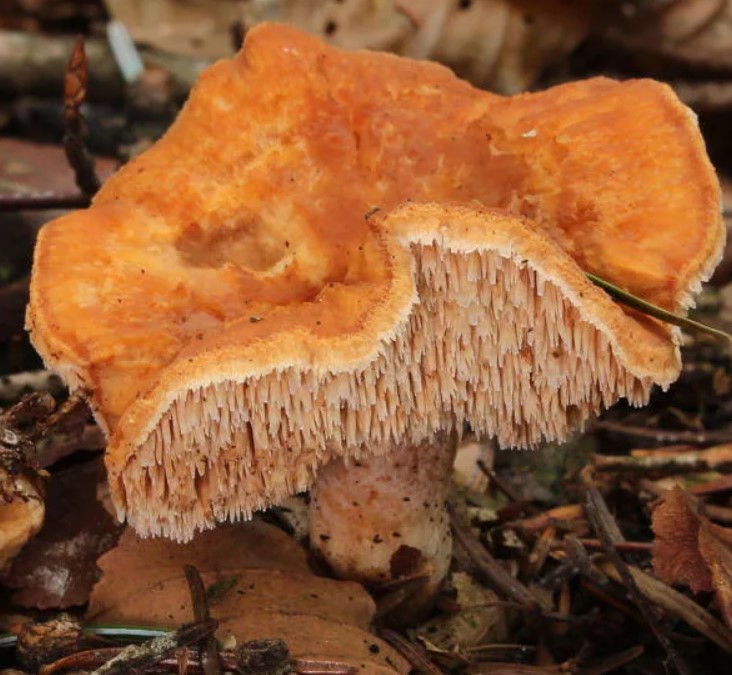
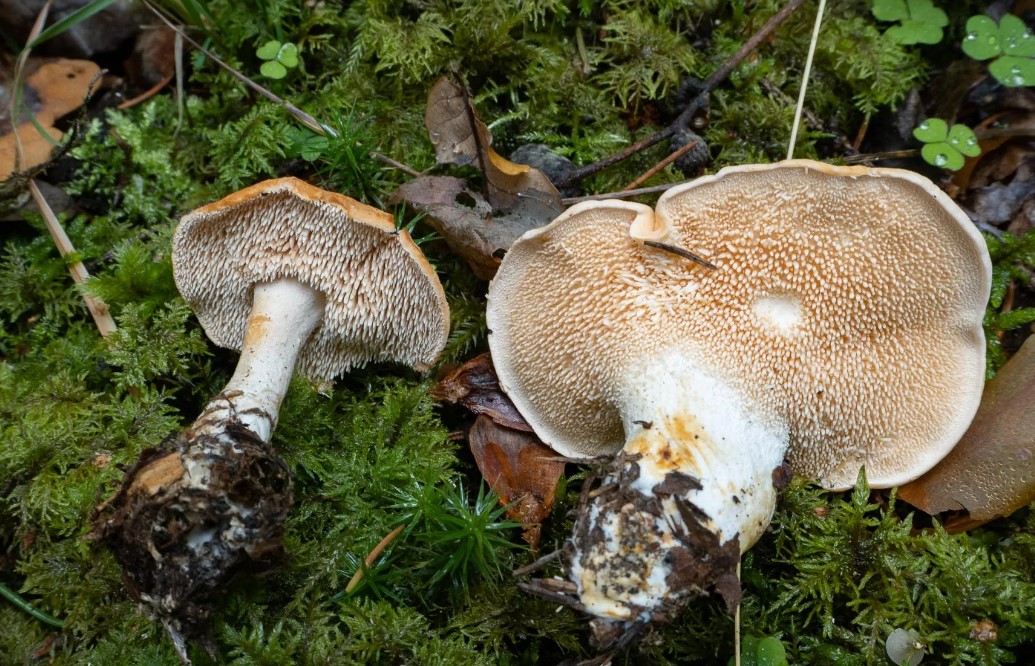
Hericium variegated, scaly, imbricated
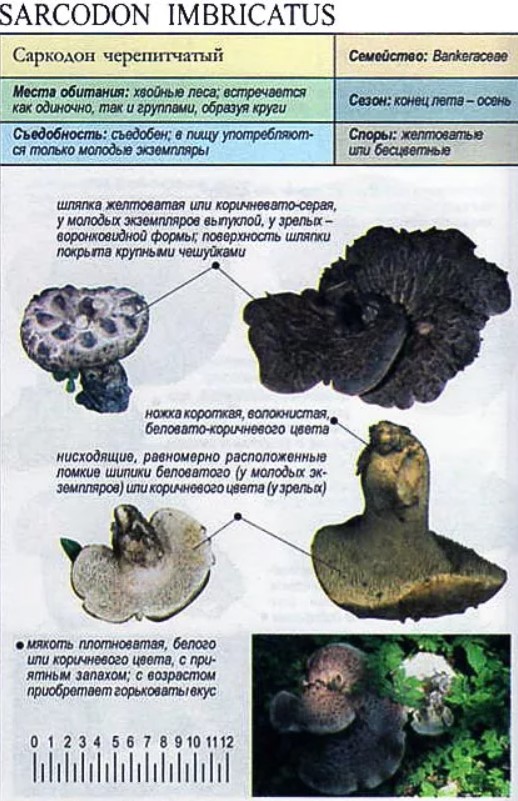
| Name | Description | When it grows | Where it grows |
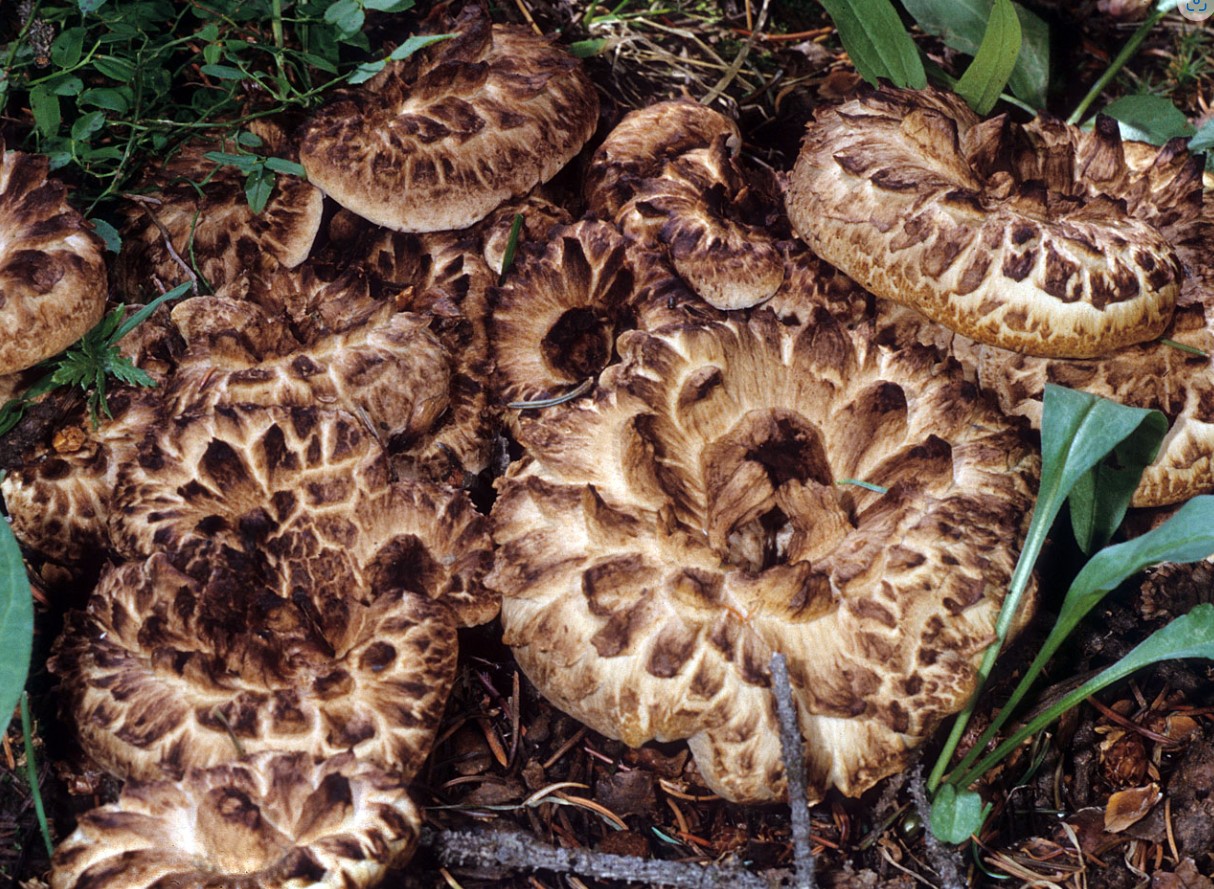
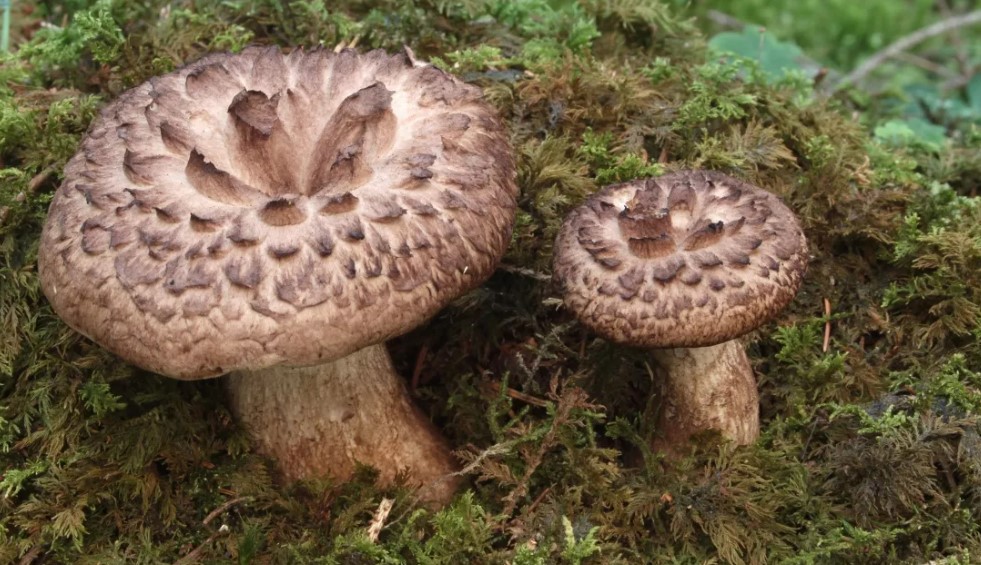
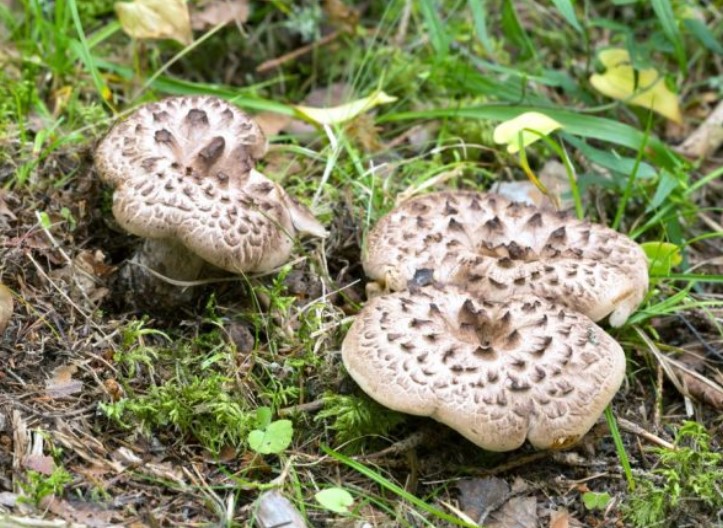
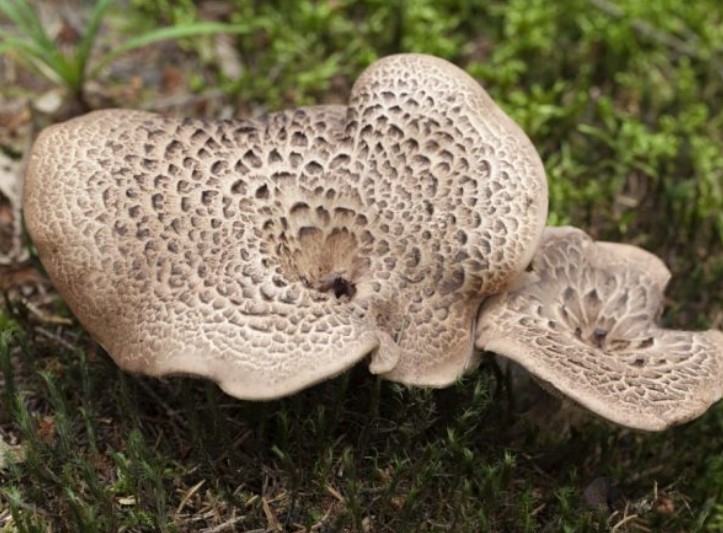
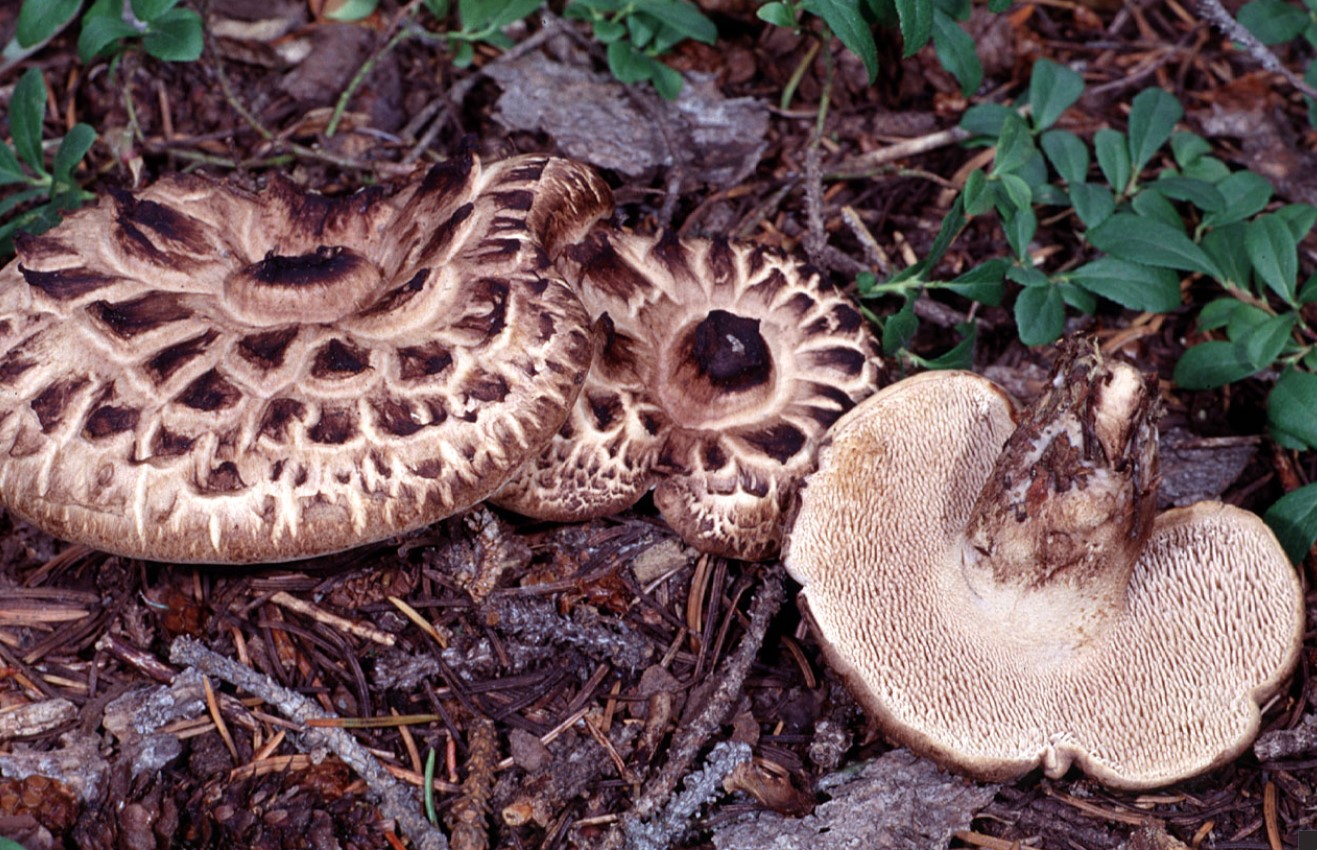
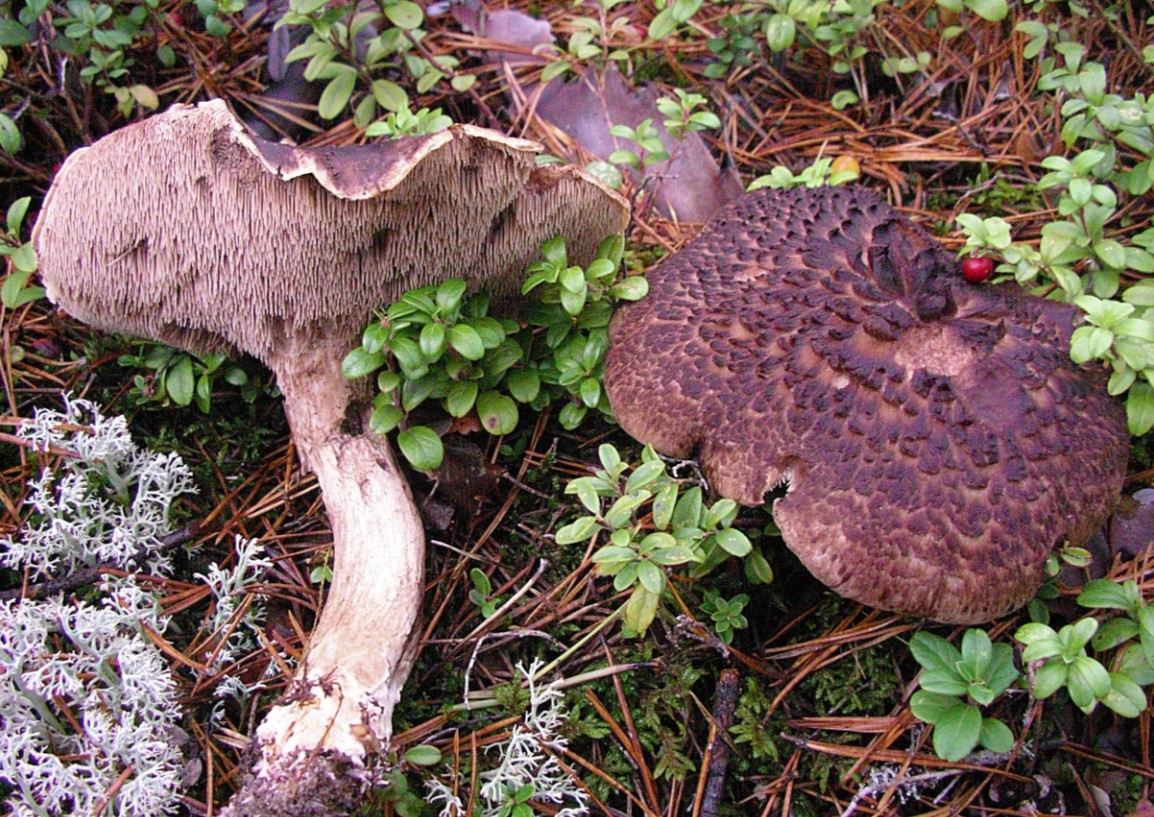
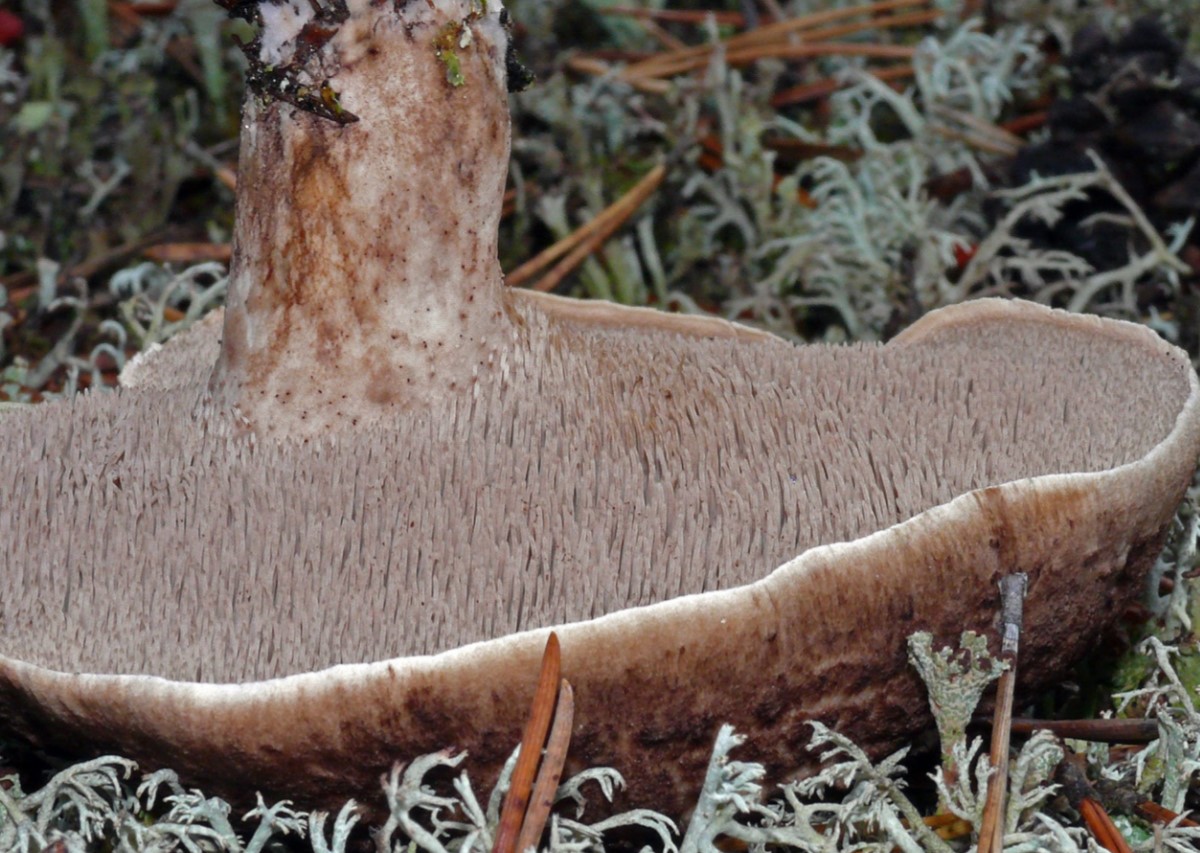
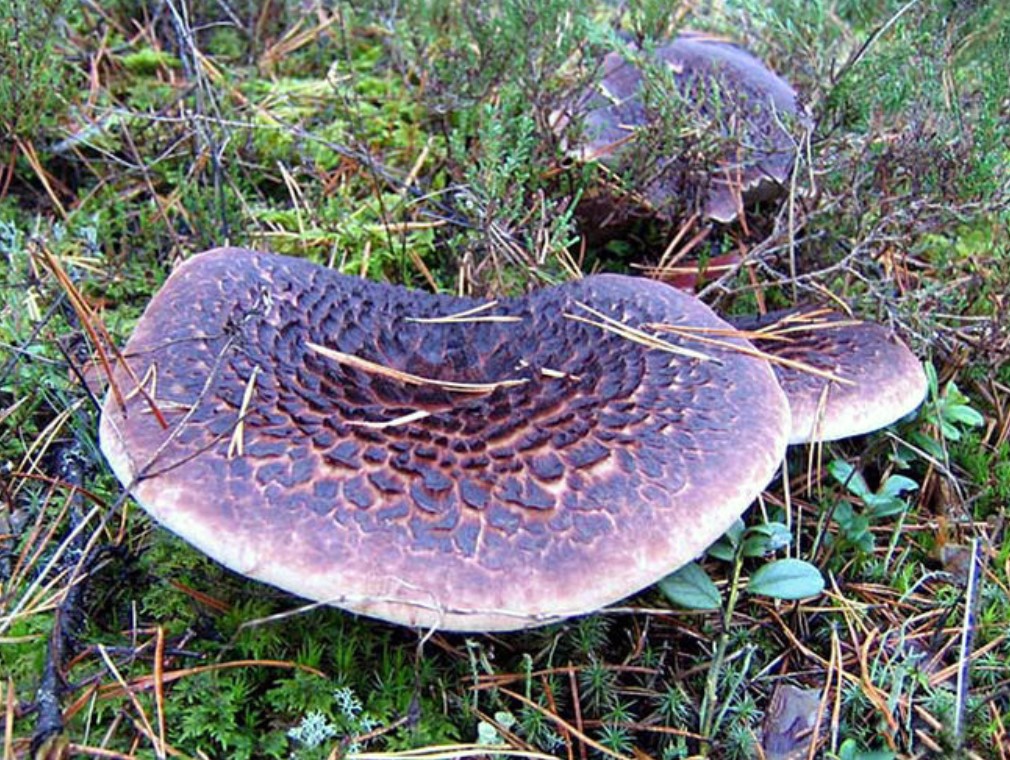
| The hedgehog mushroom, Sarcodon imbricatus | The cap is 25 cm in diameter. It is convex, developing a depression in the center over time. The surface is covered with large brown scales. The skin is dry and velvety. The flesh is whitish-gray and has a spicy aroma. The stem is up to 8 cm high and up to 2.5 cm in diameter. It is cylindrical in shape and slightly lighter in color than the cap. In some cases, it may have a purple tint. | From August to November. | Coniferous forests, loves sandy dry soil. |
Photo gallery of the variegated hedgehog mushroom
Pseudo-herringiculum gelatinosa
| Name | Description | When it grows | Where it grows |
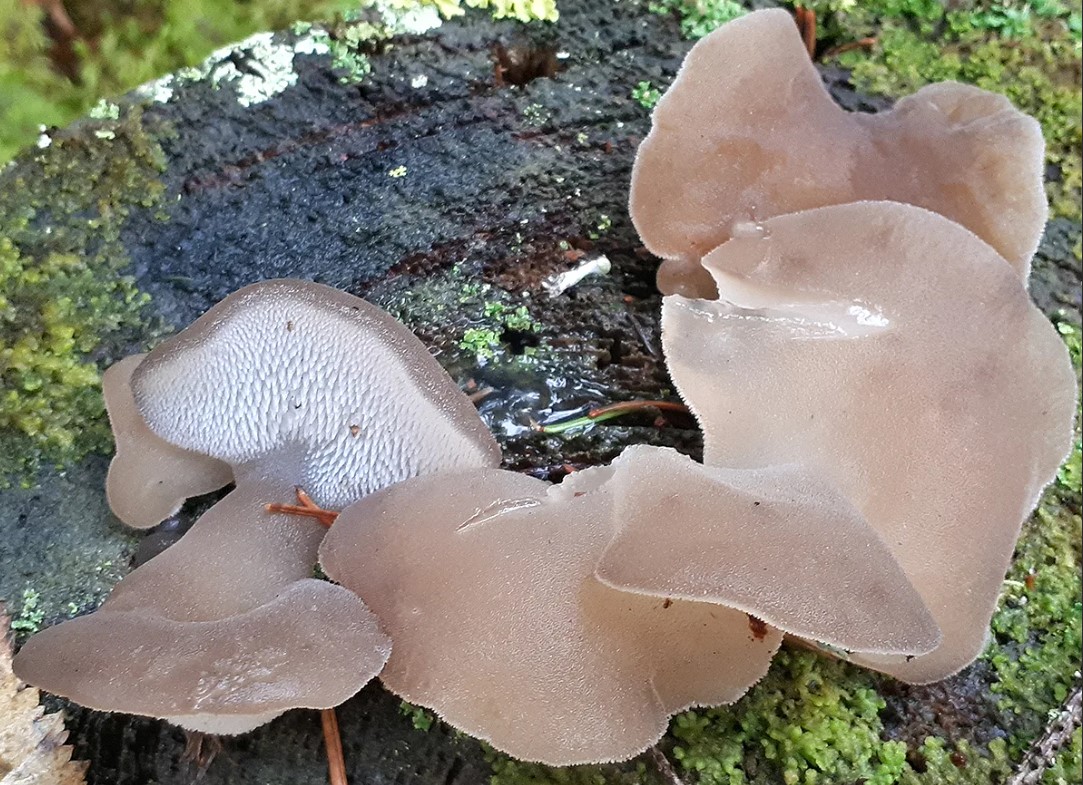
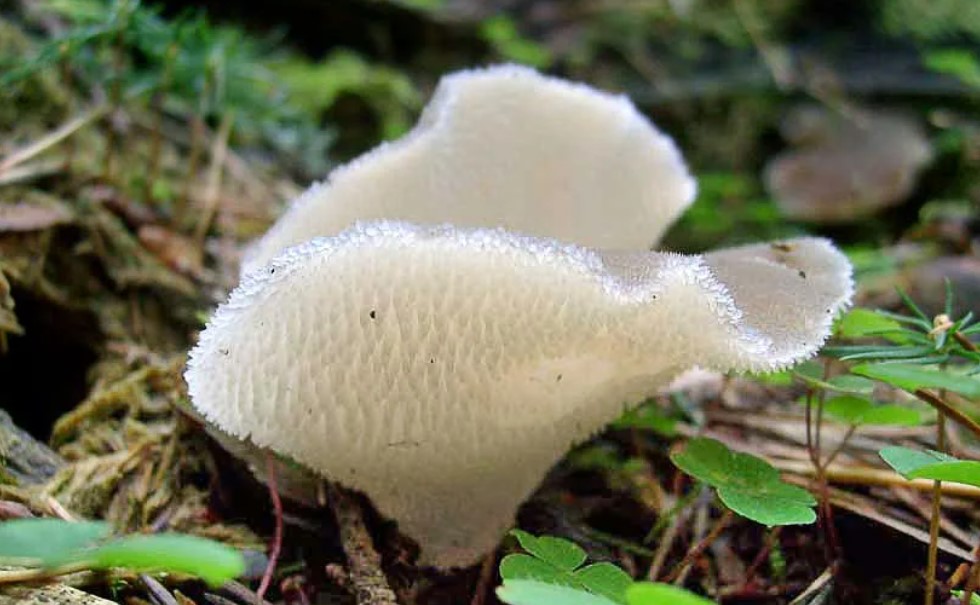
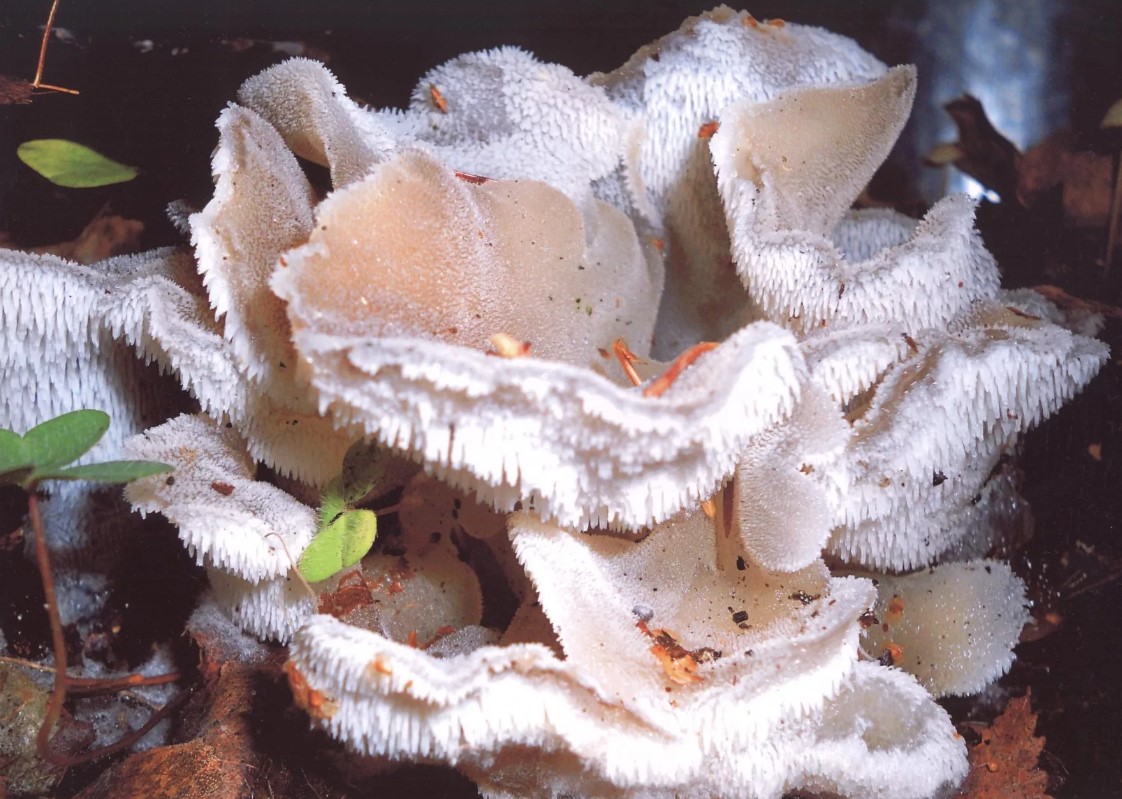
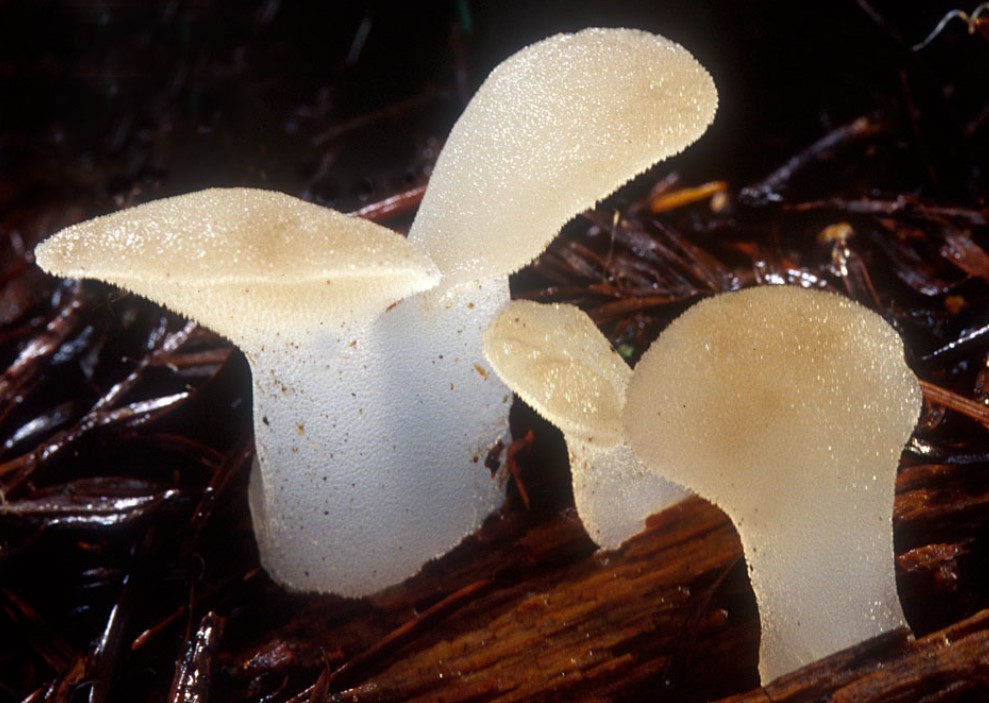
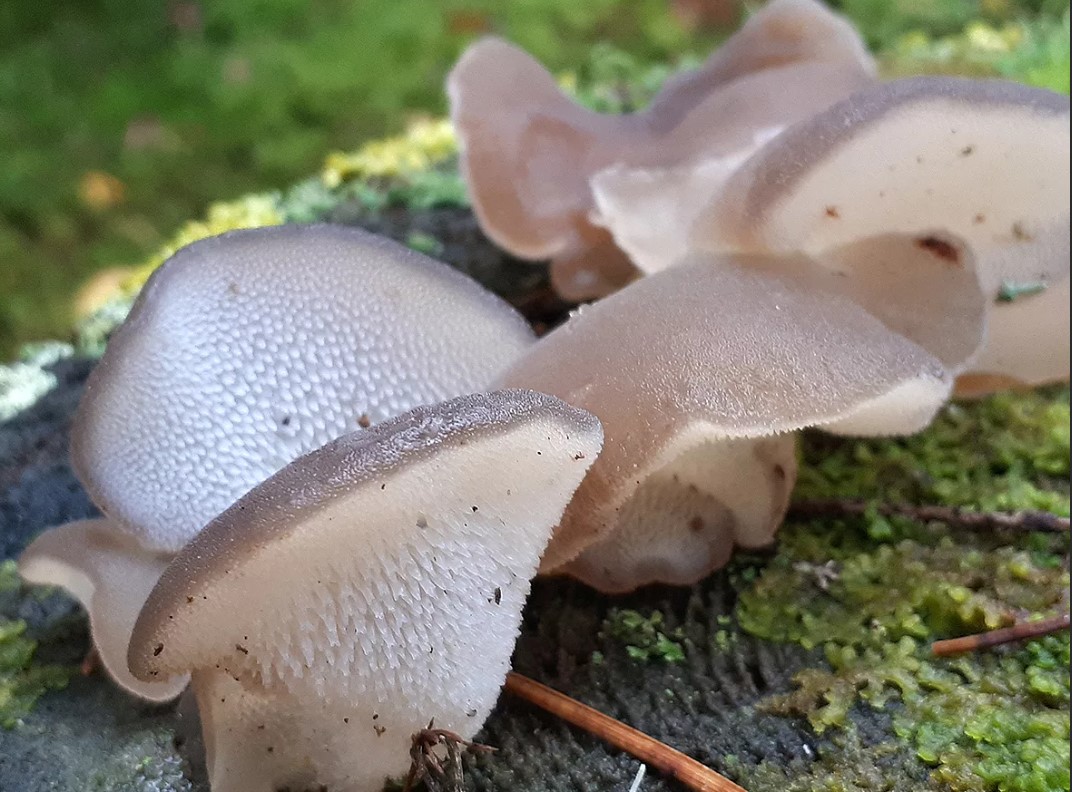
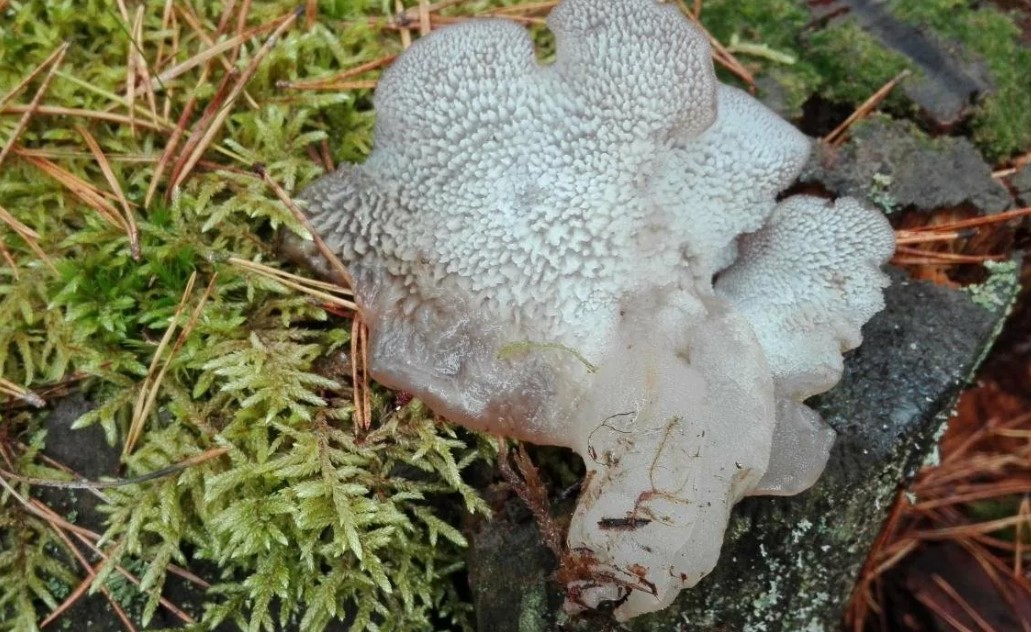
| Pseudohydnum gelatinosum | At first glance, the fruiting body may resemble a chanterelle; its leaf-shaped form extends from the stem, up to 5 cm tall, smoothly transitioning into the cap. The color depends on humidity and can be grayish or brown. The flesh retains its shape but has a gelatinous consistency. The hymenophore is spinous. | From August to October. | Rarely found in coniferous forests, sometimes deciduous ones. |
Photo gallery of pseudo-urchin gelatinous
8 inedible species of hedgehog mushrooms from different families with photos and descriptions in tables
Among hedgehog mushrooms, there are often inedible varieties that should not be eaten due to their bitter taste and the possibility of food poisoning.
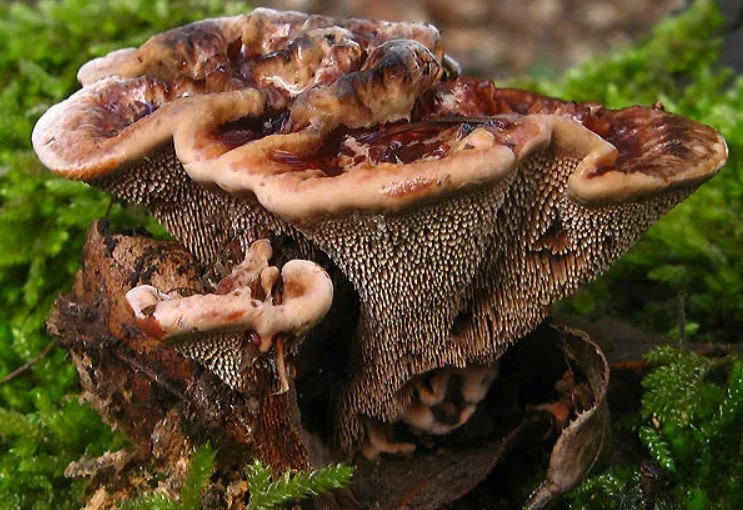
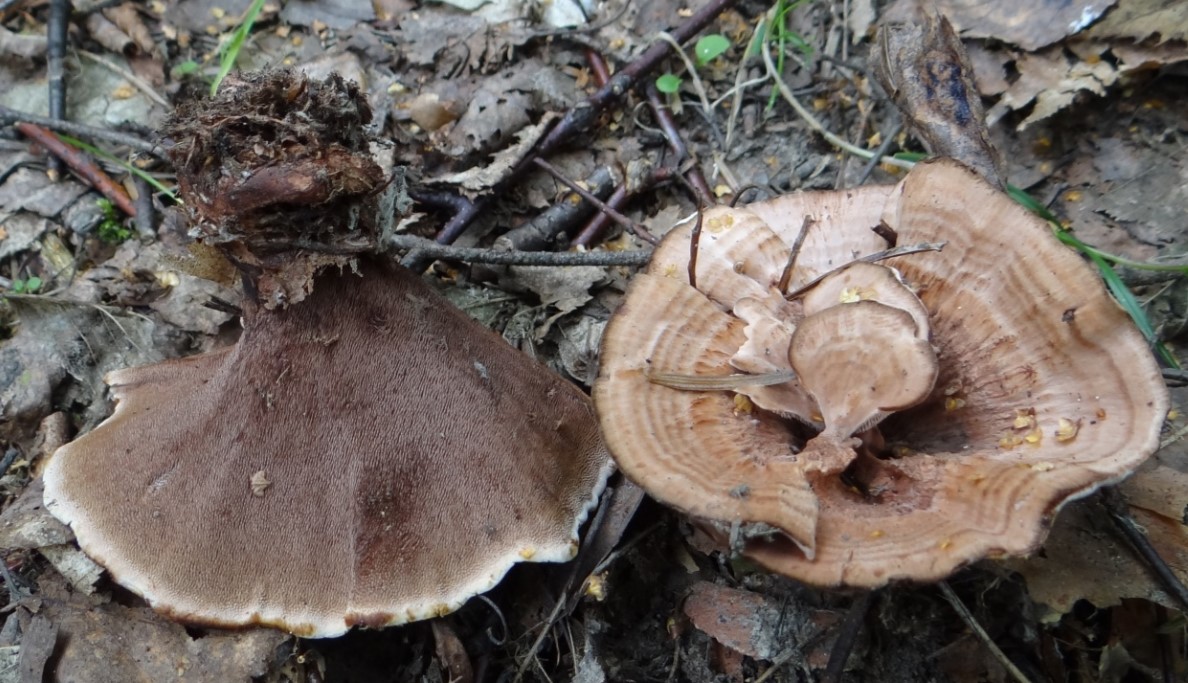
Hericium spp.
| Name | hat | Leg | Pulp |
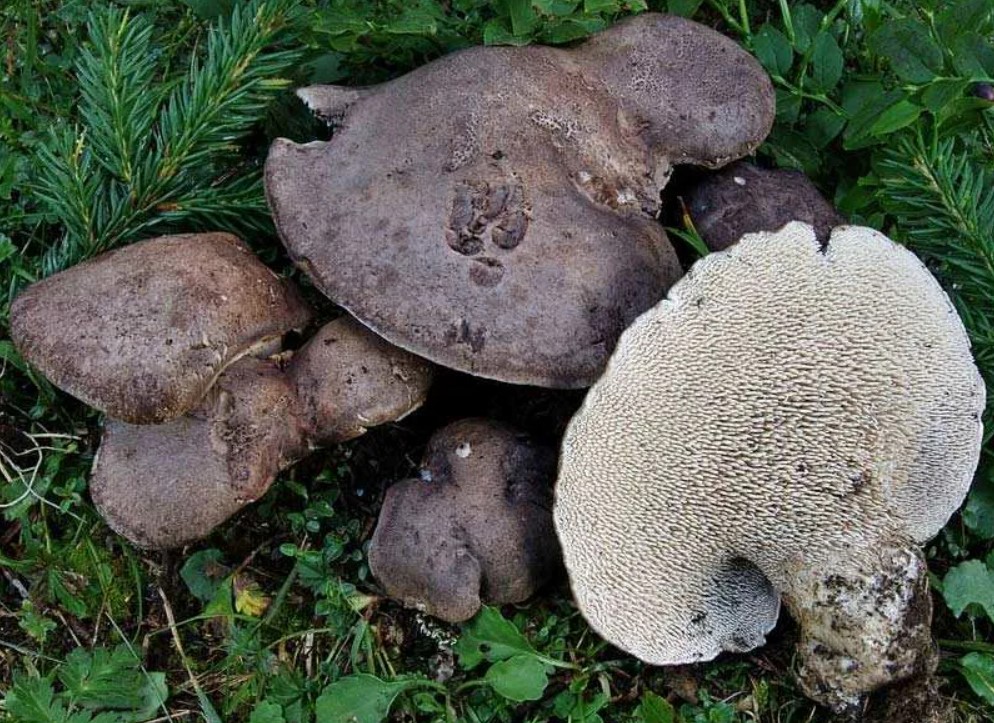
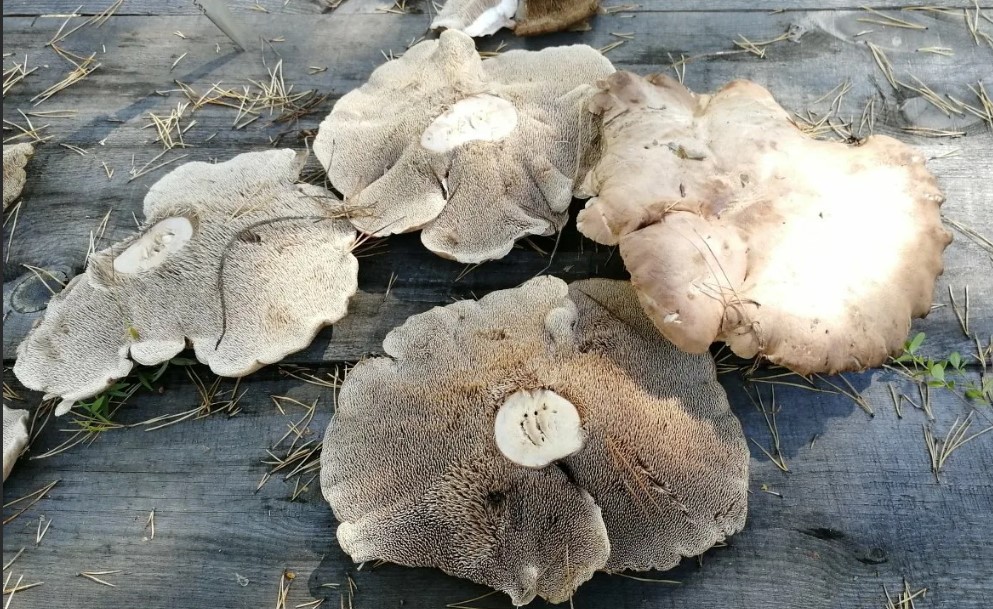
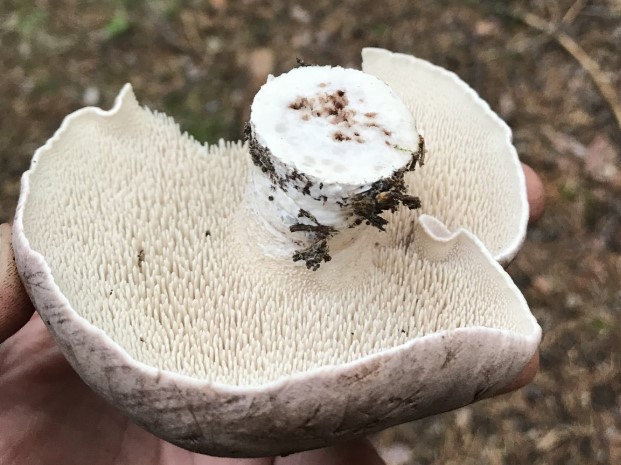
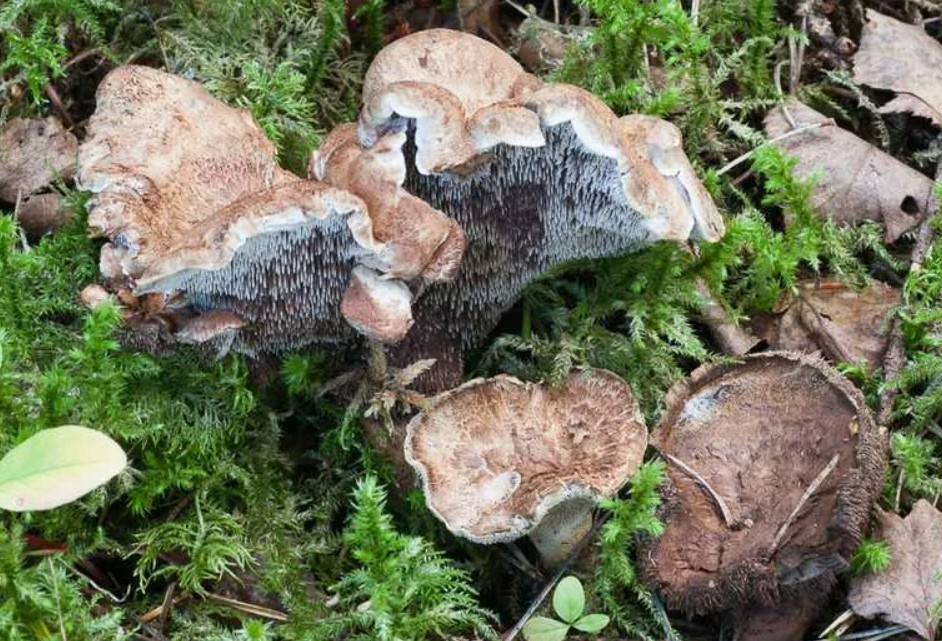
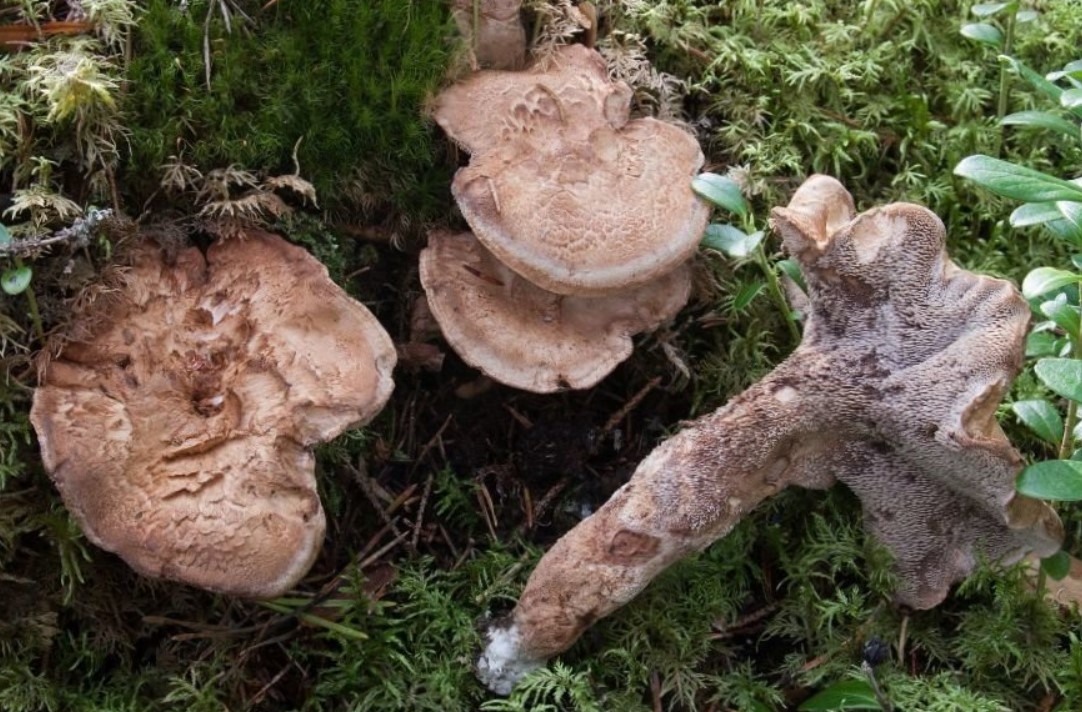
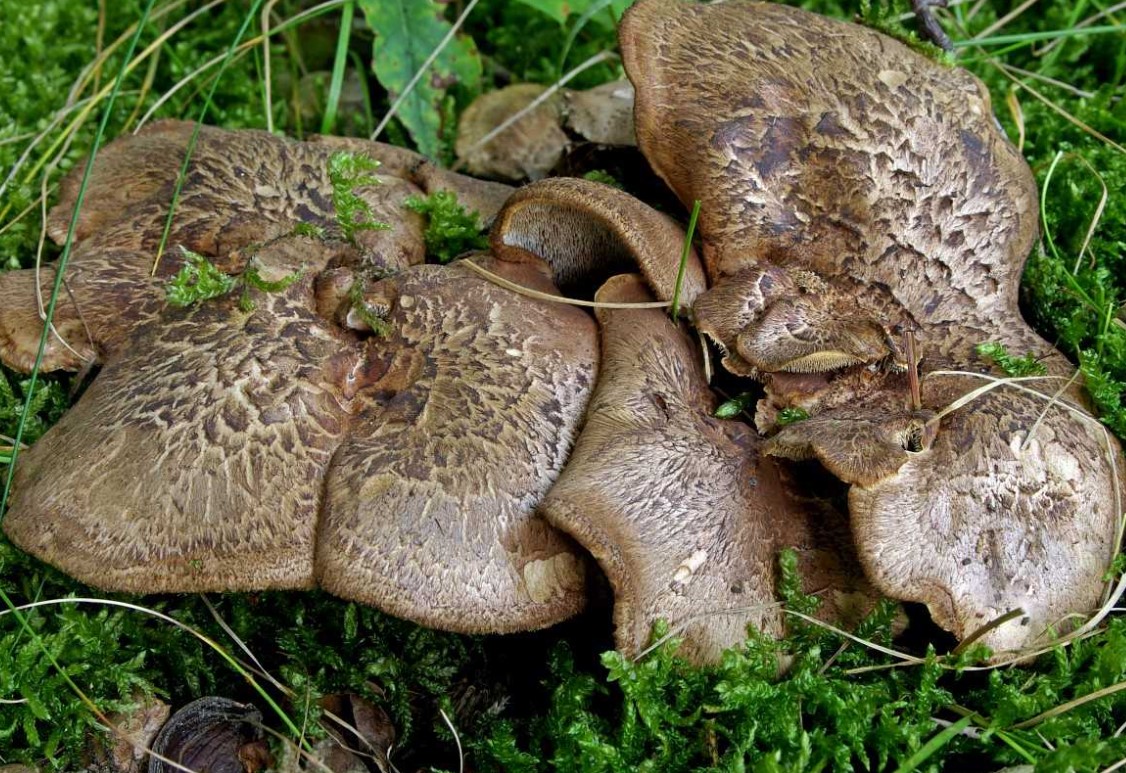
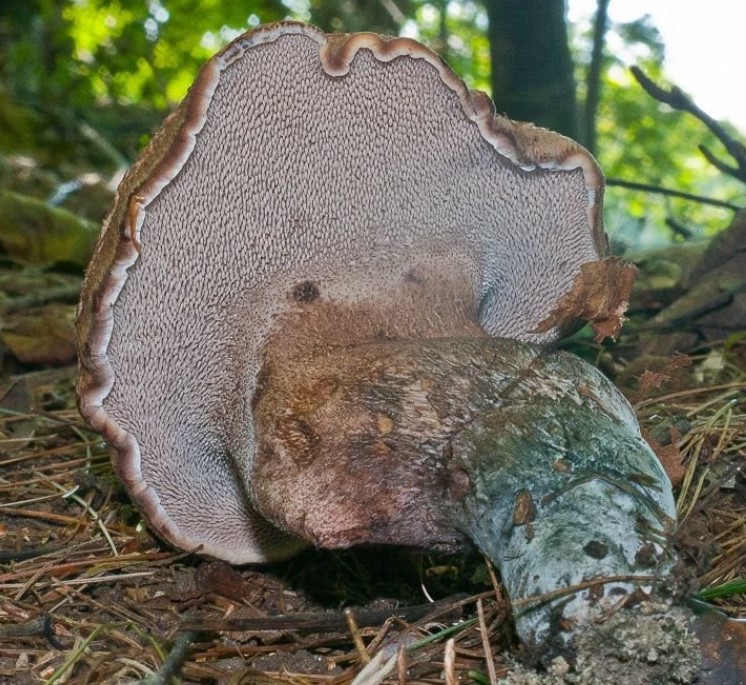
| Lion's-foot mushroom (Sarcodon leucopus) | The diameter is 8-20 cm, and the shape is often irregular, especially if the mushrooms grow in clusters and begin to merge. The color is grayish-brown, with bluish hues appearing with age. The shape is prostrate, with a depression in the center. The spines on the underside of the cap are dense, up to 1.5 cm long, and initially white. They later turn brownish. | The height ranges from 4 to 8 cm, with a diameter of 4 cm. The central part may be slightly swollen. The color is almost the same as the cap, but over time, greenish spots may appear on the surface, especially on the underside. | White, dense, and may have pinkish, brownish-violet, or purple-brown hues. At the cut end, the color gradually changes to a bluish-gray. The smell is bitter, and the taste is also unpleasant. |
Photo gallery of the white-legged hedgehog mushroom
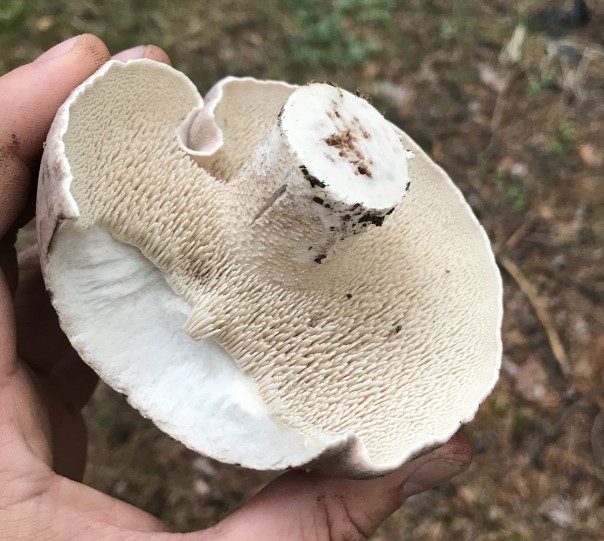
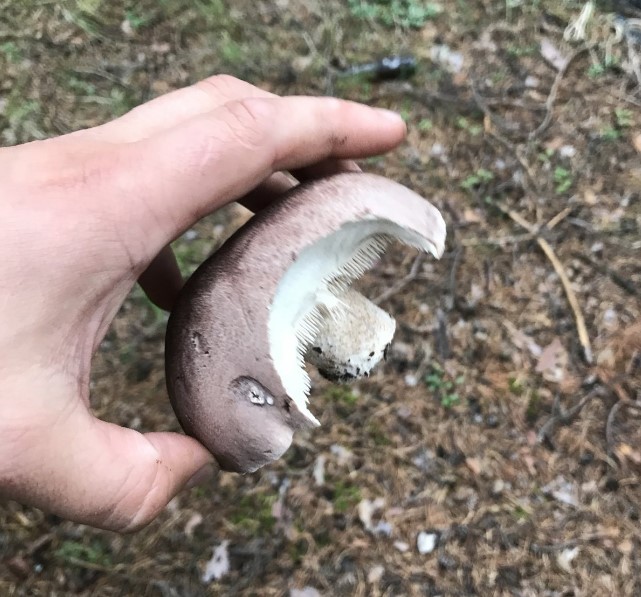
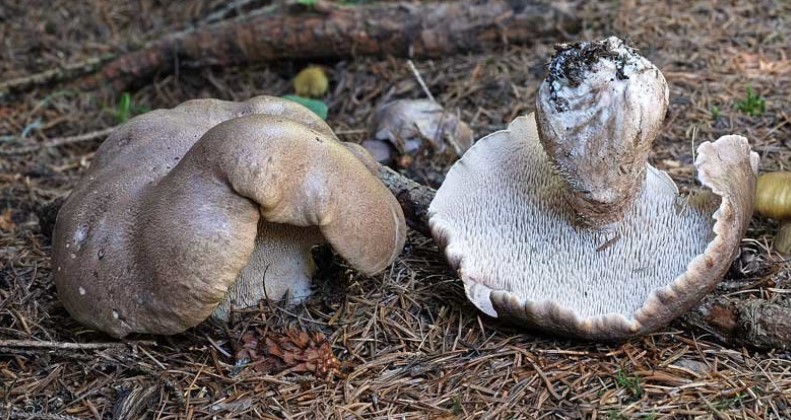
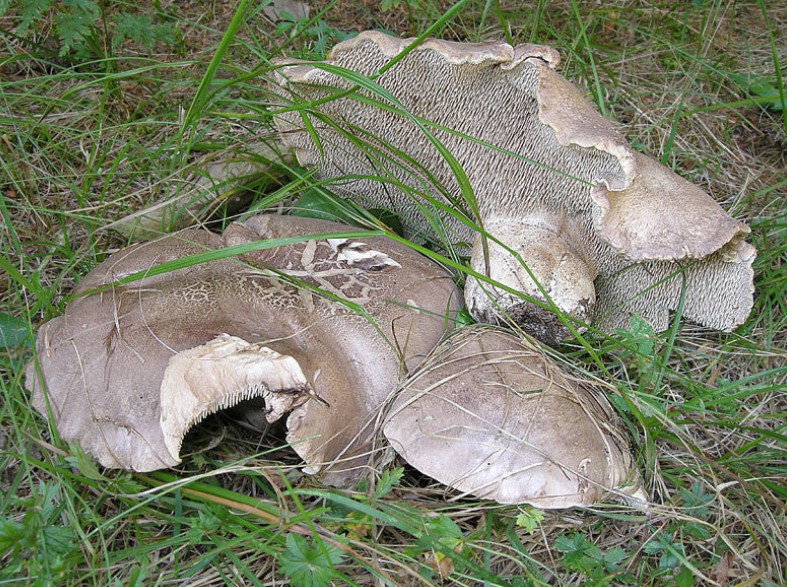
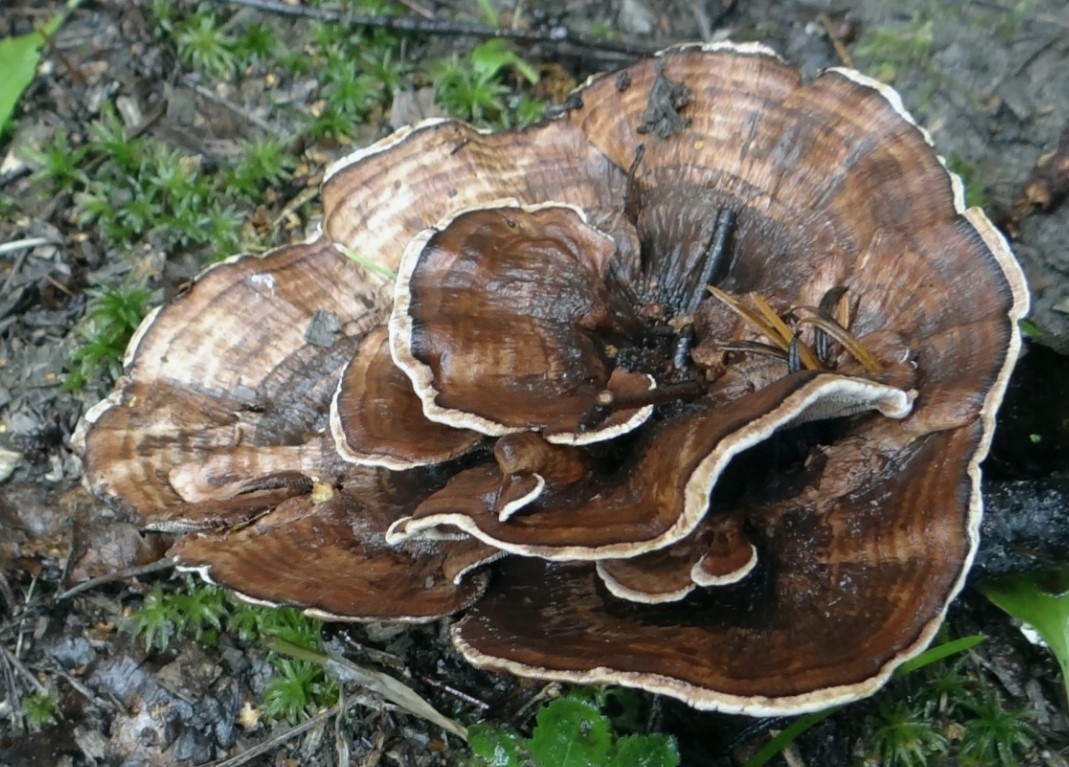
Hericium striped
| Name | hat | Leg | Pulp |
| Lion's tongue mushroom (Hydnellum concrescens) | With a concave center, the reddish-brown color is significantly darker in the center than at the edges, 10 cm in diameter. The surface is shiny when wet. | Short, rusty in color, velvety. | Hard, woody. |
Photo gallery of the striped hedgehog mushroom
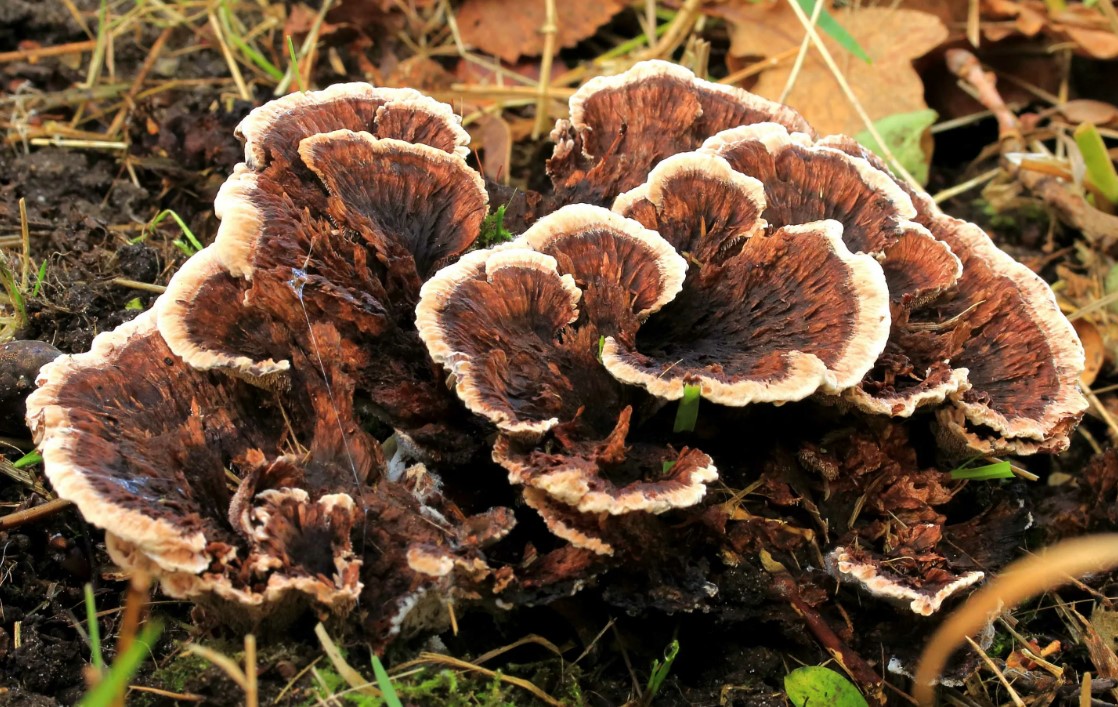
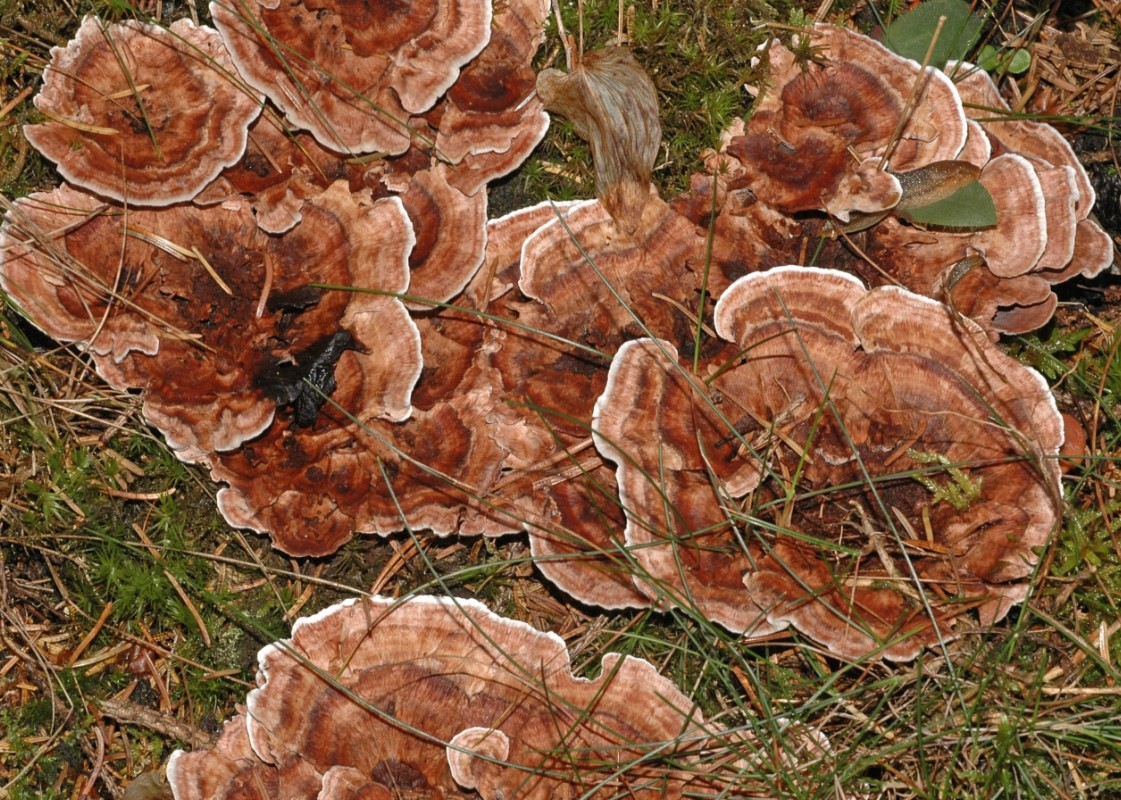
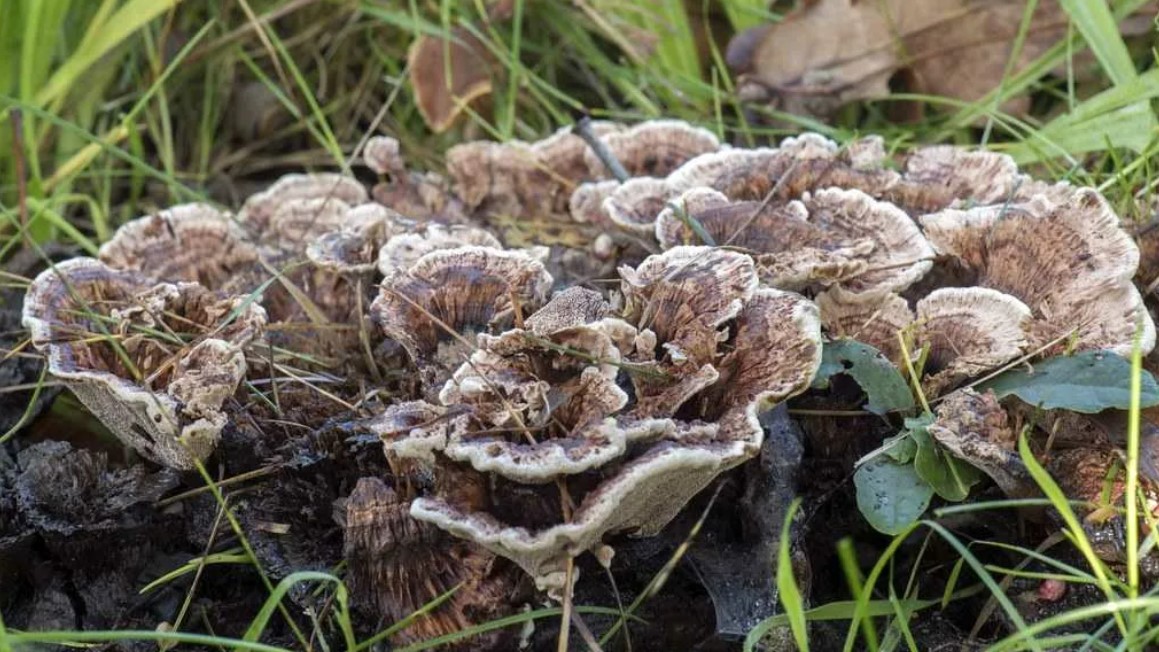
Northern hedgehog mushroom
| Name | hat | Leg | Pulp |
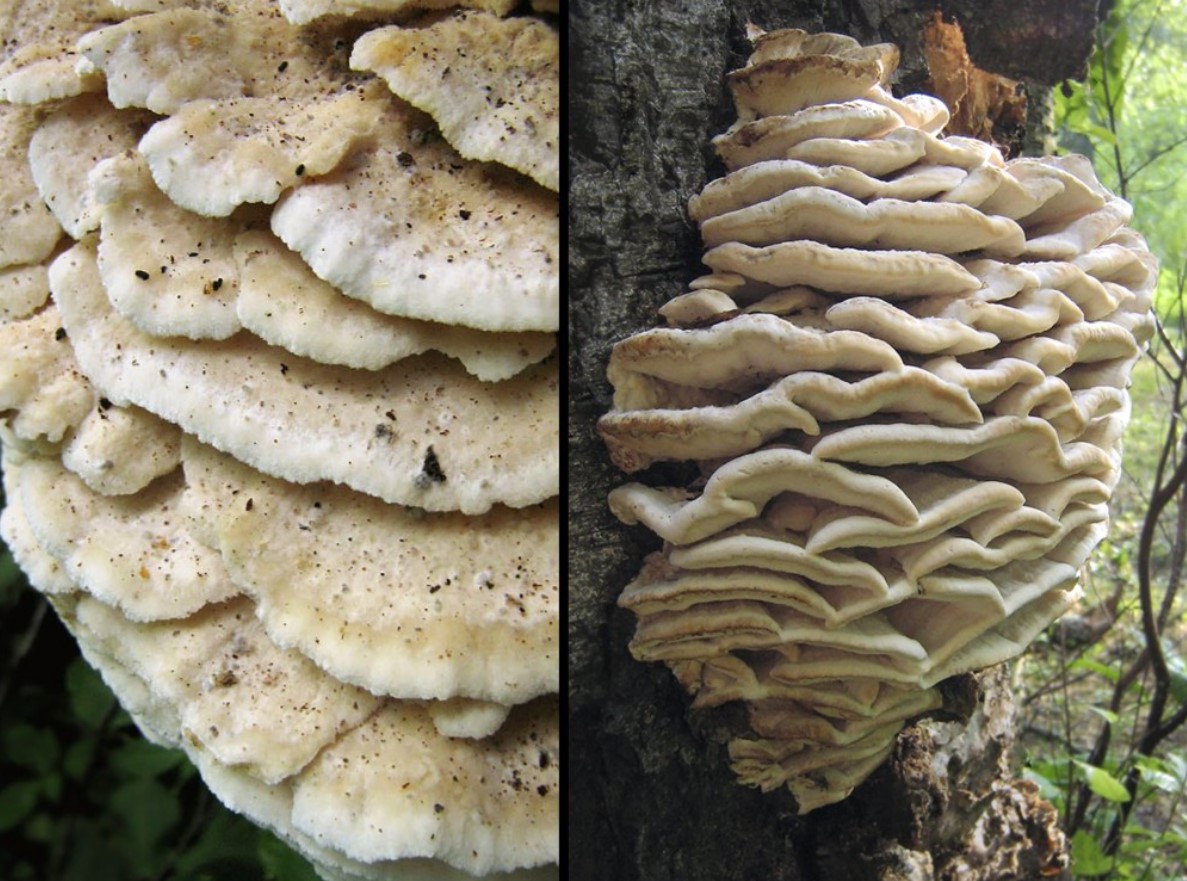
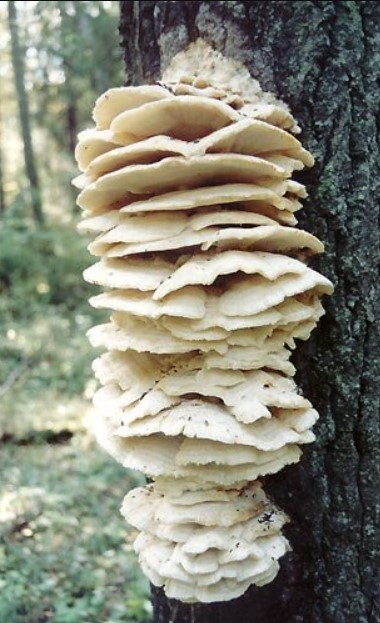
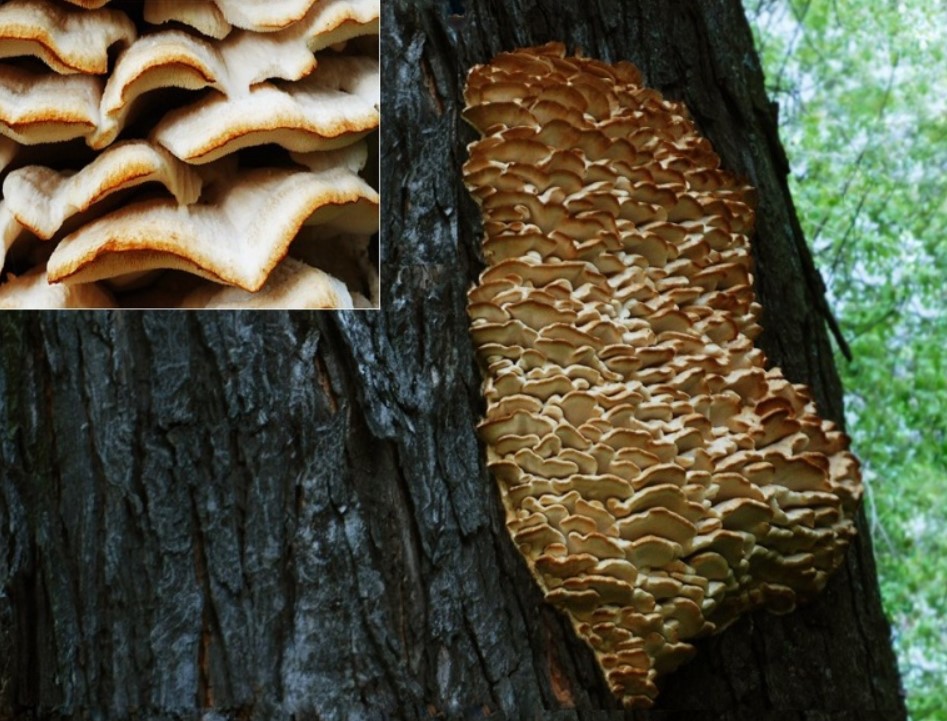
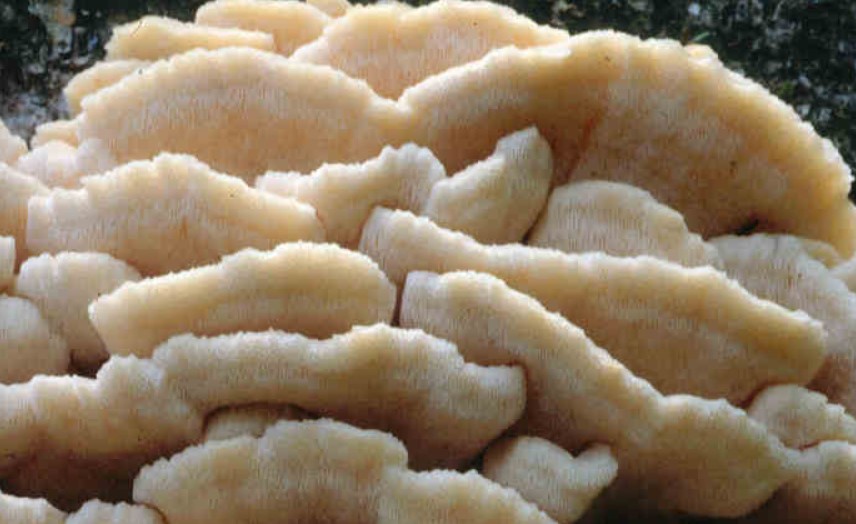
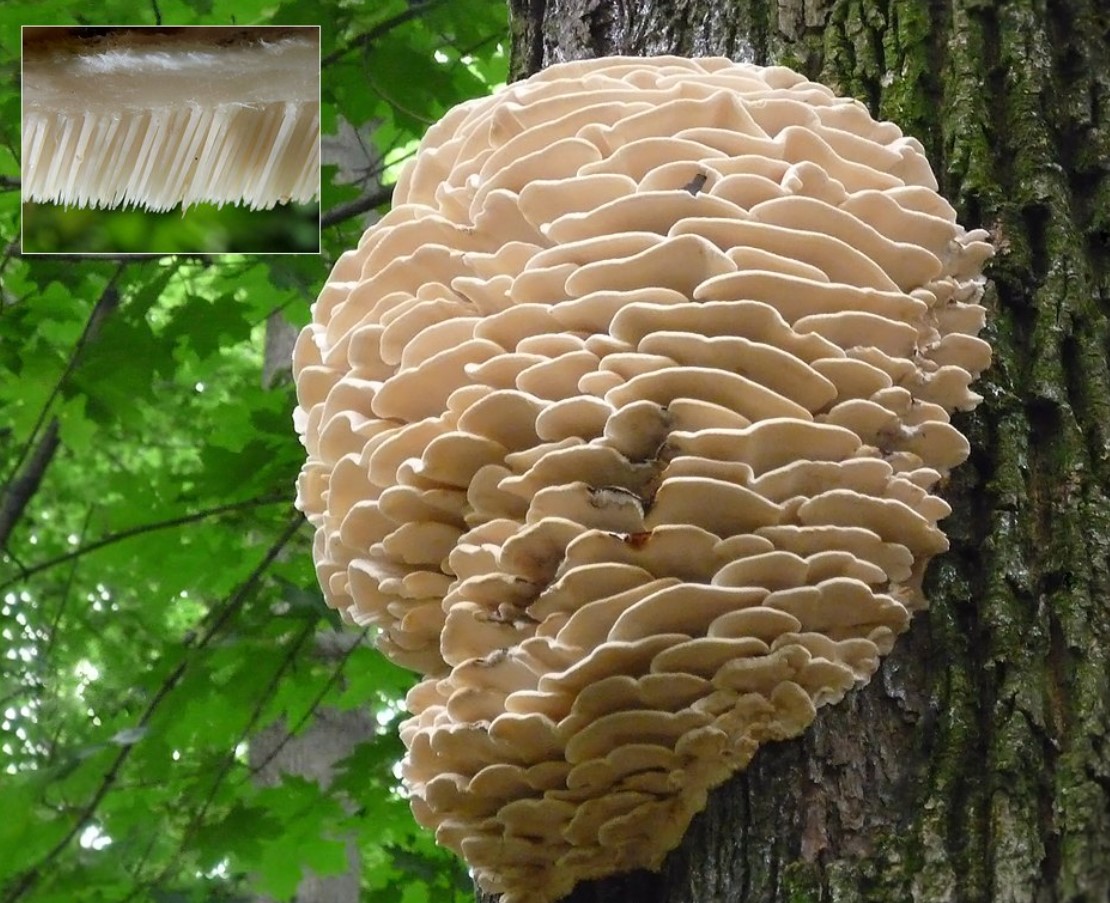
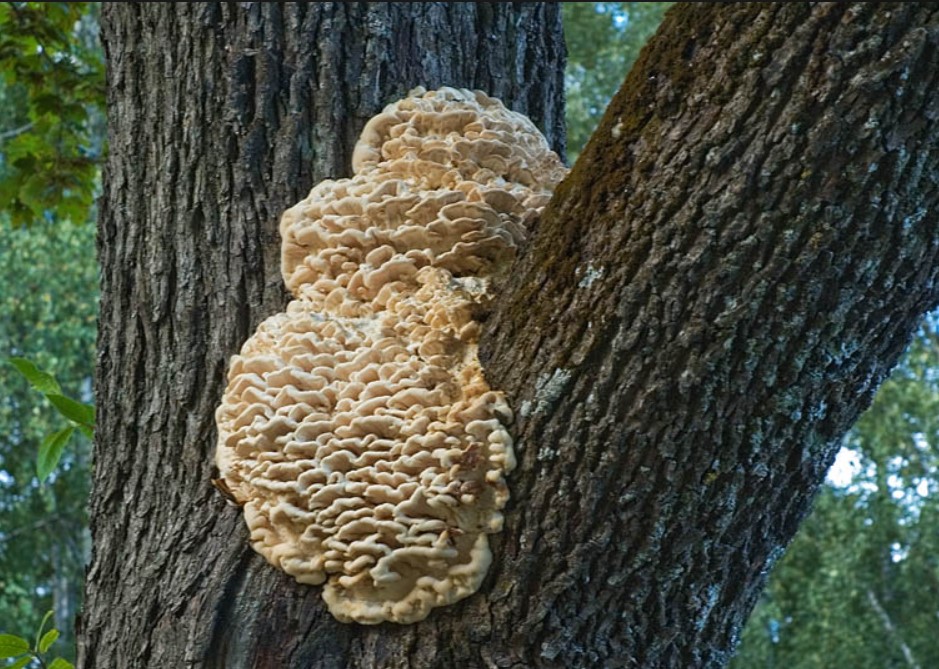
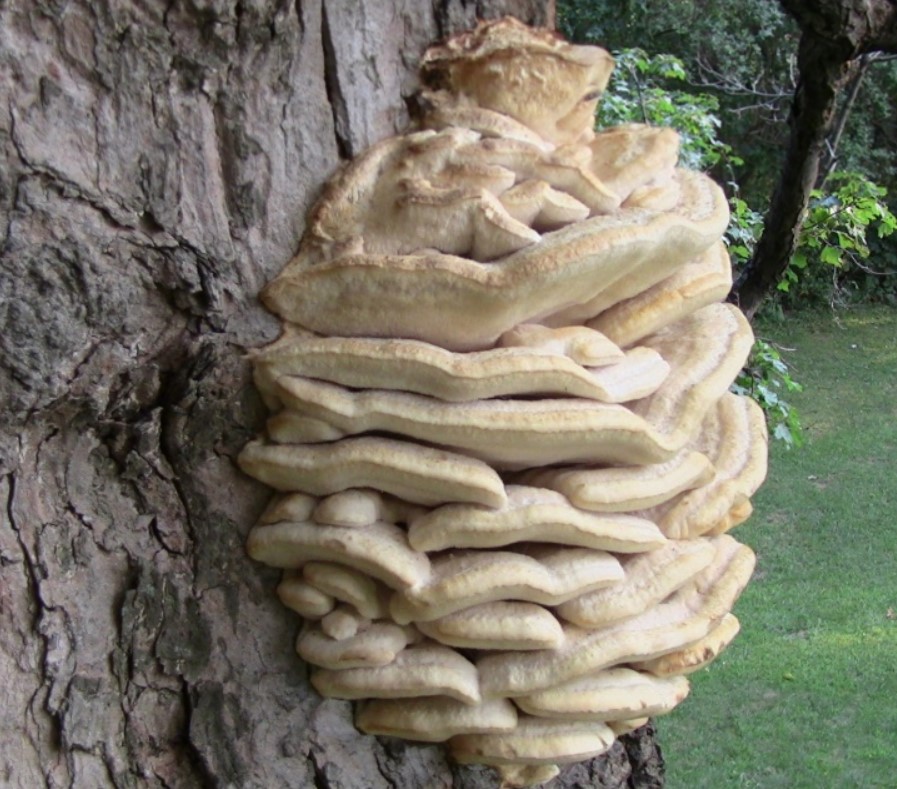
| Northern hedgehog mushroom (Climacodon septentrionalis) | Tongue-shaped, fused at the bases, the mushroom growth can reach 30 cm in diameter and 3 cm in thickness. Its color is grayish-yellow, but fades over time. | There is none as such. | The pulp is dense, with an unpleasant odor. |
Mushrooms grow primarily on weakened deciduous trees in layers. They appear in midsummer and can persist until late autumn if not eaten by insects beforehand.
Photo gallery of the Northern Hericium
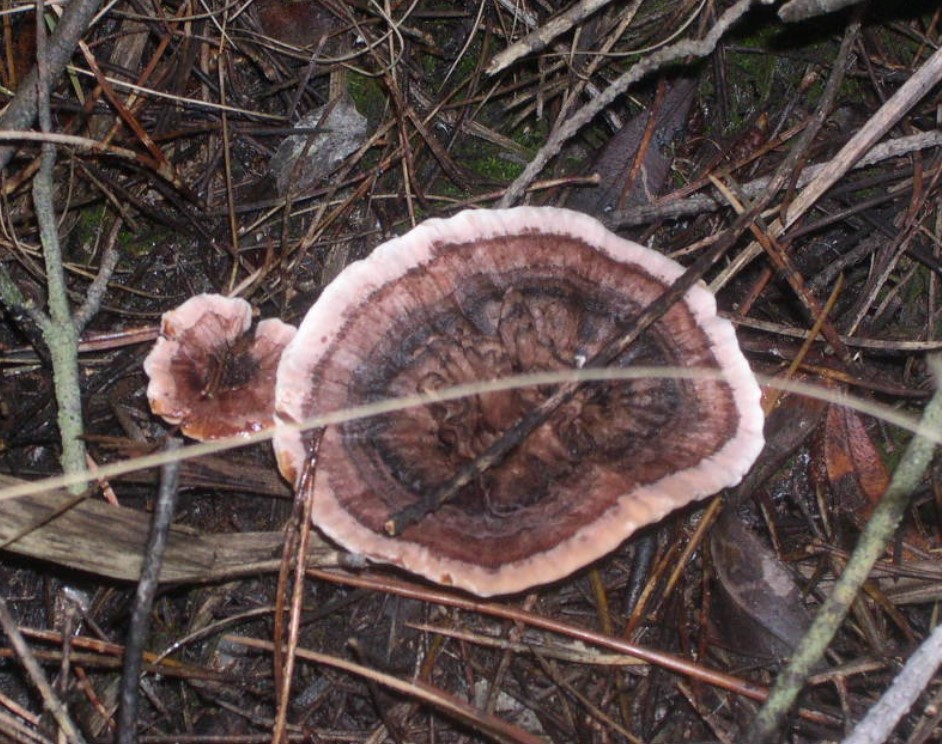
Hericium fused
| Name | hat | Leg | Pulp |
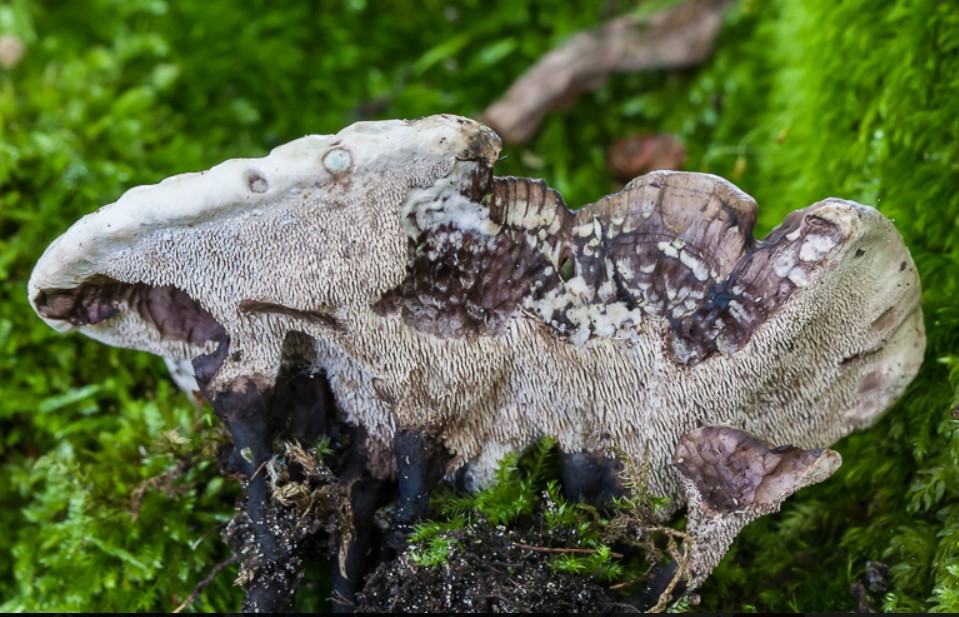
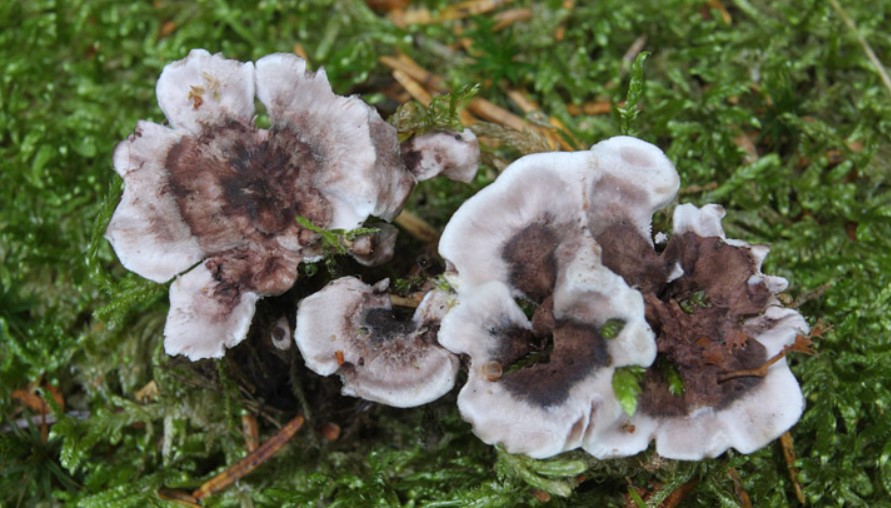
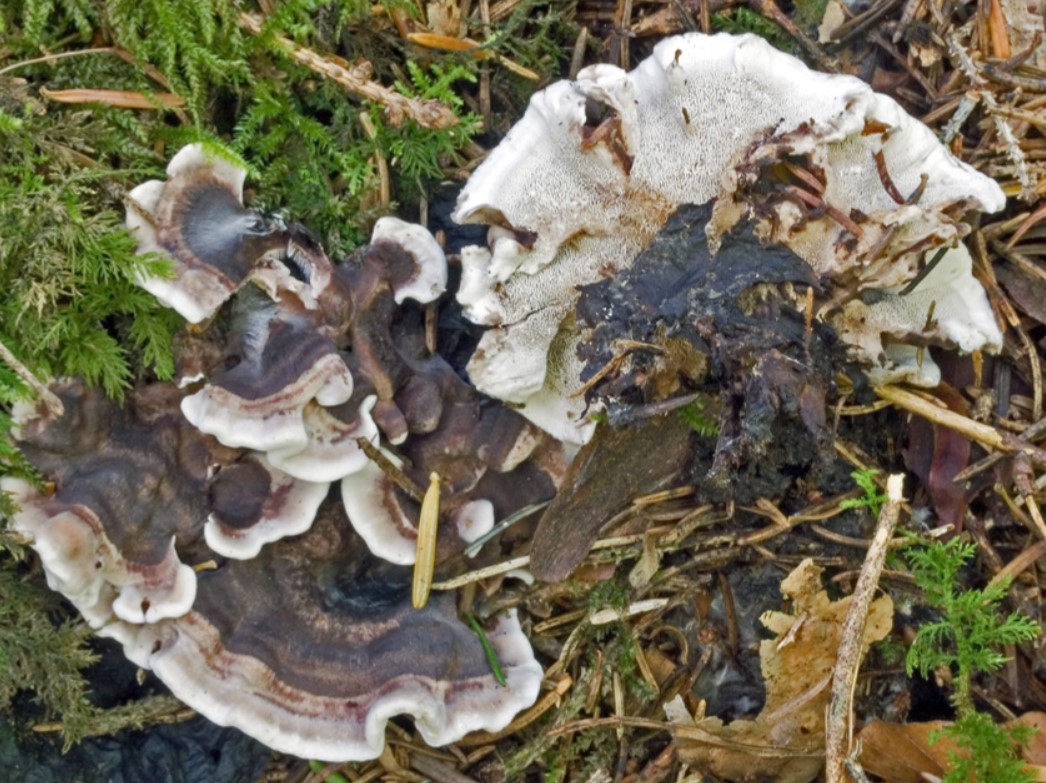
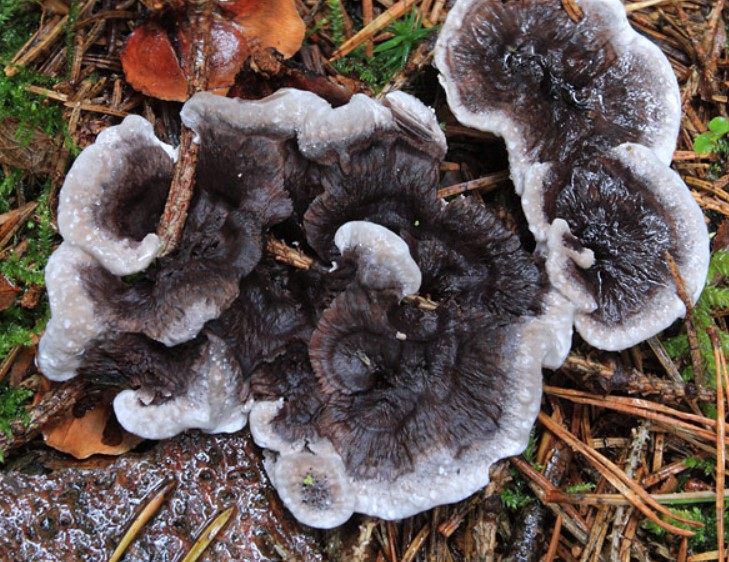
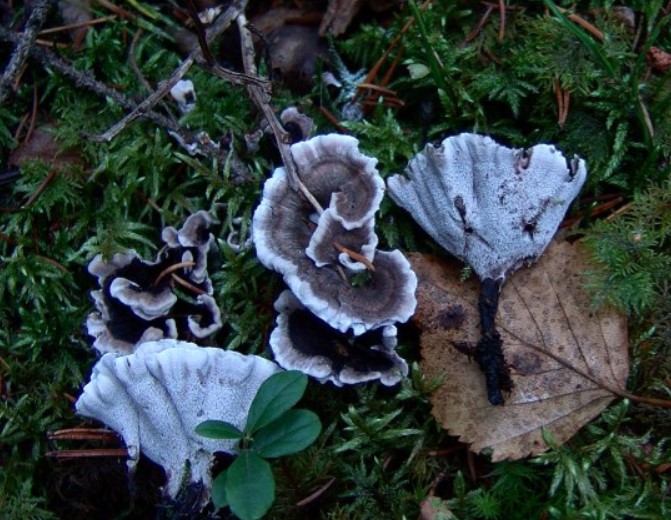
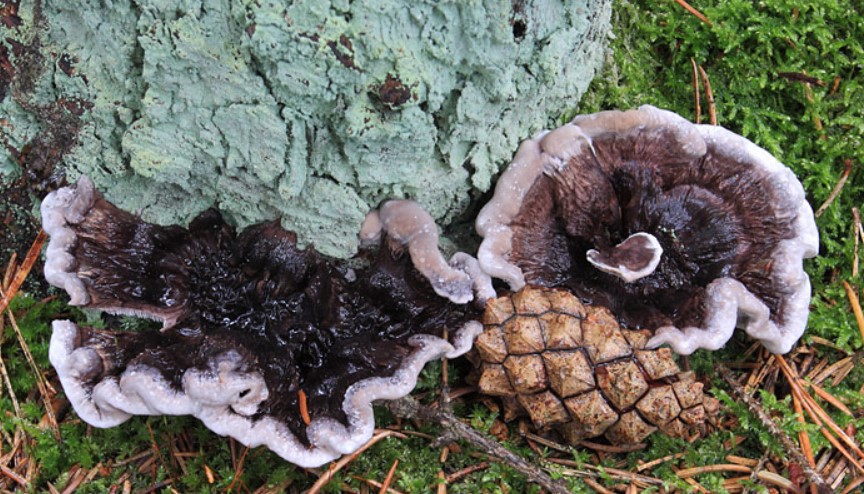
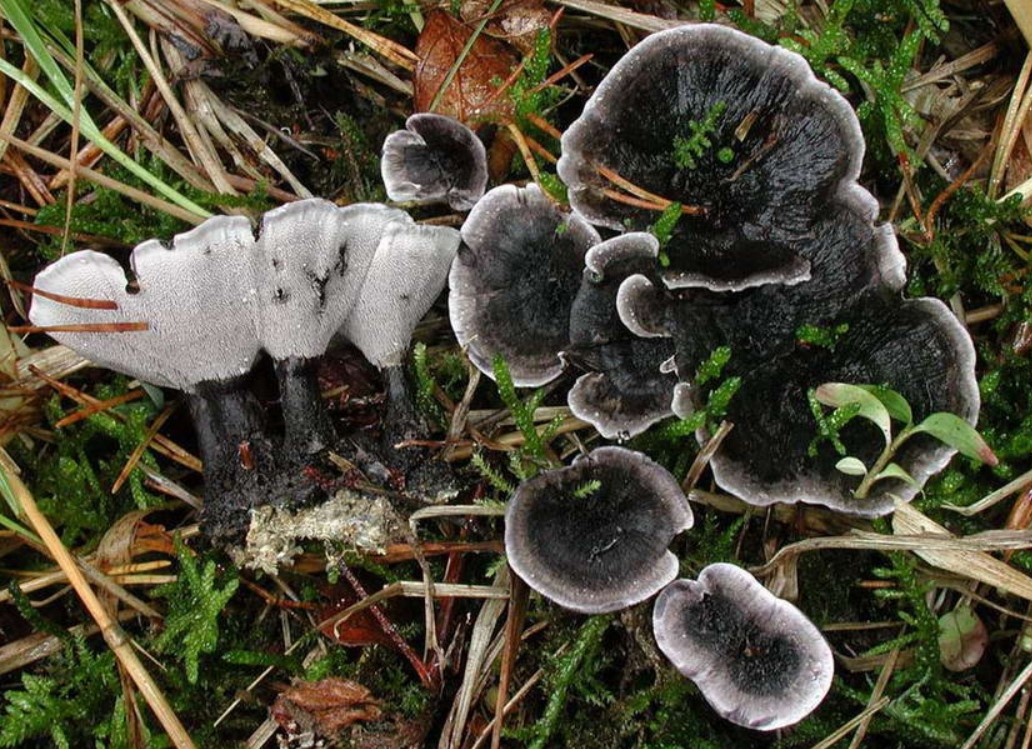
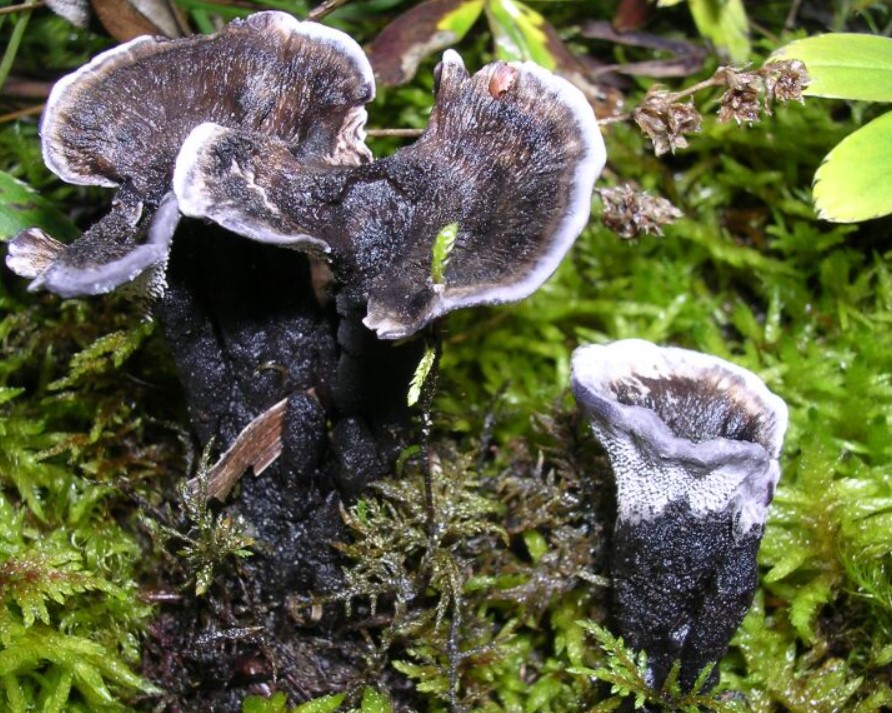
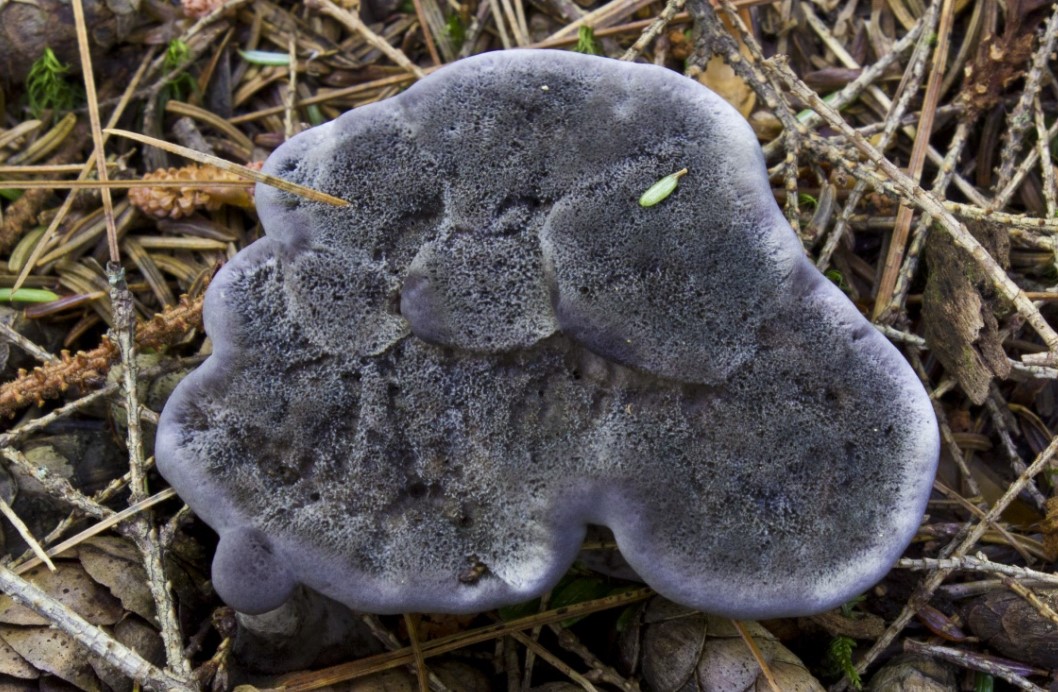
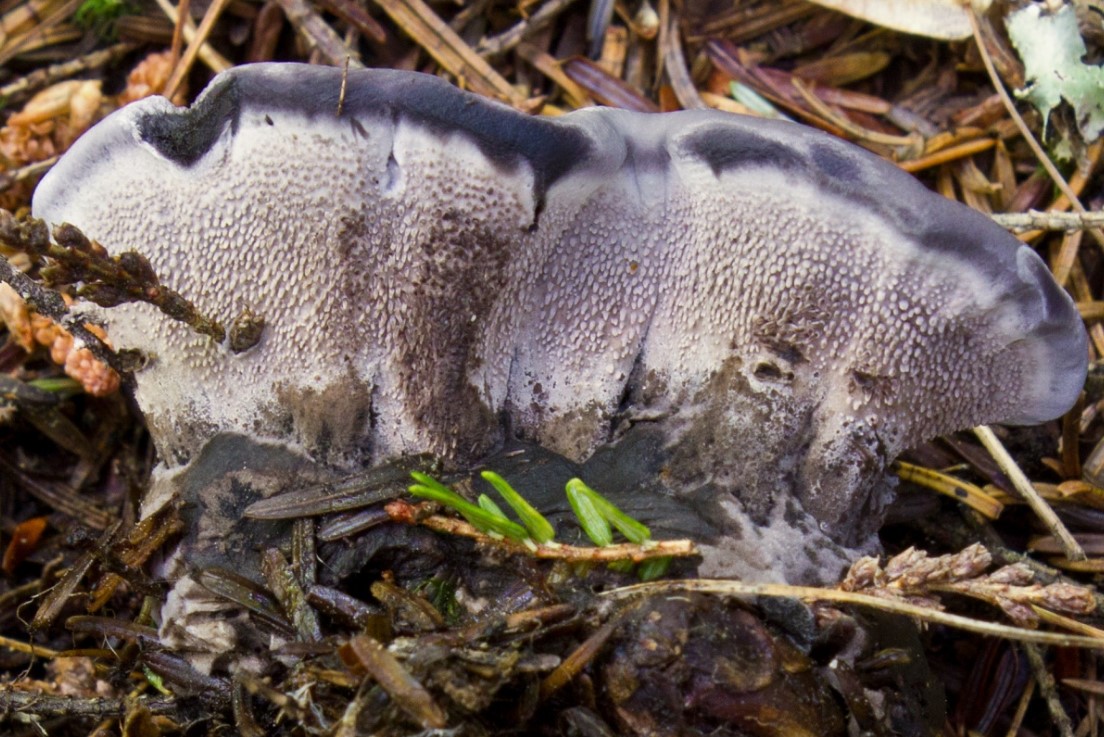
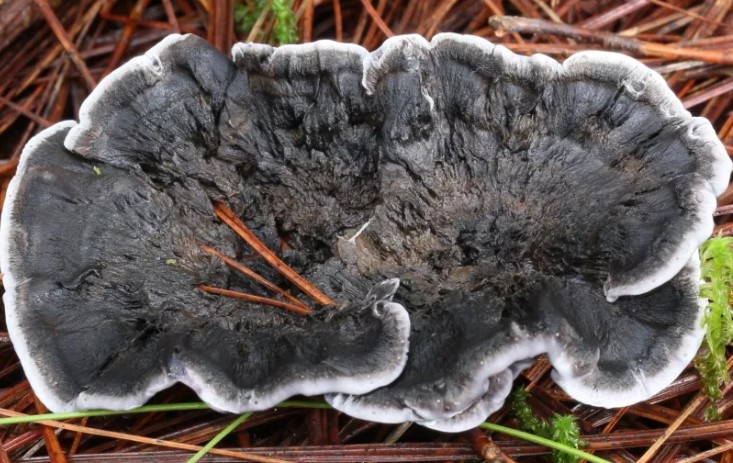
| Hericium connate (Phellodon connatus) | It has an irregular shape, reaches 4 cm in diameter, and is grayish-black in color. The edges are initially light, but darken slightly over time. Several caps in a cluster often grow together, creating a bizarre texture. | The stem is thin, black, and has a silky, shiny surface. The spherical spores are covered with spines. | Wooden, practically black. |
The mushroom prefers sandy soils in coniferous or mixed forests.
Photo gallery of hedgehog grass
Finnish hedgehog mushroom
| Name | hat | Leg | Pulp |
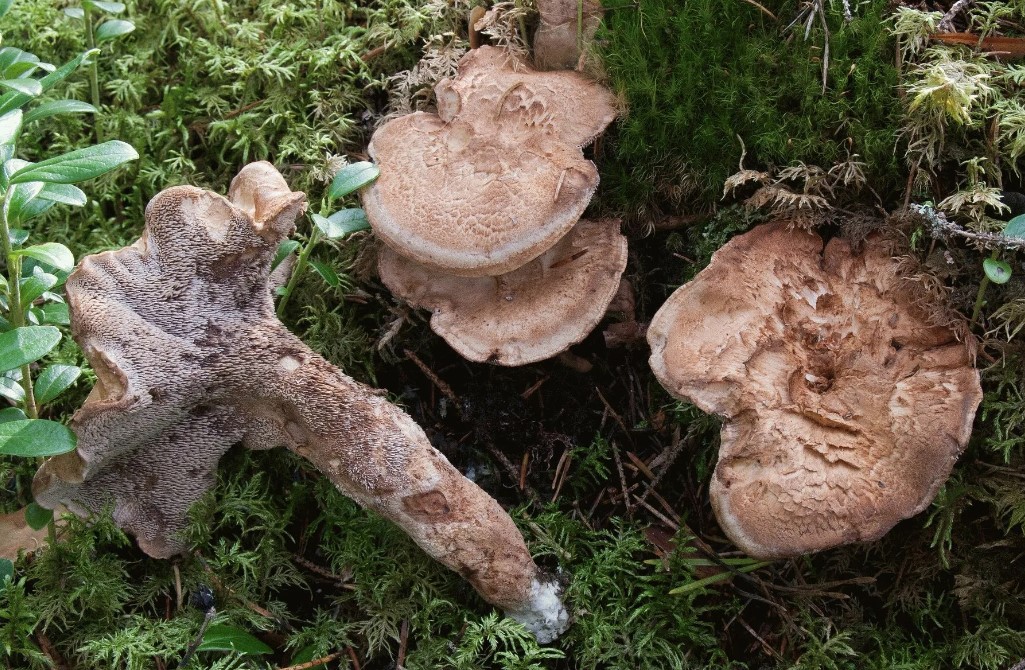
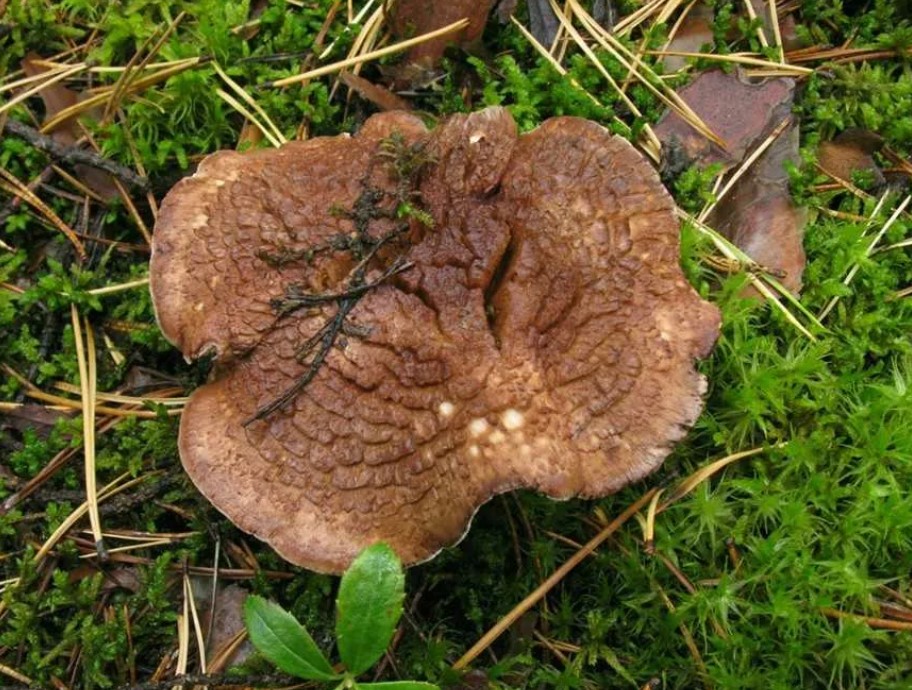
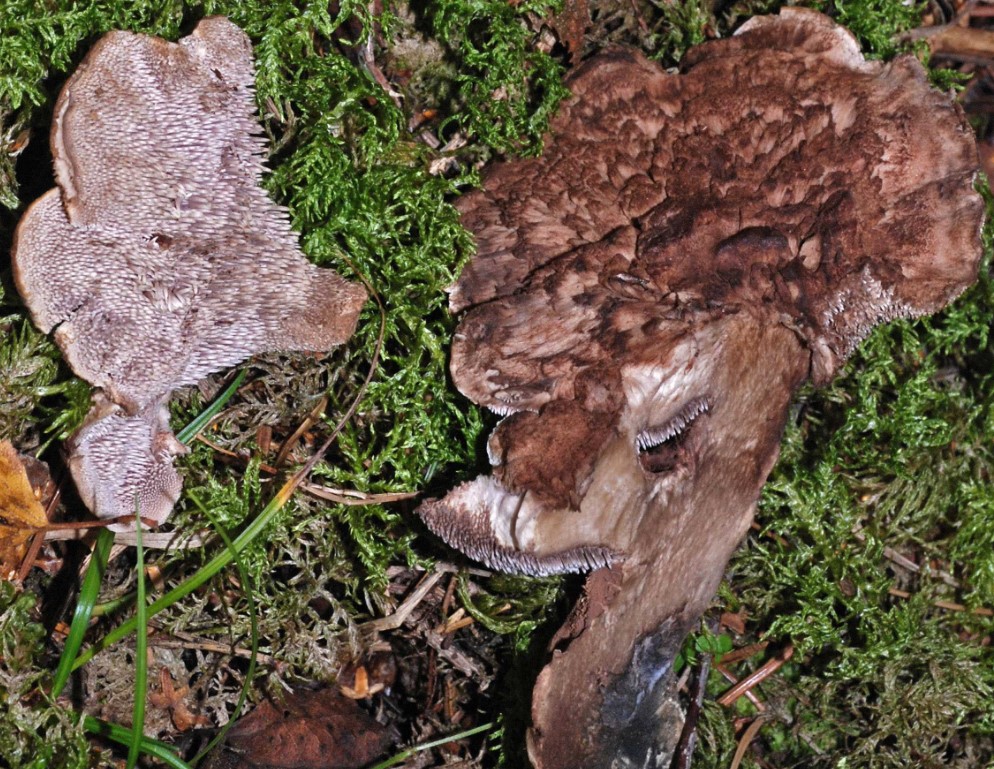
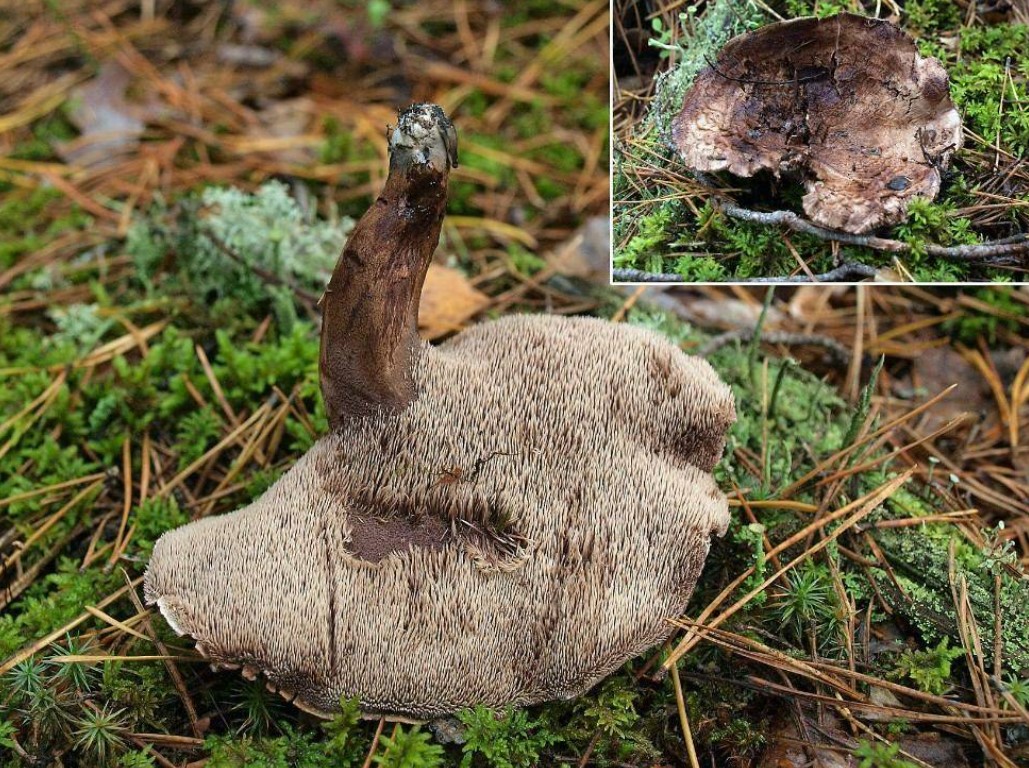
| Finnish hedgehog mushroom (Sarcodon fennicus) | The diameter ranges from 3 to 15 cm, and the shape is flat-convex, becoming prostrate with age. The surface is initially smooth, but then small scales appear, localized primarily in the center. The shape is irregular, and the edges are often fibrous. The color is brownish, significantly lighter at the edges. | Up to 5 cm tall, up to 2.5 cm thick, and can be curved. The color can be reddish-brown, greenish, or almost black at the base. | The flesh of the cap is light yellow, and in the stem it is blue-green. The taste is bitter. |
They grow in mixed or coniferous forests and bear fruit from September to October.
Photo gallery of the Finnish hedgehog mushroom
Black hedgehog mushroom
| Name | hat | Leg | Pulp |
| Black hedgehog mushroom (Phellodon niger) | Large, 3 to 8 cm in diameter, with an irregular shape. The color changes from bright blue to grayish-black. The skin is dry and velvety. The hymenophore is spiny, initially bluish, later becoming dark gray. | Thick and short with dense flesh. | Very dark, dense. |
The mushrooms grow in mixed and pine forests, forming mycorrhiza with pine trees. Fruiting begins in late July and continues until October.
Photo gallery of the black hedgehog mushroom
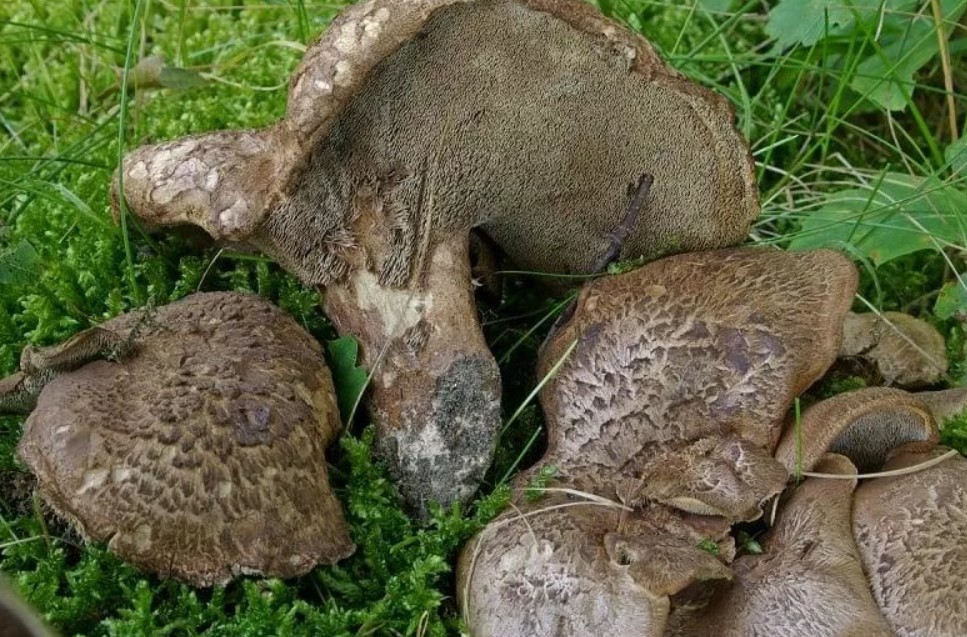
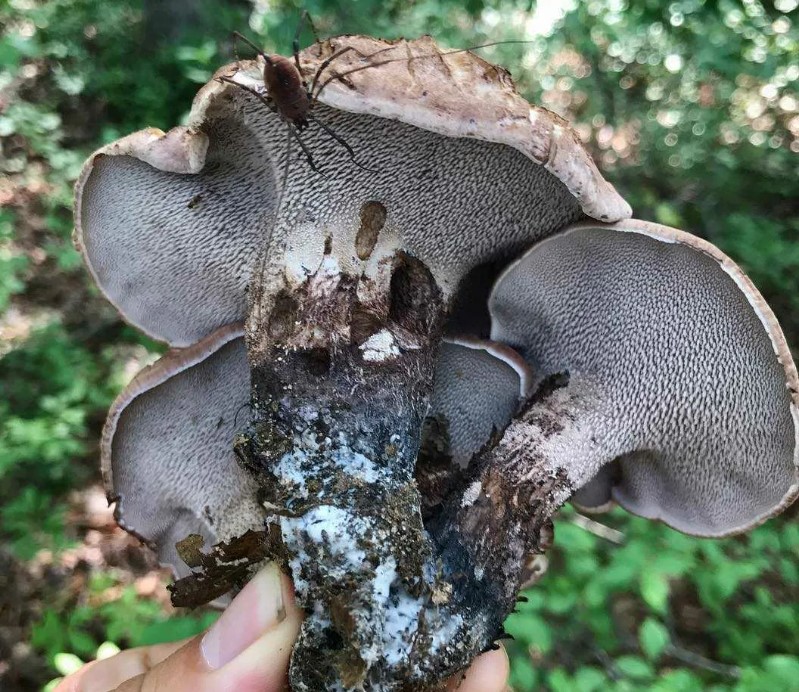
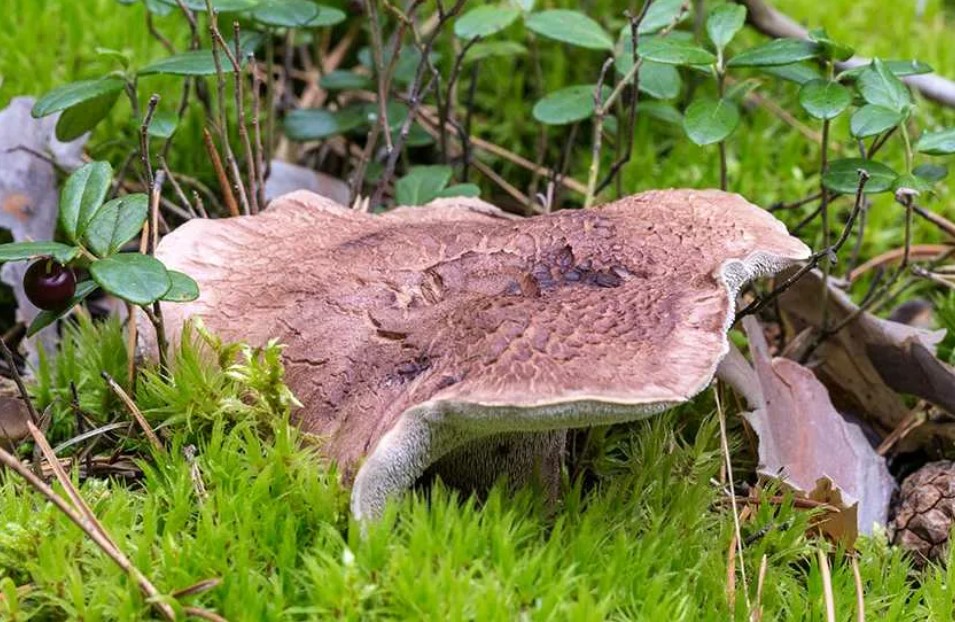
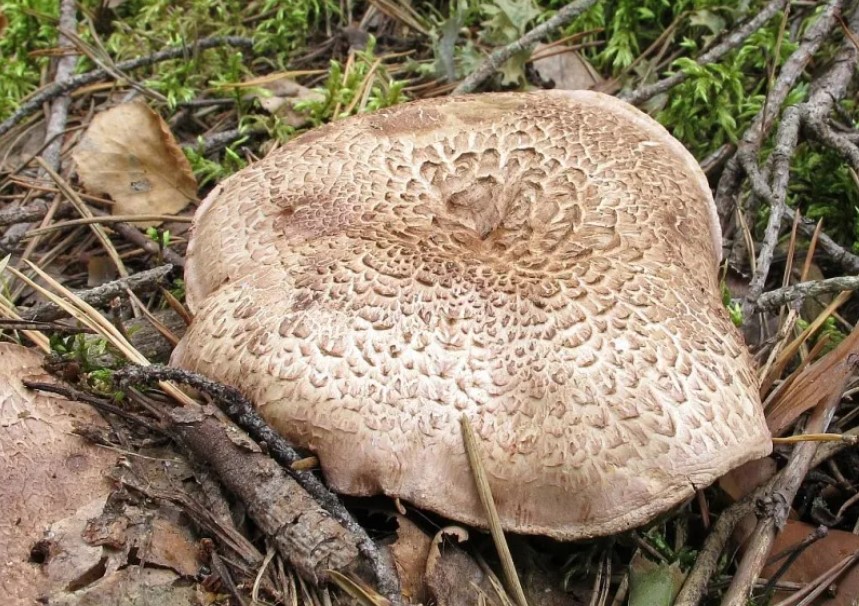
Hericium scaly
| Name | hat | Leg |
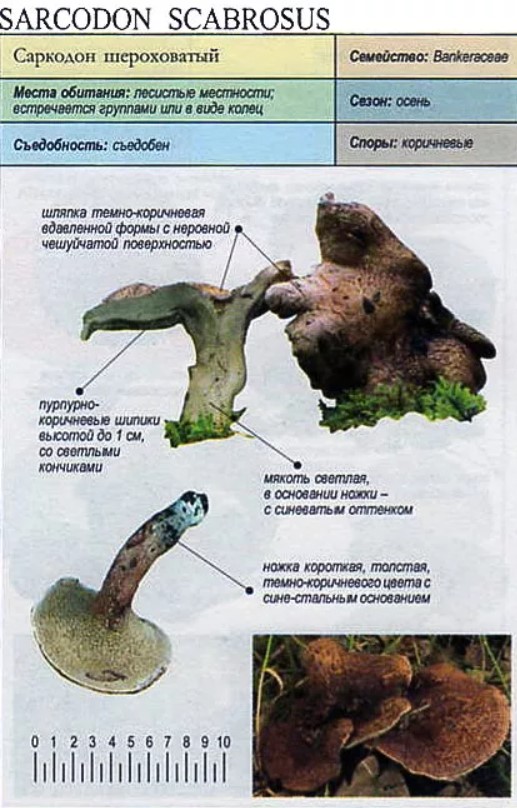
| Rough hedgehog mushroom (Sarcodon scabrosus) | Reddish-brown with scales pressed in the center. The diameter is 30-10 cm, flat-convex, and may have a central depression. The shape is irregular, and the surface is dry. With age, the scales become increasingly visible. The edges are curved and wavy. | Up to 10 cm in height, up to 2.5 cm in diameter. The ring is absent, and the base may be hidden deep underground. A bluish-black or greenish pattern appears underneath the brown color. |
The mushroom is widespread in Europe.
Photo gallery of the rough hedgehog mushroom
Climacodon pulcherrima
| Name | hat | Leg |
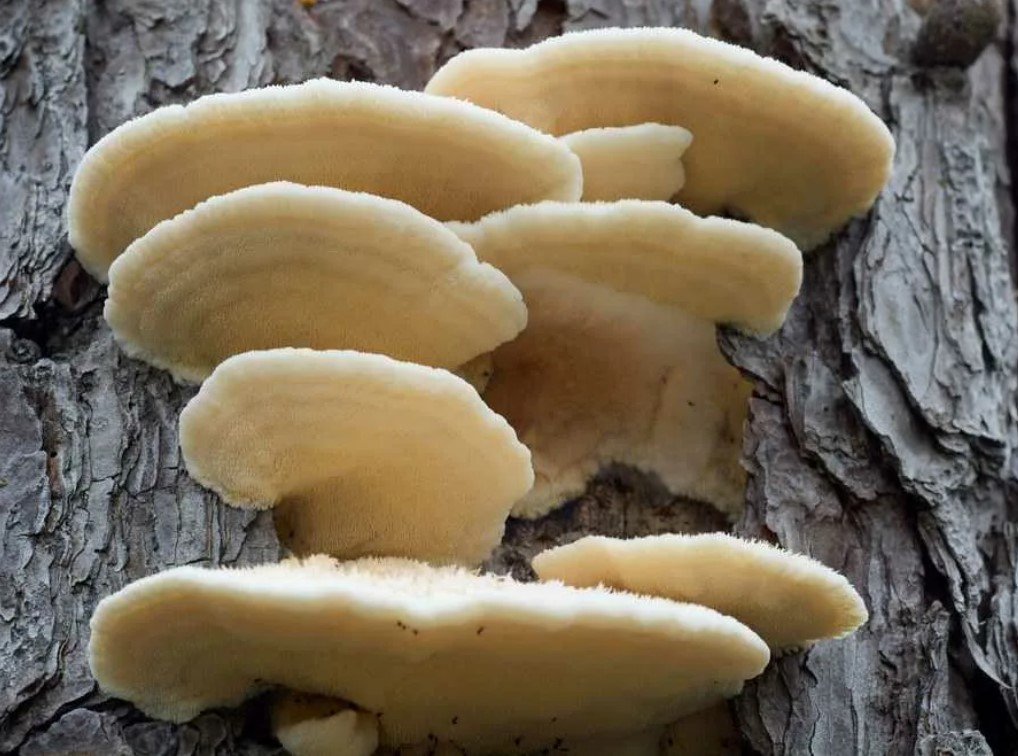
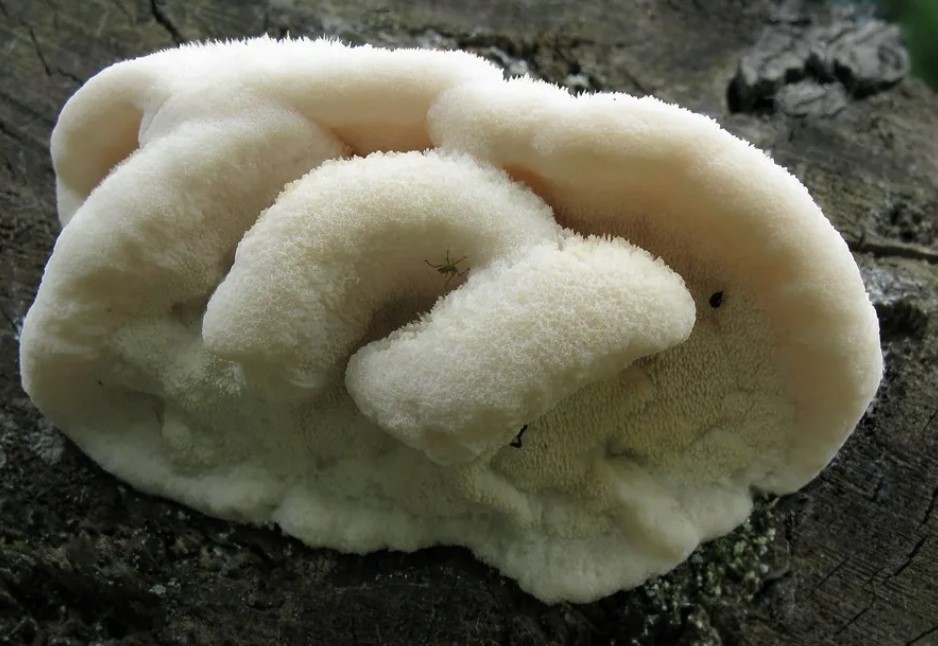
| Climacodon pulcherrimus | The diameter is 4-11 cm, and the shape can be flat or fan-shaped. The surface is dry. The color is white, brownish, or slightly orange. It turns red when pressed or damaged. The hymenophore consists of spines up to 8 mm long, which fuse with age. | No. |
Mushrooms grow on fallen or dry broad-leaved trunks, and are less common on conifers.
Photo gallery of Climacodon pulcherrima
Benefits, nutritional value, and medicinal properties of the hedgehog mushroom
Hedgehog mushrooms are considered a low-calorie food, containing only 22 kcal per 100 g. They contain a wide variety of vitamins, micro- and trace elements:
- Vitamin D.
- Vitamin C.
- Riboflavin.
- Vitamin C.
- Vitamin K2.
- Pantothenic acid.
- Vitamins PP.
- Calcium.
- Magnesium.
- Selenium.
- Sodium.
- Phosphorus.
- Potassium.
In addition, hedgehog mushrooms contain other important elements:
- Leucine.
- Aminopropanoic acid.
- Glutamic acid.
- Aminosuccinic acid.
- Diaminohexanoic acid.
Thanks to such a variety of useful substances, hedgehog mushrooms have a powerful beneficial effect on the body:
- Removes “bad” cholesterol from the body, cleansing blood vessels and preventing plaque formation.
- Restores muscle tissue cells and increases vitality.
- Normalizes the functioning of the endocrine system.
- Regulates water balance in the body, which normalizes blood pressure.
- Activates protein synthesis.
Potential harm from the hedgehog mushroom
Regular moderate consumption of mushrooms will not harm a healthy body, but hedgehog mushrooms have a number of contraindications:
- Children under 5 years of age.
- Individual intolerance.
- Chronic kidney disease.
- Diseases of the biliary tract.
- Chronic stomach problems.
- Pregnancy and lactation period.
Culinary uses of hedgehog mushrooms
Hedgehog mushrooms are very rare in nature, so they're not widely known in culinary circles. Young mushrooms are best for eating, as the flesh becomes too tough and difficult to digest with age.
Hedgehog mushrooms are most often found in French cuisine. They are rarely served as a stand-alone dish, but are widely used in sauces, juliennes, condiments, and appetizers.
It's important to remember to remove all the spines from the mushrooms before cooking, so they don't ruin the finished dish by falling off during cooking. Another important point: hedgehog mushrooms hardly shrink in size because they contain a small amount of liquid.
How to cook hedgehog mushrooms
Before cooking, wash the mushrooms and remove the spore-bearing layer. Next, place them in a saucepan, cover with cold, salted water, and simmer over medium heat for 20 minutes.
It's best to use scalloped, yellow, or white hedgehog mushrooms for cooking. All other mushrooms should be mixed with other types due to their lack of flavor.
How to fry hedgehog mushrooms
It is recommended to pre-boil the hedgehog mushrooms before frying.
An exception can be made for the barbel, comb and coral hedgehog mushrooms.
- The fruits are washed and the remains of the mycelium are removed.
- If necessary, boil for 20 minutes.
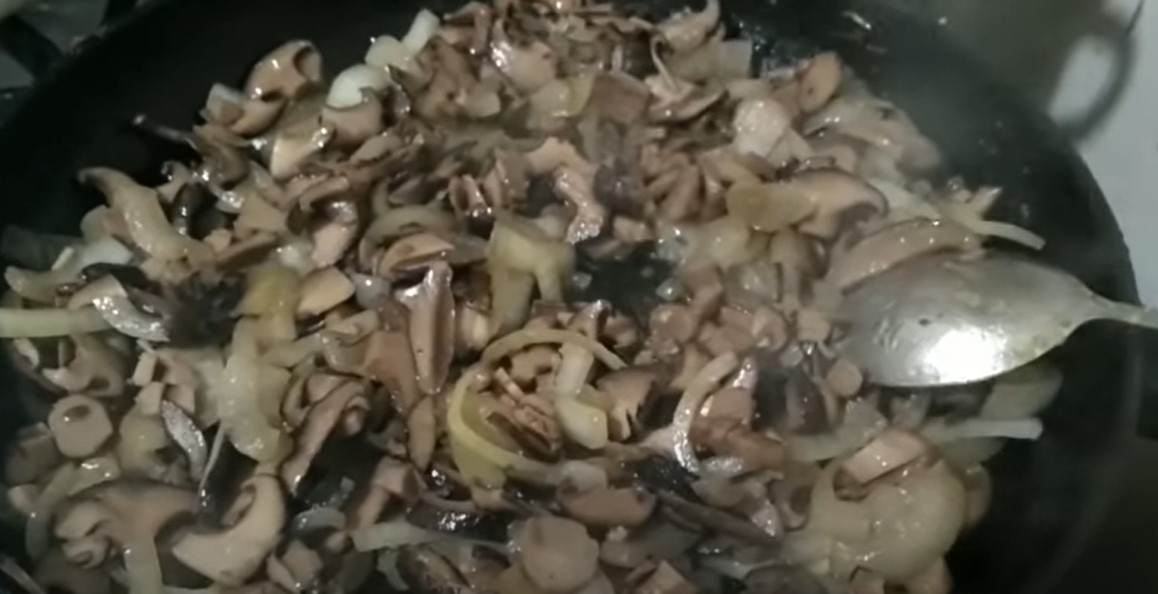
- Heat oil in a frying pan, add mushrooms and fry for 10 minutes.
- Add chopped onion, salt, and spices to the mushrooms and cook for another 5-10 minutes.
- If desired, you can add sour cream to the pan 2 minutes before it is ready.
Recipes for dishes using hedgehog mushrooms
Below are simple and delicious recipes using hedgehog mushrooms that help bring out the flavor of these unusual mushrooms.
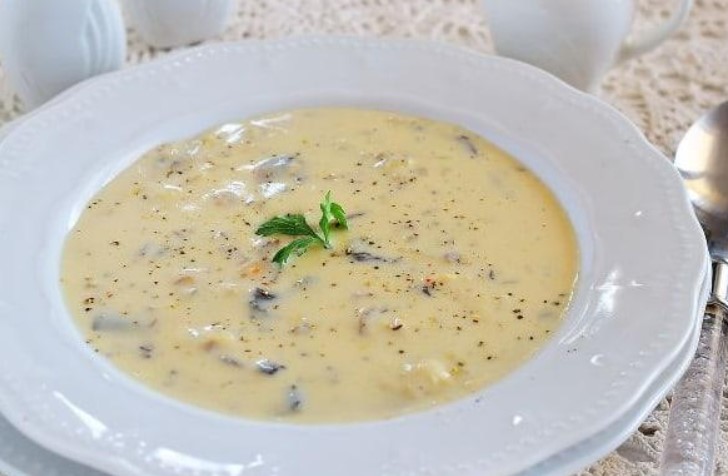
Cheese soup
To prepare the soup you will need:
- Boiled mushrooms – 300 g.
- Potatoes – 3 pcs.
- Processed cheese – 1 pc.
- Chicken fillet – 200 g.
- Onion – 1 pc.
- Butter – 20 g.
- Pepper, salt – to taste.
Method of preparation:
- Cut the chicken fillet and boil until done in salted water.
- Heat oil in a frying pan, add grated carrots, chopped mushrooms and onions, fry until cooked for 10 minutes.
- Place everything in a saucepan, add diced potatoes and cook for 15 minutes.
- Grate the cheese, add it to the soup and stir until completely dissolved.
- Turn off the heat and let the soup sit for 20 minutes.
- Serve with sour cream and herbs.
French hedgehog mushroom sauce
The sauce will be an excellent addition to any side dish.
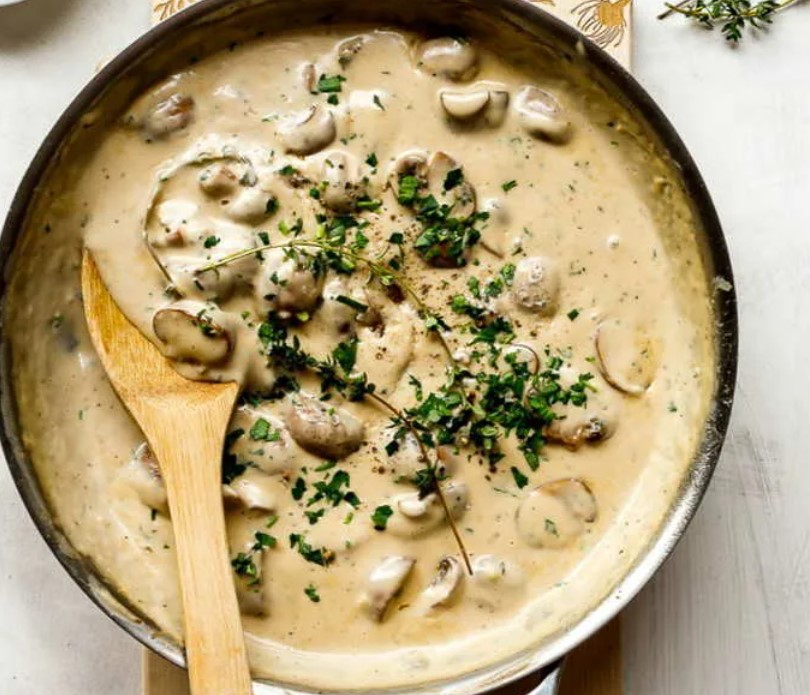
Ingredients:
- Boiled mushrooms – 300 g.
- Sour cream – 250 g.
- Onion – 1 pc.
- Vegetable oil – 2.5 tbsp.
- Salt, pepper, spices – to taste.
Method of preparation:
- Chop the mushrooms and fry in hot oil for 5 minutes.
- Add chopped onion and fry for another 7 minutes.
- Add sour cream, salt and spices, simmer for 20 minutes under a closed lid and turn off the heat.
Italian salad
To prepare a spicy salad you will need:
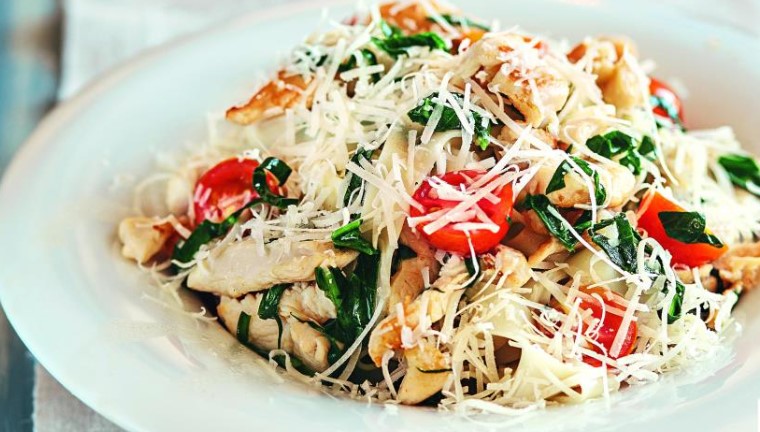
- Boiled hedgehog mushrooms – 200 g.
- Chicken breast – 1 pc.
- Cherry tomatoes – 10 pcs.
Boil the chicken breast, cut the mushrooms and meat into cubes, halve the tomatoes, place everything in a glass jar and season with a special sauce that will give the dish a unique taste.
For the sauce you need to take:
- Anchovy paste – 1 tbsp.
- Light mayonnaise – 1 tbsp.
- Lemon juice – 2 tbsp.
- Grated Parmesan – 50 g.
- Chopped garlic – 2 cloves.
- Pepper, salt – to taste.
Mix all ingredients, pour into a salad bowl, cover with a lid and refrigerate for 5 hours.
Growing hedgehog mushrooms at home
You can grow hedgehog mushrooms at home, but you'll need to purchase high-quality mycelium, which is sold in specialty stores.
Step-by-step instructions for growing hedgehog mushrooms:
- Find a suitable deciduous tree with bark in the forest, cut down part of it, and trim off the branches if desired.
- Leave the wood to dry for 7 days in a warm place with good ventilation.
- Drill holes 4 cm deep on the cut surface, placing them in a checkerboard pattern.
- Place mycelium into the holes.
- Pour warm water over the log and wrap it in film, making holes in it for ventilation.
- Place the tree in a warm place out of direct sunlight.
- The mycelium must be moistened three times a day.
- As soon as white threads become visible on the surface, place the log in a cold water for 24 hours.
- After the allotted time, place the log vertically in a bright room.
Fruiting will begin within six months, but in late autumn, the mycelium should be moved to a basement or covered with leaves. If the weather permits, it can be left outside.
Storing hedgehog mushrooms
Hedgehog mushrooms have a very limited shelf life, so they should be processed within 2-3 hours of picking. If the mushrooms are refrigerated, their shelf life increases to 3 days, but then they need to be washed, cleaned, and the spores removed.
It is recommended to store hedgehog mushrooms in bags or containers with a lid, as they instantly absorb all odors from the refrigerator.
To extend their shelf life, hedgehog mushrooms can be pickled or frozen. Drying is another way to preserve them. This product can be stored for up to three years without losing its flavor.
Reviews of black-headed mushrooms and cooking tips
The yellow hedgehog mushroom and its reddish form grow in mixed and pure pine forests. However, they are more commonly found in forests with mixed oak, in blackberry thickets on the slopes of hills and ravines.
It grows from July until late autumn, and is often found in large clusters. But it grows in waves, so if you find even one in the forest, it's easy to make a basket!
Its red form often grows next to the yellow one, but is still more often found on pine trees, and not young ones, in a pile of last year's needles, again closer to hills, hills and ravines.
It's a good culinary mushroom, very good fried, but marinated, not so much; it's bland. It's a nice addition to a platter, though, and has a very pretty color! It makes the jar's contents just beg to be served. When cooking, it's best to remove the lower spore-bearing part (it's very easy to remove with a knife or fingernail), but I don't do this on young mushrooms.
I prepared them both fried and frozen!
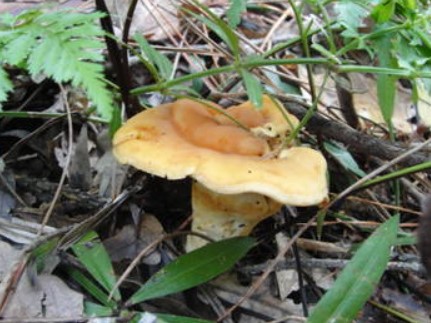
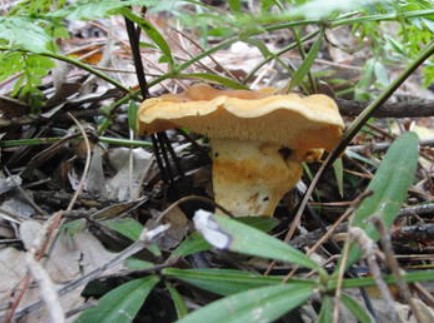
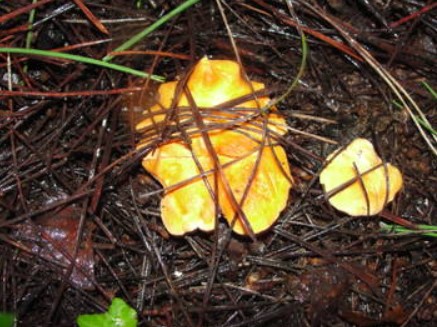
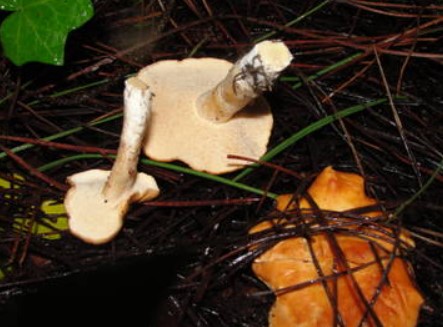
It turns out that hedgehog mushrooms aren't so simple either; there are at least three different species. One very similar to the chanterelle
Yellow hedgehog mushroom Hydnum repandum
Well, here too
The brighter and smaller Hydnum rufescens (Hedgehog's Mane)
And with a white cap and smaller spores Hydnum albidum White hedgehog mushroom
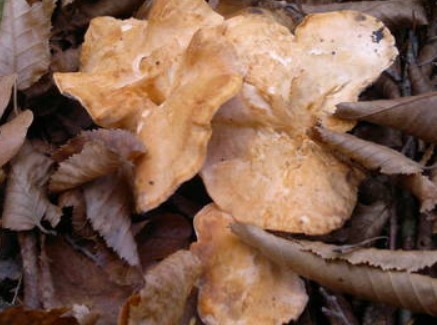
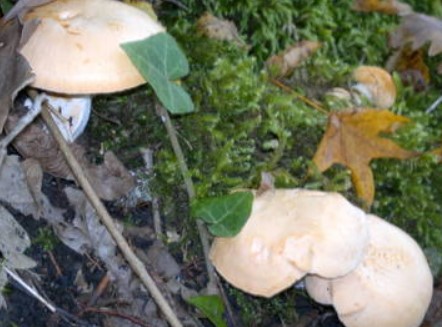
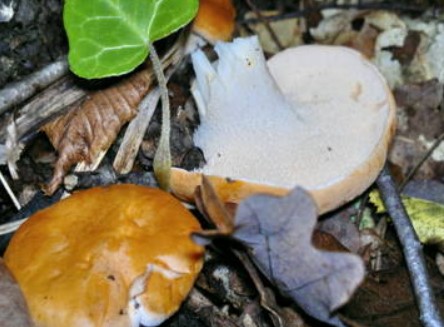
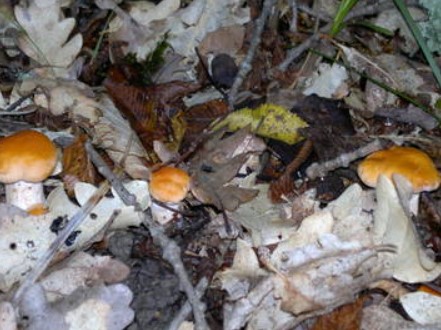
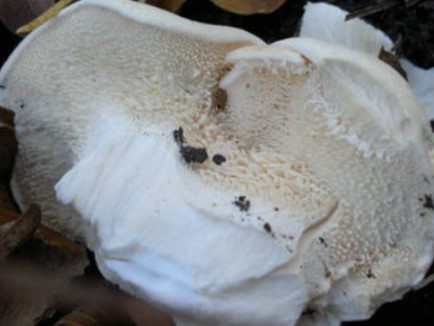
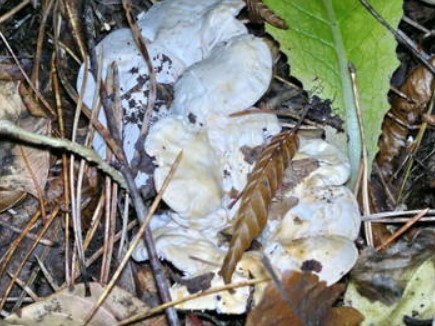
The yellow hedgehog mushroom, Hydnum repandum, generally has larger fruiting bodies, often a paler coloration, and an irregularly shaped cap, with a margin that is usually uneven and wavy, sometimes notched; it also has spines that descend onto the stem. The reddish-yellow hedgehog mushroom, Hydnum rufescens, has smaller fruiting bodies (5-8 cm), usually with a smooth, rarely lobed, margin, and a brighter red-orange coloration. The stem of this species is more clearly demarcated from the cap, and the spines do not descend onto the stem. However, the morphological characteristics of both these species can vary depending on the developmental stage and environmental conditions during the growth period. Furthermore, they exhibit significant regional variability. All this can sometimes make identification quite difficult. According to molecular genetic studies by Slovenian and Spanish mycologists, even microscopic features in these species do not always allow for a clear distinction.
And, furthermore, there are two other species that are macroscopically indistinguishable from the reddish-yellow hedgehog mushroom: the ellipsospore hedgehog mushroom and the ovoid-spore hedgehog mushroom. They are distinguished only by the shape of their spores.
I don't know, but in my dacha forest, near Aprelevka, the yellow-red variety grows in abundance. It's much smaller than the yellow variety, but it grows in very large clusters, from late June until late autumn. However, it only grows in one place—the spruce plantings—and I've never seen it anywhere else.
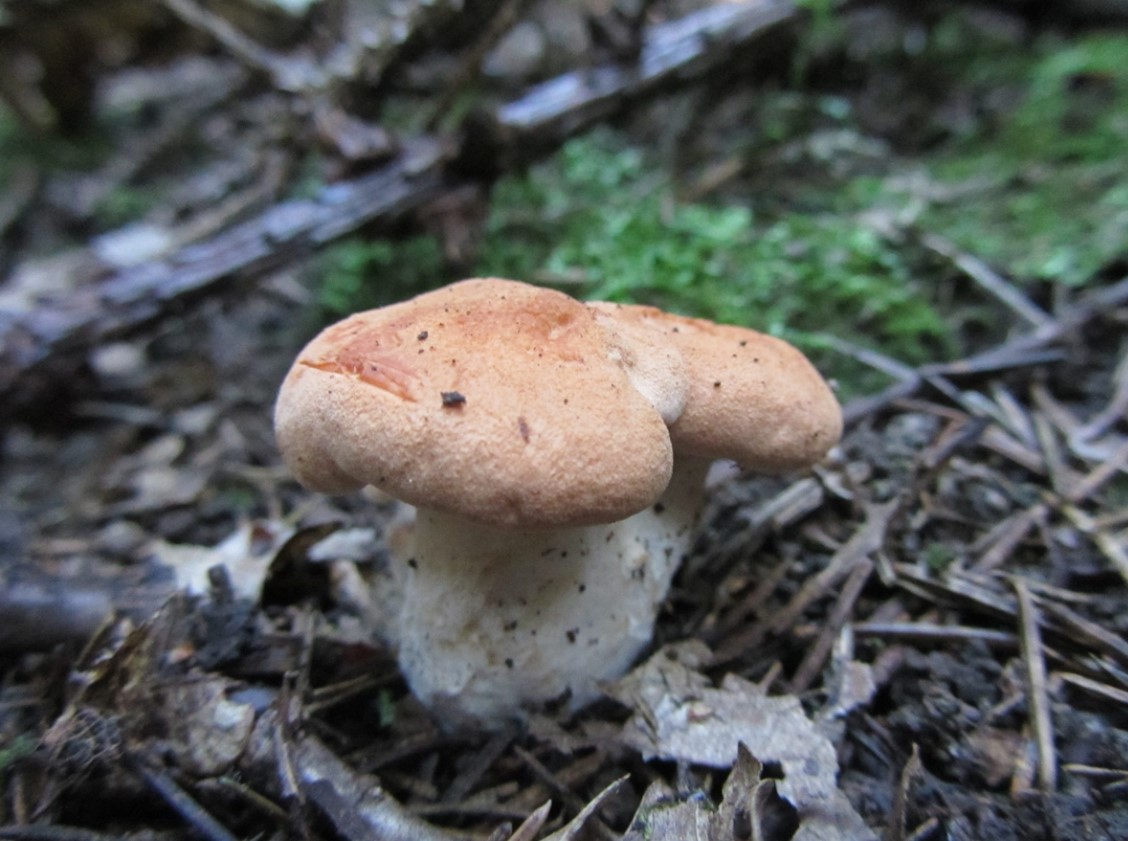
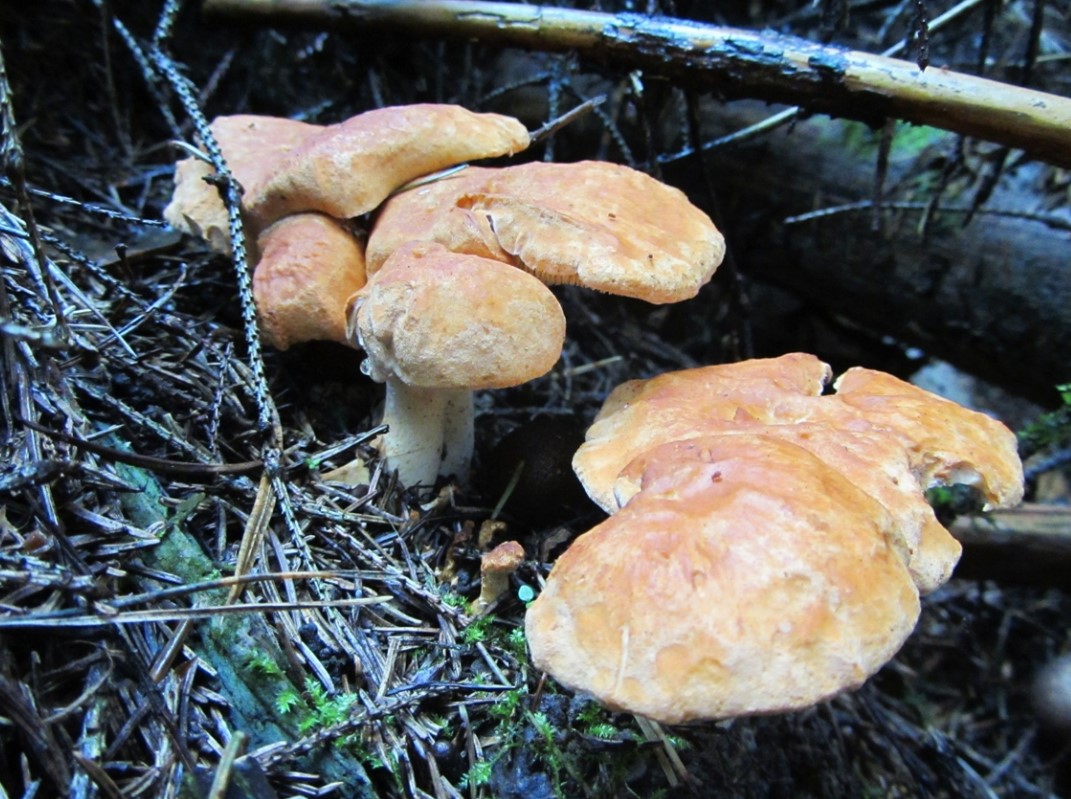
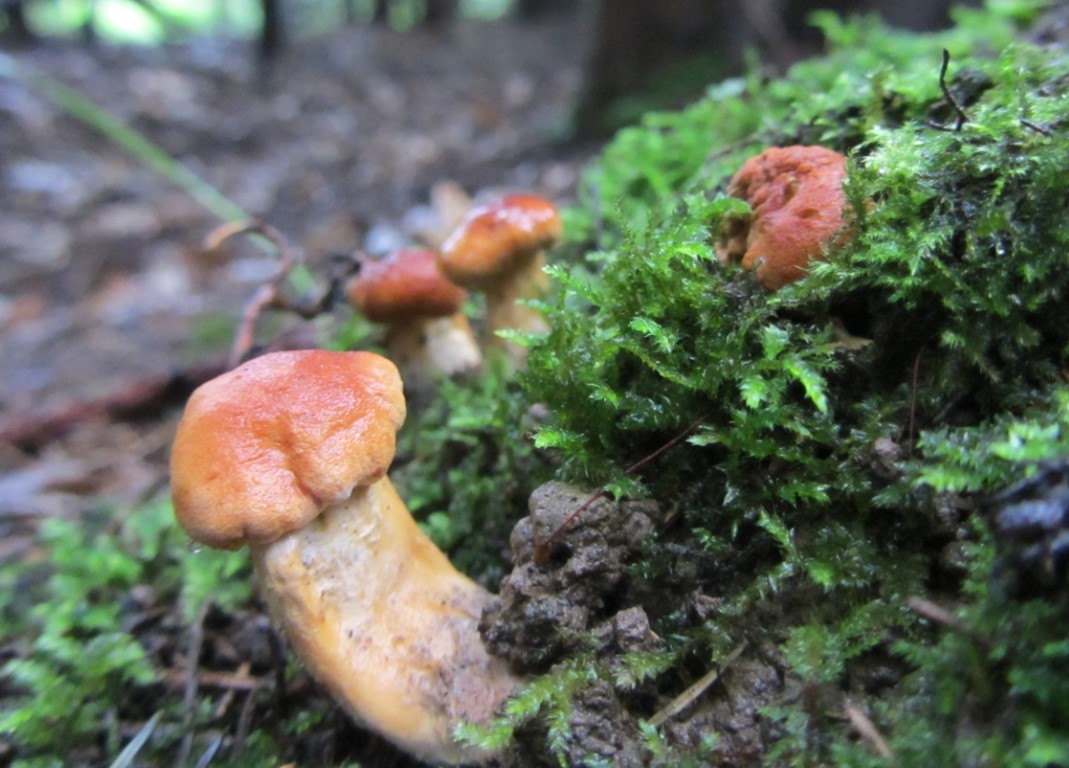
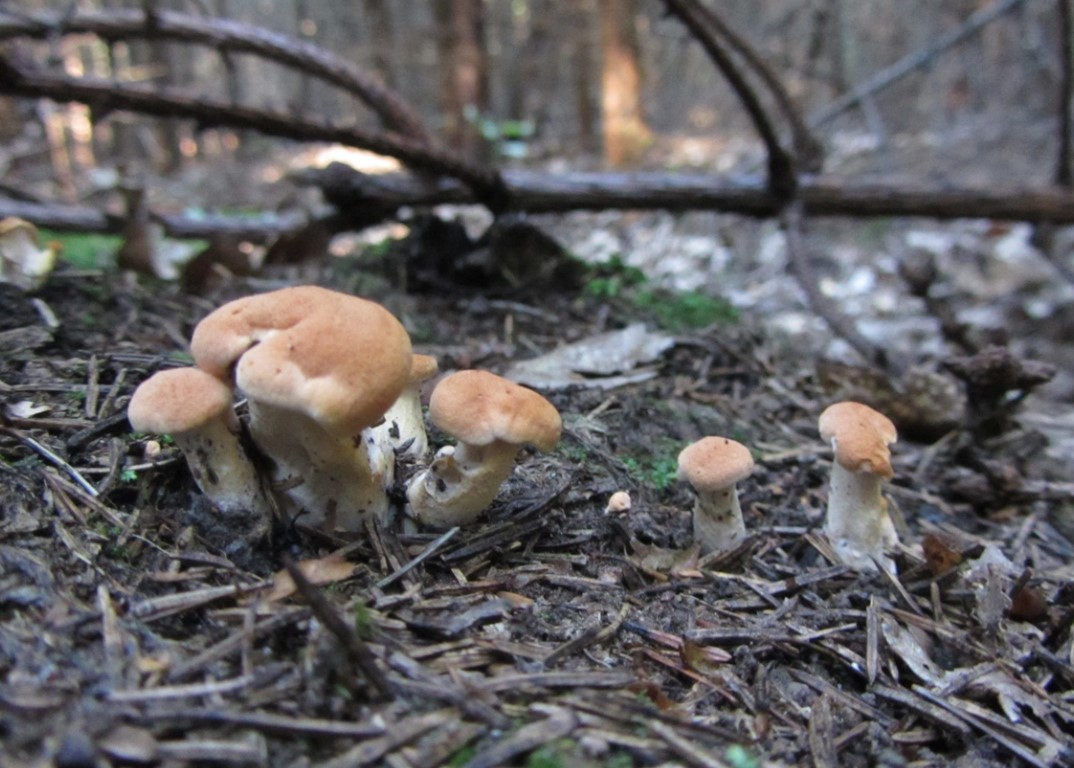
I often encountered yellow and yellow-red hedgehog mushrooms in the forests near Serpukhov, mainly in early autumn, when the chanterelle season had usually already ended :yep: .
The mushroom is quite suitable for all types of cooking (here I completely agree with Volodka 1975 :flag: ), I have only not tried pickling it, but there are more specialized mushrooms for that :yep: . Although drying it is not very convenient - the flesh is very fragile and it is quite difficult to thread it on a skewer - it breaks :dontknow: . Then you can spread it on a fine mesh (stretched on a frame)) and so they dry out within a day - after all, the pulp is already quite dry.
As for the bitterness of mature mushrooms, I can't say anything: I've never noticed it before :dontknow: , maybe my taste isn't subtle enough. And I've never cleaned the spines from the underside of the cap - why would I, really :huh: ? The fact that pine needles and other forest debris often grow into the cap is true, you have to fiddle around to remove it, but in all other respects -.
P.S. I have never seen a white hedgehog mushroom (it is a completely exotic species :dontcare:), but the variegated hedgehog mushroom is a mystery to me - it is in all the mushroom reference books, but I have never come across it, although I have hunted in the most mushroom-rich areas :'( .
Hericium coralloides
Not every mushroom picker is lucky enough to encounter a Hericium coralloides (Hericium coralloides) in the forest. But if you do, you'll be captivated by its unusual appearance. The Hericium coralloides truly lives up to its name; it truly resembles sea coral.
The fruiting body of Hericia reaches 30–40 cm in both width and height and consists of numerous branches resembling corals, covered with soft spines.
The coral hedgehog mushroom thrives on fallen trunks and stumps of deciduous trees, preferring birch, linden, oak, and aspen, though it is less common on elm and alder. The fungus actively destroys wood, causing white rot. It typically grows in rather dark, murky areas, where its white "corals" are conspicuous from afar.
Grows from mid-summer to mid-September.
The pulp is white, the smell is weak, the taste is neutral (although older specimens are bitter and astringent).
It has no poisonous counterparts.
It's difficult to judge the taste of this hedgehog mushroom; few have tried it. For a long time, it was believed that it was forbidden to collect because it was listed in the Red Book. Now, the myth of the coral-like hedgehog mushroom being listed in the Red Book has been successfully dispelled. The root cause is systematic confusion. At the time the Red Books were compiled, the name Hericium coralloides was used to refer to a slightly different species, which grows on coniferous wood and is truly quite rare: Hericium alpestre. It is this species, the alpine Hericium, that is truly rare, while the coral-like Hericium is a rather common species, a fact confirmed by its numerous finds and the abundance of photographs online.
To eat or not to eat? It's a personal question. Ancient manuscripts have survived that mention hericium as a food.
On October 30, 1653, a decree was issued in Russia abolishing the death penalty for thieves and robbers. The death penalty was replaced by punishments. There is written confirmation, dating from August 1654, that the robbers Vanka Krugly, Kirilko Krivoy, and Vaska Vybeyglaz, caught near the village of Molvitino in Kostroma Governorate, were punished by eating hericium. To be fair, it should be noted that corals were unheard of at the time, and hedgehog mushrooms were called the devil's wood loofah, which "overgrown everything in the forests." The robbers were forced to collect them themselves, cook the soup, and eat the concoction. "No one died from this meal, not after a week, not after two..., not after eight. They only looked miserable and kept asking for bread; we can't, they said, eat that loofah anymore." And in the tenth week of this punishment, the robbers knelt before the villagers, repented of their sins, vowed never to break the law again, and, as a sign of their intentions, went to a monastery and led a righteous life there. News of this story spread far beyond the borders of the Kostroma province and reached other robbers. Fearing such a fate, they destroyed all the wooden loofah, after which it almost disappeared from our forests.So, it's clear that irresponsible mushroom harvesting can significantly reduce mushroom yields. And thanks to ancient chronicles, we can trace how popular perceptions of the coral lion's mane have evolved.
There are also studies on the medicinal properties of Hericium. In Chinese medicine, Hericium is used to treat gastrointestinal disorders, and is also beneficial for boosting immunity, respiratory function, regulating nervous disorders, and stimulating hematopoiesis. A special Chinese tincture made from Hericium is still used to treat depression.
It's no wonder the Hericium coralloides grows on fallen trees. When you're lucky enough to encounter this beautiful mushroom, don't rush past it; sit on a log, admire its beauty, examine its complex anatomy, gently touch its "branches," and experience the joy of being in touch with nature. And if you feel like this is "your mushroom," go ahead and fry it.
Lion's Mane. A powerful natural nootropic.
Many incredible things are written about this mushroom.
It even helps with the early stages of cancer and is a powerful nootropic that boosts cognitive function. The mushroom's active ingredients are hericinones and ericinones. It is believed that these compounds, found only in lion's mane, make it an effective natural nootropic. They can easily cross the blood-brain barrier and increase NGF (nerve growth factor).It's quite pricey on iHerb. https://ru.iherb.com/pr/Fungi-Perfecti-Lion-s-Mane-Memory-Nerve-Support-120-Vegetarian-Capsules/61802
It's best to buy from reputable stores on AliExpress. 1 kg costs 4,000 rubles.
I ordered both options. I'm taking iHerb capsules for now. I'm trying to figure out how I feel before giving it to my child.
After a week (!) of taking (1 teaspoon on an empty stomach, with water)
1. My nighttime sleep time has decreased. I sleep 6-7 hours and (miraculously) I get enough sleep.
2. My appetite has decreased. A lot.
3. Headaches caused by weather changes no longer bother me.I'll definitely give it to my child. It works.
For many years, hedgehog mushrooms held a special place in my heart. Living in Switzerland for several years and walking through the surrounding forests, I only once encountered a "colleague." He shook his head at my basket of boletus mushrooms, and I stared at his, filled with some spiky mushrooms. The mushrooms' French name turned out to be very romantic—hawk mushrooms or hedgehog mushrooms. Little by little, it turned out that hedgehog mushrooms are known among the Franco-Swiss as an excellent appetizer for raclette. It's called "écailleux au vinaigre" (recipes are available on Google, YouTube, etc.). These mushrooms are prepared at home, so you won't find this appetizer in stores. And I was absolutely intrigued—what kind of interesting mushroom is this, so rarely picked in Russia? I searched for recipes, got the hang of it, but...
For many years I hadn't seen any hedgehog mushrooms... until this October. In the forest there were hedgehog mushrooms, hedgehog mushrooms... and more hedgehog mushrooms.
It was decided to process them in various ways, since Russian mushroom pickers I knew didn't offer any clear, tried-and-true recipe. The French marinate them en masse with copious amounts of vinegar (directly—the mushrooms are soaked in a bottle of 6% white vinegar), adding thyme and rosemary for flavor. There were also reports that large (old) hedgehog mushrooms can be very bitter. Although it is said that the variegated and rough hedgehog mushrooms (Sarcodon imbricatus and Sarcodon scabrosus) are very similar, the latter always have a persistent bitterness, so perhaps those people were simply unlucky enough to collect the rough ones.
Based on the results of the hedgehog experiment, we can say the following:
1. The tastiest are young hedgehog mushrooms, with very firm flesh and short needles. They can be thrown straight into the pan, along with onions. They're just as tasty as chanterelles, and even better; they're so crunchy. A very tasty mushroom. (I didn't peel the needles or boil the mushrooms.)
2. The large mushrooms I had were all raw and had no bitterness—I took the time to chew each one. Since I'd read about large mushrooms being very bitter, I played it safe with the mature hedgehog mushrooms and did my best. Someone online wrote that the needles were bitter. I peeled all the long needles off the large mushrooms, then boiled them in two waters for 20-30 minutes. Well, there was no bitterness. But neither was the crunchiness or the distinctive flavor. All the flavor was gone. Simply frying boiled hedgehog mushrooms with onions doesn't produce the same excellent result as with young mushrooms. For flavor and aroma, you need to mix them with other mushrooms and spices, or use them to make mushroom caviar, which is what I did. Overall, I wouldn't recommend boiling hedgehog mushrooms.
3. Swiss-style marinated hedgehog mushrooms.
My recipe calls for salting first (apparently to remove any possible bitterness), then blanching in a vinegar solution, and then marinating. I figured since blanching in boiling water was included, I skipped the extra boiling. I substituted table vinegar, reducing the amount. I used garlic, thyme, and rosemary as seasonings. Well, the bitterness stayed in, but the result wasn't outstanding. I was incredibly unfamiliar with mushrooms with the aroma of French Provençal herbs—I just didn't get it. I should have marinated them the classic Russian way. But I don't think the hedgehog mushroom is a good pickling mushroom. It's great fried, though!By the way, another French use of this mushroom (along with the funnel-shaped mushroom) is to dry it, grind it and use it as a spice in sauces.
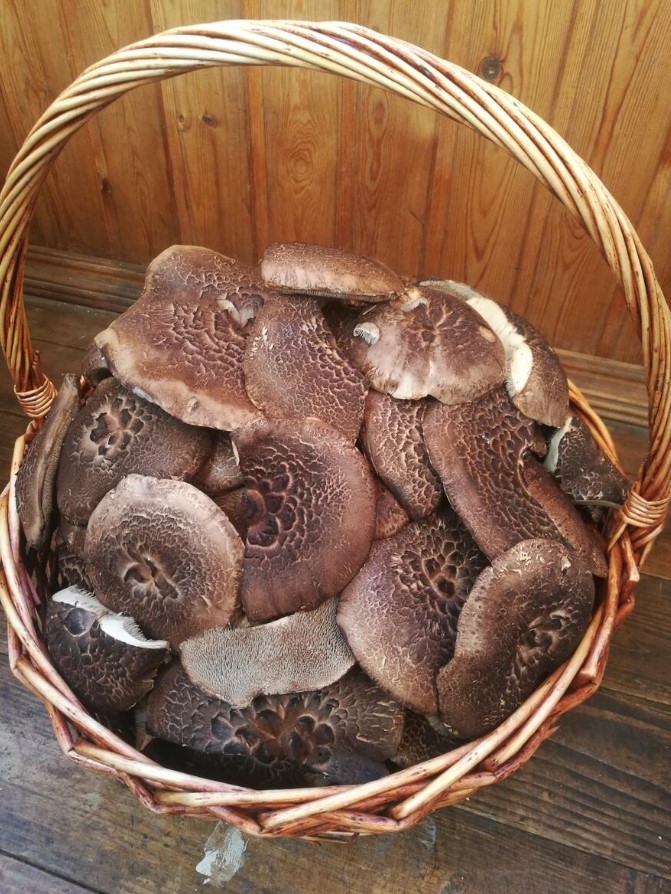
I stew hedgehog mushrooms in sour cream mixed with diced chicken fillet. I find it's tastier than with chanterelles. Hedgehog mushrooms aren't rubbery, and they have a pleasant, nutty flavor. Sometimes I add a small chanterelle before it gets too soft. I also make scaly hedgehog mushrooms this way; they're spicier, but still delicious.
I came across a place where yellow hedgehog mushrooms stood in circles.
I often collected them and used them in a mixture, and now I decided to check - how is the hedgehog mushroom not a chanterelle?
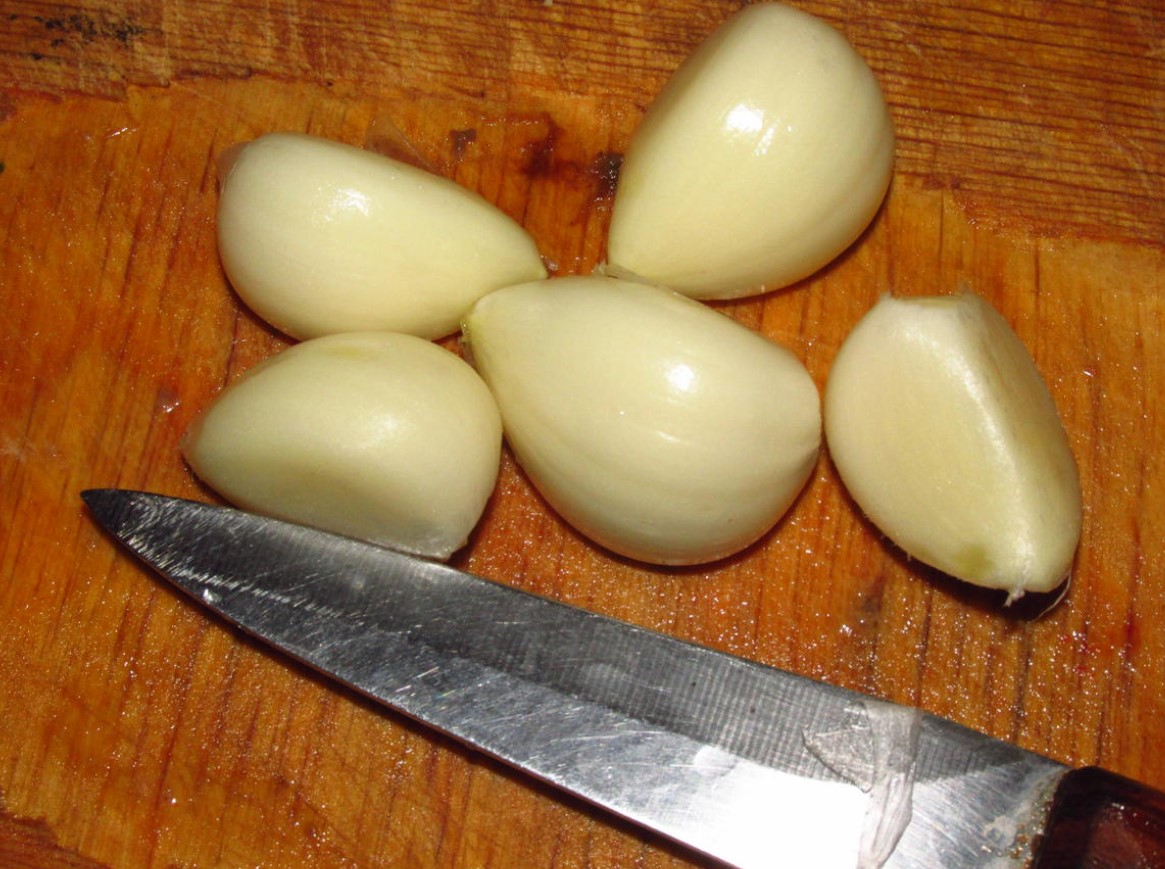
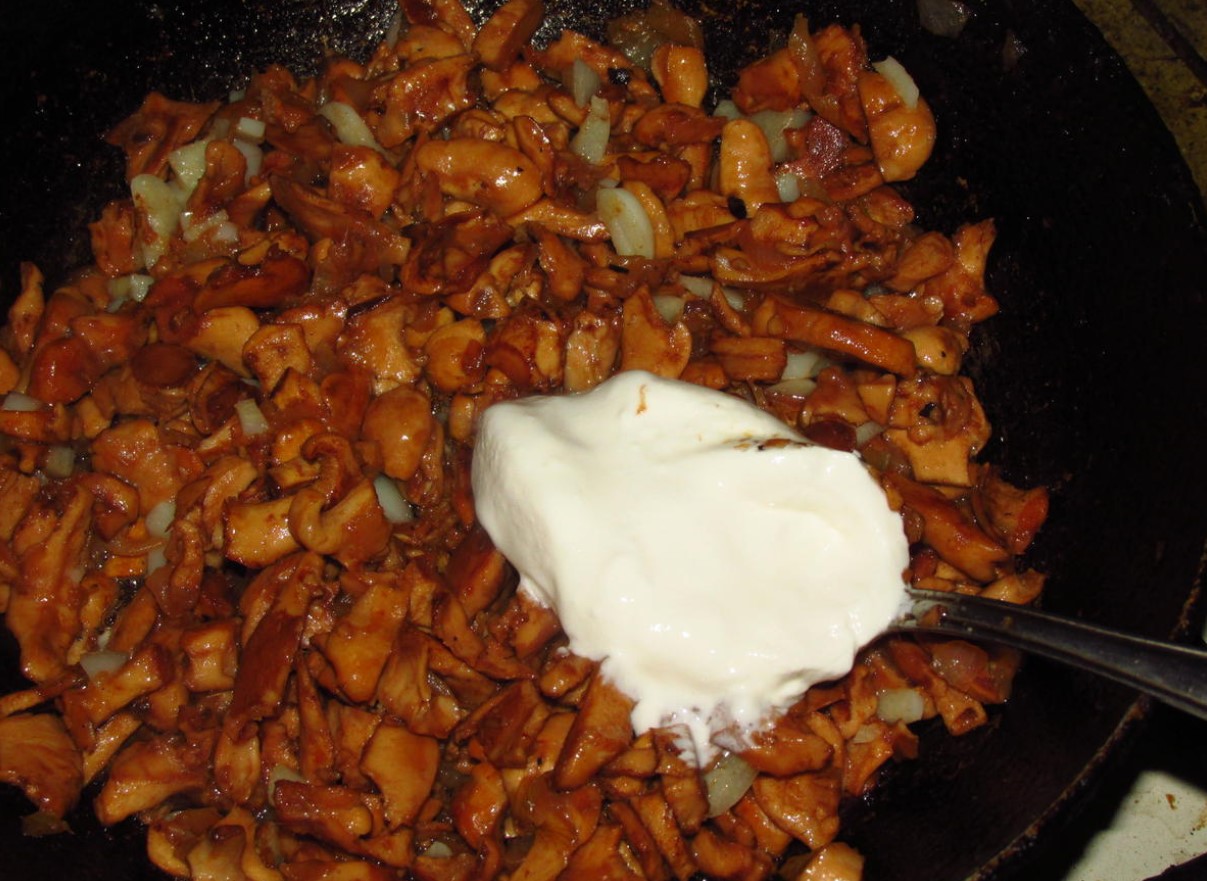
There's a well-known dish: chanterelles fried with garlic. This is precisely the fate reserved for hedgehog mushrooms.
My impressions: These are better than chanterelles. More delicate, even sweeter. However, one of the tasters said he detected a slight bitterness. The same as chanterelles. I've never heard of chanterelle bitterness before, but I believe individual perceptions are possible.In general, the mushroom is even culinary tastier than chanterelles, although its fragility and the spines, which are aesthetically unsightly for some, must be taken into account.
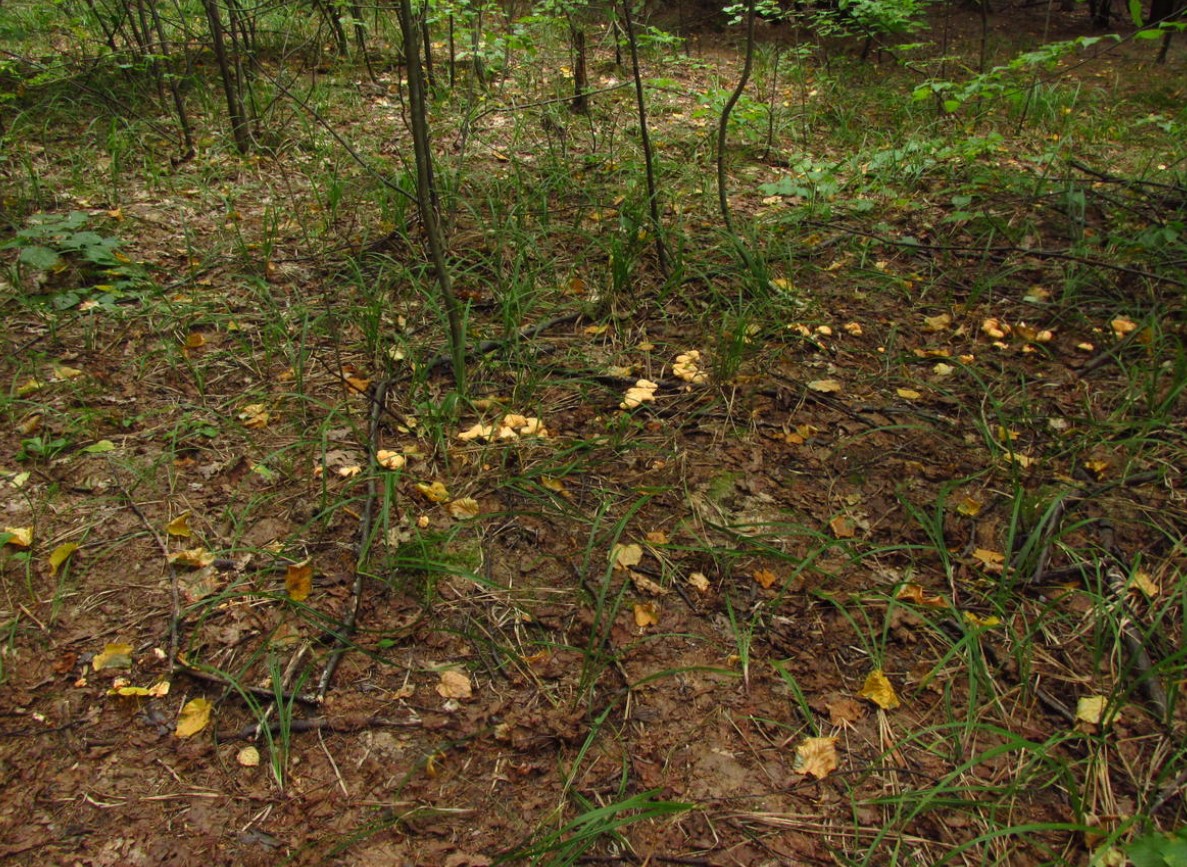
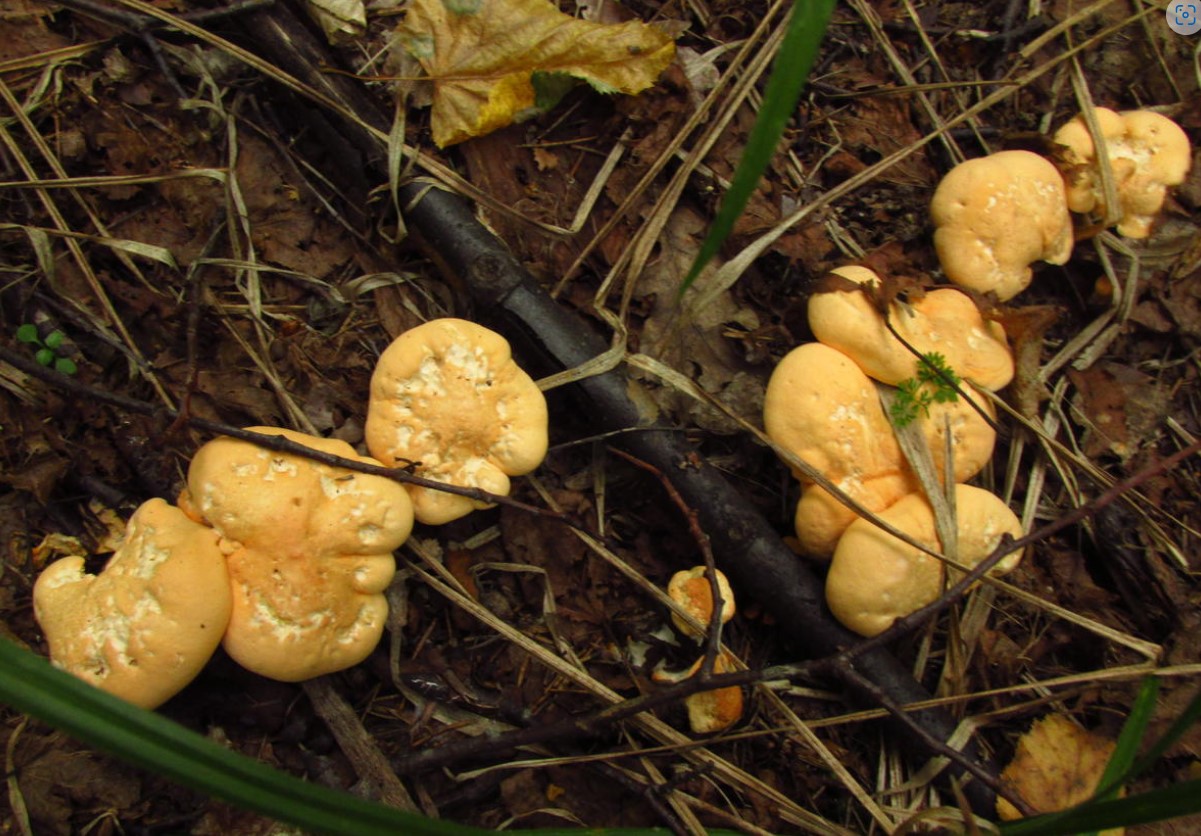
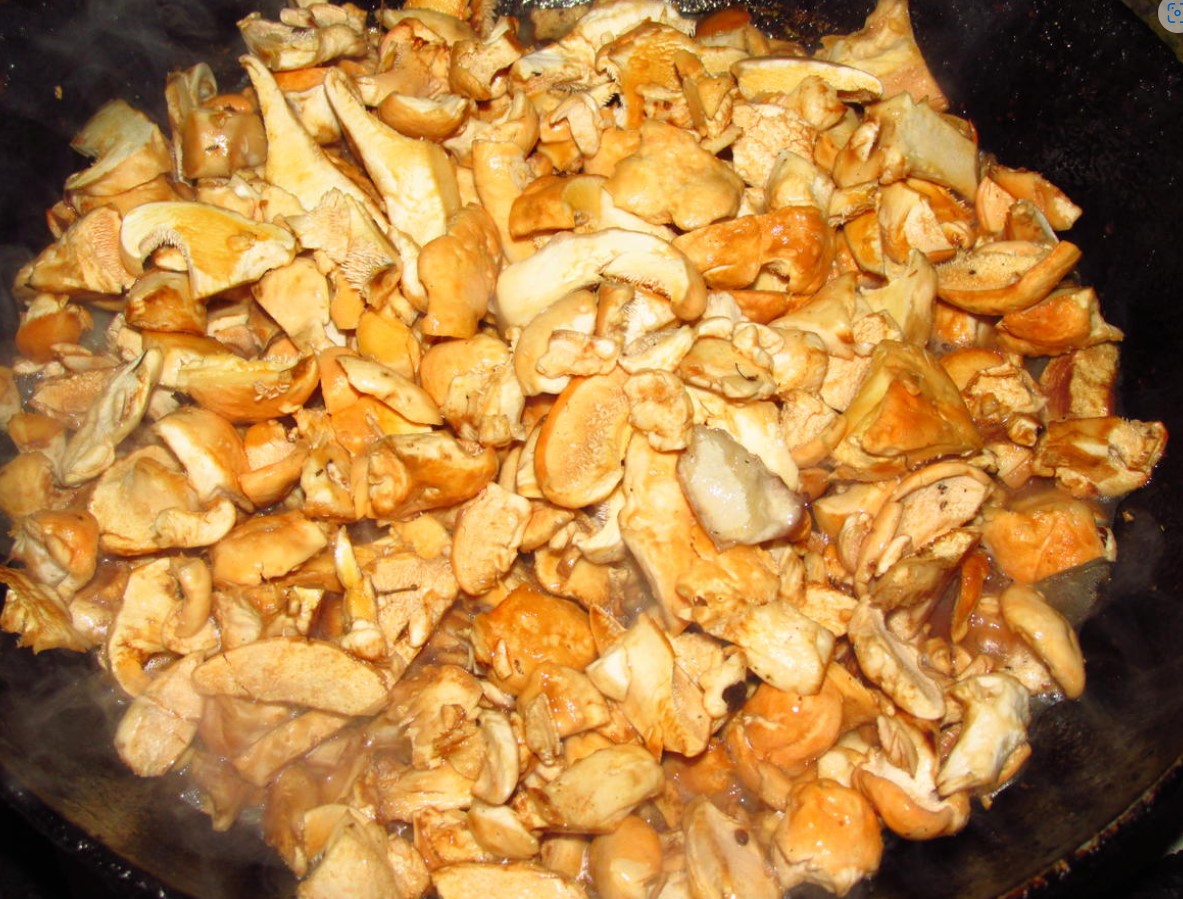
The ones I collected were pale yellow, almost white. And they had spines running down the stem. The forests varied, but they always had mature spruce trees.
I've never had so many to cook separately, always in a mixture. But I did notice a bitterness. They also seemed a bit dry to me; chanterelles are juicier. That's why I cut hedgehog mushrooms into thin slices when I take them—that way the bitterness and dryness are less noticeable.
We fried the first test batch with onions in butter. Don't boil them, just add them raw!
I fried up some hedgehog mushrooms yesterday in a frying pan and my husband took them to work to treat me.
I also made some for the winter... I fried some and covered it with butter, and fried some in lard and covered it with lard. Stored in 0.5L glass jars.
I'm thinking maybe I'll try marinating it later.
This fall, I saw a lot of hedgehog mushrooms in the forest, but for some reason, no one in our area picks them. Meanwhile, online, they say these mushrooms can be processed in all sorts of ways while they're young, including drying, pickling, frying, marinating, and so on. I learned that hedgehog mushrooms need to be boiled in water for half an hour and then fried, so I decided to try a new dish. I cleaned the mushrooms thoroughly, washed and sliced them, and then boiled them. Then I put them in a frying pan, salted them, and fried them with onions in sunflower oil. They were edible, but I didn't really like the taste. After all, there were a lot of porcini mushrooms this year, and hedgehog mushrooms certainly don't compare in quality. A friend of mine, however, says he really likes these mushrooms for their firmness. As they say, tastes differ.
If you have a lot of mushrooms, boil them and grind them into mince. Divide them into portions and refrigerate them. Then, in winter, take them out and do whatever you like—add them to potato pancakes, soup, cutlets, casseroles, pies…
I also make minced meat from a variety of ingredients. It's delicious, aromatic, and filling.
And jarred mushroom caviar is a lifesaver for any occasion. It's a ready-made filling for pies, a simple sandwich topping, a flavorful addition to soups, and so on.