The dung beetle isn't of interest to most mushroom pickers; it grows not only in forests but also in gardens. However, in many other countries, the dung beetle is in high demand due to its potential health benefits. We'll explain why in the article below.
Content
- 1 History of Dung Mushrooms
- 2 Mushroom Dung or Coprinus: description
- 3 How do dung beetles reproduce?
- 4 Where and when do dung mushrooms grow?
- 5 10 types of dung beetles with photos and descriptions in tables + edibility
- 5.1 Coprinus comatus (White dung beetle)
- 5.2 Coprinopsis atramentaria
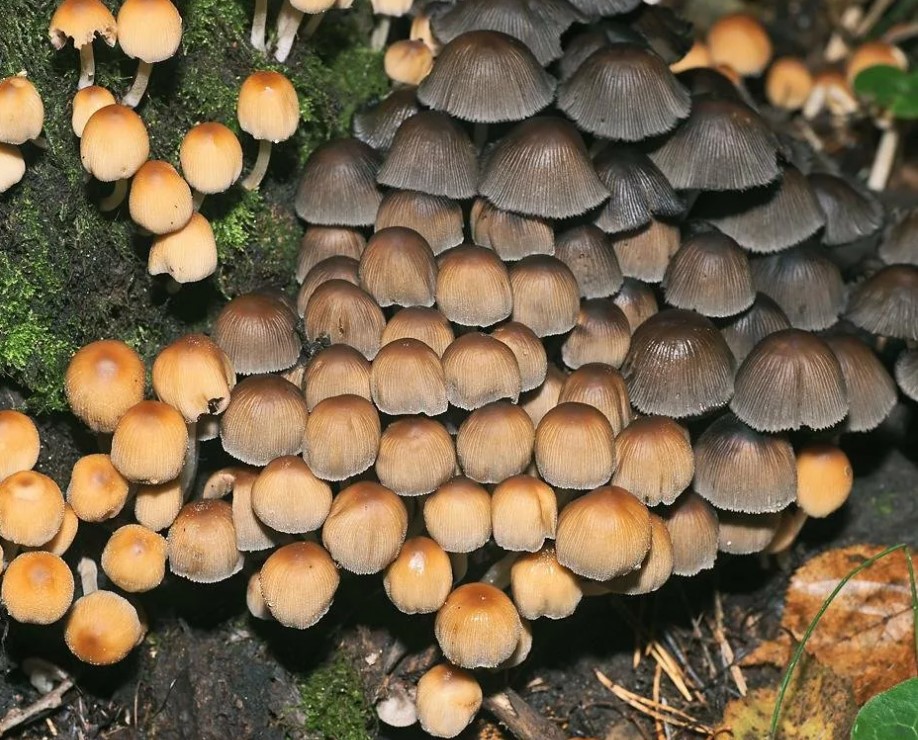
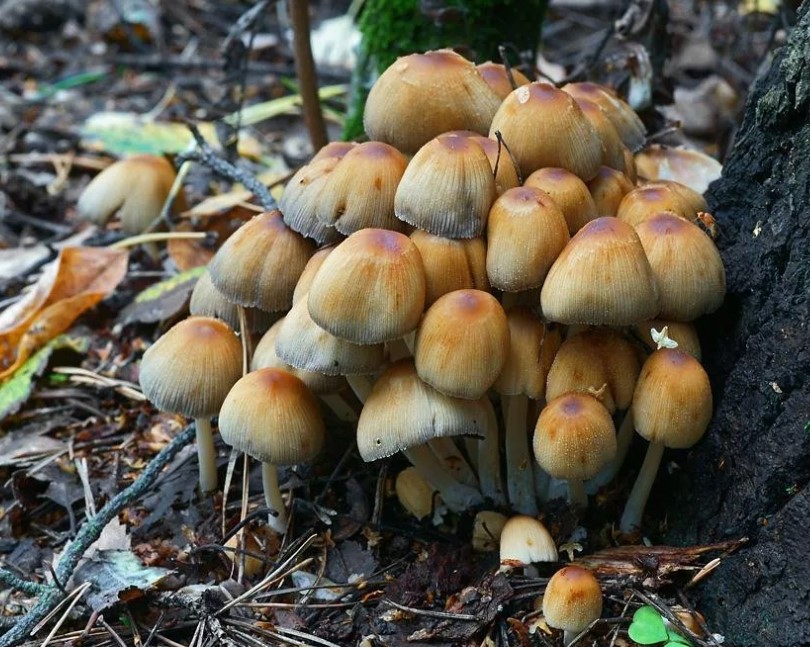
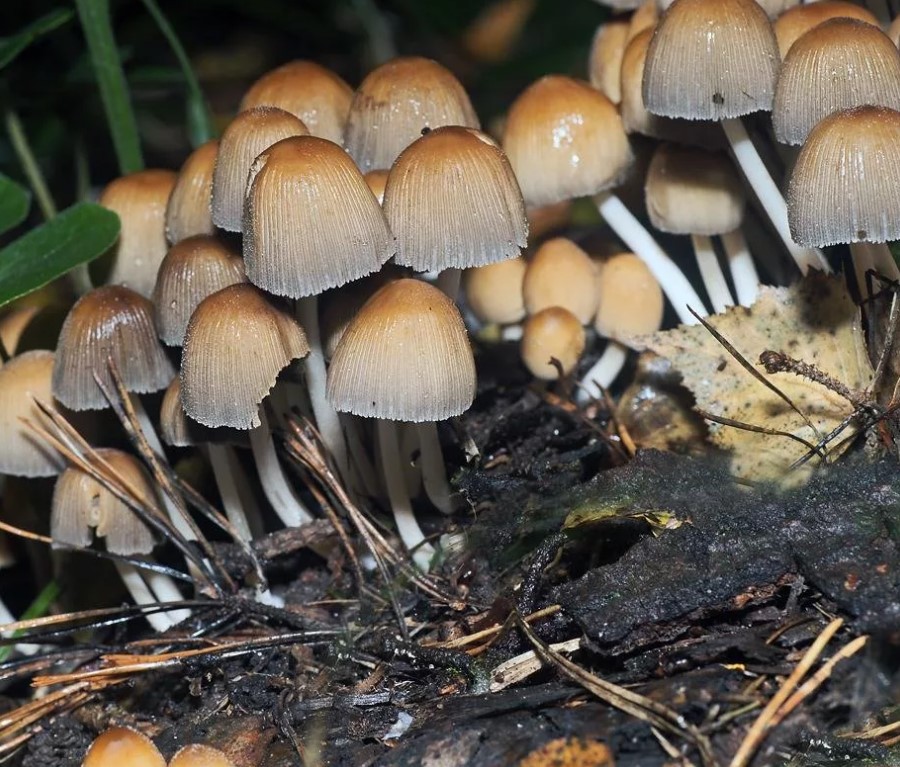
- 5.3 Flickering dung beetle (Coprinellus micaceus)
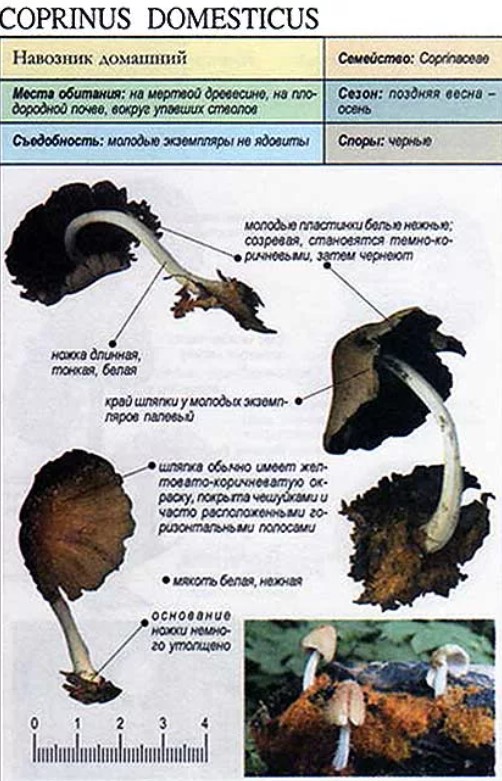
- 5.4 Coprinellus domesticus
- 5.5 Plicate dung beetle (Parasola plicatilis)
- 5.6 Disseminated dung beetle (Coprinellus disseminatus)
- 5.7 Willow dung cap (Coprinellus truncorum)
- 5.8 Downy dung beetle (Coprinopsis lagopus)
- 5.9 Coprinopsis nivea
- 5.10 Coprinopsis picacea
- 6 Chemical composition of the dung beetle mushroom, caloric content
- 7 The benefits and harms of dung mushrooms
- 8 Non-food uses of dung beetles
- 9 Medicinal uses of dung beetles
- 10 Culinary uses of dung beetles
- 11 Growing dung beetle at home
- 12 Reviews and advice on the Ink Cap mushroom as a remedy for alcoholism, and cooking recipes
History of Dung Mushrooms
The dung beetle belongs to the Agaricaceae or Champignon family. Last century, the genus Dung Beetle included 50 species of mushrooms. However, after more in-depth study, some species were removed. To date, there is no exact figure for how many dung beetles exist in nature. Research is still ongoing by specialists from various countries. According to one theory, there are 14, although another source claims 18.
Mushroom Dung or Coprinus: description
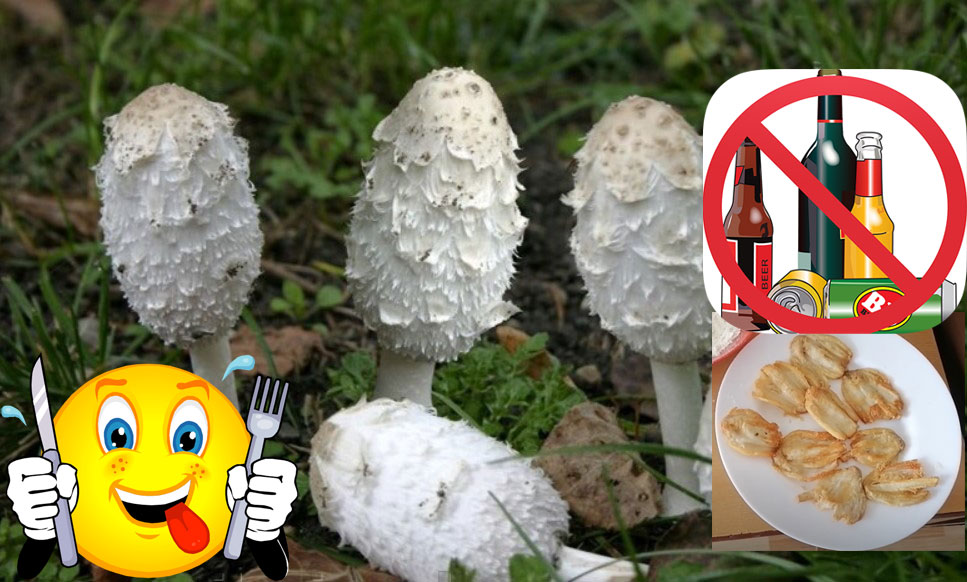
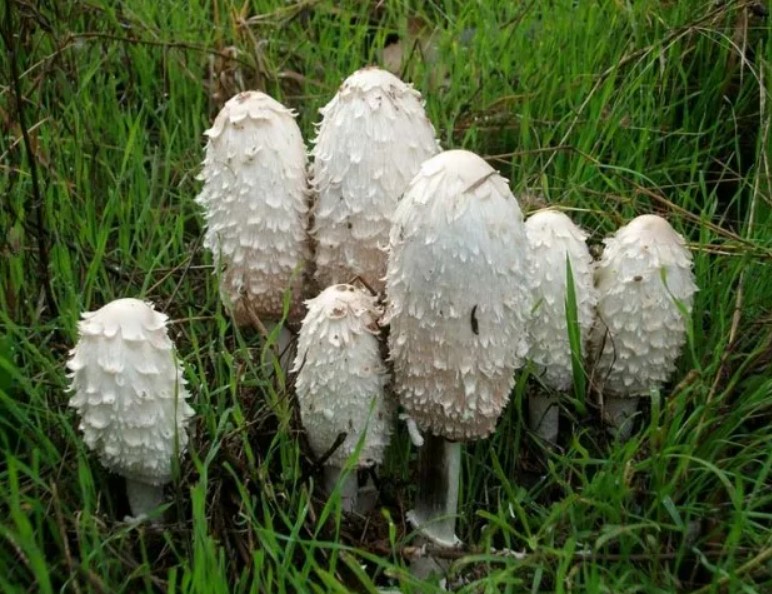
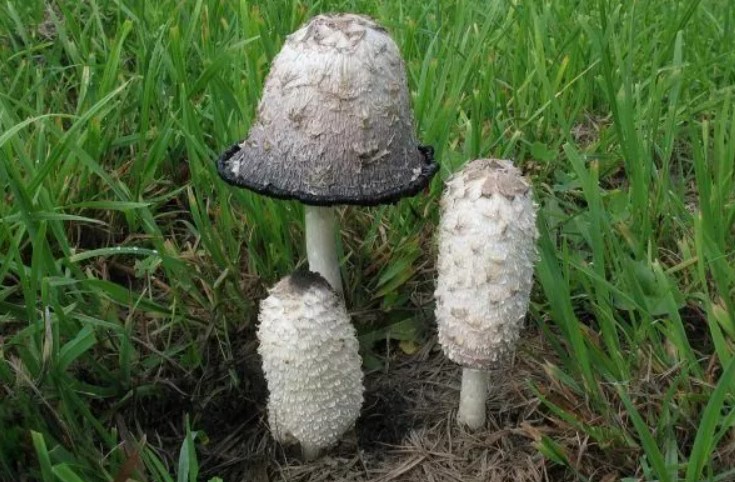
The Ink Cap can be recognized by its distinctive cap—it's bell-shaped and rarely opens to a spreading shape. When young, it can be convex or conical. The mushrooms are small, their surface covered with flakes or scales that remain from the veil. The stipe is long, thin, fibrous, and hollow. A remnant of the volva may be present at its base. The spore powder is black. The mushroom itself is whitish-gray, but in mature specimens, the hymenophore begins to darken intensely.
How do dung beetles reproduce?
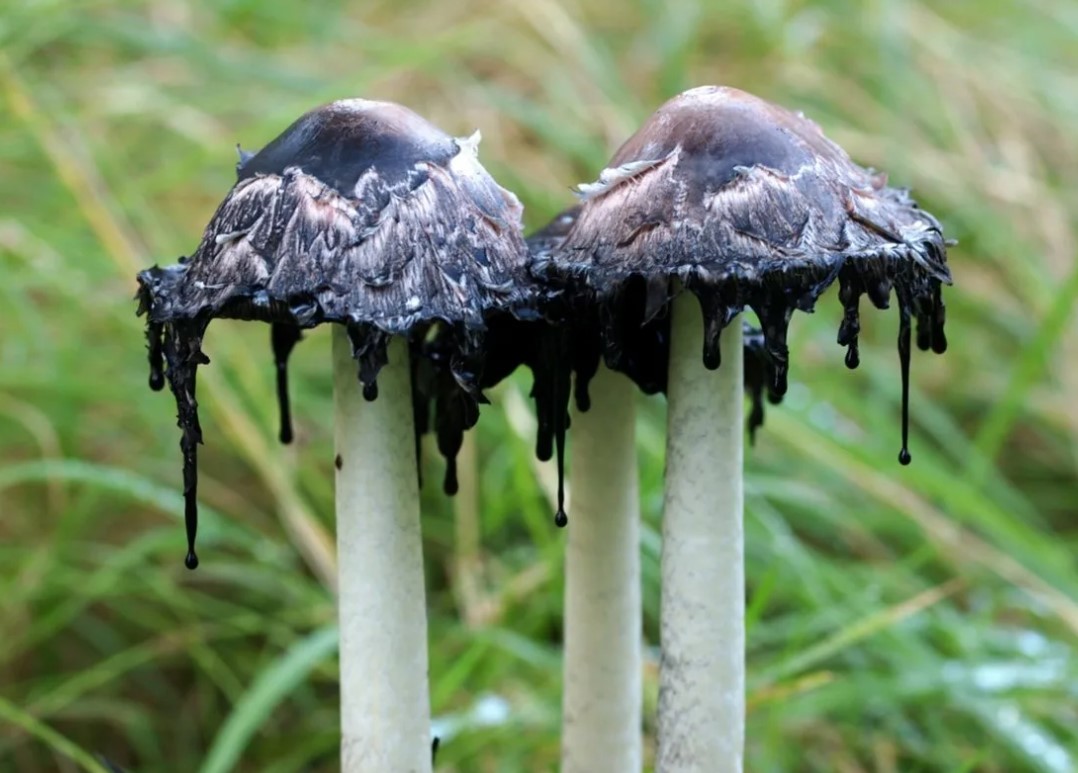
In dung beetles, the lower gills are located very close to each other. This close spacing makes it difficult for spores to escape and disperse throughout the forest. Therefore, nature has provided these mushrooms with a different method of reproduction—autolysis. At a certain point, unique enzymes are produced within the mushroom that break down the cap. The cap turns into a viscous substance that flows down the stem to the ground, releasing the spores.
Where and when do dung mushrooms grow?
It's no coincidence that Coprinus dung beetle earned its second name—dung beetle. It prefers to grow on organic debris. In forests, it's found near dead trees, but most often in fields and meadows where livestock roam. The mushroom also grows in urban areas, near garbage dumps or industrial plants. It's often even found in your own garden if you use organic fertilizer.
10 types of dung beetles with photos and descriptions in tables + edibility
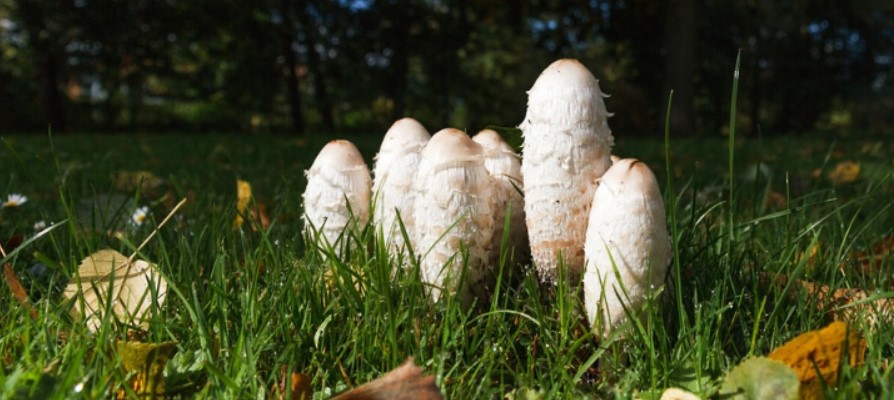
There's still no clear answer as to how many species of dung beetles exist in nature. Below, we'll look at the most common ones.
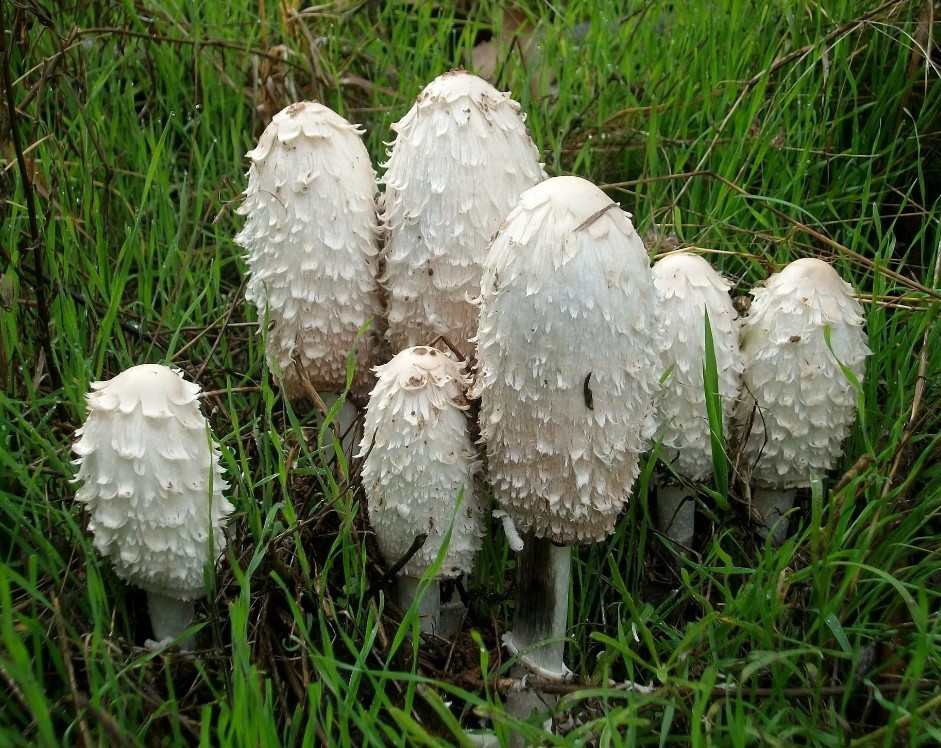
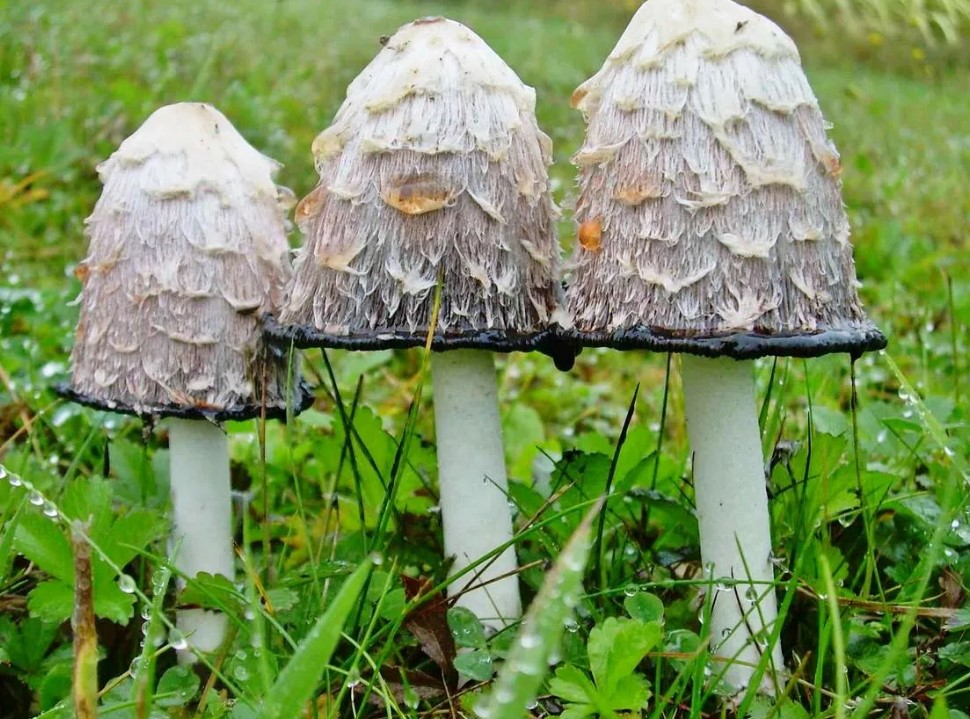
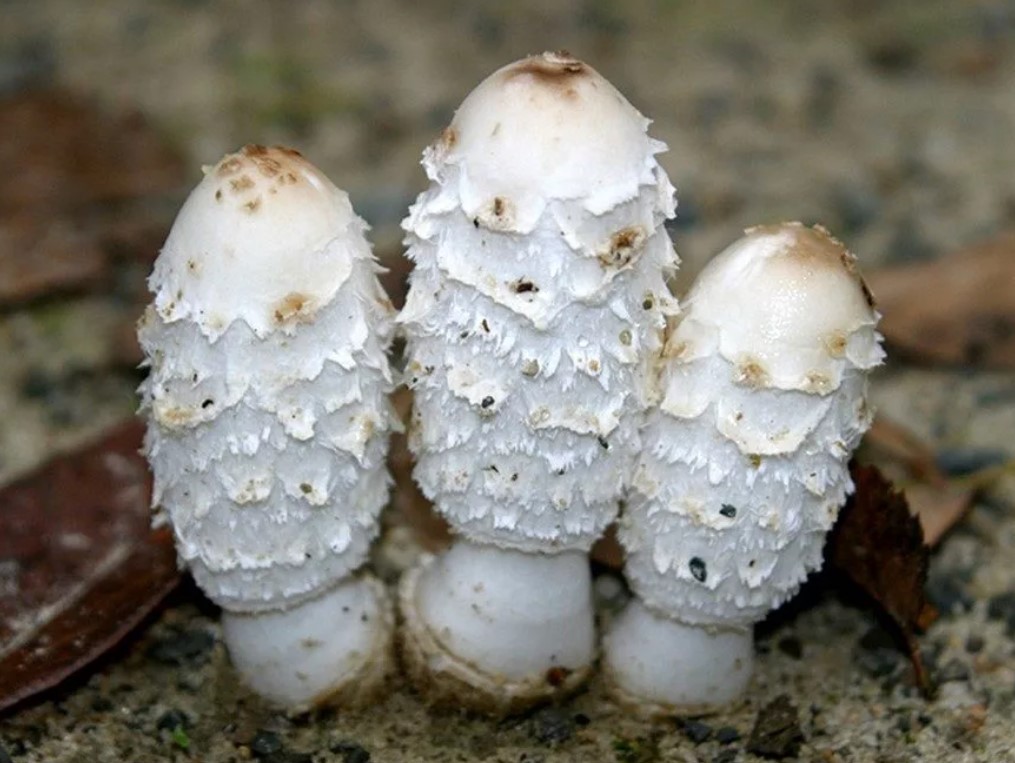
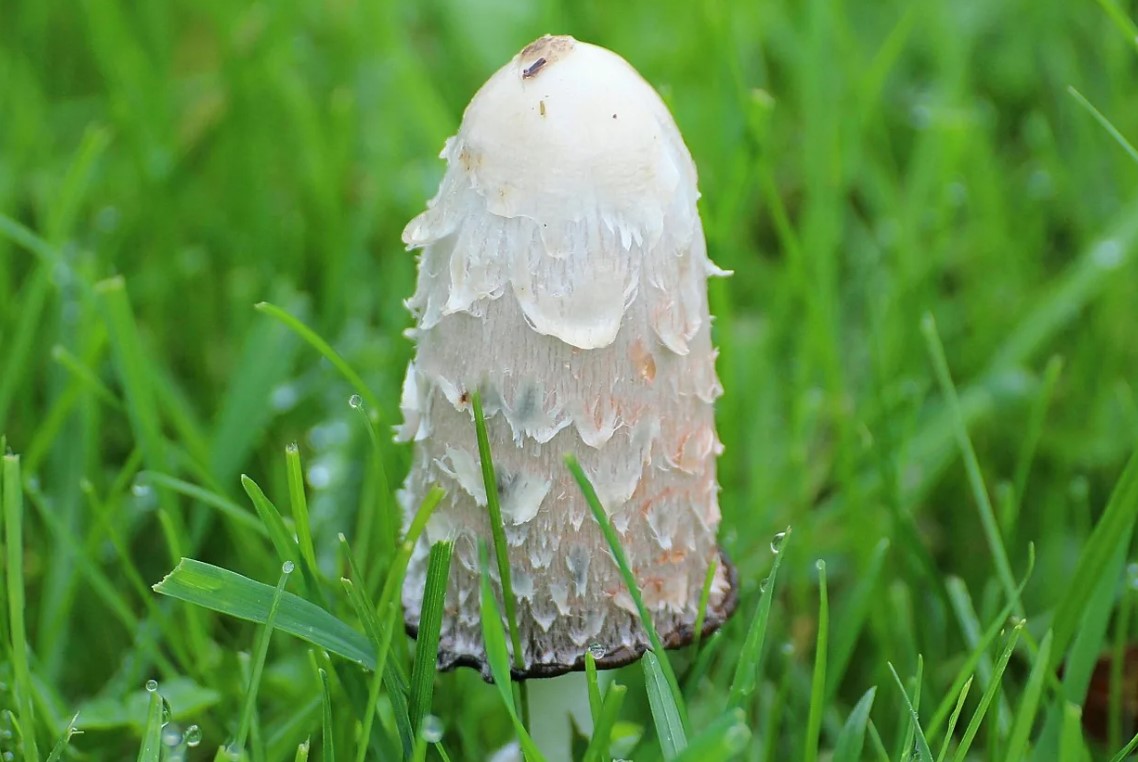
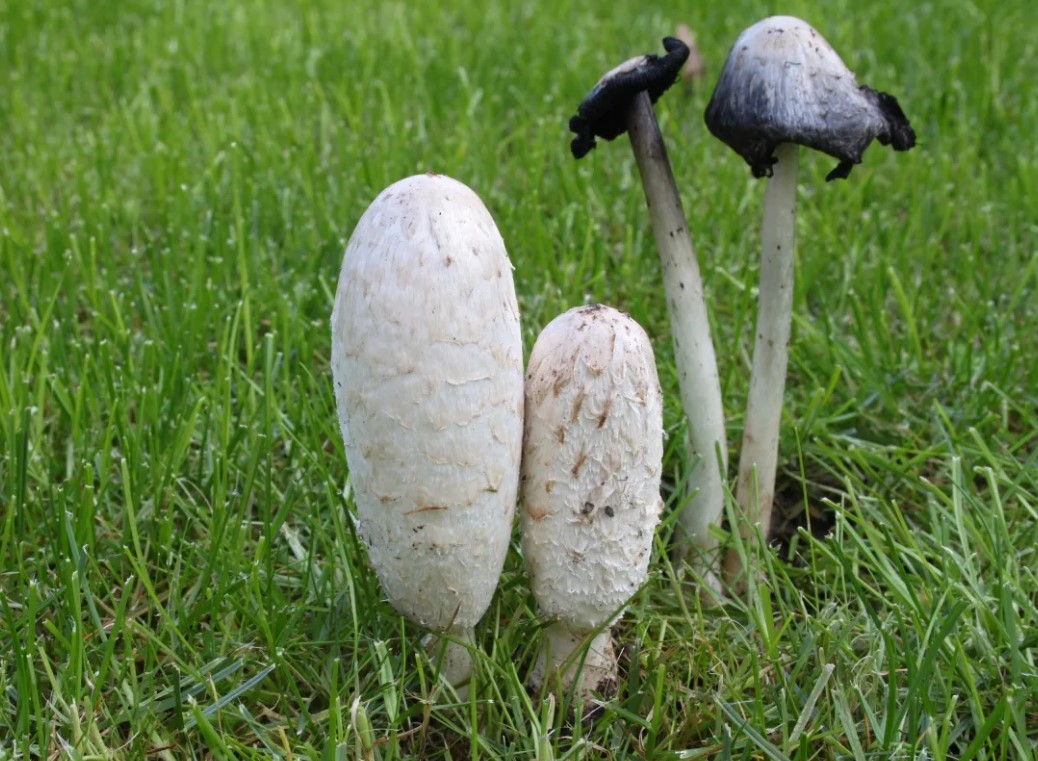
Coprinus comatus (White dung beetle)
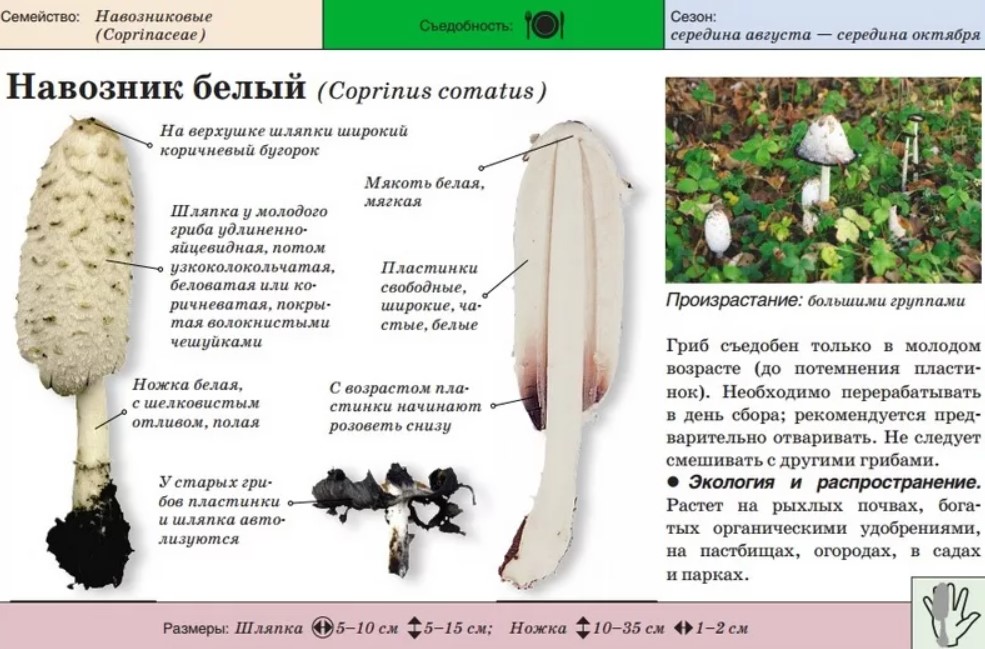
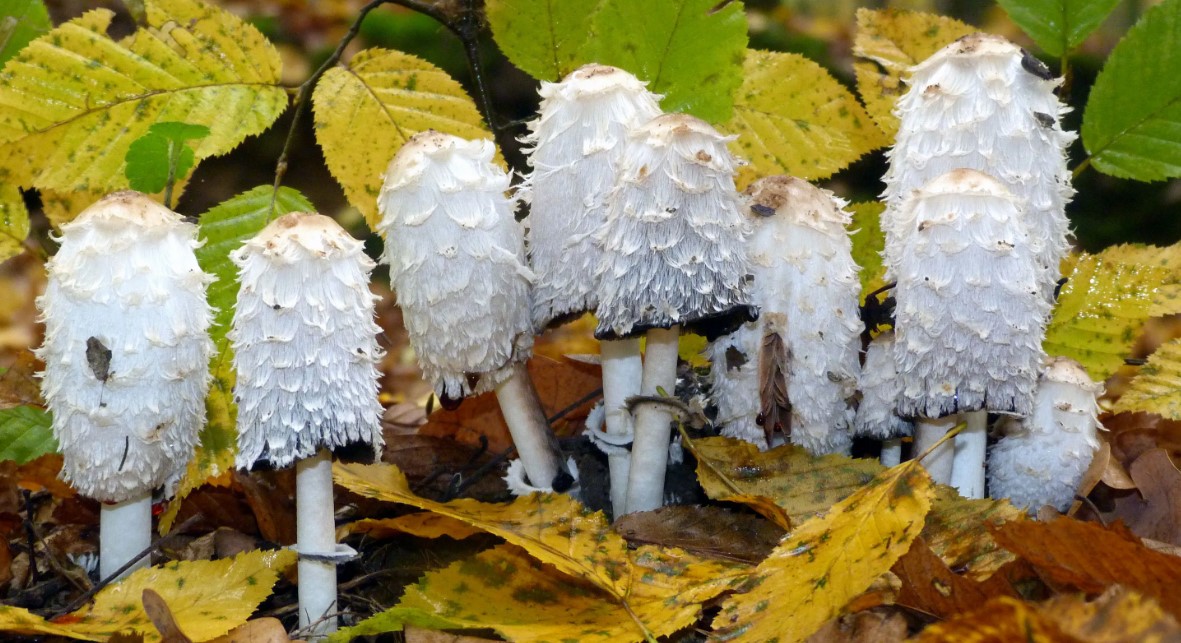
A very popular mushroom in the Czech Republic, France, and other European countries. In Russia, it's often confused with the toadstool, so it's of little interest to mushroom pickers.
| Other names | Description | Distribution, season | Edibility |
| Ink mushroom | The cap is 5 to 12 cm tall. The surface is covered with flakes, convex in shape, with a darker tubercle in the center. The stem is up to 15 cm long, thin, and hollow. It has a barely noticeable ring. | Rarely found in forests, it grows within city limits, in landfills, manure piles, and in garden plots. It bears fruit from May to October. | Young mushrooms collected in ecologically clean areas are edible and cannot be stored. |
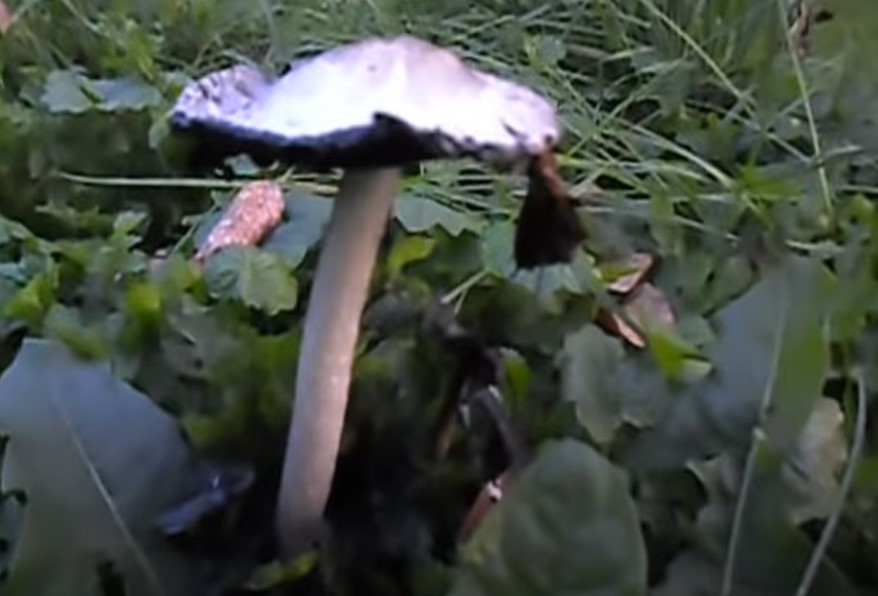
Photo gallery of the white dung beetle
Coprinopsis atramentaria
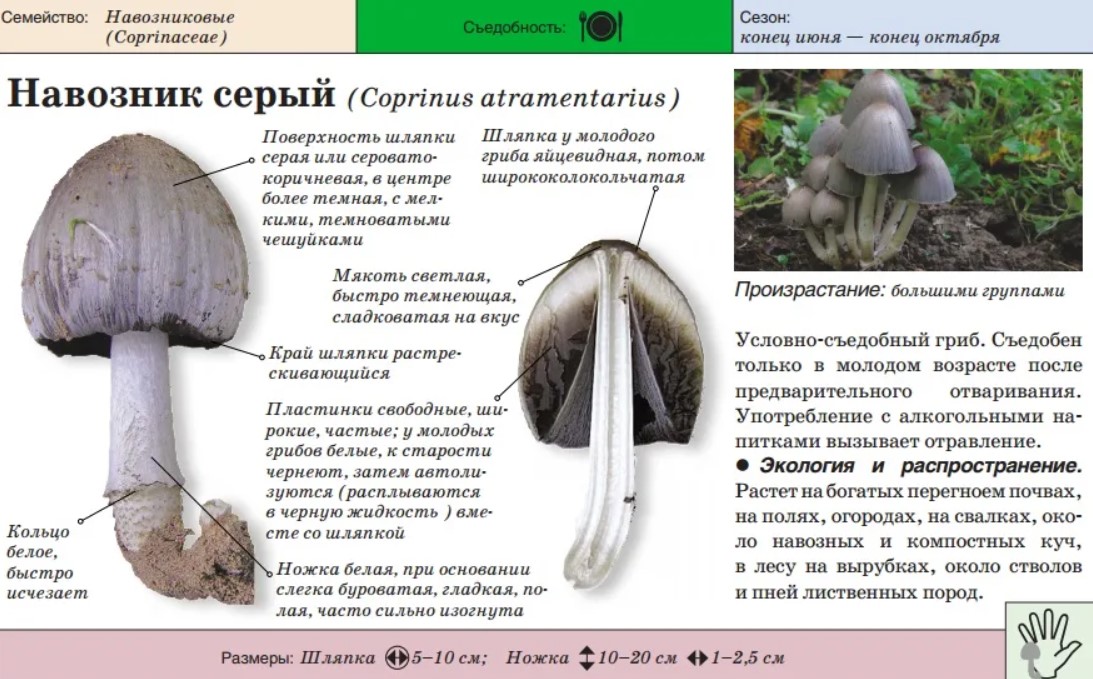
A very large mushroom compared to other dung beetles. In folk medicine, it is sometimes used to combat alcoholism.
| Other names | Description | Distribution, season | Edibility |
|
Inky dung beetle Gray ink mushroom Coprinus atramentarius |
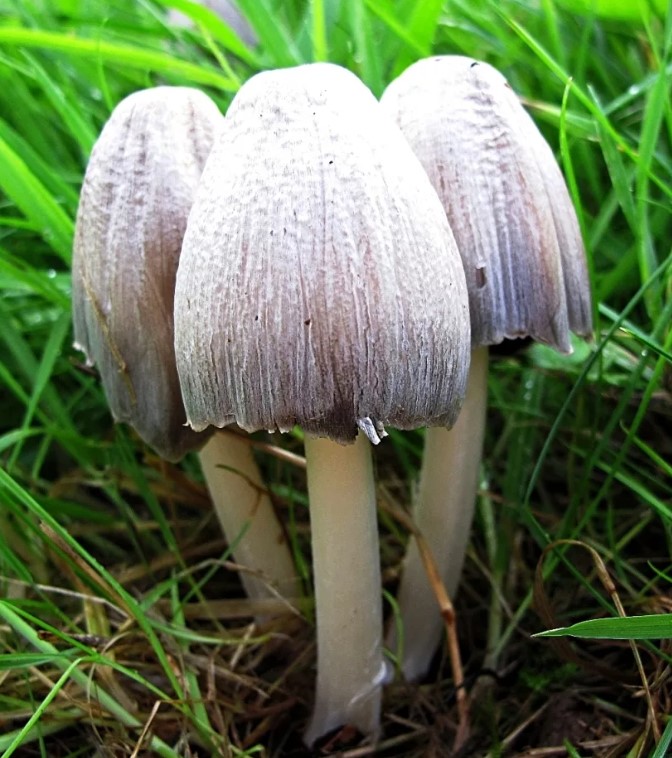
The cap is initially ovoid, later taking on a bell-shaped form. It is grayish-brown in color, up to 7 cm high, and up to 5 cm wide. The stem can reach 20 cm in length and has no ring. | It grows in large groups in landfills and along roadsides. It can also be found in forests on deciduous stumps. It prefers fertilized soil in garden plots. It grows from May to October. | Edible, but its consumption is incompatible with alcohol due to its high coprine content. |
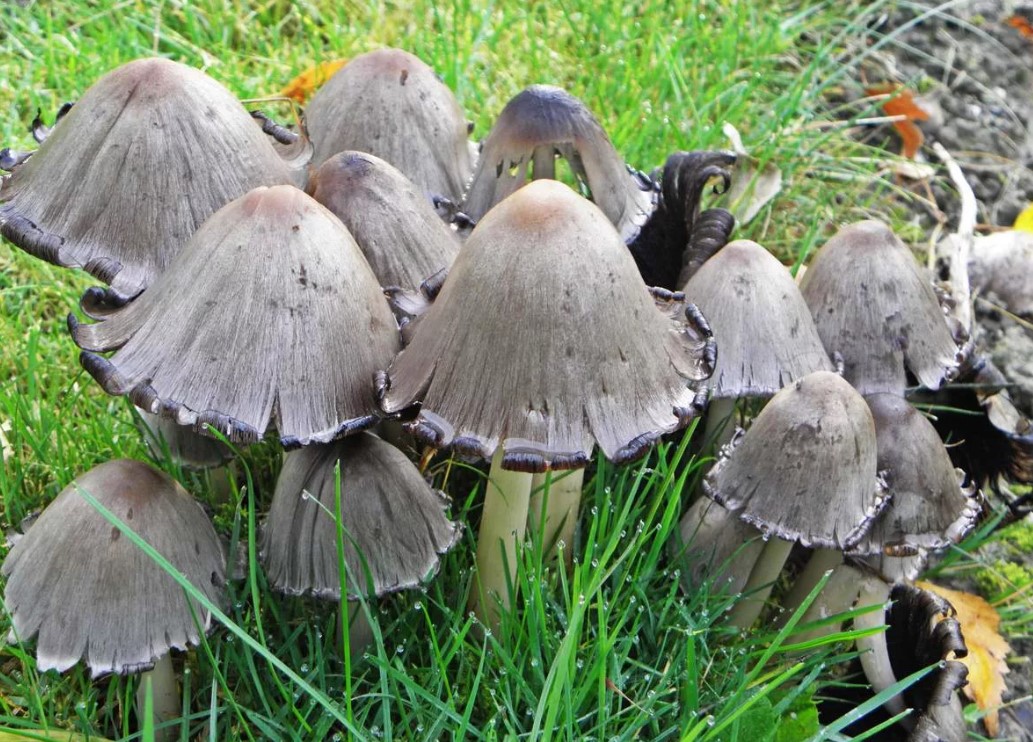
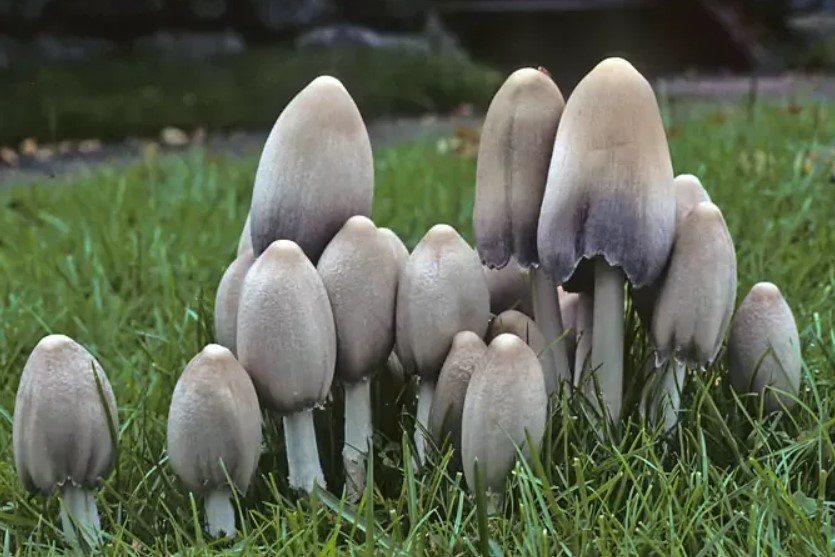
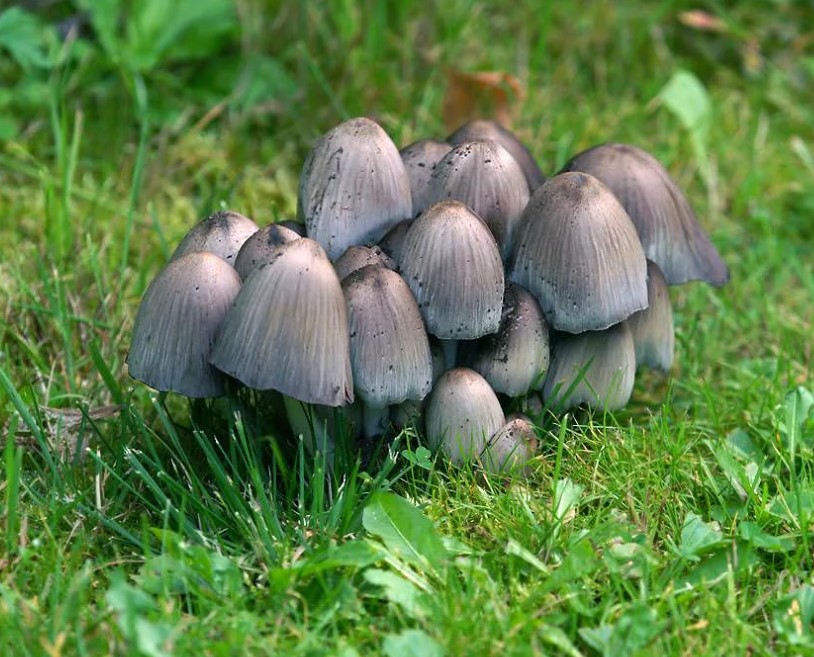
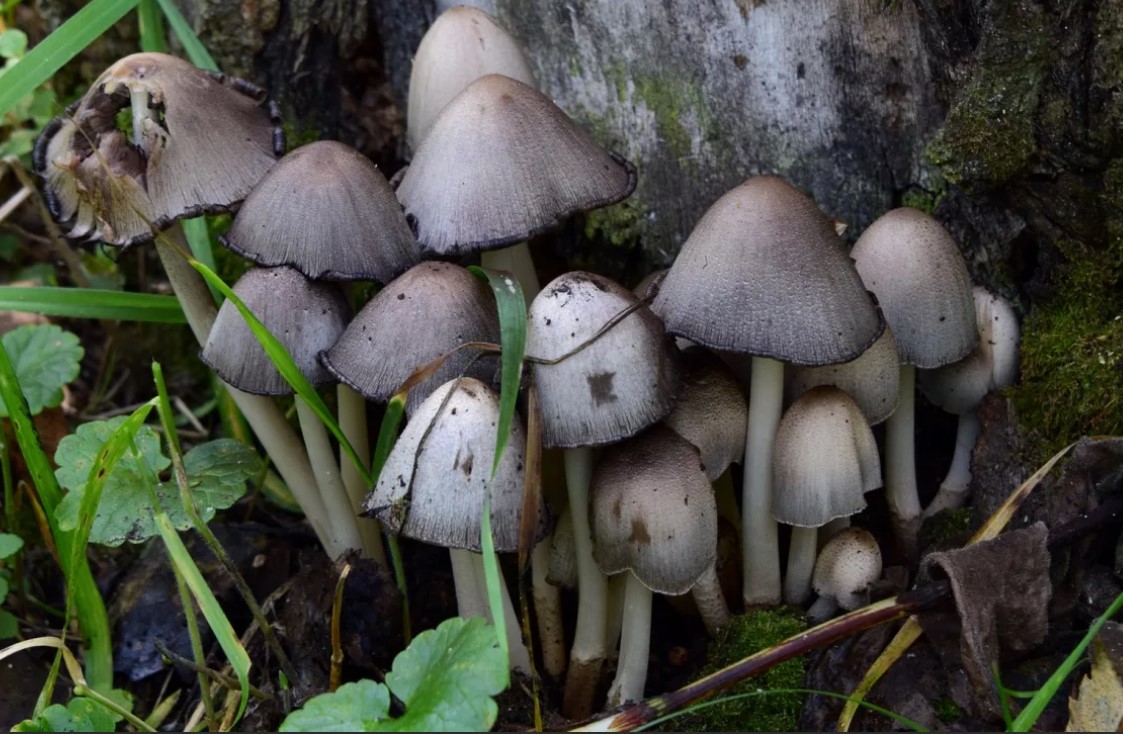
Photo gallery of the grey dung beetle
Flickering dung beetle (Coprinellus micaceus)
This mushroom belongs to the Psathyrellaceae family, but a few years ago it was believed that it belonged to the now disbanded Coprinaceae family.
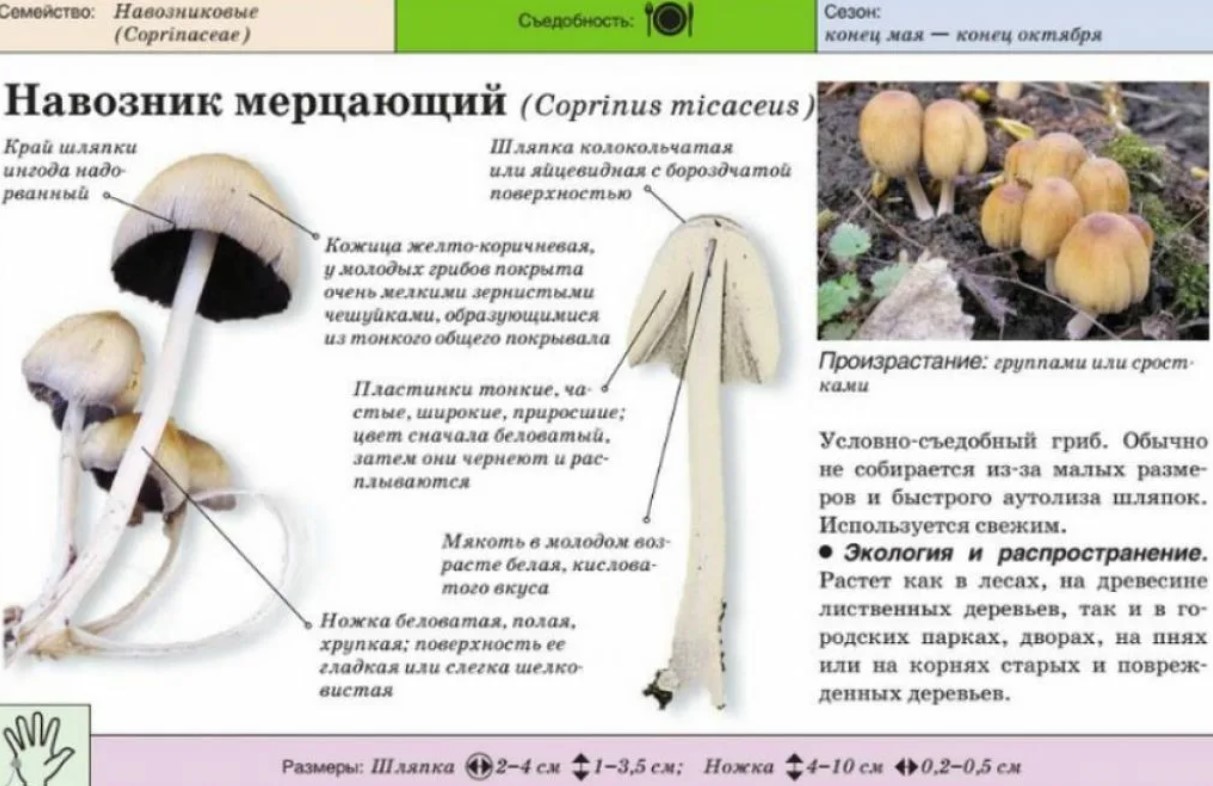
| Other names | Description | Distribution, season | Edibility |
| Mica ink cap Coprinus micaceus |
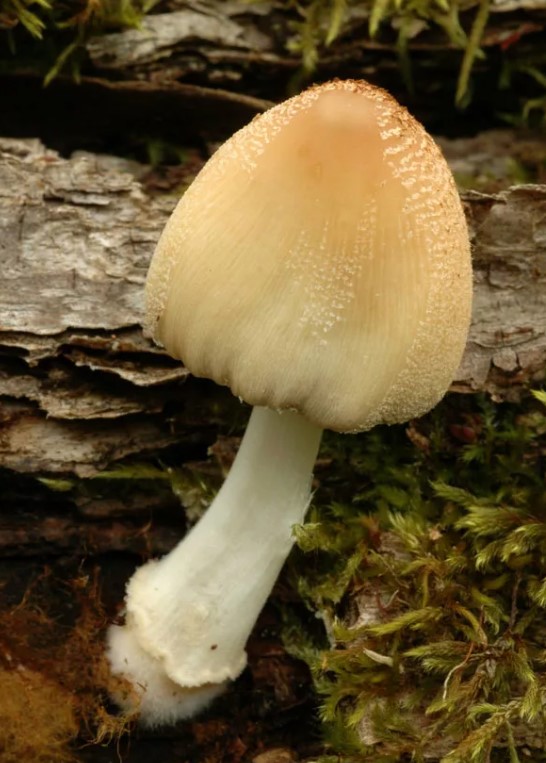
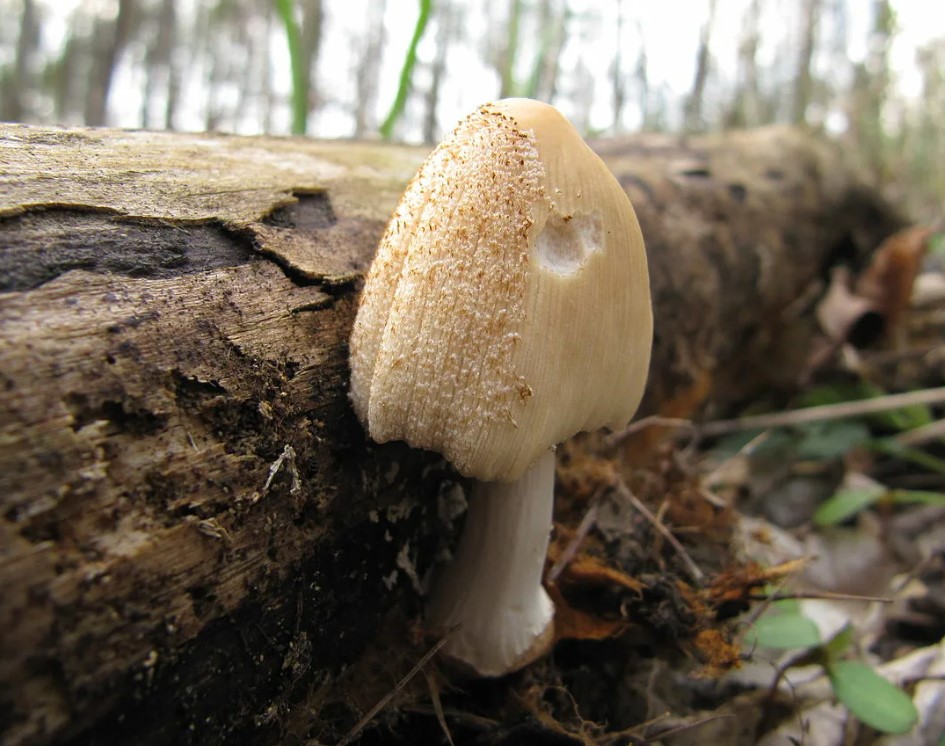
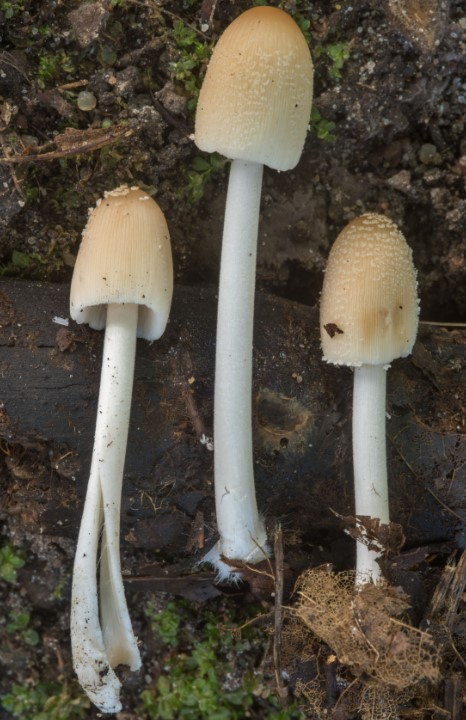
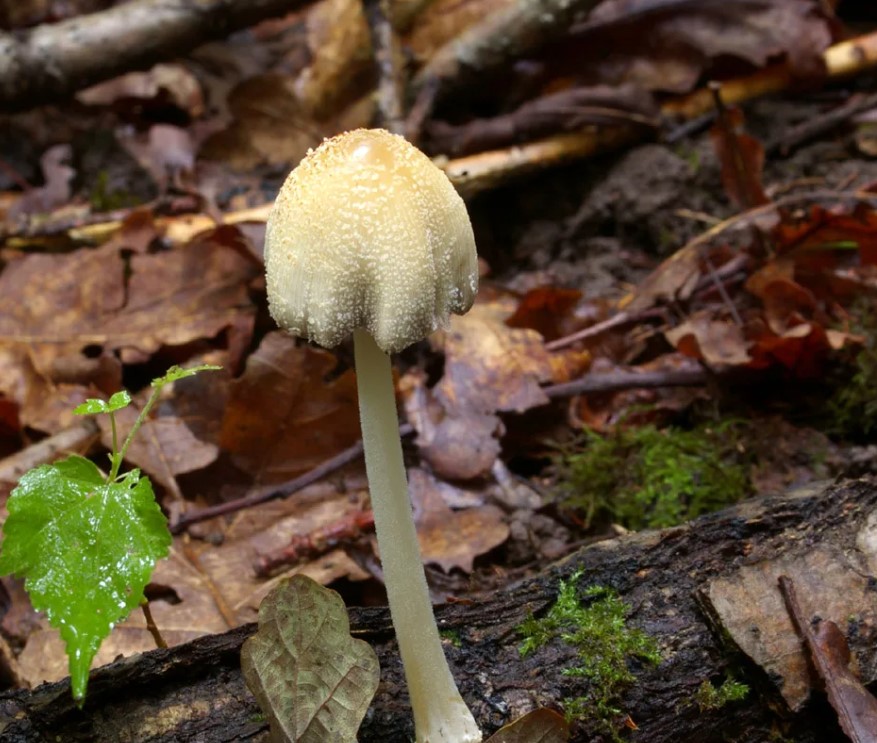
The cap is no more than 4 cm in diameter, bell-shaped, and yellow-brown in color, with a glossy finish. Small granular scales can be seen on the surface, giving the mushrooms a micaceous sheen. The stem is up to 10 cm long. | Prefers to grow on organic wood debris. Found from May to November. | Inedible |
Photo gallery of the flickering dung beetle
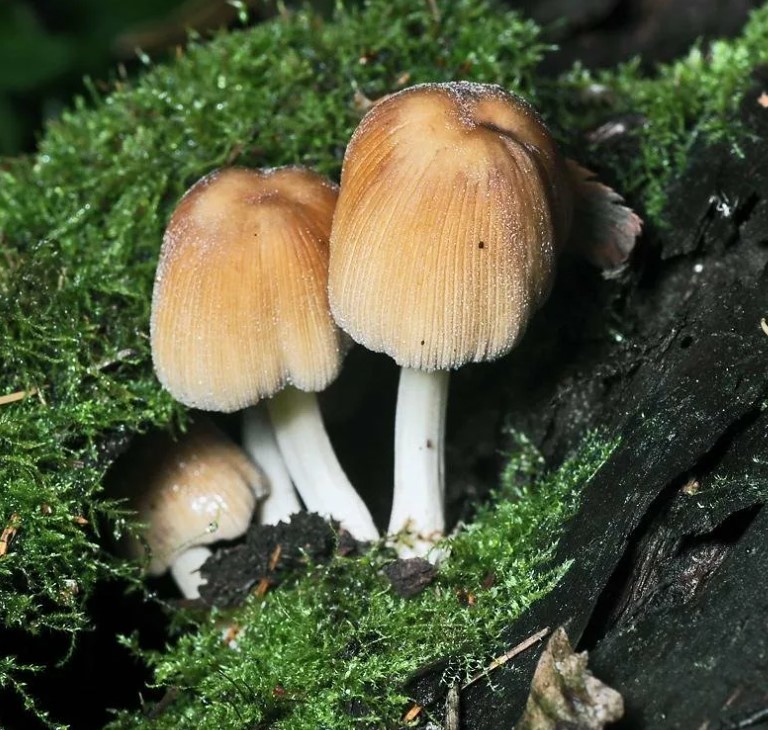
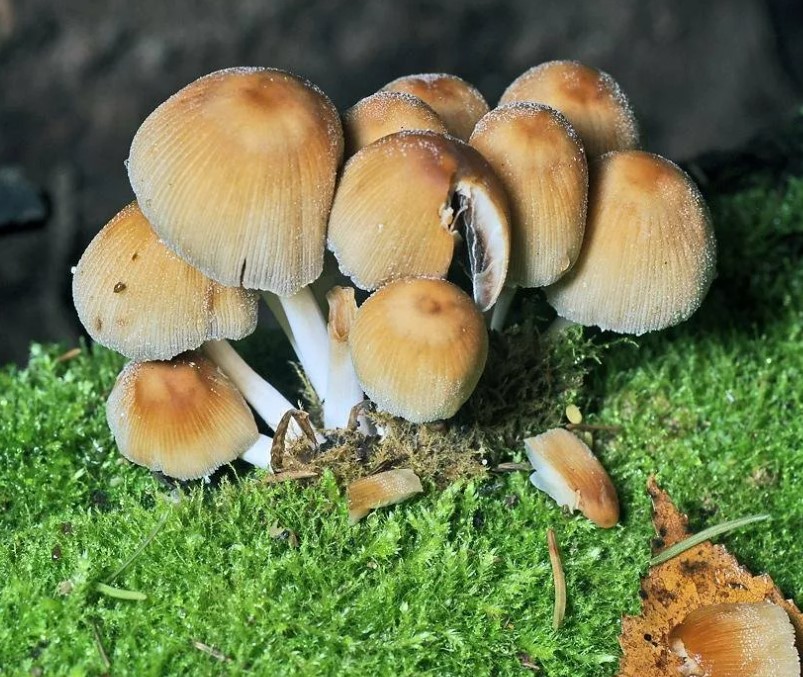
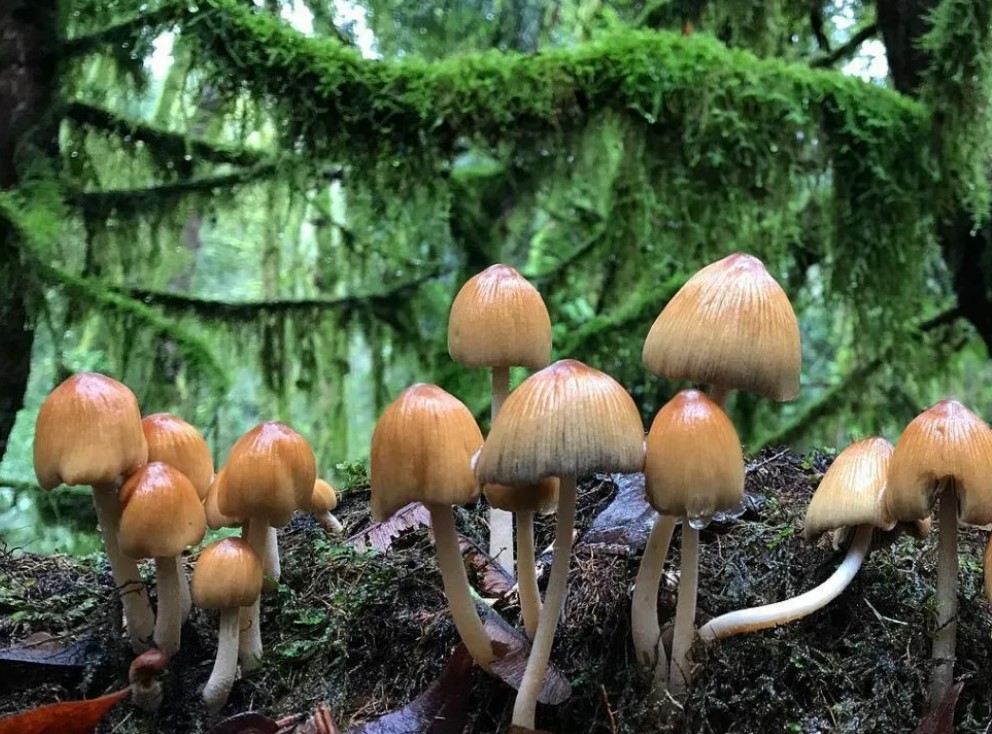
Coprinellus domesticus
Belongs to the Psathyrellaceae family, previously belonged to the Coprinaceae family.
| Other names | Description | Distribution, season | Edibility |
| Basement Coprinus domesticus |
The cap is bell-shaped, up to 5 cm in diameter, with grooved margins. The color is yellowish-brown, and the surface is covered with scales. The stem is up to 8 cm tall and thin, but has a swelling at the base. | It grows on dead wood and can appear in rooms with high humidity. It is found from June to September. | Inedible |
Photo gallery of the common dung beetle
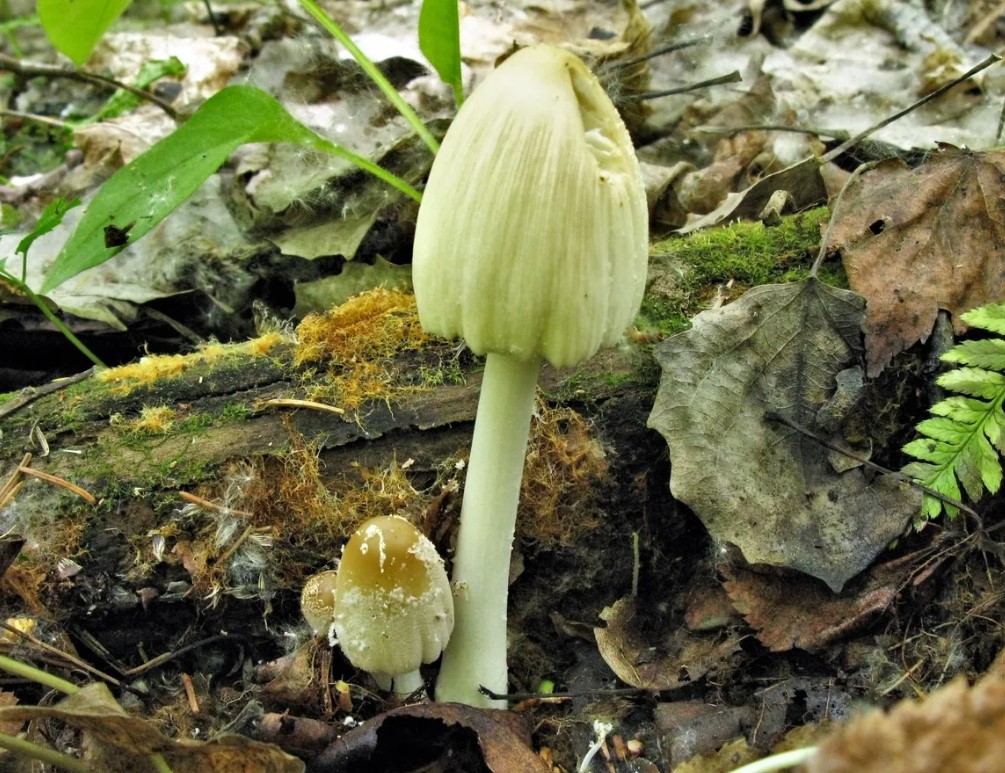
Plicate dung beetle (Parasola plicatilis)
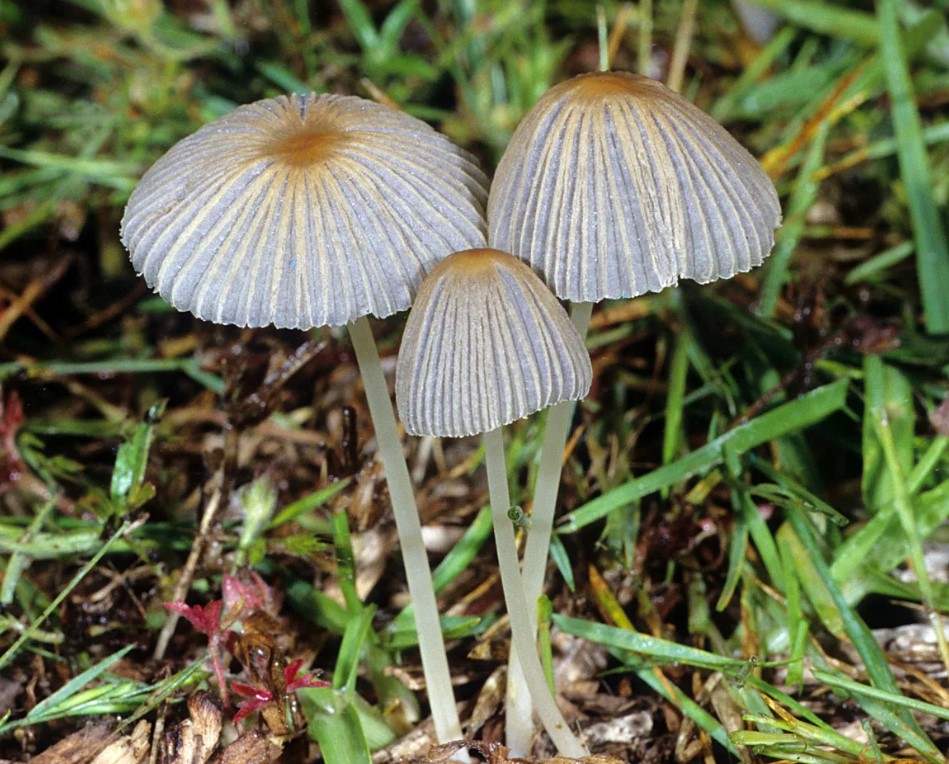
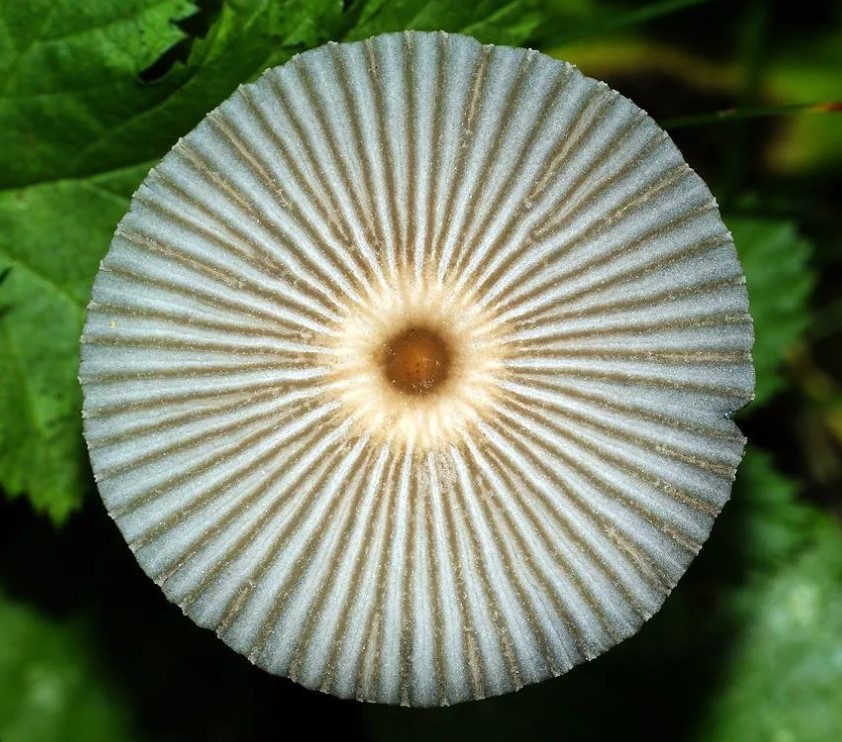
It differs from other species by its unusual cap, which opens into an umbrella as it grows. It also belongs to the Psathyrellaceae family.
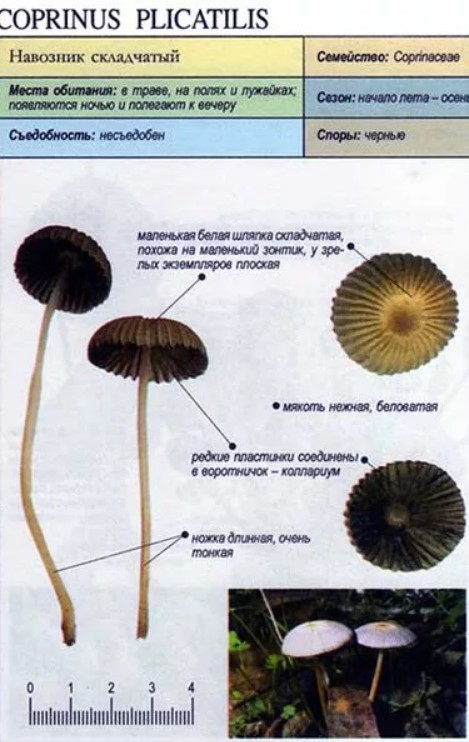
| Other names | Description | Distribution, season | Edibility |
| Coprinus plicatilis | When young, the cap is bell-shaped and yellowish. However, as it matures, it flattens and becomes lighter in color. The diameter ranges from 1.5 to 3 cm. The stem, up to 10 cm tall, is white and fragile, often breaking with the slightest force. | Very often found in meadows, roadsides, bears fruit from May to mid-October. | Inedible |
Photo gallery of the dung beetle
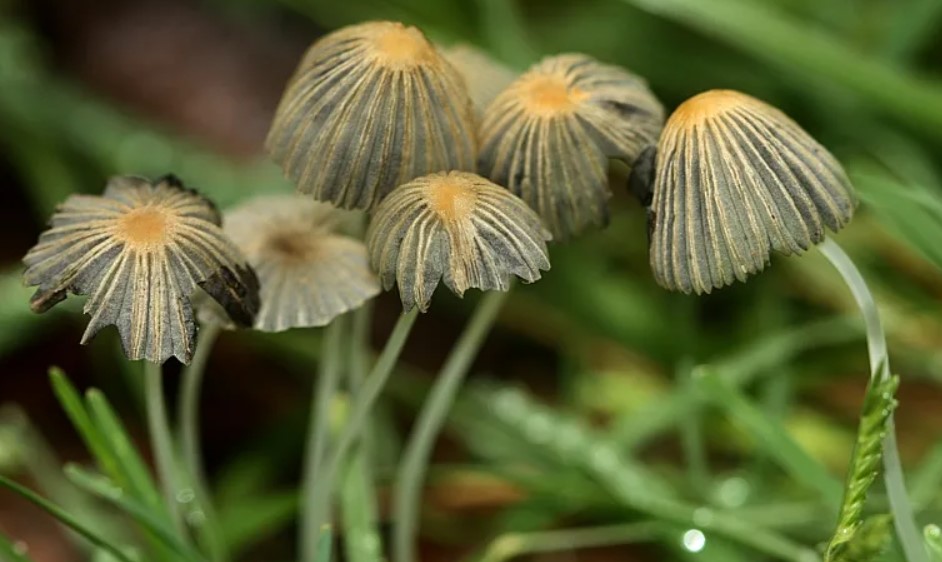
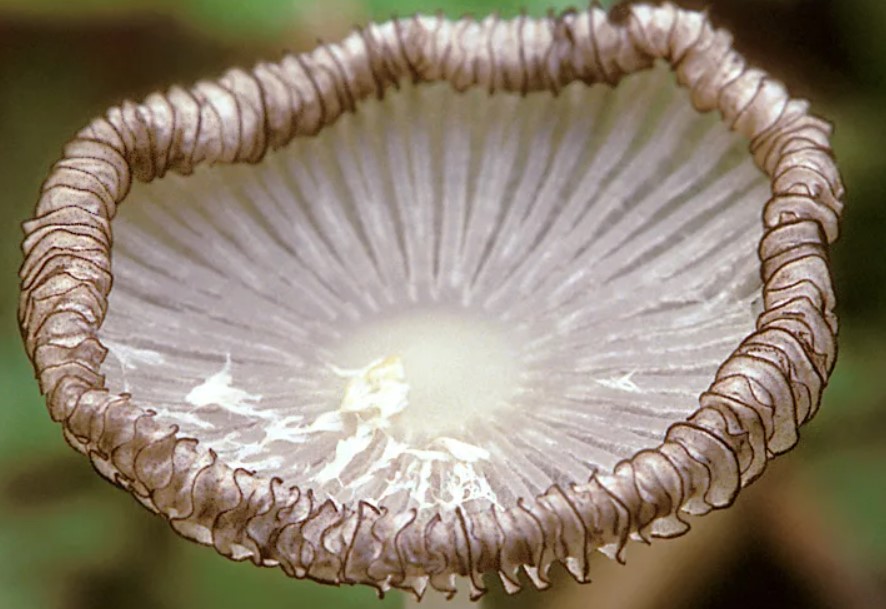
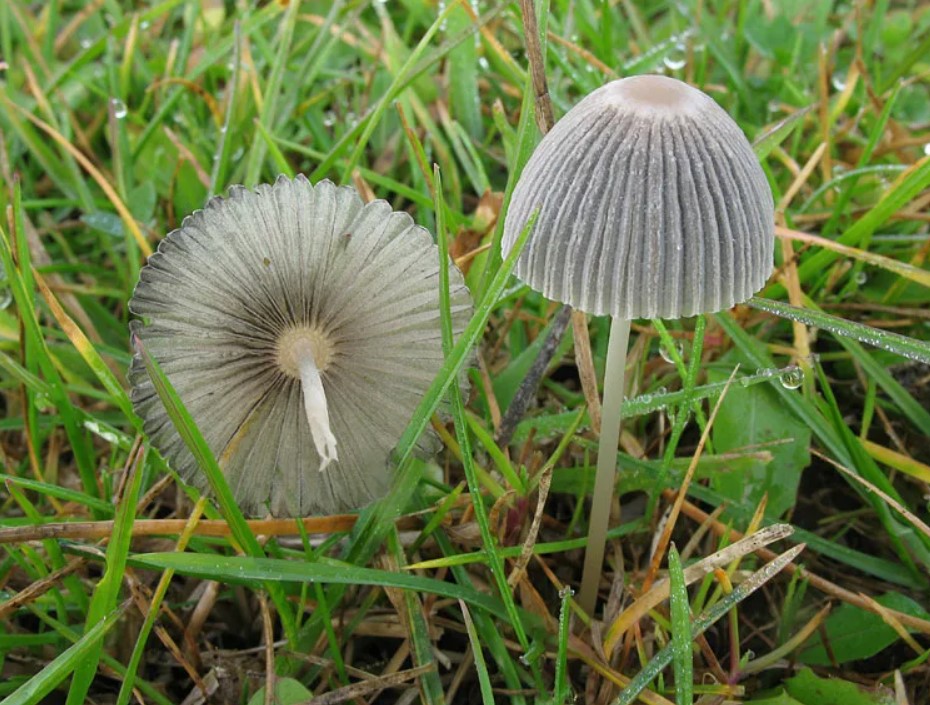
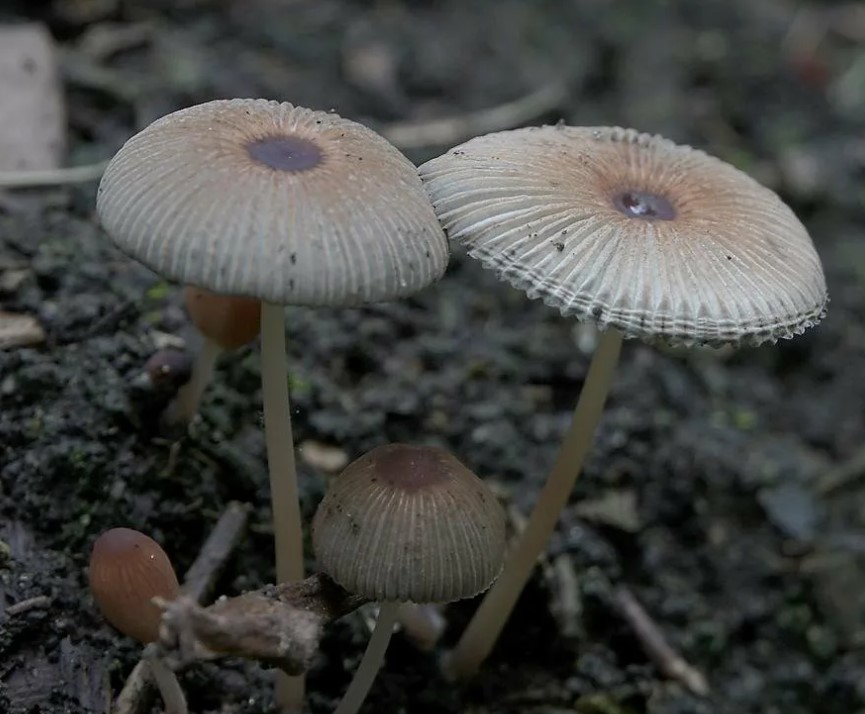
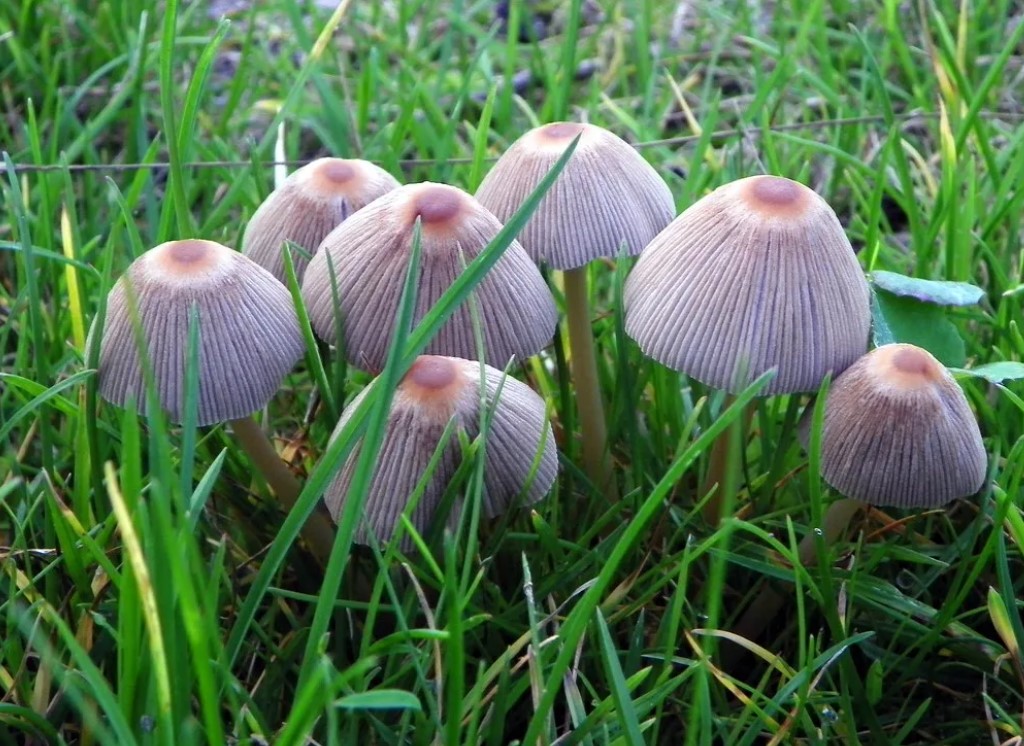
Disseminated dung beetle (Coprinellus disseminatus)
This mushroom was recently removed from the Dung family and belongs to the Psathyrellaceae family. It has virtually no flesh and is very small in size. Furthermore, it produces almost no characteristic liquid when the cap decomposes.
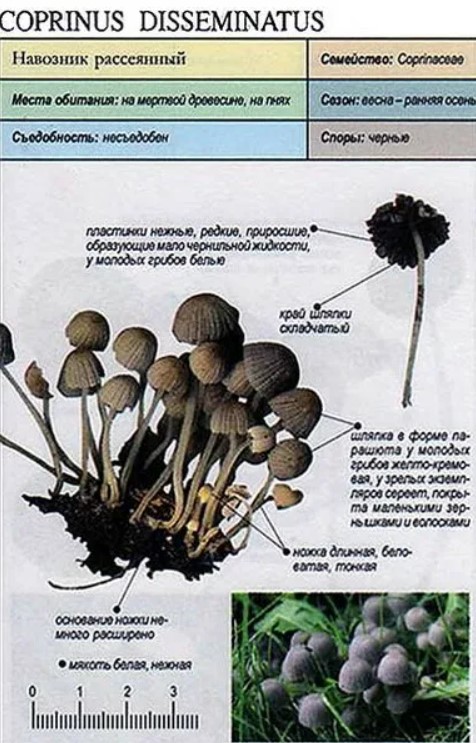
| Other names | Description | Distribution, season | Edibility |
|
Common dung beetle Coprinus disseminatus |
The cap is up to 1.5 cm in diameter and bell-shaped. The color is light cream, turning gray over time. The flesh is virtually absent. The stem is 1-3 cm high and white-gray. | Prefers rotting wood and grows in very large groups from May to October. | Unknown due to its small size and lack of pulp. |
Photo gallery of the scattered dung beetle
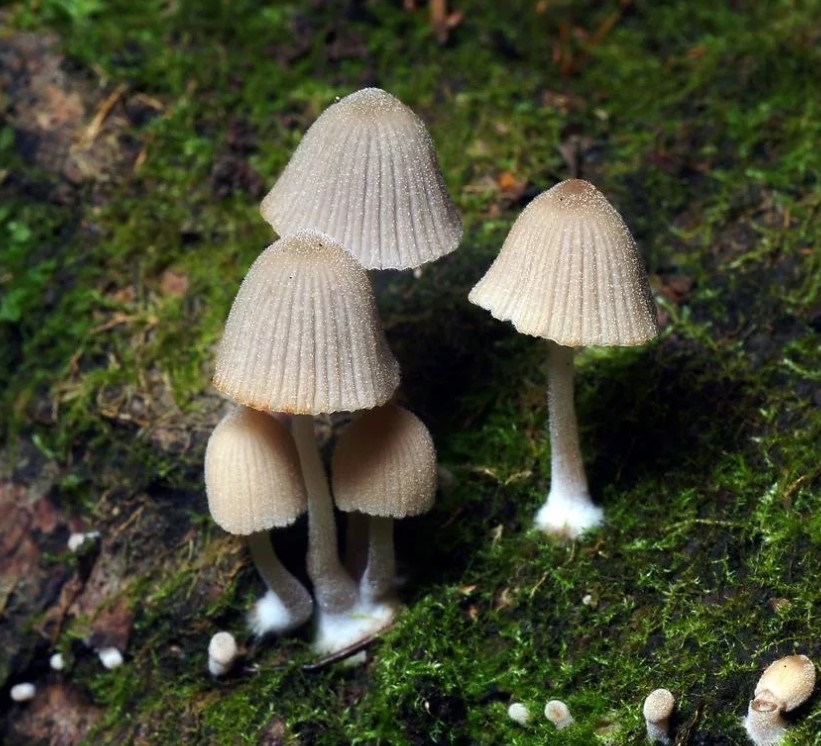
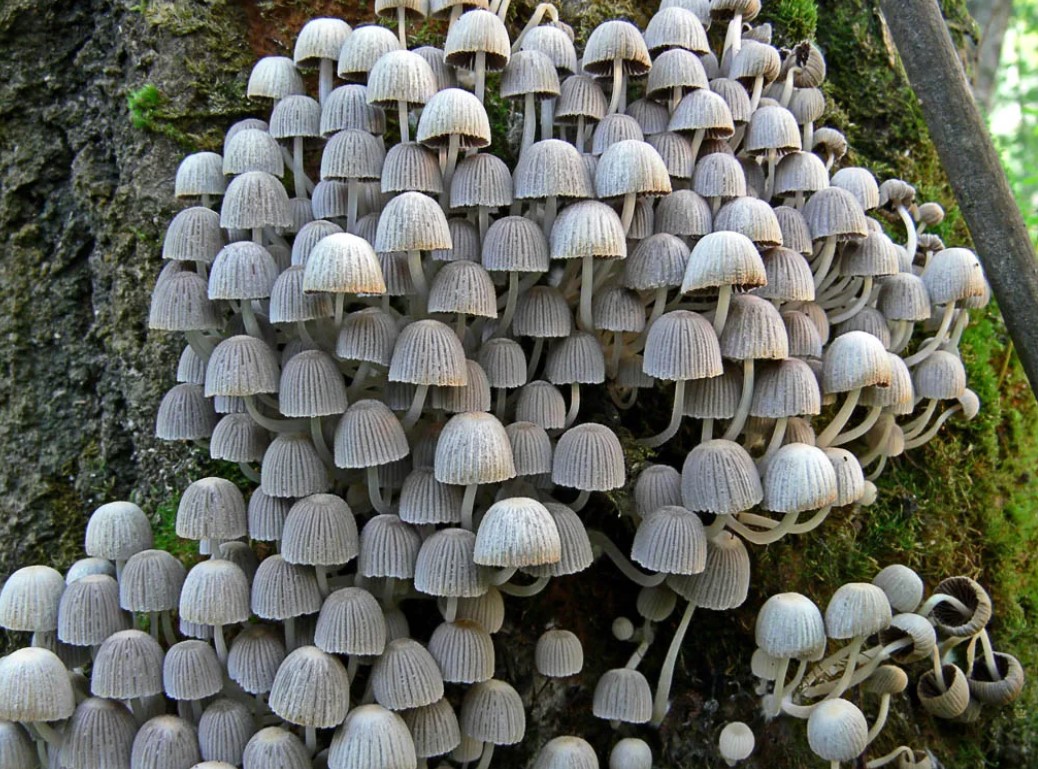
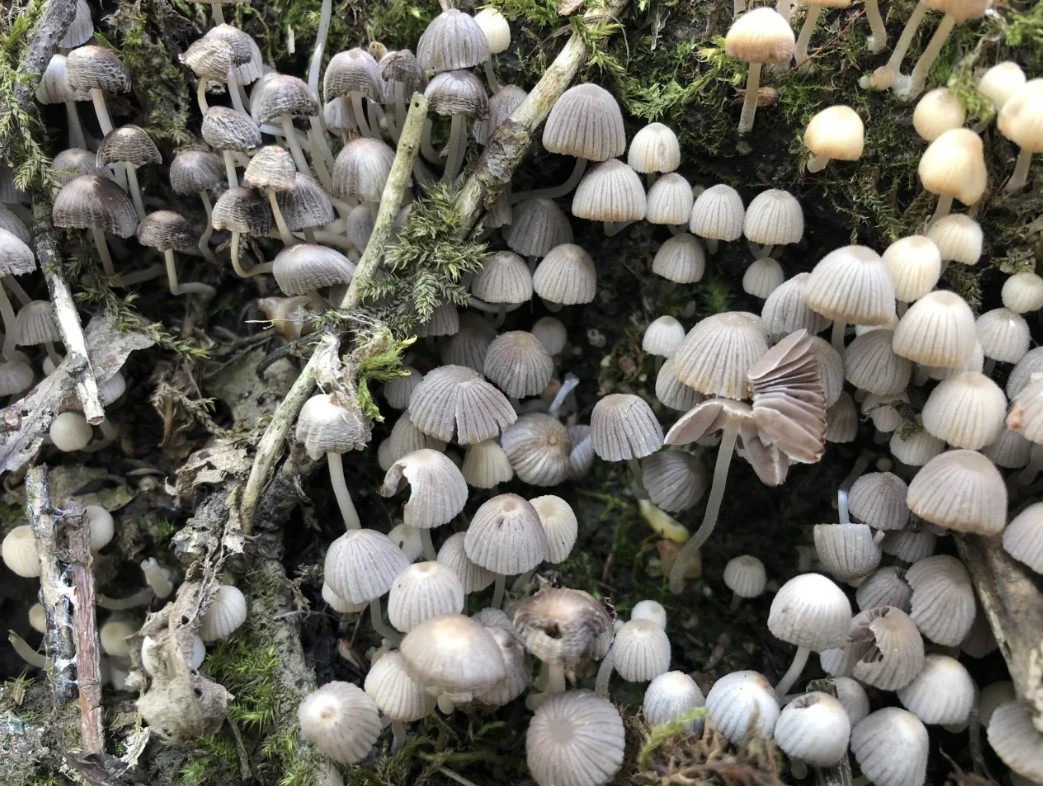
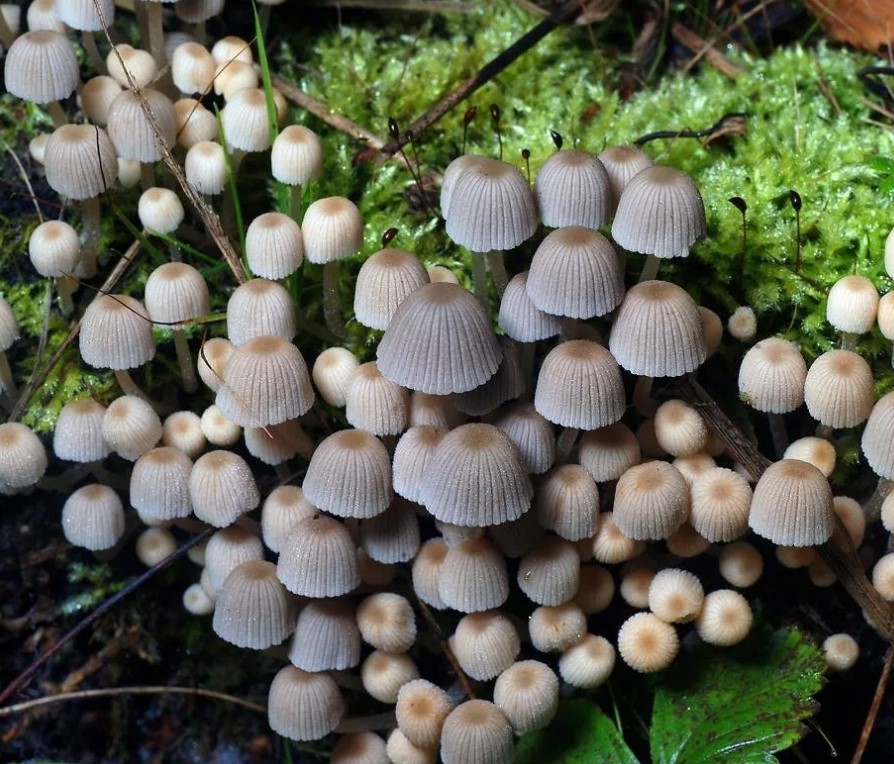
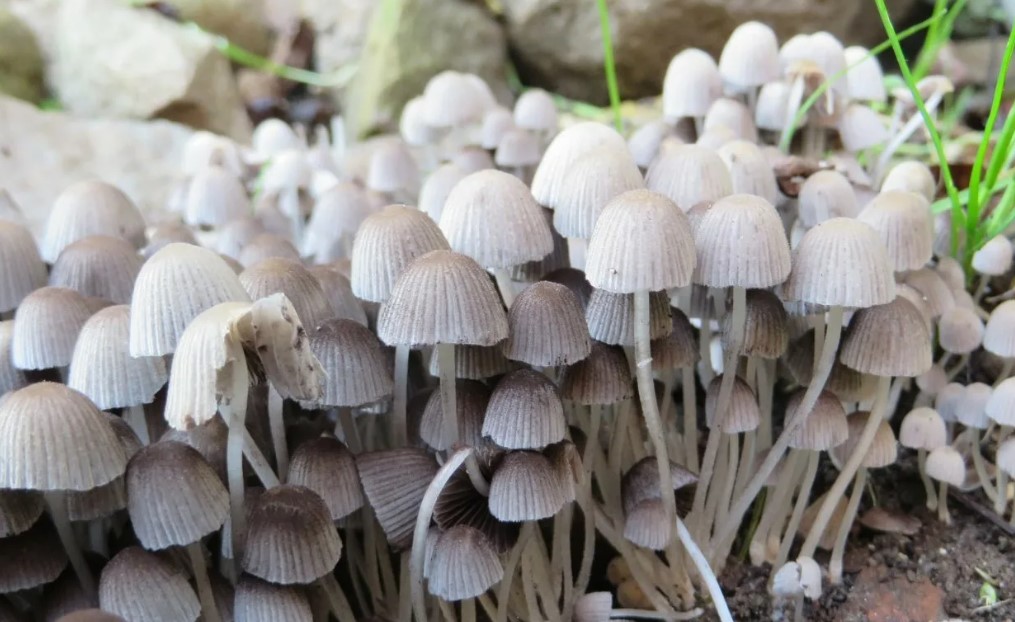
Willow dung cap (Coprinellus truncorum)
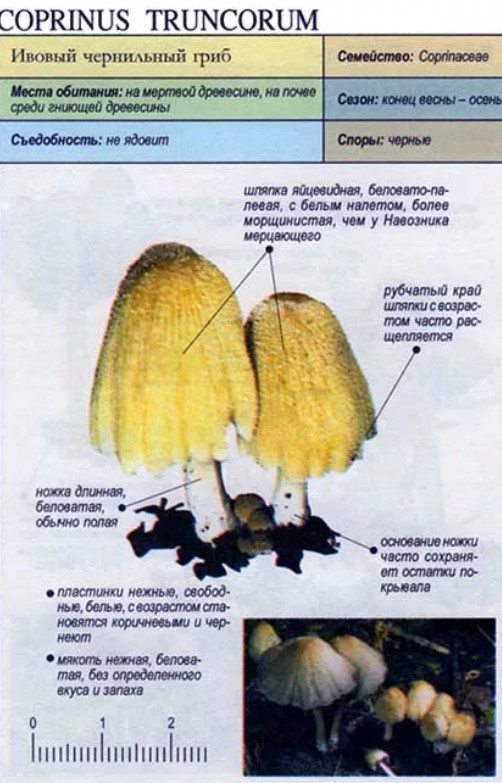
On some continents, the willow dung beetle and the flickering dung beetle are considered the same species. In our country, these mushrooms are classified as two distinct species.
| Other names | Description | Distribution, season | Edibility |
|
Agaricus truncorum Scop. Coprinus truncorum (Scop.) Coprinus micaceus sensu Lange Agaricus aquosus Huds. Agaricus succineus Batsch Coprinus truncorum var. eccentricus Coprinus baliocephalus Bogart Coprinus granulatus Bogart |
The cap diameter varies from 1 to 5 cm. The bell-shaped cap becomes spreading in mature mushrooms. The surface is wrinkled, yellowish-brown in color, and contains matte flakes that quickly fall off. The stem is up to 10 cm high. The flesh is brittle and thin. | Rarely found, it grows in North America and Europe. It prefers decaying organic matter from willows and poplars, but can also grow in parks, pastures, forests, and cemeteries. | Conditionally edible |
Willow dung beetle photo gallery
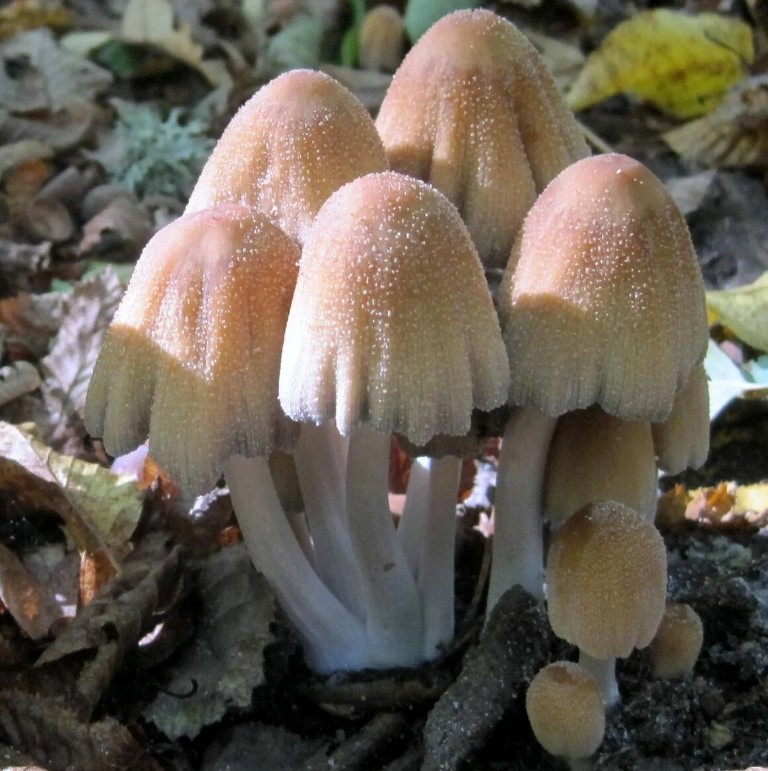
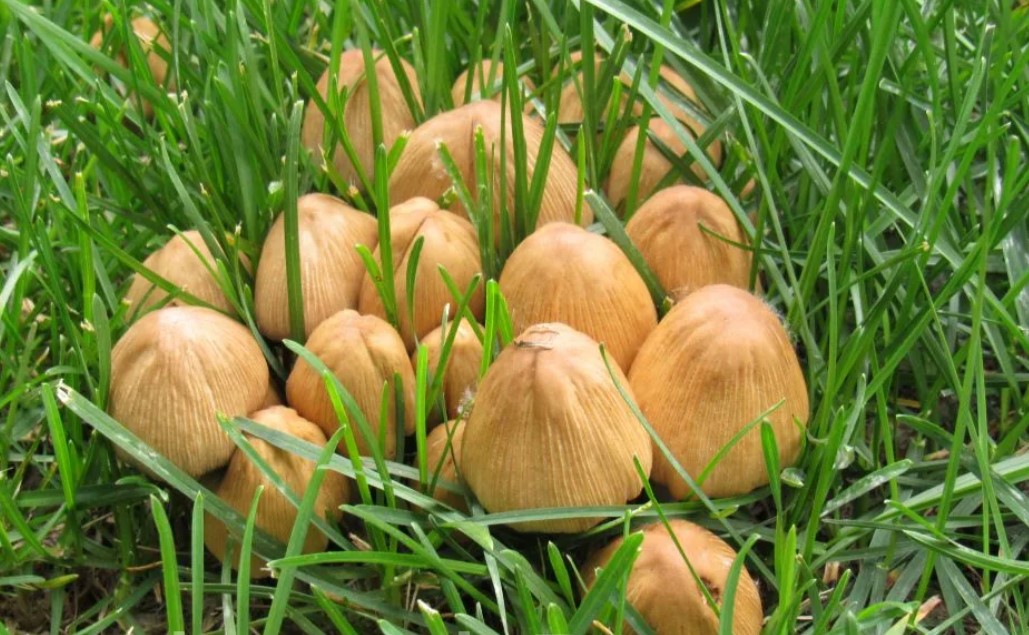
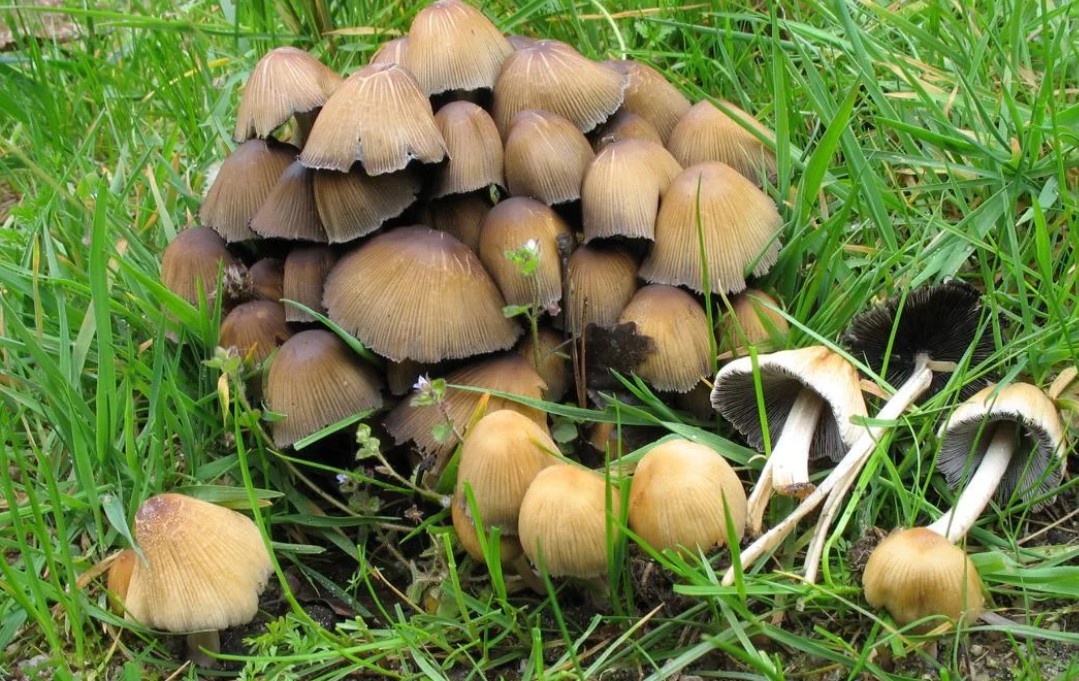
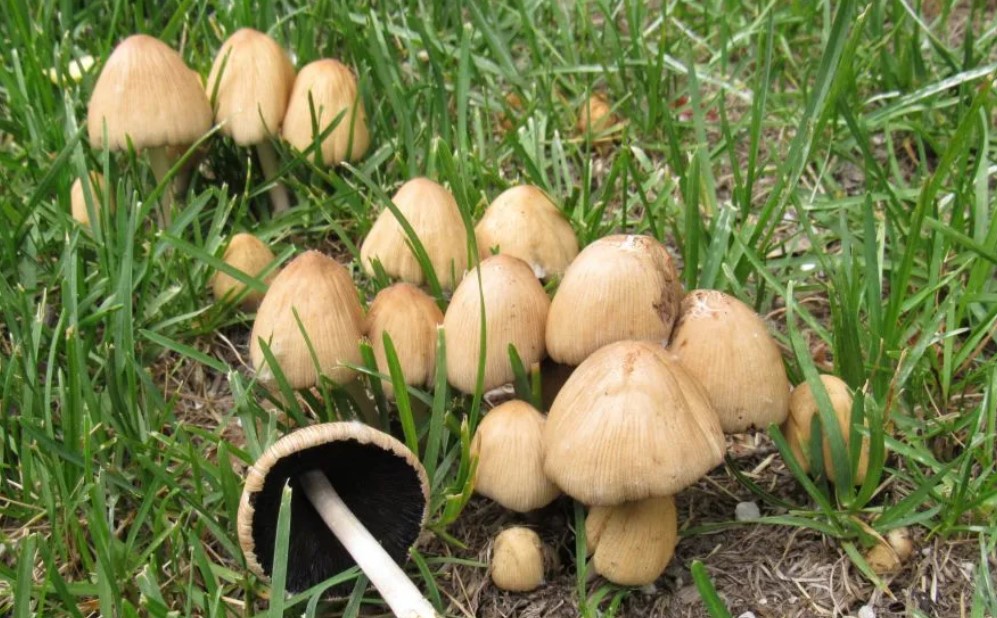
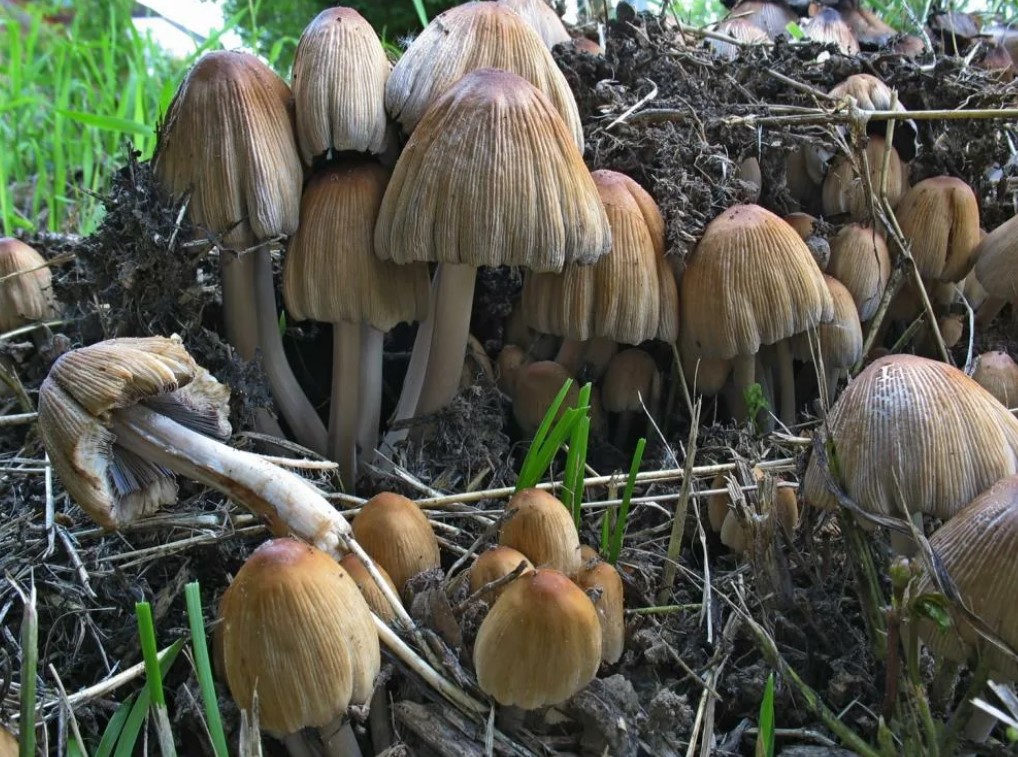
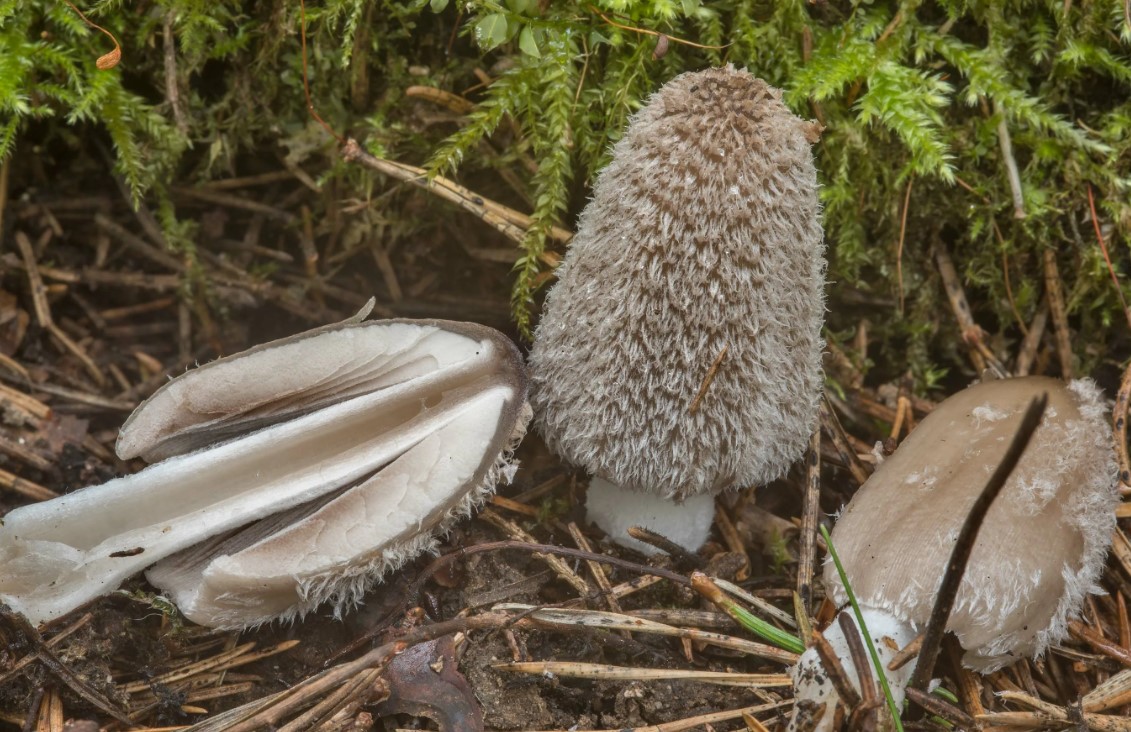
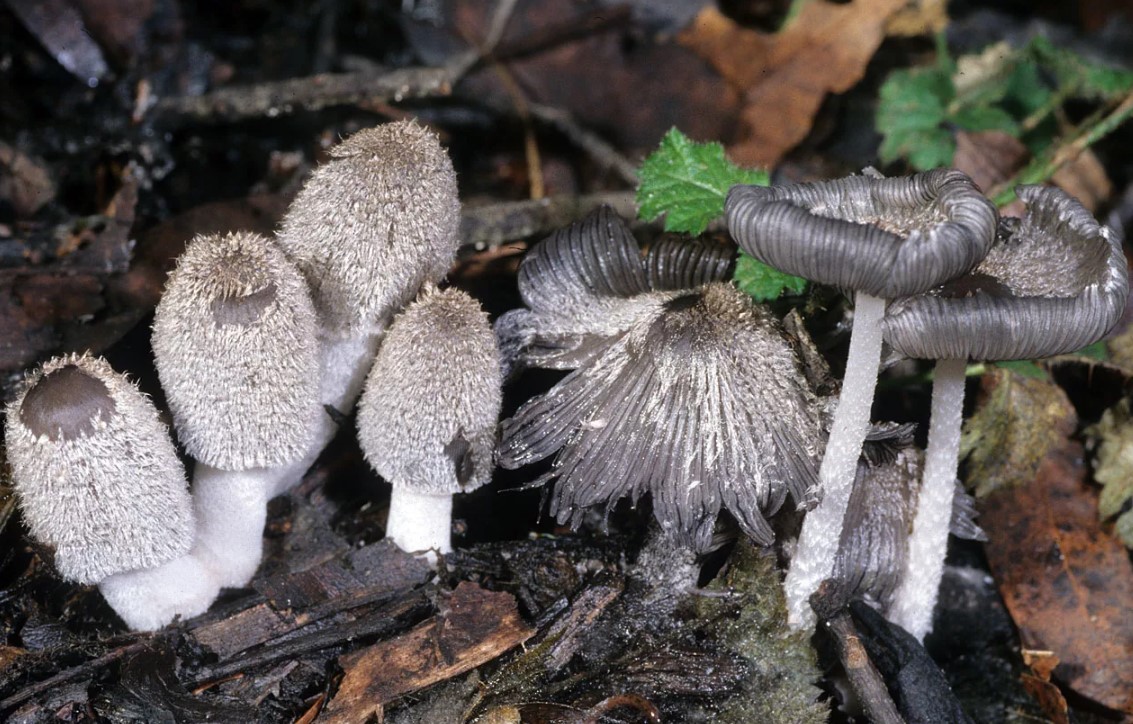
Downy dung beetle (Coprinopsis lagopus)
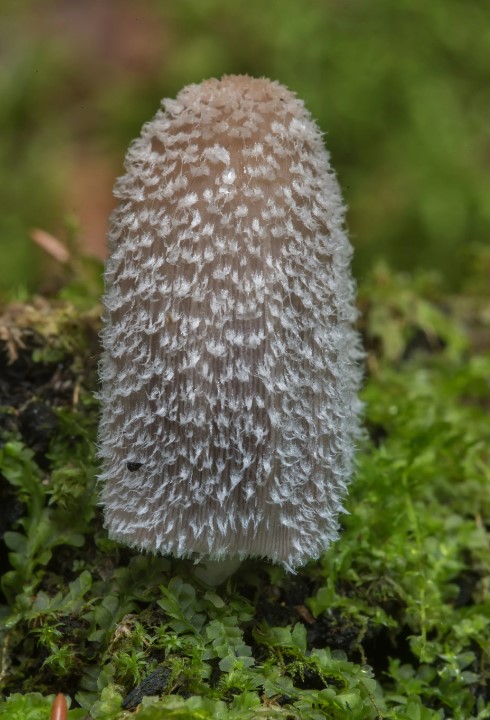
The mushroom got its name from the abundance of flakes on its surface, which create a fluffiness effect.
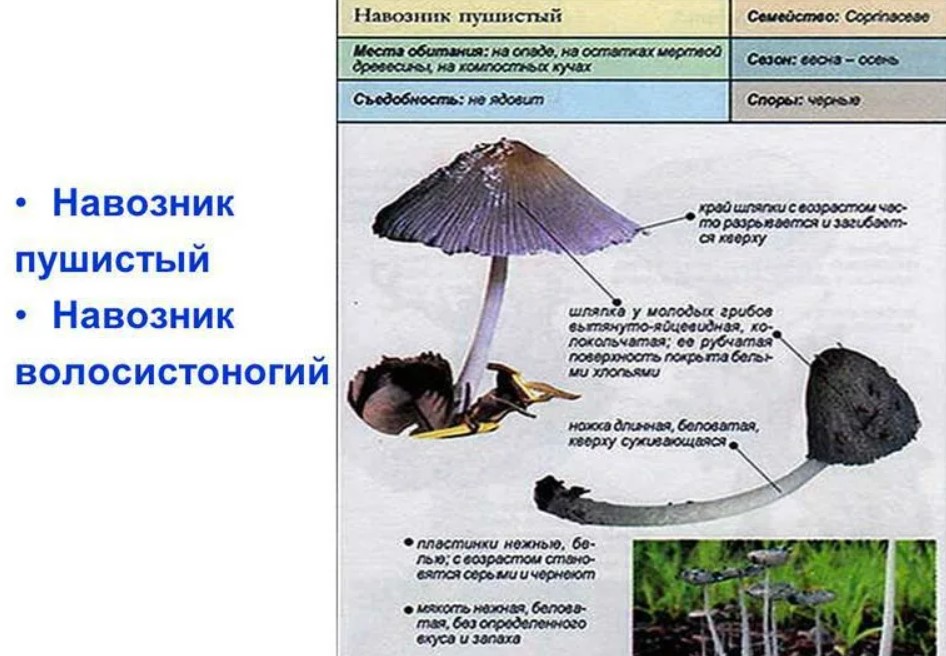
| Other names | Description | Distribution, season | Edibility |
| The dung beetle Hairy dung beetle Coprinus lagopus |
The cap grows up to 4 cm in diameter, is elongated-ovoid, and the edges curl upward over time. The stem is up to 4 cm high, tapering toward the top. | It grows from May to October in all places where there are organic remains. | Inedible |
Photo gallery of the downy dung beetle
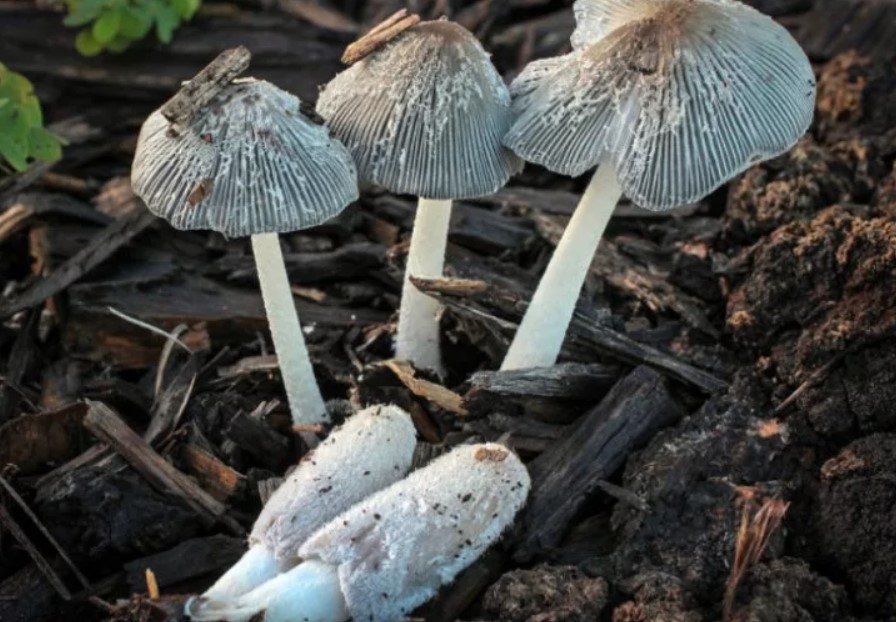
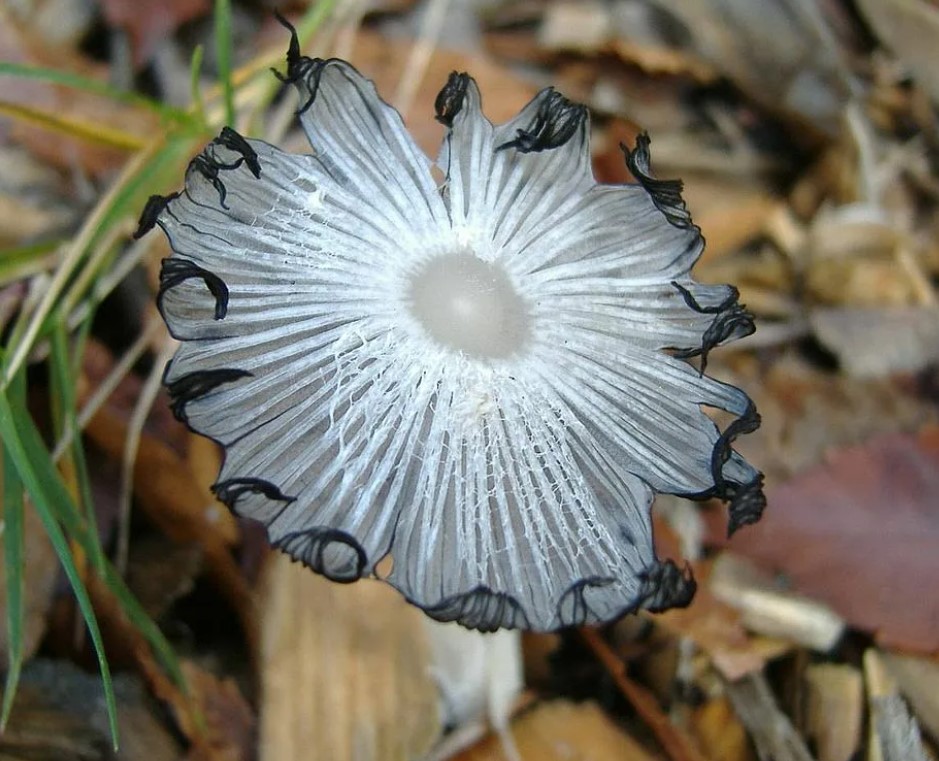
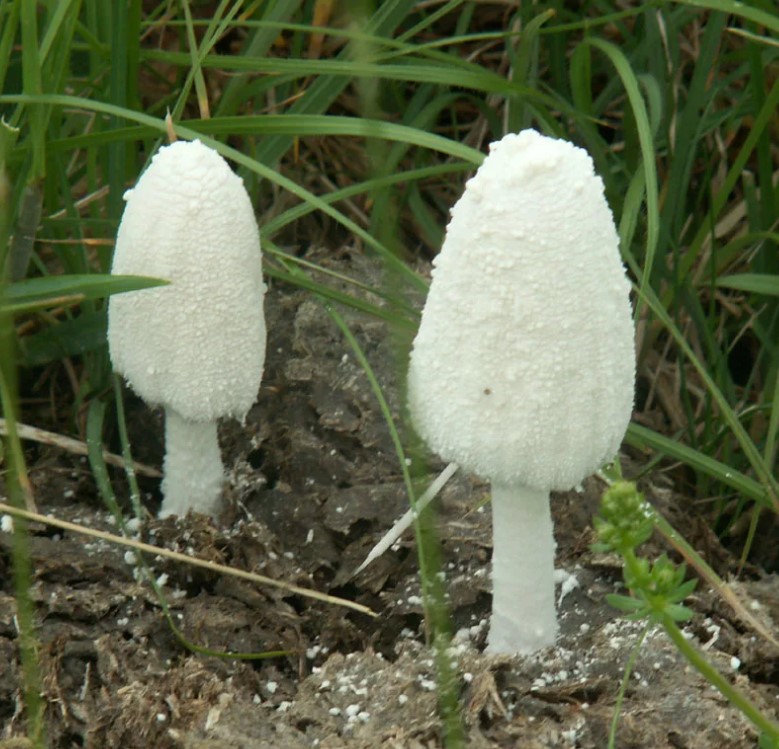
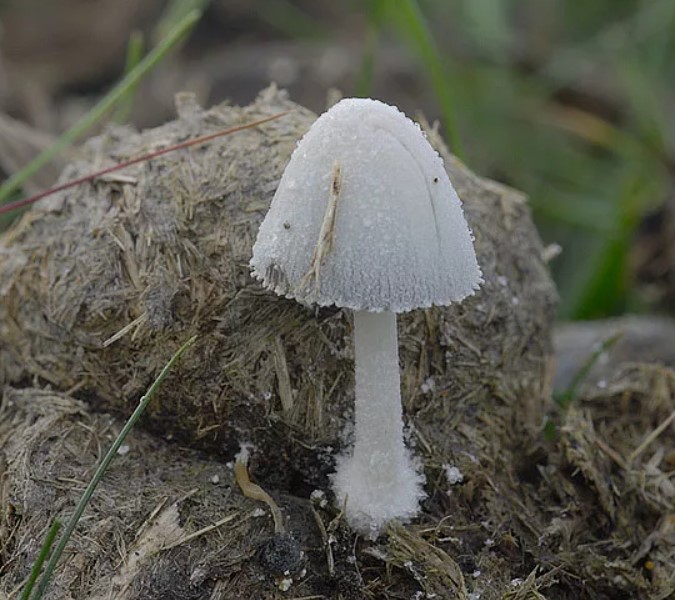
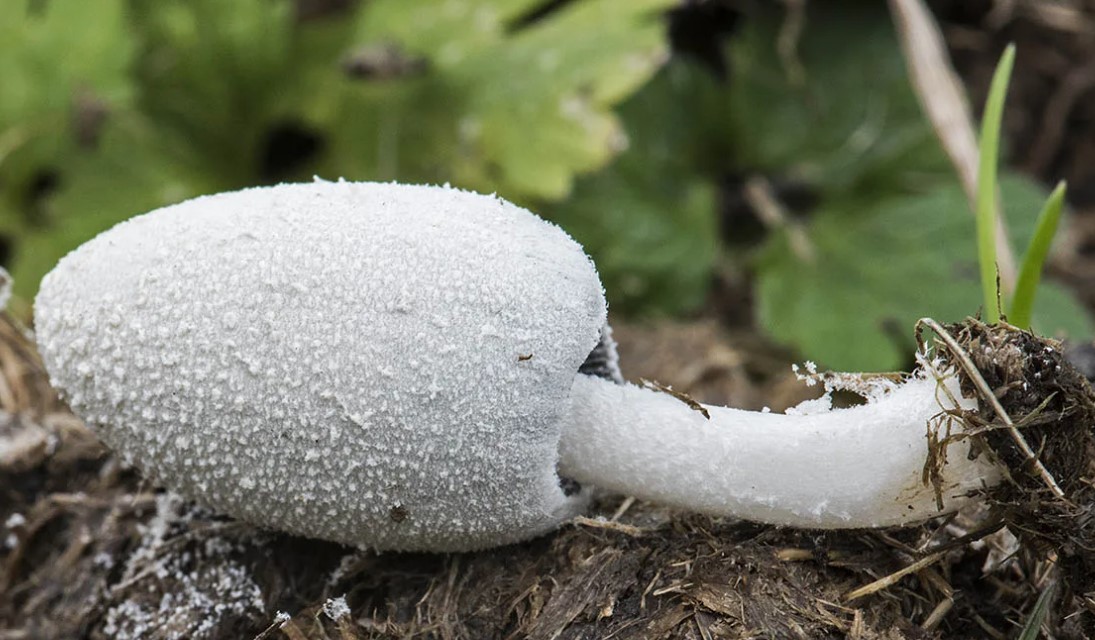
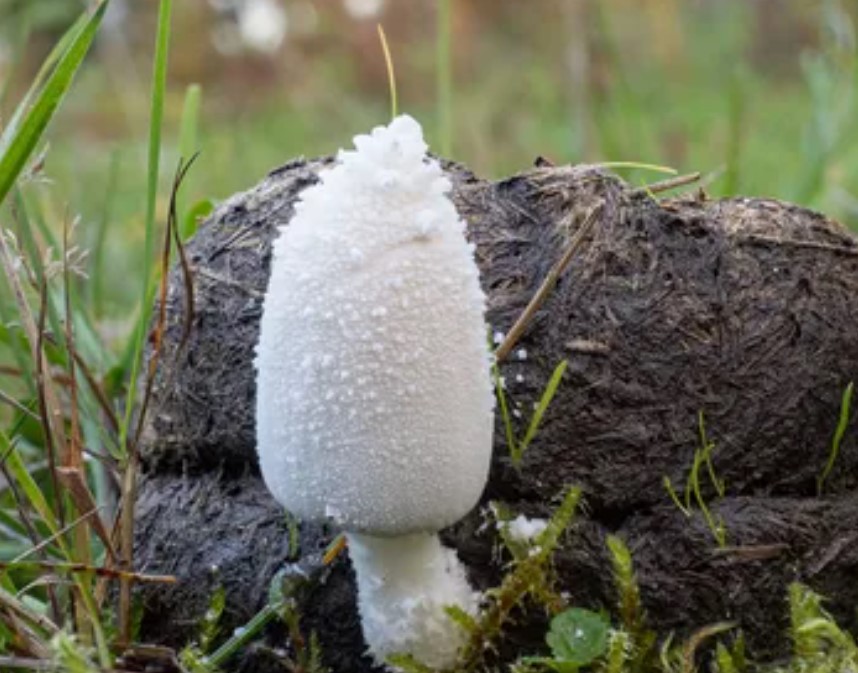
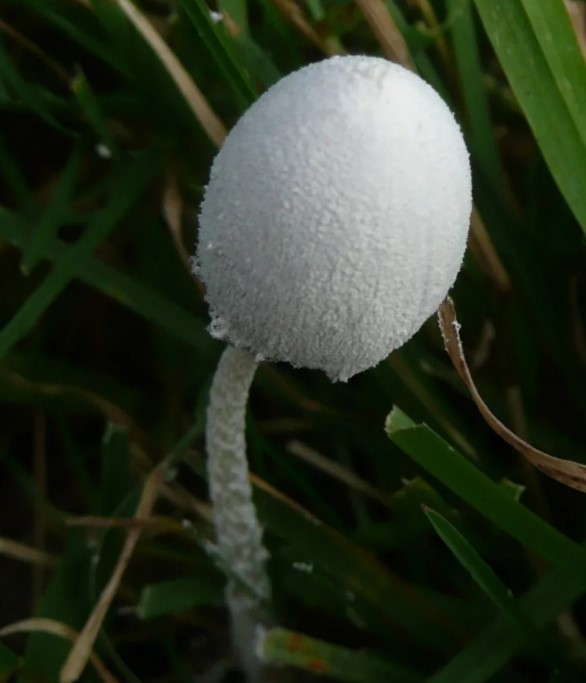
Coprinopsis nivea
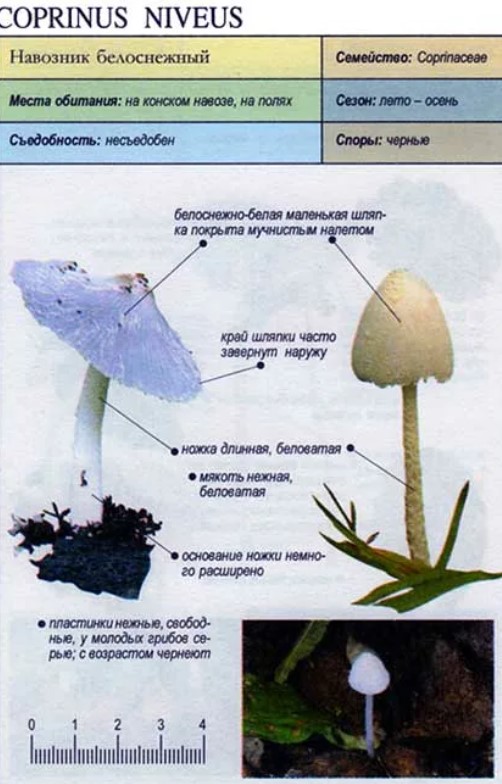
The mushroom differs from other species by its snow-white color and its love of manure, especially horse manure.
| Other names | Description | Distribution, season | Edibility |
| Coprinus niveus | The cap is about 3 cm in diameter and ovoid in shape, but it flattens out slightly over time. The cap is snow-white, but turns gray over time. The stem is up to 8 cm high, with a swelling at the base. | Grows near manure heaps from May to mid-October. | Inedible |
Photo gallery of the white dung beetle
Coprinopsis picacea
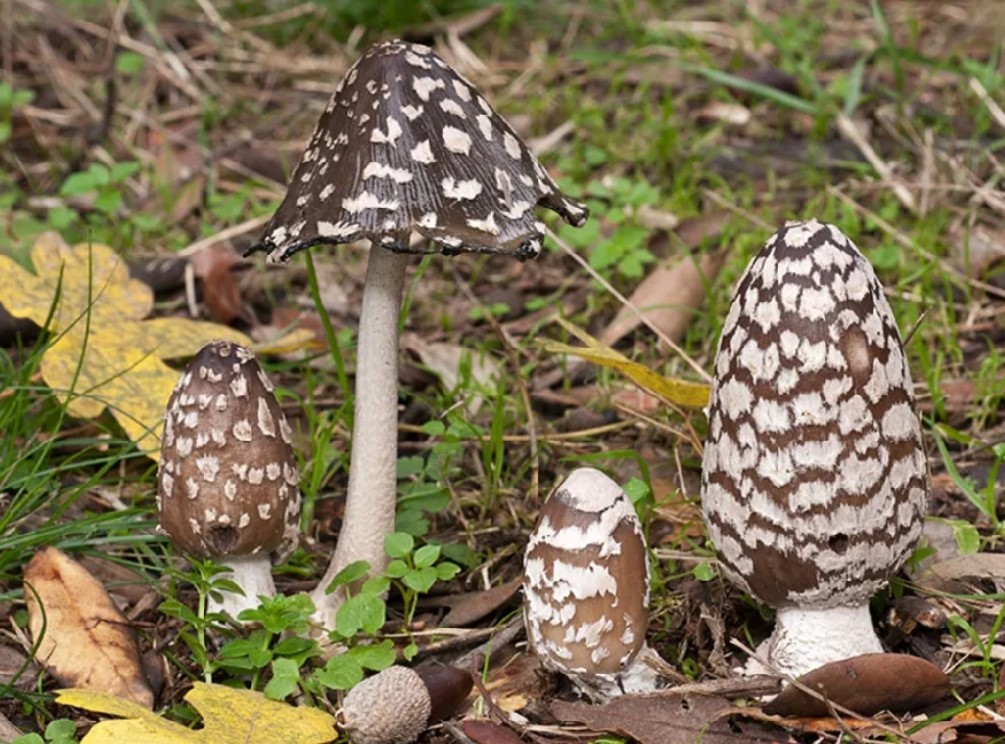
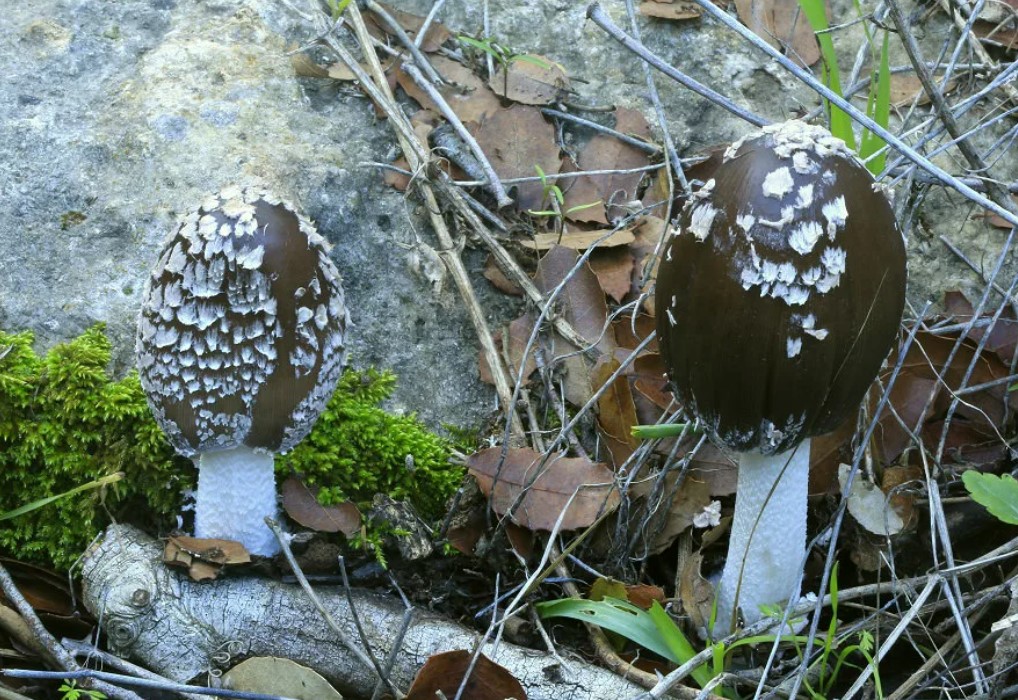
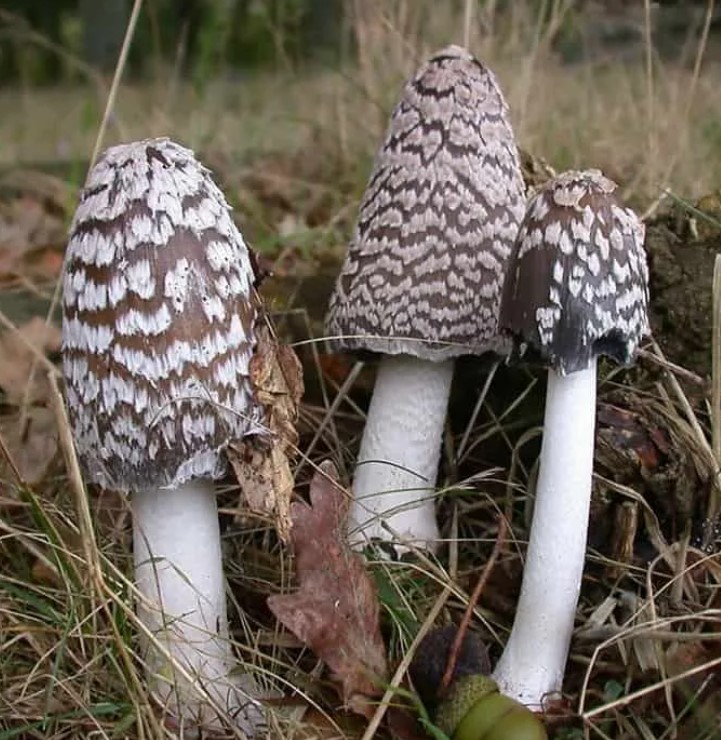
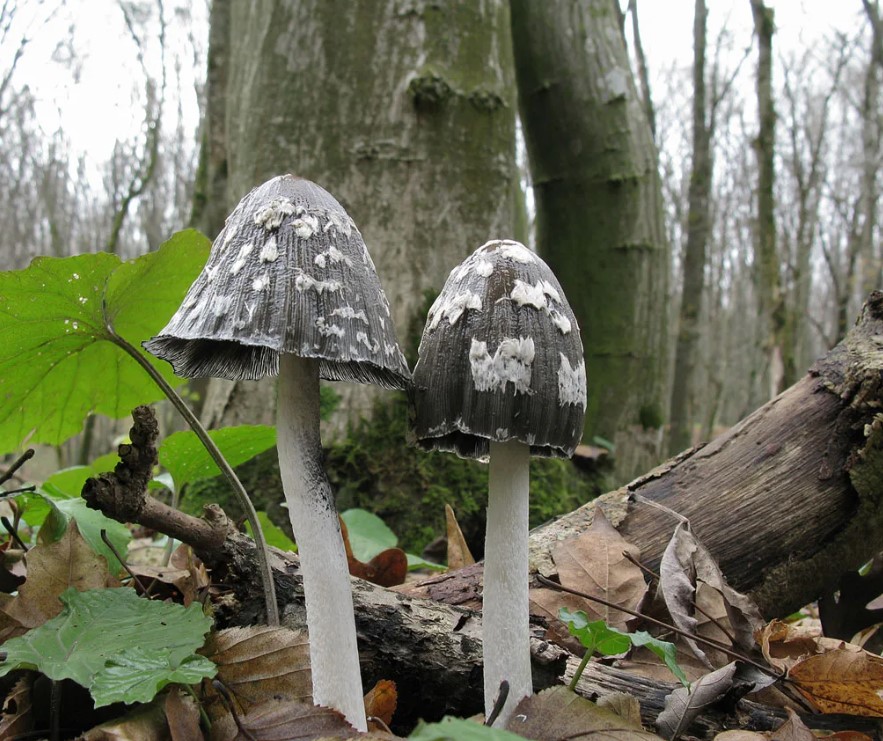
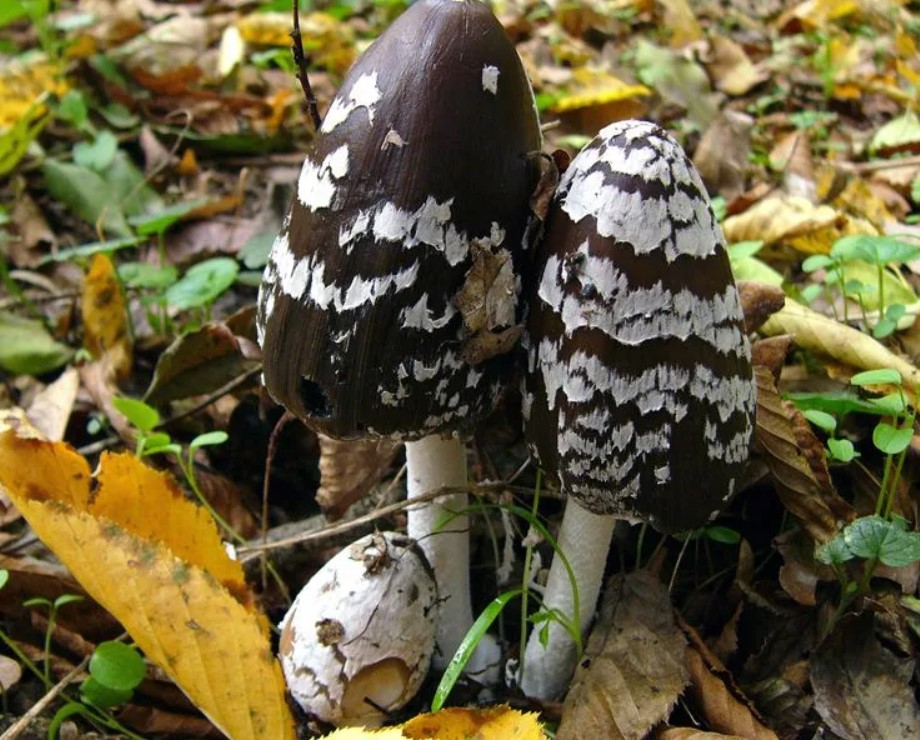
The resinous dung beetle has an unpleasant, bitter odor that appears after breaking the pulp.
| Other names | Description | Distribution, season | Edibility |
|
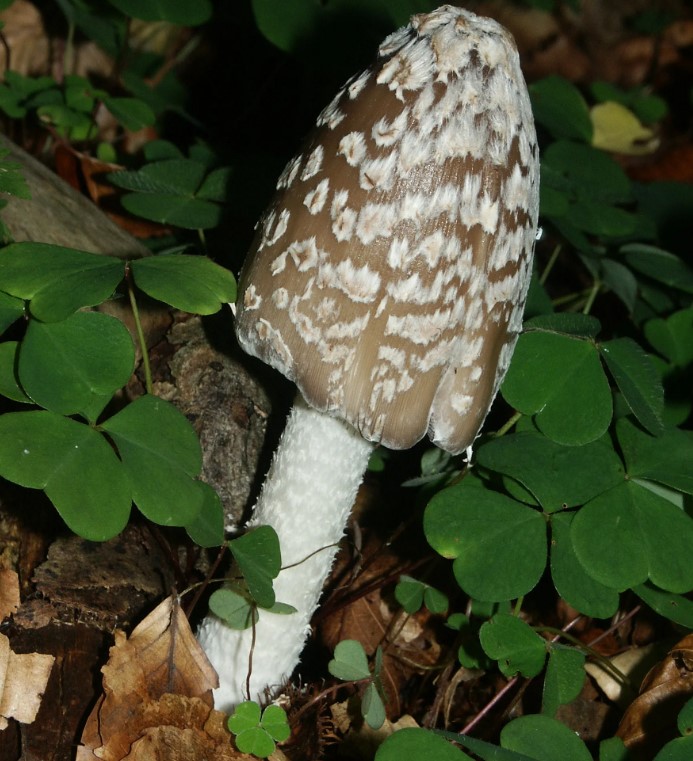
Magpie dung beetle Variegated dung beetle Woodpecker's dung beetle Coprinus picaceus |
The cap is bell-shaped, with a diameter of 6 to 10 cm. The color is dark brown with white flakes on the surface; the stem is 10 to 20 cm high, cylindrical in shape, and has a thickening at the base. | Prefers deciduous forests, does not like over-watering, saprotrophic fungus, prefers dead wood. | Inedible |
Photo gallery of resinous dung beetle
Chemical composition of the dung beetle mushroom, caloric content
The dung beetle mushroom contains a wealth of beneficial substances: amino acids, glucose, B vitamins, selenium, calcium, zinc, phosphorus, sodium, and potassium. All of these have a beneficial effect on the body.
Mushrooms are very low in calories, with only 16-22 kcal per 100 g. This amount also contains:
- carbohydrates – 3.26 g;
- proteins – 3.09 g;
- fats – 0.34 g.
The benefits and harms of dung mushrooms
Collected in an ecologically clean place, dung beetle has many beneficial properties:
- normalizes blood pressure;
- has an anti-inflammatory effect;
- improves the functioning of the gastrointestinal tract.
If consumed according to the instructions, the mushroom will not cause any side effects. Only people with serious heart conditions should exercise caution when using mushrooms.
Non-food uses of dung beetles
For some time, dung beetles were used to make ink. During autolysis, the decomposed black mass flows down the stem, which serves as the base. The mushrooms were placed in a container and left to process. After filtering, clove oil and glue were added to the dark liquid. This ink wasn't widely used; it was simply added to regular ink for official documents. Even after fading, experts could decipher the inscriptions thanks to the unique spore traces on the paper's surface.
Another use for dung beetle is in the treatment of alcohol addiction. Dung beetle contains coprine, a substance incompatible with alcohol. If someone who has been drinking eats this mushroom, they will experience a painful feeling of intoxication.
Medicinal uses of dung beetles
The dung beetle mushroom is added to many dietary supplements for cancer prevention, liver detoxification, and strengthening the body. But its most well-known use is in the treatment of alcoholism. The mushroom contains a unique compound called coprine, which is responsible for the ill effects of alcohol consumption. This remedy can be prepared at home by drying the dung beetle caps in a dry frying pan and blending them. The resulting powder should be given to the patient, 1 teaspoon every other day. As soon as they combine the intake with alcohol, they will begin to feel ill. If treatment is undertaken without the patient's knowledge, the results will be immediate. Fears for their lives often lead people to stop drinking alcohol. It's important to be aware of the side effects, so consult a doctor before using dung beetle-based medications.
Culinary uses of dung beetles
Only the caps of dung beetles are considered edible. The stems are too tough and fibrous. Only young specimens are edible, and dung beetles should be processed within the first two hours after collection, before the cap begins to decompose.
Inky mushrooms can be boiled or pan-fried in hot oil. There's no need to chop these mushrooms before cooking, as they're already quite small. Inky mushrooms are rarely used as a stand-alone dish; they're typically used as an ingredient in pasta, stews, salads, soups, and other dishes.
Growing dung beetle at home
Growing dung beetles at home is very easy. You can use bags or boxes, or you can build a special bed.
The mycelium is taken from forest mycelium. Next, all that remains is to properly prepare the substrate. A mixture of humus, fallen leaves, tops, and manure mixed with straw works best. This mixture is either placed in bags or dug into the garden bed, after which the mycelium or mycelium is buried to a depth of 5 cm. The entire mixture is covered with soil and covered with cardboard.
Most often, white or grey dung beetles are used for cultivation; the first harvest can be collected within 3 weeks after planting.
Reviews and advice on the Ink Cap mushroom as a remedy for alcoholism, and cooking recipes
Dung beetles, or Coprinus caps (in Latin, these mushrooms are called Coprinus), are among the most astonishing creatures of the mushroom kingdom. It seems as if Nature had humanity's best interests at heart and created them specifically to treat alcoholism. Mind you, long before humans learned to produce ethyl alcohol! And long before some caveman had the insight to ingest it! Amazingly, the conclusion suggests itself: the Creator anticipated the illnesses and vices of the nascent human race and devised a pharmacy for them—the Mushroom Pharmacy.
The Slavs long ago unraveled the secret of these mushrooms and learned to use them, especially since drunkenness was flourishing back then – intoxicating mead, liqueurs, and infusions flowed in abundance.There is also written evidence: an instruction on parchment from Tsar Alexei the Quietest to his steward: "Feed the groom Savka only with filthy mushrooms (Old Slavic - mushrooms), so that his stomach would cramp from drinking the potion and also wean him off this shameful activity." That's it.
And in the last century, it was rare for a woman not to know how to tame the "roosters" with dung beetles, and even now, knowledge is still surfacing: "I saw amazing medicinal mushrooms in action when I was serving in the Bryansk region. We had an officer in our unit at the time—smart, handsome, a true pilot. But he was a heavy drinker. As soon as he got another star, he'd celebrate, throw a drunken tantrum, and immediately lose his rank. My wife suffered with him and wanted to leave. Then she found a woman who treated him with mushrooms and herbs.The old woman showed her a mushroom that should be dried and sprinkled in his food to completely avert his thirst for alcohol. She sprinkled it in his food, immediately poured him a shot, then a second. Two hours later, she herself was terrified – he turned completely red, started vomiting, and then vomited vigorously. The second day, she did the same thing with the same result. Believe me, within six months, he couldn't even look at a bottle. Our wives scoured the woods for these mushrooms.
We almost all became teetotalers back then; we all went through it. The guys were wary, only drinking in garages and eating only store-bought sausage. But the mushroom really does cure alcoholism. It turns out, in the 1950s, there was even a cure for alcoholism derived from it, and it worked without fail. Moreover, you can't poison yourself to death from this mushroom, even if you really wanted to. And this mushroom is called the ink mushroom, or dung beetle. Everyone has seen this fungus, which loves to grow on manure piles…" Retired Colonel A.P. Filinov
So what kind of mushrooms are these? Indeed, after eating dung beetles (there are four species, all edible), drinking alcohol over a fairly long period of time causes temporary poisoning, the symptoms of which soon subside. The active ingredient in dung beetles, tetraethyl thiuramide disulfide, oxidizes the alcohol introduced into the body.Different species of dung beetles contain varying amounts of this substance. The highest amount is found in the grey dung beetle, slightly less in the shimmering dung beetle, and the lowest amount is found in the white and scattered dung beetles. The white dung beetle doesn't cause the same reaction as the grey dung beetle, meaning it doesn't cause uncontrollable vomiting. It has a much milder effect (sometimes nausea), but it performs its primary function—subtly inducing an aversion to alcohol—excellently.
There are two dosage regimens: standard (up to three months) and enhanced (i.e., double), which is used when drinking has been going on for a long time. You can slip it anonymously into your food in the morning (a drinker will always find a glass of alcohol throughout the day) and do this for at least three months. By the end of the second month, alcohol consumption should be reduced by half due to the body's reluctance to provoke itself.
The Coprinus mushroom is absolutely safe and does not cause poisoning or allergic reactions.
Coprinus mushrooms, also known as ink mushrooms, have anti-alcohol properties. They cause nausea and vomiting in alcoholics and an aversion to alcohol. These mushrooms are edible but perishable; if left unused for too long, they turn into an inky pulp. This is probably why they are not widely used.
After collection they must be dried immediately.To do this, place them in a frying pan and dry them (like you would fry a semochki mushroom, stirring constantly) over low heat until all the moisture evaporates. Then grind the dried mushrooms into powder in a coffee grinder and store them in a jar.
Inveterate drinkers, of course, won't voluntarily consume them, with rare exceptions. So, savvy housewives discreetly add mushroom powder to food—2-5 grams, but no more than 1 teaspoon, every other day. Start with a smaller dose, and if that doesn't help, gradually increase to 5 grams. Continue this for 10 days.Yes, you need to pick young, unblown mushrooms.
There are such preparations at pharmacies: ground Coprinus mushrooms, in capsules. Maybe not every pharmacy has them, so you have to ask.
As for whether it will help or not, you have to try. A woman gave me this recipe; she treated her son; he's sober for now, but for how long will it last? You have to try to hit their drinking cycles and feed them during that time.
Alcoholism is generally difficult to treat. People are treated, and a year later, the same thing happens. ... Some people are cured... They say there are a lot of counterfeits of this drug, it's not cheap, so it would be good to make your own... Gray Coprinus is better, it's stronger. Treatment should be carried out over several months, with breaks... As soon as you feel a relapse is approaching, you should give it...
Here's what the manufacturers of the Coprinus mushroom preparation write, I found it online:
Coprinus (dung) contains a substance called coprine, which lingers in the liver and doesn't manifest itself until alcohol enters the bloodstream. Once alcohol enters the bloodstream, coprine blocks the action of the enzyme alcohol dehydrogenase, which is supposed to inactivate alcohol (a poison for the body).Essentially, the body becomes intoxicated with alcohol. Inactivation does not occur, and this manifests as nausea and aversion to both alcohol and food.
Therefore, for prophylaxis, if alcohol is not consumed, there is no point in giving Coprinus, and it begins to work almost after the first dose of the drug (usually 4 capsules once a day), if it is followed by a shot (not necessarily immediately, but throughout the day).
The drug essentially works by creating a negative reflex to alcohol consumption. This development takes time. This period varies from person to person, ranging from 1 to 4 months.
If a person stops drinking, we stop giving Coprinus; if he relapses, we repeat the course of treatment.
This isn't a panacea, as alcoholism affects the psyche, and a reflex at a lower (physical) level isn't always sufficient. If the patient approaches treatment consciously—they want to quit drinking—the results are faster and more stable. However, it's also possible to achieve results without their consent or knowledge. Our experience as consultant physicians at the Center confirms this.
One day I decided to do an experiment and took Coprinus for a few days, then drank a glass.
The taste of vodka became disgusting, and I started to feel nauseous... I didn't want to drink anymore. The taste of beer also changed for the worse, even more pronounced than that of vodka. At least, that was my reaction. The effects of the mushroom continued for over two days.
Hello, I bought this mushroom powder with a spoon and gave my husband 0.5 g a day. We took it for about a little over a month, and now he's started drinking again and hasn't shown any symptoms. I still sneak it in, hoping it will work. My husband sometimes says he feels nauseous, but he hasn't. Now I sprinkle the mushroom in his food and vodka.
If it works, I'll write about it. But as it is, I'm having trouble believing this mushroom can cure alcoholism.
If it doesn't help, then of course, why waste it? But there are people who find it helpful. So you need to look for something else that will work for you. Treating an alcoholic is a long, often fruitless, and thankless process.
Although, I don’t rule out the possibility that the dosage was chosen incorrectly or the interval between taking the mushrooms and vodka was too long... It’s not that simple, especially when it’s done secretly.
I think here we need to use psychological methods, have a heart-to-heart talk with the alcoholic, try to reach his conscience, if there is still something human left in him... and sometimes show some toughness.
And of course, don't pour drinks for him, yourself, or others on holidays, at least in front of him, so as not to provoke them. And especially don't introduce children to alcohol; let them not try it at all until they reach adulthood.
In general, it would be ideal to eradicate the habit of celebrating anything in the family with alcohol. If you want something tasty, buy a cake, juice, fruit, etc.
And don't worry about people looking at you askance because you don't drink vodka, beer, wine, etc., but your family will be peaceful, calm, and blessed. But if you drink alcohol yourself, especially in front of your children, what kind of example are you setting for them? Children, after all, imitate adults. And it's not a given that they'll have the willpower (spirit) to resist this temptation later on.
So, the treatment of an alcoholic depends, to some extent, on you yourself... you need to change your bad habits and change his environment in such a way that, after treatment, he will most likely be able to resist this harmful habit.
Here's what else I found in my notes "Special instructions"
Take 2-3 grams of Coprinus powder every 2 days for 10 days. Crushed mushrooms can be added to food (at the recommended dosage) without the user's knowledge.
And then suddenly replace the usual anger with unexpected mercy and, to the drinker's delight, voluntarily pour him 100-150 grams of vodka. After which, the symptoms described above will invariably reappear. If the desired effect is ineffective, the mushroom dosage can be increased by one and a half to two times. If the treatment is successful, if the person drinks further vodka (even without the mushrooms), all the symptoms will immediately reappear with the same intensity.
Only young dung beetles should be collected. A plastic bag is better for collecting these mushrooms than a basket. Once you've collected the dung beetles, take them home quickly and dry them: within a few hours, they will turn into an inky liquid.
Lalangamena wrote:
And the shimmering dung mushrooms turned out to be quite nice. They had a lot of moisture, so I poured out the excess from the pan. And the flavor was quite mushroomy.
Why throw away the moisture? After all, this juice is the most delicious thing!If I remember correctly, the name "dung beetle" was given to all dung mushrooms precisely because of the white dung beetle, the largest and tastiest of all dung beetles. It prefers richly fertilized, manured soil, making it similar to the champignon (the two mushrooms often grow in the same places).
Many other dung beetles grow under trees, on rotten wood and stumps, converting rotten wood into cellulose (gray, shimmering...).
By the way, white dung beetle is compatible with alcohol. Only gray dung beetle is incompatible.
I ended up with an omelette with, uh, dung beetles :fund02069: and the cherry tomatoes were red, and instead of dill, there was curly parsley)))
The taste is delicious!)) The texture—how can I explain it? Thin and slightly crispy, the flavor is so fresh, mushroom-like, no bitterness whatsoever. But to be fair, I should definitely try it without the omelet. And what should I do with the leftovers? Is there a way to preserve the dung beetles—freeze them, for example?
A couple of years ago, we were in Mezmay, visiting a friend (he's originally from Krasnodar, but he's mostly moved to Mezmay). He has a ton of delicious, local food. He even treated us to mushrooms (I can't remember if they were salted or marinated).
The dung beetle was just right)) It was very... uh.. scary to try, but we took the risk.
I really liked them. The taste was... I don't even know, something between asparagus and those Vietnamese mushrooms, I thought. But everything would be fine. What made the tasting especially extreme was that he also treated us to various mountain liqueurs of his.)) And then he blurted out a peculiarity about the "incompatibility of dung beetle and alcohol.") But, as he said, in our doses it's not fatal. But it certainly tickled our nerves.
Wikipedia says you can cook them 1-2 hours after picking. After that, they supposedly become toxic... I doubt it. They've been sitting in the refrigerator for 7 hours, so I don't know if they're safe to eat now.
I only collected the ones with white plates. Now some are half gray, I'll throw those out. And there are some that are completely white.
So, if the plates have only darkened at the very edge, should I throw them away or can I eat them?
And do they need to be boiled before frying? It would be great if you had real-life experiences with them. Please share your experiences. I'm afraid I need several people's opinions to be convincing.
And can they be frozen fresh for the winter? Or boiled? Or is it impossible at all?
Can I eat a ready-made dish tomorrow if I don’t eat it all?
I don't quite understand about the poison contained there, or the self-digestion... how can I tell if it's happening or not if everything is fried,
There's no poison there. Blackening of the gills is a sign of autolysis (conversion into "ink"). The ink isn't exactly pleasant to eat, but it's not poisonous. That's the whole danger. So trim off the darkened parts; the rest can be cooked or frozen in any form. The finished dish can be eaten like any other dish, until you've eaten it all (or it goes sour).
I'll tell you a secret: I used dung beetles (flickering) even with slightly blackened plates - I didn't notice any side effects.