Pluteus mushrooms are quite rare. However, experienced mushroom pickers are familiar with them. The porcini mushroom is the most popular species in this genus. We'll explain in detail what this mushroom looks like, where it's found, and how to prepare it.
Content
Description of Pluteus alba
White pluteus, or membranous pluteus (Pluteus pellitus), shares similar characteristics with other members of the genus. They are similar in appearance and taste. Let's take a look at what white pluteus looks like.
hat
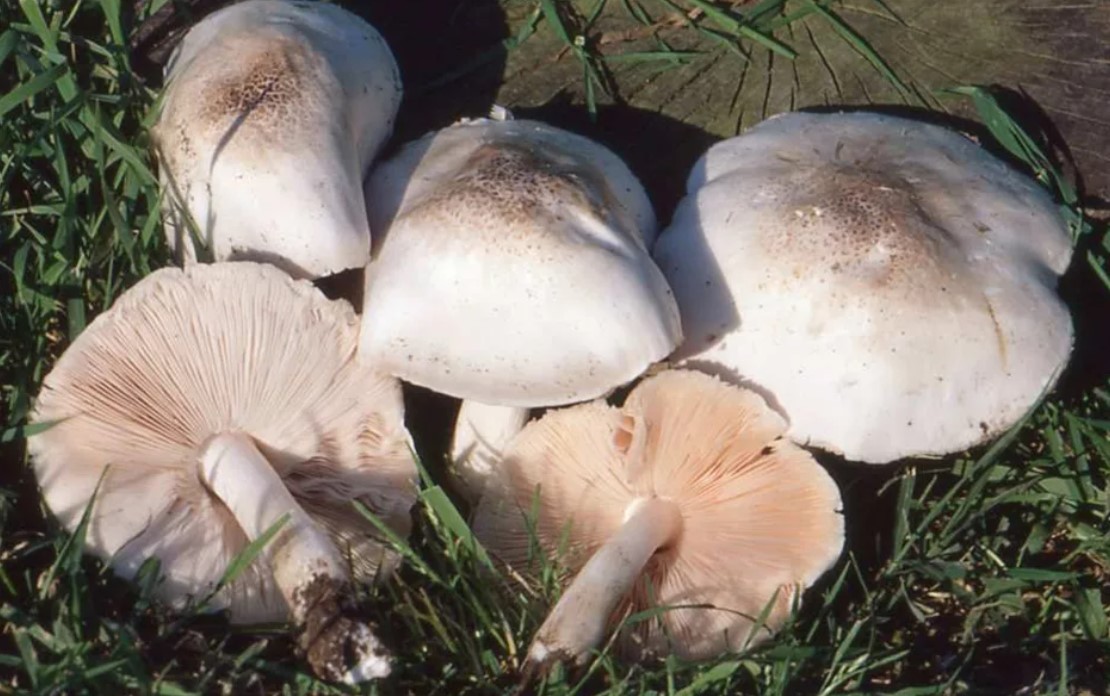
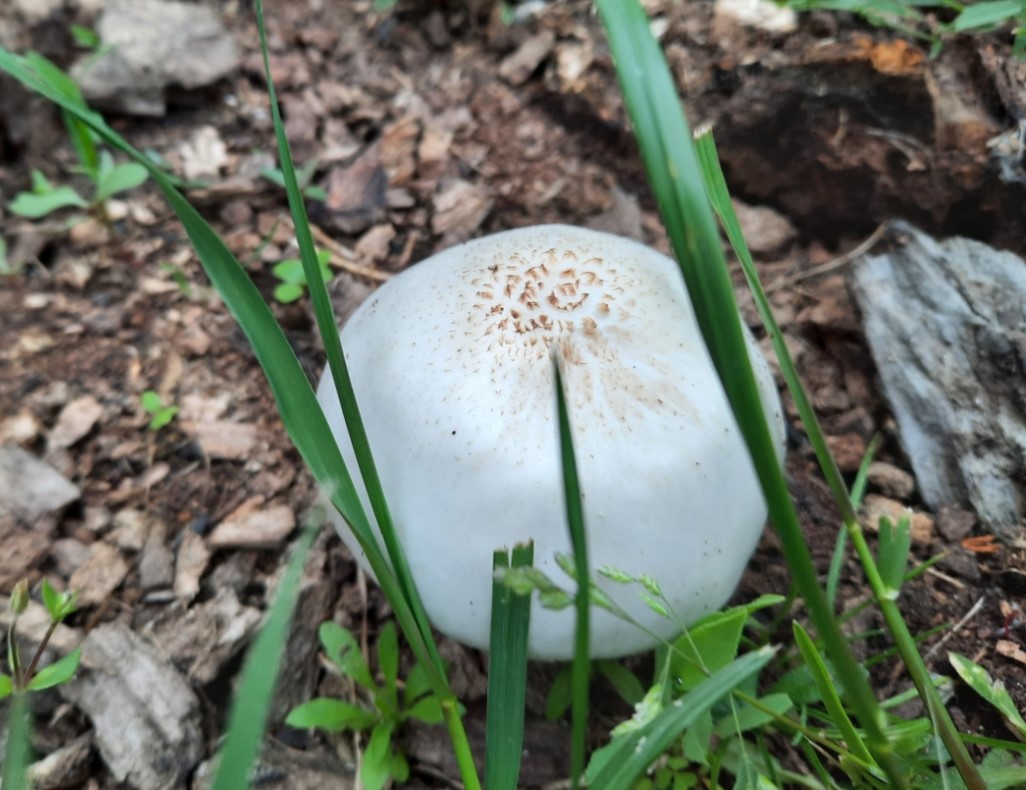
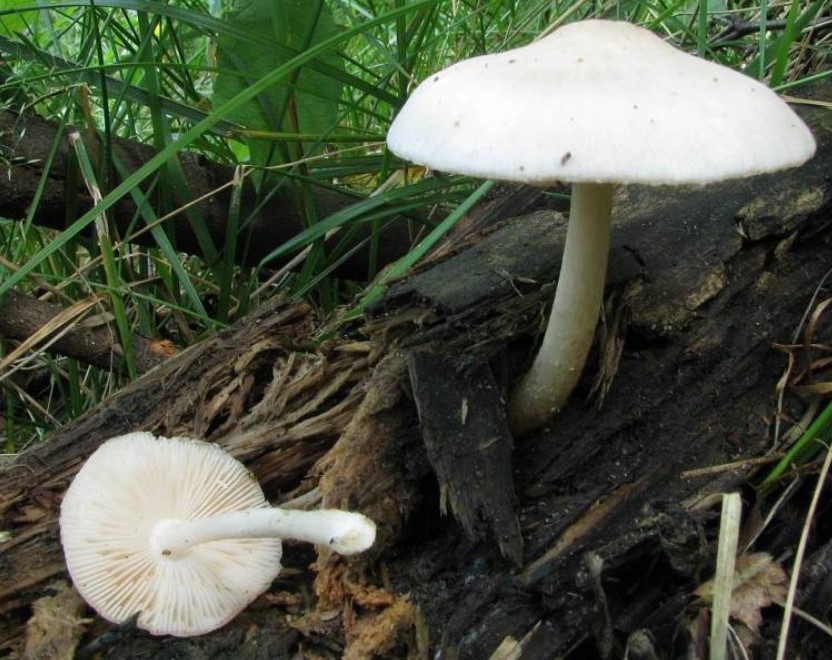
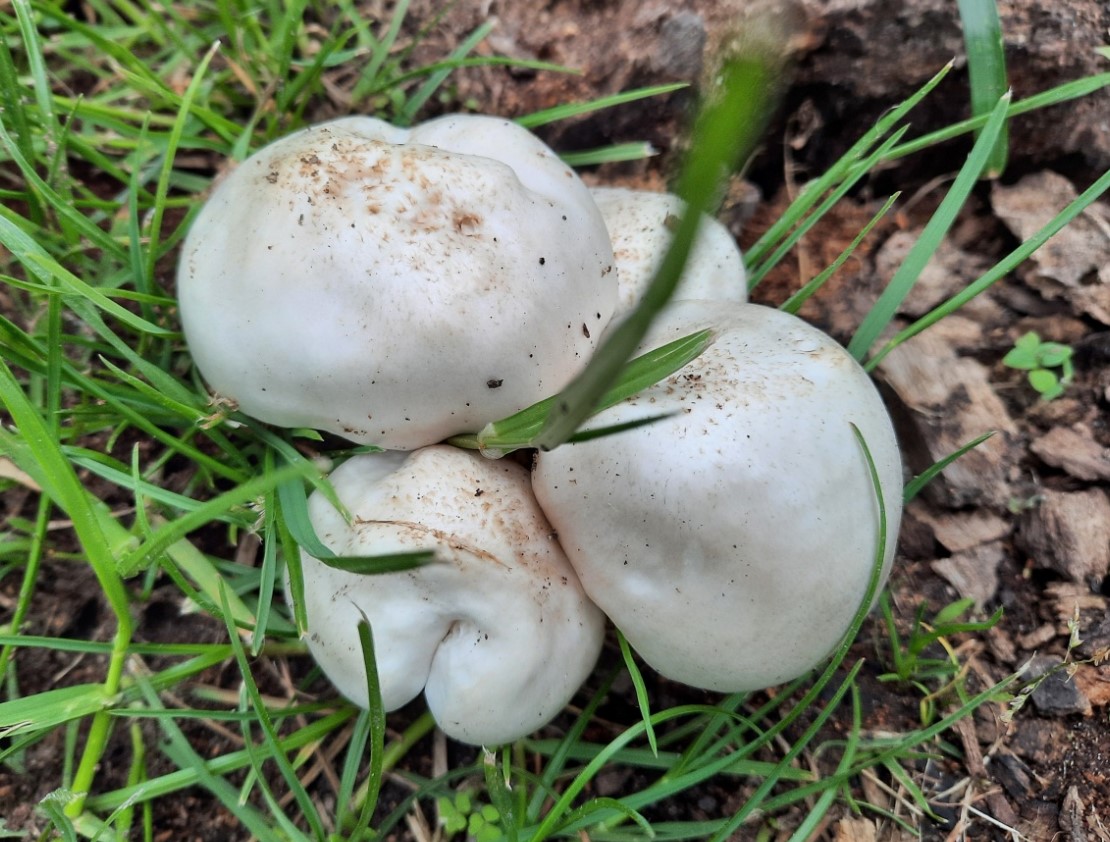
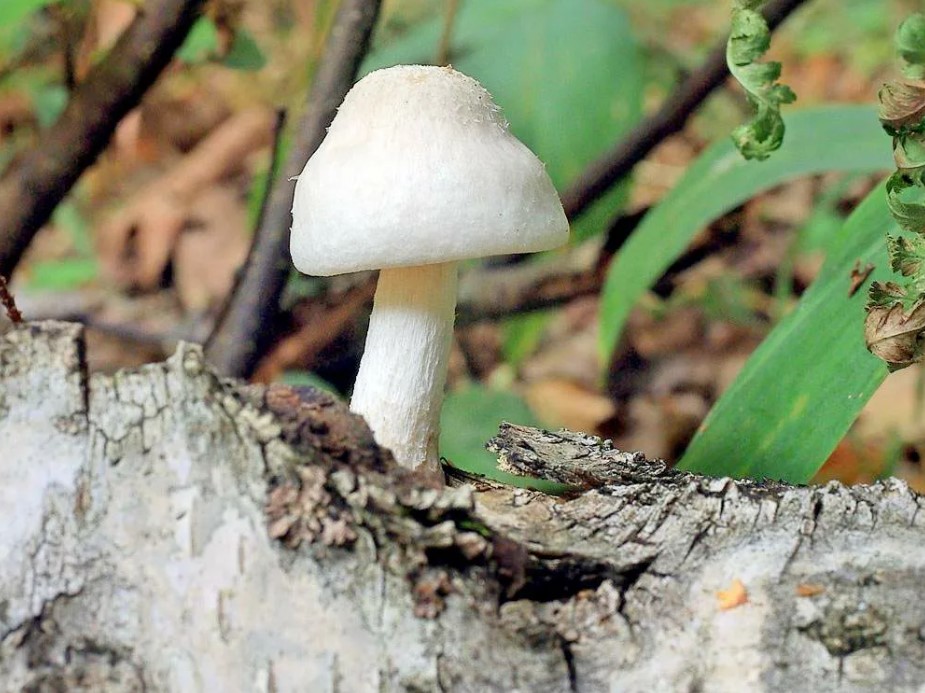
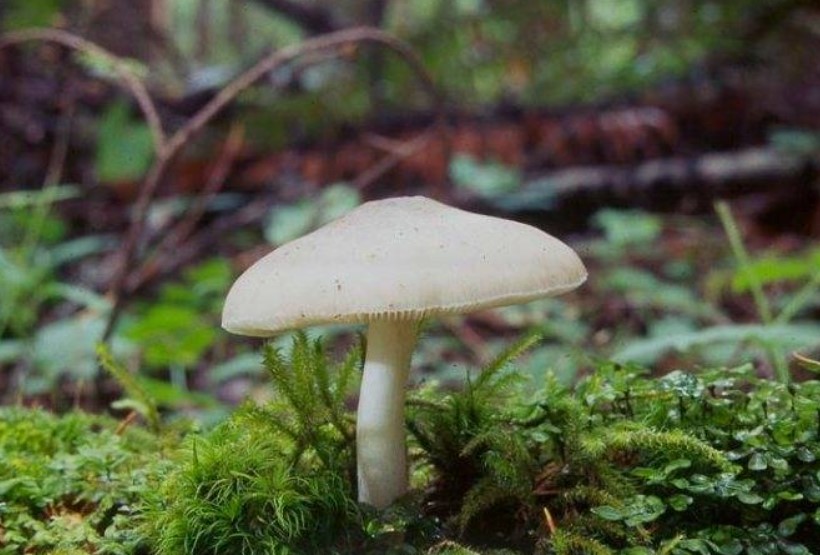
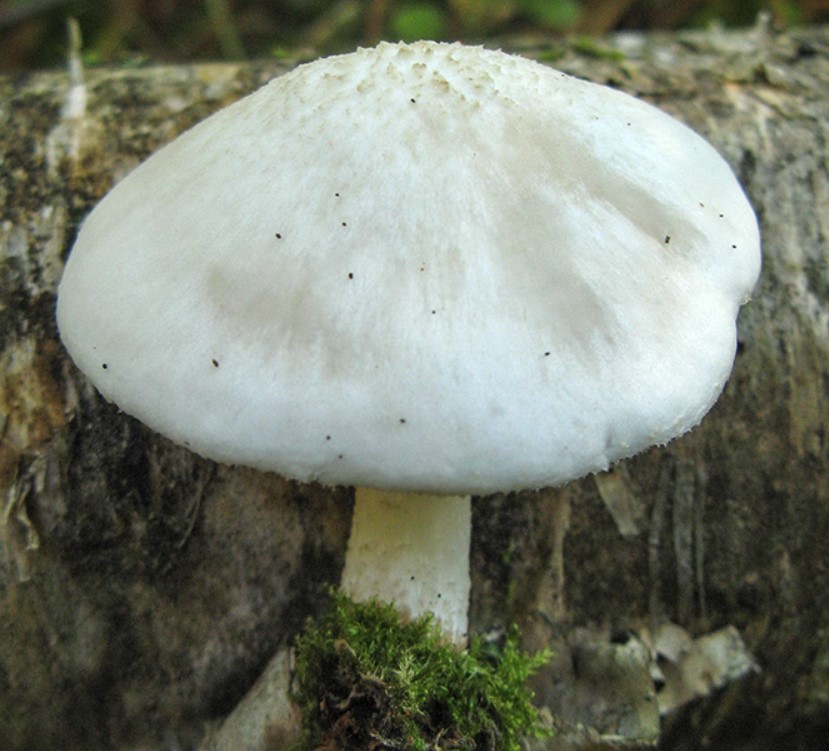
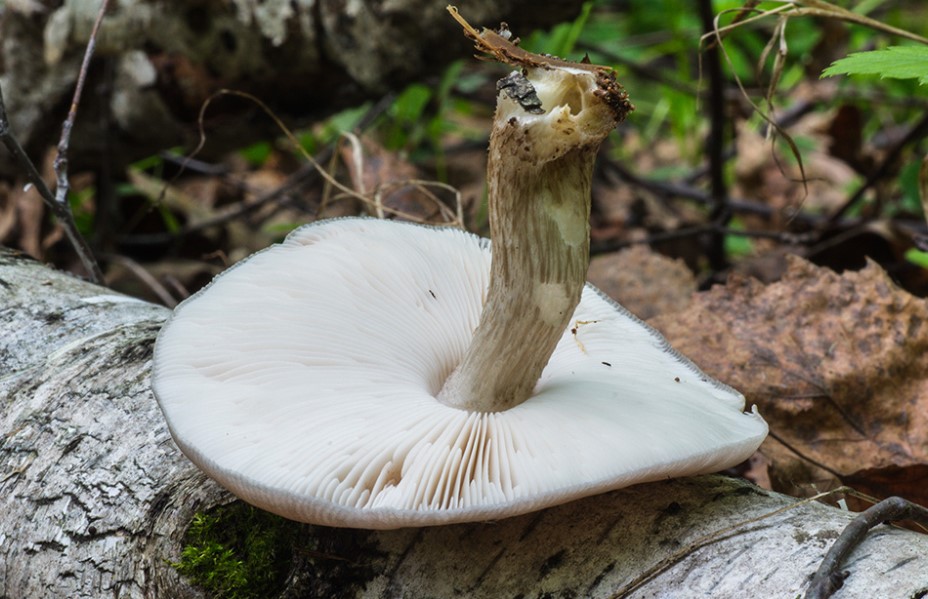
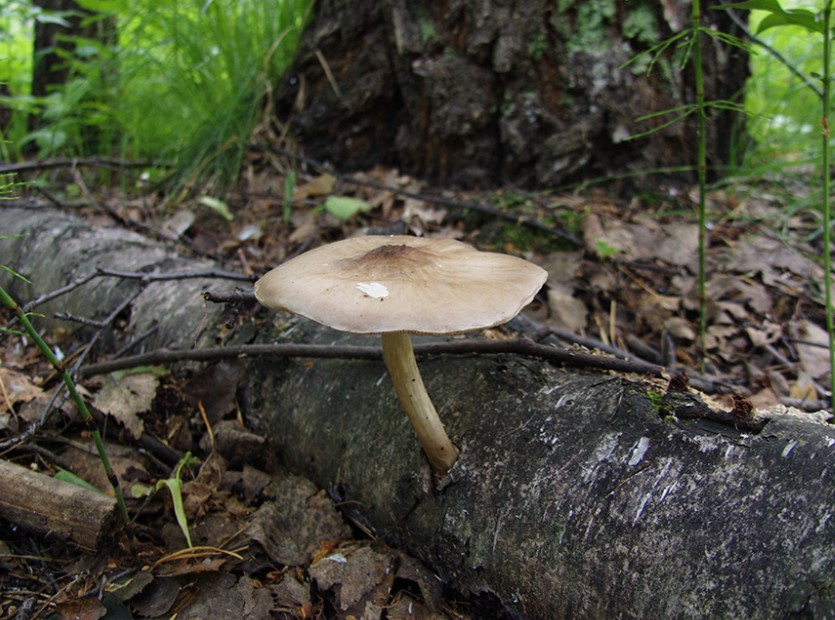
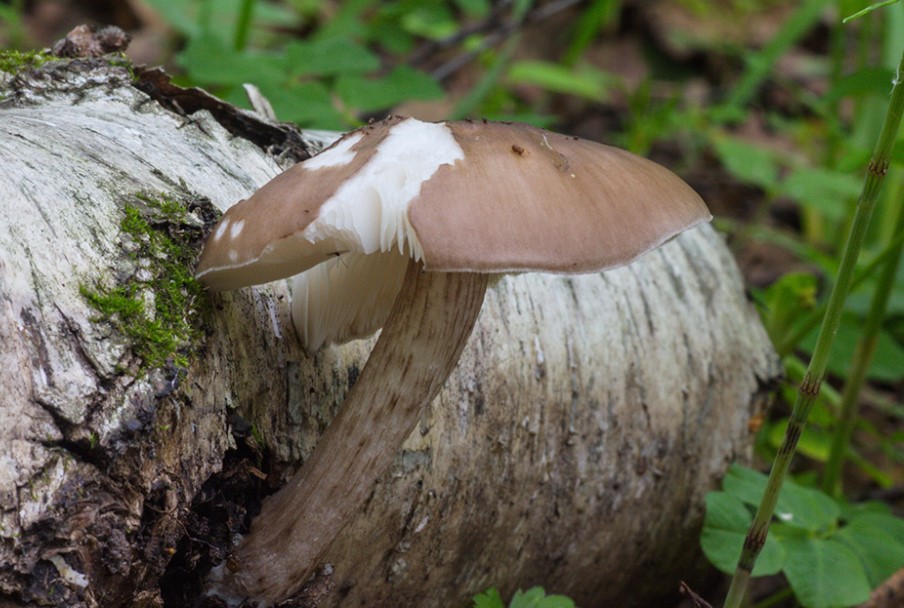
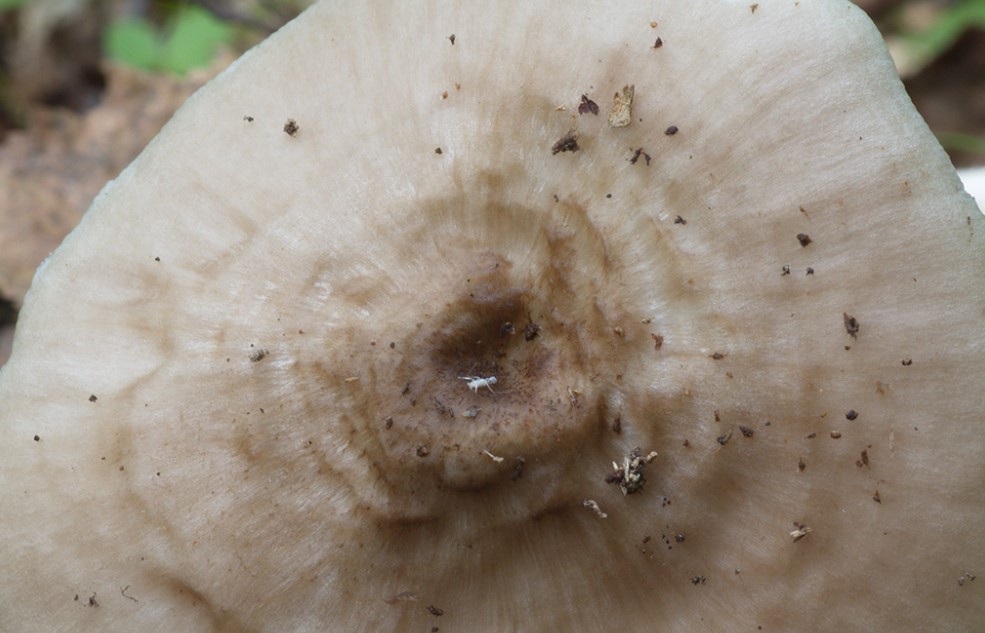
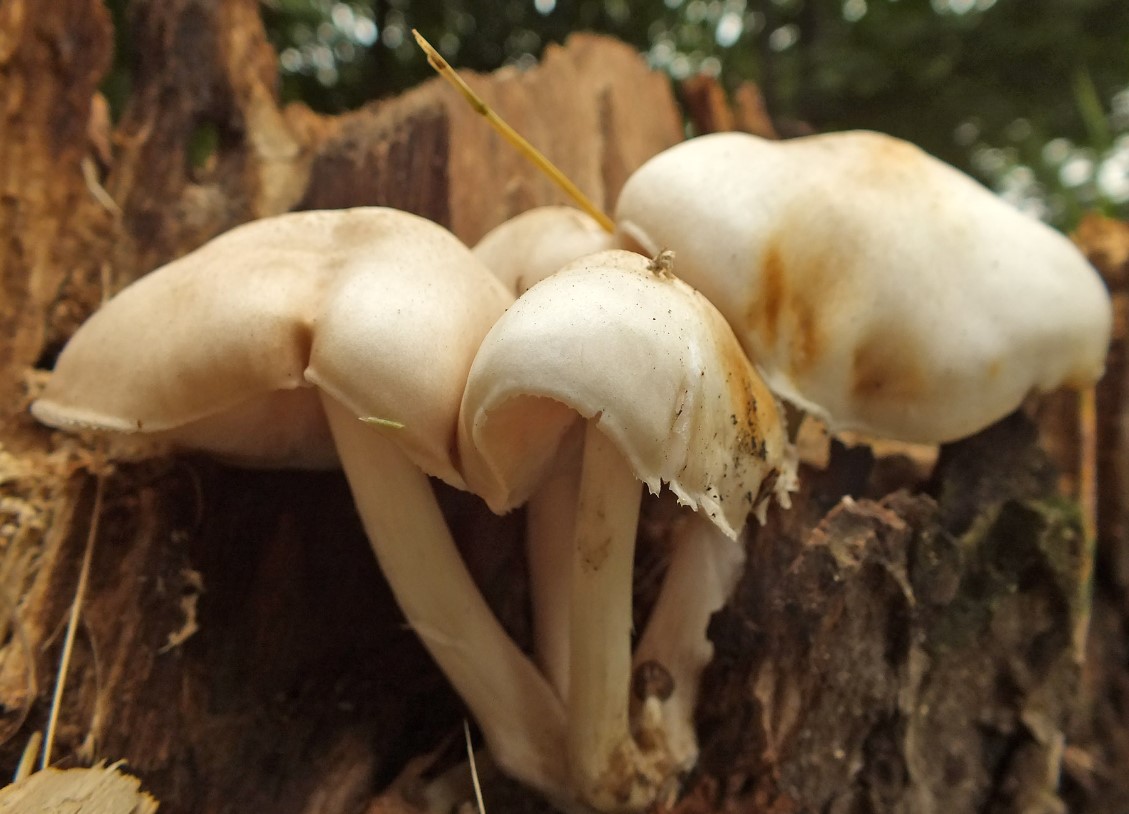
Young mushrooms have a dirty-white cap, shaped like a bell, 4 to 8 cm in diameter. A dry tubercle remains in the center. Mature specimens have a yellowish, flat cap. The tubercle is covered with small brown or beige scales.
Leg
The stem of these mushrooms is cylindrical, up to 90 mm high and no more than 10 mm thick. Depending on growing conditions, it can be curved. The stem is white and covered with gray scales. Its structure is fibrous and brittle.
Records
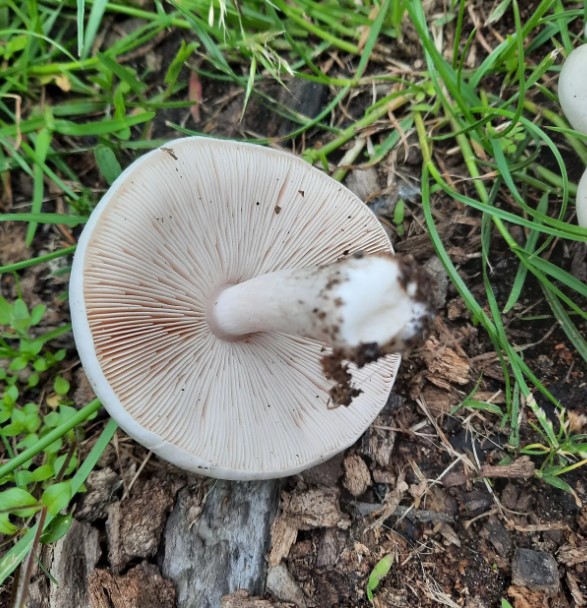
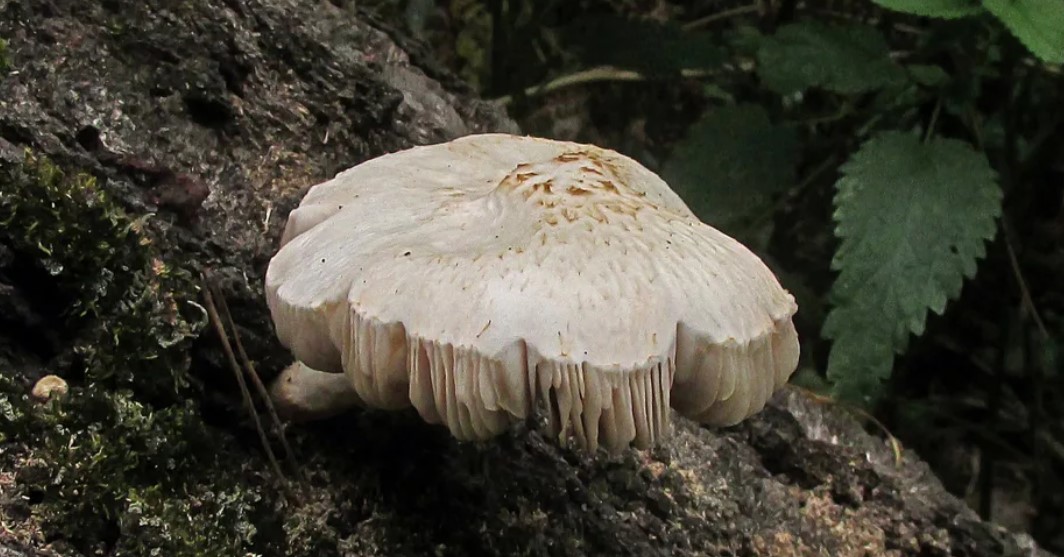
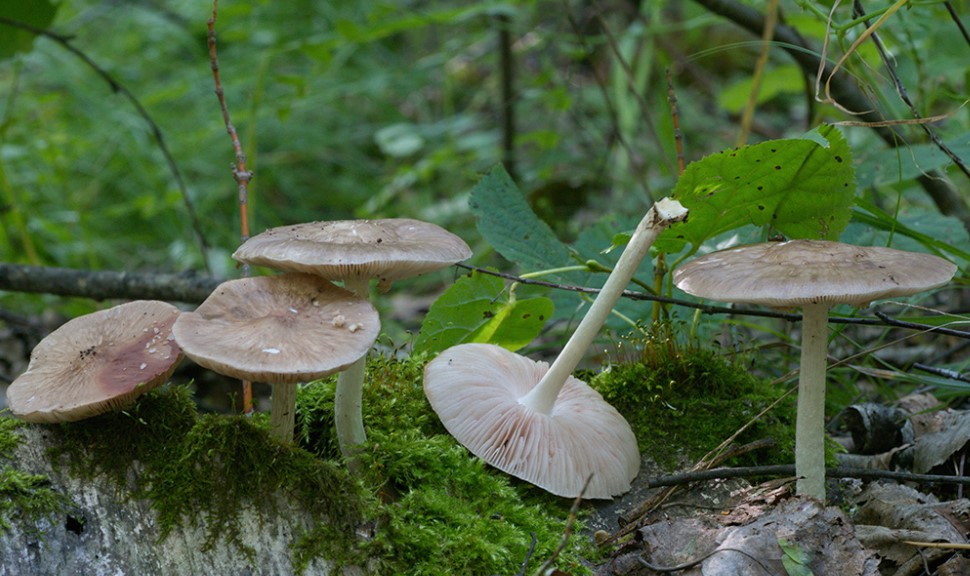
The cap of the white pluteus mushroom contains wide gills. Initially, they are white. However, as the mushrooms mature and spores form, they turn pink.
Pulp
The flesh in the stem is fibrous, while in the cap it is quite thin. It is creamy white in color and tasteless and odorless.
Spore powder
The spores are long and flat. The spore powder is pink.
Photo gallery of Plutea alba
Where and at what time of year does white pluteus grow?
White Pluteus can be found in many countries around the world. Despite being relatively rare, it can be found throughout the temperate climate zone of European Russia. White Pluteus grows in broadleaf, beech, and linden forests. It can be found on decaying wood debris, damp stumps, or wood substrate. These mushrooms are most often found in small groups. They are best collected in summer or early fall.
Is the white pluteus mushroom edible or not?
The white pluteus mushroom is a completely edible mushroom. However, it doesn't have a strong flavor. Therefore, it is mainly used in various dishes.
Mushrooms that look like the white pluteus
The genus Pluteus is a very mysterious one. Mushrooms are found during dry periods, when other species fail to thrive. Unlike other specimens of its genus, the white Pluteus is lighter in color and small in size. It also differs in its habitat, primarily beech forests.
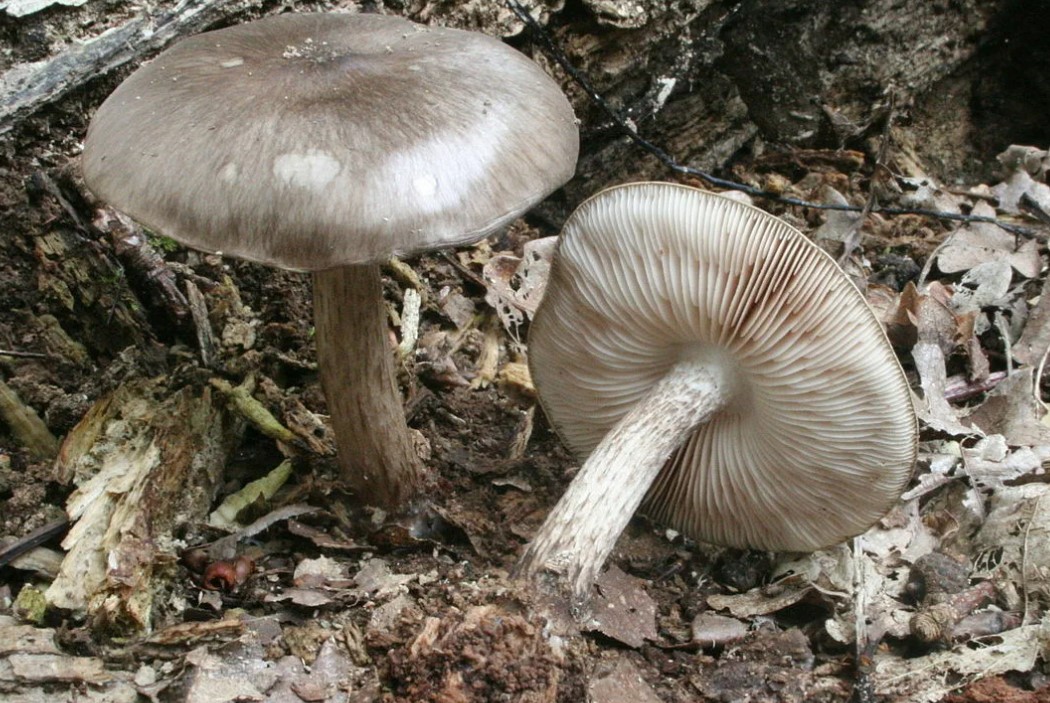
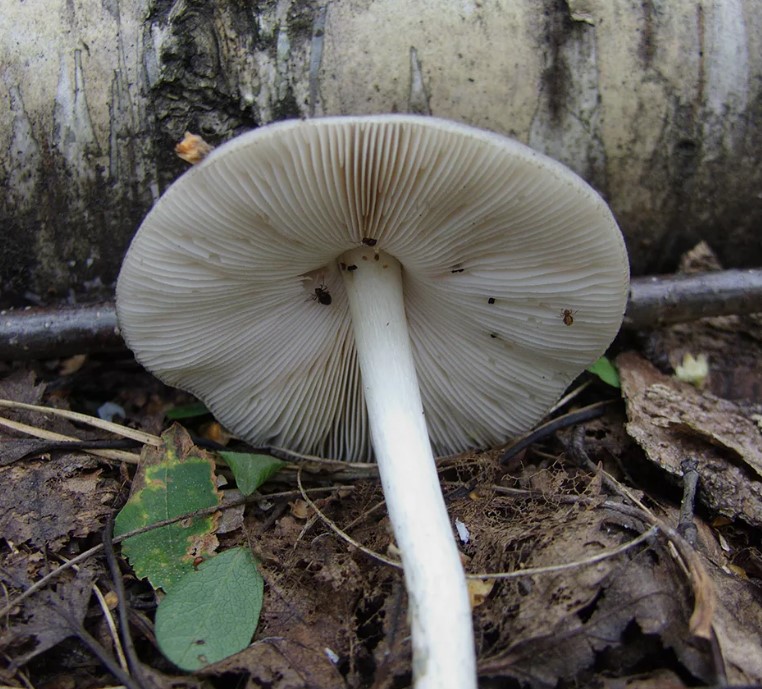
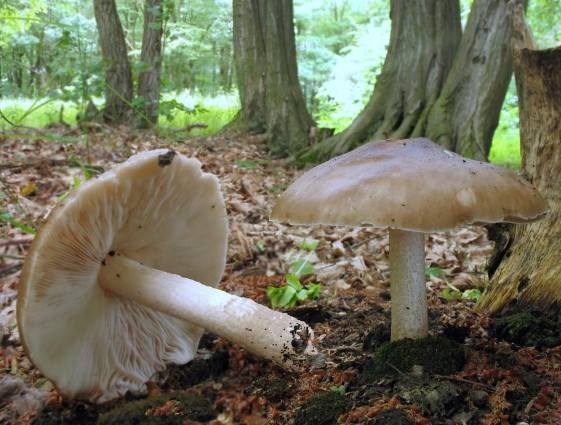
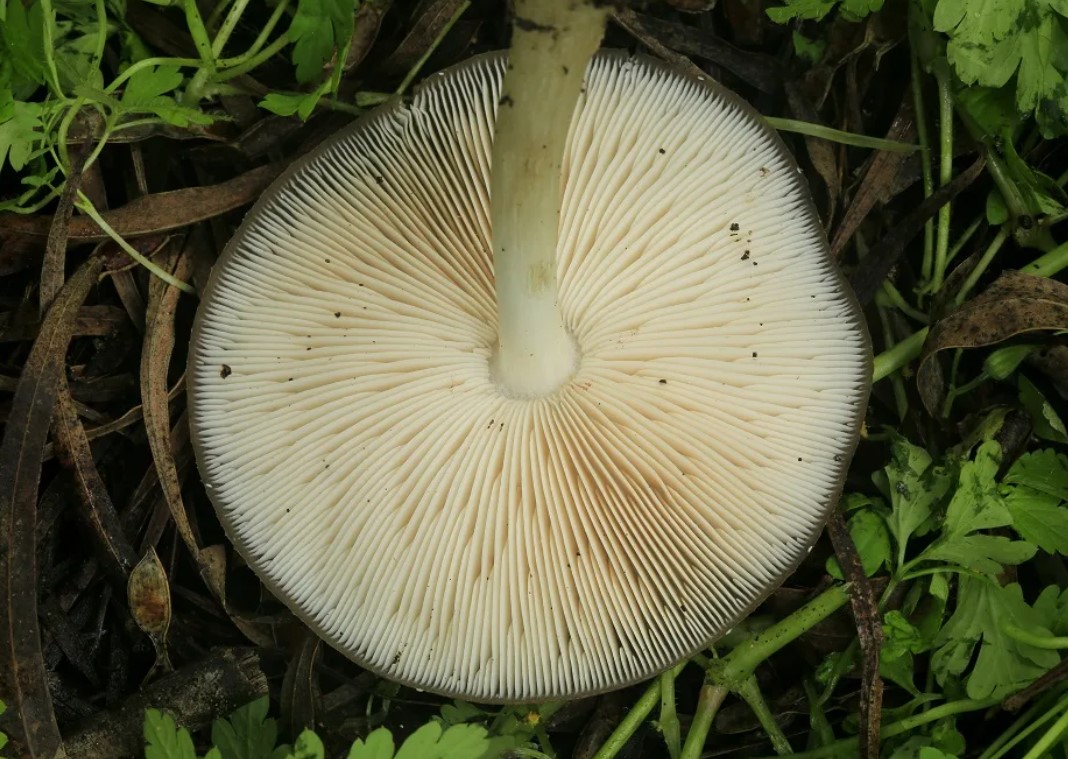
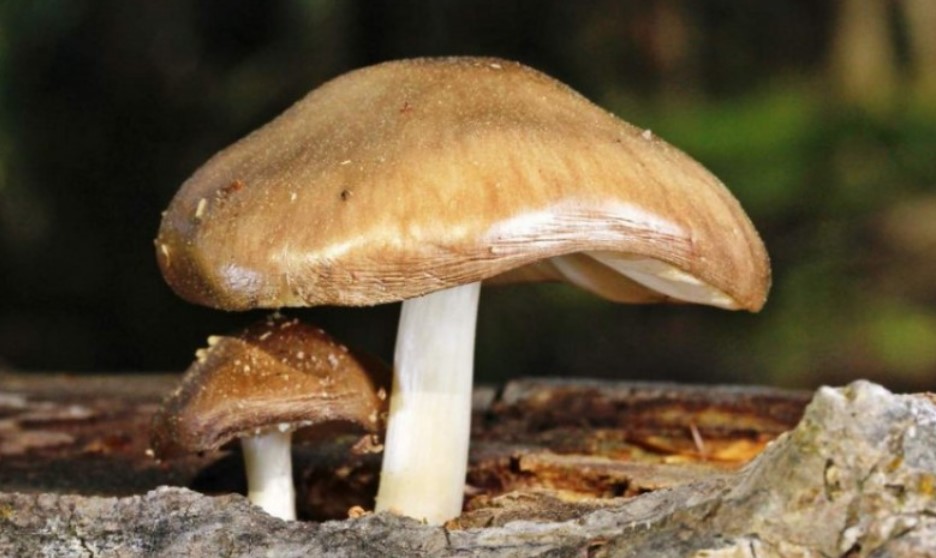
Pluteus cervínus
| Name | Description, differences | Distribution, season | Use |
| Deer mushroom (Pluteus cervinus), Pluteus brown, dark fibrous |
Larger in size.
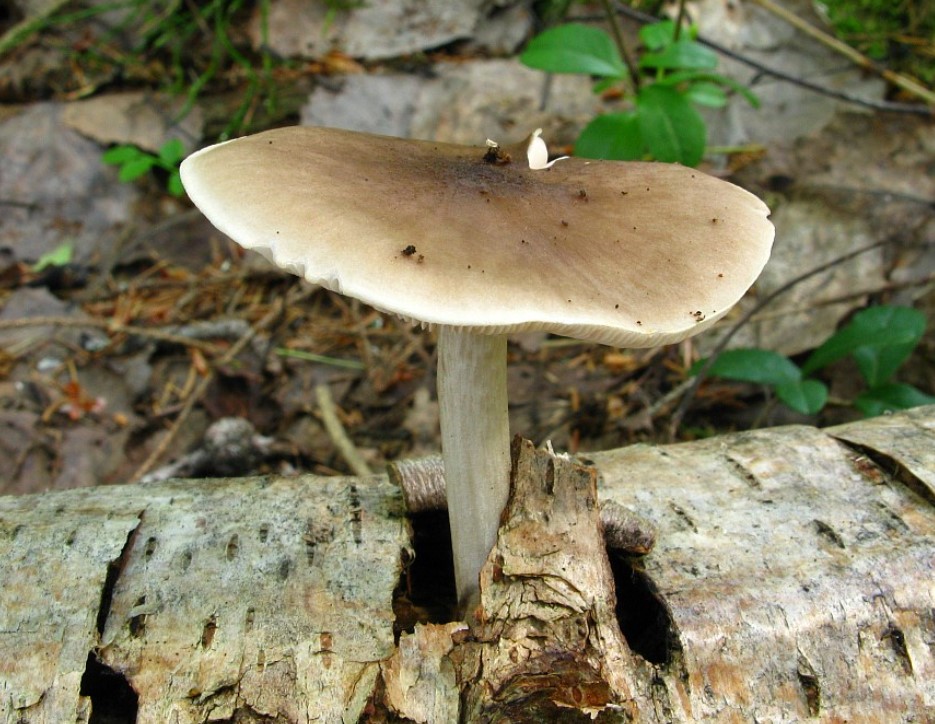
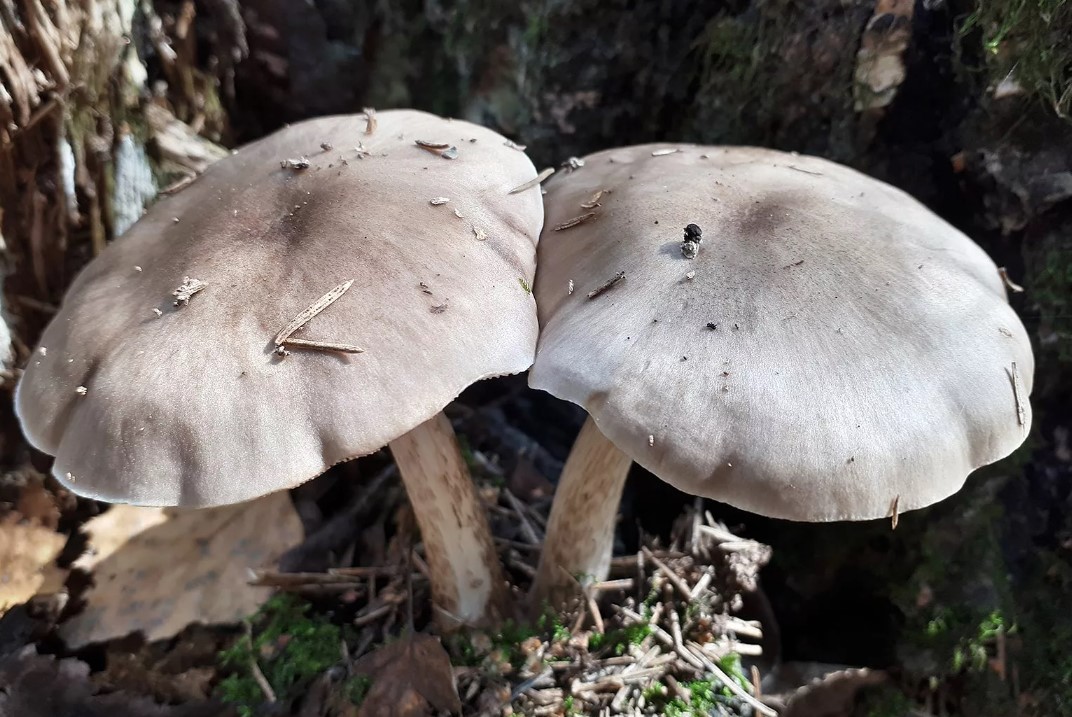
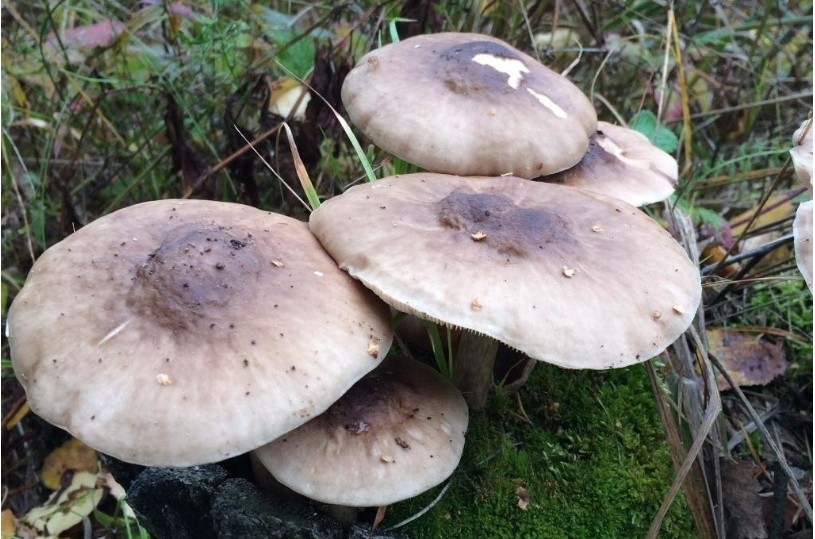
It has a shiny grey or even brown cap, which is why it is confused only with the white variety (albino), reaching 15 cm and even 24 cm, the stem is whitish - 5-15 cm x 0.8-2 cm. |
It is found in different parts of the world: in America, Europe and Africa.
In Russia they grow in deciduous forests on rotten trees and leaves. June-August. Even in dry years. |
Edibility is poor, and some sources consider it inedible. The taste is odd and the smell is unpleasant, even after boiling. |
Photo gallery of the deer pluteus
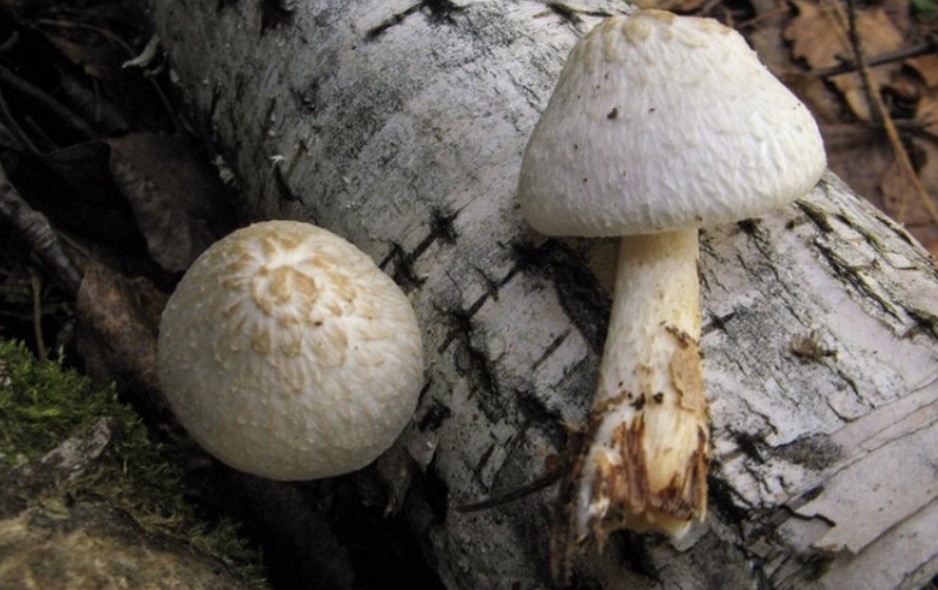
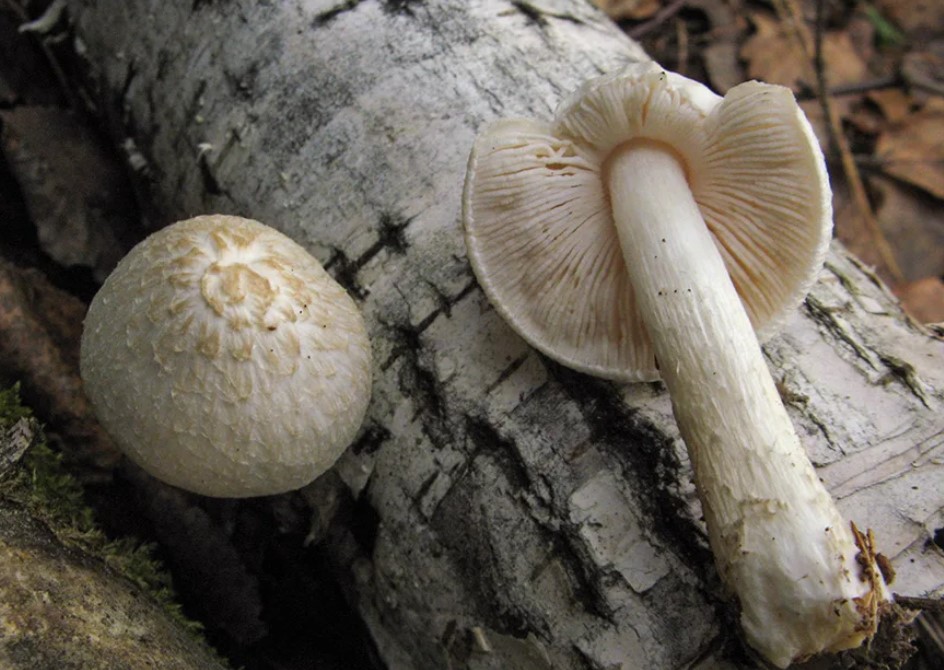
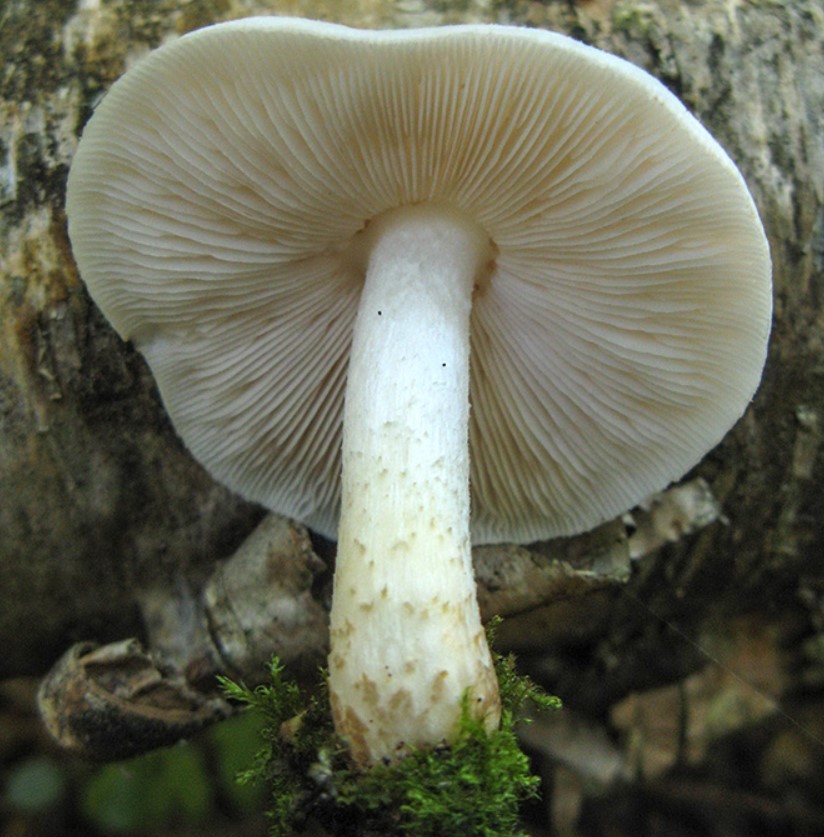
Northern white pluteus (Pluteus leucoborealis)
| Name | Description, differences | Distribution, season | Use |
| Northern white pluteus (Pluteus leucoborealis) | The spores are larger. Cap 2-8 cm, stem 3-8 cm x 3-8 mm |
It is widespread in the northern latitudes of Russia, as well as in America and Alaska.
Found on decaying wood in deciduous forests. July-September. |
Edible. |
Photo gallery of Plutea albus-northernatus
Pluteus petasatus
| Name | Description, differences | Distribution, season | Use |
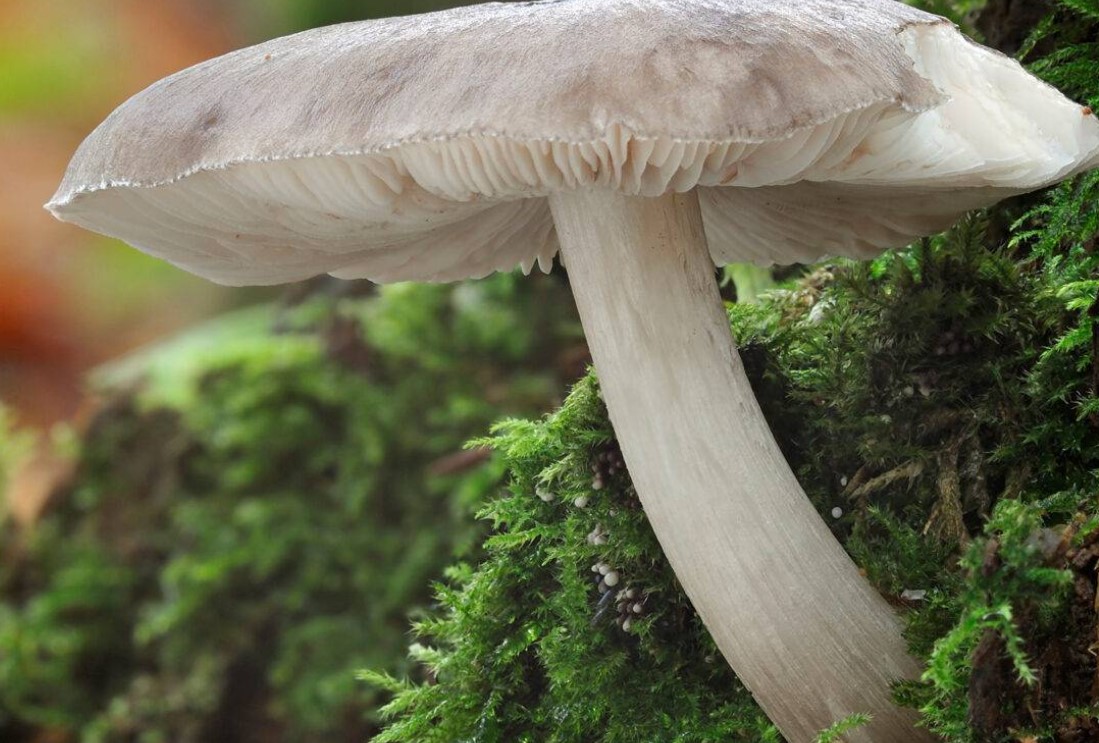
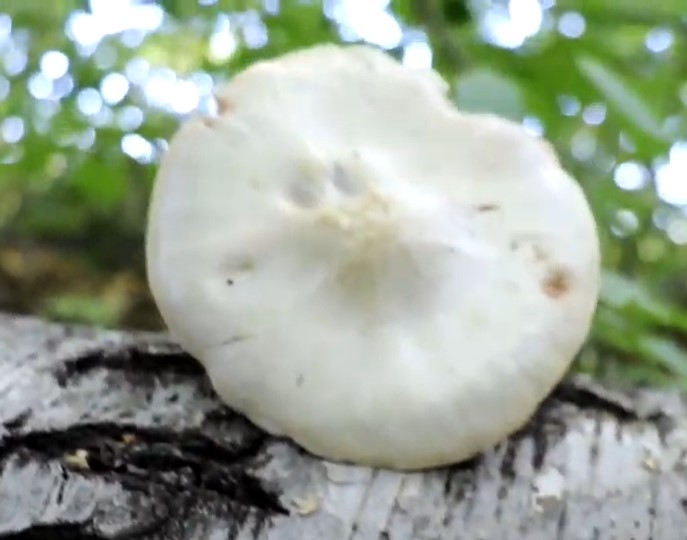
| Pluteus petasatus (sometimes classified as a different species) | Unlike the small white pluteus, its height reaches 20 cm. It has a smooth cap that becomes sticky in wet weather. Gray and brown veins can be seen on its stem. |
Grows in small groups in deciduous forests of the Northern Hemisphere. | Inedible.
Some sources consider it edible. |
Photo gallery of the noble pluteus
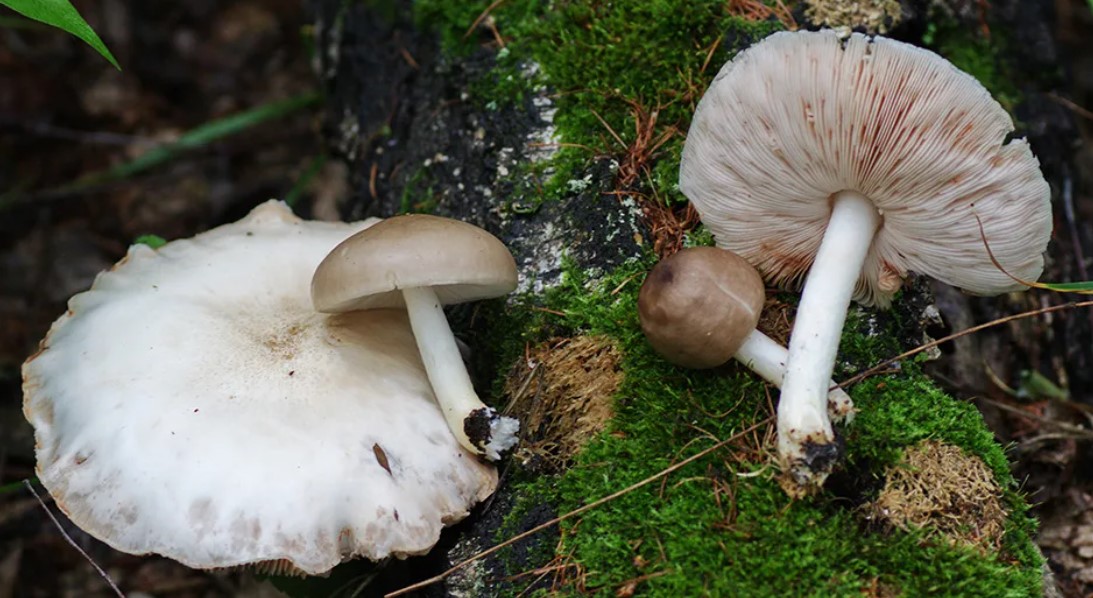
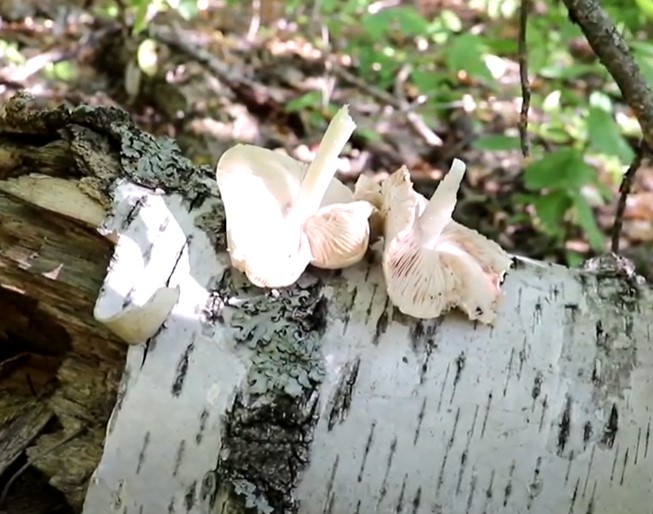
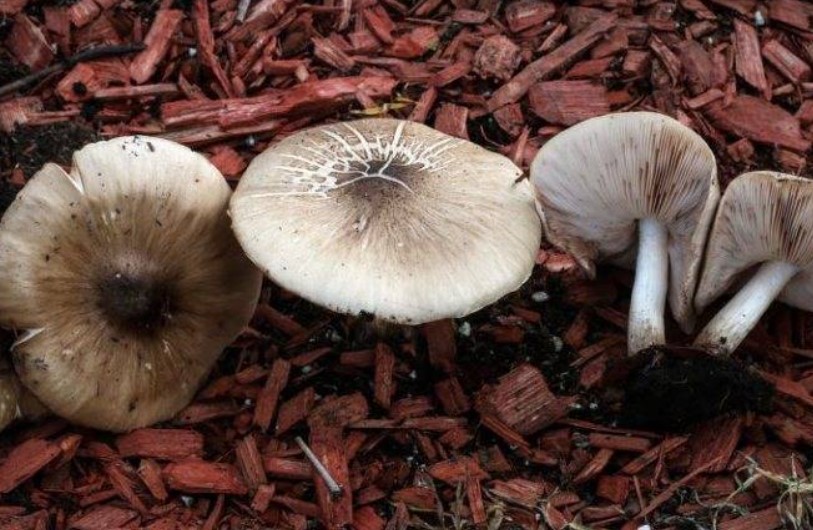
Pluteus hongoi
| Name | Description, differences | Distribution, season | Use |
| Pluteus Hongo (named after the Japanese mycologist) (Pluteus hongoi) |
The color is darker.
Cap 2.5-10 cm, leg 3.5-11 cm x 3-15 mm. |
It is not often seen in Russia.
Recorded in the Khanty-Mansiysk and Surgut districts and Tomsk region. July-September. |
Edible. |
Photo gallery of Pluteus Hongo
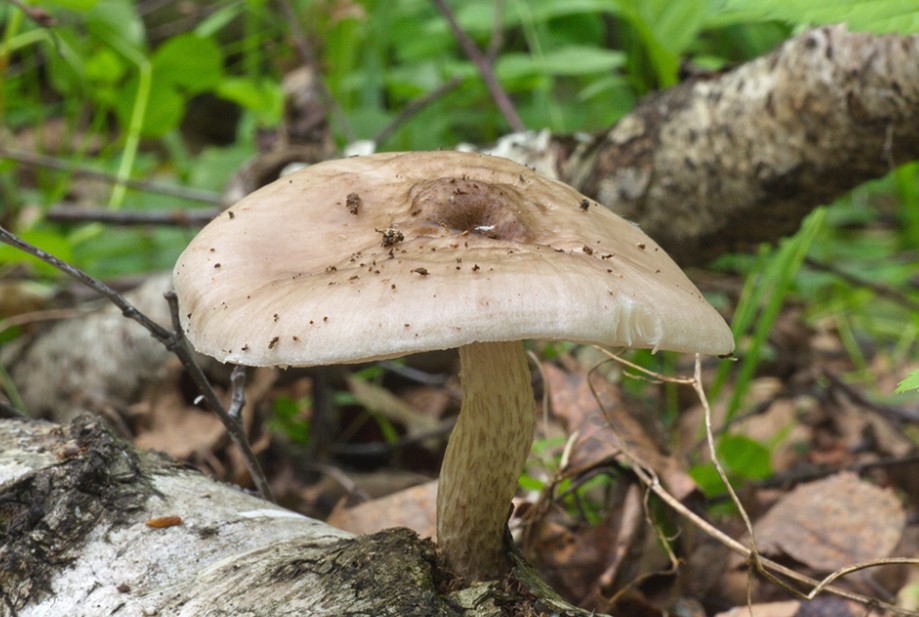
The benefits and harms of the white plutea mushroom
Pluteus alba, like all members of its species, contains minerals that help the body recover and strengthen the immune system. It also contains fatty acids that strengthen the nervous system and improve skin condition.
Just 100 g of mushroom contains:
- 19 kcal;
- 1.7 g protein;
- 0.7 g fat;
- 1.5 g carbohydrates.
When cooked, white pluteus retains its valuable properties. During cold and flu season, you can make soups with this mushroom to help the body resist pathogens.
White pluteus is harmless because it's edible. However, the toxic substances it absorbs and accumulates are dangerous. To avoid poisoning, it's recommended to harvest it away from roadways and industrial facilities. Before cooking, soak the harvest in salt water for 2 hours. Peel the mushrooms before cooking.
Culinary uses of the Plutea alba mushroom
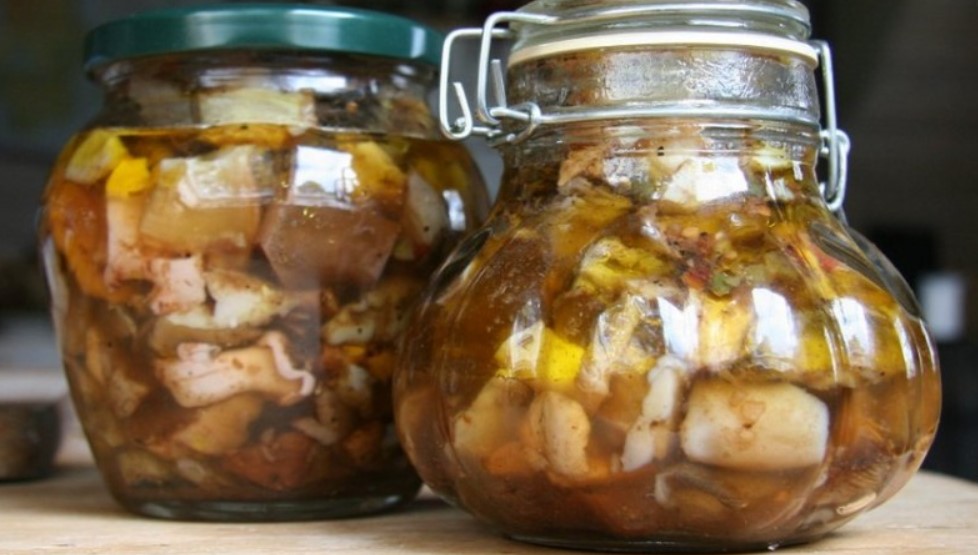
Due to its neutral flavor, the white pluteus isn't very popular. It's primarily used for various marinades or for culinary experiments. It can be considered a versatile mushroom, as it's suitable for any cooking method.
Growing Plutea alba
Because the white pluteus mushroom isn't common in Russia, people have begun growing it at home. We'll show you how, step by step.
First, you need to prepare the substrate in different ratios. It is divided into two types:
- homogeneous - hay, sawdust or straw;
- combined - combining all raw materials.
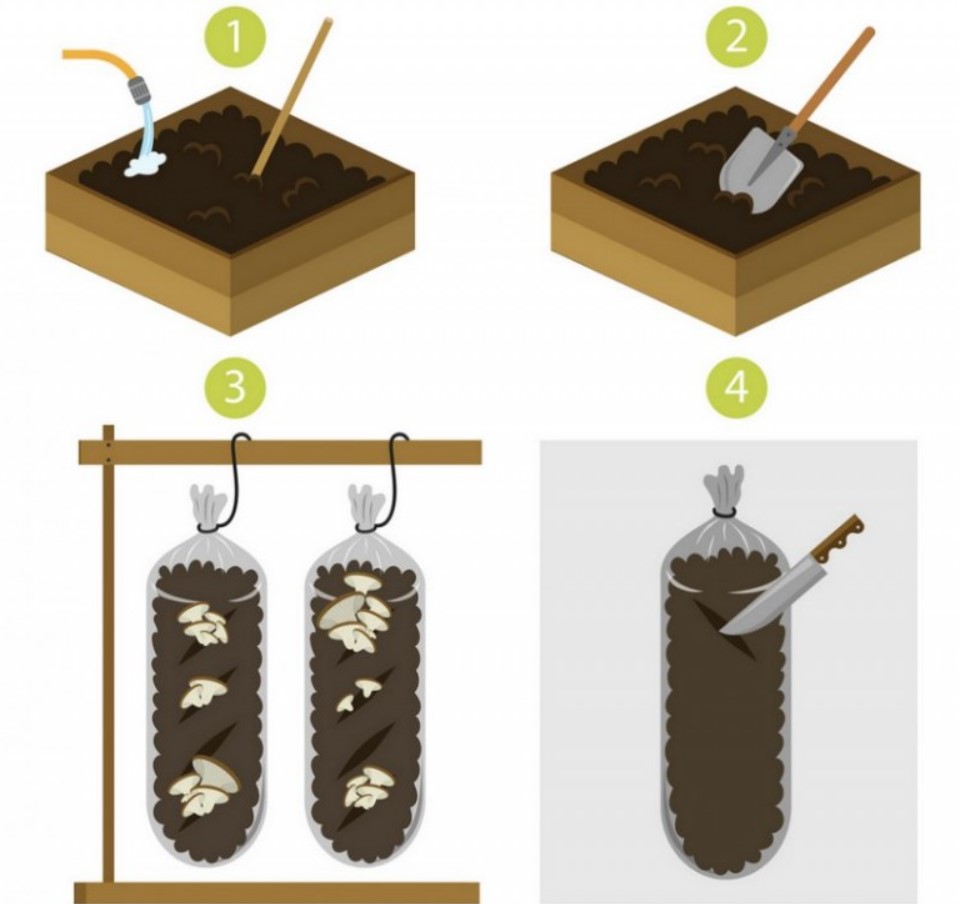
The step-by-step process of growing is as follows:
- Pour boiling water over the prepared substrate and cool to 30°C. Squeeze out excess water and mix with the mycelium.
- Place the base into plastic bags. Press and tie them shut. Make 5 cm slits around the entire perimeter.
- Store the prepared mushrooms in the dark, because they do not need light during the first month.
- Once the fluffy period is over, the substrate should become denser and turn a creamy color.
- In about 15 days, mushroom buds should appear. Cut the film where they appear. After this, keep the seedlings in the light.

There is another option for growing mushrooms - growing them on deciduous wood:
- Soak logs or bars up to 4 cm long and up to 2.5 cm thick in water.
- Place mycelium into the cut areas.
- Seal the base with tape or press it down with hay.
- Depending on temperature, the process can take from 3 to 6 months. Store the wood in a dark place.
The harvest needs to be collected 1-2 times in autumn and spring.
As it turns out, the Pluteus mushroom is edible. However, its flavor is mild, so it's not considered a delicacy. These mushrooms can also be found in Russian forests. Before cooking, it's important to soak them to remove any harmful substances they accumulate. These mushrooms are beneficial for the body. However, like any other mushroom, they should be consumed in moderation.