Conifers are often used in landscape design. They transform a garden, delighting us not only in summer but also in winter. In this article, I'll explain how to create a successful composition using dwarf conifers.
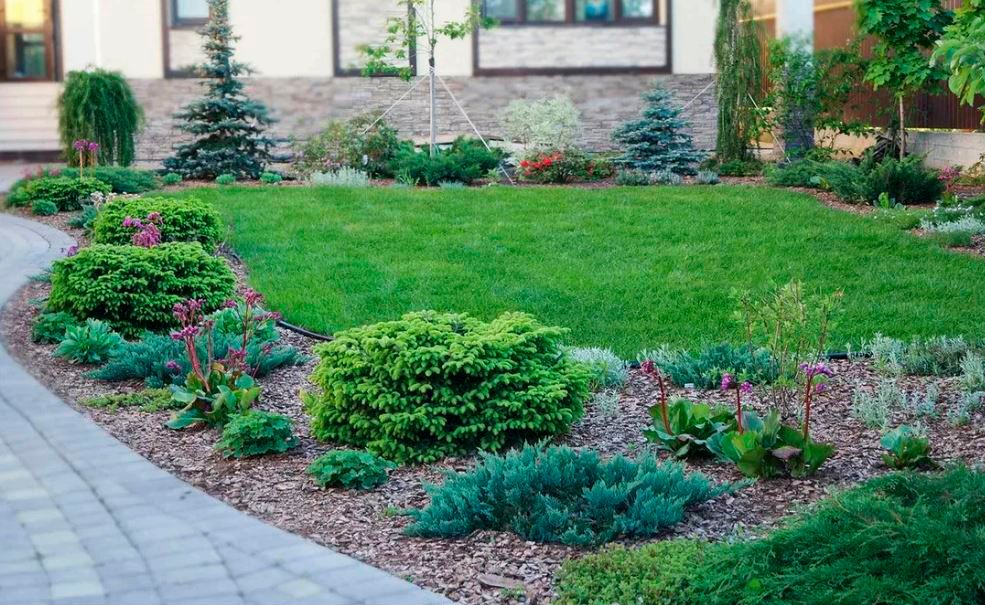
So, why conifers? The answer is simple. Almost all of them are evergreen. This means you'll enjoy rich color year-round.
In addition, these plants are extremely hardy, are not afraid of frost and do not require special care.
Other benefits include:
- Shade tolerance.
- A strong root system that allows the species to grow even with infrequent watering.
- Different types and even forms.
- A soothing scent.
For planting in the garden, take a look at the following dwarf varieties:
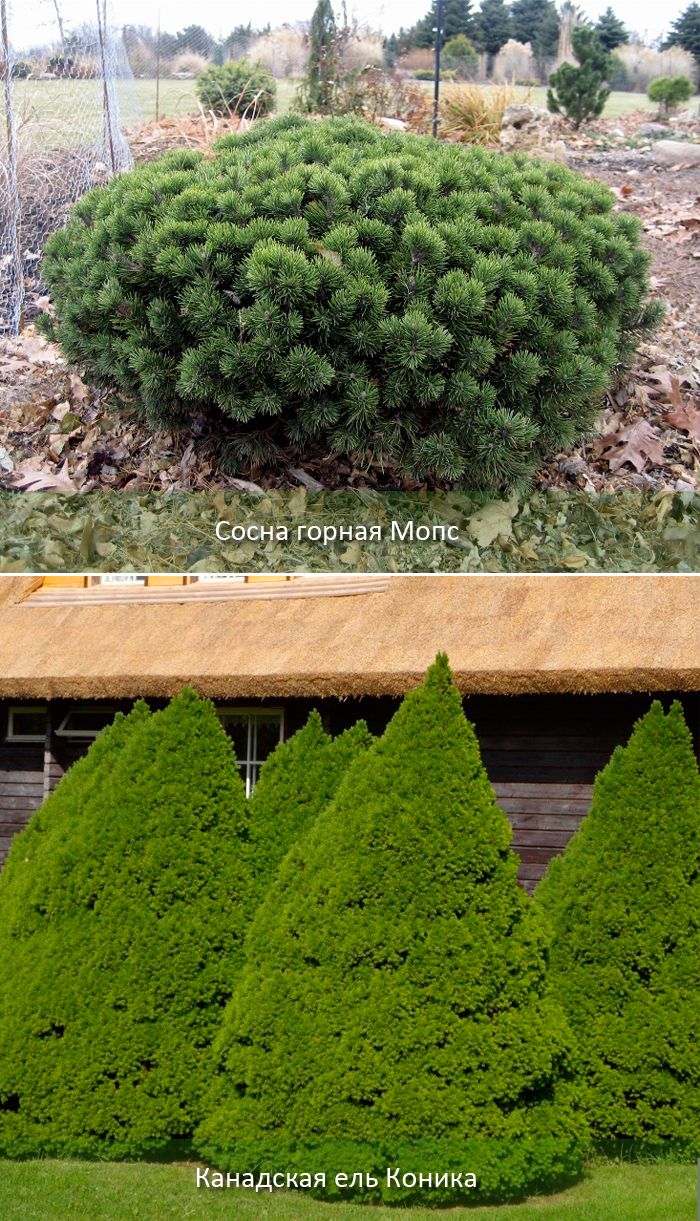
- Mountain pine, you can take the Pug variety;
- Canadian spruce Konica;
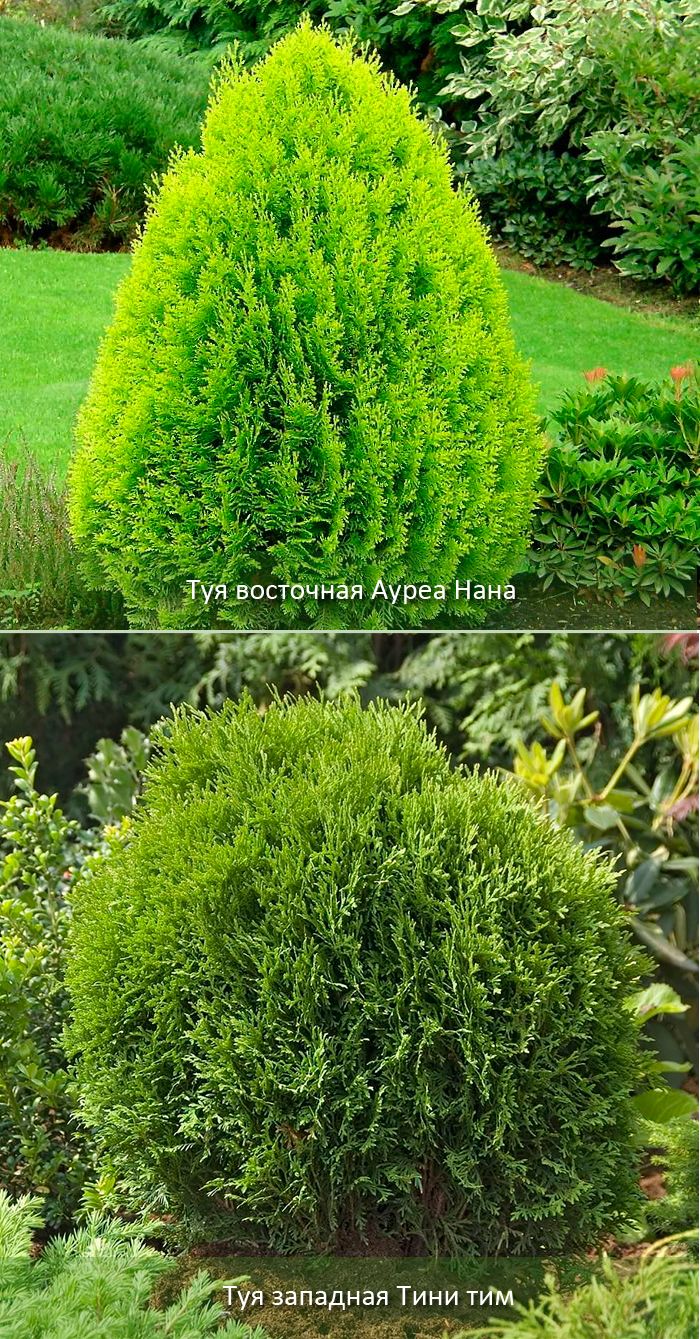
- Thuja orientalis, for example Aurea Nana;
- Thuja occidentalis, for example, Tiny Tim;
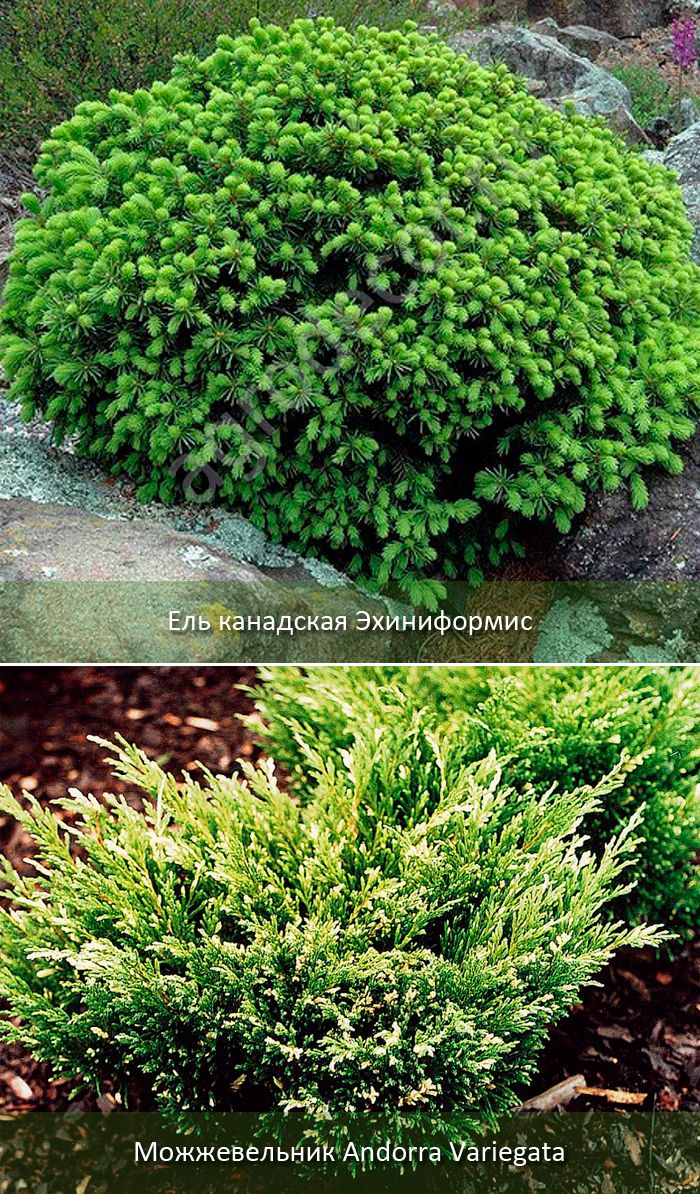
- Canadian spruce Echiniformis;
- Juniper, for example, Blue Forest, Andorra Variegata.
Basic rules of composition:
Lawn and gravel are the best backdrop for conifers in the garden.
Weeping trees serve as an excellent link between conifers and bodies of water.
The most spectacular places for placing conifers are the west and east.
When planning your landscape, plant conifers and flowers as far apart as possible, as the former acidify the soil, thereby harming the latter.