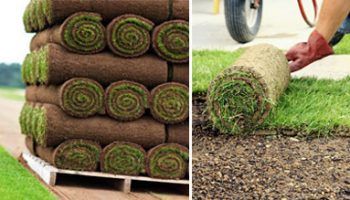
Lawns can be damaged not only by weeds but also by moss. This perennial plant has no root system or flowers. It reproduces through spores, which mature in a capsule. The parasite becomes active when favorable conditions arise.
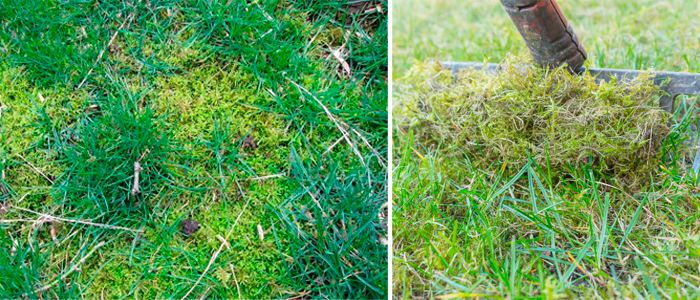
Getting rid of moss is quite difficult. It's much easier to take preventative measures in a timely manner. Organic and chemical treatments can be used for this purpose. Before deciding on lawn restoration, the cause of the moss growth must be identified. Treatment must be timely and appropriate. Ignoring all recommendations will lead to slower growth of the lawn and eventually its death.
Reasons for moss appearing on the lawn
The factor that triggered the development of moss can be determined by carefully examining the grass and the moss itself.
A parasitic plant appears on the lawn for the following reasons:
- Lack of moisture, high soil acidity. In this case, the moss takes on a rich green hue;
- Lack of sunlight. The parasite spreads along the ground, preventing other plants from receiving ultraviolet light;
- The lawn is cut too short. This is indicated by the rapid growth of moss across the green carpet.
This list can be supplemented with such items as soil compaction, lack of nutrients, poor soil drainage.
Ways to get rid of moss on your lawn
The course of action depends on what exactly caused the problem.
- If the area where the lawn is planted wasn't leveled during the preparation stage, the remaining depressions will collect water. To remove the moss that forms due to stagnant water, you'll need to topsoil the area. For more effective drainage, add sand to the soil.
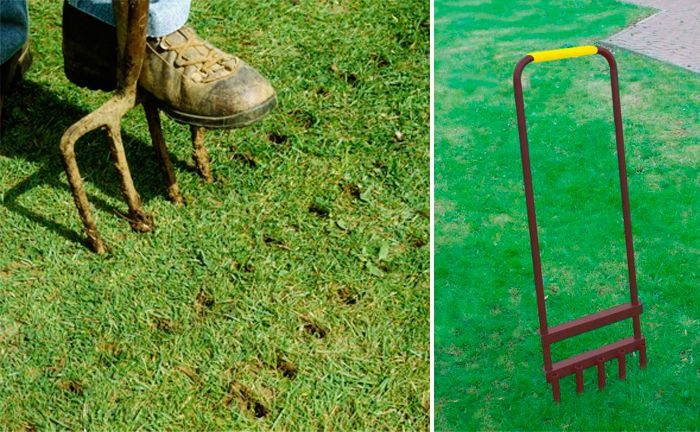
- If ventilation is insufficient, aeration will be necessary. If the lawn is small, a regular pitchfork will suffice. For larger areas, an aerator is needed. This can be either manual or mechanical.
- Excessive soil acidity is reduced by liming. If nutrient deficiencies occur, a comprehensive fertilizer is applied. When choosing a fertilizer, consider the soil composition and condition.
- If the moss growth is caused by insufficient sunlight, there are two solutions. You can remove objects blocking the light (for example, cut down a tree) or plant the lawn with red fescue, meadow bluegrass, and other shade-tolerant plants.
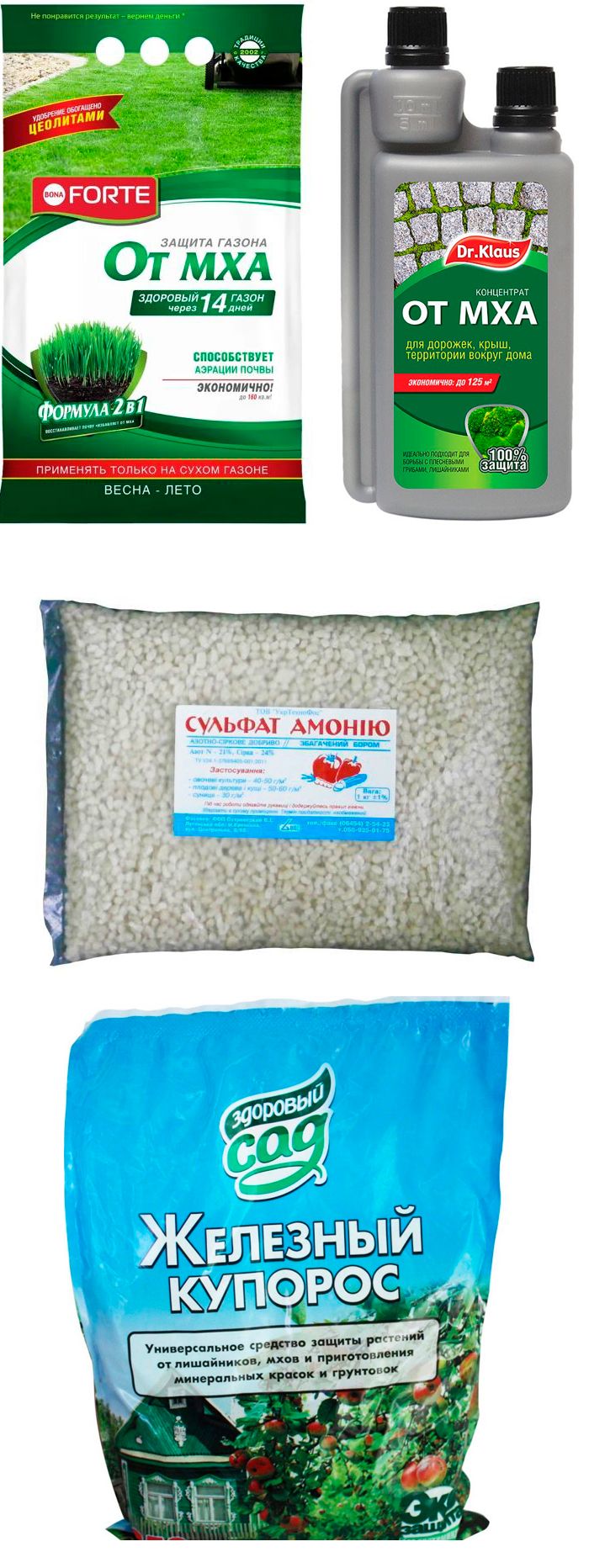
- Neglected lawns are cleared of moss using herbicides. These often contain ammonium sulfate and iron sulfate. Diclofen-based mixtures are especially popular among gardeners who have established lawns. Spraying should only be done in warm, dry weather. Water the lawn two days after treatment. The moss will turn black within 14 days. If necessary, spray the grass again. Remove the affected moss with a fan rake. Care must be taken to avoid further damage to the lawn. Any bare spots that develop are removed by overseeding with fast-growing grasses (annual ryegrass).
How to prevent moss from growing on your lawn
To prevent moss growth, regular preventative maintenance is essential. Considering potential problems with parasitic plants should be considered even when preparing the designated area for lawn seeding.
The area needs to be leveled: holes filled in, hills removed. A drainage system must be considered.
The more low-maintenance the grass, the better. A strong root system, rapid growth, shade tolerance, and resistance to cold and sudden temperature changes are qualities that are unlikely to be overlooked. Plants that possess these qualities are able to withstand the negative impacts of external factors, including pests, for a long time.
Fertilizing is an essential step. Timely fertilization of your lawn will help prevent deficiencies in the nutrients it needs year-round. Fertilization is especially important during periods of active growth and disease. Note that nitrogen should not be applied in the fall, as it stimulates growth, which is not needed by the grass at this time.
It also follows:
- Monitor watering. Avoid overwatering your lawn at night, in late fall, or early spring.
- Avoid mechanical damage. Lawns can be damaged by frequent foot traffic, vigorous play, and even insect infestations, particularly crane flies.
- Mow your lawn in full accordance with the recommendations, and avoid mowing too low (below 3 cm is recommended, and only if you have a parterre lawn; otherwise, 5 cm is recommended). After mowing, it's best to immediately clear the area of clippings.