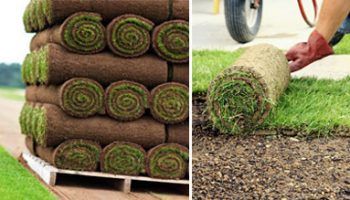
Fescue is a perennial grass often used in lawns. It requires little care and is resistant to diseases and pests. Several varieties are available that will complement any landscape design.
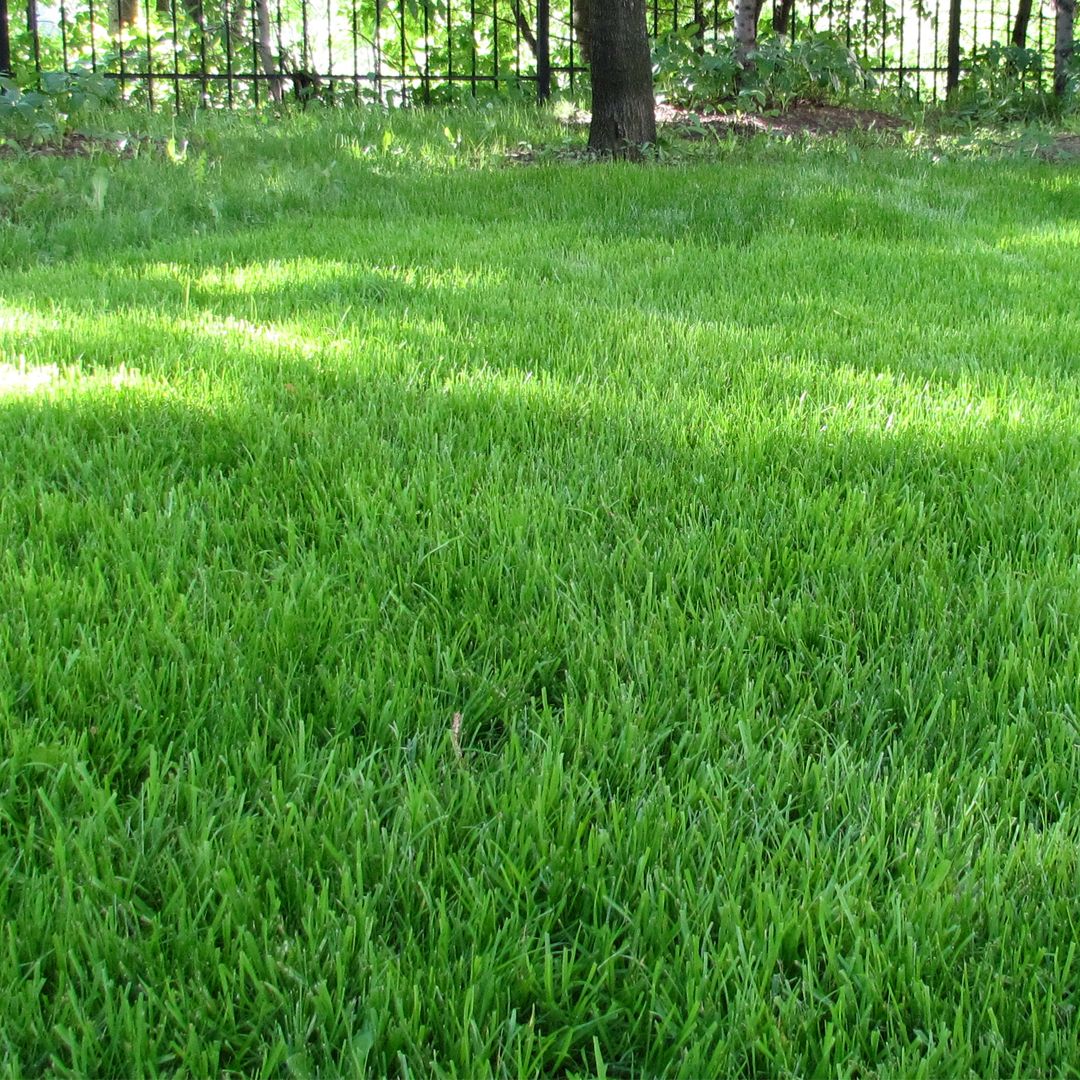
Description and benefits of fescue
In the wild, it inhabits virtually every corner of the planet: regions with cold, temperate, and subtropical climates, as well as tropical mountainous regions. It can be found in meadows and forests.
The stem is erect and can reach 0.1-2 m in height without trimming (depending on the variety). The plant forms underground creeping roots or dense turf.
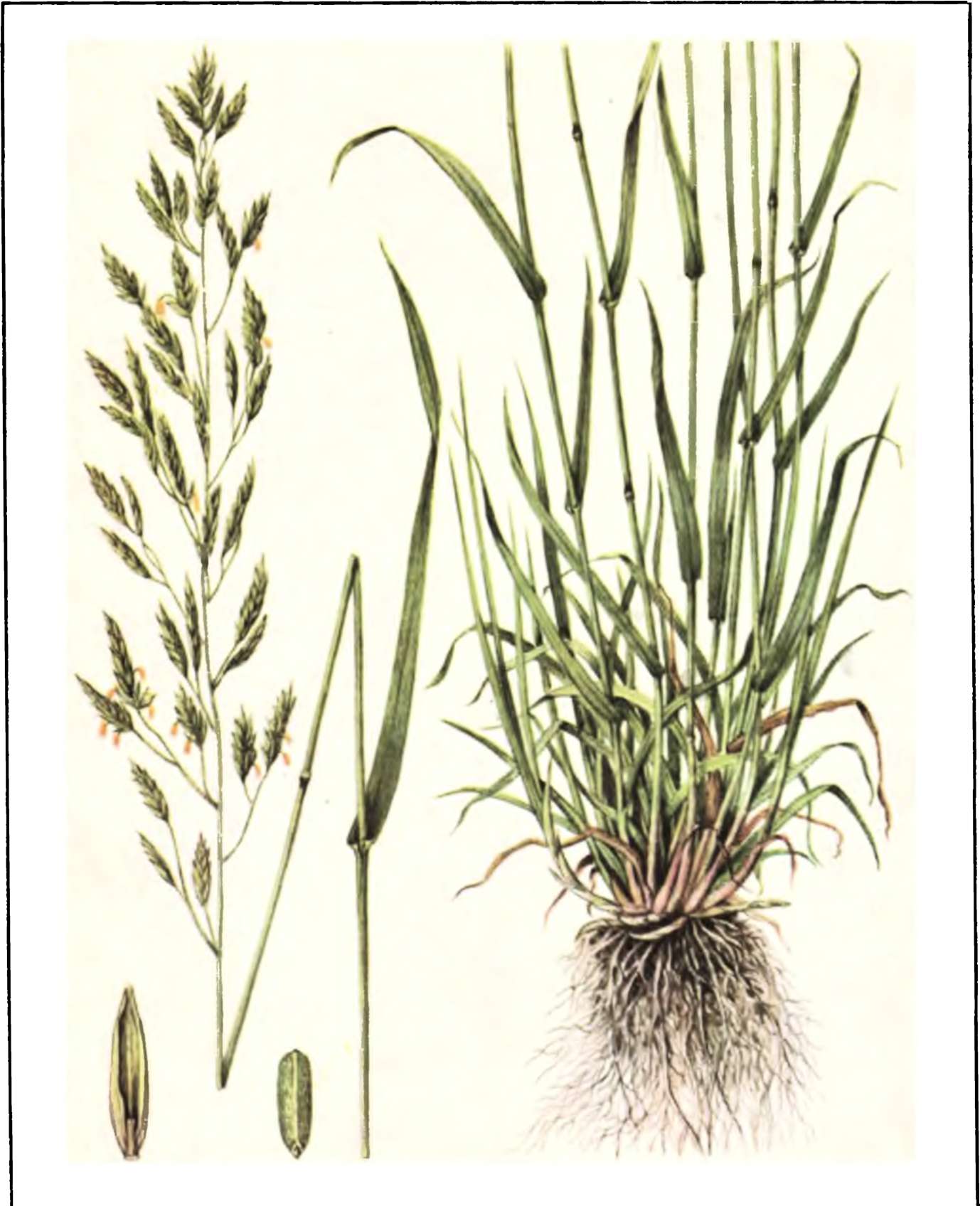
The leaves are linear, often rough and hairy, less often bare and smooth. The blades are up to 1.5 cm wide. They can be folded or rolled to better retain moisture.
The inflorescences are spreading or paniculate. Loose spikelets on elongated peduncles, 5-15 mm tall, bear 2-15 flowers with a rough and sinuous awn. The glumes are unequal, slightly keeled. The lower glumes have a single vein, the upper glumes a third. The flower glumes are predominantly lanceolate, pointed, and five-veined. The ovary is obovate with a pair of stigmas; there are three stamens.
Flowering occurs in late spring-early summer.
Oat grass has the following advantages:
- creates an even, attractive carpet for the lawn;
- fairly shade-tolerant;
- tolerates cold winters well;
- it is inexpensive;
- tolerates low mowing well;
- quickly recovers from mechanical damage;
- many varieties are resistant to trampling;
- are characterized by a slow growth rate, due to which they do not require constant mowing;
- tolerates toxic emissions, gases, and smoke well;
- does not wither in dry weather;
- resistant to diseases and pests.
Thanks to such an impressive list of positive characteristics, grass is often used in urban and private areas.
Types of fescue, their description and application
There are many varieties of this plant. Let's look at the most popular ones for lawns.
Red fescue
It reaches a height of 0.2-0.7 m. The shoots are erect, rough or smooth, sometimes raised at the base. They form a dense turf. The leaves are long and narrow (no more than 3 mm).
It forms a strong root system underground, filling voids. It can be used for lawns, either individually or in combination with other grasses.
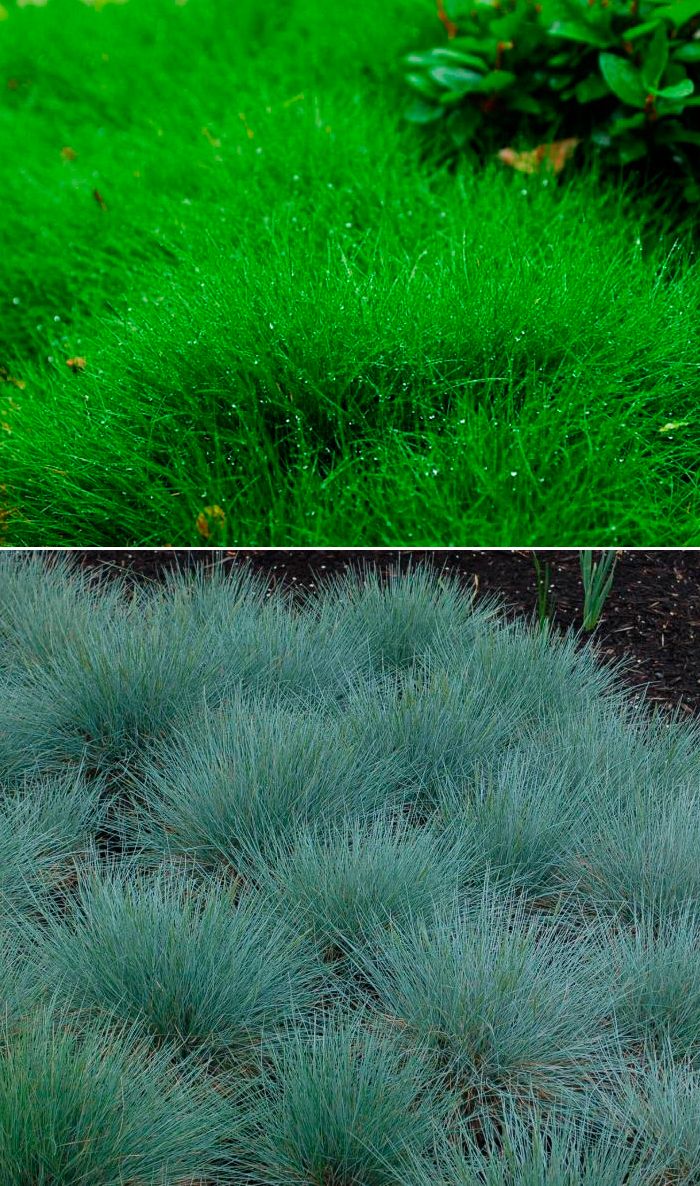
Blue fescue
It includes approximately 300 varieties. This is a small shrub with thin bluish-green leaves. Propagation occurs by dividing the rhizome. This variety is widely used in landscape design. It prefers warm, dry areas.
Meadow fescue
A tall variety with a strong rhizome. Most of the shoots are located in the surface soil, but some can reach depths of up to 1.5 m.
The stems are mostly erect, elongated, and numerous, without much foliage. There are also small shoots, which, on the contrary, are covered with abundant foliage. The color of the leaves varies from light to dark emerald. They reach 13 cm in length and 7 mm in width.
This variety tolerates subzero temperatures well, but may die under ice cover. It is shade-tolerant and begins to bush out during dry weather and when not watered. It does not respond well to trampling, so it is planted in low-traffic areas. It prefers sandy soils.
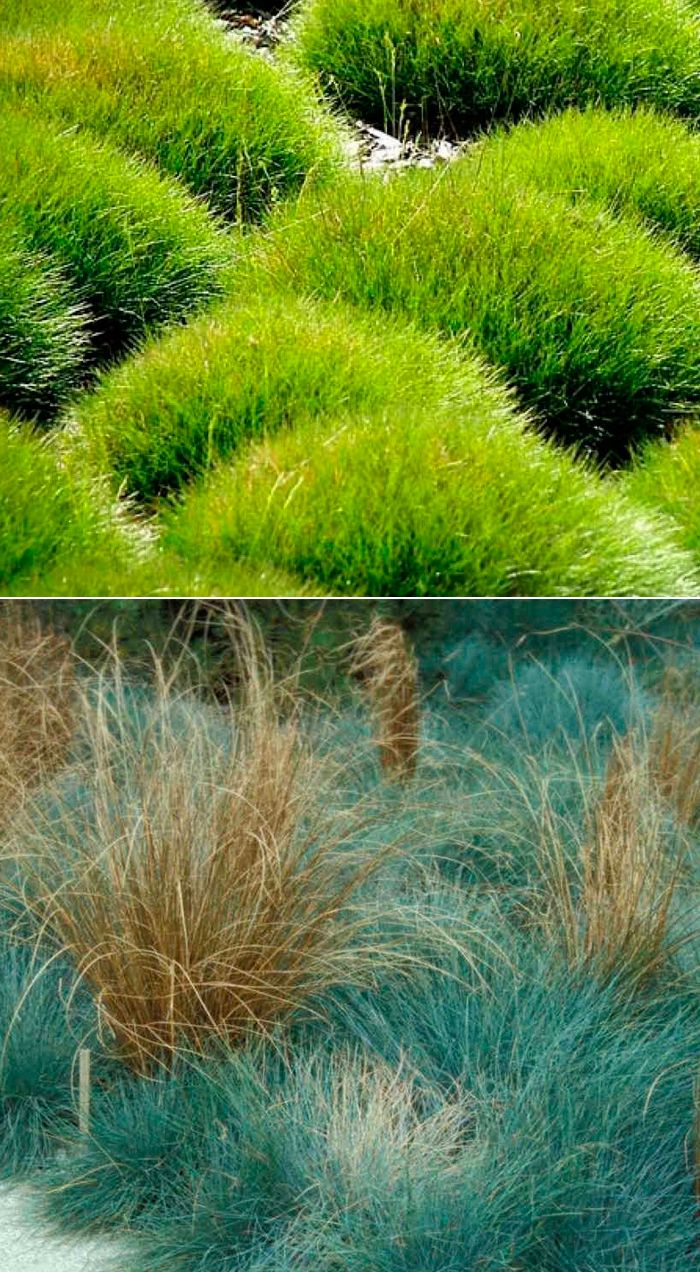
Blue fescue
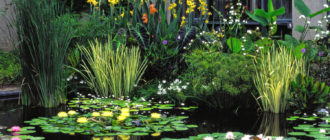
This variety will be a beautiful addition to any ornamental lawn. Its bluish foliage looks beautiful near bodies of water, in city parks, and squares. Blue fescue can be planted anywhere, as long as it blends harmoniously into the landscape. When designing a lawn, plant larger plants first, then smaller ones, depending on the overall look.
Panicled fescue
This is a low-growing variety, reaching a height of 15 cm (including the ears). The foliage is light green and up to 7 cm (2.7 in) long. Flowering occurs in late June. As it develops, it forms cushion-like thickets. It prefers sunny areas but tolerates shade. Propagation occurs by dividing large bushes in spring and fall.
During severe frosts, some leaves die off. The leaves should be trimmed in early autumn; they will quickly grow back in time for the next season, restoring their decorative appearance.
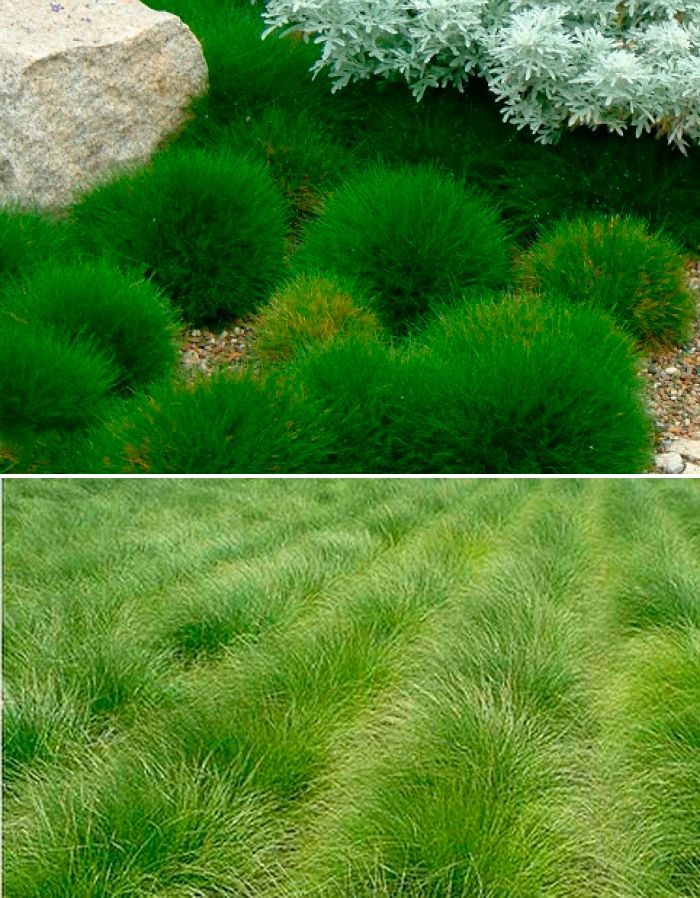
Sheep fescue
It forms a loosely turfy shrub: the stems are slender, triangular at the top. The leaf blades are bristly, elongated, narrow, and sinuous. The inflorescences are gathered in loose, drooping, oblong panicles. The ears are a delicate emerald green.
It's used to decorate borders, paths, and pond banks. It's a lawn grass for poor, dry soils and grows well under pine trees. Its rootstocks extend deep into the soil. It's resistant to trampling and mowing down to 3.5 cm.
In summary, fescue is an excellent choice for lawns. If you choose the right variety, it can be planted in any area, even shady areas with poor soil. Seeds and seedlings are available at a specialist store at a low price.