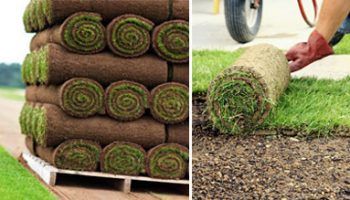
Laziness is not forbidden! These words perfectly capture the greatest dream of many gardeners. But is it really as impossible as it seems at first glance? Believe me, laziness within reasonable limits will not harm the beauty of a garden.
Is a garden for work or for relaxation? The answers certainly vary among plant collectors, socialites, and those who simply enjoy grilling outdoors. But the person we call a lazy gardener is always convinced: a garden is necessary for one purpose—relaxation! This doesn't mean they can't cultivate rare lilies or orchids, have a whole flower garden, or a collection of aromatic herbs to brighten up their time among exquisite plants. All this is possible, but only if you follow a few simple rules: 10 rules for a lazy gardener.
Pay the most attention to the place of rest
When you're planning your plot, choose a place that's suitable for relaxation. Modern design standards call for all the amenities you'd find in the city. You'll likely decide to build a green kitchen-living room. It's perfect for quickly setting the table, easily cleaning up after a gathering, and relaxing on a garden bench or lounge chair.
A great option would be to build a gazebo with a compact table and chairs that fit underneath. To block out the sun and separate it from the rest of the area, it's best to use thick curtains.
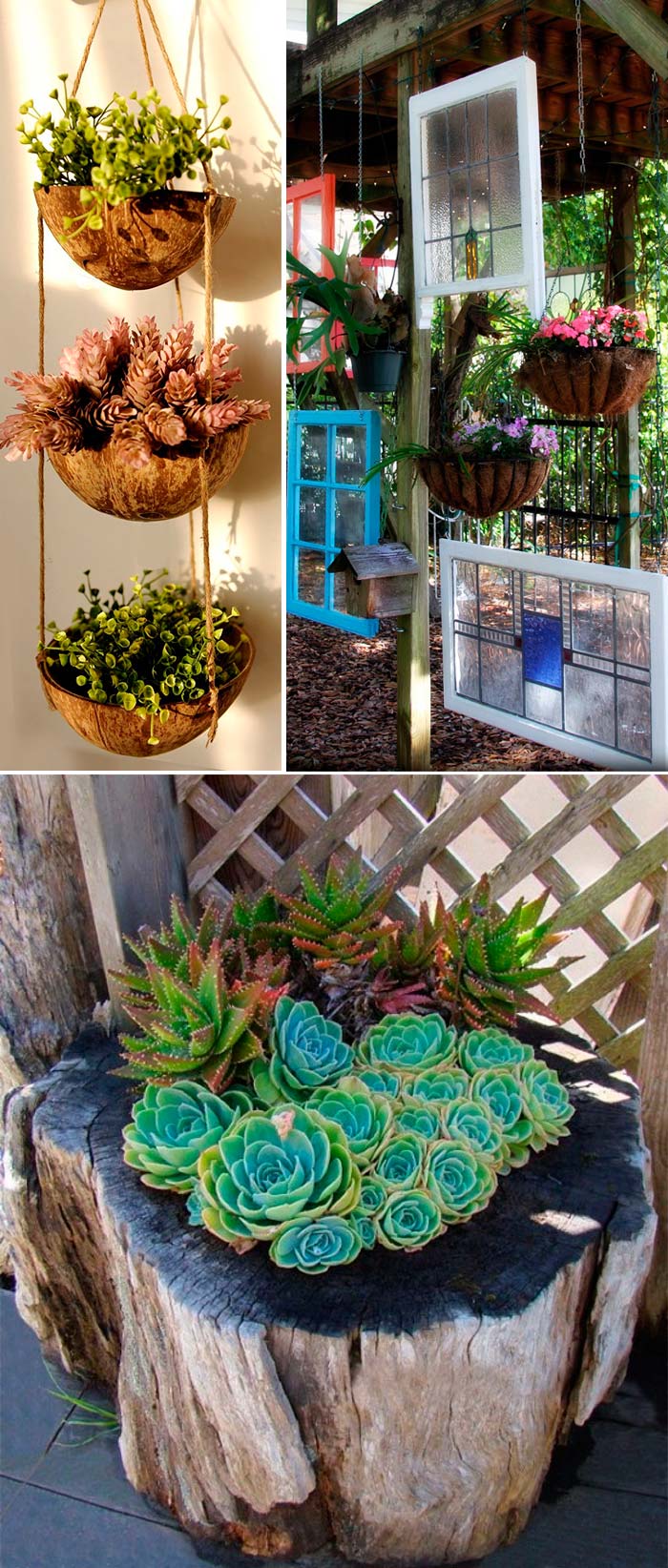
It's best to design the space so that there's room for both large gatherings and privacy. Avoid disrupting the connection with nature with excessive technological solutions.
Plant plants that are suitable for you and the location of your garden.
For example, if you're not keen on weeding, plant large plants so the weeds won't overwhelm them. In this case, we recommend using sagebrush, large-headed knapweed, or Syrian milkweed. You can also plant heliopsis helianthus or miscanthus.
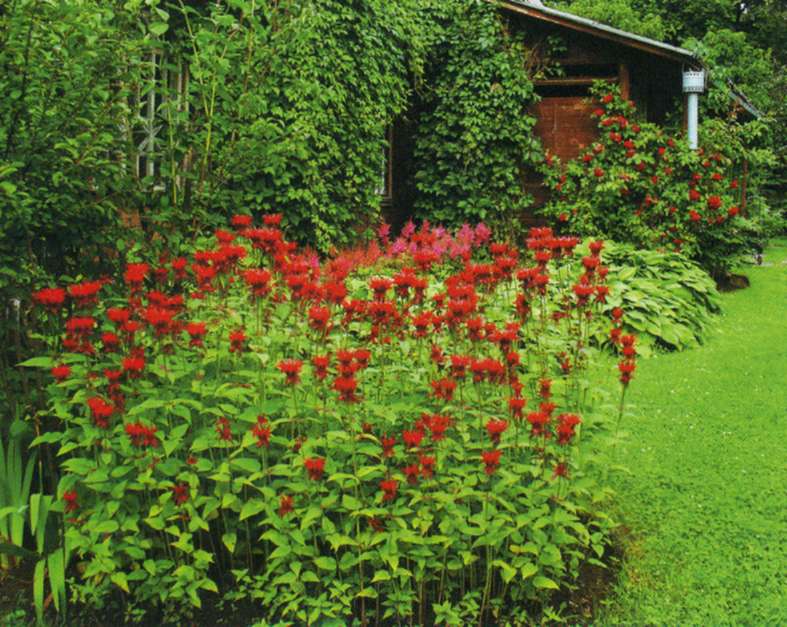
Don't want to constantly replant your flowers? Then plant small ornamental shrubs or rhizomatous perennials. You'll only need to occasionally trim away any spreading clumps. Consider monarda, loosestrife (spotted and lily-of-the-valley), and yarrow.
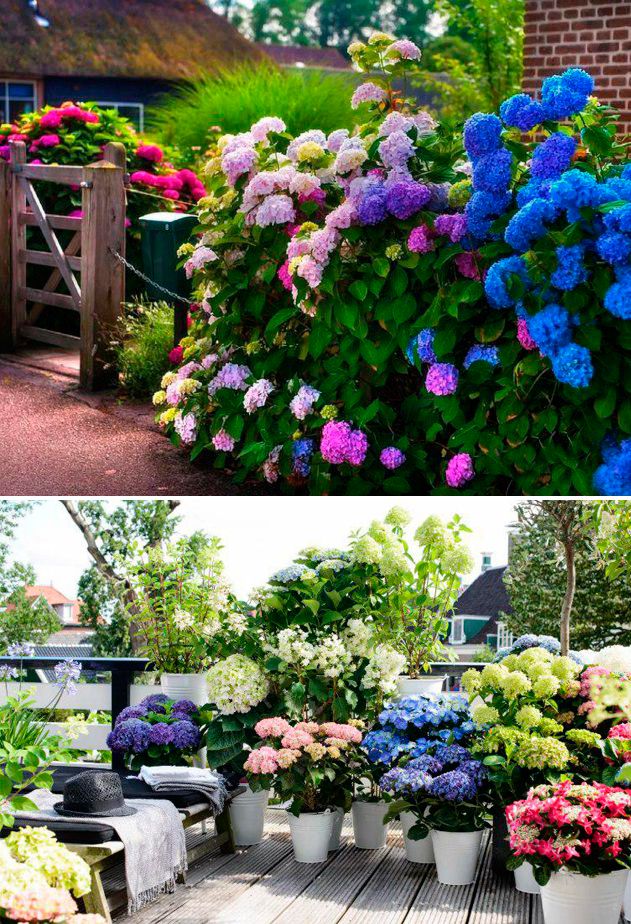
To achieve good results when growing various crops, it's important to choose the right location and prepare the soil. For example, peaty soils require a lot of work to make them suitable for lilies. However, they have the ideal composition for planting beautiful rhododendrons and hydrangeas, as well as blueberries and blue honeysuckle, which delight with their berries.
Increase the area allocated for playgrounds and paths, reducing the size of flower beds and lawn
Decorative paving creates comfort regardless of the weather, perfectly transforms the garden area and greatly helps with plant care.
Try to achieve good results with minimal effort.
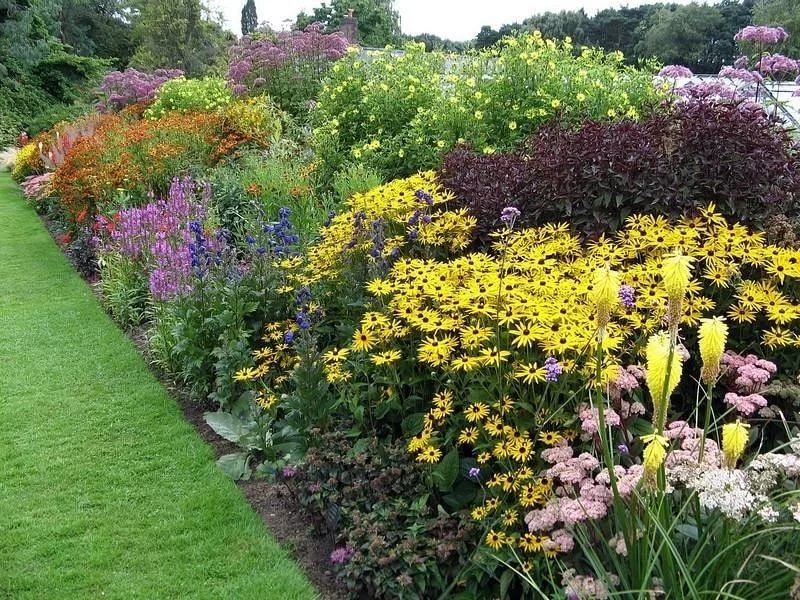
For example, dense clusters of identical plants instead of individual small islands look stunning and don't require much.
Give the plants some freedom, don't overload them with excessive care. Let them grow naturally, and they will be as beautiful as flowers in a wild field.
Plant similar plants; it will take less effort and will make it easier to gain experience.
Tip: Use plants with different blooming times to ensure you enjoy your flowers for a longer period of time.
Also remember that it's better to mow in areas where there's no time for weeding. The garden, of course, should be neatly maintained. Mowing the weeds is much easier than weeding the entire area.
Plant ornamental plants compactly to make trimming them easily. Trim back old, trailing branches from berry bushes.
Try mulching, meaning collecting fallen leaves in the fall and spreading the resulting compost over the garden beds in the spring. Deprived of light, weeds die completely.
Be confident in your actions
Choose low-maintenance plants; for example, arborescens hydrangea requires less care than paniculata and garden hydrangeas. Asiatic lilies thrive even in the hands of inexperienced gardeners.
Among vines, maiden grapes are excellent choices. Among shrubs, winged euonymus and European euonymus are excellent.
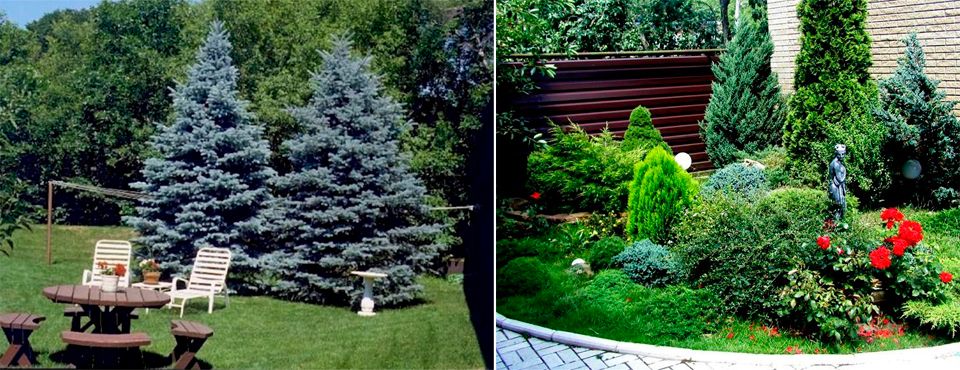
It would also be a good idea to plant a few evergreens to provide year-round enjoyment.
Try to be attentive and respond quickly to signals.
Even the least industrious gardener still prefers order. It's easier to spend two minutes plucking a newly sprouted nettle stem from a flowerbed than to weed out numerous shoots after the nettles have taken over the entire area.
The first time after planting flowers, you need to put in a little more effort, since they are very weak when they are just planted.
Show off your organizational skills
To make routine gardening chores less boring, invite your friends over. Harvesting, weeding, and hoeing are much more interesting and fun in good company.
Maintain a fun atmosphere and add a competitive element to the work, such as digging a garden bed for speed. It's also a great idea to involve children in simple tasks; they'll have fun outdoors, and the work can be presented as a game.
Of course, to enjoy the process, you need to have high-quality and convenient tools, whole buckets, sharpened shovels with splinter-free handles.
Be proud of yourself
You don't burden yourself with too much work, but your garden still looks perfect.
The secret is simple: Avoid planting plants that require incredible effort and could fail and die. It's better to choose a variety of simpler flowers, and together they will create a magnificent composition.
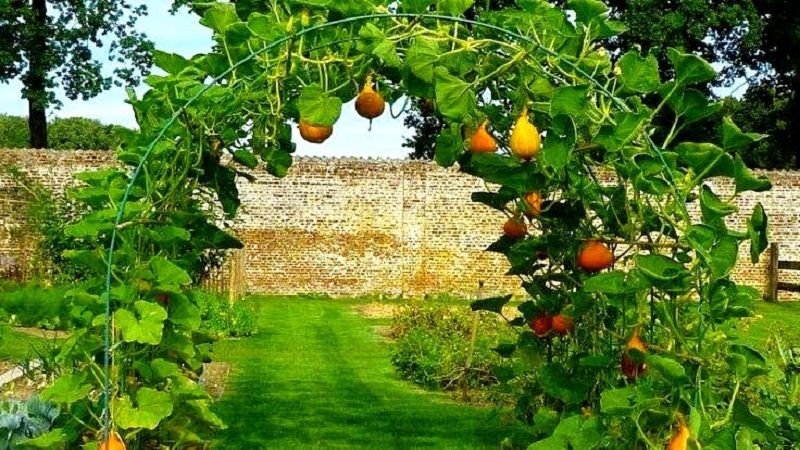
Enormous pumpkins look wonderful in the garden, and there will be enough zucchini to share with all the relatives. You can choose a special crop for your garden. For example, instead of planting regular zucchini, choose the Apelsinka variety with its orange, rounded fruits.
White nasturtium, instead of the much-used fiery red one, is just as easy to care for, but its flower is completely new and unusual.
Beans can be a wonderful addition to your gazebo, growing around it and protecting everyone inside from the sun. They also produce edible fruit, which is something to be proud of.
Eat fresh vegetables and fruits. There's no need to make a ton of preparations or harvest buckets of produce. Try to eat everything right away. Remember, your garden is for relaxation and enjoyment, not for industrial food production!
Use modern methods and technologies and look to the future
Think about the future development of your plantings. A small seedling can cause a lot of trouble if you don't know what size the tree will grow to. An ornamental shrub that grows very quickly will require frequent pruning, which is unnecessary work.
Let's remember snowdrops: they easily grow under trees and shrubs, creating carpets of flowers. To ensure their healthy growth, follow these rules:
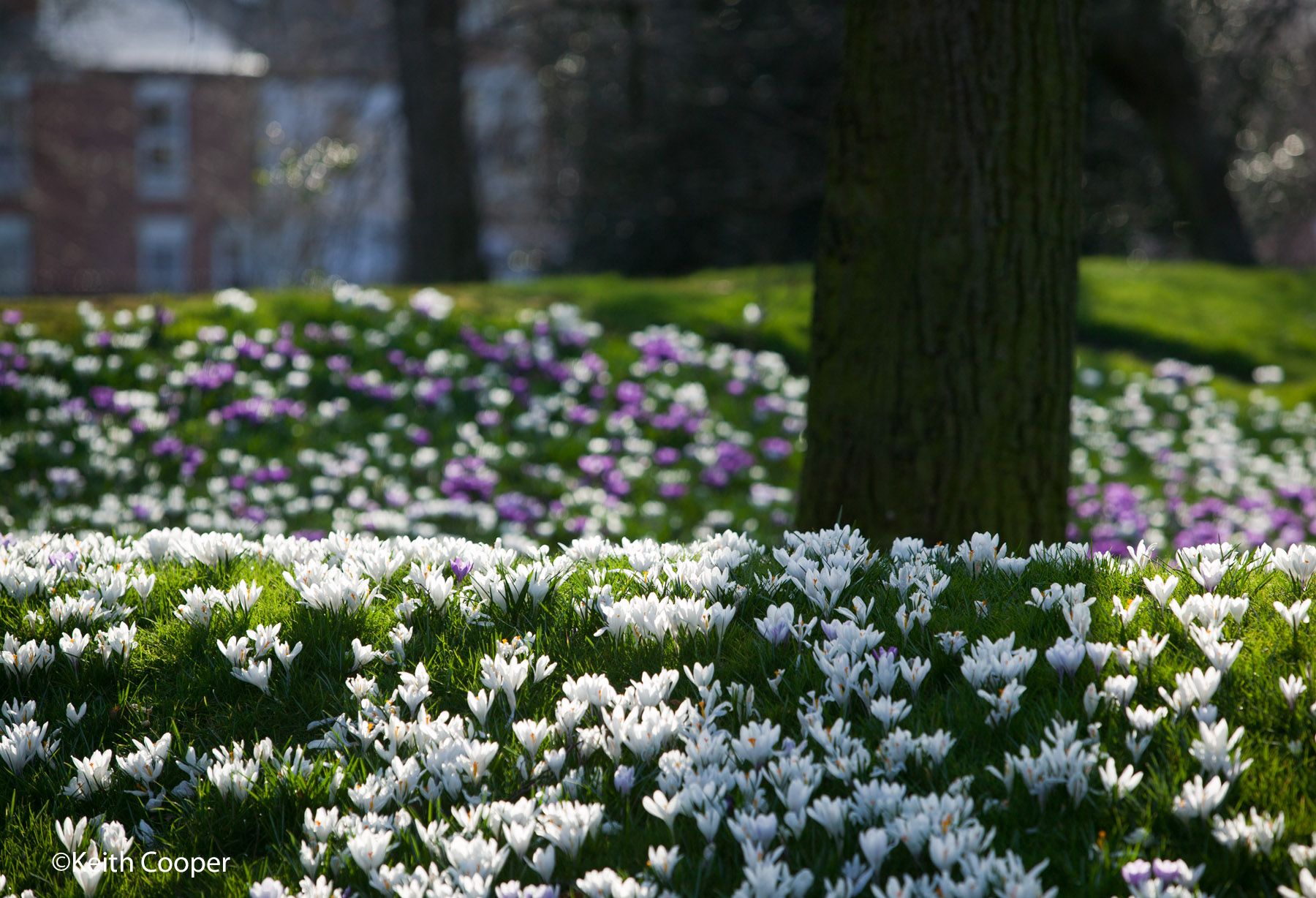
Don't clear fallen leaves from areas where primroses are planted. The accumulated humus ensures soil fertility and protects the plants from drought in summer and frost in winter.
If possible, postpone the first mowing of the lawn until the foliage of bulbs turns yellow, or use a trimmer to selectively cut out the weeds between them.