Landscaping is a much easier process than it seems. Even a small garden can be transformed into an oasis. We'll share some secrets that will help you get closer to your dream.
If you've previously looked at pictures of beautiful gardens online or in magazines and sighed, thinking you'd never have anything like that, we have good news: anything is possible. The key is to use the space effectively and consult landscape designers.
Content
- 1 Compass in the garden
- 2 Use gravel
- 3 Choose a spotlight
- 4 Take a closer look at the natural meadow
- 5 Use pine cones
- 6 Apply the 28 degree rule
- 7 Use the 3-color rule
- 8 Take advantage of decorative foliage plants
- 9 Enlarge your plot by taking advantage of the view from it
- 10 Use flower pots
- 11 Alternate crops
- 12 Don't be afraid of white
- 13 Use visual effects
- 14 Fence the plants with a stone
- 15 Don't forget about vertical planes
- 16 Use the path
- 17 Visually enlarge the area
- 18 Add some sophistication
- 19 Surprise with lighting
- 20 Play with contrast
Compass in the garden
Planning your garden according to the cardinal directions will not only make garden maintenance much easier but also help preserve your plants. This principle should be used when choosing locations for both individual plants and groups. Shade-loving and tall trees, such as pears and apple trees, should be placed in the northern part of the garden. Medium-sized trees (apricots, plums, etc.) should be placed further south, followed by shrubs and shorter trees. Plant sun-loving and drought-tolerant crops in the southernmost and sunniest spots. This garden structure will help protect your plants from shade.
Use gravel
By creating gravel flowerbeds, you'll save time that would otherwise be spent on weeding and other soil cultivation. Gravel will also help control weeds. To do this, simply sprinkle it over a geotextile laid on the ground. The main thing is to ensure that the plants are suitable for this growing method.
Choose a spotlight
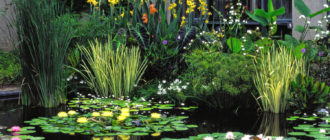
As with anything, a garden should have a focal point. This could be anything: a pond, a gazebo, a lush tree, or a bridge.
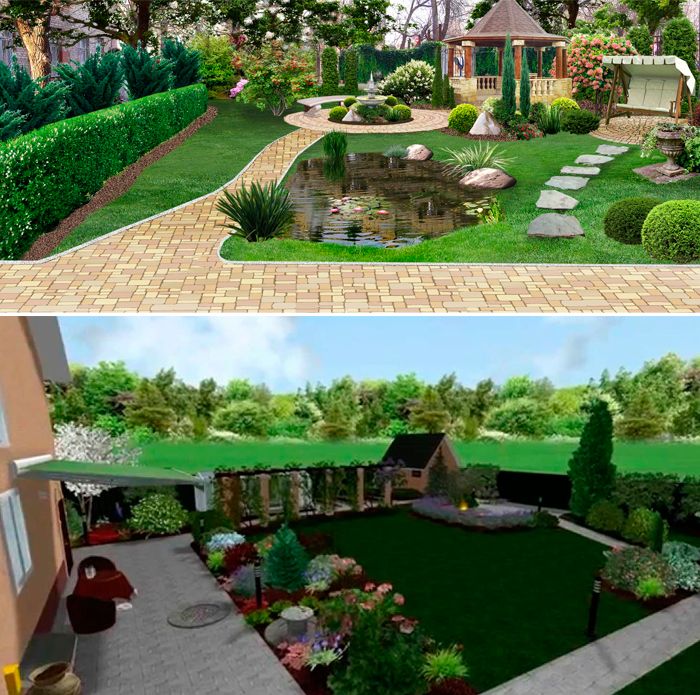
Once you've decided on the main accent, you can easily continue to play with it.
Take a closer look at the natural meadow
There's a famous British joke that says growing a perfect lawn is easy. All you need to do is mow it once a week. It's been that way for two hundred years. And you can trust the British: you can't just seed a lawn and forget about it. If you realize you don't have the necessary time or patience, consider special grass mixtures. They can recreate a true natural meadow.
Use pine cones
Conifers in your garden can bring not only aesthetic pleasure but also tangible benefits. Cones placed in the flowerbed, in addition to being decorative, will serve as fertilizer and protect the root system from external mechanical stress.
Apply the 28 degree rule
When landscaping your garden, remember that the average human visual angle is 28 degrees. This will help you better position compositions in your garden. For example, a fountain or sculpture should fit within these 28 degrees. If you want to make one element appear larger, consider moving it slightly out of frame.
Use the 3-color rule
Just like in a wardrobe, there's a three-color rule for flower arrangements. This means no more than three colors should be used in any one space. Almost anything can be used as a background for flower beds: lawn, juniper, or—for those who prefer a more unconventional approach—grass.
Take advantage of decorative foliage plants
If you don't have enough time to care for flowering plants, we recommend considering decorative foliage plants. There may be just two or three species, not ten, but they'll offer plenty of variety.
Enlarge your plot by taking advantage of the view from it
Designers often incorporate surrounding views into the landscape. This technique is easy to explain: our eyes automatically add to the garden what we've seen even beyond its borders. If your property overlooks a field, a beautiful lake, or even a neighbor's thuja, don't block it with a solid fence, as this will visually shrink the garden. You can avoid this by installing chain-link fencing and planting shrubs along it, thereby smoothing the transition.
Use flower pots
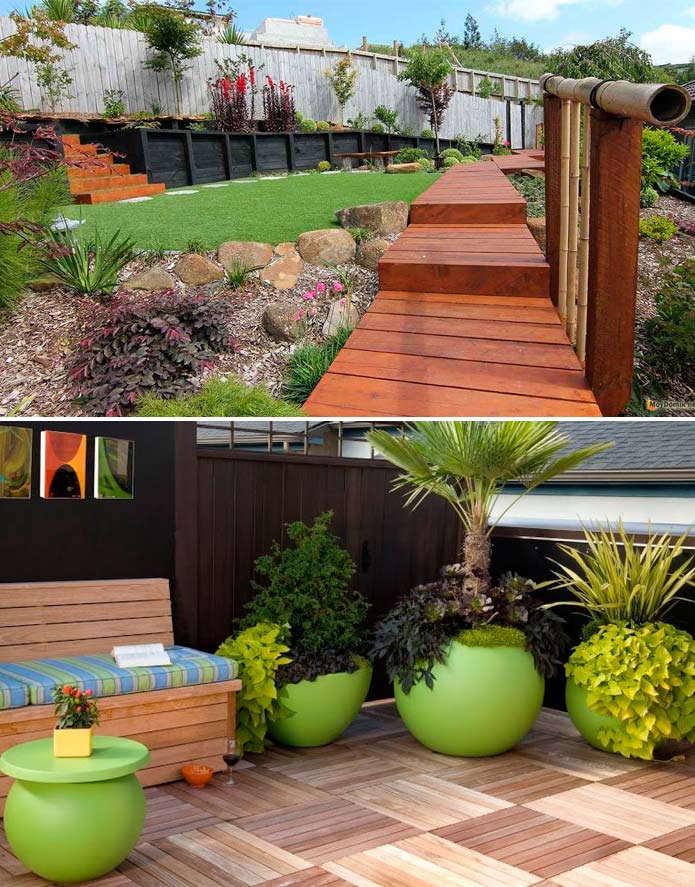
If you quickly get bored with the same landscape and often crave change, flower pots are a great solution. Plants in portable containers are easy to move around the property and will save you time on maintenance.
Alternate crops
Alternate different plant species in your flowerbeds to ensure blooming varieties are present throughout the season. To maintain contrast, combine both foliage and flowering plants.
Don't be afraid of white
We've all heard that dark colors make you look slimmer, while light colors make you look fatter. This happens because dark colors define edges more clearly. This same effect can be used in the garden. For example, to visually make a flowerbed appear wider, plant flowers in a gradient from light to dark. White can make a garden path appear wider, while a fence around a property appears less defined.
Use visual effects
A winding path between flowerbeds will create the illusion of a wider space, visually distancing them from one another. Of course, this method should only be used in areas where it won't interfere with pedestrian traffic or gardening.
Fence the plants with a stone
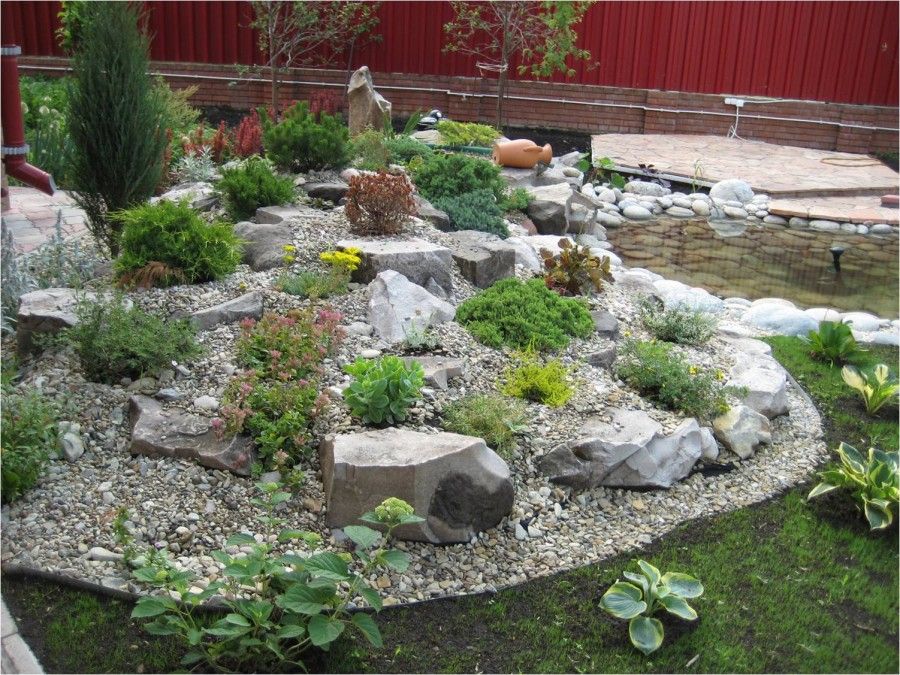
Regardless of the type of stone, a plant border made from it will look harmonious and elegant. Smoother stones will soften the straight lines of a flowerbed, while compositions next to rocky ones will appear more impressive.
Don't forget about vertical planes
Vertical gardening has been trending for years now. Don't forget about it when thinking about how to make the most of an inconspicuous wall. Planters and window boxes can be a great way to add a pop of color.
Use the path
If your main garden elements are scattered across the property and you're unsure how to unify them, consider creating a garden path between them. It can serve as both a unifying element and an accent.
Visually enlarge the area
As we know, the law of perspective states: the further away an object is, the smaller it appears to us. Why not use perspective to your advantage? This law can be used to make a garden appear larger. Simply replace the straight path with a winding one that gradually narrows at the end.
Add some sophistication
If you want to add a touch of sophistication to your property, consider pergolas and arches. White structures paired with vibrant plants look especially striking.
Surprise with lighting
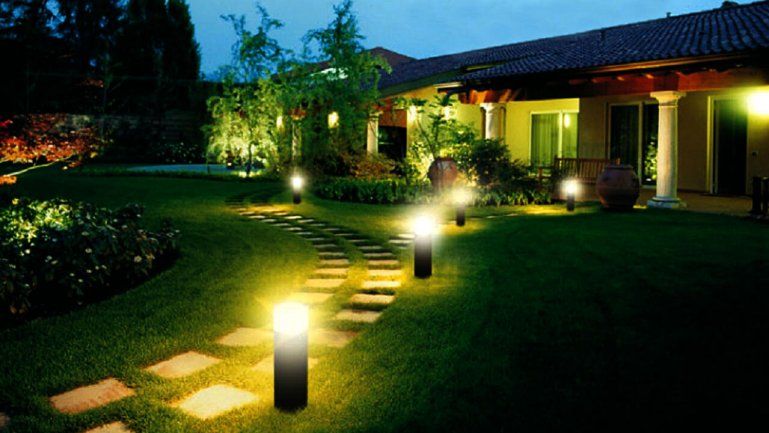
Nighttime lighting allows you to see your garden from a completely different perspective. In the evening, lantern light highlights the most interesting and inconspicuous spots during the day. Warm light creates a more mysterious, fairytale-like atmosphere, while cool white adds contrast. To create a cohesive look, it's best to use lamps of similar size.
Play with contrast
The most graceful and unusual garden compositions are created when they incorporate contrasting shapes. Just as black pairs with white, pyramidal fir trees are paired with spherical bushes, and the sharp contours of a garden are softened by the soft lines of a pond.
Your plot can become an extraordinary work of art. Although it will take some time, know that your goal is much closer than you think.