Puffball mushrooms are ubiquitous in coniferous and deciduous forests in late summer and early fall. They are popularly known as "grandfather's tobacco," "hare's potato," "dustball," and so on. But few people know that these mushrooms possess valuable properties that are widely used in homeopathy to treat various ailments.
Content
- 1 Is the puffball mushroom edible?
- 2 Description of the puffball mushroom
- 3 Composition, calorie content and nutritional value of the puffball mushroom
- 4 Edible and healthy types of puffball mushrooms
- 5 What Science Says About the Puffball Mushroom
- 6 Benefits of puffball mushrooms
- 7 Medicinal properties of puffball mushrooms
- 8 Cosmetic properties of puffball mushrooms
- 9 Harm and contraindications of puffball mushrooms
- 10 Medicinal properties of the giant puffball mushroom from the Golovachy genus
- 11 Cooking puffball and golovachi mushrooms
- 12 How to preserve puffball mushrooms
- 13 Reviews of raincoat making
Is the puffball mushroom edible?
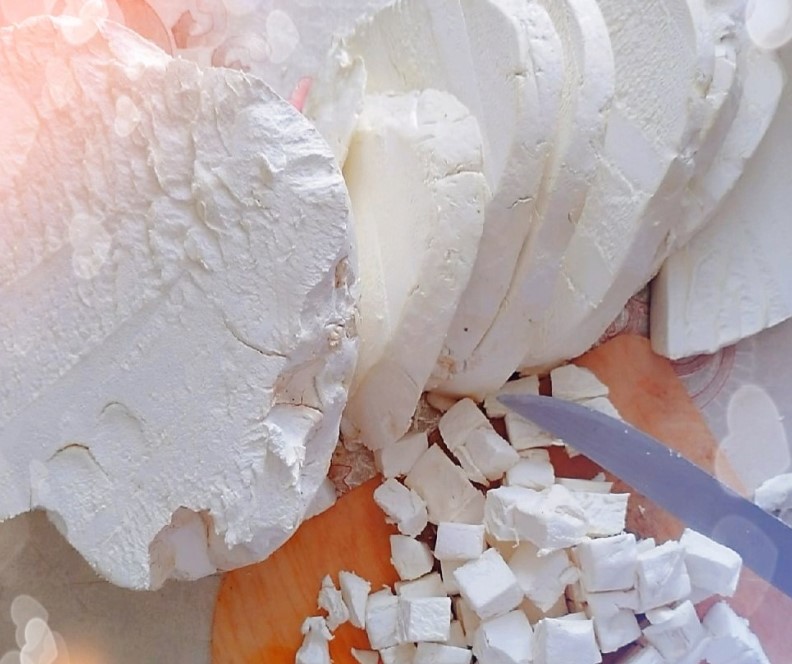
There was a long debate about the edibility of the puffball mushroom, but it was eventually determined that it is edible. However, only young specimens can be picked and prepared, before the flesh darkens and begins to transform into spore powder. Another caveat: mushrooms picked immediately after rain immediately lose their firmness and become more like a rag, making them unfit for consumption.
Description of the puffball mushroom
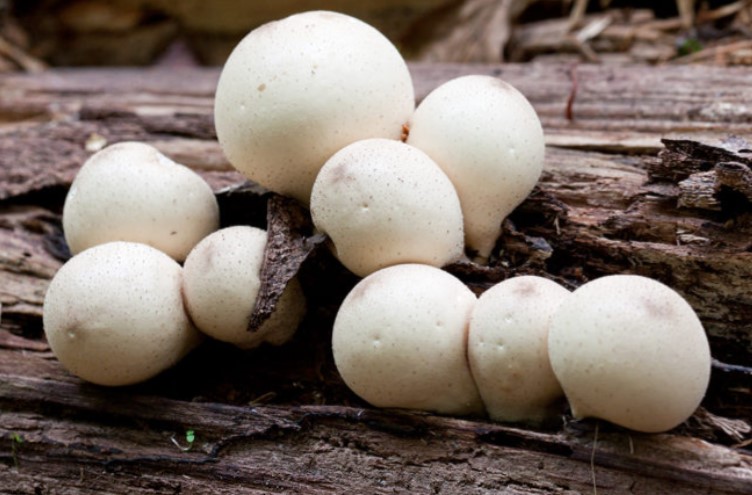
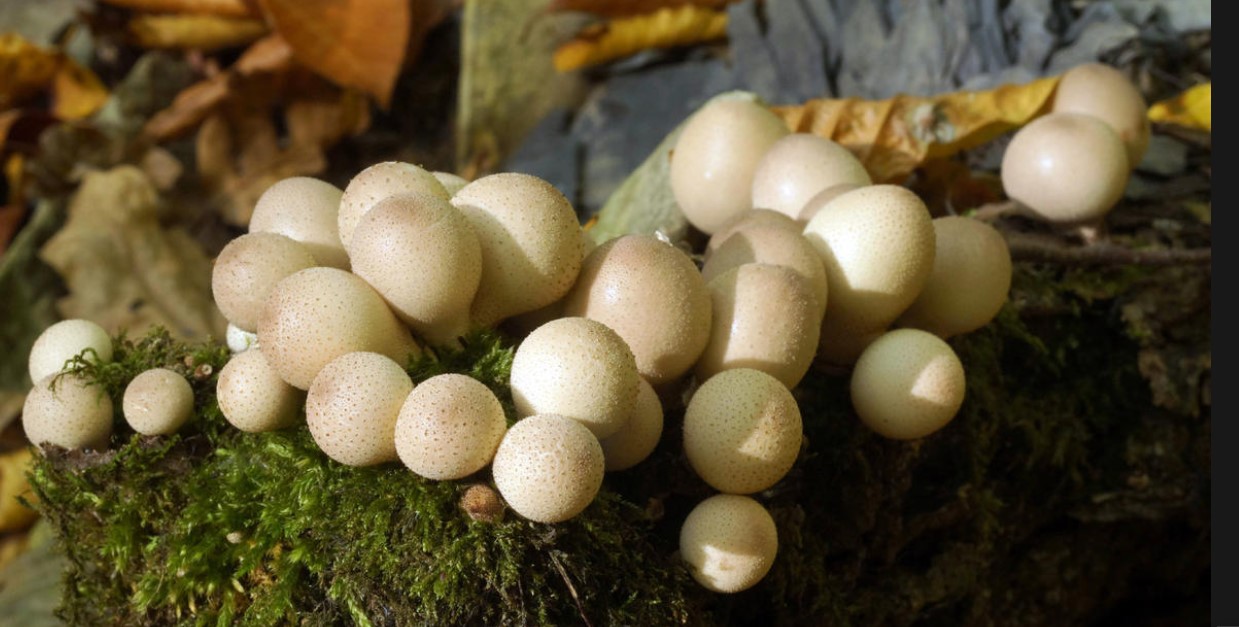
Puffballs belong to the Agaricaceae family. From a distance, they look a lot like white ping-pong balls scattered across a meadow. The fruiting body can reach 15 cm in diameter. Puffballs are pear-shaped, with the stem and cap forming a single unit and located under a single covering.
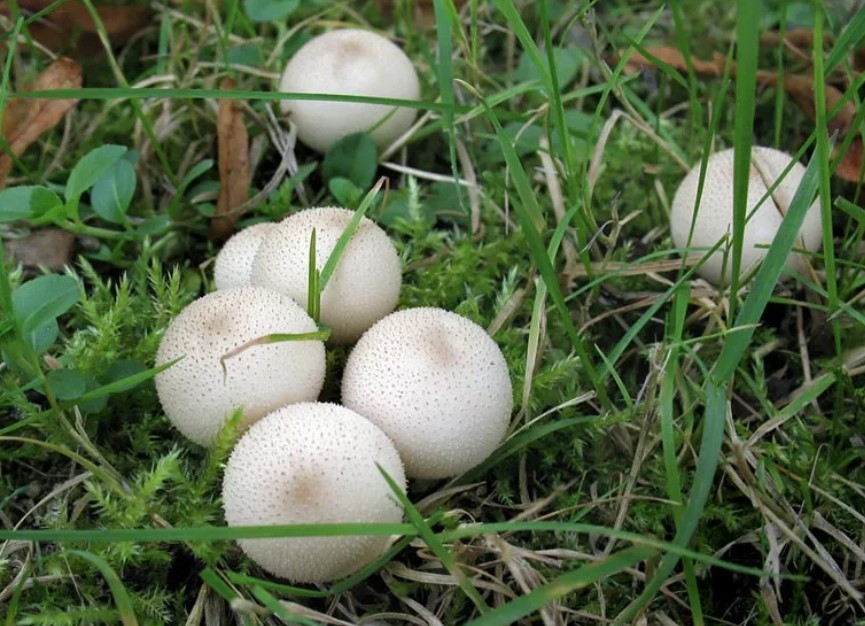
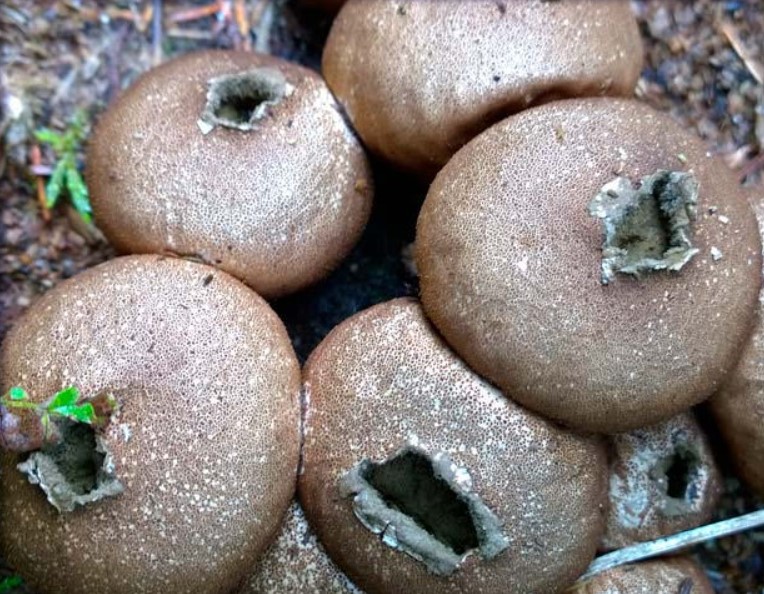
Young specimens have firm, white flesh, but as they mature, spores begin to form, and the fruiting body ruptures, releasing a grayish smoke of mature spores. This is where the name "grandfather's tobacco" comes from.
The mushrooms have a pleasant aroma. However, only young puffballs are edible.
Composition, calorie content and nutritional value of the puffball mushroom
Puffball mushrooms contain only 27 kcal per 100 g, making them ideal for dietary nutrition for those who want to lose weight or are monitoring their weight.
In addition, 100 g of the product contains:
- 4.3 g protein;
- 1 g fat;
- 1 g carbohydrates.
The puffball mushroom is renowned for its rich vitamin and mineral content, which is why it is widely used in homeopathy and folk medicine:
- Zinc. Responsible for the synthesis of sex hormones and supports the genitourinary system.
- Calcium. Essential for maintaining bones.
- Chromium. Normalizes metabolic processes.
- Sodium. Maintains normal acid-base balance.
- Iodine. Necessary for the normal functioning of the thyroid gland.
- Iron. An essential element for hematopoiesis.
- Potassium. Supports cardiovascular health.
- Methionine. Removes toxins from the body.
- Cysteine. It is an active participant in the process of collagen synthesis.
- Vitamin D. An essential element for maintaining basic vital processes in the body.
- B vitamins. Responsible for the normal functioning of the nervous system.
Edible and healthy types of puffball mushrooms
Let's take a look at puffball mushrooms, which you can safely eat and even benefit from.
Puffball
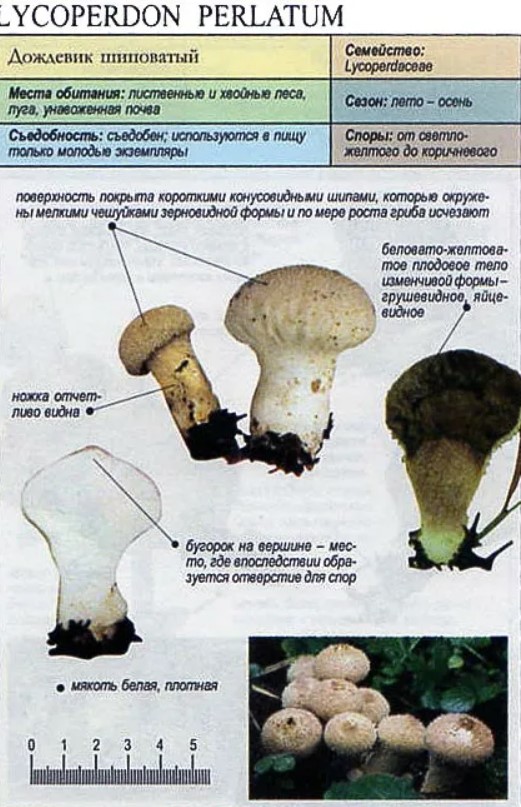
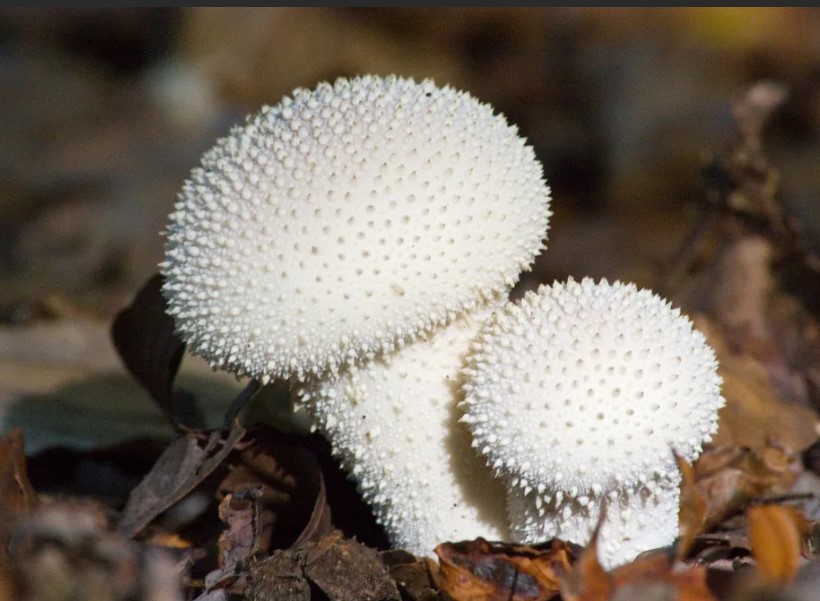
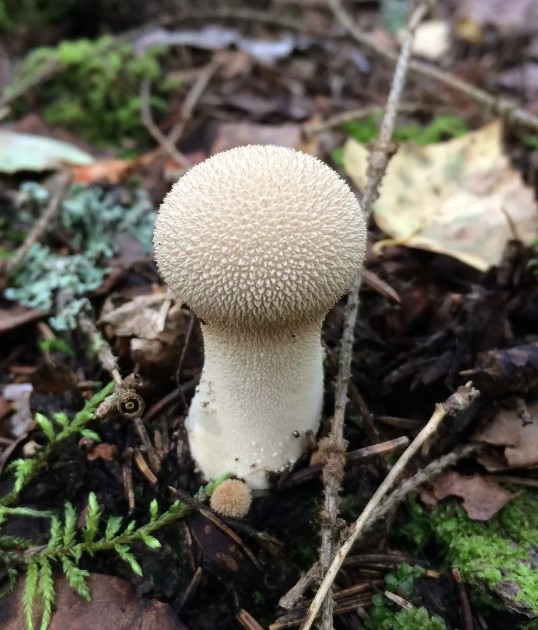
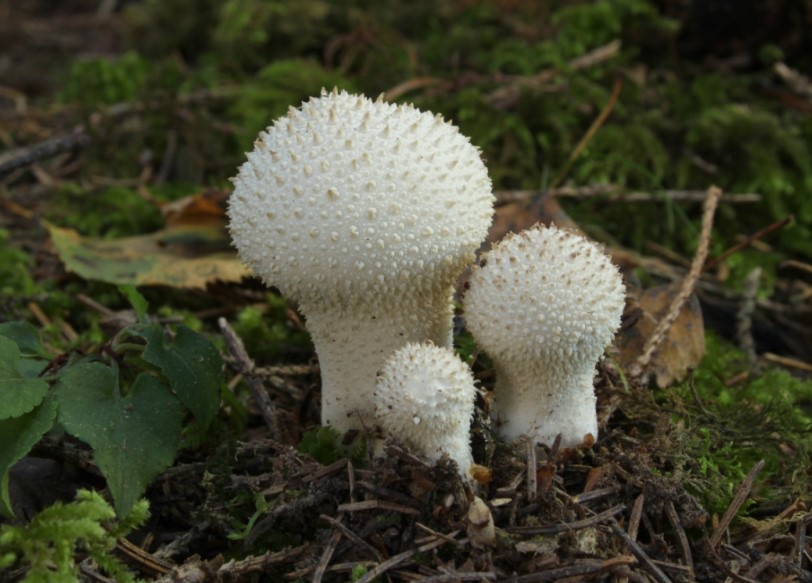
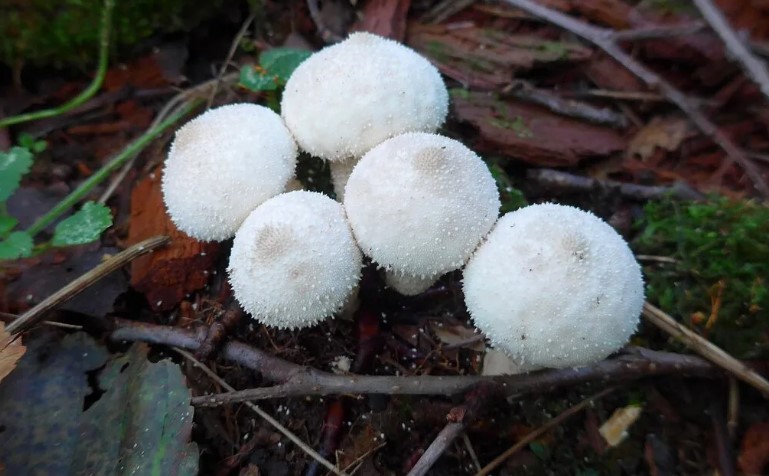
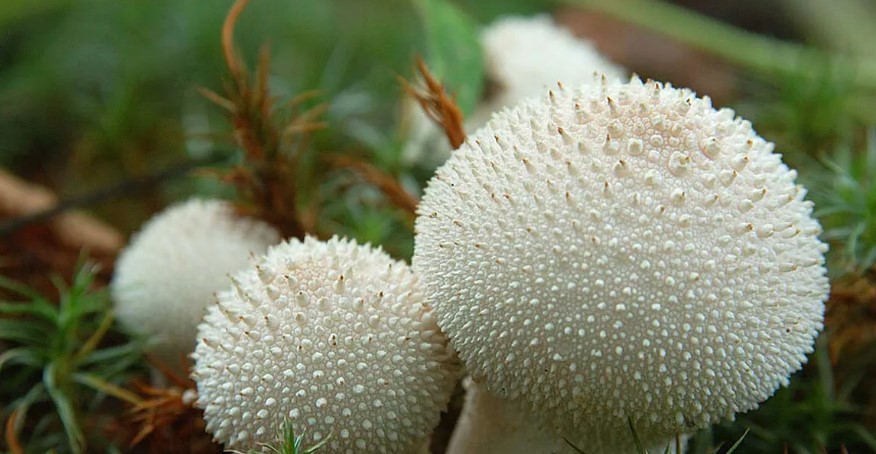
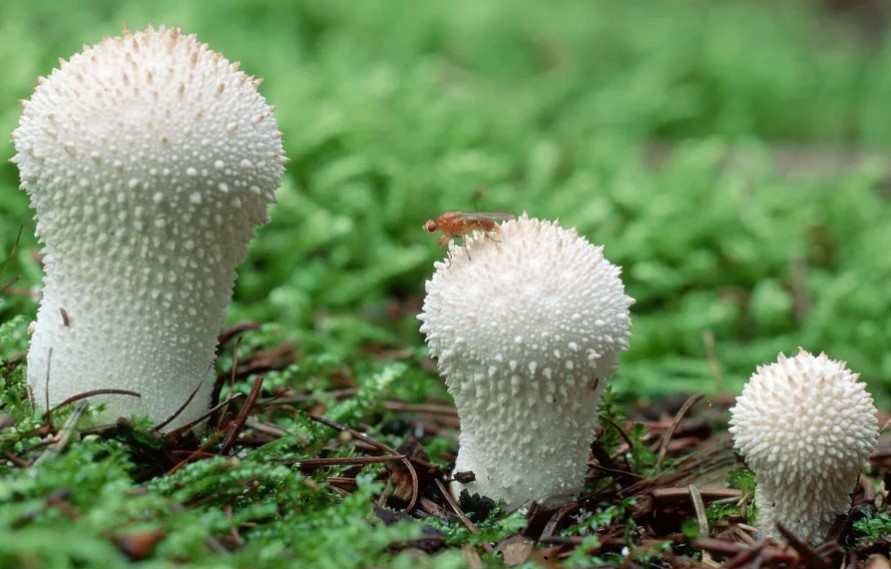
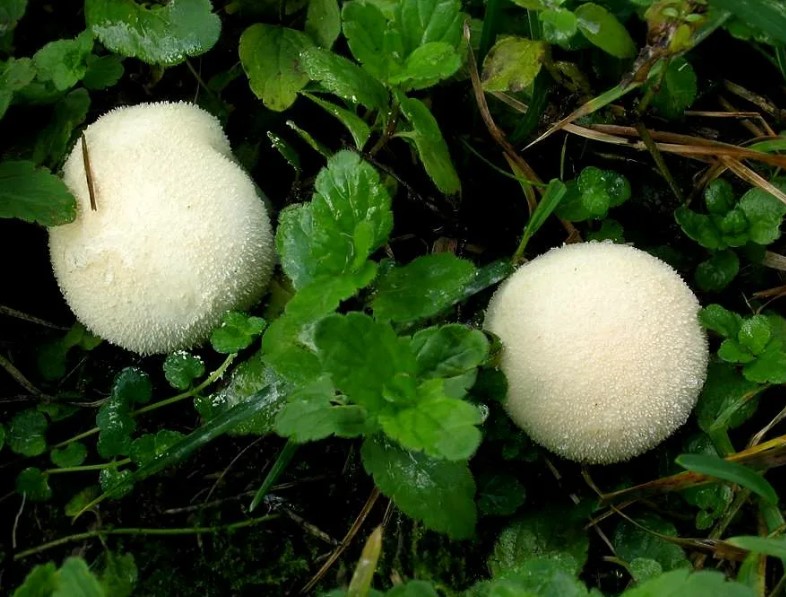
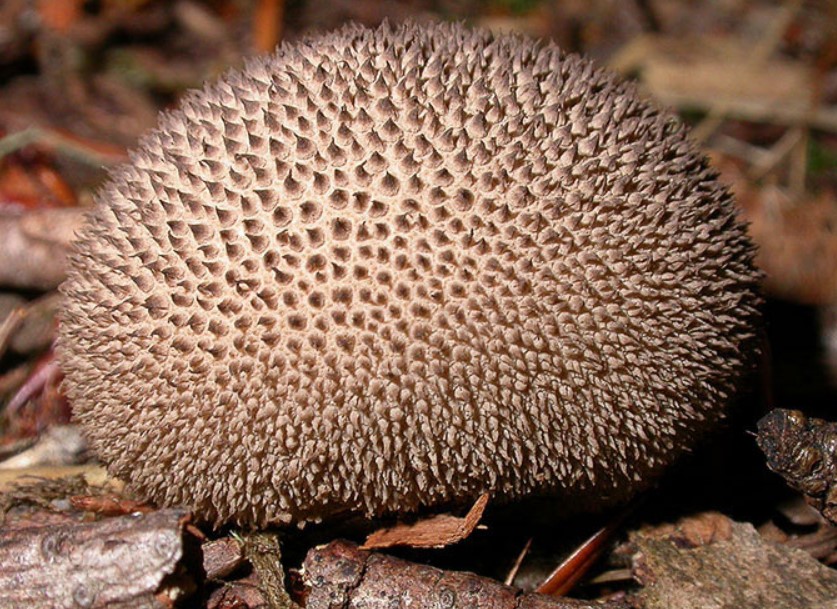
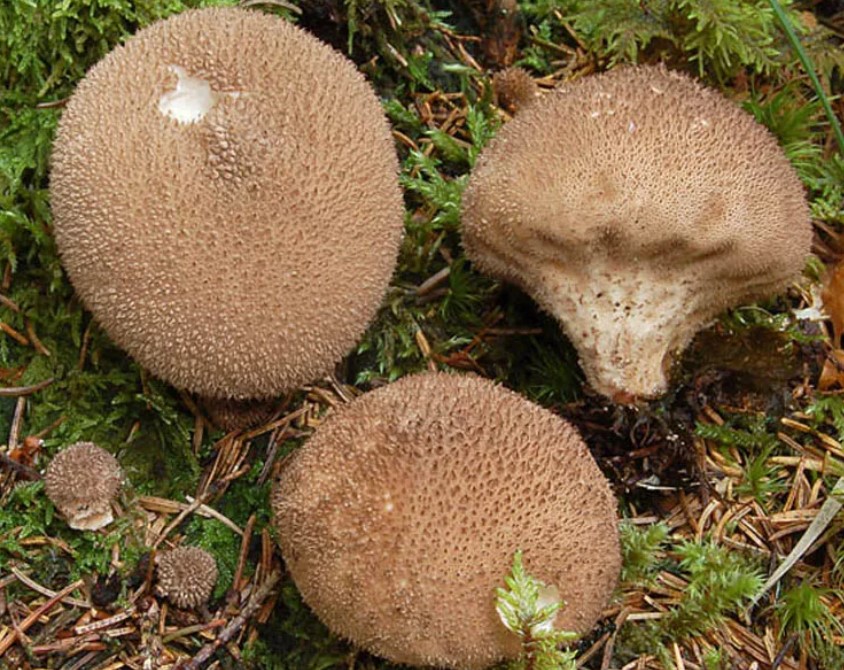
The mushroom's fruiting body is covered in small spines that are easily removed, leaving behind a whimsical pattern on the surface. It grows in groups in clearings, parks, coniferous and deciduous forests, on organic debris and fallen trees. The pulp has a pleasant aroma. It can be found from July to October. It is used for the comprehensive treatment of tumors, anemia, and gastrointestinal problems.
Photo gallery of the puffball
Meadow puffball
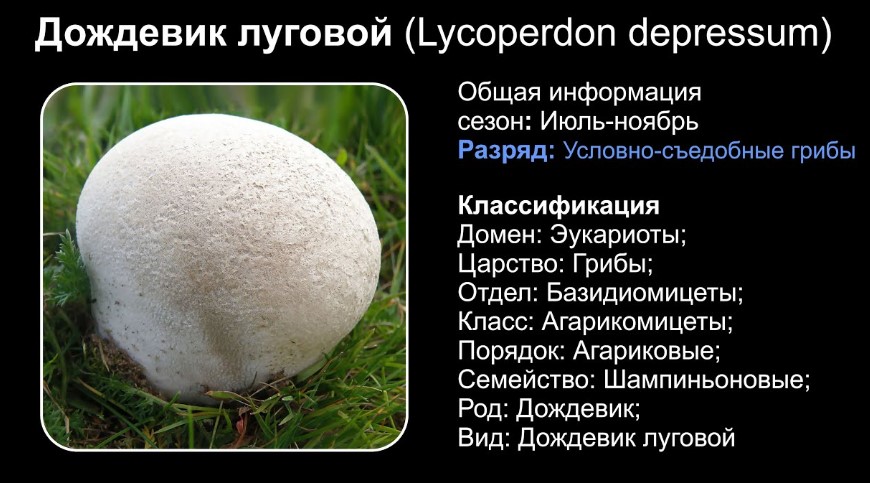
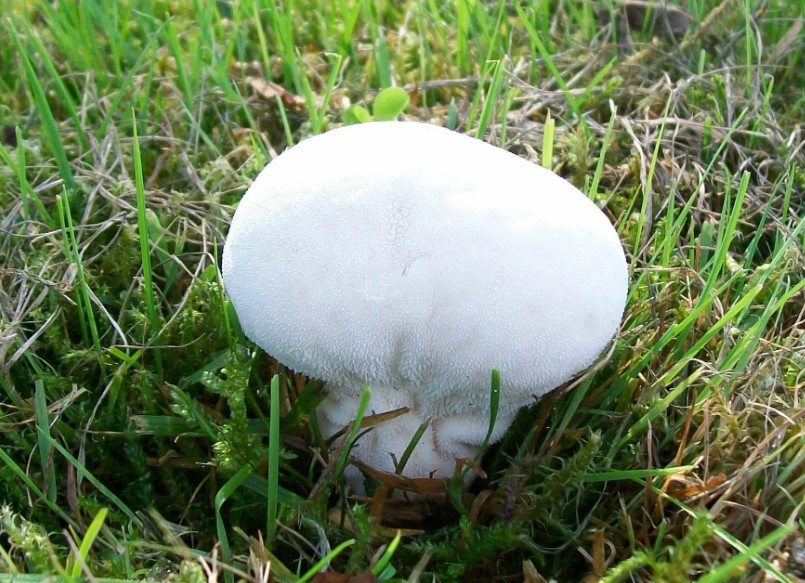
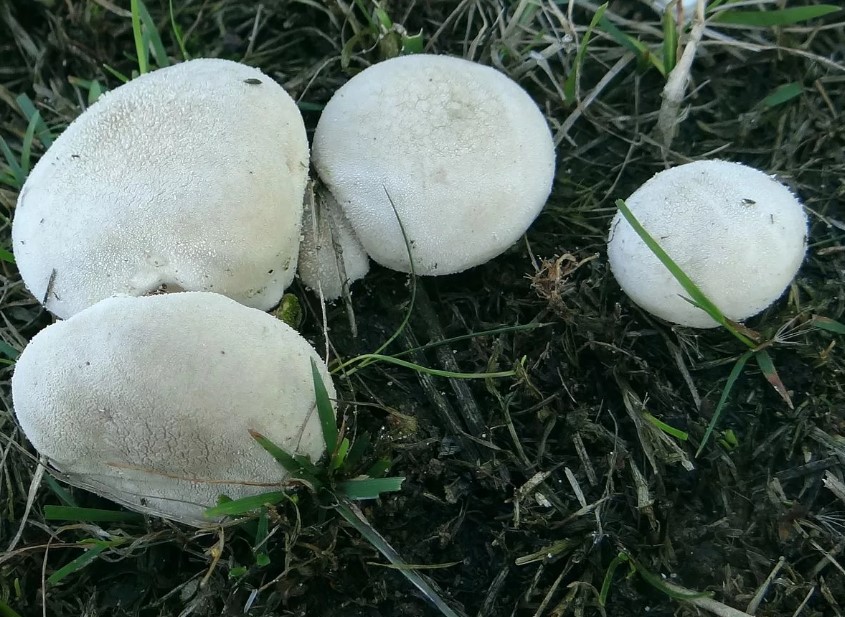
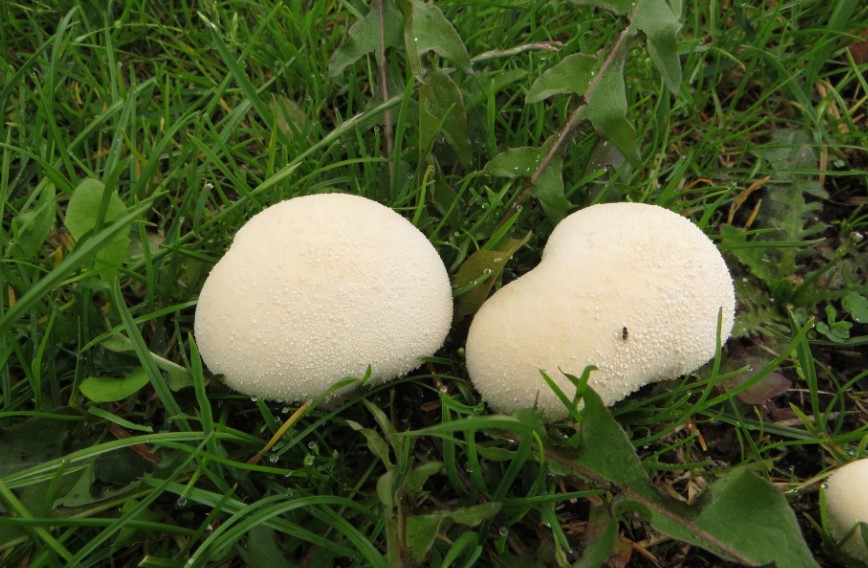
The cap is round-oval, up to 5 cm in diameter. The stem tapers at the base. The mushroom is white, and the flesh is dense and aromatic. It grows in fertile soil in forested park areas. Fruiting begins in June and continues through October. It has a hemostatic effect.
Photo gallery of the meadow puffball
Pear-shaped puffball
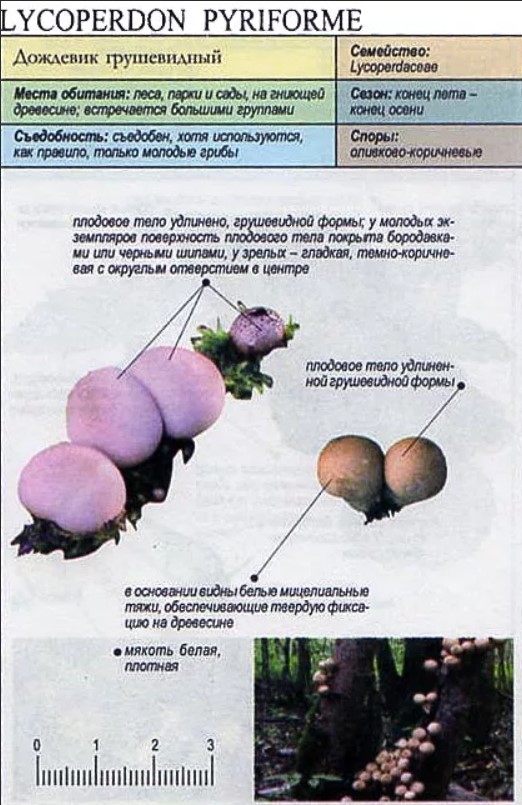
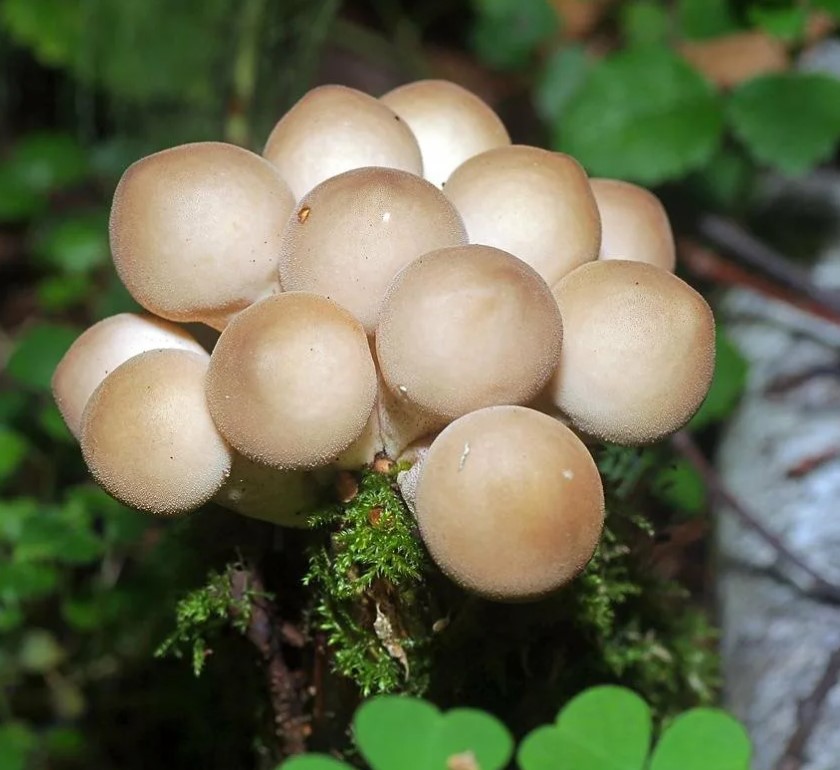
The cap diameter reaches 7 cm, and the mushroom height does not exceed 4 cm. The stem is weakly defined. Young mushrooms are white. The aroma is indistinct. Mushrooms grow in coniferous forests on tree stumps and mossy clearings. Fruiting lasts from July to October. It has anti-tumor properties, cleanses the body of parasites and toxins, and supports cardiovascular function.
Photo gallery of the pear-shaped puffball
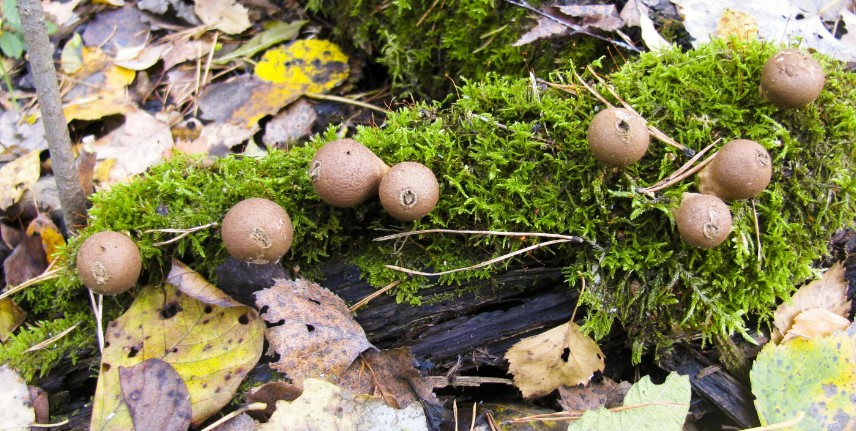
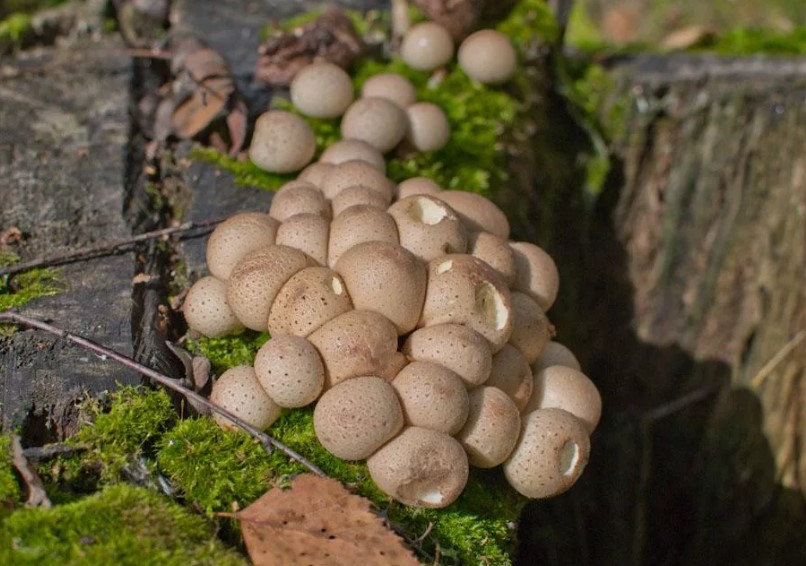
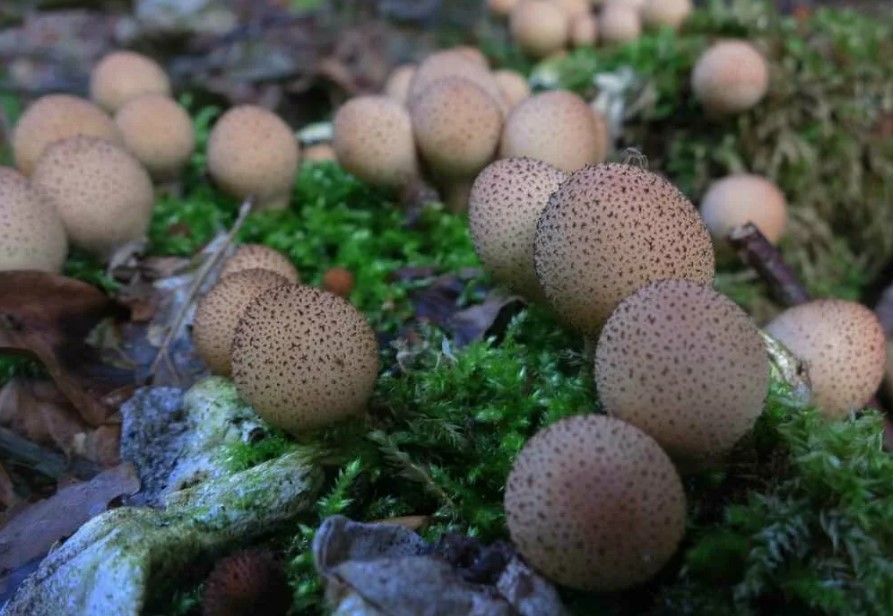
The raincoat is real
The mushroom has a spherical body and is almost completely lacking a stem. It is white in color. The flesh is firm and light, but as the spores form, it becomes grayish-brown or even olive. These mushrooms are found everywhere and have wound-healing properties. They fruit from July to October.
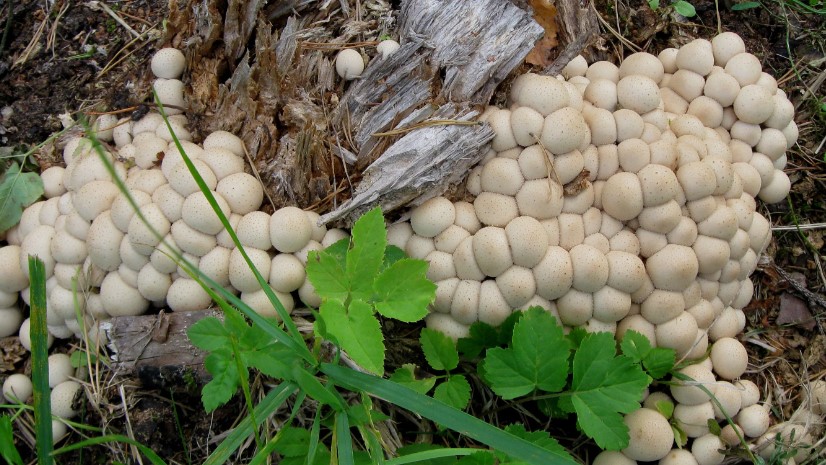
Brown raincoat
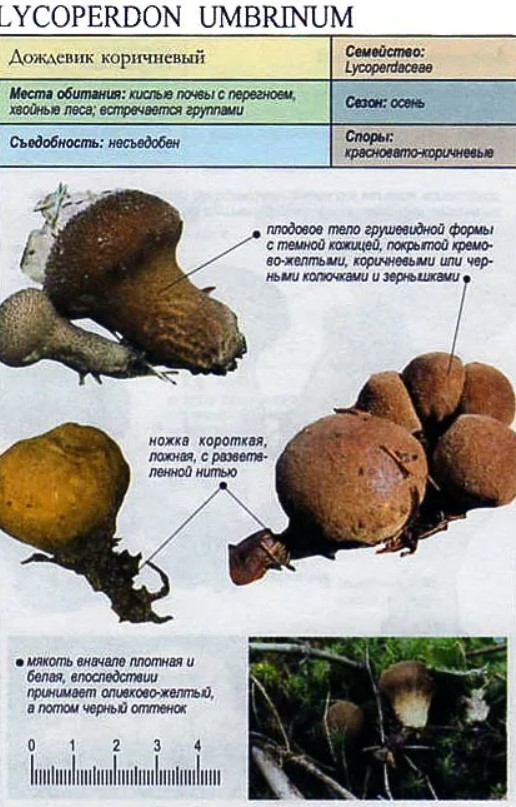
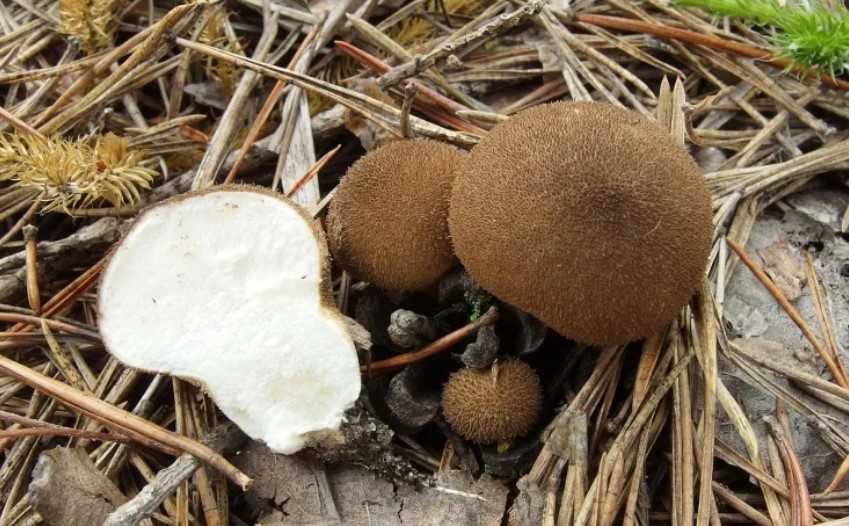
The mushroom's cap is atypical for puffballs—brown. The surface is covered with spines that are easily peeled and impervious to injury. The flesh is white, but also turns brown over time. The mushroom bears fruit from July to September. It is used in cooking as a seasoning, only when young and quickly picked.
Photo gallery of the brown puffball
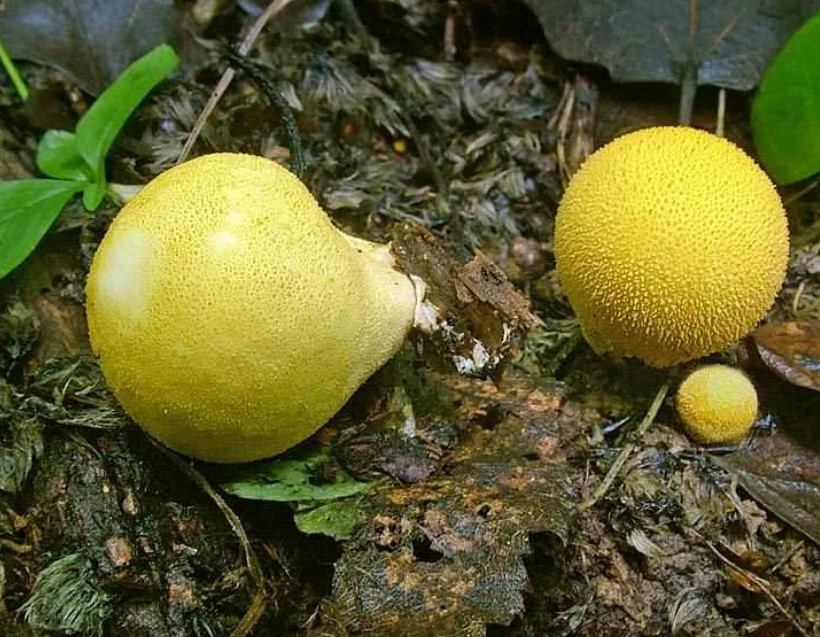
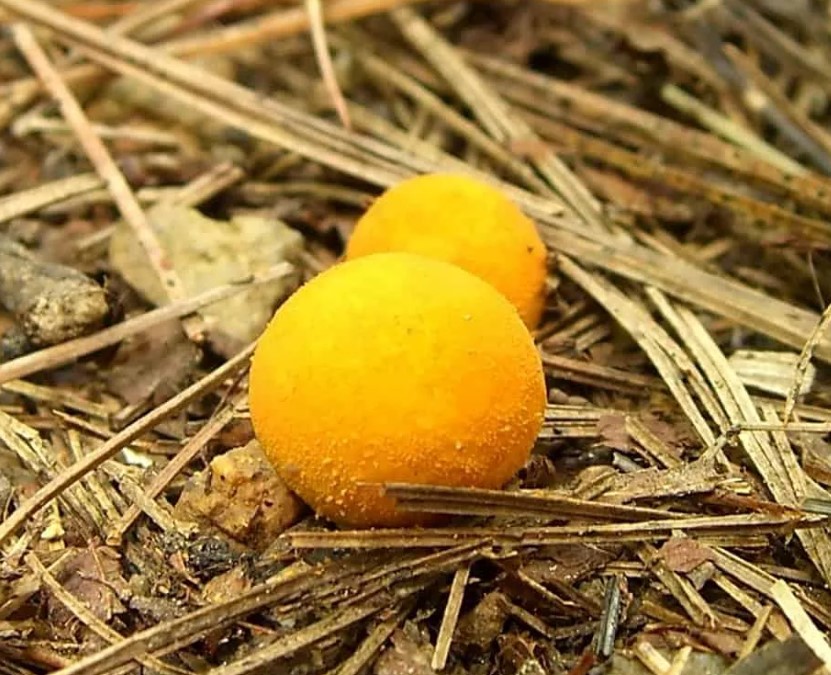
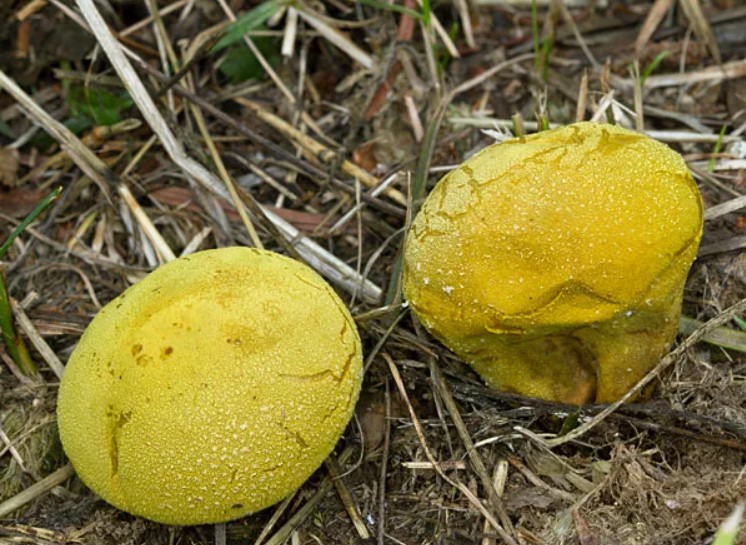
Yellow-colored puffball (Lycoperdon flavotinctum)
This puffball species is distinguished by its coloring, resembling a small sun. Young specimens are spherical and have white flesh. As they mature, the shape becomes pear-shaped, and the flesh darkens. The white flesh, like that of other puffballs, is edible.
Photo gallery of the yellow-bellied puffball
What Science Says About the Puffball Mushroom
The science of fungotherapy emerged in Japan many years ago. It studies mushrooms for their medicinal properties. This science is gaining increasing popularity worldwide, as the effects of mushrooms have gained a vast evidence base. American scientists have discovered a unique substance, calvacin, in mushrooms, which helps fight tumors. In our country, mushroom pharmacies and scientific societies have also emerged, continuing to study the benefits of mushrooms.
Benefits of puffball mushrooms
Taking puffball tea helps remove toxins and heavy metals from the body, which is an excellent preventative for the development of tumors.
Dishes containing these mushrooms support the functioning of the cardiovascular system, thyroid gland, liver and kidneys.
Extracts and powder of puffball are used in medicine, homeopathy and cosmetology.
Medicinal properties of puffball mushrooms
Puffballs have a broad spectrum of action, beneficially influencing virtually all vital systems of the body. Mushrooms are often used in folk medicine.
Traditional medicine recipes with puffballs
- A hemostatic agent. A young puffball is cut in two and the pulp is applied to the wound.
- Healing purulent wounds. Treat the damaged area with hydrogen peroxide, then sprinkle with puffball spores. No need to bandage the wound immediately. Repeat this procedure three times a day until the wound is completely clear.
- Treatment for a runny nose. For nasal congestion, inhale puffball spores three times a day.
- A comprehensive tonic and healing remedy. Chop 300 g of mushrooms, add 500 ml of vodka, and store in a dark place for 14 days. Take 30 minutes before meals three times daily, diluted with water in a 1:1 ratio. The course of treatment is 3-6 months.
Cosmetic properties of puffball mushrooms
The puffball mushroom is widely used in cosmetology. Add a small amount of crushed mushroom to your favorite face mask, and after just a few uses, you'll notice a more even complexion and a reduction in wrinkles.
If you infuse puffball powder in a weak alcohol solution, you will get an excellent tonic that relieves irritation.
Harm and contraindications of puffball mushrooms
Puffballs have no poisonous counterparts, so they can be picked without fear. However, only young specimens are eaten.
Overeating mushrooms can lead to indigestion, especially since any mushroom is considered a fairly heavy food that should be consumed in moderation.
The following categories of people are contraindicated from eating puffballs:
- teenagers under 14 years of age;
- pregnant and lactating women;
- elderly people;
- persons with chronic gastrointestinal diseases.
Medicinal properties of the giant puffball mushroom from the Golovachy genus
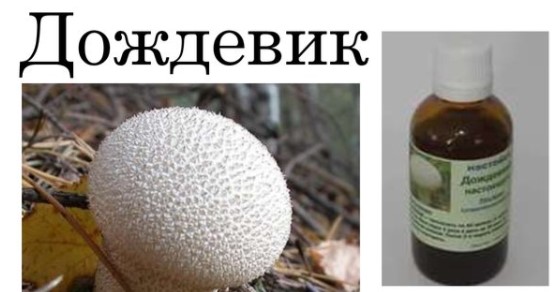
The giant puffball mushroom, a member of the Golovachyi genus, has numerous beneficial properties. A tincture made from the mushroom stimulates the immune system, kills viruses, reduces inflammation, and treats skin conditions.
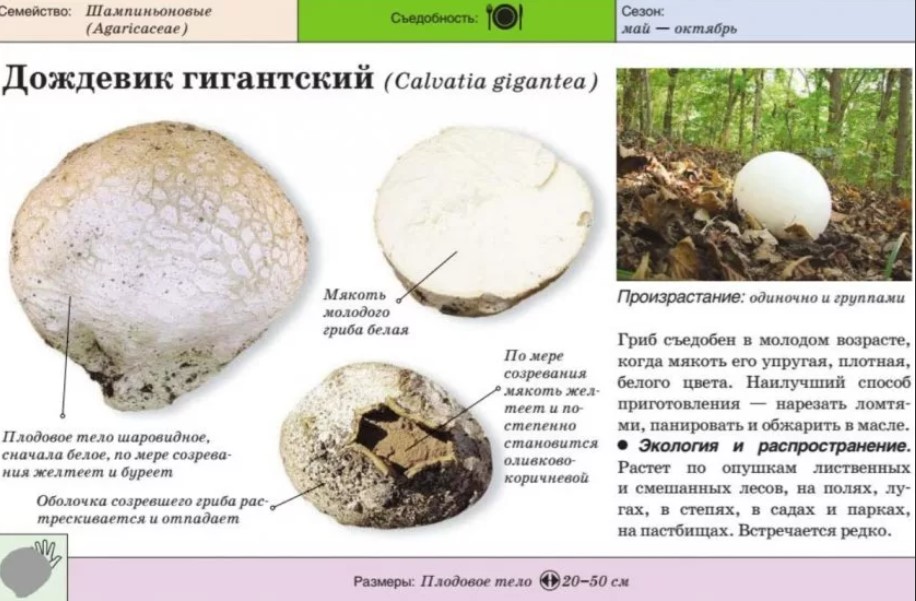
The mushroom is used not only in folk medicine and homeopathy, but also in veterinary medicine.
Mushrooms with spores are dried, ground into powder, and used to make tinctures. Below are a few simple recipes.
Dissolve 1 heaping teaspoon of powder in a glass of hot water and let steep in a glass container for 1 hour. Then drink half a glass twice daily.
Dissolve the mushroom powder in vodka (1:5 ratio), let it steep in a dark place for 14 days, and take 1 teaspoon 30 minutes before meals 2-3 times daily. The course lasts 3-4 weeks.
For complex cancer treatment, another tincture is prepared: 1 cup of spore powder is poured into 500 ml of vodka. The bottle is buried 30 cm deep in the ground and left there for 21 days. Carefully dig it up to avoid disturbing it. Strain the tincture and take 1 tablespoon 30 minutes before meals 3 times daily.
Cooking puffball and golovachi mushrooms
Puffballs and golovachi are cooked in the same way. They are delicious in soups, salads, and also fried and stewed.
Primary training
Preparing mushrooms for consumption is carried out in three stages:
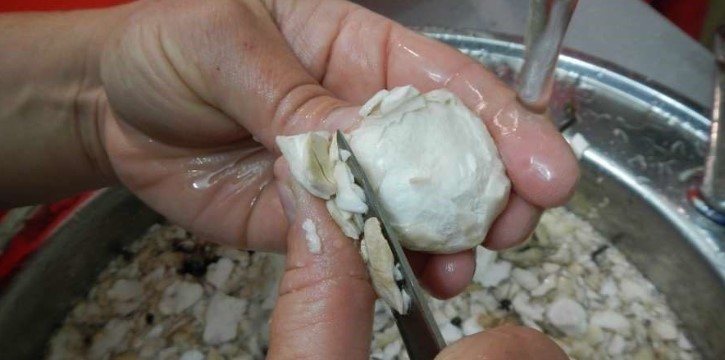
- thorough washing of forest debris and sand;
- peeling;
- boil in salted water for 30 minutes.
Culinary recipes
We offer you several recipes for making puffballs.
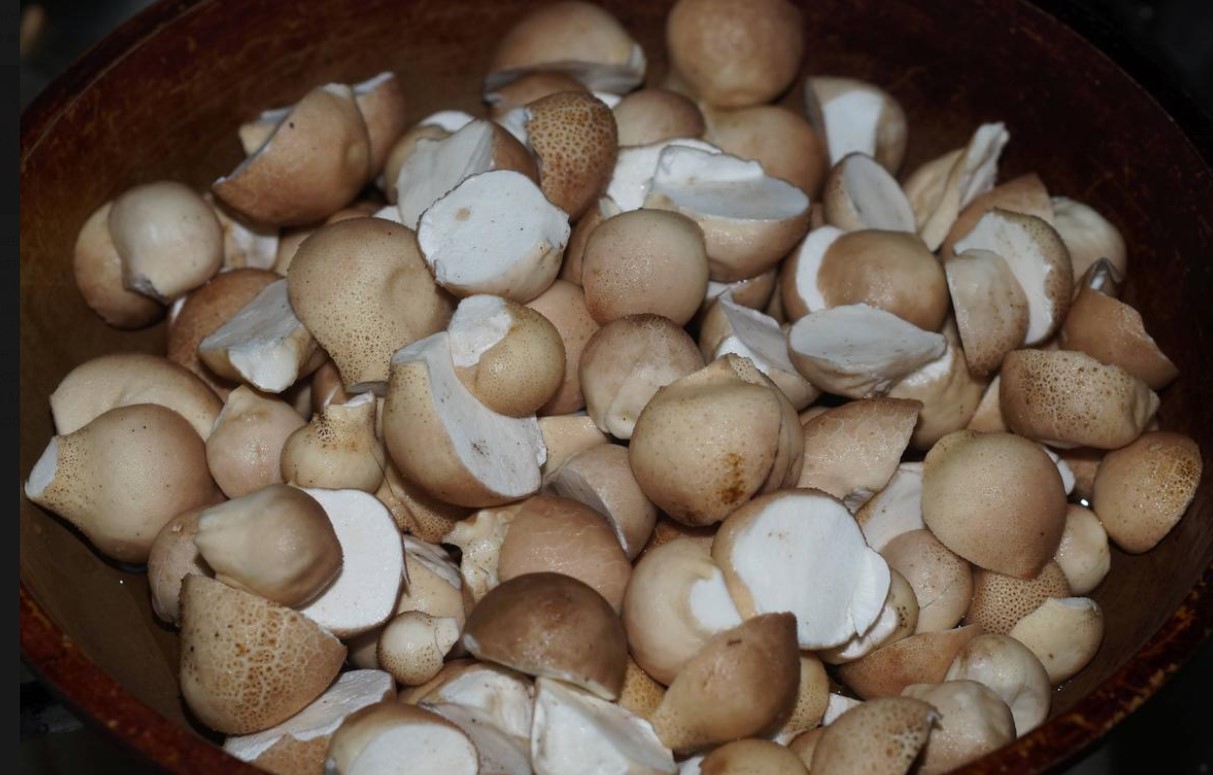
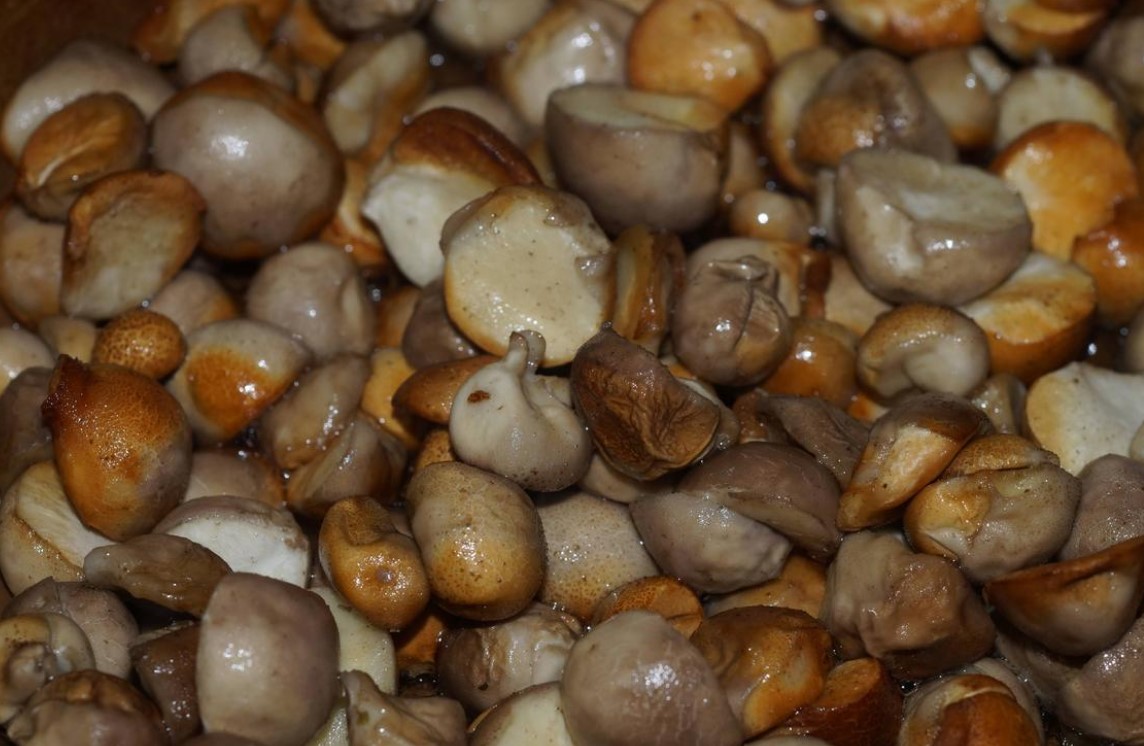
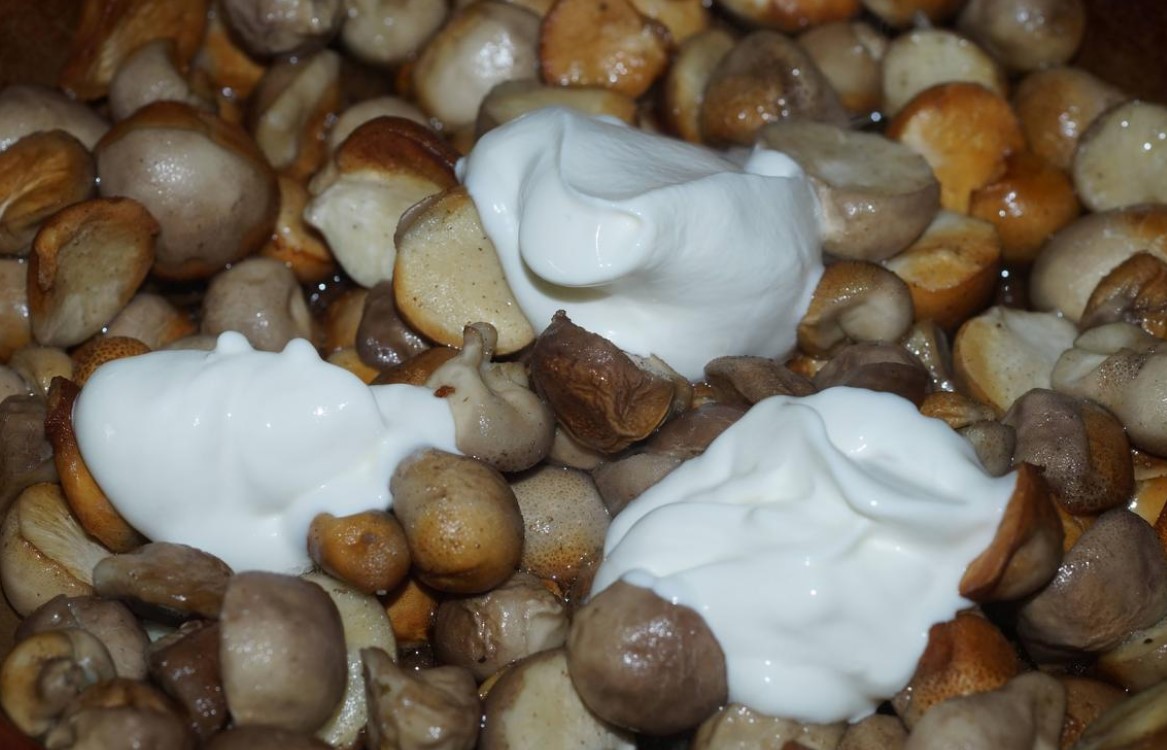
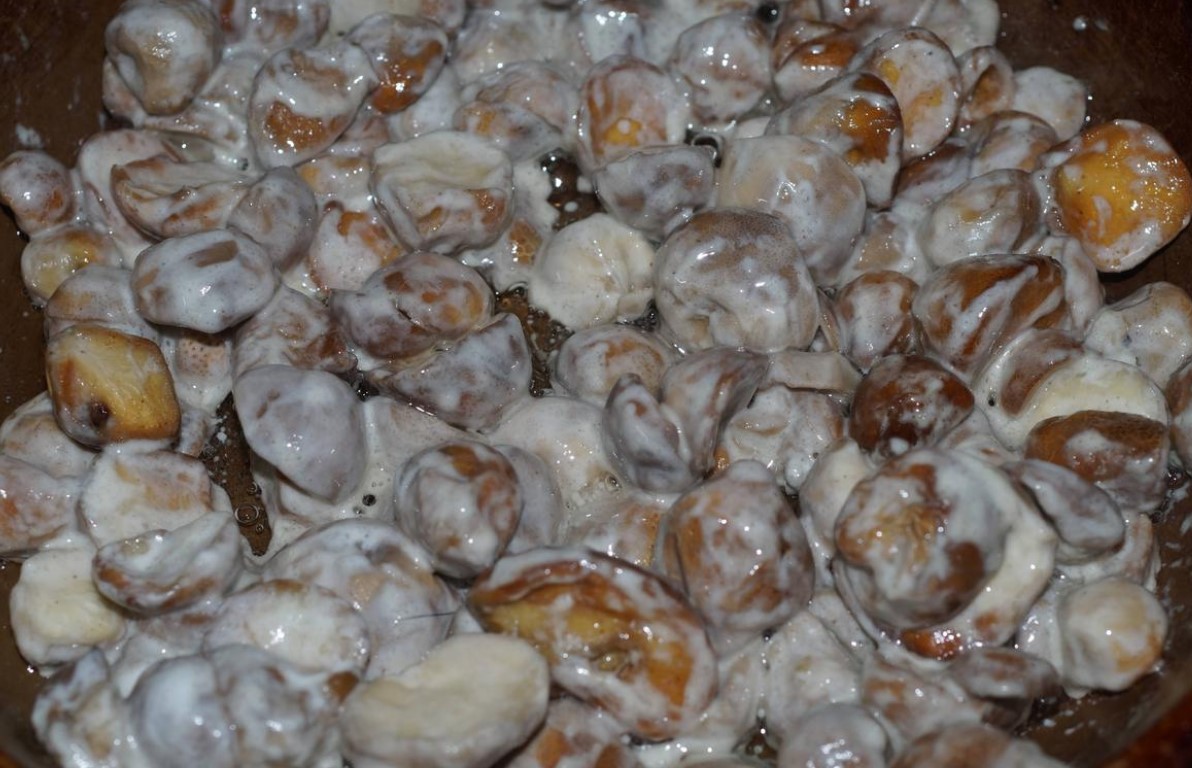
Mushrooms in sour cream
Ingredients:
- 500 g of raincoats;
- 250 g sour cream;
- 2 onions;
- 2 tbsp vegetable oil.
Preparation:
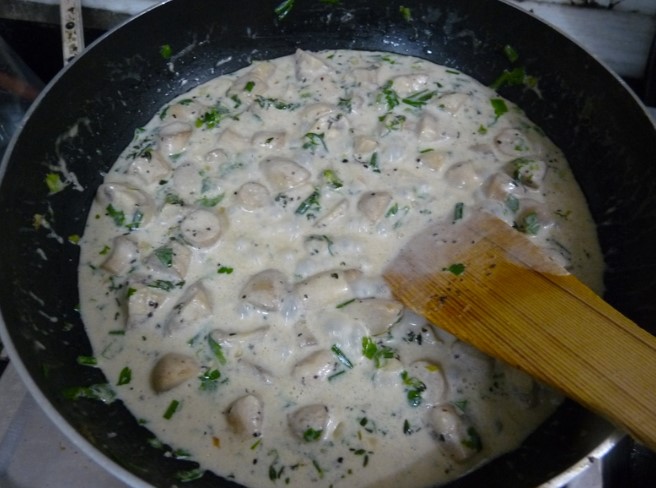
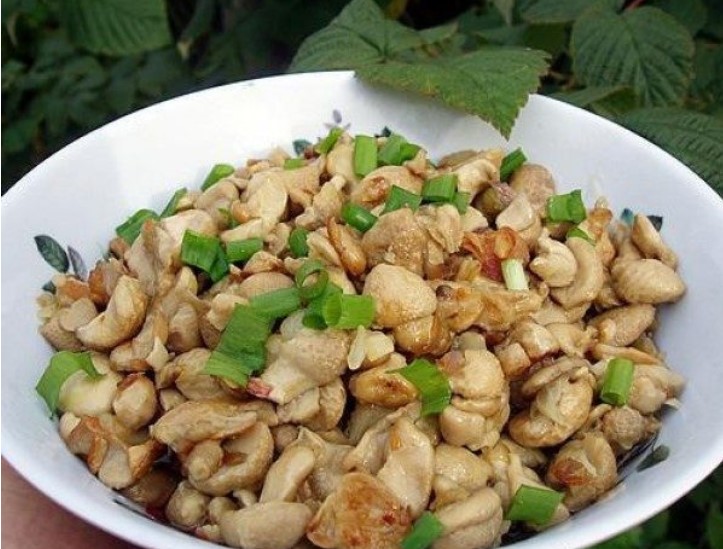
Slice the mushrooms and fry them in oil for 20 minutes. Then add finely chopped onion and fry for another 25 minutes. Then, pour in the sour cream, spices, and salt and simmer for 5 minutes over low heat.
Baked Puffballs
Slice the young mushrooms, mix with spices and mayonnaise, and marinate for 40-60 minutes. Preheat the oven, place the mushrooms in a baking bag, and bake for 60 minutes. Serve garnished with grated cheese and herbs.
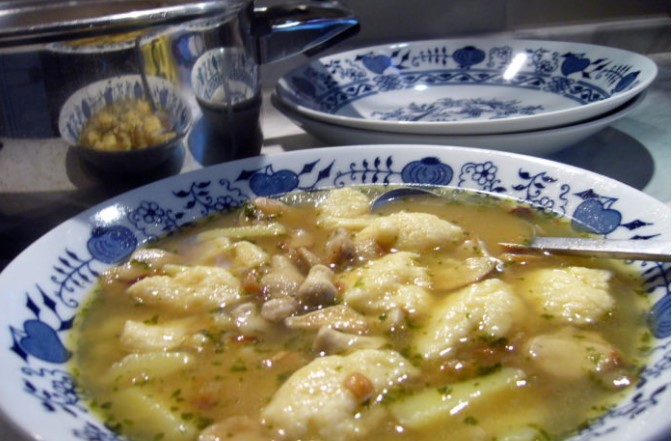
Soup with dumplings and puffballs
Ingredients:
- 3 potatoes;
- 300 g fresh puffballs;
- 1 onion;
- herbs, spices, salt to taste;
- 1 cup flour;
- 2 eggs;
- 1 cup of water;
- 80 g butter.
Instructions:
- Pour water into a saucepan, chop the potatoes finely and put them to boil.
- Mushrooms and onions are fried in oil for 5-7 minutes and placed in a pan.
- In a separate bowl, boil a glass of water, add butter and salt.
- After boiling, remove the bowl, quickly stir in the flour, then add the eggs – the dumpling dough is ready.
- Place a teaspoon of batter into the pan, let it simmer for 5 minutes, and then remove from the heat. Add herbs before serving.
How to preserve puffball mushrooms
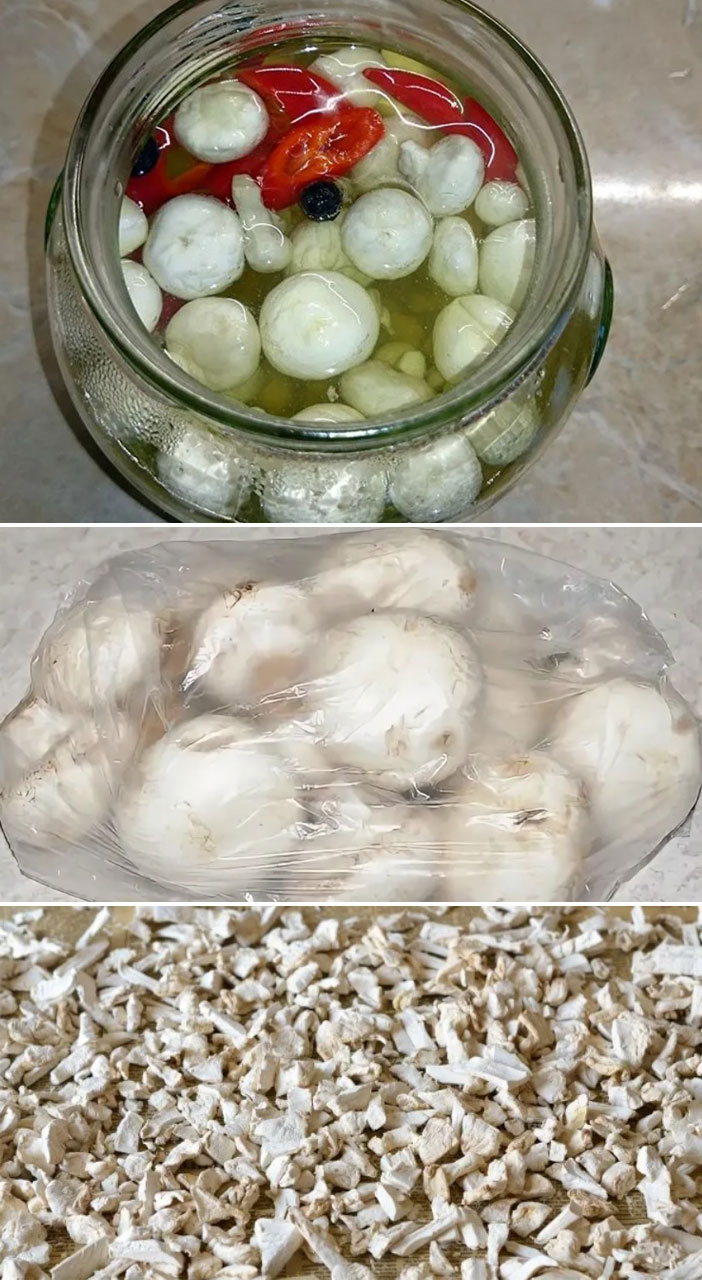
It's best to process puffballs within the first 24 hours after harvesting. Their maximum shelf life is 48 hours. To extend this, they can be frozen. They should be prepared and sliced beforehand. Pickled puffballs can be stored for up to 12 months, but they don't have a distinct flavor. Mushroom powder can be stored in a dark place for about the same amount of time without losing quality.
Reviews of raincoat making
Puffballs are among the most fragrant mushrooms, comparable to porcini mushrooms. Fresh puffballs are excellent for soup, and they're also great for drying—their flesh is dense, pure white, worm-free, and they dry easily and evenly.
Many mushroom pickers neglect them in the forest, but in vain, because they are much more useful than many tubular mushrooms like aspen mushrooms and birch boletes, which are only beautiful in appearance.
And now there are a whole bunch of them—tree-growing ones have popped up, appearing alongside honey mushrooms, while honey mushrooms are almost gone in the European zone. You can easily cut half a bucket from a single tree, then cut them into 0.5cm slices and bake them on paper on a baking sheet at 60°C for 3-4 hours, or even on a country stove for two hours, then finish drying. Of the dried mushrooms, only porcini mushrooms are better than puffballs, but there are usually far fewer of them.
City: Novorossiysk, October 16, 2018
The day before yesterday I made Pear-shaped…
I washed it, cut it in half, fried it and stewed it with sour cream...
I didn't like them... They were too hard and rubbery. Of course, they can't compare to Golovach...
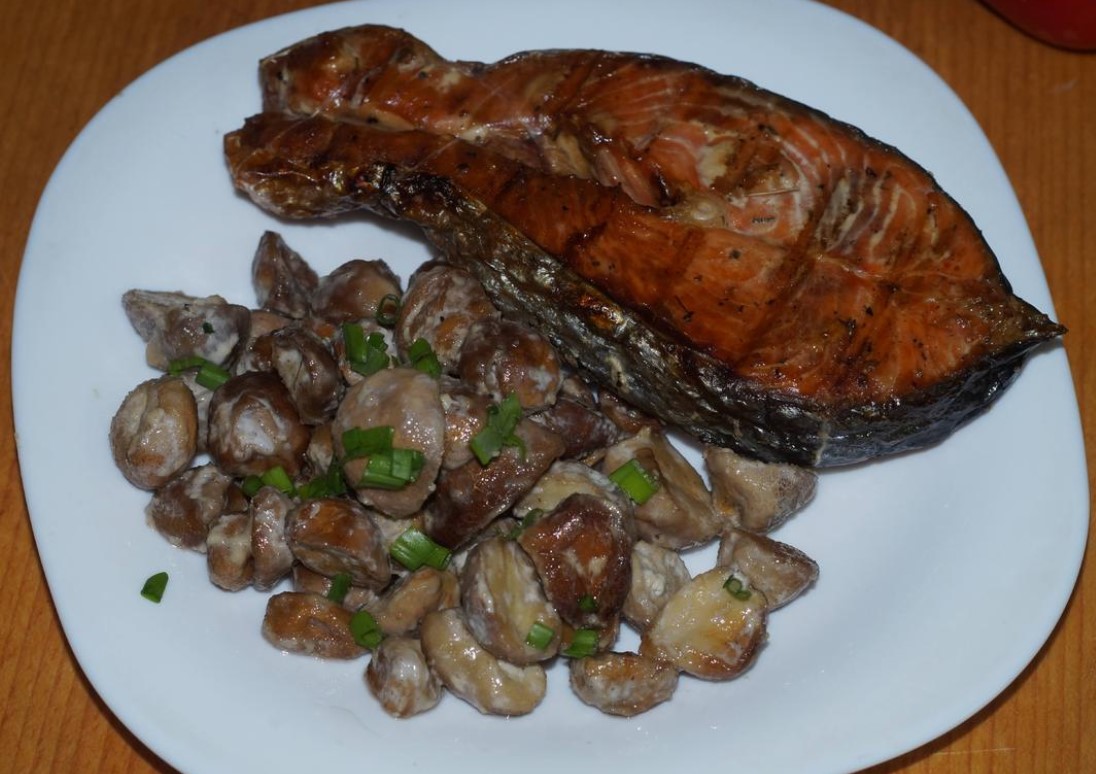
It seems all puffballs, even the slightly rubbery woody varieties, have a pleasant taste and aroma. I fry them without boiling them first, and they're so delicious I don't even bother adding sour cream. Soup made from fresh, uncut puffballs is delicious and inviting. They float in a clear broth.
I just fried potatoes with puffballs, it was very tasty, I've loved these mushrooms since childhood.
You don't need to boil them before frying. However, if you have any doubts about their ecological purity, it's better to boil them, but this applies to all mushrooms.
Conditionally edible mushrooms (morels and gyromitra, for example) are always boiled, but puffballs are edible without any conditions. Sometimes fragile mushrooms are boiled to prevent them from breaking during further cooking—this doesn't apply to puffballs.
Personally, I don't pre-boil puffballs; I fry them straight away. And I don't always peel the skin, unless it's quite thick and starts to crumble in my hands while washing.
I remember from my childhood how delicious it was to fry young puffballs.
I still collect them. Naturally, only young white ones. I fry them together with others.

We always ate them when we found them. We fried them—they were delicious. My grandmother grew up in a Siberian village and knows all about mushrooms. We show her the ones we find to see if they're edible. She has some mulleins, and she says, "You have to soak these, then they're edible, but the rest are bitter," things like that.
Edible puffballs are white inside. If they're yellow or gray, they're spoiled and shouldn't be eaten. And if there's a yellowish "smoke" coming out (my grandmother calls them "puffballs"), they're overripe. That's it.