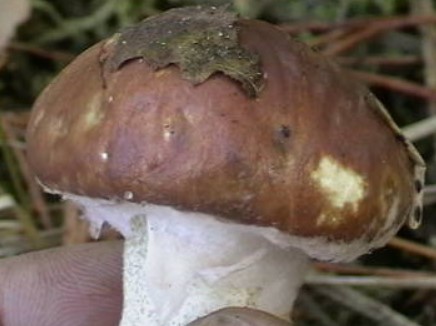
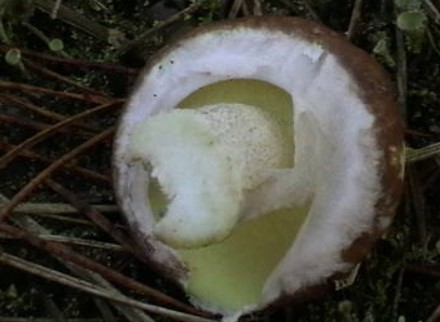
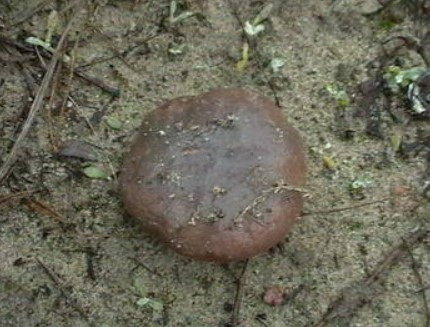
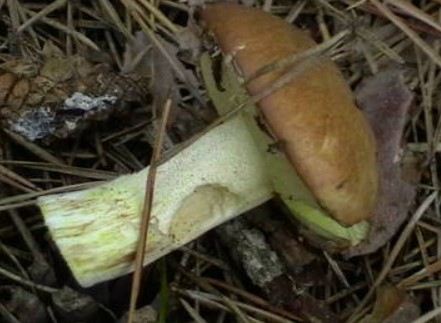
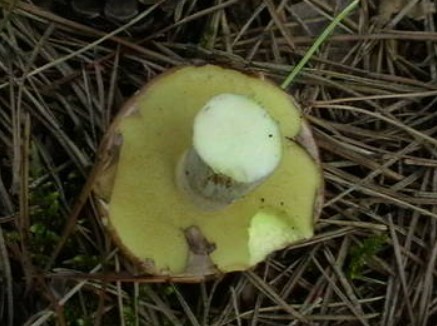
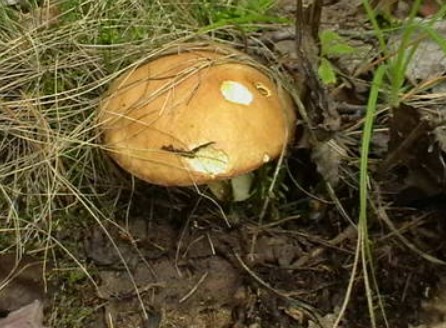
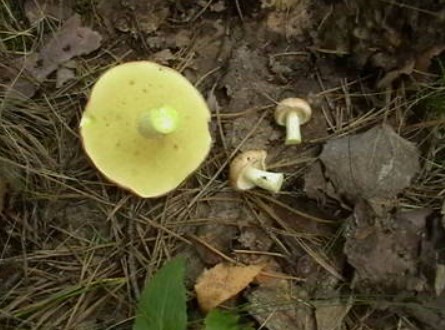
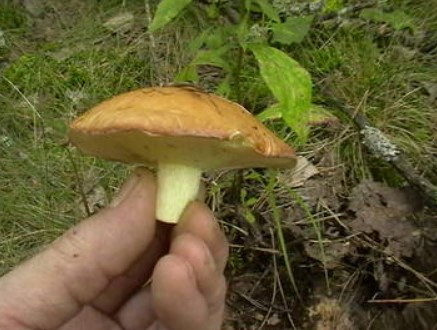
Butter mushrooms are renowned for their pleasant flavor and aroma, and are especially prized when pickled. However, in the wild, they can easily be confused with false lookalikes. They don't contain any deadly substances, but they can easily cause indigestion. Therefore, it's important to know the external characteristics of butter mushrooms and how to distinguish them from inedible specimens.
Content
- 1 Edible and inedible butter mushrooms: how to distinguish
- 2 12 edible species of butter mushrooms with photos and descriptions in tables
- 2.1 Bellini oiler (Suillus bellinii)
- 2.2 Suillus clintonianus
- 2.3 Yellowish butter mushroom, marsh butter mushroom (Suillus flavidus)
- 2.4 Summer butter mushroom (Suillus granulatus)
- 2.5 Common butter mushroom (Suillus luteus)
- 2.6 White butter mushroom (Suillus placidus)
- 2.7 Cedar butter mushroom (Suillus plorans)
- 2.8 Ruby butter mushroom (Suillus rubinus)
- 2.9 Sprague's butter mushroom (Suillus spraguei)
- 2.10 Red-breasted butter mushroom (Suillus tridentinus)
- 2.11 Yellow-brown butter mushroom (Suillus variegatus)
- 3 3 types of conditionally edible butter mushrooms with photos and descriptions in tables
- 4 Controversial species of butter mushrooms
- 5 Are there false butter mushrooms?
- 6 Is it worth collecting false butter mushrooms?
- 7 Symptoms of false butter mushroom poisoning and what to do
- 8 Reviews of mushroom pickers about butter mushrooms
Edible and inedible butter mushrooms: how to distinguish
It's difficult for a novice mushroom picker to distinguish true boletuses from false ones without knowing the specific characteristics of these mushrooms. We'll discuss these below.
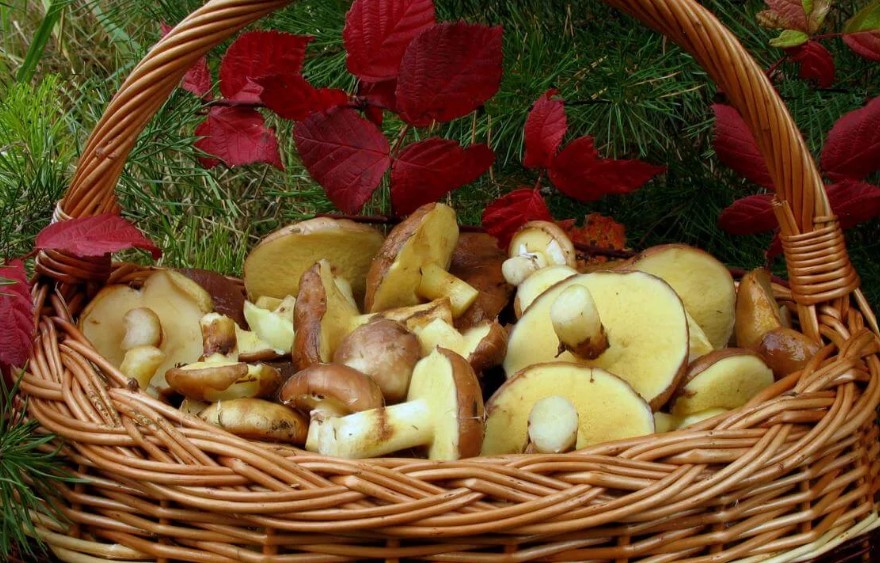
12 edible species of butter mushrooms with photos and descriptions in tables
Butter mushrooms belong to the Boletaceae family, and there are about 60 species. Their key features are the slimy skin on the cap and a small ring on the stem. These mushrooms grow in coniferous forests, forming mycorrhiza with pine, spruce, and some other coniferous trees. In warm, rainy weather, butter mushrooms can be harvested as early as May in some regions, but the main fruiting period is from July to September.
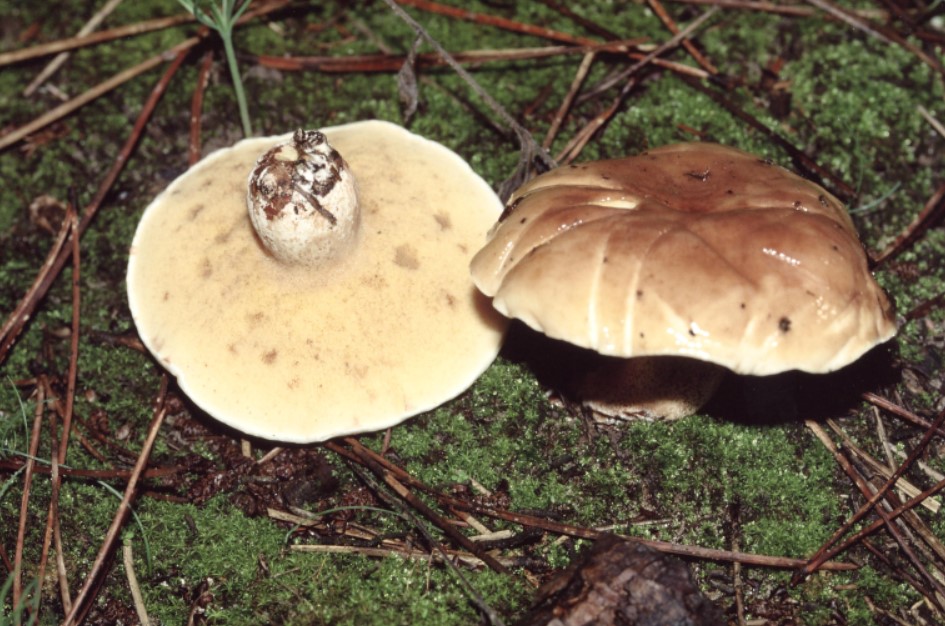
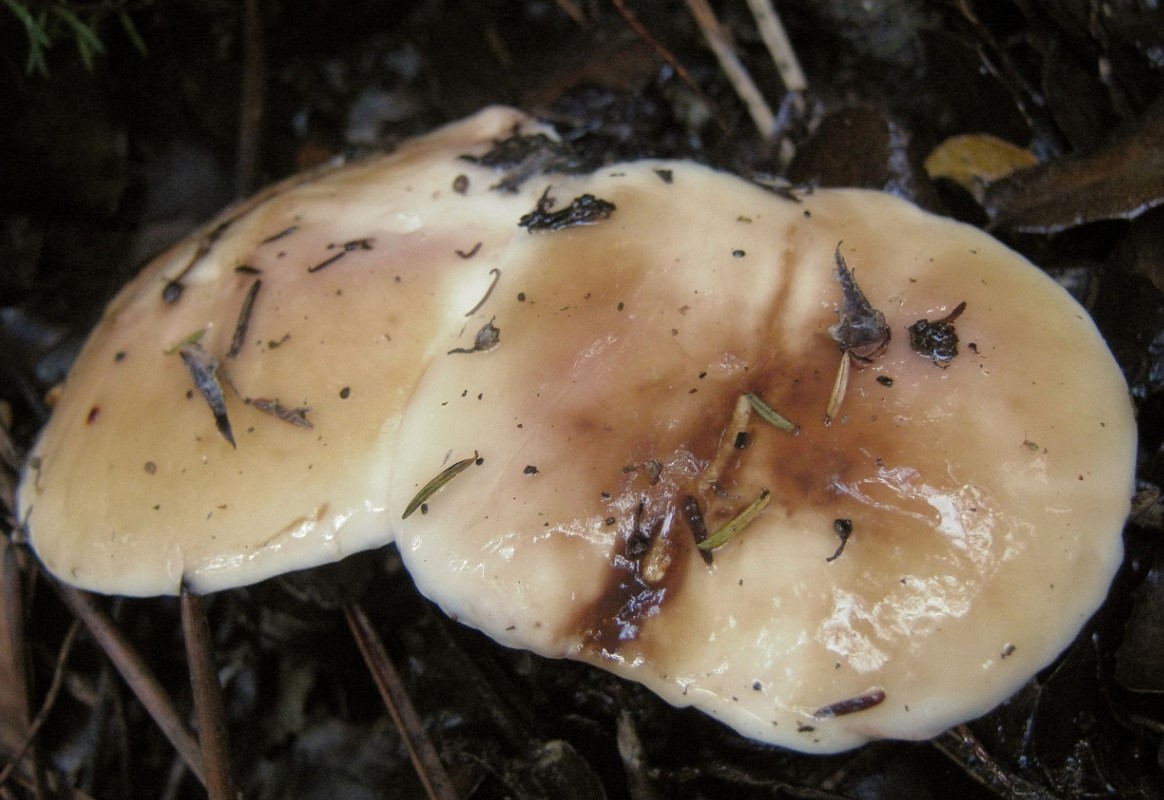
Bellini oiler (Suillus bellinii)
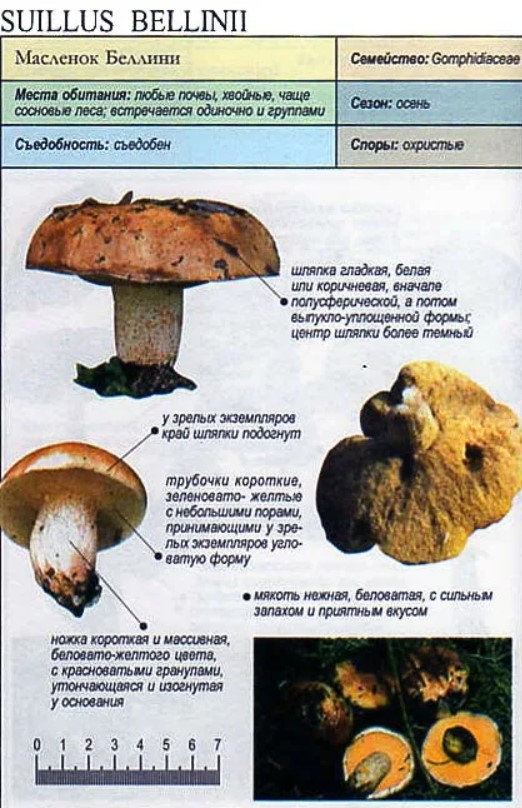
| Description | Distribution: tree, countries | Harvest season | Culinary uses |
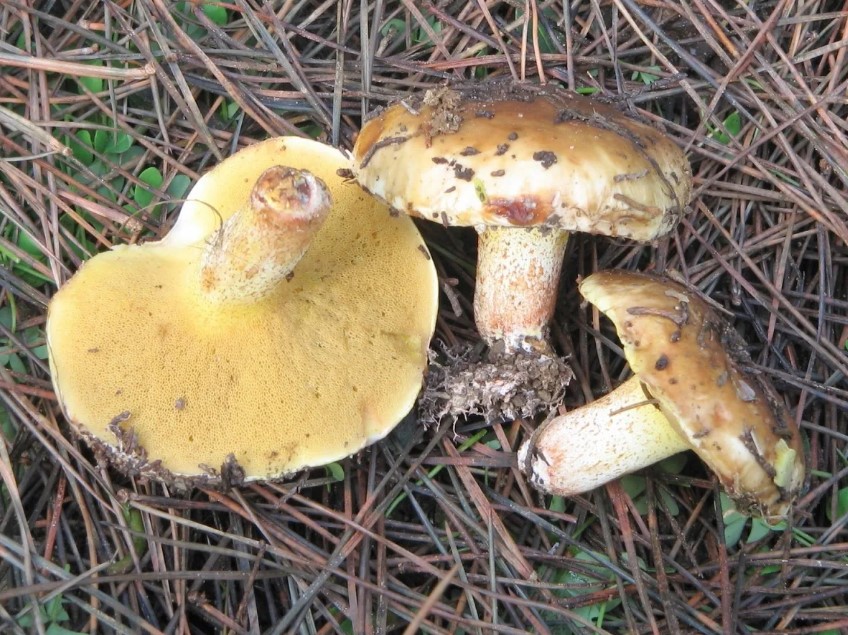
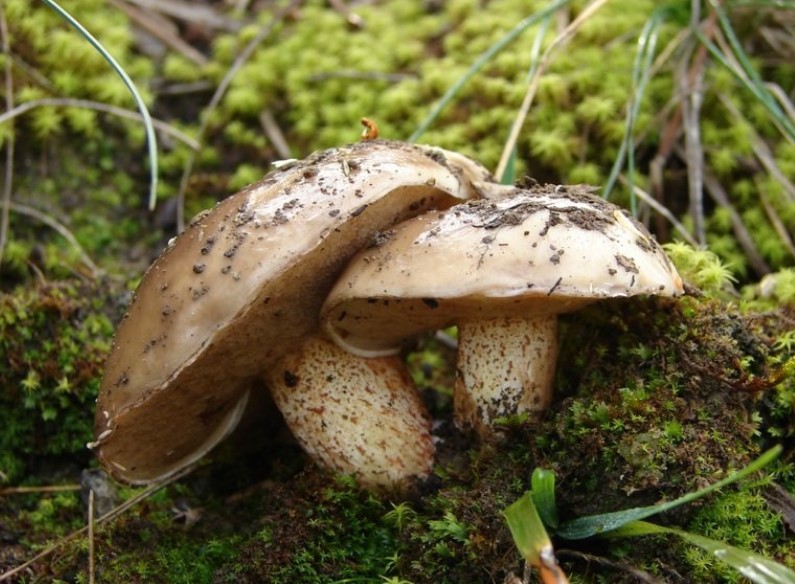
| The cap can be white or brown with a darker center, ranging in diameter from 6 to 14 cm. The tubes are short, and the pores are angular. The stem is long, tapering at the base, and its surface is covered with reddish-brown granules. There is no ring. | It grows in the European part, preferring pine and coniferous forests. | September-October. | Cooking, marinating. |
Bellini Buttercup Photo Gallery
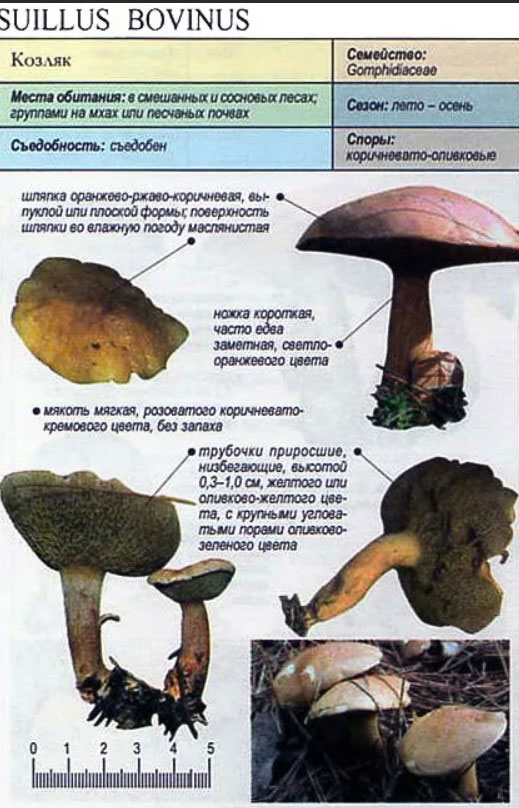
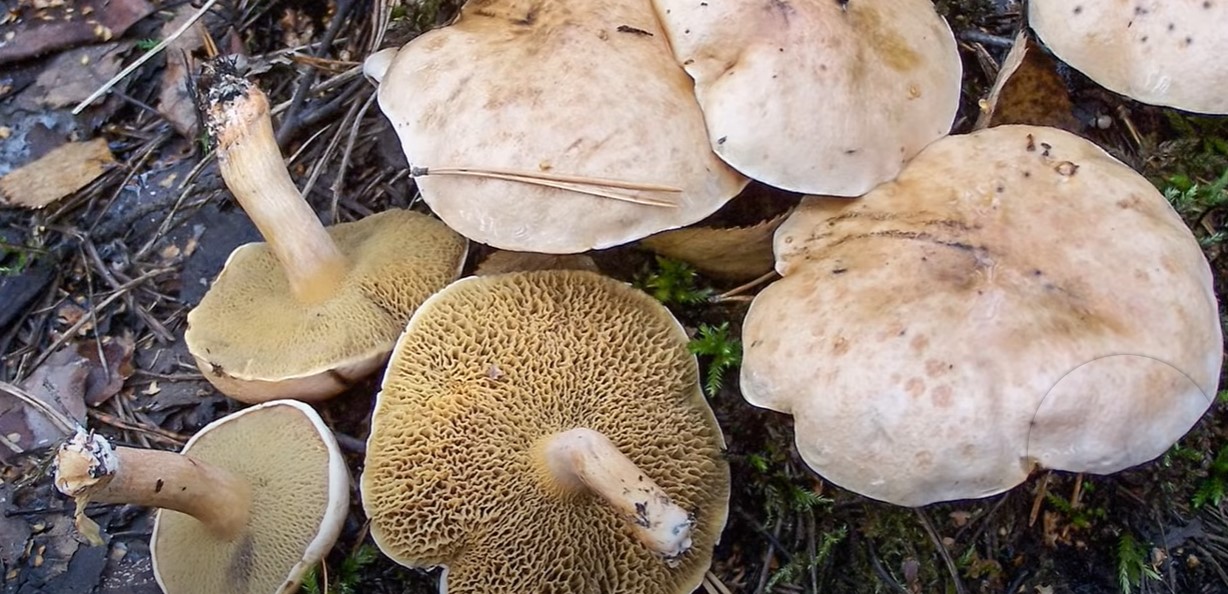
Dry butter mushroom, goat's mushroom (Suillus bovinus)
| Description | Spreading | Edibility | Similarity | How to distinguish |
| The cap is 5 to 15 cm in diameter, reddish-brown or reddish-ocher in color, and has a sticky skin. The tubular layer is not separated from the flesh. The stem is the same color as the cap. | Young pine plantings. | The mushroom is considered edible and is suitable for boiling and drying. However, it is very wormy, so it is rarely collected. | The cap is slimy, the shape and size are similar to those of common butter mushrooms. | The flesh in the stem is pinkish. When cut, it turns blue, and the cap becomes reddish. The taste is sour. It turns pink when cooked. |
Photo gallery of dry butter dish
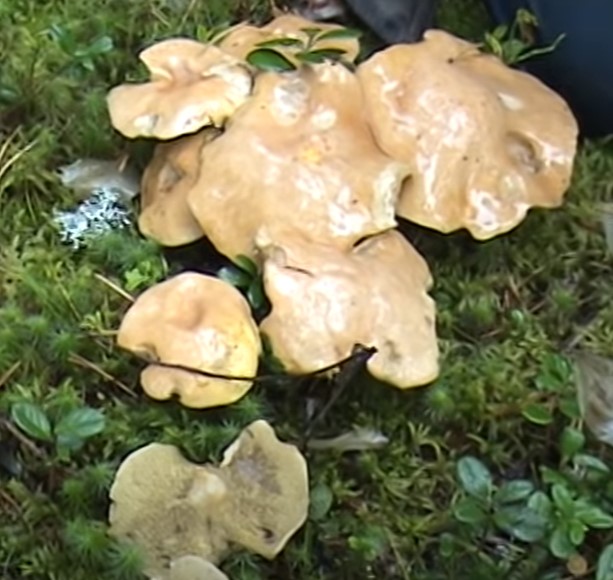
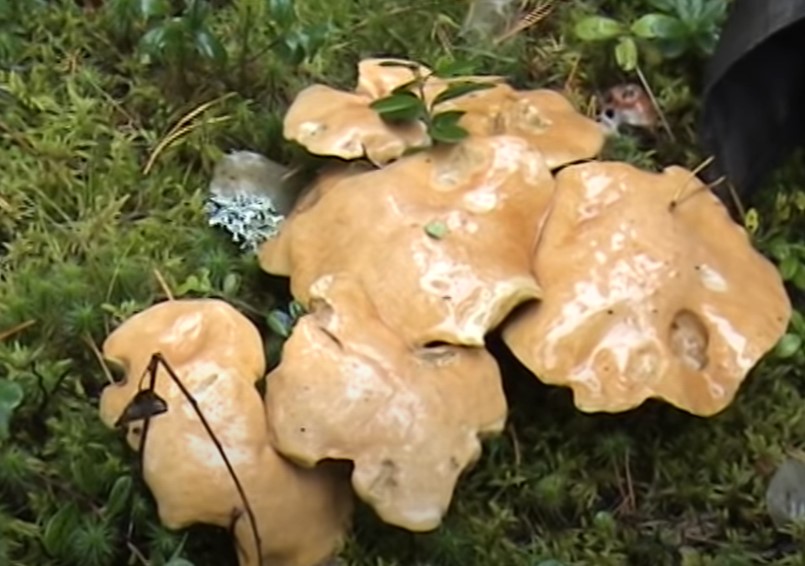
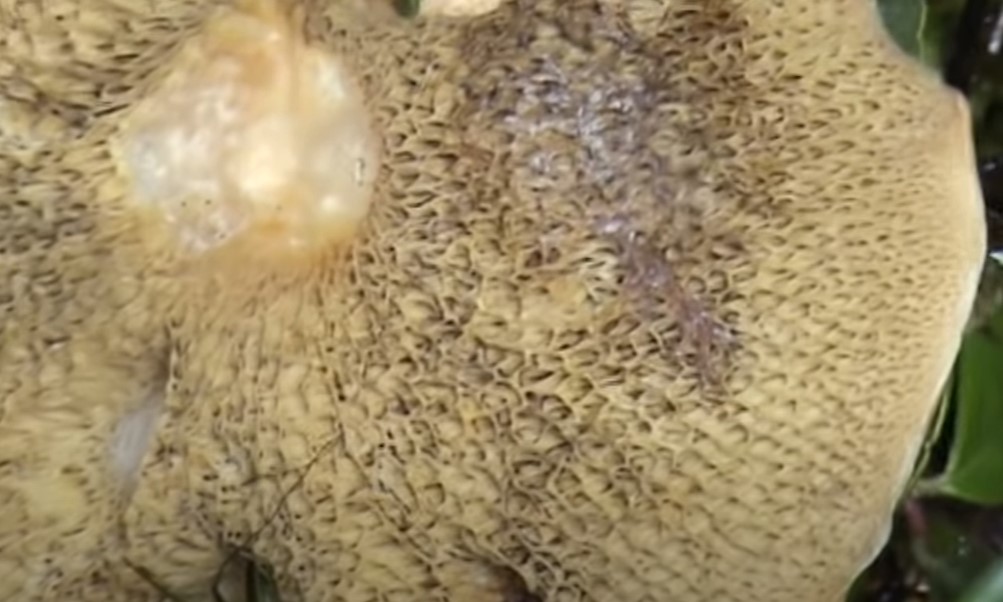
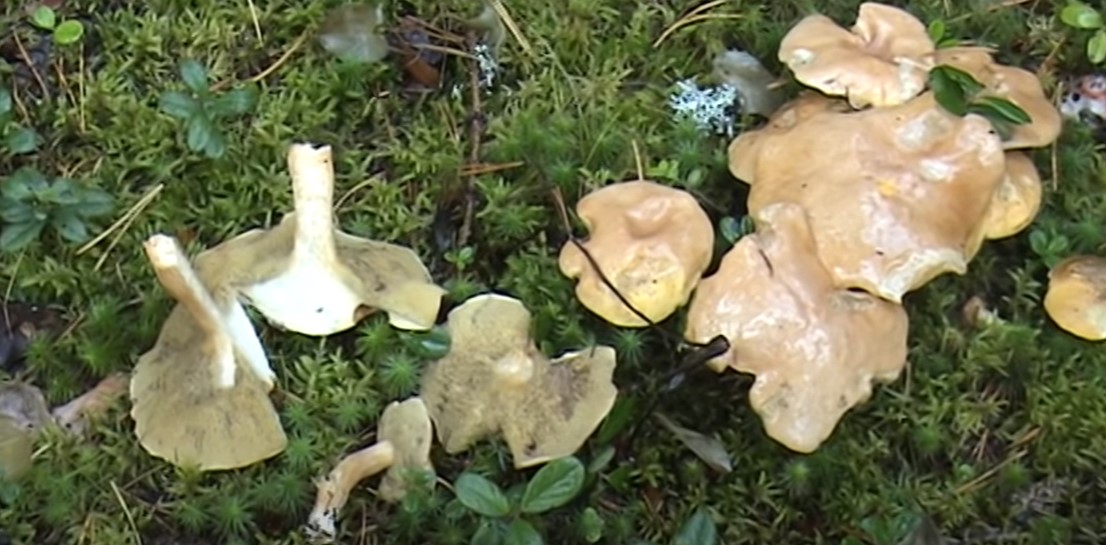
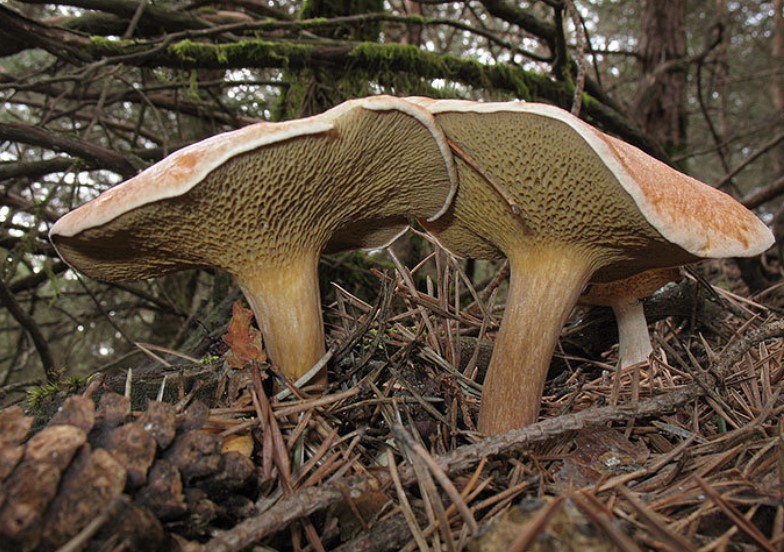
Suillus clintonianus
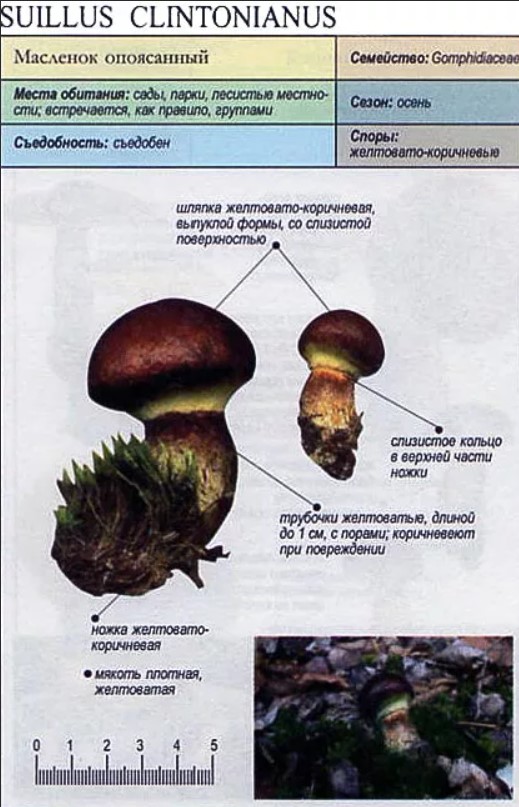
| Description | Distribution: tree, countries | Harvest season | Culinary uses |
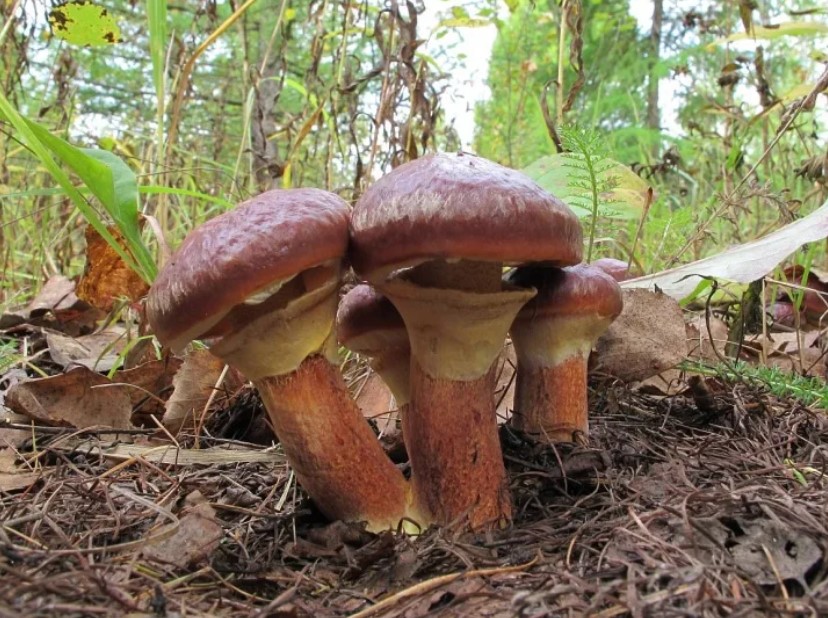
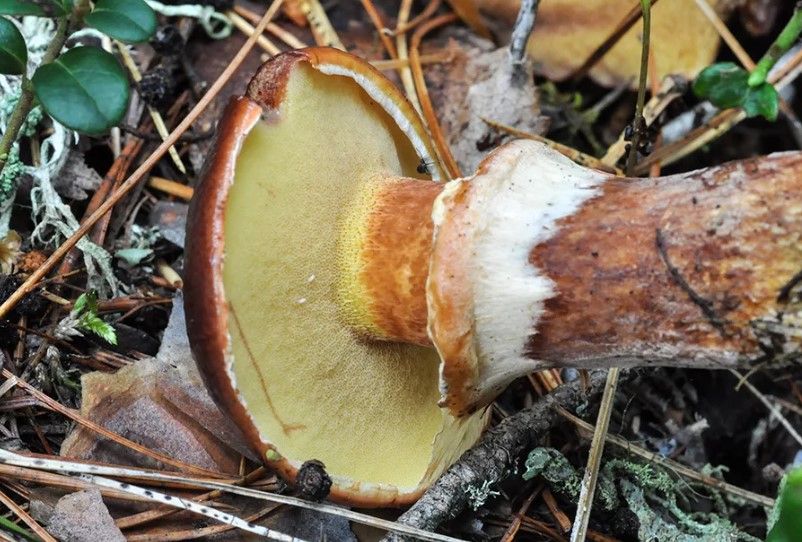
| The cap diameter ranges from 5 to 15 cm, convex in shape with a prominent center. The skin is smooth, becoming sticky in damp weather and easily peeling off more than half the cap. The color is brown. The stem, up to 12 cm tall, is bright yellow above the ring and meshed beneath. | Scandinavia, Great Britain, Finland, Sweden, China. In Russia, it grows in the Far East, Siberia, and mountainous regions. It prefers larch trees. | July-October. | Edible, widely used in all forms of cooking. |
Clinton buttercup photo gallery
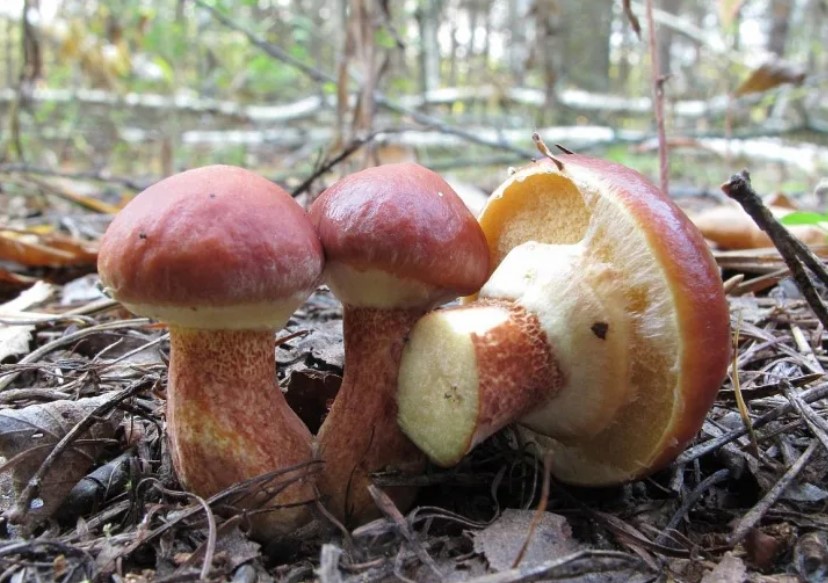
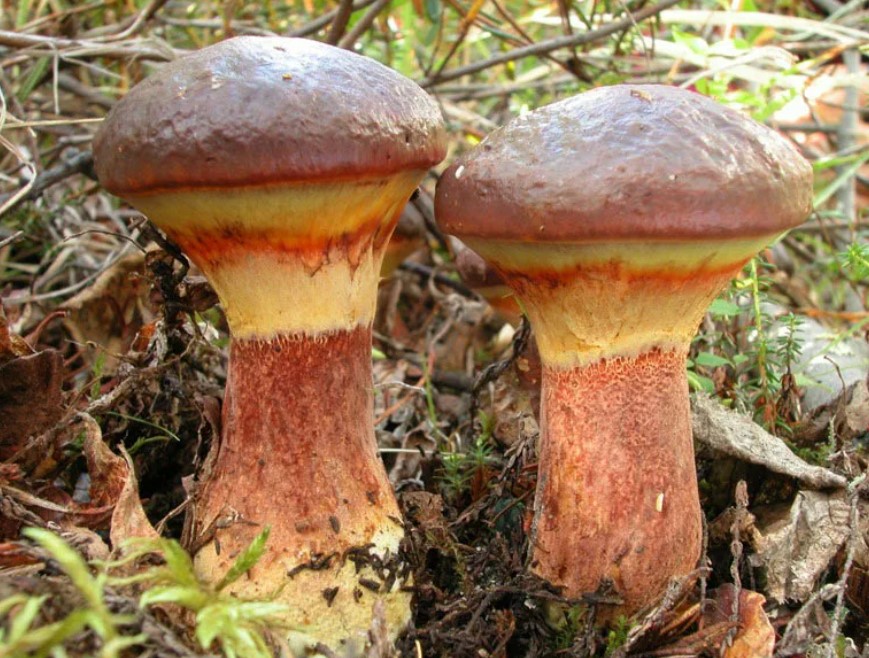
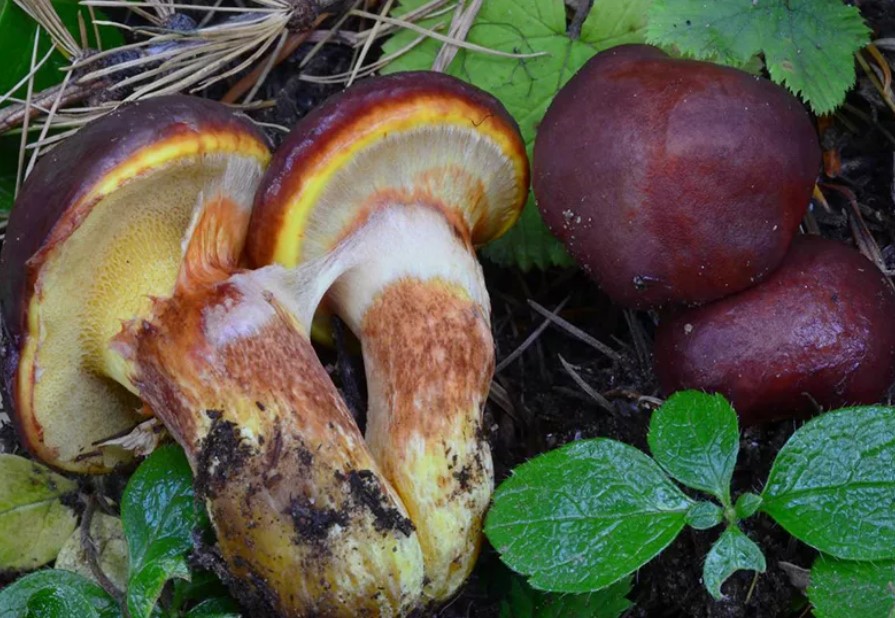
Yellowish butter mushroom, marsh butter mushroom (Suillus flavidus)
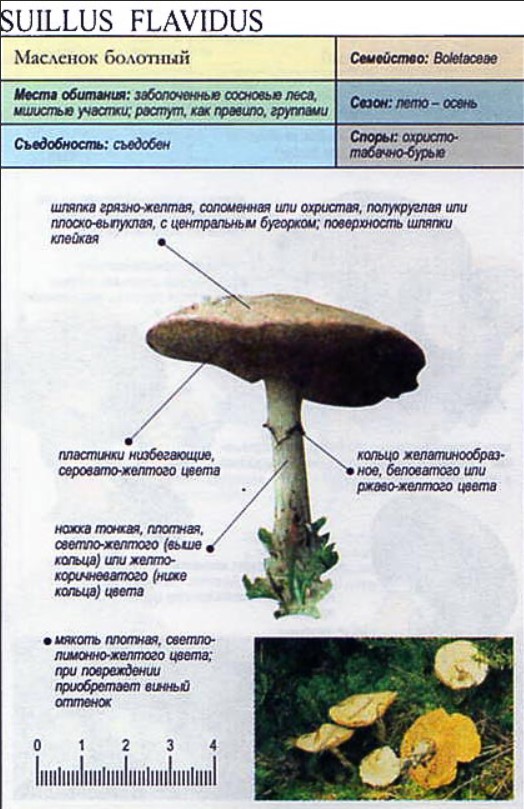
| Description | Distribution: tree, countries | Harvest season | Culinary uses |
| The cap is straw-colored or dirty yellow. The stem is thin and long, up to 7 cm tall and 1 cm in diameter; it is yellow up to the ring and brown below. The skin is sticky, the flesh is yellowish, turning red when damaged. | It grows in pine forests, preferring damp areas and rotting organic matter. It is found in Russia, Switzerland, Lithuania, Germany, Romania, and elsewhere. | Mid-August - early October. | Edible mushroom, processed before cooking. |
Photo gallery of the marsh butter dish
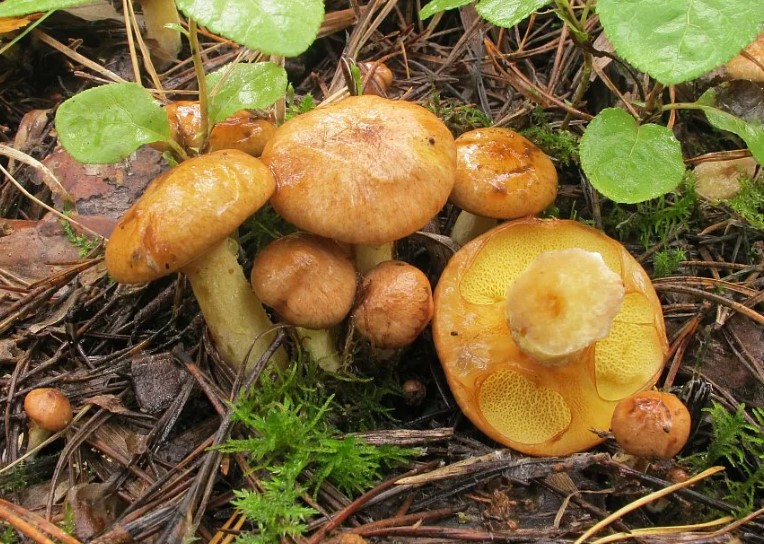
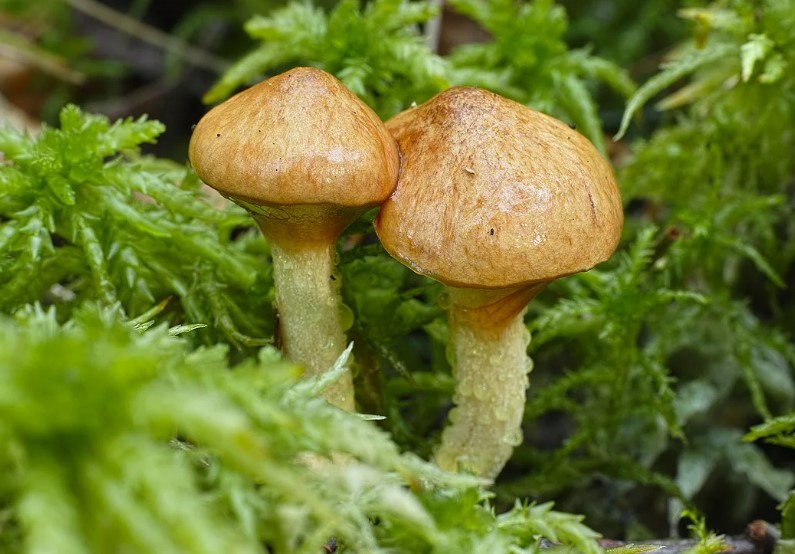
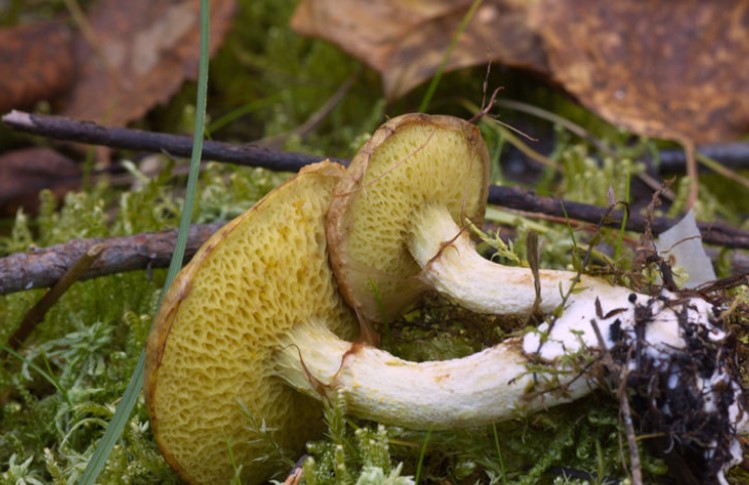
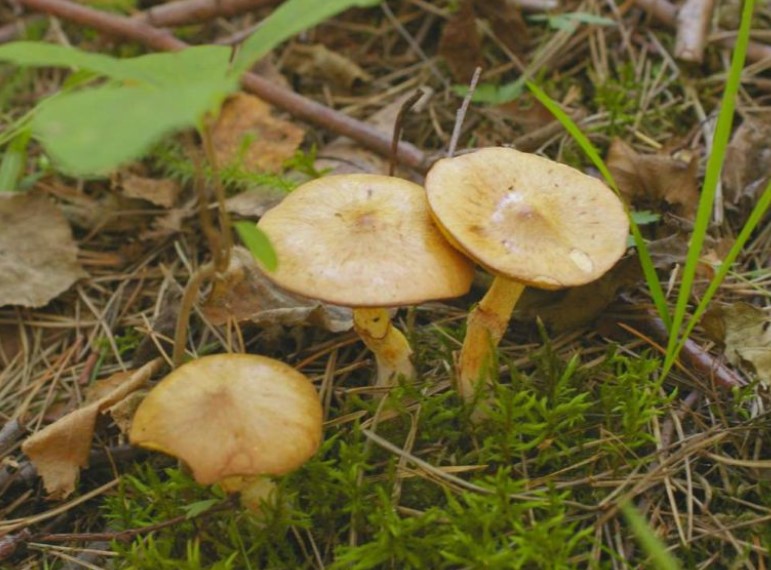
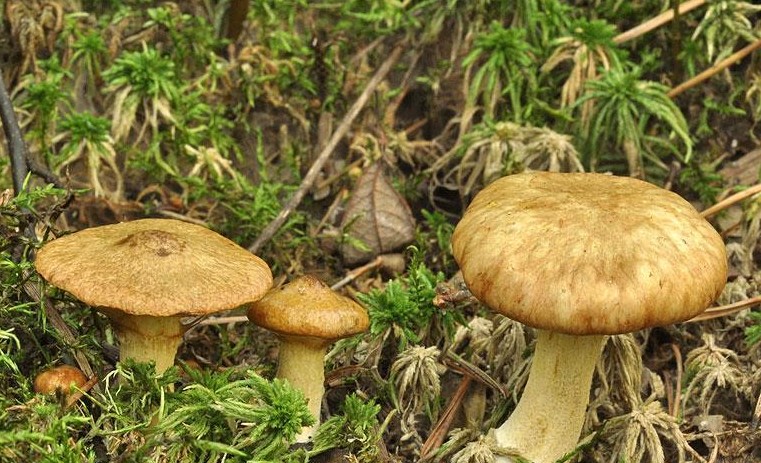
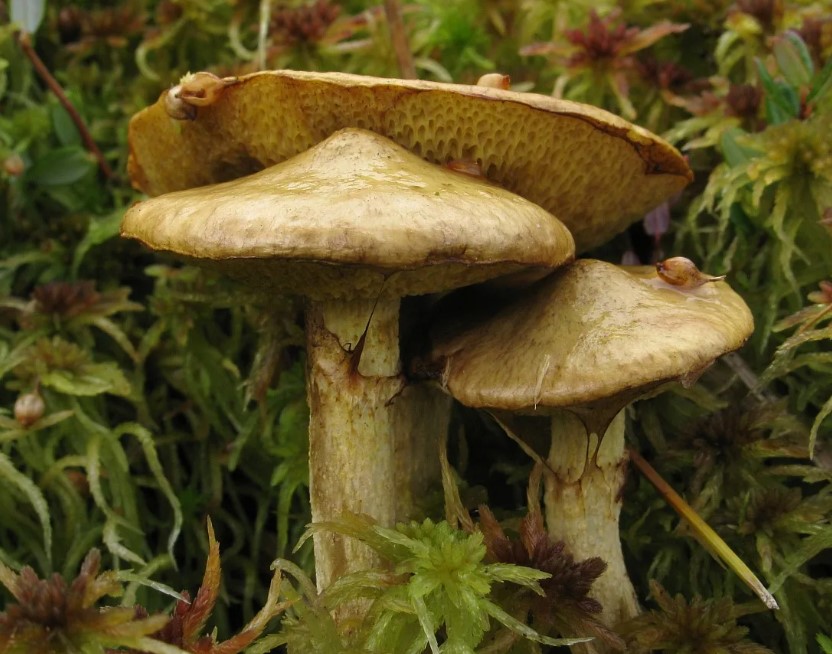
Summer butter mushroom (Suillus granulatus)
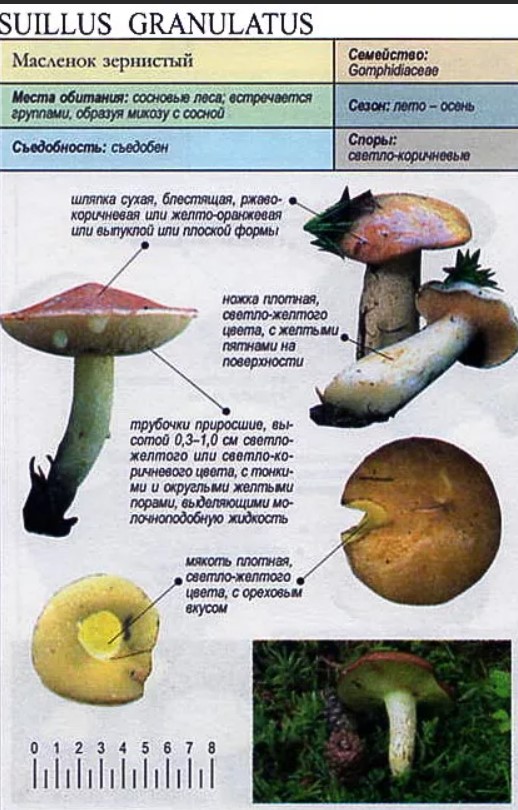
| Description | Distribution: tree, countries | Harvest season | Culinary uses |
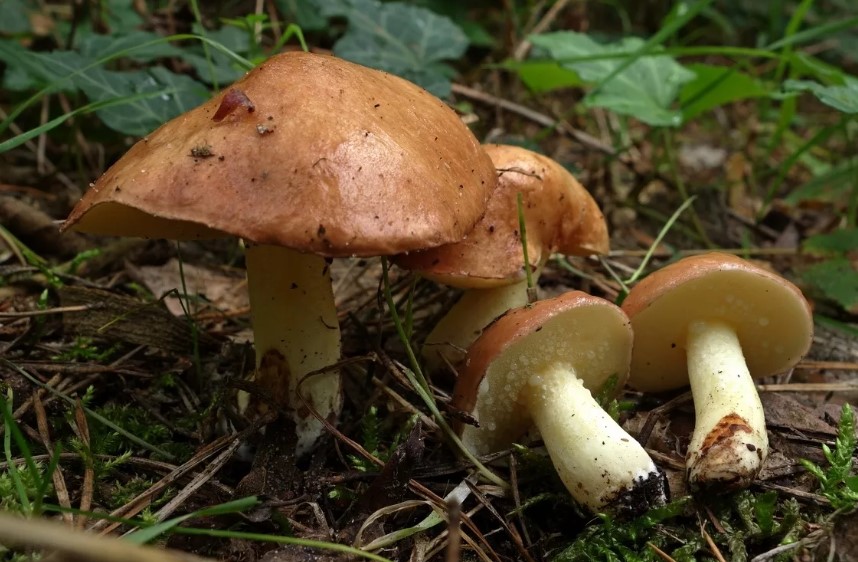
| The cap is up to 10 cm in diameter, ranging in color from reddish-brown to ochre-yellow. The stem is up to 8 cm tall, white with a slight graininess at the top and yellow at the bottom. The flesh remains unchanged when cut. | It grows under pine trees. It is found in the forests of the Caucasus and in the Krasnodar region. | May-November. | An edible mushroom, it is eaten fresh, pickled and salted. |
Photo gallery of grainy oiler
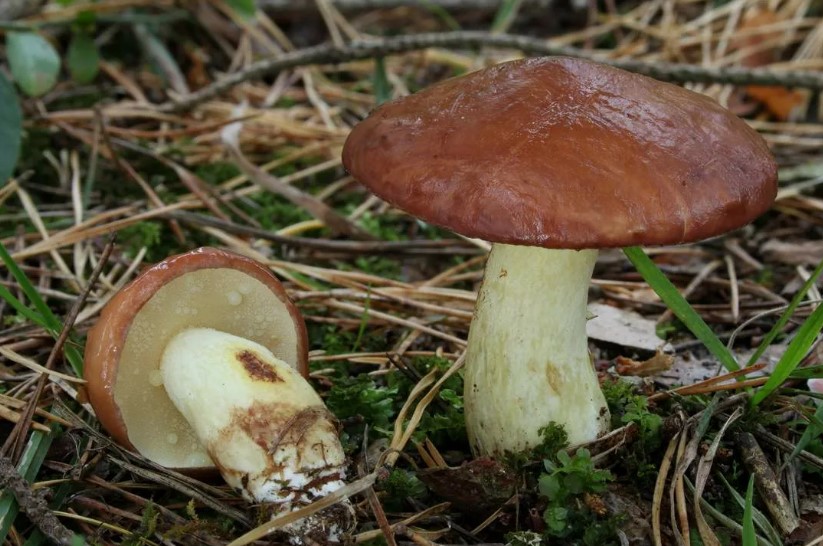
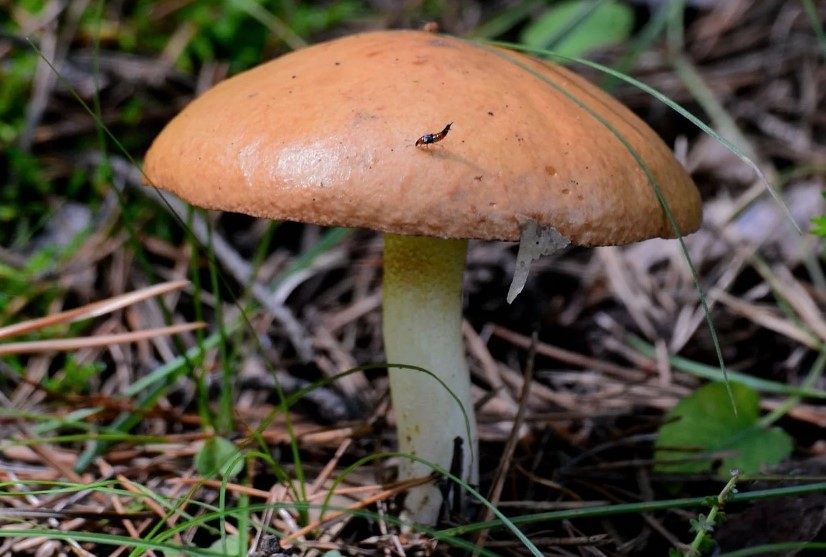
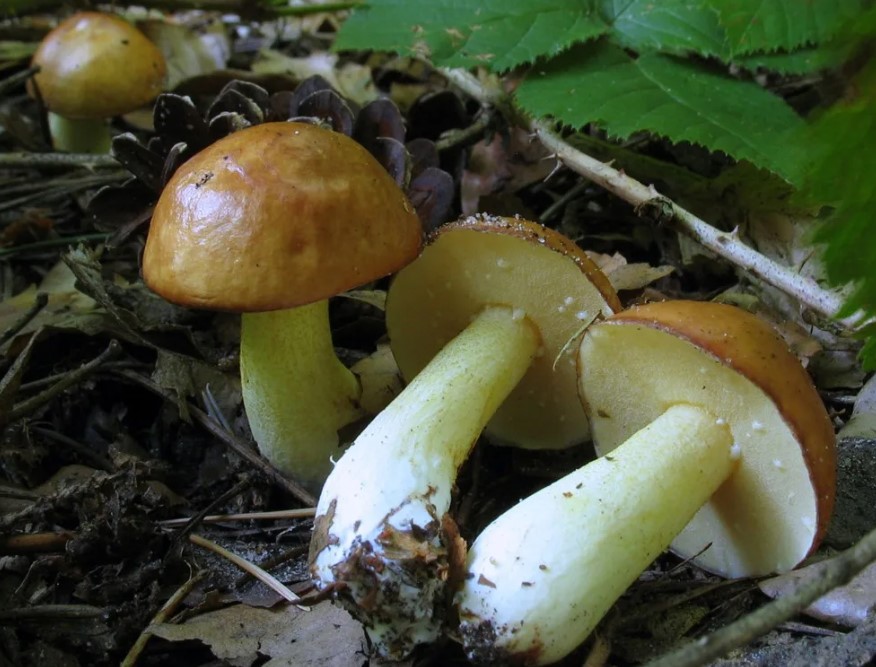
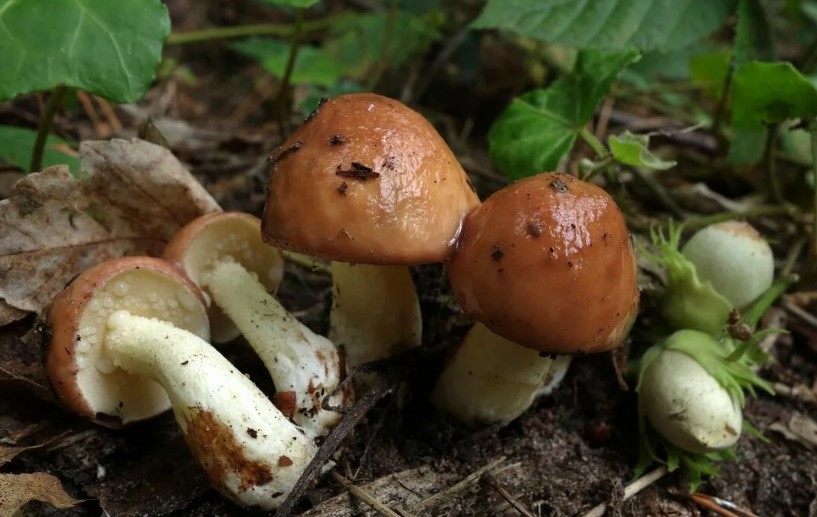
Common butter mushroom (Suillus luteus)
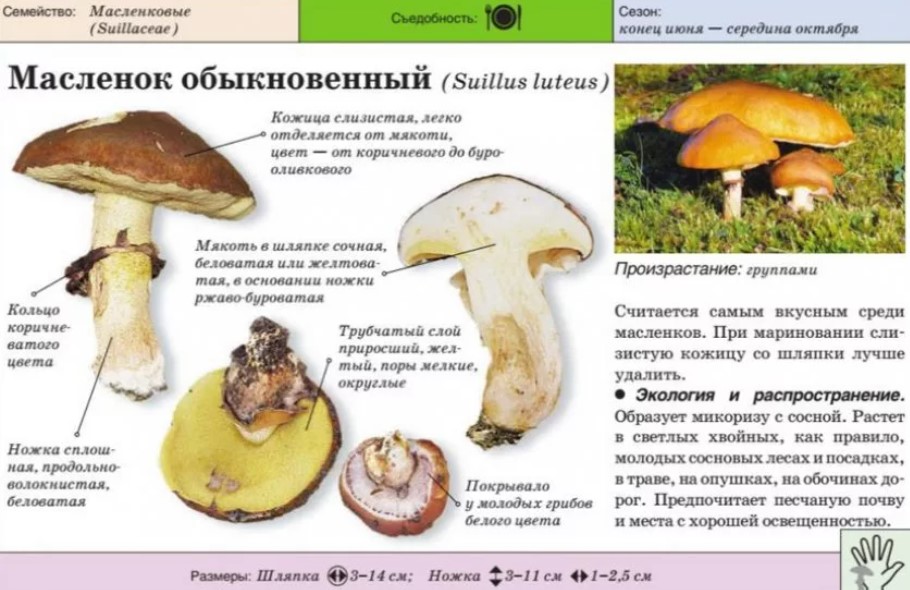
| Description | Distribution: tree, countries | Harvest season | Culinary uses |
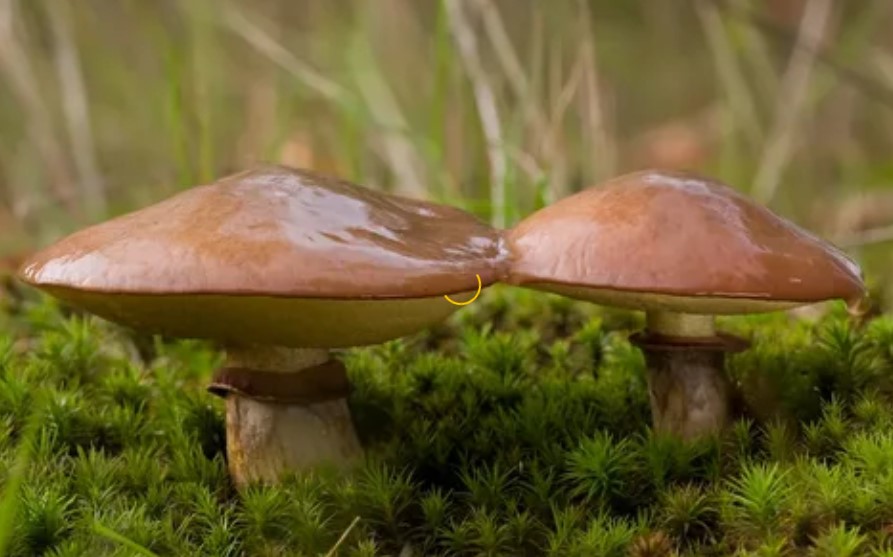
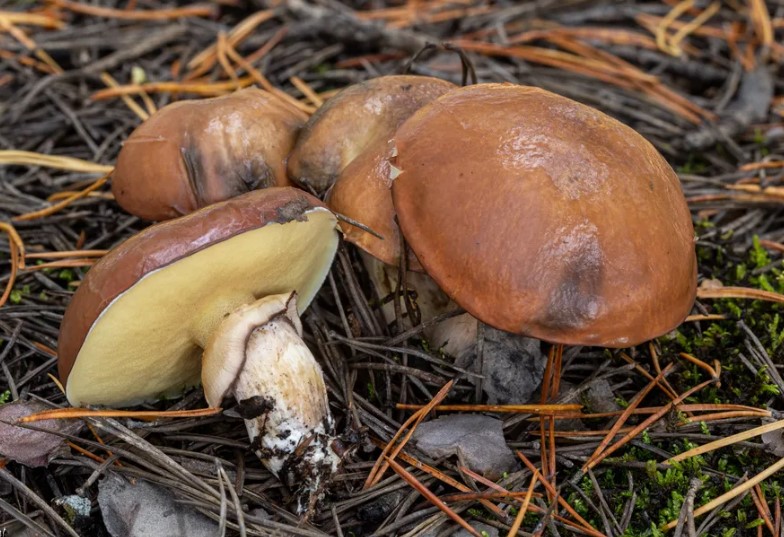
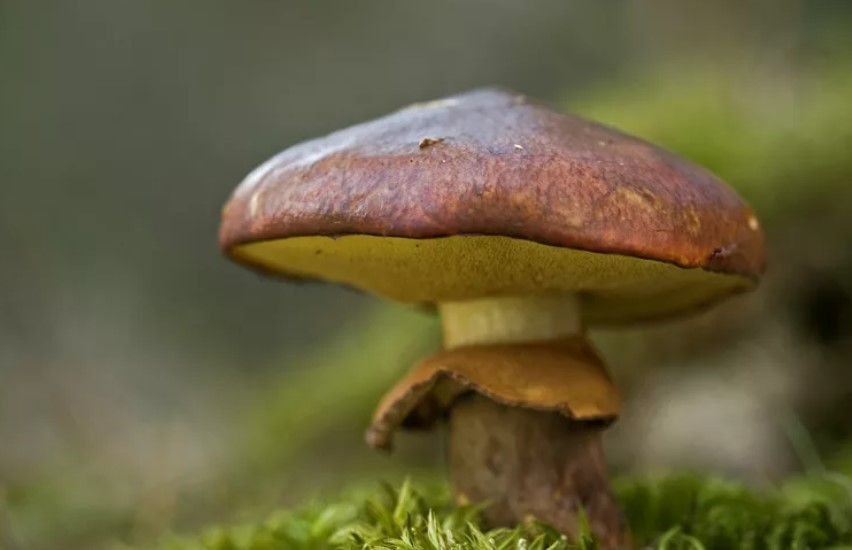
| The cap is up to 14 cm in diameter, changing from hemispherical to flattened as it grows. The color is brown with a grayish, brownish, or olive tint. The stem is up to 11 cm tall, light above the ring and brown below it. | It prefers young pine trees. It can be found even in Mexico and the Canary Islands. In Russia, it grows in the North Caucasus, the Far East, and Siberia. | Mid-July-September. | It is used for preparing soups, side dishes, salads, as well as for marinating and pickling. |
Photo gallery of the common butter mushroom
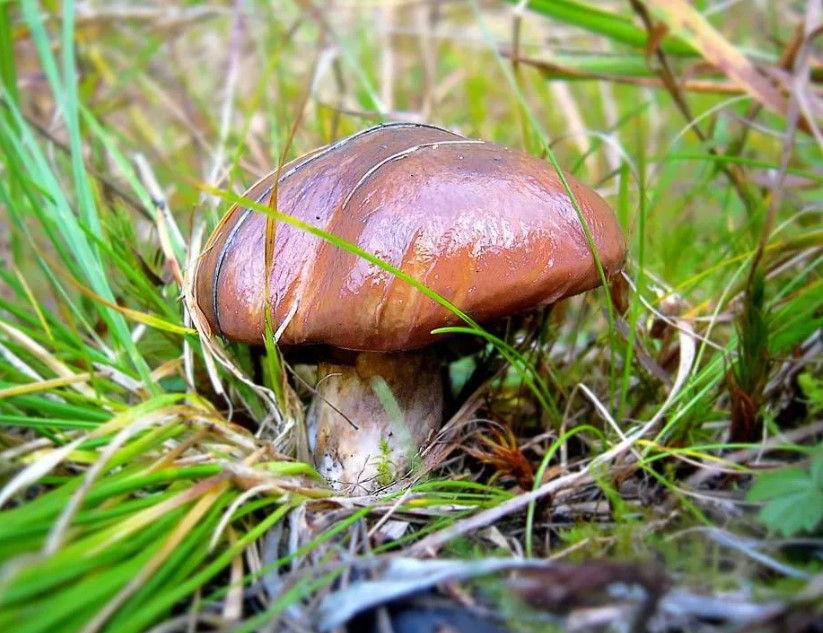
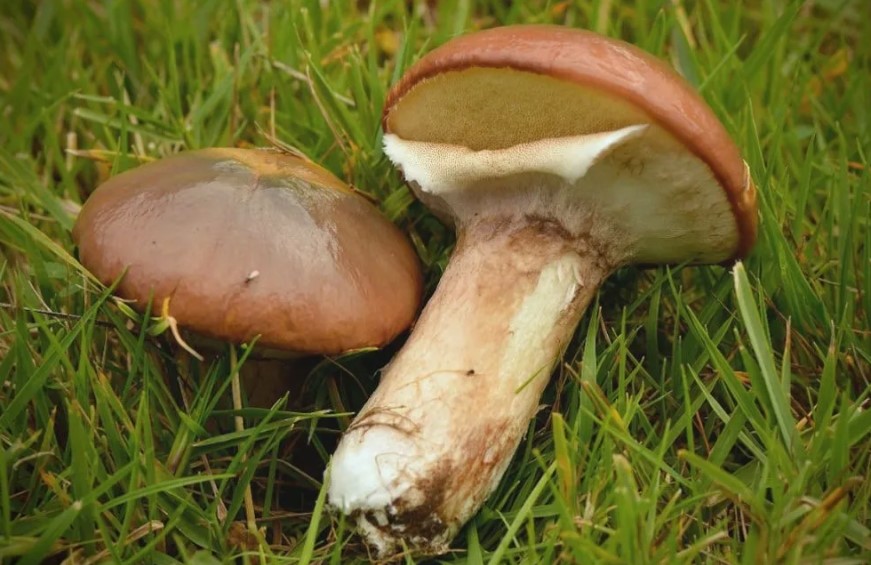
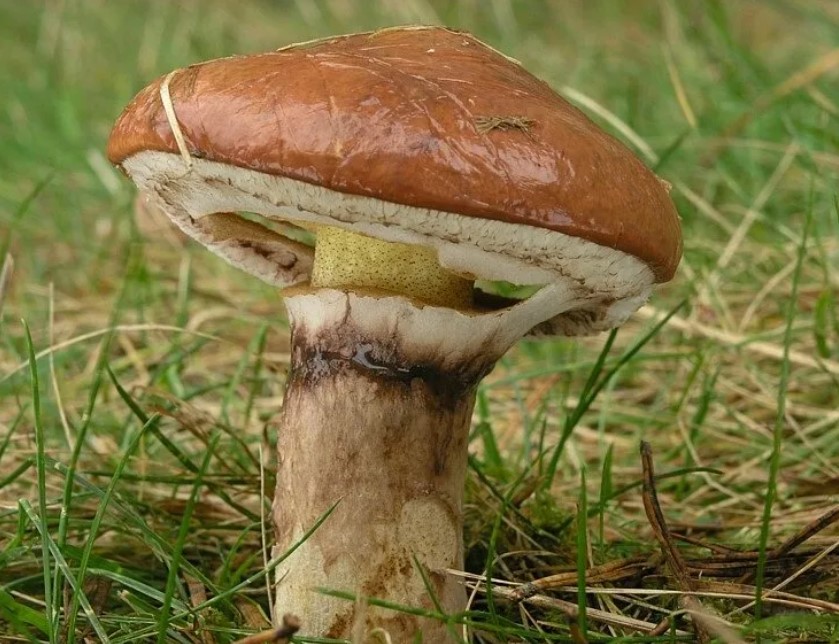
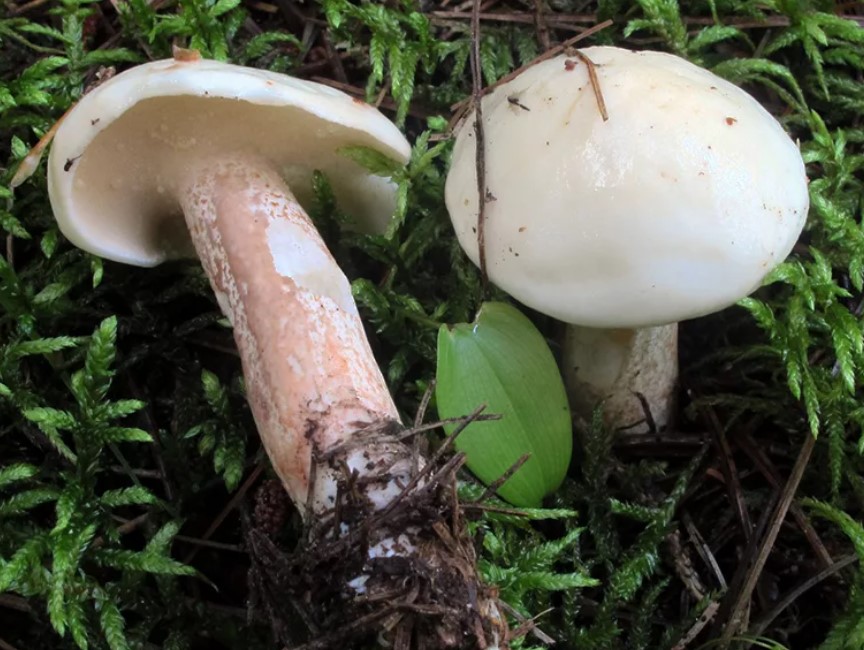
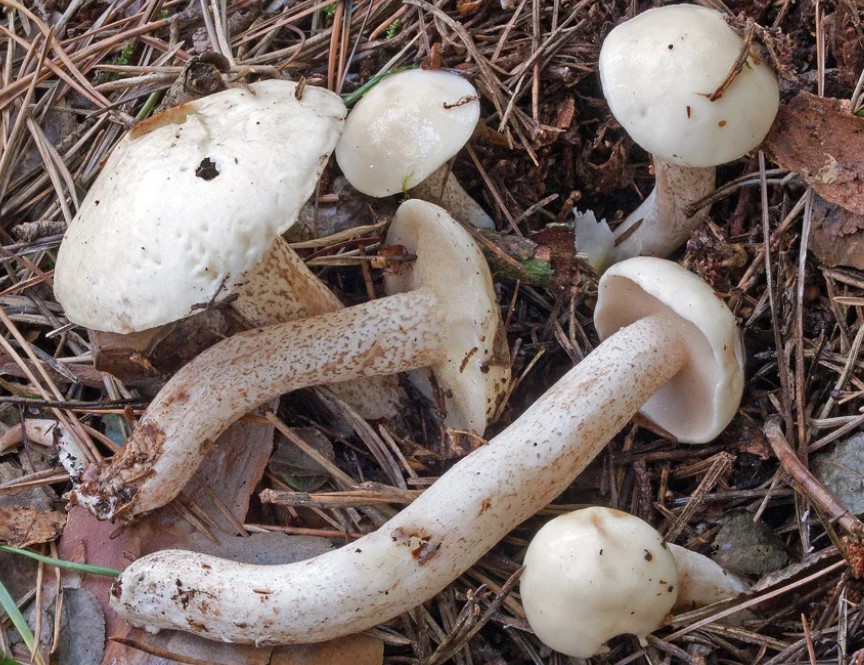
White butter mushroom (Suillus placidus)
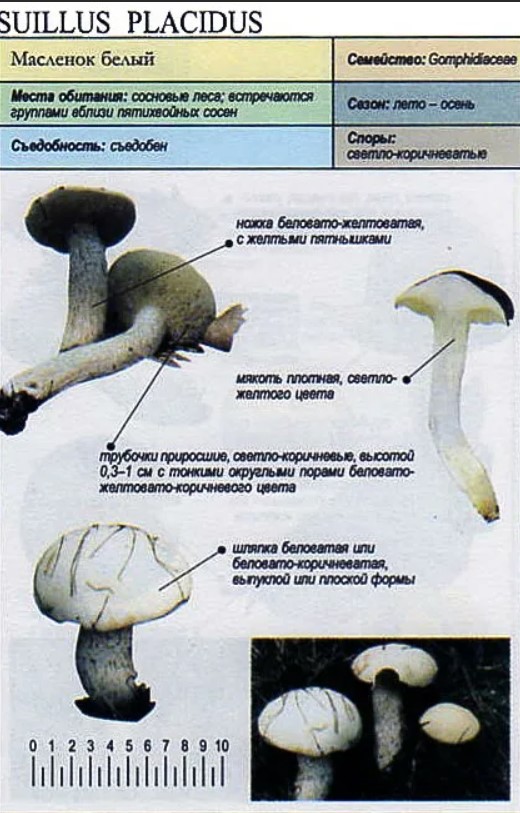
| Description | Distribution: tree, countries | Harvest season | Culinary uses |
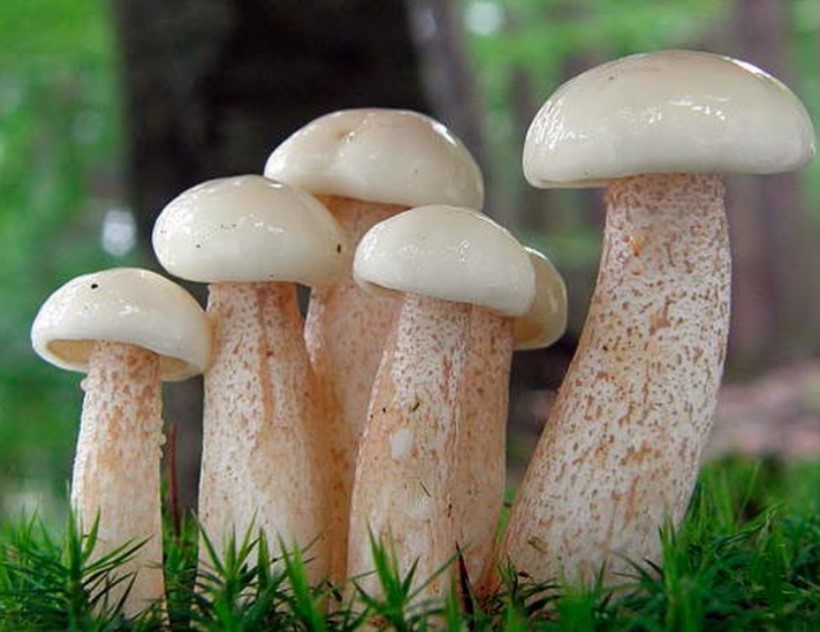
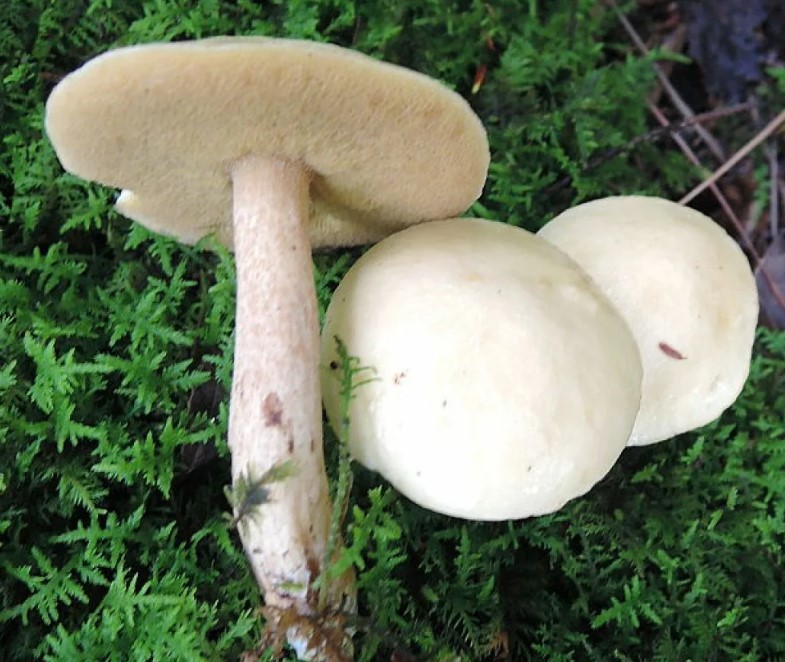
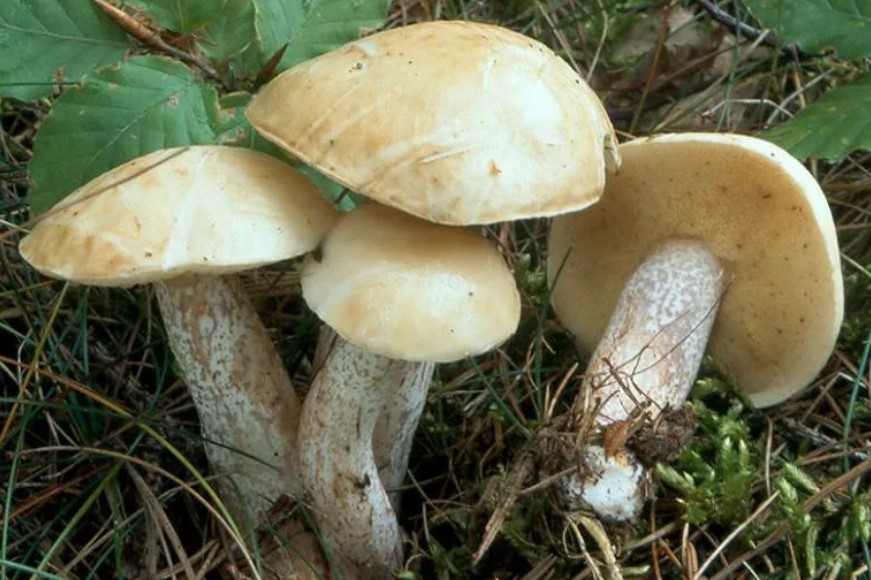
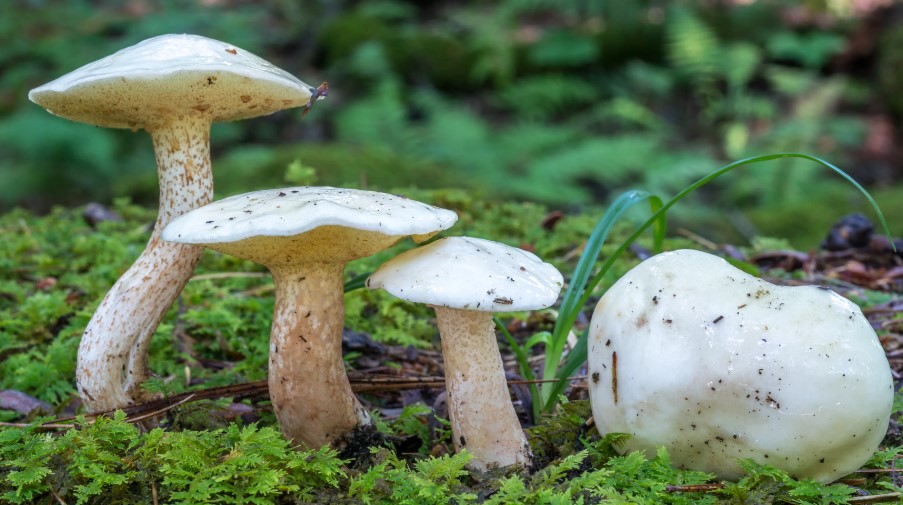
| The cap diameter ranges from 5 to 12 cm, and it is whitish, becoming slightly gray or olive-green with age. The flesh is yellowish, but turns reddish when broken. The stem is up to 9 cm tall and has no ring. | It grows next to cedars in Russia, the Alps, China, and Korea. | June-November. | It is processed immediately after harvesting; only young specimens are suitable for food. |
Photo gallery of white butter dish
Cedar butter mushroom (Suillus plorans)
| Description | Distribution: tree, countries | Harvest season | Culinary uses |
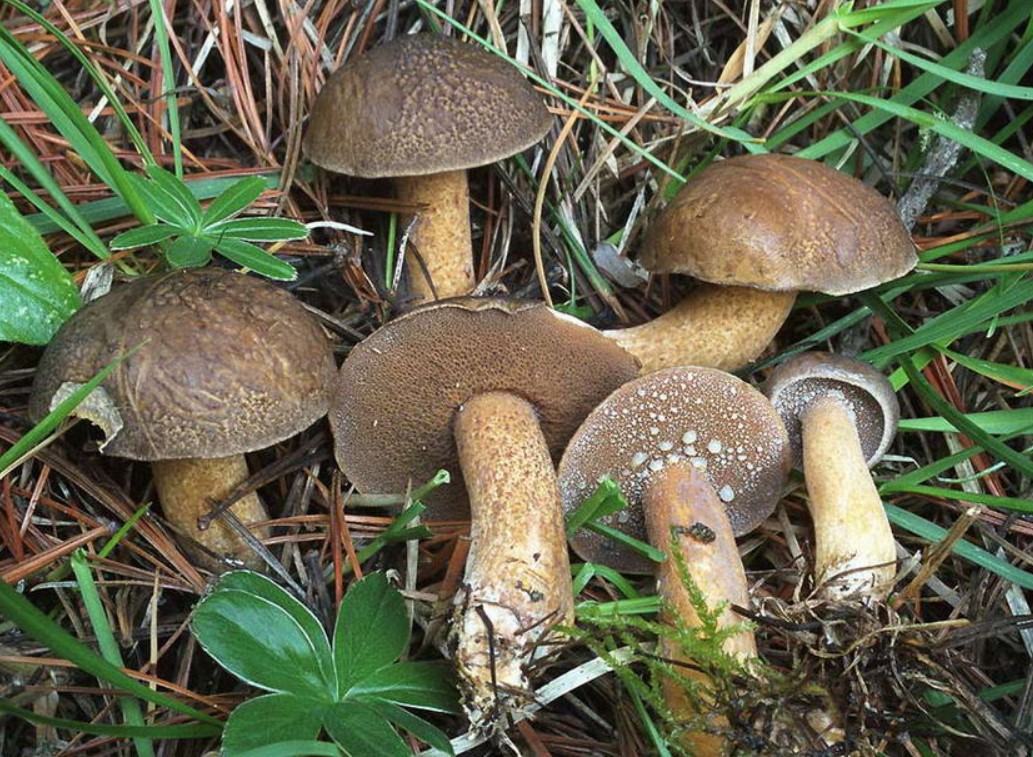
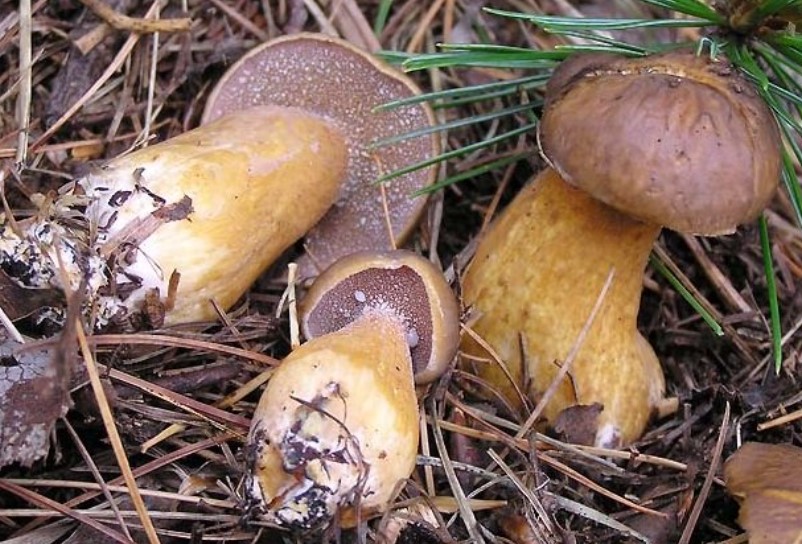
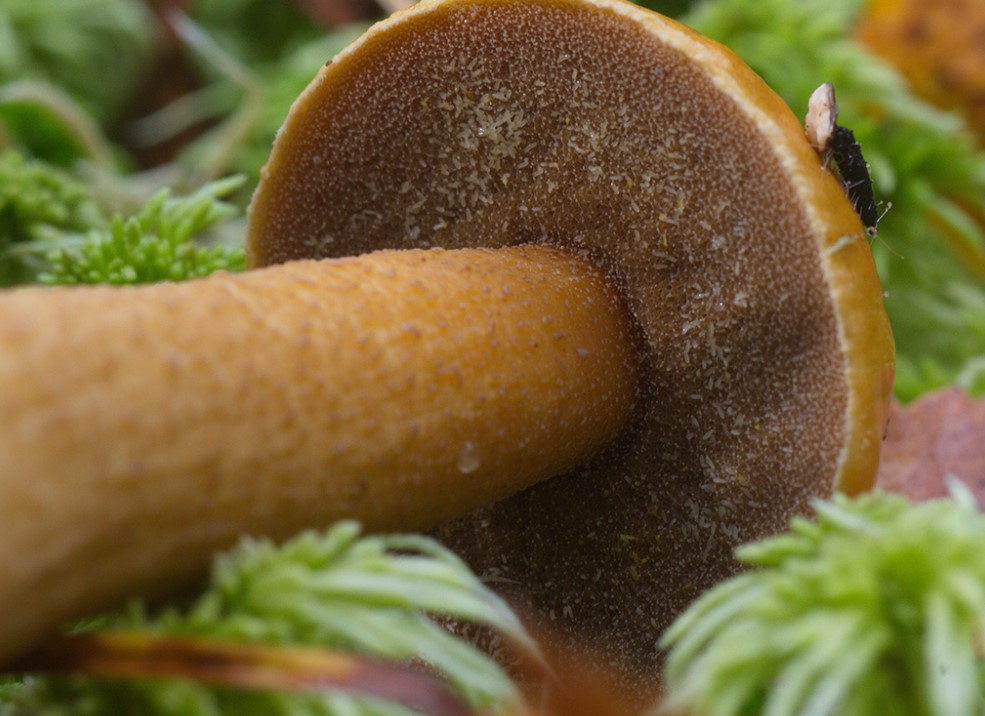
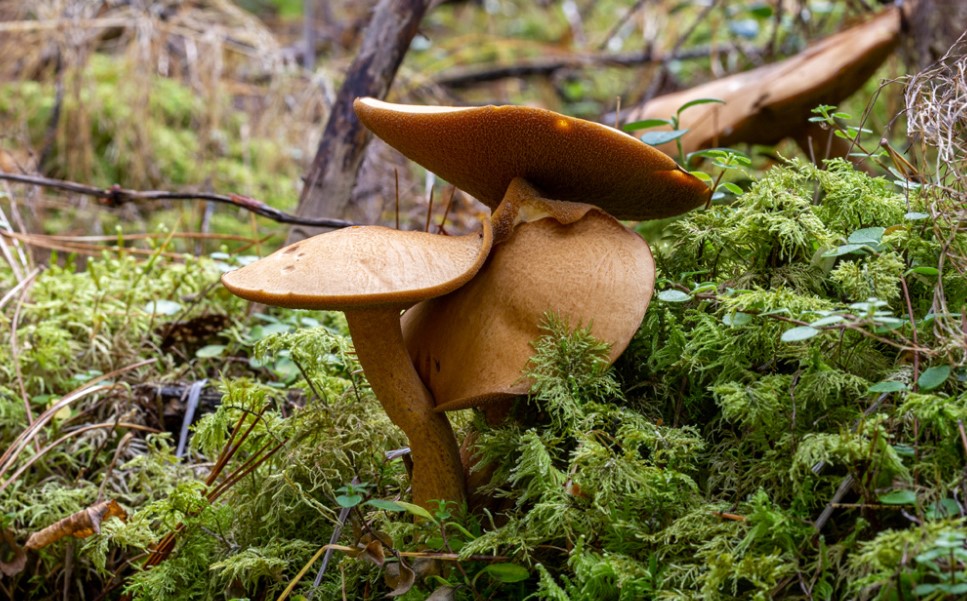
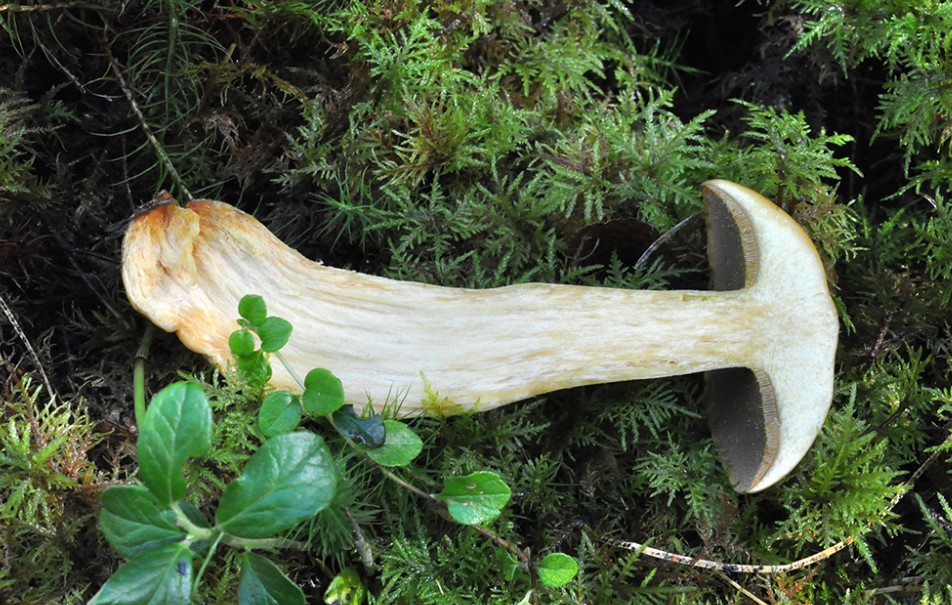
| The cap diameter ranges from 3 to 15 cm, with a hemispherical shape that later becomes cushion-shaped. The color is brown. In rainy weather, the skin becomes slimy. The flesh is yellowish, turning blue when cut. The stem is up to 12 cm tall, ocher-brown, with dark grains. | Siberia, the Far East, Korea, and European countries. They grow alongside cedars and conifers. | August-September. | Marinating, frying, boiling. |
Photo gallery of cedar butter dish
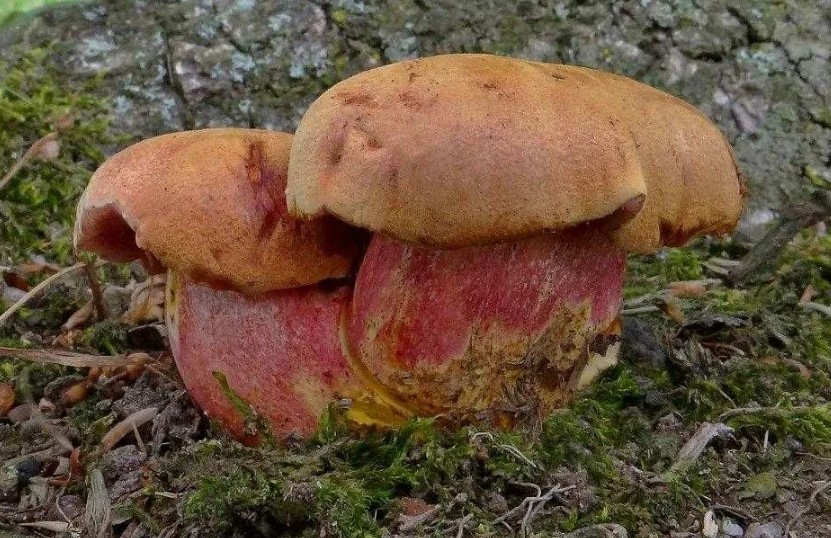
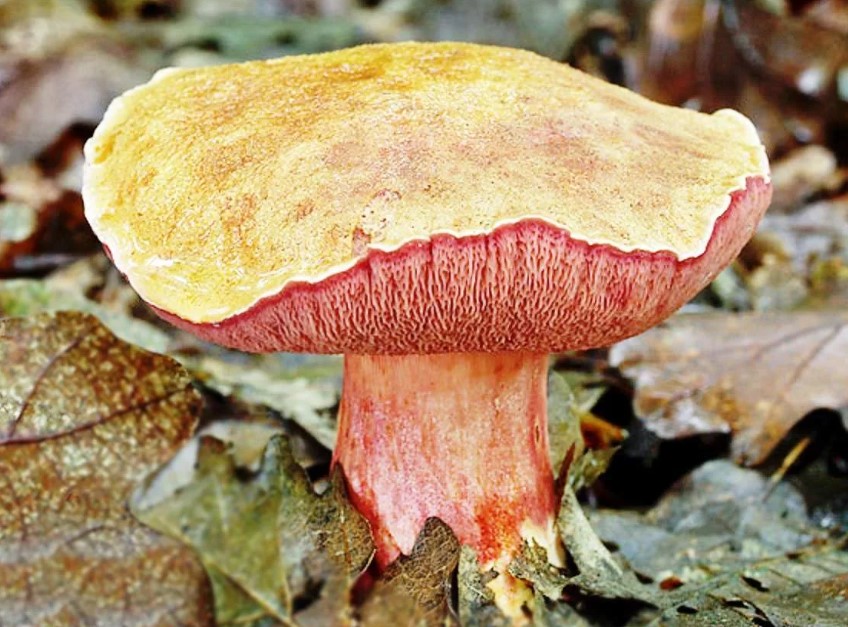
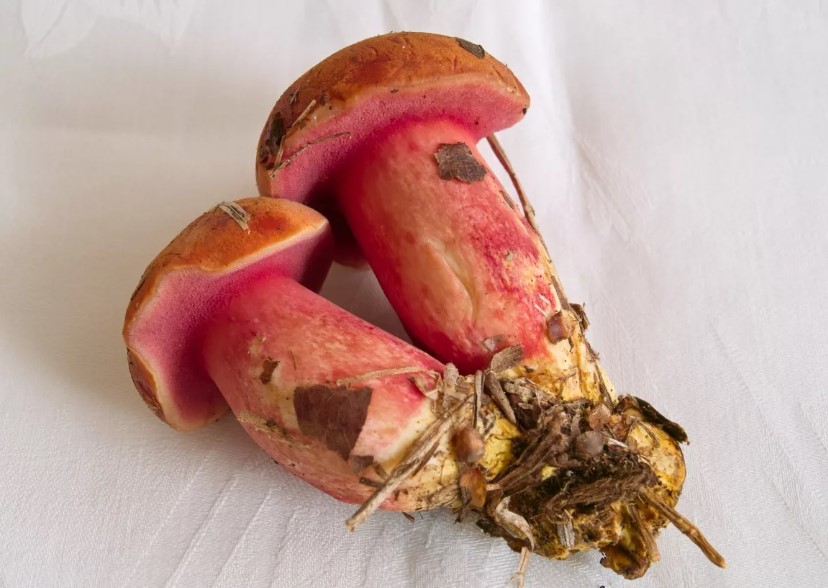
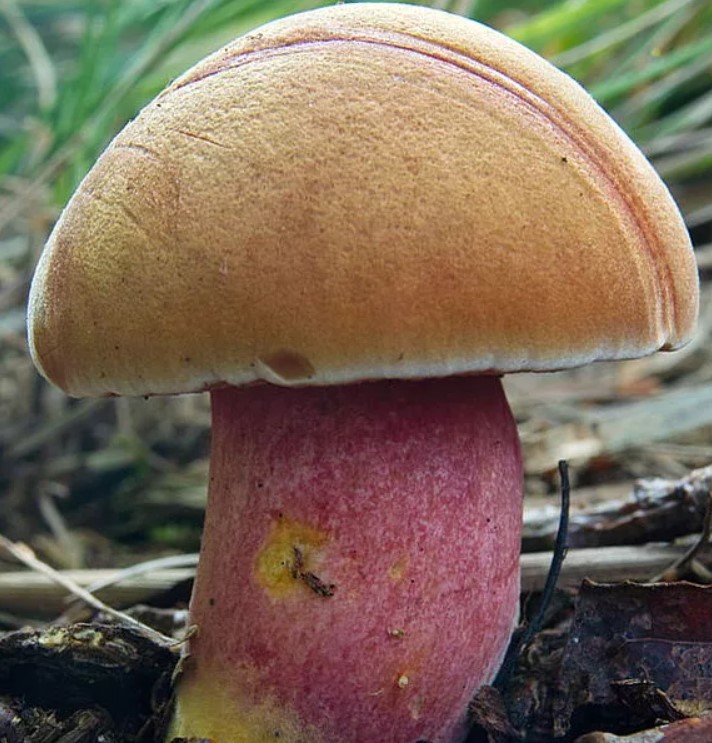
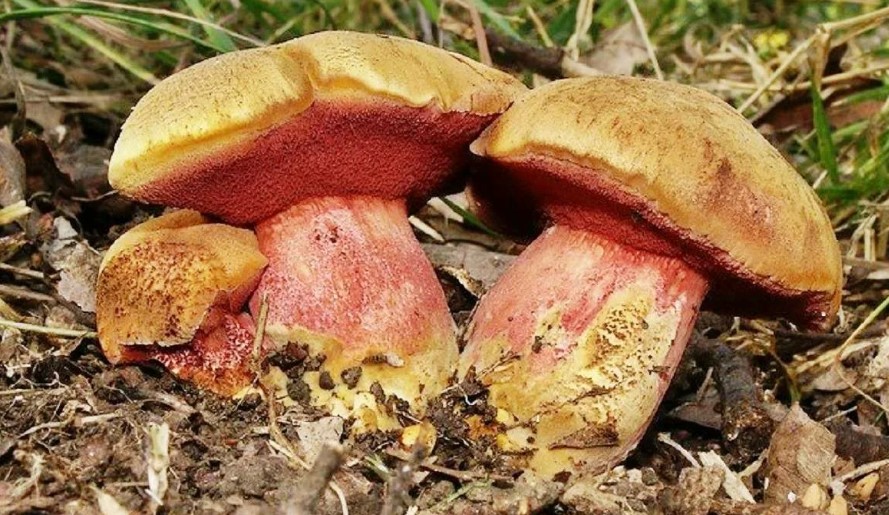
Ruby butter mushroom (Suillus rubinus)
| Description | Distribution: tree, countries | Harvest season | Culinary uses |
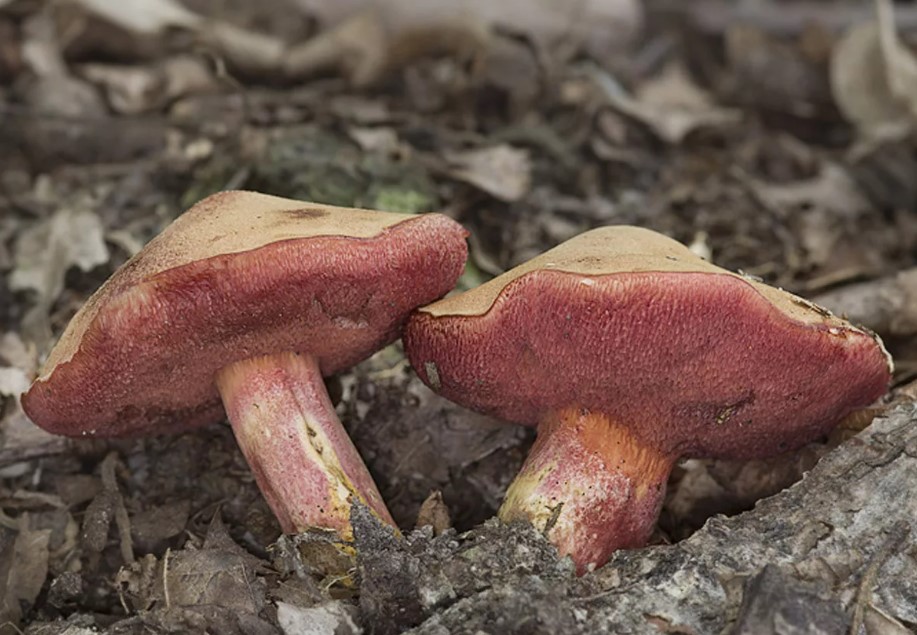
| The cap reaches 8 cm in diameter and is hemispherical, becoming more convex with age. The color is brownish-yellow or brick-red. The flesh is yellowish and remains unchanged when cut. The stem is cylindrical, tapering toward the bottom. The color is pinkish with a reddish bloom. | It's practically nonexistent in Russia, but widespread in Europe. It grows near oak trees. | August-September. | Pickling. |
Ruby butter dish photo gallery
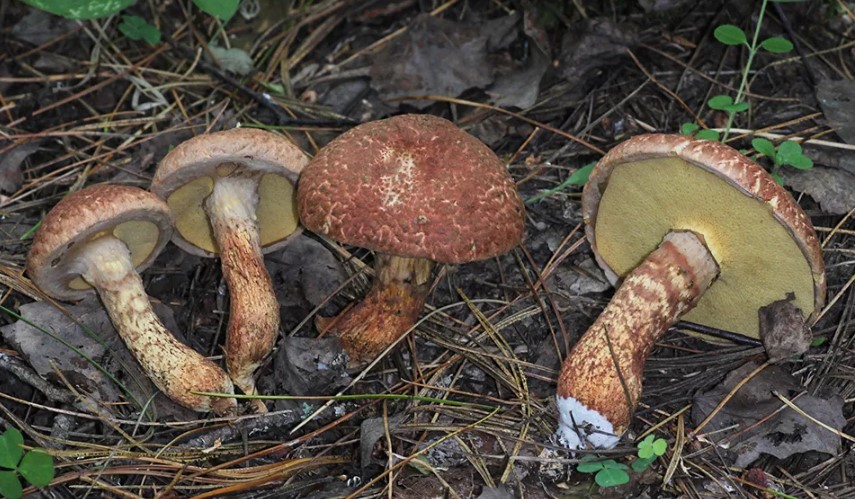
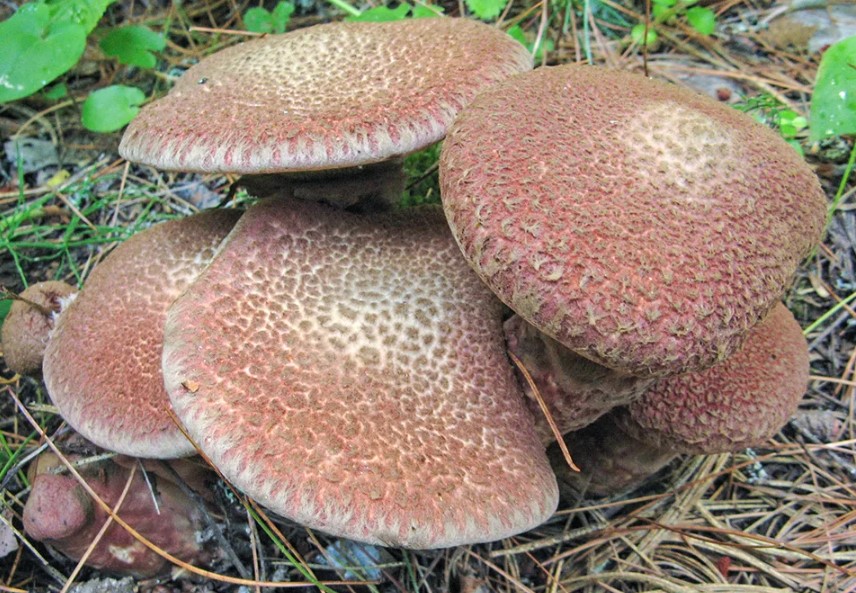
Sprague's butter mushroom (Suillus spraguei)
| Description | Distribution: tree, countries | Harvest season | Culinary uses |
| The cap is 3 to 12 cm in diameter and yellow-orange in color. The skin is dry and becomes sticky when the humidity increases. The stipe is robust, up to 10 cm tall and up to 2.5 cm in diameter. The color above the ring is yellow, while the color below is the same as the cap. | North America, Europe, Western Siberia. Grows alongside Siberian pine and cedar trees. | July-September. | An edible mushroom used for pickling. |
Sprague's buttercup photo gallery
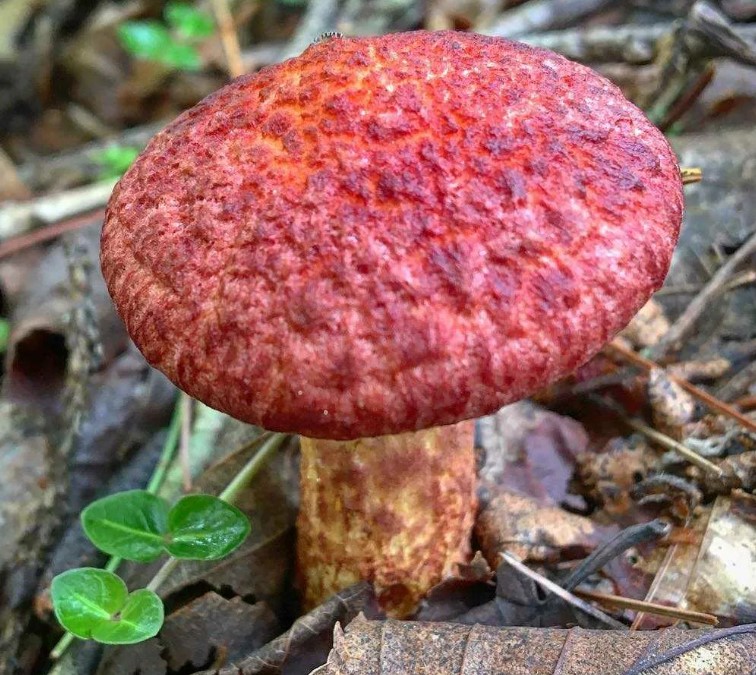
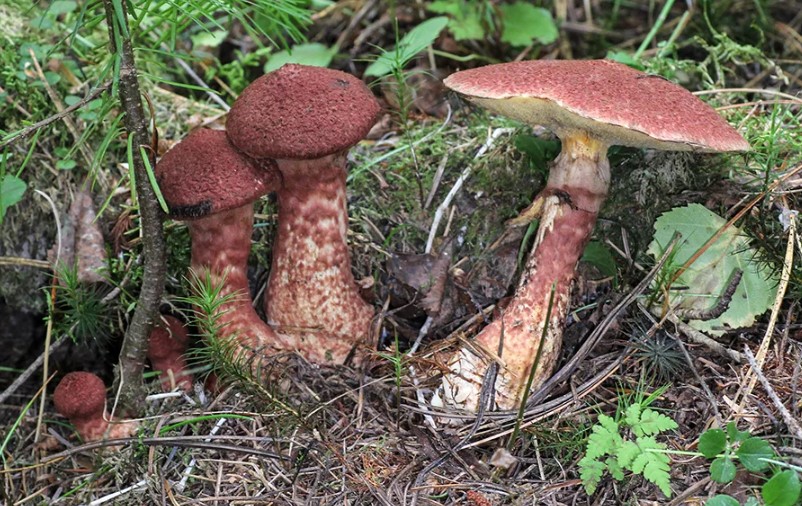
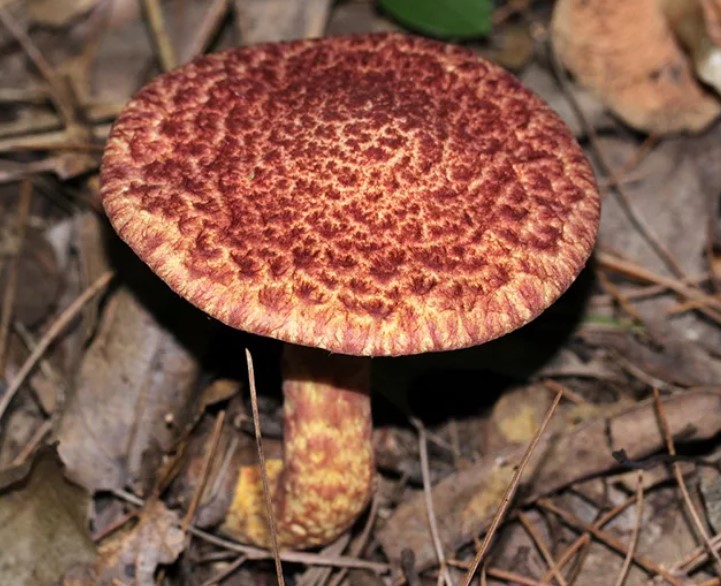
Red-breasted butter mushroom (Suillus tridentinus)
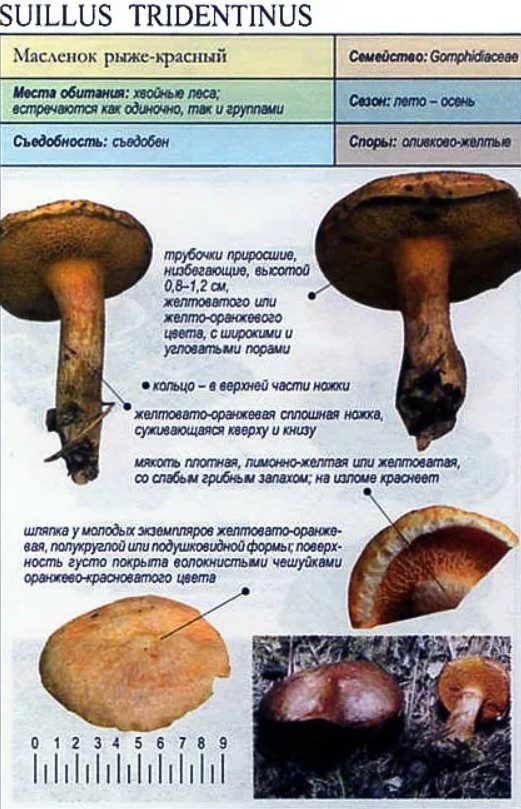
| Description | Distribution: tree, countries | Harvest season | Culinary uses |
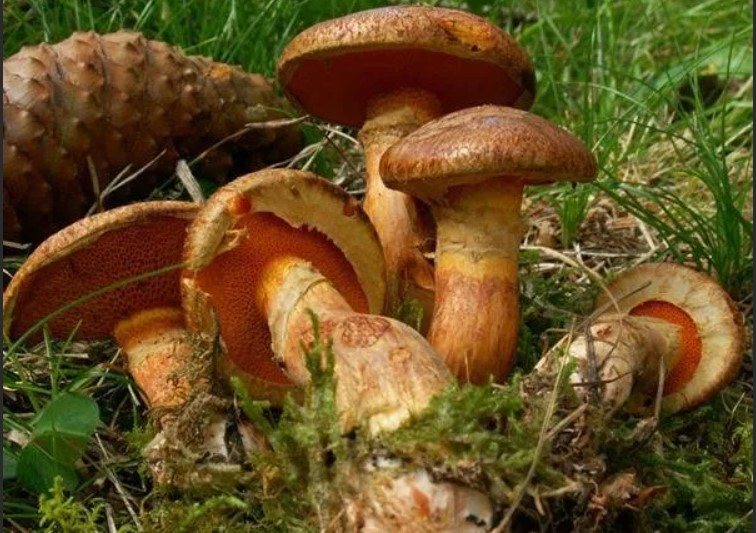
| The cap is bright, distinctive, orange-red. The skin is matte and rough, becoming sticky only after rain. The stem is up to 10 cm long, yellowish above the ring and bright orange below. The flesh is yellowish, turning red where cut. | European countries, China, Russia (Altai and Siberia). Prefers cedar and larch trees. | May-October. | Marinating, pickling, preparation of various culinary dishes. |
Photo gallery of the red-red butter dish
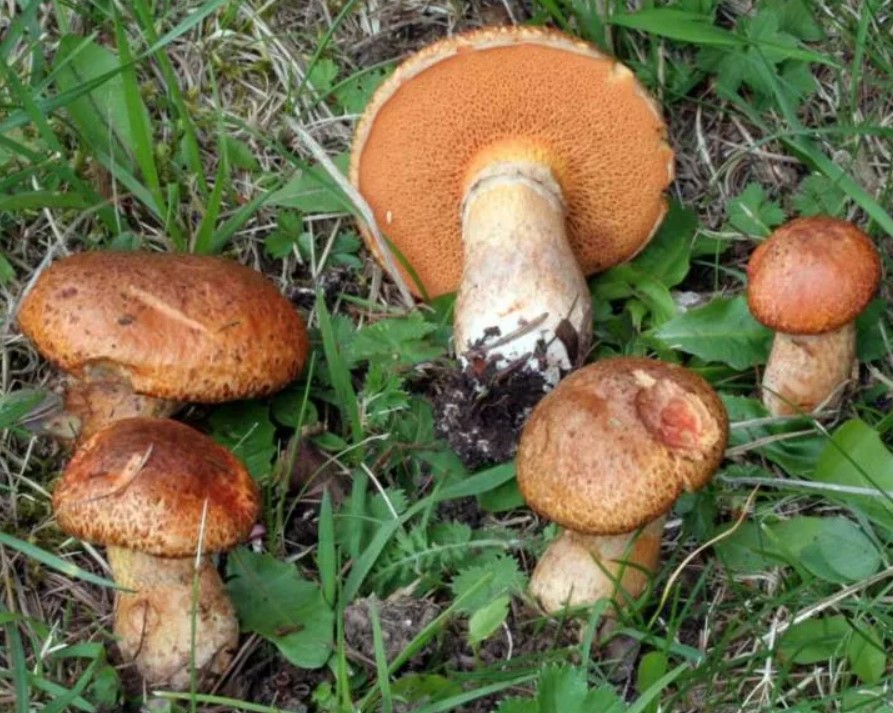
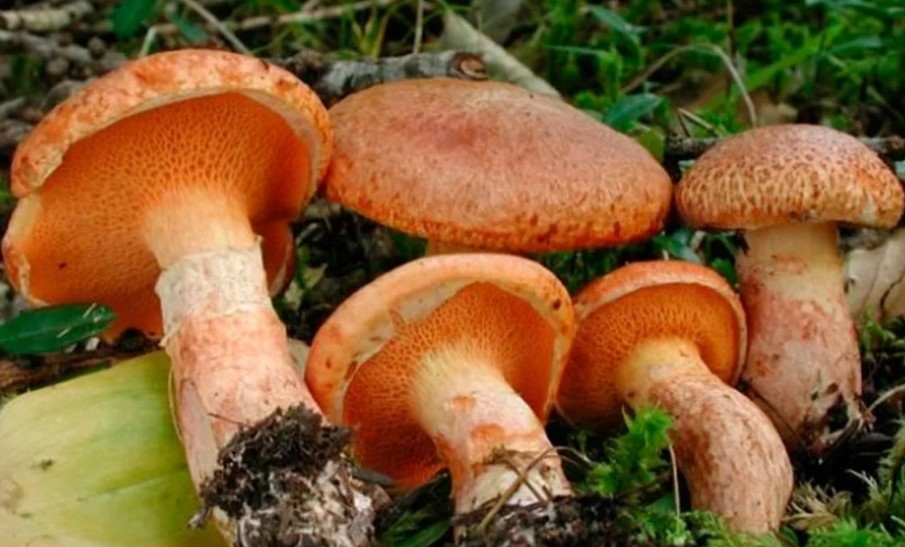
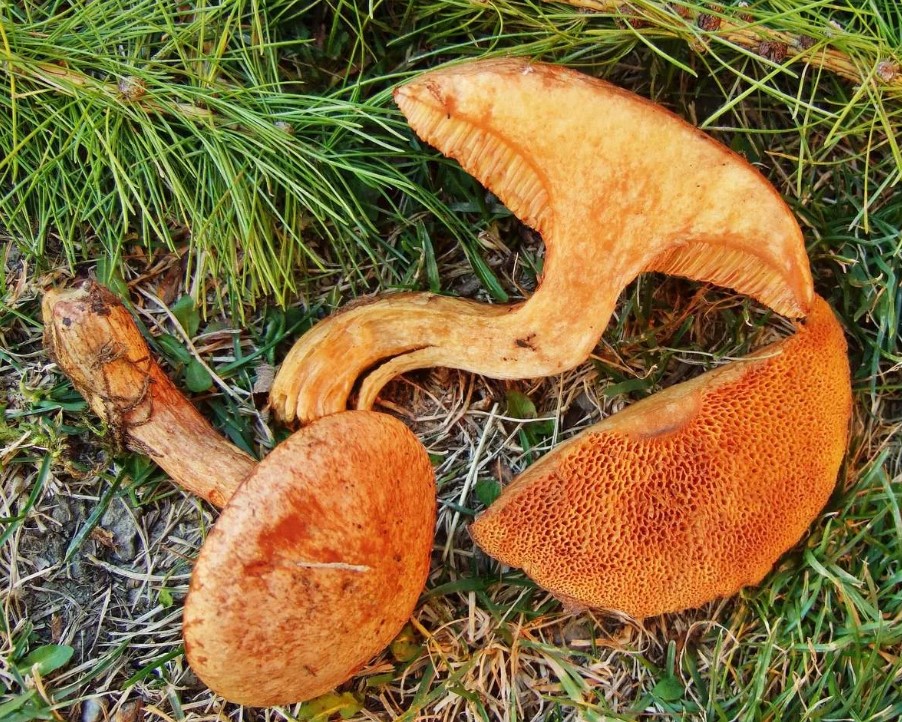
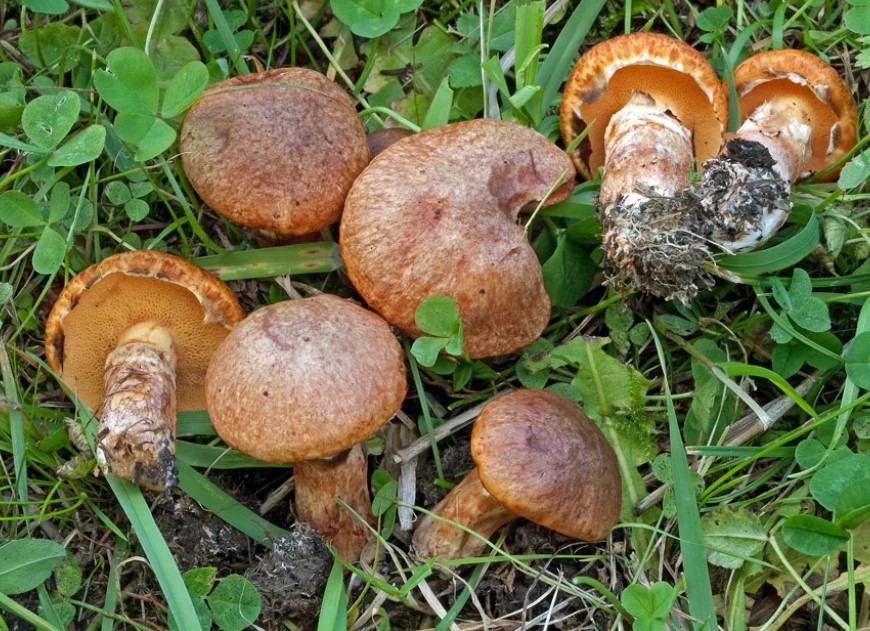
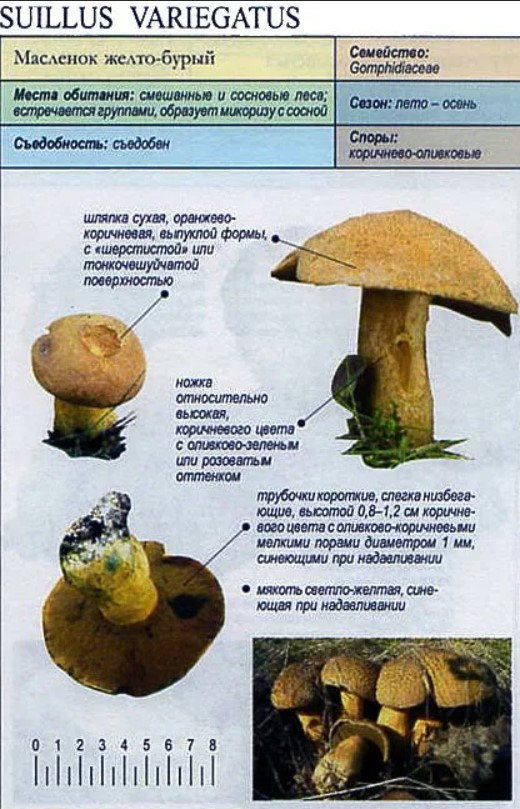
Yellow-brown butter mushroom (Suillus variegatus)
| Description | Distribution: tree, countries | Harvest season | Culinary uses |
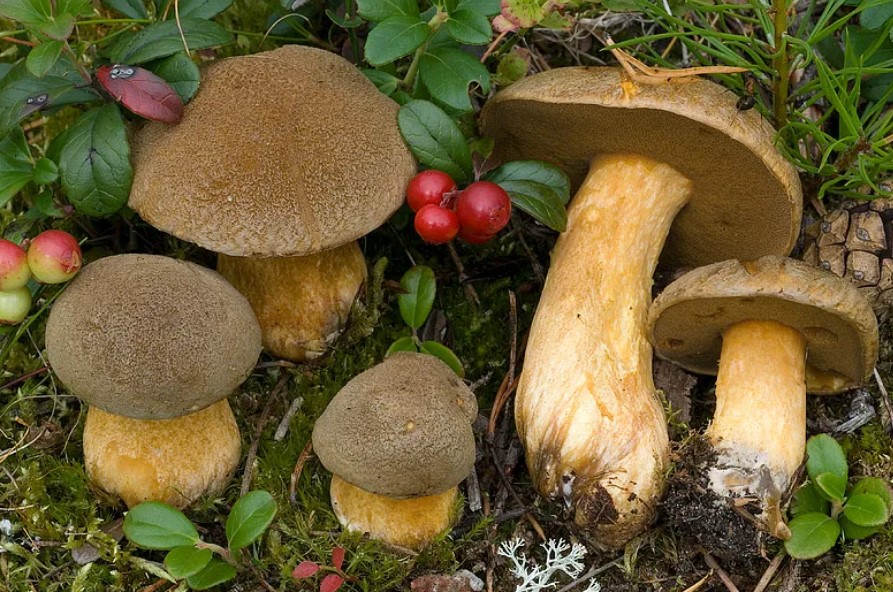
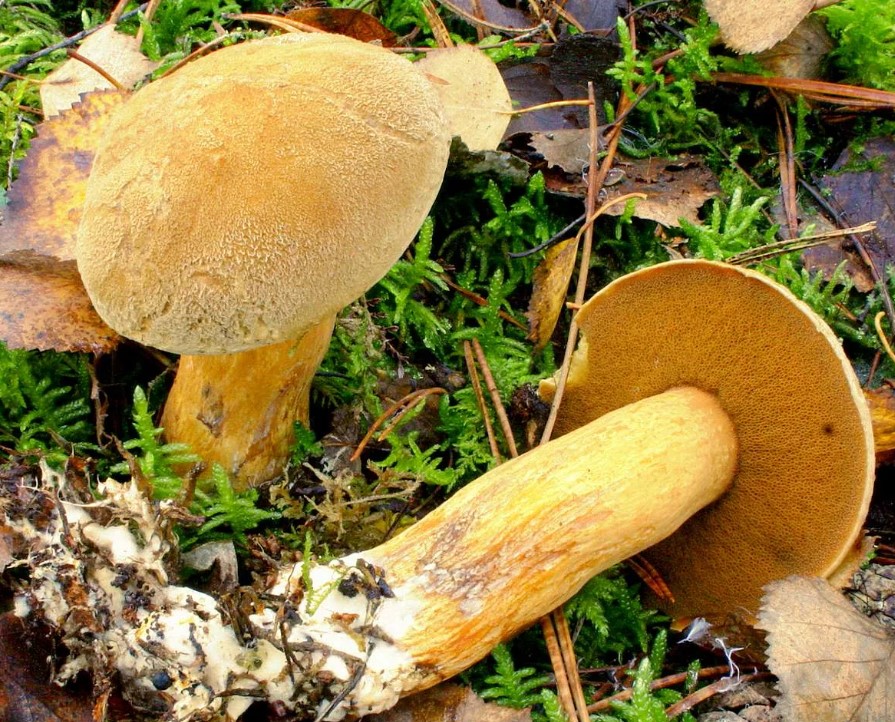
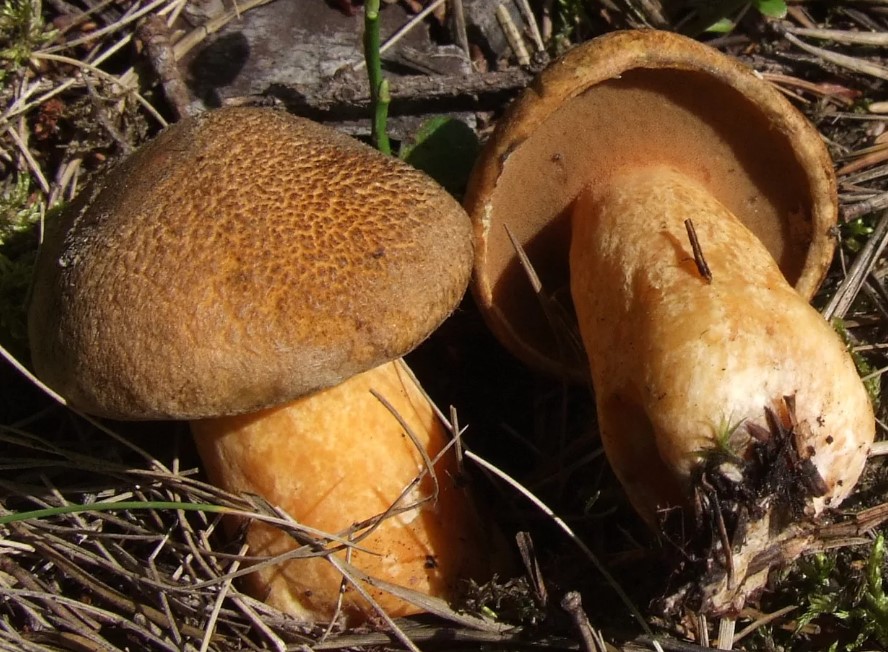
| The cap is up to 14 mm in diameter. Initially, it is semicircular, with folded edges, becoming cushion-shaped as it matures. The color changes from gray-yellow to orange-red. The skin is difficult to separate from the flesh. The stem is up to 9 cm tall, lemon-yellow, darkening at the base. | European countries, Russia (Caucasus, Siberia). Grows in pine forests. | July-October. | Pickling. |
Photo gallery of the yellow-brown butter mushroom
3 types of conditionally edible butter mushrooms with photos and descriptions in tables
Conditionally edible mushrooms are prohibited in some countries for cooking because they can cause indigestion. Moreover, these boletuses don't have much of a distinctive flavor. However, if desired and properly prepared, they can be used for pickling, for example.
Grey butter mushroom (Suillus aeruginascens)
| Description | Distribution: tree, countries | Harvest season | Culinary uses |
| The cap is up to 8 cm in diameter, changing color from gray-white to reddish-gray. The skin is slimy and easily peels off the cap. The stem is up to 14 cm tall and yellowish-gray. A ring is present initially, but disappears with age. | Forests of European countries, Russia. Prefers larch. | July-October. | Cooking, marinating. |
Photo gallery of the gray butter dish
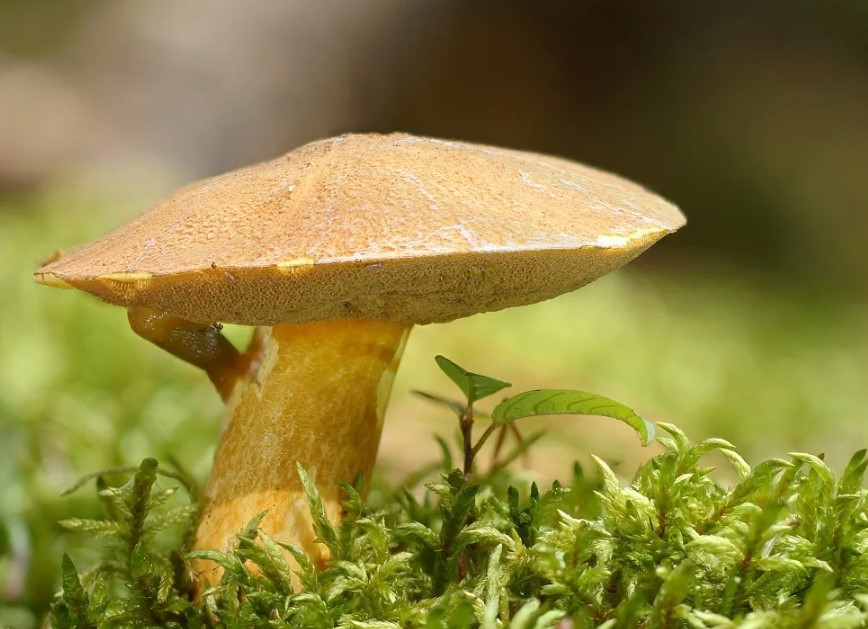
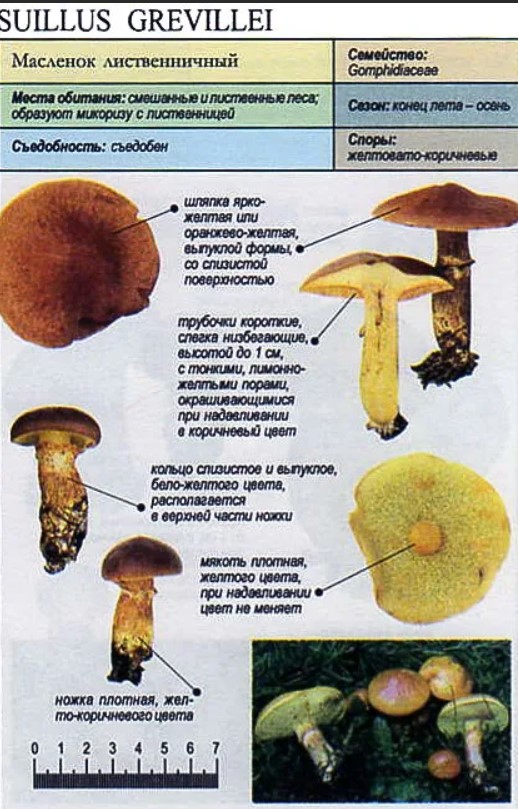
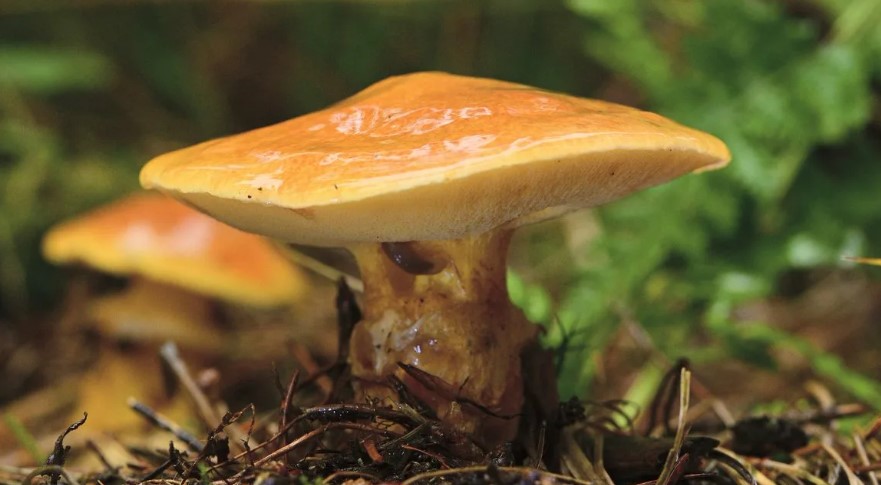
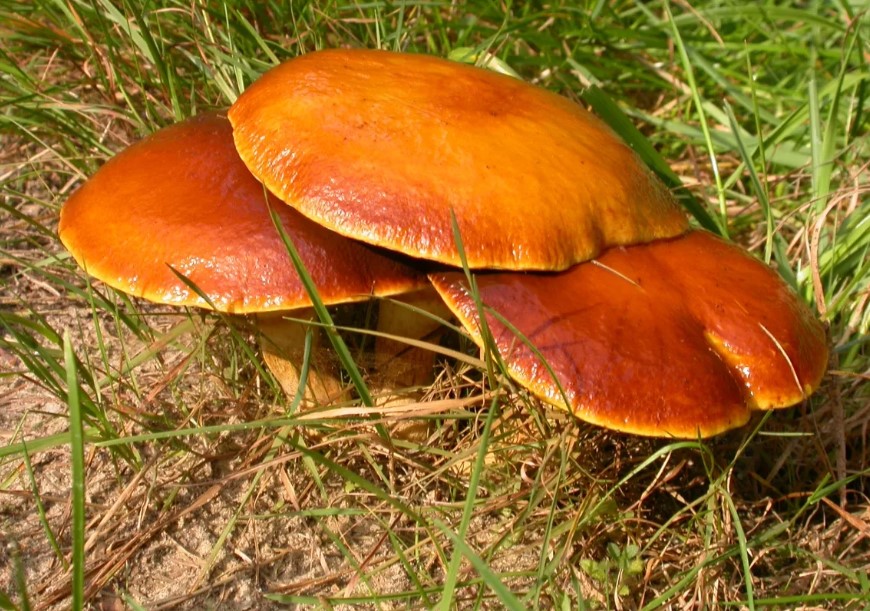
Larch butter mushroom (Suillus grevillei)
| Description | Distribution: tree, countries | Harvest season | Culinary uses |
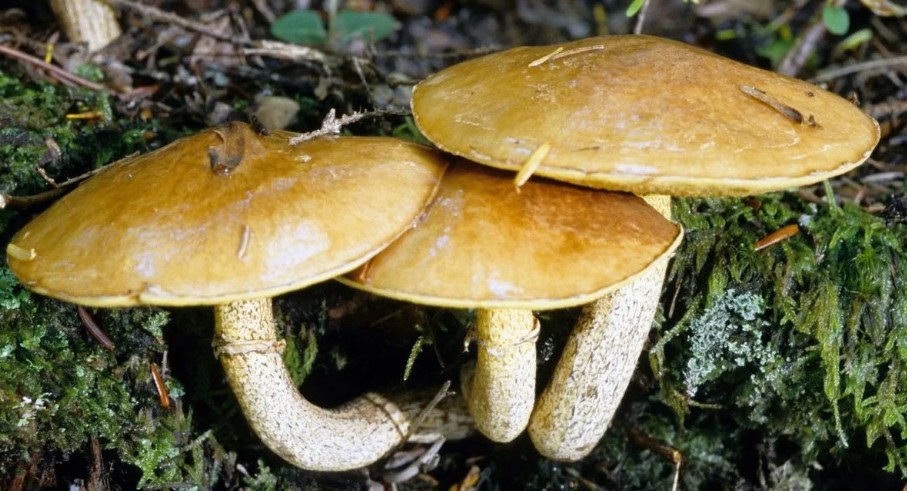
| The cap diameter ranges from 3 to 15 cm, and its color can be golden-orange, yellow, or brownish. The yellow flesh remains unchanged when cut in young mushrooms, but turns brown in older ones. The stem is up to 12 cm tall and can be curved. The surface above the ring is reticulated, while the underside is the same color as the cap. | Europe, North America. In Russia, it is found in Siberia, the Urals, and the Far East. | July-September. | Pickling. |
Photo gallery of larch buttercup
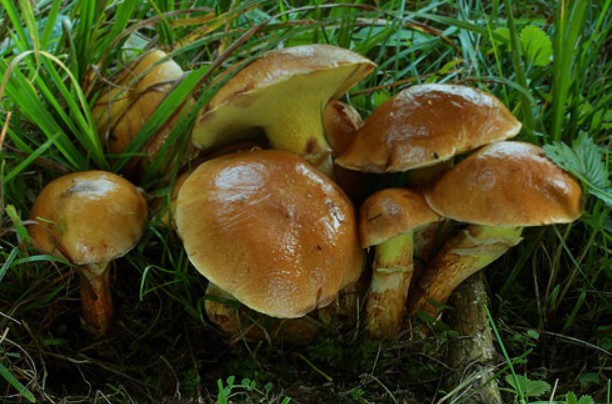
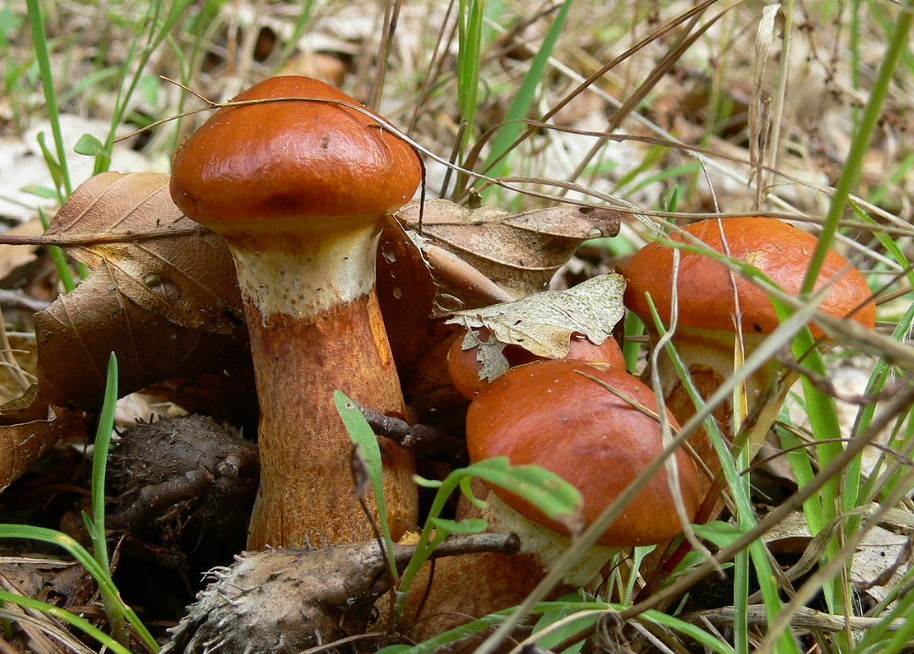
Yellow butter mushroom (Suillus salmonicolor)
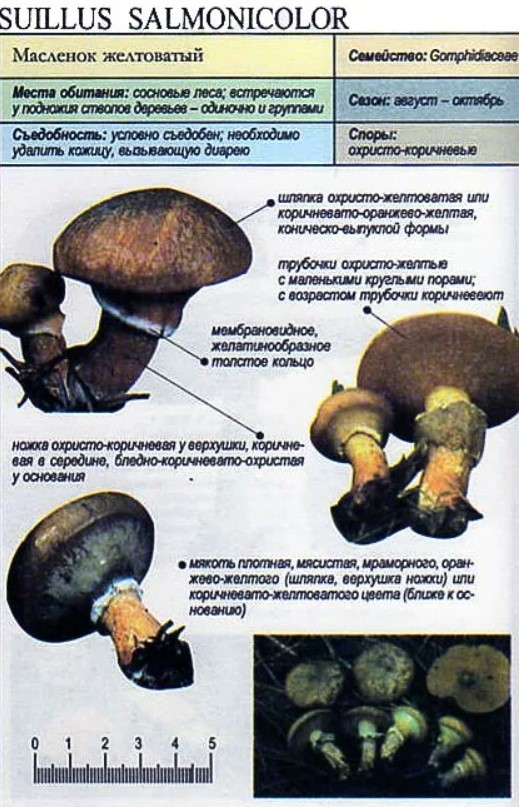
| Description | Distribution: tree, countries | Harvest season | Culinary uses |
| The cap is 3-6 cm in diameter and yellowish or yellow-brown in color. The surface is sticky. The skin separates easily from the flesh. The stem is strong, with an oily ring. The surface above the ring is white, while the surface below is yellow. | European countries, Siberia. Grows with two-needle pines. | Mid-July-October. | Edible after peeling and cooking. A tasty mushroom, it's often wormy. |
Photo gallery of yellowish buttercup
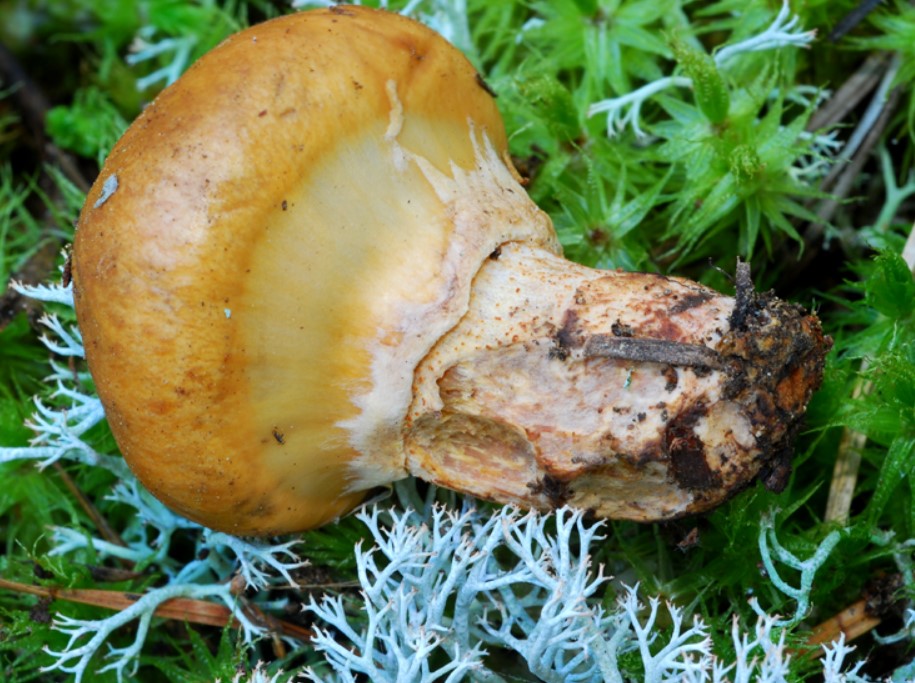
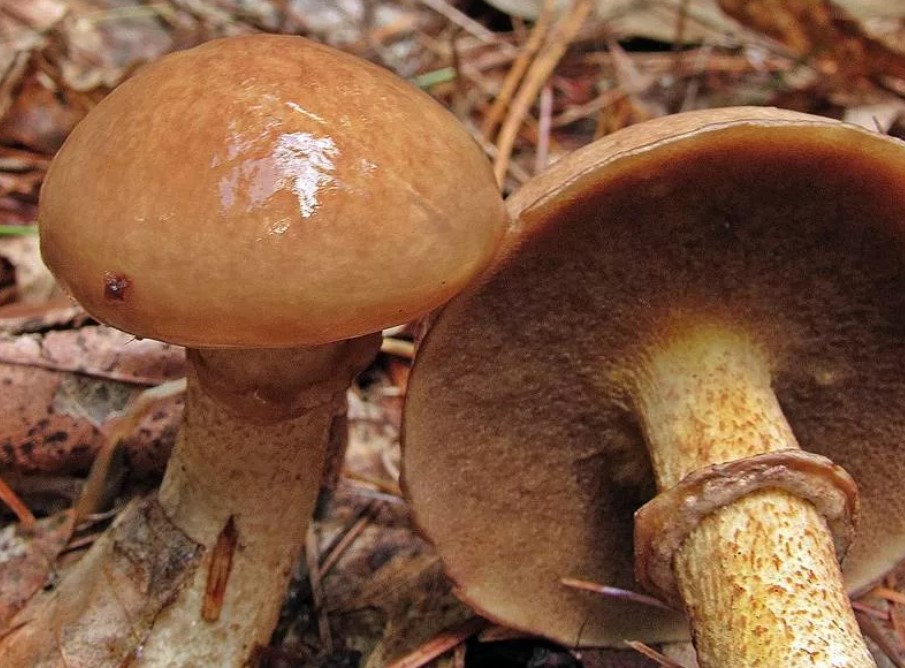
Controversial species of butter mushrooms
The edibility of some species of butter mushrooms is a matter of debate among mushroom pickers. Some believe they are safe to eat after proper preparation. Others are convinced they will inevitably cause indigestion.
Siberian butter mushroom (Suillus sibiricus)
| Description | Distribution: tree, countries | Harvest season | Culinary uses |
| The cap reaches 10 cm in diameter and is yellow or olive in color. The film is oily and easily peels off the cap. The stem is up to 7 cm tall and beige, with brown spots visible on the surface. The ring develops into a fringe over time. | Cedar forests of Europe, Estonia, the Far East, Siberia. Grows alongside Siberian cedars and some other conifers. | June-September. | It is used in food after cleaning and heat treatment. |
Photo gallery of Siberian butter mushroom
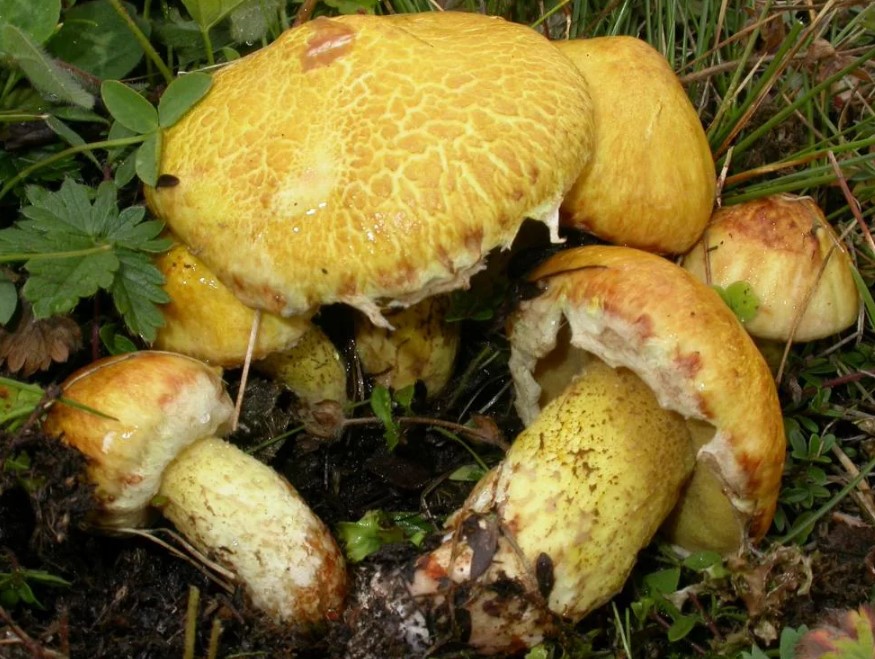
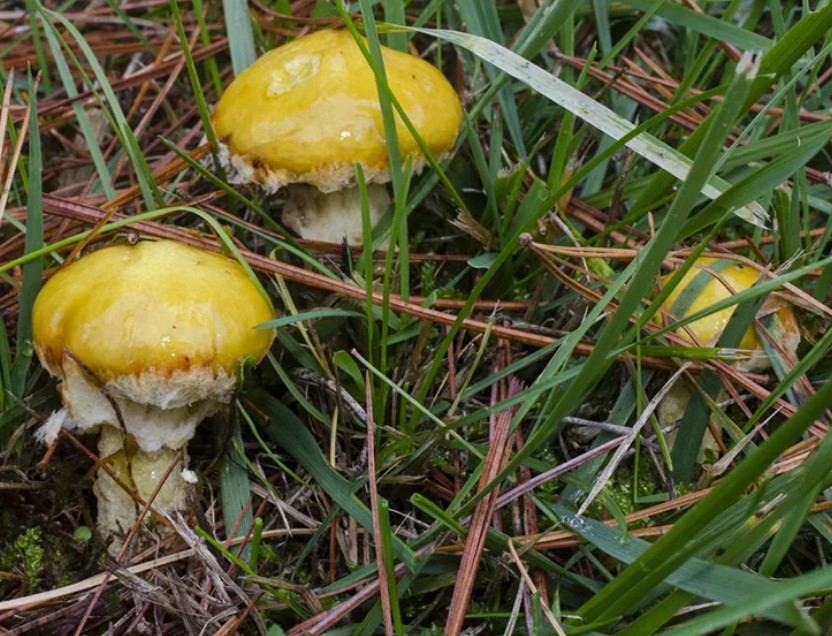
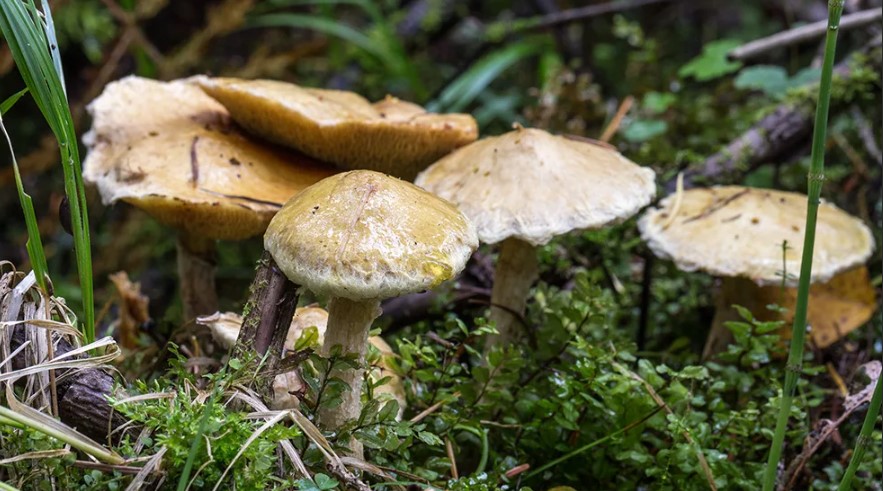
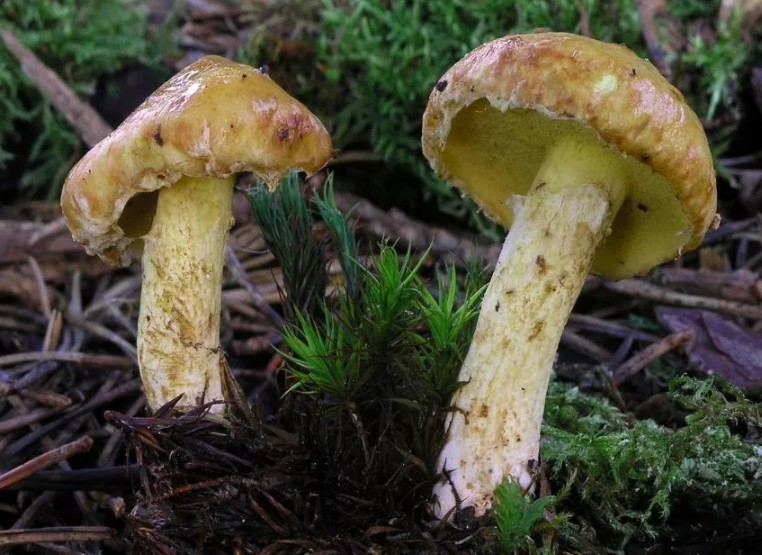
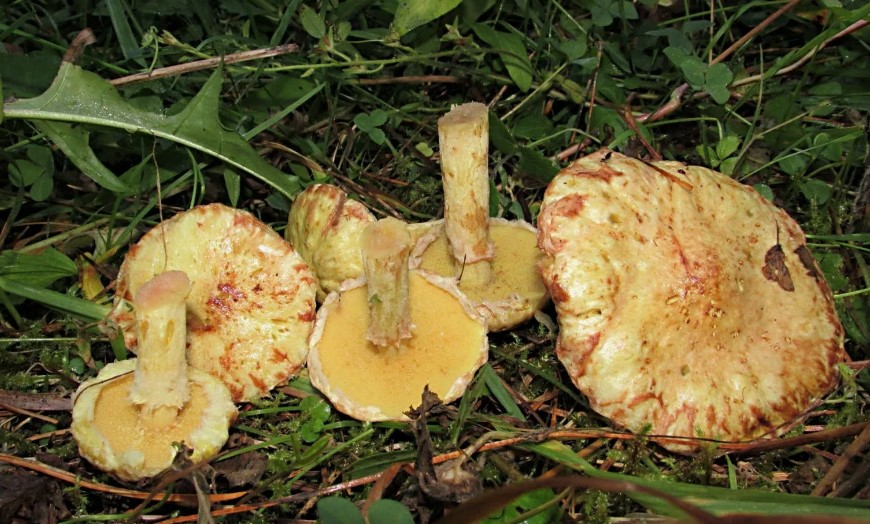
The remarkable butter mushroom (Suillus spectabilis)
This mushroom is the most controversial of all, as various authoritative sources provide conflicting information about its edibility.
| Description | Distribution: tree, countries | Harvest season | Culinary uses |
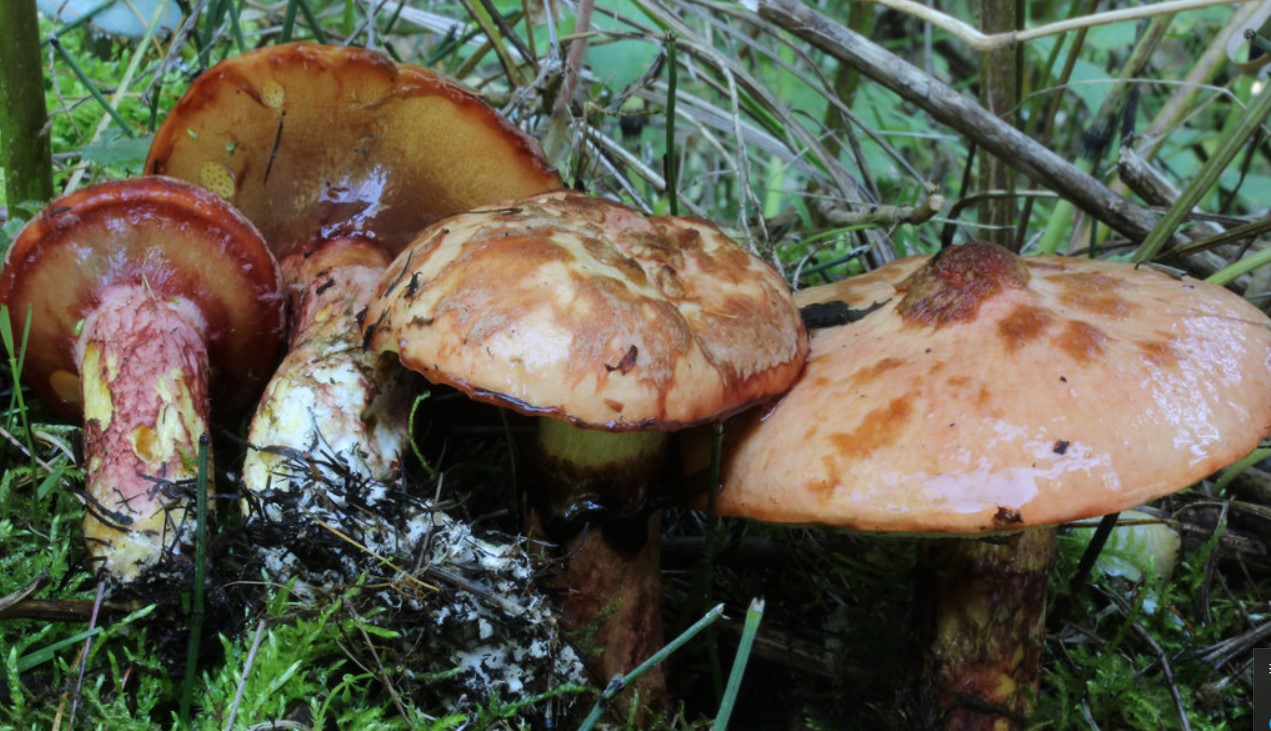
| The cap is 4-12 cm in diameter, with a slimy, reddish-brown surface. Grayish streaks are scattered across the surface. The stem is long, up to 12 cm, and thin. The ring is located almost under the cap. The flesh is yellowish; when cut, it turns brown after a few hours. | It grows from the Urals to the Far East, in North America, the USA, and Canada. It prefers coniferous forests where larch trees are present. | July-September. | Boiling. |
Photo gallery of the remarkable butter dish
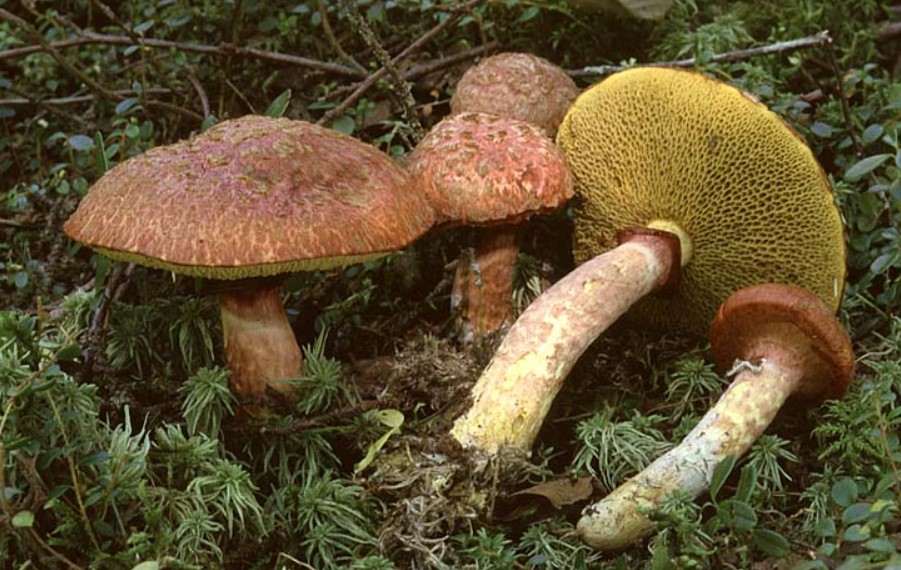
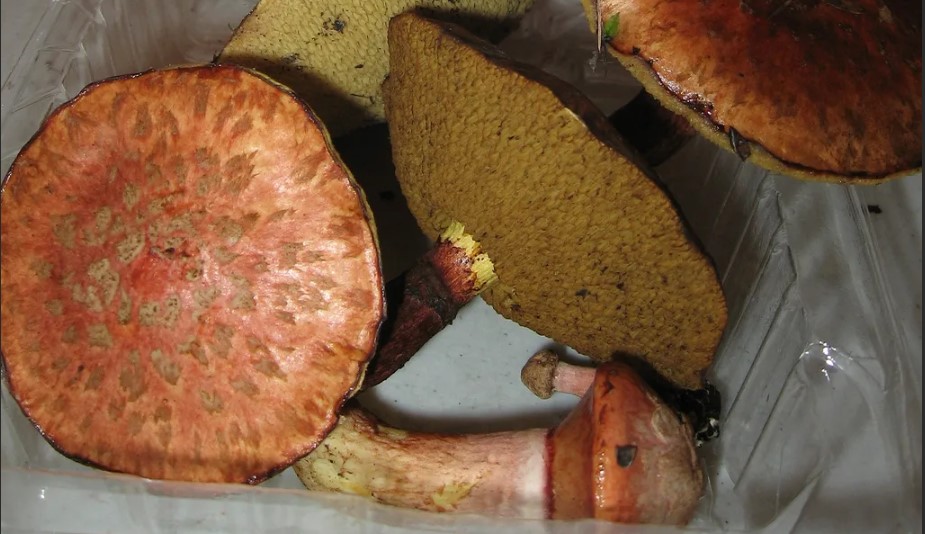
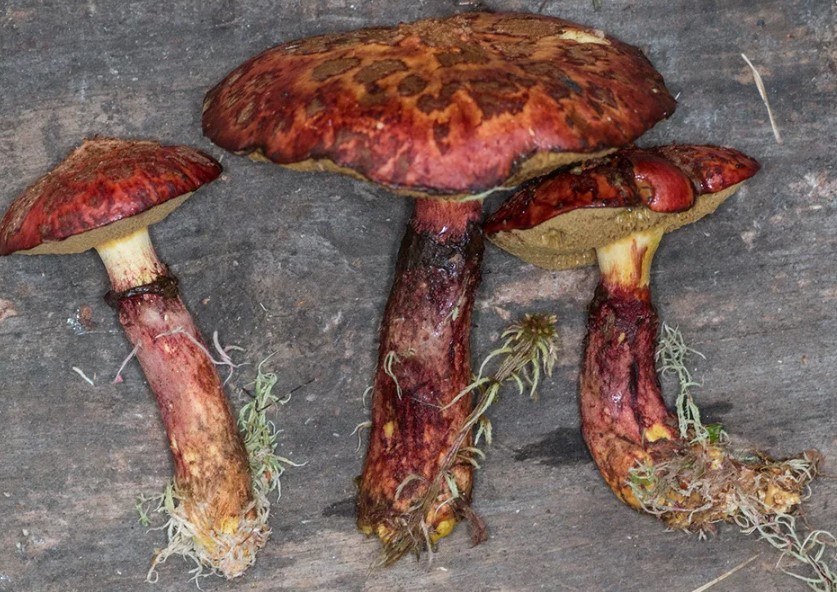
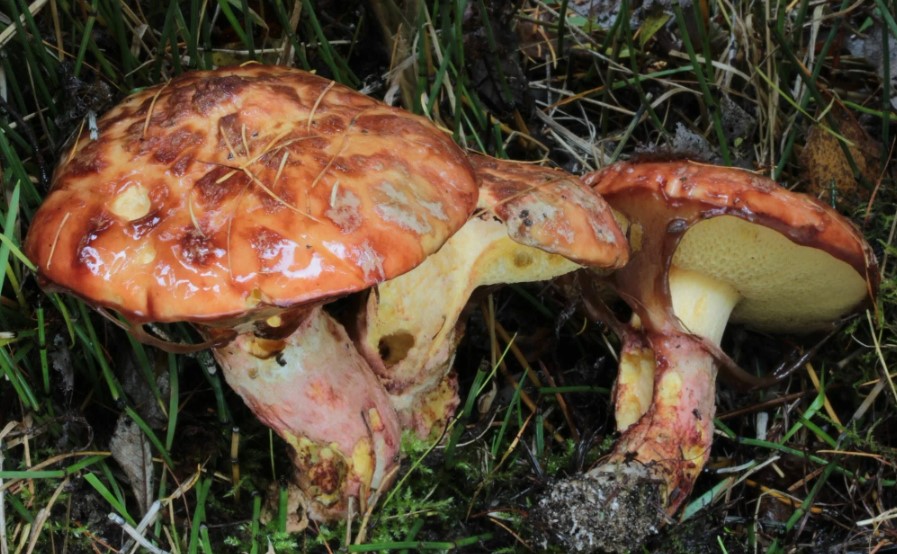
Are there false butter mushrooms?
There's no such thing as a "false butter mushroom" in science. However, in common parlance, these mushrooms are used to refer to specimens that vaguely resemble butter mushrooms. It's more accurate to call them inedible. Eating such mushrooms can cause indigestion. Below are the most common types of inedible butter mushrooms.
2 inedible butter mushrooms with photos and descriptions in tables
Inedible butter mushrooms are relatively rare in forests and can be recognized by their distinctive external characteristics. Their flavor is either completely absent or slightly bitter. The most common type of butter mushroom found in Russian forests is the peppery butter mushroom, a type of false butter mushroom.
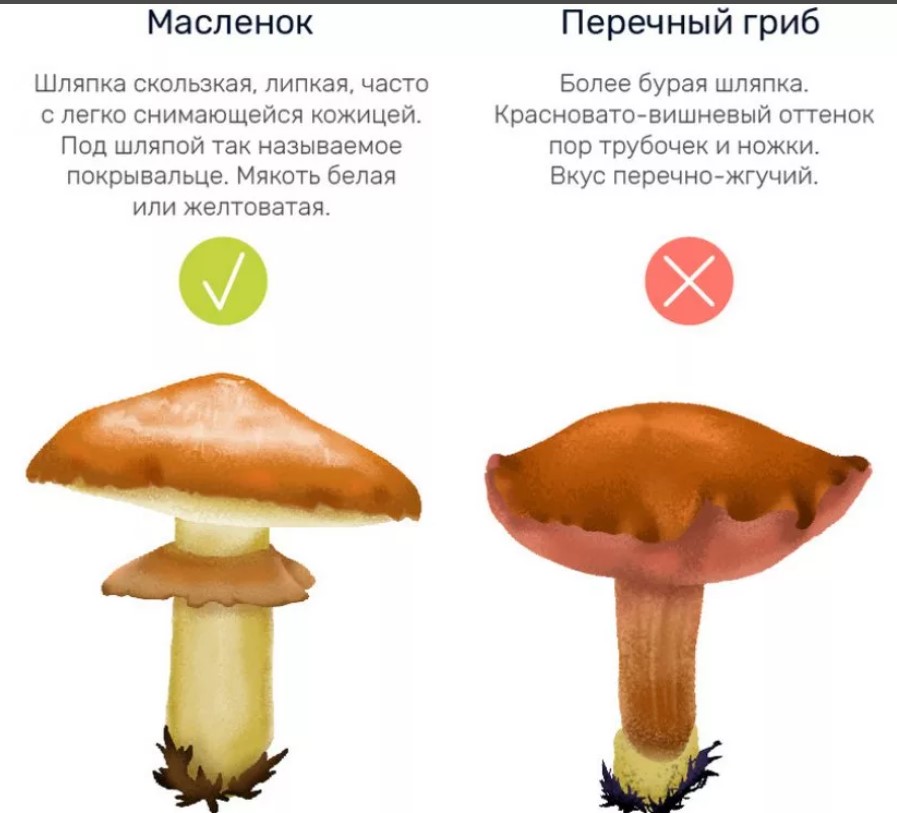
Pepper butterdish (Chalcíporus piperátus)
| Description | Spreading | Edibility | Similarity | How to distinguish |
| The cap is up to 7 cm in diameter, ranging in color from light brown to rusty brown. The skin is slightly sticky and does not separate from the flesh. The flesh is loose, slightly bitter, and redder when cut. The stem is up to 8 cm tall, curved, tapering at the base, and brittle. It is lighter in color than the cap. | It grows in coniferous forests of Europe, the North Caucasus, Siberia, and the Urals. | It is processed into a seasoning, as it adds spiciness to dishes. | Fruiting body shape, slimy skin. | The flesh is yellow, changes color when cut, and has no ring. Bitter. |
Photo gallery of pepper oiler
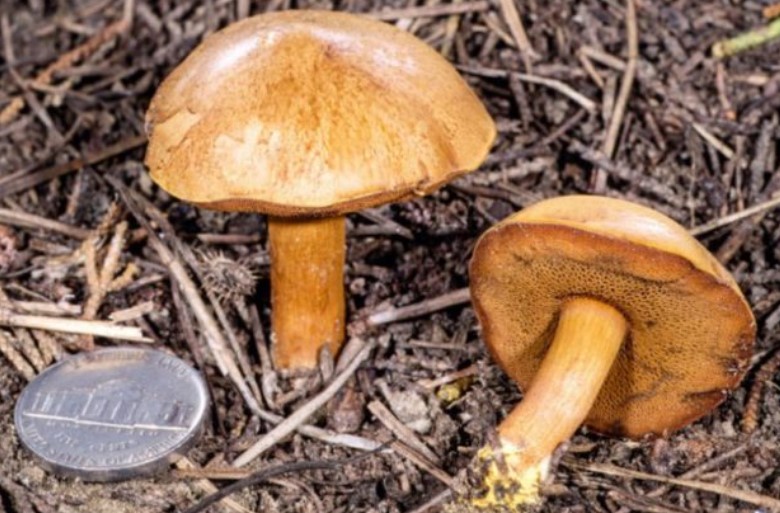
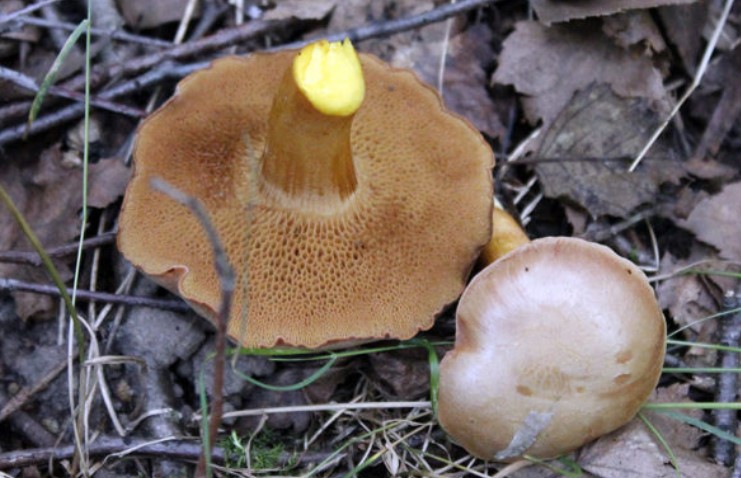
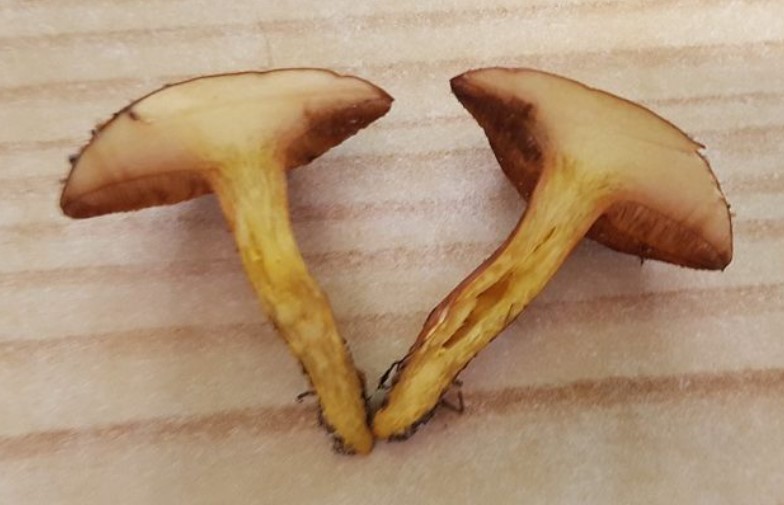
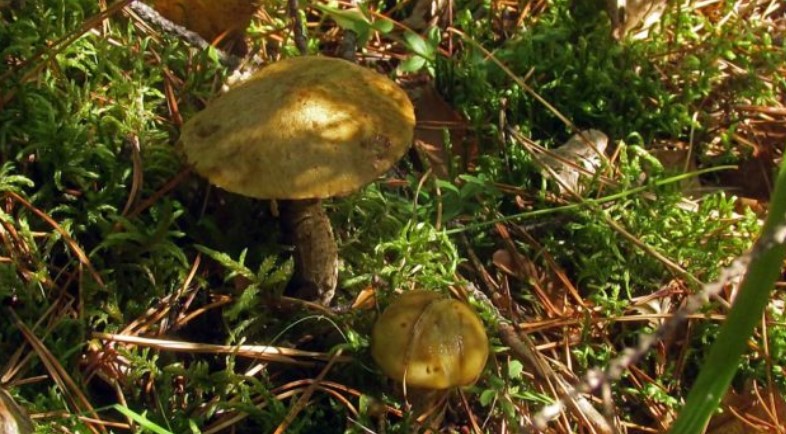
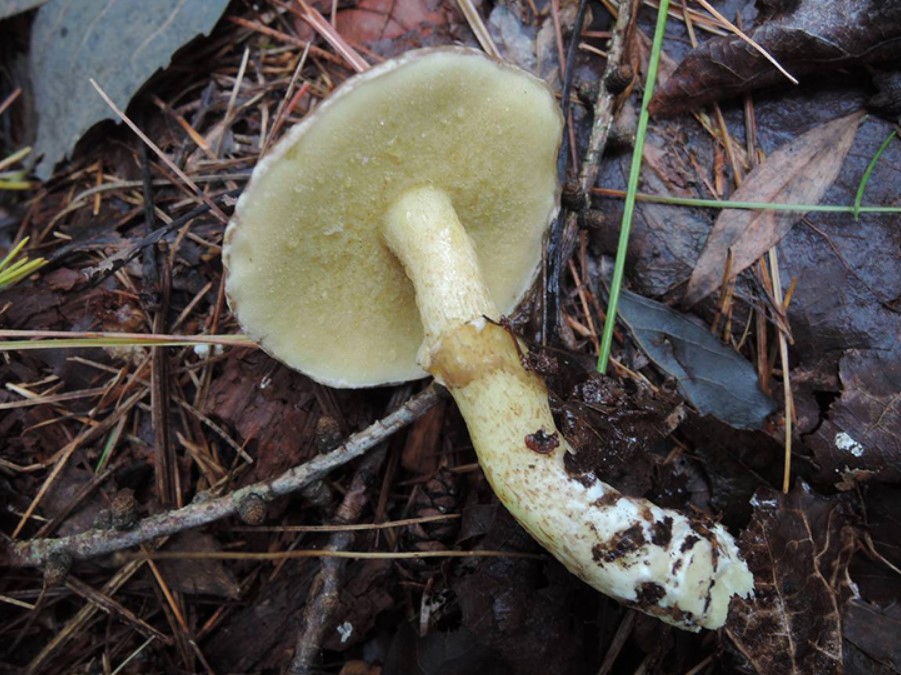
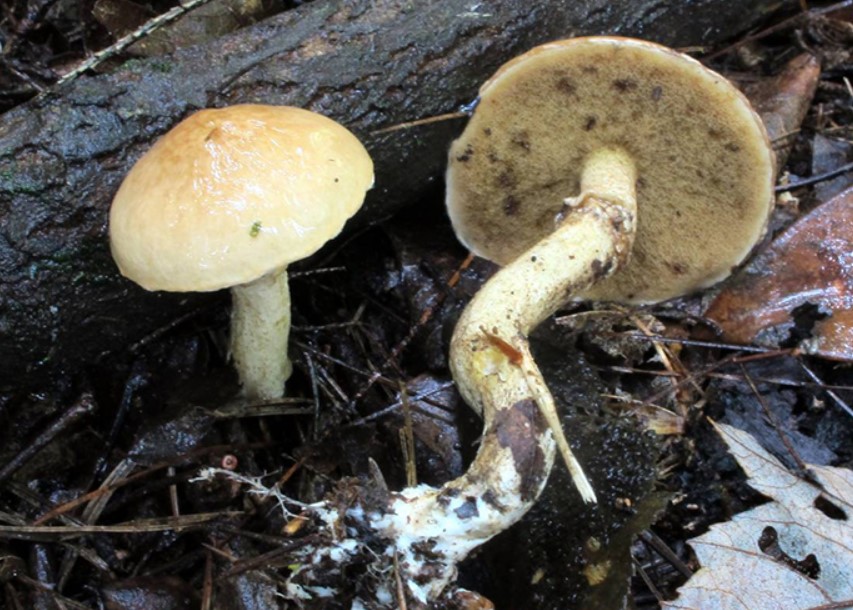
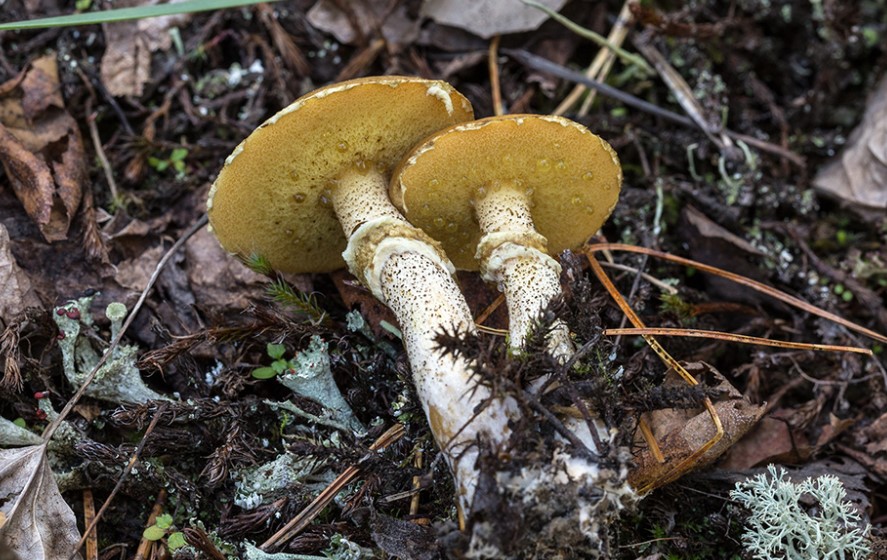
Sour butter mushroom (Suillus acidus)
| Description | Spreading | Edibility | Similarity | How to distinguish |
| The cap can reach 17 cm in diameter, changing shape as it grows from convex to prostrate. As it matures, its color changes from pale yellow to light brown. Yellowish flakes—remnants of the veil—may be present on the edges of the cap. | Found from July to October in pine forests. | Young specimens can be eaten after preliminary boiling. | Sticky surface, cap color. | The cap is more spreading, with fringed edges. The taste is sour, especially the skin. |
Photo gallery of sour butter dish
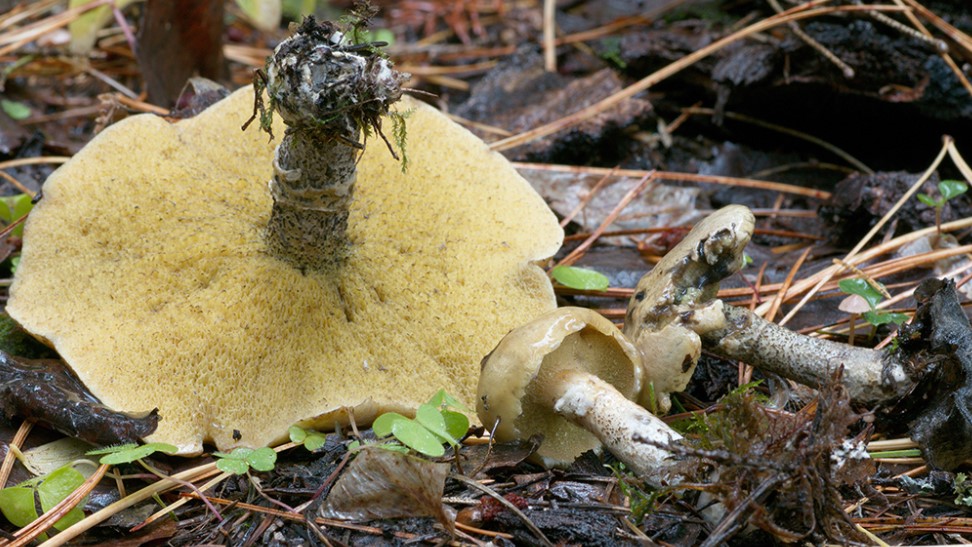
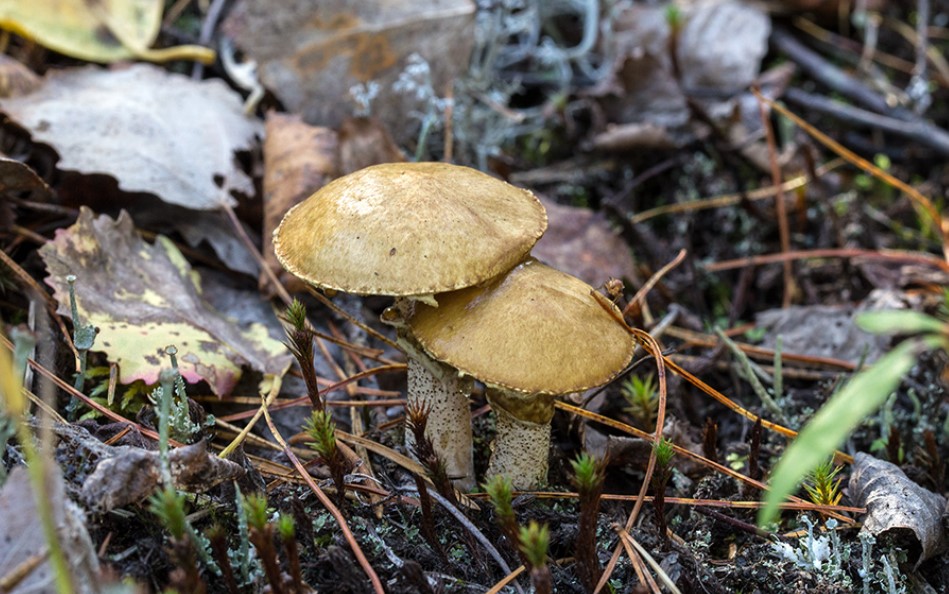
Double of butter mushrooms
Butter mushrooms can be recognized in the forest by their distinctive cap, which has a slippery surface. But in nature, not only butter mushrooms have this characteristic; there are lookalikes of these mushrooms that are easily confused.
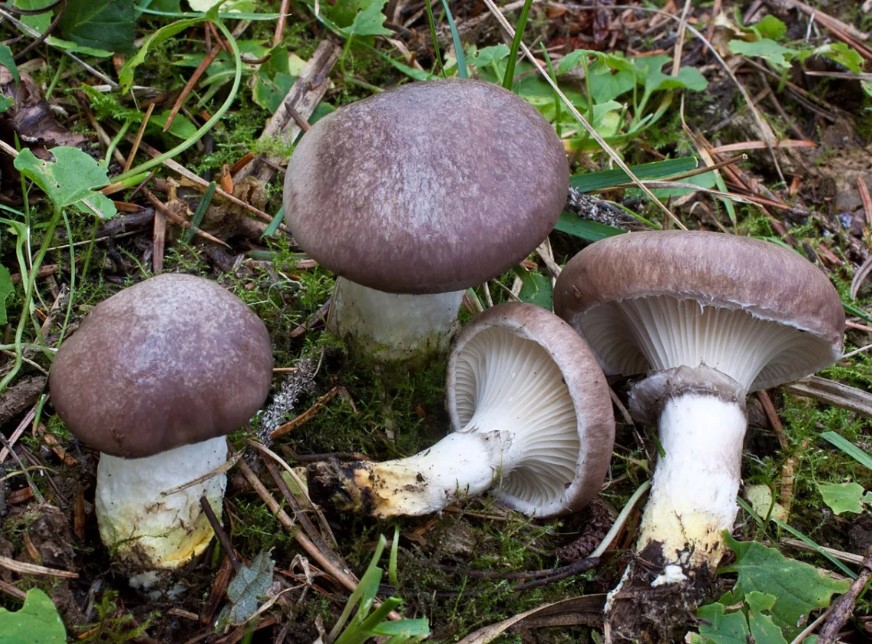
Spruce woodlouse (Gomphidius glutinosus)
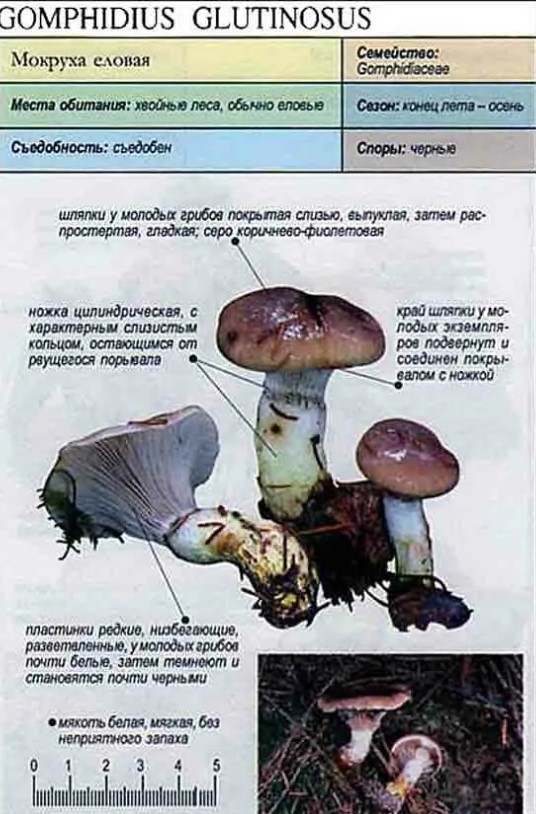
| Description | Spreading | Edibility | Similarity | How to distinguish |
| The cap is up to 8-10 cm in diameter and is brownish-purple, bluish, or grayish in color. The flesh is fragile and crumbles immediately after picking, making it difficult to transport. | It grows in humid coniferous forests of Russia, Ukraine, and Belarus. | Conditionally edible. | Mushroom shape. | The main difference is that the hymenophore is lamellar rather than spongy. |
Photo gallery of spruce woodlice
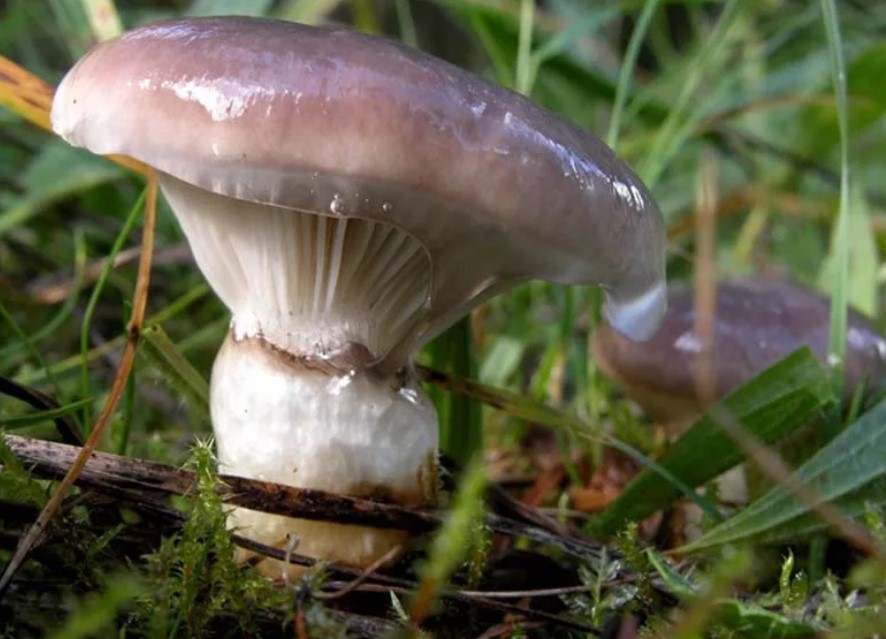
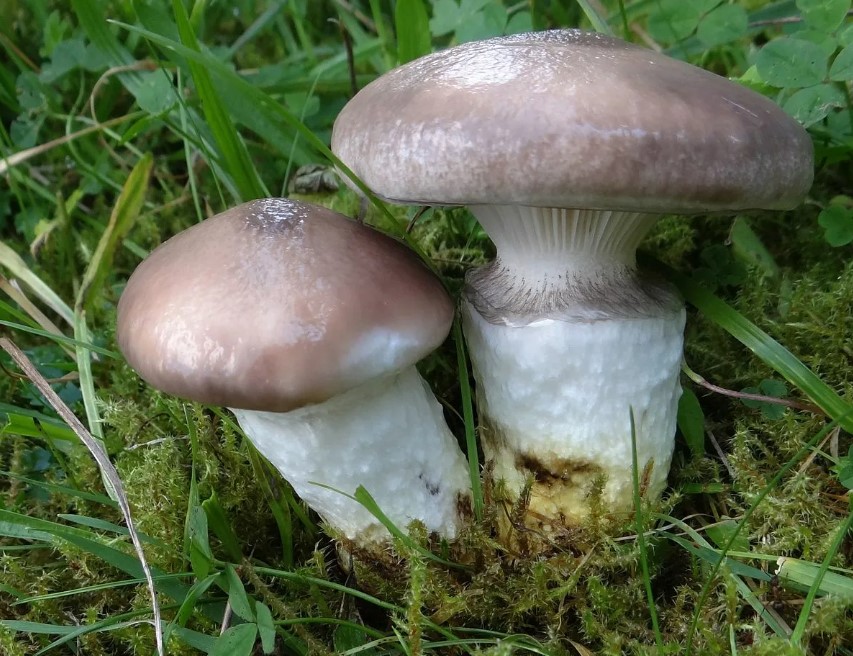
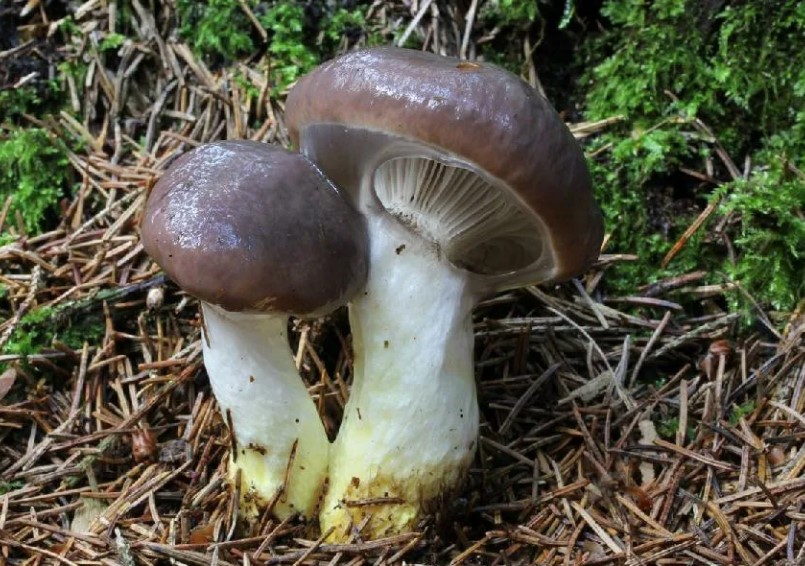
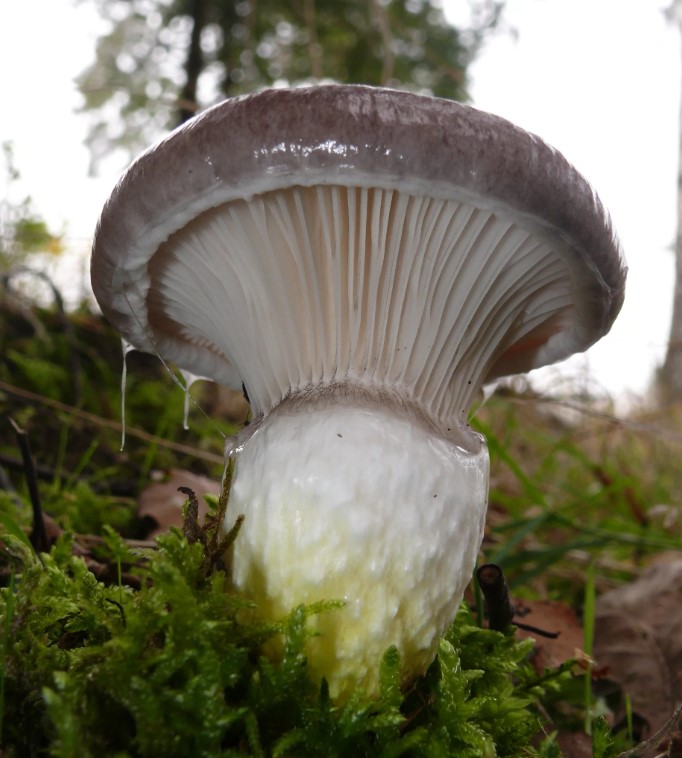
Is it worth collecting false butter mushrooms?
False butter mushrooms are edible, so if there are no other mushrooms in the forest, they can be collected. The only requirement is to thoroughly peel the skin and boil the mushrooms. However, the flavor of false butter mushrooms is often bland.
Symptoms of false butter mushroom poisoning and what to do
False butter mushrooms can cause poisoning only in certain cases:
- a large number of them were eaten;
- The mushrooms were collected in a polluted area.
In addition, the following people are not recommended to eat mushrooms:
- pregnant and lactating women;
- children under 6 years old;
- people of age;
- suffering from gastrointestinal problems.
Signs of poisoning are:
- nausea;
- weakness;
- diarrhea;
- increase in body temperature;
- chills;
- increased sweating;
- rapid pulse.
At the first symptoms, you need to call an ambulance, rinse your stomach with warm water and take Polysorb or activated charcoal.
Read more about the edibility and inedibility of butter mushrooms, their benefits, and recipes in the article.The benefits and harms of butter mushrooms, calorie content, and use in folk medicine + recipes.
Reviews of mushroom pickers about butter mushrooms
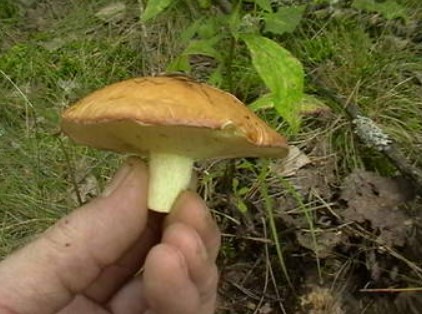
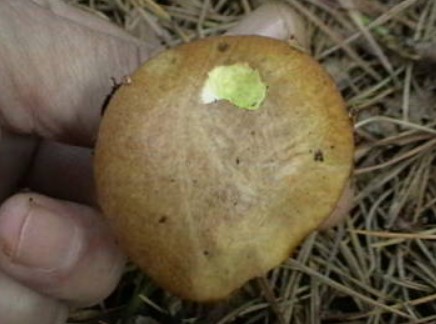
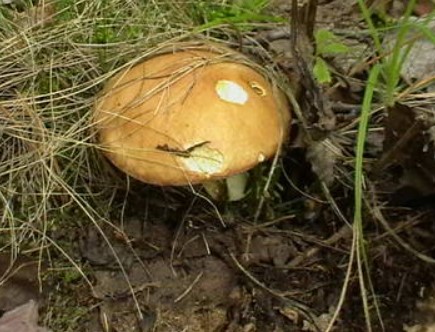
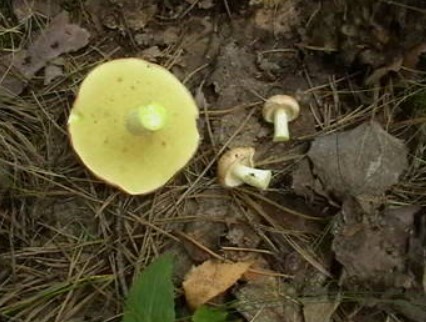
Granular oiler Suillus granulatus
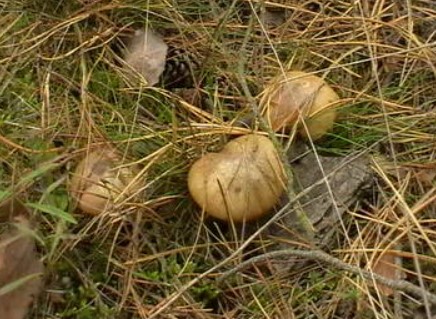
The granular butter mushroom is as delicious as many other butter mushrooms. It has no ring on its stem. It grows mostly in mixed forests on grass. The granular butter mushroom has a yellow, dirty-yellow cap; as it matures, the cap becomes darker, sometimes even light yellow-brown.
There may also be (optionally) oily droplets along the bottom of the cap. This butter mushroom is found from August to October.
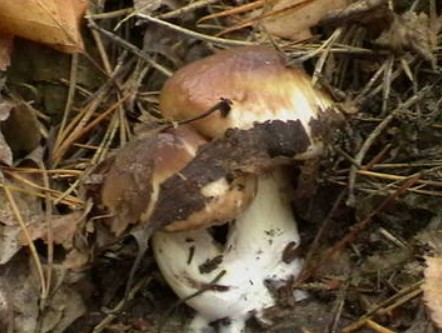
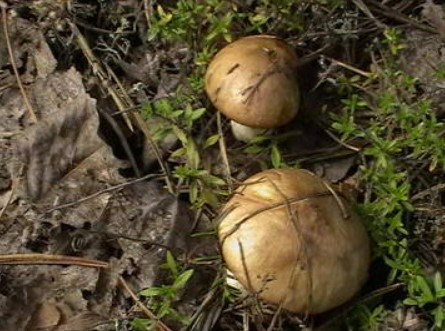
Well, here’s a photo of a grainy oil can:These were found on August 20 in a mixed forest:
Bellini butter mushroom Suillus bellinii
The Bellini Butter mushroom is a delicious second-class mushroom! I dry and pickle it; the dried version makes a decent soup, but I personally don't find it very good fried!
It grows in pine forests, preferring young pine trees, along paths or at forest edges, often in moss. It grows singly or in clusters! In a good year, it's easy to stock up on them; the key is to be one of the first to get to the forest; there are plenty of fans of this mushroom!
The first mushrooms appear when the pine trees bloom, in June. The second wave occurs when the linden trees bloom, and the mass blooming season lasts from late August to November! Here in Italy, it can sometimes last until January if it's a warm and rainy year! It differs from other boletuses by the lack of a membranous ring on the stem; the stem itself is speckled, almost grainy. Its cap color ranges from beige to dark brown. The skin is sticky in dry weather, and slippery and slimy in damp weather. Before harvesting the mushroom, remove the skin; it's easily removed by prying it off with a knife and pressing it with your finger. Doing this will stain your fingers brown, like after eating walnuts, so it's best to wear gloves! If the skin isn't removed, the mushroom can cause mild stomach upset, including a tear in the lower part of the body! This has never happened to me!
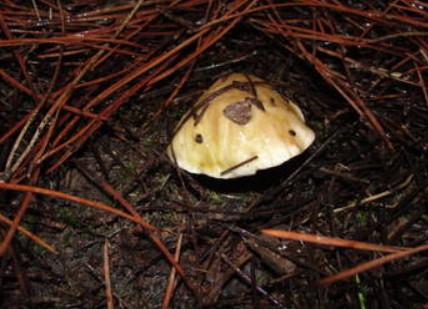
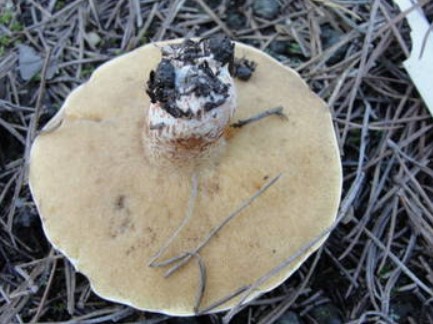
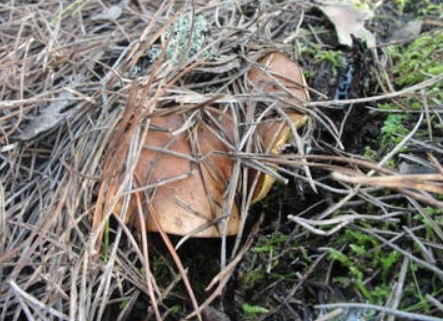
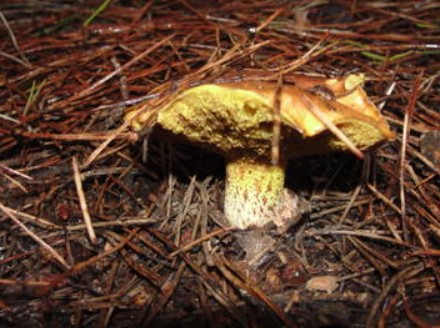
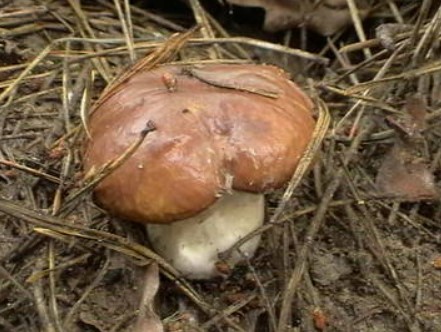
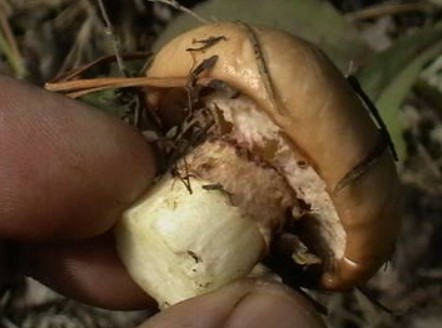
Now about the similarities between mushrooms—many of them have many names, and some mushrooms have many names. But in common parlance, they remain the same (say, butter mushroom)—no one differentiates them into deciduous, granular, soft, and so on. So, that's what I had a question about. The photo below shows several butter mushrooms, all of which I found in 2012. Their habitats varied—some grew mostly in deciduous forests and on grass, while others preferred pine trees and bare sandy soil. So, which of these butter mushrooms should be classified as which?
Now this is clear, it’s a real autumn butter dish:
And this is already a question (which oiler exactly):
And what is the name of this butter dish:
These too:
For me, a butter mushroom is a butter mushroom, no matter where you are, and I don't see much difference between them, whether in taste, cleaning, or anything else. The only difference is that some butter mushrooms are plump, while others are thin, and the color range (brown tones) also ranges from light to dark.
Even online, the same boletus mushrooms have different names (for example, leafy boletus and granular boletus), so I don't see the difference. Here are some links to boletus mushrooms online:
Larch boletus, granular boletus, late boletus or true boletus, soft boletus, yellow-brown boletus, and there are many more boletuses, but to the average mushroom picker, they're all just boletuses, I think. Although some differences are noticeable in boletuses, they're still boletuses. Similarly, porcini mushrooms can be divided into pine boletus, spruce boletus, birch boletus, true late boletus, and so on, I think, but that doesn't change the meaning of a porcini mushroom or a boletus. Please chime in if anyone knows about boletuses, which have different names, and who knows their obvious differences, and most importantly, the meaning of this division (after all, not a single mushroom picker, I'm almost 100% sure, differentiates them by this characteristic...they're all just boletuses). What do you think of this topic, mushroom pickers?