Creating drinks with exceptional flavor and aroma is a fascinating and painstaking endeavor. Making homemade grape wine takes several months. Recipes are studied, production techniques are followed, and ultimately, guests are delighted with a noble drink.
Content
Grape varieties for wine making
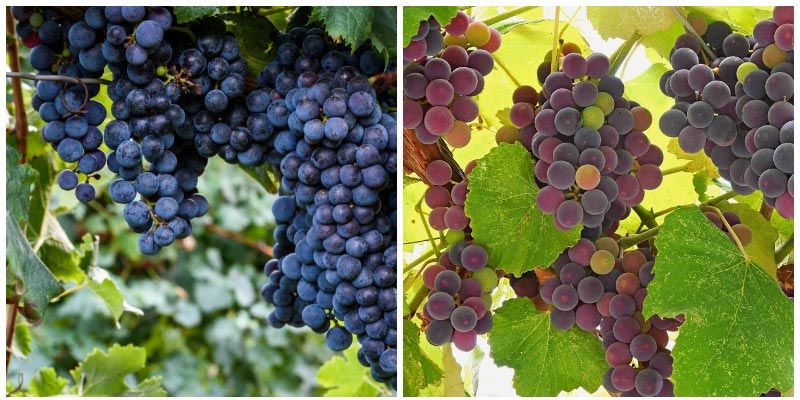
Producing an aromatic wine with a desirable finish is a desirable goal even for a winemaking novice. Ideally, use wine grapes with small, dense clusters, consisting of small berries with high sugar content:
- Sauvignon 25-30%;
- Muscat up to 27%;
- Saperavi (Pridonye) 23-25%;
- Cabernet 20-22%.
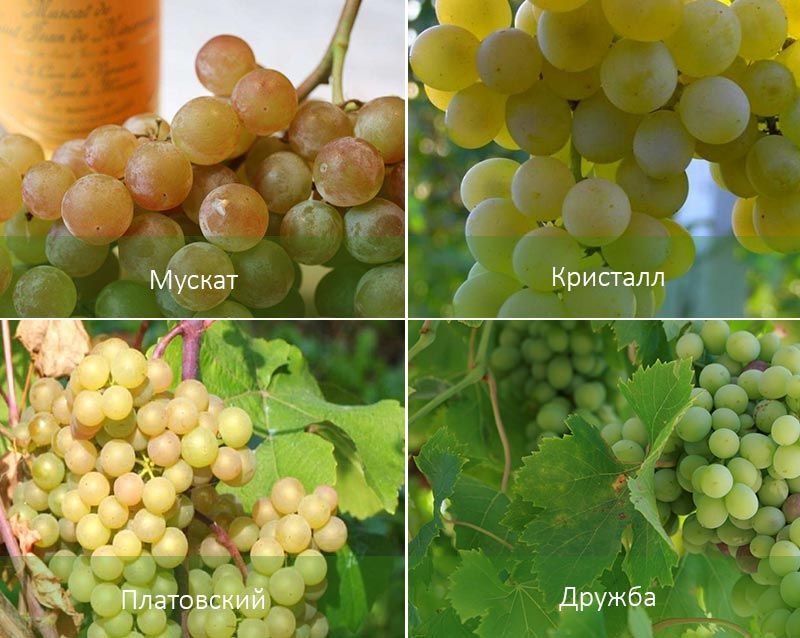
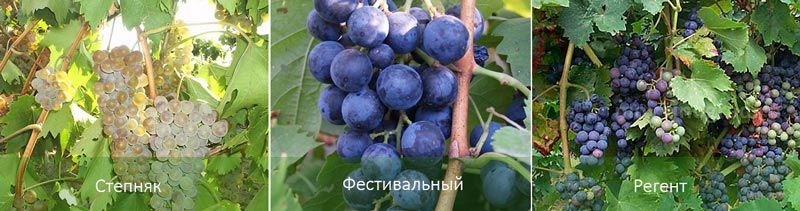
The following examples of breeding science meet the necessary requirements and are simple in agricultural technology:
- Friendship;
- Crystal;
- Dewdrop;
- Regent;
- Steppe dweller;
- Platovsky;
- Festival.
Table grape varieties do not provide the desired bouquet of wine, and therefore it is better to plant Chardonnay, Riesling, Merlot, Pinot Noir, and Golubok bushes.
Moldova, Lydia, and Isabella grapes are commonly grown in private farmsteads. Good wines are made from these varieties with the addition of larger amounts of sugar and water.
Isabella wine has a very distinctive aroma and tart flavor. The blend of Isabella and Lydia grapes produces an interesting result.
Moldovan red wine is healthy, and with the addition of herbs and spices, you can try something unusual. A small clove in the bottle adds aroma. Aging it in a barrel with elderflowers and mint leaves yields the famous Mosel wine.
Preparing berries for processing
Wines with diverse flavors can be produced even from a single vine. Weather conditions and harvest time are the foundation of a good home-made wine.
Table wines are made from berries that have just begun to ripen.
Dessert drinks are best made from overripe, even slightly dried, grapes. Sweet wines are best made from Muscat grapes. Their strength will be directly related to the number of sunny days, which makes the grapes especially sweet. A wasp infestation will indicate the maximum sugar content in the berries.
Long, dry, sunny weather is the best time to pick grapes.
Grapes can be picked from the vine from the moment they ripen until the first frost. Low temperatures kill microflora, which negatively impacts the fermentation process. Prolonged rain also washes away wine yeast, so only dry bunches are harvested. Remove unripe or rotten berries. Leaving small branches and combs will result in a bitter and astringent wine. It's best not to pick fallen berries, as they will impart an earthy flavor.
The sorted berries should be processed as quickly as possible. Never wash the grapes before crushing. You can use special equipment or a meat grinder to make the pulp. The grape seeds will remain intact if you crush the picked bunches by hand. If you have a large amount of grapes, you can do this in a basin wearing clean rubber boots.
Grapes are washed only when using a special starter with high-quality yeast in the fermentation process.
Preparing to make wine at home
Before harvesting, a number of preparatory steps must be taken. Stock up on containers for collecting the pulp and storing the must. These should be made of materials that do not react chemically with the acids and alcohol in the juice—enameled, clay, wood, or glass containers are recommended. Using food-grade plastic is not recommended.
Wooden barrels are cleaned, washed with baking soda, and fumigated with sulfur. To produce Mosel wine, they are steeped in an elderberry and mint infusion and left to age until the wood is infused with the herbal aroma.
The ideal container is a 10-20 liter glass bottle. They are affordable and can be purchased at many hardware stores or ordered online. The container should be thoroughly washed with calcium bicarbonate, rinsed under running water, and dried in the sun for several days to treat it with ultraviolet light.
A wide range of equipment is available for pulp extraction: wine presses, juicers, and specialized crushers. It's important that the metal parts of these equipment be made of stainless steel. Avoid allowing grape juice to come into contact with copper or lead surfaces. It's best to limit the time it interacts with other metal objects to preserve the flavor of the must.
Sugar and wine strength
The sweetness of the must is determined with a hydrometer, and the strength of the wine with an alcohol meter. At home, an organoleptic method is used: taste testing. For successful fermentation, the juice should not be overly sweet. The recommended sugar content in the must is between 15-20%. For the first month, taste the must every 3-4 days, and if it becomes too sour, add sugar.
It's diluted in a couple of liters of specially distilled juice and then returned to the bottle. Typically, 0.5 kg of sugar is used per 10 liters of juice. The proportional alcohol content and sugar content of homemade wine are shown in the table:
| Wine | Alcohol content, % | Sugar content, % |
| Dry | 8-10 | 0-0.3 |
| Semi-sweet | 10-13 | 5-8 |
| Sweet | 16 | 12-18 |
| Liquor | 12-17 | 20-30 |
| Fortified | 16-18 | 7-10 |
Types of grape wine
The diversity of vine varieties allows for the creation of drinks to suit every taste. Delicate, light, or tart, vibrant in flavor and color, these wines will enhance any feast.
Dry
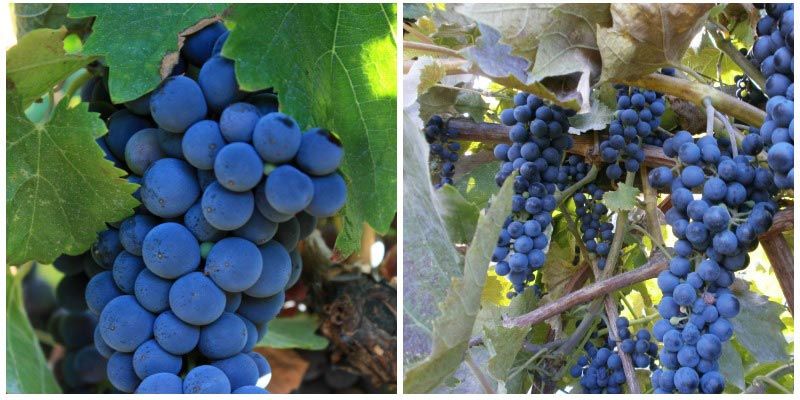
The Isabella table grape is well-suited for producing healthy, delicious wine. Its sugar content of 15-20% is suitable for producing dry wine without added sugar. The glucose and fructose in the must are transformed into alcohol by the yeast. The resulting product has a sugar content of 0-0.3%. Enjoy the pleasant color and delicate flavor of the drink.
Semi-sweet
This wine is favored for its pleasant, delicate aroma and distinctive flavor. Its moderate sugar and alcohol content make it an ideal choice for a feast.
Sweet
Good wine is made from blue grape varieties with high sugar content, such as Moldova. Its acidity is no higher than 0.8%. During the fermentation stage, 50-100 grams of granulated sugar are added to each liter of juice. Before maturing, the winemaker adjusts the sweetness of the homemade drink based on their taste.
Fortified
The fermentation process in this category of wines is stopped by the addition of alcohol. Blending grape must with fruit and berry juices produces the following types of homemade wine: port, sherry, and vermouth. The desired strength of the drink is achieved by gradually adding sugar to the must and vodka (alcohol) for fortification.
Proportions:
- 6 kg of grapes;
- 0.6 kg of sugar for fermentation;
- 100 g/l ethanol.
A step-by-step recipe for making wine from grapes
Following the recommendations of practitioners will help avoid mistakes in preparing the desired drink.
Stage one: pulp
Fill the prepared container with crushed berries to two-thirds of its capacity. During fermentation, the pulp becomes saturated with carbon dioxide and expands in volume. Daily stirring will prevent the wine from souring.
The bucket containing the pulp is tightly wrapped in cotton cloth. This will protect it from all kinds of insects.
It's important to maintain the initial fermentation temperature range: 18°C to 23°C. Fermentation may proceed very slowly or stop altogether if the temperature drops below the recommended 18°C. Exceeding this upper limit risks turning the wine into vinegar due to excessively vigorous oxidative reactions.
Stage two: wort
After 3-5 days, it's time to press the pulp. It can be saved for making chacha—grape vodka. Clean, sterilized bottles are filled 70% with unclarified juice. A water seal is installed. Carbon dioxide is a product of fermentation. It is removed through a tube lowered into a jar of water. If a special lid is used, the gas bubbles pass through the holes and the water layer. A rubber glove works well; it's easy to determine when the gas release has completed. Ensure a tight seal by taping the joints with the bottle.
The semi-finished wine is periodically decanted from the sediment. The sweetness of the must is checked, and sugar is added to prolong the yeast's life.
Vigorous fermentation of red wines occurs at temperatures of 20 to 25°C, while white wines undergo fermentation at 12 to 18°C. The final fermentation of the must is carried out with a water seal and lasts for 3-4 months. The wine becomes clearer, and sediment forms at the bottom of the bottle. Therefore, the wine is racked once a month, simultaneously oxygenating the product. Before the wine is sent for maturation and aging, sugar is added one final time, according to the producer's preferences.
Stage three: regulating the strength
Initially, 1% sugar yields 0.5% alcohol in the finished product. Therefore, the desired strength and sweetness of the wine is achieved by gradually adding sugar. During fermentation, wine fungi convert glucose and fructose into alcohol.
Dry wine is produced without the addition of additional sugar. The strength of the drink will depend on the initial sugar content of the harvested grapes.
Sweet wines have a higher alcohol content. Granulated sugar is added during fermentation. The amount is calculated depending on the desired result.
Stage four: sediment removal
The formation of a 2-5 cm thick sediment at the bottom of the bottle signals that it's time to decant the young wine. Carefully raise the bottle containing the must onto a raised surface. It's convenient to place the full bottle on a table and the empty one on a chair. A so-called siphon—a small, transparent silicone tube or similar tube—is inserted into the must. Holding one end of the tube a few centimeters above the sediment, draw the wine through the other end with your mouth. Then, with a sharp movement, move the tube into the neck of the receiving container. Decanting is best done with two people. One person holds the tube, while their partner carefully tilts the bottle or moves smaller containers.
Timely skimming prevents the development of unpleasant odors and bitterness. This procedure is performed before adding sugar and before bottling.
The wine's final appearance hasn't yet been fully developed, so it's not yet completely clear. If the drink remains cloudy after cellaring, it's clarified with gelatin or egg white. Sometimes, powdered activated charcoal is used.
The final stage: sterilization
There are two approaches to completing the fermentation process.
Some producers prefer to allow this important stage to proceed naturally. The bottles are placed in a cellar or other dark area and fitted with airlocks. The wine is then aged for 2-3 months at a low, constant temperature.
The second method allows for a clearer drink. Subsequent high-quality maturation results in a soft, velvety taste and a pleasant aroma. To achieve this, sterilize the bottles containing the semi-finished product as follows:
- Place the wine bottles in a container. They are wrapped in cloth and capped with corks. Add water up to the bottle's shoulders and begin heating. Place a thermometer in one of the bottles.
- In a "water bath," the temperature of the wine material is raised to +60°C. The yeast dies, stopping the fermentation process completely. The carbon dioxide evaporates, and the container is sealed.
- Sterilized bottles are cooled at room temperature and stored in a cool, dark place.
Bottling and storing wine
Before bottling, the wine is strained. This can be done through flannel, napkin, or paper filters. If artificial clarification was performed, this will be sufficient.
Special wine bottles are washed with a baking soda solution and rinsed thoroughly. Dark glass protects the bottle from sunlight. Long corks are used for sealing. They will remain flexible and seal tightly even if the bottle is stored at an angle. Pour the wine into the container, leaving 1-2 cm of air above the cork. The neck of the vessel is sealed with wax to lock in the aromas.
A cool, dry cellar is a suitable place to store the wine. The optimal room temperature is 8°C, suitable for both white and red wines.
Preservation of taste qualities is possible for up to 5 years if the recommended conditions are met.
Wine from jam
At home, you can make a wine drink from other ingredients. Any jam can be used: cherry, raspberry, or currant. The strength of the wine will be similar to semi-sweet grape varieties: 10-13%. The preparation steps are the same. Raisins are used as wine yeast. The proportions of ingredients are:
- 3 liters of old jam;
- 50-300 g sugar;
- 300 g raisins;
- 3 liters of water.
Calorie content and benefits of homemade wine
The magic drink contains:
- vitamins B1, B2, C, P;
- microelements Ca, K, Mg, Na;
- proteins, amino acids, peptides, carbohydrates, glucose, fructose;
- mineral acids (tartaric, malic, salicylic).
Therefore, moderate wine consumption has a beneficial effect on brain function. It lowers blood pressure and cholesterol. Blood vessel walls are strengthened, blood clots are dissolved, and the heart is stimulated. The gastrointestinal tract is more active. Including wine in your diet prevents salt deposits, strengthens bones, and destroys pathogenic microflora in the body. The drink promotes good sleep and relaxation, and improves lung function. When served hot, it is used to treat colds.
100 ml of wine contains 80 kcal.
Acceptable daily serving of wine (in ml):
- men - 300-350;
- women - 150.