Melon is a very complex crop. Its fruits are very juicy and watery, sometimes reaching 80% moisture content. However, the melons themselves can grow comfortably for significant periods without heavy watering. Therefore, melon care requires specific care, and to ensure a tasty harvest, it's essential to follow all watering guidelines. There are specific standards for both open-field and greenhouse cultivation. In this article, we'll explain how to properly water melons.
Content
- 1 How often do melons need to be watered and what does it depend on?
- 2 How to tell if melons need watering
- 3 General tips for watering melons
- 4 Water for irrigation: a little more detail
- 5 Rules for watering melons in a greenhouse
- 6 Rules for watering melons in open ground
- 7 Proper watering of melons at different stages of development
- 8 Do melons need to be watered in rainy weather?
- 9 Intensity of watering melons in hot weather
- 10 Frequency and intensity of watering melons using different irrigation methods
- 11 Tips from Top.tomathouse.com
- 12 A little about melon
How often do melons need to be watered and what does it depend on?
The frequency and intensity of watering melons depends on the plant's growth stage. Before flowering, melons require light watering, with about 3 liters of water per plant approximately every two days. Once the active flowering period begins, the plant requires a different type of watering, reducing the frequency to twice every seven days, but increasing the amount to 6 liters. After the flowers begin to transform into fruit, watering is even less frequent, approximately once every 10 days, and more water is required – 10 to 12 liters per planting. Watering is stopped completely before harvesting, 10 to 14 days beforehand.
How to tell if melons need watering
There are several signs that indicate that the melon needs watering:
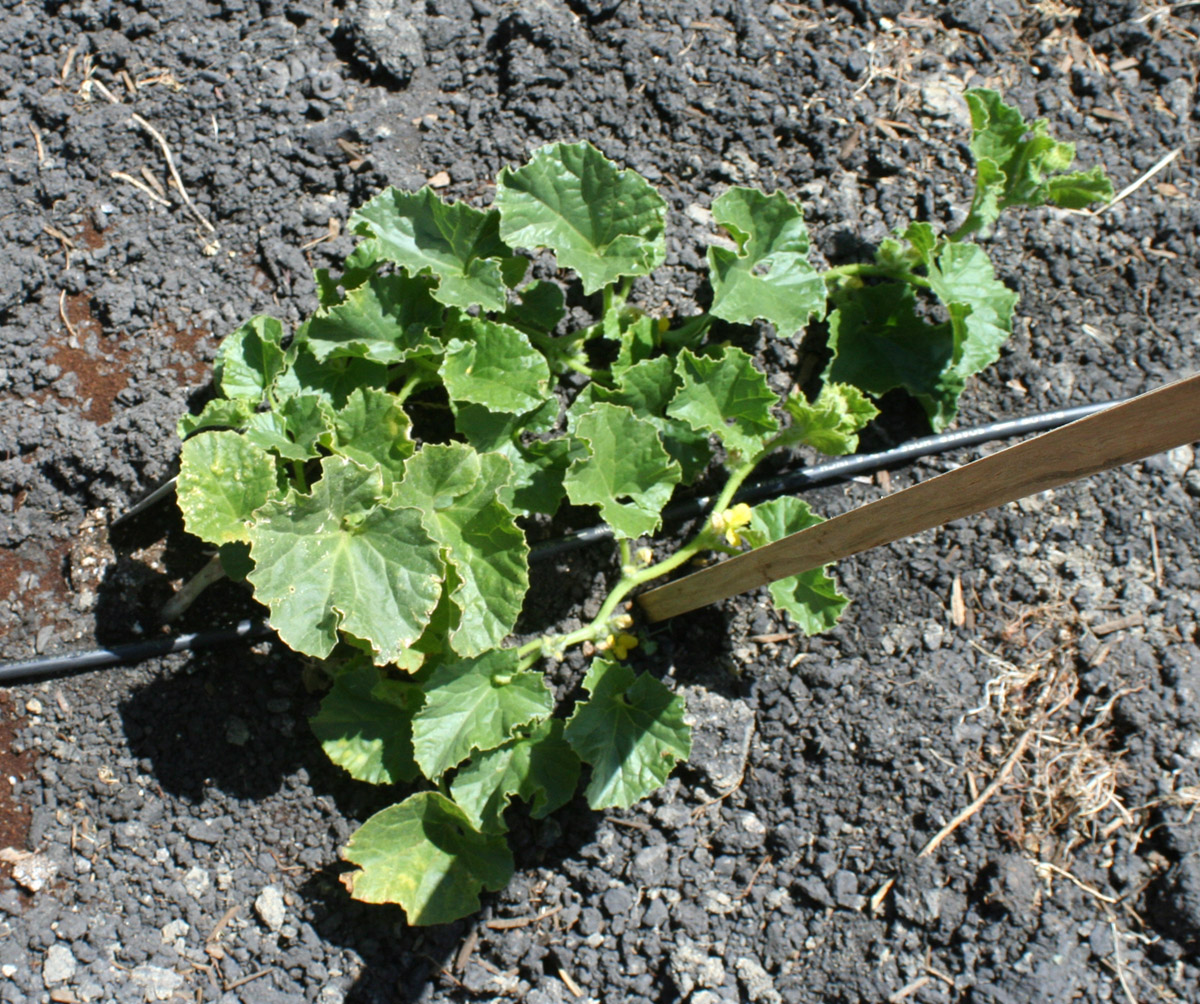
- the seeds do not germinate;
- the seedlings are weak, grow poorly and slowly;
- the bush looks stunted, the root system is weak and poorly developed;
- leaves wither, become deformed and fall off;
- too few ovaries are formed;
- The fruits are small and irregular in shape.
General tips for watering melons
- When watering melons, use warm water, at least 22 degrees Celsius. This will not only help retain moisture in the soil longer but also prevent the development of various rot diseases.
- At each stage of plant development, the required amount of water is used, it varies from 3 to 10 liters.
- Once flowers appear on the bush, water the melon more frequently, but use less water. It's recommended to stop watering for the first week after the first flowers appear; this will help reduce the number of barren flowers and increase the number of female flowers.
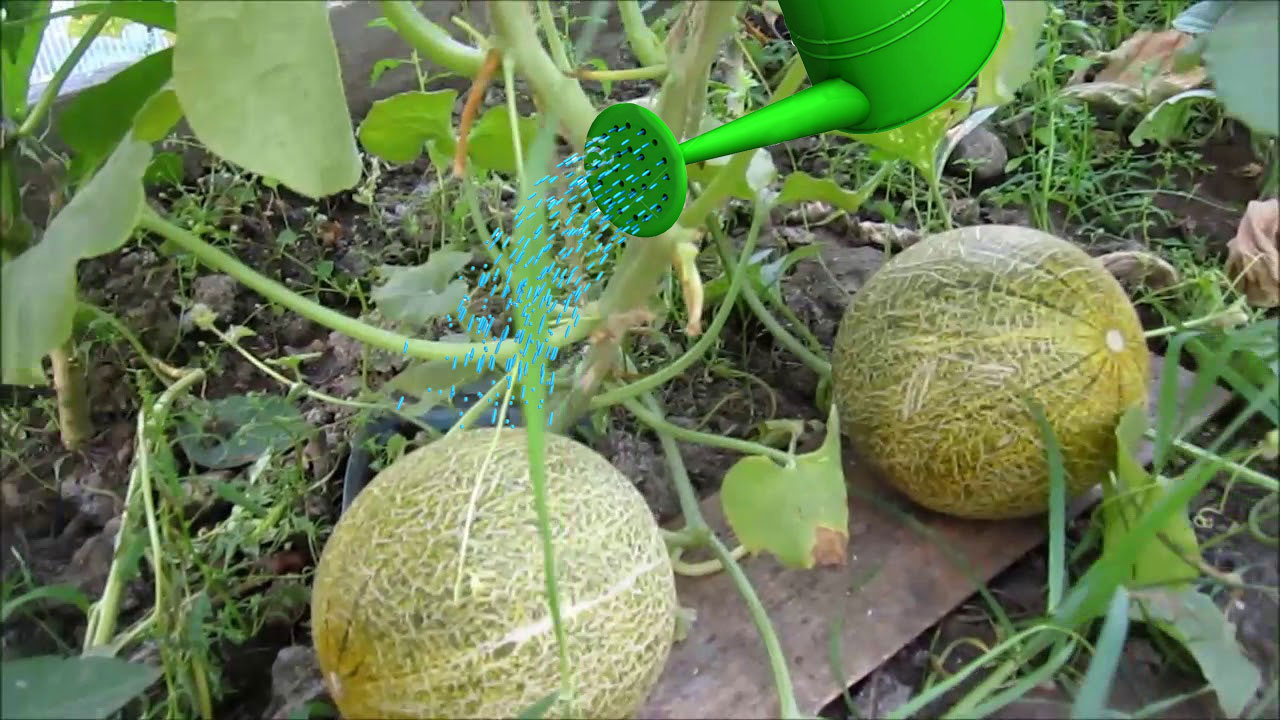
- Melon must be watered directly into the soil, otherwise moisture that gets on the stem will cause rot.
- Plant leaves don't like being splashed with liquid. Furthermore, dripping moisture in hot weather can cause burns.
- The area of watering plants should not be limited to the area near the root collar, since there are additional small roots on the vines that also require moisture.
Important! Melons don't require additional watering if it's raining. The ideal soil moisture level for melons is 70%.
Water for irrigation: a little more detail
Gardeners use a variety of water sources for irrigation. The key is maintaining a temperature regimen that ensures the water used is at least 22 degrees Celsius (72 degrees Fahrenheit). Therefore, water from a well or tap without preheating is absolutely not suitable for soil irrigation. It's best to preheat the water in a suitable, large container. Otherwise, the plant may become over-chilled, weakening the root system, and potentially infecting the melons with various types of rot.
Watering melons should be carefully balanced with fertilizing. These plants thrive on fertilizers applied directly to the soil as a solution. If the typical watering rate during a given growing season is 7 liters, subtract the amount of fertilizer you plan to apply. Typically, this amount is about 1 liter. This amount is added to the soil in the evening after the sun's rays have faded, while regular watering is best done early in the morning. These simple calculations are performed each time before fertilizing the melon, preventing overwatering and ensuring maximum nutrient absorption.
Rules for watering melons in a greenhouse
Melons prefer to grow in dry conditions and do not tolerate excess moisture. Therefore, when planting melons in a greenhouse, this should be taken into account. For example, growing cucumbers and melons together is practically impossible due to their different air quality requirements. However, tomatoes, peppers, and eggplants make excellent companions. Once melons are planted in a greenhouse, they do not require additional watering for several days.
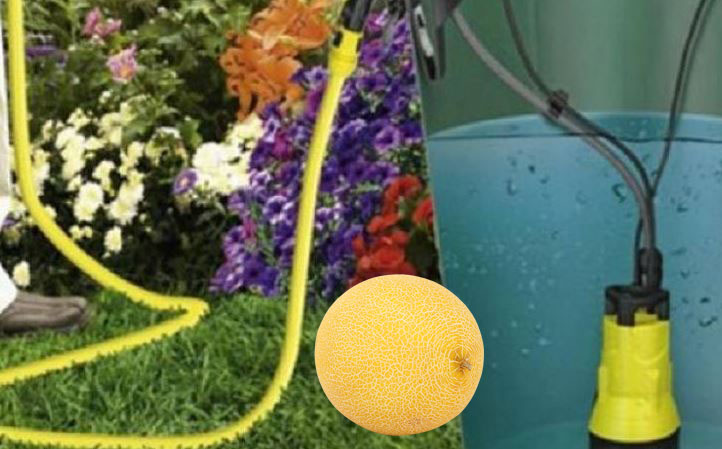
In the first few days after planting the seedlings in the greenhouse, they won't require any watering. Watering should be especially intensive during the period when the plant is setting fruit; this is when water is needed for the proper development of the future harvest. However, once the fruit reaches the size of an orange, stop watering. Otherwise, the melon will be tasteless and bland.
Important! Avoiding watering during the ripening phase will impart a subtle sweet aroma to the melon and prevent fruit deformities.
In a greenhouse, water plants with very warm water, ranging from 30 to 33 degrees Celsius. This will reduce evaporation and retain moisture in the soil longer.
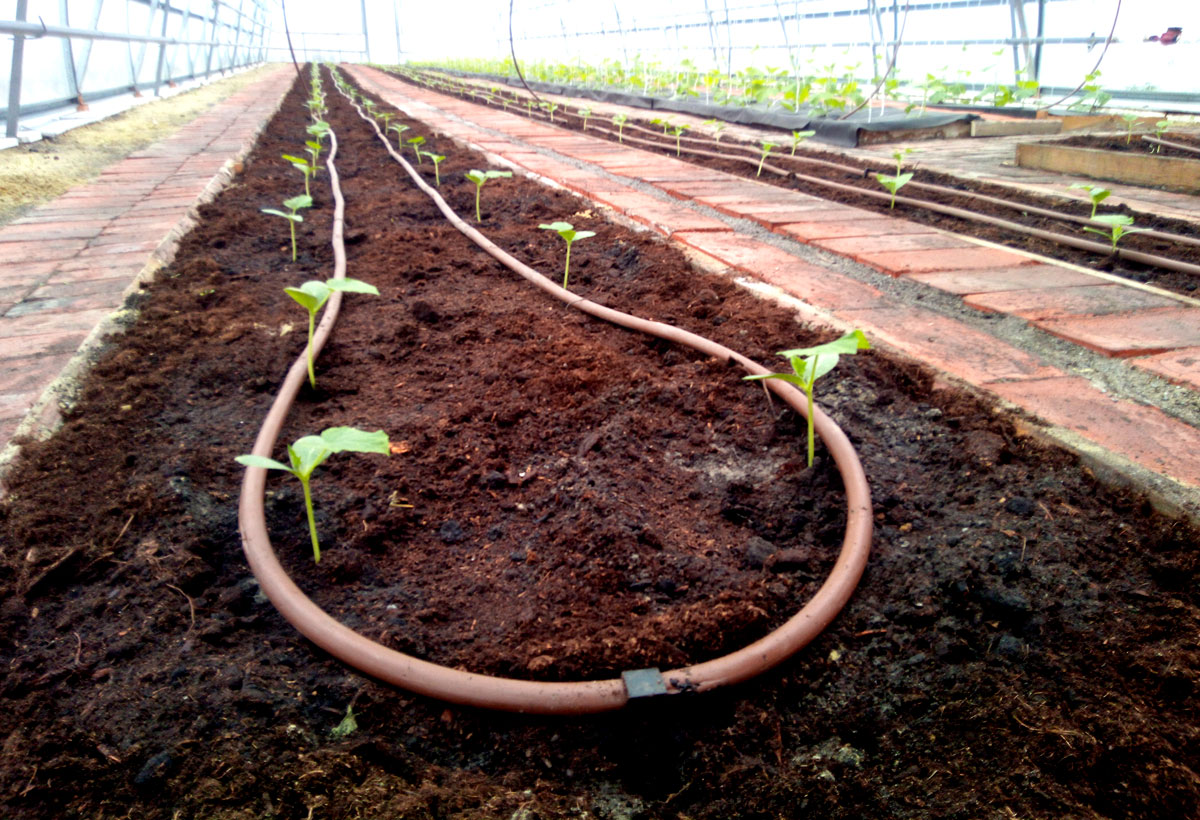
When watering melons in a greenhouse, be careful not to let water fall directly on the plants themselves. Overwatering can cause rot. Gardeners recommend using furrow irrigation, digging a short distance parallel to the main row of plants. Once flowering begins, reduce the watering intensity, and remove all containers containing water from the greenhouse to prevent excessive air humidity due to excessive evaporation.
It's best to water melons in the morning or evening, when the sun is not as strong. Gardeners consider drip irrigation to be the best method for moistening the soil under melons.
Important! When growing melons in a greenhouse, periodically ventilate the room to prevent condensation on the walls and roof.
For better growth and development of plantings, once every 7 days it is necessary to combine watering with the application of fertilizers, which are added to the soil under the roots.
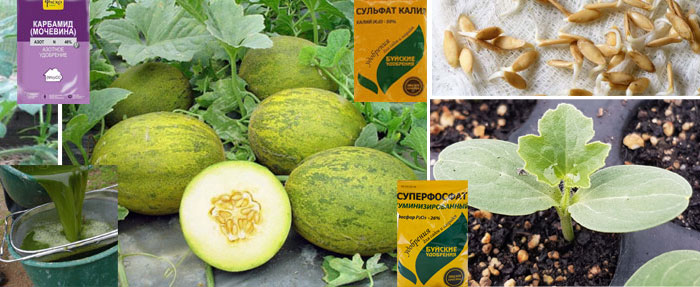
If you want delicious and aromatic fruits, you need to maintain a precise balance between watering and fertilizing. Only proper care for these plants, regardless of their growing method, will ensure a bountiful harvest.
Rules for watering melons in open ground
Beginning gardeners may mistakenly believe that melons require abundant watering, especially on hot days. However, overwatering is just as dangerous as dry soil. If the roots don't receive enough moisture, the entire plant will be adversely affected: leaves will wilt, flowers will fall off, and the fruit will crack and become misshapen.
Important! Even though melons contain the lion's share of moisture, watering the plants during their development period is not necessary. Otherwise, it will adversely affect the plant's flavor.
When planting a melon, you need to prepare for future watering in advance. It should be planted so that the bush is on a small mound, around which a shallow trench is dug. This is where the water for irrigation or fertilizing will be poured. Watering should be done when there is no direct sunlight, such as at dawn or after sunset. It's important to avoid dripping onto the leaves, trunk, or base of the stem.
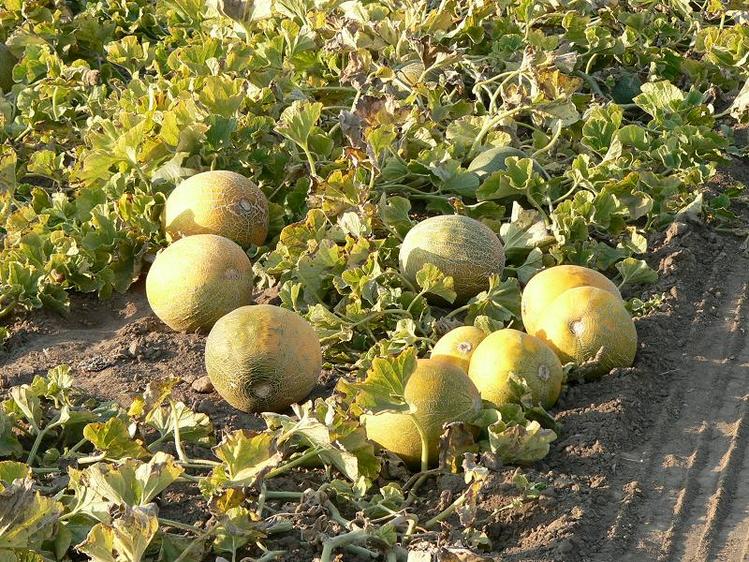
Important! If the weather is excessively hot, increase the watering frequency to twice a day, dividing it into morning and evening waterings.
Plant roots extend deep into the soil, so a dry surface layer of soil doesn't necessarily indicate the need for watering. Before watering, dig a little and remove about 10 cm of soil. If you find damp soil, you can postpone watering for a while. If the soil doesn't stick together, the bed needs moistening.
In the south of Russia, it is more practical to use special irrigation systems. On an industrial scale, water is not preheated, but because the droplets enter the soil one at a time and are small in size, they heat up quickly and do not harm the roots.
In central regions, it is better to use a different method of watering: dig shallow furrows and pour warm water into them.
In the table we have indicated the basic watering parameters for different stages of plant development.
| Parameter | Seedling | Before the flowers appear | Flowering phase | Fruiting period |
| Volume of liquid, l | From 0.1 to 0.5 l | About 3 liters | From 5 to 7 liters | From 10 to 12 liters |
| Irrigation depth, cm | About 40 cm | 55 cm | 55 cm | 65 cm |
| Number of waterings | Once a day | Once every 2 days | 2 times a week | Once a week |
The data you provided is based on normal temperatures typical for your region. However, during cold weather, rain, or heat, the watering volume will need to be adjusted.
Proper watering of melons at different stages of development
Let's consider the peculiarities of watering melons depending on the stage of its growth.
Melon at the seedling stage
Once the seedlings emerge, watermelon and melon seedlings should be watered frequently and sparingly. The key is to keep the soil in the pots from drying out, while avoiding waterlogging.
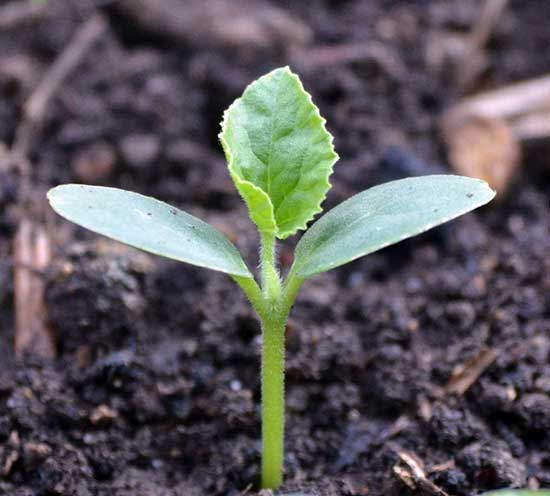
The optimal soil moisture level should always be maintained around 50%. Watering should be stopped a week before transplanting outdoors.
Important! If it rains after planting watermelon and melon seedlings, do not water them at all. If cloudy weather sets in without precipitation, water them once a week.
Before transplanting into open ground, the area should be thoroughly watered. The humidity level should reach 90%. After two days, the seedlings are planted.
After transplantation
The first watering of the plants is done 7 days after transplanting. Apply water to the roots using a long-nosed watering can. Water every 2 days. Use 2 liters per plant. If the soil is still damp at the time of the next watering, reduce the frequency.
In the flowering stage
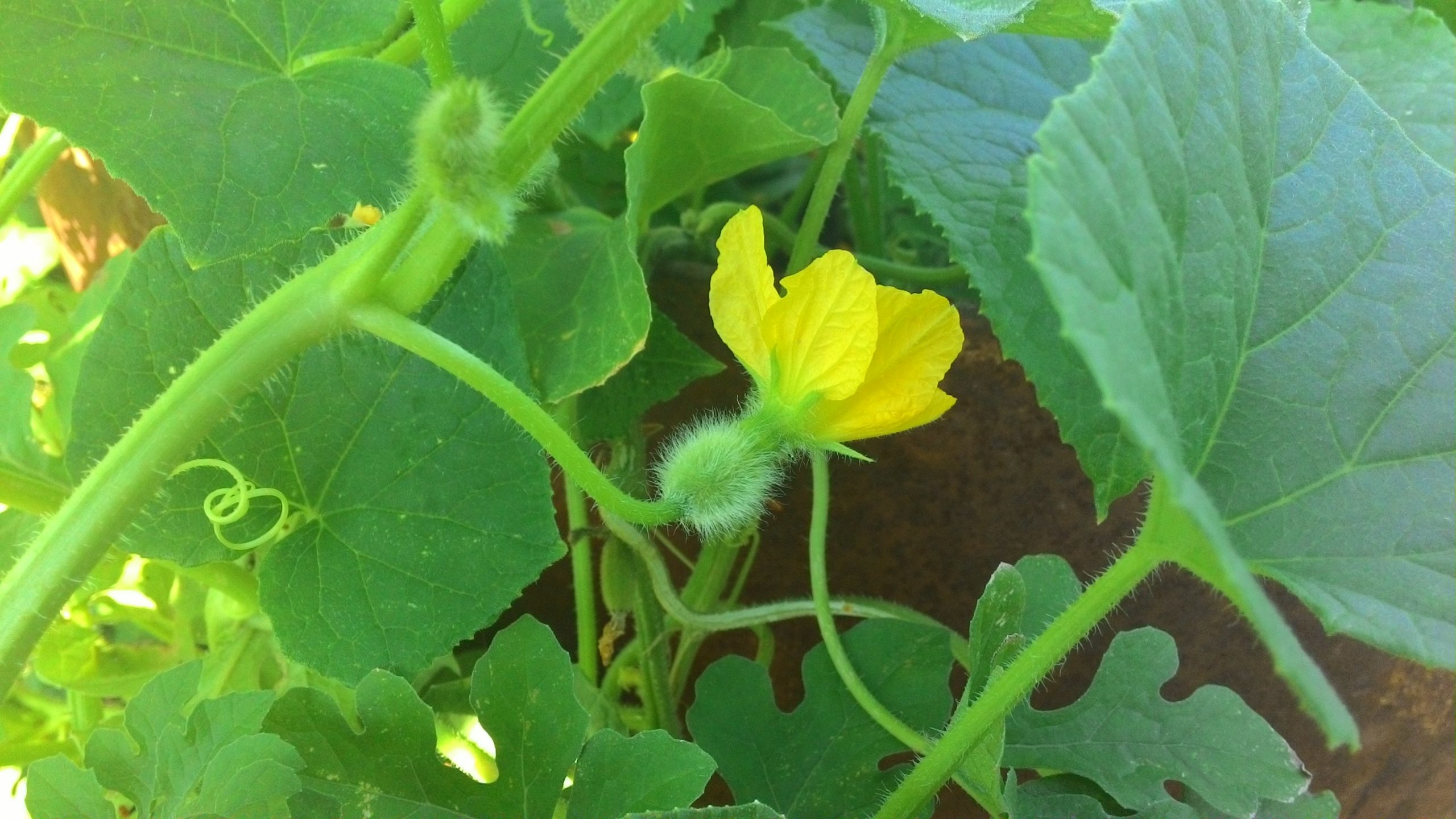
During the first few days of flower formation, it's recommended to avoid watering. After that, watering melons 1-2 times a week is sufficient, applying up to 7 liters of water per plant. Caution! Gardeners often make the mistake of overwatering watermelons and melons during this period. This leads to the formation of barren flowers and flower drop.
When forming ovaries
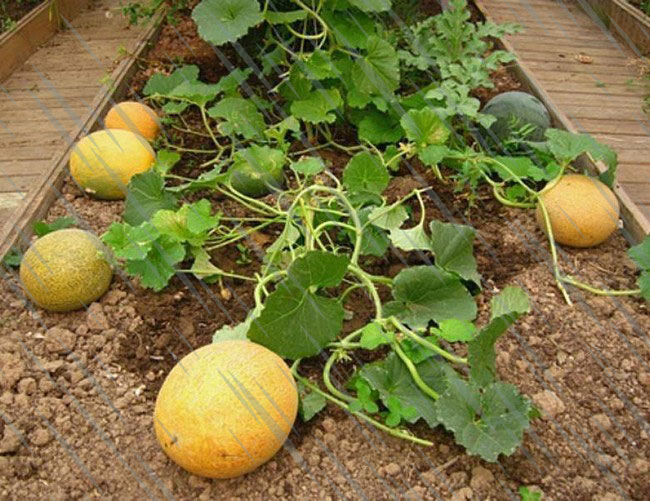
Your plant has grown and strengthened somewhat, but it still requires additional care. At this stage, it's important to remember that you need to not only water the melon properly but also carry out additional care. Watering guidelines remain the same as in the previous stage. Additional care should include weeding and loosening the soil to improve oxygen and water access to the root system. Weeds drain all the plant's nutrients.
In the fruiting stage
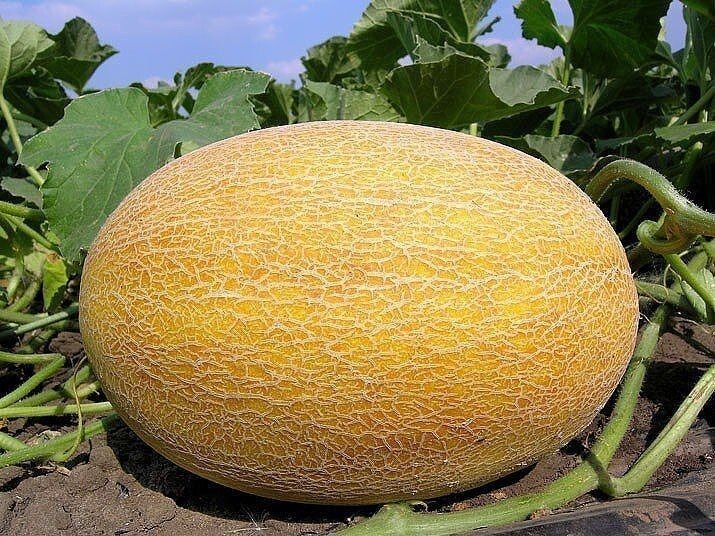
At this stage, it's acceptable to reduce watering. The plant's already well-developed root system will provide moisture itself, drawing it from the lower soil layers. Watering the melon patch once every seven days, at least 10 liters per plant, will be sufficient. It's crucial to avoid watering any part of the plant, especially the fruit, to prevent rot. Once the fruit reaches the desired size, you can stop watering the soil altogether. Timely weed removal remains important at this stage.
Do melons need to be watered in rainy weather?
In cloudy and rainy weather, reduce the frequency of irrigation or stop it altogether. After heavy rain or thunderstorms, water melons every other week.
Intensity of watering melons in hot weather
In hot weather, watermelons and melons require more frequent watering, so they are watered twice a day: early morning and evening. Greenhouse plants should be properly ventilated to prevent excessive humidity and the development of fungal diseases.
Frequency and intensity of watering melons using different irrigation methods
When growing the crops in question, several irrigation methods can be used:
- manual;
- into the rows from a hose;
- drip.
Important! After each watering, be sure to loosen the soil around the plants and between the rows to evenly distribute the liquid into the lower layers.
Manual
This method is suitable for those growing a very small amount of fruit. It's done using a bucket or watering can. Water is poured under the roots. The advantage of this method is the ability to control the amount of water entering the soil and completely eliminates the risk of moisture getting into the leaf axils. The disadvantage of this method is that it's not suitable for large areas.
For manual watering - 2-3 liters per plant before flowering, then 7 liters during the flowering phase, and later - 10-12 liters once a week.
From the hose
Water is applied from a hose into 5-cm-deep furrows dug in the center of the rows. This method allows for a large amount of water to be applied to a large area in a short period of time. The hose can be easily connected to any water supply. Furthermore, this method prevents water from spilling onto the above-ground parts of the plants.
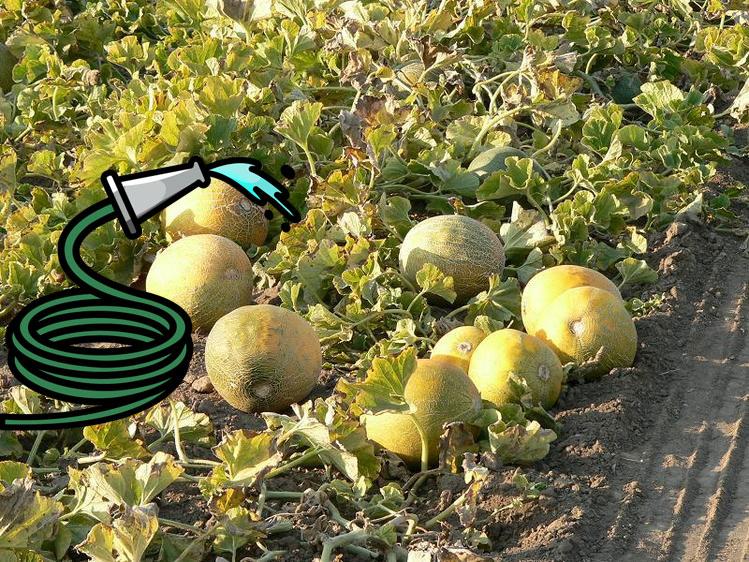
When using a hose, apply the amount of water needed for all plants in a row at a given growing season, all at once. For example, if there are 20 plants in a row that haven't yet entered the flowering stage, each needs 3 liters of water. Therefore, 3 x 20 = 60 liters of water per row. The amount of water needed for subsequent growing seasons is calculated in the same way (see the amount for each plant in the manual watering program).
Drip
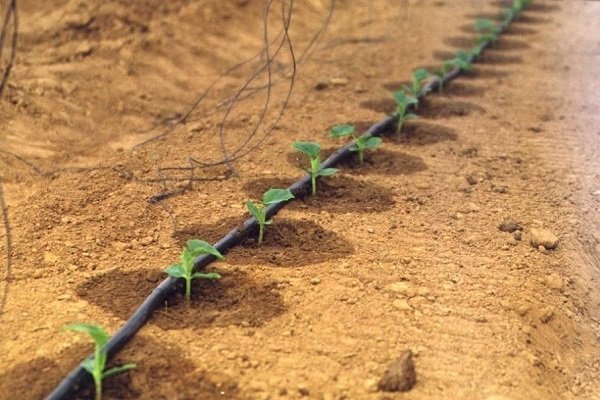
Recently, instead of manual watering (using a watering can or a bucket under the bush) and hoses, gardeners have been using drip irrigation for their melons. Its advantages include saving effort, time, and water consumption; preventing soil erosion under the bush; preventing water from getting on plant parts; and simultaneously applying fertilizer. Such systems can be purchased in stores or built independently, with hoses running to each bush. Irrigation is carried out as needed. Experienced gardeners turn on the system daily, morning or evening, for about an hour (regardless of the growing season). This provides each plant with up to 1-2 liters of water.
Did you know? Melon rind, like watermelon rind, is used in cooking. It's used to make unique garnishes for various dishes and candied fruit.
Tips from Top.tomathouse.com
Our portal http://top.tomathouse.com recommends:
- Always consider the climate characteristics when choosing an irrigation system and regime.
- Water only in the morning or evening hours when the plants are in the shade and not in the scorching sun.
- After loosening the soil, try to mulch it with fresh grass—this will help retain moisture in the upper layers longer and protect the plants from weeds.
A little about melon
Melon is a popular herbaceous annual. It has powerful roots that extend 40 cm into the soil. The plant's stem is branching and creeping, reaching approximately 4 m in length. The fruit is a false berry, the size of which depends on the variety and growing conditions. Melon seeds germinate a week after planting. The plant produces bisexual flowers. In greenhouse conditions, pinching is necessary. The fruit completes development approximately a month after setting.
It requires light and warmth; the optimal air temperature for growing is 25°C during the day and 19°C at night.
Loves open space. Doesn't tolerate damp, shady areas or lowlands. The optimal soil for growing good melons is light loam or black soil.
Important! The crop also grows well in sandy loam soils, but it also requires more water. The light soil structure allows moisture to evaporate fairly quickly.
Thanks to its long roots, the plant is able to extract moisture from quite a great depth, so overwatering is not required and is even contraindicated.