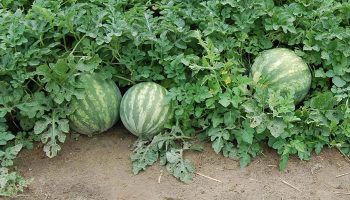
Full fruiting is only possible if the soil contains the necessary micronutrients, as well as mineral and organic compounds. This is why gardeners pay so much attention to fertilizing.
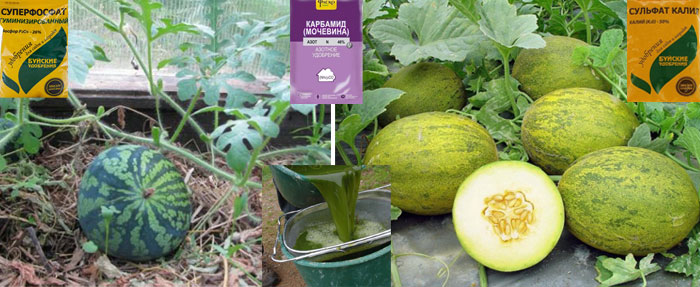
Content
- 1 Conventions in the article
- 2 How to identify nutritional deficiencies and what to do to correct them
- 3 Mineral fertilizers for melons
- 4 Organic fertilizers
- 5 Which is better: mineral fertilizers or organic matter?
- 6 Fertilizing with folk remedies
- 7 Root and foliar feeding
- 8 Fertilizer application scheme
- 9 Selection of fertilizers depending on the growth phase
- 10 Fertilizing watermelons and melons in a greenhouse
- 11 Fertilizing watermelons and melons in open ground
- 12 What fertilizers increase fruit yield?
- 13 To grow faster
Conventions in the article
- N — nitrogen;
- P — phosphorus;
- K — potassium;
- Mg — magnesium;
- Fe — iron;
- Ca — calcium;
- Mn — manganese;
- B — boron;
- KCl — potassium chloride;
- NH₃ — ammonia;
- K₂SO₄ - potassium sulfate (potassium sulfate);
- (NH₂)₂CO — urea (carbamide);
- (NH₄)₂SO₄ — ammonium sulfate;
- Ca(H₂PO₄)₂ — monocalcium phosphate;
- NH₄NO₃ — ammonium nitrate;
- Ca(NO₃)₂ — calcium nitrate;
- Mg(NO₃)₂ — magnesium nitrate;
- H₃PO₄ — phosphoric acid;
- H₃BO₃ — boric acid;
- pH is a hydrogen index that characterizes the concentration of free hydrogen ions in water.
How to identify nutritional deficiencies and what to do to correct them
Often, the appearance of a plant can be used to determine a deficiency of components, and a strategy for eliminating it can be developed.
| Element | Signs of deficiency | Fertilizer solution option (substance weight per 10 liters of water) |
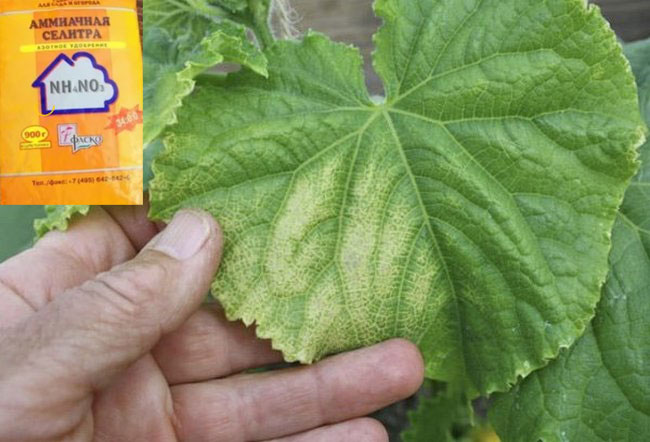
| N | Growth is inhibited and leaves become lighter.
|
NH₄NO₃ – 30 g |
| P | The underside of the foliage becomes covered with a bluish bloom, possibly with brown spots, and the leaves become small. The main leaves of the shoots become bright yellow. The plants lag in development, have a poorly developed root system, and produce few ovaries.
|
Superphosphate – 30 g |
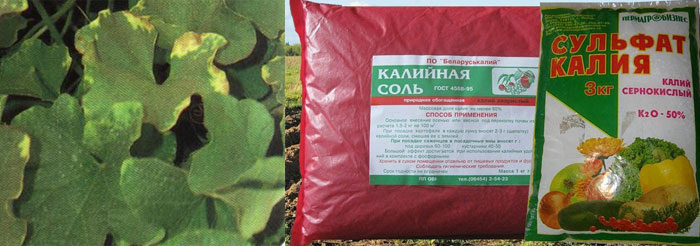
| K | Leaf edges turn brown, and older leaves quickly turn yellow. Plant turgor decreases. Fruits fail to reach maturity.
|
K₂SO₄ – 15 g per 10 l. |
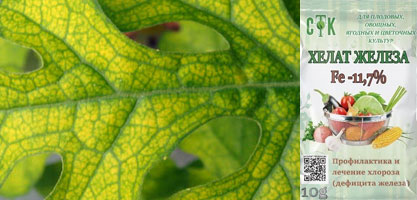
| Fe | The leaves become lighter, turn pale, and green veins become visible.
|
Fe chelate – 10 g |
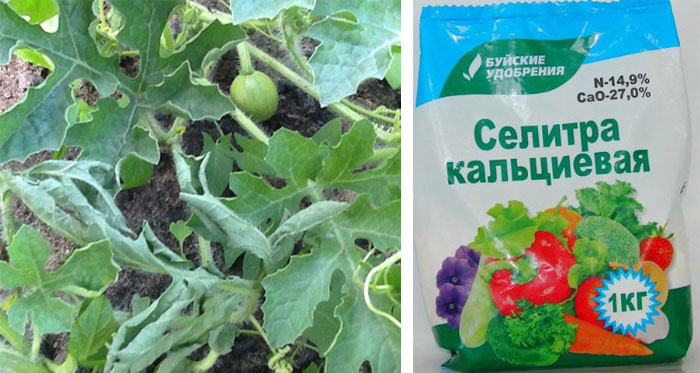
| Ca | The leaves curl up, male ovaries dominate, the berries stop developing and fall off.
|
Ca(NO₃)₂ – 30 g |
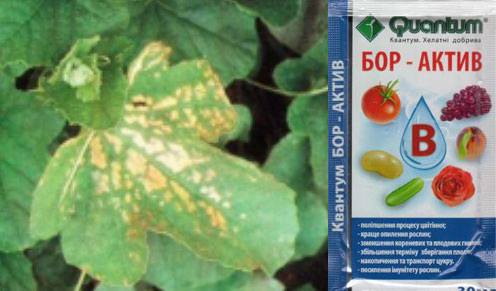
| B | Leaves develop a yellow border, fruit sterility is typical, shoots and leaves become deformed, and longitudinal yellow stripes form on the fruit. Ovaries may die off.
|
H₃BO₃ – 10 g |
| Mg | Yellowing along the central vein of the leaf.
|
Mg(NO₃)₂ – 25 g |
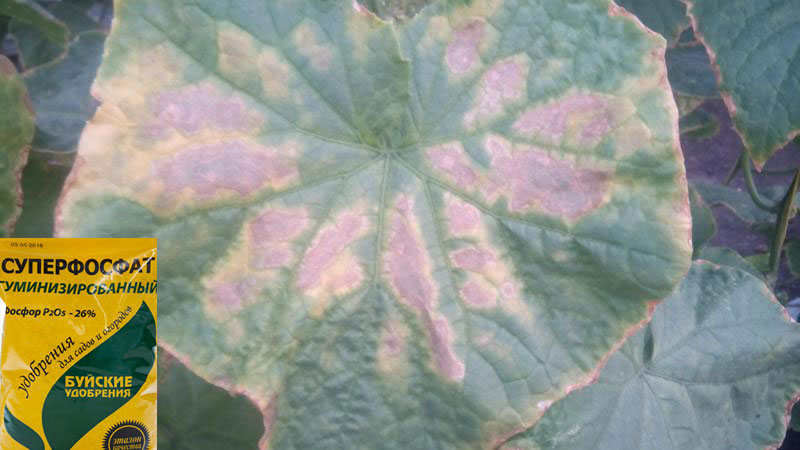
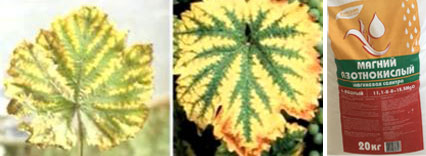
Melons are sensitive to phosphorus deficiency in the early stages of growth, as well as during the period of fruit formation.
Magnesium is a component of chlorophyll, while Fe and Mn are essential for its formation. A Mn deficiency prevents the absorption of nitro compounds. A relative Fe deficiency can develop with alkalinized soil (pH>7).
B (boron) is a component of plant enzyme systems. Its excess is as undesirable as its deficiency. Melons can only thrive with a constant supply of adequate amounts of this micronutrient (usually as boric acid).
Mineral fertilizers for melons
Depending on the salt content, they are divided into simple and complex (respectively containing one or more components).
Nitrogen
These are compounds containing nitrogen, essential for melons during their active growth period. They are classified as amide, nitrate, and ammonia.
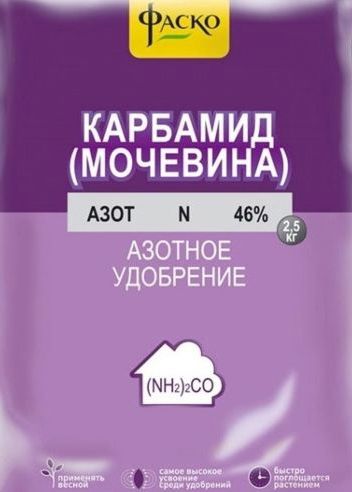
Urea (carbamide)
(NH₂)₂CO – is inexpensive and effective. Contains nitrogen. It is used primarily by spraying.
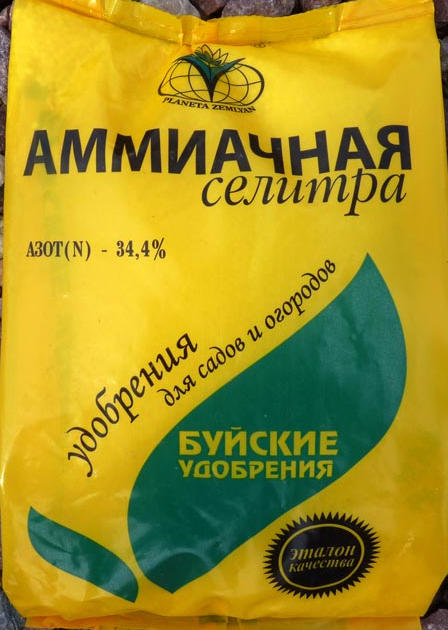
Ammonium nitrate
NH₄NO₃ – ensures rapid growth of the green part of the plant. The need for this substance increases during the growing season.
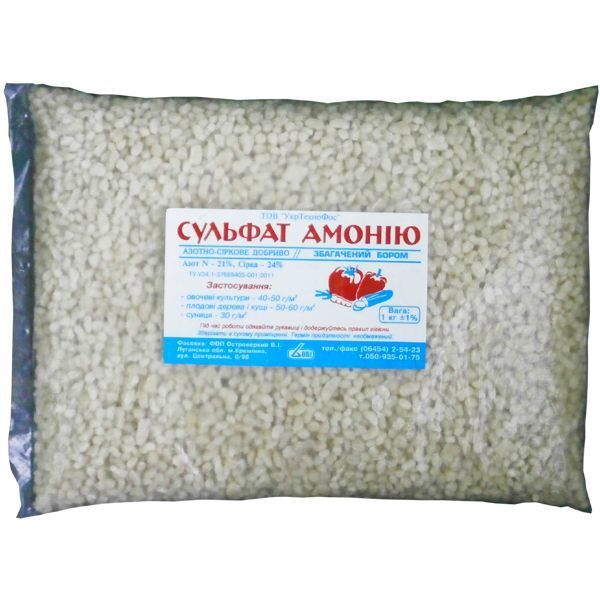
Ammonium sulfate
(NH₄)₂SO₄ – contains nitrogen and sulfur, essential elements for every plant. It is characterized by an optimal ratio of beneficial components. Like other nitrogen fertilizers, it is recommended for use during the intensive growth of melons.
Phosphate
These include a group of products containing various combinations of calcium and ammonium phosphates (superphosphate, ammophos). Phosphorus requirements increase during the fruiting period. This micronutrient increases the tolerance of melons to drought and frost.
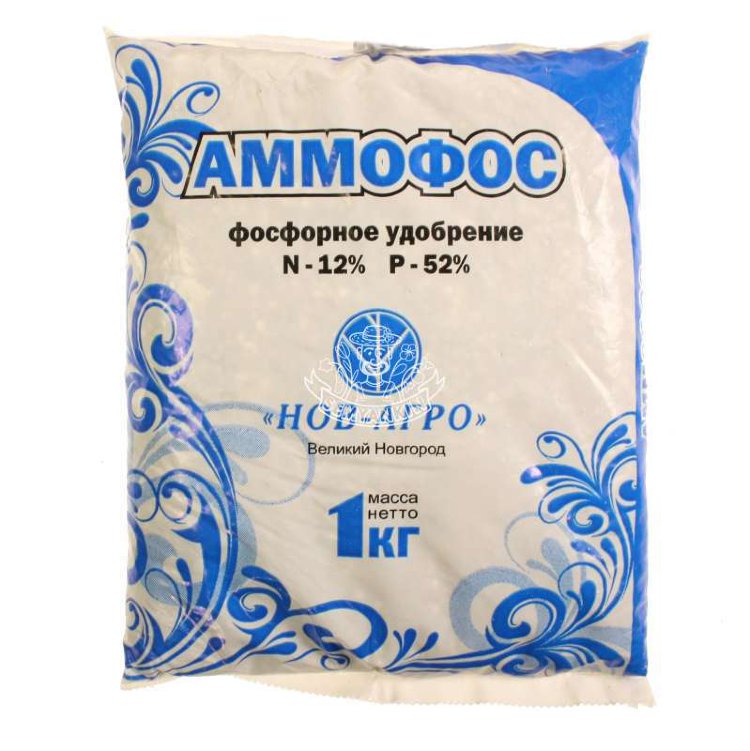
Ammophos
It consists of a mixture of mono- and diammonium phosphate. It is a combination of nitrogen and phosphorus. It is water-soluble and does not cake, making it easy to use.
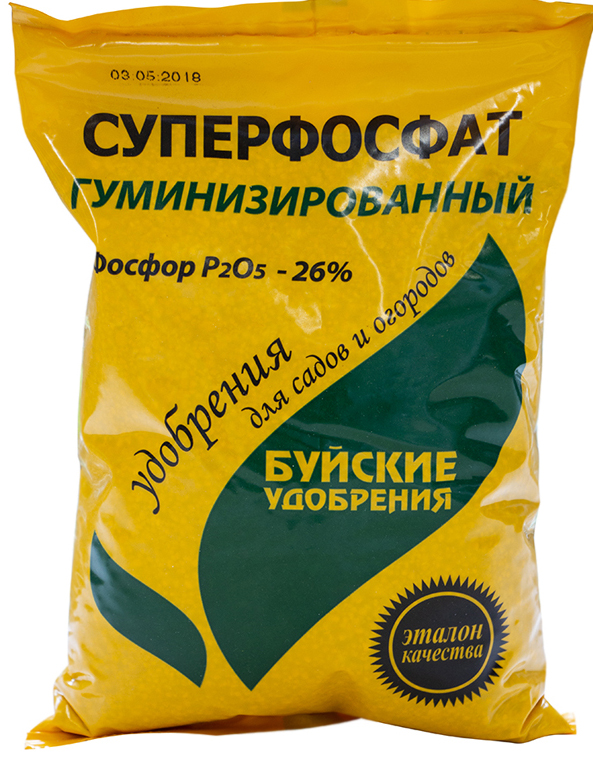
Superphosphate
Used for P deficiency. Contains Ca(H₂PO₄)₂ and H₃PO₄. Necessary for root system formation.
Potassium
Potassium-containing fertilizers are considered essential, along with nitrogen and phosphorus. They influence the development of the root system.
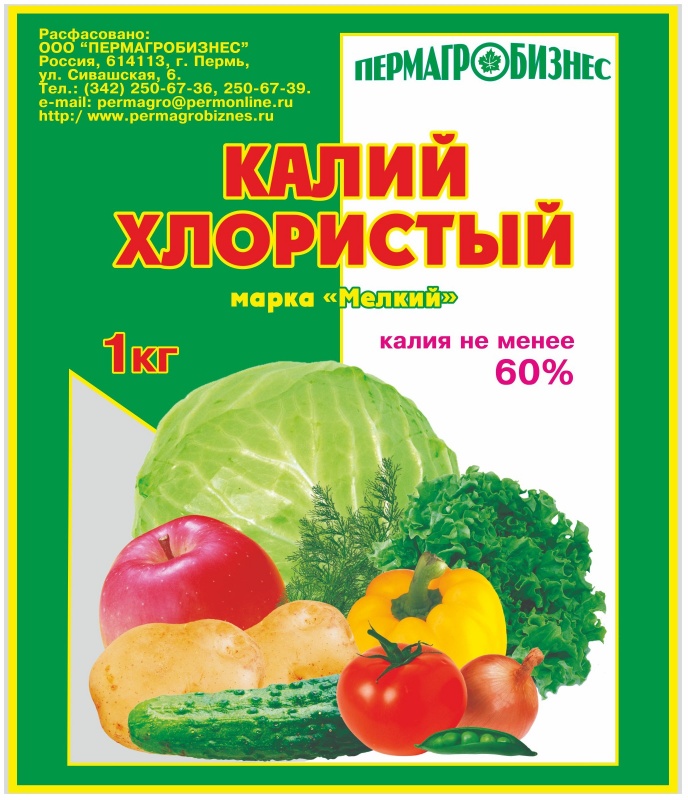
Potassium chloride
KCl – has a positive effect on root growth, resistance to pathogens, and ovary formation.
Potassium sulfate (potassium sulfate)
Potassium sulfate (K₂SO₄) is used as a plant fertilizer. It enriches the soil and crops with potassium. Potassium sulfate is considered one of the best fertilizers, accelerating intracellular metabolic processes in plant tissues, preparing them for winter, enriching the soil, and improving fruit quality. It can be used to fertilize melons and watermelons, which are intolerant to chlorine.
Organic fertilizers
Includes products of animal and plant origin.
Plant-based
This group of fertilizers includes substrates obtained as a result of biological processing or combustion of plant matter.
In plant growing the following are used: humus, herbal infusions, vermicompost and wood ash.
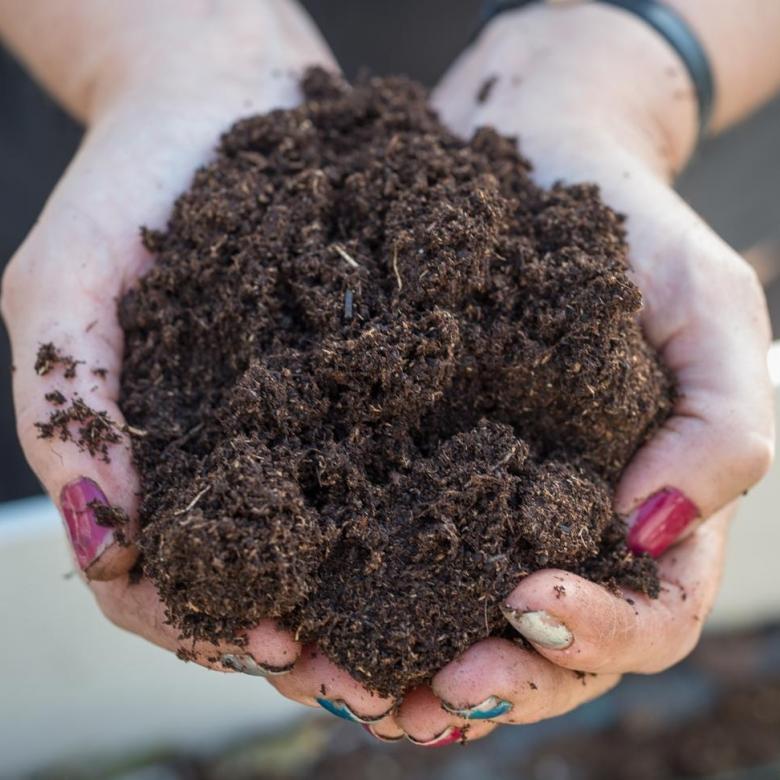
Humus
This is a layer of soil formed by the decay of plant matter and fauna (insects, earthworms). It is found in the greatest quantity in chernozem.
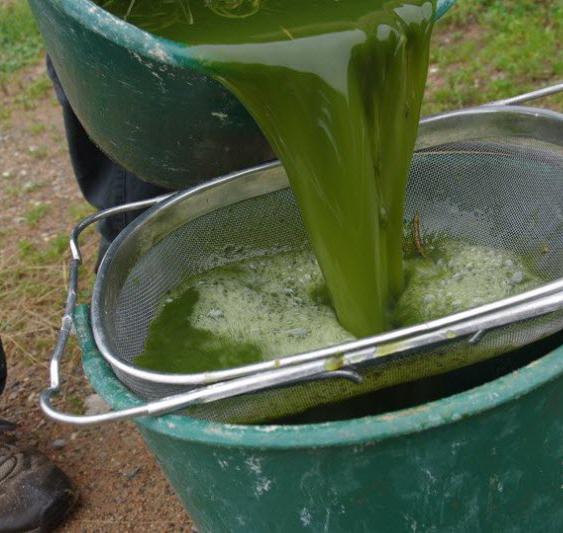
Herbal infusion
"Green" fertilizers are produced by fermenting plants, often weeds, in water. They are safe, easily and quickly absorbed, repel insect pests, attract earthworms, and alkalize the soil. The following types of infusions are popular:
- rich in nitrogen – based on nettle, clover, quinoa and legumes;
- containing large amounts of potassium and phosphorus - based on comfrey, dandelion and horse sorrel.
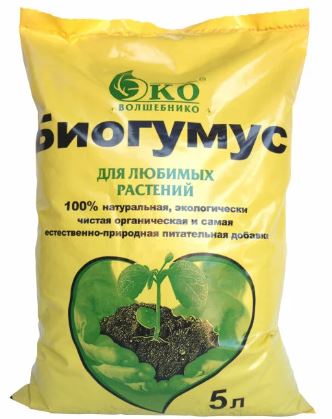
Biohumus
It is a product of processing organic waste, mainly of plant origin (for example, cattle compost), by earthworms (or red Californian worms).
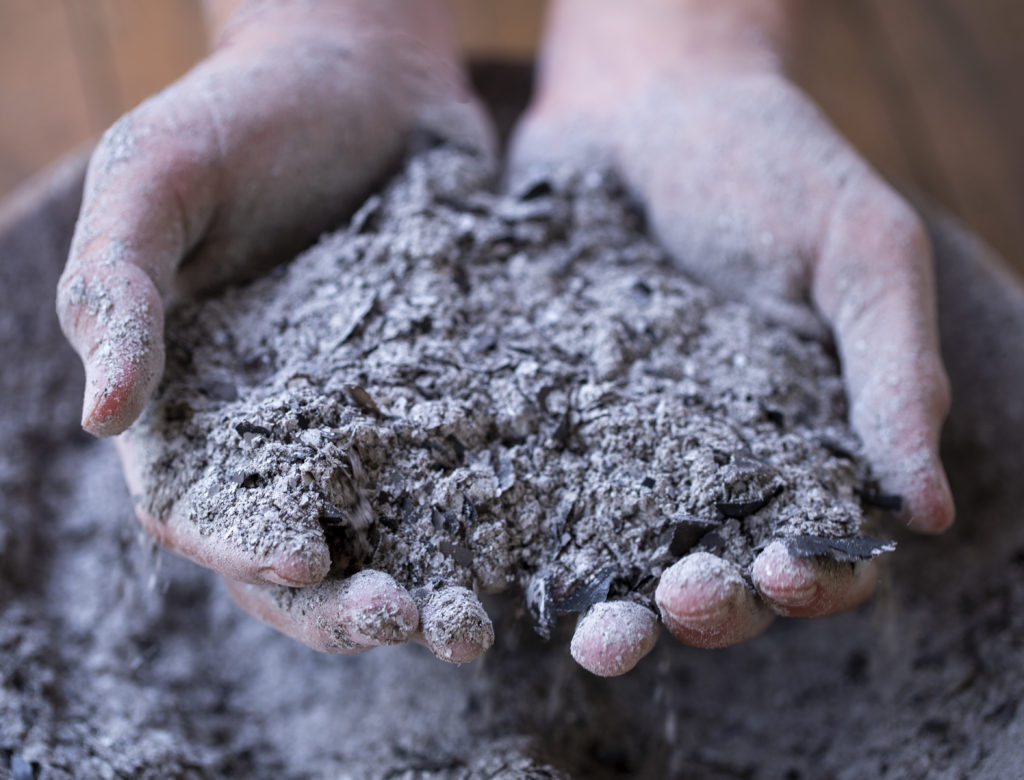
Wood ash
It's essential during flowering and fruit set, as it contains high levels of phosphorus and potassium. It's used as part of a solution that's sprayed onto the green parts of the plant.
Animals
The most widely used manure includes cow dung and bird droppings.
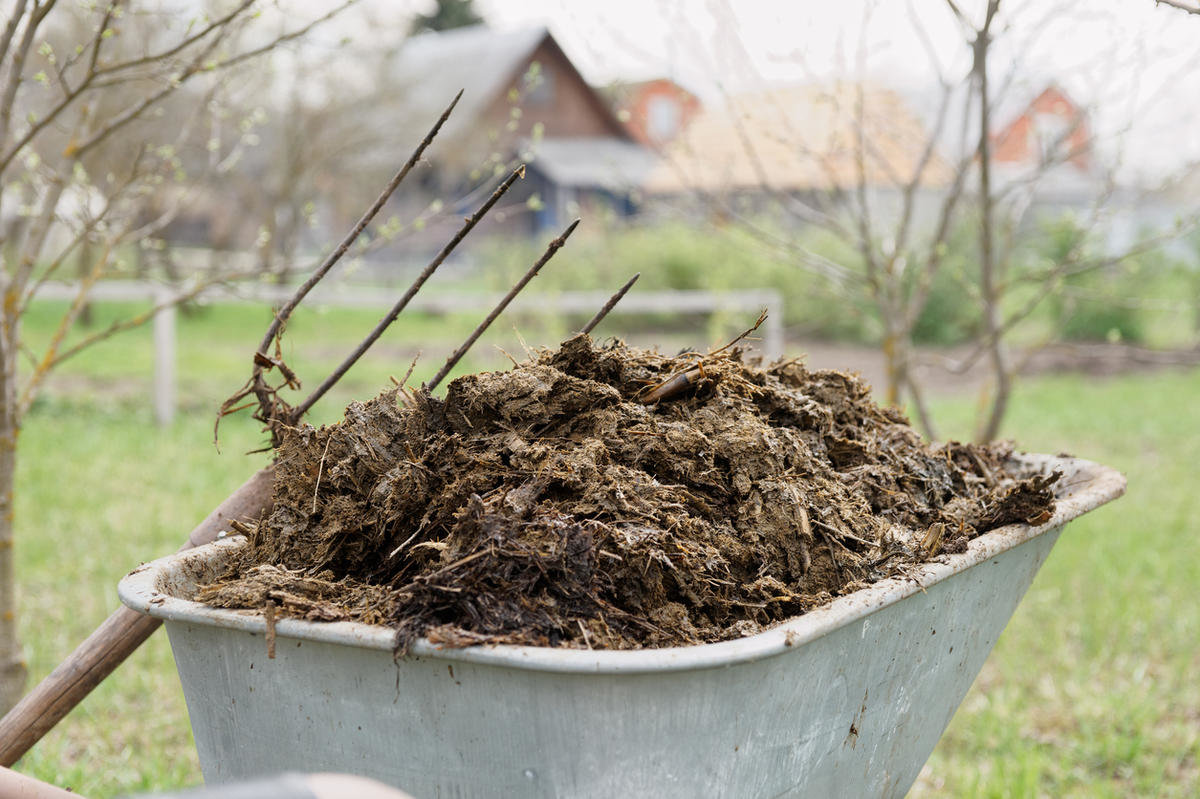
Manure
It consists of the excrement of fauna, most often farm animals. Before fertilizing, it's important to ensure it's well-rotted. Fresh manure is recommended for use in the second half of September to prepare beds for spring sowing. Approximately 10 kg of fertilizer is used per 1 m.2 followed by deep digging.
Bird droppings
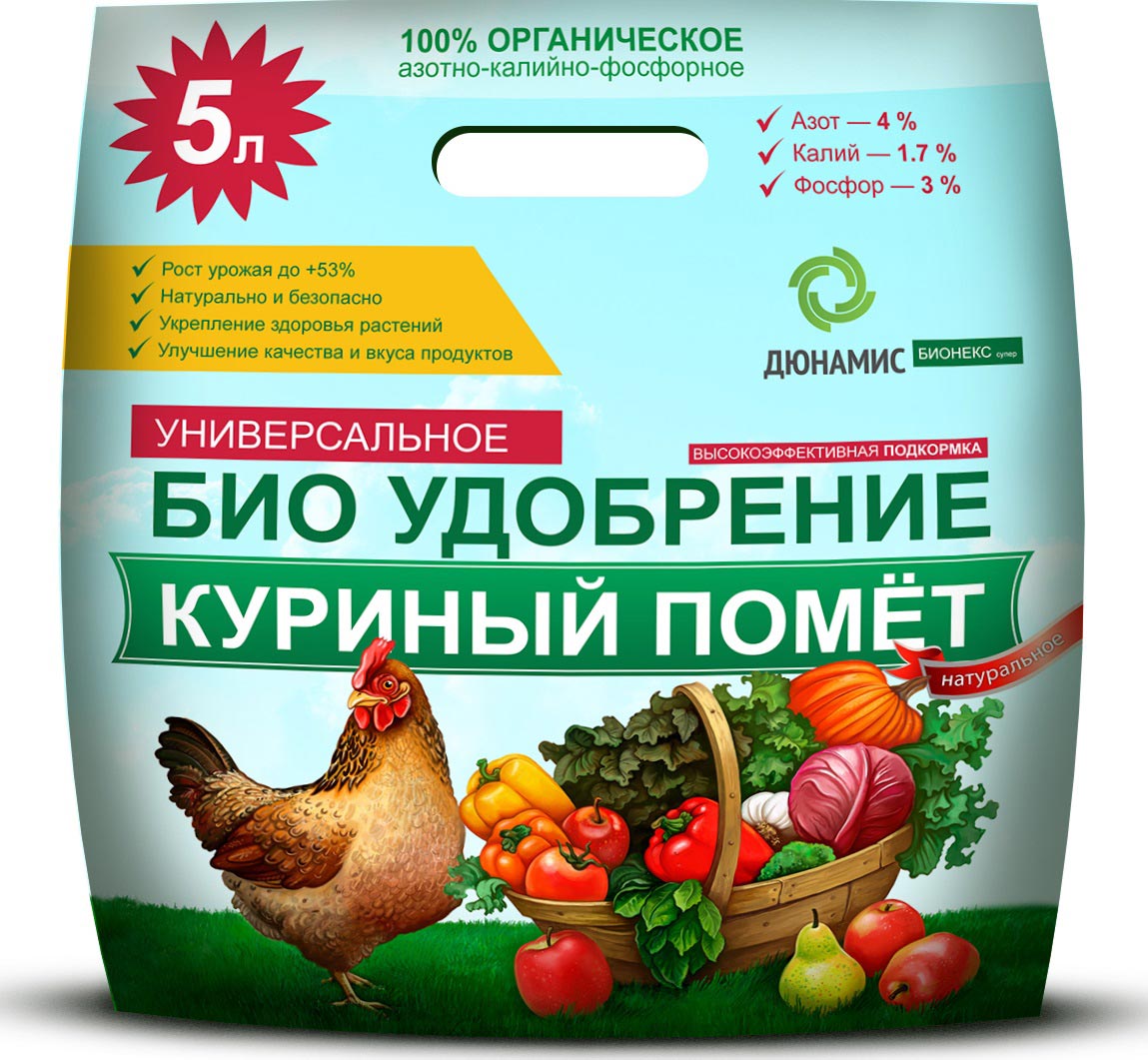
Chicken manure is commonly used. The solution is prepared by diluting the excrement with water at a ratio of 1:20. After it sits for 1.5 to 2 weeks, it is used for watering. One liter of the solution is used per plant.
Mullein
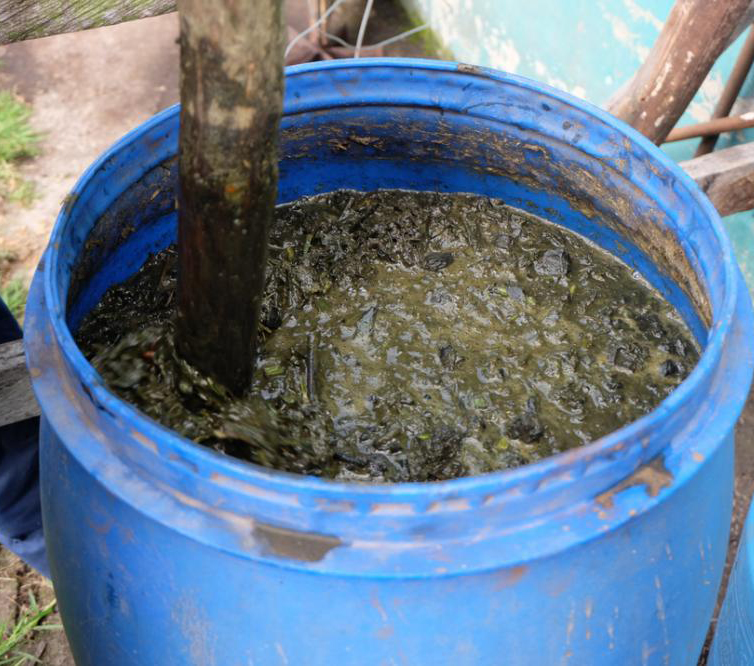
The rotted substrate is filled with water in a ratio of 1:10 and after 24 hours it is used for its intended purpose.
Which is better: mineral fertilizers or organic matter?
Organic compounds, unlike mineral ones, are characterized by a longer-lasting effect due to their decomposition. Furthermore, organic compounds contain nitrogen. When choosing a particular type of fertilizer, it's important to keep in mind that nutrient assimilation is only possible at a soil pH of 7. Experience shows that the best results can only be achieved by combining mineral salts and organic matter in optimal proportions.
Fertilizing with folk remedies
Yeast and ammonia solution in water can replace mineral fertilizers.
Yeast
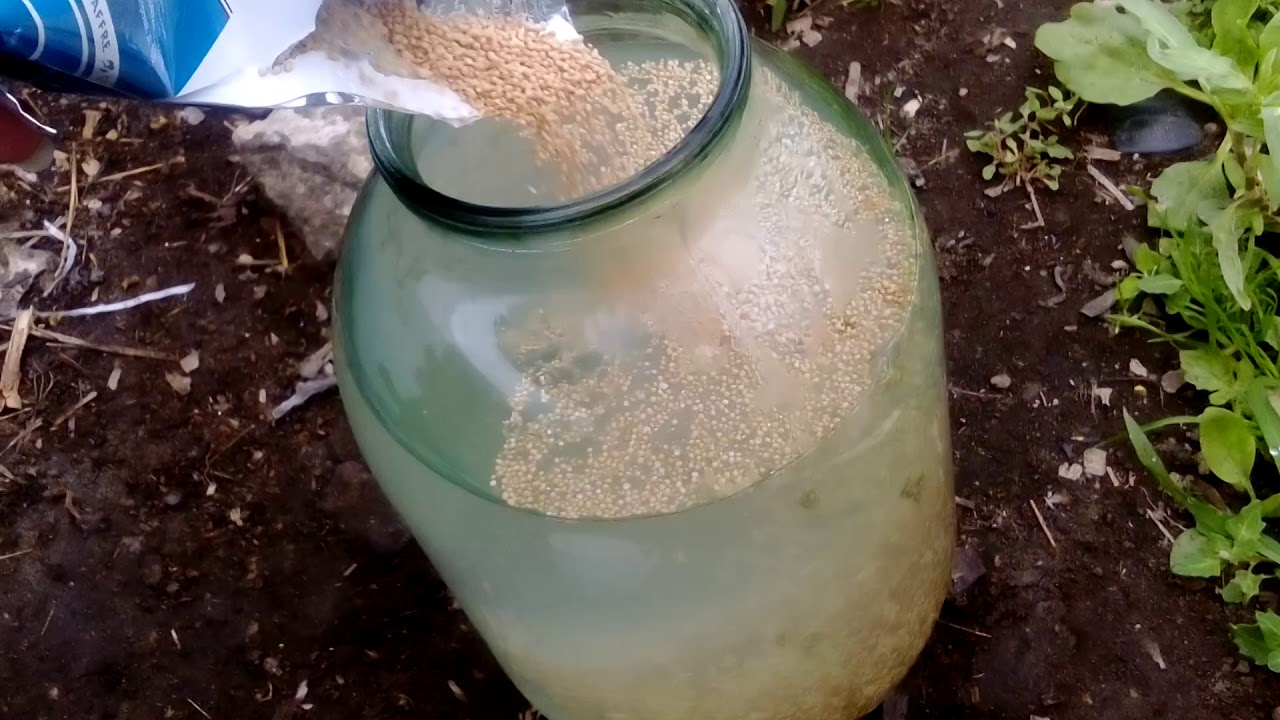
They stimulate root and foliar growth. To prepare a solution, dissolve 1 g of yeast in a liter of water and let steep for 24 hours. They can be used as both a spray and a root dressing.
Ammonia
Ammonia is a highly concentrated solution of NH3 in water. The product is used when obvious signs of nitrogen deficiency appear in melon crops.
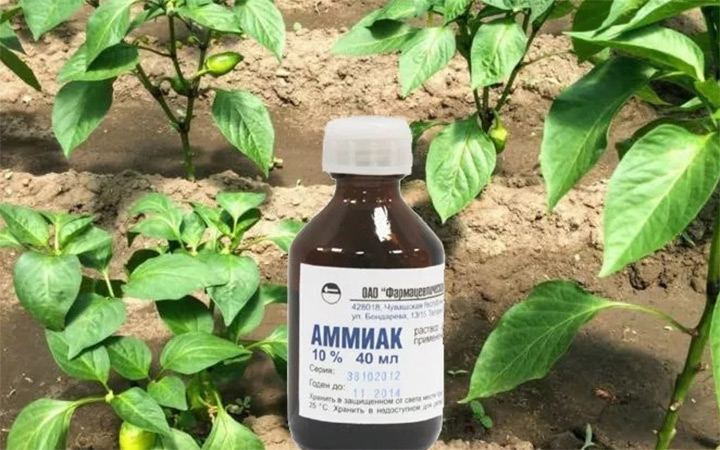
Before use, dissolve 5 ml of ammonia (a teaspoon's worth) in 1 liter of water. This concentration is considered safe for the plant.
Root and foliar feeding
For melon crops, fertilizers are applied by irrigation and root application.
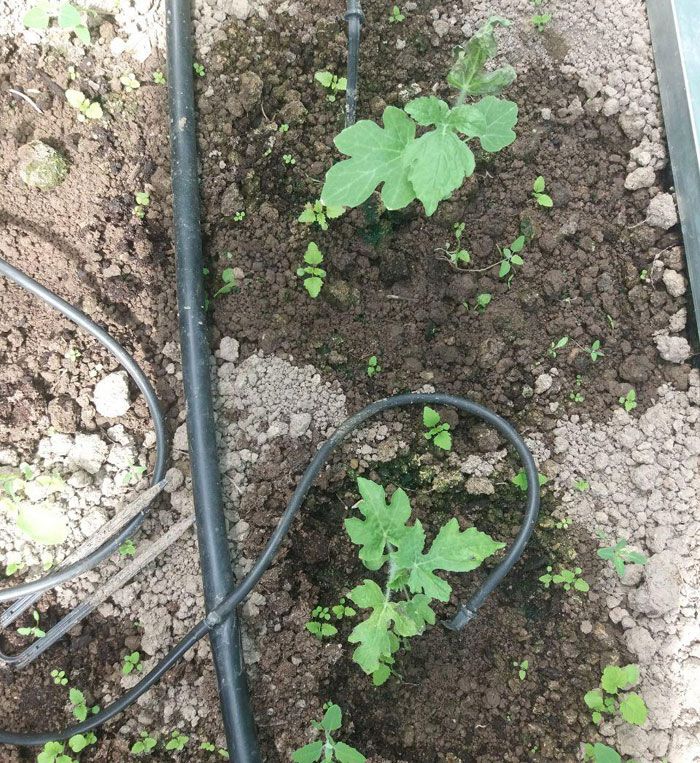
The root variety is the primary method and is applied after the soil has been sufficiently moistened. The soil should be moistened to a depth of at least 10 cm.
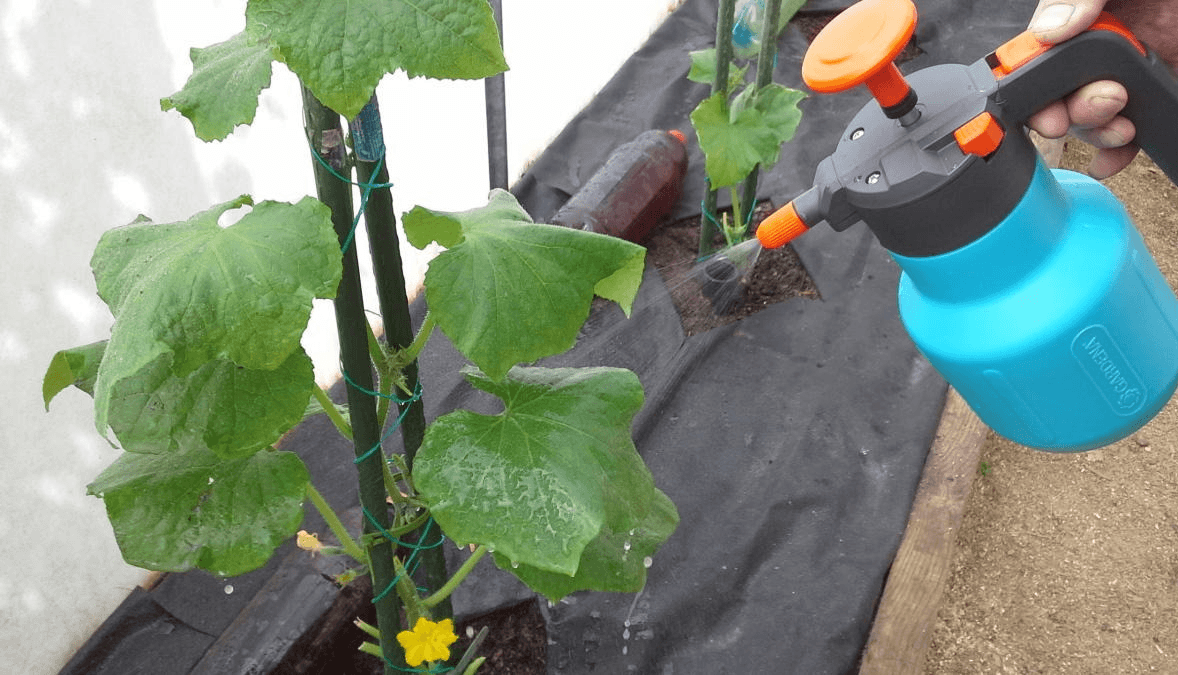
It is believed that plants can obtain approximately 40% of the micronutrients they need for growth through spraying. The best time to irrigate is in the morning or evening. For better absorption, it is recommended to use solutions of lower concentration.
Fertilizer application scheme
In mid-spring, after treating the seed material with a solution of KMnO4 The seeds are sown in pots. The soil mixture consists of 1 part soil and 3 parts humus. It is recommended to add a mixture of mineral fertilizers in the following ratio (in tablespoons): 3 + 1 + 1.
Immediately before planting the seedlings in the soil, it is necessary to add Ecochudo vermicompost, and then, after 2 and 4 weeks, carry out two more feedings.
If the soil is deficient in microelements, additional fertilizing with mineral salts is used, for which 3-4 g of ZnSO4, CuSO4 and H3BO3 Dissolve in 10 liters of water. You can prepare a nutrient solution for melons by mixing 200 g of wood ash in 10 liters of water.
Bird droppings and mullein have proven effective organic fertilizers. Fertilize twice: after 3-4 leaves appear and after flowering begins. For safety, water the plants with nutrients into moist soil (preferably after rain).
Selection of fertilizers depending on the growth phase
During ontogenesis, the plant's need for certain nutrients and substances changes, which affects the choice of fertilizer.
For seedlings
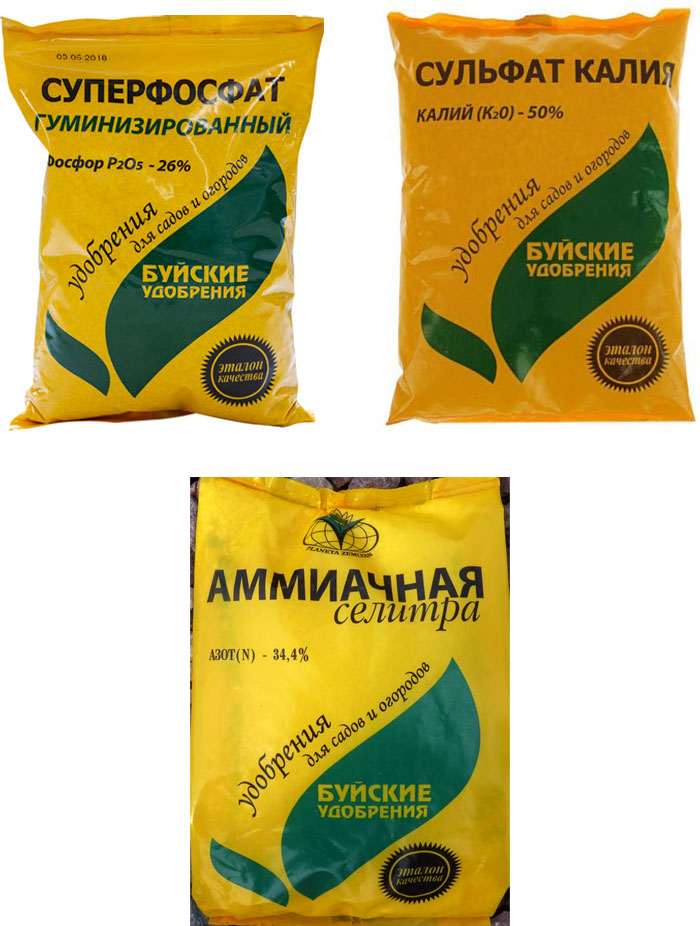
Gardeners recommend fertilizing seedlings with a composition containing 2 g NH₄NO₃, 1.5 g K₂SO₄ and 4 g superphosphate per 1 liter of water.
After transplantation
After planting in the ground, it is necessary to gradually switch to a plant nutrient mixture containing 1 g NH₄NO₃, 2.5-3 g K₂SO₄ and 3-4 g superphosphate per 1 liter of water.
During flowering
Wood ash, rich in potassium and phosphorus, is the preferred fertilizer. The solution consists of 15 g of substrate dissolved in a liter of water. To prepare, the ash is poured with boiling water and left to steep for 24 hours. Foliar feeding is recommended.
During fruiting
A solution rich in K2S is used. Potassium has a positive effect on ovary formation.
Fertilizing watermelons and melons in a greenhouse
When the plants reach a height of 25-30 cm, the first feeding is performed. Use a slow-release fertilizer or a mixture of ash and potassium salts.
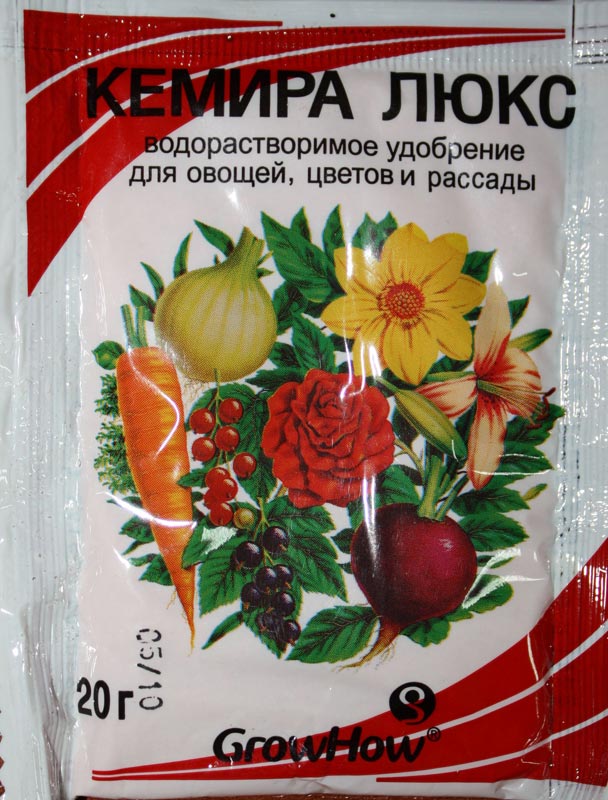
The product of choice is "Kemira." Dissolve 1 tablespoon of the mixture in 10 liters of water. This solution is enough for 20 plants.
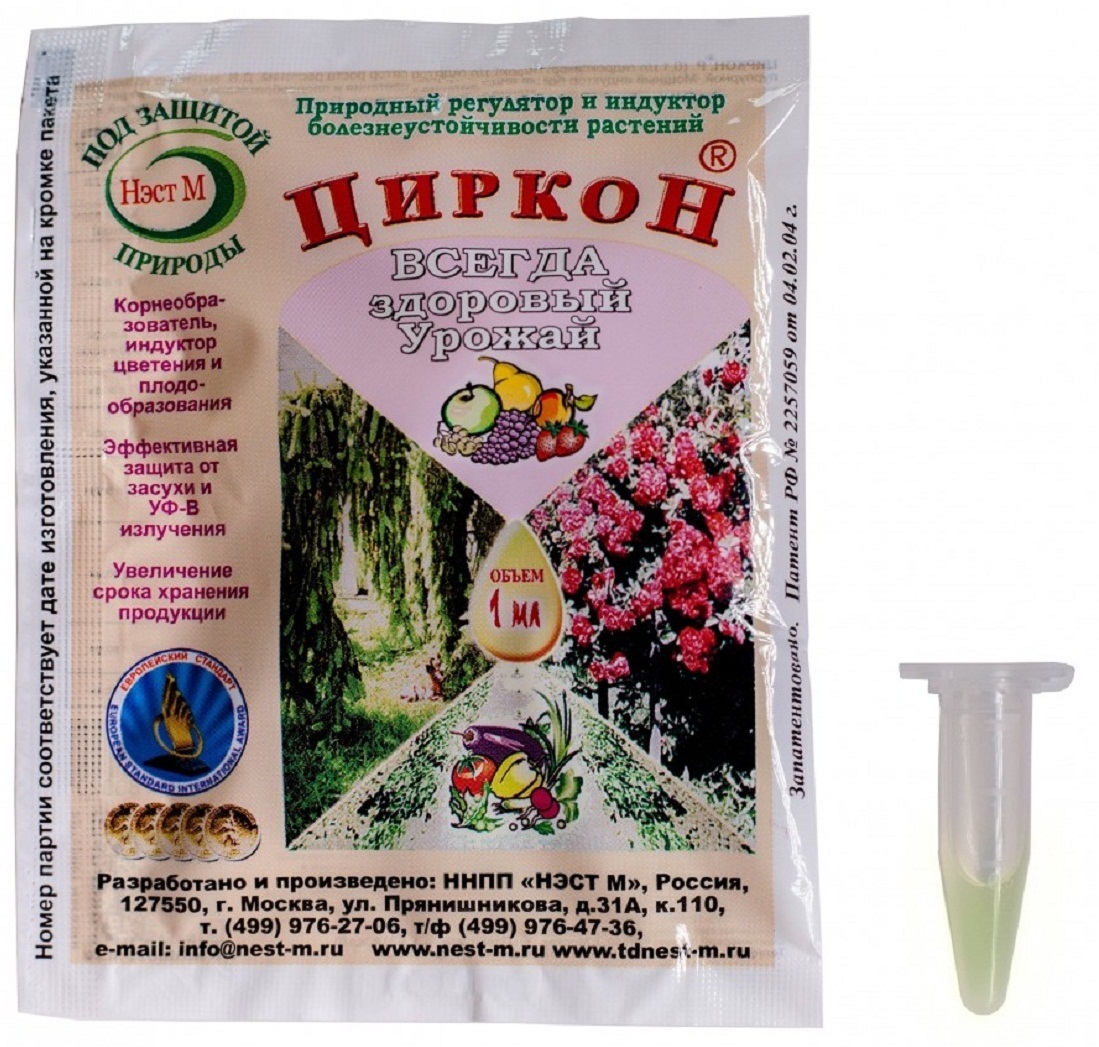
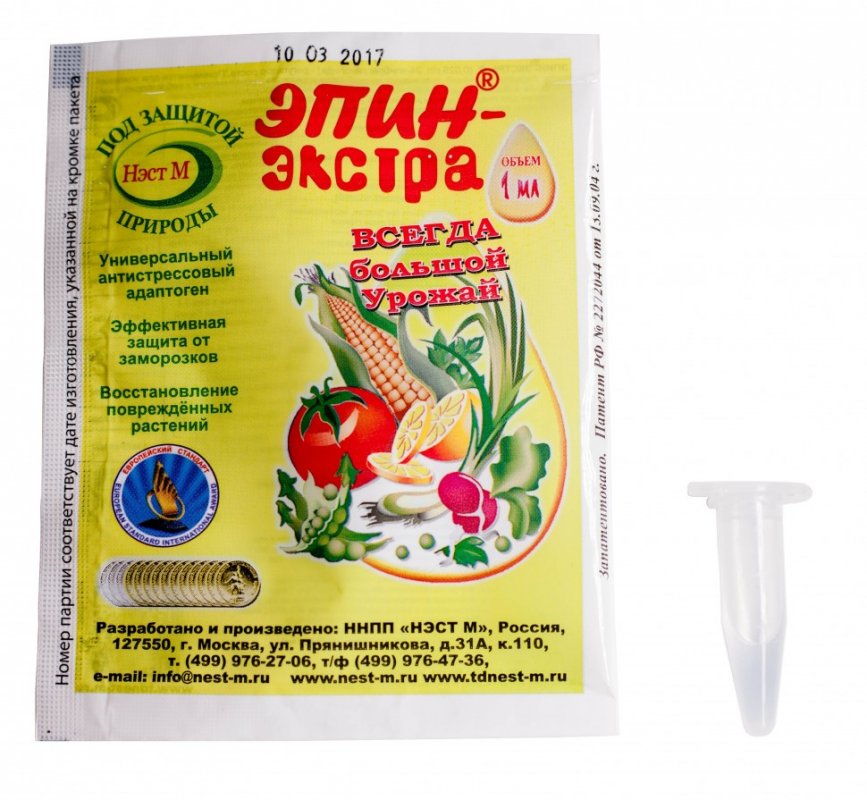
During the growing season, fertilizing is done twice a month. Typically, alternating solutions of "Zircon" and "Epin" are used. Once the fruit begins to ripen, the frequency is reduced to once a week. "Bud" or "Ovary" are the preferred fertilizers.
Fertilizing watermelons and melons in open ground
Fertilizers are applied to the roots and also to the surface of the green parts of the plant by spraying. Experiments have shown that melons and gourds can assimilate up to 40% of the plant's beneficial compounds through their green mass.
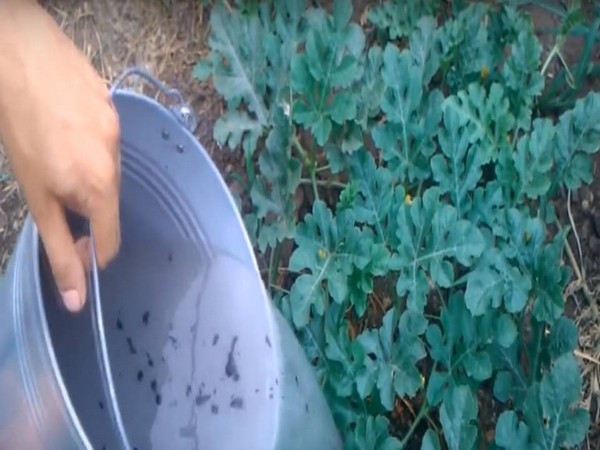
Root feeding is the primary method of fertilizing. Spraying is used as a supplementary method when urgent seedling stimulation is required.
There are 4 stages of root feeding, which can be supplemented by spraying:
- after 2-3 leaves appear;
- one and a half weeks after planting in the ground;
- after the buds begin to form;
- during the flowering and fruiting period.
High nutrient concentrations can damage the root system. Therefore, the soil should be moistened the day before as a preventative measure. Approximately 24 hours before applying fertilizer, water thoroughly, ensuring that the moisture penetrates at least 10-12 cm into the soil.
What fertilizers increase fruit yield?
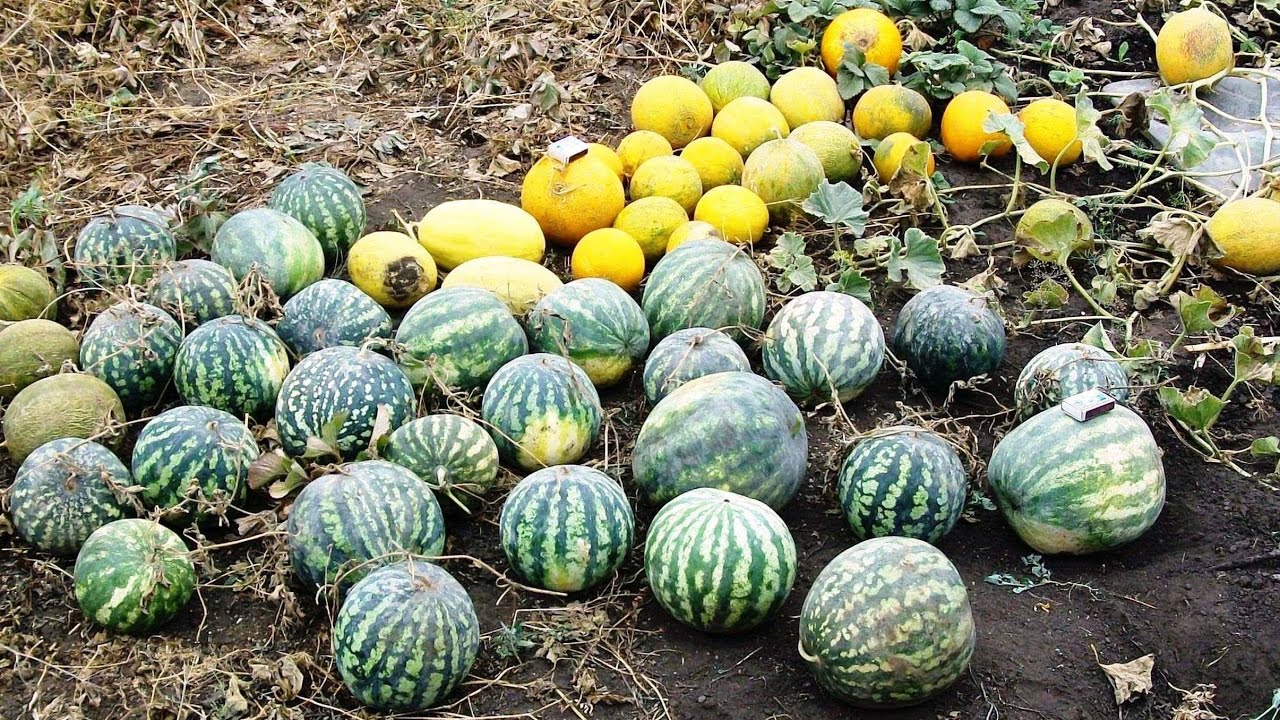
Wood ash has proven to be the most effective fertilizer. This fertilizer not only promotes fruit growth but also improves their flavor.
Gardeners offer two recipes for preparing the solution:
- 200 g of ash + 10 l of water + infusion for 7 days;
- 1000 g of ash + 10 l of water + 15-minute boiling.
For preventive purposes, it is recommended to dilute the resulting solution 10 times before feeding.
https://www.youtube.com/watch?time_continue=11&v=ZizkXlkmp3Q&feature=emb_title
To grow faster
Yeast mash, bird droppings, and mullein promote green growth. For a more effective treatment, it's best to mix these ingredients with saltpeter before use. Fertilize every 10-14 days, dissolving a matchbox-sized amount of the mixture in 10 liters of room-temperature water.