A ripe watermelon grown at home is a true gift for any gardener. A harvest of this heat-loving plant is possible even in central Russia with some basic melon-growing skills.
Content
- 1 Description of the plant
- 2 Choosing a Watermelon Variety for Growing in Russia
- 3 Growing watermelon from seedlings
- 4 How to grow watermelon outdoors
- 5 How to Grow a Square Watermelon (Japanese Technique)
- 6 Growing seedless watermelon varieties
- 7 Treating watermelon from diseases and pests
- 8 Harvesting and storing watermelon
- 9 Growing watermelon at home
- 10 Growing watermelons in a greenhouse
- 11 Unusual ways to grow watermelon
- 12 Peculiarities of watermelon cultivation in different regions
- 13 The health benefits of watermelon
Description of the plant
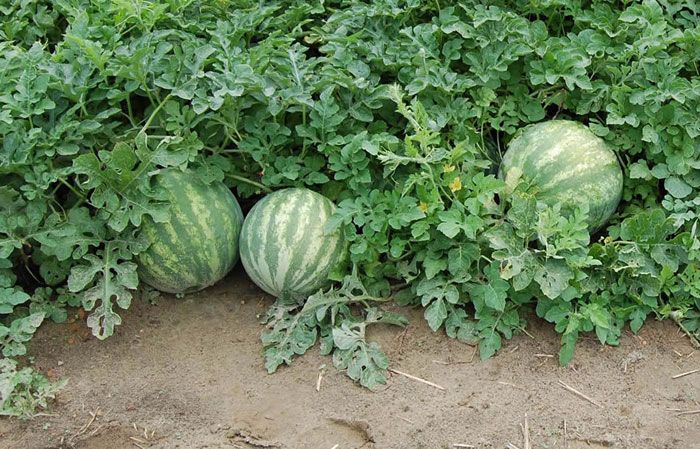
Watermelon is an annual plant belonging to the Cucurbitaceae family. Its creeping stem reaches up to 2 meters in length. According to biological classification, the fruit is a large berry weighing from 0.5 to 20 kg, spherical or elliptical in shape.
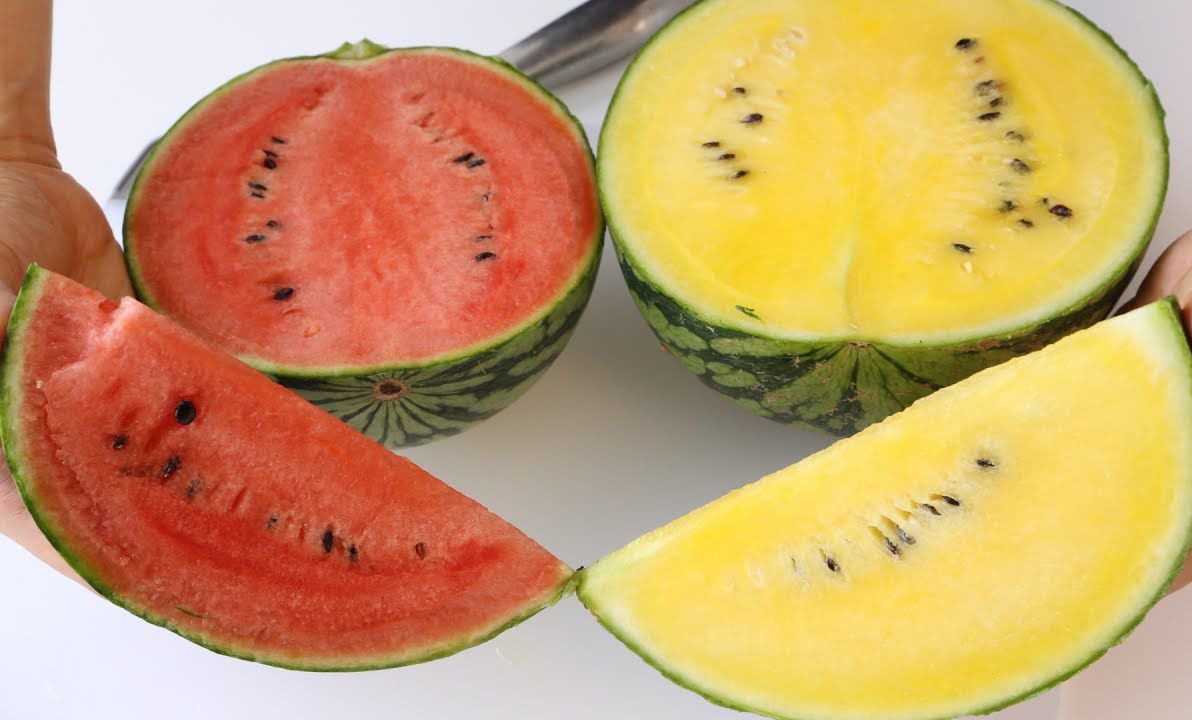
The bark varies in thickness. Its color includes all shades of green, and can be uniform or feature alternating dark and light stripes. The flesh is juicy, red, dark pink, orange, or yellow. The seeds are usually numerous. They are large, 1-2 cm long (can be small), flat, hard, and black or chestnut-colored.
Choosing a Watermelon Variety for Growing in Russia
Watermelon varieties are usually divided into:
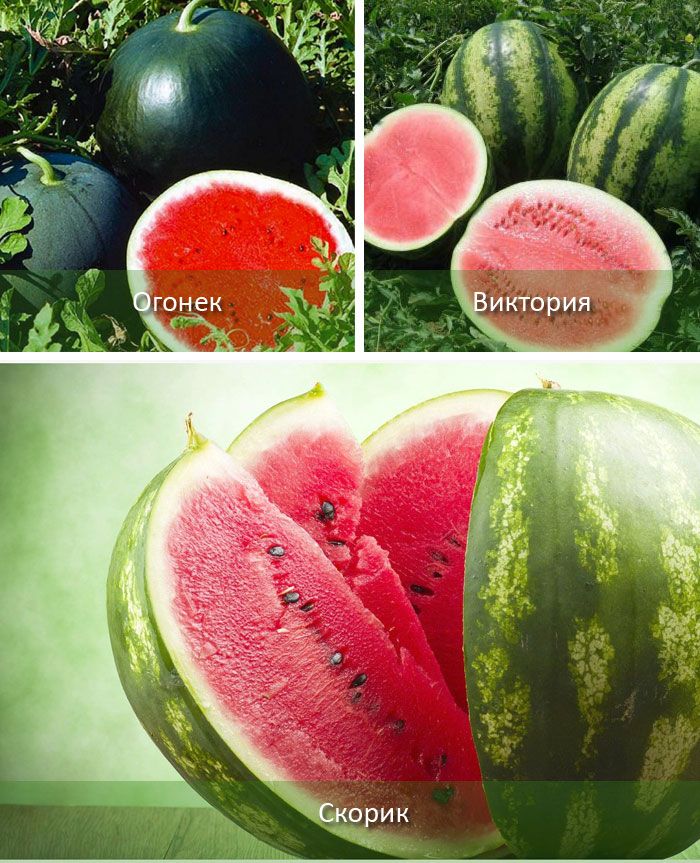
- early or early ripening varieties – “Victoria”, “Skorik”, “Ogonyok” – ripen only in the central part of Russia;
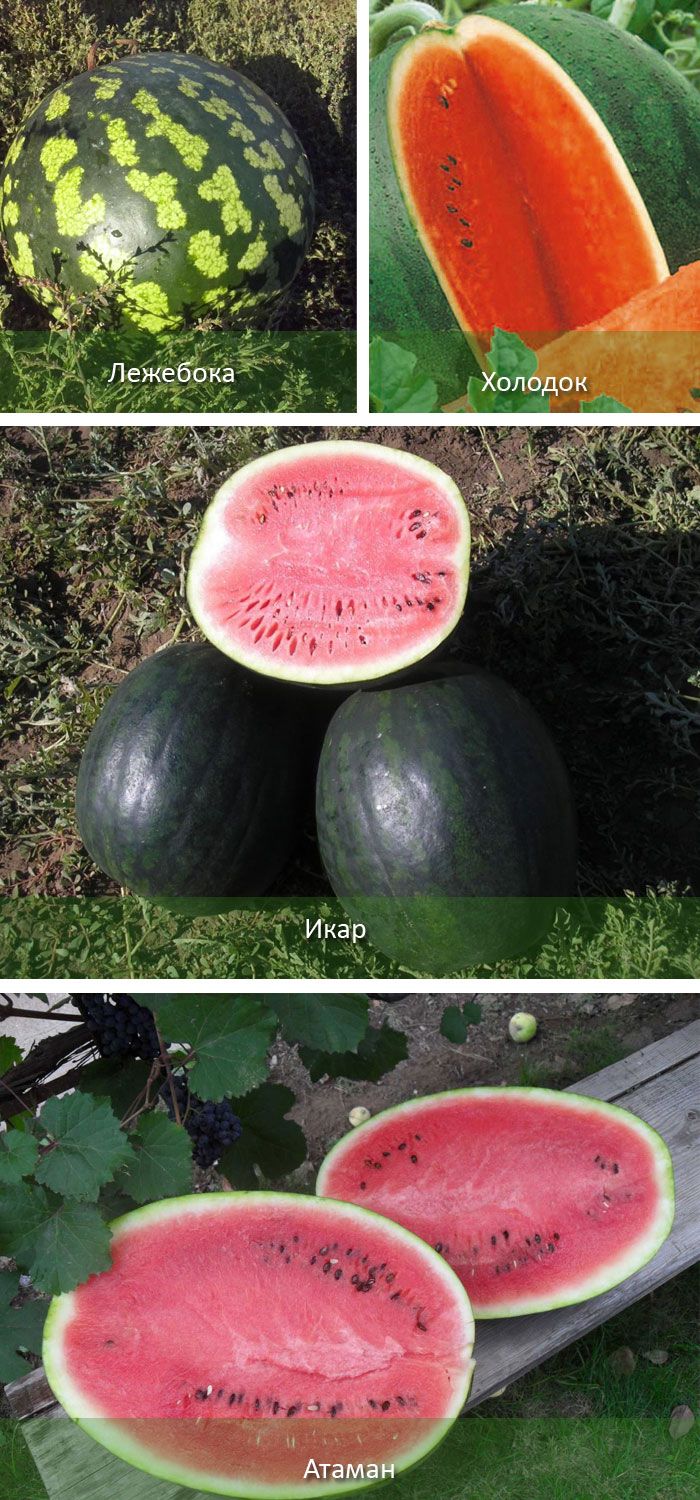
- mid-season – “Lazy Honey”, “Ataman”;
- late ones – ‘Spring’, ‘Icarus’, ‘Kholodok’) – are used for cultivation in the southern regions.
Taking into account the aesthetic properties of the plant, we can conditionally distinguish decorative varieties.
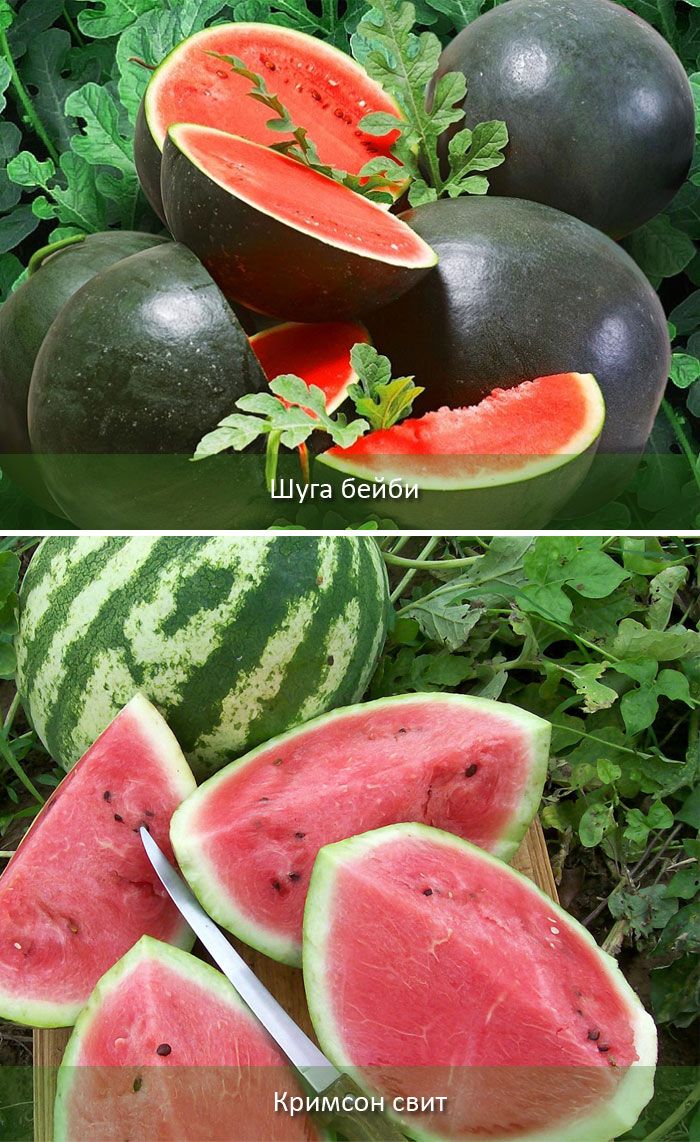
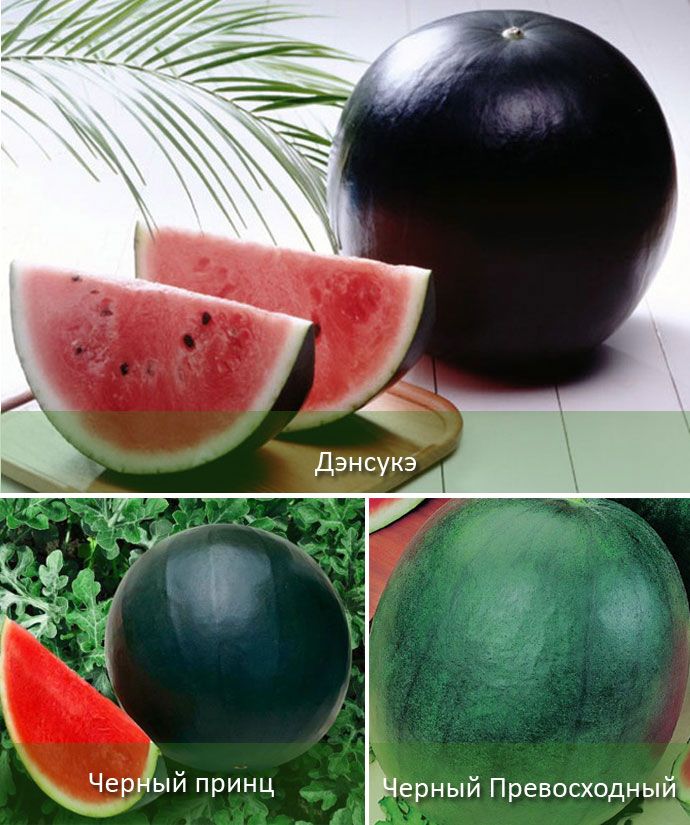
The characteristics of the most common varieties are given in the table below:
| Name | Description of the variety | Growing regions |
| Early ripening | ||
| Ogonyok | The fruit weighs no more than 2 kg, the seeds are small, the pulp has a delicate taste, the bark is thin, black-green with a blurred pattern. | Central Black Earth, East Siberian and Far Eastern |
| Sugar Baby | Cold-resistant and easily transported, it ripens extremely early. The dark green, striped fruit, with a thin, round rind, weighs up to 1 kg (rarely reaching 4 kg). The flesh is dark red. The seeds are small. The flavor is rated as excellent. The fruit can also be used for pickling. | Central Black Earth |
| Crimson Sweet | Considered an ultra-early variety, it is drought- and disease-resistant. The fruits are spherical, weighing 10 kg or more. They are easy to transport. The coloring is striped—light stripes are set against a dark green background. The flesh is veinless, dark red, crisp, and sweet. | Countries of Western and Eastern Europe |
| Late-ripening | ||
| Chilly | The fruits are stored for over 12 weeks (thanks to the thick bark) and have a pleasant, delicately sweet flavor. This variety was developed in the early 1990s and is noted for its high yield. The bush is vigorous, with vines reaching 5 meters in length. The elongated fruit weighs up to 4 kg and is dark green with black stripes. | North Caucasian and Lower Volga |
| Decorative | ||
| Densuke | The fruit is round, black, glossy, and stripeless, weighing 5-7 kg. The flesh is bright red and has a unique flavor that has earned high praise from gourmets. | Japan |
| The Black Prince | Reminds me of Densuke. | Russia |
| Black Excellent | ||
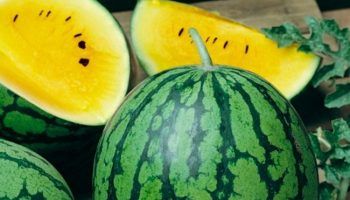
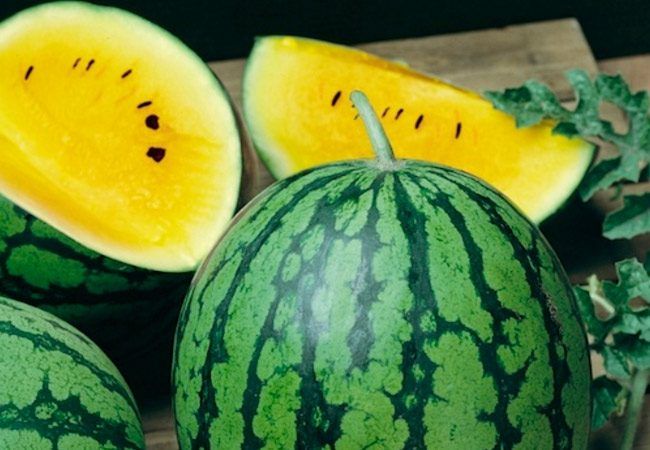
| Lunar | An early-ripening hybrid variety with a shelf life of approximately four weeks. The bush is medium-sized, producing striped, elliptical fruits weighing 2-3 kg. The flesh is yellow or light yellow with a flavor reminiscent of mango, lemon, or pineapple. There are very few or no seeds. | |
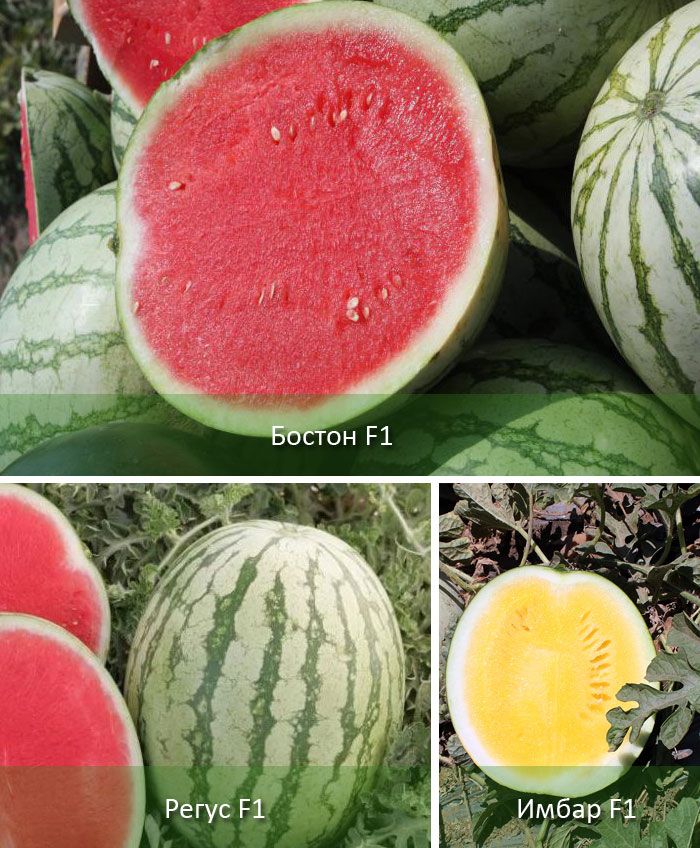
| Boston F1 | An early-ripening, thin-skinned hybrid. The plant grows as a long-vine bush. The fruit is light green with subtle stripes, oblong or round, weighing up to 4 kg (fruits weighing 10 kg are rare). The flesh is sweet, pinkish-red, and seedless. The fruit has a shelf life of no more than 2 weeks. | North Caucasian |
| Imbar F1 | They resemble Boston F1, only Imbar F1 has yellow flesh. | Russia |
| Regus F1 | ||
Growing watermelon from seedlings
Seedlings are used in cases where there is a need to accelerate the ripening of fruits, for example, in regions with a cool climate.
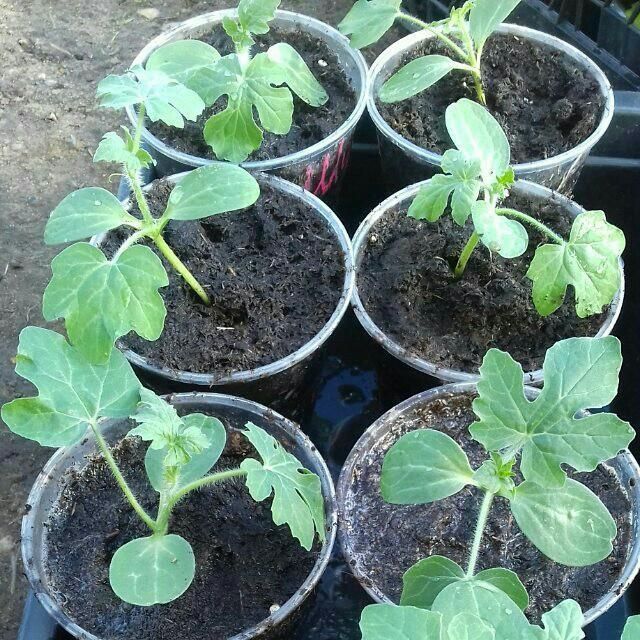
Using seedlings allows you to plant seeds approximately a month before the onset of stable warm weather.
Planting seeds for seedlings
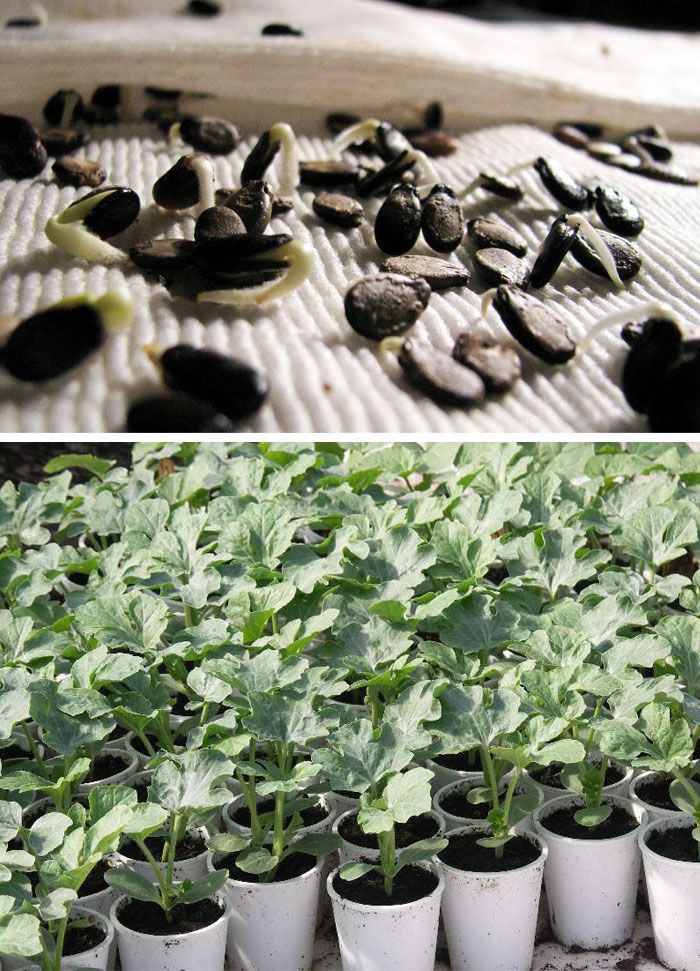
To grow healthy seedlings, specially selected and germination-tested seeds must be prepared. This includes:
- disinfection, which is achieved by treating the seed material with a 0.5-1% solution of KMnO4 for half an hour;
- warming up, during which the seeds are kept for half an hour in water heated to +45 °C;
- scarification – careful piercing of the shell 2-3 weeks before the expected sowing, which significantly accelerates germination;
- soaking for 16 hours in a special solution containing Mn, Mo and B;
- wrapping with damp gauze at a temperature of +20…+25 °C and regular aeration.
The landing technology is as follows:
- seedlings are transplanted at a daily temperature range of +8 °C – +15…+20 °C;
- holes are prepared in advance, the minimum distance between which should not be less than 50 cm, and the parameters should exceed the characteristics of the pots with seedlings;
- half a glass of ash is poured into each hole, which is mixed with the soil and irrigated;
- Before planting, the seedlings are watered, after which they are removed along with a lump of earth, which is placed in a hole;
- The seedling is watered at room temperature under the root and sprinkled with a 1 cm thick layer of sand.
Caring for seedlings
Initially, seedlings should be watered at least once a week. The soil should be moistened to a depth of 25-30 cm. The plant requires moisture during the period of active growth. It is best to water the roots in the evening with warm water. After female flowers appear, reduce the frequency of watering, and stop completely during the ripening period.
How to grow watermelon outdoors
Watermelon cultivation involves several stages:
Preparation of seed material includes selection of variety and preparation of seeds, which are wrapped in gauze, placed in a Petri dish and filled with a KMnO4 solution.
Cultivation should be carried out in a warm room with an air temperature above 20°C. Regular watering and ventilation are essential. After approximately 48-72 hours, the seeds will sprout and be ready for planting.
The soil in the selected plot should be light, loose, and rich in nutrients. Sandy or sandy loam soil enriched with humus is suitable. A recommended application rate is 20 g of potassium fertilizer, 40 g of superphosphate, and 30 g of ammonium sulfate per square meter.
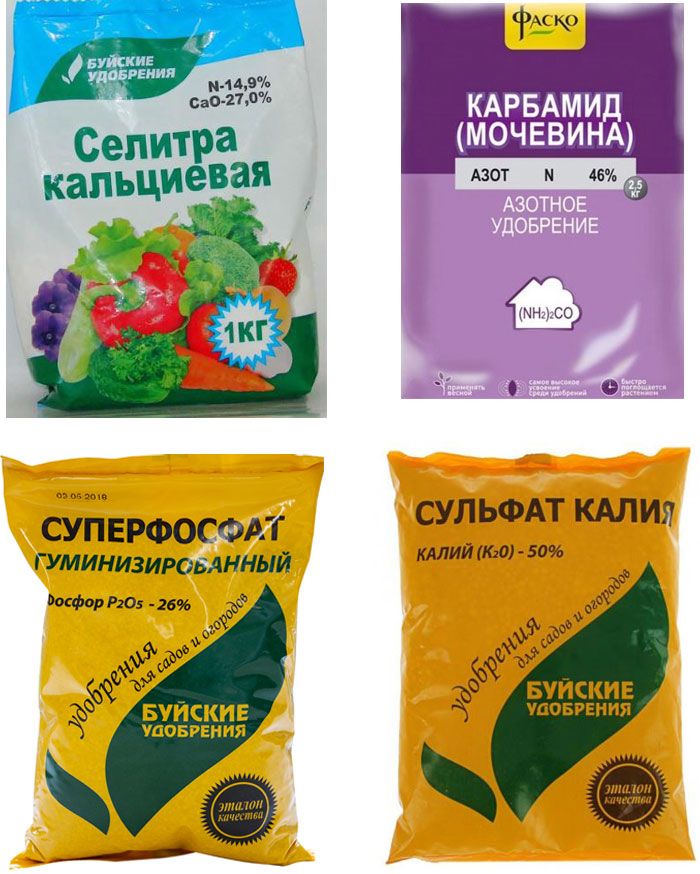
In warm climates, the optimal time for planting is early May. Prepare ash, rotted manure, peat, and mineral fertilizers in advance. Once everything is ready, dig a large hole for the watermelon and water it. Add a mixture of minerals and humus, distribute it evenly, and water it. Next, place five seeds 4-5 cm deep in the hole. As the plants grow, transplant them, leaving one watermelon in each hole.
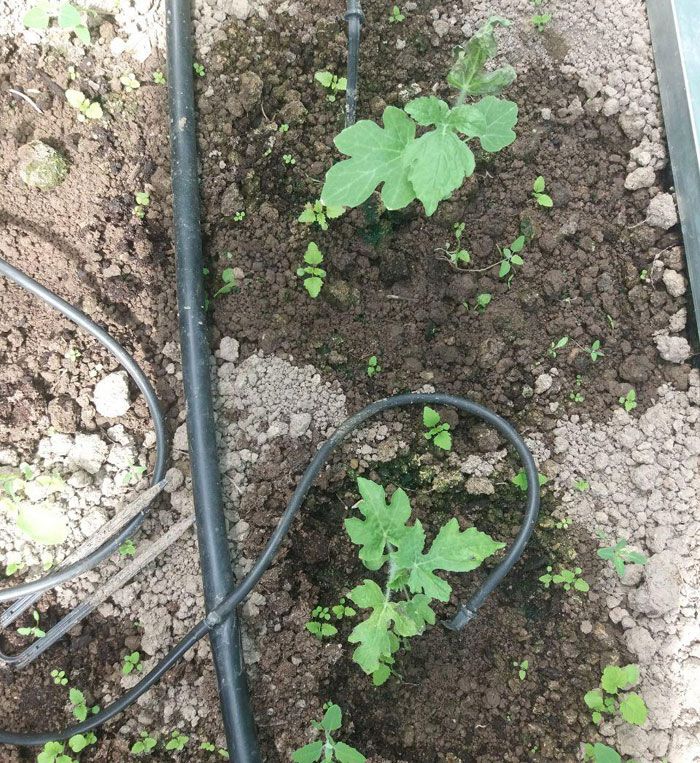
Subsequent care includes watering (drip is best), fertilizing, pruning of shoots and pest control.
The plant requires ample watering, especially on hot days. Ideally, the soil moisture level should reach 80%. This should be taken into account depending on the soil's characteristics and its moisture retention capacity. Sandy soils require more frequent watering, while clayey and black soils require less frequent watering. During the ripening period, watering should be reduced.
A week after planting, the crop must be fed with a solution containing potassium fertilizers, ammonium sulfate and superphosphate in the proportions described above.
After the shoots begin to actively grow, another feeding is carried out, containing half the amount of potassium and phosphorus fertilizers.
When ovaries are forming, a third feeding is applied. This should include 35 g of potassium salts, 10 g of superphosphate, and 20 g of ammonium sulfate per 10 liters of water.
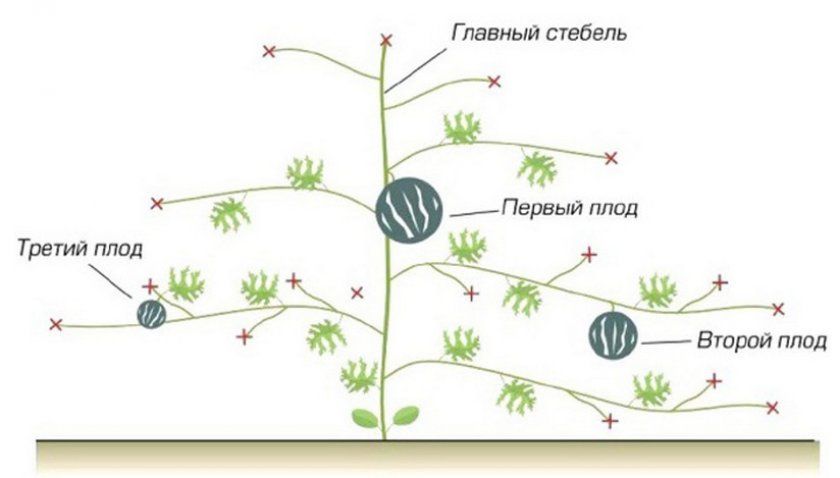
Pruning is done to help the plant use its available resources more efficiently. Each bush should bear no more than five fruits. It's important to remember that female flowers form on the main stem.
Sowing directly into the ground
This approach is justified in regions with warm climates, where the planting material is seeds. The seedling stage is skipped.
A place for planting watermelons in open ground
The planting site should be elevated to prevent accumulation of excess moisture and rotting, and also protected from the wind.
Caring for watermelons in open ground
When growing the plant, remember that watermelon requires plenty of light, warmth, moisture, and space. Light loam soils are ideal for cultivation.
Experience shows that watermelon grows best in areas previously planted with cabbage, garlic, peas, or onions. However, watermelon should not be planted after potatoes or tomatoes.
The soil is prepared in advance. It is usually fertilized and tilled in the fall, avoiding fresh manure. Immediately before planting, the soil should be loosened, adding 1 liter of ash per 1 m². Watermelon prefers magnesium as a micronutrient, so a magnesium-containing fertilizer at a rate of 5 g per 1 m² is a good idea.
The crop is planted when the daily temperature range reaches +8…+ 20 °C.
In field conditions, the distance between plants should be maintained at 1.5-3 m; at home, a 100*70 cm pattern is used.
Transplanting seedlings looks like this:
- holes are made in selected places;
- About half a glass of ash is added to the holes, after which it is mixed with the soil and watered a little;
- well-watered seedlings are planted and deepened;
- Each plant is watered with room temperature water at the root, after which a layer of sand about 1 cm thick is poured around each seedling.
How to Grow a Square Watermelon (Japanese Technique)
Square watermelons, or more precisely, cube-shaped watermelons, are easier to transport and store. This shape can also be of interest to lovers of exotic fruits.
To grow decorative berries, purchase collapsible cubic containers made of transparent plastic, with diagonals larger than the expected fruit size. One side should have a 3.5-4 cm diameter opening for the shoot. The other sides should be perforated to allow for gas exchange. Once the fruit reaches apple size, it should be planted in a plastic mold.
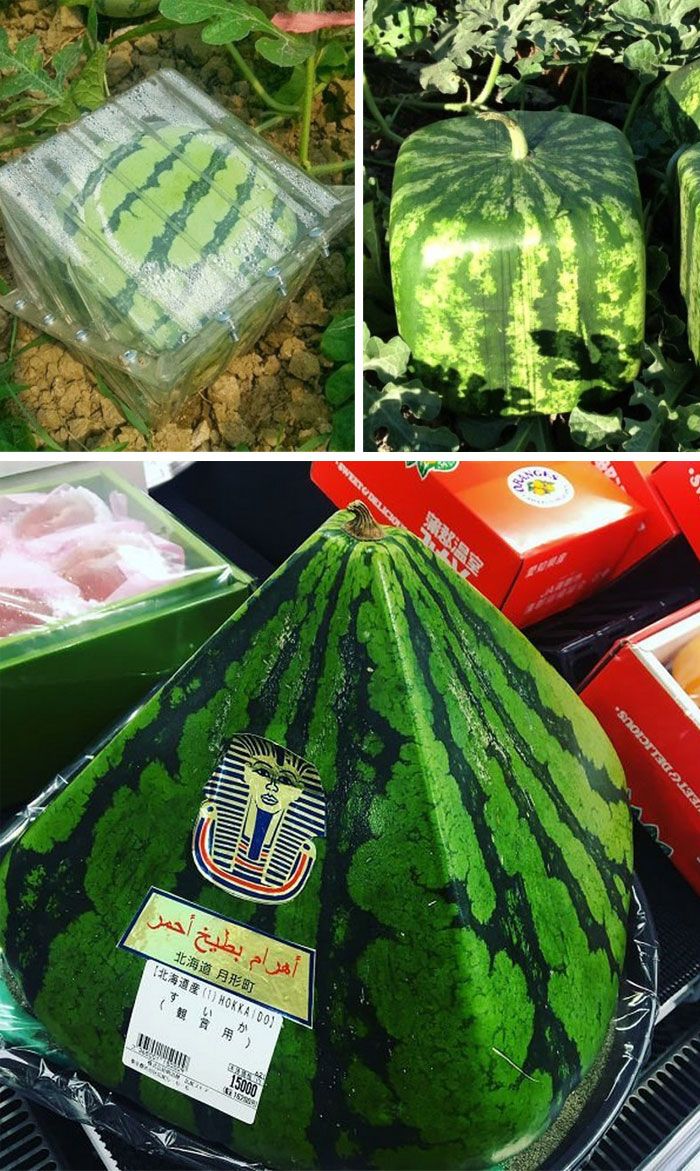
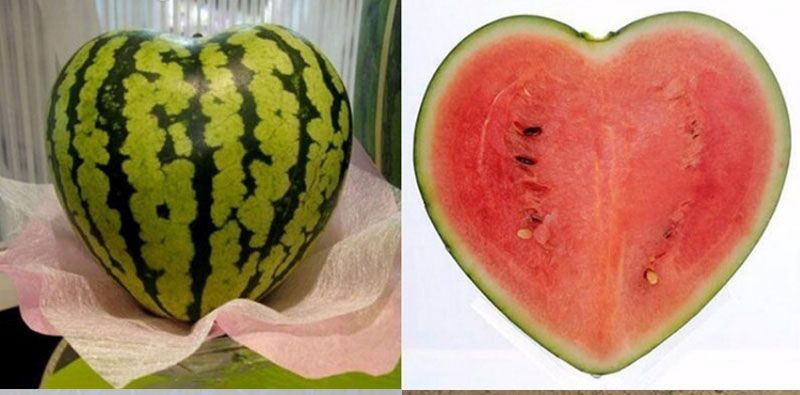
Moreover, the plastic form does not necessarily have to be square, you can experiment.
Growing seedless watermelon varieties
Seedless varieties are characterized by sweet, crumbly, and watery flesh. Despite their name, they do produce seeds, but they are very small and lack the properties of the parent plant. Seedless varieties are grown using seeds from crossbreeding previously pollinated species.
The specifics of planting a hybrid crop are as follows:
- the seeds are not soaked;
- planting is carried out in soil preheated to +30 °C;
- Since the germination period is extended, containers with sprouted seeds are moved to a cooler place as others sprout.
Otherwise, the technique for growing seedless plants and classic watermelons is similar.
Treating watermelon from diseases and pests
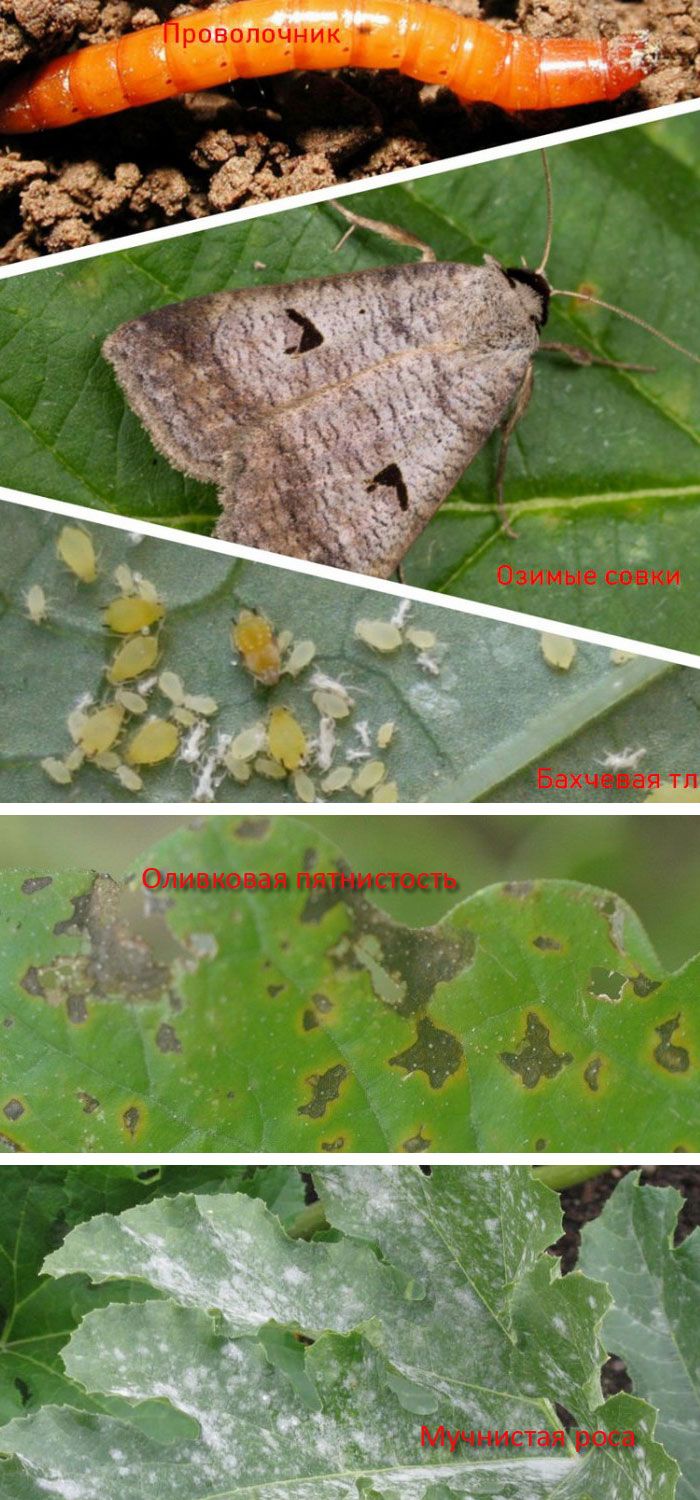
Plant protection includes three areas:
- agrotechnical, which implies strict adherence to the rules for caring for melon crops and growing:
- replanting is carried out no earlier than after 5 years;
Before planting, seeds must be treated; - plantings are made on sandy loam soils;
- the deadlines for deep plowing and planting are observed;
- measures are being taken to combat waterlogging;
- chemical, which includes the use of special agents to combat insect pests, as well as pathogenic viruses, bacteria and fungi;
- Natural, which they strive to adhere to in order to preserve the ecological purity of watermelons; to combat diseases and pests, the following are used:
herbal tinctures, including preparations containing tobacco dust and wood ash; - solutions based on laundry soap;
- traps and sweet baits.
Harvesting and storing watermelon
To ensure a watermelon is ripe, look for the following signs: the rind has become firm and shiny, the stem has dried out, and a yellow spot has formed where the fruit touches the ground. A muffled sound is also heard when tapped.
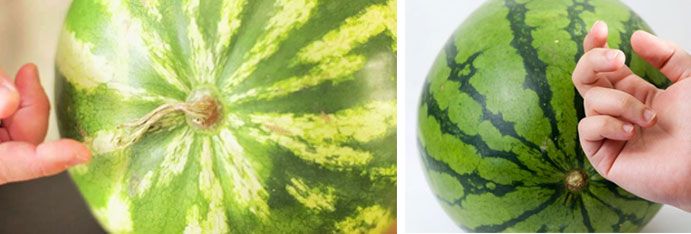
Late-ripening watermelons have the longest shelf life. It's recommended to cut the fruits with stems about 5 cm long. Transport them in a single layer, laid on a straw mat.
To preserve healthy fruit, the harvested crop should be inspected periodically to remove any rotting watermelons. The maximum shelf life for hardy varieties is 12 weeks at temperatures of 6 to 8°C and 85% humidity.
Growing watermelon at home
The plant can also be grown indoors in sunny locations. Natural limitations will prevent watermelons from growing larger than 1 kg.
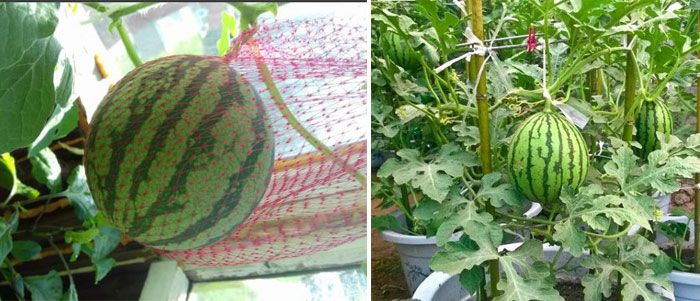
The seedlings or seeds should be transplanted into a 15-liter bucket. Drainage holes should be drilled in the bottom. When growing, it is recommended to pay attention to light, humidity, and temperature. Pollination is carried out artificially. After the ovary has formed, it is recommended to leave no more than two fruits on the plant.
Growing watermelons in a greenhouse
In cold climates, the crop can only be grown in a greenhouse. To do this, first prepare the beds, adding the required amount of humus and mineral fertilizers. Both seeds and seedlings can be planted in the greenhouse. This is best done when the air and soil temperatures do not drop below 6°C. In central Russia, these conditions are reached in late April or early May.
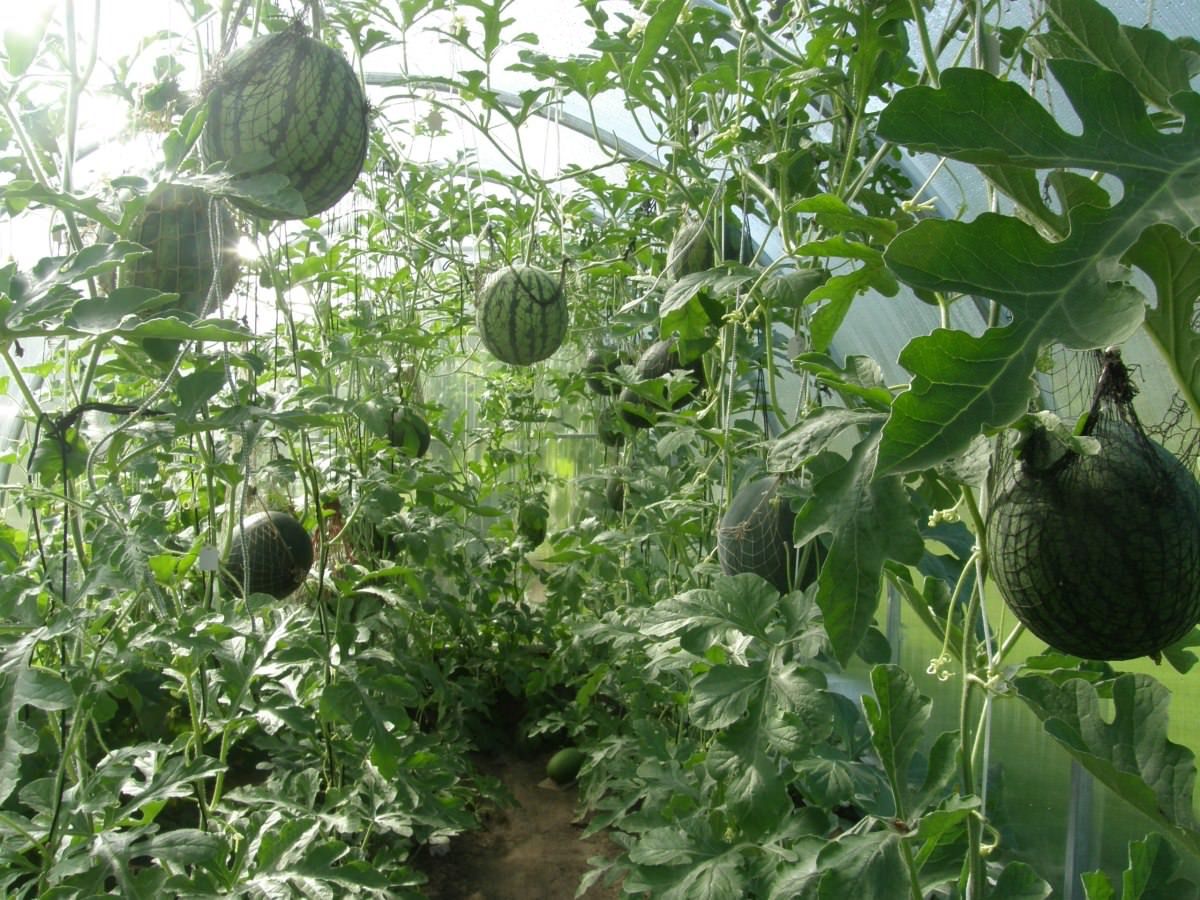
Watermelons are planted in a 50 x 70 cm pattern. Two plants can be placed per hole, with shoots growing in opposite directions. A trellis is installed for the vines. In this case, as the fruit develops, once they reach apple size, they are placed in nets tied to the trellis. Care should be taken to keep the fruit off the ground. This will prevent them from rotting.
If the right insects are not available at the right time, you should consider artificial pollination.
Unusual ways to grow watermelon
Experience shows that a 200-liter barrel is sufficient for growing two plants. A biological material is placed on the bottom for drainage and as a fertilizer during decomposition. Typically, grass, humus, and topsoil are used.
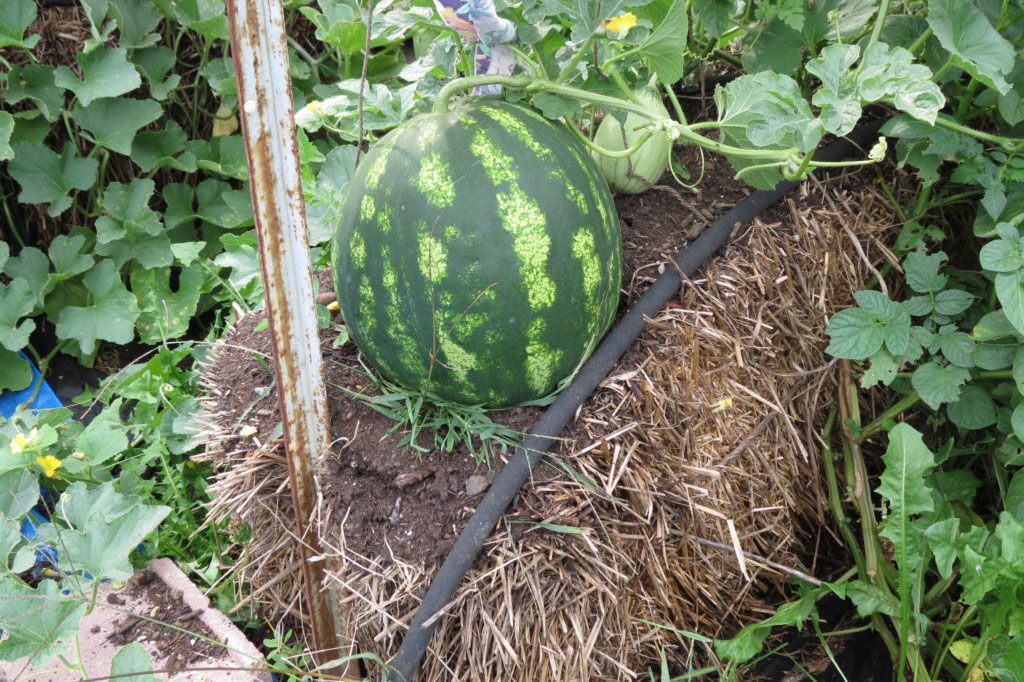
Either seeds or seedlings are planted, which should initially be covered with non-woven material. As the vines grow, they will descend, forming flowers and fruit near the soil surface. Care requires ample watering.
Can the film be used?
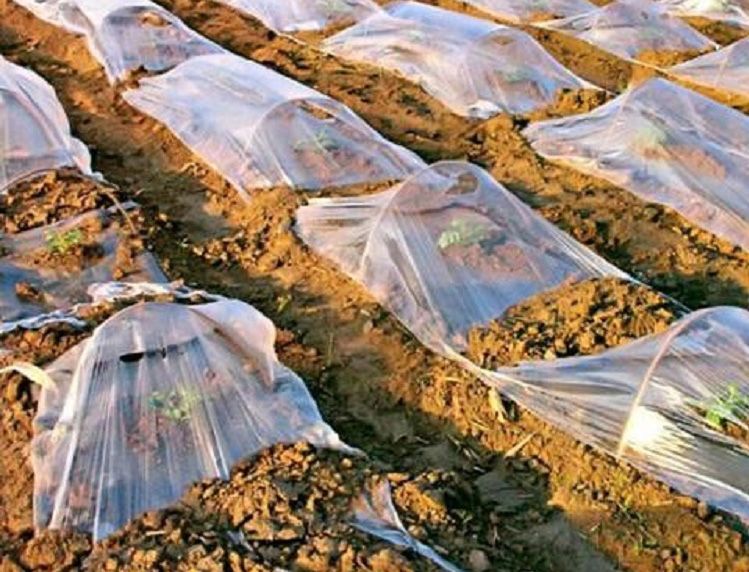
The use of film can be used as a temporary measure to protect plants from low temperatures. Its main drawback is the accumulation of excess moisture, which can lead to rot. Sometimes, holes are made in the film to allow seedlings to emerge.
Peculiarities of watermelon cultivation in different regions
Watermelons are easiest to grow in warm southern regions. In other areas, favorable conditions are required for cultivation:
| Region | Features of watermelon cultivation |
| Southern regions (Volgograd and others) | Plant outdoors in mid-spring (seedlings are also possible). Water until flowering begins. Greenhouses are not used. |
| Central regions, Urals | Seedlings in peat pots are used and planted in late May. When grown in a greenhouse, seedlings are planted after May 10th. Only early-ripening varieties are cultivated. |
| Northwestern region, Leningrad region | Even early varieties are recommended to be grown in greenhouse conditions. Growing the plant north of the line running through St. Petersburg and Kirov is impractical. |
| Far East | Early varieties are planted in open ground using seedlings. To prevent rot during periods of heavy rainfall, it is recommended to plant watermelons in raised beds. |
The health benefits of watermelon
Watermelon pulp contains a large amount of easily digestible monosaccharides—glucose and fructose—as well as folate (vitamin B9), which plays a role in hematopoiesis and immune development. Thanks to its biologically active substances, watermelon plays a role in fat metabolism.
The plant juice also contains iron ions and microelements.
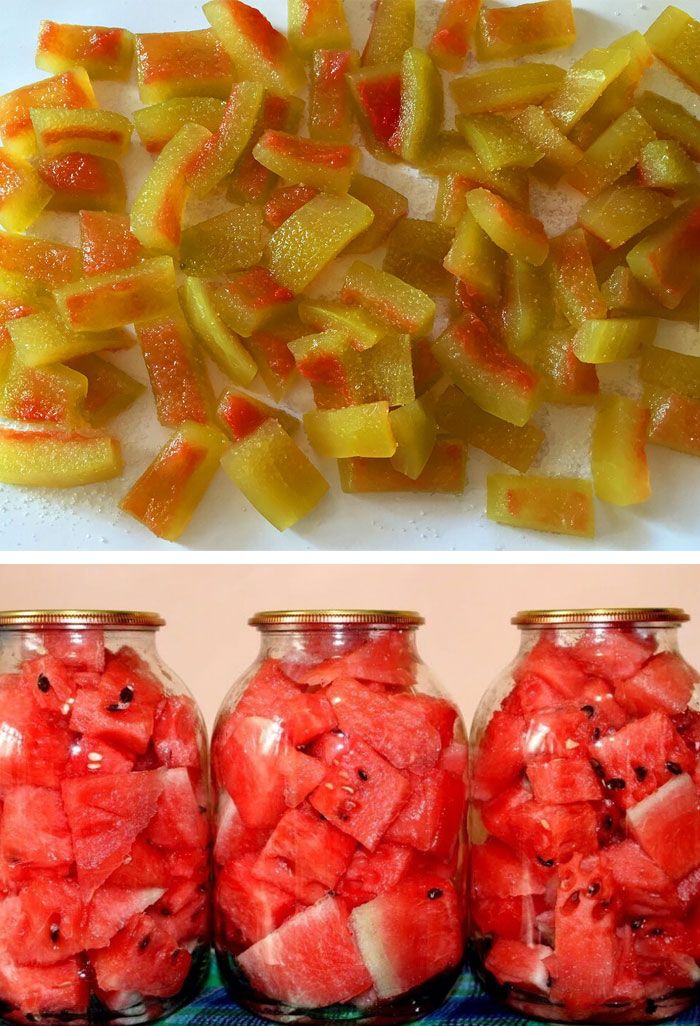
The fruit is most often eaten raw. Juice is extracted from the pulp, and mead (nardek) is produced through evaporation. Candied watermelon is also widely available. For those who appreciate salted and canned watermelons, they are also available.