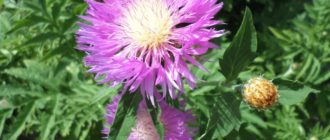
Flax is known to everyone as one of the main crops used in the textile industry. But few know that it has excellent decorative properties and can be a true highlight of any flowerbed.
Content
- 1 Description of flax
- 2 Types and varieties of perennial flax
- 2.1 Perennial flax (Linum perenne)
- 2.2 Photo gallery of perennial flax
- 2.3 Narbonne flax (Linum narbonense)
- 2.4 Photo gallery of Narbonne flax
- 2.5 Austrian flax (Latin: Linum austriacum)
- 2.6 Photo gallery of Austrian flax
- 2.7 St. John's Wort (Linum hypericifolium)
- 2.8 Photo gallery of St. John's Wort flax
- 2.9 Hard-haired flax (Linum hirsutum)
- 2.10 Photo gallery of flax
- 2.11 Yellow flax (Linum flavum)
- 2.12 Photo gallery of yellow flax
- 3 Types and varieties of annual flax
- 4 Peculiarities of growing annual flax
- 5 Peculiarities of growing perennial flax
- 6 Caring for perennial flax
- 7 Diseases and pests of flax
- 8 Flax propagation
- 9 Flax in the landscape
- 10 Uses of flax
- 11 Benefits of flax seeds
- 12 Florist reviews of flax cultivation
Description of flax
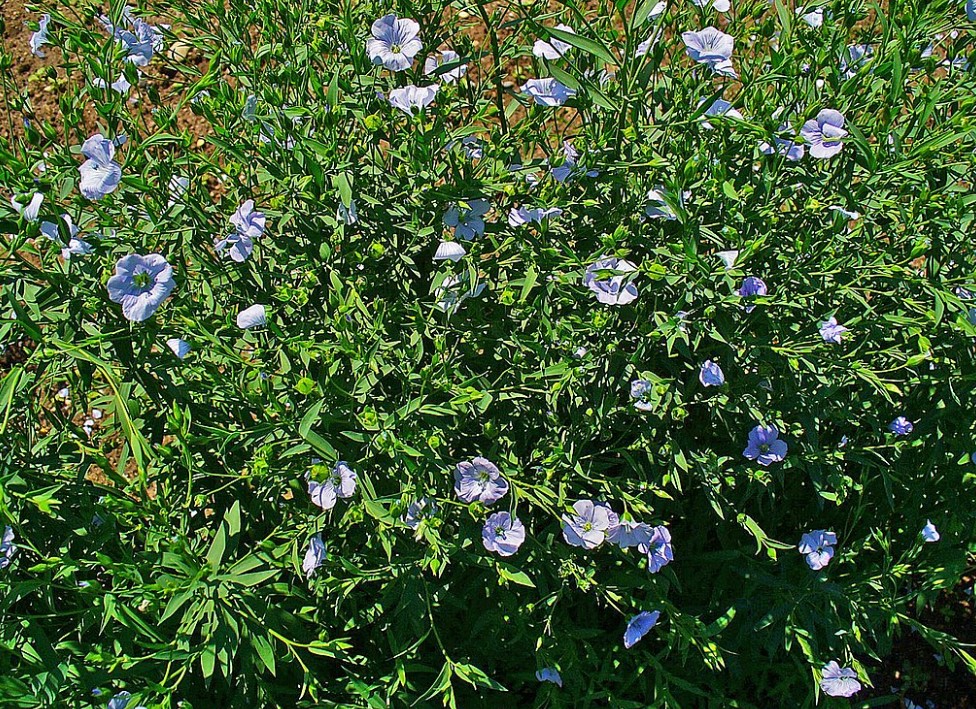
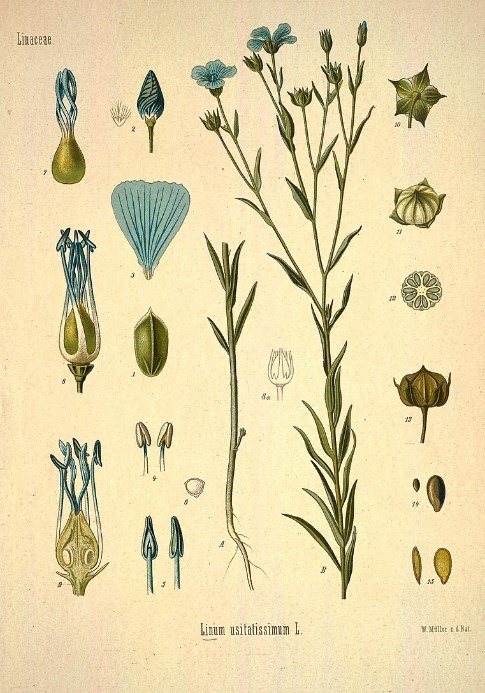
Flax belongs to the Linaceae family and is an annual and perennial herbaceous plant that is used as an ornamental plant, for the production of natural fabrics, and also for oil.
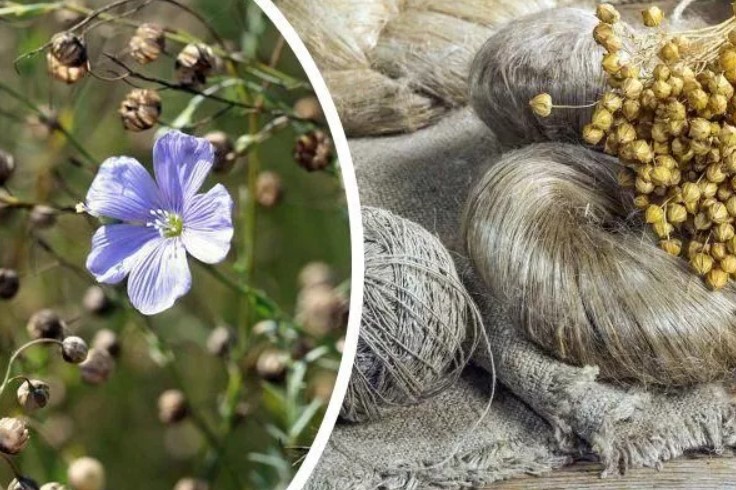
- The shoots are erect, cylindrical, and range from 60 to 150 cm in height. They branch at the top. Their entire surface is covered with a thin layer of wax.
- The leaves are few, greenish-glaucous, pointed, linear or linear-lanceolate. They are 2-3 cm long and 3-4 cm wide. They are arranged spirally on the shoots.
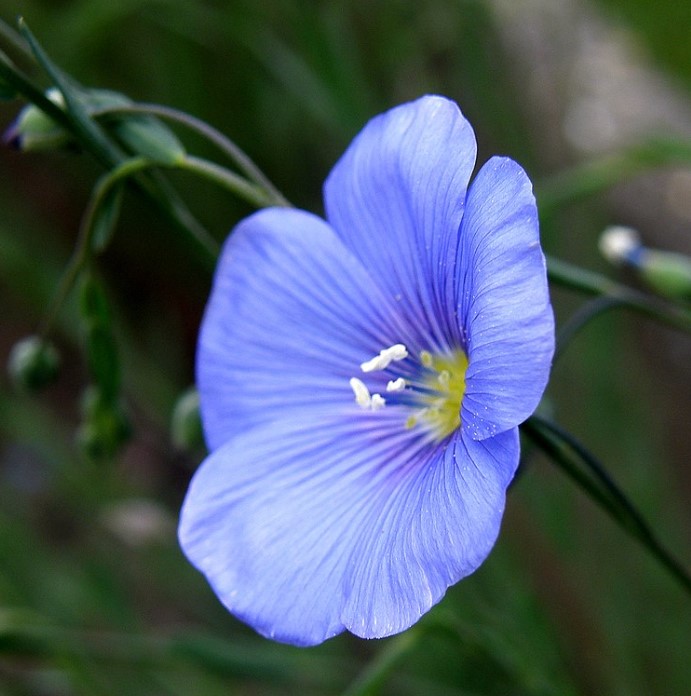
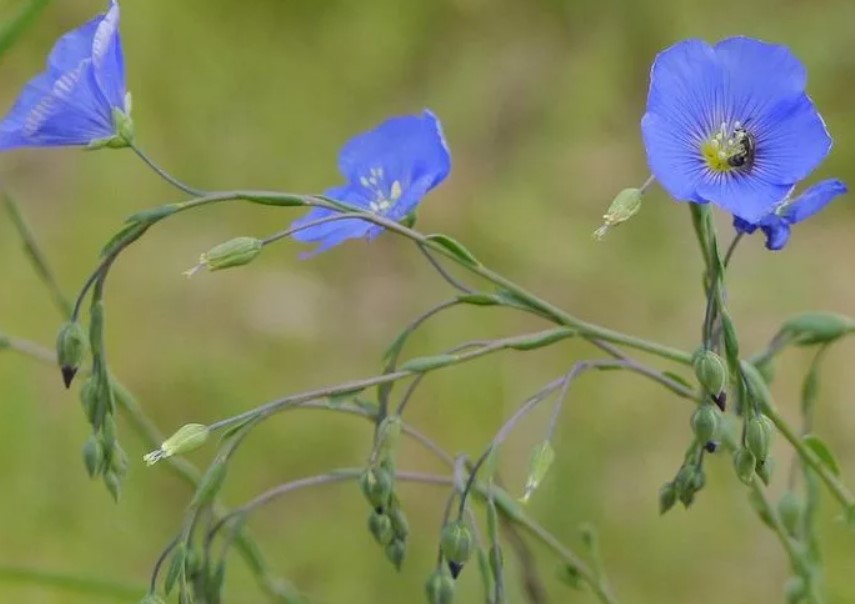
- The flowers are small, borne on a long stalk, 1.5-2.4 cm in diameter. The petals are blue, sometimes white, pinkish, or reddish-purple. The sepals are 5-6 cm long. Flowering lasts from June to July.
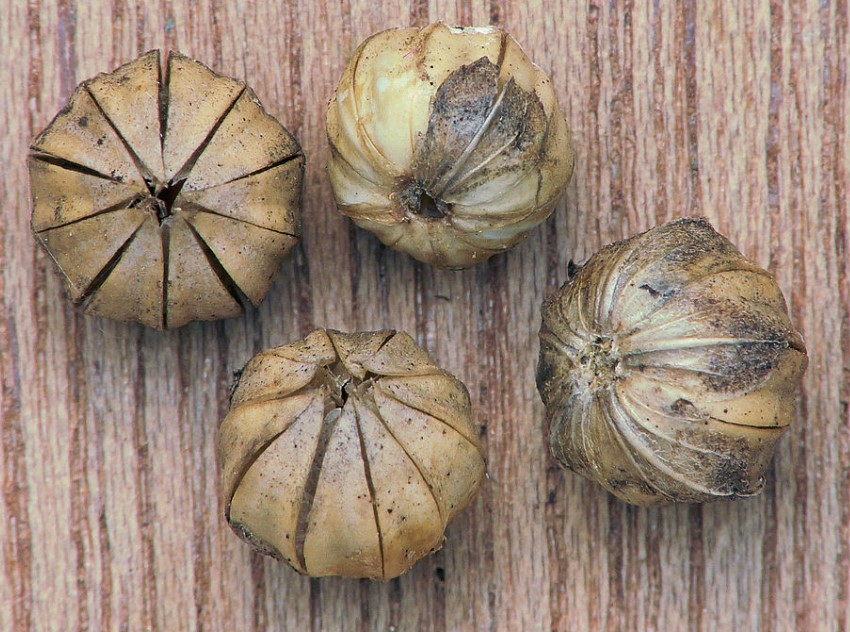
- After the buds fade, flattened, spherical seed pods form in their place. They are 6-7 mm in diameter and 6-8 mm long. Inside, you can find up to 10 oblong seeds up to 5 mm long. They can be greenish-yellow, brown, or light brown. Seeds can be harvested as early as July or August.
Types and varieties of perennial flax
The Flax family comprises approximately 13 species, which are further divided into various types and cultivars. Currently, there are approximately 255 of these. Below, we'll discuss the most popular.
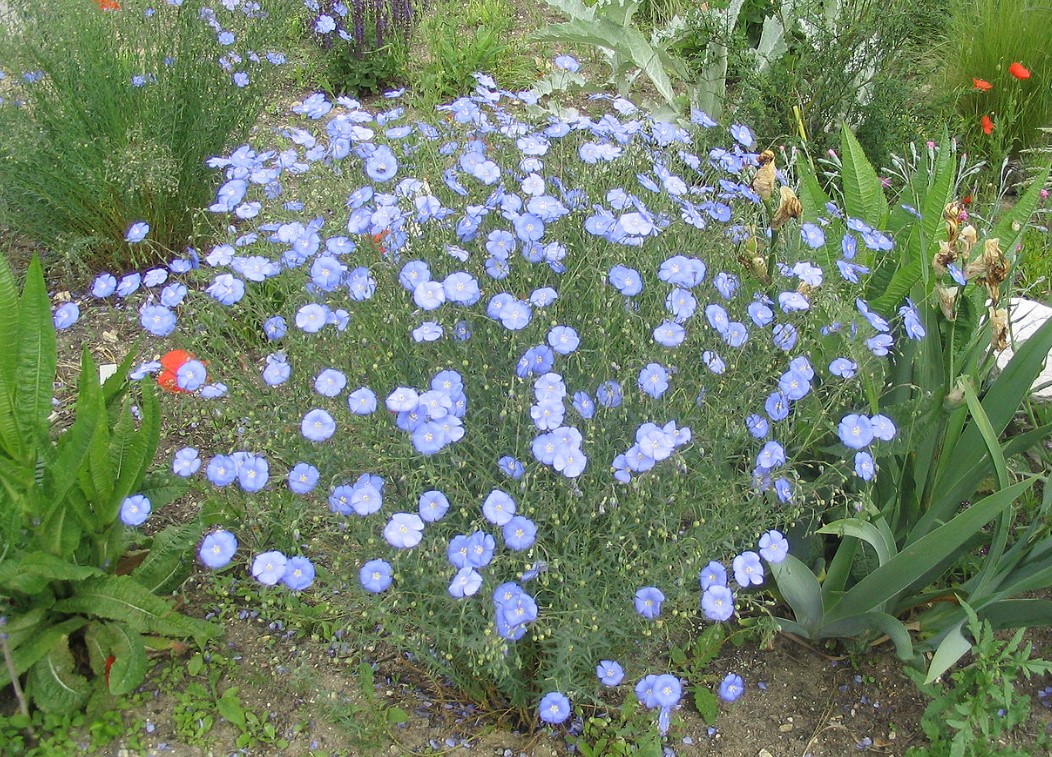
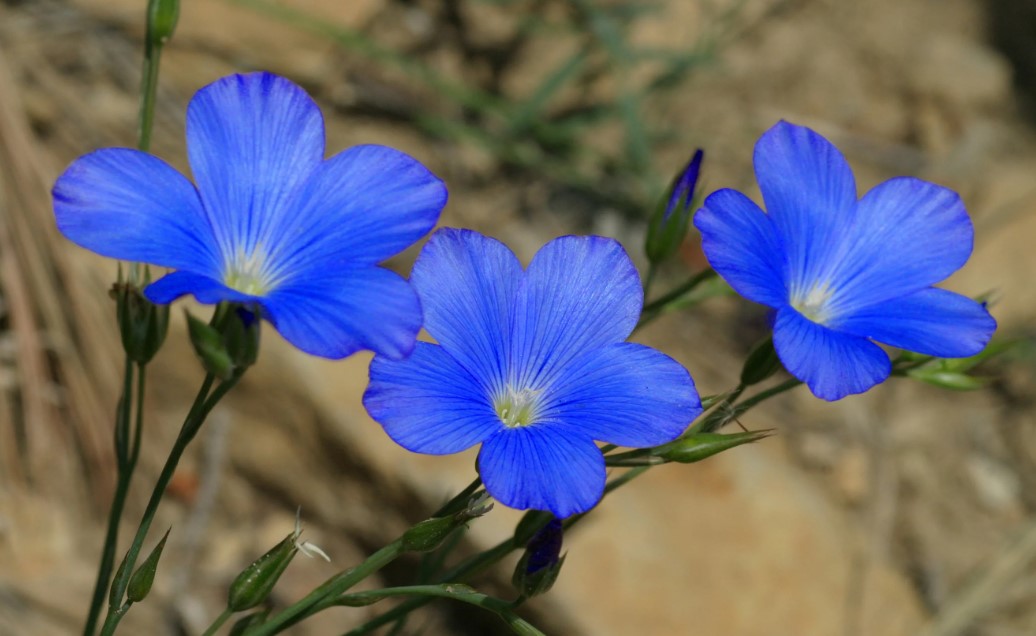
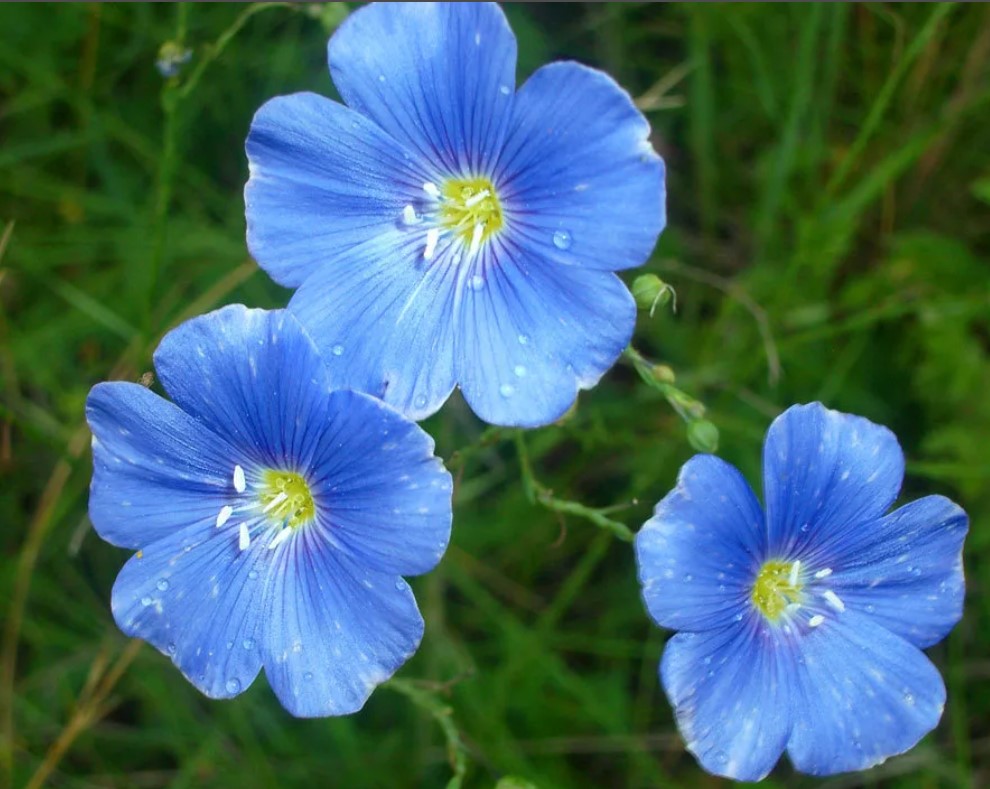
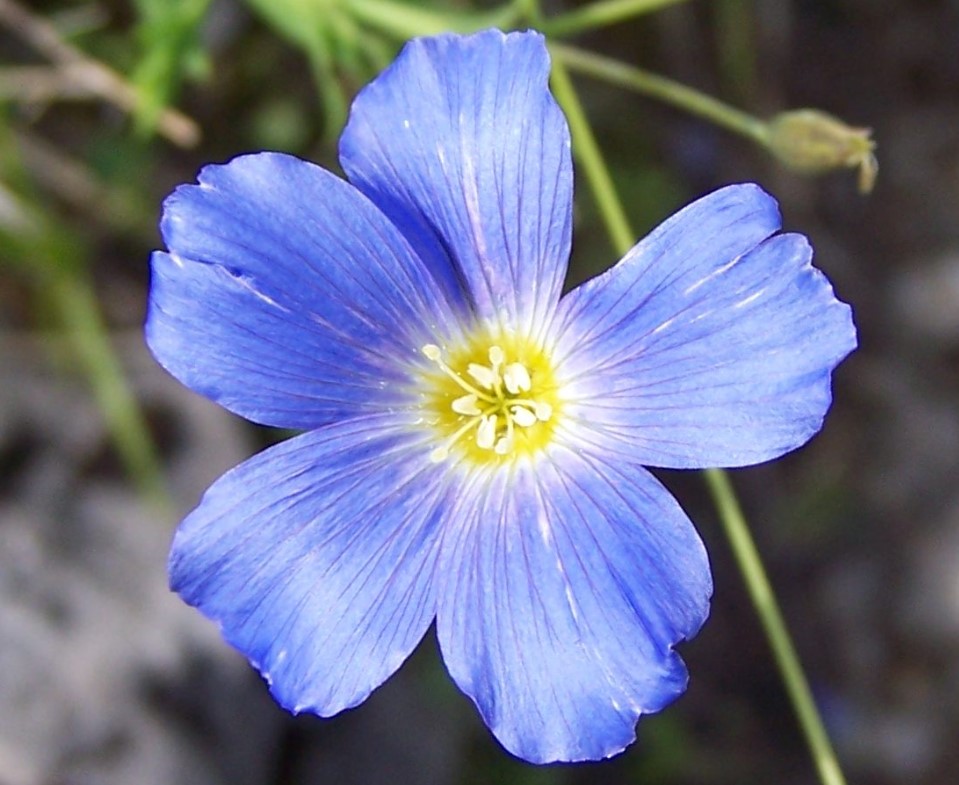
Perennial flax (Linum perenne)
| Description | Flowers, stem height | Varieties | Flowering time | Application |
| An upright perennial plant with green leaves that may have a glaucous tint. The seeds are flat, shiny, and dark brown. It grows in steppes, on slopes, and in chalk deposits. | Flowers are 2-3 cm in diameter, bluish in color, with prominent veins; white varieties are also available. Shoots range from 20 to 80 cm in height. | Nanum Album – white flowers, dwarf shoots.
|
June-July. | A poisonous plant, it can be grown for ornamental purposes. |
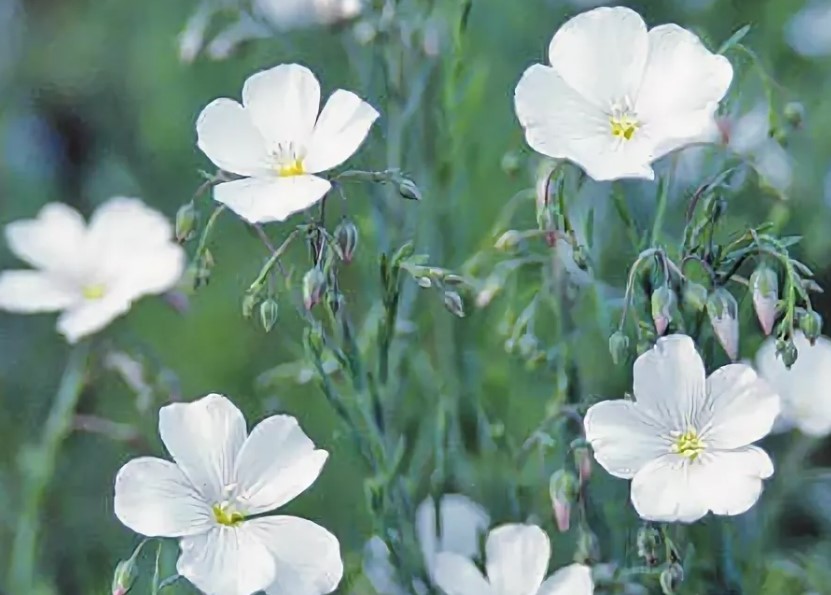
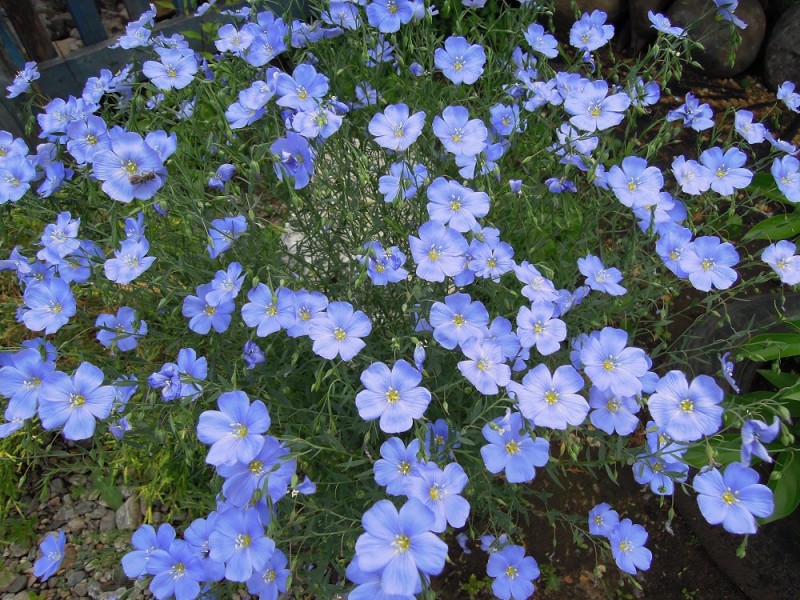
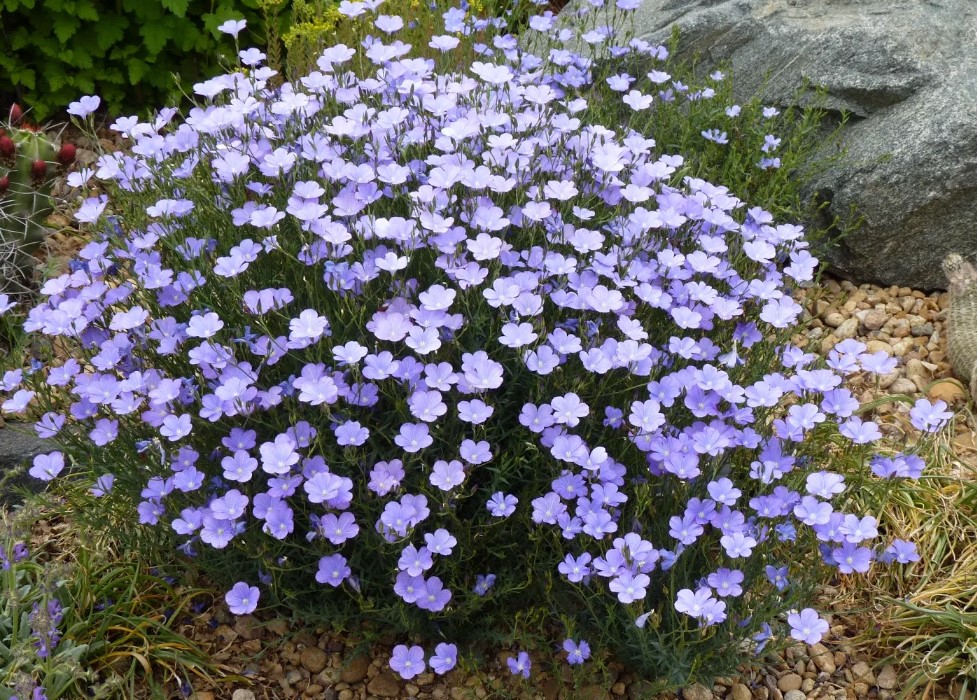
Photo gallery of perennial flax
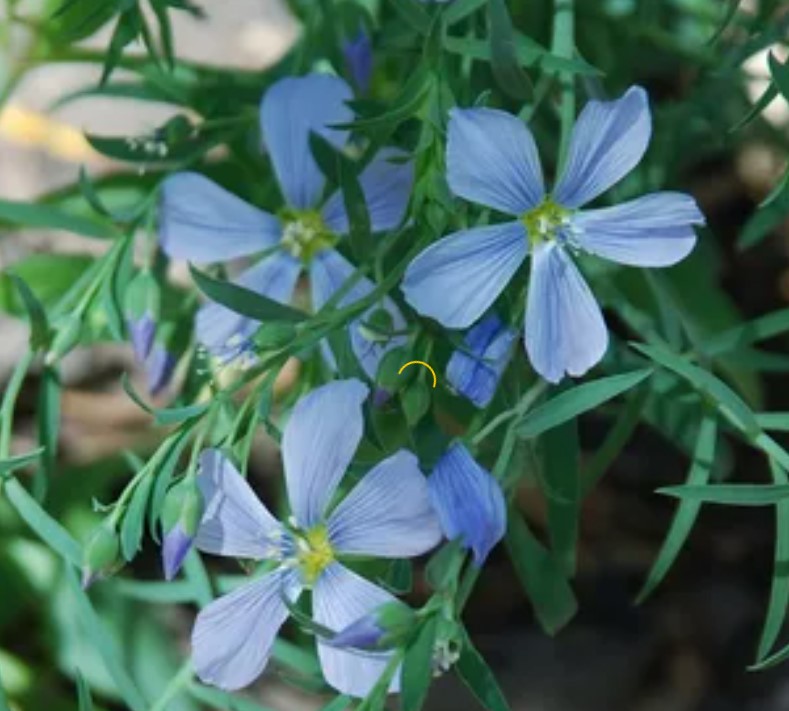
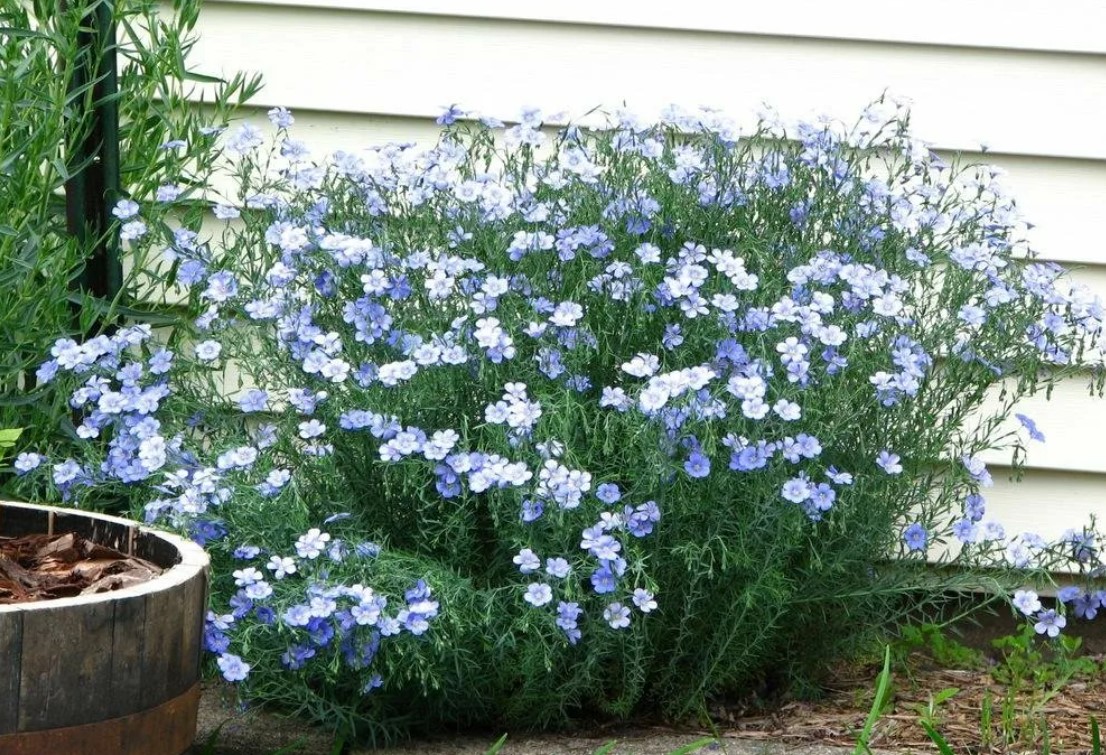
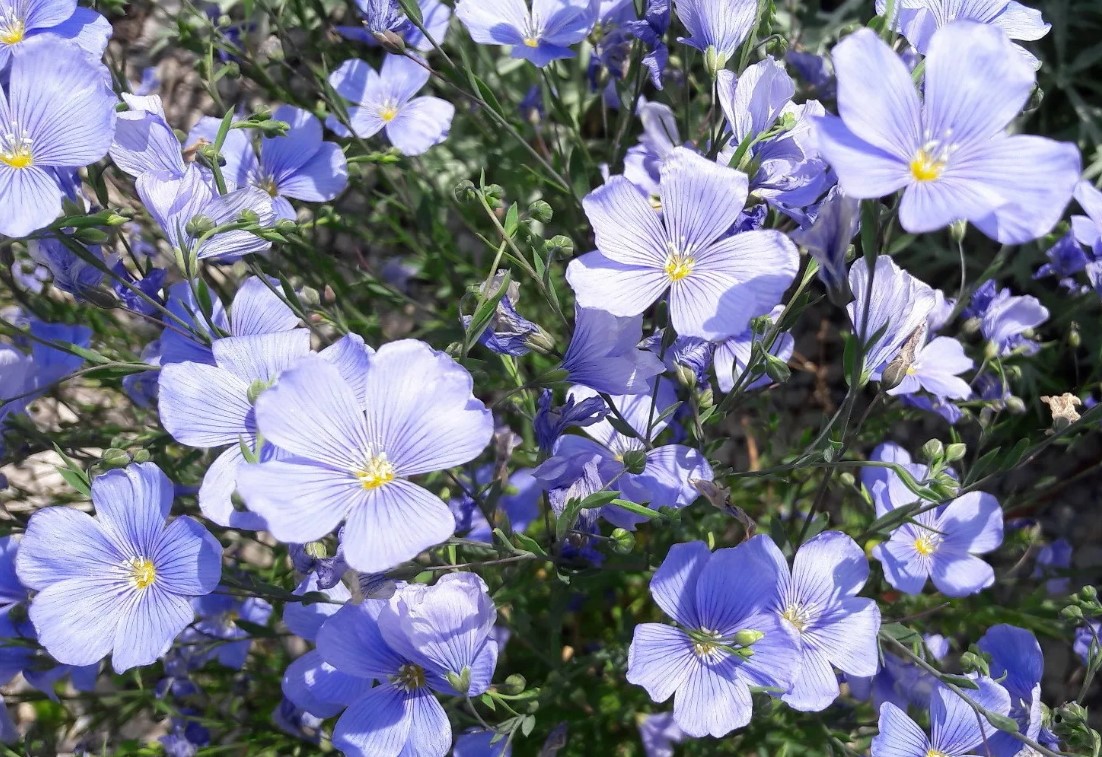
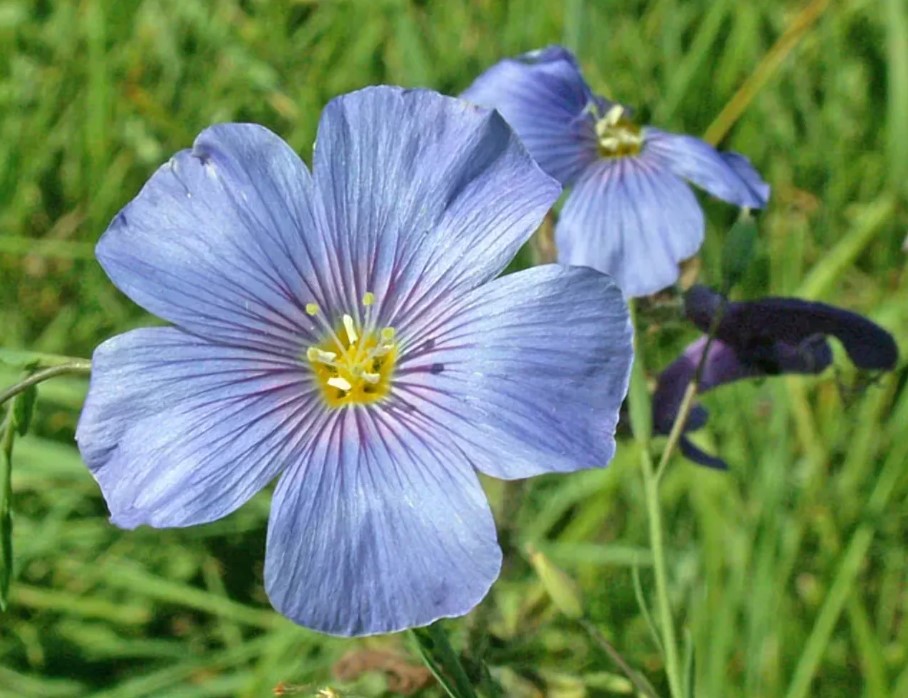
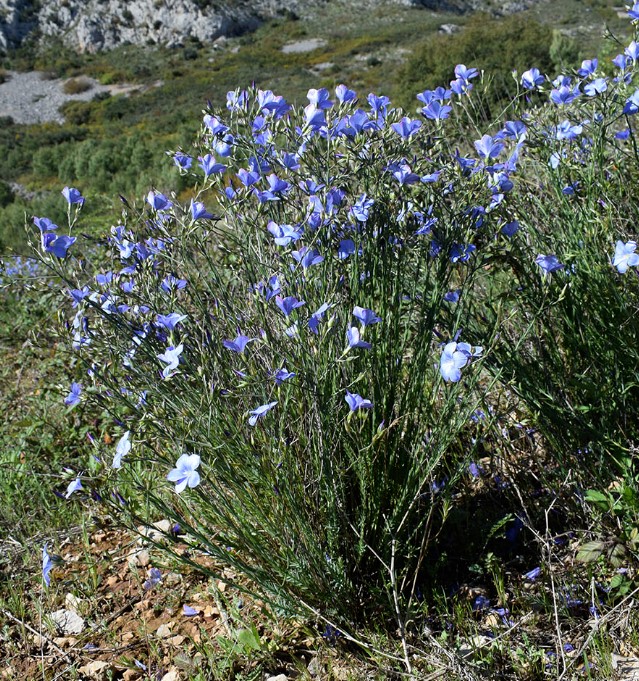
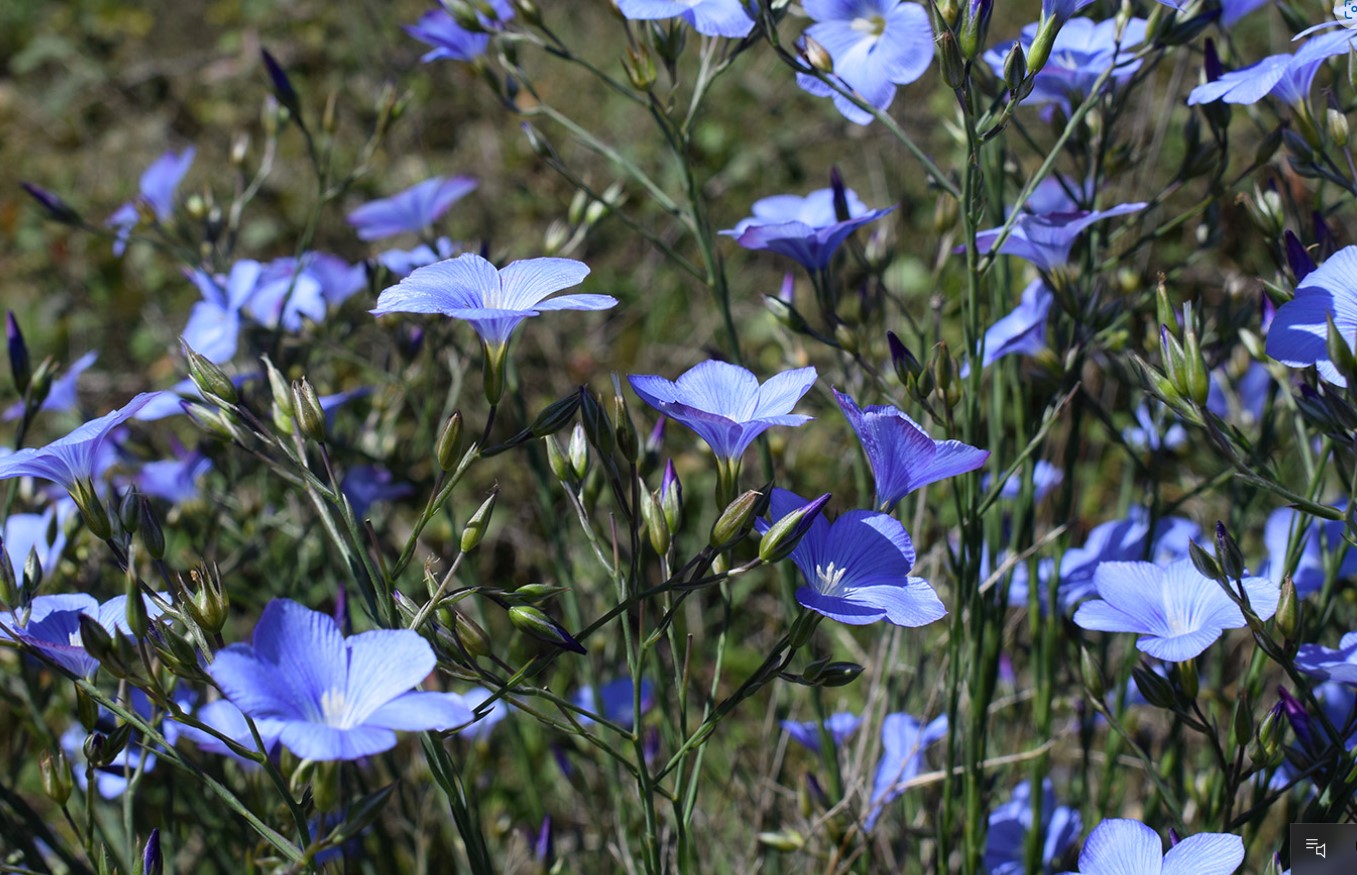
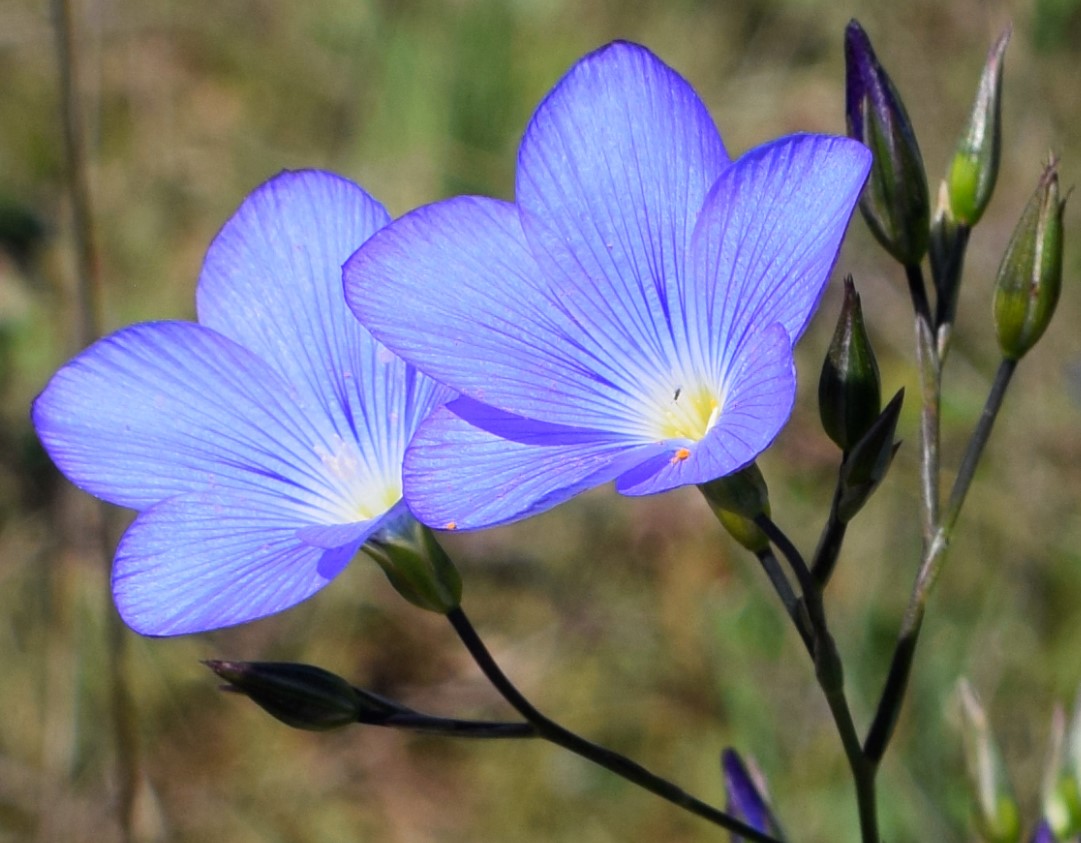
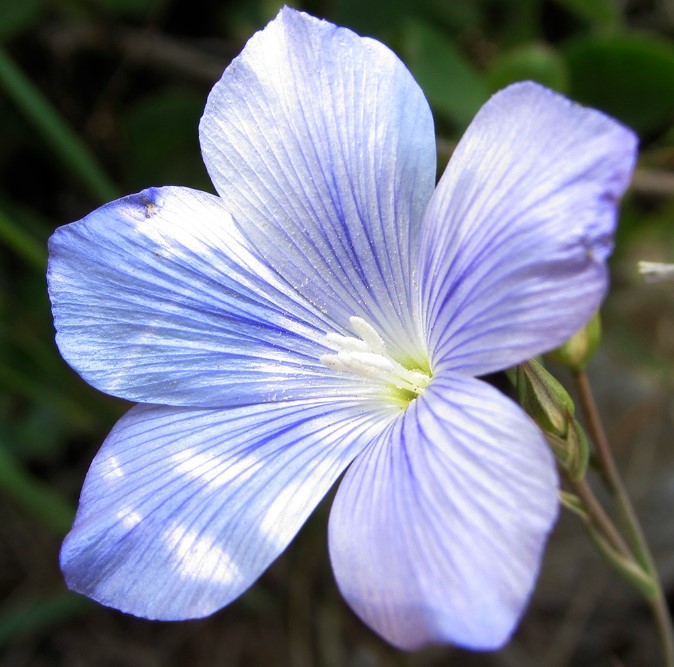
Narbonne flax (Linum narbonense)
| Description | Flowers, stem height | Varieties | Flowering time | Application |
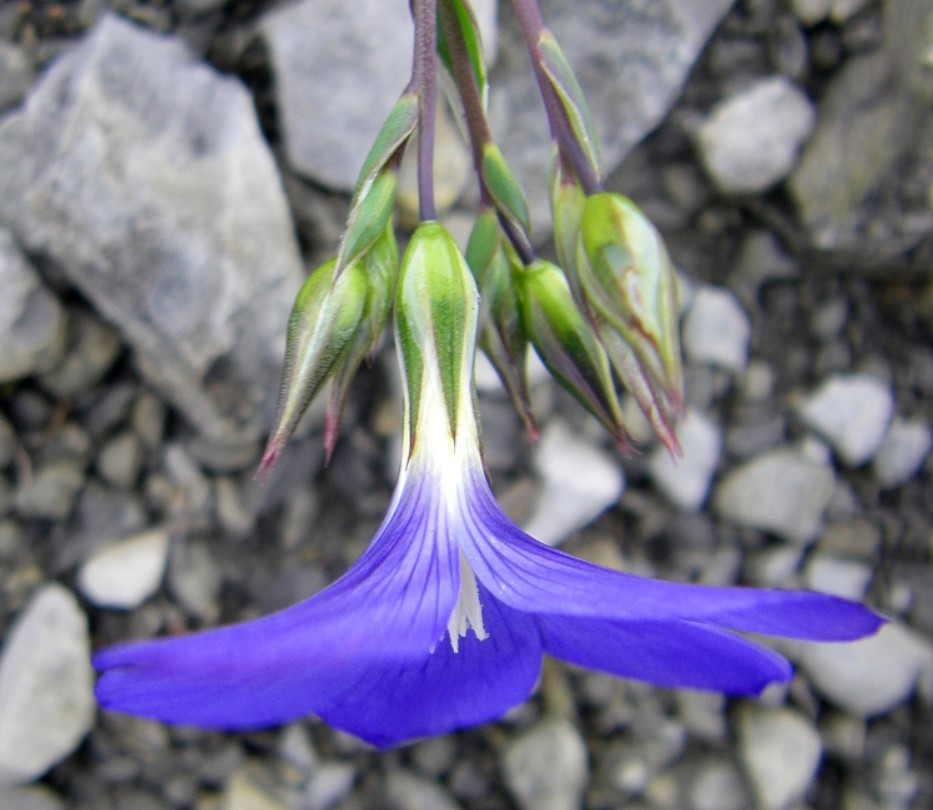
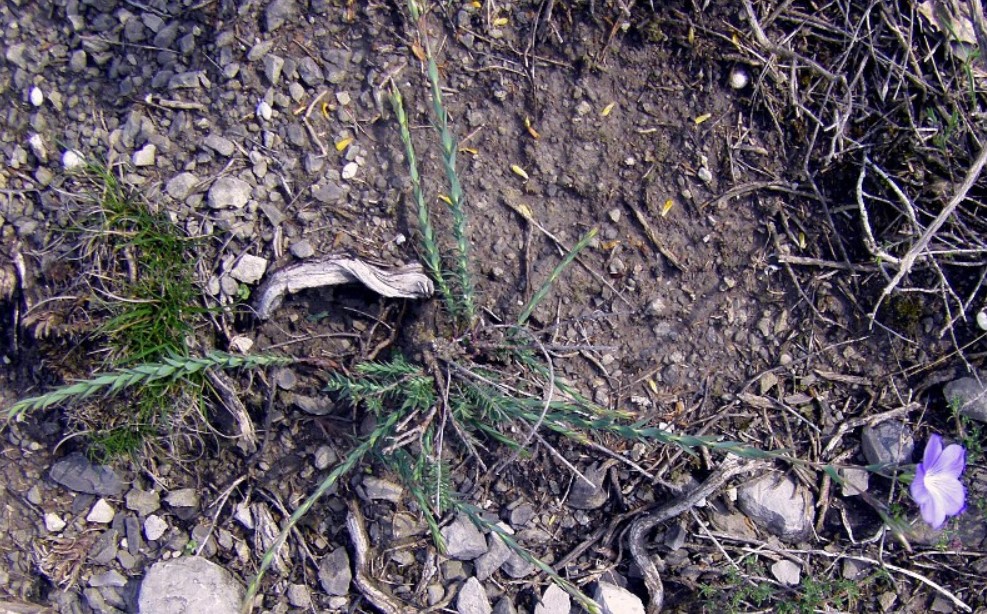
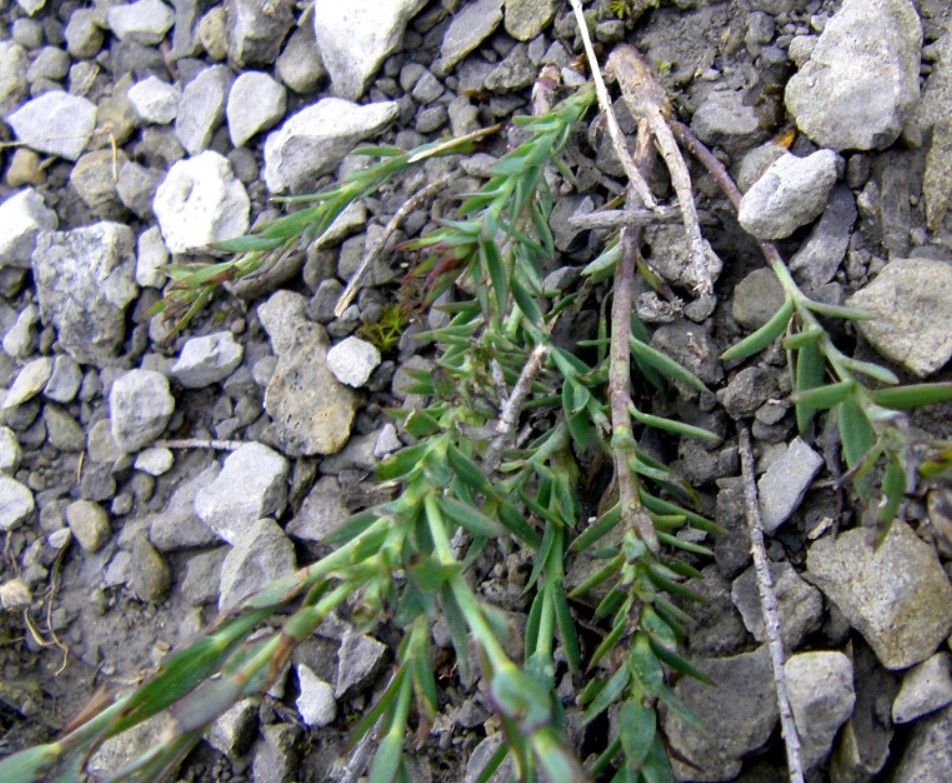
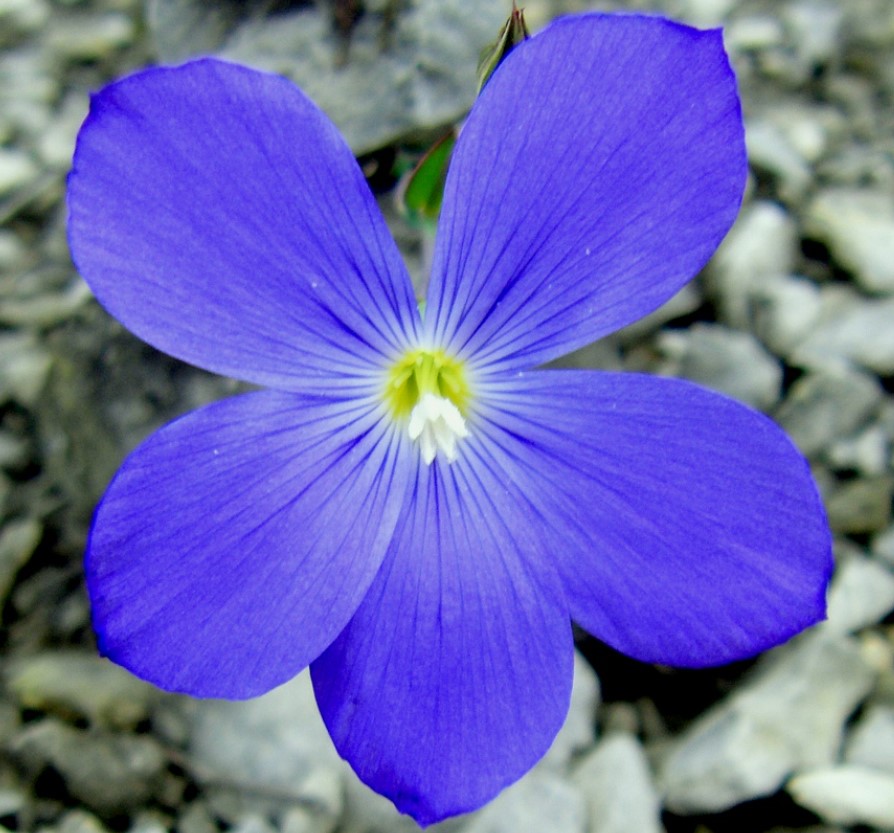
| The flower's homeland is believed to be the Mediterranean; its seeds are dark and glossy. The shoots are erect or slightly curved. | The flowers are small, veined purple. The shoots reach 40 cm in height. | Six Hills - Dark Purple Flowers.
|
June-July. | Grown as an ornamental plant in gardens. |
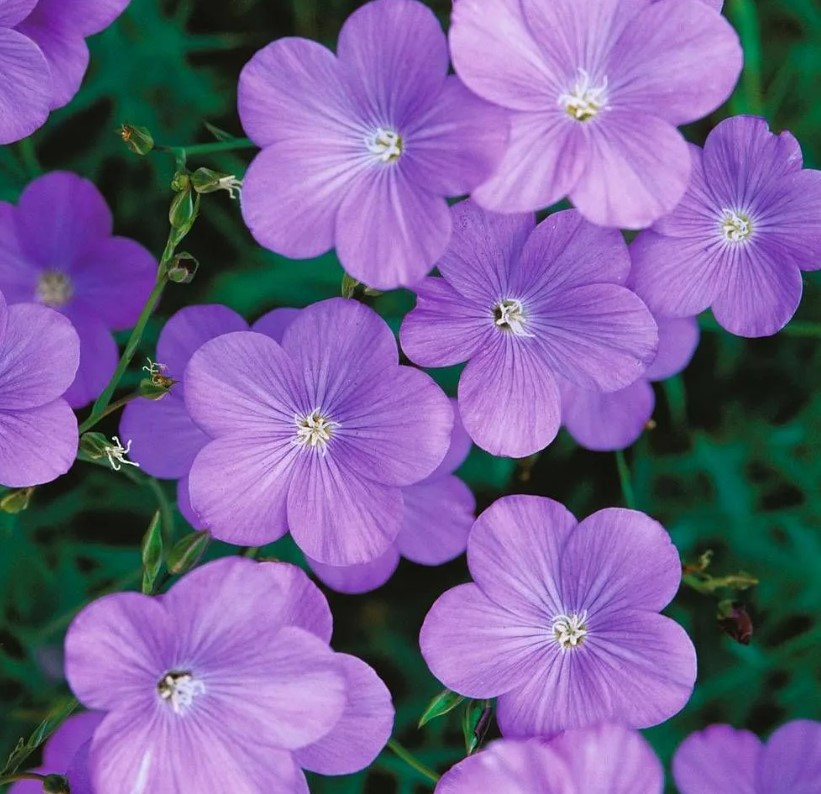
Photo gallery of Narbonne flax
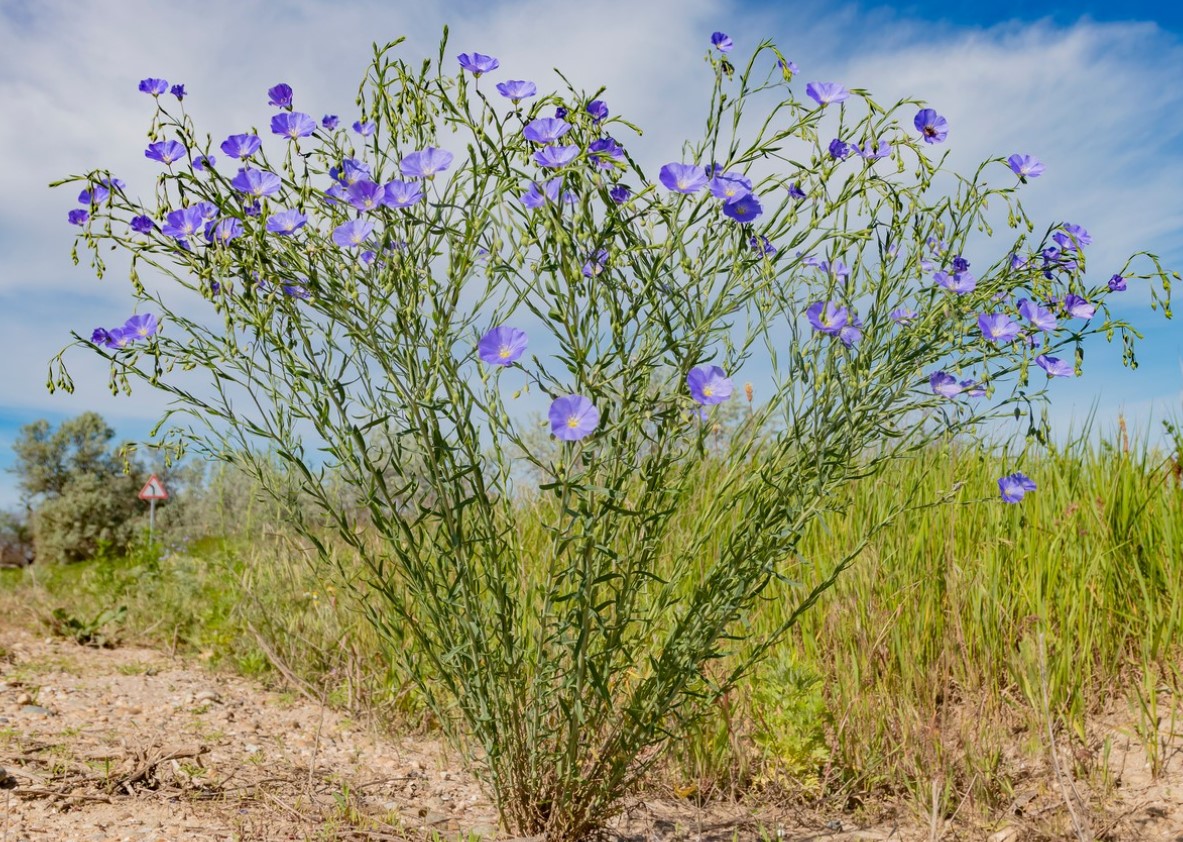
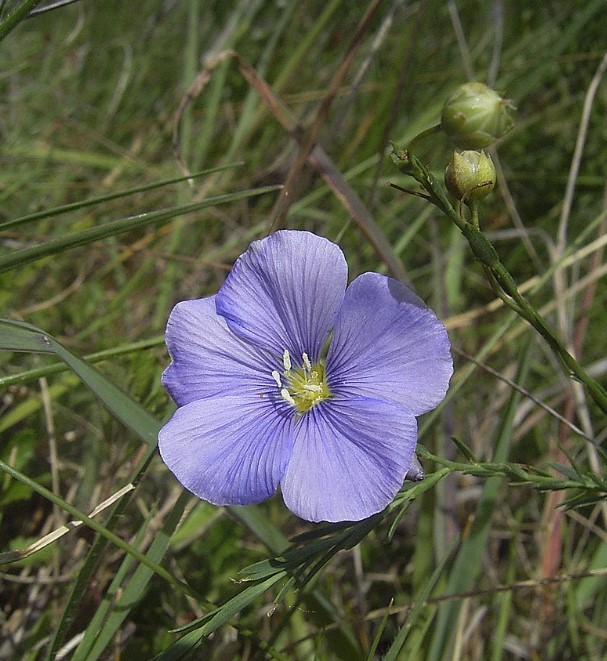
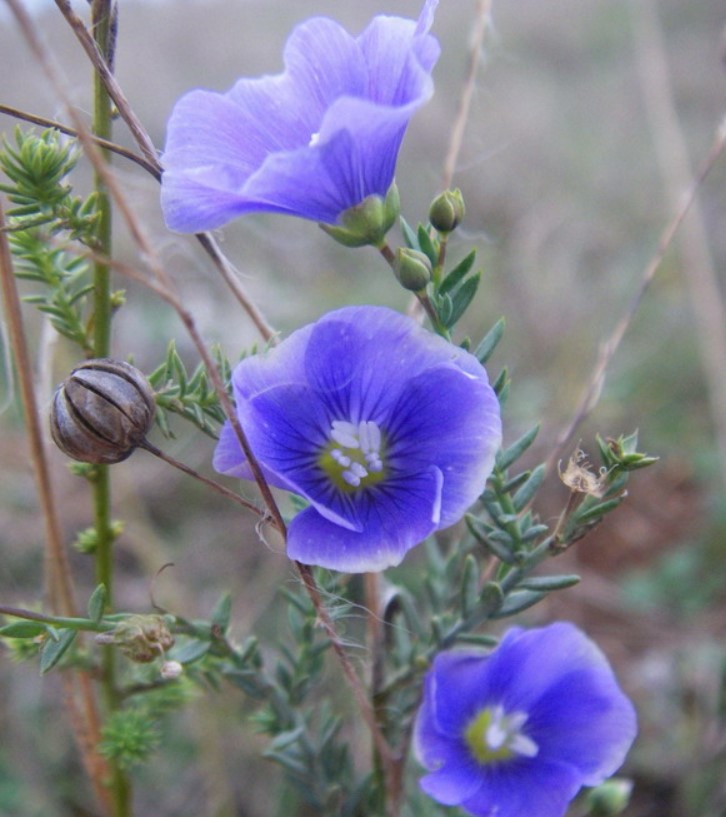
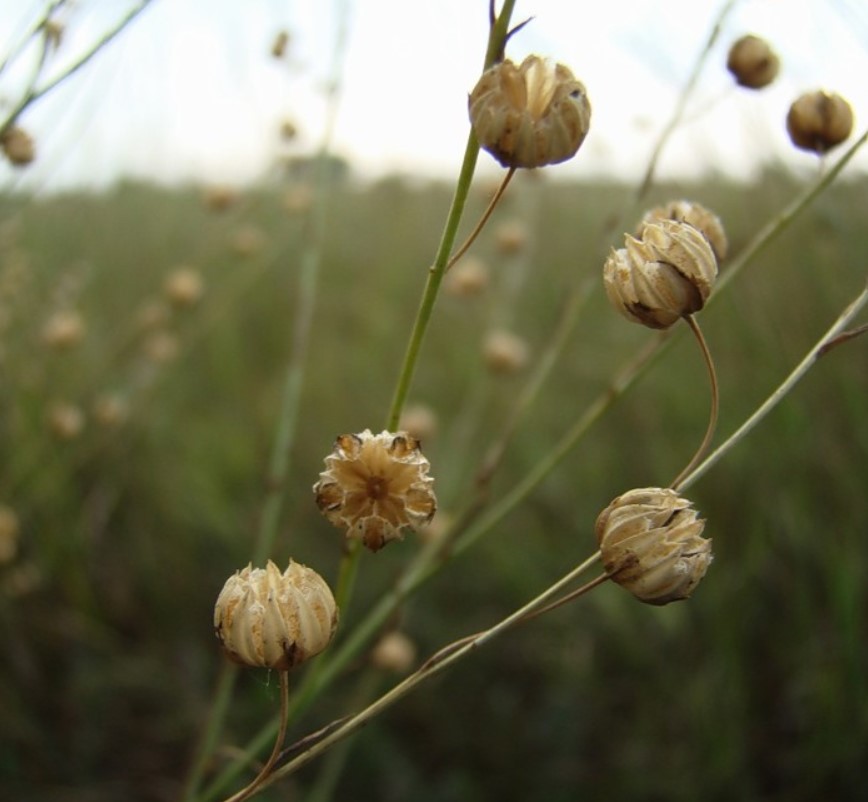
Austrian flax (Latin: Linum austriacum)
| Description | Flowers, stem height | Flowering time | Application |
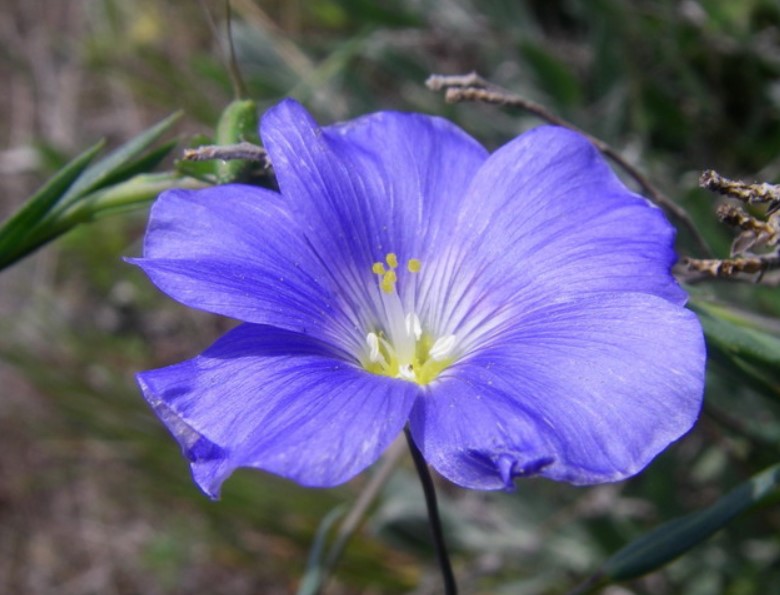
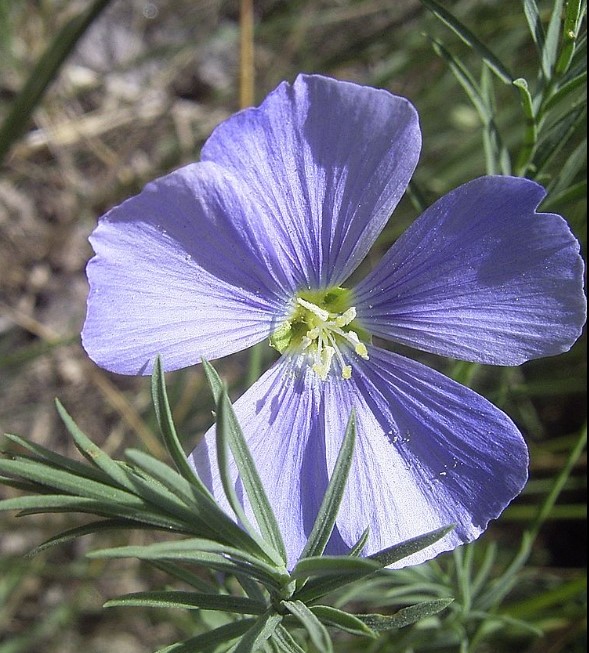
| An unbranched plant with erect shoots. The upper leaves are pointed, the lower ones are obtuse. The fruit is a five-celled capsule. It grows in calcareous soils and prefers warmth and light. | The stem height is 10-60 cm, the flowers are bluish-violet, with dark veins. | May – July. | Used to decorate areas. |
Photo gallery of Austrian flax
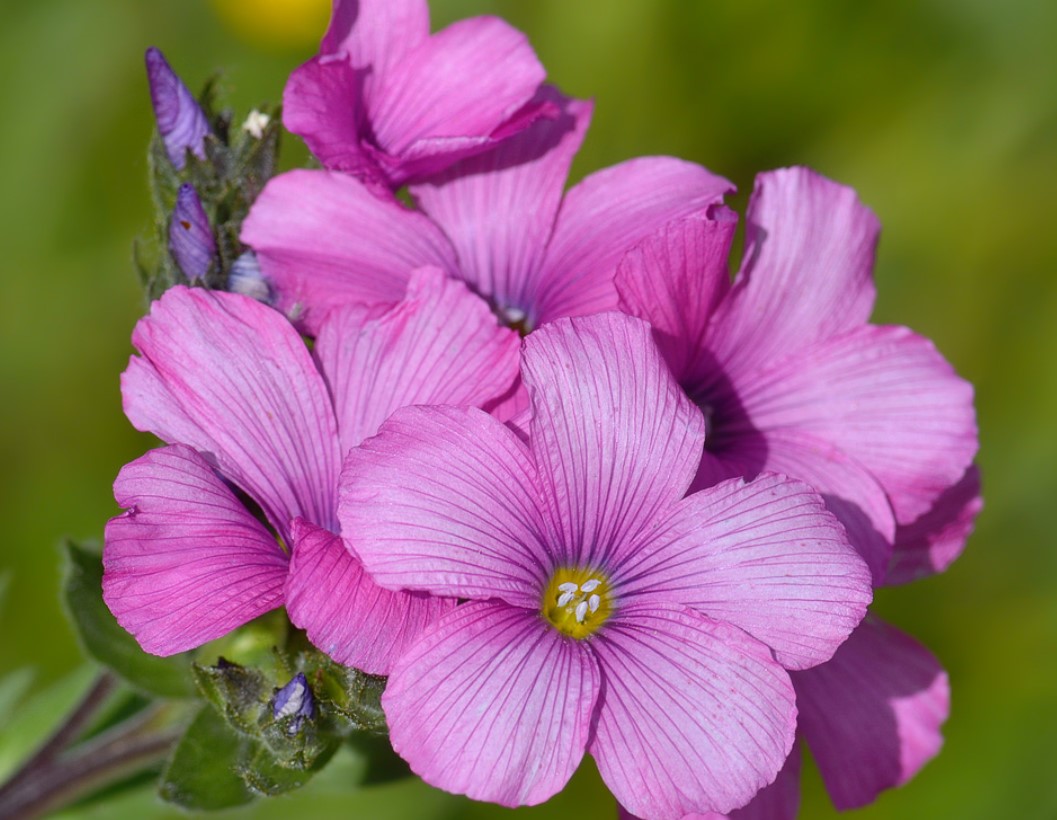
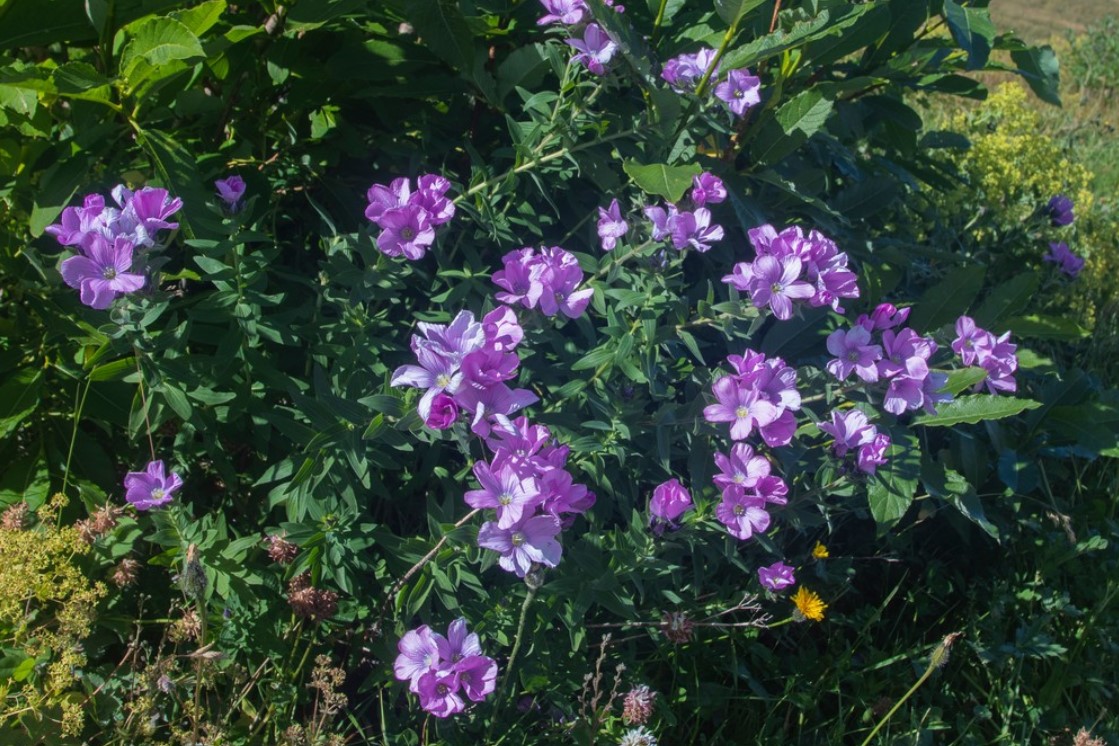
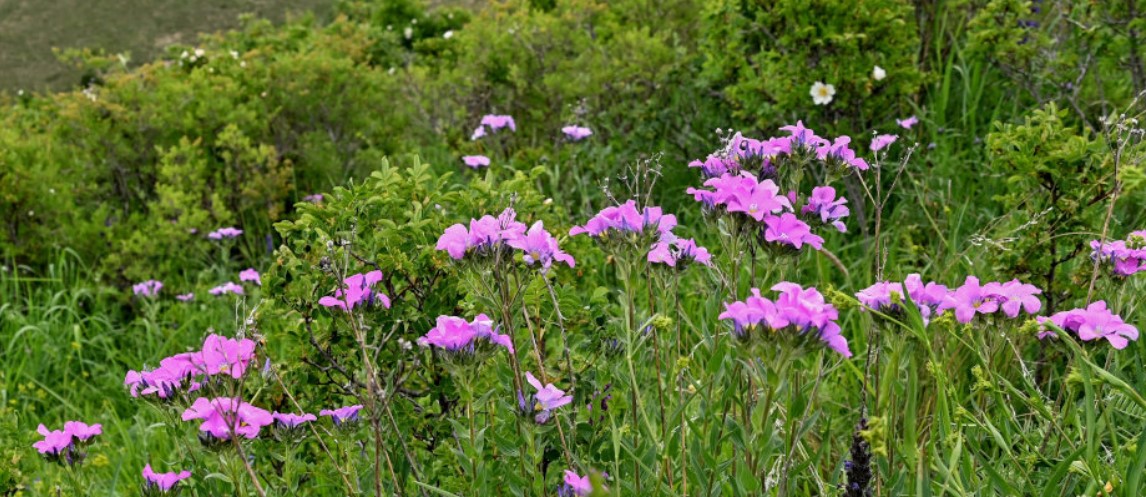
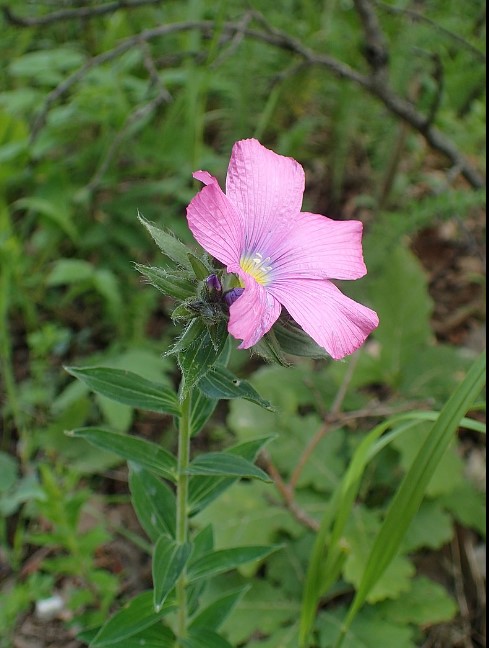
St. John's Wort (Linum hypericifolium)
| Description | Flowers, stem height | Flowering time | Application |
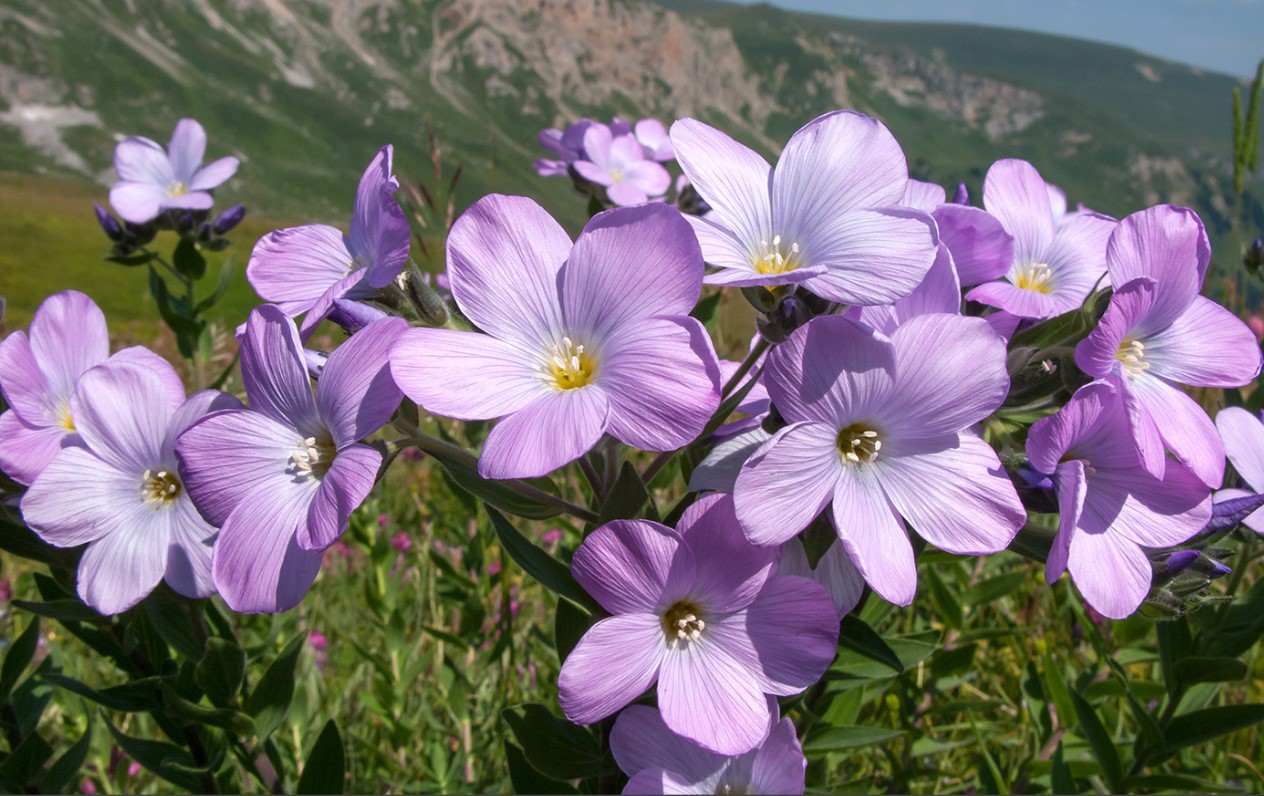
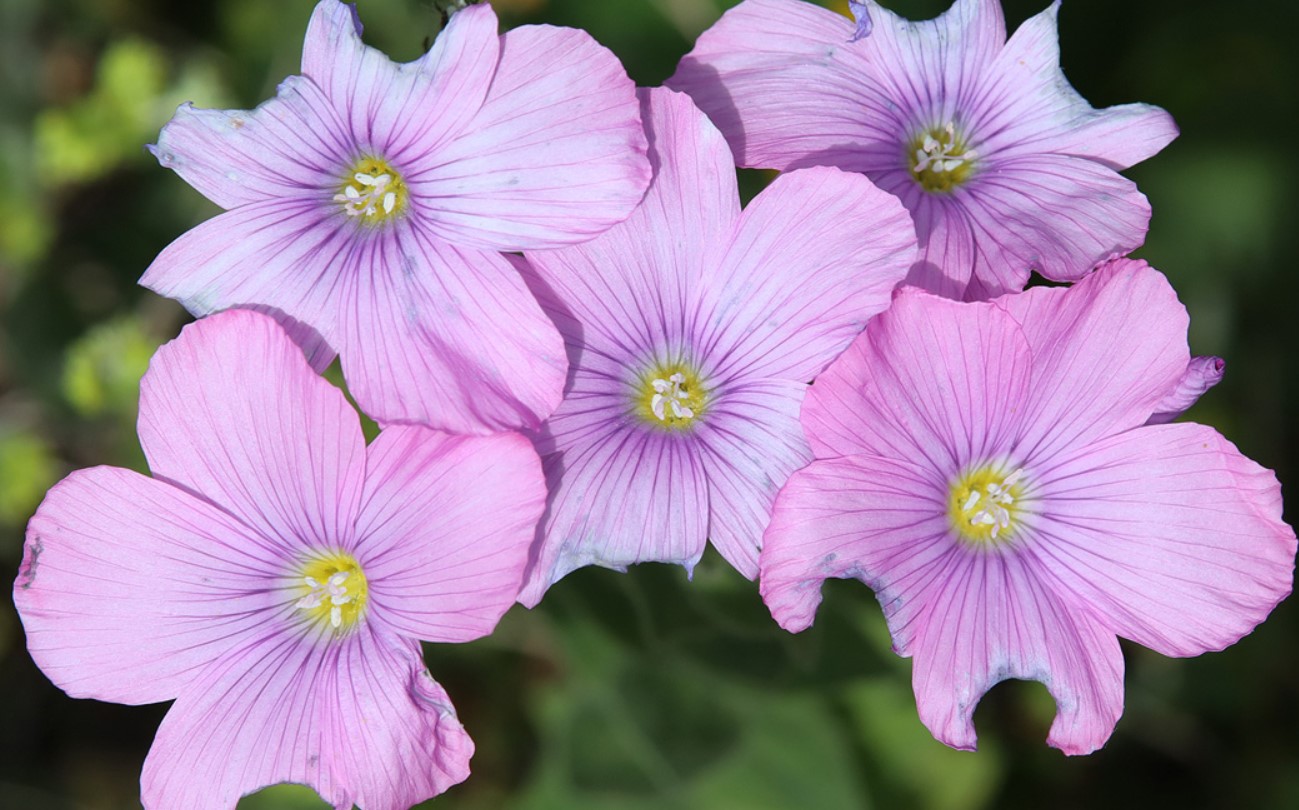
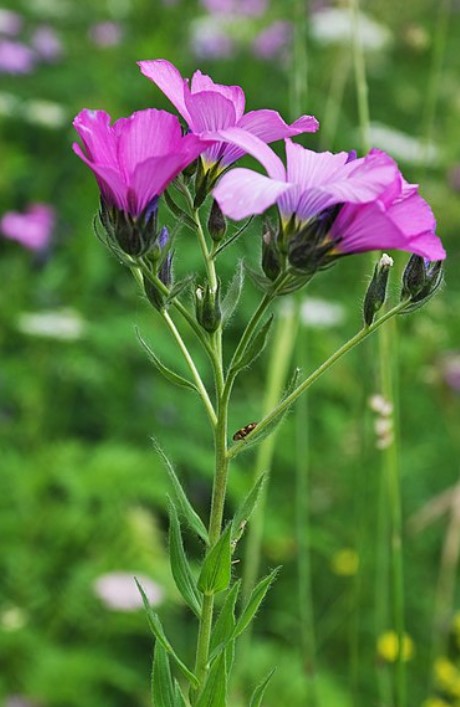
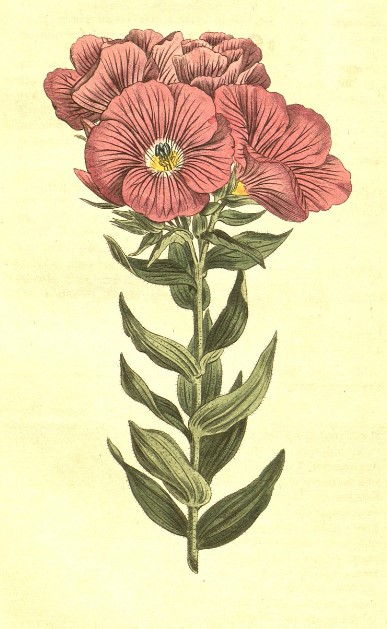
| A perennial plant with slender shoots and dense, bright green foliage. The seed capsule is round and hairy. It grows in meadows and mountain forests; in Russia, it is found in the Caucasus. | The petals are bright purple. | June-July. | Used to decorate flower beds. |
Photo gallery of St. John's Wort flax
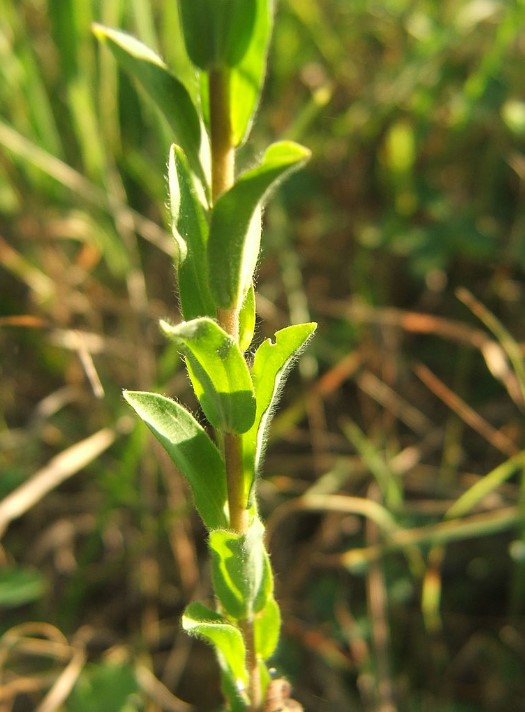
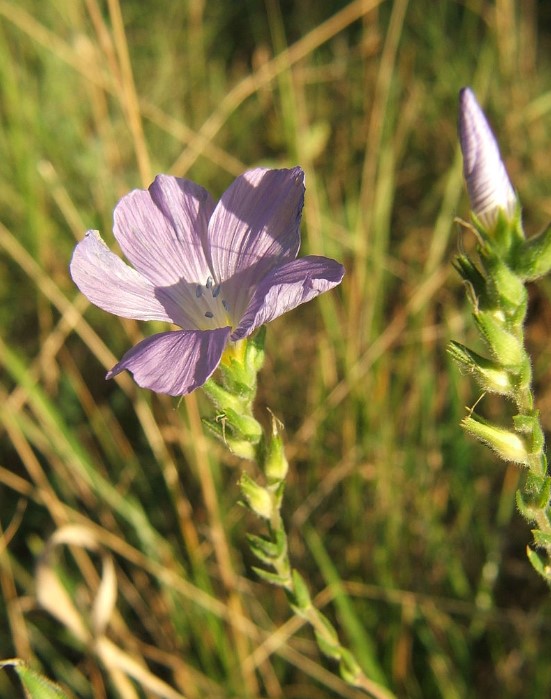
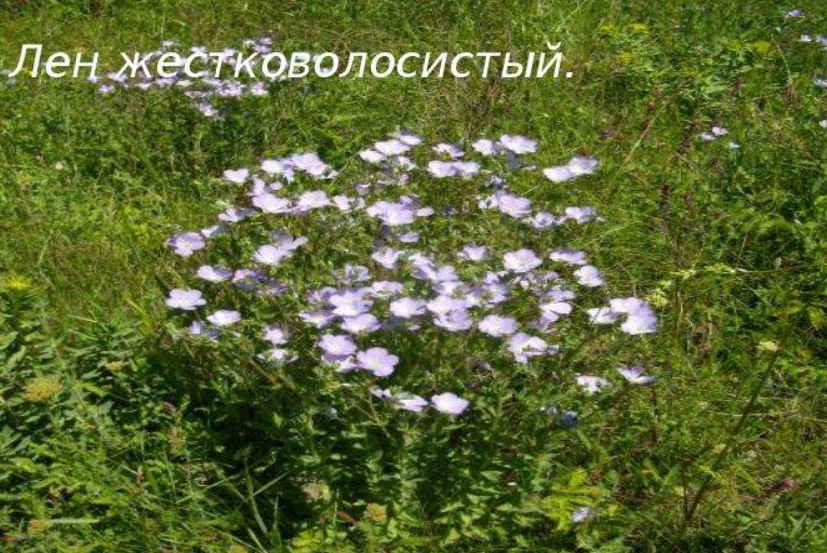
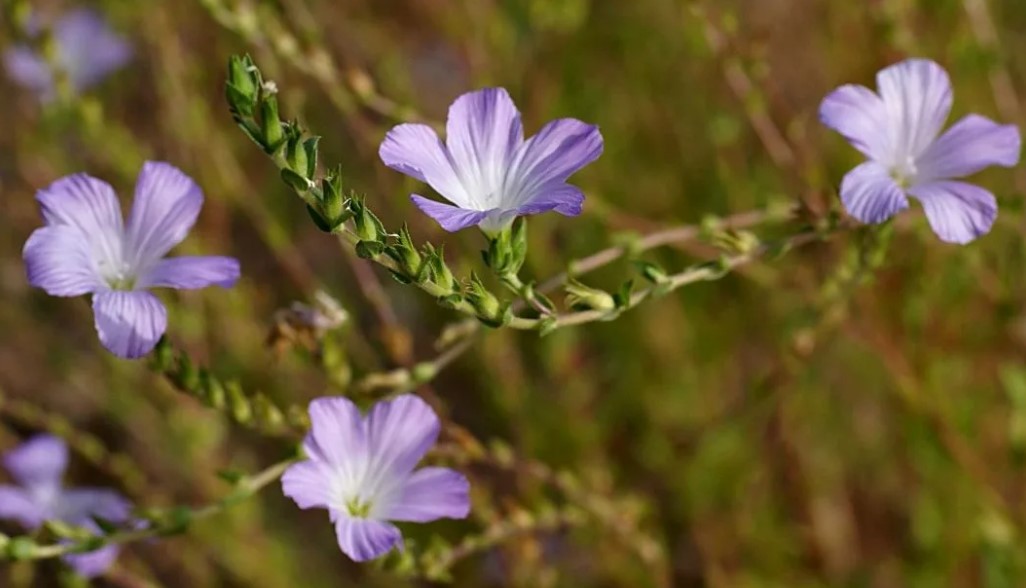
Hard-haired flax (Linum hirsutum)
| Description | Flowers, stem height | Flowering time | Application |
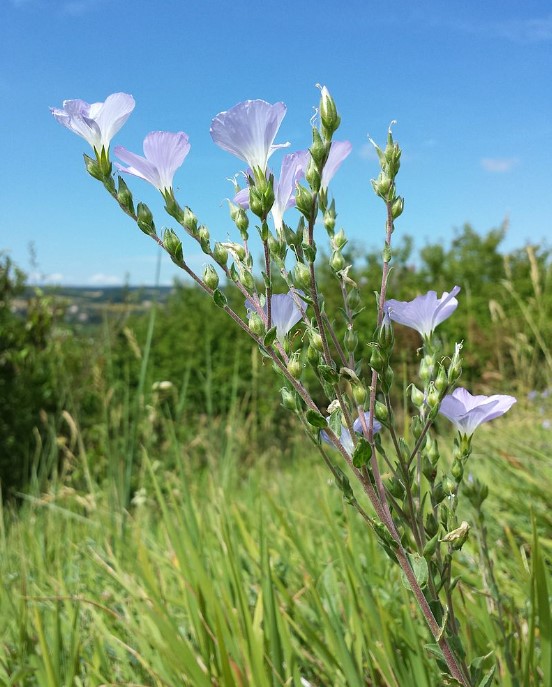
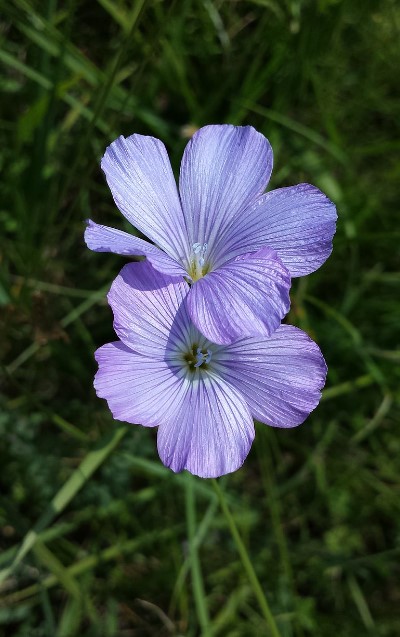
| A perennial with hairy shoots and sessile leaves of a greenish-blue hue. It grows in forest-steppes, calcareous soils, and rocky slopes. In some regions, it is listed as an endangered species. | The height of the shoots varies from 8 to 40 cm. The flowers are bluish-lilac. | June | Used in landscape design. |
Photo gallery of flax
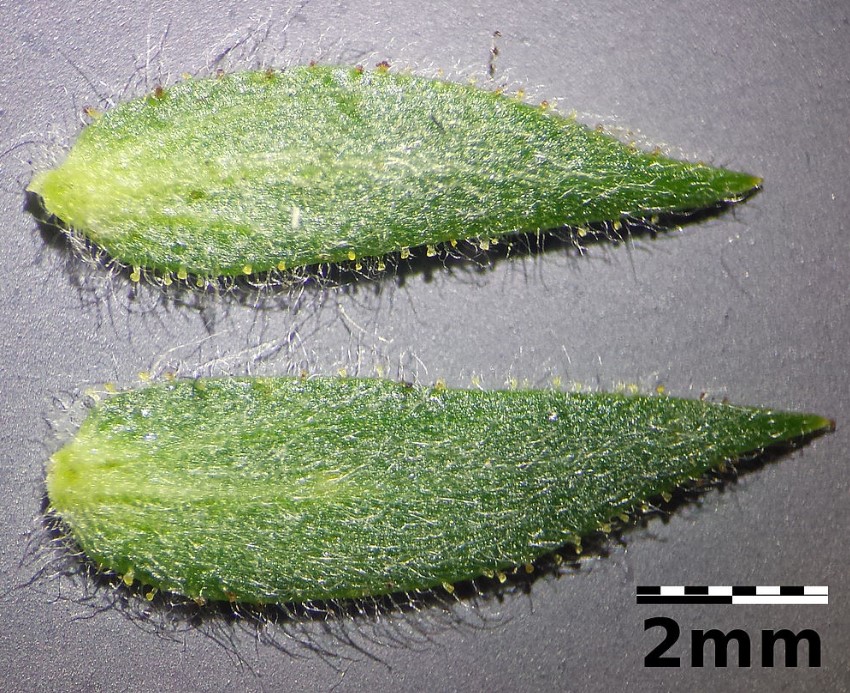
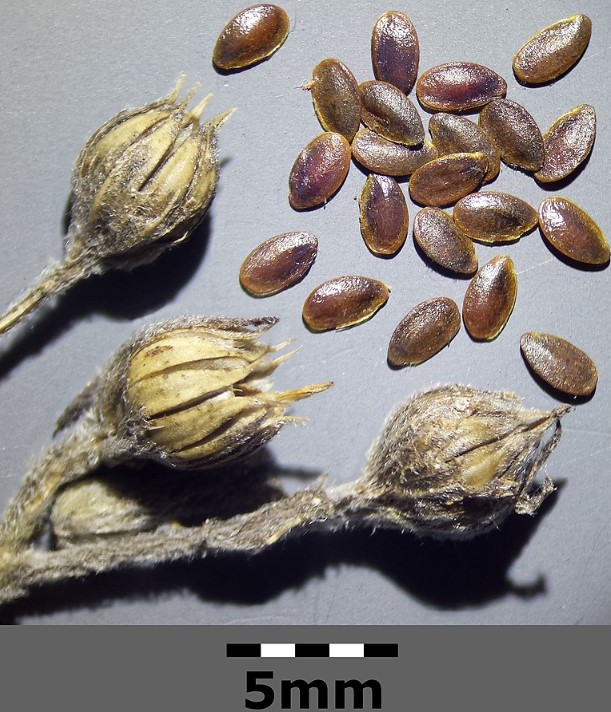
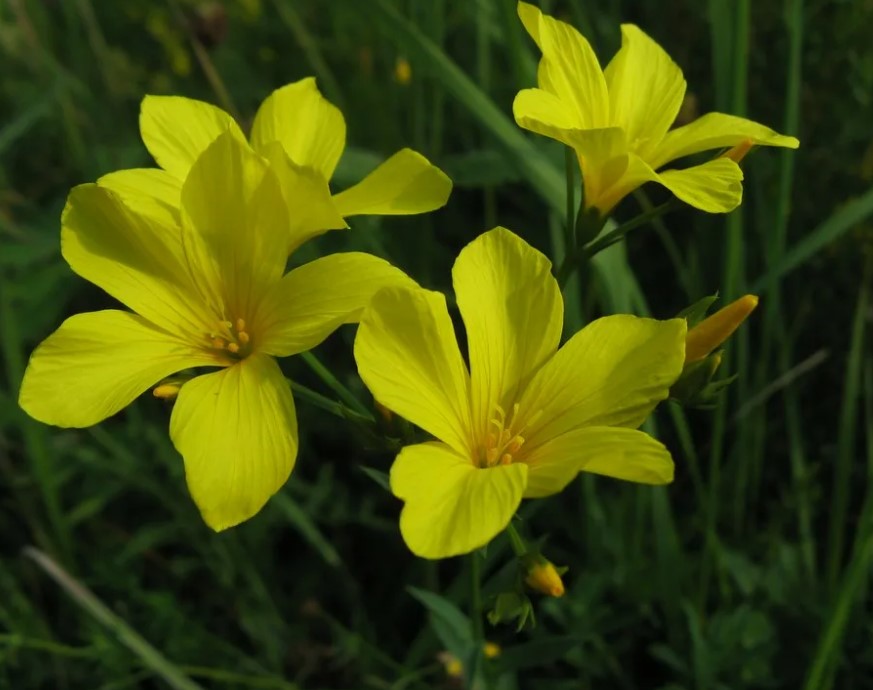
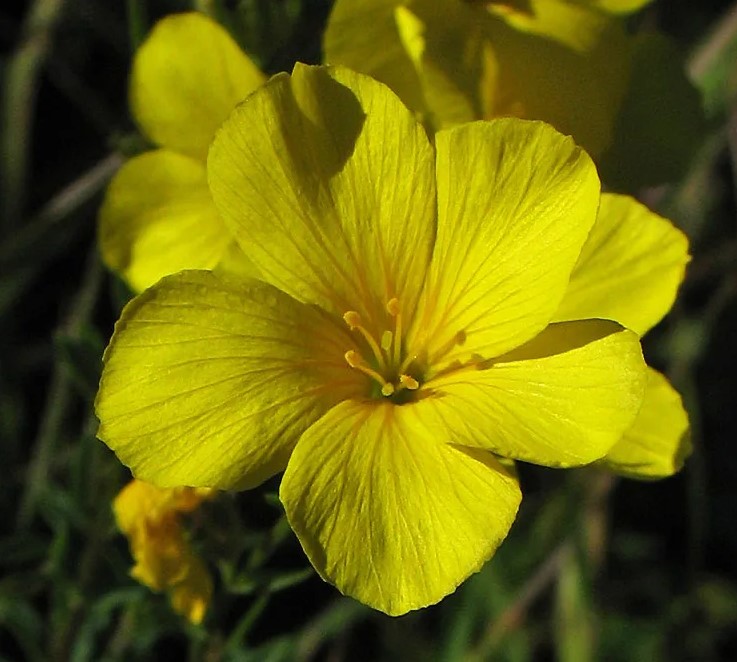
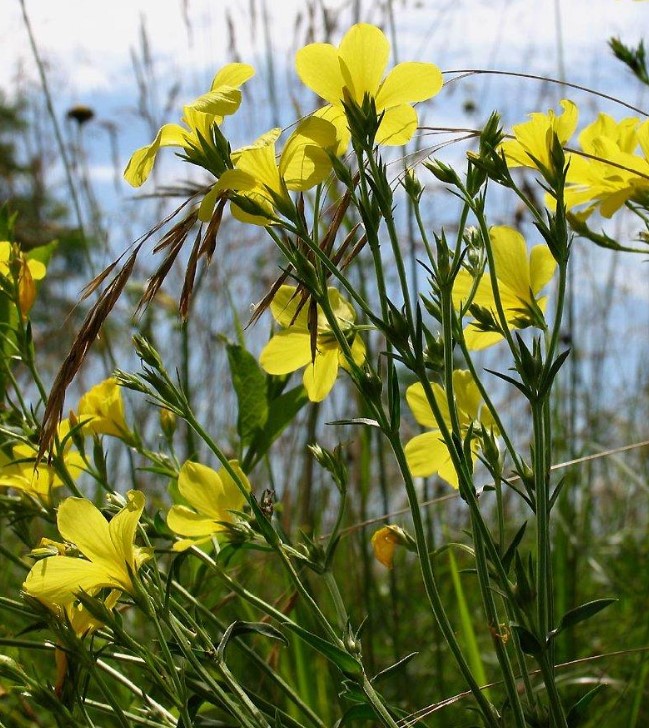
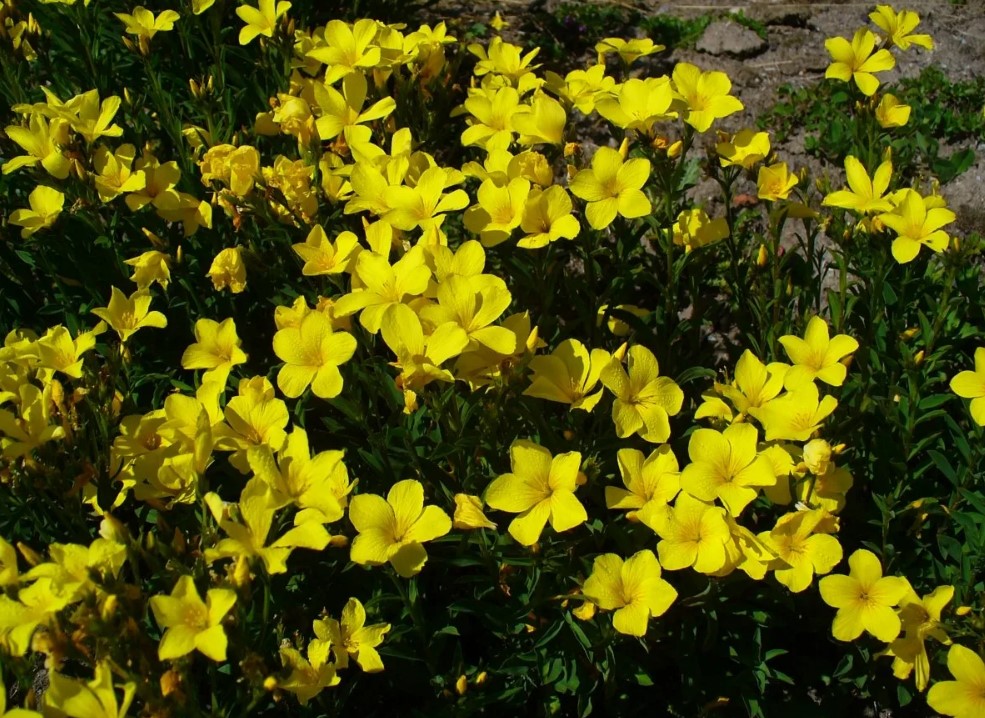
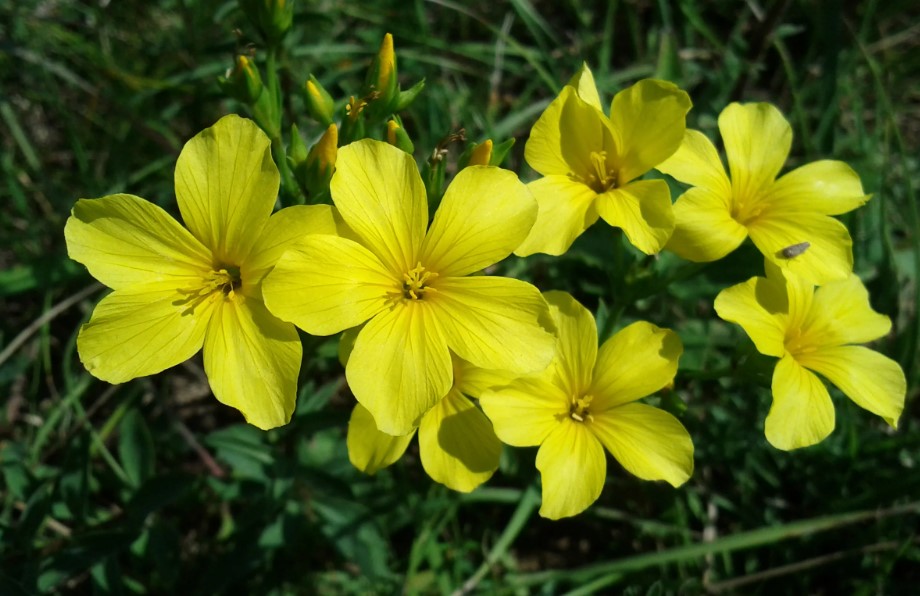
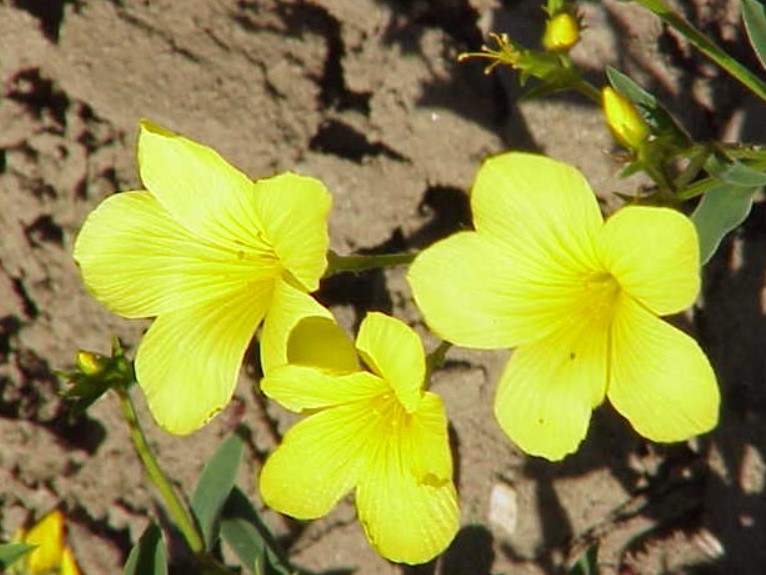
Yellow flax (Linum flavum)
| Description | Flowers, stem height | Flowering time | Application |
| Prefers dry, well-lit areas and calcareous soils. The shoots are unbranched, with numerous, pointed, green leaves. The seeds are located in a spherical capsule. | The height of the shoots is 20-50 cm, the flowers are yellow with dark veins. | June-July. | Decorative purpose. |
Photo gallery of yellow flax
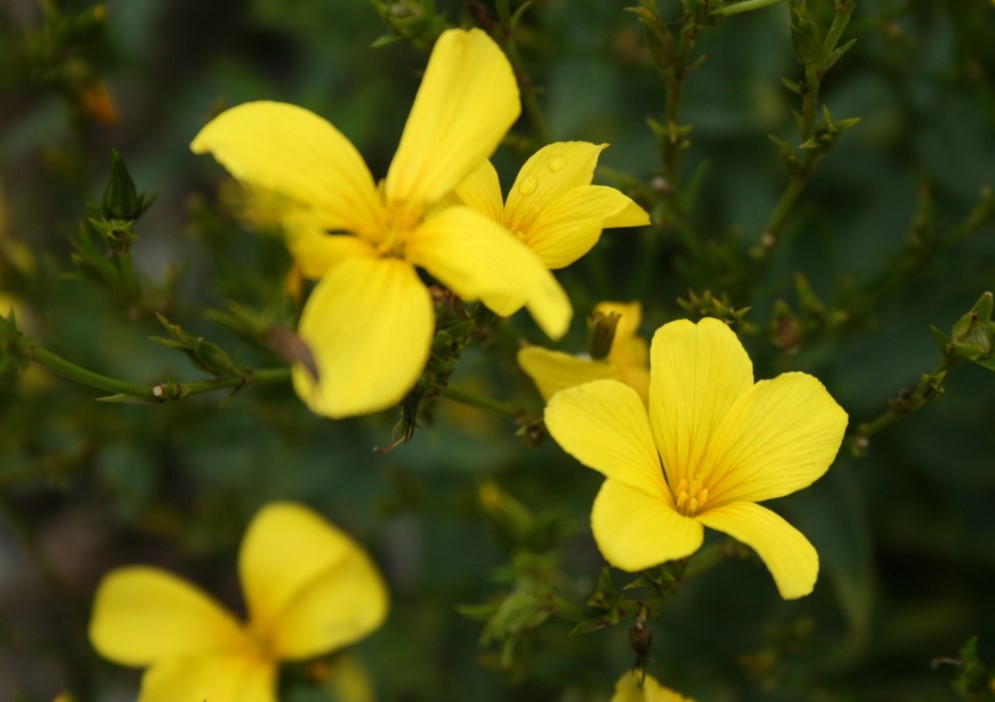
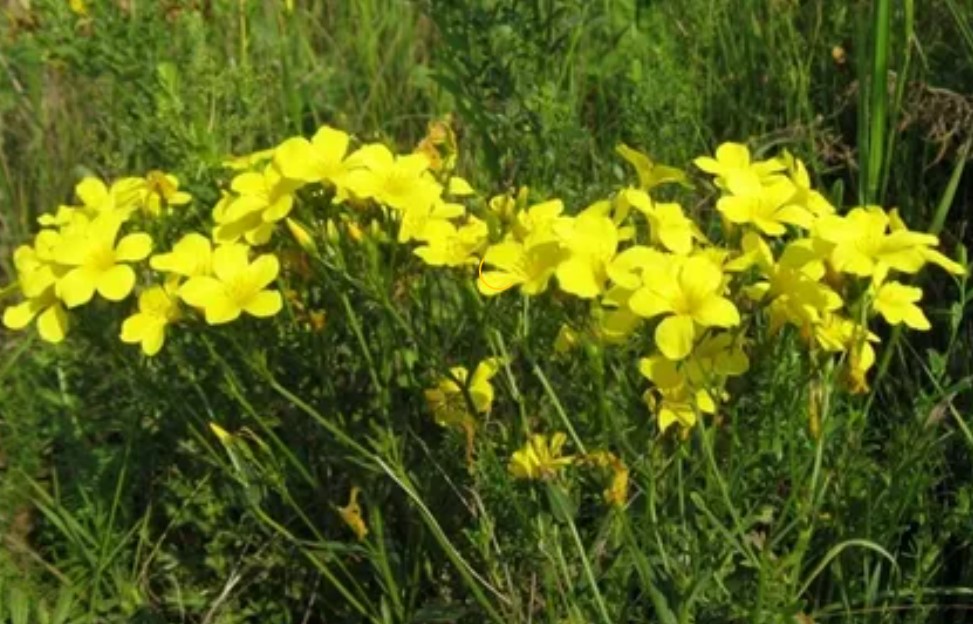
Types and varieties of annual flax
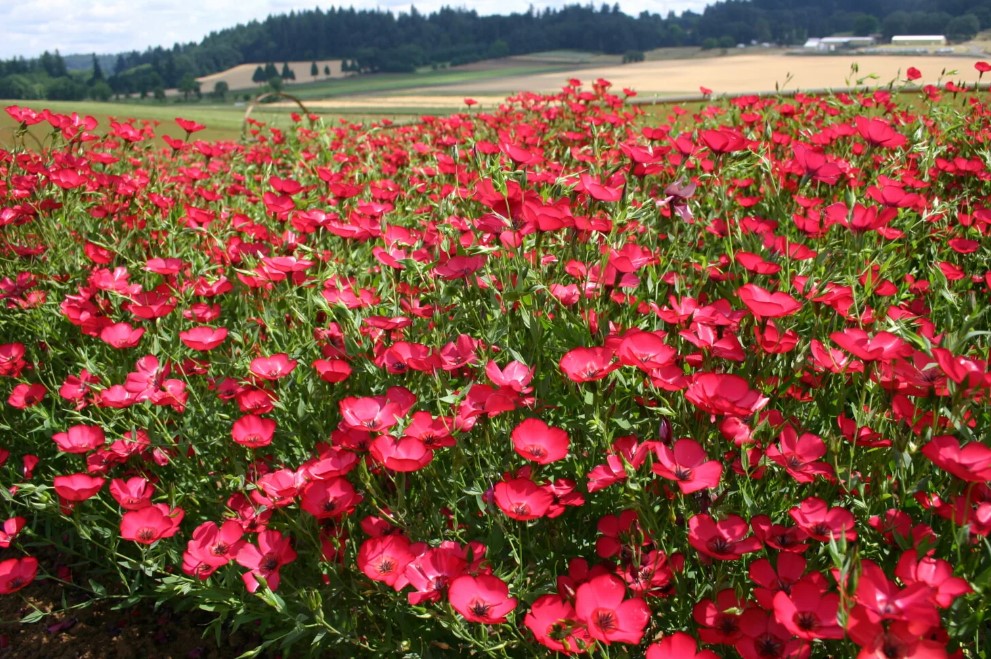
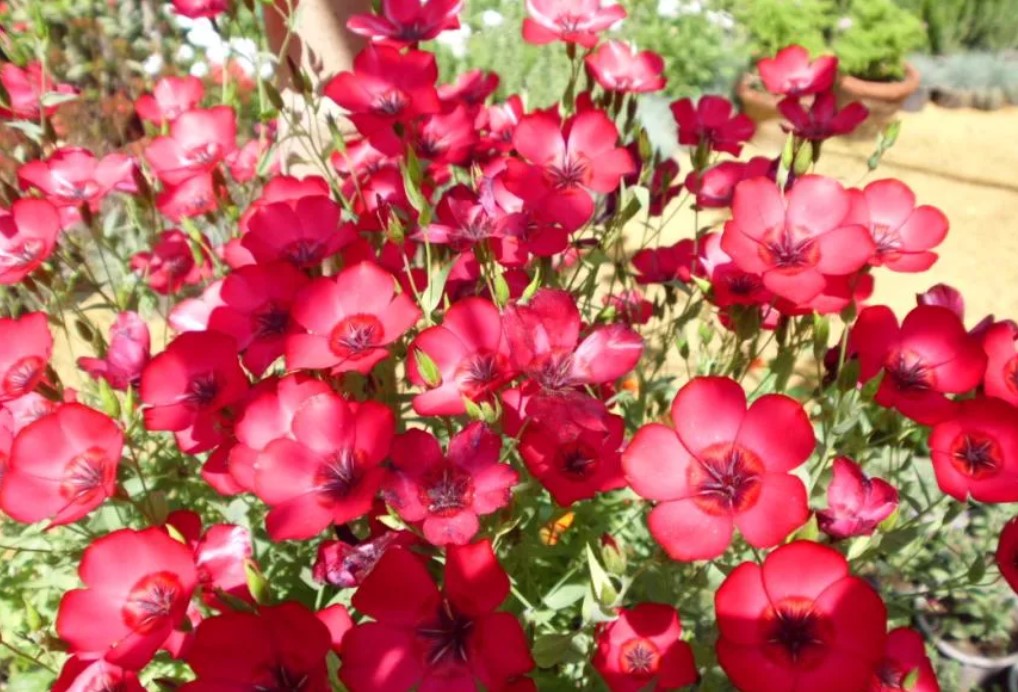
Large-flowered flax (Linum grandiflorum)
| Description | Flowers, stem height | Flowering time | Application |
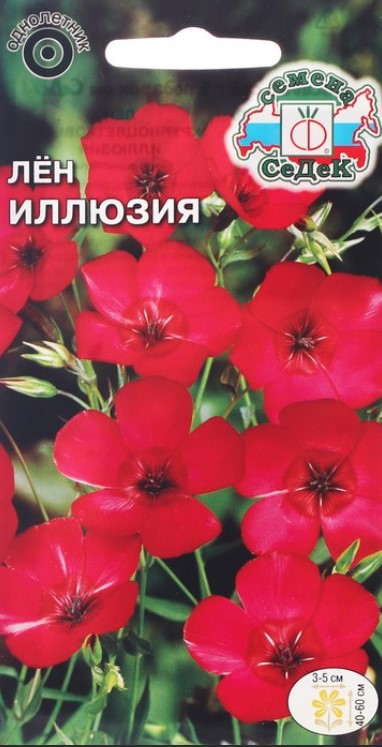
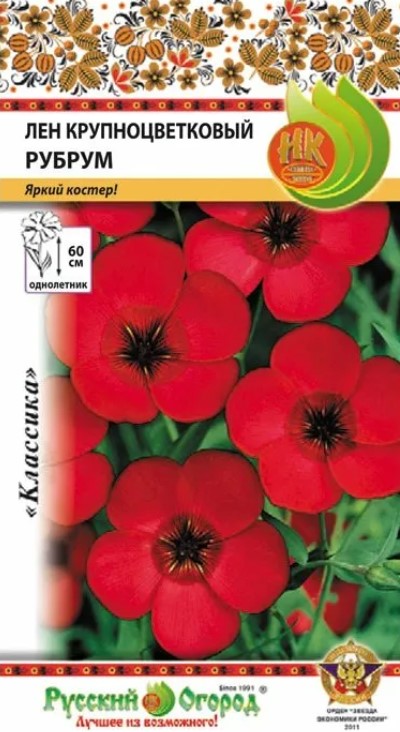
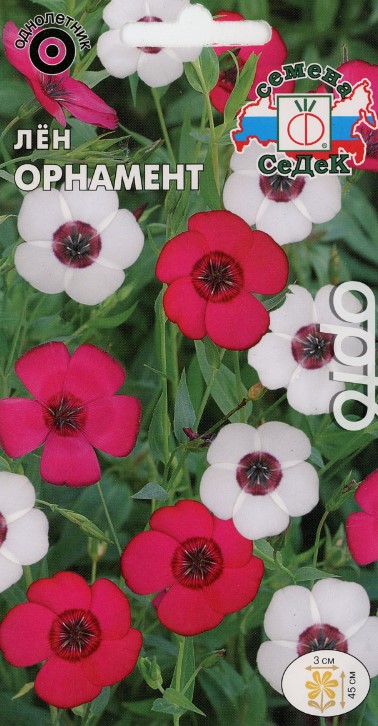
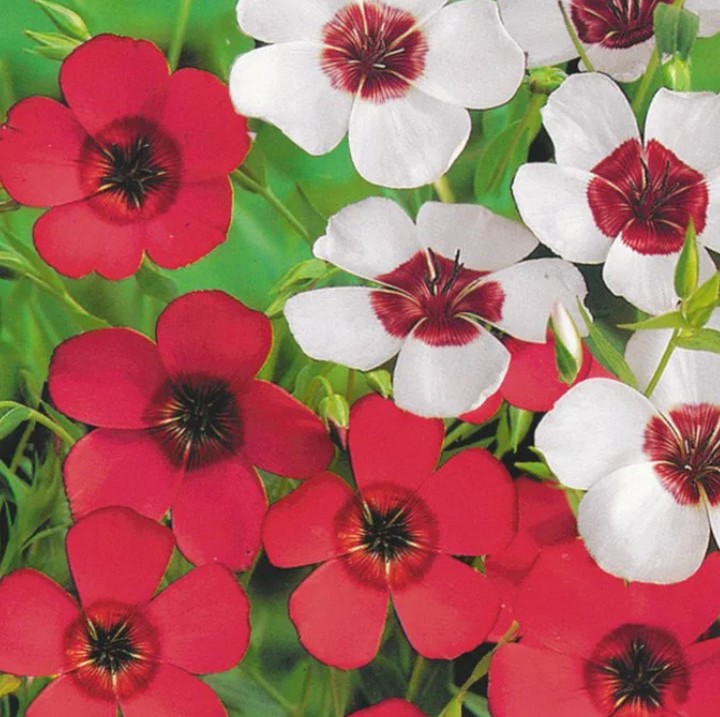
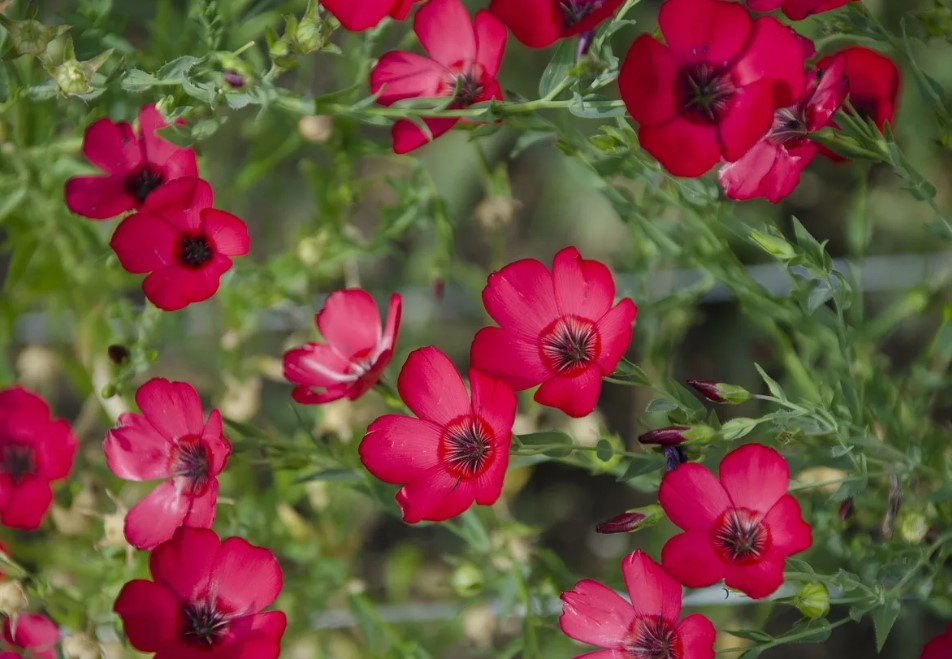
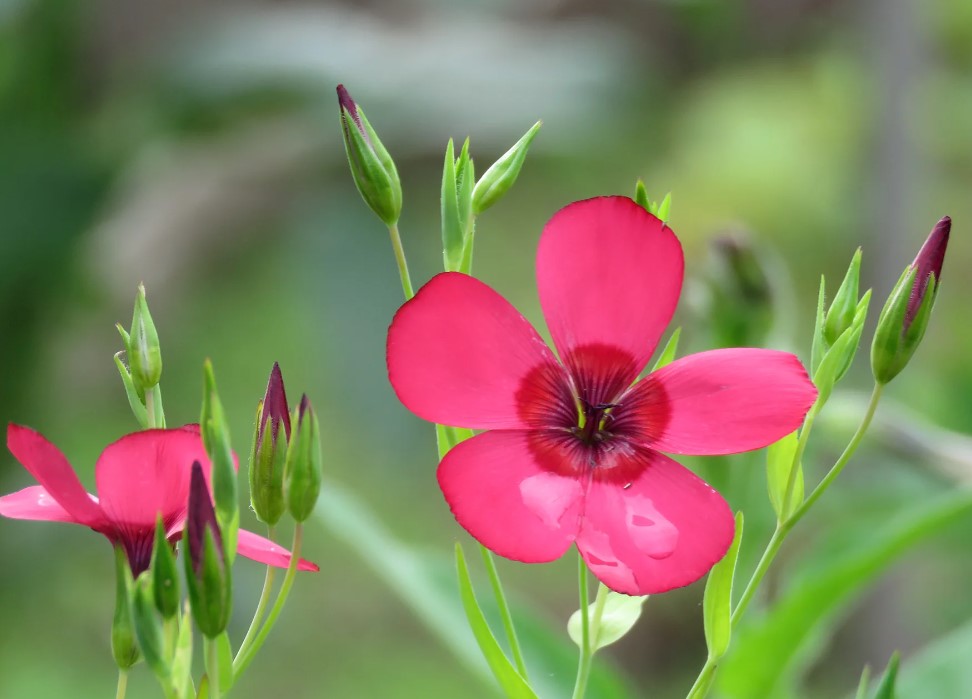
| The leaves are green with a slight bluish tint, and the buds open only in full sun. The fruits are spherical, up to 8 mm long. | The height of the shoots is up to 50 cm, the flowers are red, up to 5 cm in diameter. | June-July. | Decorative purpose. |
Photo gallery of large-flowered flax
Common flax
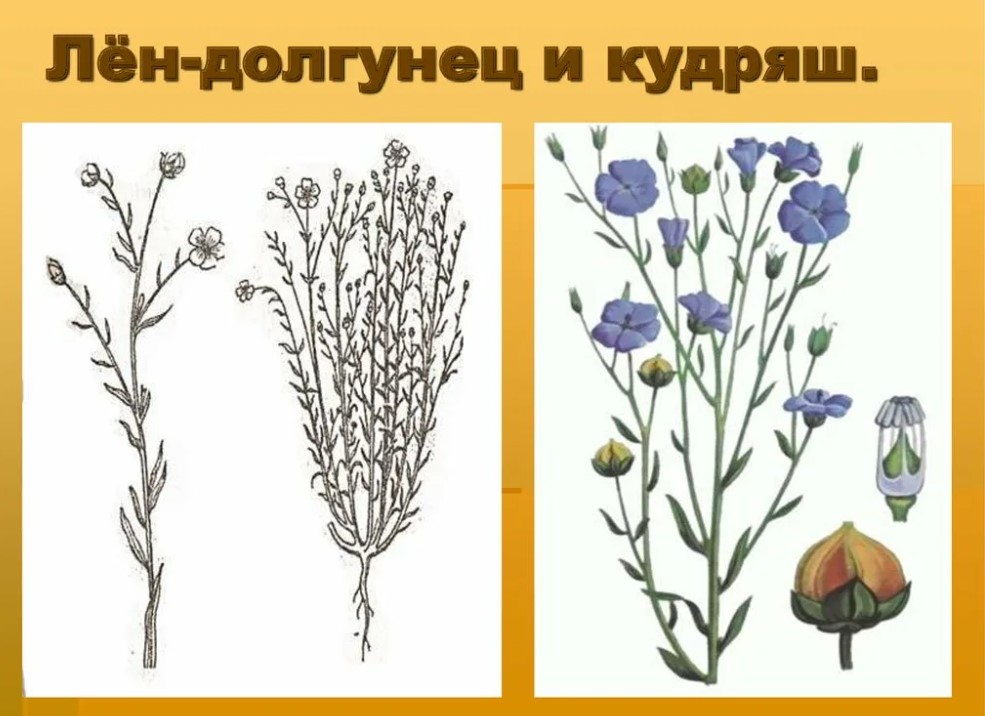
Common flax is divided into 4 subgroups, which are described in the table below.
| Name | Flowers, stem height | Flowering time | Application |
| Flax
|
The shoots are 120 cm tall, with sparsely branched tops. The flowers are bluish. | June-July | Used to obtain fiber. |
| Curly flax
|
The shoots are low-growing and highly branched. | June-July | Grown for its seeds, from which oil is made. |
| Len-mezheumok
|
The height of the shoots is about 60-80 cm, branching is moderate, the flowers are blue. | June-July | Used to obtain seeds.
Both fiber and oil can be produced. |
| creeping flax | The shoots creep along the ground and are up to 60 cm long. The flowers are bluish-violet. | June-July | Used for collecting seeds, decorating flowerbeds, borders, and alpine slides. |
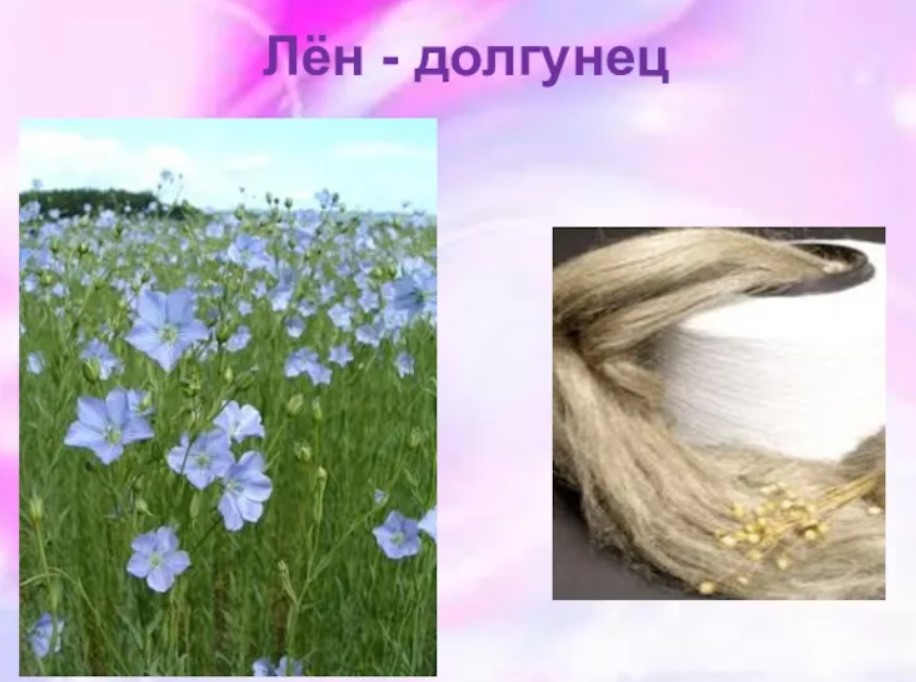
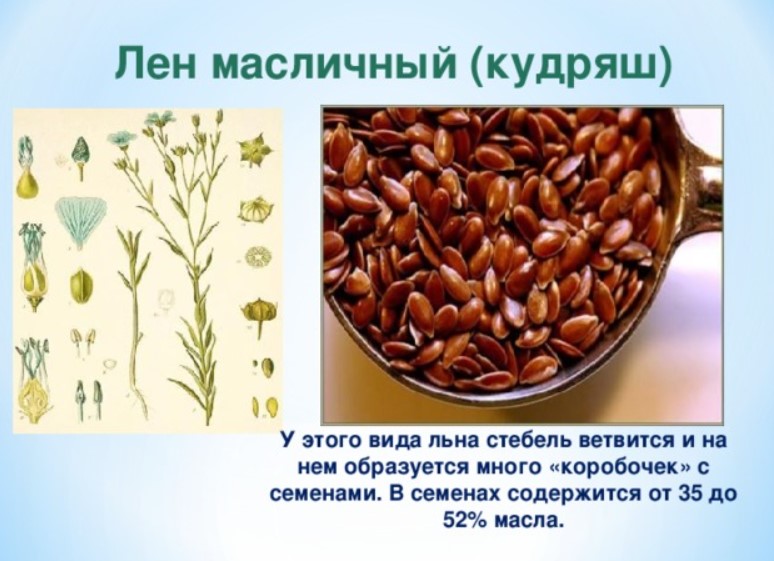
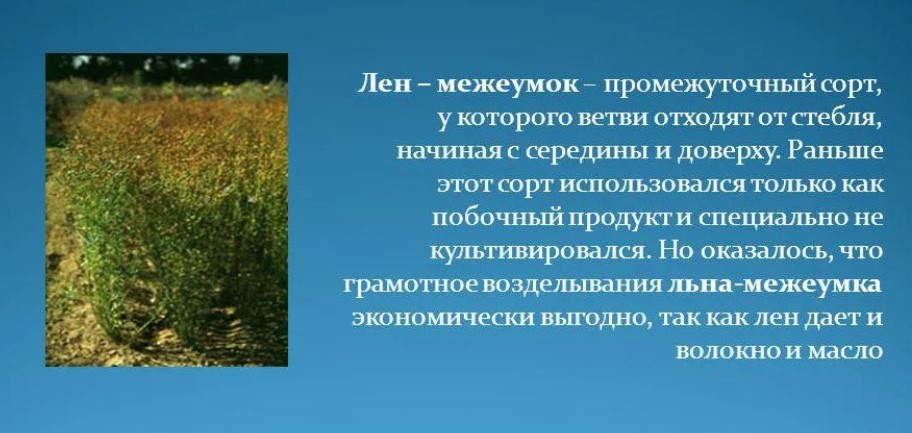
Photo gallery of common flax
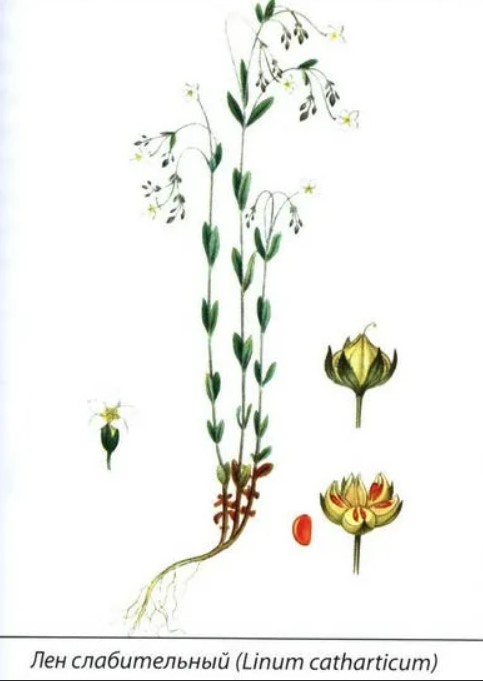
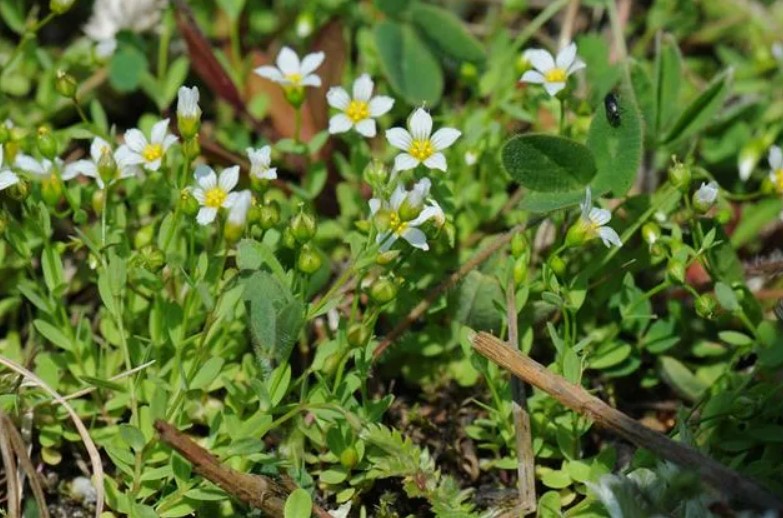
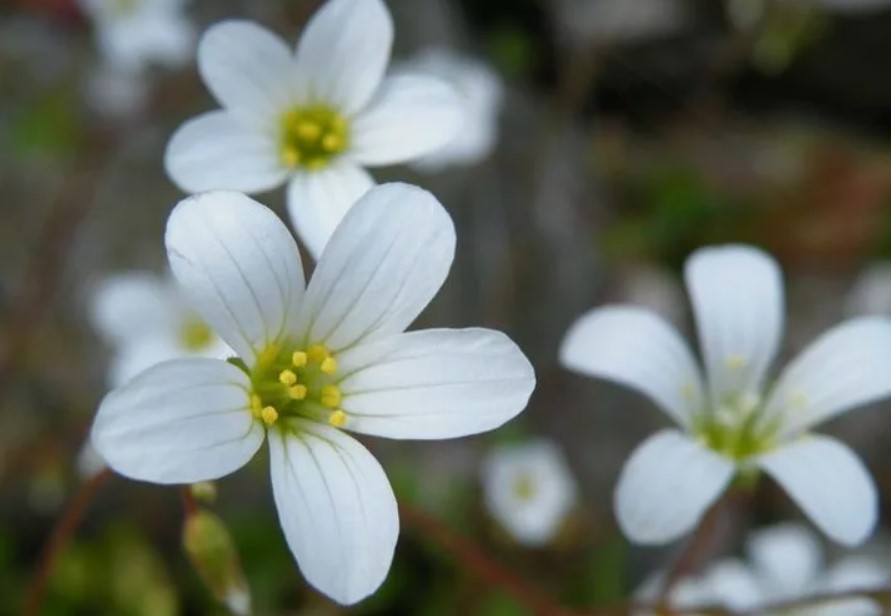
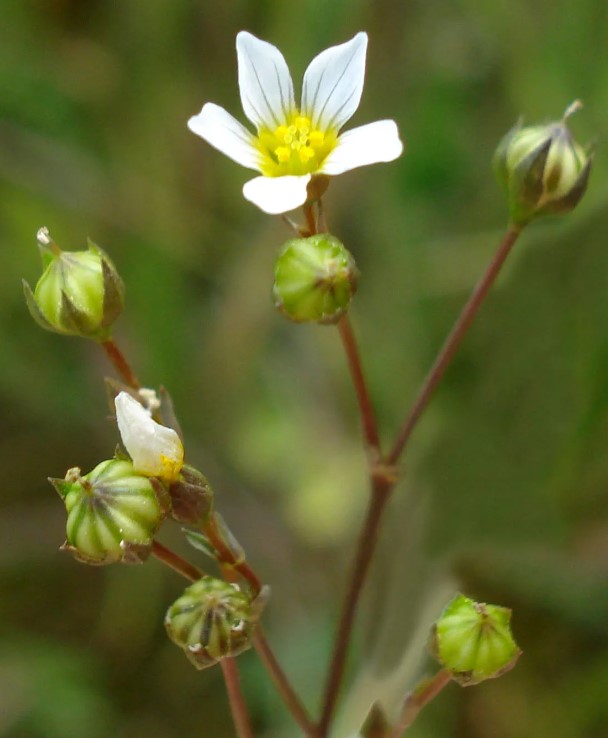
Flaxseed (Línum cathárticum)
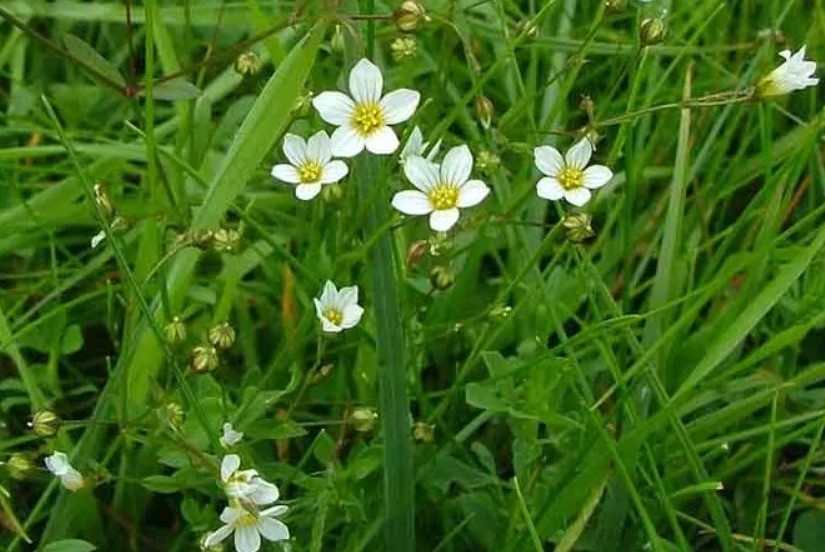
| Name | Flowers, stem height | Flowering time | Application |
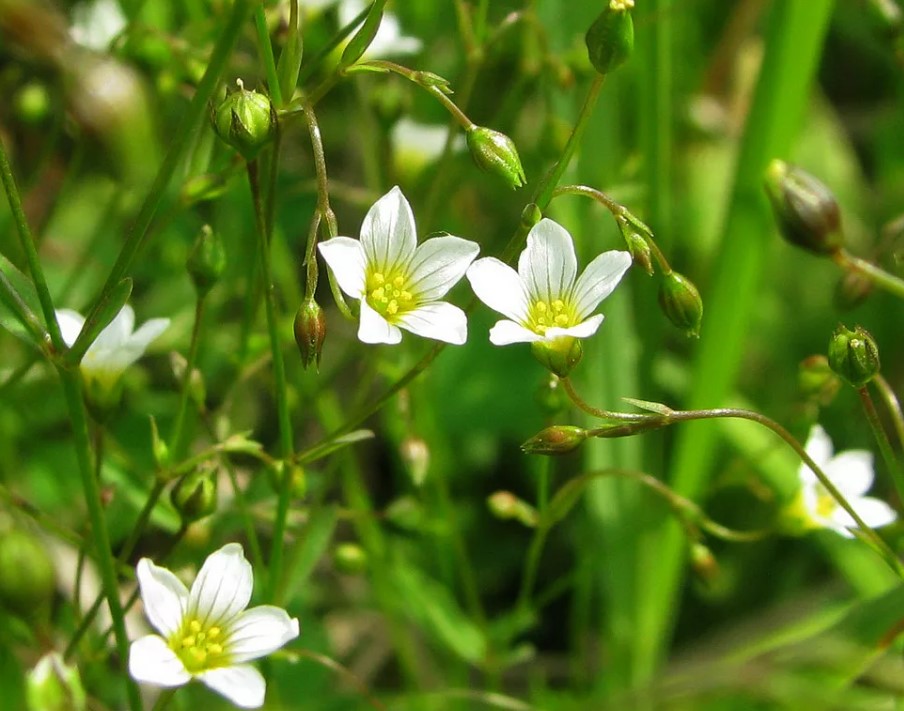
| Flax grows in the European part of Russia and prefers moist areas. It can be annual or biennial. The leaves are small and pubescent. The fruits are spherical. | The height of the shoots is 5-30 cm, the flowers are white. | Mid-June - mid-July. | Used in herbal medicine as a laxative. |
Photo gallery of flaxseed laxative
Peculiarities of growing annual flax
Annual flax is widely used by gardeners as an ornamental plant.
It prefers to grow in well-lit garden areas with light, fertile soil. Annuals are sown in the ground in the first half of May, and care should be taken to ensure the soil does not become overwatered.
Peculiarities of growing perennial flax
Perennials are sown either before winter or in spring. In the latter case, flowering can only be expected the following season.
Blue and light blue varieties of flax should be planted in well-lit areas; full sun is essential for vibrant colors. Yellow-flowered varieties thrive in both sun and partial shade. The soil should be light, fertile, and free of waterlogging around the roots.
Sowing perennial flax
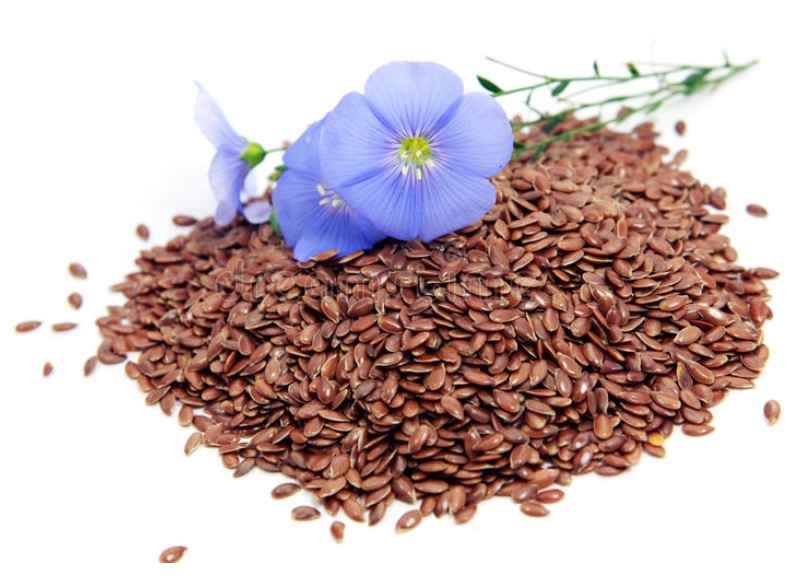
Sowing of seeds is carried out in April-March for seedlings, or in the second half of May directly into open ground.
The seeds are carefully distributed on the soil surface in small, pre-made depressions. There's no need to press them hard into the soil; simply cover them with garden soil. It's recommended to leave a distance of 3 cm between the seeds.
After sowing, water the seeds with room-temperature water using a spray bottle or syringe. If planting in boxes, cover them with plastic or glass and place them in a warm place until the first shoots appear.
The seedlings are transferred to a permanent flowerbed once the threat of frost has passed. Even then, it's advisable to cover the plants overnight for the first few days after planting.
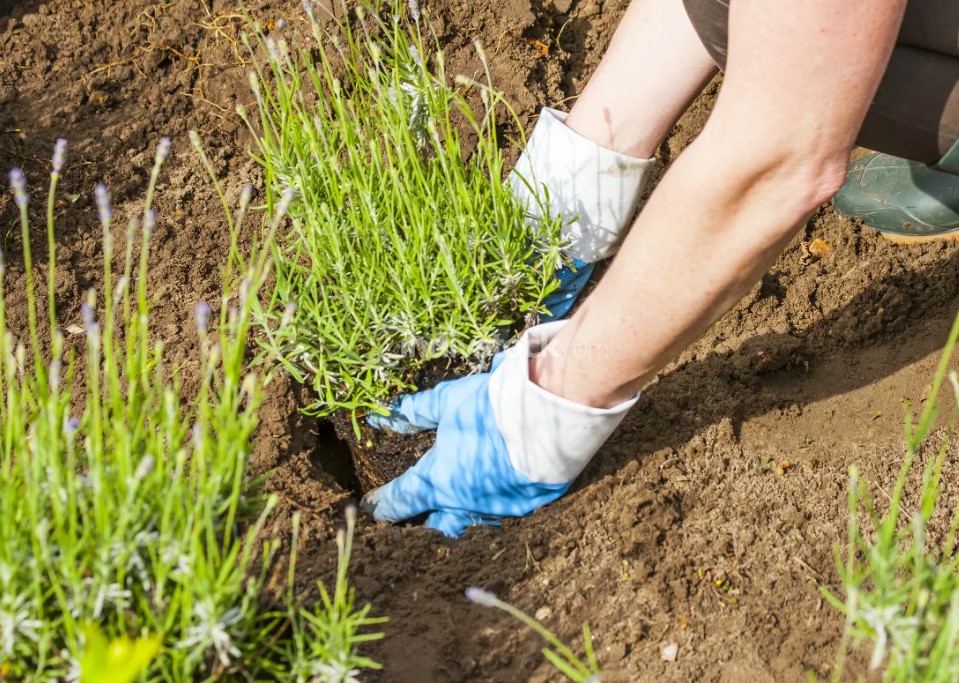
Flax can be planted in open ground only when daytime temperatures have stabilized and do not drop below 18-20 degrees.
Caring for perennial flax
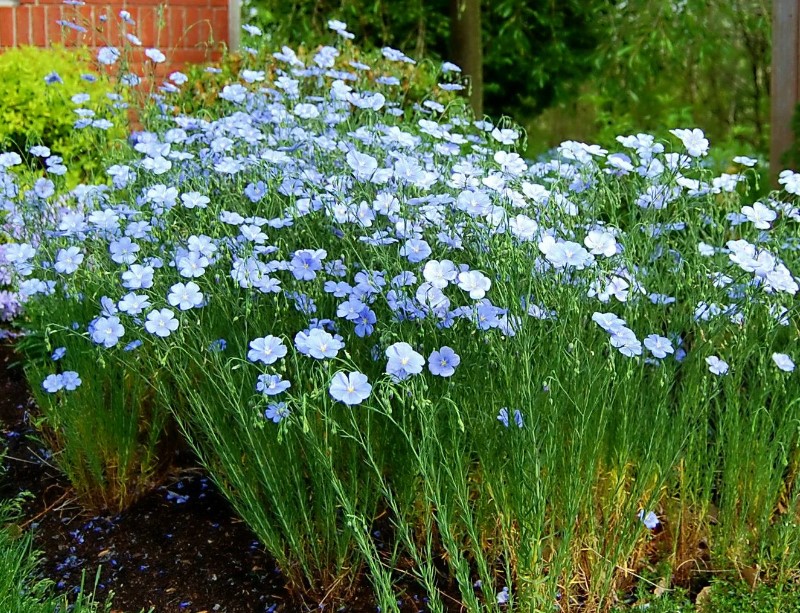
Perennial flax is very easy to grow; it doesn't require fertile soil, regular fertilizer, or frequent watering. Simply select a well-lit area of the garden, prevent frost damage, and periodically inspect the plants for pests and diseases.
Watering
Flax doesn't require special watering; in fact, the plant doesn't tolerate waterlogged soil. If the weather is rainy, watering may not be necessary at all. However, in hot weather, watering the flowerbed at least once a week is recommended to maintain flowering.
Top dressing
Flax grows well even in poor soils, but it requires fertilizer to bloom more abundantly. On an industrial scale, fertilizing helps slow the process of lignification of the shoots used to make textiles.
It is enough to carry out two fertilizing sessions per season and first enrich the soil with potassium-phosphorus fertilizers.
- 14 days after planting, flax is fertilized with specialized complex fertilizers with a rich mineral composition.
- Before the flowering phase, fertilizing is repeated.
When using fertilizers, be careful with nitrogen, as it stimulates the growth of vegetative mass, causing stems to become more flexible and prone to lodging.
Trimming
Perennial flax doesn't live long, but with proper care it can grow in a flowerbed for several seasons. To prolong the plant's life, regular pruning is essential. At the end of each flowering season, the shoots are trimmed back so that only 20 cm of the stem remains above ground level. New, young stems will emerge from this shoot shortly afterward.
Wintering
In most regions of our country, perennial flax cannot survive the winter on its own, so it's essential to provide cover. When cold weather sets in, pre-trimmed plants are covered with spruce branches or any other specialized material.
Diseases and pests of flax
The table below lists the main diseases and pests that can attack flax crops.
| Diseases and pests | Signs of defeat | Prevention and control |
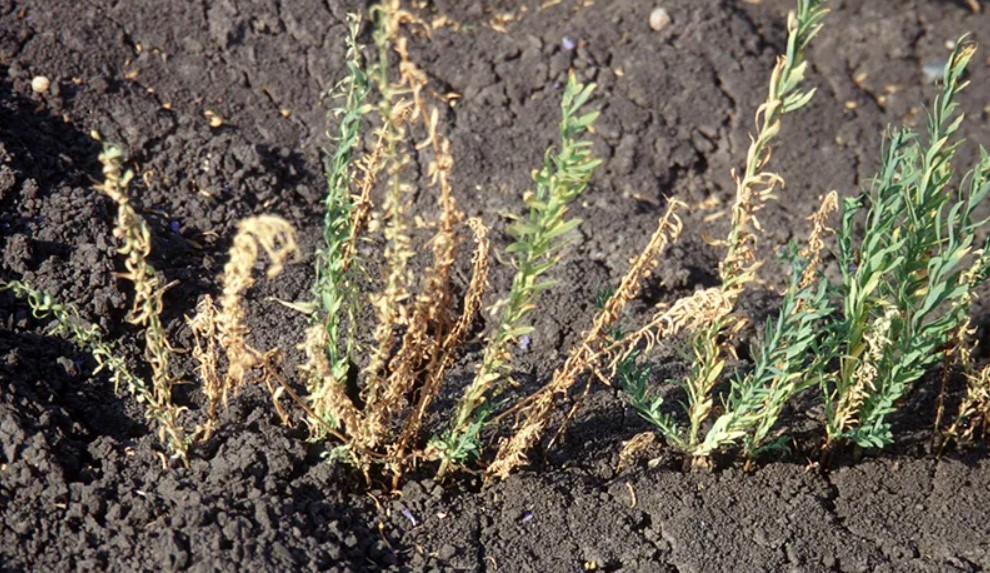
| Fusarium
|
The shoots turn yellow and the heads wither. | Spraying with copper oxychloride. For prevention, follow crop rotation rules—replant in the same spot every six years. |
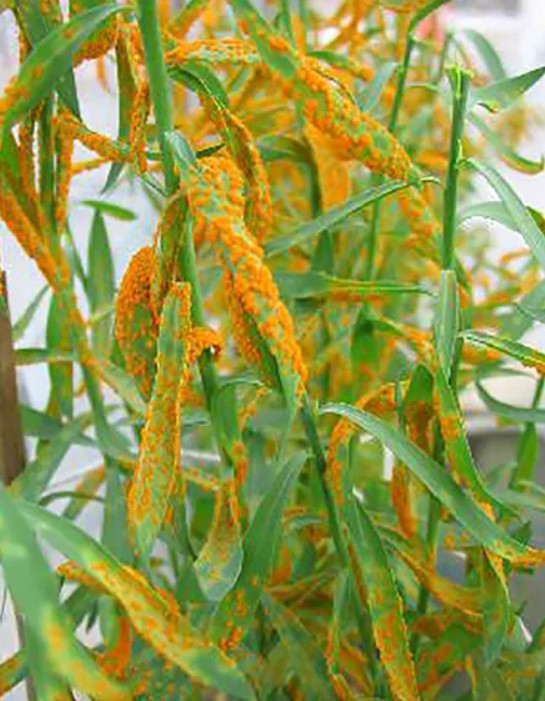
| Rust
|
Appears during periods of rainy weather and is characterized by yellowish-orange spots on leaves and shoots. | Avoid overwatering the soil. Spray with copper oxychloride and apply fertilizer. |
| Polysporosis
|
Brown spots appear on the leaves and shoots in the root zone. | Seeds are disinfected before planting. Plants are sprayed with copper oxychloride. |
| Anthracnose | It's dangerous during the early stages of flax growth. Shoots and leaves become covered with orange-yellow spots and ulcers. | Use high-quality planting material. Feed with potassium-phosphorus fertilizers and spray with copper oxychloride. |
| Bacteriosis | The plant turns yellow, withers and dies. | Do not plant flax on over-calcareous soil; spray with copper oxychloride. |
| Gray mold | Sclerotia, dark growths that resemble warts, appear on the shoots. | Reduce the amount of nitrogen and potassium fertilizers, do not over-water the soil, and do not allow the shoots to lodge. |
| Mottling of cotyledons | The stem and leaves become covered with rusty specks, which then merge into larger spots. | Spray with Vitovax or Granozan. |
| Pasmo | It appears at the end of the season, leaves and shoots become covered with transparent yellow spots. | The seeds are treated before planting, and at the first signs of disease they are sprayed with benlate. |
| Ascochytosis
|
It appears in cool weather when the soil is overwatered. The stem becomes spotted, the fiber quality deteriorates, and the seeds lose viability. | The seeds must be disinfected before planting; during the budding period, they are sprayed with copper oxychloride. |
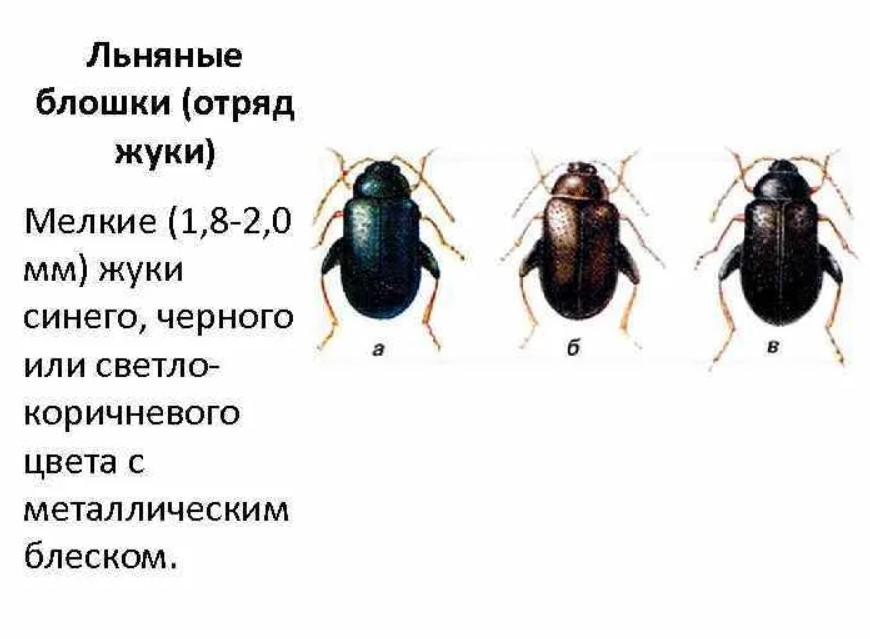
| Flax flea
|
It most often appears in dry weather and elevated temperatures. A black beetle, measuring 2 mm in length, can be seen on plants. It eats leaves and feeds on plant sap, which affects the quality of the fibers. | Two days before germination, spray with Decis. Pesticides are used if insect infestations are severe. |
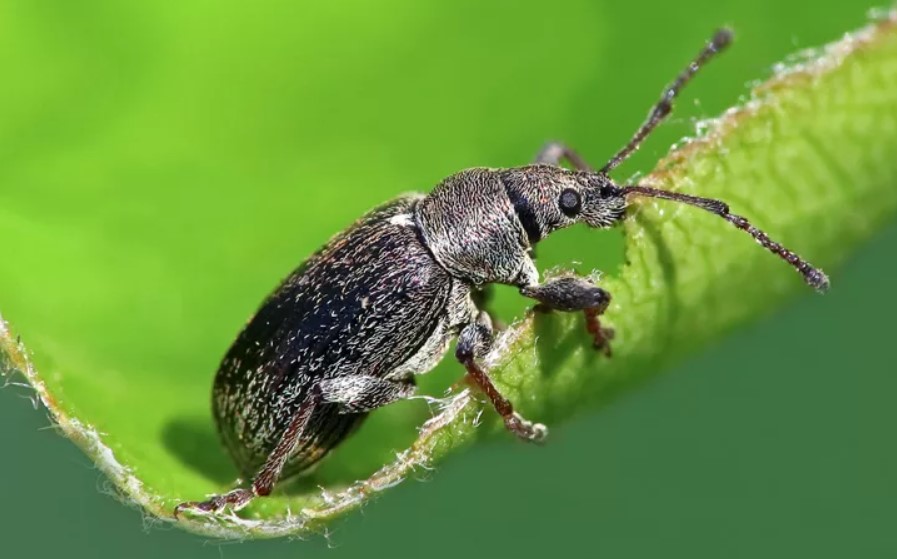
| Flax weevil
|
The weevil appears when the area is poorly weeded, as it initially settles on couch grass. The beetle has a black body up to 2.3 cm long and feeds on plant sap, causing the plants to stunt and wither. | Pre-planting plowing of the plot is mandatory. Before seedlings emerge, spray the edges of the plot with Decis. |
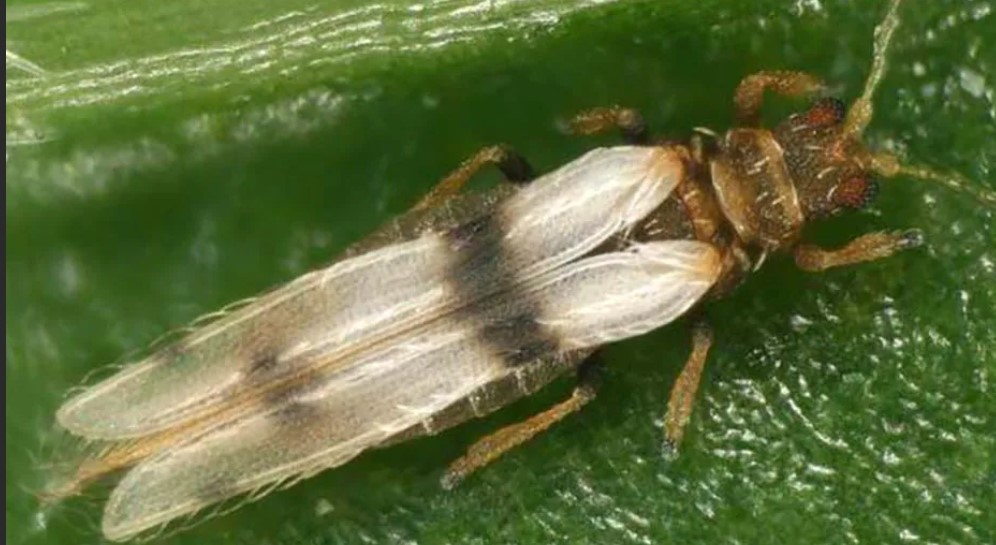
| Flax thrips
|
A small insect with a dark-brown body, up to 0.9 mm long. It lays eggs, which it then feeds on plant sap. | Conduct post-harvest autumn plowing as a preventative measure. If insects appear, spray the crops with insecticides. |
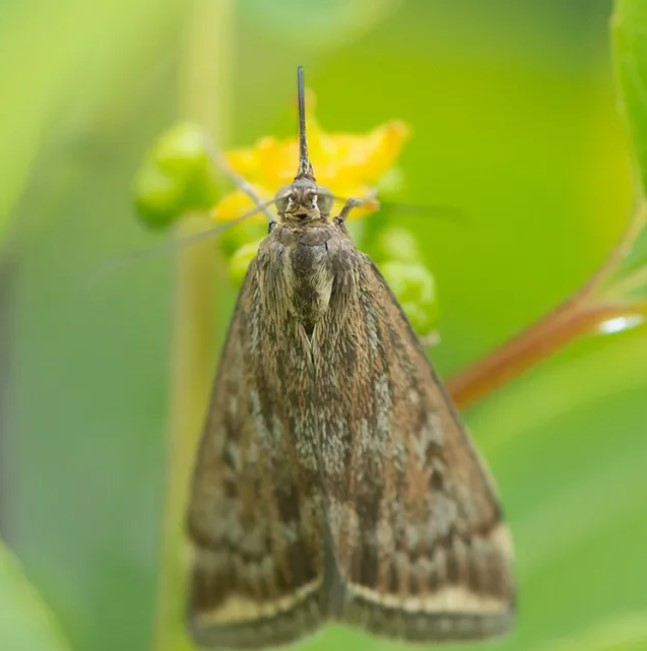
| Meadow moth
|
The damage is caused by grey-green caterpillars with a dark stripe on the back and pubescence on the body. | The area is plowed, and if there is a large concentration of pests, it is sprayed with insecticides. |
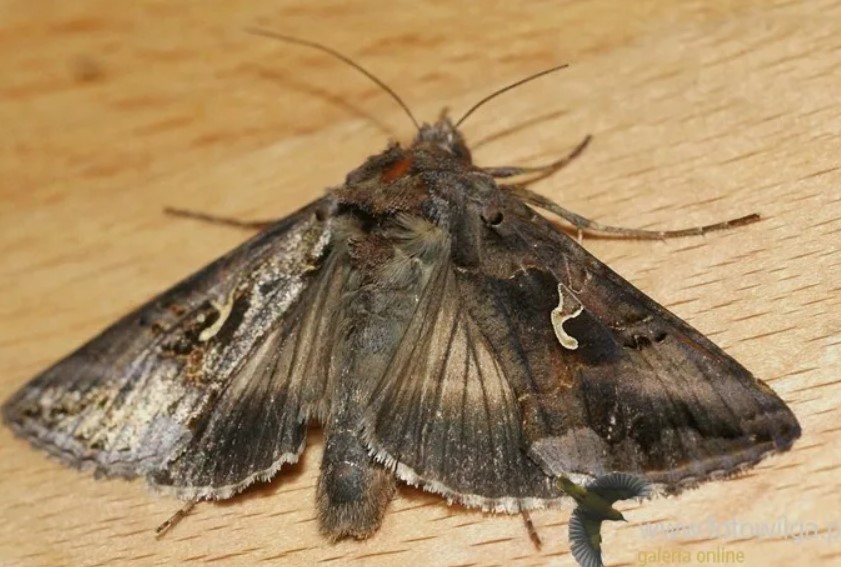
| Gamma owl
|
Small caterpillars can be found on plants, feeding on the sap from the stems. These caterpillars then develop into small, gray butterflies. | Chemicals are used to control the pest; aerial spraying is recommended. |
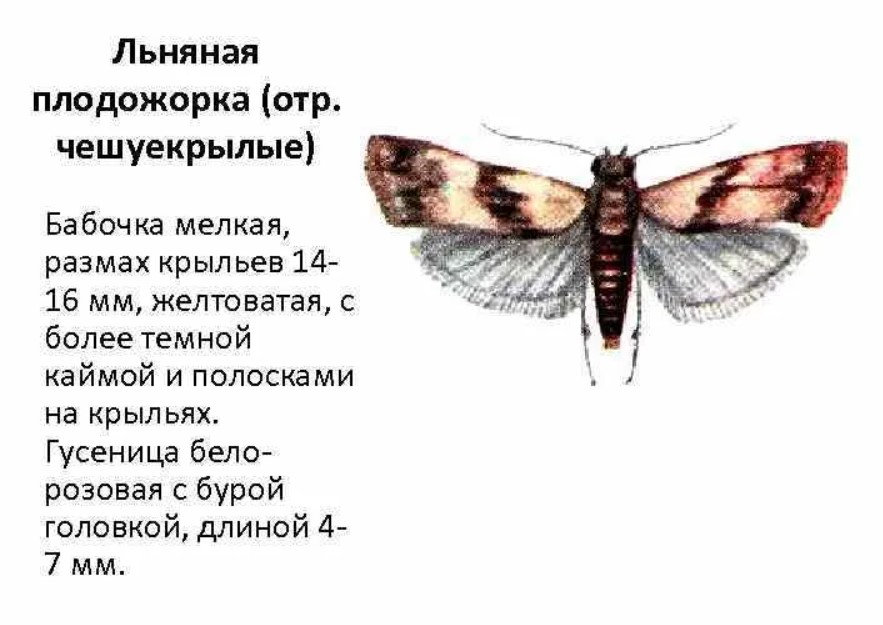
| Codling moth - flaxseed moth
|
The plantings are attacked by a white and pink caterpillar with a brown head, which feeds on the seeds. It later transforms into a small butterfly, similar in appearance to a moth. | When pests appear, the plantings are sprayed with herbicides. |
Flax propagation
There are several ways to propagate flax: by seeds, cuttings, and division. We'll cover each in more detail below.
Seeds
Propagating flax from seed has its own peculiarities. When growing flax from seedlings, seedlings should not be kept indoors, as they will not survive transplanting into open ground. If you decide to grow flax from seeds in containers, they should be placed outdoors immediately after planting.
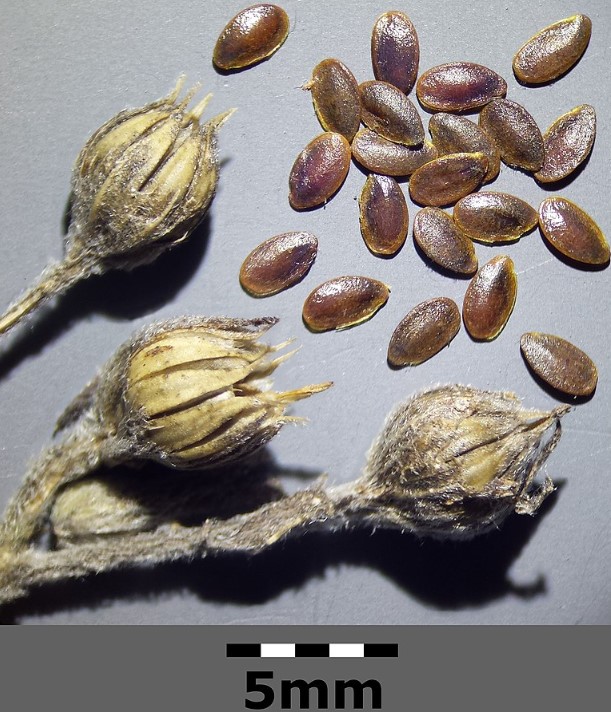
Flax can be sown directly into a permanent bed, but only after the threat of frost has passed. This can be done in the spring or before winter to ensure flowering in the coming season.
There's no need to plant the seeds too deeply. Simply place them on top of the bed and water with a sprayer.
cuttings
Growing flax from cuttings is quite labor-intensive; it is not used for all varieties, but only for the most capricious and fastidious ones.
Cuttings are prepared in spring or early fall; the upper portions of the shoots are cut off and planted in boxes filled with potting soil. The seedlings are placed in a shaded area and misted periodically.
Dividing the bush
Biennial flax varieties can be propagated by division. This can be done in spring or late summer, after all the buds have bloomed.
The plant is dug out of the soil and divided into several parts using a shovel, each of which must have well-developed roots.
The plots are immediately transplanted to a new location. The initial location should be regularly watered and protected from drafts and direct sunlight.
Flax in the landscape
Despite the fact that flax is considered a relatively unpretentious plant, it looks great in landscape compositions and decorates flower beds.
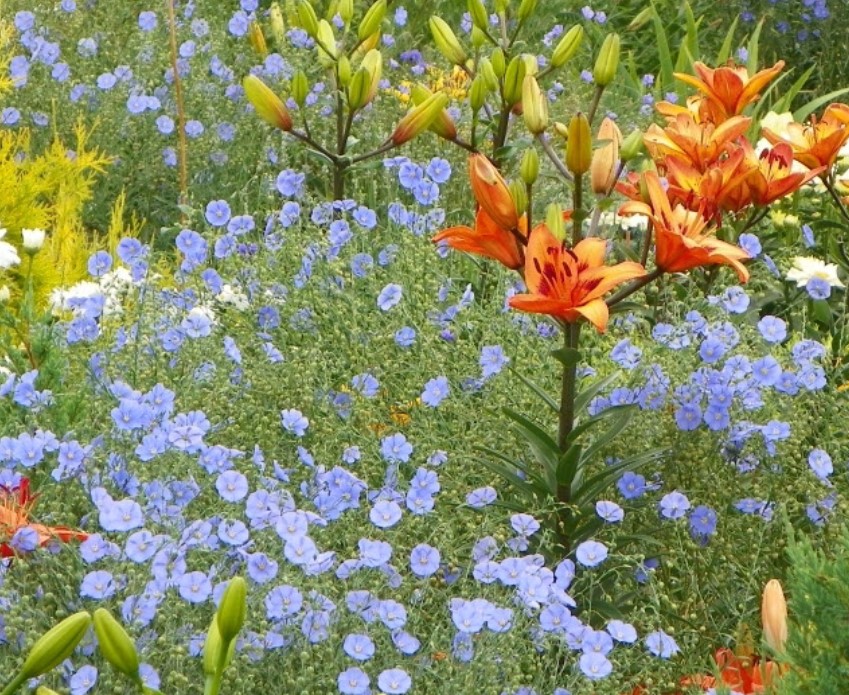
It is best to plant flax with plants that love lots of light and can easily tolerate drought.
It looks especially harmonious alongside daisies, clover, marigolds, cornflowers, bellflowers, carnations, and echinacea. Some gardeners use the plant to decorate borders and ornamentals, as well as to fill alpine gardens and mixed borders. Low-growing varieties are used to decorate rock gardens, as they are naturally suited to surviving in rocky areas.
Flax can also be grown in pots, which will make an excellent decoration for balconies, terraces, and verandas.
It is better not to use flax for sowing alone; it is recommended to combine it with group plantings so that the delicate flowers do not get lost in the area.
Sometimes flax is planted together with roses; it effectively decorates the base of the plants.
Uses of flax
Flax is widely used in various areas of human life:
- Textile industry.
- Pharmaceuticals.
- Cosmetology.
- Cooking.
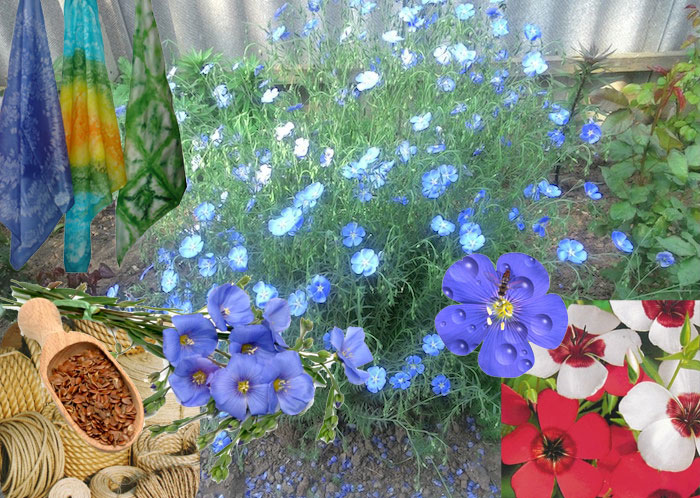
A more common use for flax is to produce natural fabric, made from the stem fibers. This fabric is highly breathable, highly durable, and completely environmentally friendly.
Benefits of flax seeds
Flax seeds have recently attracted a great deal of attention from nutritionists and other healthy eating experts. Numerous studies of the seeds' composition have shown that they contain vitamin F, which helps get rid of bad cholesterol, strengthen blood vessel walls and improve blood circulation.
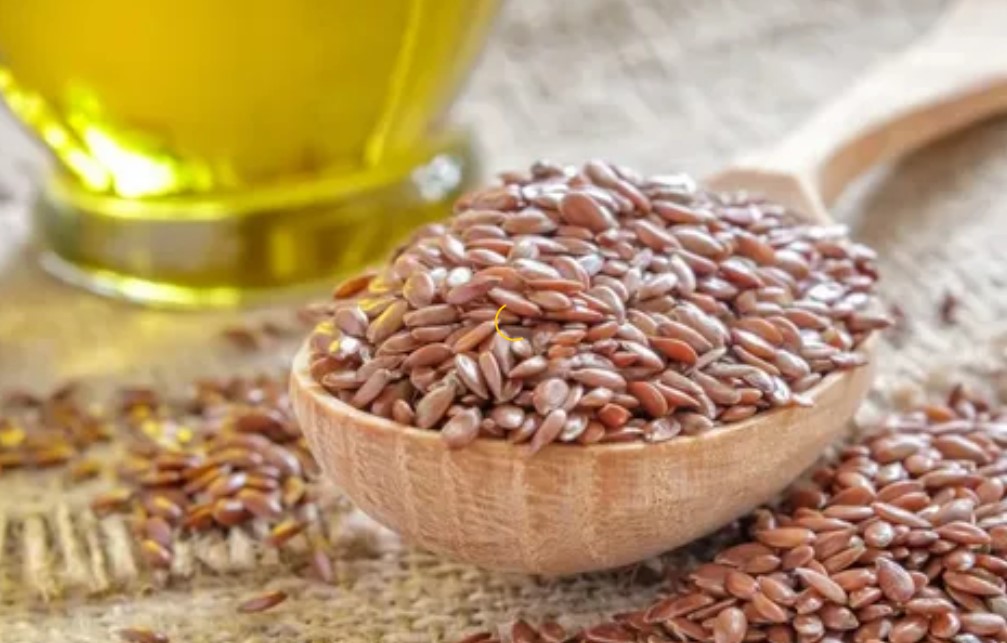
In addition, the composition of the seeds is rich in other useful substances: vitamins A, B1, B2, B5, B6, B9, C, E, K, PP; unsaturated fatty acids Omega 3-6-9; trace elements iron, sodium, calcium, potassium, magnesium, manganese, copper, selenium, phosphorus, zinc.
Thanks to this unique composition, flax seeds have a beneficial effect on blood vessels and help combat excess weight, diabetes, hypertension, and asthma.
Oil is made from the seeds, which preserves a wide variety of beneficial substances and is used to lower cholesterol and maintain the cardiovascular system.
Florist reviews of flax cultivation
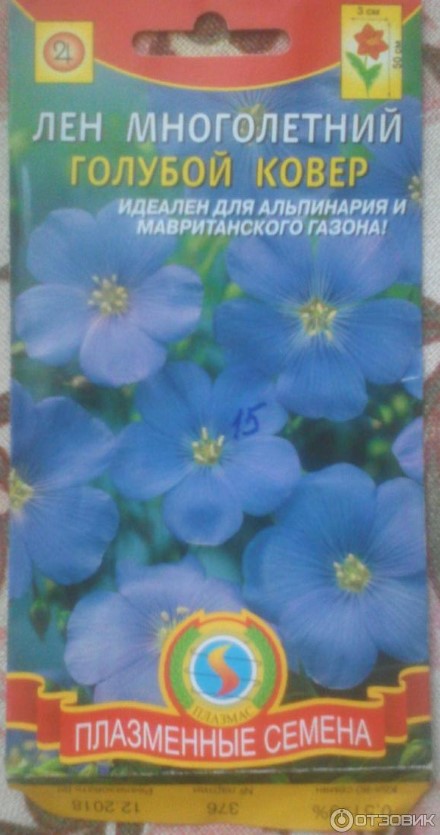
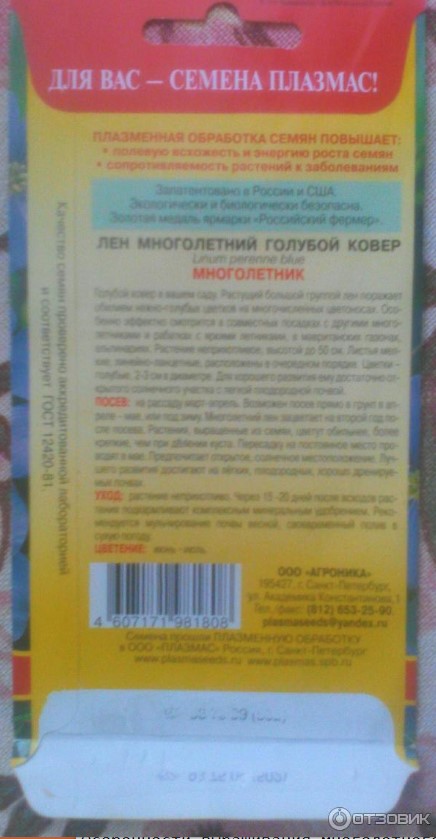
Review: Agronika "Perennial Flax" Flower Seeds: Blue Carpet - An Airy Blue Cloud in My Garden
ADVANTAGES:
Abundant flowering. Perennial.
FLAWS:
It blooms only in the second year.
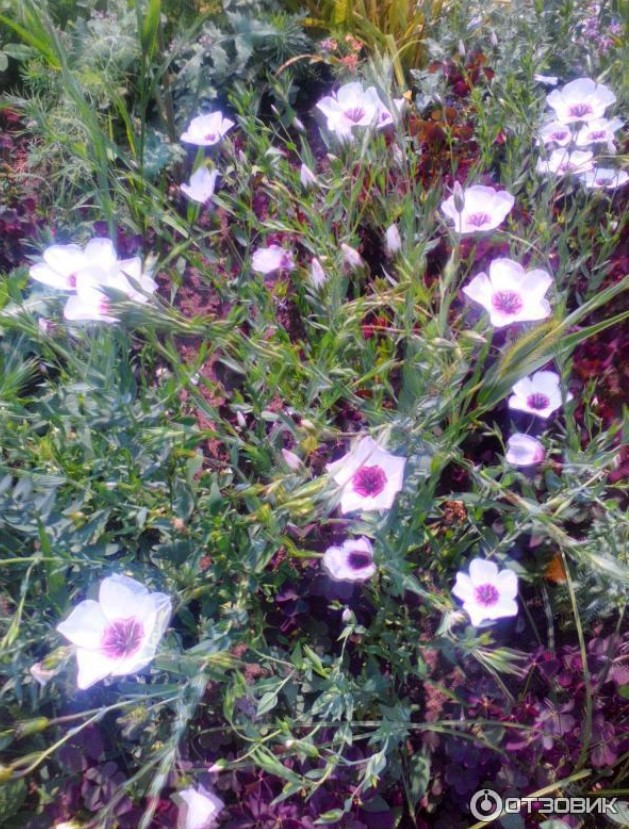
Well, a year later I can share the results of another type of seeds from Agronika LLC =) That spring my beloved bought a wide variety of flower seeds, including three types of flax: the large-flowered "Bright Eyes" white, the large-flowered "Rubrum" red, and the perennial flax "Blue Carpet."
I didn't notice, and when I got home, I discovered that the blue flowers didn't bloom until the second year. You'll agree that you want them here and now, not a year later. But there was no other choice, so we followed the instructions and sowed them directly into the ground around April 20th. It's also possible to sow them before winter, as seedlings, but a month earlier, in March or April.
It is necessary to choose an open, sunny place, which is what we did, increasing the area of the flowerbed.
They didn't fertilize or feed them with anything. They planted them and forgot about them until next year.
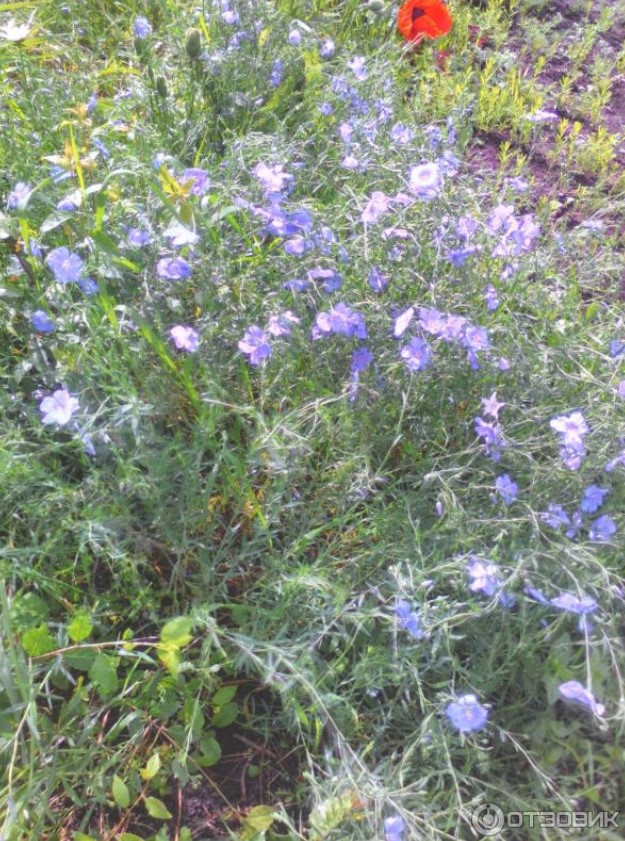
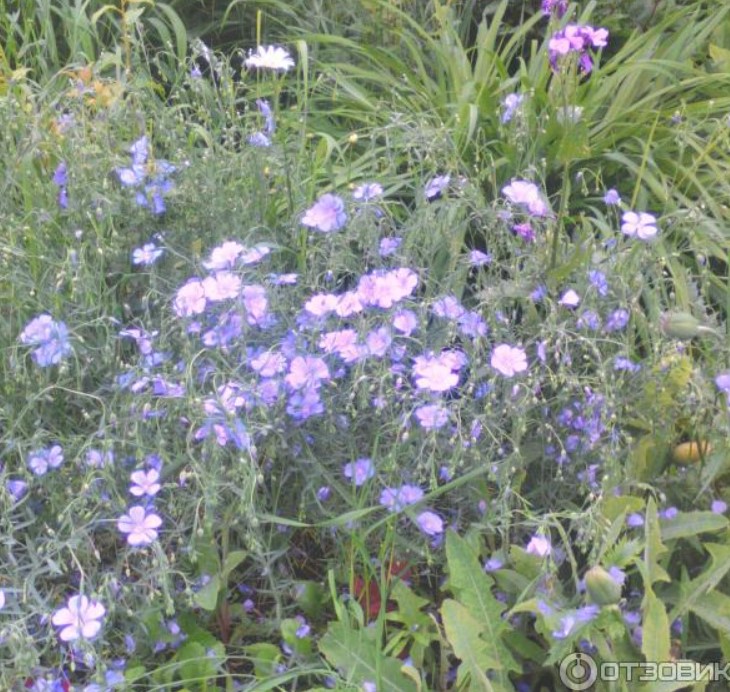
Flowering occurs in June and July. Today, June 17th, our carpet is in bloom. We've been admiring it for about four days now. It's especially exciting, as the incessant downpours and generally cold "summer" leave little hope for our new plants to bloom.
For the same reason, I apologize for the weeds; I simply don’t have the opportunity to weed them all out given the endless downpours.
The perennial flax seeds "Blue Carpet" cost us fifteen rubles.
This manufacturer's products bear a distinctive mark—the "Plasmas" seal—meaning the seeds are treated with plasma. This is done to improve their resistance to disease, germination, and growth. There's nothing to compare it to, so we'll just have to believe it.
The manufacturer is Agronika LLC, located in St. Petersburg. We've had a lot of seeds from this company, and some have been disappointing, while others have been incredibly satisfying.
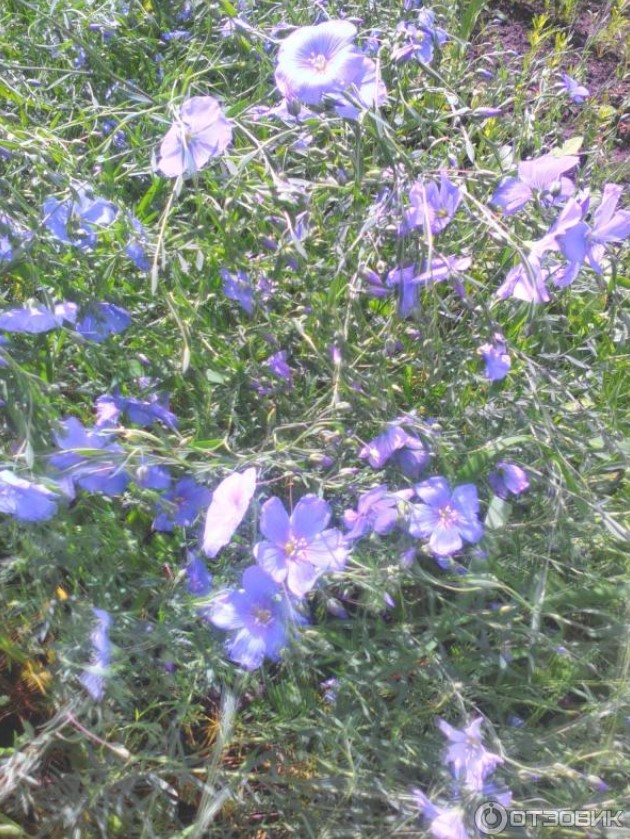
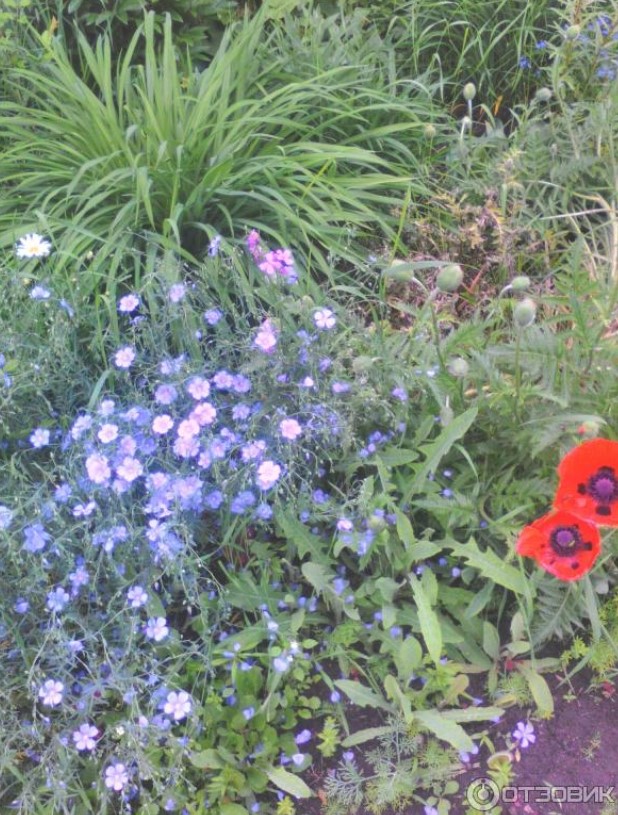
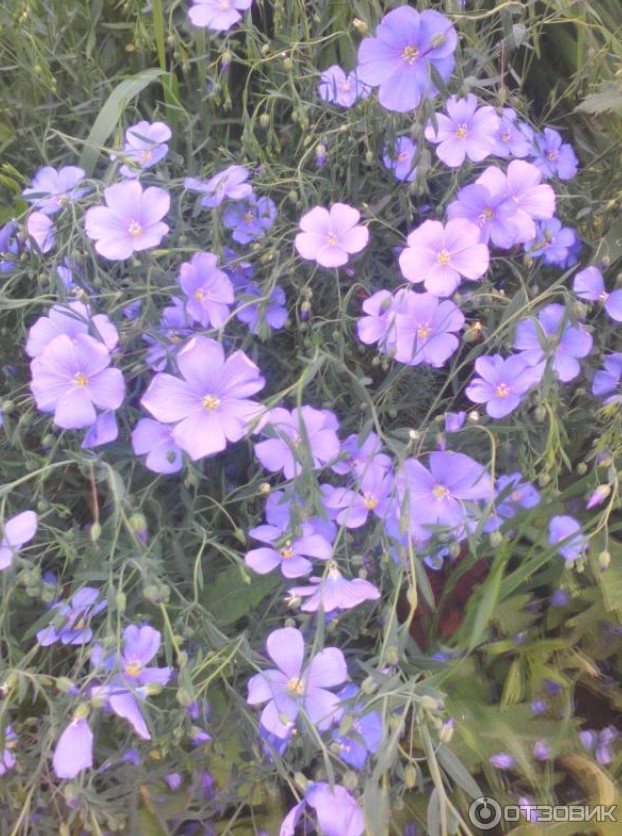
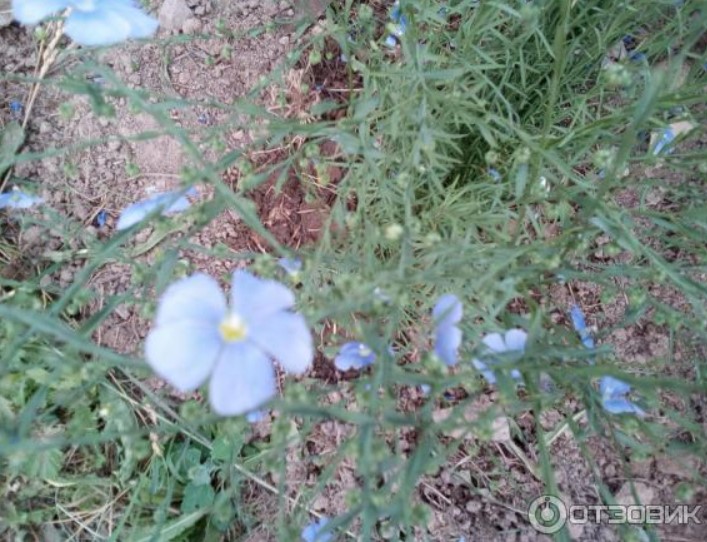
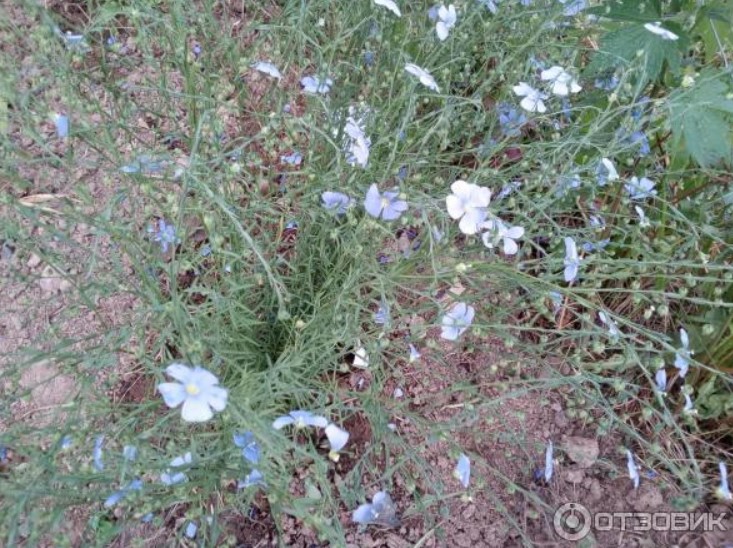
What is our flax like? The plant truly carpets the ground, reaching a height of about fifty centimeters. Numerous flower stalks open on a sunny day, captivating with delicate, airy blue petals. They are about three centimeters in diameter. They fall profusely, decorating the ground with bright, fallen spots.
Perhaps the wind played a role in the tall stems becoming tangled and intertwined, or perhaps they were planted too close together. As you can see, the end result is a natural mess.
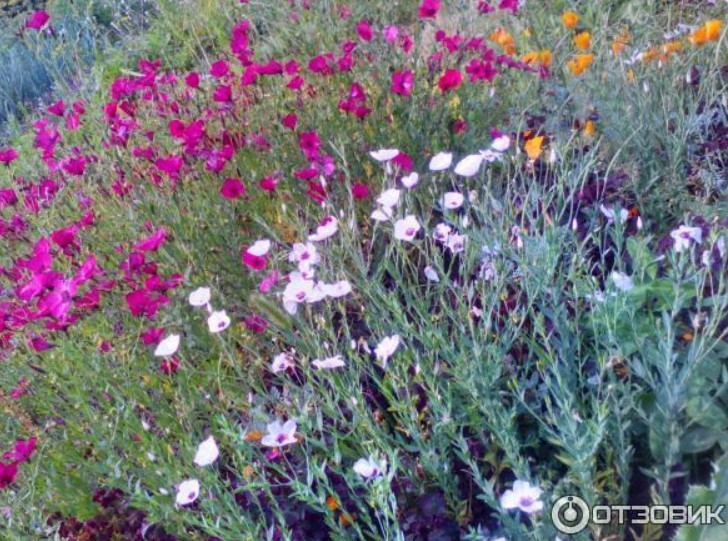
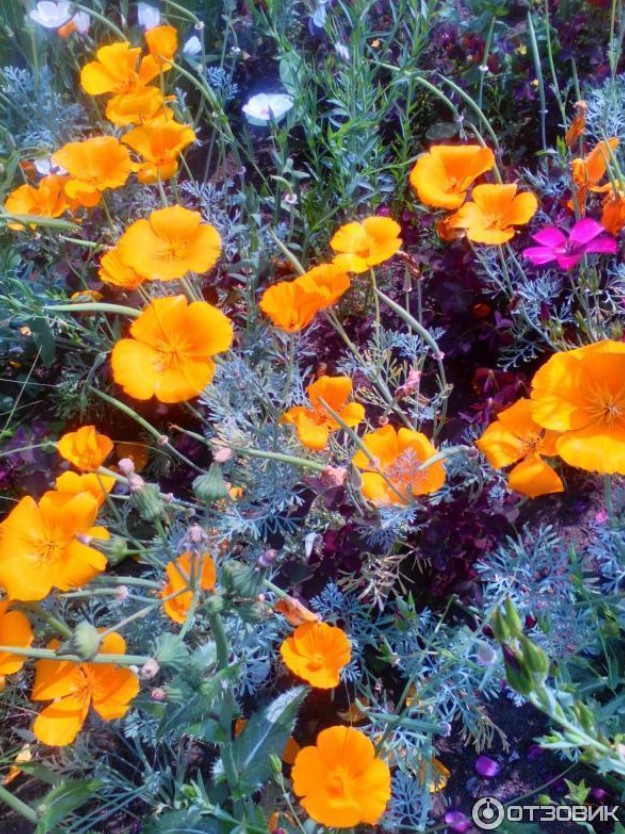
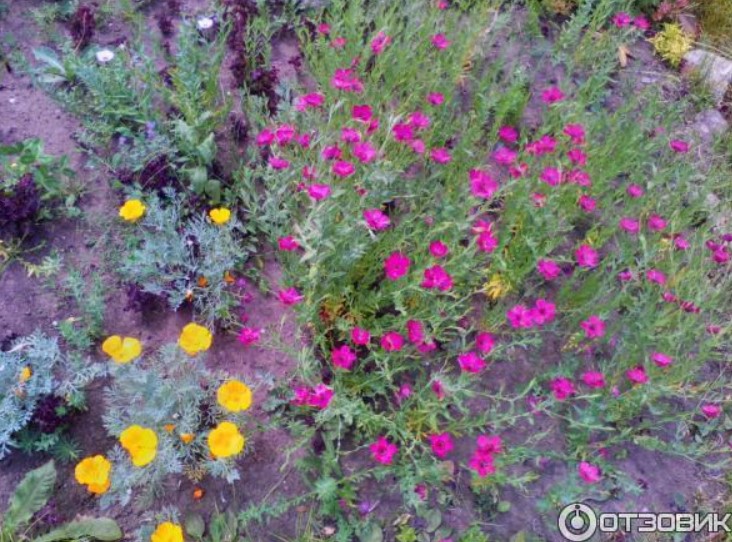
I'm afraid the blue carpet won't live to see the flowering period of the white and red flax, plus the "Eschscholzia Orange King", although they would all look more impressive together.
By the way, I highly recommend those varieties of large-flowered flax, even though they're annuals. After all, there's nothing stopping you from collecting seeds in the fall for next summer, just like I did. Mine have sprouted and are reaching for the sun. And it's also a great way to save money, considering the huge amount I managed to collect and share with everyone.
I can't help but recommend flowers. They bring joy to the eyes, joy to the heart and soul =) Isn't that right?
Review: Agronika Flower Seeds "Perennial Flax" Blue Carpet - Delicate Blue Cloud
ADVANTAGES:
Unpretentious, delicate flowers
FLAWS:
I haven't noticed yet
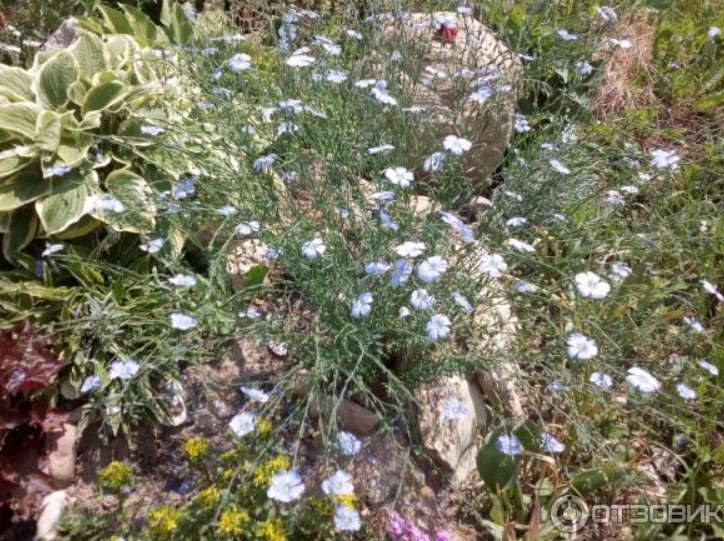
I tried planting flax in my plot several times. Last year, the experiment was a success.
I chose the Blue Carpet seeds.
Sowing of seeds, as with other perennials, was done in March.From the entire packet, only one bush started to grow well.
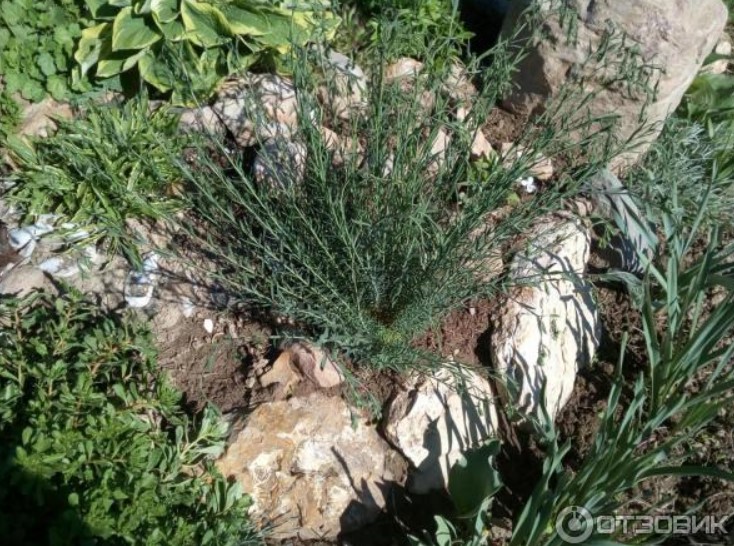
Since I was planting flax for the first time, I didn't know the plant's size. I planted a small seedling in a rock garden.
The first year the flax was very small. It wasn't going to bloom yet.
In the second year, in the spring, the bush increased significantly in size.
The place clearly didn't suit him.
I had to transplant it to a flowerbed near the fence. It can grow there as a self-sowing plant and doesn't interfere with other plants.
The plant height is more than 50 cm. The bush is spreading.
Buds form at the tips of the stems.
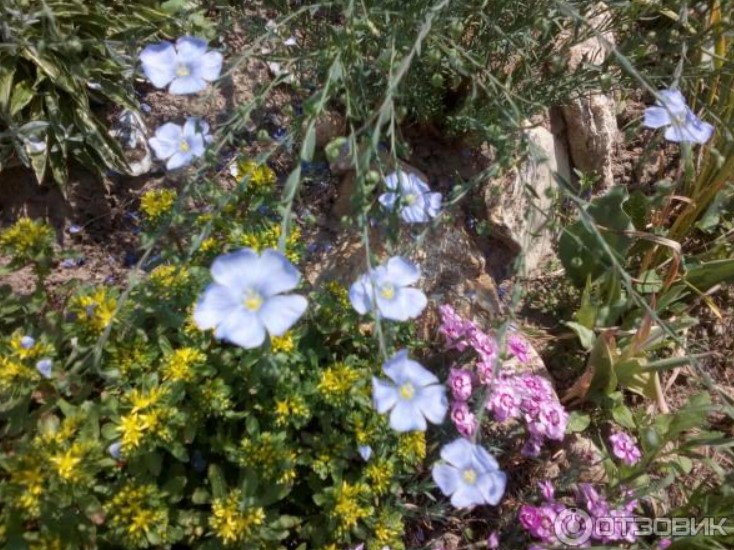
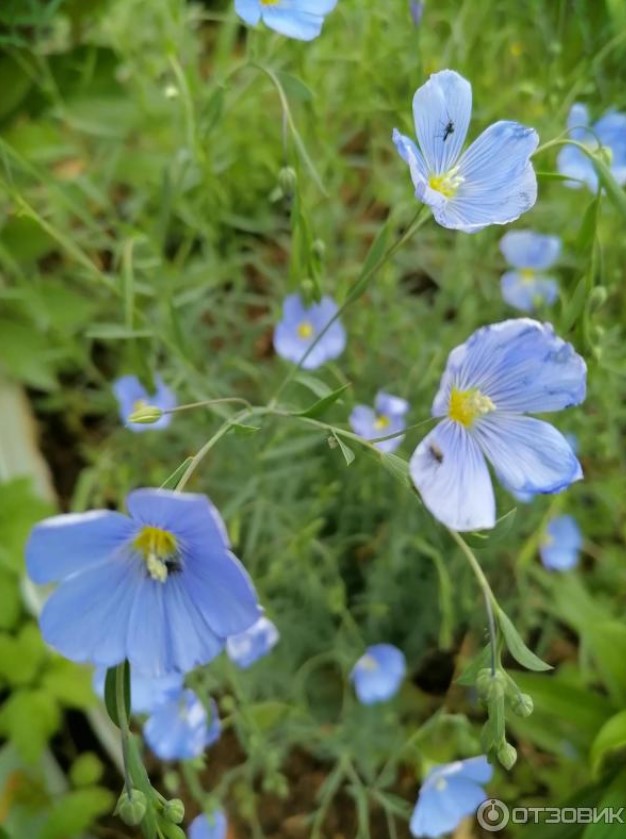
The flowers have 5 leaves, are very delicate and blue in color.
The flower bush resembles a delicate blue cloud. At night, the flowers close, and the stems appear drooping.
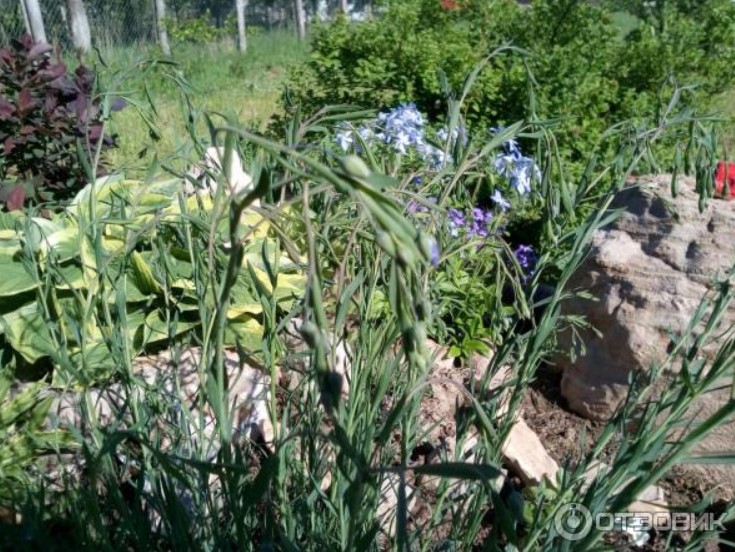
Flax looks very nice when planted singly, the main thing is to find the right place for it.
I saw linen of different colors on sale, you can collect a whole collection.
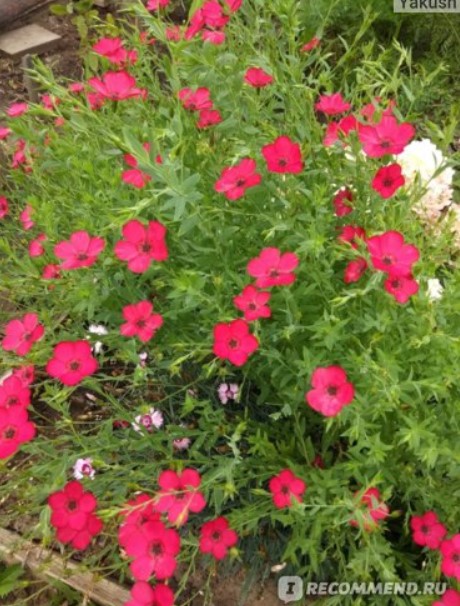
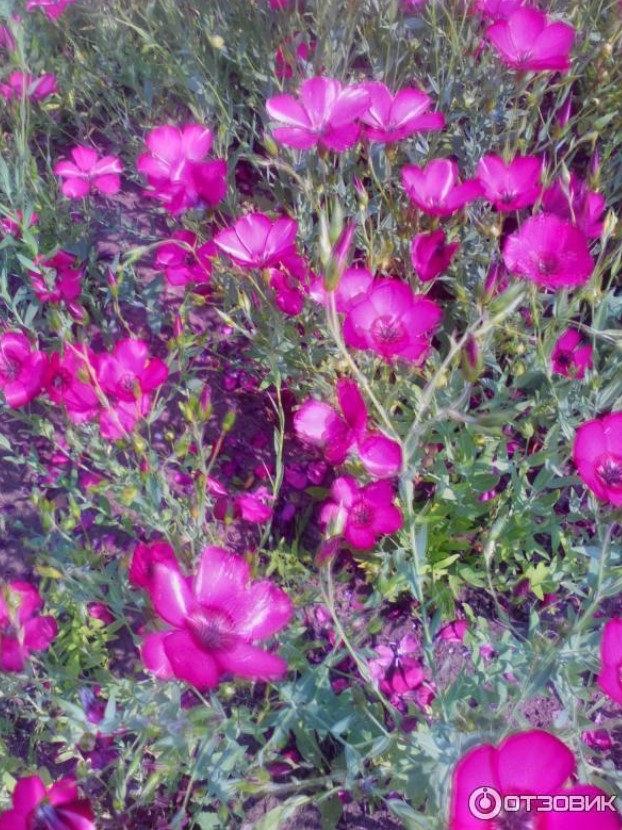
The scarlet flower is red flax. An unpretentious, delicate plant.
Experience of use: one year or more
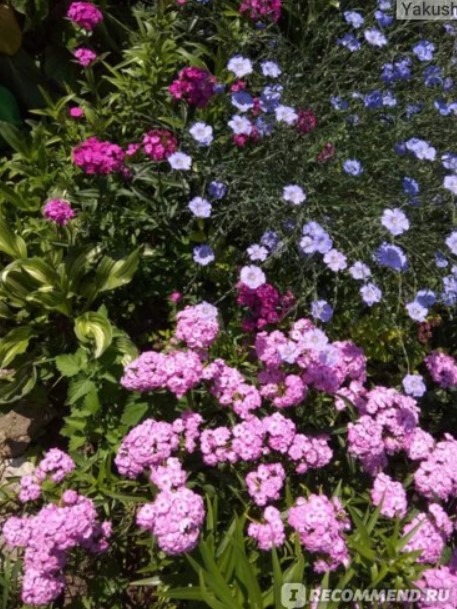
Greetings to everyone who dropped by!I absolutely love the garden flower Blue Flax. It's been growing here for so long I can't even remember. I once tossed a handful of seeds into the ground, and ever since, every summer I've been delighted by a cloud of delicate blue flowers.
Blue flax and Turkish carnation
When I saw a packet of "Red Flax" seeds at the store, I bought them without hesitation. I must admit, I'm not a fan of red flowers. I was just curious to see what would grow.
It seemed like the same cloud, swaying in the slightest breeze, but red in color.
Bright reds are very cheerful.
The cloud grew, or rather, a whole cloud. The red flax turned out to be larger than its delicate blue counterpart.
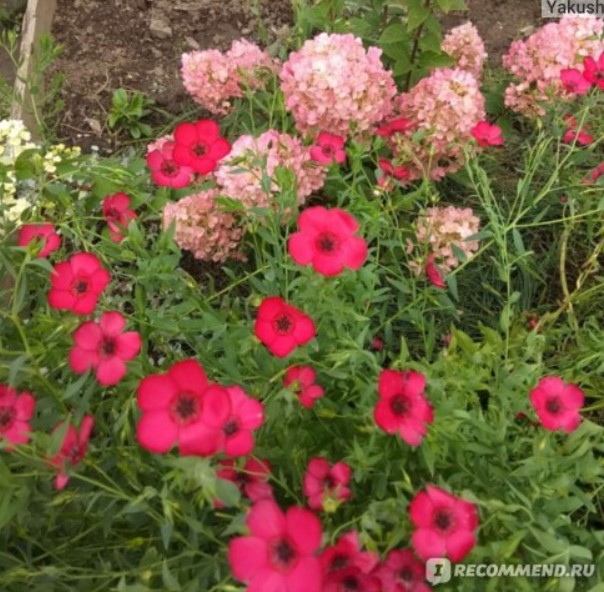
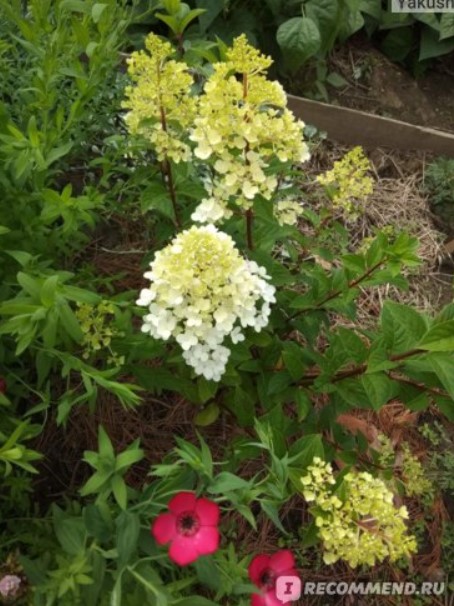
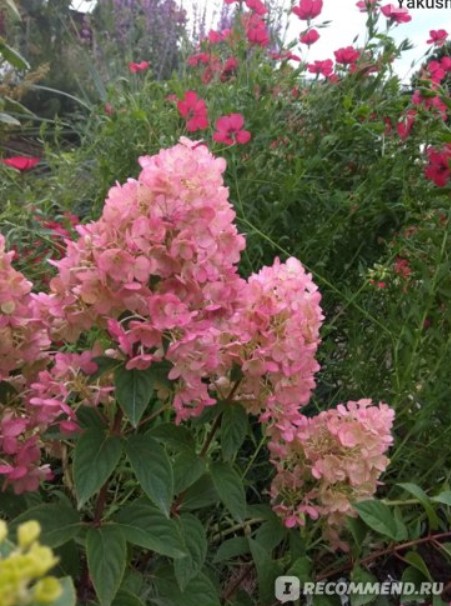
With hydrangea Sunday Fraise
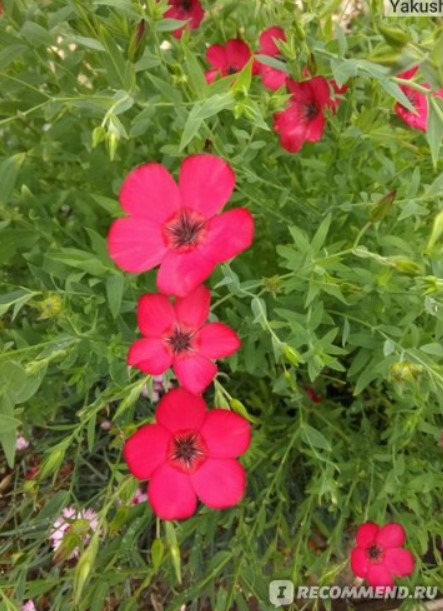
flowers with 5 petals
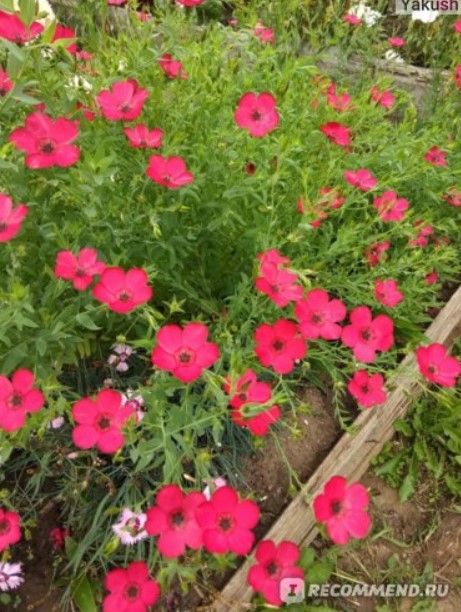
Red flax is a spectacular, vibrantly blooming annual. The bushes grow to 50-60 cm in size. The stems are thicker, and the leaves are not as delicate as those of blue flax. The flowers have five petals and are bright red. The bush is literally covered with flowers on stems with lacy foliage.
Each flower lasts for one day, but new ones open to replace it the next day.
blooms profusely
I sowed the seeds directly into the ground in early May. A few scarlet flowers appeared by the end of July. I planted the flax next to a young hydrangea, Sunday Fraise. While the flax was still small, the companion plants looked quite nice.
sweet companion
Unexpectedly for me, the flax outgrew the hydrangea, and I had to bend down its lush green mass.
as a background for plants
The blooming continued until the end of August. Against the backdrop of the scarlet flax flowers, the originally white hydrangea turned pink. I liked the combination. I didn't collect any seeds, but perhaps this variety is sown in the same way as the blue one.
Red flax is a fairly easy plant to care for. I watered it like the others. The first tender shoots sprouted from a watering can with warm water, later from a hose. I didn't notice any diseases or pests. If this lovely plant grows from self-seeding next year, I'll be delighted.Advantages
Delicate foliage
An unpretentious plant.
Abundant flowering
Bright flowering.
Flaws
No