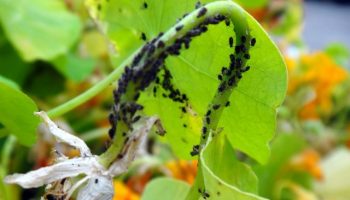
Ferrous sulfate (iron sulfate) is a product that protects fruit crops. Its use is most needed in the fall and spring. This is the time when the soil and plants are prepared for active growth or dormancy. Many specialized products are not only effective but also expensive, but ferrous sulfate can achieve the same effect without spending a significant amount.
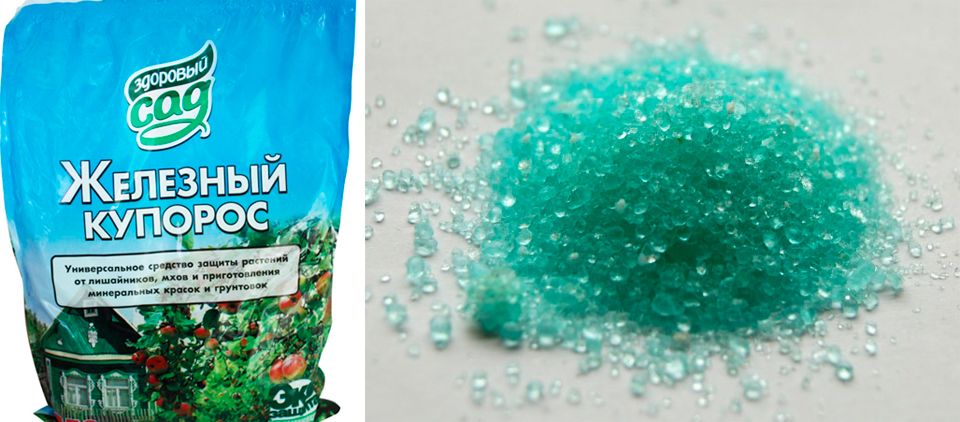
Description of ferrous sulfate
This substance is the result of the interaction of sulfuric acid and iron. It is sold as a powder and crystals with a greenish tint. The resulting mixture becomes the basis for a solution that is then sprayed or watered on garden crops.
One sulfate molecule can attract seven water molecules. Iron sulfate acts on the surface, so berries, fruits, and greens treated with it can be safely consumed. Additional benefits include fungicidal and insecticidal properties. The powder can be used dry if needed.
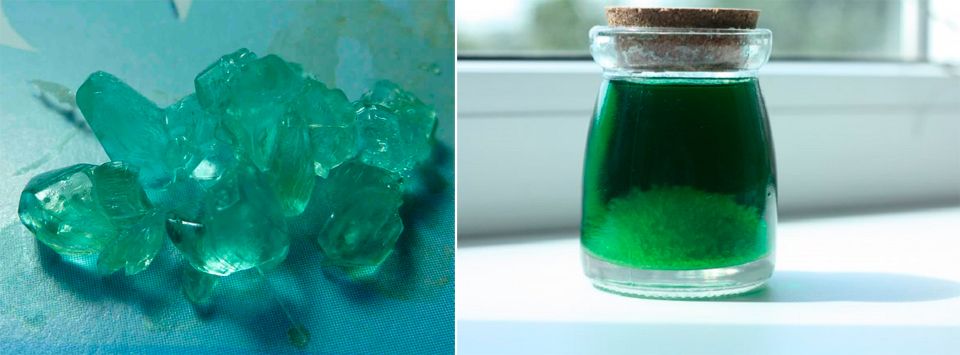
Preparing the mixture is usually straightforward; the granules dissolve quickly in water. The protective effect lasts for 14 days.
Pros and cons of ferrous sulfate
Ferrous sulfate has both advantages and disadvantages. The disadvantages include:
- broad spectrum of action;
- budget cost;
- safe for skin and mucous membranes;
- high efficiency.
The latter is only possible if all recommendations are followed. Otherwise, the garden's condition will deteriorate significantly. The appearance of harmful insects is a compelling reason to purchase additional products. In this situation, ferrous sulfate should only be used in combination with these products.
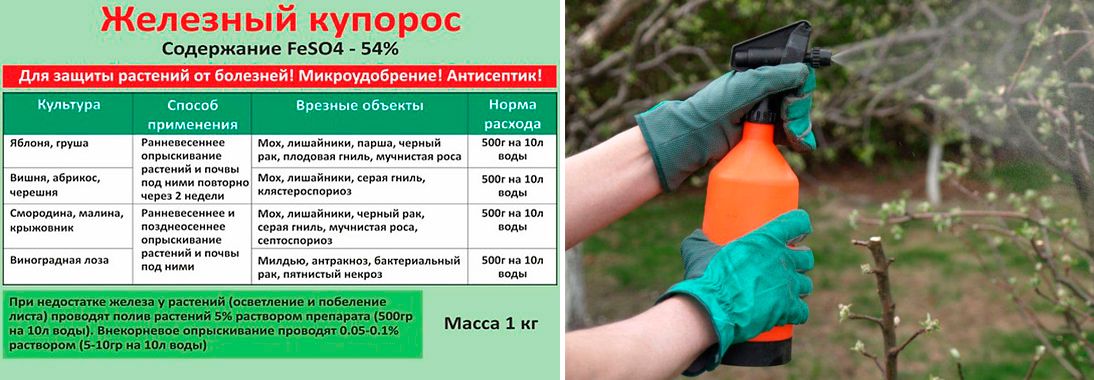
Plants are sprayed with sulfate in early spring and late fall. Otherwise, young shoots and leaves will suffer.
When planning a schedule of agricultural activities, gardeners must take weather conditions into account. Iron sulfate treatments should be carried out in cool, dry weather. This is because the product takes two hours to take effect. The maximum effect will be seen after 24 hours. If it rains within 24 hours, the treatment will need to be repeated.
If the prepared mixture is left in an open container, it will lose its beneficial properties. When using solutions with a reduced concentration of the main component, don't expect noticeable results. Ferrous sulfate won't help if your garden crops are suffering from infectious diseases or parasites that spend the winter hiding in the bark and soil.
Sulfate is used to:
- whitewash trees in autumn or spring (with the addition of white clay);
- get rid of fungal diseases and harmful insects;
- strengthen old trees;
- protect plants from recurrent frosts;
- eliminate damage to the trunks of fruit crops;
- restore the balance of minerals in the soil;
- disinfect containers and premises intended for storing harvested fruits and vegetables.
Correct use of ferrous sulfate
Iron sulfate is used to prepare iron chelate. This micronutrient is essential for treating or preventing non-infectious chlorosis. In addition to 8 g of the main ingredient, the product contains 5 liters of warm liquid and 5 g of citric acid.
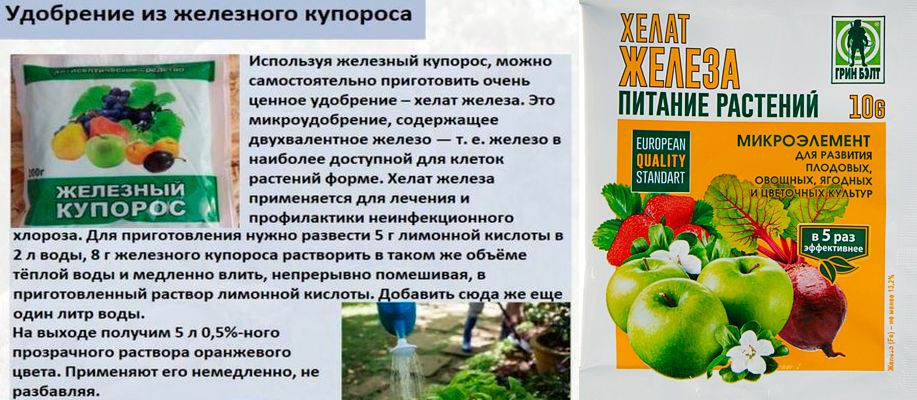
The procedure is quite simple:
- The sulfate is dissolved in 2 liters of water.
- The same is done with citric acid.
- The first composition is slowly poured into the second.
- Add 1 liter of liquid to the prepared mixture.
- The result is 5 liters of orange solution. The fertilizer should be used immediately; there is no need to dilute it.
The strength of the solution is of decisive importance:
- treatment of fungal diseases – 5%;
- prevention – from 0.5 to 1%;
- spraying rose bushes – 0.3%;
- protection of berry crops – 4%.
In the fall, plants are treated with a 7% solution. It is prepared according to the following algorithm:
- Pour water into a container. The container should be made of glass or plastic.
- Slowly add the mixture. Mix the ingredients with a wooden spatula.
- The proportions are determined based on the attached instructions.
- Let the solution steep for 15-20 minutes.
- Before use, the mixture is stirred again. This ensures higher iron saturation.
Treating gardens with iron sulfate against pests
To prepare a solution of the required concentration, take 500 g of ferrous sulfate per 10 liters of liquid.
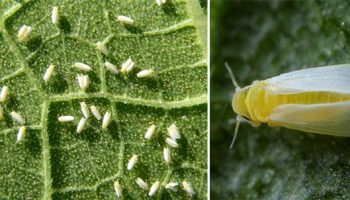
The first treatment is carried out in early spring. If done correctly, it will kill any eggs, larvae, and adult insects.
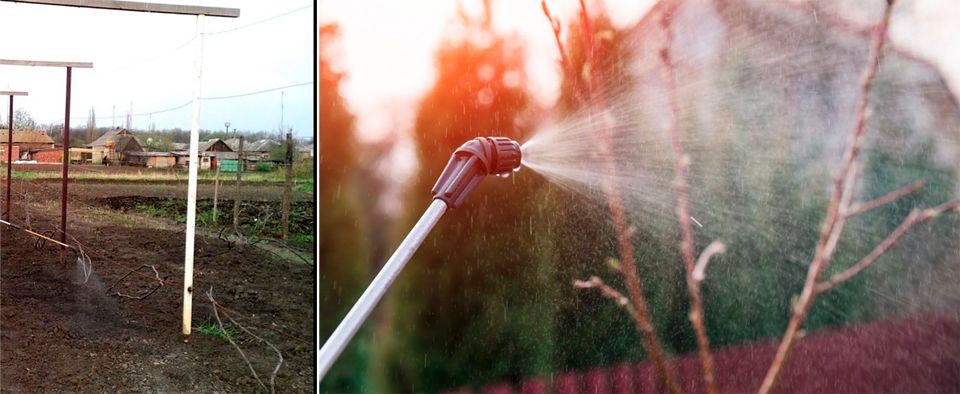
The plants are treated a second time after the leaves have fallen. The solution is applied not only to the branches and trunk, but also to the soil around the tree.
If the tree's bark is too thin, spring spraying is sufficient.
Sulfate isn't capable of killing all pests, so don't neglect universal treatments. With timely, comprehensive treatment, fruit crops will be protected from pests and produce a bountiful autumn harvest. Iron sulfate can be used against lichens and mosses. In this case, only two treatments are required, no more than 12 days apart. After treatment, the lichens will fall off the bark on their own, eliminating the need for scrapers or other tools, so the risk of further damage is virtually eliminated.
Treatment of fungal diseases and chlorosis
In this case, ferrous sulfate is used as a contact fungicide.
Plants are treated with a 3% concentration solution.
Since the drug has a superficial effect, it is unlikely that it will be possible to get rid of all the spores.
To enhance the effect, sulfate is used together with products that contain copper.
The interval between treatments is 7 days.
Iron sulfate is necessary if the following fungal pathologies occur:
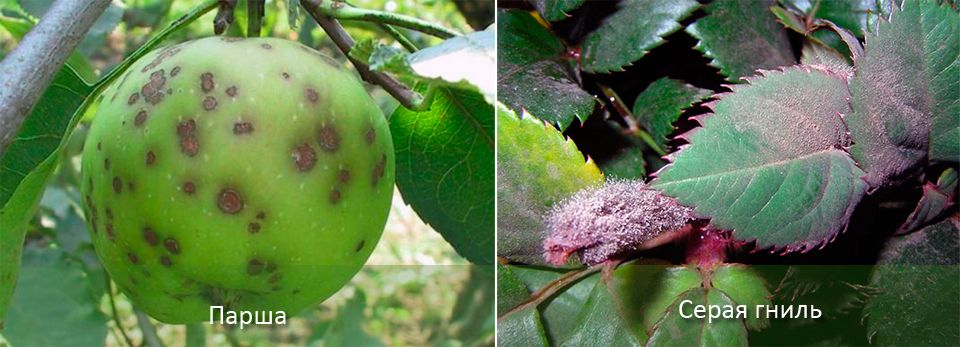
- gray mold - brown spots with a grayish coating on various parts of the plant;
- scab - spots that are distinguished by their chlorotic appearance and round shape;
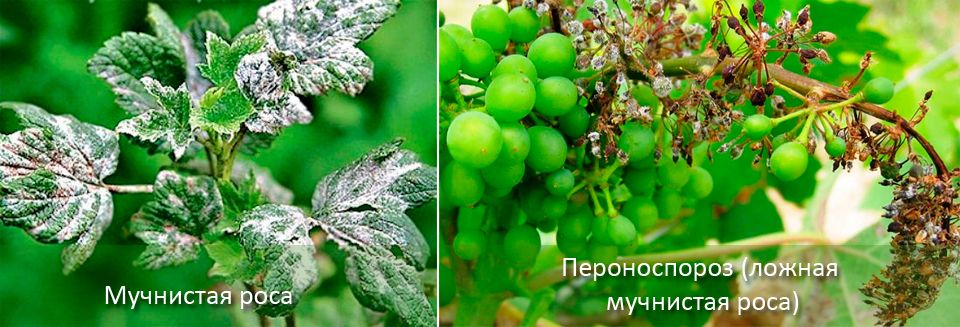
- powdery mildew – unpleasant odor, whitish dust on leaf blades, buds and stems;
- downy mildew - grayish-purple fluff on the underside of leaves;
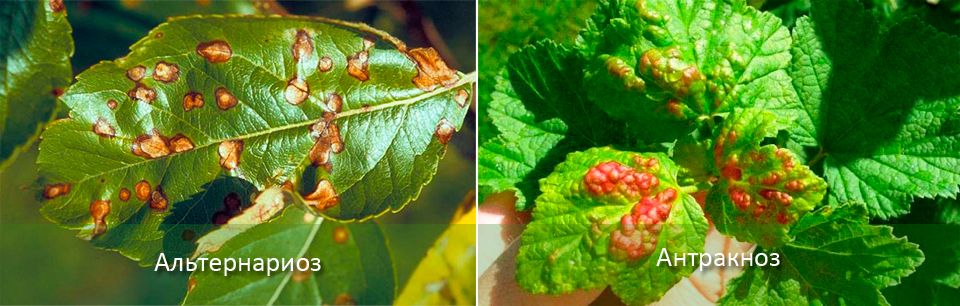
- anthracnose - red and purple blotches;
- Alternaria - black spot affects the bark, buds, fruits, buds and leaf blades;
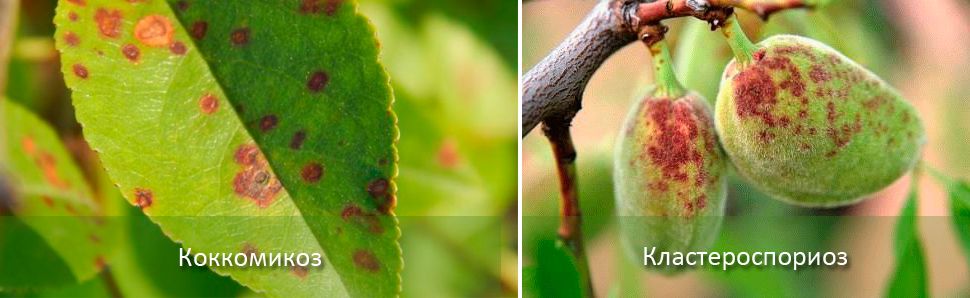
- coccomycosis – reddish-brown spots that merge over time;
- Clasterosporium - light brown spots turn into holes.
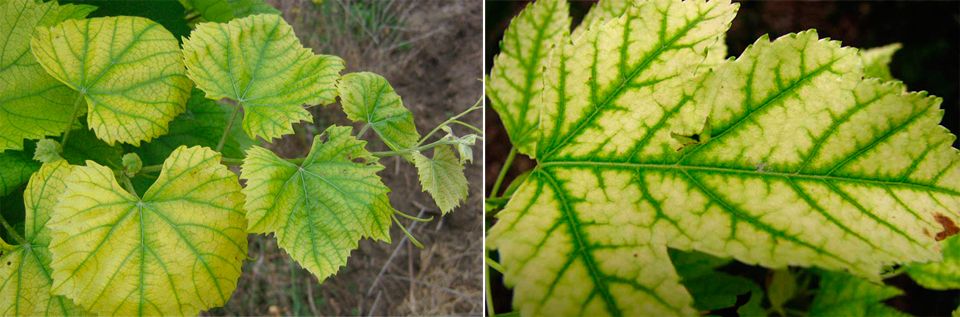
Non-infectious chlorosis occurs due to iron deficiency.
The disease manifests itself as a general weakening of the crop and a change in the color of the leaves.
For treatment, use a solution prepared from 10 liters of water and 50 g of sulfate. To prevent the disease, use only 10 g of the main component per volume of liquid. This concentration is quite sufficient for prevention.
Treatment of wounds and cracks in trees
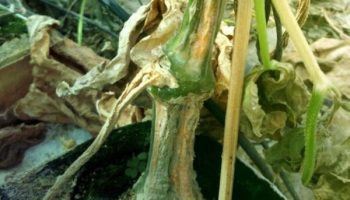
Damaged bark is treated with a one percent solution of ferrous sulfate. If not treated promptly, cuts and wounds can become infested with pathogens and insects. The tree begins to develop diseases, which negatively impacts its overall health. Before treating the wounds, the affected wood must be removed. It is a source of pathogenic microorganisms.
The next step is disinfection, carried out using a solution with a 10% concentration. This procedure can be repeated if necessary.
Hands and tools used to clean wounds and tree cuts are treated with alcohol-based solutions. This will prevent further spread of the disease.
Top.tomathouse.com warns: Exercise caution when handling iron sulfate
To avoid further problems, it is not recommended:
- spray leaves and young shoots with highly concentrated solutions;
- dilute the specified preparation in an iron container;
- mix iron sulfate with lime;
- combine with insecticides containing phosphorus;
- Ignore the dosage prescribed by the manufacturer.
Before using the product, wear rubber gloves and a respirator. The latter is necessary to protect the respiratory tract.
If the medicinal solution comes into contact with the skin or mucous membranes, they should be washed with running water.
Iron sulfate must be kept in a dry place in a closed container.
The product has no expiration date. If the above rules and regulations are followed, the effect achieved by using ferrous sulfate will meet all expectations.