Early and ultra-early potato varieties are prized by gardeners and farmers. In this article, we'll look at the best of them, provide descriptions, and tell you which ones are best to plant in different regions.

Content
- 1 Early varieties and their advantages
- 2 Top 12 Ultra-Early Potato Varieties with Photos and Descriptions
- 3 Top 20 Early-Maturing Potato Varieties with Photos and Descriptions
- 4 Top 13 mid-early potato varieties with photos and descriptions
- 5 The best early potato varieties for central Russia
- 6 The best early potato varieties for the Moscow region
- 7 The best early potato varieties for the Northern and Northwestern regions
- 8 The best early potato varieties for the Urals
- 9 The best early potato varieties for Siberia
- 10 The best early potato varieties for Belarus
Early varieties and their advantages
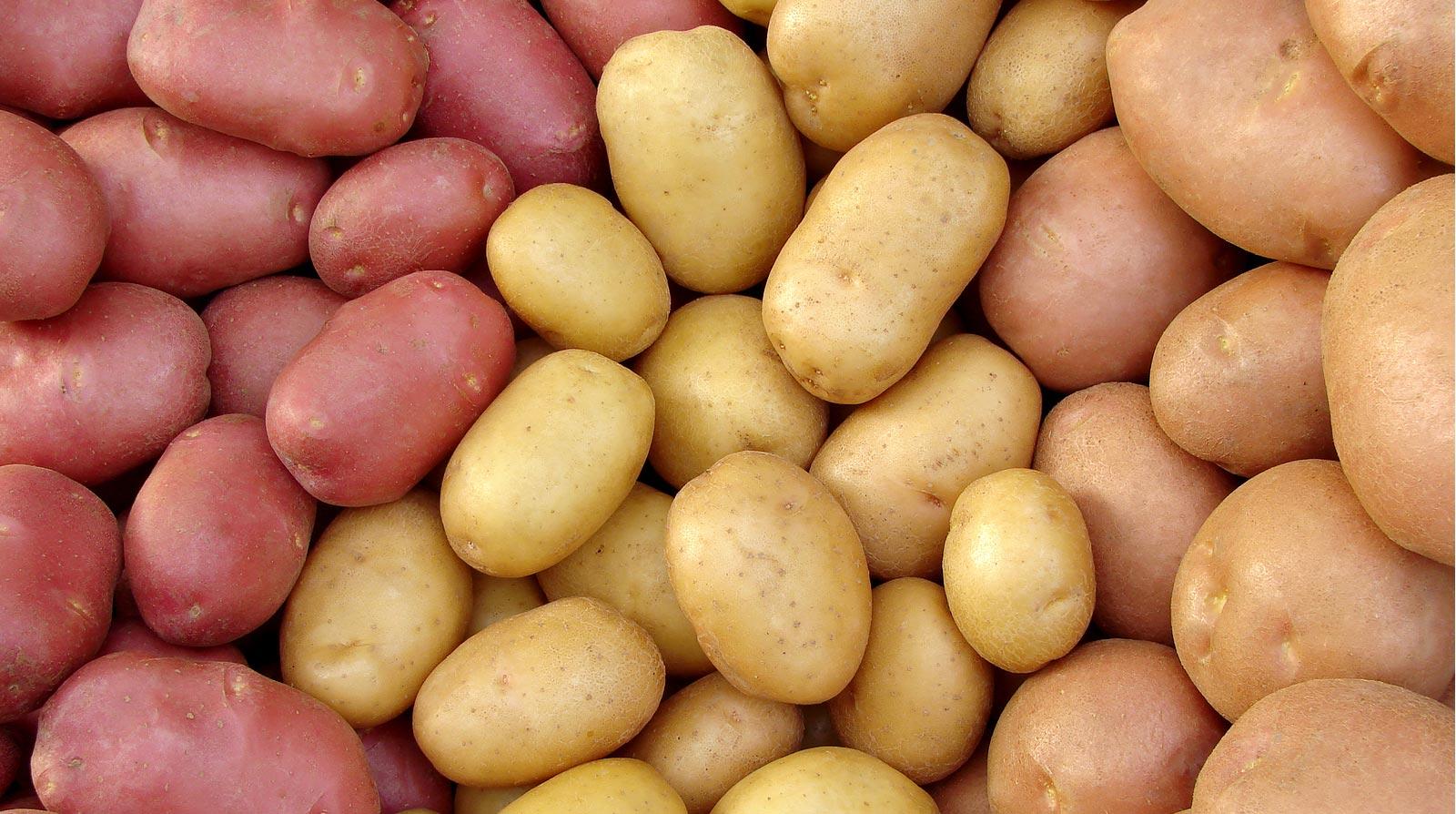
There are approximately 4,000 varieties of early potatoes. For convenience, they are classified by various parameters, such as country of breeding:
- domestic;
- imported.
All varieties produce an early harvest, but they have different ripening times. Based on this parameter, the crop is usually classified as follows:
- ultra-early (super-early) – 45-55 days pass between emergence and harvest;
- early ripening (early maturing) – 50-65 days;
- mid-early – 60-85 days.
By appointment:
- table - for culinary purposes;
- technical – for the production of starch and alcohol;
- fodder - for consumption by livestock and birds;
- universal – a cross between the two previous options.
Early varieties have the following advantages:
- the opportunity to harvest at the beginning of the growing season;
- cleaning before the peak of late blight;
- good taste characteristics;
- high percentage of marketability.
For reference! There are also mid-season, mid-late, and late-season potato varieties.
Let's take a closer look at the best varieties according to different ripening periods.
Top 12 Ultra-Early Potato Varieties with Photos and Descriptions
Plant outdoors in spring, when the soil warms to 10°C. The harvest can be started without waiting for the tops to dry out.
Bellarosa
- Ripening period – 45-55 days;
- Tubers – round-oval, with rough pink skin, yellowish flesh, with lilac eyes, weighing 117-207 g;
- Bushes - tall, on which reddish-purple buds appear;
- Starch content – 12.6-15.7%;
- Culinary type – AB;
- Productivity – 169-326 c/ha, maximum 385 c/ha;
- Disease resistance – high resistance to cancer, viruses, nematodes, average resistance to scab and late blight;
- Growing regions – North-West, Volga-Vyatka, Central Black Earth, Ural.
- Advantages – when harvested later, it has good shelf life and is resistant to drought;
- Flaws – susceptible to insect attacks.
Photo gallery of the Bellarosa potato variety:
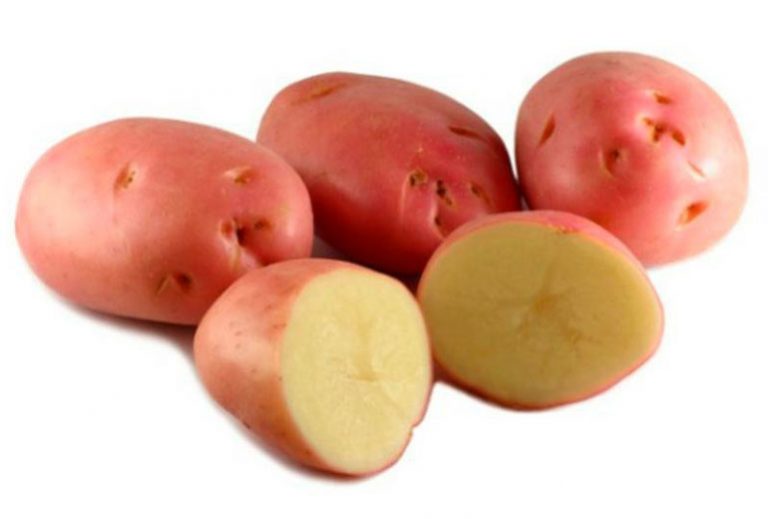
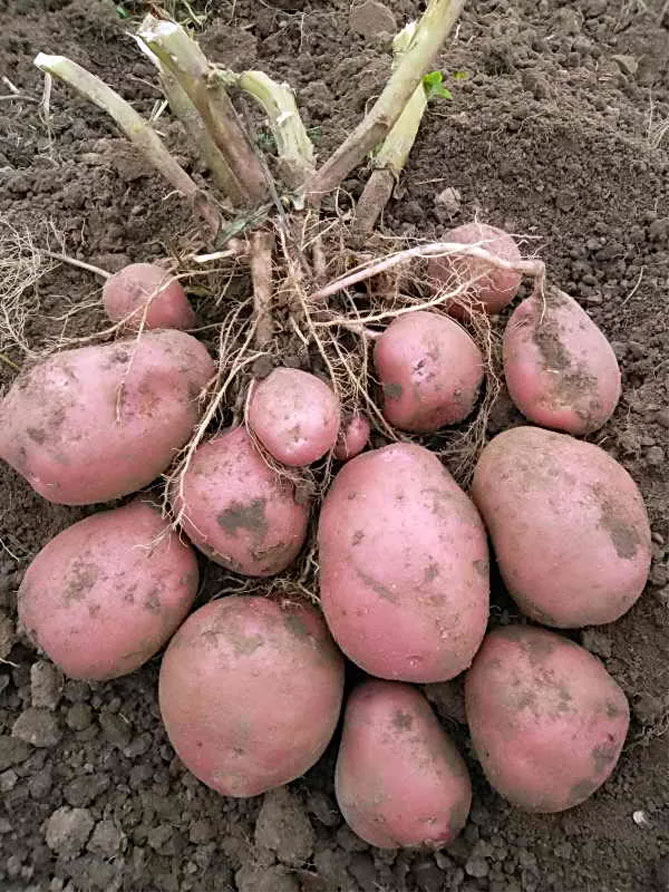
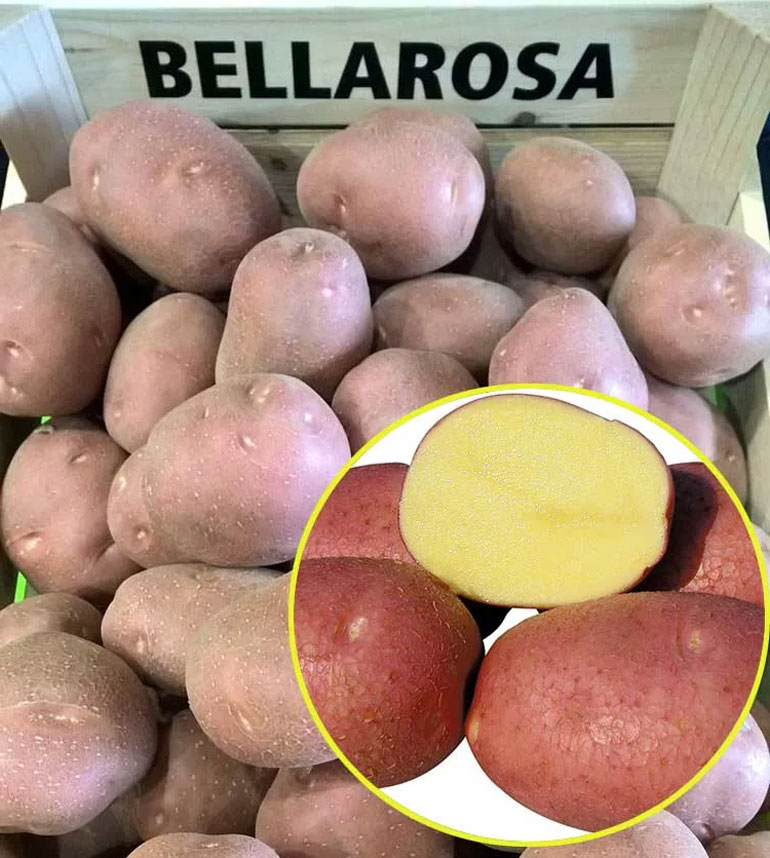
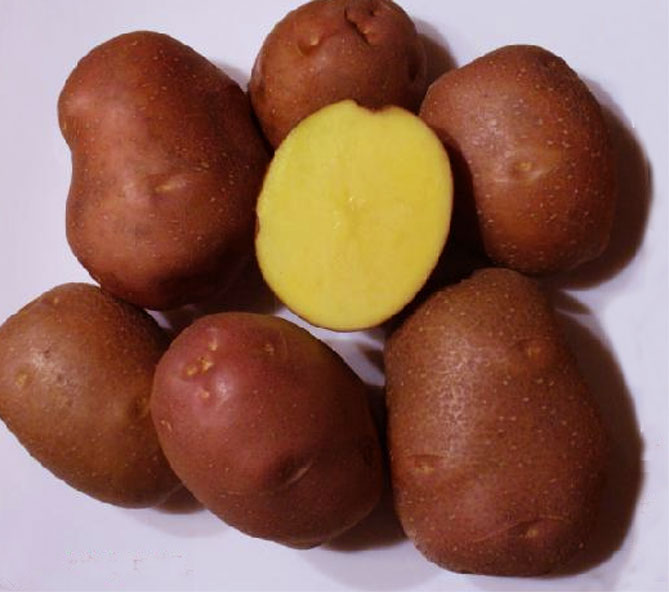
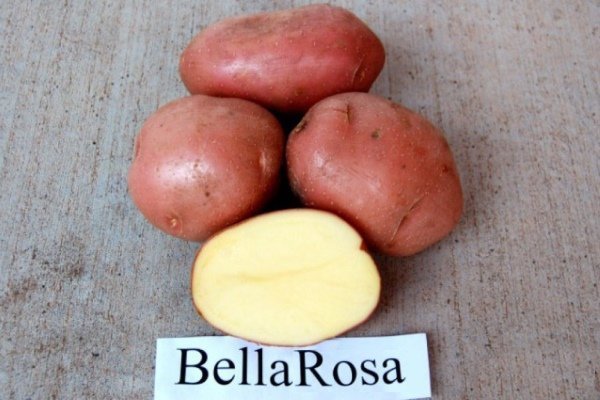
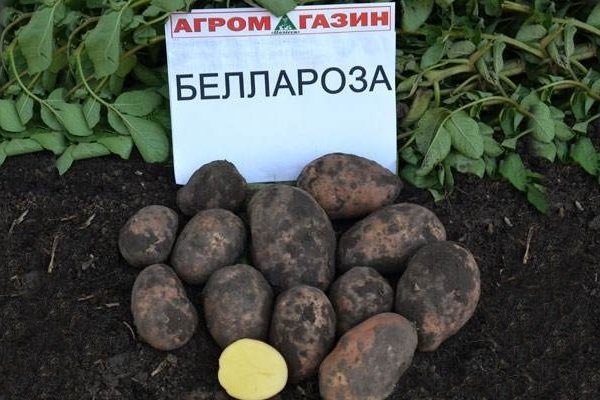
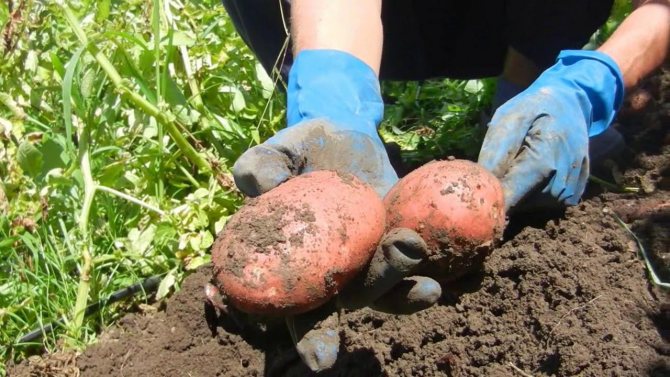
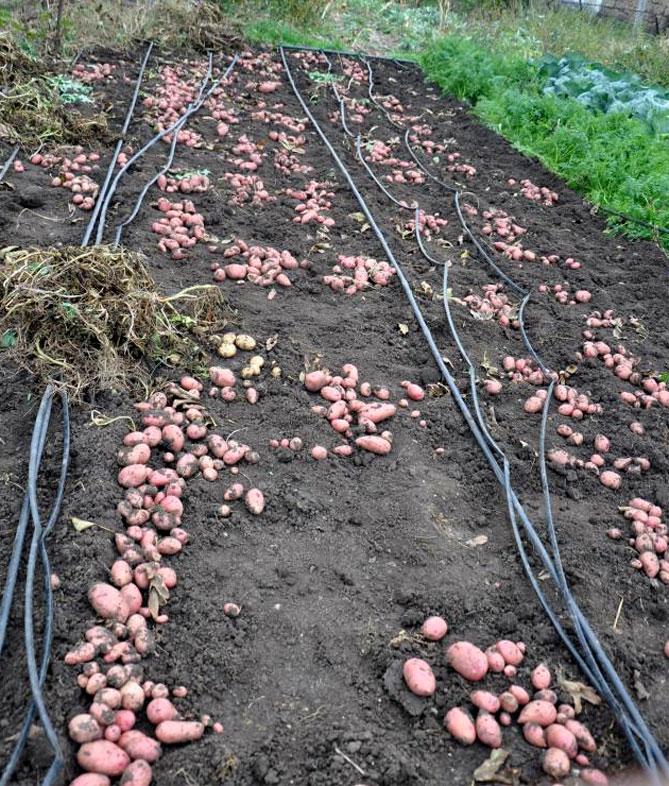
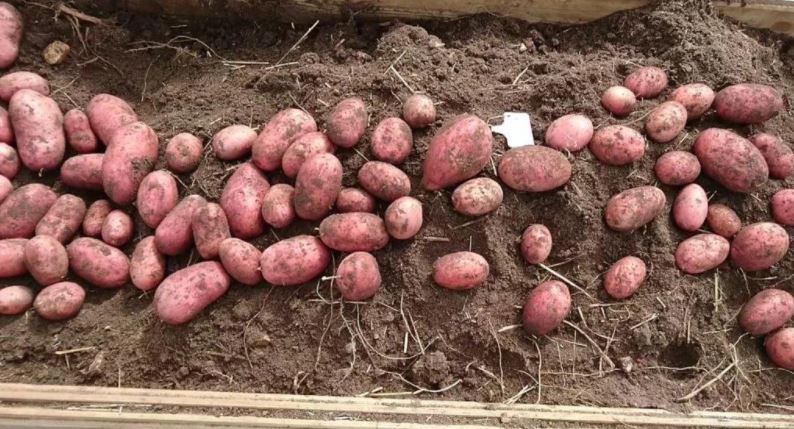
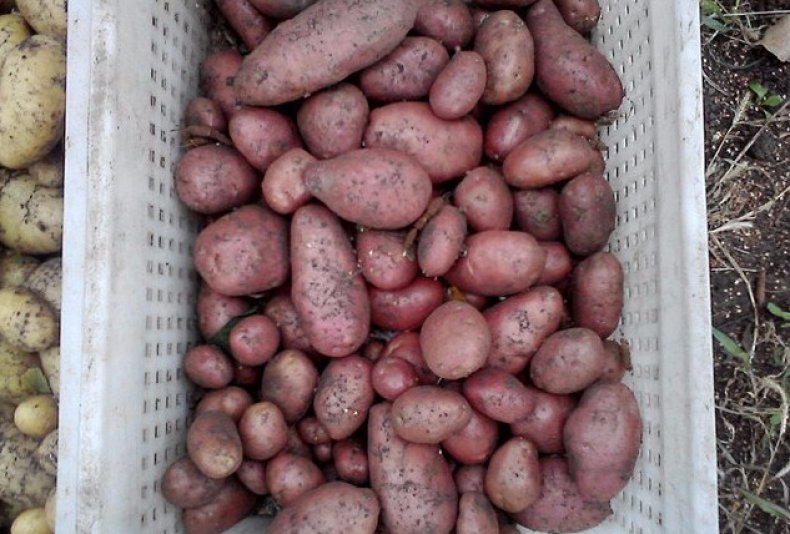
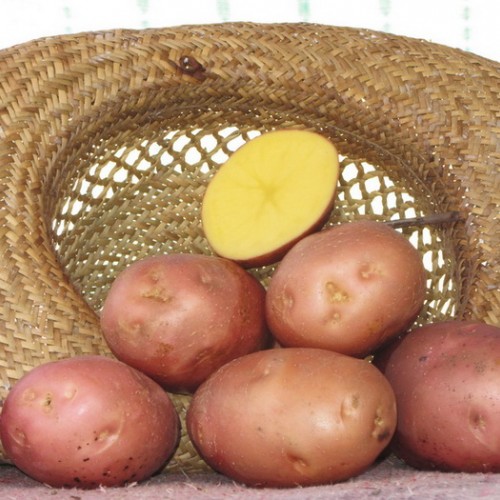
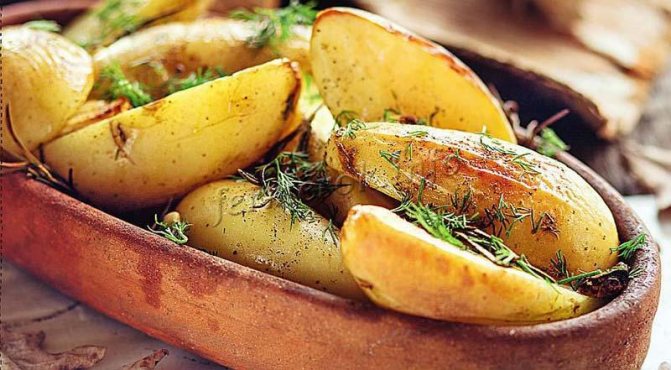
You can find out more about the variety in the article. Bellarosa Potato: Variety Characteristics, Reviews, and Comparison.
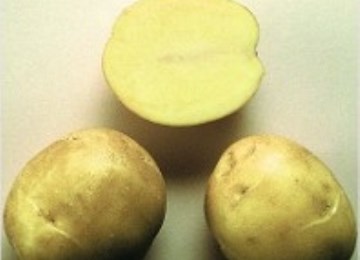
Dolphin
- Ripening period – 50 days;
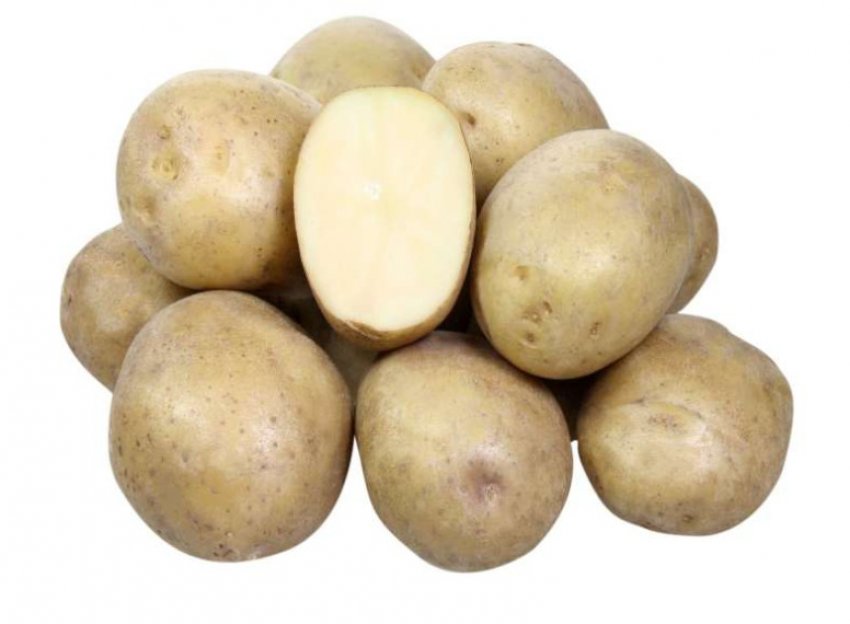
- Tubers – with yellowish flesh and skin;
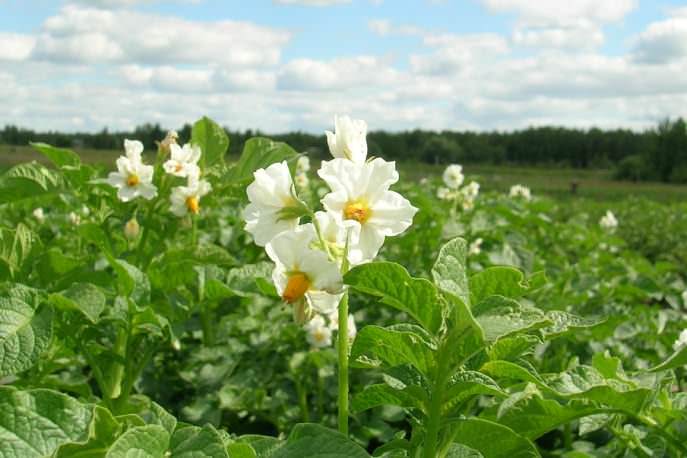
- Bushes – medium height with white flowers;
- Starch content – 12%;
- Culinary type – B;
- Productivity – 550 c/ha;
- Disease resistance – high resistance to late blight and scab;
- Growing regions – Russia (Central and Central Black Earth region), Ukraine, Belarus;
- Advantages – drought resistance, long storage life, excellent yield;
- Flaws – need for planting in sunny areas, resistance to pests, preference for light soil.
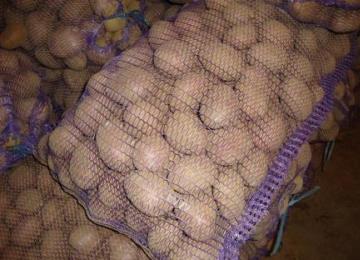
Photo gallery of the Dolphin potato variety:
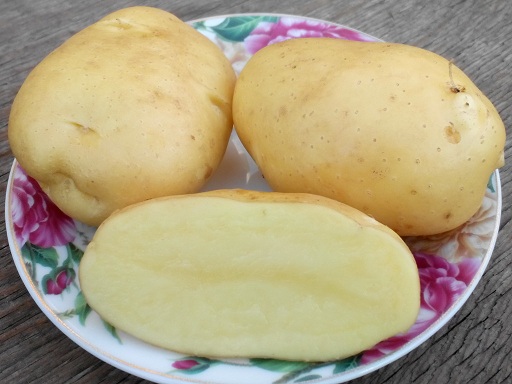
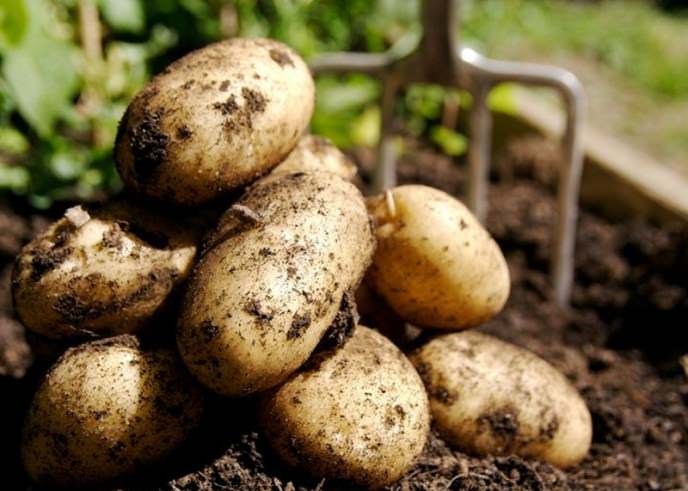
Do not confuse this variety with another one called DolphinUnlike the potato in question, which originated in Belarus, a variety with a similar name is produced in Germany. It has dark red tubers and a mid-season ripening period.
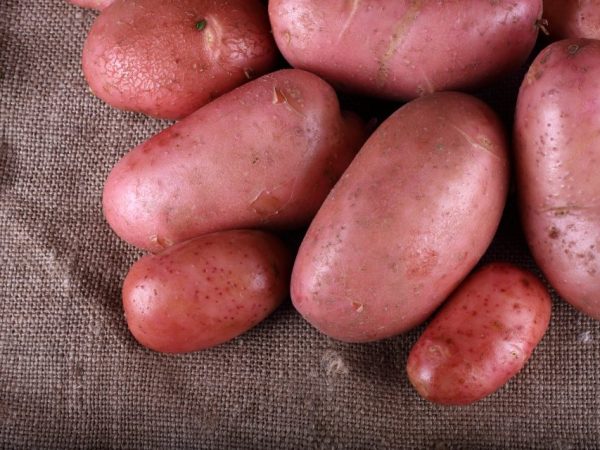
Impala
- Ripening period – the first harvest is possible on the 45th day, 55-65 days;
- Tubers – large in size, round or round-oval in shape, small eyes, reddish skin and light yellow flesh, weight 88-150 g;
- Bushes – medium-sized, with white flowers;
- Starch content – 10.5-14.6%;
- Culinary type – AB;
- Productivity –180-360 c/ha;
- Disease resistance – high resistance to cancer, nematodes, viruses, scab, low resistance to late blight and rhizoctonia;
- Growing regions – North-West, Central, Volga-Vyatka, Lower Volga;
- Advantages – adapts to any conditions, resistant to mechanical damage, unpretentious to soil, pleasant taste;
- Flaws – need for additional seed treatment, susceptibility to rhizoctonia and late blight, demanding of lack of moisture.
Photo gallery of the Impala potato variety:
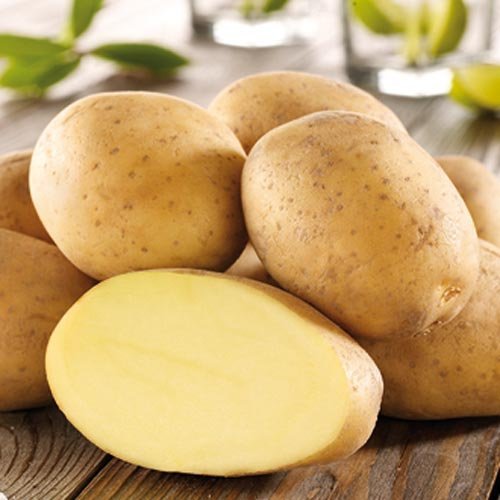
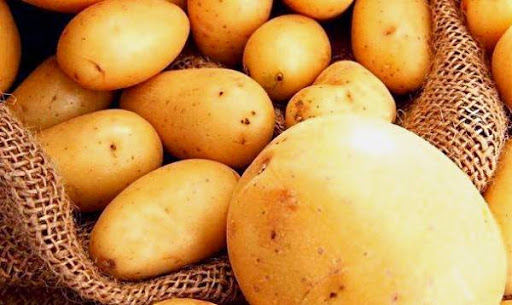
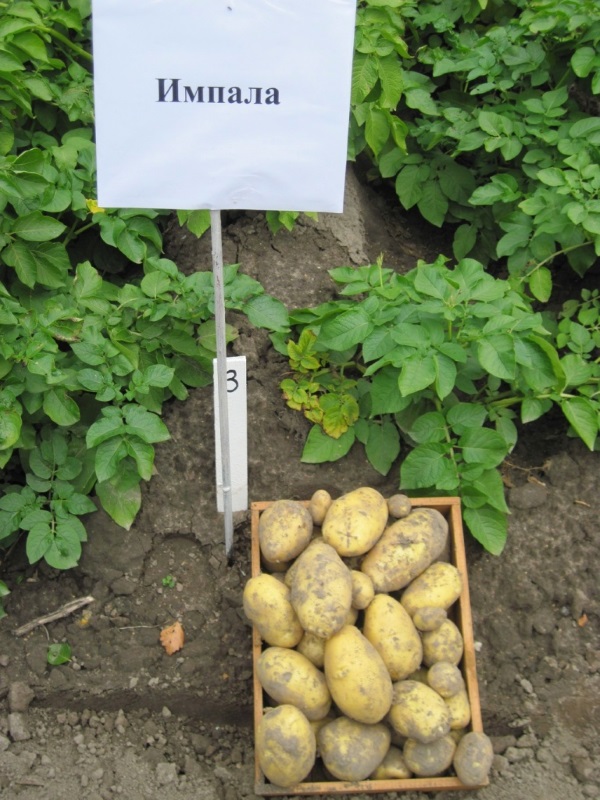
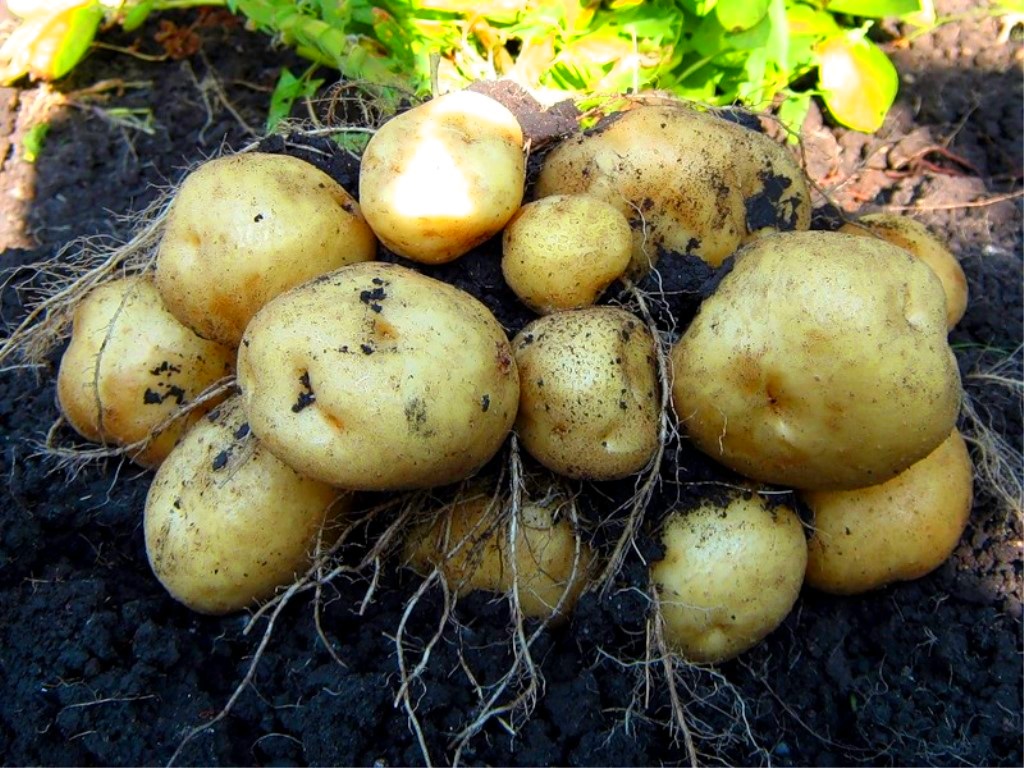
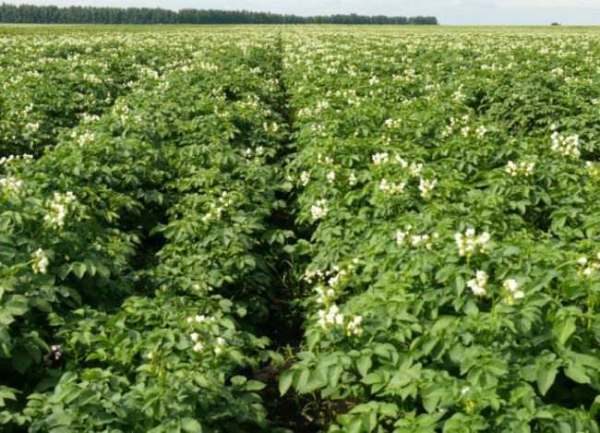
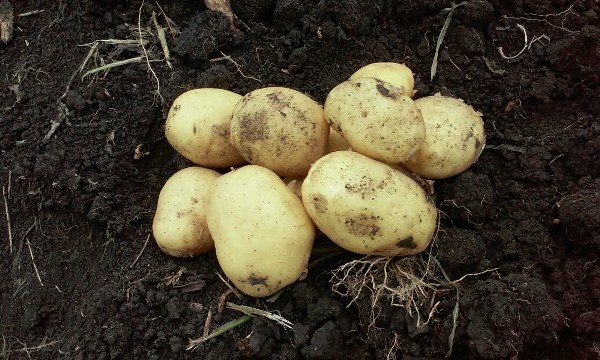
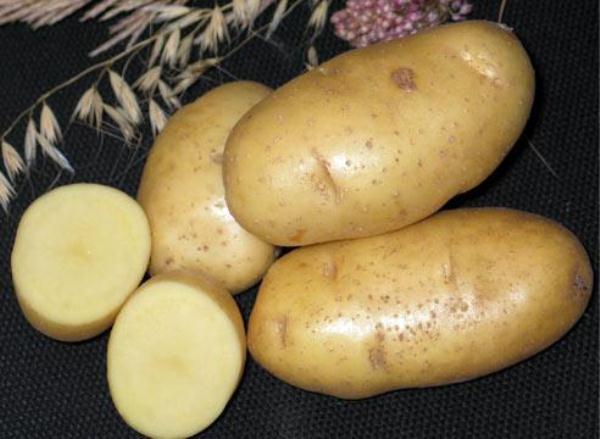
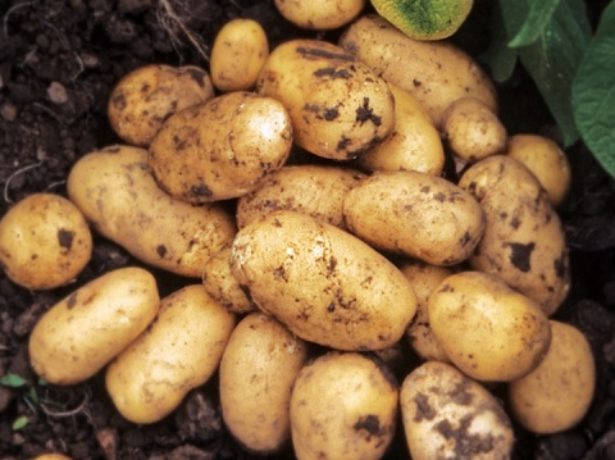
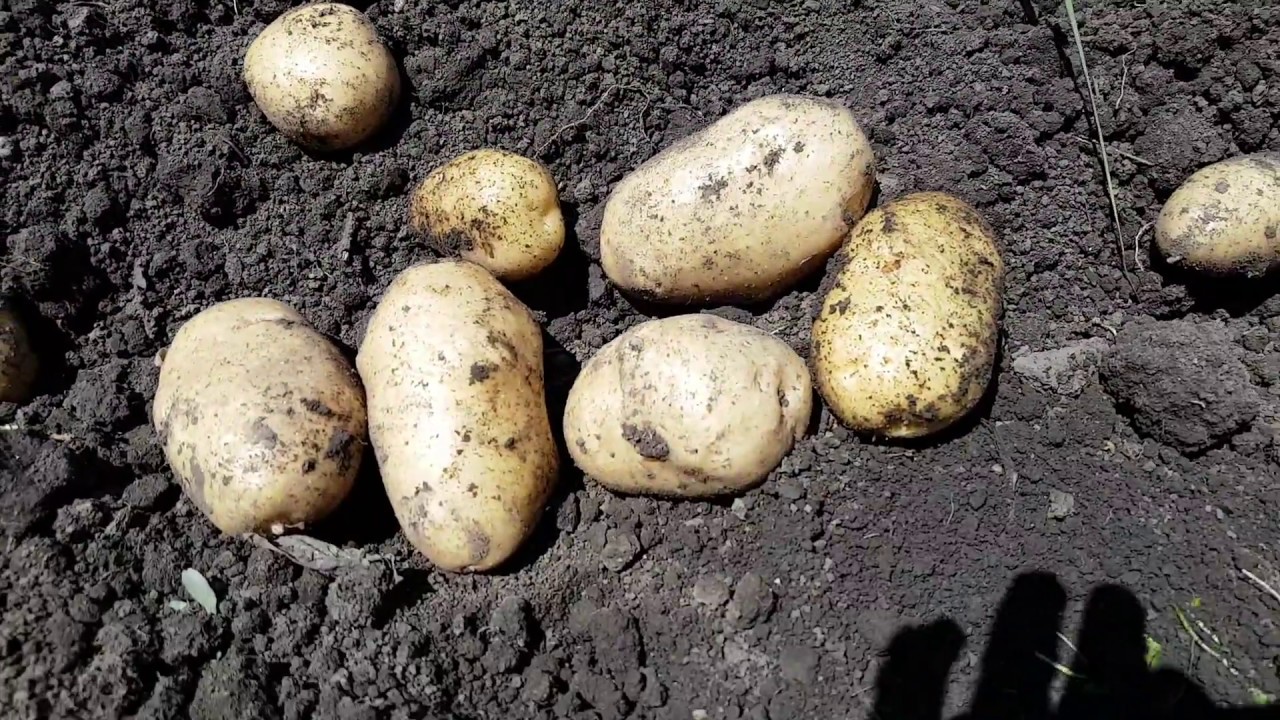
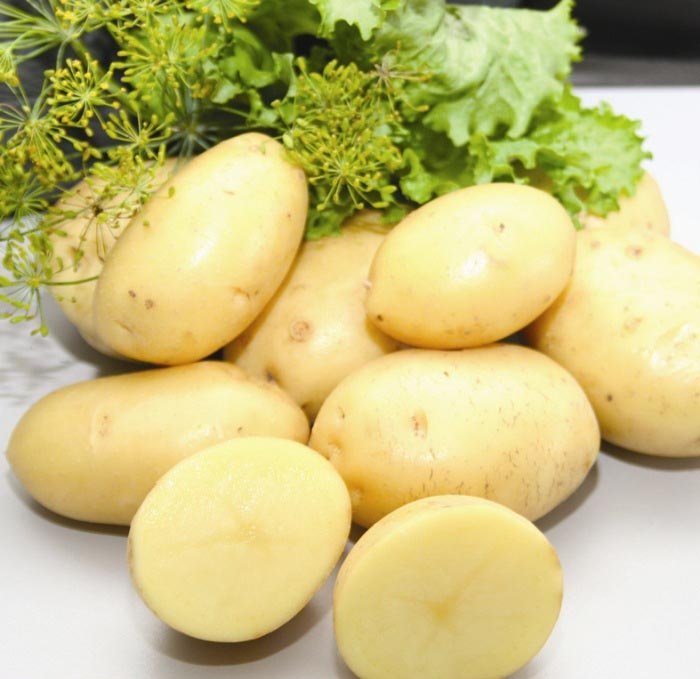
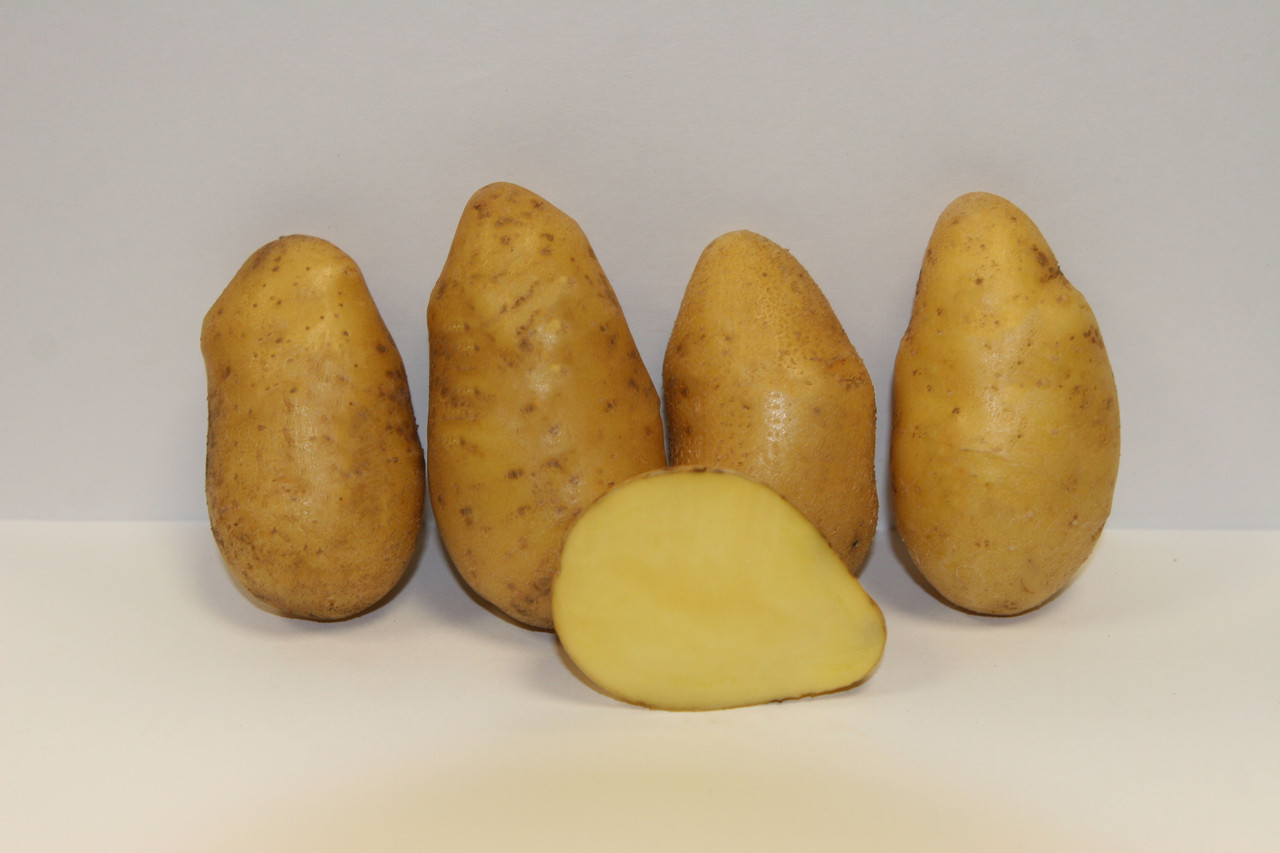
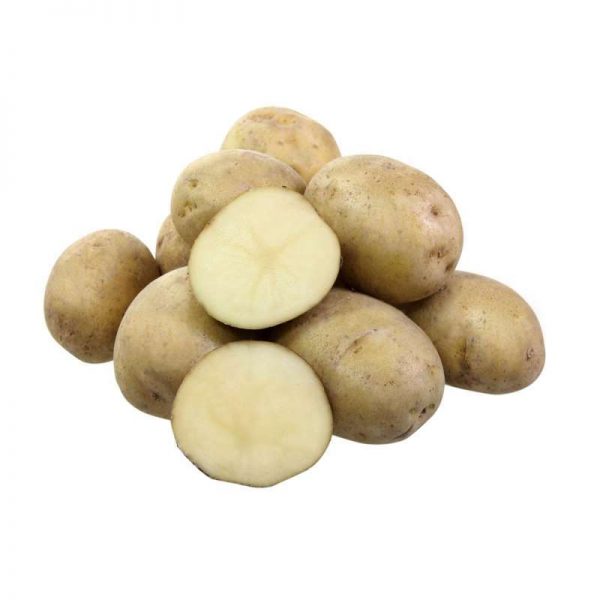
The variety was bred by the Dutch.
More details about Impala variety.
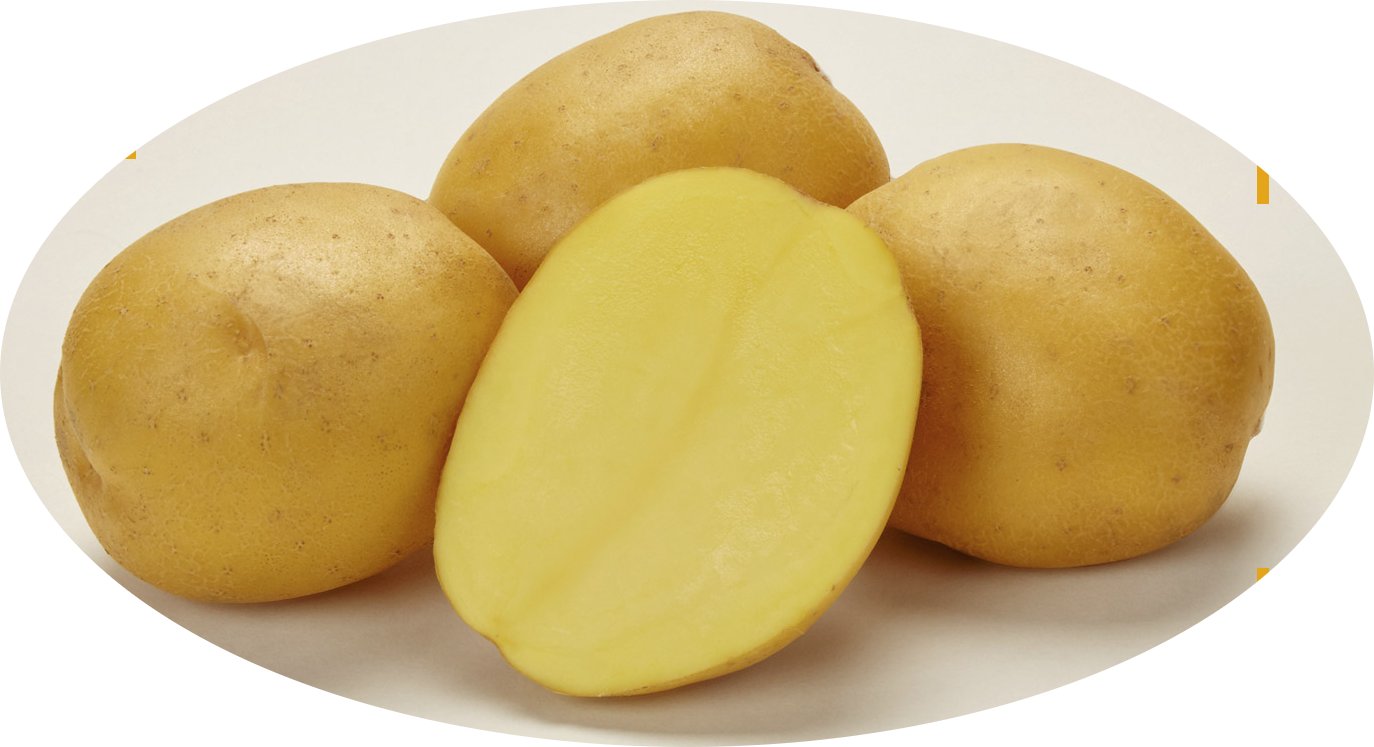
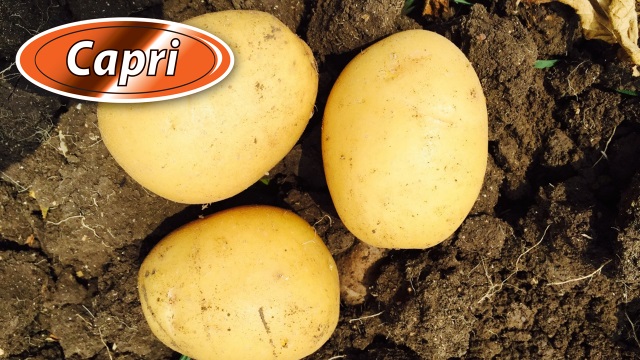
Capri
- Ripening period – 45-65 days;
- Tubers – weight 92-115 g, with yellow skin and pulp;
- Bushes - low, semi-erect type, corollas are light;
- Starch content –14.2-16.2%;
- Culinary type – AB;
- Productivity – 184-257 c/ha;
- Disease resistance – high resistance to nematodes, mosaic, scab, cancer, low resistance to late blight;
- Growing regions – Central Black Earth, Middle Volga;
- Advantages – standard agrotechnical requirements, resistance to mechanical damage and drought, excellent taste;
- Flaws – low resistance to late blight.
Photo gallery of the Capri potato variety:
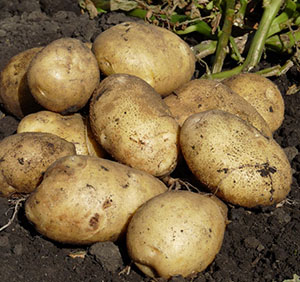
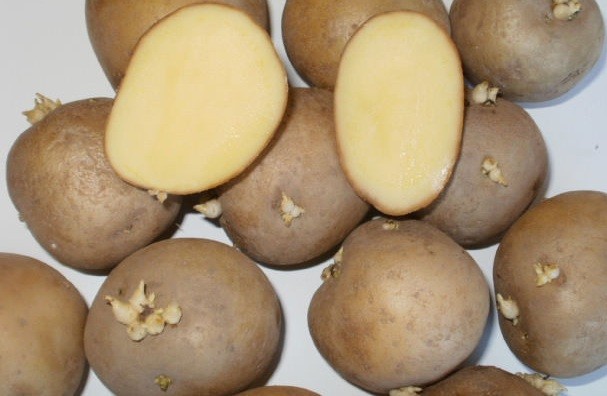
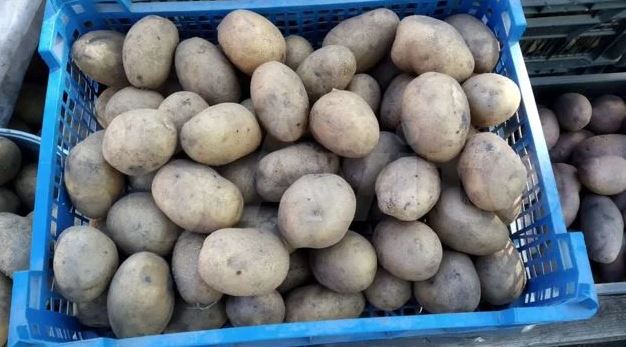
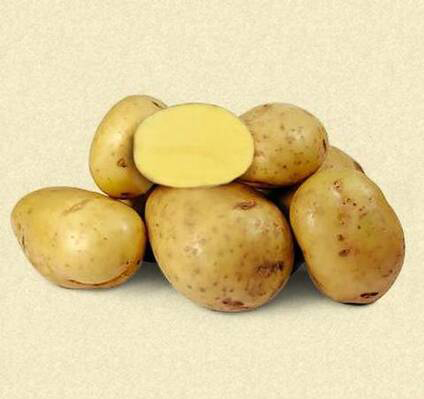
Karatop
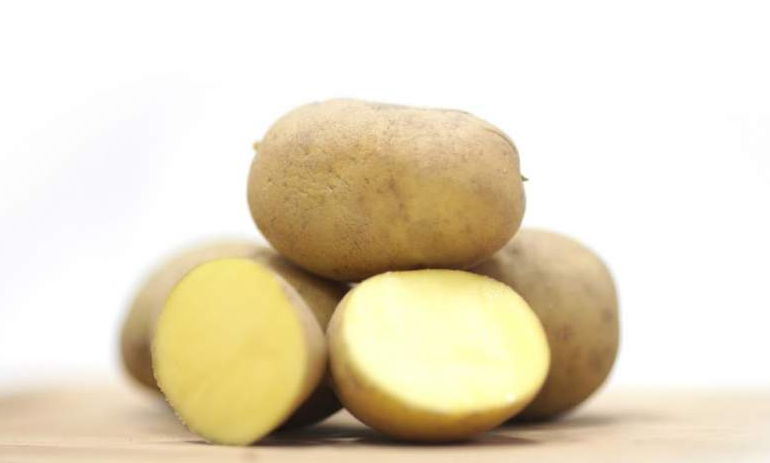
- Ripening period – 40-55 days;
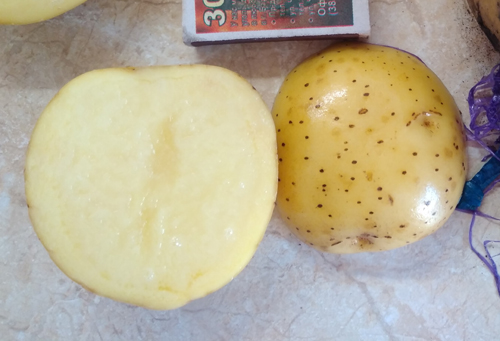
- Tubers – the peel and pulp are yellow, weight 58-105 g;
- Bushes – medium size;
- Starch content – 10.6-14.4%;
- Culinary type – B;
- Productivity – 198-436 c/ha, maximum 494 c/ha;
- Disease resistance – high resistance to cancer, nematodes, leaf curl virus, average resistance to late blight;
- Growing regions – North-West, Volga-Vyatka, Middle Volga, West Siberian;
- Advantages – long-term storage when harvested after 70 days, resistance to dangerous infections and pests, high yield;
- Flaws – does not tolerate drought well.
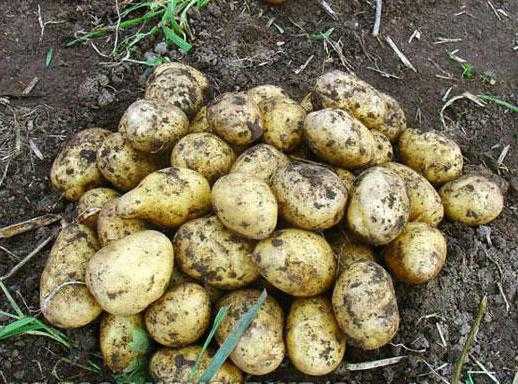
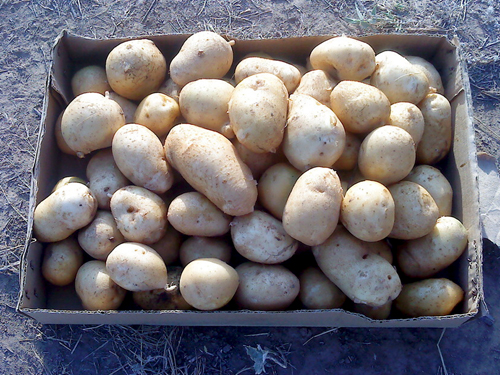
Photo gallery of the Karatop potato variety:
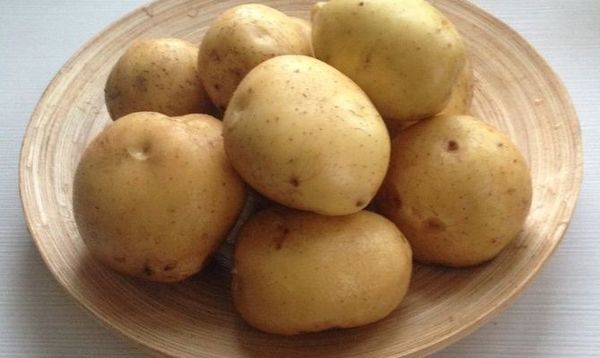
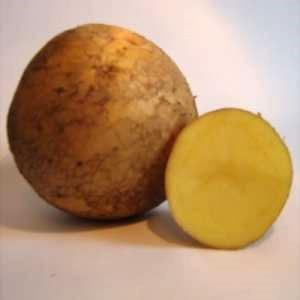
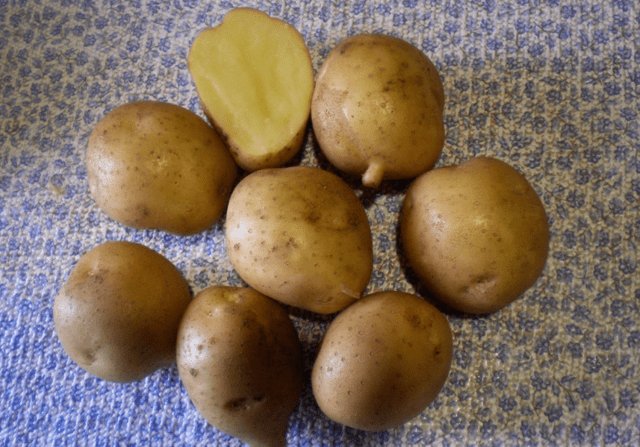
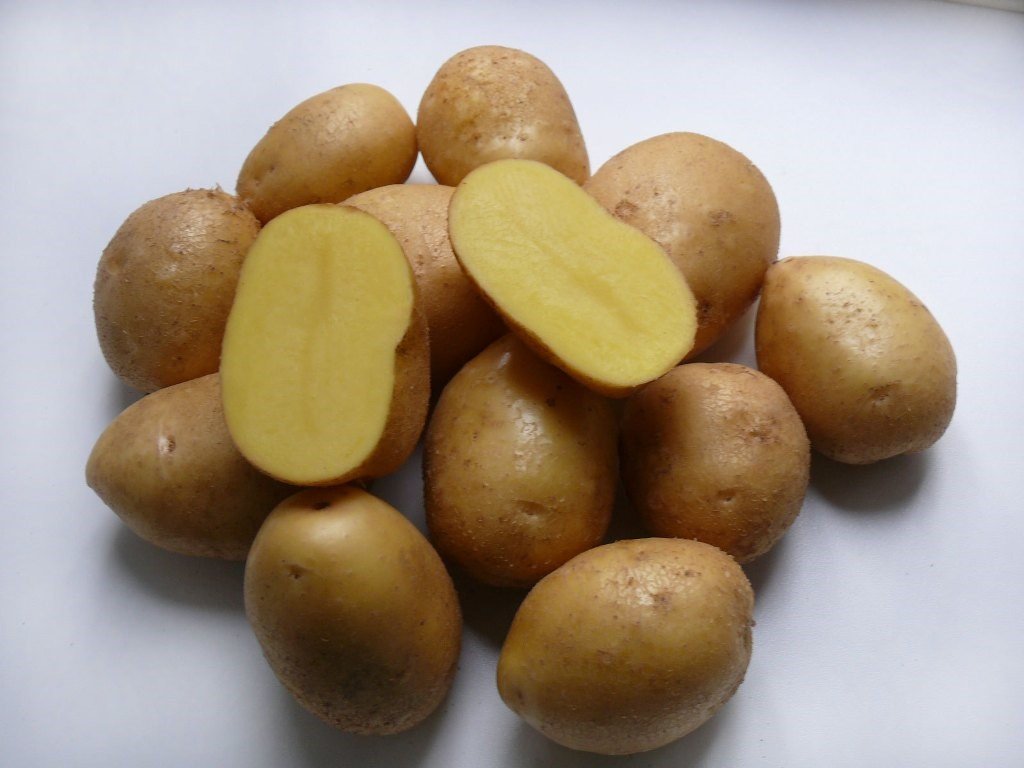
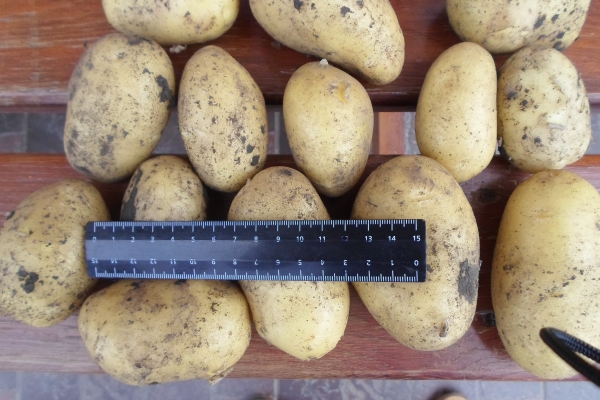
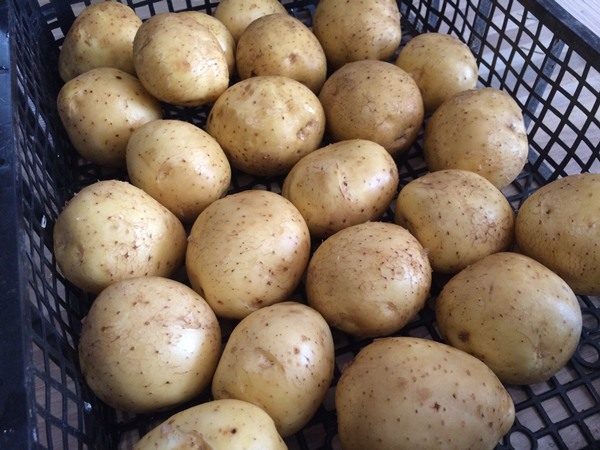
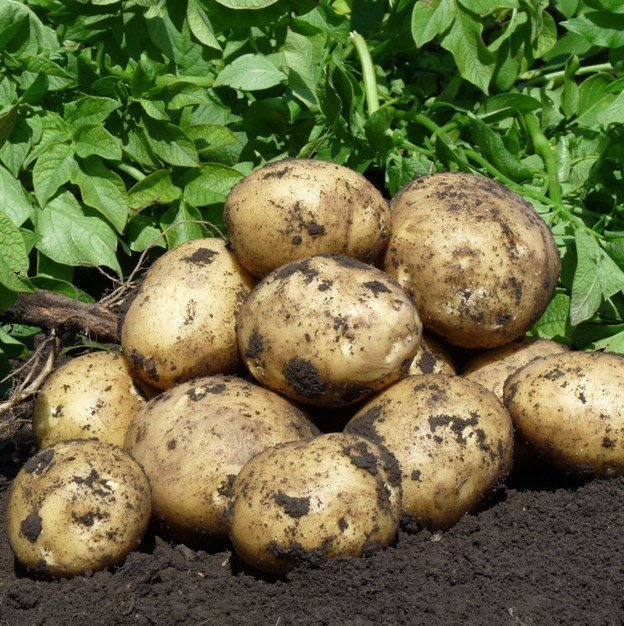
Colomba
- Ripening period – you can dig after 35 days, 55-65;
- Tubers – large or medium-sized, round-oval, yellow in color, like the flesh, weighing 82-126 g;
- Bushes - average;
- Starch content – 11-15%;
- Culinary type – AB;
- Productivity – 244-364 c/ha, maximum 422 c/ha;
- Disease resistance – high resistance to cancer, nematodes, average resistance to scab, viruses, late blight;
- Growing regions – Northwestern, Central, Volga-Vyatka, Central Black Earth, North Caucasian, Middle Volga, West Siberian;
- Advantages – small and shallow eyes, unpretentiousness to maintenance conditions, pleasant taste;
- Flaws – requires well-warmed soil, average marketability.
Photo gallery of the Colomba potato variety:
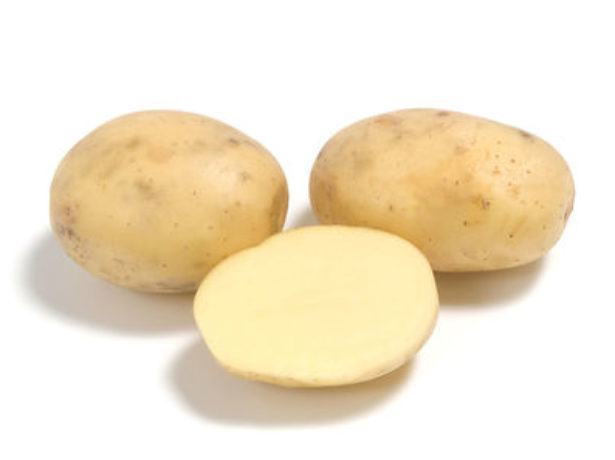
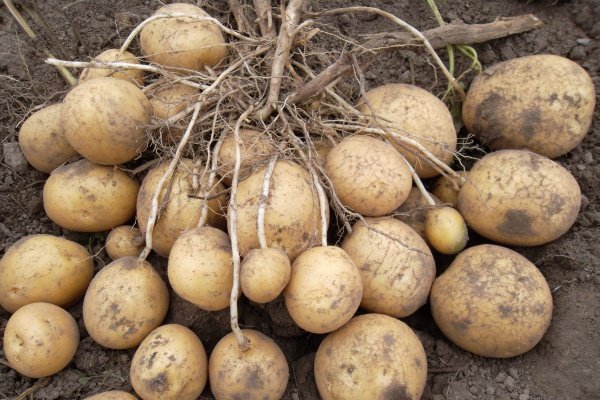
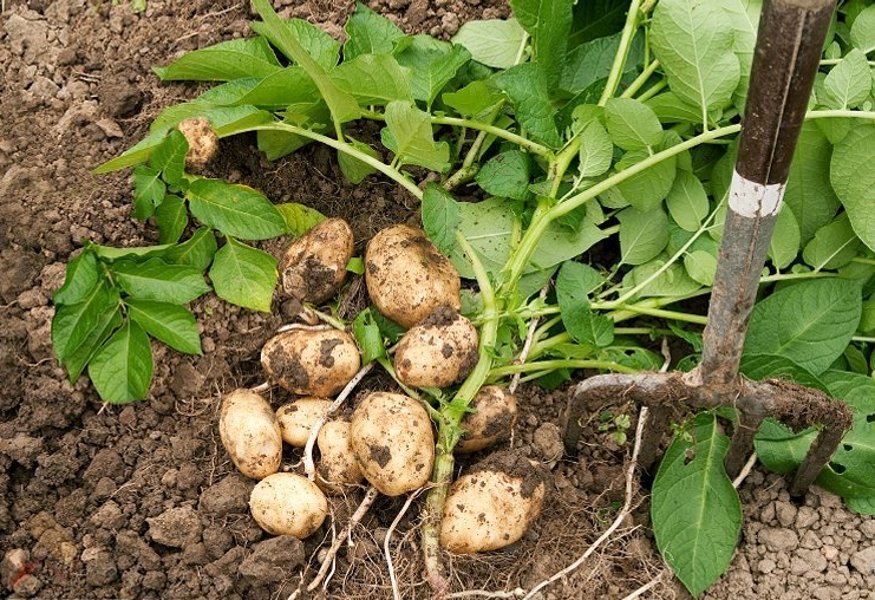
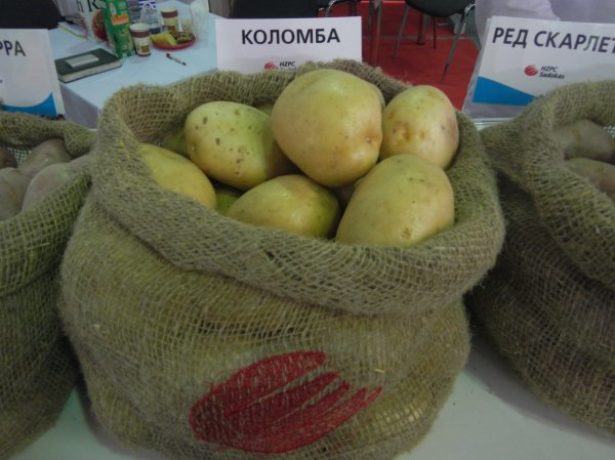
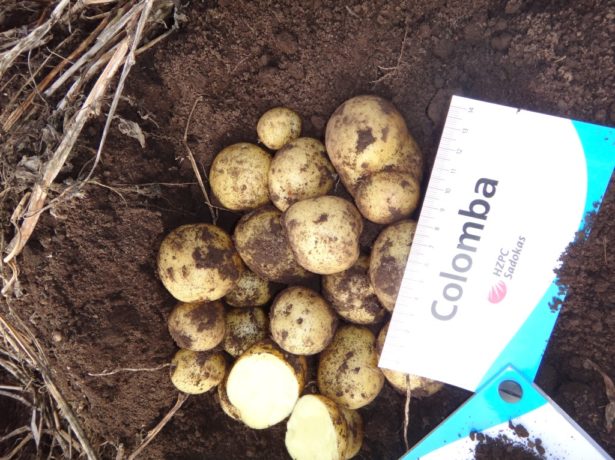
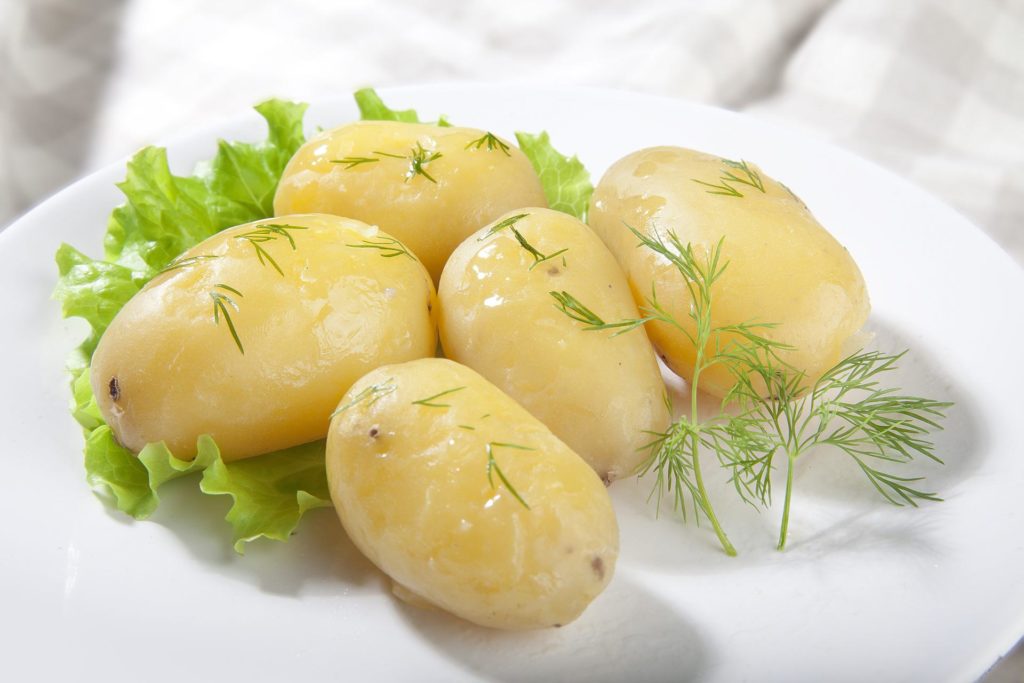
Read more about the variety in the article Colombo Potato: variety description, comparison, photos, reviews.
Meteor
- Ripening period – 40-50 days;
- Tubers – round-oval, with yellow skin and light flesh, eyes of medium depth, weight 102-147 g;
- Bushes – tall, white flowers;
- Starch content – 12.0-14.9%;
- Culinary type – VS;
- Productivity – 229-322 c/ha, maximum 450 c/ha;
- Disease resistance – high resistance to cancer, nematodes, tuber blight, average resistance to top blight and mosaic;
- Growing regions – Central, Volga-Vyatka, Central Black Earth, Middle Volga, Ural, West Siberian, Far Eastern;
- Advantages – resistance to many diseases, drought, mechanical damage, large tubers;
- Flaws – susceptibility to some diseases and pests.
Photo gallery of the Meteor potato variety:
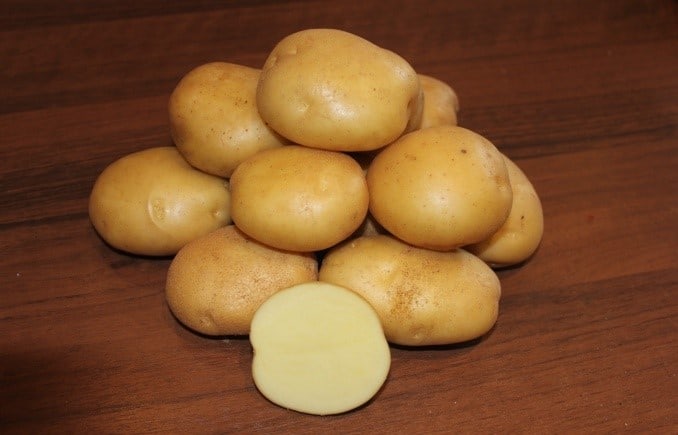
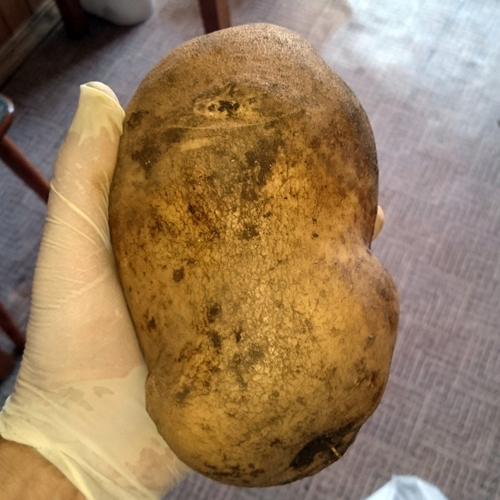
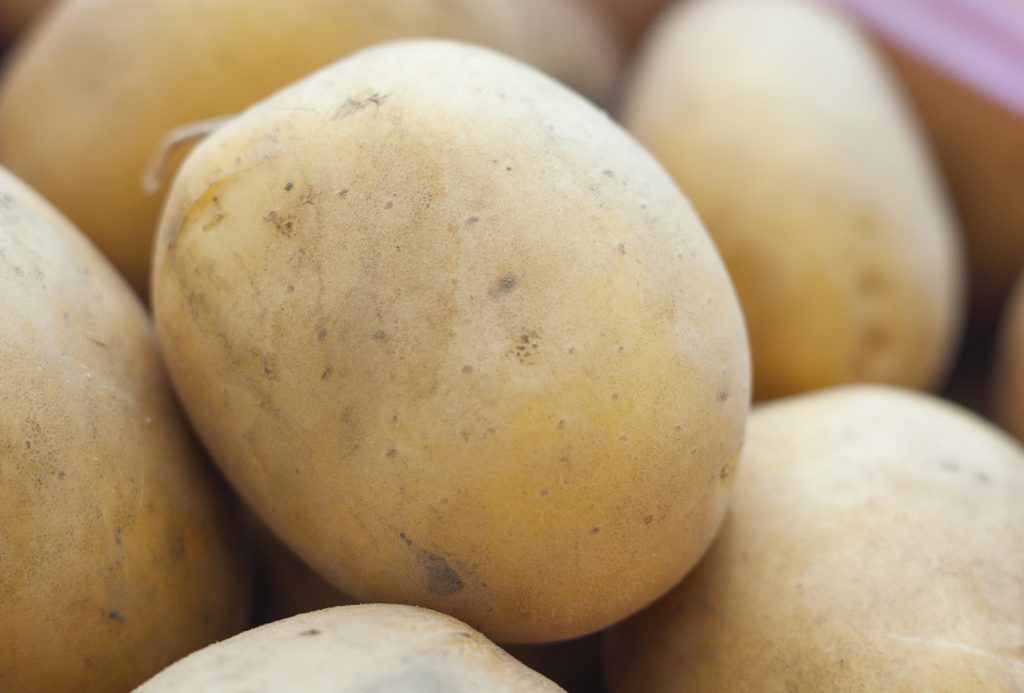
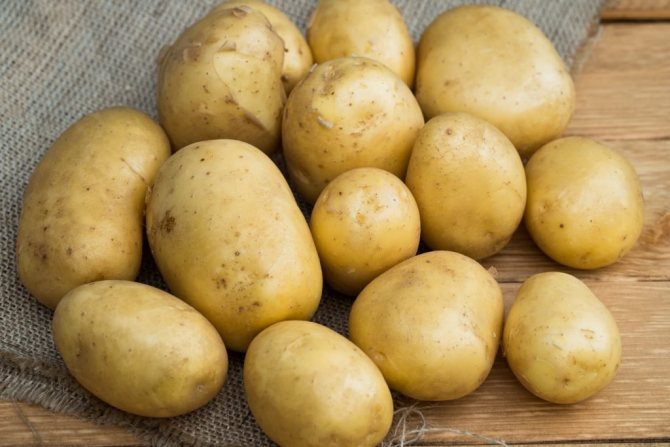
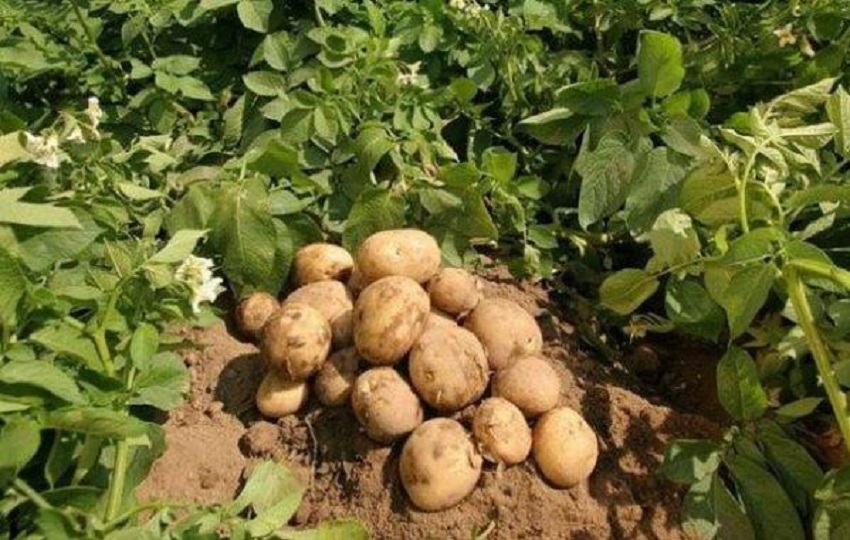
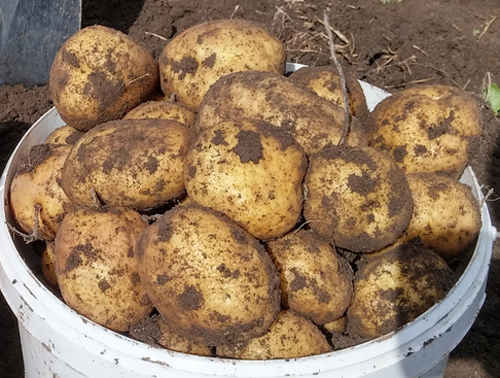
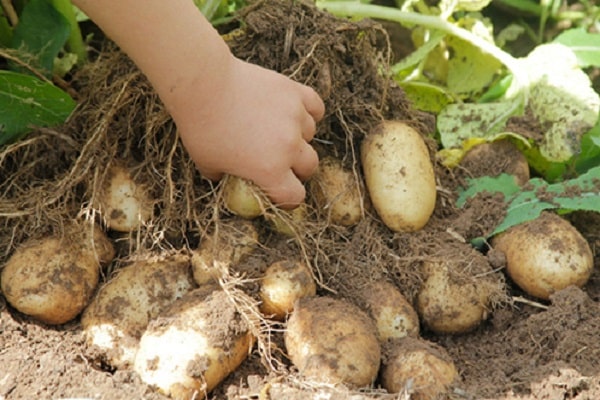
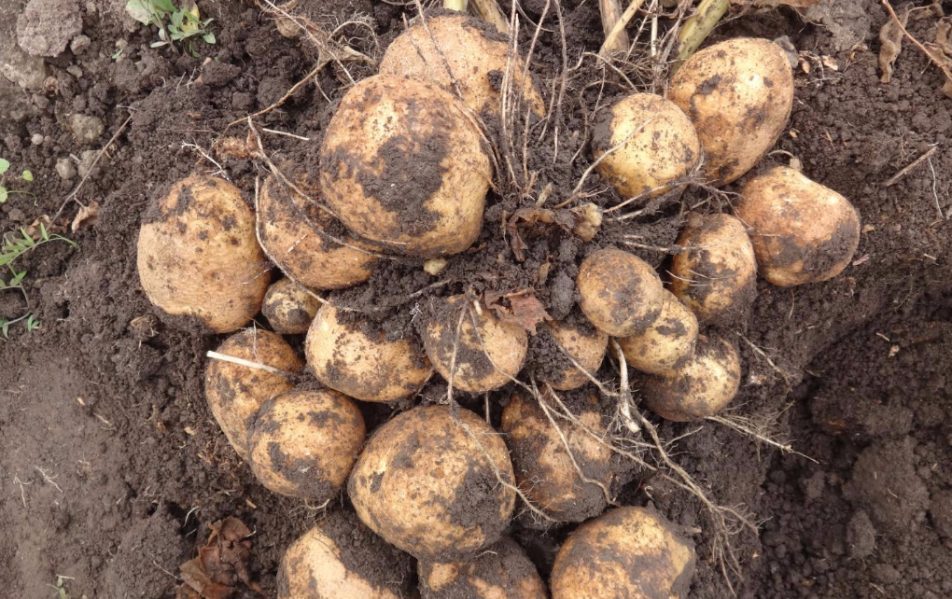
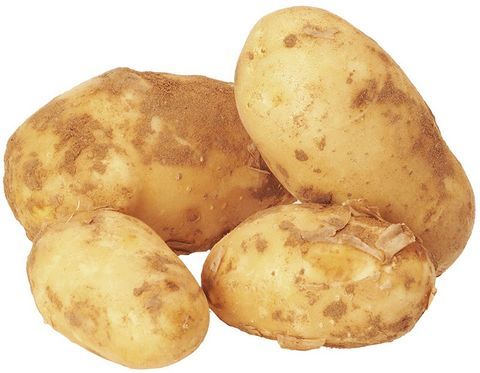
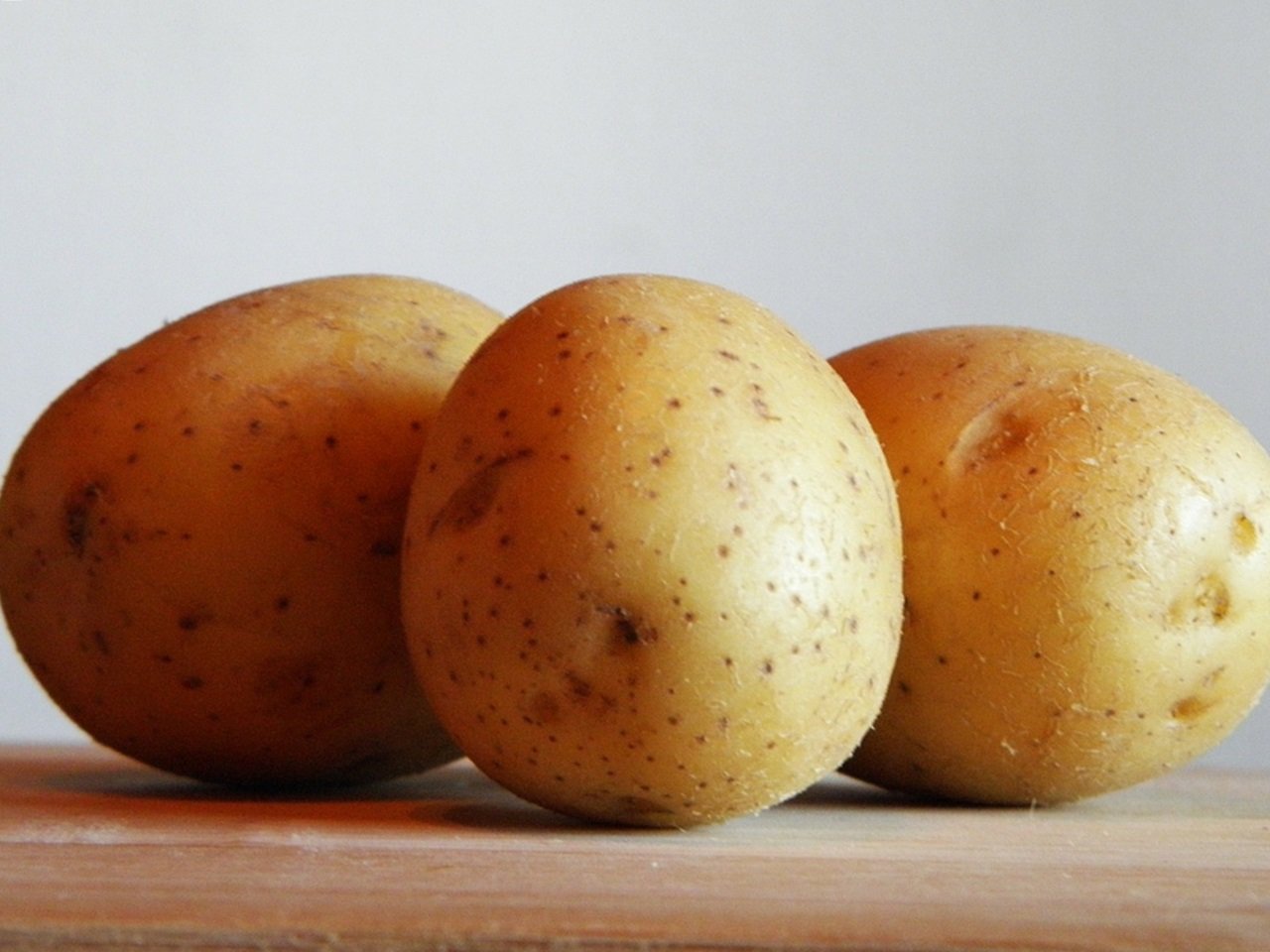
Read more about the variety in the article Meteor Potato Variety: Description and comparison with others in the table, planting and care, reviews.
Developed by domestic agronomists.
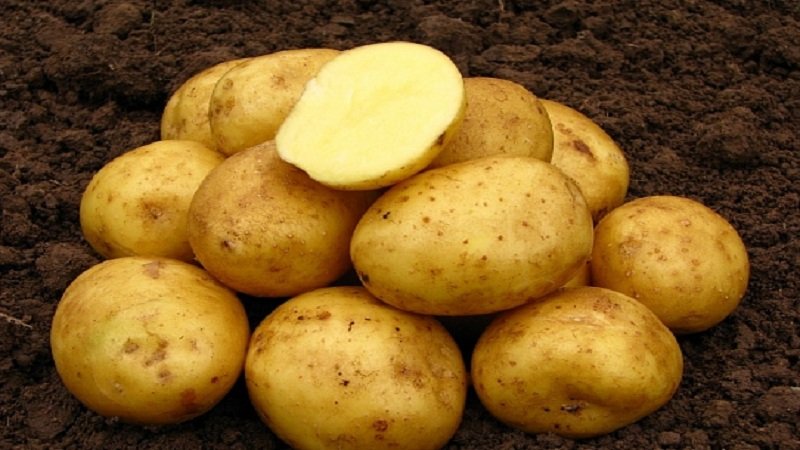
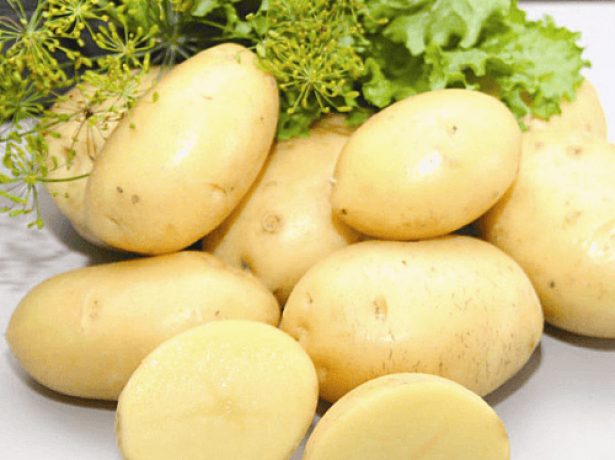
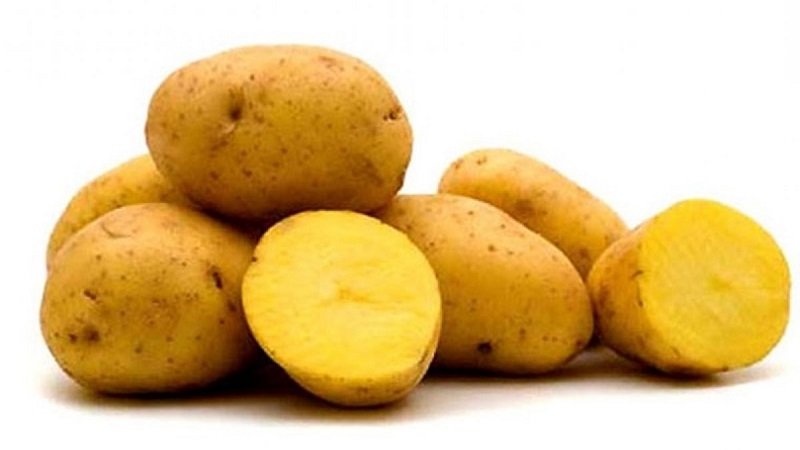
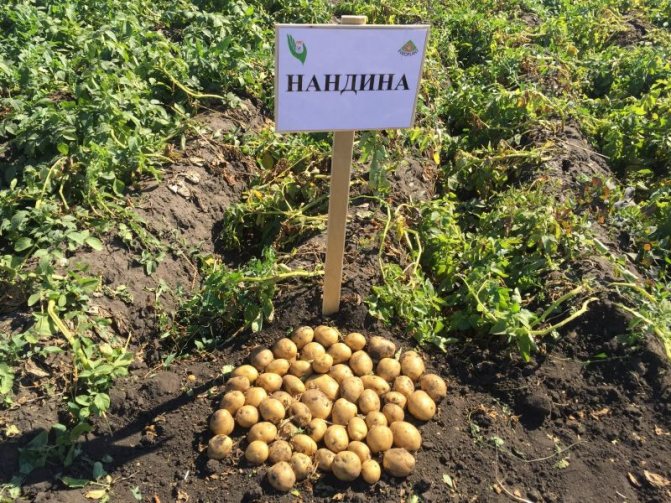
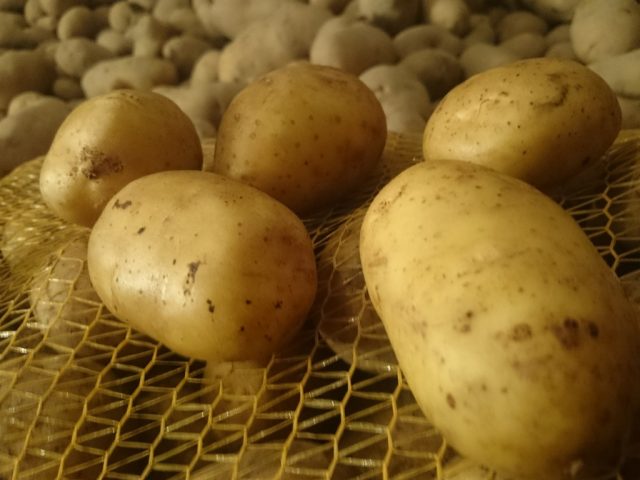
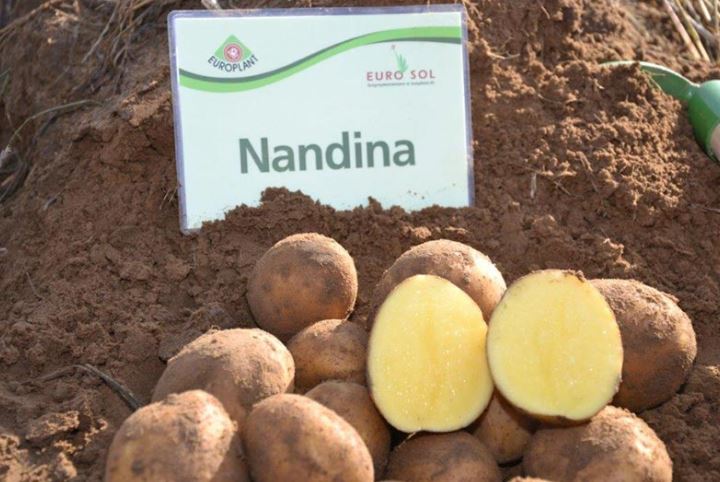
Nandina
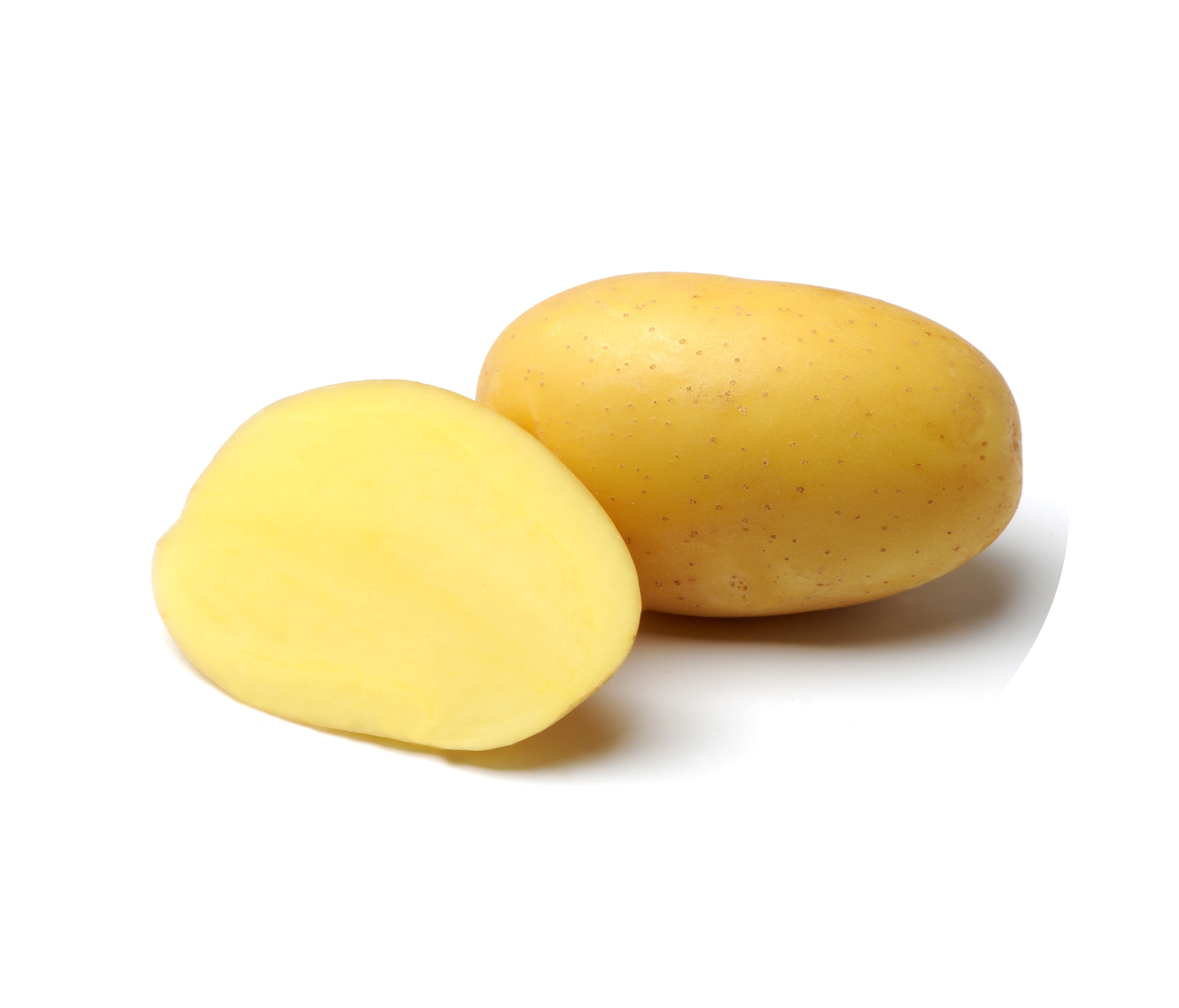
- Ripening period – 45-55 days;
- Tubers – with yellow skin and pulp, weight 72-132 g;
- Bushes – medium height, semi-erect, large leaves, light corolla;
- Starch content – 12.8-15.0%;
- Culinary type – B;
- Productivity – 146-322 c/ha, maximum 329 c/ha;
- Disease resistance – high resistance to mosaic, leaf curl, cancer, nematode, low resistance to late blight;
- Growing regions - Central, Volga-Vyatka, North Caucasian;
- Advantages – the ability to harvest 2-3 times during the growing season, there is no need for nitrogen fertilization;
- Flaws - predisposition to late blight.
Photo gallery of the Nandina potato variety:
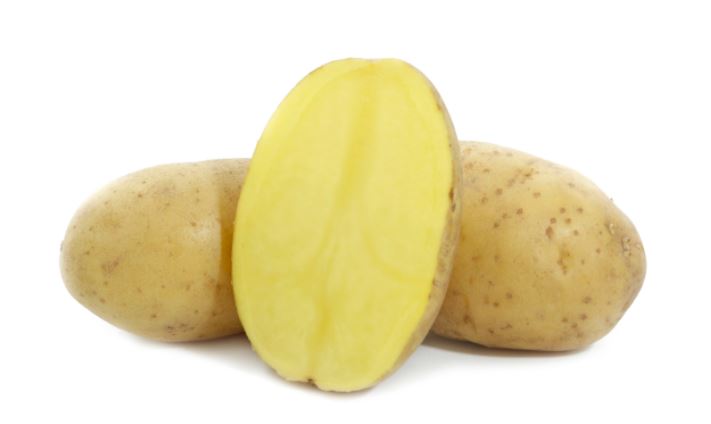
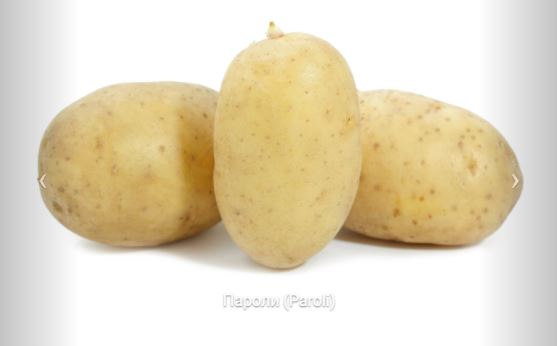
Passwords
- Ripening period – 35-45 days;
- Tubers – oval, yellow with such pulp, weighing 100-146 g;
- Bushes – tall, spreading, light corolla;
- Starch content – 11.4-13.7%;
- Culinary type – AB;
- Productivity – 175-403 c/ha, maximum 467 c/ha;
- Disease resistance – high resistance to cancer, nematodes, mosaic, leaf curl;
- Growing regions - Central;
- Advantages – transportability, resistance to dangerous diseases and pests;
- Flaws - susceptibility to the Colorado potato beetle.
Photo gallery of the Paroli potato variety:
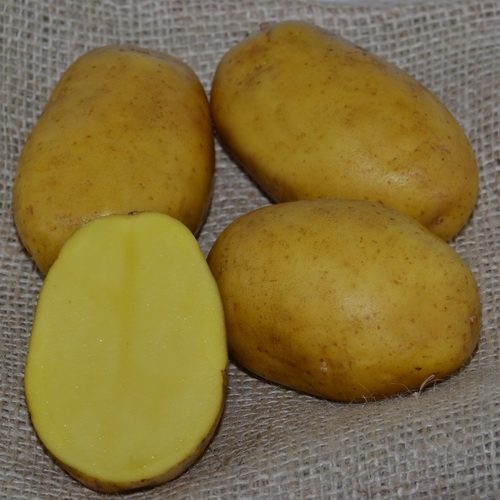
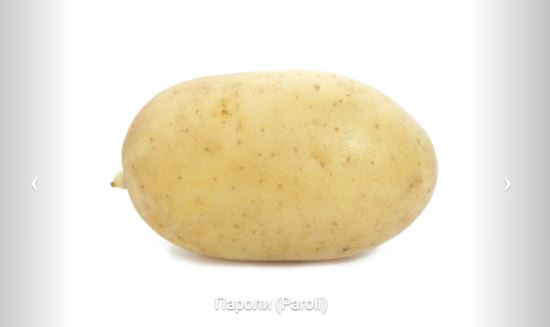
Developed by German breeders, it was included in the Russian register in 2019.
Priekulsky
- Ripening period – 45-50 days;
- Tubers – oval-round, white with white flesh, weighing 100-120 g;
- Bushes – well-foliated, quickly lodged;
- Starch content – 11-15%;
- Culinary type – B;
- Productivity – 200-280 c/ha;
- Disease resistance – high resistance to cancer, rhizoctonia, from average to low resistance to late blight, alternariosis, viruses, scab.
- Growing regions - Northern, Ural, East Siberian, Far Eastern;
- Advantages – resistance to low temperatures, high yield, versatility of application;
- Flaws – susceptibility to diseases and pests.
Photo gallery of the Priekulsky potato variety:
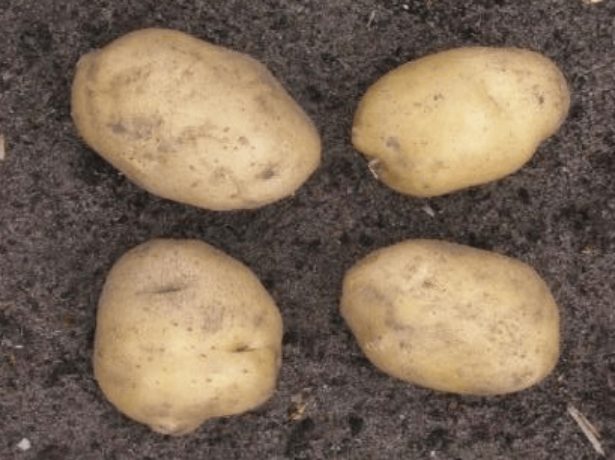
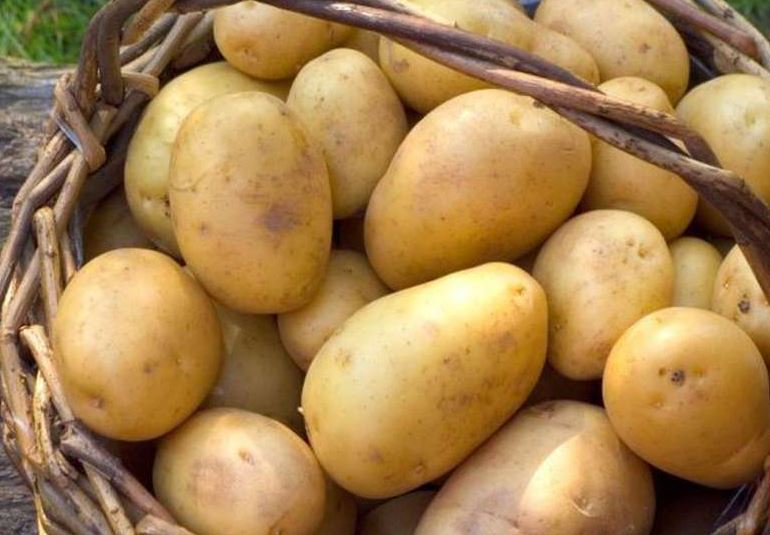
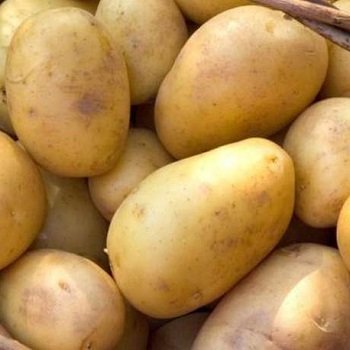
Bred at the Priekule Experimental Breeding Station of the Republic of Latvia.
Red Sonya
- Ripening period – 50-65 days;
- Tubers – oval, red, yellow flesh, approximately the same size, weight 78-122 g;
- Bushes – medium or high, strong coloration of the inner side of the corolla;
- Starch content – 13.3-14.6%;
- Culinary type – B;
- Productivity – 174-340 c/ha, maximum 374 c/ha;
- Disease resistance – high resistance to cancer, nematodes, viral diseases, scab, mosaic, leaf curl, low resistance to rhizoctonia, late blight;
- Growing regions - Volga-Vyatka, North Caucasian;
- Advantages – quickly adapts to any conditions, undemanding to soil;
- Flaws – susceptibility to rhizoctonia, late blight.
Photo gallery of the Red Sonya potato variety:
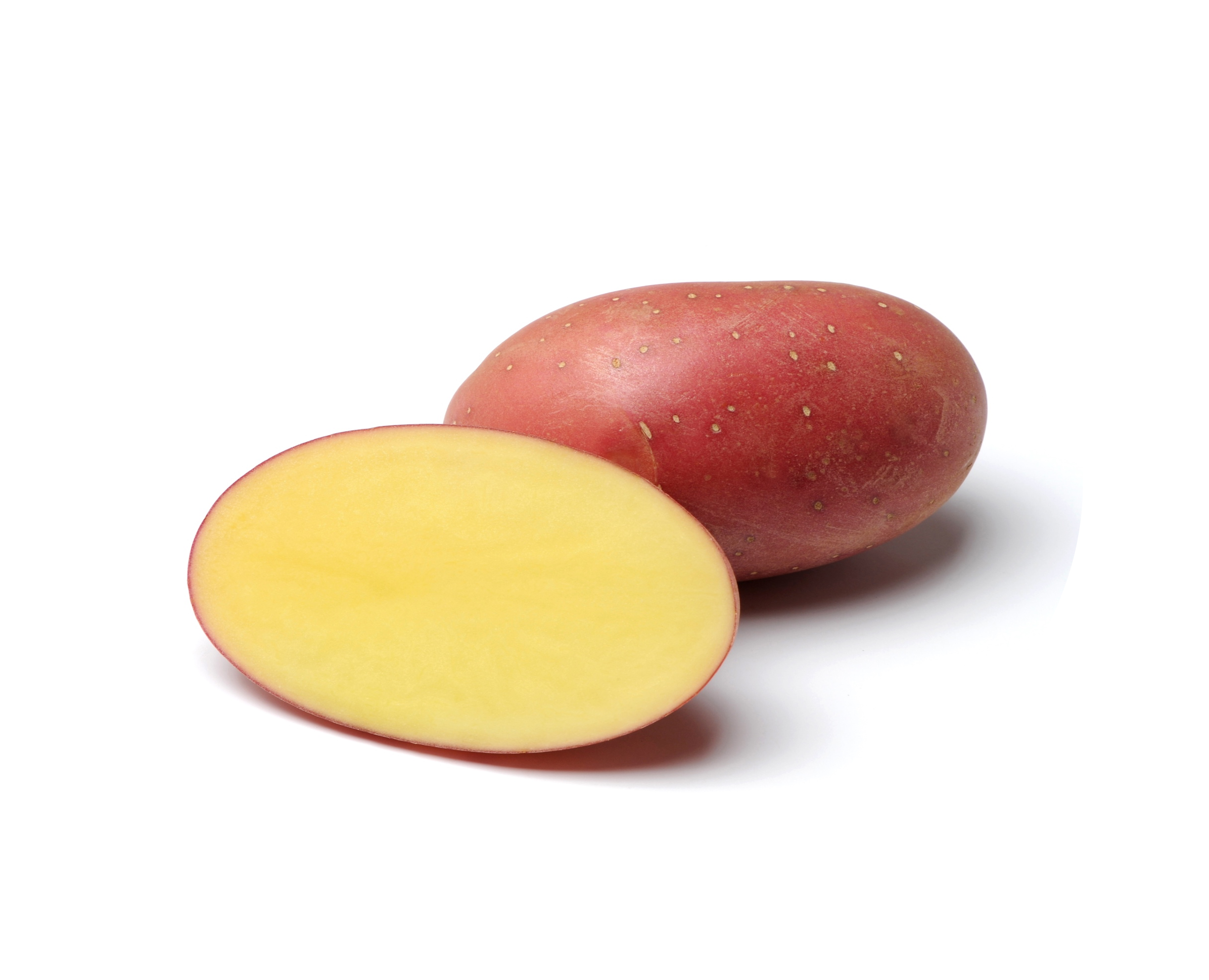
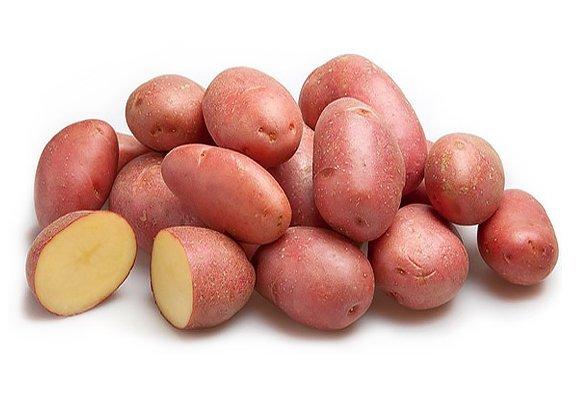
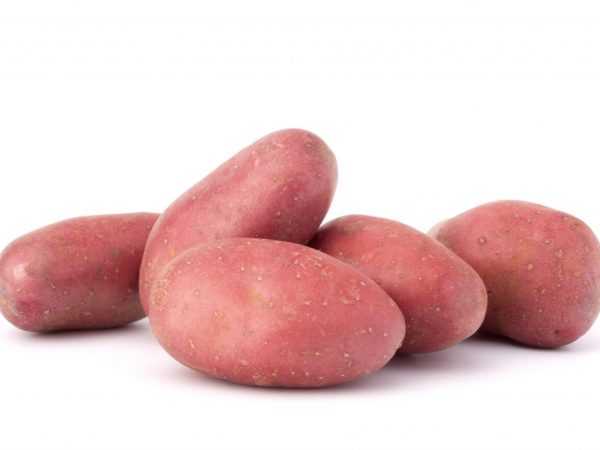
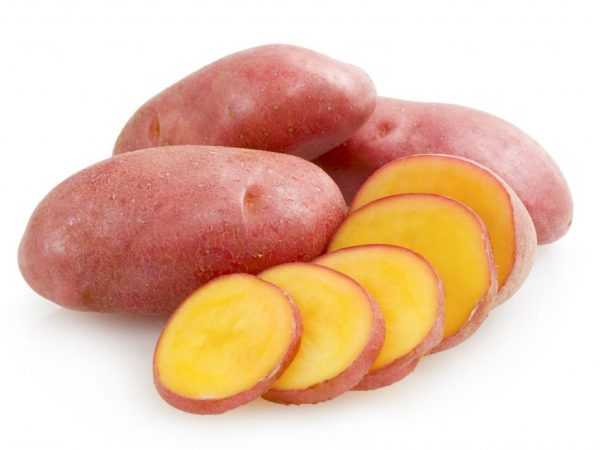
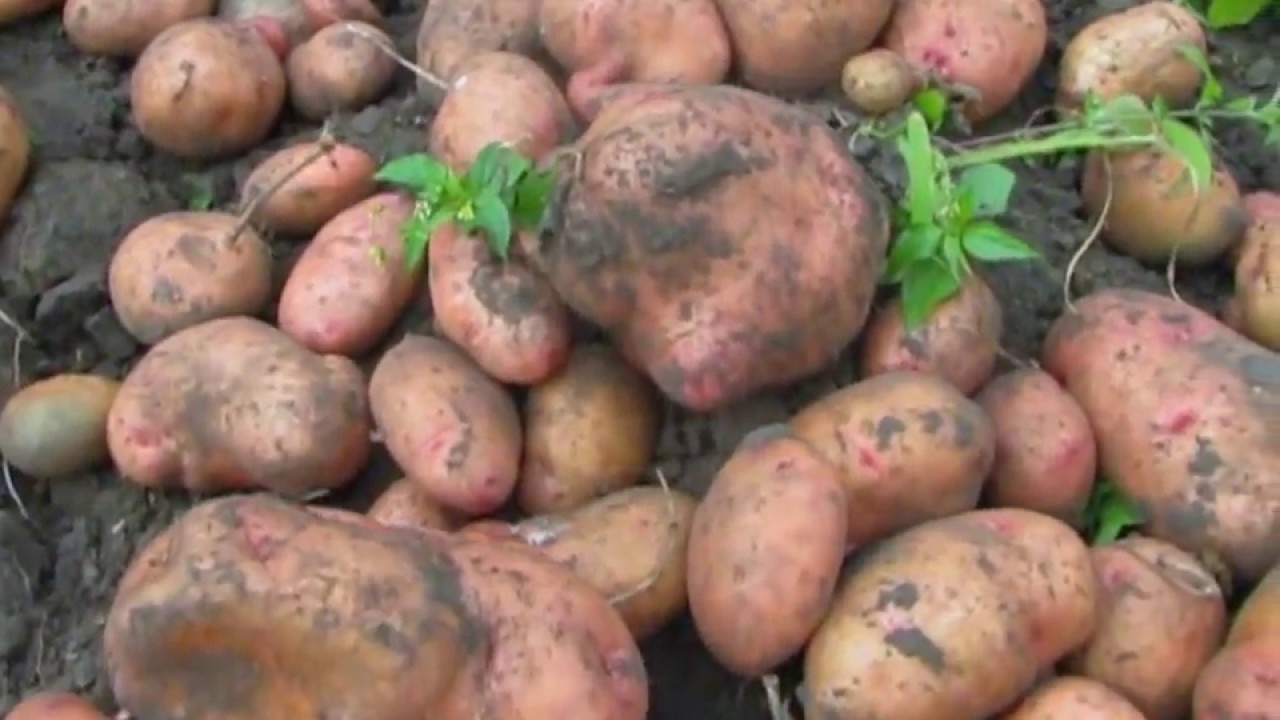
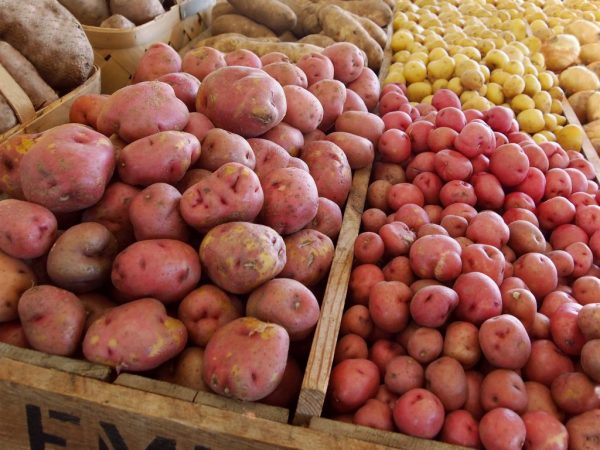
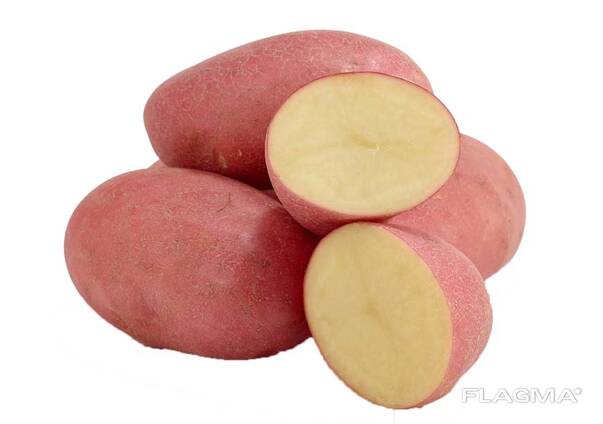
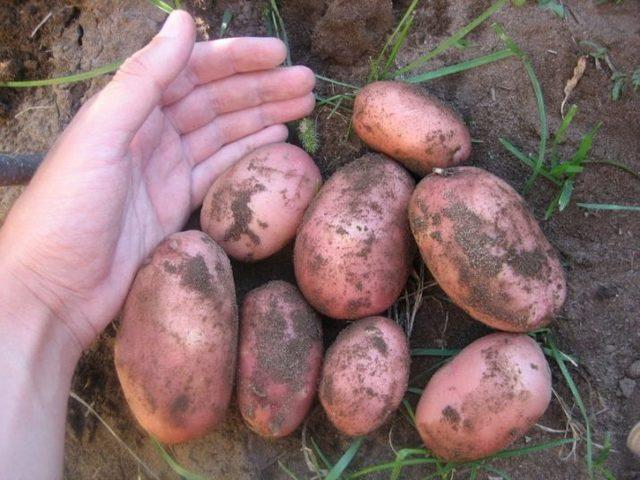
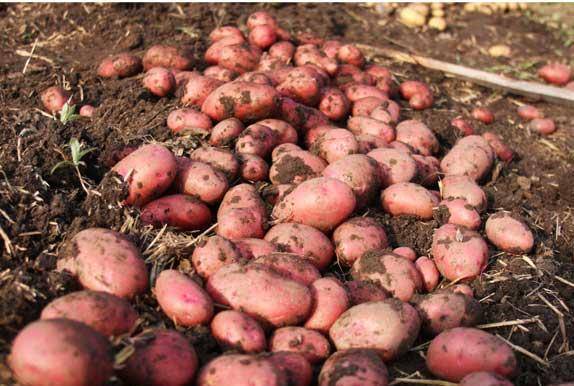
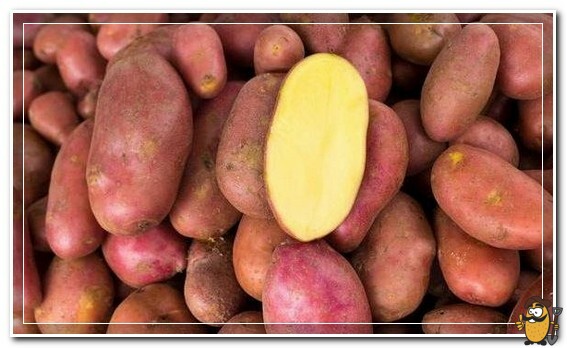
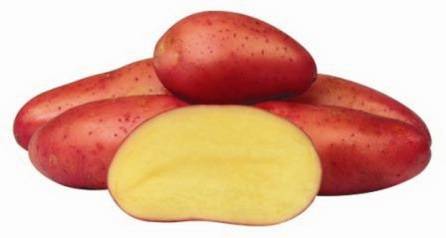
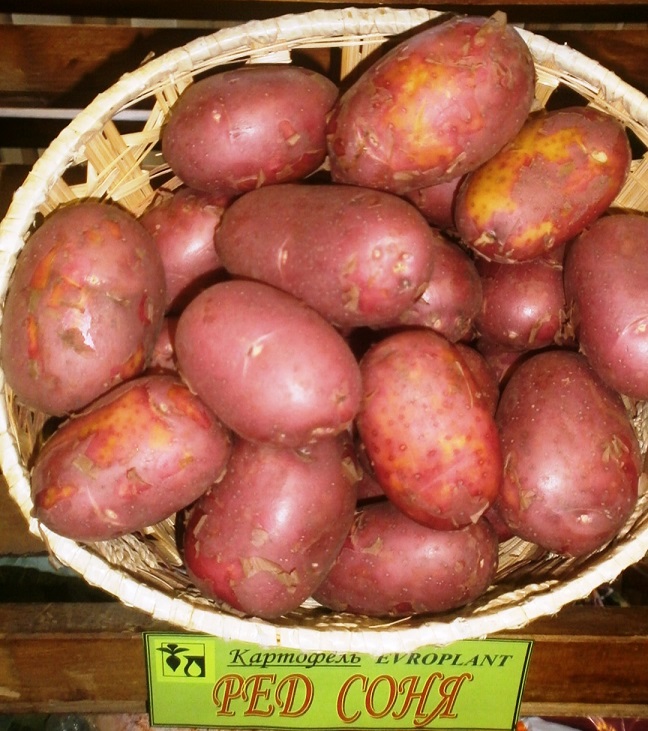
The variety was developed by German breeders.
Timo Hankkijan
- Ripening period – 40-50 days;
- Tubers – medium-sized and round, weight 65-120 g;
- Bushes – small, but as they grow they expand, so they need to be hilled up;
- Starch content – 13.4-14.2%;
- Culinary type – AB;
- Productivity – 150-303 c/ha;
- Disease resistance – high resistance to cancer, average resistance to viruses, low resistance to scab, late blight, nematodes;
- Growing regions – North-West, Central, Volga-Vyatka;
- Advantages – ability to adapt to harsh weather conditions;
- Flaws – not very good resistance to diseases, average marketability of tubers.
Photo gallery of the Timo Hinkkijan potato variety:
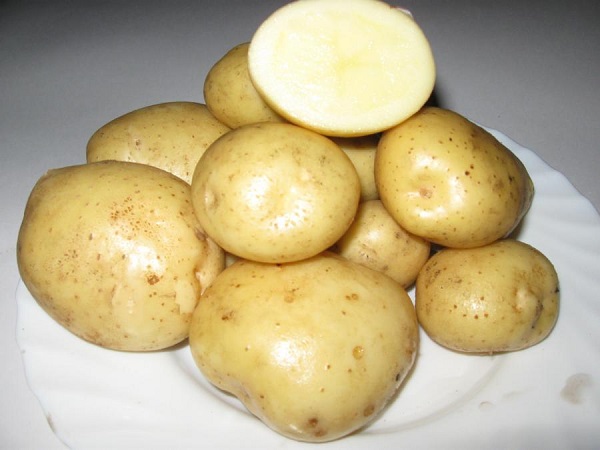
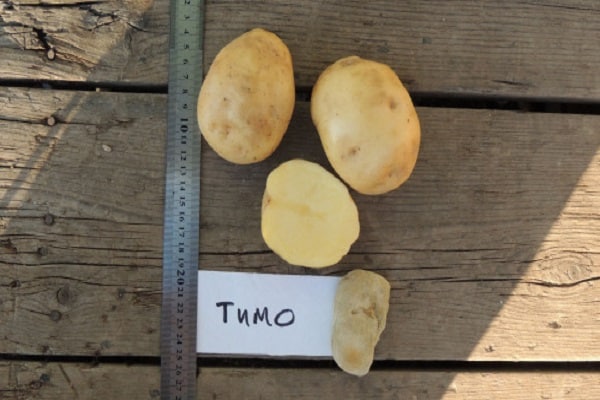
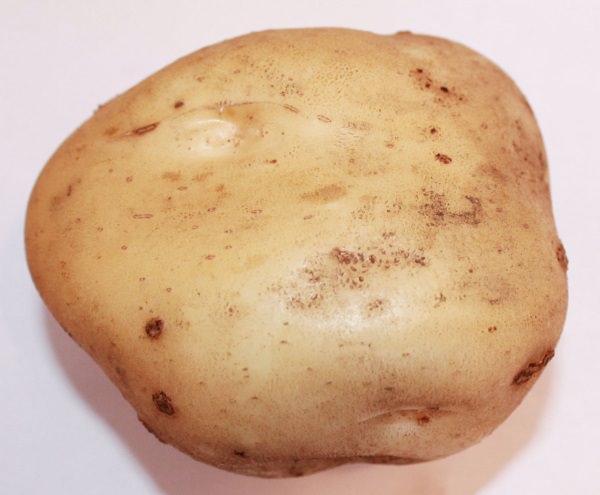
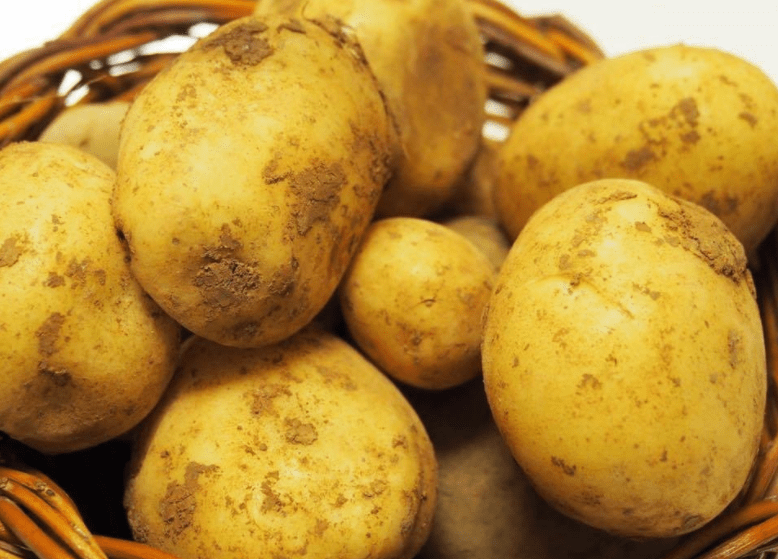
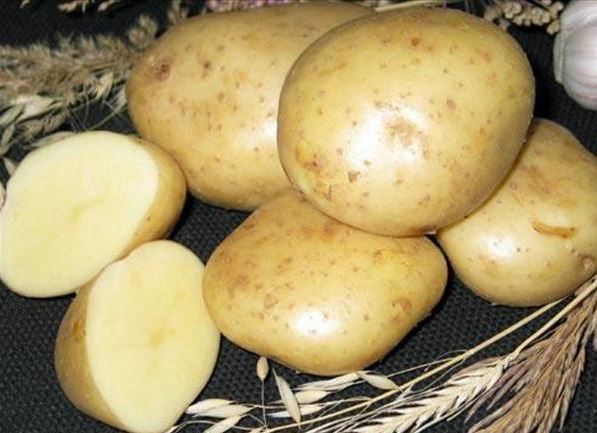
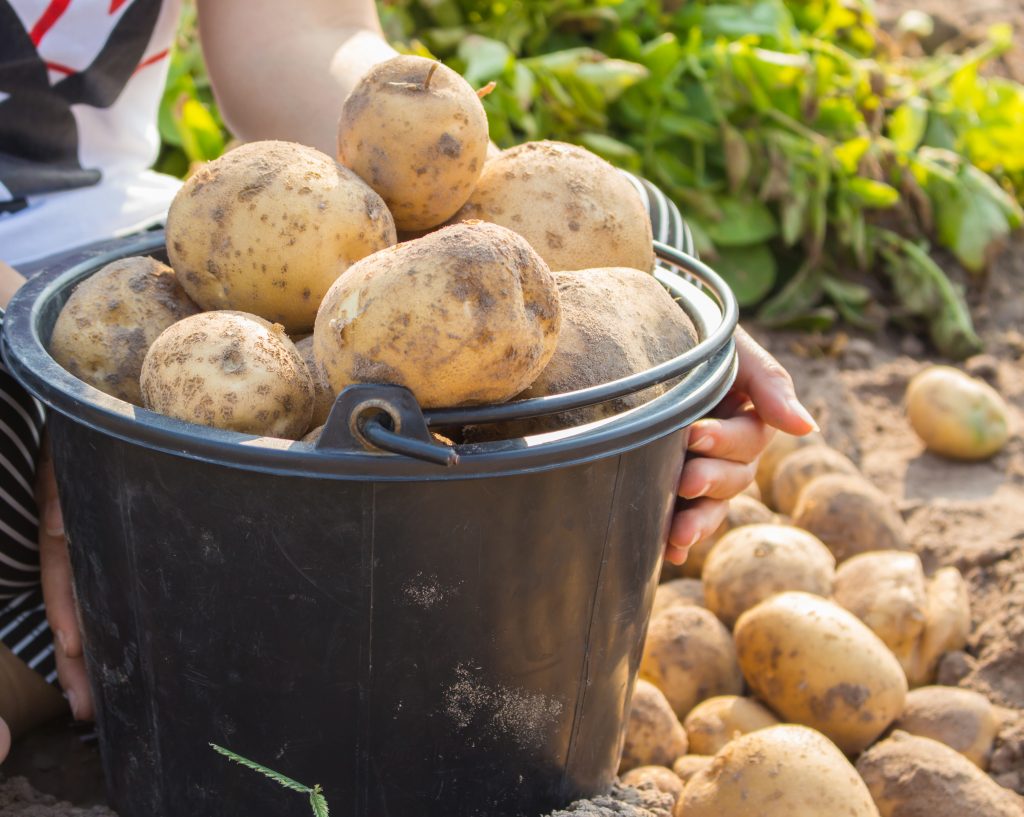
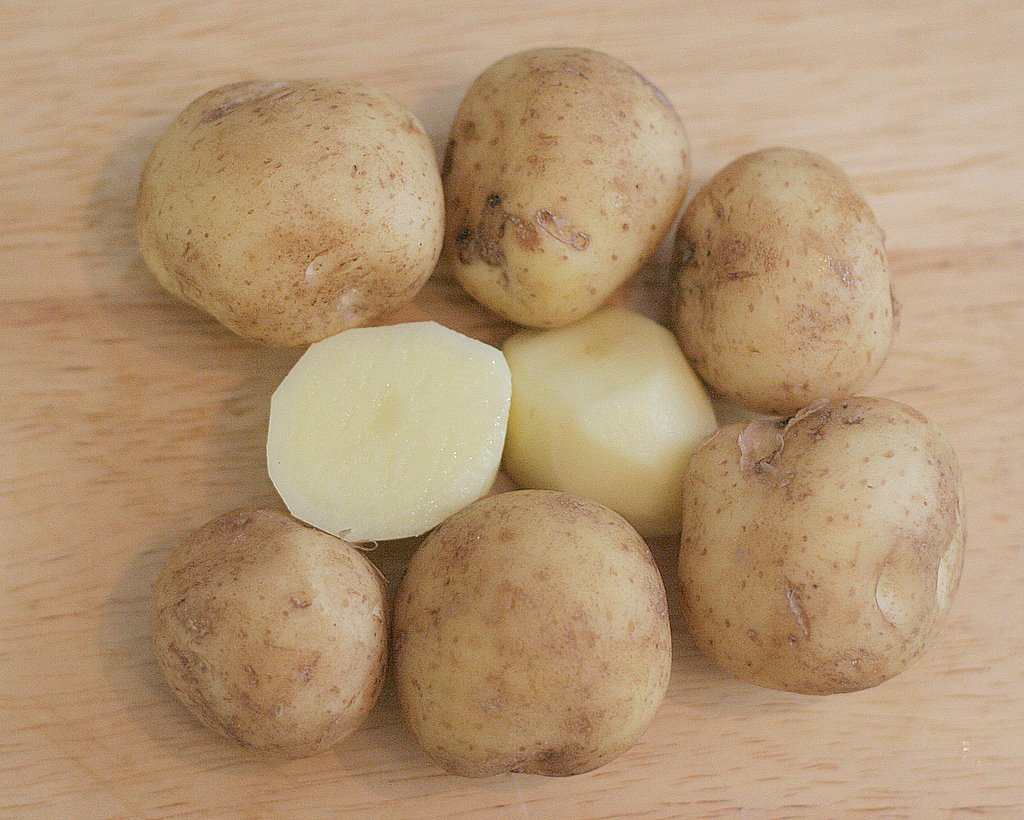
Belongs to the varieties of Finnish selection.
Top 20 Early-Maturing Potato Varieties with Photos and Descriptions
Early-ripening varieties can be planted in garden beds when the soil warms to 10°C. In central Russia, this typically occurs in late April or early May. The harvest can be collected as early as May or June. Below is a list of the best varieties for Russia (based on reviews from experienced gardeners).
Alena
- Ripening period – 60-70 days;
- Tubers – oval red, smooth, white flesh, weight 86-167 g;
- Bushes – medium-sized, spreading, red-violet corolla;
- Starch content – 15-17%;
- Culinary type – B;
- Productivity – 172-391 c/ha;
- Disease resistance – high resistance to cancer, scab, rhizoctonia, average resistance to viruses, low resistance to late blight and nematodes;
- Growing regions – Volga-Vyatka, Ural, West Siberian, East Siberian, Far Eastern;
- Advantages – productivity, drought resistance, good taste, resistance to mechanical damage;
- Flaws – the possibility of damage by late blight and nematodes.
Photo gallery of the Alena potato variety:
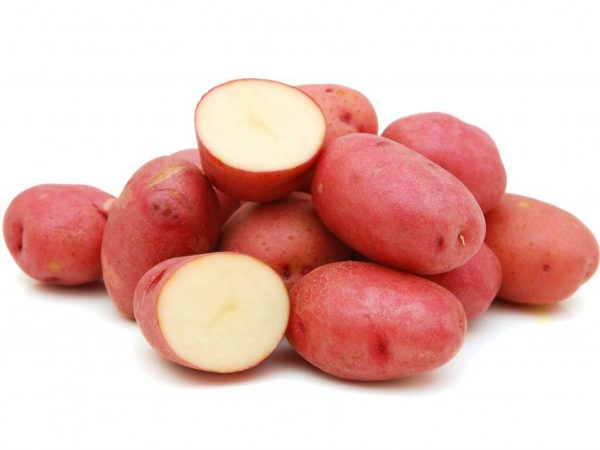
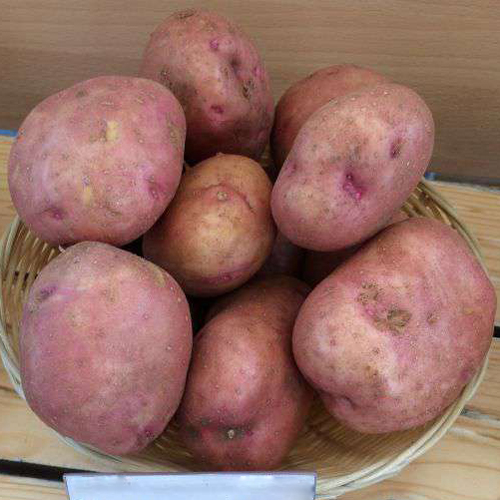
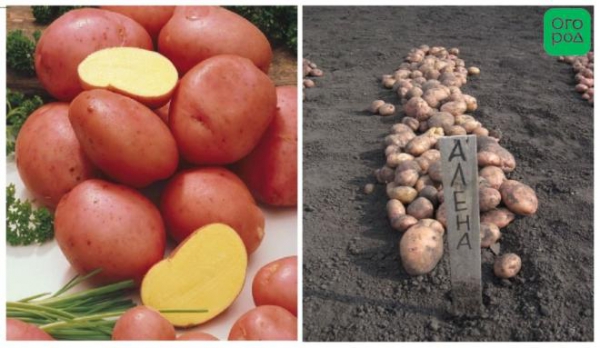
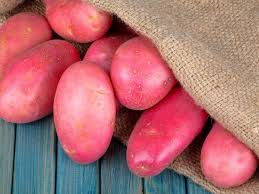
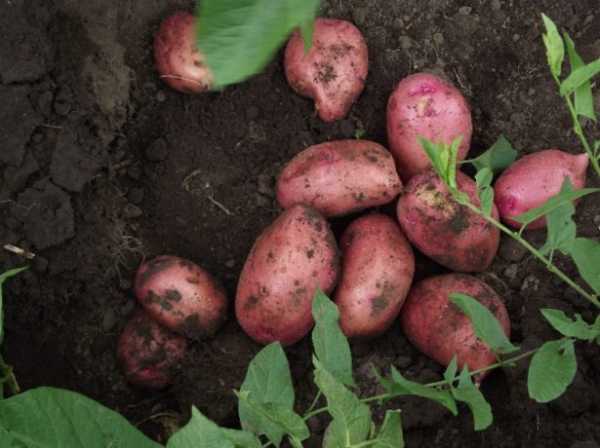
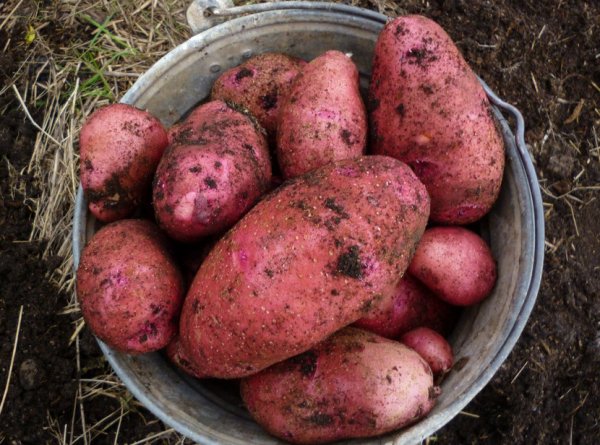
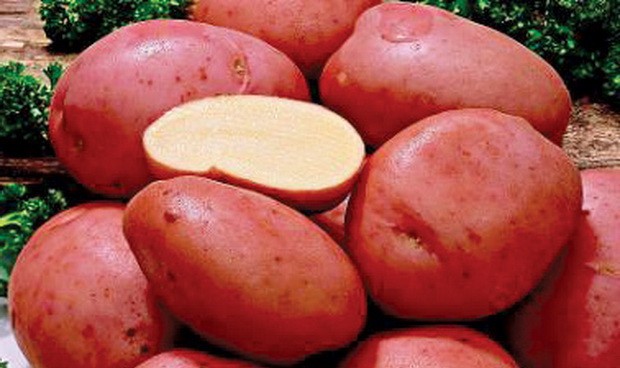
Developed by the Siberian Research Institute of Agriculture. The bushes are spreading, so planting should be done in a 60 x 35 cm pattern.
Anosta
- Ripening period – 60-70 days;
- Tubers – even, smooth, oval, medium-sized, light yellow flesh, weighing up to 150 g, white corolla;
- Bushes – small in size, well foliated;
- Starch content – 11.5-21.2%;
- Culinary type – B;
- Productivity – 450-600 c/ha;
- Disease resistance – high resistance to cancer, nematodes, scab, average resistance to late blight, viruses;
- Growing regions – Russia, Moldova, Ukraine;
- Advantages – high yield and excellent taste;
- Flaws – average susceptibility to late blight and viruses.
Photo gallery of the Anosta potato variety:
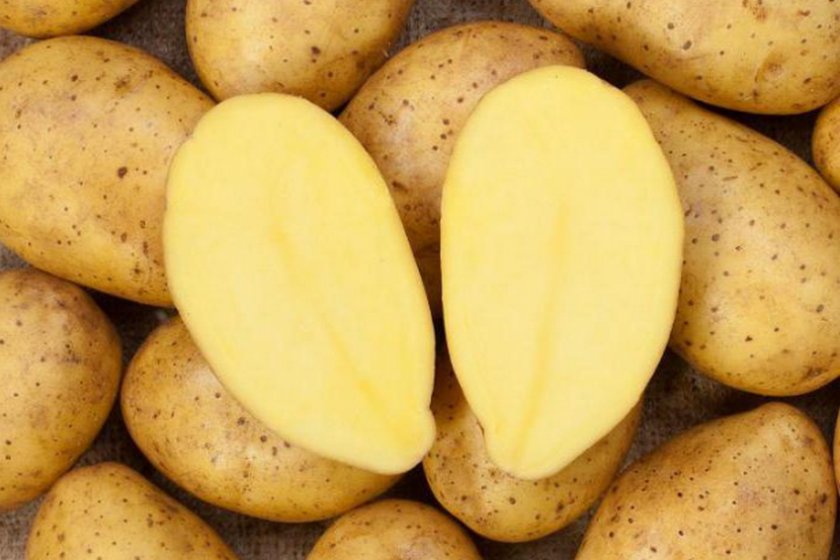
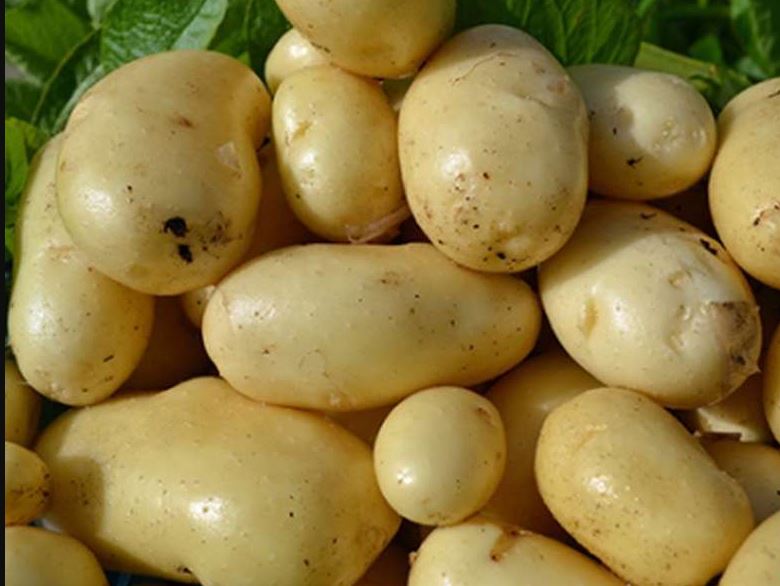
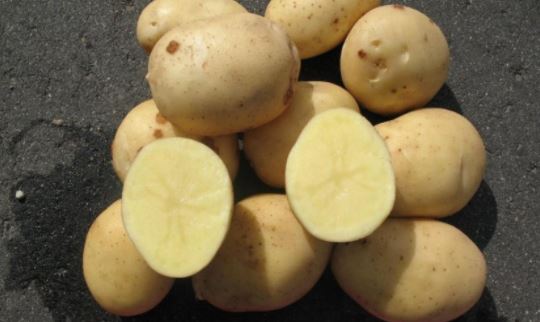
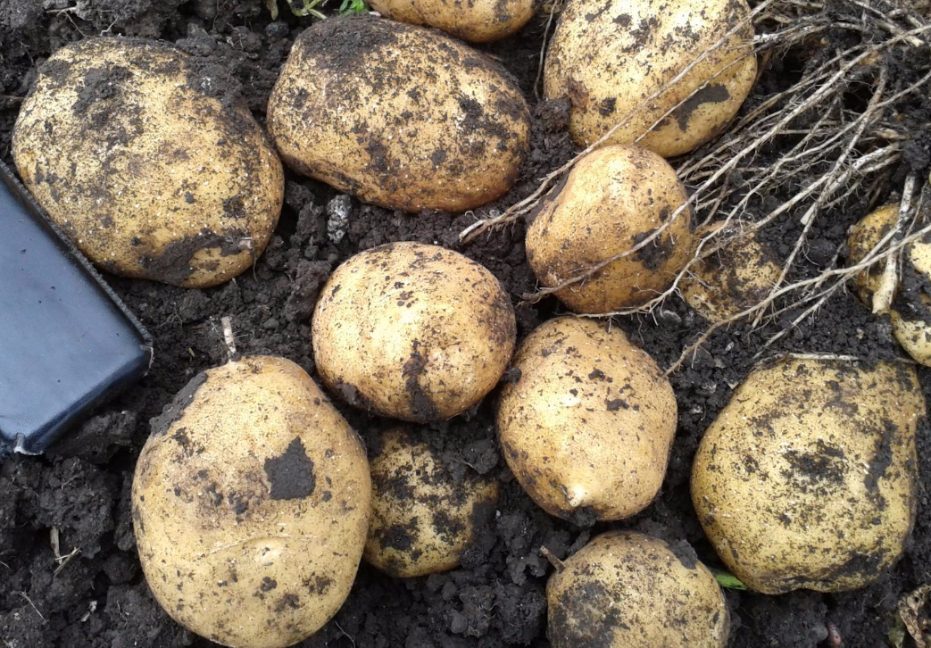
Bred by the Dutch in 1993.
Antonina
- Ripening period – 50-65 days;
- Tubers – oval with medium-sized eyes, slightly rough skin, yellow, lighter flesh, weight 104-153 g;
- Bushes - tall, white flower;
- Starch content – 15.9-19.4%;
- Culinary type – CD;
- Productivity – 211-300 c/ha, maximum 426 c/ha;
- Disease resistance – high resistance to cancer, scab, from medium to low resistance to late blight, low resistance to nematodes;
- Growing regions - Northern, Volga-Vyatka, Ural, West Siberian, East Siberian, Far Eastern;
- Advantages – 95% shelf life, high productivity, pleasant taste;
- Flaws – vulnerability to nematodes and late blight.
Photo gallery of the Antonina potato variety:
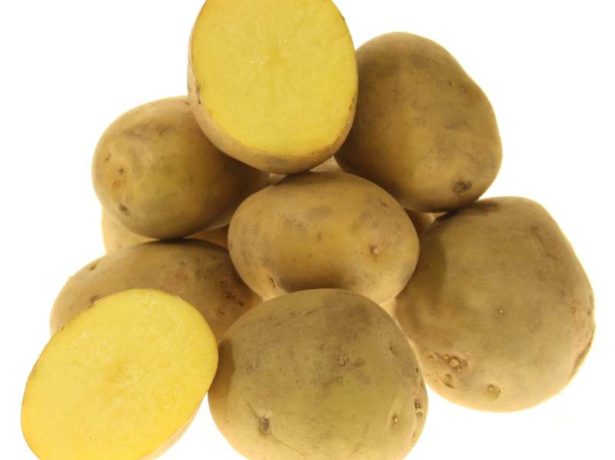
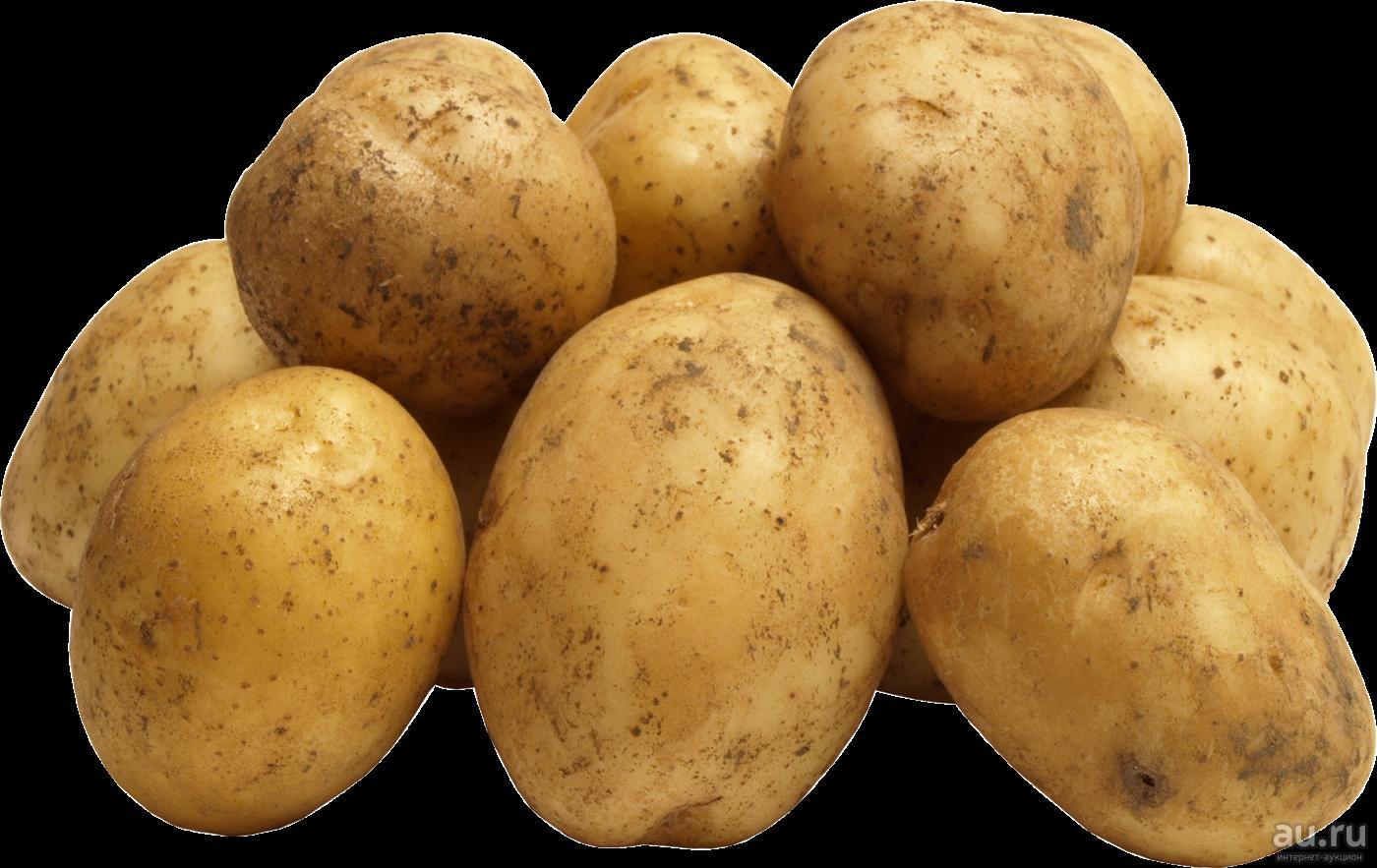
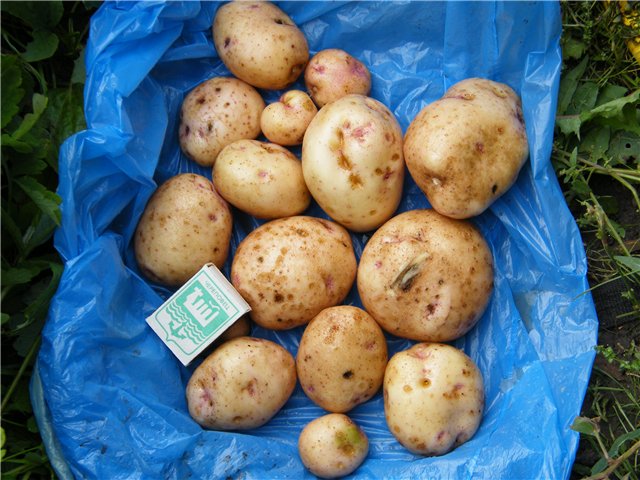
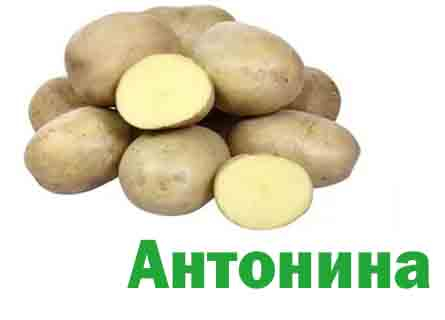
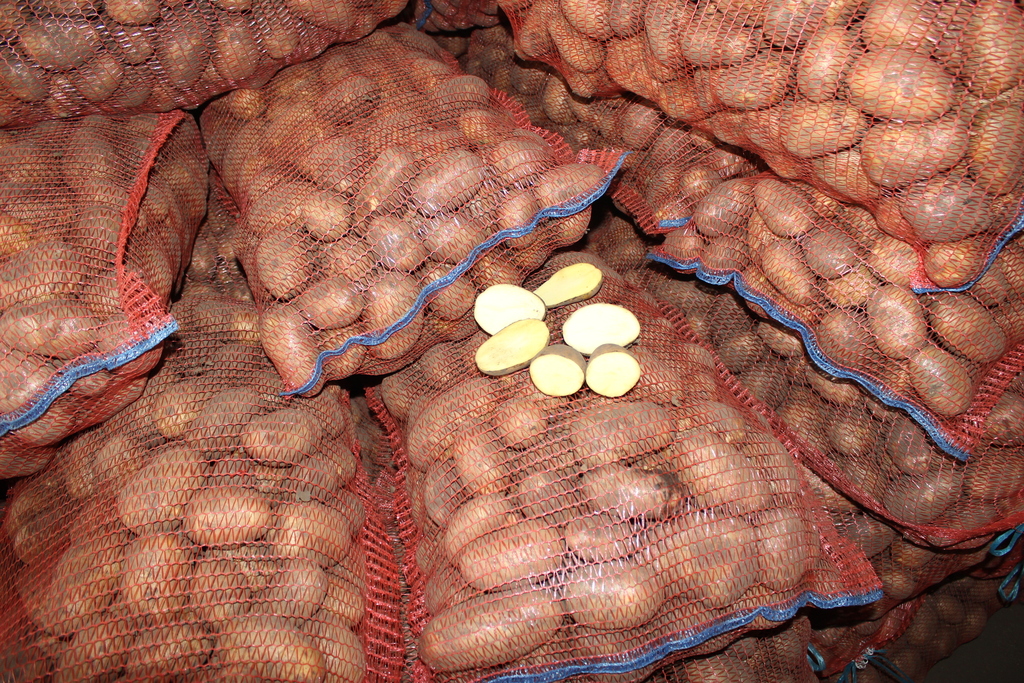
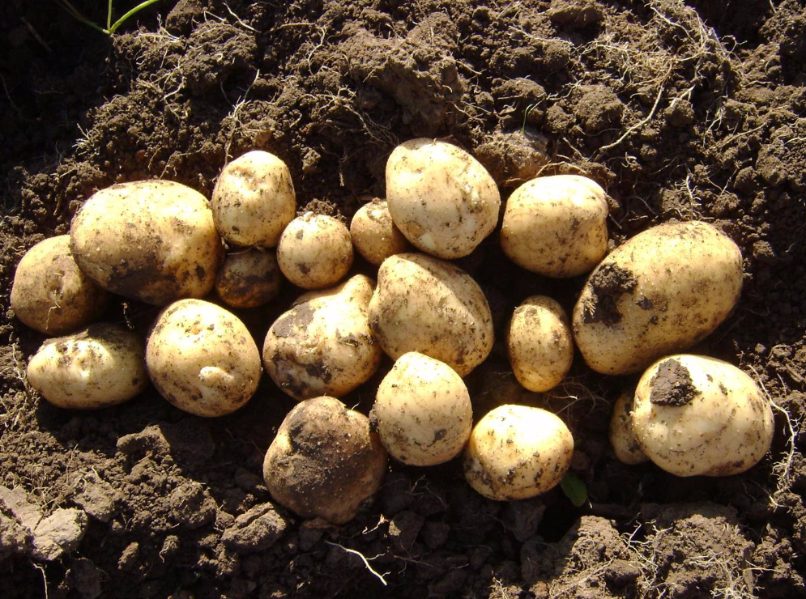
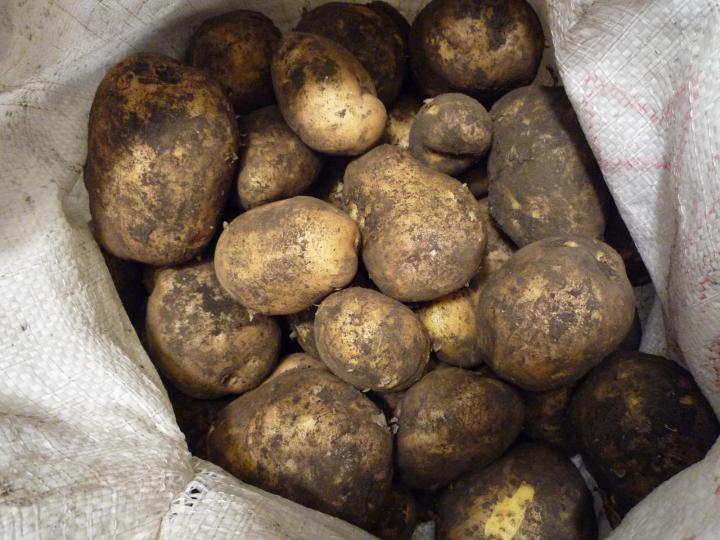
Bred by domestic breeders.
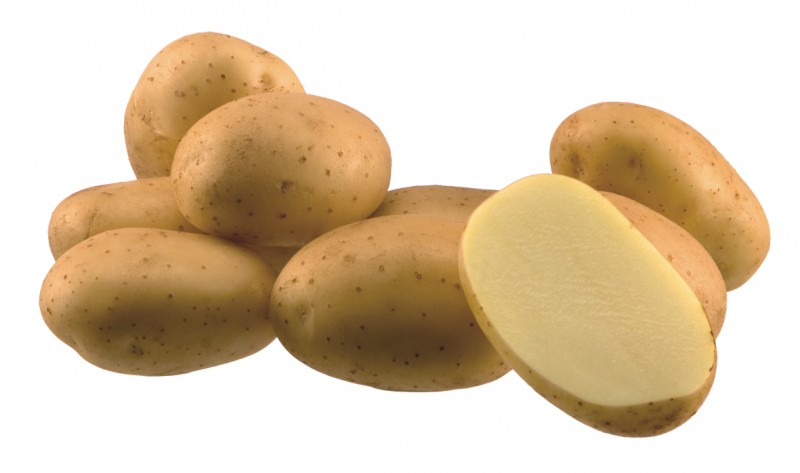
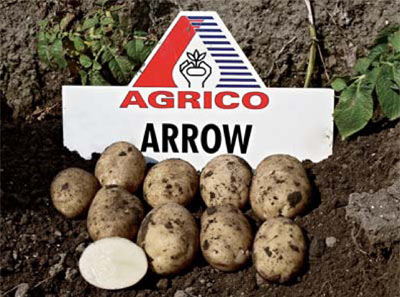
Arrow
- Ripening period – 50 days;
- Tubers – oval, white flesh, yellowish skin, weighing 80-120 g;
- Bushes – low or medium, spreading, white flowers;
- Starch content – 12.0-16.4%
- Culinary type – VS;
- Productivity – 227-295 c/ha, maximum 350 c/ha;
- Disease resistance – high resistance to cancer, tuber blight, scab, nematode, low resistance to virus Y and late blight of tops;
- Growing regions - Central, Central Black Earth;
- Advantages – excellent marketability characteristics, does not darken after cleaning, does not boil over;
- Flaws – high risk of damage to tops by late blight and virus Y.
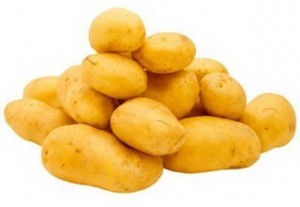
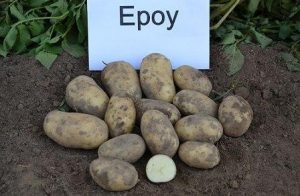
Photo gallery of the Arrow potato variety:
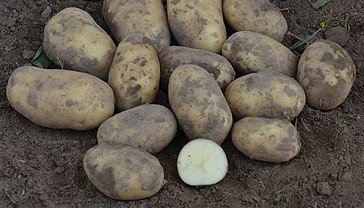
It was entered into the Russian register in 2013.
Baron
- Ripening period – 60 days;
- Tubers – oval, yellow, flesh slightly lighter, weight 109-193 g;
- Bushes – tall, corolla red-violet;
- Starch content – 13.4-14.8%;
- Culinary type – B;
- Productivity – 113-237 c/ha, maximum 371 c/ha;
- Disease resistance – high to cancer, from high to medium to nematode, medium to tuber late blight, low to leaf blight and common scab;
- Growing regions - Volga-Vyatka, West Siberian, Far Eastern;
- Advantages – cold resistance, high productivity, good taste;
- Flaws - susceptibility to common scab.
Photo gallery of the Baron potato variety:
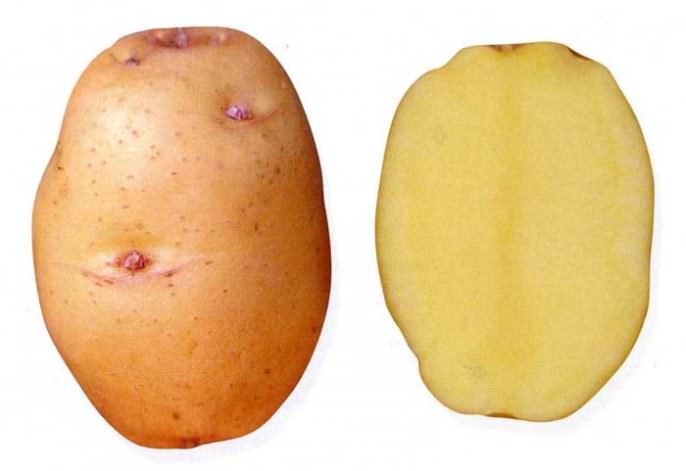
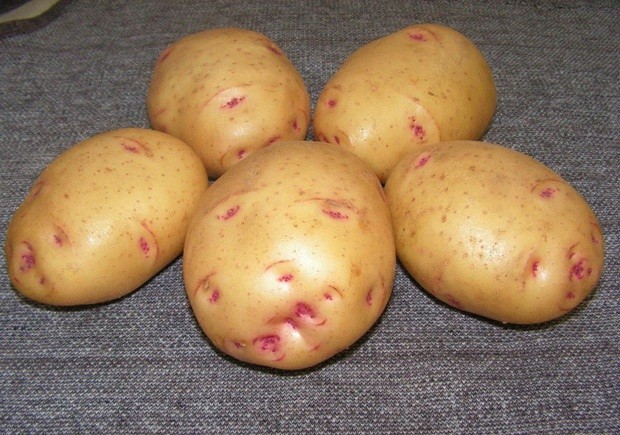
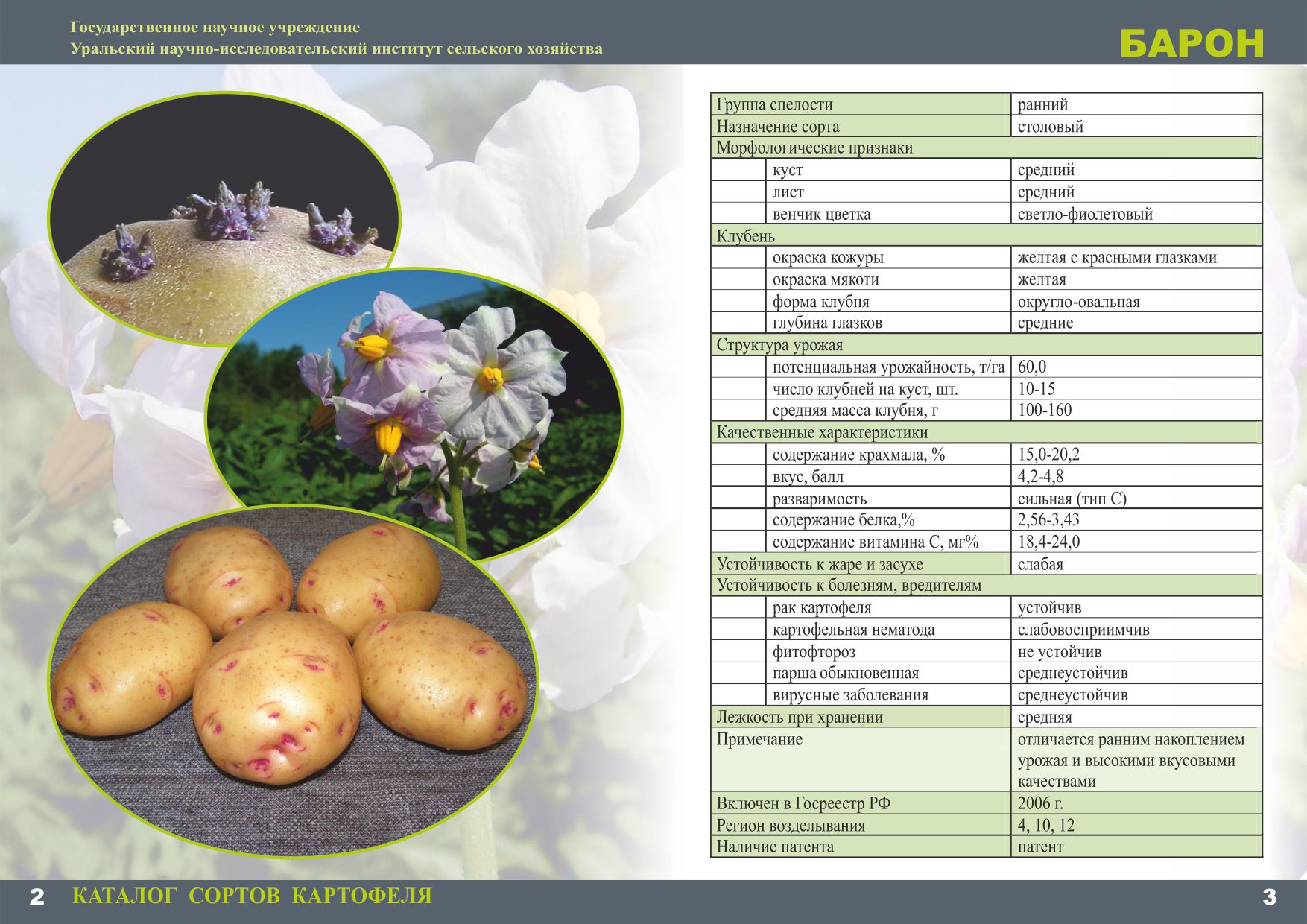
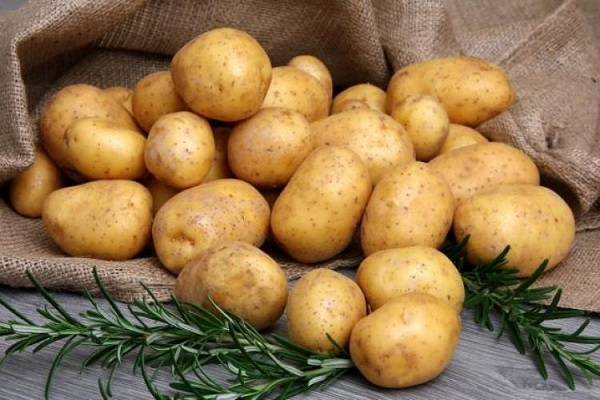
Bred by Russian breeders in the Urals.
Vineta (Veneta)
- Ripening period – 60-70 days, you can start using drops on the 45th day;
- Tubers – yellow round-oval with light yellow flesh 67-95 g;
- Bushes - spreading, white corolla;
- Starch content – 12.9-15.2%;
- Culinary type – B;
- Productivity –160-228 c/ha, maximum 238 c/ha;
- Disease resistance – to cancer, mosaic, nematodes, fruit rot; high to cancer, nematodes, wrinkled and striped mosaic, leaf curl, fruit rot; average to tuber late blight; low to top late blight;
- Growing regions – Central, Volga-Vyatka, Central Black Earth, North Caucasian, Middle Volga, Ural;
- Advantages – long storage, drought resistance, transportability;
- Flaws – risk of damage by late blight and Colorado potato beetle.
Photo gallery of the Vineta potato variety:
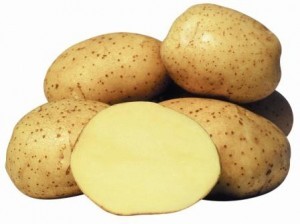
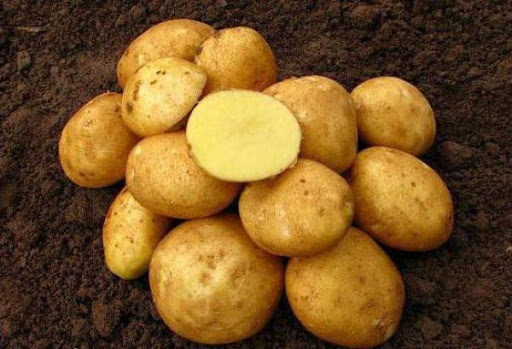
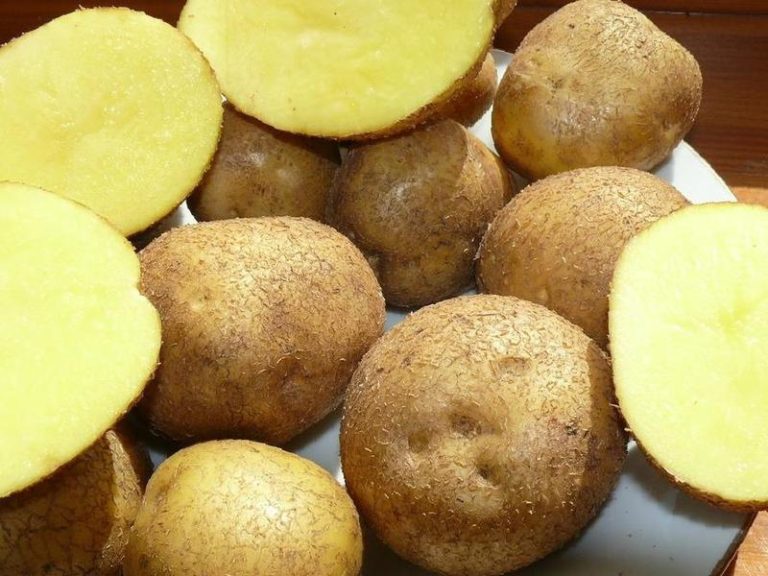
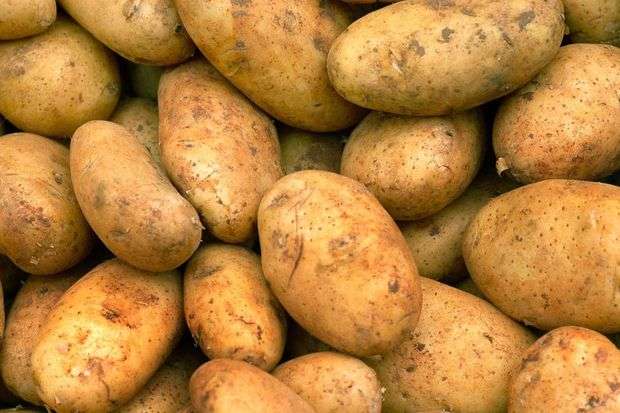
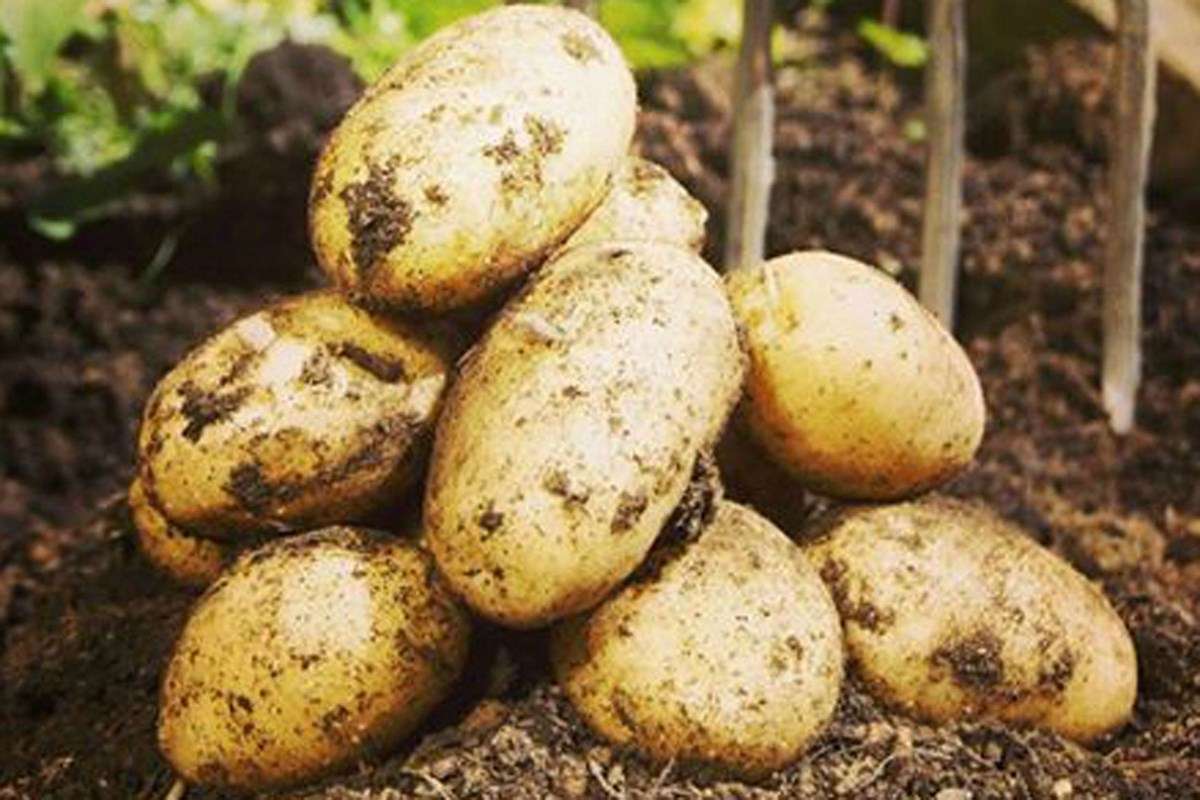
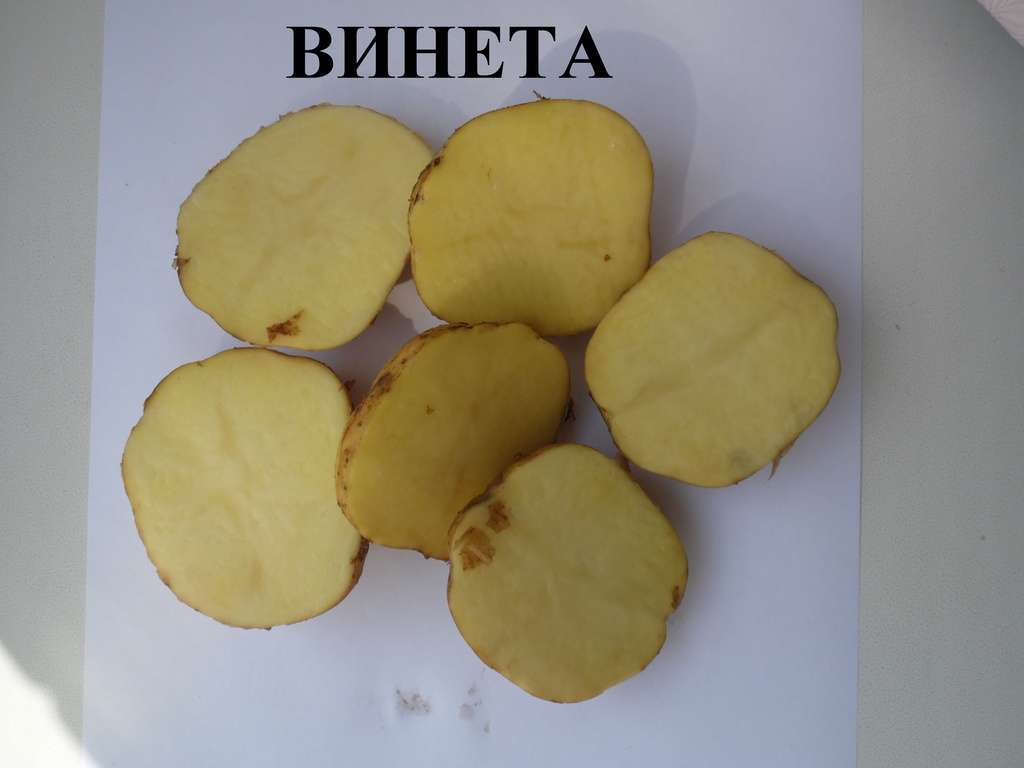
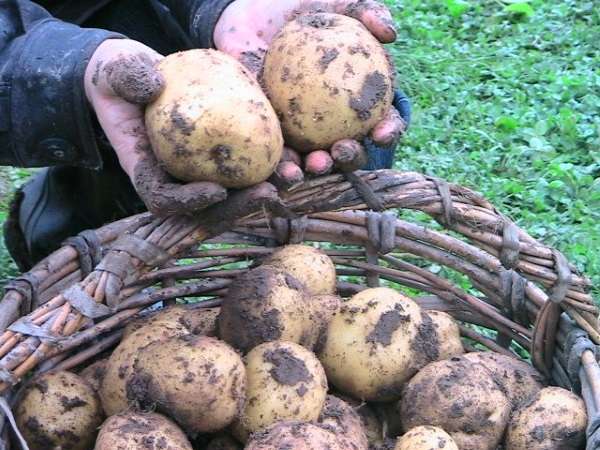
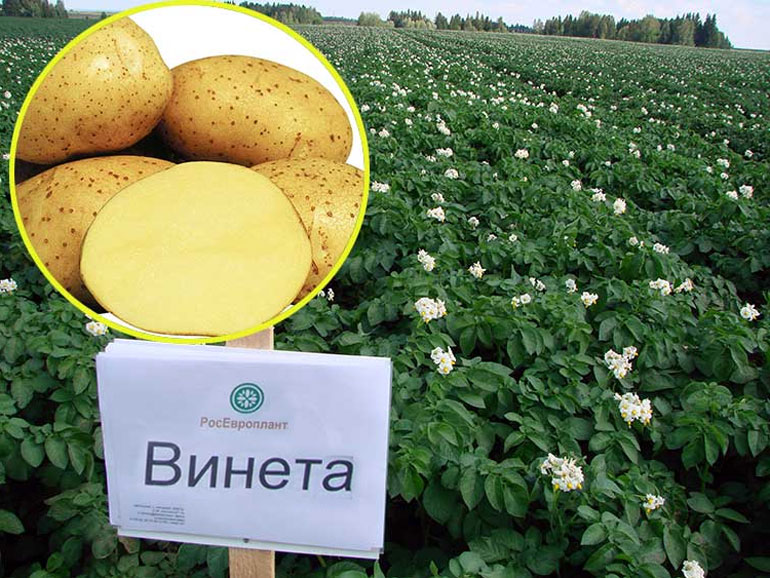
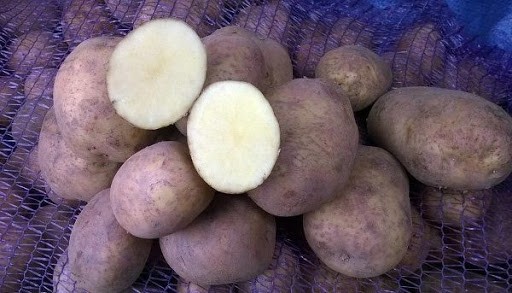
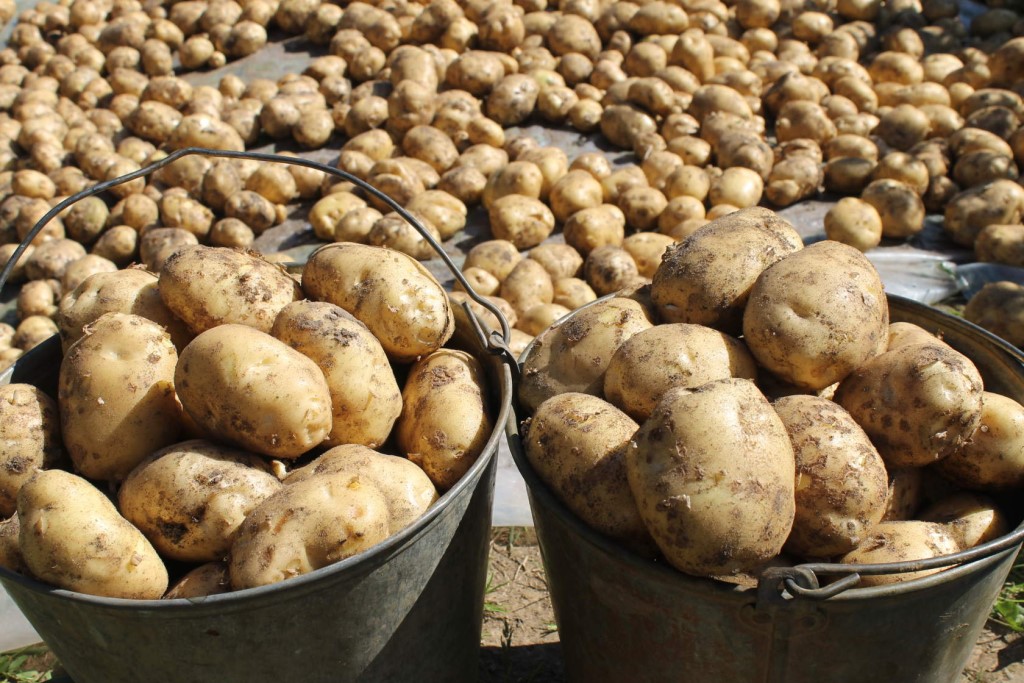
Belongs to the varieties of German selection.
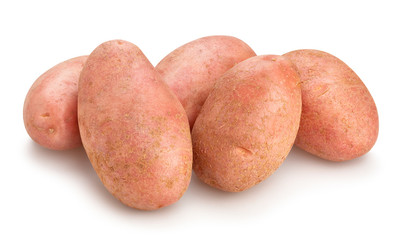
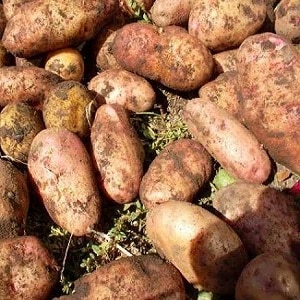
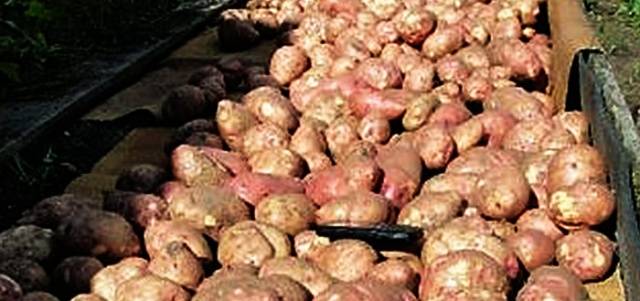
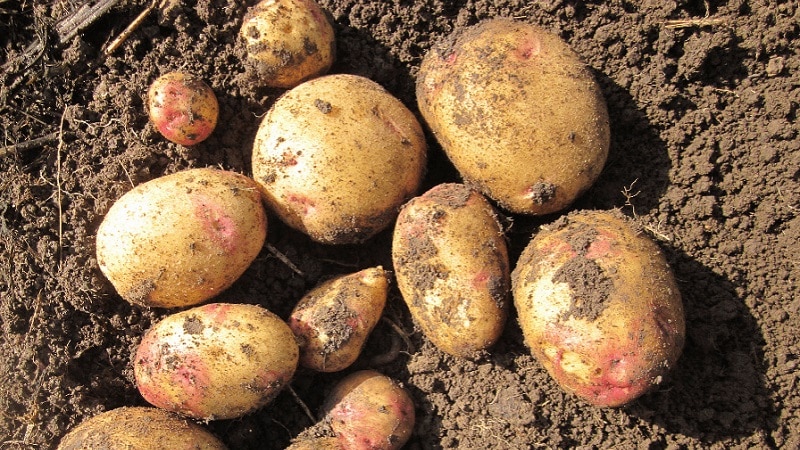
Improved Ermak
- Ripening period – 70 days;
- Tubers – pink, white flesh with red spots, weighing 90-117 g;
- Bushes – erect, flowers are painted in a pale red-violet color;
- Starch content – 10-12%;
- Culinary type – B;
- Productivity – 350-470 c/ha;
- Disease resistance – average resistance to late blight, scab, viruses, low resistance to cancer;
- Growing regions – Central Black Earth, North Caucasian, Lower Volga;
- Advantages – heat-resistant, high taste qualities, excellent yield, marketable appearance of tubers and good marketability (87-92%), friendly shoots;
- Flaws – susceptibility to pests and diseases, presence of buds.
Photo gallery of the improved Yermak potato variety:
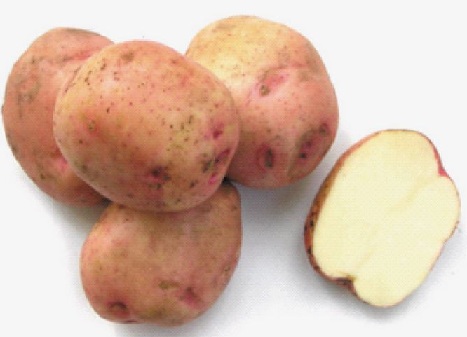
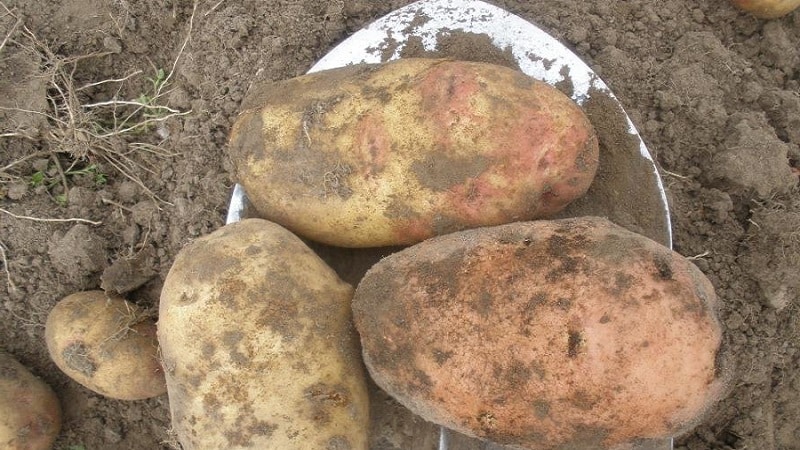
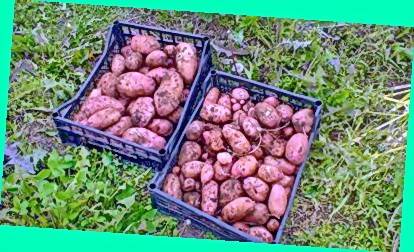
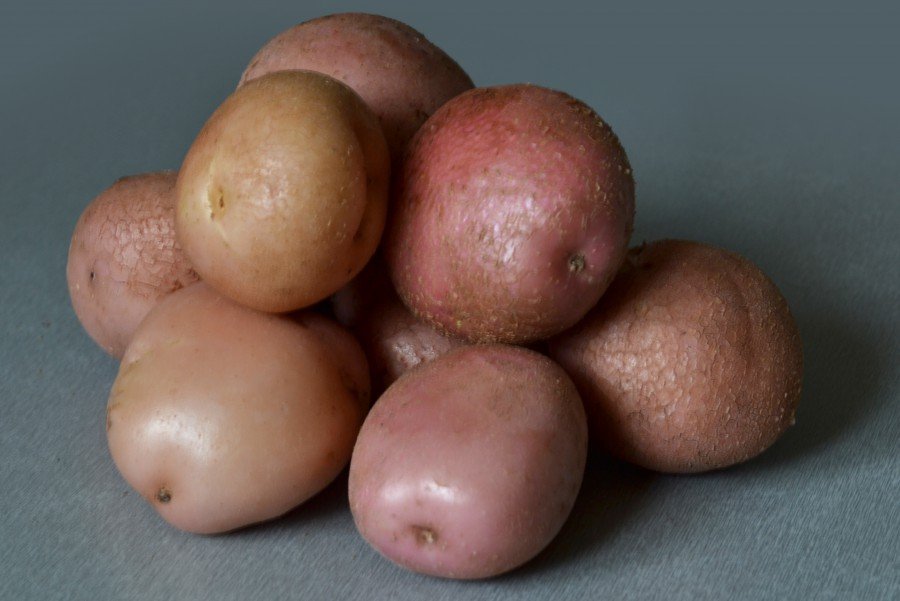
Bred by domestic breeders (SibNIISKh).
Zhukovsky early
- Ripening period – 60-65 days;
- Tubers – pink, oval-round, small eyes, white flesh, weight 100-120 g;
- Bushes – medium height, red-violet flowers;
- Starch content – 10-12%;
- Culinary type – B;
- Productivity – 400-450 c/ha;
- Disease resistance – high resistance to cancer, nematodes, rhizoctonia, alternariosis, low resistance to late blight;
- Growing regions – Northwestern, Central, Volga-Vyatka, Central Black Earth, North Caucasian, Middle Volga, Lower Volga, Ural, West Siberian, Far Eastern;
- Advantages – resistance to drought and low temperatures, excellent yield, good (92-96%) and marketability (90-92%);
- Flaws – susceptibility to late blight, rotting if harvested untimely.
Photo gallery of the Zhukovsky early potato variety:
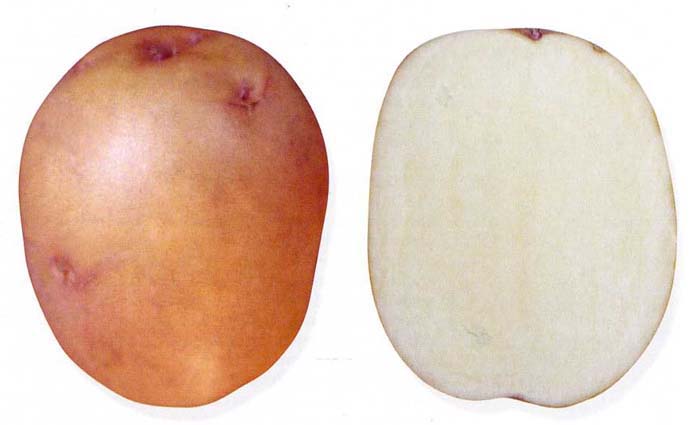
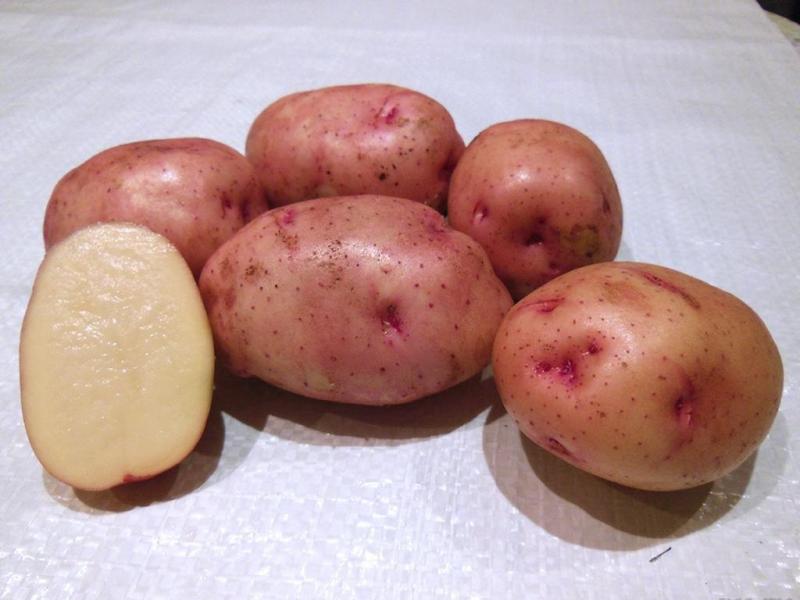
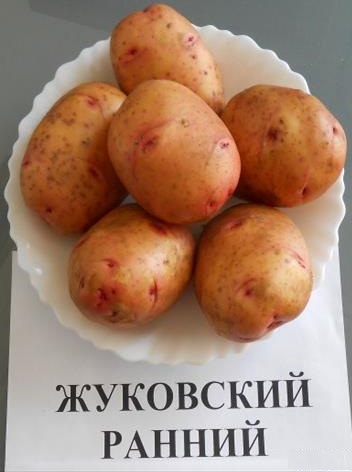
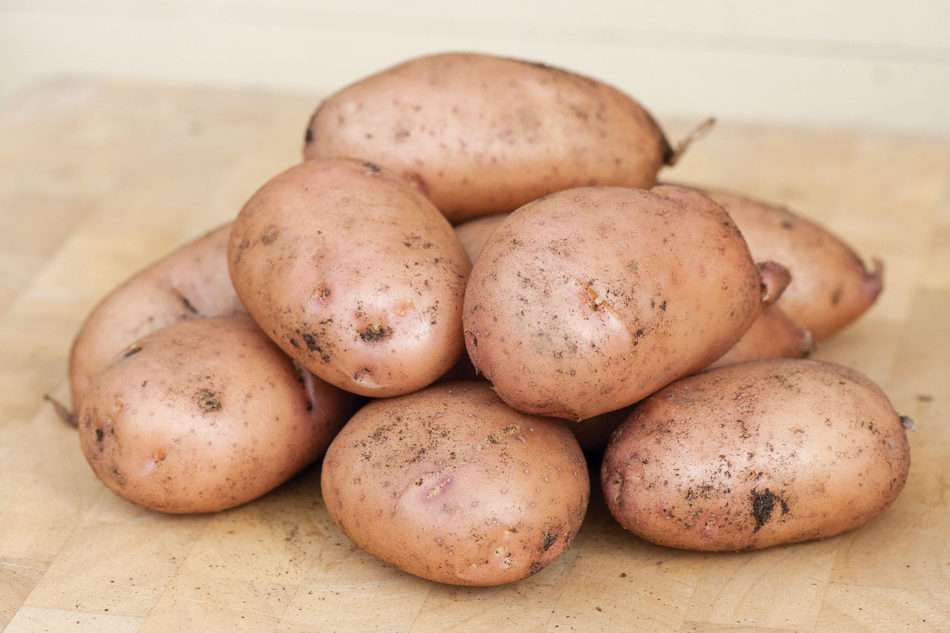
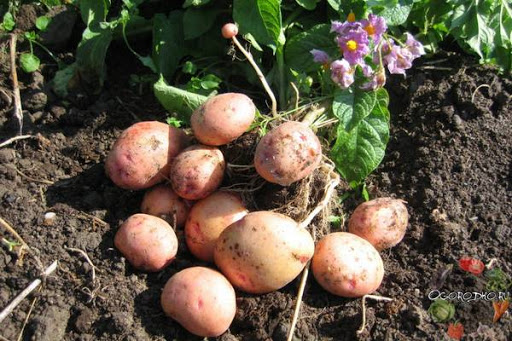
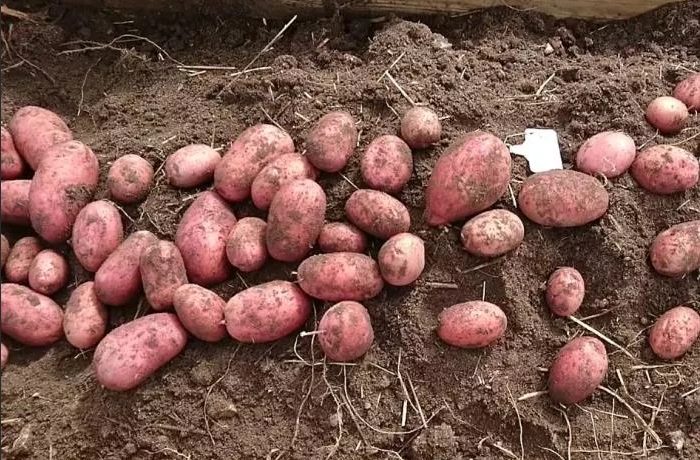
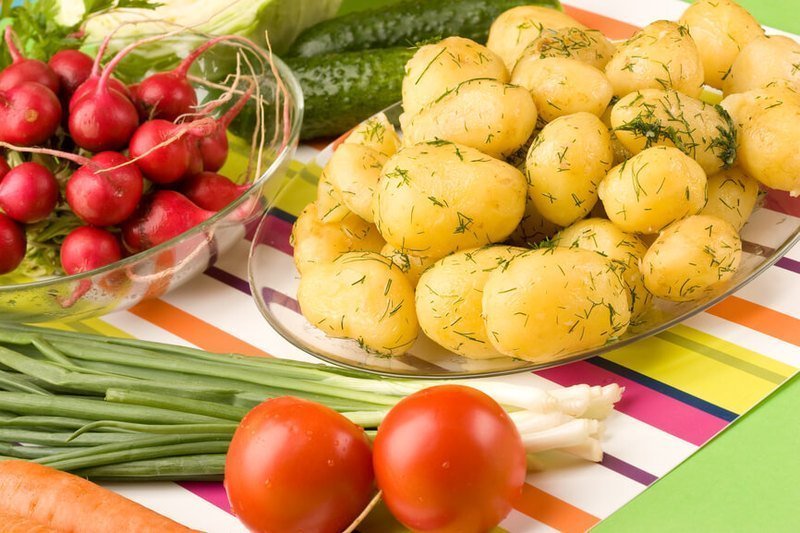
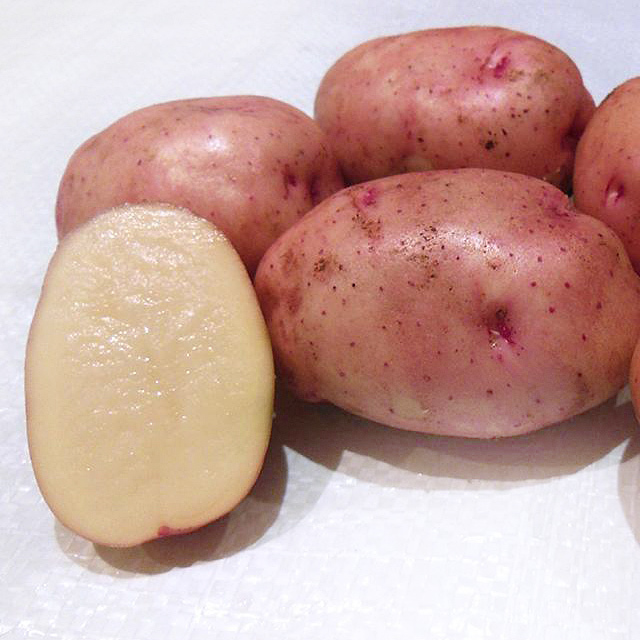
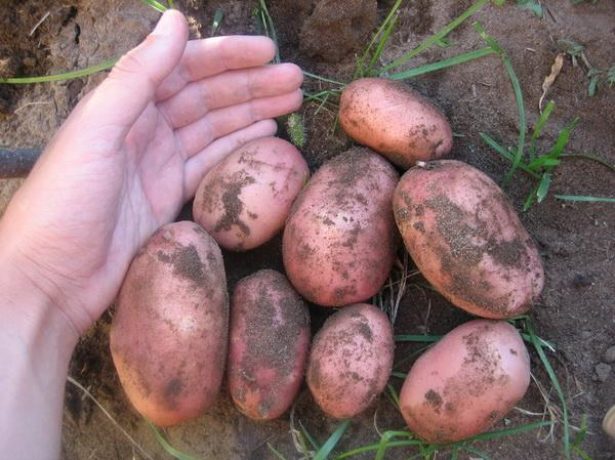
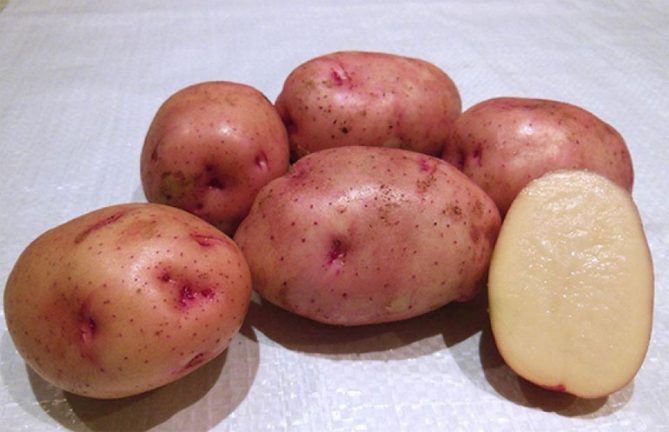
Developed by Russian breeders, it is therefore suitable for the central zone and other regions of Russia.
Strongman
- Ripening period – 55-65 days;
- Tubers – oval, yellow, creamy flesh, weight 78-105 g;
- Bushes – medium or tall, large flowers, red-violet;
- Starch content – 10-12.1%;
- Culinary type – B;
- Productivity – 127-242 c/ha, maximum 276 c/ha;
- Disease resistance – high resistance to cancer, nematodes, average resistance to late blight;
- Growing regions – Central, Central Black Earth, North Caucasian;
- Advantages – long-term storage without deterioration of taste, drought resistance;
- Flaws – susceptibility to late blight.
Photo gallery of the Krepysh potato variety:
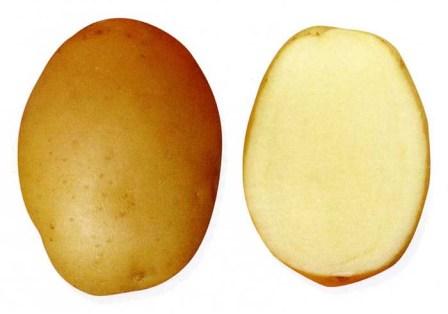
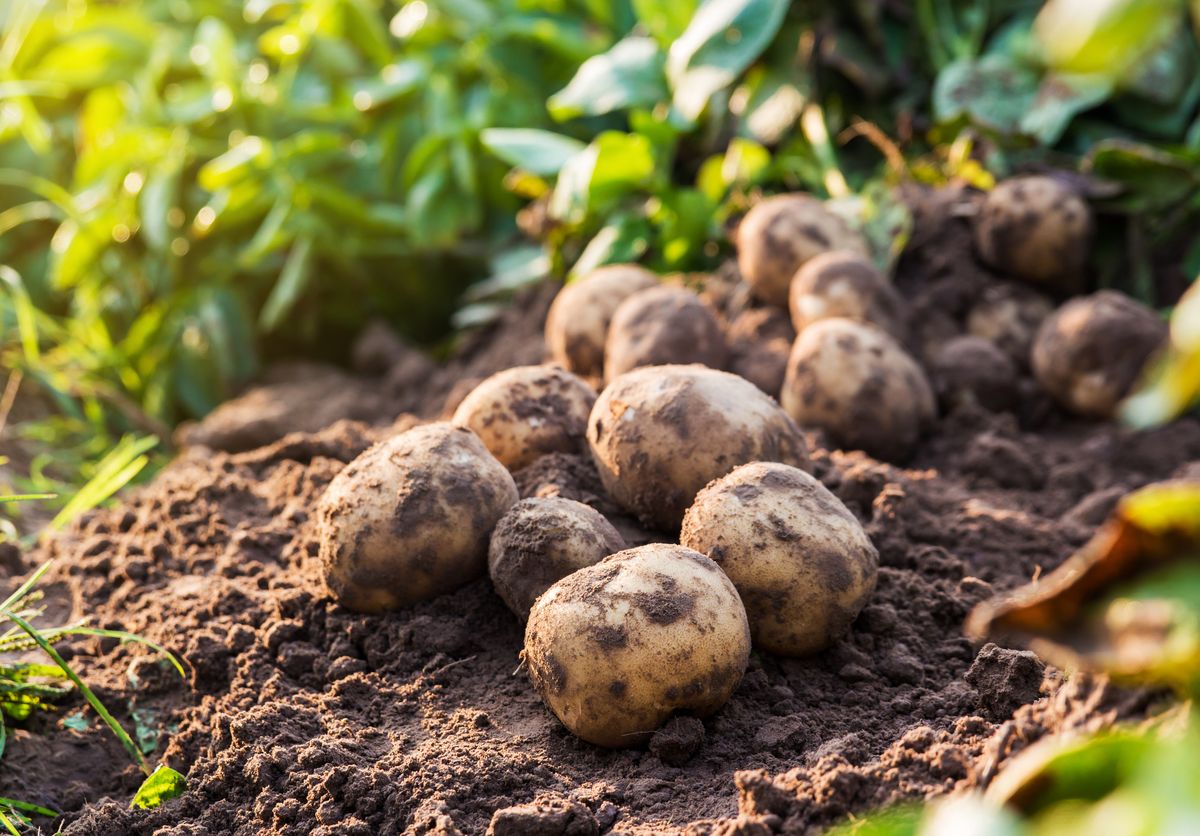
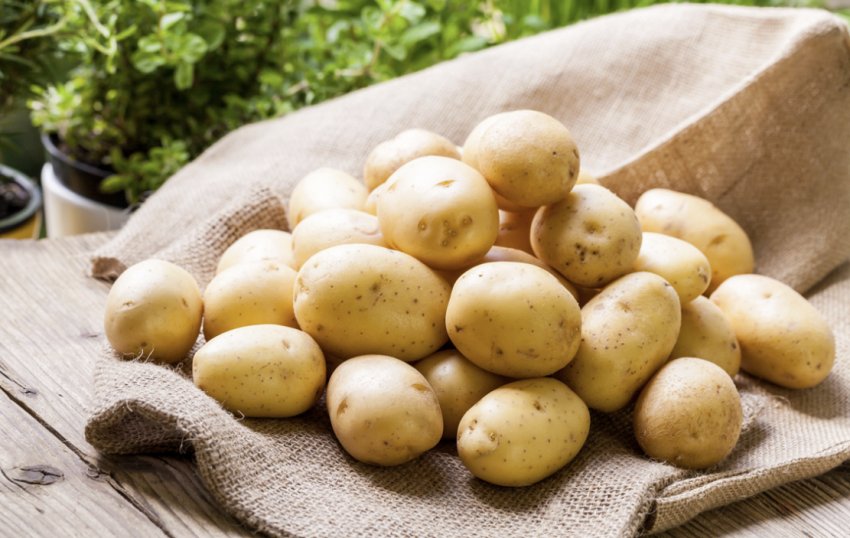
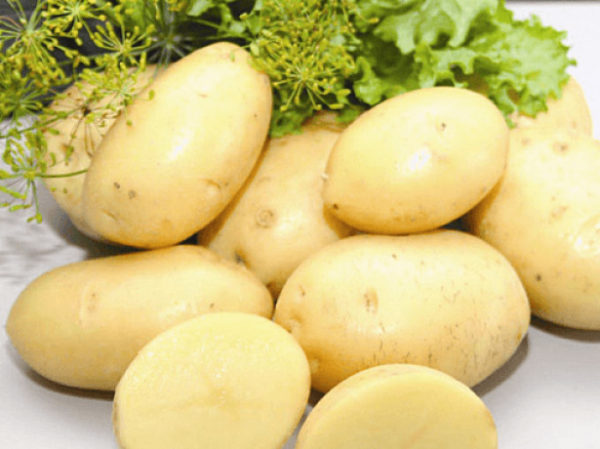
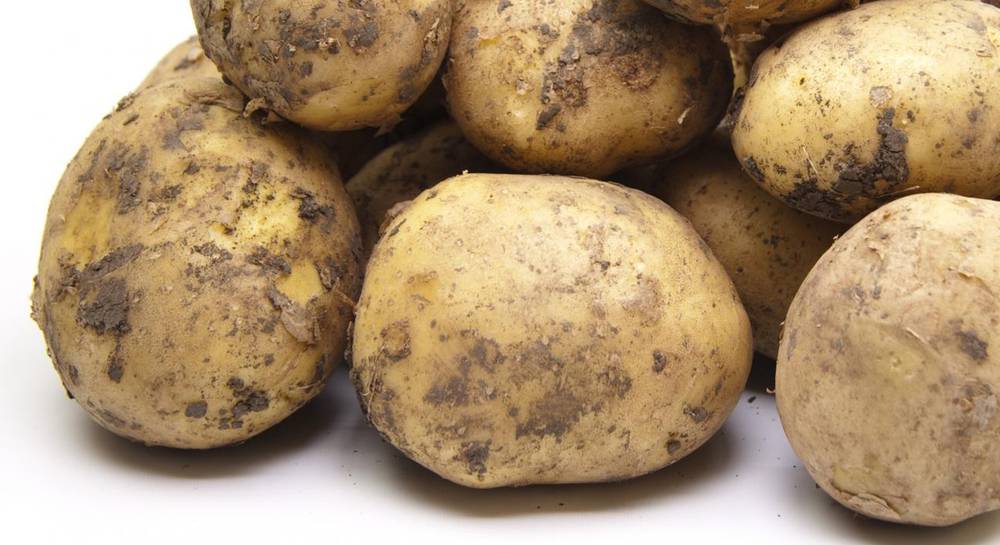
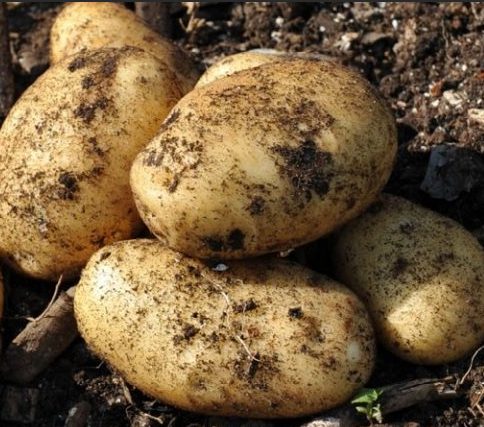
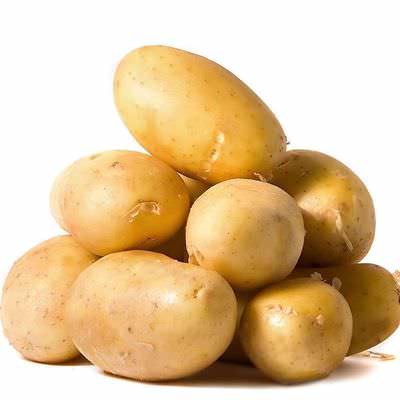
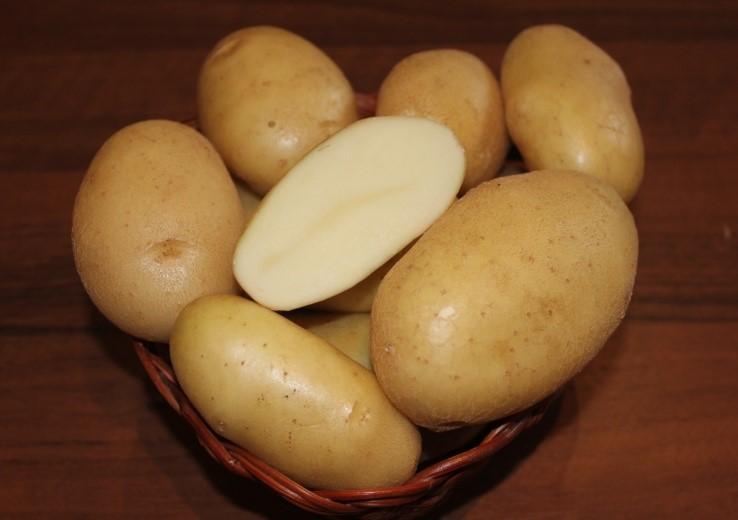
The originator is the State Scientific Institution All-Russian Research Institute of Potato Farming named after A.G. Lorkh (Russian Federation).
Read about growing potato variety Krepysh on our website.
Lapis lazuli
- Ripening period – 55 days;
- Tubers – round, with yellow skin and white flesh, weighing 92-120 g;
- Bushes – medium-sized or tall, intermediate type, white;
- Starch content – 13.5-15.7%;
- Culinary type – AB;
- Productivity – 210-258 c/ha, maximum 259 c/ha;
- Disease resistance – high resistance to nematodes, rhizoctonia, scab, cancer, average resistance to tuber late blight, low resistance to top late blight;
- Growing regions – Central Black Earth, Volga-Vyatka, Middle Volga;
- Advantages – endurance, high productivity, versatility, good marketability (87-98%);
- Flaws – not resistant to late blight, shelf life can be average (86-98%).
Photo gallery of the Lazurit potato variety:
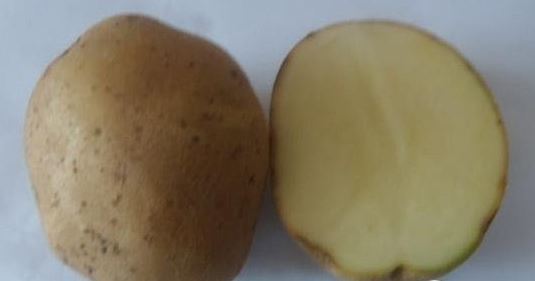
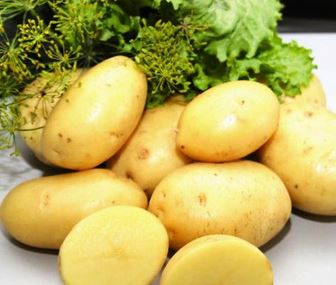
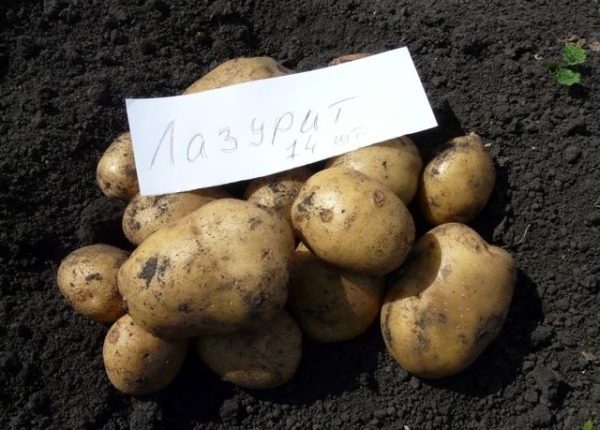
Bred by Belarusian breeders.
Latona
- Ripening period – 60-75 days, you can dig up after 45 days;
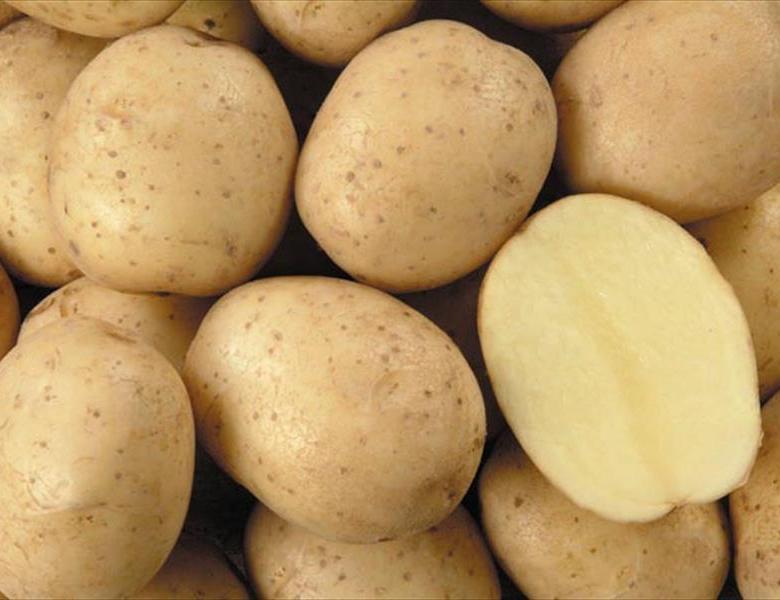
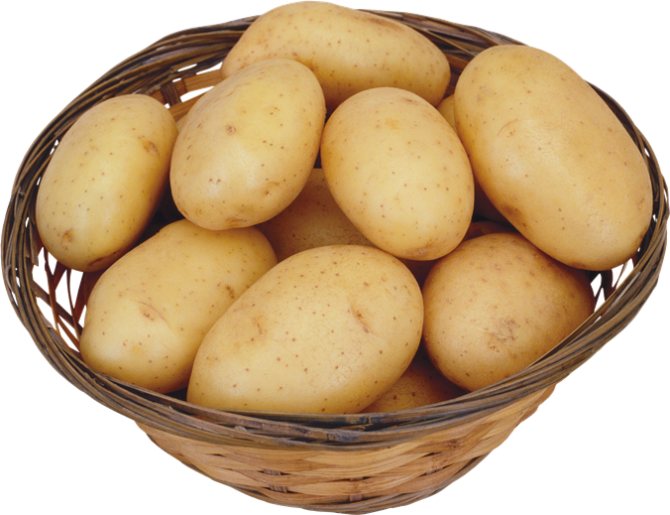
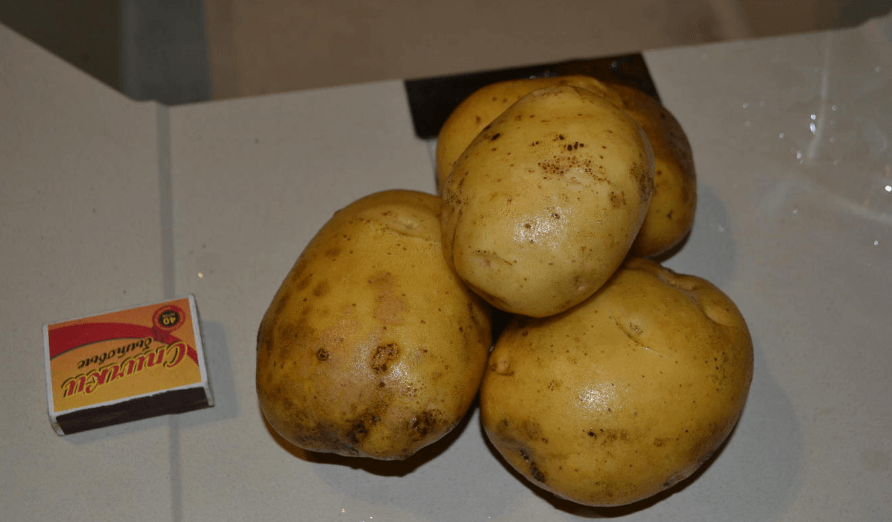
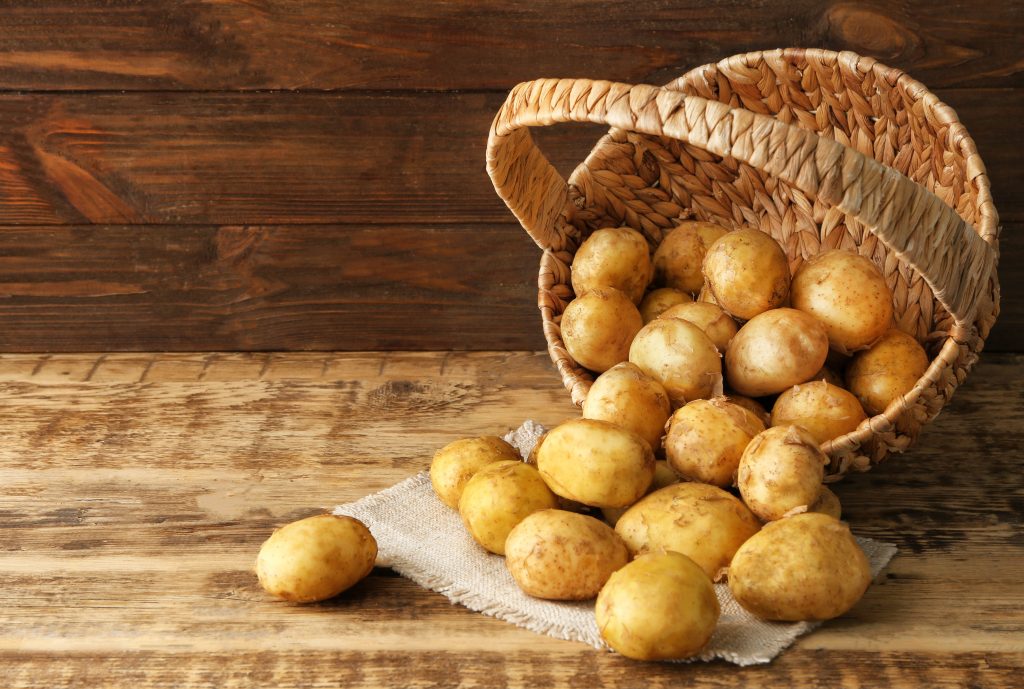
- Tubers – oval, yellow skin, light yellow flesh, weighing 85-135 g;
- Bushes – tall, upright, white flowers;
- Starch content – 12-15.8%;
- Culinary type – B;
- Productivity – 291-300 c/ha, maximum yield 462 c/ha;
- Disease resistance – high resistance to cancer, nematodes, average resistance to viruses, dry and ring rot of tubers, low resistance to common scab and late blight;
- Growing regions – Central, North-West, Central Black Earth;
- Advantages – resistance to sub-zero temperatures, drought, humidity, good marketability (83-95%);
- Flaws – susceptible to pest attacks, late blight, scab.
Photo gallery of the Latona potato variety:
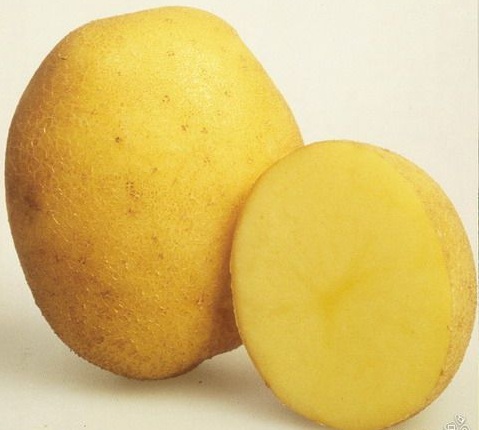
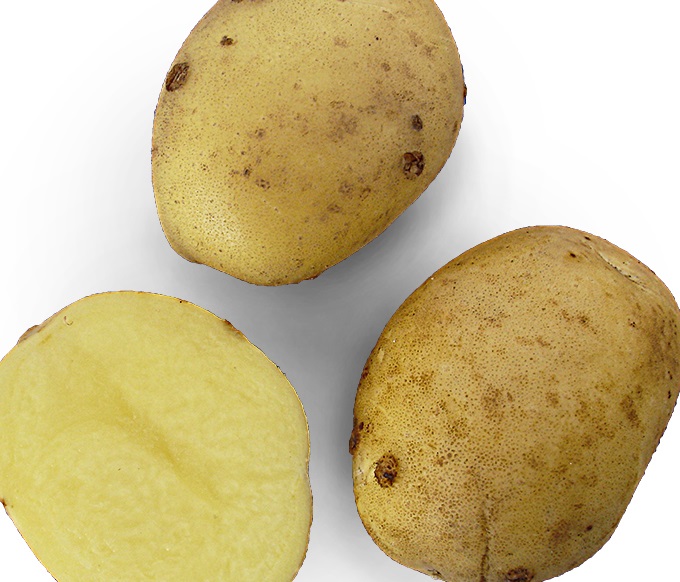
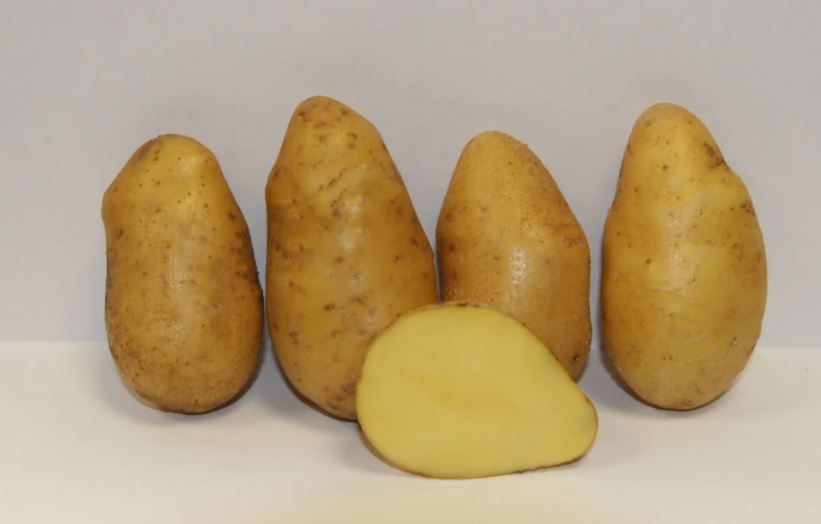
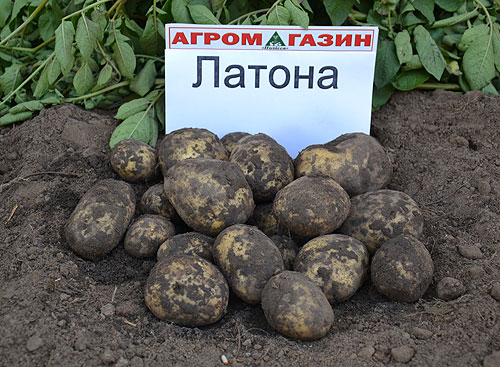
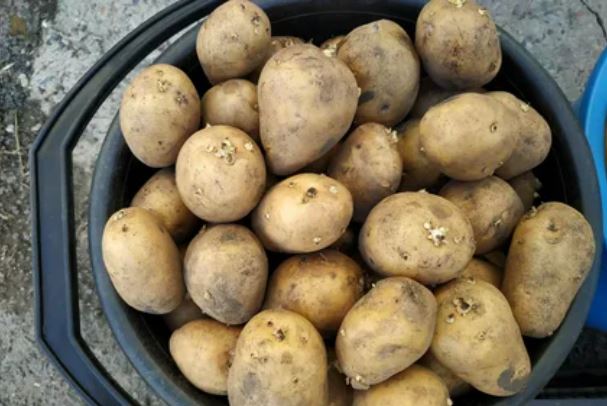
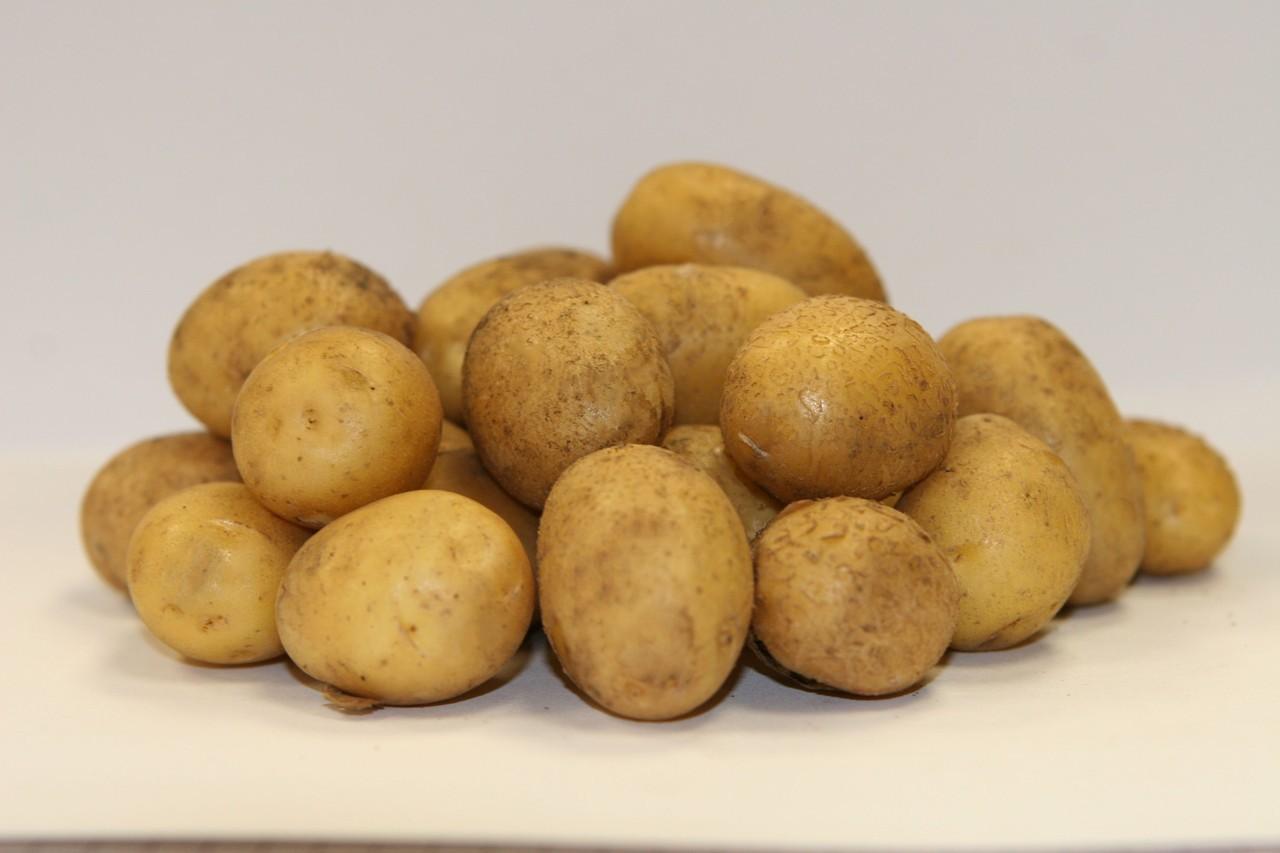
Included in the register in 1996.
Read more about the variety in the article Latona potato variety: characteristics and comparison tables, reviews.
Lyubava
- Ripening period – 50-65 days;
- Tubers – with snow-white flesh and reddish skin, weighing 109-210 g;
- Bushes – medium-sized, red-violet flowers;
- Starch content – 11.2-16.9%;
- Culinary type – A;
- Productivity – 203-272 c/ha, maximum 524 c/ha;
- Disease resistance – high resistance to cancer, rhizoctonia, average resistance to tuber late blight, scab, low resistance to top late blight, nematode;
- Growing regions - Ural, West Siberian, East Siberian, Far Eastern;
- Advantages – high yield, early and uniform tuber formation, good marketability (80-98%);
- Flaws – susceptible to late blight on tops and nematodes, sensitive to lack of moisture.
Photo gallery of the Lyubava potato variety:
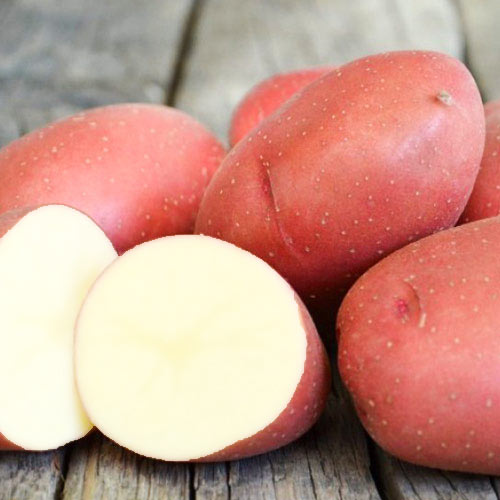
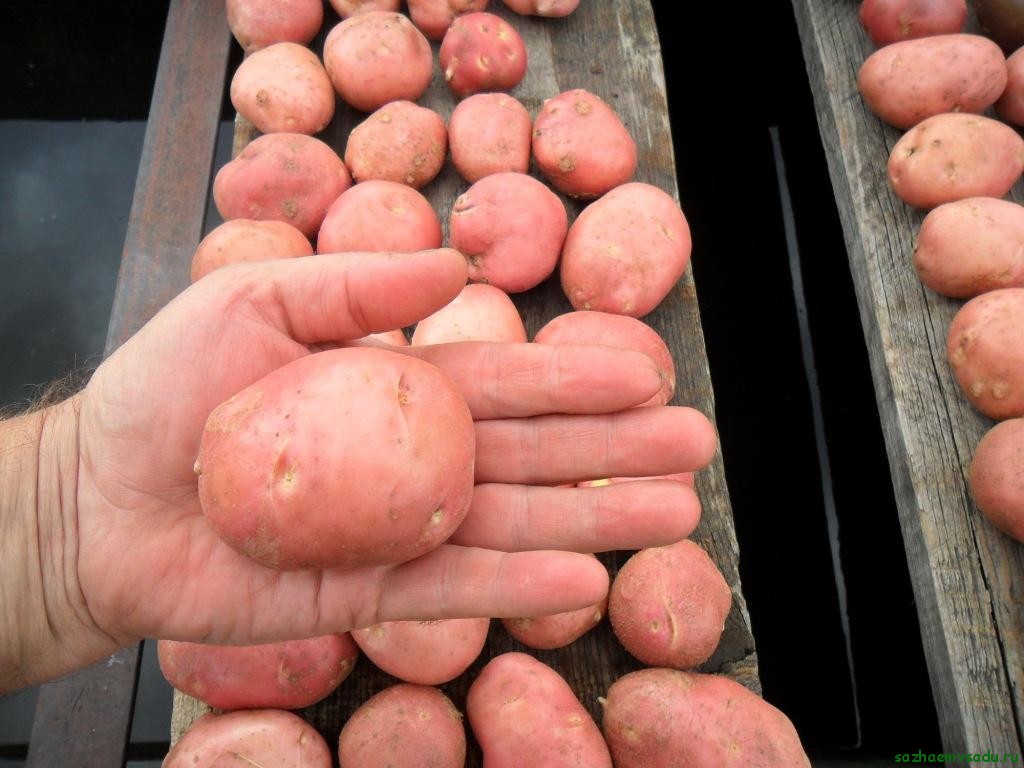
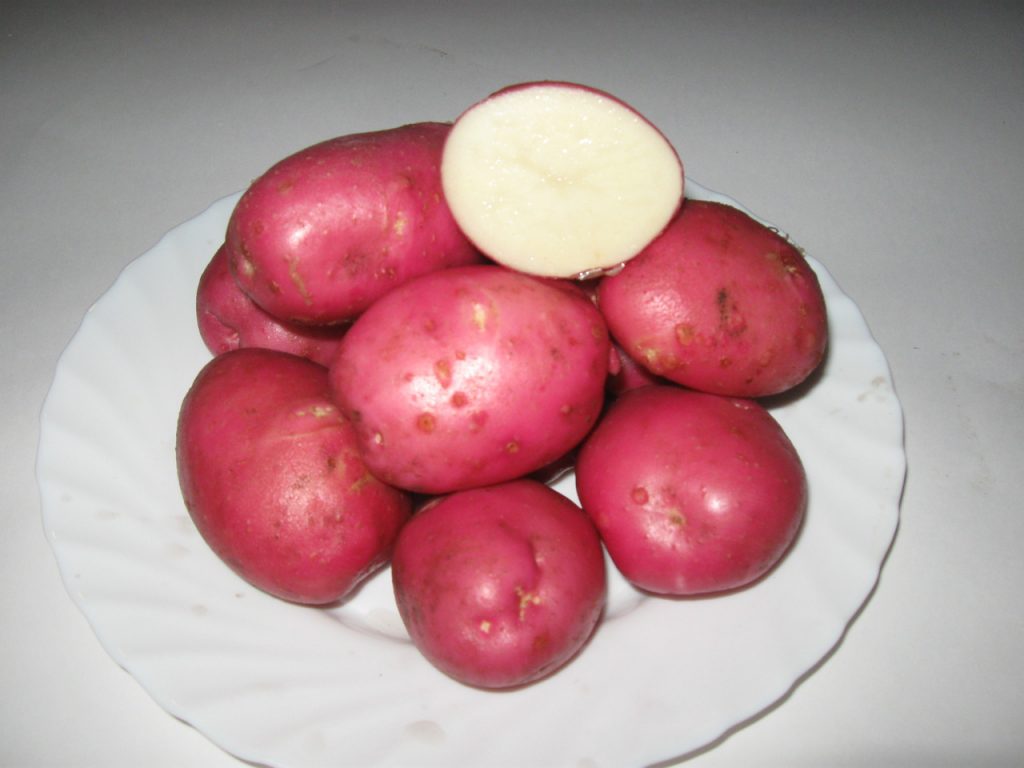
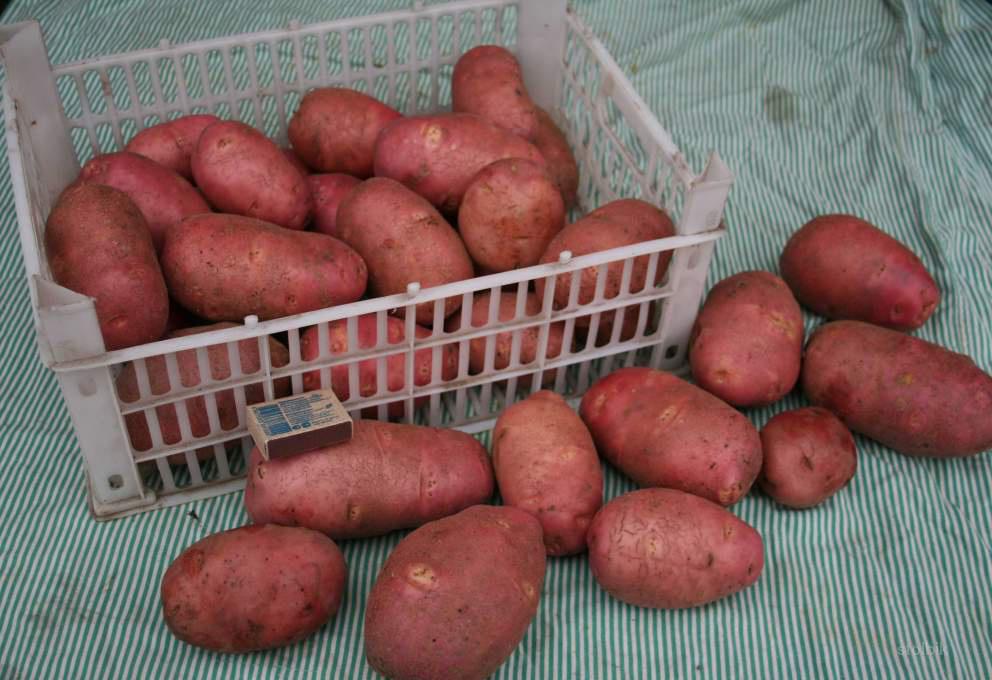
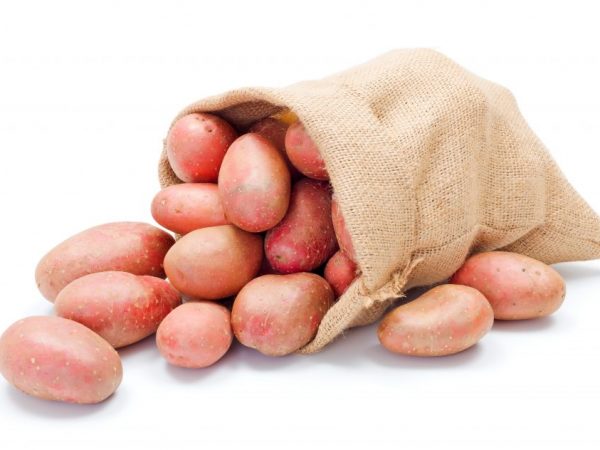
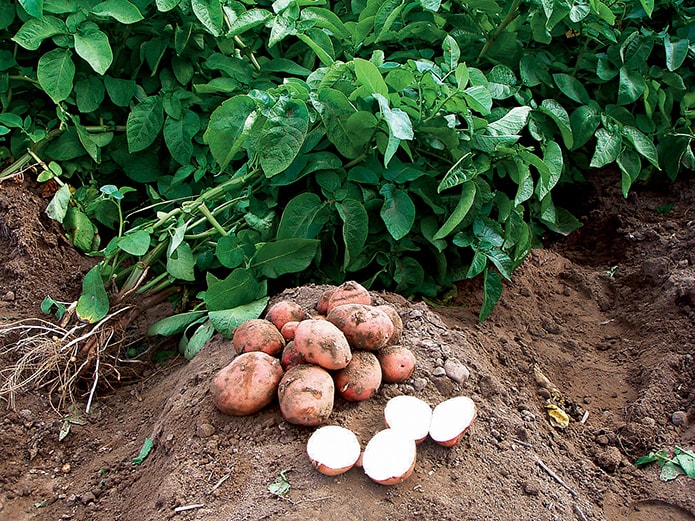
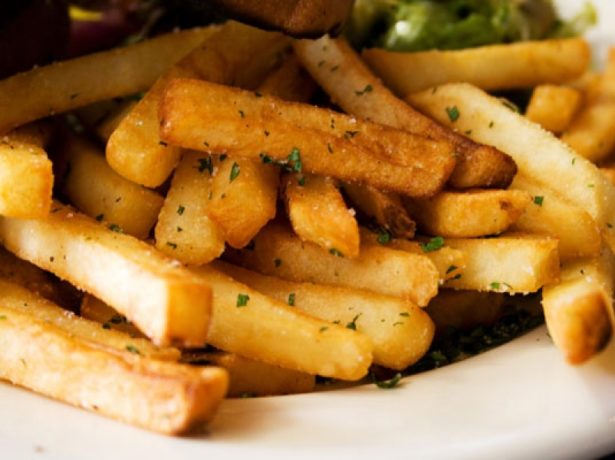
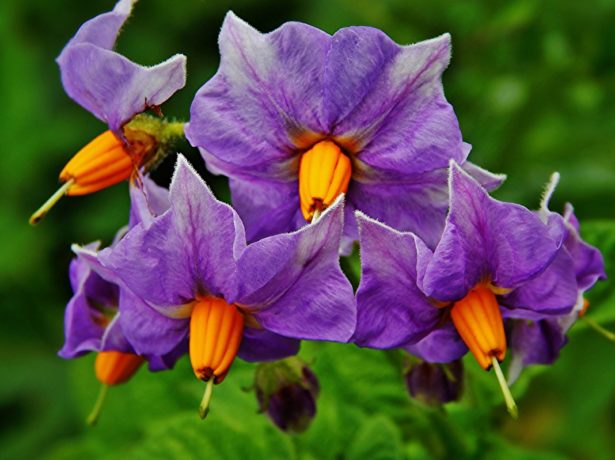
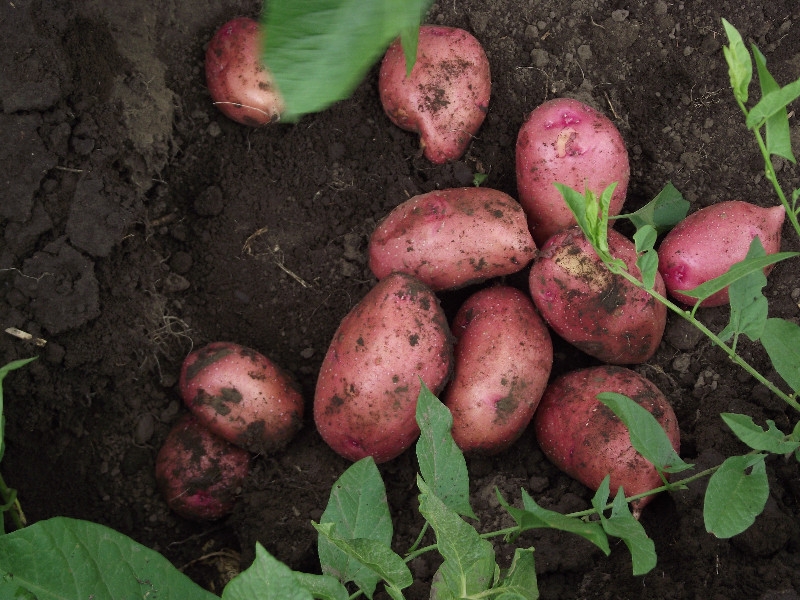
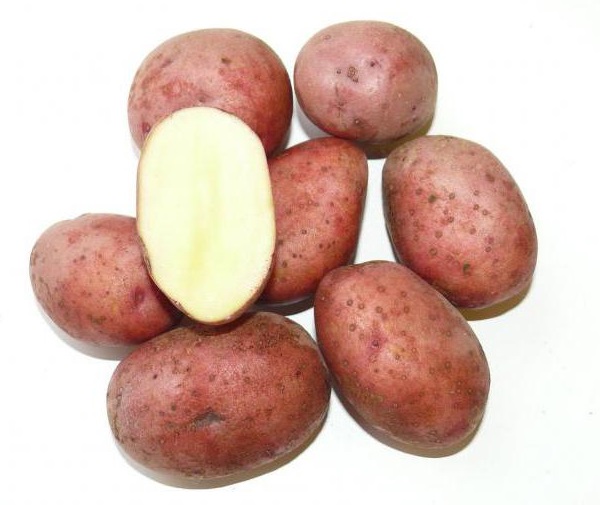
Included in the registry table for the North Siberian region, withdrawn to the Russian Federation
Pogarsky
- Ripening period – 60-65 days;
- Tubers – oval, with yellow skin and white flesh, weighing 88-172 g;
- Bushes – medium height, semi-erect, corolla is quite large and white;
- Starch content – 11.8-13.4%;
- Culinary type – VS;
- Productivity – 201-351 c/ha, maximum 370 c/ha;
- Disease resistance – high resistance to cancer, nematodes, average resistance to tuber blight, low resistance to top blight;
- Growing regions - Central;
- Advantages – high yield, undemanding care, good taste, high marketability (93-97%) and shelf life (97%).
- Flaws – susceptibility to late blight.
Photo gallery of the Pogarsky potato variety:
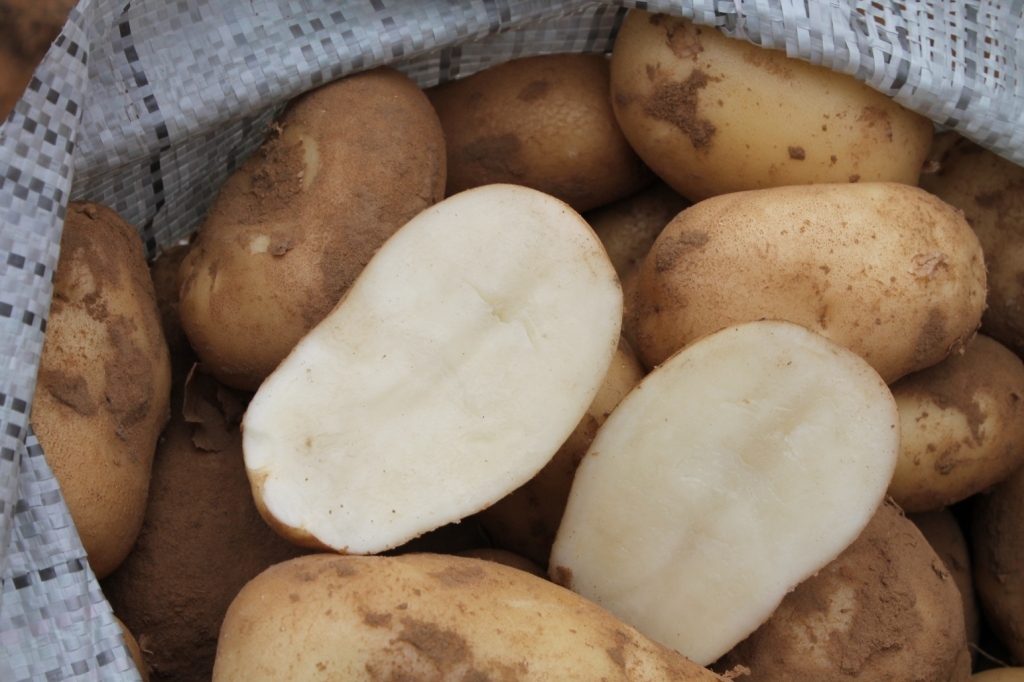
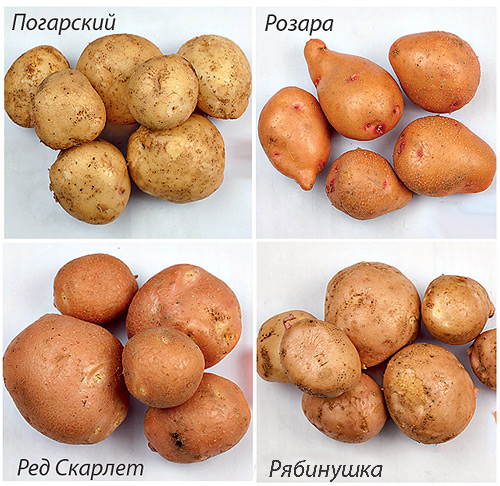
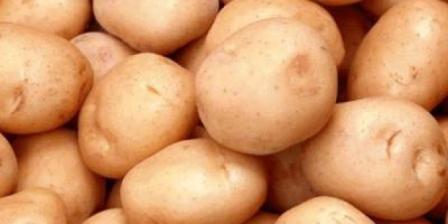
The originators are the Pogar State Scientific Institution and the Federal State Budgetary Scientific Institution All-Russian Research Institute.
Red Scarlett
- Ripening period – 70-80 days, you can dig up on the 45th day;
- Tubers – oval-shaped with reddish skin and yellow flesh, weighing up to 56-102 g;
- Bushes – low, medium-sized flowers, red-violet;
- Starch content – 10.1-15.6%;
- Culinary type – AB;
- Productivity –164-192, maximum 270 c/ha;
- Disease resistance – high resistance to cancer, nematodes, average resistance to tuber blight, low resistance to top blight;
- Growing regions – North-West, Central, Volga-Vyatka, Central Black Earth, Middle Volga, West Siberian;
- Advantages – tolerates drought, stores well (storability 98%), marketability is also high (82-96%);
- Flaws – susceptible to late blight of tops and Colorado potato beetle, average taste, low yield, dividing tubers during planting is unacceptable (this will affect the quality of the harvest).
Photo gallery of the Red Scarlett potato variety:
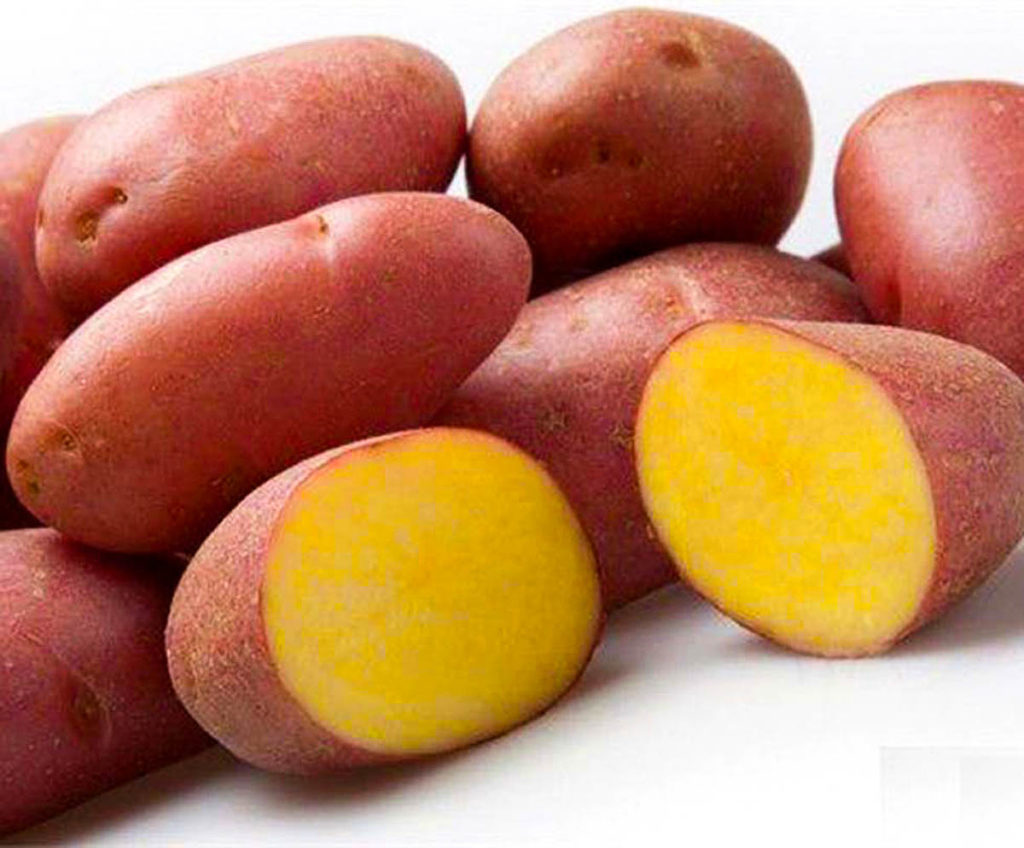
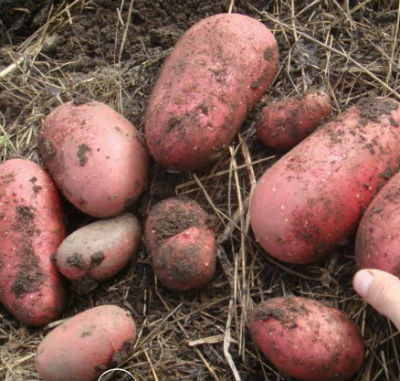
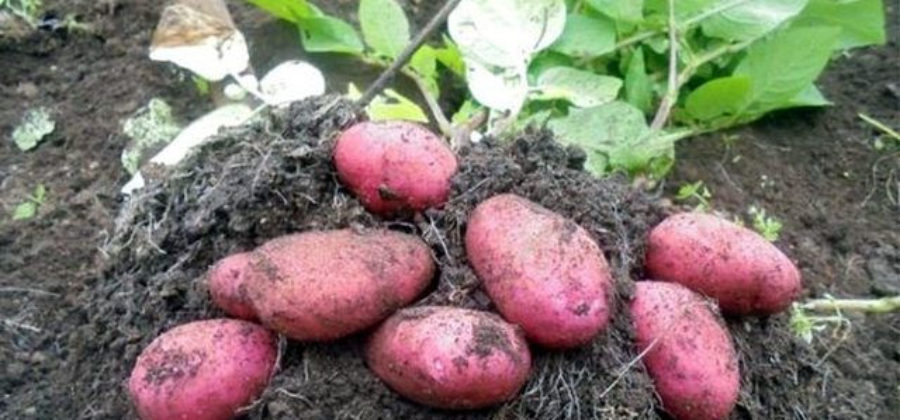
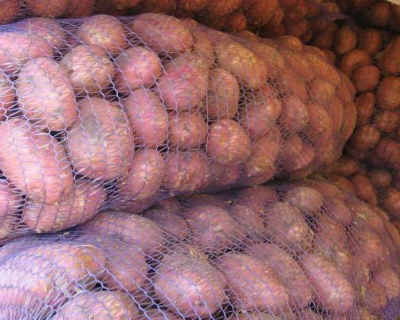
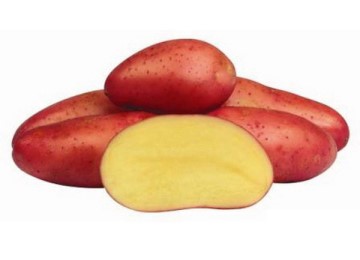
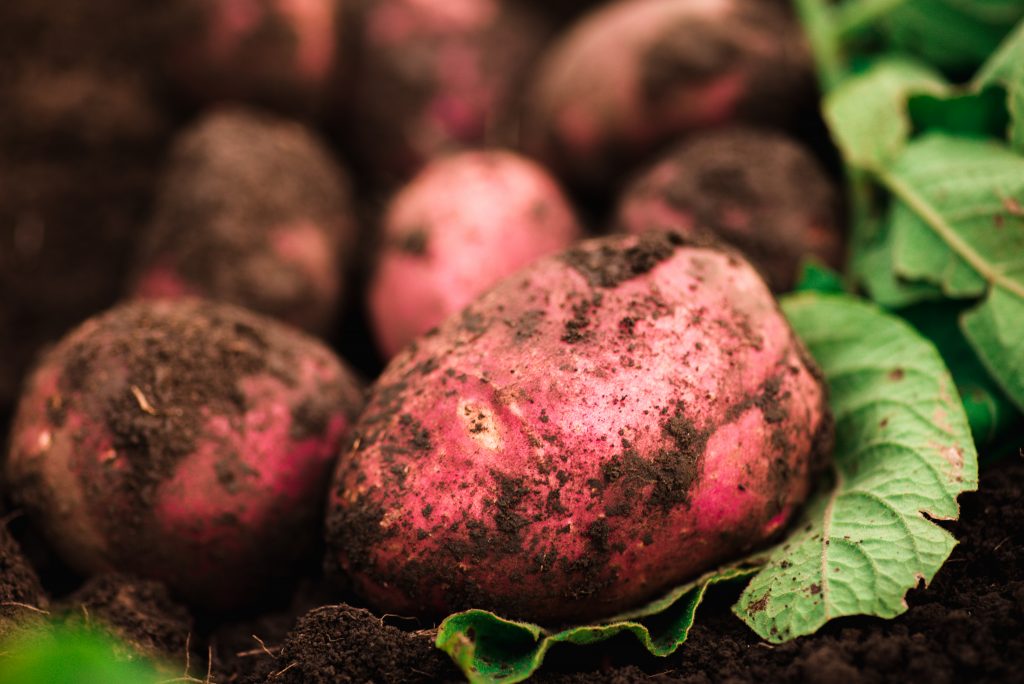
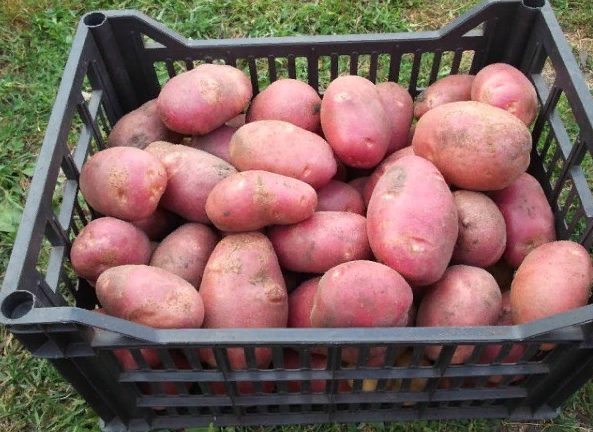
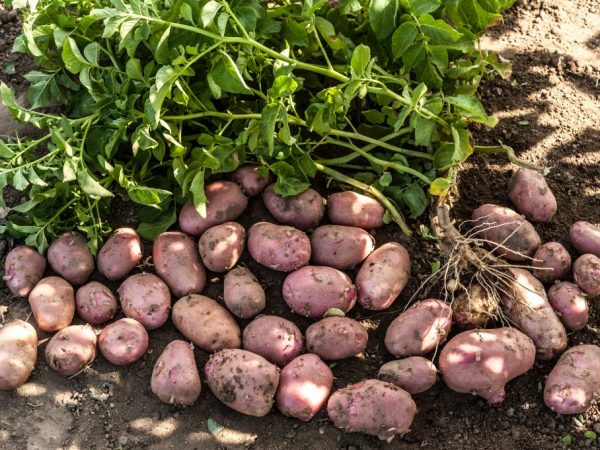
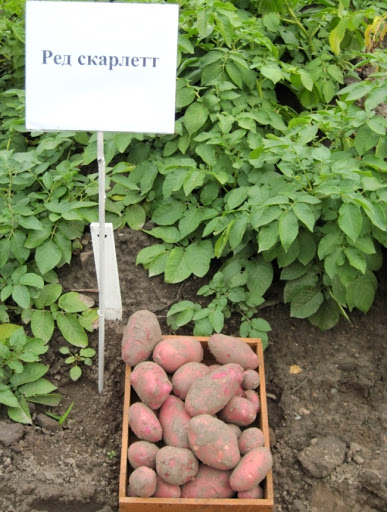
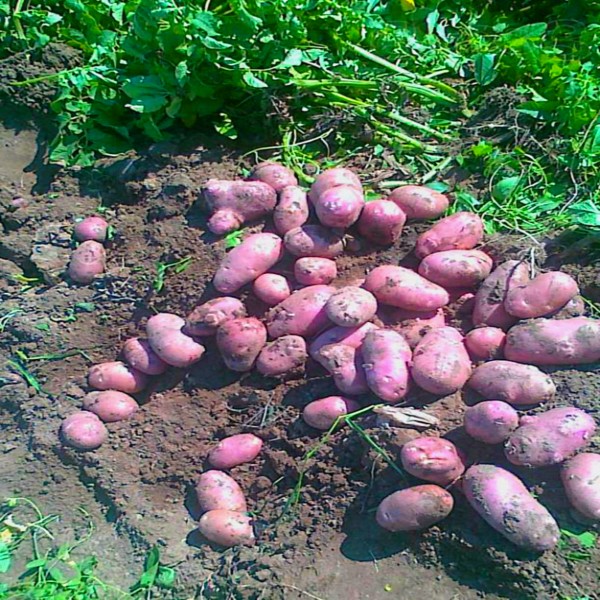
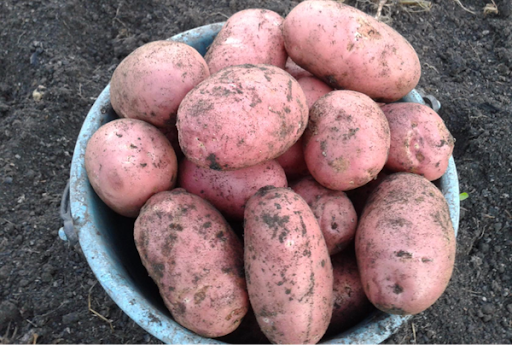
Find out about the elite Dutch variety Red Scarlett as much as possible.
Riviera
- Ripening period – 70-80 days, you can dig up on the 45th day;
- Tubers – large in size, oval with small or medium-sized eyes, light beige skin, creamy flesh, weighing 101-177 g;
- Bushes - low or medium;
- Starch content – 11.5-15.9%;
- Culinary type – BC;
- Productivity – 273-312 c/ha, maximum 465 c/ha;
- Disease resistance – to cancer, nematodes, mosaic, low resistance to late blight;
- Growing regions – Central, Central Black Earth, North Caucasian;
- Advantages – the ability to harvest twice during the growing season, yield losses of no more than 2%, the ability to adapt to any conditions, resistance to drought, mechanical damage, good marketability (80-96%) and shelf life (94%);
- Flaws – high cost of planting material.
Photo gallery of the Riviera potato variety:
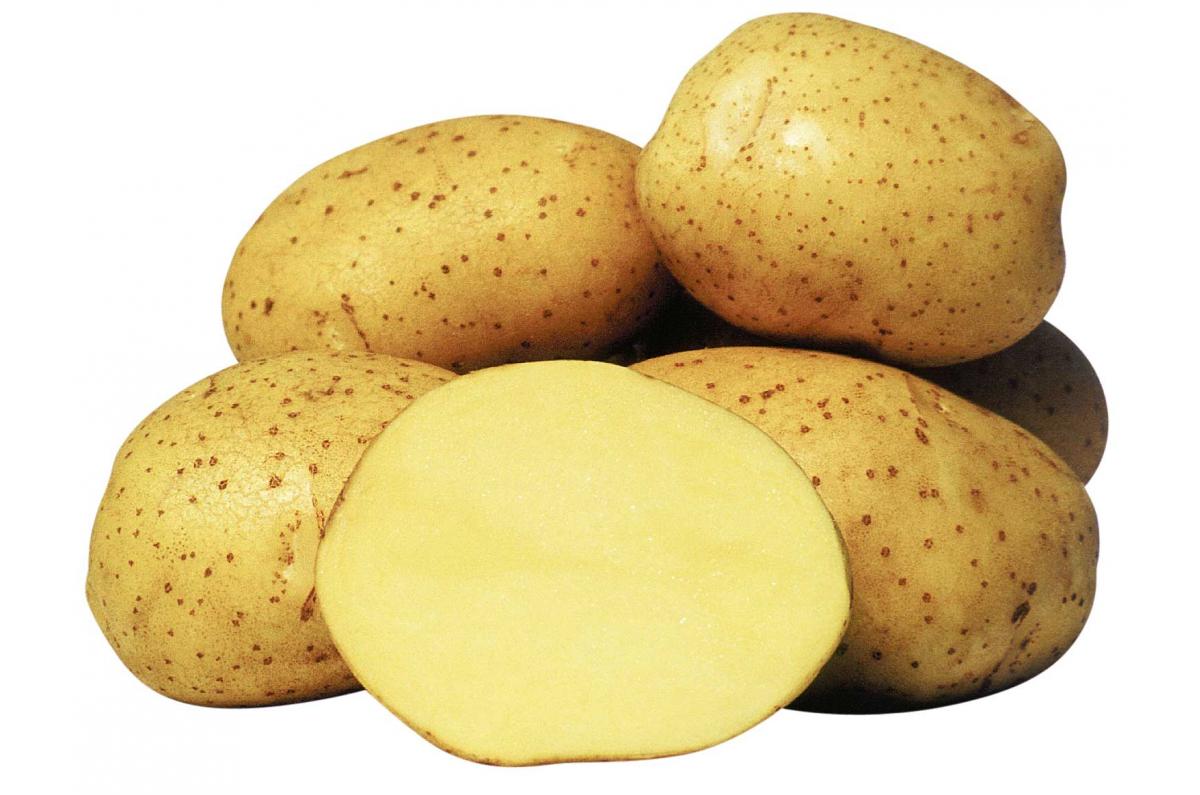
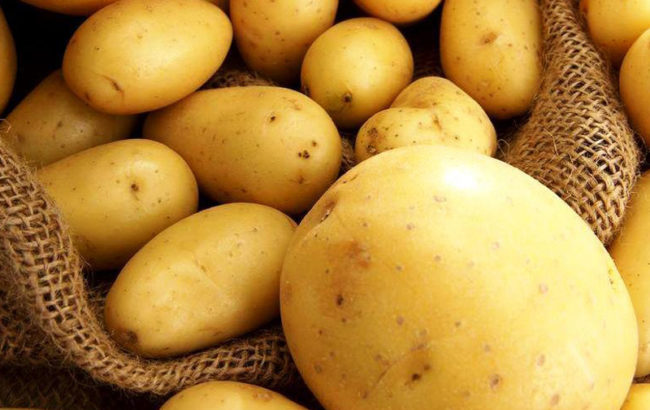
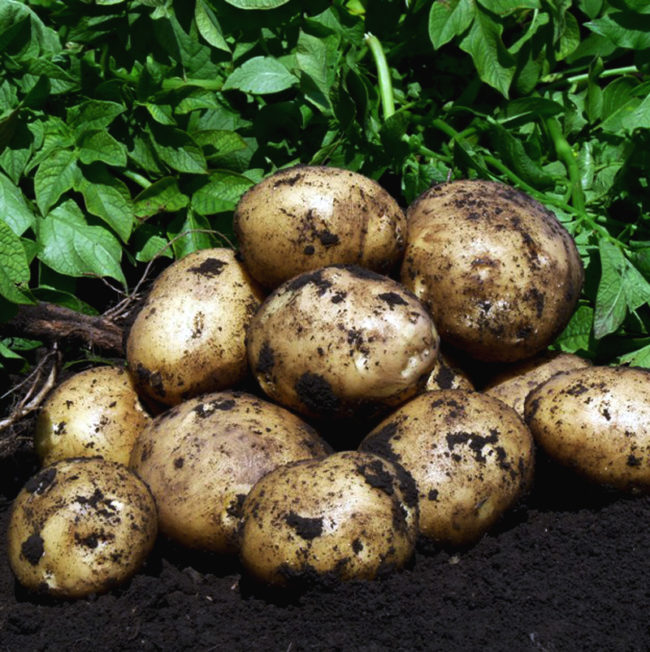
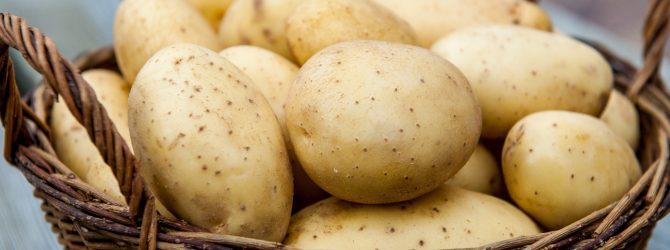
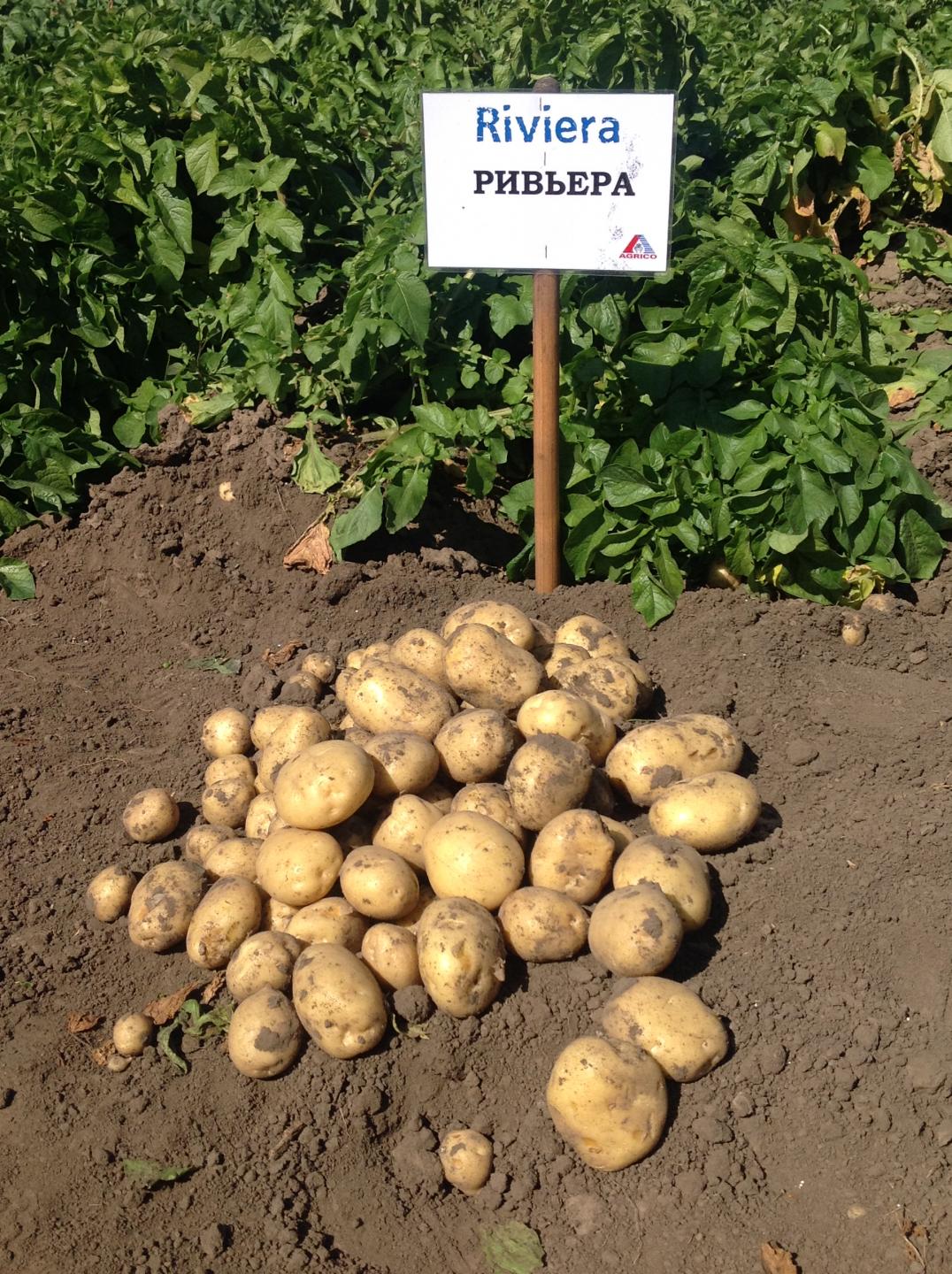
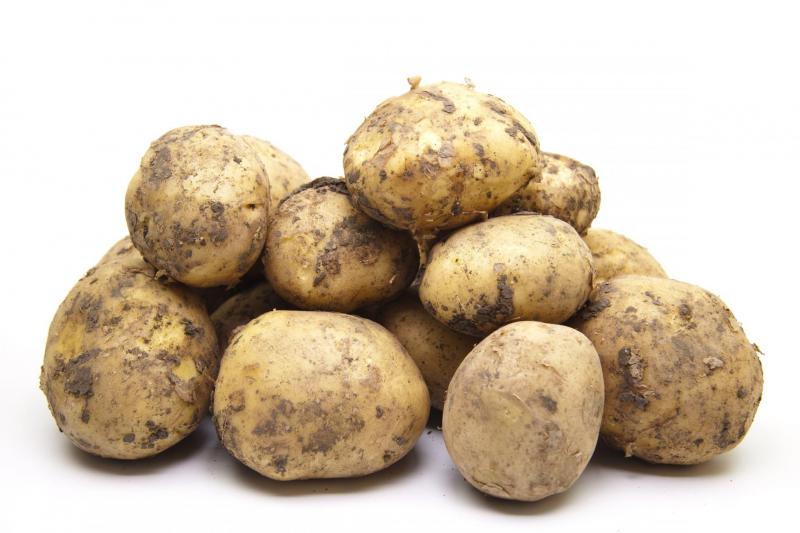
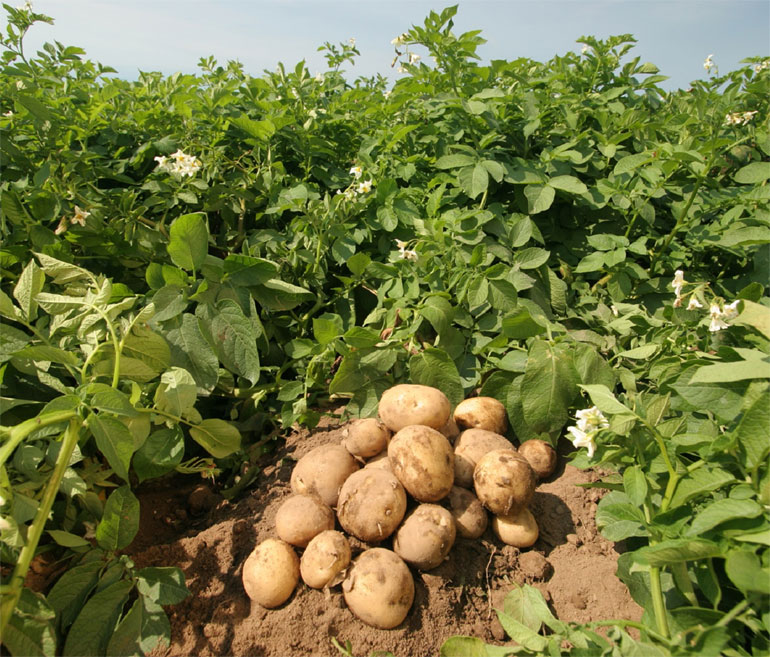
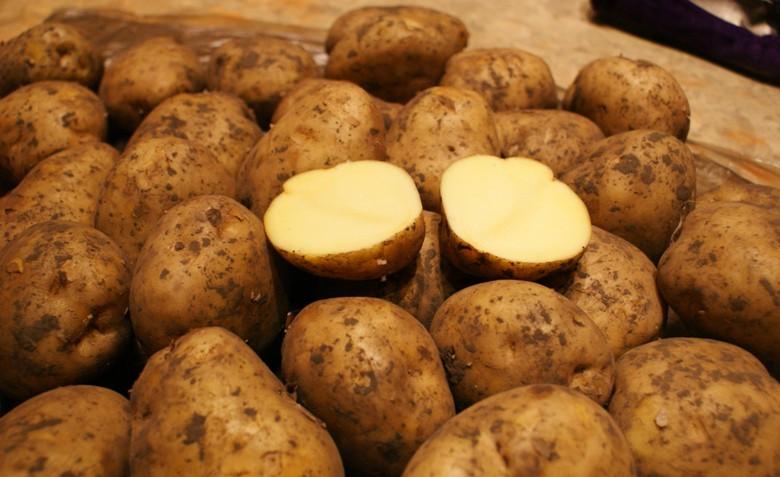
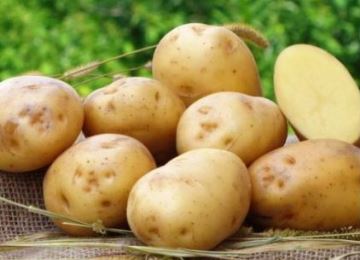
Riviera was bred by Dutch breeders.
Luck
- Ripening period – 60-70 days;
- Tubers – oval-round, smooth surface, creamy skin, white flesh, weight 120-150 g;
- Bushes – medium size, about 40 cm, white flowers with a bright yellow pistil;
- Starch content – 12-15%.
- Culinary type - IN;
- Productivity – 300-500 c/ha;
- Disease resistance – high resistance to cancer, nematodes, average resistance to late blight;
- Growing regions – Northwestern, Central, Volga-Vyatka, Central Black Earth, North Caucasian, Middle Volga, Ural, Far Eastern;
- Advantages – undemanding to soil quality and humidity level, tolerates transportation well, high marketability (96%), good taste;
- Flaws – can be affected by late blight.
Photo gallery of the potato variety Udacha:
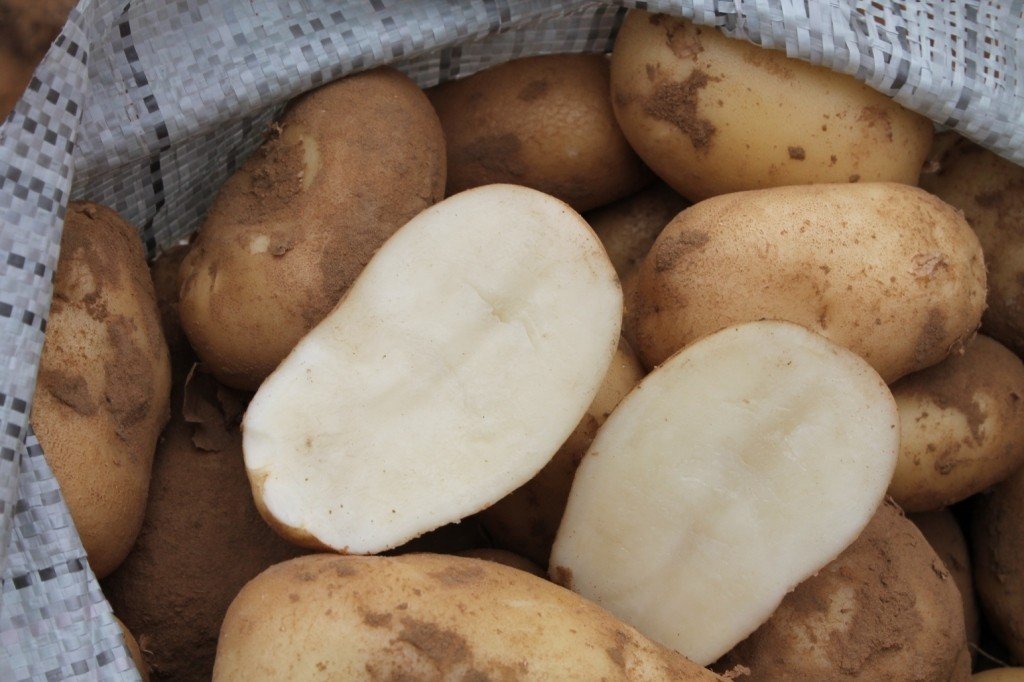
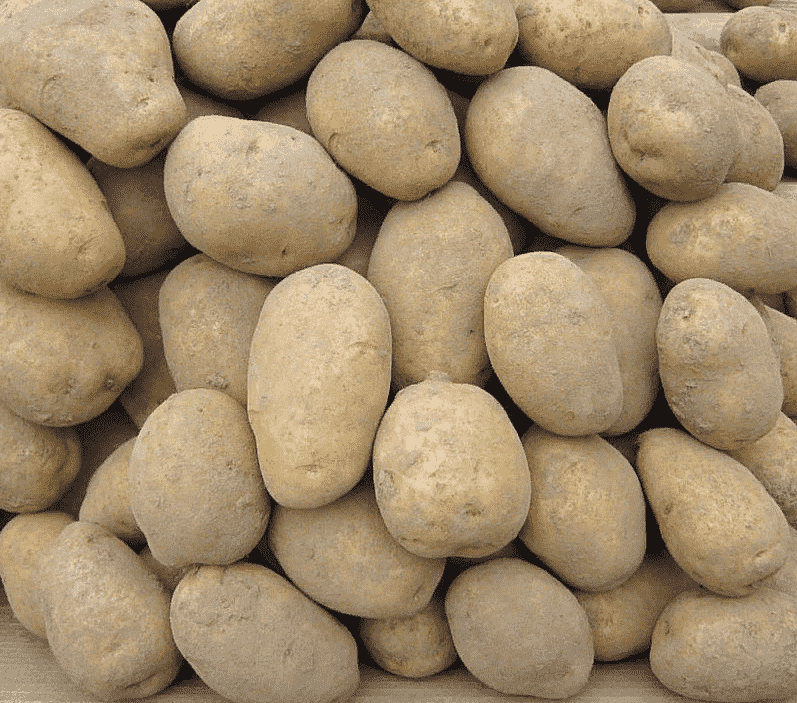
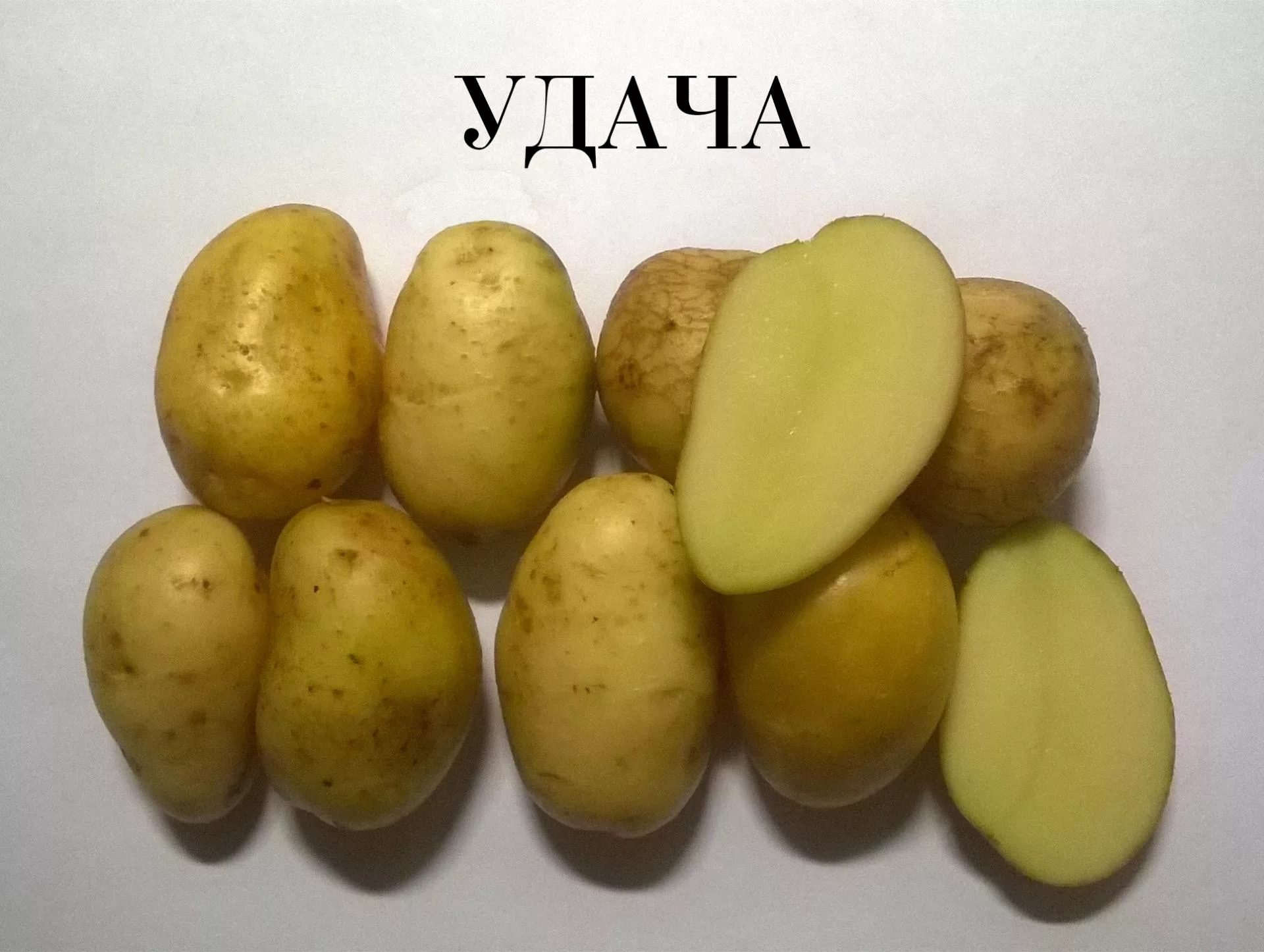
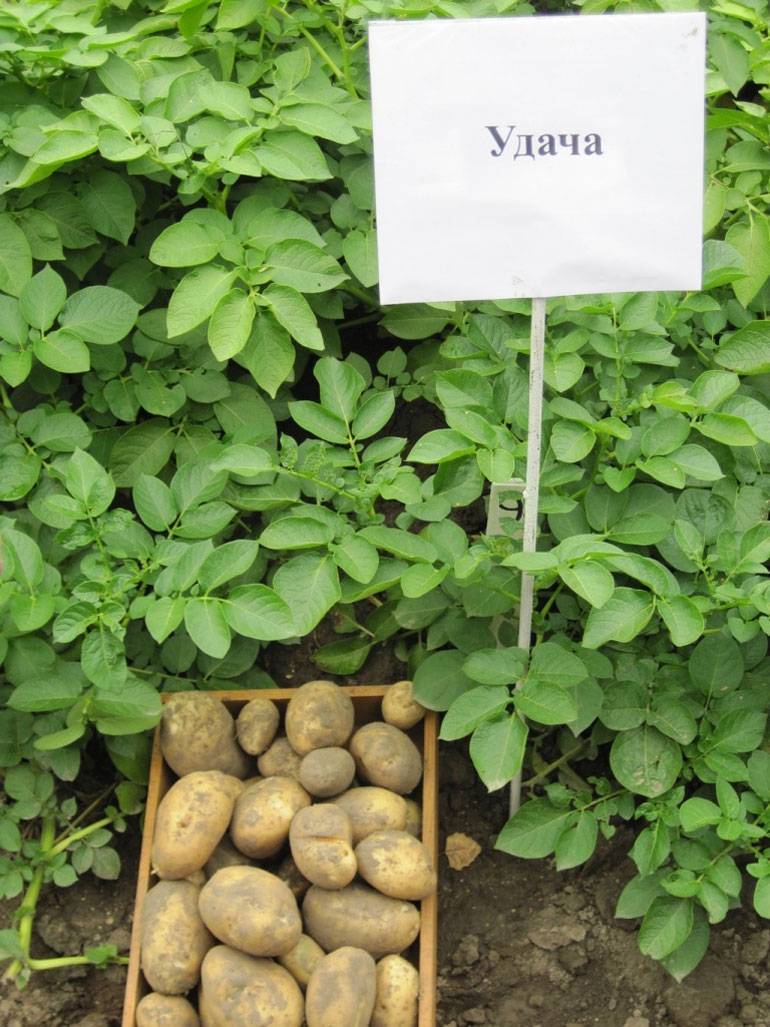
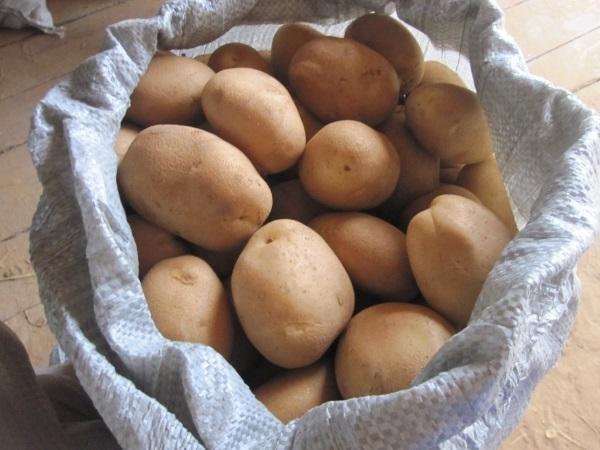
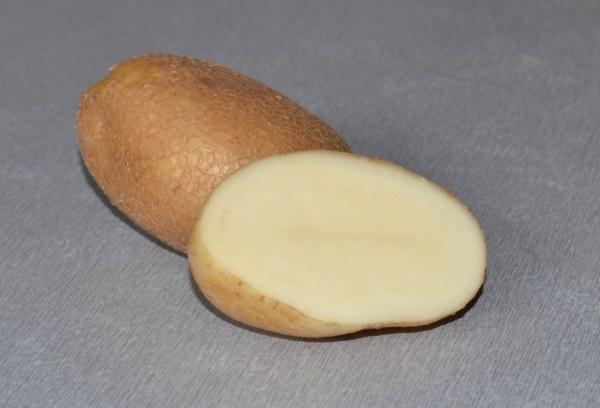
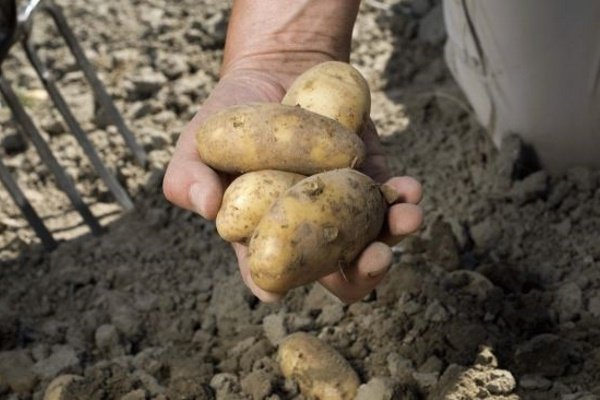
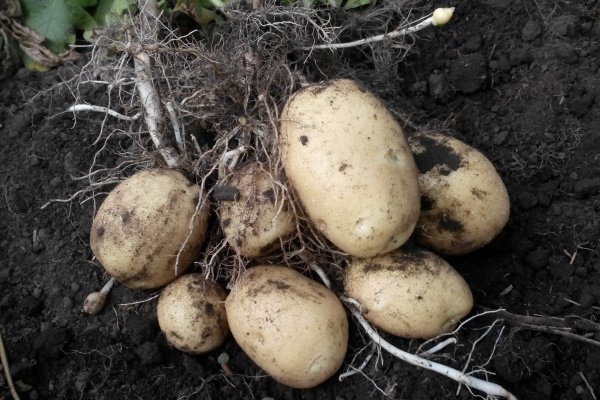
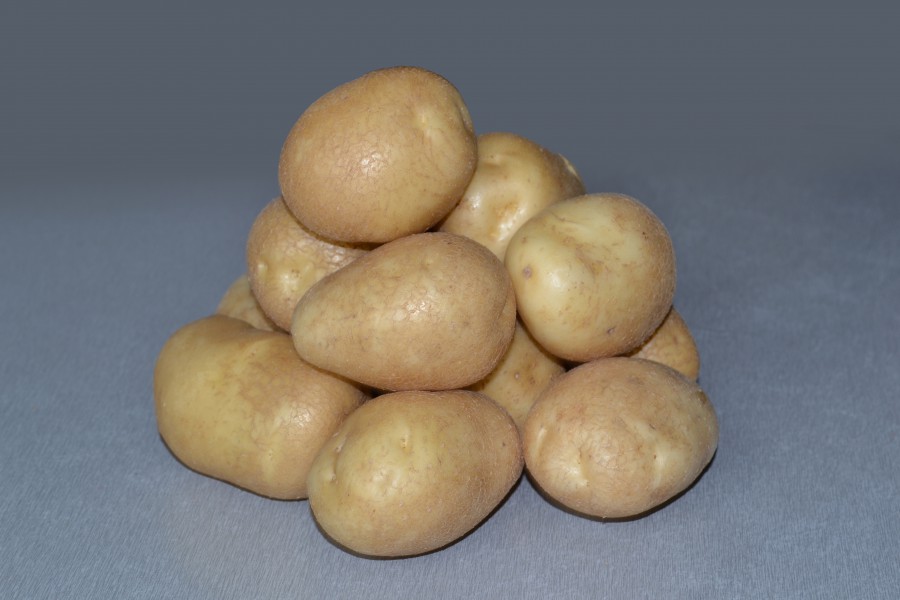
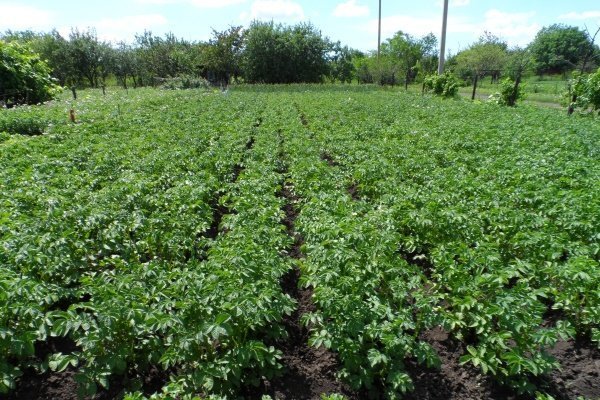
You can find out more about the variety in the article. Potato variety Udacha: photo, characteristics, comparison, reviews.
Uladar
- Ripening period – 50-65 days, you can dig up on the 45th day;
- Tubers – oval-round with small eyes, yellow skin, light yellow flesh, weight 91-140 g;
- Bushes – medium height;
- Starch content – 13.8-17.5%;
- Culinary type – B;
- Productivity – 127-353 c/ha, maximum – 424 c/ha;
- Disease resistance – high resistance to cancer, nematode, rugose and striped mosaic, average resistance to late blight, leaf curl, scab, low resistance to rhizoctonia;
- Growing regions - North-West, Central;
- Advantages – excellent taste, good yield, undemanding to soil, good marketability (90-95%) and shelf life (94%);
- Flaws – the need for additional treatment against the Colorado potato beetle, susceptible to rhizoctonia.
Photo gallery of the Uladar potato variety:
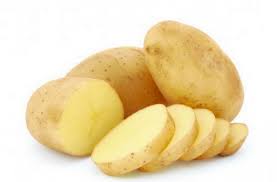
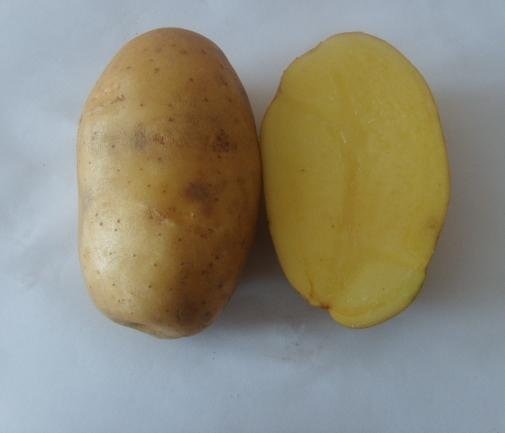
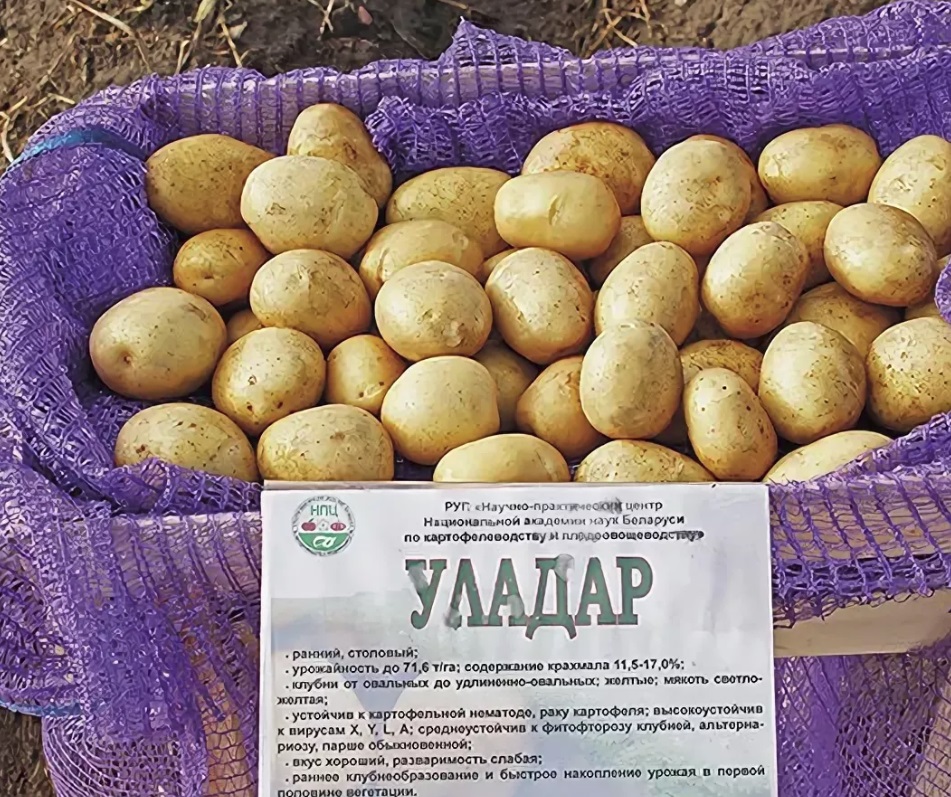
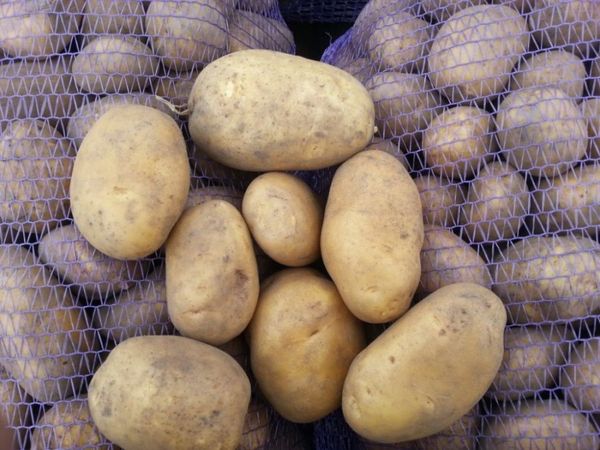
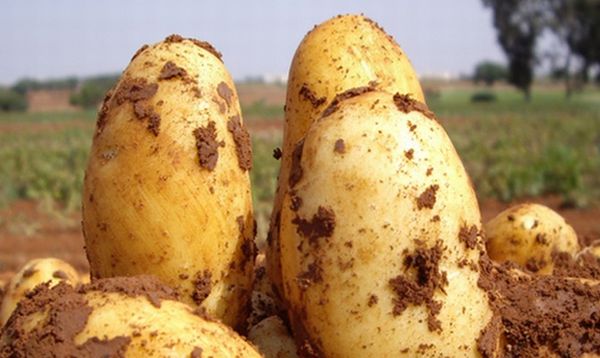
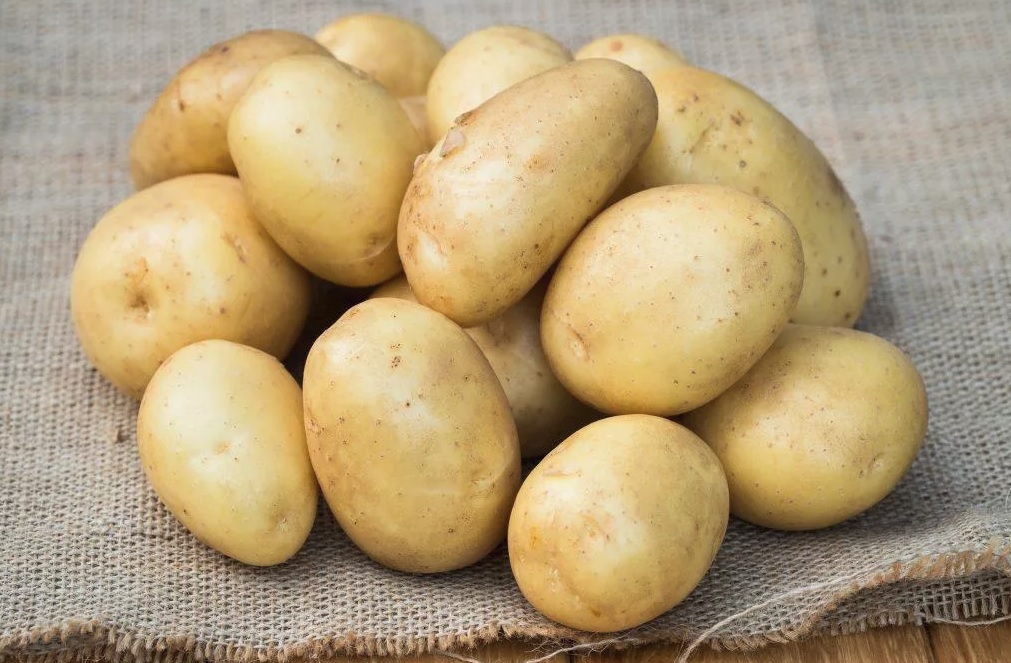
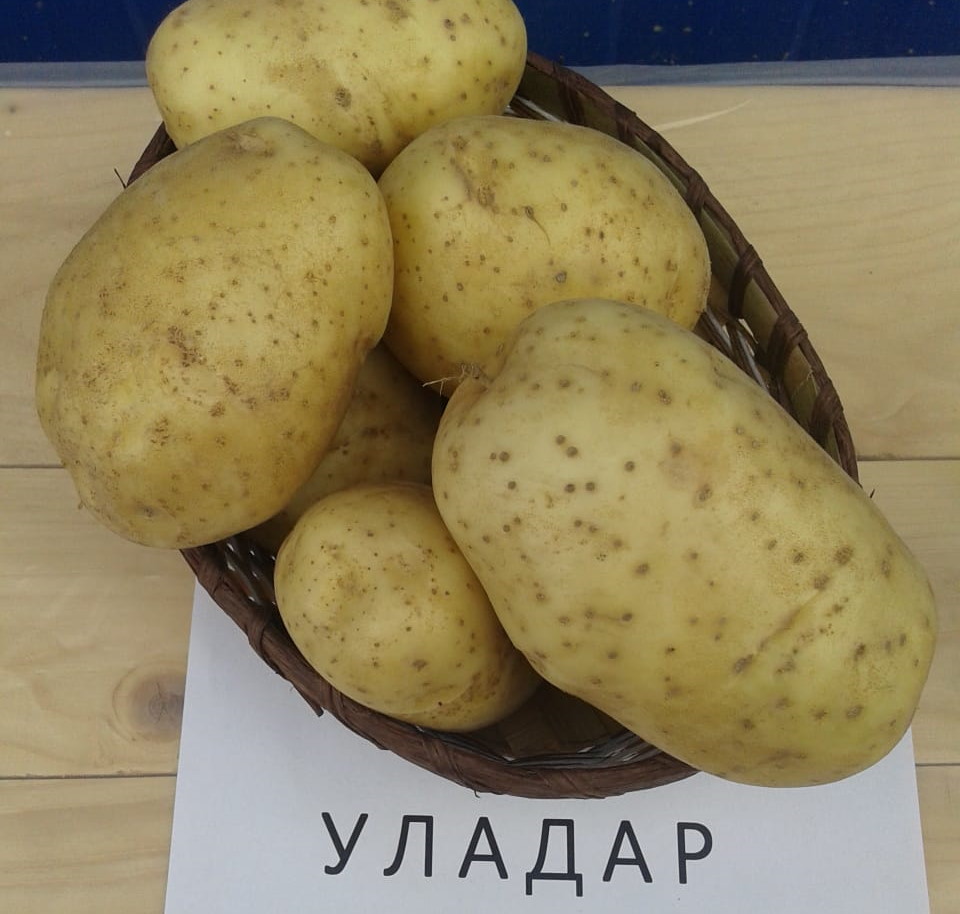
Potato variety Uladar bred by Belarusian breeders, included in the Russian Federation register in 2019.
Ural early
- Ripening period – 65-70 days;
- Tubers – oval-round, yellow skin, white flesh, weighing up to 150 g;
- Bushes – spreading, weakly branched, flowers are white;
- Starch content – 12.5-15.4%;
- Culinary type – AB;
- Productivity – 180-320 c/ha;
- Disease resistance – high resistance to cancer, low resistance to nematodes and late blight;
- Growing regions - Northern, East Siberian, Far Eastern;
- Advantages – transportability, rich harvest, versatility;
- Flaws – risk of damage by late blight and nematodes.
Photo gallery of the Uralskiy ranniy potato variety:
Bred by Russian breeders.
Fresco
- Ripening period – 60-70 days;
- Tubers – round-oval with light skin, lighter flesh, weighing 100-130 g;
- Bushes – medium height, white flowers;
- Starch content – 12-17%;
- Culinary type – AB;
- Productivity – 200-390 c/ha, maximum 450 c/ha;
- Disease resistance – high resistance to cancer, nematodes, average resistance to viruses, rhizoctonia, scab, tuber late blight, low resistance to top late blight;
- Growing regions - Northern, Volga-Vyatka, West Siberian, Far Eastern, Northwestern;
- Advantages – grows well in any climatic conditions, if agricultural requirements are met, it produces a rich harvest and good marketability (88-99%);
- Flaws – late blight can destroy potatoes, they are prone to sprouting during storage, and have low shelf life (78-93%).
Photo gallery of the Fresco potato variety
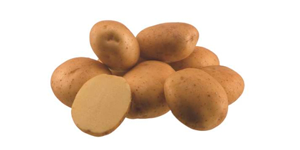
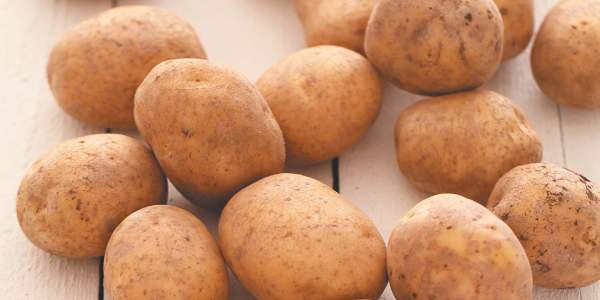
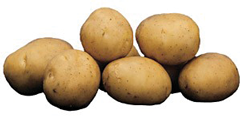
Bred in Holland.
Kholmogorsky
- Ripening period – 50 days;
- Tubers – oval, red skin, light yellow flesh;
- Bushes – medium or tall, intermediate type, large flower, red-violet, weighing 88-118 g;
- Starch content – 11.4-14.7%;
- Culinary type – AB;
- Productivity – 148-262 c/ha, maximum 392 c/ha;
- Disease resistance – high susceptibility to cancer, leaf curl, mosaic, average susceptibility to tuber blight, nematode, low susceptibility to top blight;
- Growing regions - Northern, North-Western;
- Advantages – cold resistance, tasty harvest, good marketability (83-90%) and shelf life (93%);
- Flaws – susceptibility to Colorado potato beetle, mole cricket, late blight.
Photo gallery of the Kholmogorsky potato variety:
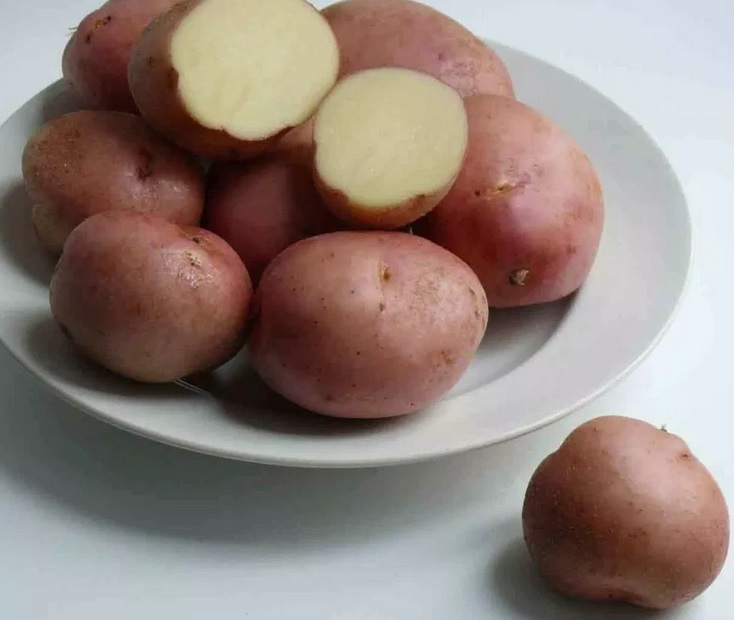
Developed by Russian breeders (Federal State Budgetary Scientific Institution Belogorka, Kholmogory Station and Research Institute of Agriculture in the Kaliningrad Region).
Top 13 mid-early potato varieties with photos and descriptions
Below are the best mid-early varieties for the Russian Federation, boasting high yields and attractive tubers (the latter characteristic can be verified by looking at the photos).
Adretta
- Ripening period – 70-80 days;
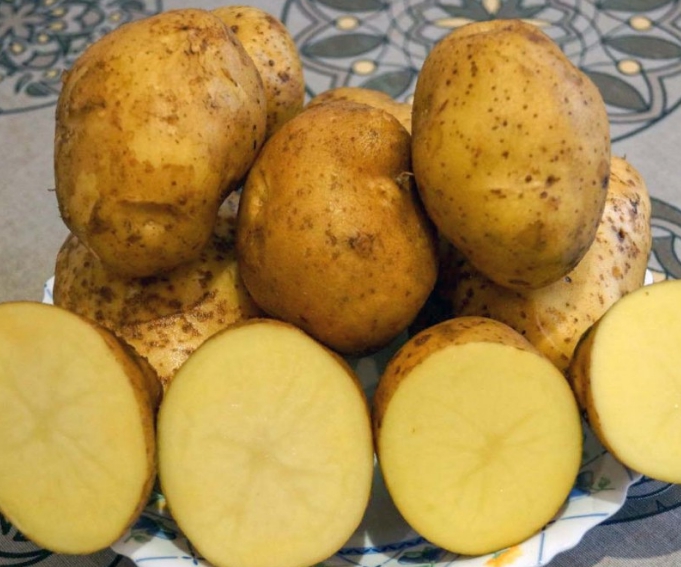
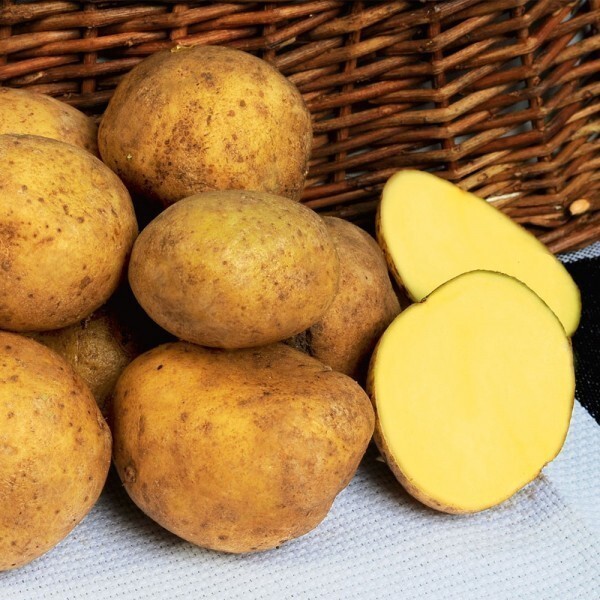
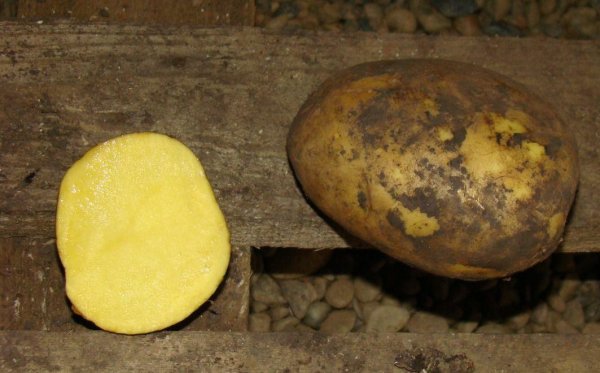
- Tubers – yellow, oval-round, weighing 150 g, light yellow flesh, few eyes;
- Bushes - tall, white flowers;
- Starch content – 13-18%;
- Culinary type – C;
- Productivity – 400-450 c/ha;
- Disease resistance – high resistance to cancer, average resistance to viruses, low resistance to late blight, common scab, nematodes, rhizoctonia;
- Growing regions – North-West, Middle Volga, Far East;
- Advantages – very good taste, early crop formation, resistance to low temperatures;
- Flaws – rapid germination during storage, lack of resistance to dry periods, and can be susceptible to dangerous diseases if left untreated.
Photo gallery of the Adretta potato variety:
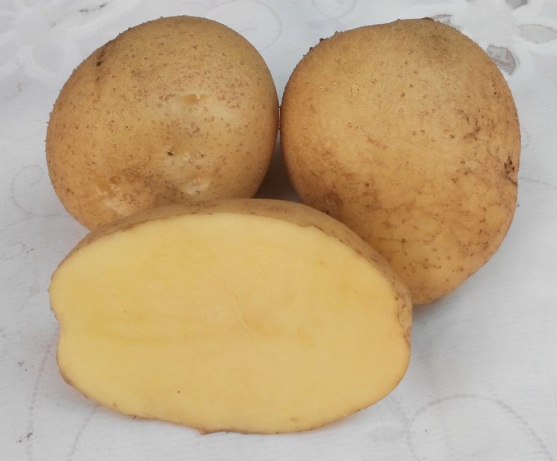
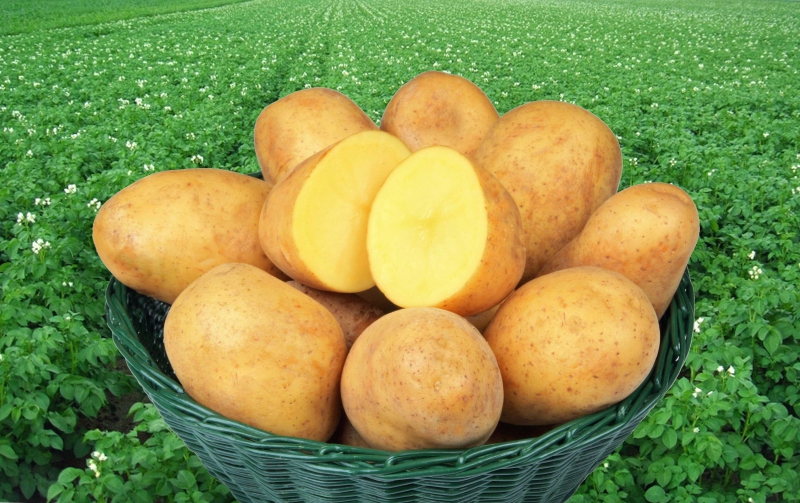
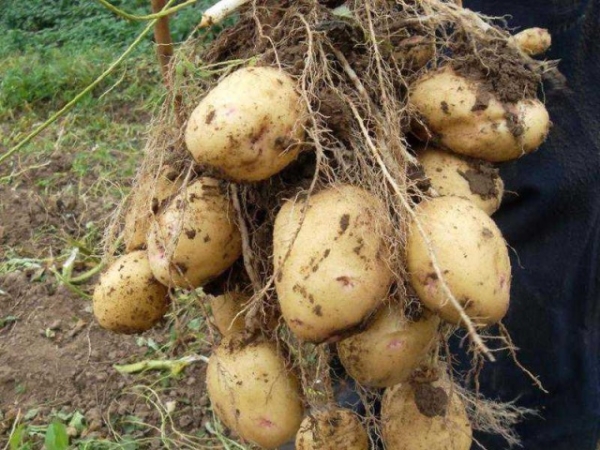
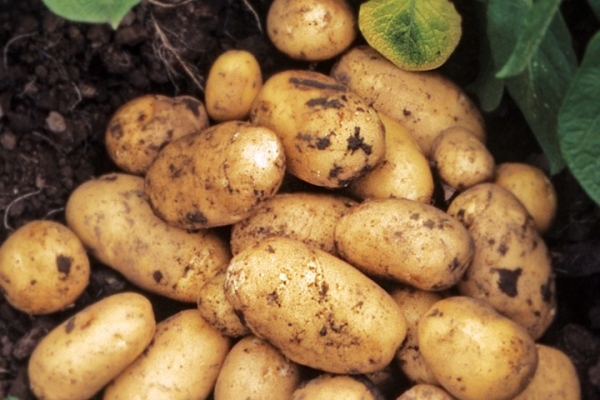
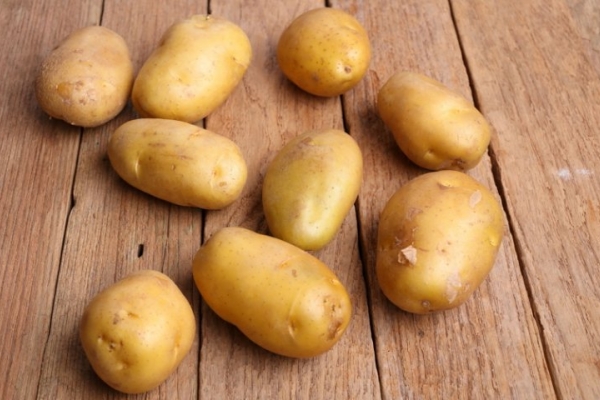
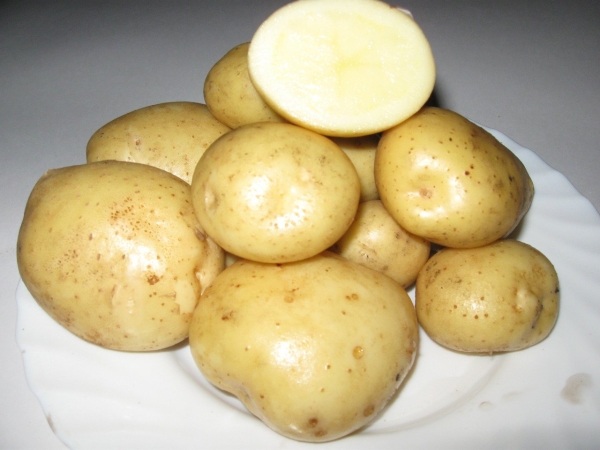
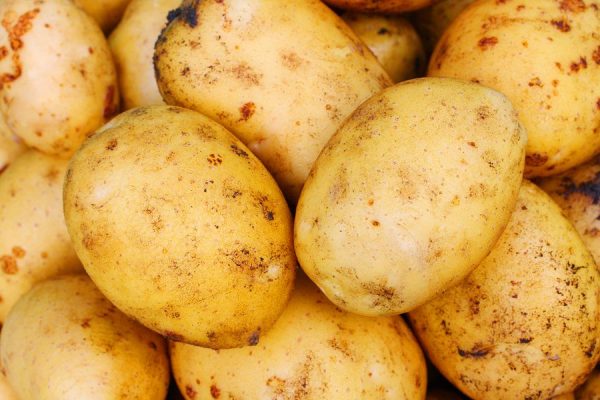
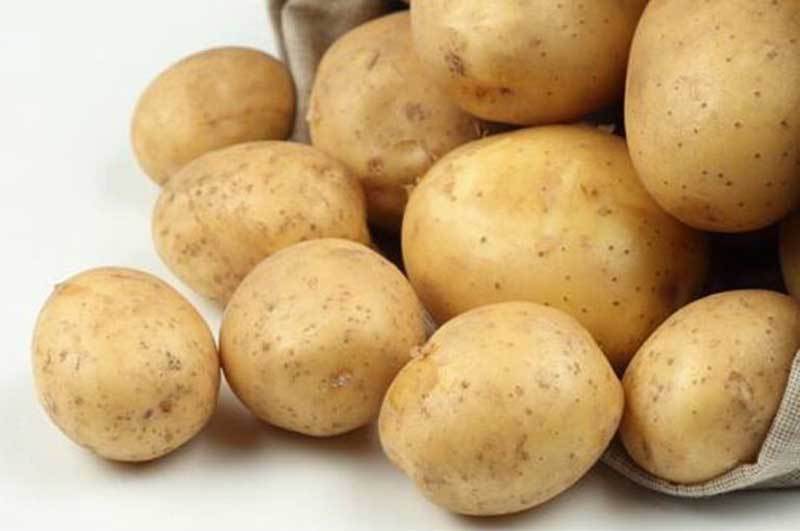
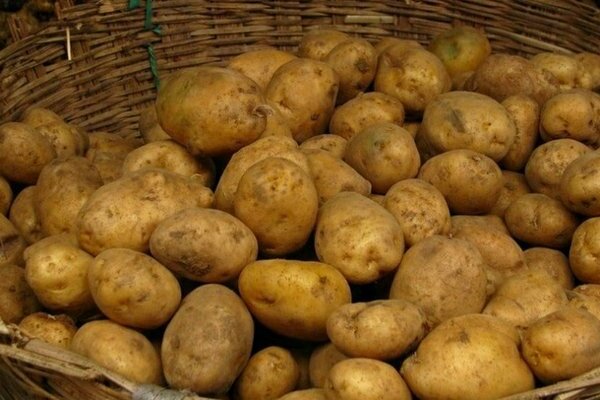
Developed by a German company.
Do you want to know? What do users think of the Adretta potato variety and what are some tips for growing it??
Ariel
- Ripening period – 65-70 days, you can dig up on the 45th day;
- Tubers – oval, with light beige skin and creamy flesh, weight 80-170 g;
- Bushes – medium-sized with slightly spreading branches;
- Starch content – 12.6-16.3%;
- Culinary type – B;
- Productivity – up to 49 tons per hectare;
- Disease resistance – high resistance to cancer, nematodes, scab, black leg, rot, average resistance to late blight and viruses;
- Growing regions – Central, Volga-Vyatka, Central Black Earth, North Caucasian;
- Advantages – high yield, adapts to any soil and climate, excellent taste, good shelf life (94%);
- Flaws – susceptibility to late blight, viruses.
Photo gallery of the Ariel potato variety:
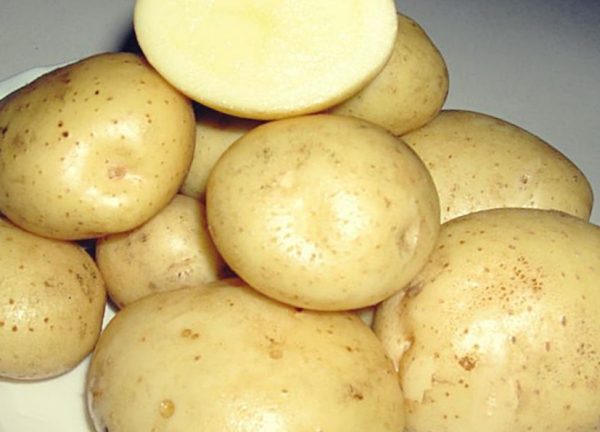
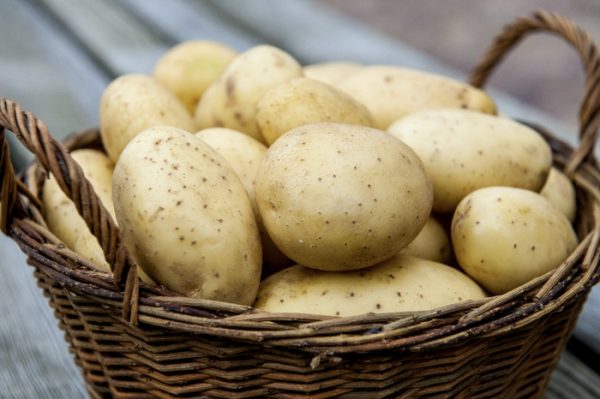
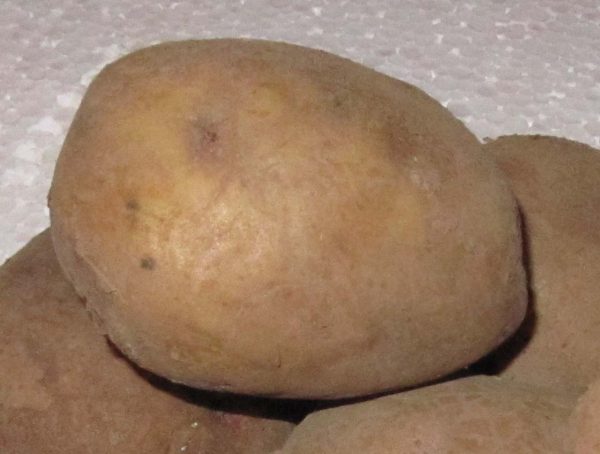
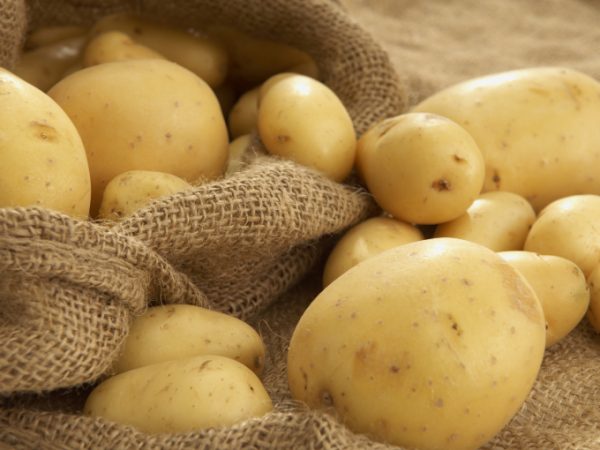
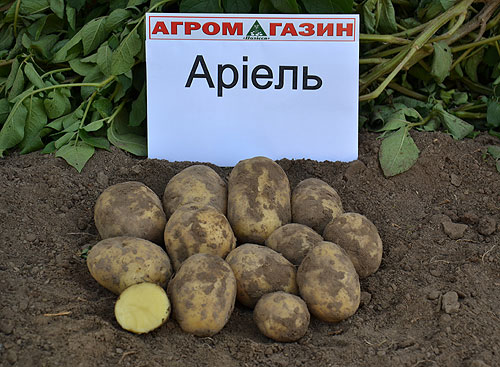
The variety is suitable for cultivation in private plots or on an industrial scale.
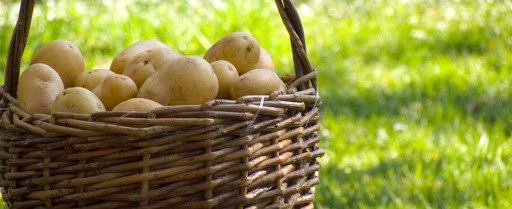
White Night
- Ripening period – 65-80 days;
- Tubers – round, light skin and flesh, weighing 120-215 g;
- Bushes – erect, medium height with dissected leaves, white flowers;
- Starch content – 10.6-16.9%;
- Culinary type – B;
- Productivity – 250 c/ha;
- Disease resistance – high resistance to cancer, low resistance to late blight and common scab;
- Countries of cultivation – Ukraine, Moldova, Russia;
- Advantages – high yield, uniform tubers with a marketable appearance, good and excellent taste;
- Flaws – susceptibility to late blight and scab.
Photo gallery of the White Night potato variety:
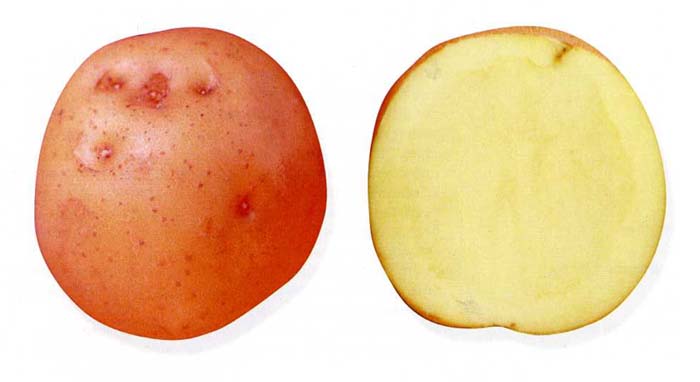
Visa
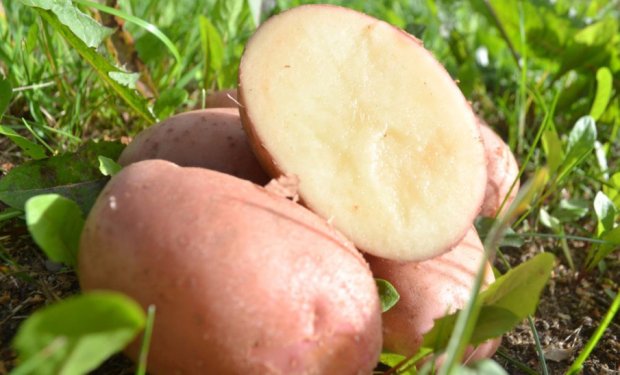
- Ripening period – 65-80 days;
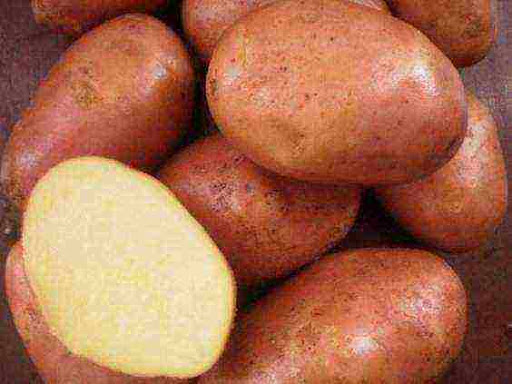
- Tubers – with red skin and pinkish or bright yellow flesh, weight 72-120 g;
- Bushes – forms small bushes 35-40 cm high with snow-white flowers.;
- Starch content – 13.7-18.7%;
- Culinary type – VS;
- Productivity – 169-326 c/ha, maximum – 466 c/ha;
- Disease resistance – high resistance to cancer, viruses, tuber blight, average resistance to leaf blight, low resistance to nematodes;
- Growing regions - Northern, North-Western, Volga-Vyatka;
- Advantages – resistance to drought and frost, no soil requirements;
- Flaws – average preservation (only 89%) and marketability (78-91%), risk of nematode damage, average taste.
Photo gallery of the Visa potato variety:
Gala
- Ripening period – 65-80 days;
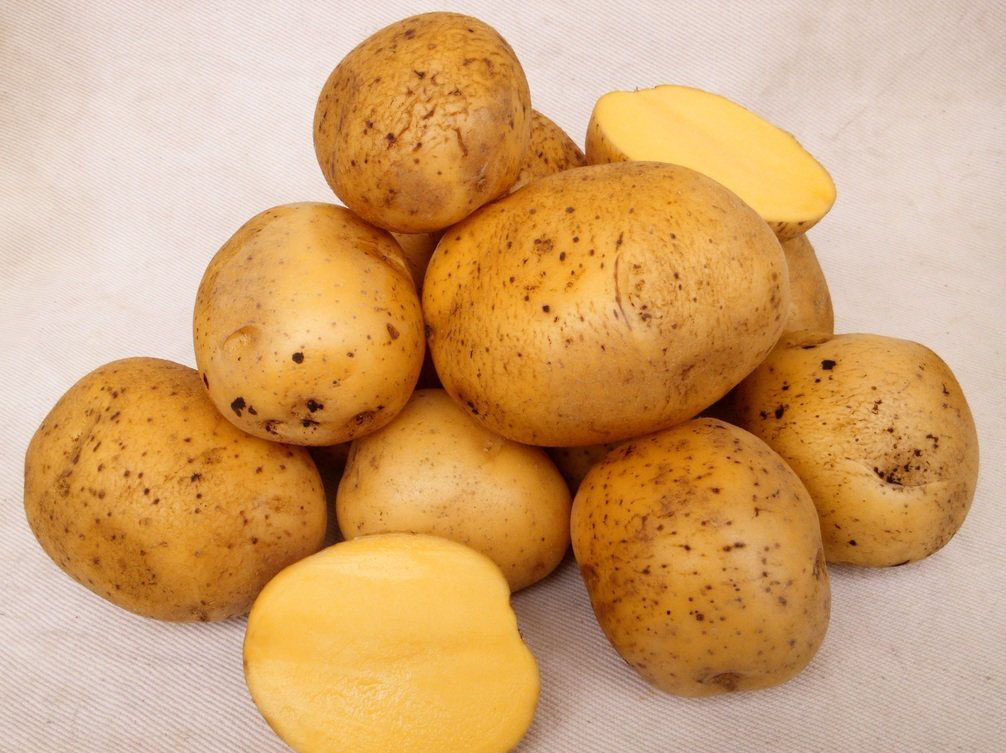
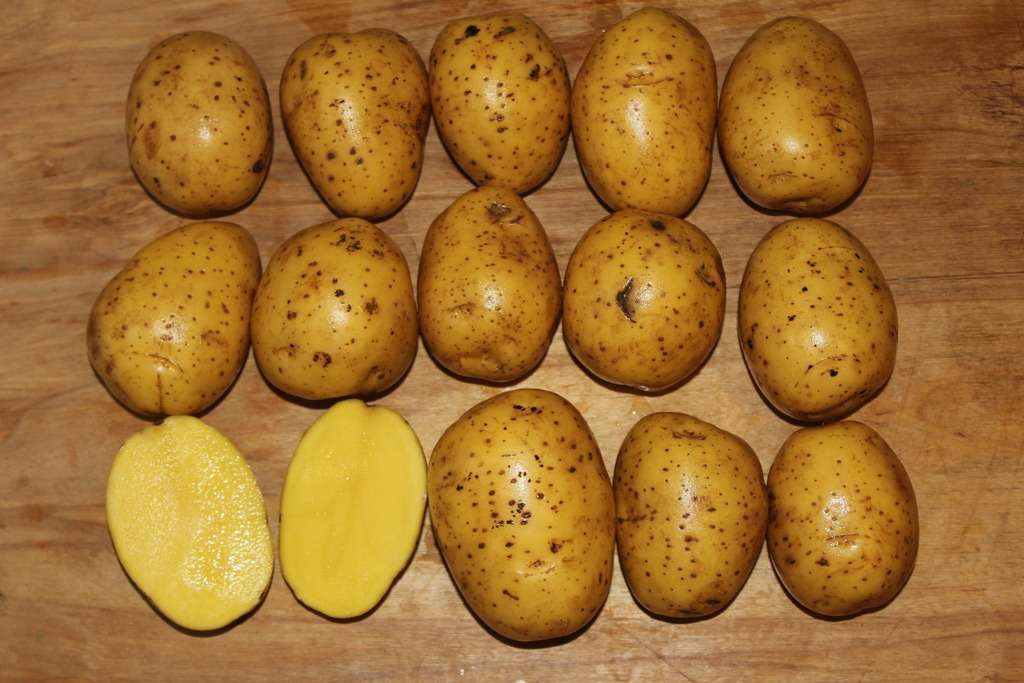
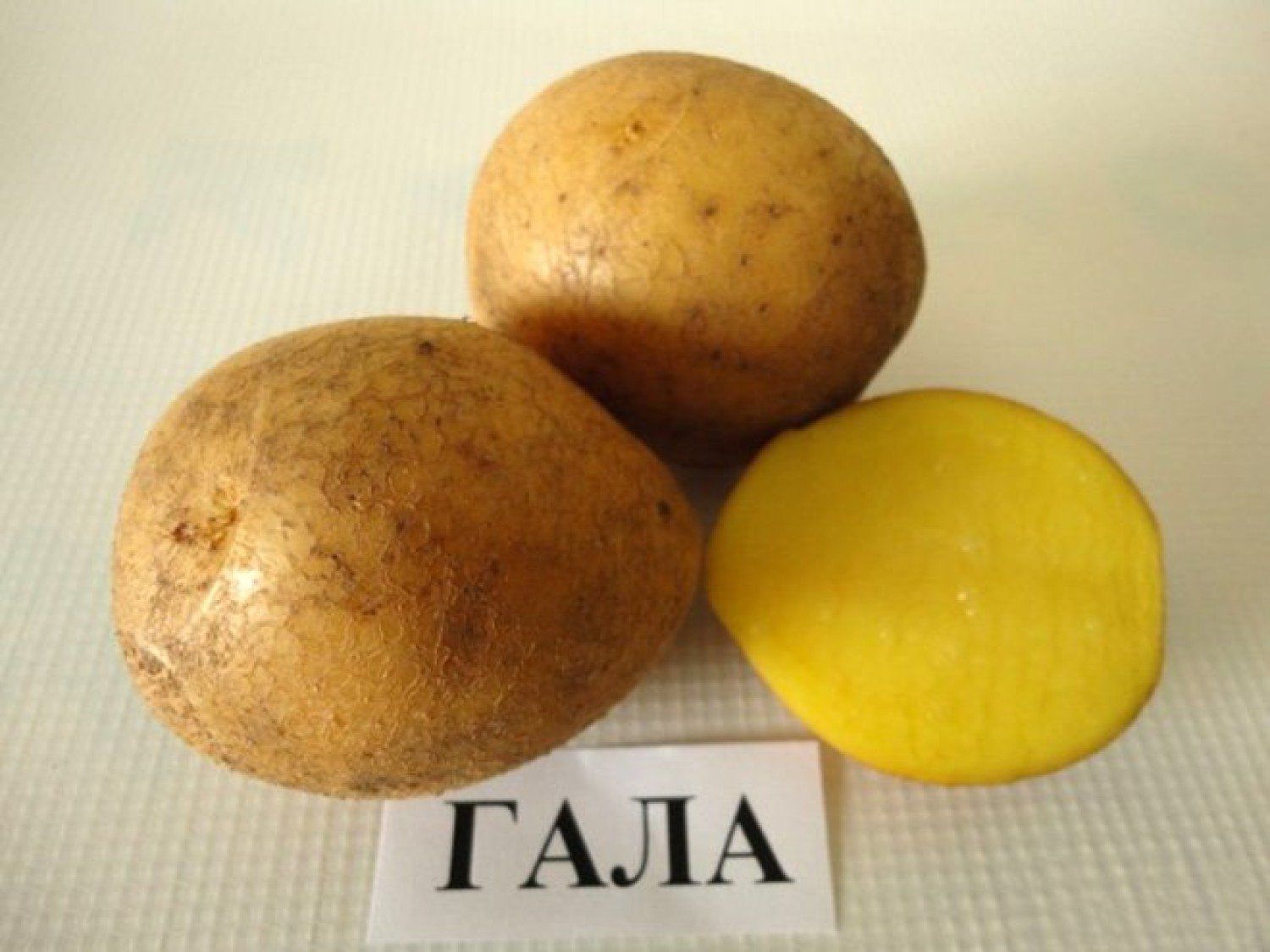
- Tubers – with yellow skin, rind and pulp, weight 71-122 g;
- Bushes – medium height, medium white flowers;
- Starch content – 10.2-13.2%;
- Culinary type – A;
- Productivity – 216-263, maximum 390 c/ha;
- Disease resistance – high resistance to cancer, nematodes, average resistance to late blight;
- Growing regions – North-West, Central, Volga-Vyatka, West Siberian;
- Advantages – good taste, resistance to mechanical damage.
- Flaws – average shelf life (89%), marketability is also average (71-94%), fertile soil is required for cultivation.
Photo gallery of the Gala potato variety:
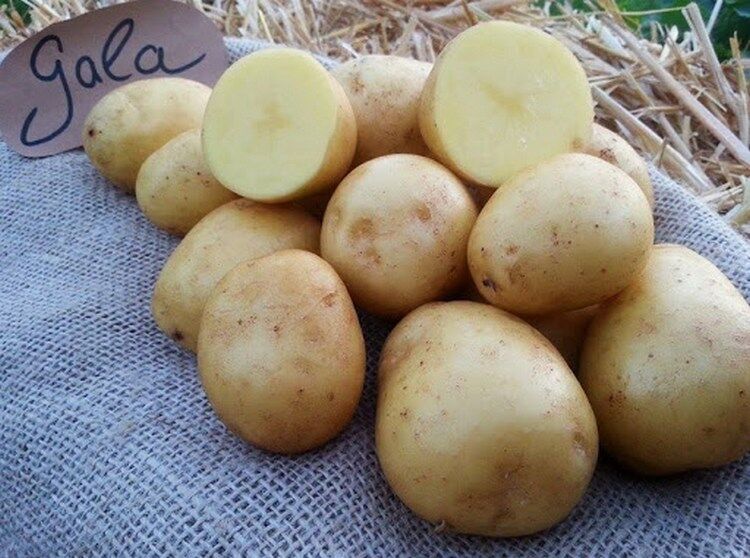
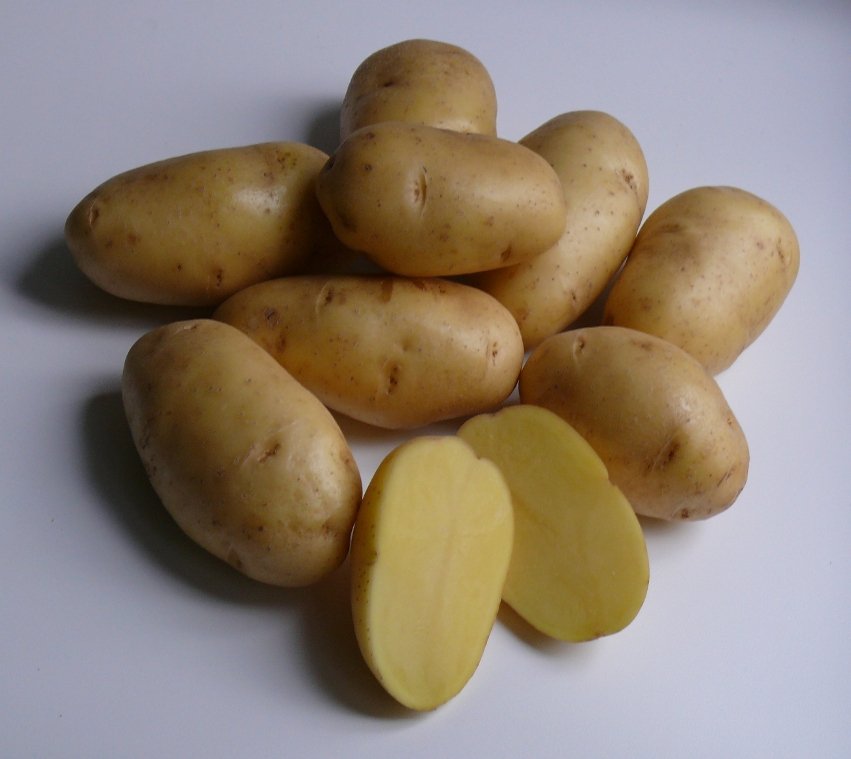
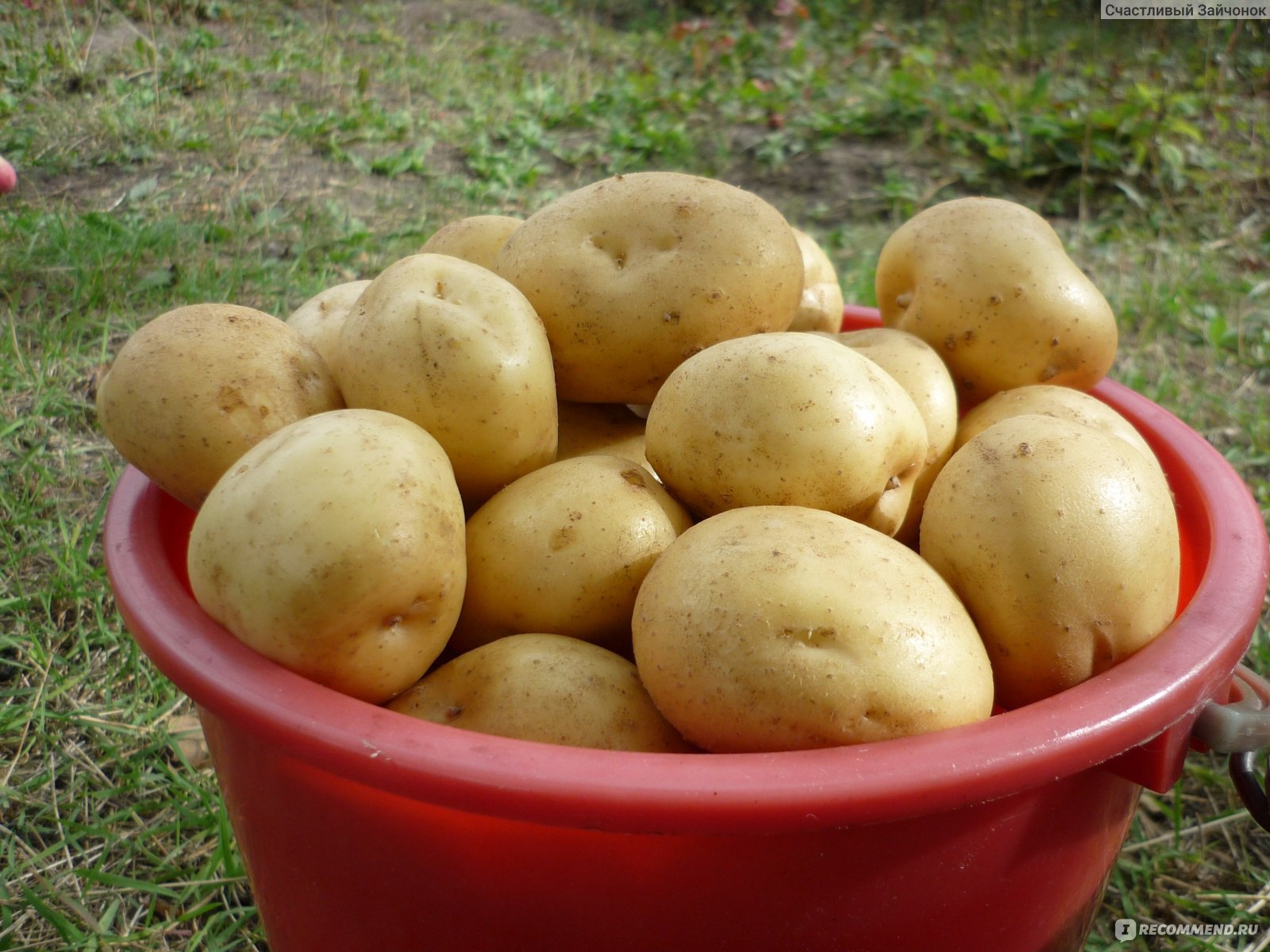
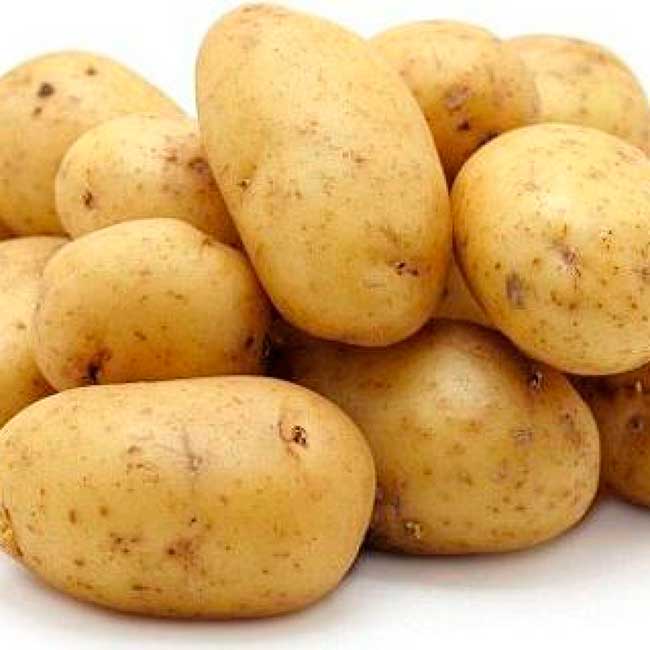
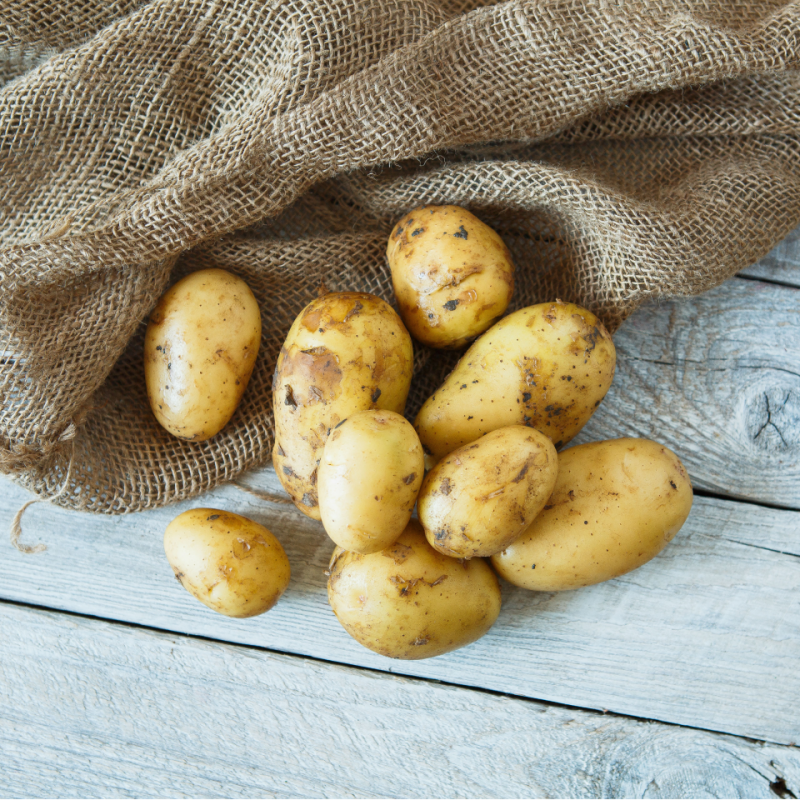
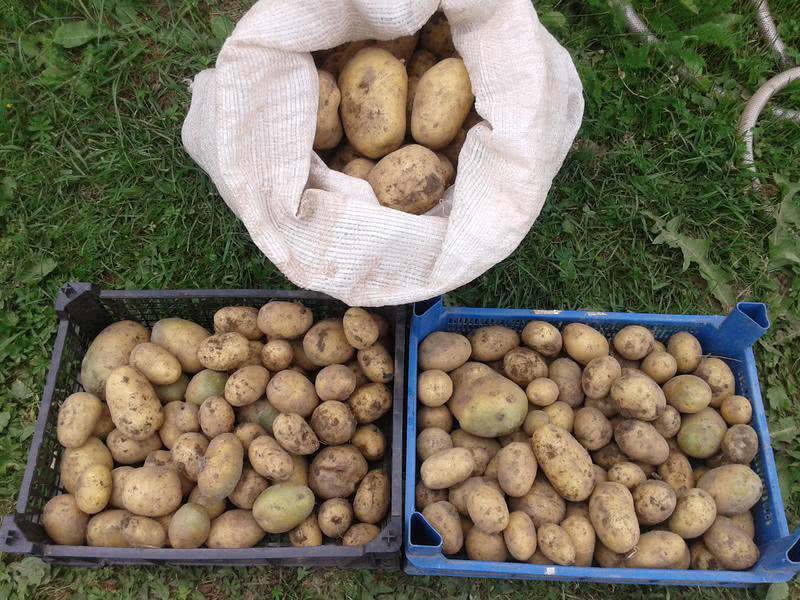
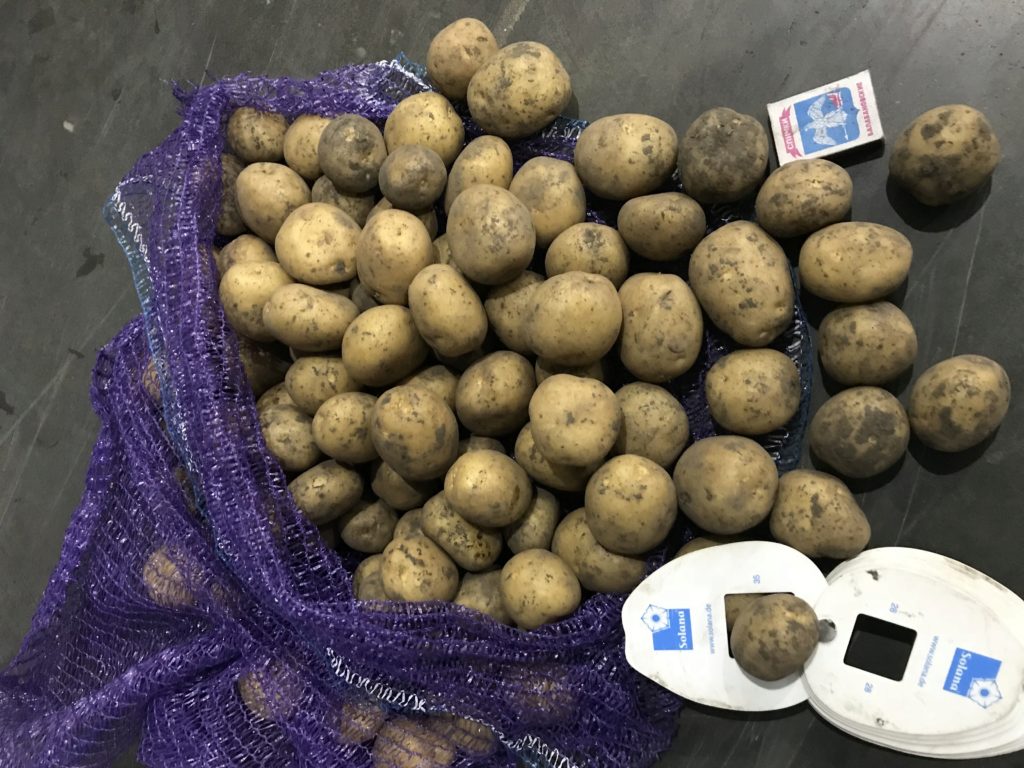
Read more about the variety in the article Gala Potato: characteristics and comparison of the variety with others in tables, reviews.
Detskoselsky
- Ripening period – 70-80 days;
- Tubers – flat-oval, pink with red eyes and white flesh, weighing 100-120 g;
- Bushes – tall, spreading, white flowers with purple veins;
- Starch content – 13.4-17.8%;
- Culinary type – A;
- Productivity – 330-450 c/ha;
- Disease resistance – high resistance to cancer, average resistance to late blight, common scab, viruses;
- Growing regions - Northern, North-Western, Central;
- Advantages – stable and high yields;
- Flaws – relatively resistant to potato diseases.
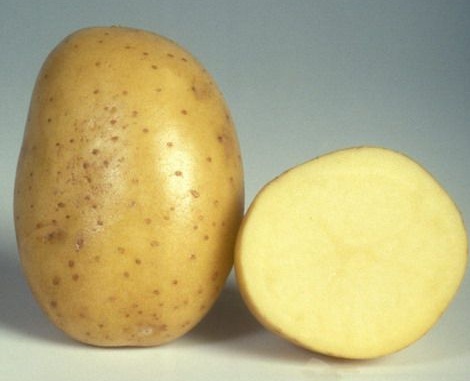
Photo gallery of the Detkoselsky potato variety:
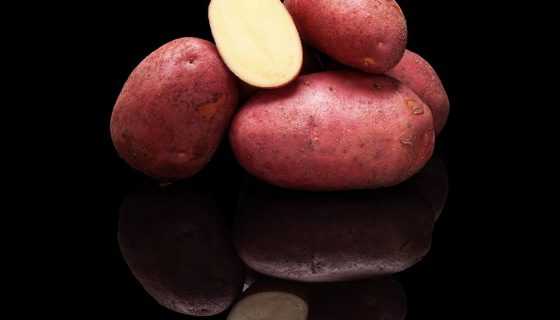
The originator is the Federal State Budgetary Scientific Institution N.I. Vavilov Institute of General Genetics.
Jelly
- Ripening period – 70-90 days;
- Tubers – with rough yellow skin and slightly darker flesh, with a small number of eyes, weight 140 g;
- Bushes – forms tall, spreading or upright bushes;
- Starch content – 13.4-17.8%;
- Culinary type – A;
- Productivity – 152-292 c/ha, maximum 335 c/ha;
- Disease resistance – high resistance to cancer and nematodes, virus Y, scab, black leg, average resistance to late blight, low resistance to other viruses;
- Growing regions - Central, Volga-Vyatka;
- Advantages – high yield, marketability (88-97%), excellent taste;
- Flaws – there is a risk of developing late blight, due to viral diseases it requires regular renewal of plantings, low shelf life (86%).
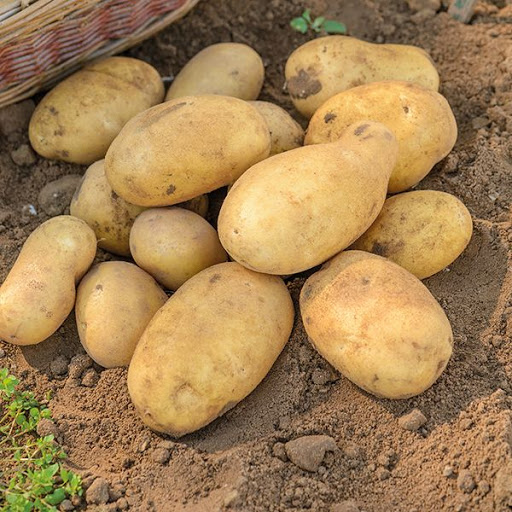
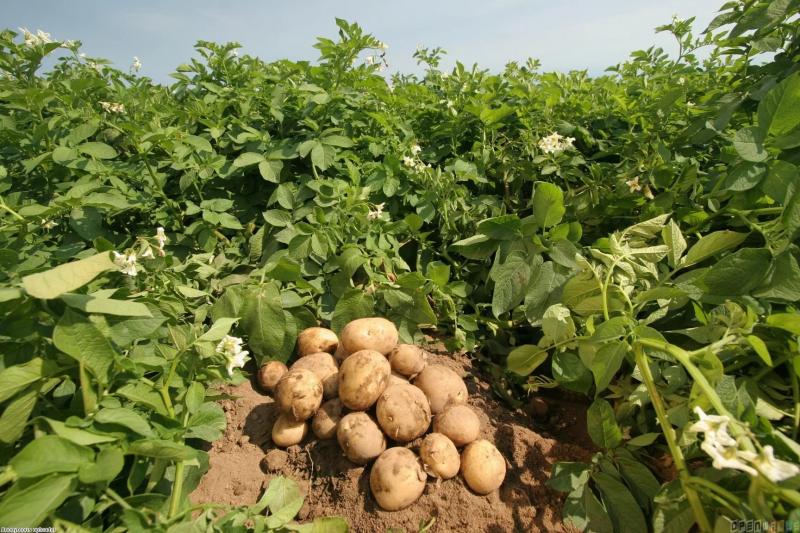
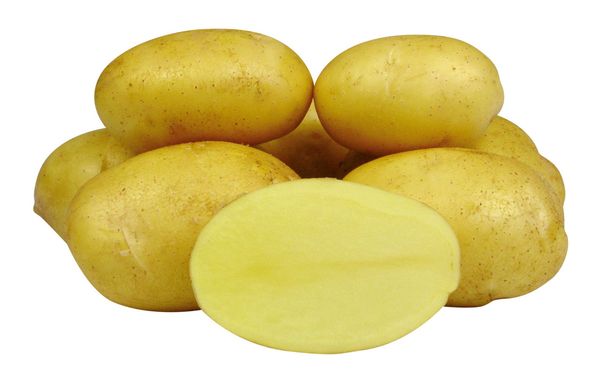
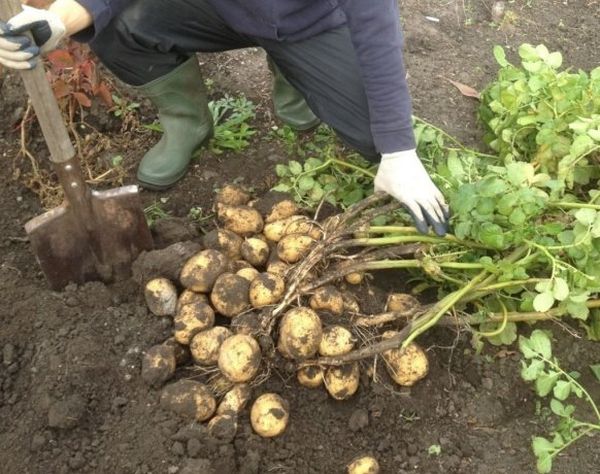
Photo gallery of the Jelly potato variety:
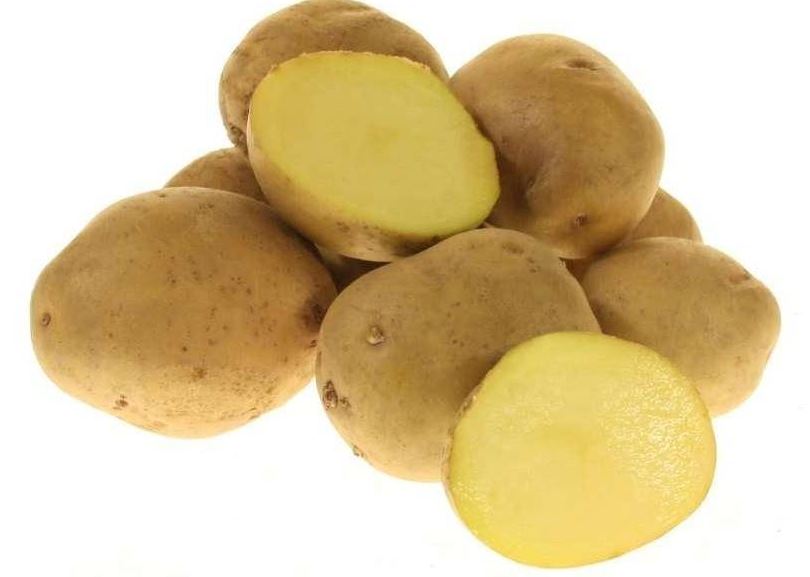
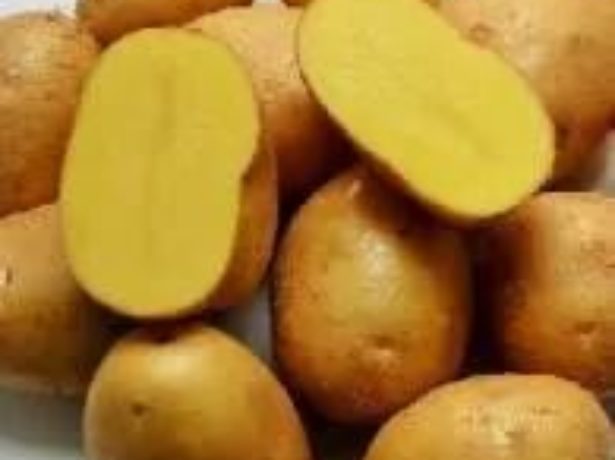
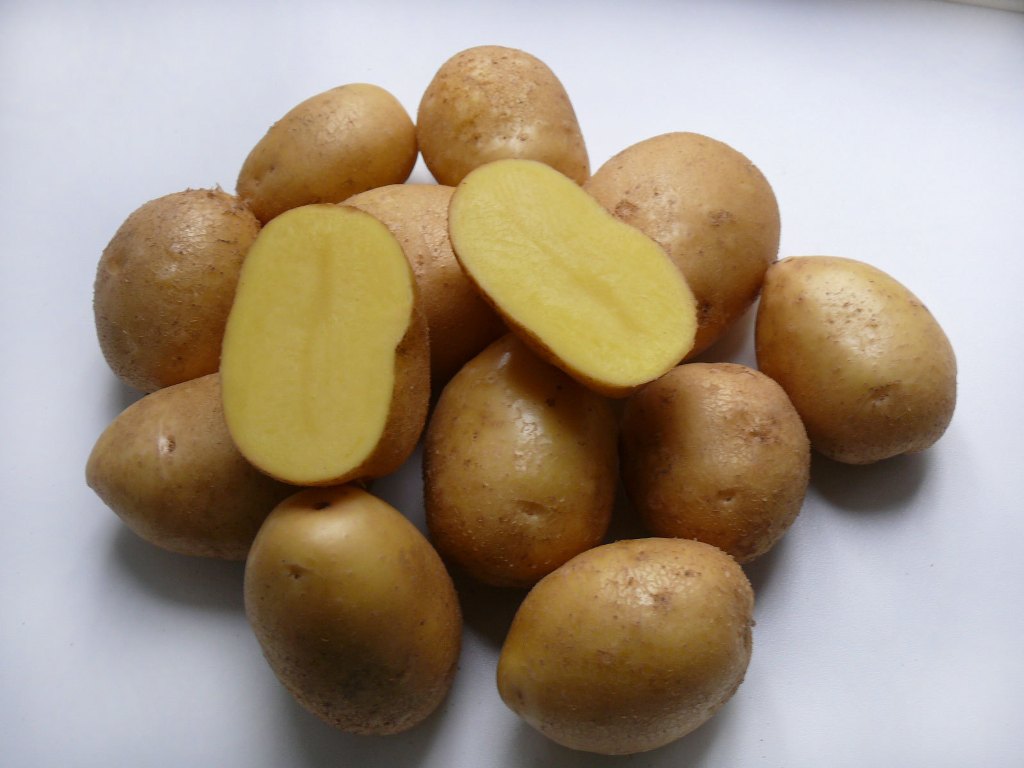
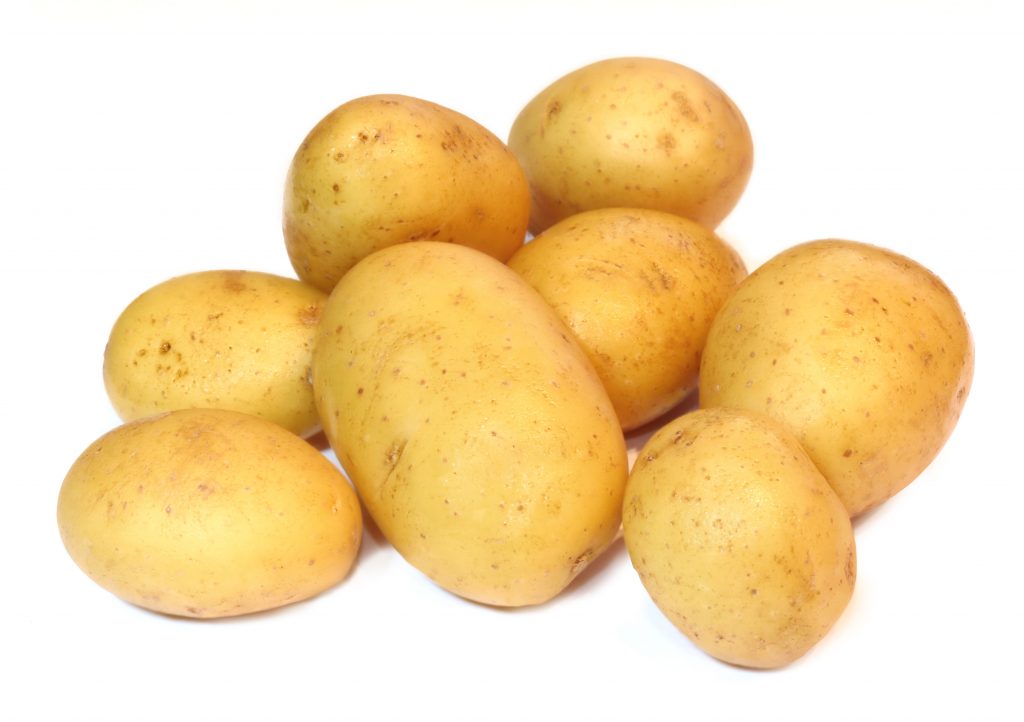
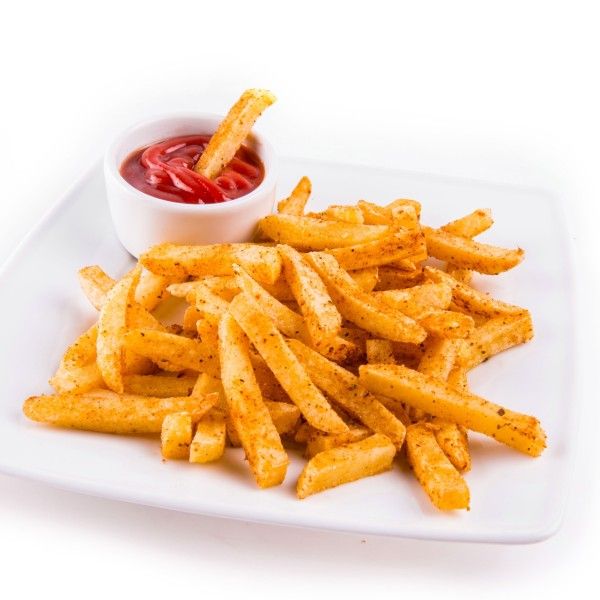
Developed by German breeders, it was added to the register in 2005.
Laura
- Ripening period – 70-80 days;
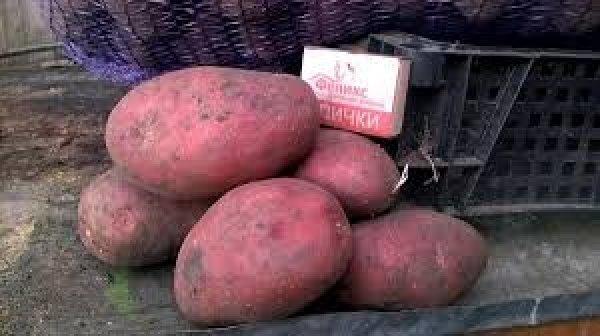
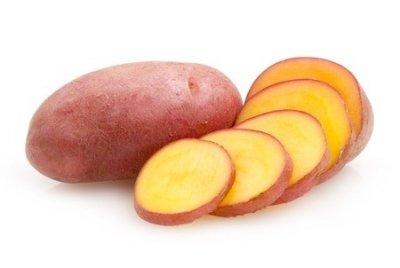
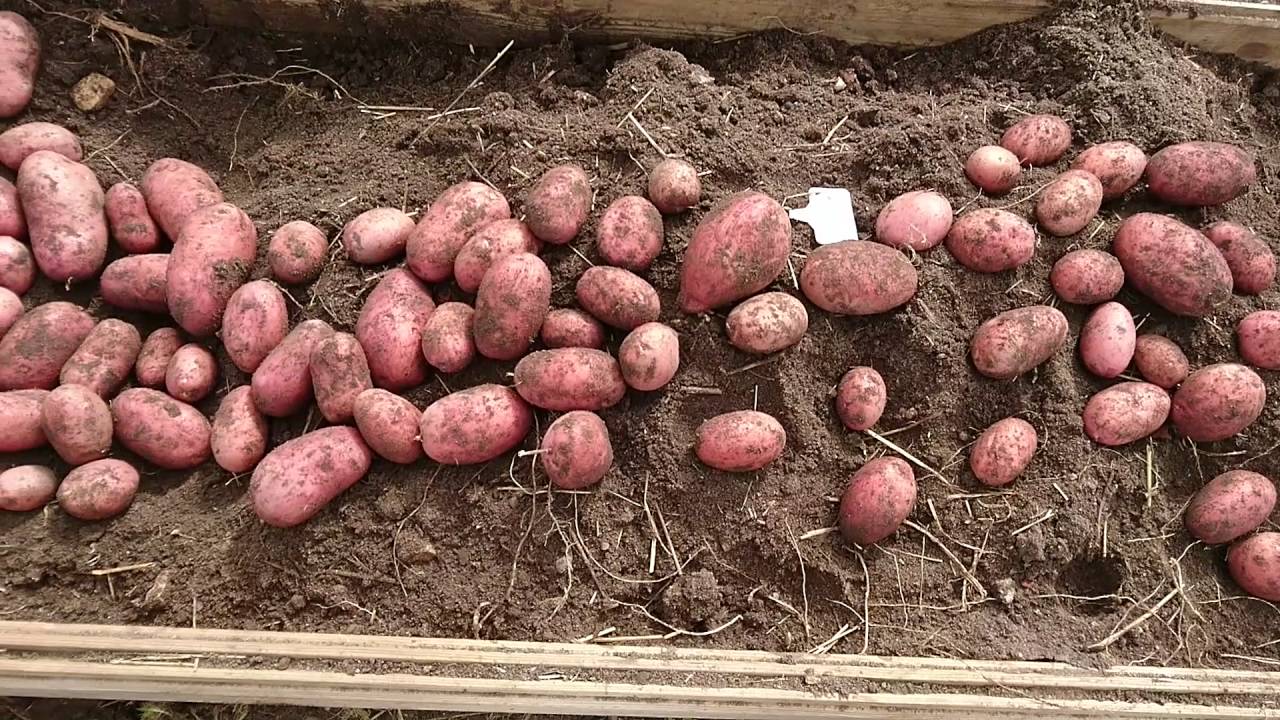
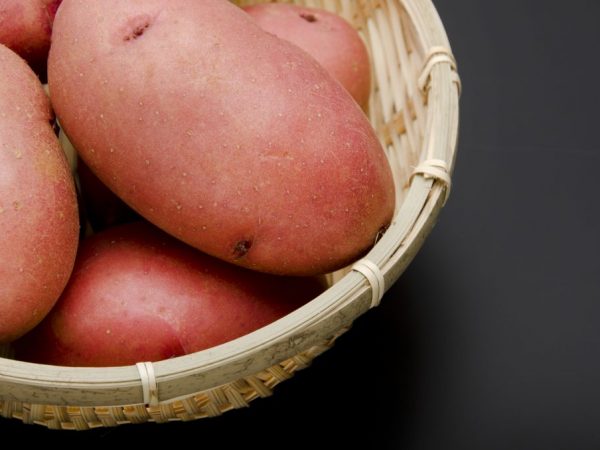
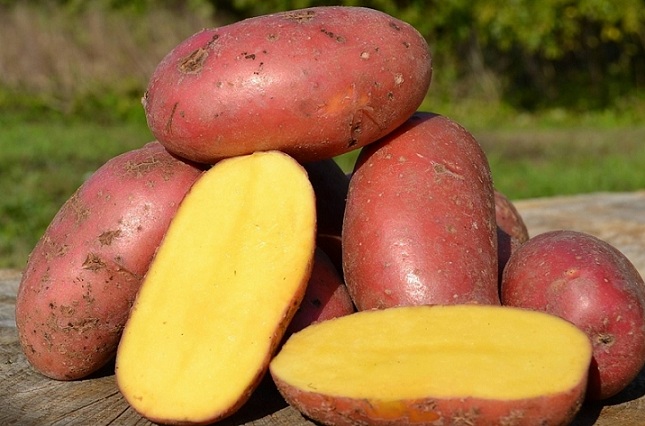
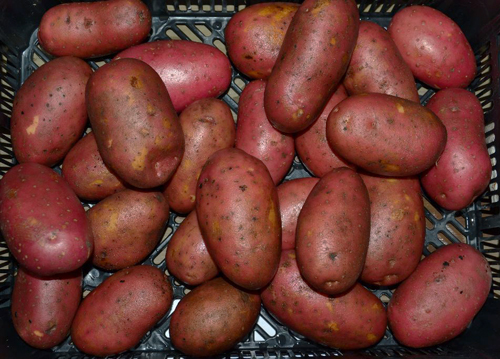
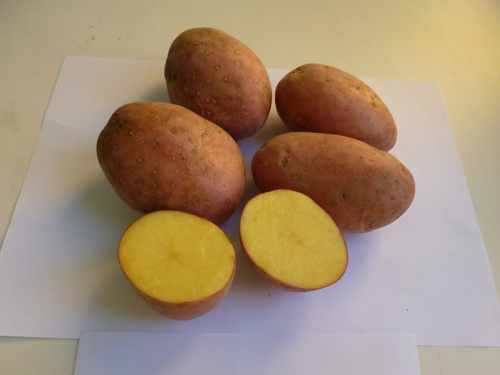
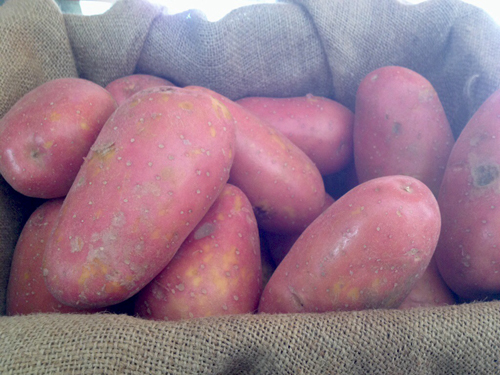
- Tubers – reddish, round-oval, weighing up to 150 g;
- Bushes – tall, spreading, with white flowers;
- Starch content – 15-17%;
- Culinary type – A;
- Productivity – up to 510 c/ha;
- Disease resistance – high resistance to virus Y and leaf curl, average resistance to all other diseases, rarely susceptible to late blight;
- Growing regions - Central Black Earth;
- Advantages – high yield, good taste;
- Flaws – requires potassium, low resistance to mechanical damage.
Photo gallery of the Laura potato variety:
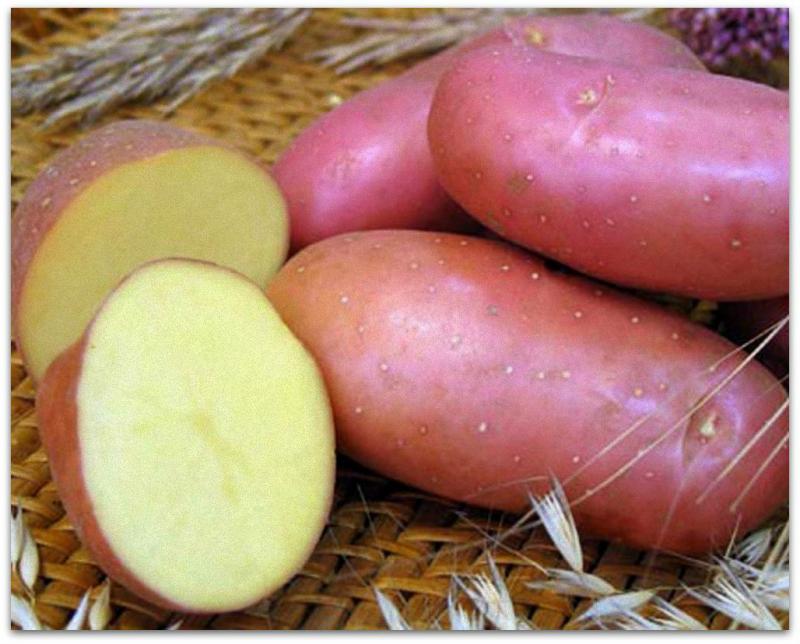
Bred by German farmers.
Belarusian lily
- Ripening period – 65-70 days;
- Tubers – oval-round, with light yellow flesh and darker skin, weighing 102-200 g;
- Bushes - medium, white corolla;
- Starch content – 12.8-16.6%;
- Culinary type – AB;
- Productivity – 246-392 c/ha, maximum 407 c/ha;
- Disease resistance – high resistance to cancer, scab, viruses, late blight, average resistance to nematodes;
- Growing regions - Northern, Northwestern, Central, Volga-Vyatka;
- Advantages – large tubers, resistance to weather conditions, good taste, good marketability (79-97%) and shelf life (90%);
- Flaws - poor harvest due to non-compliance with agricultural requirements.
Photo gallery of the Lileya potato variety:
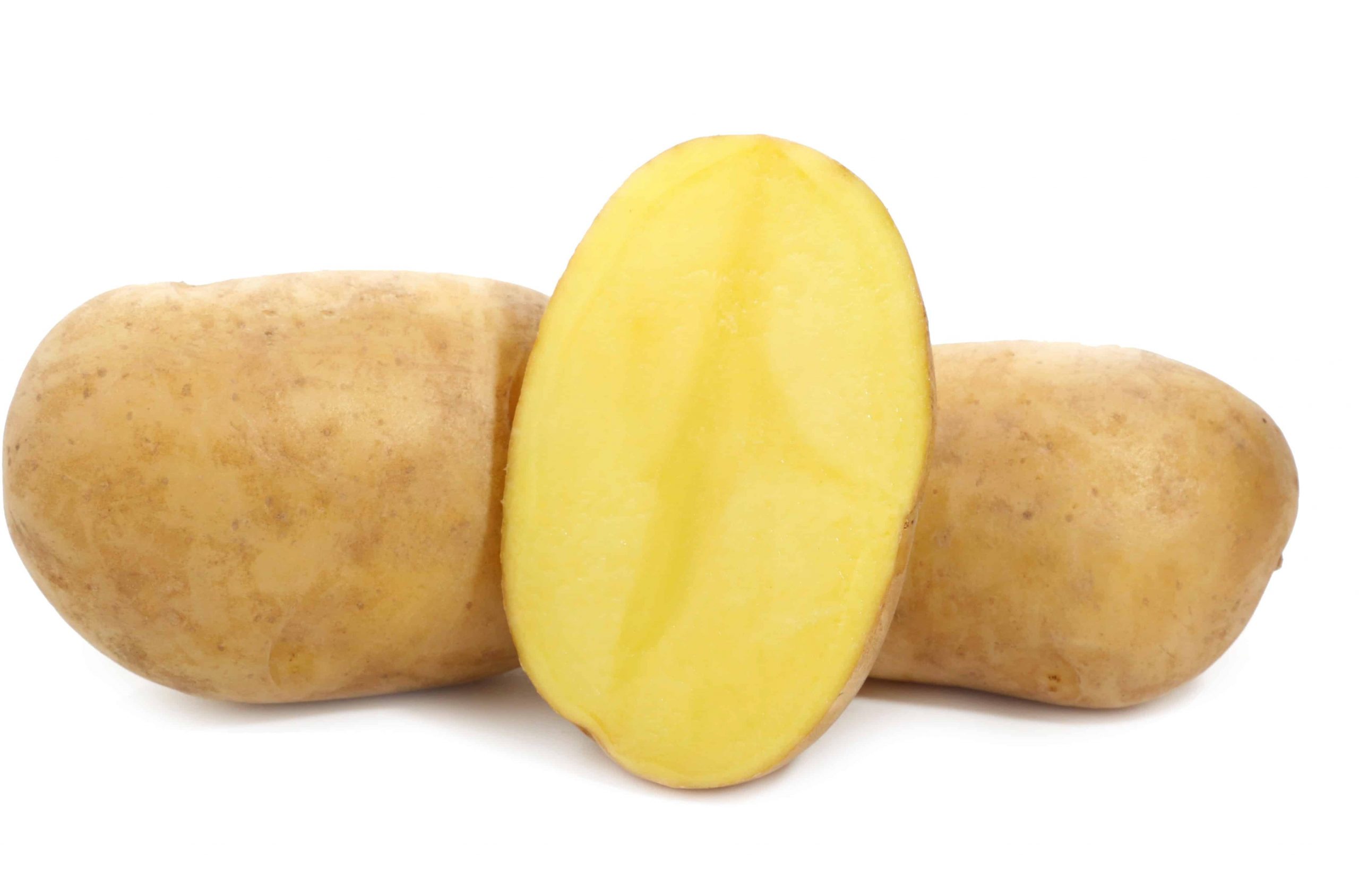
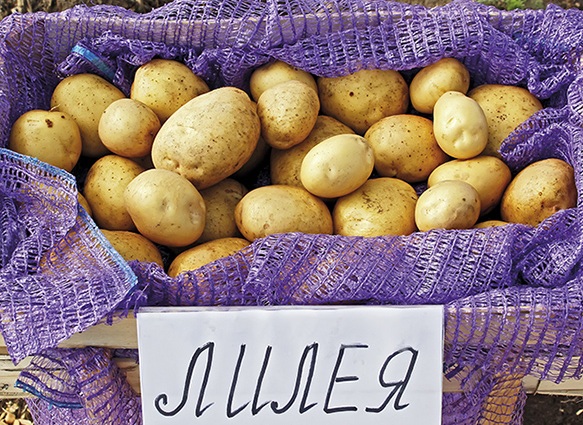
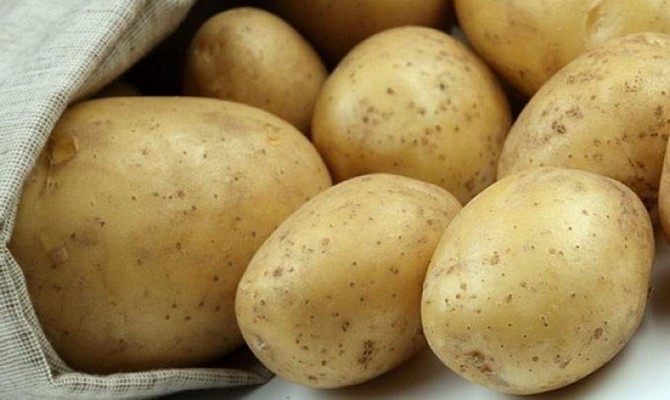
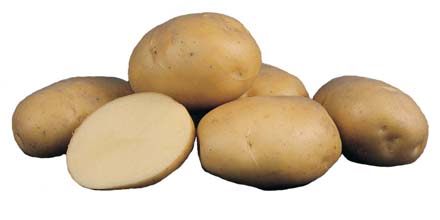
Developed by Belarusian agronomists, it was included in the register in 2008.
Marthon
- Ripening period – 65-75 days;
- Tubers – oval, large, with light yellow skin and pulp, weighing 80-110 g;
- Bushes - tall, white flowers;
- Starch content – 10%;
- Culinary type – A;
- Productivity – 180-378 c/ha;
- Disease resistance – high resistance to cancer, average resistance to tuber blight, dry and ring rot, low resistance to leaf blight, nematodes, leaf curl, and common scab;
- Growing regions – Central, Central Black Earth, Lower Volga;
- Advantages – ability to adapt to any climate and soil, uniformity and attractiveness of tubers, excellent marketability (93-95%);
- Flaws – susceptible to scab, nematodes, leaf curl, leaf blight.
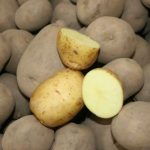
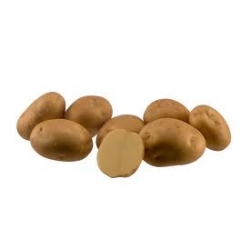
Photo gallery of the Marfona potato variety:
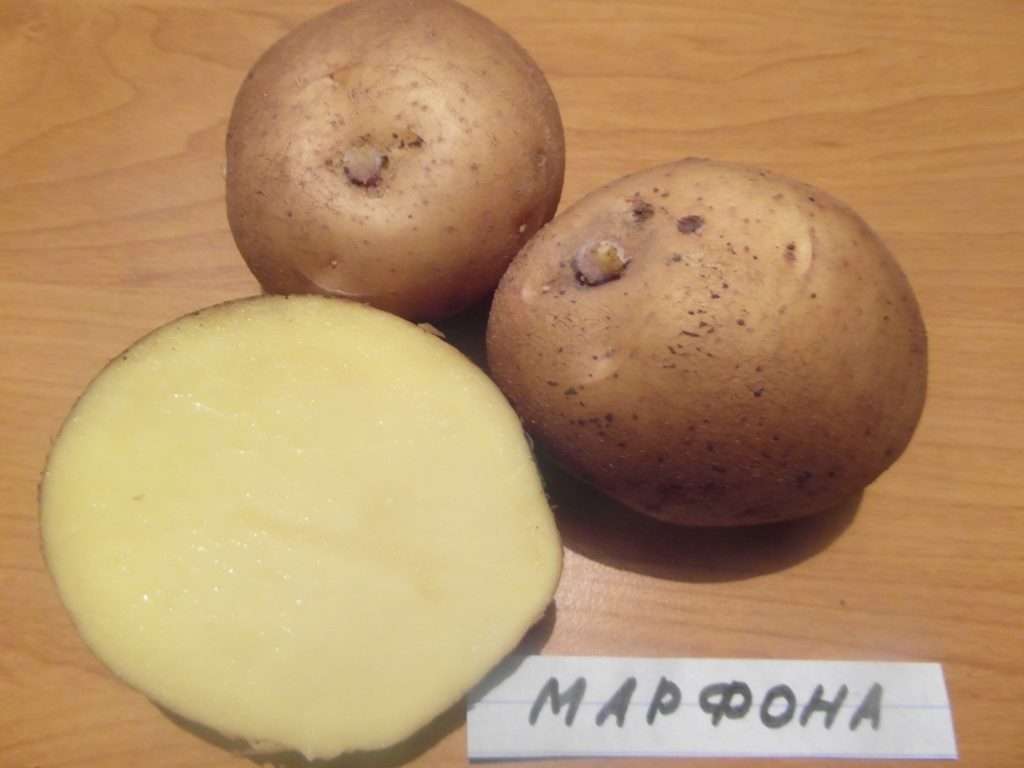
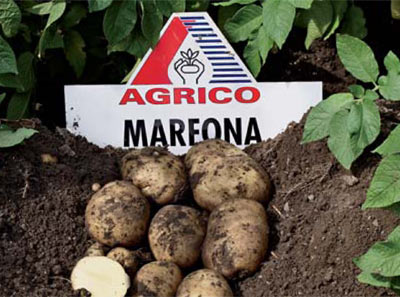
Originator: AGRICO UA (Netherlands). Requires compliance with standard agricultural practices.
Nevsky
- Ripening period – 70-80 days;
- Tubers – light beige, round-oval, white flesh, small pinkish eyes, weighing about 90-130 g;
- Bushes – medium height, white corolla;
- Starch content – 10-12%;
- Culinary type – BC;
- Productivity – 380-500 c/ha;
- Disease resistance – high resistance to cancer, rhizoctonia, average resistance to scab, late blight, low resistance to nematodes;
- Growing regions – Northern, Northwestern (the best characteristics were obtained here), Central, Volga-Vyatka, Central Black Earth, North Caucasian, Middle Volga, Lower Volga, Ural, West Siberian, East Siberian, Far Eastern;
- Advantages – unpretentious in care, undemanding to soil, not prone to the appearance of the Colorado potato beetle, high yield and marketability (90-95%);
- Flaws – early germination of sprouts, which worsens the quality of crop storage, susceptible to nematodes.
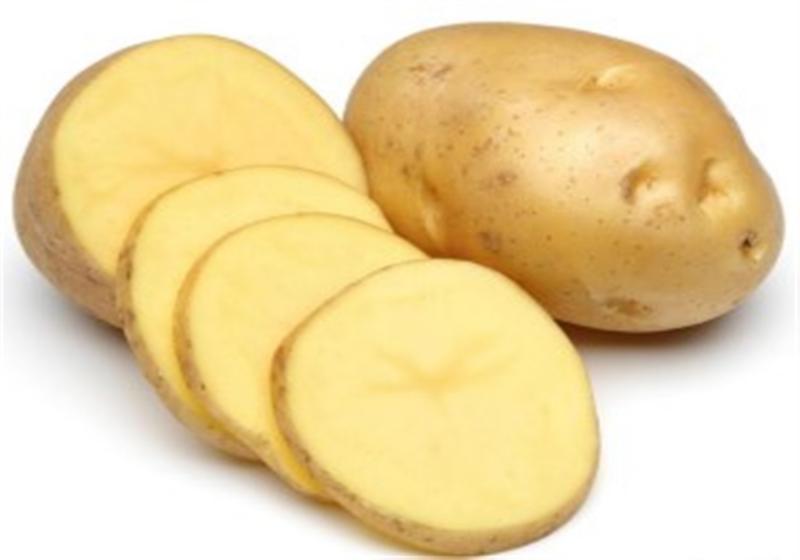
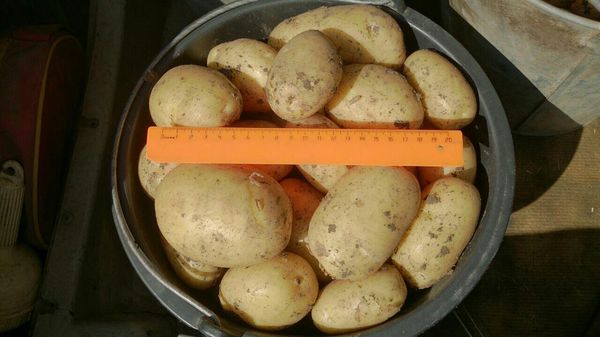
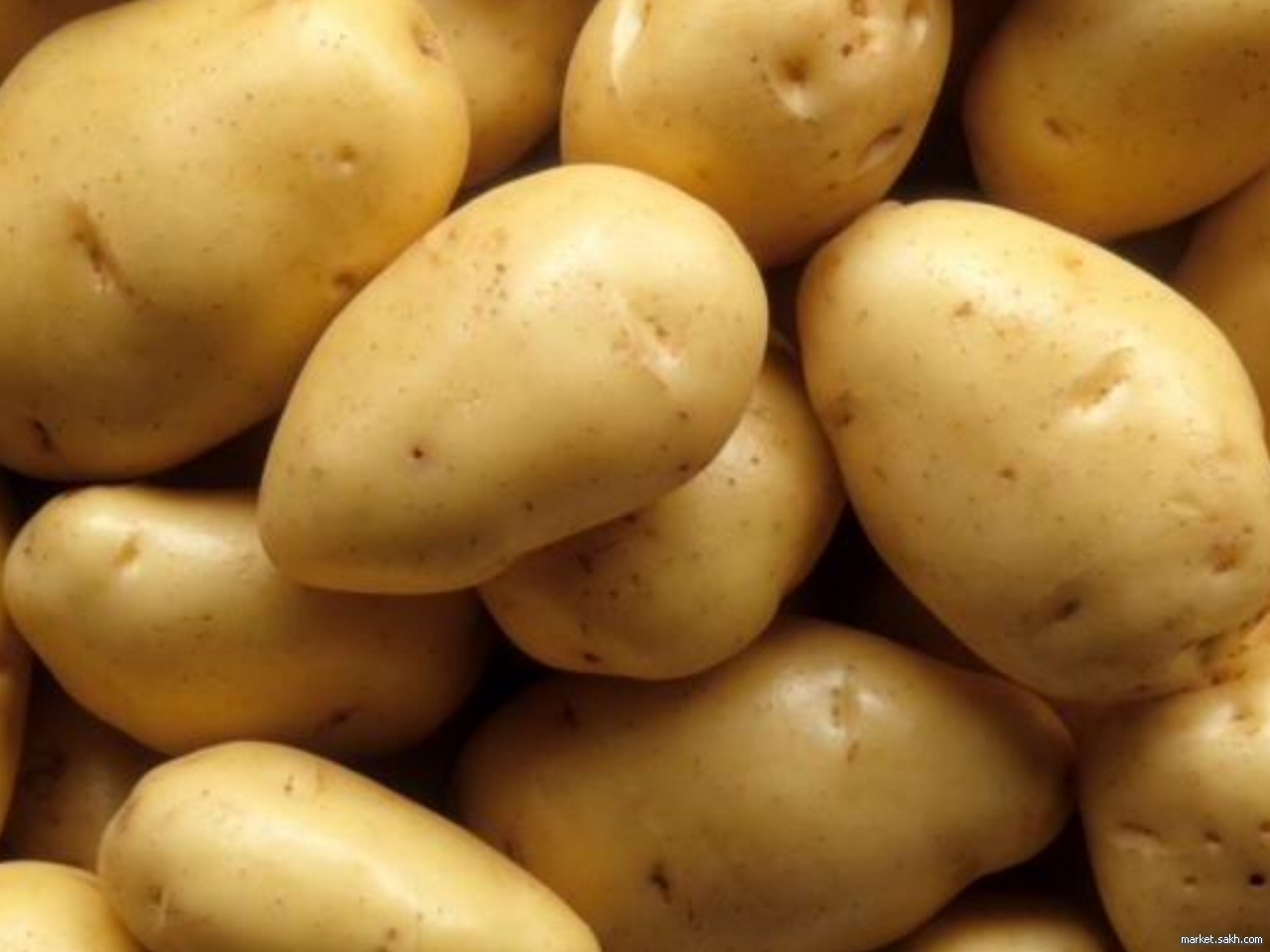
Photo gallery of the Nevsky potato variety:
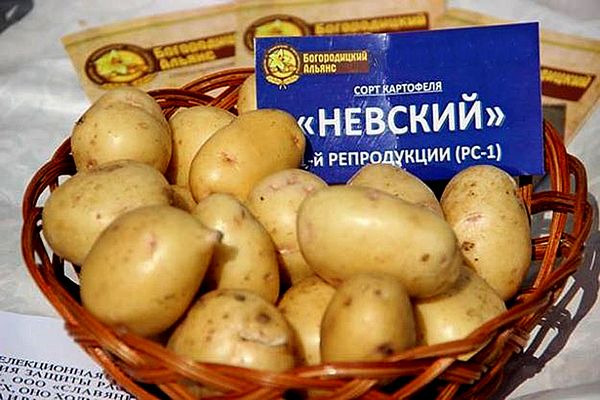
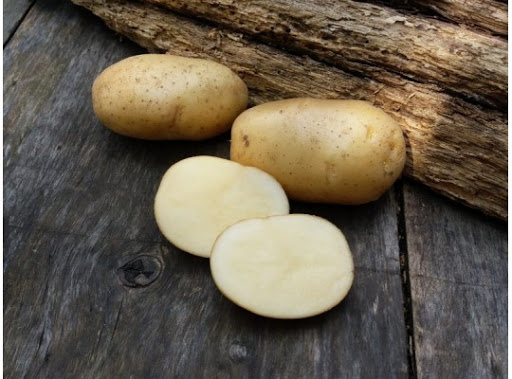
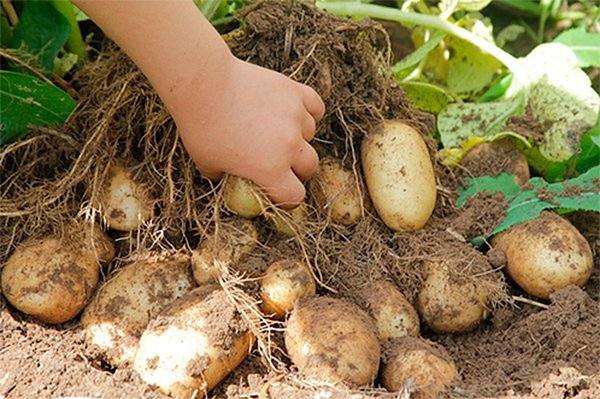
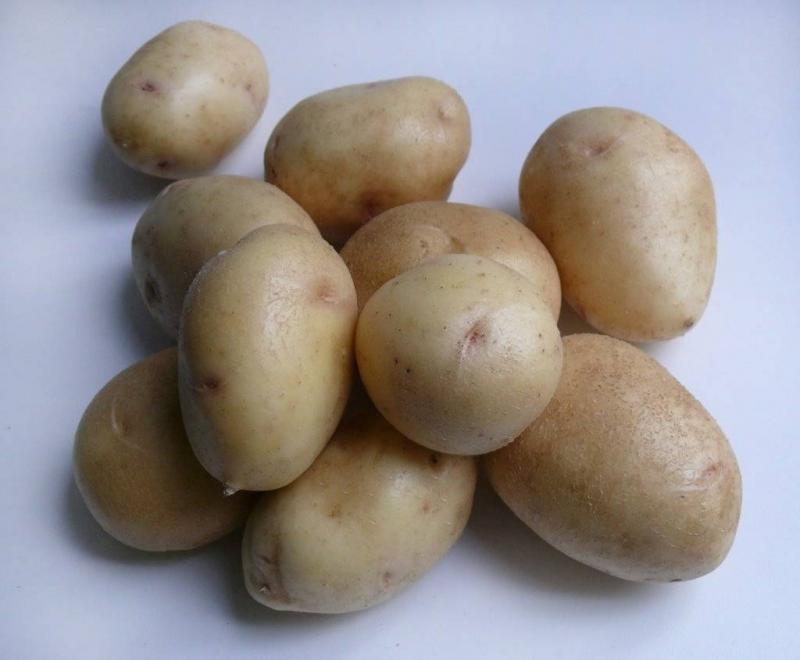
Included in the register in 1982.
More details about the Nevsky potato variety on our website Top.tomathouse.com.
Odysseus
- Ripening period – 80 days;
- Tubers – oval-round, slightly rough, yellow, with the same pulp, weighing 89-124 g;
- Bushes – medium-sized, semi-erect, strong shoots that are not prone to lodging, white flowers;
- Starch content – 13.5-17.1%;
- Culinary type – B;
- Productivity – 187-240 c/ha, maximum 300 c/ha;
- Disease resistance – high resistance to cancer, average resistance to tuber blight, from average to low resistance to top blight, low resistance to nematodes;
- Growing regions – Central, Central Black Earth, Northwestern, Middle Volga;
- Advantages – good taste, large tubers, drought resistance, high marketability (89-98%);
- Flaws – risk of nematode damage.
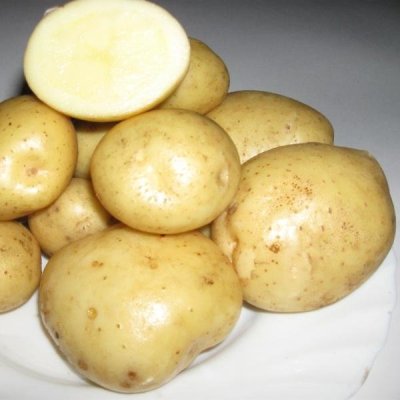
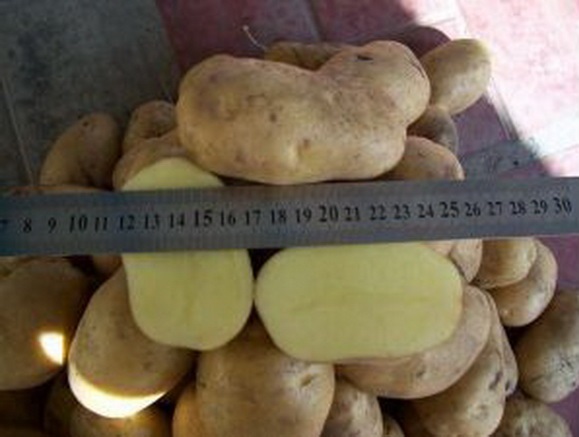
Photo gallery of the Odyssey potato variety:
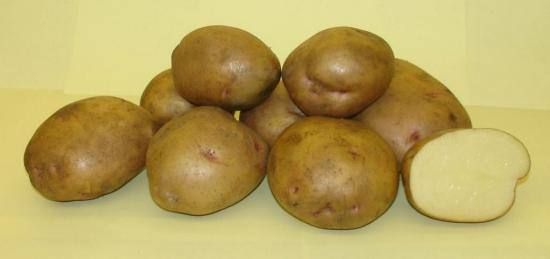
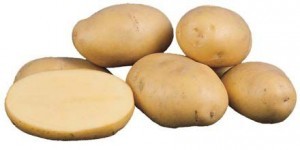
The country of selection is Belarus.
Romano
- Ripening period – 65-80 days;
- Tubers – short oval shape, pink skin, and light cream flesh;
- Bushes – tall, upright, red-violet flowers;
- Starch content – 10-13%;
- Culinary type – AB;
- Productivity – 110-320 c/ha, maximum – 347 c/ha;
- Disease resistance – high resistance to cancer, average resistance to late blight, mosaic, rhizoctonia, leaf curl, low resistance to scab;
- Growing regions – Central, Volga-Vyatka, Central Black Earth, Ural, Far Eastern;
- Advantages – drought resistance, good taste, excellent marketability (90-94%);
- Flaws – low resistance to scab, therefore additional treatment is required, thick skin.
Photo gallery of the Romano potato variety:
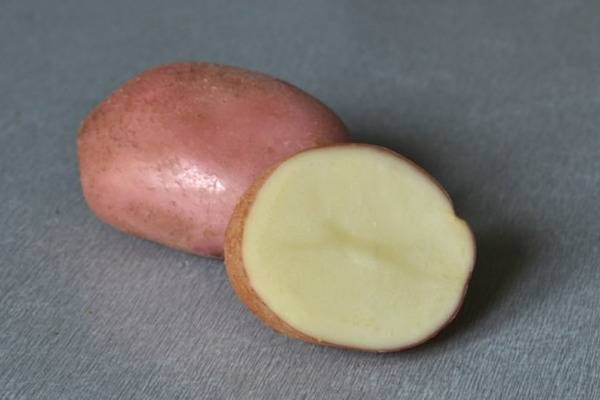
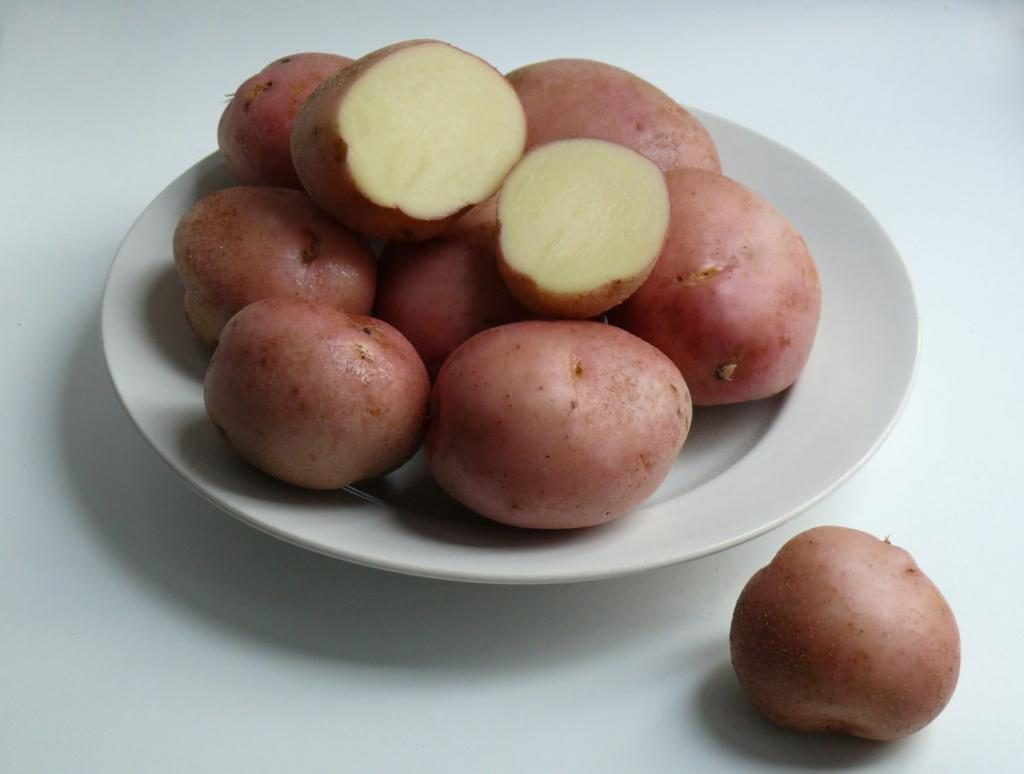
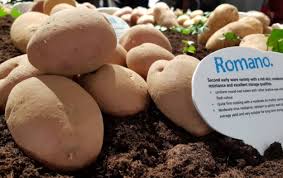
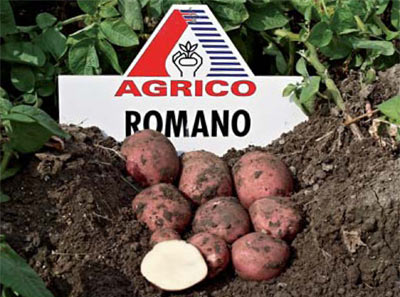
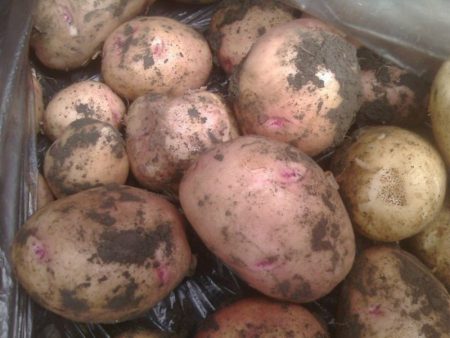
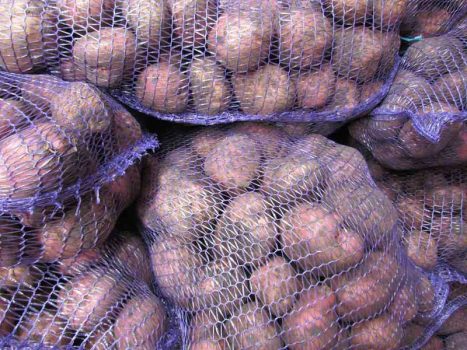
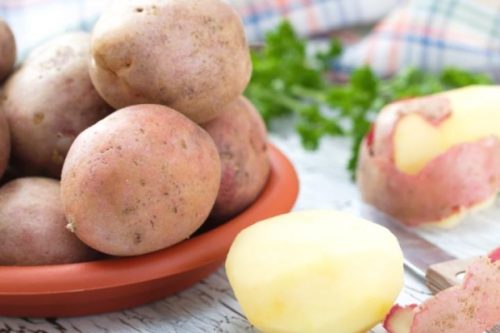
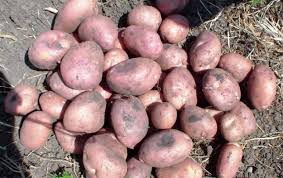
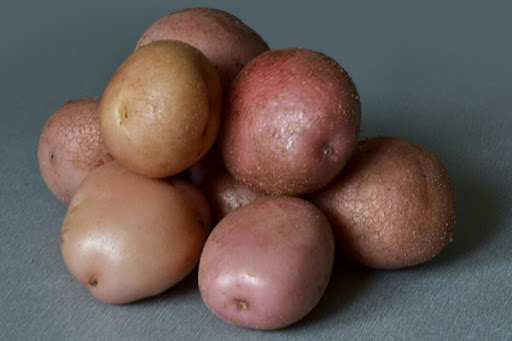
Bred in the Netherlands.
The best early potato varieties for central Russia
In central Russia, the climate can vary significantly depending on the location. Therefore, the following requirements apply to potatoes:
- frost resistance;
- drought resistance;
- resistance to late blight;
- no requirements for humidity and soil.
The varieties Capri, Colomba, Meteor, Nandina, Paroli, Zhukovsky early, Karatop fit these characteristics. Bellarosa, Antonina, Elizabeth, Azhur, Eurasia, Nevsky, Sorcerer.
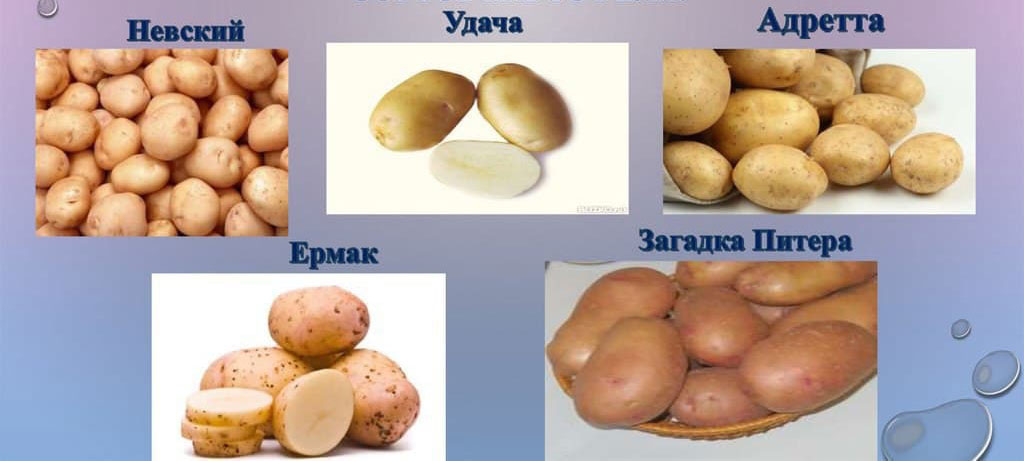
The best early potato varieties for the Moscow region
For Moscow and the Moscow region, varieties that meet the following characteristics are suitable:
- undemanding to soil;
- ability to tolerate short-term frosts;
- undemanding to agricultural technology.
The varieties best suited for this region are White Rose, Barin, Nandina, Gala, Treasures, Meteor.
The best early potato varieties for the Northern and Northwestern regions
For these regions, potatoes must meet the following requirements:
- resistance to rot;
- resistance to any humidity;
- short period between emergence and harvest;
- resistance to low temperatures.
The following varieties fit this description: Adretta, Alova, Amorosa, Impala, Zhukovsky early, Fresco, Romano.
The best early potato varieties for the Urals
Requirements for varieties:
- ability to develop well at low temperatures;
- drought resistance.
The following varieties are suitable for the Ural region: Alena, Nevsky, Belaya Roza, Meteor, Lyubava, Lorkh, Labella, Gornyak, Elena, Ural early.
The best early potato varieties for Siberia
Potato requirements:
- rapid ripening;
- resistance to prolonged low temperatures;
- resistance to late blight.
The following varieties are suitable for Siberia: Alena, Timo, Lyubava, Antonina, Baron, Fresco, Impala, Adretta, and Ermak Improved.
The best early potato varieties for Belarus
The following varieties are best suited for Belarus:
- Dolphin;
- Uladar;
- Lapis lazuli;
- Palace;
- Julia;
- Pershatsvet.
There are a huge number of early potato varieties, making it easy to choose the right one for your region. Beginner gardeners are advised to plant several potato varieties at once to choose the one best suited to their plot.