Krepysh is widely grown by gardeners and is one of the most popular early-ripening varieties. It produces a good yield and stores well without losing its flavor. It is widely used in the production of chips, potato flour, and other products.
Content
- 1 Table with characteristics of the Krepysh potato variety
- 2 The origin of the Krepysh potato variety
- 3 A detailed description of the Krepysh potato variety
- 4 Advantages and disadvantages of the Krepysh potato variety
- 5 Planting Features of the Krepysh Potato Variety
- 6 Caring for the Krepysh potato variety
- 7 Protection of the Krepysh potato variety from diseases and pests in the table
- 8 The nuances of harvesting and storing the Krepysh potato variety
- 9 Comparison of the Krepysh potato variety with other varieties in the table
- 10 Real reviews from gardeners about the Krepysh potato variety
Table with characteristics of the Krepysh potato variety
| Characteristic | Description |
| General characteristics | An early-ripening table variety with excellent shelf life and storability. Suitable for commercial potato production. |
| Ripening period | 50-65 days. |
| Starch content | 10-12.1% |
| Weight of commercial tubers | 78-105 g |
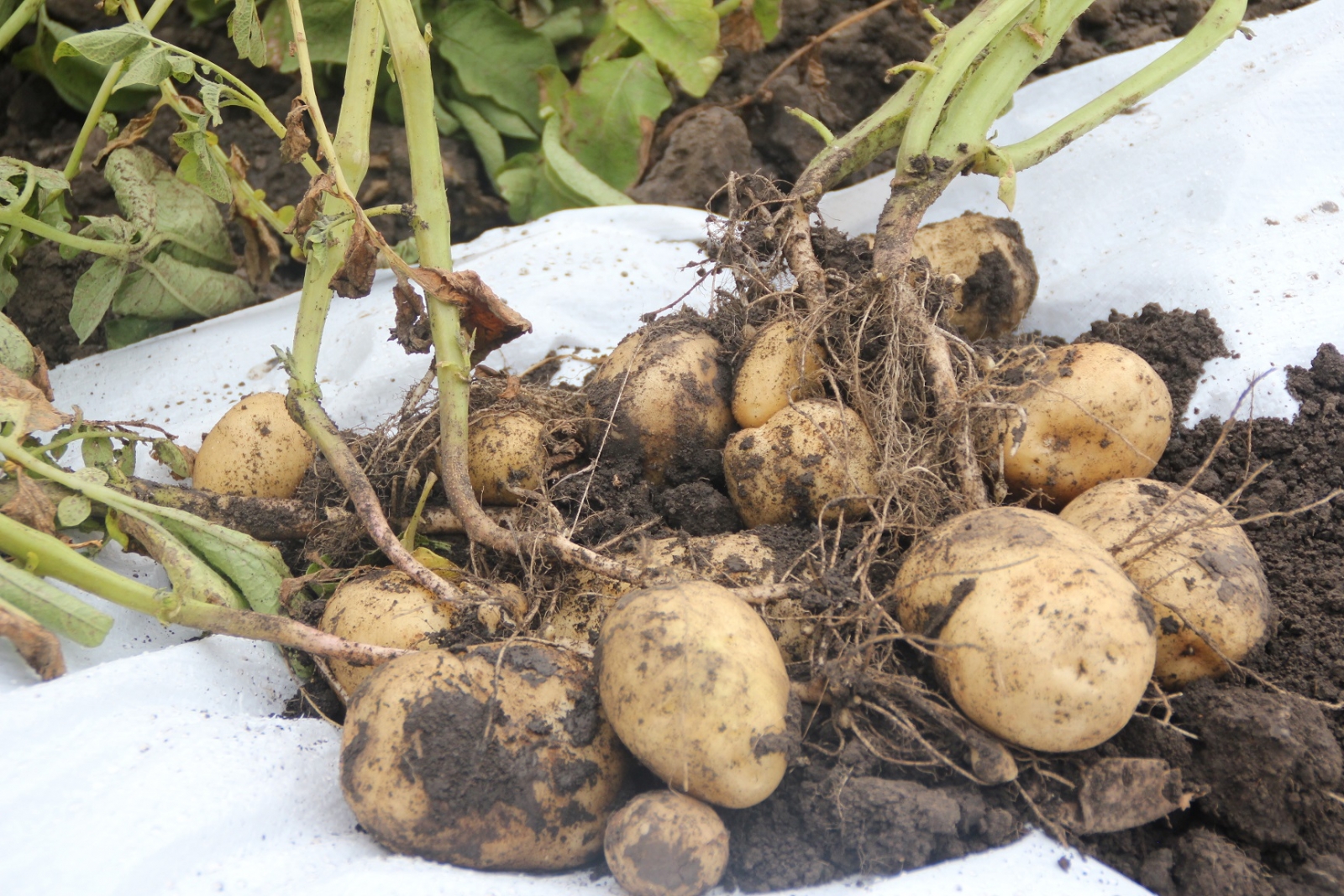
| Number of tubers in a bush | 9-13 pcs. |
| Productivity | 127-242 c/ha |
| Consumer qualities | Because it doesn't cook down easily, it's used in soups, salads, and even chips and French fries. After peeling, the flesh stays fresh for a long time. |
| Marketability | 86-99% |
| Shelf life | 97% |
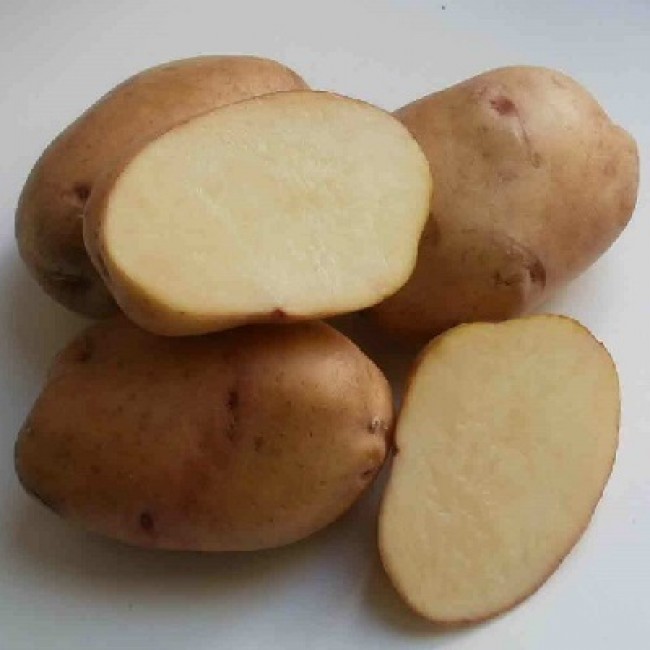
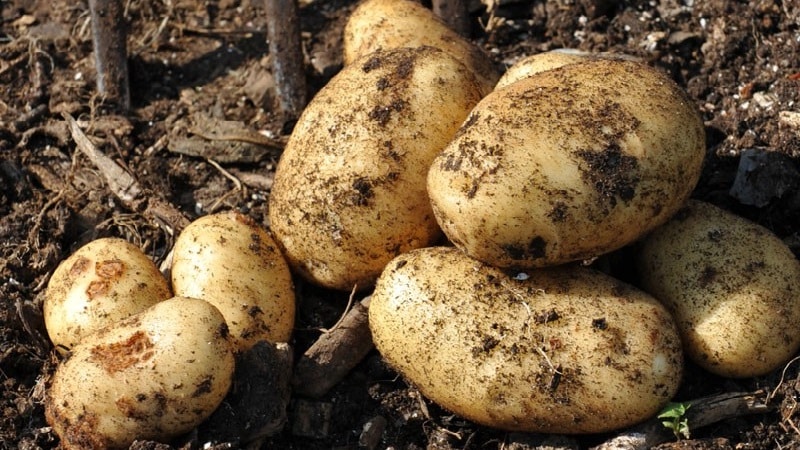
| Peel color | Yellow |
| Pulp color | Cream |
| Color of inflorescences | Violet |
| Preferred growing regions | Northern, Northwestern, Central, Central Black Earth, Far Eastern. |
| Disease resistance | It is resistant to potato canker and golden potato nematode, but moderately susceptible to late blight. |
| Features of cultivation | It doesn't require any special cultivation methods. It thrives on fertilizer and requires hilling. |
| 2005 |
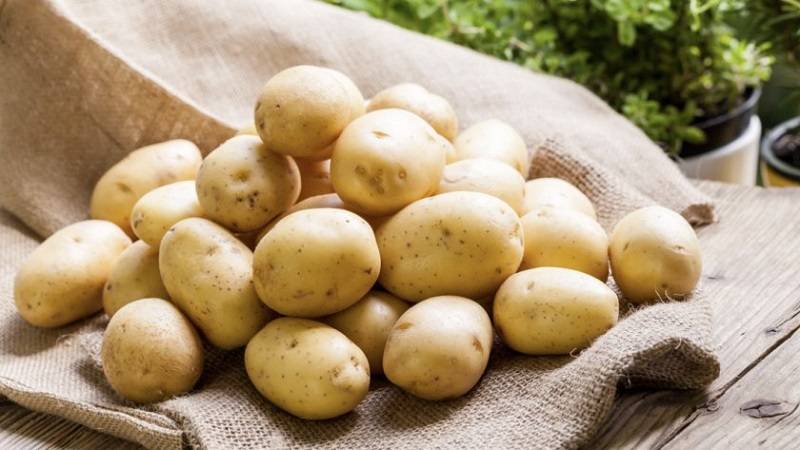
Photo gallery of the Krepysh potato variety:
The origin of the Krepysh potato variety
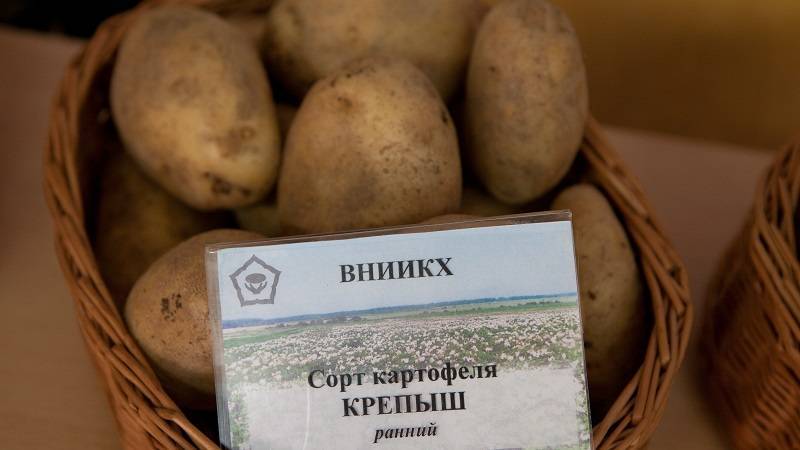
The Krepysh variety is the brainchild of Russian breeders from the A.G. Lorkh All-Russian Research Institute of Potato Crops. Breeders began developing it at the beginning of this century, and their efforts were successful. In 2005, the new variety was added to the register. The name speaks for itself: the potato has a strong skin that withstands mechanical harvesting and long transportation.
A detailed description of the Krepysh potato variety
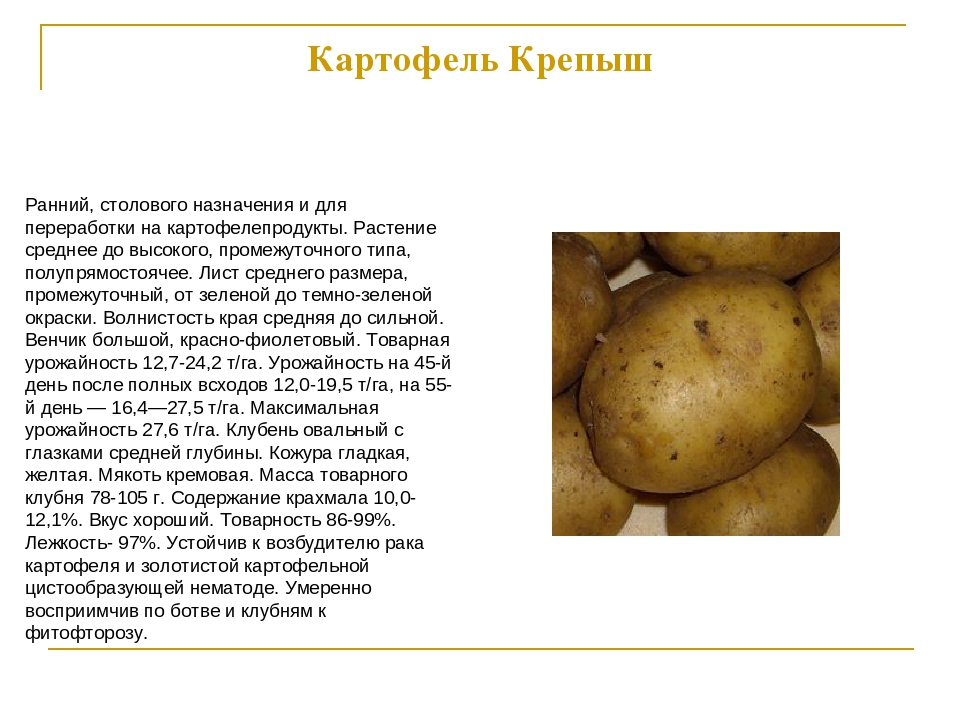
The early Krepysh variety produces its first harvest just 45 days after planting. Each plant produces up to 13 tubers weighing between 80 and 100 g. This potato is often used in the industrial production of chips and other potato products.
Bushes
The upright bushes do not exceed 60 cm in height. The shoots are dense, with medium-sized leaves that are green or dark green in color and have a wavy edge.
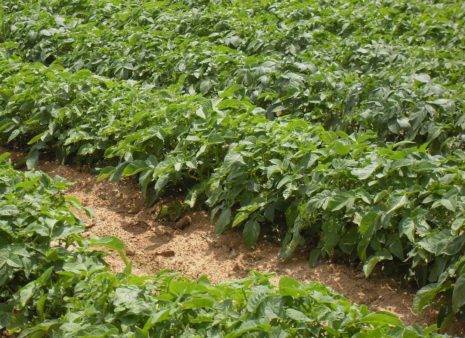
The flowering period lasts from 10 to 14 days, the inflorescences are large, bright purple with a reddish tint.
Tubers
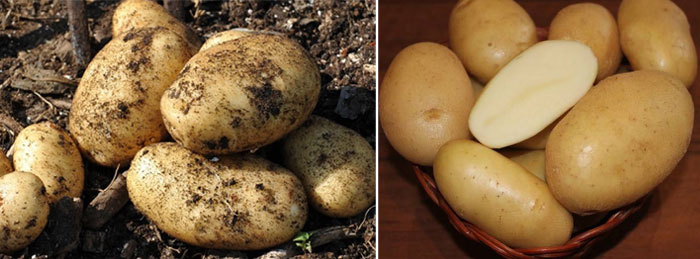
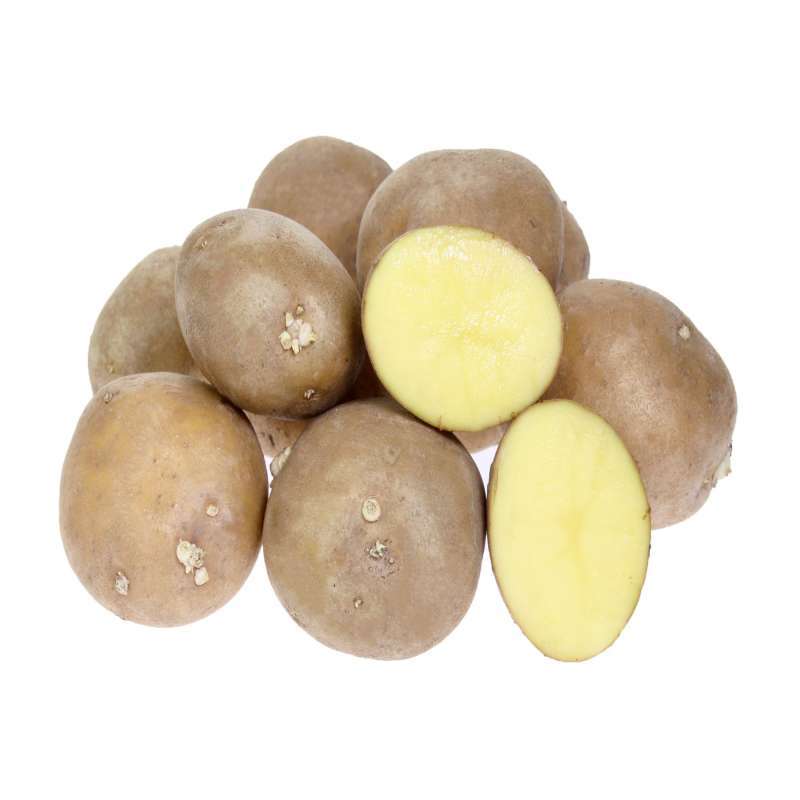
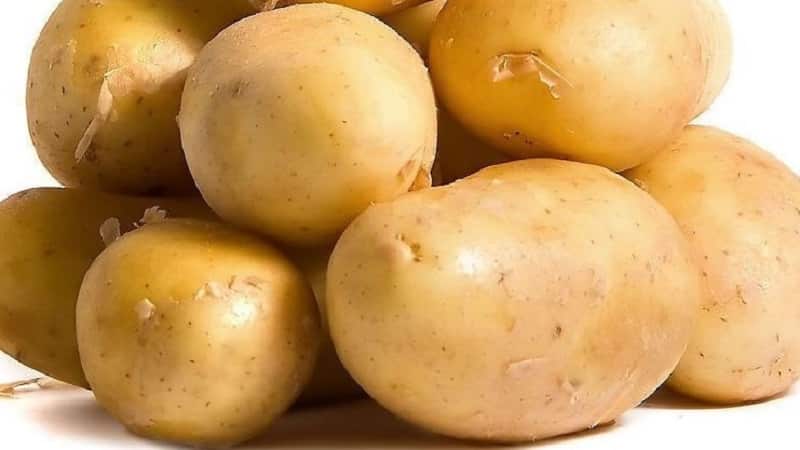
The oval tubers are covered with a smooth, yellowish skin on top. They have very few eyes, and those that do exist don't penetrate very deeply into the flesh.
A single plant produces 9 to 13 potatoes. Their flesh is creamy and slightly dry. They have excellent shelf life and marketability. They transport well and can be stored for a long time without losing their flavor.
Taste qualities
The tubers don't fall apart during cooking and hold their shape well. They're best used for frying, baking, soups, and salads.
Productivity, ripening time
The Krepysh variety yields a crop very early, ready to be harvested 50-65 days after germination. However, many gardeners dig up the bushes much earlier in order to enjoy the young potatoes.
The yield remains quite high:
- After the first digging, after 45 days, it is possible to collect from 127 to 242 c/ha.
- After the second digging on the 55th day, the yield is from 165 to 275 c/ha.
- The national average varies from 127 to 242 c/ha.
- The maximum figure recorded in the Moscow region was 276 c/ha.
Resistance to diseases and pests
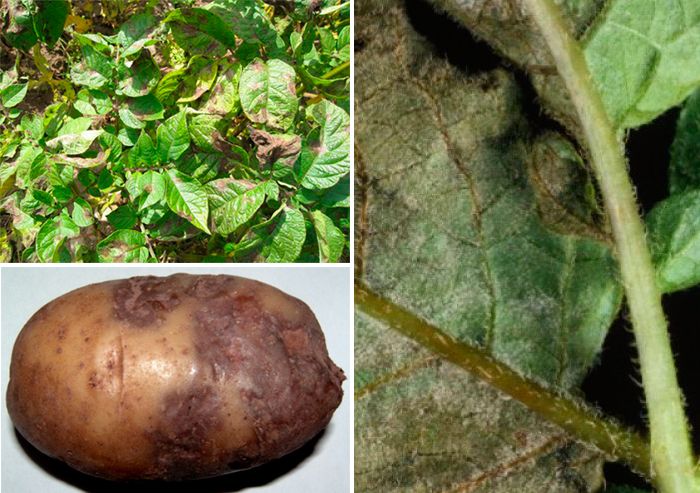
Krepysh is distinguished by a relatively high resistance to many diseases, but is practically unable to resist fungi.
|
Disease |
Stability indicator |
|
Cancer |
High |
| Golden potato cyst nematode |
High |
|
Tuber blight |
Average |
| Phytophthora blight of tops |
Average |
For which regions is the Krepysh potato variety suitable?
Krepysh has demonstrated excellent varietal characteristics throughout Russia. It grows ideally in the Central, Northern, Northwestern, Far Eastern, and Central Black Earth regions.
Advantages and disadvantages of the Krepysh potato variety
The Krepysh variety has a number of advantages and disadvantages compared to other varieties. These are listed in the table below.
| Advantages | Flaws |
|
|
Planting Features of the Krepysh Potato Variety
The Krepysh potato is planted according to standard agricultural practices. It doesn't require super-fertile soil, but it appreciates fertilizing. The key to successful cultivation of Krepysh is choosing high-quality material and placing it correctly in the garden bed.
Requirements for the landing site and its preparation
When planting potatoes, it's crucial to follow crop rotation. A bed should be left alone for at least a year. Ideally, potatoes should be returned to their original location only after three years. However, not every gardener has the opportunity to allocate a new spot for the crop. Therefore, it's recommended to at least rotate rows and spacing.
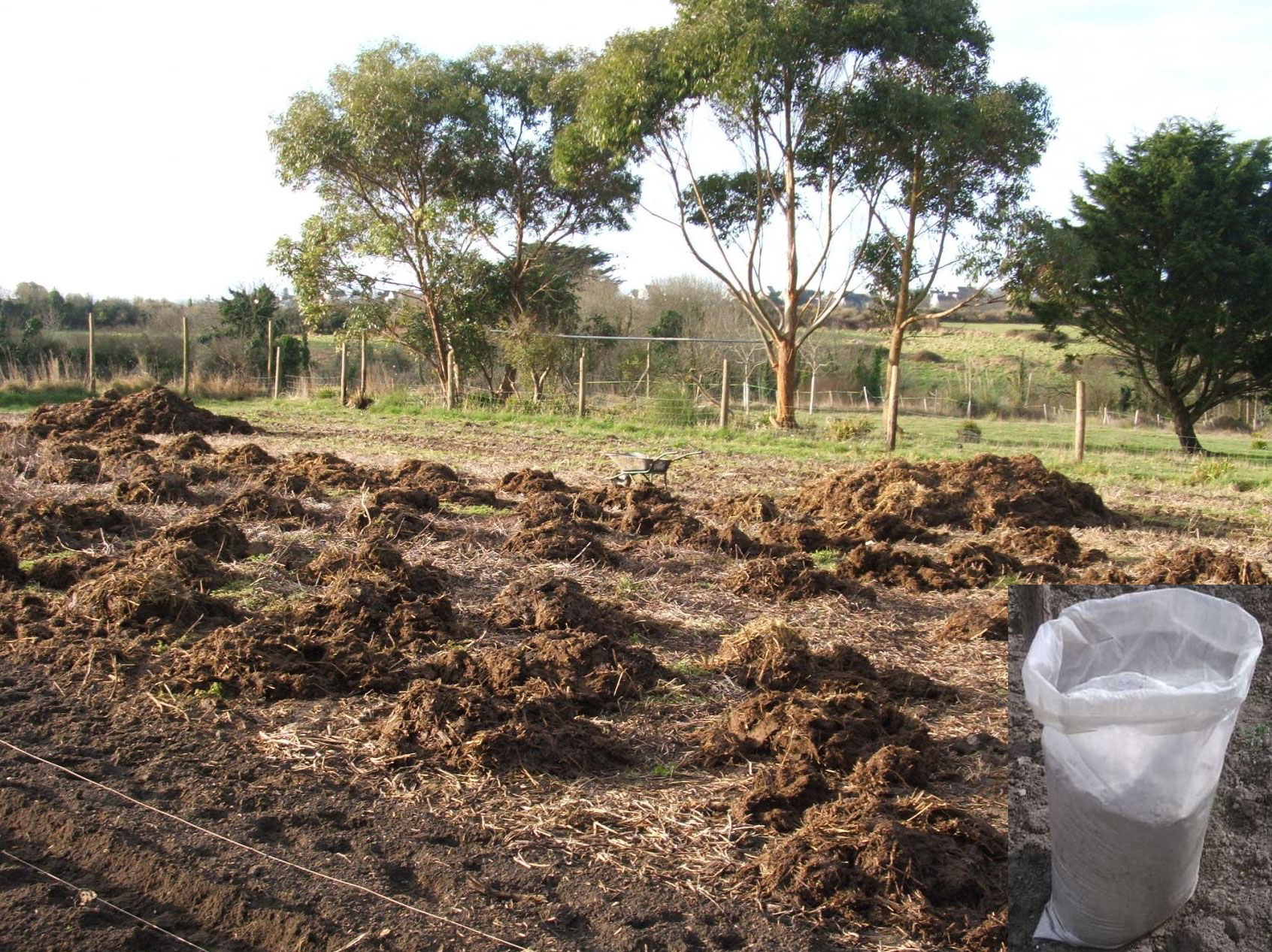
You should begin preparing the garden bed in the fall. The field is dug by hand or using specialized equipment. Beforehand, 7 kg of compost and 100 g of ash are added per square meter. If the soil is very heavy and clayey, you will need to add 3 kg of peat, 4 kg of sand, and 6 to 8 kg of well-rotted manure per square meter.
If the work was left until spring, then 30 g of superphosphates and 15 g of potassium chloride are added per 1 sq.m.
Selection and preparation of seed tubers
Preparing the planting material begins a month before planting. Pre-sorted tubers are placed in boxes with sawdust (or without) and placed in a warm place with a temperature of 14 to 16°C. Any higher temperatures will cause the tubers to grow too quickly.
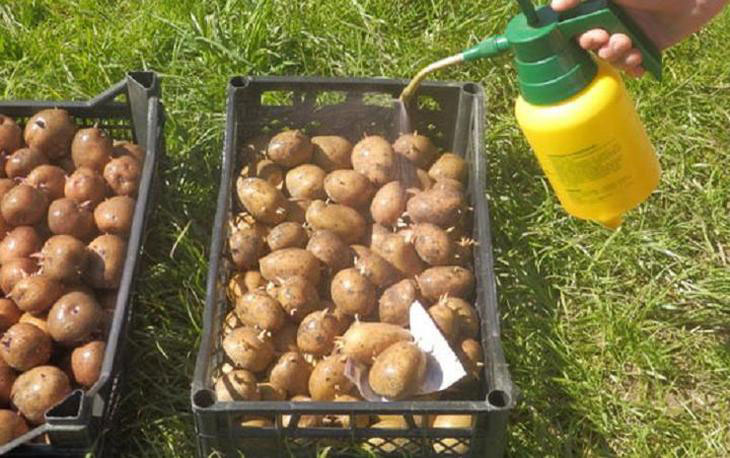
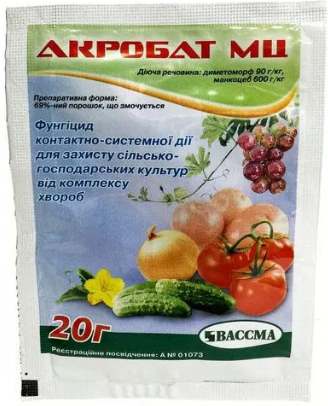
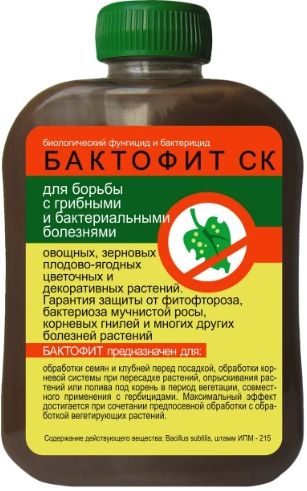
To prevent the occurrence of diseases, you can soak potatoes in Acrobat or Baktofit preparations.
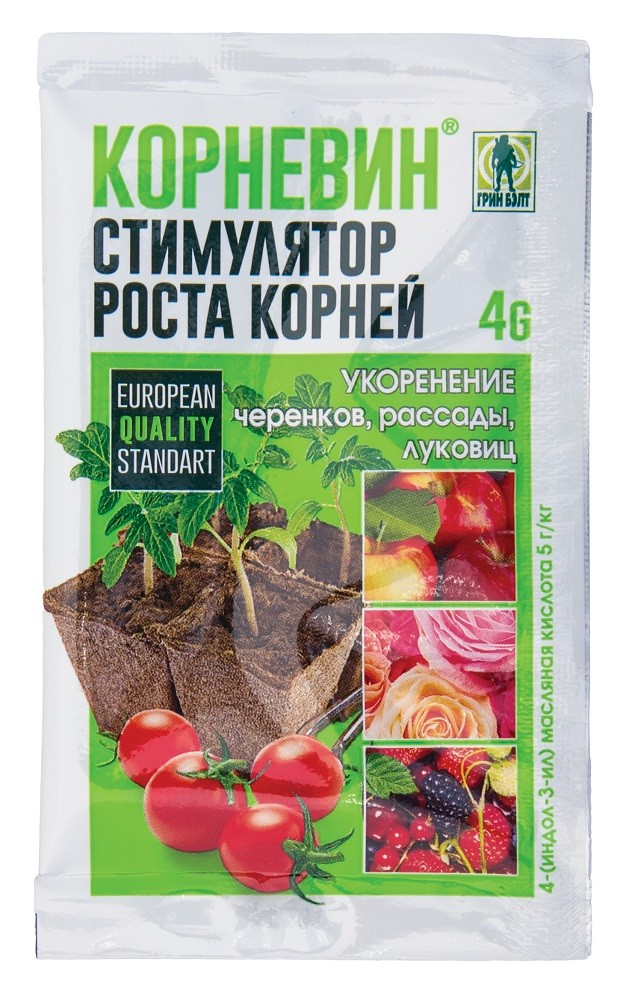
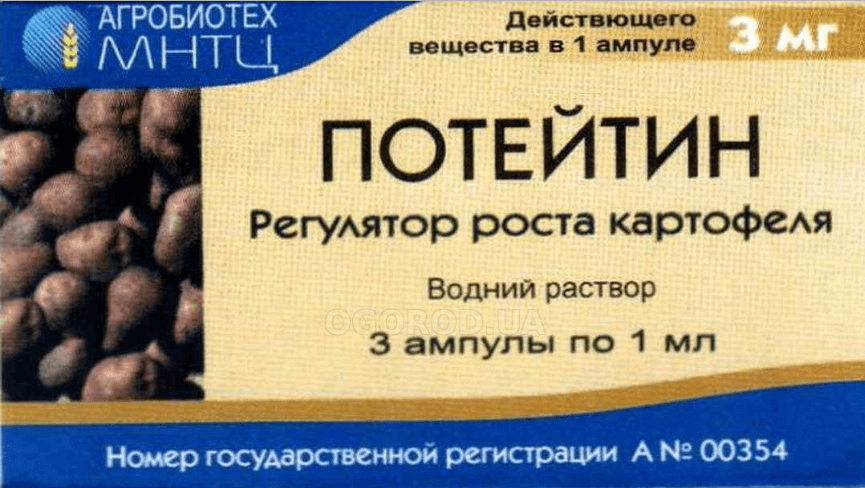
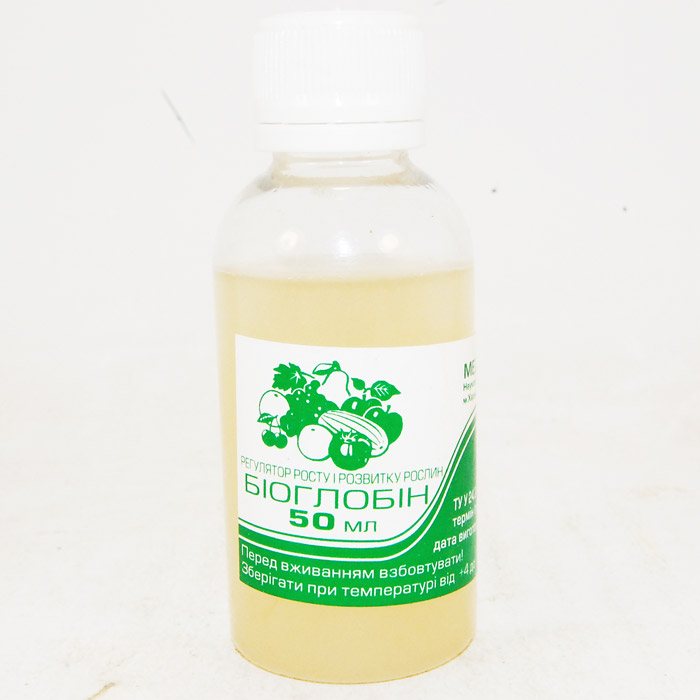
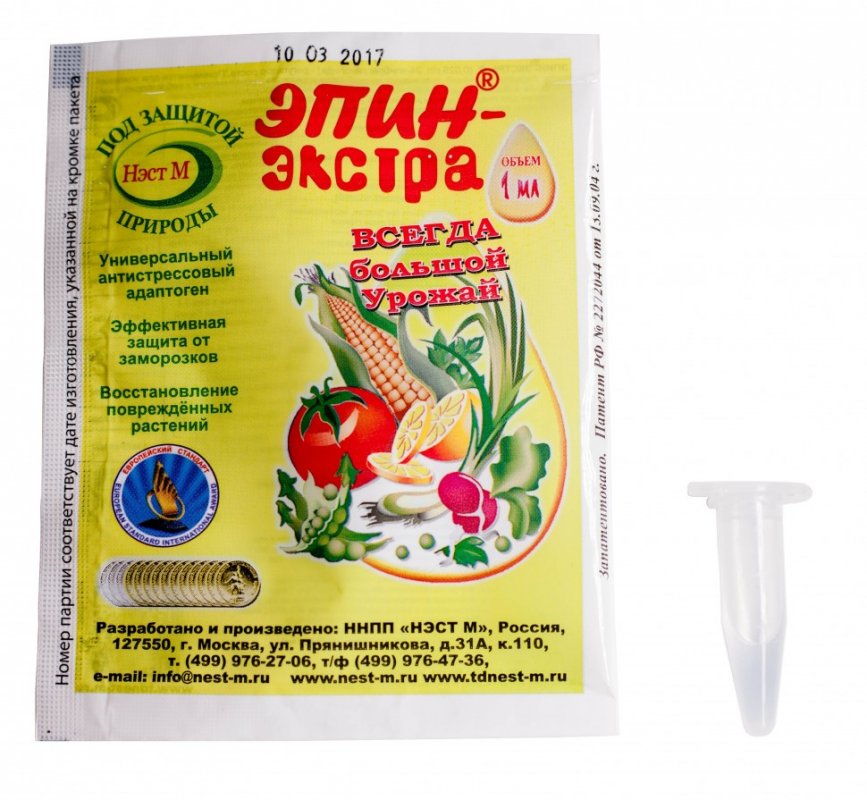
Many agronomists prefer to stimulate tuber growth and strengthen their immunity by treating the tubers with Kornevin, Poteytin, Epin, or Bioglobin the day before planting.
Planting times and rules
It is recommended to plant the Krepysh potato in garden beds in the first half of May, when the soil warms up to at least +8°C and the weather forecast does not indicate night frosts.
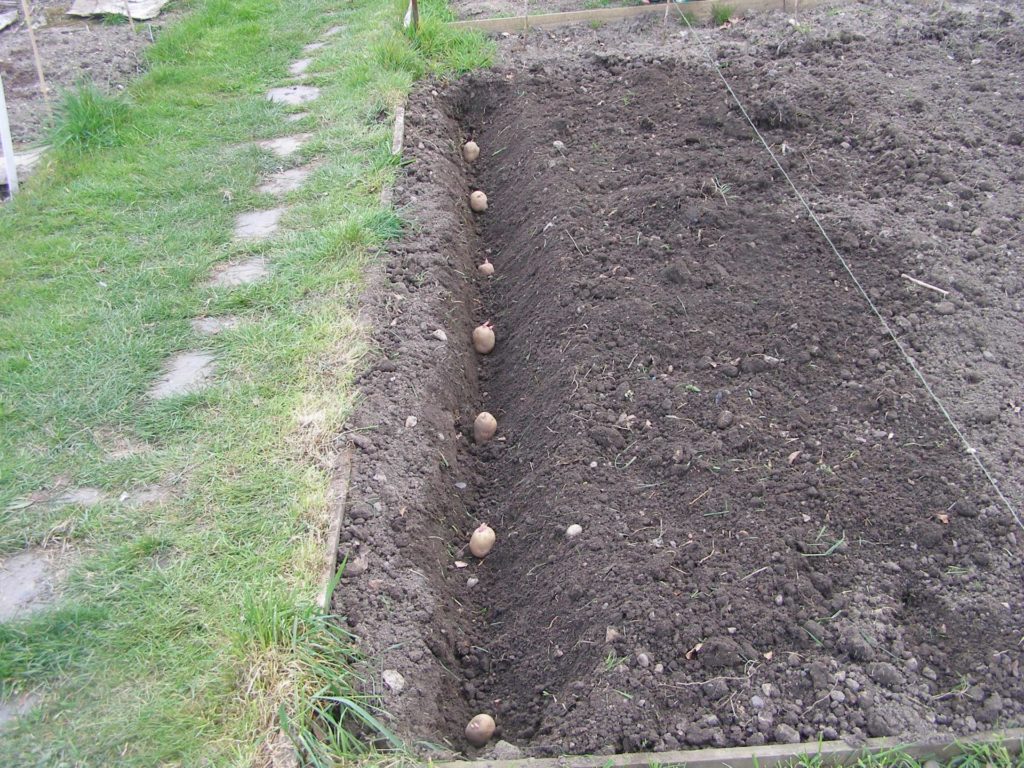
Planting can be done using any method, using string or stakes to mark furrows or ridges. Potatoes are planted in several stages:
- Future furrows are determined at a distance of 60-70 cm from each other.
- Holes are dug 30 cm apart from each other and moistened with water.
- The potatoes are placed with the eyes facing up.
- The earth is thrown on top.
- The bed is carefully leveled with a rake and covered with mulch (in cool regions).
Important! The depth of planting tubers depends on the quality of the soil: if the soil is light, the distance should be 15 cm; if it is wet and heavy, the distance should be 5 cm.
Experienced gardeners do not recommend adding organic matter to the hole, as this can affect the taste of the potatoes, which will become bland and watery.
Caring for the Krepysh potato variety
This variety doesn't require complex agricultural techniques. For good growth and high yields, weeding and loosening the soil, timely watering and hilling, and periodic fertilization are sufficient.
Watering
The first watering is carried out 2-3 weeks after the seedlings emerge. If the region receives little rainfall, the number of waterings will vary from 2 to 4 per season.
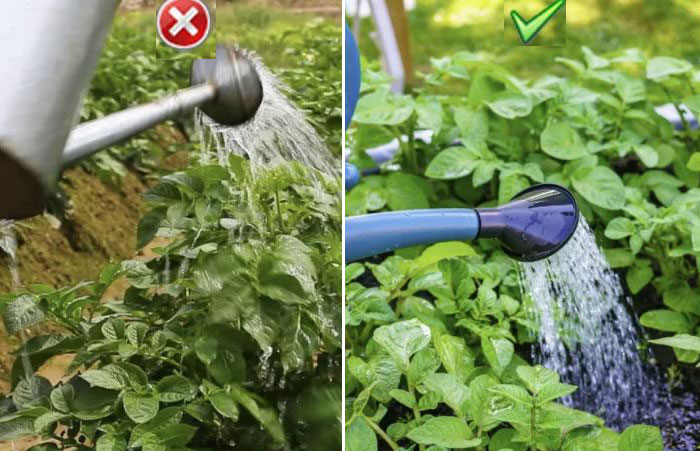
To determine whether the bed needs watering, check the soil at a depth of 10-15 cm. If it's dry, you can begin watering. Each bush requires about 3 liters of water.
Since the variety is prone to fungal diseases, you should try to avoid getting moisture on the stems and tops.
Top dressing
The Krepysh variety responds well to fertilizing and is grateful for it.
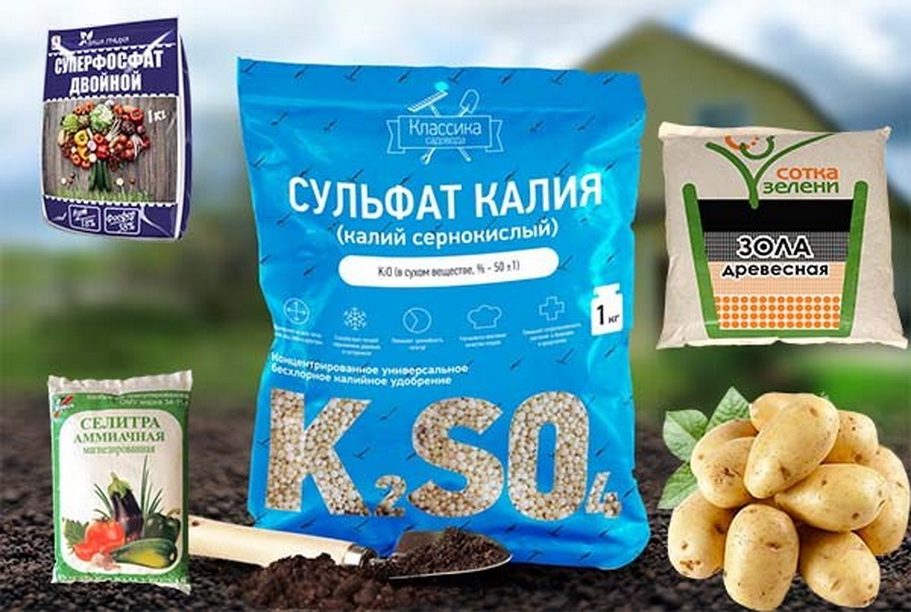
Gardeners recommend applying fertilizer three times a year:
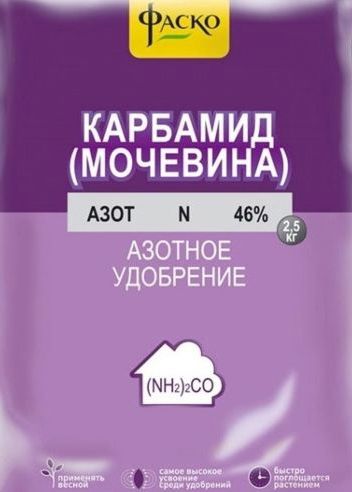
- When the tops reach 20 cm in height, dissolve 20 g each of urea, ammonium nitrate, and potassium sulfate in a 10 liter bucket of water. Use 500 ml of fertilizer per bush.
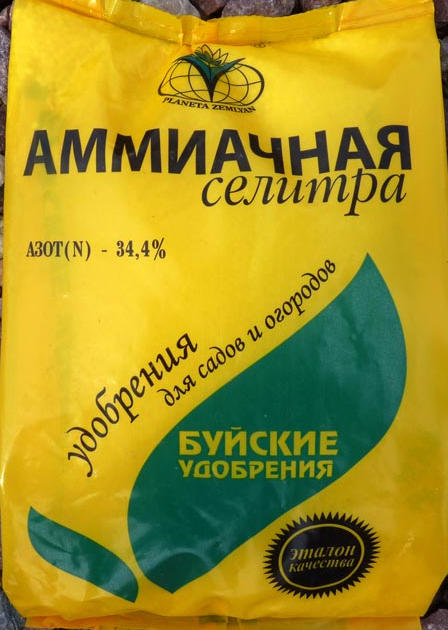
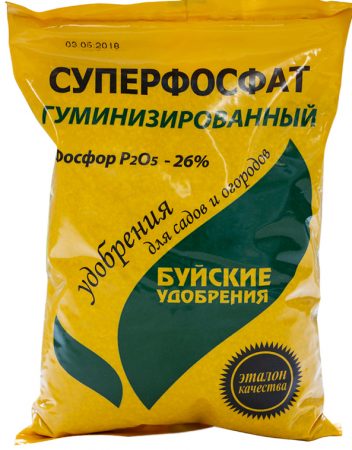
- Flowering period. Dissolve 20 g of superphosphate, 15 g of Kemira, and 10 g of potassium chloride in 10 liters of water. The recommended dosage per plant is 500 ml.
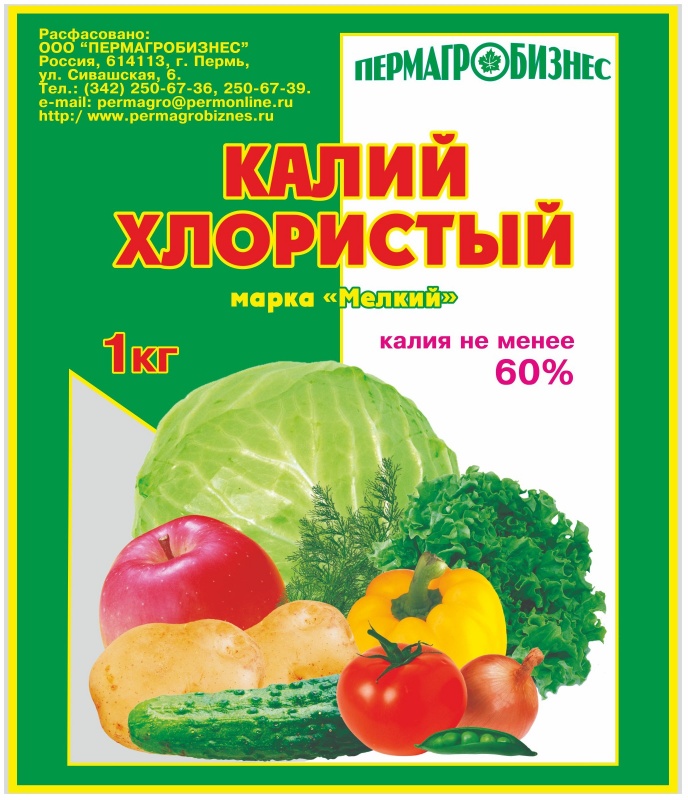
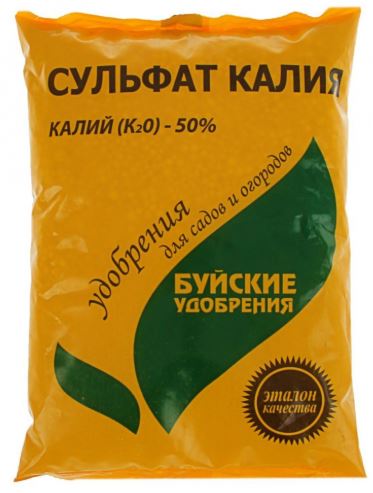
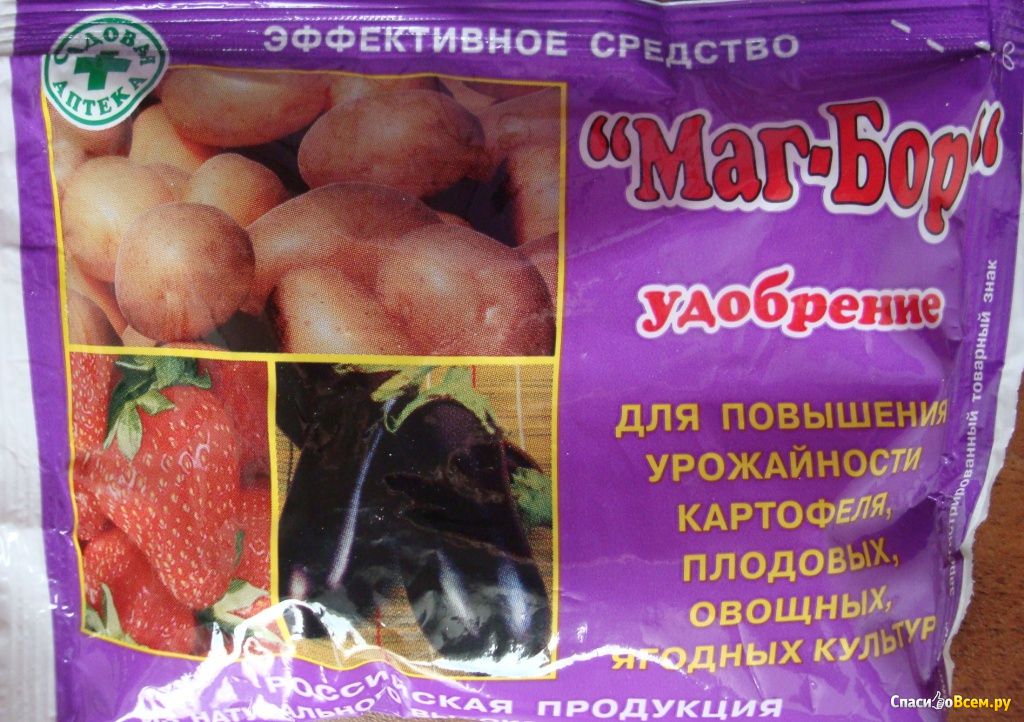
- Tuber formation period. Add 15 g of potassium sulfate per 10 liters of water or spray with a Mag-Bor solution.
Loosening, weeding, hilling
The first loosening is carried out after the seedlings emerge. It's best to combine this with watering to prevent a dense crust from forming on the bed's surface. Furthermore, at this time, you can pull out weeds from the soil, which interfere with normal potato growth and attract insect pests.
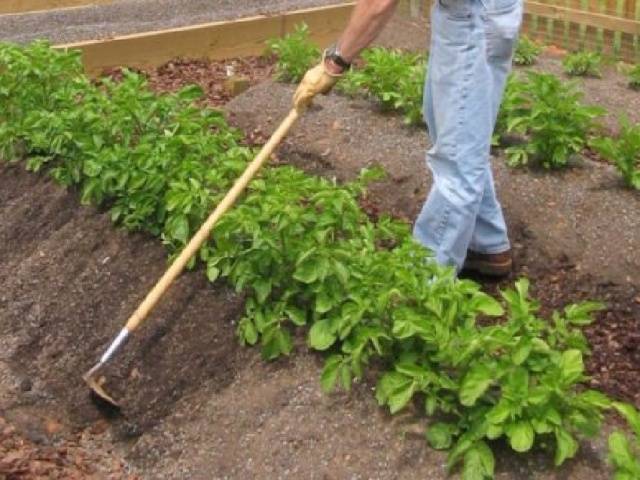
It is recommended to repeat loosening after about 2 weeks and adhere to this frequency in the future.
Hilling is done 2-3 times per season. The first time, the soil is raked onto the shoots when they reach a height of 20 cm. The mound should cover two-thirds of the shoots' total height. The process is repeated after 2-3 weeks.
Protection of the Krepysh potato variety from diseases and pests in the table
Krepysh has demonstrated good resistance to cancer and potato nematode, but if cultivation rules are not followed, it is prone to fungal attack.
| Disease or pest | Description | Prevention and treatment |
| Late blight
|
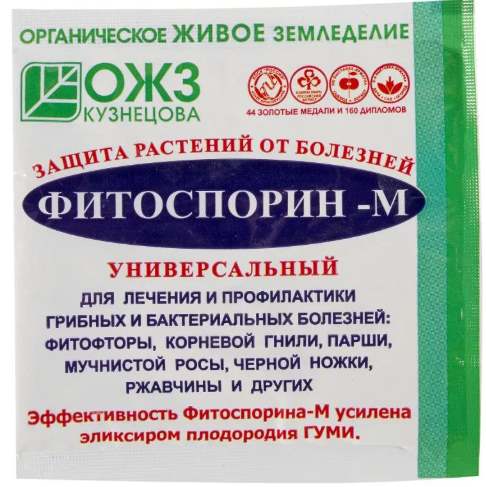
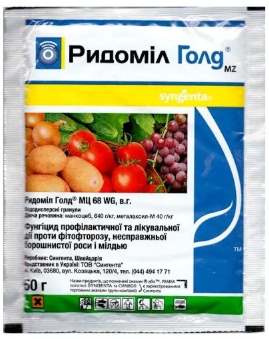
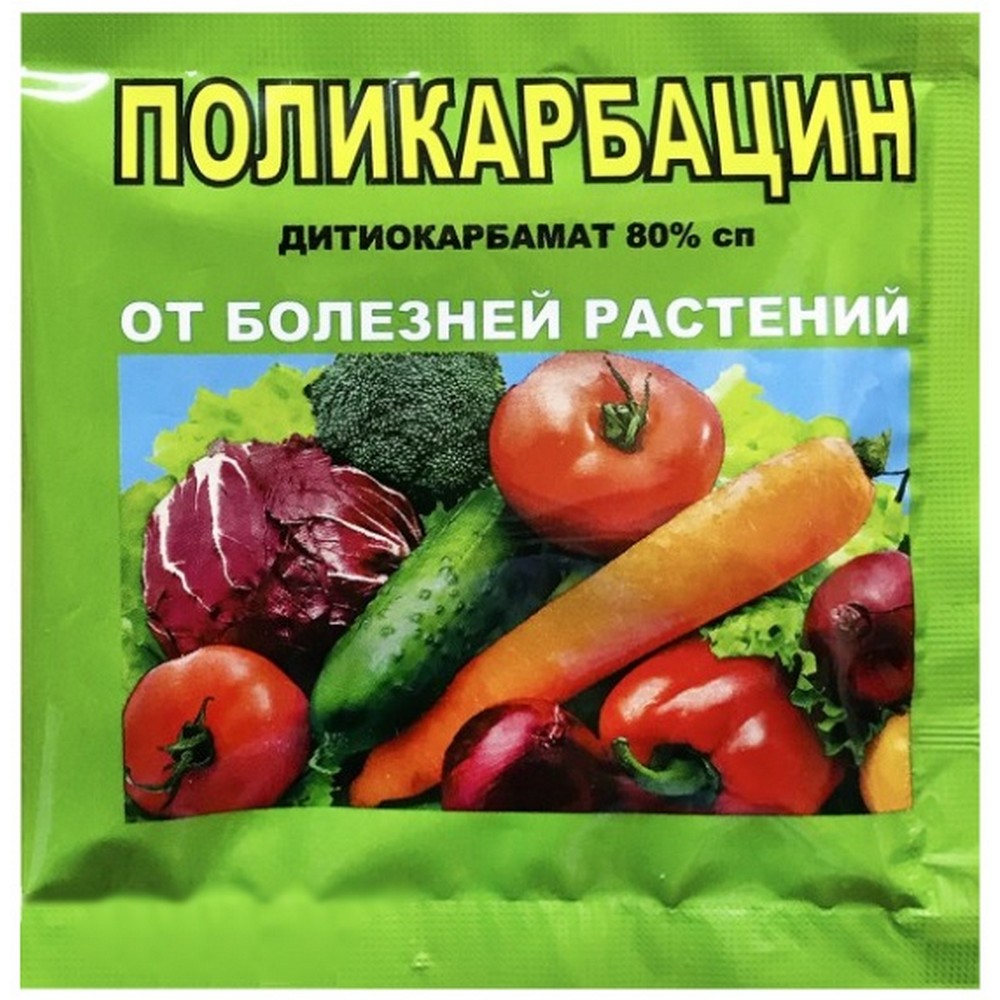
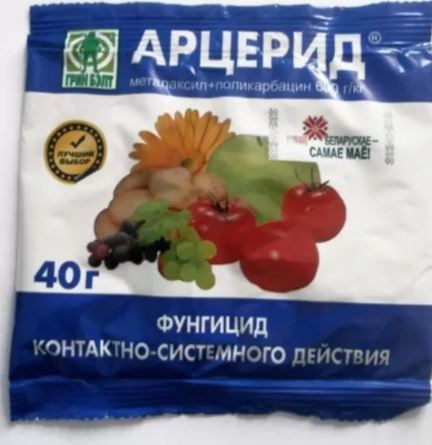
Brown rotten spots appear on all parts of the plant. | The disease can occur due to improper watering, where water splashes on the stems and leaves. Overwatering combined with cool weather also triggers the development of various fungi. If the disease is detected, it should be treated with specialized products such as Ridomil Gold, Fitosporin, Polikarbacin, and Arcerid. |
| Colorado beetle
|
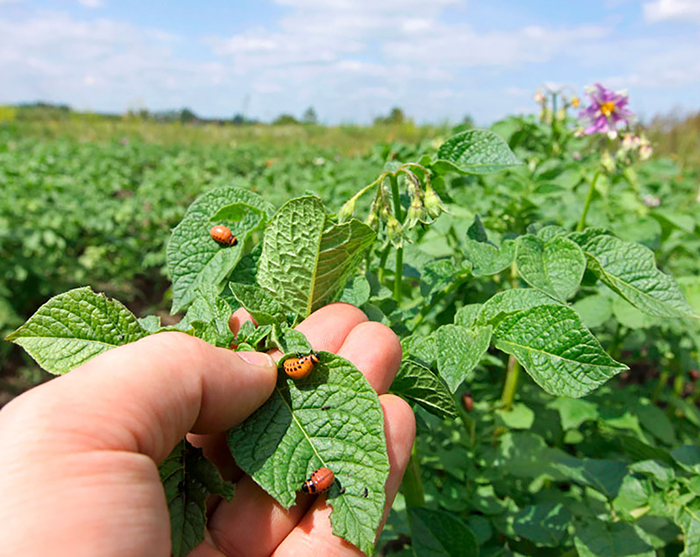
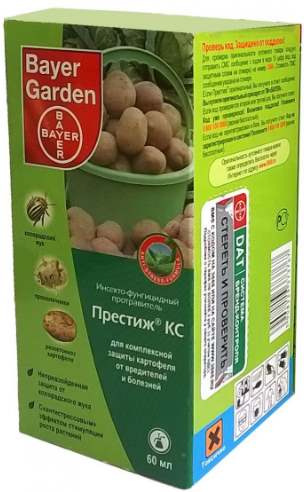
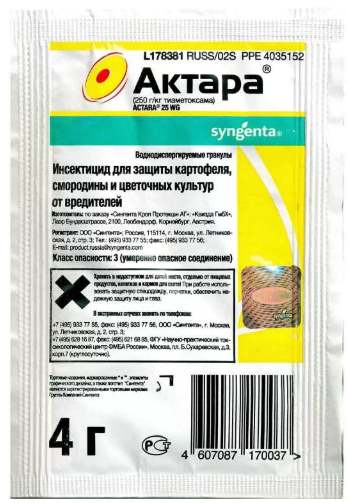
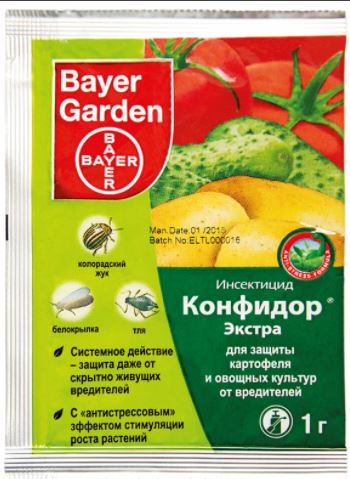
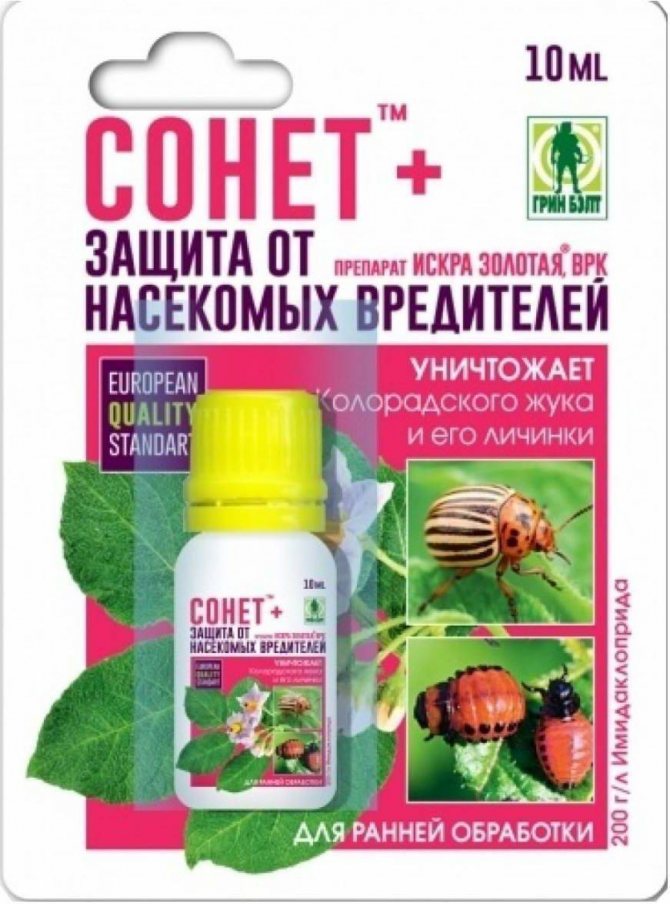
The beetle lays colonies of larvae that devour potato leaves. | If the insects are small, it's recommended to collect them by hand. Some gardeners prepare a poison from the beetles themselves, collecting them in a jar, adding water, and letting them sit for several days. The resulting concentrate is diluted with water and used for spraying. Specialized products that have proven effective include Sonnet, Prestige, and Confidor. |
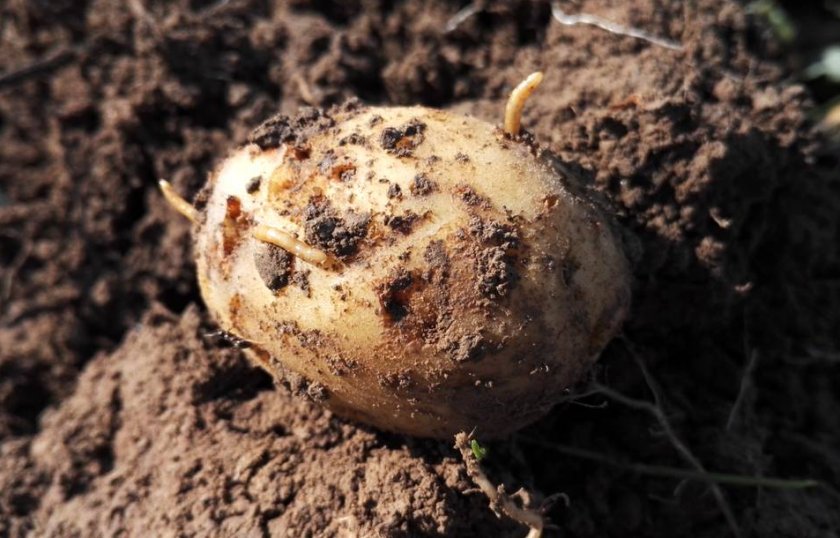
| Potato wireworm
|
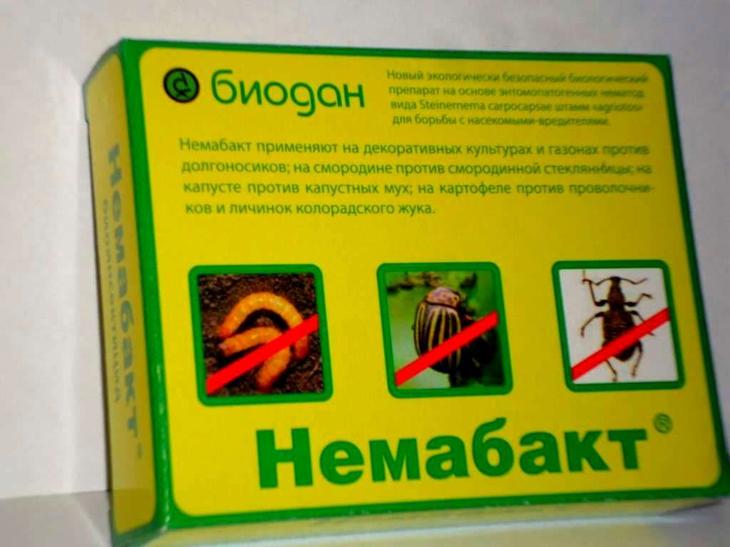
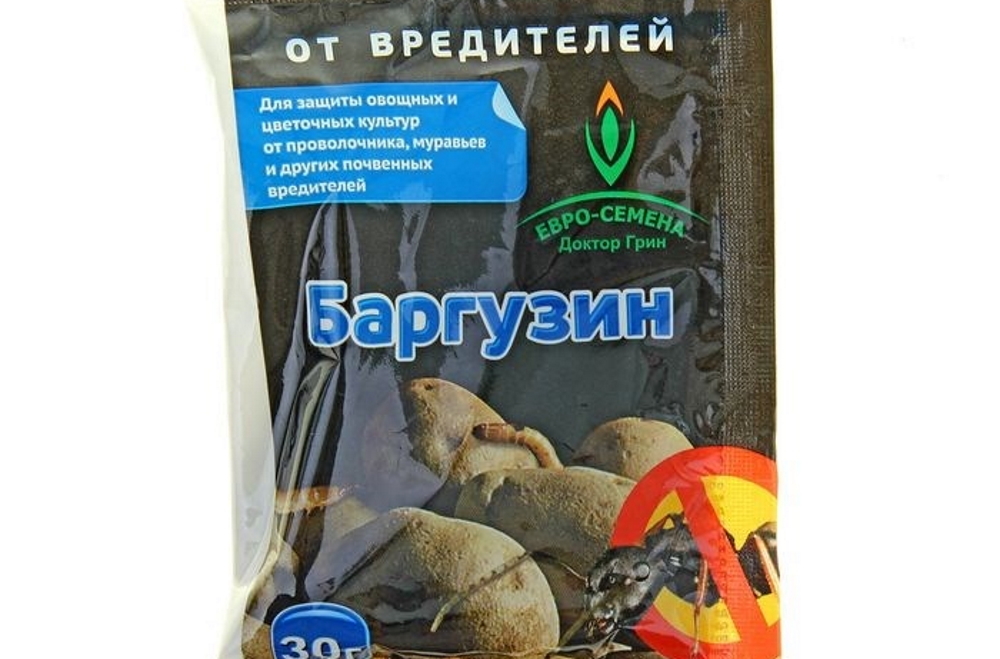
A long, dense worm spoils the clubs with numerous gnawed tunnels | Some gardeners add onion peels when planting, believing their scent will repel the pest. Special wireworm control products such as Bazudin or Nemabact are used. |
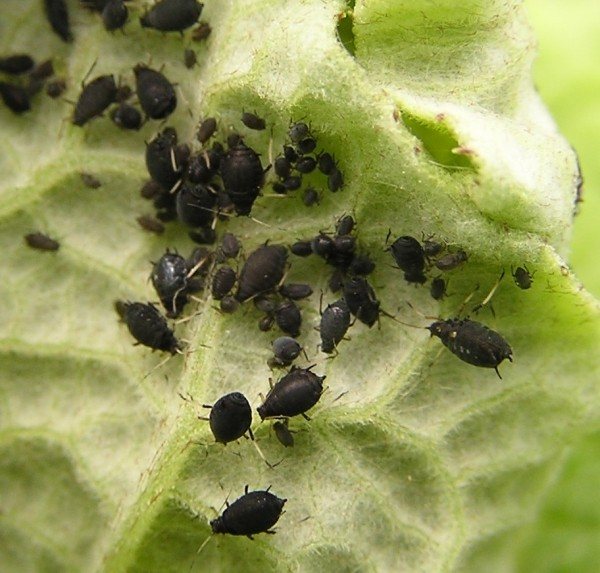
| Black aphid
|
These small insects feed on plant sap and secrete substances that provoke the appearance of fungus. | Aphids travel with ants, so it's important to remove anthills from your property beforehand. As a preventative measure, you can use a tobacco dust solution (boil 2 liters of water with 400 grams of tobacco and let it steep for 24 hours, then add 40 grams of grated laundry soap). Spray the infested areas with the resulting solution. |
Important! All treatments must be stopped 3 weeks before harvest.
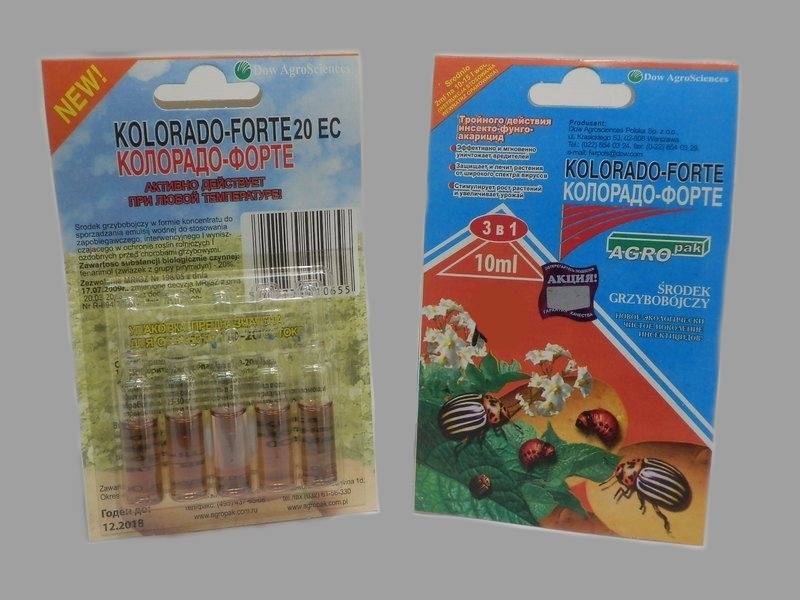
Photo gallery of pest and disease control products for the Krepysha potato variety:
The nuances of harvesting and storing the Krepysh potato variety
The first harvest begins 45 days after germination. You can dig up the bush, select the largest tubers, and leave the rest in the ground for another 2-3 weeks.
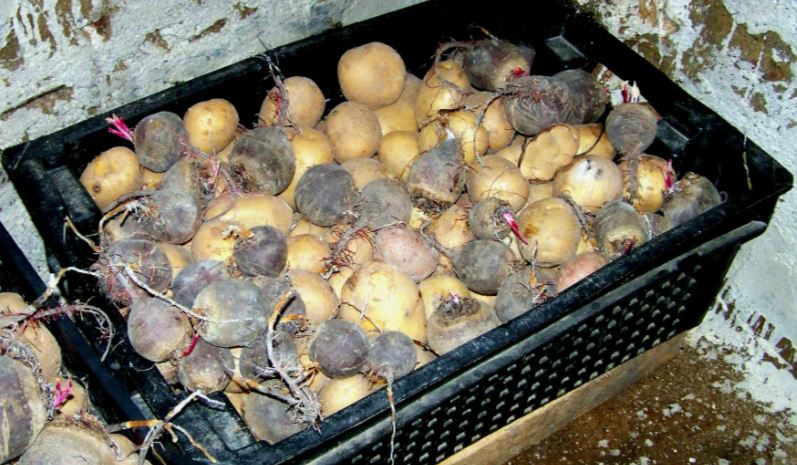
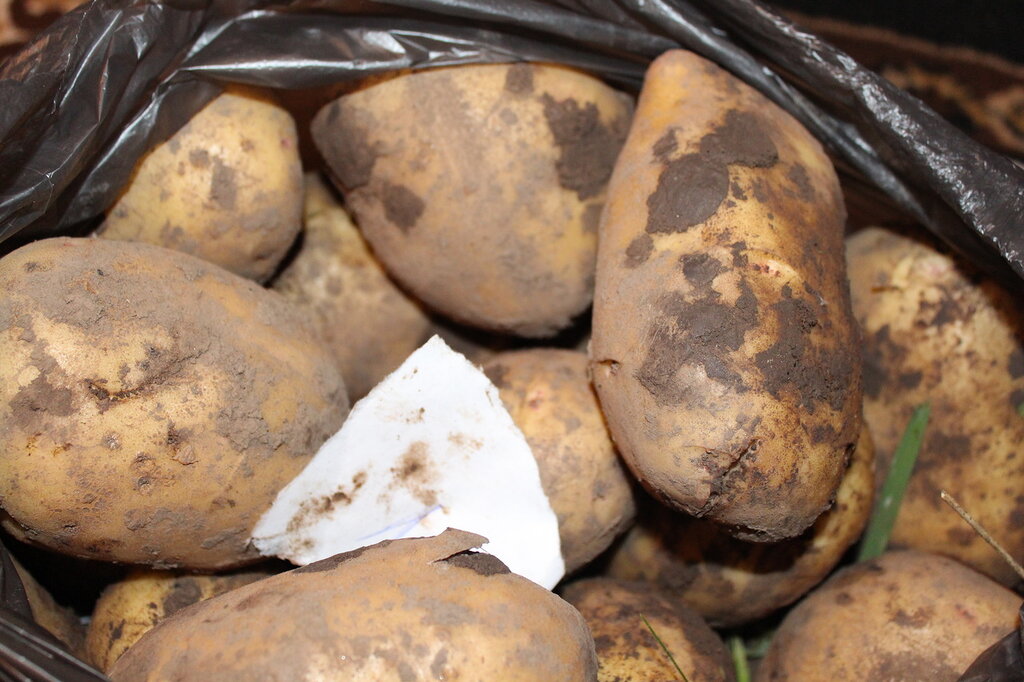
The harvested potatoes are carefully sorted, with damaged tubers separated. The remaining potatoes are air-dried for a couple of hours and stored in a cool, ventilated place (+1…+4°C). Due to their susceptibility to fungal diseases, it is recommended to periodically inspect them and store them near beets, which absorb excess moisture.
Comparison of the Krepysh potato variety with other varieties in the table
| Variety | Ripening period (number of days to maturity) | Starch (%) | Yield (c/ha) | Weight of tubers (g)
Number of tubers per bush |
Shelf life (%) |
| Strongman | Mid-early*** | 10-12 | 127-275 | 80-105
15-20 |
97 |
| Jewel | Early ripening* | 10-15 | 700 | 80-150
15-20 |
94 |
| Impala | Ultra-early | 10-15 | 180-360 | 90-160
15-21 |
95 |
| Empress | Ultra-early | 14-16 | up to 400 | 70-145
8-12 |
91-95 |
| Molly | Early ripening** | 11.4-13.4 | 171-308 | 98-142
20-25 |
82 |
| Nakra | Mid-season**** | 18-22 | 203-308 | 65-160
6-11 |
95 |
| Nikulinsky | Mid-late*****(late******) | 21.3 | 170-420 | 70-120
12 |
95 |
| Treasures | Mid-season*** | 12-18 | up to 650 | 95-250
12-18 |
94 |
| Breeze | Mid-early*** | 10-16 | 160-395 | 130-150
8-12 |
97 |
| Vector | Mid-late***** | 12-14.6 | 450-700 | 90-150
14-15 |
95 |
| Vega | Mid-early*** | 10-16 | 230-380 | 90-120
8-12 |
99 |
| Gala | Early ripening** | 12-14 | 263 | 71-120
8-15 |
95 |
| Colombo | Early ripening** | 11-15 | 230-450 | 100-130
12-14 |
95 |
*Ultra-early – 35-50 days.
**Early ripening – 50-65 days.
***Mid-early – 65-80 days.
****Mid-season – 80-95 days.
*****Mid-late – 95-110 days.
******Late – 110 days or more
Real reviews from gardeners about the Krepysh potato variety
Gardeners note that for an early variety, Krepysh has excellent shelf life and produces a bountiful harvest. Furthermore, the tubers germinate fairly quickly. However, the potato's flavor isn't the best; consumers report a slight watery taste.
User Yragsha, Irkutsk region
A strong variety. Not the most productive. Early, so susceptible to late blight. Tasty. Still growing.
User Svetlana Ilyina
Last year (2018), I ordered Krepysh potatoes and really liked them. They were medium and larger. They were smooth, without any eyes, and the flesh was white and moderately crumbly. 3 kg was enough for about 10 buckets. :good:
User Polyn
Krepysh is the main variety. Large, uniform, and productive. But the taste in soup and mashed potatoes is average. I liked it in French fries, though. So, ideally, you need several varieties—starchy ones for excellent crisp potatoes and mashed potatoes, and ones with a lower starch content for everything else. I'm currently looking at them myself. Ilyinsky And To the handsome guy.
User Ann, Khimki-Khotkovo
… Krepysh VNIIKhovsky, also less stable (based on last year)…
From the author: this is about late blight.
User Myshka, Moscow Region, village house, Ryazan Oblast
The varieties Nekra, Ilyinskaya, Zhigulevskaya and Krepysh have shown good results.