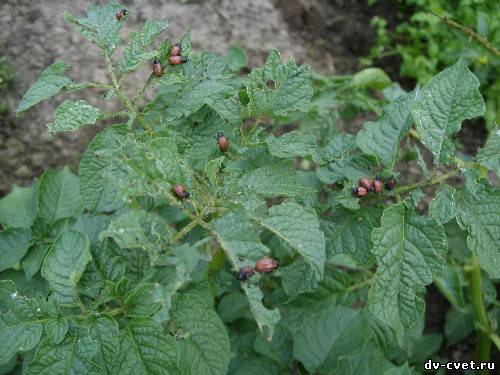
The Nakra potato variety tolerates frost well, making it popular with gardeners in the Far East and Siberia. It is easy to care for, has a pleasant flavor, and is very high in starch.
Content
- 1 The origin of the Nakra potato variety
- 2 Description of the Nakra potato variety + general characteristics in the table
- 3 Advantages and disadvantages of the Nakra potato variety
- 4 Planting Features of the Nakra Potato Variety
- 5 Care and growing features of the Nakra potato variety
- 6 Protection of the Nakra potato variety from diseases and pests, prevention
- 7 The nuances of harvesting and storing the Nakra variety
- 8 Comparison of the Nakra potato variety with other varieties in the table
- 9 Real reviews from gardeners about the Nakra potato variety
The origin of the Nakra potato variety
Nakra is a domestically bred variety. Several farms participated in its development. It was registered in 2000 as a product of the Narym Breeding Station, the Lorkh All-Russian Research Institute, and the Siberian Research Institute of Agriculture and Peat.
Description of the Nakra potato variety + general characteristics in the table
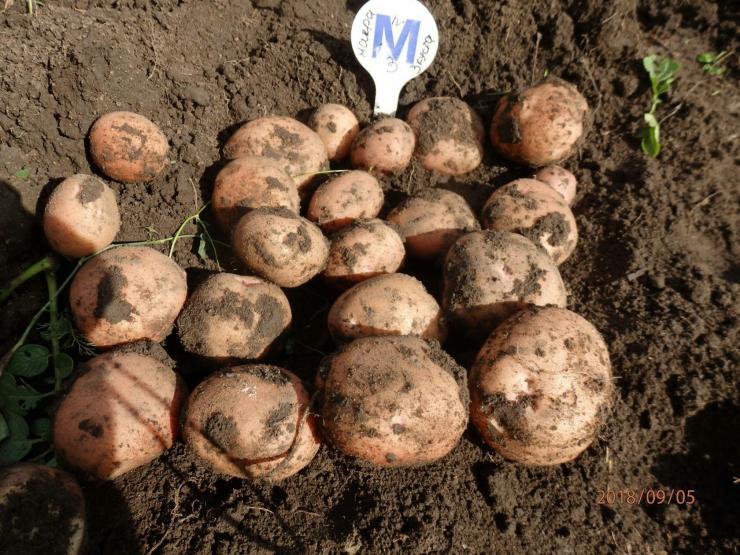
The Nakra potato is a mid-early variety. It has excellent flavor and is versatile, suitable for any dish. Its crispness and easy-to-cook tubers make it particularly delicious in mashed potatoes. This variety is also used for starch production and in potato chips.
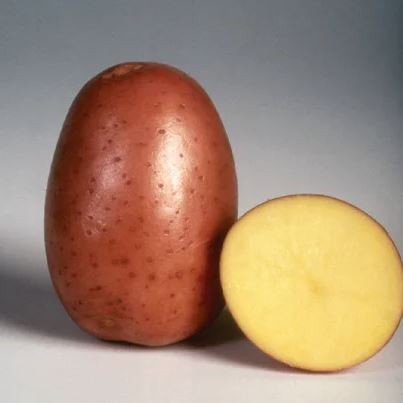
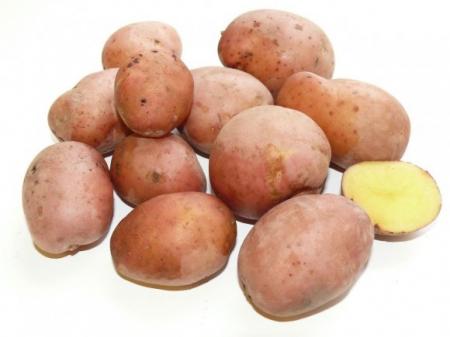
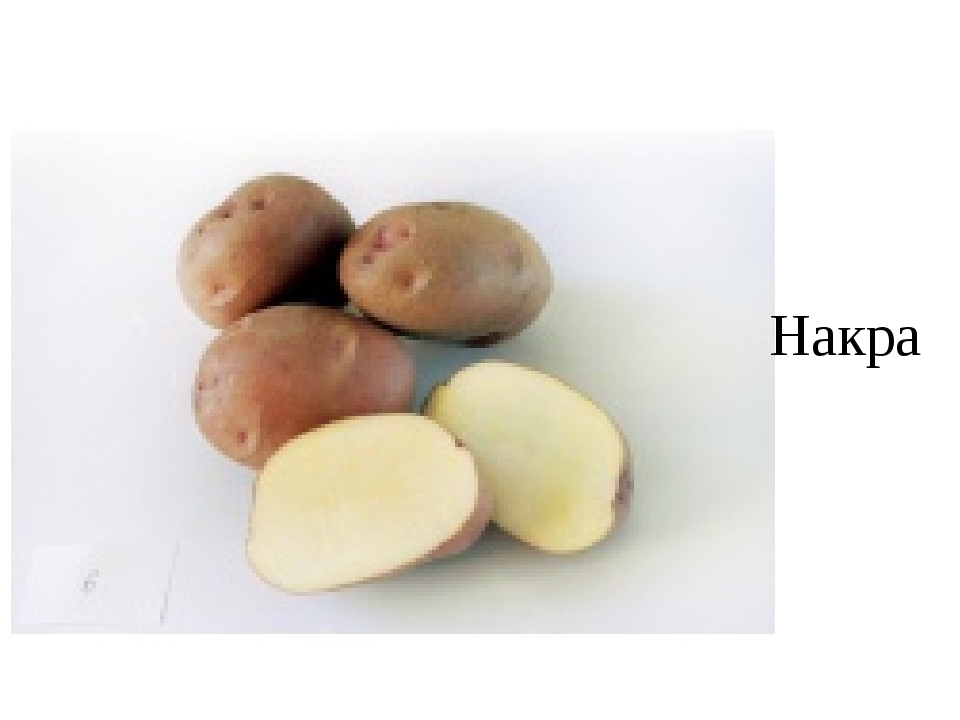
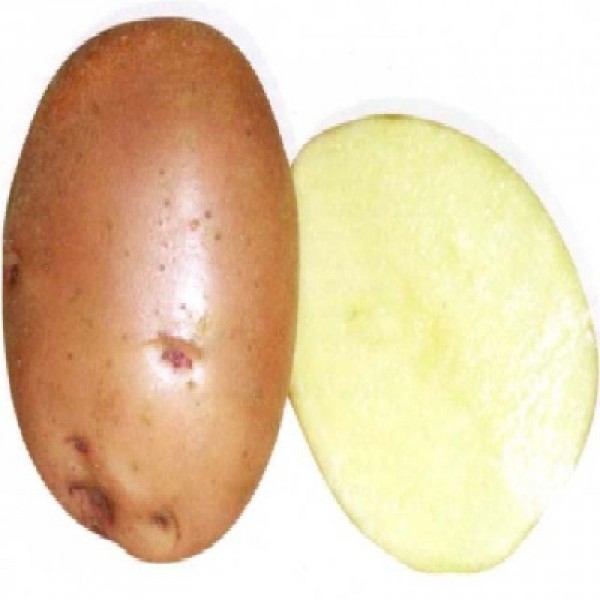
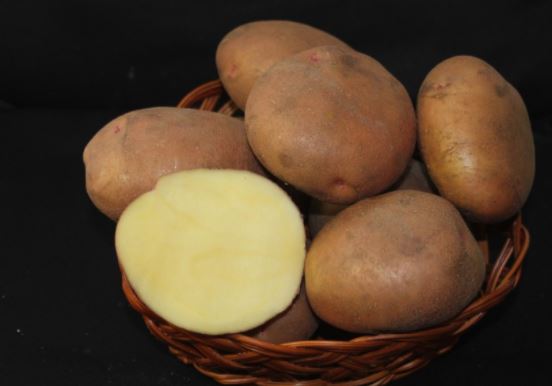
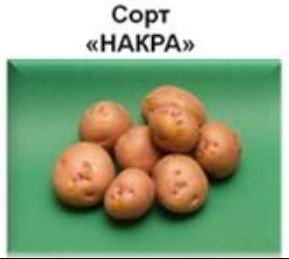
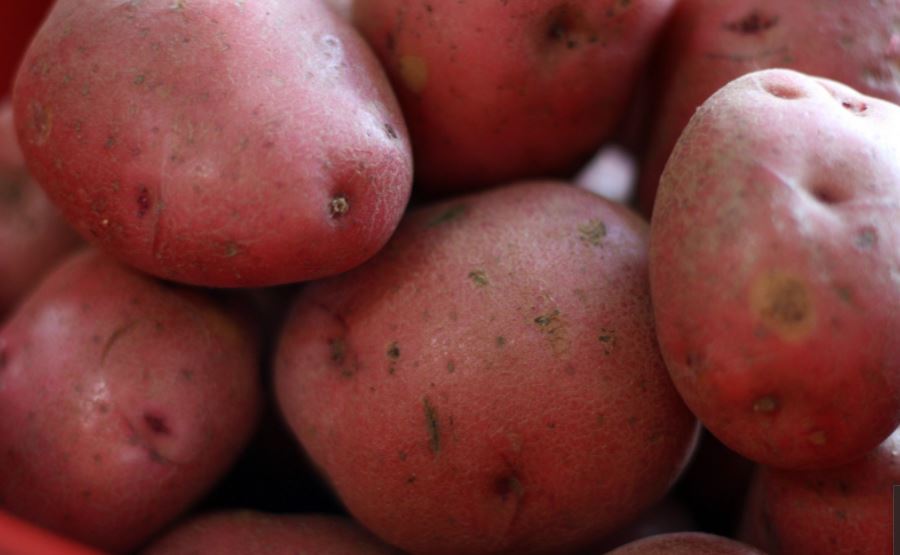
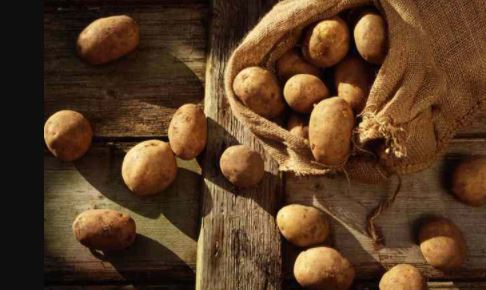
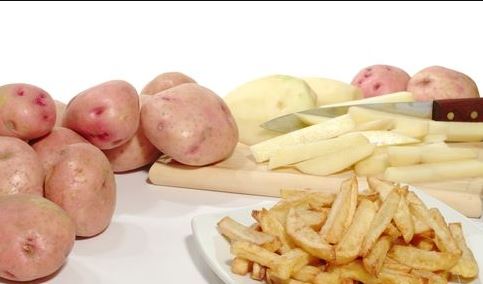
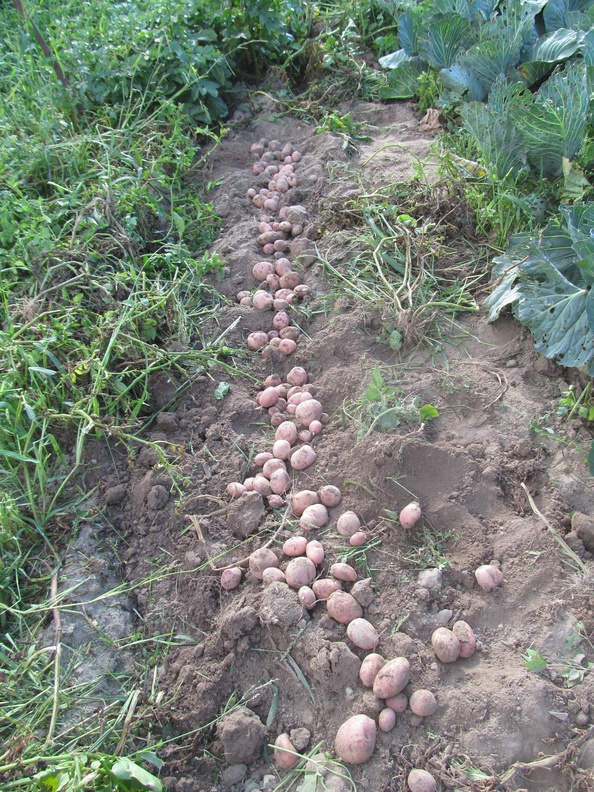
Photo of the Nakra potato variety:
| Parameter | Description |
| How long does it take for potatoes to ripen? | The variety is mid-season; the harvest can be collected in 80-100 days. |
| Starch content in pulp | 18-22% |
| Average tuber weight | 65-160 g |
| Approximate number of tubers in one bush | 6-11 pcs. |
| Productivity | From one hectare you can collect approximately 200 centners, the maximum figure is 400 centners. |
| Quality | Potatoes have a wonderful flavor. Their crisp texture makes them especially good for mashed potatoes. They are also used in making chips and starch. |
| Storage ability, shelf life | Reaches 95% |
| Peel color | Reddish |
| Pulp color | Light yellow |
| What regions are best for growing? | From the Volga regions to the Far East and Siberia. |
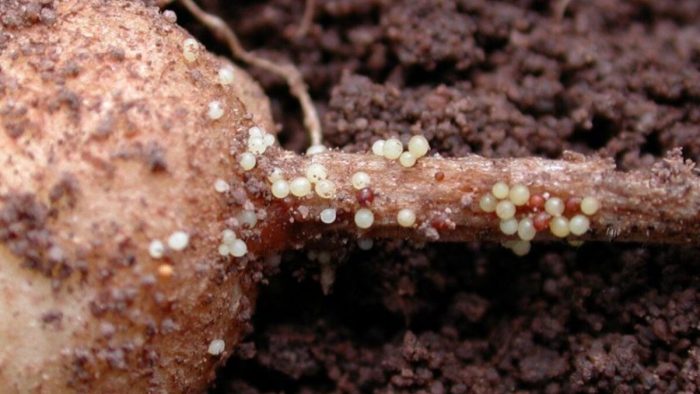
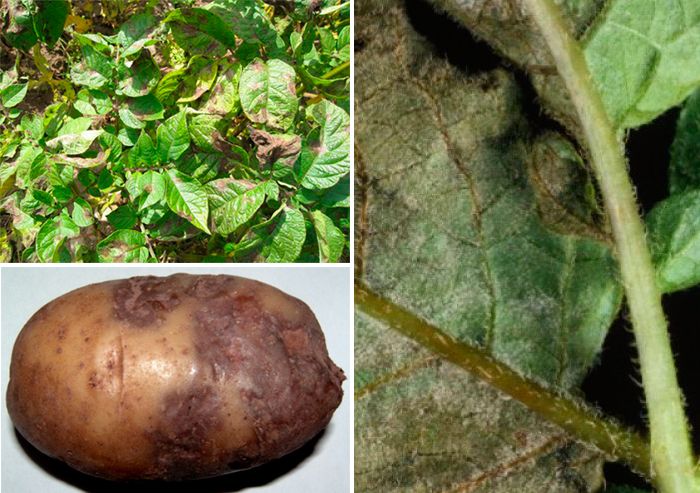
| Immunity to diseases and pests | Resistant to potato cancer. Average resistance to late blight, common scab, rhizoctonia. Relatively resistant to damage Colorado potato beetle. Susceptible to nematodes. |
| Features of cultivation | To obtain a good harvest, it is necessary to periodically hill up the plantings and remove weeds. |
| The organization that developed the variety | Narym breeding station |
Let's consider the main characteristics of the variety in more detail.
Bushes
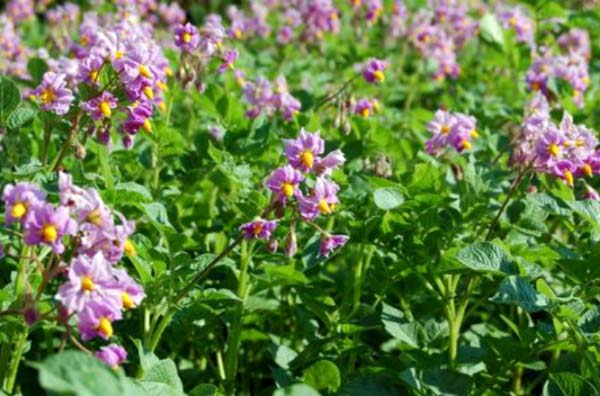
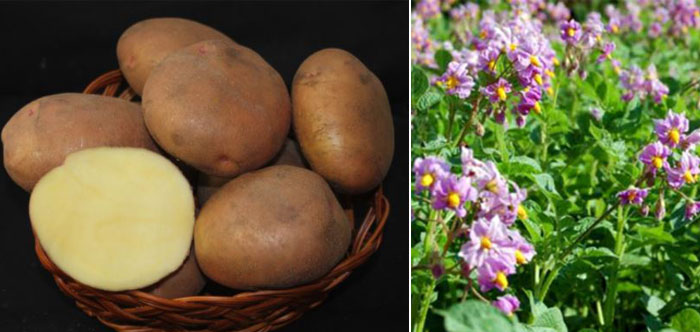
The aboveground part is tall (up to 100 cm), the shoots are straight, not prone to lying on the ground. The leaves are medium-sized with slightly wavy edges. The inflorescences are reddish-purple with large corollas.
Tubers
Oval or round in shape. The flesh is pale yellow and has a pleasant flavor. The skin is reddish-brown and smooth to the touch, not rough. The eyes are small and shallow.
Nutrients and nutritional value
The variety contains many nutrients:
- magnesium;
- phosphorus;
- iron;
- calcium;
- vitamin C, etc.
100 grams of the product contains approximately 70 kcal, which is approximately 3.5% of the daily requirement. It also has a high starch content of up to 22%.
Productivity, ripening time
On average, one hectare can yield 200-300 centners of potatoes. However, on fertile soil and with proper agricultural practices, the yield can reach 40 tons.
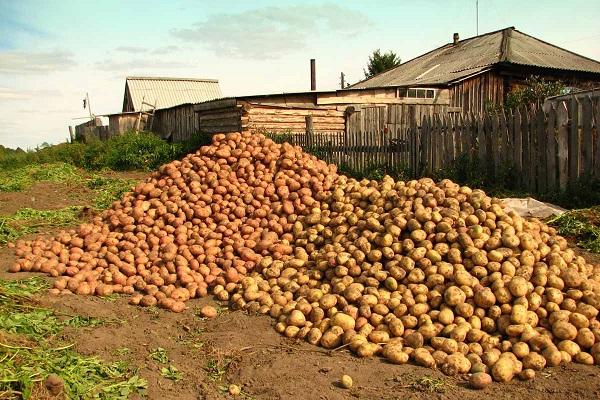
Ripening times will vary depending on the growing region. The period between germination and harvest is only 90 days. In the far north, this period can increase to 110-120 days.
Resistance to diseases and pests
This variety has moderate resistance to late blight of leaves and tubers and common scab. It is also rarely affected by certain viral infections. It has excellent resistance to potato wart. However, it is often attacked by the golden nematode, so preventative measures are required (see the table in the section on protecting the Nakra potato variety from diseases and pests).
What regions is it suitable for?
The variety was originally bred for regions with harsh climatic conditions (the Far East, Volga-Vyatka, and Eastern and Western Siberia). However, Nakra quickly adapts to its environment, so it is grown throughout Russia.
Advantages and disadvantages of the Nakra potato variety
Nakra has the following advantages:
- beautiful, neat tubers of regular shape;
- high yield with proper care;
- versatility of crop use;
- long-term storage;
- excellent taste;
- high starch content;
- high yield of marketable tubers;
- resistance to some dangerous diseases.
The variety does have a drawback. Nematodes often start their activity on it. However, with preventative measures (see the table in the section on protecting the Nakra potato variety from diseases and pests), the pests will be less of a threat to the bushes.
Planting Features of the Nakra Potato Variety
The Nakra variety doesn't require any special growing conditions. However, to ensure a good harvest, some guidelines must be followed.
Requirements for the landing site and its preparation
This variety thrives in a sunny spot with fertile soil. Good predecessors include legumes, winter crops, cruciferous vegetables (cabbage, radishes), and cucurbits (cucumbers, pumpkins, squash). Potatoes can also be planted after greens.
Read the article about How to plant potatoes correctly.
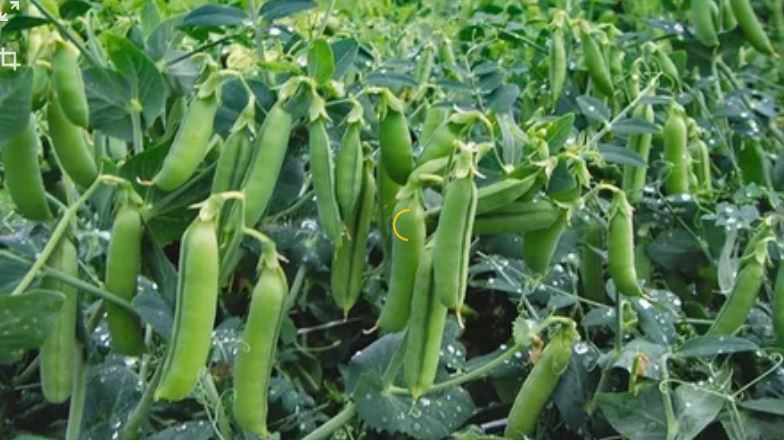
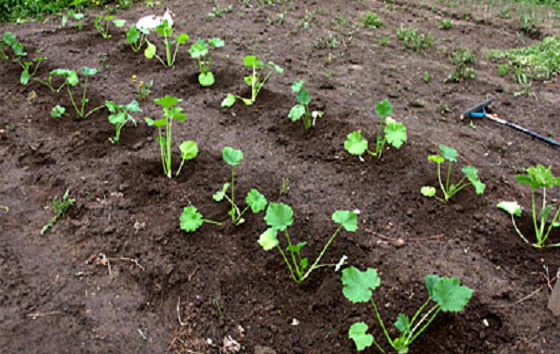

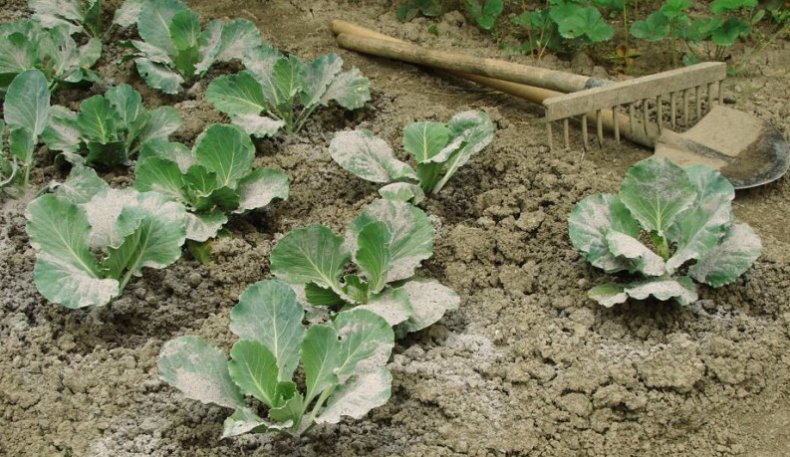
Important! Planting potatoes in the same spot as last season is not recommended. It's also not advisable to grow them after tomatoes, peppers, and eggplants.
It's important to start preparing the beds well in advance. In the fall, dig the area and sow green manure. This will provide excellent organic fertilizer.
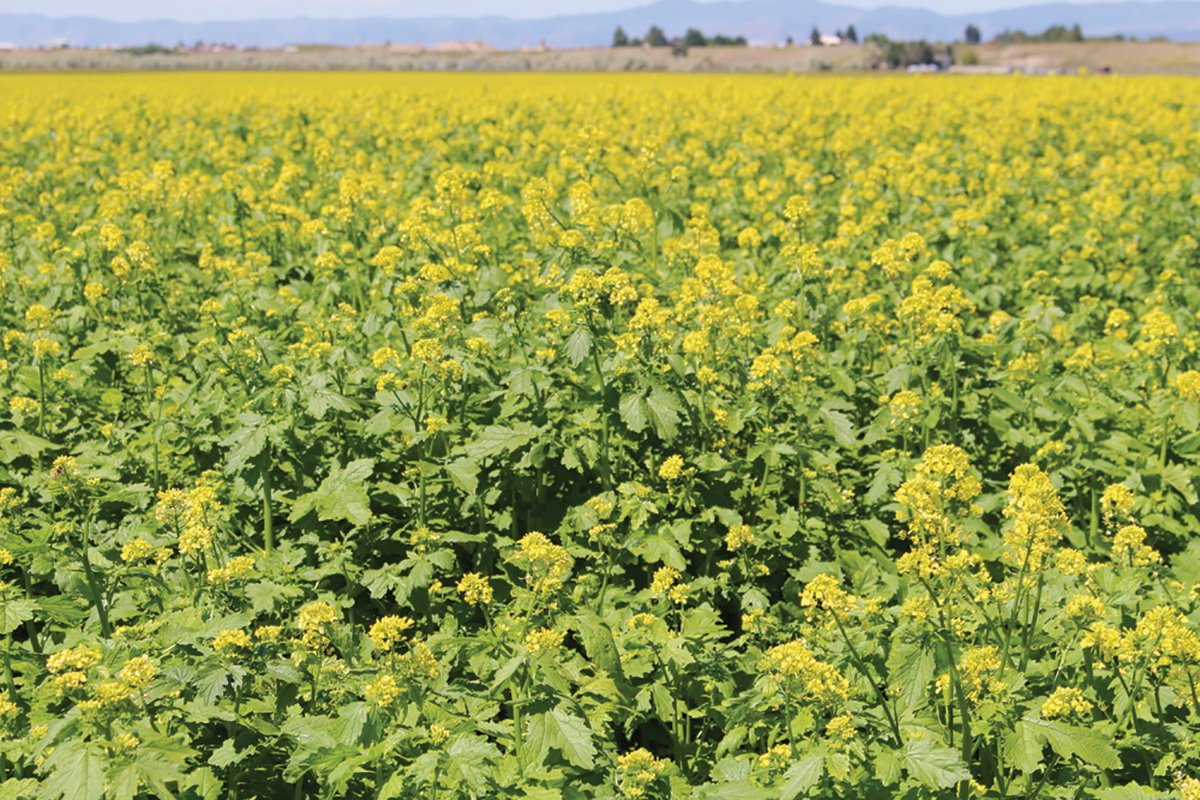
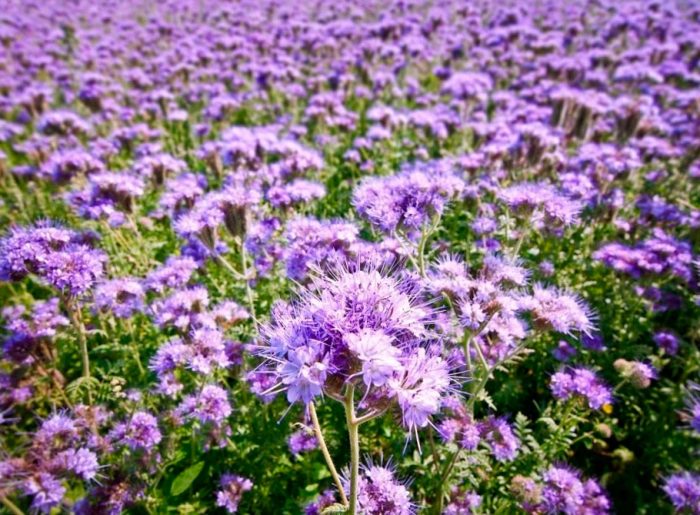
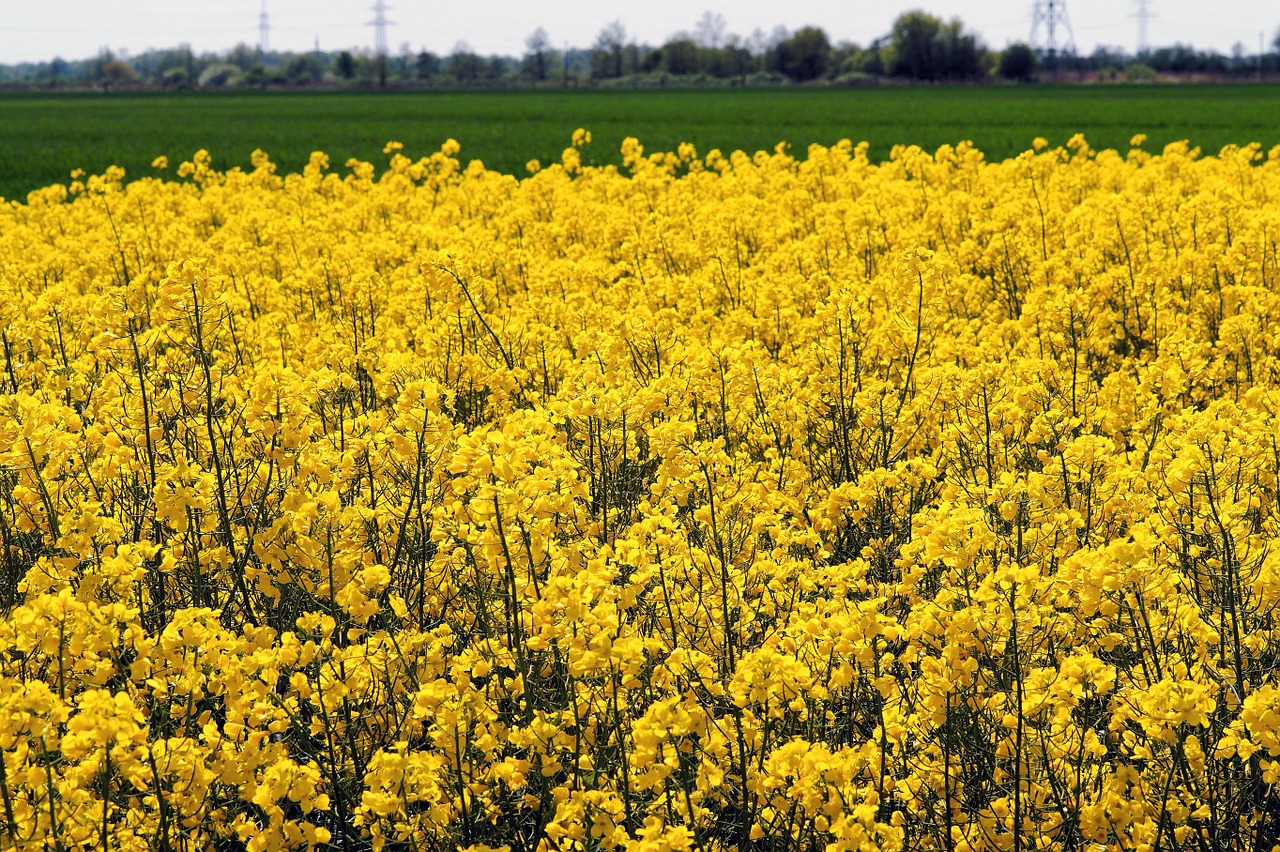
If the soil is too acidic, add slaked lime. If the soil is too compact, dilute it with peat and sand. In the spring, a few weeks before planting, add phosphorus and potassium.
Selection and preparation of seed tubers
Two to three weeks before planting, the tubers should be sorted. Only healthy potatoes weighing 50-90 g and showing no signs of mechanical damage should be used.
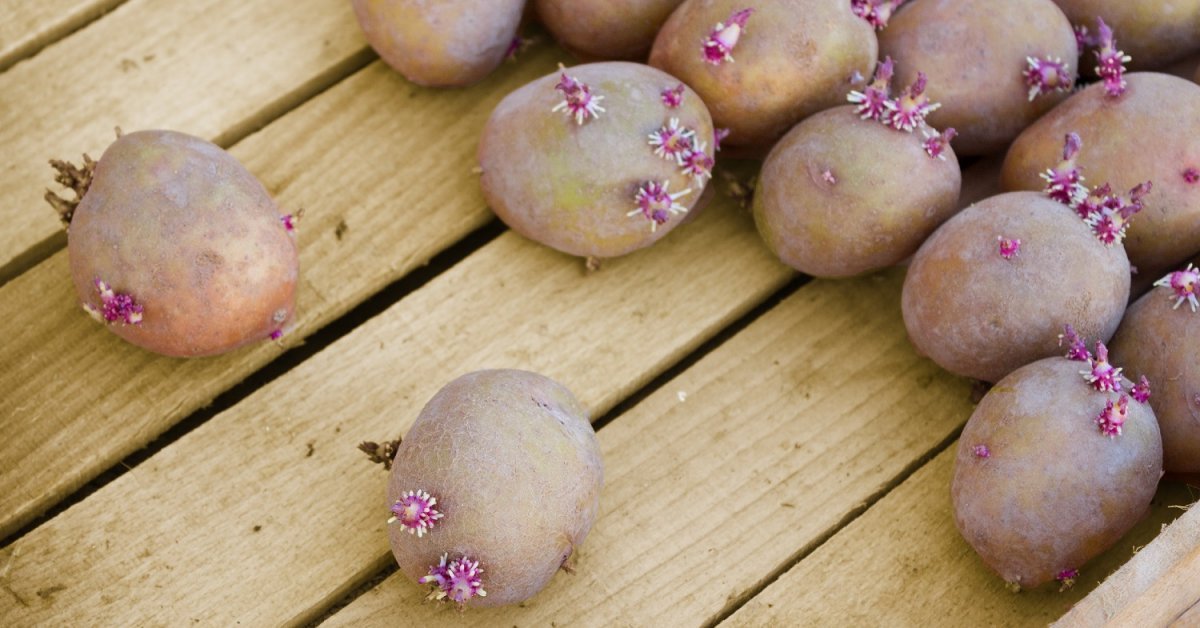
The tubers need to be germinated first. To do this, place them in a well-lit area at a temperature of 18°C. This will reduce the time between planting and germination. It will also allow you to identify infected tubers. These tubers will develop dark spots on the skin, and the tips of the sprouts will turn black.
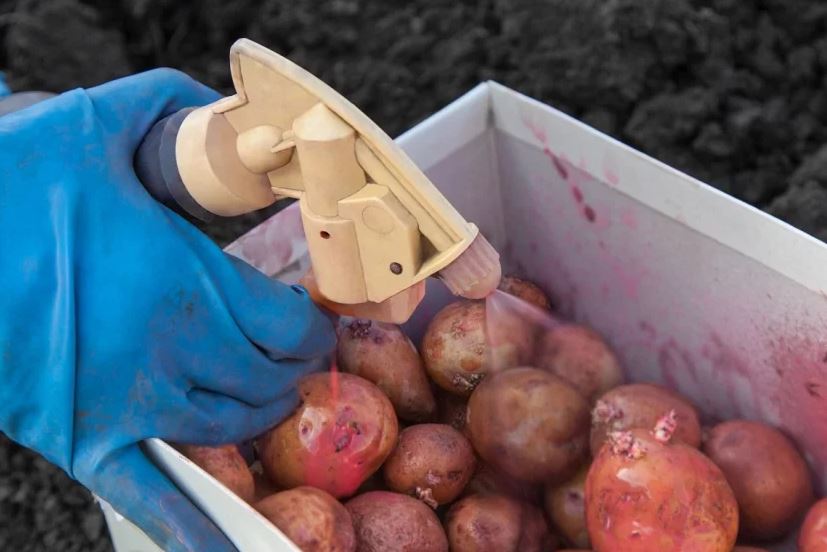
Before planting, the tubers should be treated with fungicides, such as Fitosporin. A light pink solution of potassium permanganate will also work. Growth stimulants are also recommended.
Planting times and rules
Planting times will vary depending on the region.
Experienced gardeners recommend using birch leaves as a guide. When they grow to the size of a penny, you can begin planting potatoes.
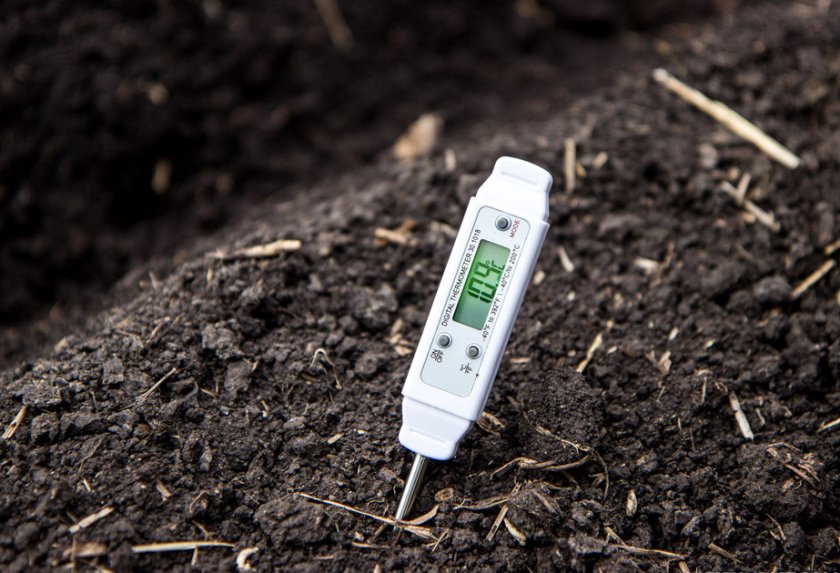
It's also important to consider the outside temperature. It shouldn't drop below 8°C during the day or night.
Please note! In central Russia, suitable planting weather usually occurs in the second ten days of April or early May. In the north, it stabilizes by the end of May.
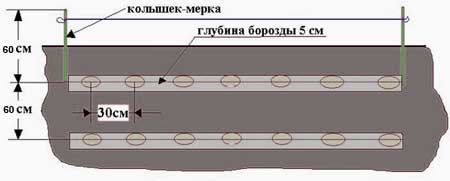
When planting, leave 60-70 cm between rows. The distance between adjacent holes in the same bed should be 30-35 cm. The planting depth is 5-10 cm.
Care and growing features of the Nakra potato variety
Proper care will increase the yield of the variety.
Watering
During droughts and extreme heat, the plant should be watered once every 1-1.5 weeks. Water should be applied not only to the underside of the bushes, but also throughout the entire plot to a depth of 50 cm. Watering is recommended after sunset.
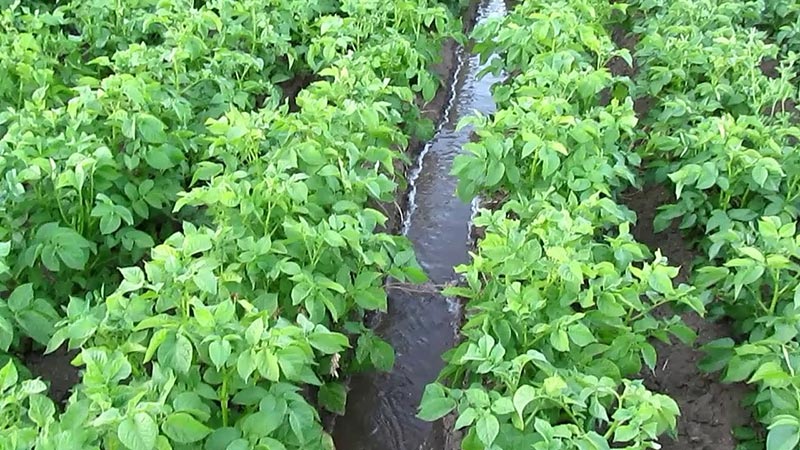
Please note! If it rains, this will be sufficient. In this case, no watering is necessary.
Top dressing
During the growing season, fertilizer is applied 3 times:
- 1.5-2 weeks after planting, apply a weak solution of mineral or organic fertilizer containing nitrogen. Chicken manure or rotted manure are suitable organic fertilizers.
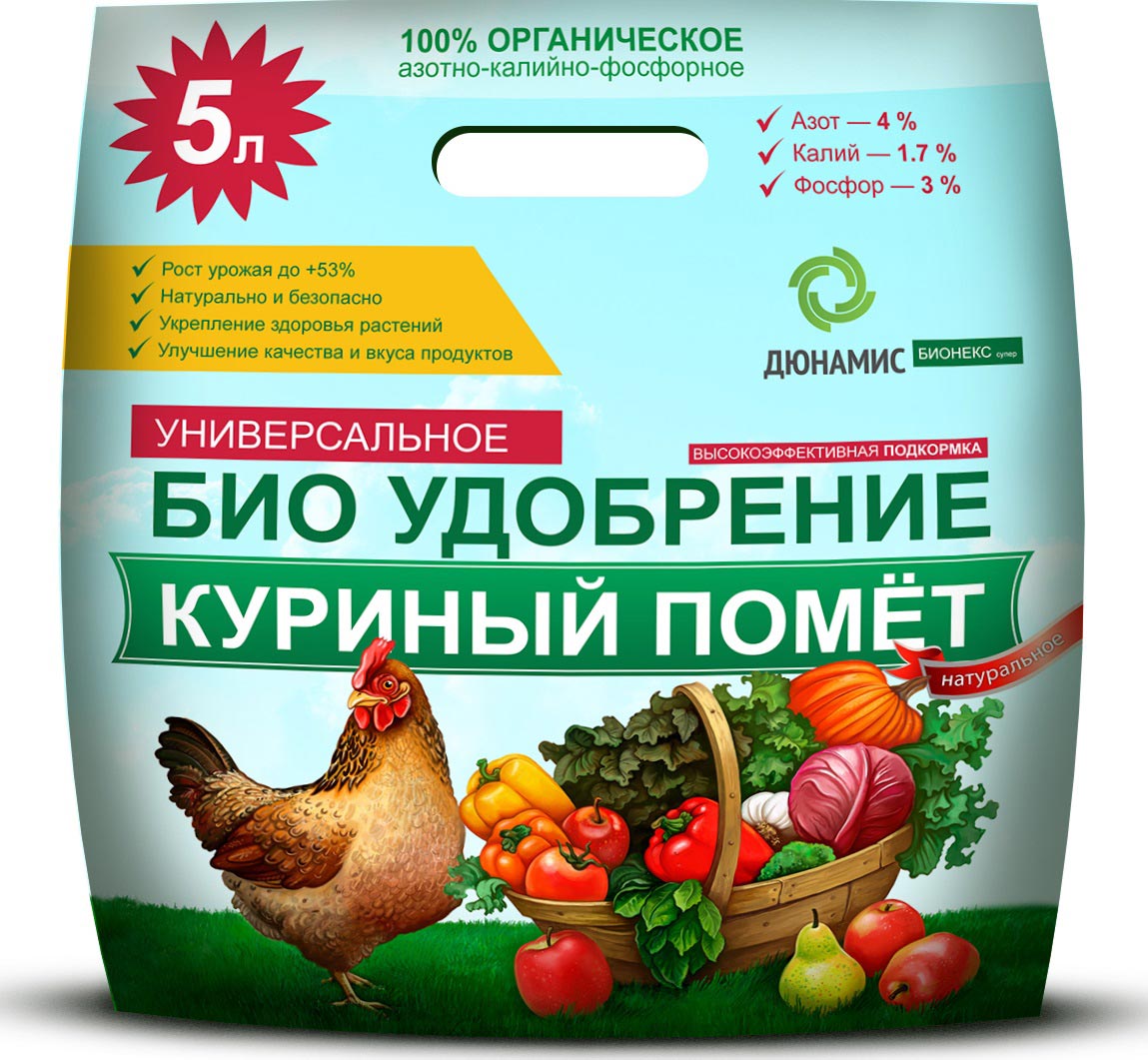
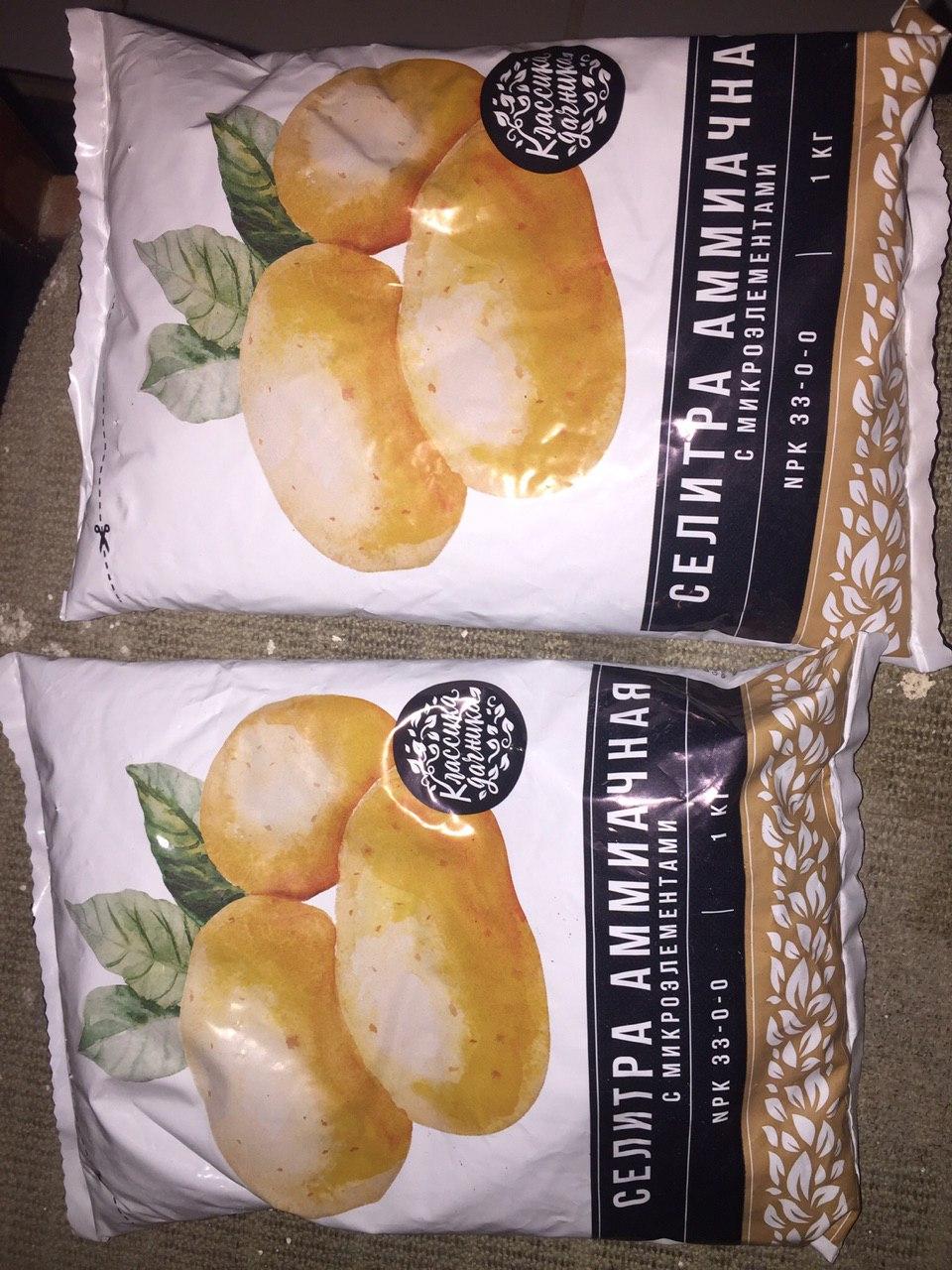
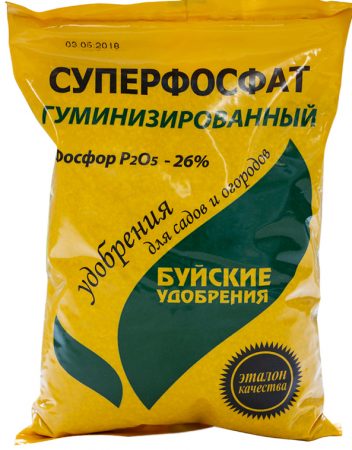
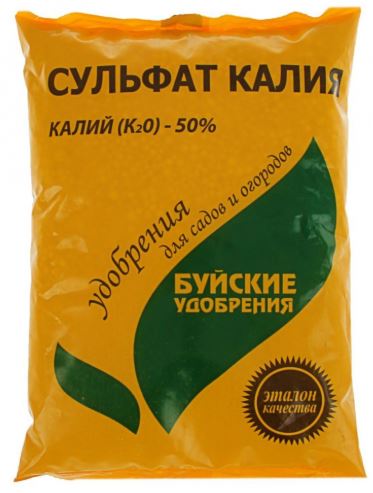
- At the beginning of flowering, add a mineral mixture with phosphorus and potassium.
- After flowering, use a weak solution of mullein with the addition of superphosphate.
Important! Do not use fresh manure as fertilizer. It can burn the root system.
Loosening, weeding, hilling
The crop requires regular loosening and weeding. This first step ensures adequate supply of nutrients and oxygen to the roots. Weed control prevents weeds from robbing the potatoes of their nutrients. Furthermore, weeds are a breeding ground for pests and pathogens.
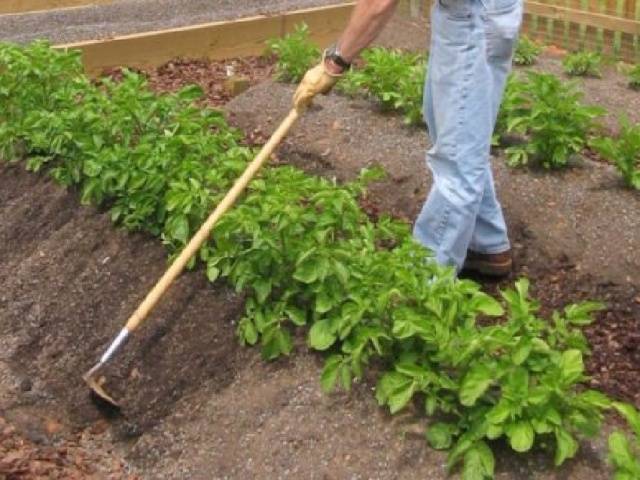
Hilling is done after rain or watering, while the soil is still moist. The first time is when the seedlings reach 5-10 cm. The second time is when they reach 15-20 cm. Soil is raked out from between the rows.
Protection of the Nakra potato variety from diseases and pests, prevention
The table presents methods of controlling pests and infections that can affect the Nakra variety.
| Disease/pest | Prevention | Control measures |
| Potato nematode |
|
|
|
Late blight (brown rot)
|
|
|
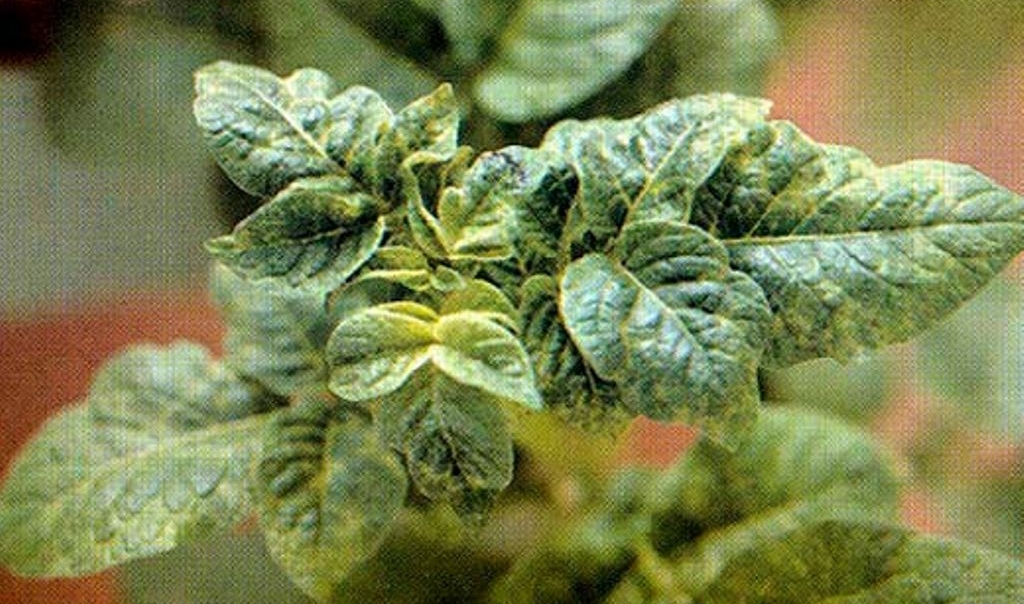
| Mosaic
|
|
There are no effective treatment methods, so it is necessary to take a responsible approach to disease prevention. |
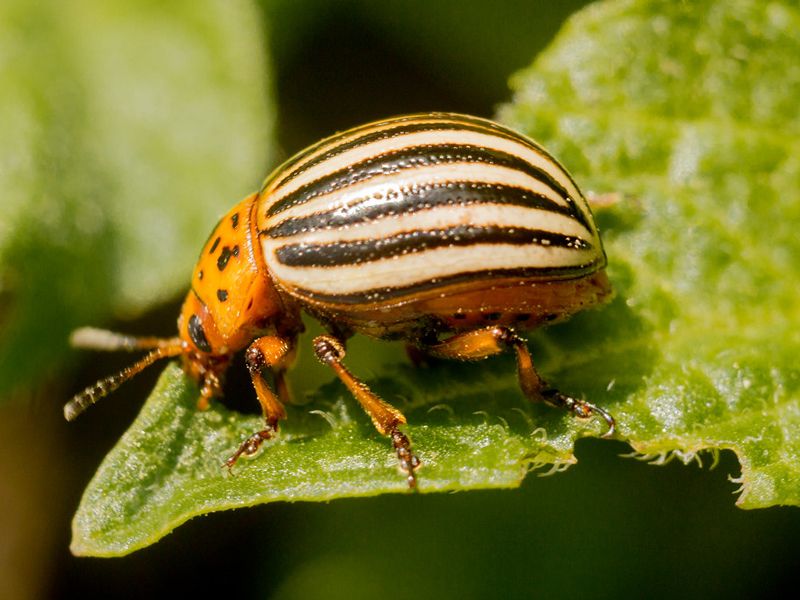
| Colorado beetle
|
|
|
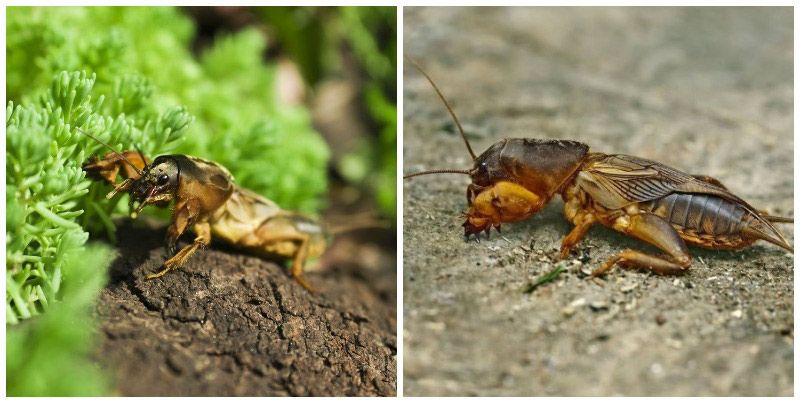
| Mole cricket
|
|
|
The nuances of harvesting and storing the Nakra variety
It's recommended to harvest potatoes on a clear day. The soil should be dry so that it doesn't stick to the tubers. Dry tops are usually a sign of ripeness. To confirm this, you can dig up a single potato plant. The skin should be firm and not peeling. When the potatoes are ripe, the tops separate easily from the tubers.
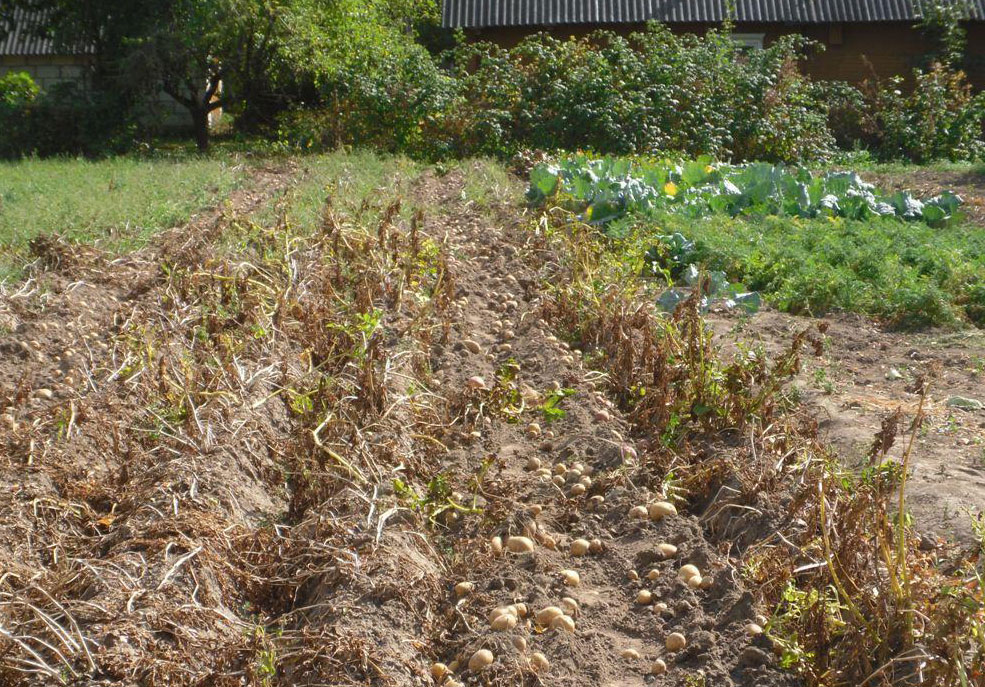
Potatoes should be dried directly in the garden bed. This should be done for no more than 2 hours, otherwise they will turn green. After this, sort them, selecting only healthy tubers. Store them in a dry place at a temperature of 2 to 3°C in wooden boxes.
How to store potatoes Read on our website.
Comparison of the Nakra potato variety with other varieties in the table
| Variety | Ripening period (number of days to maturity) | Starch (%) | Yield (c/ha) | Weight of tubers (g)
Number of tubers per bush |
Shelf life (%) |
| Nakra | Mid-season*** | 18-22 | 203-308 | 65-160
6-11 |
95 |
| Ilyinsky | Mid-early** | 15.7-18 | 176-346 | 55-160 8-13 |
93 |
| Armada | Early ripening* | 17-18 | 230-370 | 96-130
9-14 |
80-85 |
| Giant | Mid-season | 16-19 | 290-424 | 100-140
8-13 |
97 |
| Explosive | Early ripening | 16-17 | 156-240 | 110-150
8-14 |
95 |
| Zekura | Mid-early | 13-18 | 350-370 | 60-150 12-20 |
98 |
| Kolobok | Mid-season | 11-13 | 130-250 | 90-140
15-18 |
96 |
| Latona | Early ripening | 16-20 | 400-450 | 90-140
10-15 |
96 |
| Memphis | Mid-early | 14.2-16.7 | 330-610 | 80-160
9-11 |
94 |
| Meteor | Early ripening | 10-16 | 210-405 | 100-150 10-12 |
95 |
*Early ripening – 50-65 days.
**Mid-early – 65-80 days.
***Mid-season – 80-95 days.
Real reviews from gardeners about the Nakra potato variety
The Nakra potato variety is very popular across Russia, especially in harsh climates. Gardeners' reviews are overwhelmingly positive, with the only drawback being its vulnerability to pests and certain diseases. Let's review gardeners' and vegetable growers' reviews of the Nakra variety from various forums.
User Elya, Bashkortostan
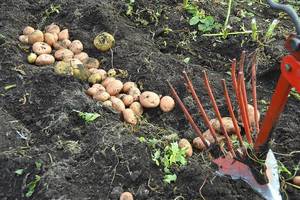
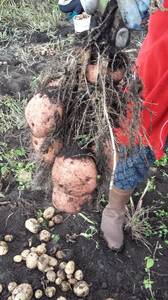
We received super-elite seed tubers from the Korenevo Agrocenter (Lorkh Research Institute) in 2016. We've been planting this potato ever since. It's a truly consistently productive variety; we plant medium-sized tubers or cut larger ones. This variety doesn't perform well in our climate; we plant from May 10th to 15th and dig from September 10th to 15th. The plants are tall. They have good flavor and don't darken when cooked. They store well.
Photos by user Elya:
User Lyudmila, Moscow region
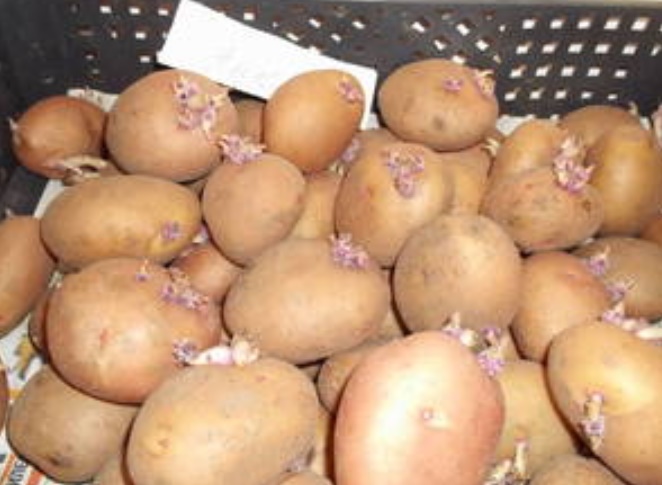
I've been planting Nakra for many years. It's a stable variety, with strong stems and medium- to large-sized tubers, with no small ones. It's mid-season and disease-resistant. However, its flesh isn't yellow, but rather light yellow. So, classifying it as a "yellow-fleshed" variety would be incorrect.
Photo by user Lyudmila:
User Oladushka, Moscow-Krasnoyarsk
We really liked it. The bushes were huge and healthy before digging.
But we decided against it because it wasn't an early variety and didn't show its full potential. We planted it 30x70 cm apart. Maybe that's why it didn't perform well; we should have planted it less often?
User KFH Hlopcev, Russia, Tuma, Ryazan Oblast
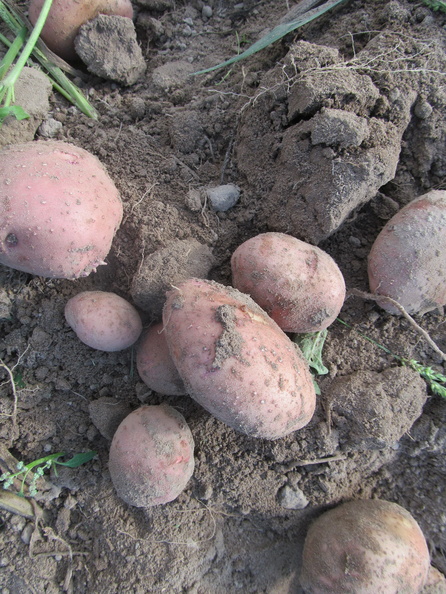
Nakra. Mid-season. Good bush. Yield: 220 c/ha. For some reason, there were a lot of small tubers, but the tubers are beautiful, marketability is good, and the flavor is good. I'll plant something else next year; I'm not sure yet about its introduction into production.
Photos by user KFH Hlopcev:
A review by Walentina, Krasnoborsk, about the Colorado potato beetle problem.
Guys, how are your potatoes, our second bread? Are the Colorado potato beetles getting to us? We treat almost everything with insecticides. Last year, we didn't have a single stray in our plot. And this year, the first year, when we hadn't seen any seedlings yet, we planted a week or two later than the others. And the second time, it didn't pass us by. And it's so interesting, I chose the varieties. I planted the entire Azora (1 row of 12 nests) with larvae, but the Nakra and Bryansky Nadezhny still give it a wide berth.
I don't use poison; I collect them, shake them into a bucket of gasoline, and then pluck the very small ones, leaf and all, and then throw them in the gasoline. The beetle has a very good sense of smell. It can smell its crushed relative from 2 km away and come flying back to restore the population. You can't crush them, and if you put them directly in gasoline (kerosene, diesel fuel), the smell is killed.
Photo by user Walentina: