The Nandina potato variety was developed by German breeders and is zoned for many regions of our country. Its main characteristic is its early ripening period, which, combined with its strong immunity and good yield, makes it attractive to many gardeners.
Content
- 1 Table with characteristics of the Nandina potato variety
- 2 The origin of the Nandina potato variety
- 3 Description of the Nandina potato variety
- 4 Advantages and disadvantages of the Nandina potato variety
- 5 Planting Features of the Nandina Potato Variety
- 6 Caring for the Nandina potato variety
- 7 Protecting the Nandina potato variety from diseases and pests
- 8 The nuances of harvesting and storing the Nandina potato variety
- 9 Comparison of the Nandina potato variety with other varieties in the table
- 10 Reviews of the Nandina potato variety
Table with characteristics of the Nandina potato variety
| Characteristic | An early ripening variety susceptible to late blight |
| General information | A medium-sized potato variety with erect shoots and large leaves. |
| Ripening time | 40-45 days |
| Productivity | 146-322 c/ha. |
| Marketability | 77-93% |
| Shelf life | 93% |
| Starch concentration | 12.8-15.0% |
| Color of pulp | Yellow |
| Peel color | Yellow |
| Weight of commercial tubers | 72-132 BC |
| Number of tubers per bush, pcs. | 8-12 pcs. |
| Taste characteristics | Pleasant taste |
| Class and purpose in cooking | Tabletop use. Culinary type AB |
| Suitable regions for growing | Central, Volga-Vyatka, North Caucasian |
| Disease resistance | Highly resistant to leaf curl, rugose streak mosaic, canker, and golden nematode. Susceptible to late blight of leaves and tubers. |
| Growing specifics | It has low cold resistance, so you shouldn’t rush into planting potatoes. |
| 2015 | |
| Country of origin | Germany |
Photo gallery of the Nandina potato variety
The origin of the Nandina potato variety
The Nandina potato was developed by German breeders, whose goal was to produce an early potato with excellent yields. Initially, this variety was used for fodder and had poor flavor, but German specialists improved its characteristics, and Nandina is now one of the most popular yellow-fruited potato varieties. The variety arrived in our country over 10 years ago, but was only added to the register in 2015.
Description of the Nandina potato variety
Nandina potatoes are distinguished by their extremely fast ripening time and excellent yield.
Bushes
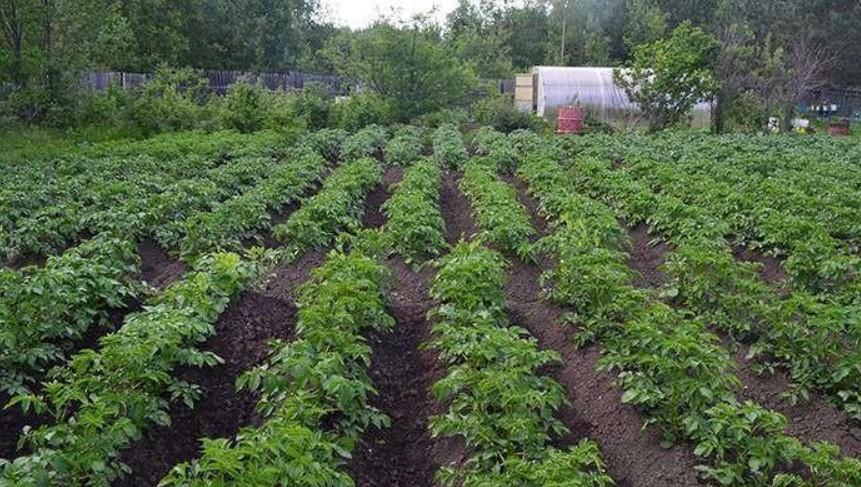
The bushes reach 55-60 cm in height, with strong, upright shoots and large, rich green leaves. The root system is well developed, and the flowers are pale lilac.
Tubers
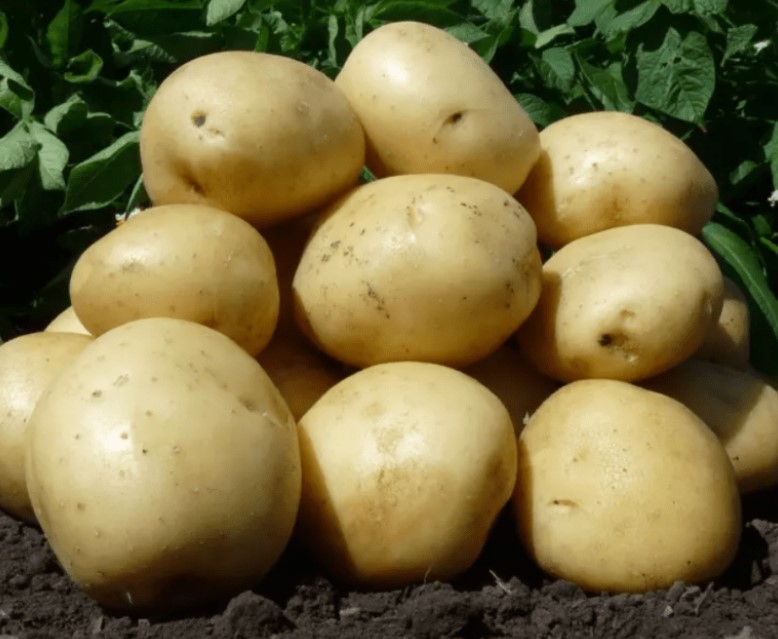
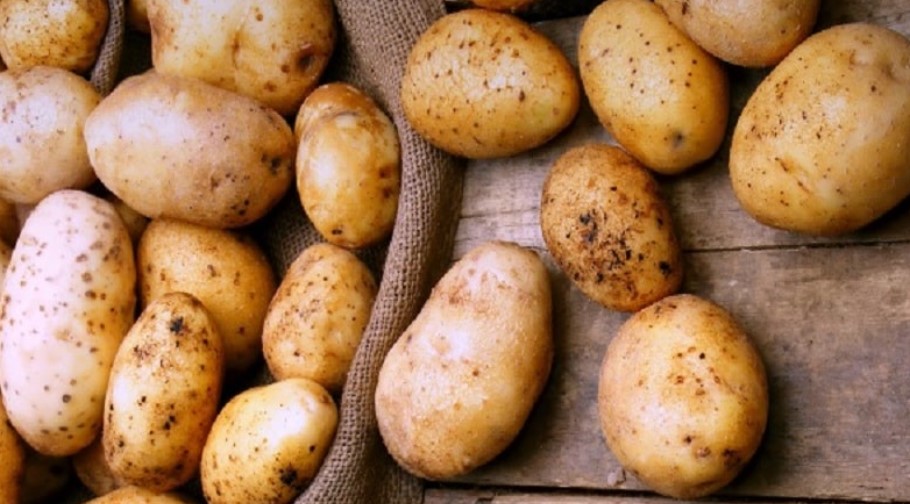
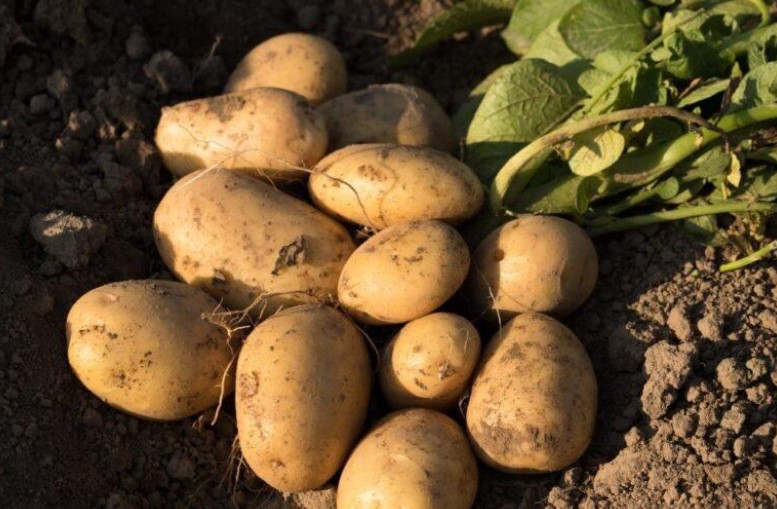
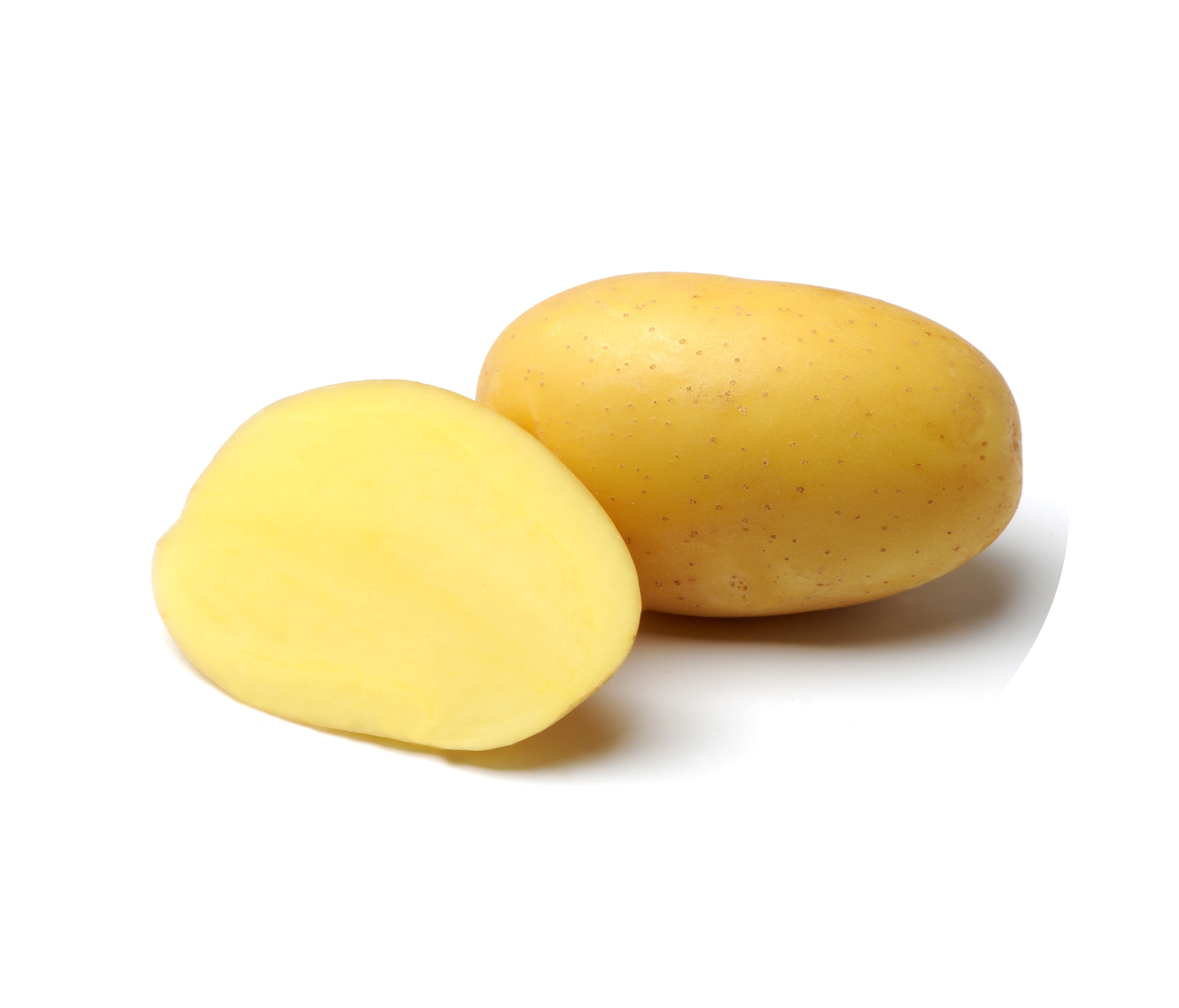
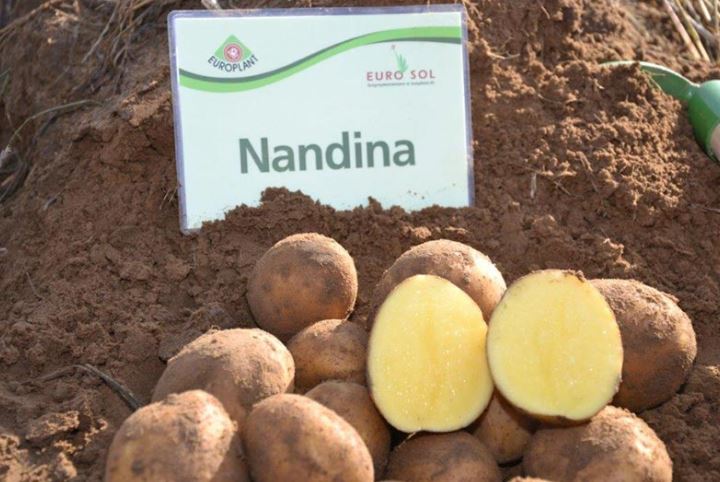
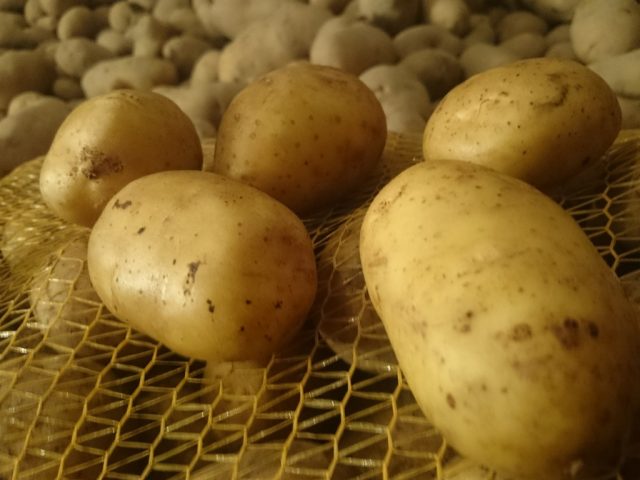
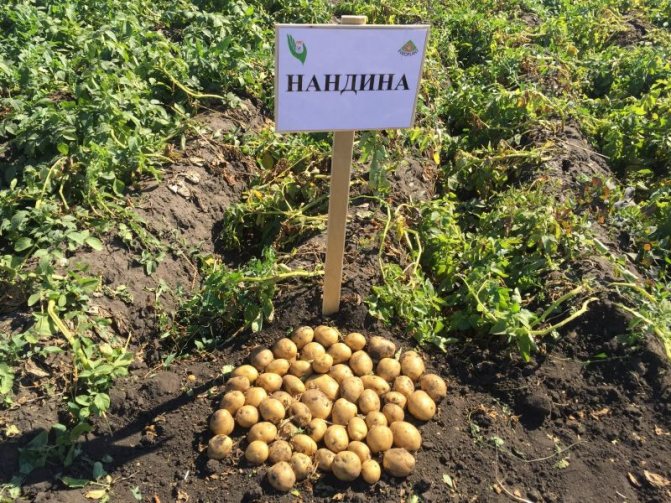
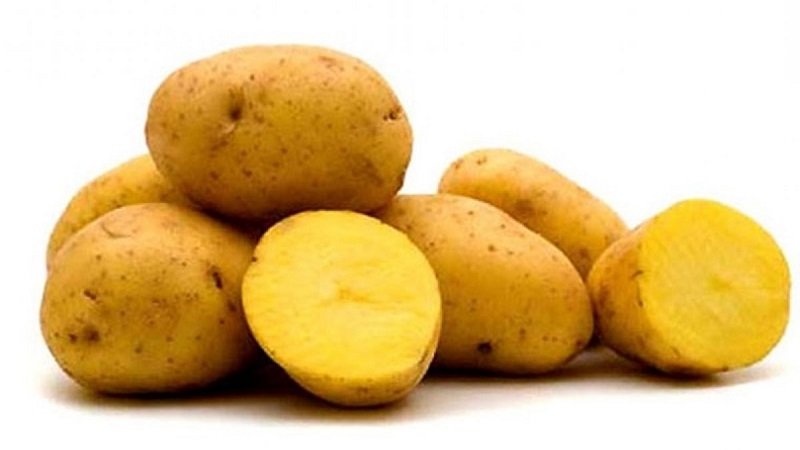
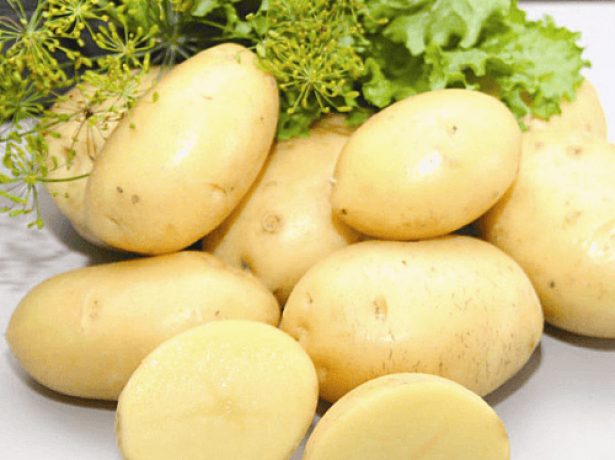
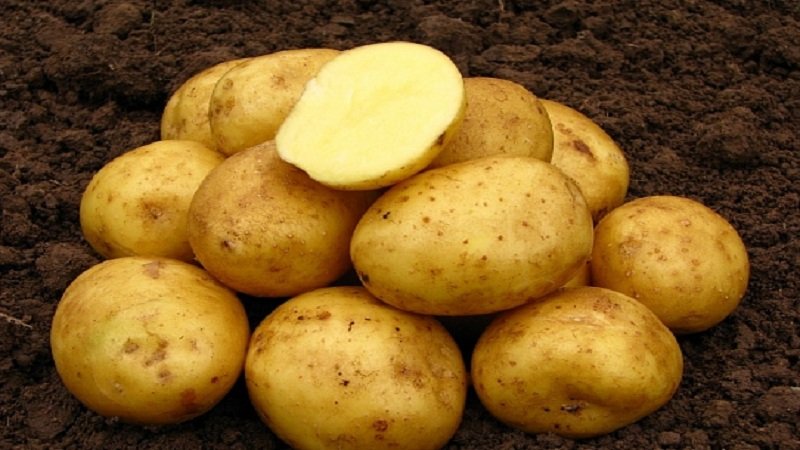
The tubers are oval-round in shape, weighing between 72 and 132 g. The skin is thin but firm, yellowish-beige in color. The flesh is yellow. Small, shallow eyes may be present on the surface.
Nutrients, nutritional value, taste, uses
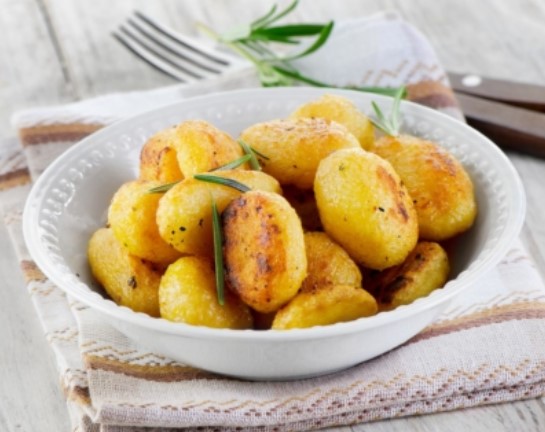
The Nandina potato's flesh is creamy and contains 12.8 to 15% starch. In cooking, the potato is used for frying, baking, and boiling. Small tubers can be used for fattening livestock, as the Nandina variety's ancestor was originally used as a fodder potato.
Productivity, ripening time
The Nandina variety is distinguished by its very early ripening period. The harvest can be dug up as early as 40-45 days after the first shoots emerge. Under favorable conditions, this period can be 5-7 days earlier.
Each bush produces 8 to 12 tubers, and the variety’s yield varies from 145 to 320 c/ha.
Resistance to diseases and pests
The table below lists the main diseases of Nandina potatoes and indicates the degree of resistance to them.
| Name | Degree of stability |
| Virus (PVY) Y | High |
| Virus (PLRV) L | High |
| Cancer | High |
| Golden nematode | High |
| Leaf curling | High |
| Leaf blight | Low |
| Tuber blight | Low |
For which regions is the Nandina potato variety suitable?
The Nandina variety can be successfully grown in various regions thanks to its early ripening period. The key is to take your time planting it, as the potato does not tolerate cold well. The cultivar's originator states that it is zoned for the Central, Volga-Vyatka, and North Caucasus regions.
Advantages and disadvantages of the Nandina potato variety
The Nandina variety has its advantages and disadvantages, which are listed in the table below.
| Advantages | Flaws |
|
|
Planting Features of the Nandina Potato Variety
Nandina potatoes don't require any special growing conditions. The only requirements are well-warmed soil and a frost-free environment.
Requirements for the landing site and its preparation
The plot for planting potatoes is prepared in the fall, mineral or organic fertilizers are added, and the soil is tilled. It's also important to remember that a good harvest shouldn't be expected from potatoes grown in a bed after tomatoes or beets. Pumpkins, cucumbers, grains, and legumes are good predecessors.
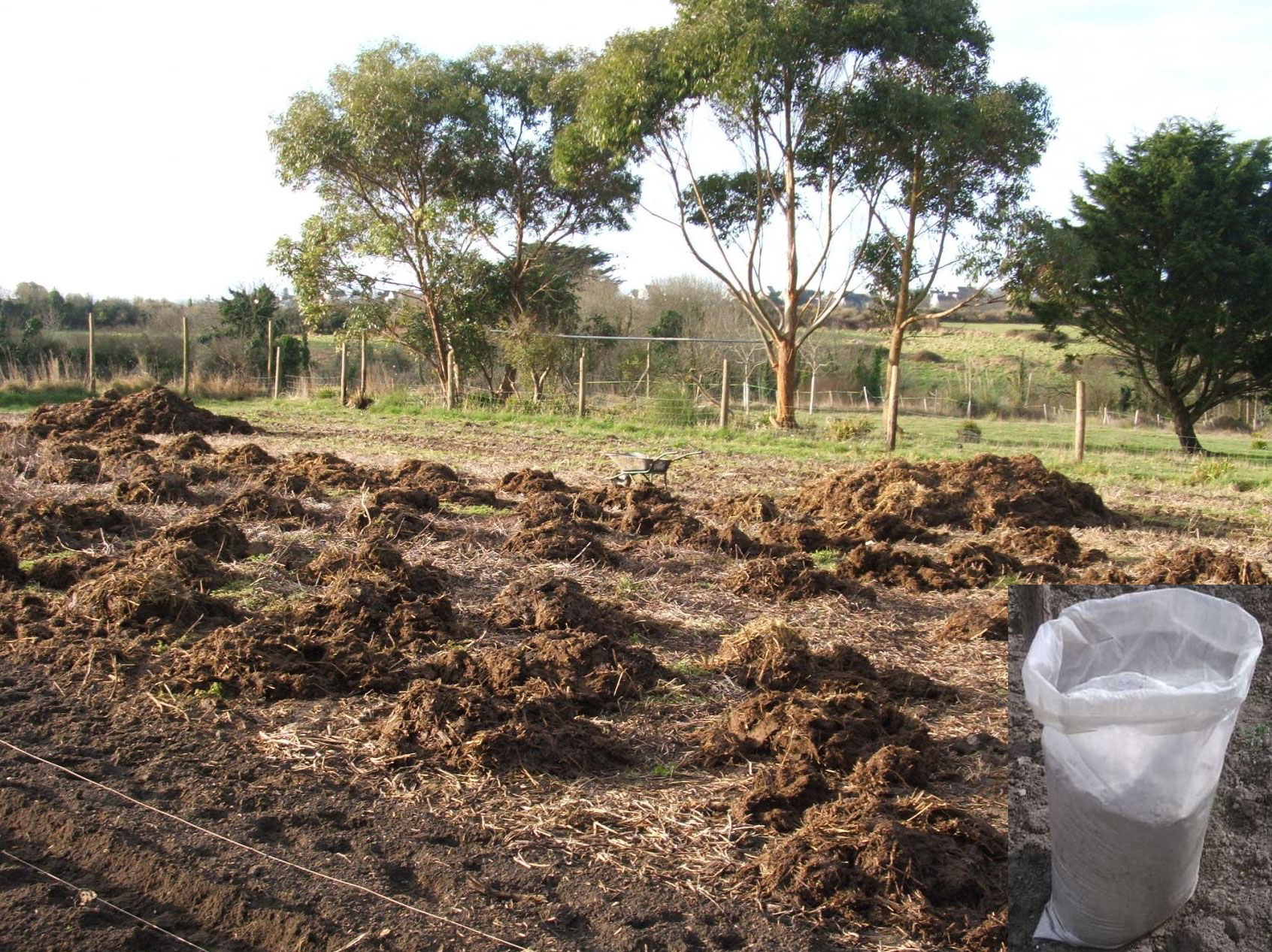
In the spring, the soil is dug again. Phosphorus-potassium fertilizers can be added along with the organic matter, but it's best to avoid using nitrogen to avoid the growth of excess green matter.
Selection and preparation of seed tubers
Potatoes for further planting are selected in the fall after harvest. The optimal size is considered to be tubers weighing 60-70 g (about the size of a chicken egg).
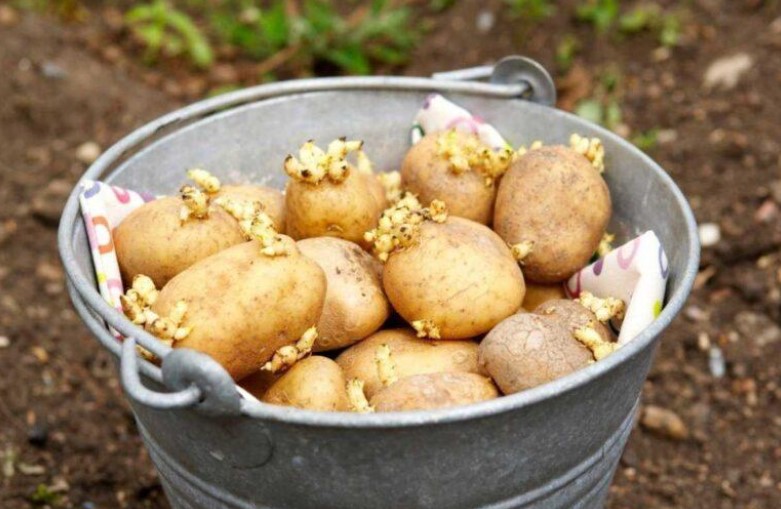
In the spring, the planting material is removed from the cellar and germinated. This is done a month before planting. The tubers are brought into a room with a temperature of 14 degrees Celsius. For increased germination, they can be placed in boxes with damp sawdust.
Before planting, the potatoes are sorted, and any damaged or "frozen" potatoes that have not developed shoots are removed. Next, the tubers are treated with disinfectants or complex preparations (ash infusion, potassium permanganate or copper sulfate solution, etc.).
Planting times and rules
Nandina potatoes are planted strictly after the soil has warmed up to 9 degrees and the threat of night frosts has passed, as the variety does not tolerate cold very well.
In central Russia, this period falls in the second ten days of May. According to folk wisdom, potatoes can be planted when the birch trees begin to leaf out.
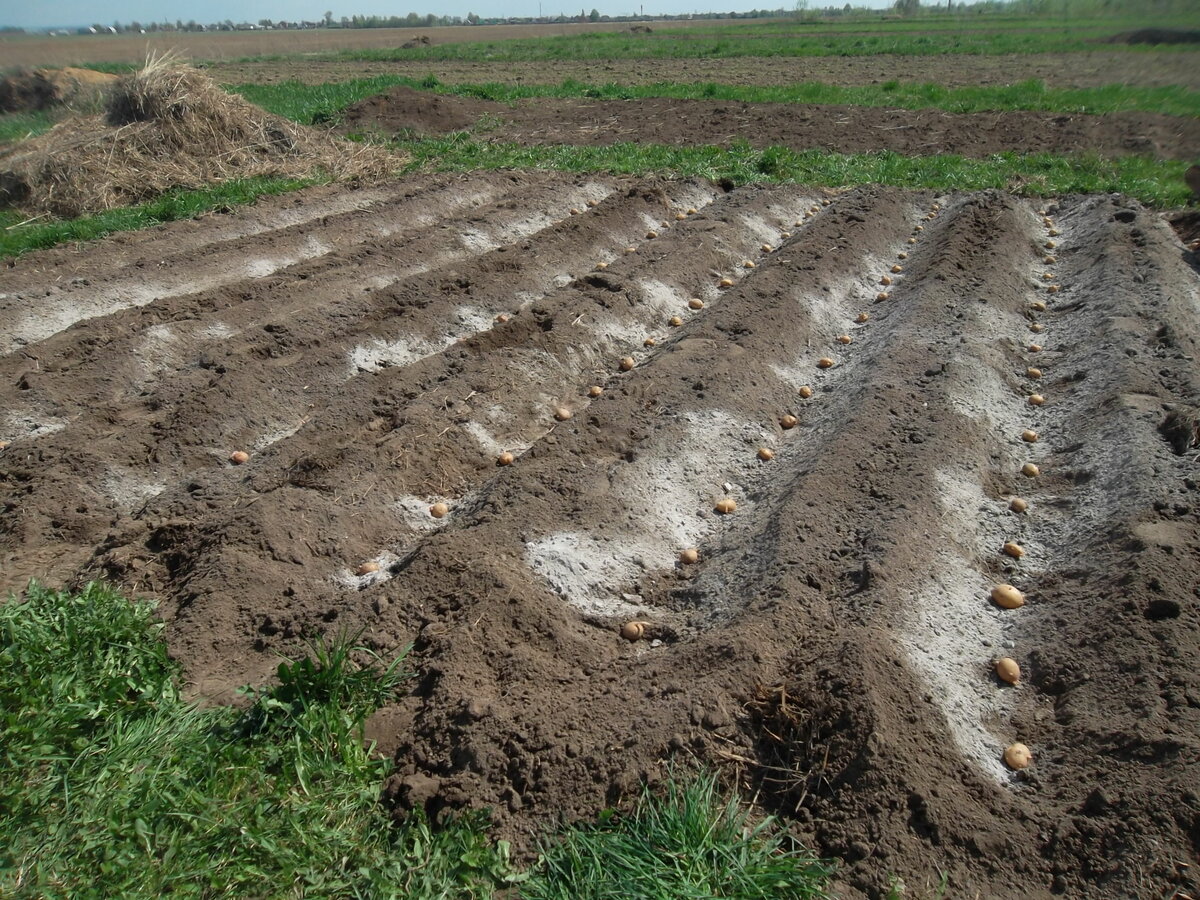
For planting, dig holes 8-12 cm deep and spaced 30-35 cm apart. Place a handful of ash mixed with soil at the bottom of each hole. Place the tubers on top, sprout-side up, and carefully cover with soil.
Caring for the Nandina potato variety
When planted in warm and fertilized soil, growing the Nandina variety will not present any difficulties for gardeners.
Watering
Nandina potatoes don't require much watering if the weather is typical for a Russian summer. However, during unusually hot weather, when the soil begins to crack from dryness, watering should be done once every 10-12 days. A drip irrigation system is best. However, if this isn't possible, it's best to water the potatoes in the morning or evening, being careful not to get water on the leaves to prevent late blight.
Top dressing
In properly prepared soil, there is no need to add additional fertilizers, especially considering that Nandina potatoes ripen very quickly.

However, if the soil is poor and lacks nutrients, you can feed the bushes with a complex fertilizer two weeks after planting. The key is to do this before flowering, as during this period, plants are very sensitive to any disruption to their development.
Loosening, weeding
Nandina potatoes prefer to grow in loose soil, so loosening the soil is very helpful for increasing yields. This is usually combined with weeding and hilling. Weeding should be done as needed. Failure to do so increases the risk of insect pests and increases competition between the crop and weeds for oxygen, moisture, and nutrients.
Hilling
Hilling is the process of piling a mound of soil onto the stem of a potato plant. This process is crucial for a good harvest, as the mound of soil protects the root system from frost and sun damage, and improves the tubers' nutritional status.
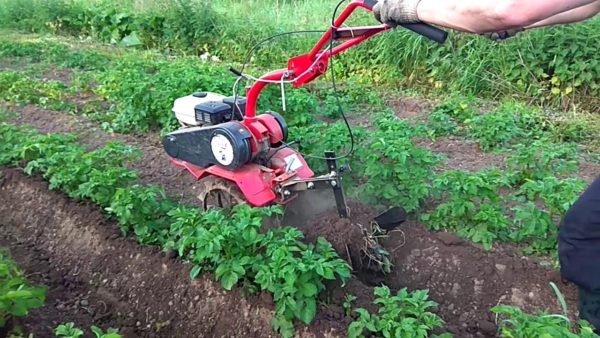
Hilling of the Nandina variety is carried out twice per season:
- The first time the mound is raked up when the shoots have grown to 12 cm.
- The second time is repeated after 14 days.
Due to the early ripening of potatoes, a third hilling is not necessary unless the soil has settled too much.
Protecting the Nandina potato variety from diseases and pests
Nandina potatoes are known for their strong immunity; their only known disease is late blight, which occurs when planting and care guidelines are not followed.
| Disease, pest | Characteristic | Prevention and treatment |
| Late blight
|
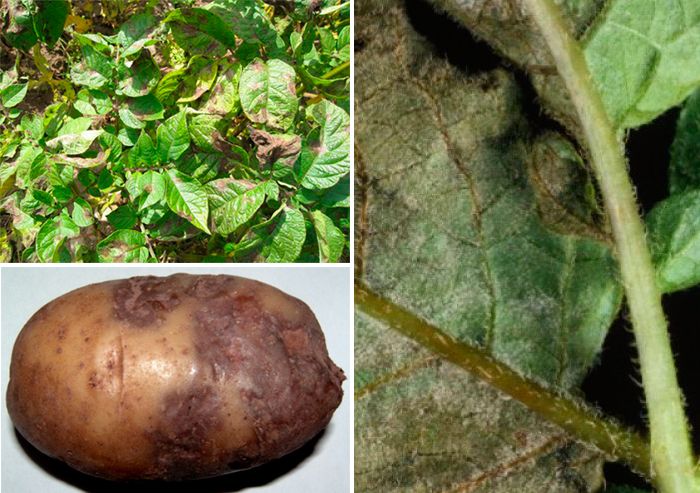
Brown spots appear on the leaves, shoots and tubers, the plant becomes wilted, the leaves curl and turn yellow. | To prevent the disease, follow watering guidelines and avoid overwatering the soil. You can treat the plants with a copper sulfate solution. If late blight appears, use rapidly decomposing products, as this variety ripens very quickly (for example, Prestige, etc.). |
| Colorado beetle
|
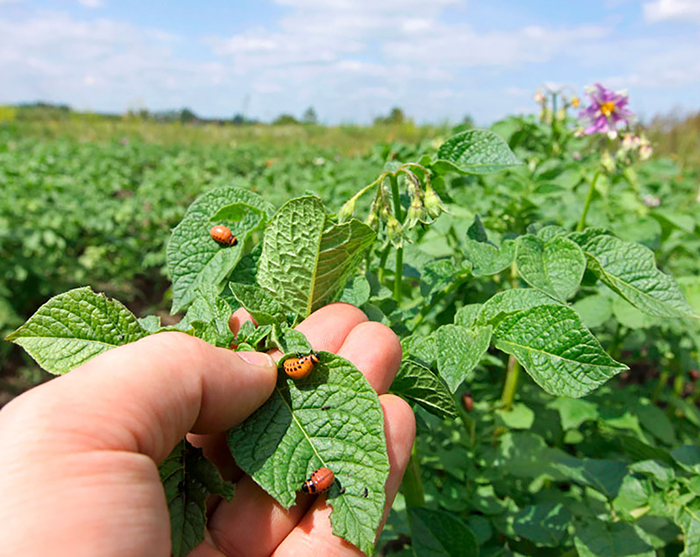
Beetles eat the leaves, leaving only the veins. The bushes begin to become diseased and wither. | To combat the Colorado potato beetle, you can use specialized products such as Dilor, Dibrom, and others. However, it's best to collect the beetles and larvae by hand if the affected area is not too large. Planting marigolds nearby will help repel the pests. |
The nuances of harvesting and storing the Nandina potato variety
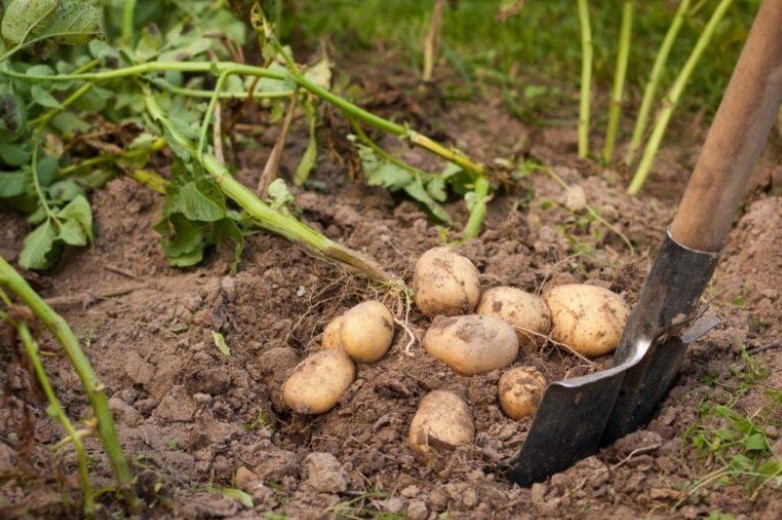
Nandina potatoes can be harvested 40-45 days after germination. Both manual and mechanical harvesting can be used, as the tubers have a fairly tough skin. After harvesting, the tubers are dried under a canopy for 2-3 days. If the potatoes are to be used for planting, they can be left in the sun to synthesize solanine.
Find out, when to dig up potatoes, What tools can be used to do this quickly?, and also, as How to properly store tubers until spring.
Next, the tubers are sorted, and damaged and rotten specimens are removed. After this, the harvest should be placed in boxes or bags and stored in a room where the temperature does not exceed +2 to +4 degrees Celsius.
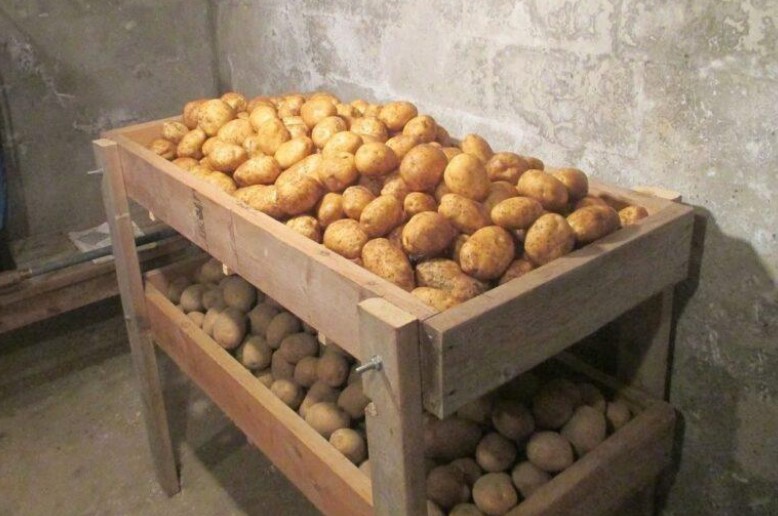
If maintained at the correct temperature and humidity, no higher than 80%, potatoes can be stored for up to 3 months. This is quite a good shelf life for an early variety.
Comparison of the Nandina potato variety with other varieties in the table
| Variety | Ripening period (number of days to maturity) | Starch (%) | Yield (c/ha) | Weight of tubers (g)
Number of tubers per bush Color of tuber, pulp |
Shelf life (%) |
| Nandina | Early ripening | 12.8-15 | 146-322 | 72-132
8-12 yellow, yellow |
93 |
| Vega | Mid-early** | 10-16 | 230-380 | 90-120
8-12 yellow, light yellow |
99 |
| Vineta (Veneta) | Early ripening | 12.9-15.2 | 160-228 | 67-95
13 yellow, light yellow |
87 |
| Gala | Mid-early** | 12-14 | 263 | 71-120
8-15 yellow, yellow |
95 |
| Colombo | Early ripening* | 11-15 | 230-450 | 100-130
12-14 yellow, light yellow |
95 |
| Queen Anne | Early ripening* | 13.1-14.4 | 393-604 | 84-137
14-16 yellow, yellow |
93 |
| Kolobok | Mid-season*** | 11-13 | 130-250 | 90-140
15-18 yellow, yellow |
96 |
| Latona | Early ripening* | 16-20 | 400-450 | 90-140
10-15 yellow, yellow |
96 |
| Breeze | Mid-early** | 10-16 | 160-395 | 130-150
8-12 yellow, yellow |
97 |
| Meteor | Early ripening* | 10-16 | 210-405 | 100-150
10-12 creamy, yellowish |
95 |
| Jewel | Early ripening* | 10-15 | 700 | 80-150
15-20 yellow, light yellow |
94 |
| Innovator | Mid-early** | 12-15 | 320-344 | 83-147
6-11 creamy, soft yellow |
94 |
*Early ripening – 50-65 days.
**Mid-early – 65-80 days.
***Mid-season – 80-95 days.
****Mid-late – 95-110 days.
Reviews of the Nandina potato variety
We now have a new variety called Nandina available. It's advertised as an ultra-early variety, with a maturity of 35-55 days. Has anyone planted it? Is it really that early? I'd like to plant it for early potatoes.
Hello! We finished our potatoes and went to Magnit today to buy some. By the way, I don't like store-bought potatoes, and the quality isn't great, even though I've been buying them every year since spring. I saw some Red Scarlet and some "white" ones on sale, so I picked those up. I thought they were Queen Anne, but when I got home and looked at the label, it turned out to be Nandina. I searched online and saw that they were supposed to be early, etc. Overall, I liked the large oval-shaped tubers, mostly just over 200 grams, the skin is thin and smooth, like silk, easy to peel, mostly clean, very few scabs, and the flesh is light yellow, juicy, and visually pleasing. And most importantly, we decided to make potato pancakes for dinner, and they turned out delicious. Now I'm thinking maybe I should buy one for planting as an early variety; it's only 17 rubles per kilo. I read about it being a undemanding variety, though it's not at all friendly to late blight.
Did anyone buy Nandina seed potatoes from RosEvroplant this spring (Zavyalovo village, Udmurtia)? I'm curious to know how the Nandina is doing now. Just in case, you can send me your impressions in a private message for now. Basically, I'm sad...
I took from them a bag of Nandina, Vineta, Red Sonya, Colletta, and the main batch of Red Fantasy for testing. (40 tons)
Nandina has rotted almost completely in the ground, it hasn't even come out (ones), and the Red Sonya too, the rest seem to be fine, but Red Fantasy has bright burgundy shoots, I don't know yet if this is a varietal characteristic or some kind of bug.
Nandina rotted almost completely in the ground, didn't even come out (units)
That's exactly what I wanted to talk about! What the hell is this? The sprouts are sporadic—about one per 10 tubers, and some sprouts are half rotten, so there won't be a harvest. The rest of the tubers rotted in the ground. Today I went to check the fields, because sprouts were just sprouting everywhere. And my hair nearly stood on end. This is a first for me; even my old reproductions all sprouted evenly. It's a good thing I only bought one ton! I could have gotten crazy and bought more, but I don't take that risk, and experience has shown that it's the right thing to do—your own seeds are more reliable.