
To get a good potato harvest, you need to carefully select the variety, adhere to proper agricultural practices, and identify potential challenges in advance. In this article, we'll explore the Kolobok potato variety, discuss its pros and cons, compare it to others, and read reviews from gardeners and homesteaders who have already tried this variety and have some insightful comments to share.
Content
- 1 Description of the Kolobok variety + characteristics in the table
- 2 The history of the Kolobok variety
- 3 For which regions is the Kolobok variety suitable?
- 4 Advantages and disadvantages of the Kolobok potato variety
- 5 Features of planting the Kolobok variety
- 6 Features of caring for the Kolobok potato variety
- 7 Protection of the Kolobok variety from diseases and pests, prevention
- 8 Harvesting and storing the Kolobok variety
- 9 Comparison of the Kolobok potato variety with other varieties in the table
- 10 Real reviews from gardeners about the Kolobok potato variety
Description of the Kolobok variety + characteristics in the table
| Parameter | Description |
| How long does it take for potatoes to ripen? | The variety is mid-season; the harvest can be collected in 90-110 days. |
| Starch content in pulp | From 10 to 13% |
| Average tuber weight | From 120 to 150 g |
| Approximate number of tubers in one bush | 15-18 |
| Productivity | From one hectare you can collect approximately 150 centners, the maximum figure is 250 centners. |
| Quality | Potatoes have a pleasant flavor and can be used to make chips and French fries. |
| Storage ability, shelf life | Reaches 96% |
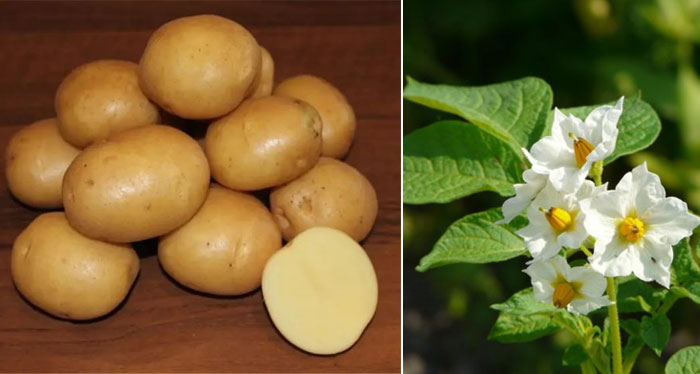
| Peel color | Yellow |
| Pulp color | Yellow |
| In which regions is this variety best grown? | Central |
| Immunity to diseases | Susceptible to nematode attack. |
| Features of cultivation | To obtain a good harvest, it is necessary to loosen the soil periodically. |
| The organization that developed the variety | A.G. Lorkh All-Russian Research Institute of Potato Farming |
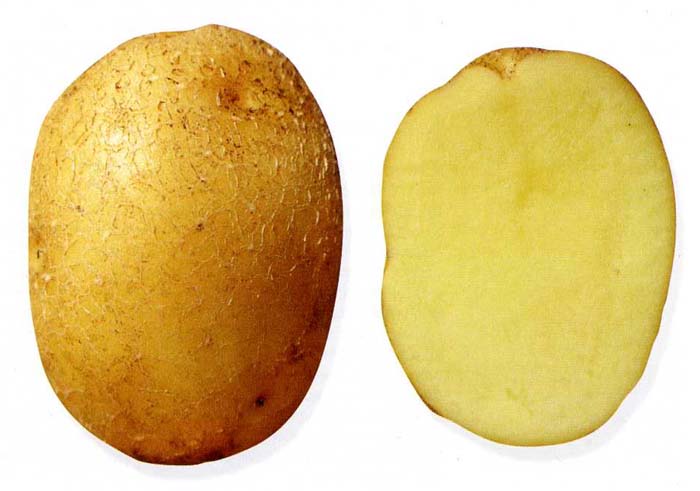
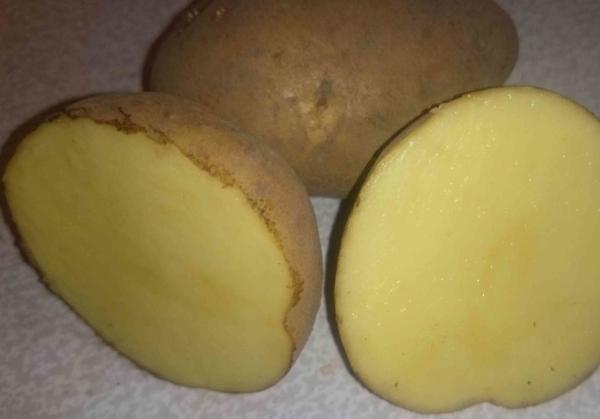
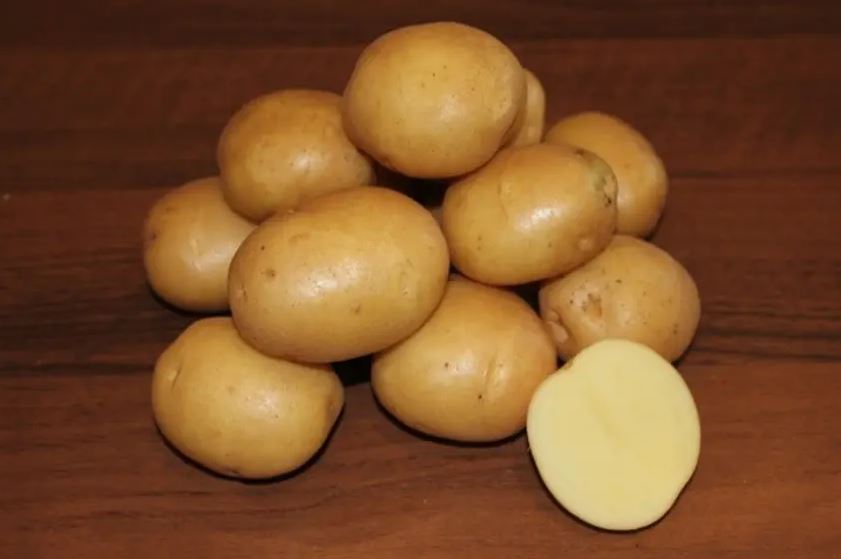
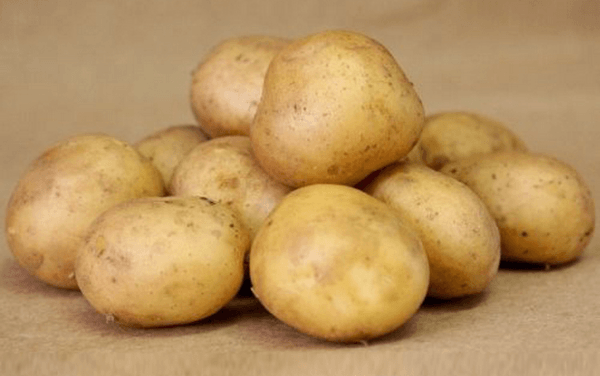
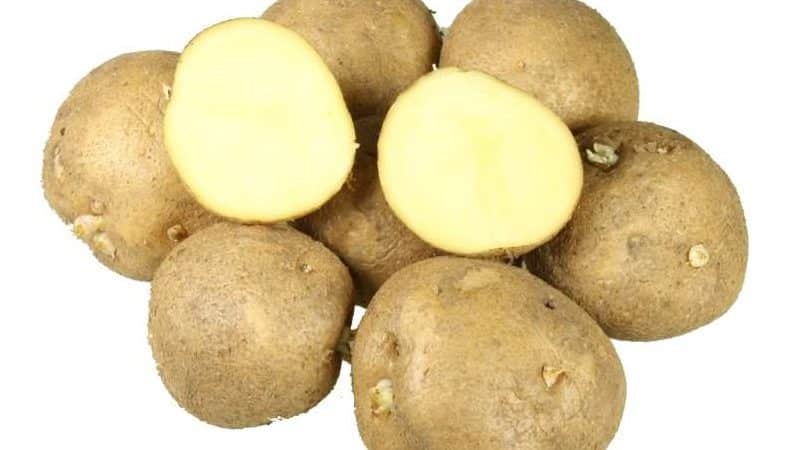
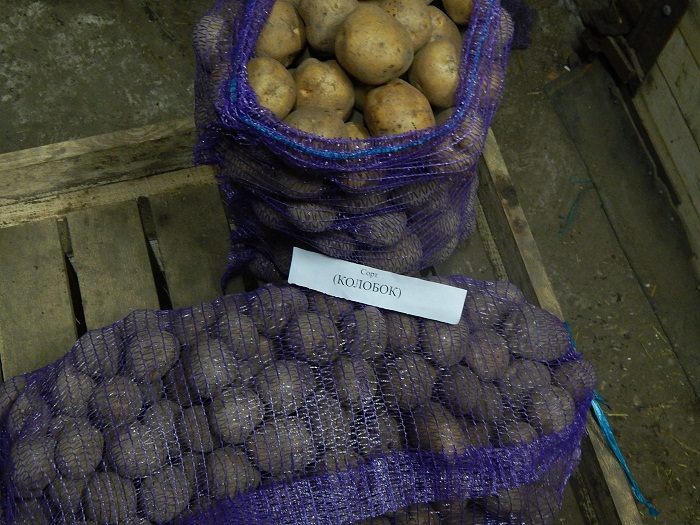
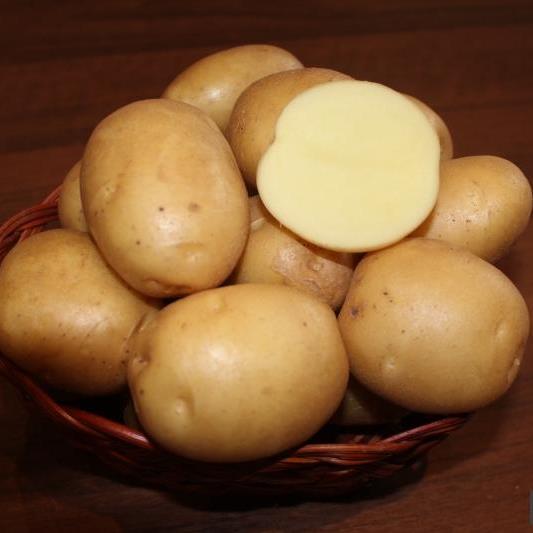
The Kolobok potato variety quickly gained popularity. This is due to its excellent taste. Furthermore, its flesh contains a large amount of vitamins, as evidenced by its color. Yellow varieties contain provitamin A and carotenoids, making them suitable for those who prefer a healthy diet. Kolobok also has several other characteristics:
- The tubers have few eyes and are characterized by a smooth, round shape without tubercles.
- The skin is quite dense, which makes it possible to transport the harvest and store it for a long time.
- Due to the low starch content in the pulp, the potatoes do not boil over and retain their shape, making them ideal for frying.
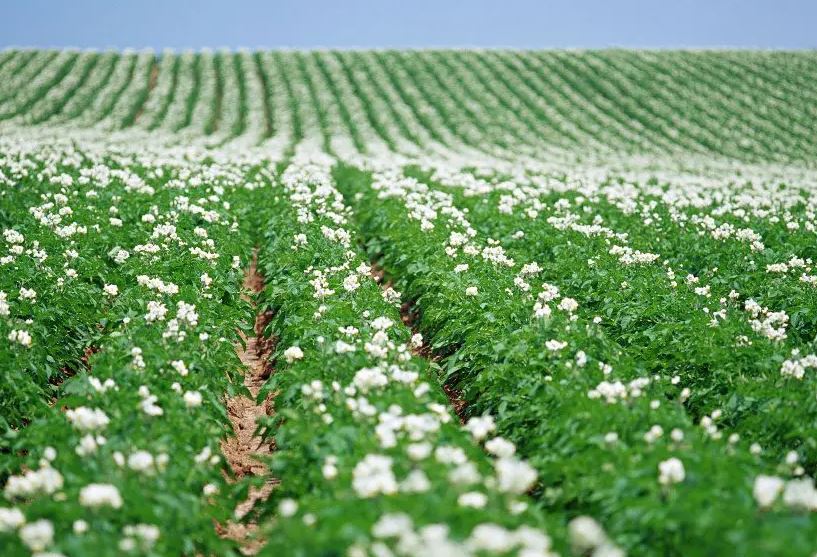
The bushes are medium-sized and rarely grow more than half a meter. The plants are compact, not very spreading. There is little green mass. For a test run, you can dig up new potatoes as early as mid-summer if they were planted in early May. The full harvest can be harvested by mid-September.
An interesting fact: Kolobok maintains its qualities for a long time, without degenerating or reducing its yield. This holds true even if the planting location remains unchanged for many years.
The history of the Kolobok variety
After the variety was bred, it was registered in the State Register. This happened relatively recently—in 2005. Breeders recommended cultivation in the central regions, rich in black soil. However, the potato also grows well in the northwestern region. It has earned a well-deserved reputation in neighboring countries.
For which regions is the Kolobok variety suitable?
The variety is recommended for cultivation in the Central and Central Black Earth regions. Kolobok has proven particularly successful in the Voronezh, Kursk, Lipetsk, and Tambov regions. Good yields are also obtained in the Samara, Kemerovo, Omsk, and Sverdlovsk regions.
Advantages and disadvantages of the Kolobok potato variety
Before purchasing planting material, you should carefully weigh the pros and cons.
So, the advantages of potatoes include:
- Unpretentiousness.
- Low starch content.
- Neat tubers of approximately the same size.
- Good yield.
- Immunity to fungal and viral diseases.
- Long shelf life.
- Pleasant taste.
- Convenience of transportation.
- Possibility of cultivation in arid regions.
But there are also disadvantages. Let's list the main ones:
- Reacts poorly to waterlogged soil.
- Requires regular fertilization. Failure to do so will significantly reduce yields.
- The skin is quite thick.
- The variety is often affected by nematodes.
Most of the deficiencies can be corrected by carefully following the rules of agricultural technology.
Features of planting the Kolobok variety
To get a good harvest of the Kolobok potato variety, you should carefully select a location and pay special attention to the planting material.
Requirements for the landing site and its preparation
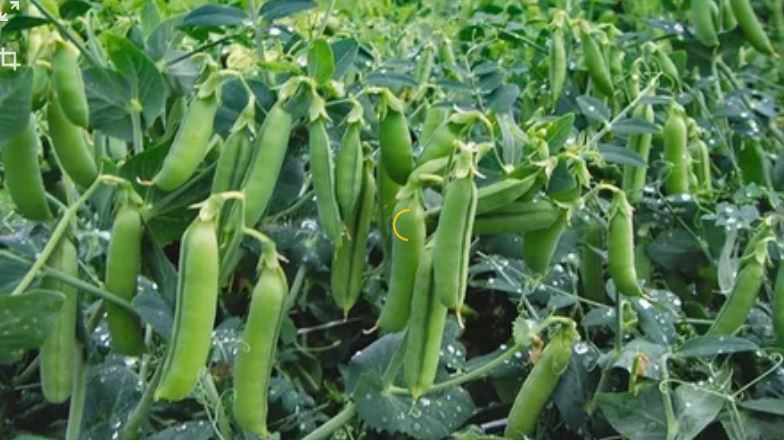
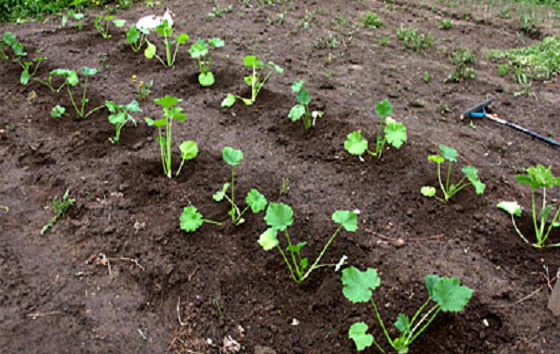
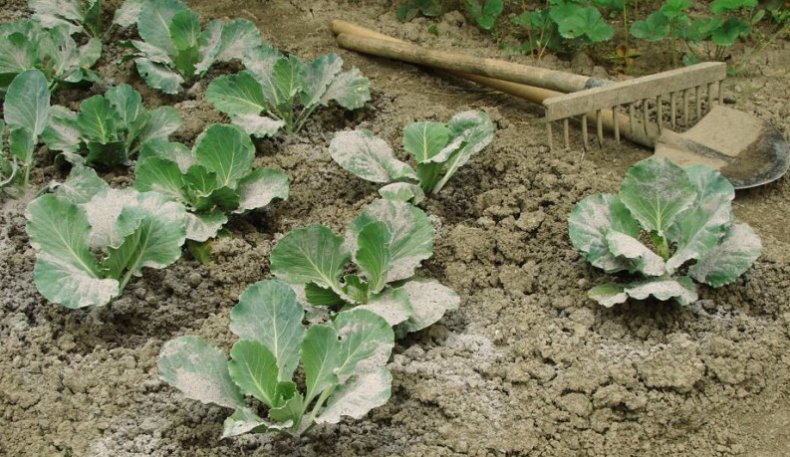
The best predecessors for potatoes are legumes, cucumbers, or cabbage. Avoid planting in a location where nightshade crops were grown last season. This is because potatoes and nightshade crops share many common diseases.

The soil can be clayey or sandy loam. Black soil is ideal. It should be loose. Good lighting is essential. Avoid planting potatoes in low-lying areas prone to waterlogging.
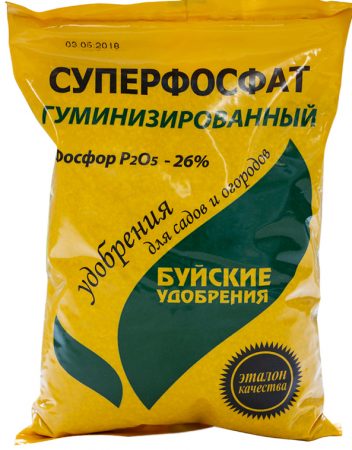
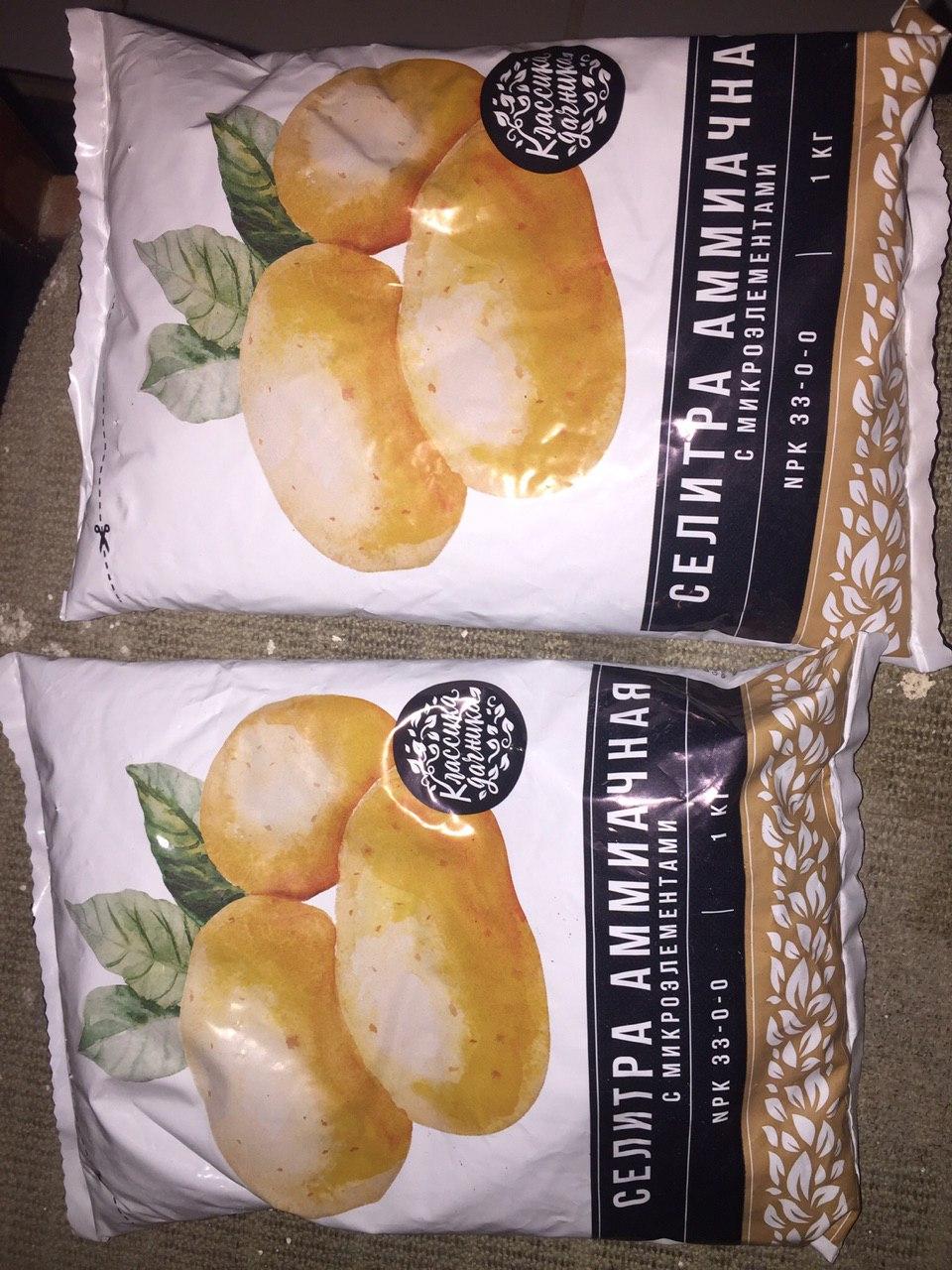
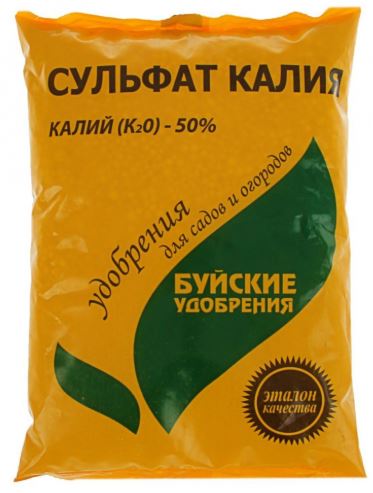
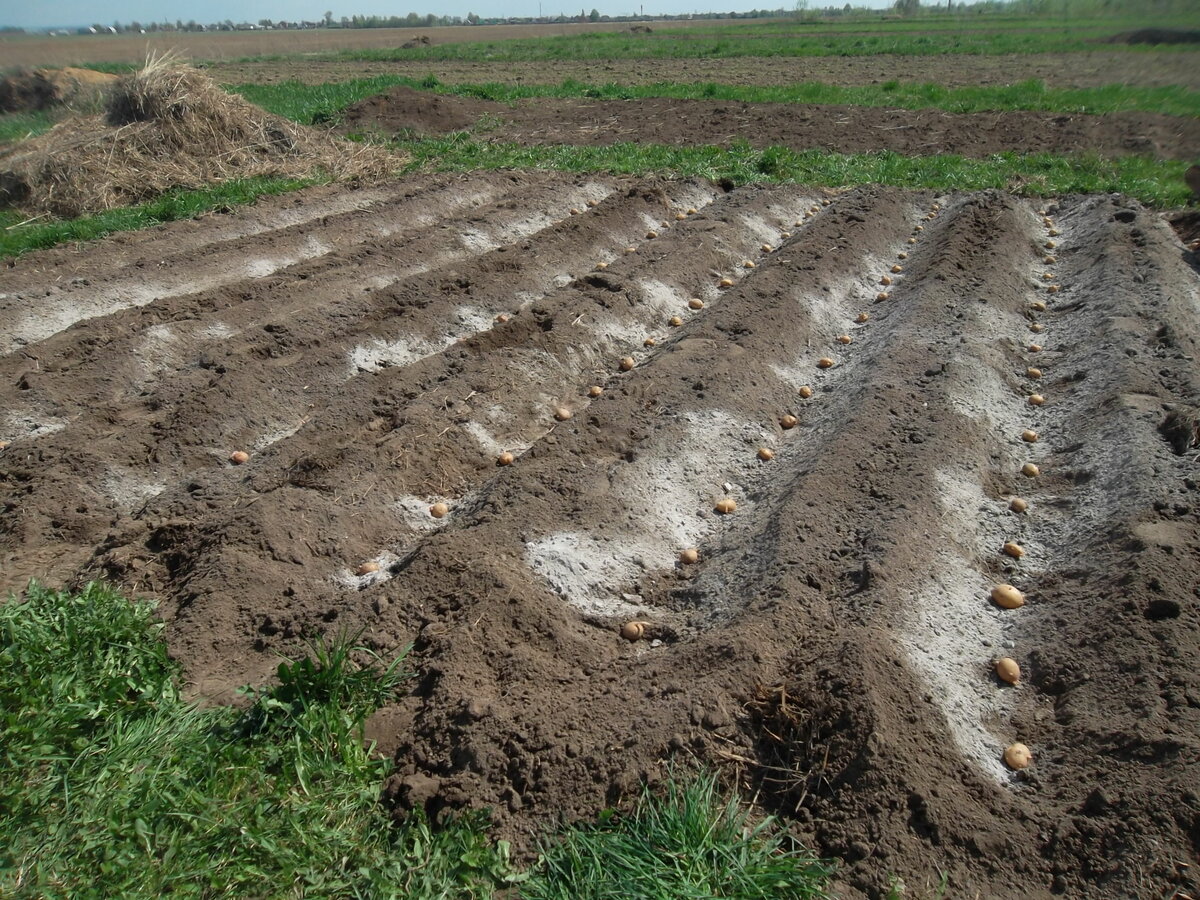
Soil preparation should be done in the fall. To do this, dig up the area, thoroughly loosen it, and add the necessary fertilizers. Potassium sulfate is an excellent choice. You'll need about 2 kg per 100 square meters of soil. Another option is superphosphate (1 kg per 100 square meters). Ash can also be added.
Preparation of planting material
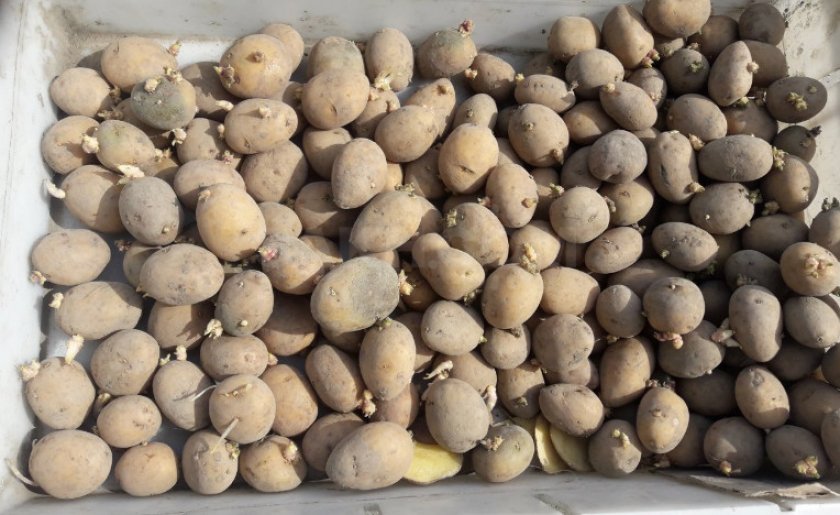
Before planting potatoes, the tubers need to sprout. There are several ways to do this.
- LightTo do this, carefully lay the tubers to be planted on dry soil. Next, surround them with boards. Fill the resulting container with straw or peat. If frosts have not yet ended, cover the structure with plastic. Allow the planting material to germinate for 2-3 weeks.
- WetIt is used outdoors. For this, the planting material is laid out in layers, carefully sprinkled with sawdust or peat. The air temperature should reach 15°C, and the humidity should not fall below 70%.
- With heatingDig a small trench about 40 cm deep. Then, place some preheated compost on the bottom. Lightly cover it with soil. Then, spread the tubers on this bed in 2-3 layers. Leave them like this for four weeks.
- Select suitable tubers for planting (70-80 g). Cut the sprouted potatoes in half or into thirds.
Helpful tip: If the planting material was kept in a cold place over the winter, it should be moved to a warm, sunny location a month before planting. The potatoes can be treated for late blight right in the boxes. Tubers that have sprouted about 1 cm are ready for planting.
Planting dates
There's no need to pin potato planting to a specific date. It all depends on the weather. The soil should warm to at least 8°C. The temperature is measured at a depth equal to half a spade's depth.
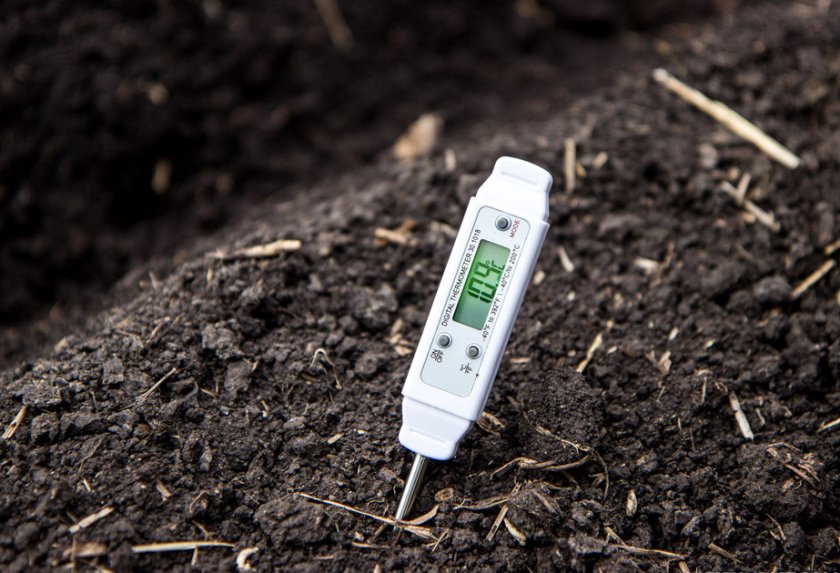
Potatoes are susceptible to recurrent frosts. If the above-ground shoots freeze, the yield will be significantly reduced. Let's look at approximate planting times depending on your region.
- In the Krasnodar and Stavropol regions, planting should be done in early April.
- In the middle zone, this period shifts to the end of April.
- In Siberia and the Urals, potatoes can only be planted at the beginning of May.
Instructions for the correct planting of the Kolobok variety
When forming rows, it's best to arrange them from north to south, so the plants receive maximum sunlight. Leave at least 60 cm between rows, and approximately 30 cm between plants.
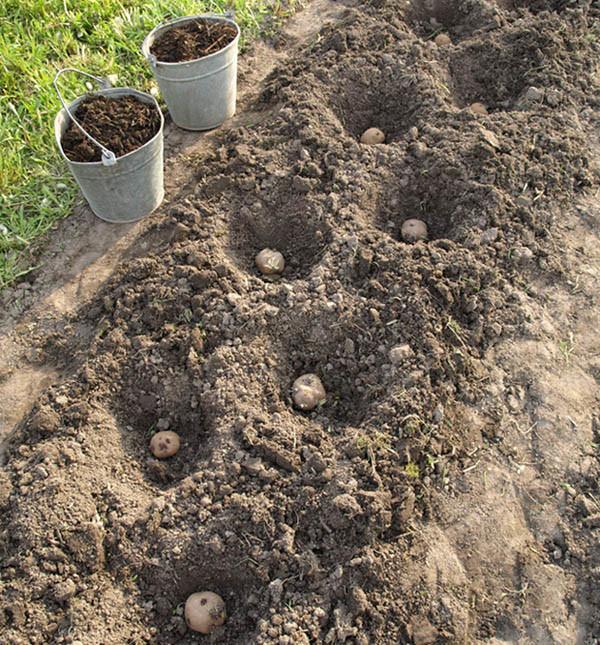
You can add a handful of ash, manure, and compost to each hole. To protect the plantings from Colorado potato beetles, you can also sprinkle them with onion skins.
Features of caring for the Kolobok potato variety
After the potatoes have sprouted, you should wait three weeks, after which you can water the crop, apply fertilizer, and take measures to prevent diseases.
Watering
If the weather is dry, you can water three times a week. The plant's above-ground height should reach 8-10 cm. Pour at least 3 liters of water under each bush, allowing it to settle in the sun beforehand.
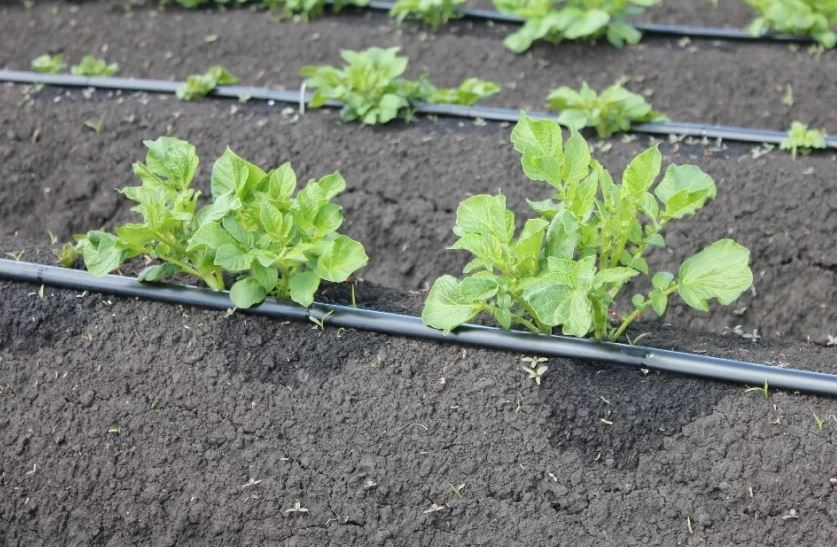
After the buds appear, tubers begin to actively form. Consequently, potatoes require more water. Therefore, the total amount of water per plant per week will reach 15 liters.
Loosening, hilling
When tending to your plants, it's helpful to combine weed removal and loosening the soil. Weeding should be done as needed. It's important to prevent weeds from spreading. This is especially true for plants with extensive root systems, such as sow thistle and couch grass.
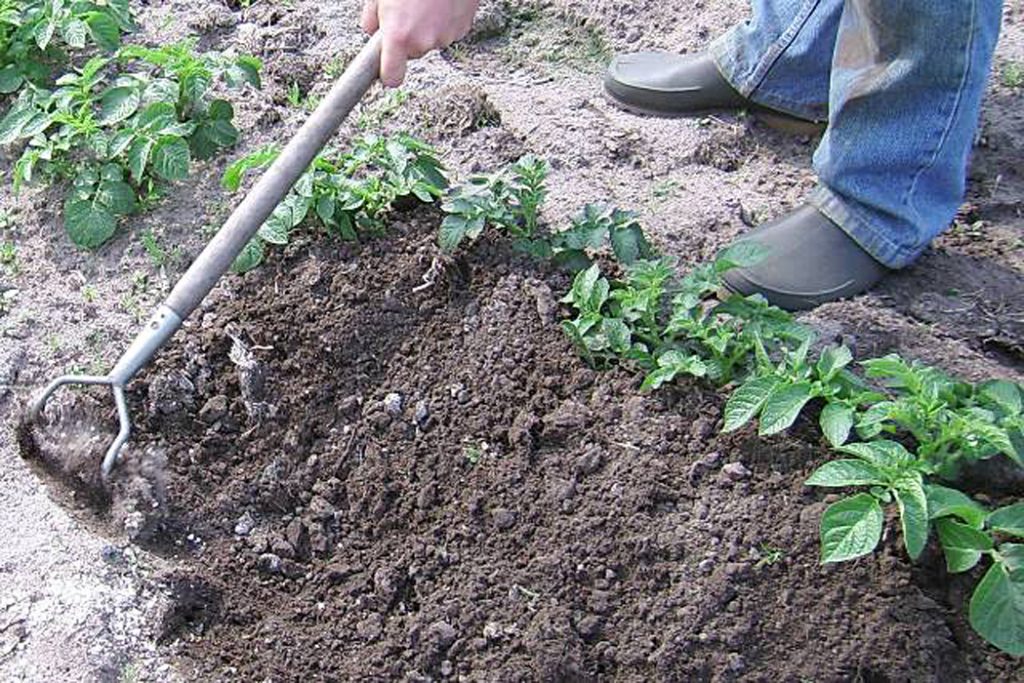
You can hill up the plants in two stages. The first time, when the shoots reach 20 cm. Then wait three weeks and repeat.
It's important to follow this rule: after hilling, water the plants thoroughly. Ideally, hill the potatoes before they flower. Overwatering is detrimental to their growth and can lead to late blight. If you neglect hilling, the potato stems will soon collapse or break.
Top dressing
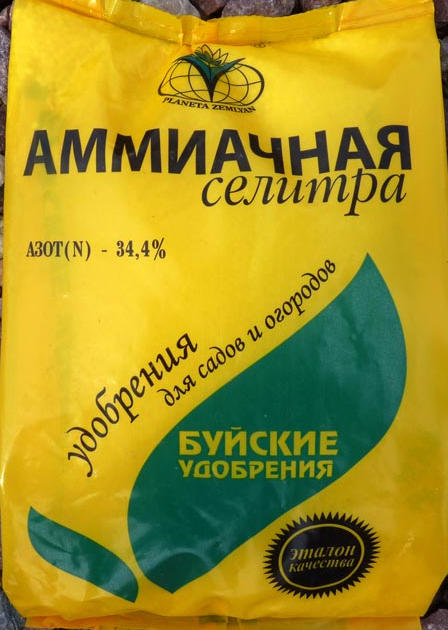
Once abundant seedlings have emerged, it's time to apply fertilizer. To do this, you can apply a mixture of superphosphate and ammonium nitrate (ammonium nitrate) under each bush. This should be done before rain. The precipitation will dissolve the fertilizer and deliver it to the roots. Each bush will require 2 tablespoons of this mixture.
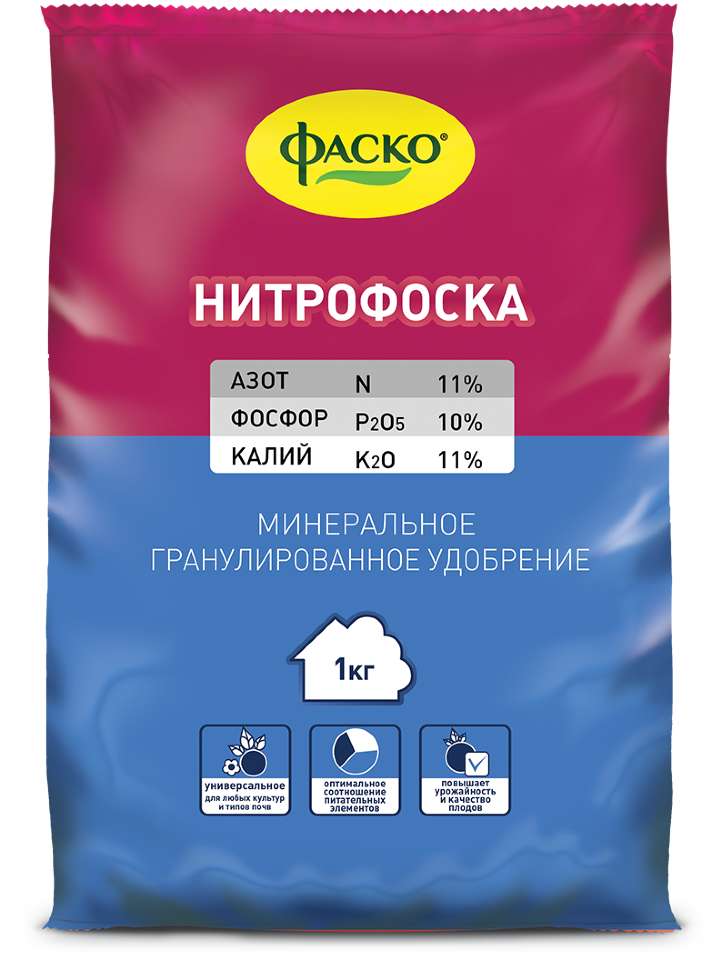 Before the potatoes begin to bloom, they are fertilized a second time. Dissolve 1 tablespoon of nitrophoska and 2 tablespoons of superphosphate in 12 liters of water. Water the plants with this solution.
Protection of the Kolobok variety from diseases and pests, prevention
The plant is immune to many diseases, but gardeners may still encounter some problems. Let's take a closer look.
| Disease or pest | Detailed description | Treatment methods and preventive measures |
| Alternaria (dry spot)
|
The first symptoms can be noticed when buds appear. The fungus first attacks the lower leaves, then progresses to the upper ones. It appears as dry, brown spots. Sometimes they can also be seen on the stems. The spores are transferred to the tubers during harvest. Damaged potatoes are especially dangerous. These potatoes have dark spots of varying shapes. During the winter, the fungus survives on plant debris, developing mycelium. | To combat the disease, you can use Albit, HOM, and other products. Spraying should be done as soon as the first signs of the disease appear. These are usually visible when the tops of the beds begin to close. Then, repeat the treatments. The interval between treatments depends on the duration of the product's action, humidity, and air temperature. The fungus develops most rapidly in rainy weather. |
| Late blight (brown rot)
|
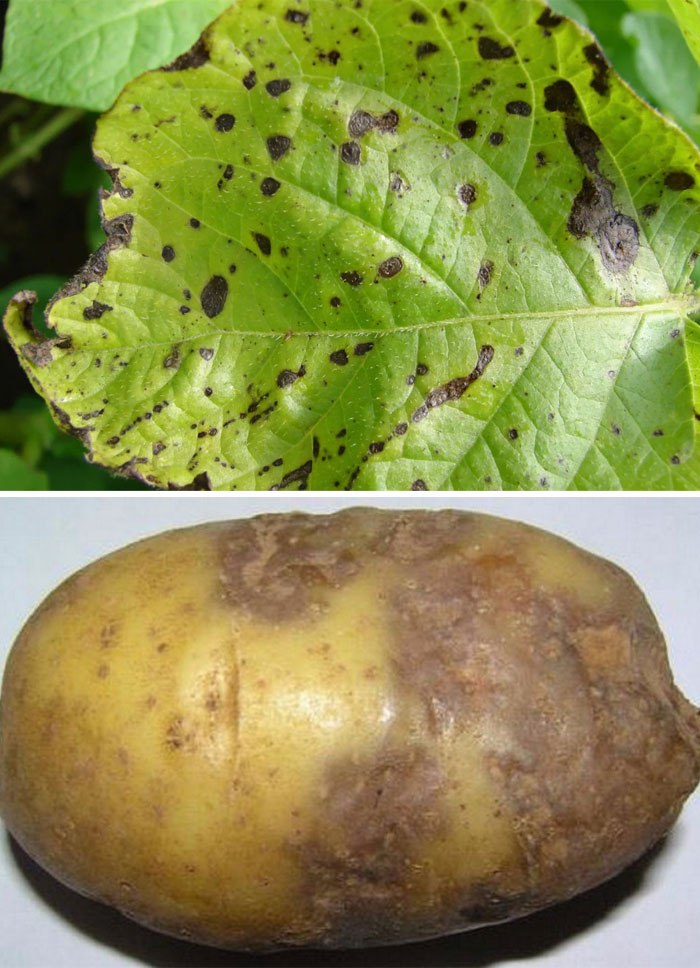
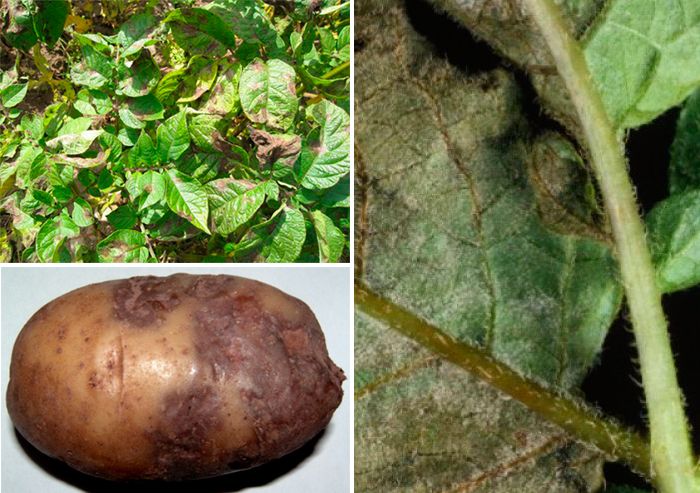
This disease can rightfully be considered the most widespread. It is dangerous because it attacks neither the above-ground parts of the plant nor the tubers. The first symptom is small brown spots. These gradually enlarge and cover the entire plant, which dies. The pathogen infects the tubers during harvest. The main symptom is brownish, sunken spots with a grayish tint. The flesh takes on a rusty color. Warm, humid weather is ideal for the spread of the disease. | As an effective preventative measure, all plant debris should be destroyed after harvest. Before planting, carefully inspect the tubers and select only healthy ones. If the first symptoms appear, immediately spray the plants with a copper oxychloride solution (40 g per bucket of water). A maximum of five treatments per season are recommended. The final treatment should be carried out three weeks before harvest. Bordeaux mixture can be used. In this case, the number of treatments can be reduced to three. The final treatment should be carried out two weeks before harvest. If the plants are severely affected, the tops should be cut off and destroyed two weeks before harvest. |
| Potato nematode
|
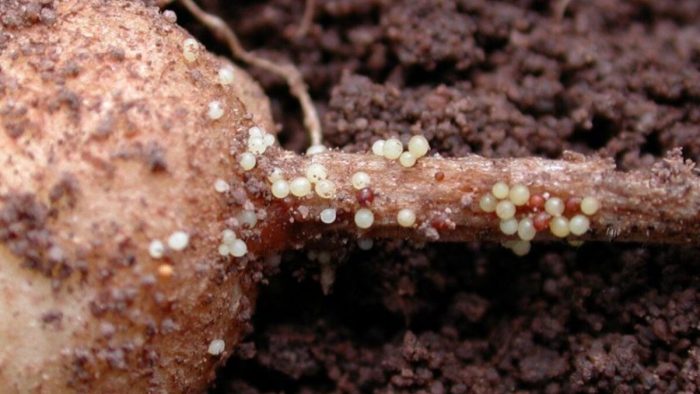
This pest inhabits tubers and roots. It is a tiny worm, less than 1 mm long. The main sign of infestation is severe stunting of the plant's growth, with yellow and deformed leaves. Tubers either fail to form or are very small. The pest feeds on plant sap, poisoning it with toxins in return. By the end of the plant's growing season, the pest forms cysts containing thousands of eggs and larvae, which remain viable for up to 10 years. If potatoes are grown in the same location for a long time, the pest concentration in the soil becomes very high. | The most effective method of control is immediate removal of the affected plant. To do this, carefully dig it up with a large lump of soil, place it in a container, and transport it away. Then thoroughly wash the tubers, and burn the shoot and roots. |
| Colorado beetle
|
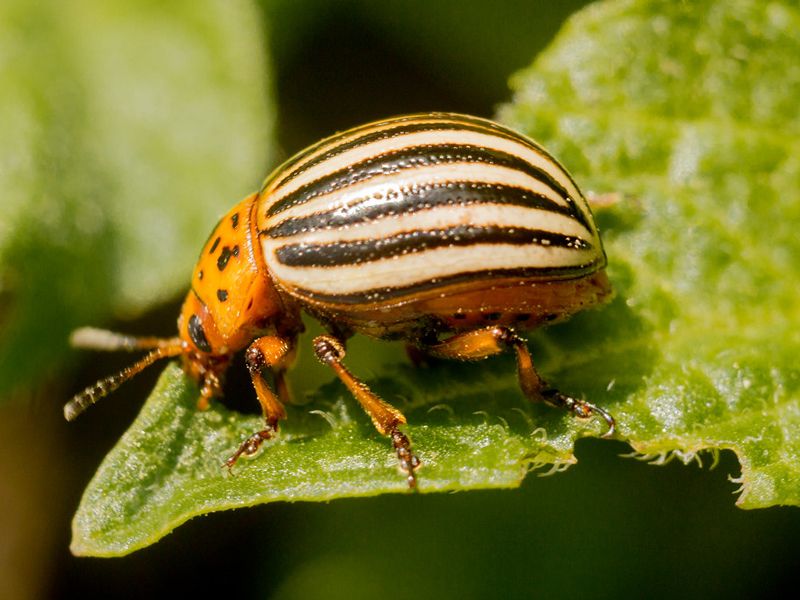
This pest attacks both shoots and roots. Tubers are also affected. The Colorado potato beetle lays eggs on the underside of leaves, from which larvae hatch. They thrive especially in hot weather. | The best way to kill pests is by hand picking. To do this, prepare a jar with a strong solution of table salt or kerosene. When picking, carefully examine the leaves and collect any eggs. After collecting, destroy the pests. |
| Wireworm
|
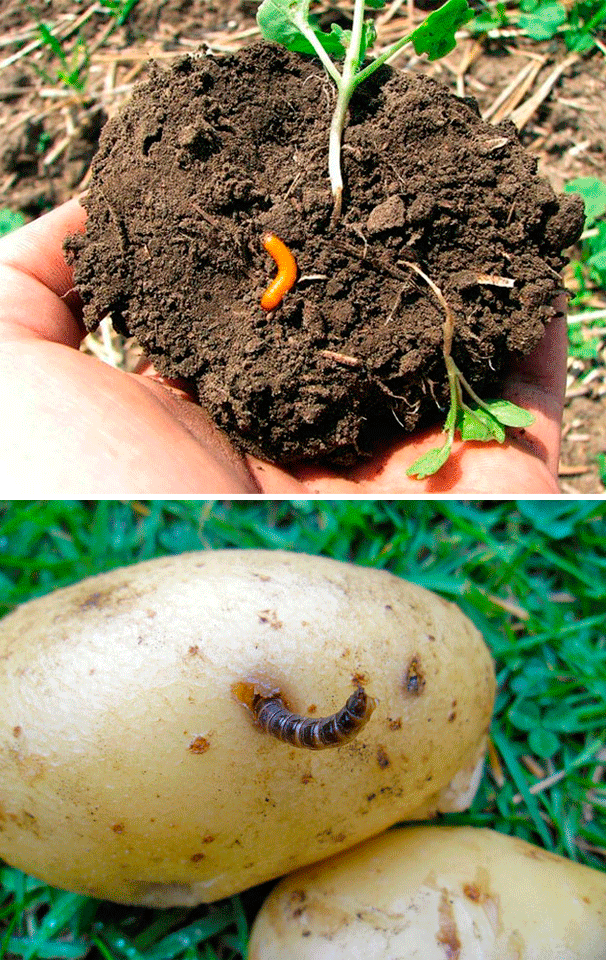
The pest lives in the soil and attacks roots and tubers. The larvae burrow through the tubers, creating long, winding tunnels. This can cause rot. The pest is approximately 1.5-2.5 cm long. Its body is hard and light brown. The bright color of the wireworm is revealed when the soil is dug, making it easy to collect and destroy. The pest is especially common where couch grass grows. Its larvae can also be found in manure. It is especially dangerous in dry weather. | If the weather is dry, the plantings should be watered. Wireworms dislike excess moisture. You can try attracting them. To do this, place potato slices between the rows. When the wireworms have accumulated on them, collect the bait and burn it. In the fall, dig the soil to get rid of the wireworms. Active loosening in the spring will help kill the larvae. Liming the soil also helps, but it is only effective in acidic soils. |
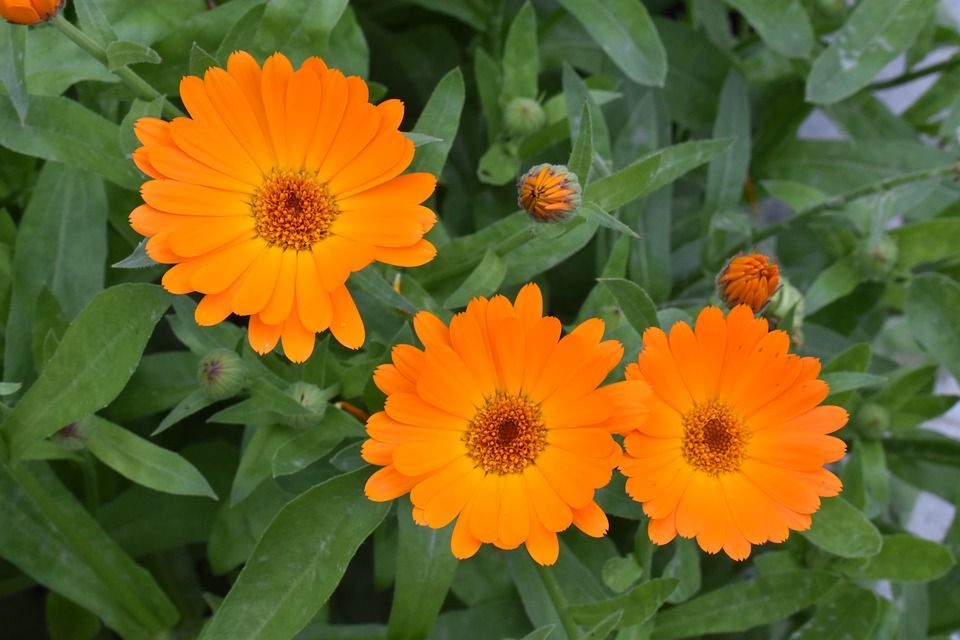
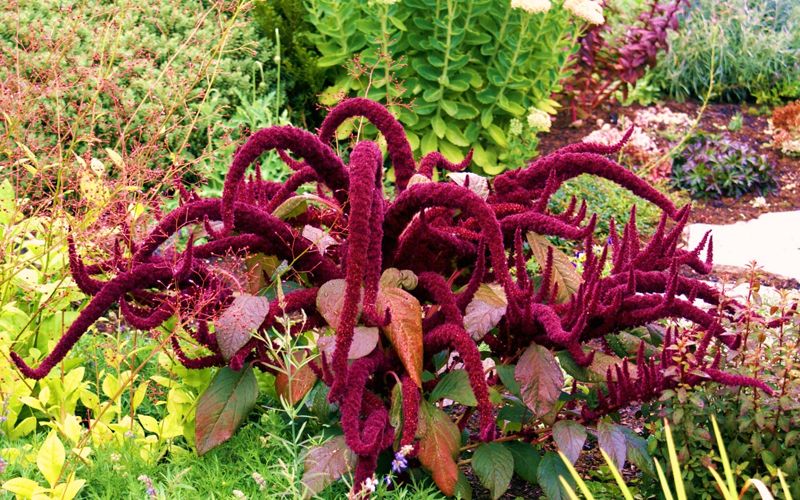
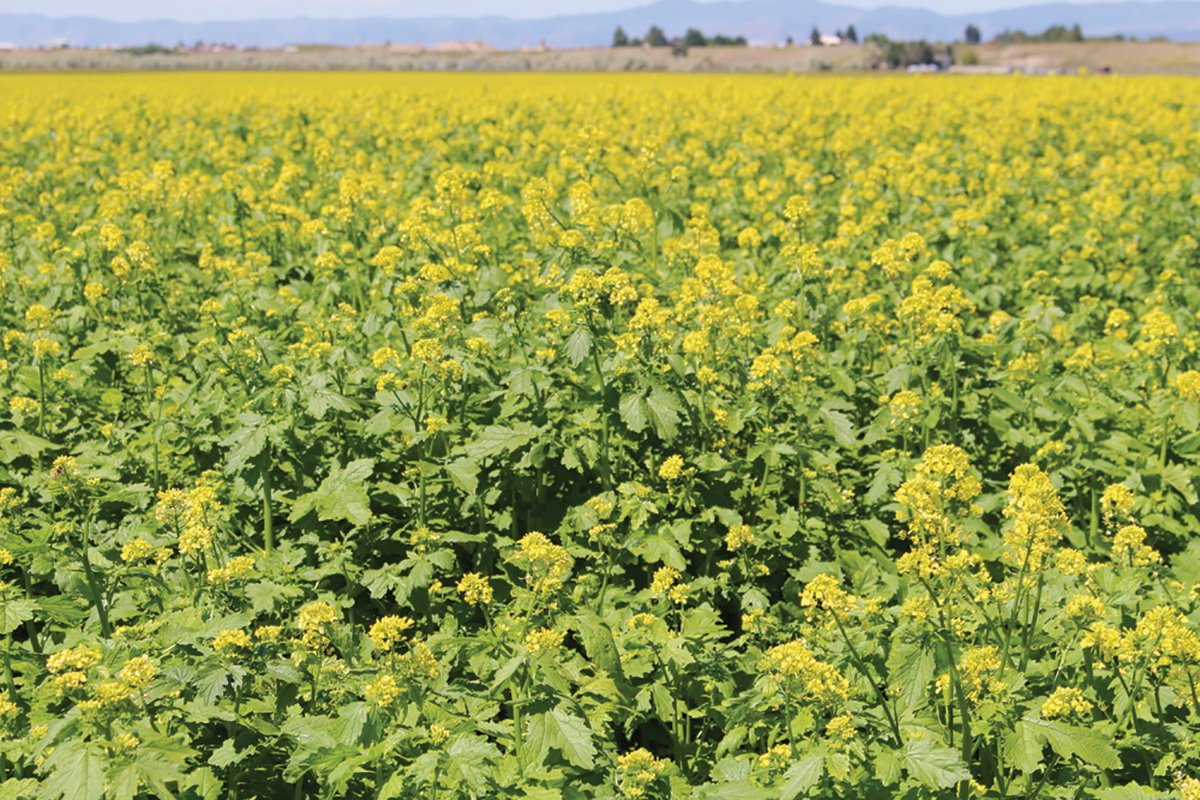
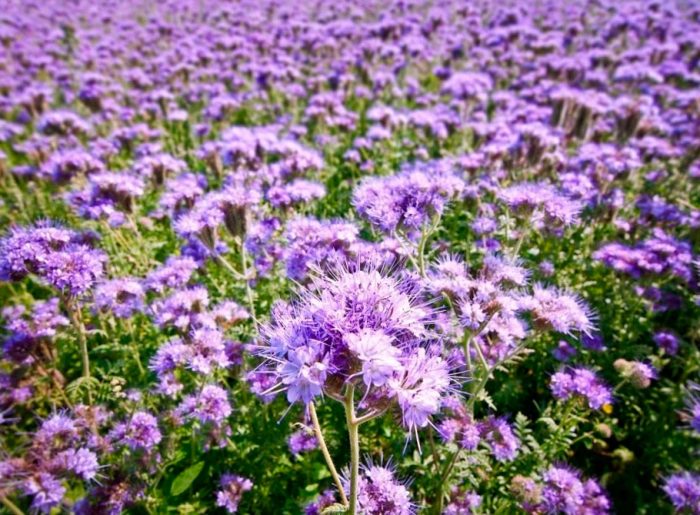
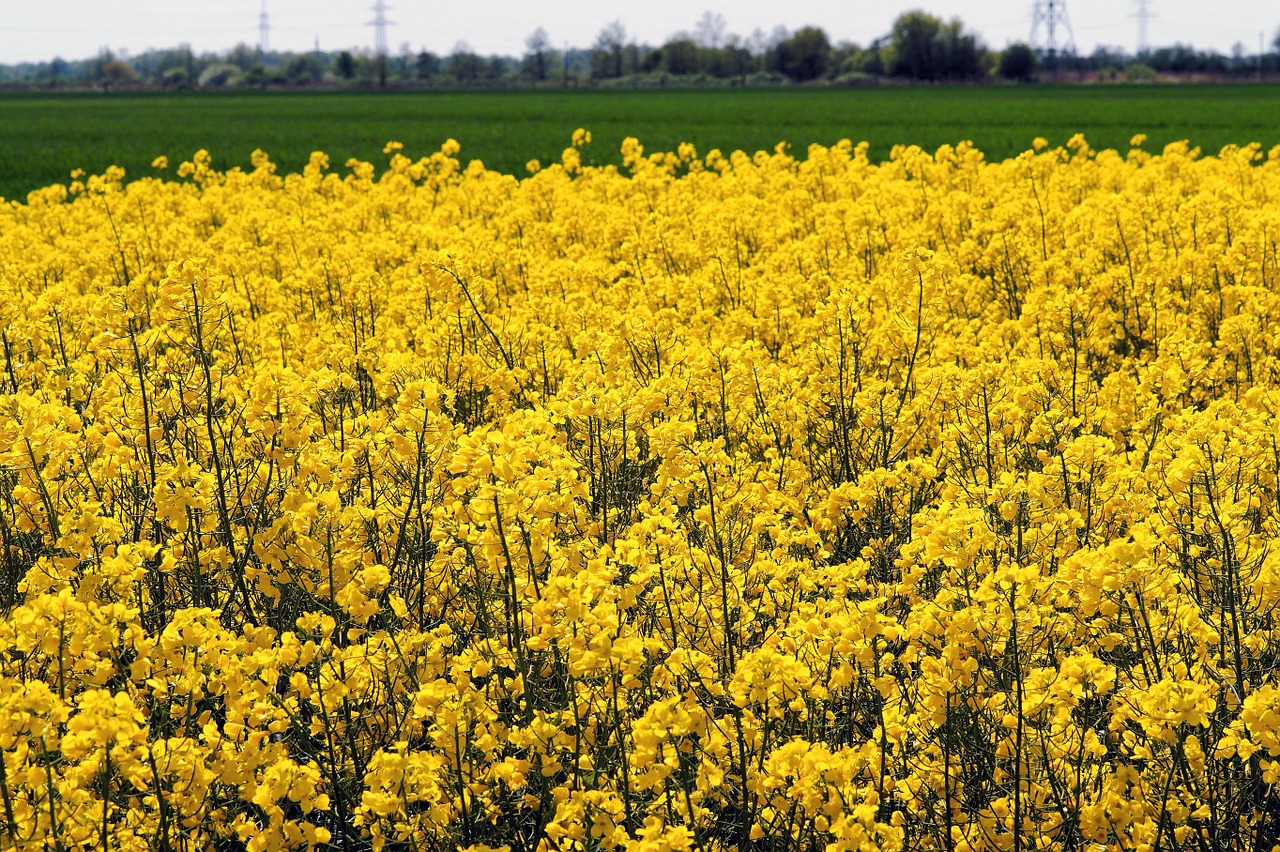
Another good preventative measure is changing the planting location. The soil needs a break, during which time you can plant plants that will improve the soil composition. Mustard, calendula, amaranth, and other green manures are suitable.
Harvesting and storing the Kolobok variety
A pitchfork is convenient for digging up potatoes, but a shovel will also do. The signal to harvest is when the tops are completely dry. Before starting, prepare the containers and disinfect the storage area.
The tubers are sorted, discarding any diseased or damaged ones. The harvest is then dried in the open air. A shelter should be erected to protect against precipitation. After drying, potatoes are selected for future planting, and the remaining harvest is stored in a cellar. It's important that the potatoes remain dry and frost-free throughout the winter. Wooden boxes are a convenient storage option. Care should be taken to avoid excessive humidity and warmth, otherwise the tubers will begin to sprout.
Comparison of the Kolobok potato variety with other varieties in the table
| Variety | Ripening period (number of days to maturity) | Starch (%) | Yield (c/ha) | Weight of tubers (g)
Number of tubers per bush |
Shelf life (%) |
| Kolobok | Mid-season*** | 11-13 | 130-250 | 90-140
15-18 |
96 |
| Adretta | Mid-season | 15-18 | 450 | 100-150
10-25 |
95 |
| Gala | Mid-early** | 12-14 | 263 | 71-120 8-15 |
95 |
| Miner | Mid-early** | 14-19 | 600 | 90-140
12-18 |
97 |
| Irbitsky | Mid-early | 12-17 | 250-400 | 100-185
6-8 |
97 |
| Kumach | Mid-season | 12-18 | 241-719 | 98-260
12-25 |
98 |
| Bast shoe | Mid-early | 12-14 | 450-500 | 100-160 6-10 |
94 |
| Lyubava | Early ripening | 11-17 | 288-400 | 110-210
up to 20 |
98 |
| Rodrigo | Mid-early | 12.5-15.4 | 450 | 700-800
7-9 |
95 |
| Sorcerer | Mid-early | 2.4-15 | 174-352 | 73-116
up to 15 |
96 |
*Early ripening – 50-65 days.
**Mid-early – 65-80 days.
***Mid-season – 80-95 days.
Real reviews from gardeners about the Kolobok potato variety
Let's look at reviews of the Kolobok potato variety.
User Yulya_shka
Hello!
Today I'll tell you about the "Kolobok" seed potato variety. At my dacha, I've always planted potatoes that my grandmother planted 10-20 years ago (she'd select suitable tubers for seeds in the fall and store them in the cellar until spring). But the potatoes began to deteriorate. After reading the relevant information online, I realized this is a natural process and that seed potatoes need to be replaced periodically—every 5-6 years. I also learned online that there are super-elite, elite, first-generation, second-generation, and so on. Accordingly, it's best to plant seed potatoes no older than the first-generation variety.
That's why I decided to buy a new variety at the store this spring. I chose potatoes from the Korenevo agrofirm, located in the Moscow region. They came in 2-kilogram packages and cost around 150-160 rubles. They had several varieties in stock, including the ones I remember: Zhukovsky, Udacha, and, of course, my very own Kolobok. I hadn't read the reviews yet, so I bought the Udacha (according to the seller, it's the most popular), but when I got home and read the reviews, I changed my mind and had to exchange it for Kolobok.
So, this is a super-elite potato. The seed potatoes were smooth and slightly sprouted. I kept them at home for about two weeks, and in early May (around the 8th), I planted them. I also planted my old potato, which I've been planting for many years. The 'Kolobok' seed potatoes were slightly smaller than my old potatoes. The flowers were white. In early July, I tried digging them up—the potatoes were already bigger than a chicken egg.
But then disaster struck: warm, humid weather struck at the end of July, and the potatoes became infected with late blight, specifically from the "Kolobok" bushes. Preventative spraying with Fitosporin was ineffective, and a week later, the potatoes were completely black. They had to mow down the mud, let it dry for two weeks, and then dig. Well, that was already early August.
The harvest was quite good; the potatoes were larger than average, with almost no small ones. The tubers were beautiful and even; looking at them, I understood why they were called "Kolobok." I also really liked the taste of the potatoes, and the color was beautiful yellow.
I saved most of it for seed for next year. I'll be planting the elite varieties and hope to have good harvests for the next five years.
User tutsa, Russia, Moscow
As we all know, potatoes are our second bread. Every year I plant different potato varieties in my garden. This year I bought Kolobok potato seeds and haven't regretted it. This is a mid-season table variety. Its tubers are round and yellow. The inside of the potato has the same-colored flesh. This variety is high in starch, has a crumbly texture, and cooks well.
The Kolobok potato stores well and is productive. I grow it from seeds—those are small potatoes. I bought them at the store. I paid 60 rubles for 2 kg of seed. This variety tolerates moisture well and is resistant to a number of fungal and viral diseases.
This variety can be propagated using seedlings. I do the same. I place the seeds in rows in a shallow box. I space the potatoes 2 centimeters apart. I place them in sawdust, not too deep. I bring the boxes into a warm room. The first sprouts appear within two weeks.
Once two true leaves have formed, I transplant each potato into a separate container. To ensure my seedlings grow well, I water and fertilize them regularly. I use a full-strength mineral fertilizer. I fertilize them once every 10 days.
I plant the finished seedlings in the soil by the end of May. Further care is simple. You need to water them regularly, loosen the soil, and hill them. The main enemy of potatoes is the Colorado potato beetle. I simply collect them every morning and destroy them.
User Pavlonn
We learned how to grow potatoes from seeds a long time ago—back in the 1990s, so we're no strangers to this. Overall, it's a relatively inexpensive and easy way to renew potato planting stock, which is known to degenerate.
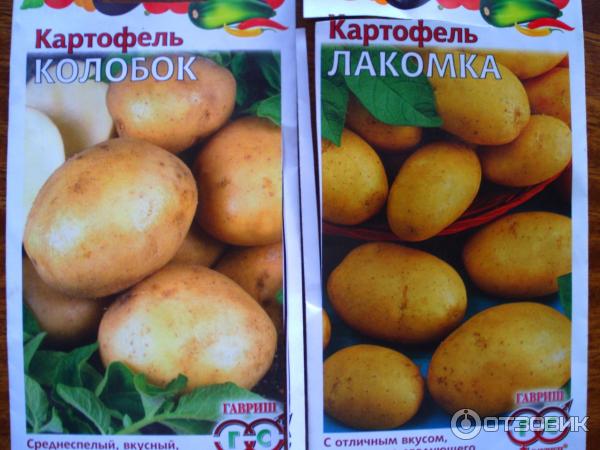
This winter, we bought two packets of potato seeds from Gavrish, a company known for its high-quality seeds and good reputation. We bought a packet of "Kolobok" and "Lakomka" potato seeds. "Kolobok" cost 22 rubles, "Lakomka" 26. The seeds weigh 0.025 grams. There are about 30-40 seeds per packet.
In April, as expected, we sowed the seeds for seedlings. We did everything correctly, and the seed packets were written in detail; even a beginner could handle it. I won't go into detail, but I'll just say that out of 30-40 "Lakomka" seeds, 8 sprouted (and thankfully for that), while not a single seed from the "Kolobok" packet sprouted.
Kolobok's batch number is 23380, expiration date is December 2017. Packer No. 81
In short, we weren't able to update our planting stock with such a wonderful variety this time. Well, it's not the first time.
The only defense the manufacturer has is that the seeds were counterfeit. After all, we bought them at a regular seed store, not the Gavrish brand. Perhaps we should have ordered the seeds from the Gavrish website, but that would have only made sense if we had a large order. Overall, I doubt anyone would counterfeit potato seeds that cost 22 rubles a packet and aren't in high demand. So, I wouldn't recommend them to my friends.
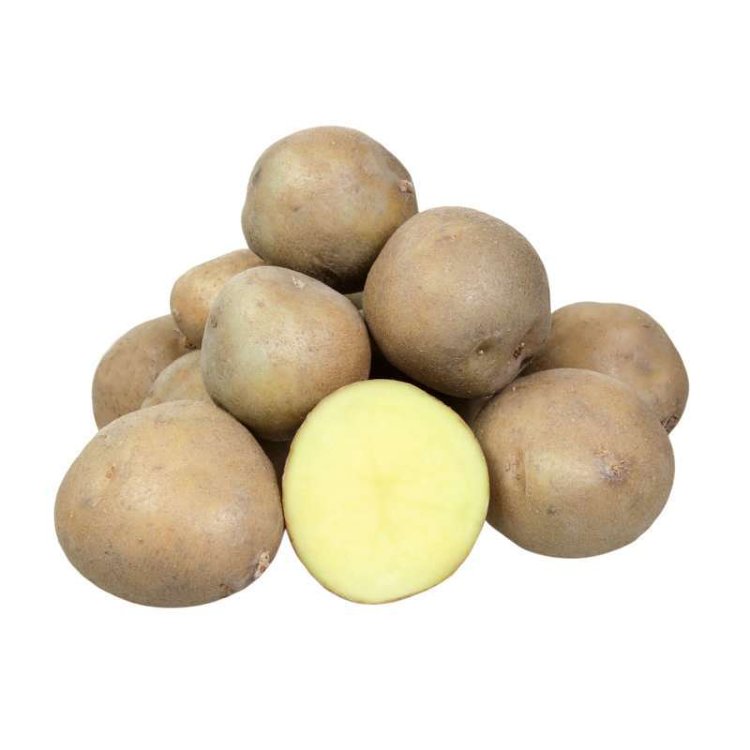
Photos by user Pavlonn:

User Yragsha, Irkutsk region
Not productive. Beautiful. But mid-season. Can't reach its full potential here. Crossed out.
User Unskilful, Moscow
The same variety can show different results every year, as can the weather dntknw
The best variety has not yet been developed, as soon as it is developed, our descendants will plant it, but for now we are torn between tens of hundreds of varieties of bangThe best way to protect against crop failure is to plant several varieties (5-6). IMHO: my list for the Moscow region is Udacha, Impala, Red Scarlett/Nevsky, Kolobok/Golubizna, Velikan/Malinovka, Nikulinsky + a few antioxidant exotics - lilac and cornflower.
Well, you probably know without me knowing that you need to buy elite seeds.
User lexx549, Russia, Ramenskoye
We plant the Red Scarlet, Kolobok, and Udacha varieties. This year, we decided to replace Udacha, the smallest of the three. They all produce roughly the same yield, and you know what I like about the taste and color. I prefer Red Scarlet.






I haven't planted potatoes for a long time, but this year, missing them, I bought a Kolobok and planted them. Today I was delighted with the large, even, and pleasingly yellowish tubers. They're delicious! If I plant potatoes next year, I'll be looking for Kolobok.