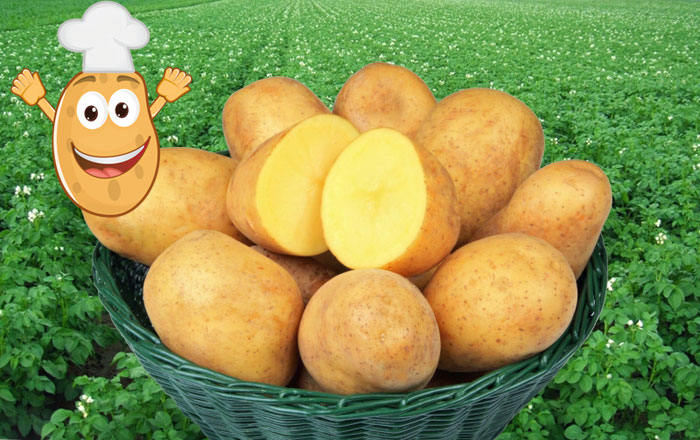
The Adretta potato is one of the five most popular varieties in Russia. Let's explore why it's so popular and describe all its features and characteristics in detail.
Content
- 1 Table with characteristics of the Adretta potato variety
- 2 Photo gallery of the Adretta potato variety
- 3 Historical background
- 4 Description
- 5 Pros and cons
- 6 Landing features
- 7 Care Features
- 8 Protection from infections and insects
- 9 The nuances of collection and storage
- 10 Potato variety Gala as an alternative
- 11 Comparison of the Adretta potato variety with other varieties in the table
- 12 User reviews of the Adretta potato variety
Table with characteristics of the Adretta potato variety
|
Parameter |
Characteristics |
|
General information |
Mid-early table variety. |
|
Ripening time |
90-100 days. |
|
Productivity |
40-80 kg/sq. m.> |
|
Marketability |
High. |
|
Shelf life |
Satisfactory and good. |
|
Starch concentration |
13-18%. |
|
Color of pulp |
Light yellow. |
|
Peel color |
Yellowish. |
|
Weight |
100-150 g. |
|
Number of tubers per bush, pcs. |
10-25. |
|
Taste characteristics |
Very good. |
|
Class and purpose in cooking |
"C". |
|
Regions |
West Siberian, East Siberian, Middle Volga, Far East. |
|
Resistance to infectious diseases |
Average. |
|
Growing specifics |
Not suitable for growing in areas that are too dry or experience rapid changes in humidity. |
|
|
1980 |
|
Country of origin |
Germany. |
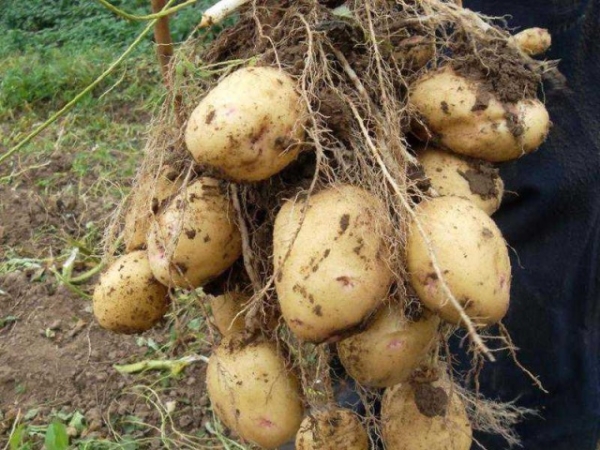
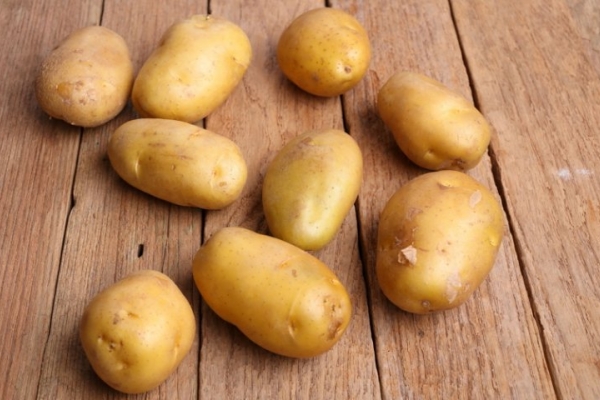
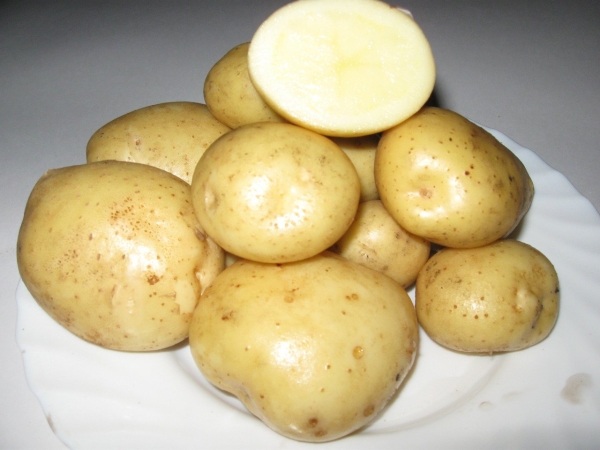
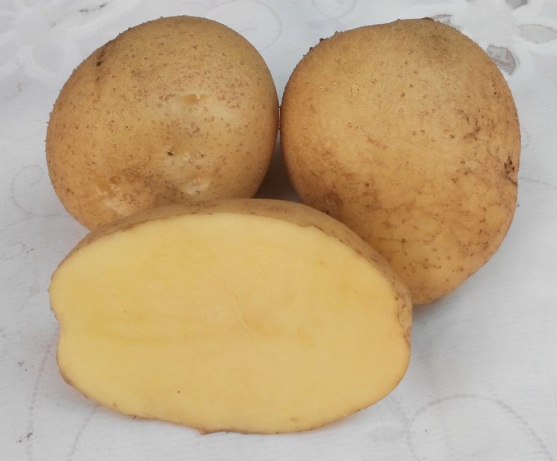
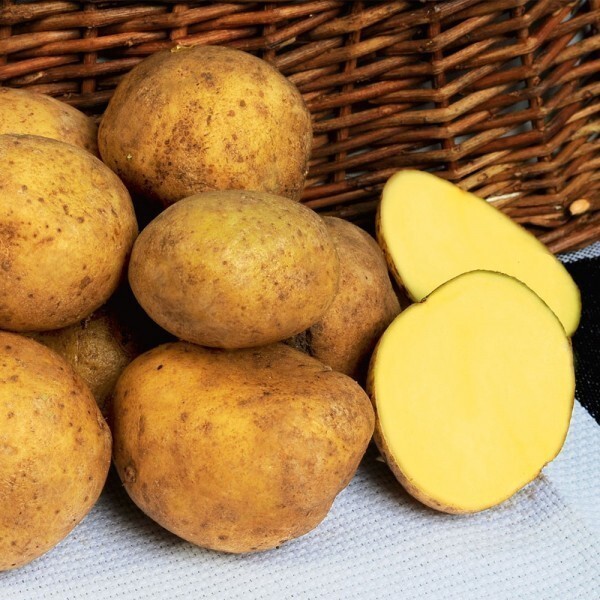
Photo gallery of the Adretta potato variety
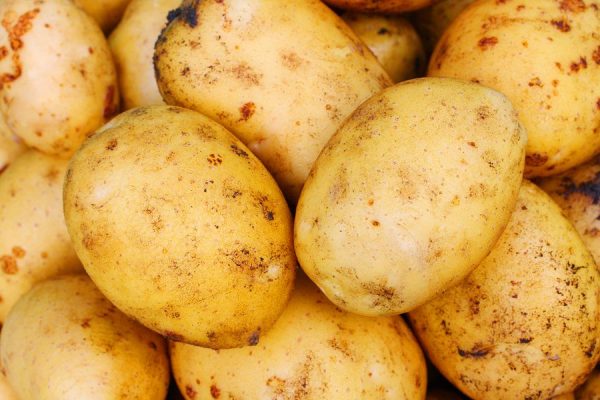
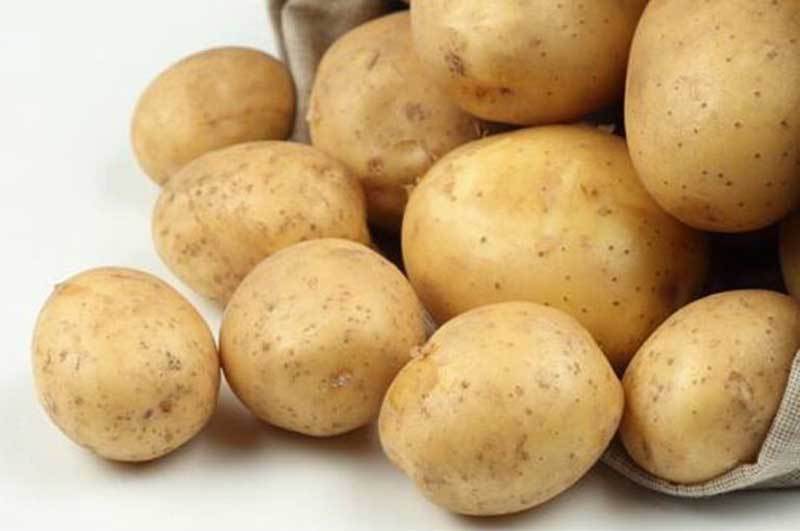
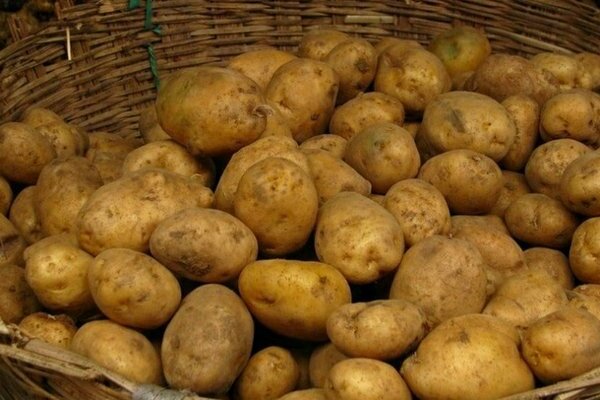
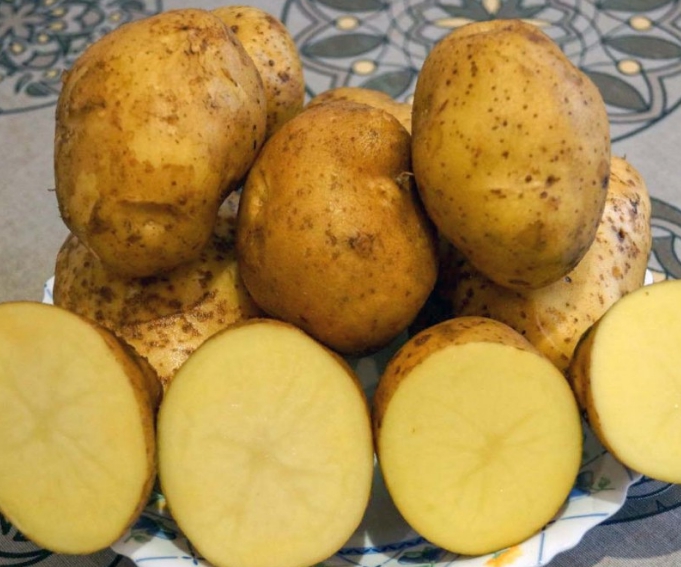
Historical background
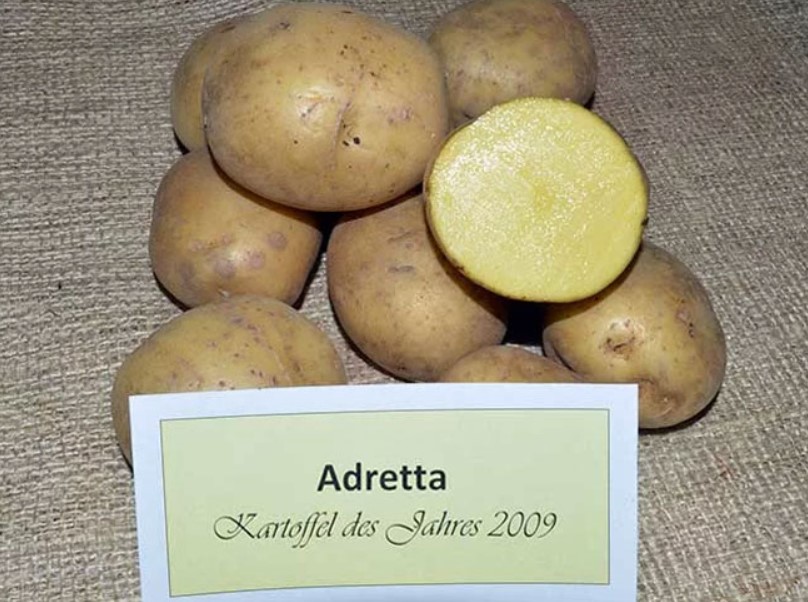
Developed in Germany in 1975 by Norika breeders, this potato has gained popularity worldwide due to its fast ripening, high yield, and excellent flavor. In Russia, gardeners began growing this variety in 1980. Its introduction led to a change in the belief among vegetable growers that yellow potatoes were tasteless and suitable only for animal feed.
Description
Let's take a closer look at the characteristics of the variety.
Bushes
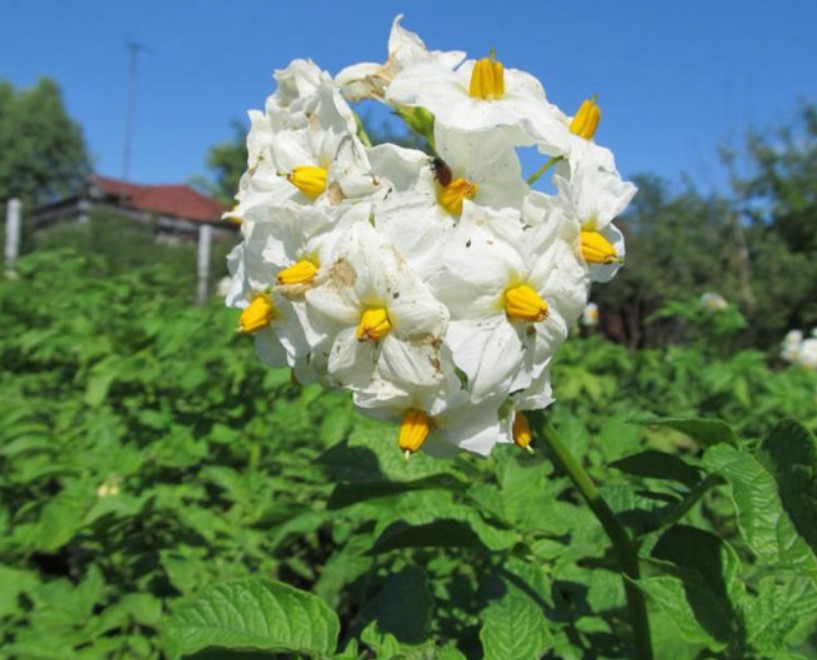
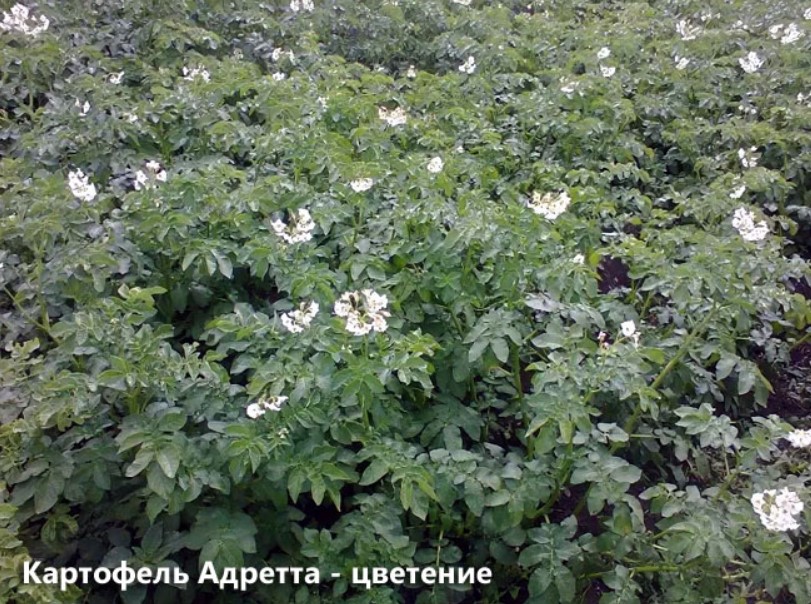
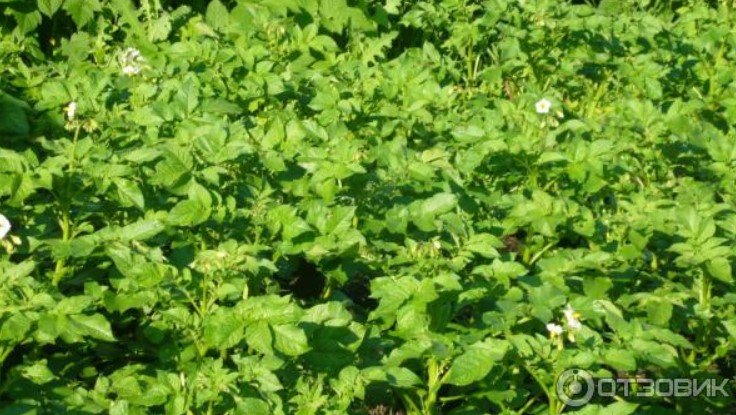
Upright, low-growing, with large, light-green leaves. Blooms profusely.
Tubers
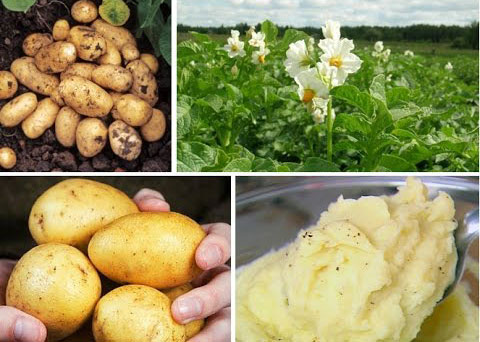
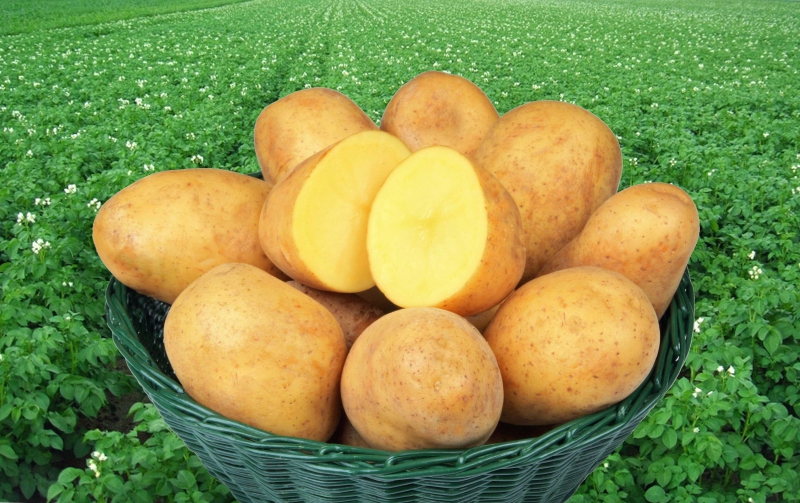
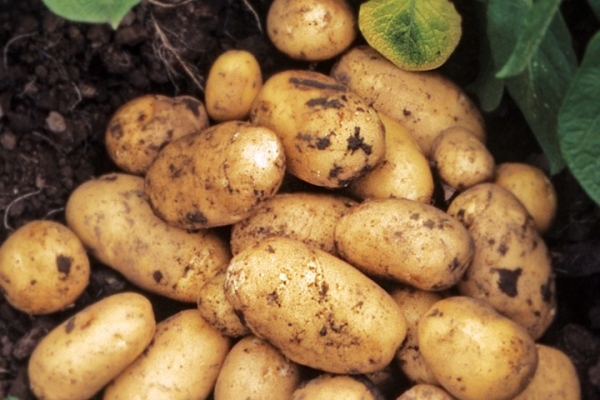
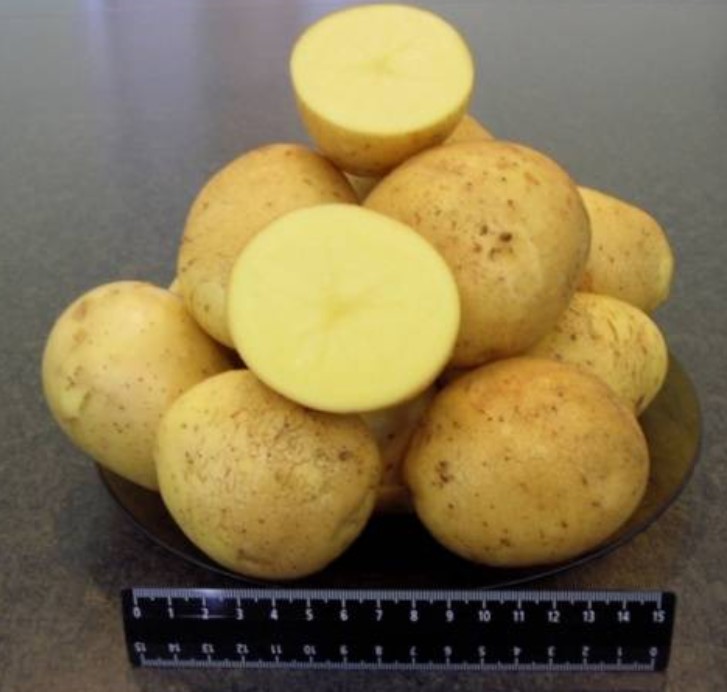
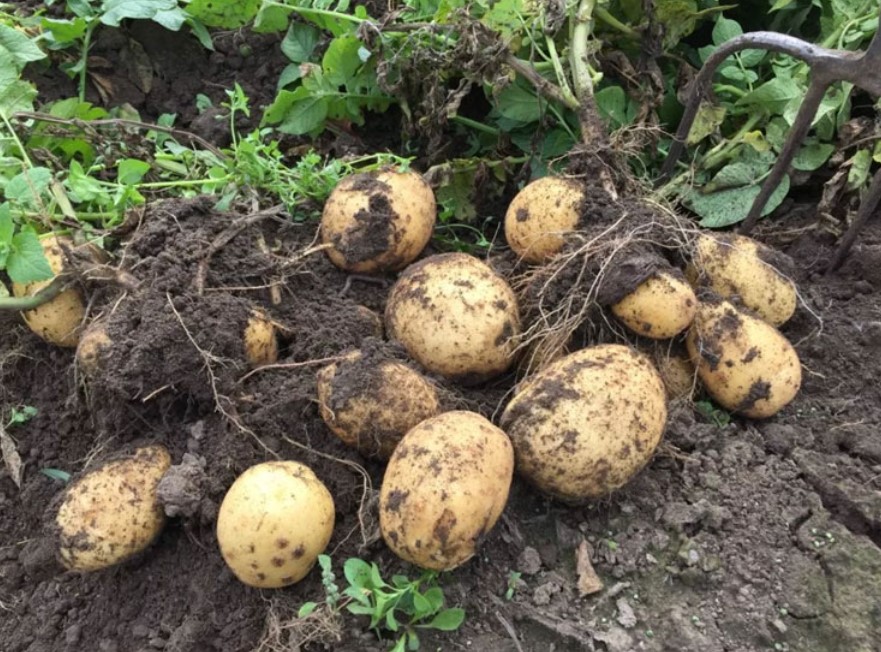
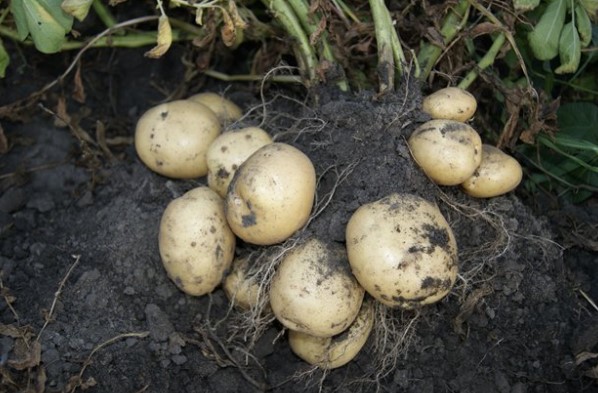
Large, oval-shaped, with a dry, firm skin. Average weight: 160 g. The flesh is light yellow, becoming brighter after cooking.
Useful substances
Adretta is high in vitamin B6, which helps produce glycogen for normal muscle function. It also contains carbohydrates, which help maintain energy during intense physical activity. The tubers contain 13-18% starch and 2.4% protein.
Productivity, ripening time
It has a mid-early ripening period. Harvesting can take place in late July or early August. Under favorable growing conditions and proper agricultural practices, a single plant can yield 10-25 potatoes, and an average yield of 45 tons per hectare.
Immunity
Let's take a closer look at the variety's susceptibility to various viruses and pests.
|
Disease/pest |
Sustainability |
|
Viruses |
Relative stability. |
|
Virus (PVY) Y |
High. |
|
Cancer |
|
|
Golden nematode |
Low. |
|
Leaf blight |
Moderate stability. |
|
Tuber blight |
Stable. |
|
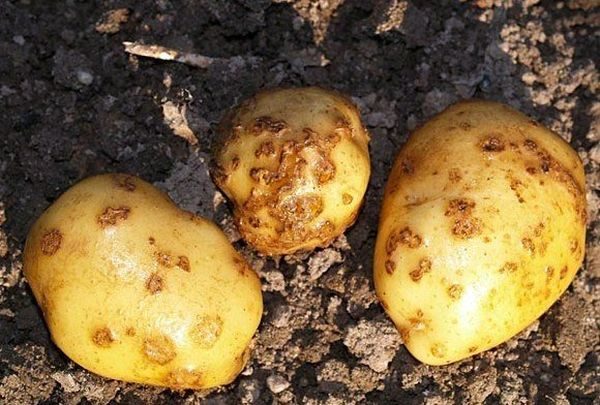
Common scab |
Moderately susceptible. |
|
Black scab |
Moderately resistant. |
|
Blackleg |
High. |
|
Iron spot |
Preferred regions for planting
It is recommended to grow this variety in a continental climate. It will thrive in the Far East, Western Siberia, Crimea, and the Middle Volga region.
Pros and cons
The advantages and disadvantages of the Adretta potato variety are discussed in the table.
|
Advantages |
Flaws |
|
Consistently high yield. |
Poor response to drought. |
|
Fast maturing. Harvesting can be done twice per season. |
Susceptible to late blight, Colorado potato beetle, and scab. |
|
Good preservation until spring. |
There is a high risk of tubers sprouting if storage requirements are not met. |
|
Good response to feeding. |
|
|
A large number of useful elements. |
|
|
Versatility. Suitable for a variety of dishes. |
|
|
Easy to care for. |
|
|
Low susceptibility to many infections and pests. |
|
|
Resistance to low temperatures. |
Landing features
Although Adretta is an unpretentious variety and tolerates various weather conditions well, it is necessary to follow planting rules to achieve maximum yield.
Landing site and its preparation
Well-drained and sandy loam soils are excellent for planting. Potatoes are best grown in open, well-lit areas.
When planting in soil with a high peat content, add 0.3 tons of sand, and in loamy soil, add 0.5 tons of humus per 100 square meters. This will make the soil lighter.
Before planting, cut the tubers into pieces, leaving 1-2 eyes on each. Carefully sprinkle the cut area with wood ash. This will increase the yield.
Selection and preparation of tubers
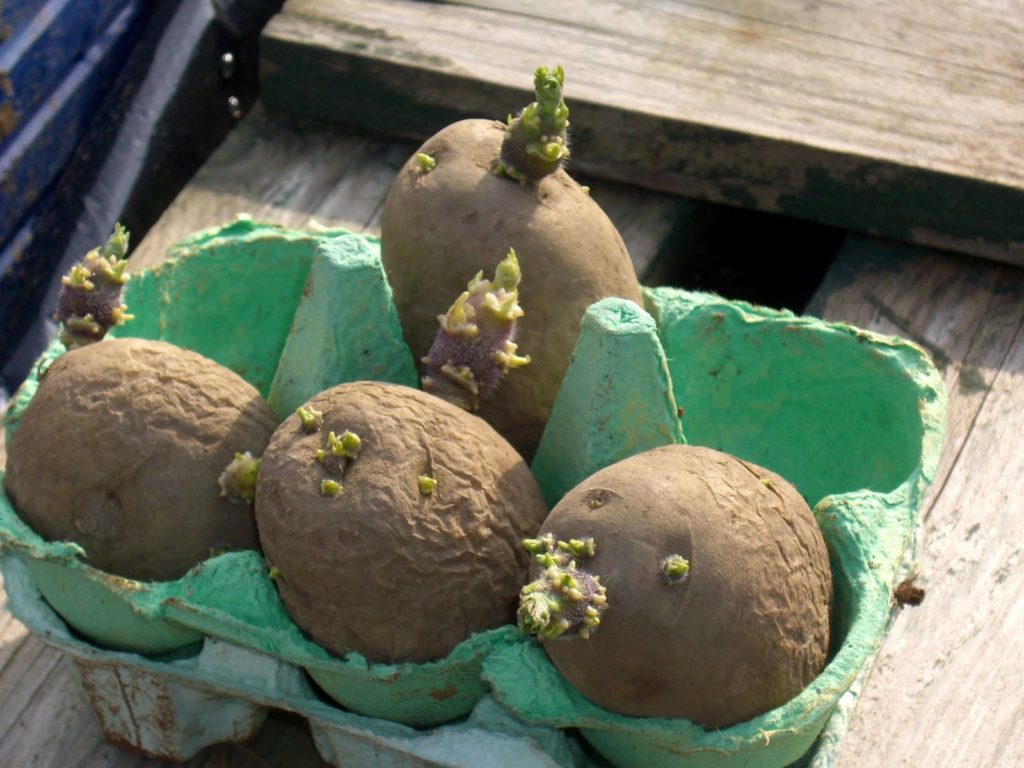
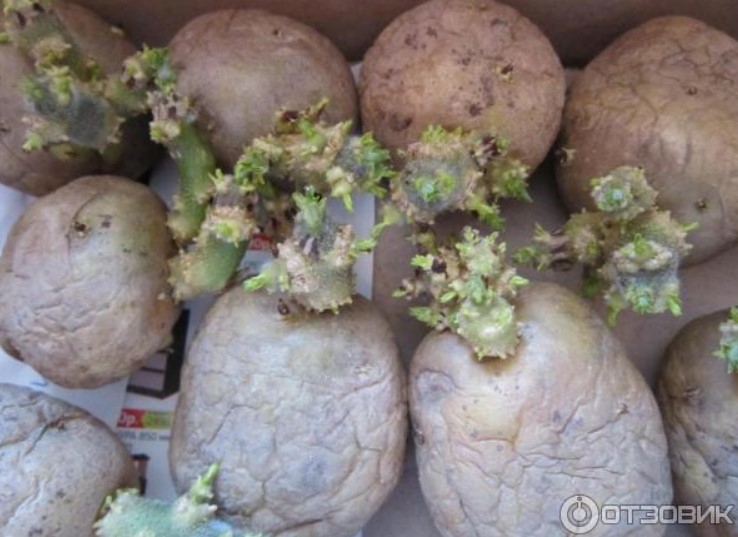
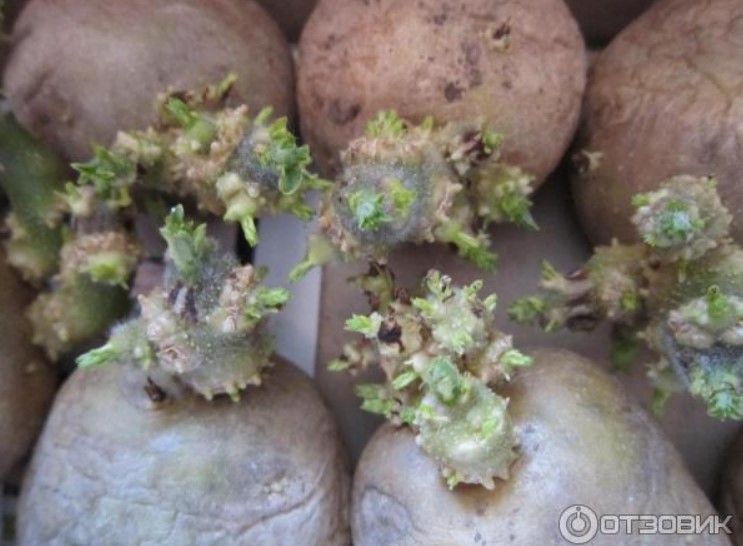
The tubers need to be pre-sprouted:
- Sprinkle on the floor in a room with low humidity.
- After a few weeks, green sprouts will appear on the potatoes. Once they appear, lightly moisten the tubers with water and cover with plastic wrap.
Thanks to germination, the roots will sprout faster.
Planting times and rules
Planting should be done in May:
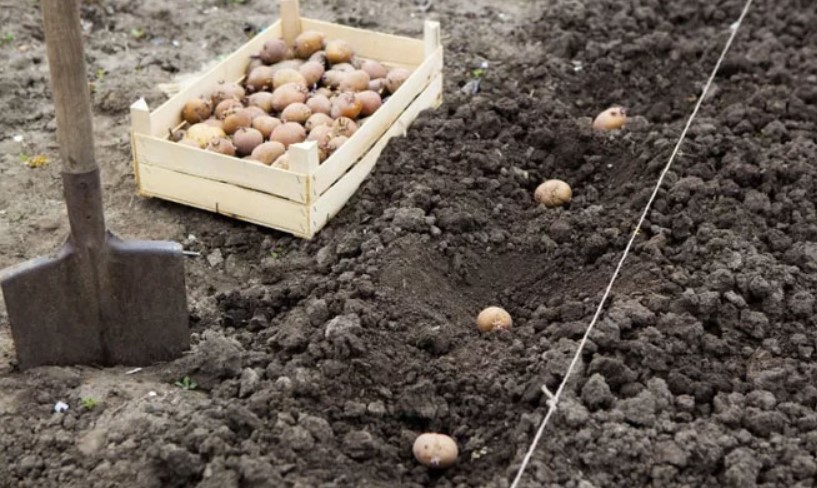
- Dig small holes 7-11 cm deep. The distance between them should be 35-40 cm, and between rows - 50-60 cm.
- Place 1 tablespoon of humus and urea in each hole.
- Plant the potatoes with the sprout facing up.
- Use a rake to level the soil so that moisture does not evaporate prematurely.
Please note! When choosing a planting date, be guided by the weather. Begin planting when temperatures stabilize and the risk of recurrent frosts has passed.
More details about the nuances of planting potatoes Read on our website.
Care Features
To achieve a high yield and prevent potato tuber spoilage, proper care is essential. Good plant growth depends on following basic agricultural practices.
Watering
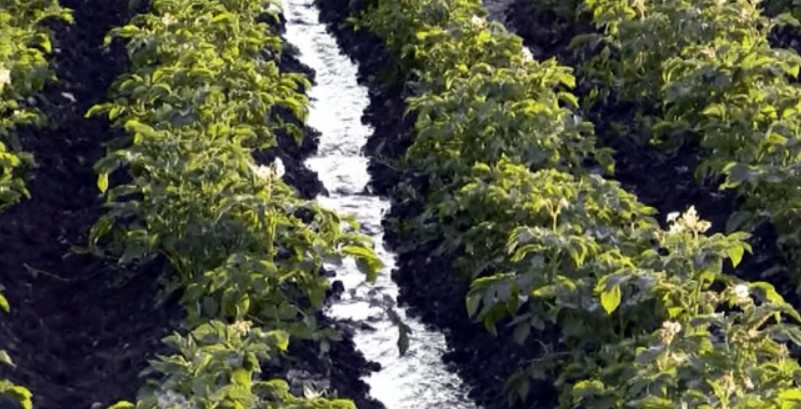
Adretta does not tolerate drought or stagnant water. It is important to water as needed. Each plant requires approximately 4 liters of water. You can use sprinklers or water in furrows for watering.
Top dressing
Bushes should be fed in the morning or evening in dry weather.
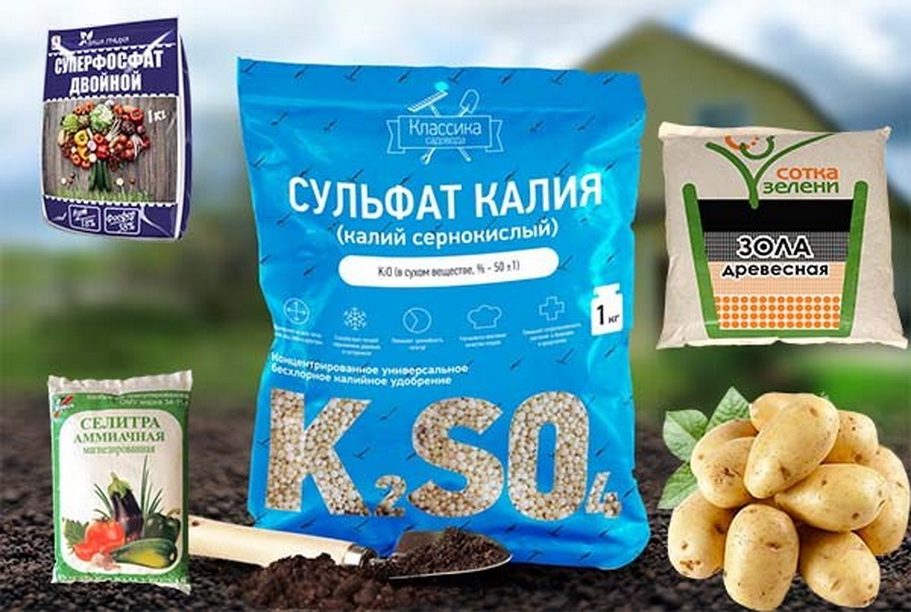
- 1st feeding. Apply if shoots grow weak and thin. Add 1 tablespoon of urea and ammonium nitrate to 10 liters of water. Alternatively, you can dissolve 0.5 liters of bird droppings in the same amount of water. Apply 500 g of fertilizer under each bush.
- Second feeding. Apply when buds form on the foliage. This is necessary to speed up flowering. Dissolve 3 tablespoons of ash and 1 tablespoon of potassium sulfate in 10 liters of water. Fertilizer is also added at a rate of 0.5 liters.
- 3rd feeding. This is applied to enhance tuber growth during flowering. Add a cup of fresh cow manure or bird droppings and 2 tablespoons of superphosphate to a bucket of water. One bush requires 0.5 liters.
Please note: Fertilizers should be applied to damp soil to avoid burning the plant's roots.
Loosening, weeding
After watering, wait 24 hours, then loosen the soil with a hand hoe. It's important to do this carefully to avoid damaging the sprouts and removing the tubers from the surface.
Hilling
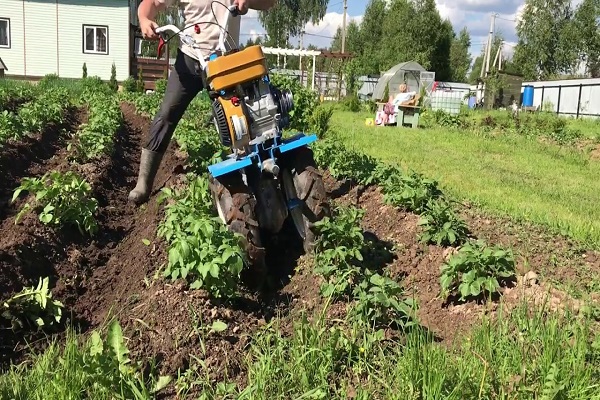
Hilling is an essential step in growing potatoes. This is necessary to retain moisture, promote the formation of new roots and tubers, and aerate the soil.
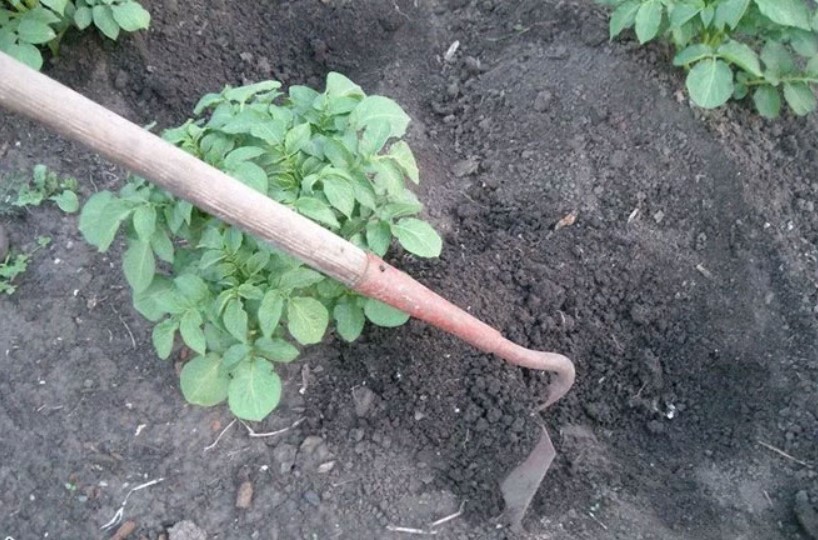
The procedure should be carried out twice during the growing season. The first time – when the plantings reach 8-10 cm. The second time – when the bush reaches 20 cm.
Moistening the soil is essential before hilling. If the climate is dry and hot and regular watering is not possible, hilling should be avoided.
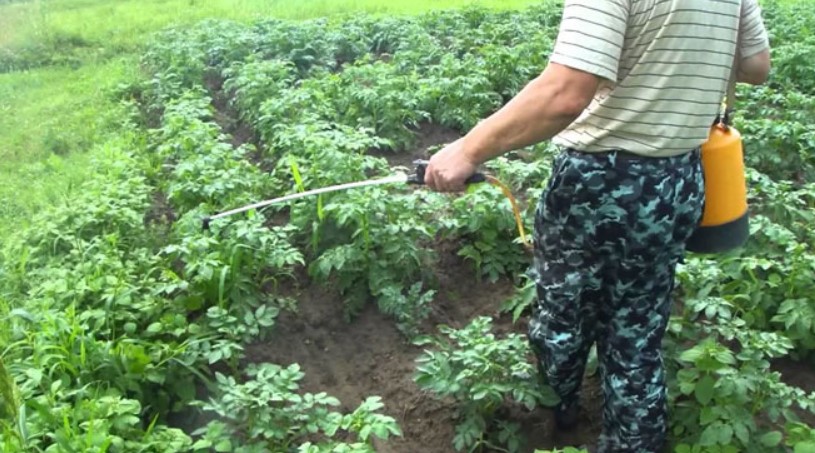
Protection from infections and insects
| Infection/pest | Processing time | Effective means | Preventive measures |
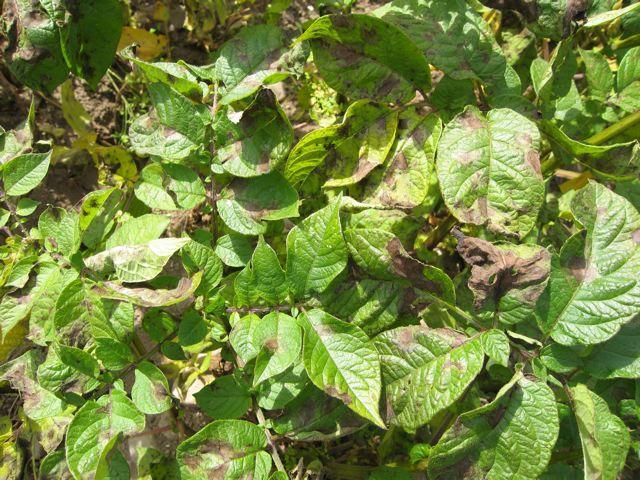
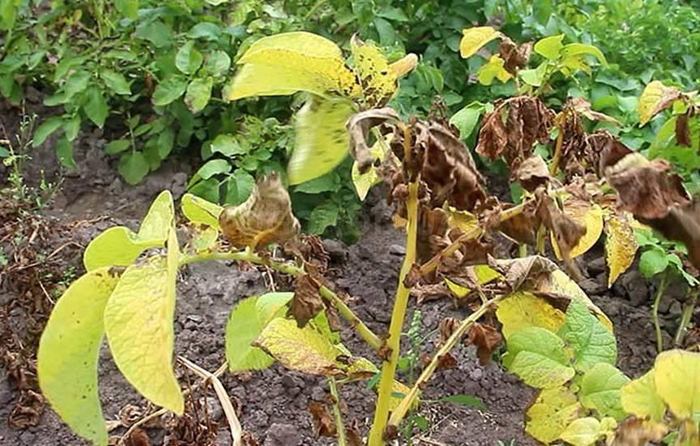
| Phytophthora
|
If signs are detected, apply twice, every 10 days. | Cuproxate or copper oxychloride. |
|
| Macrosporiosis
|
Cuproxate, copper oxychloride, Bordeaux mixture or Abiga-Peak. |
|
|
|
Common scab
|
Before disembarking. |
Ammonium sulfate or potassium magnesium sulfate with superphosphate. |
|
|
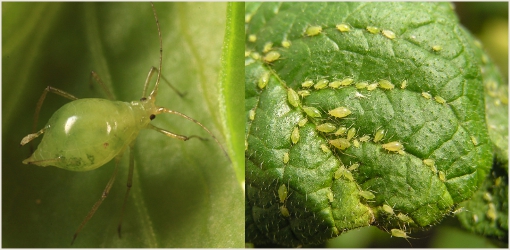
Aphid
|
During the growing season. |
Fosbecid, soap solution, folk remedies. |
|
|
|
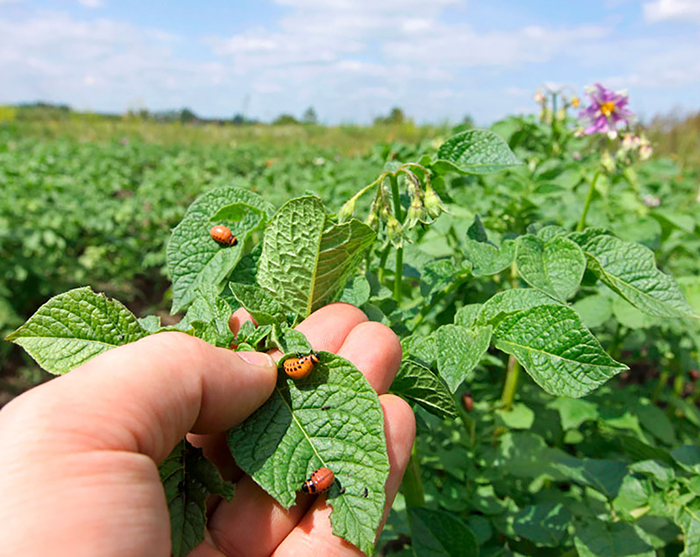
If insects are detected, treatment is carried out three times, every week. |
Bitoxibacillin + 2 tbsp. l. powdered milk. |
Regular inspection of bushes, collection of insects and their placement in a saline solution. |
|
|
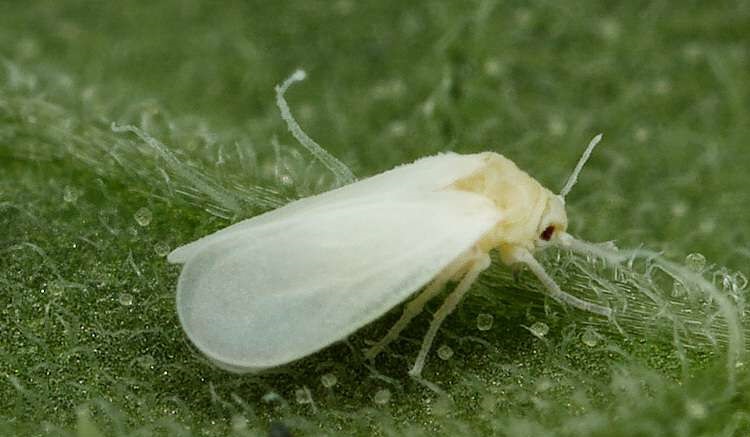
During the growing season. |
Fosbecid. |
Avoid planting near tomatoes. |
The nuances of collection and storage
After harvesting, it's important to sort the potatoes to remove any spoiled tubers. After sorting, dry them by laying them out in the sun.
Different ways to store potatoes reviewed on our website.
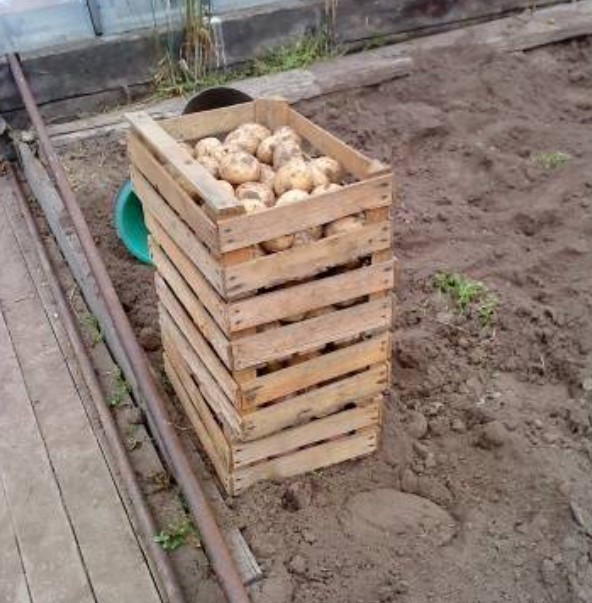
Potatoes should be stored in a cool, dark place at a temperature of around 2°C. Place them in ventilated wooden crates. Place them on a rack to allow excess moisture to evaporate.
This way the potatoes will retain their flavour for a long period of time.
Potato variety Gala as an alternative
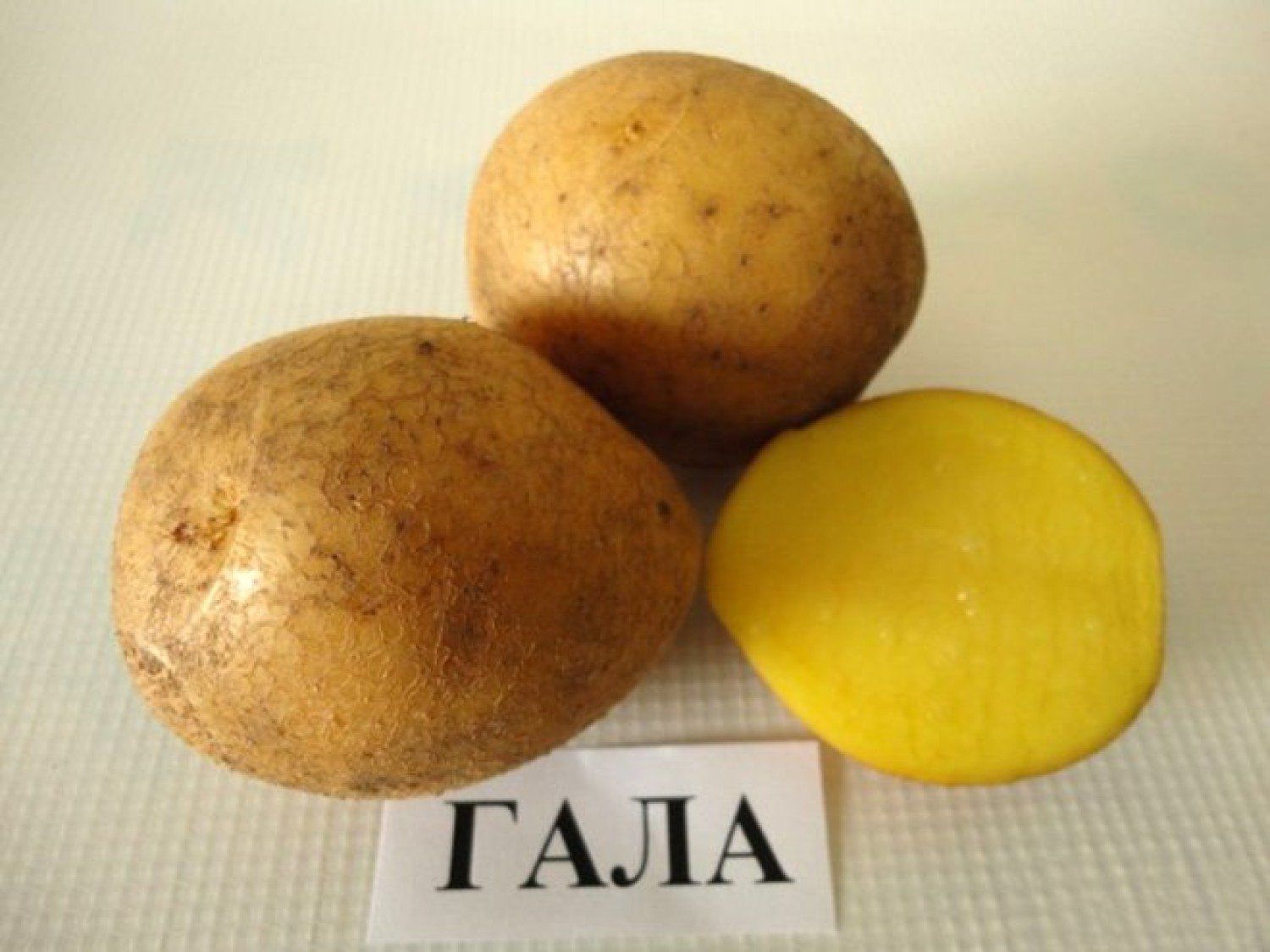
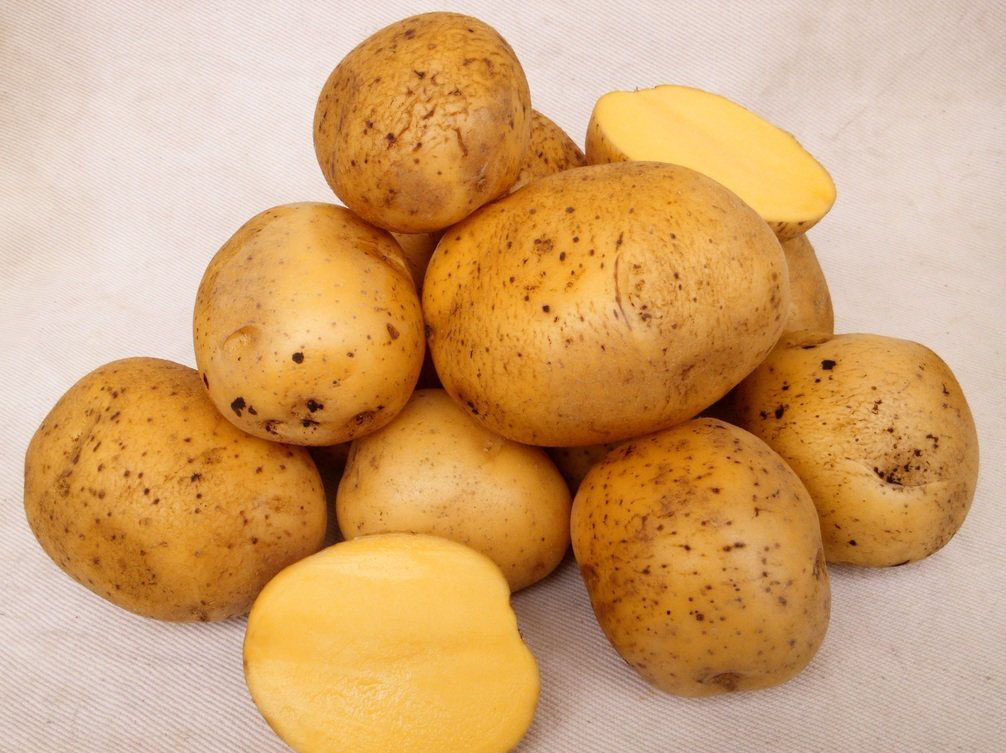
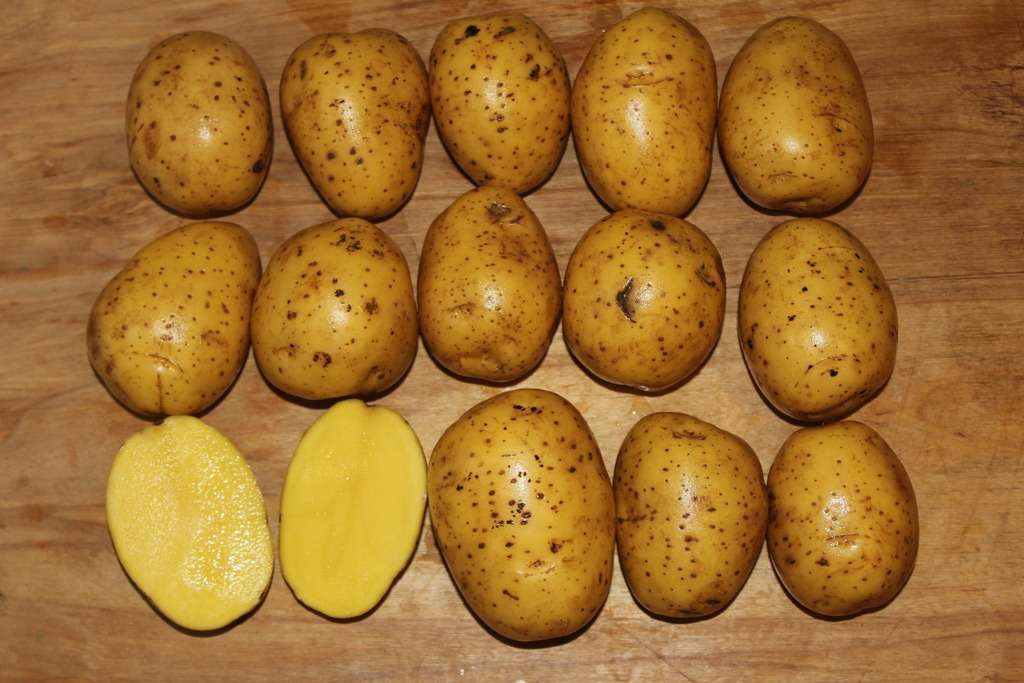
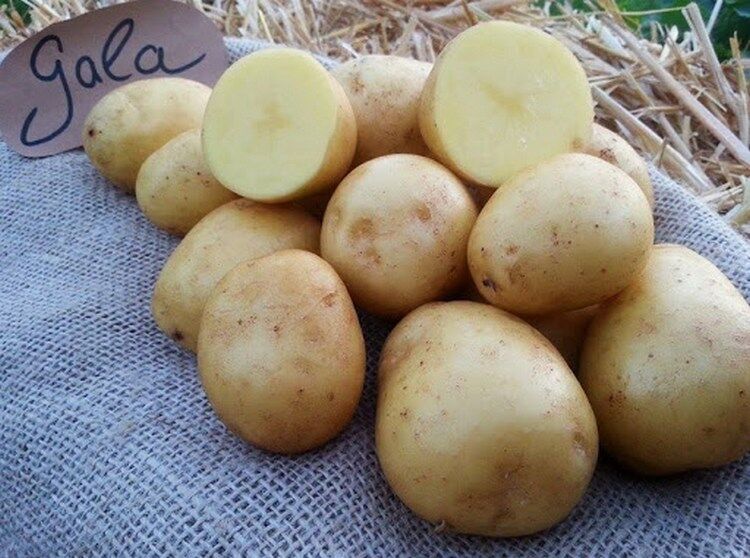
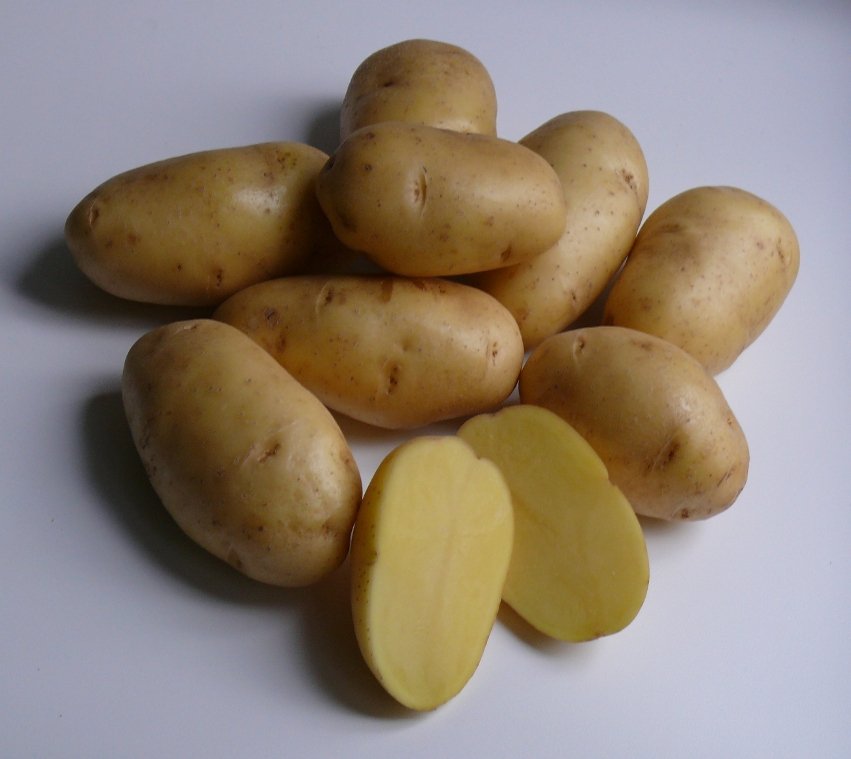
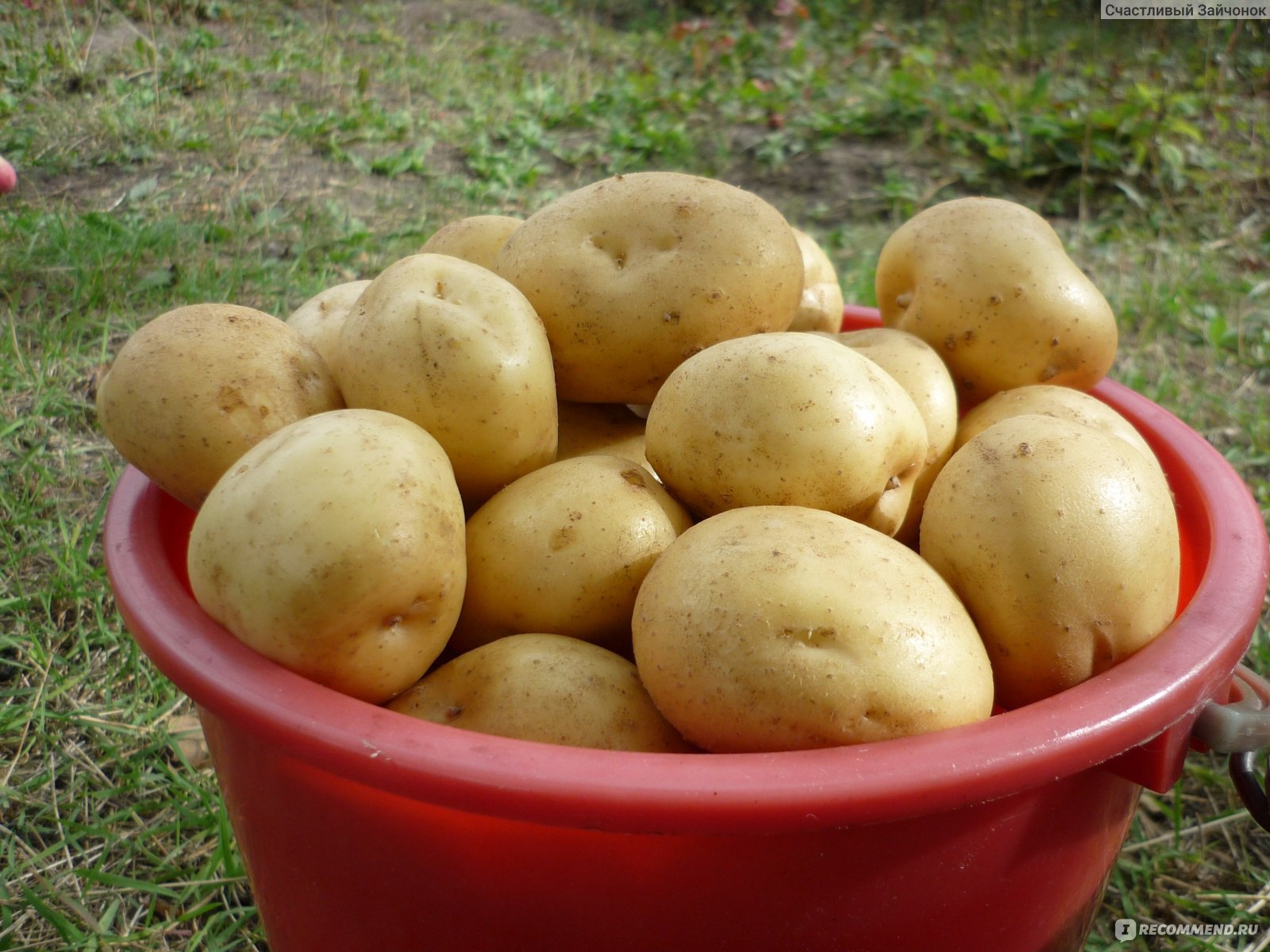
When visiting a gardening store, customers may encounter the fact that they are offered to replace their favorite Adretta variety with another one called GalaIt was bred on the basis of the German Adretta.
They are very similar in appearance. Both varieties have light yellow flesh and store well. The difference is that the Gala variety produces a lower yield.
Photo of the Gala potato variety
Comparison of the Adretta potato variety with other varieties in the table
| Variety | Ripening period (number of days to maturity) | Starch (%) | Yield (c/ha) | Weight of tubers (g)
Number of tubers per bush Color of tuber, pulp |
Shelf life (%) |
| Adretta | Mid-early | 13-18 | 450 | 100-150
10-25 yellowish, light yellow |
95 |
| Gala | Mid-early** | 12-14 | 263 | 71-120
8-15 yellow, yellow |
95 |
| Ariel | Mid-early** | 14.3-18.5 | 304-533 | 106-235
10-15 yellow, yellowish-white |
96 |
| Vega | Mid-early** | 10-16 | 230-380 | 90-120
8-12 yellow, light yellow |
99 |
| Vineta (Veneta) | Early ripening | 12.9-15.2 | 160-228 | 67-95
13 yellow, light yellow |
87 |
| Colombo | Early ripening* | 11-15 | 230-450 | 100-130
12-14 yellow, light yellow |
95 |
| Queen Anne | Early ripening* | 13.1-14.4 | 393-604 | 84-137
14-16 yellow, yellow |
93 |
| Kolobok | Mid-season*** | 11-13 | 130-250 | 90-140
15-18 yellow, yellow |
96 |
| Latona | Early ripening* | 16-20 | 400-450 | 90-140
10-15 yellow, yellow |
96 |
| Breeze | Mid-early** | 10-16 | 160-395 | 130-150
8-12 yellow, yellow |
97 |
| Jewel | Early ripening* | 10-15 | 700 | 80-150
15-20 yellow, light yellow |
94 |
| Innovator | Mid-early** | 12-15 | 320-344 | 83-147
6-11 creamy, soft yellow |
94 |
| Lapis lazuli | Early ripening* | 13.5-15.7 | Up to 270 | 92-120
6-11 yellow, white |
96-98 |
| Treasures | Mid-season*** | 12-18 | up to 650 | 95-250
12-18 yellow, yellow |
94 |
| Banker | Mid-early** | 15-16 | 200-350 | 70-160
10-15 soft yellow, light yellow |
90 |
*Early ripening – 50-65 days.
**Mid-early – 65-80 days.
***Mid-season – 80-95 days.
****Mid-late – 95-110 days.
User reviews of the Adretta potato variety
The Adretta variety has been grown for a long time and during this time has earned the love of gardeners, who speak extremely positively about it.
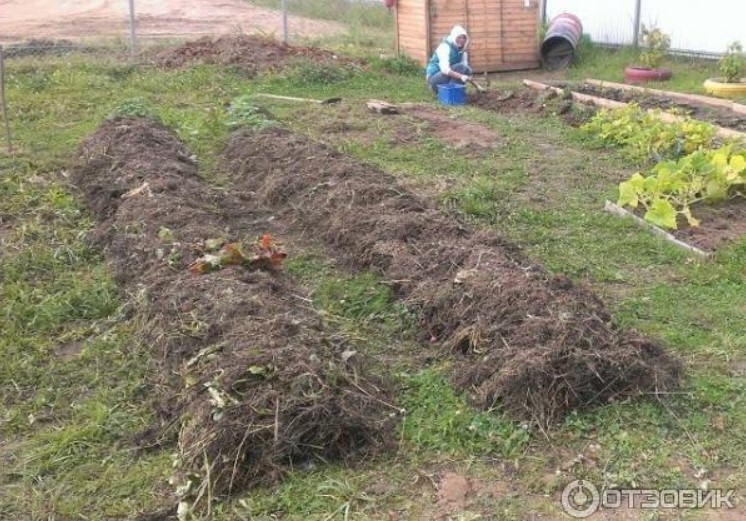
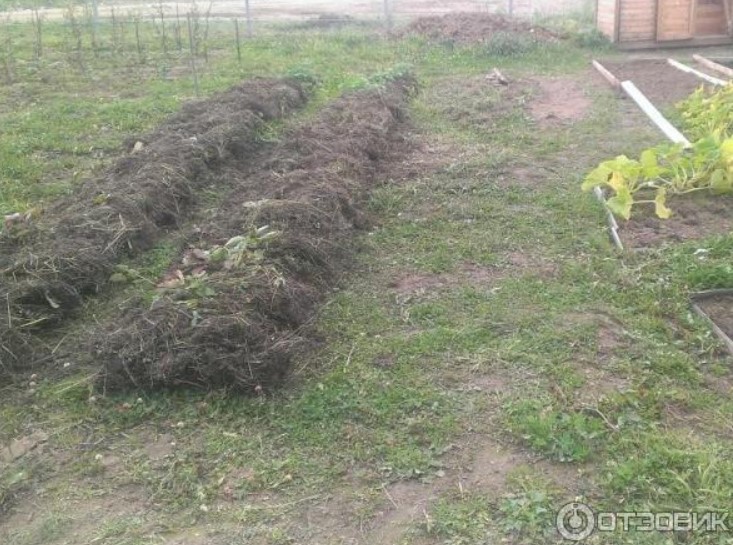
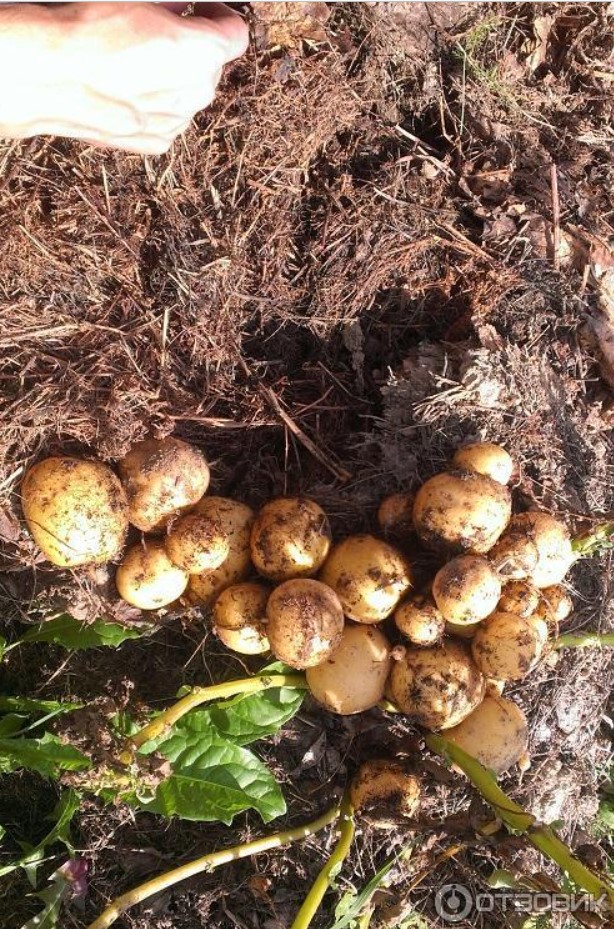
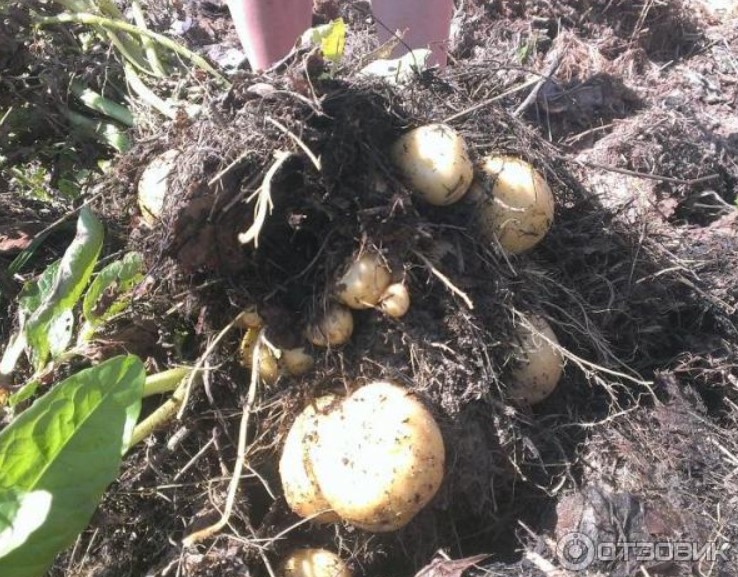
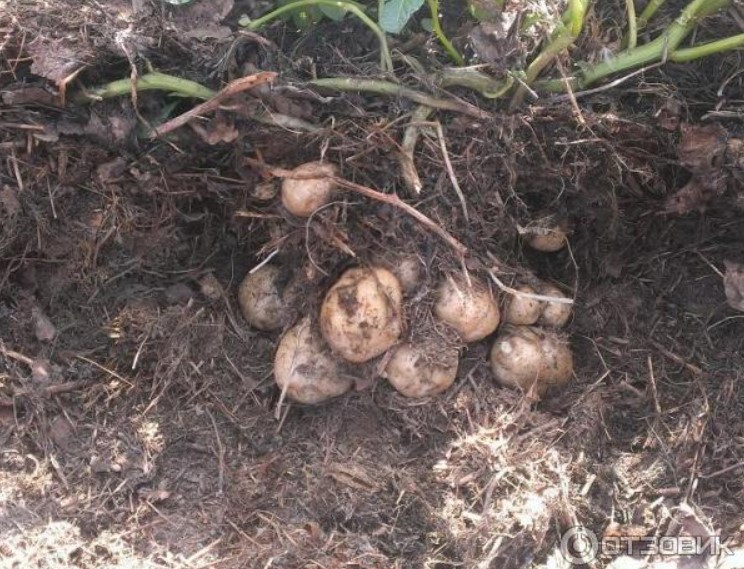
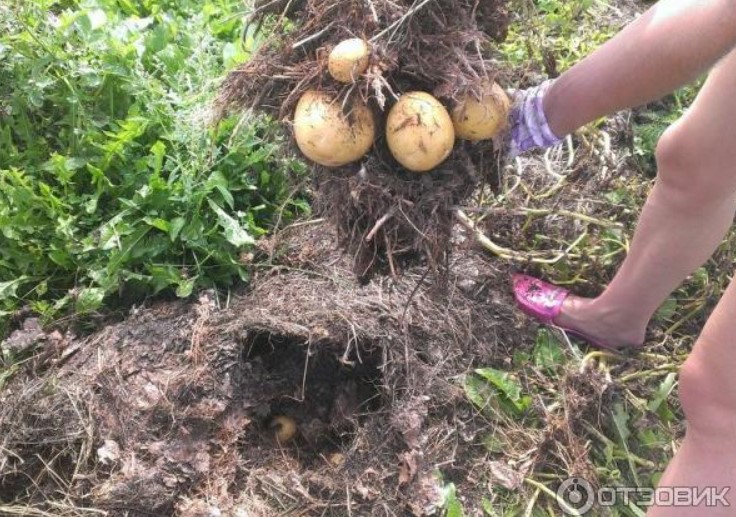
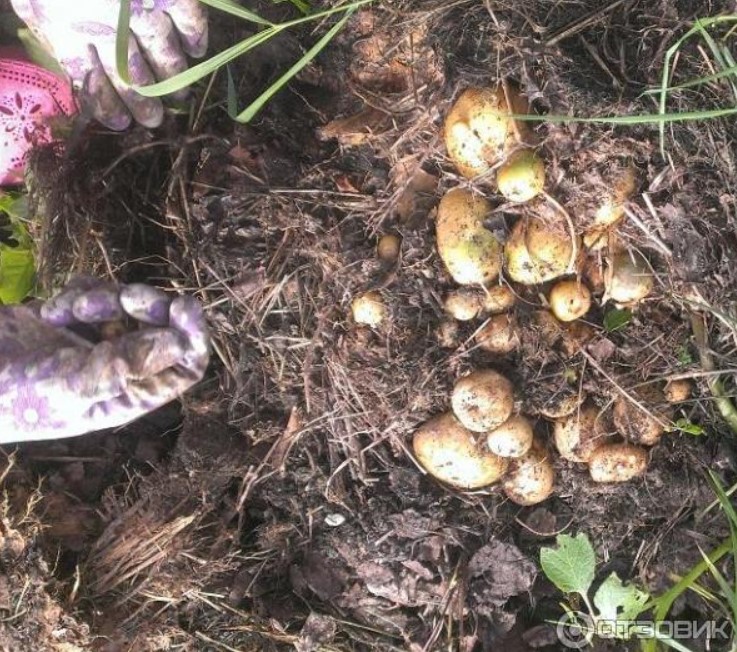
We've been growing potatoes in hay at our dacha for years now! The method is simple: just mow the grass and get hay. It doesn't require much effort, and the main thing is you don't have to dig hundreds of meters with a shovel and then hill it up. The potatoes are very good and tasty. So, Adretta potatoes are good in both taste and quality.
Last year, potatoes were grown in the following way:
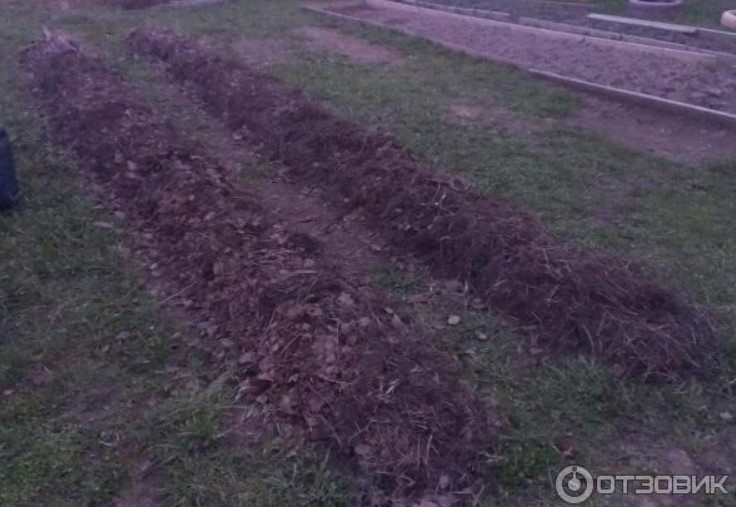
In the fall, we started preparing the beds. We mowed hay on our plot, dried it in the sun, and the green grass turned into hay (yes, hay). We made a couple of beds, added some tree leaves to provide a varied diet for the worms, and the beds became higher and more lush.
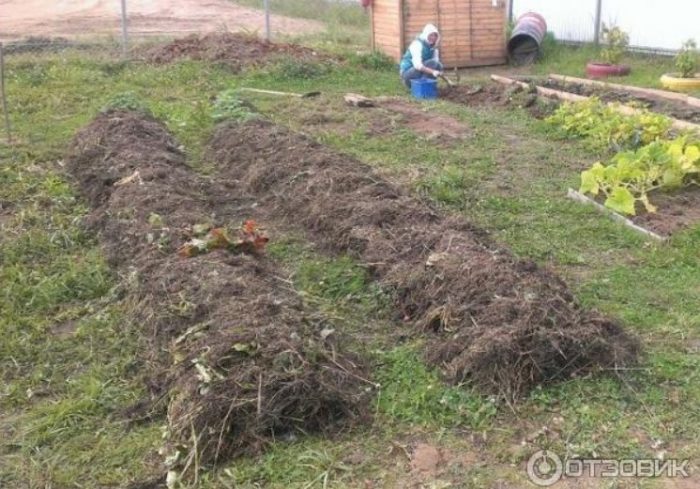
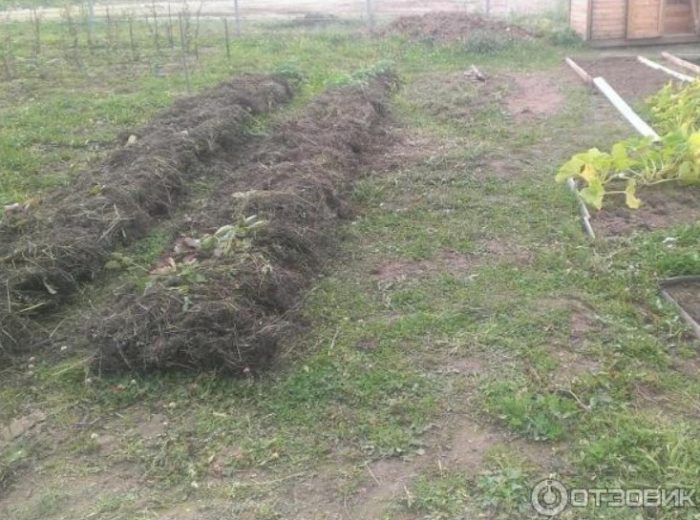
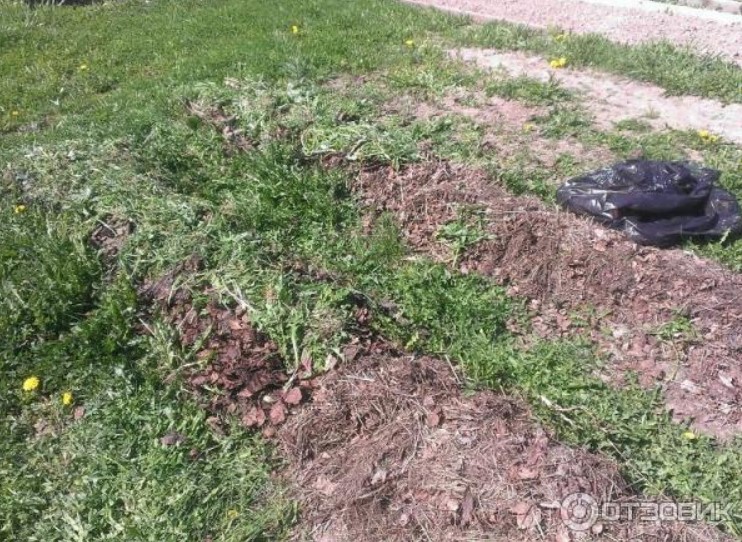
Spring has come, the grass is growing quickly, there is a surplus, we throw it on top of the beds, in a couple of days it turns into straw, and straw is needed by worms, because it is food for them.
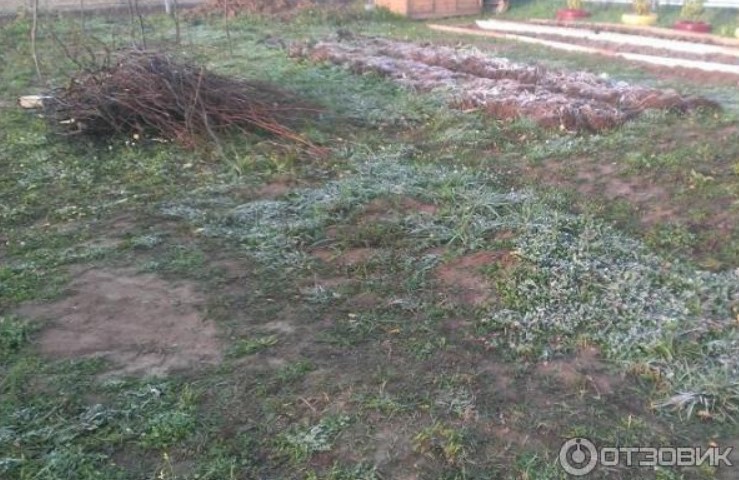
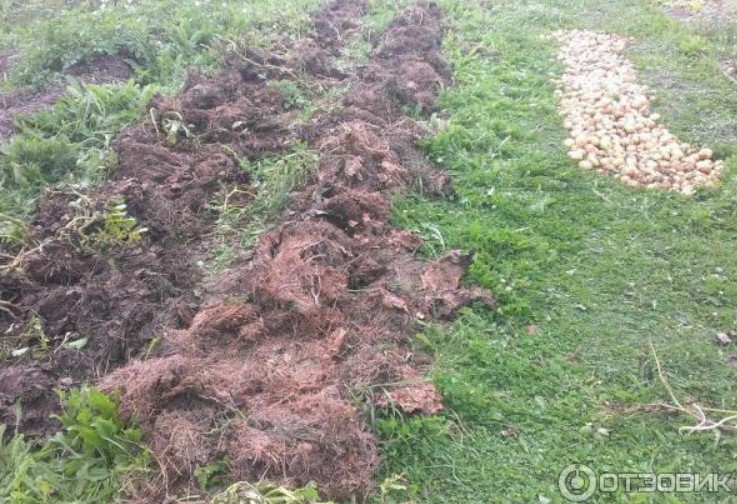
Worms are very important in this area, they do many useful things for us, and in the fall we also get clean soil covered with a thin layer of straw:
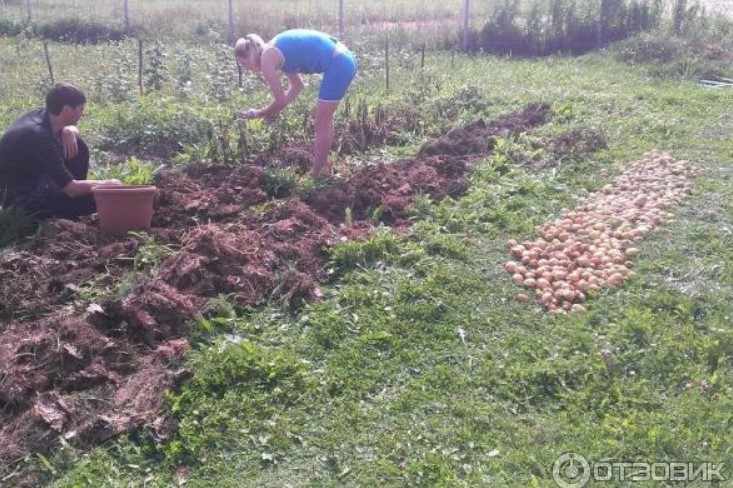
After 60-80 days, since it depends greatly on the weather, we begin to harvest:
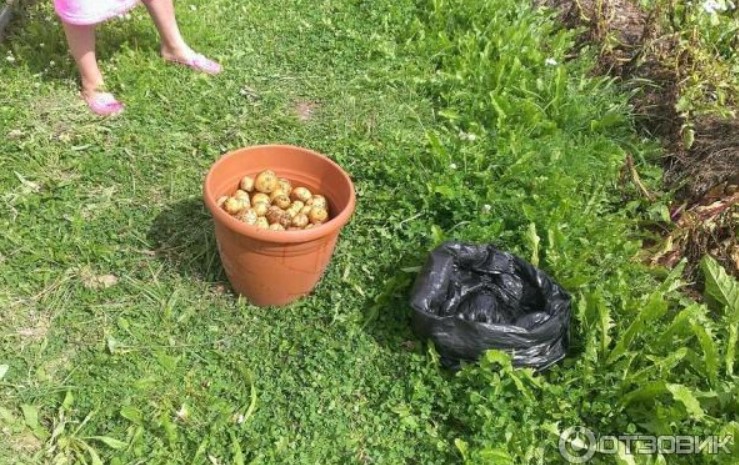
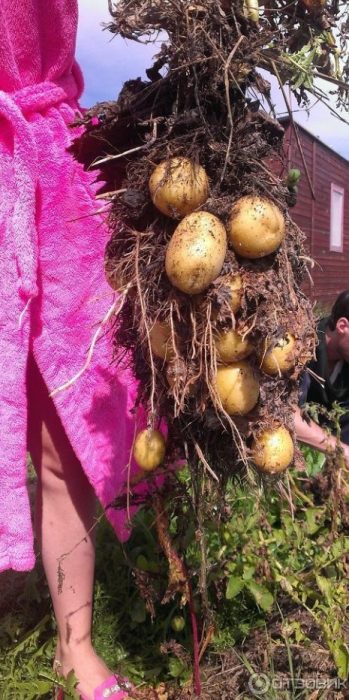
Last year we made a small number of beds and got this harvest:
We ate the potatoes with pleasure!
Below I am posting a video showing the complete harvest.
I hope this review will be useful to many.
The popularity of this potato variety among early varieties is hard to overstate. Although "Adretta" is a mid-early variety, it's somehow the first to appear at our vegetable markets. That's where I first noticed it. Adretta is very popular here in Altai. Siberia generally requires careful selection of vegetable varieties to ensure they're grown in time during the short summer. "Adretta" is suitable even for the harsher northern conditions; its ripening period is short, 60-80 days from germination.
The variety was developed in Germany, in what was then East Germany, back in 1975, but it didn't immediately catch on. For some reason, the potato's color wasn't appealing, so it was considered a fodder crop. And Adretta's tops are overly vigorous, blooming heavily, like those of a weed.
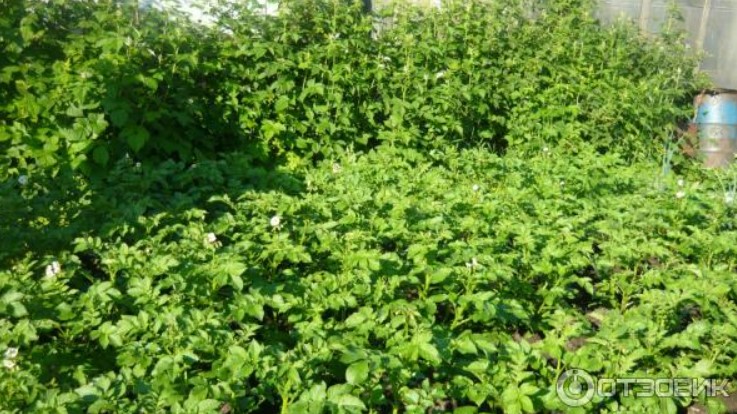
We planted, as usual, in early May, and by June the potatoes were in full bloom. You can see the raspberries in the background, but they weren't blooming yet.
We started digging up these potatoes for food in mid-June, and by August we'd dug them all up because the tops had fallen over. I won't lie about the great yield. The reports of yields of 40-80 kilograms per square meter are unbelievable to me! Ours yielded a typical 1.5-2 kilograms per bush.
And how beautiful, so even!
The Adretta's flesh, like its appearance, is yellow. It's very starchy! That makes it incredibly tasty.
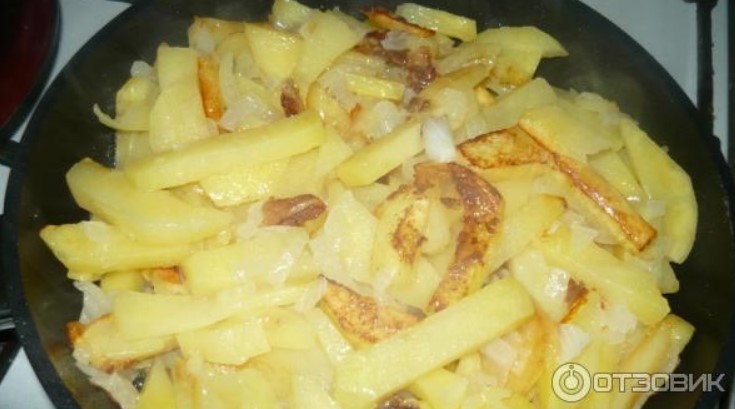
How wonderful it is to fry fresh potatoes in butter! Incidentally, despite their high starch content, they don't fall apart when boiled or fried.
I bought the seeds at my favorite "Lyubitel Gardener" store, but that's in our city. They should definitely be available in other regions, too.
We'll definitely keep planting these. Early varieties aren't usually very tasty, they're a bit soapy, but Adretta is great! I recommend it.And a little humor on the topic:
Our population is divided into two camps when it comes to celebrating the May holidays. Some invariably plant potatoes on these days, while others plant liver…
Good afternoon, Otzovik guests!
I wouldn't say potatoes are my favorite vegetable, but we always grow them. We have two hundred square meters of land dedicated to them. We plant several varieties, constantly renewing the seed stock, and looking for our own varieties that grow and produce a good harvest with minimal labor. One such variety is "Skarb," which I wrote a review about previously. I've long heard that "Adretta" does well in Kostroma. It's an old, well-tried variety, so I decided to try it this year. I bought the seeds from the Kostroma seed company, OOO KTM. I didn't buy many, just 11, to try them out, thinking that would be enough. These potatoes were germinated in February, and by May they had sprouted well.
The only thing that was disappointing was that many of the sprouts had brown rot.
I found online that this is a fungal disease and that it's not recommended to plant these potatoes. But since I felt bad about throwing the seeds away, I decided to plant them anyway. I pulled out the completely rotten sprouts, cut off the rot from some, and sprinkled the cuts with ash. I planted my 11 potatoes on May 13th. I'll explain why I'm looking for low-maintenance varieties. We plant potatoes in soil that hasn't been dug for over 10 years. We make trenches 70-80 cm apart, add manure, ash, and a little urea, and cover with soil. The second planting is done during the first hilling, the next during the second hilling. We didn't have to water this year; the rains came as if on cue. In mid-July, I sprayed the potatoes with Profit Gold as a preventative measure against late blight. That's all our farming practices are. I always wonder how potatoes can grow in our hard, un-dug soil?
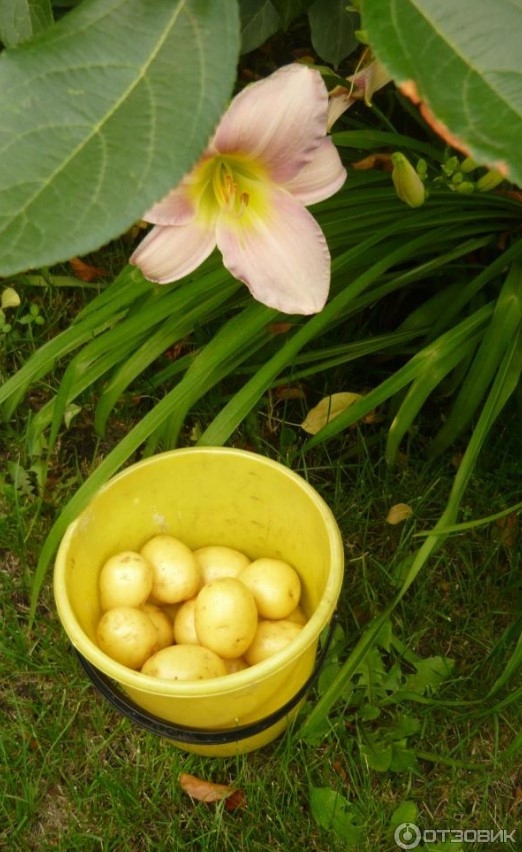
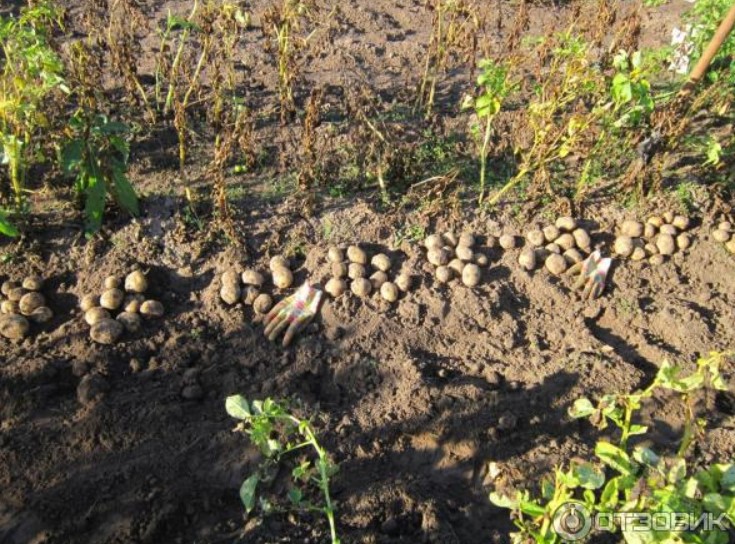
I started digging up new seed potatoes on August 18th. By that time, the tops on this variety were gone. I'm not sure if late blight ate them, or if the tops disappeared because the potatoes were already ripe, as Adretta is a mid-early variety. Here's what we got. The mound is a single plant. The potatoes turned out medium-sized, no small ones, but no giants either.
The tubers are round-oval, with yellow skin and light yellow flesh. The potatoes are very tasty. The only drawback I discovered while growing this variety is its susceptibility to late blight. It was one of the first to lose its tops. The "Skarb" variety (I decided to update it this year) and the "Gala" variety, whose seeds I also purchased from the Kostroma seed company, OOO KTM, were also the most susceptible to late blight. The "Vega" variety was a revelation this season. I was surprised by its high yield.
I give the Adretta variety four stars, removing one for late blight.
I won't go into the history of this variety's breeding. I'll just share my impressions of the Adretta potato. It's an early potato variety, ripening in two months.
I grow two crops per season. This year, however, I don't know if I'll be able to harvest both. It's April, and it's snowing outside. There are other super-early varieties that ripen in six weeks, but I prefer this one. Adretta is one of the top twenty best potato varieties. That's why I bought it for my plot. The yield is good. I don't really spoil them. When planting, I always add a handful of ash. Luckily, I have rabbits, and I buy laying hens in the spring, so I have enough organic fertilizer. I like the soft, crumbly taste of this variety. The mashed potatoes are delicious, a pleasant yellowish color. I recommend this variety to all potato lovers.