The Delphin and Delphine potato varieties, despite their similar names, are actually different varieties. The latter was developed in Germany and arrived in Russia a little later. We'll explore the differences between the varieties and their characteristics in more detail in this article.
Content
- 1 Characteristics of the Dolphin potato variety
- 2 Characteristics of the Delphine potato variety in the table
- 3 The origin of the Delphin and Delphine potato variety
- 4 Description and comparison of potato varieties Dolphin and Delphine
- 5 Advantages and disadvantages of the Delfin and Delphine potato varieties
- 6 Planting Features of the Dolphin and Delphine Potato Varieties
- 7 Caring for the Delfin and Delphine potato variety
- 8 Protection of potato varieties Dolphin and Delphine from diseases and pests
- 9 The nuances of harvesting and storing the Delfin and Delphine potato varieties
- 10 Comparison of the Delfin and Delphine varieties with other varieties
- 11 Reviews of the Delfin and Delfin potato variety
Characteristics of the Dolphin potato variety
| Characteristic | Medium-sized bushes with erect shoots of an intermediate type with large leaves and white flowers. |
| General information | An early ripening variety of table potato. |
| Ripening time | 60-75 days |
| Productivity | 170-256 c/ha. |
| Marketability | 88-96% |
| Shelf life | 90-99% |
| Starch concentration | 11.2-15.1% |
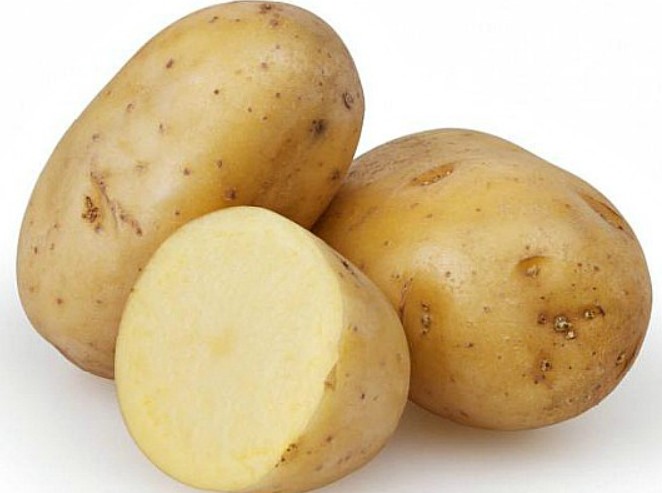
| Color of pulp | Light yellow |
| Peel color | Yellow |
| Weight of commercial tubers | 80-132 BC |
| Number of tubers per bush, pcs. | 8-12 pcs. |
| Taste characteristics | Excellent taste. |
| Class and purpose in cooking | Table purpose, class A |
| Suitable regions for growing | Central. Central Black Earth. |
| Disease resistance | Resistant to leaf curl, canker, nematodes, stripe and rugose mosaic. Susceptible to late blight. |
| Growing specifics | It does not tolerate waterlogged soil, is drought-resistant, and bears fruit well in fertilized soil. |
| 2002 | |
| Country of origin | Belarus |
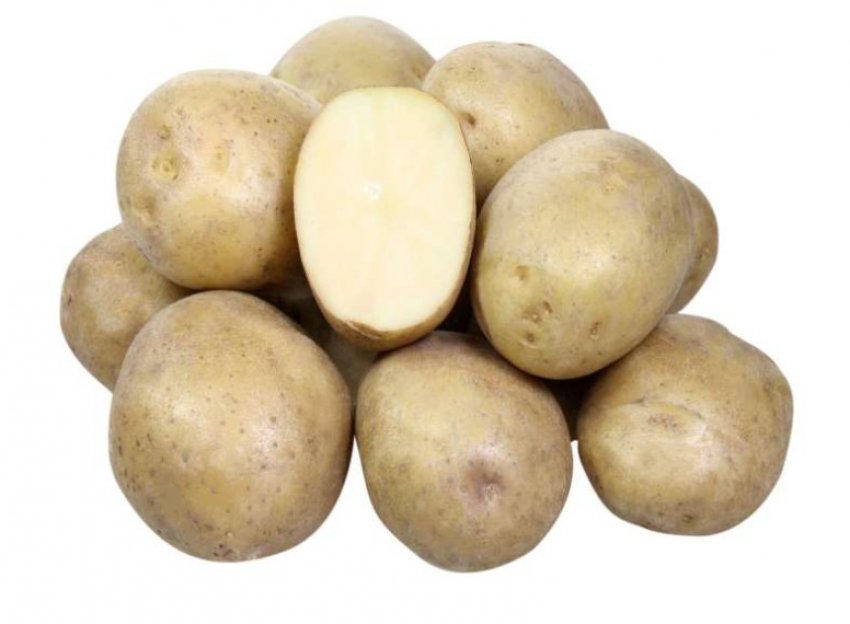
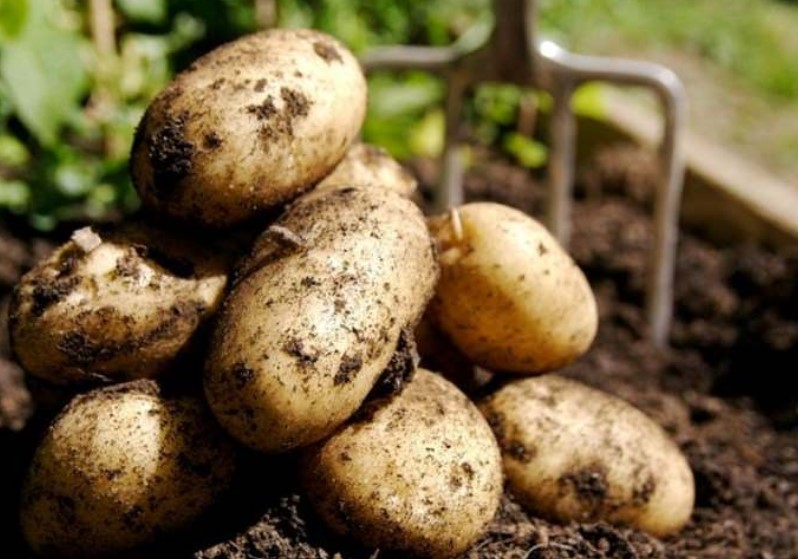
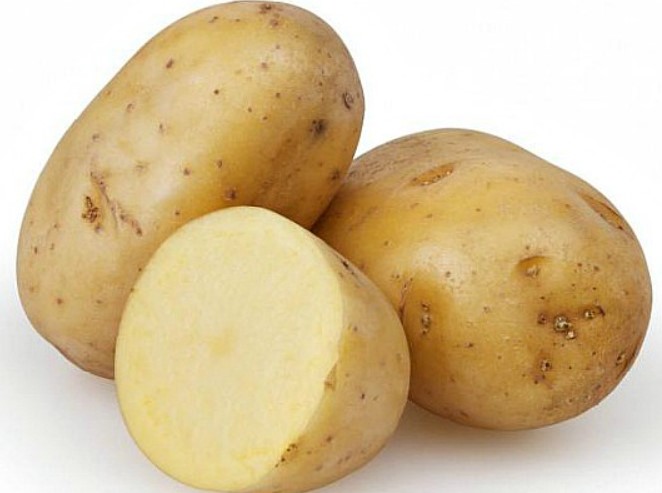
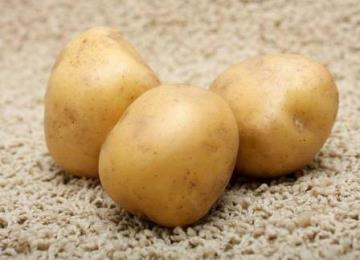
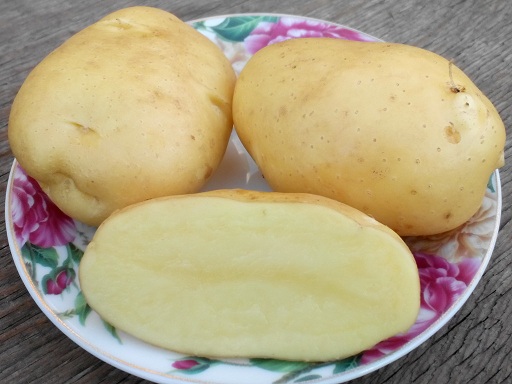
Photo gallery of the Dolphin potato variety
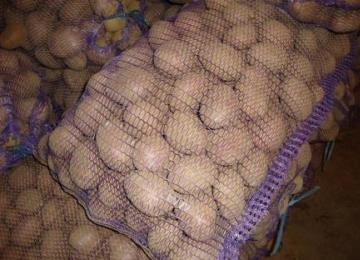
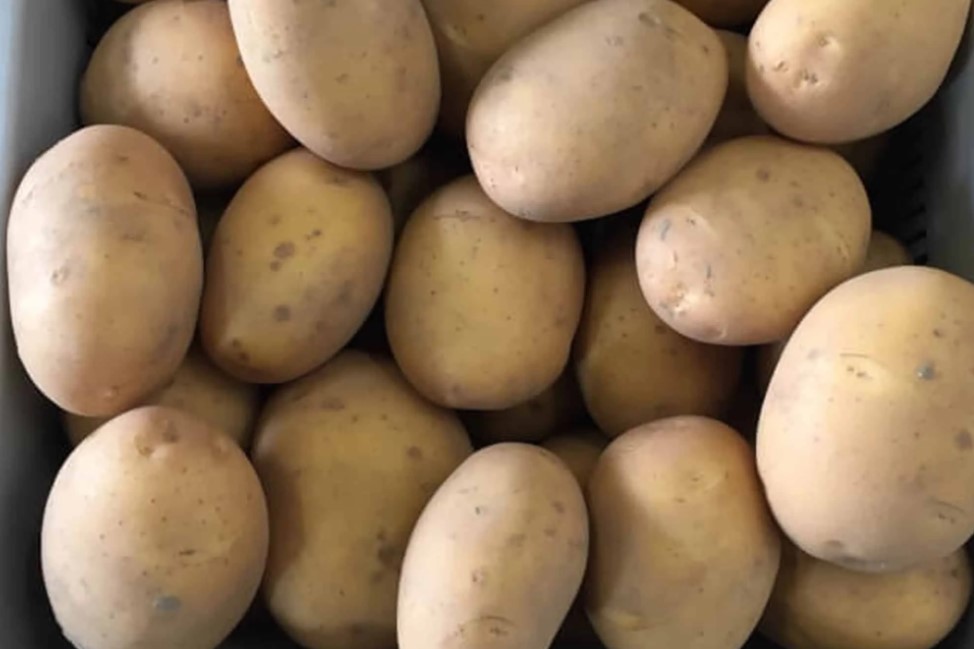
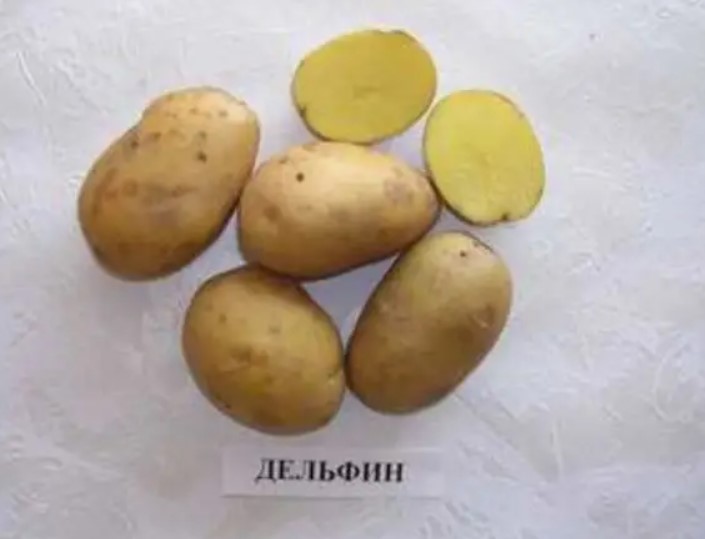
Characteristics of the Delphine potato variety in the table
| Characteristic | The potato is characterized by tall, upright shoots with dark green leaves and purple flowers. |
| General information | A mid-season, tall variety of potato. |
| Ripening time | 75-85 days |
| Productivity | 228-374 c/ha |
| Marketability | 81-97% |
| Shelf life | 95% |
| Starch concentration | 13.7-15.3% |
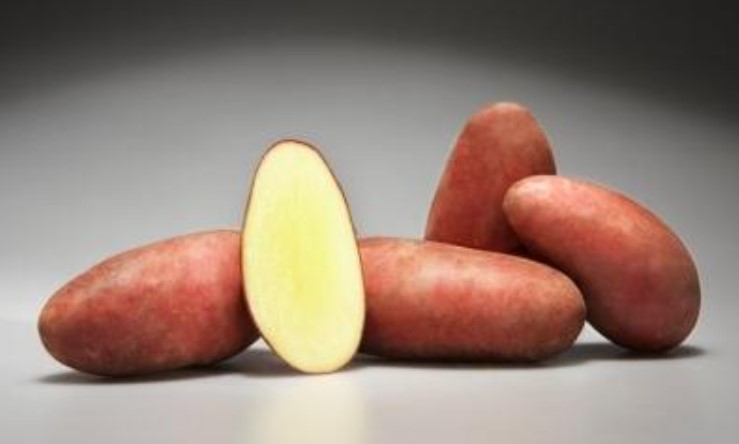
| Color of pulp | Light yellow |
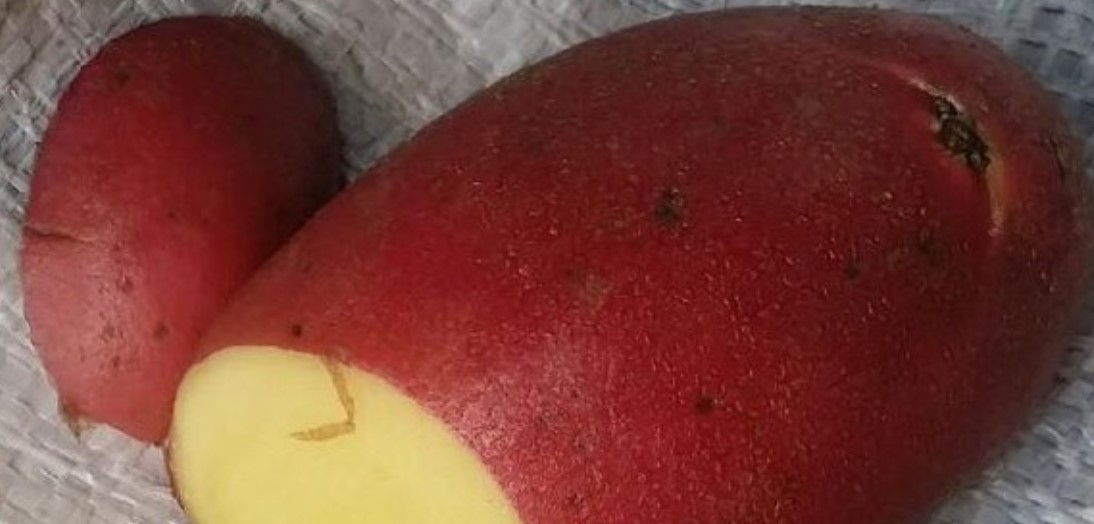
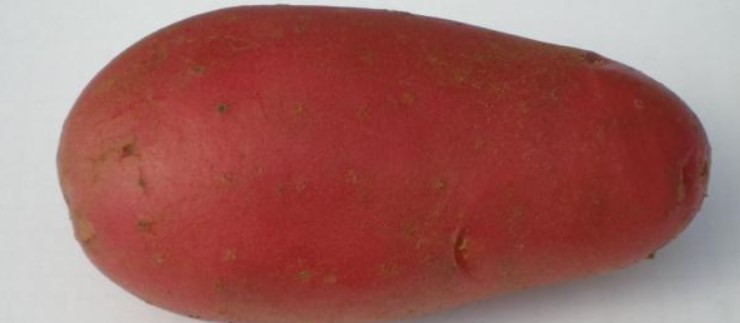
| Peel color | Red |
| Weight of commercial tubers | 81-115 BC |
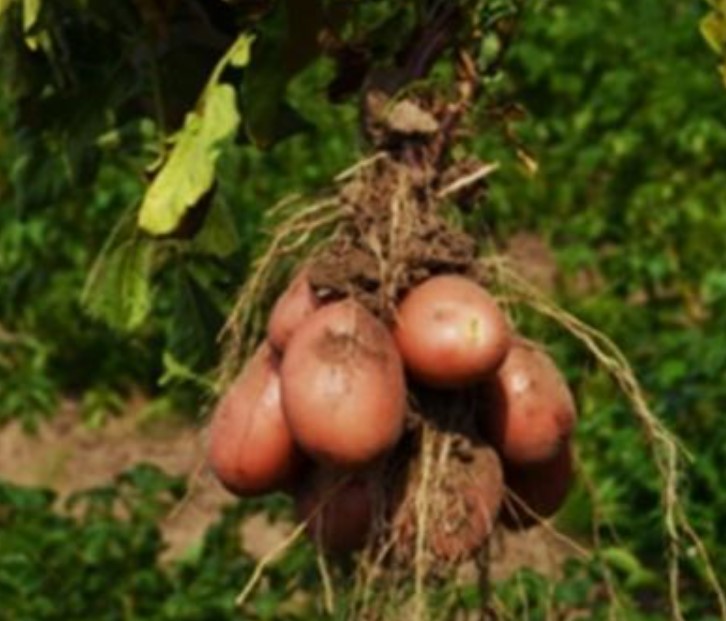
| Number of tubers per bush, pcs. | 9-15 pcs. |
| Taste characteristics | Pleasant taste. |
| Class and purpose in cooking | Table purpose. Class AB. |
| Suitable regions for growing | Northwestern |
| Disease resistance | High resistance to stripe and rugose mosaic, canker, and cyst nematode. Moderate resistance to leaf curl and late blight. |
| Growing specifics | Does not require abundant watering. |
| 2011 | |
| Country of origin | Germany |
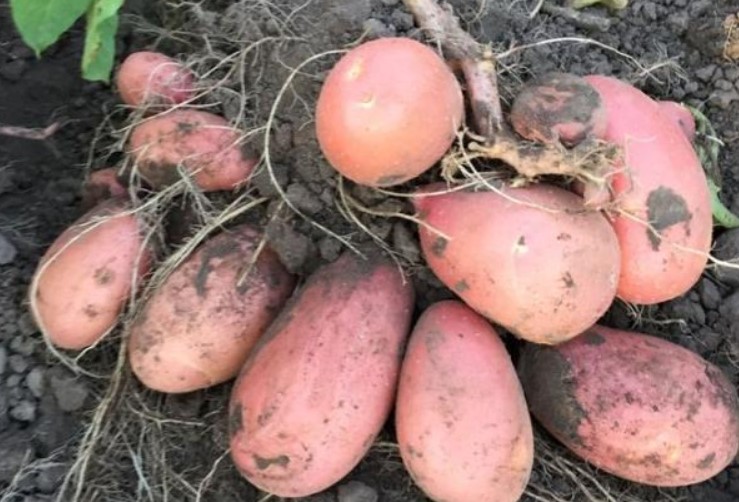
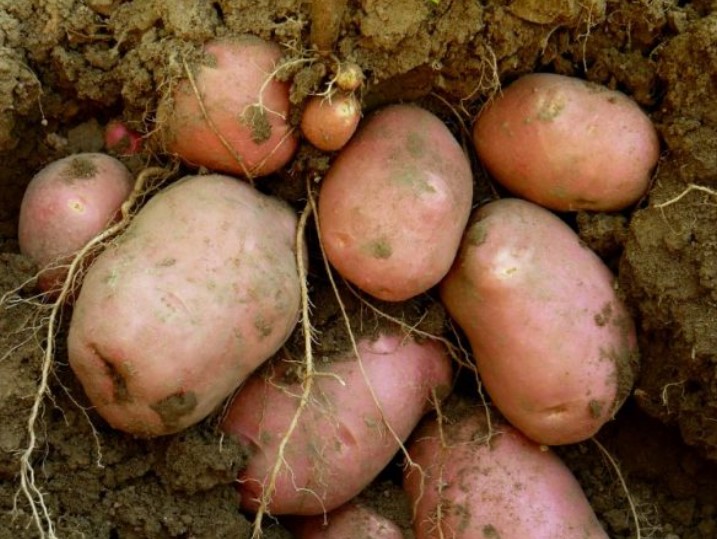
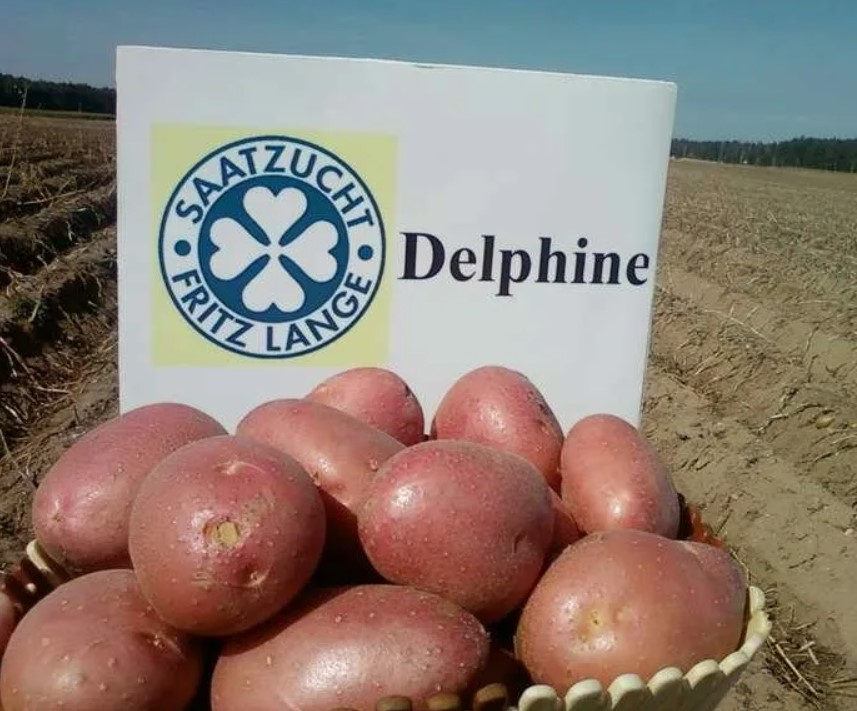
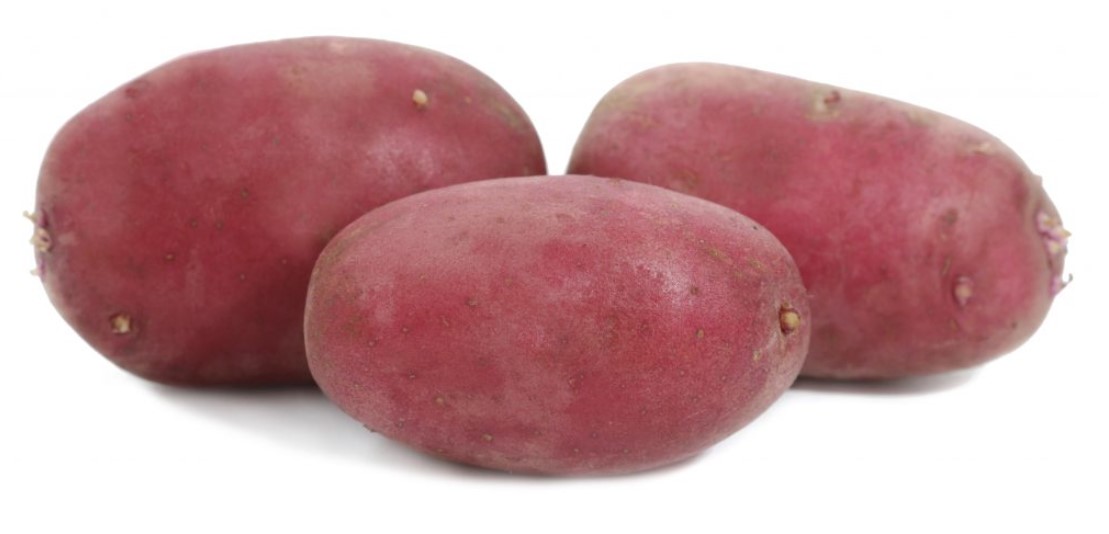
Photo gallery of the Delphine potato variety
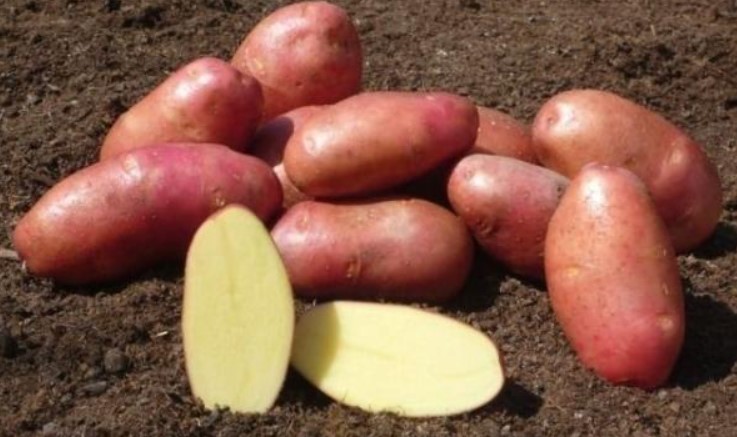
The origin of the Delphin and Delphine potato variety
The Dolphin potato originated in Belarus, the birthplace of many potato varieties with excellent characteristics. It was added to the register in 2002. It gained particular popularity due to its early ripening time and good yield.
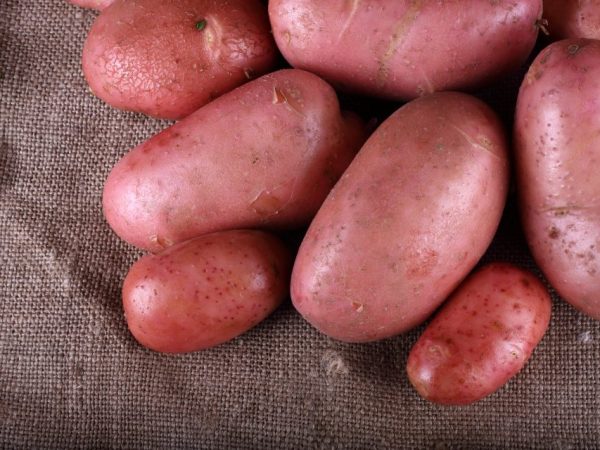
The Delfino variety was developed by German breeders. In 2011, it was added to the State Register of Russian Potatoes. Gardeners fell in love with this potato for its weather resistance, and the variety was specifically zoned for Russia's northwestern regions.
Description and comparison of potato varieties Dolphin and Delphine
The table below shows comparative characteristics of the Delfin and Delphine varieties.
| Variety | Bushes | Tubers | Application |
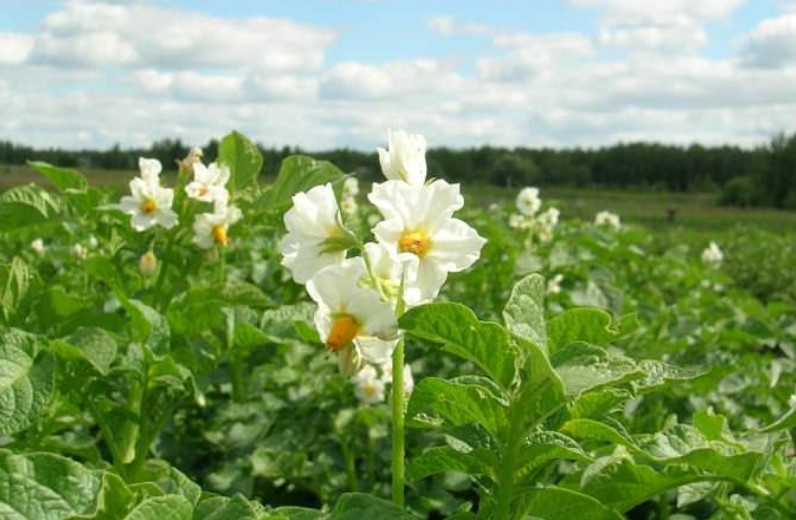
| Dolphin | Medium-tall bushes with semi-erect shoots and large, dark green leaves. Rippled edges are rare. Flowers are white.
|
The tubers are uniform, oval-round in shape, weighing 80-132 g each. A single plant produces 8 to 12 potatoes at a time. The skin is yellow, smooth, and has small eyes. The flesh is light yellow.
|
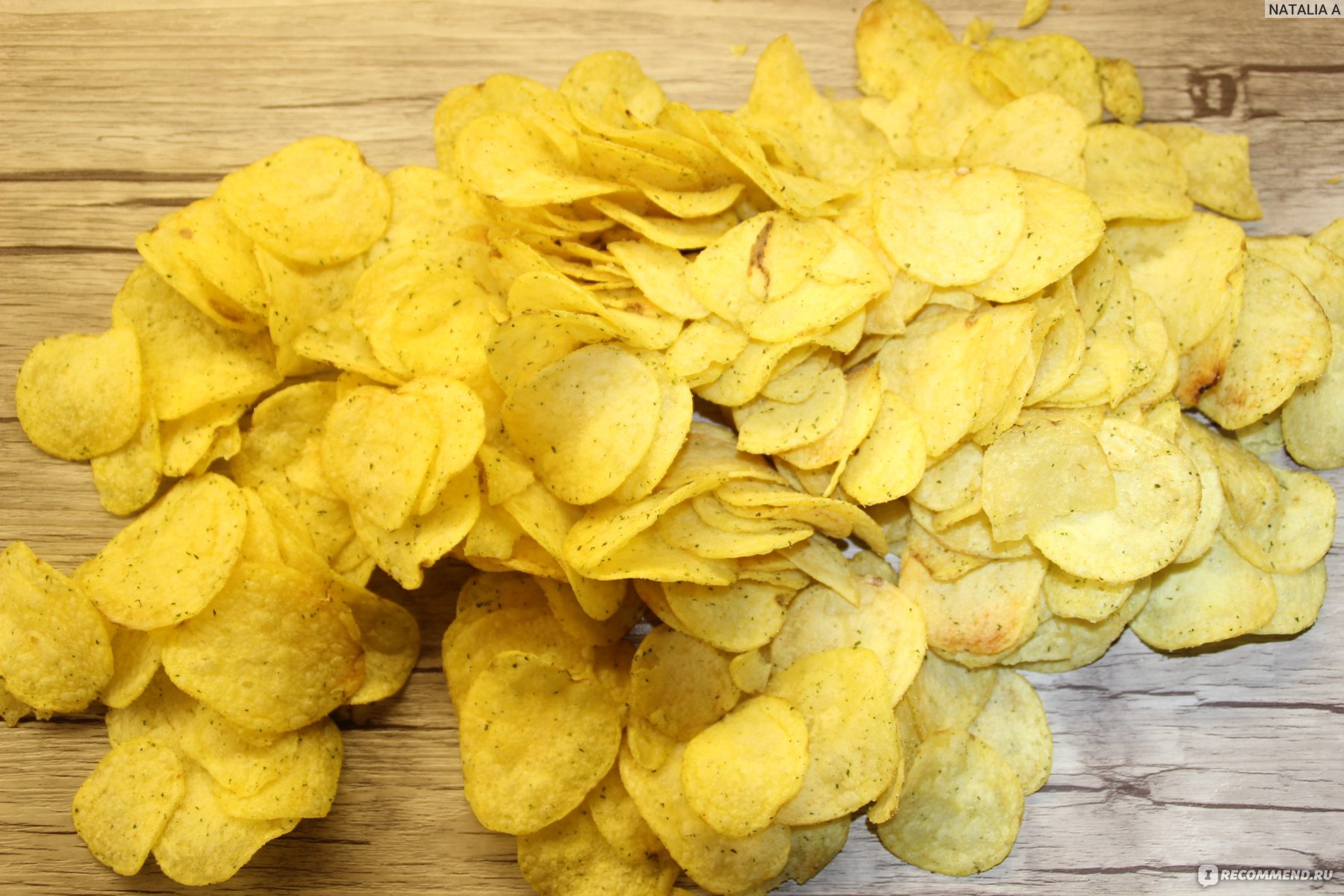
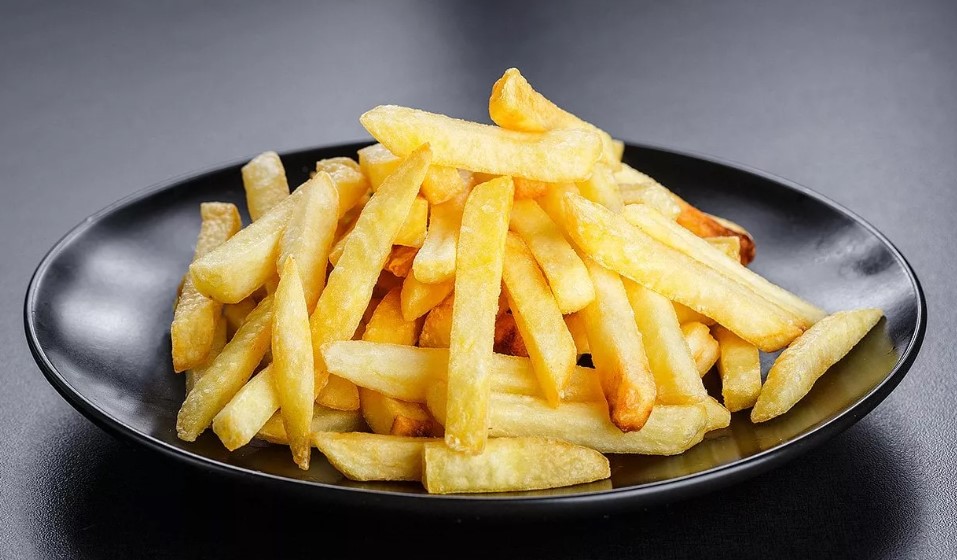
Culinary class A. Potatoes are used for frying, baking, boiling for salads, and are suitable for making French fries and crispy potatoes.
It doesn't cook well, so it's not used for making puree.
|
| Dolphin | The bushes are tall, the shoots are erect, and branch sparsely. The leaves are medium to large, dark green, and have slightly wavy edges. The flowers are purple-red.
|
The tubers are elongated-oval, weighing between 81 and 115 g. The skin is deep red with small, shallow eyes. The flesh is yellowish. Each plant produces up to 15 tubers.
|
These potatoes are table potatoes, class AB, and are suitable for baking, frying, and boiling. The flesh does not darken after cooking. They are also suitable for making French fries and chips.
|
Resistance to diseases and pests
The Delfin and Delfine varieties have fairly strong immunity. Resistance to major diseases is listed in the table.
| Disease | Dolphin | Dolphin |
| Cancer | High | High |
| Cyst-forming nematode | High | High |
| Leaf curling | High | Average |
| Wrinkled mosaic | High | High |
| Striped mosaic | High | High |
| Tuber blight | Low | Average |
| Leaf blight | Low | Average |
Advantages and disadvantages of the Delfin and Delphine potato varieties
The advantages and disadvantages of the Delfin and Delphine varieties are given in the table.
| Variety | Dolphin | Dolphin |
| Advantages | 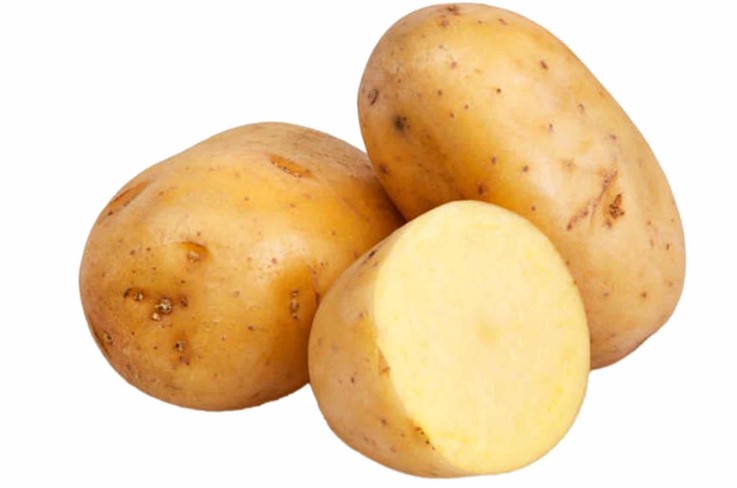
|
|
| Flaws |
|
|
Planting Features of the Dolphin and Delphine Potato Varieties
The Delfin and Delphine potato varieties have similar planting and care requirements. We'll discuss this below.
Requirements for the landing site and its preparation
The Delfin and Delfine varieties prefer light, fertile soil. An important requirement is the absence of groundwater close to the surface. Also, the plot should not be located in a lowland where moisture stagnates during rainy seasons. In such conditions, potato yields will be significantly lower. The planting site should be well-drained to ensure adequate light availability.
If the soil is clayey and heavy, then when digging it, you need to add sand at the rate of 1 bucket per square meter.
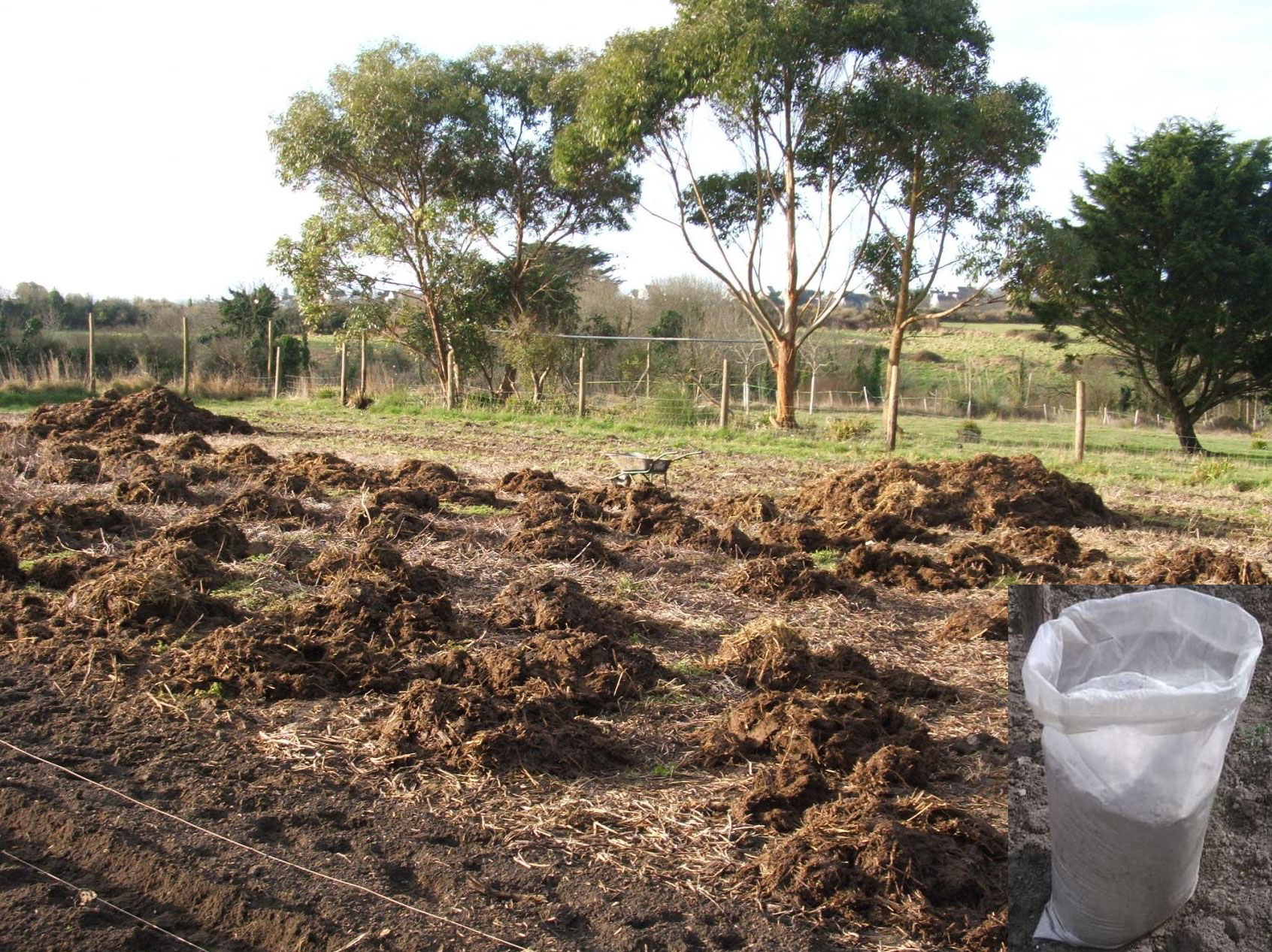
The soil for potato growing is prepared in the fall, with the area being tilled and organic fertilizers added. In the spring, the soil is tilled again, adding humus and superphosphates.
Selection and preparation of seed tubers
Potato tubers for planting should weigh between 40 and 65 g. There should be no damage or signs of rot on their surface.
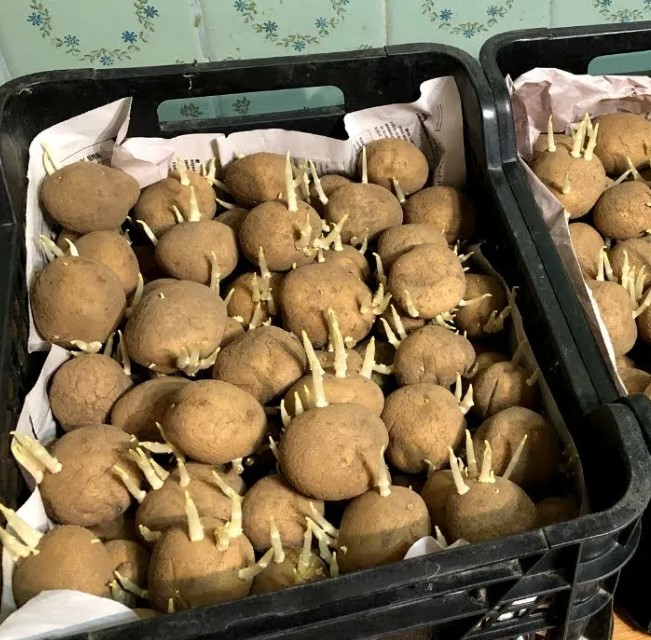
About 45 days before planting, remove the potatoes from their cool location and place them in a room with a temperature of 14 degrees Celsius (55 degrees Fahrenheit). It's best to spread them in 2-3 layers in boxes filled with damp sawdust. Under these conditions, sprouts will begin to emerge much faster, and the harvest can be completed 7-10 days earlier than the original date.
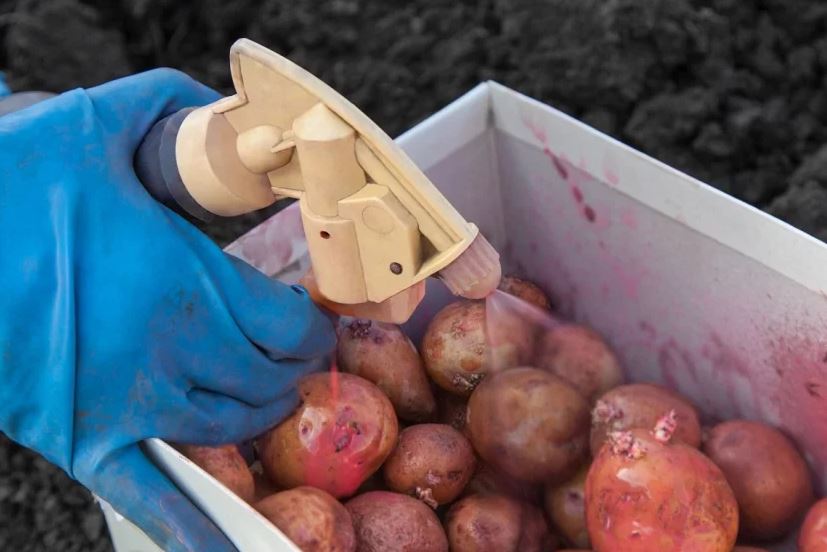
To improve planting efficiency, it is recommended to treat the tubers with any available growth stimulant. The optimal shoot length is 3 cm. Longer shoots become very fragile and easily damaged during planting.
Planting times and rules
The planting time for Delfin and Delphine potatoes depends on the growing region. In temperate climates, planting begins in the second ten days of May, when the soil has warmed to 9°C (49°F) and the threat of night frosts has passed.
For each tuber, holes are made 10-15 cm deep. The distance between them is 30-35 cm, and the interval between rows is 70 cm.
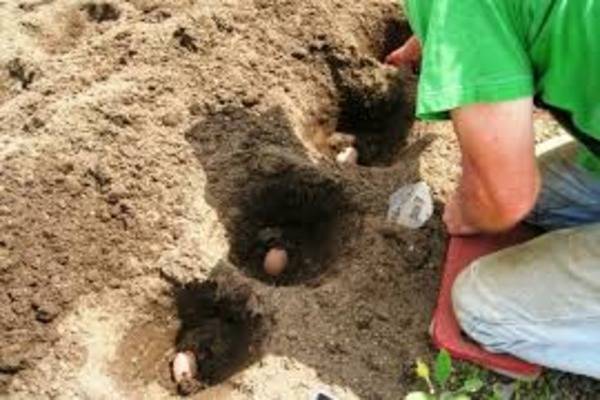
It is recommended to add a handful of ash to the bottom of each hole, mix it with sand, and then place the tubers on top with the sprouts facing up and bury them.
Caring for the Delfin and Delphine potato variety
Delphin and Delphine potatoes prefer well-fertilized soil, but if fertilizer was applied in the fall and spring, subsequent fertilizing is unnecessary. Adhering to watering guidelines, loosening the soil, and hilling the plantings is sufficient to ensure a good harvest.
Watering
Watering potatoes should be done no earlier than 10 days after planting. This is done when the weather is warm and there is no precipitation. If it rains and the soil is sufficiently moist, then watering is not necessary.
A drip irrigation system is best, but if you don't have one, a hose will do. The key is to perform the irrigation in the morning or evening, avoiding drips on the leaves.
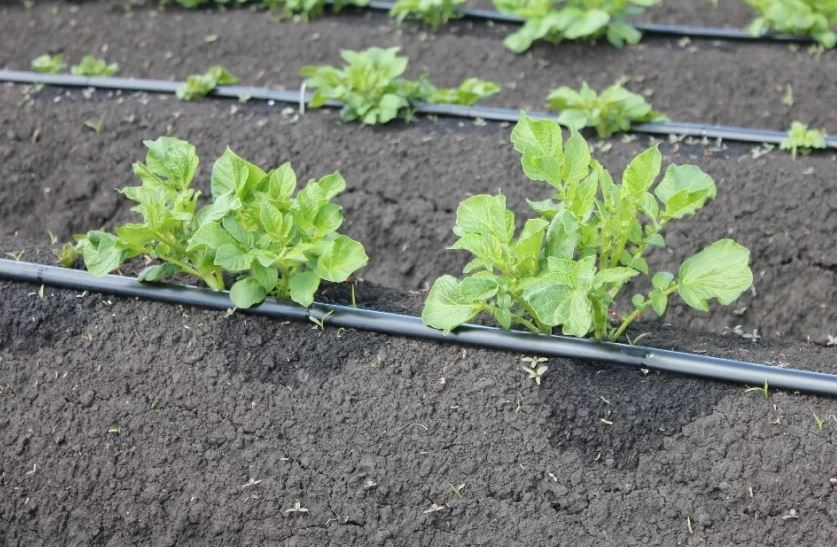
In very hot weather, plants are watered once a week until the period of active tuber formation.
Top dressing
If the soil is poor, then to increase the yield it is necessary to apply fertilizer.
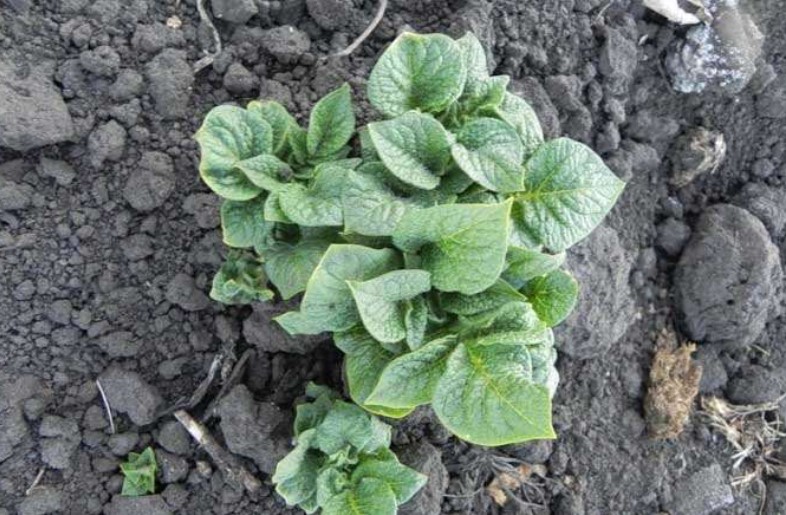
This is done 3 times per season:
- Two weeks after planting, the bushes are treated with a urea solution at a rate of 1 tablespoon per 10 liters of water.
- After another 14 days, at the beginning of the flowering phase, potassium fertilizers are used (3 tablespoons of ash and 1 tablespoon of potassium sulfate per 10 liters of water).
- At the final stage of flowering, top dressing is carried out with 1 glass of manure and 2 tablespoons of superphosphate per 10 liters of water.
Loosening, weeding, hilling
Many gardeners combine the process of hilling and loosening the soil, otherwise they can damage the potato root system located close to the surface of the earth.
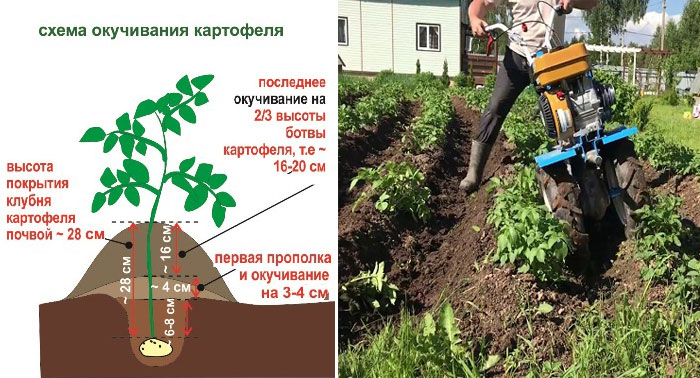
Hilling is carried out at least twice per season:
- After the sprouts reach a height of 10-15 cm, a mound of earth is piled on top of them.
- During the formation of buds, hilling is repeated.
If the soil settles too quickly, a third hilling may be necessary. The key here is to avoid disturbing the plants during the active flowering period, as this can negatively impact tuber development and reduce yield.
It's crucial to periodically remove weeds from the garden bed and between the rows. They are often the source of insect pests.
Protection of potato varieties Dolphin and Delphine from diseases and pests
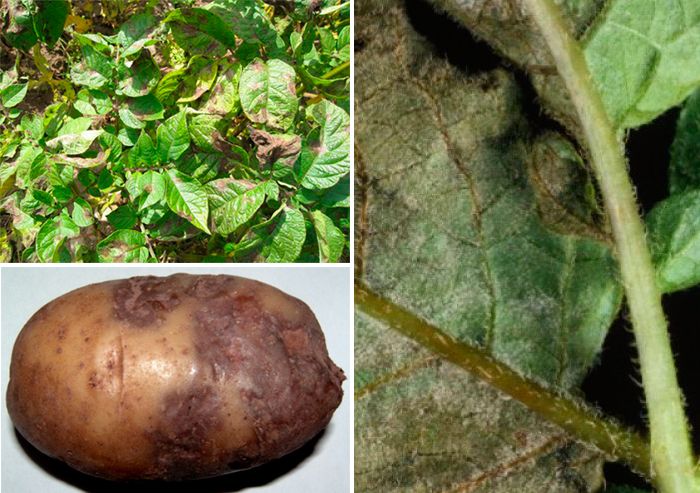
The Delfin and Delfine varieties rarely get sick. However, if watering is not done correctly, they can be susceptible to late blight.
| Disease, pest | Characteristic | Prevention | Treatment |
| Late blight
|
Brown spots appear on leaves, shoots, and tubers. The leaves wilt, and the plants begin to lose their elasticity and die. | To prevent late blight, treat the plants with a copper sulfate solution. It's also crucial to maintain proper watering and avoid overwatering, especially after the potato plants have finished flowering. | In the early stages of late blight, treatment with specialized products such as Acrobat, Abiga-Peak, Ridomil, and others will help. If the area affected by late blight is large, it is better to remove the bushes from the garden bed and disinfect the soil. |
| Colorado beetle
|
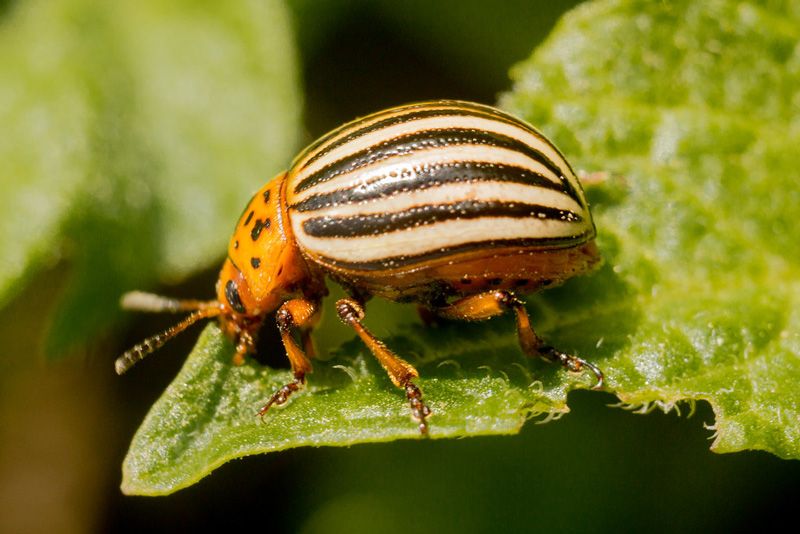
The beetles eat the leaves, leaving only protruding veins. Yellowish-orange eggs can be seen on shoots and remnants of foliage. | An excellent preventative measure against Colorado potato beetles is to plant strongly scented plants, such as marigolds, along the edges of your plot. Periodically, carefully inspect your plantings for eggs and adult beetles. | If pest and larval infestations are small, manual collection is recommended. However, if the planting area is large, spraying with Corado, Aktara, and other pesticides will help. |
The nuances of harvesting and storing the Delfin and Delphine potato varieties
Experienced gardeners recommend cutting off the tops two weeks before harvesting to allow the tubers to gain strength and harden a little.
Both the Delfin and Delphine varieties have excellent shelf life. The latter has a slightly shorter shelf life, up to 6-7 months under proper storage conditions.
Timing and rules for harvesting different varieties of potatoes, How to create a DIY device to help you do this You can find out more on our website Top.tomathouse.com.
After harvesting, the potatoes are sorted, with damaged tubers set aside. The harvest is then left to dry for 2-3 days under a canopy, away from direct sunlight. The tubers only need direct sunlight if they are intended for future planting.
Rules for storing tubers in different rooms, and also peeled potatoes.
After drying, the potatoes are placed in cloth bags or nets and sent to a basement or cellar with a temperature of +2…+4 degrees and humidity of 65 to 75%.
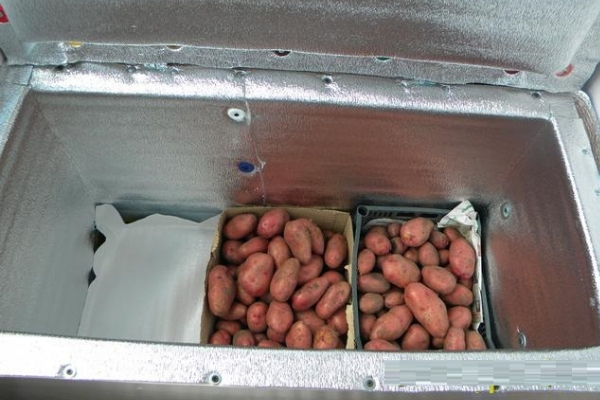
There the tubers can stay for 7 to 10 months.
Comparison of the Delfin and Delphine varieties with other varieties
| Variety | Ripening period (number of days to maturity) | Starch (%) | Yield (c/ha) | Weight of tubers (g)
Number of tubers per bush Color of tuber, pulp |
Shelf life (%) |
| Dolphin | Early ripening* | 11.2-15.1 | 170-256 | 80-132 8-12 yellow, light yellow |
90-99 |
| Dolphin | Mid-season*** | 13.7-15.3 | 228-374 | 81-115
9-15 red, light yellow |
95 |
| Beauty | Mid-early** | 13.5-15.6 | 130-321 | 95-140
6-8 red, light yellow |
94 |
| The Beauty of Meshchera | Mid-season*** | 13.9-16.7 | 197-493 | 100-110
up to 18 yellow, light yellow |
95 |
| Handsome | Mid-early** | 12.4-17.8 | 169-201 | 90-170
6-10 reddish, creamy |
97 |
| Treasures | Mid-season*** | 12-18 | up to 650 | 95-250
12-18 yellow, yellow |
94 |
| Red Sonya | Early ripening* | 13.3-14.6 | 174-340 | 78-122
6-10 red, yellow |
93 |
| Banker | Mid-early** | 15-16 | 200-350 | 70-160
10-15 soft yellow, light yellow |
90 |
| Rosalind | Early ripening* | 12-17 | 203-223 | 60-115
10-16 reddish, yellow |
94 |
| Ilyinsky | Mid-early** | 15.7-18 | 176-346 | 55-160
8-13 red, white |
93 |
| Luck | Early ripening* | 11-15 | 420-430 | 100-150
10-15 creamy yellow (brown), snow-white |
88-97 |
| Uladar | Early ripening* | 11.5-17.8 | 127-353 | 91-140
6-11 yellow, light yellow |
94 |
| Unique | Mid-early** | 13 | 320 | 400-500
10-14 crimson, yellow |
96 |
| Sarpo of the world | Late-ripening**** | 14-17 | 350-360 | 75-140
6-11 reddish (pink), snow-white |
94 |
| Favorite | Mid-season*** | 12.6-16.4 | 420 | 101-136
6-12 reddish, creamy |
93 |
| Adretta | Mid-early** | 13-18 | 450 | 100-150
10-25 yellowish, light yellow |
95 |
*Early ripening – 50-65 days.
**Mid-early – 65-80 days.
***Mid-season – 80-95 days.
****Late ripening – 110 days or more.
Reviews of the Delfin and Delfin potato variety
Gardeners love the dolphin for its excellent shelf life and high yield. It tolerates mild cold snaps and droughts.
The Delphine potato is very rarely susceptible to diseases. Its resistance to the golden nematode is particularly noteworthy.
The dolphin was growing.
I liked the late blight resistance, especially in the tops. The tops "burned" later than other varieties.
The sheer number of tubers in the nest was shocking. Hence the enormous yield.
But I abandoned the variety. The main reason was the many misshapen, unmarketable tubers. They looked like crooked potato dolphins!
And very long stolons. The nest is not compact. A lot of cuttings are made. Dolphin didn't like digging. You don't know where to stick the pitchfork.
Lots of green potatoes, standing out in the sun.
In short, there's a big loss of life on Dolphin. And no livestock.
So there is no Dolphin.
I kept Lazurit. Although it's less resistant to late blight on the tops and the yield is lower, the tubers are yellow, smooth, and round, like billiard balls, and the flavor is just right!
But can’t a highly marketable, high-yielding, early, but tasteless variety occupy the first place in terms of area?
In commercial cultivation, marketability (small eyes and a small number of them) and yield are paramount, while stability and taste are not so important; what matters are the qualities that help sell more and better.
Typically, only early varieties are grown, which, due to their short growing season, require minimal treatment. This is why varieties like Lazurit and Dolphin are grown.
For us, taste, stability, and yield are paramount. Resistance to temporary waterlogging is also important, as the soil is loamy and located in a small depression, so waterlogging is possible.
I can't comment on the varieties you mentioned, as I haven't grown them. Researchers at the Potato Institute had good reviews of Dina, but they said it prefers lighter soils, as did Zhivitsa. I think Vetraz and Vesnyanka should be tasty and resilient, as they're late-ripening varieties. Dubrava was only praised for its good taste.
I've only mentioned varieties that have proven themselves in my loam soil and that suit my taste perfectly. For example, Orbita is considered one of the benchmarks for taste, and I agree; it's delicious in our soil conditions, as is Ragneda.
This year we will plant the following varieties: Orbita, Ragneda, Uladar, Zdabutak, and from the new ones, Lad (mid-season) and Yavar (mid-early).The Zhuravinka variety is tasty, but does not tolerate short-term over-watering; it has a lot of small fruits, although there are many medium and large ones.
Molly (German) also doesn't like over-watering and the taste isn't very good.
Dolphin - also, does not boil over at all.
Coretta is weakly resistant to late blight and rots easily in wet weather at the end of summer, although it has an excellent taste.
This fruit-producing, tasty variety is perfect for French fries. It matures in 80-100 days. The tubers are attractive, oval, red, and yellow-fleshed. They are resistant to mechanical damage.
The variety is not affected by nematodes, but after a damp autumn, it may rot during storage. It is moderately resistant to late blight and prefers loose soil. Delphine is registered and approved for cultivation in the Northwestern region. It is also common in Ukraine and Moldova.