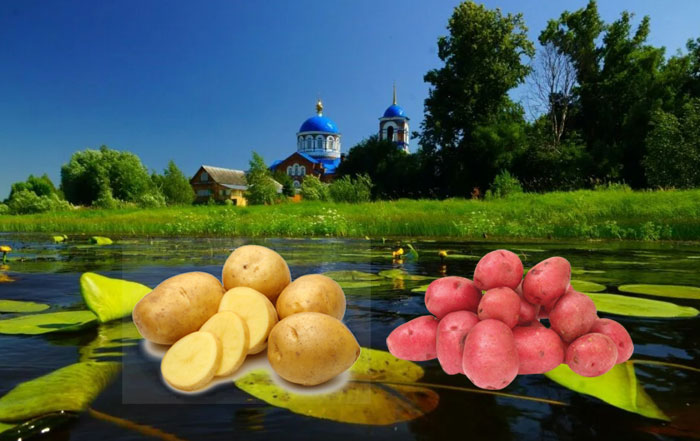
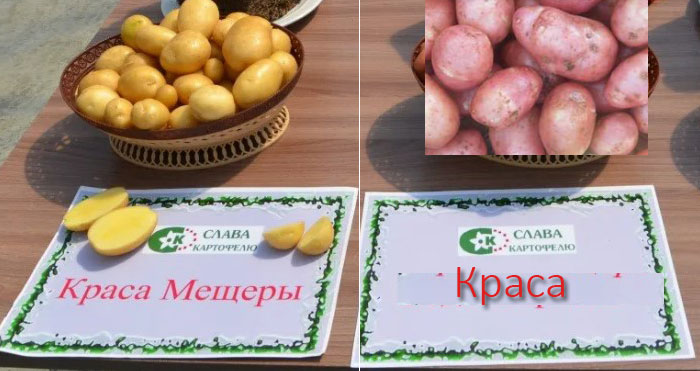
The Krasa and Krasa Meshchera varieties have similar commercial characteristics, although the tubers differ significantly in appearance—Krasa's are reddish, while Krasa Meshchera's are yellow. However, their cultivation techniques, ripening times, and key characteristics are similar, allowing them to be compared and grouped together.
Content
- 1 Characteristics of the Krasa potato variety
- 2 Potato variety Krasa Meshchera
- 3 The origins of the Krasa and Krasa Meshchera potato varieties
- 4 Description of potato varieties Krasa and Krasa Meshchera
- 5 Advantages and disadvantages of the Krasa and Krasa Meshchera potato varieties
- 6 The possibility of growing the Krasa and Krasa Meshchera varieties from seeds
- 7 Planting Features of the Krasa and Krasa Meshchera Potato Varieties
- 8 Caring for the Krasa and Krasa Meshchera potato varieties
- 9 Protection of potato varieties Krasa and Krasa Meshchera from diseases and pests
- 10 Harvesting and storing potato varieties Krasa and Krasa Meshchera
- 11 Comparison of the Krasa and Krasa Meshchera potato varieties with other varieties in the table
- 12 Reviews of the Krasa and Krasa Meshchera potato varieties, as well as the possibility of growing them from seeds
Characteristics of the Krasa potato variety
| Characteristic | A medium-sized potato variety with large flowers and leaves. |
| General information | A mid-early potato variety with excellent yield and strong immunity. |
| Ripening time | 80-100 days. |
| Productivity | 130-321 c/ha |
| Marketability | 79-99% |
| Shelf life | 94% |
| Starch concentration | 13.5-15.6% |
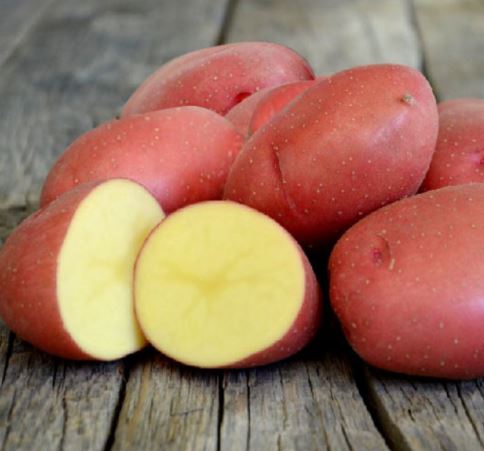
| Color of pulp | Light yellow |
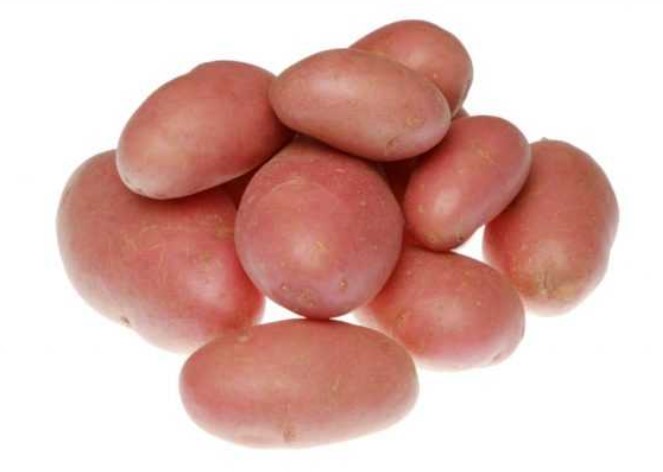
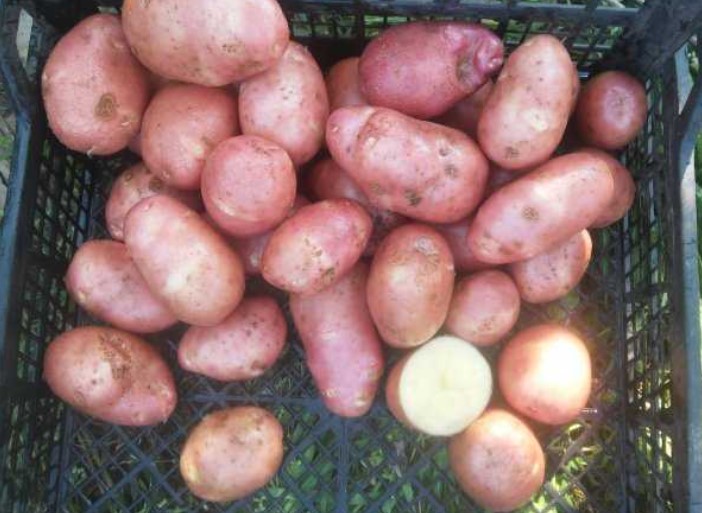
| Peel color | Red |
| Weight of commercial tubers | 95-140 g. |
| Number of tubers per bush, pcs. | 6-8 pcs. |
| Taste characteristics | Pleasant taste |
| Class and purpose in cooking | Table appointment |
| Suitable regions for growing | Central, West Siberian |
| Disease resistance | High resistance to rugose mosaic, leaf curl, canker, and golden nematode. Moderate resistance to late blight. |
| Growing specifics | The variety is ideal for growing from seeds. |
| 2017 | |
| Country of origin | Russia |
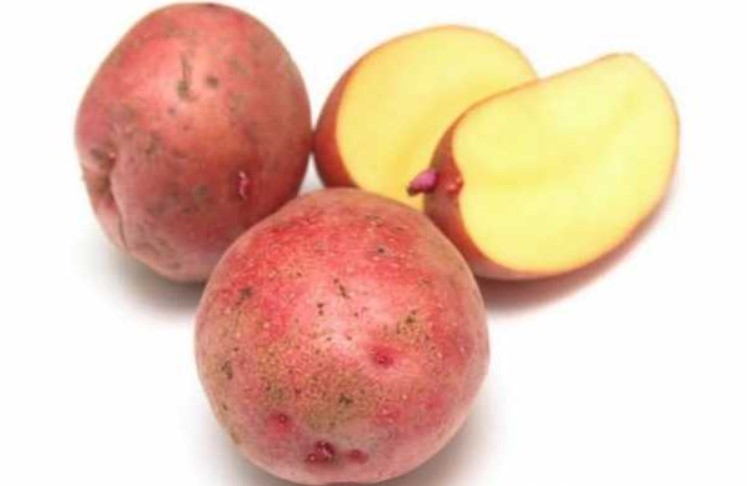
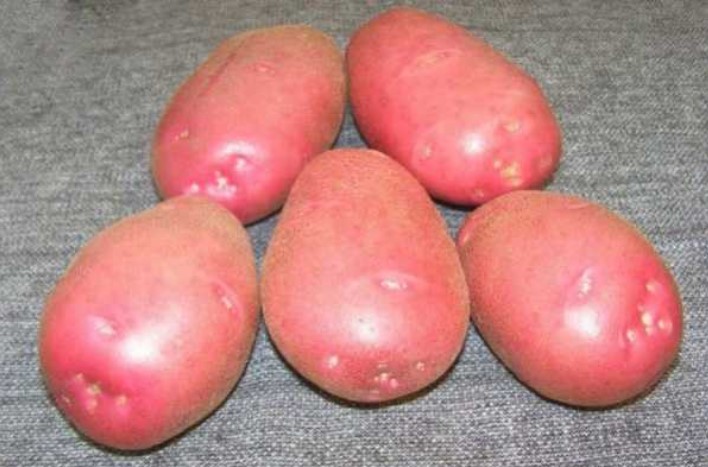
Photo gallery of the Krasa potato variety
Potato variety Krasa Meshchera
The Krasa Meshchery variety is relatively new – it was only added to the registry in 2020. Breeders have achieved excellent shelf life and resistance to disease and weather conditions.
| Characteristic | Medium-sized upright plants with large dark green leaves. |
| General information | A mid-season potato variety with high yield. |
| Ripening time | 85-100 days. |
| Productivity | 197-493 c/ha |
| Marketability | 85-88% |
| Shelf life | 95% |
| Starch concentration | 13.9-16.7% |
| Color of pulp | Light yellow |
| Peel color | Yellow |
| Weight of commercial tubers | 100-110 g. |
| Number of tubers per bush, pcs. | Up to 18 pcs. |
| Taste characteristics | Pleasant taste |
| Class and purpose in cooking | Table purpose. Class B. |
| Suitable regions for growing | Central, Central Black Earth, Far Eastern. |
| Disease resistance | High resistance to cancer, nematode, average resistance to tuber blight and susceptibility to leaf blight. |
| Growing specifics | The variety is easy to grow, does not require special fertilizers, and tolerates even rainy weather well. |
| 2020 | |
| Country of origin | Russia |
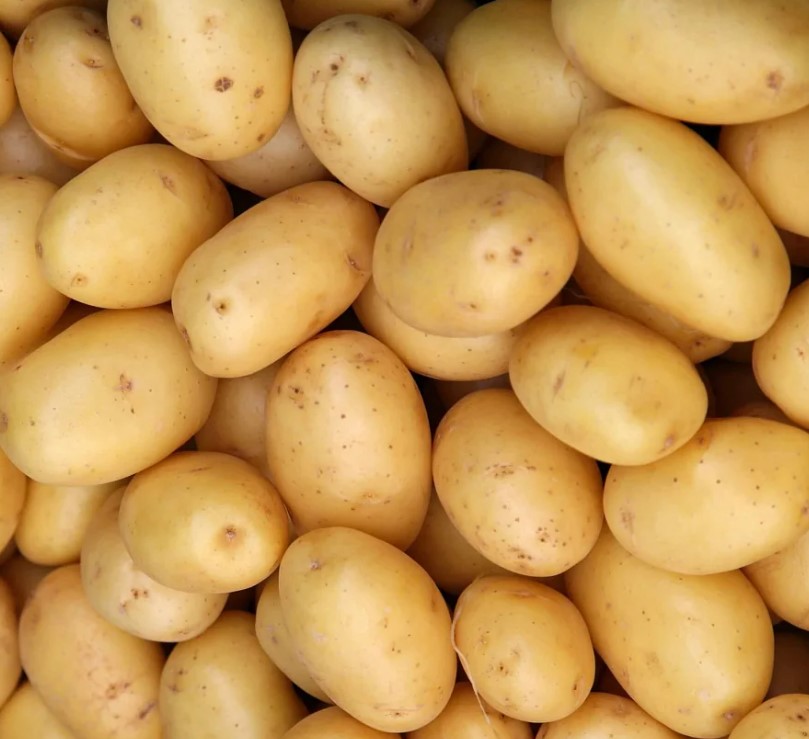
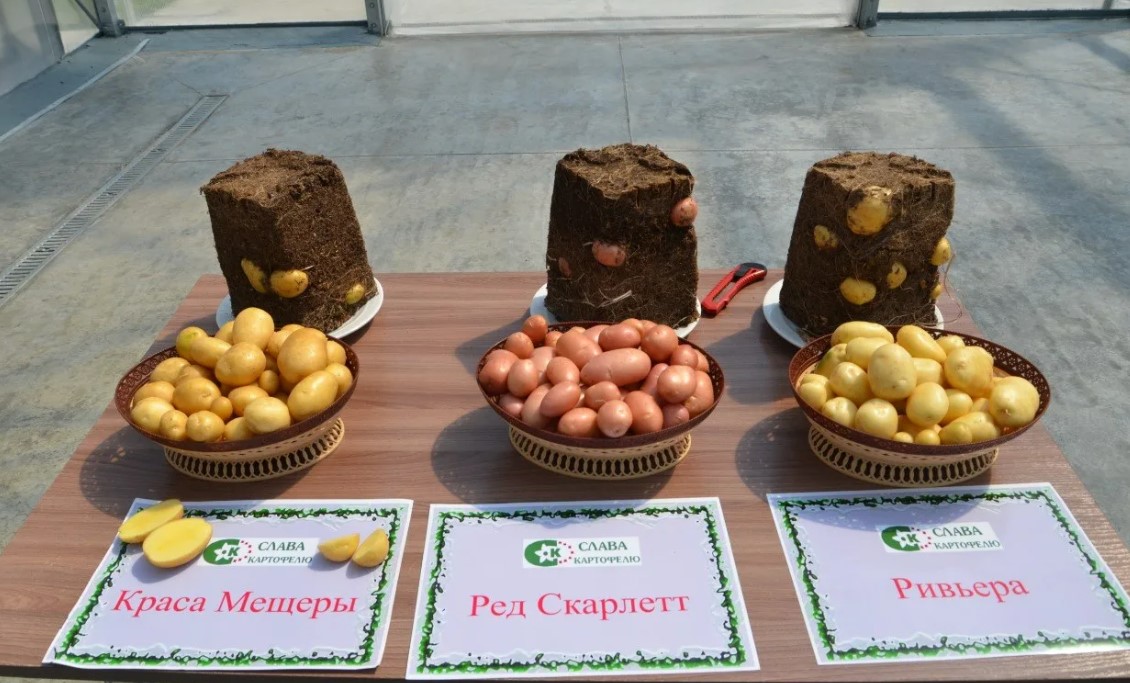
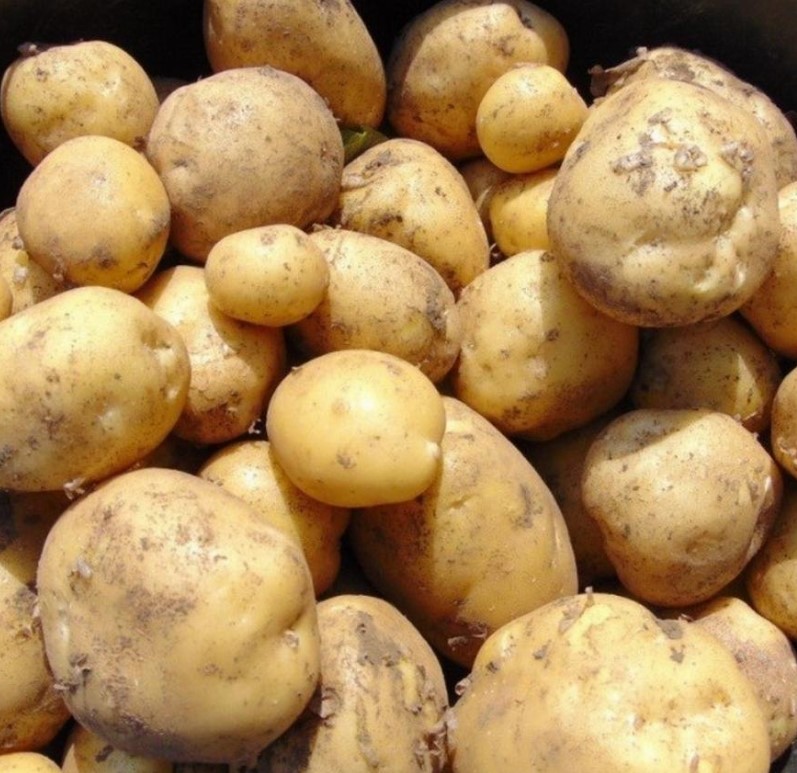
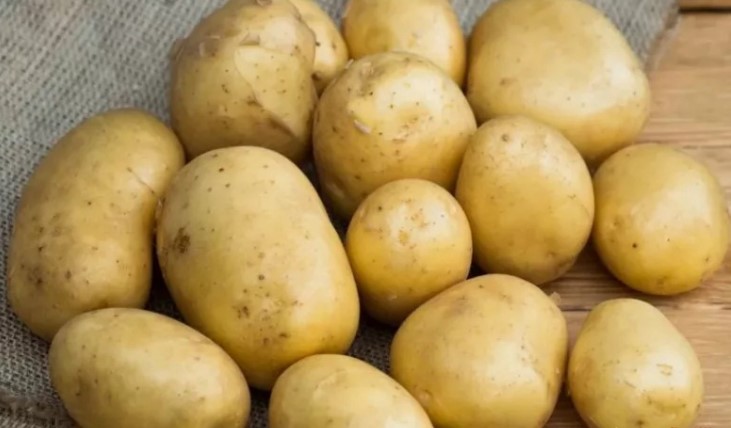
Photo gallery of the Krasa Meshchery potato variety
The origins of the Krasa and Krasa Meshchera potato varieties
Both varieties were developed by Russian breeders. Krasa was born earlier and was added to the register in 2017, while Krasa Meshchery received this honor a year later, in 2020.
Description of potato varieties Krasa and Krasa Meshchera
The Krasa and Krasa Meshchera potatoes have similar bush characteristics, only the fruits differ.
Bushes
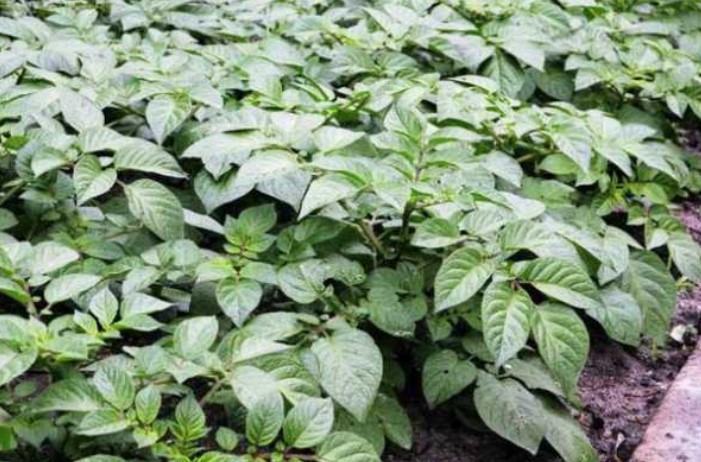
The bushes are 60-70 cm tall, upright, and vigorous, with foliage that remains yellow and drooping for a very long time. The leaves are large and dark green.
Tubers
The Krasa potato tubers have a reddish skin and resemble an unripe tomato with seeds inside. They weigh 65-140 g, but under good growing conditions they can reach twice that weight.
Krasa Meshchera has oval-shaped tubers, yellowish with light flesh, their weight varies from 100 to 110 g.
Taste qualities, application
Both varieties are used in cooking for various purposes: frying, baking, boiling, and even making chips. These potatoes are intended for table use, class B.
Difference from other varieties
Krasa and Krasa Meshchery differ from other varieties in their high resistance to major diseases, including golden cyst nematode. Furthermore, the plants tolerate weather changes, rain, and cold snaps.
Productivity, ripening time
The Krasa variety is considered early-ripening, while the Krasa Meshchera variety is considered mid-season. However, harvest ripening occurs at roughly the same time: 80 and 85-100 days after the first shoots emerge. The Krasa Meshchera variety has a slightly higher yield, as up to 18 tubers develop on the bushes at a time, yielding 197-493 centners per hectare. Krasa bushes develop up to 8 tubers, resulting in a yield of 130-321 centners per hectare.
Resistance to diseases and pests
The Krasa and Krasa Meshchera potatoes have strong immunity and high resistance to many diseases.
| Name | Degree of stability |
| Virus (PVY) Y | High |
| Virus (PLRV) L | High |
| Cancer | High |
| Golden nematode | High |
| Leaf blight | Low |
| Tuber blight | Average |
| Wrinkled mosaic | High |
Regions and planting dates for the Krasa and Krasa Meshchera potato varieties
Krasa and Krasa Meshchery thrive even in regions with less favorable climates. According to the cultivar's originator, these varieties are zoned for the Central, Central Black Earth, and Far Eastern regions.
Advantages and disadvantages of the Krasa and Krasa Meshchera potato varieties
The table below lists the main advantages and disadvantages of the Krasa and Krasa Meshchera potato varieties.
| Advantages | Flaws |
|
|
The possibility of growing the Krasa and Krasa Meshchera varieties from seeds
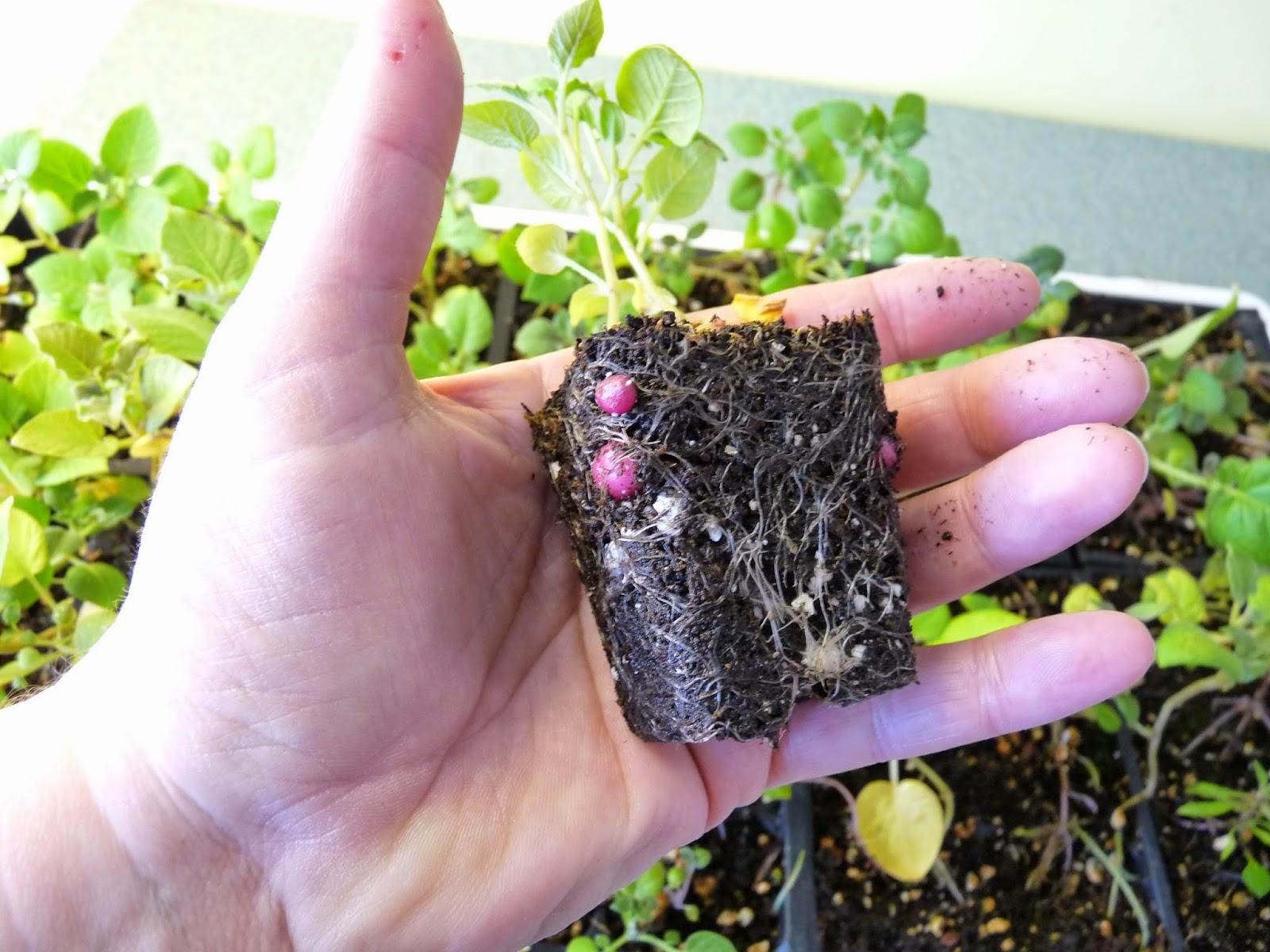
The Krasa and Krasa Meshchery potato varieties are prized by gardeners for their ability to be grown from seed. This yields a much larger harvest than from sprouted tubers, as well as boosting the plant's immunity and reducing the risk of disease.
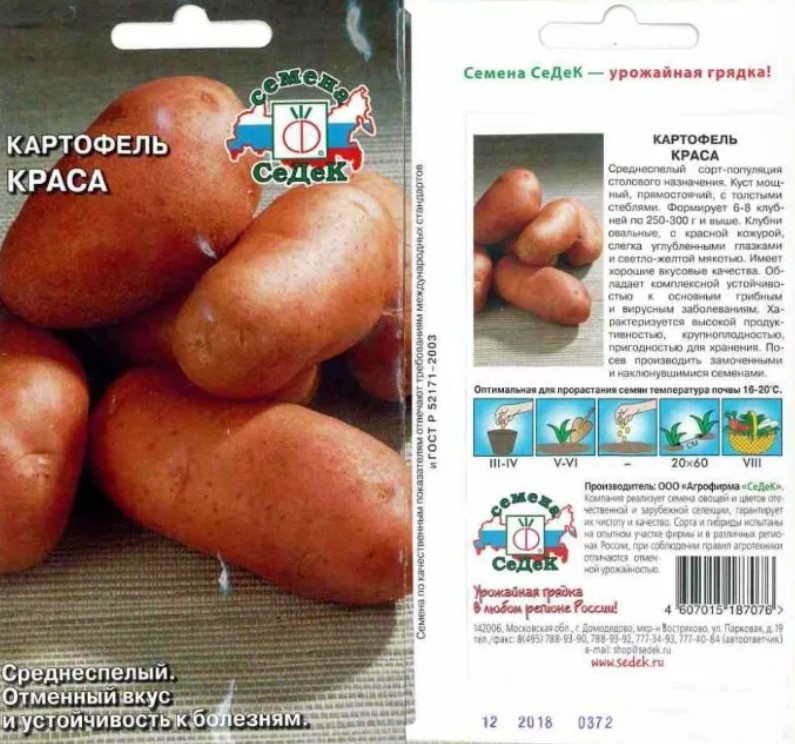
Before planting, soak the seeds for 36 hours in boiled water at room temperature, then treat with any growth stimulant. Planting can begin 80 days before transplanting the seedlings into the soil.
It's best to use a ready-made, all-purpose potting soil. But if you don't have any on hand, you can mix equal parts soil, sand, and compost, disinfecting all ingredients first.
Fill a large box with potting soil, make 15 mm deep holes, and drop the seeds in. Cover them with soil and water gently with a spray bottle.
The box should be covered with plastic and placed in a room with a daytime temperature of 18 degrees Celsius. Periodically remove the cover, ventilate, and water as needed.
Planting seedlings is carried out according to the same principle as planting tubers.
Planting Features of the Krasa and Krasa Meshchera Potato Varieties
Planting of Krasa and Krasa Meshcherskaya potatoes is carried out according to a similar scheme.
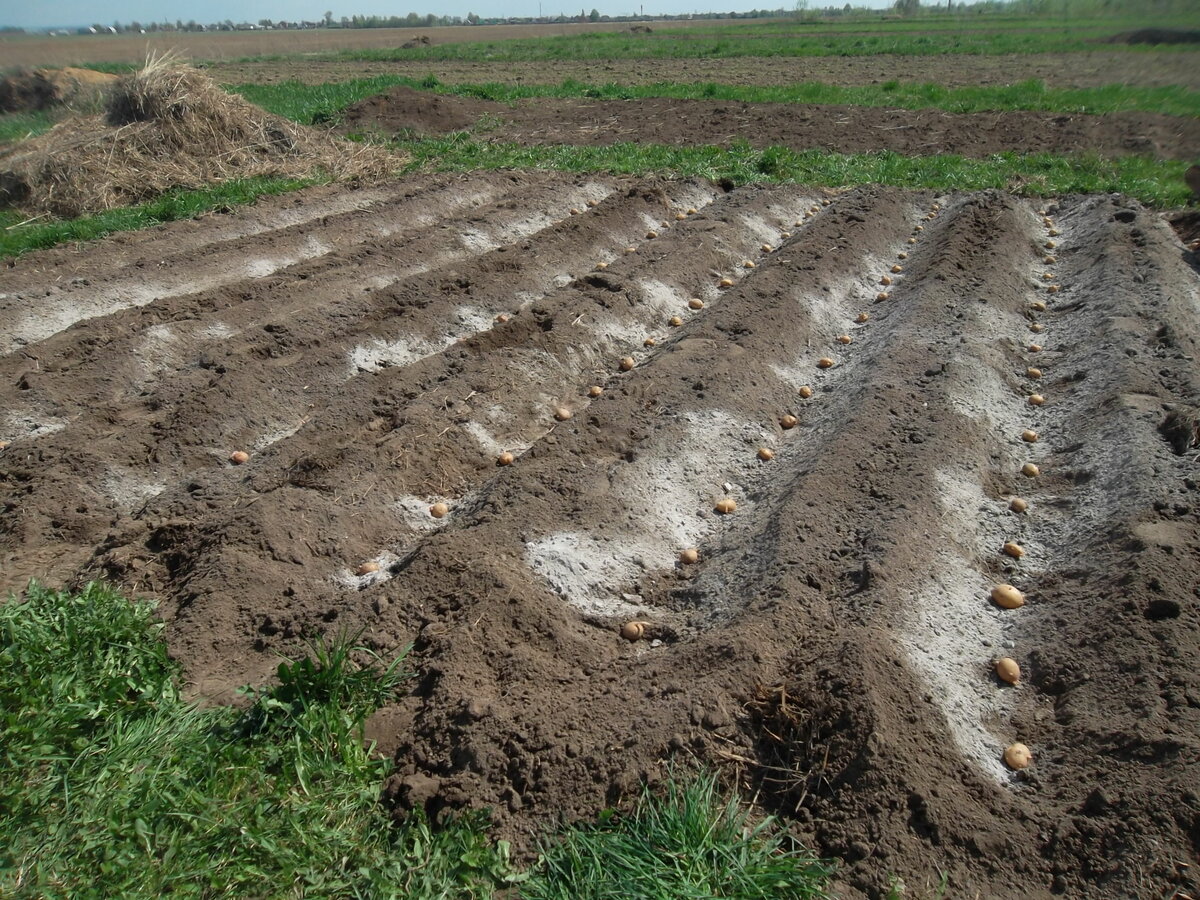
For planting potatoes, choose sites free from stagnant water and close to groundwater levels. Well-drained soil is best.
The plot should be well-lit and protected from gusty winds. Therefore, the best option is to plant potatoes on the south or southeast side of the garden.
It is extremely important to follow crop rotation rules, which recommend not planting potatoes after tomatoes or beets. Instead, it is better to choose beds where pumpkins, radishes, lettuce, onions, legumes, or cucumbers were previously grown.
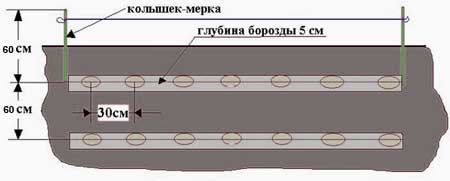
In winter and spring, dig the soil with organic fertilizer. Potatoes can be planted after the soil warms to 9 degrees Celsius. To do this, dig holes 10-15 cm deep and place a handful of ash mixed with soil at the bottom. You can also add a small amount of superphosphate. The tubers or seedlings are placed in the holes and covered with soil. The distance between holes is 30 cm, and between rows, 60-70 cm.
Caring for the Krasa and Krasa Meshchera potato varieties
The Krasa and Krasa Meshcherskaya varieties are easy to care for; with proper watering, fertilizing, and regular hilling, you can harvest an excellent crop.
In most regions of the central zone, work begins in the first half of May; more precisely, you need to focus on weather conditions.
Watering
The soil becomes moist during planting, so re-watering should only be done once the root system has established itself. This typically occurs 2-3 weeks after planting, but if temperatures are very high, it can be done sooner.
The next watering can be repeated just before the budding stage, and then again after the flowering stage. Two to three weeks before harvest, potatoes do not need to be watered at all to reduce the risk of tuber rot.
Top dressing
With proper soil preparation in the fall and spring, there's no need to add additional fertilizer to potatoes. However, if the soil is poor, fertilizing may be necessary.
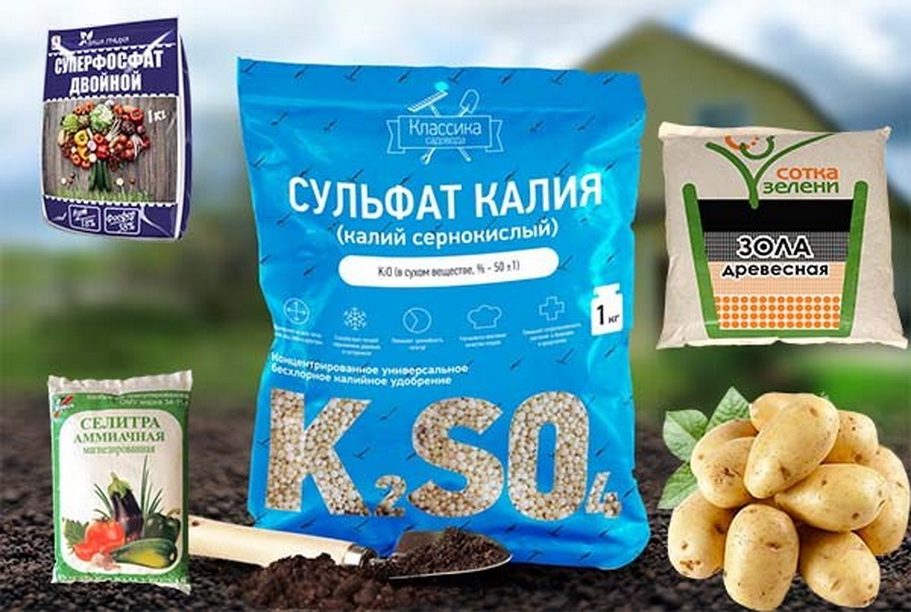
When the first shoots emerge, you can fertilize the potatoes, for example, with potassium fertilizers. Subsequently, it's best to use complex fertilizers. Fertilize potatoes no more than three times per season—before and after flowering.
Loosening, weeding
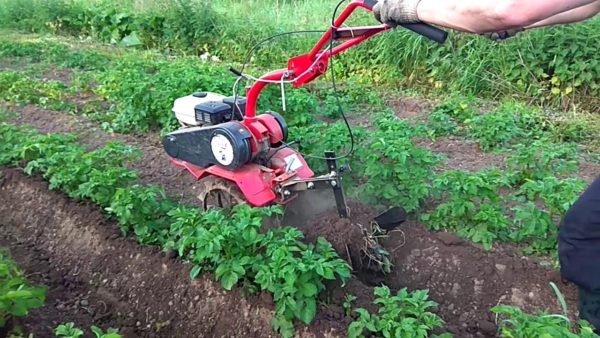
Plants need loosening and weeding to improve aeration and eliminate competition for light, water, and nutrients. Weeds also attract a variety of insect pests.
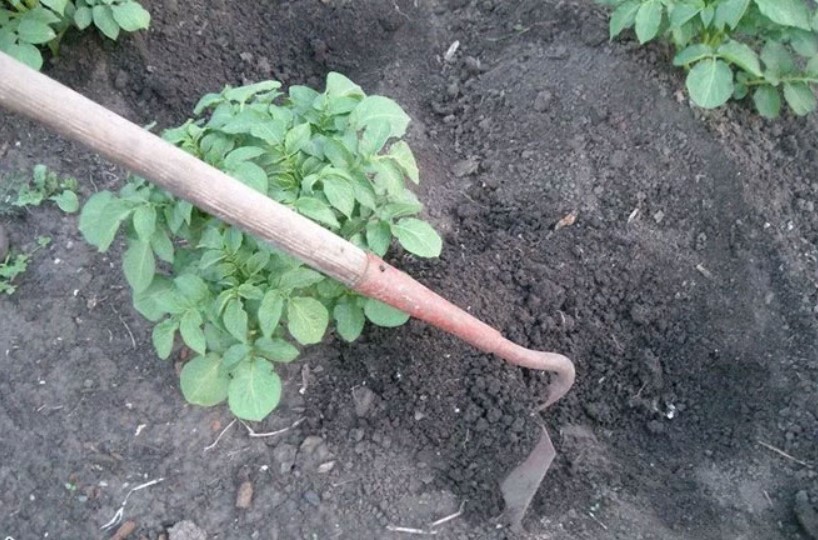
It is best to combine loosening with hilling, since the root system is located quite close to the soil surface and is easily damaged.
Hilling
Hilling of potatoes is carried out 3 times per season:
- When the shoots reach a height of 15 cm.
- 14-18 days after the first procedure.
- 2 weeks after the second procedure.
Many gardeners skip the third hilling, as it is important to complete it before the bushes close and bloom, otherwise there is a risk of damaging them.
Protection of potato varieties Krasa and Krasa Meshchera from diseases and pests
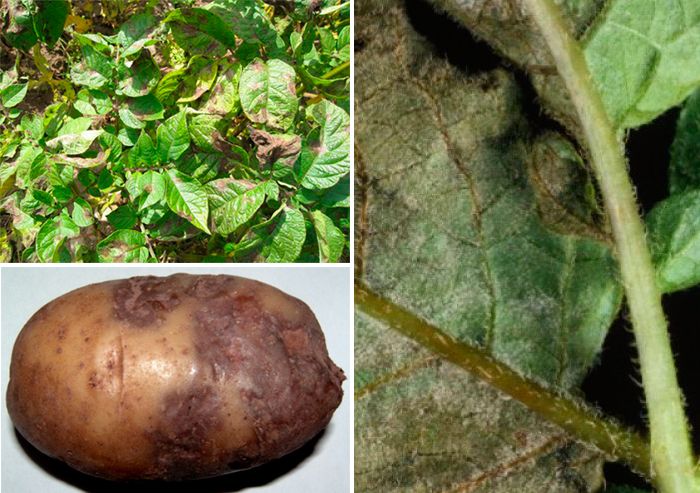
The Krasa and Krasa Meshchera varieties are characterized by strong immunity and are slightly susceptible to scab, nematodes, and Alternaria. However, they can sometimes be affected by late blight or attacked by the Colorado potato beetle.
| Disease, pest | Characteristic | Prevention and treatment |
| Late blight
|
Brown spots appear on leaves, shoots, and tubers. The bushes wither and die. | The main preventative measure is to follow proper watering practices. Avoid overwatering potatoes, as this can lead to fungus. To combat late blight, you can use products like Agat or Ridomil, but most often, diseased plants must be dug up or destroyed. |
| Colorado beetle
|
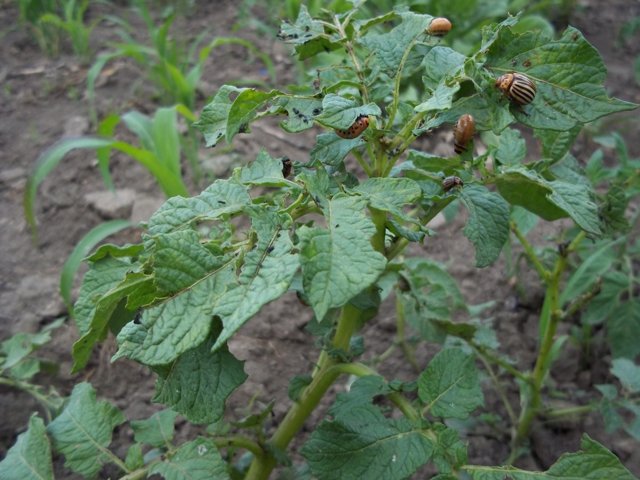
Only the “skeletons” of leaves remain on the shoots, and the yellowish clutches of beetles are clearly visible. | To prevent the pests, weed the plantings and plant marigolds between the rows. If there are large numbers of marigolds, you can use Aktara or Spark. |
Harvesting and storing potato varieties Krasa and Krasa Meshchera
Harvesting of Krasa and Krasa Meshchery potatoes begins 85-100 days after germination. After digging, the entire crop is sorted, discarding rotten tubers and reserving those with mechanical damage for consumption.
Potato harvesting times And How to make a potato digger yourself Read on Top.tomathouse.com.
Next, the potatoes are dried, placed under a canopy for several hours. Avoid direct sunlight to prevent the formation of solanine, which is dangerous to humans.
After this, the harvest is placed in boxes or bags and stored in a room with a temperature of +2…+4 degrees.
The Krasa and Krasa Meshchera potatoes have excellent shelf life and can be stored for up to 9 months in favorable conditions.
Comparison of the Krasa and Krasa Meshchera potato varieties with other varieties in the table
| Variety | Ripening period (number of days to maturity) | Starch (%) | Yield (c/ha) | Weight of tubers (g)
Number of tubers per bush Color of tuber, pulp |
Shelf life (%) |
| Beauty | Mid-early** | 13.5-15.6 | 130-321 | 95-140
6-8 red, light yellow |
94 |
| The Beauty of Meshchera | Mid-season*** | 13.9-16.7 | 197-493 | 100-110
up to 18 yellow, light yellow |
95 |
| Handsome | Mid-early** | 12.4-17.8 | 169-201 | 90-170
6-10 reddish, creamy |
97 |
| Treasures | Mid-season*** | 12-18 | up to 650 | 95-250
12-18 yellow, yellow |
94 |
| Red Sonya | Early ripening* | 13.3-14.6 | 174-340 | 78-122
6-10 red, yellow |
93 |
| Banker | Mid-early** | 15-16 | 200-350 | 70-160
10-15 soft yellow, light yellow |
90 |
| Rosalind | Early ripening* | 12-17 | 203-223 | 60-115
10-16 reddish, yellow |
94 |
| Ilyinsky | Mid-early** | 15.7-18 | 176-346 | 55-160
8-13 red, white |
93 |
| Luck | Early ripening* | 11-15 | 420-430 | 100-150
10-15 creamy yellow (brown), snow-white |
88-97 |
| Uladar | Early ripening* | 11.5-17.8 | 127-353 | 91-140
6-11 yellow, light yellow |
94 |
| Unique | Mid-early** | 13 | 320 | 400-500
10-14 crimson, yellow |
96 |
| Sarpo of the world | Late-ripening**** | 14-17 | 350-360 | 75-140
6-11 reddish (pink), snow-white |
94 |
| Favorite | Mid-season*** | 12.6-16.4 | 420 | 101-136
6-12 reddish, creamy |
93 |
| Adretta | Mid-early** | 13-18 | 450 | 100-150
10-25 yellowish, light yellow |
95 |
*Early ripening – 50-65 days.
**Mid-early – 65-80 days.
***Mid-season – 80-95 days.
****Late ripening – 110 days or more.
Reviews of the Krasa and Krasa Meshchera potato varieties, as well as the possibility of growing them from seeds
My new potato varieties, Meteor and Krasa Meshchery, didn't perform particularly well, but at least they yielded some fruit, as this year in our area has seen almost no potatoes or only small ones. Krasa Meshchery was better than many varieties; although the plants only produced 3-6 tubers, they were large, with no small ones at all. I barely had enough for planting. Meteor, on the other hand, yielded 4-7 small and medium-sized tubers, with no large ones. Of course, both varieties will have a chance to redeem themselves next year, and I hope the natural disasters of 2020 don't happen again.
The harvest will certainly be enough for me for the winter; I even sent 5 buckets to the children (last year they took 14 buckets from me).
I've given up on the Sineglazka variety. Three years ago, I replaced my seeds with Elite Sineglazka, but that was a mistake. The new potatoes turned out to be more purple, less tasty, and less productive. I'll try to find the old blue Sineglazka at the market in the spring.
I really liked the Krasa Meshchery. It's crisp, tasty, and yellow. But it's mid-season.
I also promise a full report on growing potatoes from seed in the summer and fall. I now have two years of experience, so I have something to compare it to. Currently, I'm growing the Lada, Ballada, Ausonia, Krasa, Deva, Farmer, Revanche, Ilona, Multi-color (French), and Red Burgundy varieties. I've been sowing exclusively in toilet paper for two years now, and they stay that way until the first true leaf appears, then I transplant them into trays. There are currently about a thousand plants in trays. Therefore, there has been no "blackleg" problem. Last year's seed has already produced strong sprouts this year and will soon be heading to the field for permanent residence.
My seeds started sprouting on the fourth day. I sowed them on top of peat pellets in mini greenhouses (I didn't press them down or cover them with soil). The varieties are "Krasa" and "Deva."
Don't the roots get too tangled when transplanting late from paper? It was a nightmare with tomatoes. I planted potato seeds directly in soil (in a small bowl) and covered them with plastic wrap. I did the same with strawberries. I planted Ausonia and Krasa. The Krasa sprouted poorly and performed poorly in clay soil; only a couple of plants survived from three packets. Ausonia performed much better in heavy soil. This is my third year planting potatoes—there are plants with 20-25 and up to 40 per plant; I dug up several. I haven't watered them additionally because there's no water in the area yet, and since the summer was dry, the plants aren't very large.
This season, I also decided to grow seed potatoes so I'd have something to plant next year. I usually plant 200 potato plants for food, so I calculated the number of seed potato plants based on four per plant, meaning I needed 50 seedlings. I sowed five varieties from Sedek: "Revenge," "Krasa," "Lada F1," "Ilona," and "Triumph."
First batch: I soaked the seeds on March 12, planted them on March 17, and transplanted them into individual 200g cups with removable bottoms on March 30. The yield of plants was insufficient, so I sowed a second batch from the same packets: soaked on April 2, sown on April 7, and transplanted them on April 24. Considering there are about 30 seeds per packet, one in three survived until planting. Those from the first batch grew very tall and already had sultana-sized potatoes when planted in the ground.
On May 3rd, all the seedlings, previously growing on the glazed southeast-facing loggia where it was very hot in the spring, were moved to the vegetable garden in a greenhouse (film on arches). After acclimatization and surviving a frost on May 11th, the potatoes were planted in their permanent location. Fifty-two potato plants were planted in two double beds, spaced 20 cm apart between plants in a row, 30 cm between rows in a bed, and 80 cm between beds. Both beds were covered with Agrospan 30 for better rooting, protection from the sun, and, most importantly, to prevent beetles from eating the young greens. As a result, the potato plants grew under the Agrospan until early July. They grew vigorously; I counted up to 12 trunks on one. They bloomed on July 1st.
The majority of the bushes remained green until the harvest on August 23.
But it turned out that root vegetables are better where the bushes had already dried out. The multi-stemmed and green potatoes that were growing there started sprouting new shoots, meaning they sprouted, and the bush began its second round of development. :) Having read reviews about peas growing from seeds, I was very surprised when I started digging.
Some plants yielded 3-4 potatoes, but only 200-250 grams each, meaning there was no seeding yield. On average, each plant yielded 1 potato weighing 200 grams, 5-6 potatoes weighing 60 grams, and some smaller ones.
So, the seed fraction has grown to the required size, and I'm ready to evaluate the taste of each variety. Now, let's talk about the varieties. All varieties match the description except "Krasa." It should have red skin, but all my plants produced white tubers. Maximum tuber size by variety: "Revenge" - 215g, "Krasa" - 131g, "Lada" - 296g, "Ilona" - 389g, "Triumph" - 232g.
Moreover, the largest of the bunch was Triumph. Revanche, as advertised, turned out to be very good for frying: not watery or starchy, frying quickly without falling apart. The others haven't been tasted yet.
Hello, dear ones! A year ago, I wrote about sowing SeDek potatoes – Assol and Krasa. The results: the germination was poor, and only 4 Assol and 1 Krasa seedlings (two packets each) were ready for planting. One of the Assols got sick and was removed. The rest grew sloppily. But the Krasa bush was a joy: green and vigorous. My husband dug it up without me in the fall. Yesterday, he brought it in and I weighed it – there were 9 large Krasa tubers per bush – 2 kg, and medium and small ones – 1,700 kg!
Assol from three bushes—three large, three medium, and three small, total weight 1,500 kg. They were spotted, and looked unhealthy. I decided to eat them, but now I'll gather the babalobola from my Adretta, and sow them in the snow—I read advice on a flower forum about very small seeds. So go for it—even a single blade of grass can produce a good variety.